Loading...
Hiking
Found in 757 destinations and 124 regions
Regions
124Regions
Alentejo
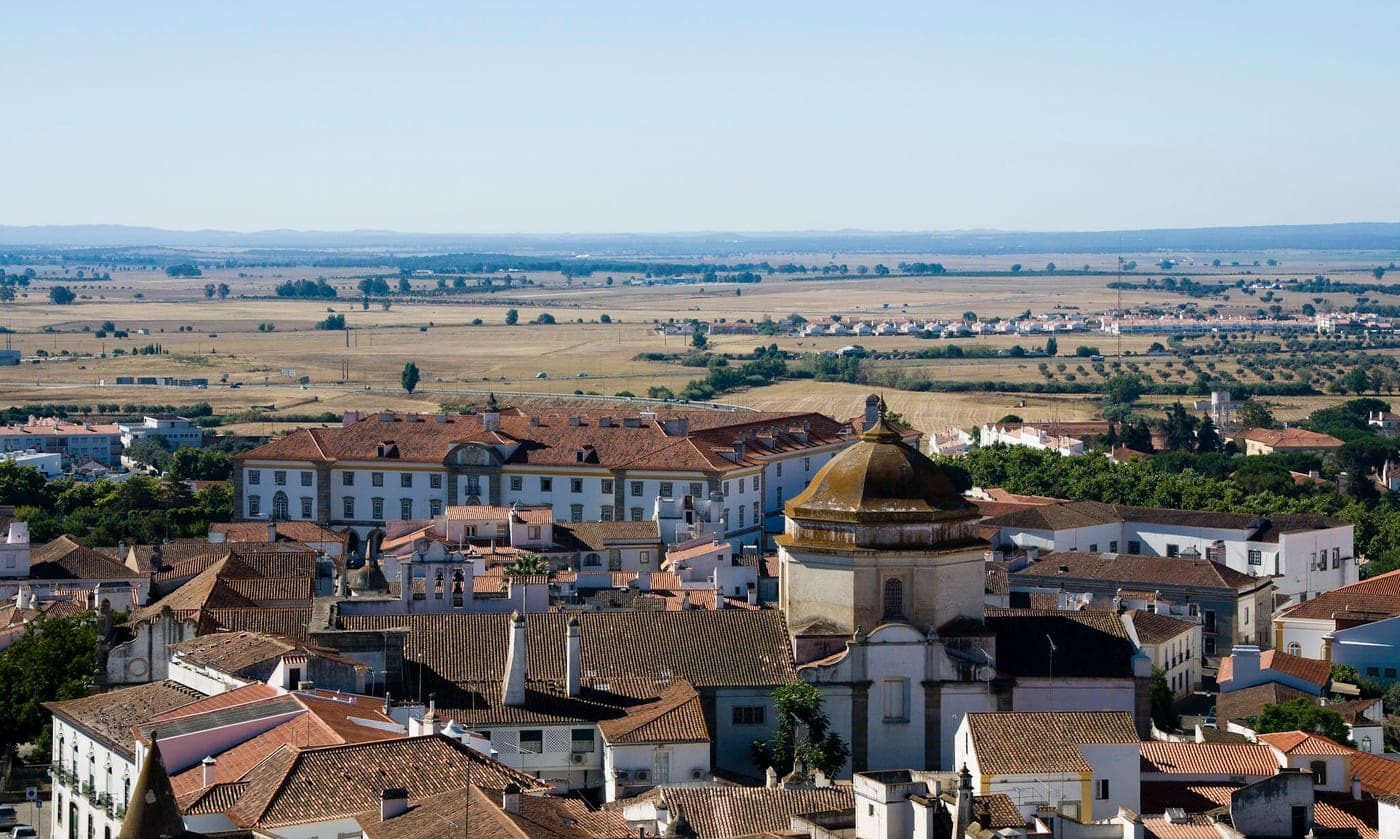
14 destsAlentejo, the largest region in Portugal, features a rich agricultural landscape dotted with vineyards and olive groves. It is known for its unique wines, particularly the robust reds from the Alentejo DOC. The region is home to Évora, a UNESCO World Heritage site with Roman ruins and medieval architecture, and Monsaraz, a hilltop village offering stunning views of the surrounding plains. Alentejo’s coastline, though less frequented, boasts beautiful beaches like Praia da Amália. Additionally, the region is famous for its traditional festivals, such as the Festa de São João in Évora, where locals celebrate with music and dance. Travelers will find a slower pace of life here, with opportunities to explore local markets and sample regional delicacies like açorda and queijos.
Wine TastingHiking
Algarve
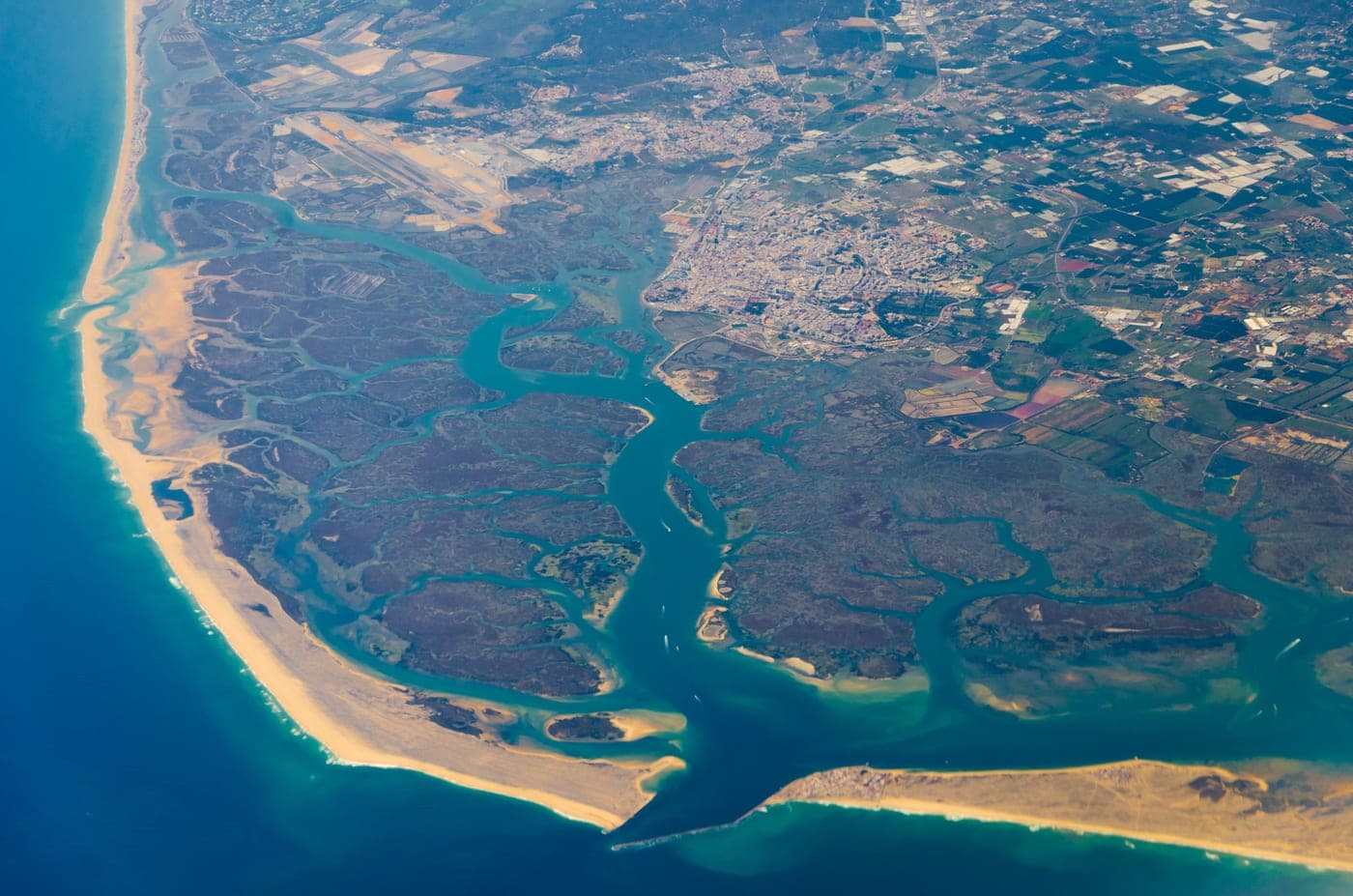
14 destsThe Algarve, Portugal's southernmost region, is famed for its stunning coastline and rich cultural heritage. Known for its picturesque cliffs and golden beaches, the area also boasts a unique blend of Moorish and Portuguese architecture. Lagos offers historical significance with its ancient fortifications, while Silves features a well-preserved castle reflecting its past as a Moorish stronghold. The region is celebrated for its local gastronomy, particularly fresh seafood and traditional dishes like cataplana. Off the beaten path, small towns like Tavira and Aljezur showcase authentic Portuguese life, with traditional festivals and local artisan markets. The Algarve is a treasure trove of natural parks, hiking trails, and charming villages, perfect for a deeper exploration of Portugal's diverse landscape.
Boat RentalsWine Tasting
Alicante
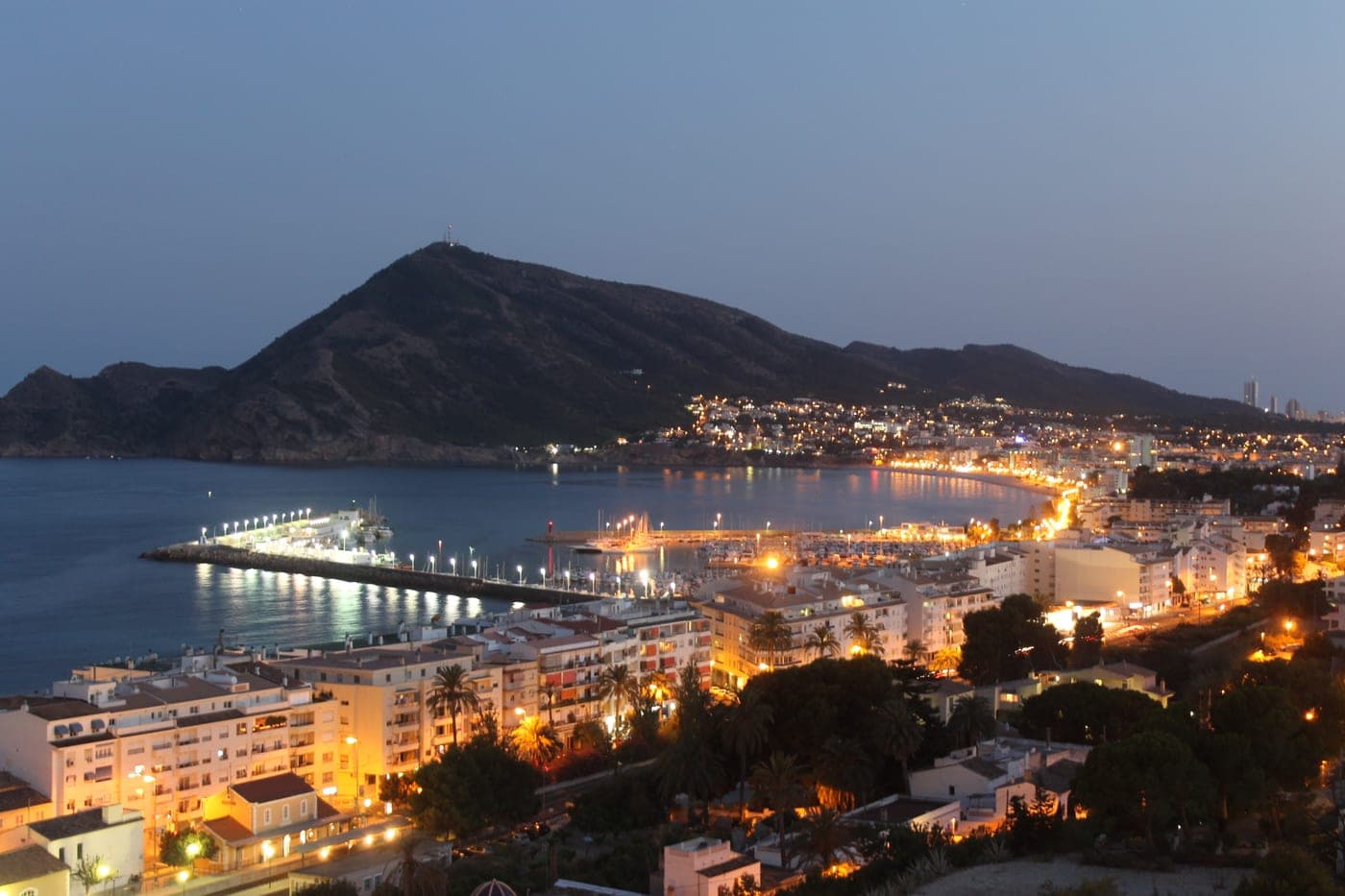
03 destsAlicante rewards travellers who slow down. This is a province where the Mediterranean coast and the inland mountains sit close together, so a short stay can move from white villages perched on limestone ridges to rice fields and salt lakes without ever feeling rushed. The pace here has always been unhurried: fishing towns that still mend their nets in the morning, market squares that empty for the midday heat, and hill villages built for shade rather than speed. The city of Alicante sits at the centre of it all, its old quarter climbing toward Santa Bárbara Castle above the harbour. Below the castle walls, the Barrio de Santa Cruz is a maze of narrow lanes and flower-filled balconies, best explored on foot with no fixed plan. From here, the province spreads out in two directions: south toward Elche, known for its extensive palm groves, and north toward the Marina Alta, where the land folds into sharper peaks. That northern stretch is where Alicante's white villages cluster. Guadalest is well known, its houses stacked below a ruined castle with views over a turquoise reservoir, but smaller places like Tàrbena keep the same rhythm without the crowds. Whitewashed walls, tiled roofs, and steep stone streets are the constant here, built to stay cool through long summers. Above the villages, old paths climb toward hilltop hermitages and sanctuaries, still walked each year by local processions that carry a saint or a Virgin from the valley up to her chapel. On the coast, Villajoyosa is worth slowing down for on its own: a working fishing port with houses painted in deep blues, ochres, and pinks. Nearby Altea has a whitewashed old town crowned by a blue-domed church, popular with painters for its light. Further north, Xàbia and Dénia keep a gentler pace than the bigger resorts, with fish markets, old salt works, and views across to the island of Ibiza on clear days. Alicante's food and wine follow the same unhurried logic. The Alicante DO wine region grows Monastrell for deep, dark reds and Moscatel for sweet, aromatic whites, much of it still on small family estates in the hills around Pinoso and Villena. Rice is the other constant: arroz a banda, cooked in fish stock and served separately from its seafood, and arroz del senyoret, the same dish with everything already shelled for lazy eating. Inland, the town of Xixona has made turrón, the almond and honey nougat, for centuries, and its workshops are still small and family-run. Local food festivals mark the calendar through the year, from spring almond-blossom gatherings in the hills to autumn wine harvests. Inland, the Sierra de Aitana rises over the vineyards, its ridgeline visible from much of the province on a clear day. Villages at its foot, like Sella and Confrides, keep orchards of cherry and almond trees and offer walking paths that link one hamlet to the next through terraced hillsides. This is the Alicante that rarely appears in beach brochures: quieter, higher, and built around the seasons rather than the tourist calendar. A few days is enough to get a real sense of the region — a day in Alicante city, a day or two among the white villages of the interior, and a day on the coast between Villajoyosa and Dénia. Longer stays allow for slower detours: a wine estate visit near Pinoso, a walk into the Sierra de Aitana, or simply a morning spent doing nothing in a village square while the town wakes up. Alicante does not need to be rushed to be understood — if anything, it asks the opposite.
Boat RentalsHiking
Alsace
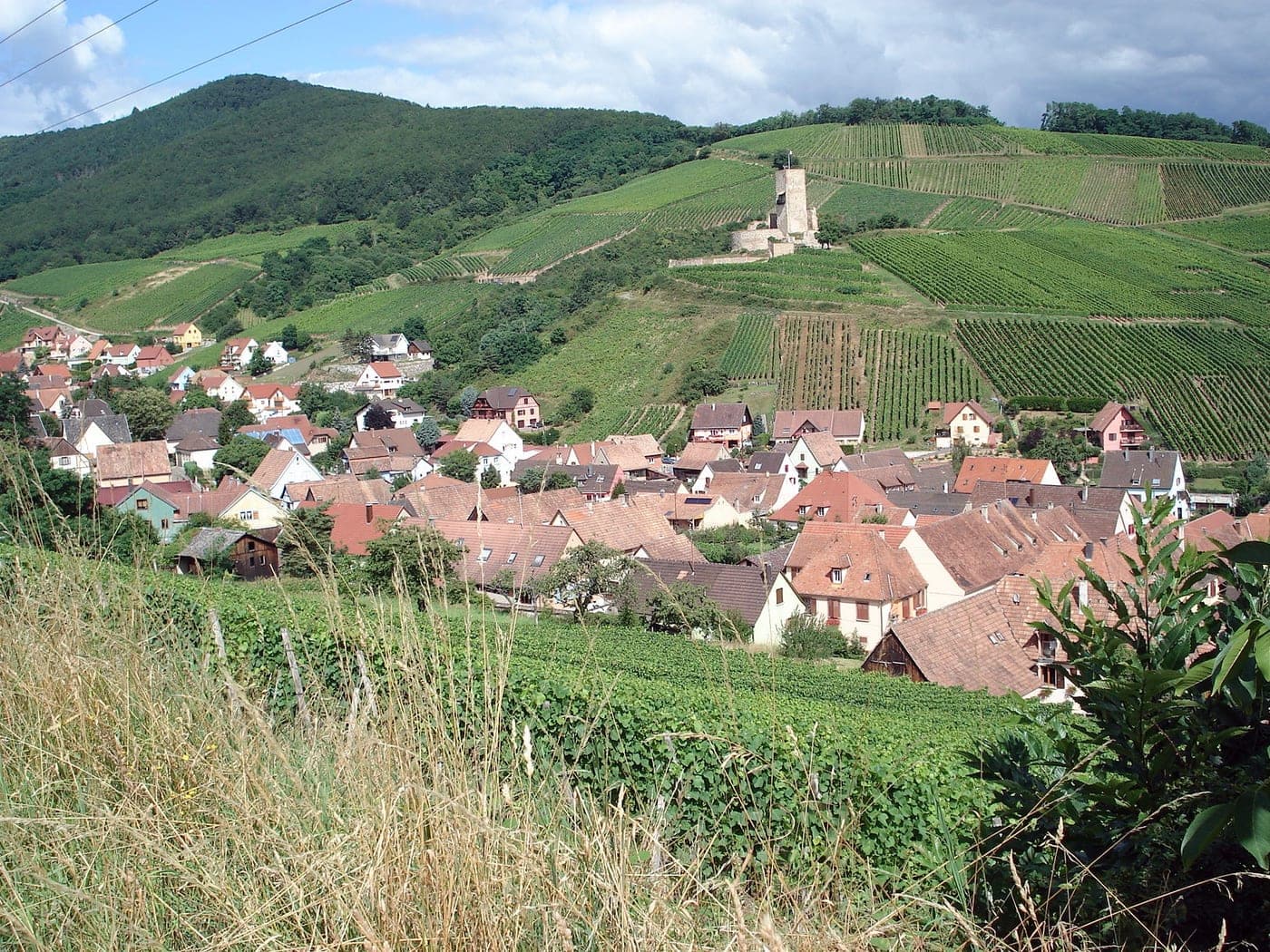
10 destsNestled in northeastern France, this region is known for its unique blend of French and German cultures, reflected in its architecture and cuisine. Strasbourg, the largest city, features a stunning Gothic cathedral and a picturesque old town recognized as a UNESCO World Heritage site. Known for its Alsatian wines, particularly Riesling and Gewürztraminer, wine routes in the region offer opportunities to explore local vineyards and quaint villages like Riquewihr. The Vosges Mountains provide hiking and cycling trails, while the Route des Vins showcases charming towns, half-timbered houses, and traditional eateries serving tarte flambée. Rich in history, the region has a blend of medieval castles and modern European institutions, making it a fascinating area to explore at a leisurely pace.
Wine TastingHiking
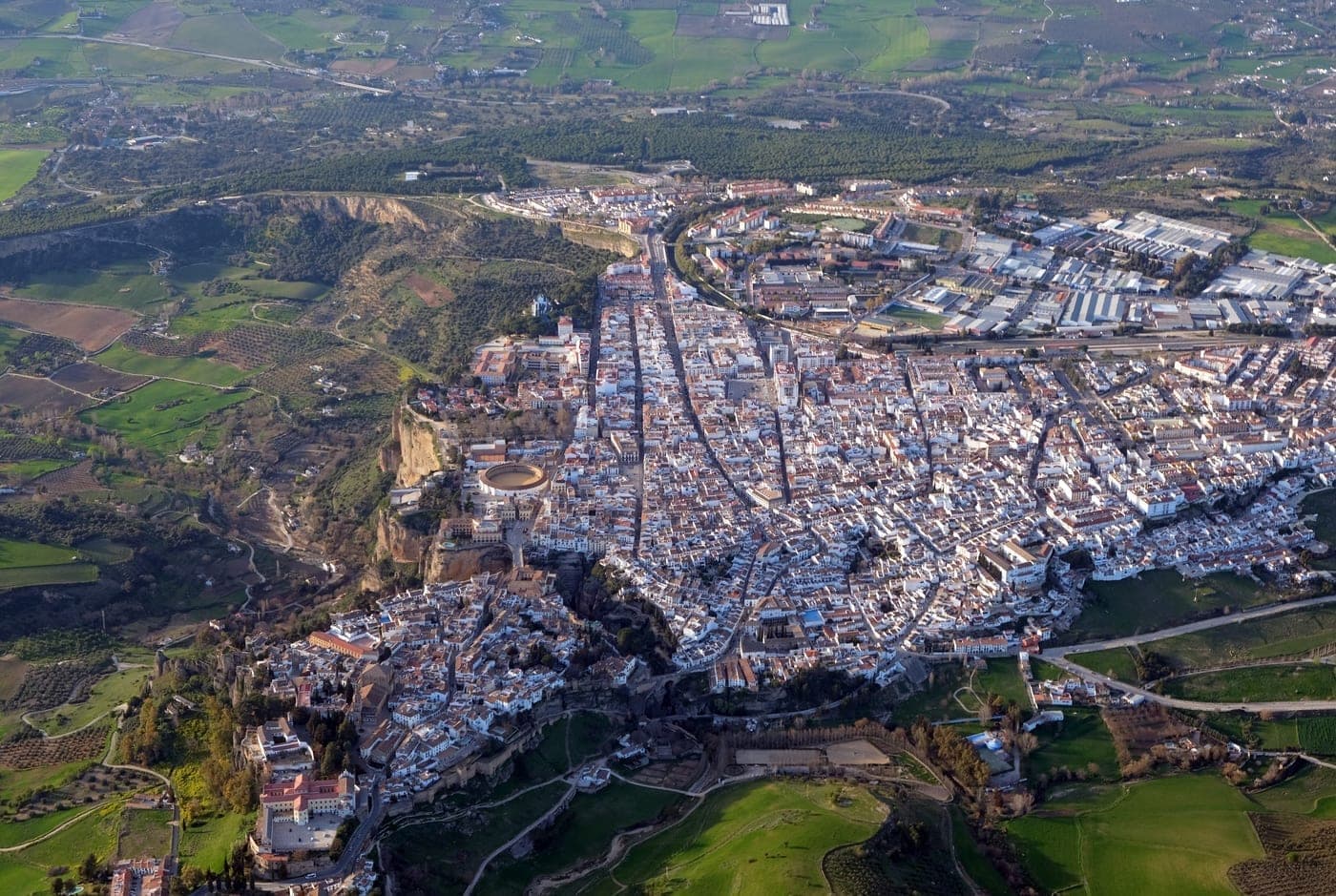
Andalusia
12 destsAndalusia stands as Spain's largest autonomous community, renowned for its diverse landscapes, from sun-soaked beaches to rugged mountains. The region is famed for its rich Moorish heritage, best exemplified in cities like Granada, home to the Alhambra, and Seville, known for its cathedral and flamenco culture. Cordoba boasts the stunning Mezquita, while Ronda captivates with its dramatic gorge. Unique local festivals such as Feria de Abril and Semana Santa highlight Andalusian culture. The region produces excellent wines, particularly from Jerez, and is the birthplace of tapas. Off the main tourist paths, towns like Grazalema and Mijas offer authentic experiences amid beautiful natural settings.
Wine TastingHiking
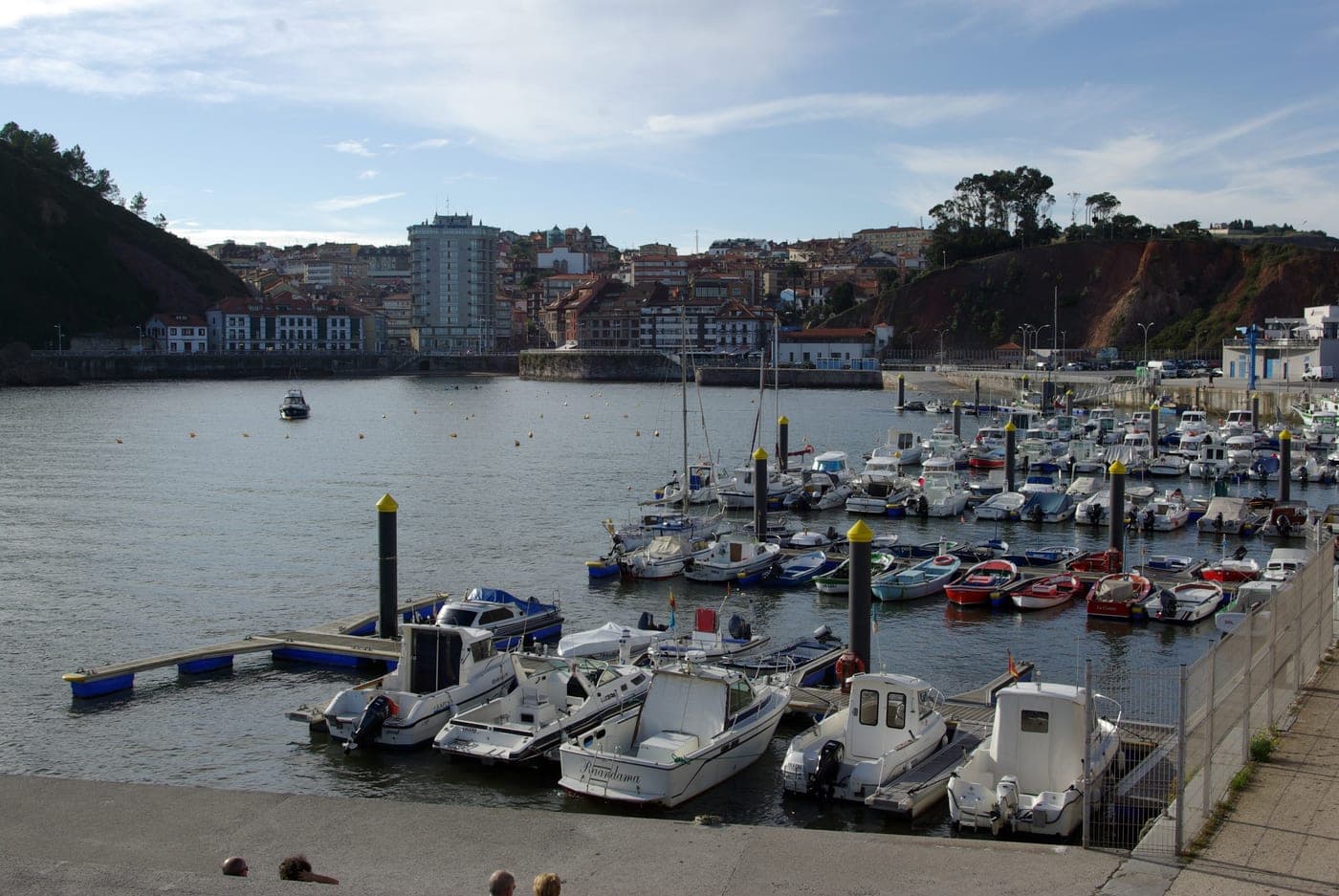
Asturias
06 destsAsturias, bordered by the Cantabrian Sea to the north, is known for its rugged coastline and lush green landscapes. This region is the only one in Spain with both mountains and the sea, presenting a unique blend of natural beauty. Oviedo, the capital, is famed for its pre-Romanesque architecture and vibrant cultural scene, while Gijón offers beaches and a lively harbor. The Picos de Europa National Park attracts hikers with its dramatic peaks and diverse wildlife. Asturias is also recognized for its cider production, with traditional sidrerías dotting the landscape. With its rich history, including the medieval kingdom of Asturias, this region offers a deep dive into local culture, making it a fascinating destination for exploration.
Panoramic TrainsHiking
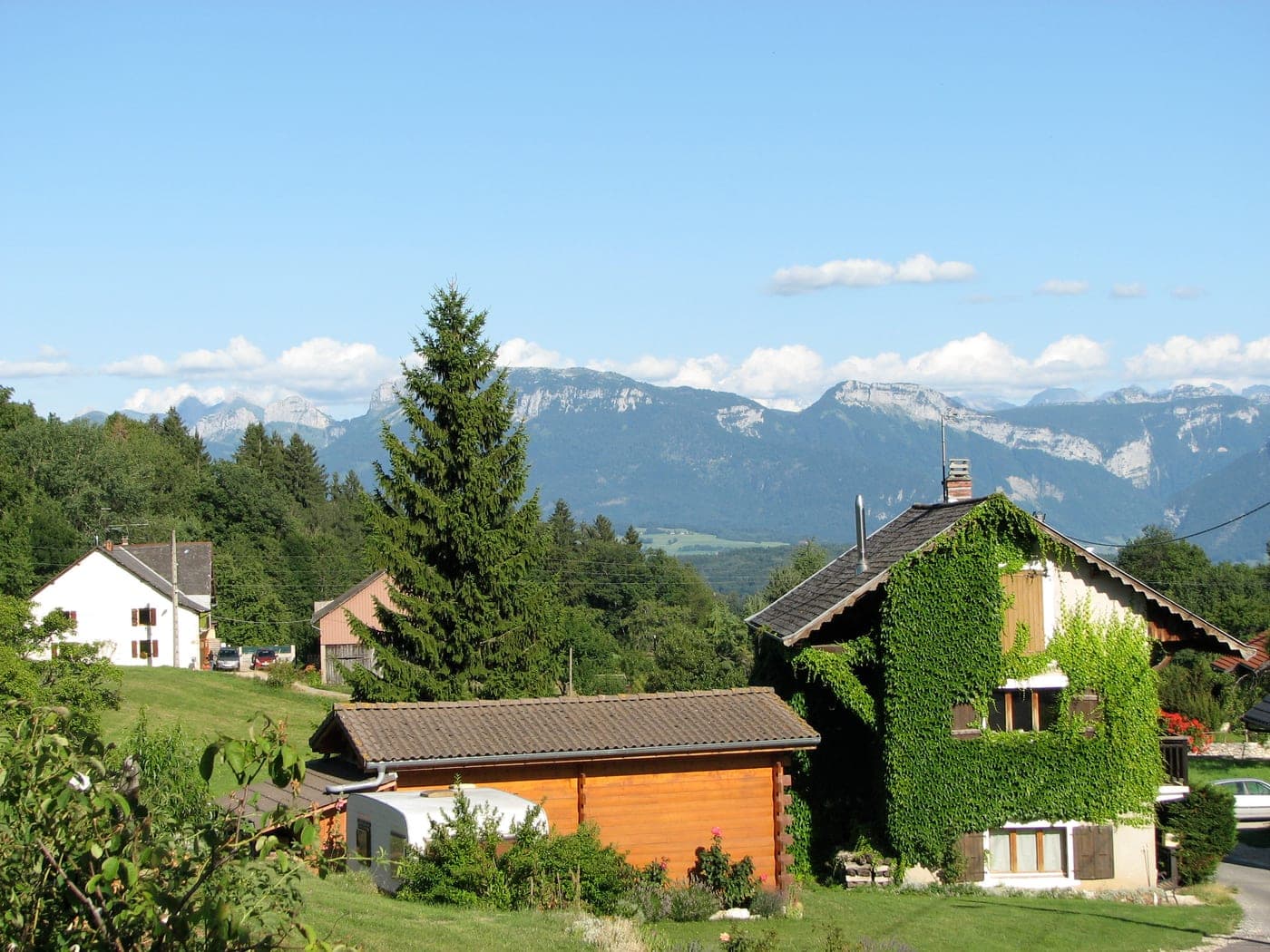
Auvergne-Rhône-Alpes
25 destsNestled in the heart of France, this region is the second-largest, known for its diverse landscapes from the rugged mountains of the Alps to the volcanic terrain of the Massif Central. Lyon serves as a vibrant urban center, celebrated for its gastronomy and silk heritage. Off the beaten path, explore the historic villages of Le Puy-en-Velay, famed for its unique lentils and pilgrimage routes, or the picturesque landscapes of the Ardèche, with its stunning gorges. The region is also home to the picturesque vineyards of Beaujolais, producing renowned wines, and the stunning Lac d'Aiguebelette, one of the cleanest lakes in France. Seasonal festivals, like the Fête de la Gastronomie, showcase the local culinary delights, making this area rich in culture and history, ideal for a deep exploration of French traditions.
CastlesHiking
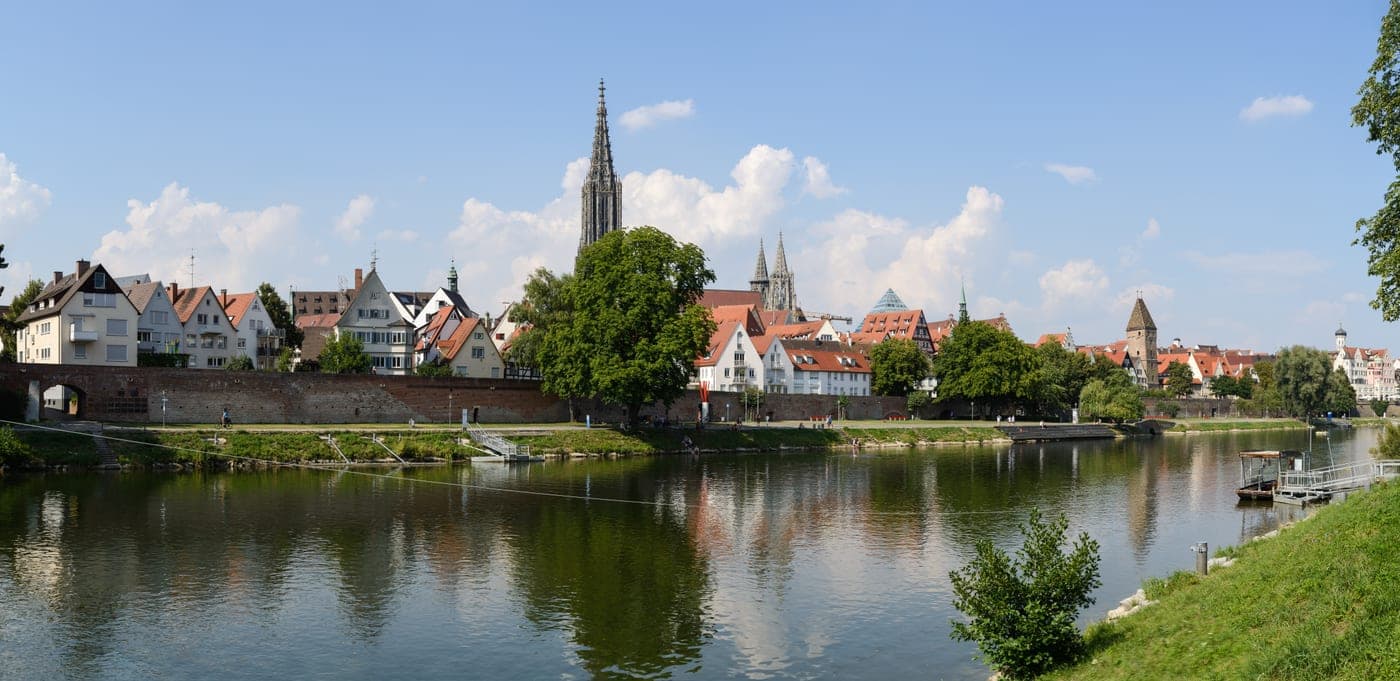
Baden-Württemberg
12 destsBaden-Württemberg fills Germany's southwest corner, from the Rhine plain in the west to the limestone plateau of the Swabian Jura in the east. The land moves in slow shifts here: vineyard slopes give way to dense forest, forest opens onto grassland and cave country, and everything eventually settles toward the wide, calm water of Lake Constance in the south. It is a region built for a wandering pace, town by town, valley by valley. Wine gives much of the region its rhythm. On the Upper Rhine, the volcanic hill of the Kaiserstuhl holds terraced vineyards that catch unusually strong sun for Germany, and small growers here work Spätburgunder and Grauburgunder grapes into wines poured in village Weinstuben. South of it, the Markgräflerland carries its own soft vineyard hills toward the Swiss border, linked by paths that wind through the vines from one wine village to the next. Near Stuttgart, the Neckar valley holds the Württemberg wine region, where Trollinger and Lemberger vines grow on steep terraces braced by dry stone walls that vintners still mend by hand. East of the Rhine, the Black Forest rises into ridges of spruce and fir, its valleys dotted with timber farmhouses under heavy, sloping roofs. Clockmaking has never quite left these villages, and workshops still turn out cuckoo clocks in the old way. Freiburg im Breisgau sits at the forest's western edge, its old town threaded by small open channels called Bächle that run past the cathedral square and into the surrounding lanes. Further into the hills, half-timbered towns such as Gengenbach keep market squares lined with houses that lean gently with age, and Fasnet carnival traditions bring out carved wooden masks each winter. Castles mark the region's high points. Heidelberg's red sandstone ruin looks down over the Neckar and the baroque rooftops of the old town below, its terraces a well-known spot for watching the river. Further south, Hohenzollern Castle sits on a steep, isolated hill at the edge of the Swabian Jura, its towers visible above the surrounding farmland long before the castle comes fully into view. Smaller fortress towns between the two hold quieter versions of the same story, with gatehouses and keeps built into hillsides above vineyards or forest. Tübingen keeps its own slow tradition on the Neckar, where flat-bottomed Stocherkahn boats are punted along the river below a row of tall, colourful houses. Students and residents share the same narrow lanes that have shaped the town for generations. South and east of Tübingen, the Swabian Jura opens into limestone grassland, sheep pasture, and juniper heath, cut through by dry valleys and cave systems that draw walkers onto marked trails. At the region's southern edge, Lake Constance spreads into a broad expanse of water shared with Switzerland and Austria. Orchards, vineyards, and small harbour towns line its shore, where fishing boats still go out early. Reed beds and level paths follow much of the water's edge, giving long, flat stretches for walking or cycling between towns without losing sight of the lake. Festivals mark the region's calendar as much as its landscape does. Wine villages hold harvest festivals in autumn, serving new wine alongside onion tart in courtyards strung with lights. Winter brings Fasnet, with its carved masks and processions through Black Forest towns. Spring and summer bring open-air concerts in castle courtyards and vineyard walks led by local growers. Bicycles and walking boots suit this region well. Marked cycling routes follow the Rhine plain past vineyards and orchards, climb gradually into Black Forest valleys beside running streams, and trace the Lake Constance shore through reed beds and harbour towns. Hiking paths cover the same ground more slowly, crossing vineyard terraces, forest ridges, and Jura grassland, and often link one small town to the next without a long detour. Each part of Baden-Württemberg keeps its own version of this slow character: a wine village square in the Kaiserstuhl, a castle terrace above the Neckar, a quiet stretch of Bodensee shore, a forest clearing where the only sound is water moving somewhere close by.
Camper Van RentalsHiking
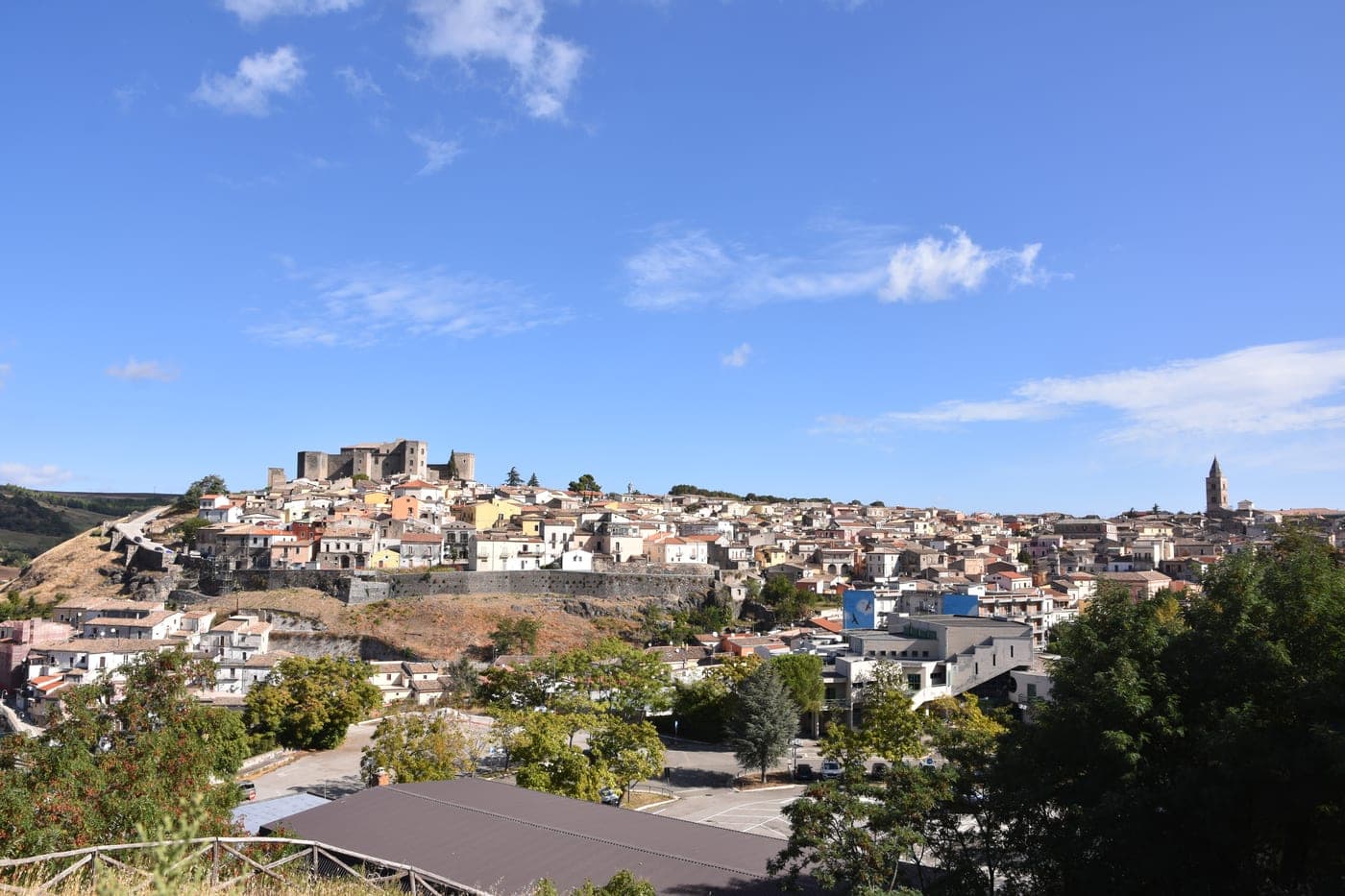
Basilicata
03 destsBasilicata is Italy's second-smallest region, rich in ancient history and natural beauty. Matera, a UNESCO World Heritage site, is renowned for its Sassi, ancient cave dwellings carved into limestone. The region boasts a rugged landscape, featuring the Pollino National Park with its diverse flora and fauna. Potenza, the capital, offers a glimpse into local life with its medieval architecture and vibrant markets. Basilicata is also known for its unique cuisine, including hearty dishes like pasta with wild boar and spicy peppers. The region's coastline along the Tyrrhenian Sea is less frequented, providing secluded beaches and authentic coastal villages, ideal for a slower pace of travel. Discover the ancient ruins of Grumentum and the beautiful hilltop towns of Montalbano Jonico and Tursi, which showcase the region's cultural heritage away from the crowds.
Wine TastingHiking
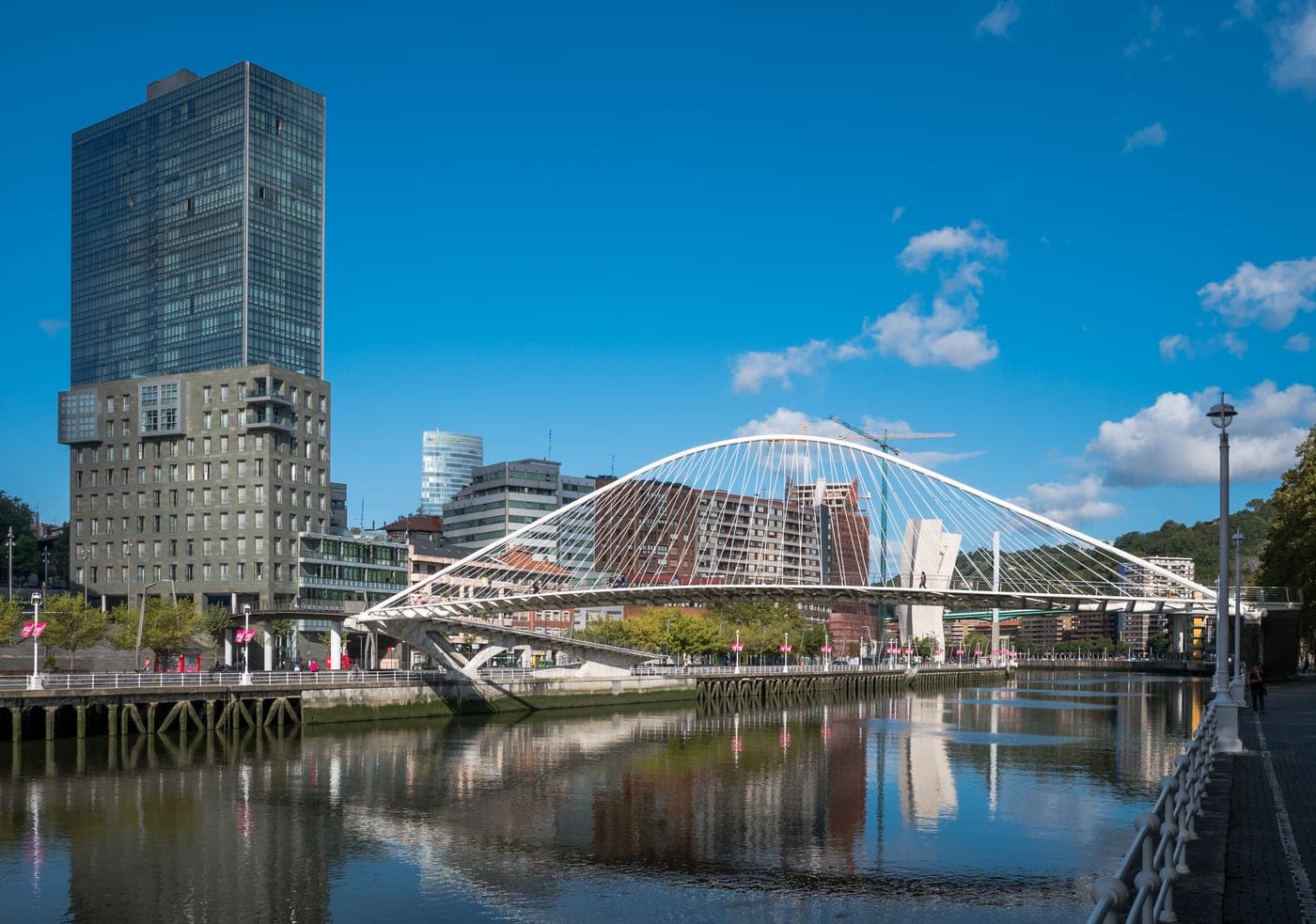
Basque Country
01 destBasque Country is a unique region known for its distinct culture and language, Euskara. It's the only Spanish region with a coastline along the Bay of Biscay, featuring beautiful beaches and rugged cliffs. The largest city, Bilbao, is home to the modern Guggenheim Museum, but the true essence of Basque life can be found in smaller towns like Getaria, famous for its grilled fish and Txakoli wine. San Sebastián offers culinary delights and stunning beaches, while the historic town of Hondarribia showcases medieval architecture. The region is also rich in festivals, such as the Fiestas de la Virgen Blanca, celebrating local traditions. Its lush landscapes include the Picos de Europa mountains, perfect for hiking. Discovering local gastronomy, including pintxos and Basque cider, adds to the immersive experience.
Camper Van RentalsPanoramic Trains
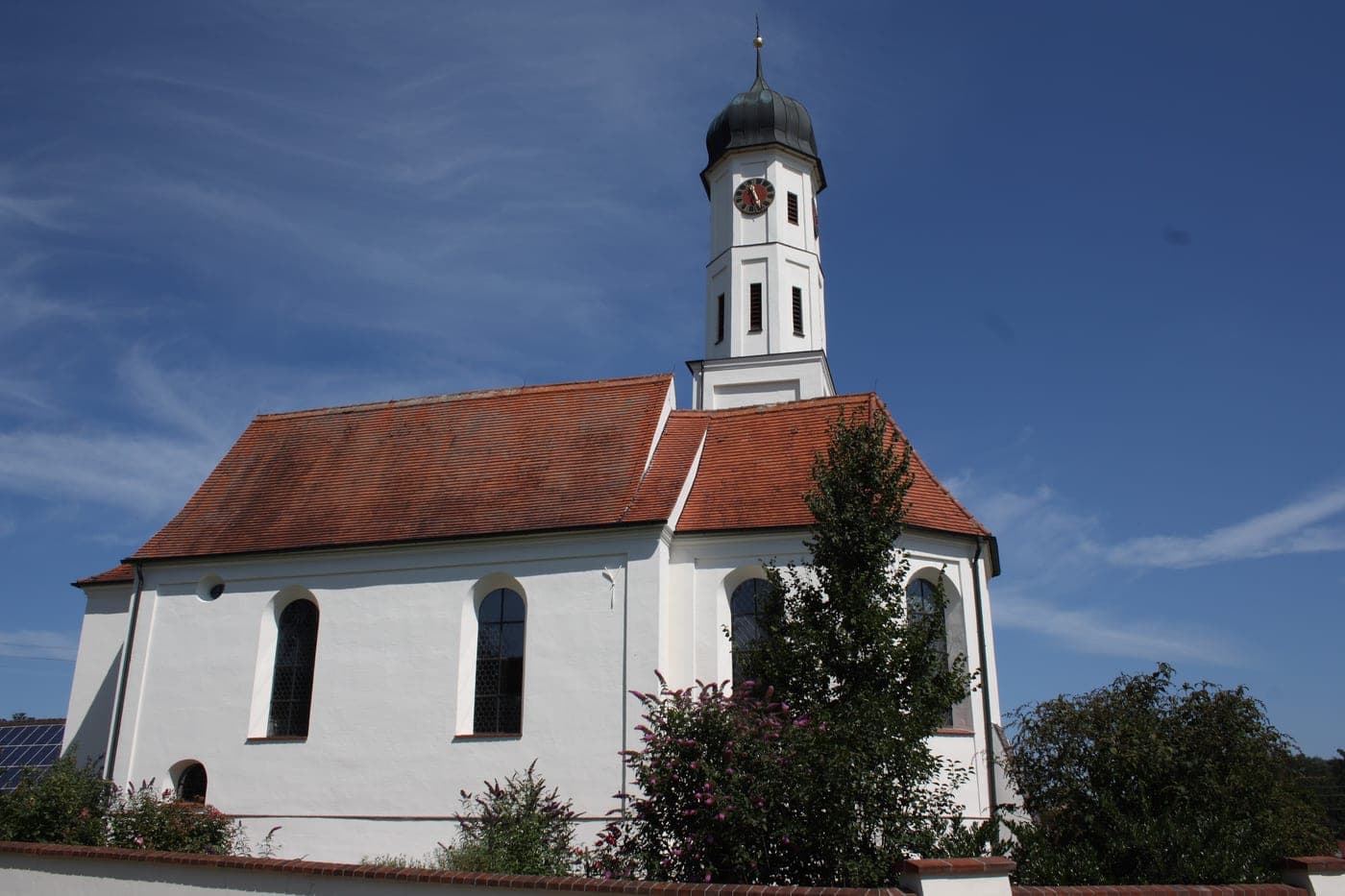
Bavaria
31 destsBavaria is Germany's largest state, and one of its most varied. In the south, the land rises into the Alps, with peaks above Berchtesgaden and Garmisch-Partenkirchen, and lakes such as the Chiemsee and the Königssee nearby. Further north, the hills flatten into the Franconian wine country, where Silvaner and Müller-Thurgau vines cover slopes above the Main river. Between these two landscapes sit market towns, river cities, and castle villages that reward slow attention. Munich, the state capital, has its beer gardens, its baroque churches, and its markets selling Weißwurst in the morning. But much of Bavaria's character lives outside the capital, in places built for a quieter pace. Regensburg, on the Danube, keeps a medieval old town of narrow lanes, stone bridges, and merchant houses that once served river trade. Bamberg spreads across seven hills and several arms of the Regnitz river, and is known for its smoked Rauchbier, brewed in local taverns much as it always has been. Rothenburg ob der Tauber sits inside its own medieval walls, with half-timbered houses and a walkway along the ramparts that circles the whole old town. Franconia, in the north, is Bavaria's wine country. Vineyards climb the terraces above Würzburg and along the Main, and small wine villages sell their own vintages from cellar doors and courtyard taverns. The wine here is usually bottled in the round Bocksbeutel flask, a shape associated with the region. Cycling paths follow the river through the vines, linking one village to the next at an easy, level pace, past chapels, wine presses, and stone crosses set among the rows. In the Allgäu, close to the Austrian border, the town of Füssen sits below the castle hill of Neuschwanstein, built by King Ludwig II in the nineteenth century. The castle draws attention, but the surrounding countryside holds its own appeal: lakes, foothills, and villages where farming and dairy traditions continue much as before. Bavaria's lakes add another layer of slowness. The Chiemsee, the largest, can be crossed by boat to its island monasteries, where former royal buildings and quiet cloisters sit surrounded by water and reed beds. Smaller lakes near the Alpine foothills, such as the Staffelsee and the Ammersee, are ringed by paths used for walking and cycling rather than for speed. Food and drink run through the region's identity. Beer gardens, some centuries old, work on a simple principle: food brought from home, a beer ordered at the counter, a seat under chestnut trees for as long as the weather allows. Franconian taverns serve local wine alongside dishes built around potatoes, dumplings, and river fish. Bakeries sell pretzels still warm from the oven, and markets in towns like Nuremberg keep old traditions of spiced gingerbread and roasted sausages. A morning market in Regensburg, an afternoon among the Franconian vines, an evening in a Bamberg tavern: each has its own pace. Villages across Bavaria keep their own customs — wine festivals in Franconia, woodcarving and dairy traditions in the Alpine foothills. Mountains and vineyards, river cities and castle villages: Bavaria fits them into a single state, each within reach of the next.
CabinsHiking
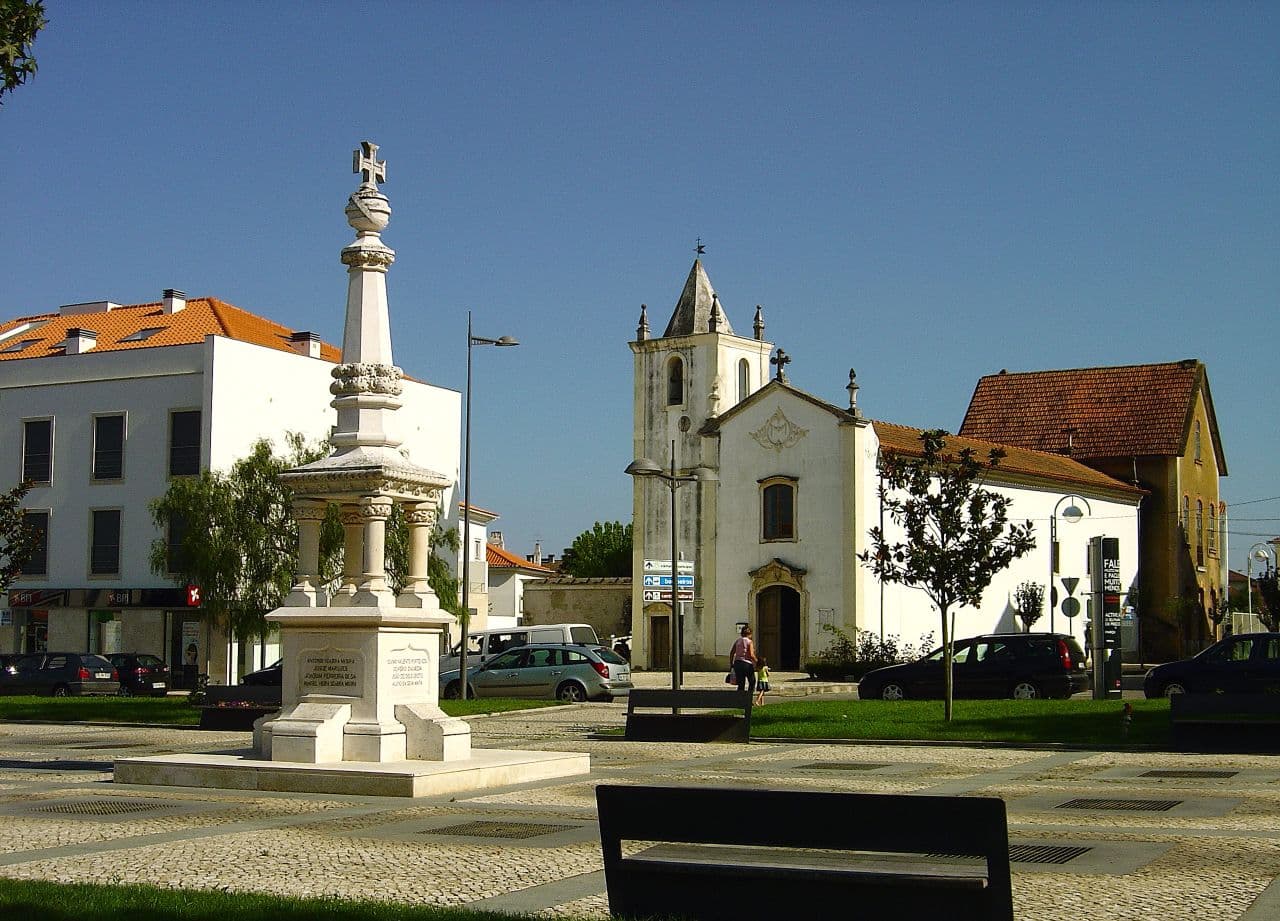
Beiras
06 destsBeiras, the largest region in Portugal, is known for its diverse landscapes and rich heritage. The region features the stunning Serra da Estrela mountains, home to Portugal's highest peak and unique glacial valleys. Historical cities like Coimbra, with its ancient university, and Viseu, famed for its Renaissance architecture, attract those interested in culture and history. The region is also renowned for its artisanal cheeses, particularly Queijo da Serra, and traditional wines like Dao. Charming villages like Piódão, with its schist houses, offer a glimpse into local life. Beiras is the only region with significant access to both mountains and coastline, providing a variety of outdoor activities, from hiking to beach visits.
Wine TastingHiking
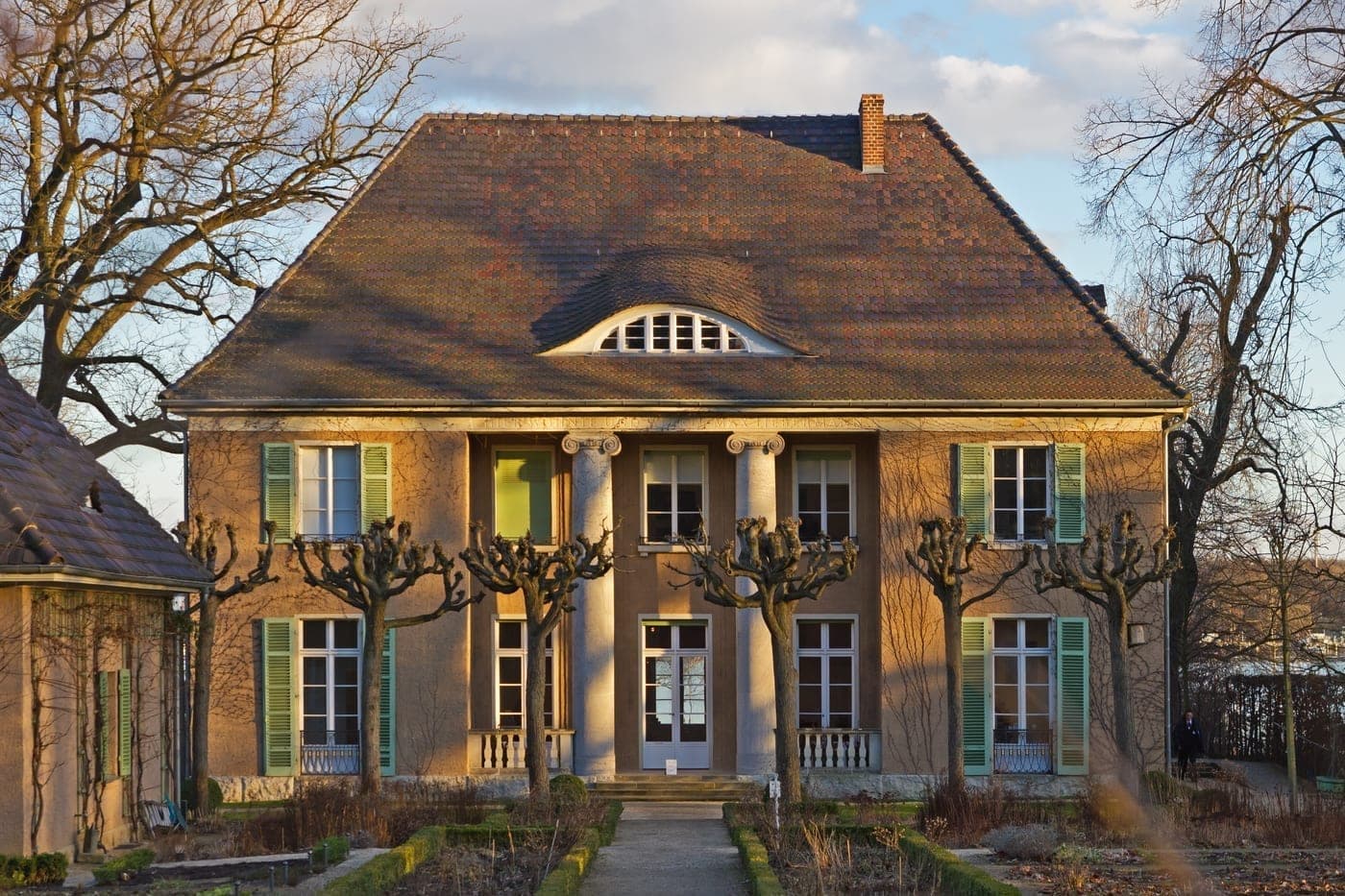
Berlin
02 destsGermany's capital is a vibrant hub blending history, culture, and innovation. It is renowned for its diverse neighborhoods, each offering unique experiences. Kreuzberg, once a border district, showcases multicultural influences and street art. The historic Mitte area houses Museum Island, a UNESCO World Heritage site with five museums featuring art and antiquities. Berlin's rich history is palpable in sites like the Berlin Wall and Brandenburg Gate. The city is also known for its dynamic culinary scene, from traditional currywurst to avant-garde dining. Parks like Tiergarten provide urban green spaces, while the Spree River offers a chance to explore by boat. Art and music thrive in venues across the city, making it a dynamic destination for culture enthusiasts.
Boat RentalsCamper Van Rentals
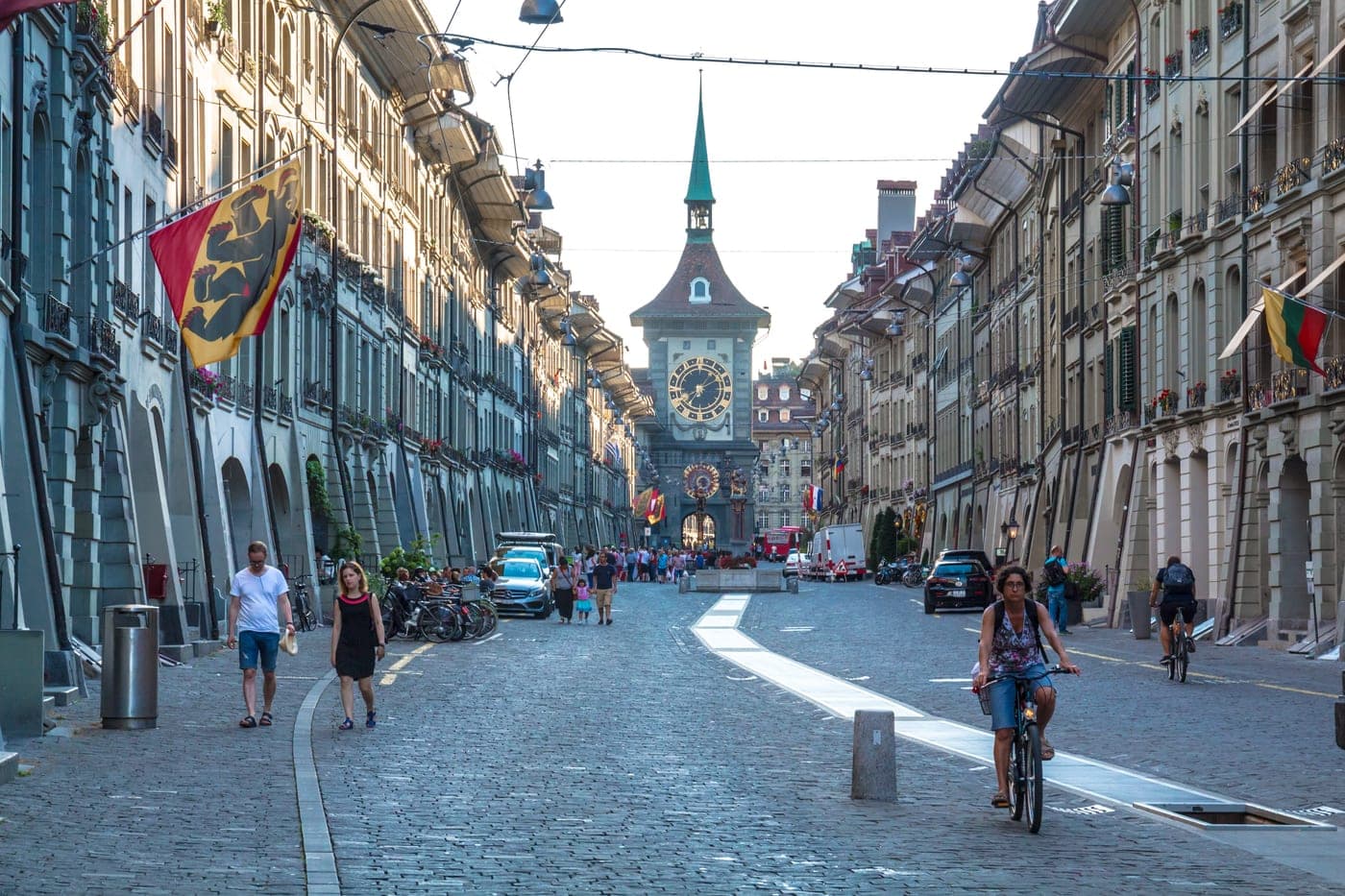
Bern
13 destsBern is the capital of Switzerland, known for its well-preserved medieval architecture and unique UNESCO World Heritage site status. The old town features the iconic Zytglogge clock tower and the Federal Palace, showcasing the city’s political significance. Beyond Bern, the Emmental region is famous for its rolling hills and the production of Emmental cheese, with local farms offering tasting experiences. The Aare River provides opportunities for nature walks and swimming in summer. Nearby, the picturesque town of Thun offers stunning views of Lake Thun and the Alps. The region is less frequented by tourists, allowing for a deeper connection with Swiss culture and traditions.
Camper Van RentalsHiking
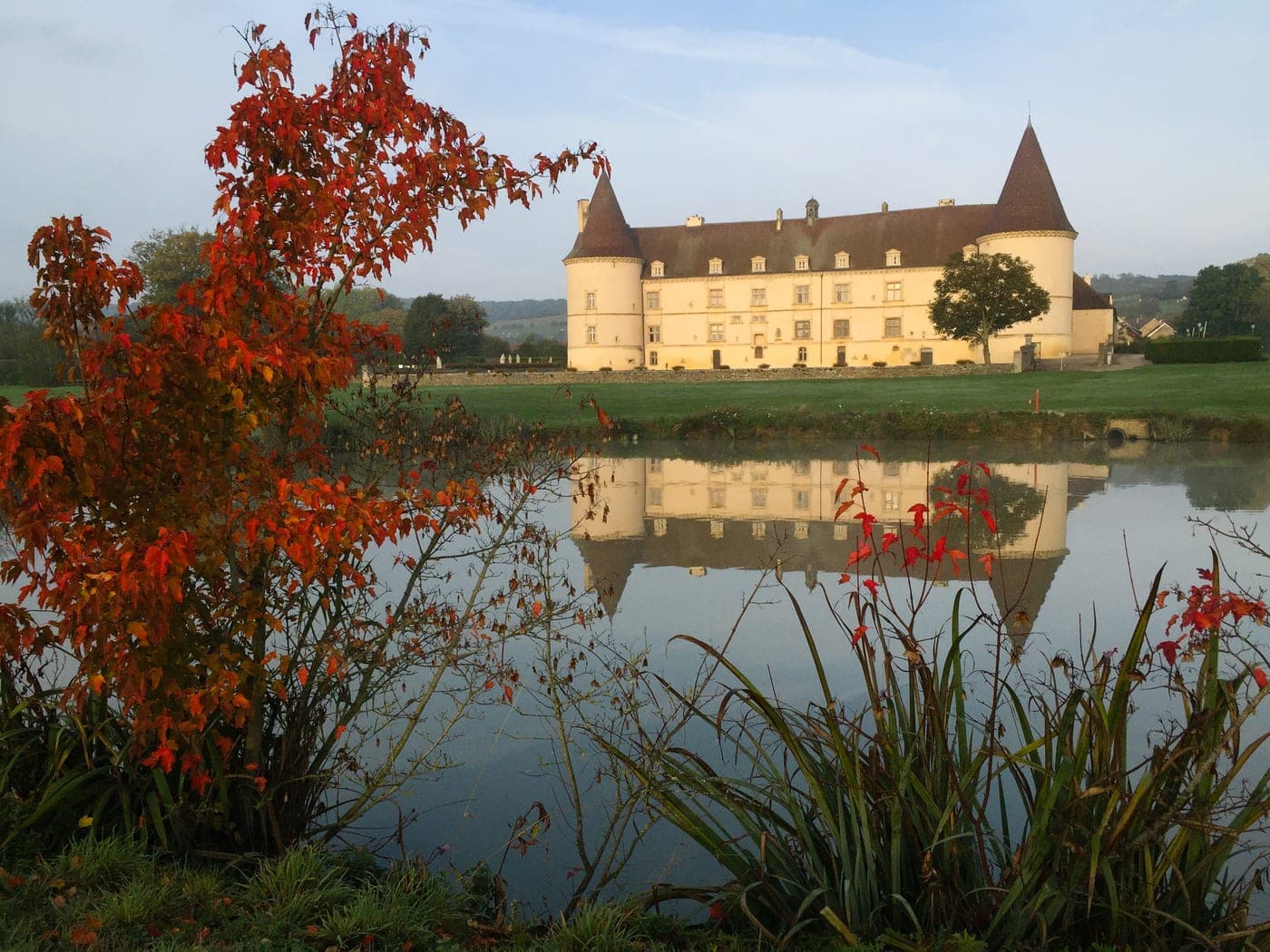
Bourgogne-Franche-Comté
05 destsBourgogne-Franche-Comté is France's largest region, rich in history and culture. It's renowned for its exceptional wines, particularly those from the Burgundy area, which produce some of the world's finest Pinot Noir and Chardonnay. The region features historic cities like Dijon, known for its mustard and vibrant markets, and Besançon, famous for its citadel and watchmaking heritage. Natural landscapes include the Jura mountains and the picturesque Doubs River, perfect for hiking and cycling. The region is dotted with charming villages such as Arbois and Nans-sous-Sainte-Anne, offering a taste of local crafts and cuisine. Festivals celebrating wine and regional traditions add to its cultural depth, attracting those looking to experience France beyond the usual tourist paths.
CastlesWine Tasting
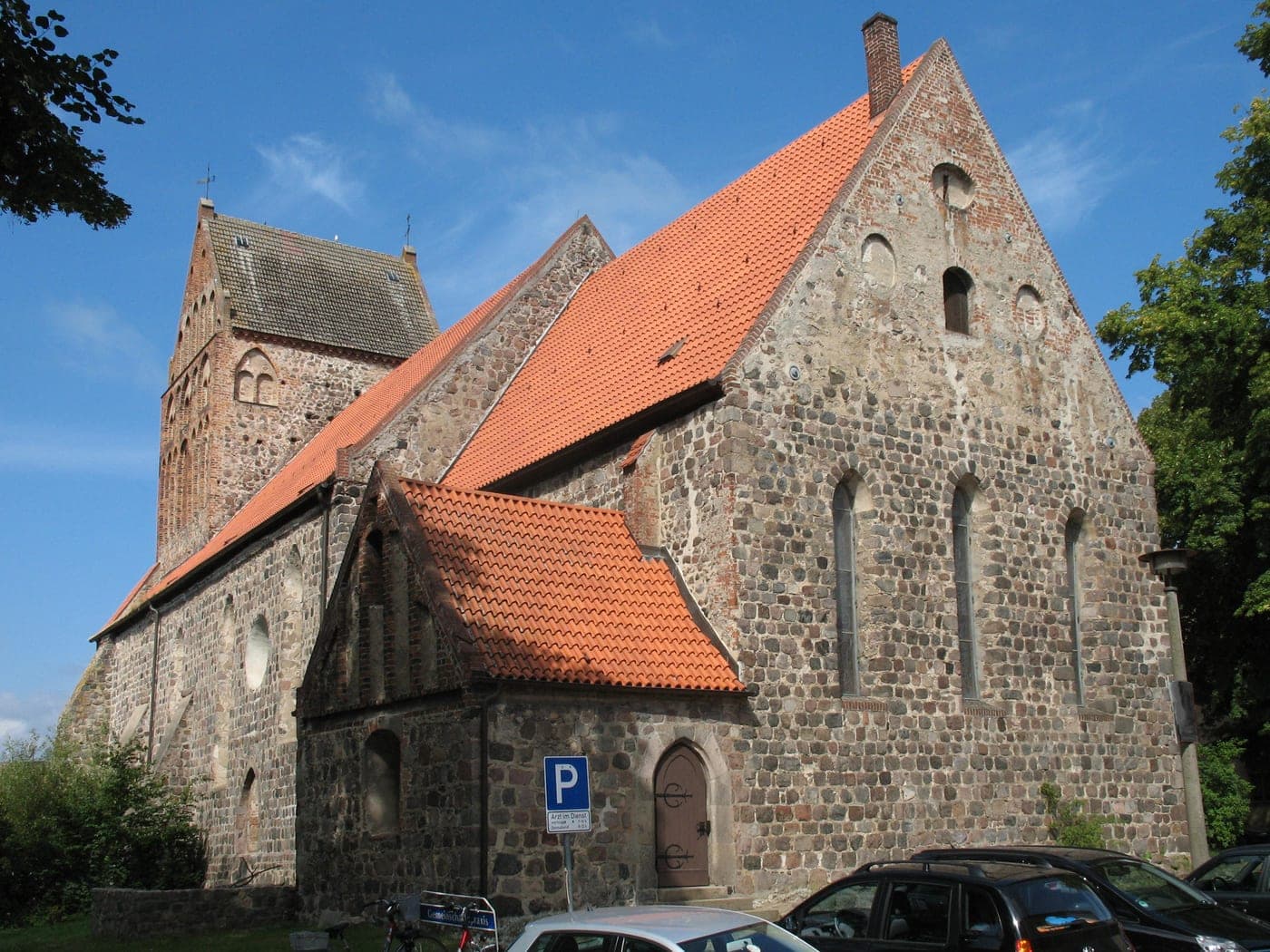
Brandenburg
10 destsBrandenburg is the largest of Germany's states, and also one of the quietest. It wraps around Berlin on every side, yet it feels like a different country: flat, green, and threaded with water. Lakes, rivers, and canals cover so much of the land that boat and paddle are as normal here as a footpath. This is a place built for slow travel, not because it lacks things to see, but because its landscape rewards patience over speed. The heart of any visit is Potsdam, once the residence of Prussian kings. Its palace parks are enormous, and walking through them takes hours, not minutes. Sanssouci, with its terraced vineyard steps and gilded rooms, is the centerpiece, but the wider park system links smaller palaces, follies, and lakeside paths that most visitors never reach. Spend a full day here and you will still leave things unseen. This is the pace Brandenburg rewards: fewer stops, longer looks. South-east of Potsdam lies the Spreewald, a biosphere reserve where the river Spree splits into hundreds of small channels through wet forest and meadow. Villages here are built along the water rather than roads, and the traditional way to move between them is by flat wooden boat, poled slowly through the canals. Locals still grow the region's famous gherkins in these damp fields, and small family-run inns serve them pickled, alongside regional specialities like Brandenburg mustard. Canoeing the quieter channels away from the main tourist routes gives a clearer sense of how the Spreewald actually works, as a living farmed wetland, not a theme park. Elsewhere, Brandenburg is a state of lakes. The Havel river widens repeatedly into lake-like stretches around Potsdam and further north, and the Uckermark region, close to the Polish border, is scattered with hundreds of small lakes surrounded by beech forest and rolling farmland. This is some of the least crowded countryside in Germany, good for slow cycling on flat, well-marked paths that link village to village rather than city to city. A week here can mean long mornings on the water and short, easy rides between overnight stops, with time left over to simply sit. History sits close to the surface throughout the region. Brandenburg an der Havel, the medieval town that gave the state its name, has a cathedral and old town core that predate Berlin itself. Smaller towns across the state carry church spires, town gates, and market squares largely untouched by mass tourism, since most visitors head straight for Potsdam or Berlin and skip the rest. That gap is Brandenburg's advantage for slow travellers: towns like Rheinsberg, with its lakeside palace, or Werder an der Havel, known for its orchards and spring fruit blossom, feel lived-in rather than staged. For a first visit, three to four days is enough to get a real sense of the region: a day in Potsdam's parks, a day or two in the Spreewald for canals and canoeing, and a day exploring one lake town at an easier pace. A longer stay, a week or more, allows time to properly cycle between villages in the Uckermark or follow the Havel further north, where the crowds thin out almost completely. Brandenburg's food reflects its landscape: freshwater fish from the lakes, Spreewald gherkins, dark rye bread, and small regional breweries that rarely export beyond the state. None of it is showy. It is the kind of place that gives more the slower you move through it, better suited to a canoe paddle or a bicycle than a schedule of sights ticked off quickly. For anyone planning a Brandenburg itinerary built around towns and landscape rather than a single city, this is where to start.
Boat RentalsHiking
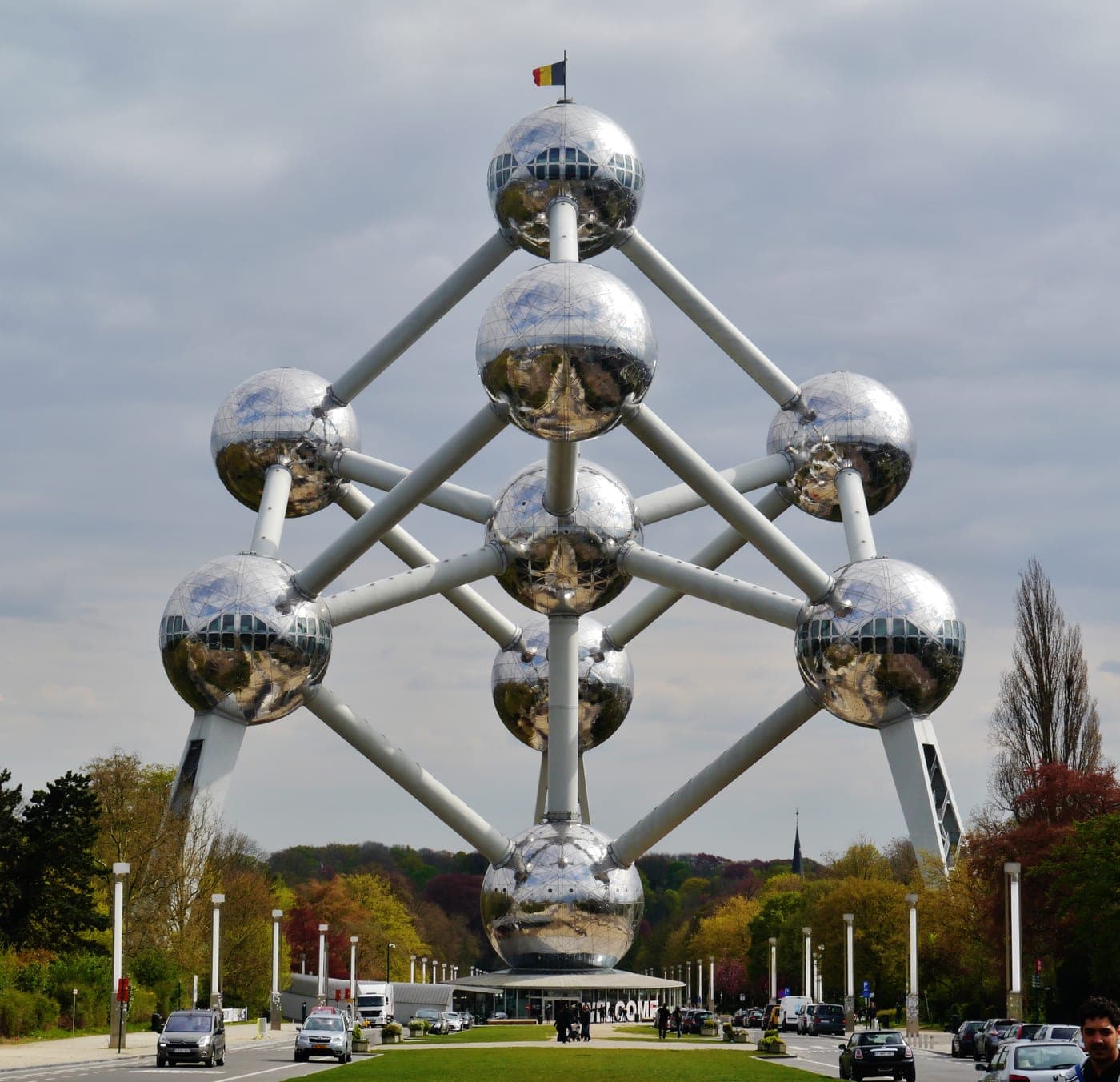
Brussels
01 destBrussels sits at the meeting point of French and Flemish Belgium, and that mix shapes everything about how the region feels: two languages on every street sign, two culinary traditions on every menu, and a pace that has never quite caught up with its role as a capital of European institutions. Away from the glass towers of the EU quarter, the older city keeps its own rhythm, built around guild squares, covered arcades, and small bars that have poured the same abbey beers for generations. The Grand Place is the obvious starting point, a market square ringed by gilded guildhalls that once belonged to the city's bakers, brewers, and boatmen. It is a UNESCO World Heritage Site, and even on a busy afternoon the carved facades reward slow looking rather than a quick photo. From here, narrow lanes lead into the Îlot Sacré, where waffle stands sit beside chocolate shops that still temper cacao by hand. Belgian chocolate culture runs deep in Brussels: family-run ateliers sell pralines by weight, and a few keep working display kitchens where the process is part of the shop. Beer is the other constant. Brussels is where lambic and gueuze are still brewed using spontaneous fermentation. Traditional estaminets pour these alongside Trappist and abbey beers, often with a matching cheese or a plate of frites on the side. A few breweries in the city centre still run tours through working cellars, and tasting a gueuze where it is made is a different experience from drinking it anywhere else. Beyond the tourist core, Brussels holds neighbourhoods that reward unhurried wandering. Saint-Géry is now full of small galleries and bars built into old warehouses. The Marolles keeps a flea market running through its cobbled streets, where dealers lay out furniture, glassware, and old postcards each morning. Matongé, the Congolese quarter near Porte de Namur, brings West African fabrics, music shops, and cooking into the same few blocks, a reminder that Brussels' identity is not only Franco-Flemish but genuinely international. Ixelles and Saint-Gilles hold rows of townhouses with curved iron balconies and stained-glass stairwells from the era of architect Victor Horta. Walking these streets without a fixed plan is often how they're noticed, since many of the finest facades sit on quiet residential blocks rather than main avenues. Brussels' long-standing love of comic art shows up in a similar way: painted murals of characters from Belgian comics appear on gable walls across the centre, part of a public trail that turns a walk between neighbourhoods into something like a treasure hunt. The Zenne river, mostly covered over in the nineteenth century, still shapes the city's geography, and the canal that runs north from the centre connects Brussels to Antwerp and the Flemish lowlands beyond it. Along its banks, old industrial warehouses have become galleries, breweries, and weekend markets, giving the canal district a slower, more local feel than the tourist streets around the Grand Place. As a region, Brussels works as a base for exploring the smaller Flemish and Walloon towns that ring it, each with its own guildhalls, beer traditions, and market squares, all reachable within short distances of the capital. Together they form a compact, walkable corner of Belgium where medieval architecture, brewing traditions, and chocolate craft sit within easy reach of one another.
Camper Van RentalsHiking
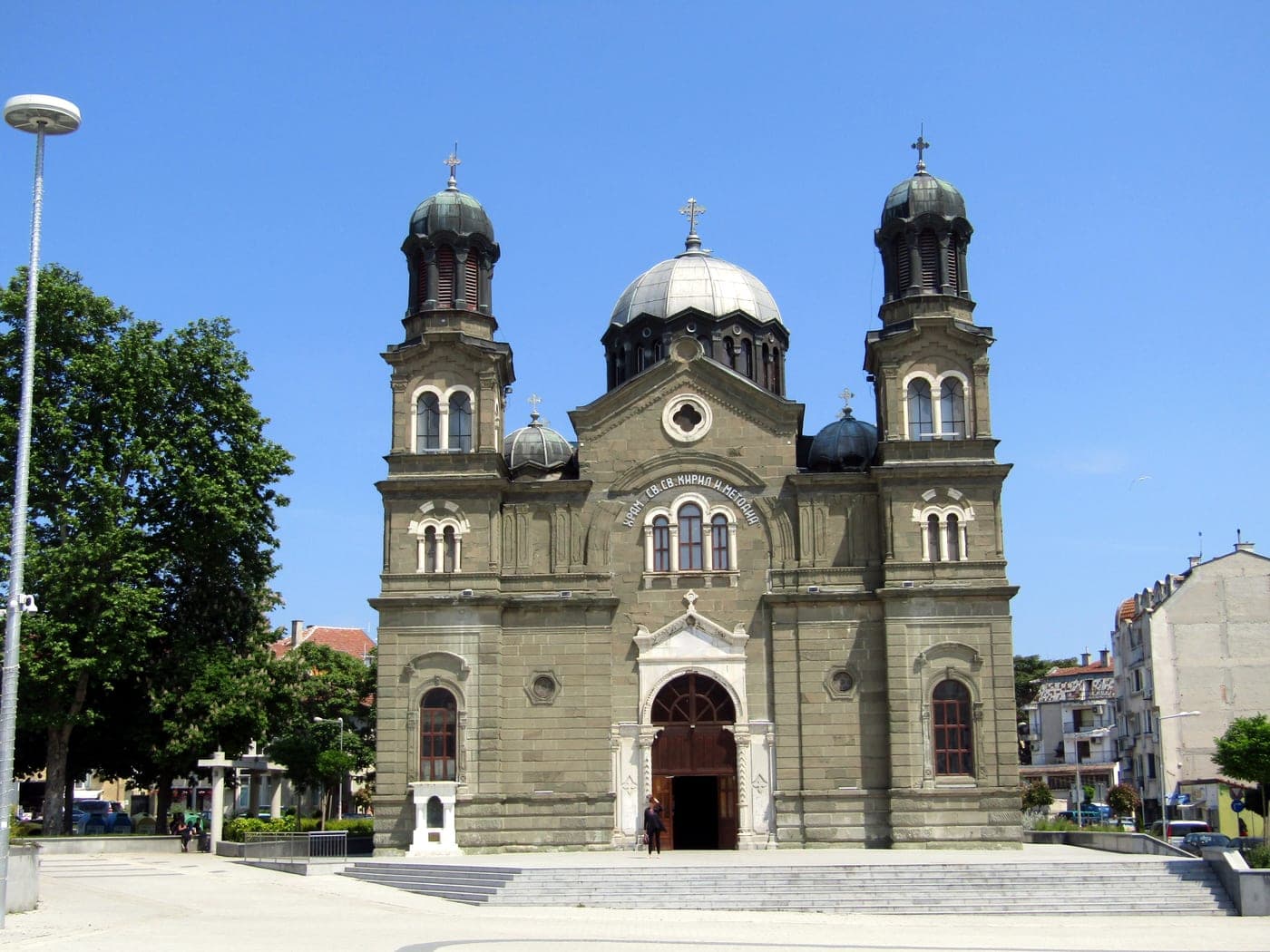
Burgas
01 destBurgas is the largest city on Bulgaria's Black Sea coast and serves as an important cultural and economic center. Known for its diverse blend of natural beauty and urban life, the region features stunning beaches, lush parks, and the scenic Burgas Lake, attracting bird watchers and nature enthusiasts. The city also hosts the annual Burgas Sand Fest, showcasing intricate sand sculptures. Nearby, the ancient town of Sozopol offers a glimpse into Bulgaria's maritime history with its preserved architecture. This region is unique for its rich folklore and local seafood cuisine, making it a delightful destination for those seeking authenticity away from the crowds.
Boat RentalsHiking
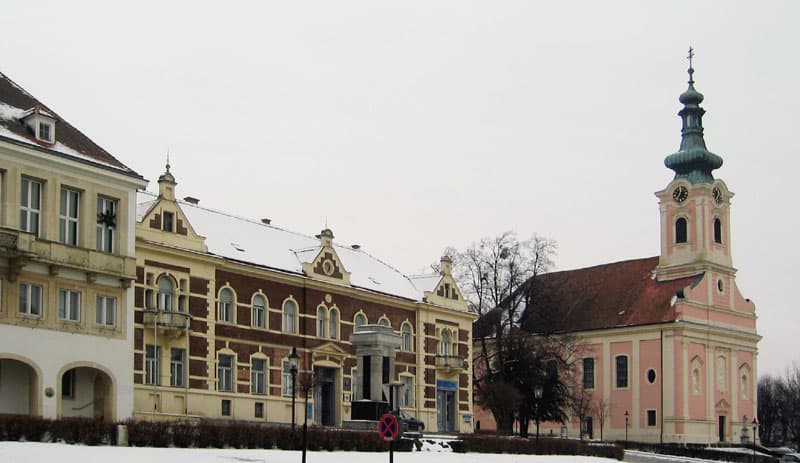
Burgenland
48 destsBurgenland is Austria's easternmost region, known for its diverse landscapes and rich cultural heritage. It is home to the historic city of Eisenstadt, where the Haydn Museum showcases the music of composer Joseph Haydn. The region features the unique Neusiedler See, a UNESCO World Heritage site, famous for its wetlands and birdwatching opportunities. Burgenland is also renowned for its wine production, particularly the sweet wines from the vineyards surrounding the charming town of Rust. Explore lesser-known towns like Lutzmannsburg, known for its thermal baths, or the picturesque village of Mönchhof, celebrated for its local crafts and traditional festivals. Outdoor activities such as hiking and cycling trails along the lake enhance the immersive experience in this less-traveled area.
Wine TastingHiking
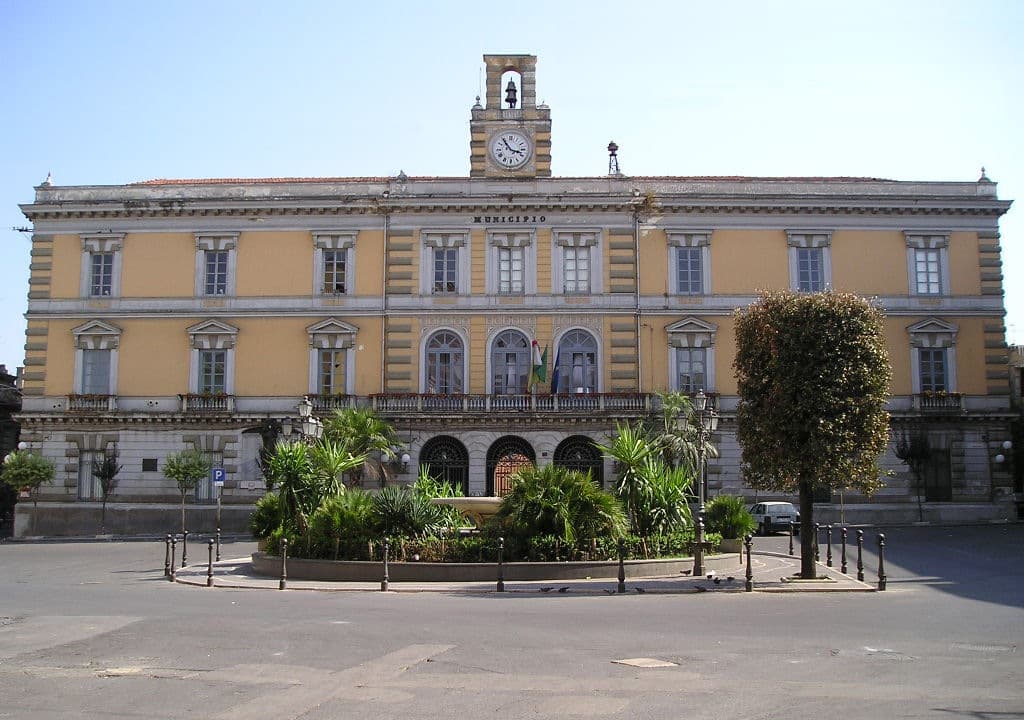
Campania
03 destsCampania, a coastal region in southern Italy, is renowned for its rich history and diverse landscapes. It is home to Naples, the largest city, famous for its historic center, a UNESCO World Heritage site. The region boasts the stunning Amalfi Coast, characterized by picturesque cliffs and traditional fishing villages. Historic sites like Pompeii and Herculaneum provide a glimpse into ancient Roman life, while the islands of Capri and Ischia offer natural beauty and thermal springs. Campania is also known for its culinary treasures, including authentic Neapolitan pizza and local wines such as Aglianico. Explore lesser-known towns like Caserta, with its grand Royal Palace, or the charming village of Ravello, known for its gardens and music festival. This region blends cultural heritage with breathtaking scenery, making it a unique destination for those who wish to travel at a leisurely pace.
Wine TastingHiking
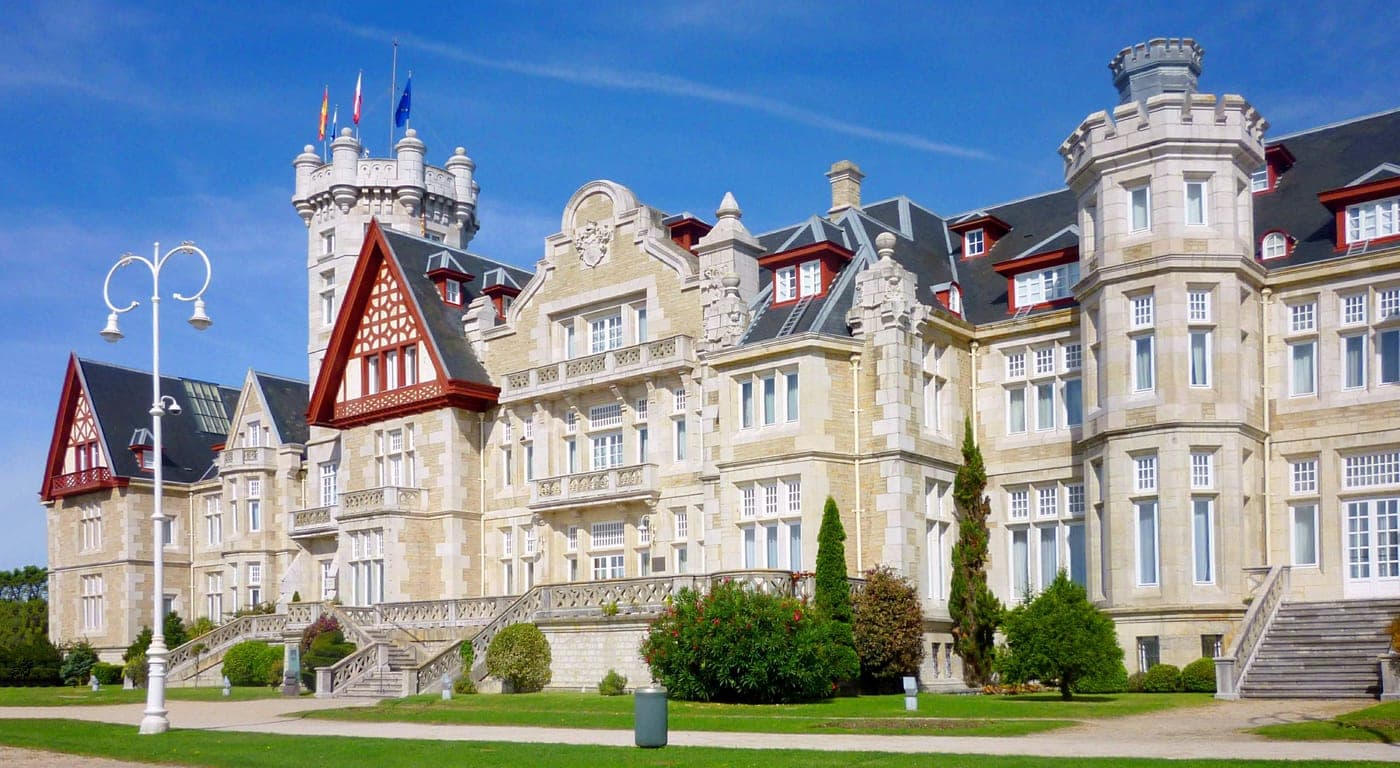
Cantabria
03 destsCantabria, located on Spain's northern coast, is the only region in the country with a coastline along the Bay of Biscay. Known for its dramatic landscapes, it features the Picos de Europa mountains, offering numerous hiking trails and stunning vistas. The region's capital, Santander, is renowned for its beaches and cultural institutions like the Centro Botín. Explore the prehistoric caves of Altamira, which house some of the world's most important cave paintings. Off the beaten path, towns like Comillas showcase unique architecture, including the Gaudí-designed El Capricho. With a rich maritime history, Cantabria is famous for its seafood and traditional dishes such as sobao pasiego and quesada. The local festivals celebrate both culture and gastronomy, highlighting the region's vibrant traditions.
Panoramic TrainsHiking
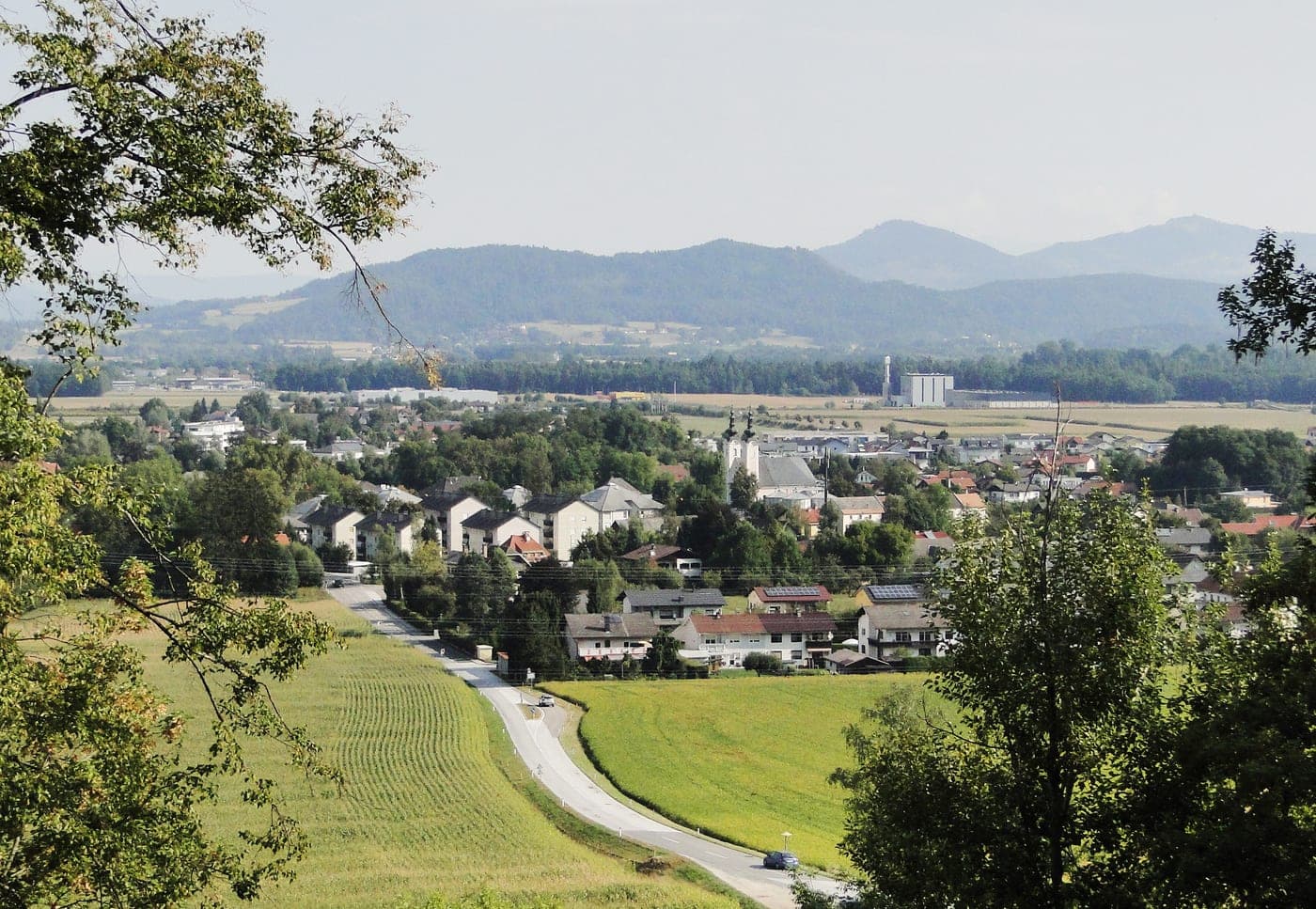
Carinthia
07 destsCarinthia, Austria's southernmost region, is renowned for its stunning lakes and mountains. The largest lake, Wörthersee, is famous for its turquoise waters and vibrant summer festivals. Klagenfurt, the capital, features the historic Lindwurm fountain and a beautiful old town. The region boasts rich Slavic heritage, reflected in its cultural events and cuisine, such as hearty stews and local cheeses. Nature enthusiasts will appreciate the Nockberge National Park, offering scenic hiking trails. Carinthia also has a unique blend of Italian and Austrian influences, evident in its architecture and gastronomy, making it a fascinating area for deep exploration.
Wine TastingHiking
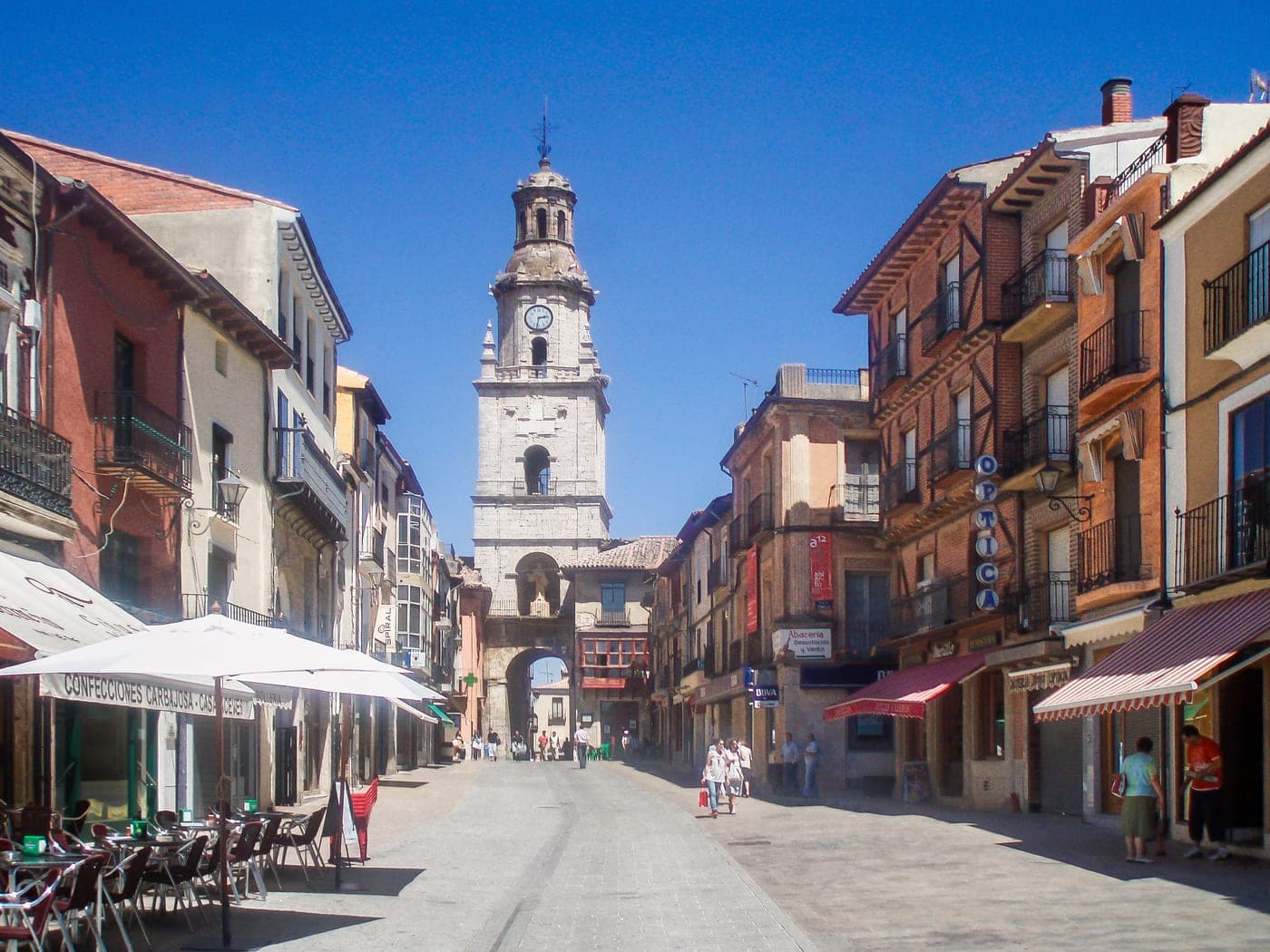
Castile and León
22 destsCovering over a quarter of Spain's land, this region is known for its historical richness and diverse landscapes. It features the ancient city of Salamanca, home to one of the oldest universities in the world, and Ávila, famous for its well-preserved medieval walls. The region also boasts stunning natural parks like Sierra de Guadarrama and the Duero Valley, known for its exceptional wine production, particularly Ribera del Duero. Castile and León is the birthplace of Spanish language and literature, with paths like the Camino de Santiago running through it. Visitors can explore lesser-known towns like Pedraza and Sepúlveda, where traditional crafts and gastronomy thrive, offering a genuine taste of local culture.
Wine TastingHiking
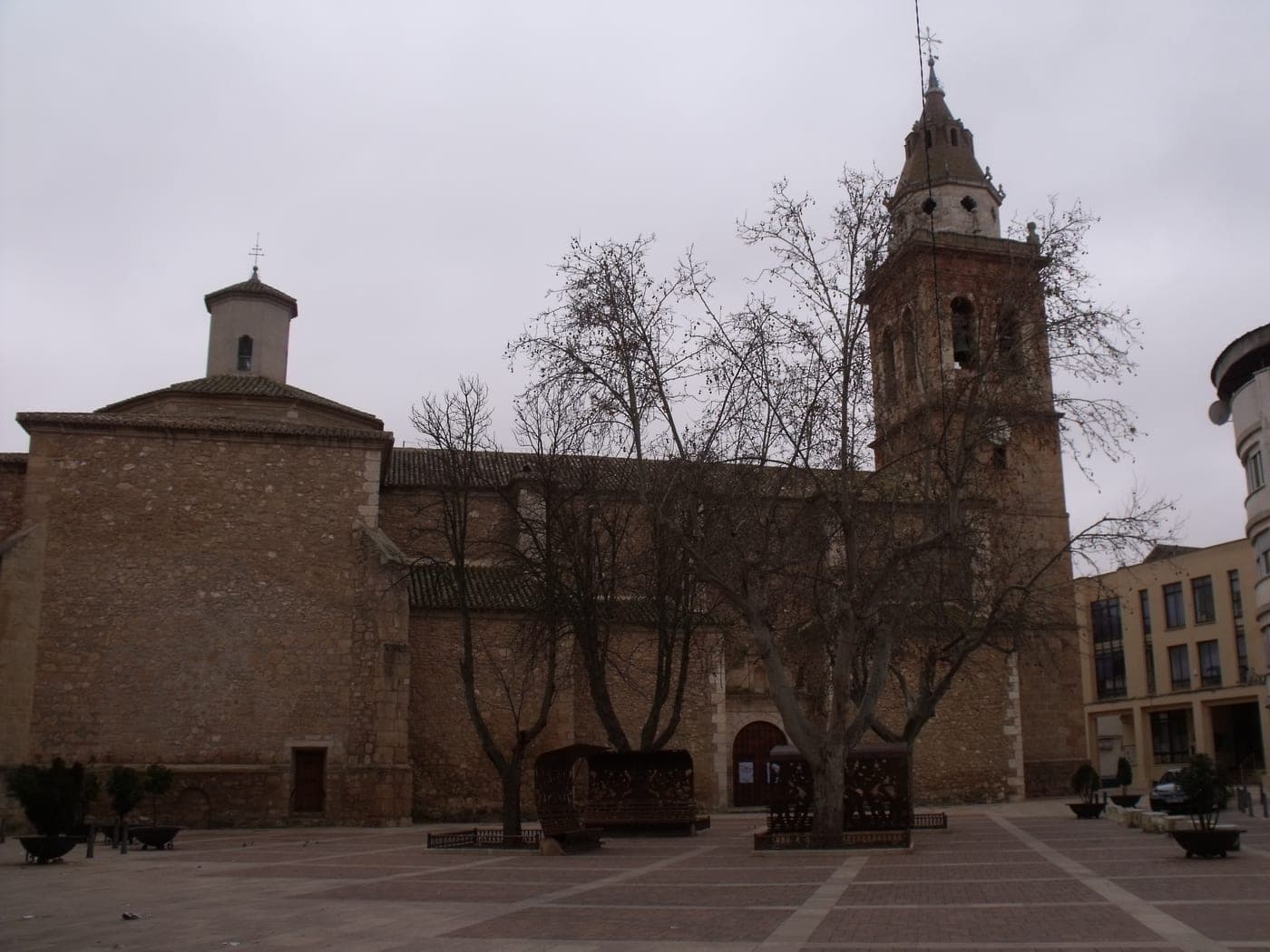
Castilla-La Mancha
05 destsThis is Spain's largest region, known for its vast plains and historic cities. Toledo, a UNESCO World Heritage site, showcases a blend of Christian, Muslim, and Jewish architecture, while Cuenca is famous for its hanging houses and modernist art. The region is also noted for its artisanal cheese, saffron production, and robust wines like Tempranillo. Scenic landscapes such as the Tablas de Daimiel National Park offer rich biodiversity. Explore the small towns of Alcázar de San Juan and Consuegra, where windmills dot the horizon, echoing the tales of Don Quixote. The region's festivals, particularly in spring and autumn, celebrate local traditions and gastronomy, providing deeper cultural connections.
Wine TastingHiking
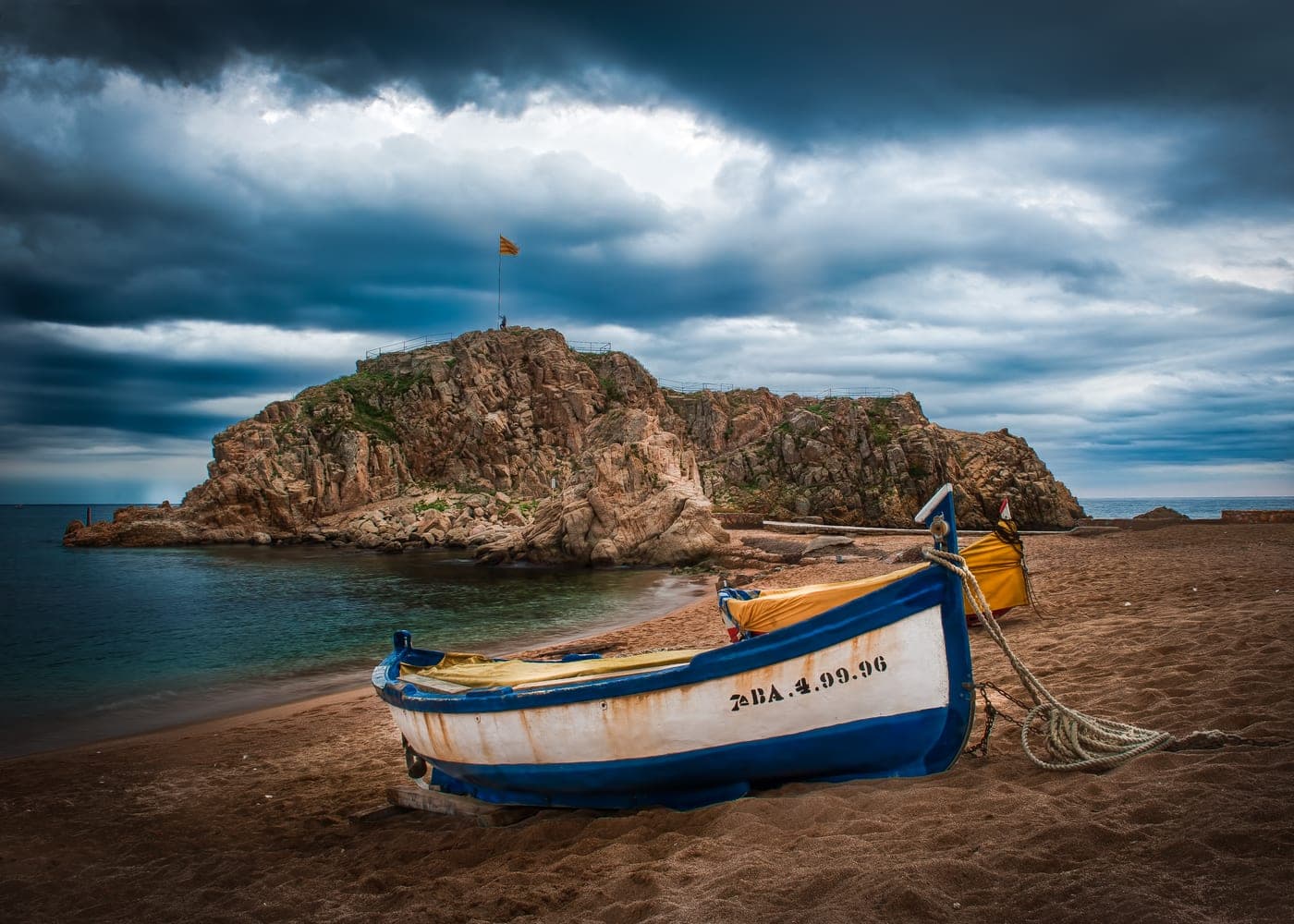
Catalonia
21 destsCatalonia stretches from the high Pyrenees down to the Mediterranean, and that range gives it a slow-travel character all its own: stone villages tucked into mountain valleys, a jagged coastline of small harbours, and an inland plain still shaped by farming and pilgrimage. Barcelona sits at one edge of the region, but Catalonia's quieter identity is built elsewhere — in places most visitors reach only if they choose to look beyond the capital. In the north, the Pyrenean valleys hold Romanesque churches and hamlets built from dark local stone, many still working farming communities. Villages like these keep a rhythm set by the seasons and the land, and walking between them reveals bell towers and hay meadows. Further south and inland, the Camí de Sant Jaume, a Catalan branch of the Camino de Santiago, crosses rolling wheat country and passes through small towns built around a church square. The coast has its own version of slowness. Cadaqués, with its whitewashed harbour houses and steep lanes, once drew Dalí and other artists. The Costa Brava's smaller coves still keep this feel in the off-season: fishing boats pulled up on shingle, a handful of restaurants serving the day's catch, cliff paths connecting one cove to the next. Inland from the coast, medieval towns like Besalú preserve their fortified bridges and Jewish quarters largely intact. Catalonia's regional cuisine reflects this pace. Cava is made using the same traditional method as Champagne, and small family cellars around Sant Sadurní d'Anoia still open their doors for tastings. Calçotada season, when charred spring onions are dipped in romesco sauce and eaten by hand, is a communal meal built around fire and patience. Elsewhere, pa amb tomàquet, botifarra sausage, and mountain cheeses reflect a cuisine shaped by both the sea and the high pastures. History runs close to the surface here. Poblet Monastery, one of Catalonia's Cistercian foundations, still follows a monastic routine largely unchanged for centuries, and some of Gaudí's early works outside Barcelona show the same architectural language in quieter settings. A handful of Catalan paradors occupy restored castles and monasteries — the one at Cardona, built into a medieval fortress on a hilltop, is among the most striking examples of this in Spain. Mountain villages, pilgrim paths, whitewashed coves, cava cellars, and monastery towns give Catalonia a landscape suited to slow travel: a dialect (Catalan) still spoken in daily life, a cuisine tied closely to what grows and grazes nearby, and villages that have kept their own pace as the region around them has modernised.
Boat RentalsHiking
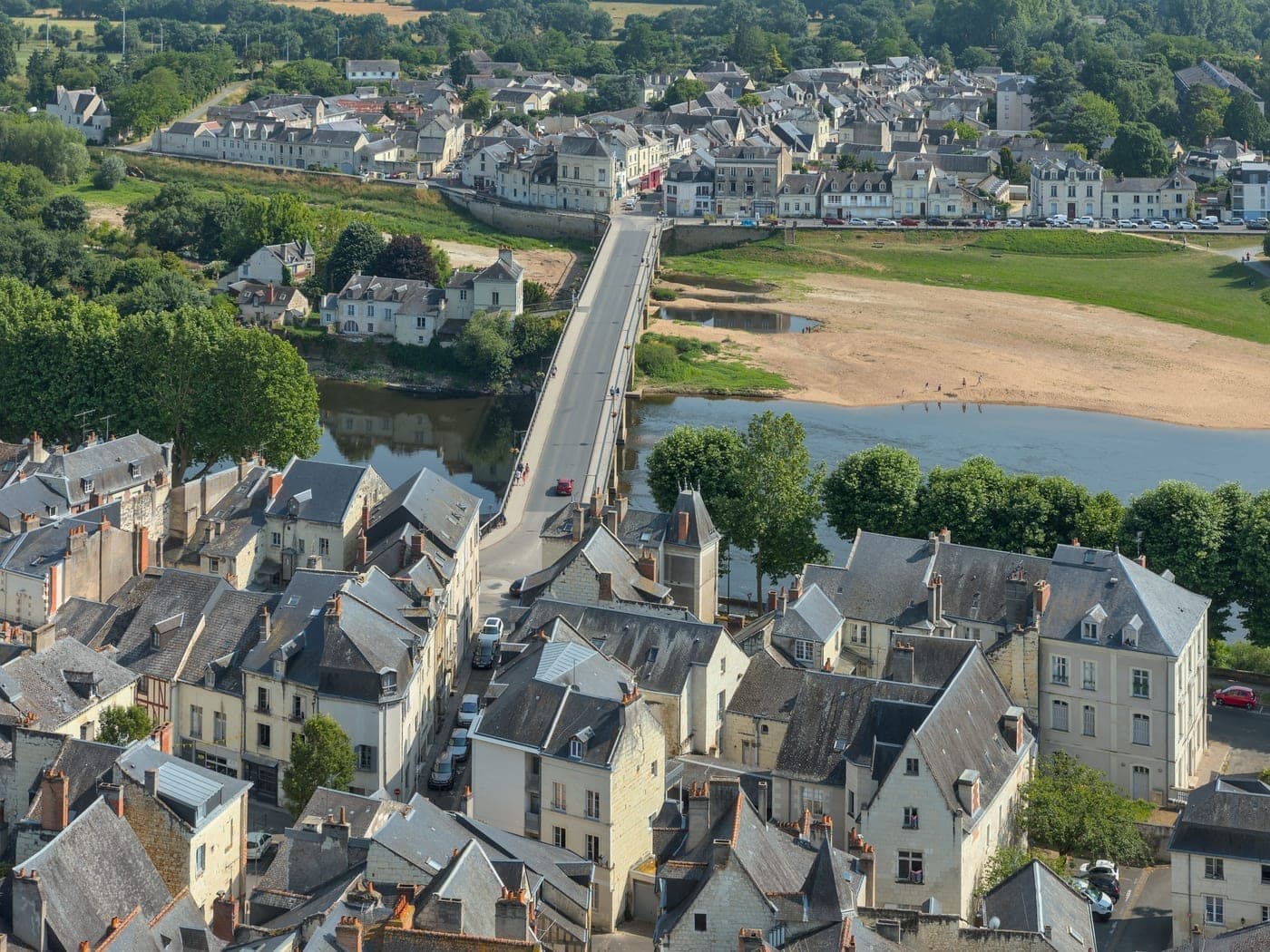
Centre-Val de Loire
07 destsThis central region of France is renowned for its stunning châteaux, particularly the majestic Château de Chambord and the historic Château de Chenonceau, which spans the River Cher. The Centre-Val de Loire is not the largest region in France, but it is rich in history, with towns like Amboise, known for its Renaissance architecture and ties to Leonardo da Vinci. The area is also famous for its vineyards producing exquisite wines, including Vouvray and Sancerre. The Loire River, a UNESCO World Heritage site, offers picturesque landscapes ideal for cycling and walking. Unique local festivals celebrate regional cuisine and heritage, providing a glimpse into traditional French life away from the tourist crowds.
Wine TastingHiking
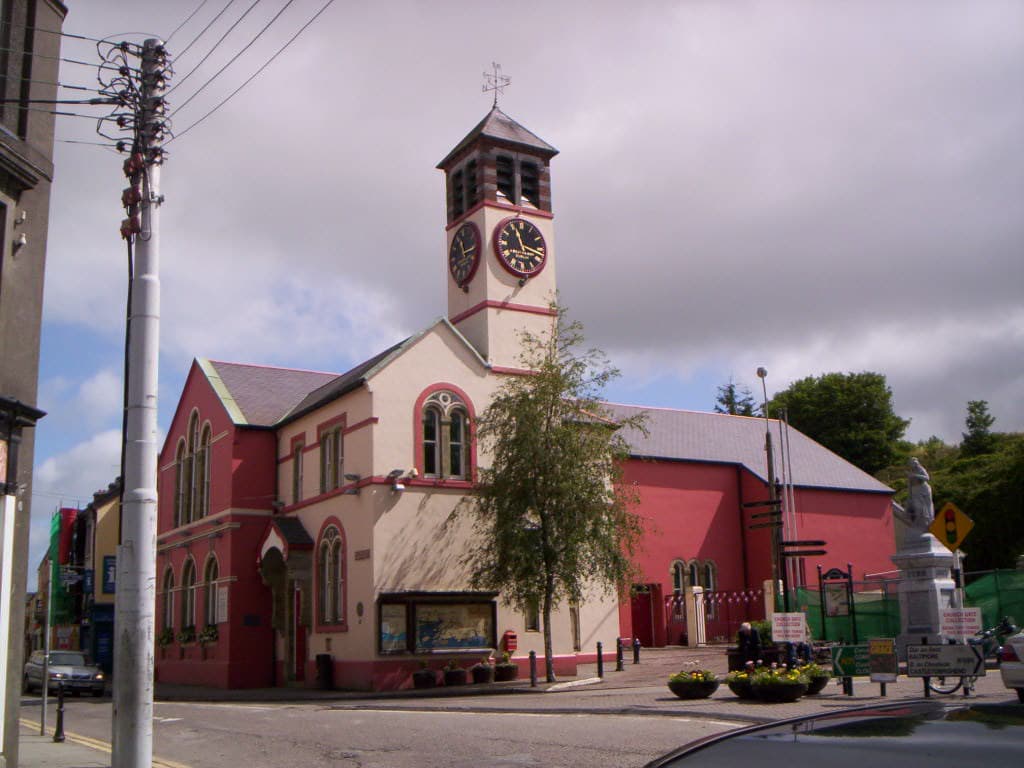
County Cork
01 destCounty Cork, the largest county in Ireland, boasts a diverse landscape of rolling hills, rugged coastline, and picturesque villages. The city of Cork, known for its vibrant cultural scene, is the region's only major urban center. The scenic coastline features attractions like the historic town of Kinsale, famous for its culinary offerings and maritime history. Nearby, the remote Beara Peninsula offers stunning views and fewer tourists, perfect for leisurely hikes. The region is also home to the historic Blarney Castle, where travelers can kiss the famous stone. With rich traditions in music and crafts, County Cork provides numerous opportunities for authentic cultural experiences. Explore local markets and artisan workshops to discover the region's unique heritage.
Boat RentalsHiking
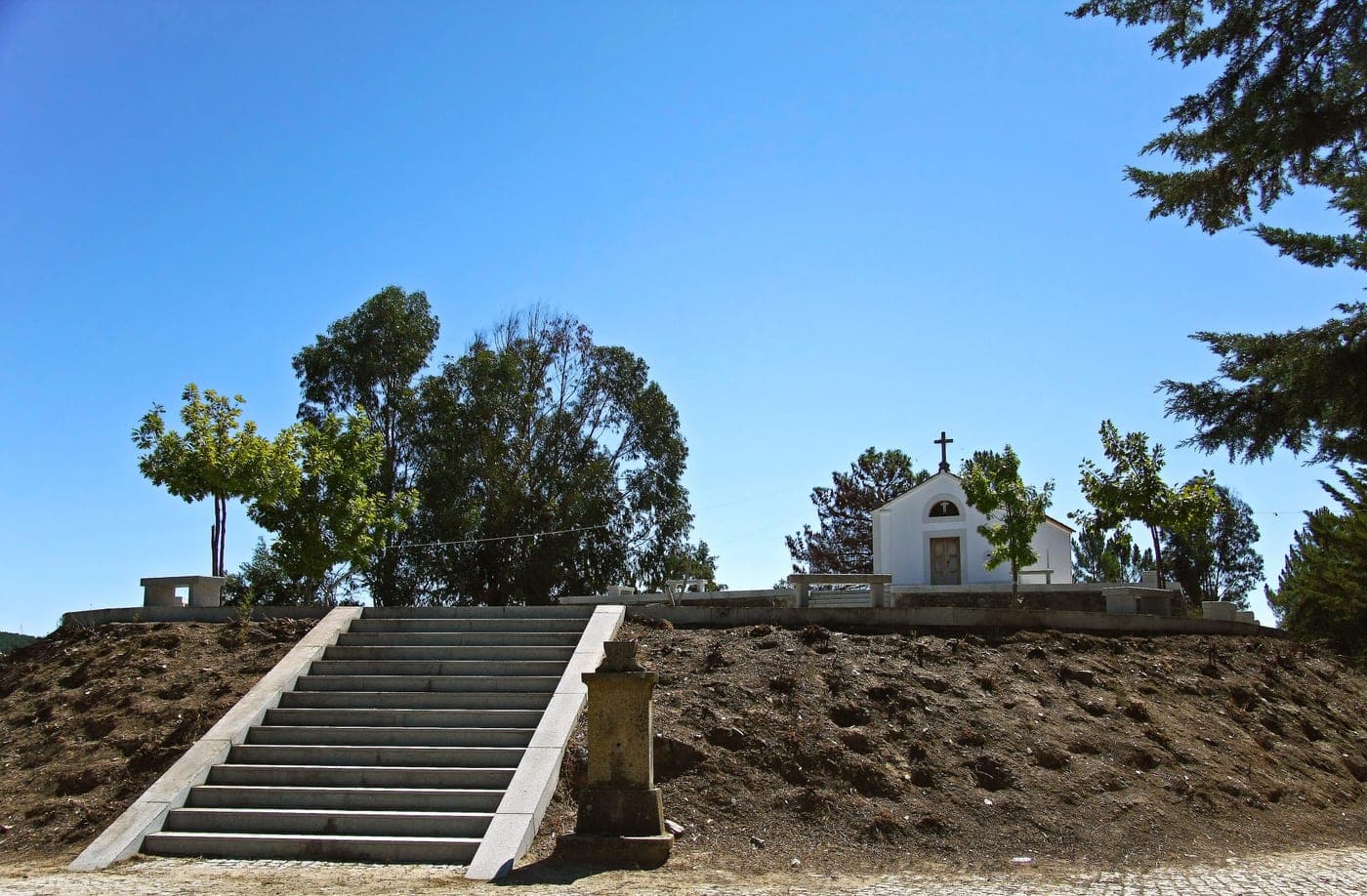
Douro
18 destsThe Douro region, one of Portugal's oldest wine-producing areas, is famous for its terraced vineyards along the Douro River, a UNESCO World Heritage site. Its most notable cities include Peso da Régua, the heart of Port wine production, and Pinhão, known for its picturesque river views and traditional wine estates. The region's unique microclimate supports the growth of the indigenous grapes used for Port and Douro red wines. Off the beaten path, small villages like Lamego feature baroque architecture and ancient pilgrimage routes. Scenic boat trips and hikes reveal breathtaking landscapes, while local festivals celebrate wine and harvest traditions, providing an authentic glimpse into the region's rich culture.
Wine TastingHiking
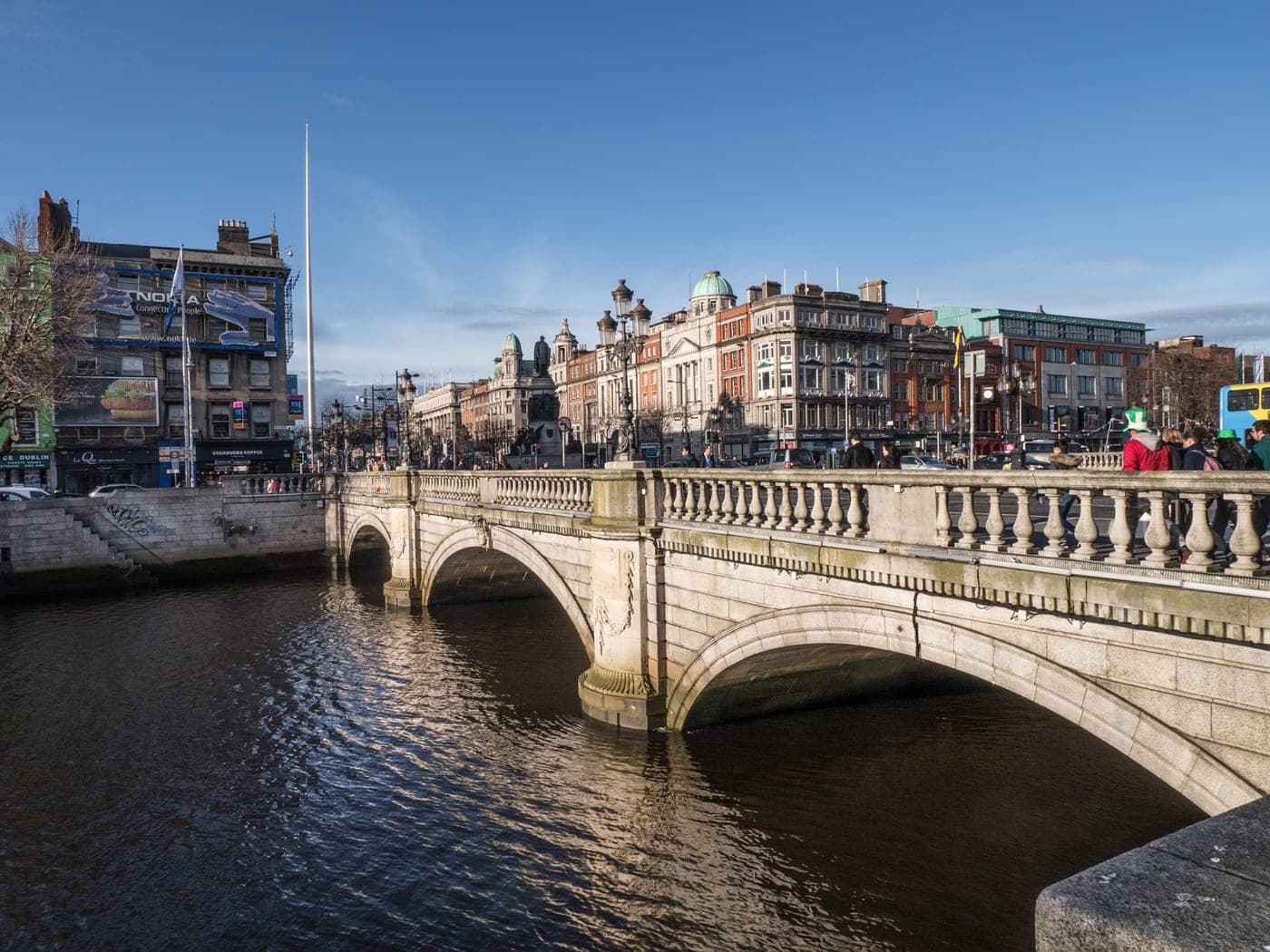
Dublin
01 destDublin, the capital of Ireland, is a vibrant city known for its rich literary heritage and historic architecture. The city is home to several notable landmarks, including the iconic Trinity College, which houses the Book of Kells, and Dublin Castle, which dates back to the 13th century. Beyond the city center, neighborhoods like Temple Bar offer a bustling atmosphere filled with pubs and cultural events, while areas such as Stoneybatter provide a glimpse into local life with artisan shops and community markets. The surrounding county features scenic coastal views, particularly in Howth and Dalkey, where hiking trails and fresh seafood await discovery. Dublin's history of literature is celebrated in various museums and literary pubs, making it a hub for those interested in Irish culture and storytelling.
Camper Van RentalsHiking
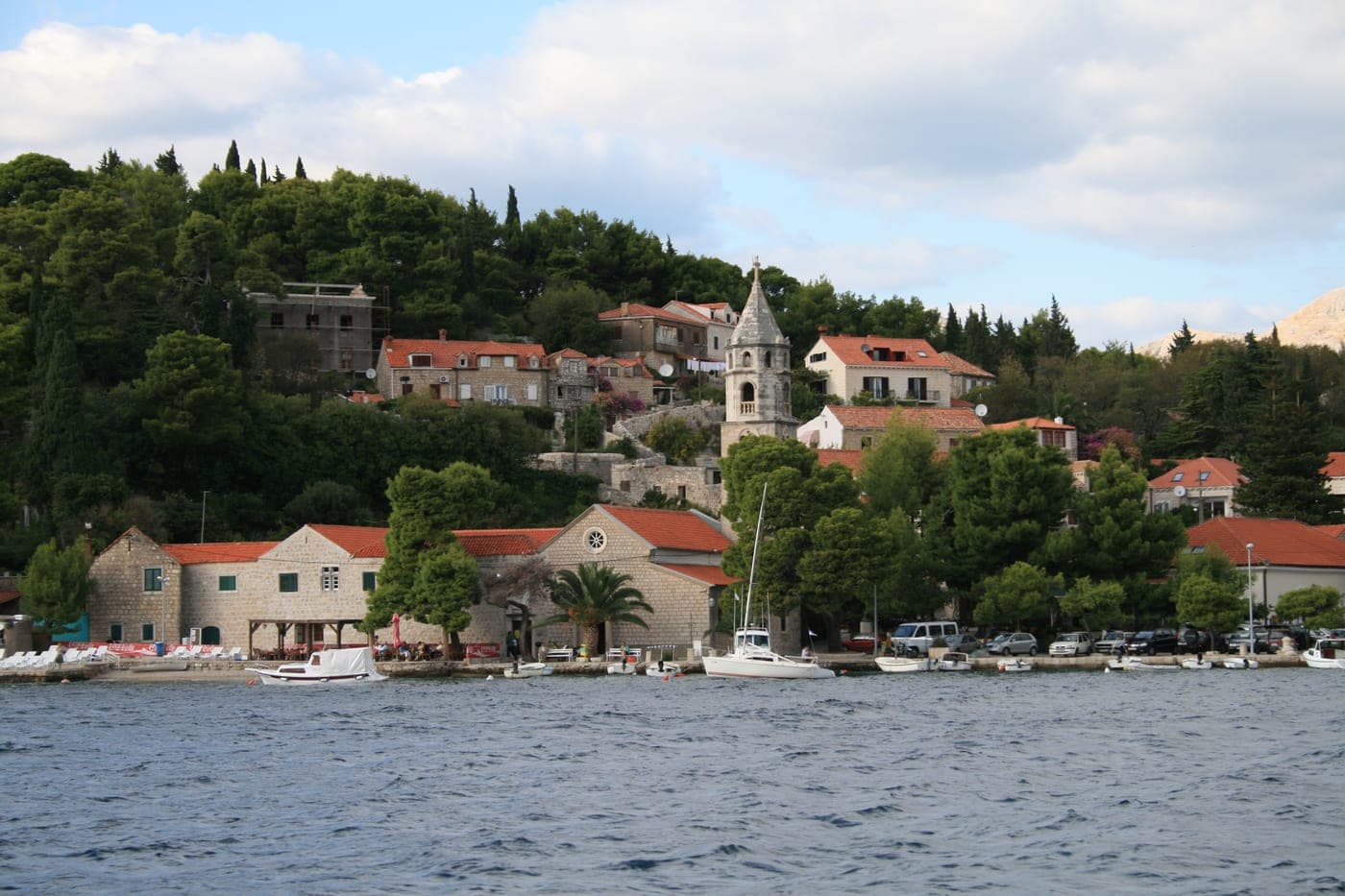
Dubrovnik-Neretva
03 destsDubrovnik-Neretva is Croatia's southernmost region, known for its stunning coastline and rich history. The city of Dubrovnik, a UNESCO World Heritage site, is famous for its well-preserved medieval walls and baroque architecture. Nearby, the Neretva River valley offers lush landscapes and unique cultural experiences, particularly in the town of Metković, known for traditional Neretva cuisine and eco-tourism. The region is also home to the Elaphiti Islands, where visitors can explore secluded beaches and local fishing villages. Enjoy local specialties like the white wine from the Pelješac Peninsula and the sweet Neretva mandarin. This region balances cultural heritage with natural beauty, perfect for those seeking deeper connections with their surroundings.
Boat RentalsHiking
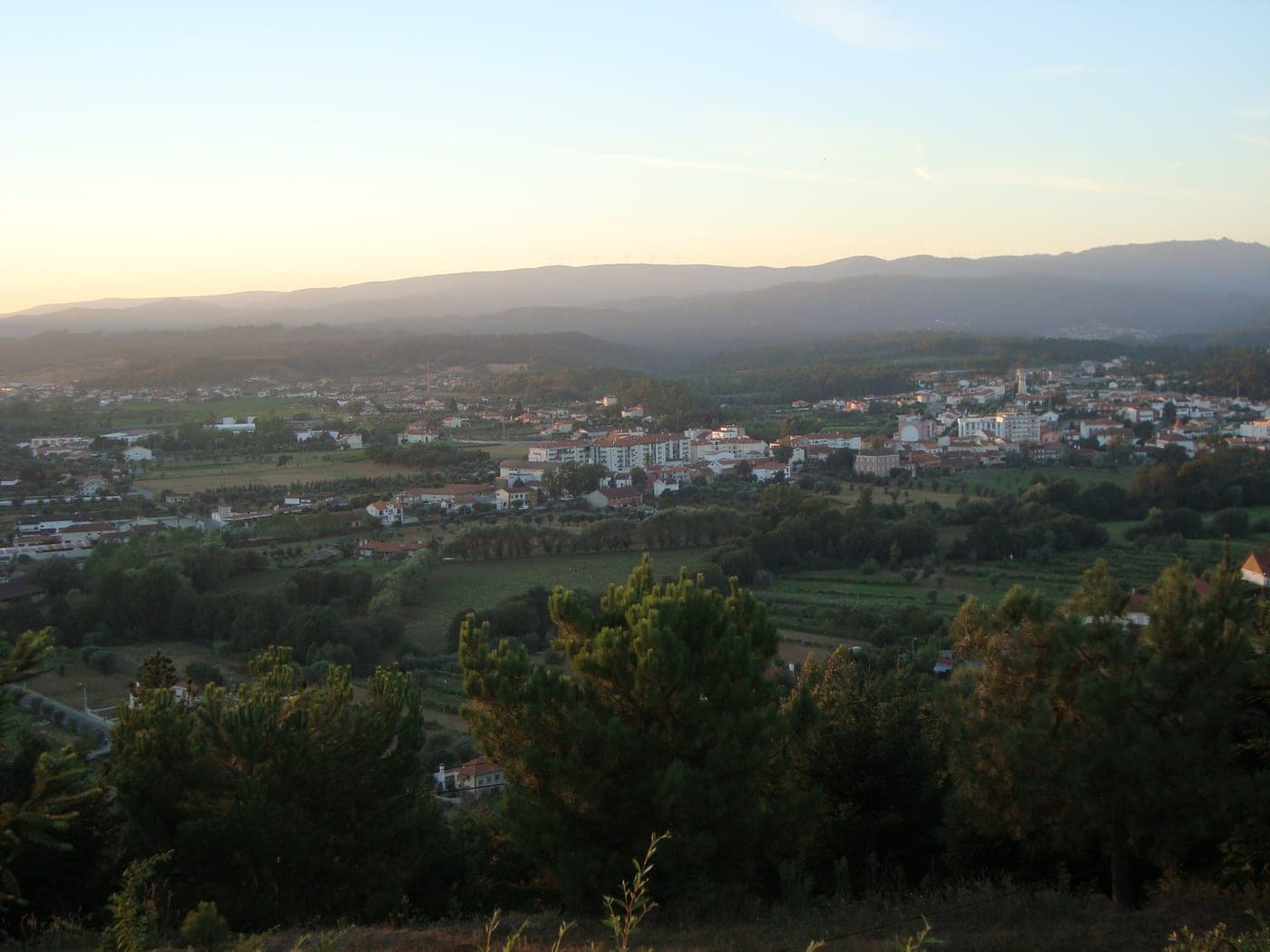
Dão
05 destsNestled in the heart of Portugal, Dão is renowned for its verdant vineyards and rich wine heritage, particularly for the Dão reds made from Touriga Nacional and Tinta Roriz grapes. This region is characterized by its rolling hills and granite mountains, providing a stunning backdrop for outdoor activities such as hiking and cycling. The towns of Viseu, known for its well-preserved medieval architecture, and Nelas, famous for its wine estates, offer travelers a taste of local culture and gastronomy. Dão is also home to the historic Roman ruins of Tavares and the picturesque village of Oliveira de Frades, where traditional crafts thrive. The region’s slower pace and focus on local produce create a unique experience for those looking to delve deeper into Portugal's rural lifestyle.
Wine TastingHiking
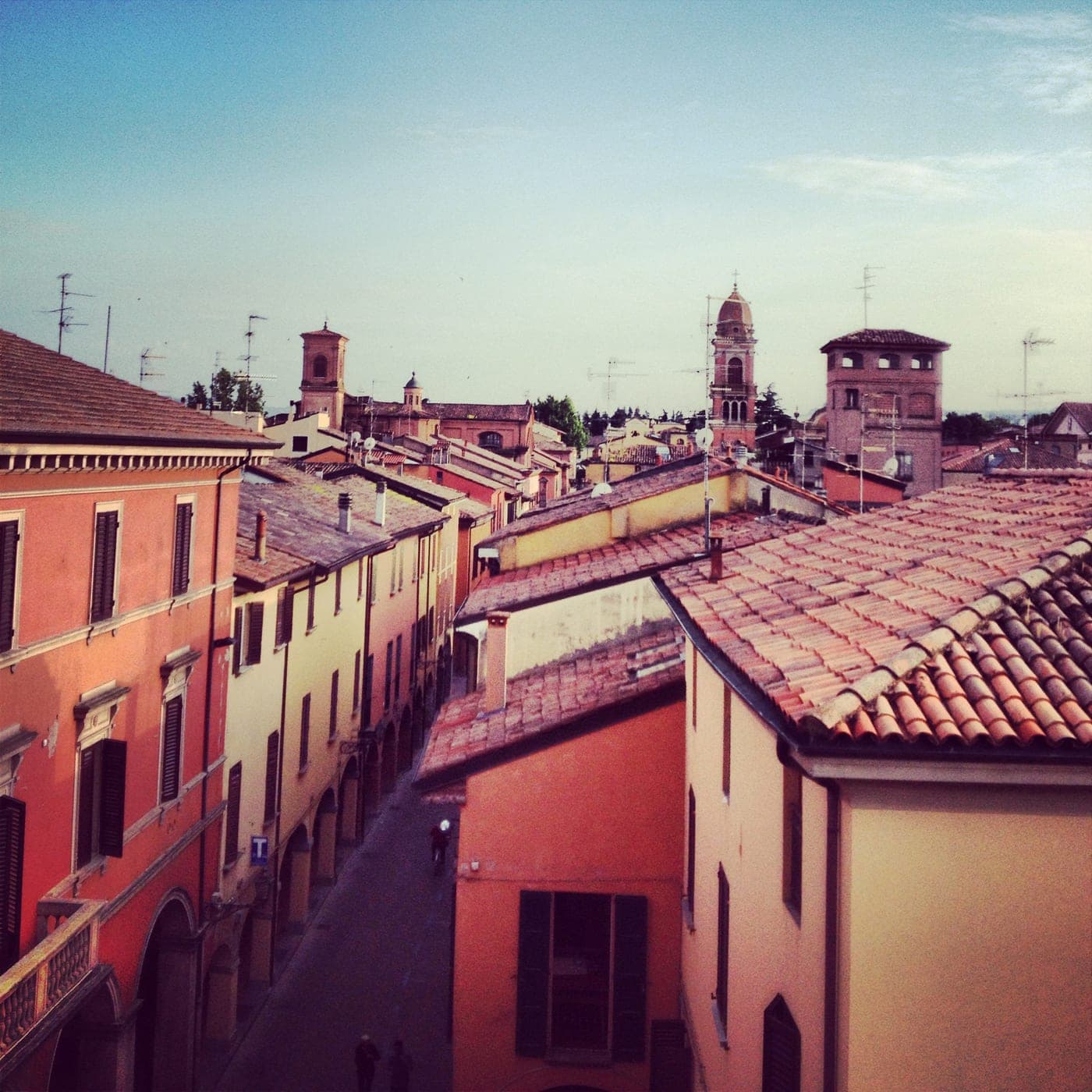
Emilia-Romagna
09 destsThis region in Italy is renowned for its diverse landscapes, ranging from the Apennine Mountains to the Adriatic coastline. It is the only Italian region with a significant stretch of coastline, featuring vibrant seaside towns like Rimini. Bologna, the capital, is famous for its medieval architecture and culinary heritage, being the birthplace of tagliatelle al ragù. The region is also known for its rich history, with towns like Modena showcasing UNESCO-listed sites such as its cathedral and the renowned balsamic vinegar. Slow travelers can explore hidden gems like the medieval village of Dozza, known for its painted walls, or the thermal baths in Salsomaggiore Terme. Emilia-Romagna is the largest region in northern Italy, offering a blend of art, culture, and gastronomy that invites deeper exploration.
Wine TastingHiking
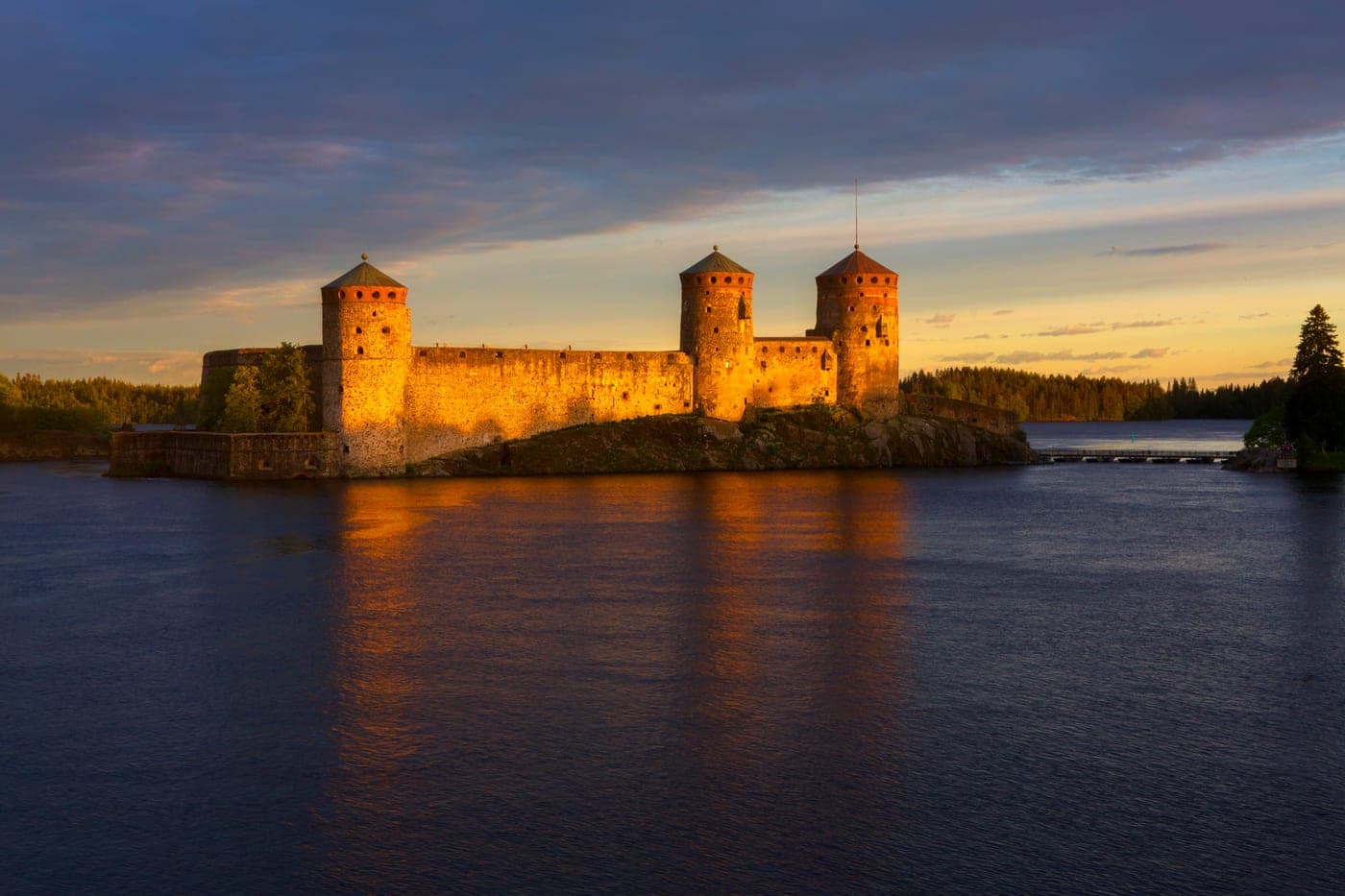
Etelä-Savo
01 destEtelä-Savo is a region in Finland known for its extensive lake systems, featuring the largest lake, Saimaa, which is famous for its unique Saimaa ringed seal. The region is characterized by its lush forests and numerous small towns like Savonlinna, home to a historic castle and vibrant summer opera festival. Mikkeli, the largest city, offers insights into local history with its museums and markets. The area is also recognized for its rich sauna culture and traditional Finnish cuisine, emphasizing local fish and berries. With its picturesque landscapes and outdoor activities, including hiking and boating, Etelä-Savo invites exploration beyond typical tourist paths.
Boat RentalsHiking
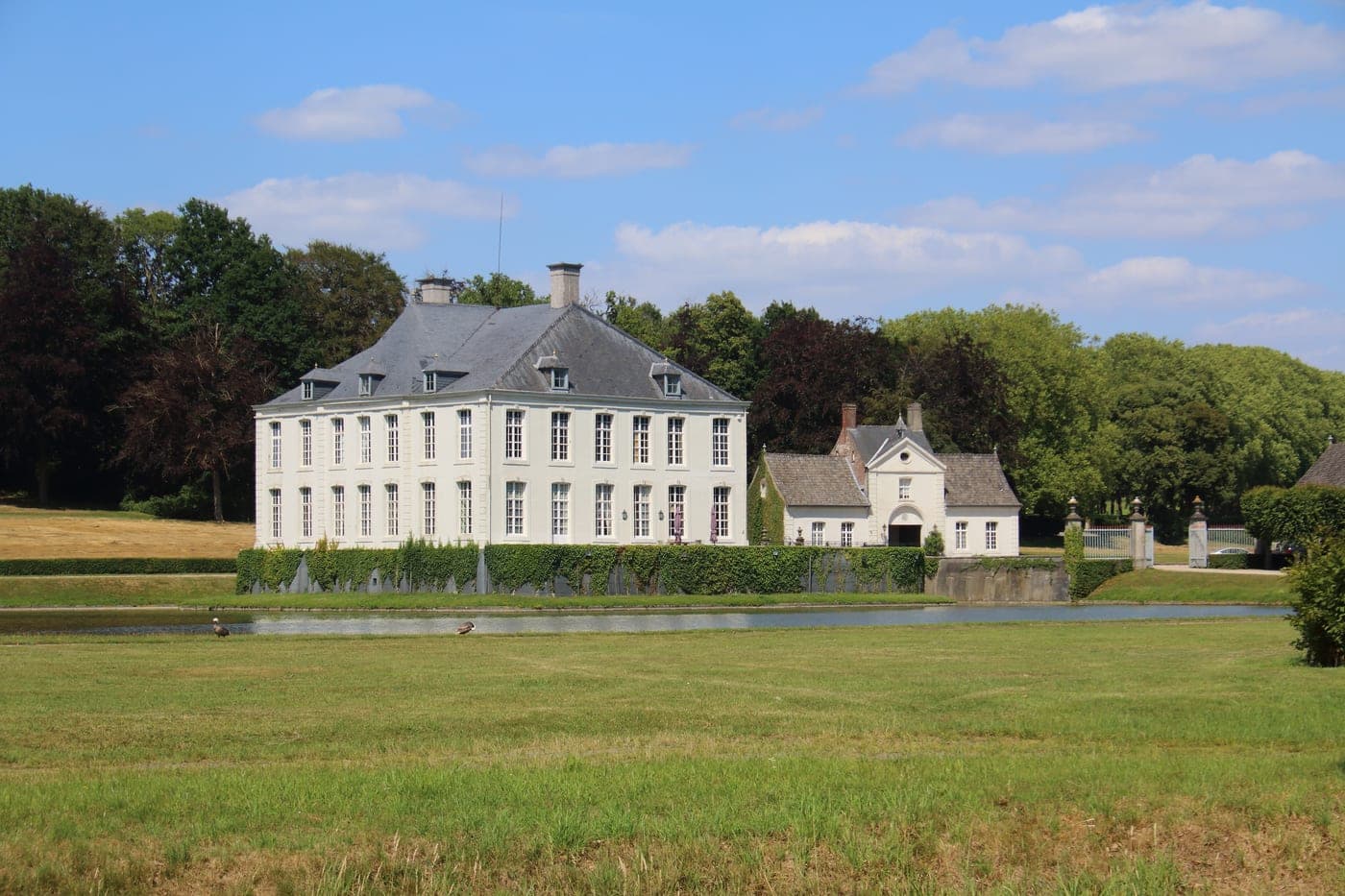
Flanders
07 destsFlanders is the Dutch-speaking region of northern Belgium, and its short distances between towns hide a slow, layered kind of travel. Villages in Flanders and its larger cities share a way of asking for attention: a market square, a belfry, a stretch of canal reflecting brick gables. The pace here rewards stopping, and the region's compact size makes it possible to settle into a handful of places instead of covering ground. The medieval old towns are the backbone of any Flanders itinerary. Ghent carries the largest and least polished of them, its student population keeping the streets lived-in. Bruges is smaller and more carefully kept, its canal loop and lace-making tradition drawing people who want the postcard version of Flanders done well. Antwerp brings energy to the mix: a working port, a Baroque cathedral, a fashion district, and a diamond trade still run on old trust. Mechelen and Leuven sit close to the bigger cities and carry the same belfry-and-canal character at a quieter volume. Flemish painting shaped much of what these cities still show today. Ghent's cathedral holds an early masterpiece of Flemish painting, and Antwerp's museums keep strong collections from the city's own Baroque painters. These works were made for the churches and guild halls that still stand on the same streets, which gives them a different weight than seeing them somewhere unconnected to their making. Beer culture in Flanders runs deep and steady. Trappist monasteries brew to support their communities, following recipes kept inside their own walls for generations, and abbey beers named after those monasteries fill the menus of ordinary town cafés. A brown café in Ghent or Antwerp — dim, wood-panelled, unhurried — is where this culture is actually lived, over a single well-poured glass at a corner table. Chocolate carries a similar seriousness. Family-run chocolatiers in Bruges, Ghent and Antwerp still hand-dip pralines and temper chocolate by hand, and a short exchange with the person behind the counter often teaches more than any shop sign. A small box eaten the same afternoon suits the tradition better than a large one carried home. Flanders' countryside opens quickly beyond the larger cities into flat farmland, poplar-lined canals, and villages that rarely appear on an international itinerary. Damme, close to Bruges along a canal path, holds a windmill, a church and a handful of houses, and needs little more than that. Further south and east, the villages around Ypres carry the memory of the First World War: cemeteries, memorials, and the Last Post sounded each evening at the Menin Gate sit alongside the region's more familiar reputation for beer and lace. The coast changes the rhythm again. Oostende keeps a working fishing fleet and a long promenade, while smaller resorts such as De Haan hold onto early-twentieth-century villas and quiet dunes once summer ends. The flat sand and open sky offer a clear contrast to the cobbled squares and canal reflections inland. Traditions stay visible through the year. Processions, guild festivals, and beer events give each town its own calendar, kept by the community rather than staged for visitors. Slow travel here means choosing depth over distance. The region's small scale makes it tempting to plan a long list of towns, but it holds together better when explored through fewer stops, each one given room to open up: a market square seen at different times of day, a canal walk repeated at dusk, a return visit to the same chocolate shop once the first box runs out. Ghent and Bruges alone hold enough layers — museums, churches, quiet residential streets away from the centre — to fill a visit, and pairing either with a coastal stop or a village like Damme adds contrast without adding rush. Flanders rewards this kind of attention because so much of its character sits just below the surface: a monastery's own beer recipe, a canal town's working history before tourism arrived, a village whose only claim is a windmill and a church that has stood for generations. Most of it opens up only once the rushing stops.
Wine TastingHiking
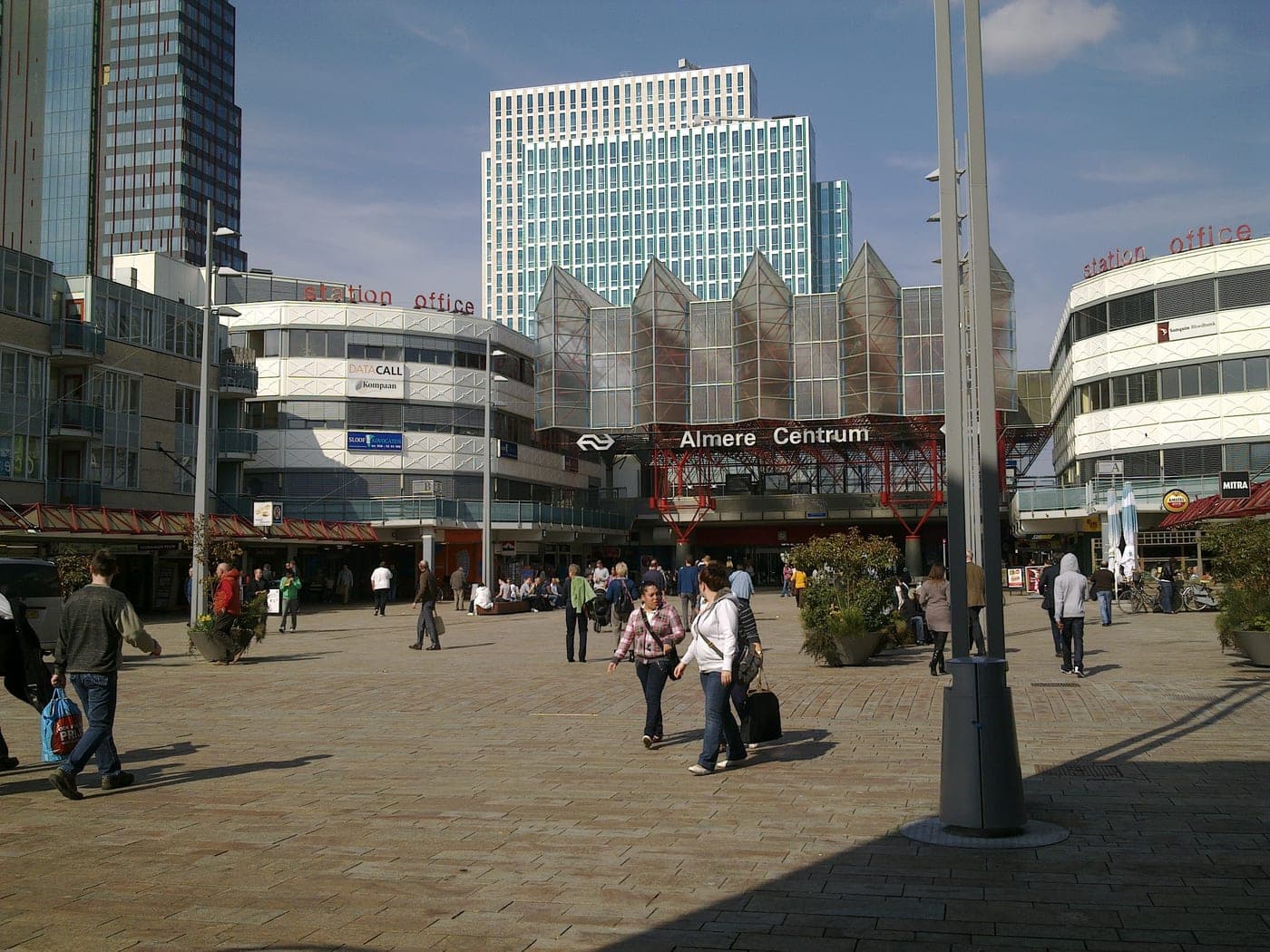
Flevoland
02 destsFlevoland, the youngest province in the Netherlands, was reclaimed from the Zuiderzee, showcasing innovative land reclamation techniques. Almere, the largest city, features modern architecture and a vibrant cultural scene, while Lelystad, the provincial capital, offers museums like the Batavialand, highlighting the region's maritime history. The area's unique landscapes include the Oostvaardersplassen nature reserve, home to diverse wildlife. Flevoland is also known for its agricultural practices, particularly in tulip cultivation. This province provides an opportunity to explore modern Dutch life alongside historical insights, making it a fascinating destination beyond typical tourist trails.
Boat RentalsHiking
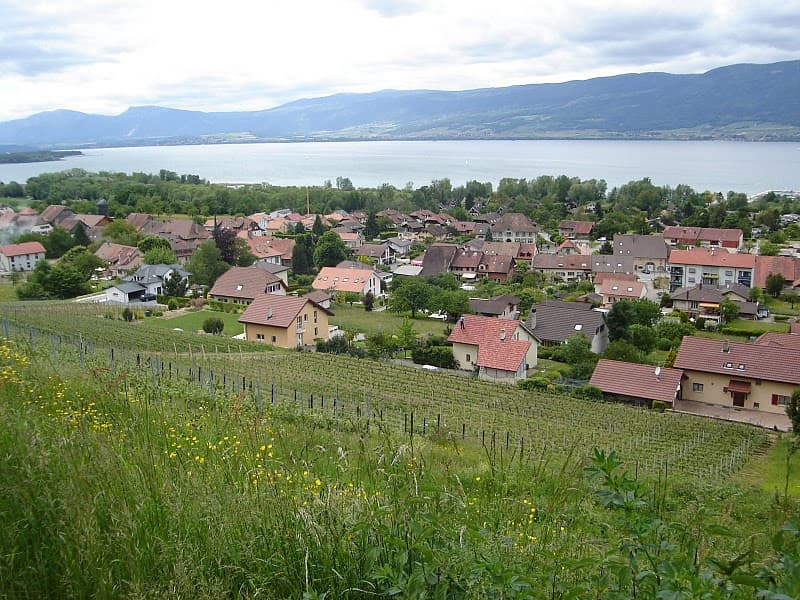
Fribourg
03 destsFribourg is a Swiss region built for a slower pace. It sits between the French- and German-speaking parts of the country, and that mix still shapes daily life here — road signs change language partway through the canton, and the same cheese is sold under two names at the same market stall. The regional capital, also named Fribourg, sits on a sandstone hill above a bend in the Sarine river. Its old town is one of the larger medieval centres in Switzerland, with covered wooden bridges, a Gothic cathedral, and streets so steep that some are built as steps rather than roads. From the ramparts, the river loops below and the rest of the canton spreads out towards the hills. South of the city, the land softens into rolling dairy country. This is Gruyère territory, named after both the cheese and the small walled town of Gruyères that still gives it its name. Around Gruyères and the nearby town of Bulle, farms and mountain huts still make cheese by hand through the summer months, when herds move up to the high pastures. Several dairies open their doors to visitors watching a wheel of Gruyère being pressed and salted, a process that has changed very little over generations. The landscape rises further south into pre-alpine terrain: green terraces, scattered timber barns, and villages built from wood that has weathered dark over centuries. Walking paths here follow old cattle tracks between pasture and forest, gentle enough for an unhurried afternoon rather than a full day's climb. In autumn, cattle are led back down from the alpine pastures in a tradition still marked with flowers, bells, and a village gathering — one of the few moments when the summer's quiet farm work becomes a public event. To the north and west, the canton reaches Lake Neuchâtel and Lake Murten. Murten itself is a walled medieval town on the water, small enough to circle on foot within the hour, with a lakeside promenade that fills with café tables in summer. In warmer months, passenger boats cross the lake to nearby towns, a pleasant way to spend an afternoon without hurrying. One of the quieter pleasures of the region is its local railway, which climbs from the lowland towns into the hills in short, unhurried stages, following the river through farmland before a hilltop town's towers come into view above the tracks. These are working regional trains rather than tourist rides, and that is much of their charm — riders share the carriage with people going to market or coming home from the fields. Food shapes much of what there is to do here. Beyond cheese, the region is known for its double cream, for meringues eaten with that cream, and for a dried, air-cured meat found across French-speaking Switzerland. Village markets, especially in Bulle and Fribourg itself, are where these products change hands directly between maker and buyer, often with a taste offered first. A comfortable way to see Fribourg is over three to five days: a day or two in the old town and along the Sarine, a day around Gruyères and its cheese dairies, and a day or two further into the hills or out to Murten and the lake. Trying to fit it into a single day usually means choosing between the city and the countryside, and both reward more time than that. What makes the region worth this pace is less any single sight than how its parts connect — a cathedral town, a cheese-making valley, alpine pastures, and a lakeside village, all within a canton small enough to move between slowly and still see plenty. Fribourg does not have the scale of the Bernese Oberland or the fame of Lake Geneva, but it holds a quieter version of the same Swiss countryside, with fewer crowds and more time to notice the details: the smell of a cheese cellar, a wooden bridge underfoot, the particular green of a pasture after rain.
Boat RentalsHiking
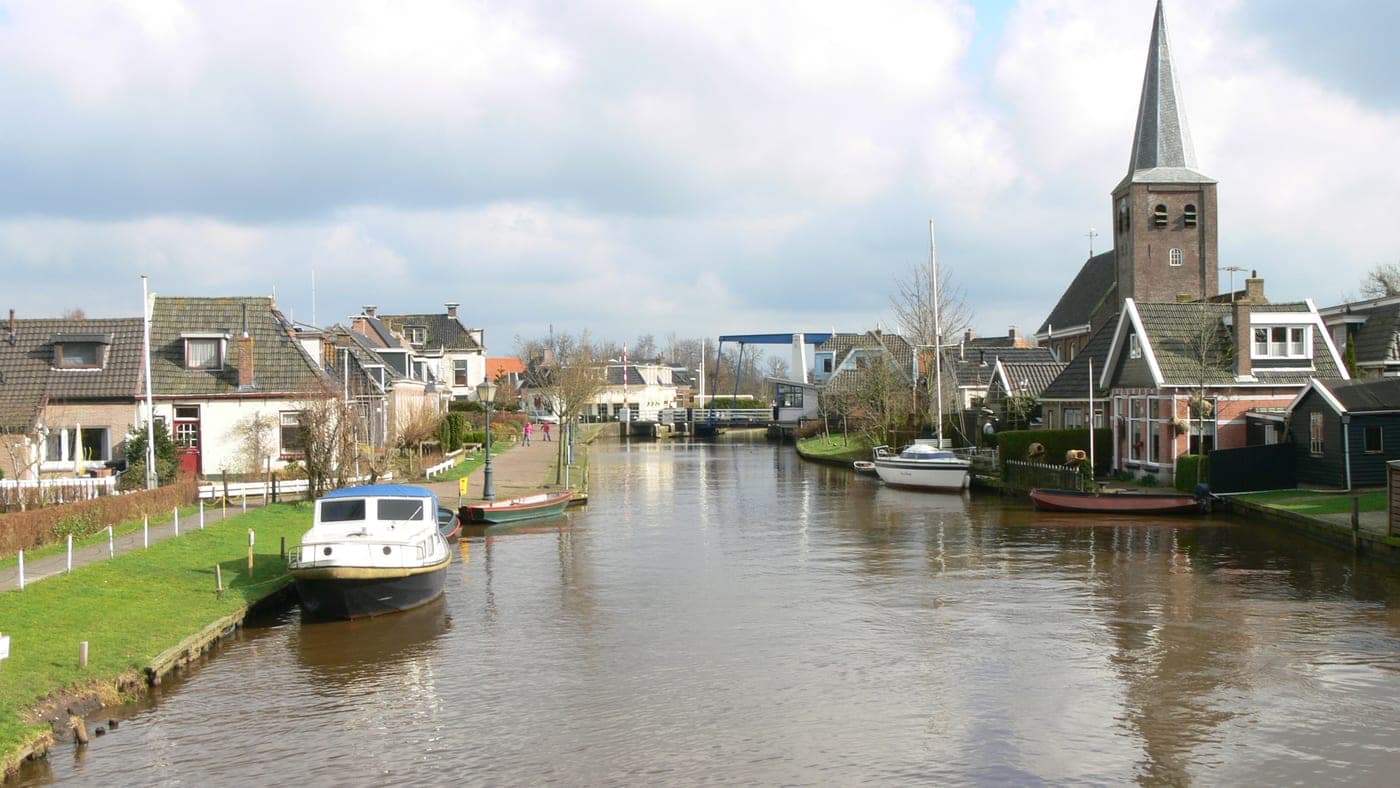
Friesland
12 destsFriesland, known for its lakes and waterways, is the largest province in the Netherlands by area. The region features unique cultural heritage, with the Frisian language recognized alongside Dutch. Leeuwarden, the capital, boasts historical architecture and was a European Capital of Culture in 2018. Small towns like Dokkum and Sneek offer cobbled streets and traditional festivals. Friesland is famous for its dairy products, particularly Frisian cheeses, and the annual Elfstedentocht, a long-distance ice skating tour. Nature lovers can explore the Wadden Sea, a UNESCO World Heritage site, and the expansive Frisian Lakes, ideal for sailing and cycling.
Boat RentalsHiking
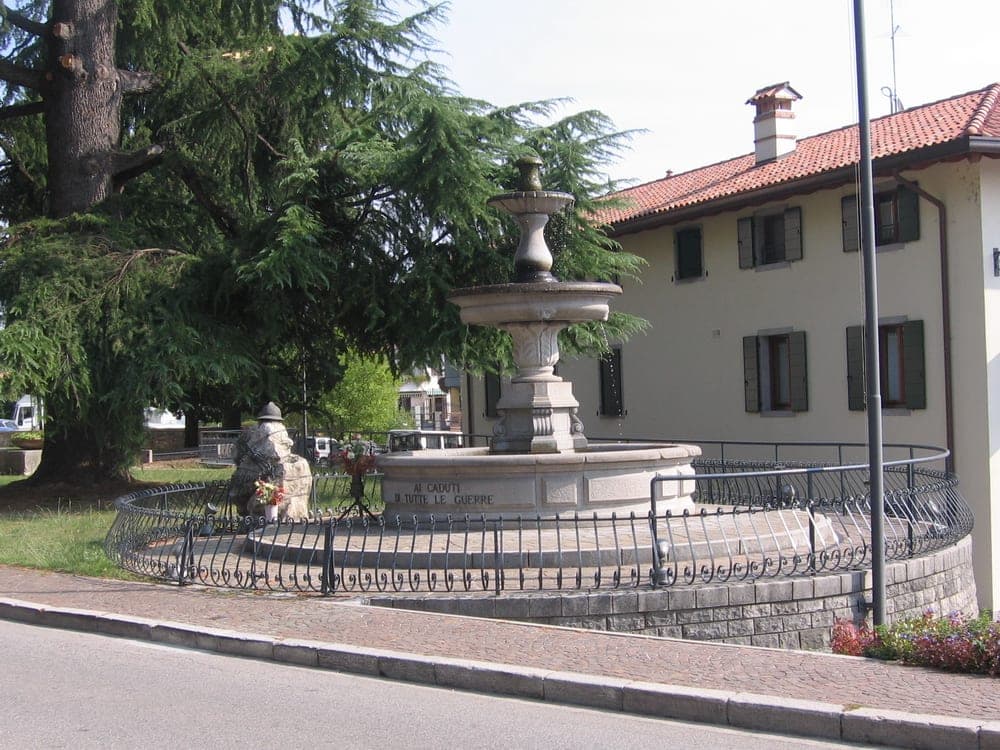
Friuli Venezia Giulia
01 destThis northeastern Italian region is known for its diverse landscapes, from the Alps to the Adriatic Sea. It is the only region in Italy with a coastline, featuring beautiful beaches along the Gulf of Trieste. The capital city, Trieste, boasts a rich history as a former Habsburg port, showcasing architecture that reflects its imperial past. The region is famous for its vineyards, producing unique wines like Friulano and Refosco. Notable towns include Cividale del Friuli, a UNESCO site with Lombard heritage, and Gorizia, known for its historic castle. The scenic Collio wine region invites exploration of charming wineries and local cuisine, emphasizing fresh ingredients and traditional recipes.
Wine TastingHiking
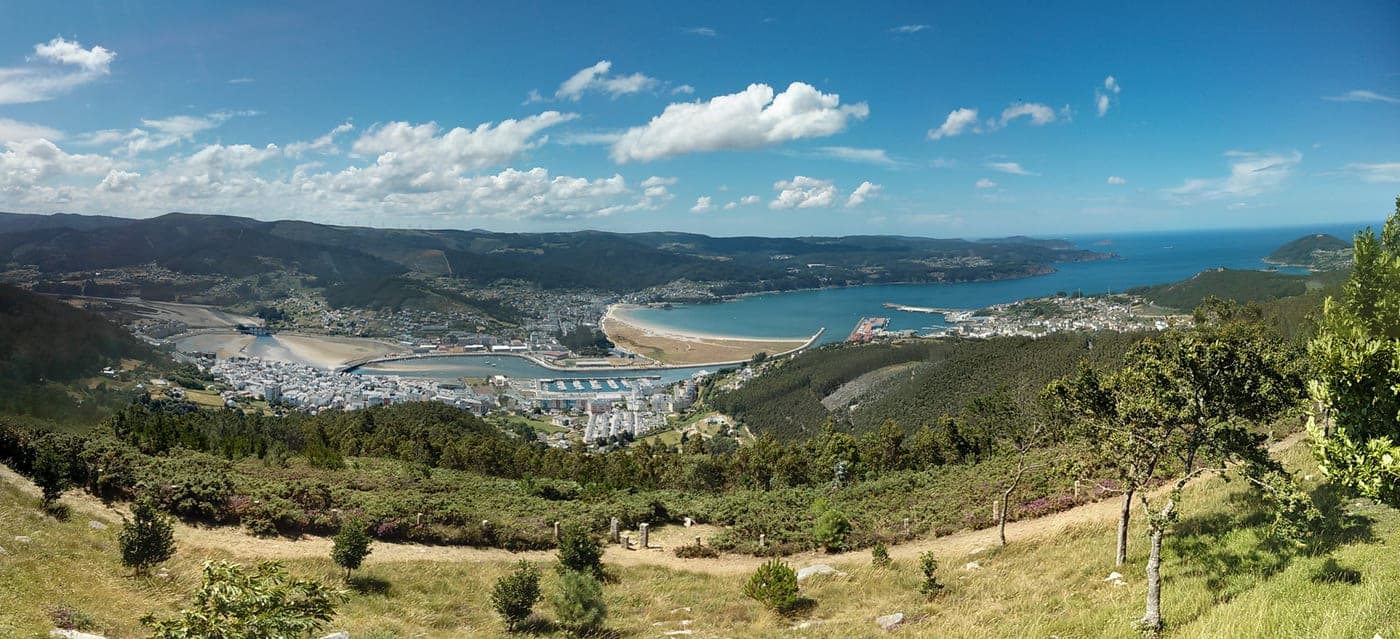
Galicia
08 destsThis region is the largest in Spain, featuring a stunning coastline along the Atlantic Ocean. Known for its rich Celtic heritage, Galicia boasts historical towns like Santiago de Compostela, famous for its pilgrimage routes and the impressive cathedral. The Rías Baixas area is celebrated for its Albariño wine, while the rugged shores offer scenic beauty, including the dramatic cliffs of the Costa da Morte. Traditional crafts, such as pottery and weaving, reflect the local culture. Visitors can explore lesser-known villages like Combarro and O Cebreiro, which showcase ancient architecture and regional gastronomy. Unique festivals, such as the Romería de San Juan, highlight local traditions and community spirit, making this region a treasure trove for those seeking depth in their travels.
Panoramic TrainsHiking
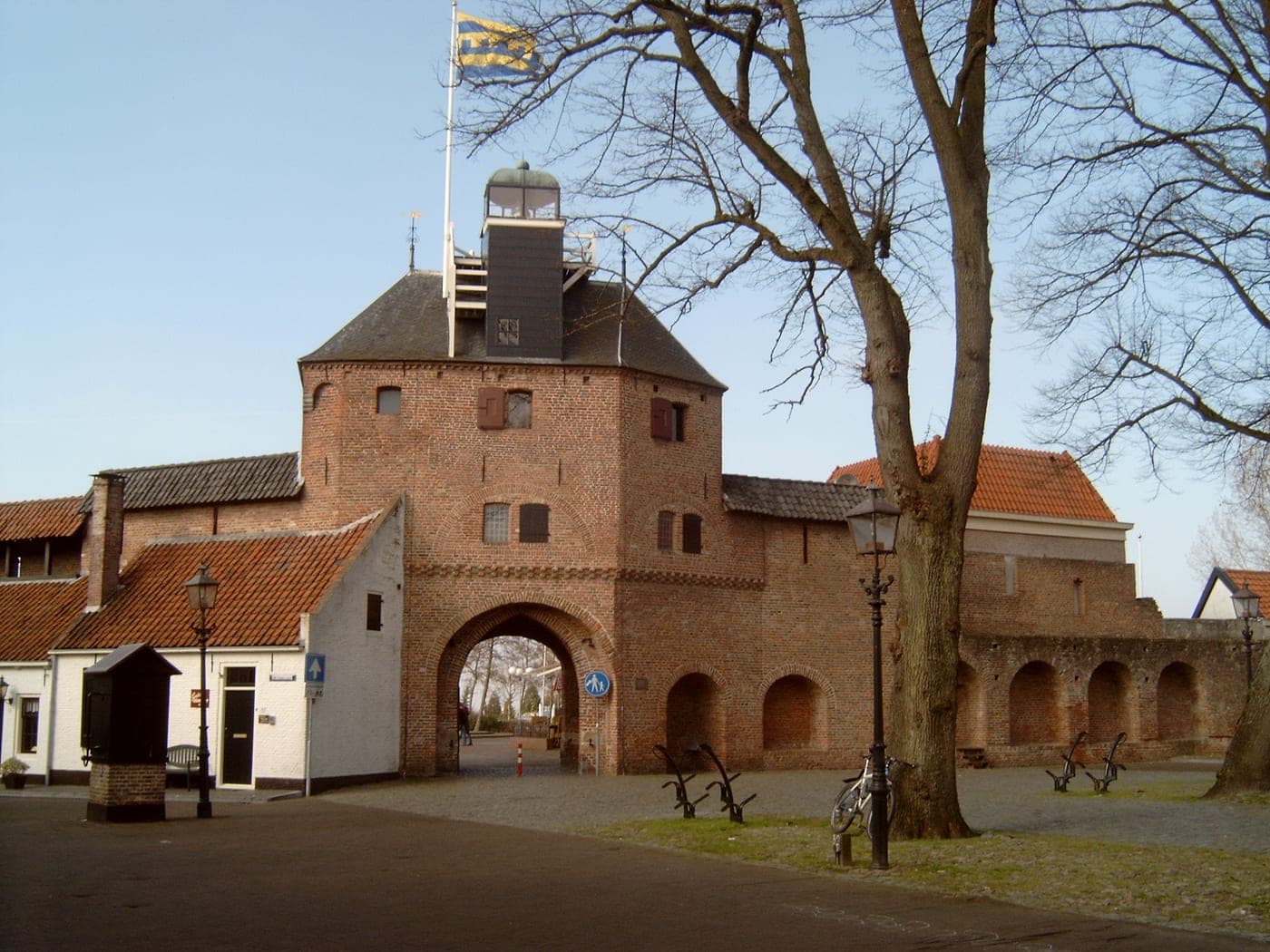
Gelderland
02 destsGelderland, the largest province in the Netherlands, is known for its diverse landscapes, including vast forests, heathlands, and beautiful river valleys. The region is home to the historic city of Arnhem, famous for its pivotal role in World War II, featuring the Airborne Museum. Nearby, the Hoge Veluwe National Park offers extensive trails for walking and cycling amidst art installations and nature. The charming town of Nijmegen boasts ancient Roman history and vibrant cultural festivals. Gelderland is also notable for its traditional Gelderland horse breeding and local cuisine, featuring local cheeses and game dishes. Off the beaten path, explore the quaint villages of Bronkhorst, one of the smallest towns in the Netherlands, and Elburg, with its medieval harbor and preserved architecture.
Boat RentalsHiking
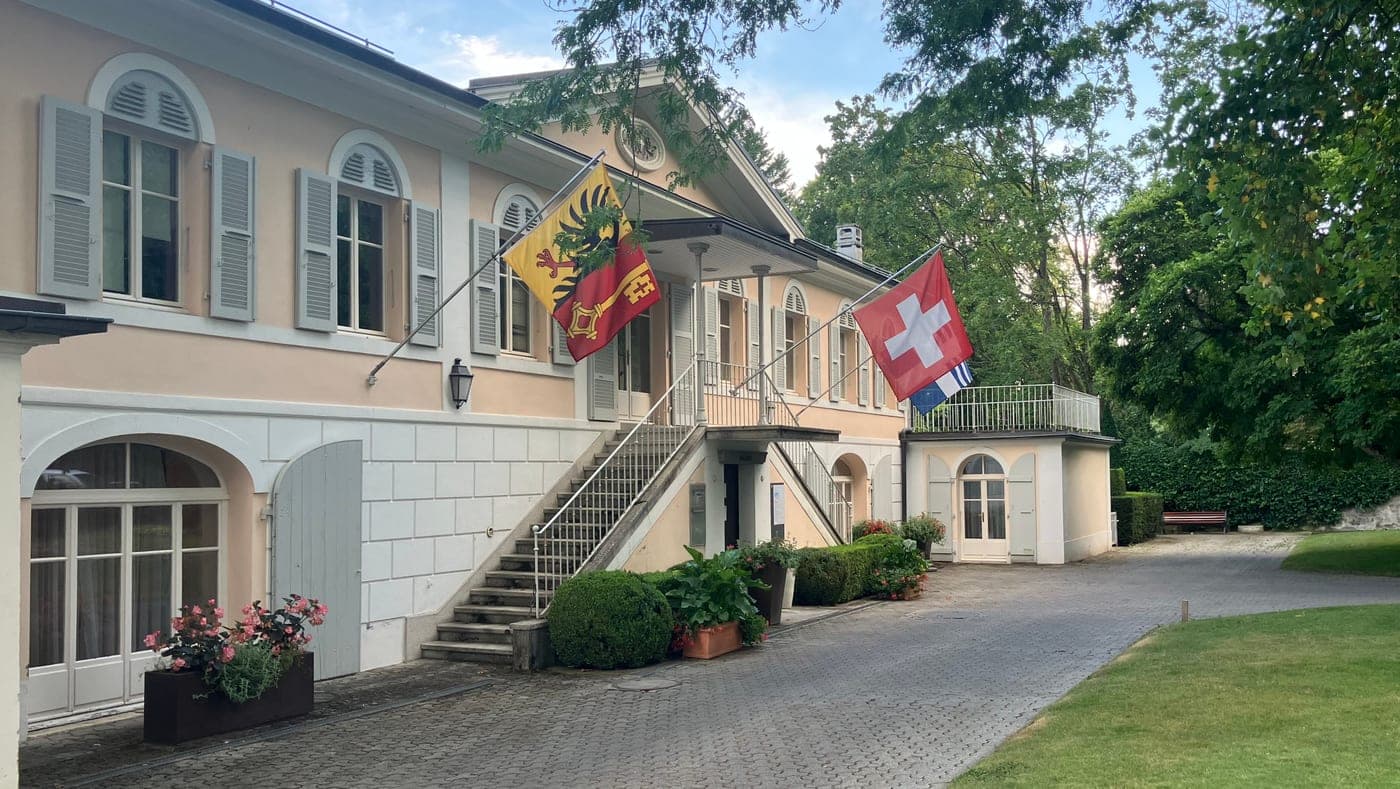
Geneva
04 destsGeneva, located by the shores of Lake Geneva, is Switzerland's second-largest city and a hub for diplomacy and culture. The old town features the stunning St. Pierre Cathedral, where visitors can climb to the tower for panoramic views. Beyond the city, the surrounding region is known for its vineyards, particularly in the nearby Lavaux area, a UNESCO World Heritage site famous for terraced vineyards overlooking the lake. The region’s history reflects a blend of French and Swiss influences, with the International Red Cross and numerous global organizations based here. For nature enthusiasts, the nearby Jura Mountains offer hiking trails and breathtaking vistas, making Geneva a gateway to both cultural and natural exploration.
Boat RentalsHiking
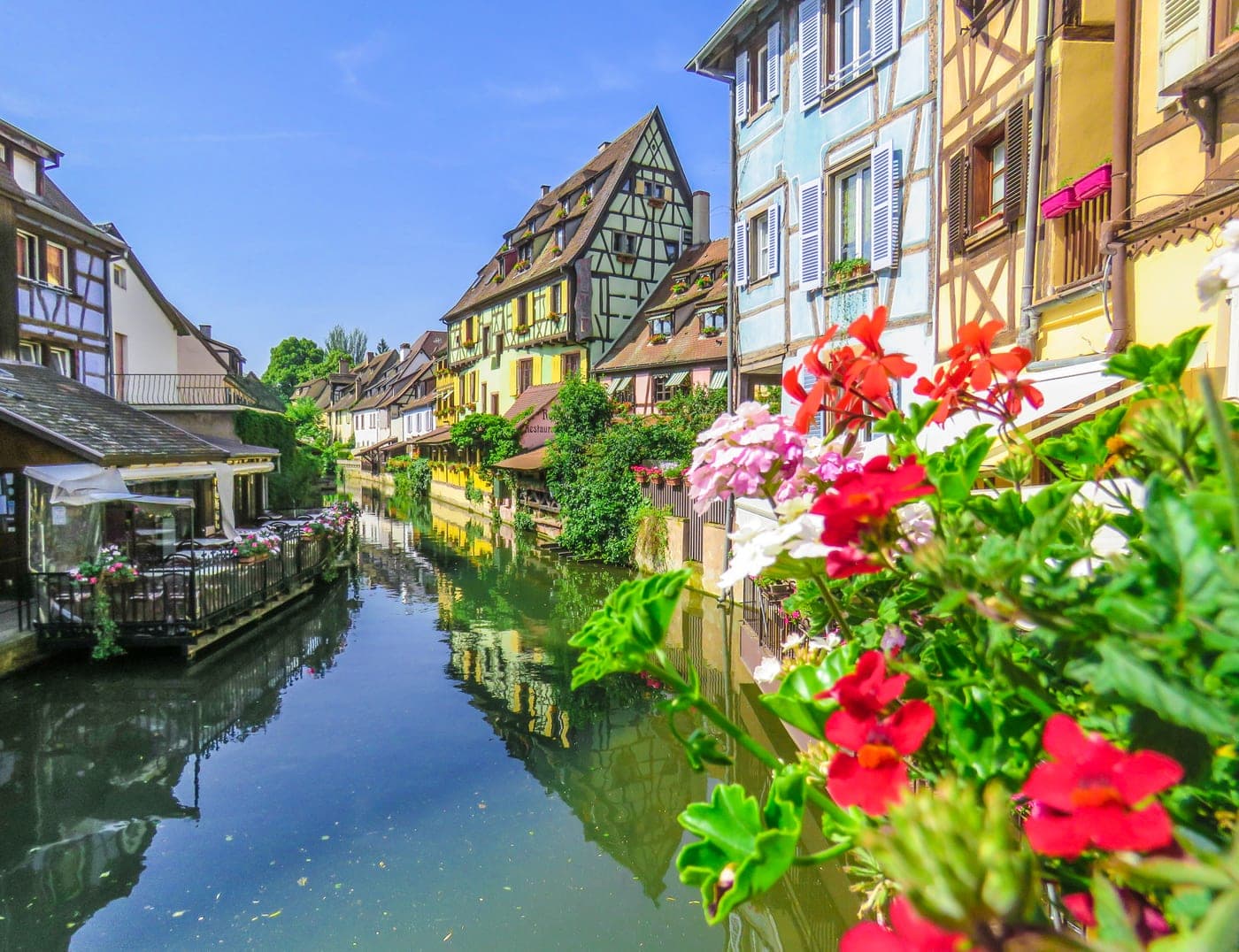
Grand Est
19 destsNestled in northeastern France, this region is the second largest, blending rich history with diverse landscapes. It boasts Strasbourg, known for its Gothic cathedral and unique blend of French and German cultures. The vineyards of Alsace produce exquisite white wines, particularly Riesling, while the Vosges Mountains offer scenic hiking trails. Visitors can explore the historic town of Colmar, famous for its well-preserved medieval architecture. The region is dotted with charming villages like Riquewihr, known for its half-timbered houses. Grand Est is also home to the Champagne region, celebrated for its sparkling wines. Festivals throughout the year highlight local traditions, making it a vibrant area to experience local culture.
Wine TastingHiking
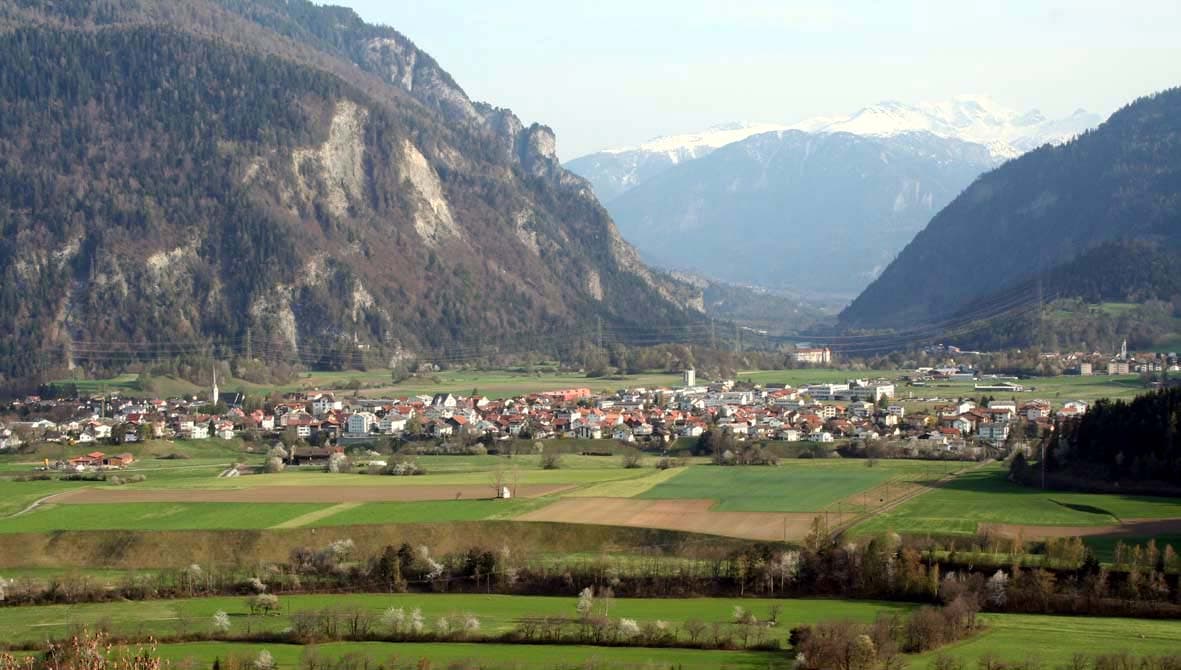
Graubünden
15 destsGraubünden is Switzerland's largest canton, known for its stunning alpine landscapes and unique cultural heritage. The region is famous for its diverse languages, with Romansh being one of the official languages. Notable cities include Chur, the oldest city in Switzerland, and the resort town of St. Moritz, renowned for winter sports and luxury. The area boasts the breathtaking Engadin Valley, home to picturesque villages like Sils and Maloja, and offers excellent hiking trails in the Swiss National Park. Graubünden is also known for its traditional cuisine, including hearty dishes like Capuns and Pizzoccheri, reflecting its rich agricultural roots. The region hosts lesser-known festivals that celebrate local traditions, adding to its authentic character.
Panoramic TrainsHiking
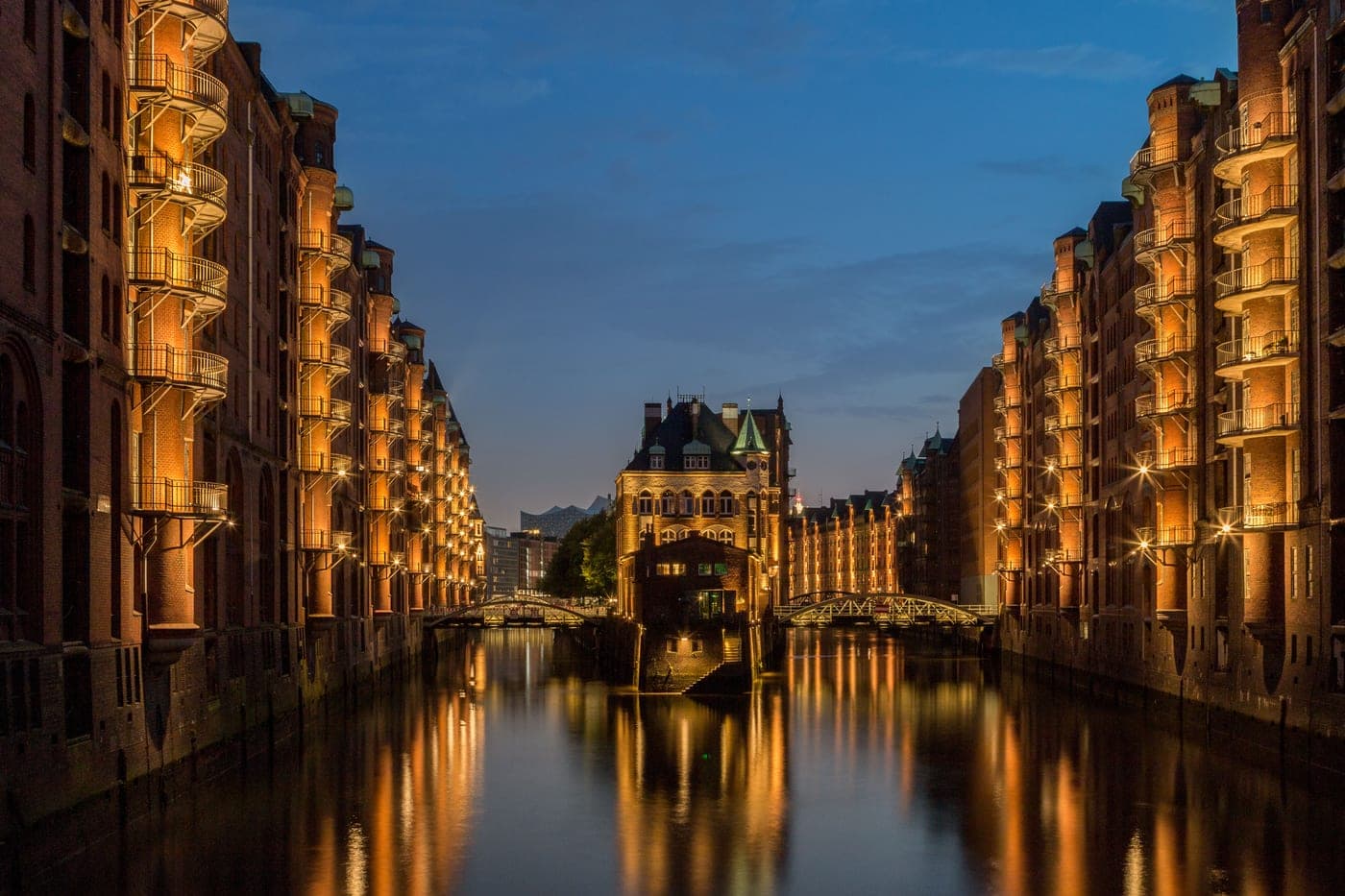
Hamburg
01 destHamburg, Germany's second-largest city, is known for its rich maritime history and vibrant cultural scene. The city is home to the historic Speicherstadt, the world's largest warehouse district, built on timber-pile foundations. The Elbphilharmonie, a striking concert hall, offers stunning views of the harbor. Nearby, the Blankenese district features picturesque hillside paths along the Elbe River. Additionally, Hamburg hosts numerous festivals, such as the Hamburg Dom fair and the Port Anniversary. The city’s diverse neighborhoods, from St. Pauli's nightlife to the artistic vibe of Schanzenviertel, offer unique local experiences. The surrounding nature, including the scenic Alster Lakes, invites leisurely exploration.
Camper Van RentalsHiking
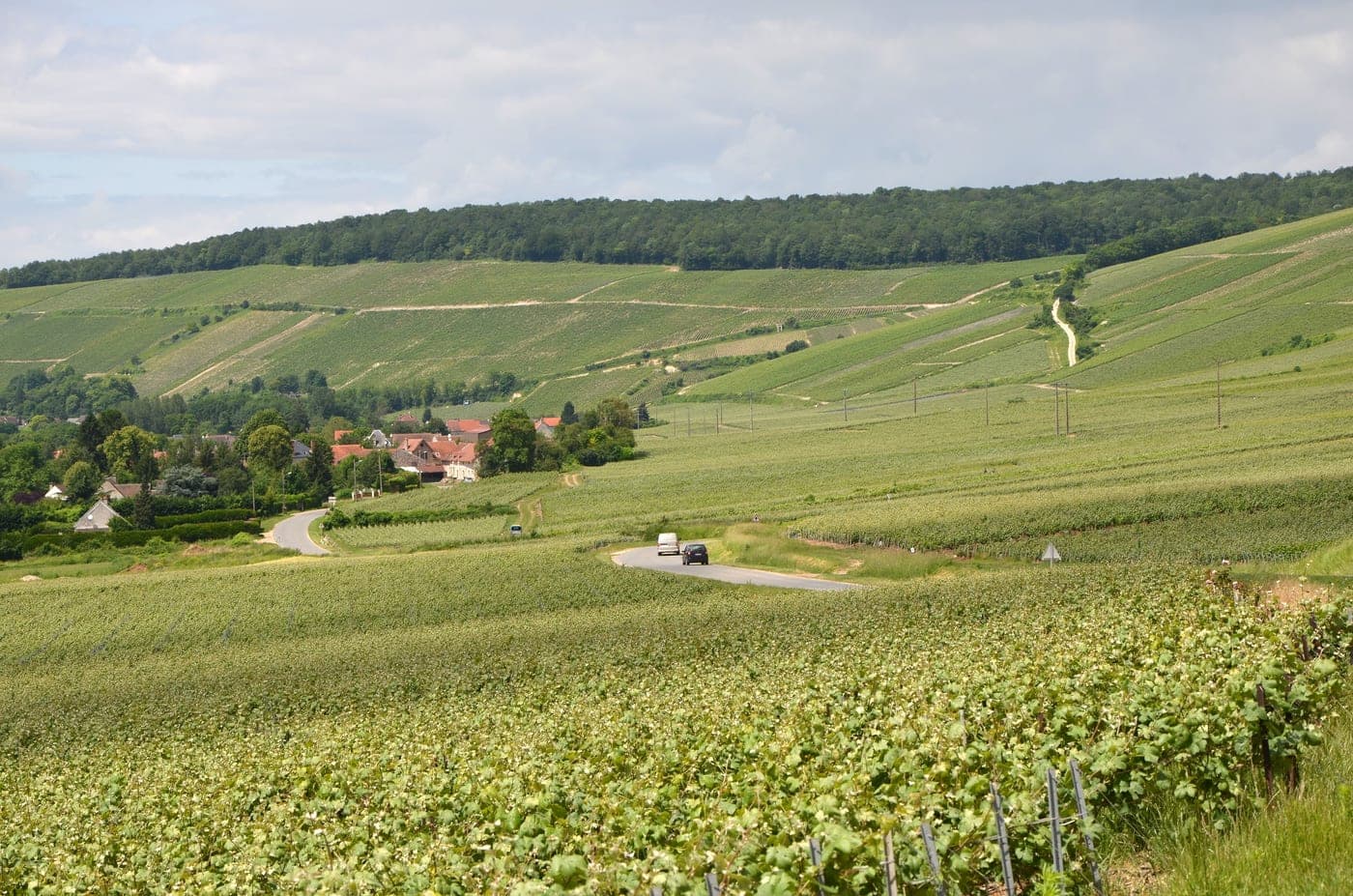
Hauts-de-France
03 destsHauts-de-France is the northernmost region of France, known for its rich industrial heritage, unique cultural blend, and stunning coastal landscapes along the English Channel. Lille, the largest city, boasts vibrant Flemish architecture and a thriving arts scene. The region is the birthplace of French Impressionism, with museums dedicated to renowned artists like Van Gogh. The Somme Valley offers historic World War I sites, while the Opal Coast features breathtaking cliffs and charming fishing villages. Known for its local cuisine, Hauts-de-France is famous for dishes like 'potjevleesch' and 'moules-frites,' providing an authentic taste of the area. Off the beaten path, explore towns such as Arras, with its grand squares, or the serene countryside of the Avesnois Natural Park, rich in biodiversity and picturesque landscapes.
Wine TastingCamper Van Rentals
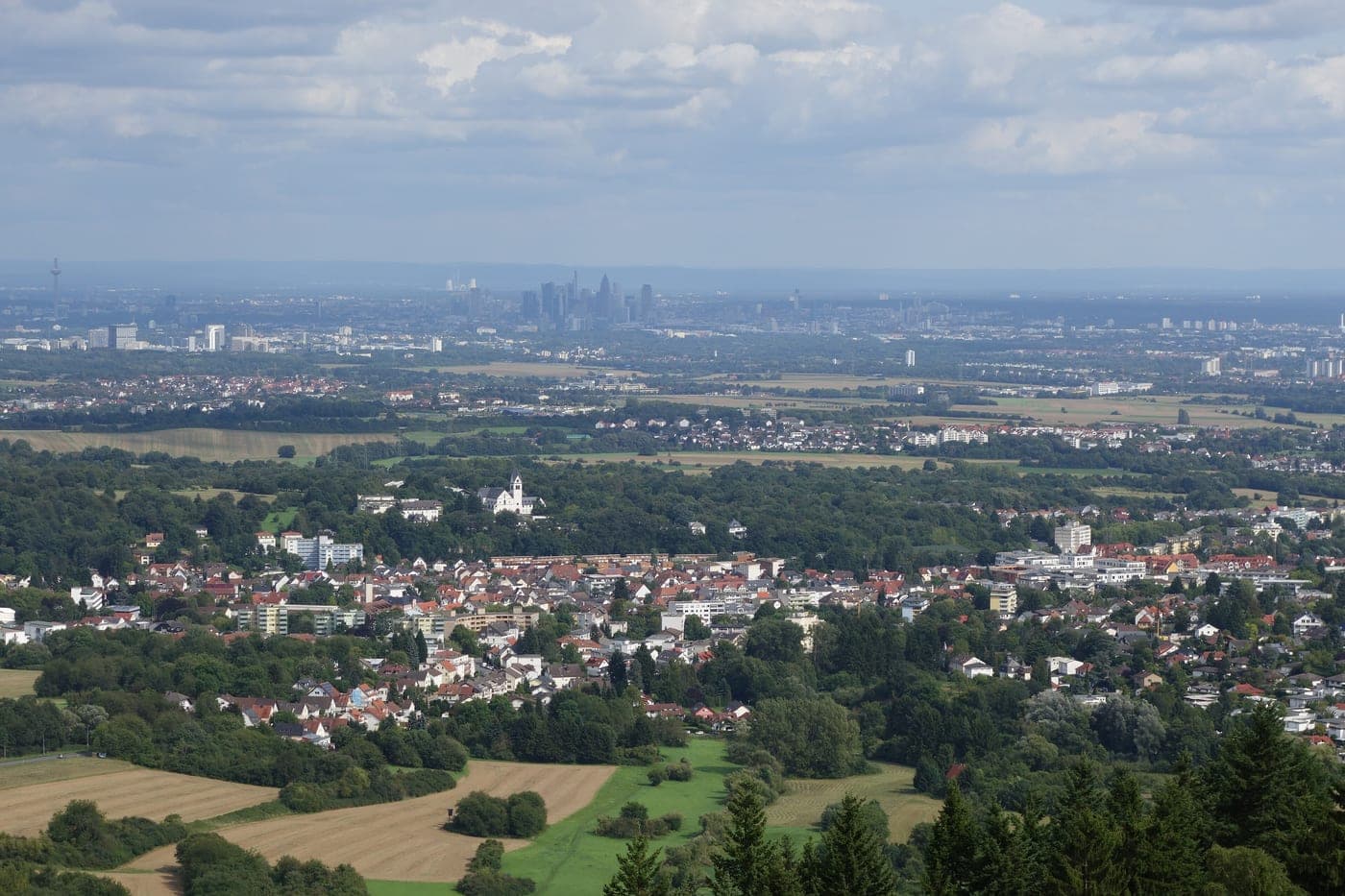
Hesse
05 destsHesse sits at the middle of Germany, and its landscape shows that in-between position clearly: river valleys lined with vineyards, forested hills that rise into proper mountain trails, and old market towns that never grew into cities. The pace here is set by the land itself. Along the Rhine, in the district known as the Rheingau, steep slopes have carried vines for centuries. Riesling is the grape that defines the area, grown on terraces above towns such as Rüdesheim, Eltville, and Geisenheim, where the river bends and the hills catch the afternoon sun. Marked cycling paths follow the water through the vine rows, past wine presses and small cellar doors that open onto the lane in season. Wiesbaden, the state capital, grew up around its hot springs. The Romans built baths here, and the town's spa culture never really stopped afterward — the same warm mineral water still rises through the ground and feeds the fountains and bathhouses that give the old streets their elegant, slightly formal air. Wide boulevards, stucco façades, and a domed casino all belong to that same spa-town character. Darmstadt, not far south, took a different path. At the start of the twentieth century, a group of artists and architects built the Mathildenhöhe colony there, a hillside cluster of houses, studios, and a wedding tower designed as a single artistic statement. The result is unlike anything else nearby: Jugendstil curves, mosaic tiles, and gardens laid out to match the buildings around them. To the north, the Taunus range folds into wooded ridges and open summits, with the Feldberg as its high point. Paths climb through beech forest and break out onto grassy tops with views back down toward the Rhine and Main valleys. At the foot of the range, Bad Homburg keeps its own spa tradition, with a park landscaped around mineral springs and a Kurhaus at its centre. Marburg lies along the Lahn river, its old town built up a steep hillside beneath a castle that has watched over the crossing for centuries. Narrow lanes climb between half-timbered houses toward the Elisabethkirche, one of the earliest Gothic churches built in Germany, and the university that has shaped the town since the sixteenth century sits woven right through the streets rather than set apart from them. Hesse also carries a strong thread of fairy tale history. The Brothers Grimm worked in Kassel for much of their lives, gathering and editing the folk tales that later spread around the world, and the town where they grew up, Steinau an der Straße, still keeps their family home. Kassel itself holds the Bergpark Wilhelmshöhe, a hillside park built around water cascades and crowned by a huge statue of Hercules, with fountains set running on fixed days through the warmer months. Further east, Bad Hersfeld grew around a Benedictine abbey whose church was left roofless after a fire centuries ago. The ruined nave now hosts an open-air theatre festival each summer, with the half-timbered old town filling up around performance nights. Fulda, close by, keeps its baroque cathedral quarter and a web of quiet lanes built for walking rather than traffic. Wine, water, and woodland repeat across Hesse in different combinations. The Rhine and Lahn valleys both carry cycling routes built along old towpaths, with easy gradients that pass through vineyard villages and under castle ruins. Autumn brings the grape harvest to the Rheingau, with presses running and new wine, still cloudy and sweet, sold by the glass in village squares. Spring and early summer suit the Taunus trails, when the beech woods are freshly green and the ridge paths stay cool. Spa towns like Wiesbaden and Bad Homburg keep their bathhouses open through the year, giving the region a rhythm that does not depend on any single season. What holds Hesse together is this mix of built and grown landscape: castle hills standing over vine terraces, spa parks laid out beside forest ridges, and small towns where the half-timbered centre and the surrounding countryside read as one continuous place rather than a destination and its outskirts.
CastlesCamper Van Rentals
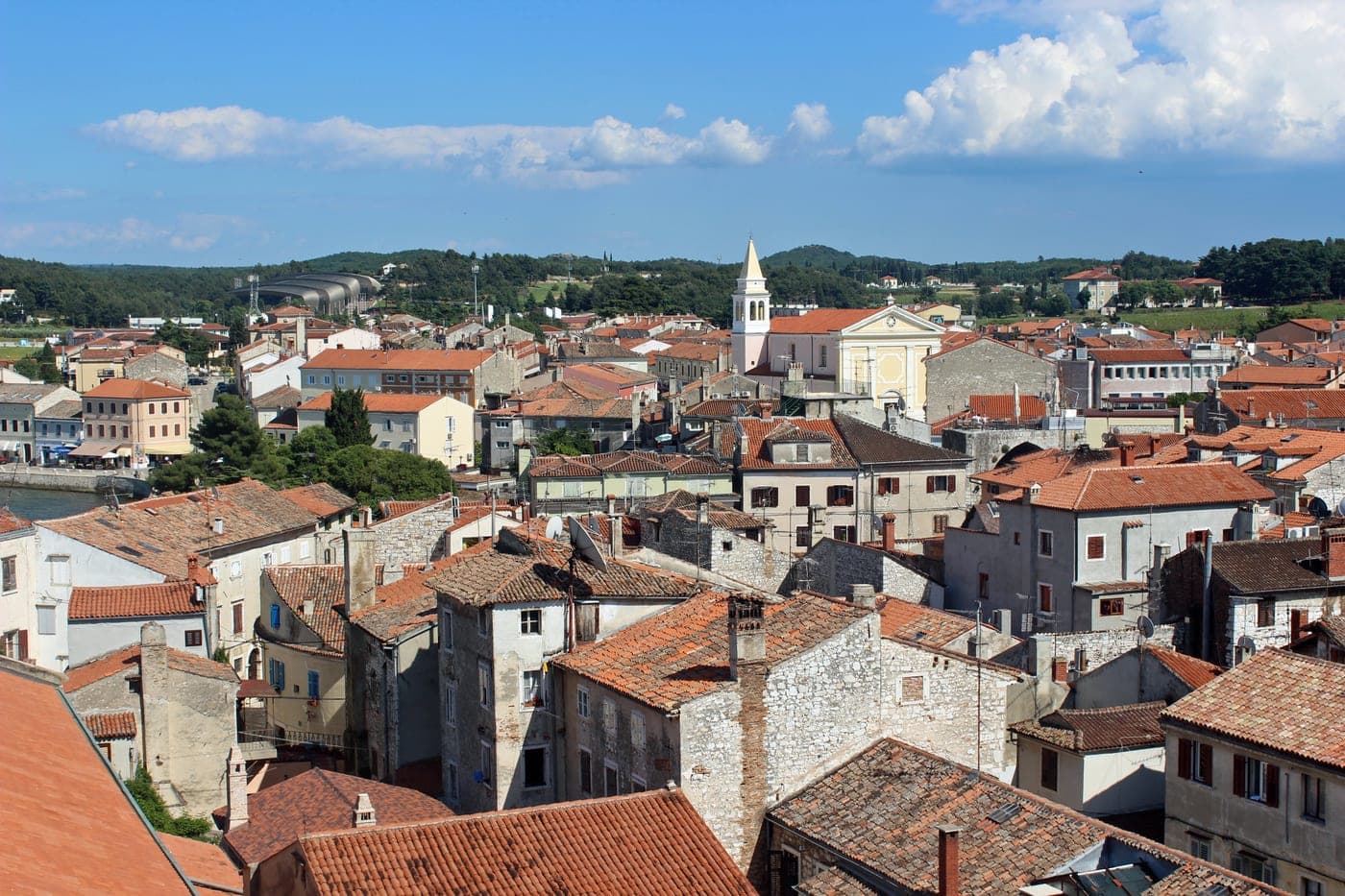
Istria
05 destsIstria is Croatia's largest peninsula, known for its diverse landscape of rolling hills, vineyards, and olive groves. This region features charming towns like Rovinj, famous for its colorful waterfront and Venetian architecture, and Pula, home to one of the best-preserved Roman amphitheaters in the world. The coastal areas provide access to beautiful beaches, while inland, the hilltop villages of Motovun and Grožnjan offer stunning views and rich history. Istria is celebrated for its culinary delights, particularly truffles and local wines like Teran and Malvazija. The region also hosts various cultural festivals, showcasing its vibrant traditions and arts. It's a place where ancient history meets rich gastronomy, ideal for those who wish to explore beyond typical tourist paths.
Boat RentalsHiking
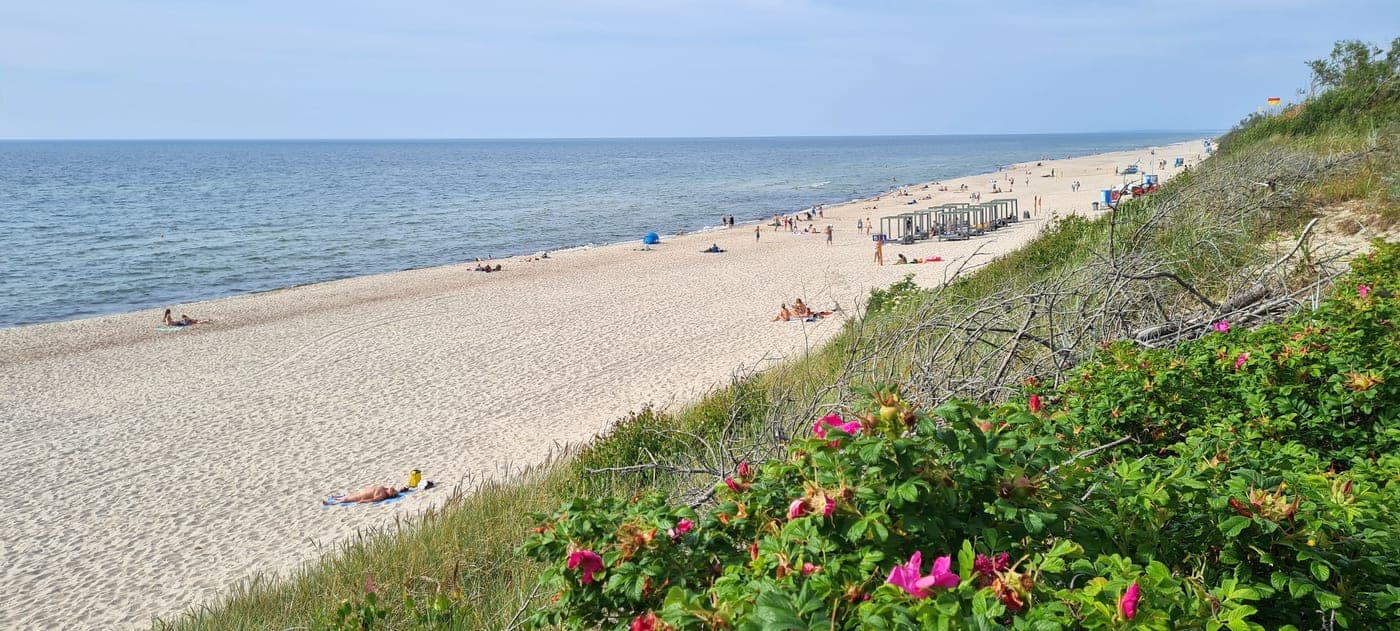
Klaipėda
03 destsKlaipėda is Lithuania's only port city, offering unique access to the Baltic Sea. It features a blend of maritime history and vibrant culture, with its roots tracing back to the 13th century. Notably, the city is famous for the Curonian Spit, a UNESCO World Heritage Site that separates the lagoon from the sea, showcasing stunning dunes and diverse ecosystems. Explore the old town with its German-influenced architecture, including the iconic Theatre Square. Nearby, the quaint fishing village of Nida captivates with its scenic beaches and local crafts. The region is also known for its rich maritime traditions, local seafood cuisine, and annual festivals celebrating the sea and its heritage, providing a deeper understanding of Lithuanian culture beyond common tourist paths.
Boat RentalsHiking
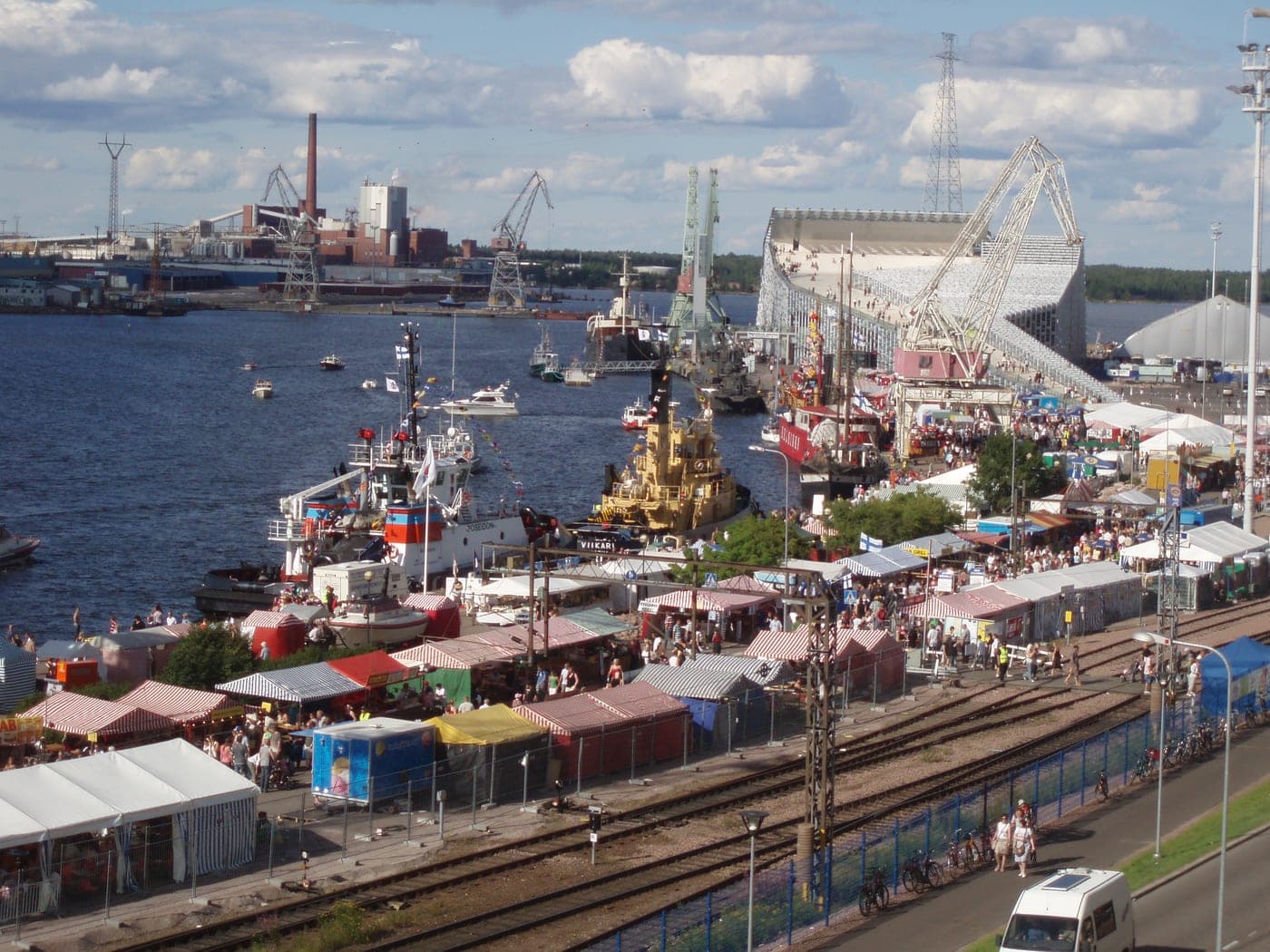
Kymenlaakso
01 destKymenlaakso is a unique Finnish region blending coastal landscapes and rich history. It is one of the few areas in Finland with direct access to the Gulf of Finland, boasting a mix of large towns and serene nature. Kouvola, the largest city, serves as a hub for exploring nearby natural parks and the Kymi River, known for its scenic views and outdoor activities. The region is famous for its paper industry history, with several museums showcasing this heritage. Off the beaten path, travelers can discover the charming villages along the coast, such as Hamina, known for its star-shaped fortress and vibrant cultural events. The archipelago provides opportunities for quiet retreats and local seafood experiences, enhancing the slow travel journey.
Boat RentalsHiking
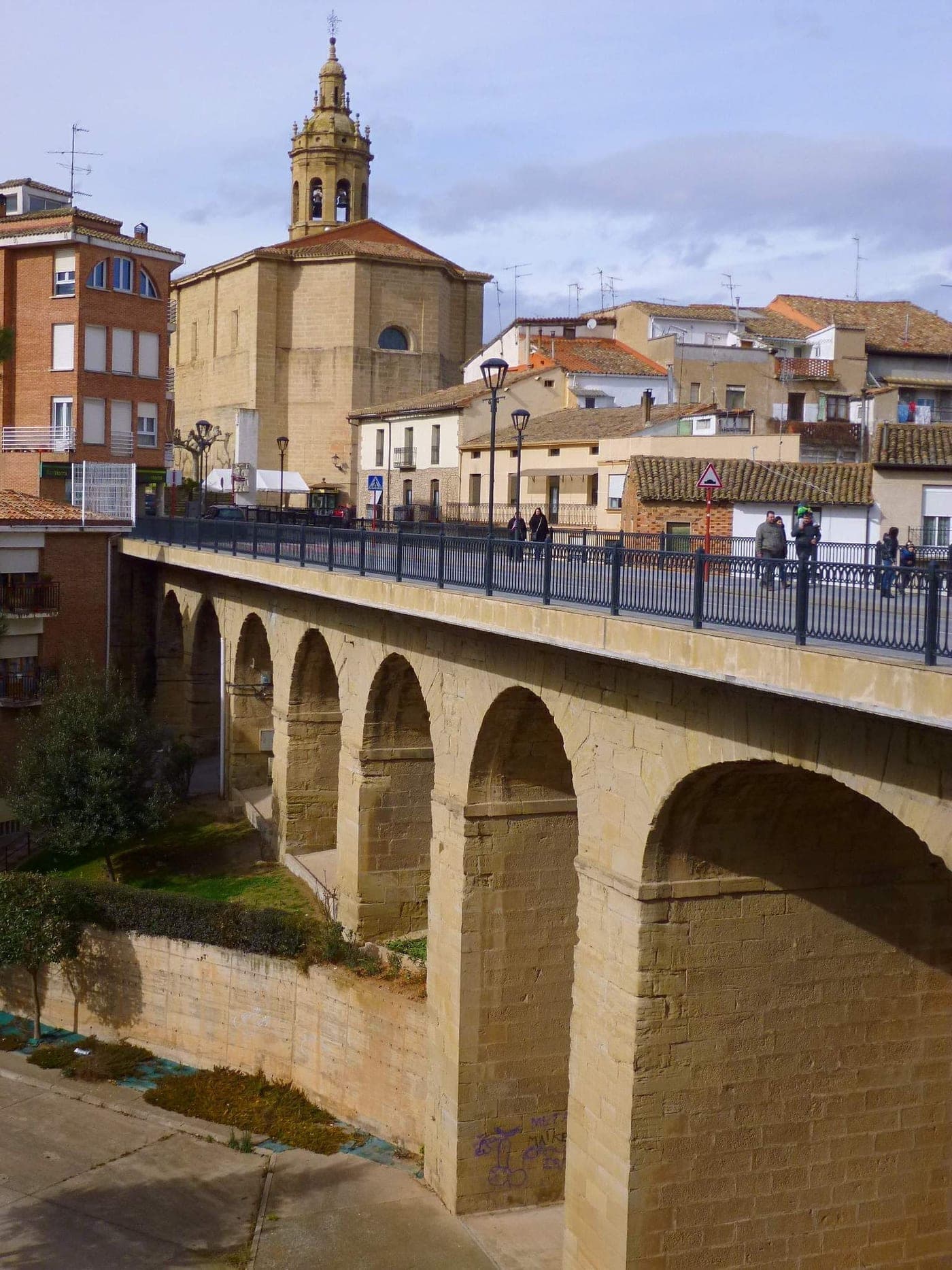
La Rioja
11 destsKnown for its exceptional wines, this region is home to diverse vineyards producing Tempranillo and Garnacha grapes. The only wine-producing region in Spain with a Denomination of Origin status, La Rioja is characterized by rolling hills and the Ebro River. Historic towns like Haro offer wine cellars and local festivals, while the capital, Logroño, is famous for its vibrant tapas scene along Calle Laurel. The region features ancient monasteries, such as San Millán de la Cogolla, a UNESCO World Heritage site. Hikers can explore the Sierra de la Demanda mountains, and traditional crafts like pottery and leatherwork are still practiced in small villages. La Rioja’s landscapes vary dramatically, providing a rich tapestry of cultural experiences.
Wine TastingHiking
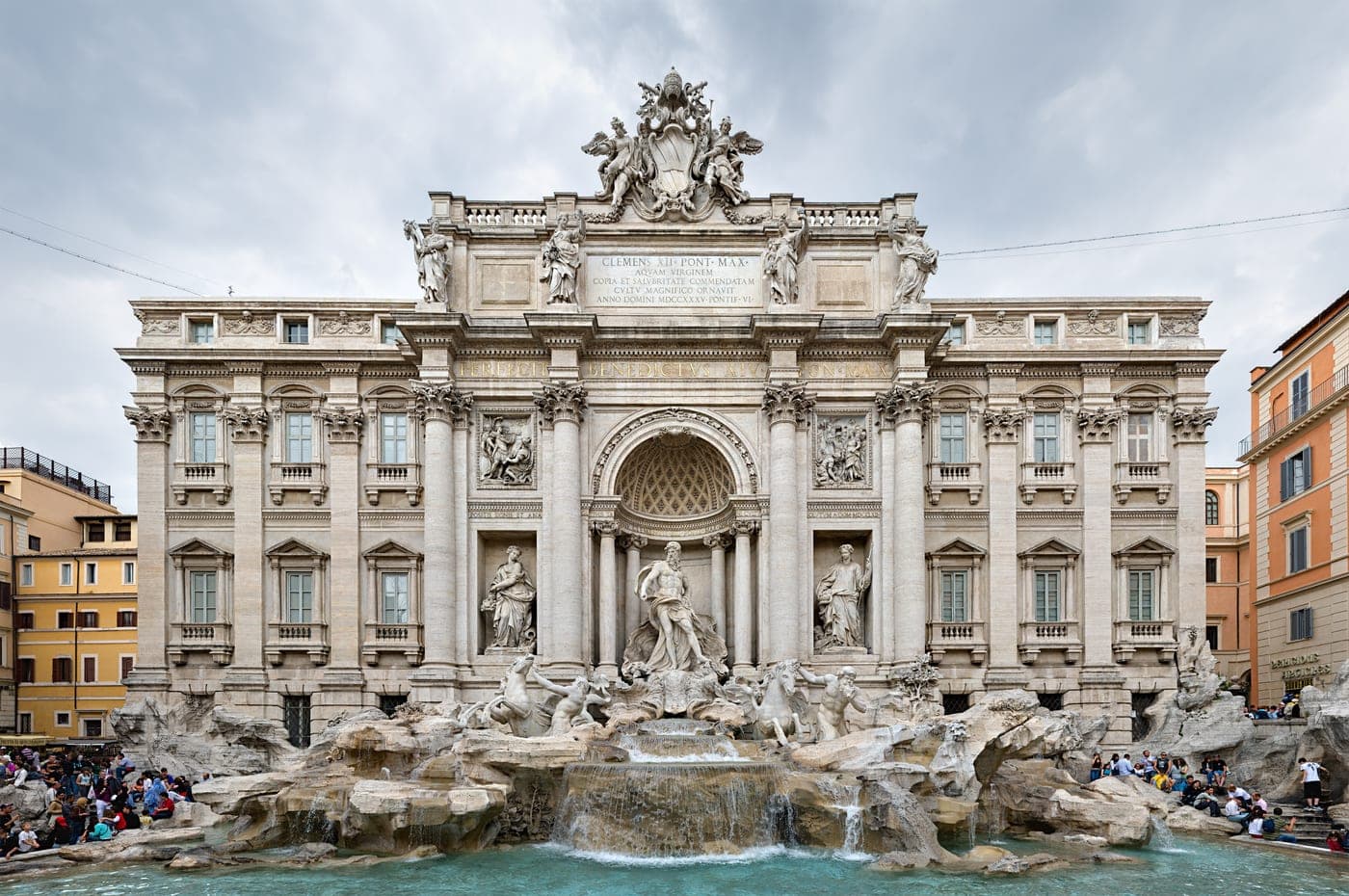
Lazio
02 destsLazio is Italy's second-largest region, renowned for its rich history and diverse landscapes. The capital, Rome, boasts ancient ruins and vibrant street life, but the surrounding areas are equally captivating. Explore the hill towns like Viterbo, known for its thermal springs and medieval architecture. The region also features the stunning coastline of the Tyrrhenian Sea, offering hidden beaches and charming fishing villages. Lazio is famous for its culinary traditions, including artichokes from Rome and wines from Frascati. The region is home to the beautiful countryside of the Castelli Romani, dotted with vineyards and historic castles, providing a glimpse into local life away from the tourist crowds.
Camper Van RentalsHiking
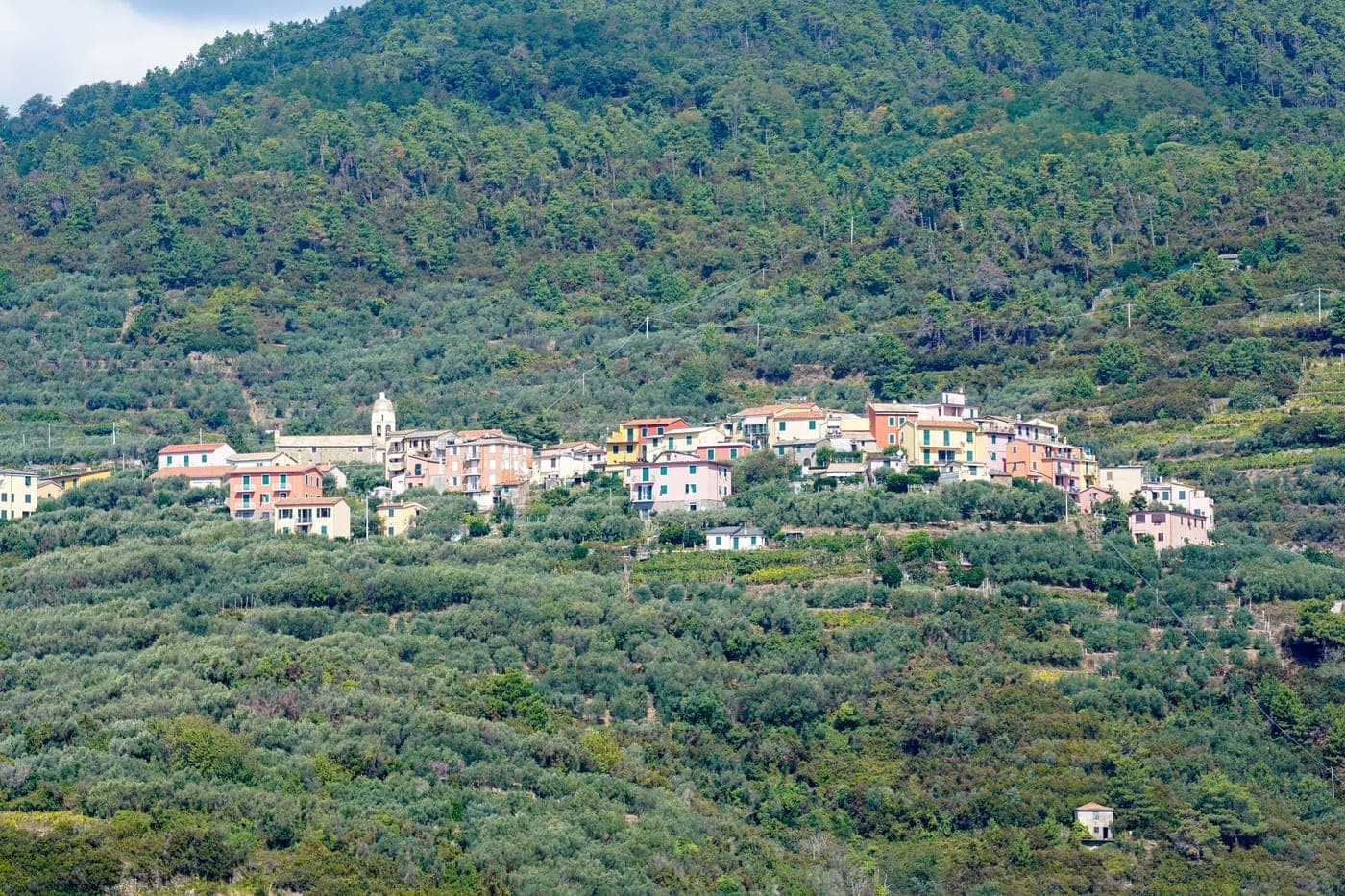
Liguria
04 destsNestled between the Ligurian Sea and the Apennine Mountains, this region is the smallest in Italy, yet it boasts a rich tapestry of landscapes and cultures. Known for its picturesque coastline, it is home to the UNESCO World Heritage Site of Cinque Terre, where five colorful villages cling to steep cliffs. Beyond the coast, towns like Portofino offer a glimpse into the luxurious Mediterranean lifestyle, while inland, the olive groves and vineyards of the hinterland produce exquisite olive oil and Vermentino wine. Historical sites abound, such as the ancient maritime republic of Genoa, with its impressive palaces and rich maritime history. The region is also famous for its pesto, a culinary delight made from locally grown basil. With a mild climate year-round, Liguria offers a wealth of walking trails, scenic drives, and local festivals, providing an authentic experience of Italian coastal life.
Wine TastingBoat Rentals
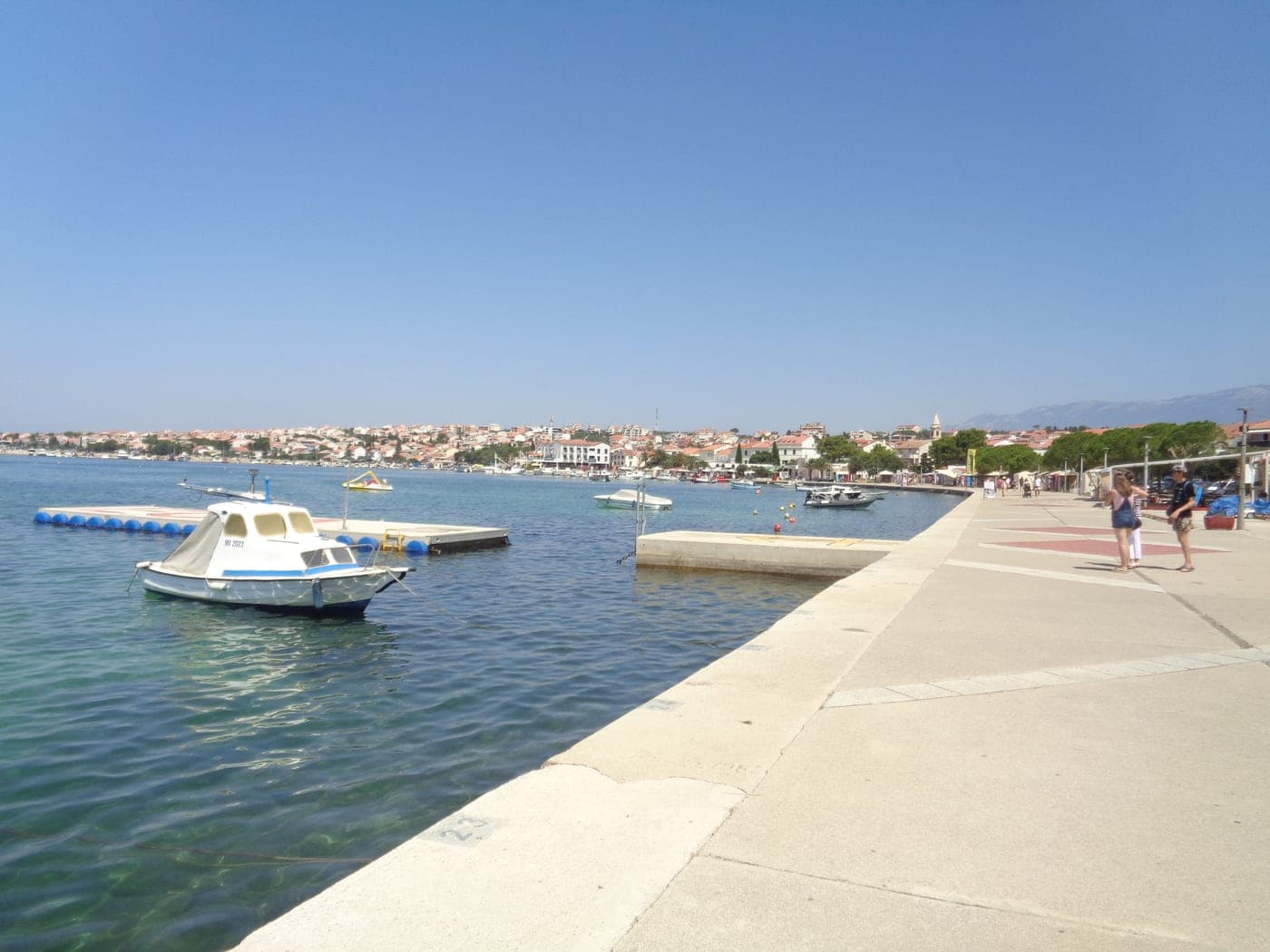
Lika-Senj
01 destLika-Senj is Croatia's largest region, known for its stunning natural landscapes, including the Velebit mountains and the Plitvice Lakes National Park, a UNESCO World Heritage site famous for its cascading lakes and waterfalls. The region has access to the Adriatic coastline, offering unique opportunities for both mountain and sea experiences. Towns like Gospić showcase local culture through traditional cuisine and folklore, while Senj is known for its historical fortresses and the ancient Nehaj Castle. Rich in biodiversity, Lika-Senj is also a haven for outdoor activities such as hiking, cycling, and wildlife observation, making it ideal for those who appreciate untamed nature and local heritage.
Boat RentalsHiking
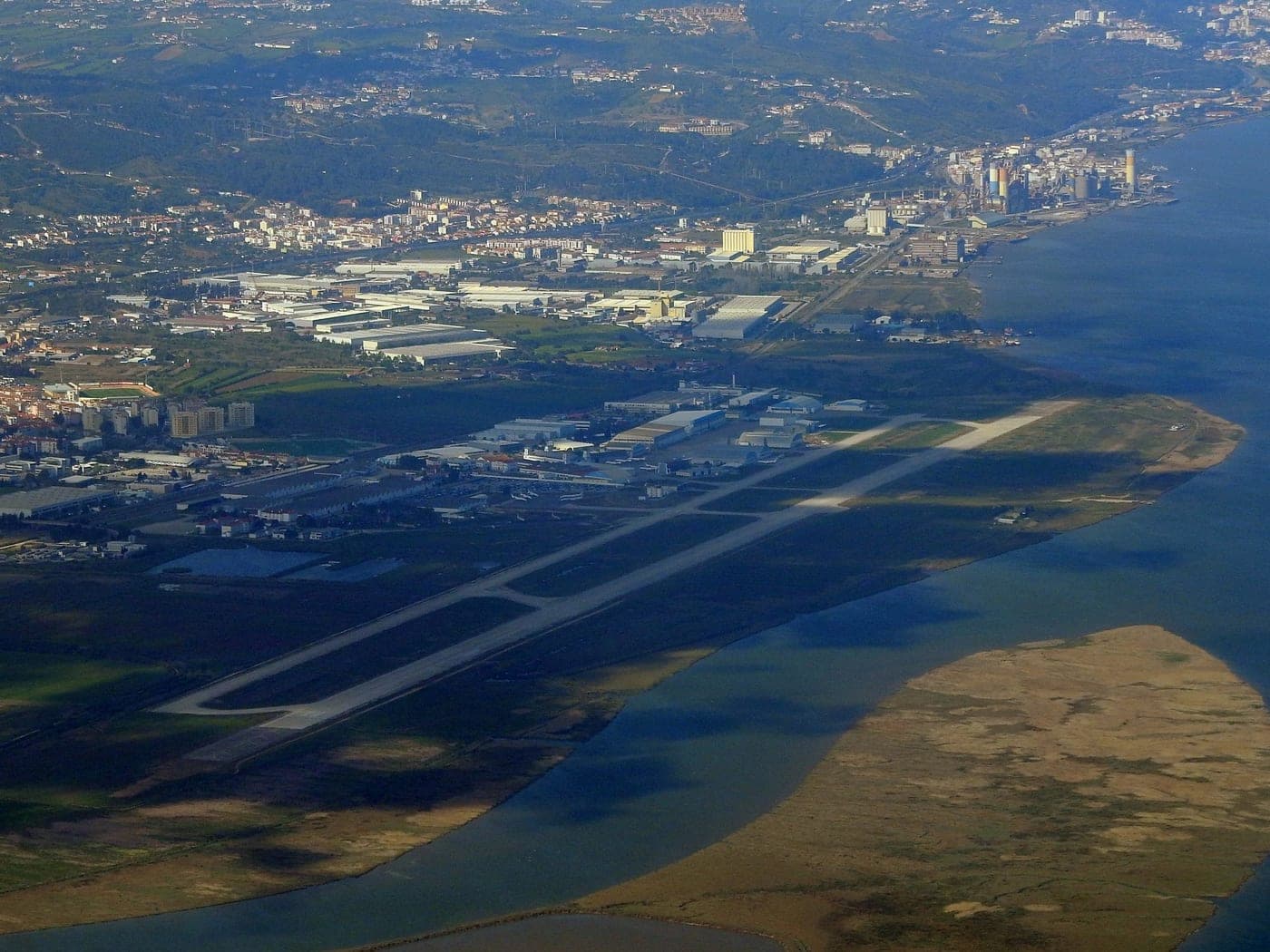
Lisbon
03 destsLisbon, Portugal's capital, is a vibrant city known for its rich maritime history and unique architectural styles, including Manueline and Pombaline. It is situated on the edge of the Atlantic Ocean, making it the only capital city in Western Europe with a coastline. The Alfama district, with its narrow winding streets, offers a glimpse into the city's Moorish past, while the Belém area is home to the iconic Jerónimos Monastery. Off the beaten path, the neighborhood of Graça provides stunning viewpoints and local eateries. The region also hosts local festivals, like Festas de Lisboa, celebrating culture and tradition throughout June. Lisbon's proximity to the Sintra mountains allows for scenic hikes and exploration of palaces, making it a multi-faceted destination for those looking to explore at a leisurely pace.
Wine TastingHiking
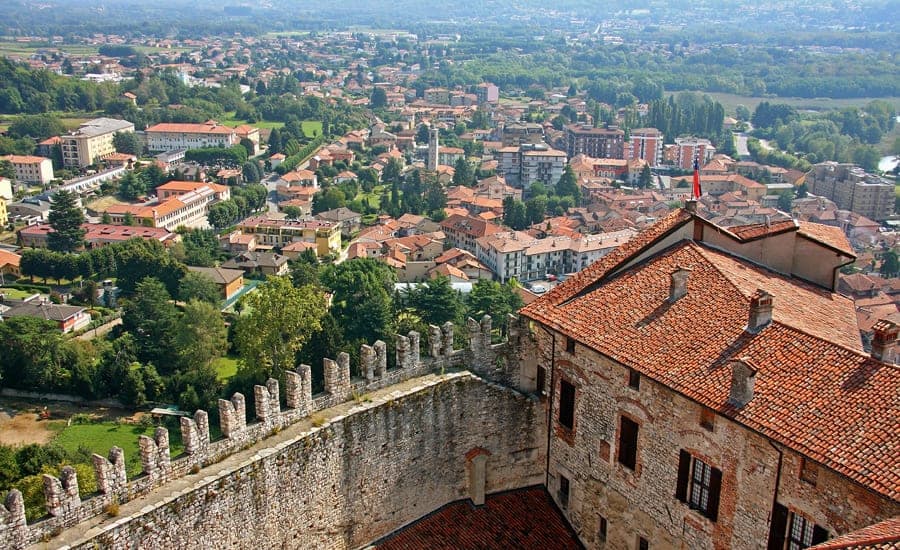
Lombardy
12 destsLombardy runs from Alpine peaks in the north down to the flat rice fields of the Po valley in the south, and this range sits behind almost everything the region does well for slow travel. Milan anchors it as a capital of fashion and finance, but the quieter pace that draws travellers who like to slow down lives outside the city, spread across lake villages, hill towns, and wine roads that ring it on every side. Lombardy rewards a traveller who picks one valley, one lake shore, or one wine road and stays with it rather than trying to cover the whole region at once. Lake Como is one of Lombardy's most recognisable landscapes, its stone villages stacked against steep slopes and its old villas opening their gardens to the water. Bellagio, Varenna, and Menaggio each keep a small working harbour where boats still connect the shoreline settlements. Further east, the region also touches the western shore of Lake Garda, where towns like Sirmione sit on a narrow peninsula with Roman ruins at its tip, and Lake Iseo sits quieter still, ringed by Franciacorta's vineyards on one side and Monte Isola, the largest lake island in southern Europe, on the other. Between the lakes, the Brianza hills and the lower Alpine valleys hold smaller villages built around a single church square, a mill, or a market that still runs on its traditional day, largely untouched by the crowds that gather on the main lake shores in summer. Wine gives the region another rhythm, and Lombardy's wine roads are built for slow exploring rather than a single tasting stop. Franciacorta, in the hills east of Brescia, produces Italy's best-known sparkling wine made in the traditional method, and its cellars sit among vineyards that climb gently toward Lake Iseo, many open for visits by appointment. Further south, the Oltrepò Pavese hills near Pavia grow both still and sparkling wines on slopes that agriturismo farms have worked for generations, offering rooms and meals built around what the land produces that season. In the far north, the Valtellina valley grows Nebbiolo on narrow terraces held up by dry stone walls, alongside the mountain cheeses and cured meats the valley is known for; the Strada del Vino e dei Sapori della Valtellina links the terraced vineyards to the villages and cellars below them. The hill towns carry this same unhurried character. Bergamo's upper town, the Città Alta, sits behind a ring of stone walls built by Venice when the city belonged to its inland territories; inside them, narrow lanes lead to a Renaissance chapel and a quiet main square that empties out once the day-trippers head back down. Mantua, ringed by three artificial lakes, kept its Gonzaga-era palaces and squares largely intact and shares a joint UNESCO listing with the smaller fortress town of Sabbioneta, built from scratch as an ideal Renaissance city. Cremona, on the Po plain, has built violins since the Amati and Stradivari workshops opened there, and the craft continues in small workshops around its cathedral square. Pavia, a university town south of Milan, holds a Carthusian monastery on its outskirts whose carved marble façade is one of the region's finest. Smaller villages such as Clusone in the Val Seriana or Gromo, with its old ironworking streets, keep the same rhythm on a smaller scale, each built around a single square, a mill stream, or a covered market. Food ties all of this together, and it is where Lombardy's slow food traditions show clearest. The region cooks with butter and rice rather than the olive oil of the south: risotto alla milanese, coloured with saffron, is the signature dish, while polenta remains a staple in the mountain valleys, often served alongside stewed meat or local cheese. Grana Padano is made across much of the Po plain, and the mountain dairies of Valtellina produce their own aged cheeses, including Bitto and Casera. Markets in the smaller towns still run on a weekly schedule, selling produce grown within a short distance of the stall, and many agriturismo farms across Oltrepò Pavese and Franciacorta serve meals built entirely from what they grow or raise themselves. Landscape and table hold Lombardy together: a lake village built around its harbour, a wine road that climbs from valley floor to ridge line, a hill town that keeps its own pace once the tour groups leave. The towns and wine roads below each hold a different piece of this pattern, from the Renaissance squares of Mantua to the terraced vineyards of the Valtellina, and together they map out a version of Lombardy built for slow travel rather than a checklist of sights.
Boat RentalsHiking
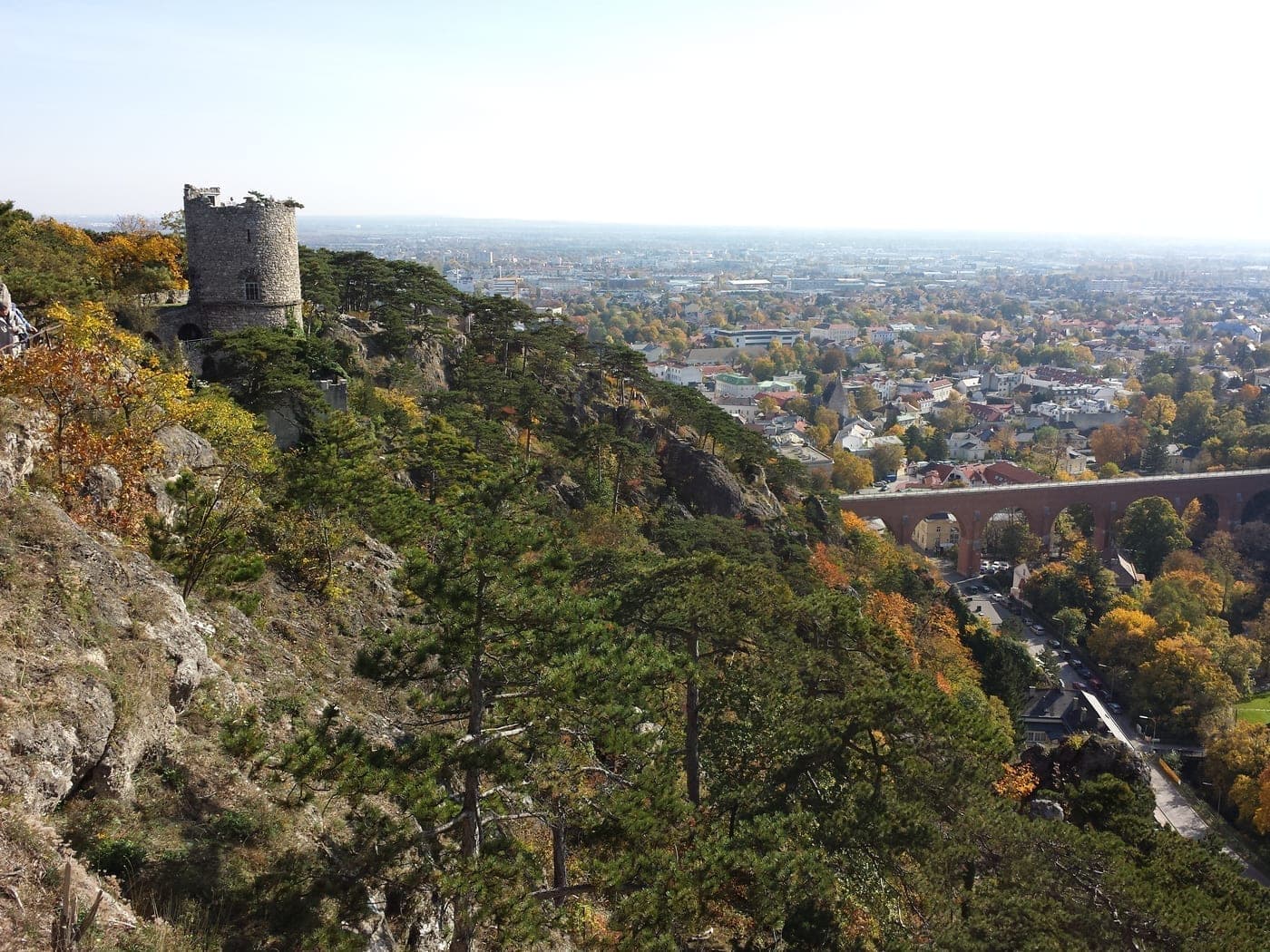
Lower Austria
175 destsLower Austria is the largest province in Austria, known for its diverse landscapes that include rolling vineyards, historic towns, and the Danube River. The region boasts notable sites like the picturesque Wachau Valley, famous for its apricot orchards and terraced vineyards. Krems and Dürnstein are charming towns that offer a glimpse into the region's medieval past, while the vibrant city of St. Pölten serves as the provincial capital. Lower Austria is also home to several castles, such as Schloss Grafenegg, and natural parks like the Thayatal National Park, which provide opportunities for hiking and exploring local flora and fauna. This area is rich in wine culture, particularly known for Grüner Veltliner and Riesling varieties, drawing wine enthusiasts to its many wineries. The blend of nature, history, and gastronomy makes the province a fascinating destination for those looking to explore Austria beyond the usual tourist routes.
Wine TastingHiking
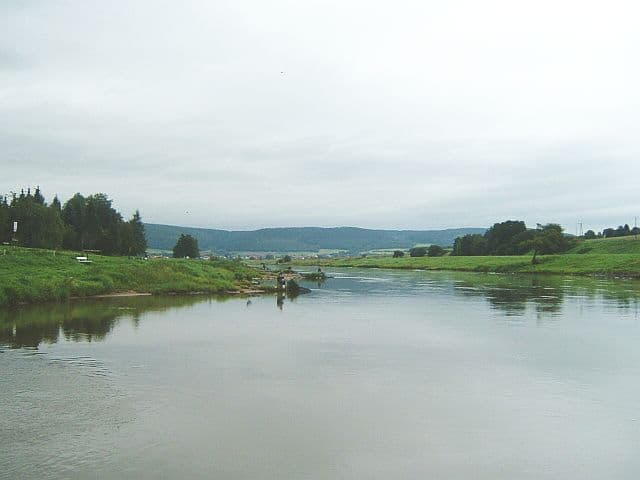
Lower Saxony
05 destsLower Saxony is Germany's second-largest state, featuring a mix of landscapes from the North Sea coast to the Harz mountains. The historic city of Hanover offers a vibrant arts scene and beautiful gardens, while Göttingen is renowned for its university atmosphere and literary history. The coastal region features the Wadden Sea, a UNESCO World Heritage site known for its unique tidal flats and diverse wildlife. Off the beaten path, towns like Celle showcase well-preserved half-timbered houses. The region is also famous for its traditional horse breeding and local specialties like Braunschweiger sausage and East Frisian tea culture, inviting exploration beyond typical tourist routes.
CabinsCamper Van Rentals
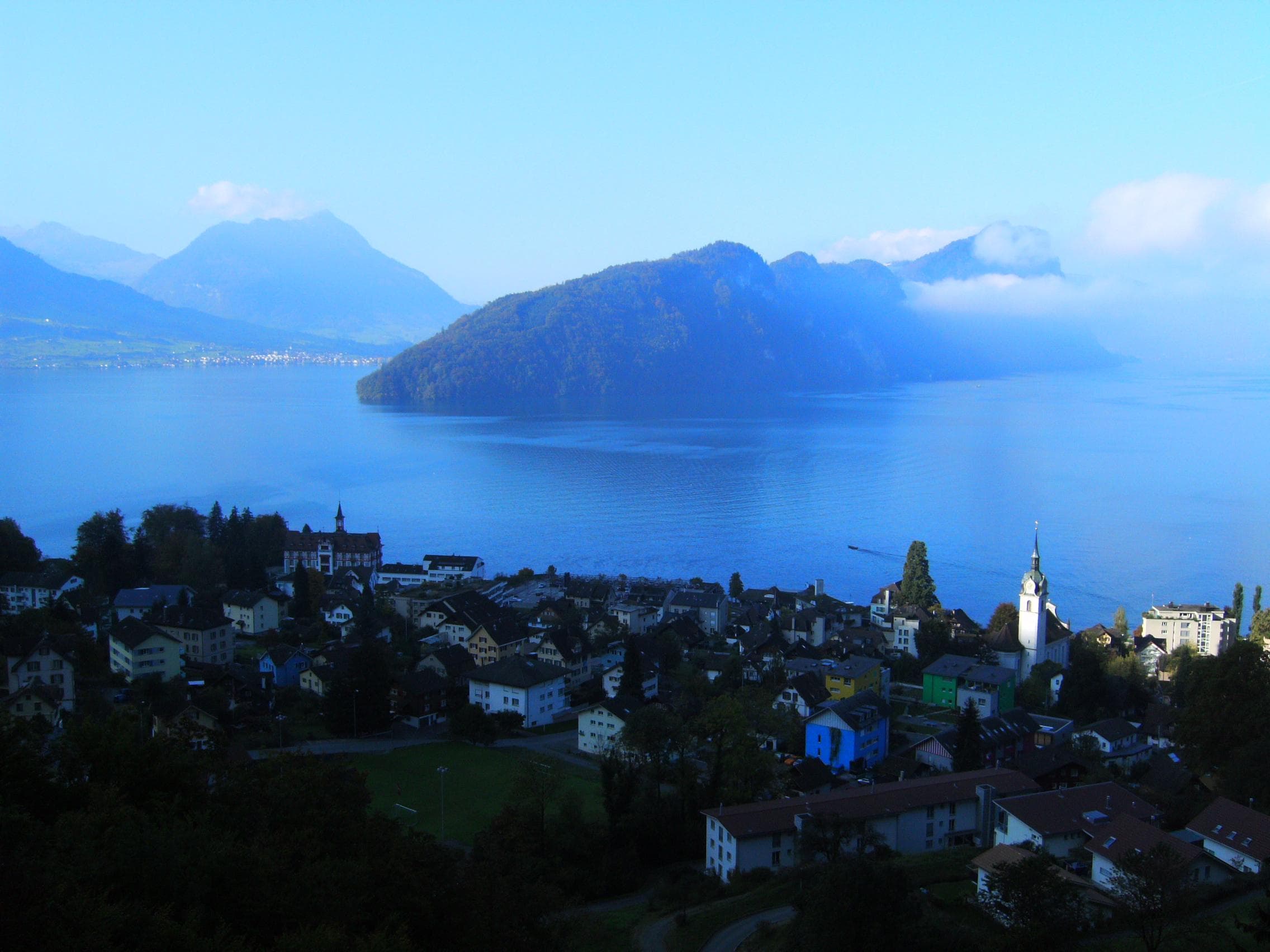
Lucerne
02 destsNestled by Lake Lucerne, this region is surrounded by stunning mountains, including the iconic Pilatus and Rigi. The area is renowned for its rich history, notably the Chapel Bridge, a covered wooden bridge dating back to the 14th century. Lucerne serves as a gateway to nearby villages like Weggis and Vitznau, which offer breathtaking views and hiking trails. The region's culture is reflected in its local festivals, such as Fasnacht, a vibrant carnival celebrated with elaborate masks and costumes. Known for its traditional Swiss cuisine, don't miss the chance to try local specialties like rösti and fondue. Lucerne's blend of natural beauty and cultural heritage makes it a unique destination for exploration.
Boat RentalsHiking
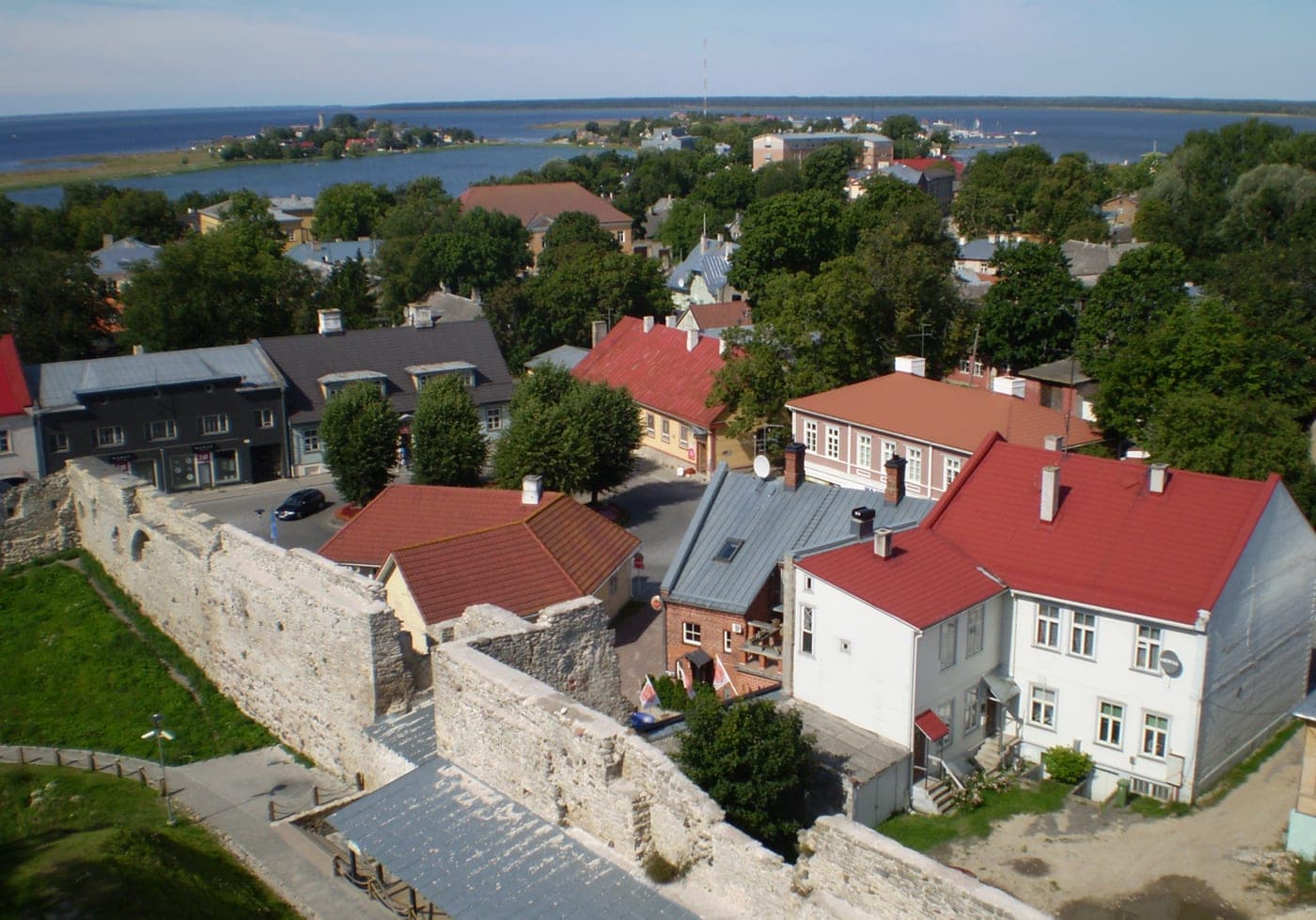
Lääne
01 destLääne is the smallest region in Estonia, renowned for its stunning coastline along the Baltic Sea. The area is home to Haapsalu, a historic town famous for its wooden architecture and the romantic Haapsalu Castle, which dates back to the 13th century. Visitors can explore the unique cultural heritage of the region, including local folklore and traditional crafts. The region is also known for its diverse nature, with lush forests and bird-rich wetlands, making it ideal for hiking and birdwatching. Lääne hosts several local festivals celebrating Estonian culture, such as the Haapsalu's annual Medieval Days, providing an authentic glimpse into the lifestyle and traditions of the area.
Boat RentalsHiking
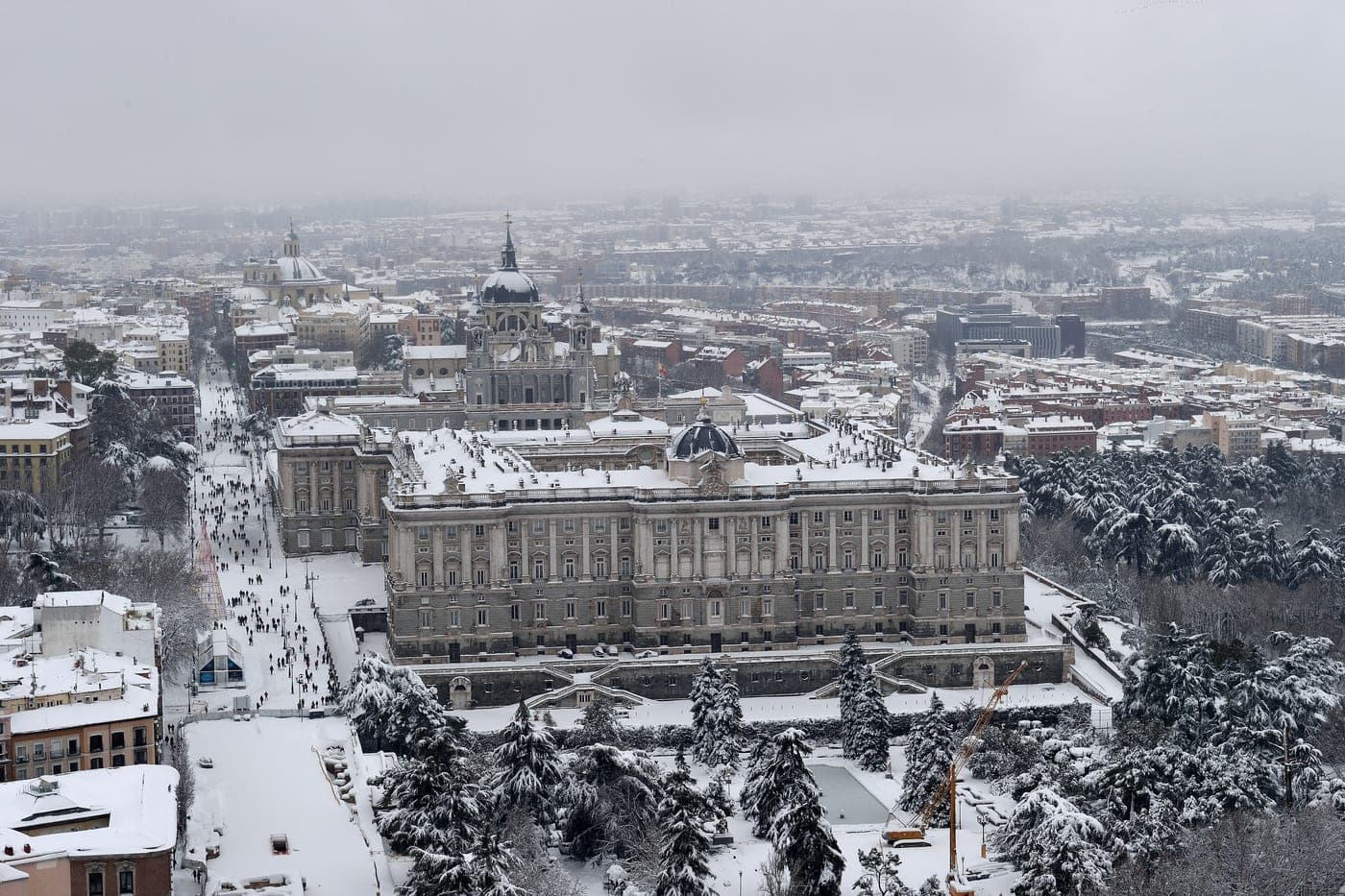
Madrid
01 destMadrid, the largest city and capital of Spain, is a vibrant hub of culture and history. Known for its royal palace, the city boasts a rich artistic heritage with museums like the Prado and the Reina Sofia. Beyond the mainstream, explore the Malasaña district, famous for its alternative scene, or the tranquil Retiro Park, a green oasis in the urban landscape. The surrounding region features towns like Alcalá de Henares, birthplace of Cervantes, and El Escorial, a UNESCO World Heritage site. Madrid's culinary scene is diverse, from traditional tapas to innovative cuisine, reflecting its cultural melting pot. The region also hosts various local festivals throughout the year, showcasing its traditions and community spirit.
Camper Van RentalsHiking
Marche
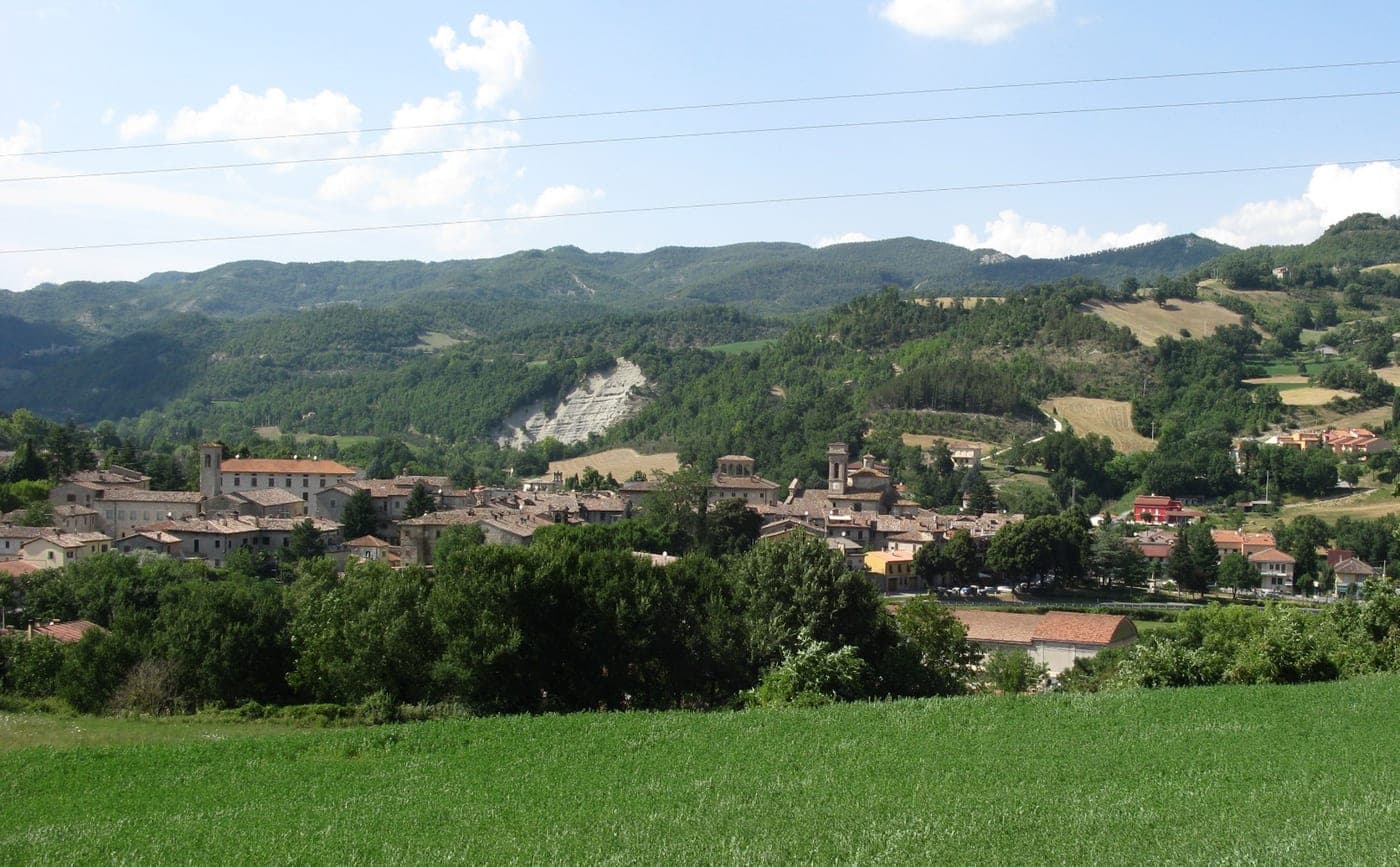
04 destsNestled along the Adriatic Sea, this region boasts a mix of mountains and coastline, making it the only Italian region with a significant maritime presence. As Italy's fourth smallest region, it features historical towns like Urbino, known for its Renaissance heritage and UNESCO status, and Ascoli Piceno, famous for its travertine architecture. The landscape is dotted with rolling hills, vineyards, and olive groves, producing notable wines such as Verdicchio and Rosso Piceno. Culture thrives here through local festivals celebrating traditional crafts and cuisine, particularly the renowned olive all'ascolana. Rich in history, the region invites exploration beyond the typical tourist paths, showcasing authentic village life and regional gastronomy.
Wine TastingAgritourism
Mecklenburg-Vorpommern
11 destsMecklenburg-Vorpommern is Germany's largest state by area and boasts a unique coastline along the Baltic Sea. The region is known for its extensive network of lakes, making it a haven for outdoor enthusiasts. Rostock, the largest city, offers a blend of maritime history and vibrant culture, while Schwerin is famed for its stunning castle situated on an island in the city’s lake. The Müritz National Park is a must-visit for nature lovers, featuring diverse ecosystems and opportunities for hiking and cycling. This region is also rich in traditional craftsmanship, local cuisine, and folk festivals that showcase its cultural heritage. Its picturesque fishing villages and secluded beaches provide a tranquil escape from the bustling tourist trails, allowing for an authentic exploration of the local way of life.
Boat RentalsHiking
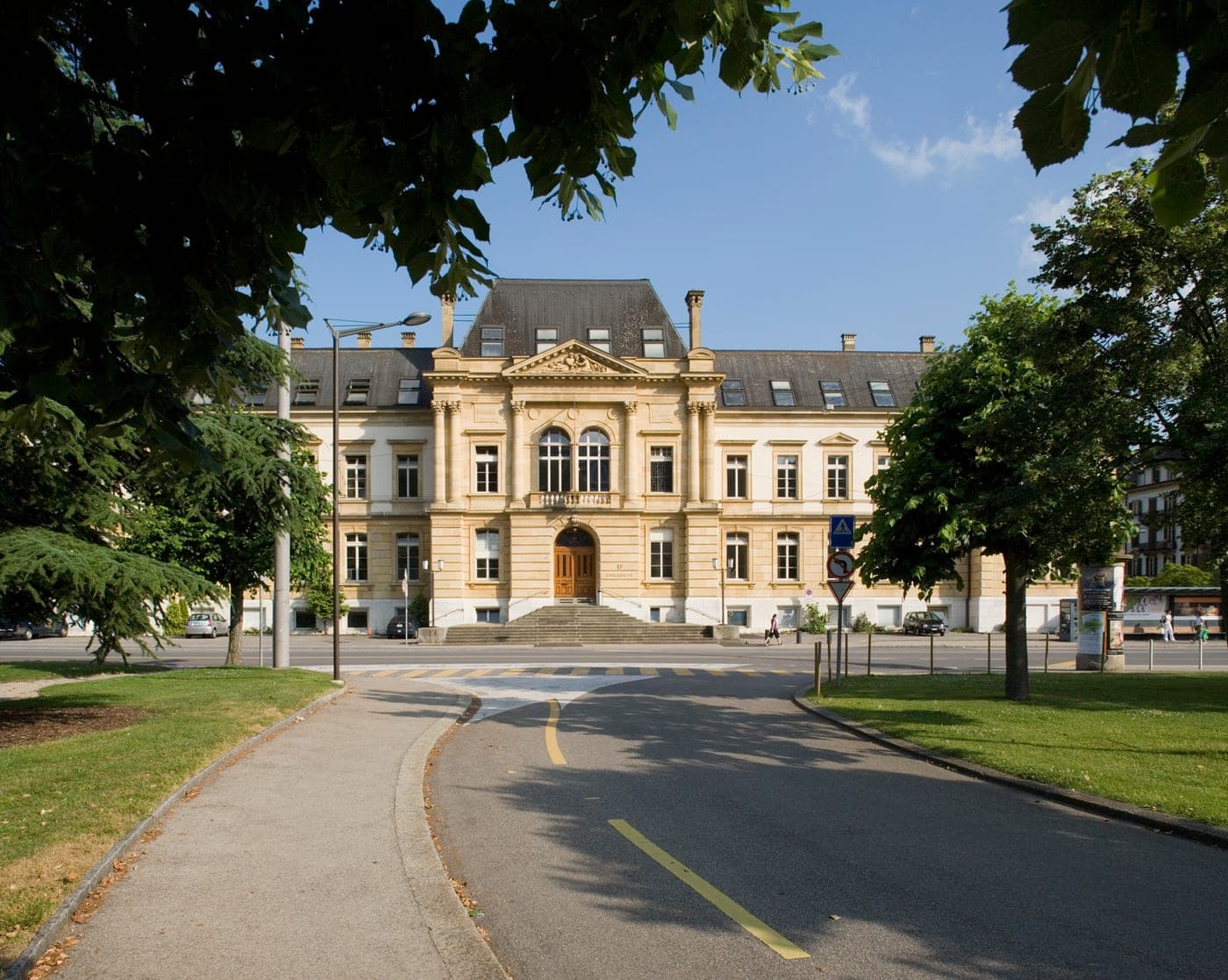
Neuchâtel
02 destsNeuchâtel is known for its rich watchmaking heritage and stunning lake views. It is the only region in Switzerland that borders Lake Neuchâtel, providing opportunities for lakeside strolls and water activities. The town of Neuchâtel, with its medieval castle and vibrant university atmosphere, is the largest in the region. Smaller towns like La Chaux-de-Fonds and Le Locle are UNESCO World Heritage sites, recognized for their historical significance in watchmaking. The region also boasts beautiful vineyards producing white wines, particularly Chasselas. Scenic hikes in the Jura mountains offer breathtaking panoramas and a chance to engage with nature. Local festivals celebrate traditional crafts and culinary delights unique to this area.
Boat RentalsHiking
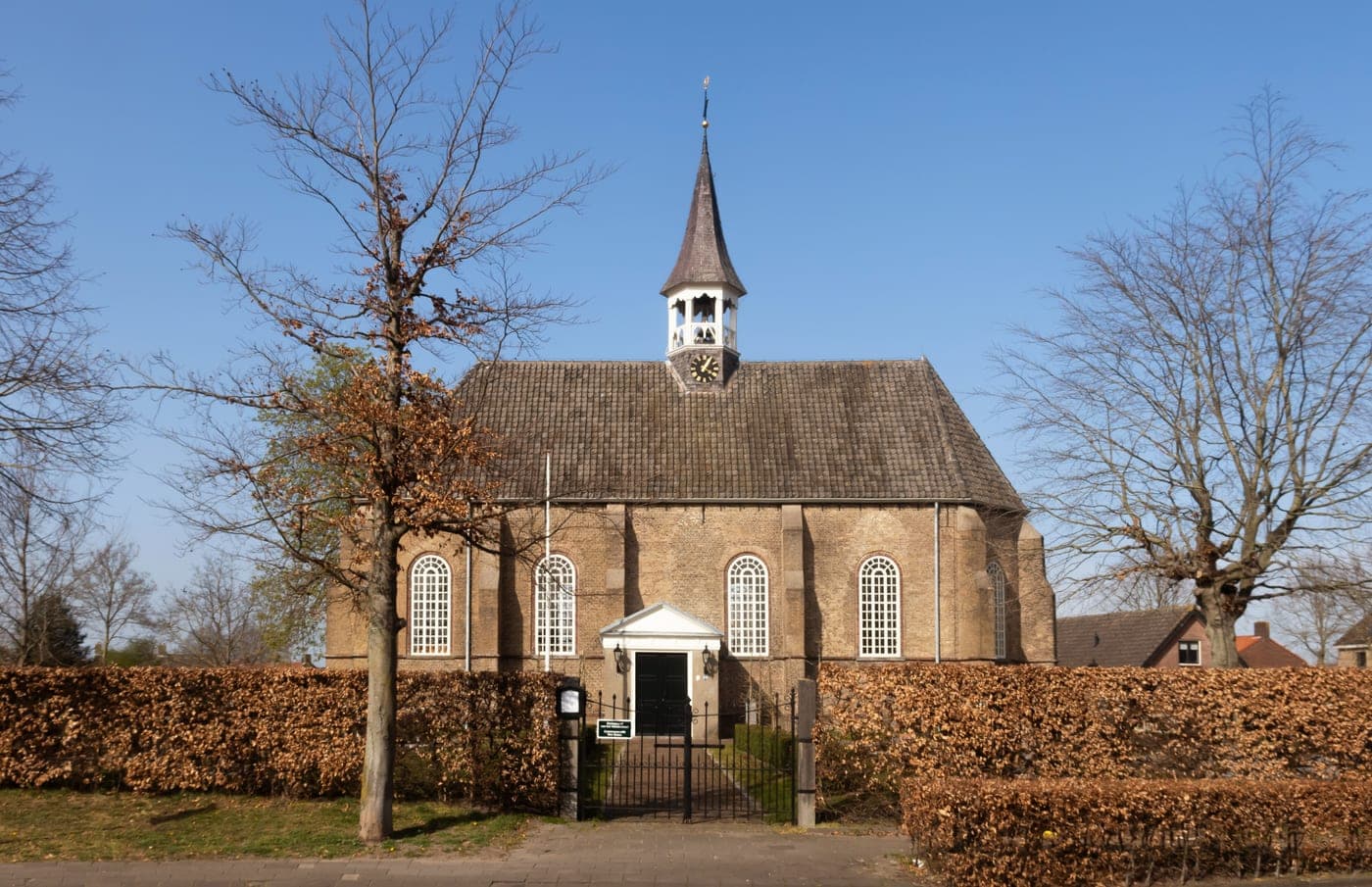
Noord-Brabant
03 destsNoord-Brabant is the largest province in the Netherlands, and it wears that size lightly. South of the great rivers, the land flattens into polders and reclaimed marsh, cut through by canals that once moved peat, grain and beer to the cities. Windmills still stand along some of these waterways, and the flat terrain has made the region a natural home for cycling: quiet paths run along dikes, through pastureland, and between villages that rarely announce themselves with more than a church spire above the trees. Water shapes much of the province. In the north, the Biesbosch is one of the last extensive freshwater tidal wetlands in Europe, a maze of creeks, reed beds and willow groves that formed after a catastrophic flood in the fifteenth century reshaped the land. Herons and beavers now share the marsh with slow-moving boats, and the light here changes constantly with the tide. Further south and east, the terrain rises just enough to form the Loonse en Drunense Duinen, an inland dune landscape of bare sand and scattered pine that feels closer to a coastline than to the Dutch interior. The towns of Noord-Brabant carry their history in brick rather than grandeur. 's-Hertogenbosch, the provincial capital, grew up around its cathedral of St John, a Gothic building whose carved details reward slow looking. Its old center is threaded by the Binnendieze, a hidden network of canals that once ran openly through the streets and now pass partly under the houses themselves. Breda, to the west, centers on a fortified castle and a Gothic church whose tower still dominates the skyline; the town's squares fill with market stalls and outdoor cafés that make use of the flat, walkable center. Smaller places across the province, from Bergen op Zoom to the villages around the Biesbosch, keep the same rhythm: a market square, a brick church, canals or a river close by. Noord-Brabant's cultural identity runs deeper than its old town centers. Vincent van Gogh was born in Zundert, in the province's southwest, and spent his early years in the flat farmland and heathland that would later appear, transformed, in his paintings; the landscape around Zundert and Nuenen still carries traces of the fields and cottages he sketched. In sharp contrast, Eindhoven, once a modest textile and industrial town, has become one of Europe's centers for design and technology, its former factories converted into studios, galleries and workspaces. This mix of old agricultural rhythm and forward-looking design culture is part of what makes the province distinct within the Netherlands. Food and drink here lean toward the everyday and the well-made rather than the showy. Regional cheeses, smoked sausage, and local beers from small and long-established breweries fill the market stalls and pub menus alike. Carnival, celebrated with particular intensity across Noord-Brabant in February, turns the usually calm town squares into something loud and colorful for a few days, with brass bands, costumed processions and local nicknames for each town used only during the festival. What ties the region together is its pace and its openness to slow movement through open country. Cyclists cross from village to village on paths that follow old dikes and canal banks, past windmills, grazing cattle and reed-lined water. Boats drift through the Biesbosch at the speed the tide allows. Even the cities keep a manageable scale, their centers built for walking rather than driving, their canals and market squares still doing the quiet work they always have. Noord-Brabant rewards those willing to look closely at ordinary things: a brick façade, a windmill's turning sails, a heron standing still in the reeds.
Boat RentalsHiking
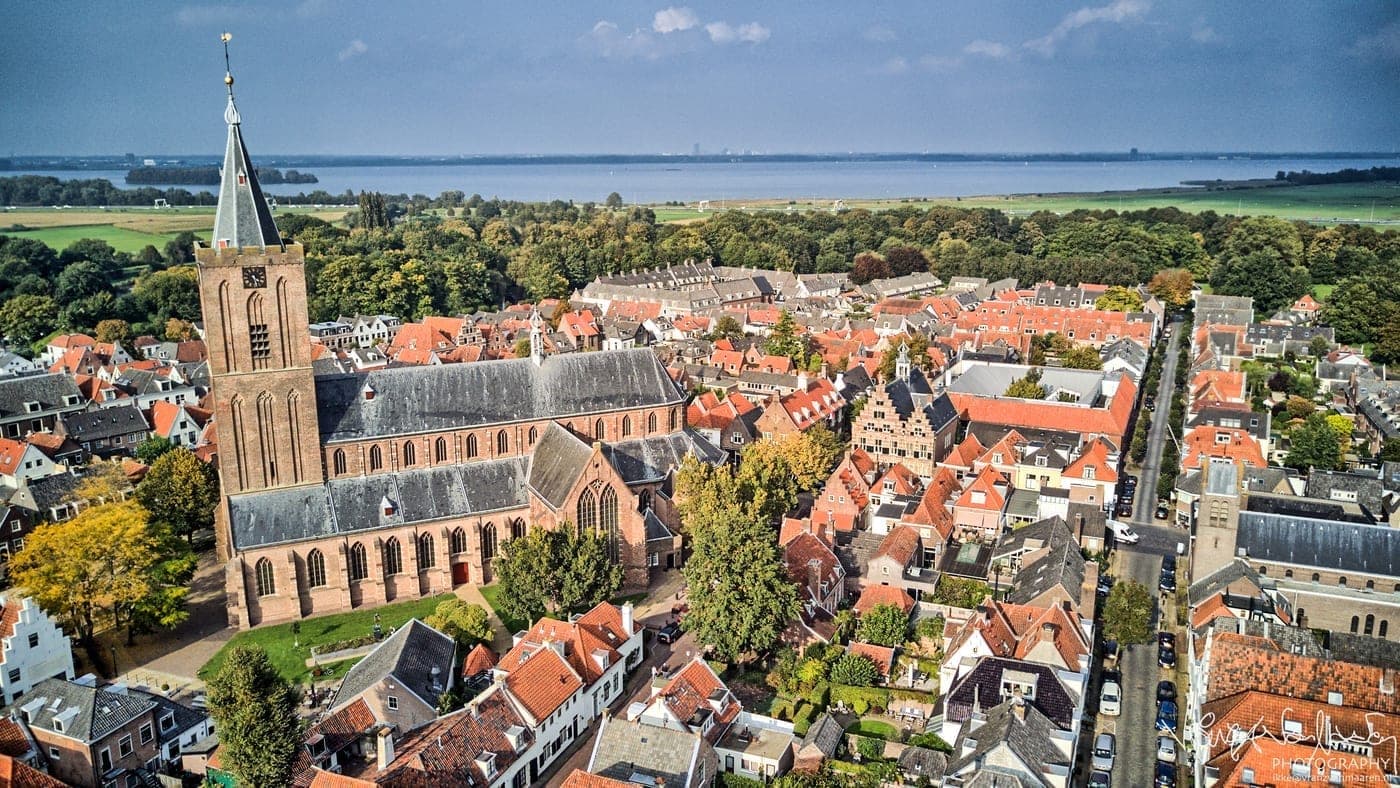
Noord-Holland
11 destsNorth Holland is a diverse region located in the northwest of the Netherlands, known for its mix of urban and rural landscapes. Amsterdam, the capital, is the only major city, renowned for its canals and museums. Outside the city, the region boasts picturesque villages such as Edam, famous for its cheese, and Volendam, a traditional fishing village. The coastline offers beautiful beaches, particularly in Zandvoort and Bloemendaal, popular for windsurfing and beach walks. North Holland is also home to the UNESCO-listed Wadden Sea, a unique natural habitat. The region's rich history is evident in its historic windmills and vibrant tulip fields that bloom in spring, inviting exploration through serene countryside paths.
Boat RentalsHiking
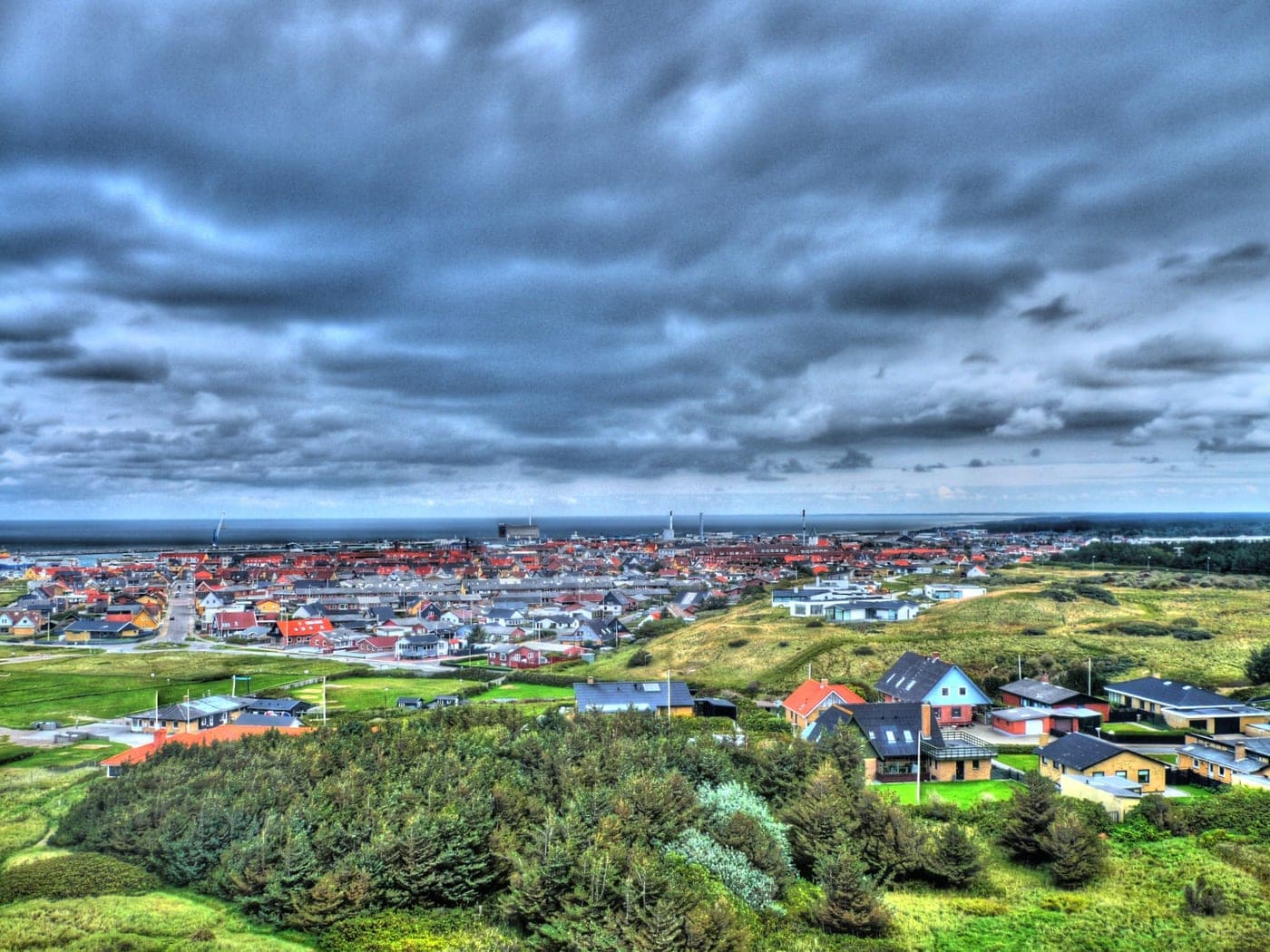
Nordjylland
03 destsNordjylland sits at the top of the Jutland peninsula, where the North Sea and the Kattegat come close enough that both are within reach of the same coastal walk. The region has built its character slowly, around fishing harbours, dune landscapes, and a clear northern light that has drawn painters here for more than a century. The sea sets the pace along this coast, and daily life in many towns still runs on tides, weather, and the rhythm of the harbour market. Aalborg is the largest city and sits on the Limfjord, the long stretch of water that cuts across northern Jutland. Old harbour warehouses have become cafés and concert venues, and cobbled streets in the historic centre lead down to a waterfront promenade where locals cycle along the water in the evening and boats sit moored until morning. It is a good introduction to the unhurried mood that runs through the wider region. North of Aalborg, the coastline changes character from one stretch to the next. On the North Sea side, Løkken and Lønstrup keep the look of old bathing towns, with rows of small beach huts, wide sandy beaches, and fishing boats still hauled up onto the sand by tractor, since there is no natural harbour deep enough here for permanent moorings. Further along, Hirtshals and Frederikshavn work as proper fishing and ferry harbours, their quaysides busy with the day's catch heading into smokehouses along the water. At the very tip of the peninsula lies Skagen, where the Skagerrak and the Kattegat meet at the sandy point known as Grenen, the two currents visibly colliding just off the beach. The same clear light that pulls those waters from two directions drew a colony of painters north in the late nineteenth century, and Skagen's yellow houses with blue-grey window frames still carry that artistic history. Inland and to the west, Thy holds a different landscape: heather-covered dunes, pine plantations, and wide open skies over Denmark's first national park, home to a wild red deer population and a scattering of small lakes. This stretch of coast is wilder and less developed, a reminder that much of Nordjylland's calm comes from simple remoteness. Cycling ties the region together. Nordjylland is flat and its coastal paths are well kept, so moving between harbour towns on two wheels feels like a natural way to take in dune ridges, fjord edges, and quiet lanes through fields of rapeseed and barley. Villages in Nordjylland tend to gather around a church, a harbour, or both, with a bakery and a smokehouse doing most of the daily trade. Hygge here shows up in practical comforts: a warm café after a windy beach walk, a bowl of fish soup in a harbour restaurant, an evening spent watching the sun go down over the water. The local table draws directly on the sea and the fjord, with smoked mackerel and herring, whole fried plaice, and shrimp landed daily by small boats working the Kattegat. Each coastal town in Nordjylland faces its own stretch of water and takes its character from it, so a morning in Skagen and an evening in Løkken can feel further apart than the short distance between them suggests. The harbours, dunes, and fjord towns each keep their own pace, set more by the sea and the season than by any set route between them.
Boat RentalsHiking
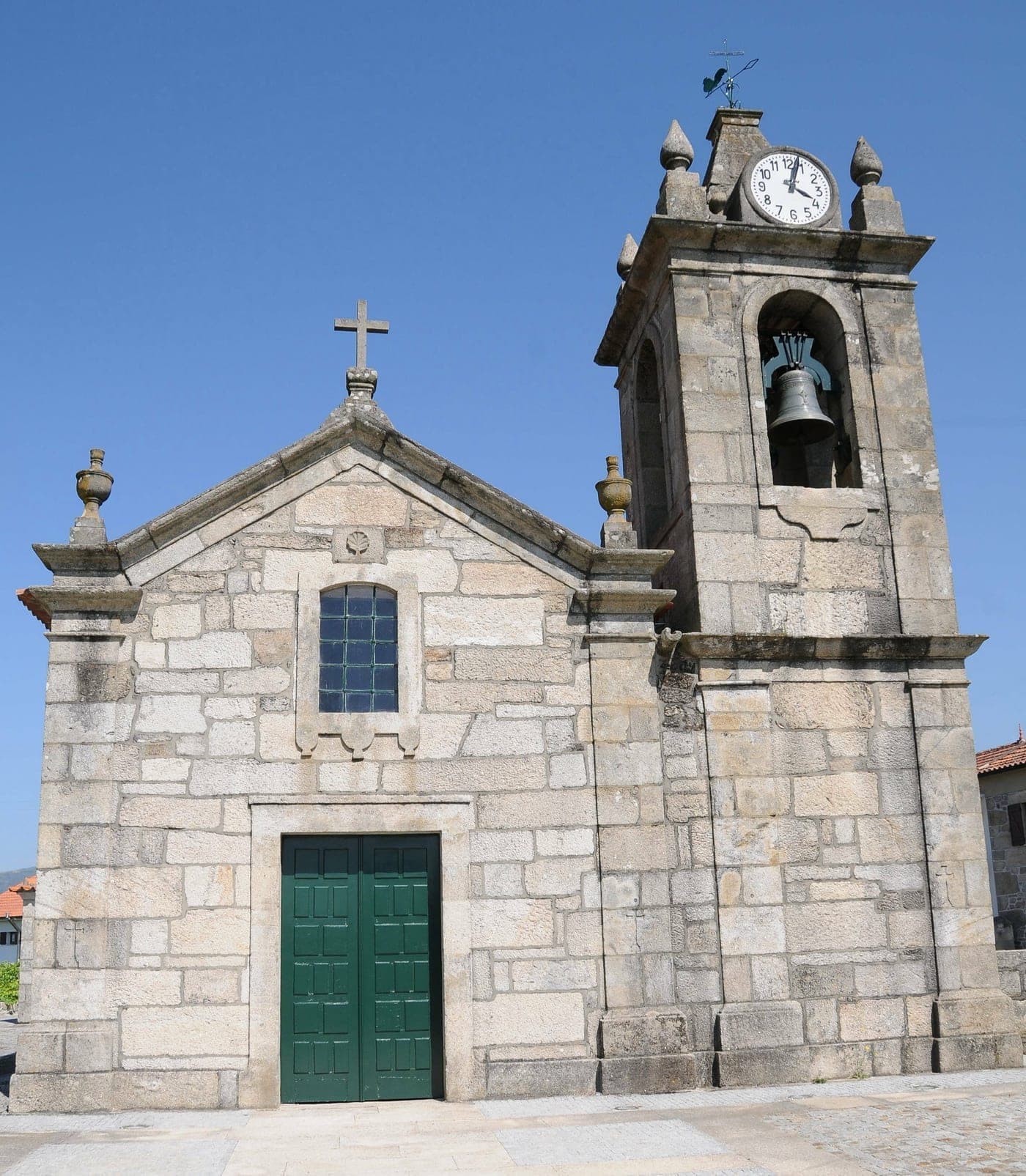
Norte
12 destsNorte is the largest region in Portugal, known for its diverse landscapes ranging from rugged mountains to a stunning coastline. Porto, the region's main city, is famous for its port wine and historic Ribeira district, while towns like Guimarães and Braga boast rich medieval history and architecture. The Douro Valley, a UNESCO World Heritage Site, offers breathtaking views and opportunities to explore terraced vineyards. Unique cultural festivals, such as the Festa de São João in Porto, showcase local traditions. The region is also noted for its traditional cuisine, including dishes like francesinha and regional cheeses. Nature lovers can hike in the Peneda-Gerês National Park, experiencing the region’s natural beauty away from the crowds.
Wine TastingBoat Rentals
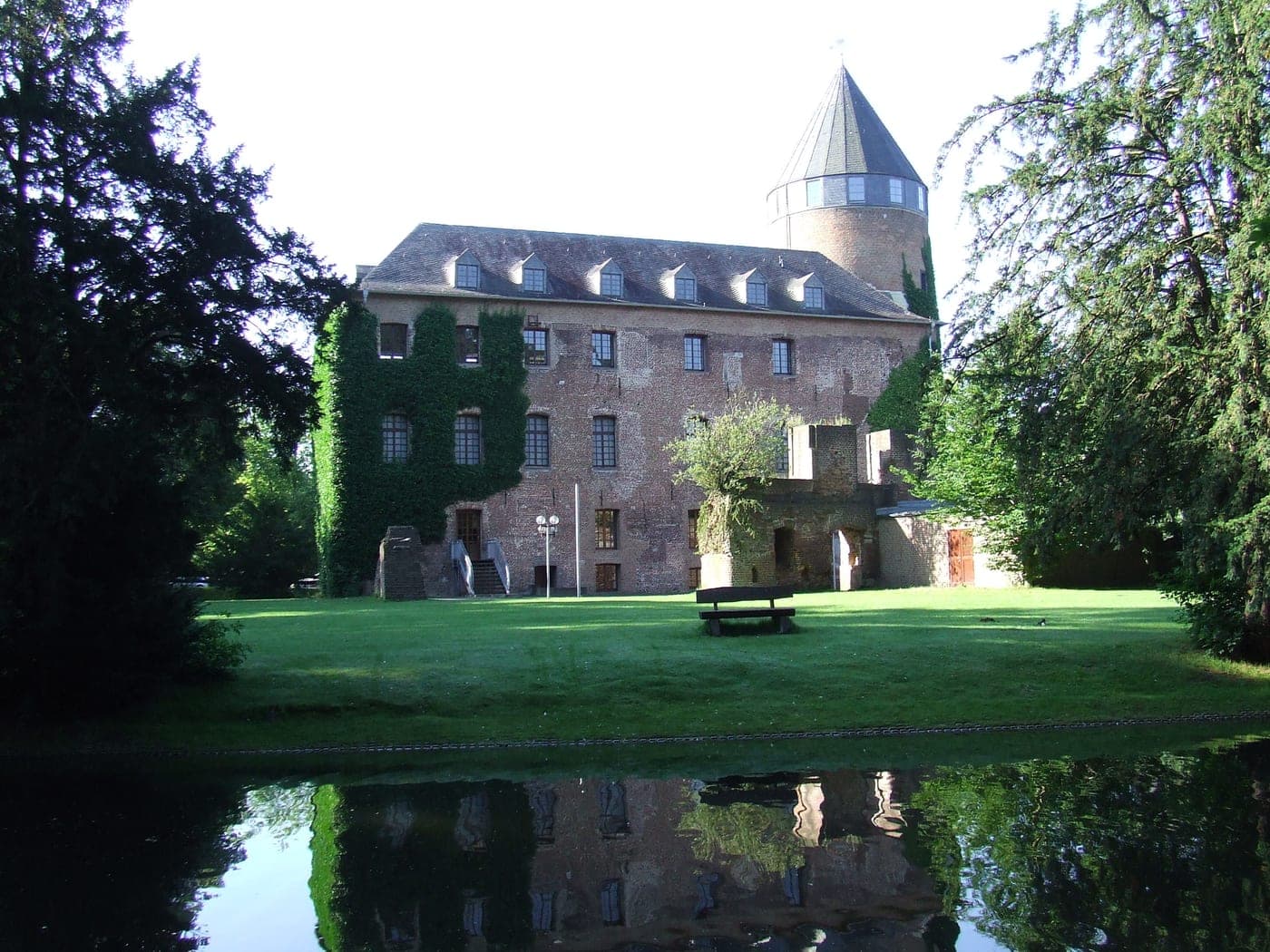
North Rhine-Westphalia
15 destsLocated in western Germany, this region is the largest in the country and is known for its diverse landscapes, from the scenic Rhine River valleys to the lush hills of the Sauerland. The area is rich in industrial heritage, with cities like Dortmund and Essen showcasing their transformation from heavy industry to cultural hubs. Düsseldorf offers a vibrant arts scene and innovative fashion, while Cologne is famous for its stunning cathedral. The region also boasts picturesque towns such as Monschau, known for its half-timbered houses, and Bad Honnef, a charming spa town. Unique local dishes and breweries enhance the cultural experience, along with numerous hiking trails that connect visitors to its natural beauty.
CabinsHiking
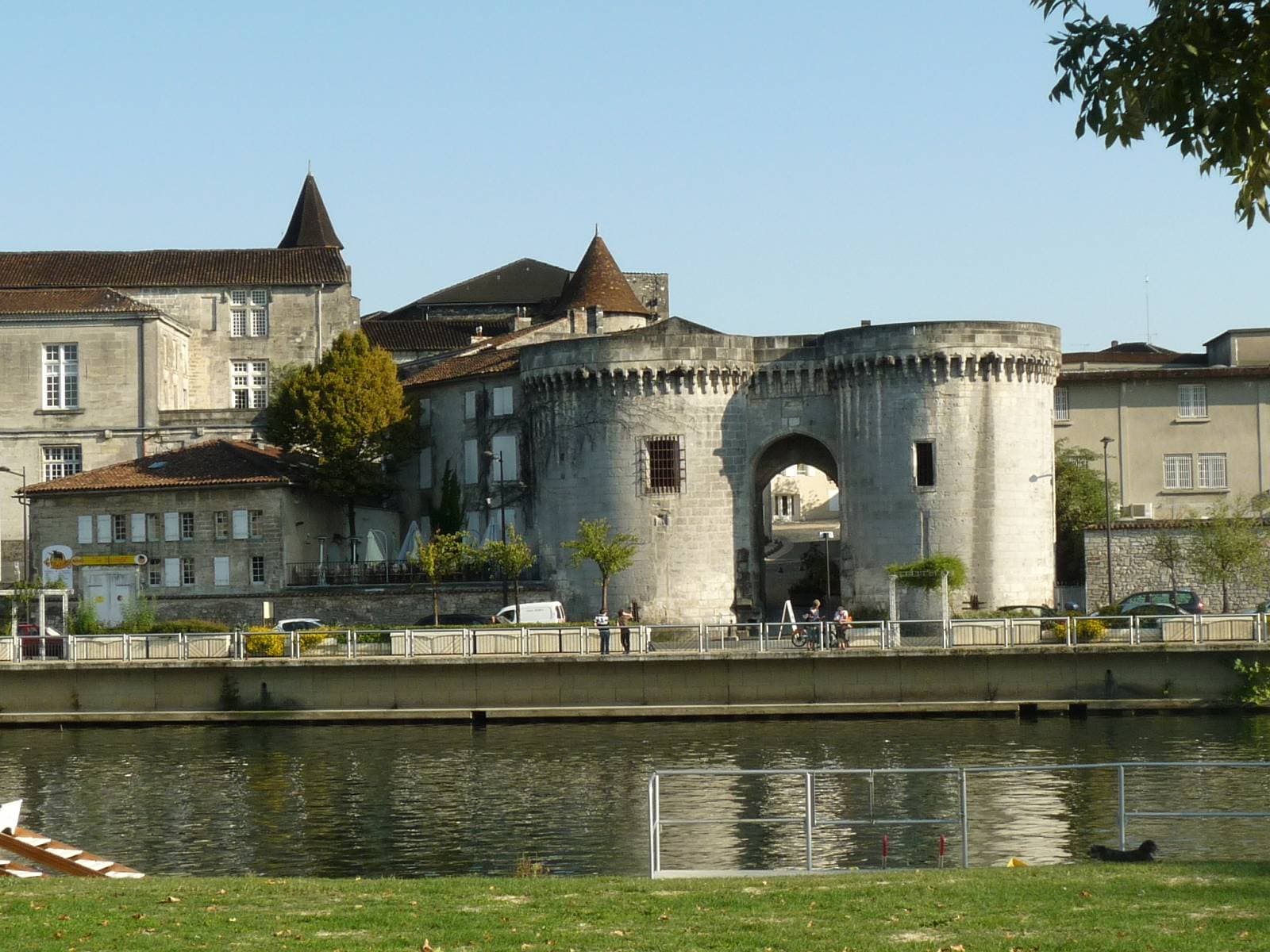
Nouvelle-Aquitaine
31 destsThis expansive region is the largest in France, boasting a stunning coastline along the Atlantic Ocean. Known for its diverse landscapes, Nouvelle-Aquitaine features the Pyrenees mountains, rolling vineyards, and historic towns. Bordeaux, the region's major city, is celebrated for its world-class wines, particularly Merlot and Cabernet Sauvignon. Other notable areas include the picturesque village of Saint-Émilion and the stunning Dune du Pilat, the tallest sand dune in Europe. The region's rich history is reflected in its architecture, with medieval castles and Roman ruins scattered throughout. Local markets offer artisan cheeses and fresh seafood, highlighting the region's culinary delights. Festivals celebrating wine and local culture are common, providing deeper insights into the area's heritage.
Wine TastingHiking
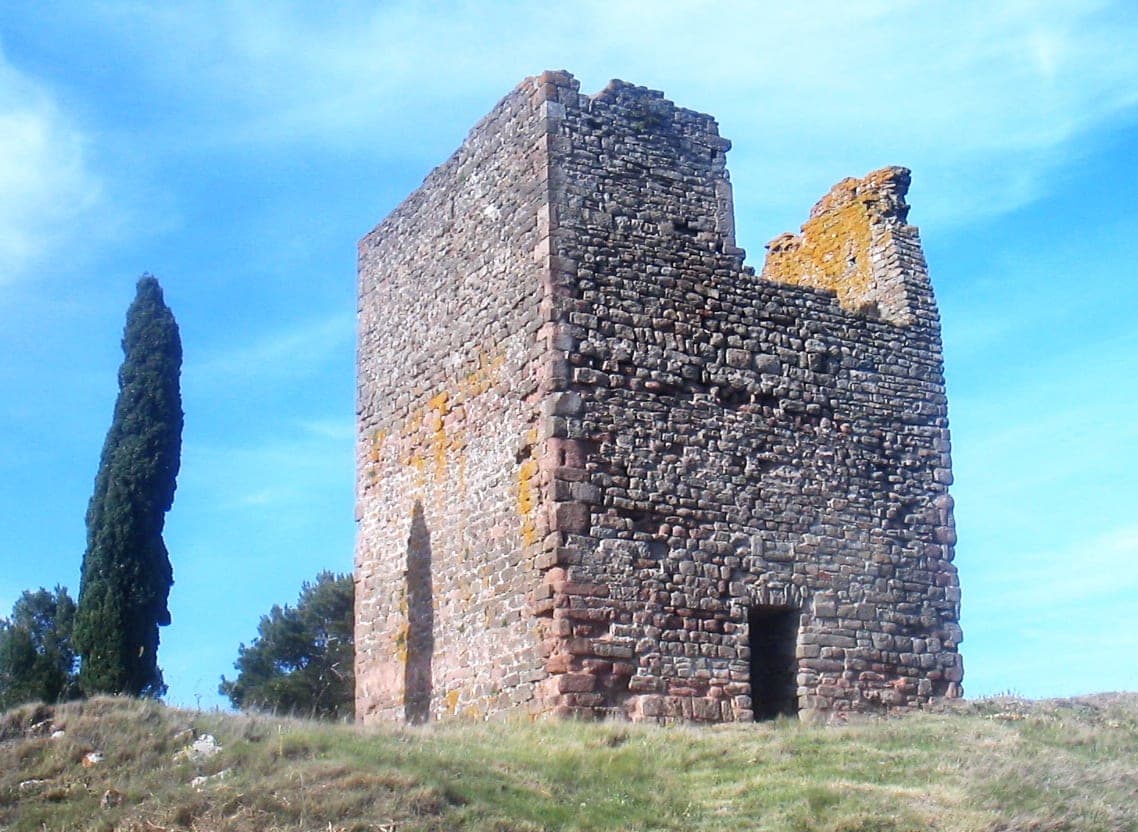
Occitanie
56 destsThis region is the largest in France and boasts a diverse landscape, including the picturesque Pyrenees mountains and a stunning Mediterranean coastline. Historic cities like Toulouse, known for its pink terracotta buildings, and Montpellier, with its vibrant student life, offer rich cultural experiences. The region is also famous for its wine production, particularly in areas like Languedoc, where unique varietals thrive. Beyond the cities, explore the medieval charm of Carcassonne, a fortified town with a remarkable castle. Occitanie hosts vibrant local festivals celebrating its heritage, and its traditional cuisine features dishes like cassoulet and regional cheeses. With beautiful hiking trails and quaint villages, this region invites leisurely exploration.
Wine TastingHiking
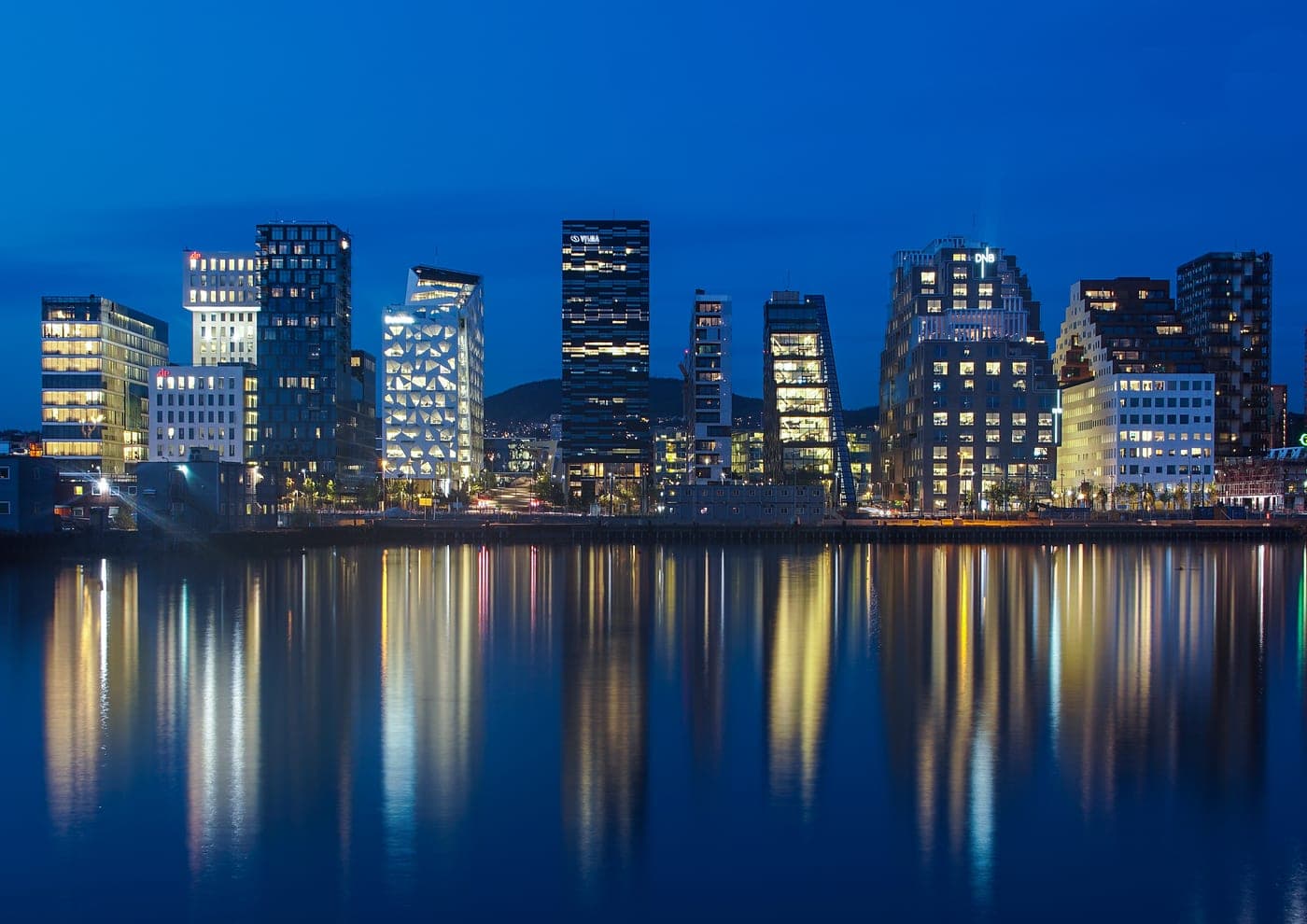
Oslo
01 destOslo, Norway's capital, is the largest city in the country and serves as a cultural hub with a rich maritime history. The city is surrounded by fjords and forests, offering a unique blend of urban life and nature. Known for its museums, such as the Viking Ship Museum and the Munch Museum, Oslo also features vibrant neighborhoods like Grünerløkka, where local cafes and galleries thrive. The city's commitment to sustainability is evident in its extensive public transport system and green initiatives. Nearby, the Nordmarka forest invites visitors for hiking and outdoor activities, while the Oslofjord islands provide tranquil escapes just a short ferry ride away. With events like the Oslo Jazz Festival and the annual Nobel Peace Prize ceremony, the city is alive with cultural significance.
Camper Van RentalsHiking
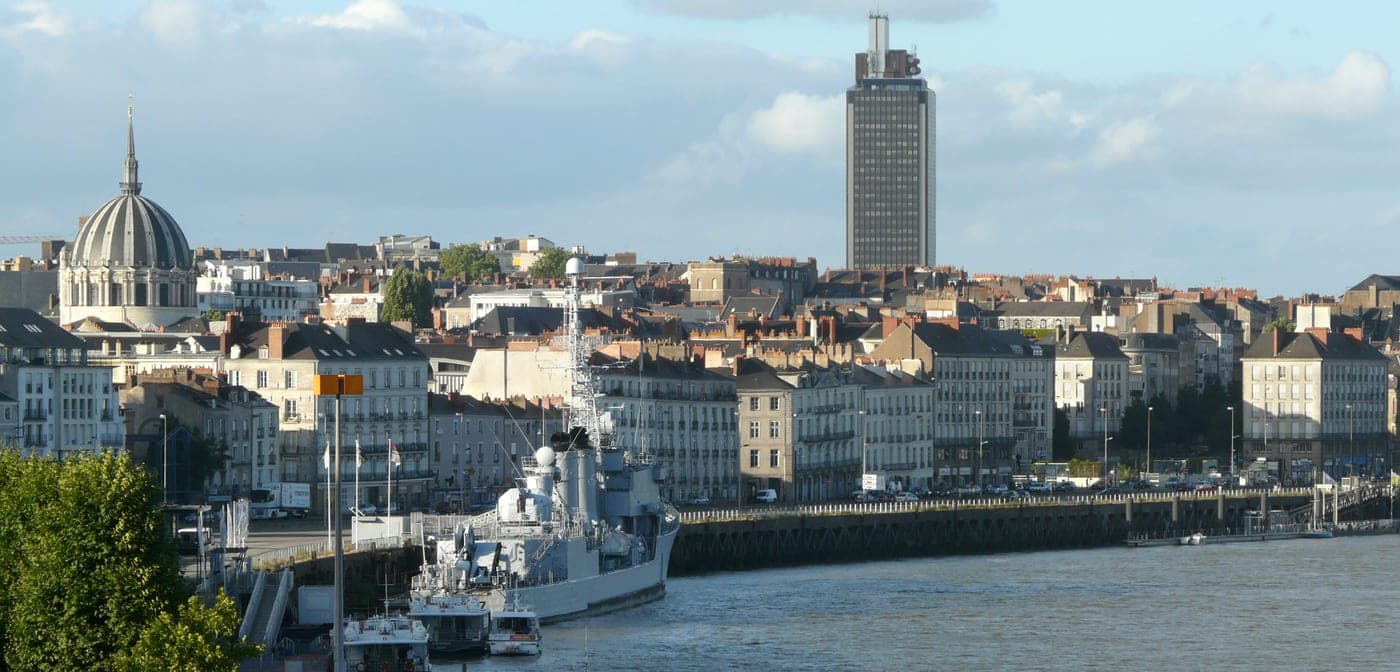
Pays de la Loire
01 destThis region is known for its diverse landscapes, from the coastal shores of the Atlantic to the lush vineyards of the Loire Valley. Nantes, the largest city, is famous for its historical sites, including the Château des Ducs de Bretagne, while Angers boasts a rich tapestry of medieval architecture. The region is also recognized for its unique wines, such as Anjou and Muscadet, and offers various local markets showcasing artisanal products. The coastal town of Les Sables-d'Olonne is a hub for maritime activities, while the picturesque village of Clisson reflects Italian influence in its architecture. Notably, this region is the only one in France with both a coastline and extensive vineyards, making it a distinctive area to explore slowly.
Camper Van RentalsHiking
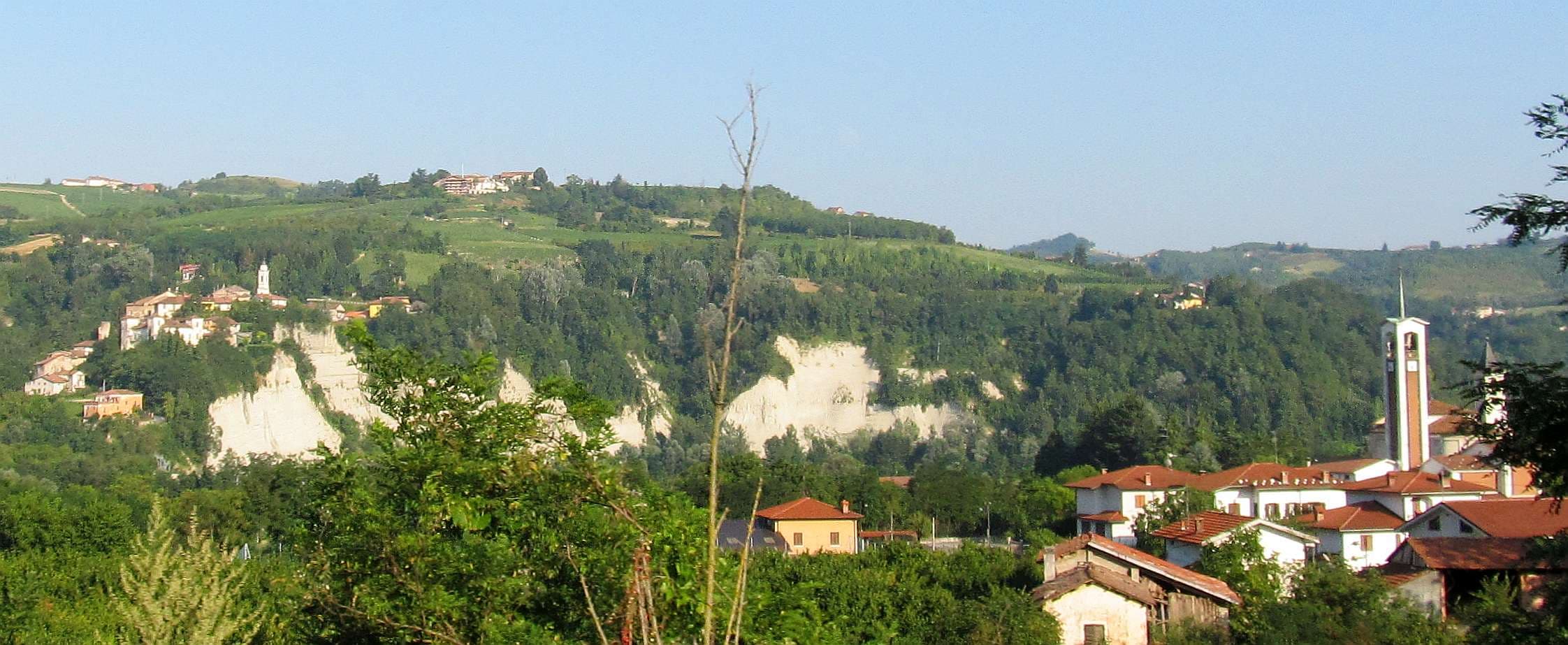
Piedmont
31 destsPiedmont is the second-largest region in Italy, bordered by the Alps to the north and characterized by its rich culinary and viticultural heritage. The region is famous for Barolo and Barbaresco wines, produced in the rolling hills of Langhe, a UNESCO World Heritage site. Turin, the capital, is known for its elegant architecture and historical cafes, while smaller towns like Alba and Asti offer vibrant local markets and truffle festivals. The region also boasts stunning landscapes, from the serene lakes of Orta and Maggiore to the majestic mountains. Its historical significance includes being the birthplace of the Italian unification. Authentic experiences can be found in local agriturismos and family-run osterias, away from typical tourist paths.
AgritourismWine Tasting
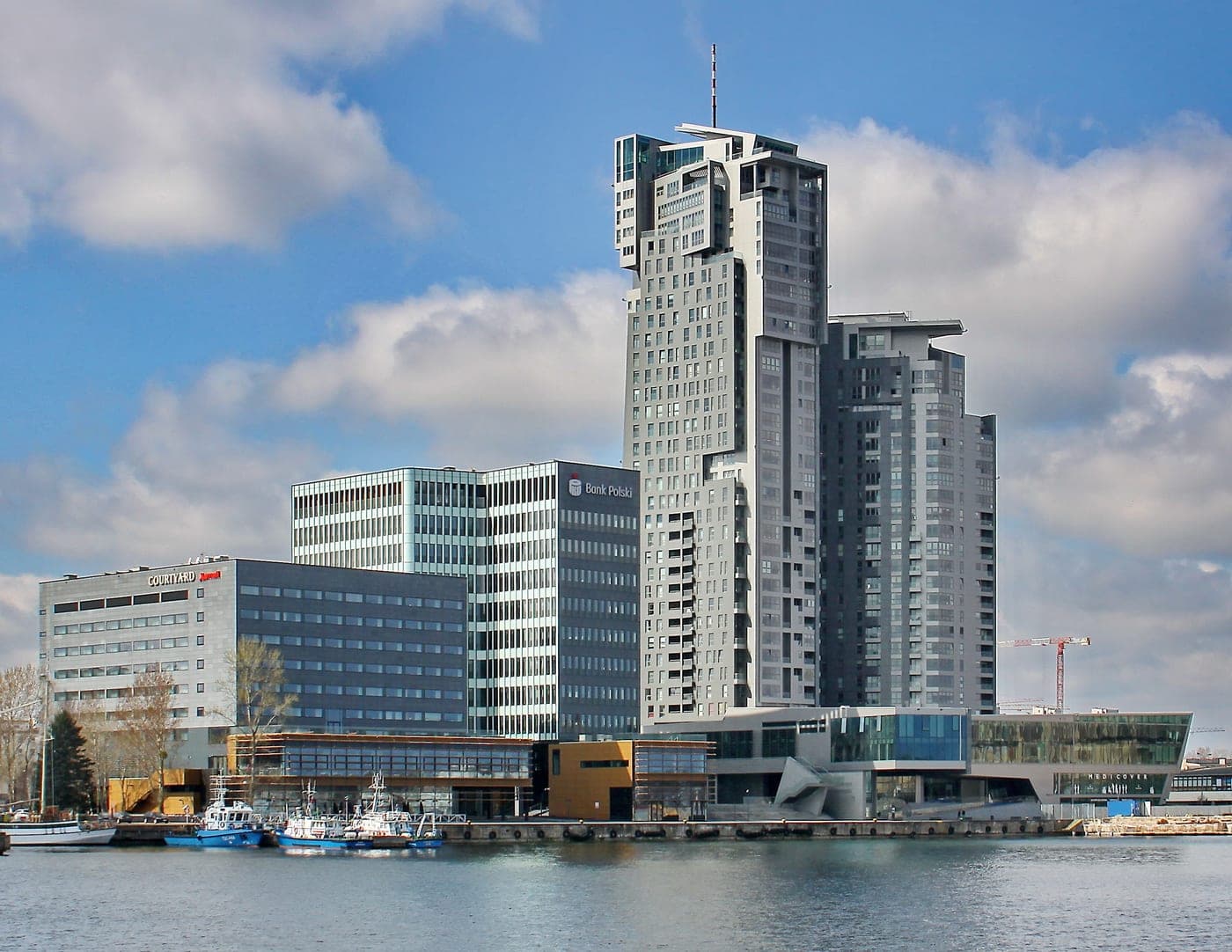
Pomerania
04 destsPomerania stretches along Poland's only sea coast, from the brick gables of Gdańsk to the pine forests and lake country further inland. The pace here follows the water and the season: fishing boats going out at dawn, amber traders setting up their stalls, wooden chairs filling the promenade cafés as the light turns gold in the evening. It is a region built for slow movement, with old town cores small enough to know by foot and a landscape that rewards attention rather than speed. Gdańsk sits at the heart of it, a Hanseatic port whose merchant houses, granaries and long waterfront still trace the shape of a medieval trading city. Its streets open onto the Motława river, where grain barges once queued and where cafés now spill onto the cobbles. A short distance along the coast, Sopot keeps a different rhythm: a wooden pier reaching into the Baltic, spa villas from the belle époque, and a beach that fills slowly through the day rather than all at once. Gdynia, younger and built largely in the interwar decades, shows a different Pomerania again — clean modernist lines, a working harbour, and a seafront that mixes cargo ships with sailing boats. Inland, the region softens into Kashubia, a landscape of lakes, birch groves and villages where wooden architecture and folk crafts have survived largely intact. Painted furniture, embroidery and lace are still made here in small workshops, often in the same families for generations. The land rises gently into a range of low hills known locally as the Kashubian Switzerland, a name that says more about local pride than actual altitude — but the effect, with lakes appearing between wooded ridges, is genuinely striking. Wooden churches, some dating back centuries, stand in villages across this belt of countryside, their dark shingled roofs and plain interiors a quiet counterpoint to the brick grandeur of the coastal cities. The coast itself has its own slow attractions. West of Gdańsk, the Hel Peninsula narrows to a thin strip of dunes and pine, with fishing villages that still land herring and cod each morning. Further west, Słowiński National Park protects a belt of shifting sand dunes, some tall enough to bury trees, pushed steadily inland by wind off the Baltic. Between the dunes and the sea, lagoons and reed beds shelter a variety of birdlife, and the whole stretch feels closer to a desert than to a typical northern coastline. Market squares across Pomerania's smaller towns — Kartuzy, Kościerzyna, Puck — keep a rhythm built around weekly markets, church bells and the changing light off nearby lakes or the sea. Food here leans on what the coast and forests provide: smoked fish sold straight from the smokehouse, dumplings filled with blueberries or mushrooms, and rye bread served everywhere from village bakeries to city cafés. Amber, washed up on Baltic beaches for centuries, is worked into jewellery in workshops that still line Gdańsk's old streets, a craft as tied to the region as the fishing itself. What ties Pomerania together is this contrast held in balance: Hanseatic brick against wooden village churches, open sea against quiet inland lakes, a working harbour against a folk-art tradition that has barely changed. Towns are close enough to link into a single, unhurried route, yet distinct enough that each one adds something the last did not — a port, a spa town, a lake, a stretch of dune. It rewards a traveller willing to slow down to the region's own pace: to sit with a coffee by the Motława, walk a pier at low tide, or watch a Kashubian potter shape clay the same way it has been shaped here for generations.
Boat RentalsHiking
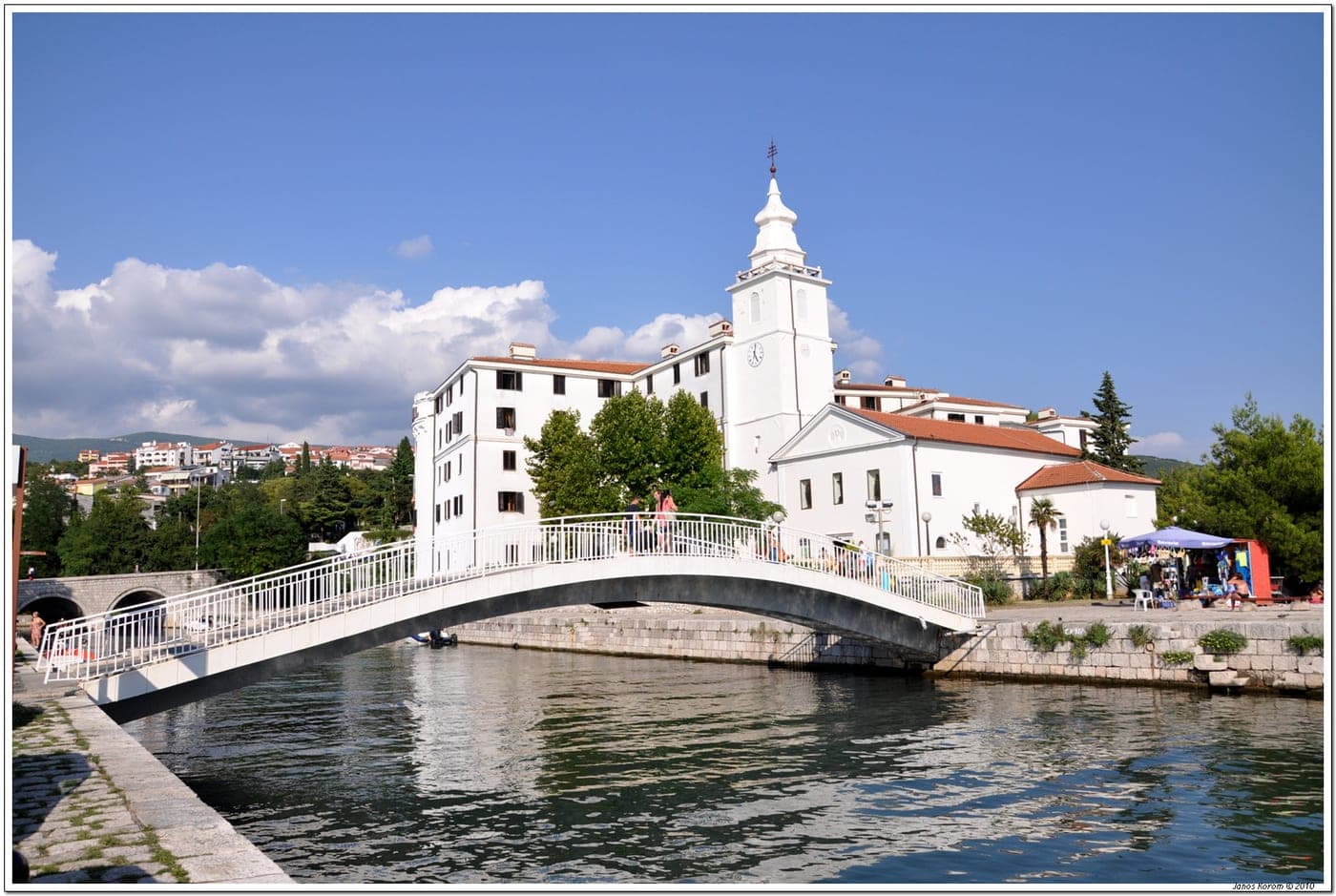
Primorje-Gorski Kotar
07 destsNestled along the northern Adriatic, this region is the largest in Croatia by area, featuring a diverse landscape of mountains, islands, and coastal towns. The city of Rijeka serves as a cultural hub, known for its vibrant festivals and rich maritime history, including the Trsat Castle overlooking the city. Opatija, with its historic villas and seaside promenade, offers a glimpse into the 19th-century Austrian Riviera. Nearby, the islands of Cres and Lošinj boast stunning natural parks and traditional fishing villages. Nature lovers can explore the Risnjak National Park, while wine enthusiasts can taste local Vrbnička Žlahtina. This region thrives on its rich cultural tapestry and local gastronomy, emphasizing sustainable practices and authentic experiences that reflect its heritage.
Boat RentalsHiking
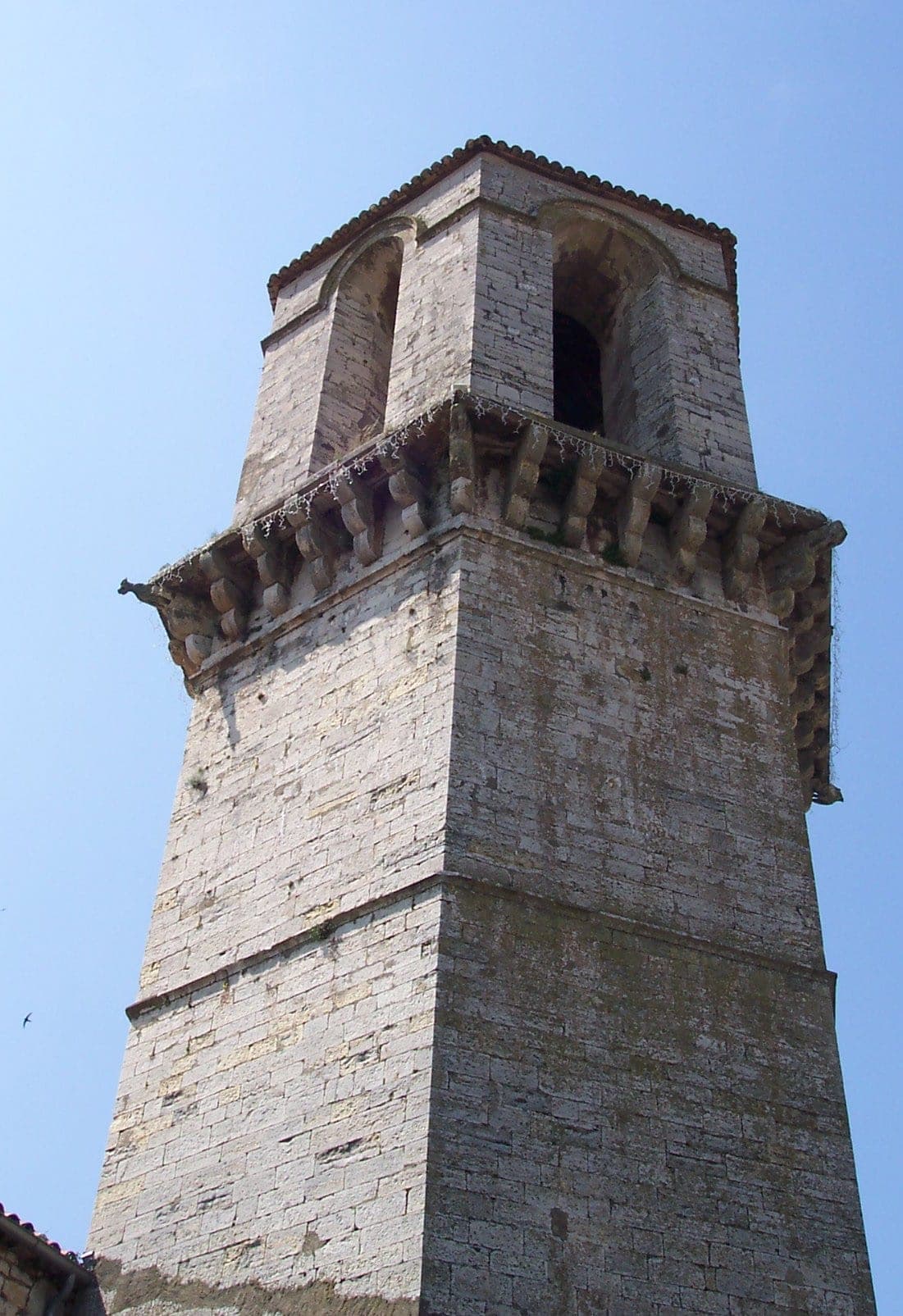
Provence-Alpes-Côte d'Azur
44 destsThis picturesque region in southeastern France is known for its diverse landscapes, from the rugged Alps to the stunning Mediterranean coastline. It is the only region with direct access to the coast, featuring historic towns like Nice and the artistic haven of Saint-Paul-de-Vence. The region is famous for its lavender fields, particularly around Valensole, and its vineyards producing renowned wines such as Bandol and Côtes de Provence. Lesser-known villages like Moustiers-Sainte-Marie are rich in pottery traditions, while the Verdon Gorge offers breathtaking hiking and kayaking opportunities. Local markets showcase seasonal produce like olives, herbs, and artisan cheeses, enhancing the immersive experience of this vibrant region.
Wine TastingHiking
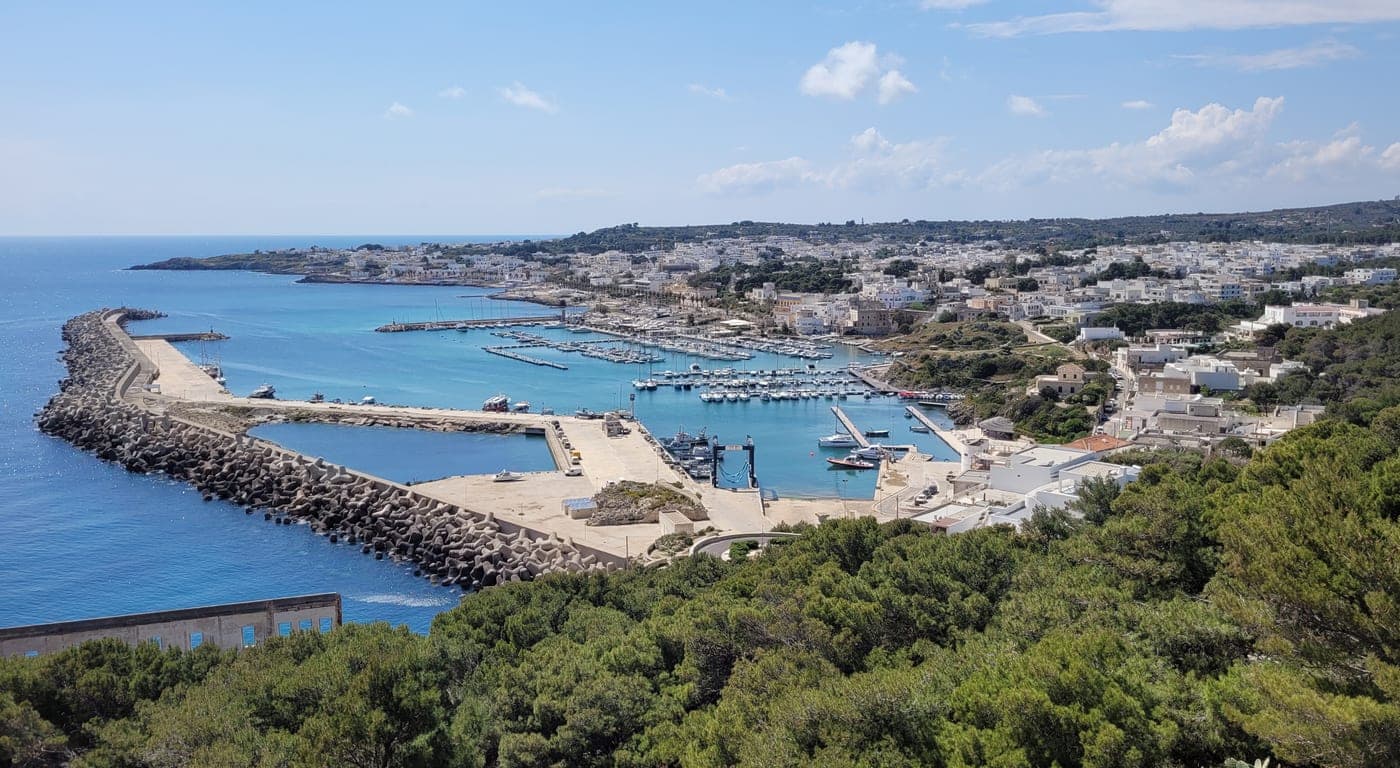
Puglia
20 destsApulia, the heel of Italy, is known for its unique trulli houses, especially in Alberobello, a UNESCO World Heritage site. The region features beautiful coastlines along the Adriatic and Ionian Seas, with picturesque towns like Polignano a Mare and Otranto offering stunning sea views and fresh seafood. Notably, Apulia is the largest wine-producing region in Italy, famous for robust Primitivo and fruity Negroamaro wines. History aficionados can explore ancient sites like the Romanesque cathedral in Bari and the medieval castles of Castel del Monte. With its rich culinary traditions, highlighted by orecchiette pasta and olive oil, Apulia offers a deep dive into Italy's cultural heritage.
Boat RentalsWine Tasting
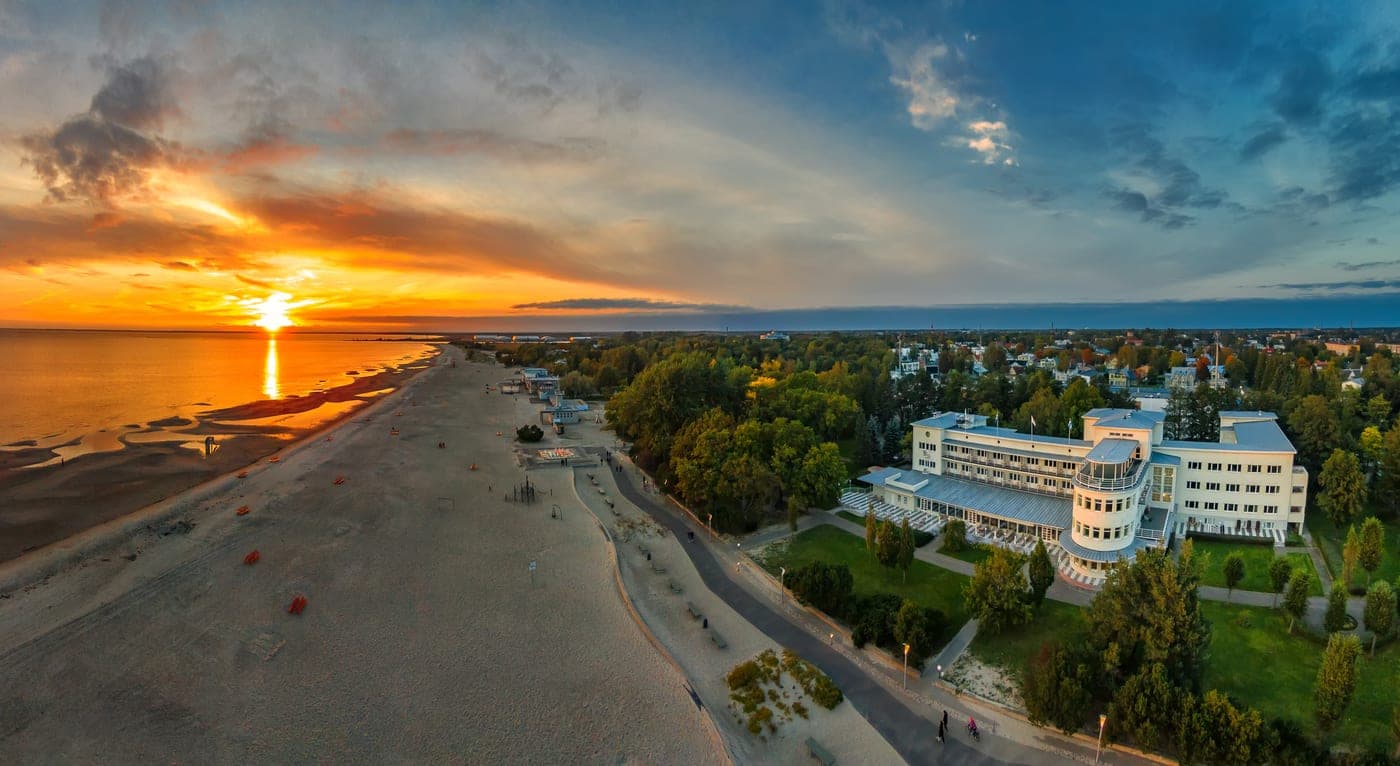
Pärnu
01 destPärnu is Estonia's summer capital, renowned for its sandy beaches and vibrant cultural scene. This region features Estonia's only coastal city, where visitors can explore the historical old town, known for its wooden architecture and charming cafes. Pärnu is also the gateway to the Pärnu Bay, a UNESCO Biosphere Reserve, rich in birdlife and unique ecosystems. The region hosts various local festivals, including the Pärnu Film Festival, which showcases emerging filmmakers. Nearby, the small towns of Kihnu and Manija offer insights into traditional Estonian life, with unique crafts and customs. Pärnu's spa culture adds to its allure, attracting those looking for wellness and relaxation experiences.
Boat RentalsHiking
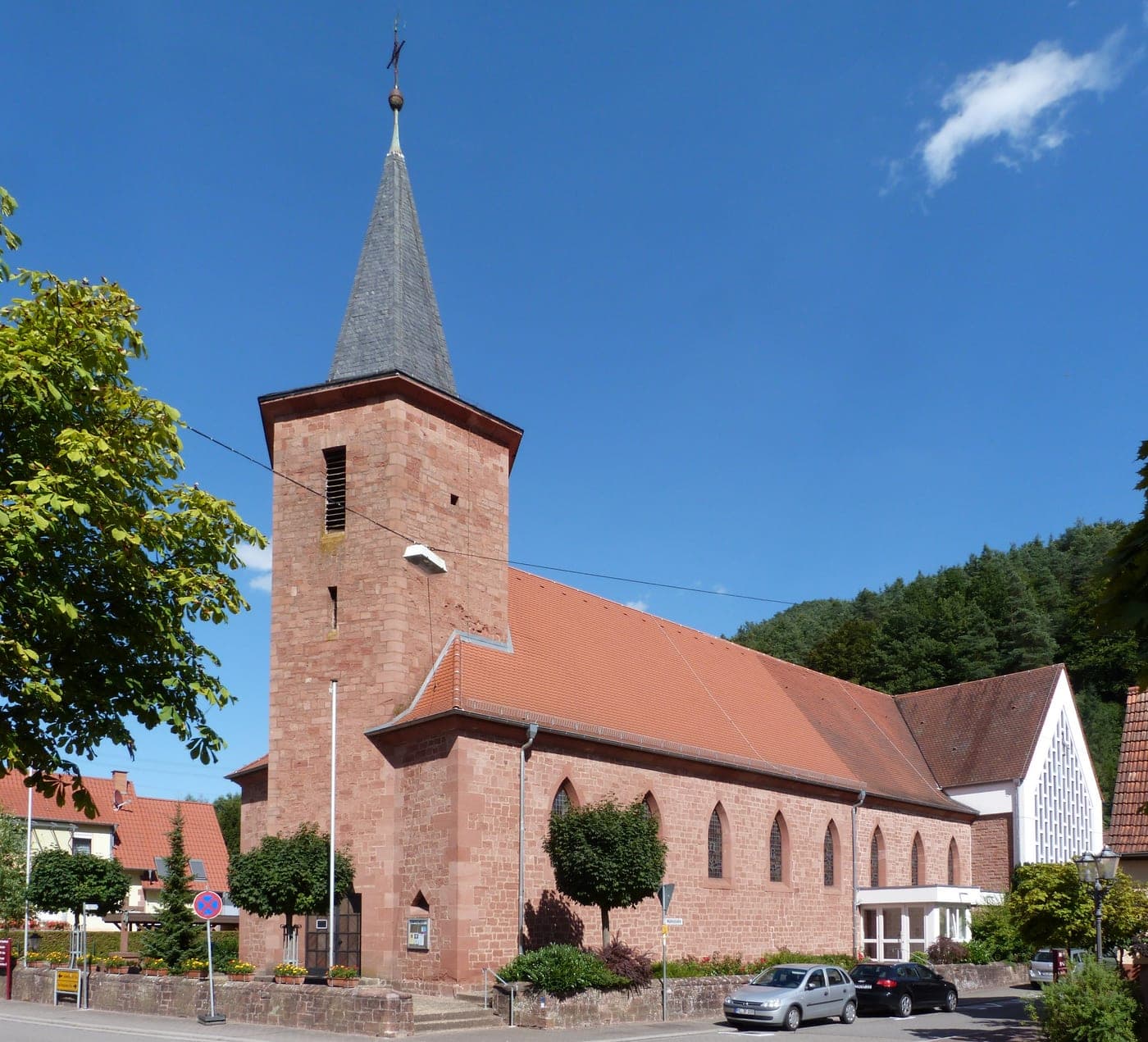
Rhineland-Palatinate
10 destsRhineland-Palatinate is Germany's largest wine-producing region, renowned for its diverse vineyards and picturesque landscapes along the Rhine and Moselle rivers. The region features historic cities like Mainz, famous for its Gutenberg Museum, and Trier, home to well-preserved Roman ruins, including the Porta Nigra. Koblenz marks the confluence of the Rhine and Moselle and is known for its Ehrenbreitstein Fortress. The region is also celebrated for its rich culinary traditions, including hearty dishes and fine Riesling wines. Unique villages such as Cochem and Rüdesheim invite exploration of local culture and festivals, offering a glimpse into traditional German life amidst stunning natural beauty.
CabinsHiking
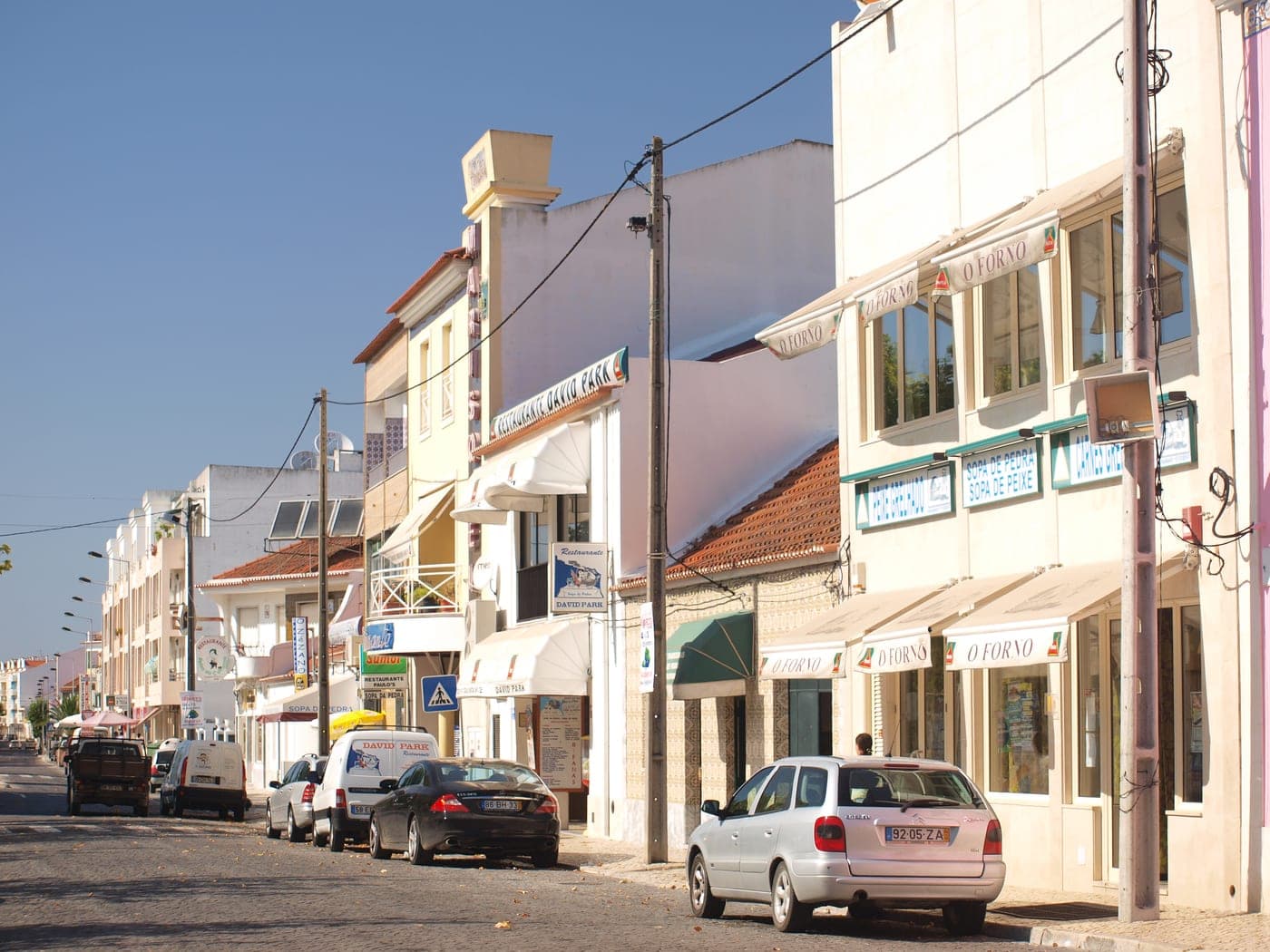
Ribatejo
04 destsRibatejo, located in central Portugal, is characterized by its rich agricultural land and historic towns. It is known for its diverse landscapes, including the Tejo River, which flows through the region. Santarém, the region's largest city, is famous for its Gothic architecture and the annual Festa de São Martinho. The region is also notable for producing high-quality wines, particularly the robust reds from the Tagus Valley. Off the beaten path, towns like Almeirim and Cartaxo offer authentic local gastronomy, including the iconic sopa da pedra. Ribatejo is steeped in history, with archaeological sites such as the Roman ruins in Conímbriga showcasing its ancient past. Outdoor enthusiasts will find numerous hiking trails along the riverbanks, making it an ideal area for slow exploration.
Wine TastingHiking
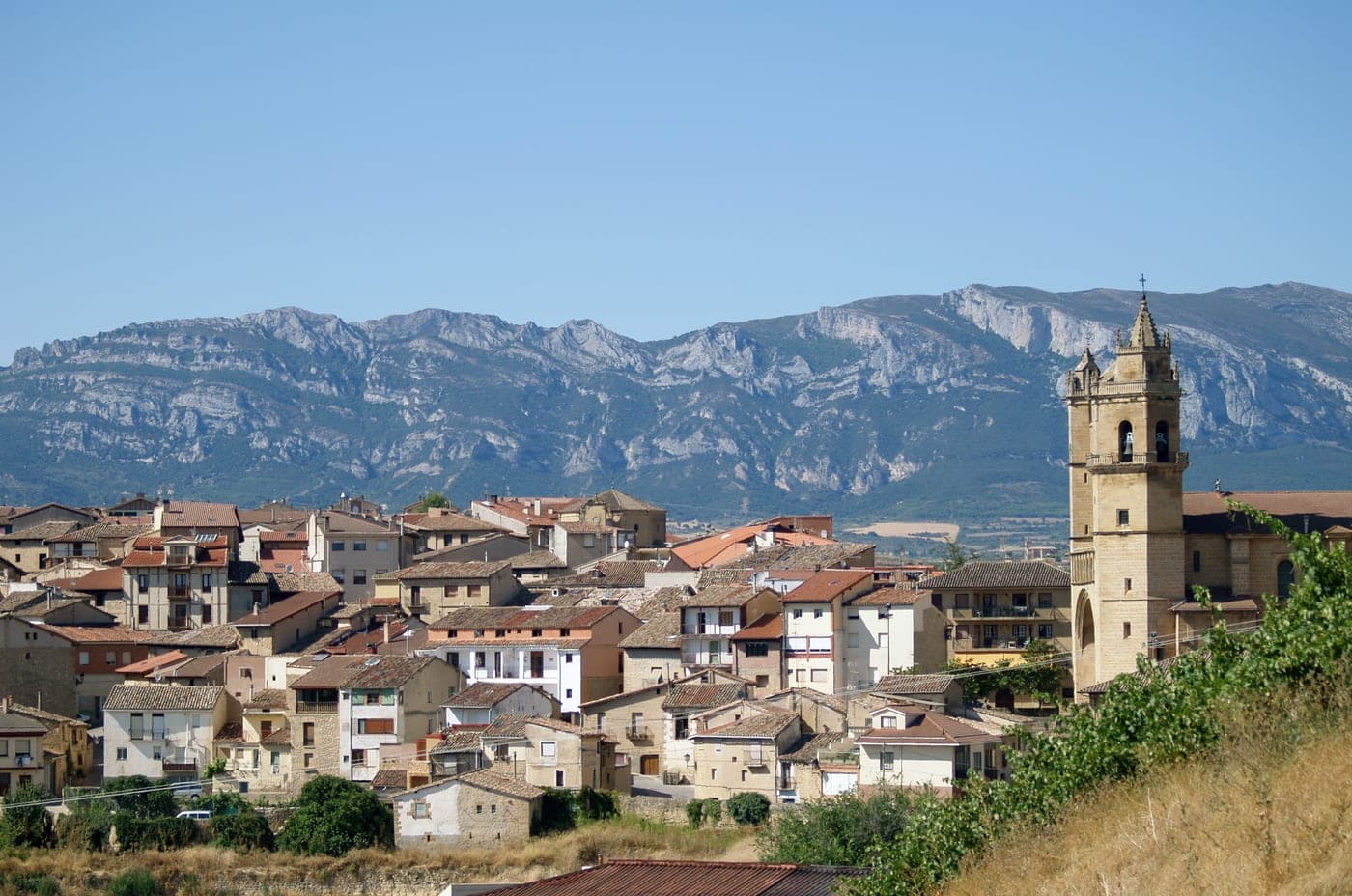
Rioja Alavesa
02 destsNestled in the northern part of Spain, Rioja Alavesa is renowned for its rich wine culture, primarily producing exceptional red wines from Tempranillo grapes. This region is characterized by its picturesque vineyards, rolling hills, and unique architecture, including traditional stone houses and modern wineries. The landscape is dotted with historical sites like the medieval village of Laguardia, known for its underground wine cellars. Additionally, the region offers scenic hiking trails and opportunities to explore local gastronomy, including artisan cheeses and regional dishes. Rioja Alavesa is not only a wine lover's paradise but also a place where visitors can appreciate the blend of culture, history, and nature in a tranquil setting.
Wine TastingHiking
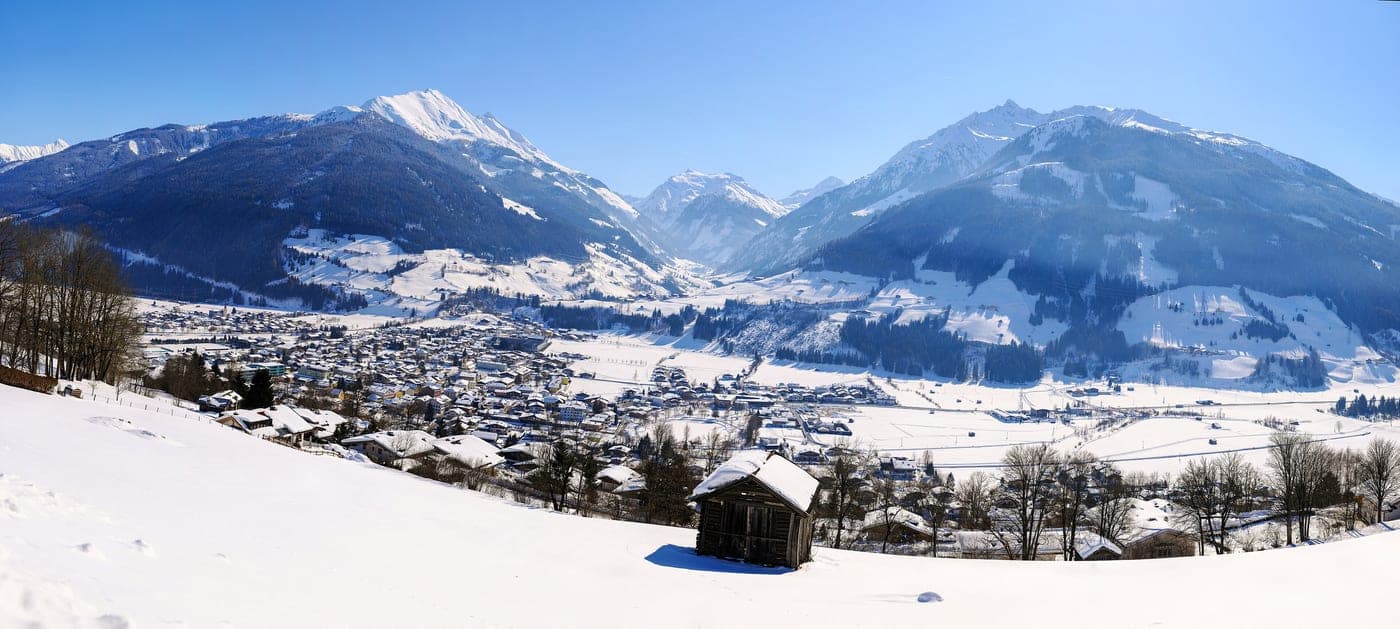
Salzburg
03 destsNestled in the Alps, this region is renowned for its baroque architecture and stunning landscapes. Salzburg is the birthplace of Mozart and boasts a rich musical heritage. The region is characterized by picturesque lakes, including the beautiful Wolfgangsee, and the majestic peaks of the surrounding mountains. Hidden gems like the charming village of St. Gilgen and the historical town of Hallein invite exploration. Salzburg's unique salt mines, dating back to prehistoric times, reveal its historical significance in trade. The region hosts various local festivals, including the Salzburg Festival, celebrating music and theater, making it an intriguing locale for cultural exploration. Ideal for those seeking to connect with both nature and history, this area offers a wealth of experiences off the typical tourist path.
CastlesHiking
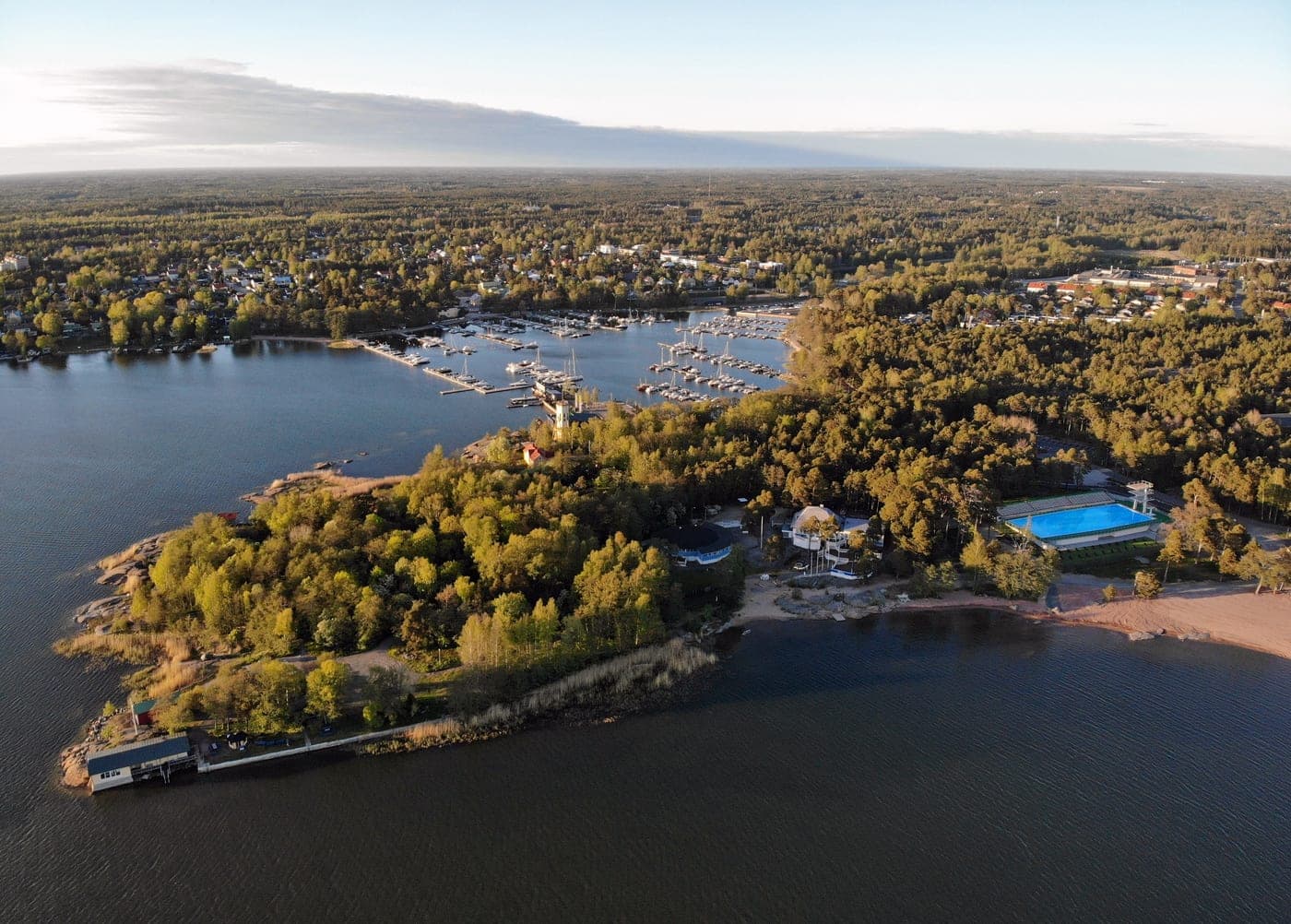
Satakunta
02 destsSatakunta stretches along Finland's Bothnian Sea coast, where the land breaks into hundreds of islands and skerries before turning inland to lakes and river valleys. The Kokemäenjoki river reaches the sea here after crossing much of western Finland, spreading into wetlands and one of the country's widest river deltas at Preiviikinlahti — a bay important enough for migrating birds that birdwatchers plan whole mornings around it. Slow travel in Satakunta means letting that geography set the pace: a few days by the water, a sauna at the end of each one, and time to notice how the light shifts through a summer evening. The regional capital, Pori, sits at the river mouth. Every July it fills with the Pori Jazz Festival, but the rest of the year it keeps a quieter rhythm. A short walk from the centre, the dunes of Yyteri run for several kilometres along the coast, backed by pine forest — one of Finland's longest sand beaches, used as much for early walks as for swimming. South along the coast is Rauma, whose old town, Vanha Rauma, is a UNESCO World Heritage Site. Its wooden houses, painted in soft, faded colours and packed along narrow lanes, have survived largely intact since the 18th century. Rauma is also one of the last places in Finland where bobbin lace-making is still practised as a living craft rather than displayed behind glass; in summer, lace-makers work in doorways and courtyards, happy to explain a pattern to anyone who stops. Inland, the region turns toward lakes and forest. Säkylän Pyhäjärvi draws the same cottage families back to the same stretch of shore year after year. Around it and further into Satakunta's forests, the pace drops again: cottage life is built from small routines — chopping wood, heating the sauna, rowing out before dinner — rather than sightseeing. The archipelago off Rauma runs on an older logic, shaped by fishing rather than tourism. Wooden boathouses and old net-drying racks still stand along parts of the shore, evidence of a working relationship with the sea that predates any resort. Coastal food reflects that history: whitefish and Baltic herring, smoked or pan-fried, appear on menus across the region, usually with a dense, dark rye bread on the side. Sauna here is a household habit, not a spectacle. Lakeside and coastal saunas sit beside almost every cottage, and the ritual — heat, a plunge into cold water, a pause outside to cool down — is the same whether the water is a lake, a river, or the Bothnian Sea itself. Three to five days give a real feel for Satakunta without rushing it: a day or two around Pori and Yyteri, a day in Rauma's old town, and the rest spent by a lake or on the coast, with a sauna booked for the evening. Longer stays suit anyone who wants to add the inland forests or spend more unhurried time among the islands. Below are Satakunta's towns, each with its own share of coastline, forest or lakeshore to take slowly.
Boat RentalsHiking
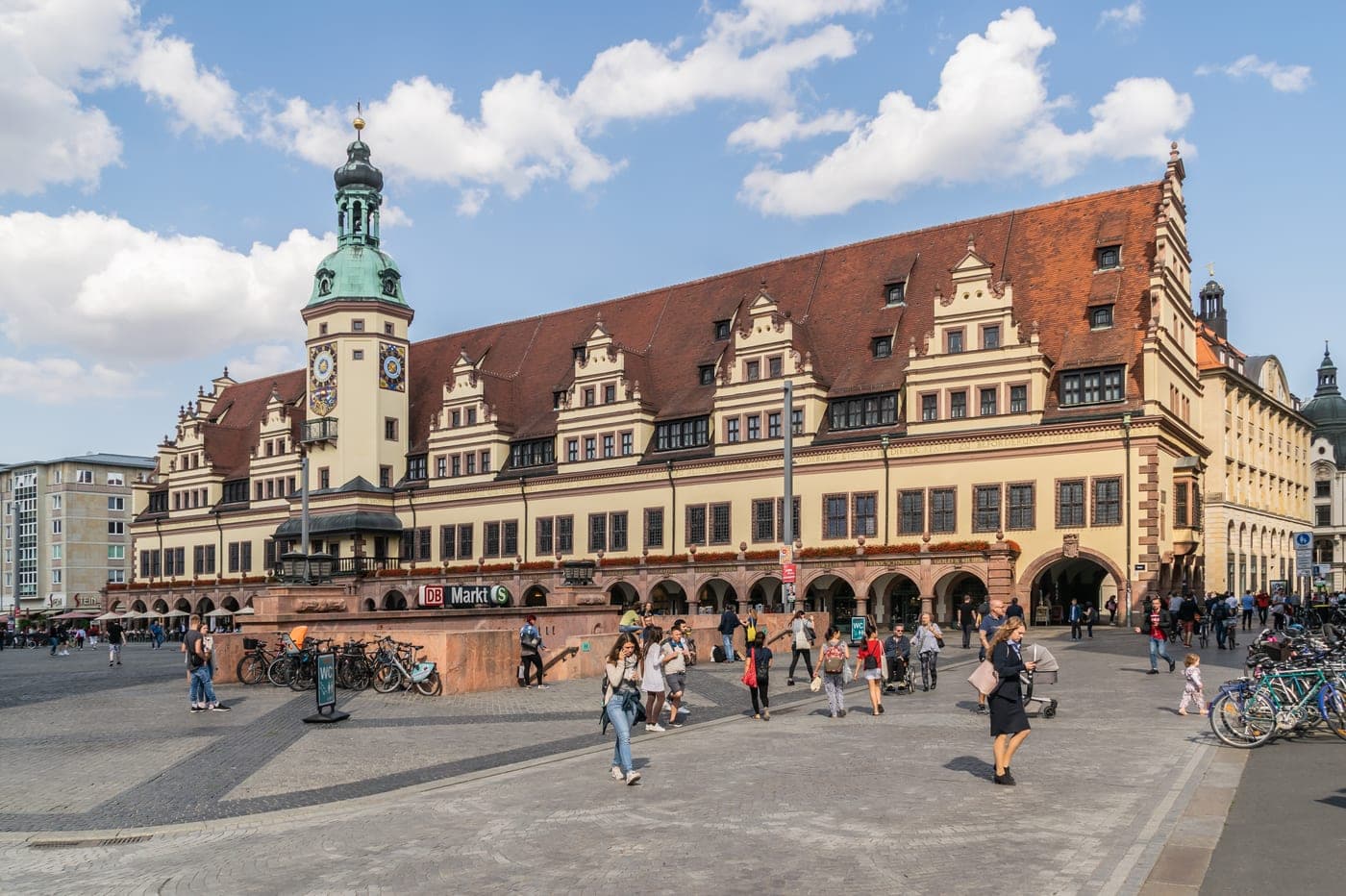
Saxony
03 destsSaxony sits in the eastern corner of Germany, where the Elbe river cuts through sandstone cliffs before opening onto vineyard slopes, old market squares and quiet river towns. Its landmarks stand close enough together that a slow route through the region tends to follow the water itself, from wine terraces near Meißen to the rock plateaus above Dresden and the old craft towns further east. Between Pirna and Meißen the Elbe valley softens into one of Germany's smallest wine regions, a narrow band of terraced vineyards known locally as the Sächsische Weinstraße. Riesling and Müller-Thurgau grow on steep slopes above the river, alongside Goldriesling, a grape found almost nowhere else. Small wineries around Radebeul and Diesbar-Seußlitz open their cellars for tastings, and cycling paths thread through the vines past baroque villas and old wine presses built into the hillside. Dresden's rebuilt old town gathers around the Elbe's curve. The Frauenkirche's stone dome rises over a square lined with baroque facades, the Zwinger holds courtyards once used for royal festivities, and the Semperoper stages opera beside collections of old master paintings and porcelain built up by Saxony's electors. The riverside terraces on either bank give a clear view of the skyline and are used for walking rather than for any particular sight. A short stretch upstream, Meißen has made porcelain since 1710, and its manufactory still marks pieces with the blue crossed swords first used to guard the recipe. Workshops there remain open for viewing, and the town's own hilltop cathedral and castle look down over the river from above the vineyards. West of the Elbe, the wooded Erzgebirge hills carry a different craft tradition: turners and carvers in towns such as Seiffen have shaped nutcrackers, incense smokers and candle pyramids for generations, work that fills the region's Christmas markets each winter. South-east of Dresden, the sandstone plateaus of Saxon Switzerland rise straight out of the forest. Deep gorges cut between the flat-topped hills, and paths climb to viewpoints such as the Bastei, where the sandstone has weathered into towers, arches and narrow ridges. Painters of the German Romantic period worked from these same outcrops, and the light across the plateau still shifts through the day in a way that made the landscape famous long before it became a national park. West of Dresden, Leipzig tells a different part of Saxony's story. Bach directed music at the Thomaskirche for almost three decades, and the church still holds regular concerts drawing on that tradition. The city built its wealth on trade fairs and publishing rather than a royal court, and that older commercial energy now shows in a large student population, independent bookshops and cafes, and former cotton mills and rail yards converted into galleries and studios. Further east, Bautzen keeps its old town wall and a line of towers above the Spree river, and remains one of the centres of Sorbian culture, a Slavic minority whose language, dress and Easter egg traditions are still visible around the town, especially at Easter. Near the Polish border, Görlitz preserves long streets of Gründerzeit and older facades that survived the twentieth century largely undamaged, giving its old town an unusually complete and continuous look. Festivals mark the Saxon year in different corners of the region: organ and choral concerts fill Dresden's and Leipzig's churches, autumn wine festivals bring open cellars to the Elbe valley towns, and lit wooden pyramids and carved figures fill Erzgebirge markets through December. Moving between the wine slopes, the sandstone hills and the old craft and university towns, Saxony reads less like a single sight and more like a set of related landscapes, each shaped by a particular trade or river bend, and each within easy reach of the next.
Camper Van RentalsHiking
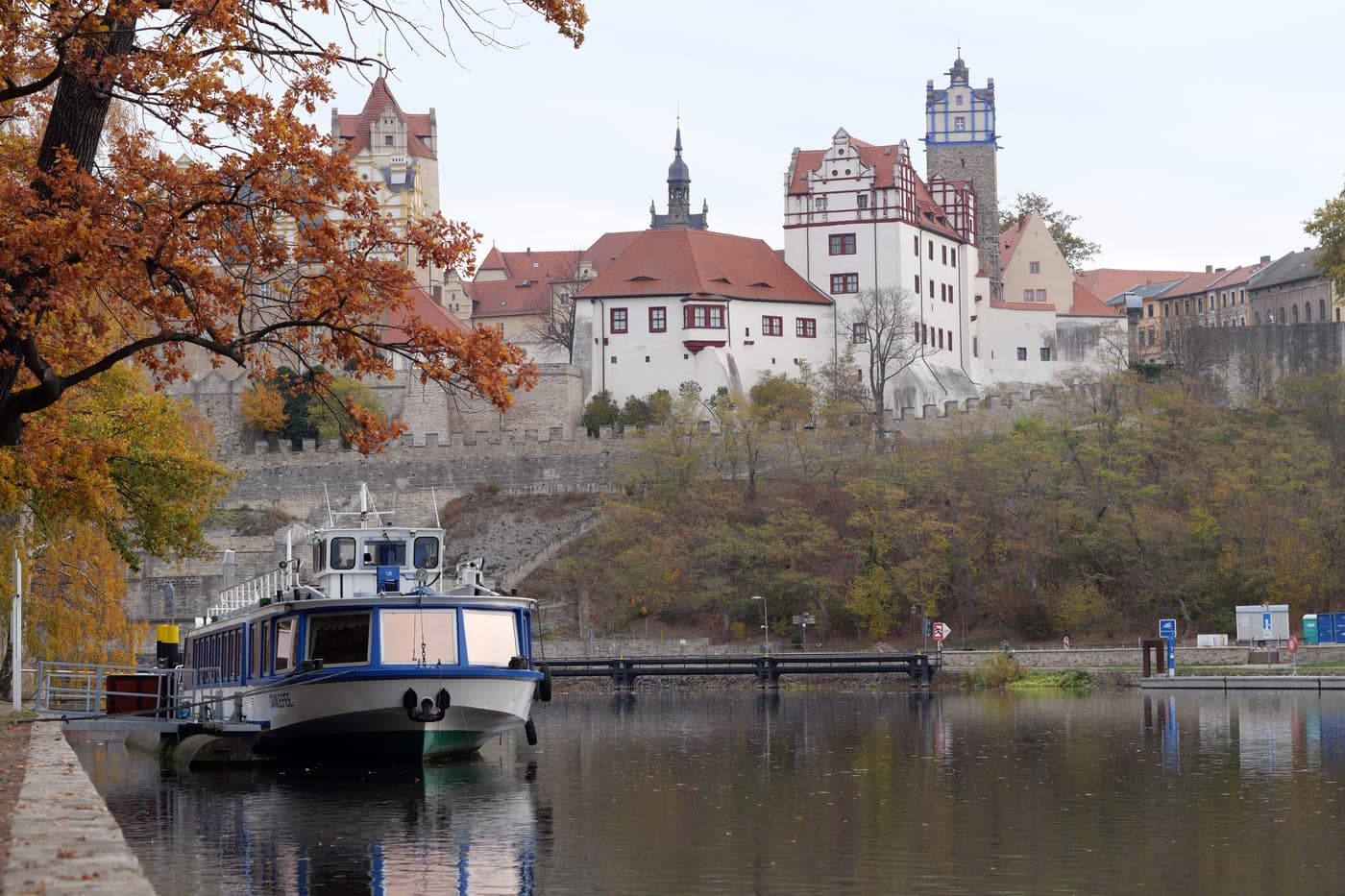
Saxony-Anhalt
01 destSaxony-Anhalt is a historically rich region known for its diverse landscapes and cultural heritage. It is home to the Harz Mountains, offering scenic hiking trails and charming towns like Wernigerode and Quedlinburg, a UNESCO World Heritage site with well-preserved medieval architecture. The region's largest city, Magdeburg, features the stunning Cathedral of St. Maurice and St. Catherine. Notably, Saxony-Anhalt is recognized for its wine production along the Saale-Unstrut wine route. The region is also famous for the Bauhaus movement's roots in Dessau, where the iconic Bauhaus School was founded. Festivals celebrating local traditions abound throughout the year, providing unique insights into regional culture.
Boat RentalsHiking
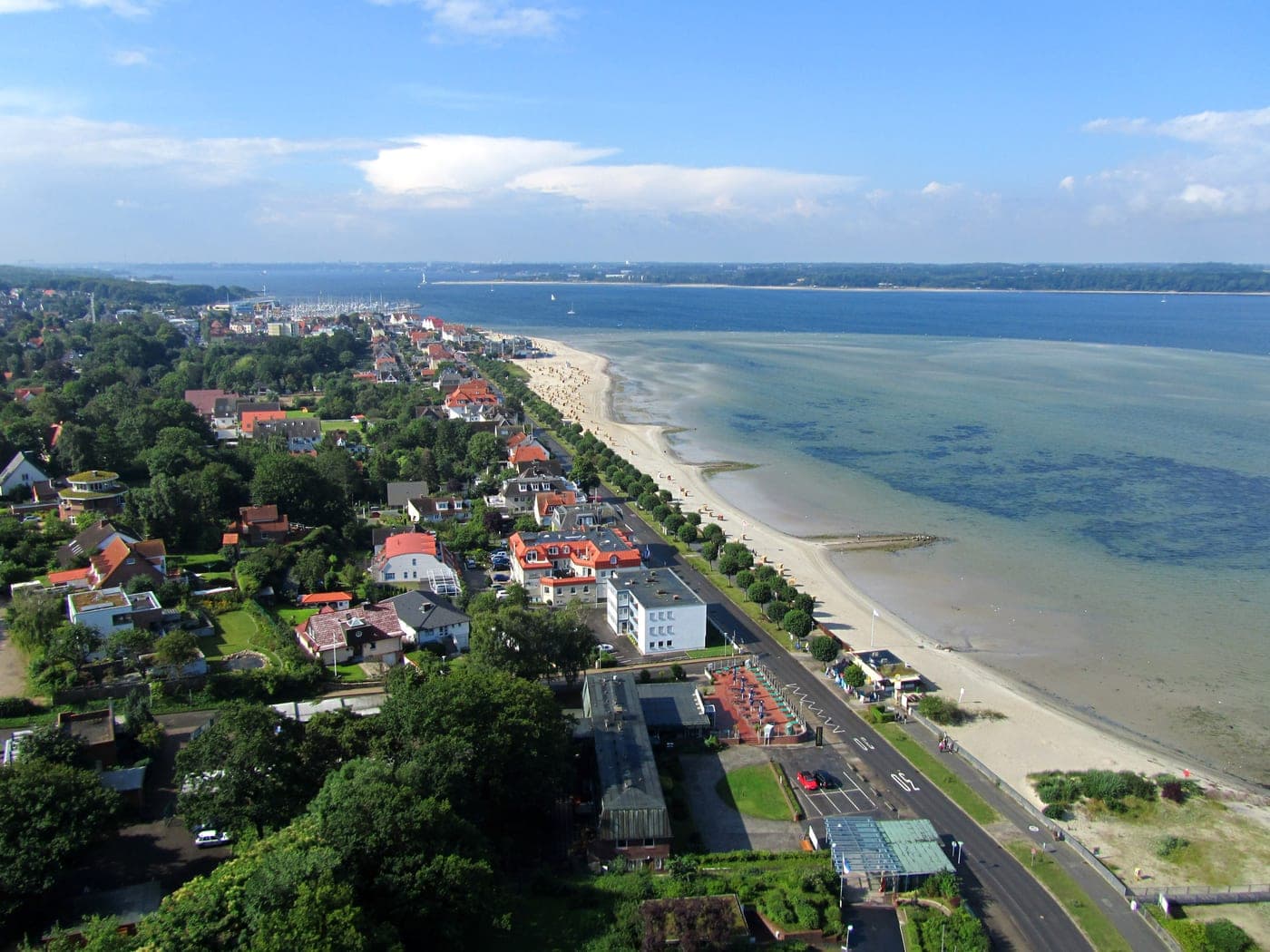
Schleswig-Holstein
06 destsSchleswig-Holstein sits between two seas, and that fact shapes everything about its pace. On the west side, the Wadden Sea pulls back twice a day, leaving wide flats of mud and sand where oystercatchers and seals gather. On the east, the Baltic keeps a calmer shoreline, cut by narrow fjords called Förden that reach inland past reed beds and small fishing harbors. Between the two coasts lies a quieter inland belt of moraine hills, beech woods and lakes known as Holsteinische Schweiz, where the land rolls gently toward small lakes rather than open sea. Lübeck is the region's best-known town, its old core built by Hanseatic merchants and still arranged around brick gabled houses, a river harbor and the twin towers of the Holstentor gate. Marzipan making has been a local craft here for generations, and the smell of almond paste still drifts from shopfronts near the market square. A short distance north, Flensburg carries a different character: its harbor front and old rum warehouses point to centuries of trade with Norway and Denmark, and Danish is still spoken by a minority in town. Schleswig, at the head of the Schlei fjord, keeps an old layer of the region's history, with Gottorf Castle, now home to the state museums, facing the cathedral across the water. Villages in Schleswig-Holstein tend to sit low against the horizon, red brick and thatched roofs blending into flat fields or dike grass. Along the North Sea coast, dikes double as footpaths and cycling routes, running for long stretches with the sea on one side and grazing sheep on the other. The flatness of the land makes cycling an easy way to move between villages, small harbors and the ferry piers that link the mainland to the islands. Sylt, Föhr and Amrum lie offshore within the Wadden Sea National Park, each with its own character: Sylt is known for its dune landscape and thatched Frisian houses, Föhr keeps a quiet, agricultural feel around village greens and old churches, and Amrum holds an extensive dune area. Inland, the lake district around Plön and Eutin offers a different kind of water travel. Small passenger boats cross the lakes between beech forests, and Plön sits below its own castle, overlooking the water from a wooded hill. Eutin keeps a baroque palace and gardens open for slow walking. Further west, the town of Husum sits by its own tidal harbor, and each spring the palace garden there fills with crocus blooms. Kiel, the state capital, faces the Baltic directly and turns into a sailing city every summer during Kieler Woche. Things to do in Schleswig-Holstein tend to build from the coastline itself: watching the tide uncover the Wadden Sea flats, following a dike path between two fishing harbors, crossing an inland lake by small boat, or walking a fjord town's quay while gulls work the fish stalls. Herring and eel appear often on menus near the coast, and Labskaus, a hearty dish of corned beef, potato and beetroot, remains a Baltic port staple. The region rewards attention to weather and tide as much as to any single sight — mudflats change completely between low and high water, and light on the Baltic coast shifts quickly with the wind. Markets, harbor cafés and small guesthouses set the rhythm here more than any schedule does. Whether the starting point is Lübeck's brick lanes, Flensburg's Danish-flavored harbor, or a quiet island church on Föhr, Schleswig-Holstein holds together as one landscape of tide, wind and water, best taken in a village or a shoreline at a time.
Boat RentalsHiking
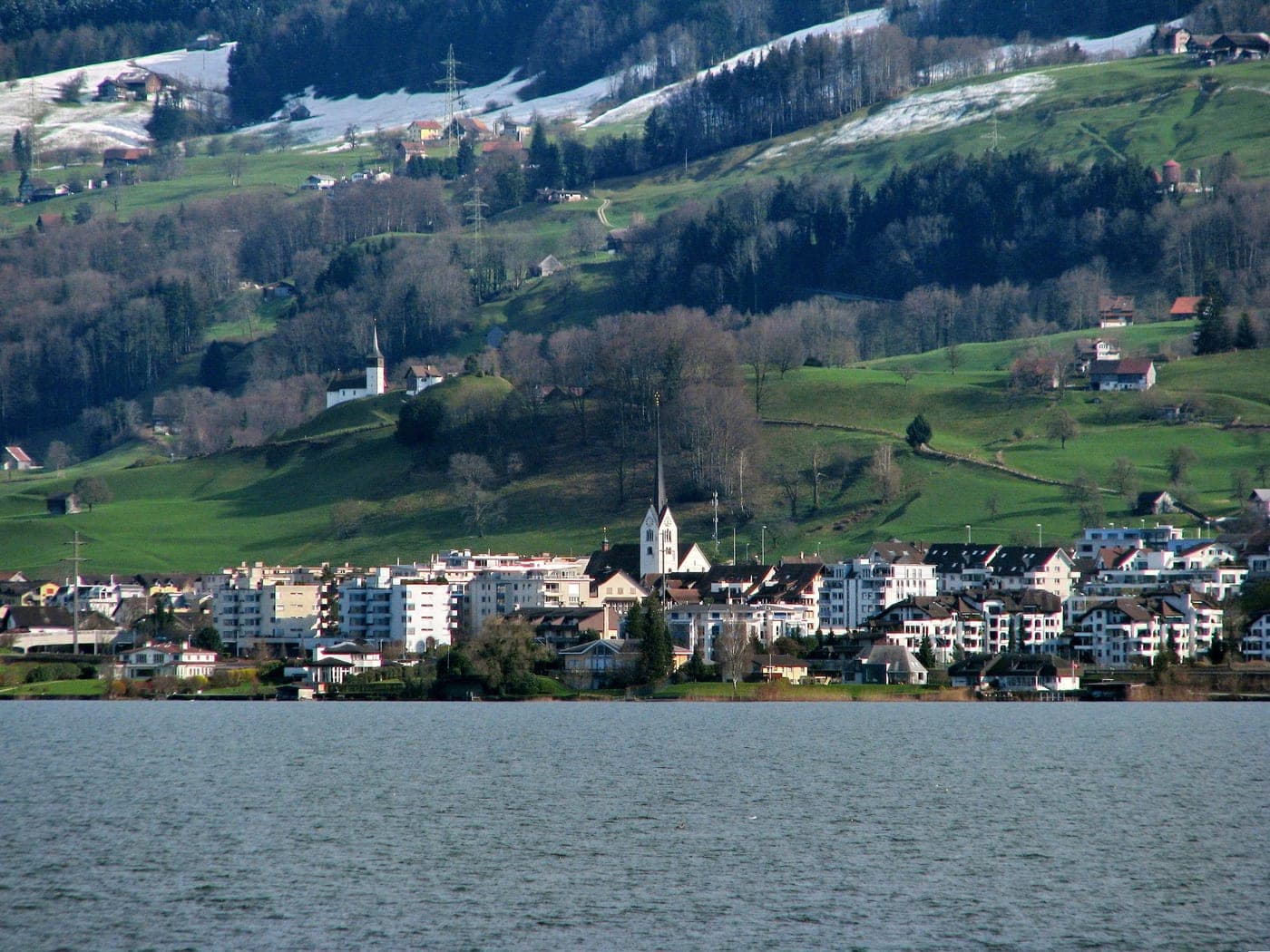
Schwyz
01 destNestled in the heart of Switzerland, Schwyz is a historical region notable for its role in the founding of the Swiss Confederation. The town of Schwyz, the capital, is home to the National Museum, which showcases local history and culture. This region is characterized by stunning landscapes, including Lake Lauerz and the surrounding mountains, ideal for hiking and exploring nature. Schwyz is also famous for its traditional craftsmanship, particularly in wood and textiles. The nearby village of Muotathal offers deep gorges and unique limestone formations, while the historic site of Rigi, known as the 'Queen of the Mountains,' provides breathtaking views and rich hiking trails.
Boat RentalsHiking
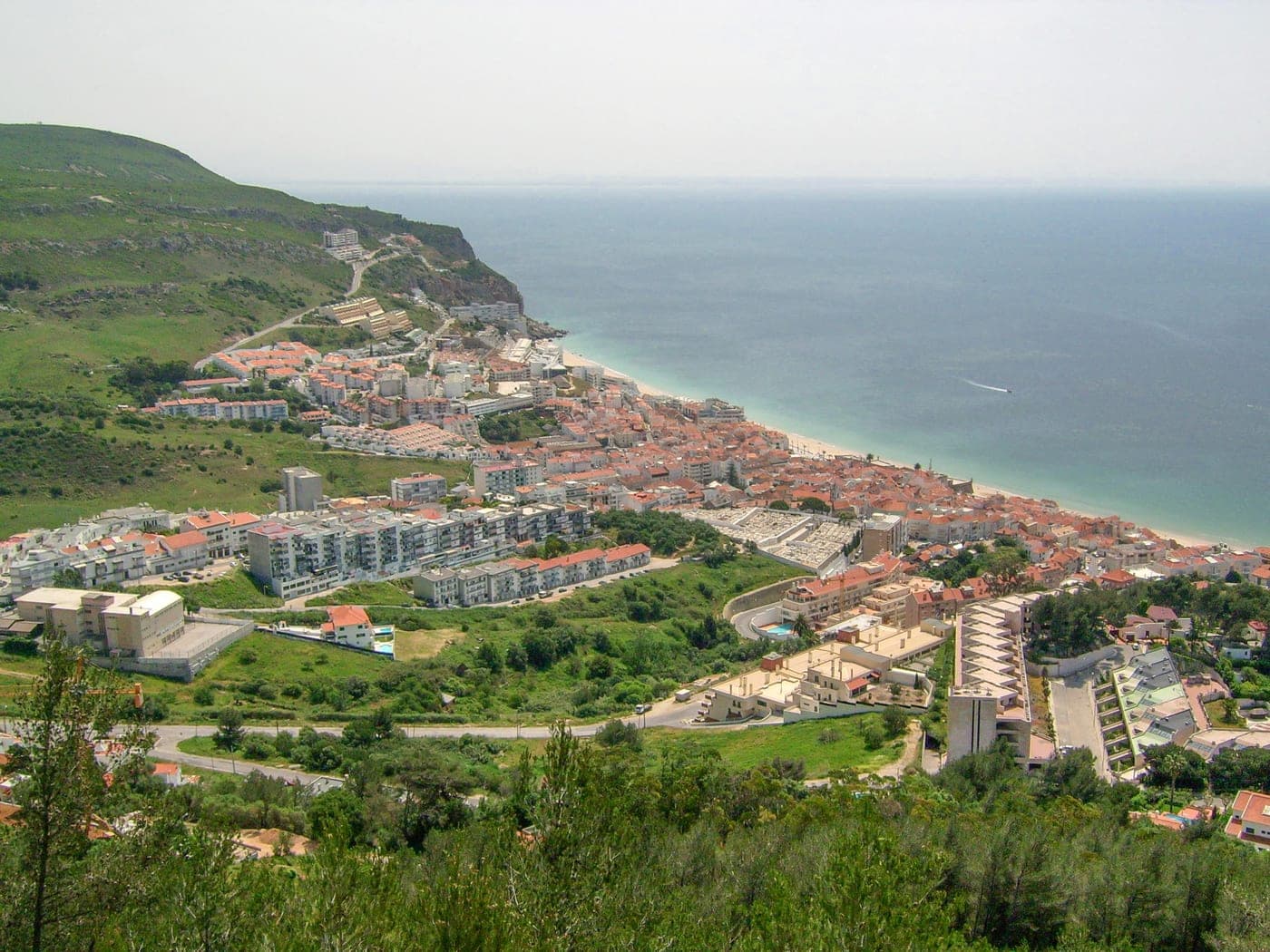
Setúbal
06 destsSetúbal is known for its stunning coastal landscapes and rich cultural heritage. This region features the Arrábida Natural Park, where cliffs meet the Atlantic, offering hiking trails and secluded beaches. Setúbal city is the main hub, famous for its historic fish market and vibrant local cuisine, particularly the fresh seafood and traditional choco frito. Notable nearby towns include Sesimbra, with its picturesque castle and fishing traditions, and Troia, which boasts Roman ruins and beautiful sandy shores. The region is also recognized for its high-quality wines, especially the Muscatel from the local vineyards. Setúbal's local festivals celebrate its maritime culture and gastronomy, providing an authentic glimpse into Portuguese life.
Boat RentalsHiking
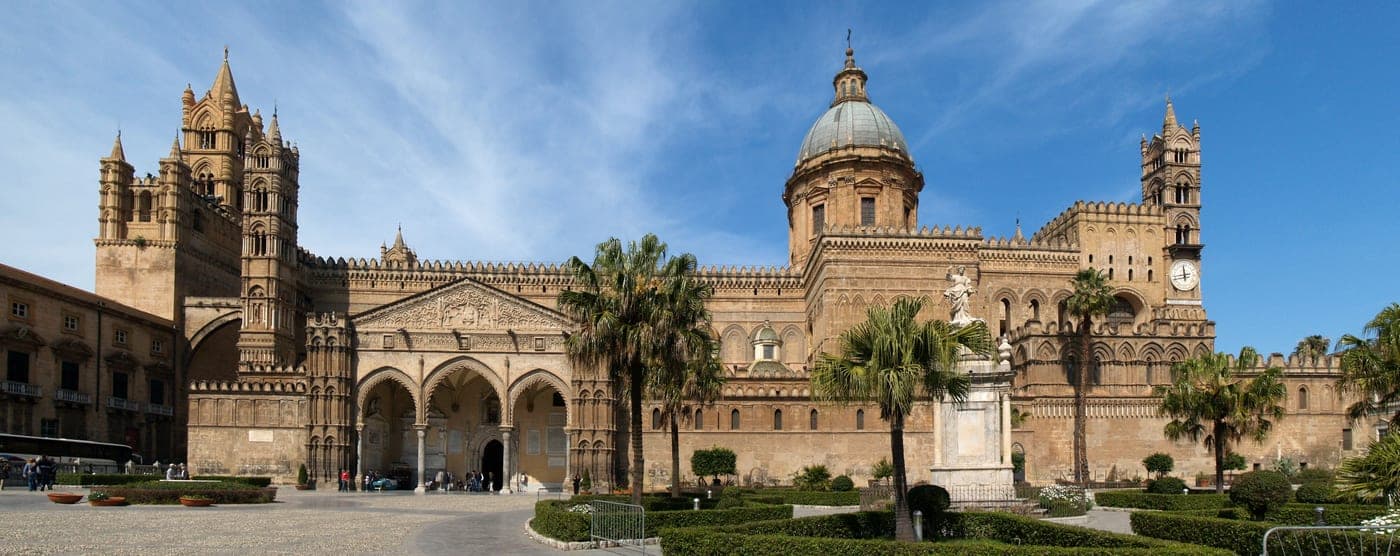
Sicily
21 destsSicily, the largest island in the Mediterranean, boasts a rich tapestry of history and culture. Its unique position has made it a crossroads of civilizations, evident in the remnants of Greek temples in Agrigento and the Arab-Norman architecture in Palermo. The island features a diverse landscape, from the volcanic Mount Etna to the picturesque coastal towns of Taormina and Cefalù. Sicilian cuisine stands out for its use of fresh ingredients, with specialties like arancini and cannoli. The region is also famous for its local wines, particularly Nero d'Avola. Off the beaten path, discover the ancient ruins of Selinunte or the quaint streets of Erice. With charming villages and vibrant markets, Sicily offers a deep dive into authentic Italian culture and history.
Wine TastingHiking
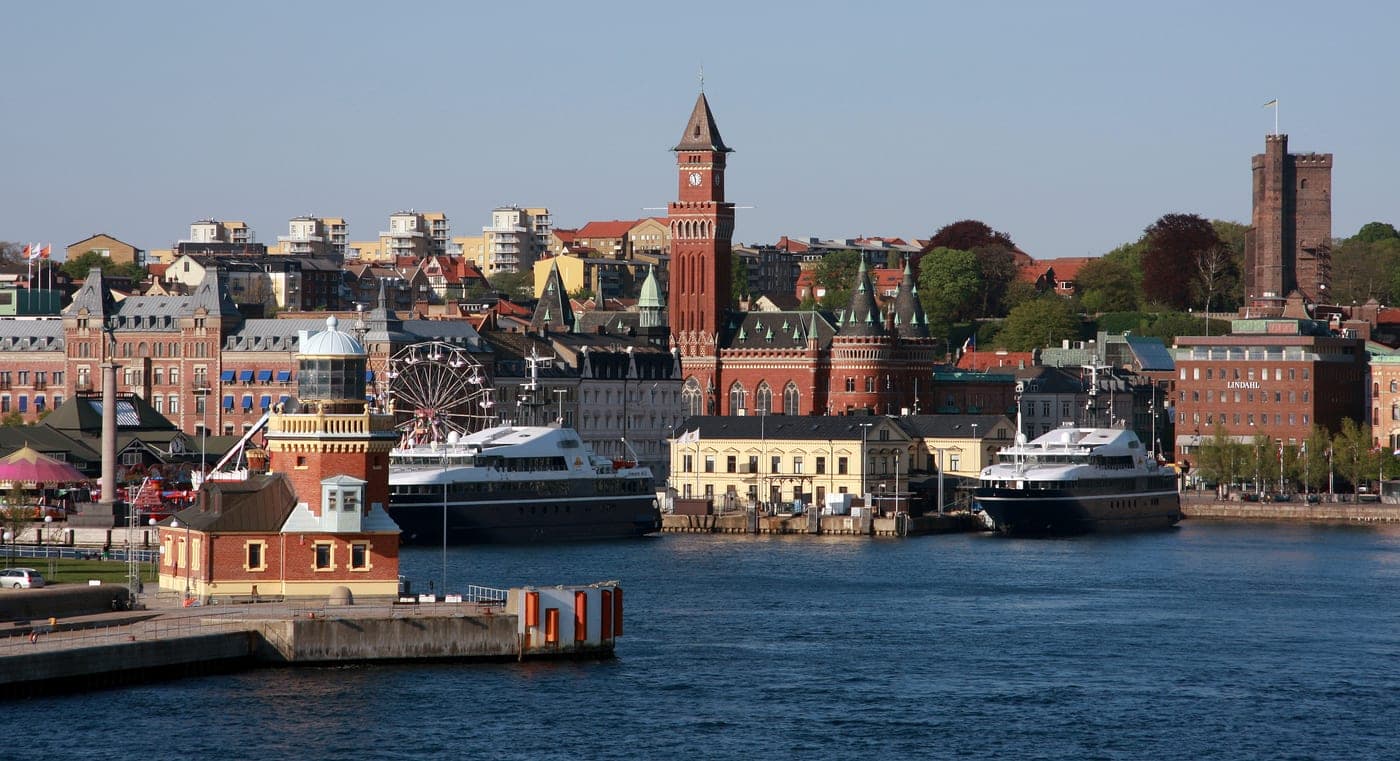
Skåne
03 destsSkåne, Sweden's southernmost region, is known for its diverse landscapes, from sandy beaches to rolling farmland. Malmö is the largest city, famous for its modern architecture and vibrant cultural scene, while Lund boasts a historic university and medieval charm. The region features a unique blend of Danish influence and Swedish traditions, evident in its cuisine, particularly in the use of locally sourced ingredients and seafood. Skåne is also home to the scenic Öresund Strait and picturesque coastal towns like Ystad, known for its medieval streets. The area hosts several local craft markets and food festivals, providing authentic experiences beyond typical tourist attractions. The Skåne Trail offers stunning hiking routes through its varied terrains, allowing for deeper exploration of this culturally rich region.
Boat RentalsHiking
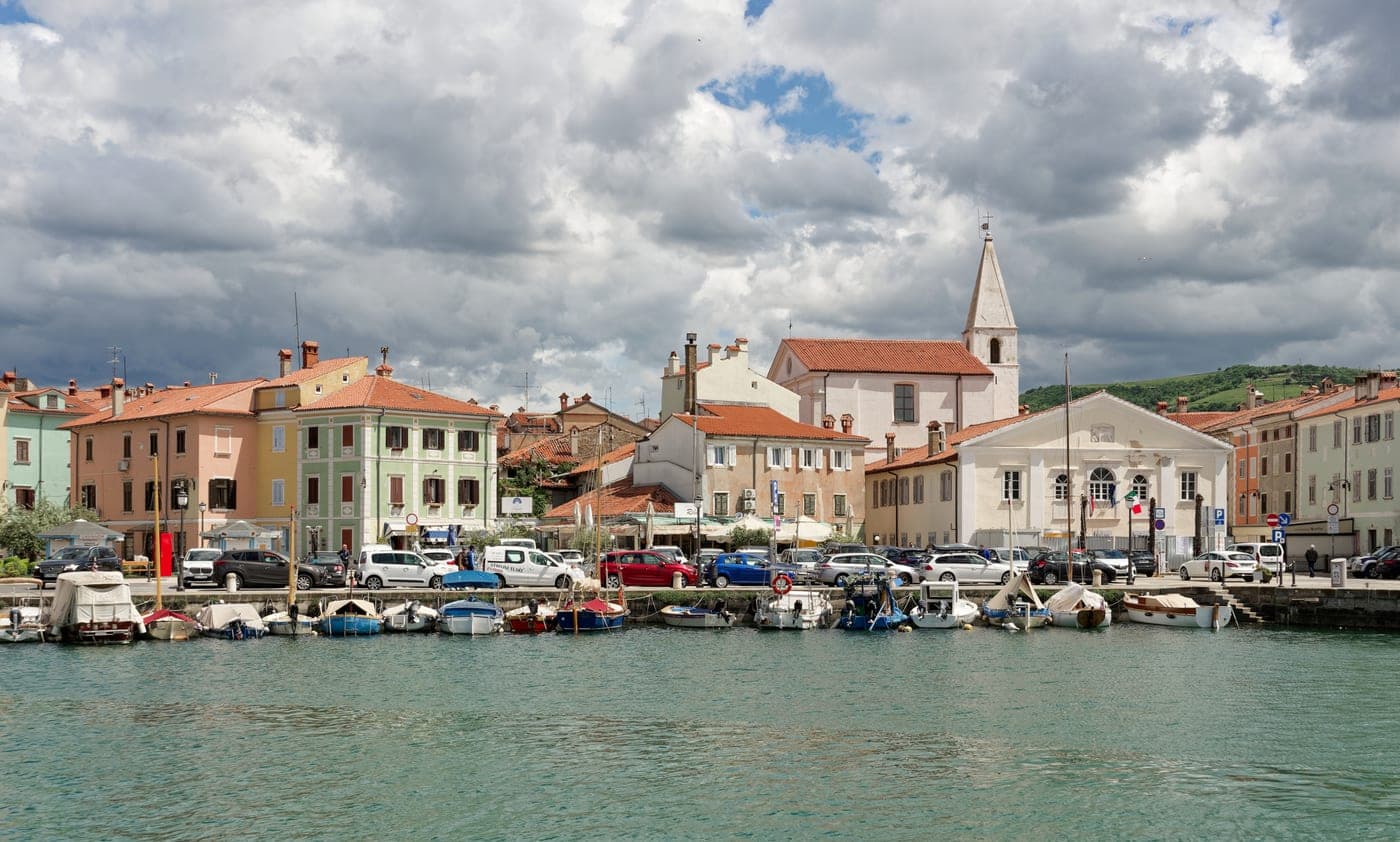
Slovene Istria
04 destsSlovene Istria is Slovenia's only coastal region, boasting a rich blend of Mediterranean culture and natural beauty. The region is known for its picturesque towns, such as Piran, featuring Venetian architecture, and the vibrant city of Portorož, famous for its wellness resorts. Nestled between the sea and rolling hills, the area is celebrated for its vineyards producing indigenous wines like Refošk and Malvazija. The local cuisine, influenced by Italian flavors, highlights seafood and truffles. Notable sites include the ancient salt pans of Sečovlje and the tranquil landscapes of the Škocjan Caves, a UNESCO World Heritage site. This diverse region offers unique insights into both history and nature, ideal for those looking to explore at a leisurely pace.
Boat RentalsLocal Cuisine
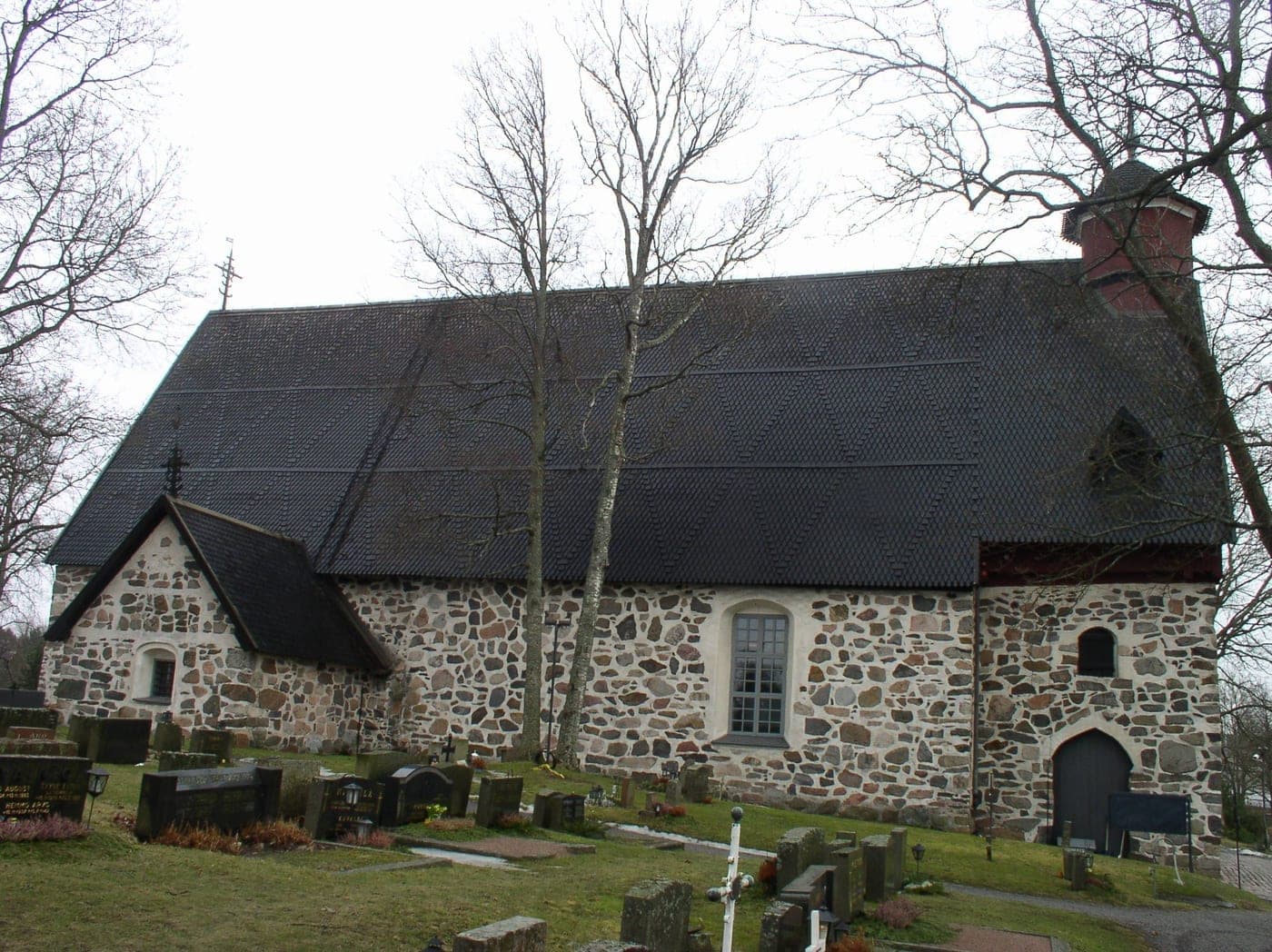
Southwest Finland
02 destsSouthwest Finland is a diverse region known for its unique blend of coastal landscapes and rich cultural heritage. It is home to Turku, the oldest city in Finland, with a vibrant history reflected in its medieval castle and the lively Turku Archipelago. This region, featuring the only significant coastal area in Finland, boasts over 20,000 islands, offering opportunities for exploration by boat. The area is famous for its traditional archipelago cuisine, including fresh fish and local berries. The picturesque towns of Naantali and Kaarina are also noteworthy, providing insights into local life and traditions. Visitors can enjoy hiking in the surrounding nature reserves, such as the Teijo National Park, to experience the tranquil beauty of Finnish nature.
Boat RentalsHiking
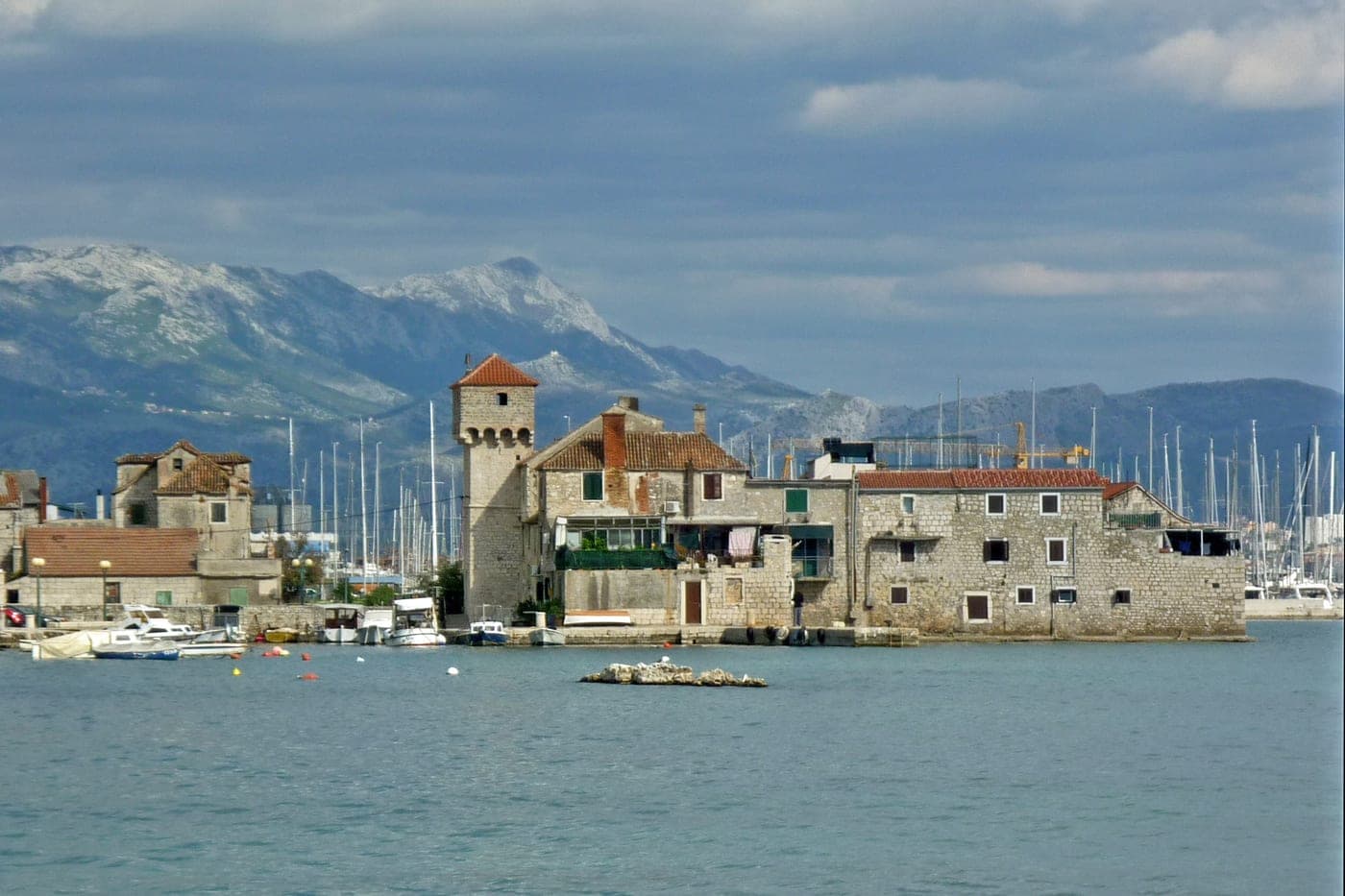
Split-Dalmatia
04 destsSplit-Dalmatia is the largest county in Croatia, known for its stunning coastline along the Adriatic Sea. The city of Split, with its UNESCO-listed Diocletian's Palace, serves as the region's cultural heart. Beyond the city, the county boasts lesser-known gems like the historic town of Trogir, famous for its medieval architecture, and the serene islands of Hvar and Brač, known for their local wines and olive oil. Nature lovers can explore the rugged beauty of the Biokovo Mountain range or the hidden coves along the coast. This region is rich in traditional gastronomy, featuring fresh seafood, local cheeses, and the unique wines of the Dalmatian hinterland. Festivals such as the Split Summer Festival showcase local arts and culture, providing an authentic glimpse into life here.
Boat RentalsHiking
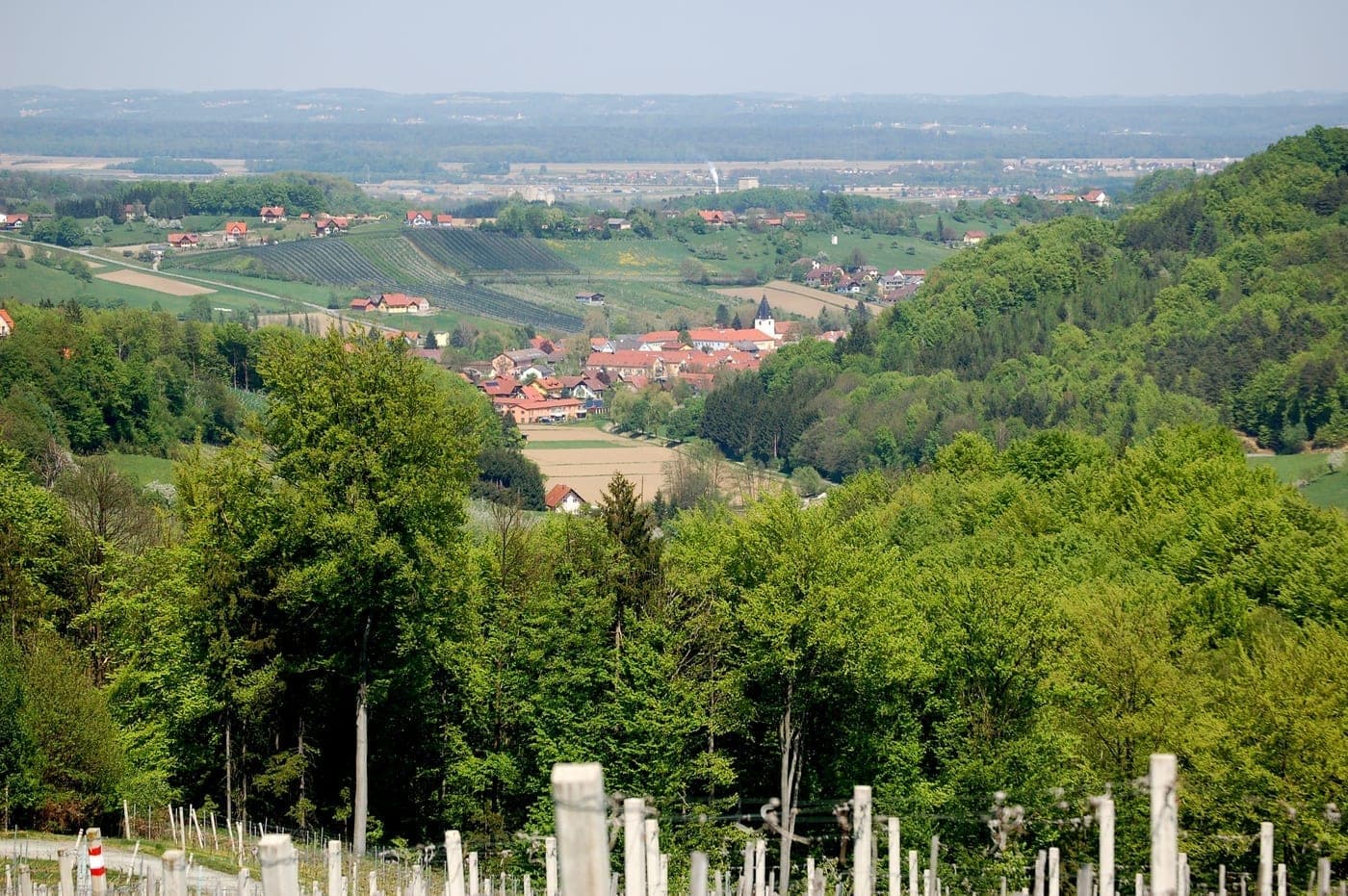
Styria
53 destsStyria is Austria's second-largest region, known for its diverse landscapes ranging from rolling hills to the Eastern Alps. Graz, the capital, is a UNESCO World Heritage site, celebrated for its Renaissance and Baroque architecture. The region is famed for its wine production, particularly the white wines from the Südsteiermark wine route, where picturesque vineyards dot the landscape. Outdoor enthusiasts can explore the Gesäuse National Park, rich in hiking trails and scenic vistas. Unique to Styria, the region also boasts a vibrant culinary scene, with local specialties like pumpkin seed oil and Styrian cheeses. The area features many historic castles and small towns like Riegersburg, known for its impressive fortress and local artisans.
Wine TastingHiking
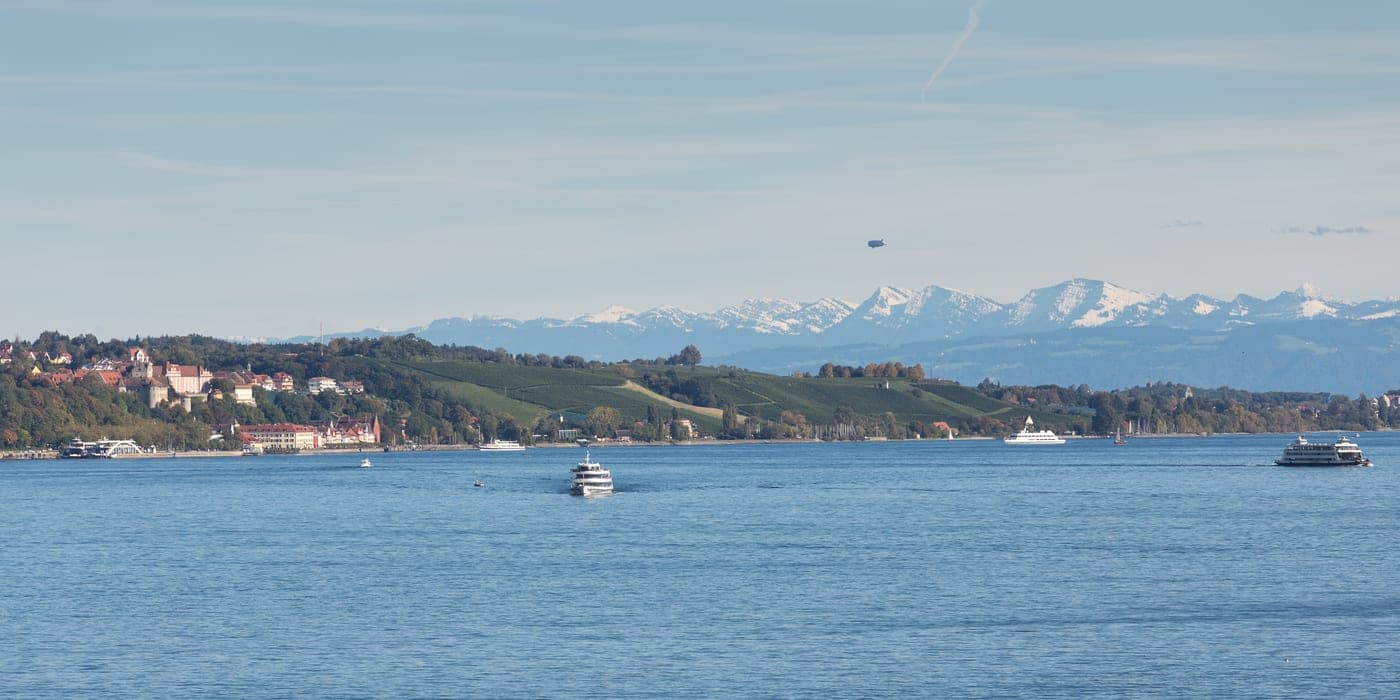
Thurgau
02 destsThurgau sits in Switzerland's northeastern corner, where the land slopes gently down to the wide, calm water of Lake Constance, known locally as the Bodensee. It is the second-smallest canton in the country, and it feels like it: distances between towns are short, the land is soft and rolling rather than steep, and nothing here rushes past a visitor. This is a region built for slow travel — there is plenty to do, but everything worth doing rewards unhurried attention: an orchard in bloom, a market stall selling the season's first apples, a small harbour town with a castle looking out over the water. Locals sometimes call Thurgau "Mostindien" — cider country. Apple and pear orchards cover much of the land between the lake and the low ridges further inland, and the cider pressed from them, known as Most, is part of everyday life here. Spring brings blossom across whole hillsides; autumn brings the harvest, farm stalls, and village festivals built around it. Between the two, the land settles into a green, unhurried rhythm suited to walking. Vineyards share the same gentle slopes, especially where they catch the sun above the lake, and tasting the local wine is usually a quiet, low-key affair. The towns follow the shoreline and the rivers rather than clustering into one center. Frauenfeld, the cantonal capital, sits inland on the Murg river and carries its history in a castle that still overlooks the old town, alongside a museum and a market square that fills on trading days. Along the lake, small towns such as Arbon, Romanshorn, and Kreuzlingen each keep their own character — a harbour, a promenade, an old quarter — without growing large enough to feel like cities. Further along the shore, Ermatingen and Steckborn sit among orchards and vineyards, their waterfronts backed by half-timbered houses and quiet gardens. Inland, the historic towns hold their own stories. Diessenhofen, on the Rhine near the canton's northern edge, keeps a medieval old town and a covered wooden bridge across the river. Bischofszell, where two rivers meet, has a compact center of painted facades and a bridge that has carried travellers for centuries. Nearby, the former Carthusian monastery of Kartause Ittingen now holds art collections, a working farm, and gardens open for a slow afternoon walk. Several small places rather than one big draw is what makes Thurgau work as a slow itinerary. Three to four days is usually enough to link a few lake towns with a stop or two inland, leaving room to sit somewhere for an hour instead of checking sights off a list. A typical stretch might pair a morning in Frauenfeld's old town with an afternoon by the water in Romanshorn or Arbon, or set aside a full day for the orchard country around Ermatingen when the trees are in blossom or heavy with fruit. Medieval castles and fortified manor houses turn up more often than the region's quiet reputation suggests, many still standing amid farmland. Paths link several of them across field edges and orchard rows: Thurgau's landscape is meant to be walked through slowly, with a stop for cider, a plate of local cheese, or a piece of fruit tart along the way. Lake Constance shapes the region's mood as much as its geography. The water is wide enough to blur into the sky on a still day, and the shoreline towns face out toward Germany across it, giving Thurgau a quietly international feel without the crowding that comes with better-known Swiss lakes. Fishing still happens here on a small, local scale, and lake fish shows up on menus in towns along the shore. Thurgau rewards patience more than a packed itinerary. There is no single landmark built to justify a special trip; instead there are orchards, small harbours, a scattering of castles, and towns that stay interesting for an afternoon. Anyone planning time here does better setting a loose route between three or four towns and leaving space between them than trying to cover the whole canton.
Boat RentalsHiking
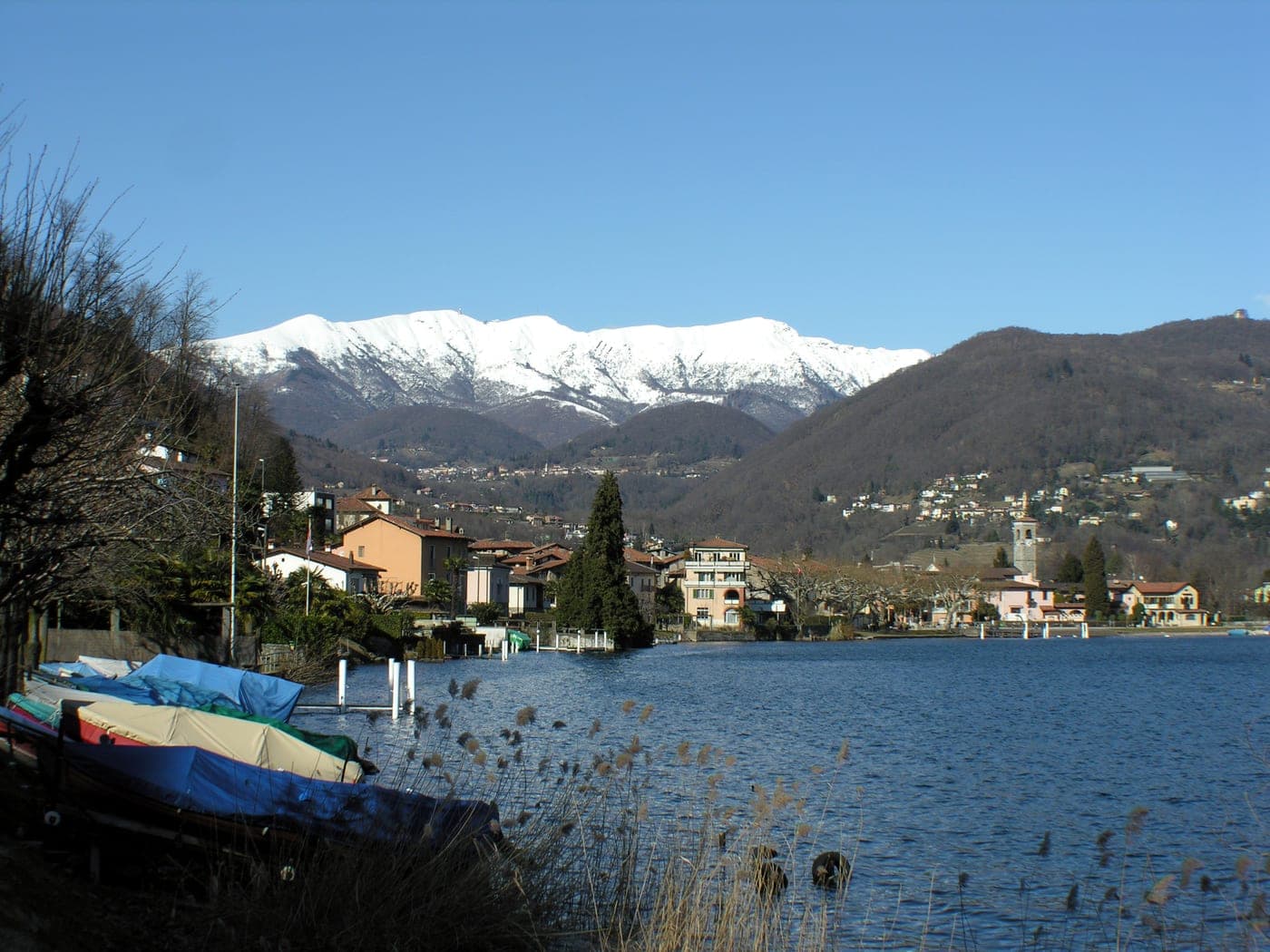
Ticino
01 destTicino, the only Italian-speaking region in Switzerland, offers a unique blend of Mediterranean flair and Swiss efficiency. It features stunning landscapes, from the rugged peaks of the Alps to the lakeside beauty of Lugano and Locarno. The region is renowned for its picturesque villages like Morcote, where narrow streets lead to lakeside views. Known for its rich culinary traditions, Ticino is famous for polenta and Merlot wine, showcasing a blend of Italian and Swiss influences. Historic sites such as Castello di Montebello and the UNESCO-listed Bellinzona fortifications reflect its strategic importance. With its mild climate, Ticino is a haven for hiking, cycling, and exploring local markets, making it ideal for a relaxed travel experience.
Boat RentalsHiking
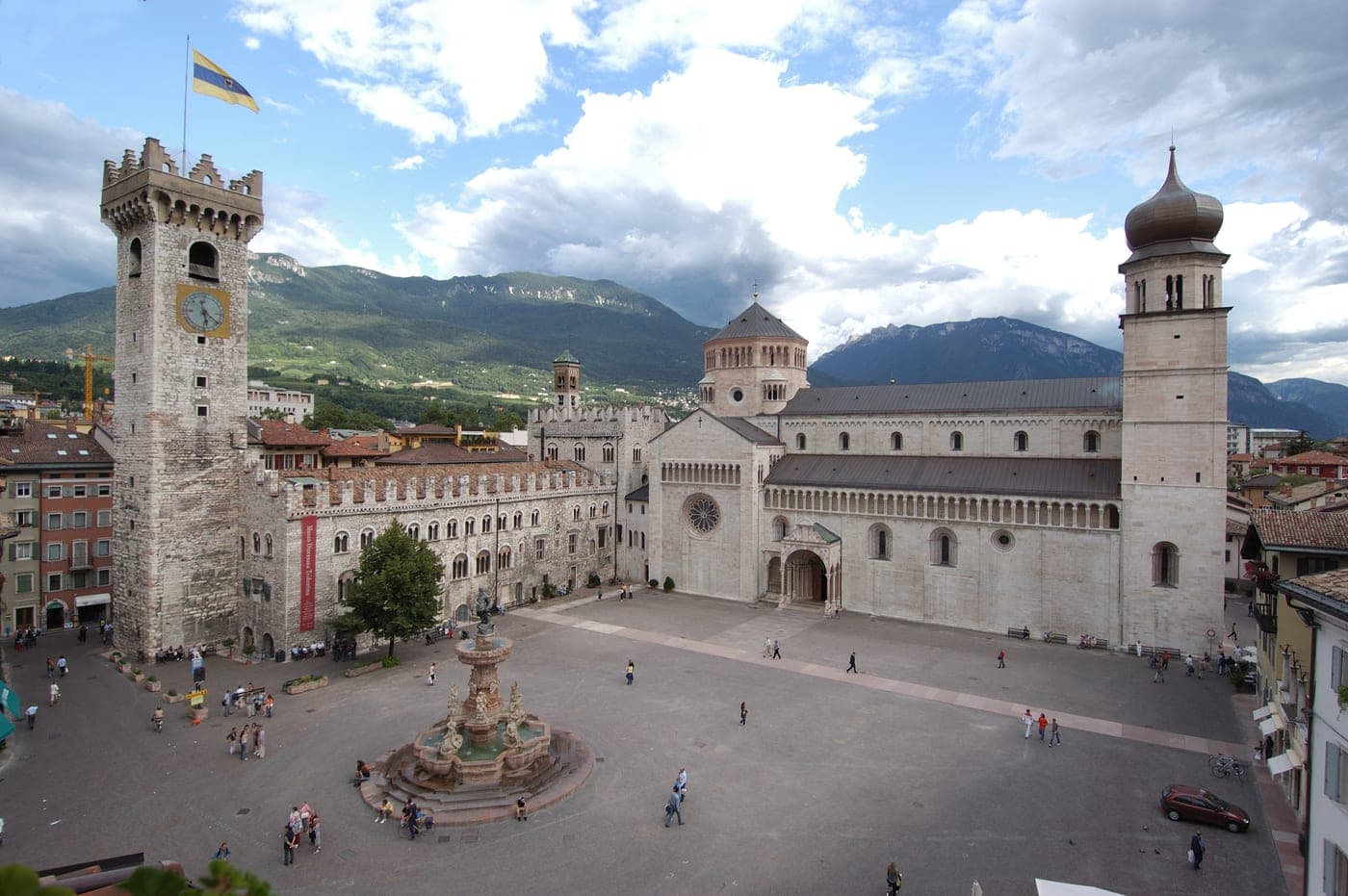
Trentino-Alto Adige
06 destsThis northern Italian region, bordered by Austria and Switzerland, is known for its unique blend of Italian and Central European cultures. The largest city, Trento, is famous for its Renaissance history and the Council of Trent. Bolzano serves as the gateway to the Dolomites, a UNESCO World Heritage site, offering stunning hiking trails and alpine scenery. The region is renowned for its wine production, particularly Gewürztraminer and Pinot Grigio. Visitors can explore lesser-known villages like Ortisei and San Candido, which showcase local crafts and traditions. With its rich history, diverse landscapes, and authentic cuisine, this area is ideal for those looking to explore at a relaxed pace.
Wine TastingHiking
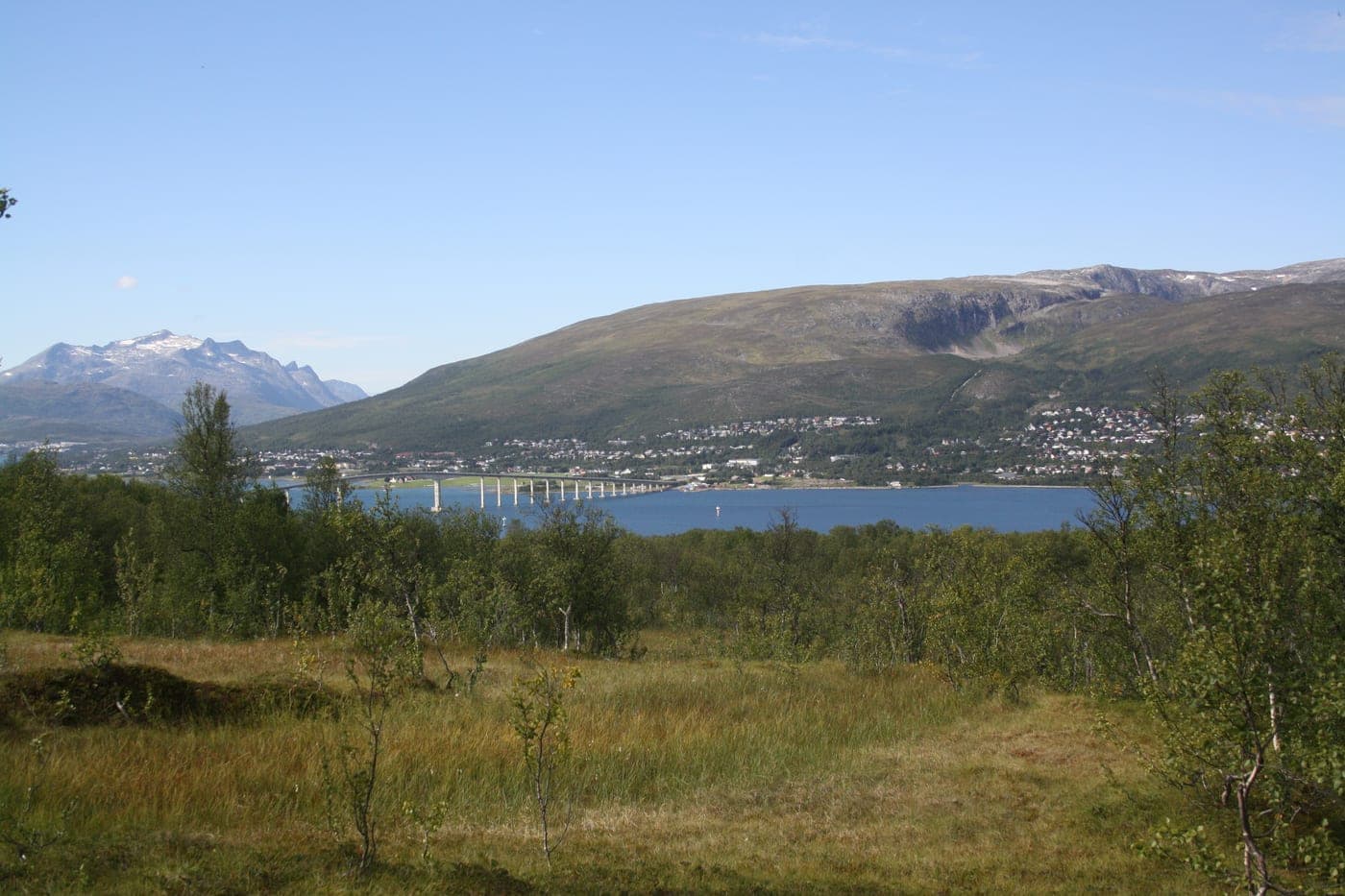
Troms og Finnmark
02 destsTroms og Finnmark occupies the far north of Norway, where the coastline breaks into thousands of islands, skerries and deep fjords before the land opens into wide tundra. Settlements here are small and spread far apart, and the sea shapes almost everything, from fishing villages tucked into narrow inlets to the way daylight itself behaves through the year. Winter belongs to darkness broken by the aurora borealis, when the sky over the Lyngen Alps or the waters near Tromsø turns green and violet on clear, cold nights. Summer flips the pattern entirely: the midnight sun keeps the sky lit through what would elsewhere be night, and trails across the Finnmarksvidda plateau or the island of Senja stay open at hours that feel both wrong and right at once. Sámi culture runs through the region rather than sitting beside it. Reindeer herding continues across Finnmarksvidda, the great inland plateau Sámi families have used for grazing for generations, and joik singing, duodji handicraft and the lavvo tent remain part of daily life. Kautokeino and Karasjok stand as centres of this culture, home to institutions dedicated to Sámi language, governance and craft. Tromsø is the region's largest city and its cultural anchor: a university town with a lively arts scene, a striking Arctic Cathedral of glass and concrete, and a harbour that has long served Arctic expeditions. Alta, further north, holds one of Europe's most significant collections of prehistoric rock carvings, cut into stone over thousands of years and recognised as a UNESCO World Heritage Site. Further along the coast, the land narrows toward Nordkapp, the dramatic cliff long promoted as the northernmost point of mainland Europe. The plateau above it has drawn travellers for generations, and the wind there carries a sense of having reached an edge of the continent. Fishing villages along the coast still work much as they always have: drying racks for stockfish stand outside small harbours, and boats bring in cod, halibut and king crab that turns up on menus across the region. Skrei, the migratory cod that arrives each winter to spawn along the Finnmark coast, is a seasonal specialty worth planning around. Wildlife rewards patience here. Sea eagles nest along the cliffs, whales pass through fjords in the colder months, and reindeer cross roads and open ground. Inland, elk move through birch forest, and the mountains above the treeline hold ptarmigan. Exploring the region without a car is workable. Coastal ferries and the Hurtigruten route link villages along the fjords, while local buses connect Tromsø, Alta and the interior towns. Friluftsliv, the Norwegian idea of simple outdoor life, fits this pace: a walk along a fjord path, a swim in cold water, an evening watching the sky. An itinerary here tends to follow the coast and its ferry links, moving between Tromsø's museums and cafés, Alta's rock art, and the smaller fishing villages where the working harbour is still the centre of the day. Hiking trails on Senja and around Lyngen offer close views of the fjords without technical difficulty, and the Sámi towns of the interior add a different rhythm, built around herding seasons. Troms og Finnmark rewards those willing to let the region's own clock set the pace: short winter days and long summer light, ferry timetables, and a landscape that changes character between seasons.
Boat RentalsHiking
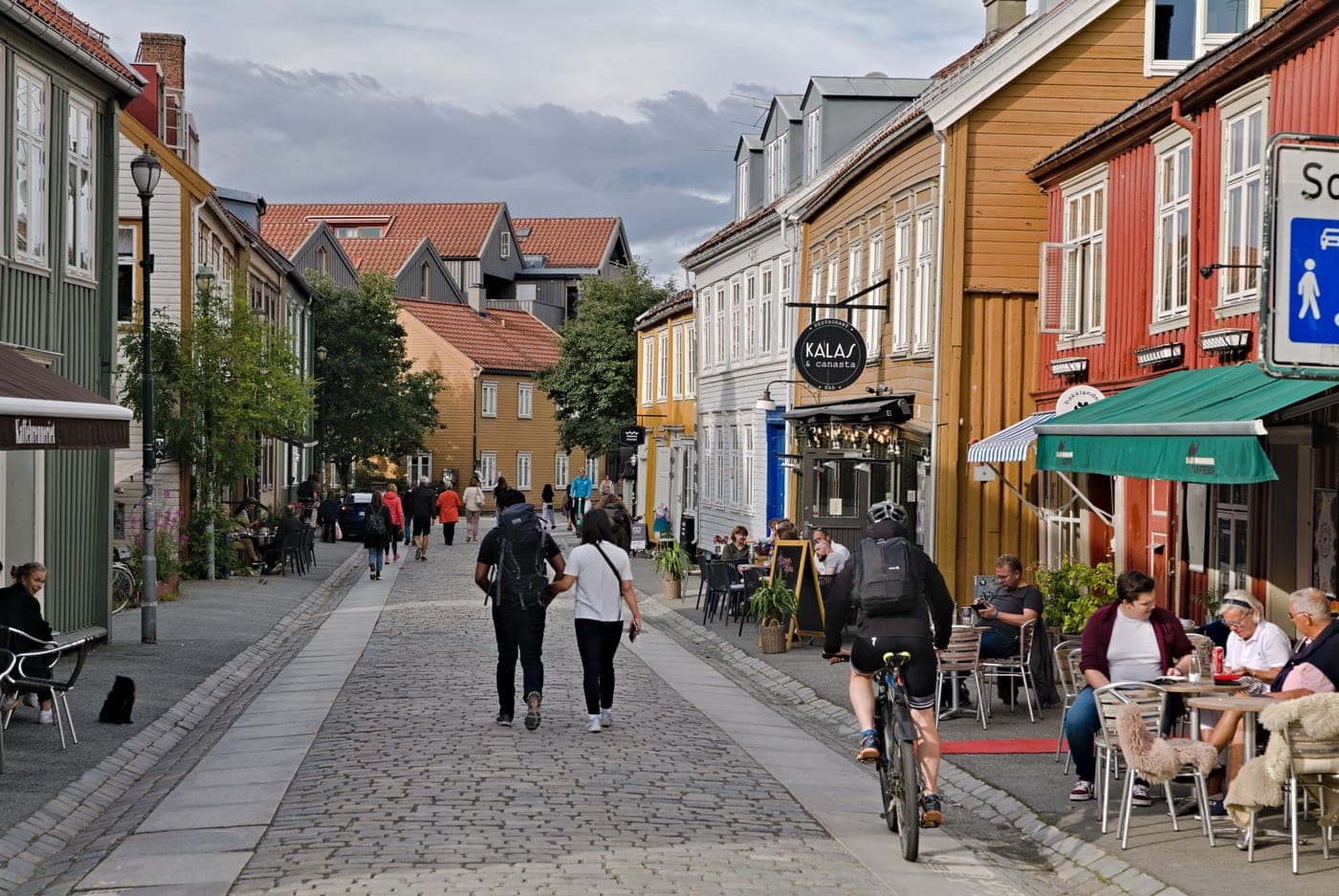
Trøndelag
01 destTrøndelag sits in the middle of Norway, where the coast folds into Trondheimsfjorden and the land behind it opens into some of the country's best farmland. At its centre is Trondheim, a former royal capital built along the curve of the Nidelva river. The city grew around Nidaros Cathedral, a Gothic building raised over the burial place of King Olav Haraldsson and long the destination of pilgrim routes that crossed Norway on foot. The cathedral remains the coronation church of the Norwegian monarchy and the largest medieval building in Scandinavia, its west front covered in carved figures added and restored over many generations. Trondheim itself keeps a layered, working character. Along the river, rows of wooden warehouses on stilts, once used for storing fish and grain, now hold cafés and small businesses, their reflections doubling in the water at low tide. The old town bridge, painted deep red, links the centre to Bakklandet, a district of narrow lanes and timber houses that has kept its scale even as the city around it has grown. Markets and bakeries here still deal in the region's dairy and grain, produced on the flat, fertile land stretching inland from the fjord — some of the most productive farming country in Norway, unusual this far north. Outside the city, Trøndelag's coastline breaks into islands and skerries. Hitra and Frøya, reached across the outer fjord, combine fishing communities with salmon farming, an industry that has shaped the local economy for decades. Further along the coast, smaller harbours still send boats out for cod and other whitefish, continuing a trade that once made dried and salted klippfisk one of Norway's most important exports. Warehouses built for that trade still stand in several fishing villages, their weathered red and white timber a common sight along the shore. Inland, the region changes character again. East of Trondheim, the valley of Gauldalen climbs gently inland, following a route used for centuries by traders and travellers moving between the coast and the interior. Further south, the historic mining town of Røros sits on a high, treeless plateau. Founded around copper deposits and shaped almost entirely in wood, Røros is a UNESCO World Heritage town, its narrow streets lined with blackened timber houses that have survived largely unchanged since mining ended. Winters here are hard and clear, and the town's church, built of stone rather than wood as a mark of the mining company's wealth, still dominates the skyline. Trøndelag's food culture draws on both the coast and the inland farms. Cured and dried fish remain part of the everyday diet in fishing communities, alongside dairy products from the region's grazing land — cheeses and cultured milk that rarely travel far from where they are made. Trondheim's covered market halls and smaller town markets sell this produce directly, often from the same families who have farmed or fished the surrounding area for generations. The region's Viking-era past is visible in scattered burial mounds and place names across the farmland east of Trondheim, part of a landscape that was already settled and cultivated long before the cathedral was built. Later, the pilgrim routes leading to Nidaros drew travellers from across Scandinavia and beyond, a tradition that has been revived in recent decades as walkers again follow the old paths through forest and farmland toward the cathedral doors. Between the fjord, the farmland, and the mining plateau, Trøndelag holds together a working coastline, a historic capital, and an inland mining town that has changed remarkably little, each shaped by what could be grown, fished, or dug from its own ground.
Boat RentalsHiking
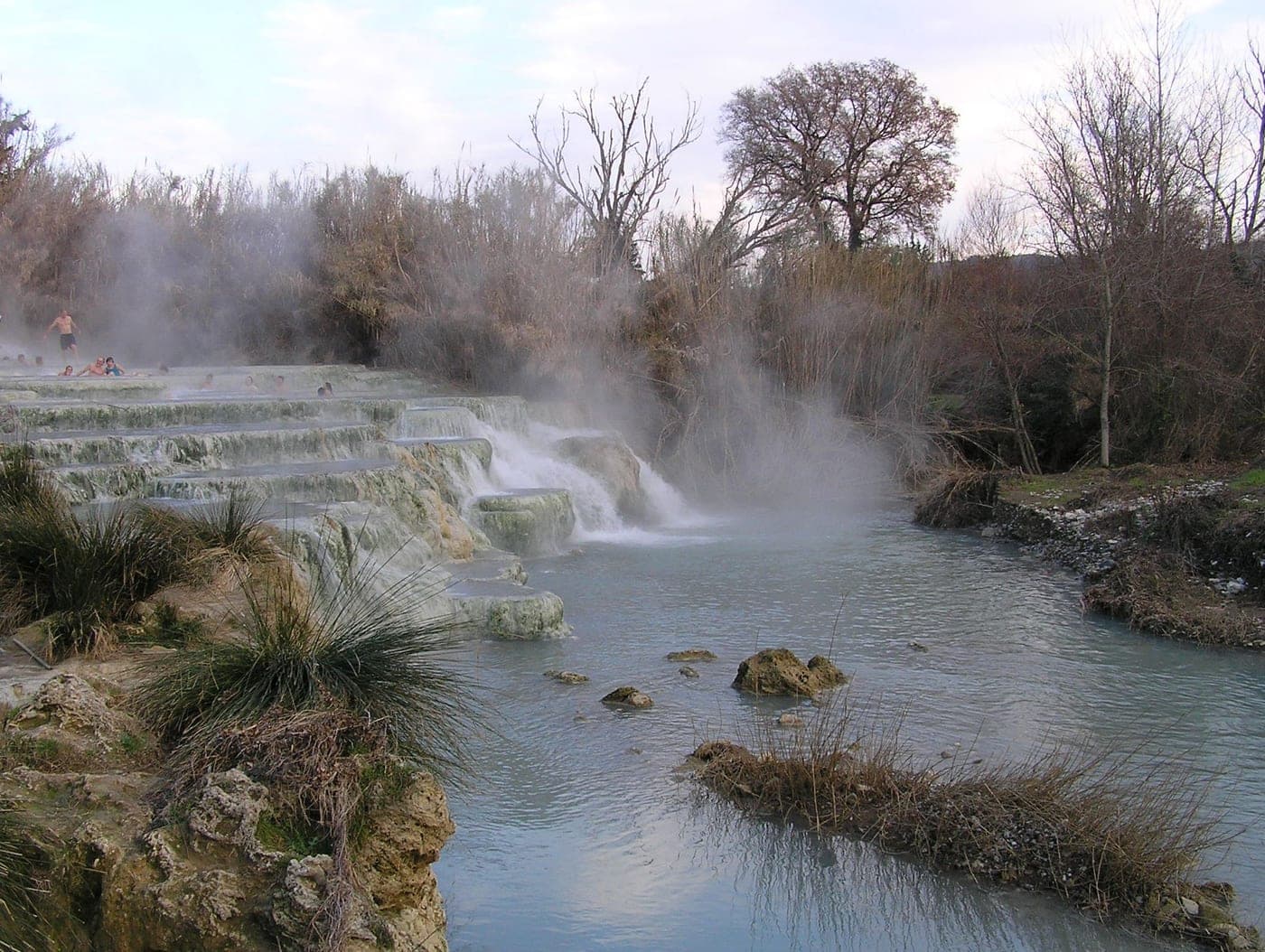
Tuscany
38 destsTuscany, known for its rolling hills and rich history, is the second-largest region in Italy. Florence, its capital, is renowned for Renaissance art and architecture, but also worth exploring are smaller towns like Pienza, famous for pecorino cheese, and San Gimignano, known for its medieval towers. The region boasts diverse landscapes from the Chianti vineyards to the coastal Maremma. Tuscany is also celebrated for its local festivals, such as the Palio di Siena, and its traditional cuisine that emphasizes fresh, local ingredients. This area offers a glimpse into Italy's agrarian past with its rustic farms and olive groves, making it a unique place to slow down and connect with the local culture.
Wine TastingThermal Spas
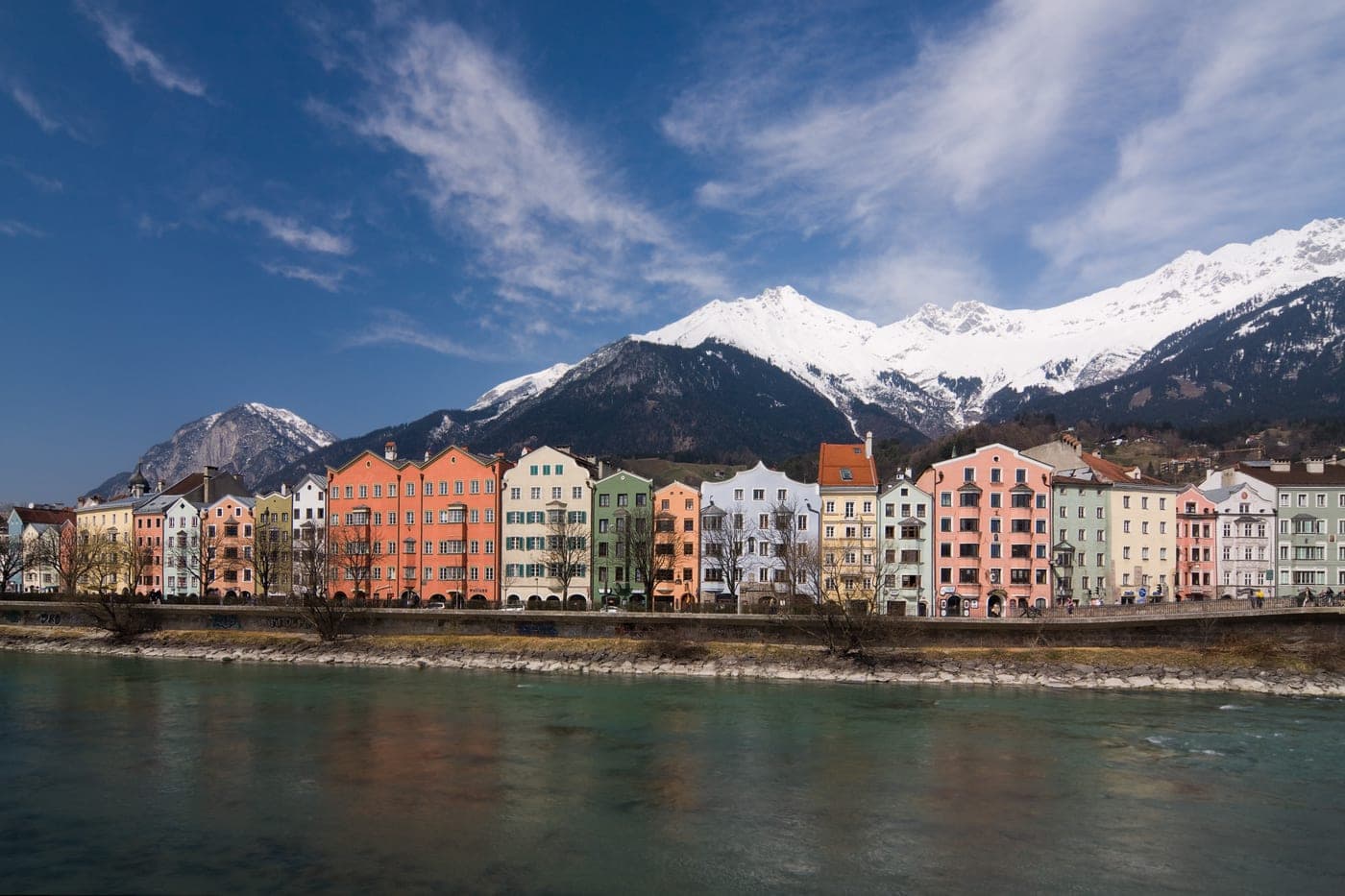
Tyrol
02 destsNestled in the heart of the Alps, this region is renowned for its stunning landscapes and traditional alpine culture. Innsbruck, the capital, is famous for its historic architecture and the iconic Golden Roof. Smaller towns like Hall in Tirol and Rattenberg showcase medieval charm and rich local traditions. The region is known for its outdoor activities, including hiking in summer and skiing in winter, along with unique culinary offerings such as Tyrolean dumplings and apple strudel. Tyrol is also home to numerous historic castles and museums that reflect its rich heritage. Off the beaten path, the Ötztal Valley offers breathtaking trails and authentic mountain huts, ideal for a deeper connection with nature and local life.
Camper Van RentalsHiking
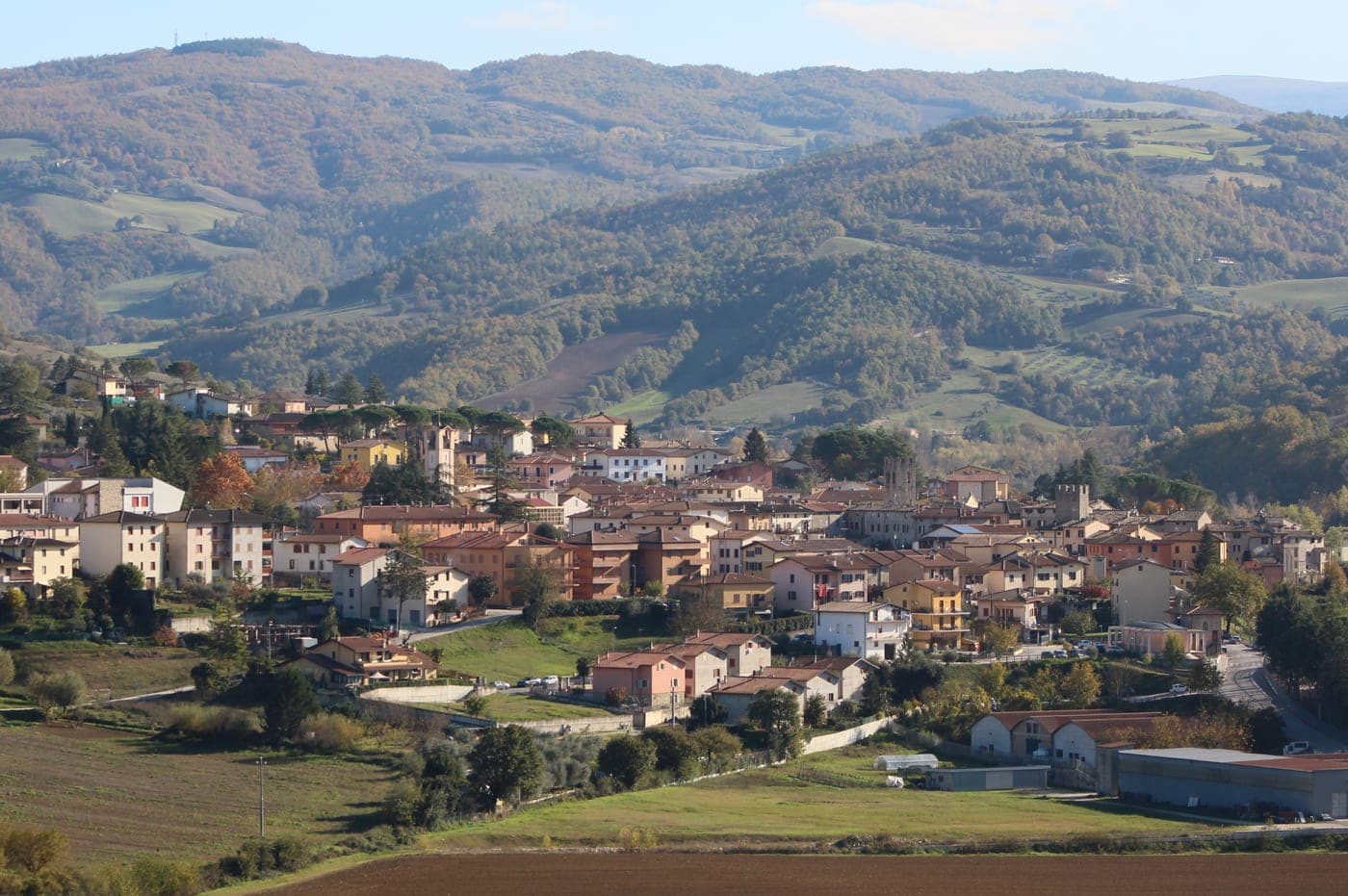
Umbria
14 destsUmbria, Italy's only landlocked region, is known for its rolling hills and rich history. Spoleto, famous for its ancient Roman theater and the Festival dei Due Mondi, offers a glimpse into the region's cultural depth. Assisi, the birthplace of St. Francis, features remarkable frescoes by Giotto in the Basilica and is a UNESCO World Heritage site. The region is renowned for its Sagrantino wine, olive oil production, and traditional cuisine, including truffles and porchetta. With picturesque towns like Todi and Gubbio, travelers can explore narrow streets, local artisans, and regional festivals that celebrate Umbrian traditions throughout the year.
AgritourismHiking
Upper Austria
06 destsUpper Austria is known for its stunning landscapes, featuring the Danube River and the foothills of the Alps. The largest city, Linz, is a cultural hub with a rich industrial heritage, hosting the Ars Electronica Center for contemporary media art. The region is also famous for its picturesque lakes, such as Traunsee and Attersee, which offer outdoor activities like hiking and sailing. Explore charming towns like Gmunden, known for its pottery, and Steyr, where medieval architecture meets a vibrant textile industry. Upper Austria's history includes significant events from the Habsburg era and the industrial revolution, making it a fascinating destination for those interested in cultural depth and local traditions.
Camper Van RentalsHiking
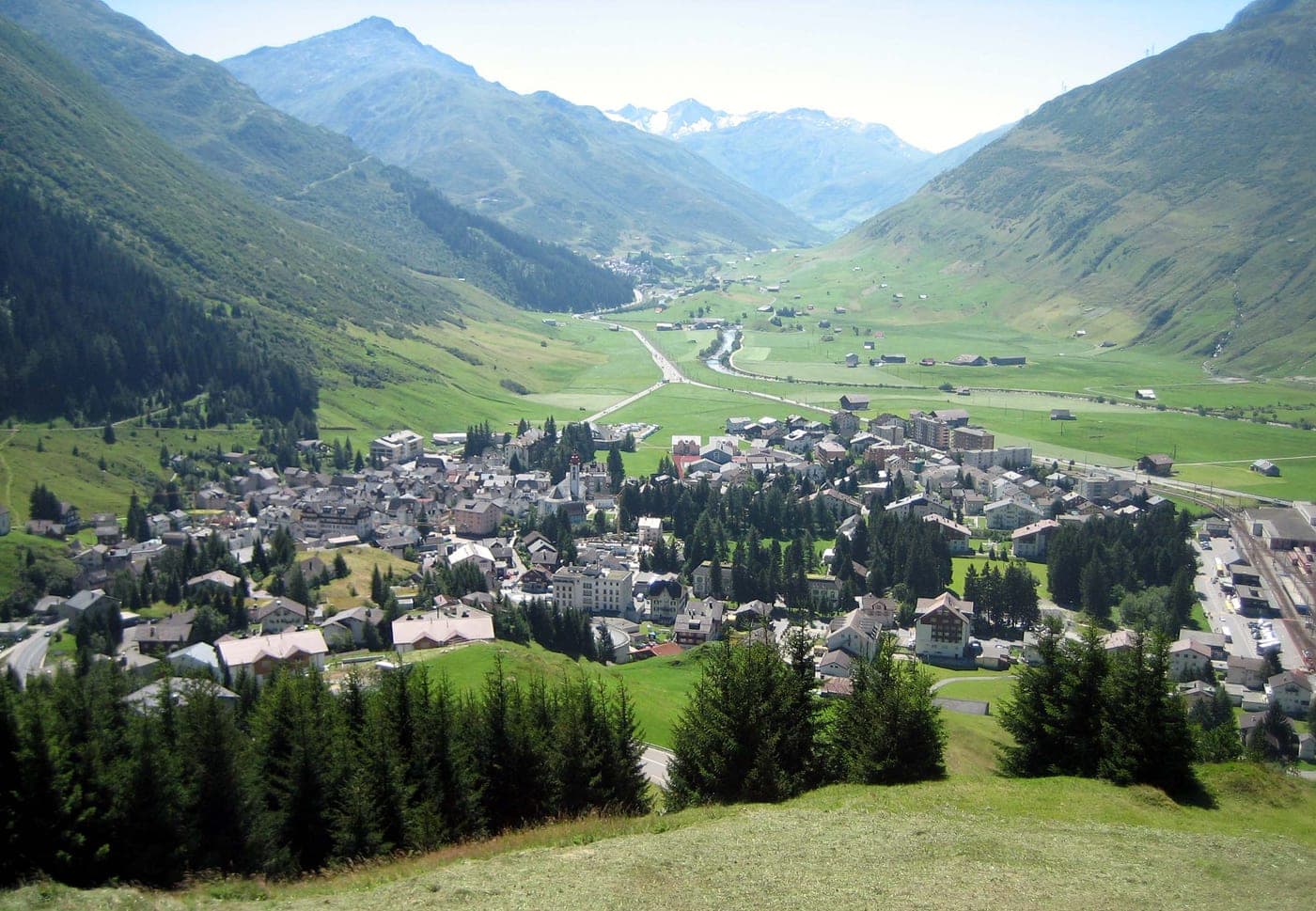
Uri
01 destUri sits at the very centre of Switzerland, wrapped around the long southern arm of Lake Lucerne that locals call Lake Uri. Steep forested slopes rise straight from the water here, and behind them the valley narrows and climbs toward the Gotthard massif, one of the great watersheds of the Alps. Uri is one of the original cantons that formed the Swiss Confederation in 1291, and the region still moves at the pace that history left it: small villages in side valleys, cattle grazing on steep meadows, and church bells marking the hours rather than traffic. This is a canton built for slow days rather than long checklists. Altdorf, the cantonal capital, keeps the legend of William Tell alive with a statue in its main square and a small museum on the story, but it is otherwise a quiet market town where the pace suits a morning coffee more than a rushed photo stop. Further down the lake, Flüelen sits right on the water. Bürglen, Tell's supposed birthplace, keeps its own chapel and archive dedicated to him. Higher up the valley, Andermatt has grown from a farming village into a small alpine resort without losing its old stone-house core. Farming still shapes daily life across Uri. Alpine terraces above the villages are used for haymaking in summer, and many families still move their cattle up to high pastures for the warmer months, following a rhythm called Alpaufzug. Small dairies on these alps turn the summer milk into mountain cheese, often sold directly at the farm or at village markets. Local restaurants tend to keep menus short and seasonal, built around this cheese, cured meat, and whatever vegetables the short alpine summer allows. The Gotthard Pass has shaped Uri's history more than almost anything else. For centuries it was the main route linking northern and southern Europe, and the old cobbled road still climbs over the summit past stone bridges and staging posts built for mule trains and early travellers. Away from the pass, Uri's side valleys hold quieter walking country: the Schächental below the Klausen road, the Maderanertal with its glacier views, and countless smaller trails linking one village to the next through larch forest and open alp.
Panoramic TrainsHiking
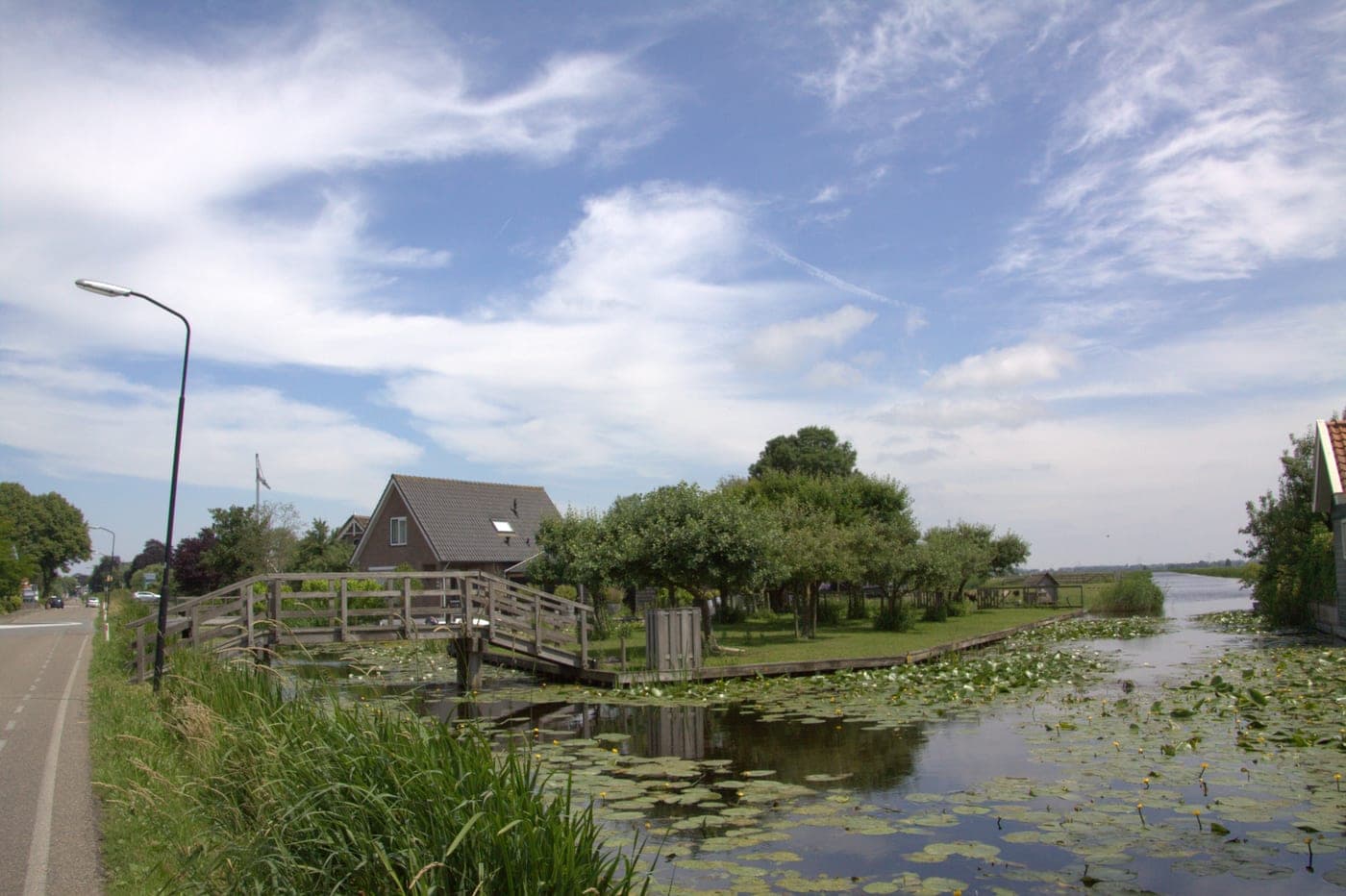
Utrecht
03 destsUtrecht, situated in the heart of the Netherlands, is the country's fourth largest city and serves as a historical and cultural hub. The city is renowned for its medieval Old Town, characterized by unique wharf cellars along the canals. These cellars host cafes and shops, creating a vibrant riverside atmosphere. Utrecht boasts the iconic Dom Tower, the tallest church tower in the Netherlands, offering stunning views of the region. The region is also famous for its rich history, evident in its numerous museums and the Utrecht University, one of the oldest in the country. Beyond the city, the surrounding countryside features scenic cycling routes and charming villages like Amersfoort, known for its well-preserved medieval architecture. For those interested in local culture, Utrecht hosts various festivals throughout the year, including the Utrecht Early Music Festival, showcasing its artistic heritage.
Boat RentalsHiking
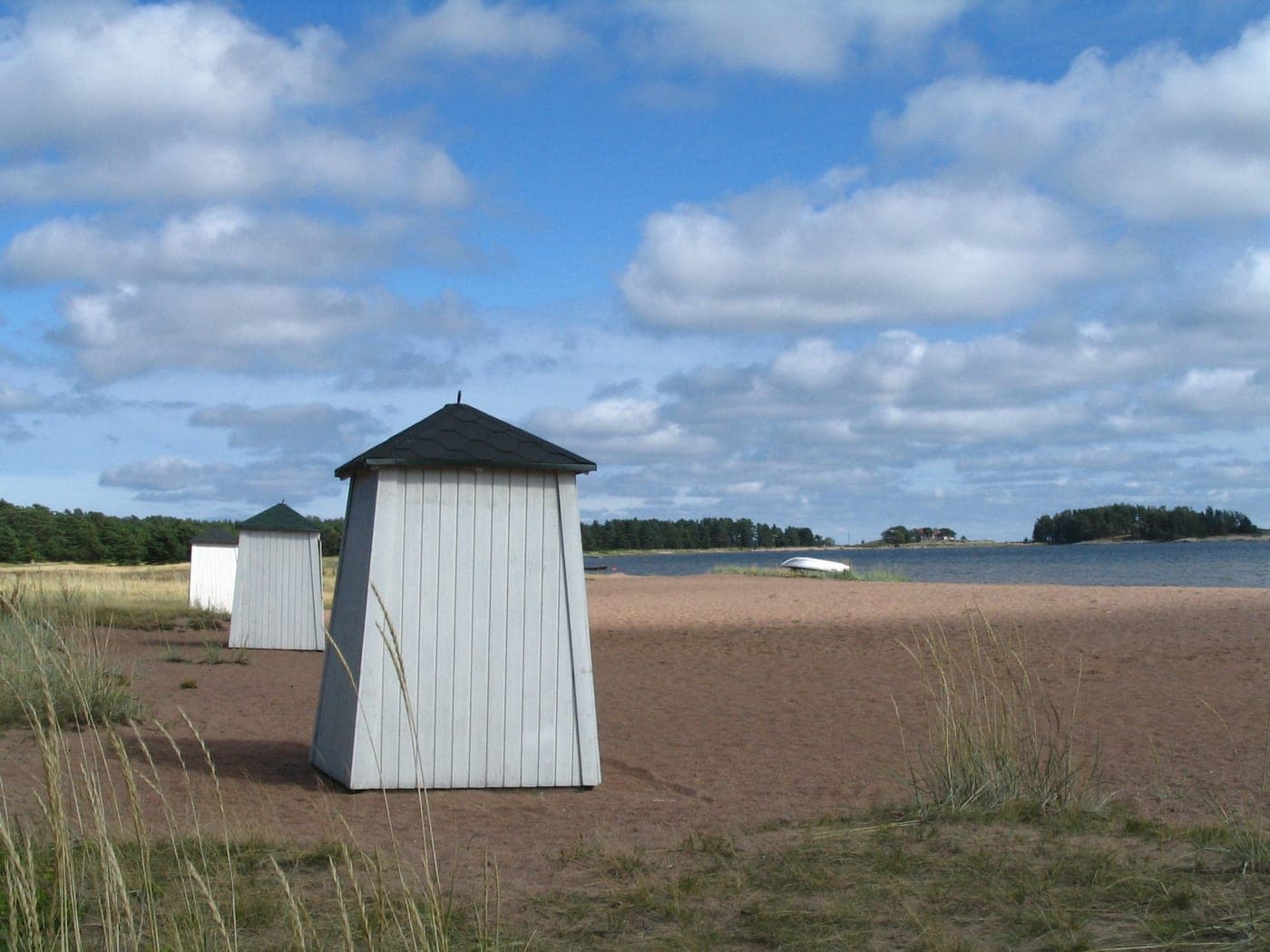
Uusimaa
02 destsUusimaa is Finland's southern coastal region and home to the capital, Helsinki. Its coastline breaks apart into thousands of islands, skerries and inlets, and this archipelago, together with the forests and lakes just inland, gives the whole region its unhurried character. Uusimaa is the most visited part of Finland, yet away from Helsinki the pace drops quickly: small wooden towns, fishing villages and quiet lakeshores sit close enough together that a slow, multi-stop trip is easy to build. The archipelago is the region's defining feature. Boats link small islands off Helsinki and the western coast, many reachable on a half-day trip. Suomenlinna, the sea fortress guarding Helsinki's harbour, is well known among these islands and a UNESCO World Heritage Site, but quieter islands further along the coast reward travellers who stay longer. Life on them still follows old patterns: net fishing, small wooden cottages known as mökki, and saunas built right at the water's edge for a swim before or after. Sauna culture is easiest to feel properly outside the city. Many guesthouses and cottages along the coast keep a wood-heated sauna, followed by a swim in the sea or a lake, a rhythm that shapes the day rather than breaking it up. Inland, this slower pace continues in Nuuksio National Park, west of Helsinki, where marked trails, quiet lakes for swimming, and simple overnight huts draw hikers and canoeists rather than day-trippers in a hurry. Beyond Helsinki, Uusimaa's towns each keep their own character. Porvoo, one of Finland's oldest towns, has a river-side old town of orange wooden warehouses and narrow cobbled streets that are still lived in, not kept as a museum piece. Loviisa, further east along the coast, has a similar wooden core with far fewer visitors. To the west, Hanko stretches along a narrow sand-and-granite peninsula, known for its late-19th-century wooden villas and long beaches. Nearby Raasepori, including the old town of Tammisaari, mixes Swedish-speaking coastal culture with dense archipelago just offshore. Inland, Lohja sits on its own lake, a reminder that Uusimaa's water is not only coastal. Language reflects this coastal history: Finnish and Swedish are both spoken across the region, more evenly than almost anywhere else in Finland, and many towns and villages carry a name in each. Food follows the same coastal and seasonal pattern, with smoked and salted fish from the archipelago, summer berries and mushrooms from the forests, and simple bakery traditions in the old wooden towns. Uusimaa works best as a loop rather than a single base. Three or four days allow time split between Helsinki, one archipelago excursion, and one smaller coastal town such as Porvoo or Raasepori. A week allows a slower circuit: a few nights on the coast, a night inland near Nuuksio for hiking and lake swimming, and time left over for the islands. Distances between towns are short, so there is little need to rush, and most places in the region can be properly explored in a day, leaving room to simply stay longer wherever the pace suits. What ties Uusimaa together is water: sea to the south, lakes inland, and a coastline shaped by centuries of fishing, trade and shipbuilding. The traditions here are practical rather than staged, a sauna built for daily use, a wooden warehouse still used for storage, a rowing boat tied to its own jetty. Visitors tend to slow down here simply because the region already moves at that pace.
Boat RentalsHiking
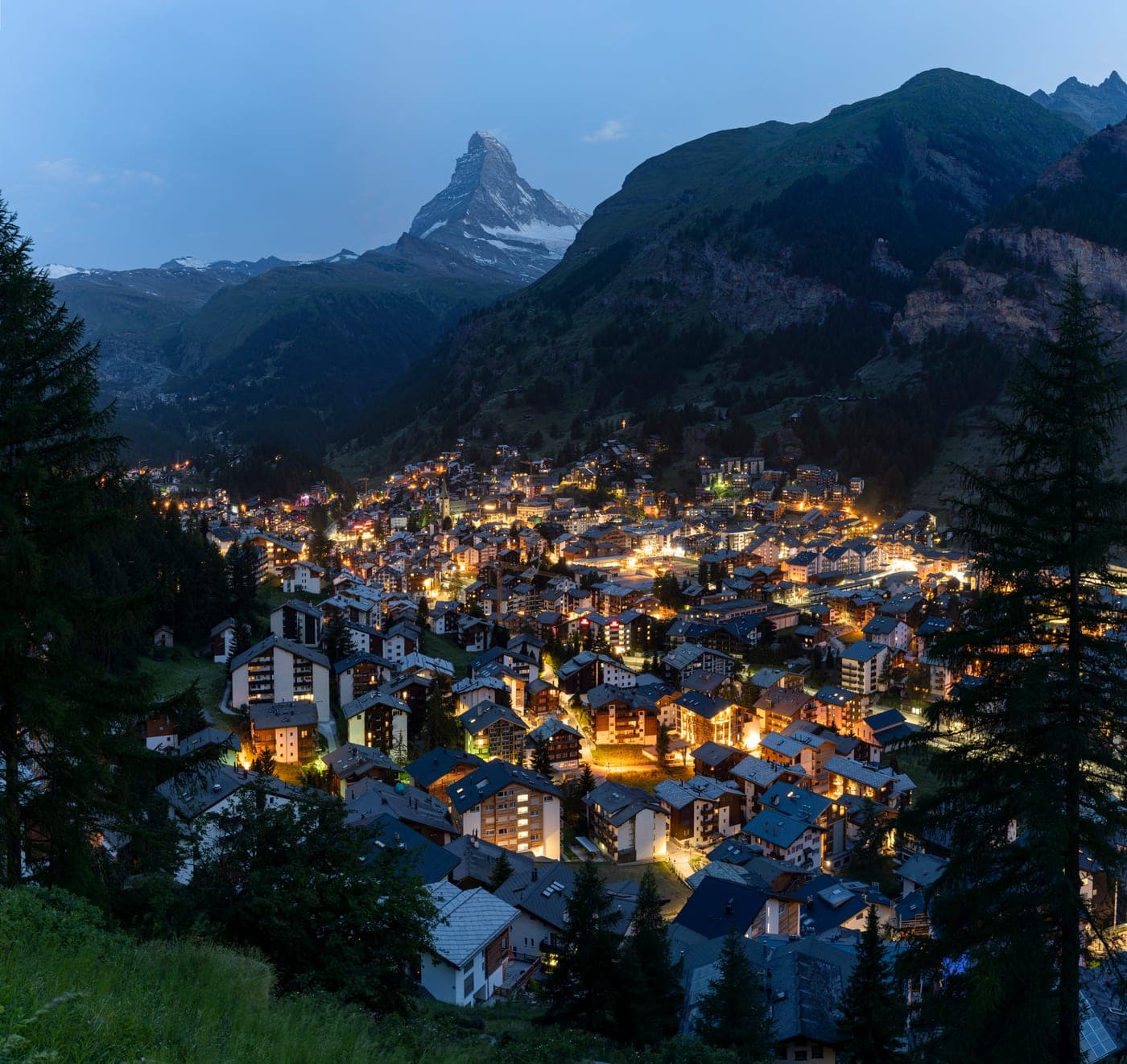
Valais
03 destsValais is a prominent region in Switzerland, known for its striking alpine landscapes and rich cultural heritage. It is home to the famous Matterhorn and the largest ski area in the country. The region is characterized by its terraced vineyards, which produce unique wines like Fendant and Dôle. Sion, the capital, boasts a medieval old town and ancient castles. Zermatt, a car-free village, offers access to breathtaking hiking trails. The region is also famous for its local cheeses and traditional festivals, including the Fête de la Saint-Bernard. With stunning mountain scenery and charming villages, Valais invites exploration beyond the typical tourist path.
Panoramic TrainsHiking
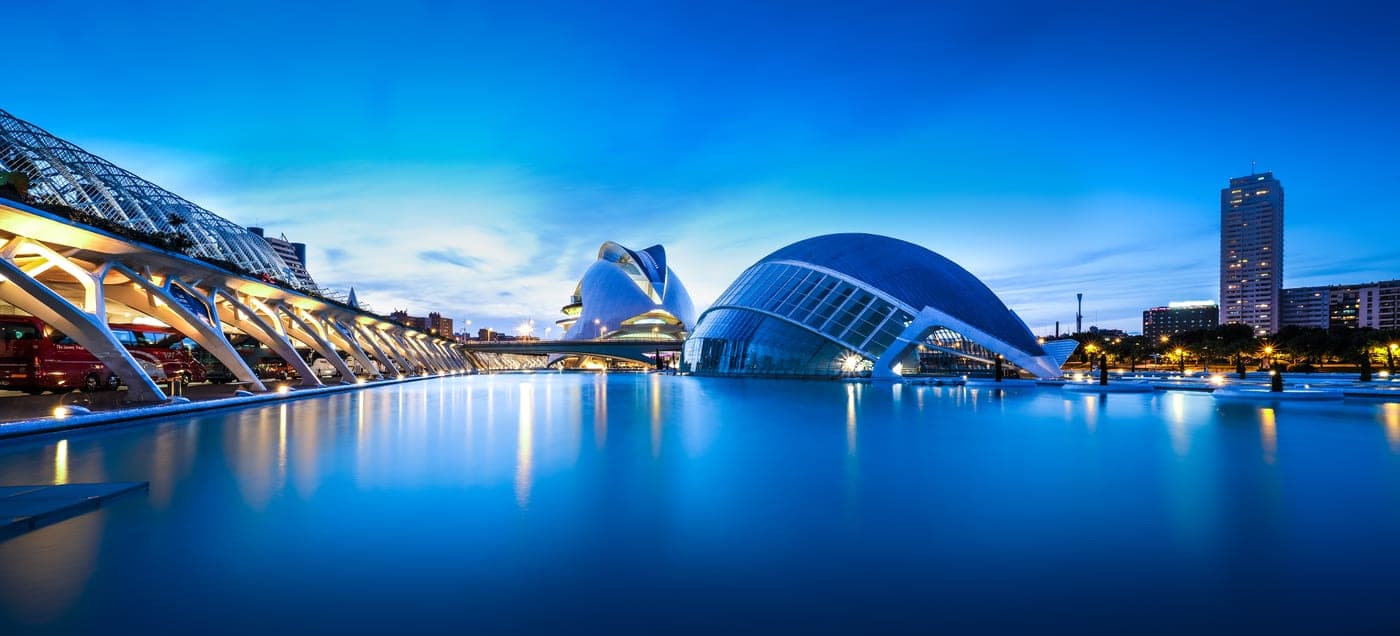
Valencia
02 destsKnown for its rich history and vibrant culture, Valencia is the third-largest city in Spain and the only region with a Mediterranean coastline. This region boasts the UNESCO-listed City of Arts and Sciences, a futuristic architectural complex, alongside the historic Silk Exchange, a symbol of its trading past. Beyond the city, the Albufera Natural Park offers stunning wetlands and is famous for its rice paddies, the source of the region's renowned paella. Valencia's traditions include the Fallas festival, celebrated with impressive sculptures and fireworks. The region also produces excellent wines, particularly from the Utiel-Requena area, and has a thriving local market scene, perfect for food enthusiasts. Nearby towns like Xàtiva and Bocairent showcase medieval architecture and local crafts, providing an authentic glimpse into Valencia's diverse heritage.
Camper Van RentalsHiking
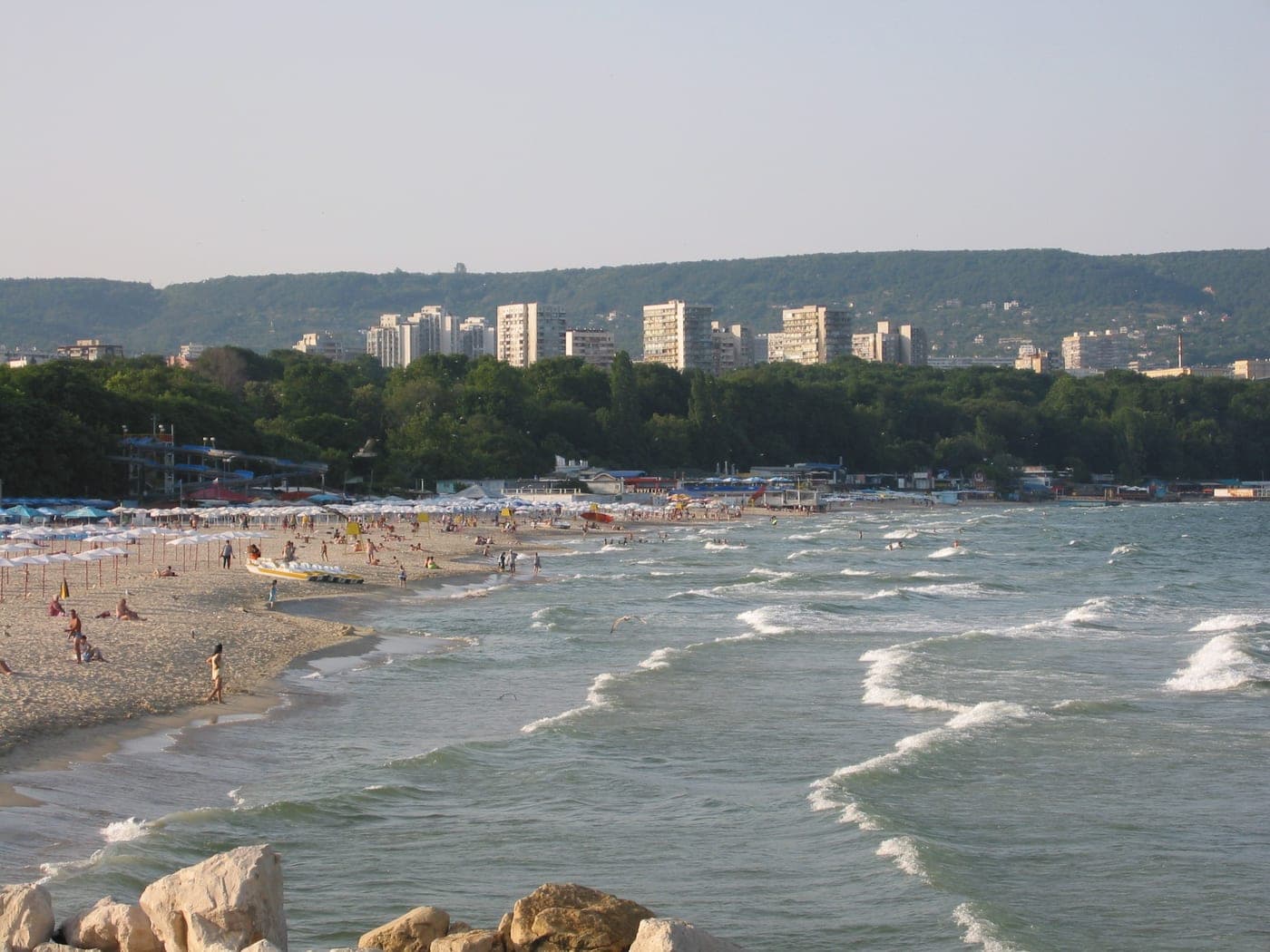
Varna
01 destVarna is Bulgaria's largest coastal city, known for its rich history and diverse cultural heritage. It boasts significant historical sites like the Roman Thermae and the Varna Archaeological Museum, which houses gold artifacts dating back 6,000 years. The city acts as a gateway to the Black Sea, with nearby beaches and resorts, yet also presents opportunities for exploration off the beaten path, such as the charming village of Nessebar and the serene nature of the nearby Golden Sands Nature Park. Varna hosts vibrant local festivals like the Varna Summer International Music Festival, showcasing regional talent and culture. The surrounding countryside offers vineyards and traditional Bulgarian cuisine, making it a delightful region for authentic experiences.
Boat RentalsHiking
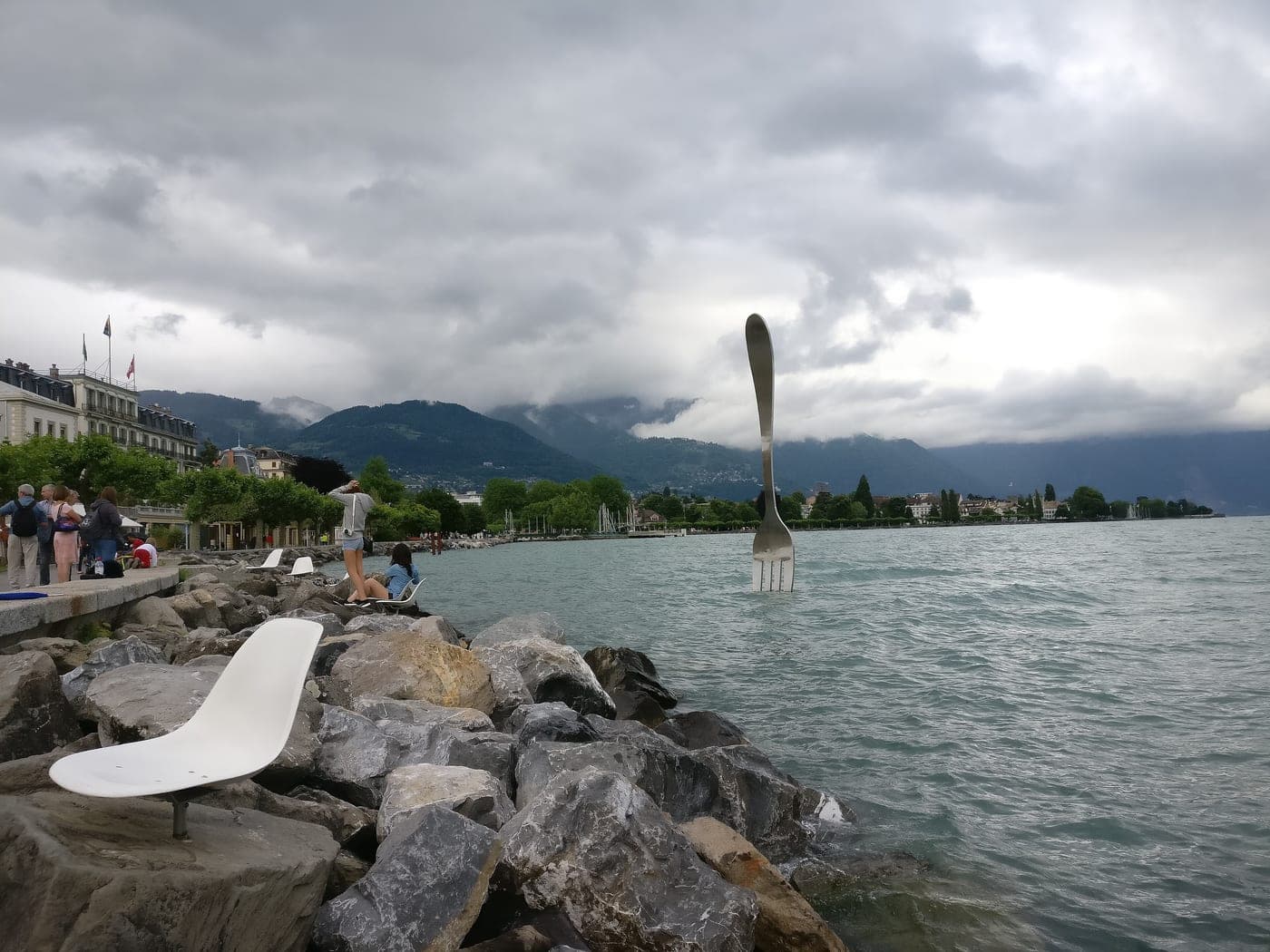
Vaud
10 destsVaud is a diverse region known for its stunning landscapes and rich cultural heritage. Nestled along the shores of Lake Geneva, it features the city of Lausanne, home to the Olympic Museum and a vibrant cultural scene. The region is famous for its vineyards, particularly the Lavaux vineyards, a UNESCO World Heritage site, offering breathtaking views and local wine tastings. Montreux, known for its jazz festival, sits nearby, while the medieval town of Yverdon-les-Bains boasts historical thermal baths. Vaud also offers numerous hiking trails in the Jura mountains, providing a glimpse into Swiss natural beauty. With a blend of urban and rural experiences, Vaud is ideal for those seeking to explore Switzerland's lesser-known gems.
Boat RentalsHiking
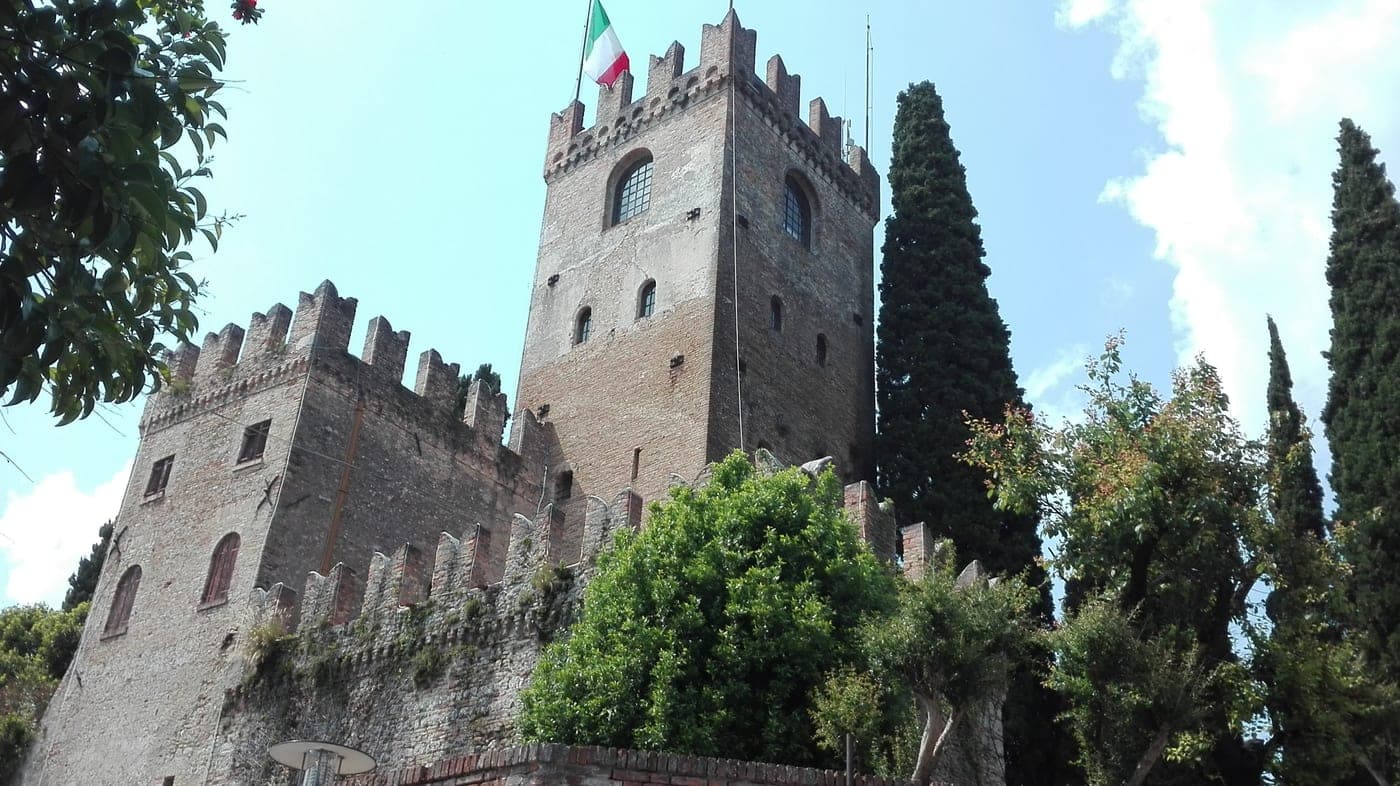
Veneto
20 destsVeneto is a diverse region in northeastern Italy, home to Venice, the only city on the water. It is the eighth largest region in Italy and boasts a rich history shaped by its Roman and Venetian heritage. The countryside features rolling hills, vineyards, and olive groves, producing wines like Prosecco and Amarone. Beyond Venice, towns like Verona, known for its Roman amphitheater, and Vicenza, famous for Palladian architecture, provide cultural depth. The region also offers the picturesque Dolomites for hiking and outdoor activities. Lesser-known villages such as Asolo and Bassano del Grappa reveal local crafts and traditions, ideal for those seeking authentic experiences away from crowds.
Wine TastingHiking
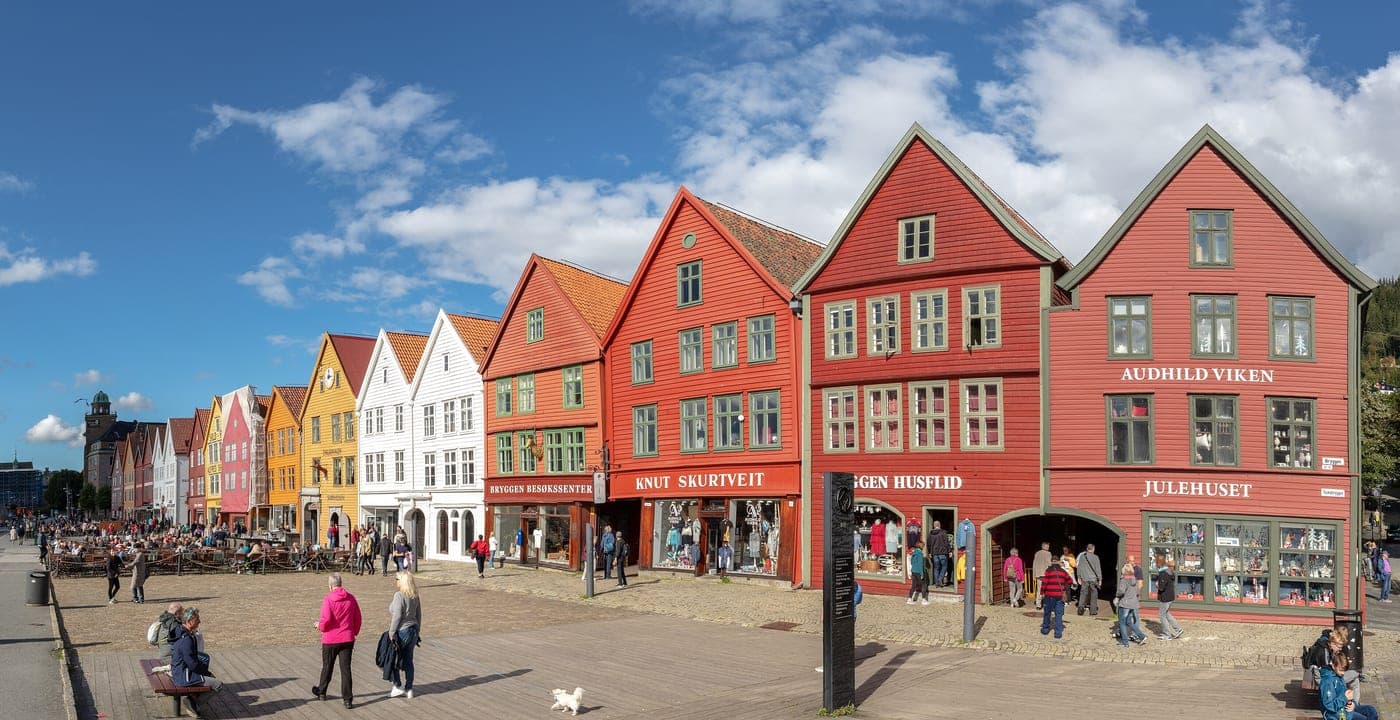
Vestland
01 destNestled in western Norway, this is the largest region in the country, renowned for its breathtaking fjords and majestic mountains. Bergen, the only major city, serves as a gateway to the stunning landscapes of the area, including the UNESCO-listed Nærøyfjord. The region is steeped in history, with charming wooden houses dating back to the Hanseatic League. Small villages like Gudvangen and Flåm offer authentic experiences, showcasing local crafts and traditions. Known for its hiking trails, such as the famous Romsdalseggen Ridge, this region invites exploration of its natural beauty and cultural heritage. Local cuisine features fresh seafood and traditional dishes, providing a taste of the coastal culture.
Boat RentalsCamper Van Rentals
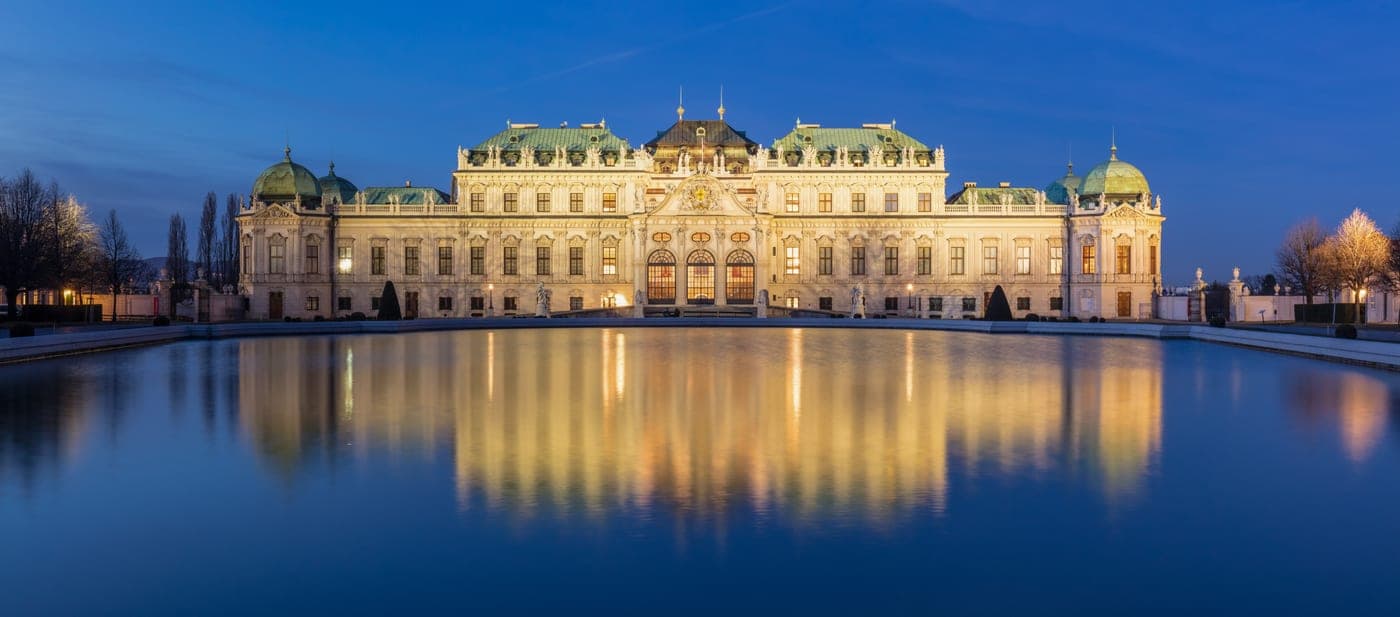
Vienna
01 destVienna stands out as Austria's capital, rich in history and culture. This vibrant city is renowned for its classical music heritage, featuring composers like Mozart and Beethoven. The historic center, a UNESCO World Heritage site, showcases stunning architecture ranging from Gothic to Baroque. Beyond the mainstream attractions, explore the lesser-known neighborhoods like Margareten and Favoriten, where local markets and authentic eateries thrive. The city's coffee house culture, a UNESCO Intangible Cultural Heritage, invites you to savor traditional pastries. For nature lovers, the Vienna Woods offer picturesque hiking trails. This capital is an exciting blend of imperial history and modern creativity.
Camper Van RentalsWine Tasting
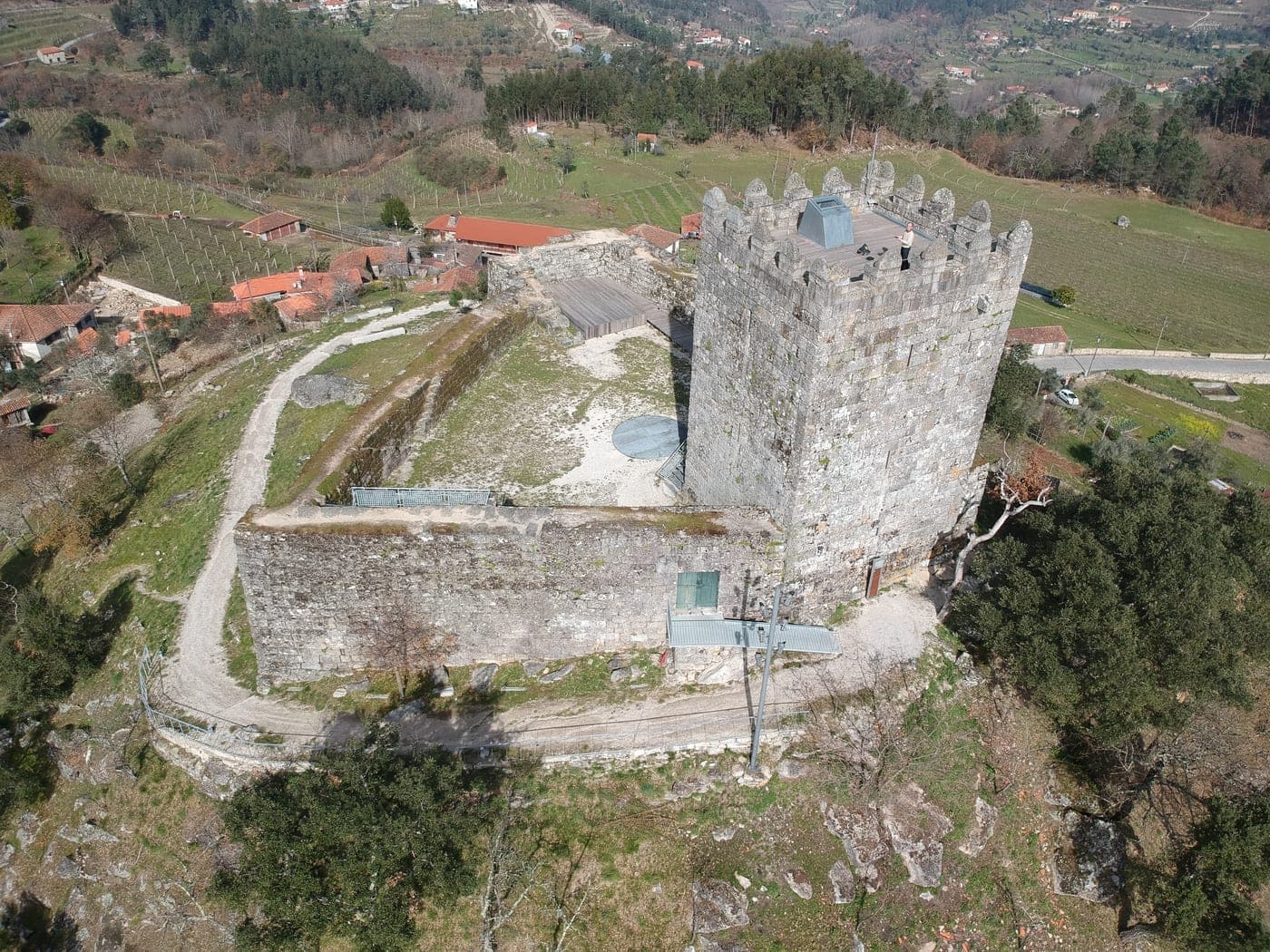
Vinho Verde
04 destsThis northern region is renowned for its lush vineyards and the production of Vinho Verde, a unique, lightly effervescent wine. It is the largest wine-producing region in Portugal, characterized by rolling hills and a temperate climate. Notable towns include Amarante, with its picturesque bridge and historic buildings, and the coastal town of Esposende, known for its beautiful beaches. The area also features the Peneda-Gerês National Park, a haven for hikers and nature lovers. Visitors can explore traditional festivals such as the Festa de São João in Porto, which showcases local culture and cuisine, including fresh seafood and regional cheeses. Vinho Verde is not just a wine; it's a way of life here, making the region a rich tapestry of experiences beyond the typical tourist path.
Wine TastingHiking
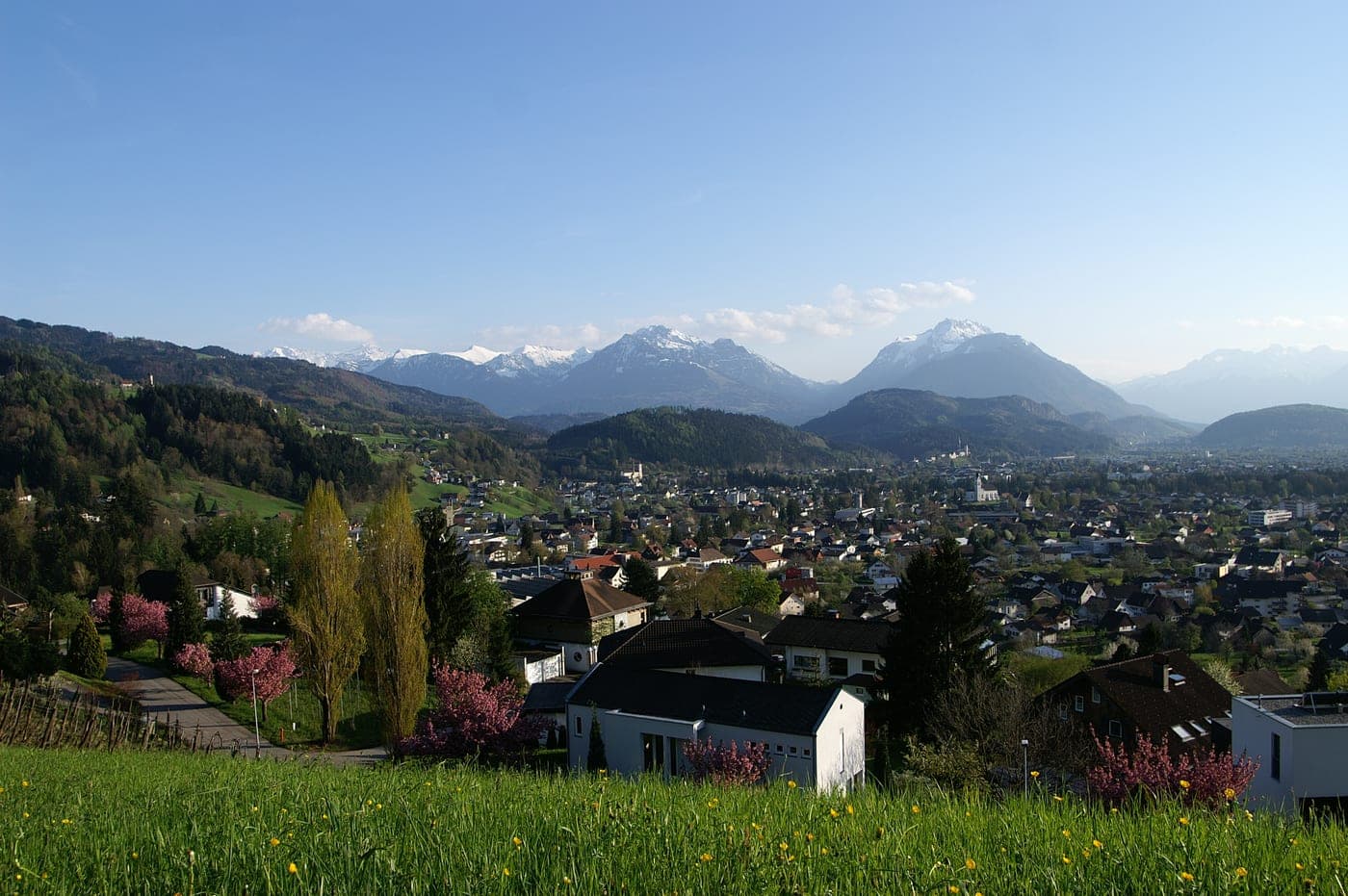
Vorarlberg
03 destsNestled in the far west of Austria, Vorarlberg is the smallest federal state, bordered by Switzerland and Germany. Its stunning landscapes feature the Alps and Lake Constance, offering a mix of outdoor adventures and cultural experiences. The region is known for its traditional wooden architecture, particularly in villages like Schwarzenberg, where you can find local artisans at work. Bregenz, the capital, hosts the renowned Bregenzer Festspiele, an annual festival featuring opera on the lake. Vorarlberg is also famous for its culinary scene, showcasing local cheeses and wines, such as the robust whites from the region's vineyards. Explore the picturesque hiking trails in the Rätikon mountains for a deeper connection to the natural beauty and local traditions.
Wine TastingHiking
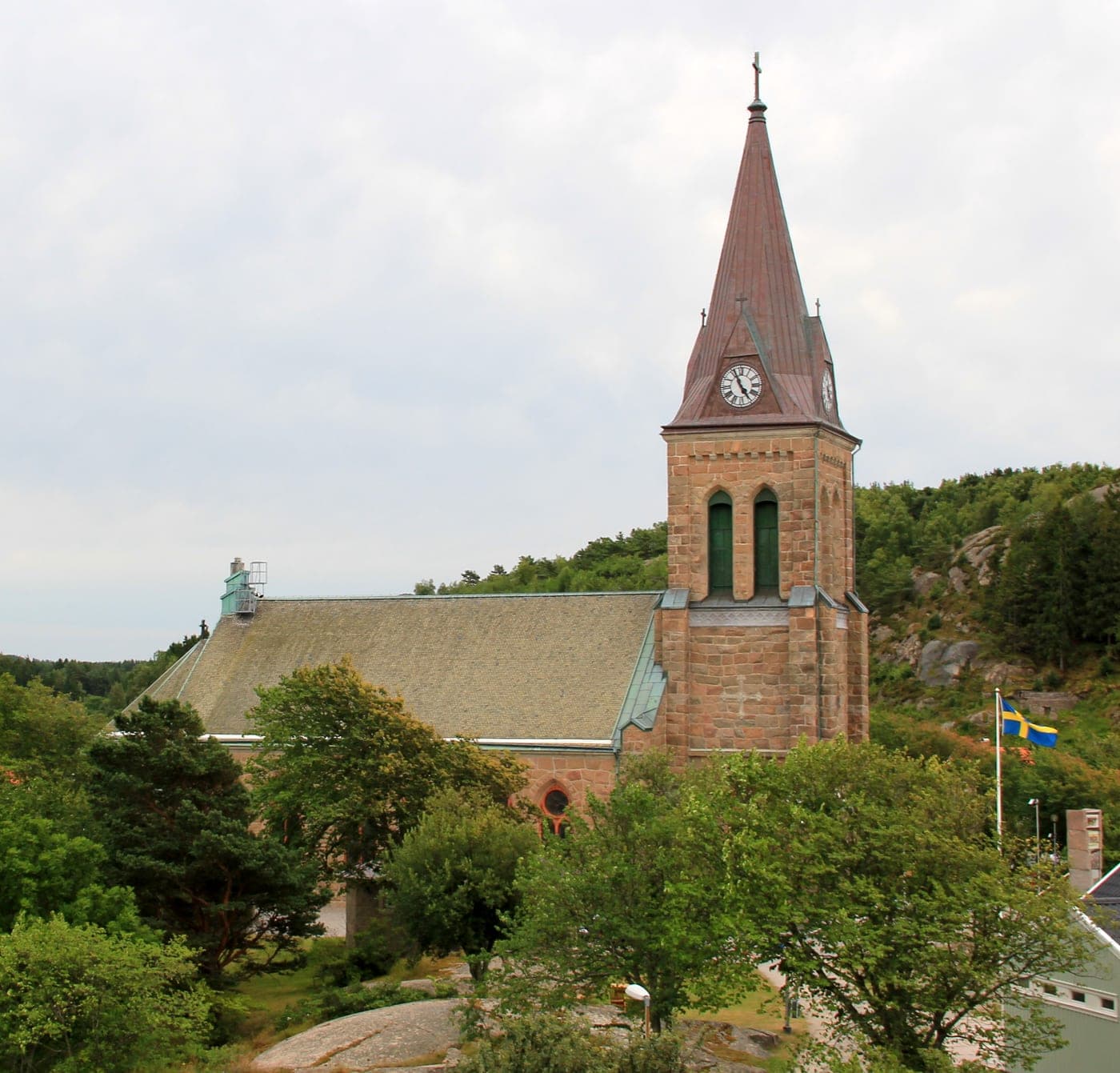
Västra Götaland
04 destsVästra Götaland is Sweden's largest region, known for its diverse landscapes and coastline along the Kattegat Sea. Gothenburg, the region's sole major city, boasts a vibrant cultural scene, notable for its seafood gastronomy and historic canals. The archipelago is a highlight, featuring over 8,000 islands, where visitors can explore fishing villages and enjoy local seafood. The region also hosts several historic towns like Lödöse, steeped in medieval history. Nature lovers can hike in Dalsland's forests or visit the picturesque Lake Vänern, the largest lake in Sweden. Västra Götaland is recognized for its craft traditions, including glassblowing and ceramics, providing a rich cultural tapestry for exploration.
Boat RentalsHiking
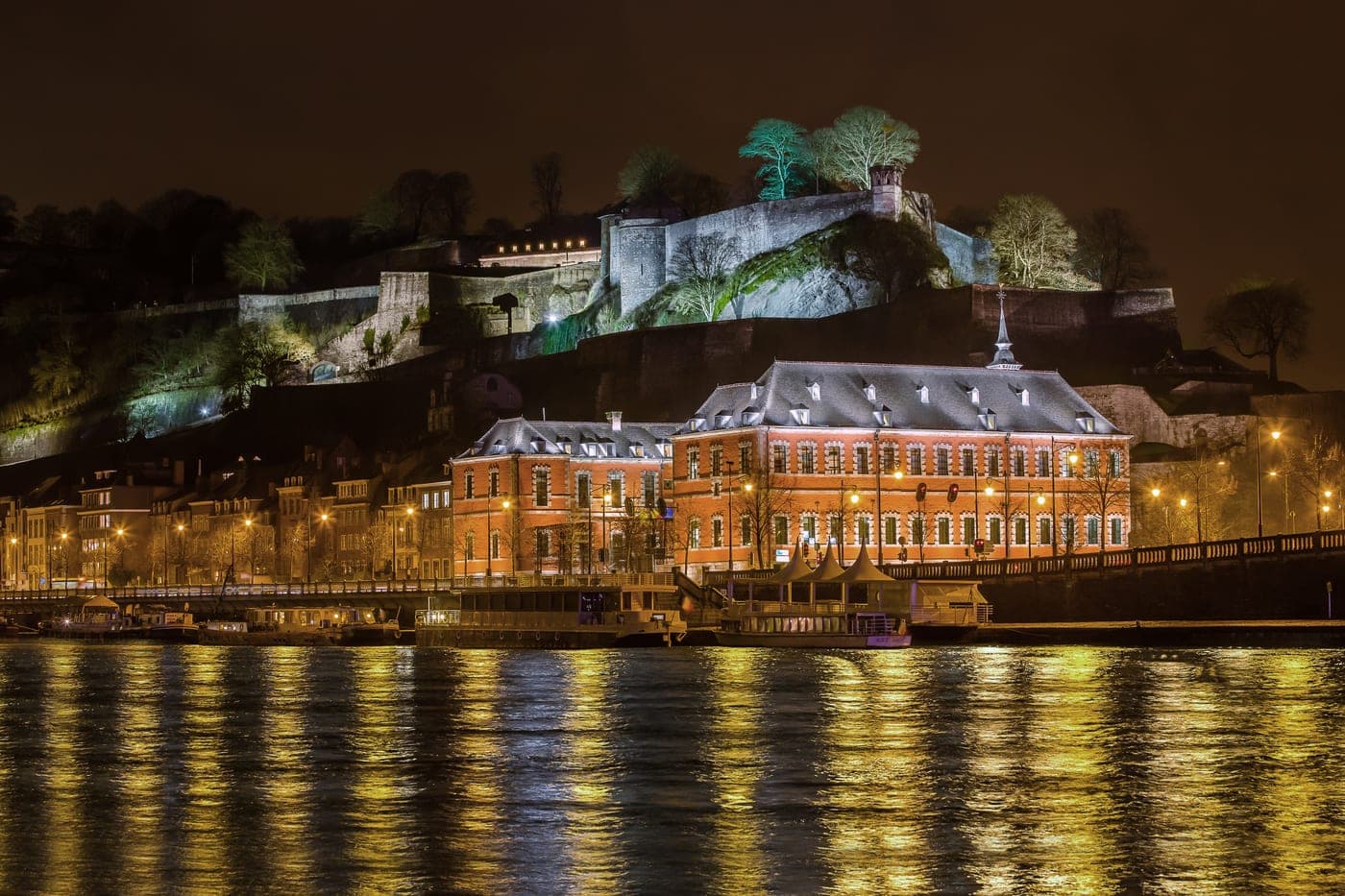
Wallonia
05 destsWallonia, the French-speaking region of Belgium, is known for its rich history and diverse landscapes. It is the largest region in the country, featuring cities like Liège, Namur, and Charleroi, each with unique cultural offerings. The region is famous for its stunning countryside, dotted with picturesque villages, and the Meuse River, which provides scenic vistas and outdoor activities. Wallonia is also home to several UNESCO World Heritage sites, including the Grand-Hornu industrial complex. The area boasts local specialties like artisan cheeses and Trappist beers. For history enthusiasts, the medieval towns of Durbuy and Bouillon offer a glimpse into the past with their ancient castles and cobblestone streets. Wallonia's hidden gems and natural beauty create a compelling backdrop for a leisurely exploration of Belgian heritage.
Wine TastingHiking
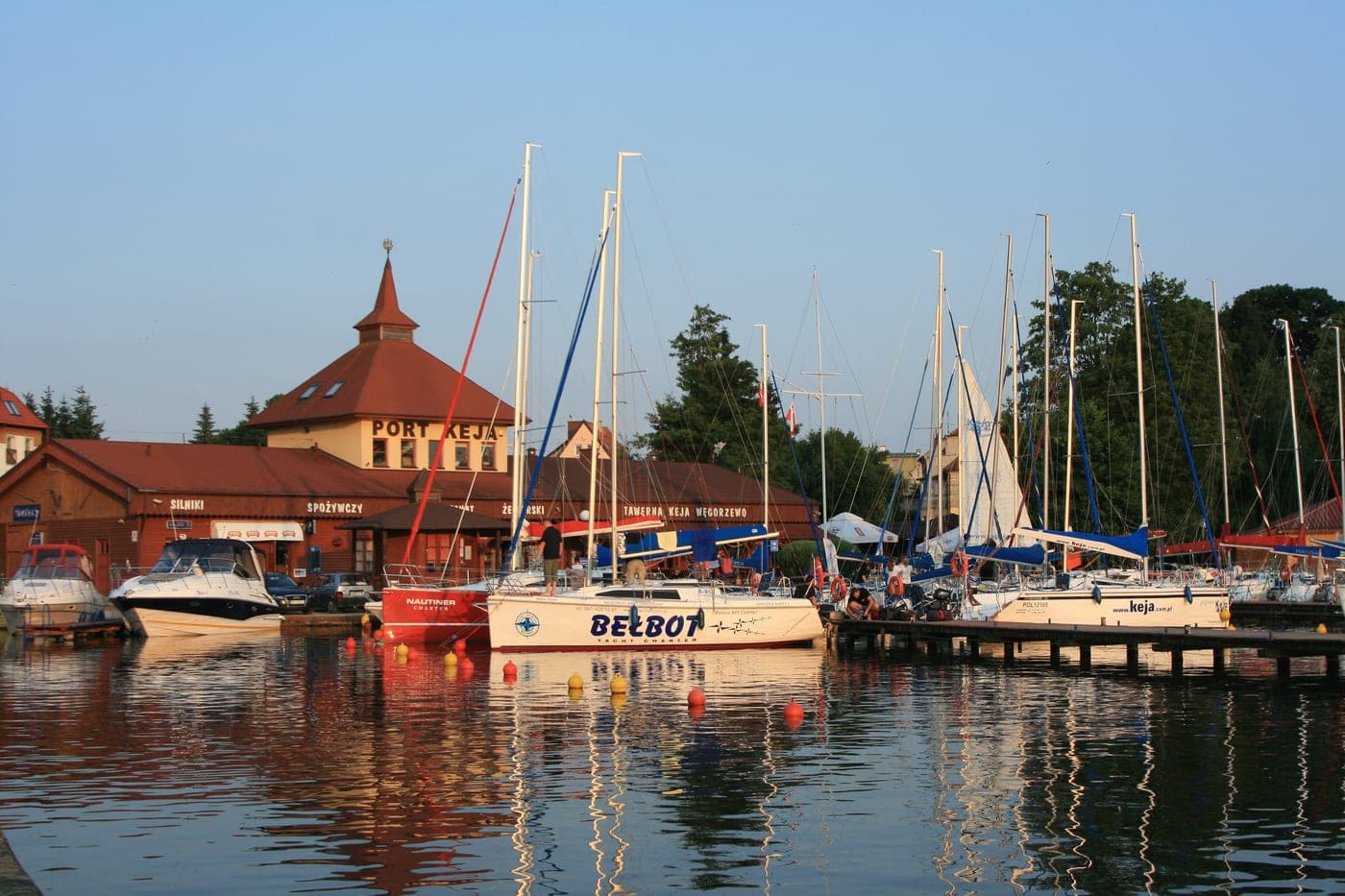
Warmia-Masuria
06 destsThis region, known for its numerous lakes and forests, is the largest in Poland by area. It is characterized by an abundance of waterways, making it a paradise for canoeing and sailing enthusiasts. Olsztyn, the capital, boasts a rich history with its medieval castle and vibrant cultural scene. The area is also renowned for its wildlife, including rare bird species and diverse flora. Off the beaten path, visit the small town of Mrągowo, famous for its folk culture and music festivals. The region's unique blend of natural beauty and historical significance offers a rich experience for those willing to explore beyond typical tourist routes. Local dishes featuring freshwater fish and mushrooms highlight the culinary offerings of Warmia-Masuria, enhancing the journey into this lesser-known part of Poland.
Boat RentalsHiking
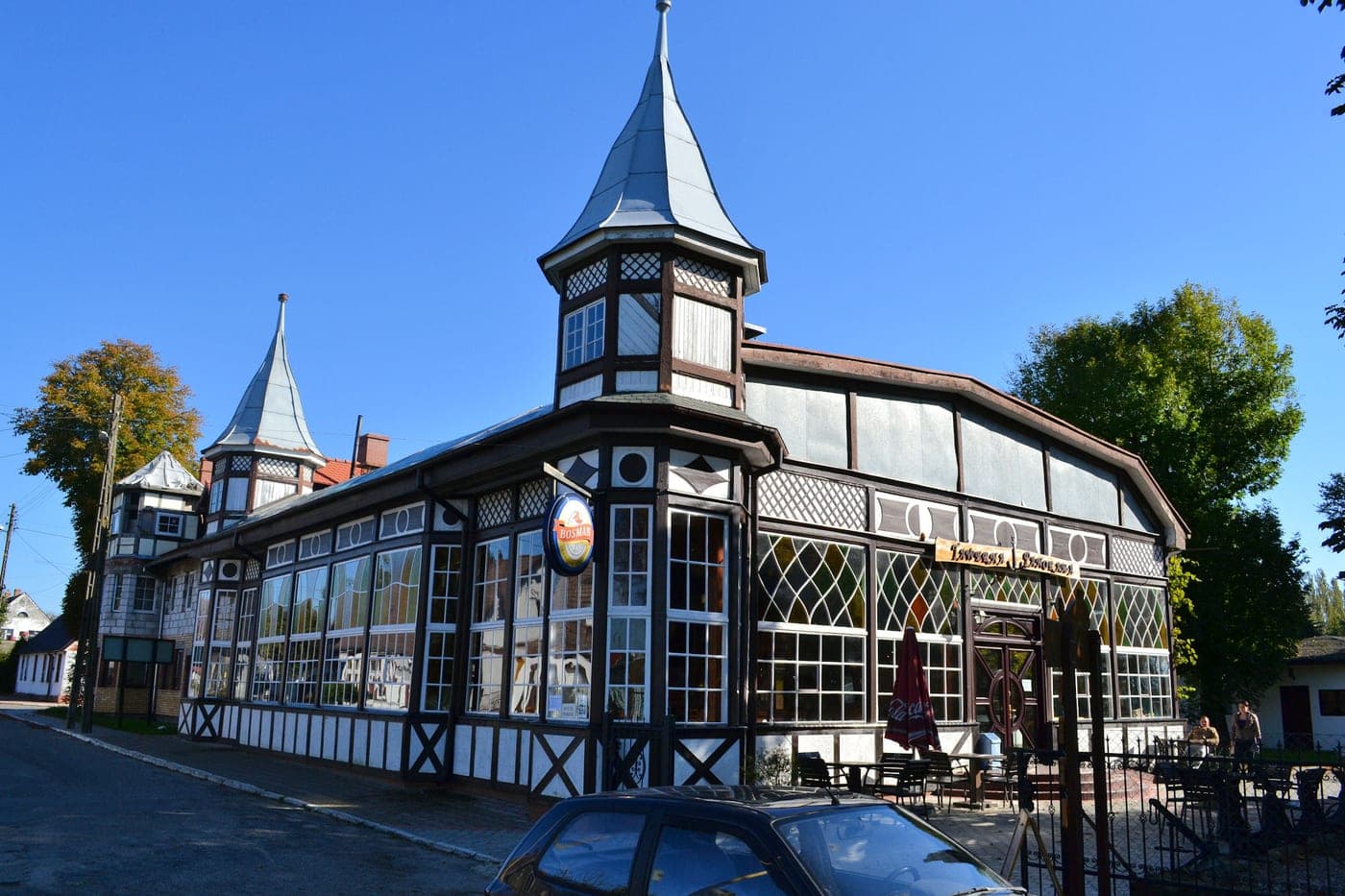
West Pomerania
02 destsThe only region in Poland with a coastline, West Pomerania features a diverse landscape of sandy beaches, forests, and lakes. Szczecin, the capital, is known for its maritime history and Gothic architecture, while the charming fishing town of Łeba offers access to the stunning Słowiński National Park, famous for its shifting sand dunes. The region also houses the historic Pomeranian Dukes' Castle in Szczecin and the picturesque village of Darłowo, known for its medieval castle and vibrant harbor. West Pomerania is rich in local gastronomy, including fresh seafood and regional specialties, making it a great spot for culinary exploration. Additionally, the area celebrates traditional festivals that highlight local culture and crafts, offering authentic experiences away from the typical tourist paths.
Boat RentalsHiking
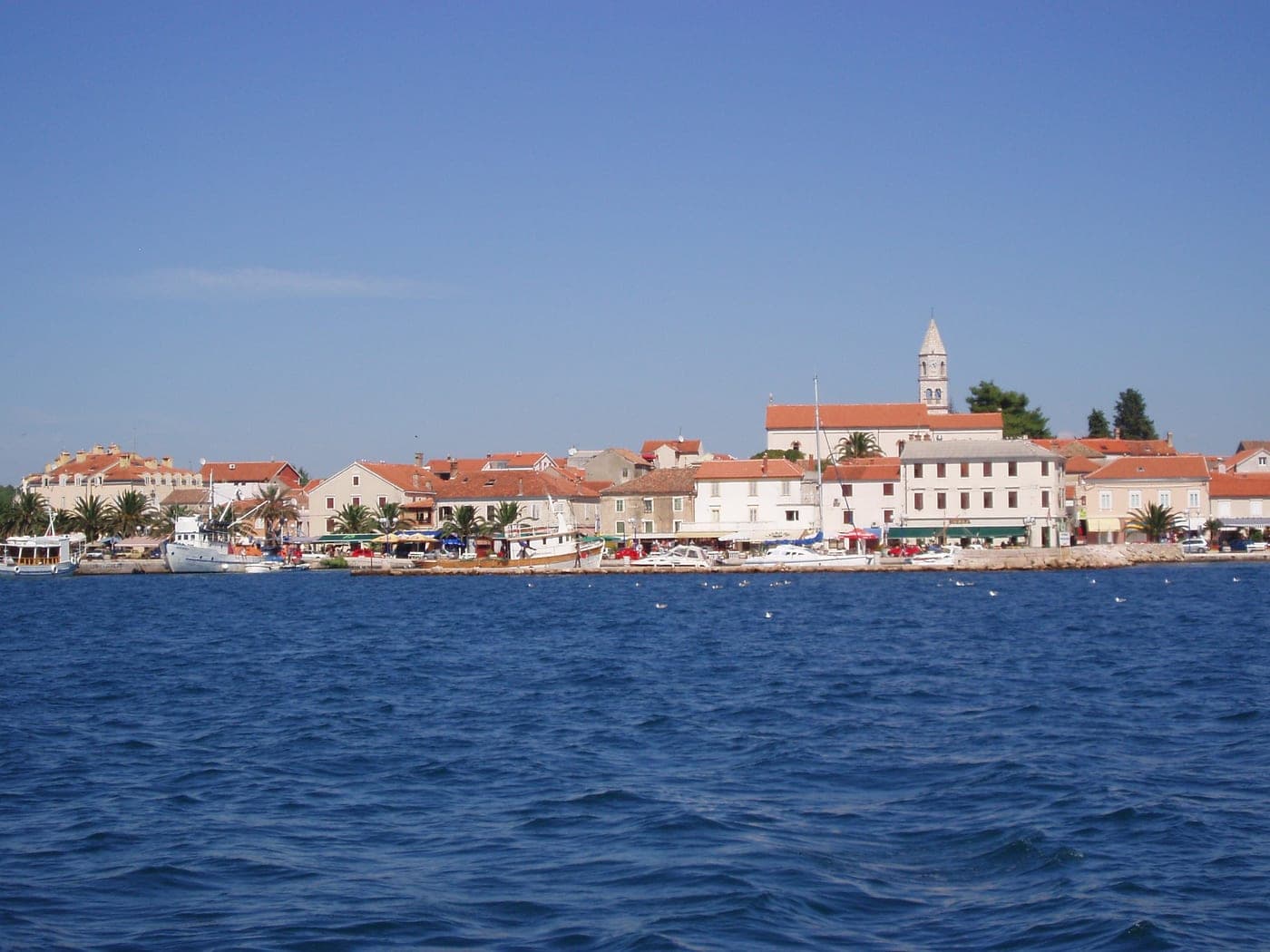
Zadar
02 destsZadar is a coastal city in Croatia, known for its rich history and stunning architecture. It features Roman ruins, medieval churches, and vibrant street life. The region encompasses several islands, including Ugljan and Pašman, offering secluded beaches and hiking trails. Zadar is home to the unique Sea Organ, an architectural marvel that plays music through the sea waves. The city is the oldest continuously inhabited city on the Croatian mainland, with roots dating back to the Roman Empire. Beyond the city, the nearby National Parks of Krka and Paklenica showcase diverse landscapes, perfect for nature lovers. Zadar's local cuisine highlights fresh seafood and traditional pastries, making it a culinary gem in the region.
Boat RentalsHiking
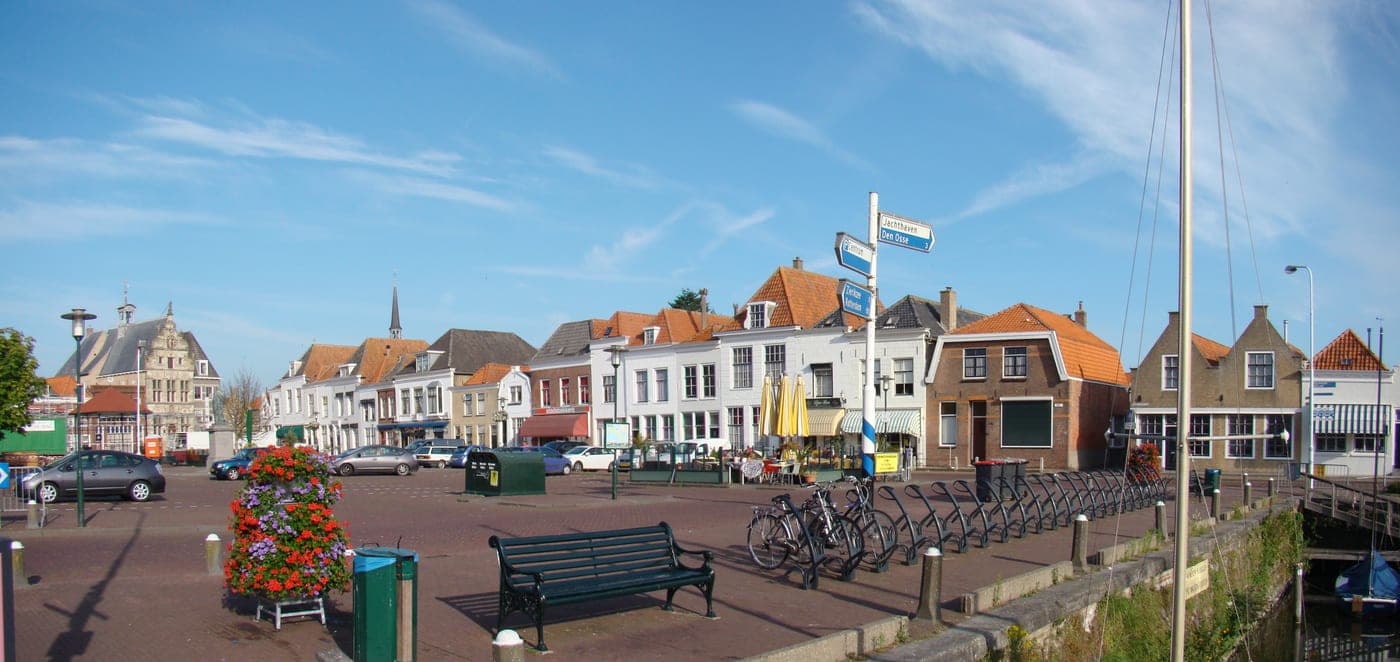
Zeeland
03 destsZeeland, the smallest province of the Netherlands, boasts a unique coastline and rich maritime history. Known for its dikes and natural reserves, this region is famous for the Delta Works, a series of dams and barriers that protect the land from the sea. Middelburg, the capital, features stunning Gothic architecture, while the town of Veere offers a glimpse into its trading past with its historic harbor. The area is also renowned for its seafood, particularly oysters and mussels. Zeeland's islands, such as Walcheren and Tholen, provide tranquil landscapes and opportunities for cycling and birdwatching, making it a haven for those looking to connect with nature and local culture.
Boat RentalsHiking
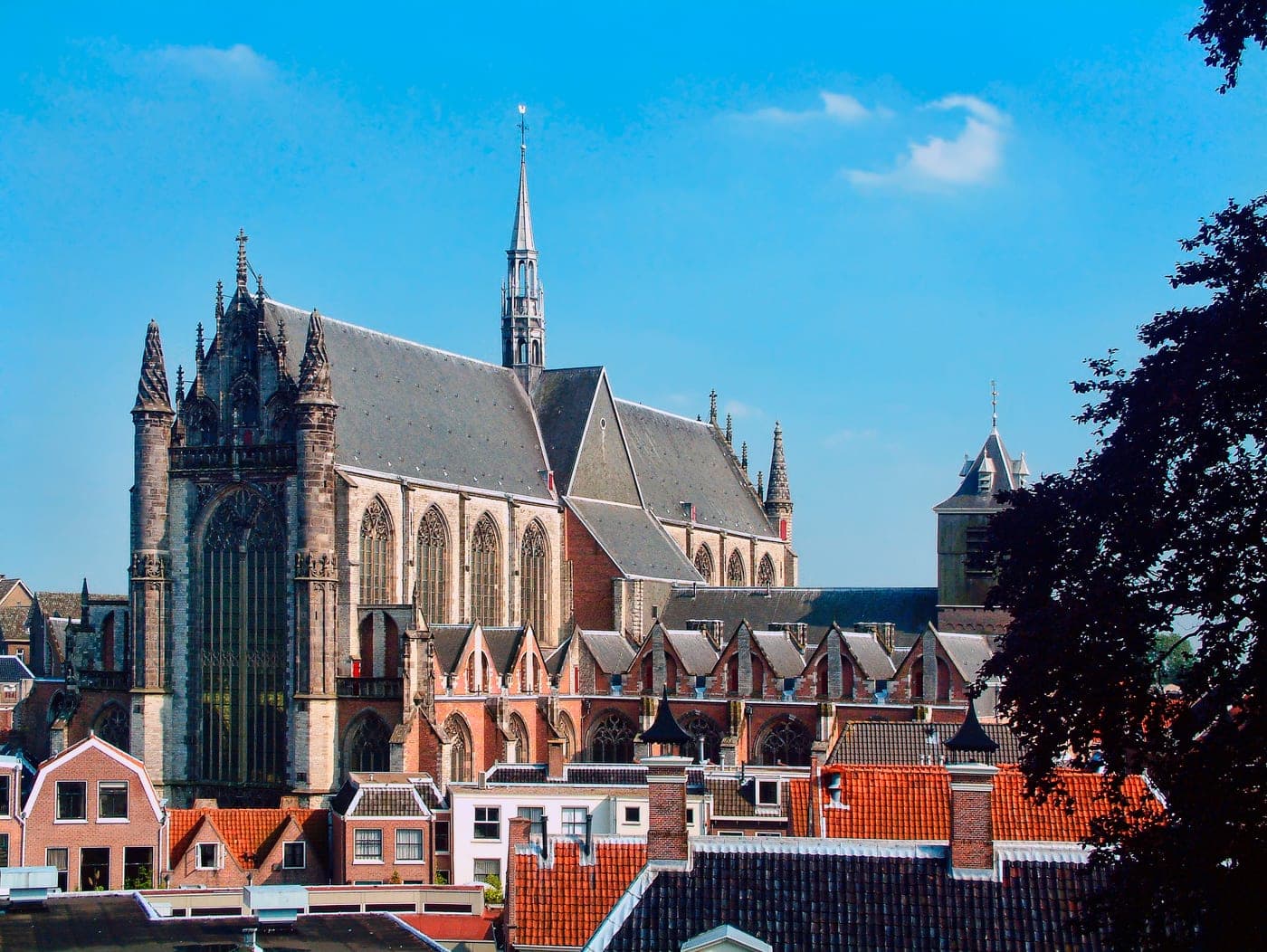
Zuid-Holland
05 destsSouth Holland, the most populous region in the Netherlands, features a blend of urban and rural landscapes. The region's capital, The Hague, is known for its political significance and the stunning Mauritshuis museum, home to masterpieces like Vermeer’s 'Girl with a Pearl Earring.' Rotterdam, a hub for modern architecture, boasts an innovative skyline and vibrant cultural scenes. The coastline, stretching along the North Sea, offers picturesque beach towns like Scheveningen and Kijkduin. Explore the serene countryside dotted with historic windmills and charming villages such as Kinderdijk, famous for its UNESCO-listed windmills. South Holland is also renowned for its tulip fields, particularly in the Bollenstreek area, showcasing the region's floral heritage in spring. This diverse region invites travelers to experience its rich history, local markets, and culinary delights at a leisurely pace.
Boat RentalsHiking
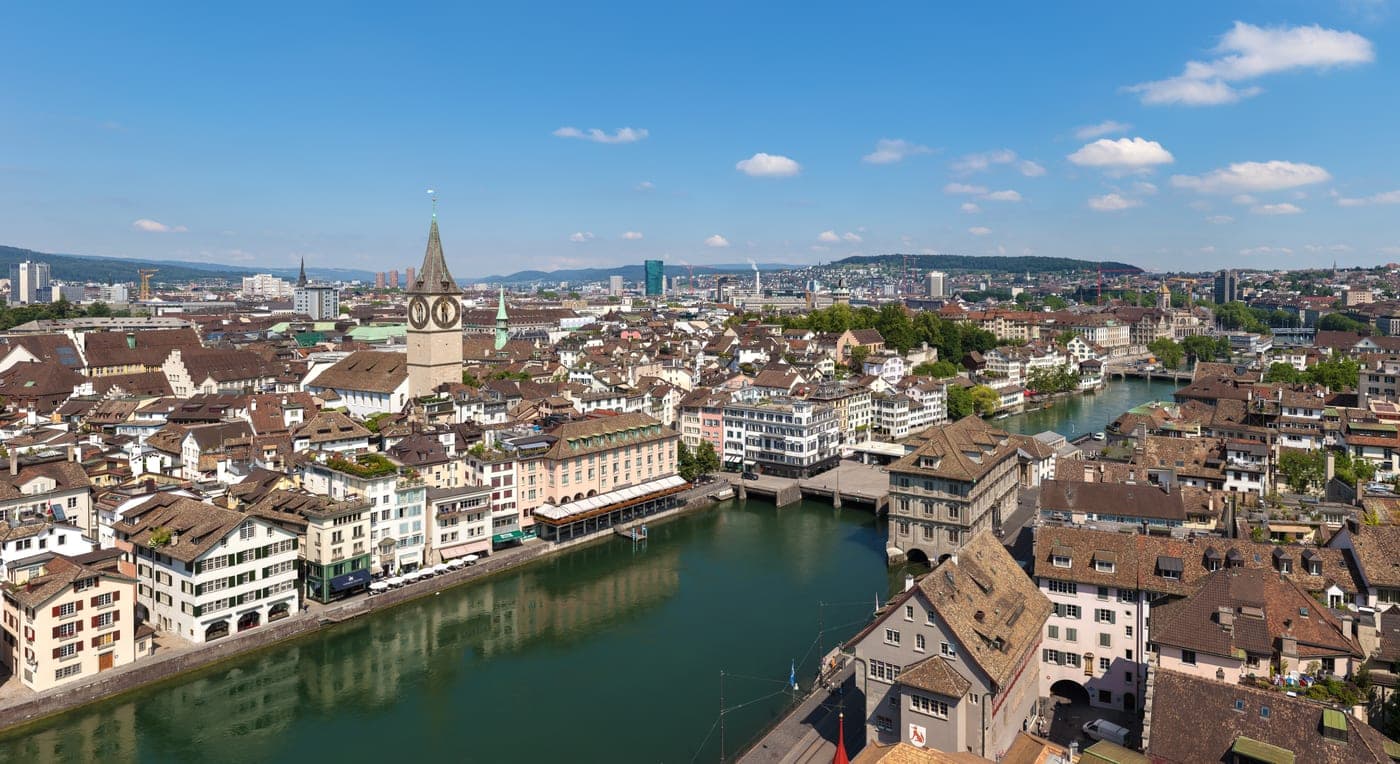
Zurich
01 destLocated at the confluence of the Limmat River and Lake Zurich, this region is Switzerland's largest urban area, known primarily for its financial institutions and vibrant cultural scene. Beyond the bustling city, Zurich offers access to numerous hiking trails in the nearby Uetliberg mountain, providing stunning panoramic views. The old town, with its medieval buildings and narrow alleys, reveals a rich history dating back to Roman times. Lake Zurich is a hub for outdoor activities such as swimming and sailing, while the nearby towns of Rapperswil and Winterthur present unique historic sites and museums. The region is also celebrated for its chocolate and cheese, with local markets showcasing artisanal products. Discovering the lesser-known neighborhoods can lead to hidden gems, including local galleries and family-owned eateries.
Camper Van RentalsHiking
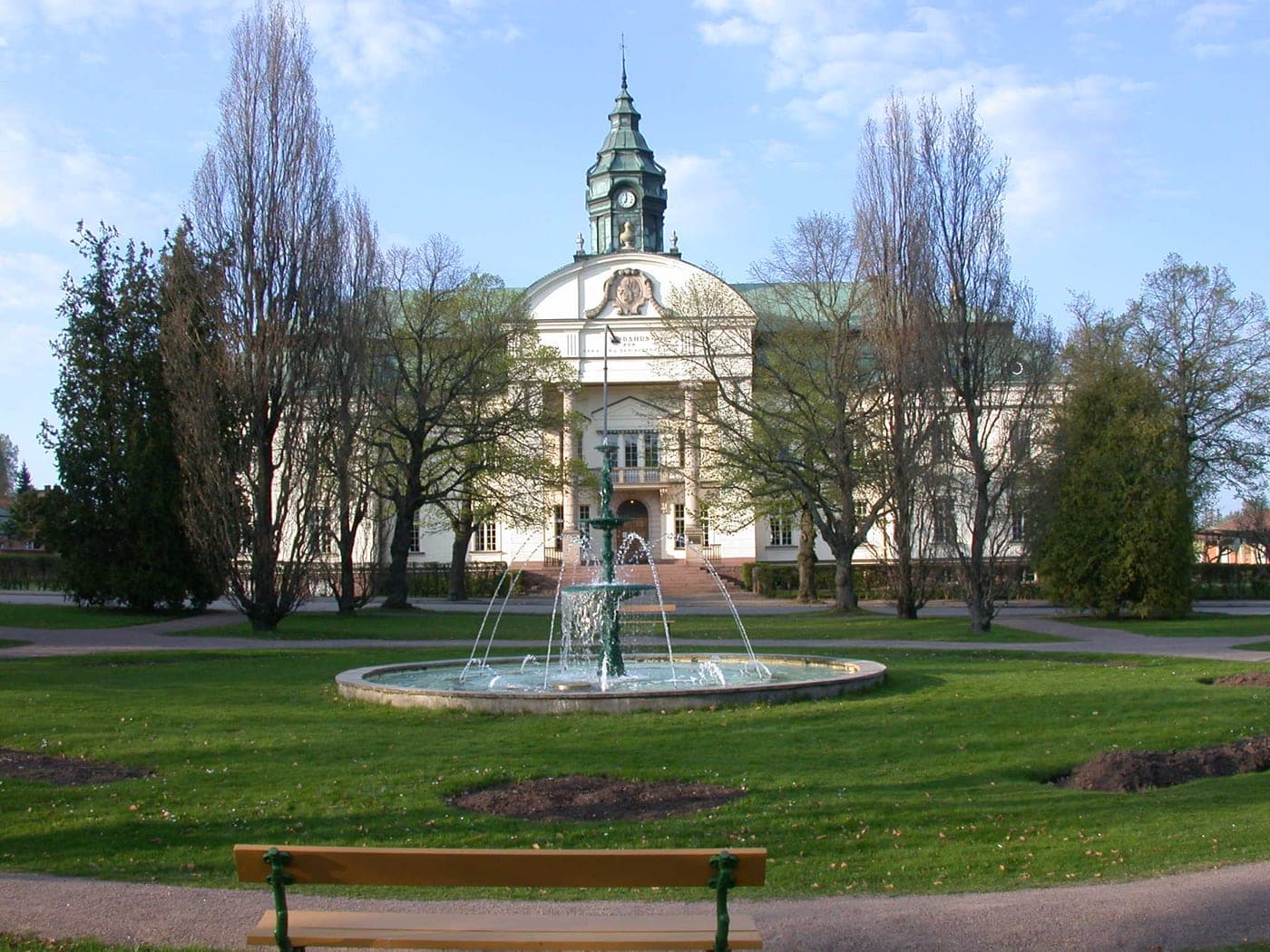
Östergötland
01 destÖstergötland, a historically rich region in Sweden, is famous for its diverse landscapes, from lush forests to the picturesque archipelago. Linköping, the largest city, features a stunning cathedral and a vibrant cultural scene. Norrköping, known for its industrial heritage, offers unique architecture and museums. This region boasts the only section of the Göta Canal that is accessible from the coast, providing opportunities for scenic boat trips. Östergötland is also known for its local cuisine, including renowned cheese and fish dishes. The area is dotted with charming small towns like Vadstena, home to a medieval castle and monastery, making it ideal for exploring history and nature at a leisurely pace.
Boat RentalsHiking
Destinations
757Destinations
🇦🇹
Austria
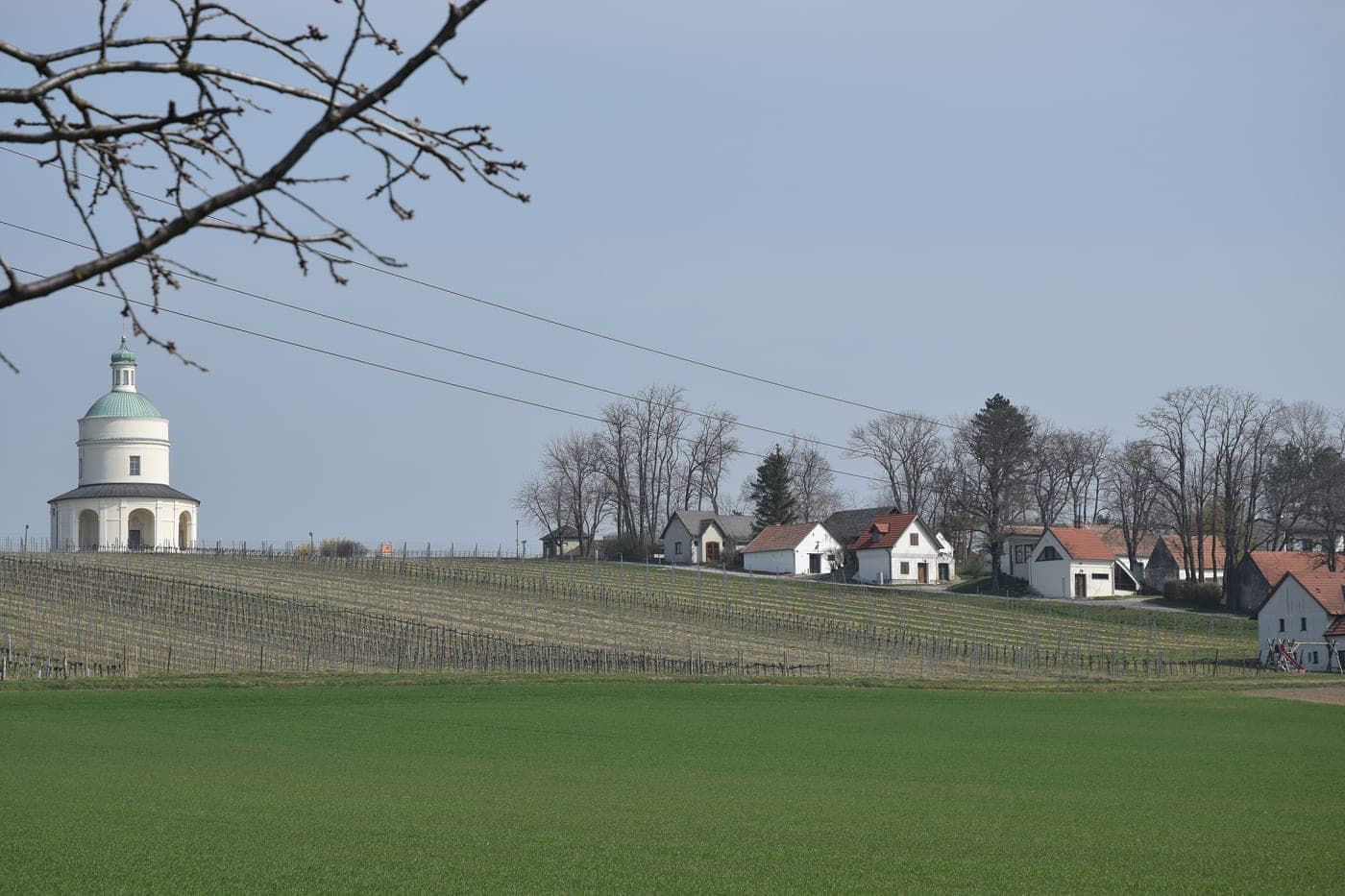
Angern an der March
Wine Tasting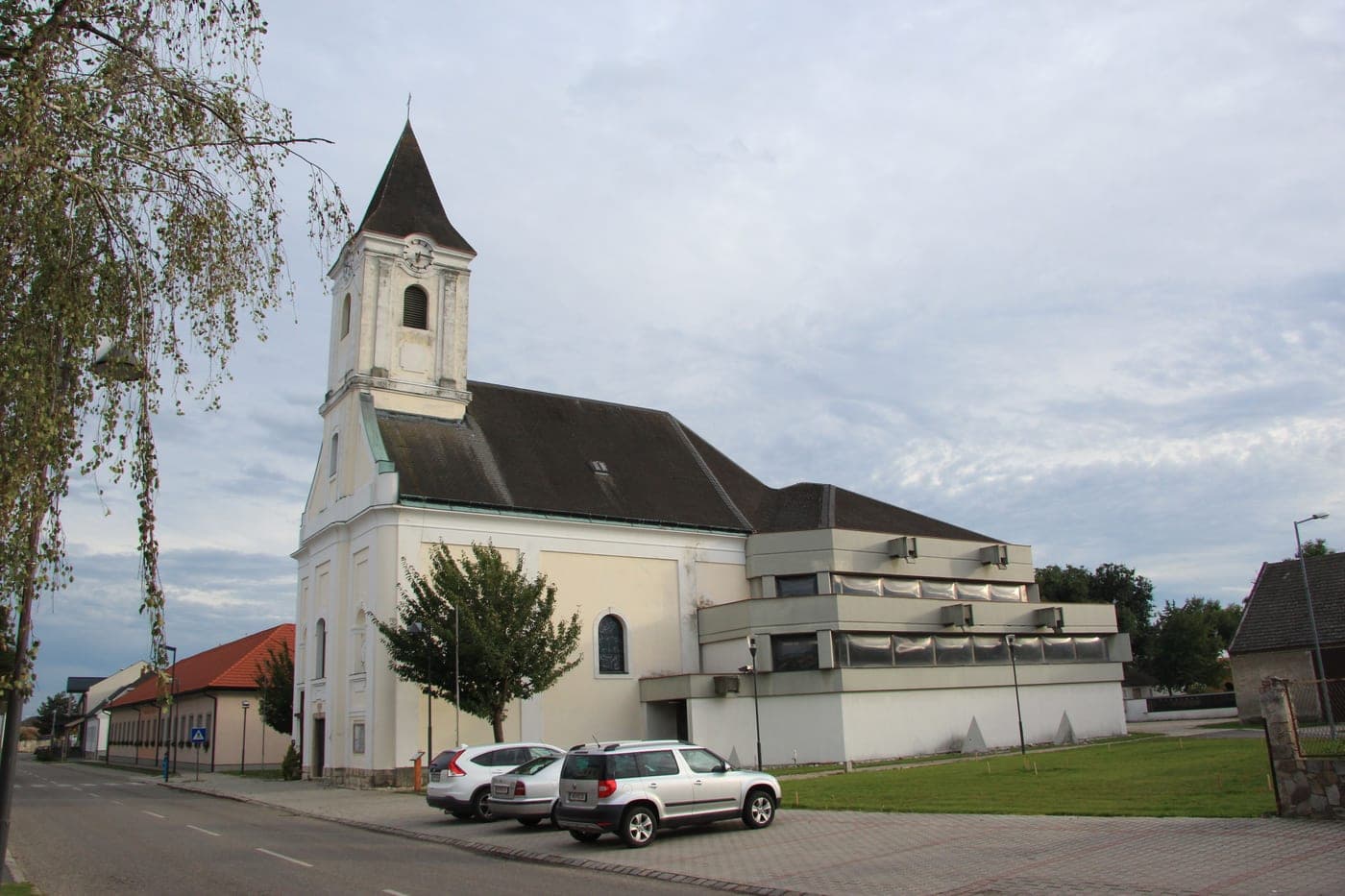
Apetlon
Wine Tasting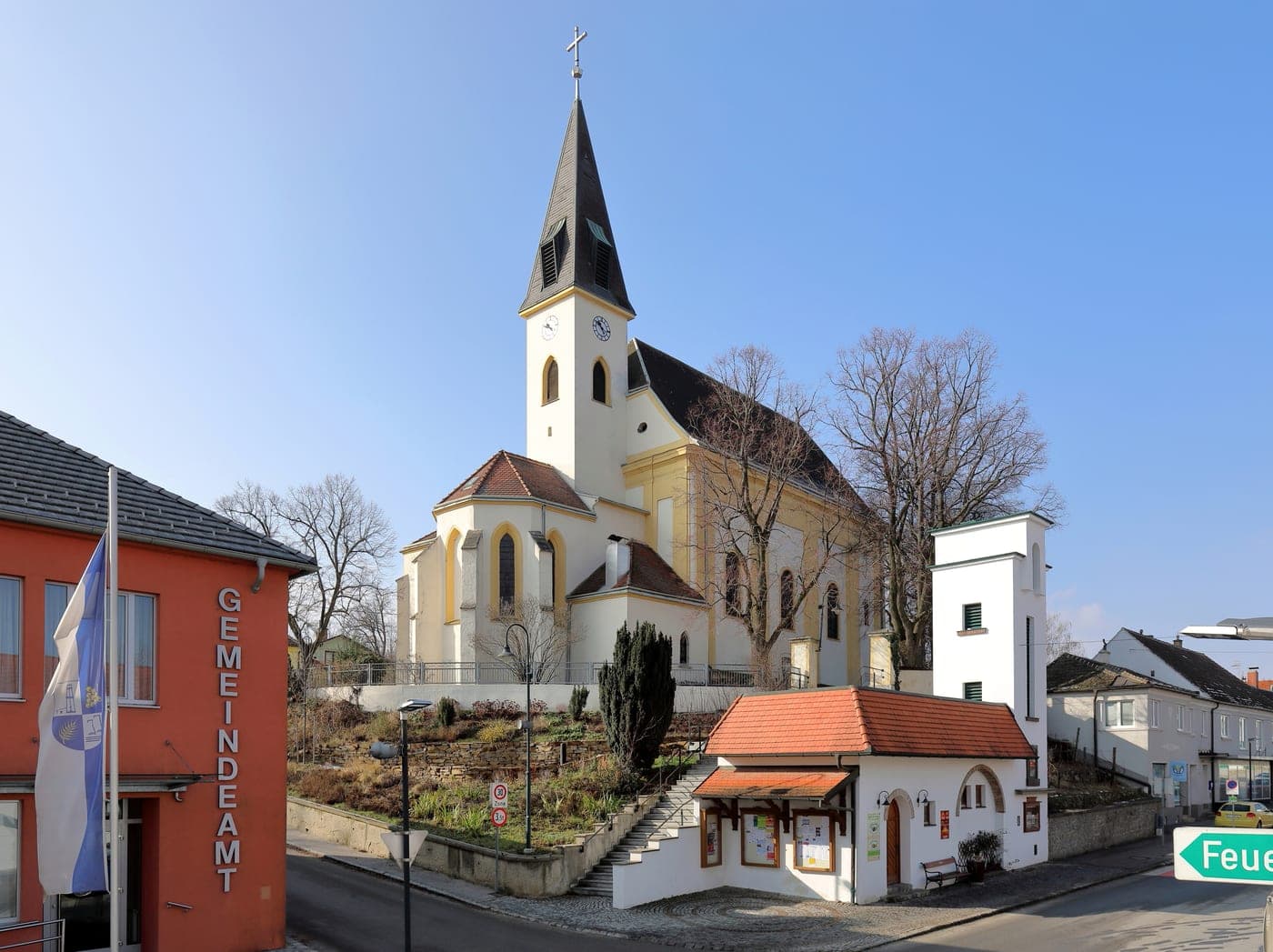
Auersthal
Wine Tasting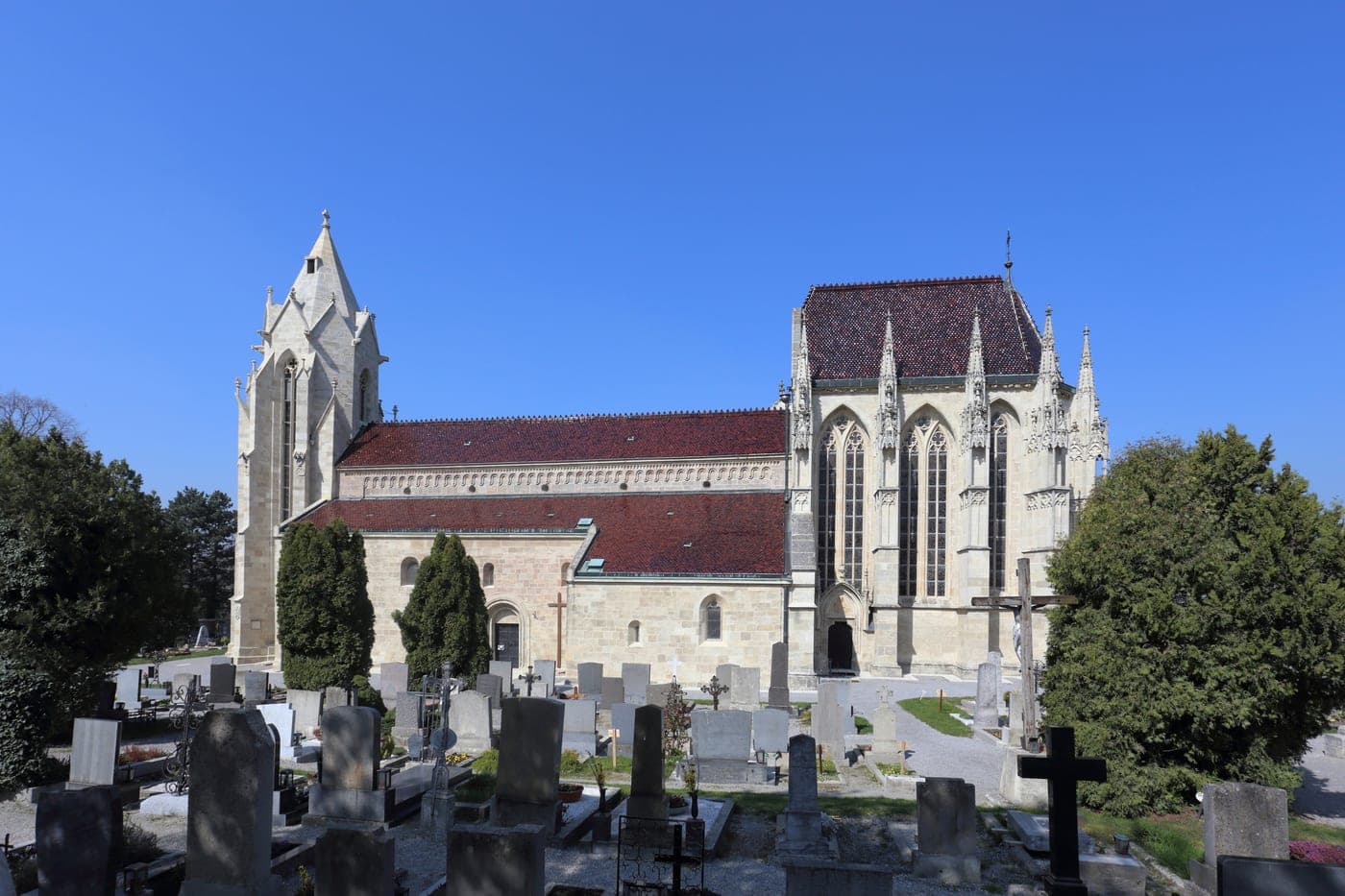
Bad Deutsch-Altenburg
Wine Tasting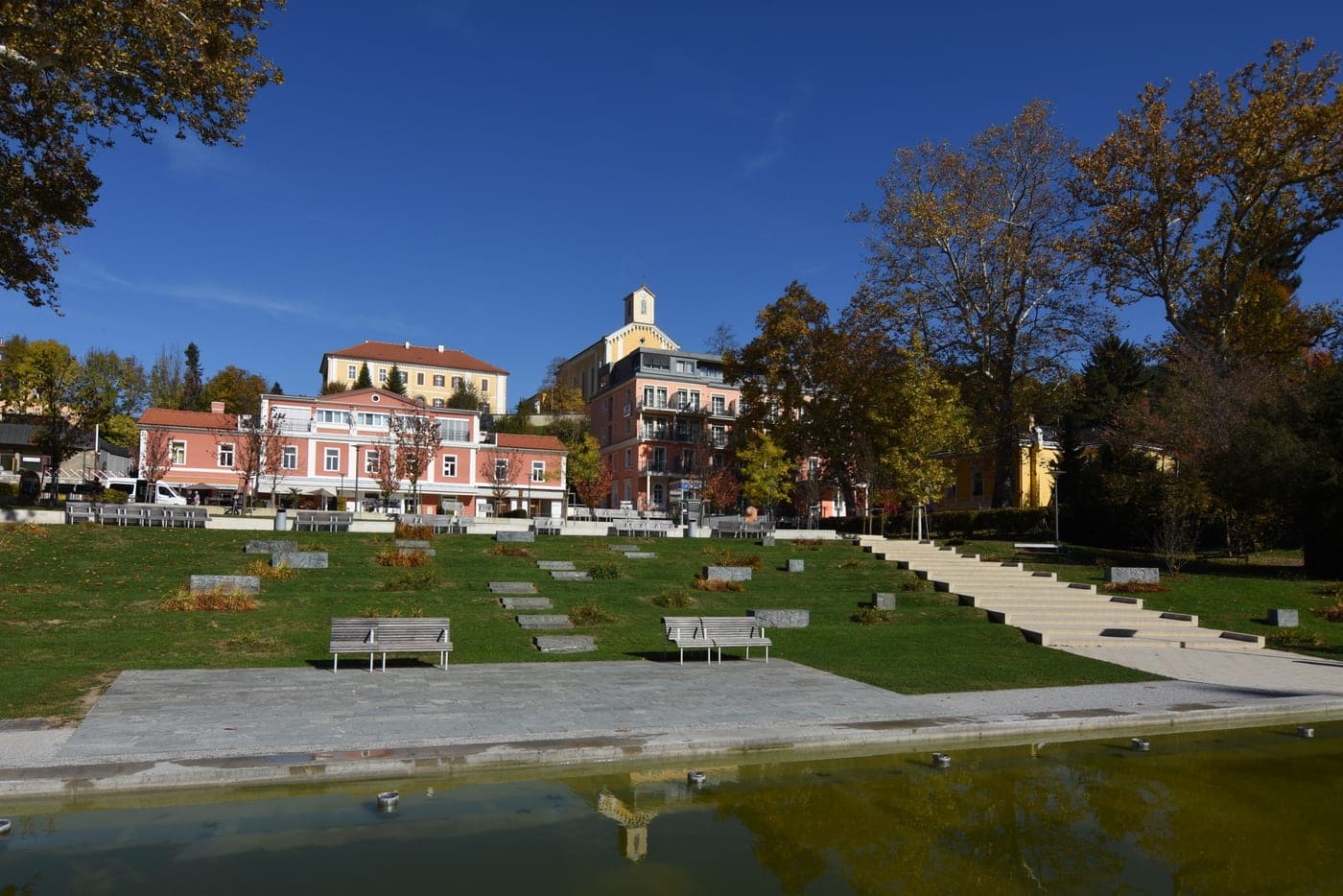
Bad Gleichenberg
Wine Tasting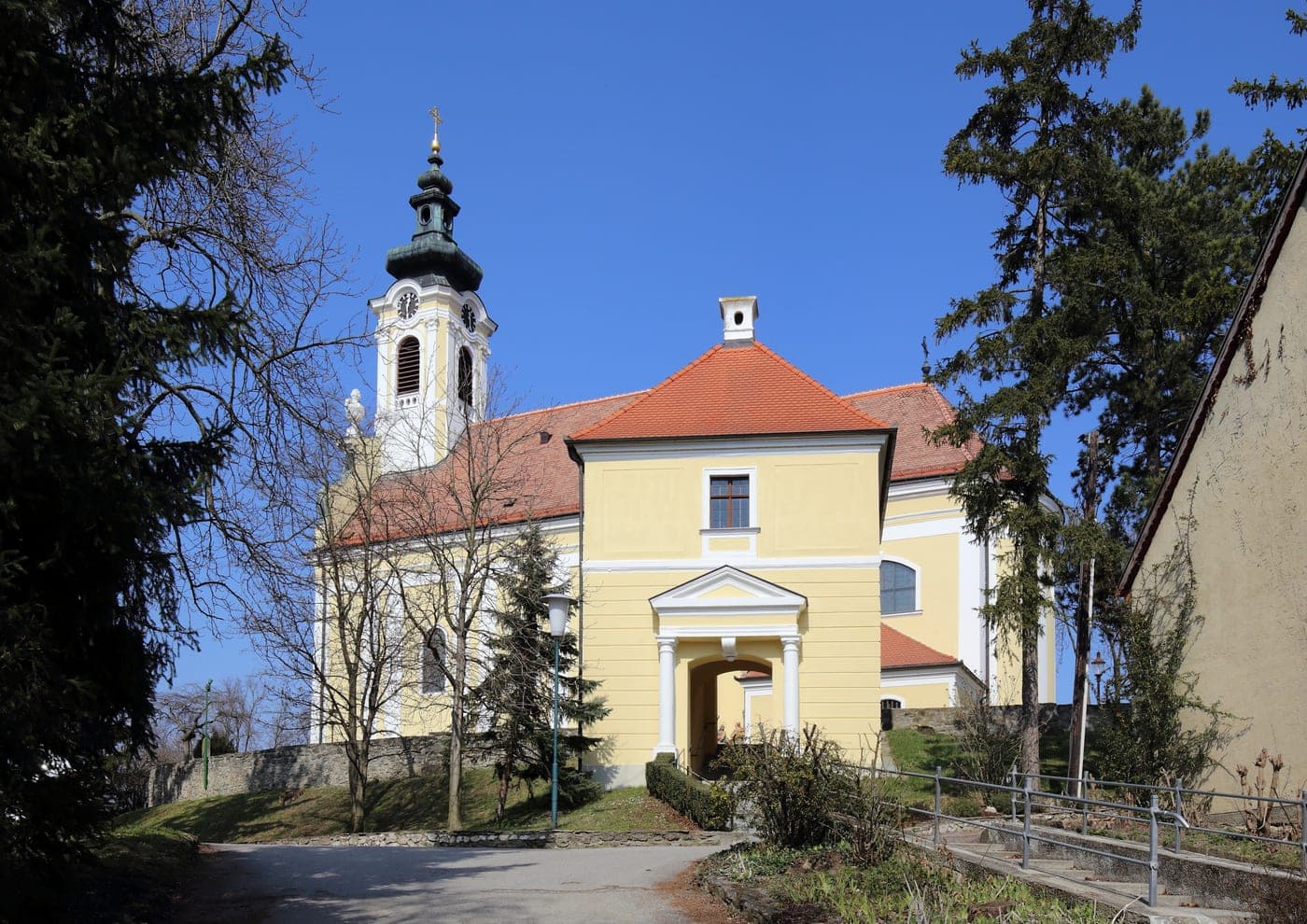
Bad Pirawarth
Wine Tasting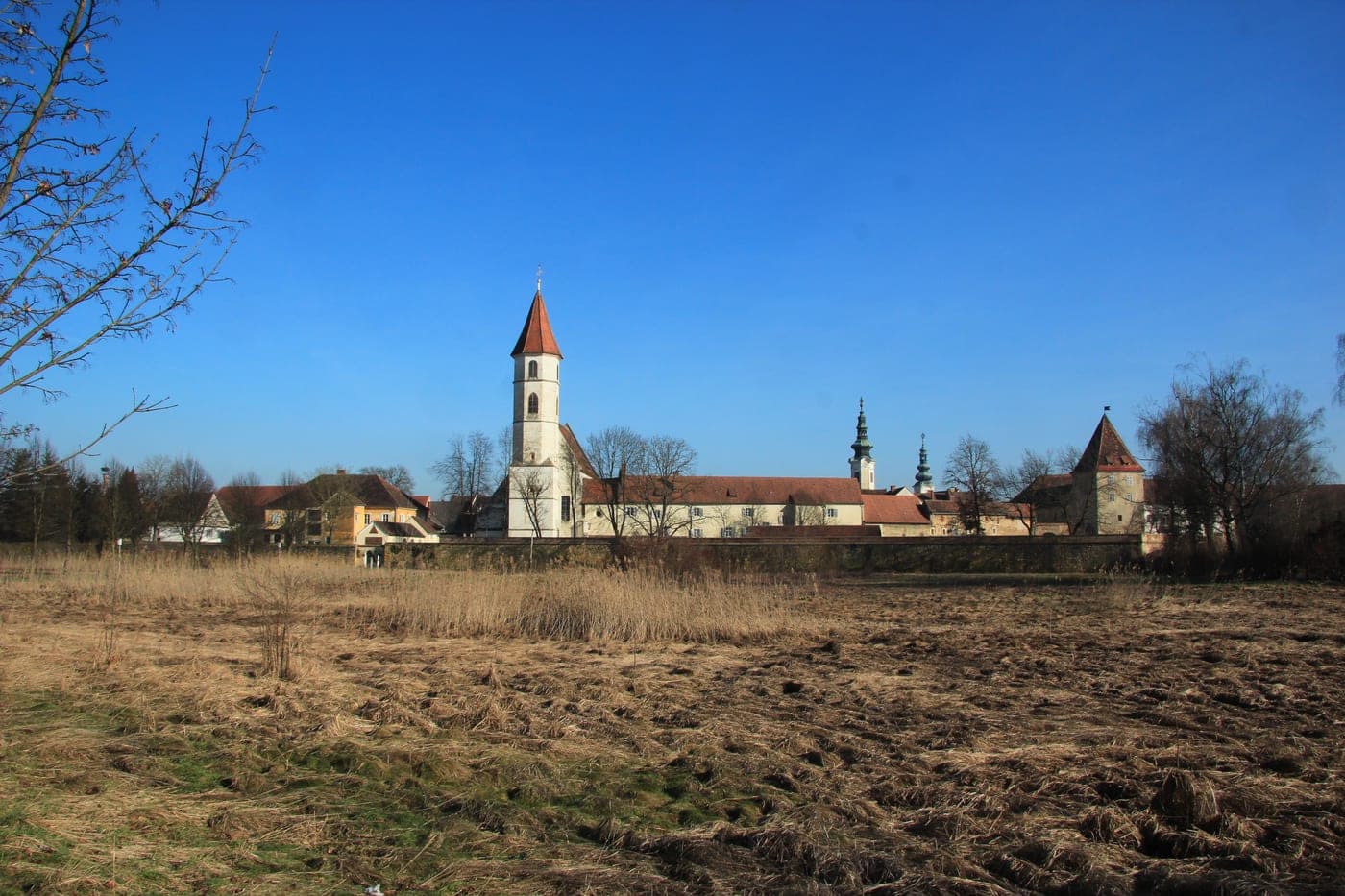
Bad Radkersburg
Wine Tasting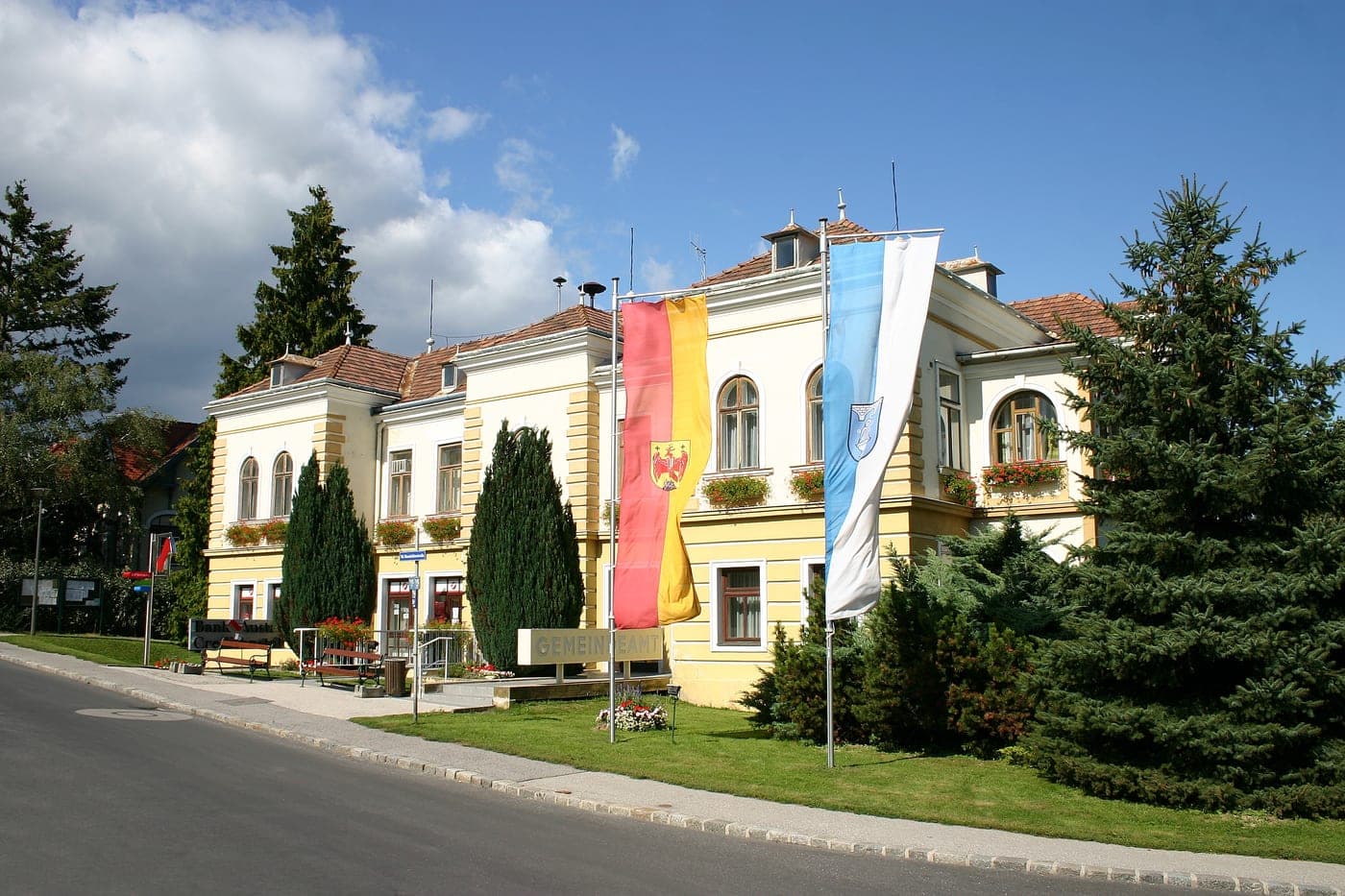
Bad Sauerbrunn
Wine Tasting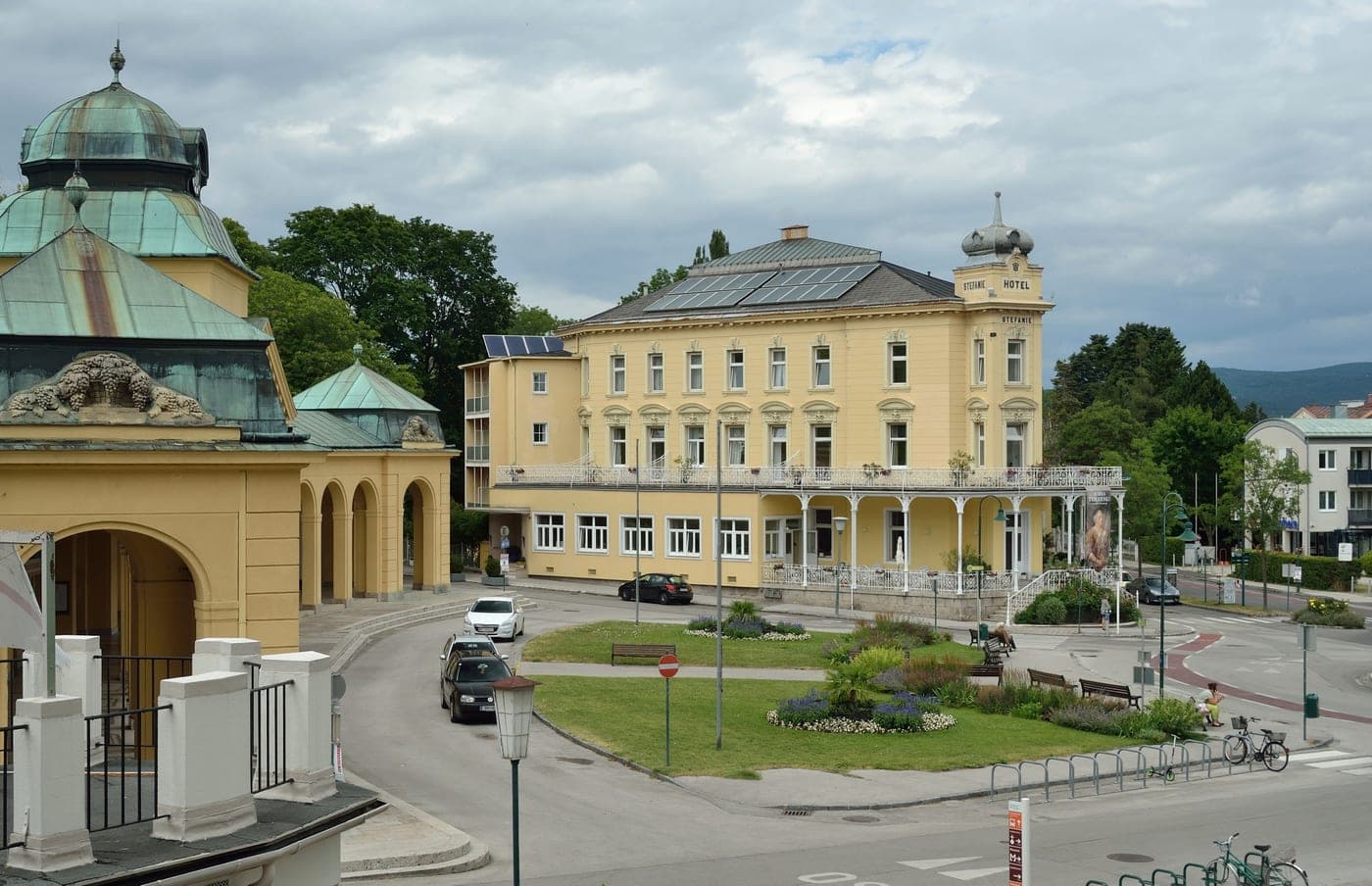
Bad Vöslau
Wine Tasting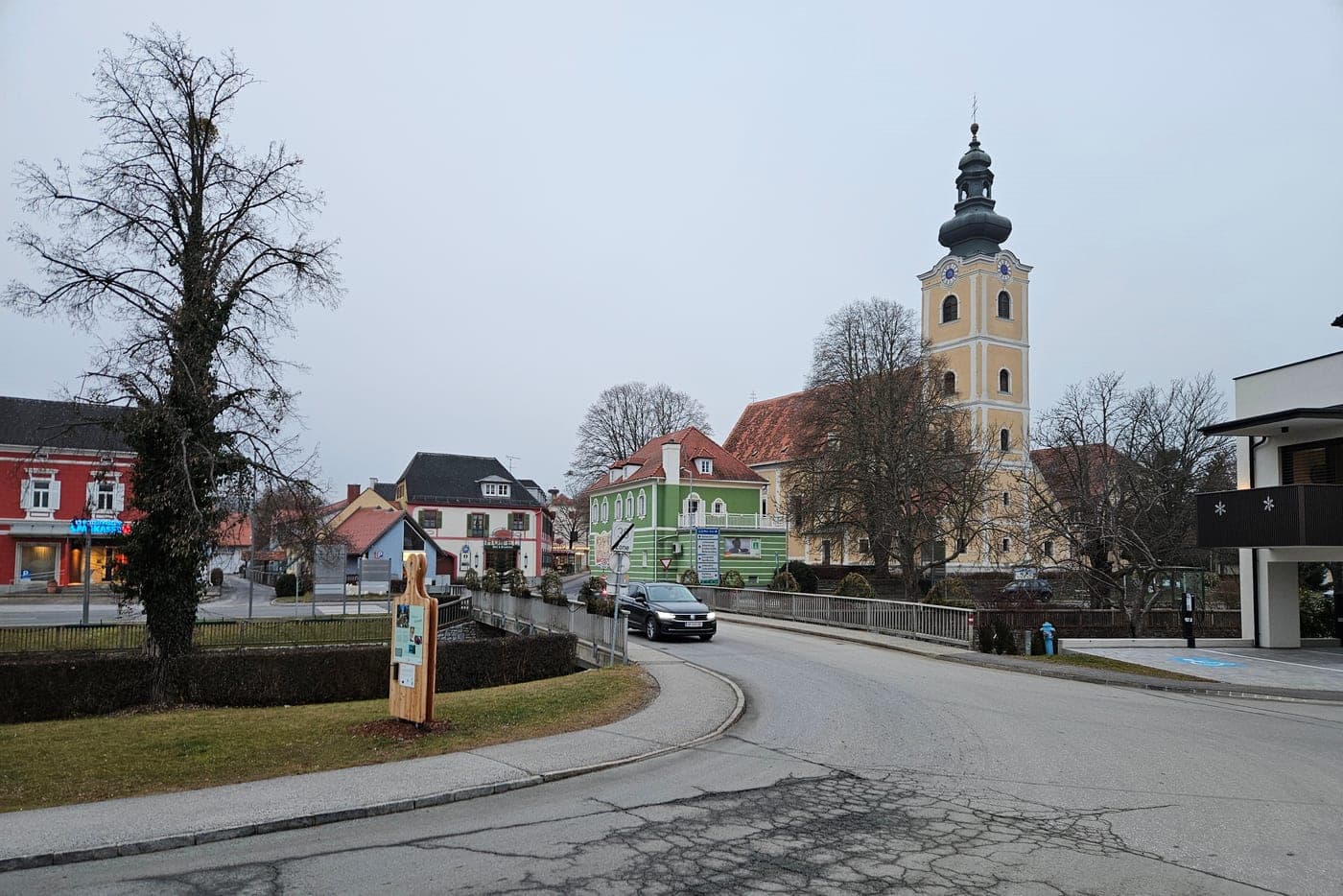
Bad Waltersdorf
Wine Tasting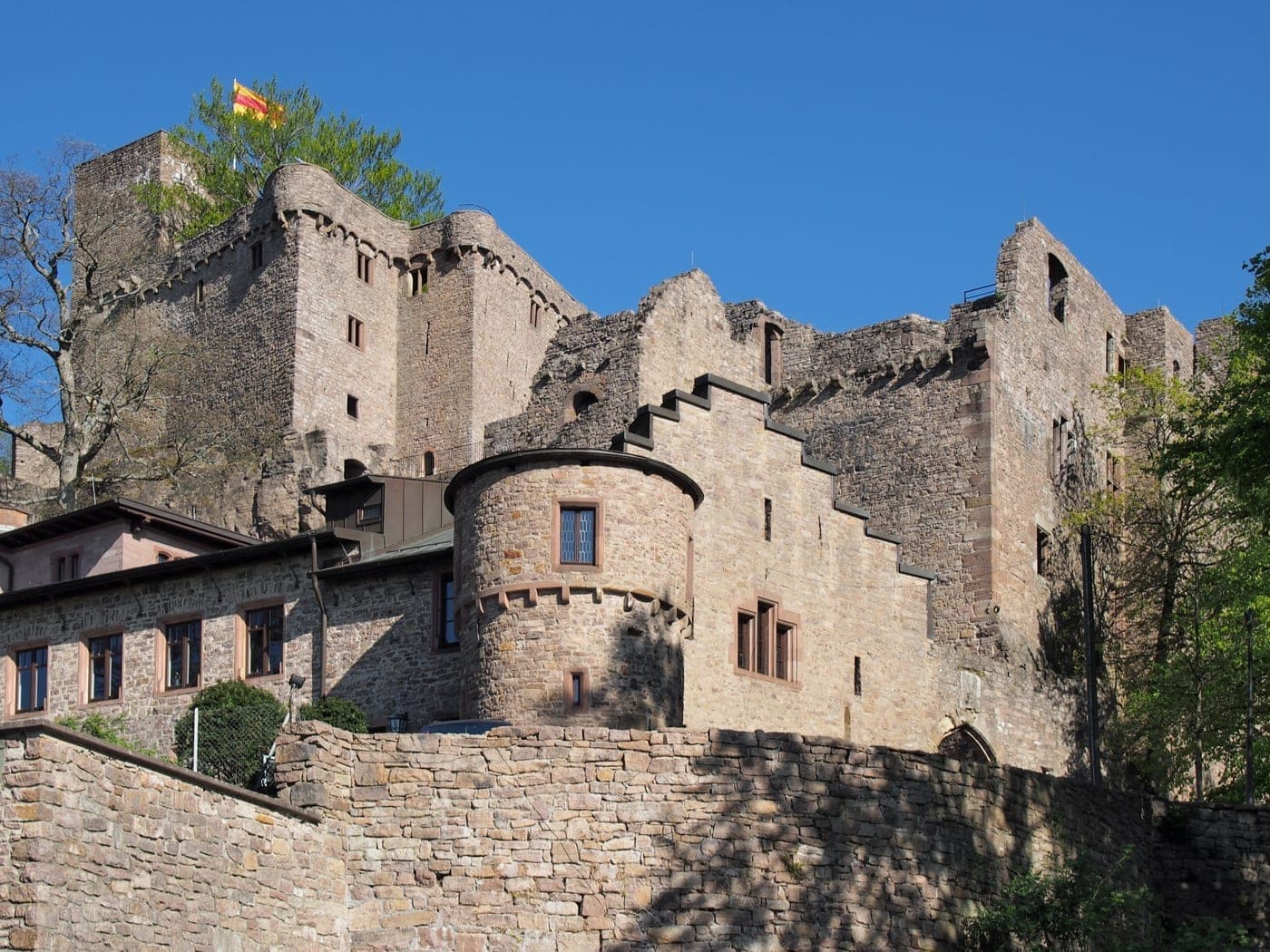
Baden
Wine Tasting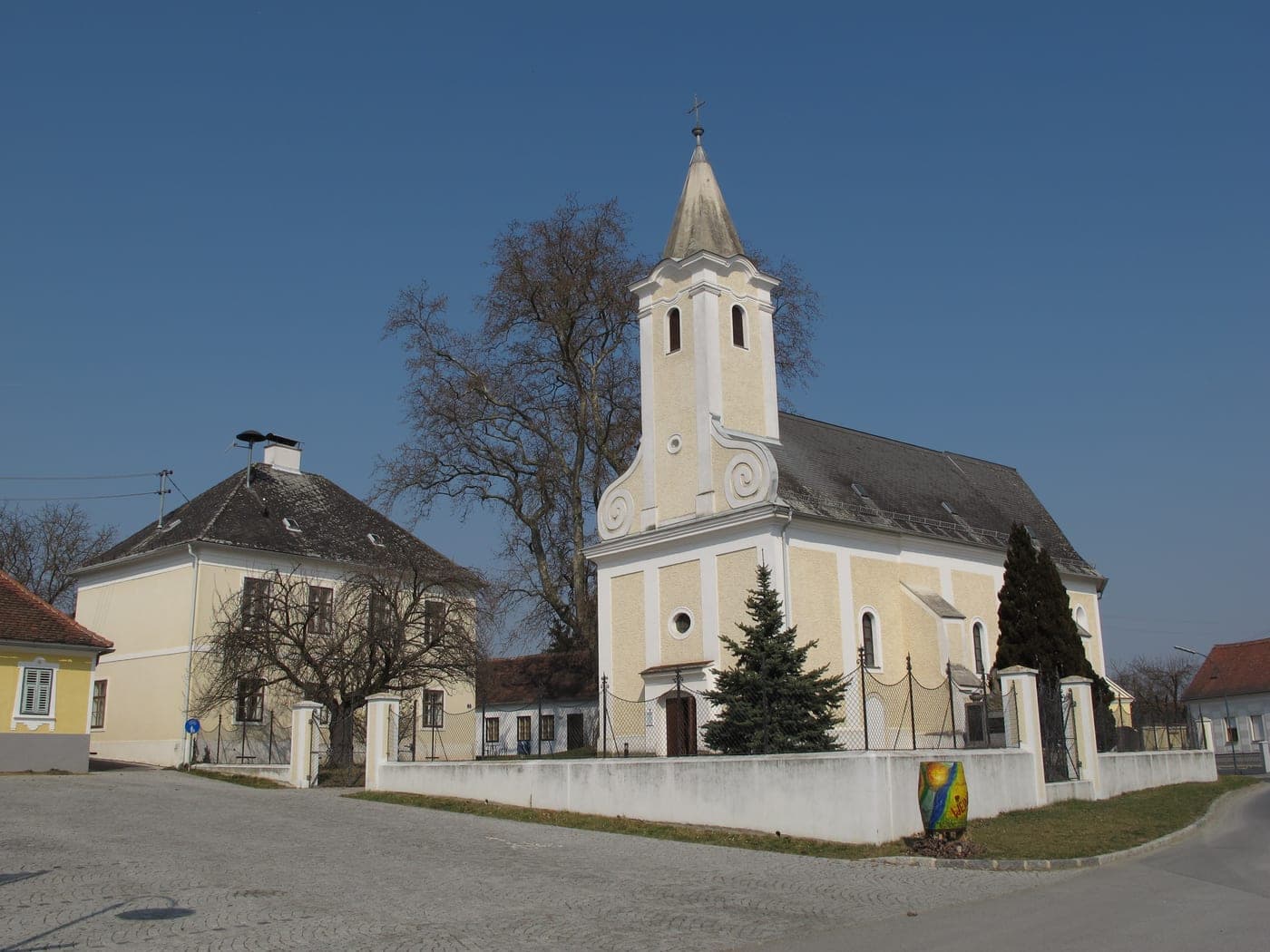
Bildein
Wine Tasting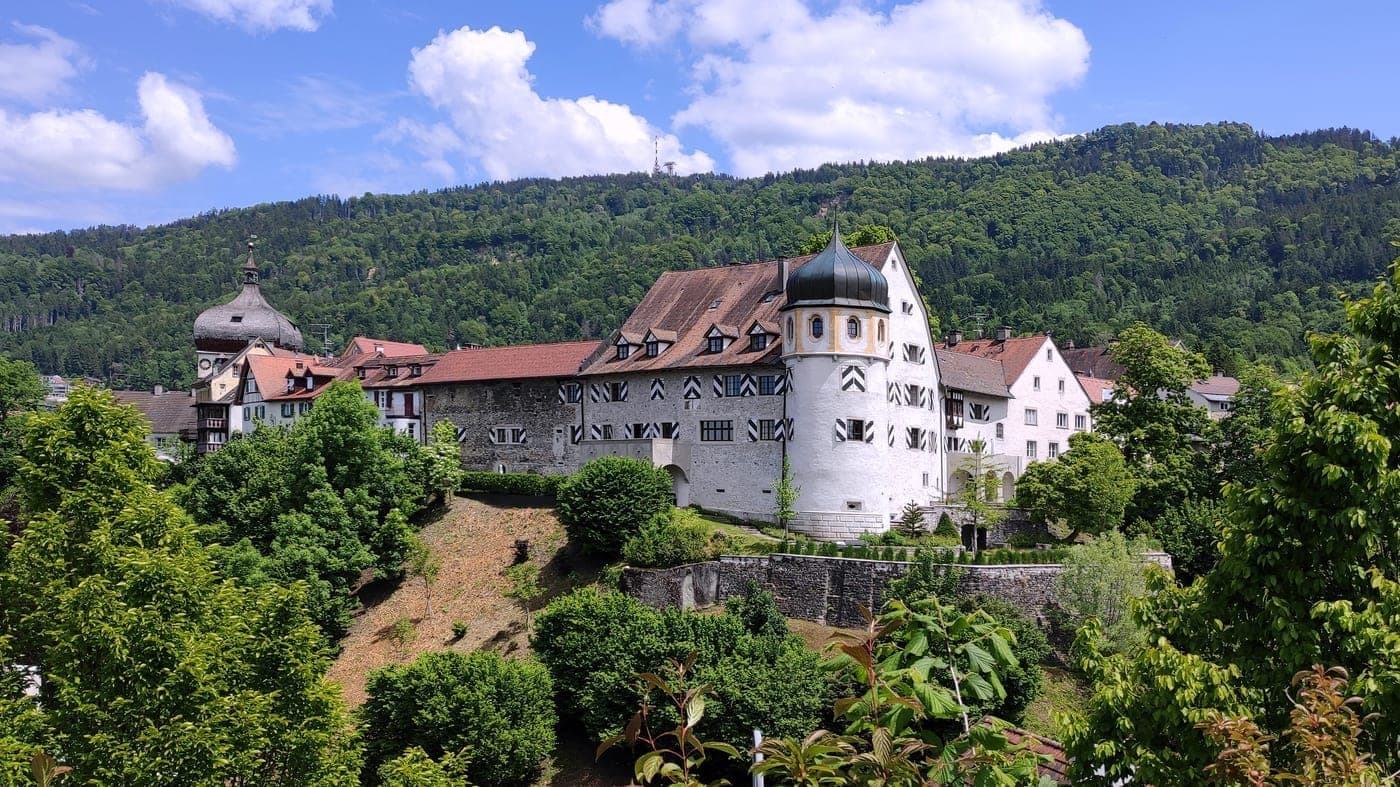
Bregenz
Wine Tasting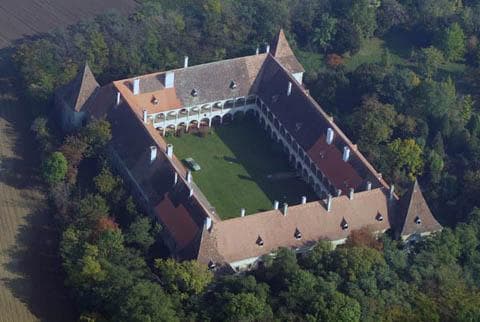
Deutschkreutz
Wine Tasting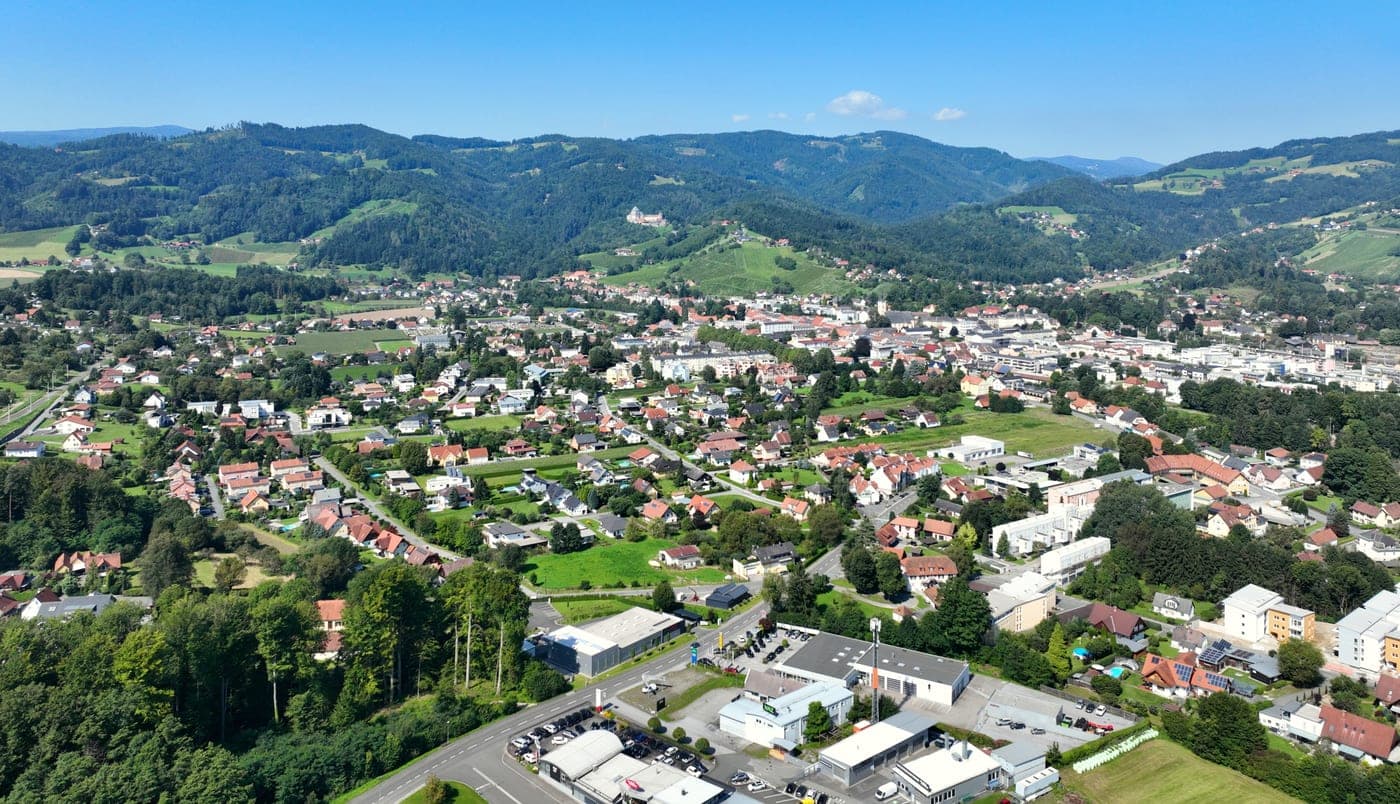
Deutschlandsberg
Wine Tasting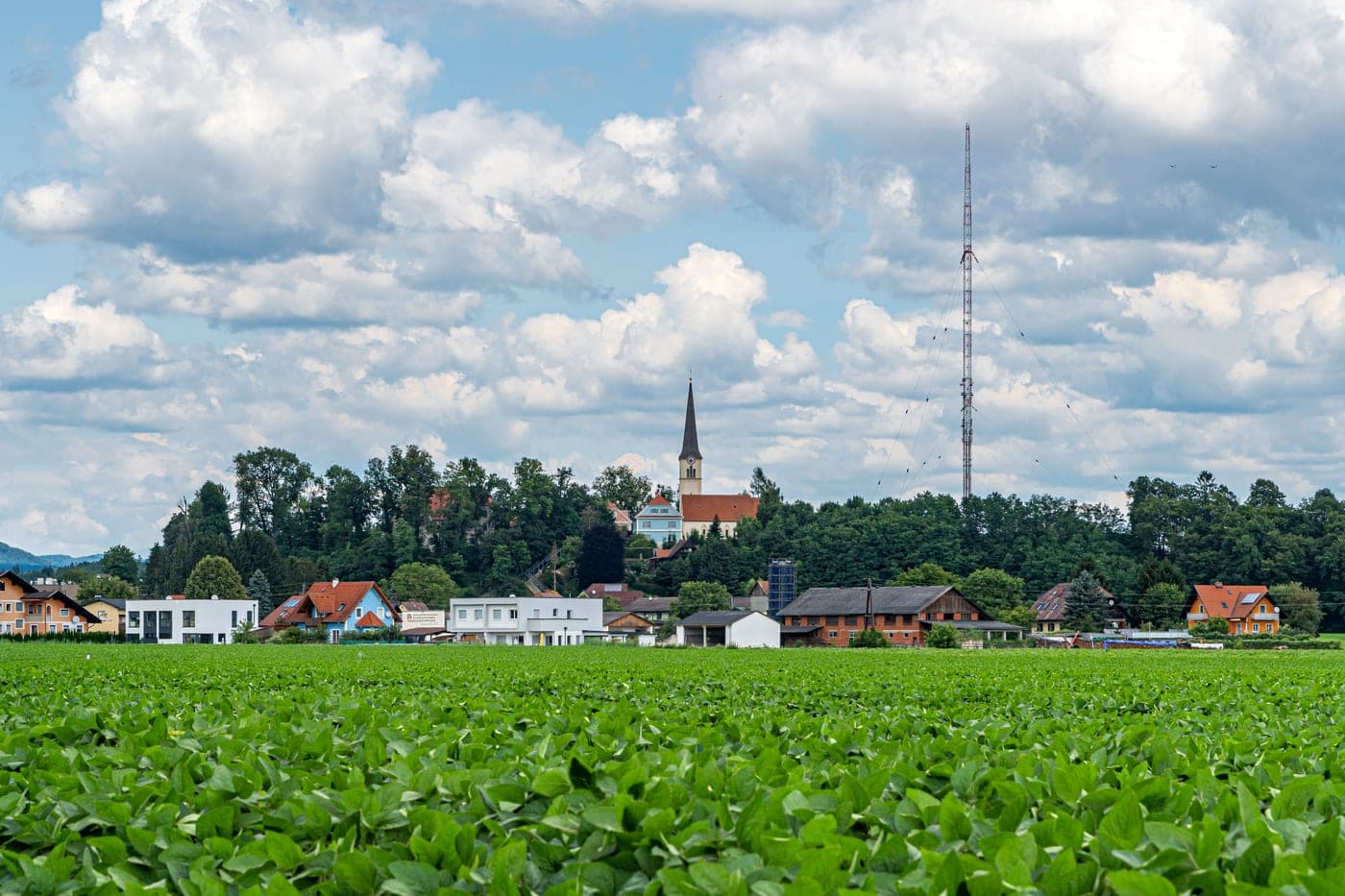
Dobl-Zwaring
Wine Tasting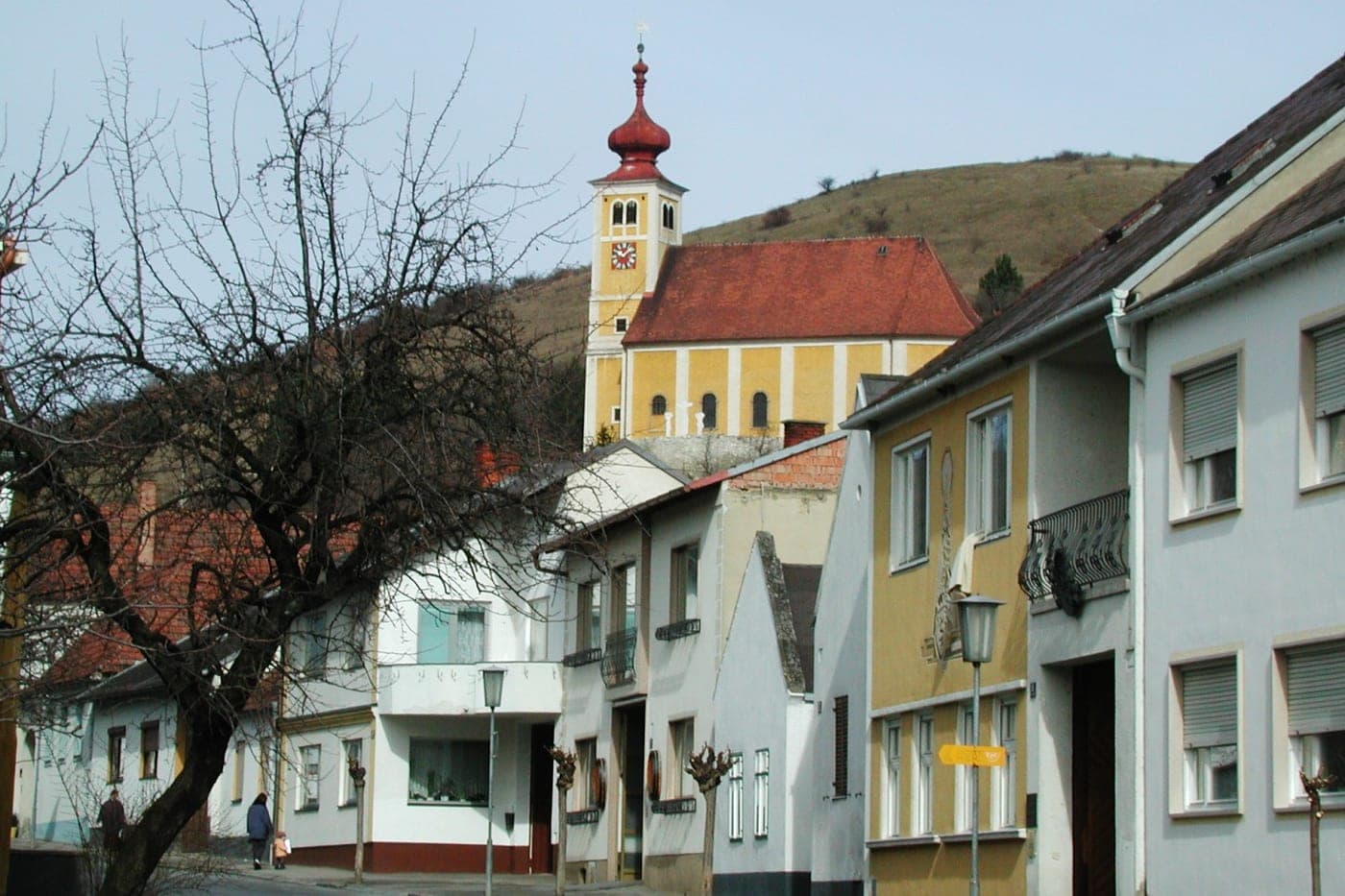
Donnerskirchen
Wine Tasting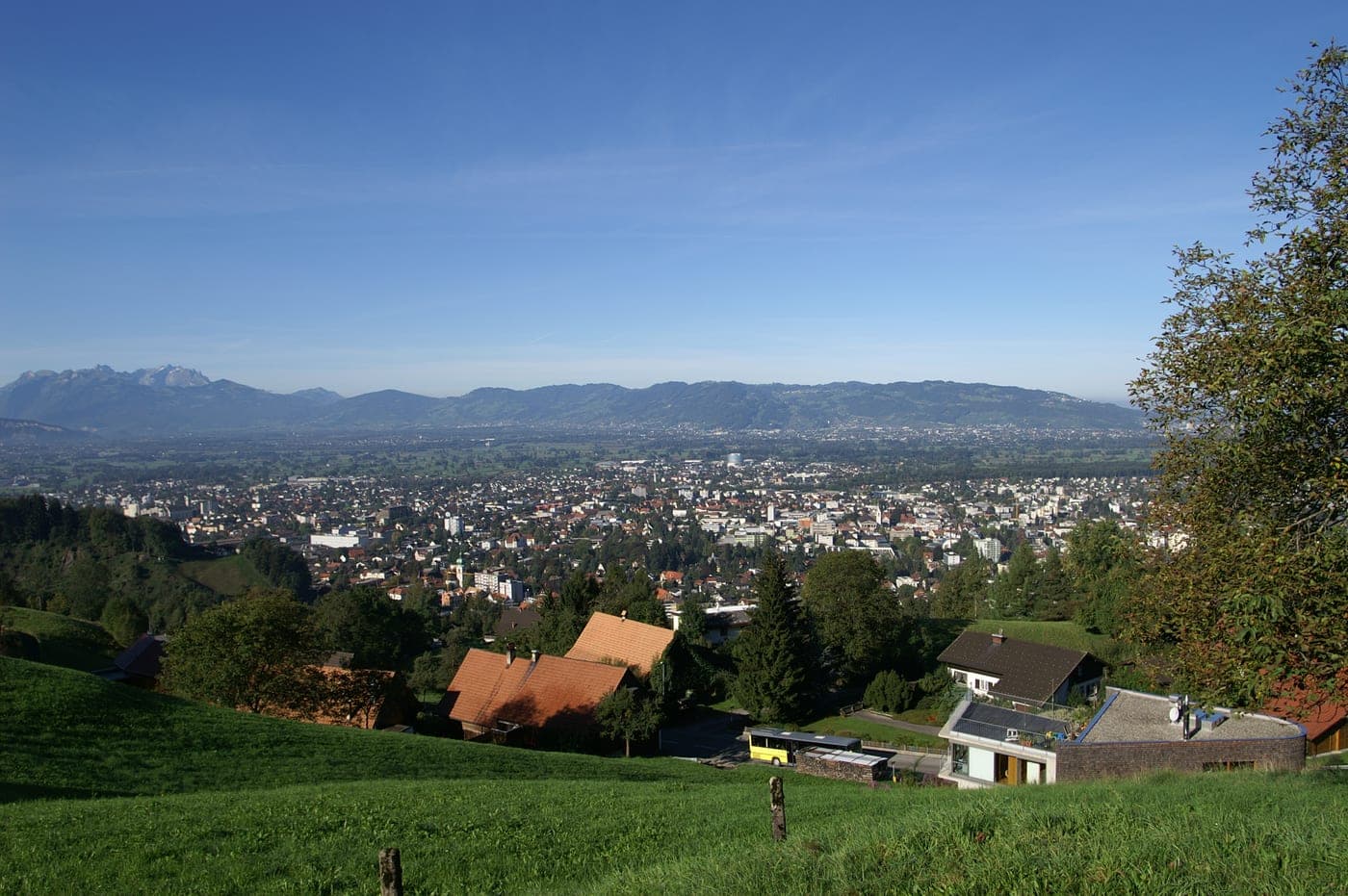
Dornbirn
Wine Tasting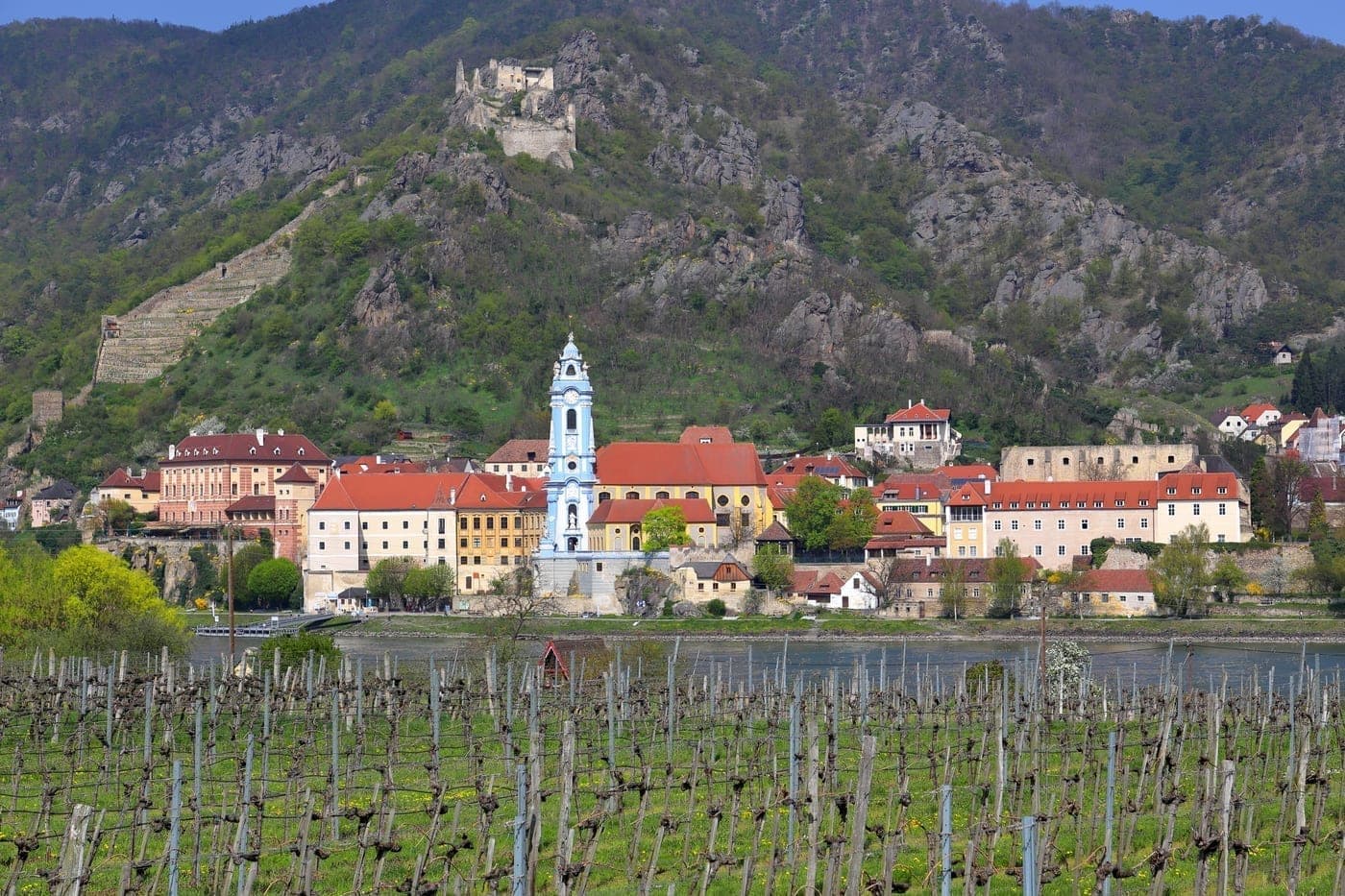
Dürnstein
Wine TastingEbenthal
Wine Tasting
Eberau
Wine Tasting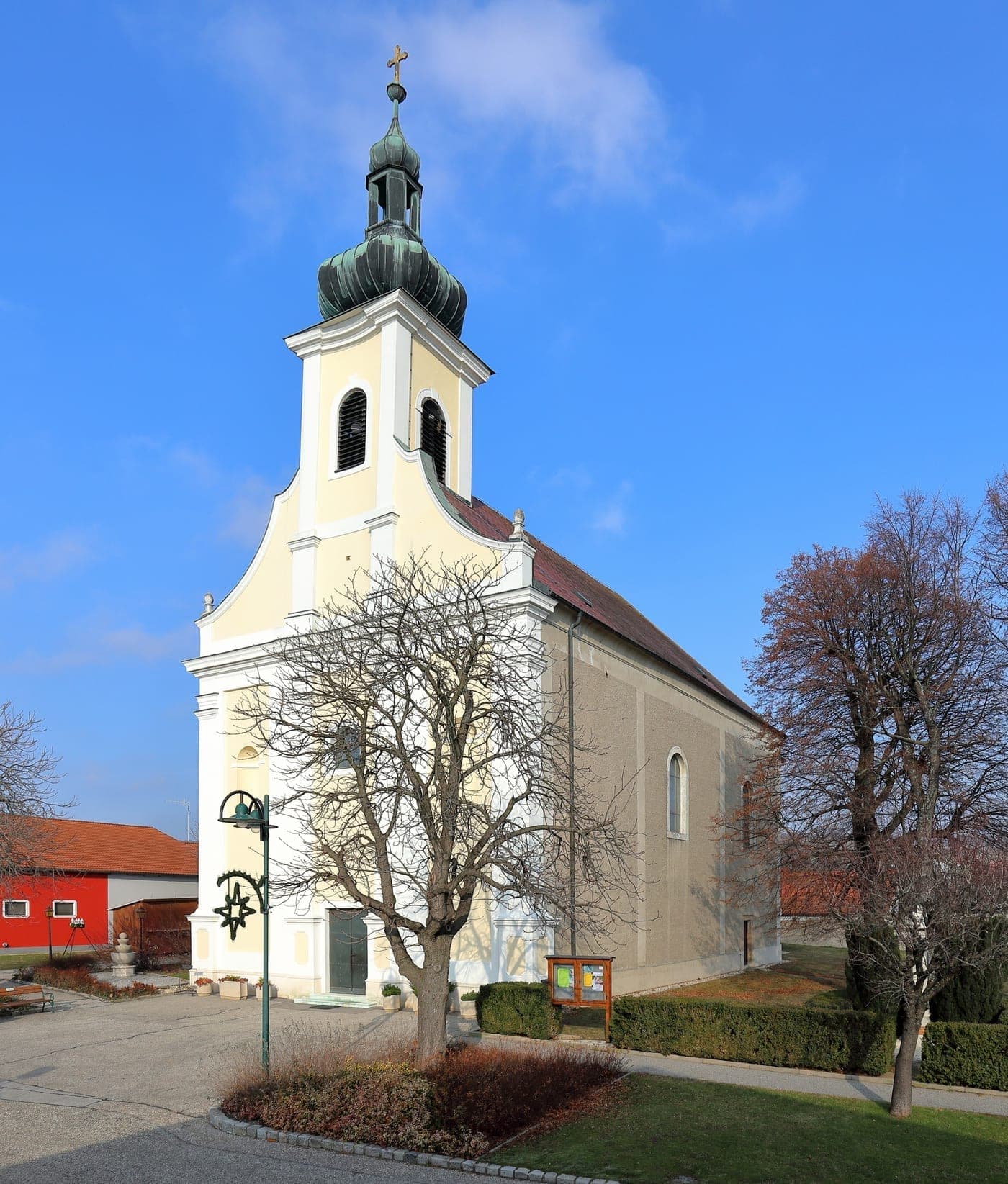
Edelstal
Wine Tasting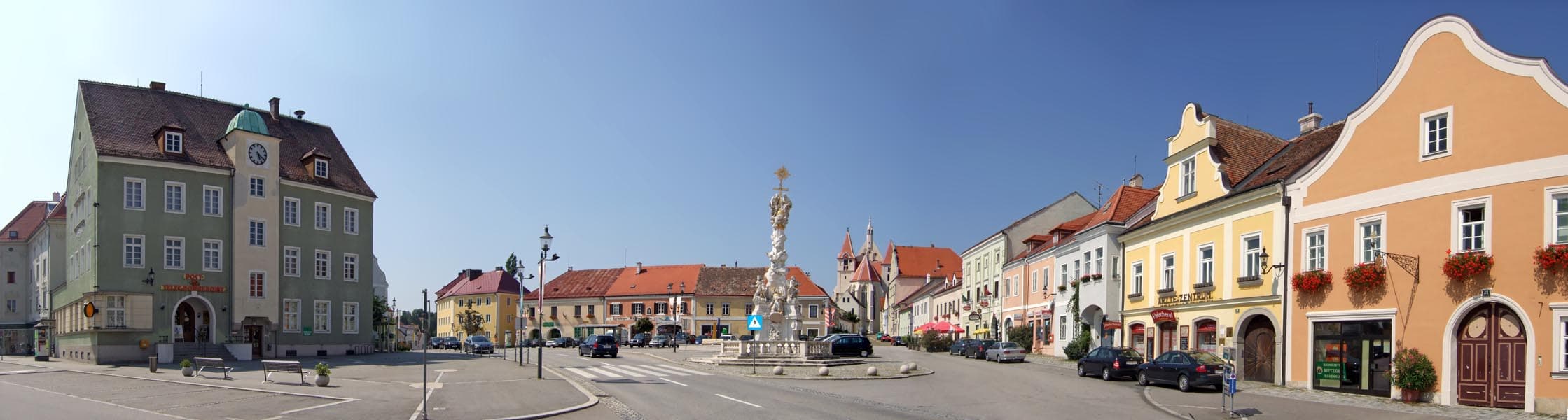
Eggenburg
Wine Tasting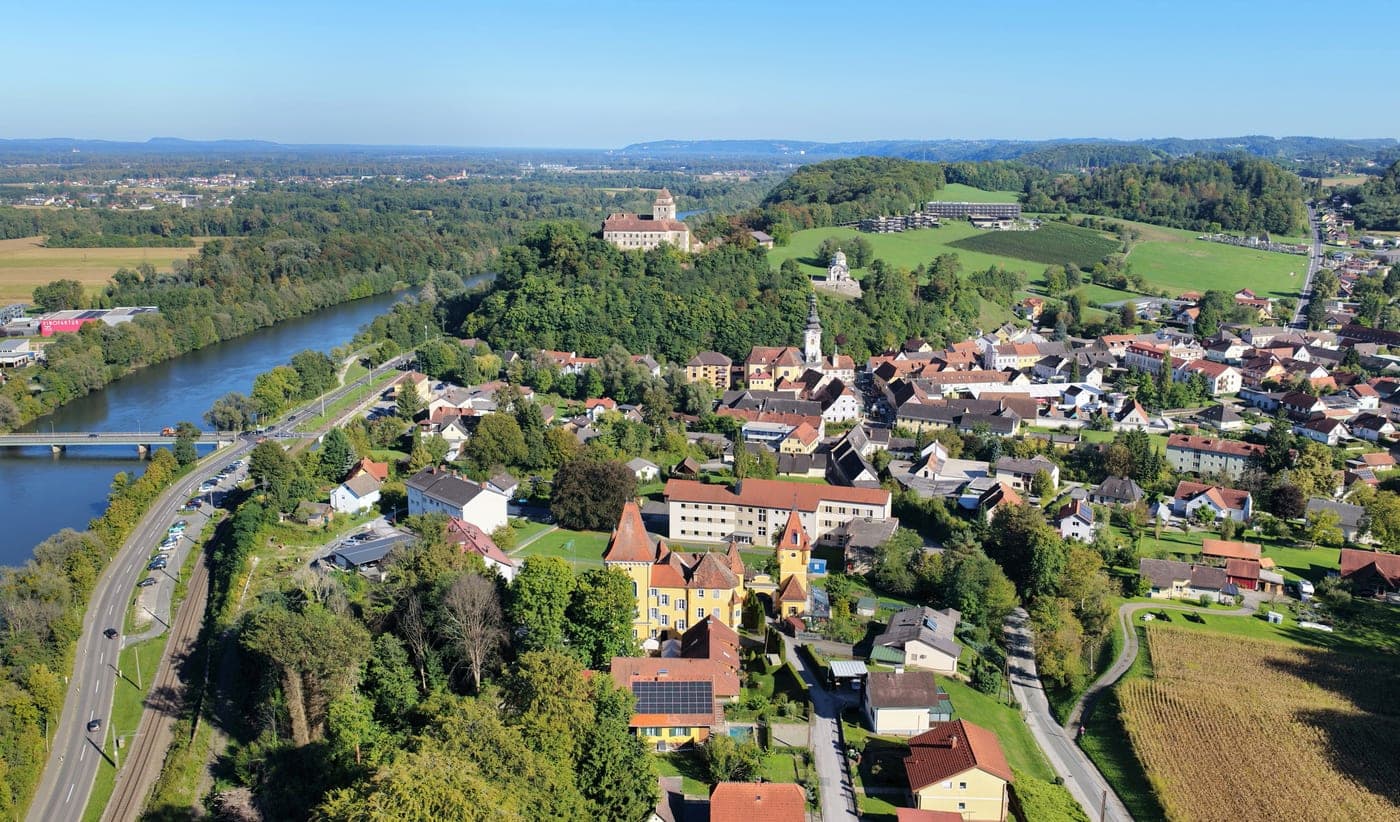
Ehrenhausen an der Weinstraße
Wine Tasting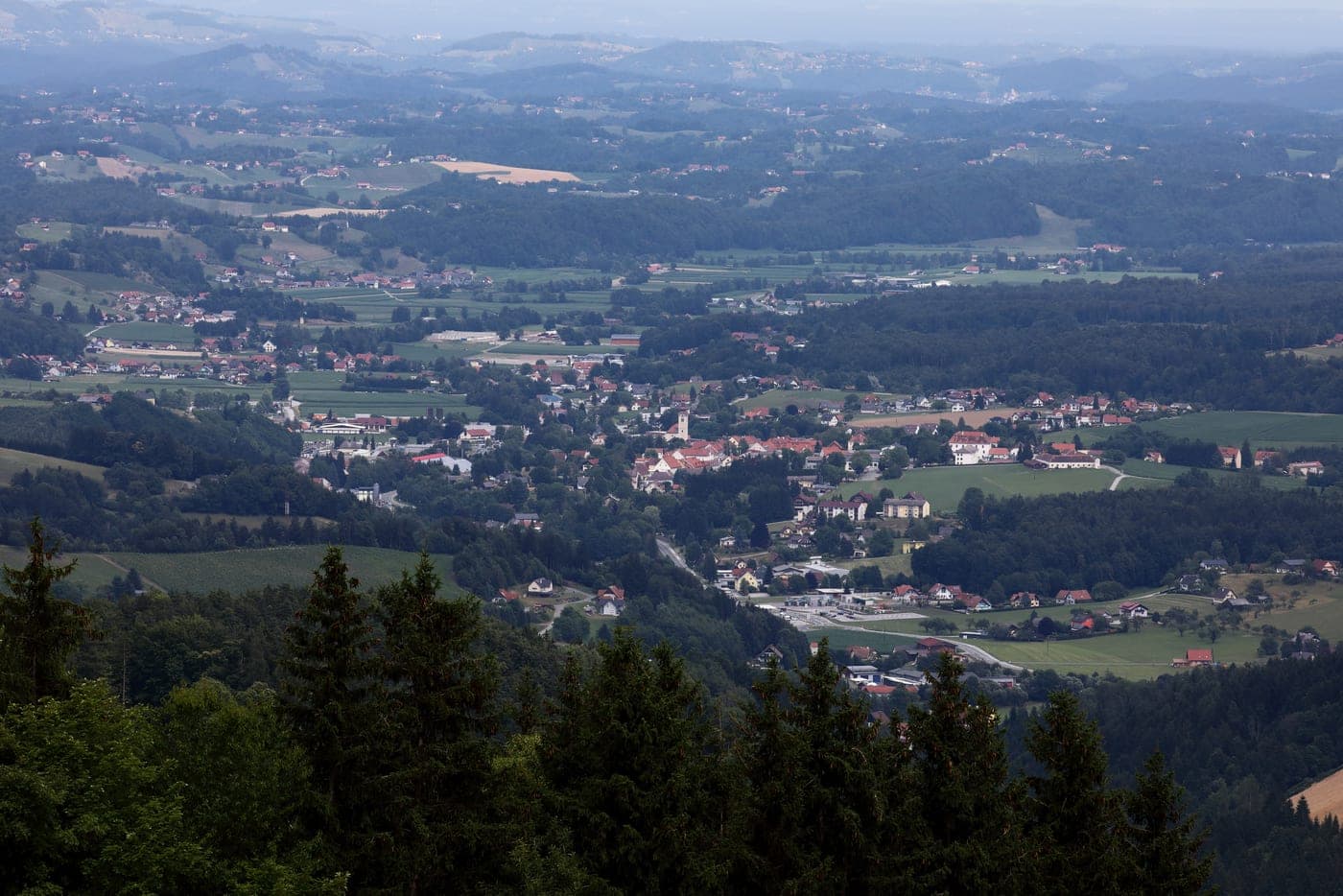
Eibiswald
Wine Tasting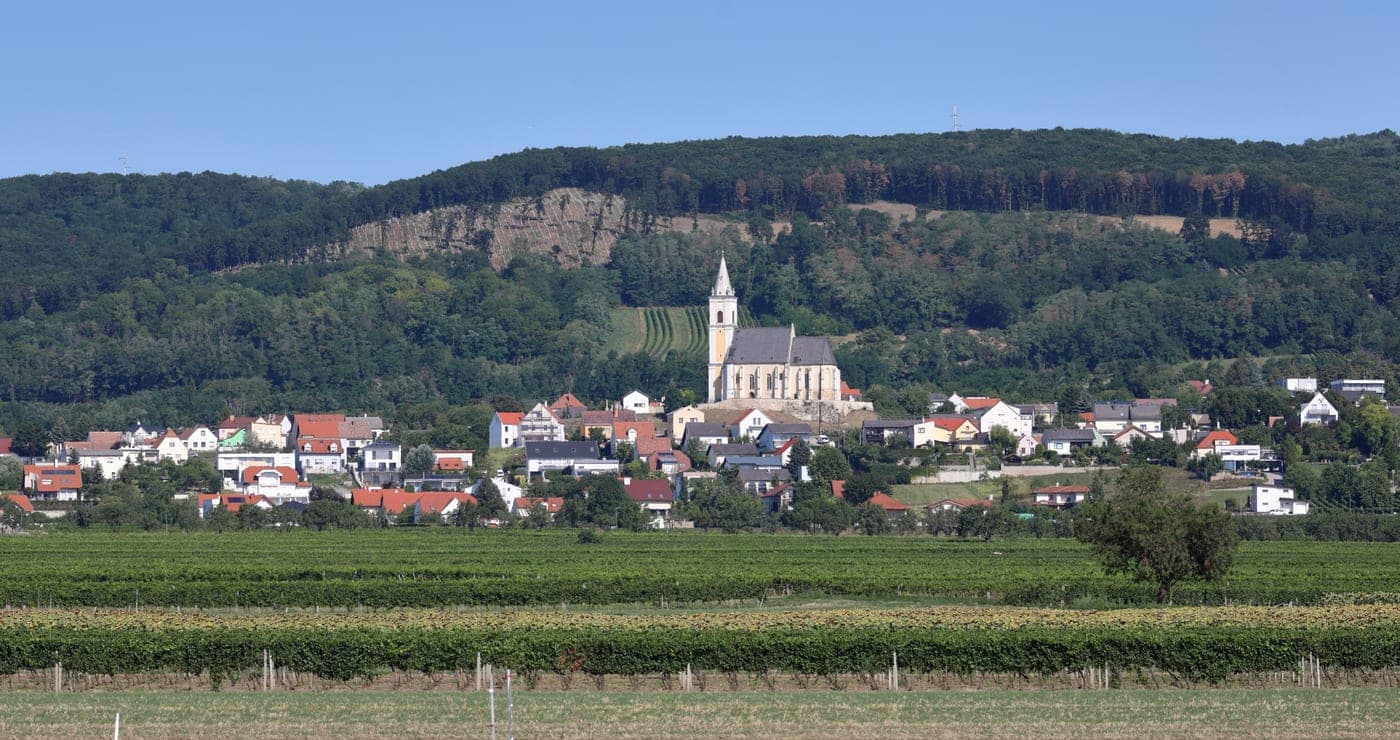
Eisenstadt
Wine Tasting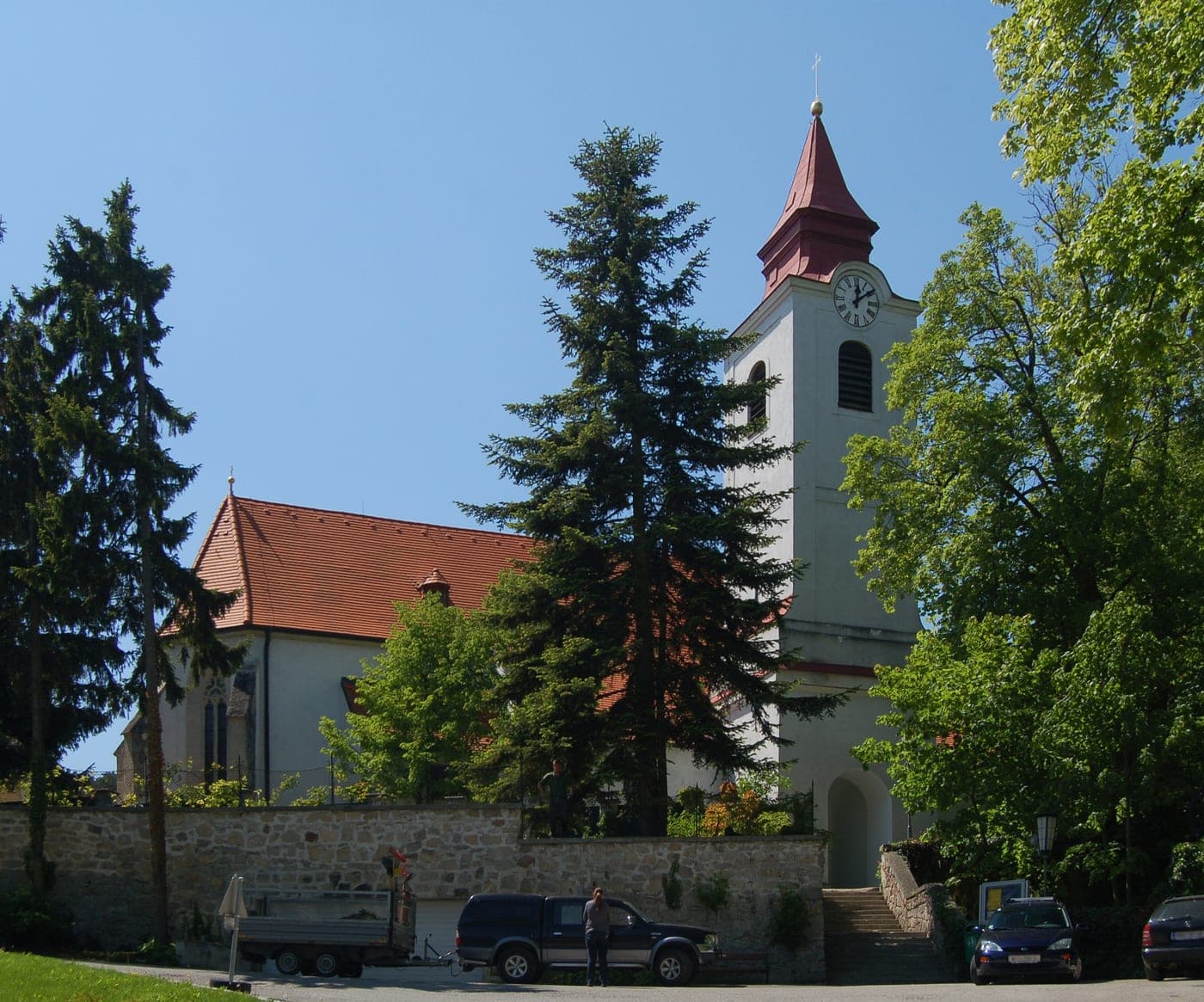
Enzesfeld-Lindabrunn
Wine Tasting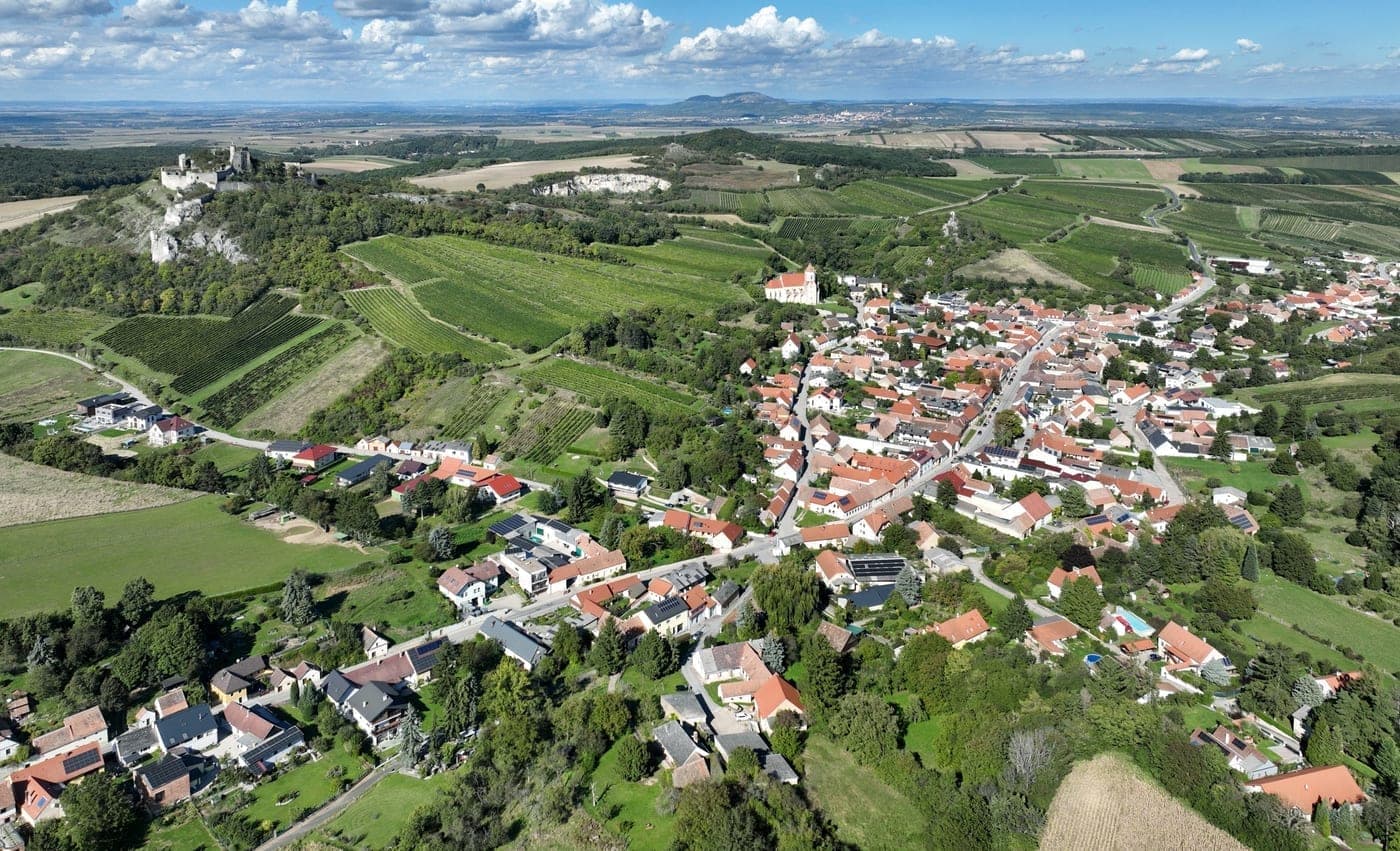
Falkenstein
Wine Tasting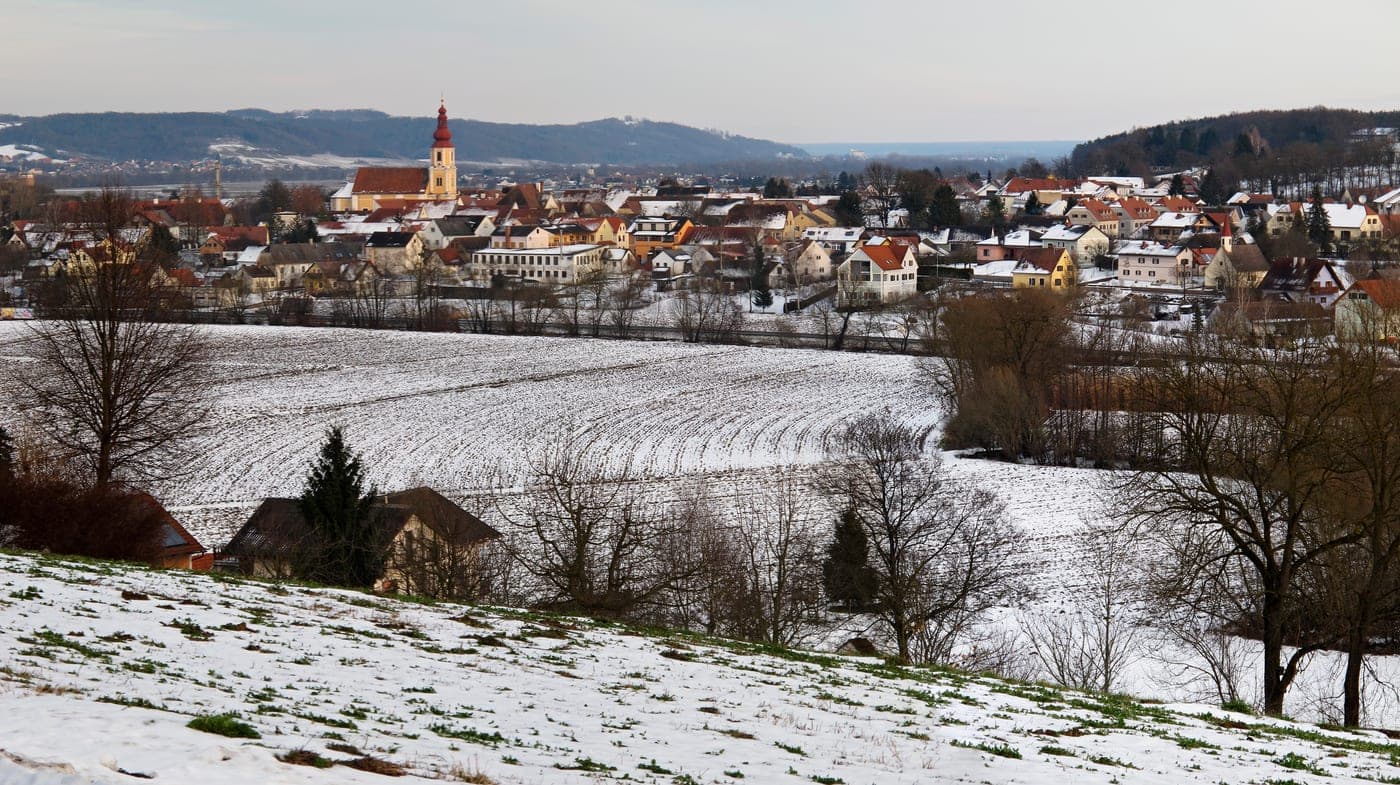
Fehring
Wine Tasting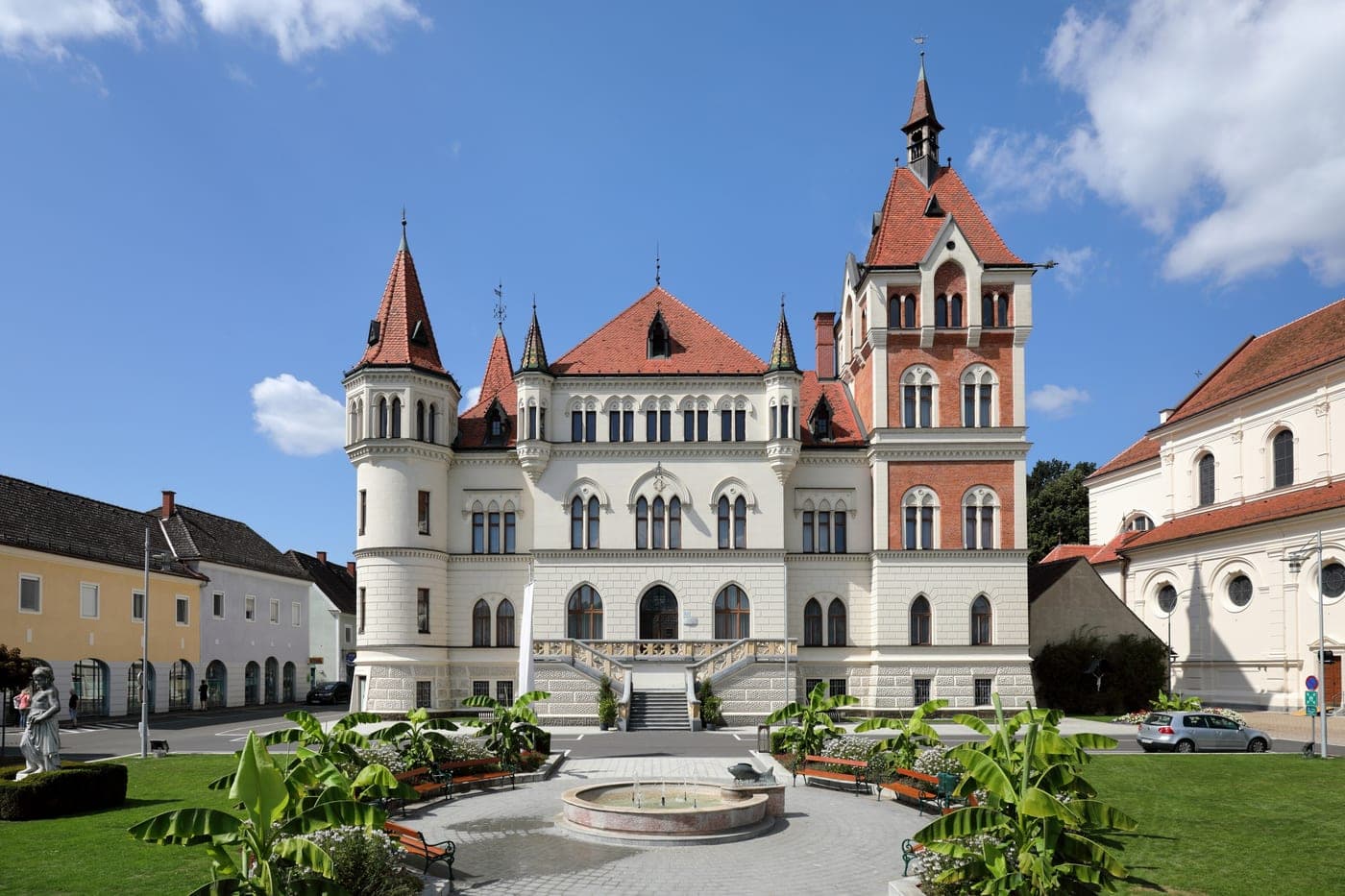
Feldbach
Wine Tasting
Feldkirchen in Kärnten
Wine Tasting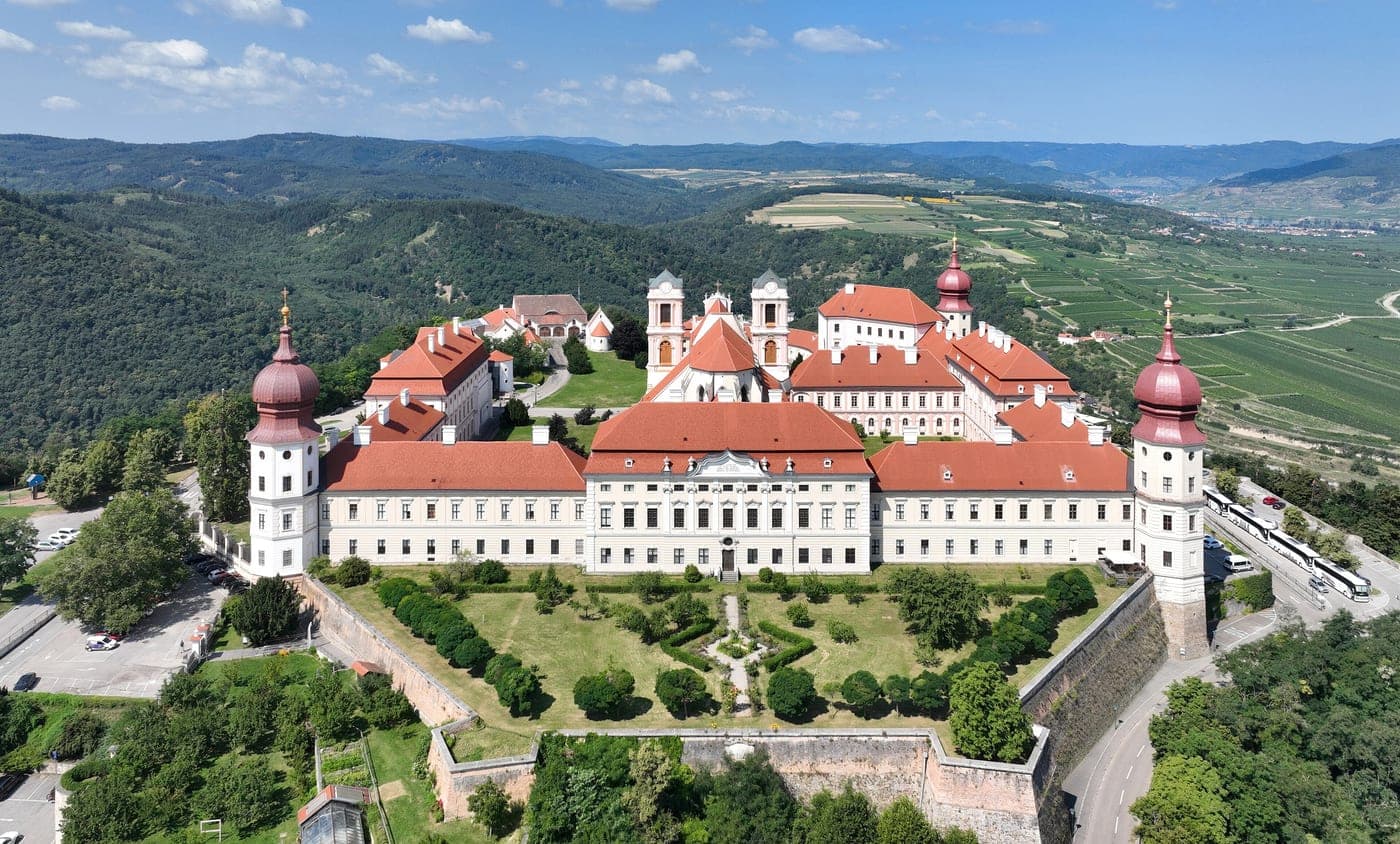
Furth bei Göttweig
Wine TastingGamlitz
Wine Tasting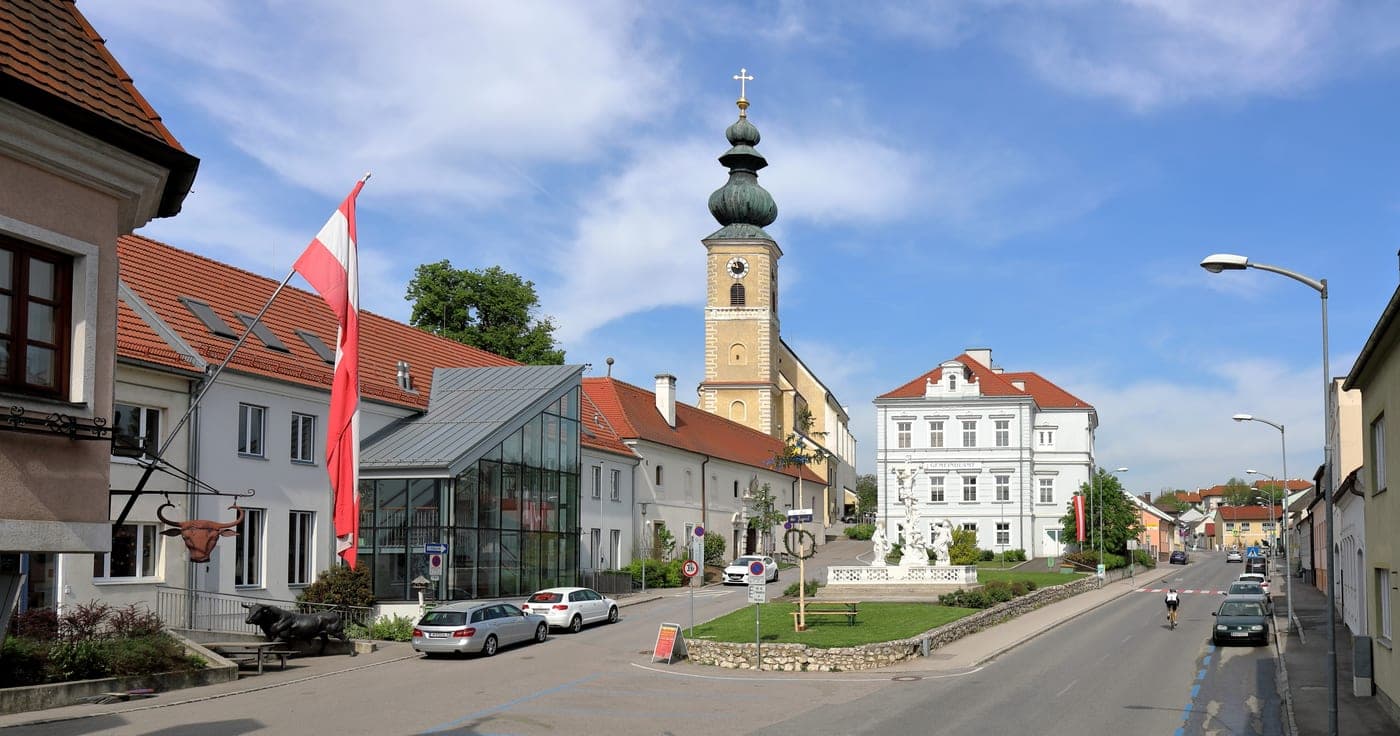
Gaweinstal
Wine Tasting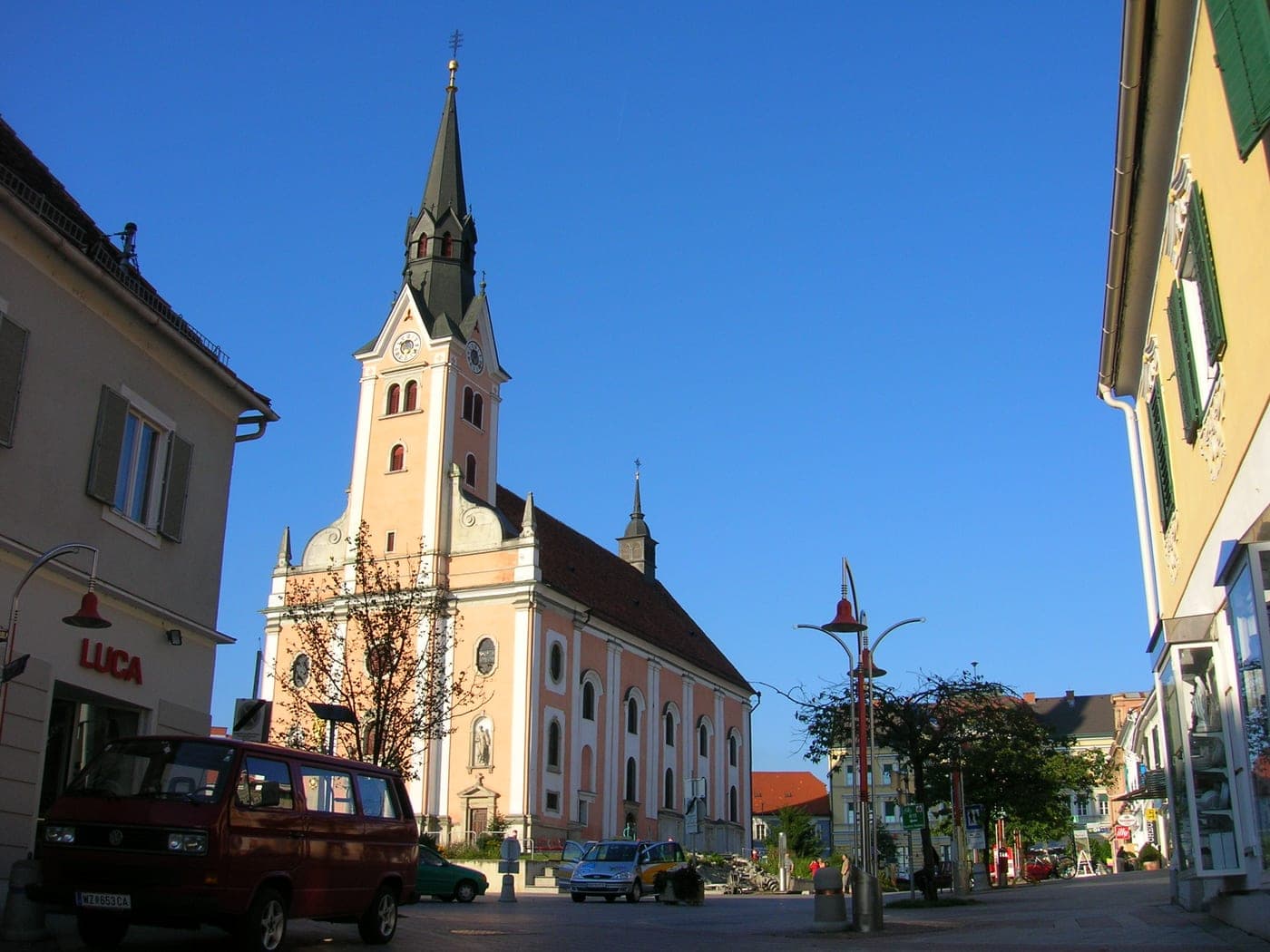
Gleisdorf
Wine Tasting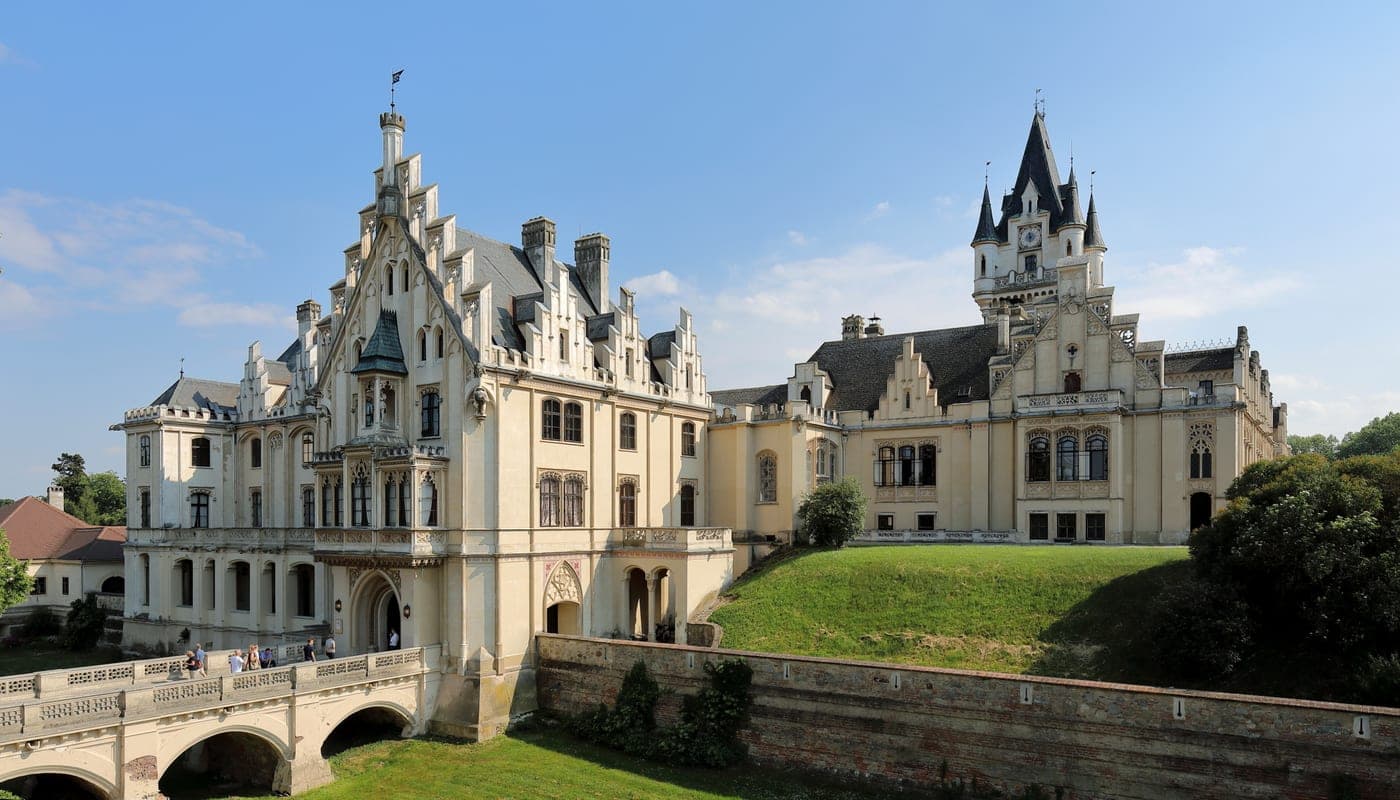
Grafenegg
Wine Tasting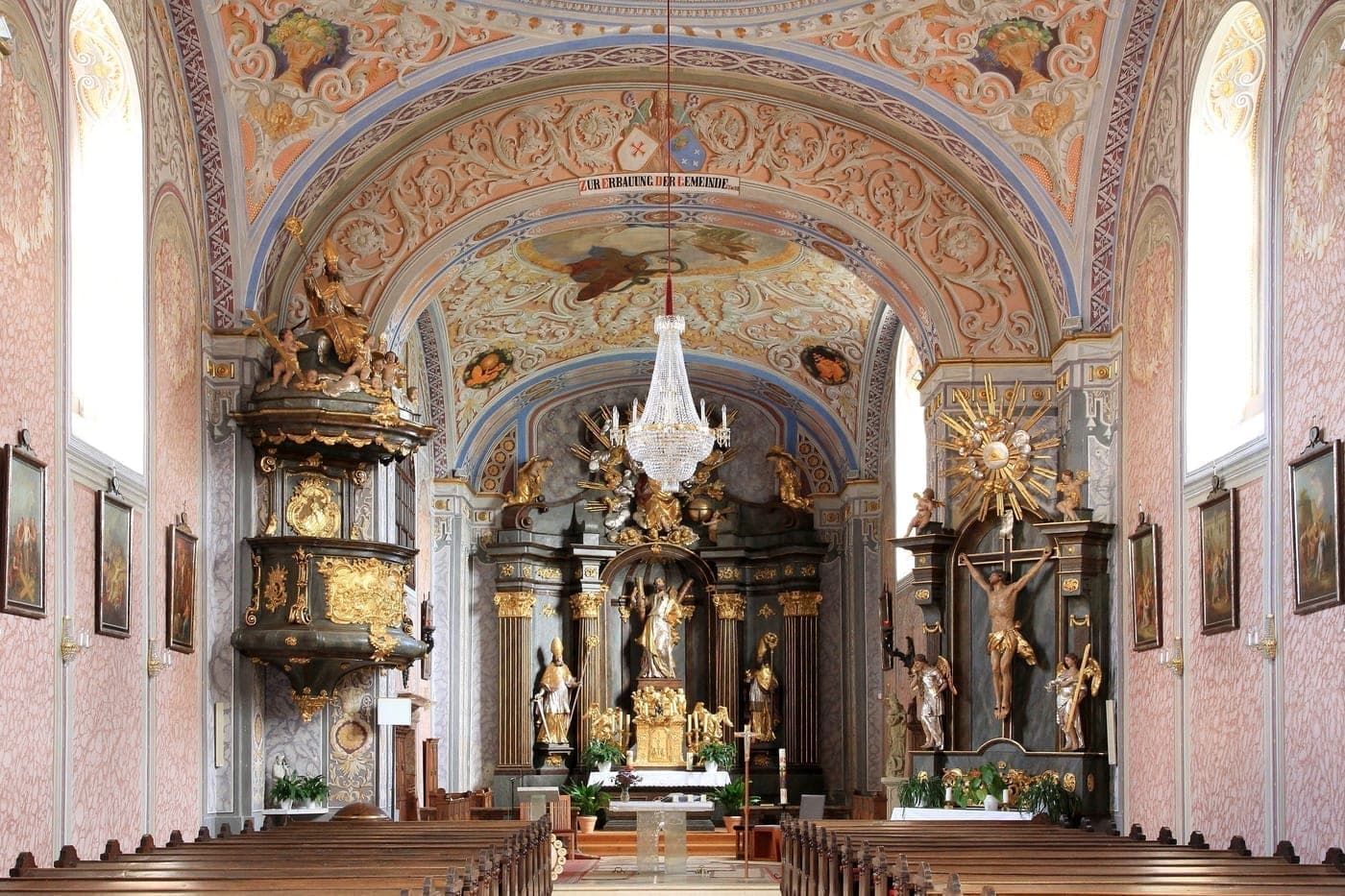
Grafenwörth
Wine Tasting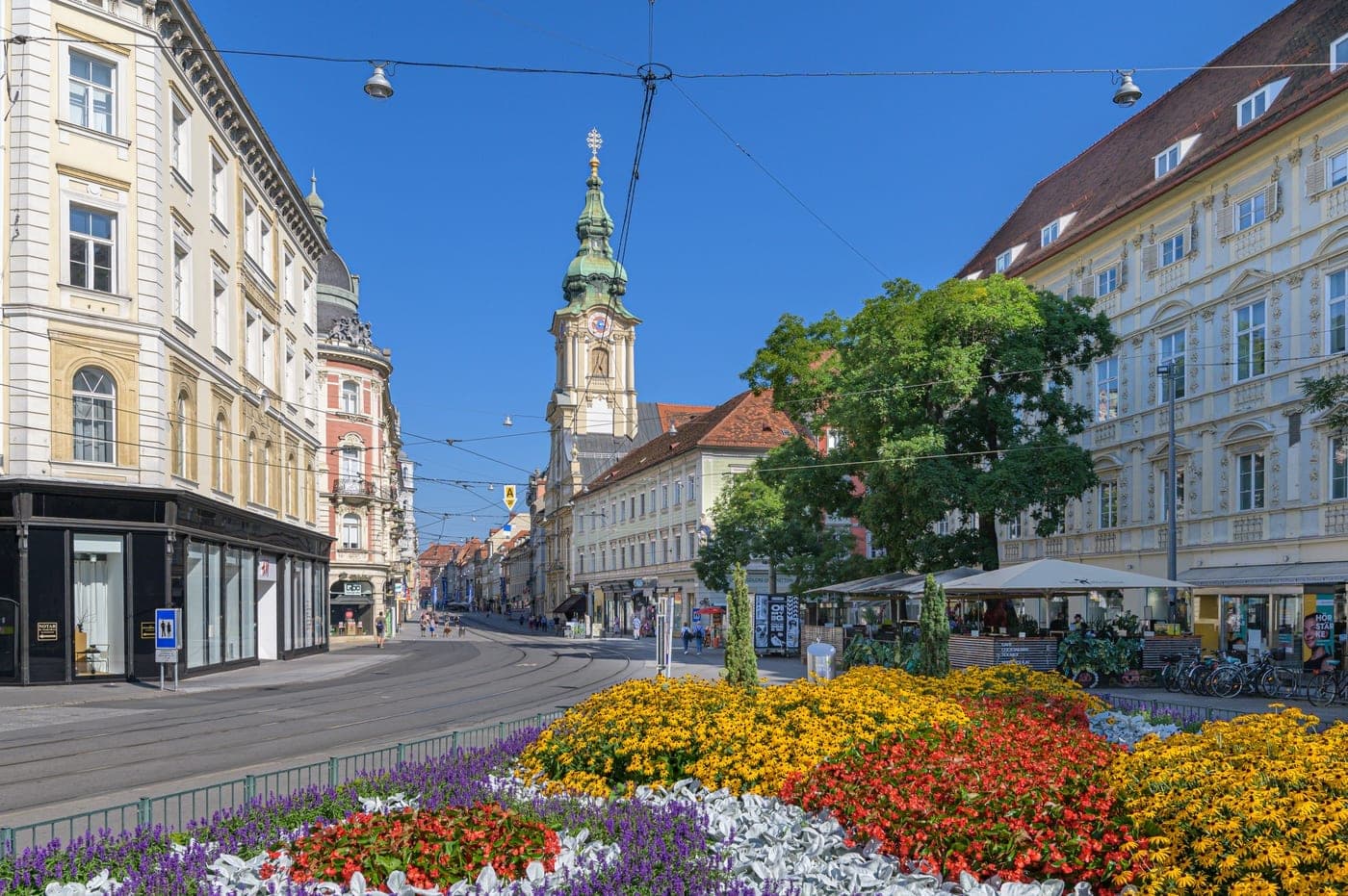
Graz
Camper Van Rentals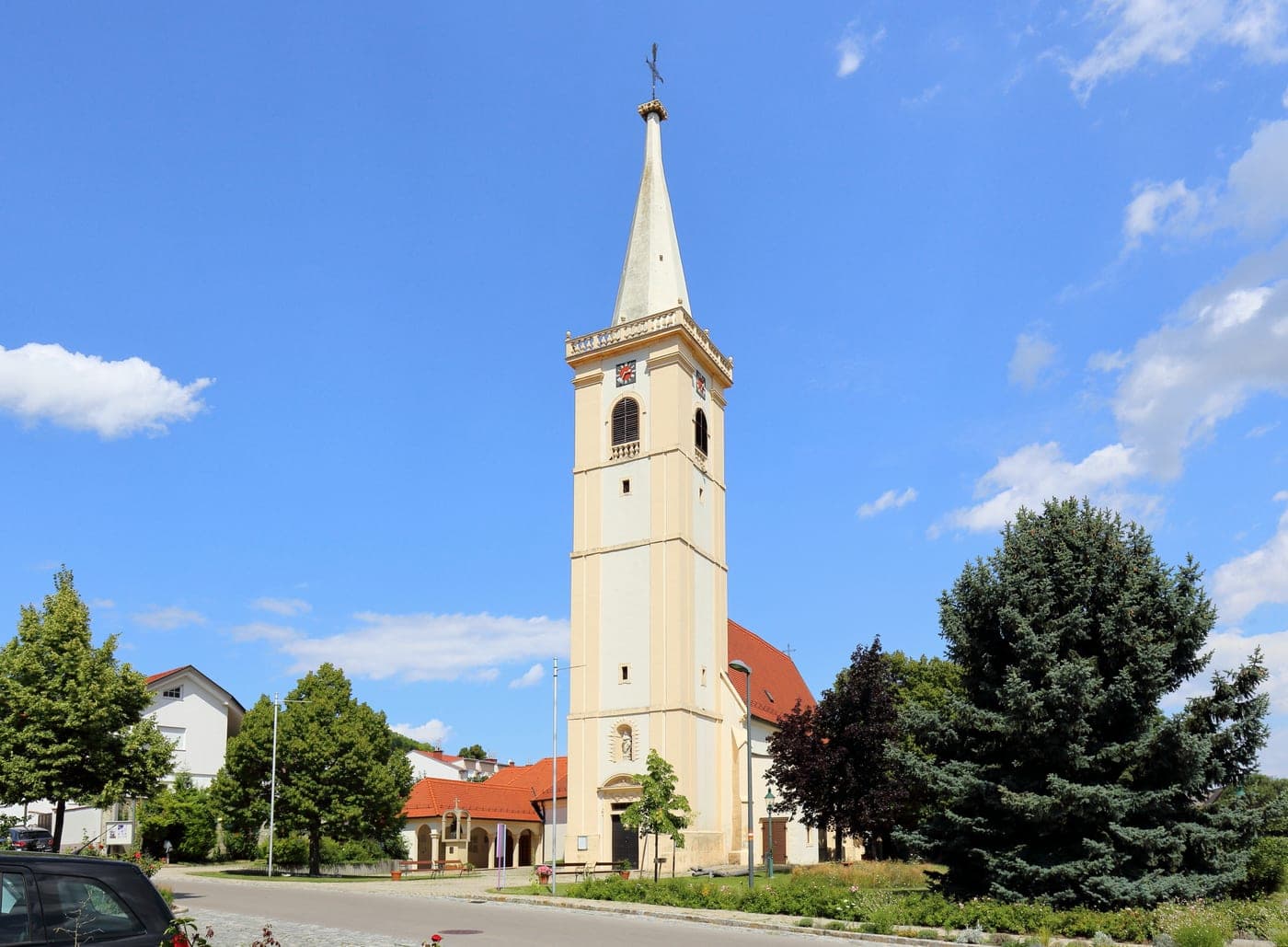
Großhöflein
Wine Tasting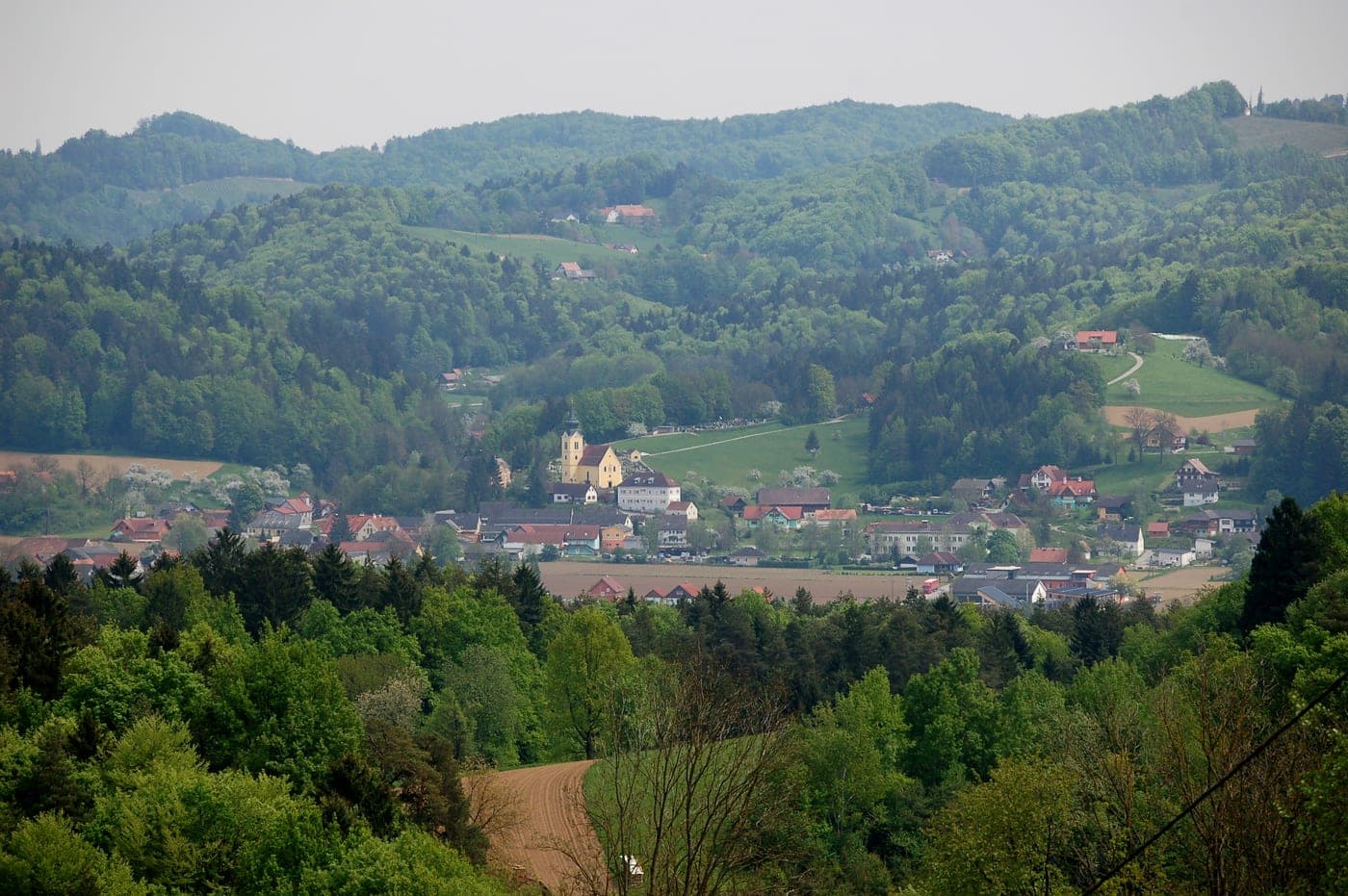
Großklein
Wine Tasting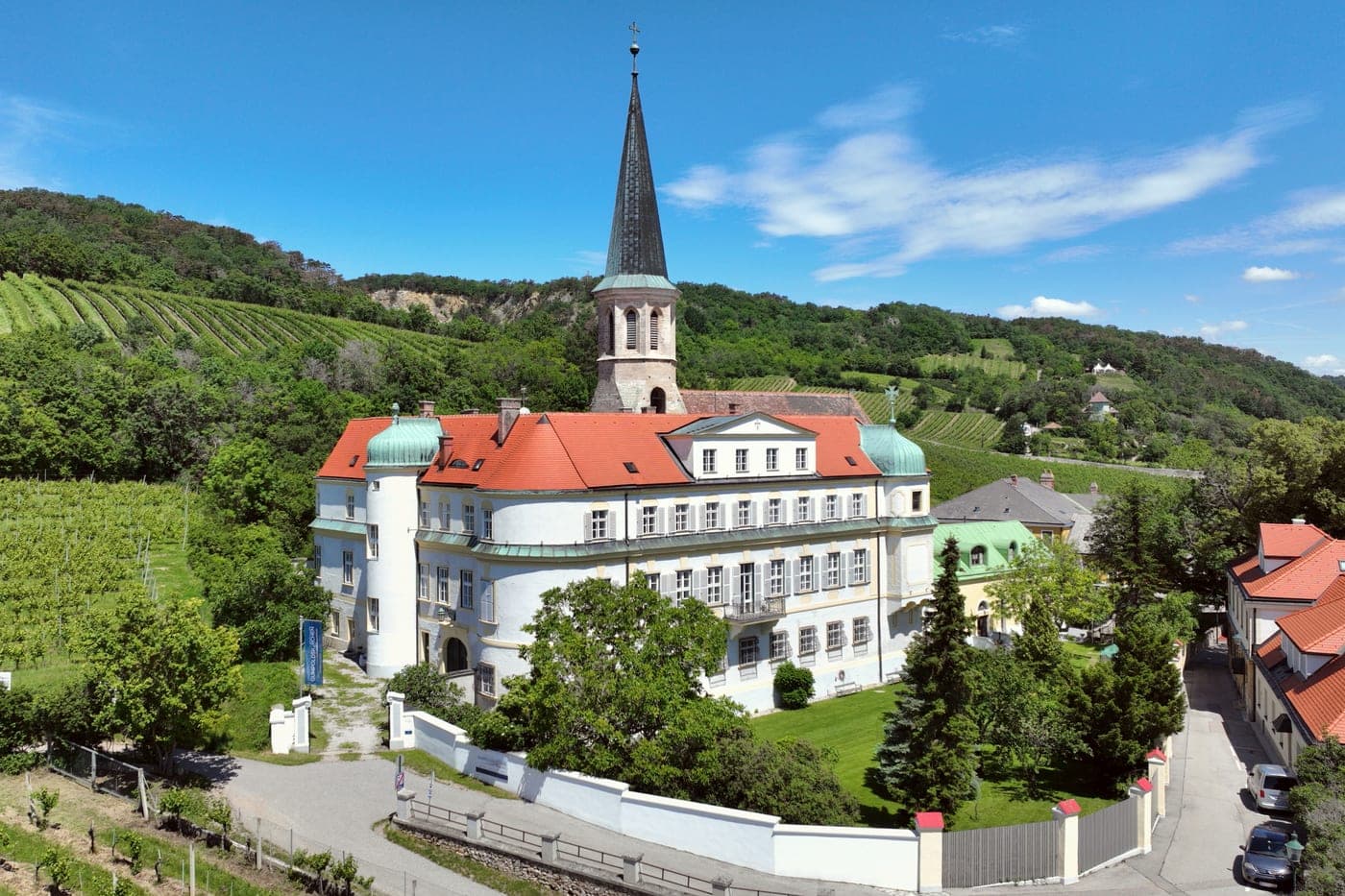
Gumpoldskirchen
Wine Tasting
Guntramsdorf
Wine Tasting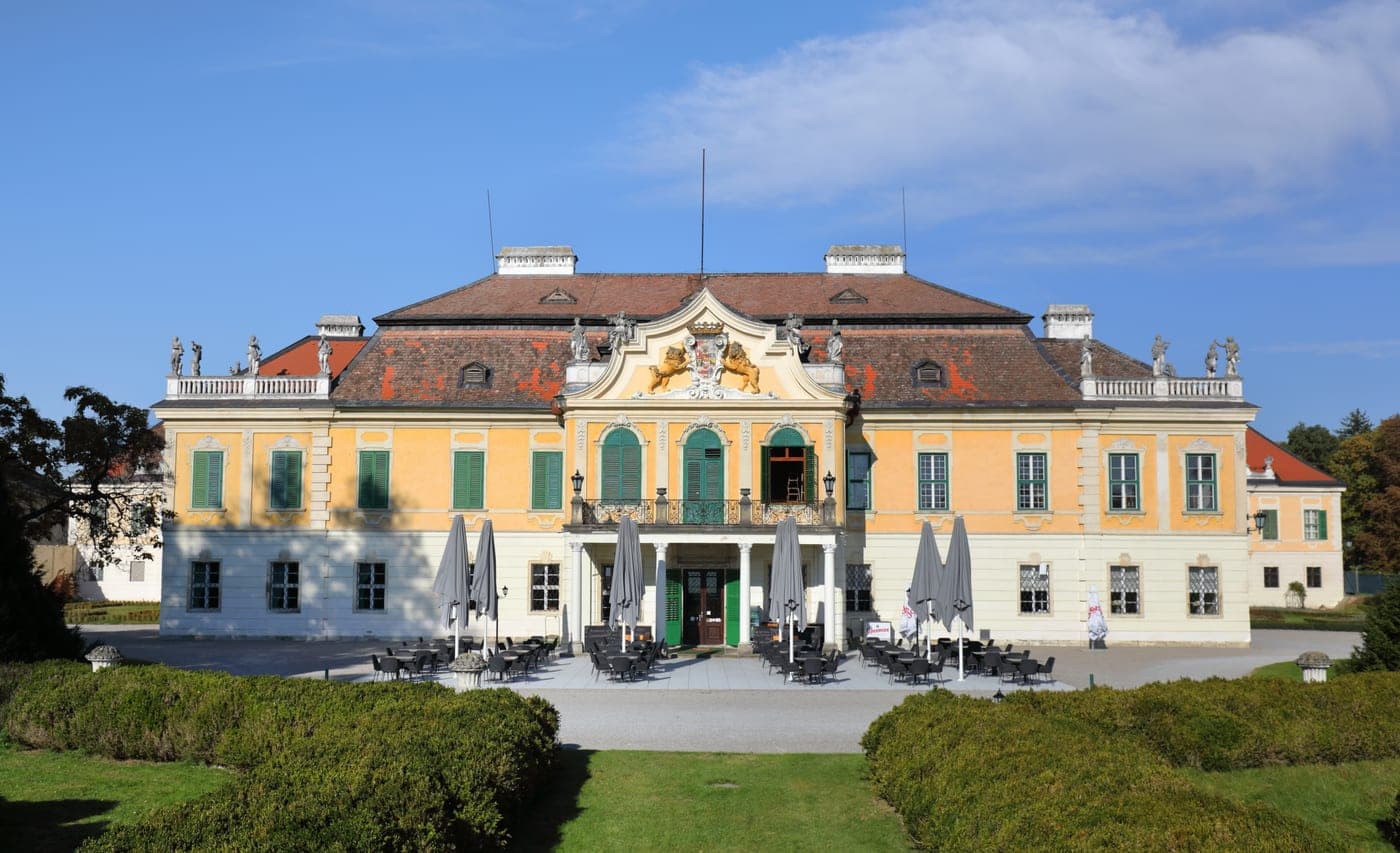
Göllersdorf
Wine Tasting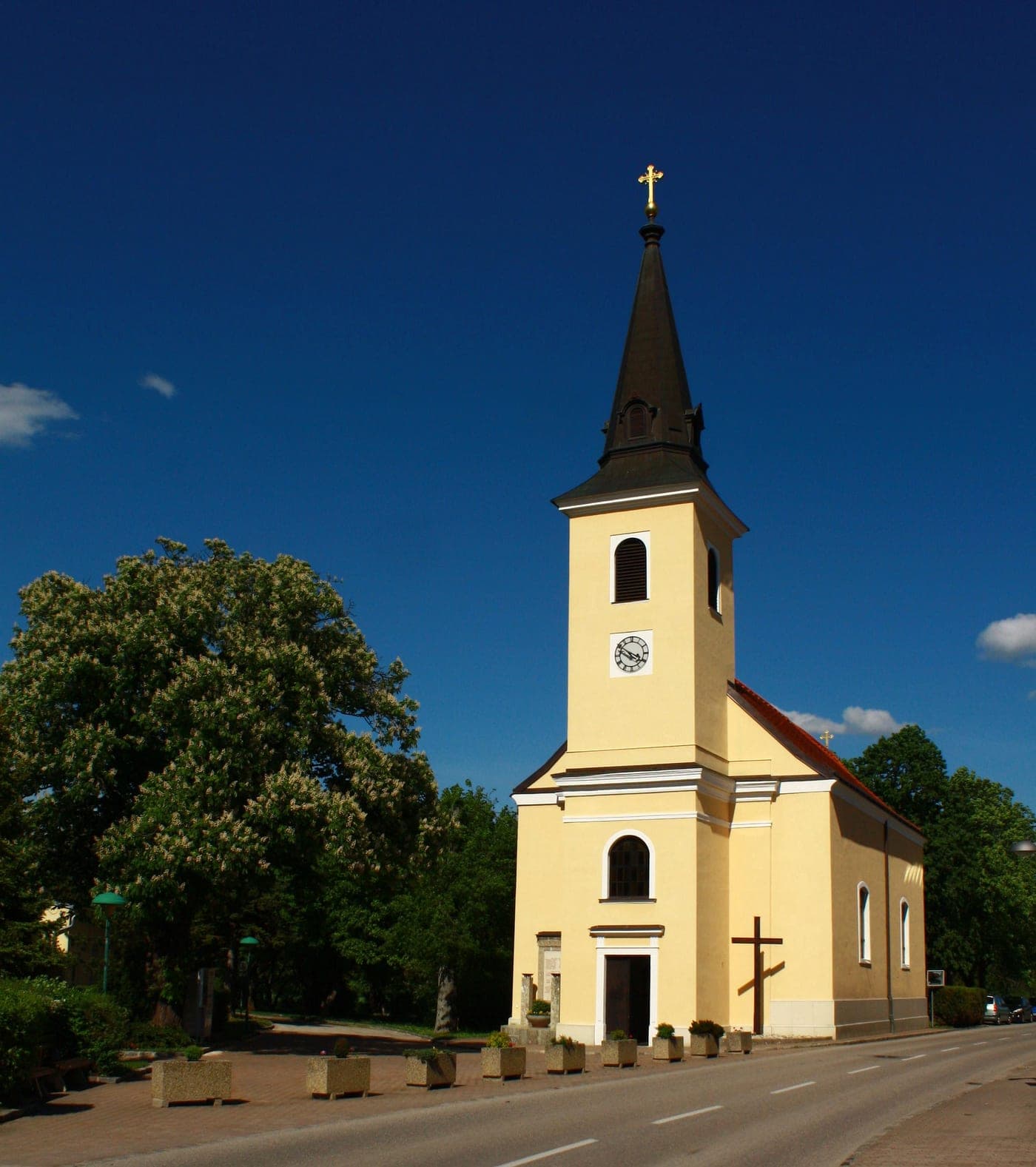
Günselsdorf
Wine Tasting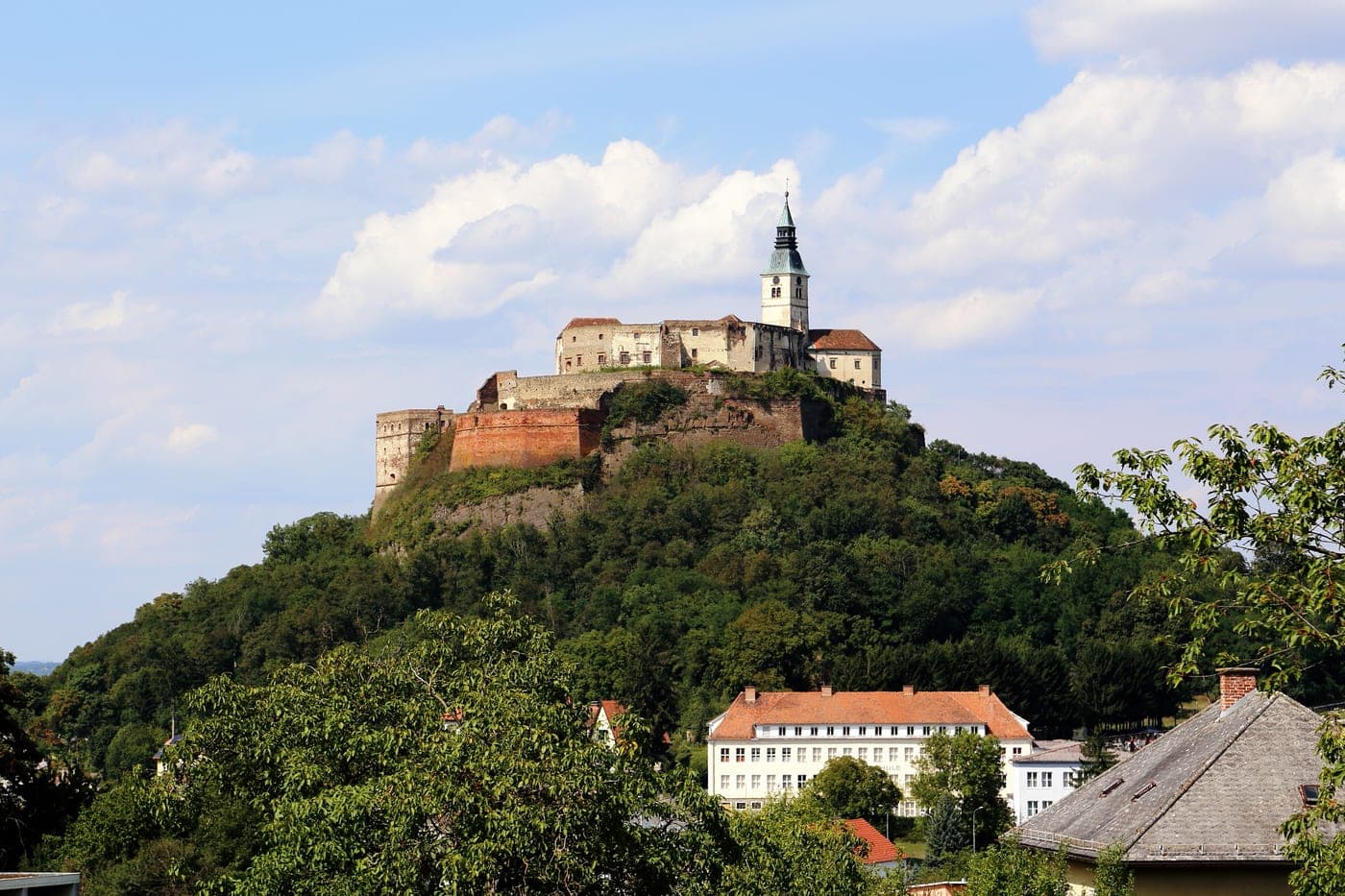
Güssing
Wine Tasting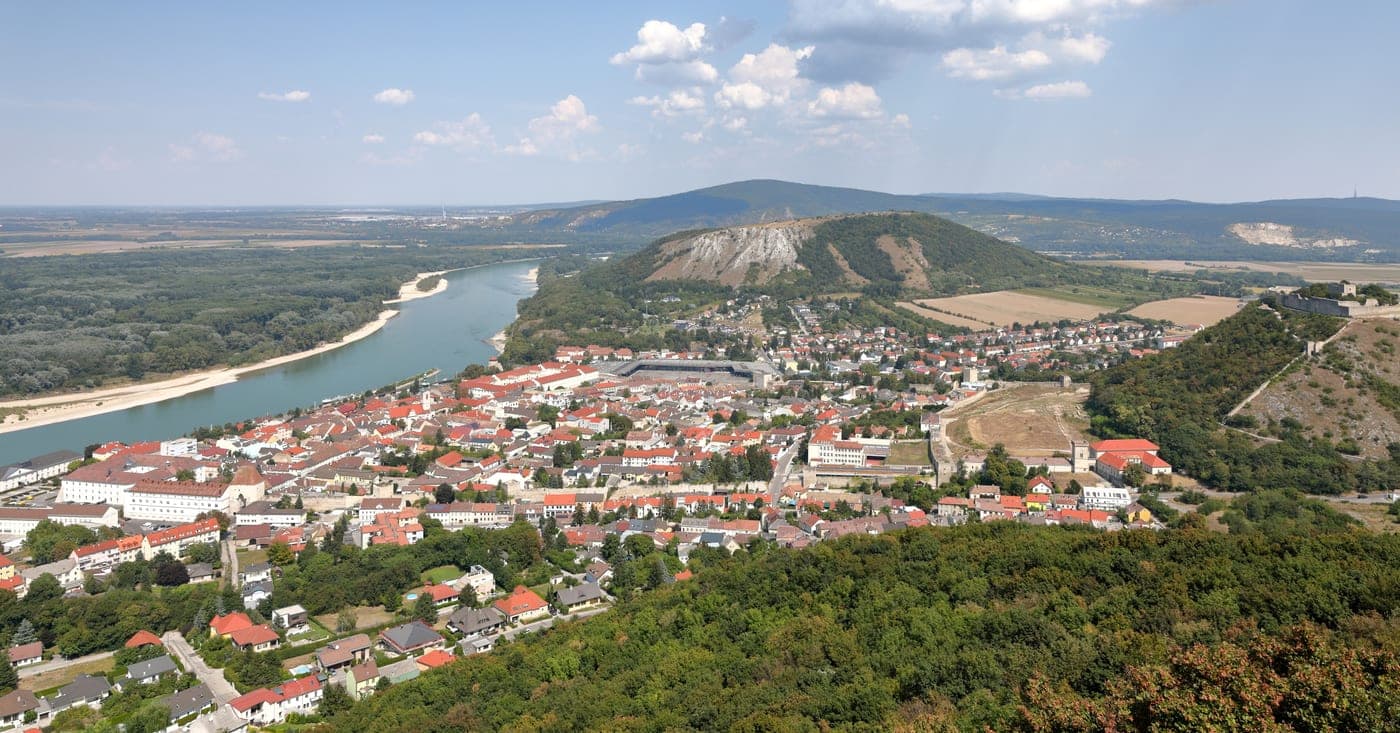
Hainburg an der Donau
Wine Tasting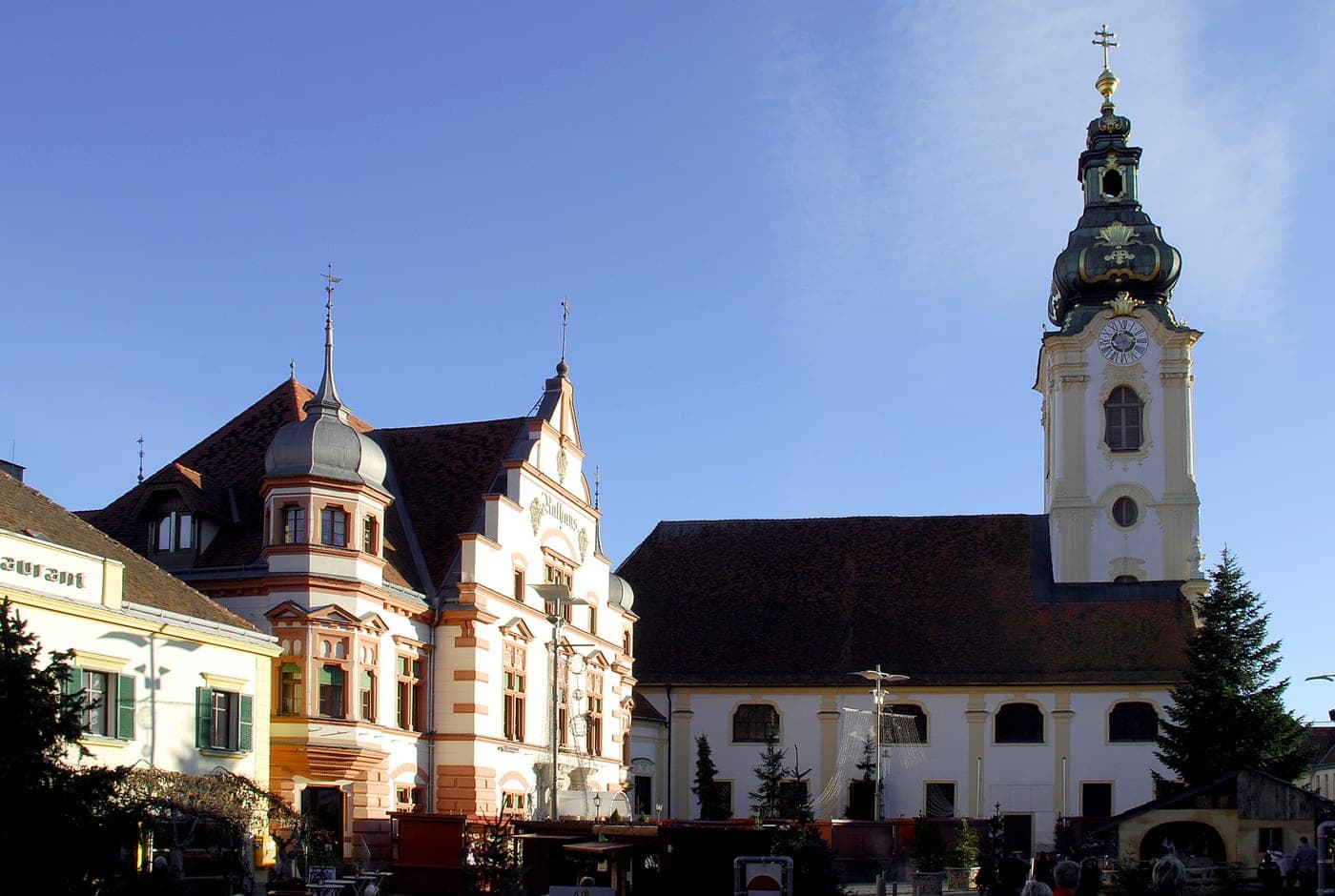
Hartberg
Wine Tasting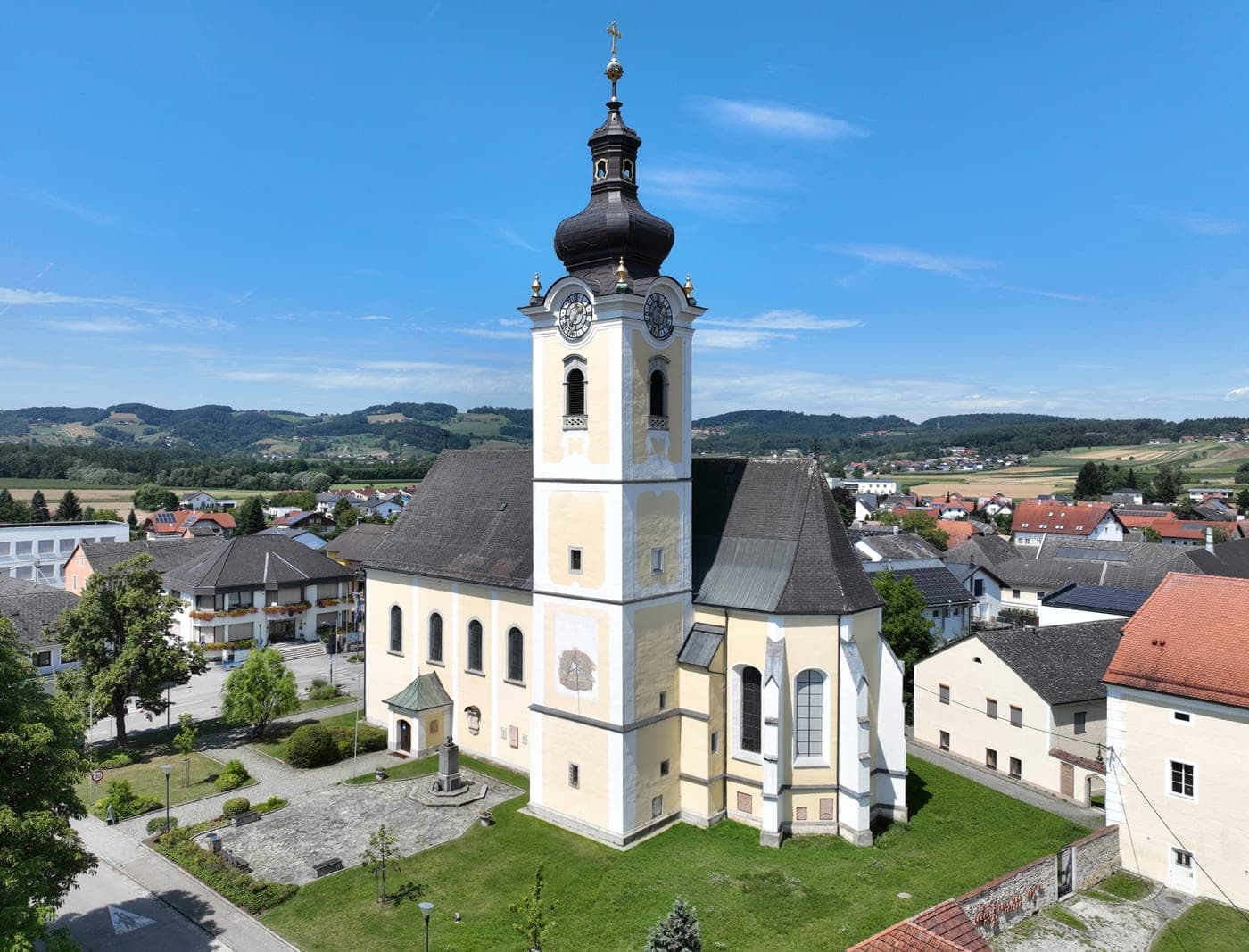
Hartkirchen
Wine Tasting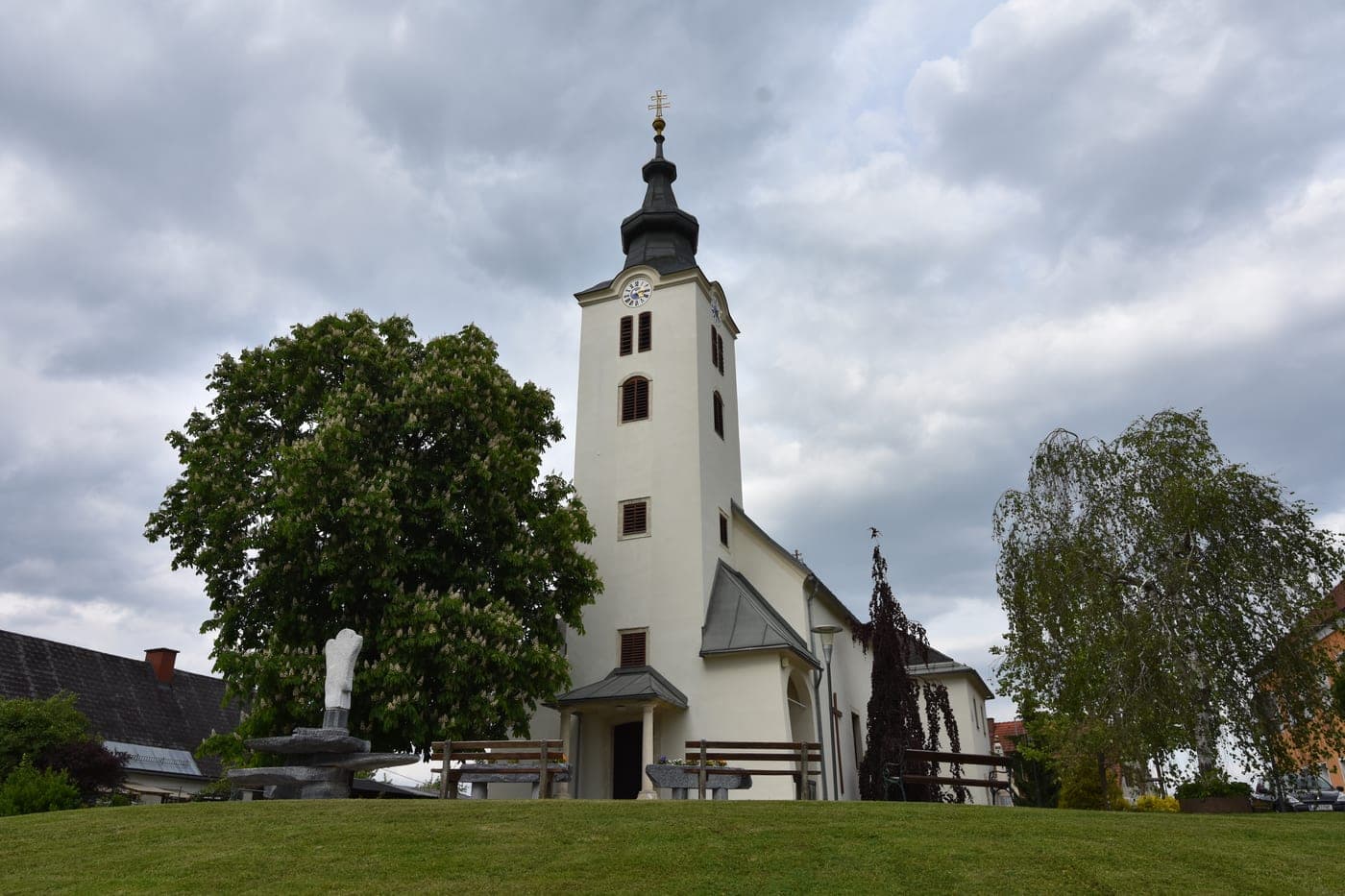
Heimschuh
Wine Tasting
Hollabrunn
Wine Tasting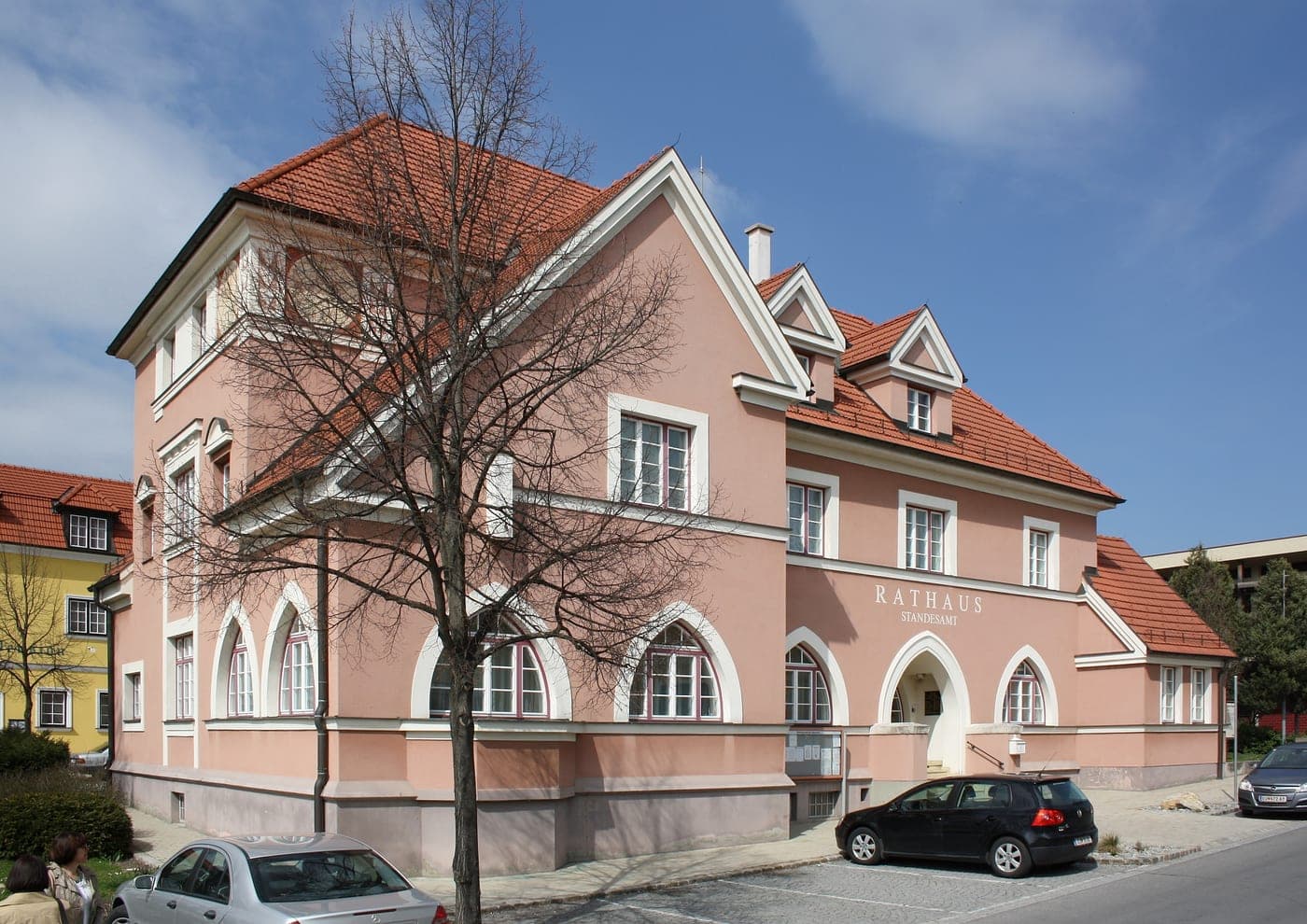
Hornstein
Wine Tasting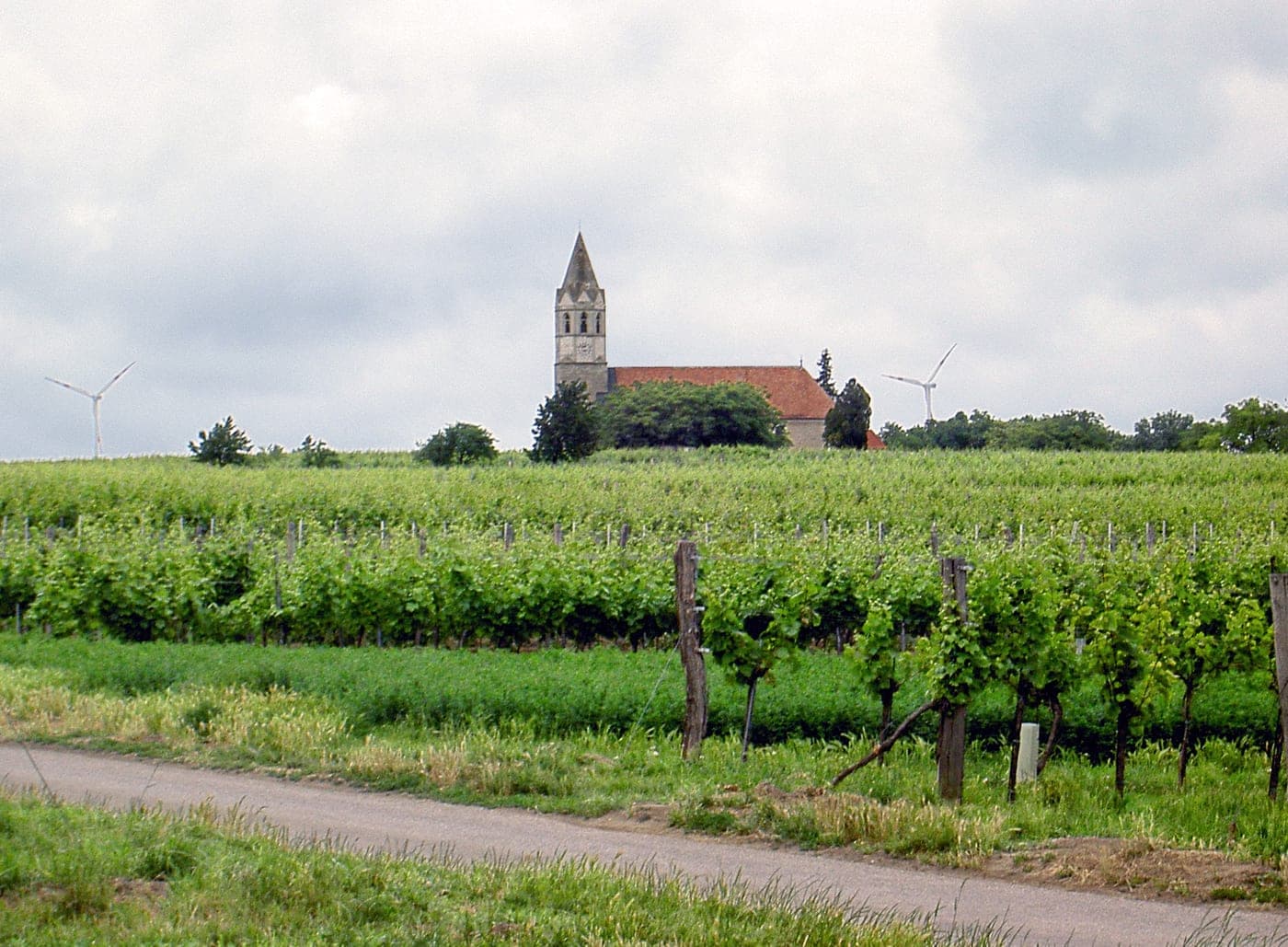
Höflein
Wine Tasting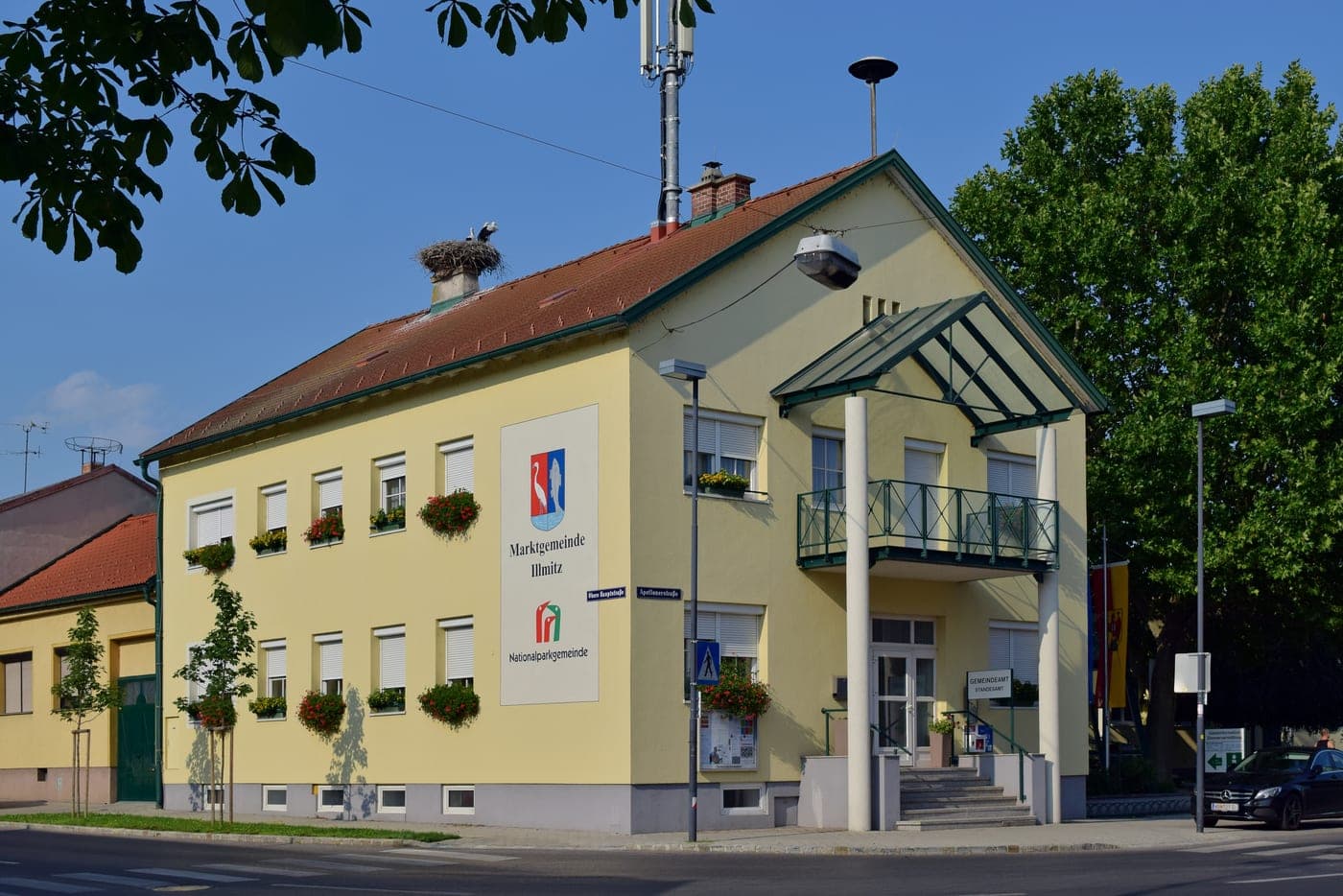
Illmitz
Wine Tasting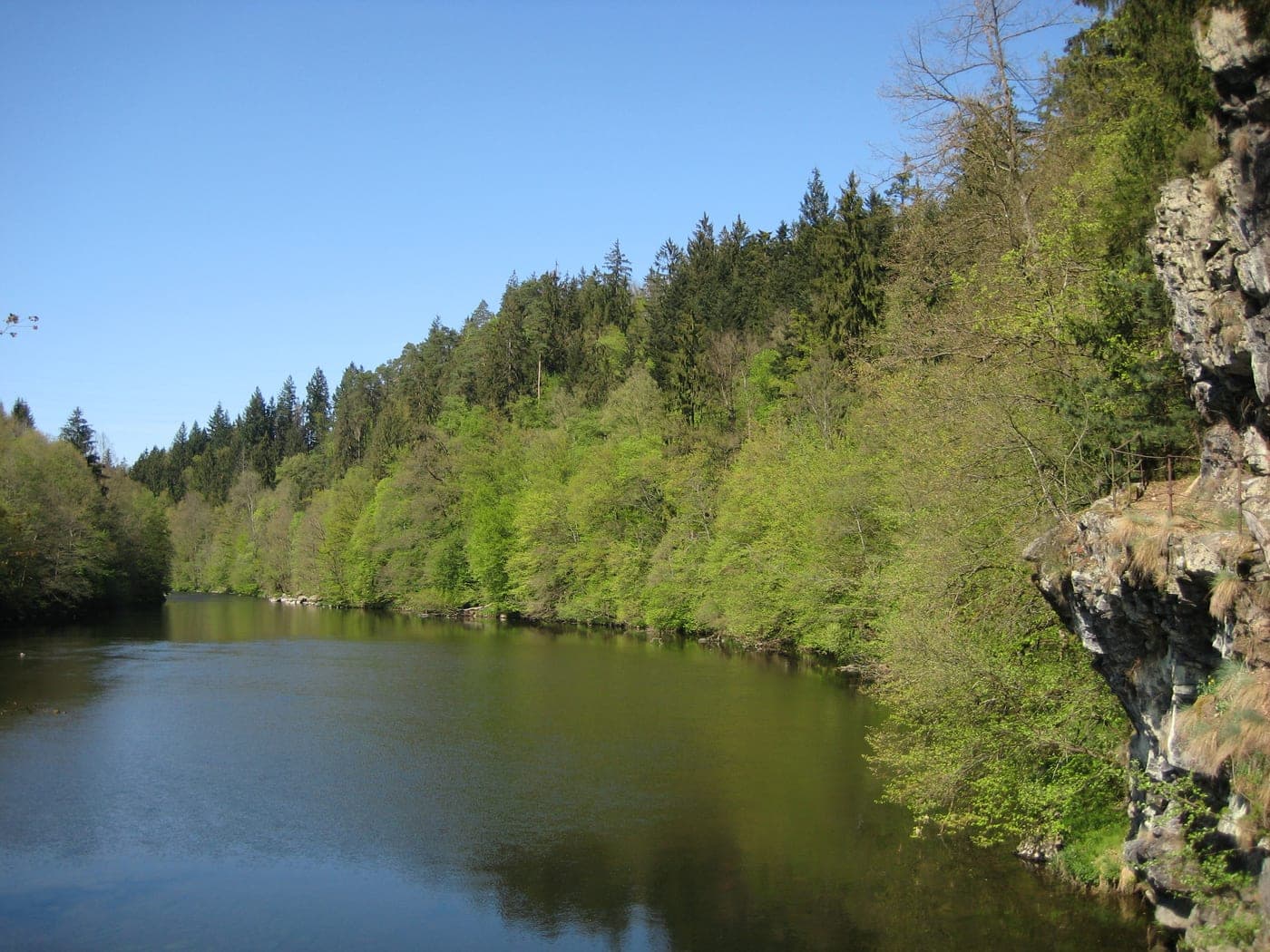
Ilz
Wine Tasting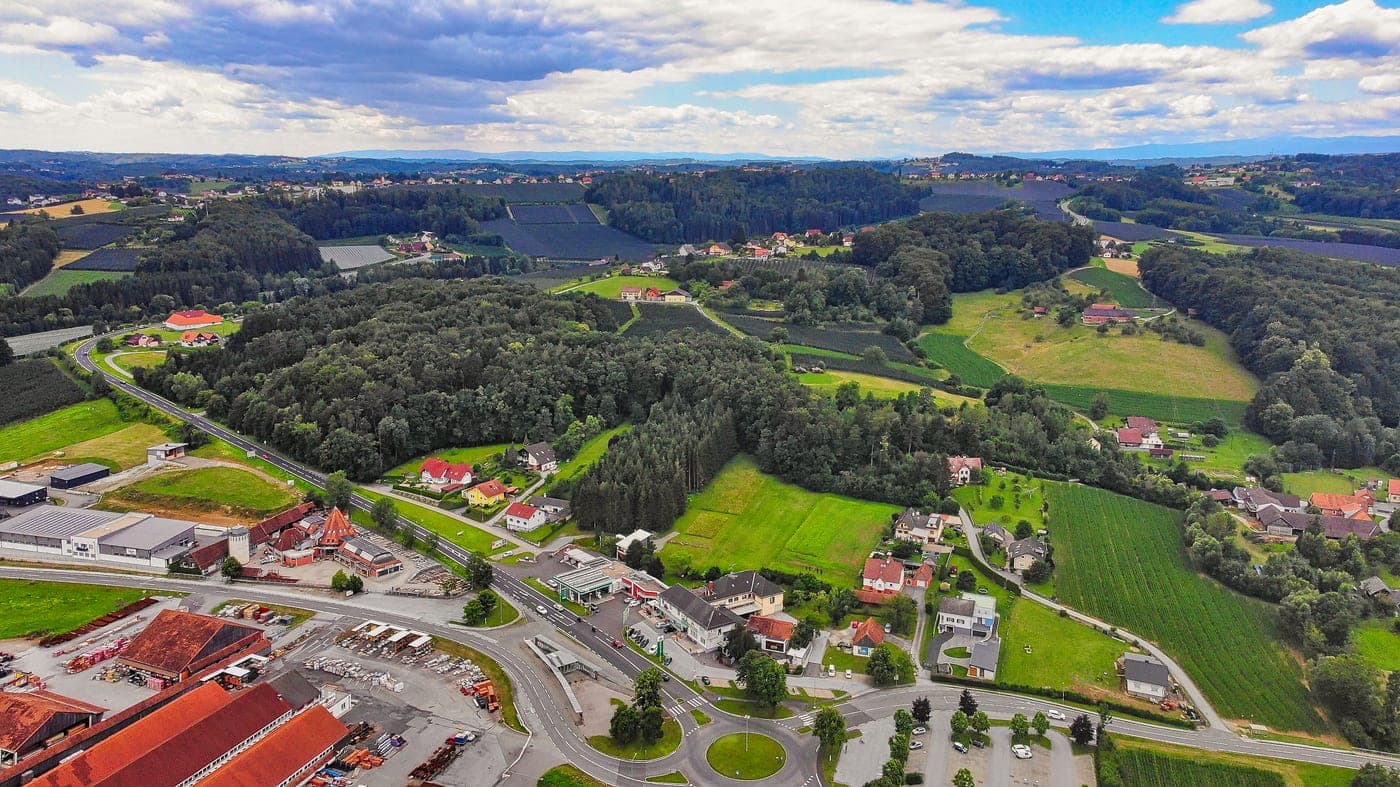
Ilztal
Wine TastingInnsbruck
Camper Van Rentals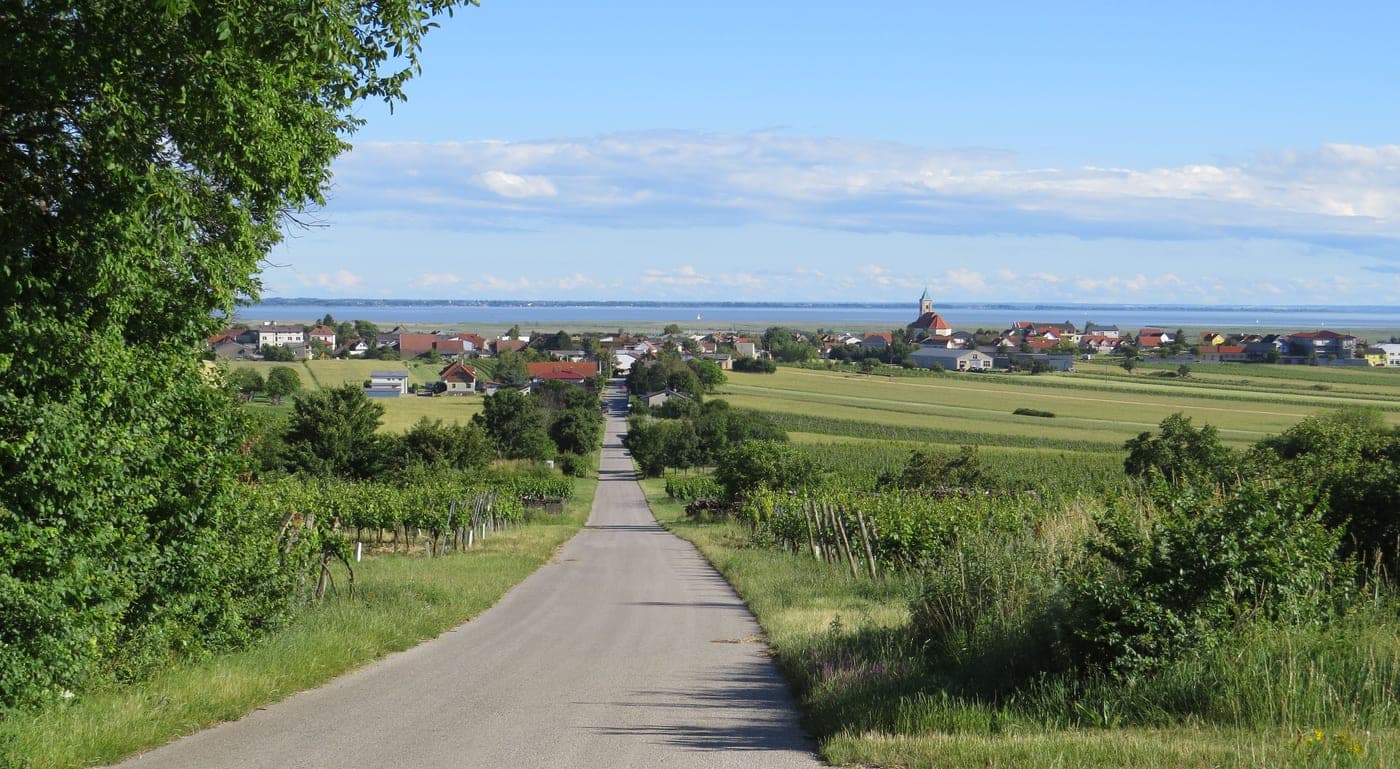
Jois
Wine Tasting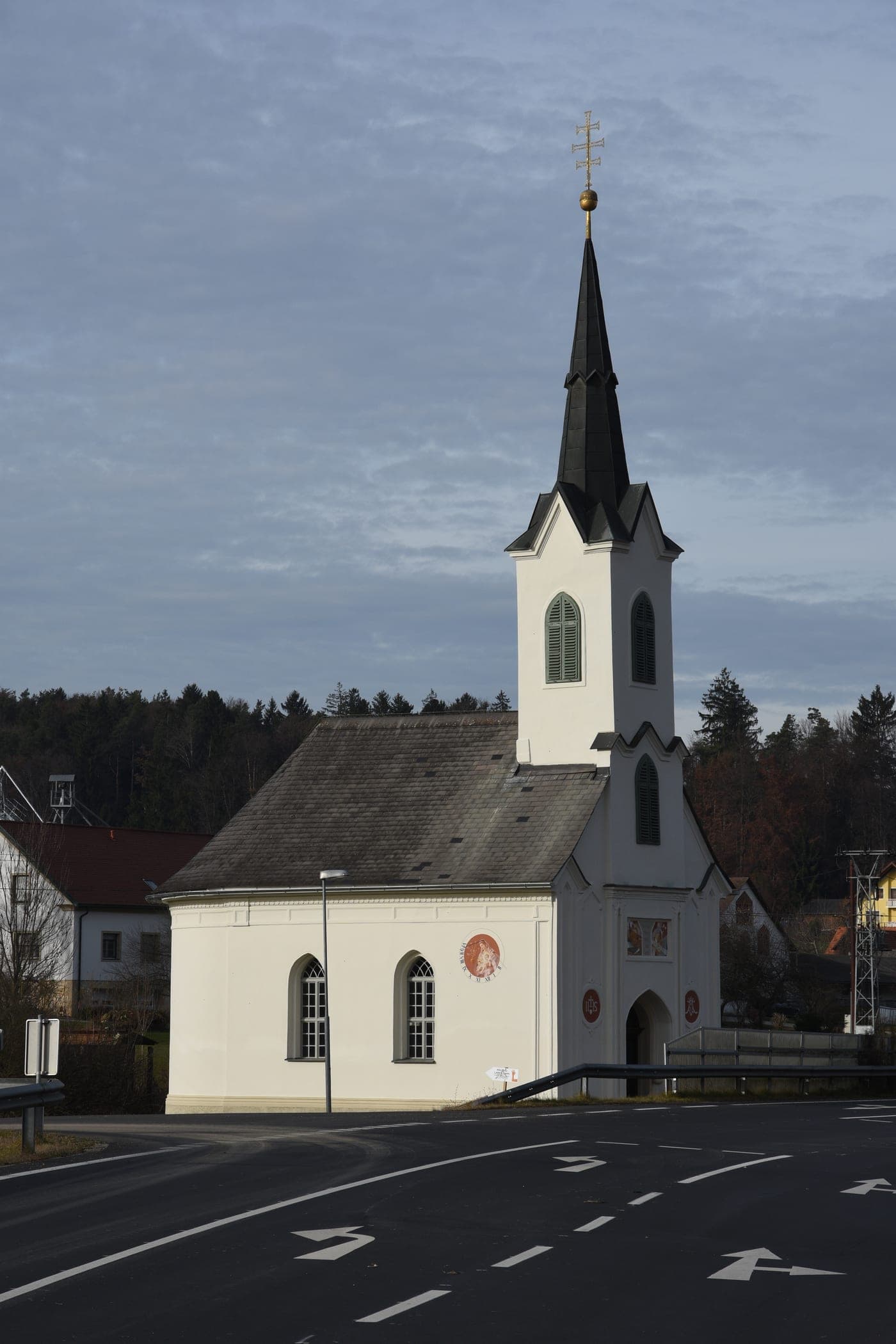
Kirchbach-Zerlach
Wine Tasting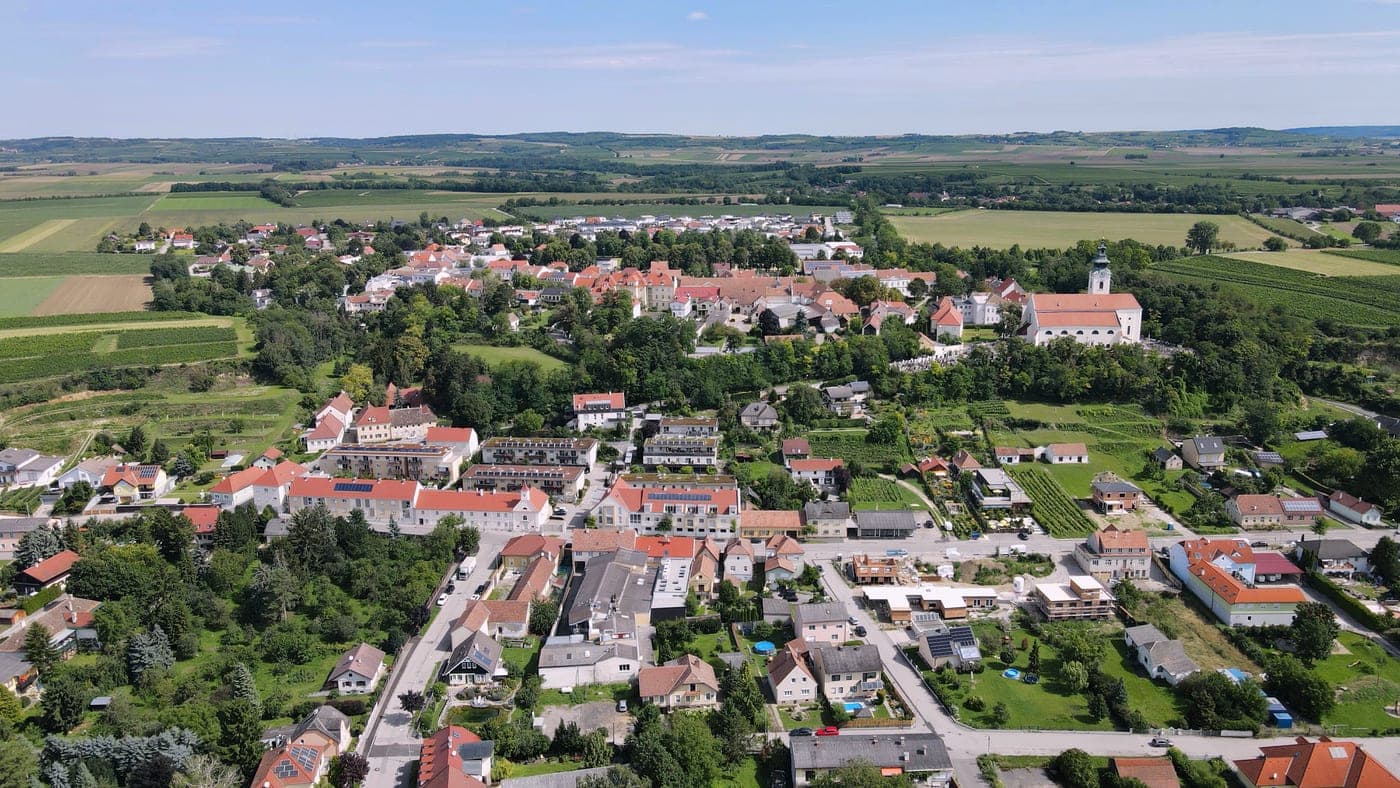
Kirchberg am Wagram
Wine Tasting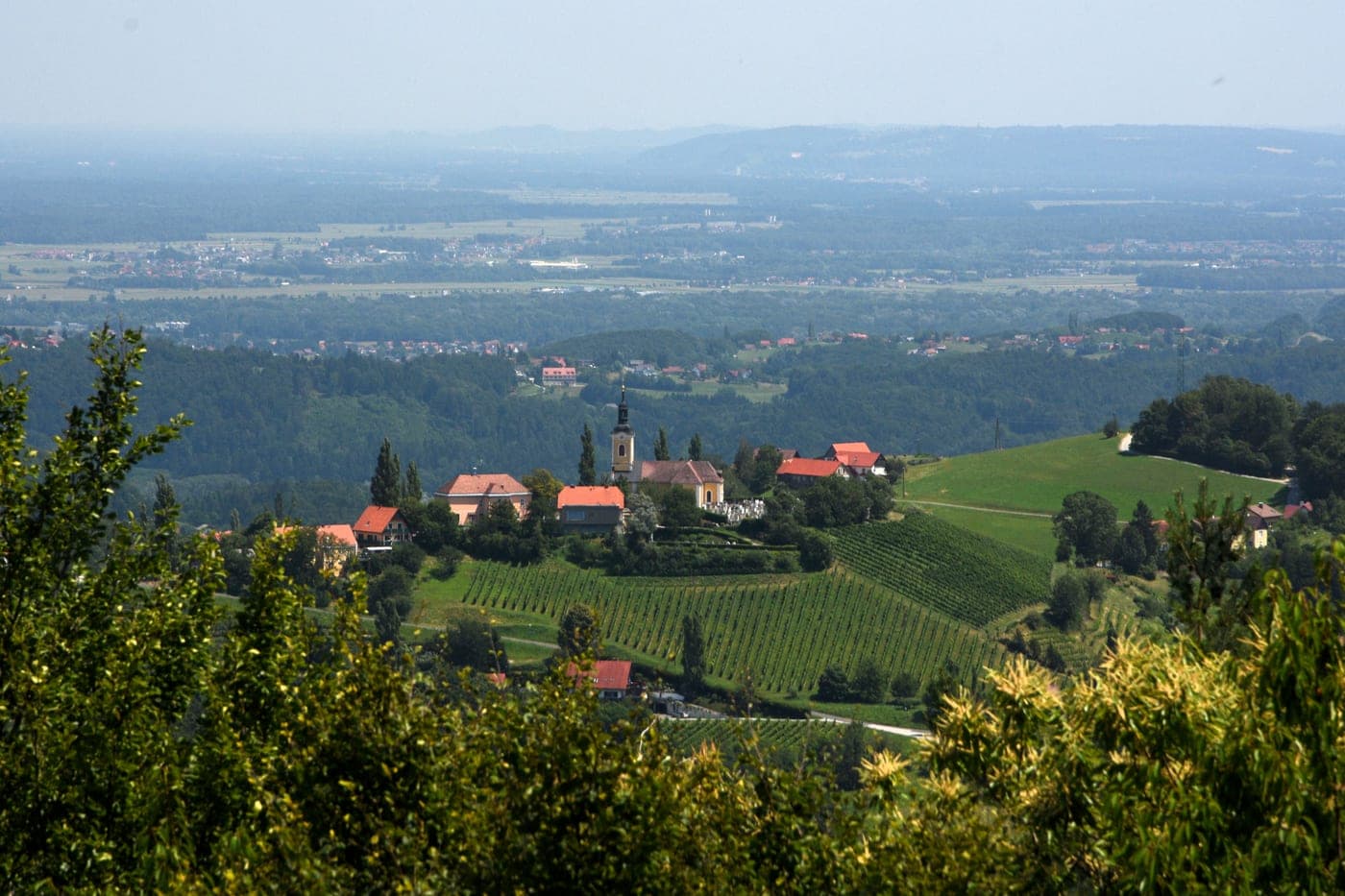
Kitzeck im Sausal
Wine Tasting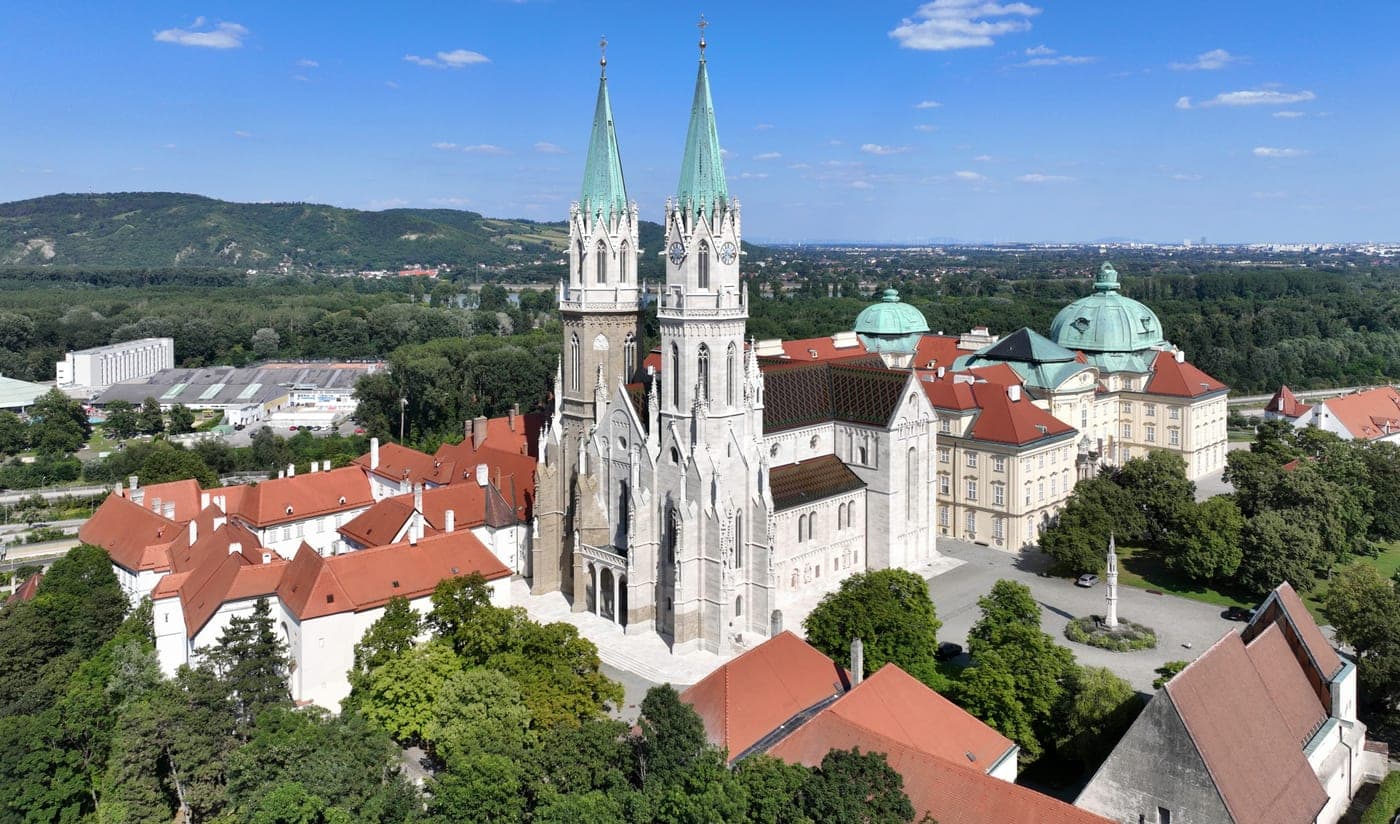
Klosterneuburg
Wine Tasting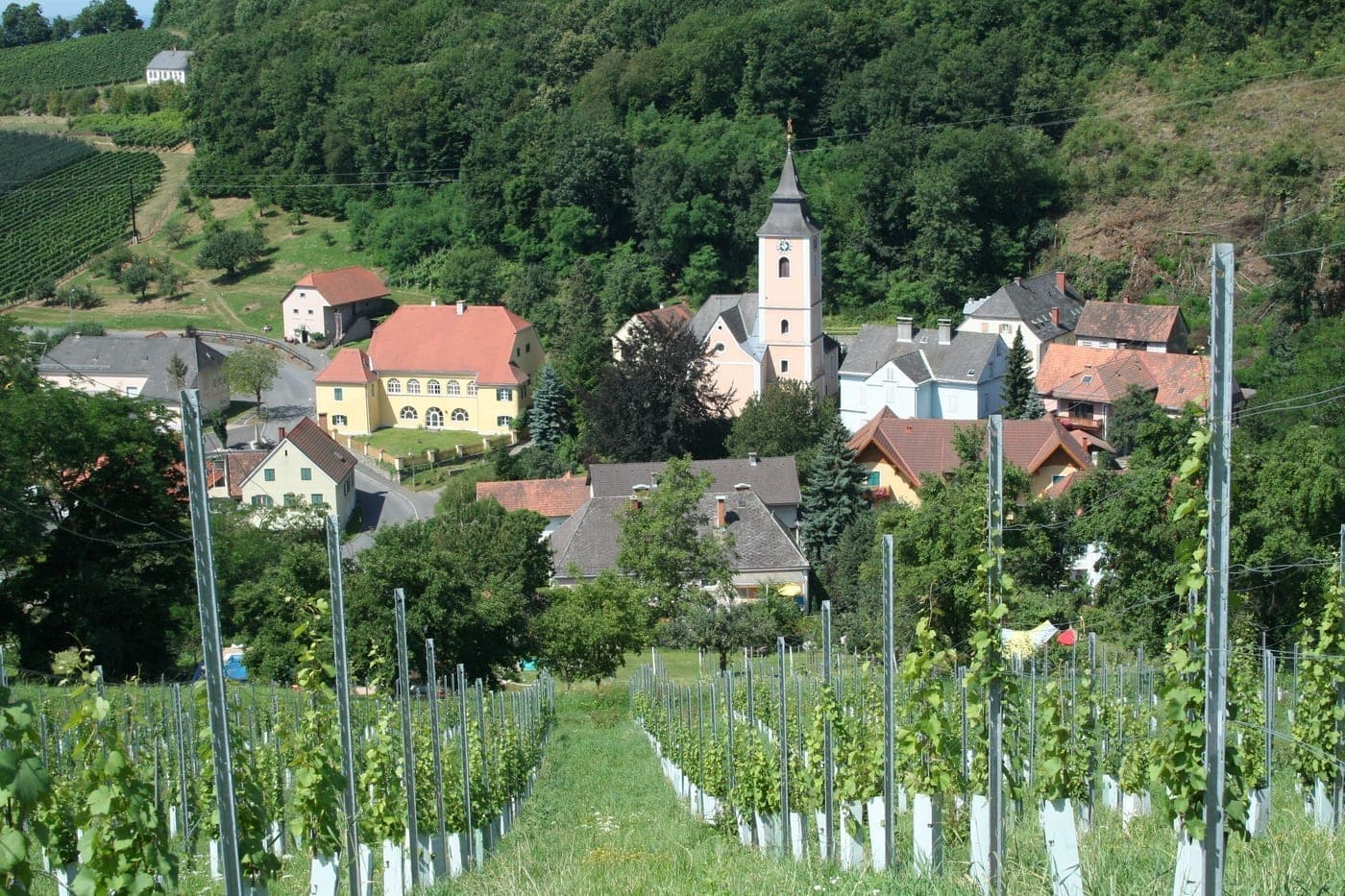
Klöch
Wine Tasting
Kohfidisch
Wine Tasting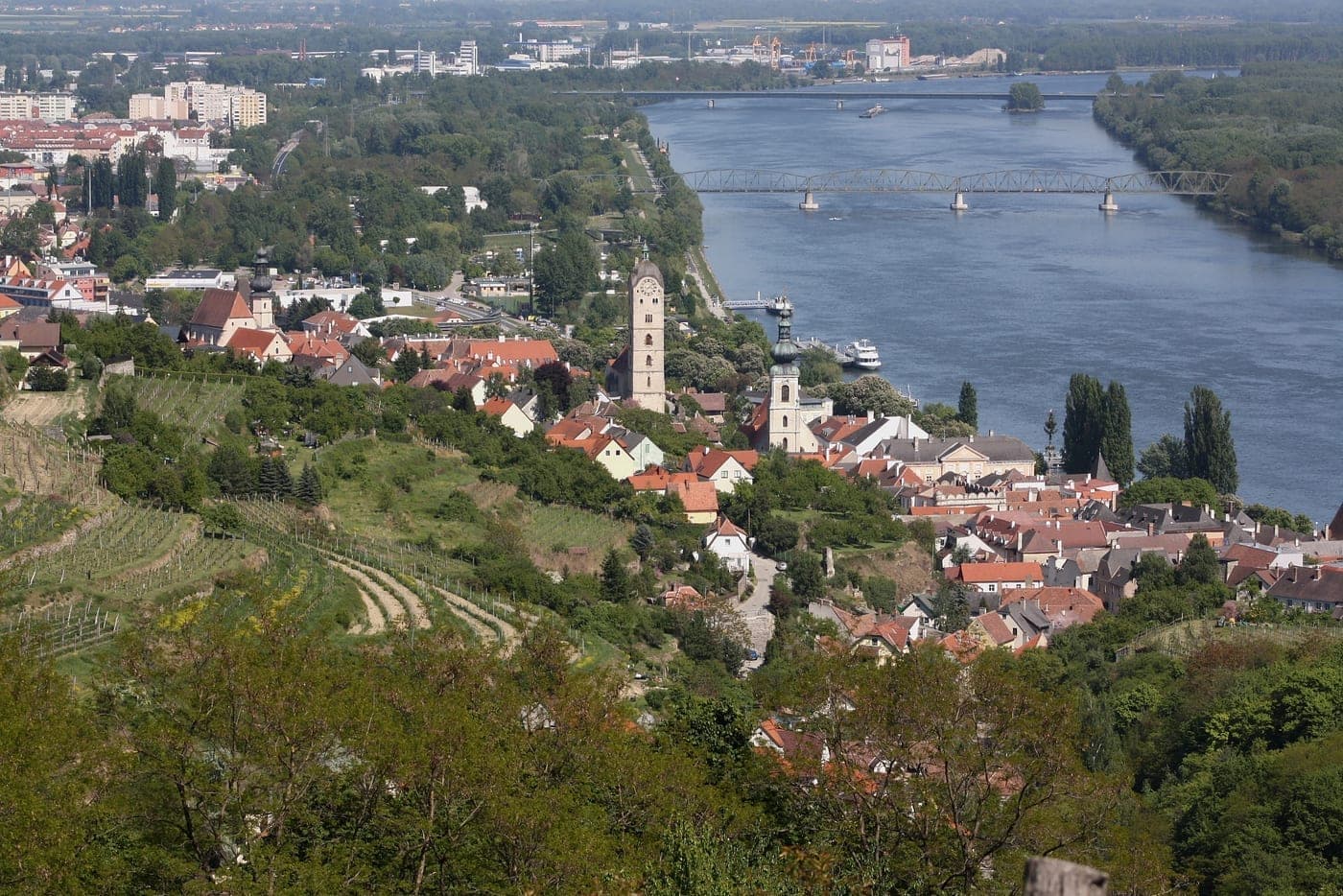
Krems an der Donau
Wine Tasting
Krottendorf-Gaisfeld
Wine Tasting
Kukmirn
Wine Tasting
Langenlois
Wine Tasting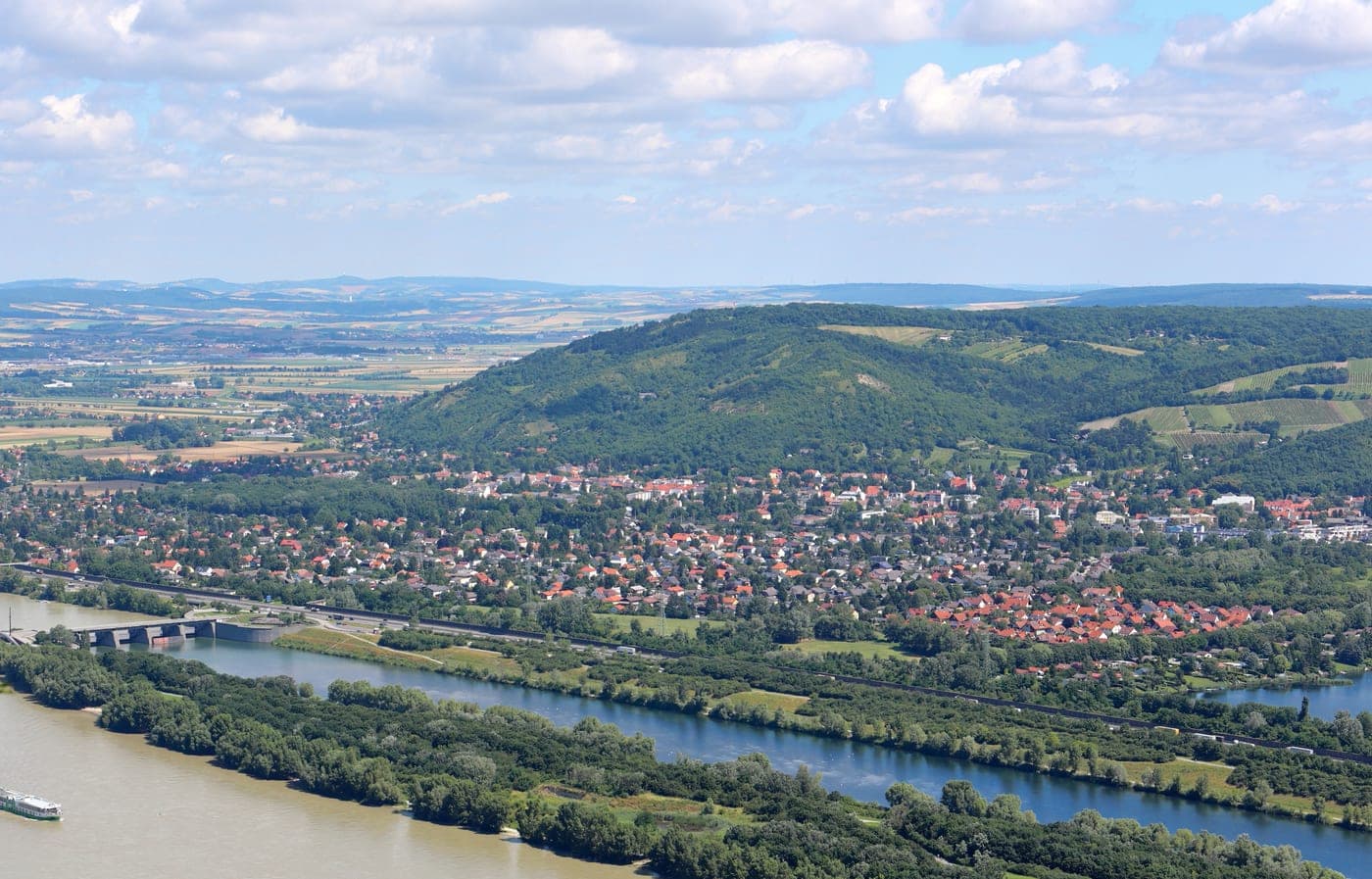
Langenzersdorf
Wine Tasting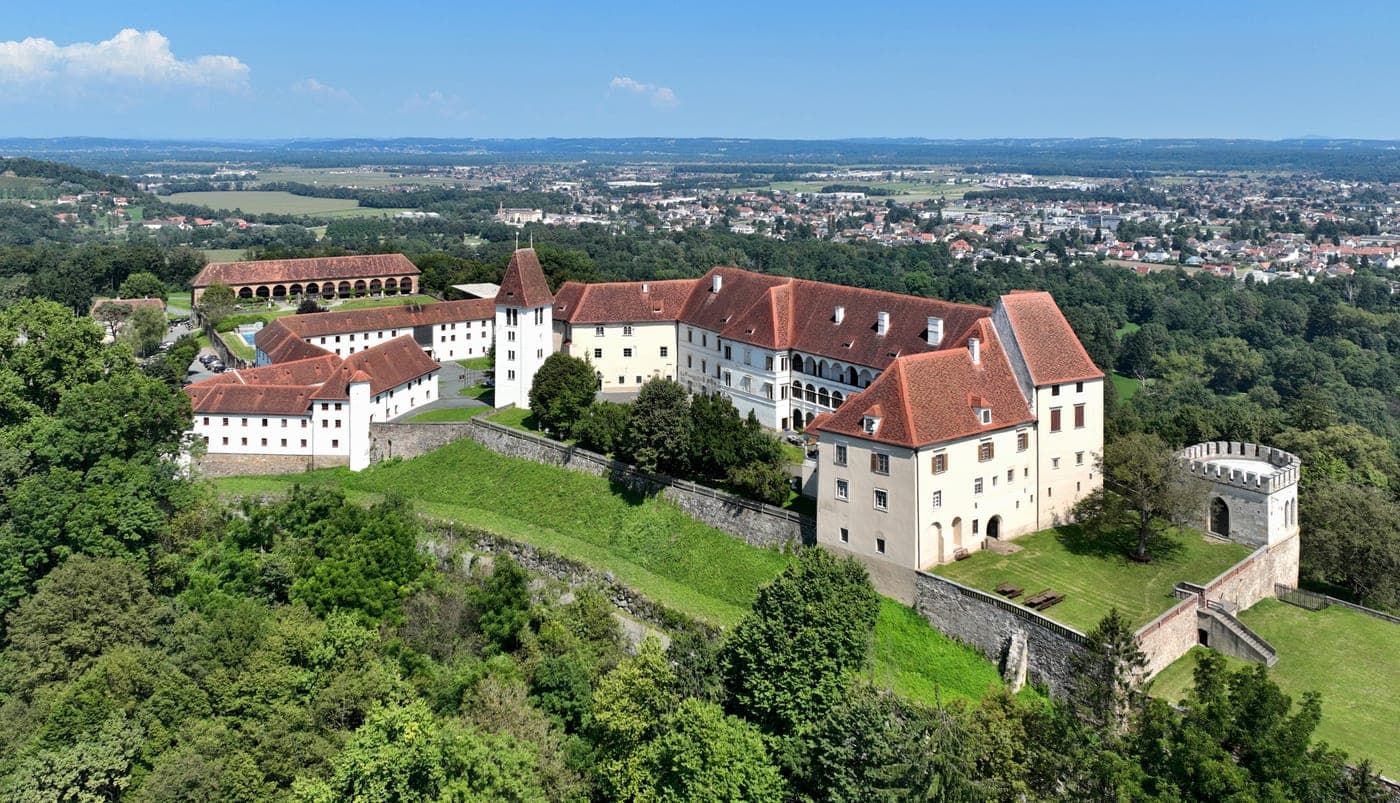
Leibnitz
Wine Tasting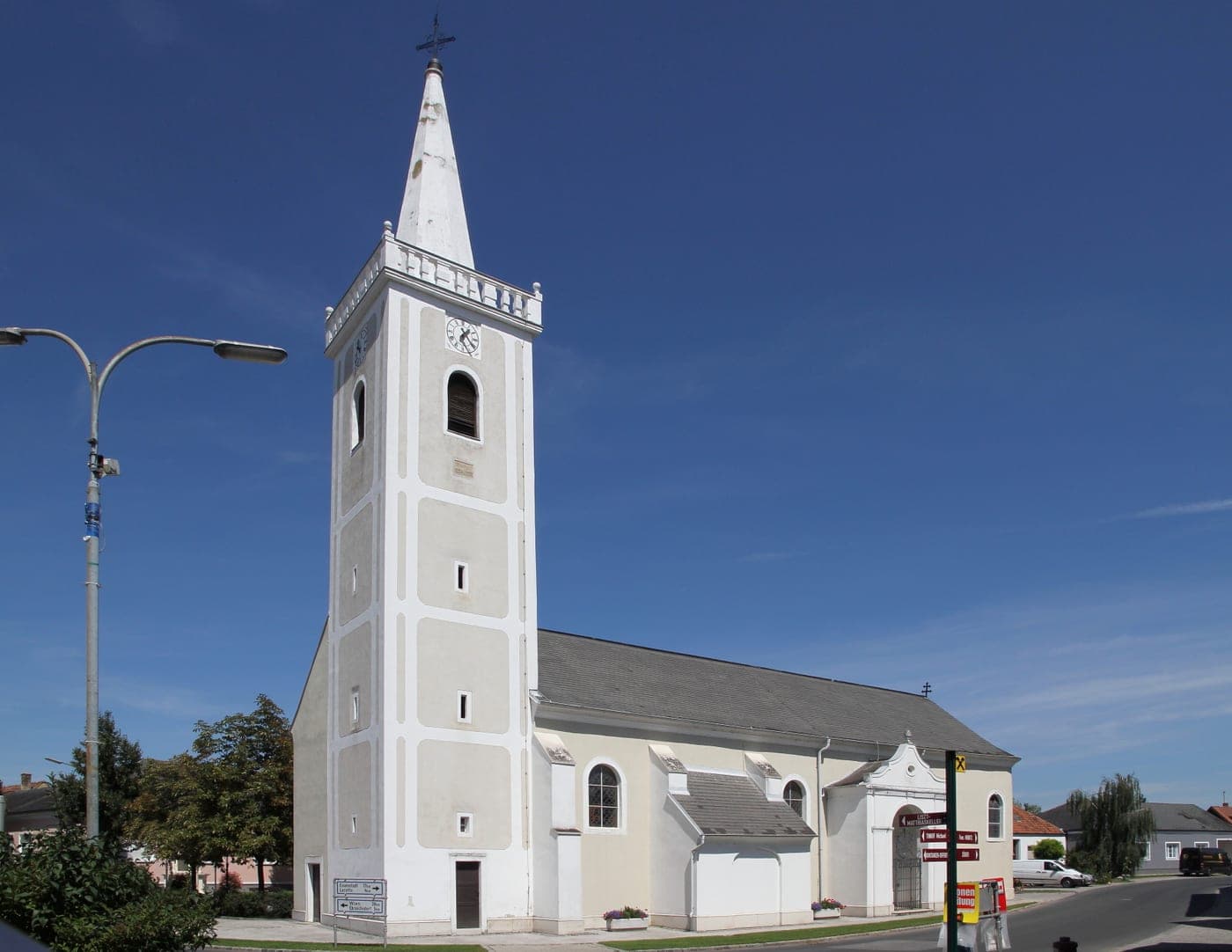
Leithaprodersdorf
Wine Tasting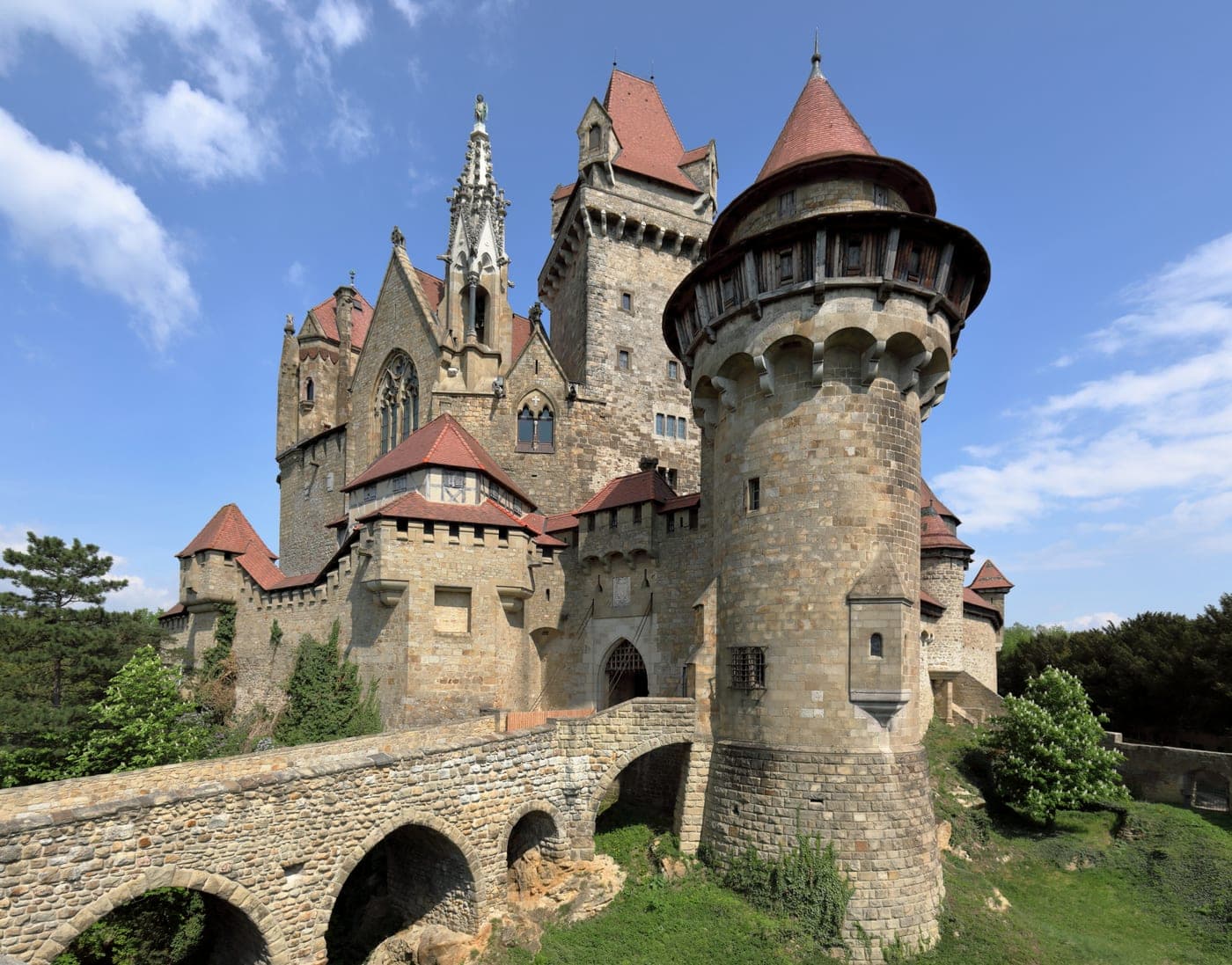
Leobendorf
Wine Tasting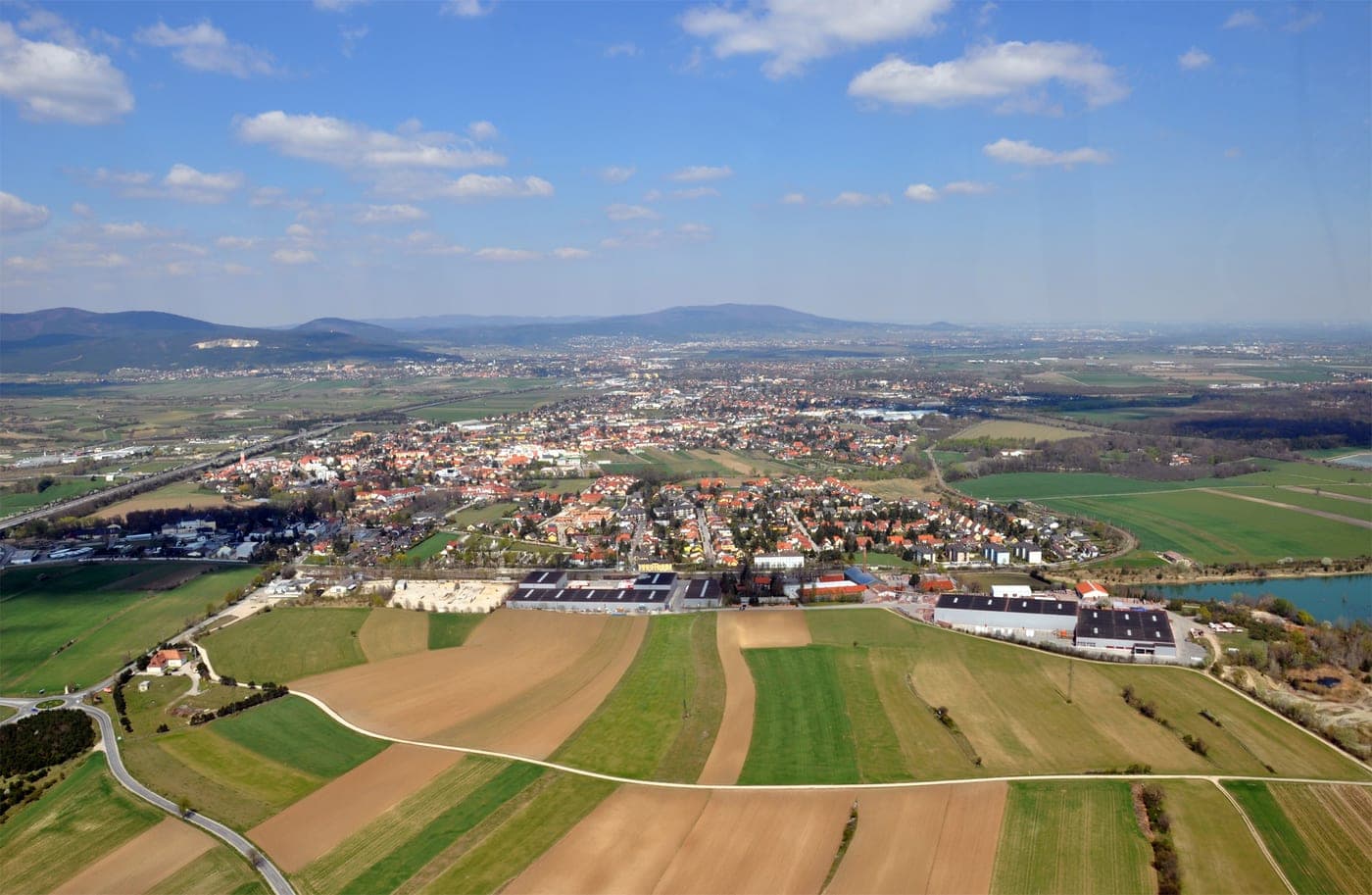
Leobersdorf
Wine Tasting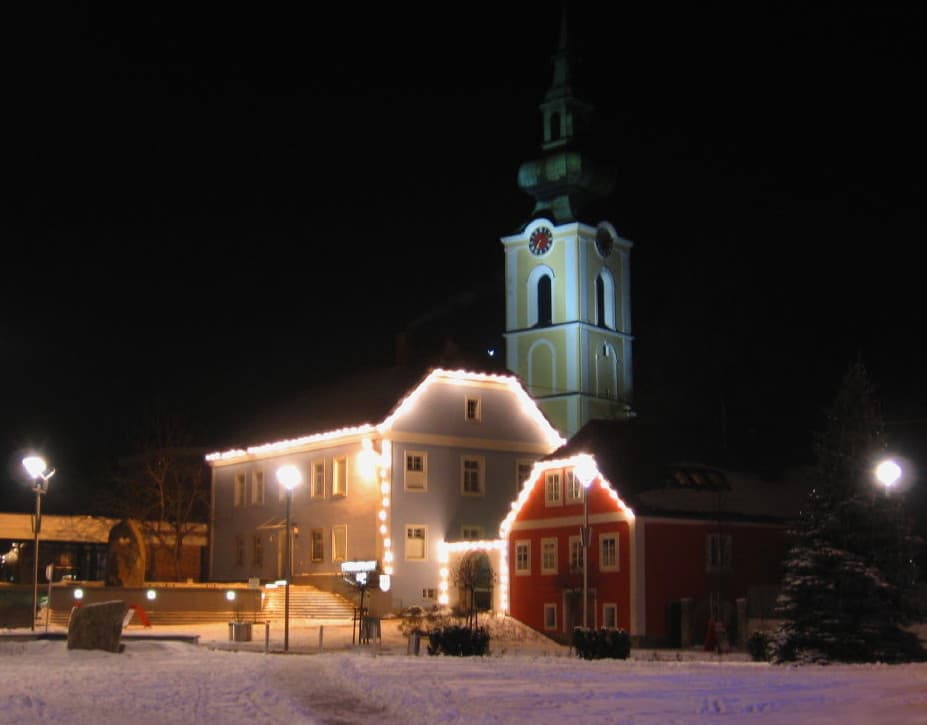
Leonding
Wine Tasting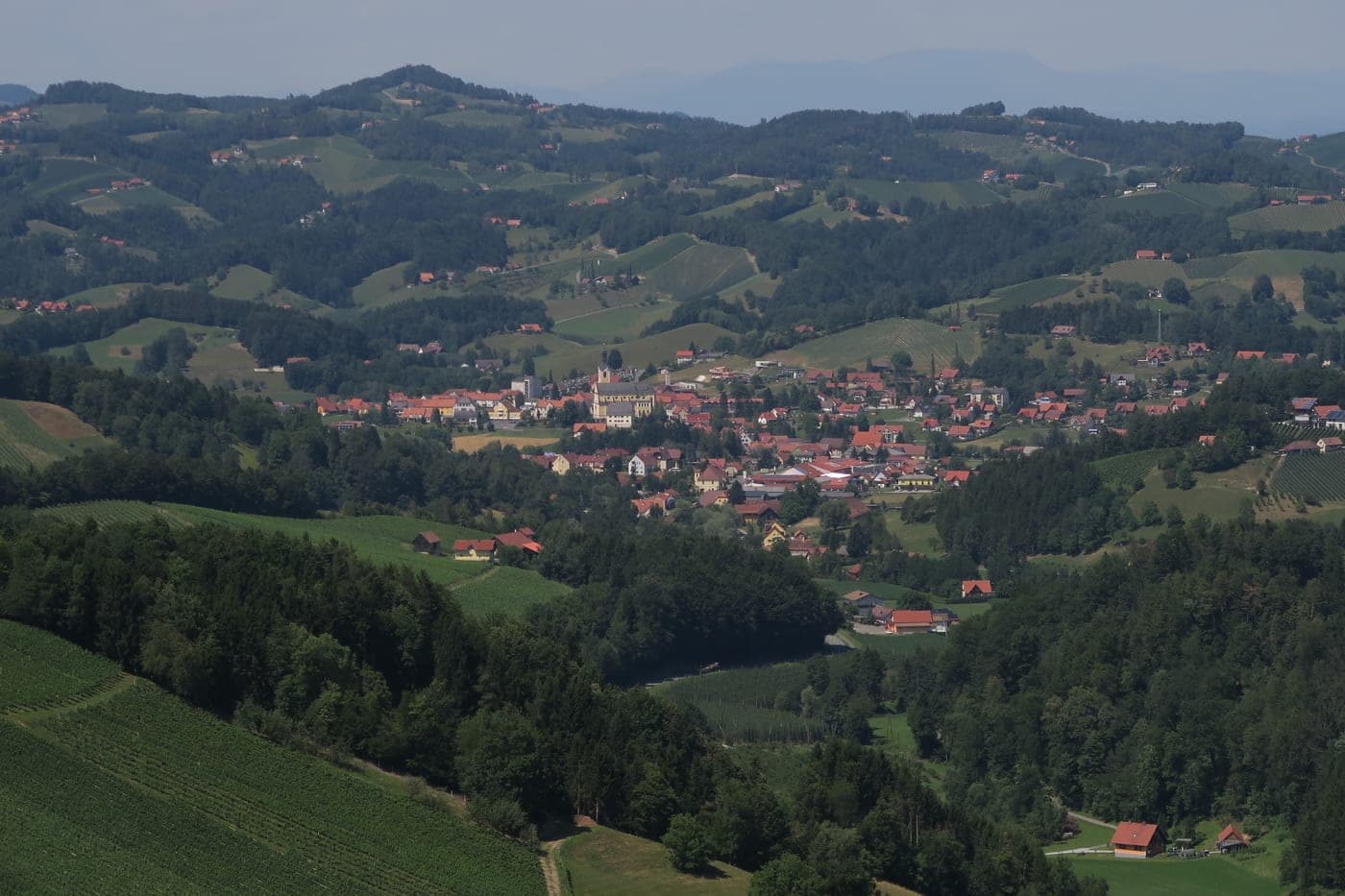
Leutschach an der Weinstraße
Wine Tasting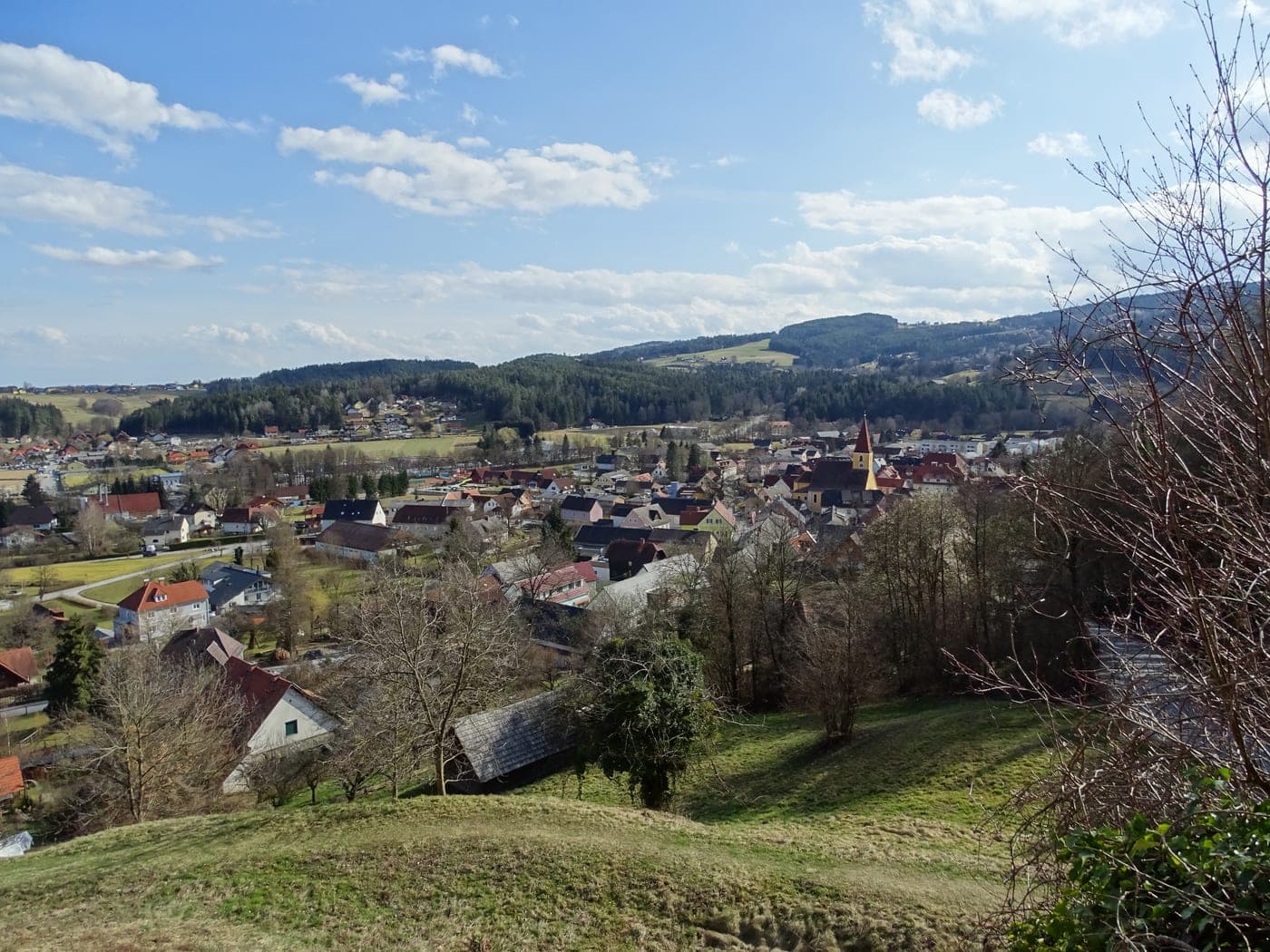
Ligist
Wine TastingLinz
Camper Van Rentals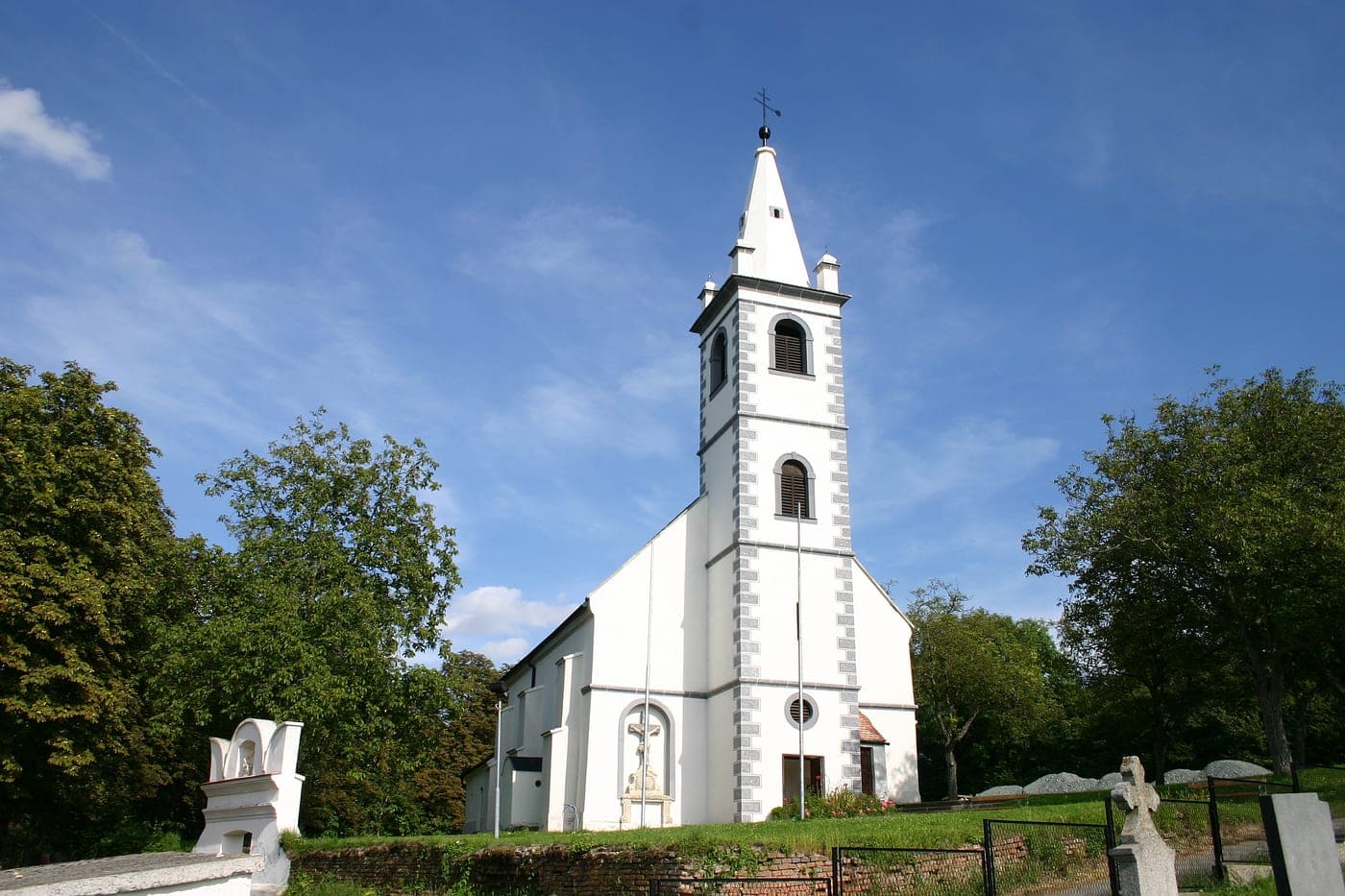
Lutzmannsburg
Wine Tasting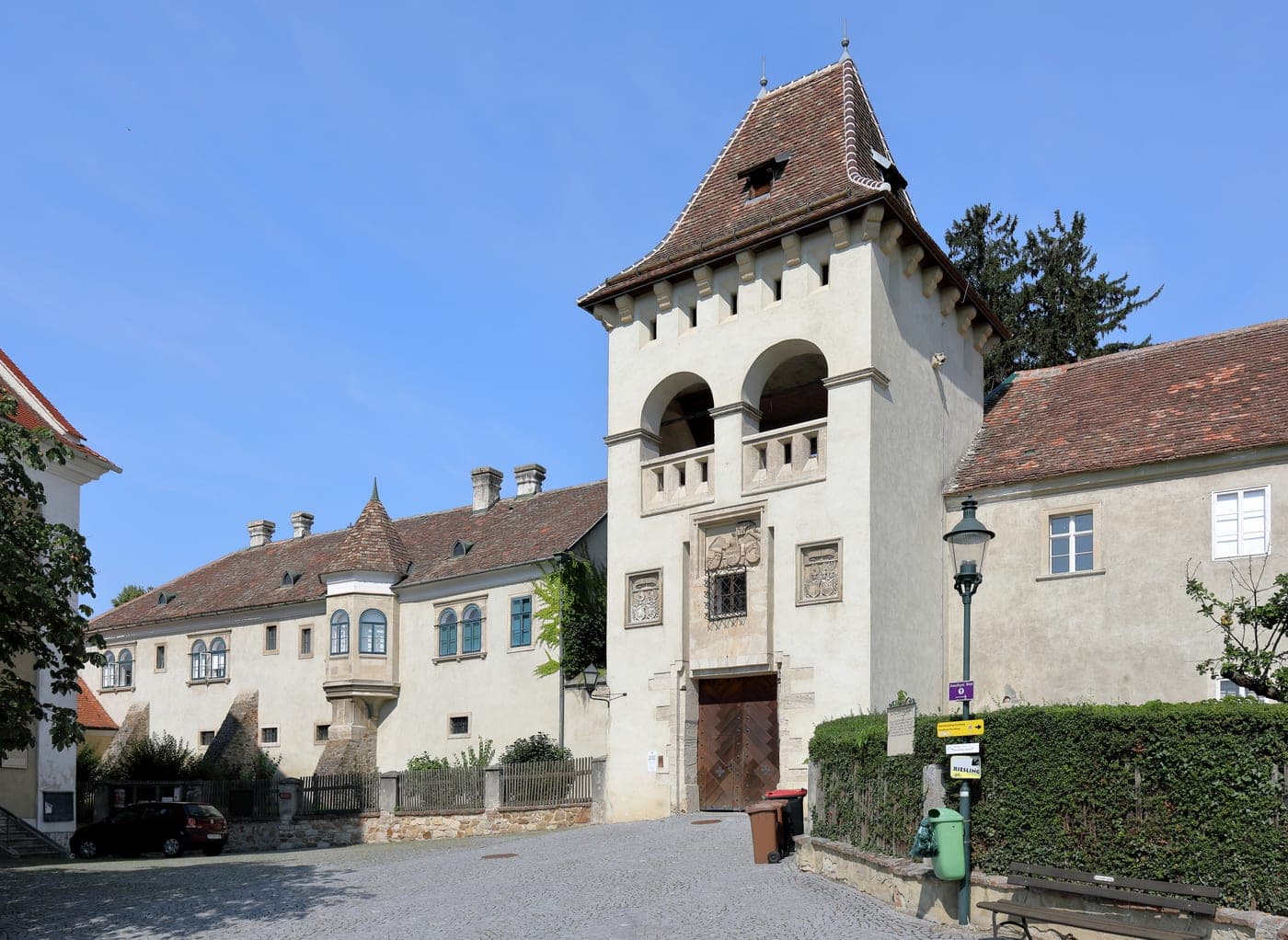
Maissau
Wine Tasting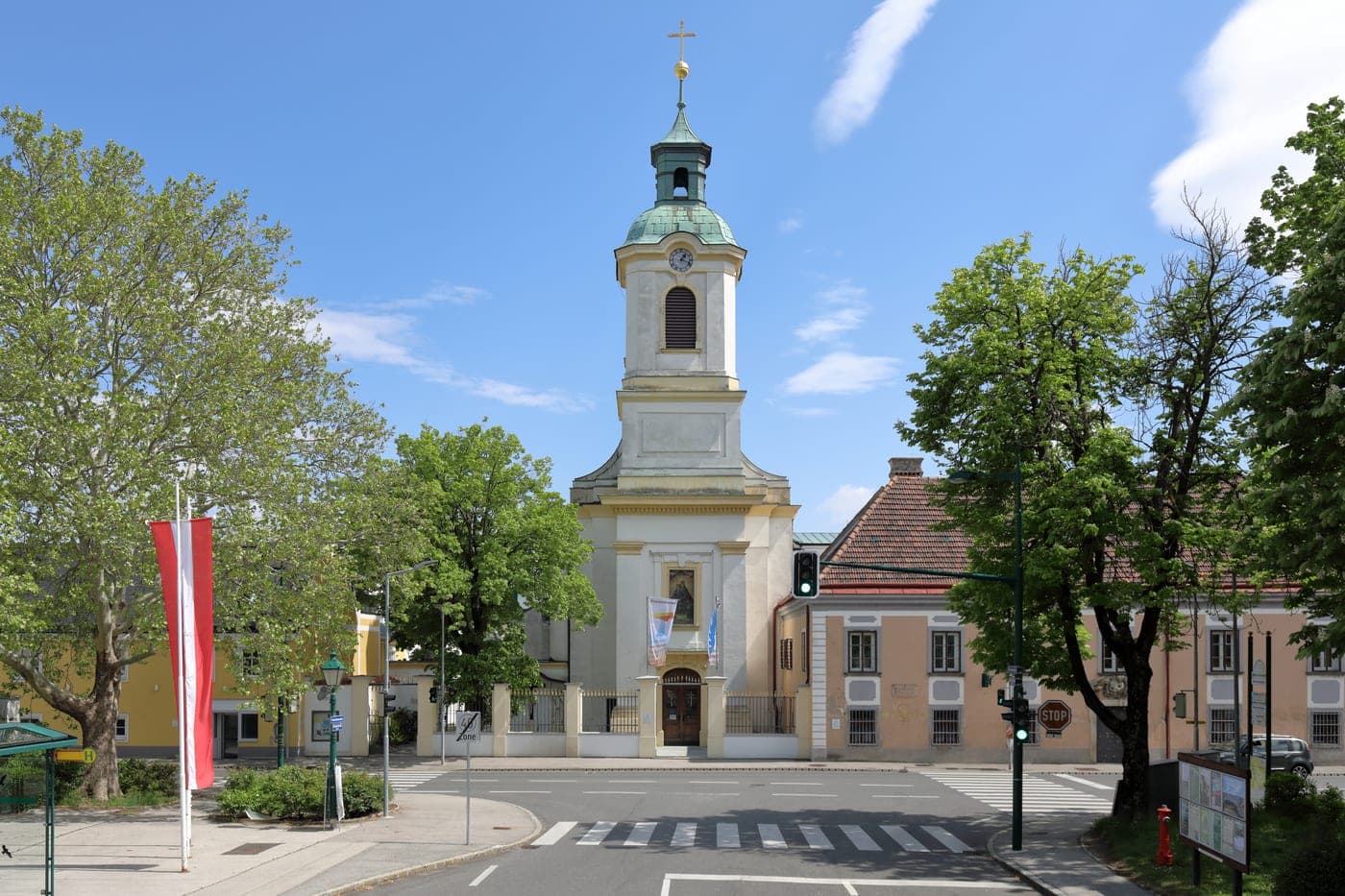
Maria Enzersdorf
Wine Tasting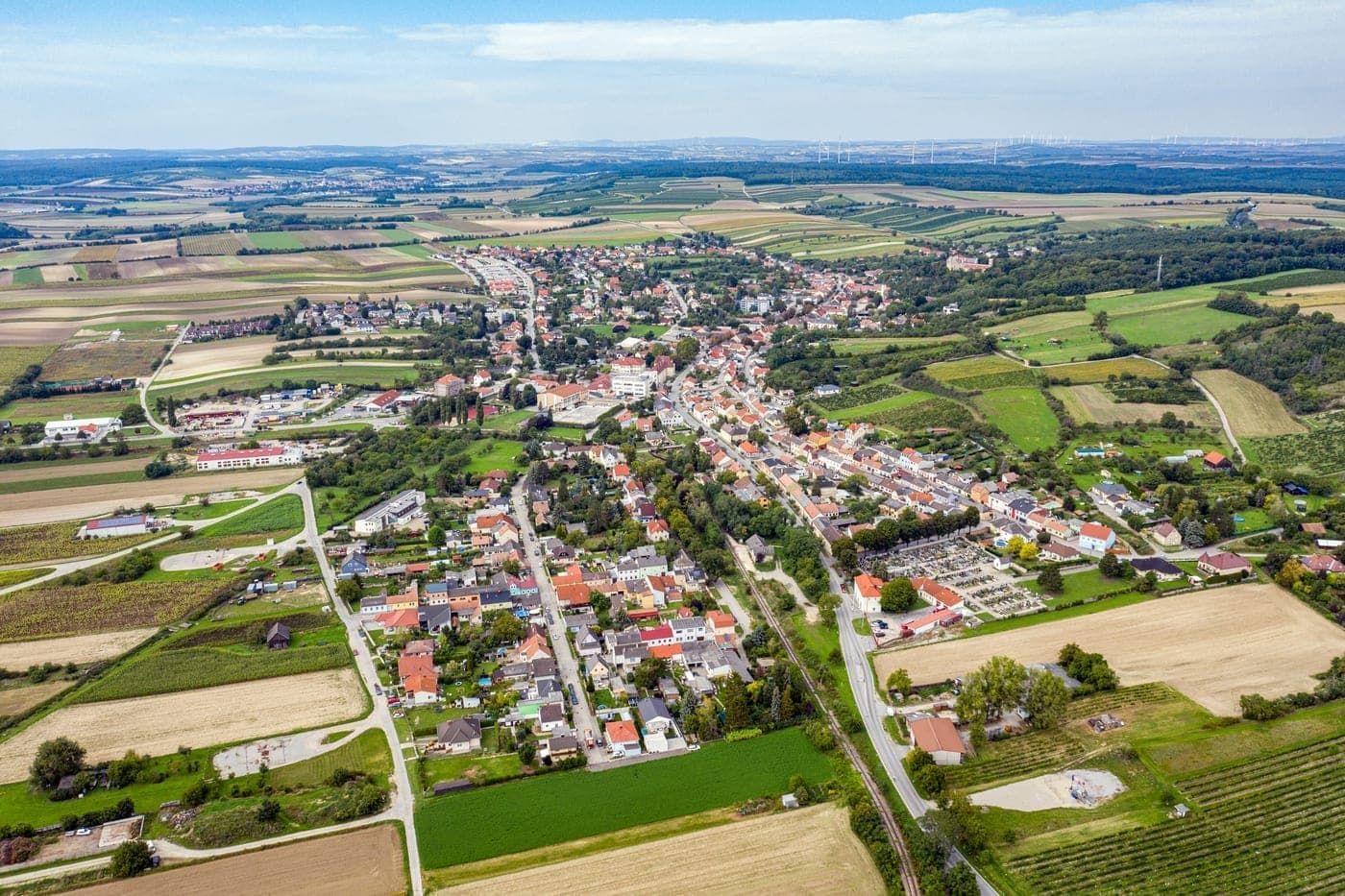
Matzen-Raggendorf
Wine Tasting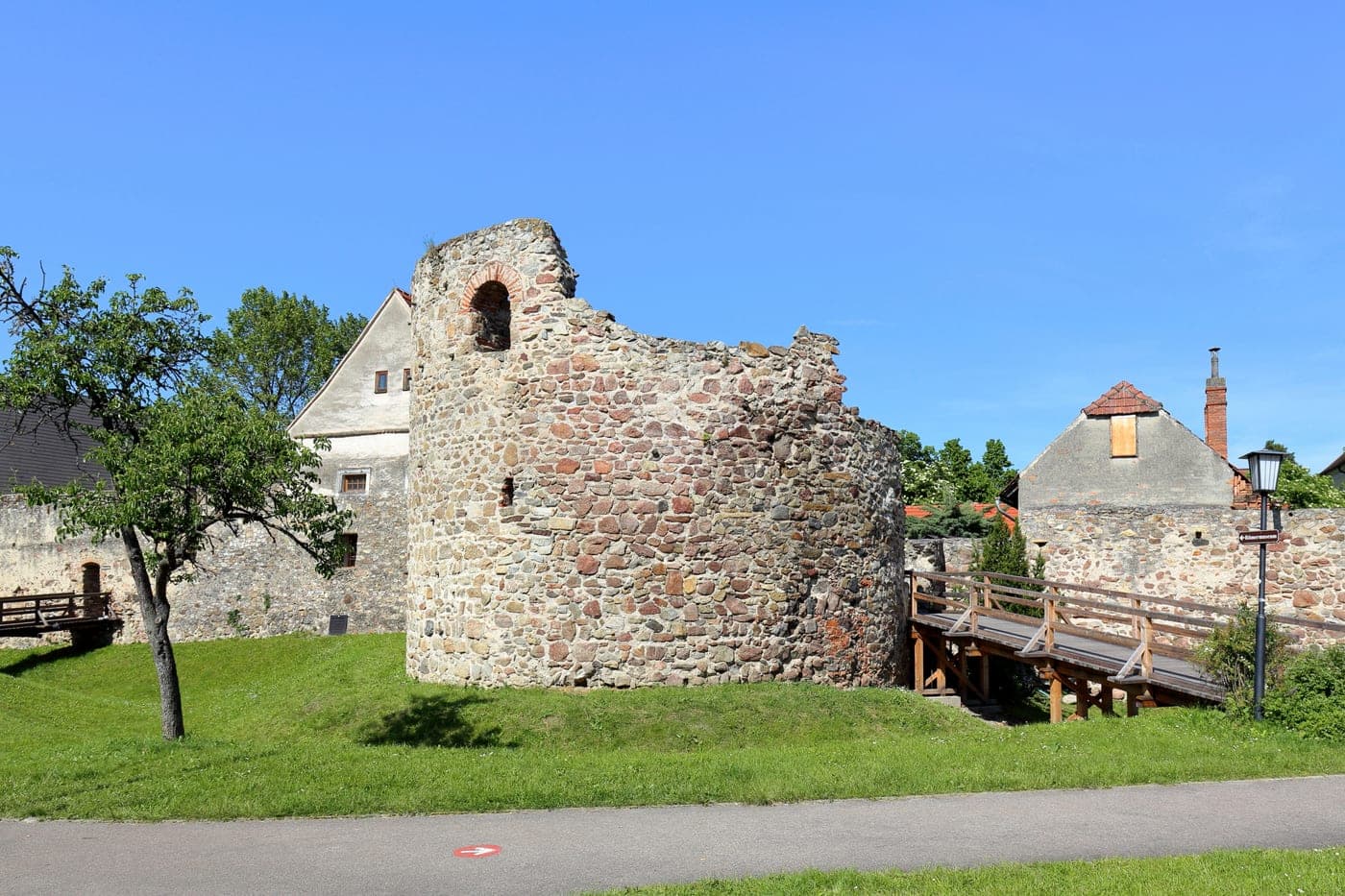
Mautern an der Donau
Wine Tasting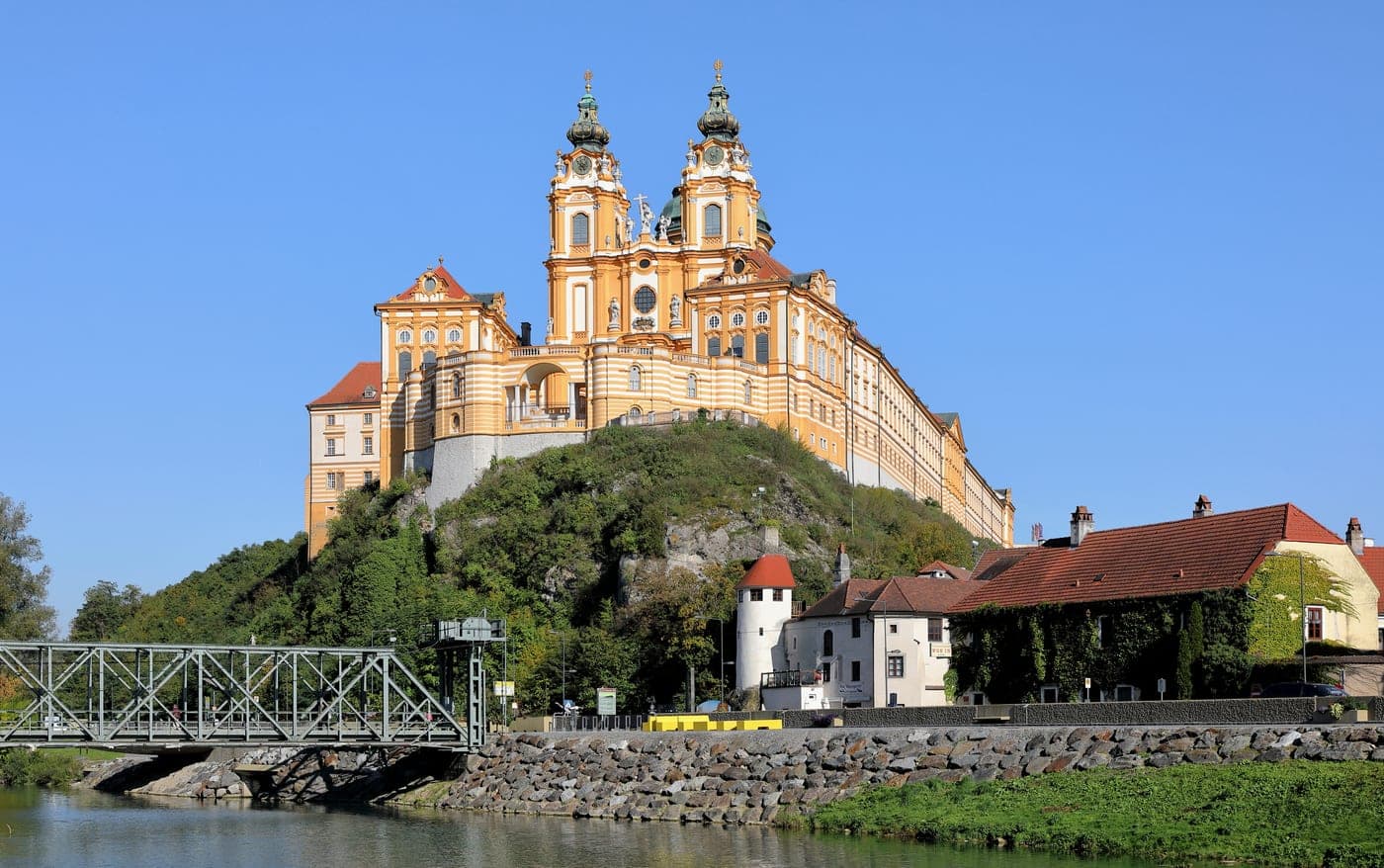
Melk
Wine Tasting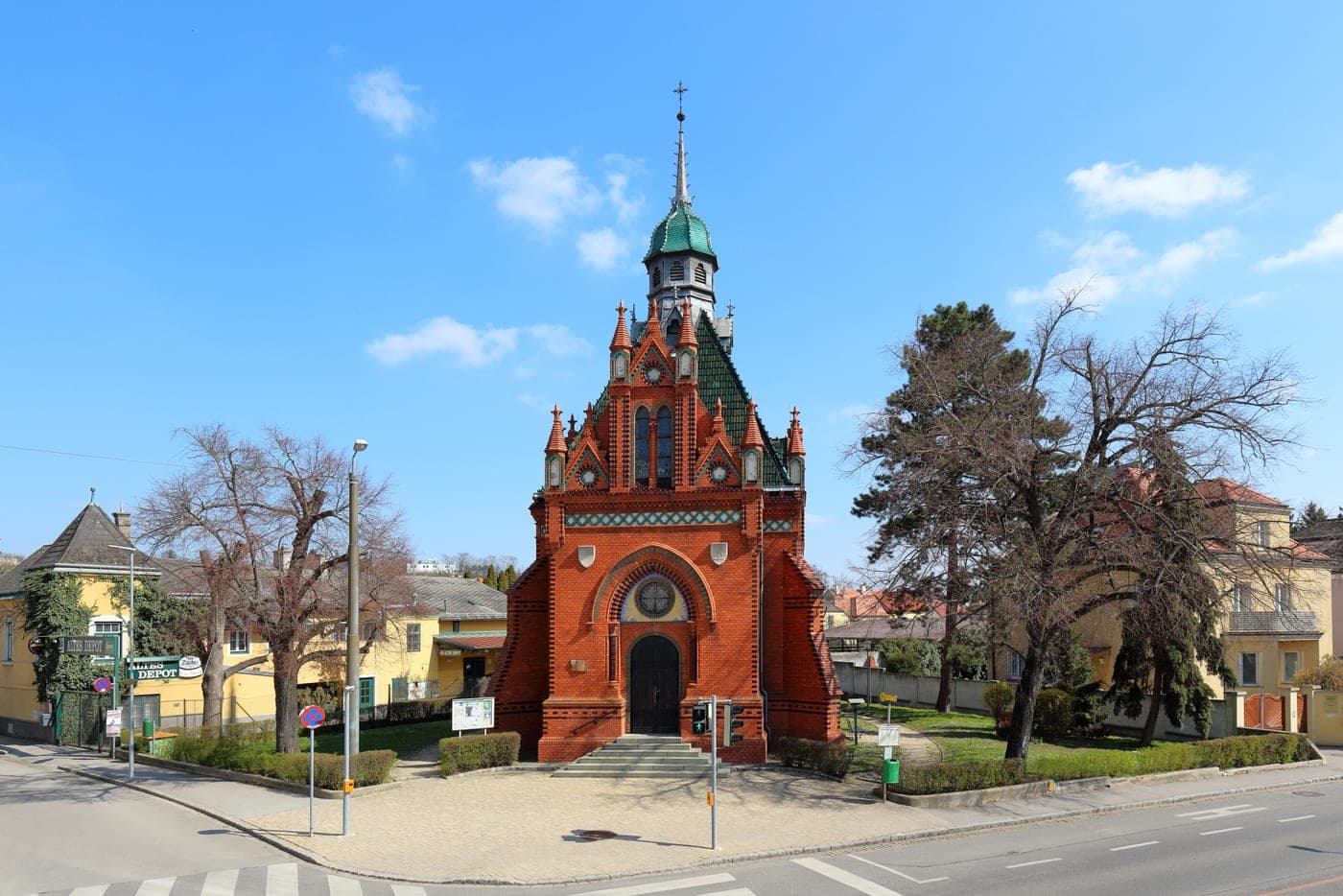
Mistelbach
Wine TastingMittersill
CastlesMödling
Wine Tasting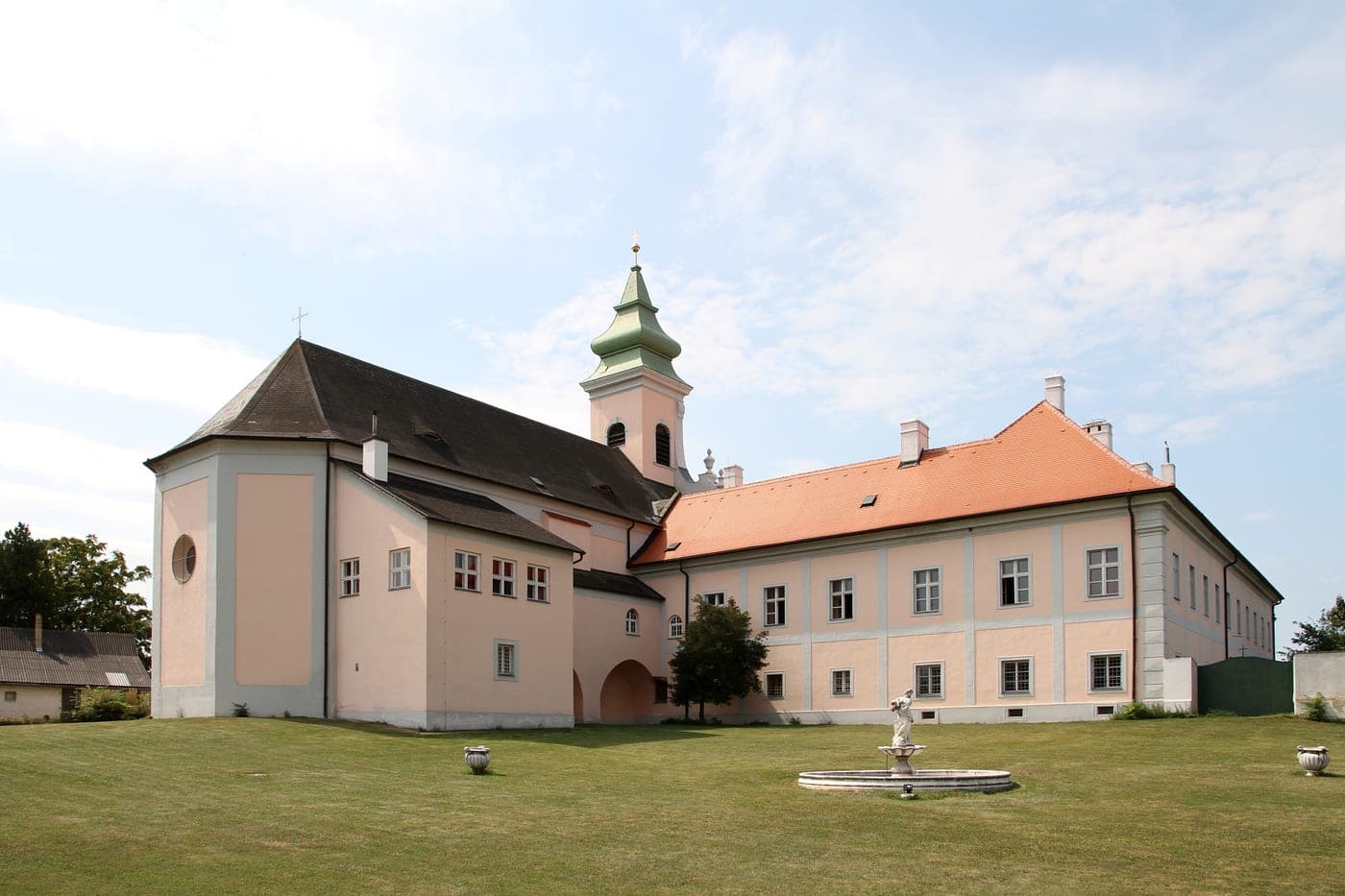
Mönchhof
Wine Tasting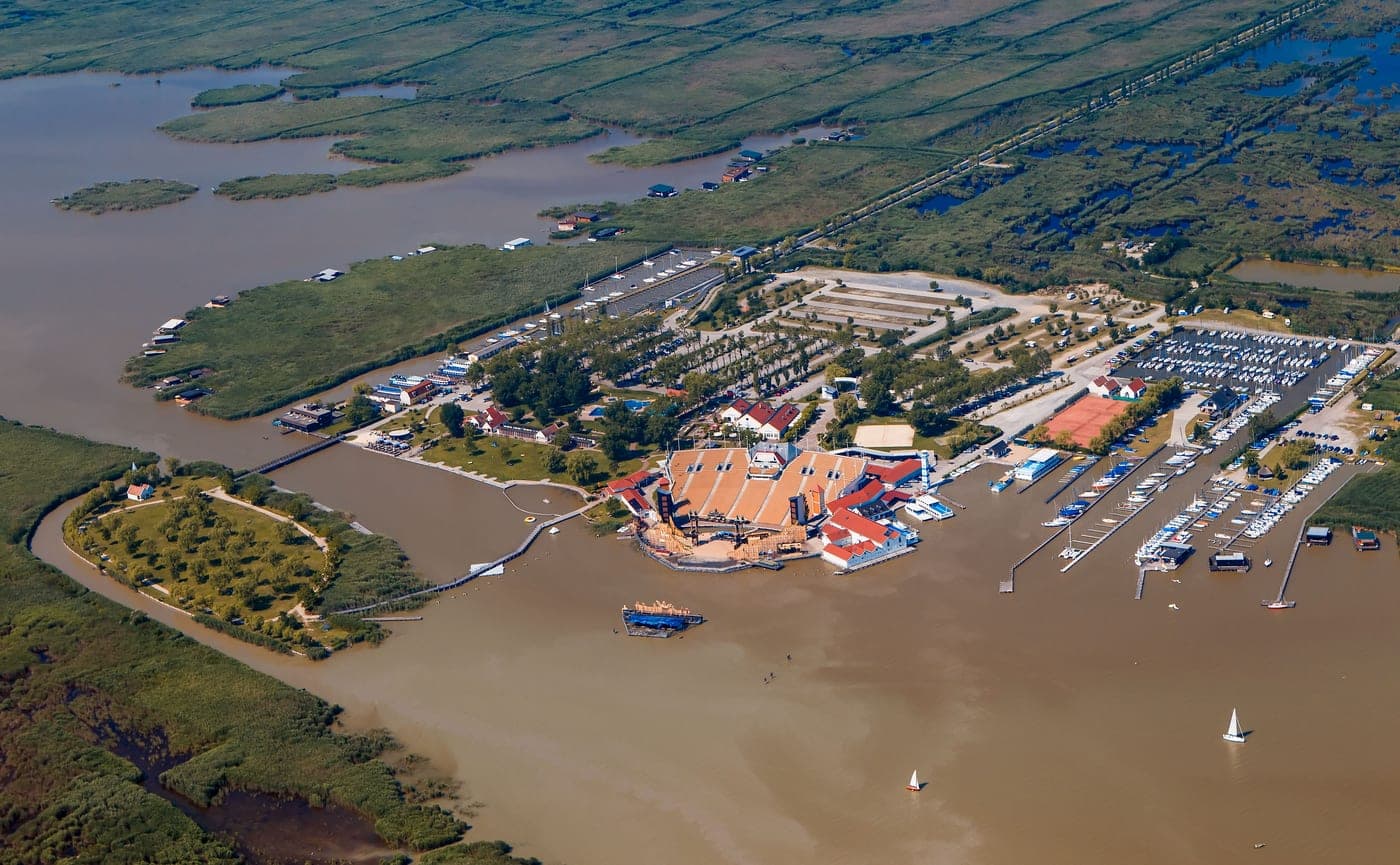
Mörbisch am See
Wine Tasting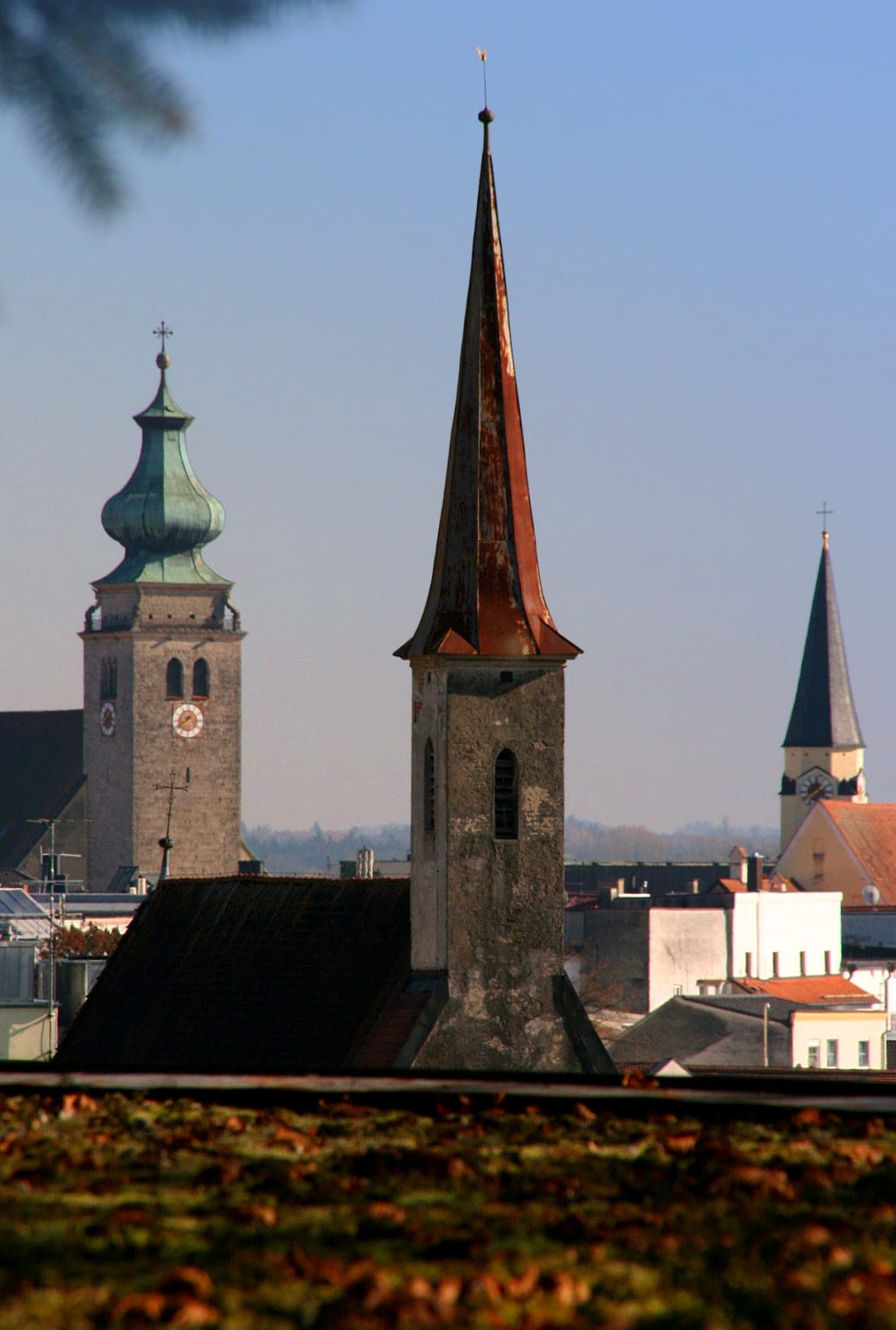
Mühldorf
Wine Tasting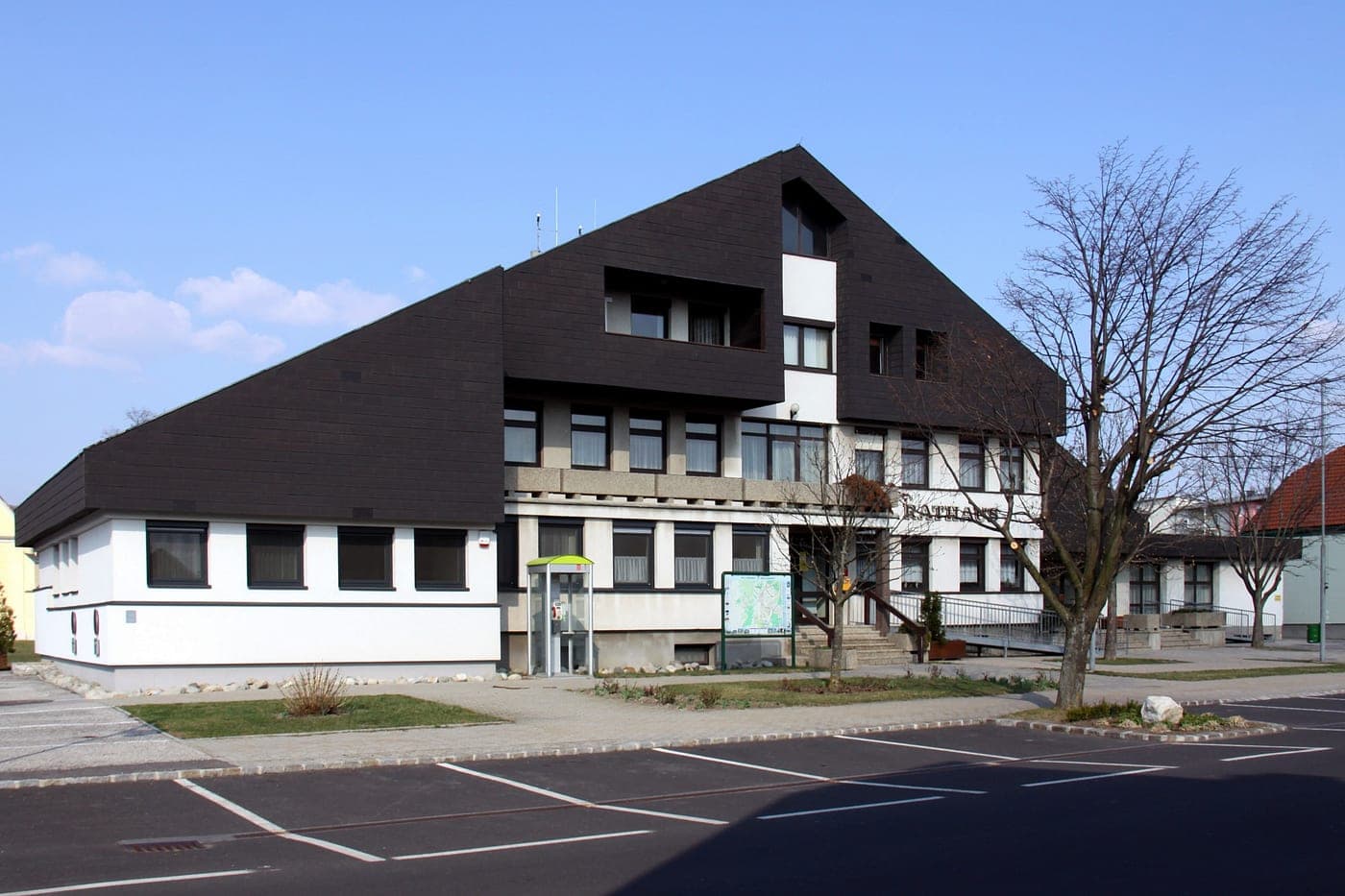
Müllendorf
Wine Tasting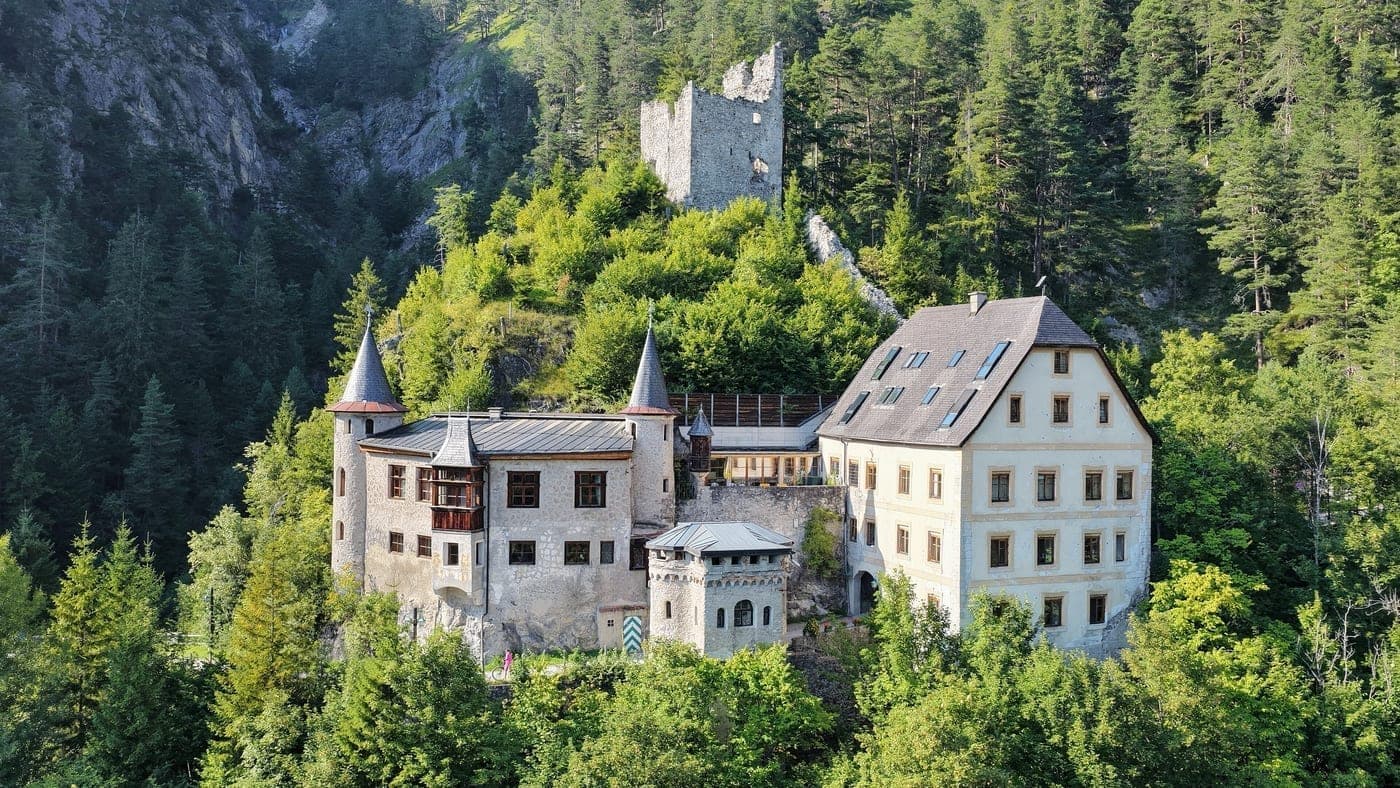
Nassereith
Castles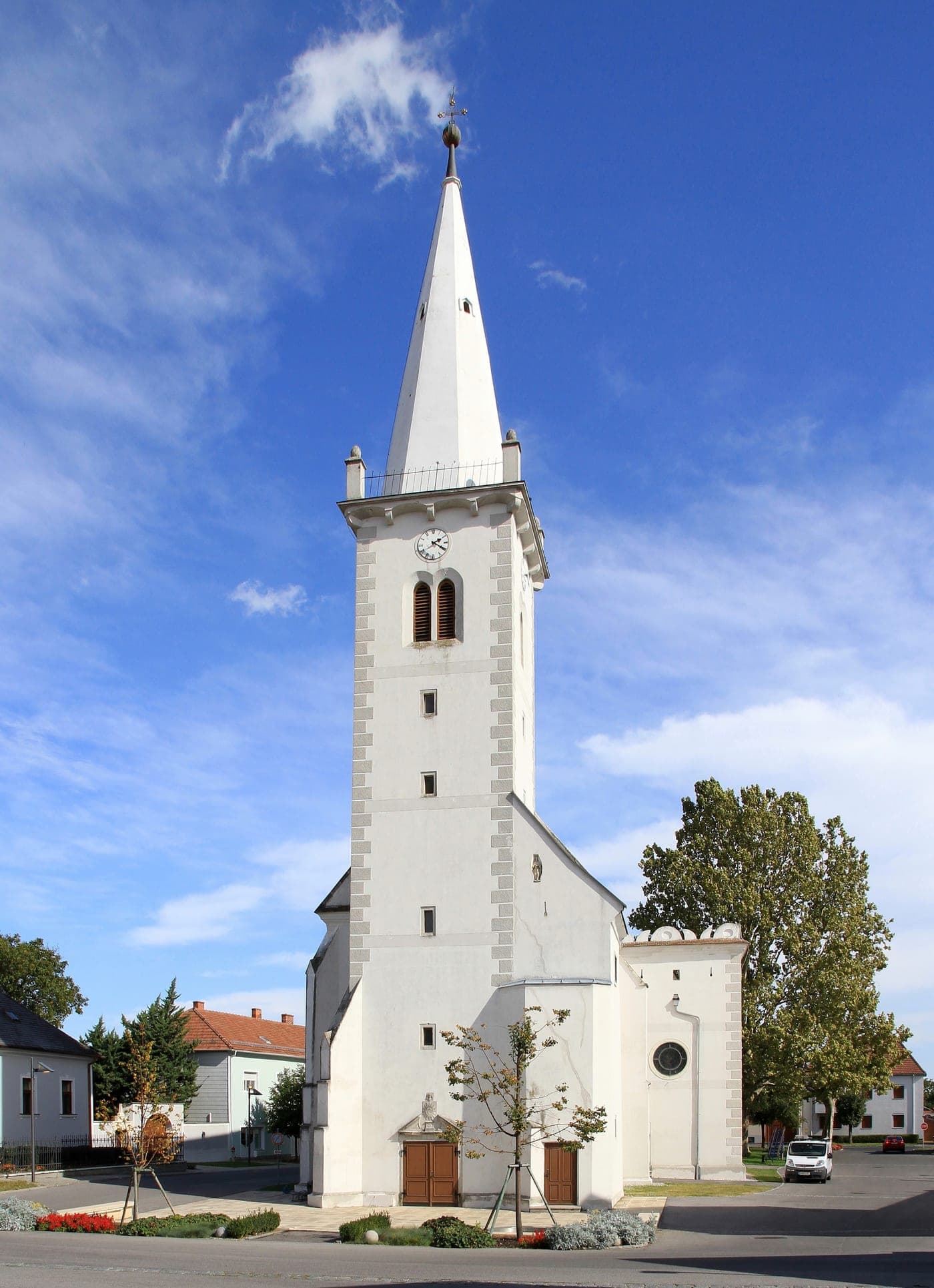
Neckenmarkt
Wine Tasting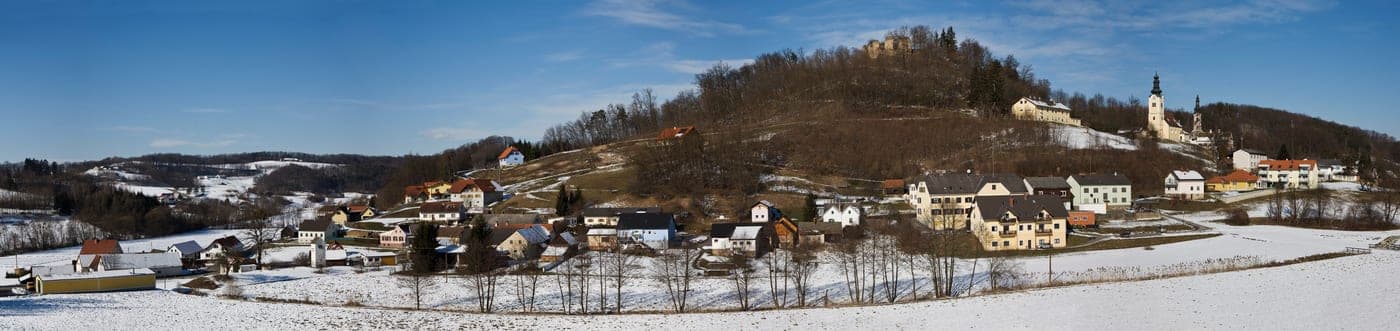
Neuhaus am Klausenbach
Wine Tasting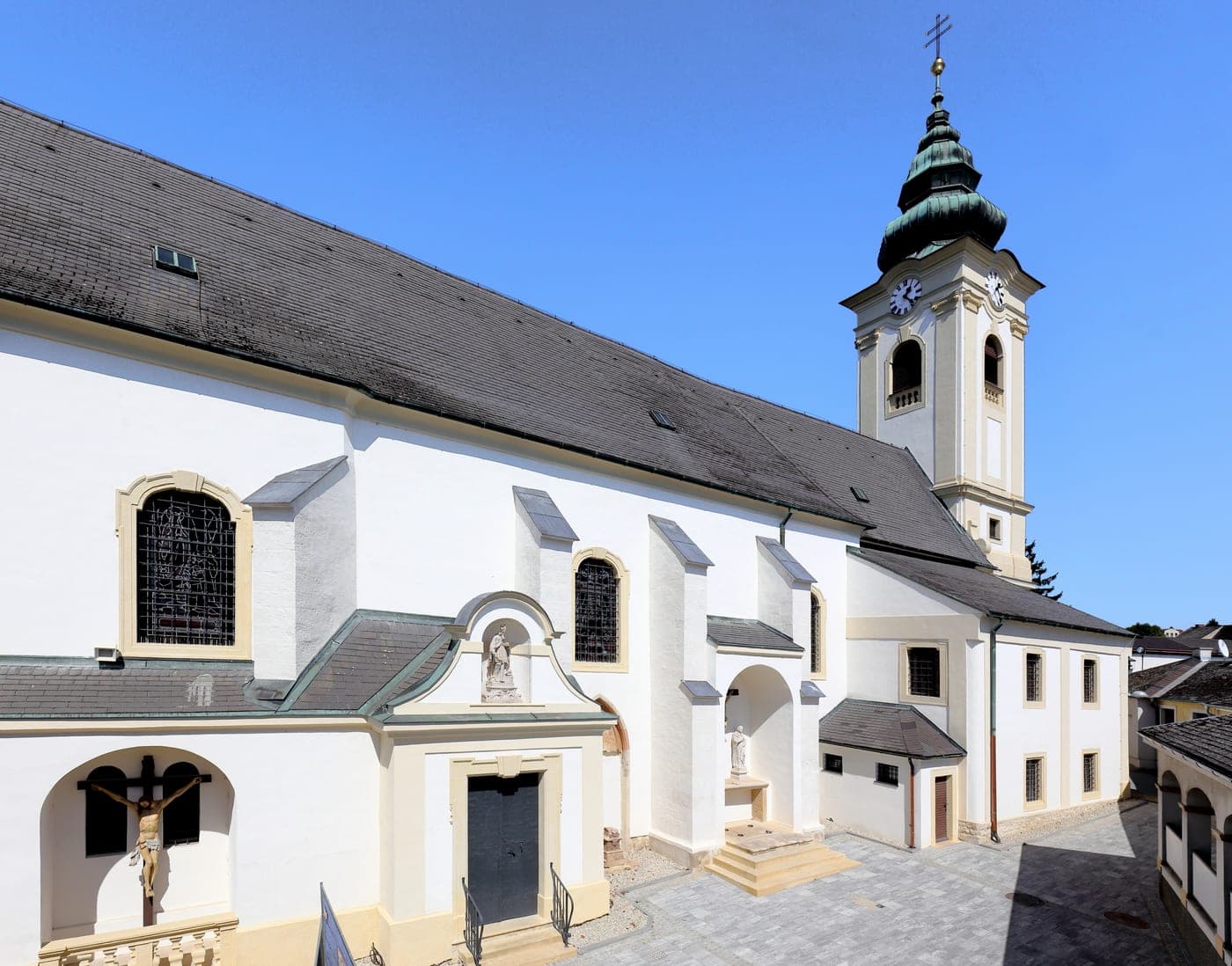
Neusiedl am See
Wine Tasting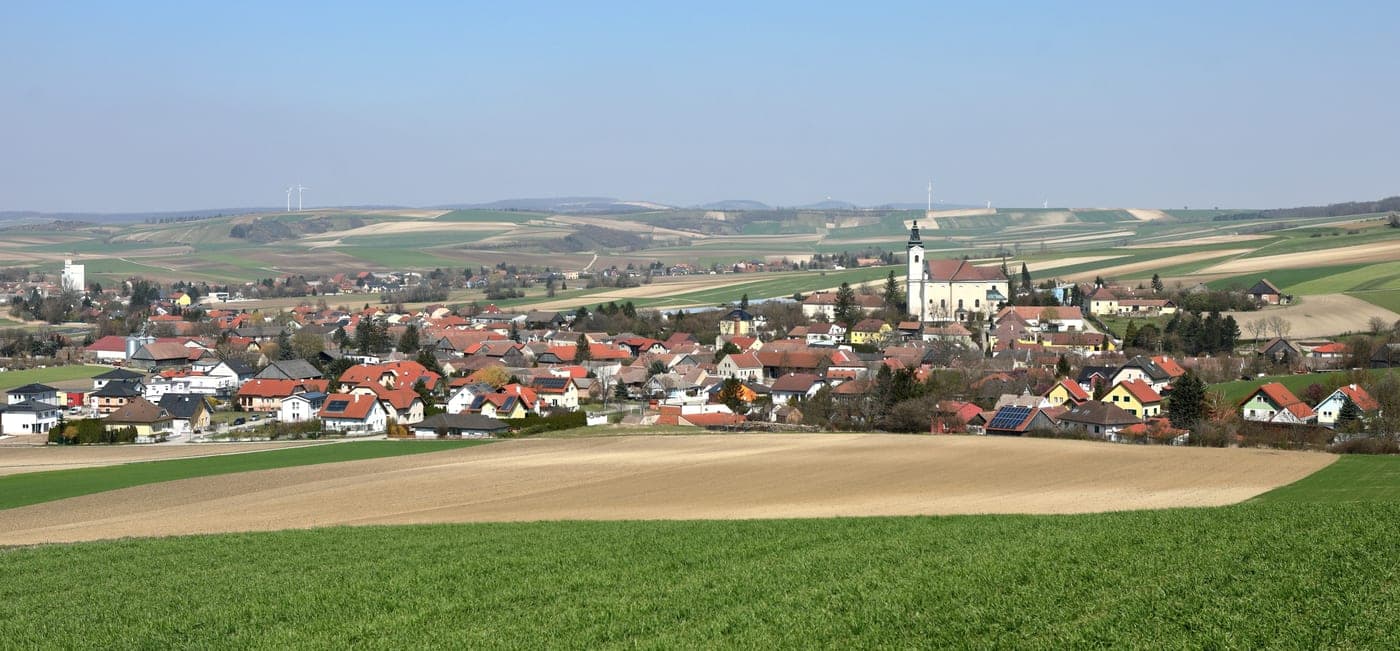
Niederhollabrunn
Wine Tasting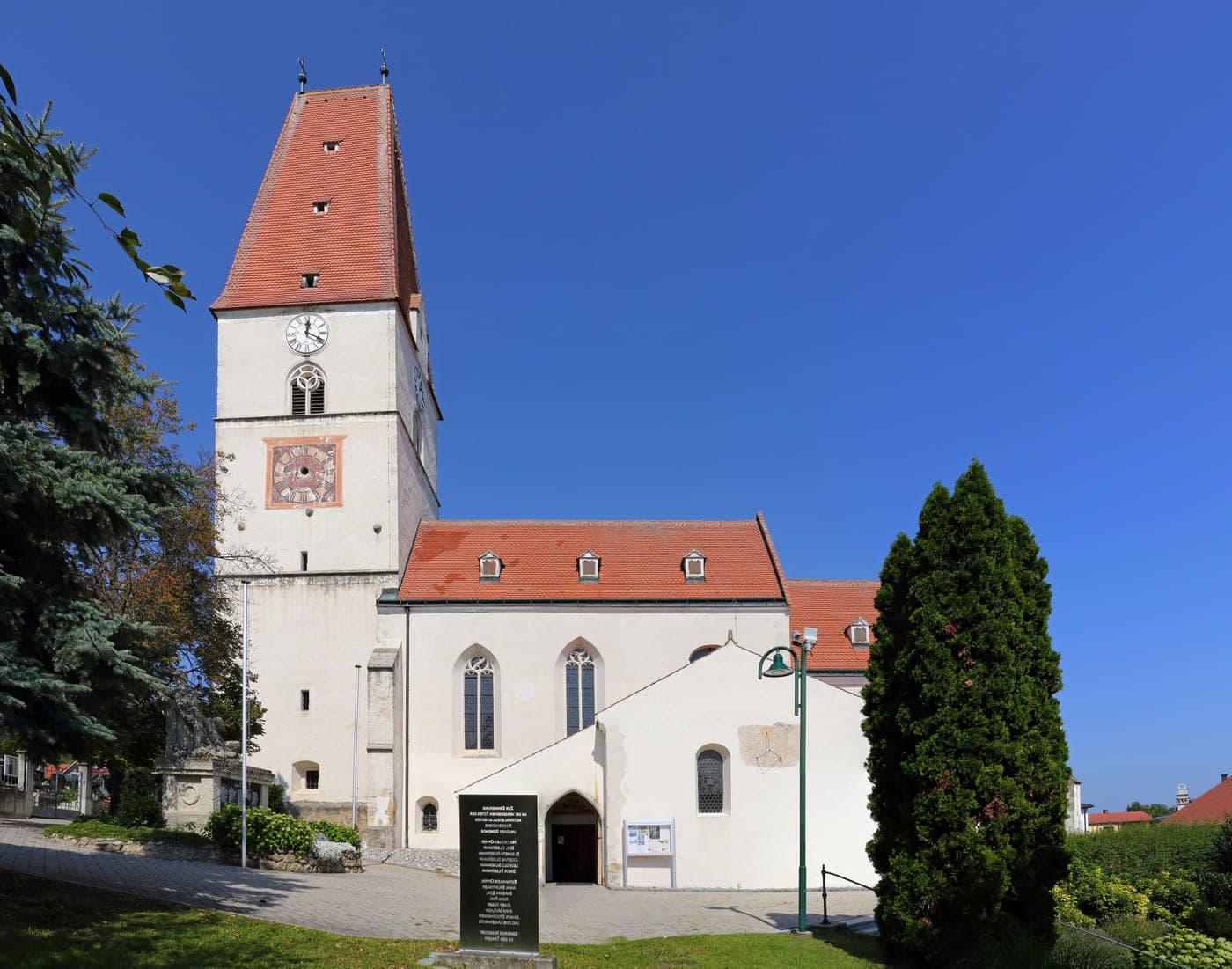
Nußdorf ob der Traisen
Wine Tasting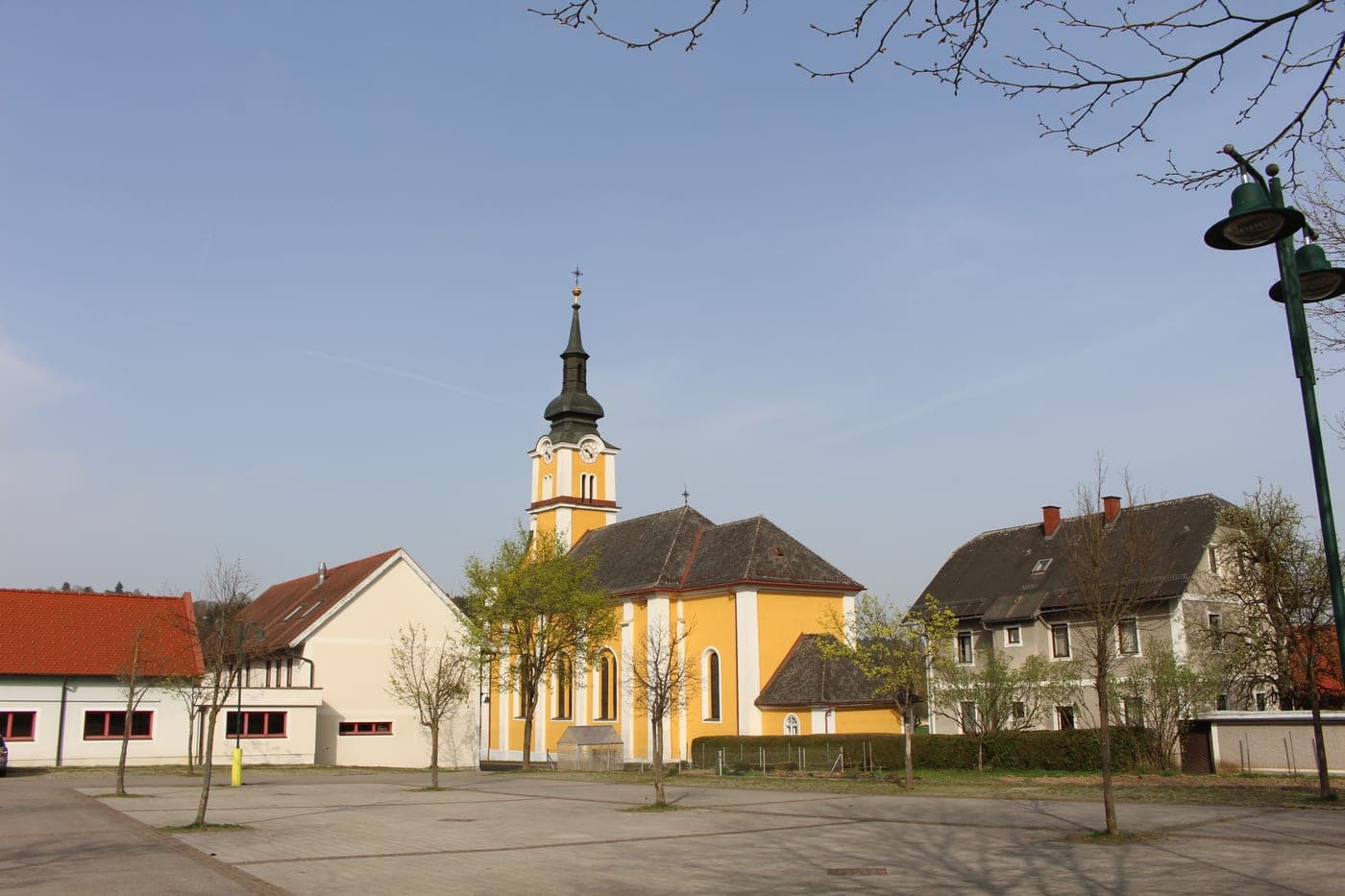
Oberhaag
Wine Tasting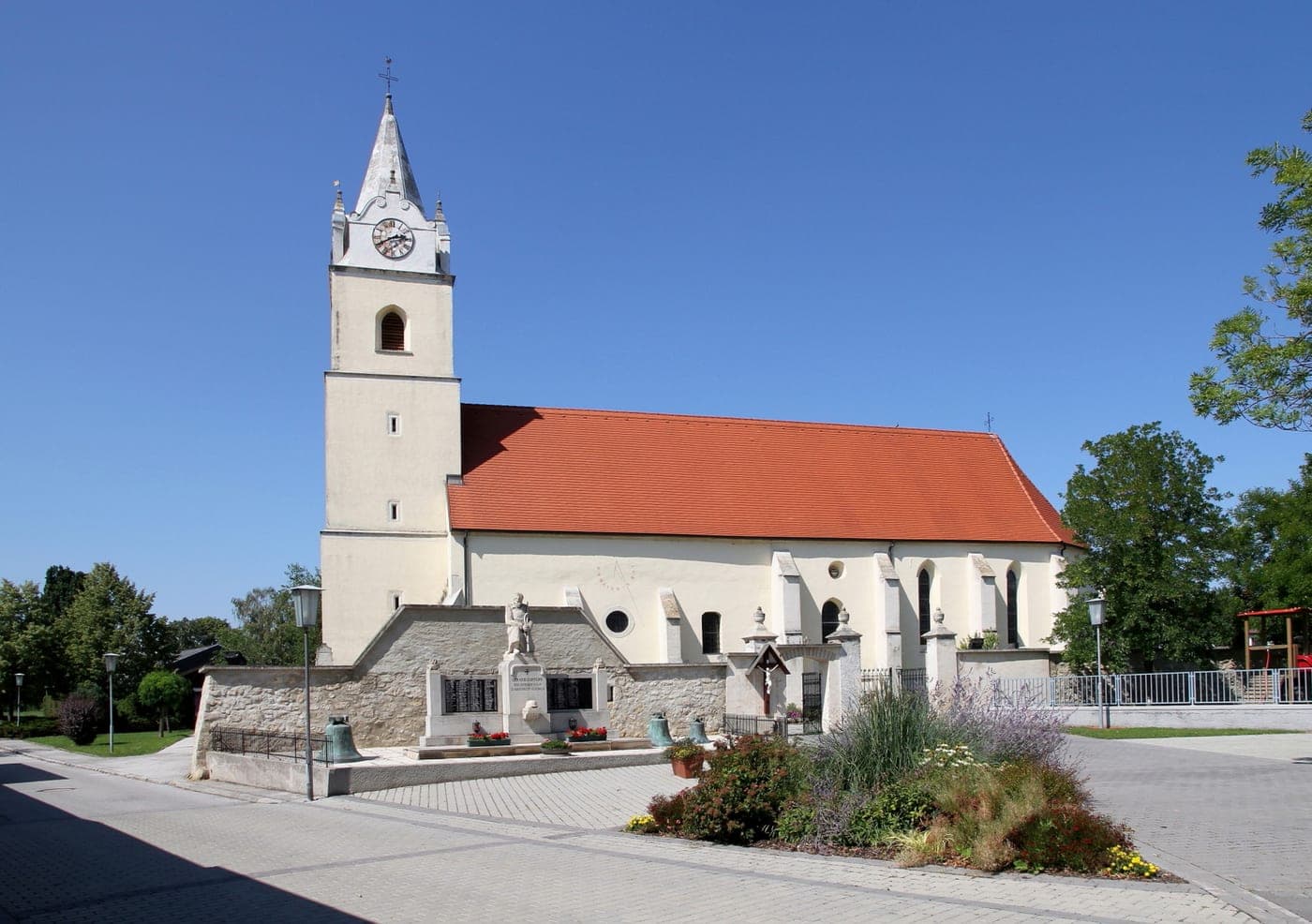
Oslip
Wine Tasting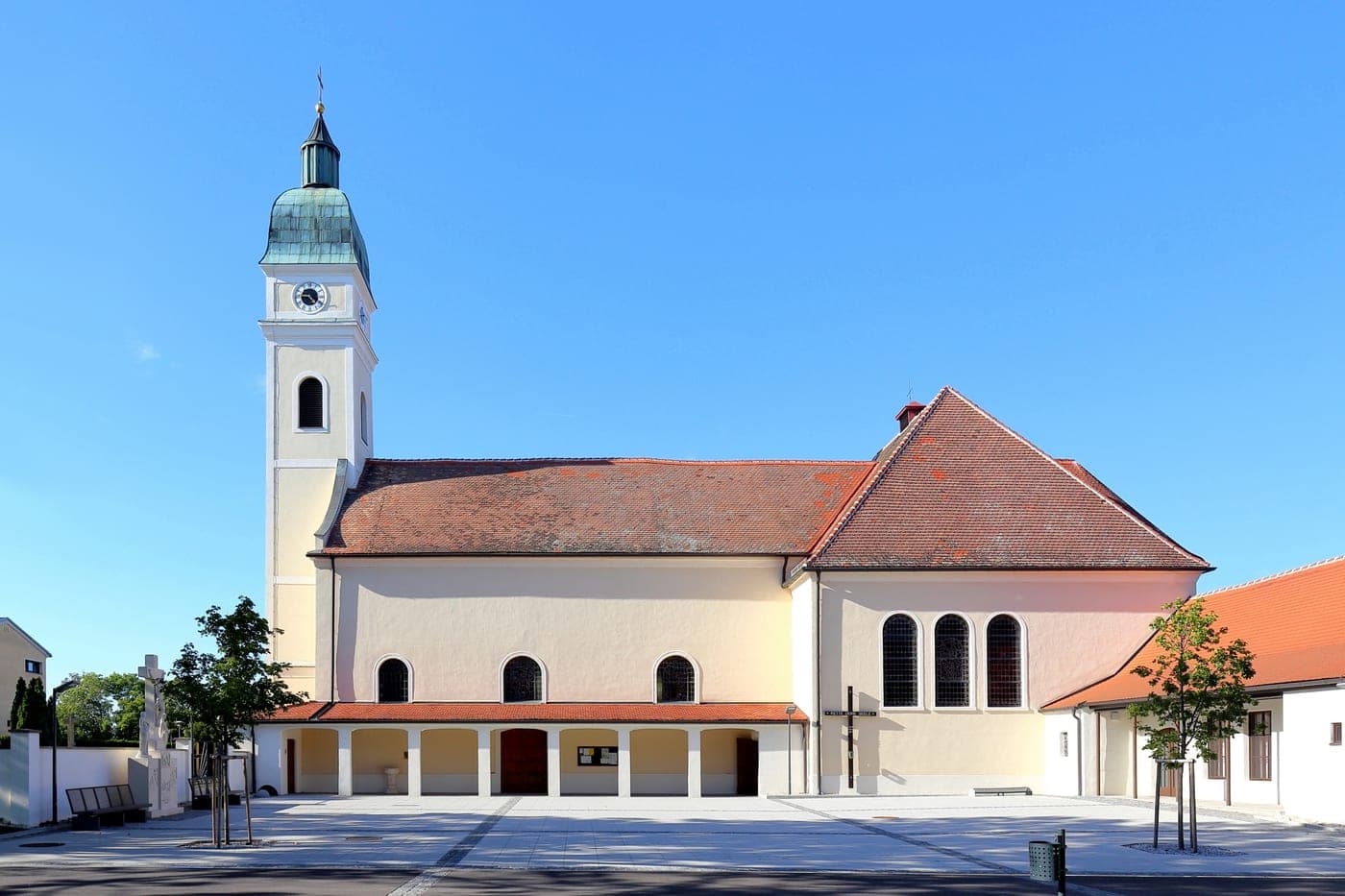
Pamhagen
Wine Tasting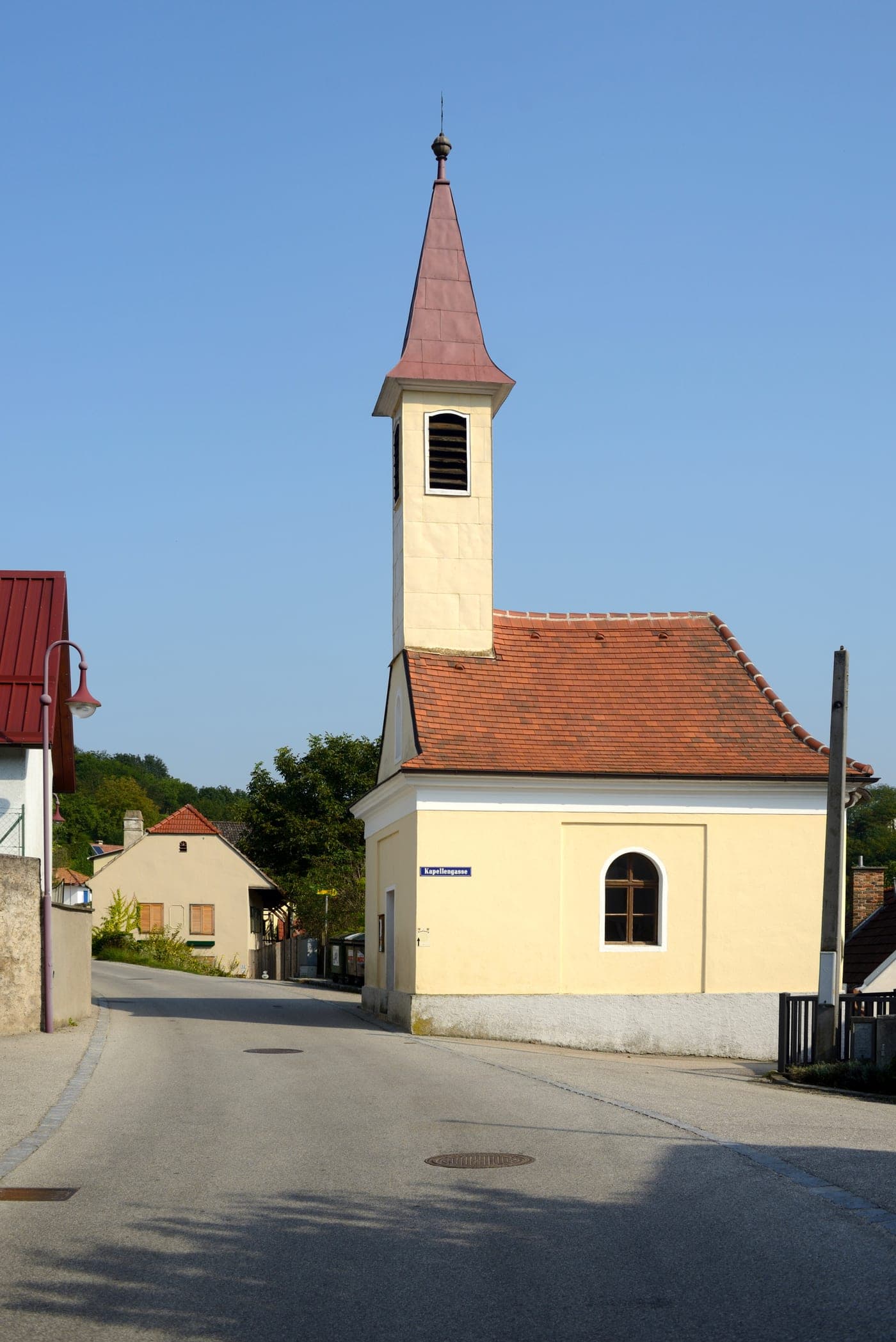
Paudorf
Wine Tasting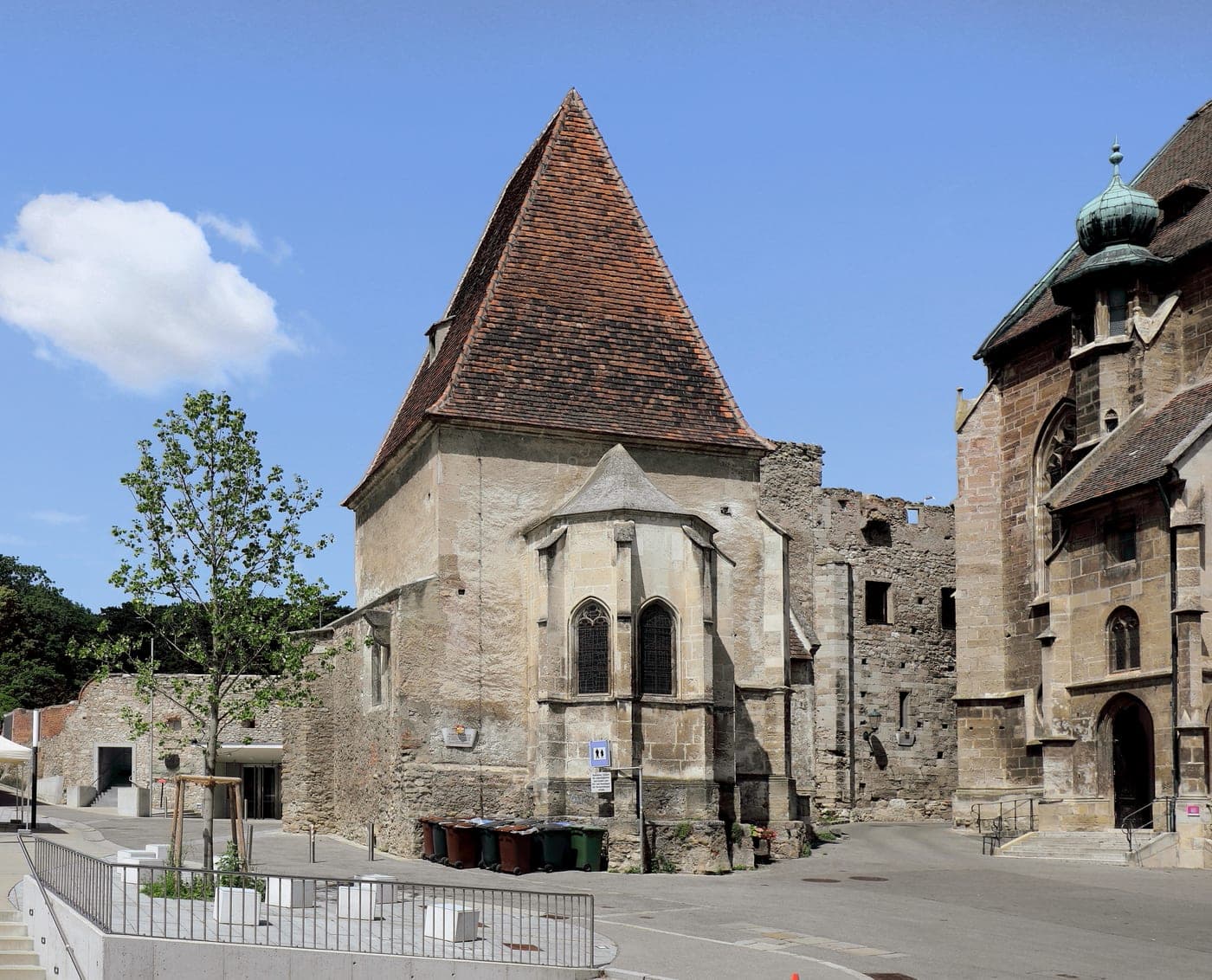
Perchtoldsdorf
Wine Tasting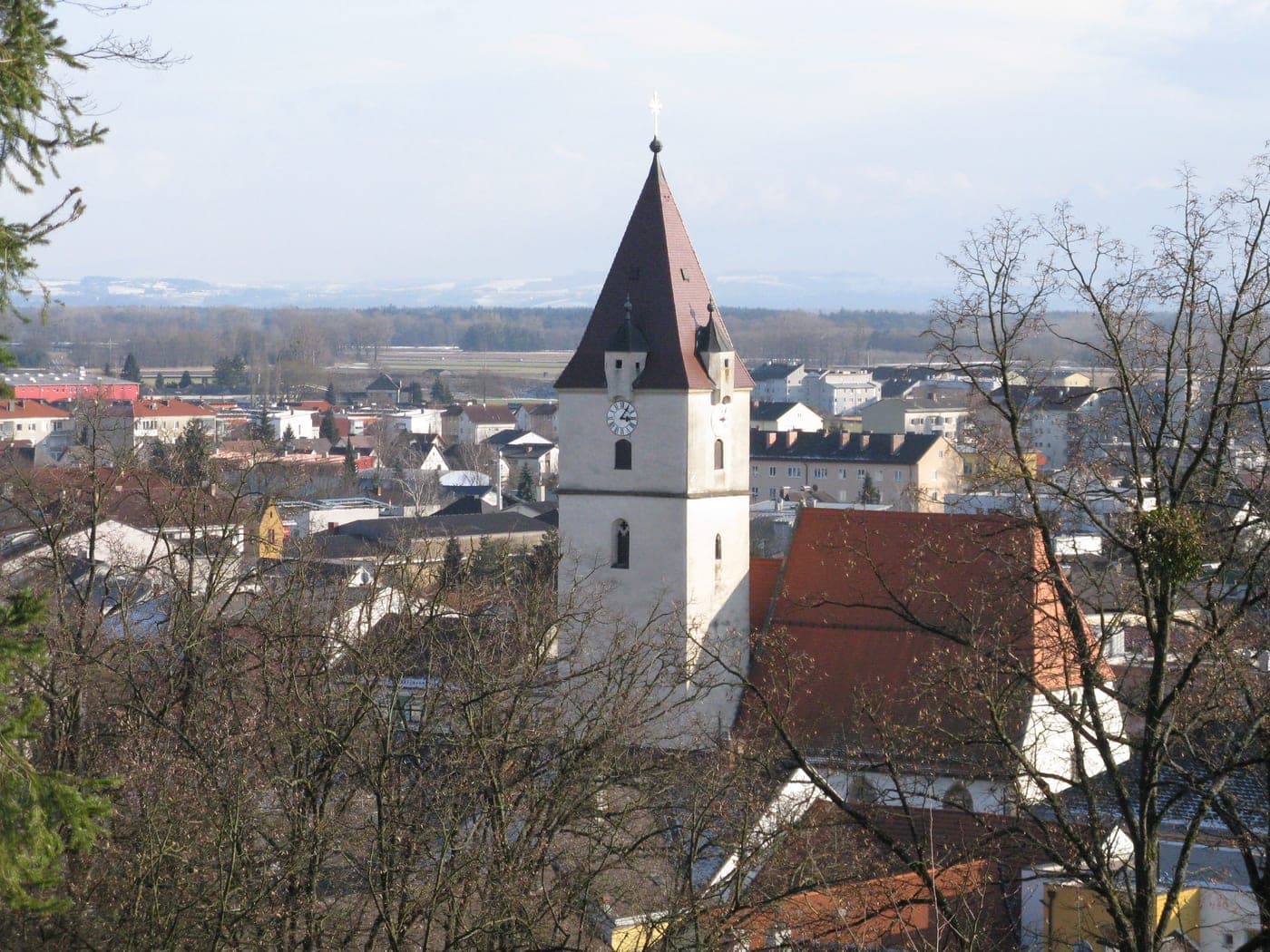
Perg
Wine Tasting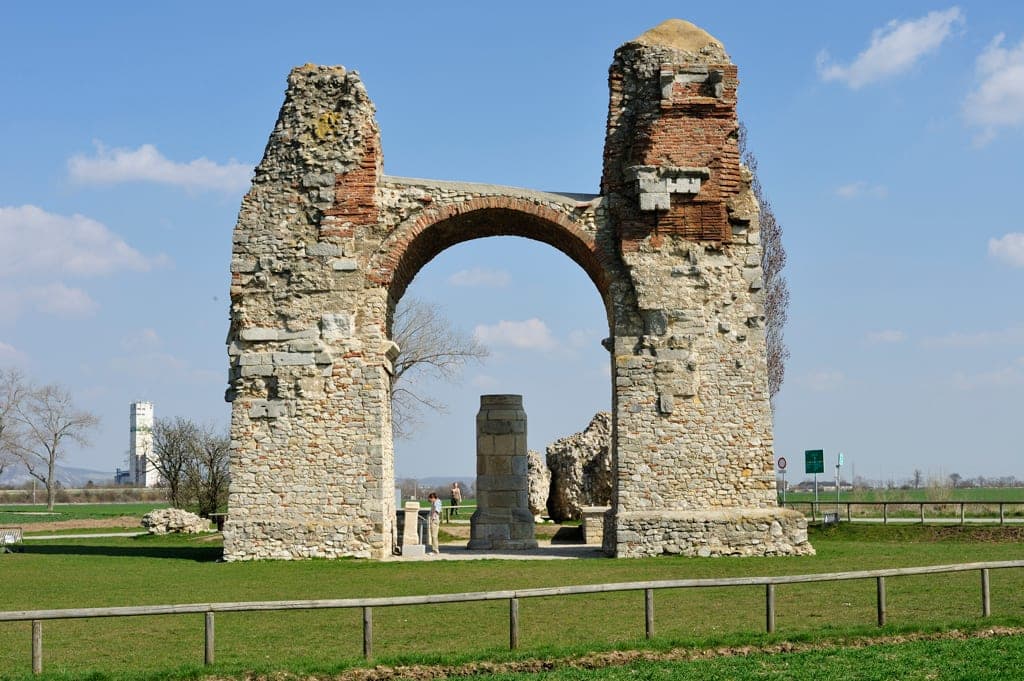
Petronell-Carnuntum
Wine Tasting
Pfaffstätten
Wine Tasting
Pillichsdorf
Wine TastingPinkafeld
Wine Tasting
Pischelsdorf am Kulm
Wine Tasting
Podersdorf am See
Wine Tasting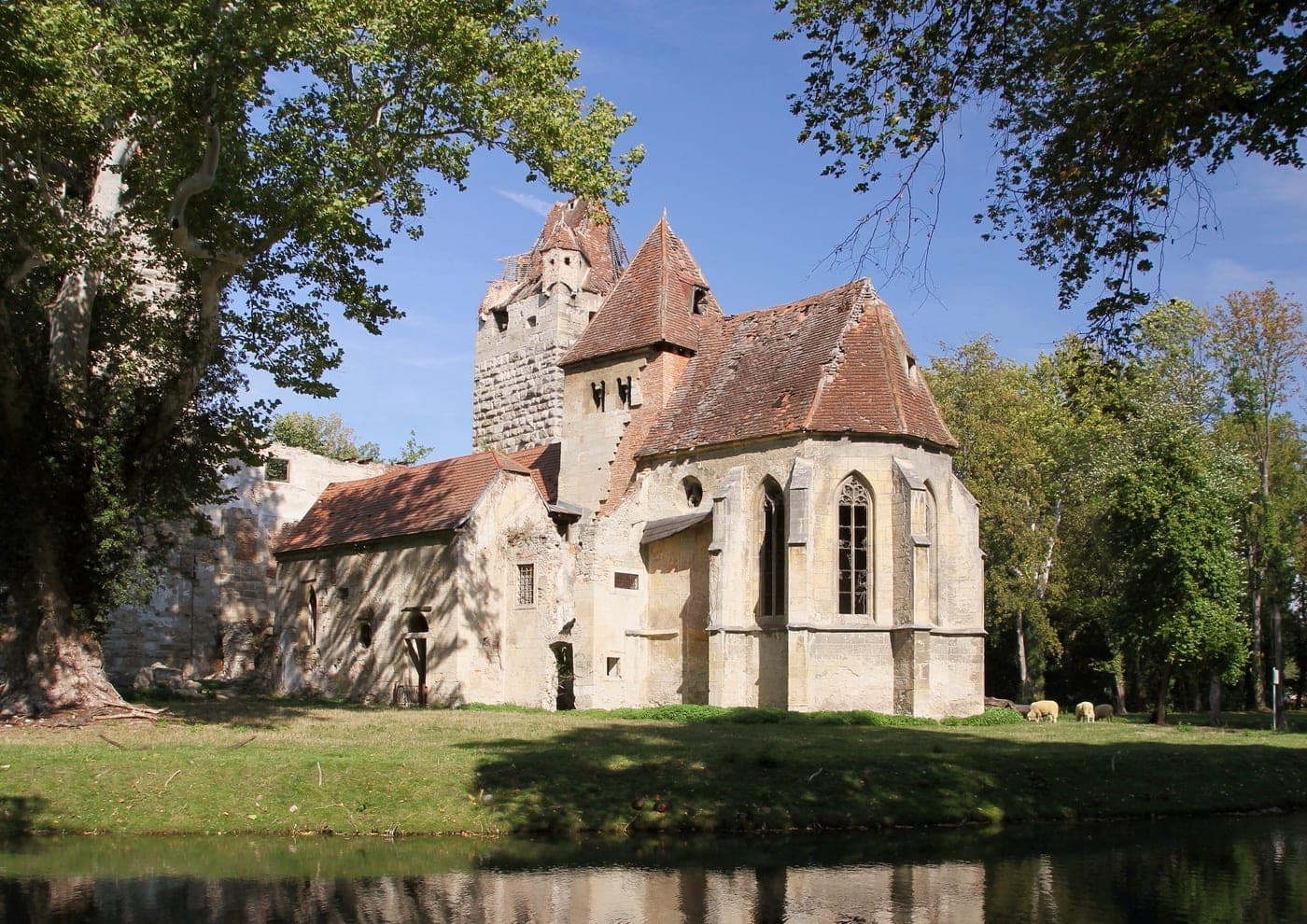
Pottendorf
Wine Tasting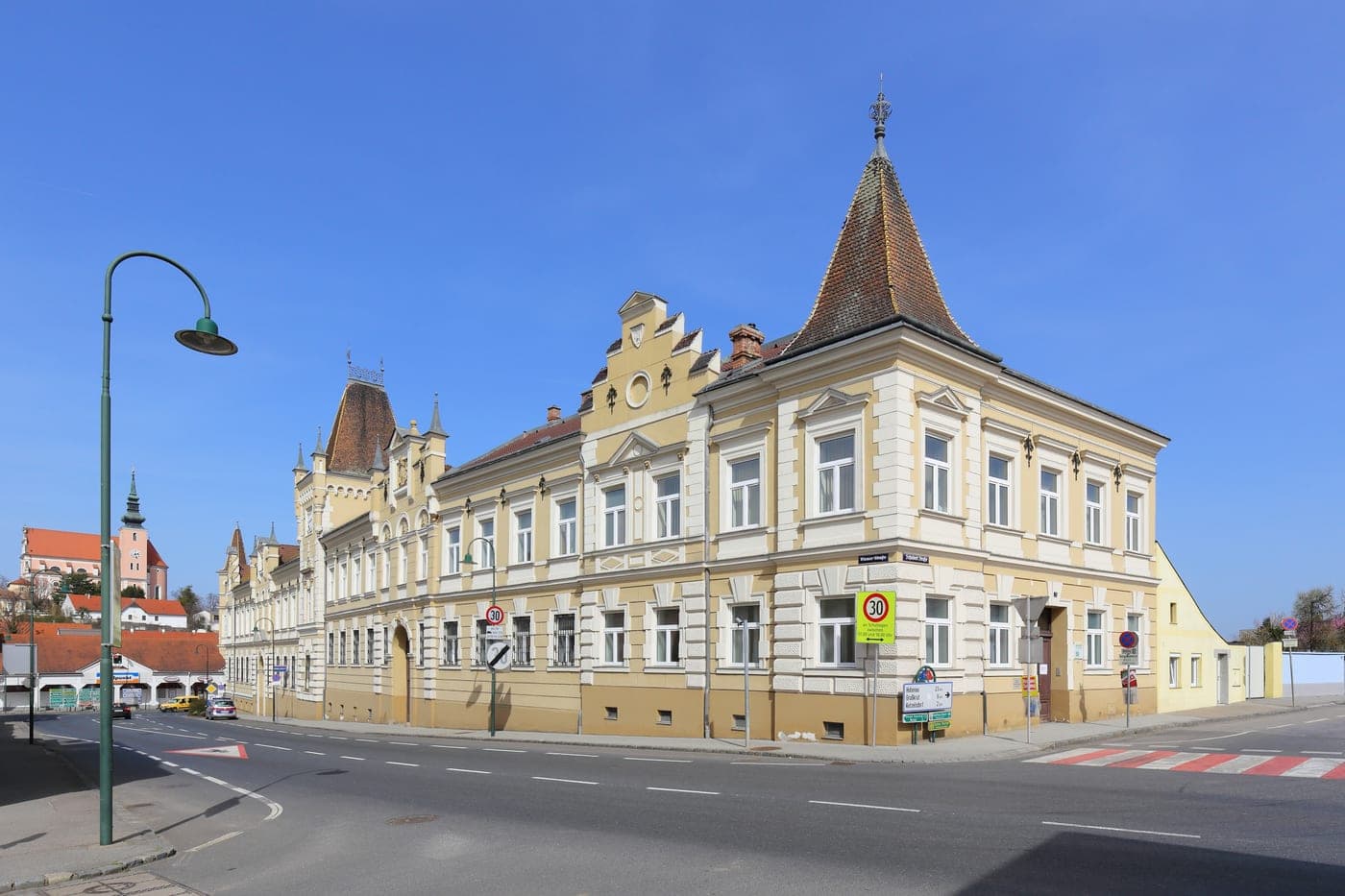
Poysdorf
Wine Tasting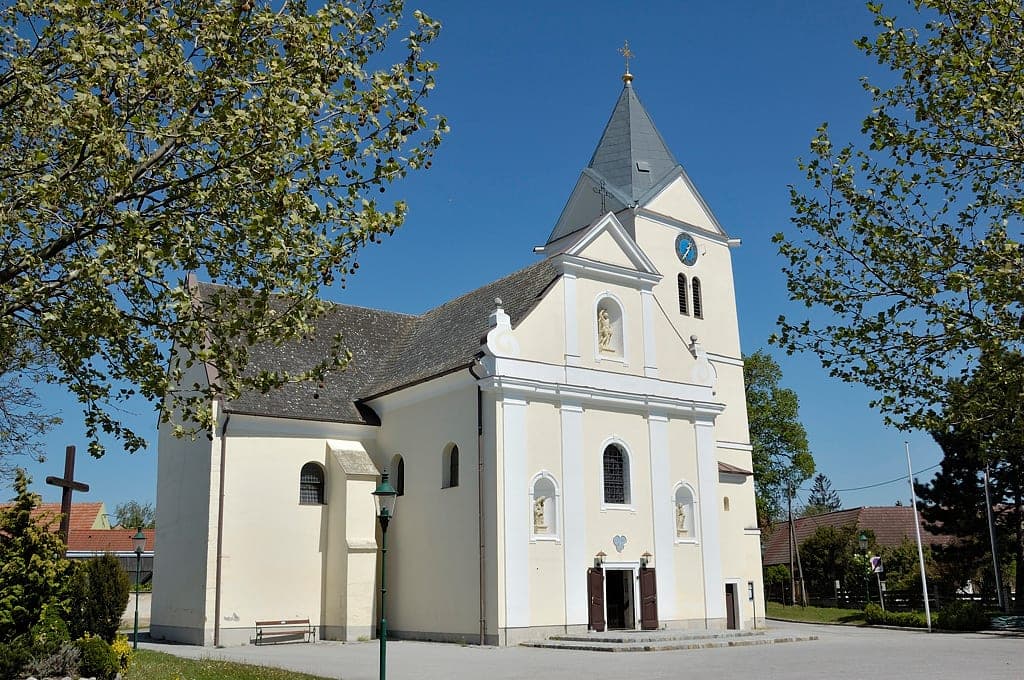
Prottes
Wine Tasting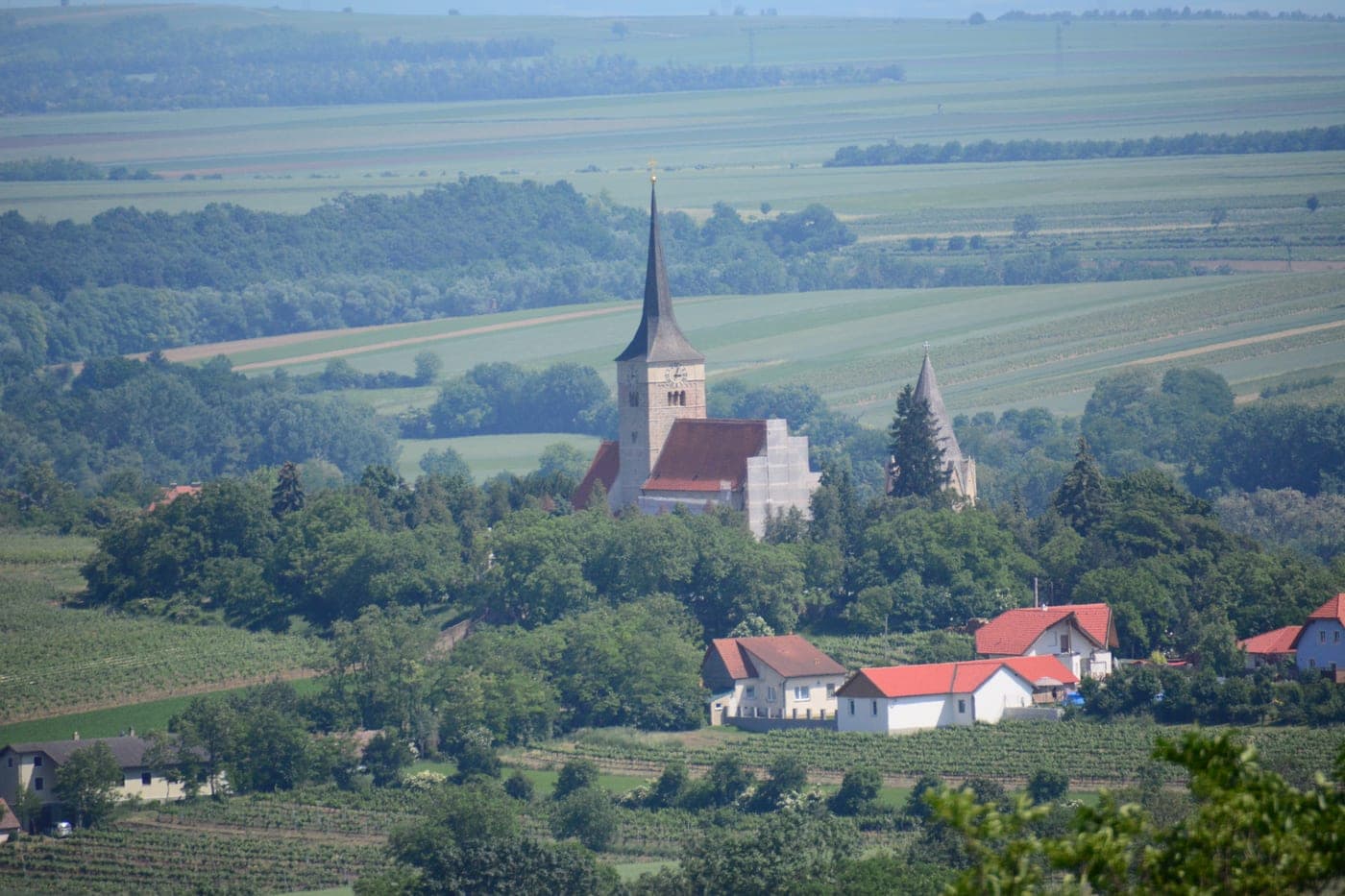
Pulkau
Wine Tasting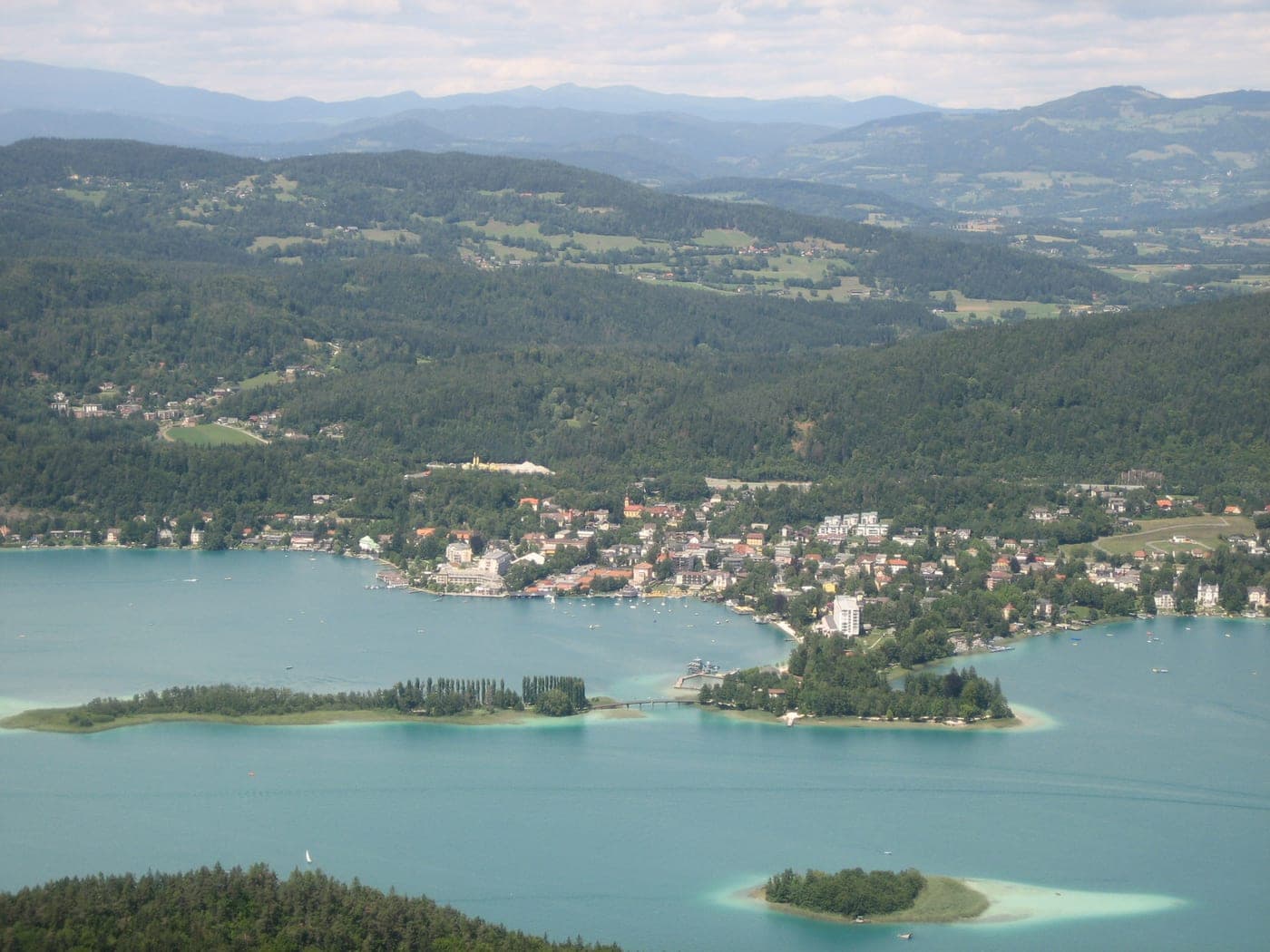
Pörtschach am Wörthersee
Castles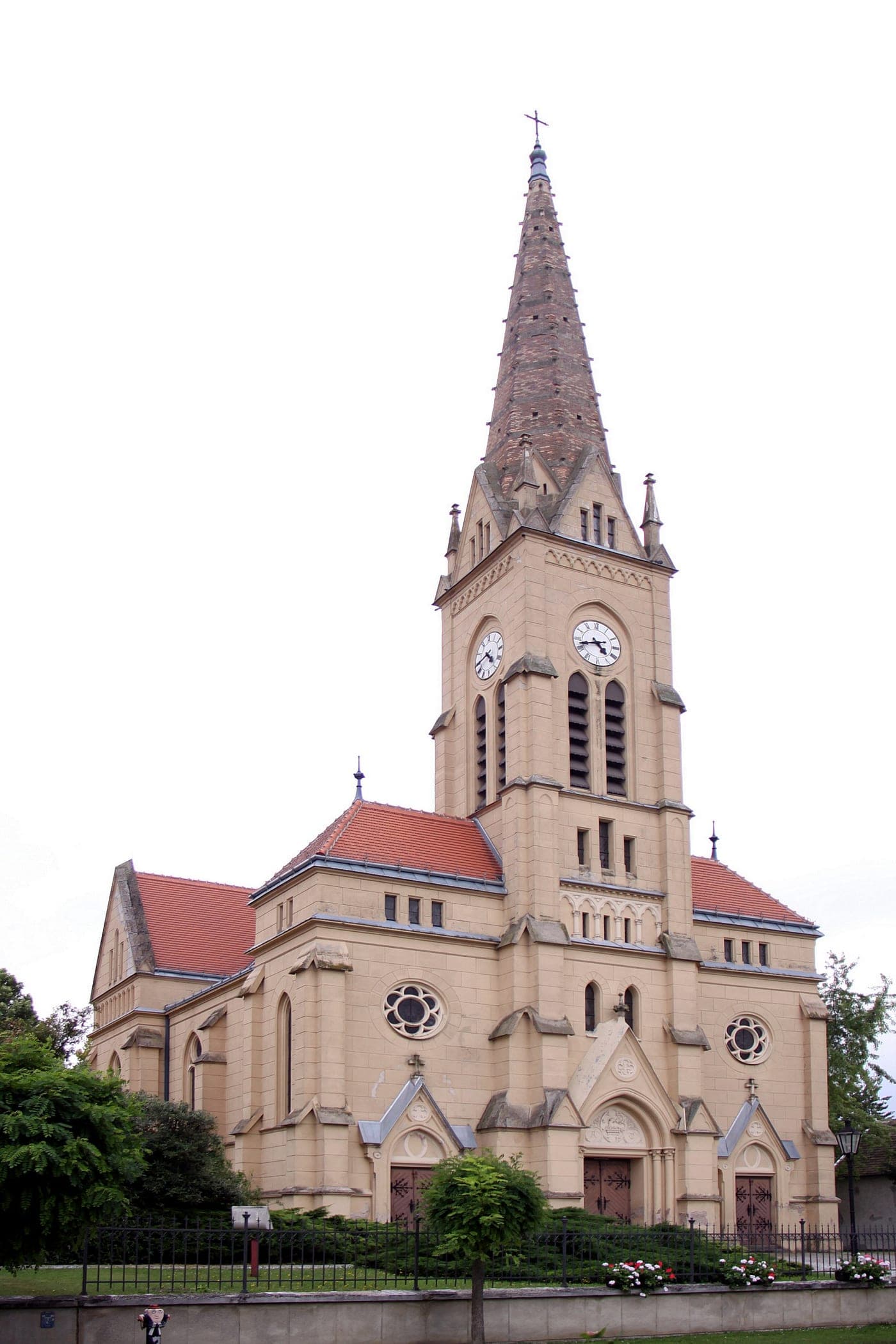
Pöttelsdorf
Wine Tasting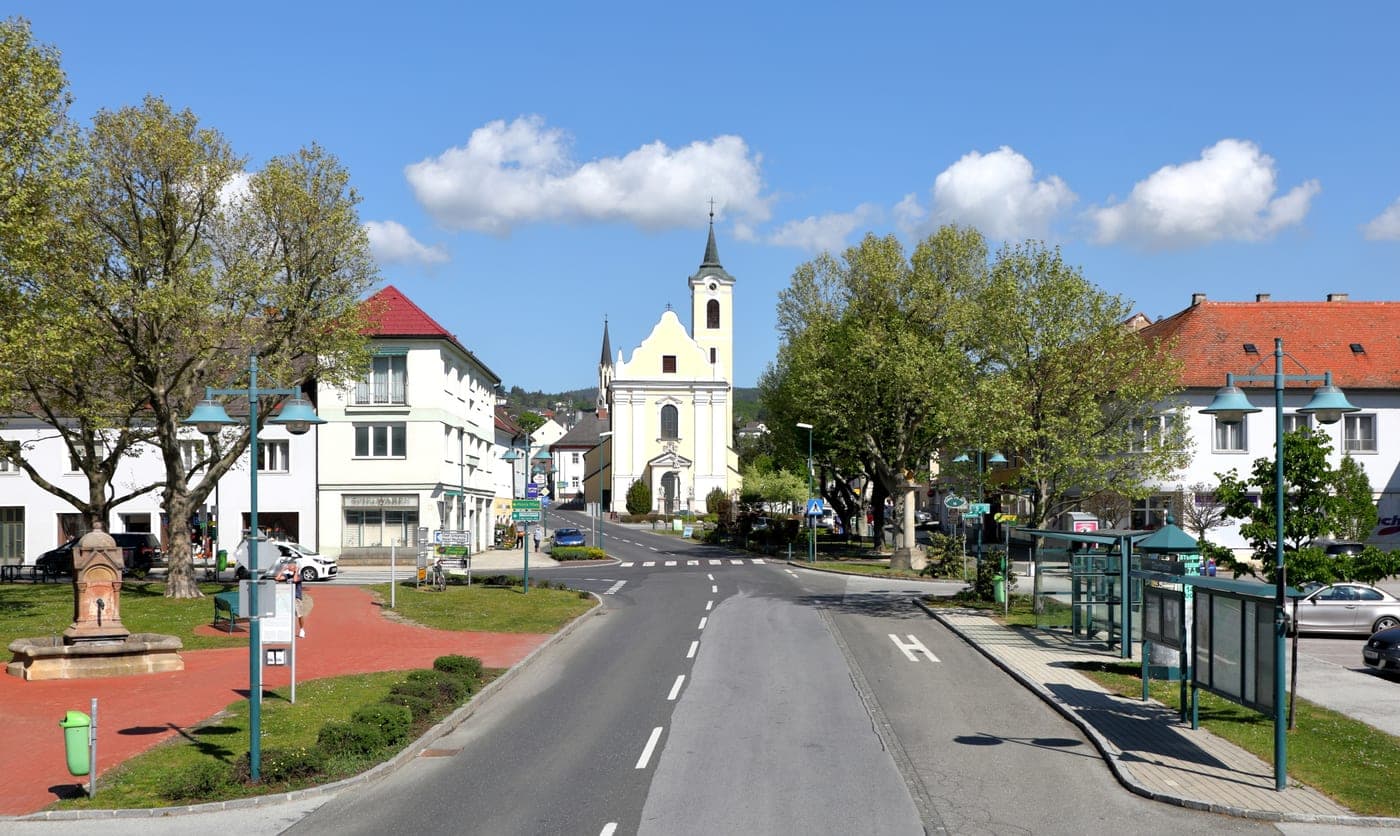
Rechnitz
Wine Tasting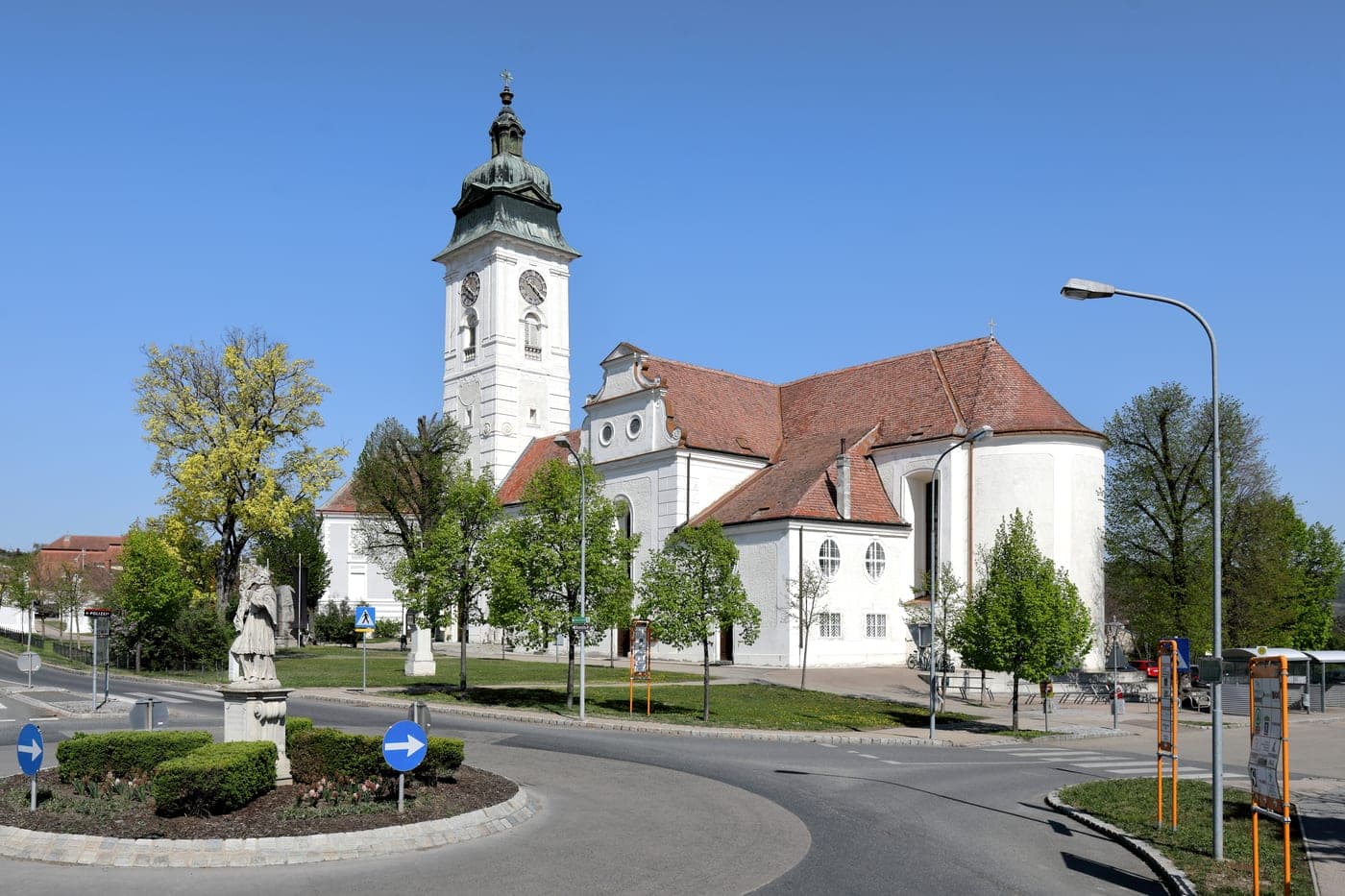
Retz
Wine Tasting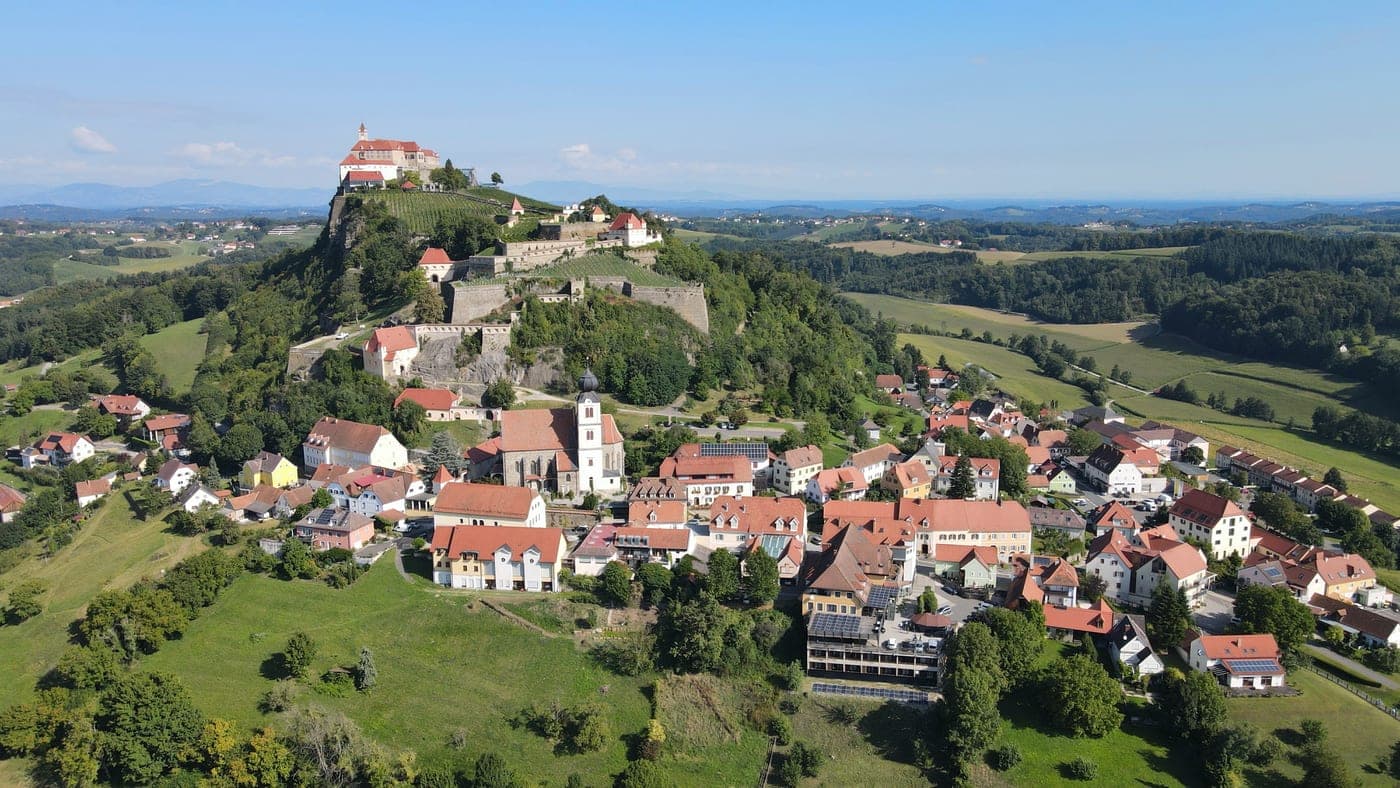
Riegersburg
Wine Tasting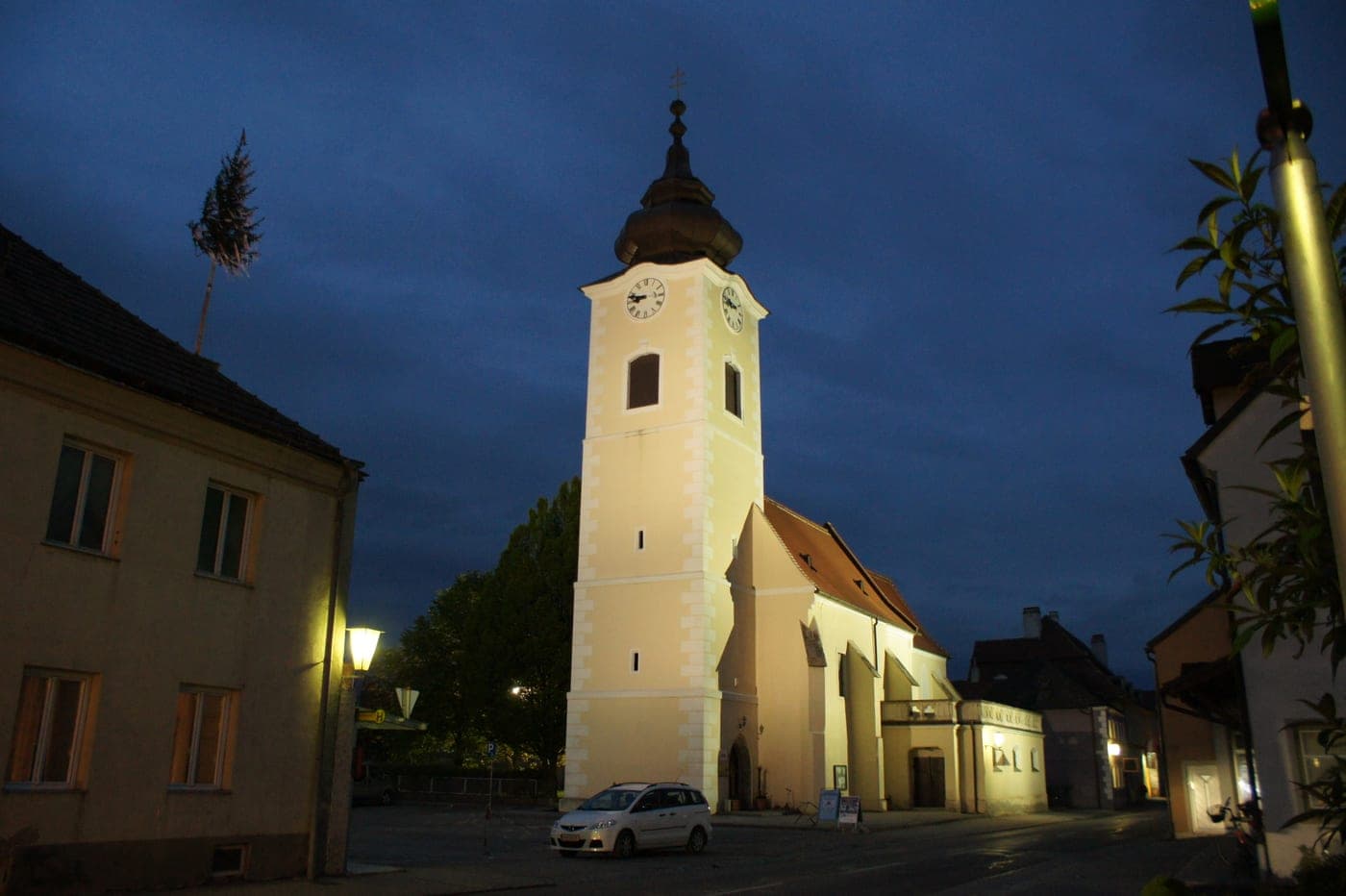
Rohrendorf bei Krems
Wine Tasting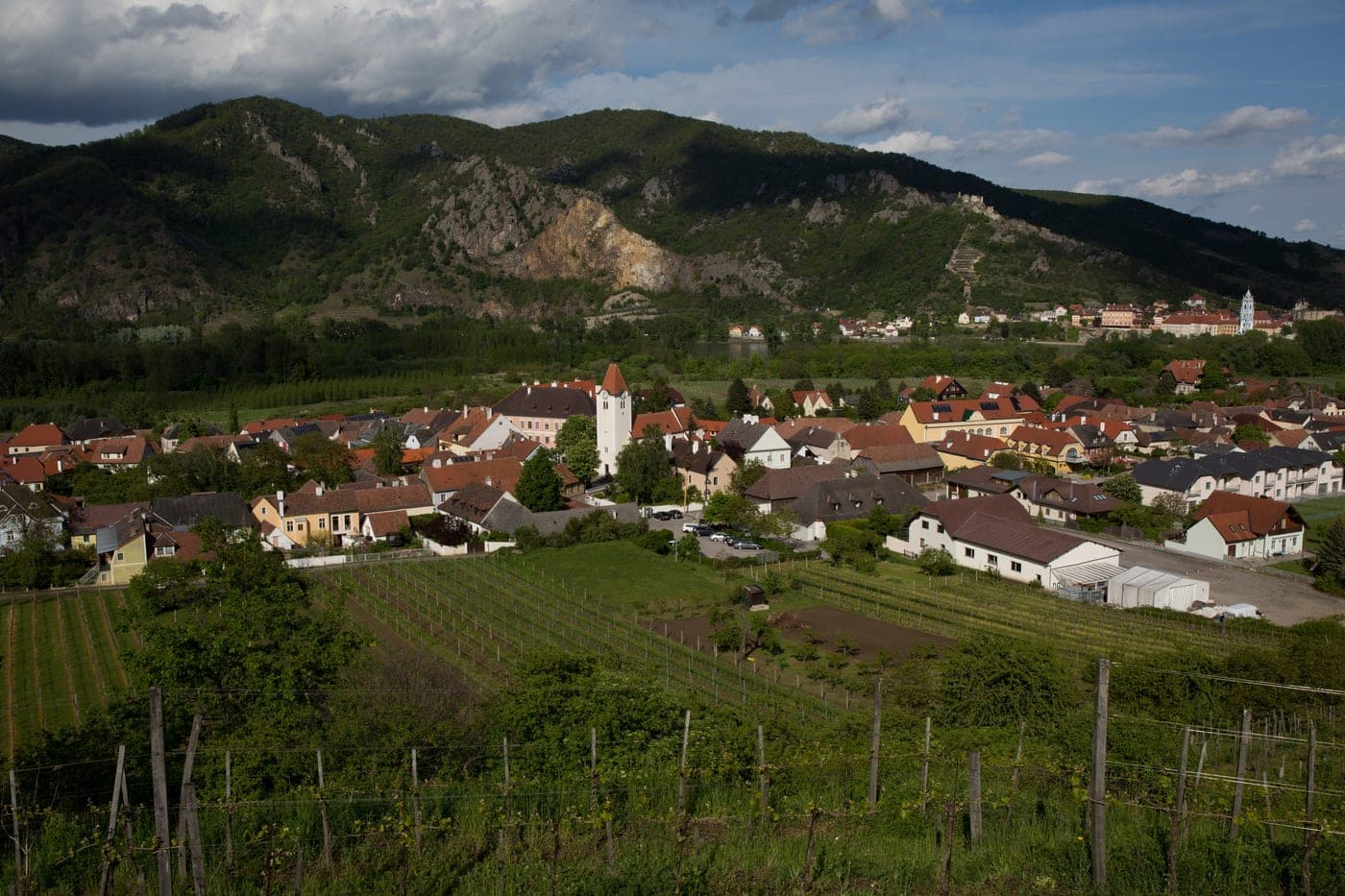
Rossatz-Arnsdorf
Wine TastingRöthis
Wine Tasting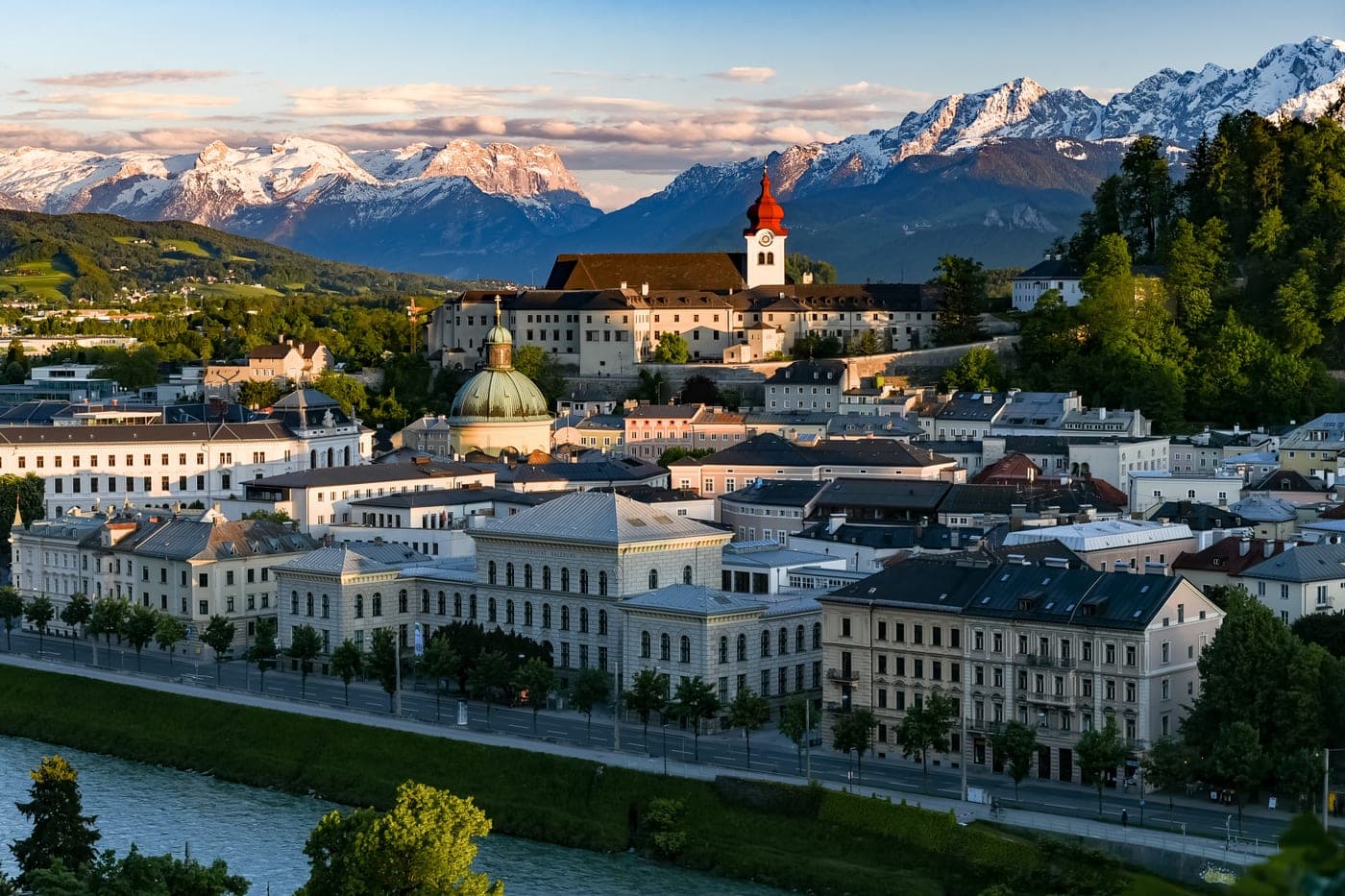
Salzburg
Camper Van Rentals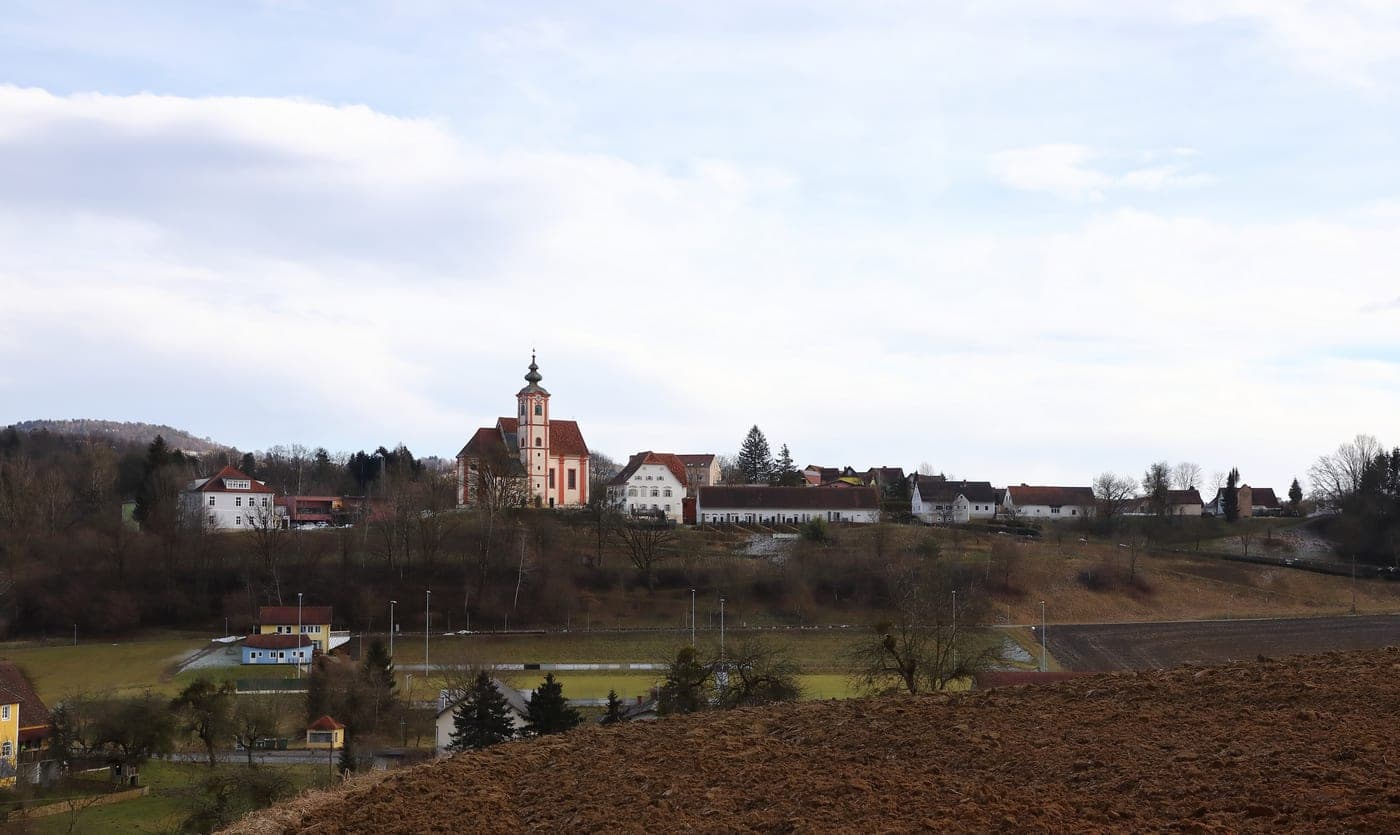
Sankt Andrä-Höch
Wine Tasting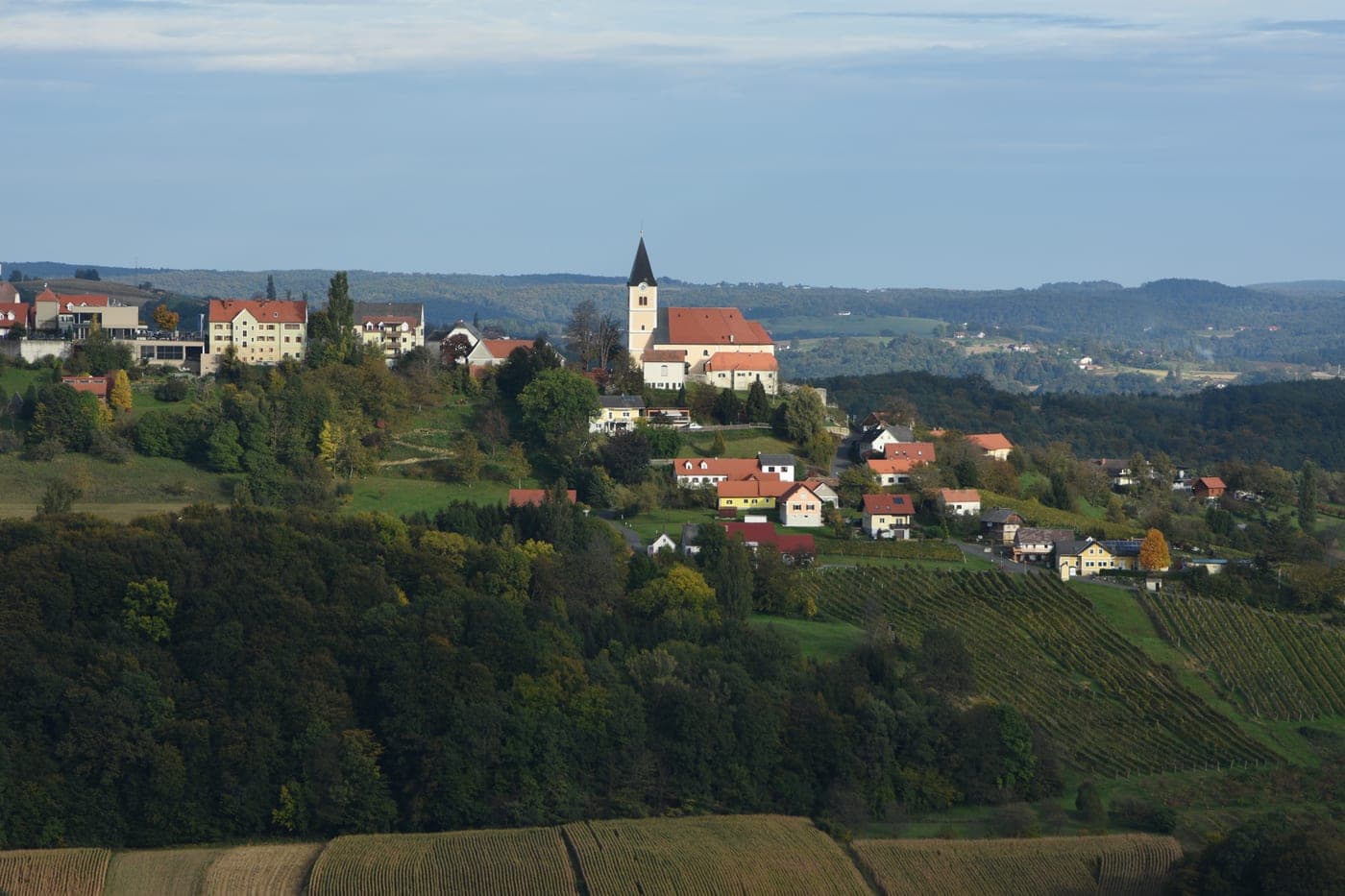
Sankt Anna am Aigen
Wine Tasting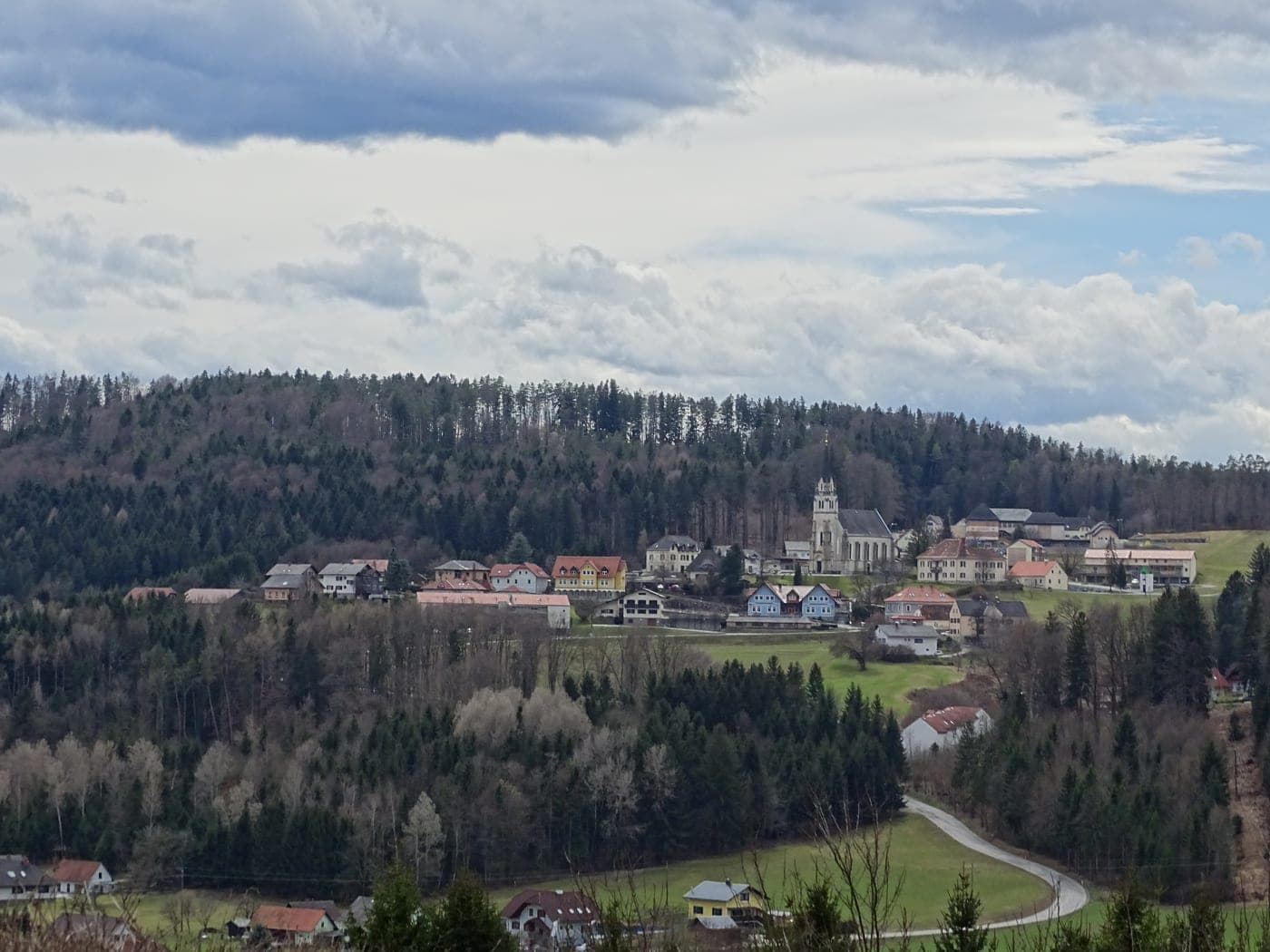
Sankt Bartholomä
Wine Tasting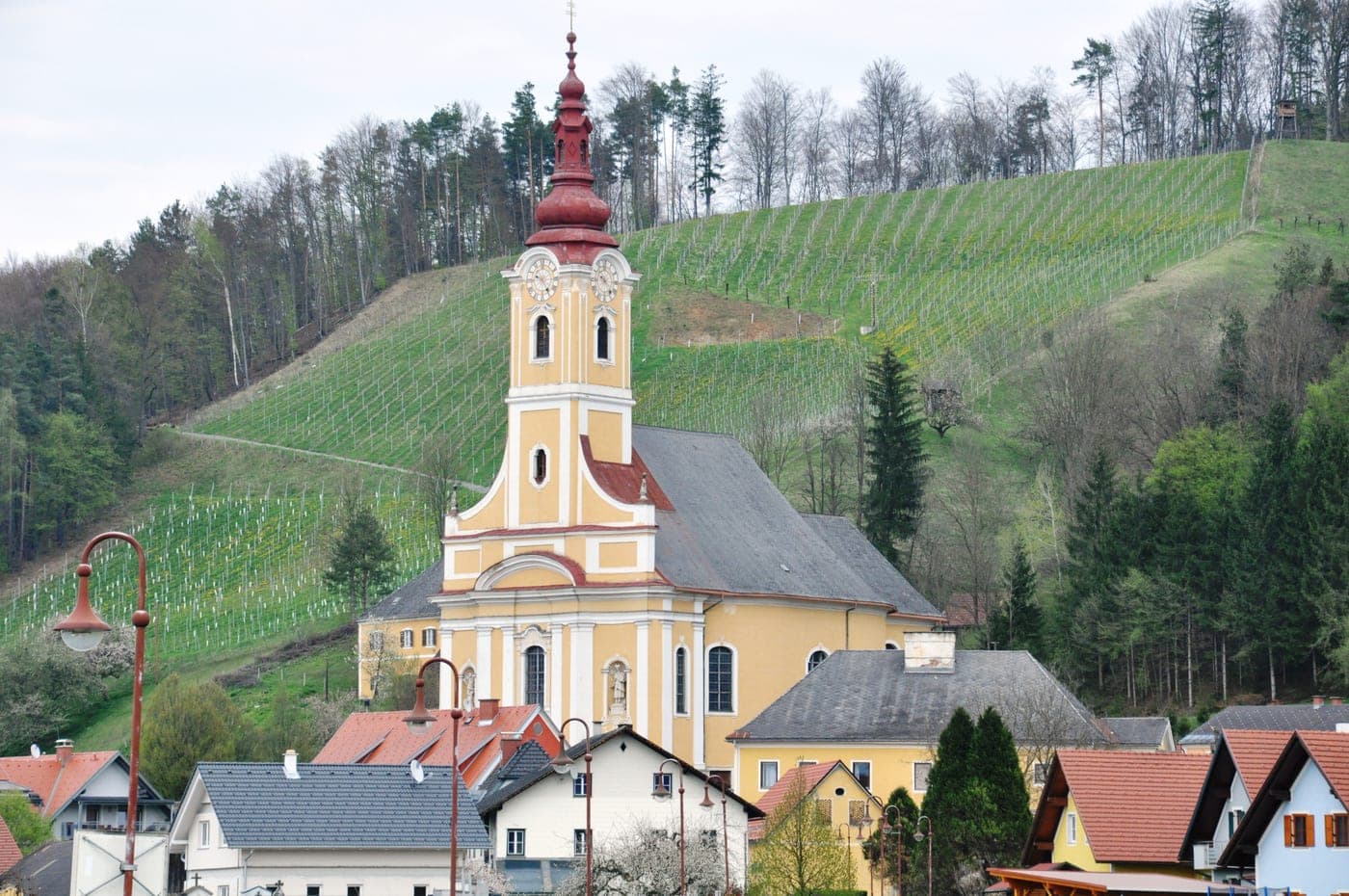
Sankt Johann im Saggautal
Wine Tasting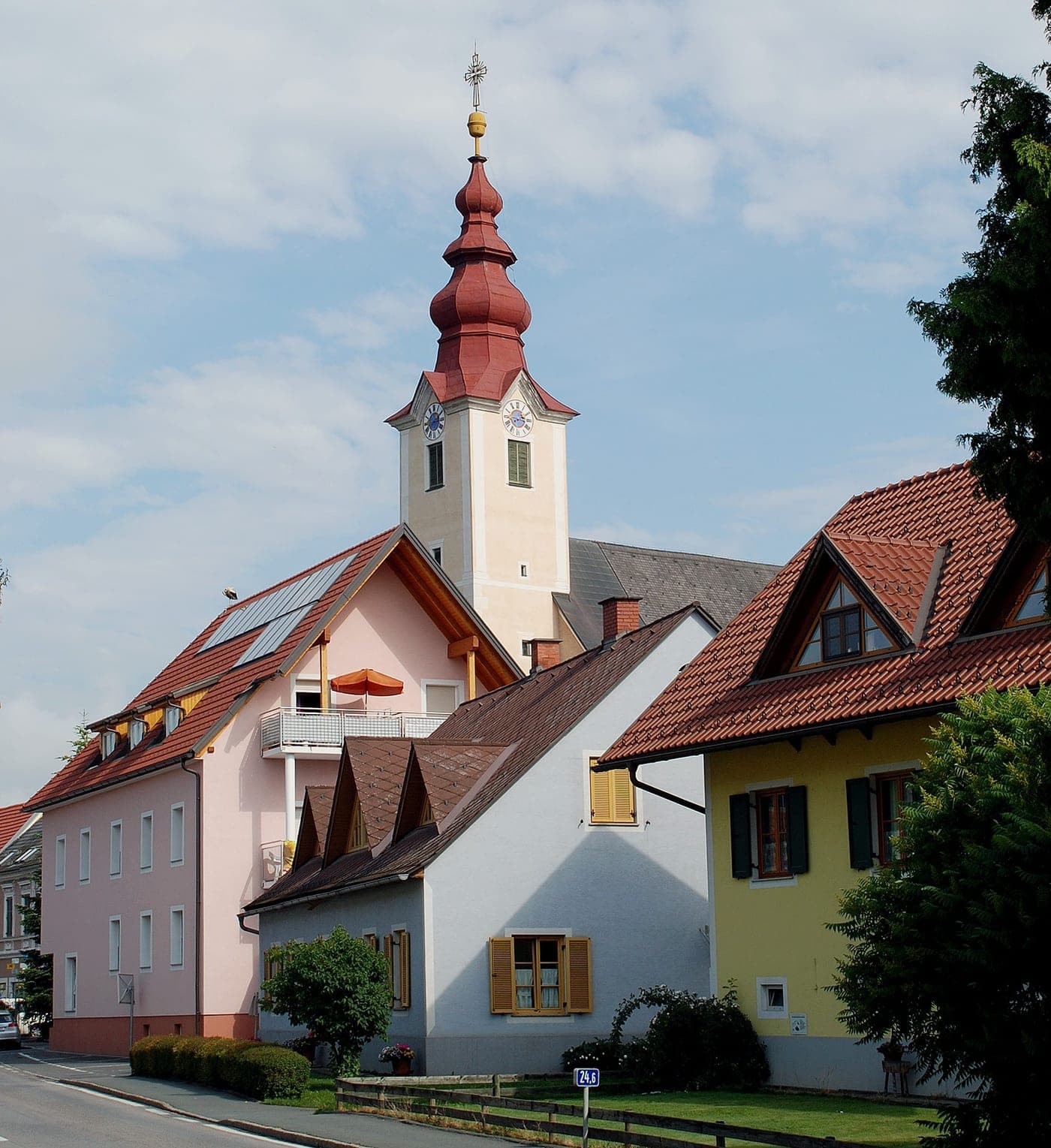
Sankt Martin im Sulmtal
Wine Tasting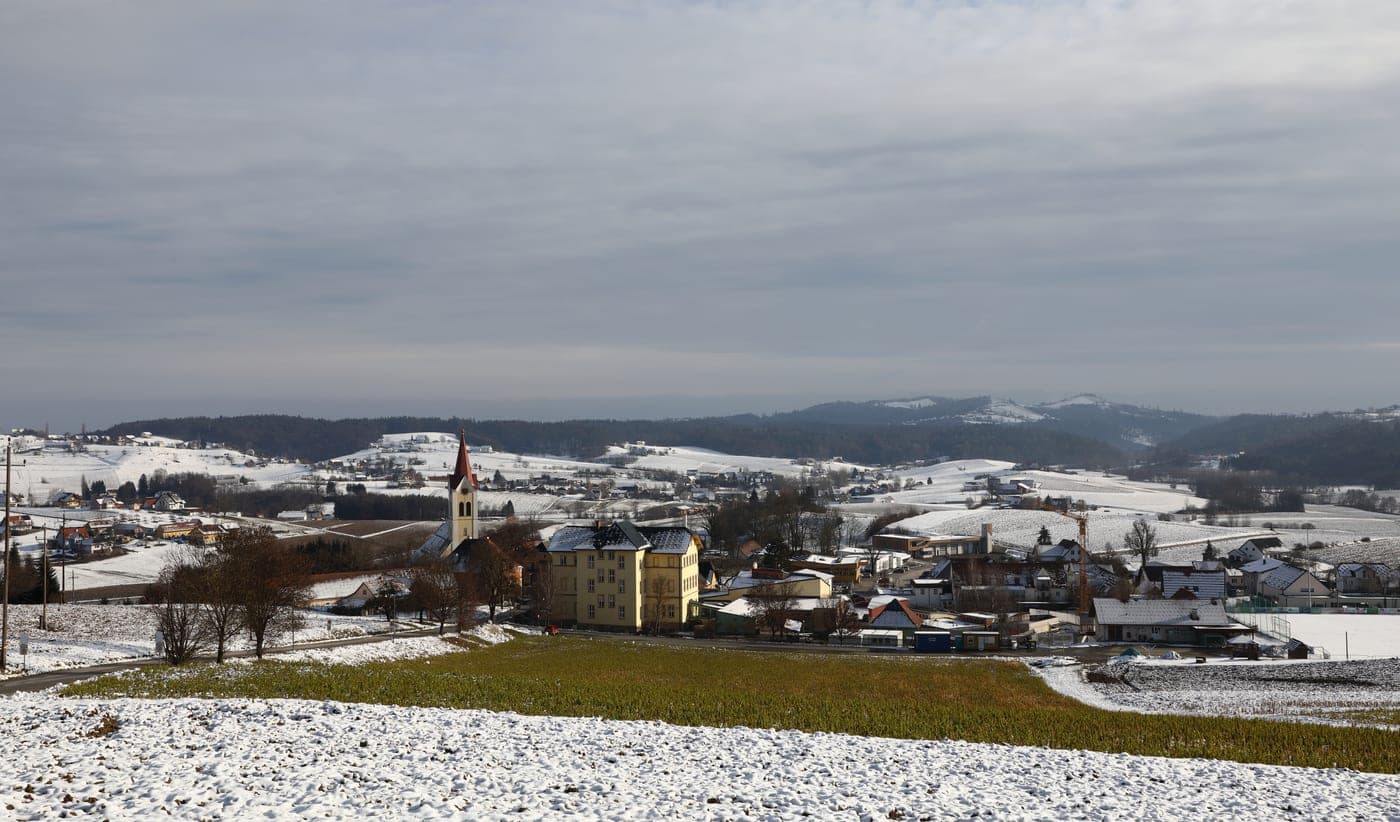
Sankt Nikolai im Sausal
Wine Tasting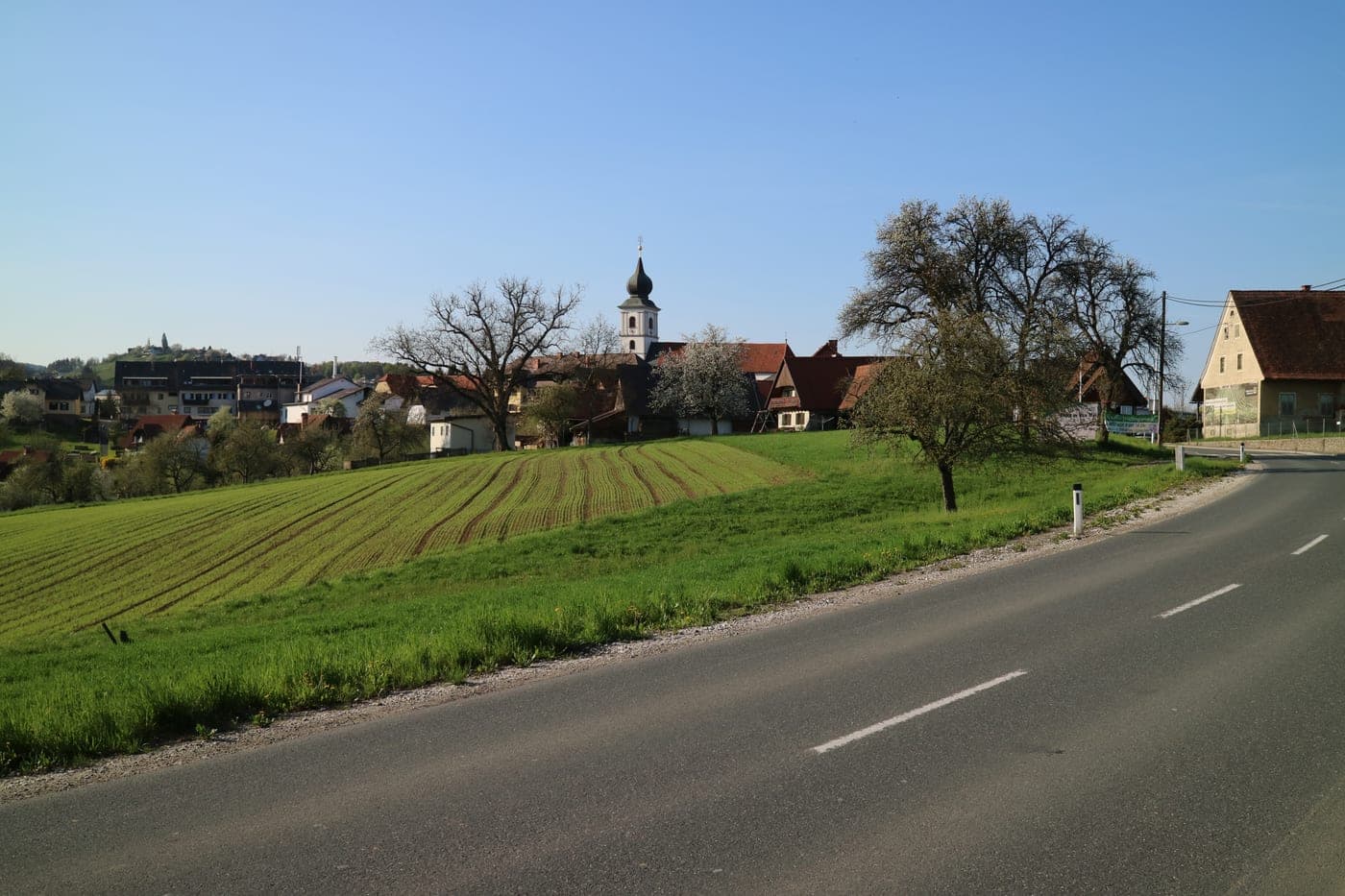
Sankt Stefan ob Stainz
Wine Tasting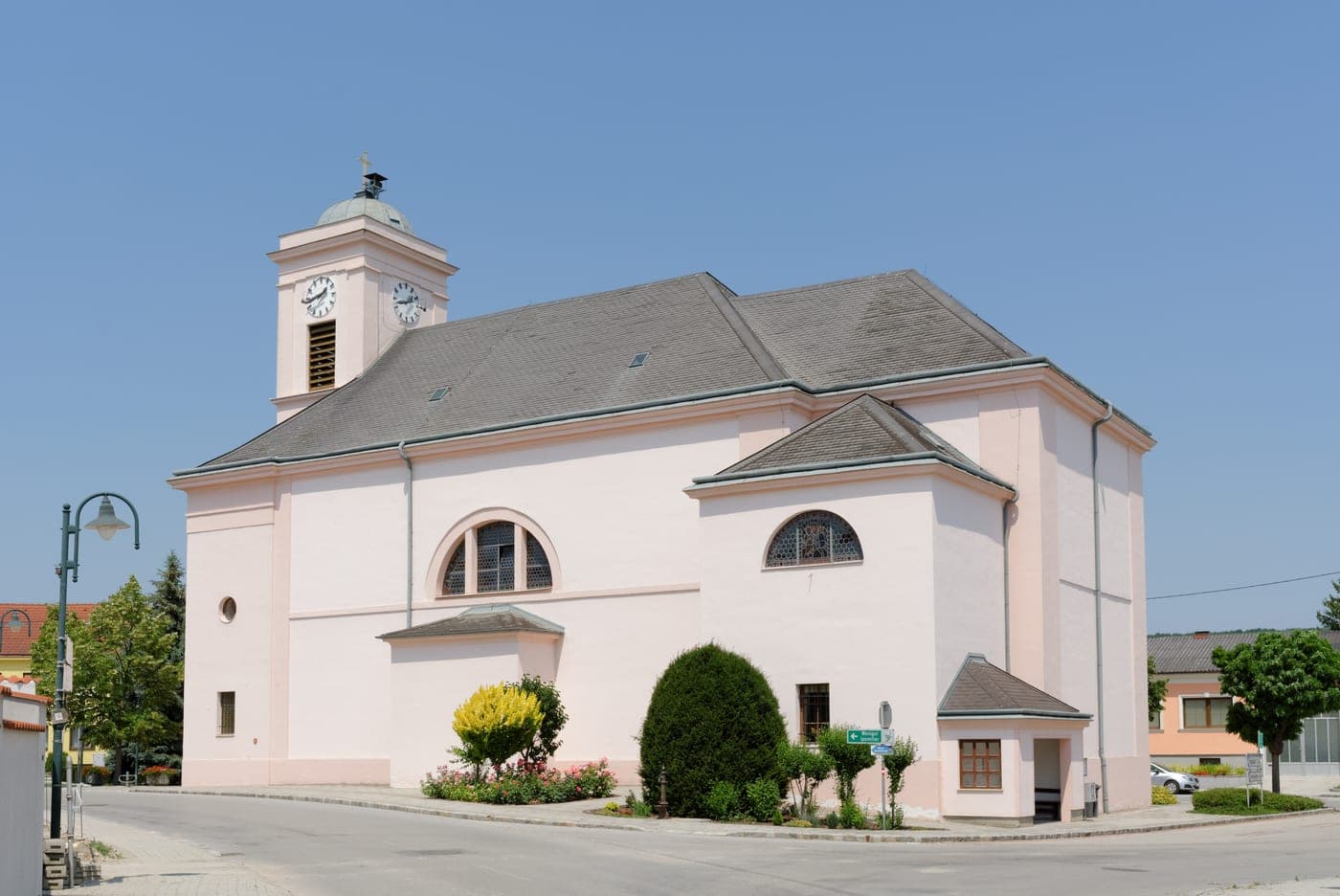
Schrattenberg
Wine Tasting
Schwanberg
Wine Tasting
Schützen am Gebirge
Wine Tasting
Seefeld-Kadolz
Wine Tasting
Senftenberg
Wine Tasting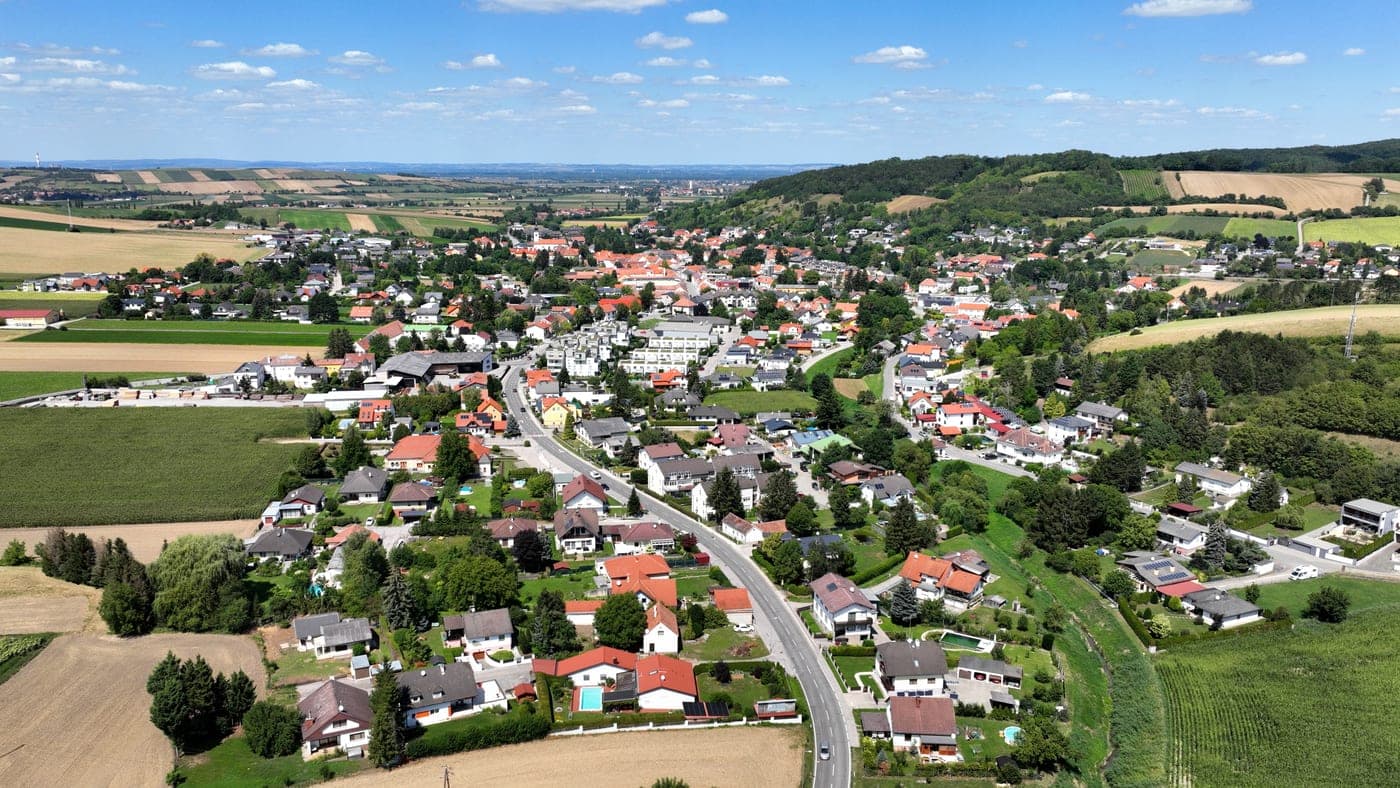
Sieghartskirchen
Wine Tasting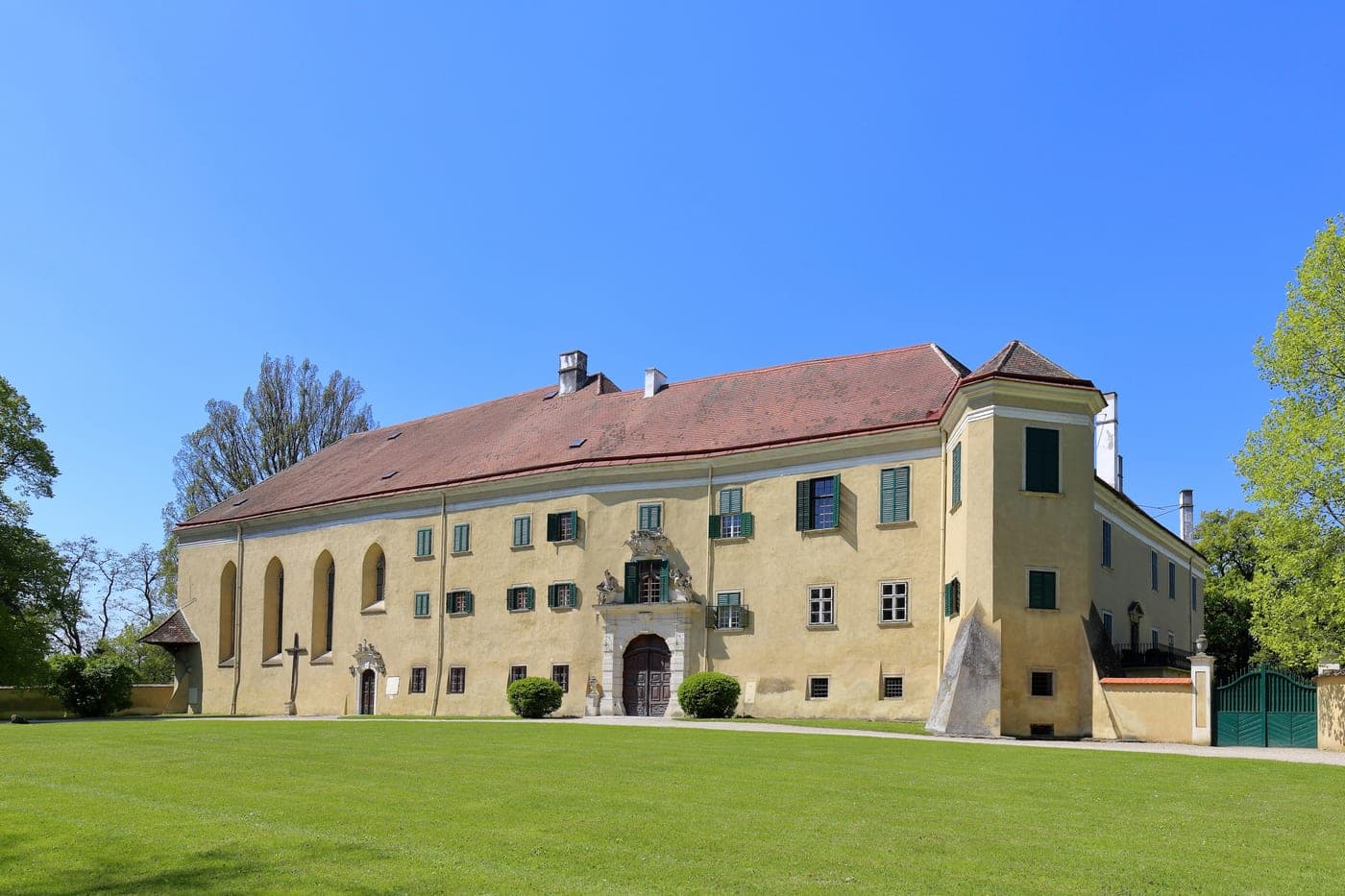
Sierndorf
Wine Tasting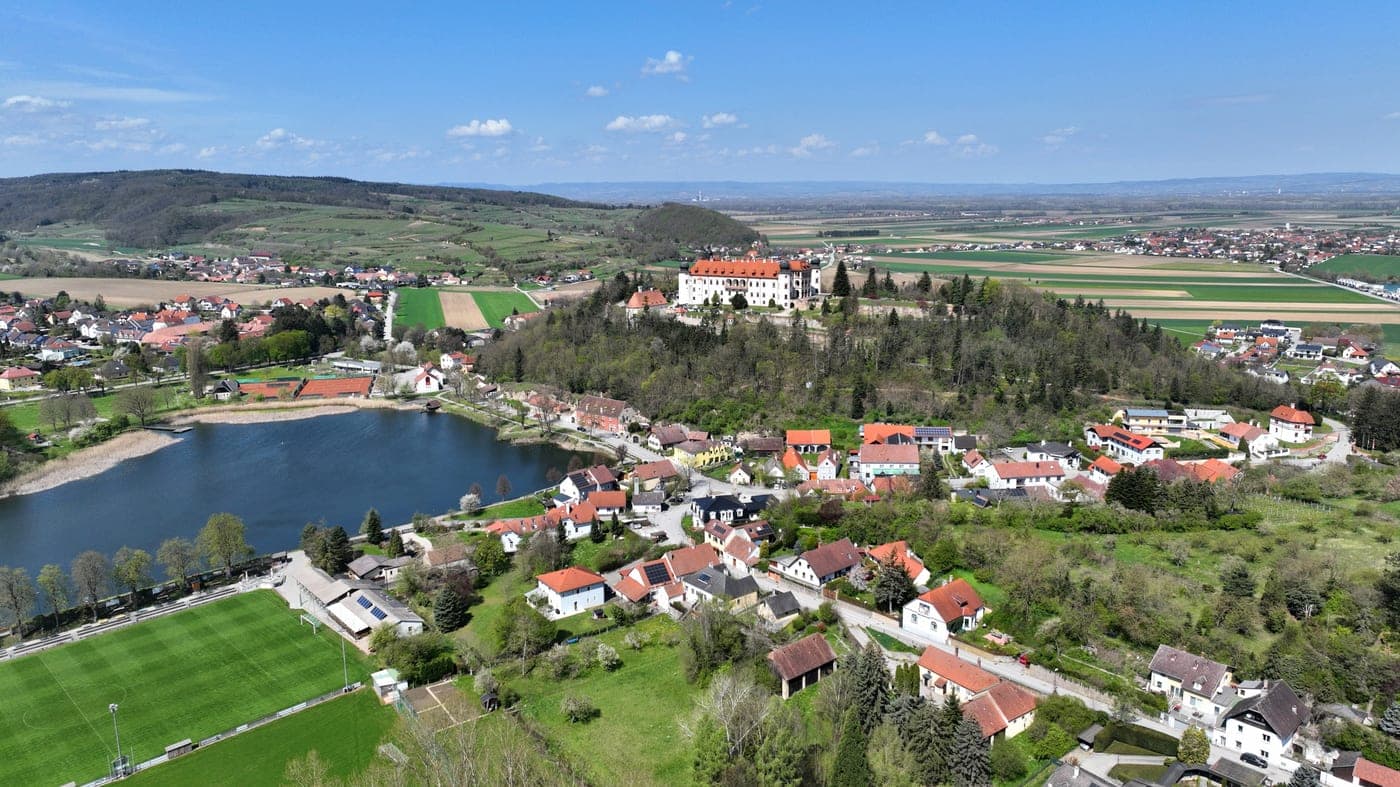
Sitzenberg-Reidling
Wine Tasting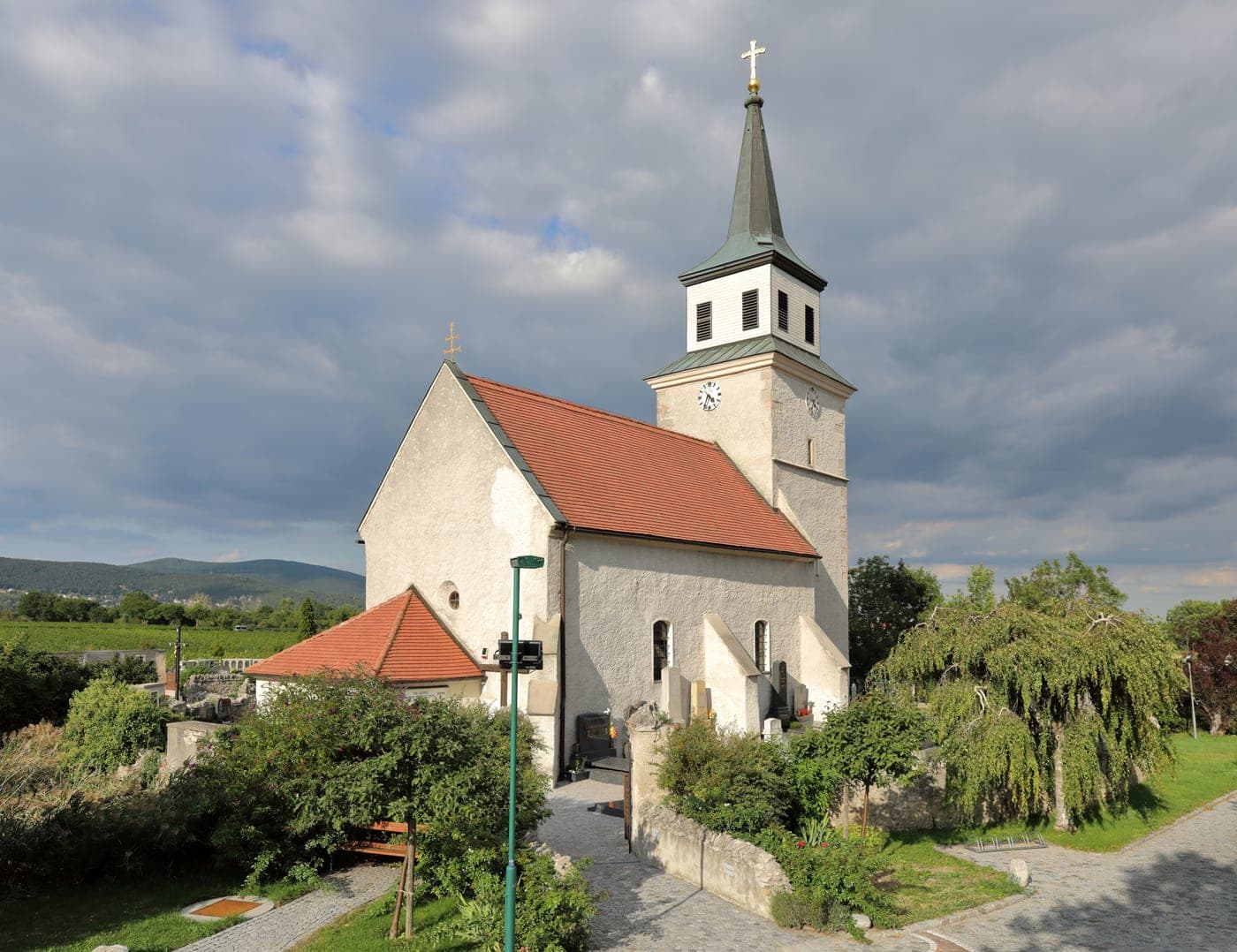
Sooß
Wine Tasting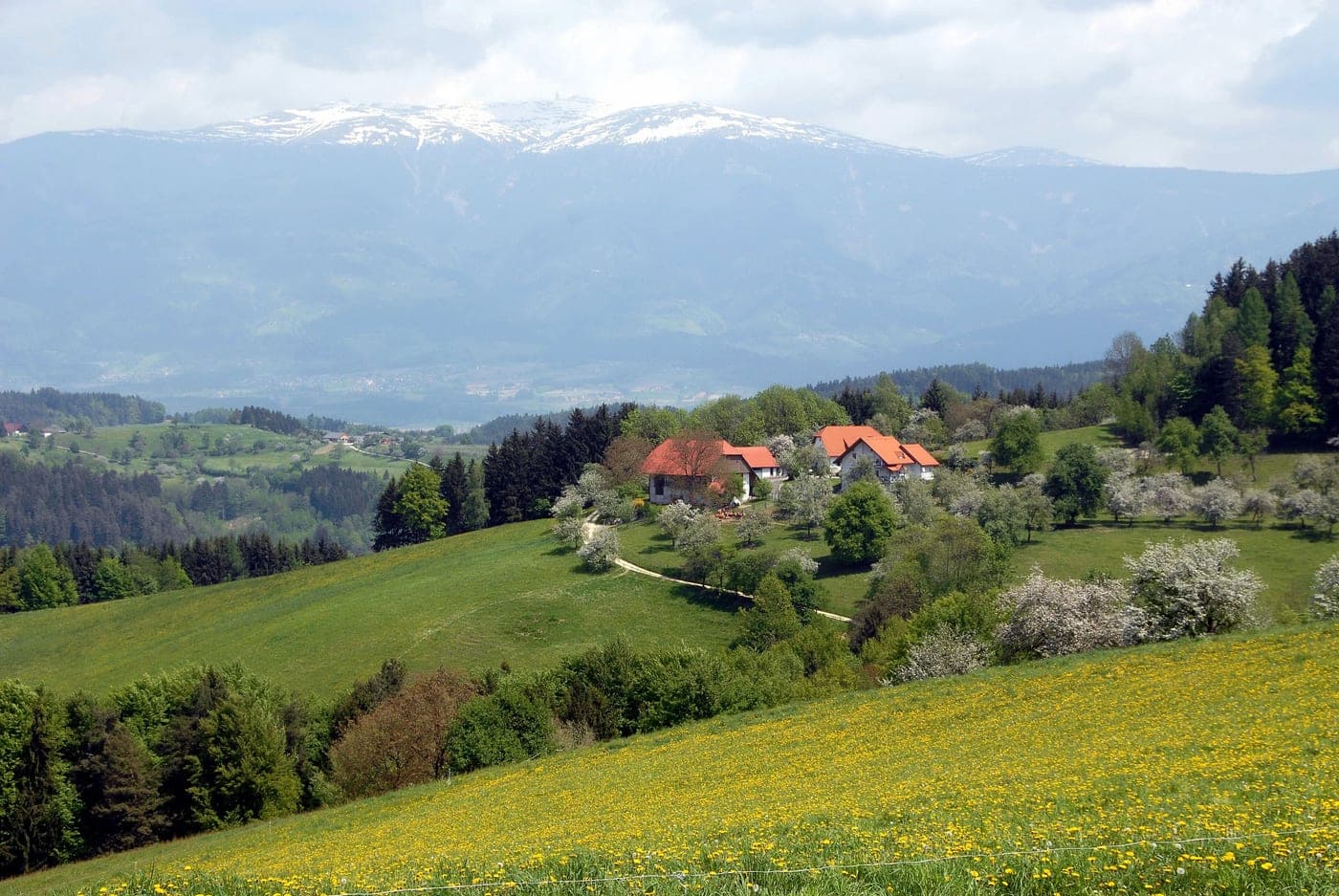
St. Paul im Lavanttal
Wine Tasting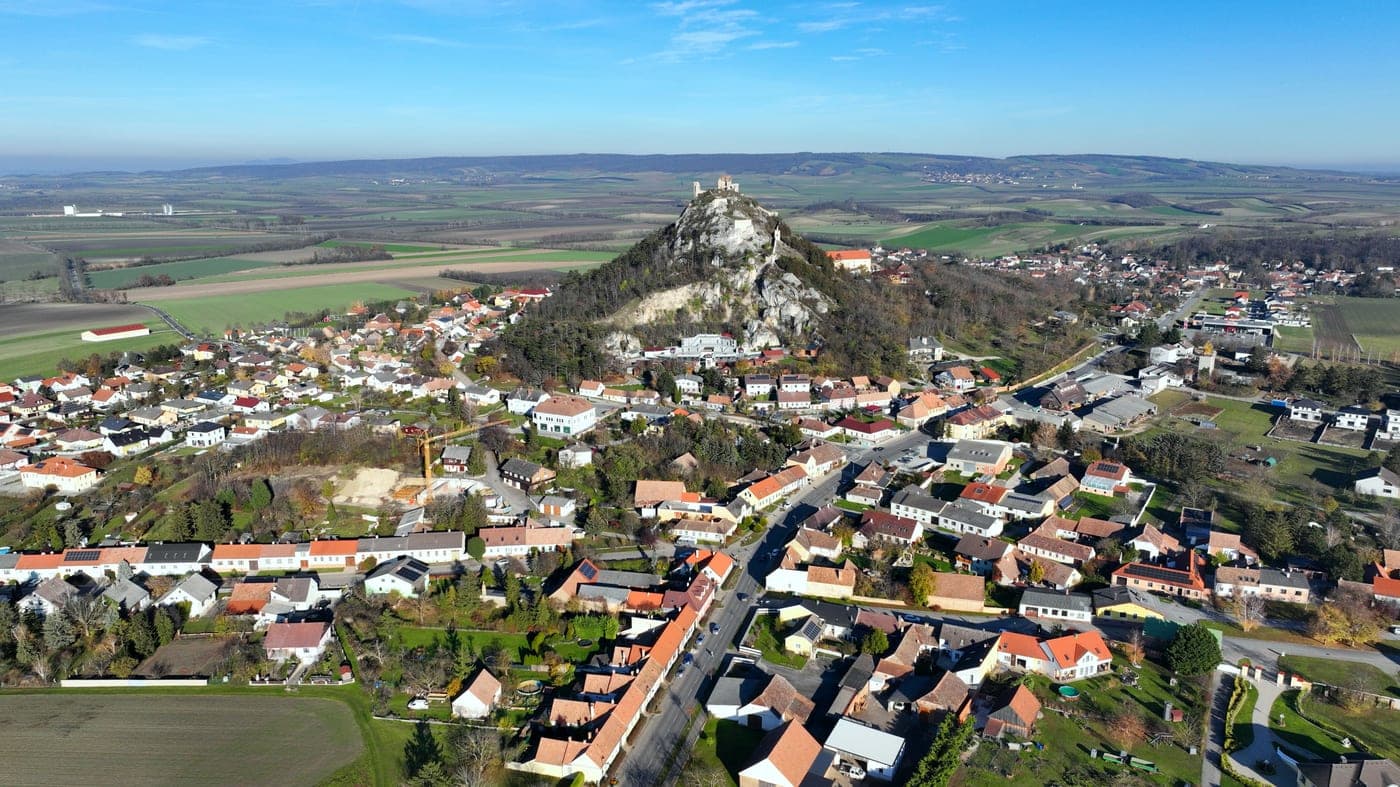
Staatz
Wine Tasting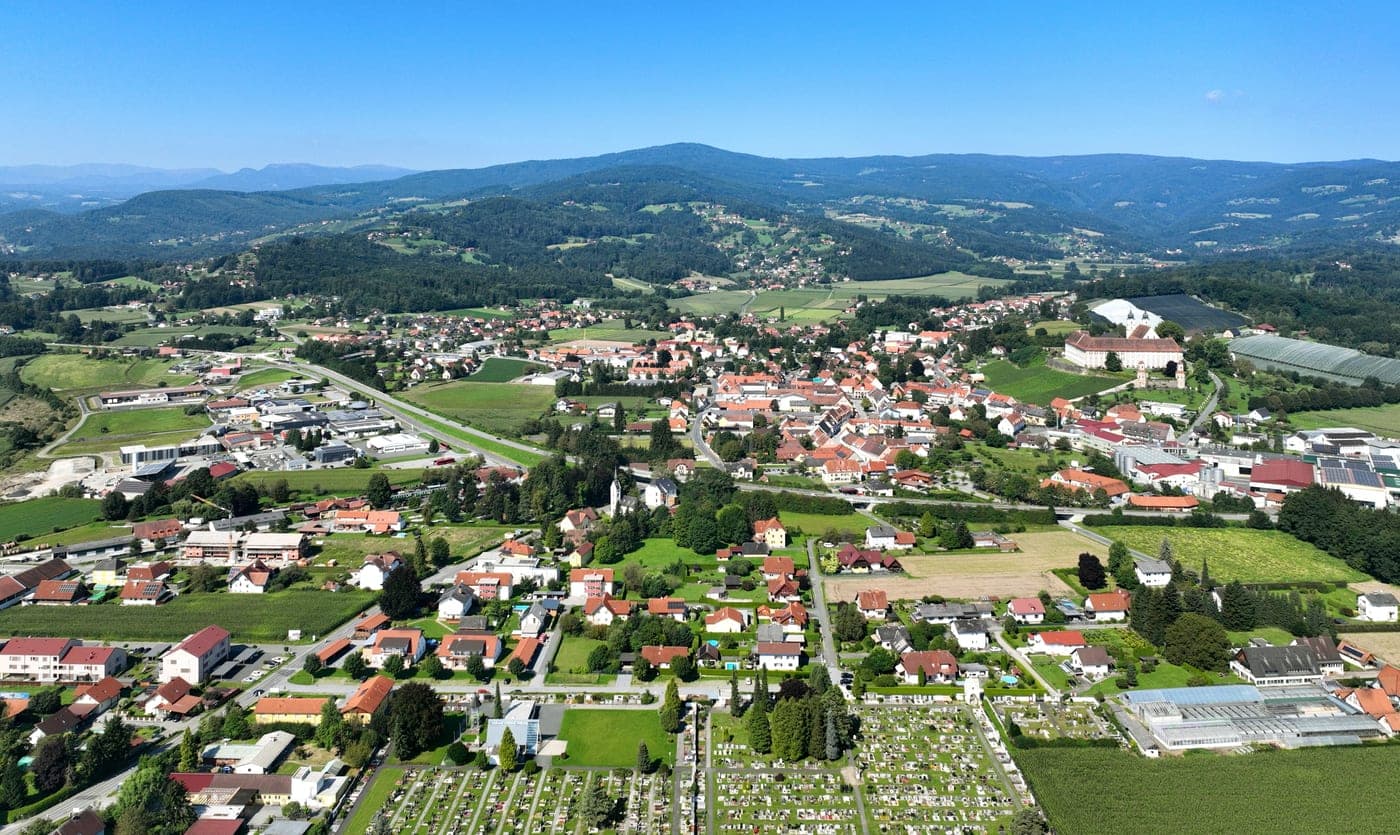
Stainz
Wine Tasting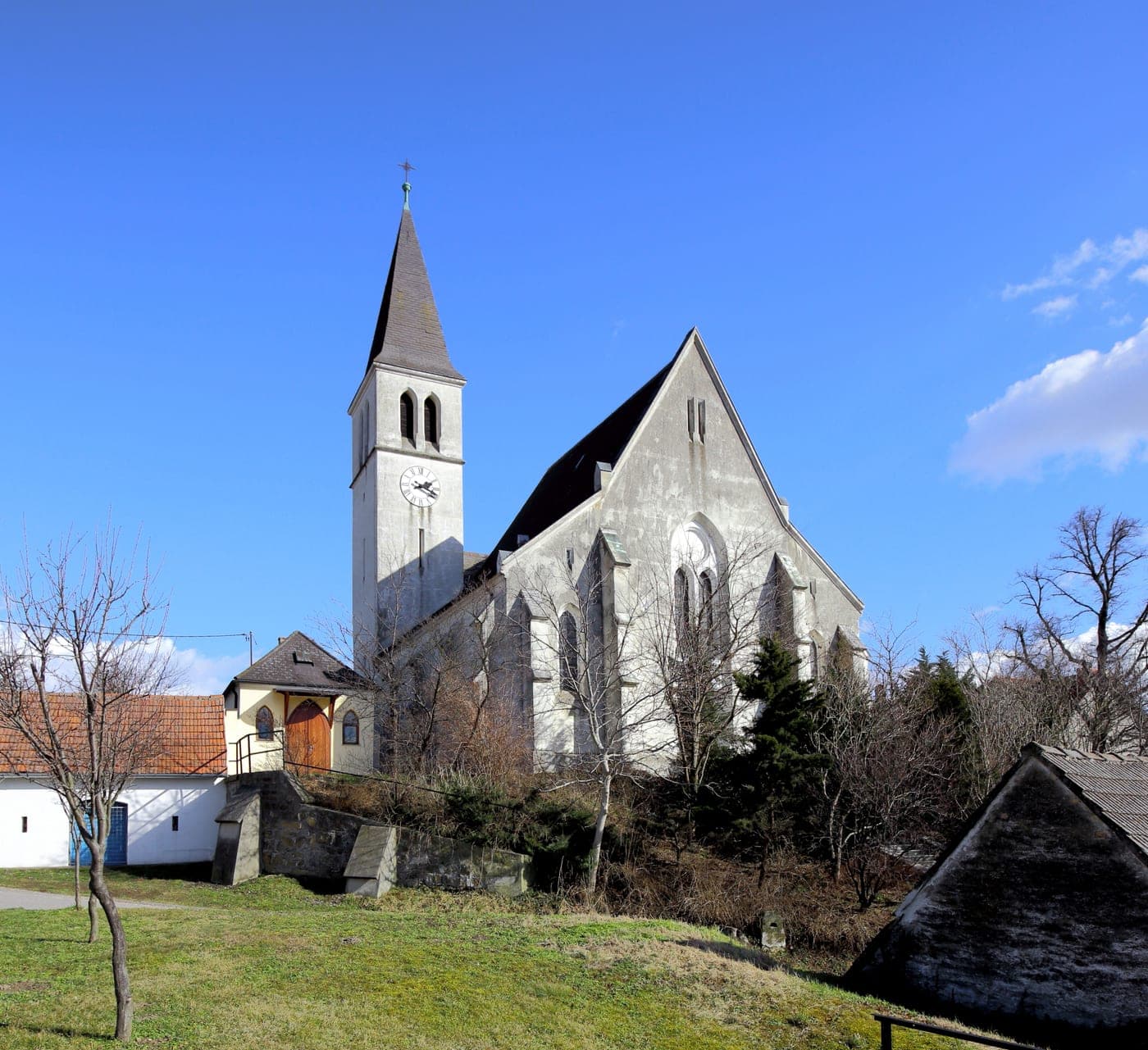
Stetten
Wine Tasting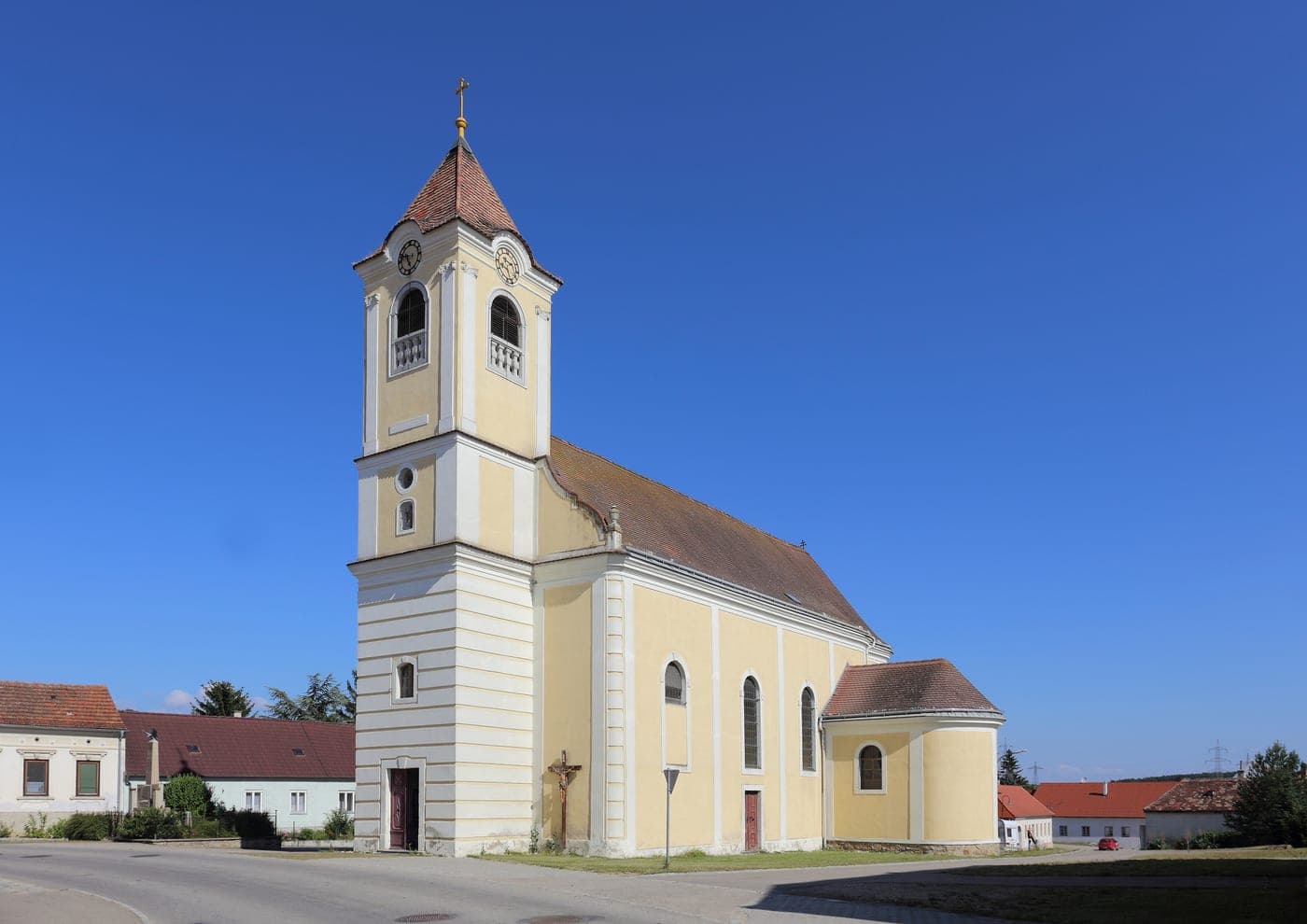
Straning-Grafenberg
Wine Tasting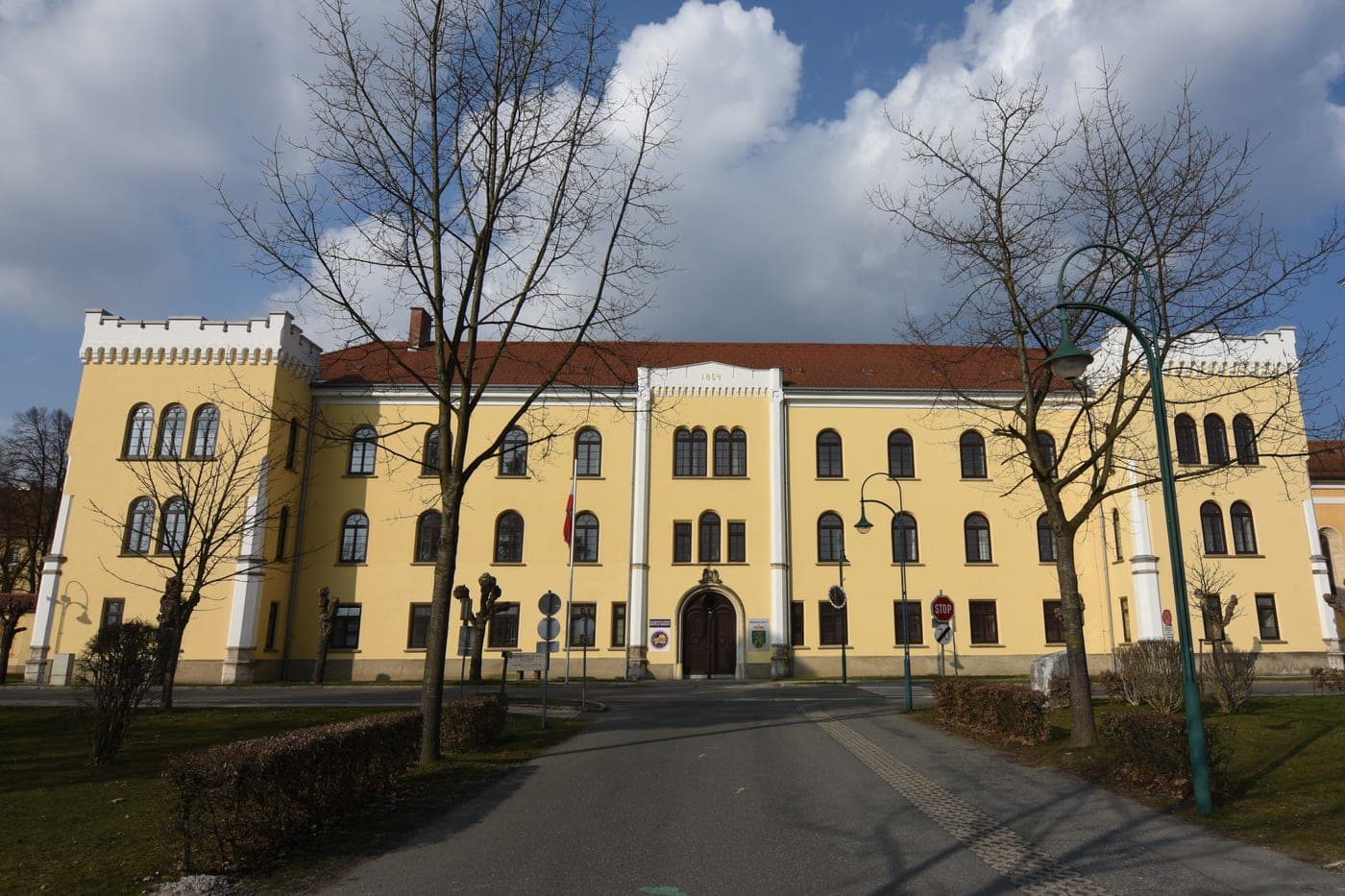
Straß in Steiermark
Wine Tasting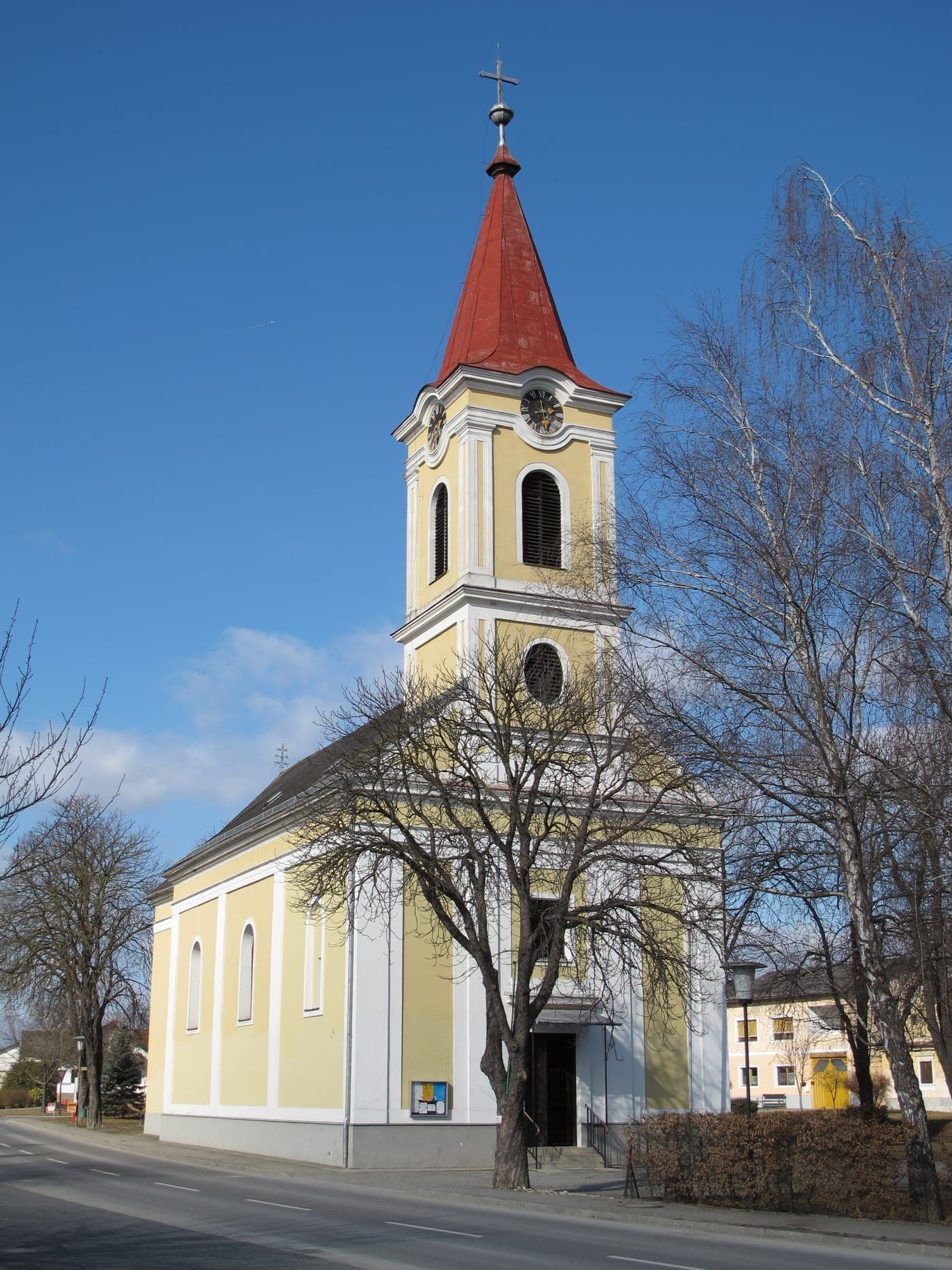
Strem
Wine Tasting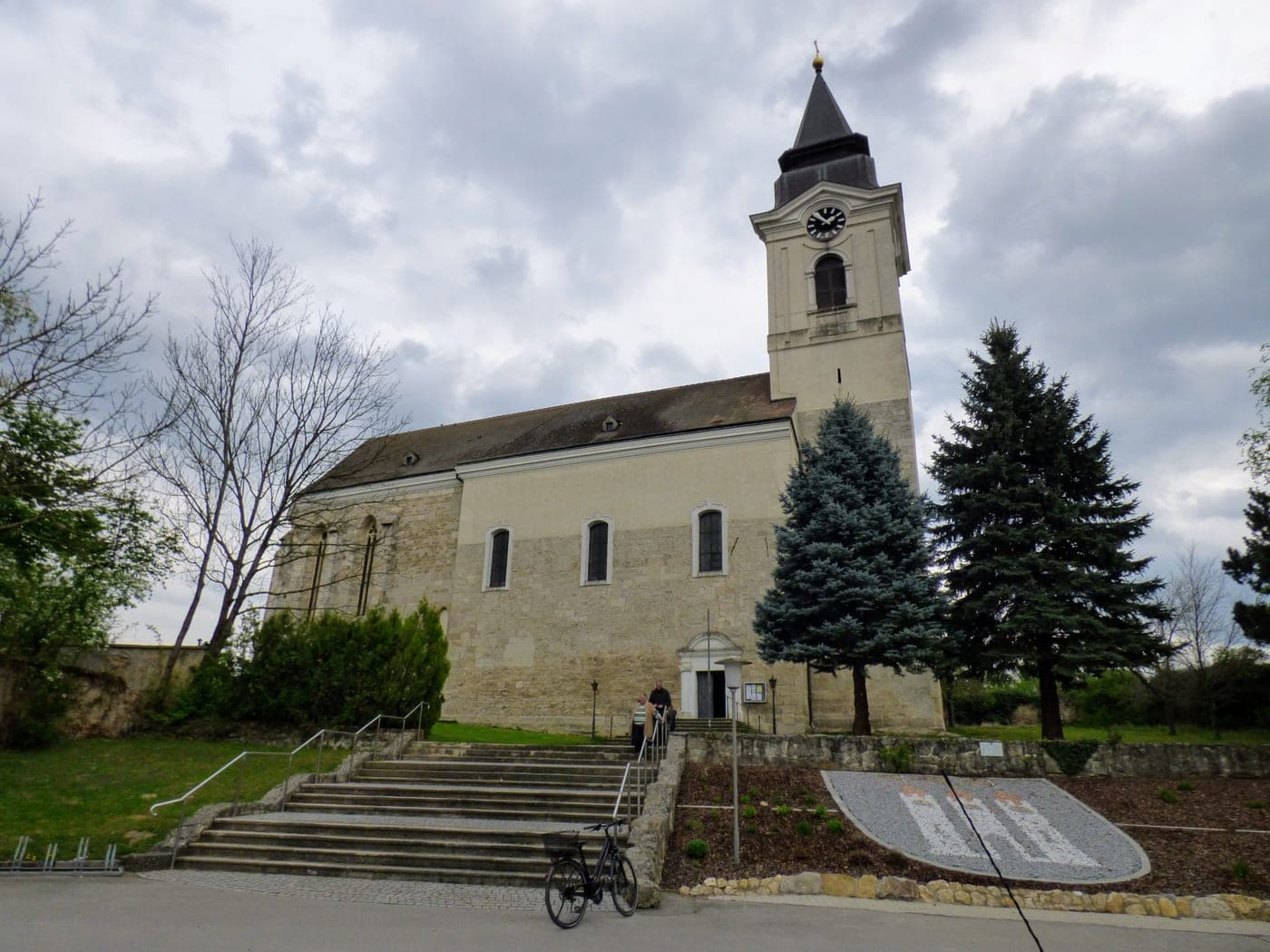
Stronsdorf
Wine Tasting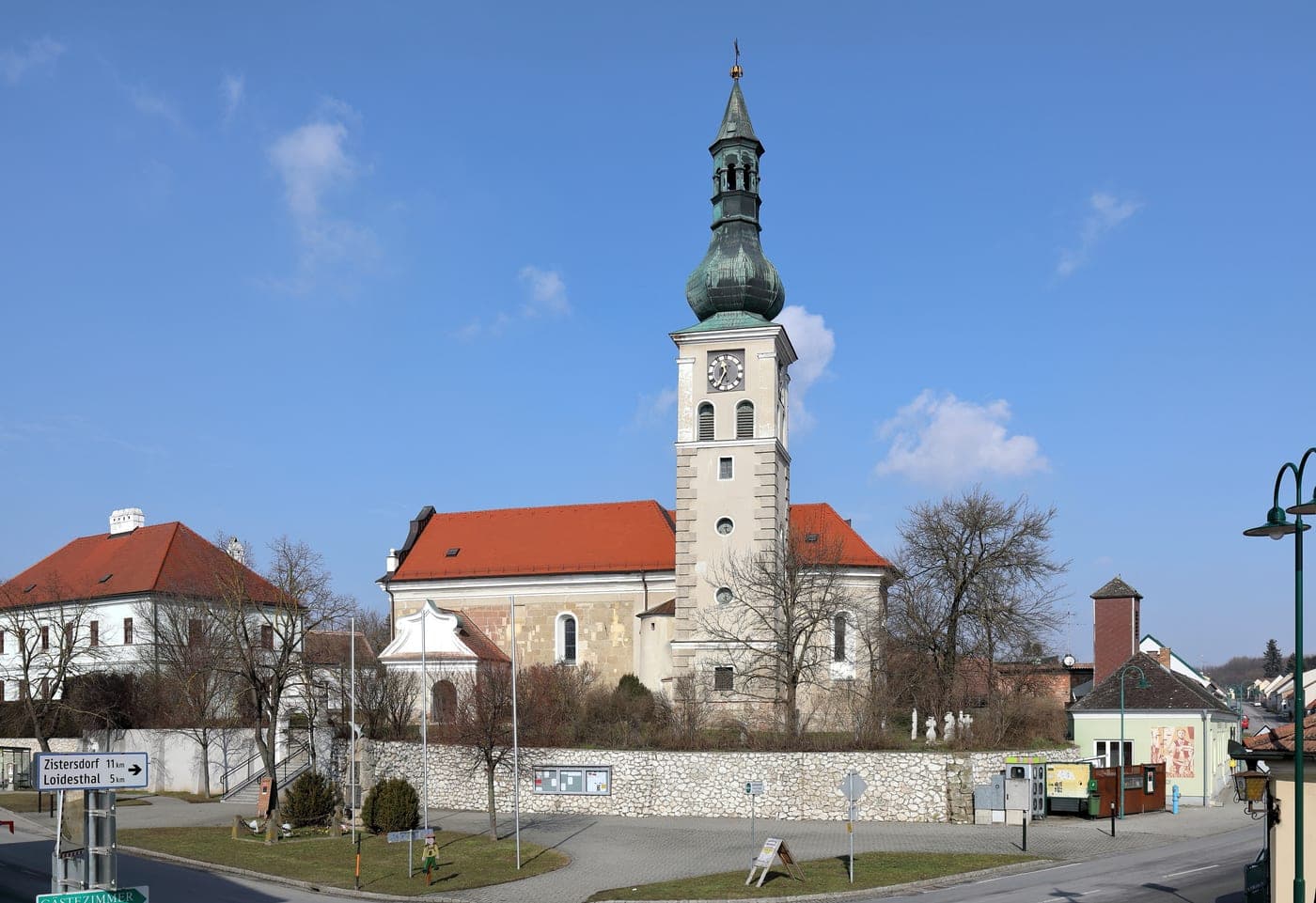
Sulz im Weinviertel
Wine Tasting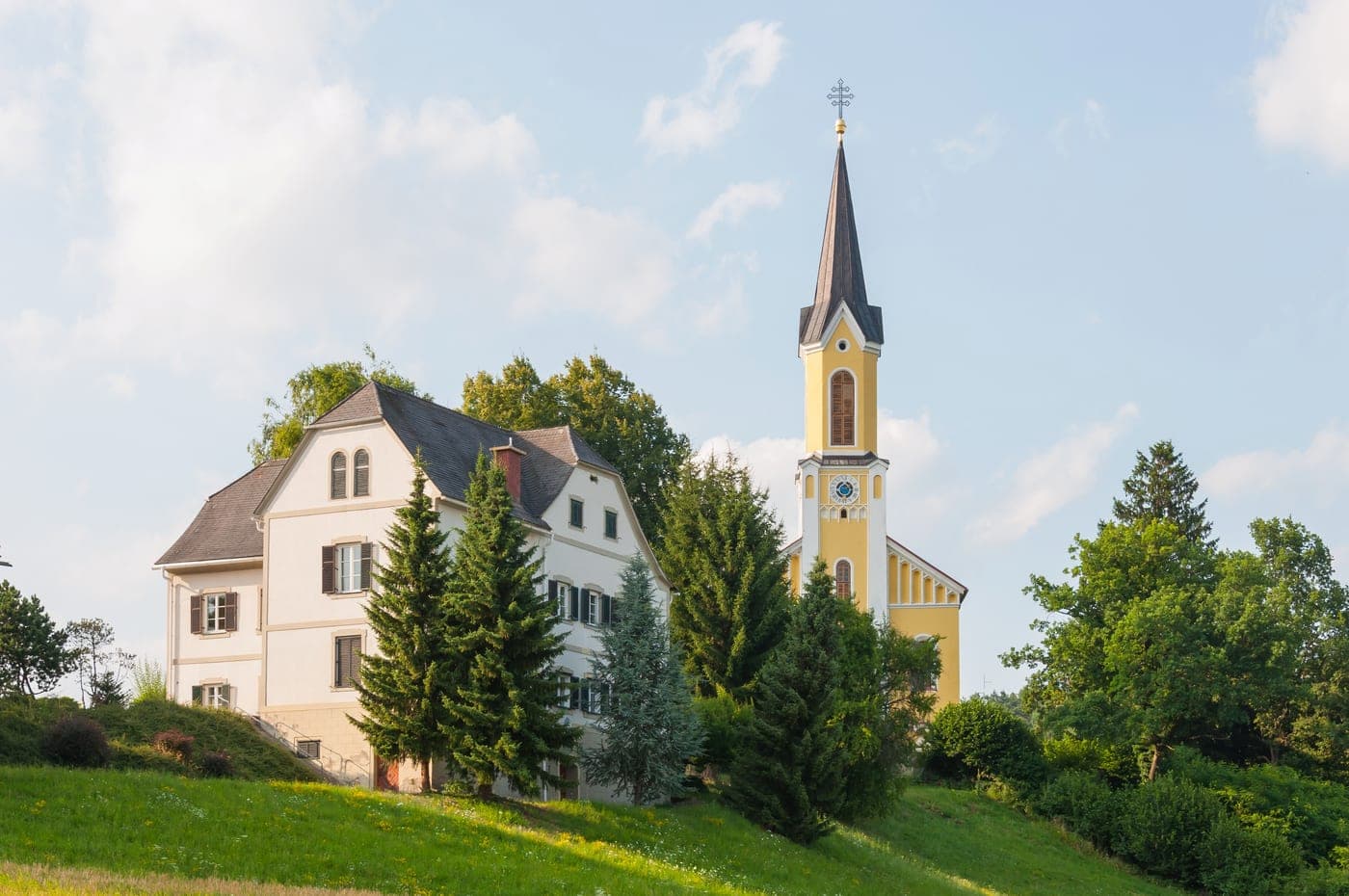
Söding-Sankt Johann
Wine Tasting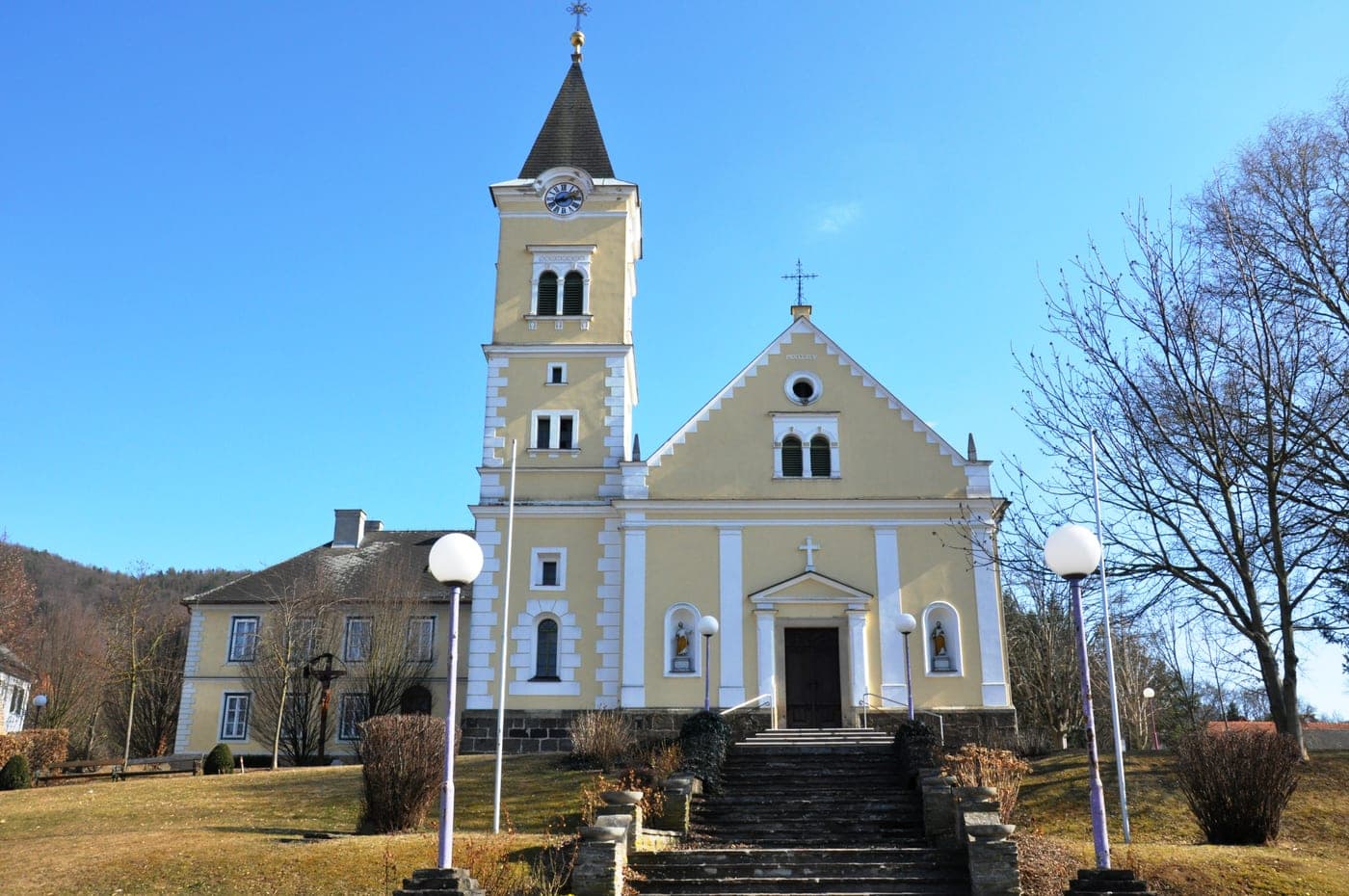
Tieschen
Wine Tasting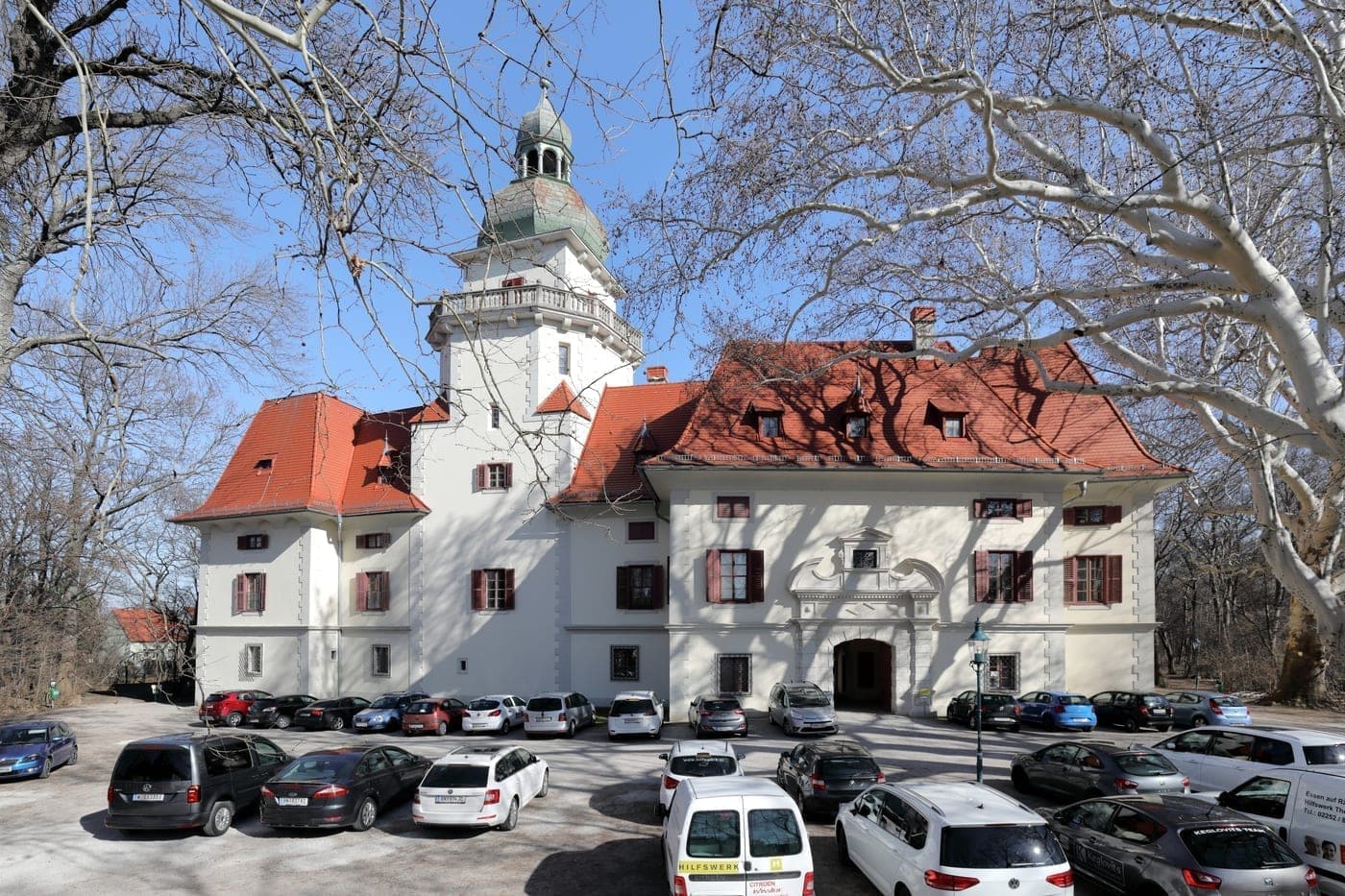
Traiskirchen
Wine Tasting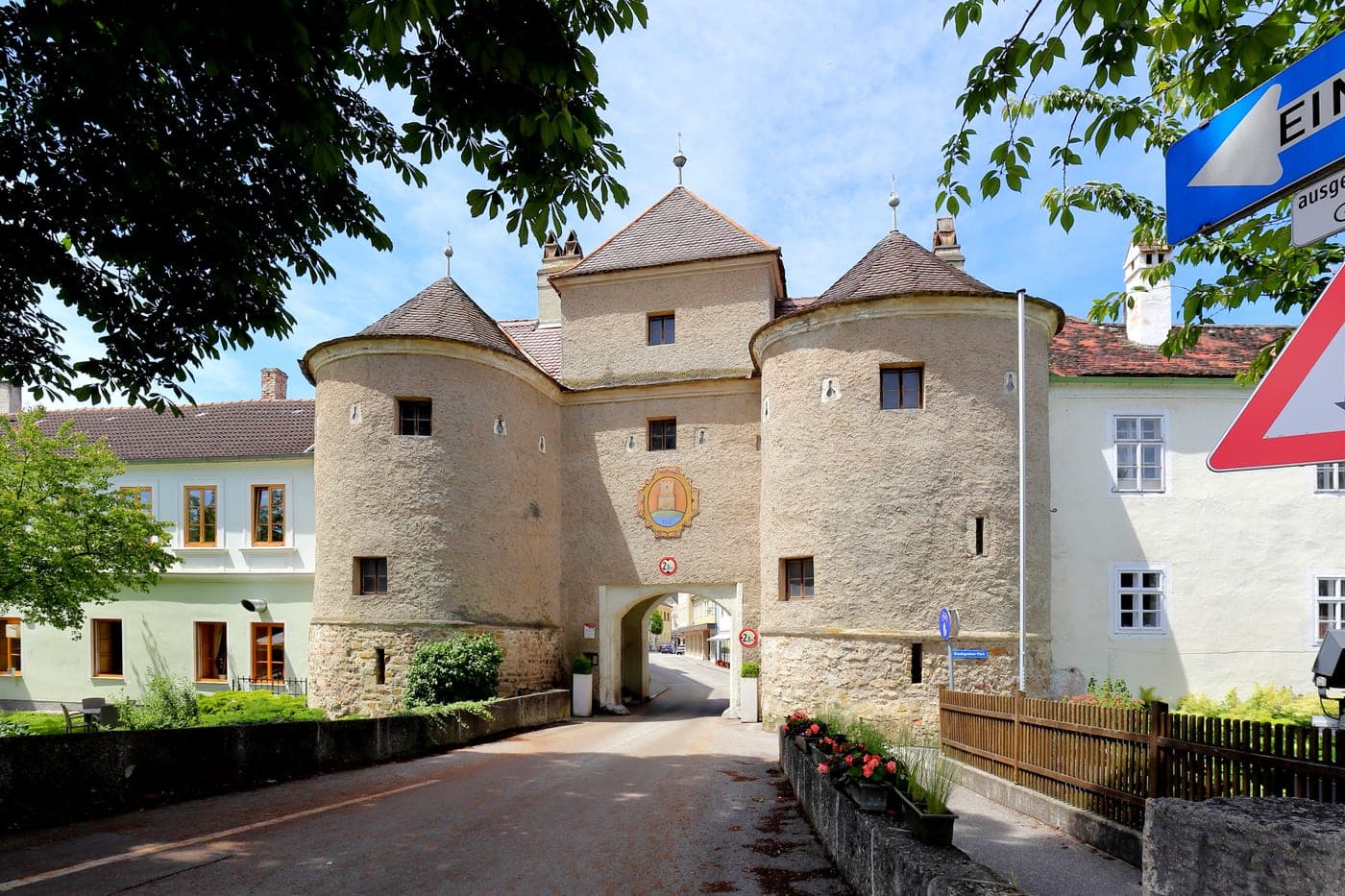
Traismauer
Wine TastingVienna
Camper Van Rentals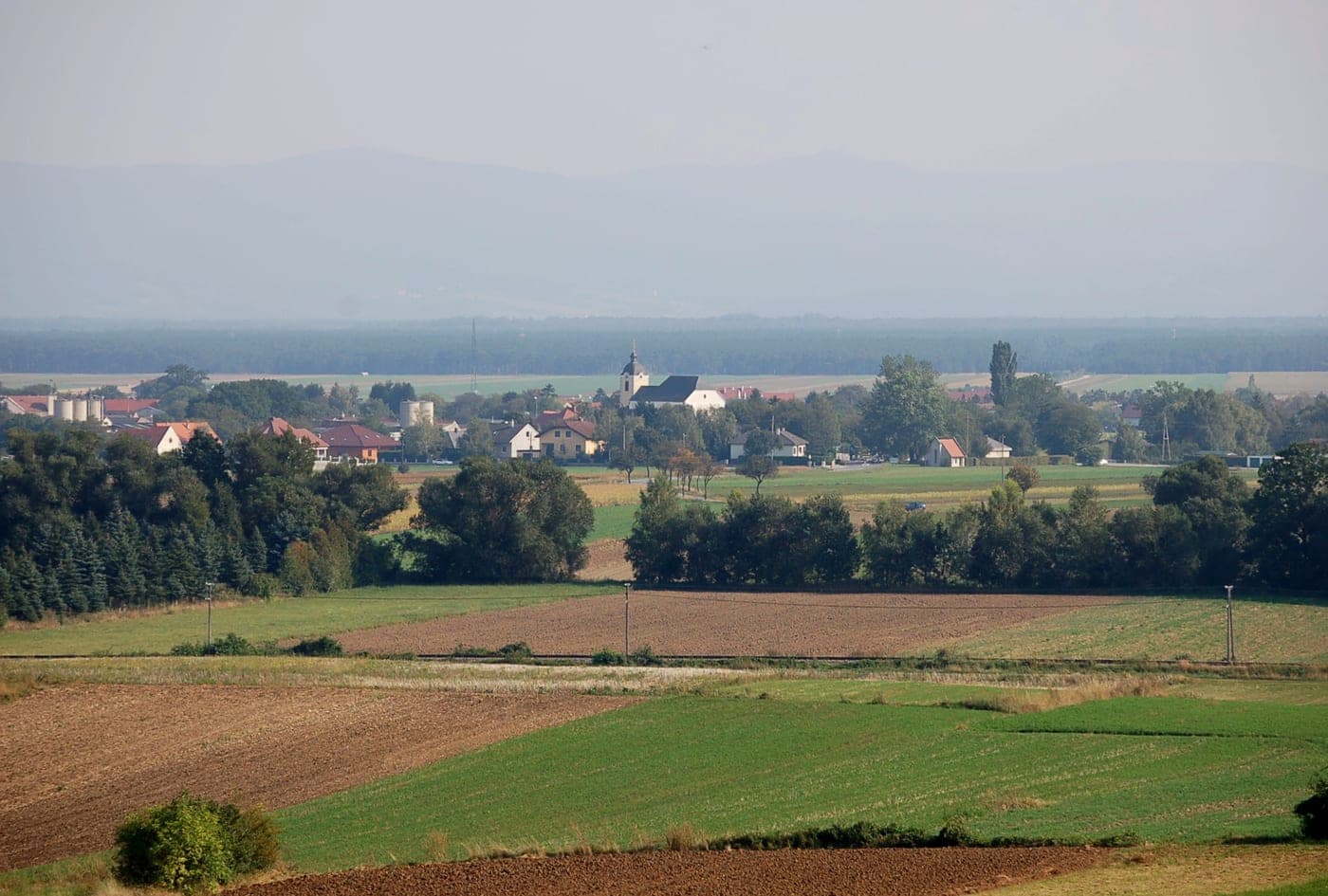
Weikersdorf am Steinfelde
Wine Tasting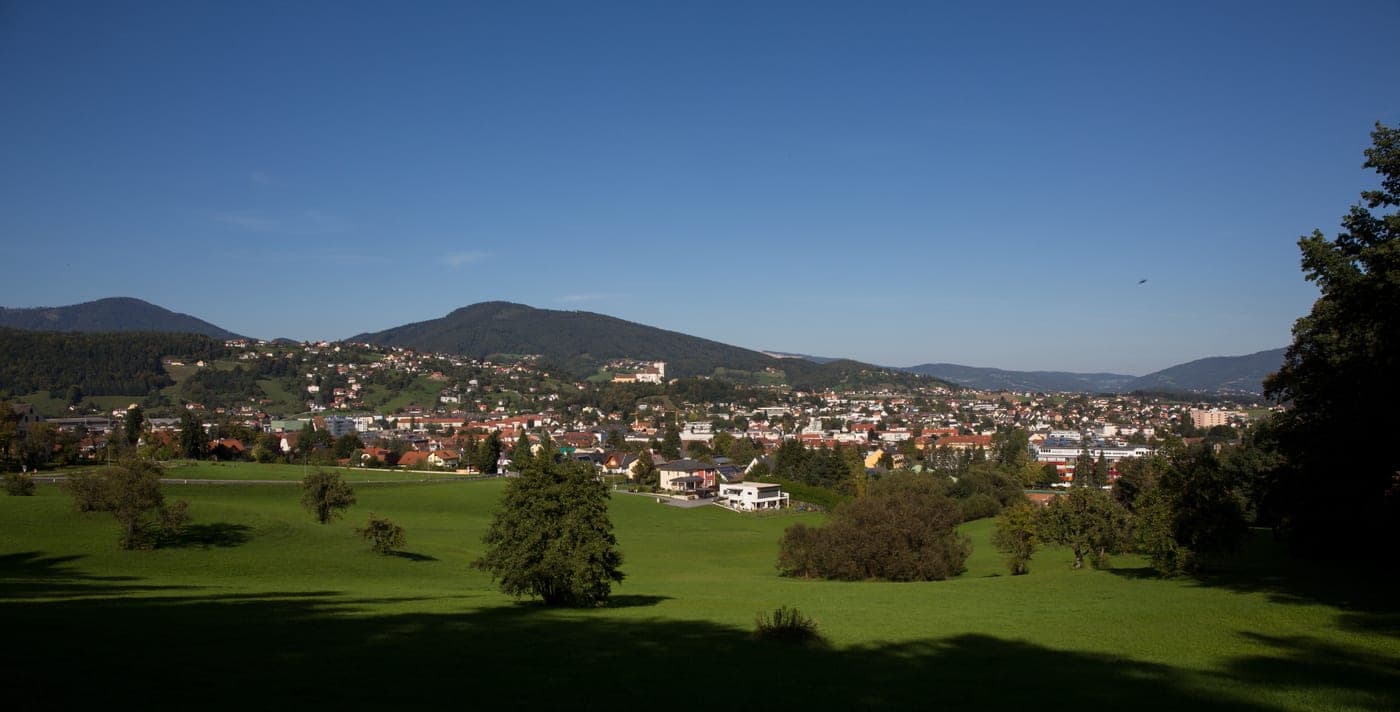
Weiz
Wine Tasting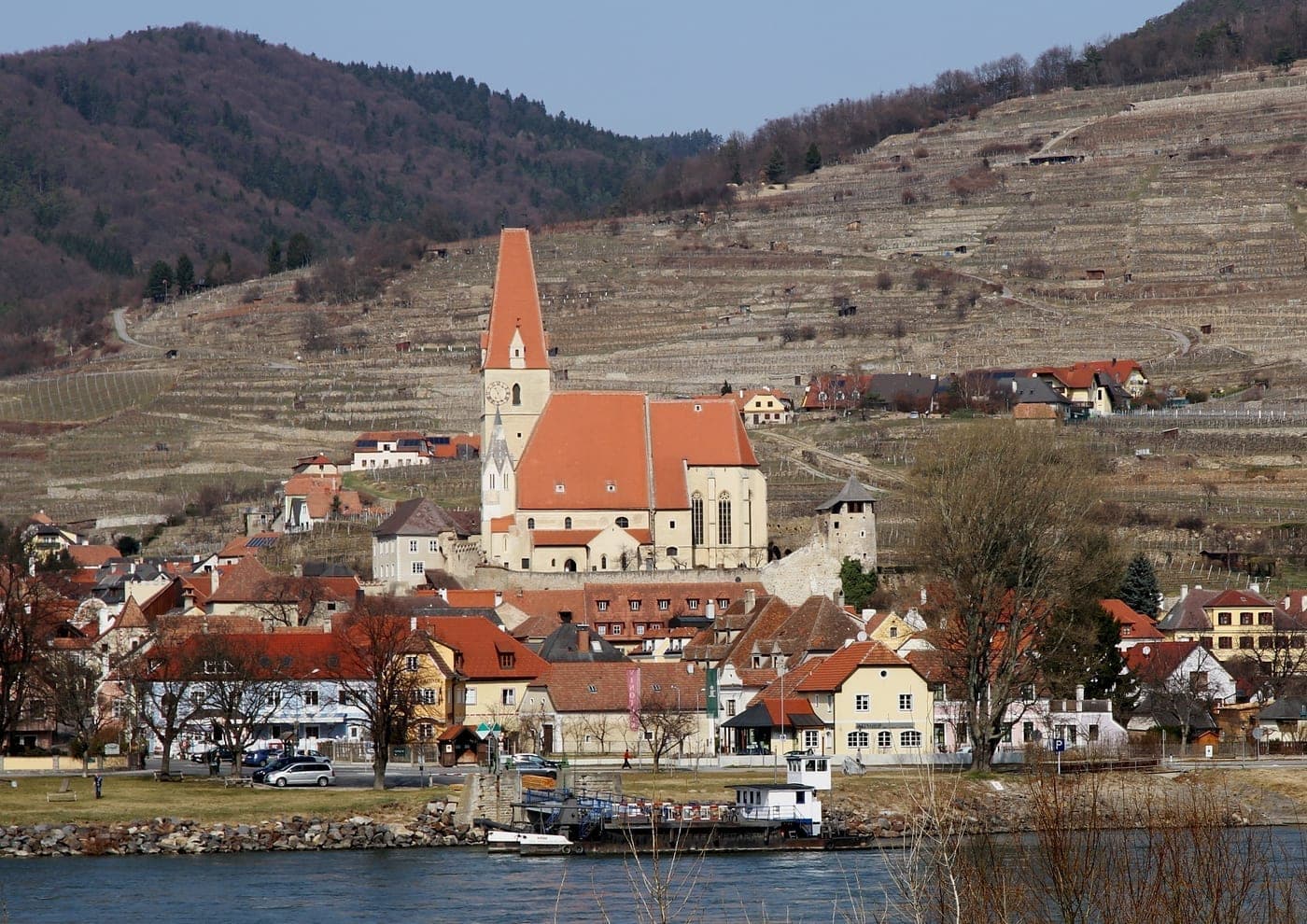
Weißenkirchen in der Wachau
Wine Tasting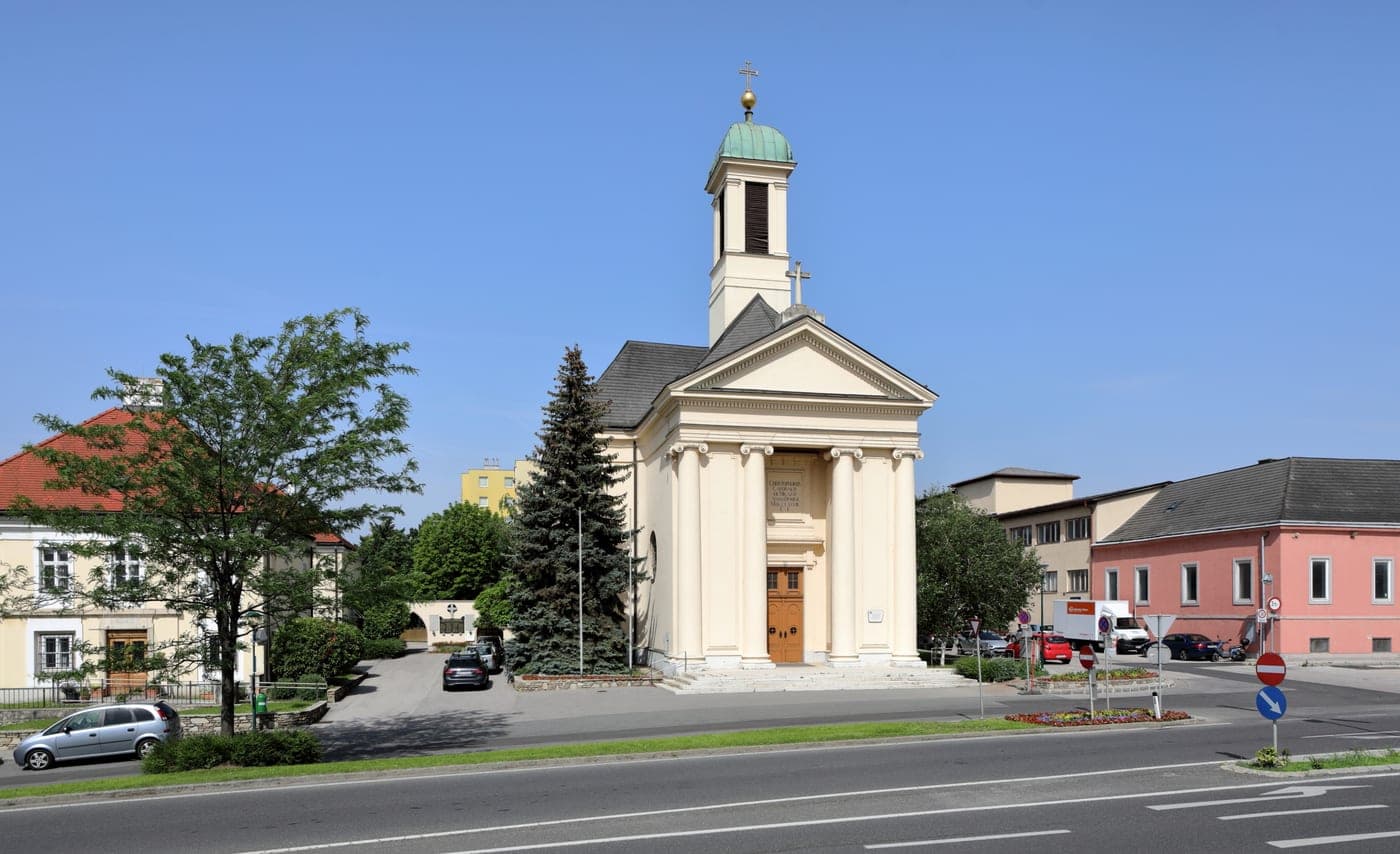
Wiener Neudorf
Wine Tasting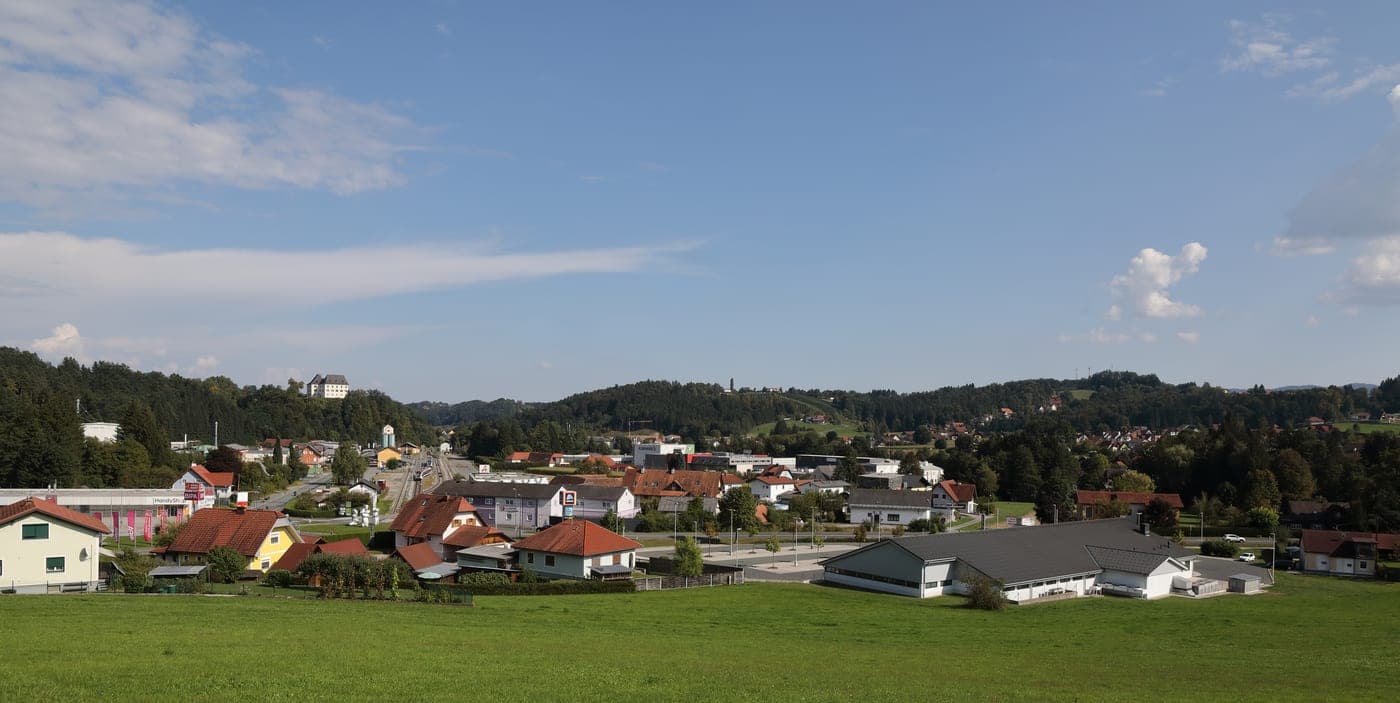
Wies
Wine Tasting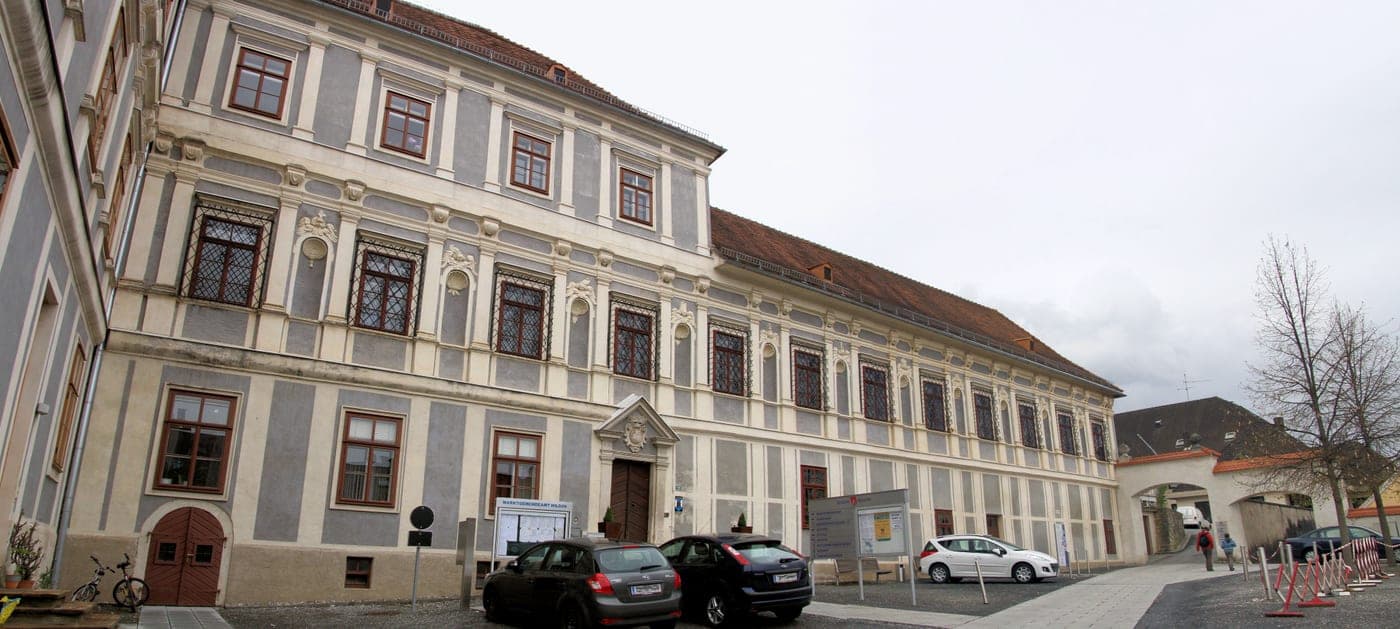
Wildon
Wine Tasting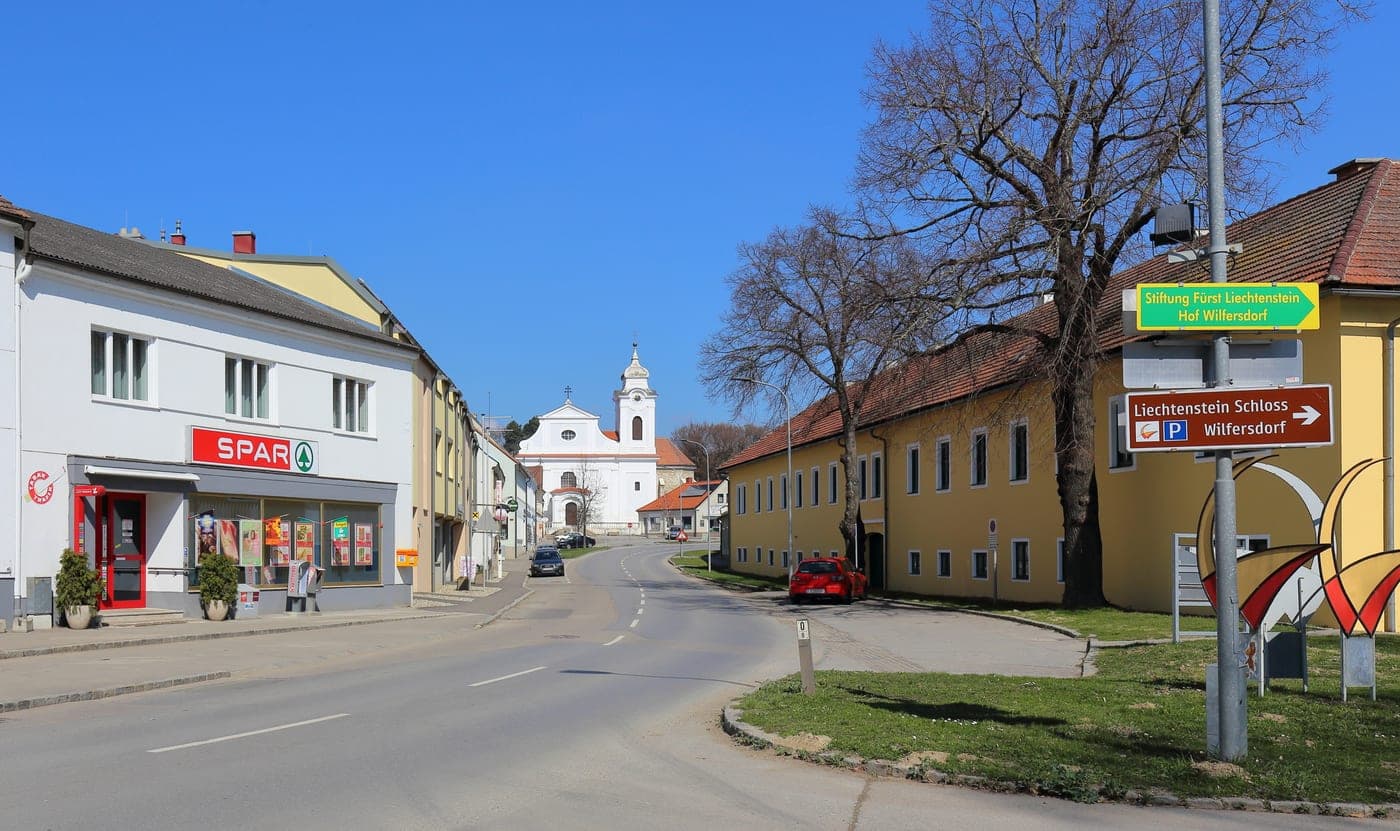
Wilfersdorf
Wine Tasting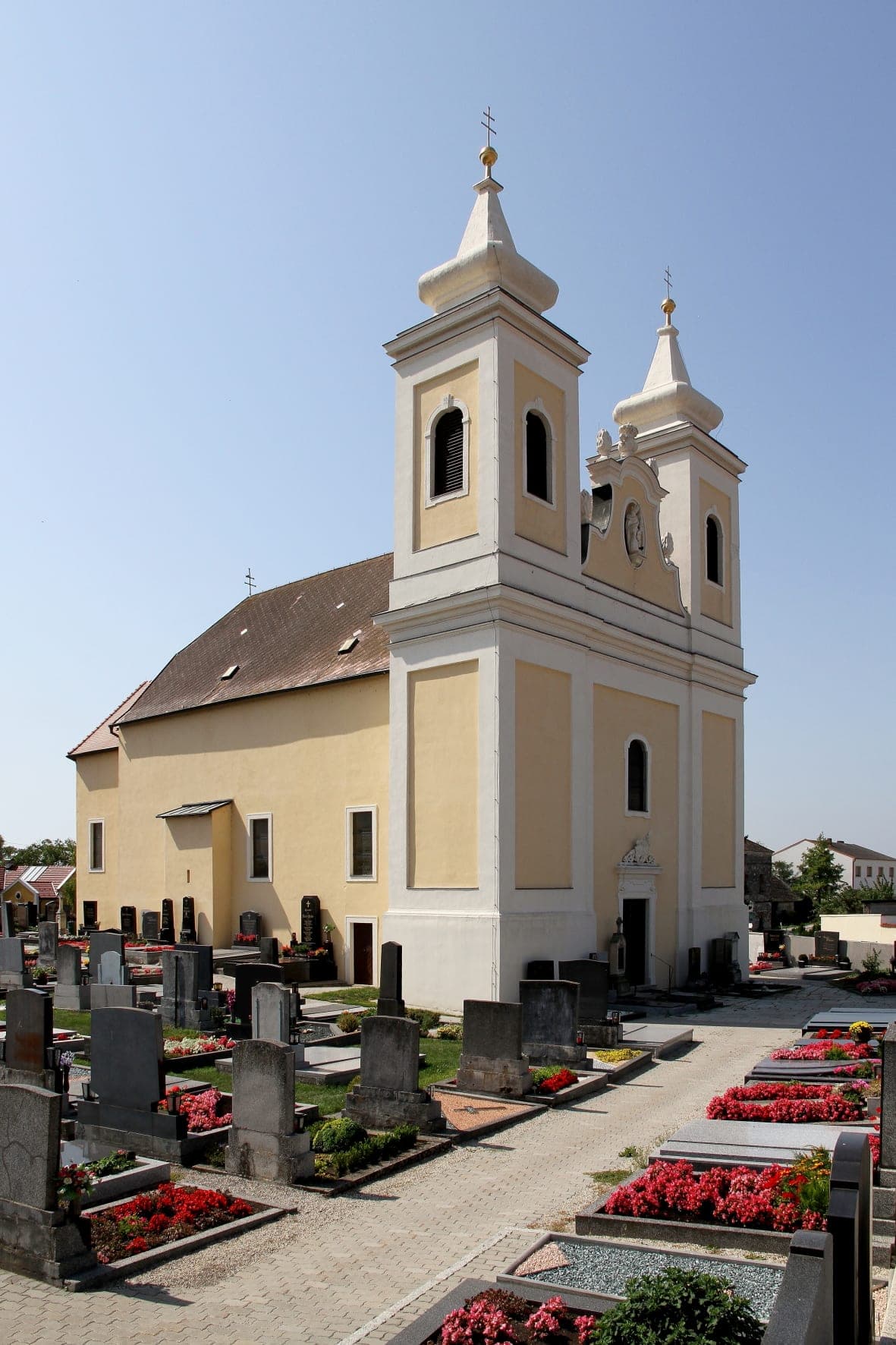
Winden am See
Wine Tasting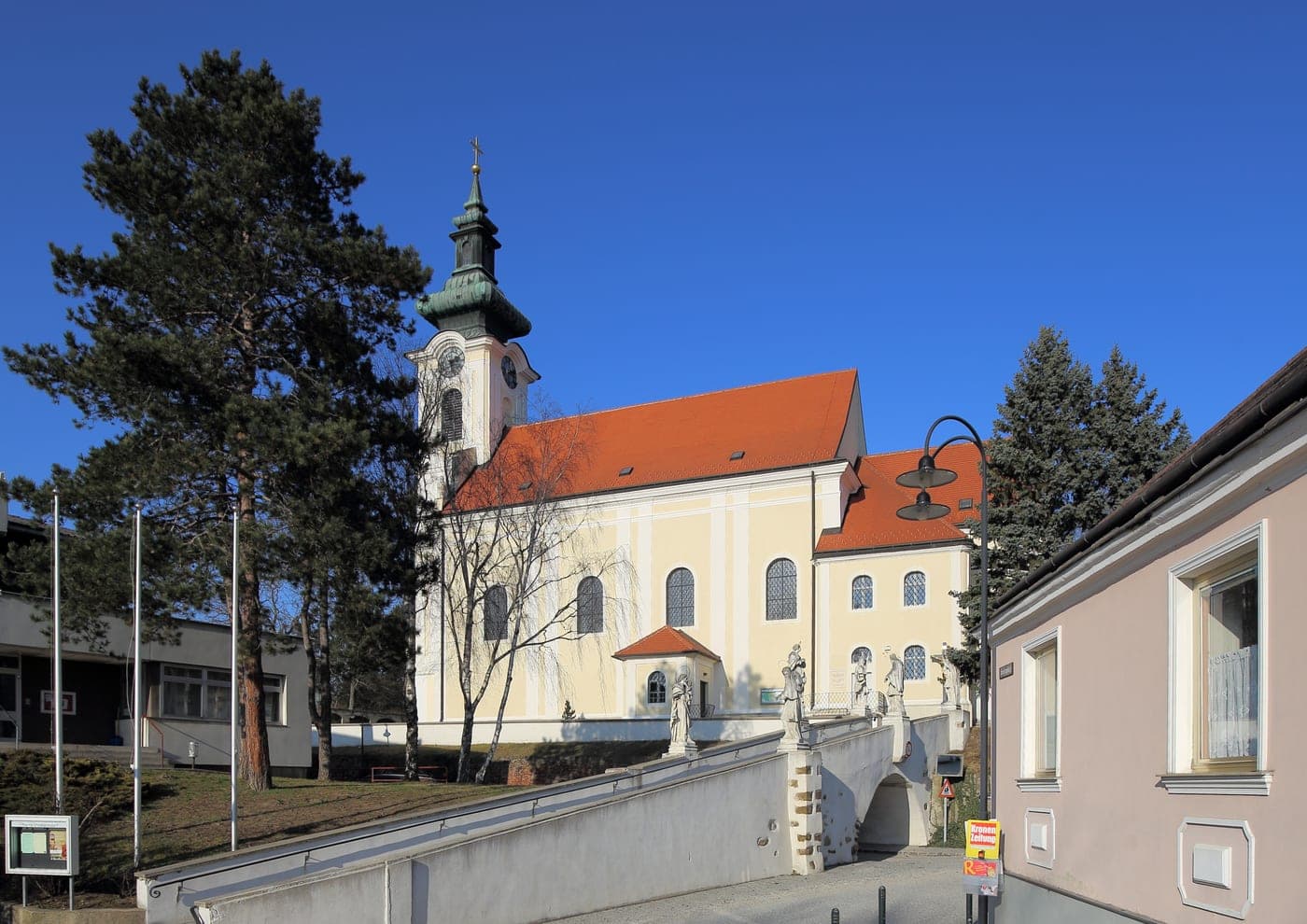
Wolkersdorf im Weinviertel
Wine Tasting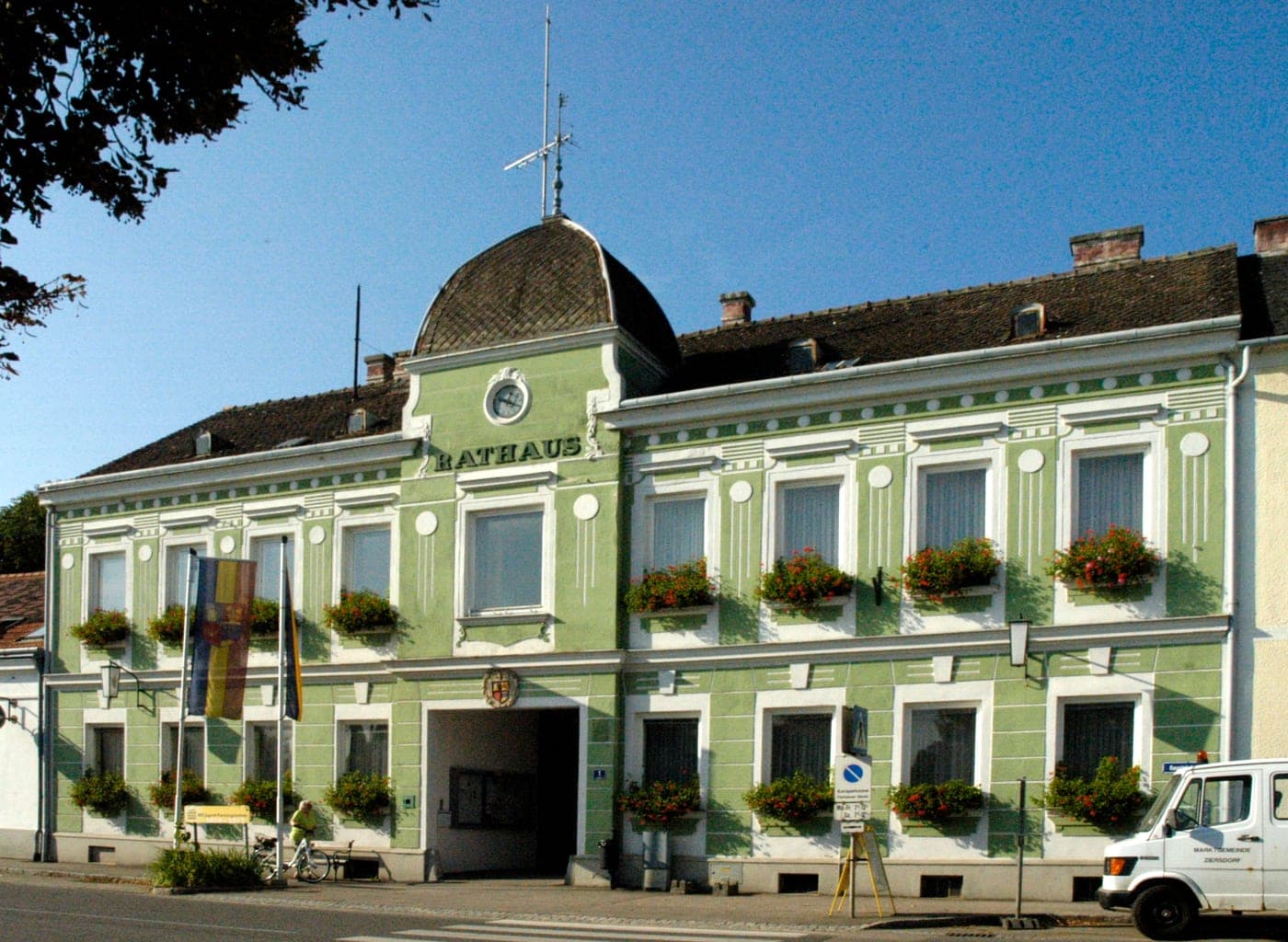
Ziersdorf
Wine Tasting🇧🇪
Belgium
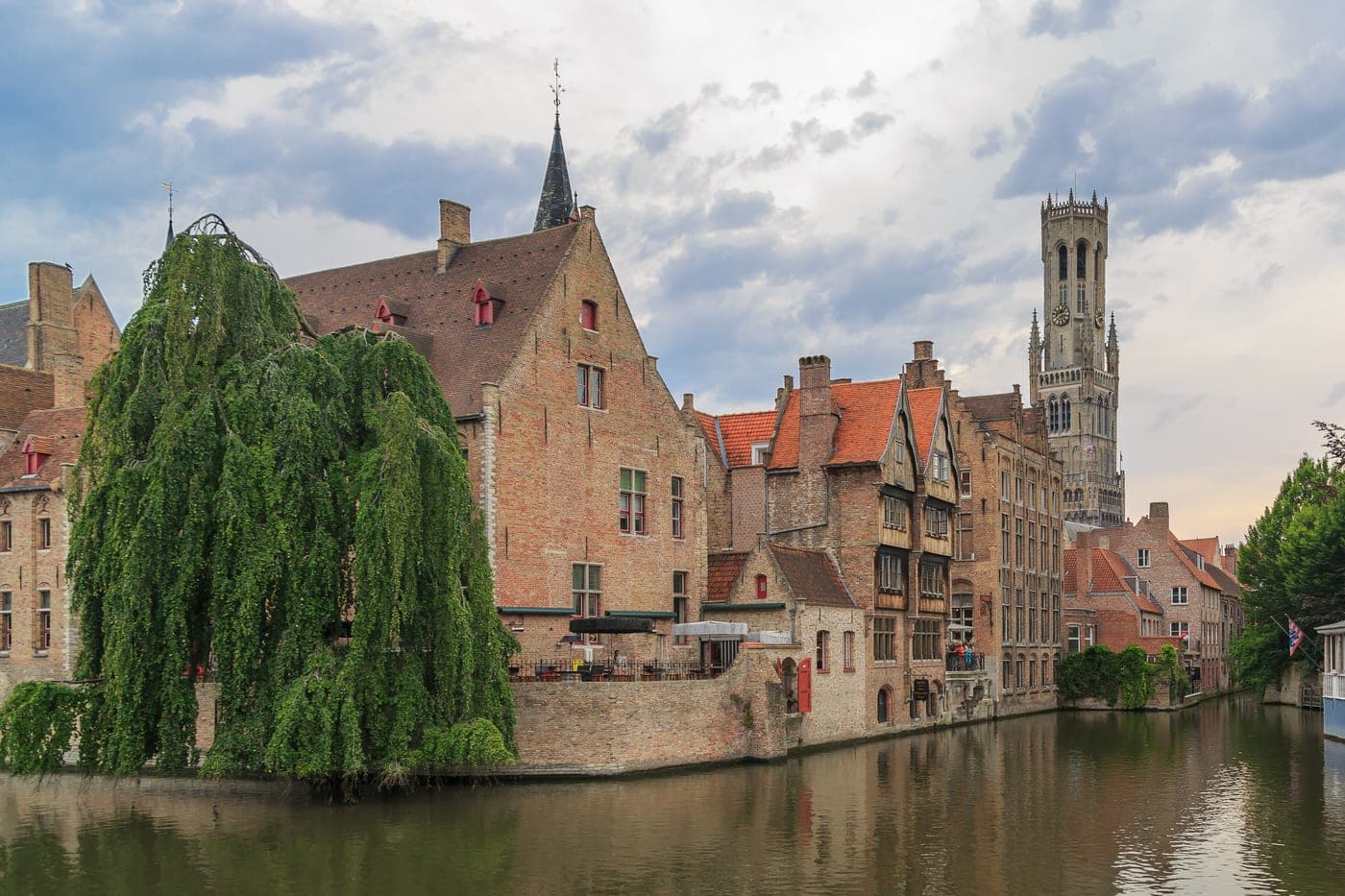
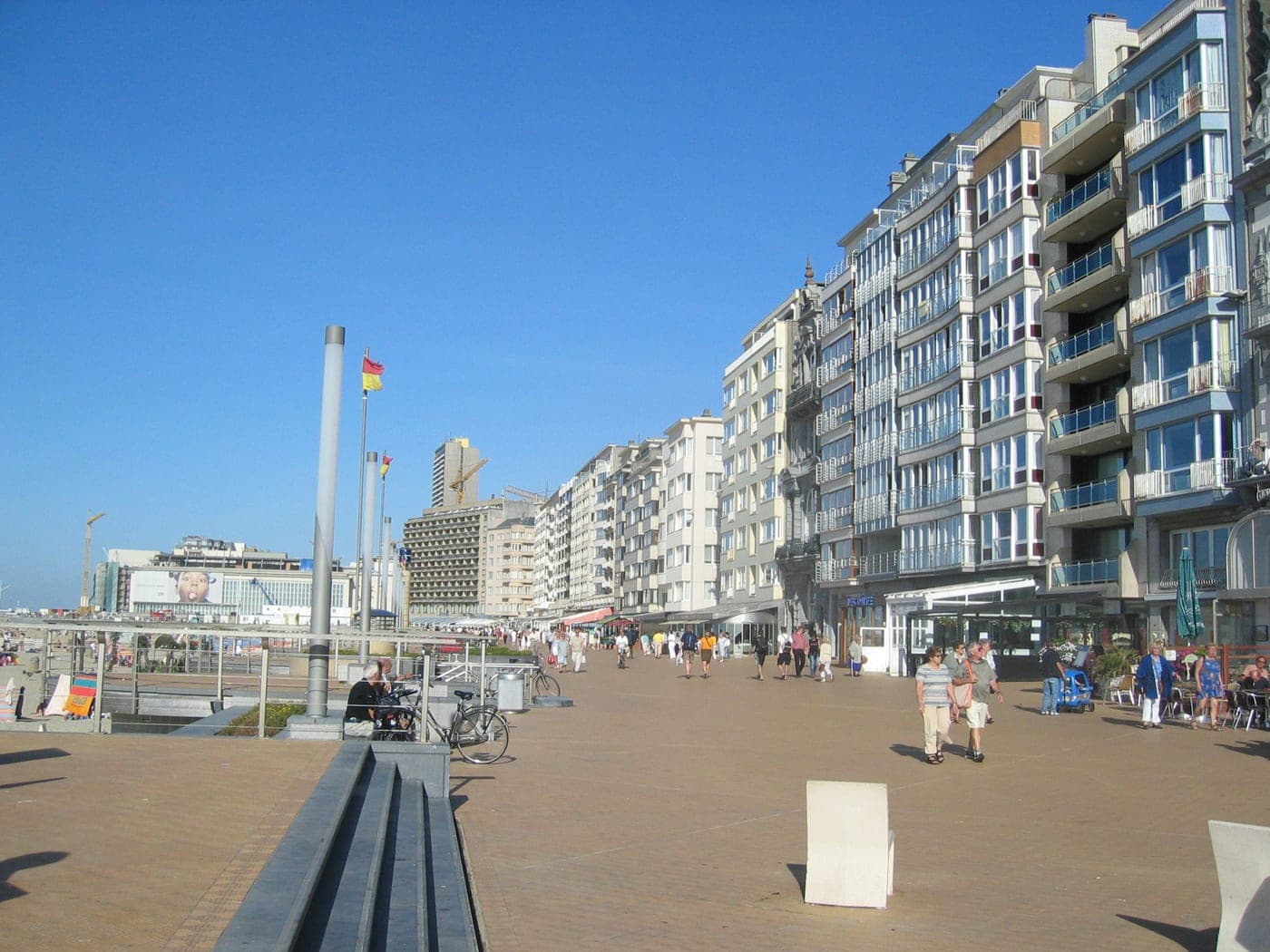
🇧🇬
Bulgaria
🇭🇷
Croatia
Biograd na Moru
Boat RentalsCrikvenica
Boat Rentals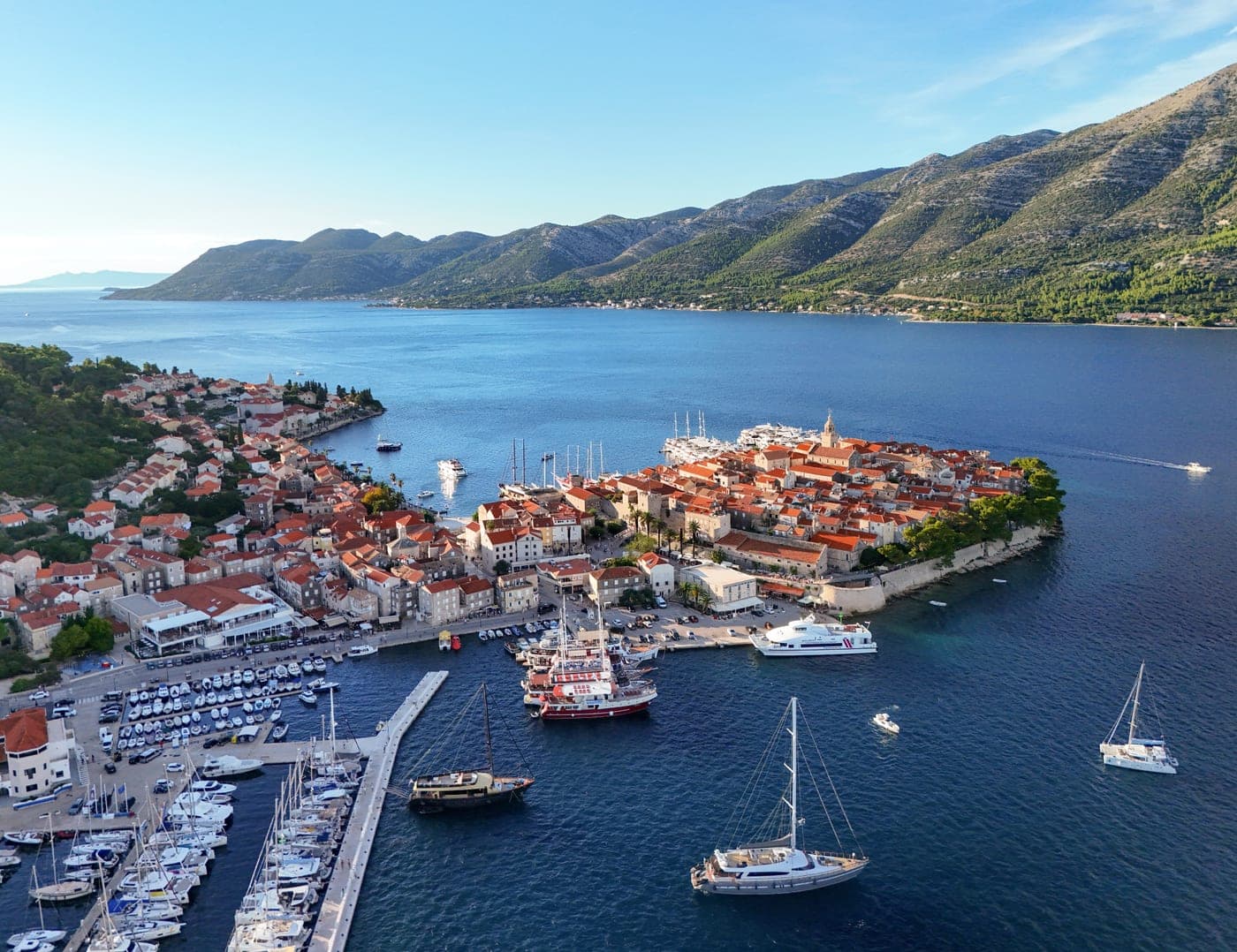
Korcula
Boat Rentals
Krk
Boat Rentals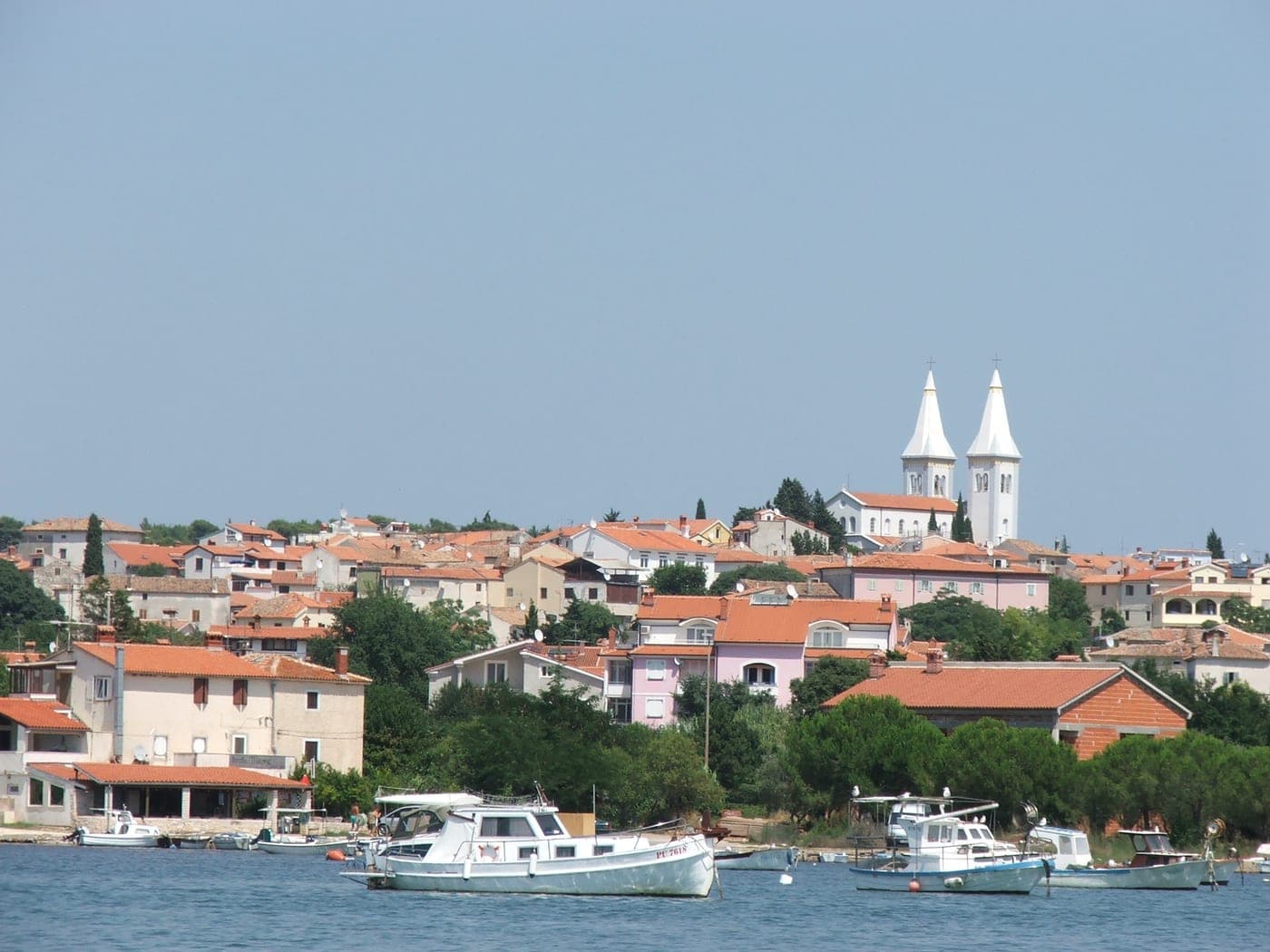
Medulin
Boat RentalsNovalja
Boat Rentals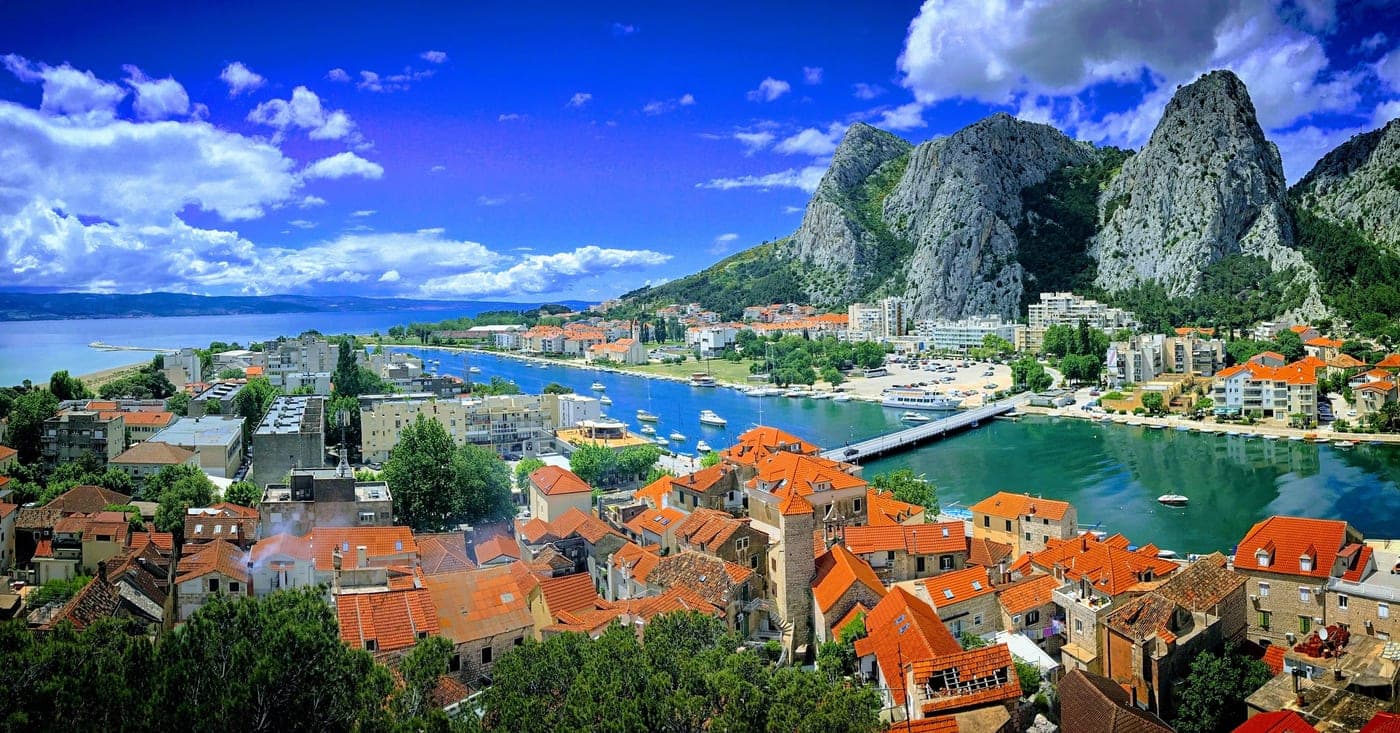
Omis
Boat Rentals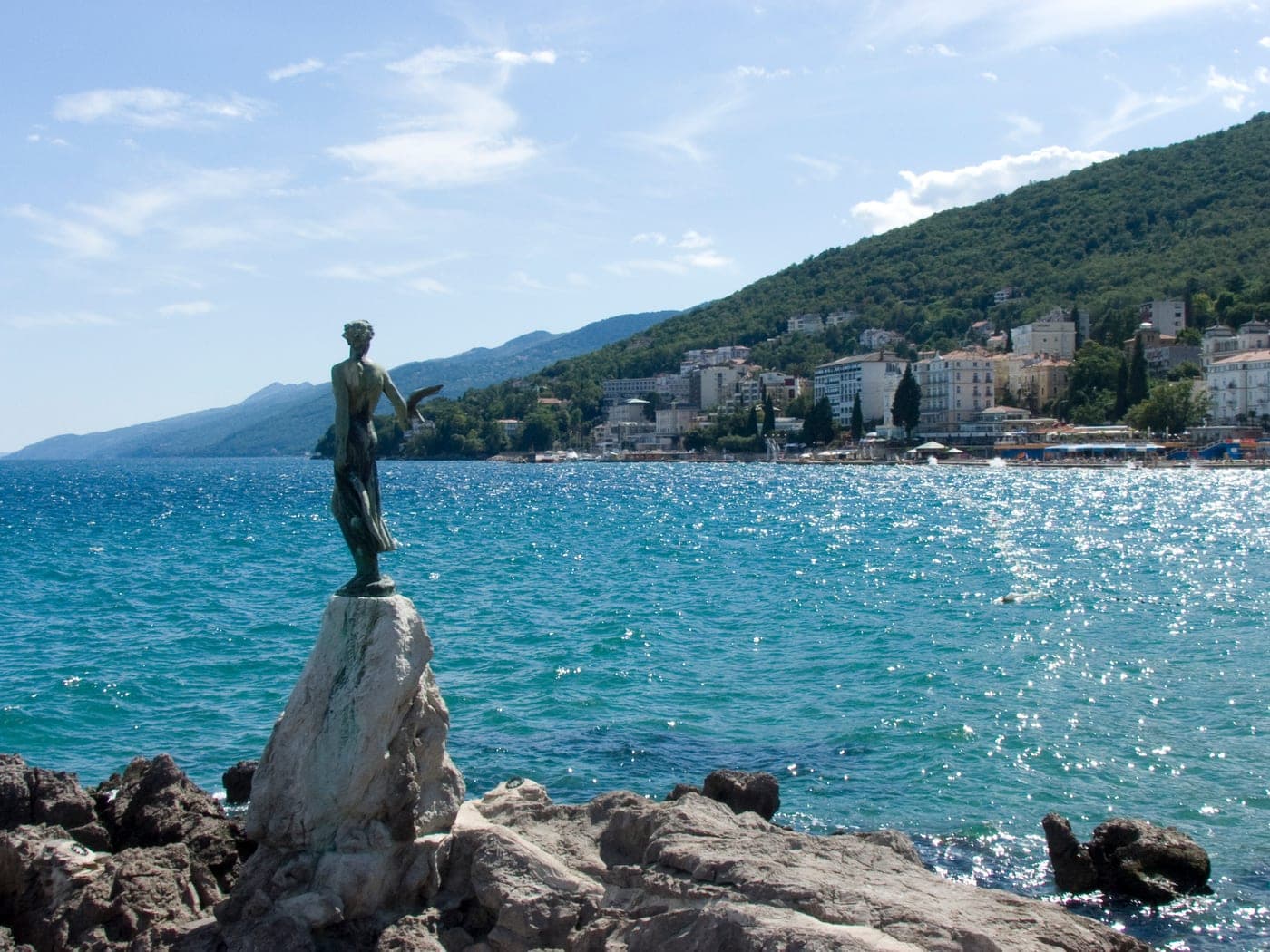
Opatija
Boat RentalsPorec
Boat Rentals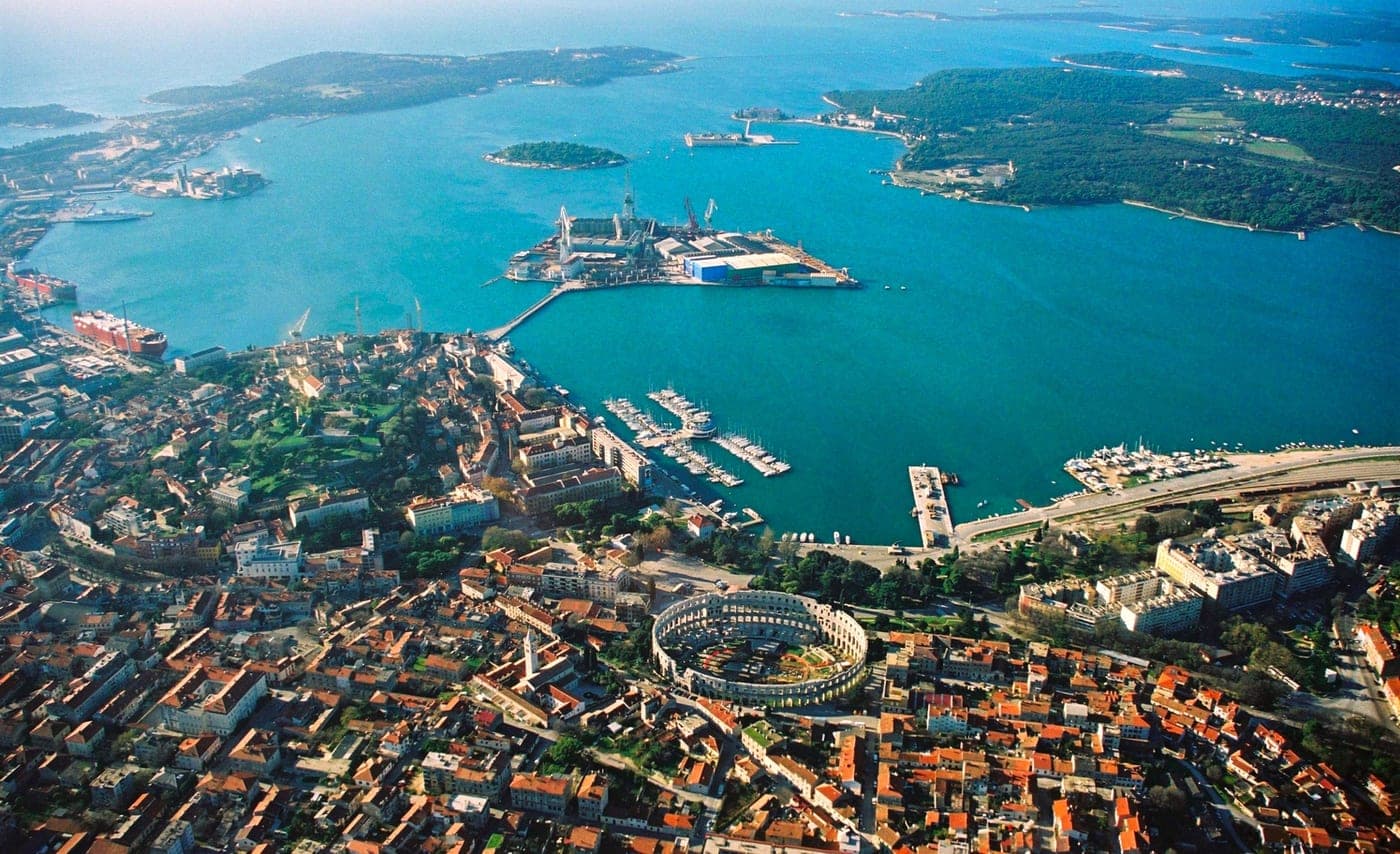
Pula
Boat Rentals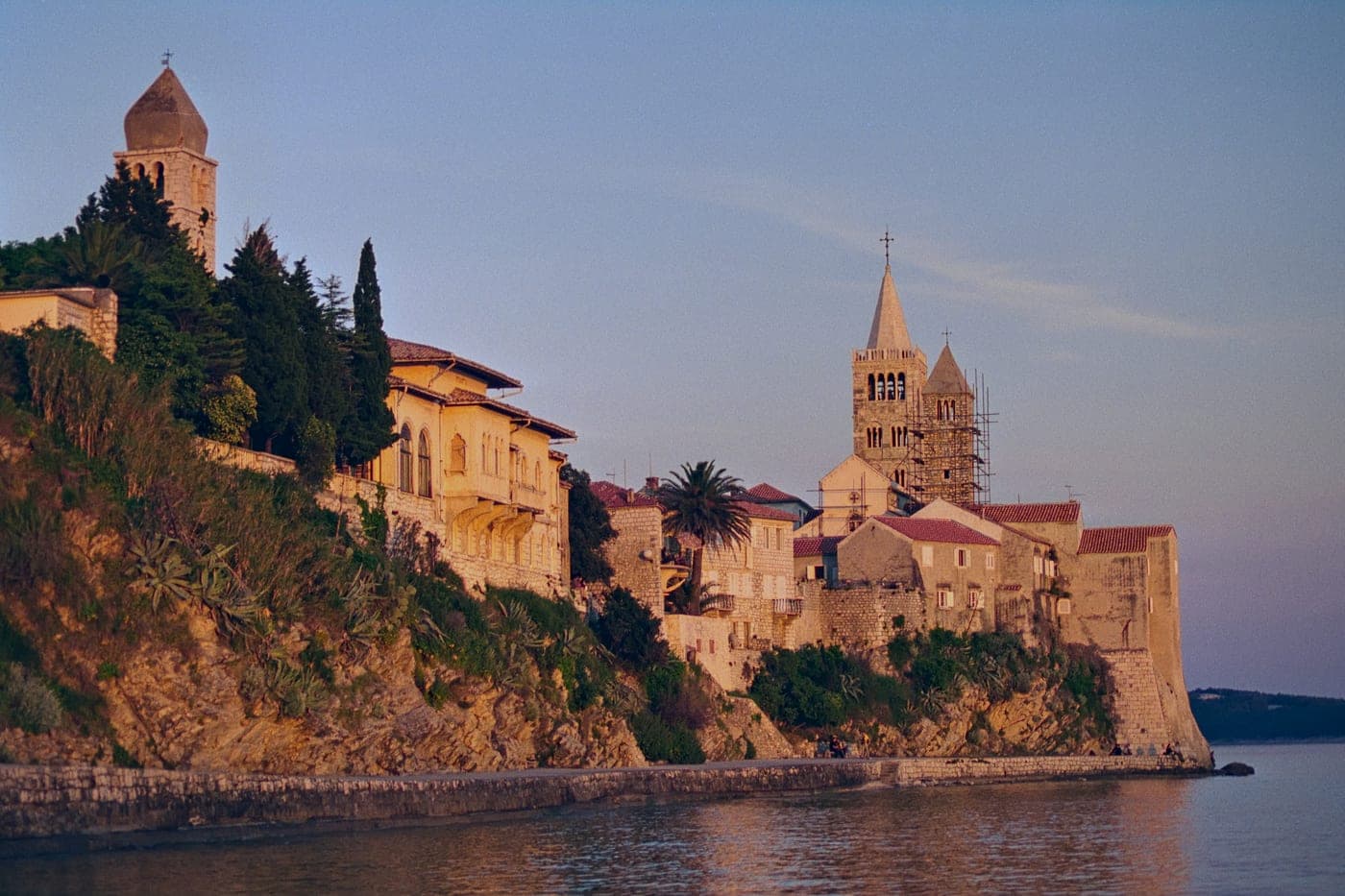
Rab
Boat Rentals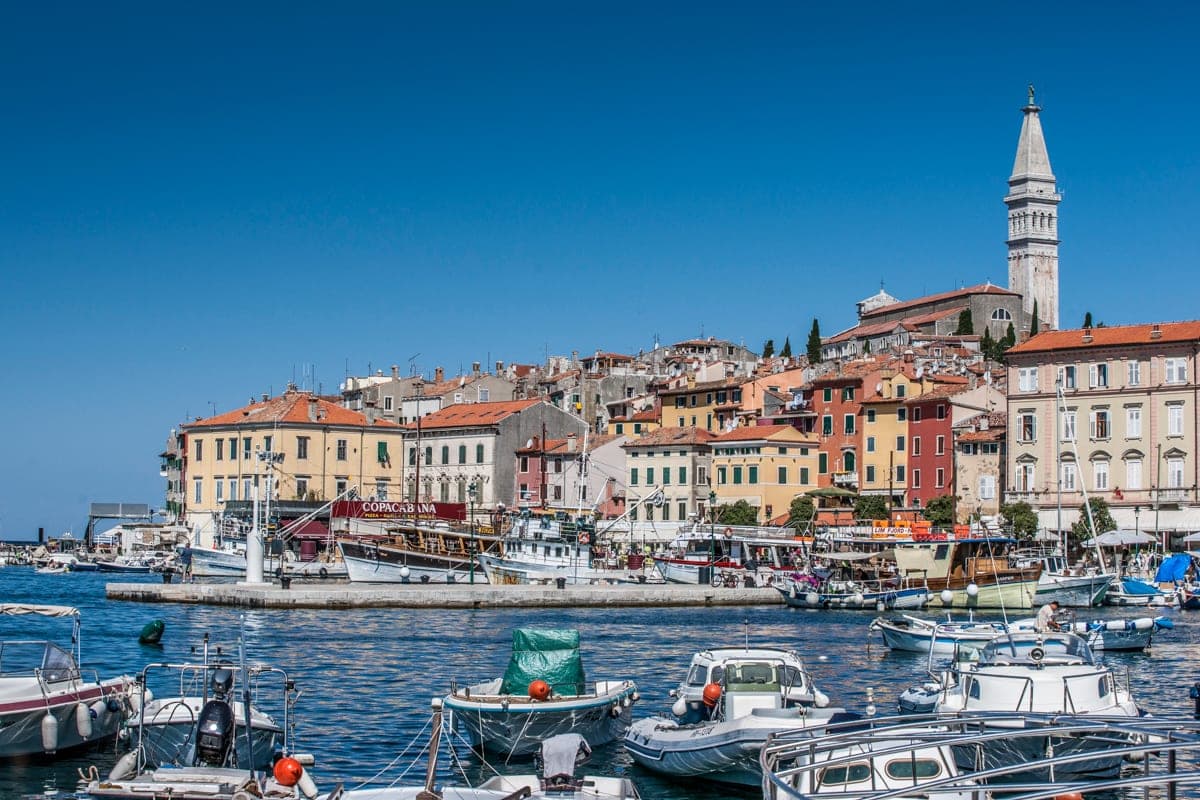
Rovinj
Boat Rentals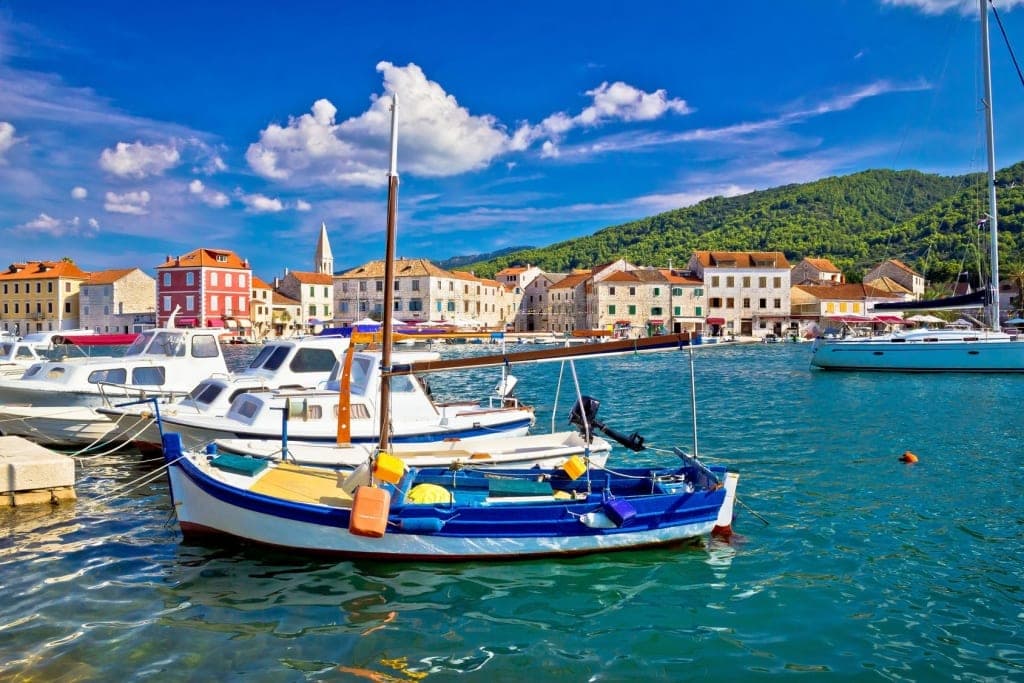
Stari Grad
Boat Rentals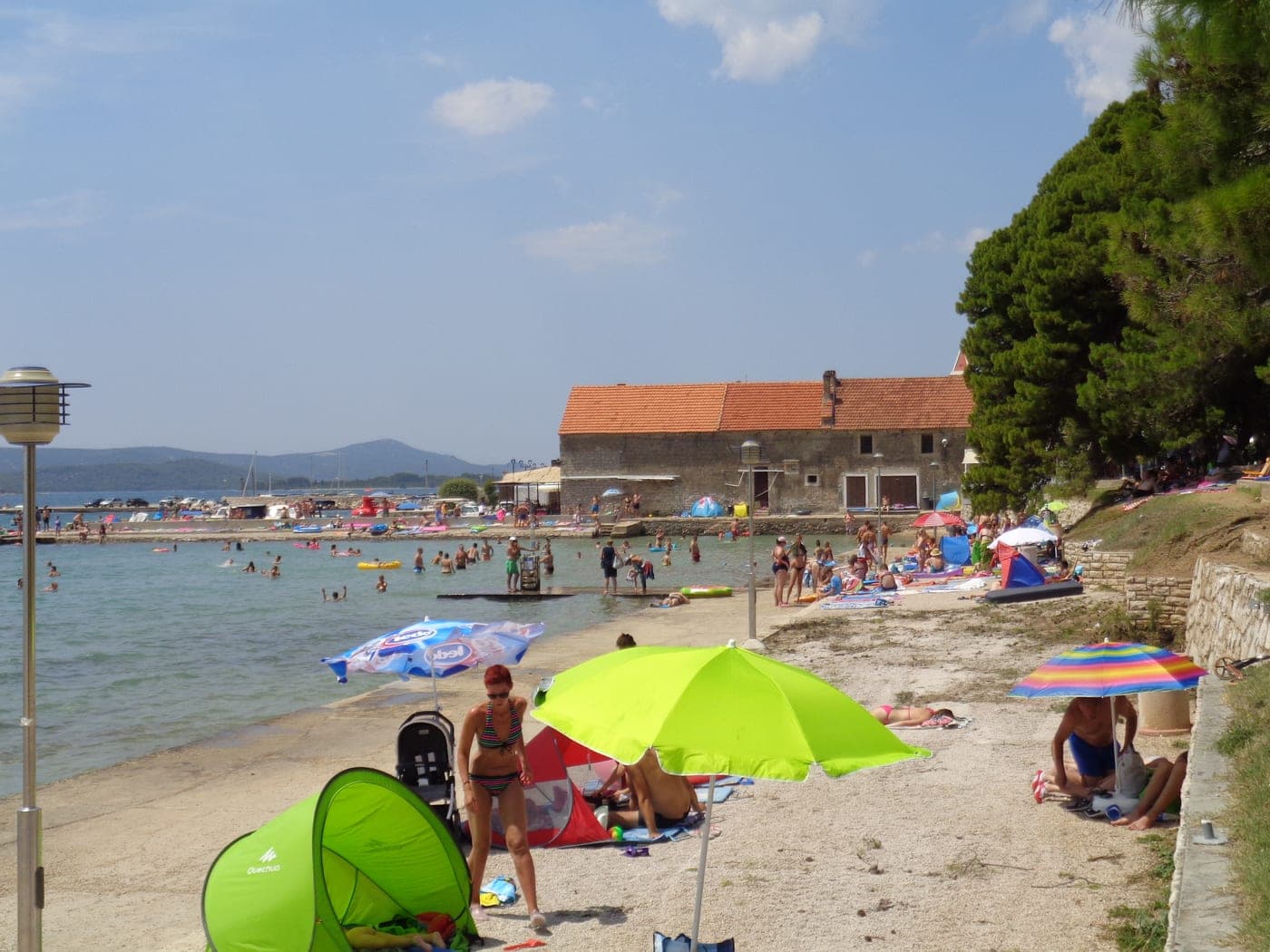
Sveti Filip i Jakov
Boat Rentals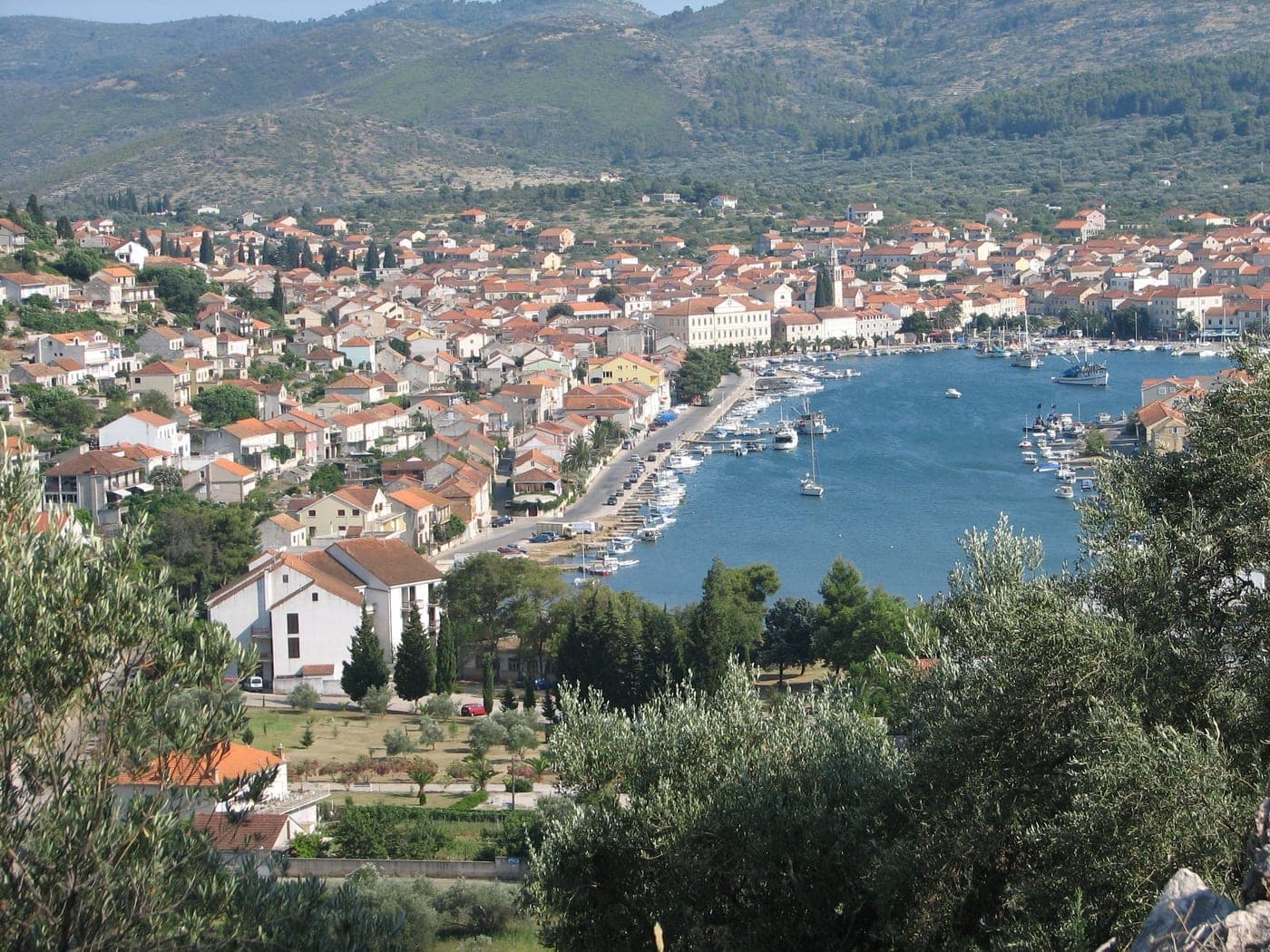
Vela Luka
Boat Rentals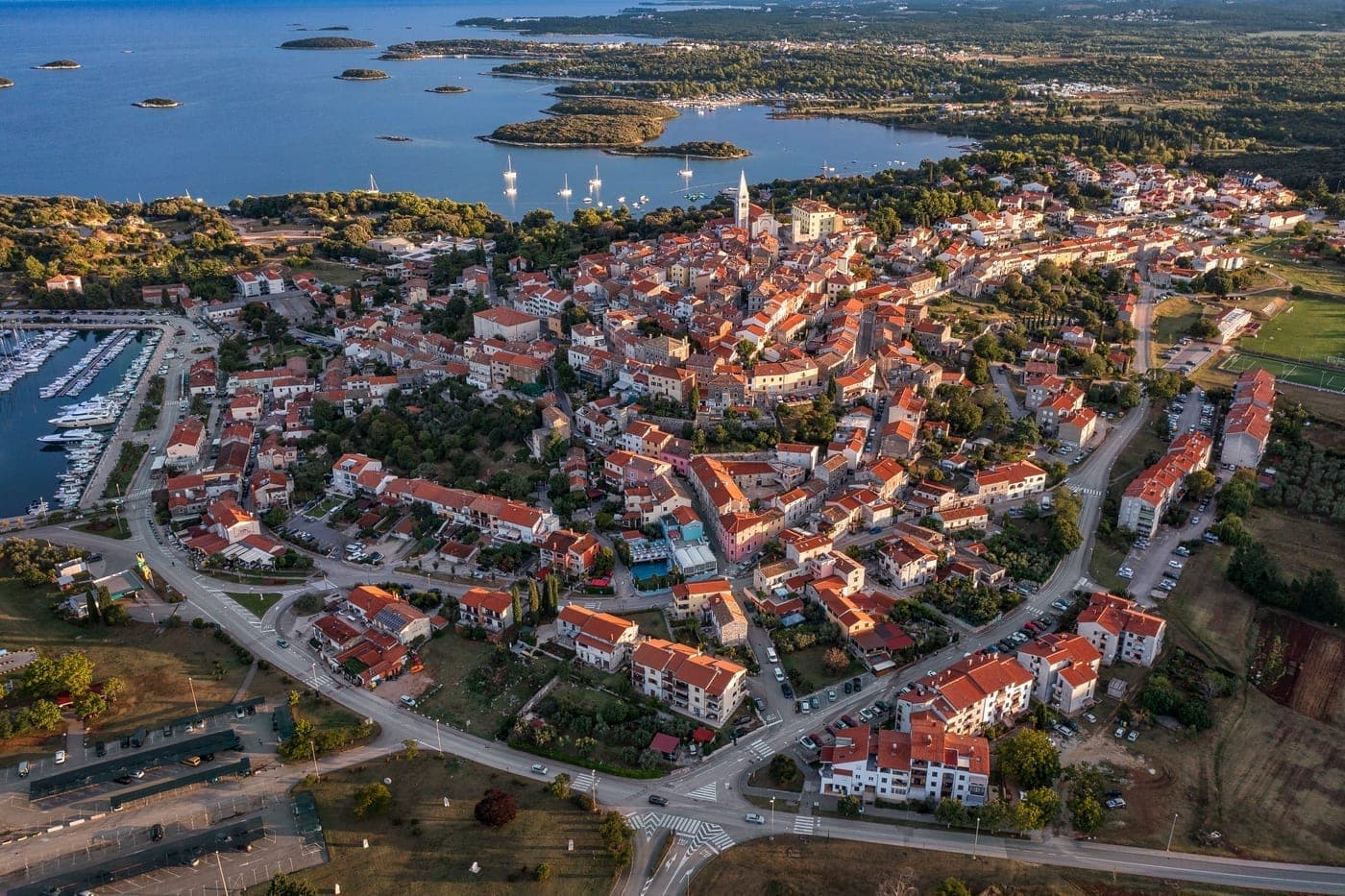
Vrsar
Boat Rentals🇩🇰
Denmark
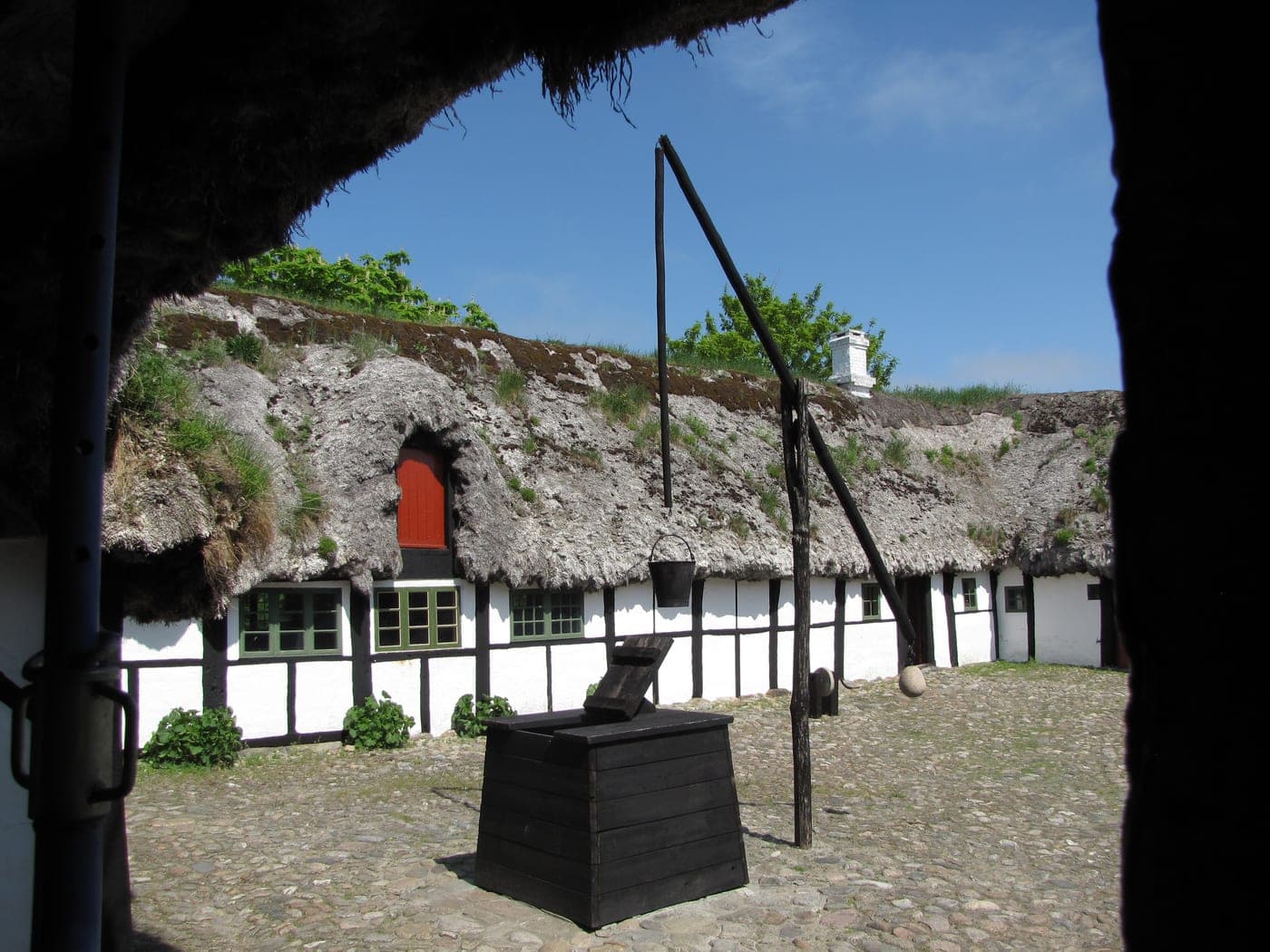
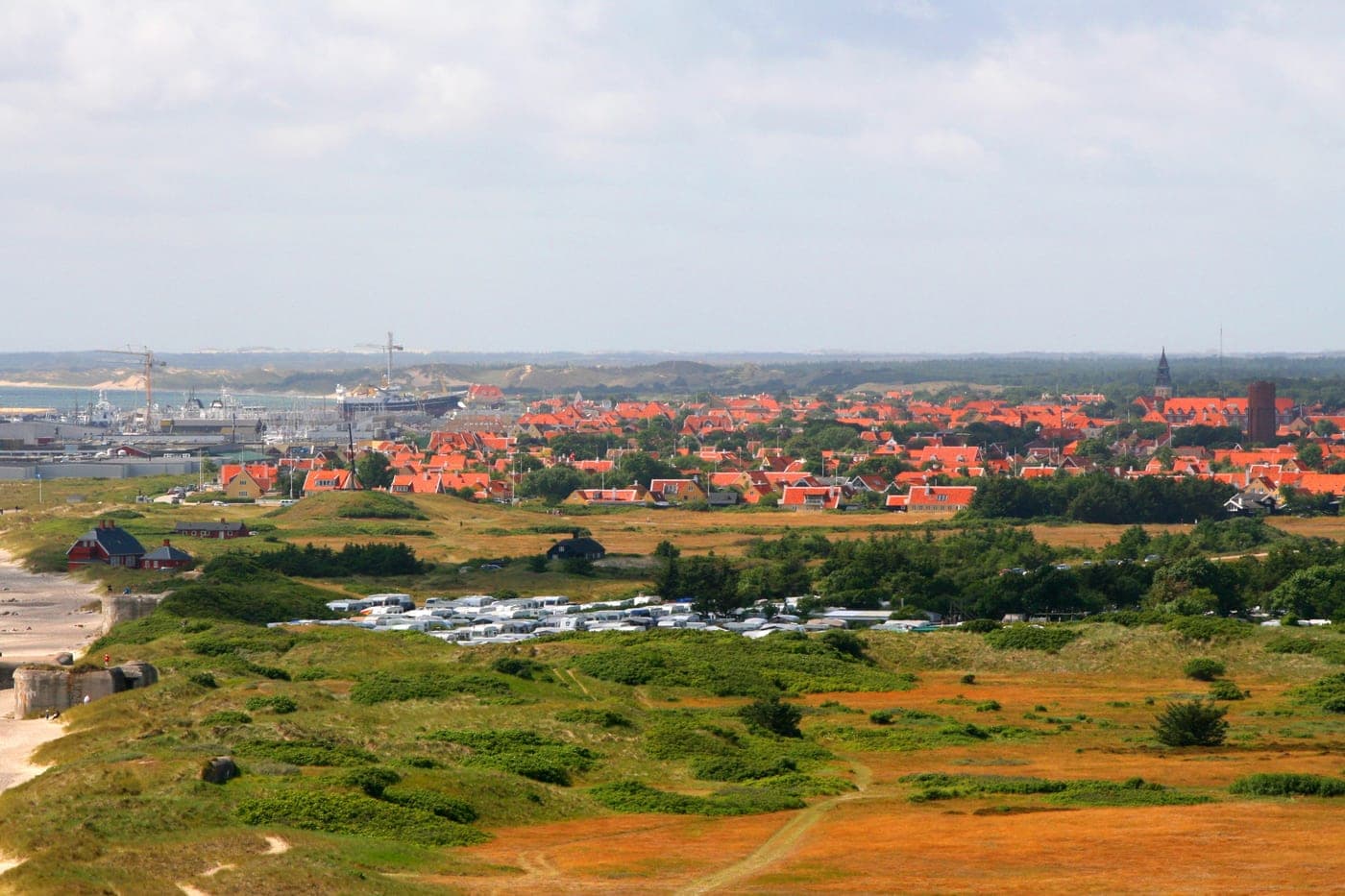
🇪🇪
Estonia
🇫🇮
Finland
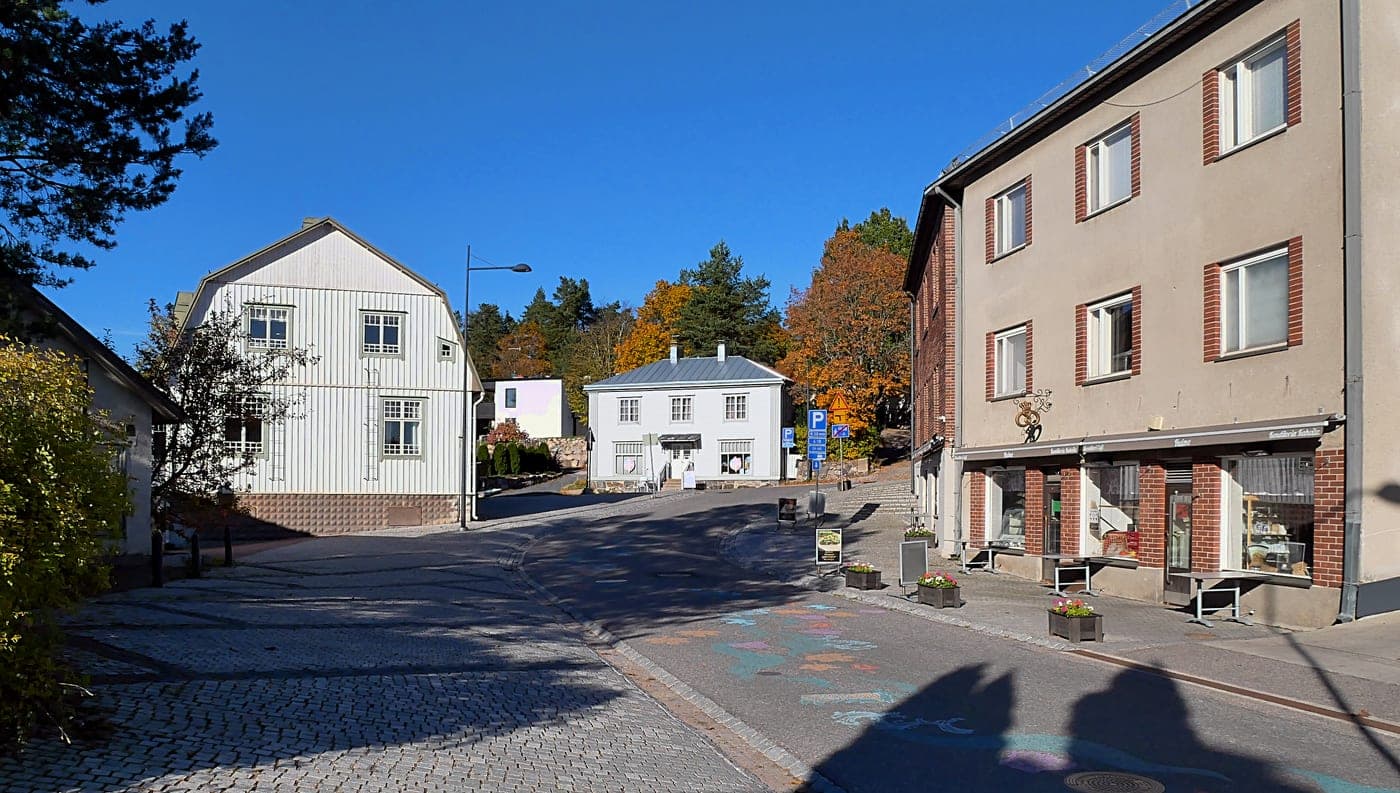
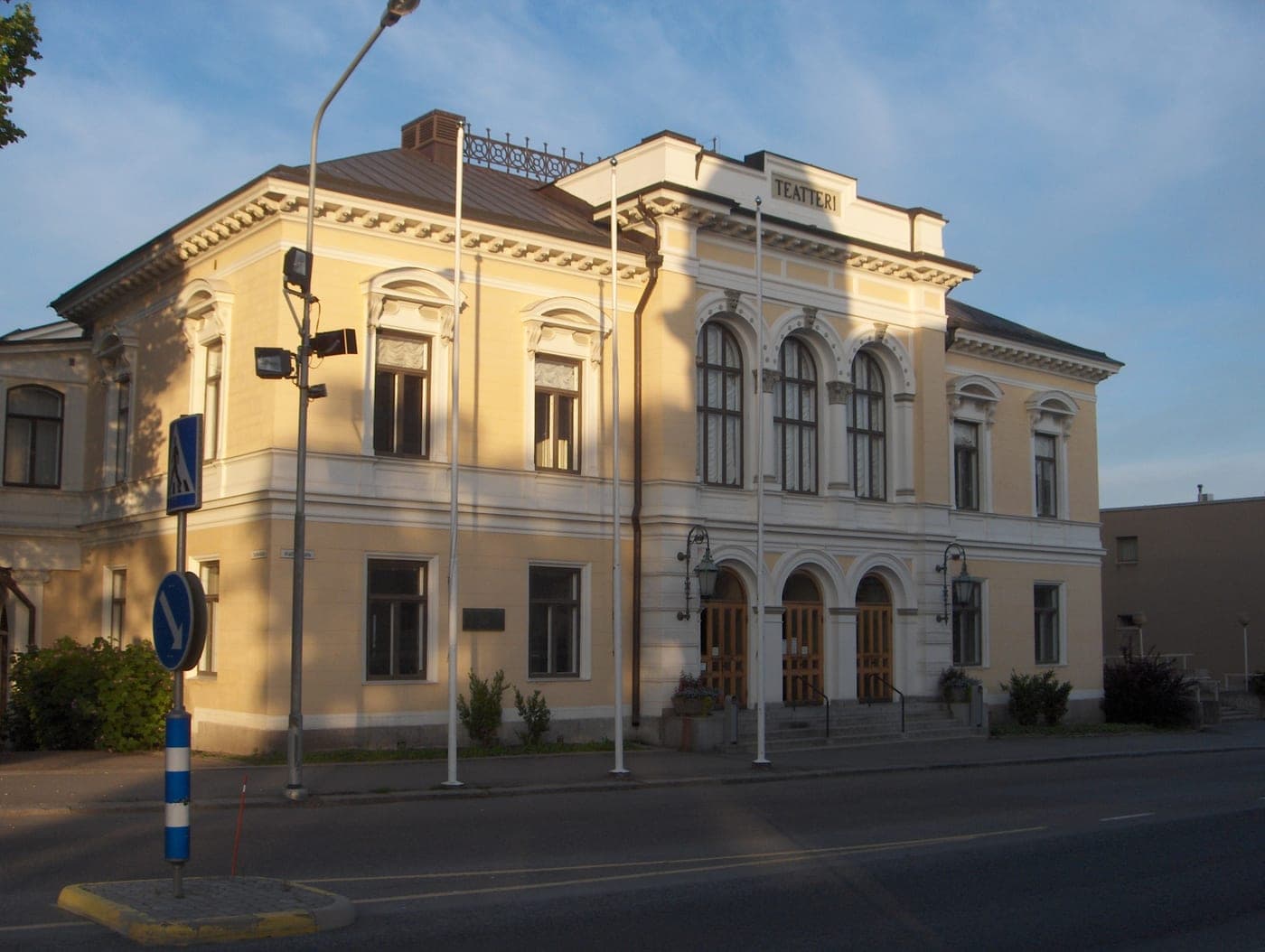
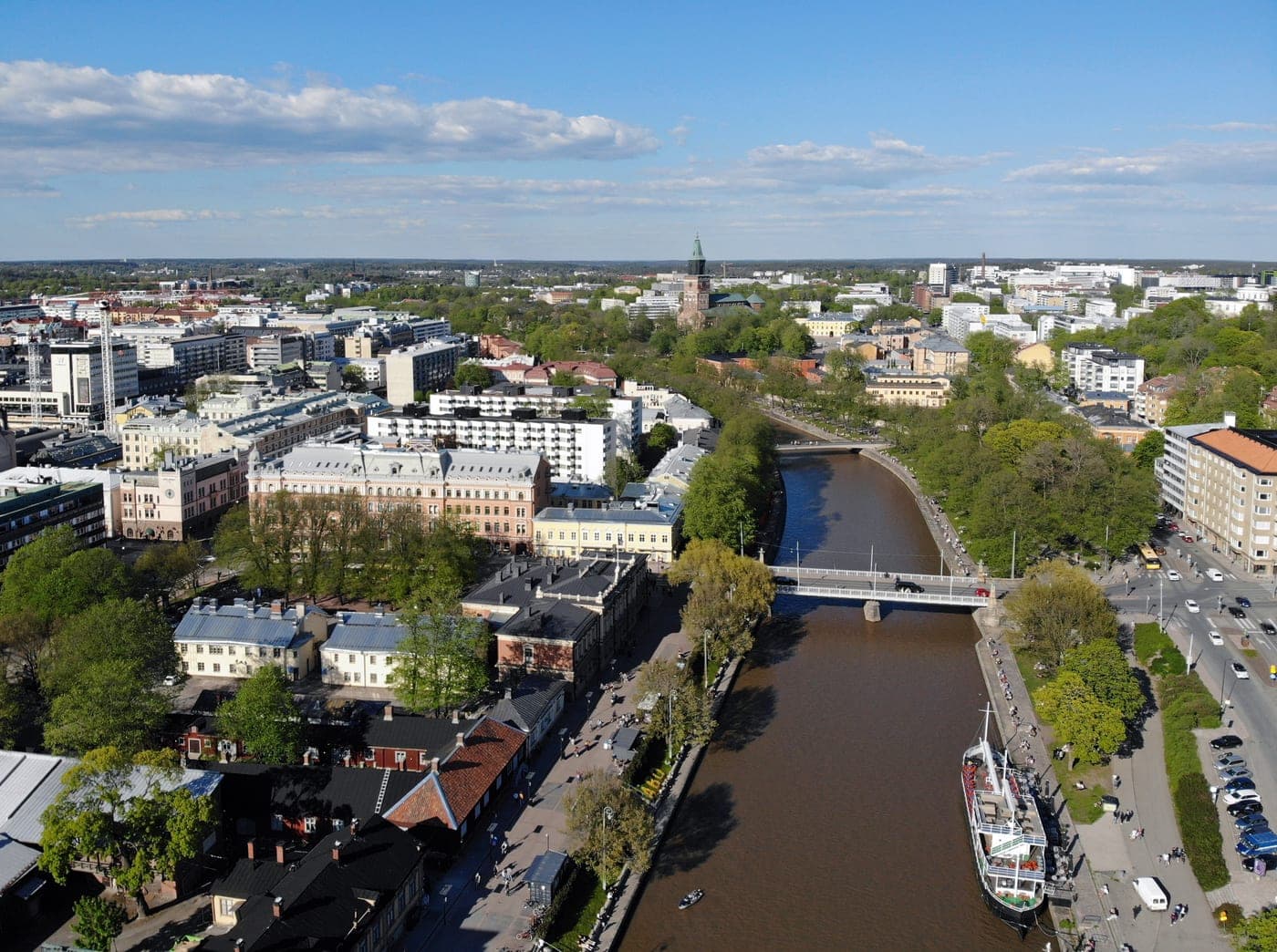
🇫🇷
France
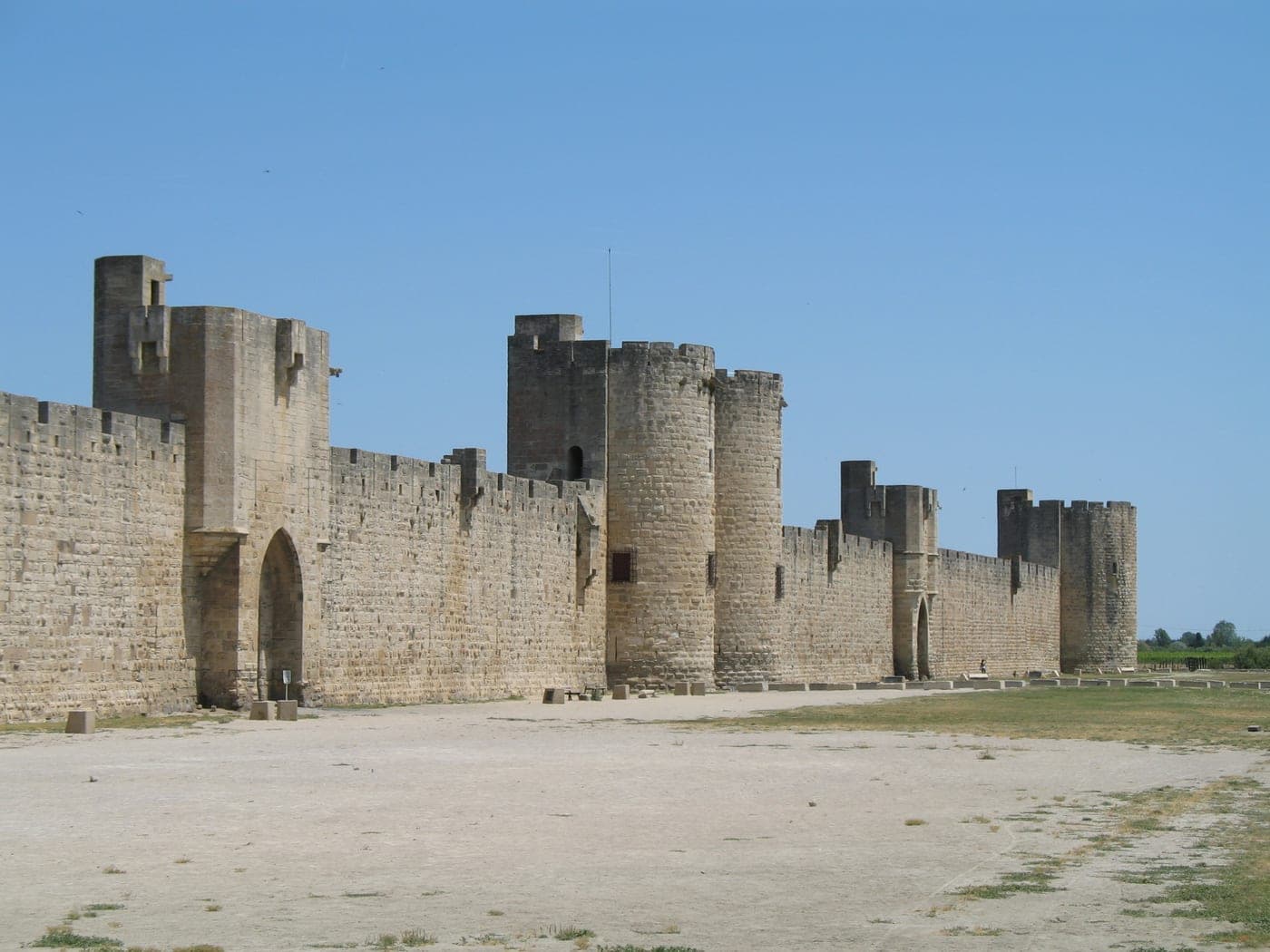
Aigues-Mortes
Wine Tasting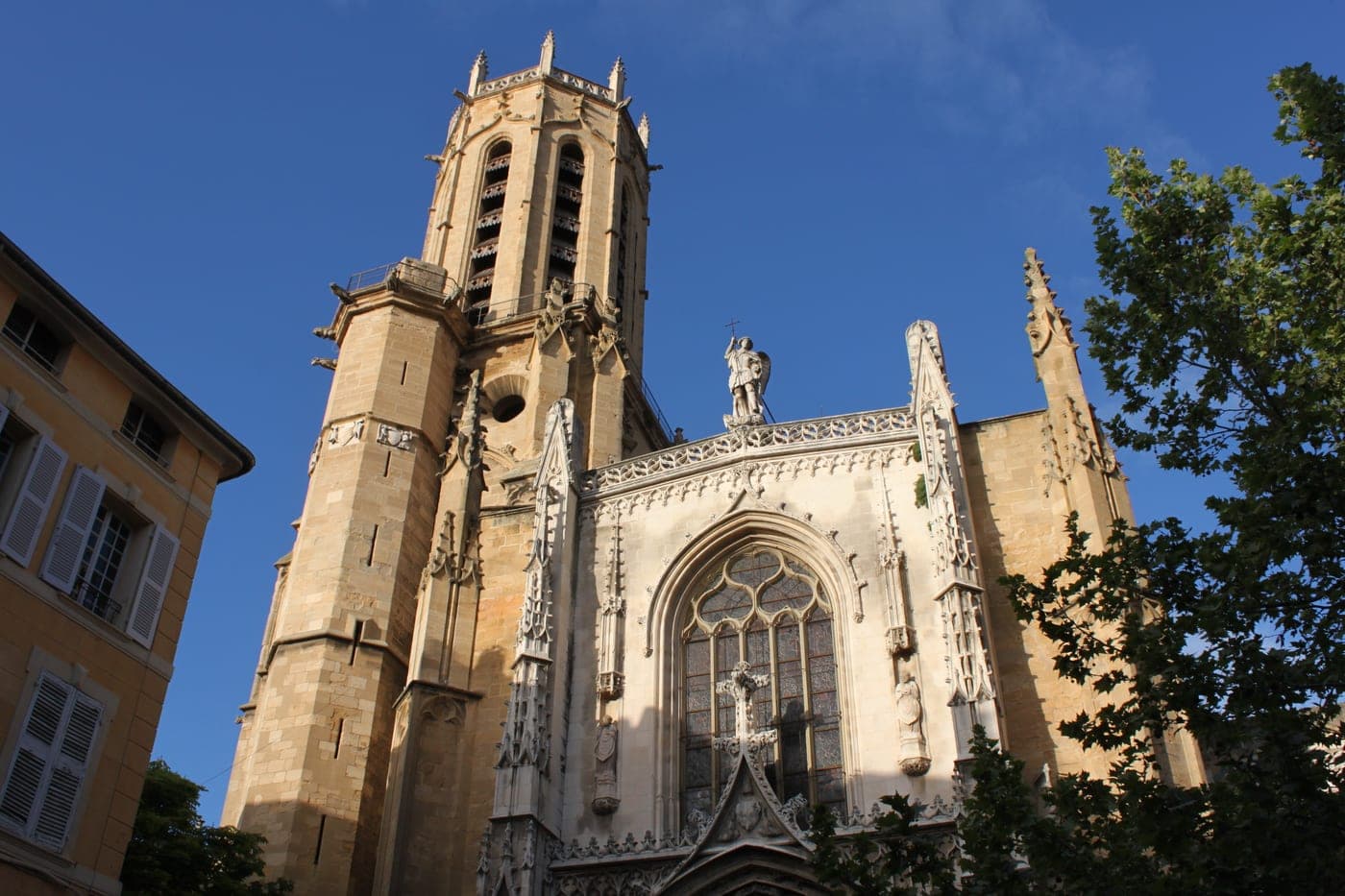
Aix-en-Provence
Wine Tasting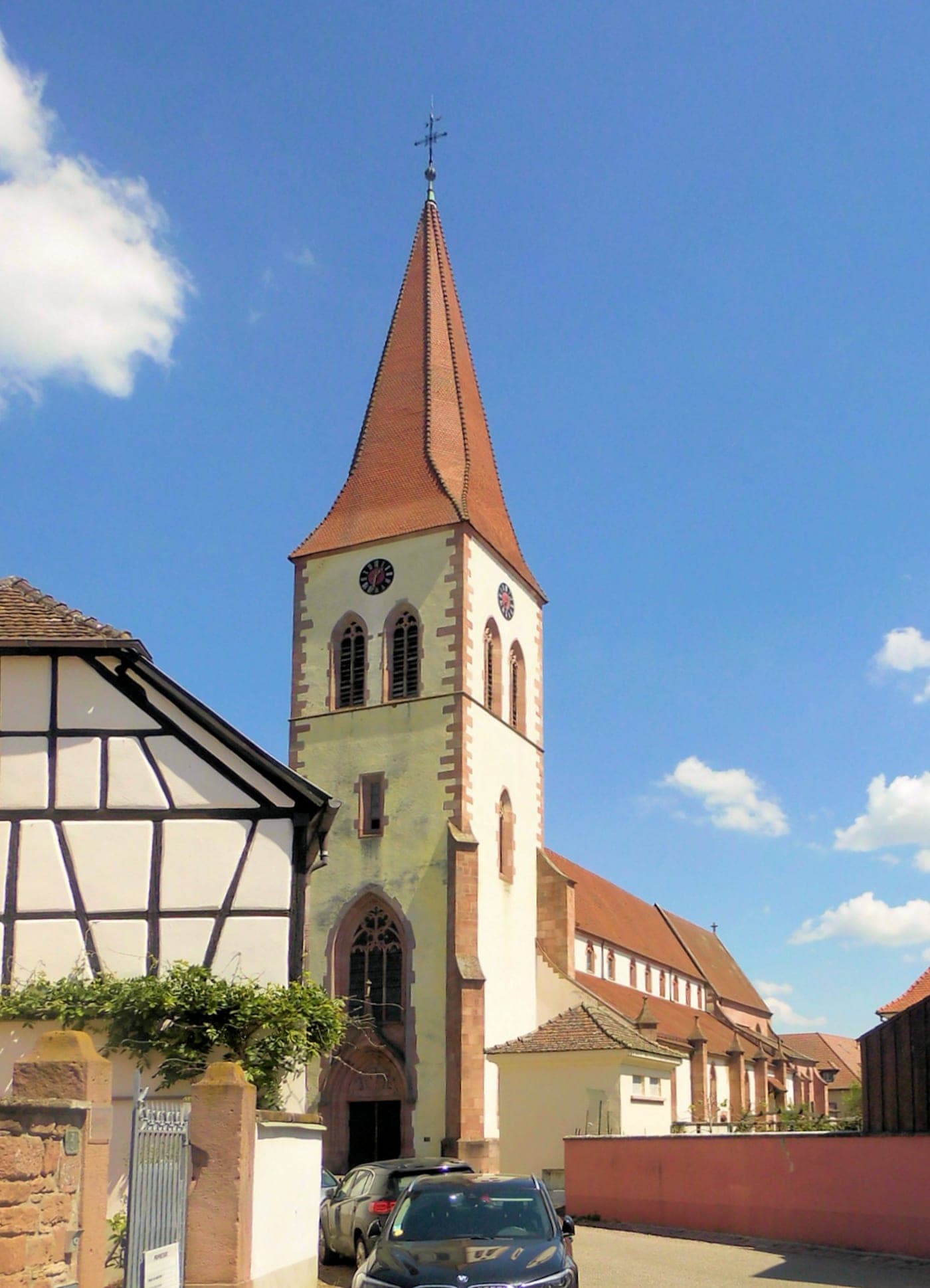
Ammerschwihr
Wine Tasting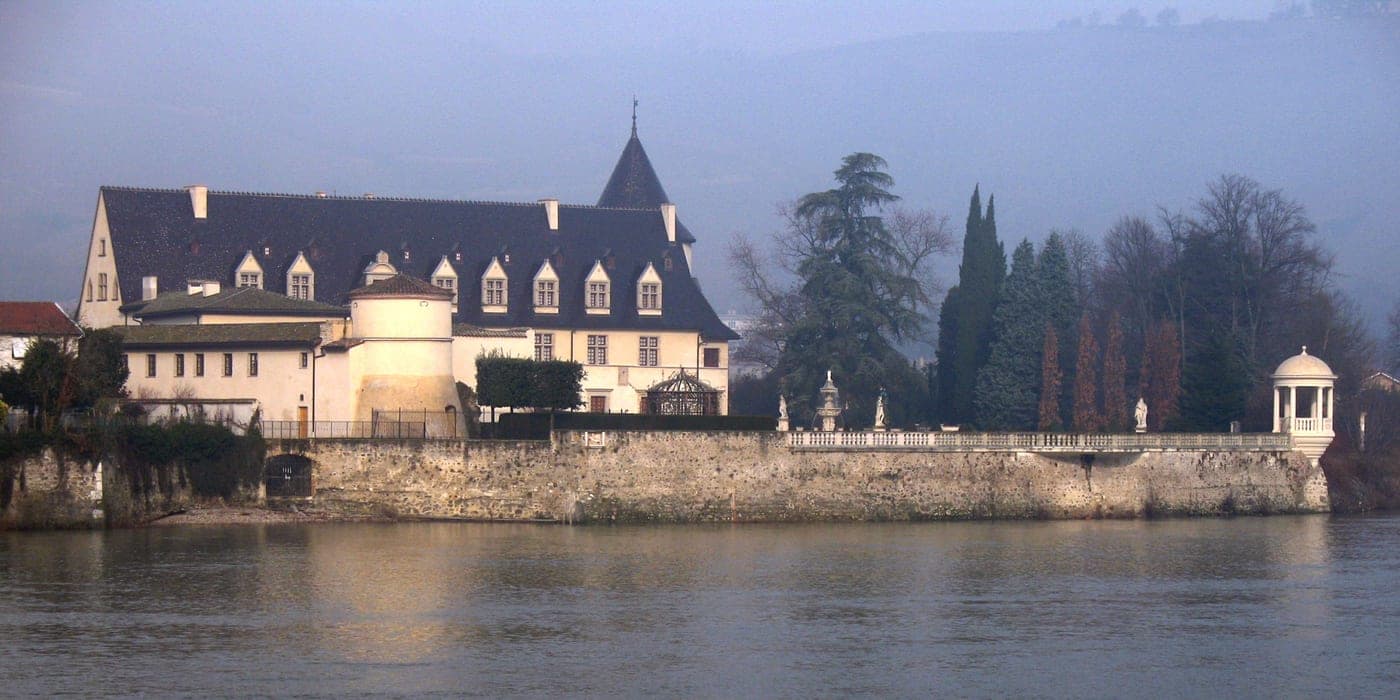
Ampuis
Wine Tasting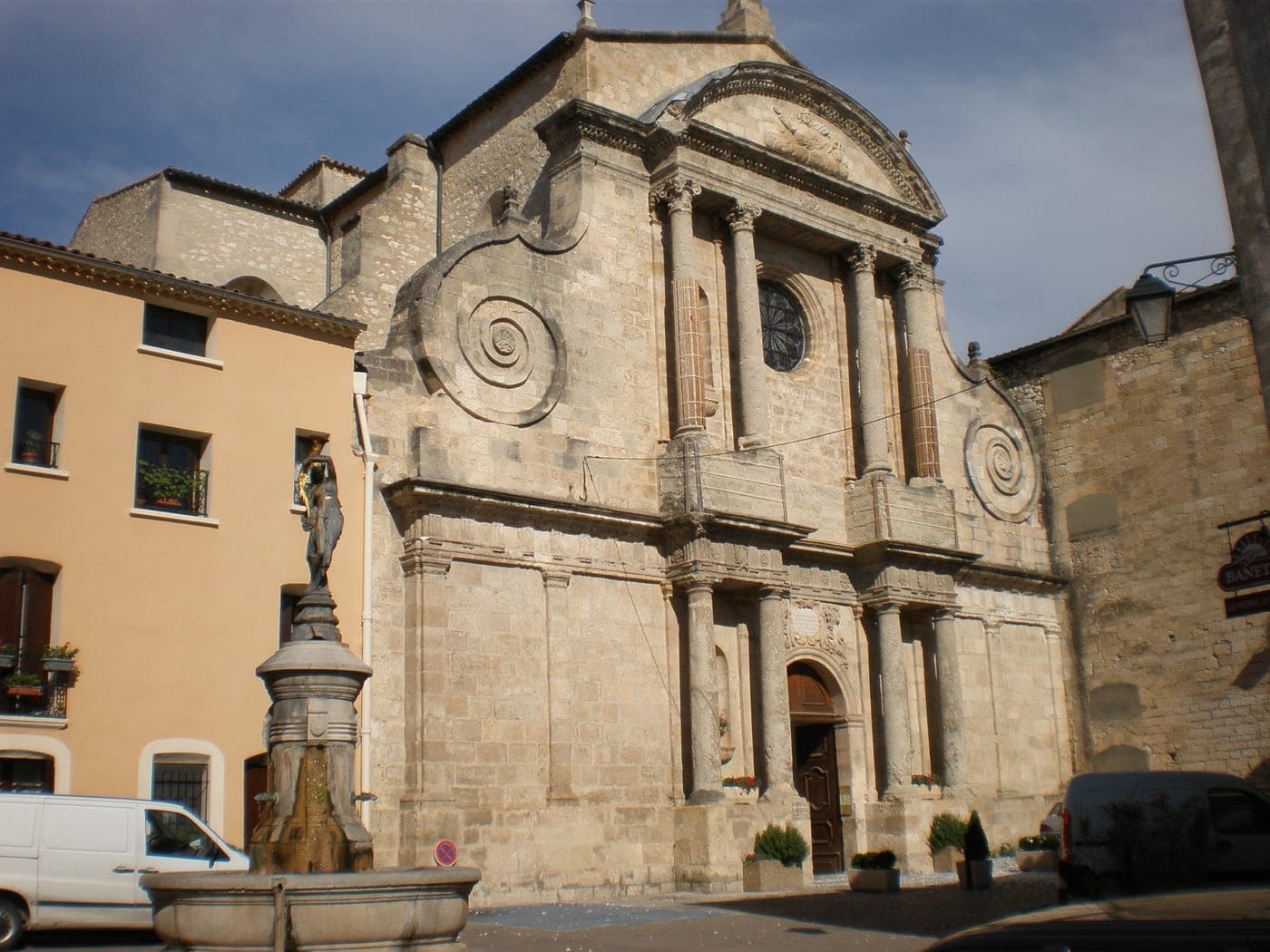
Aniane
Wine Tasting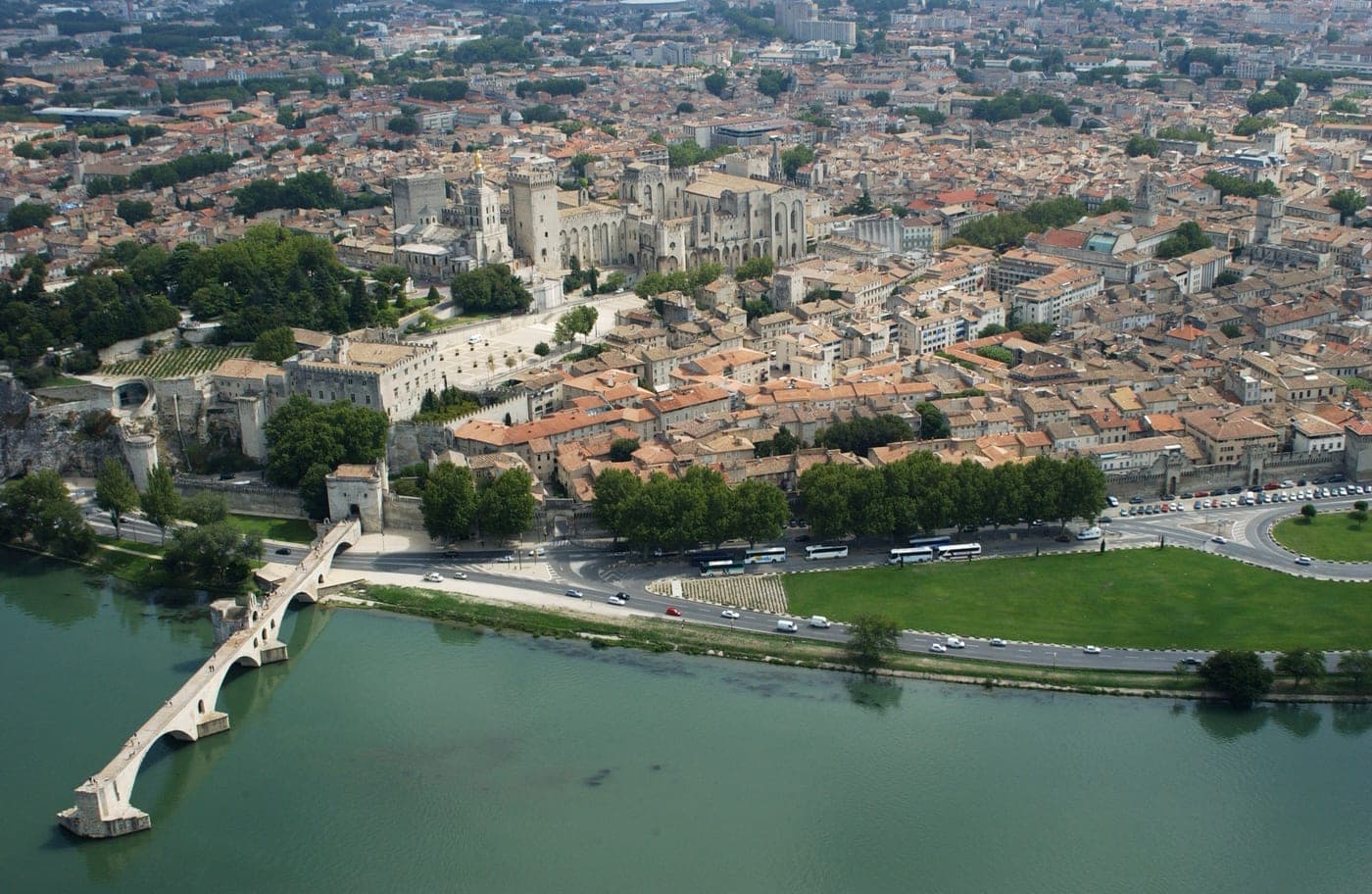
Avignon
Wine Tasting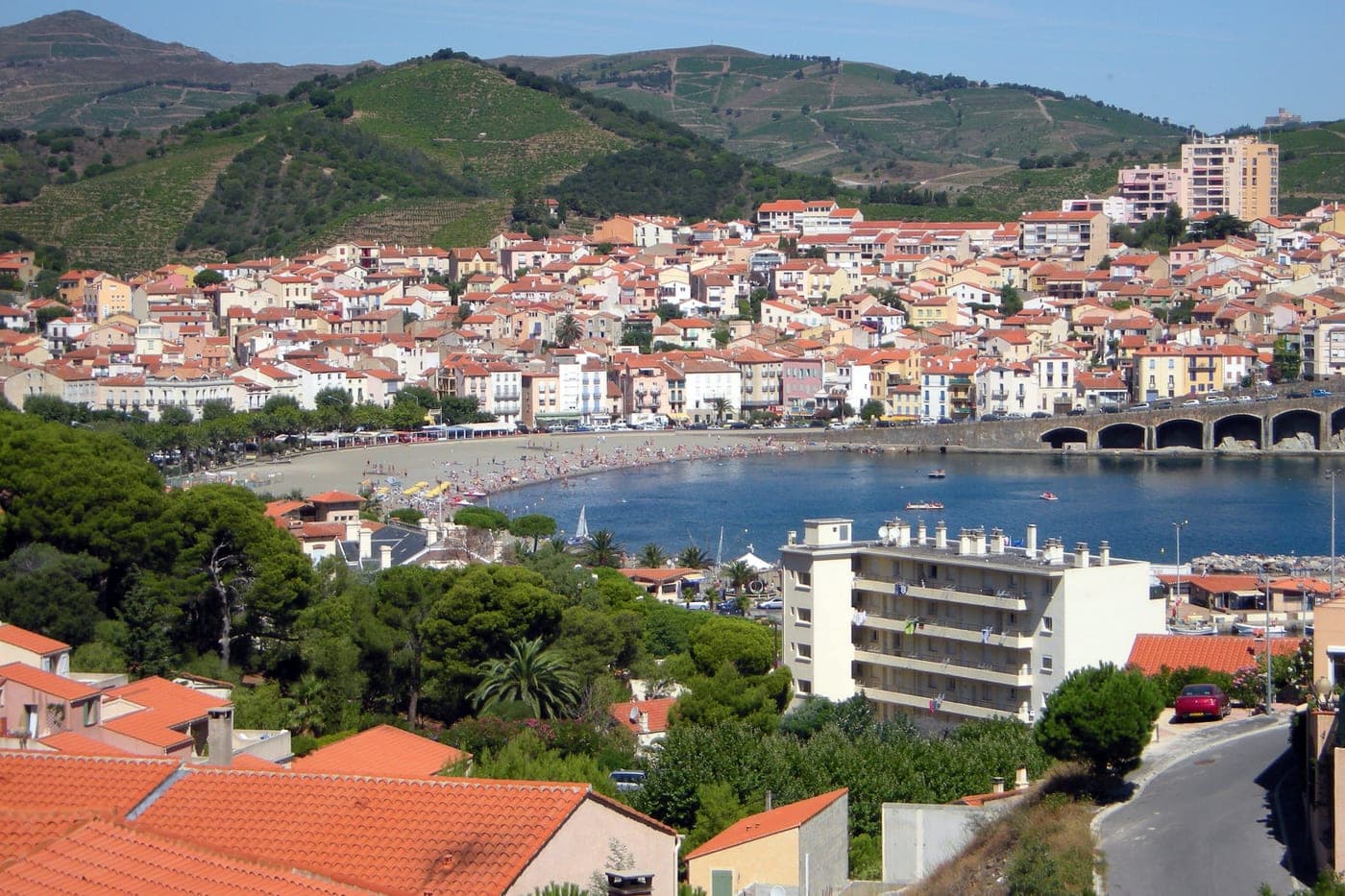
Banyuls-sur-Mer
Wine Tasting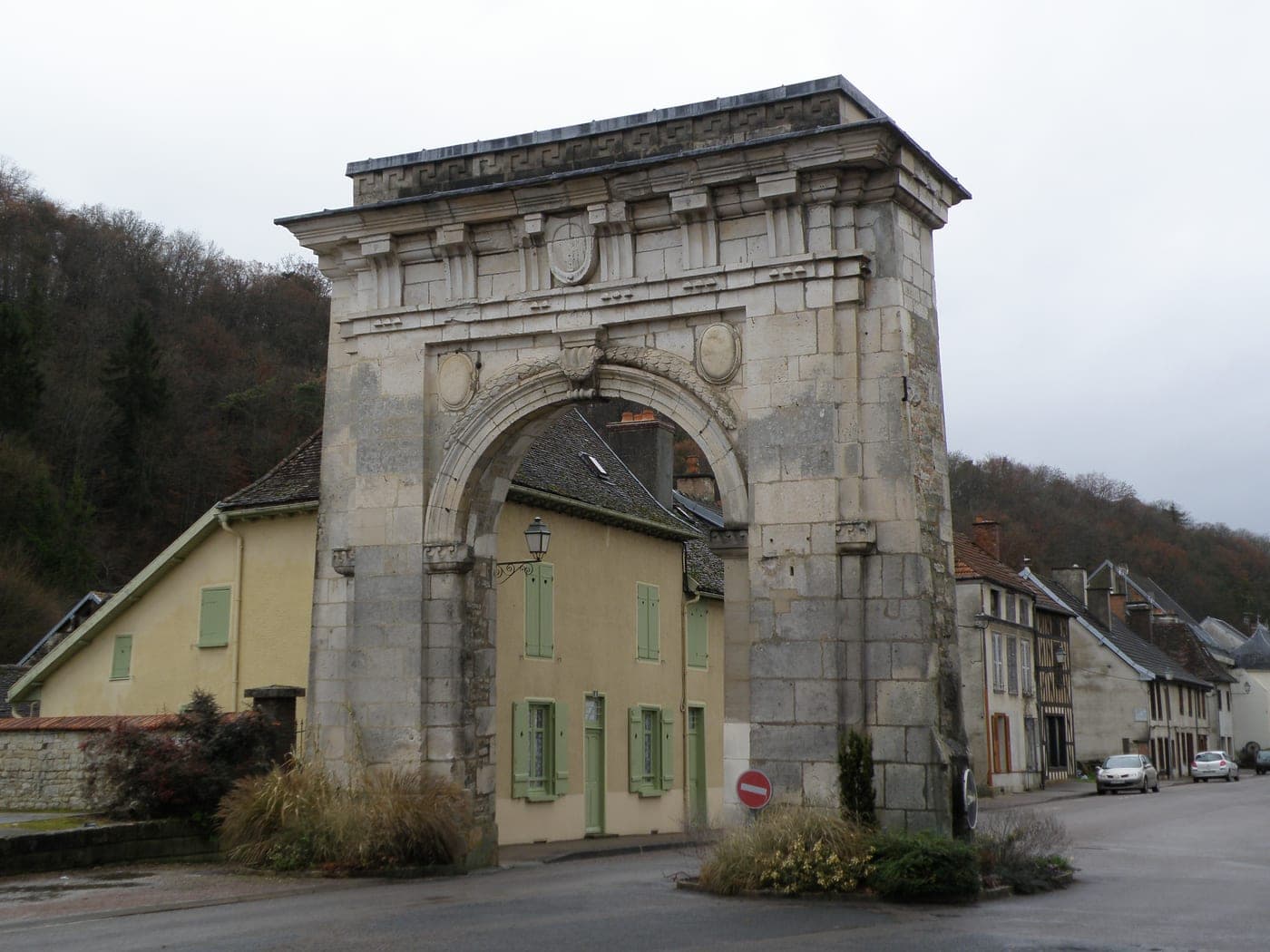
Bar-sur-Seine
Wine Tasting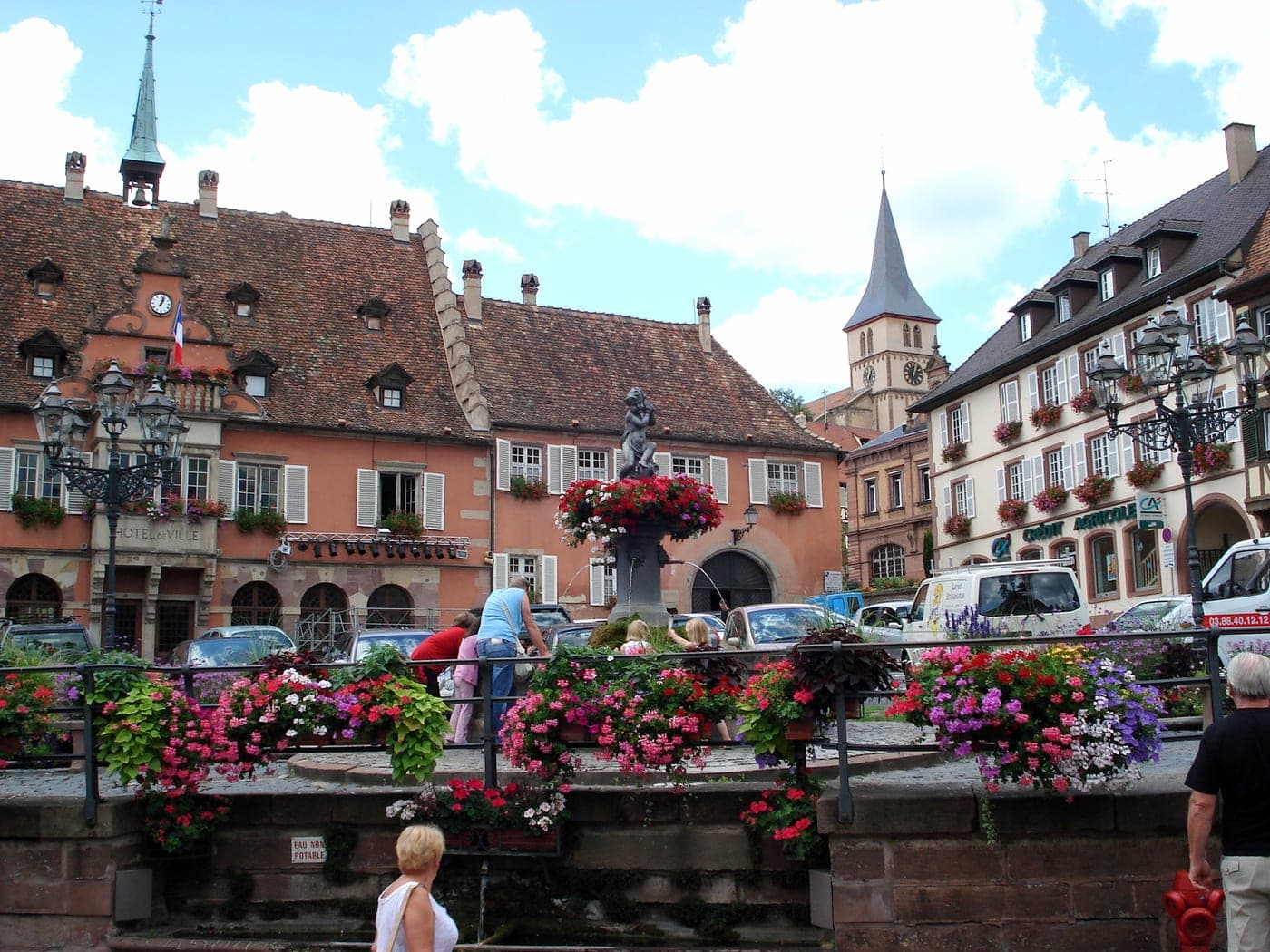
Barr
Wine Tasting
Barsac
Wine Tasting
Beauvoisin
Wine Tasting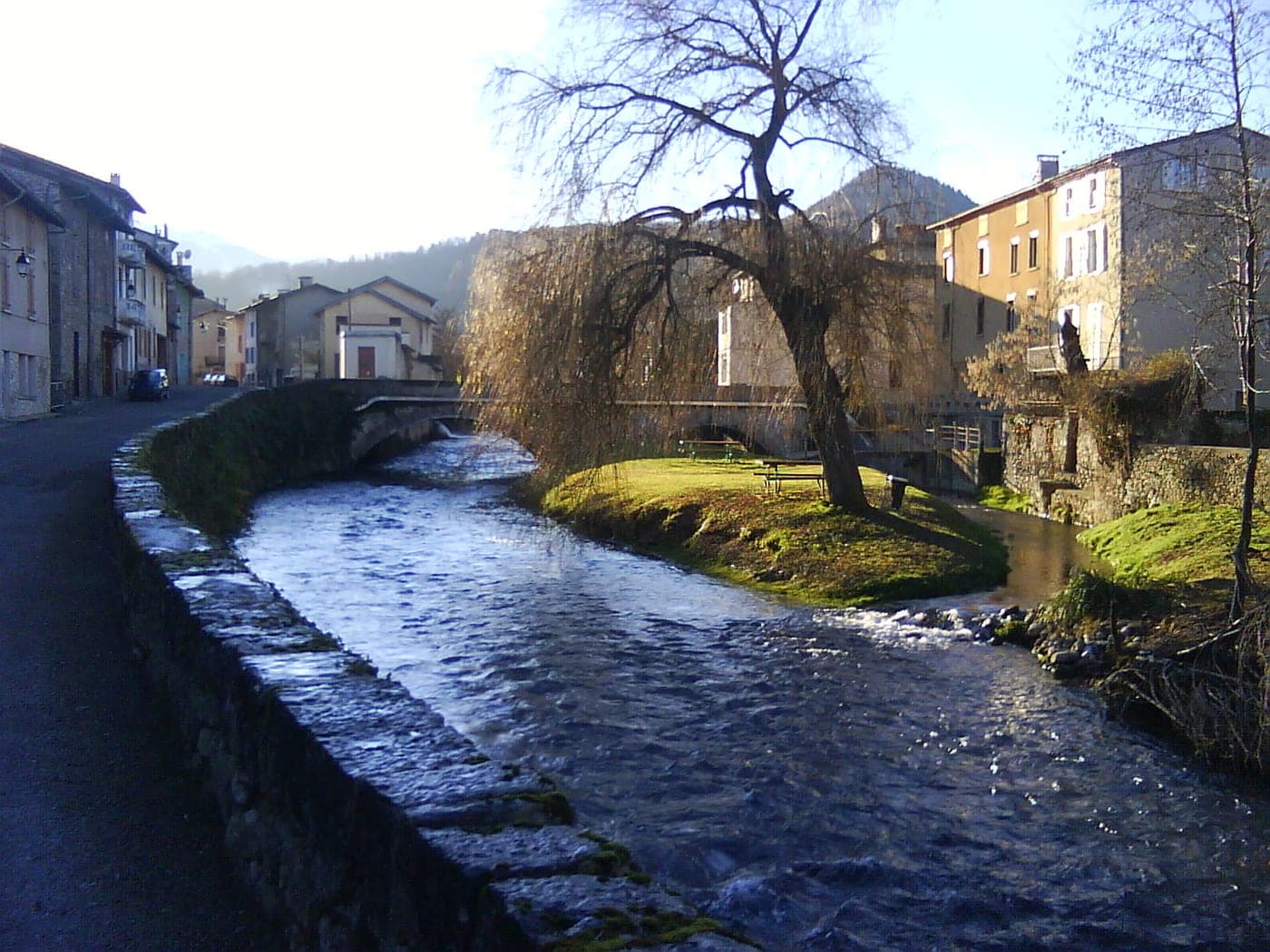
Belesta
Wine Tasting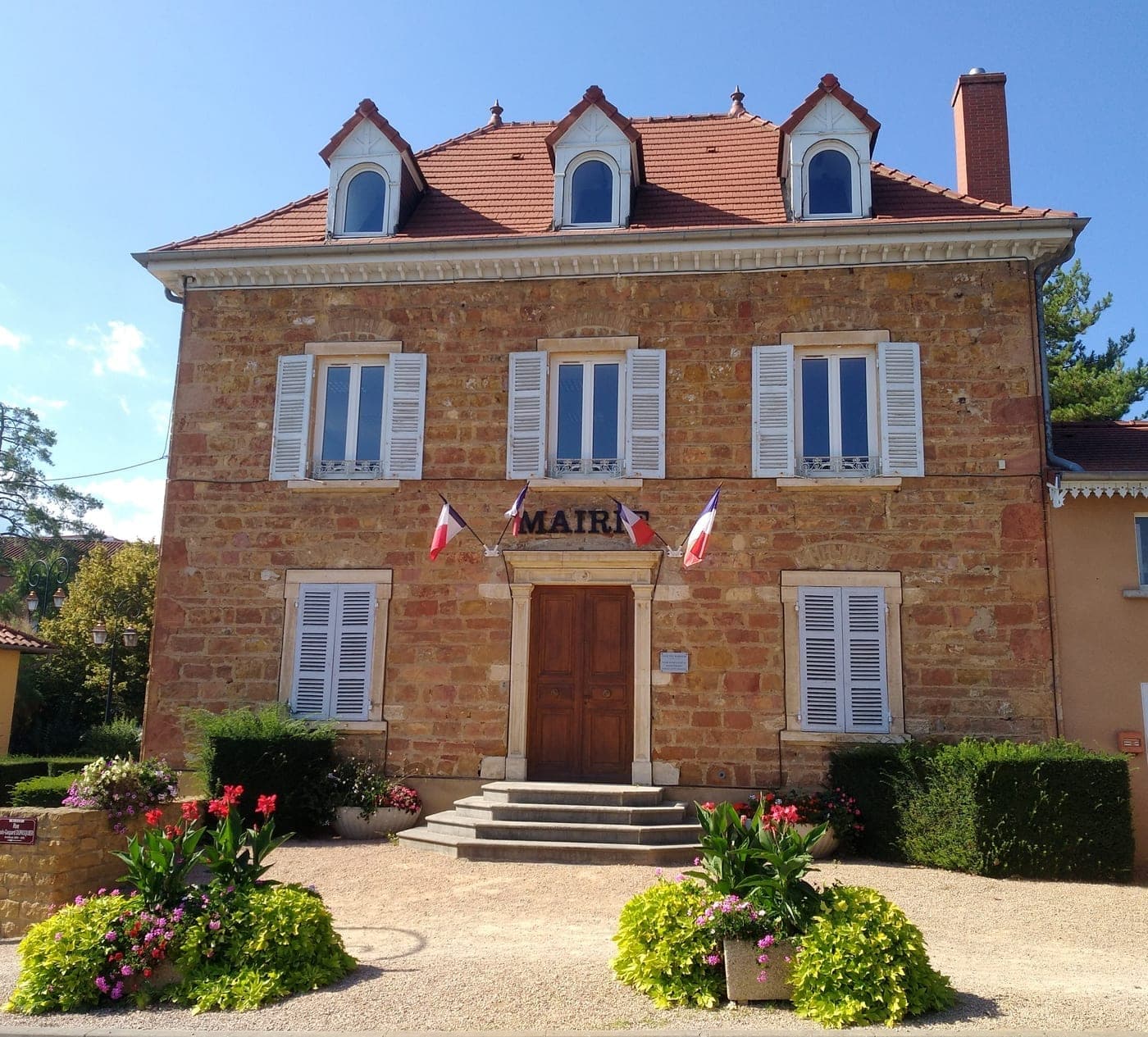
Blacé
Wine Tasting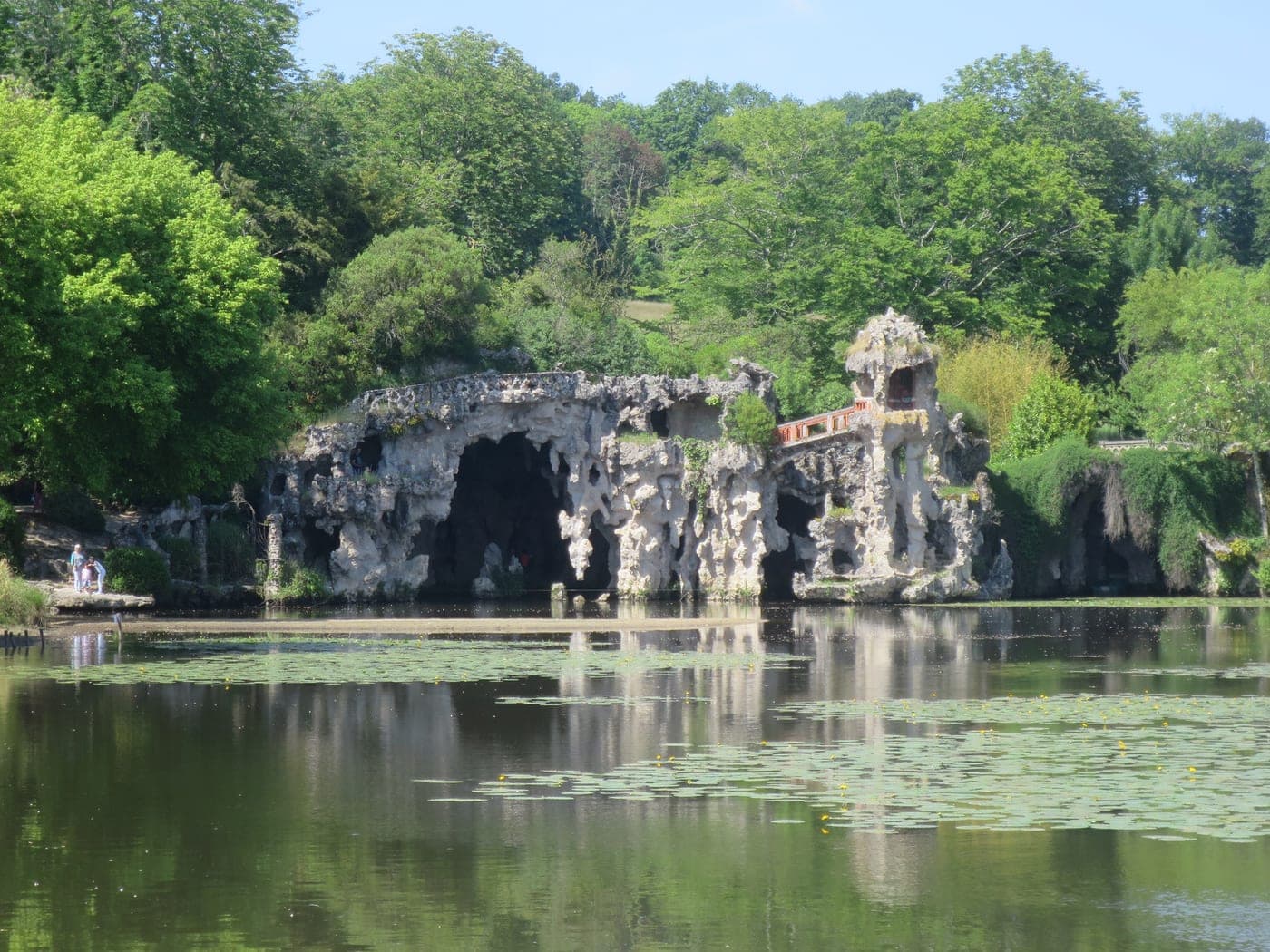
Blanquefort
Castles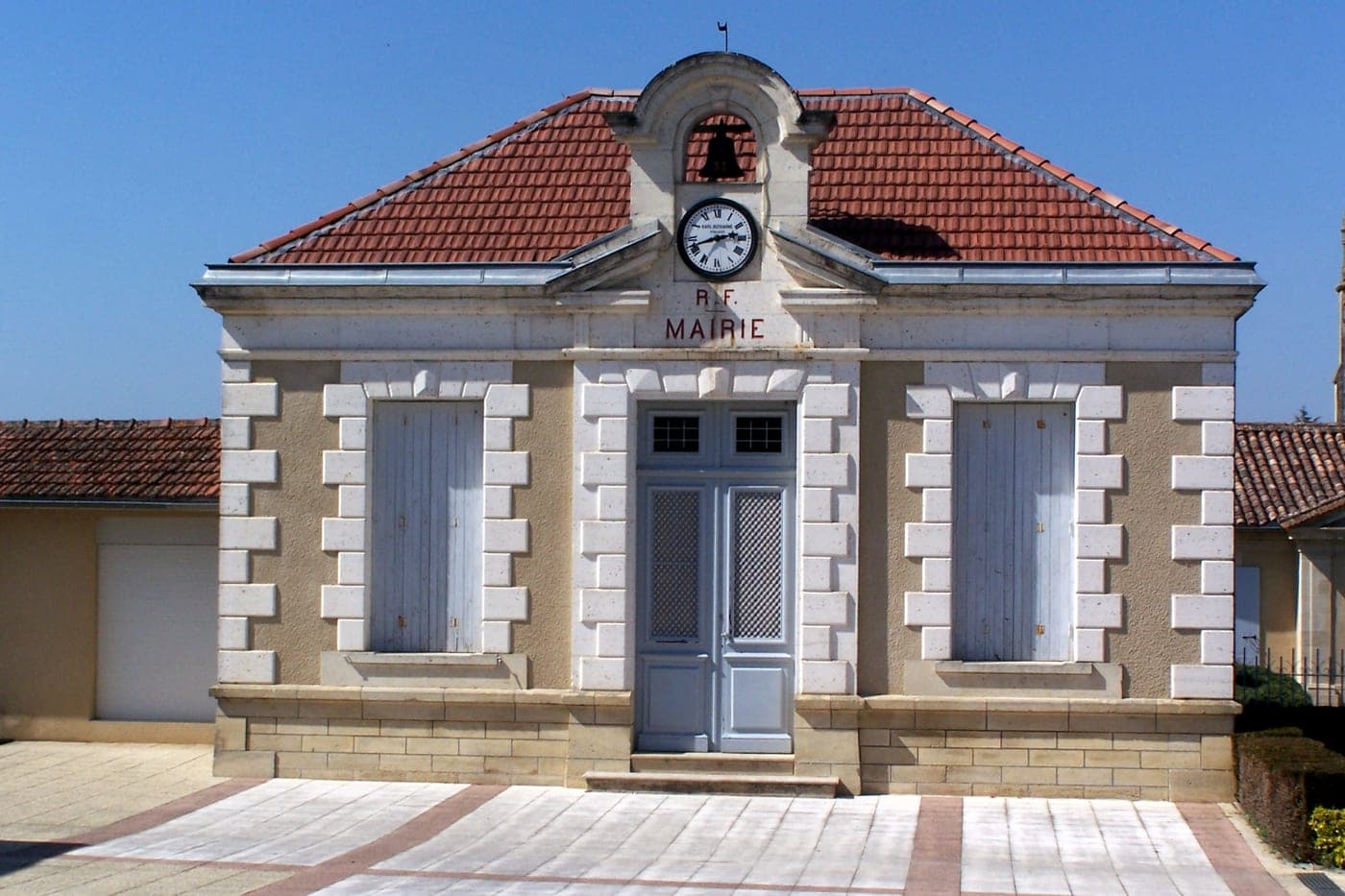
Bommes
Wine Tasting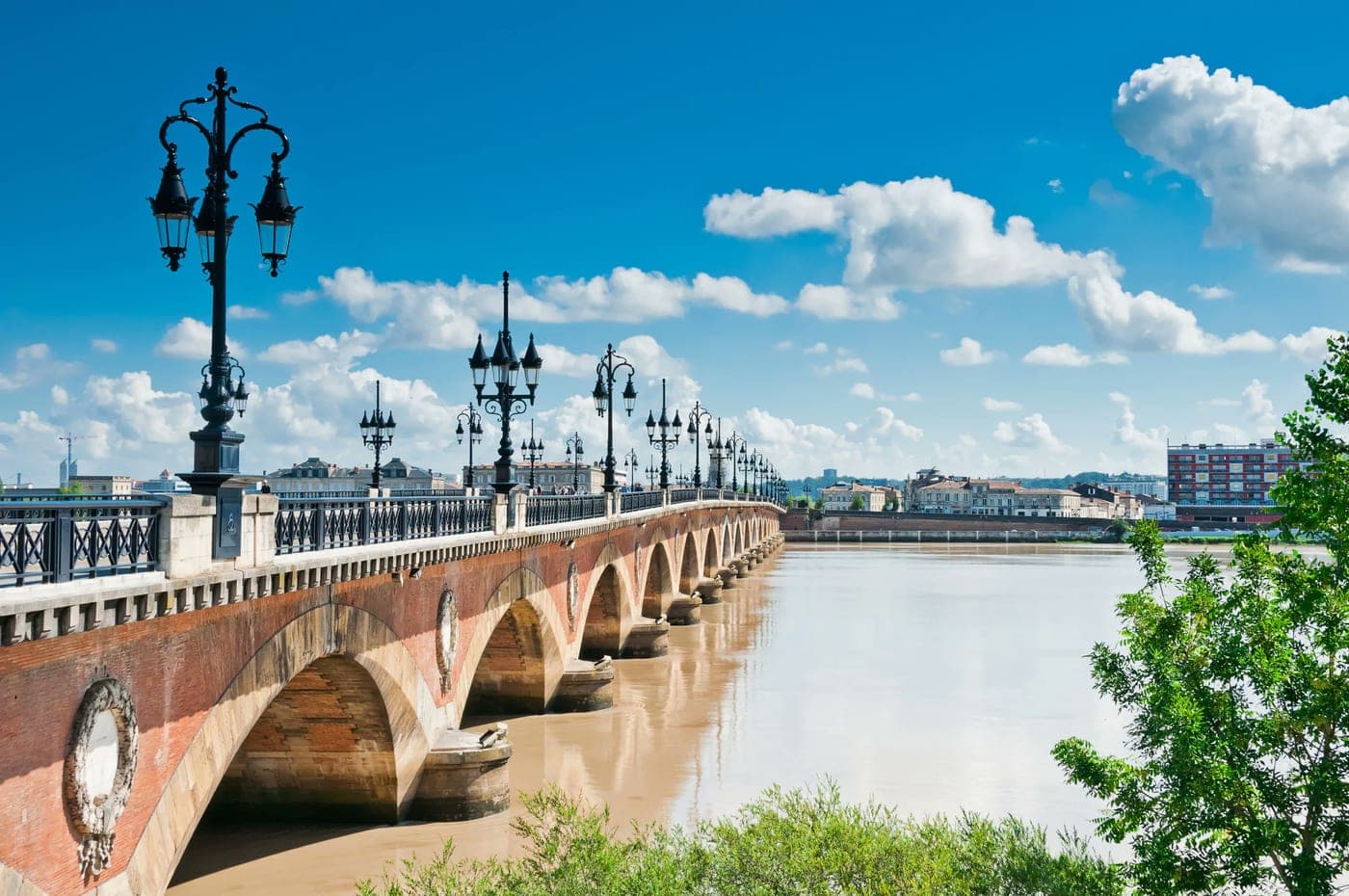
Bordeaux
Camper Van Rentals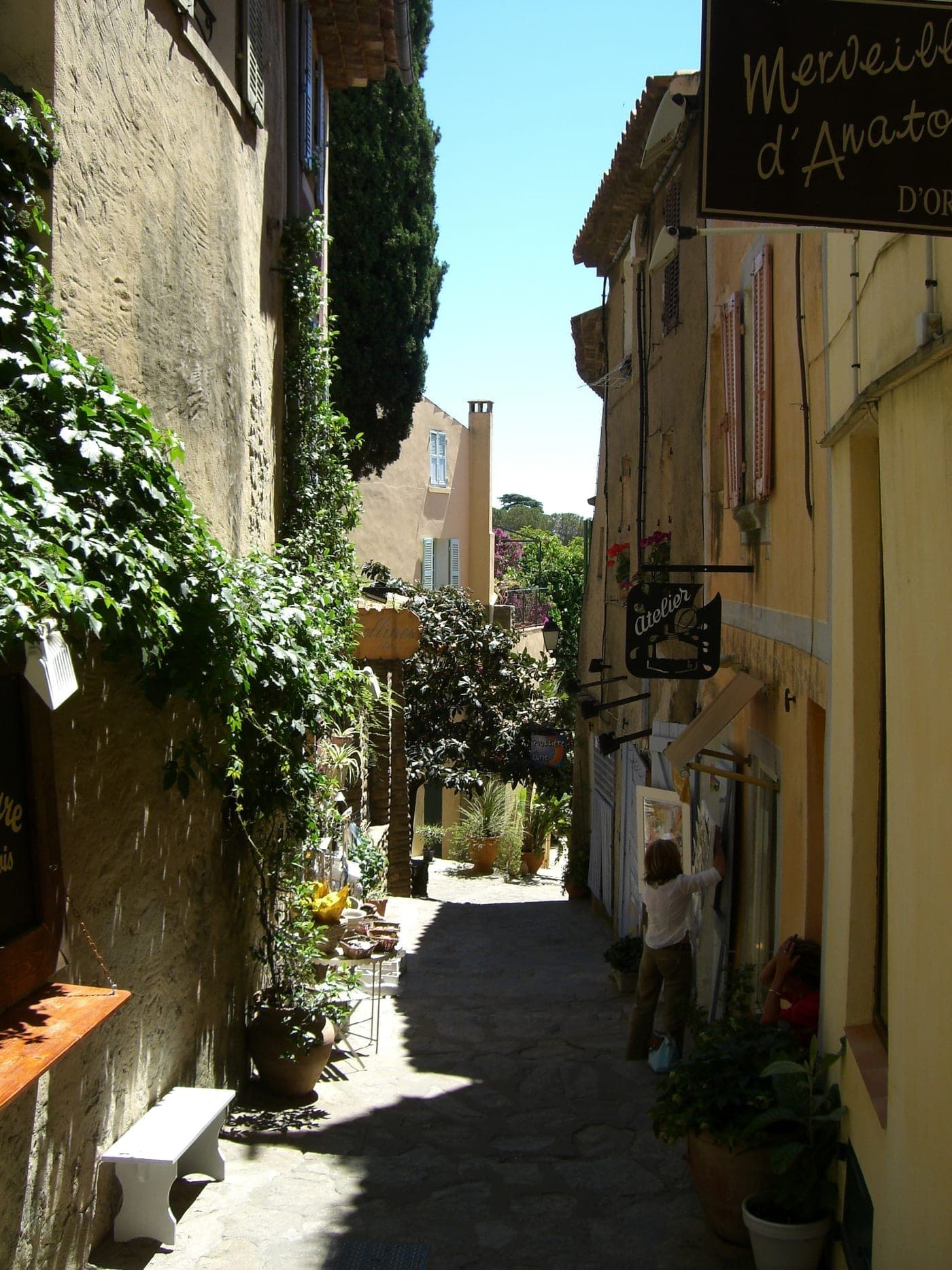
Bormes-les-Mimosas
Wine Tasting
Bourg-Saint-Andéol
Wine Tasting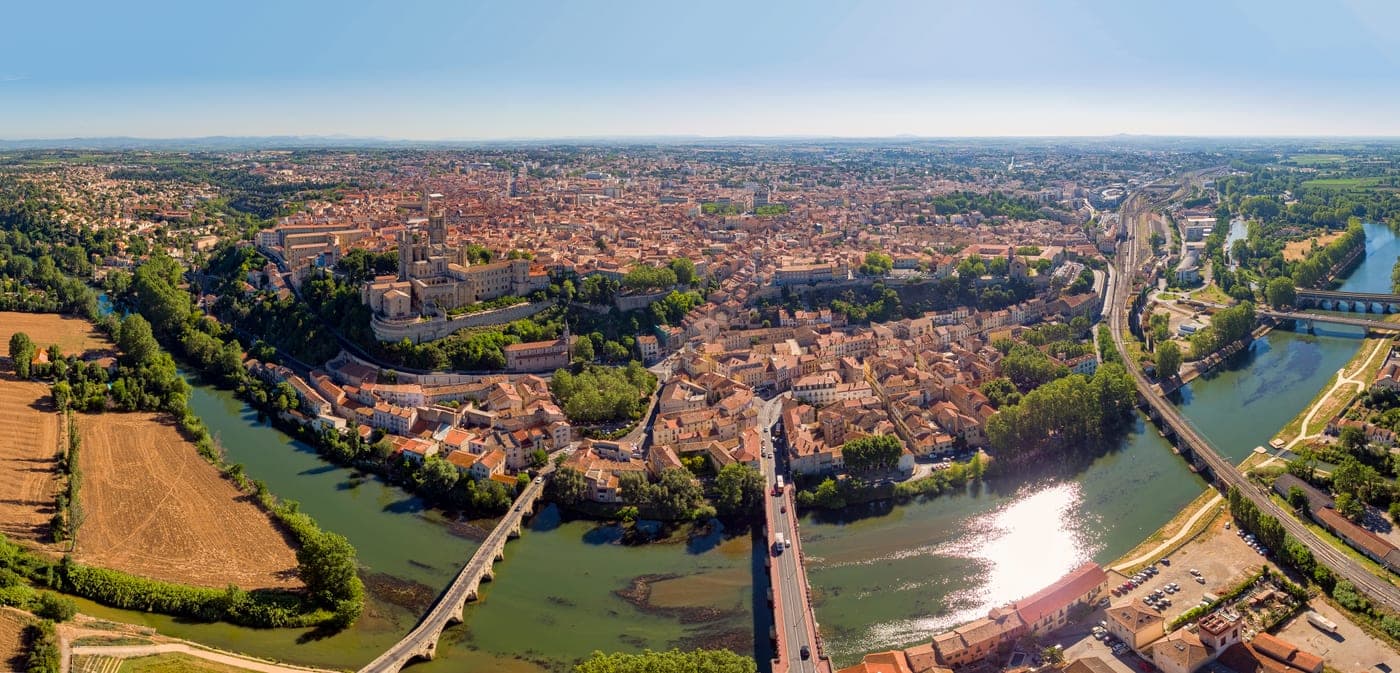
Béziers
Wine Tasting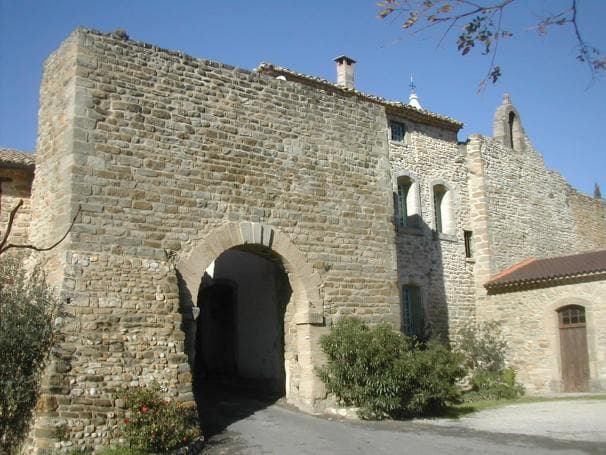
Cairanne
Wine Tasting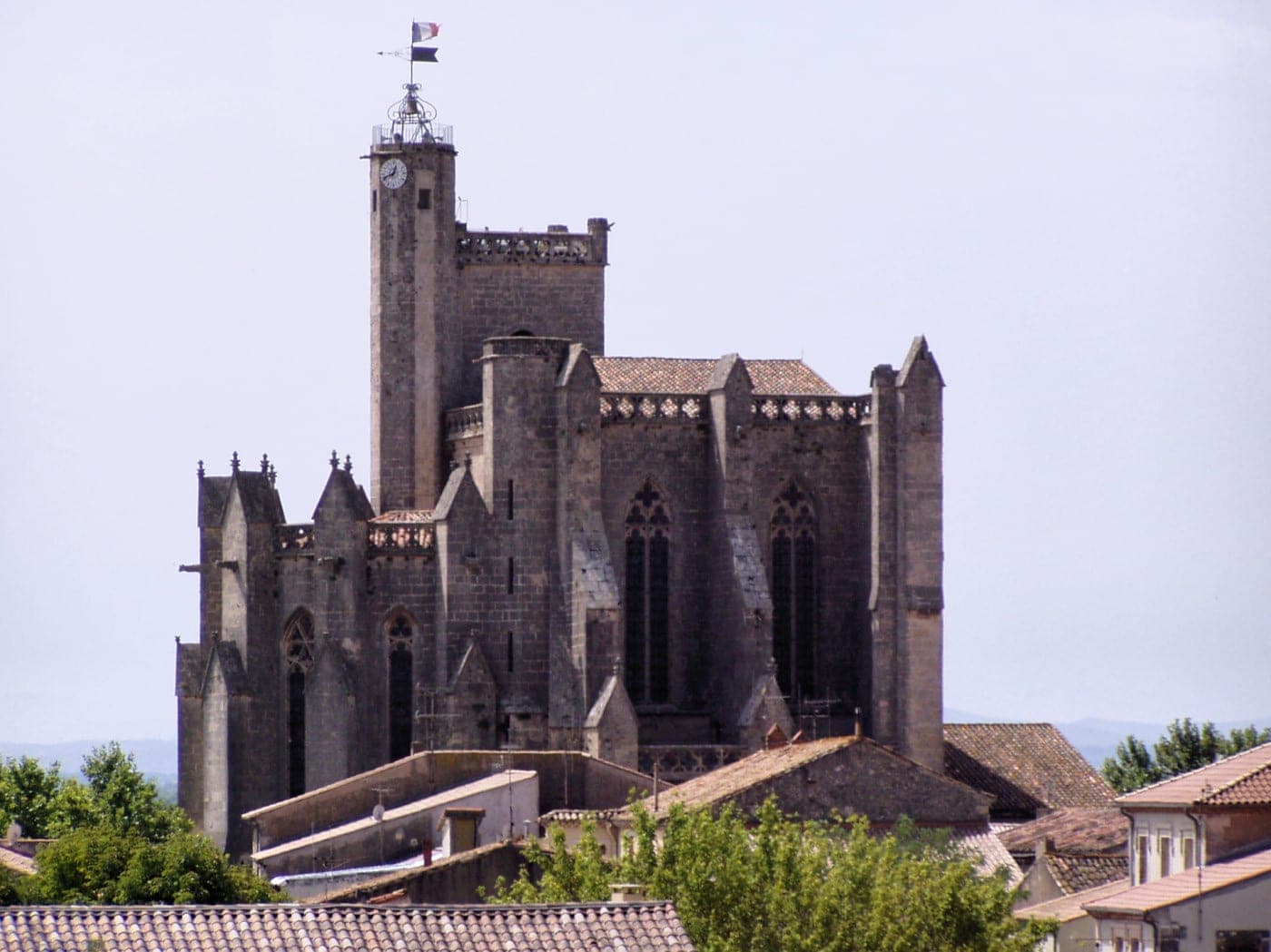
Capestang
Wine Tasting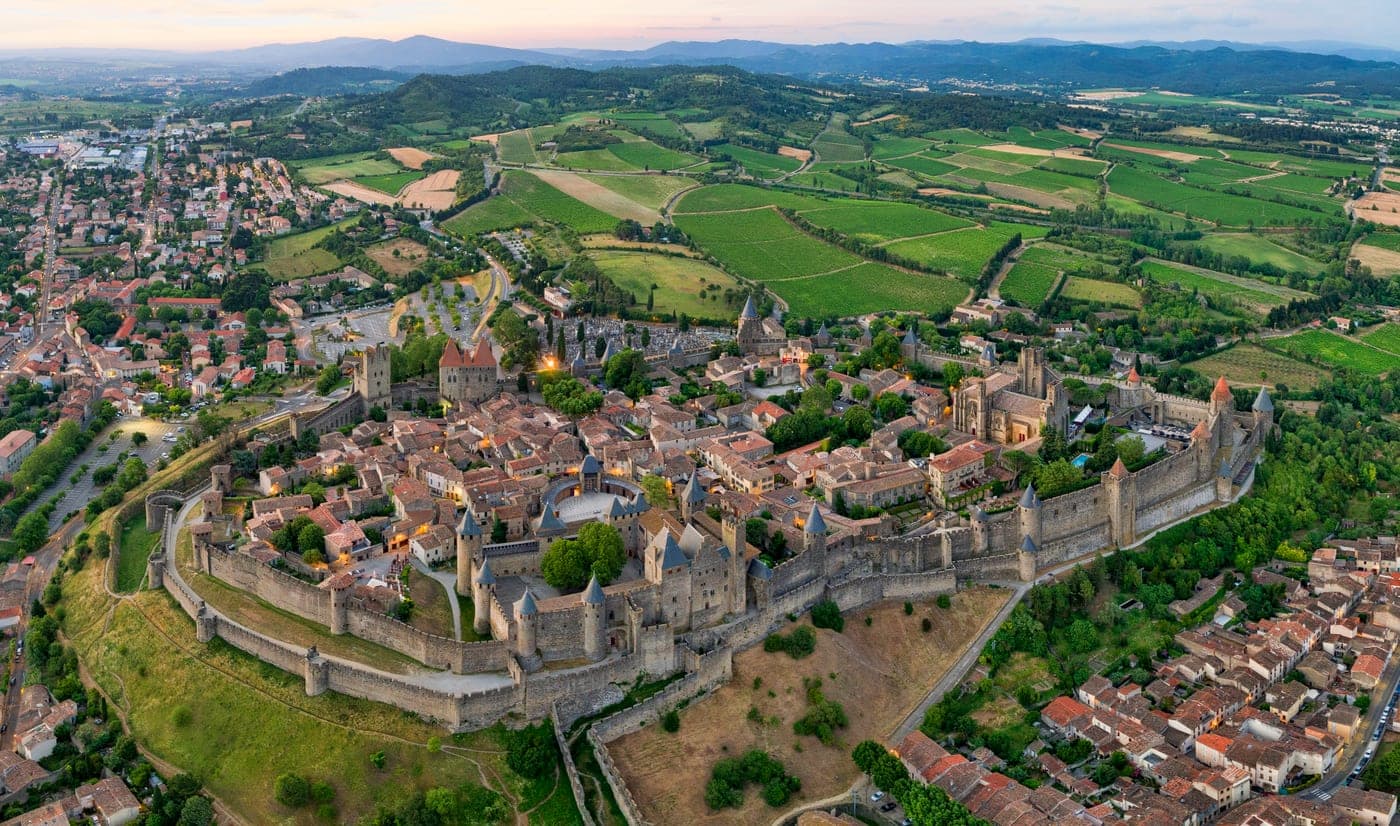
Carcassonne
Wine Tasting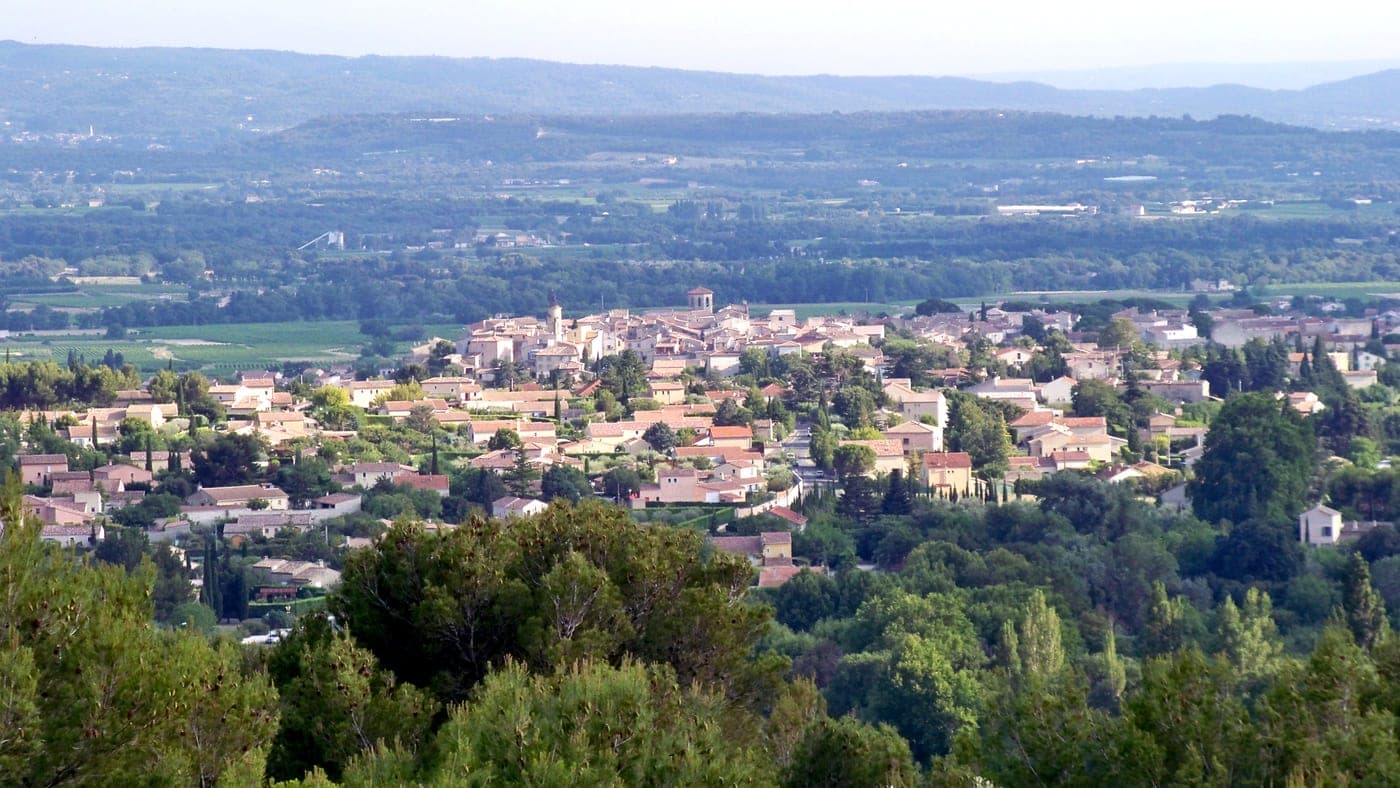
Caromb
Wine Tasting
Celles-sur-Ource
Wine TastingChinon
Wine Tasting
Chusclan
Wine Tasting
Châteauneuf-du-Pape
Wine Tasting
Cissac-Médoc
Wine Tasting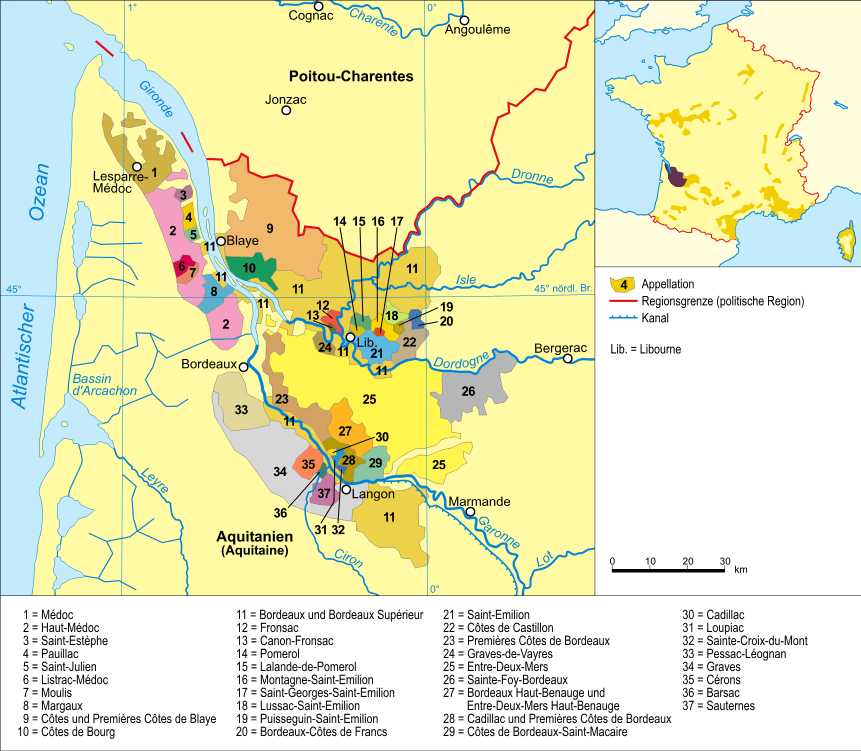
Claret
Wine Tasting
Clermont-Ferrand
Wine TastingCognac
Wine Tasting
Cogolin
Wine TastingColmar
Wine Tasting
Courthézon
Wine TastingCruseilles
Castles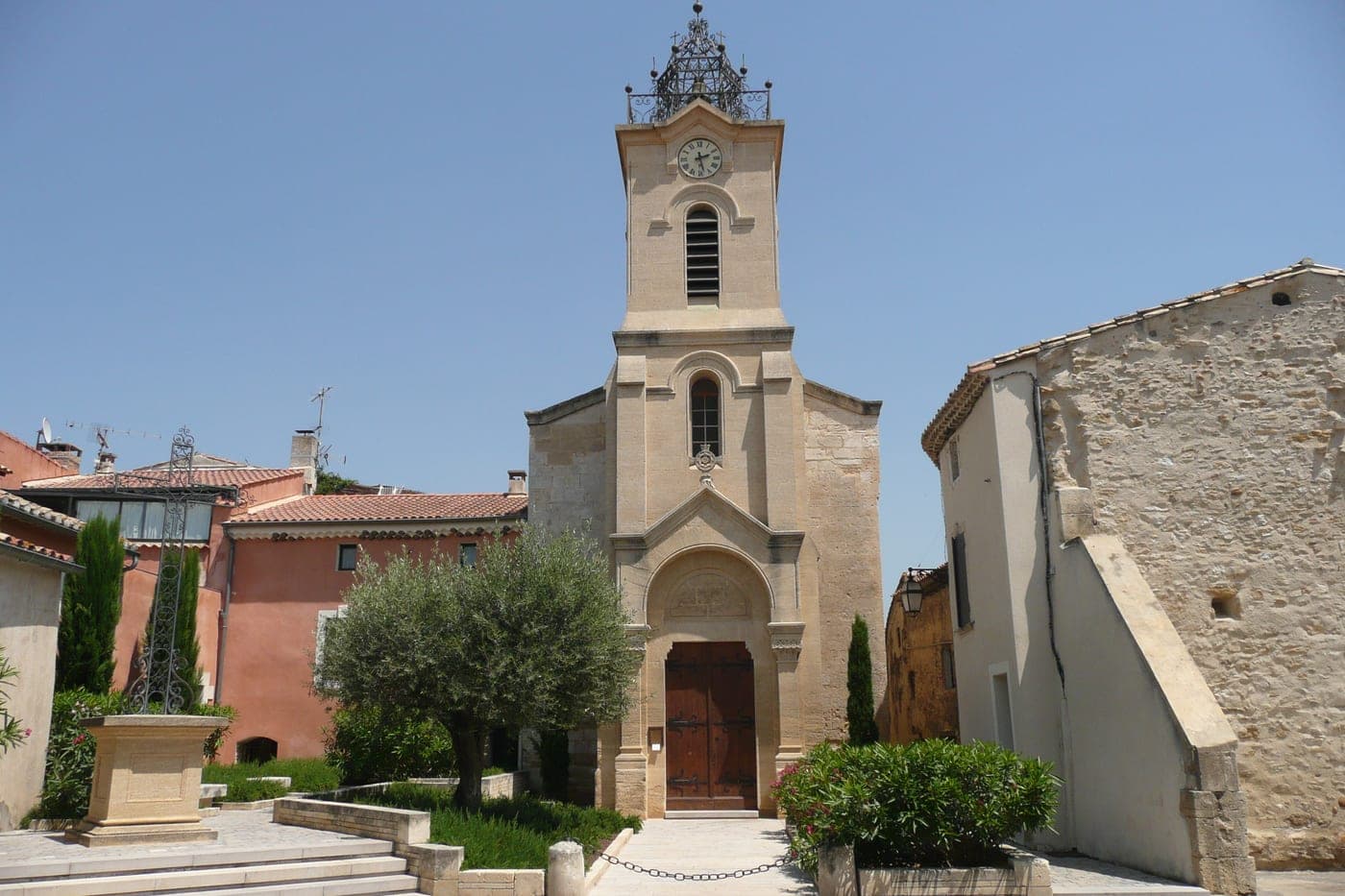
Domazan
Wine Tasting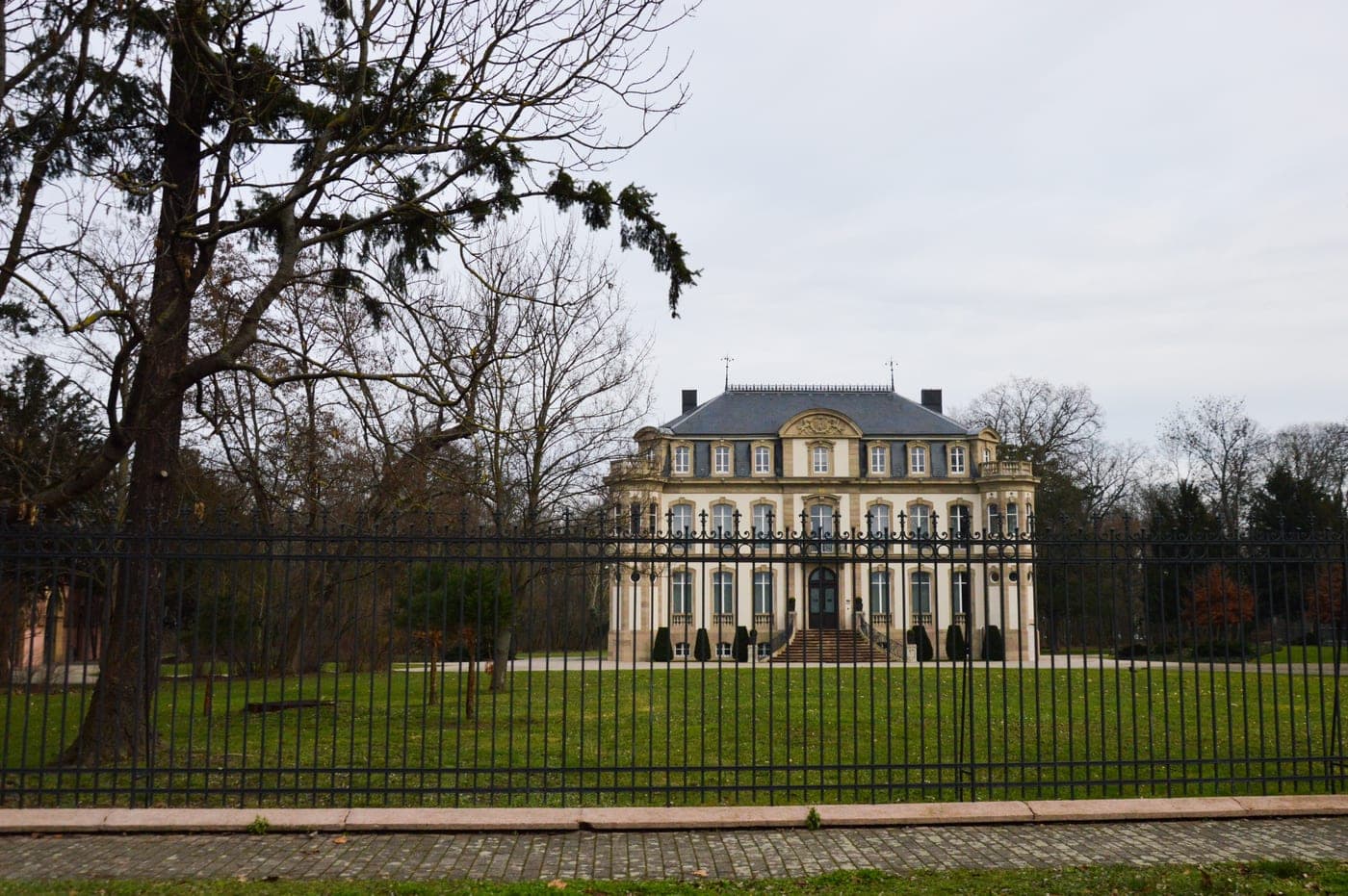
Dorlisheim
Wine Tasting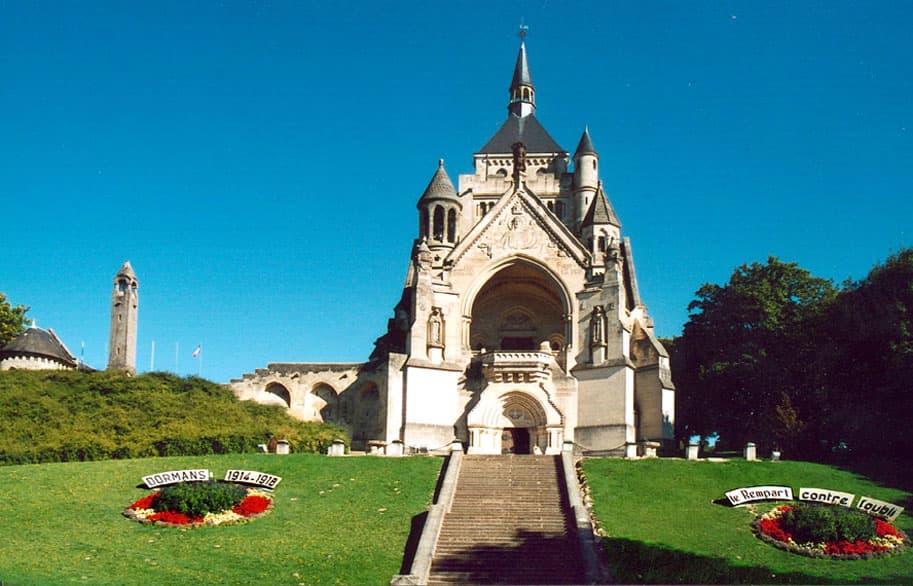
Dormans
Wine Tasting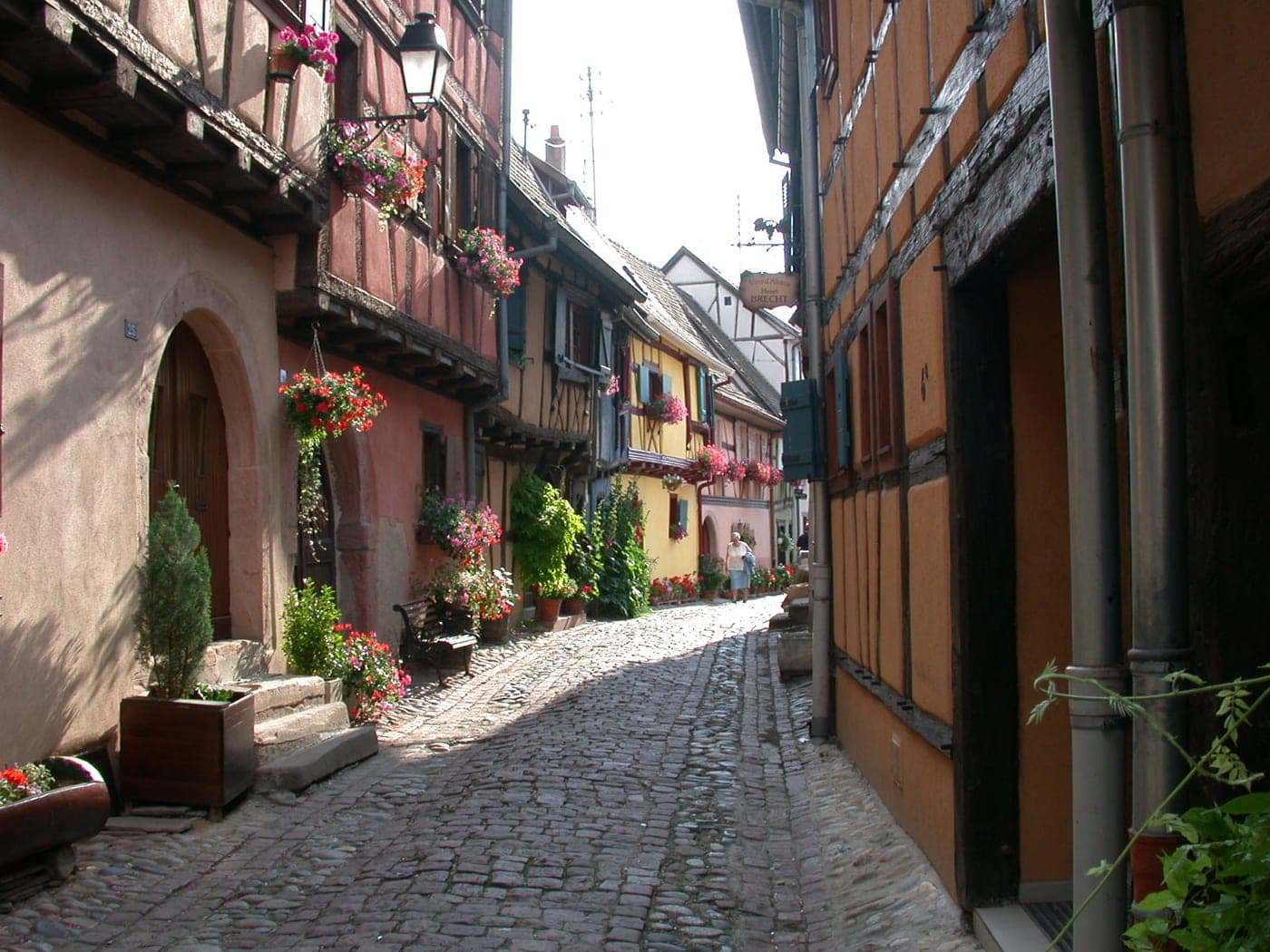
Eguisheim
Wine Tasting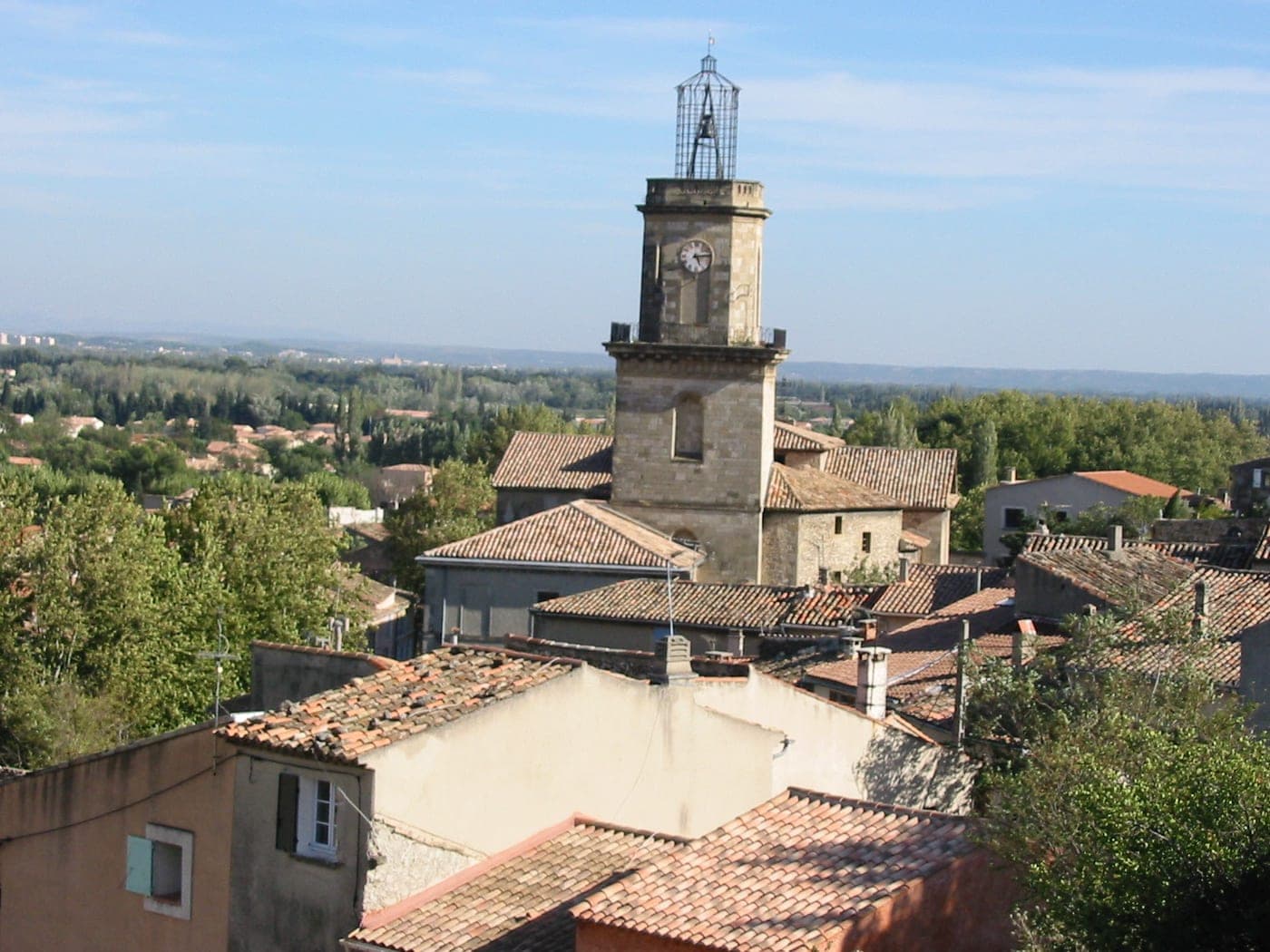
Eyguières
Wine Tasting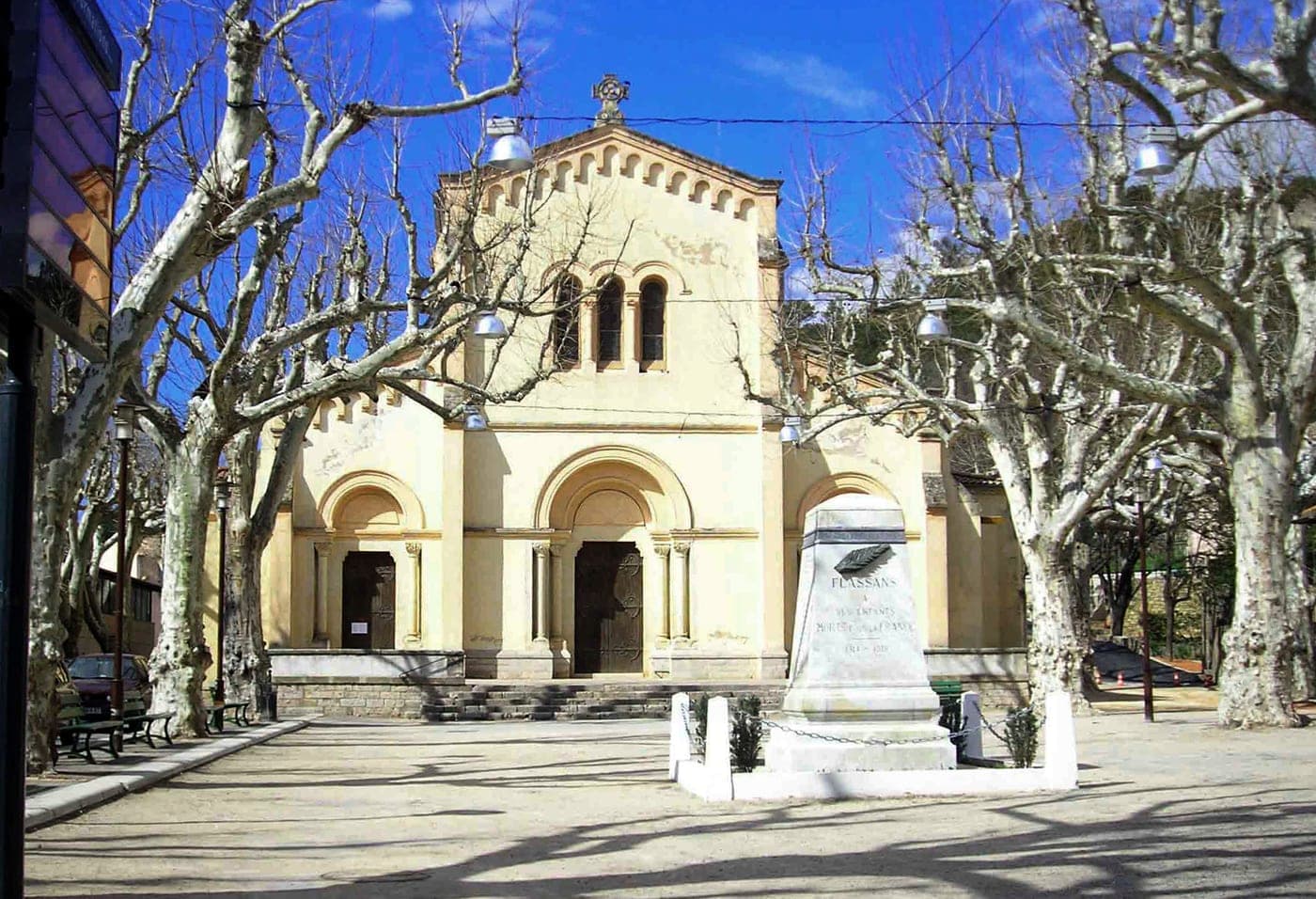
Flassans-sur-Issole
Wine Tasting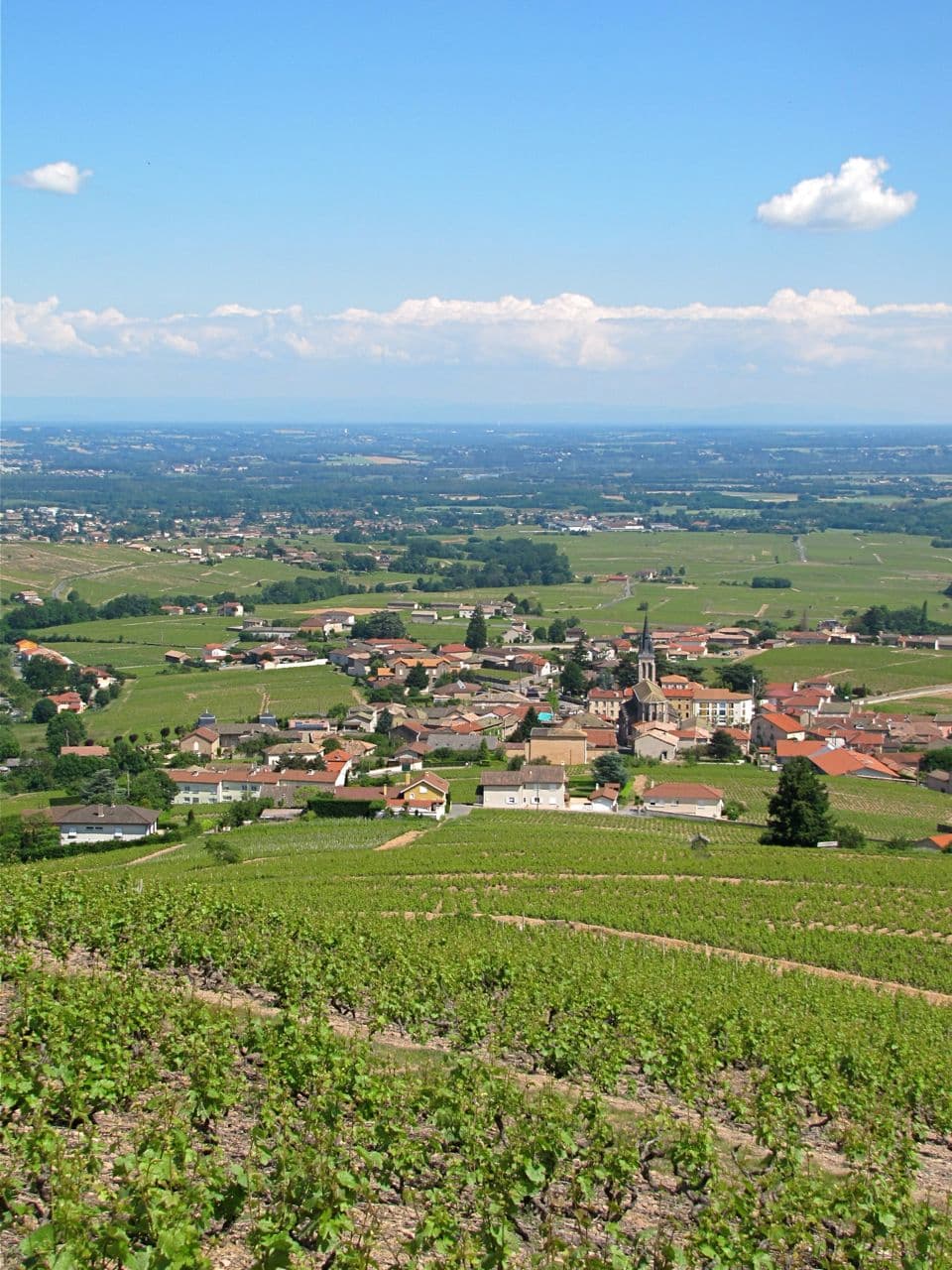
Fleurie
Wine Tasting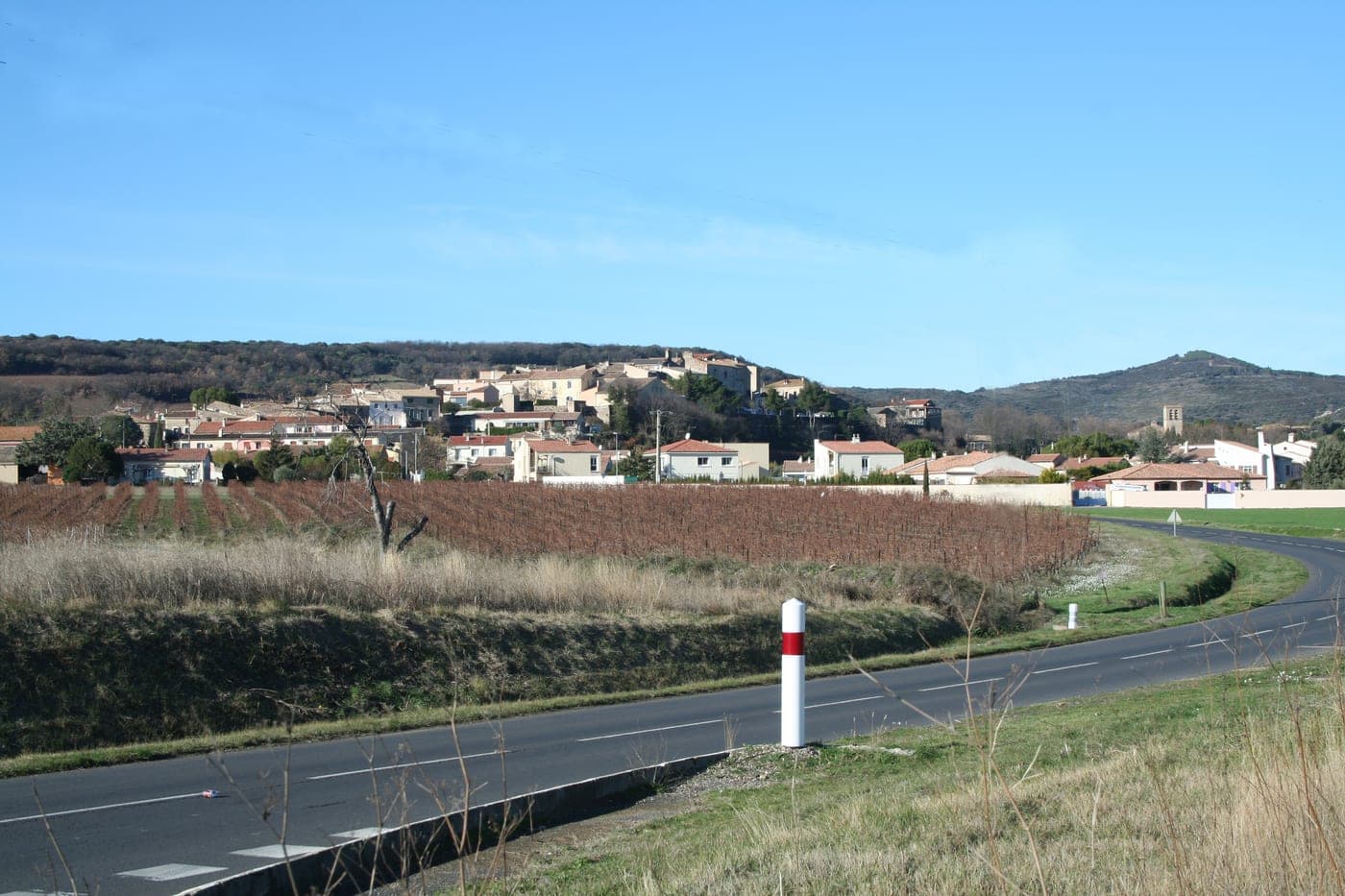
Fontès
Wine Tasting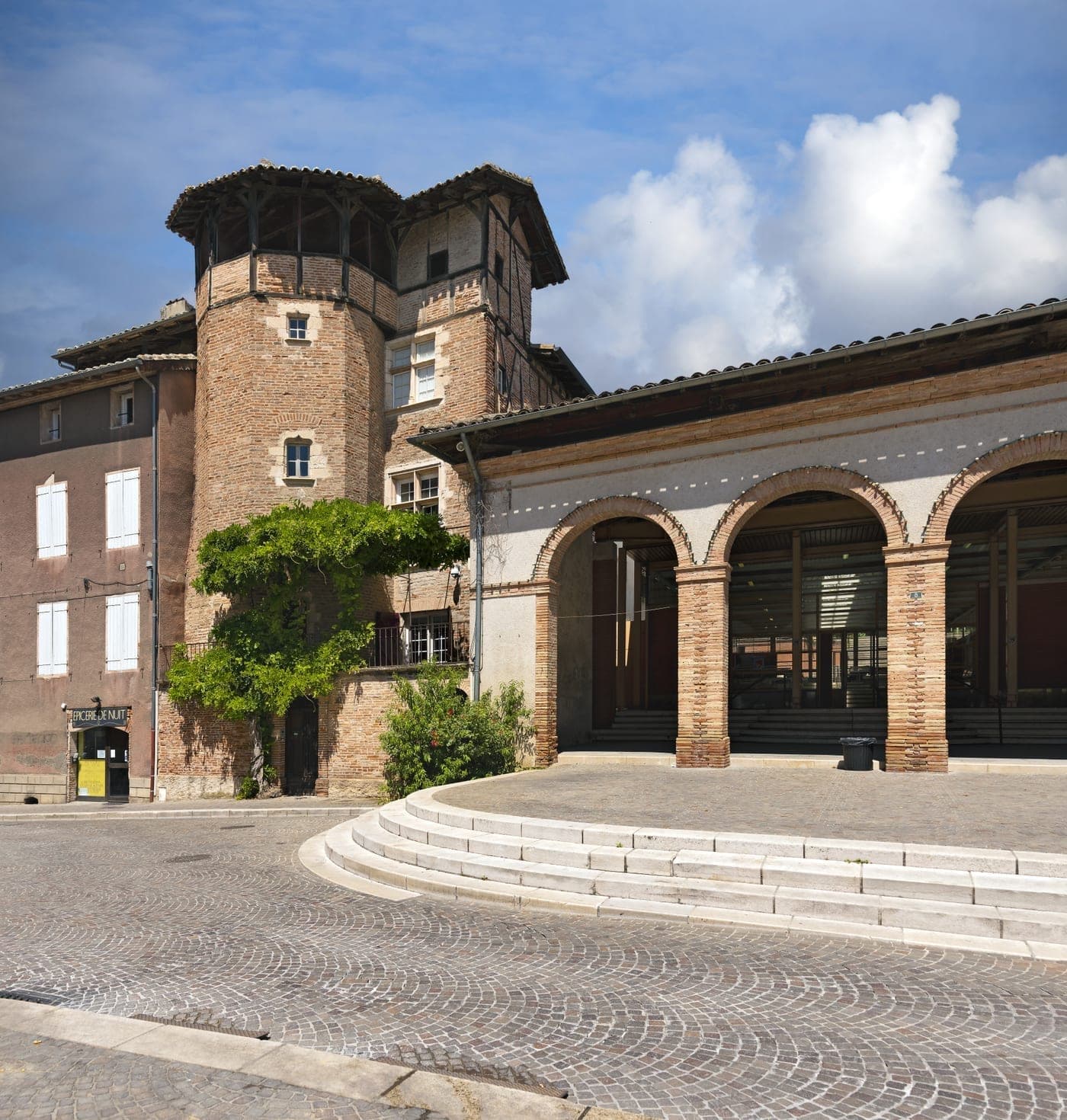
Gaillac
Wine Tasting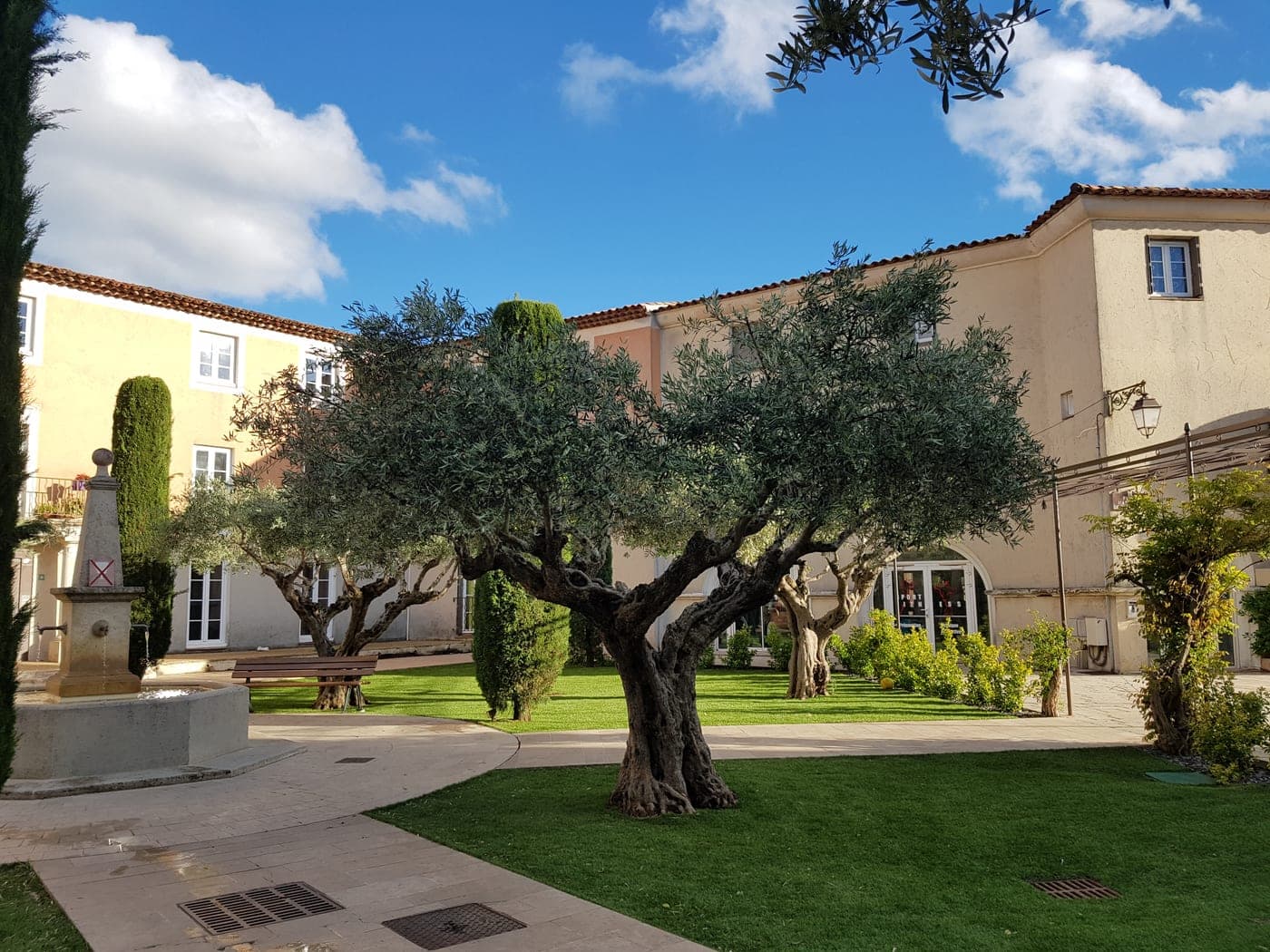
Gassin
Wine Tasting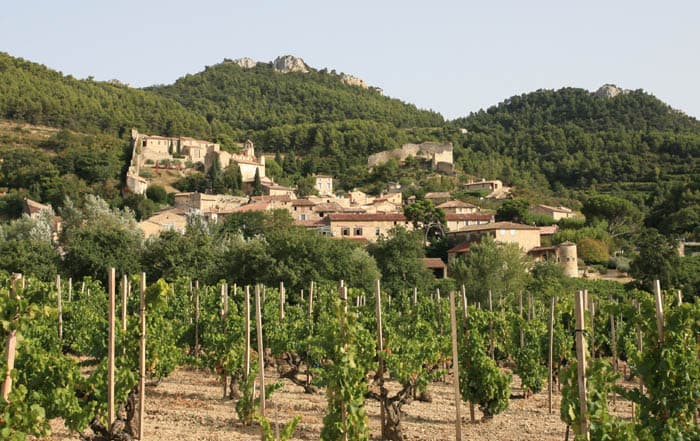
Gigondas
Wine Tasting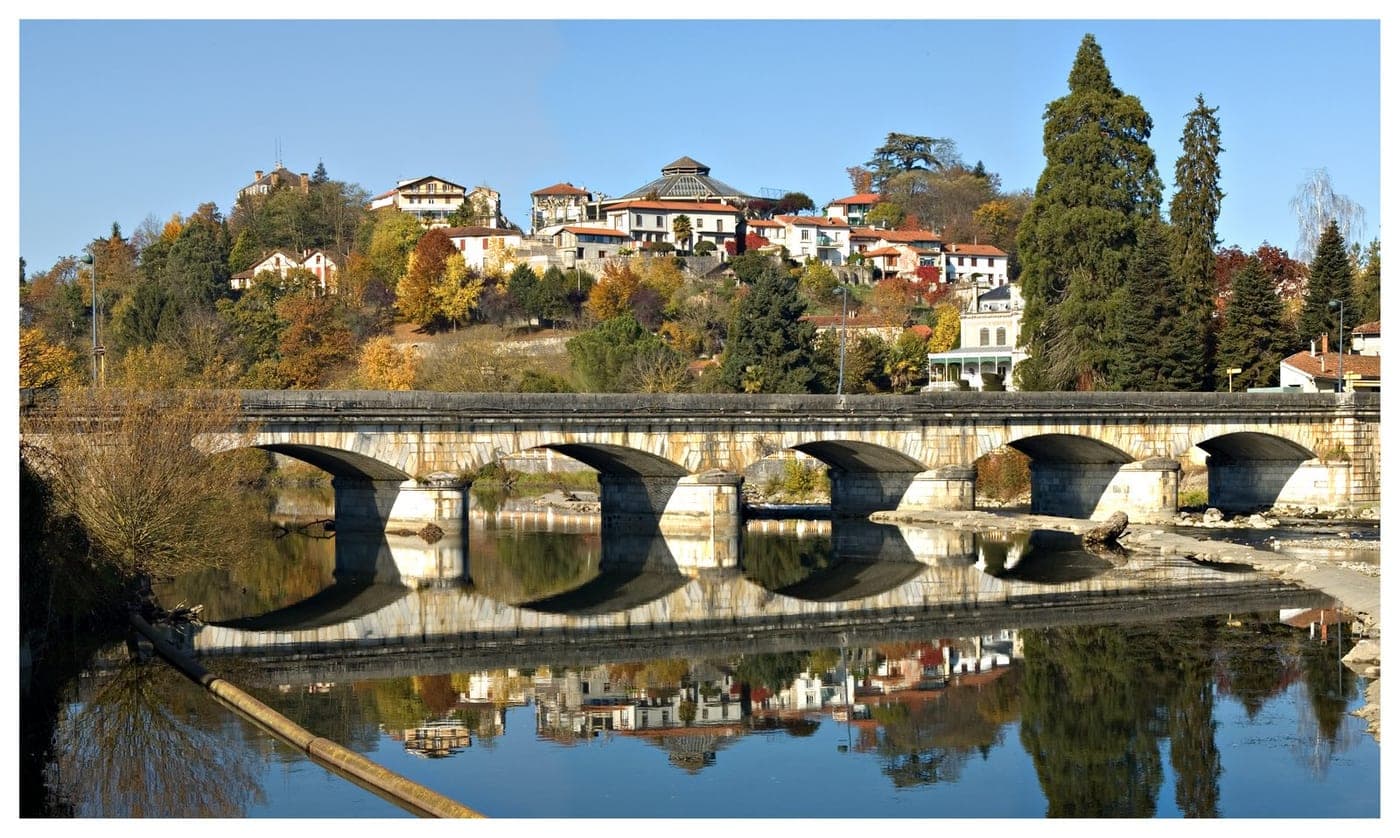
Gourdan-Polignan
Wine Tasting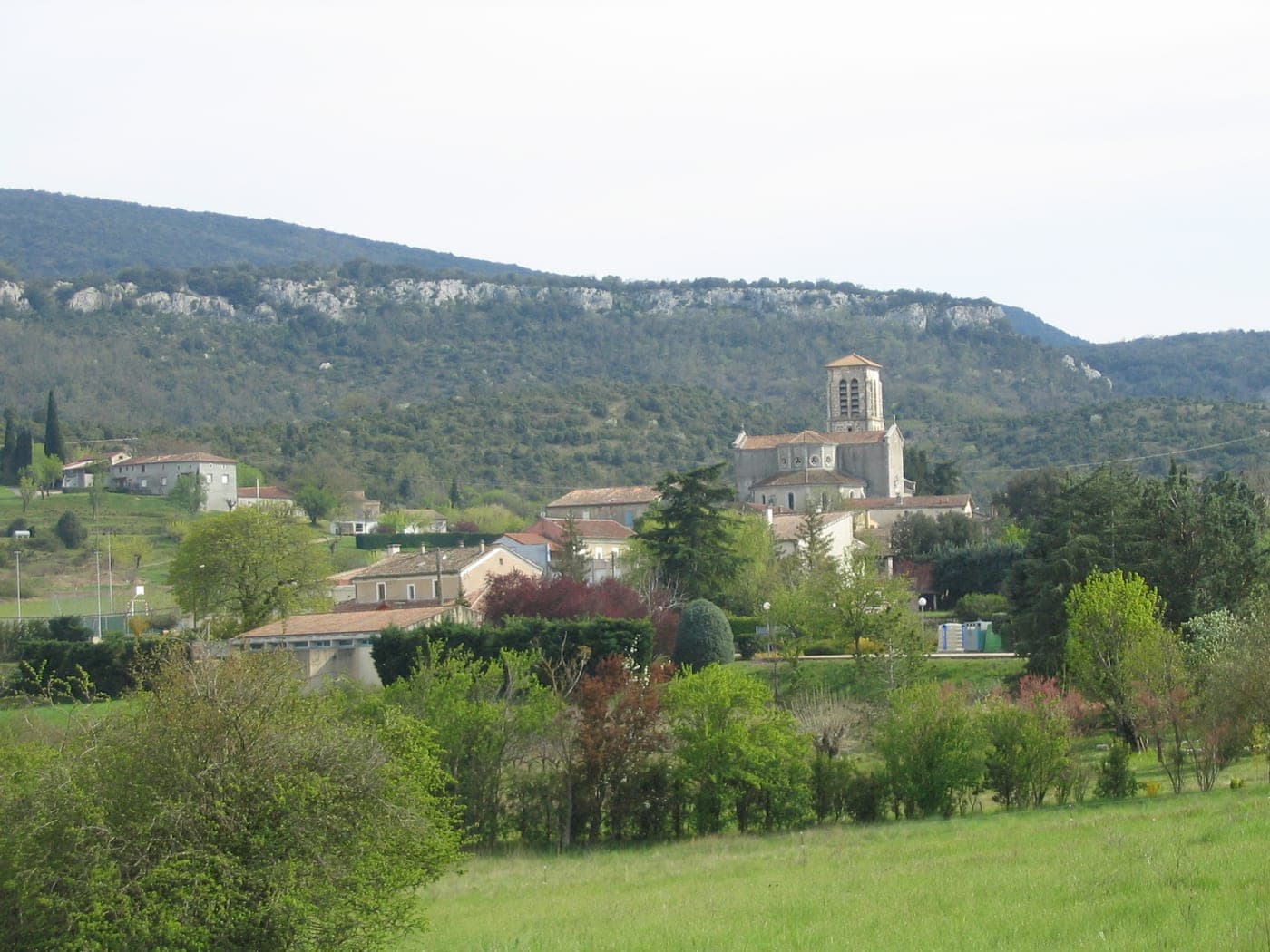
Grospierres
Wine Tasting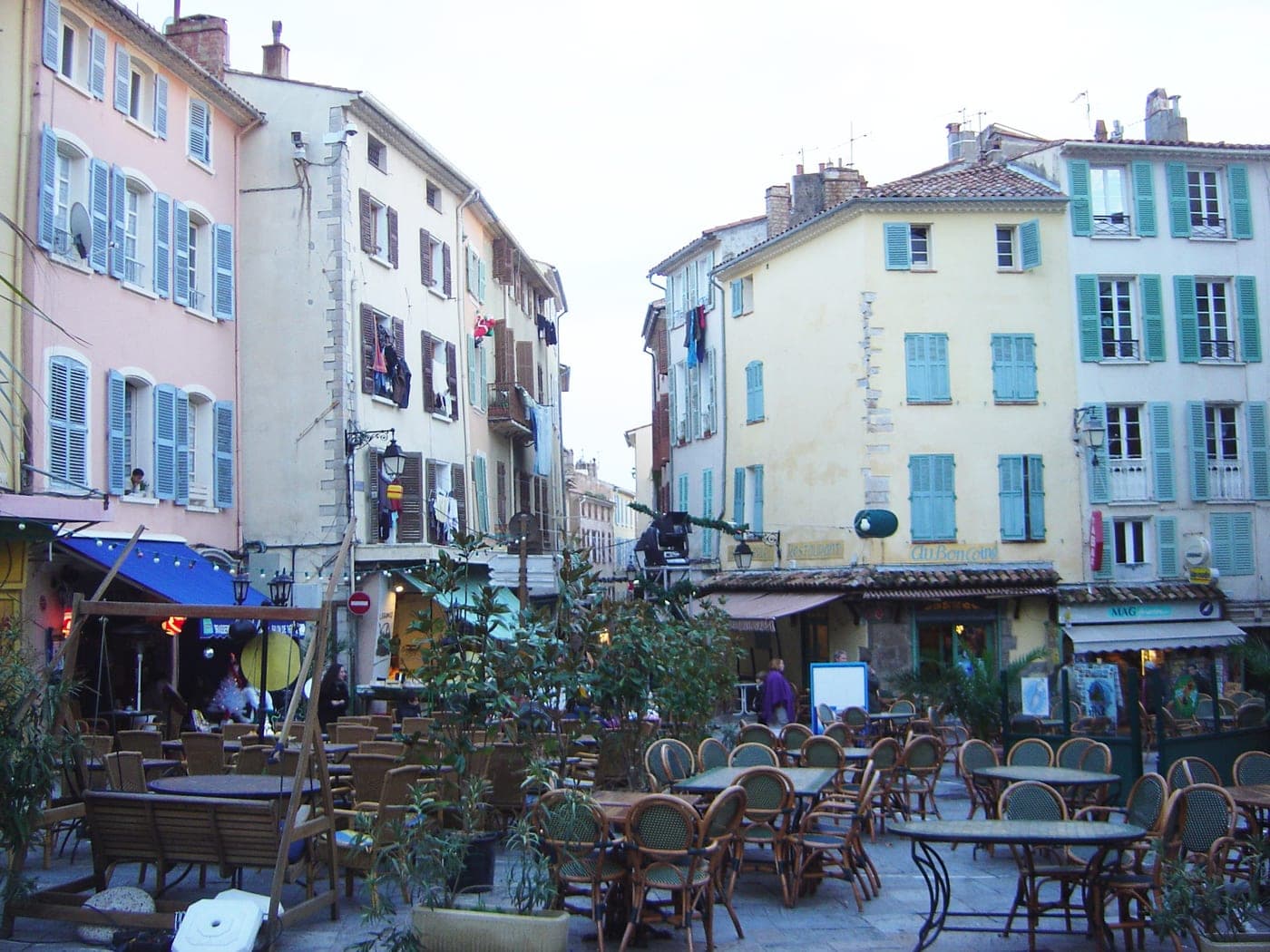
Hyères
Wine Tasting
Illats
Wine Tasting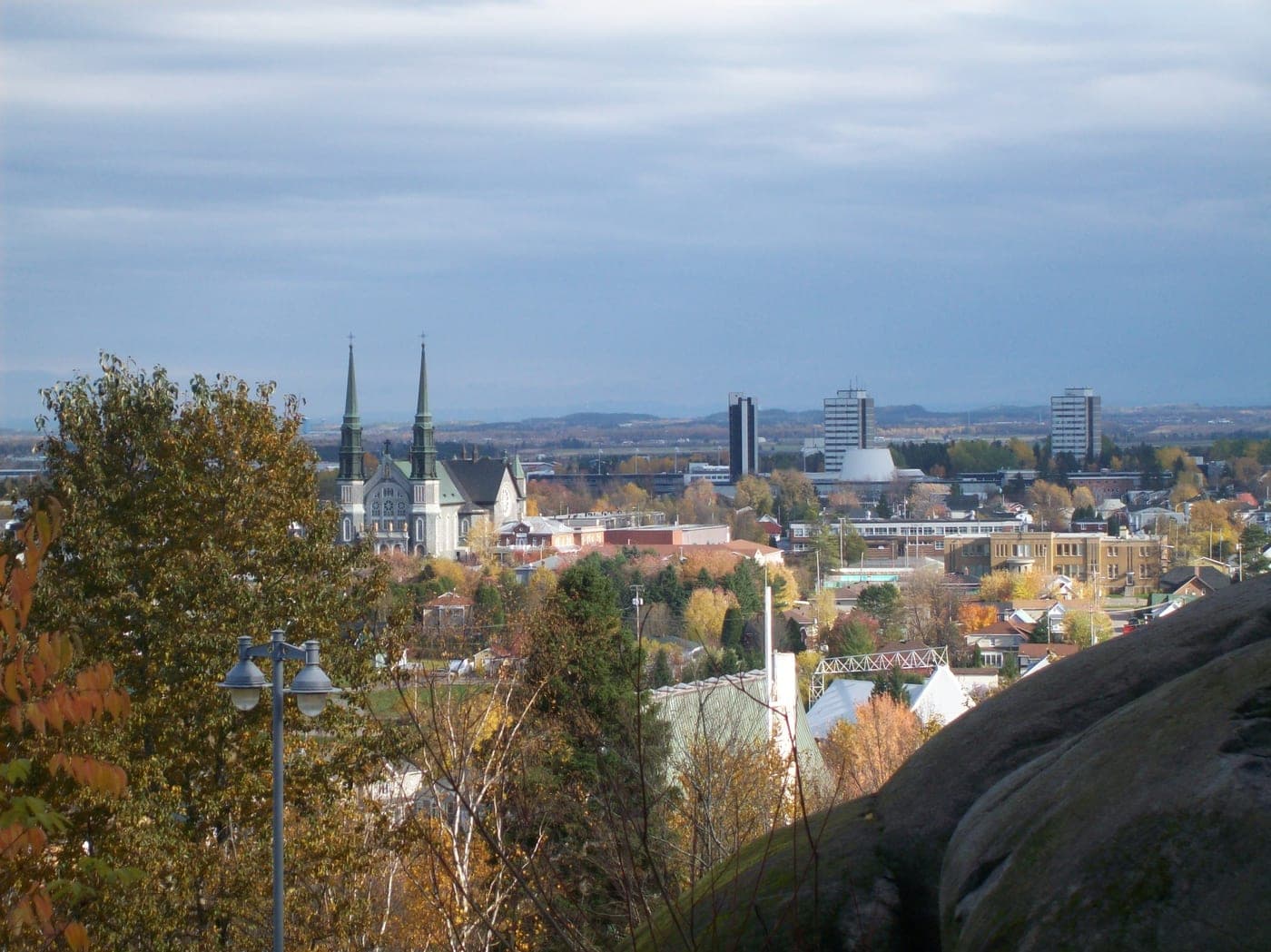
Jonquières
Wine Tasting
Jurançon
Wine TastingKatzenthal
Wine Tasting
La Croix-Valmer
Wine Tasting
La Londe-les-Maures
Wine Tasting
Lacommande
Wine Tasting
Lamarque
Wine Tasting
Lansargues
Wine Tasting
Lauris
Wine Tasting
Le Cannet-des-Maures
Wine Tasting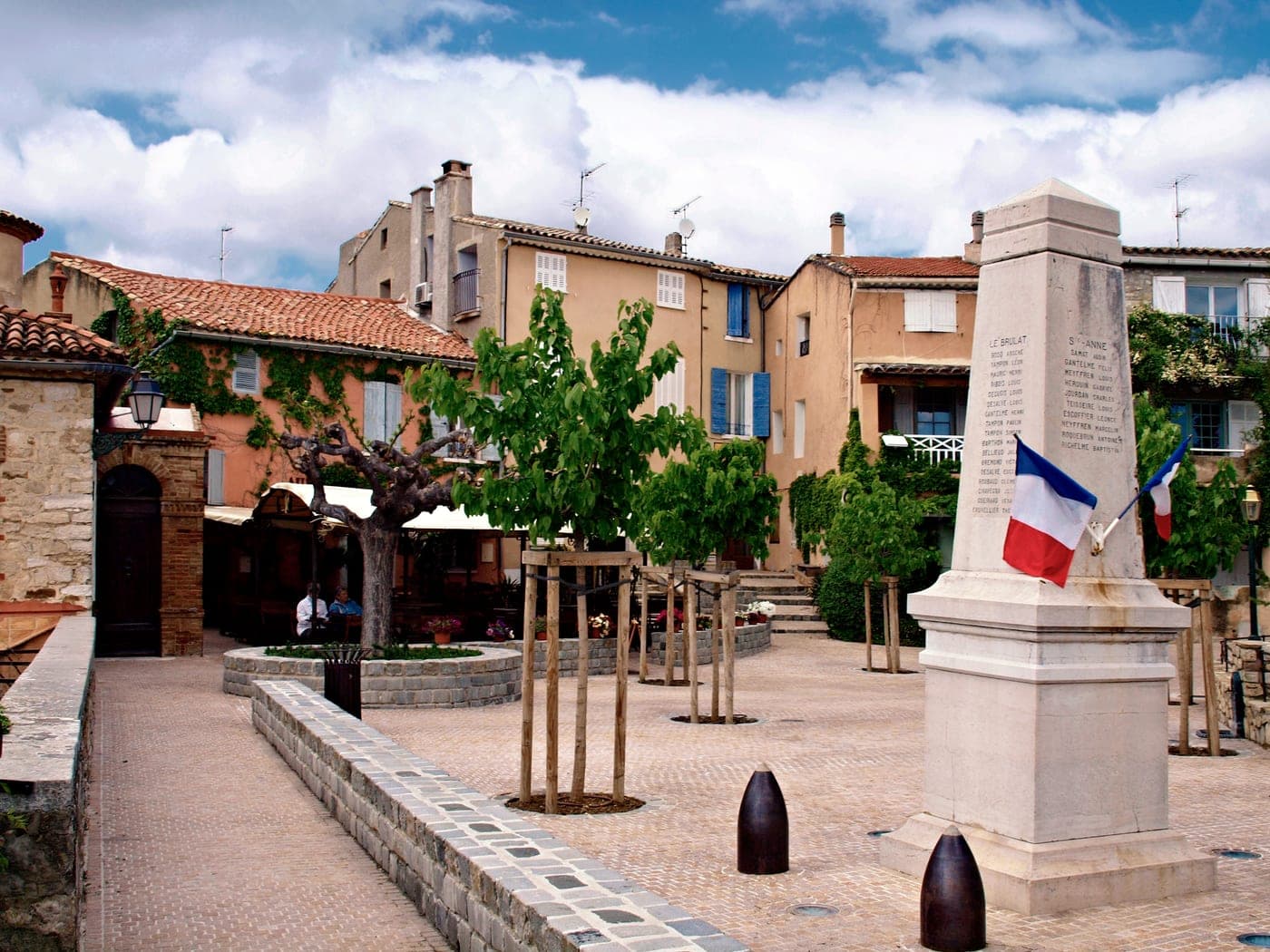
Le Castellet
Wine Tasting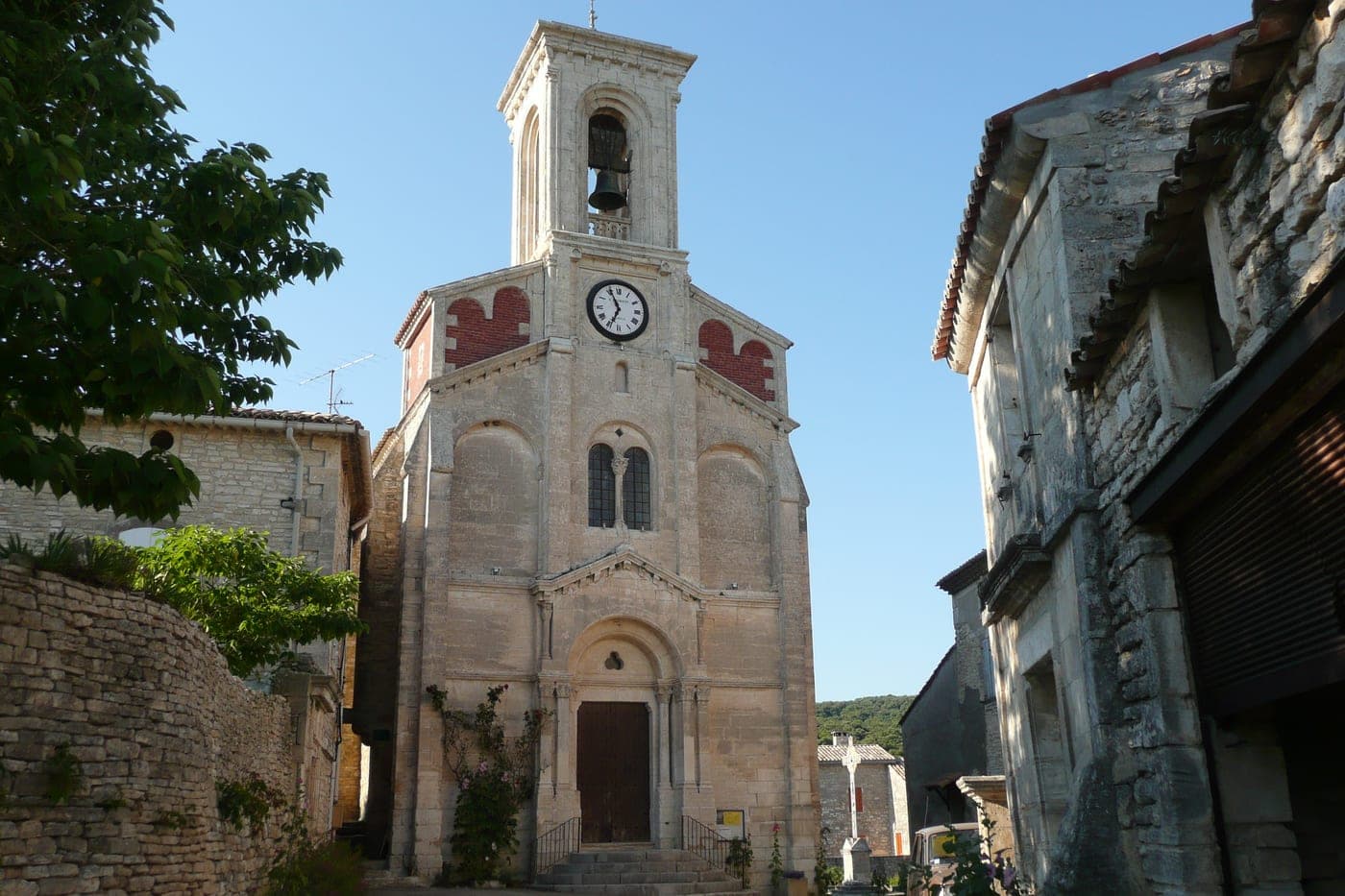
Le Garn
Wine Tasting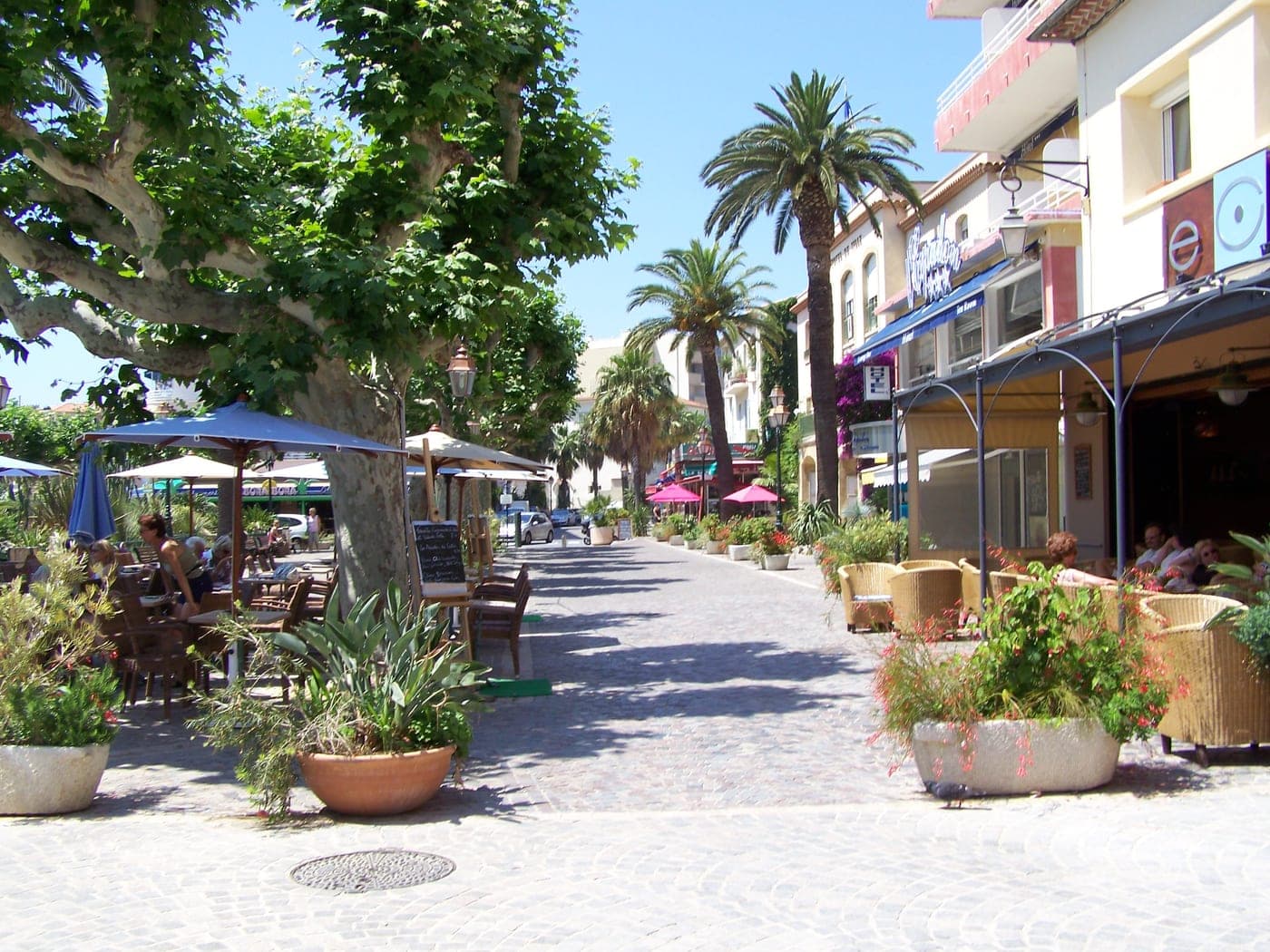
Le Lavandou
Wine TastingLe Luc
Wine Tasting
Le Pradet
Wine Tasting
Le Thor
Wine Tasting
Le Thoronet
Wine Tasting
Lectoure
Wine Tasting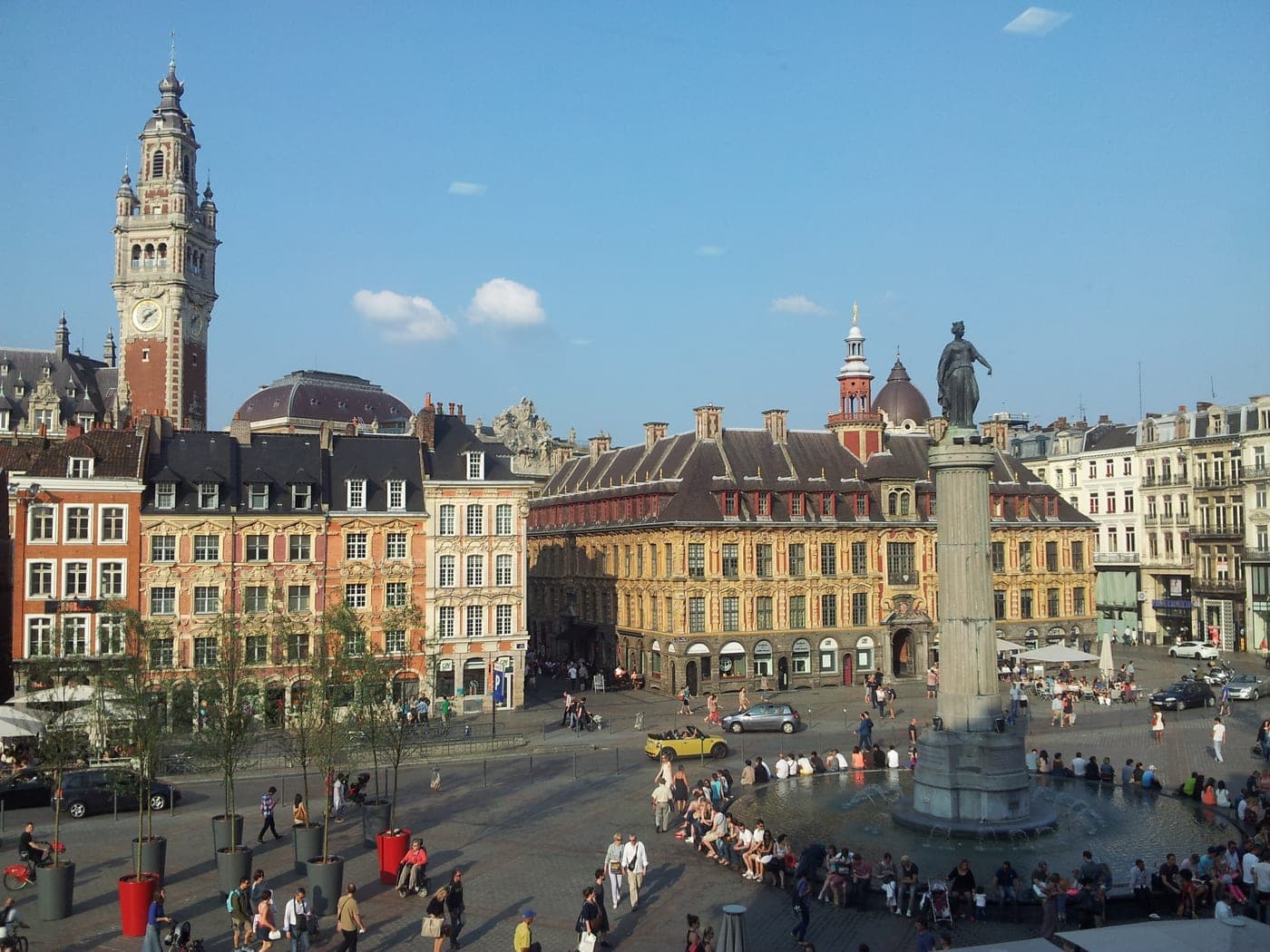
Lille
Camper Van Rentals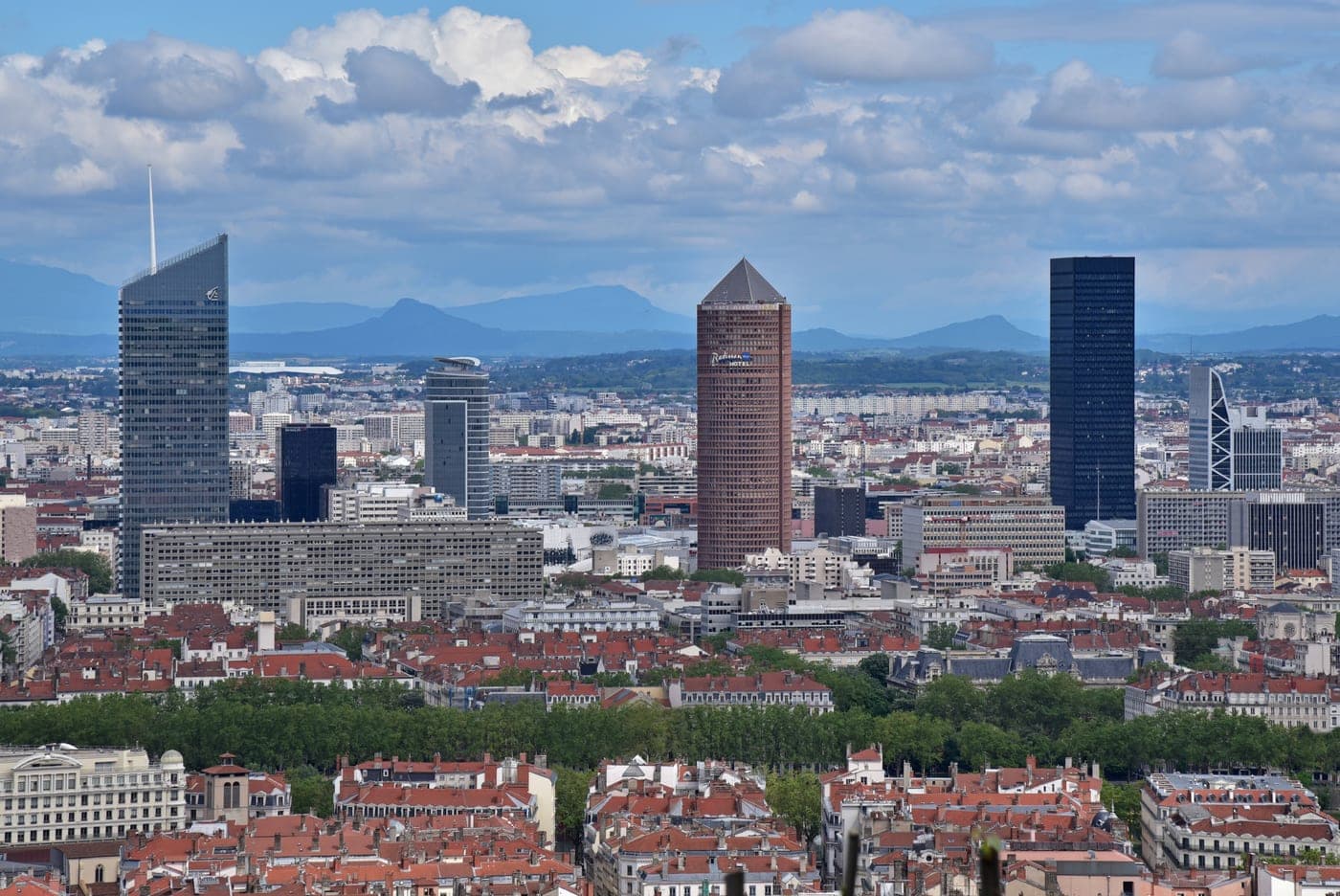
Lyon
Wine Tasting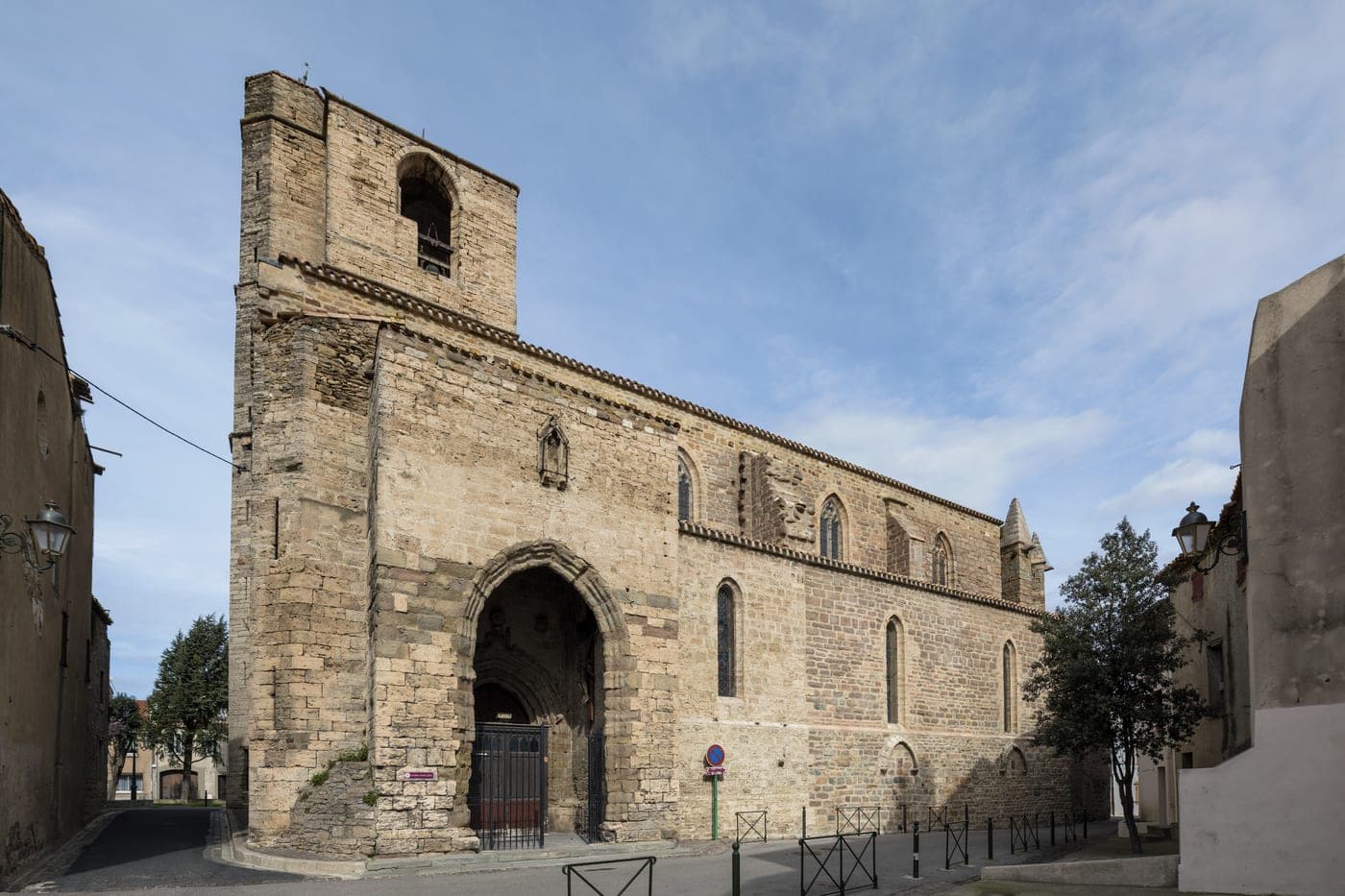
Lézignan-Corbières
Wine Tasting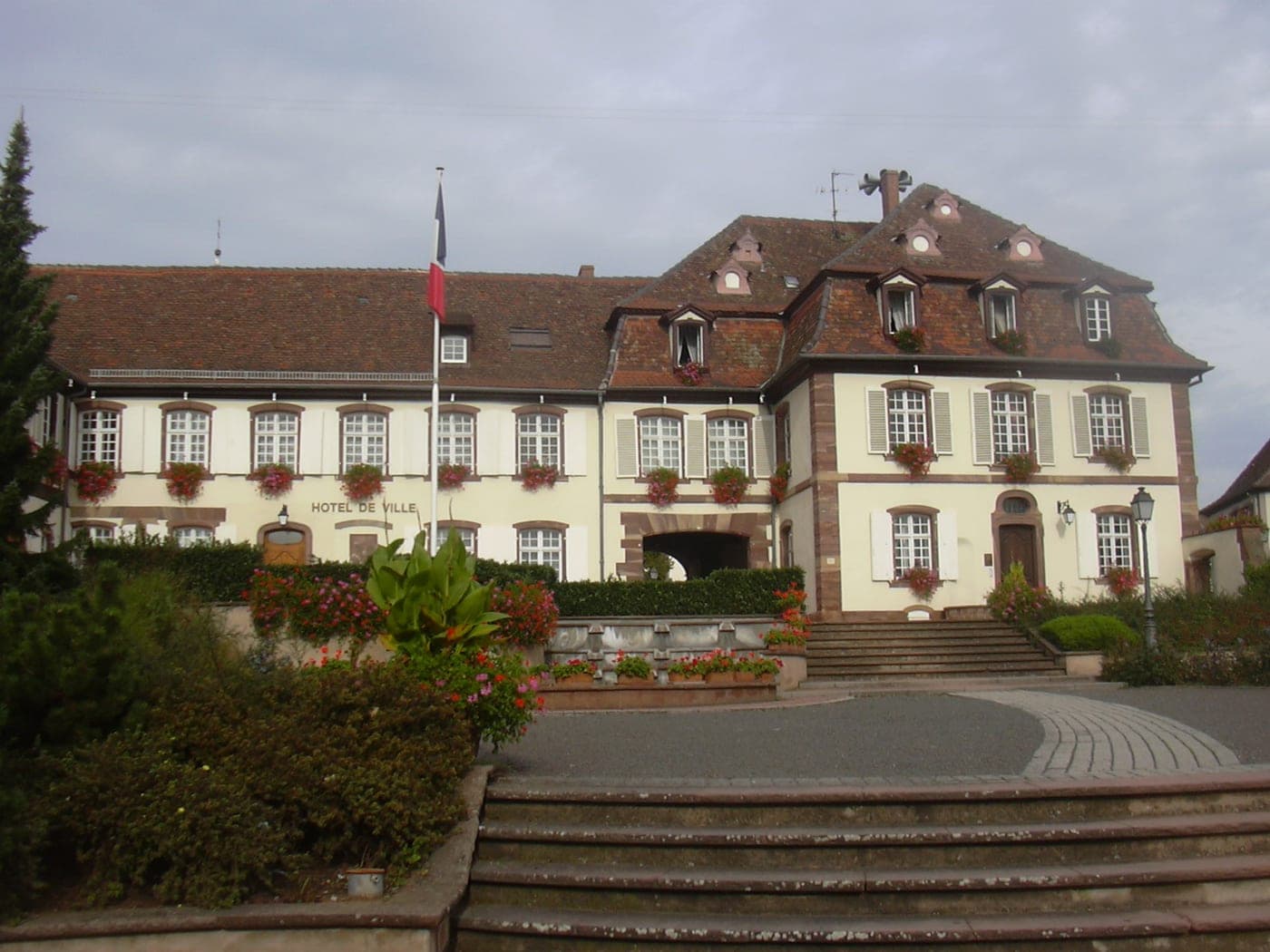
Marlenheim
Wine Tasting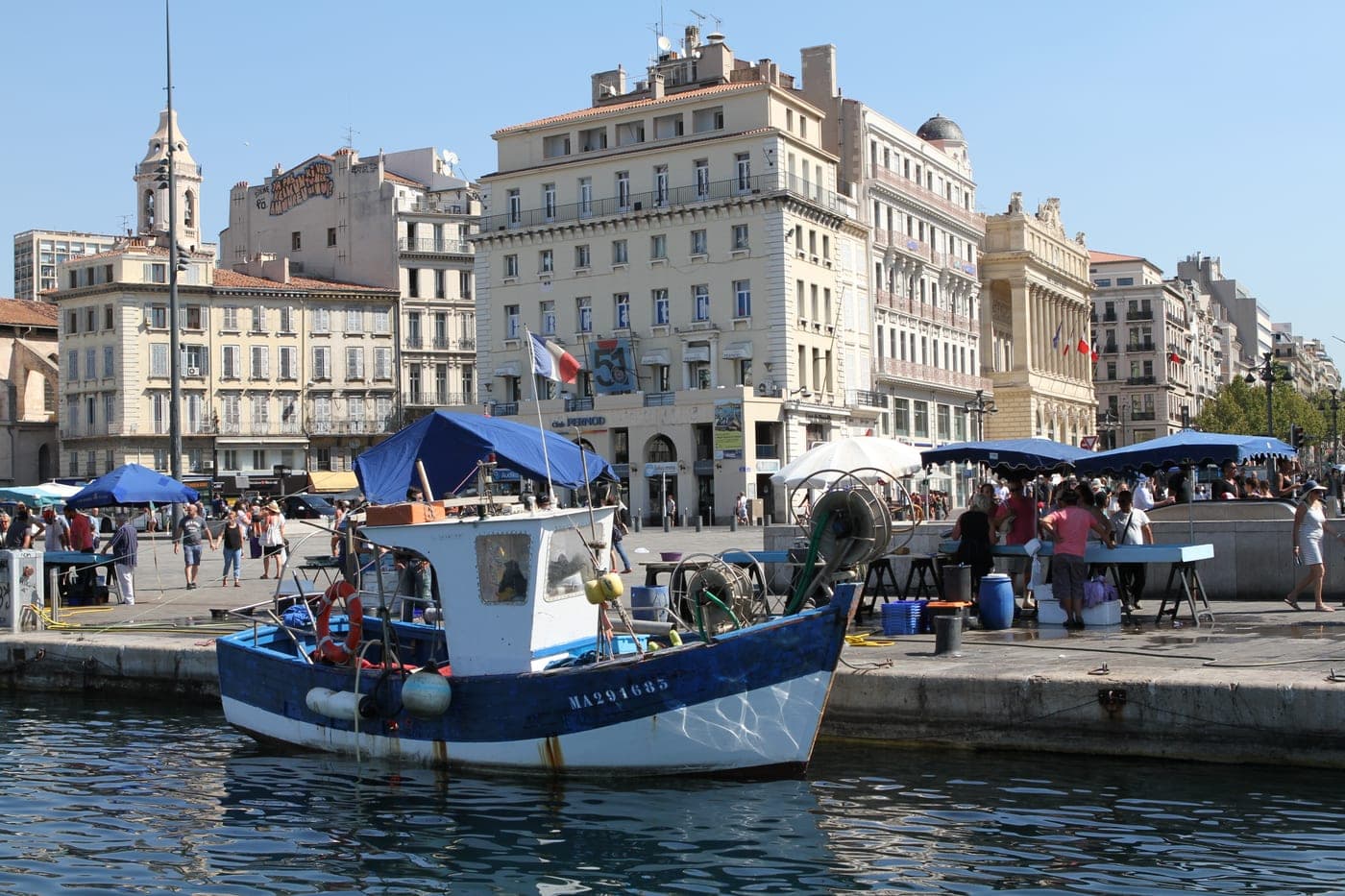
Marseille
Camper Van Rentals
Mercuès
Wine Tasting
Monein
Wine Tasting
Monestier
Wine Tasting
Montazeau
Wine Tasting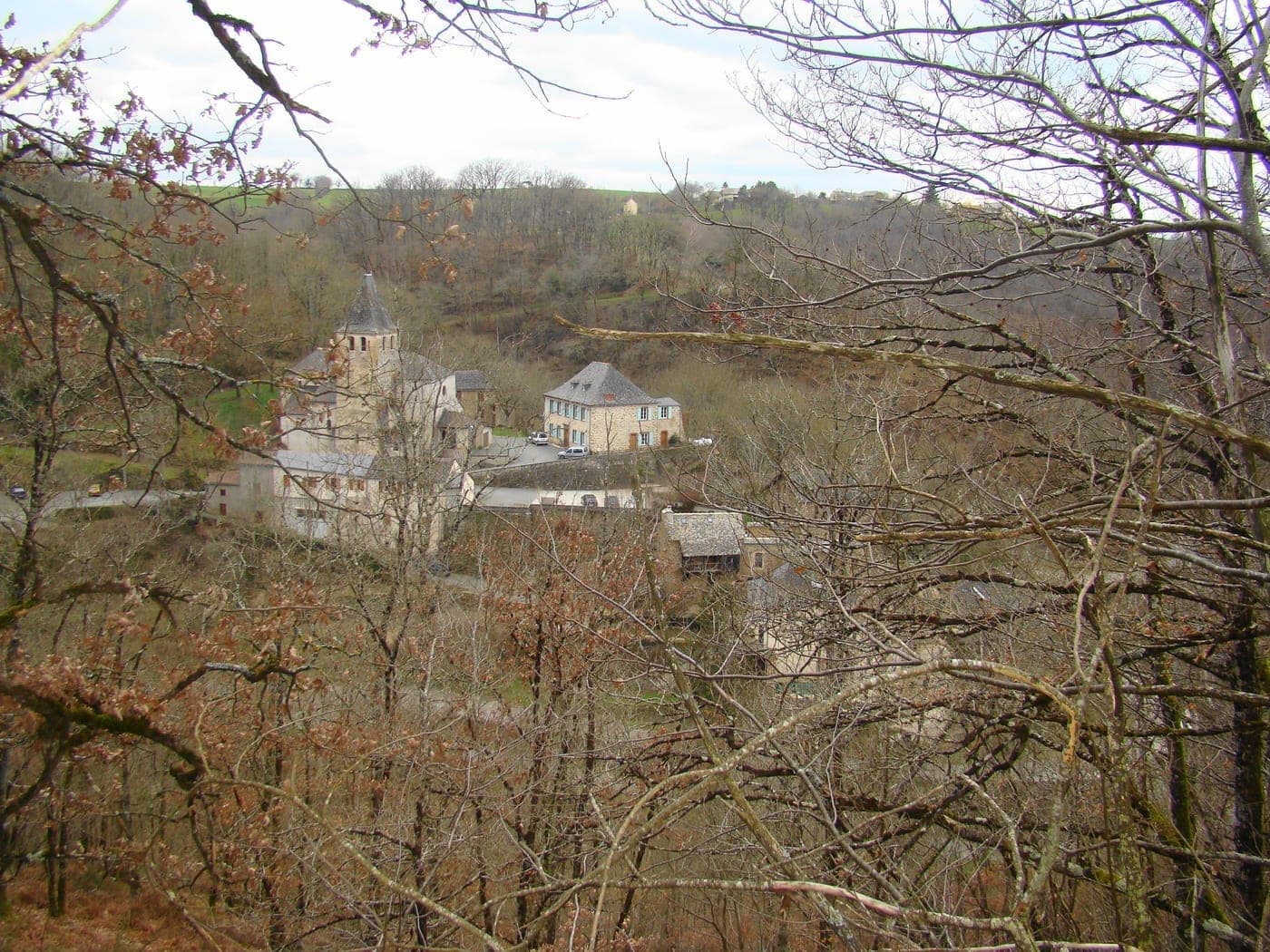
Montirat
Wine Tasting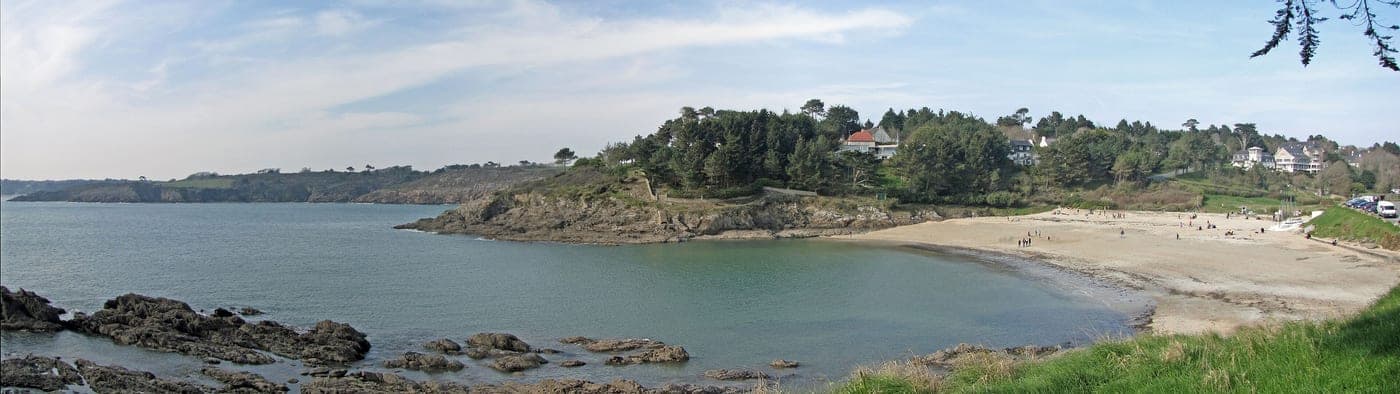
Moëlan-sur-Mer
CastlesNantes
Camper Van Rentals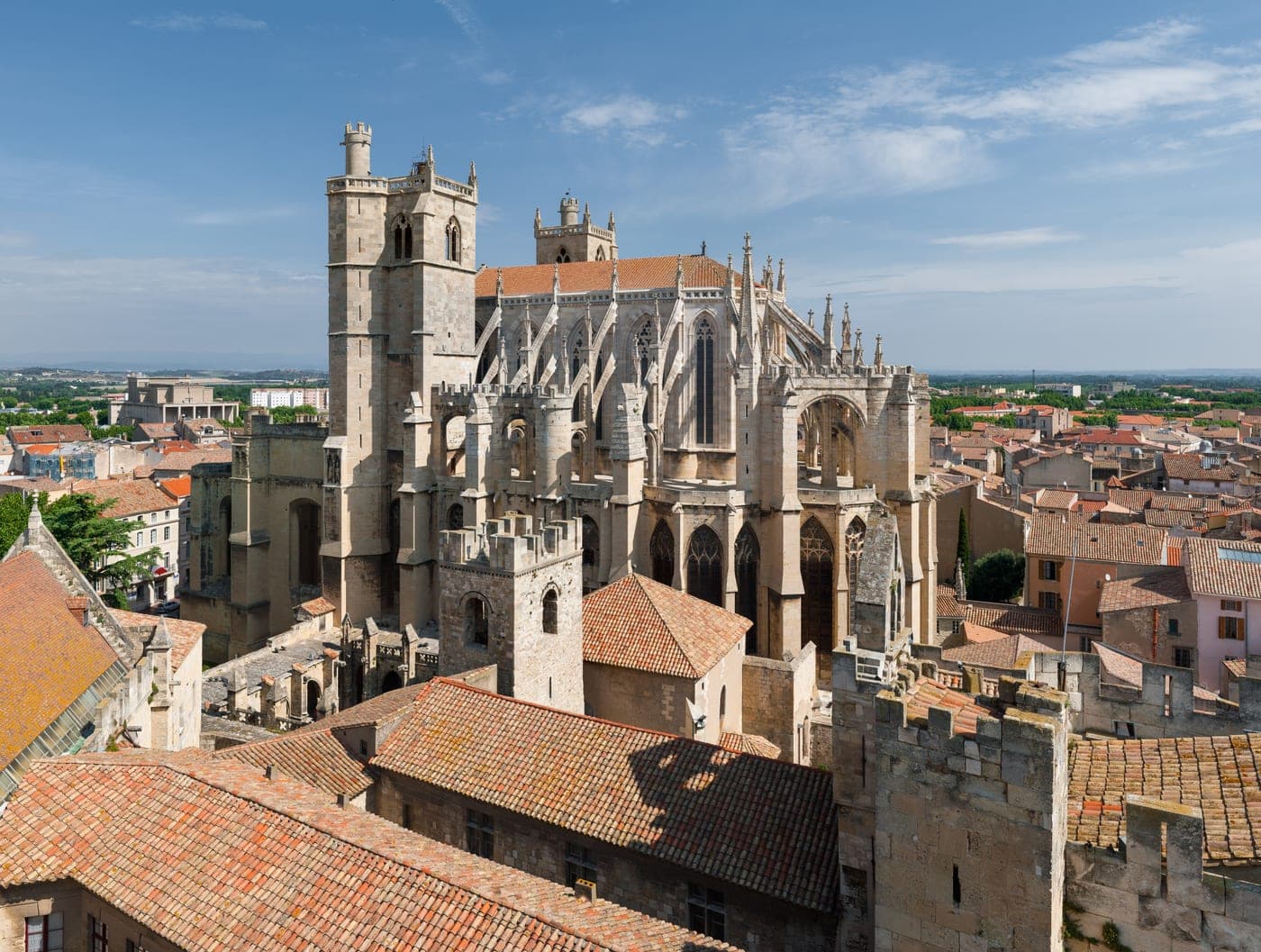
Narbonne
Wine Tasting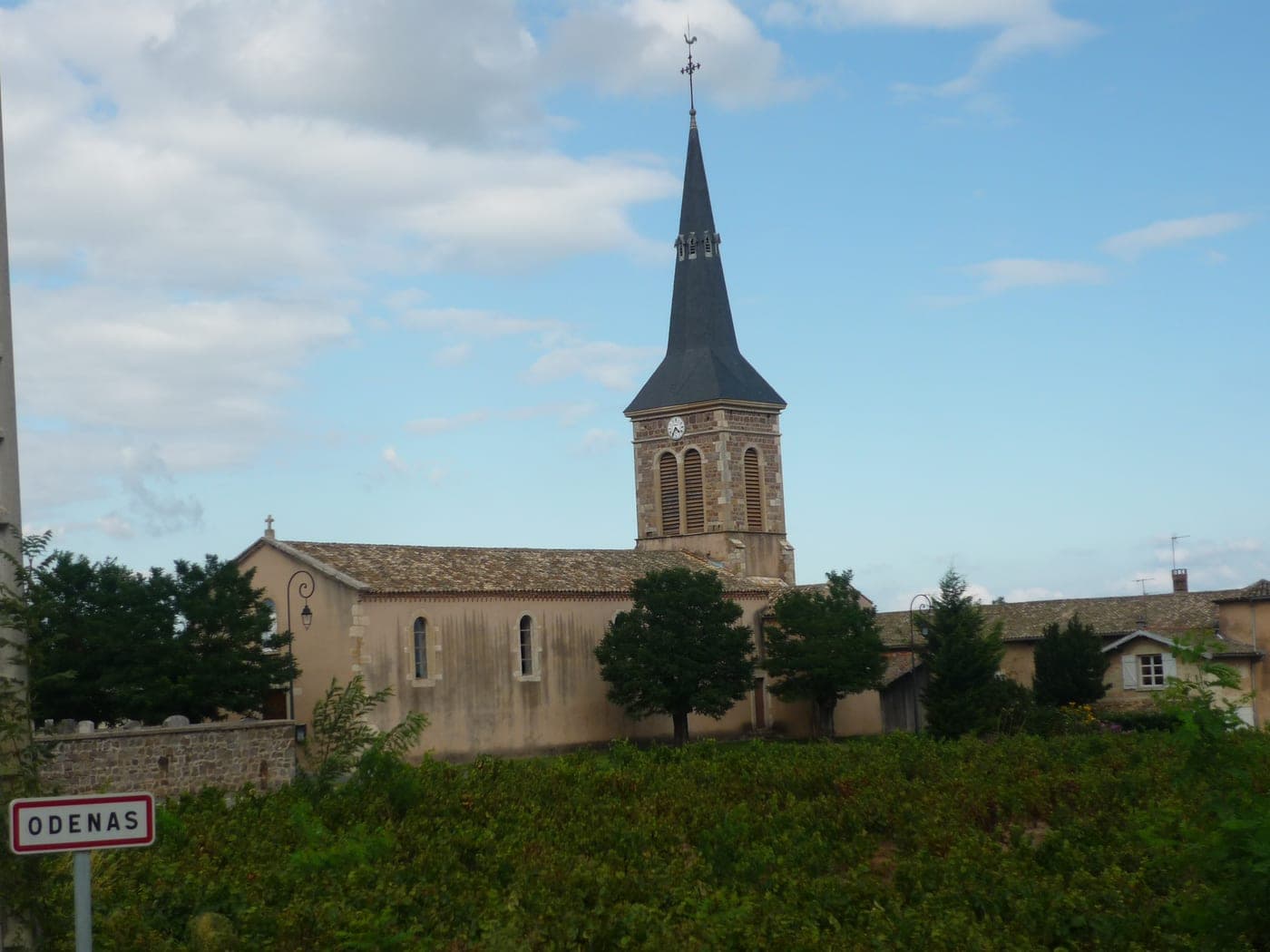
Odenas
Wine Tasting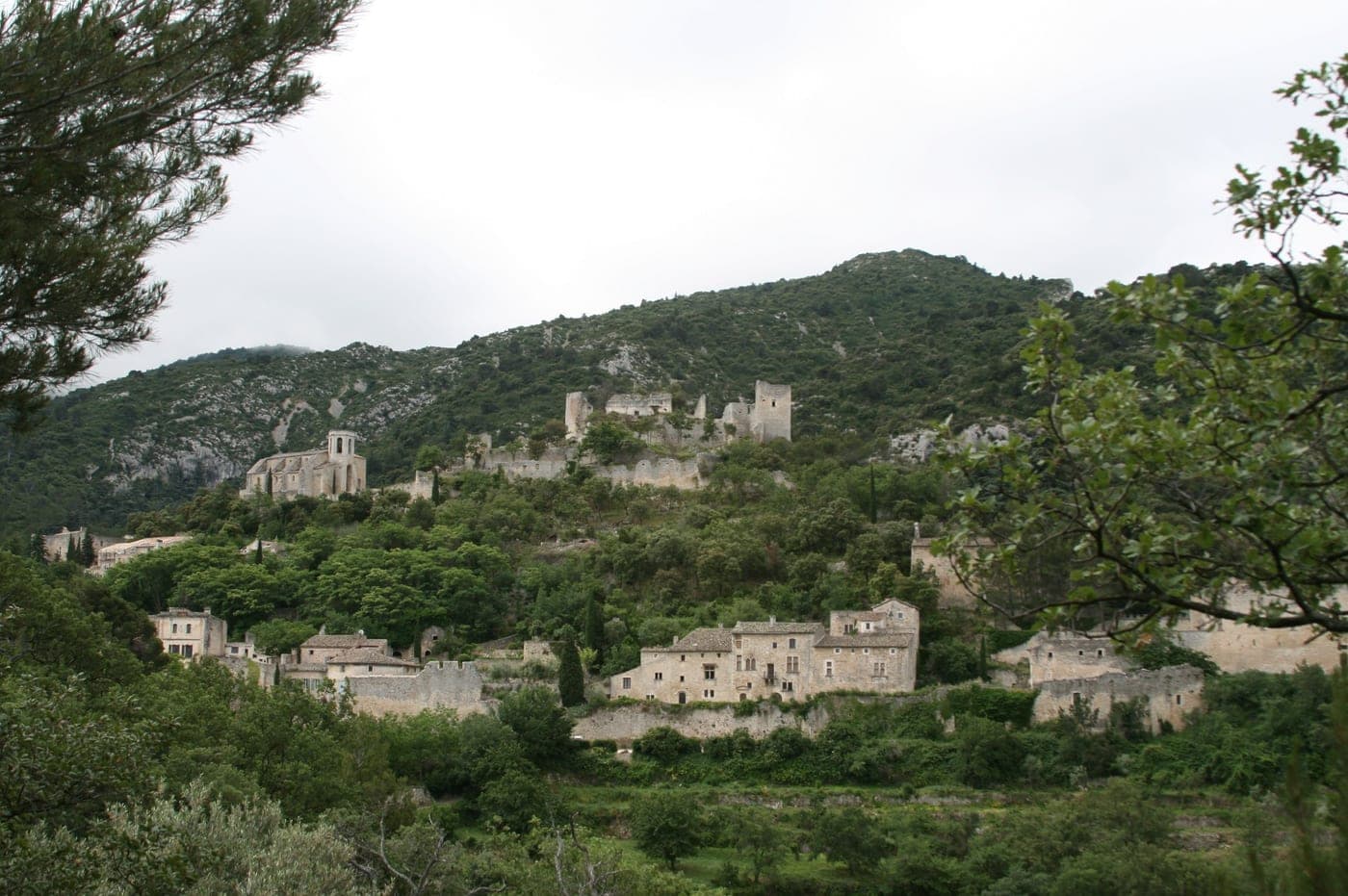
Oppède
Wine Tasting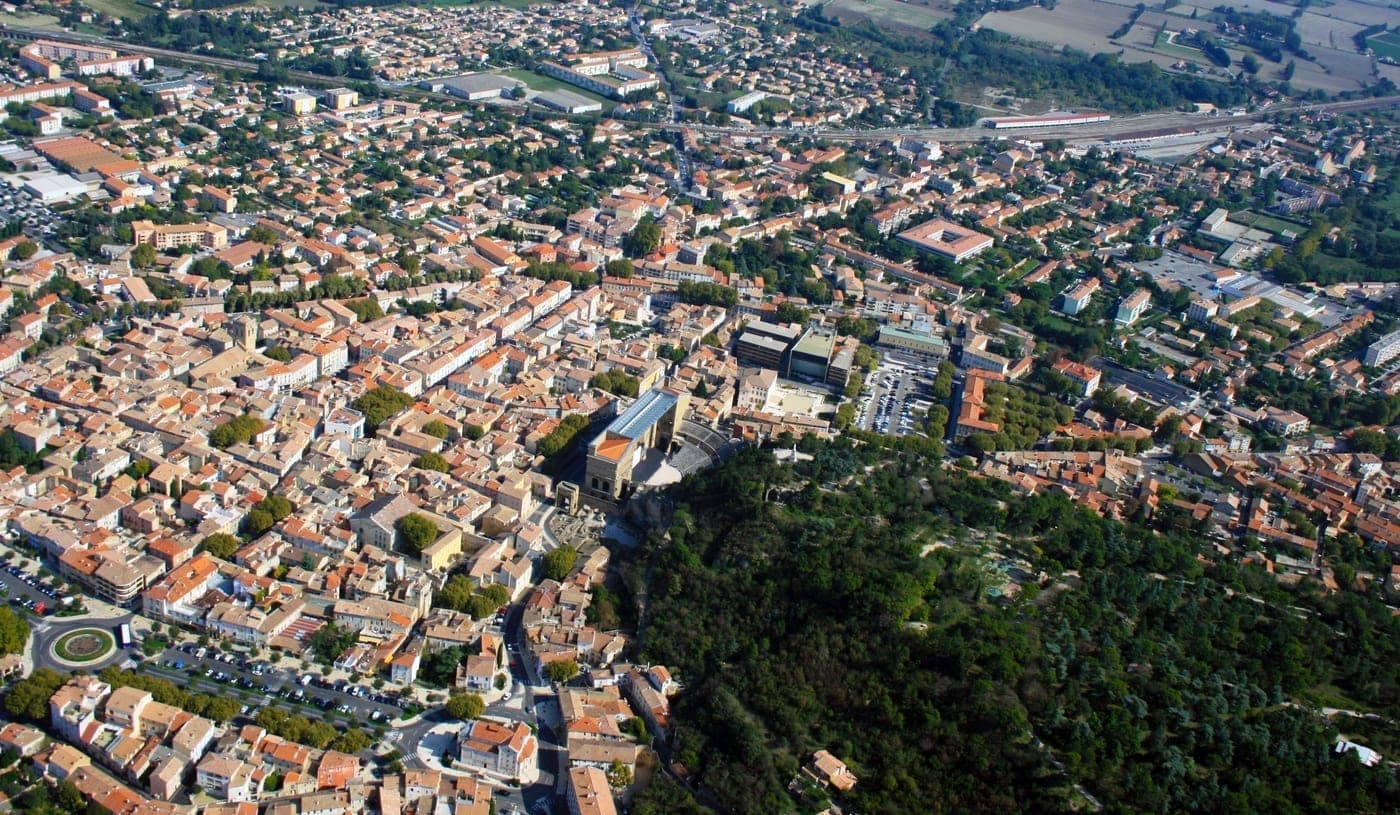
Orange
Wine Tasting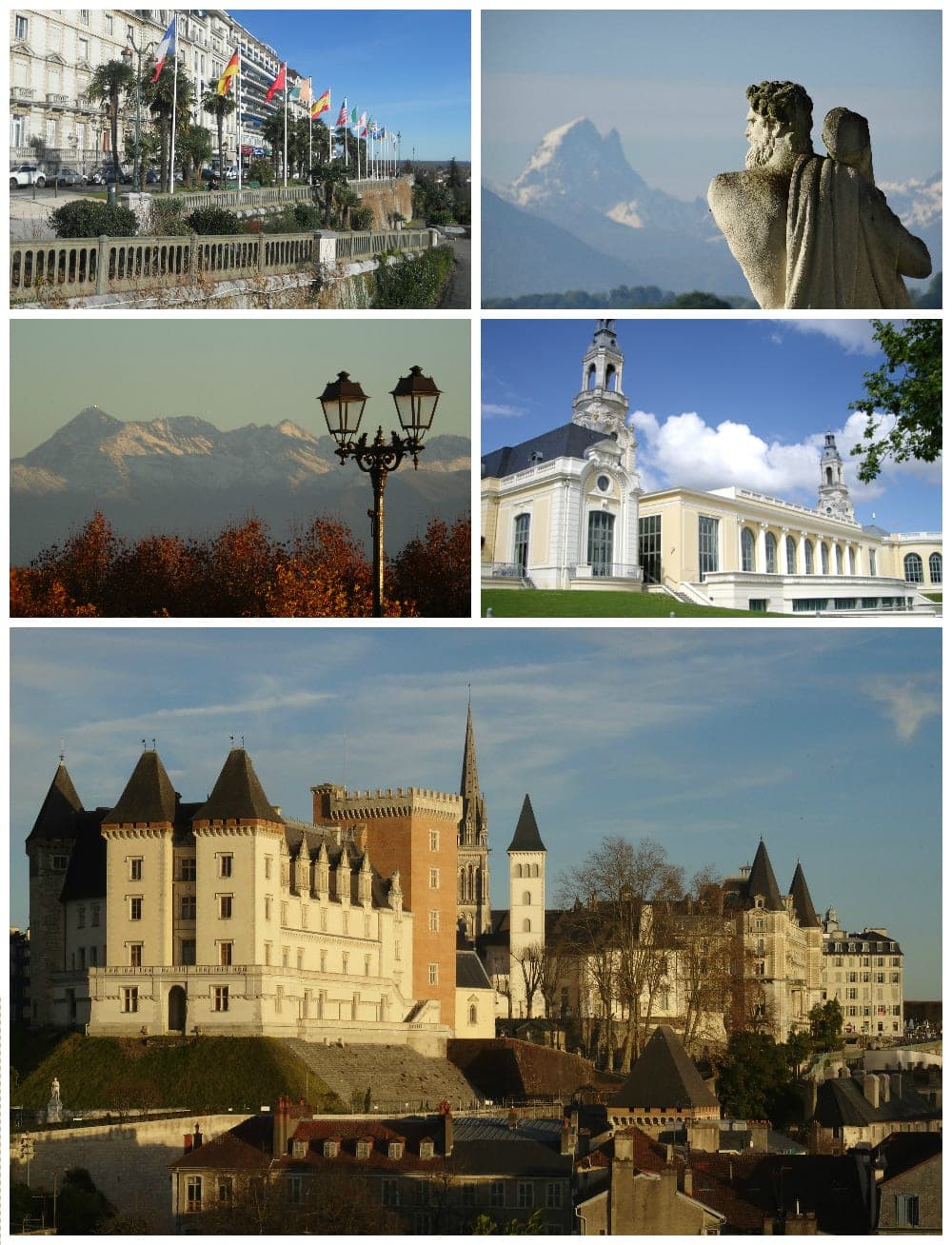
Pau
Wine Tasting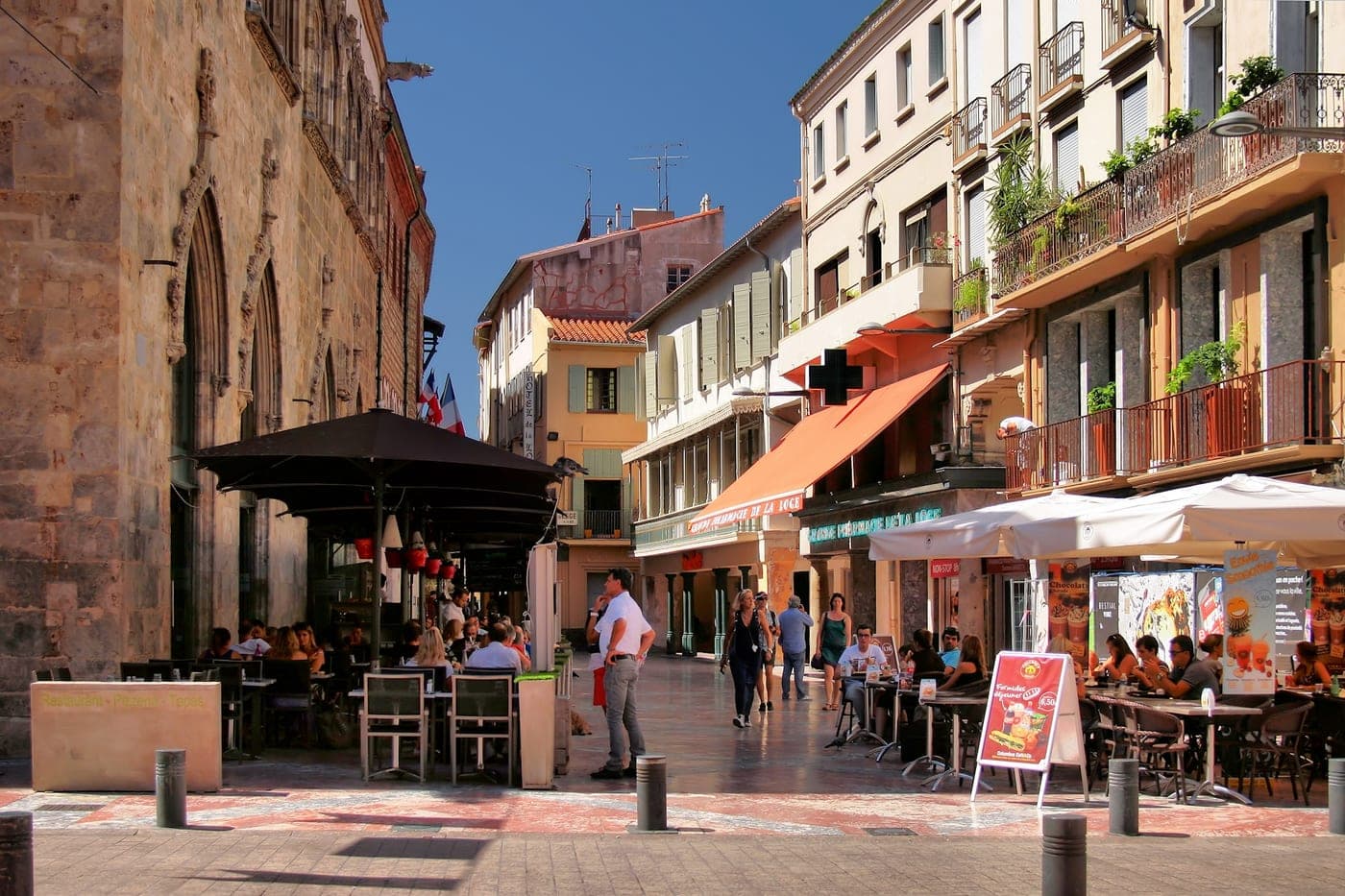
Perpignan
Wine Tasting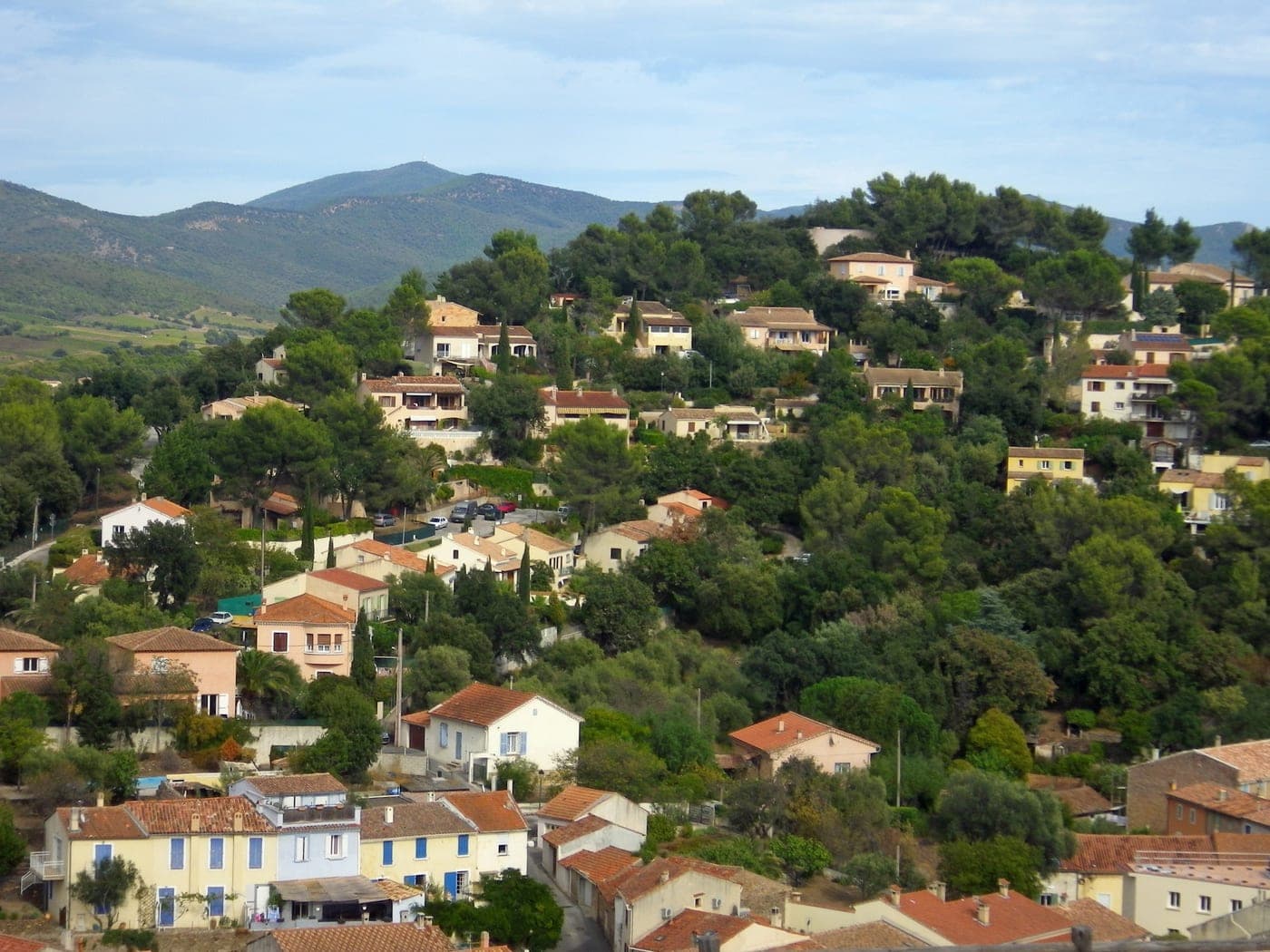
Pierrefeu-du-Var
Wine Tasting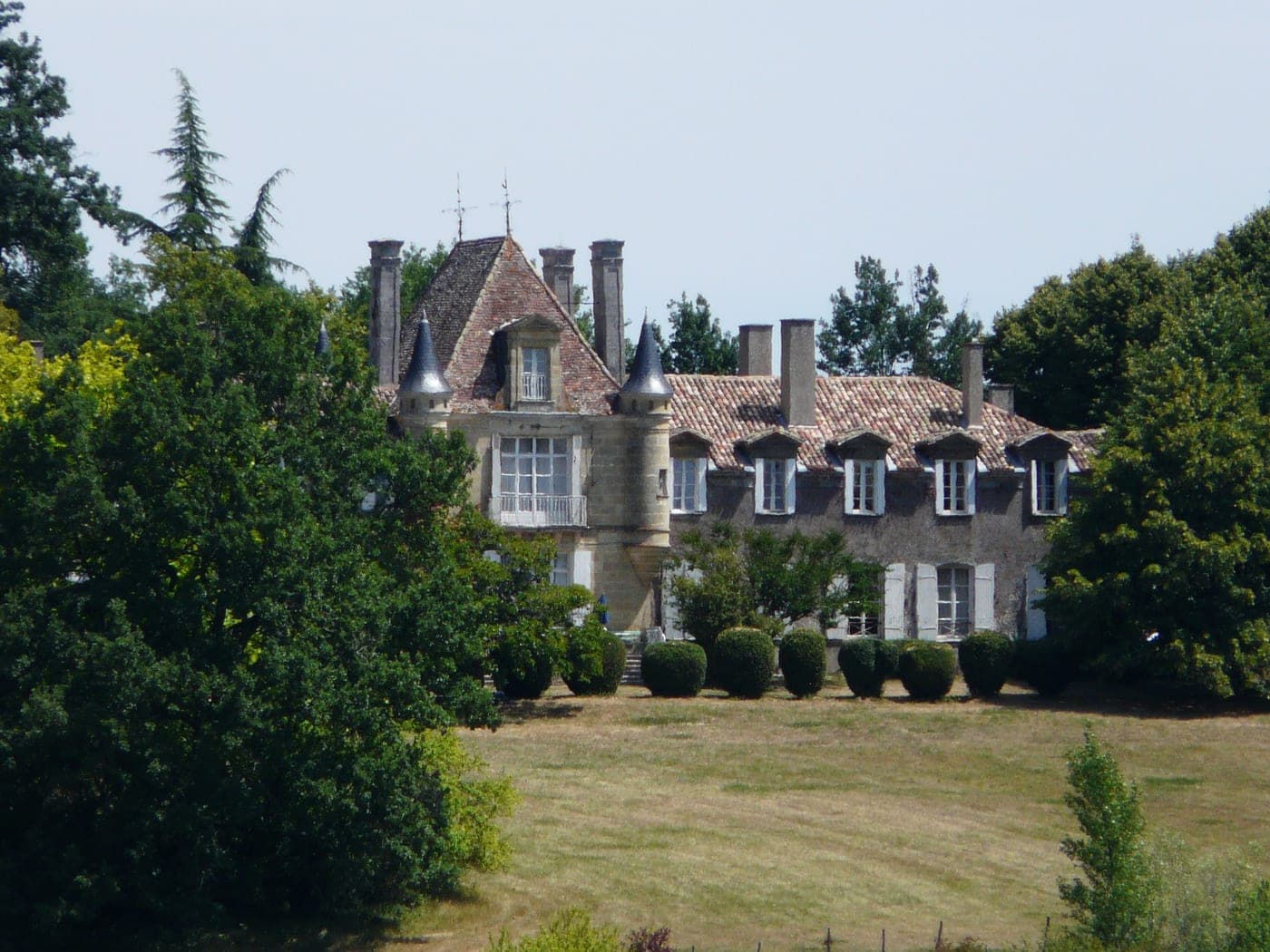
Pomport
Wine Tasting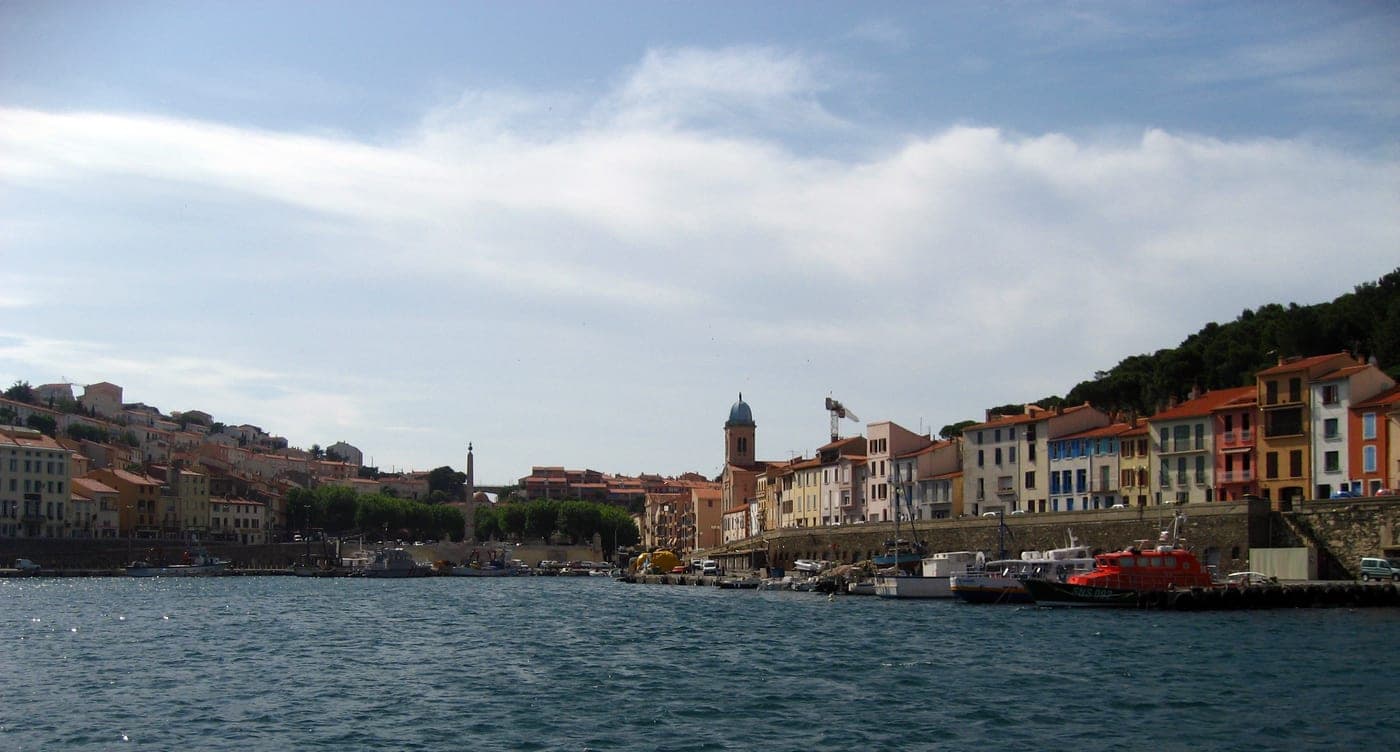
Port-Vendres
Wine Tasting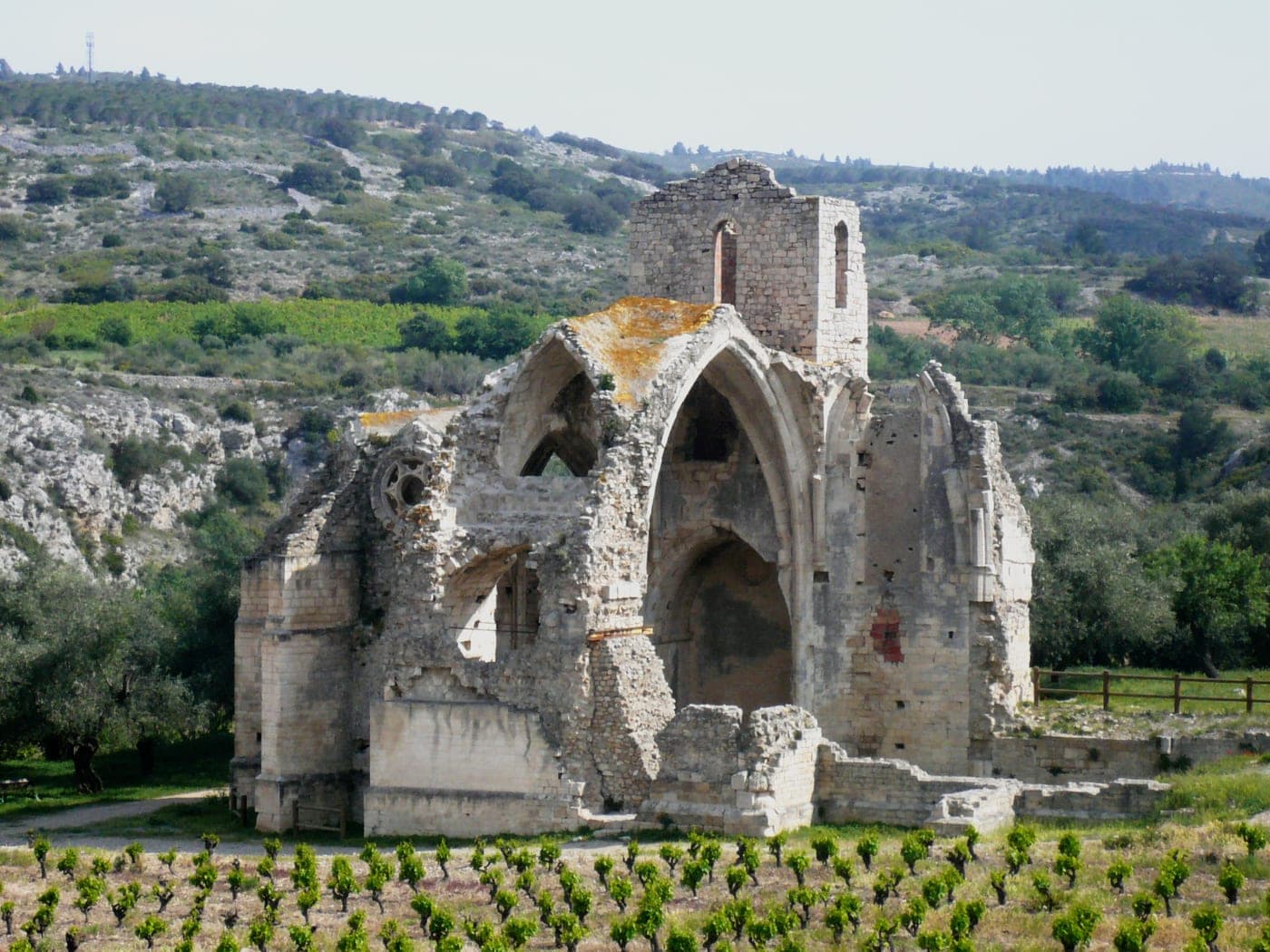
Portel-des-Corbières
Wine Tasting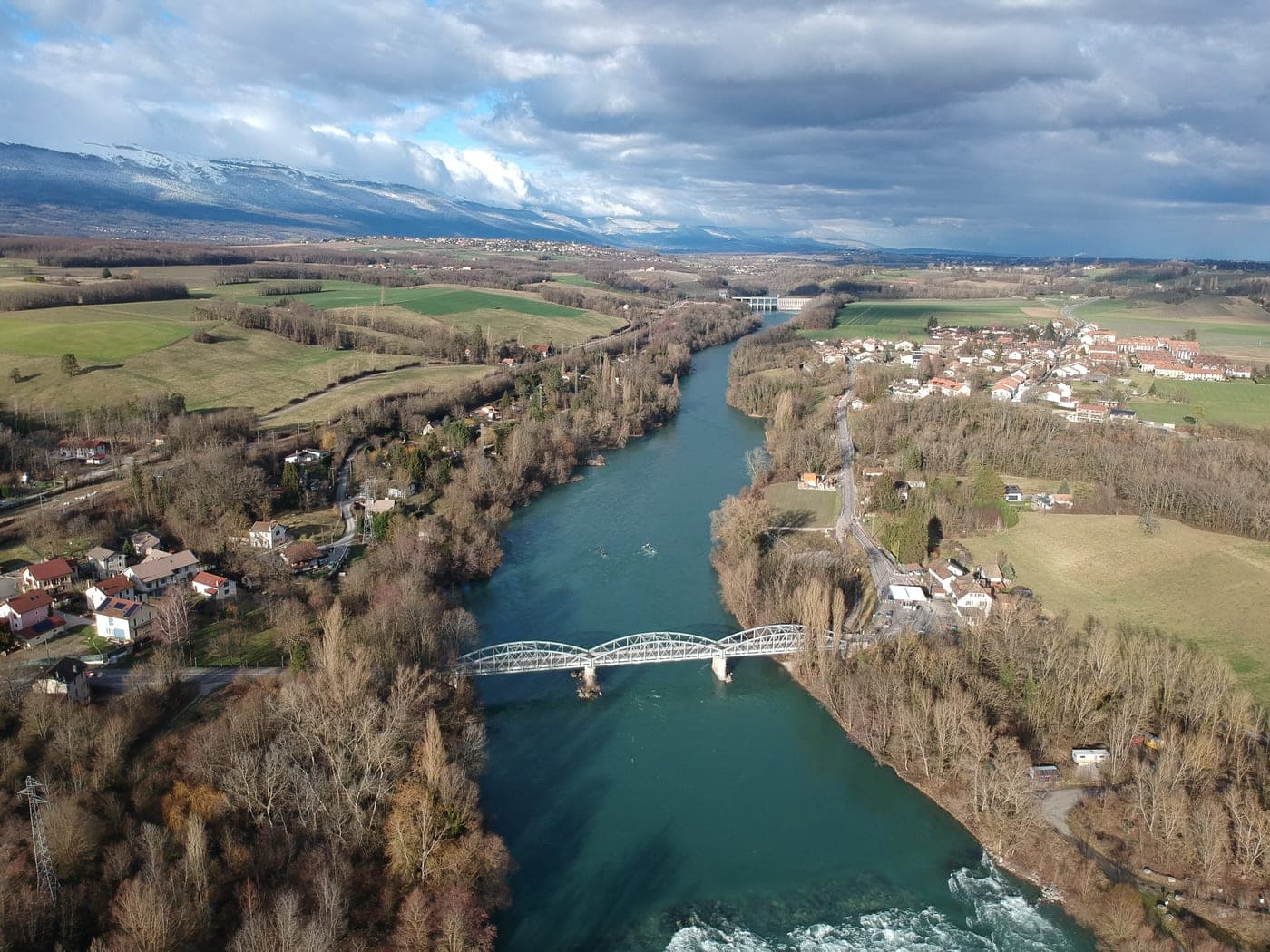
Pougny
Wine Tasting
Pouilly-sur-Loire
Wine Tasting
Preignac
Wine Tasting
Puissalicon
Wine Tasting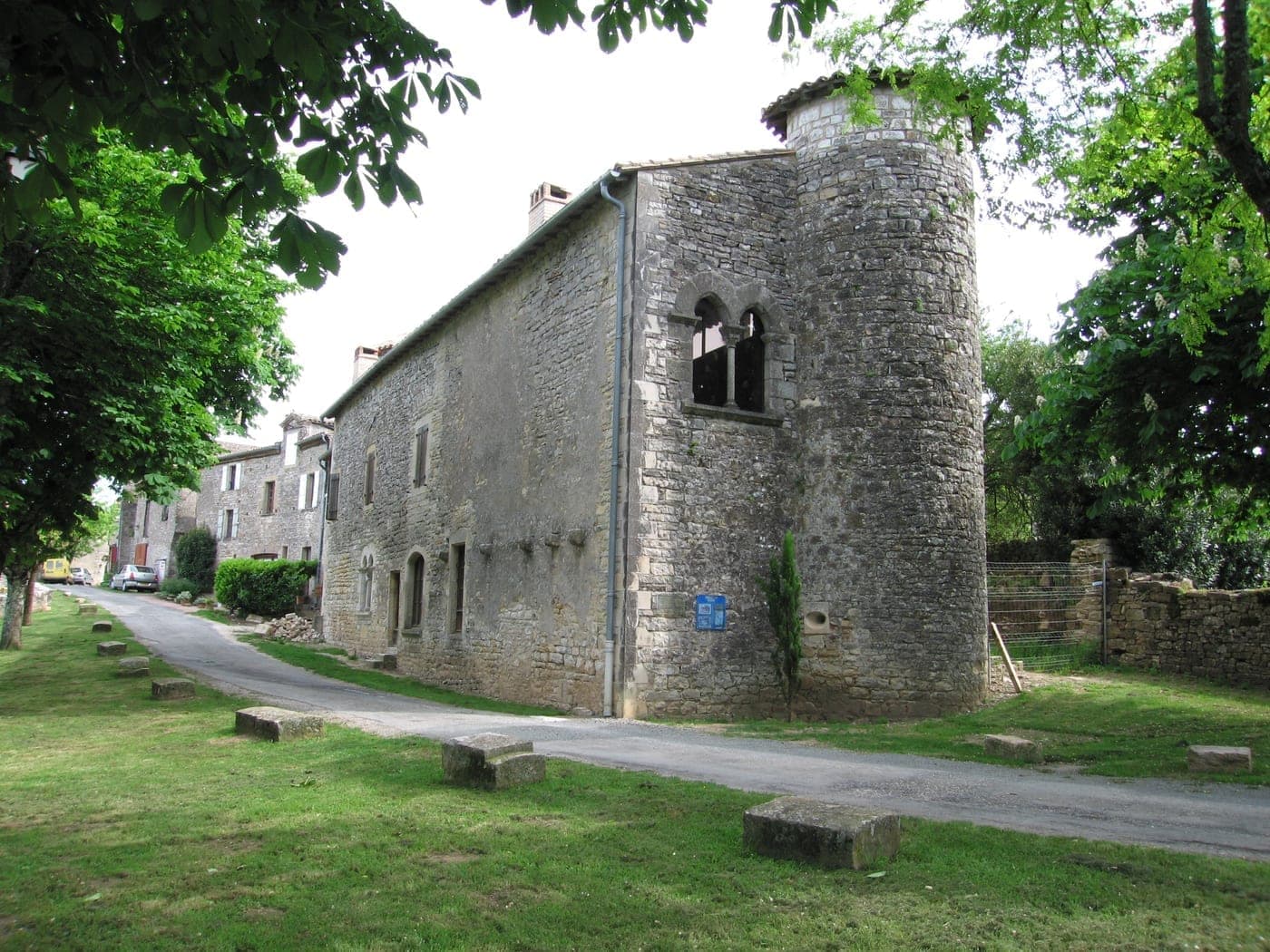
Puycelsi
Wine Tasting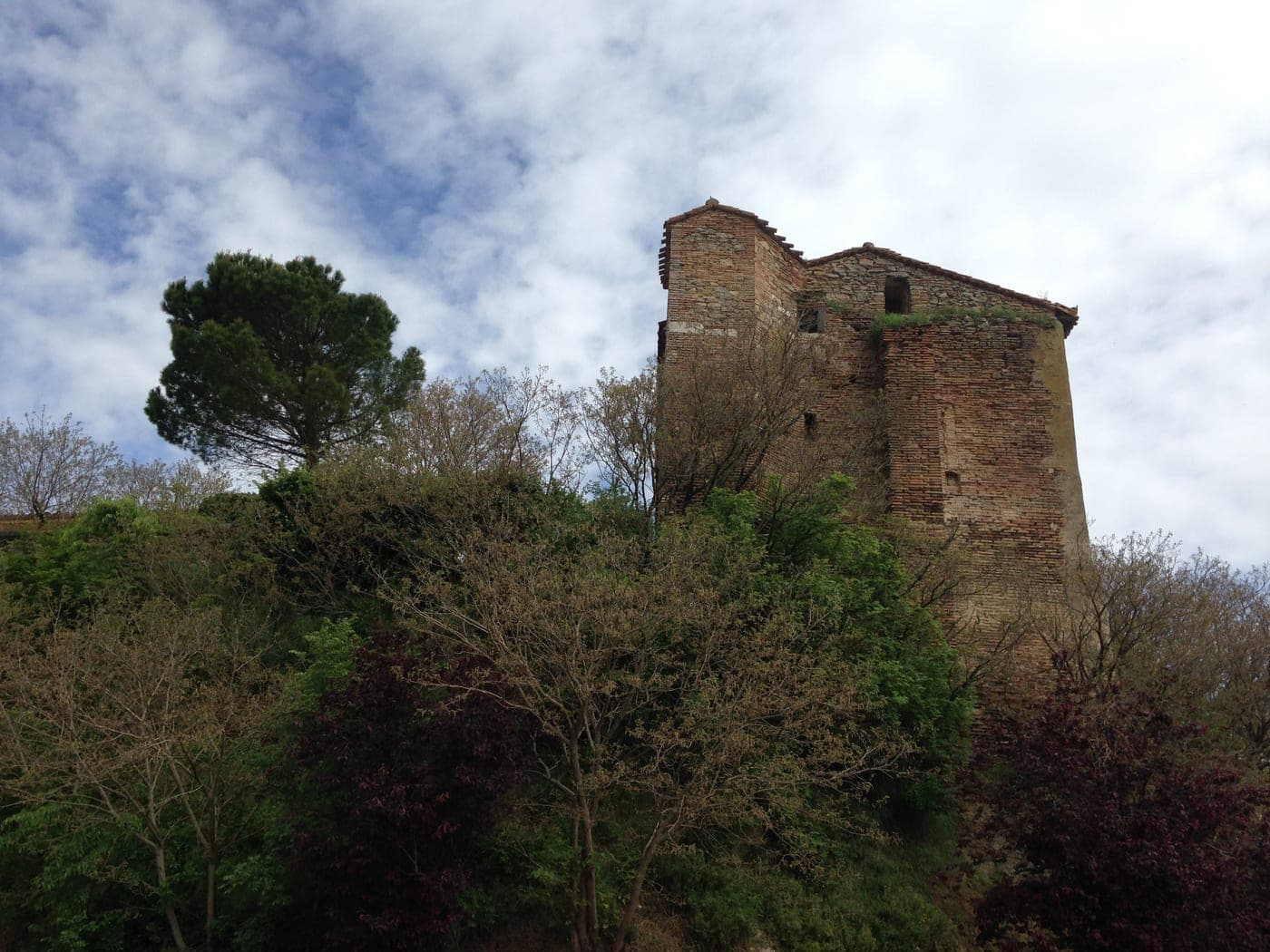
Puylaurens
Castles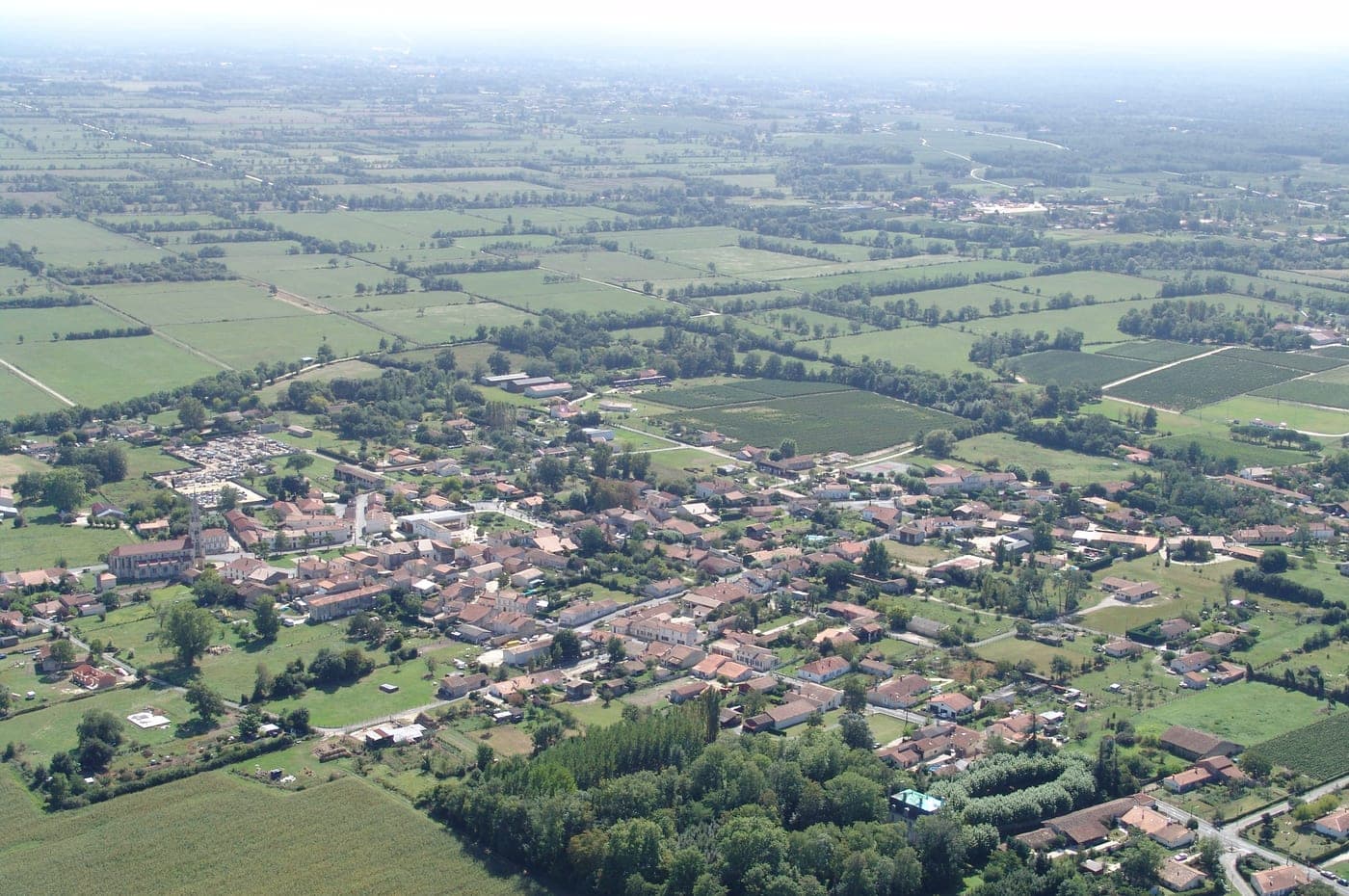
Queyrac
Wine Tasting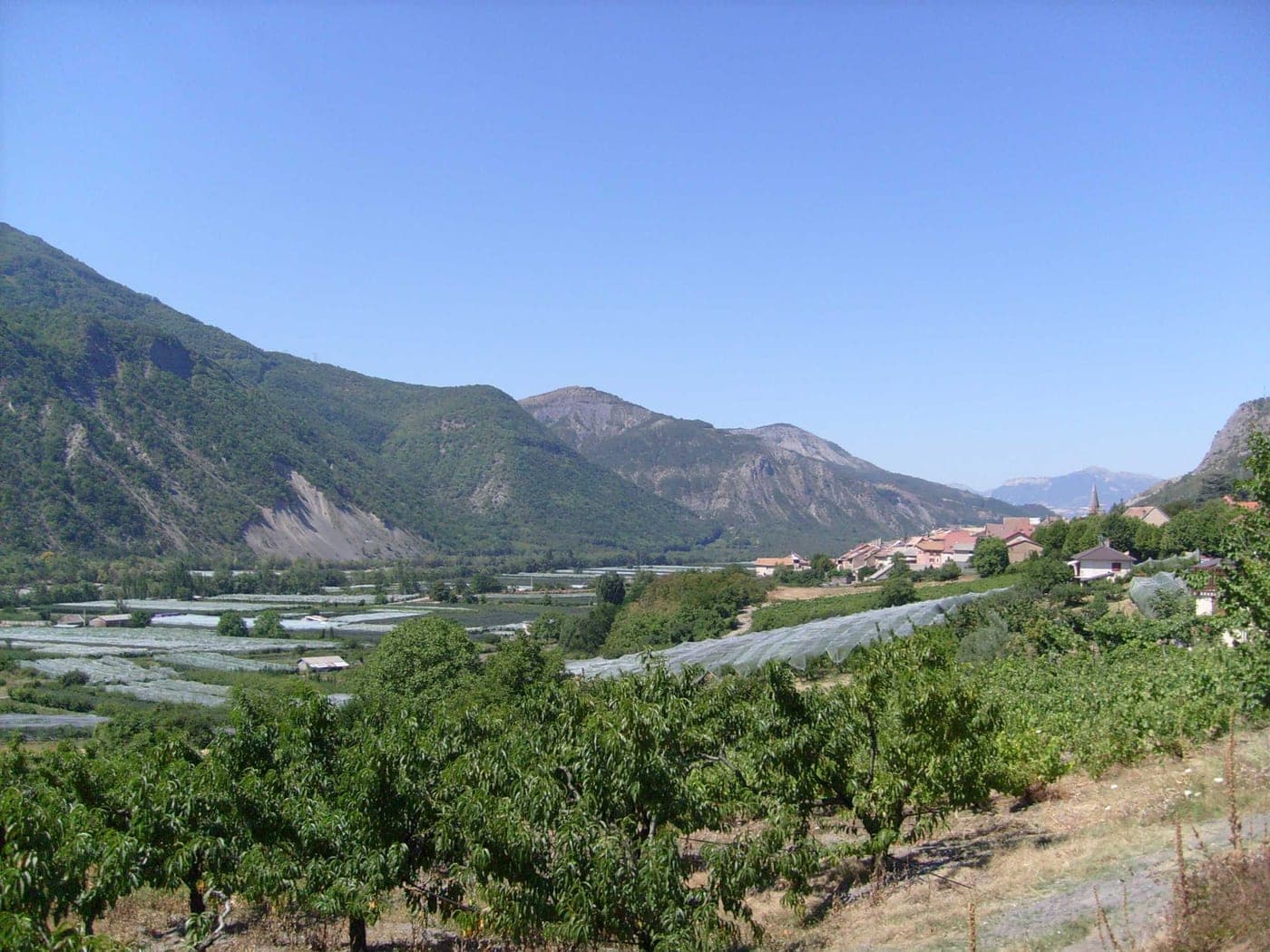
Remollon
Wine Tasting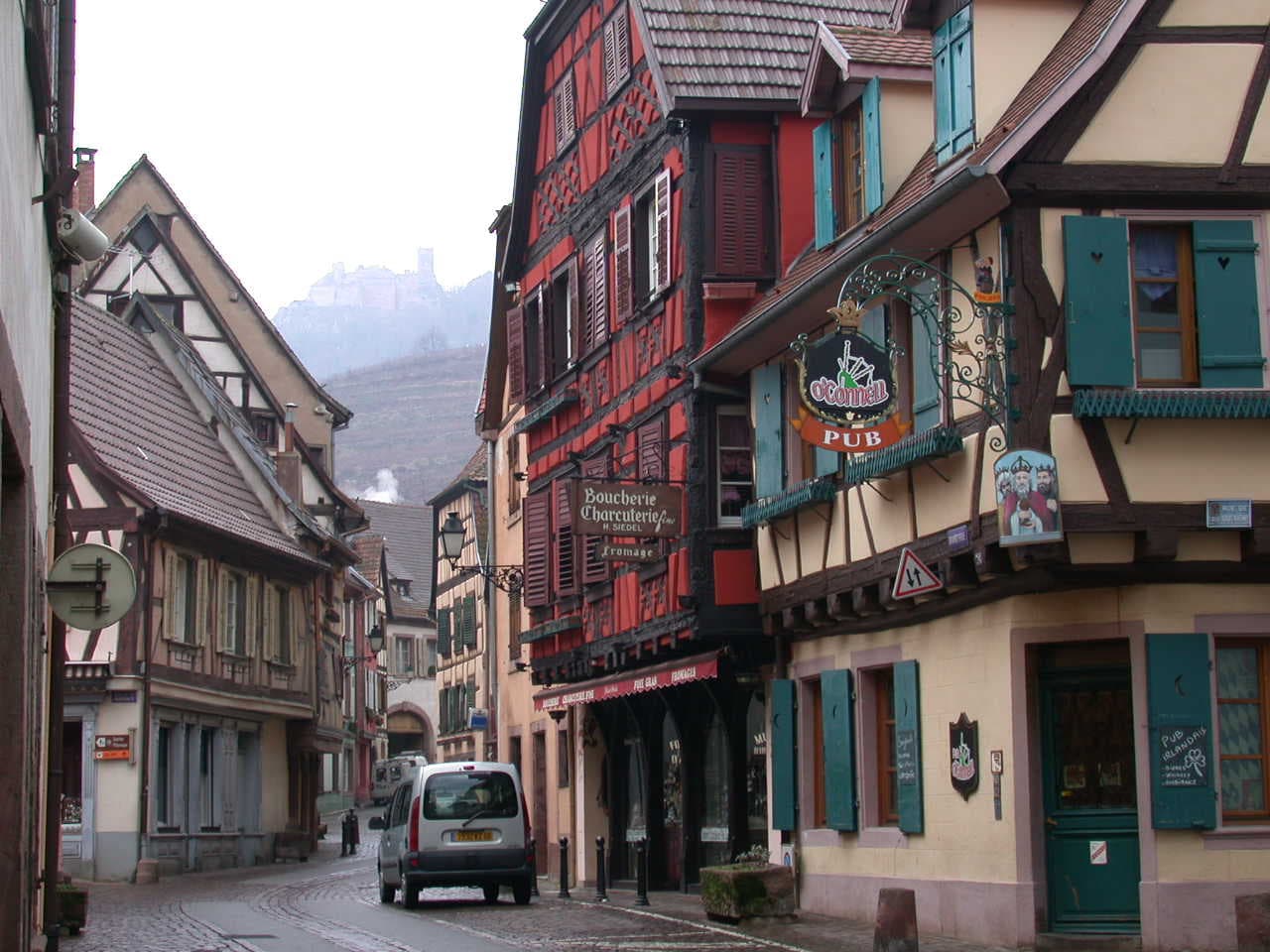
Ribeauvillé
Wine Tasting
Rions
Wine Tasting
Robion
Wine Tasting
Rognes
Wine Tasting
Roquebrune-sur-Argens
Wine Tasting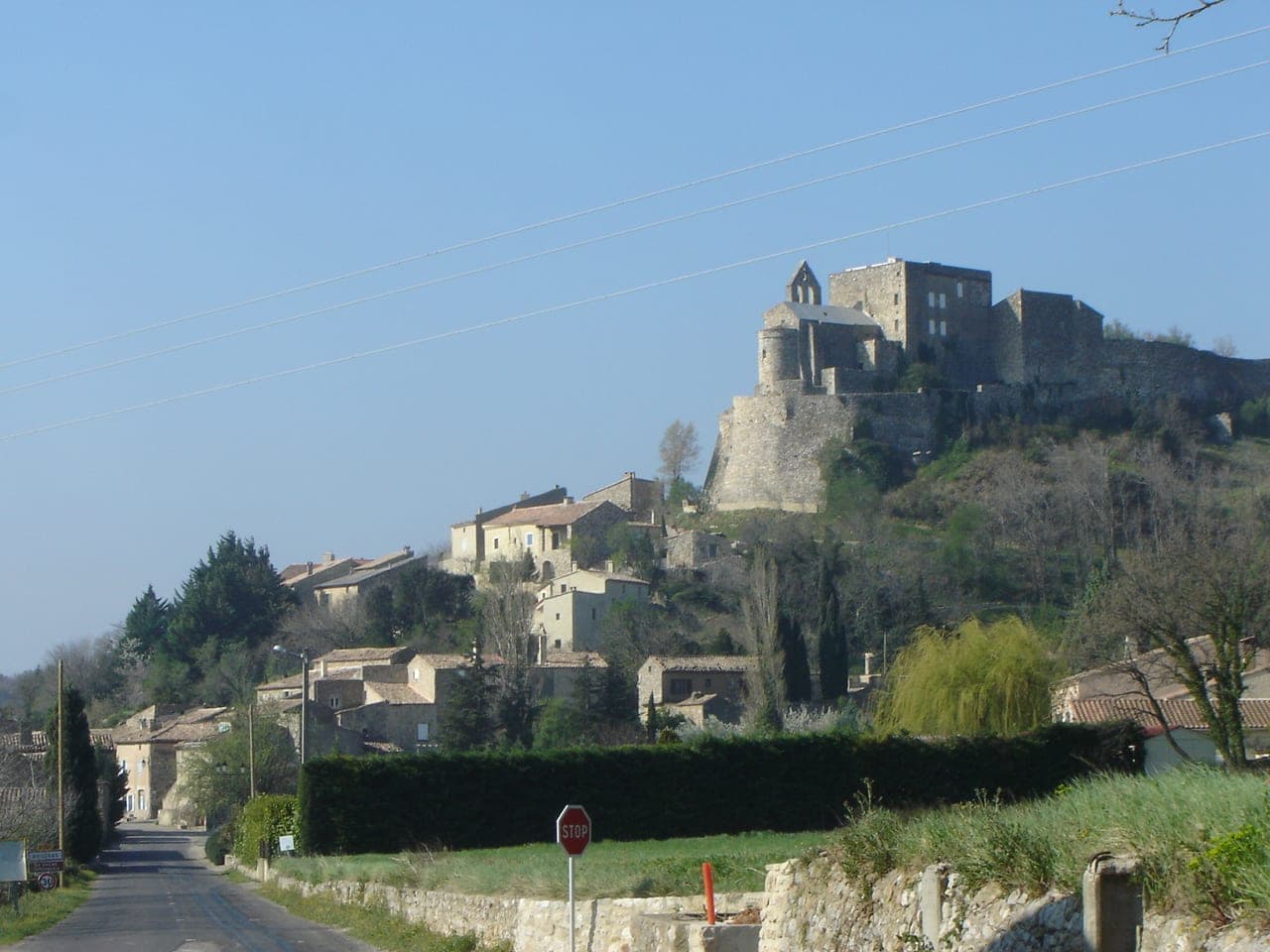
Roussas
Wine Tasting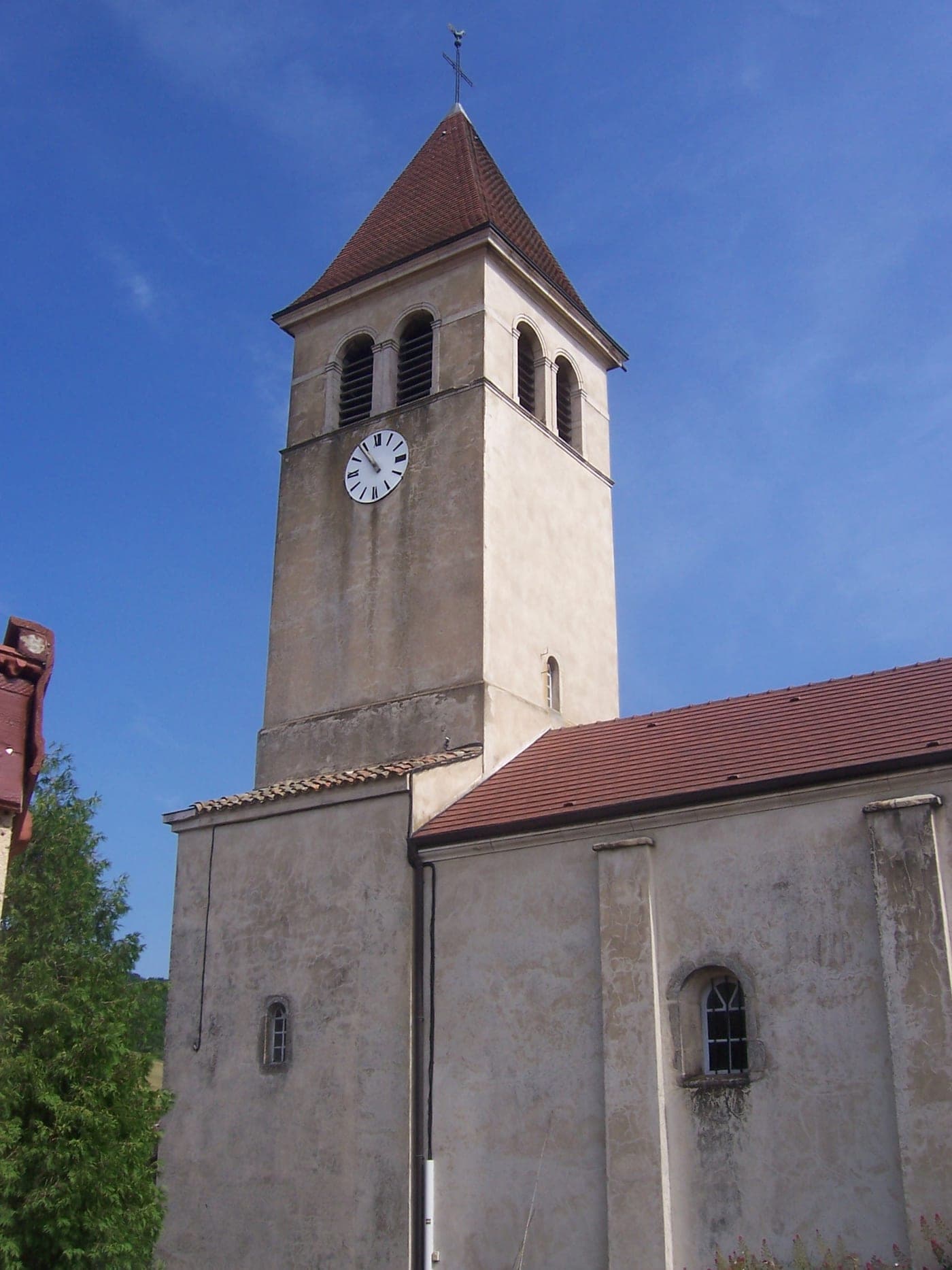
Royer
Wine Tasting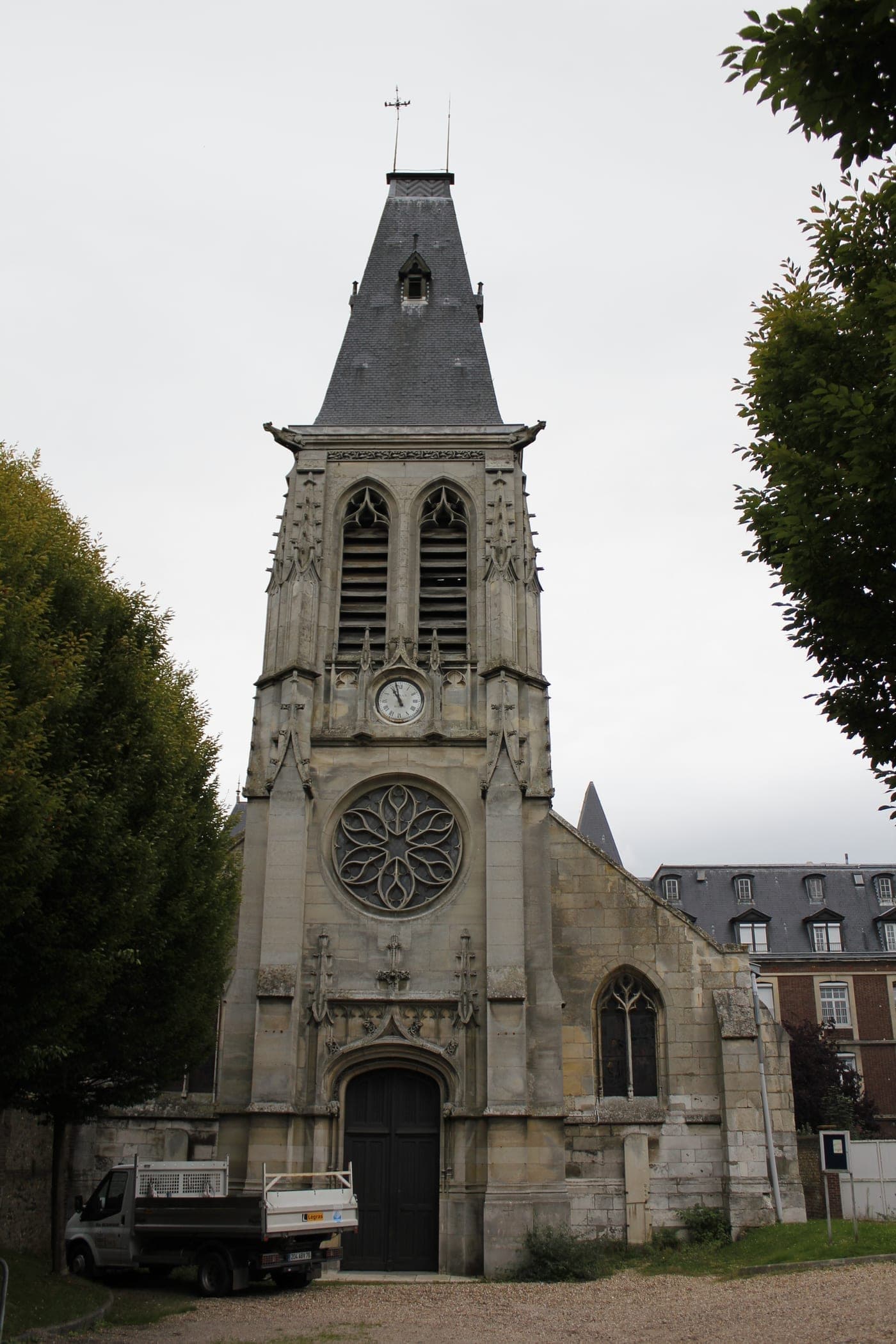
Saint-Aignan
Wine Tasting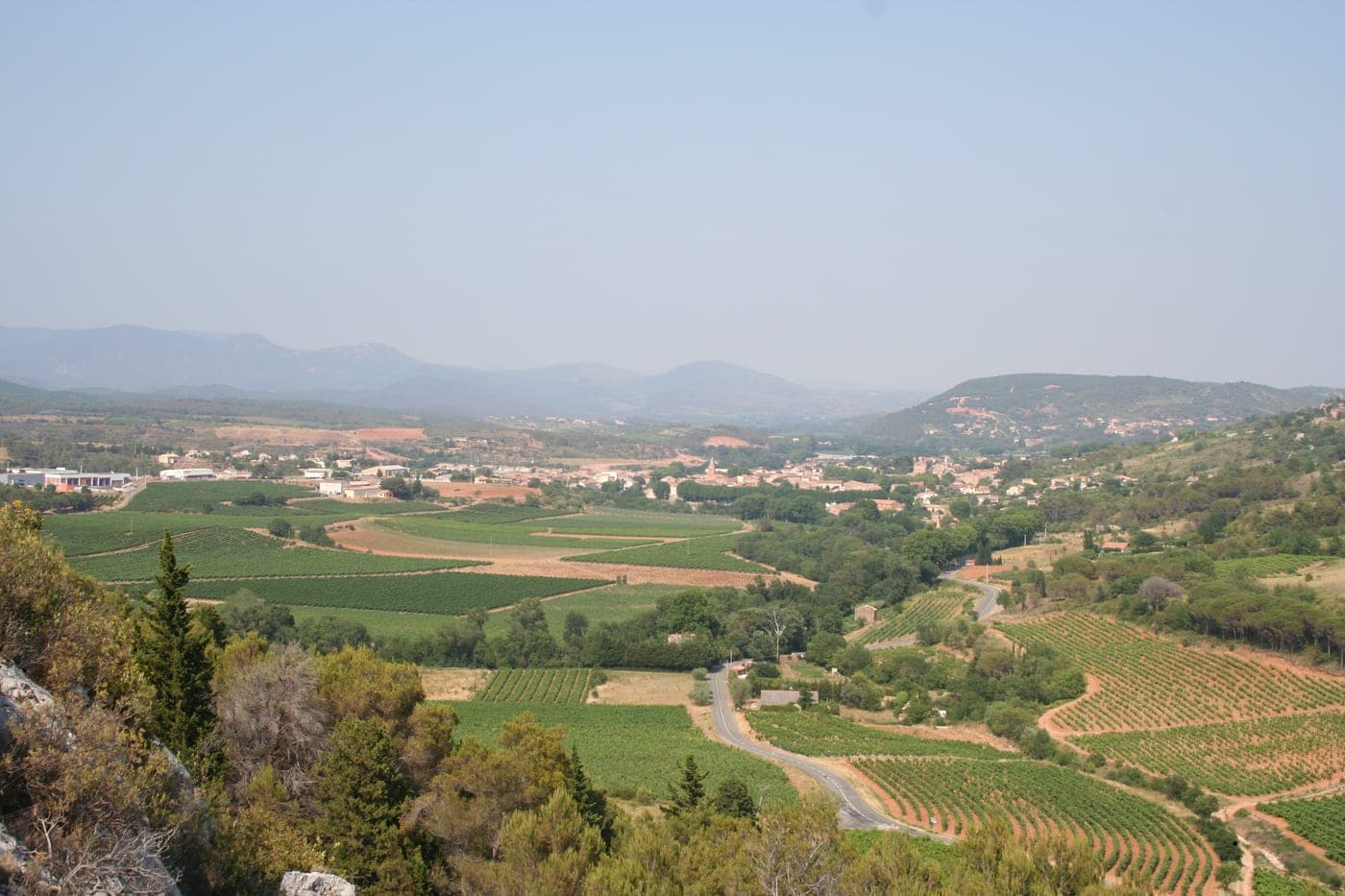
Saint-Chinian
Wine Tasting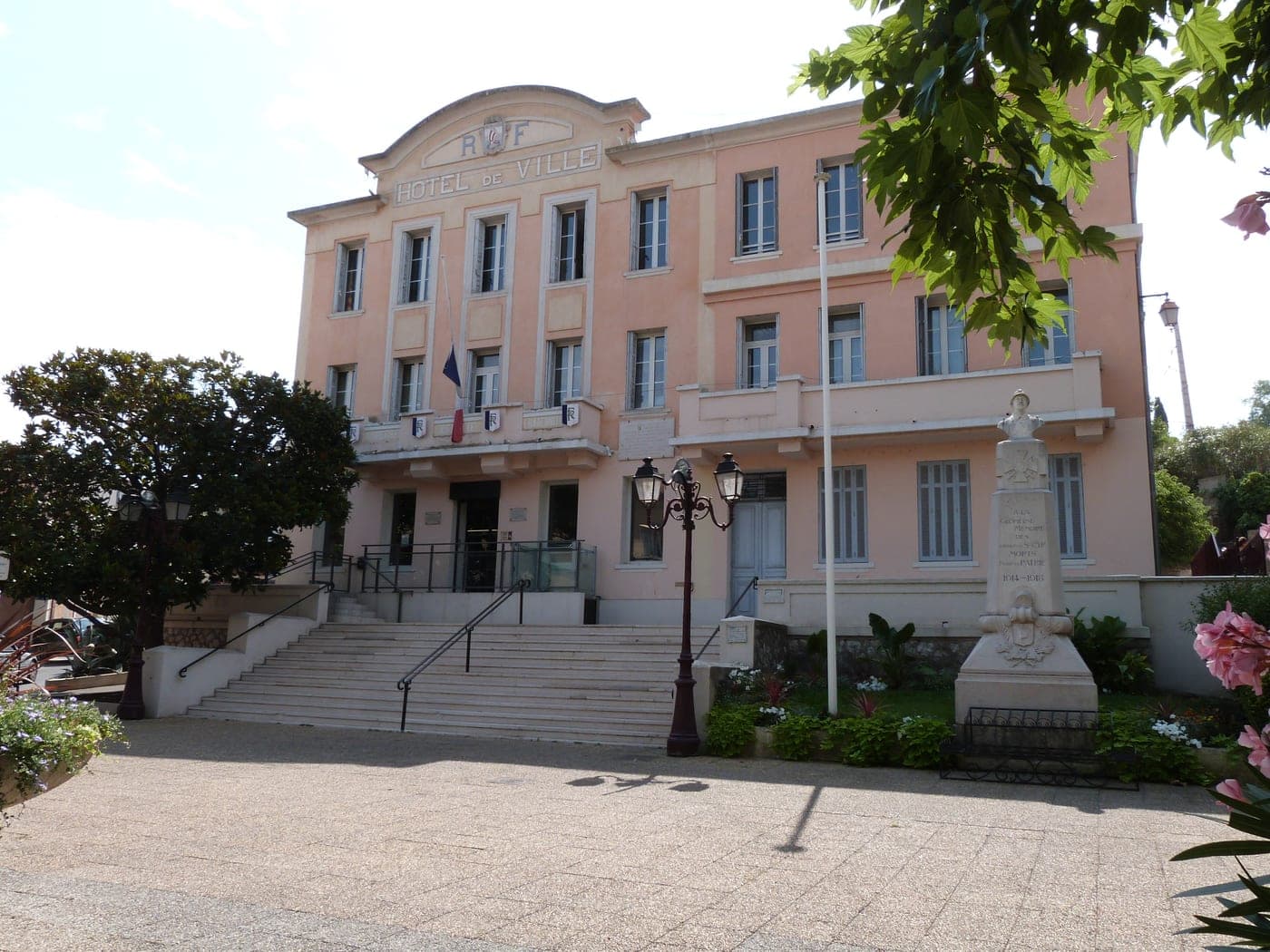
Saint-Cyr-sur-Mer
Wine Tasting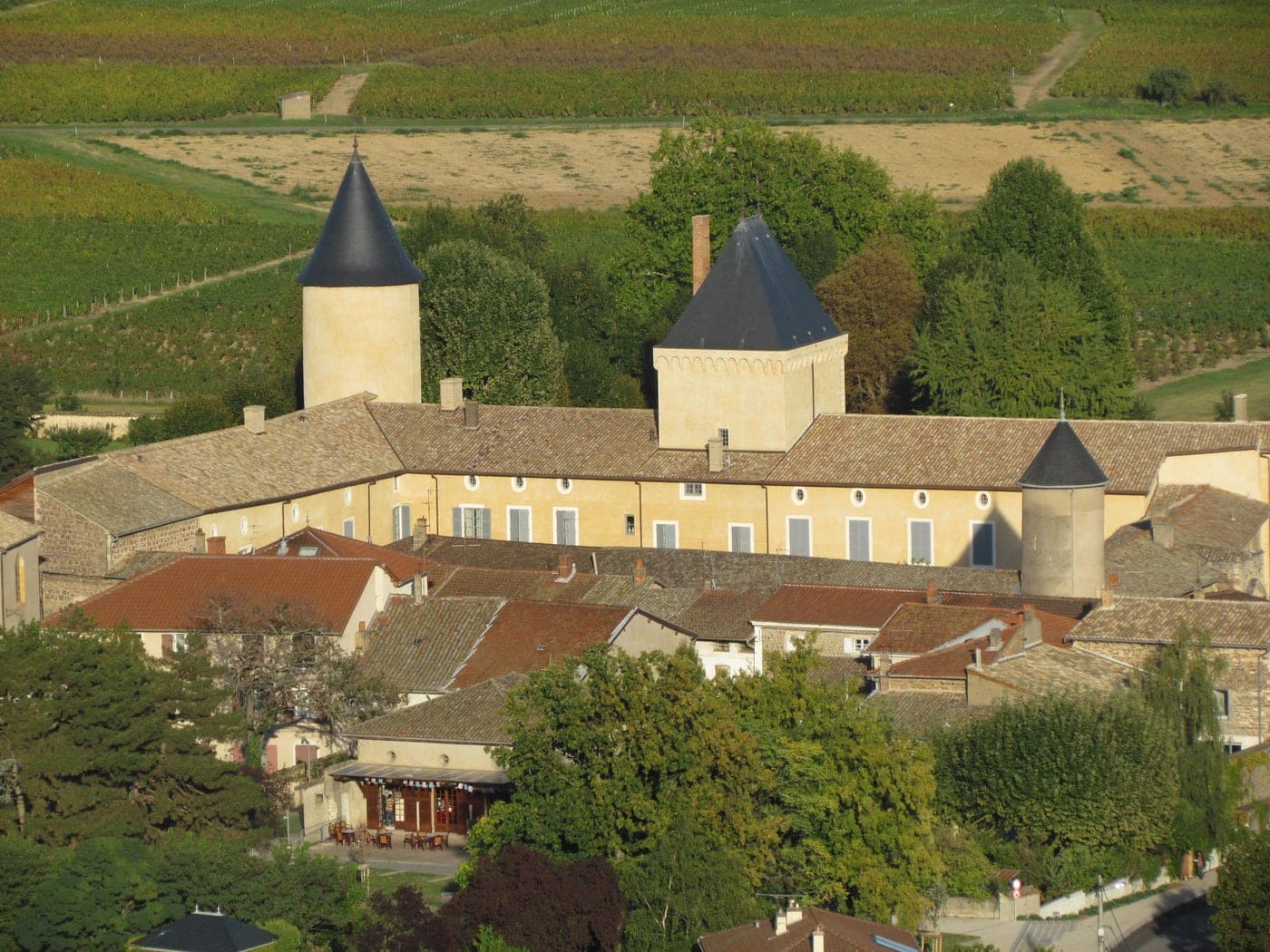
Saint-Lager
Wine Tasting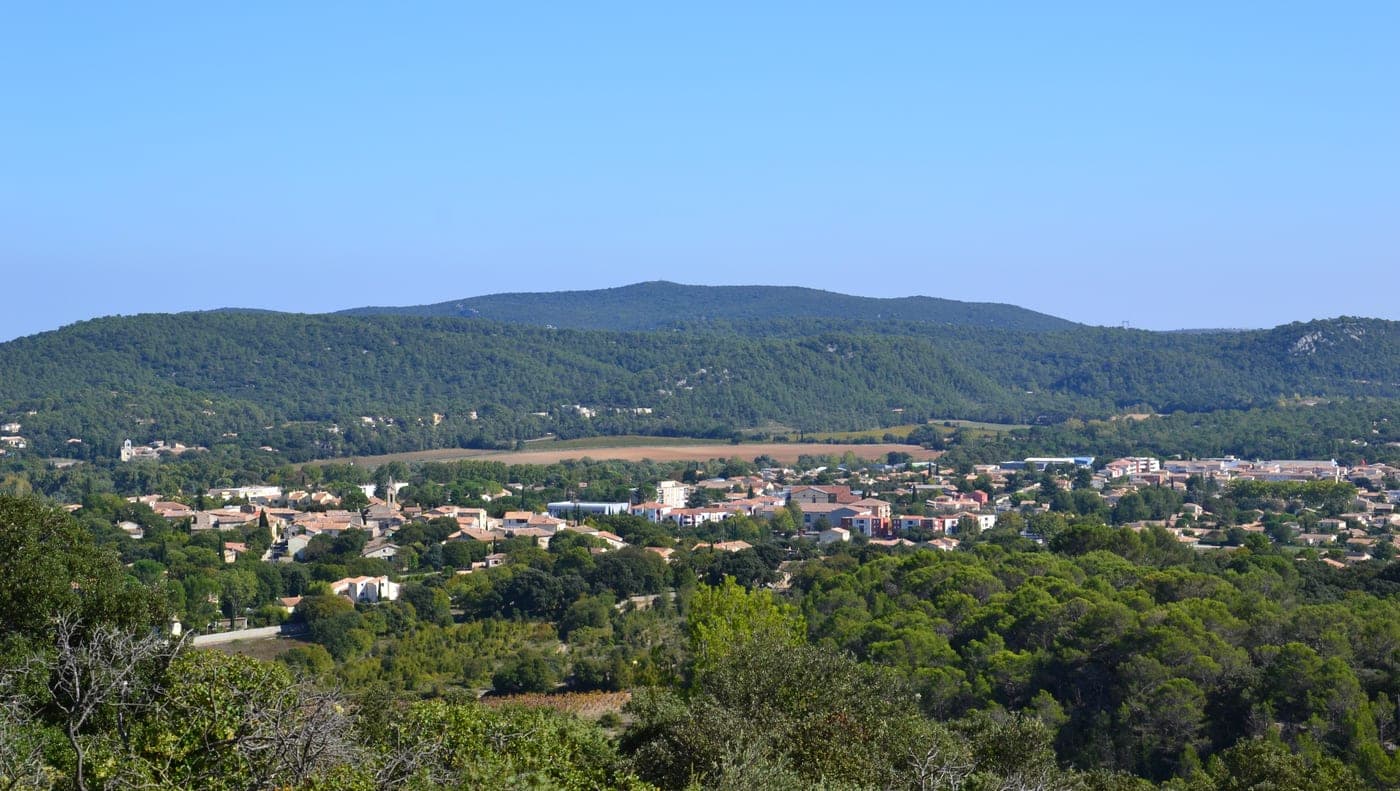
Saint-Mathieu-de-Tréviers
Wine Tasting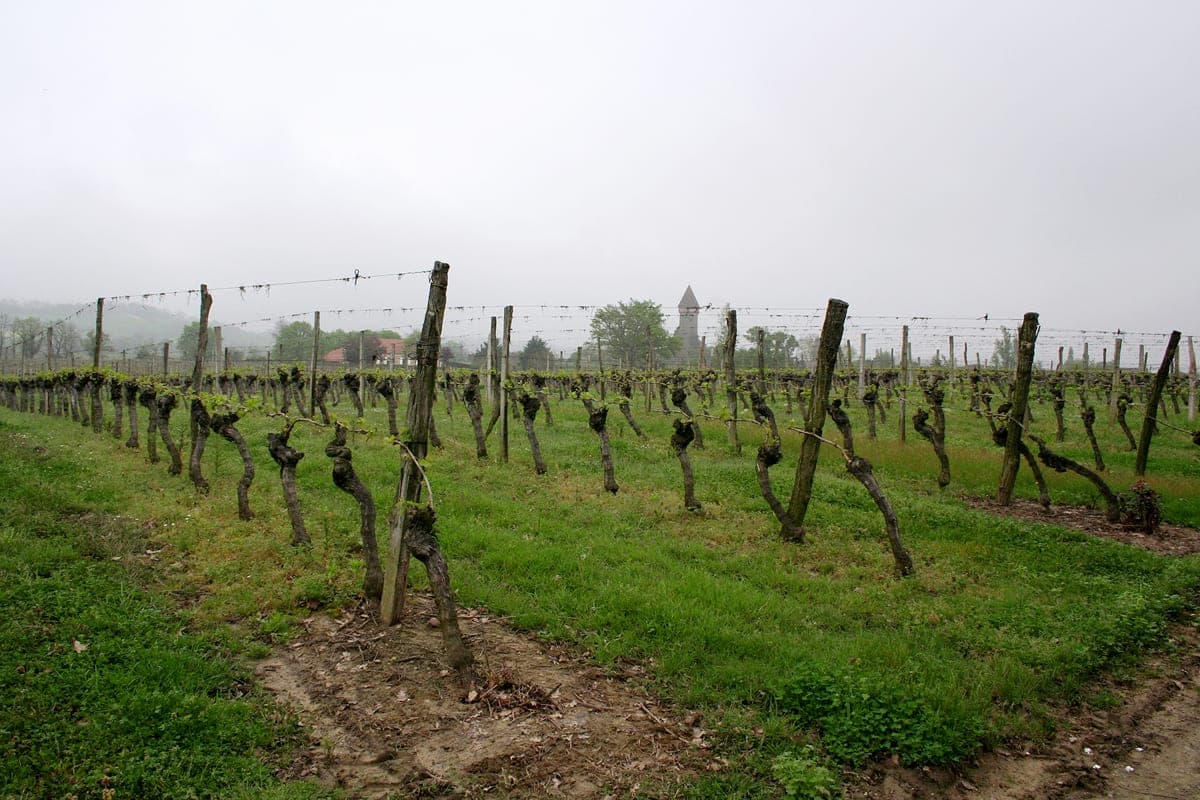
Saint-Mont
Wine Tasting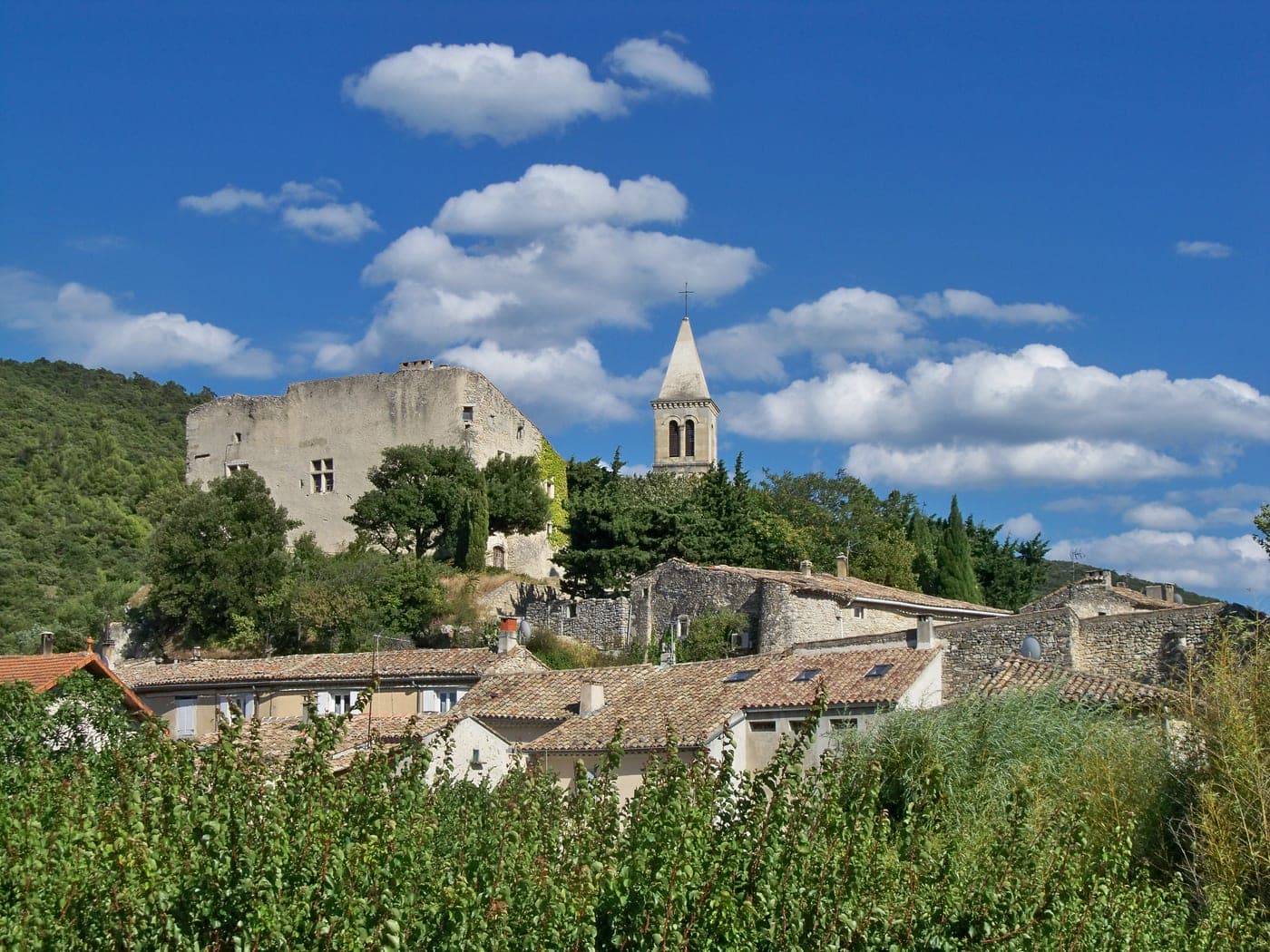
Saint-Pantaléon-les-Vignes
Wine Tasting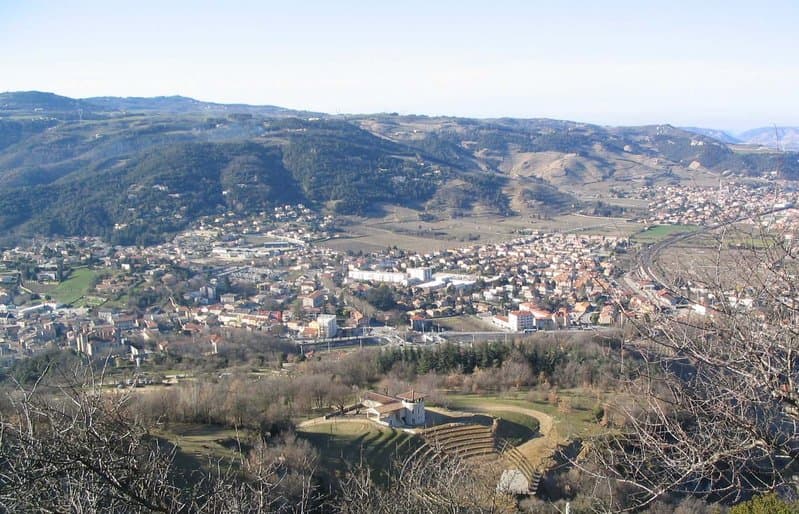
Saint-Péray
Wine Tasting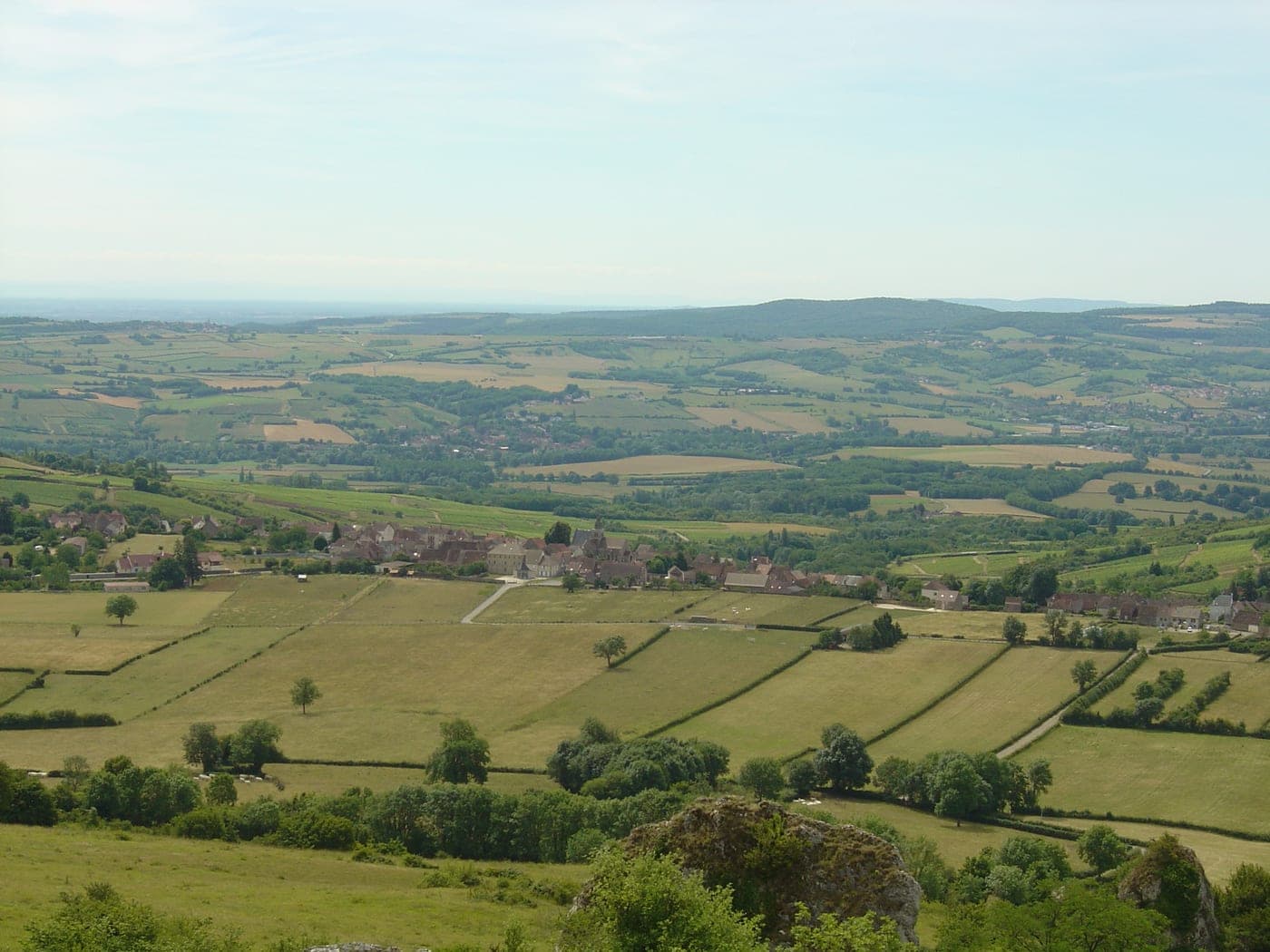
Saint-Sernin-du-Plain
Wine Tasting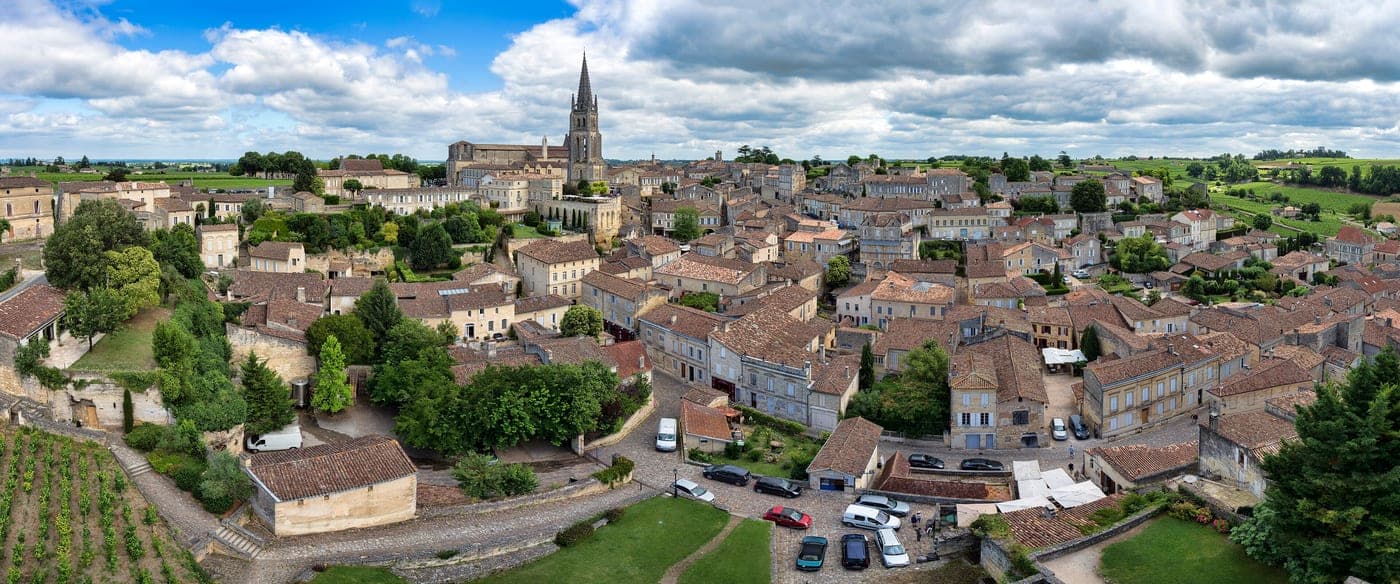
Saint-Émilion
Castles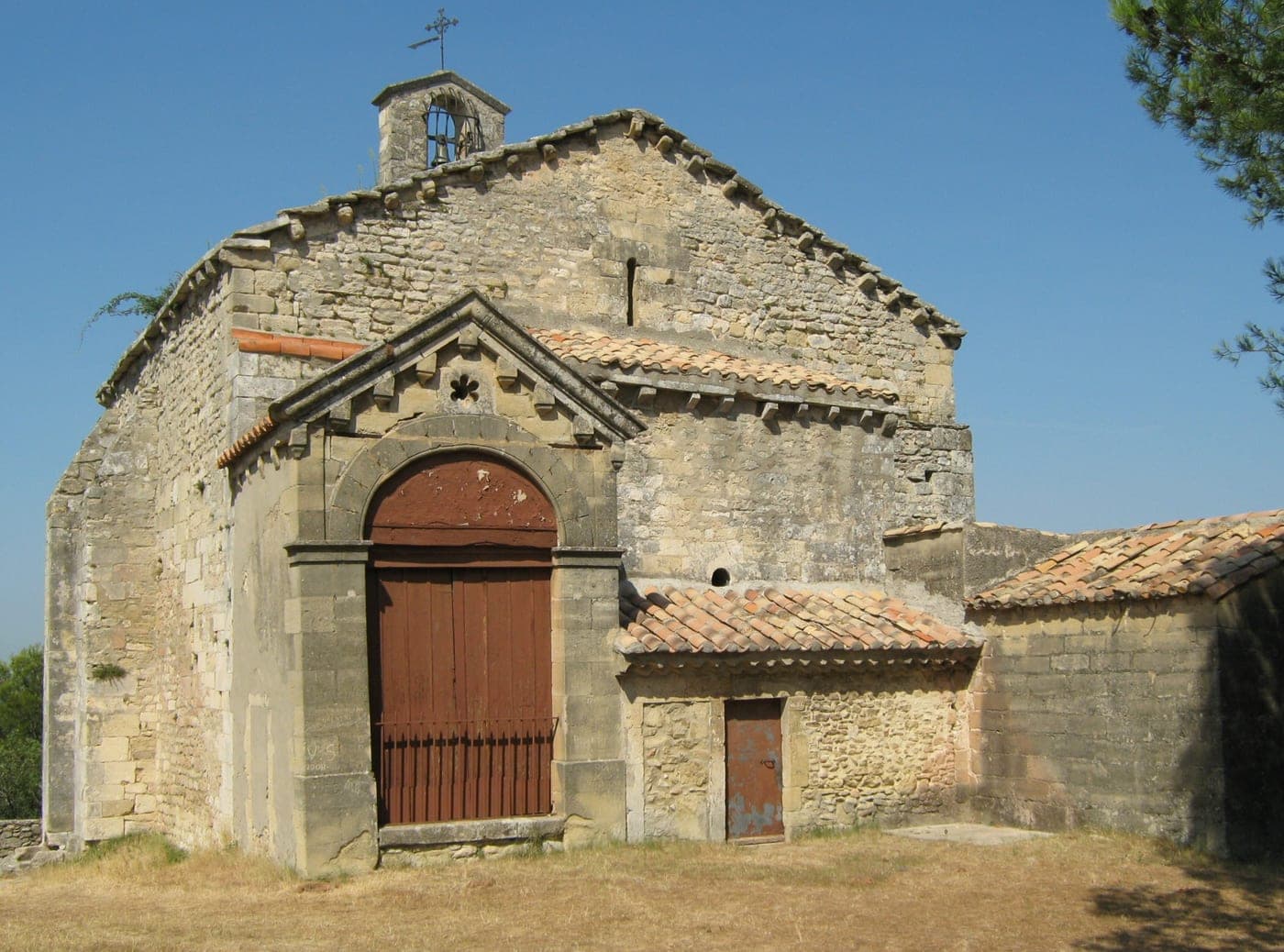
Saint-Étienne-du-Grès
Wine Tasting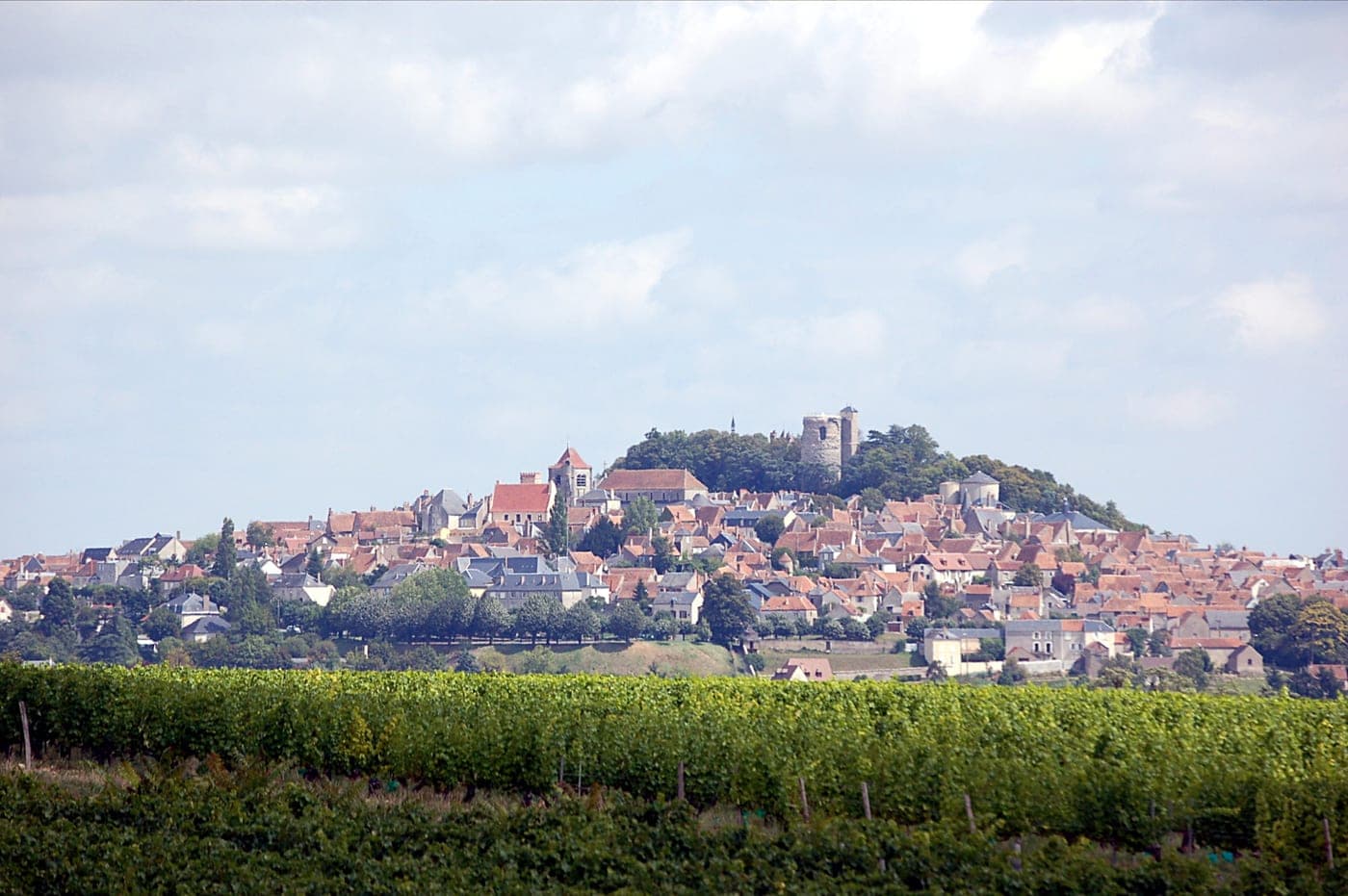
Sancerre
Wine Tasting
Sarrians
Wine Tasting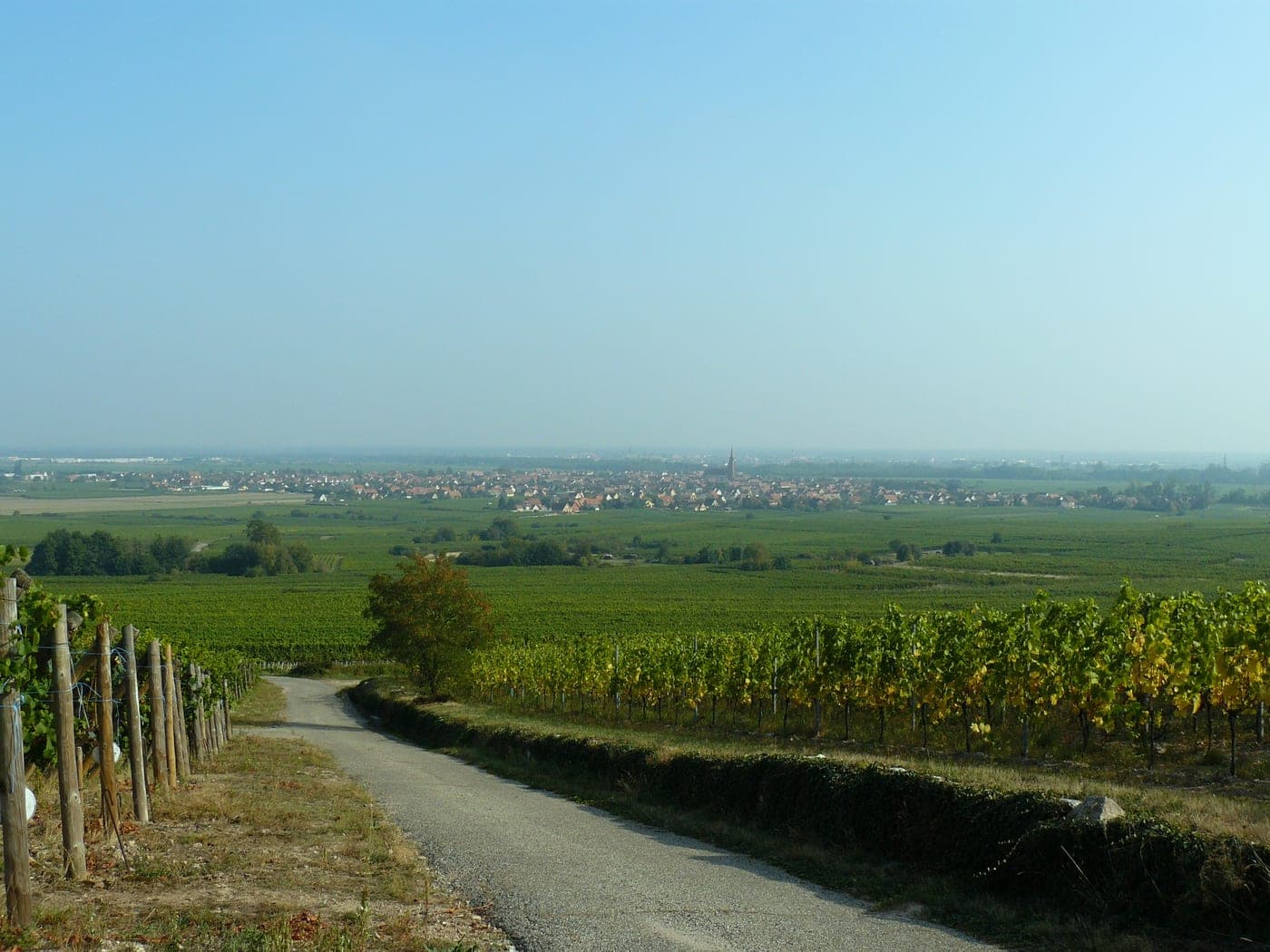
Scherwiller
Wine Tasting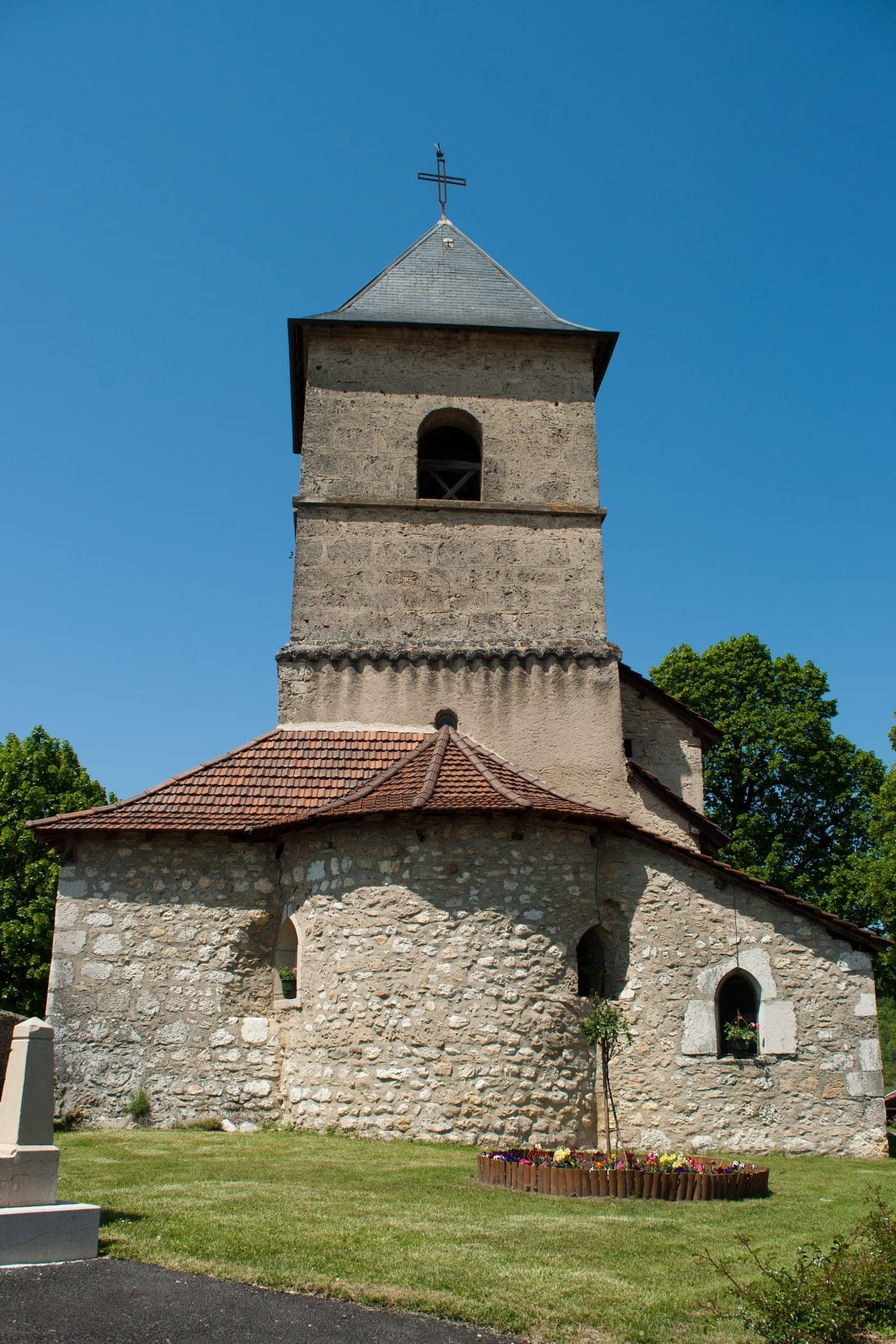
Seillonnaz
Wine Tasting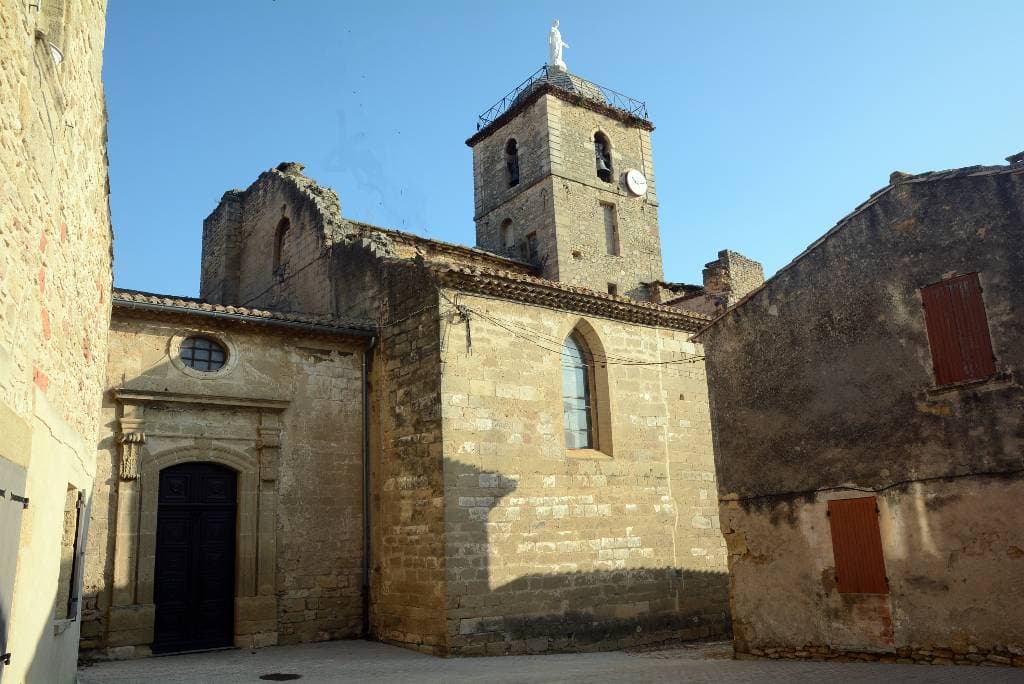
Sernhac
Wine Tasting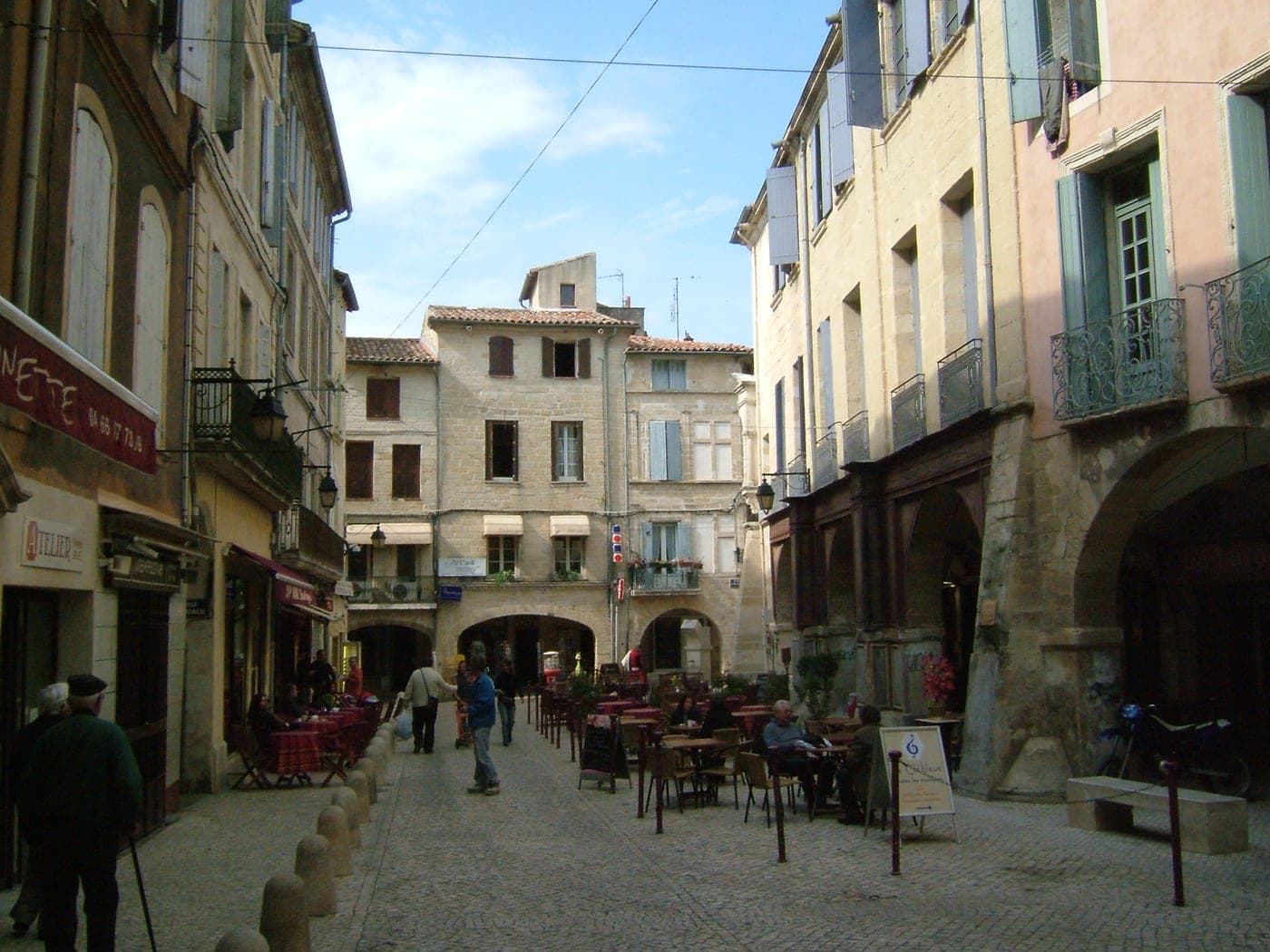
Sommières
Wine Tasting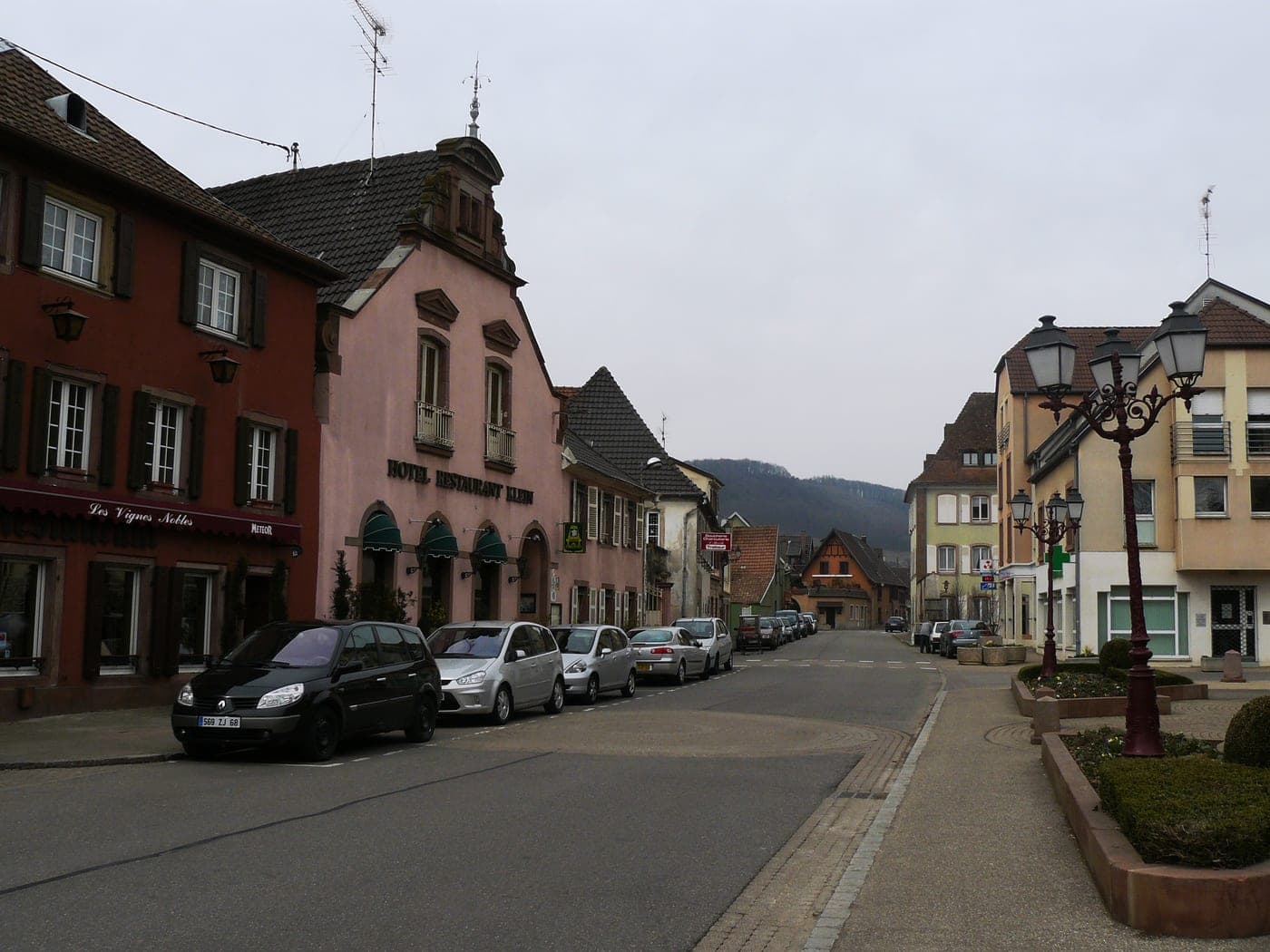
Soultzmatt
Wine Tasting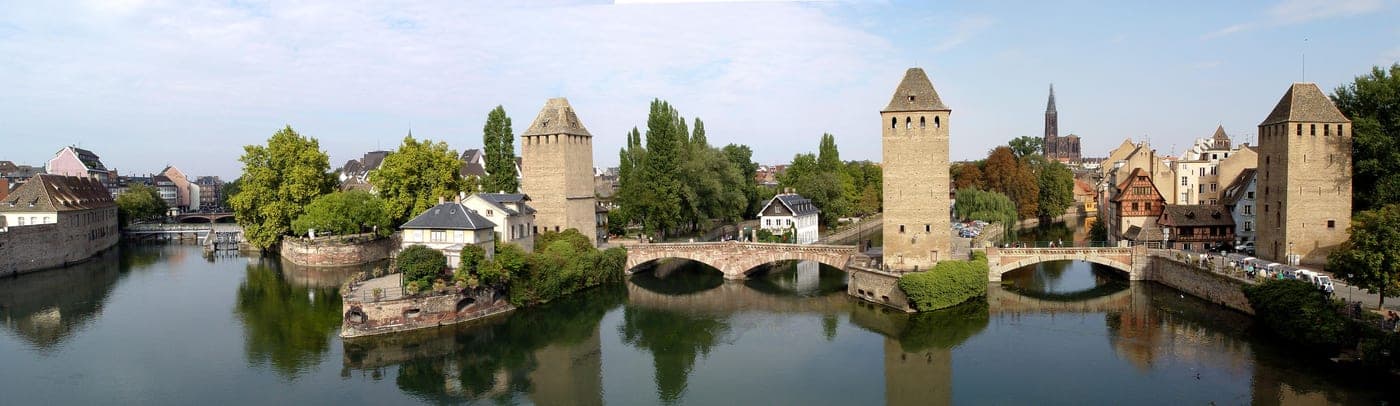
Strasbourg
Camper Van Rentals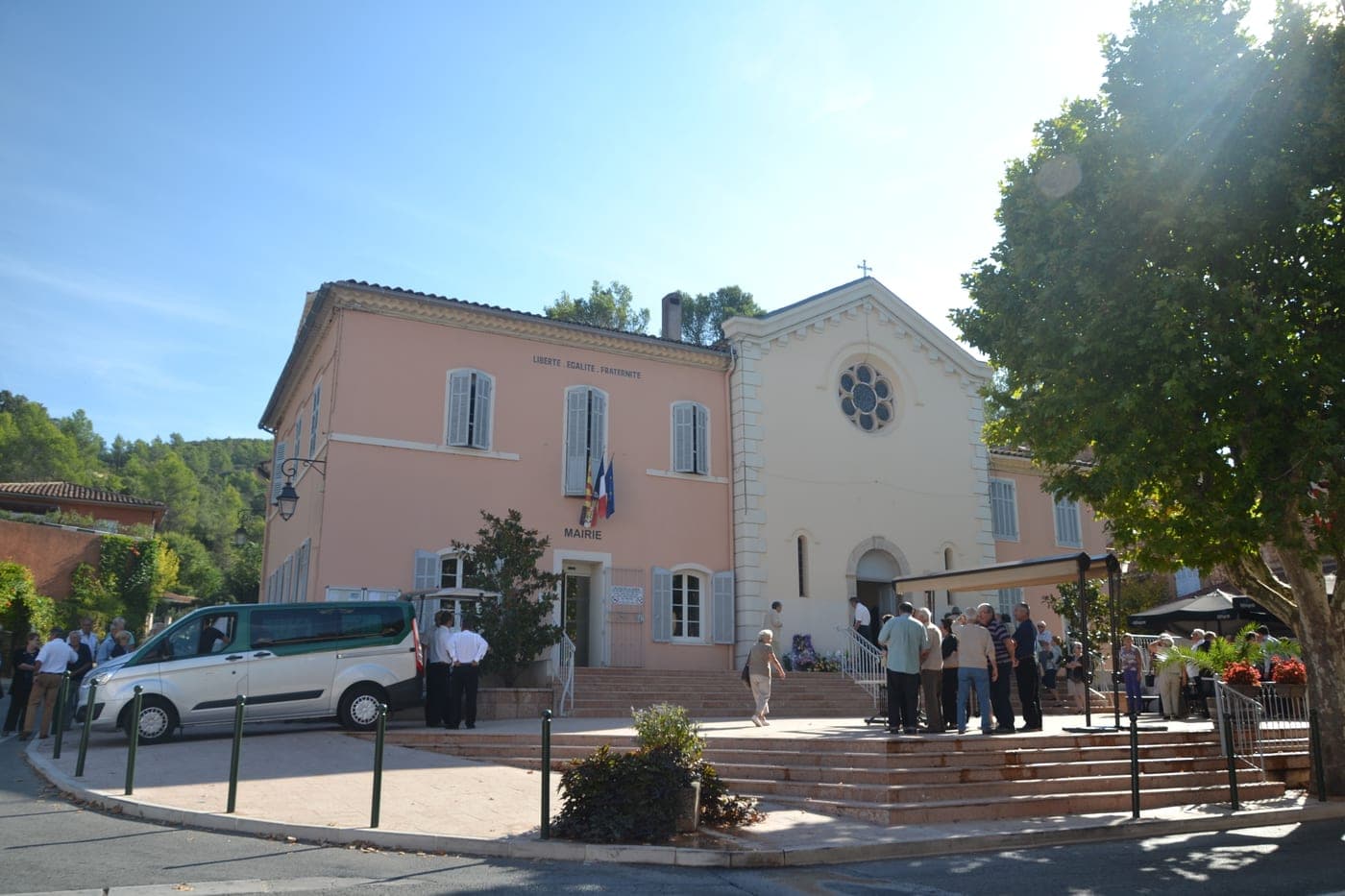
Taradeau
Wine Tasting
Thénac
Wine Tasting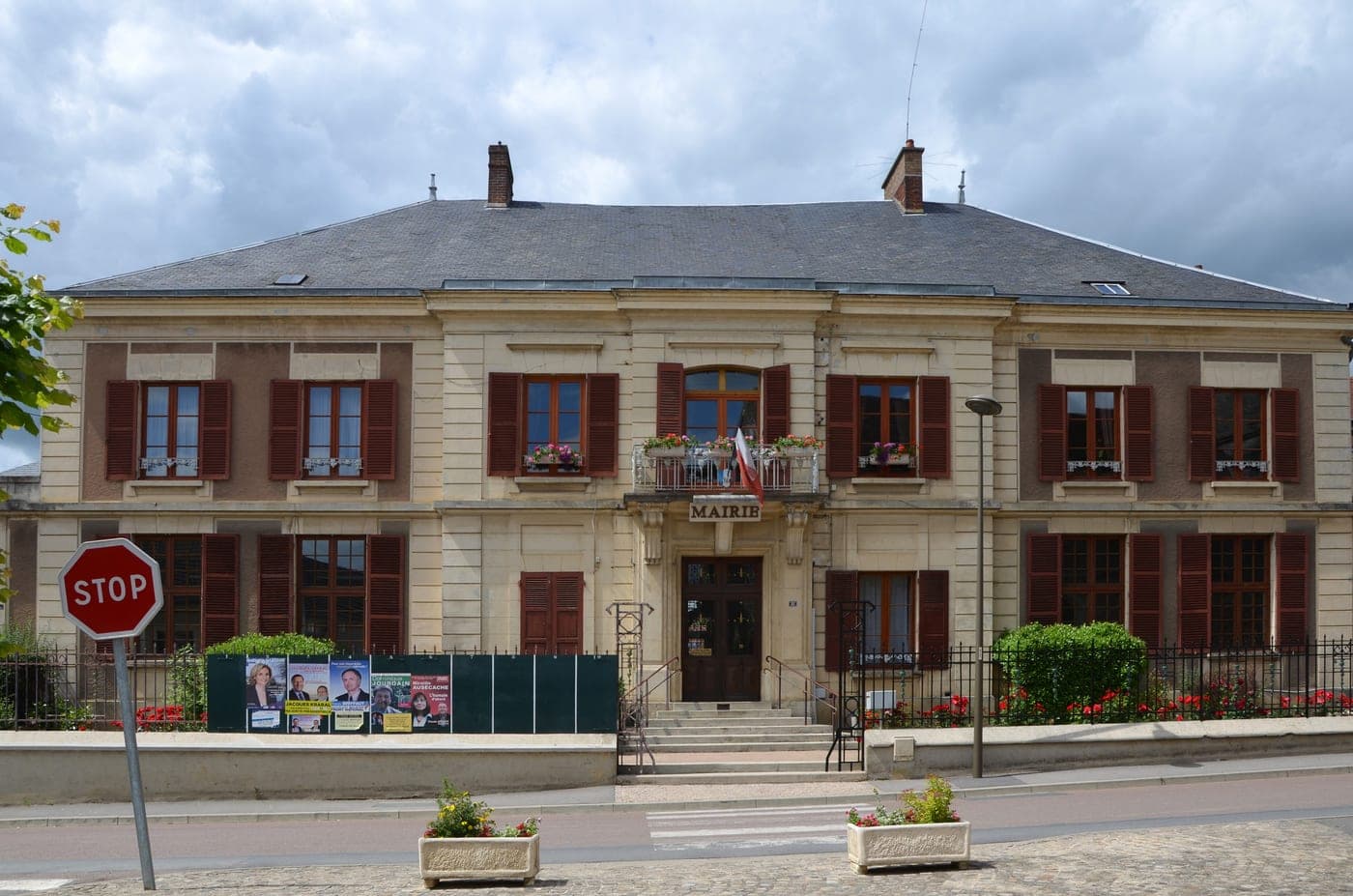
Trélou-sur-Marne
Wine Tasting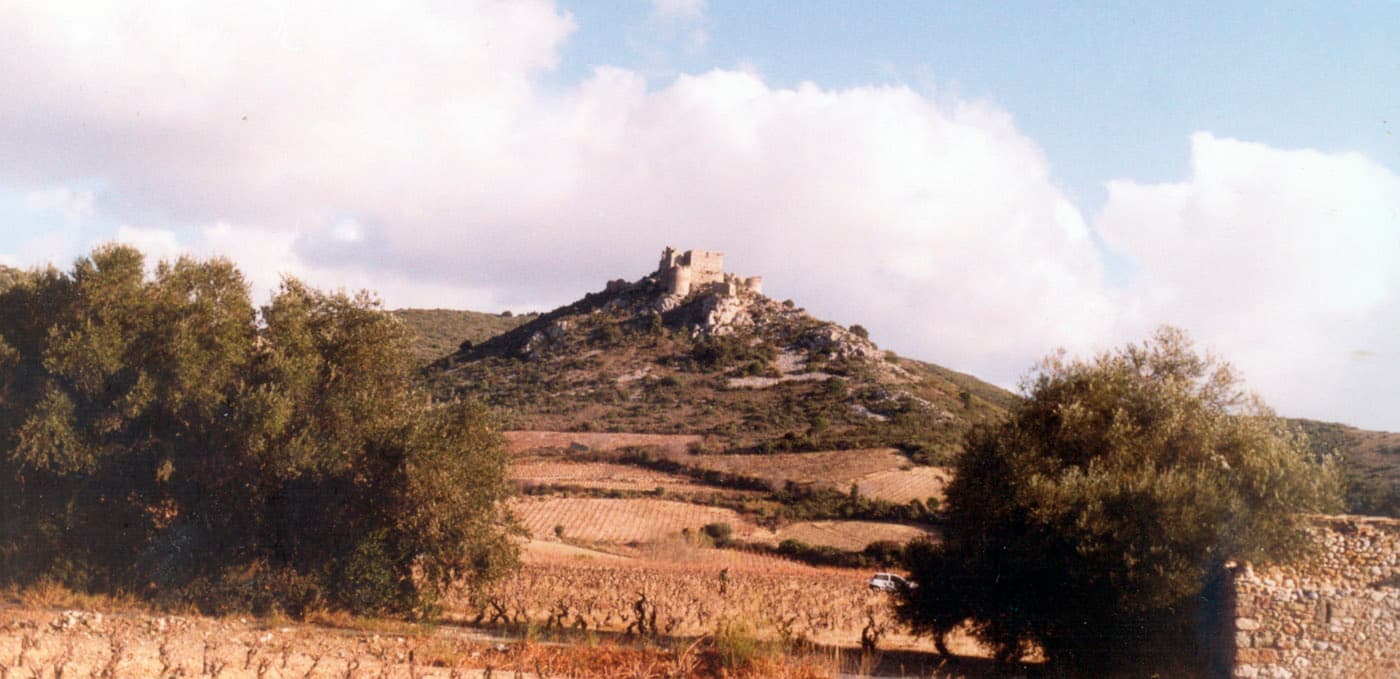
Tuchan
Wine Tasting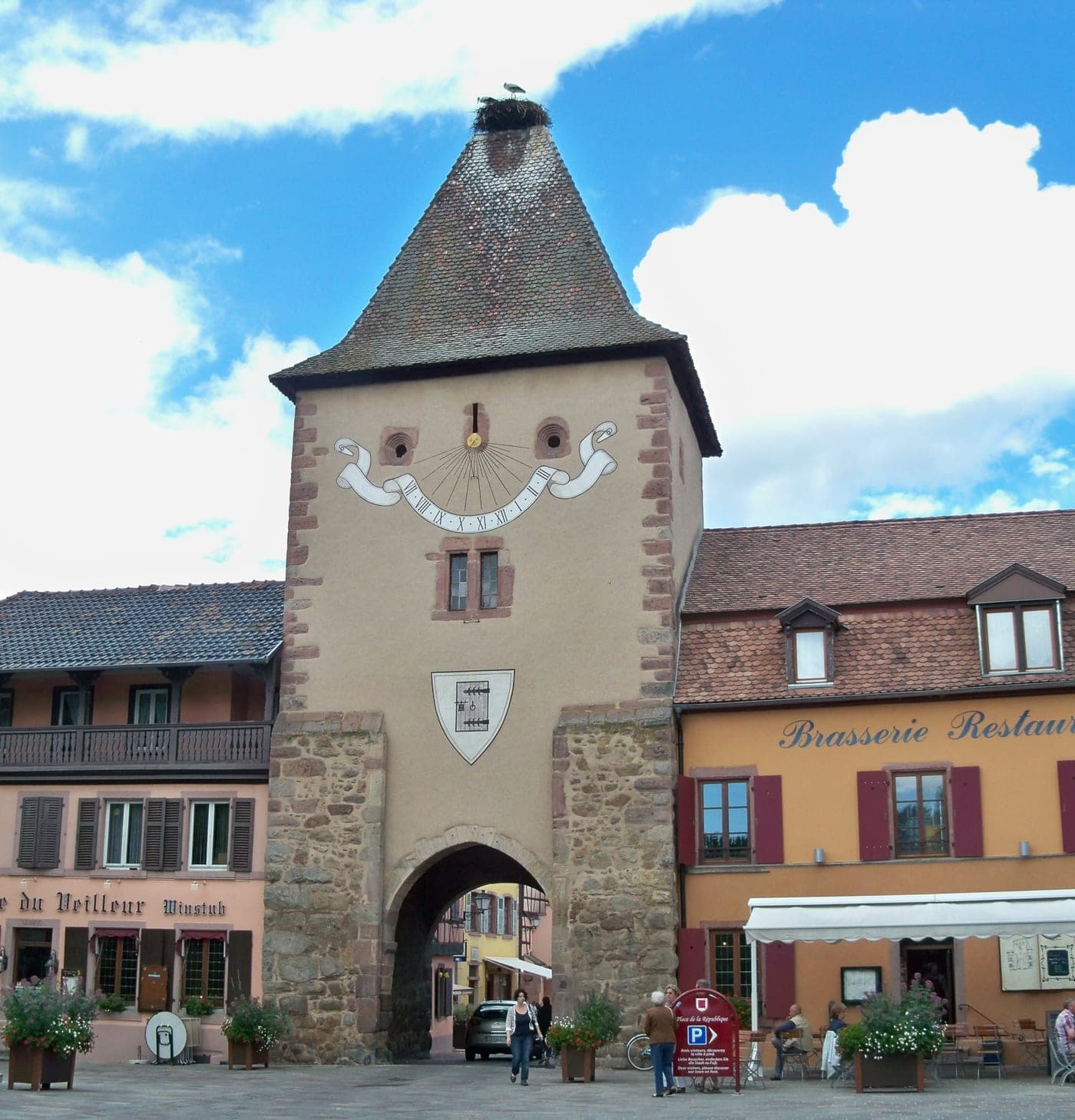
Turckheim
Wine Tasting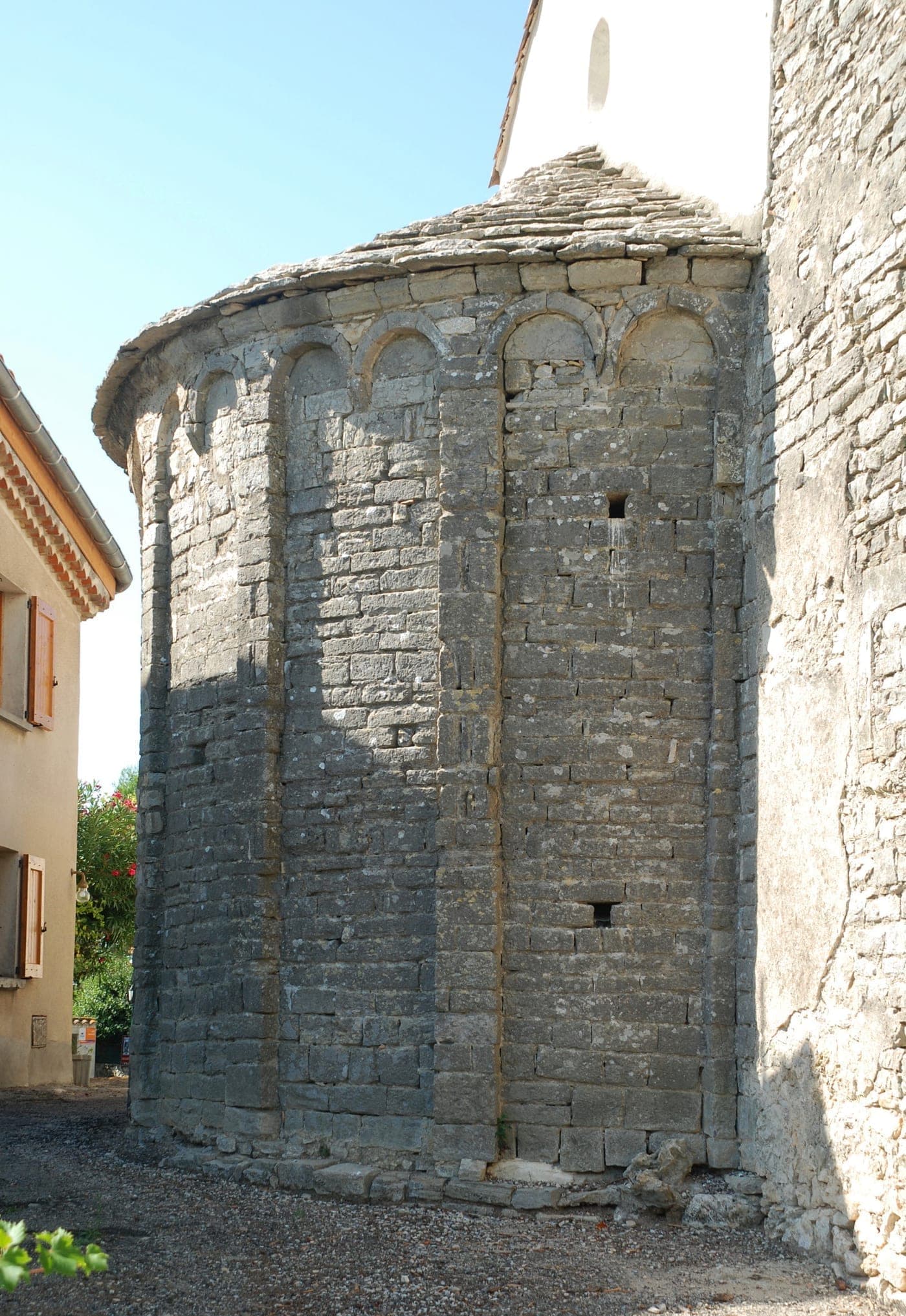
Valflaunès
Wine Tasting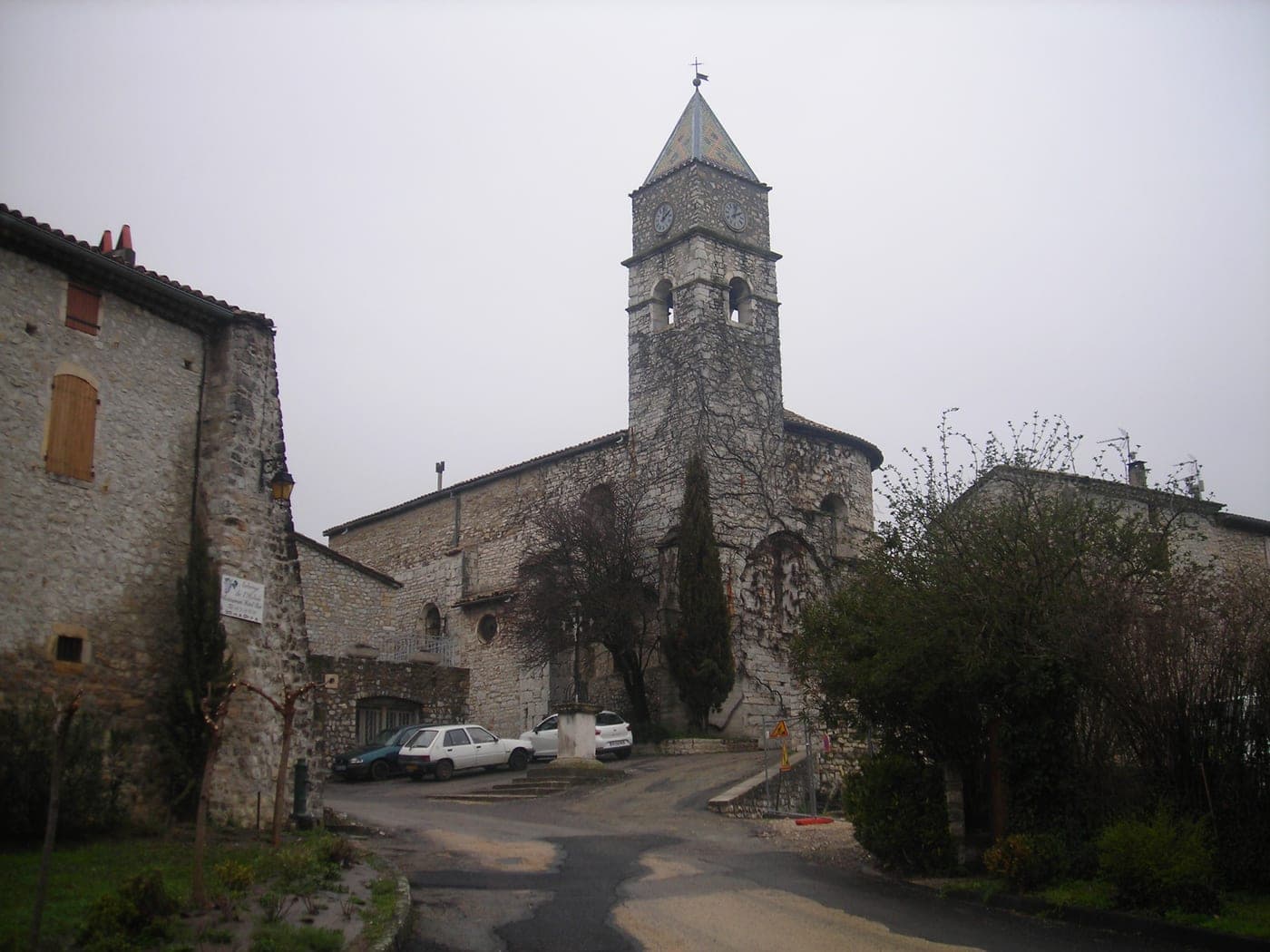
Valvignères
Wine Tasting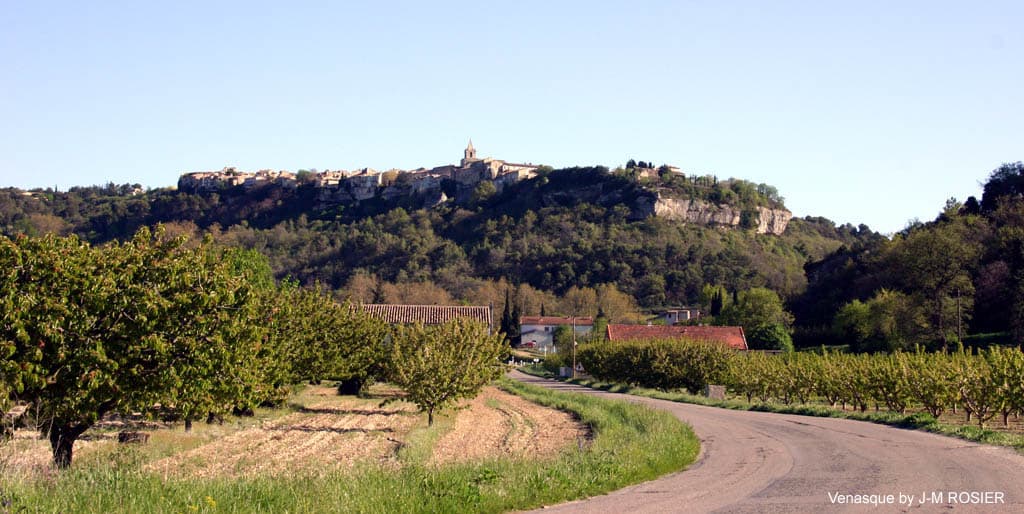
Venasque
Wine Tasting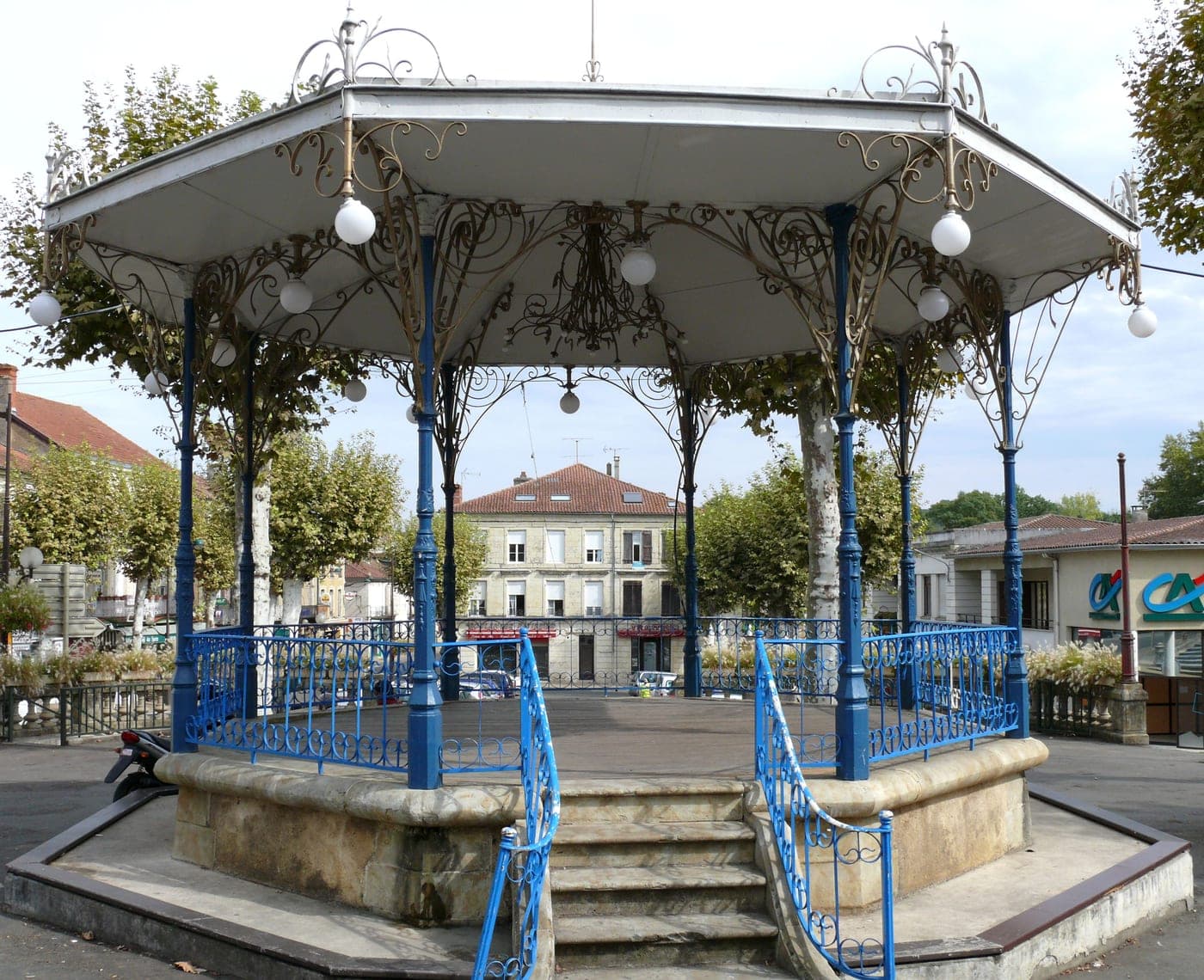
Vic-Fezensac
Wine Tasting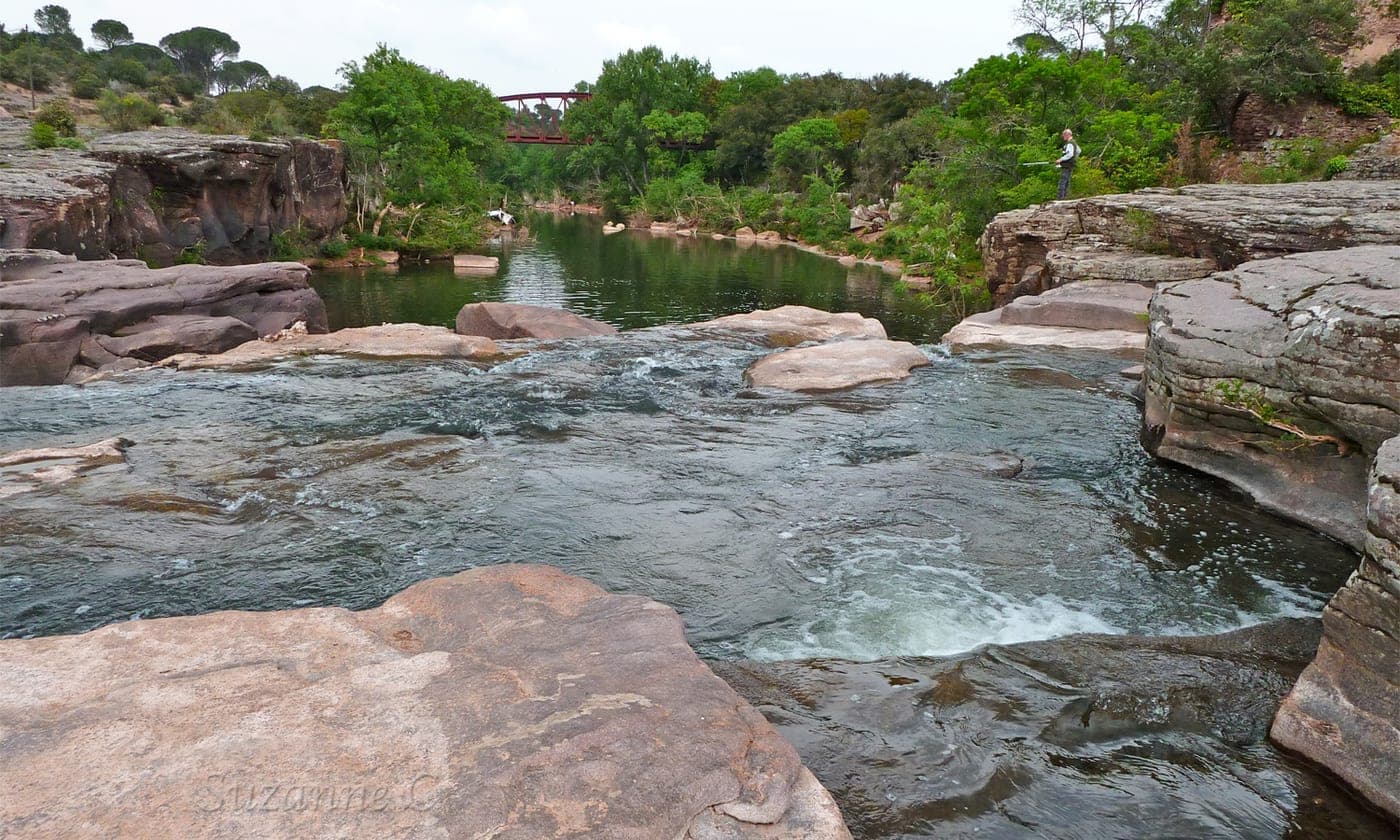
Vidauban
Wine Tasting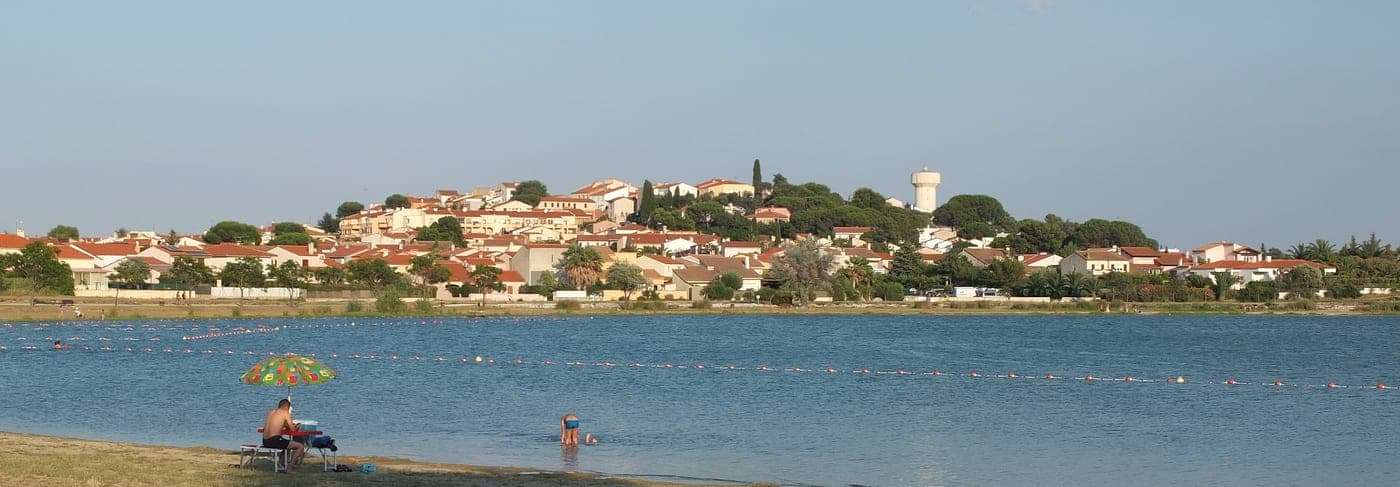
Villeneuve-de-la-Raho
Wine Tasting
Villespassans
Wine Tasting
Villesèque-des-Corbières
Wine Tasting
Vingrau
Wine Tasting
Voiron
Wine Tasting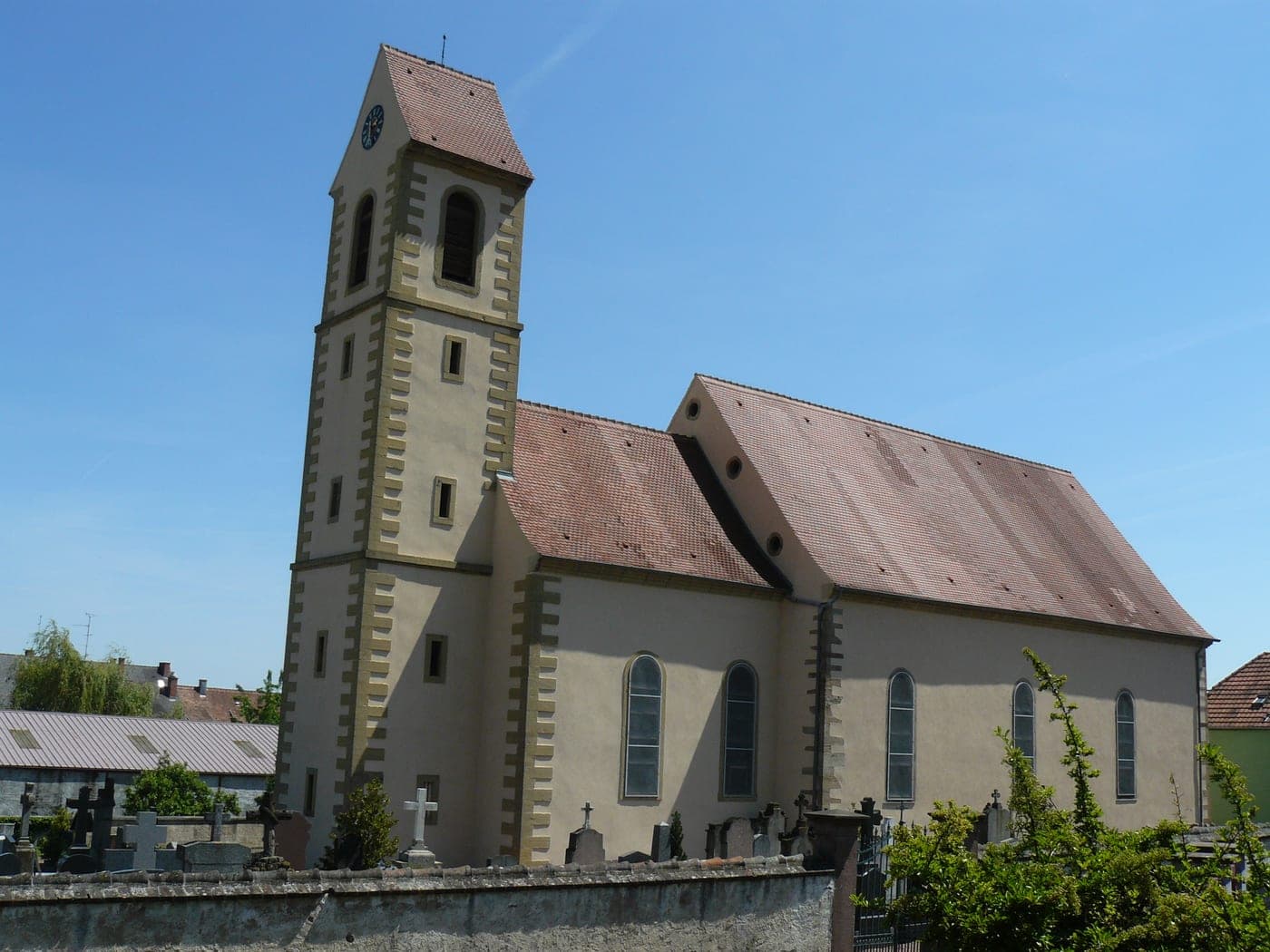
Vœgtlinshoffen
Wine Tasting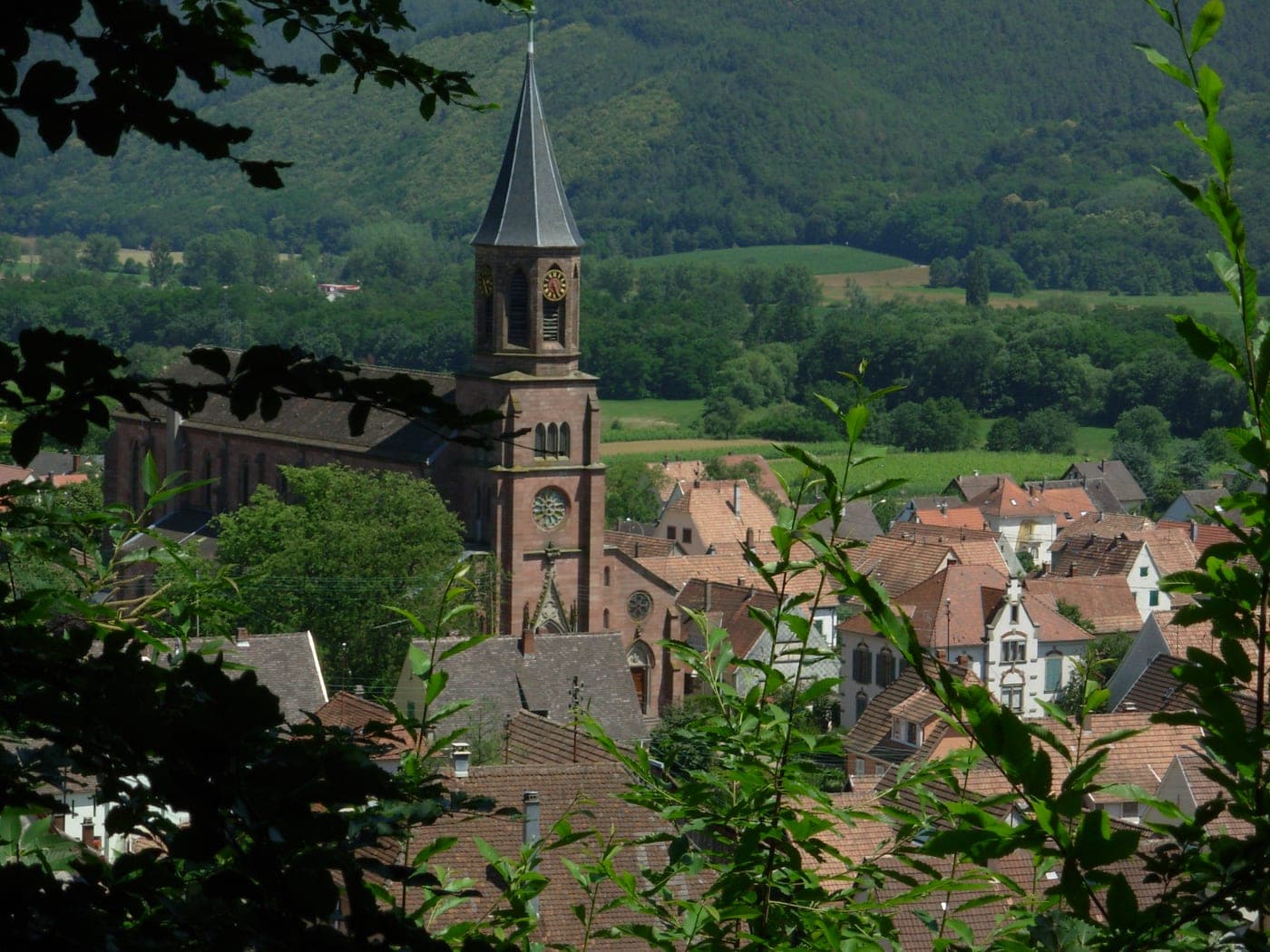
Wihr-au-Val
Wine Tasting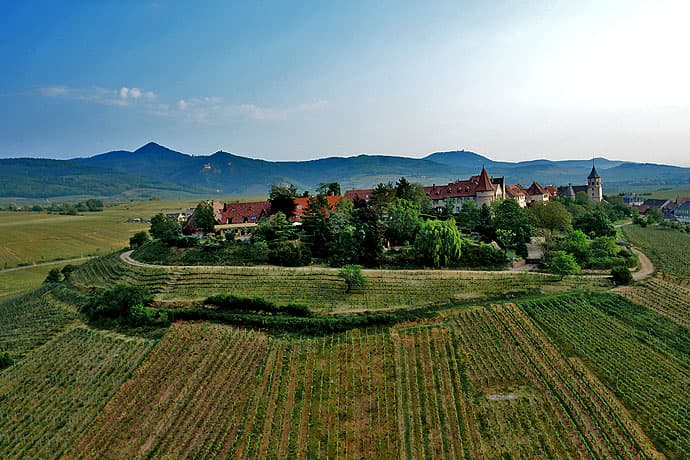
Zellenberg
Wine Tasting🇩🇪
Germany
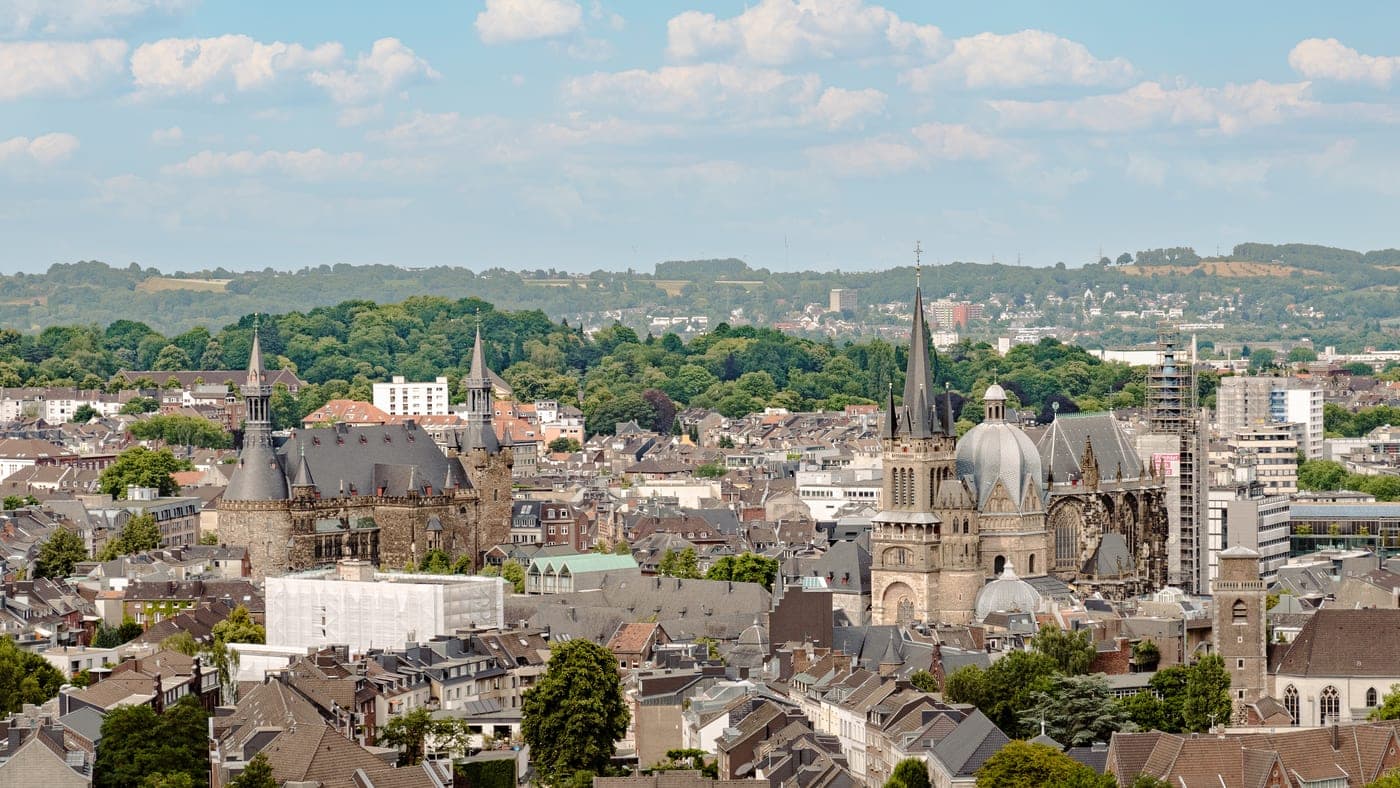
Aachen
Camper Van Rentals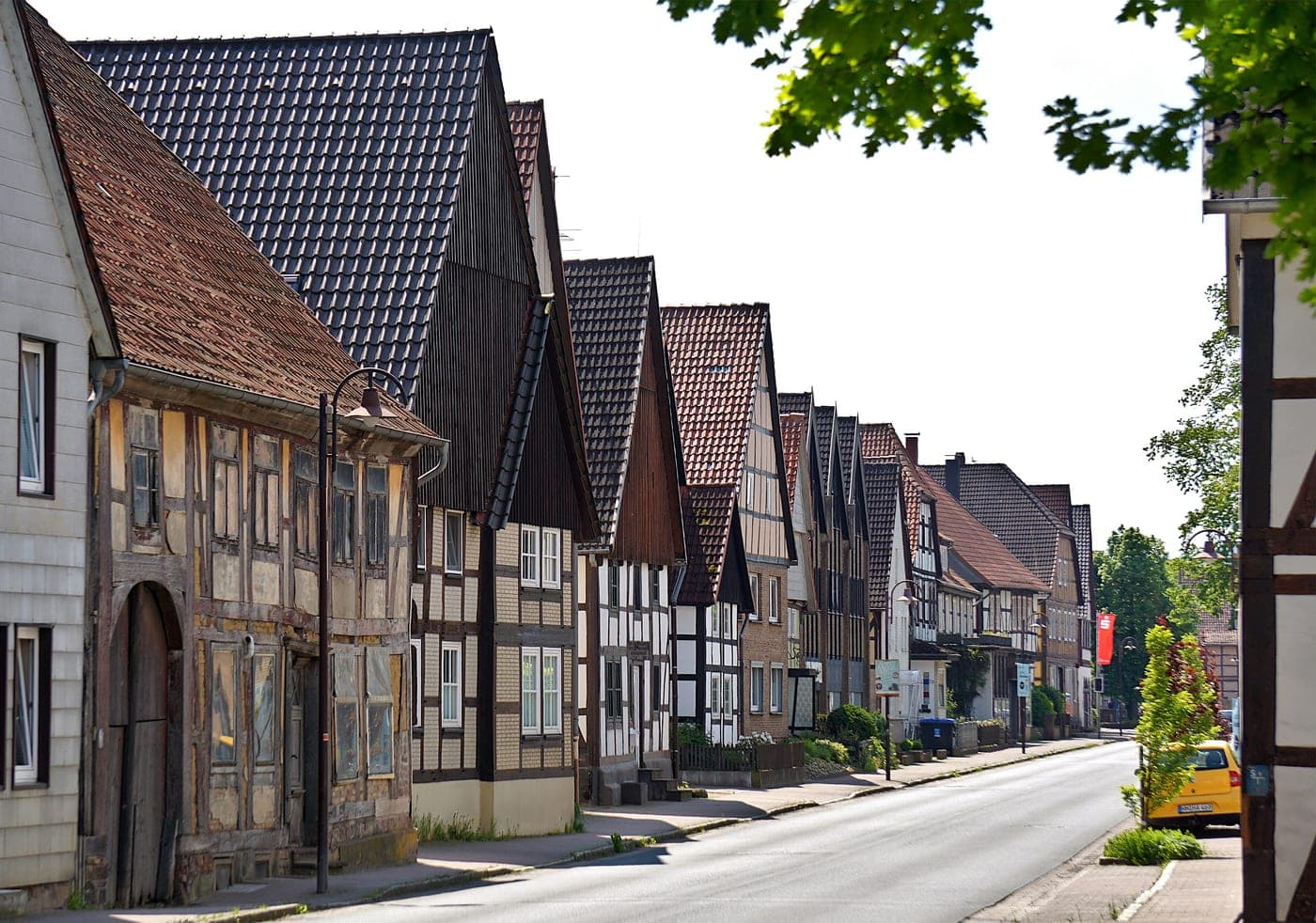
Aerzen
Castles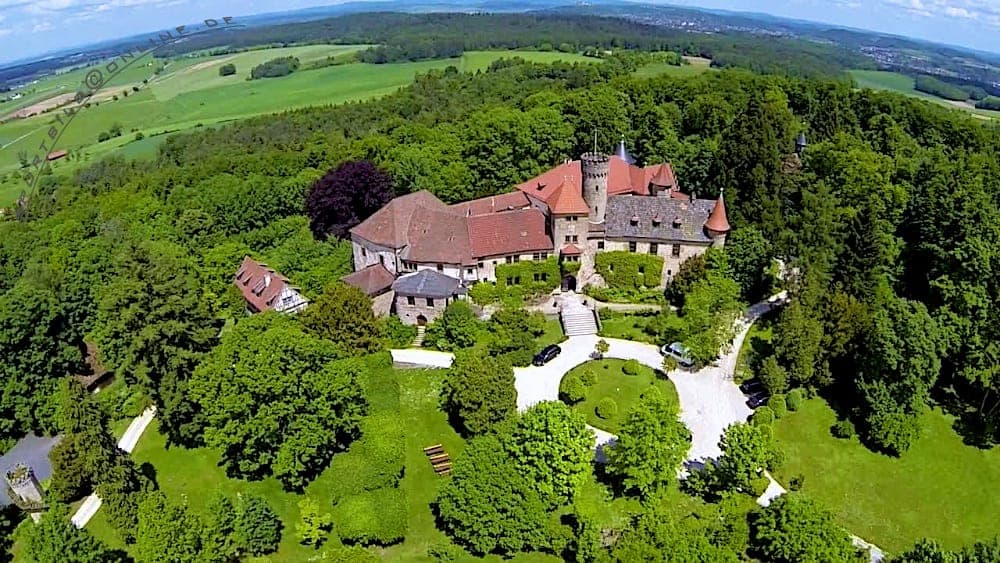
Ahorn
Castles
Aichach
Castles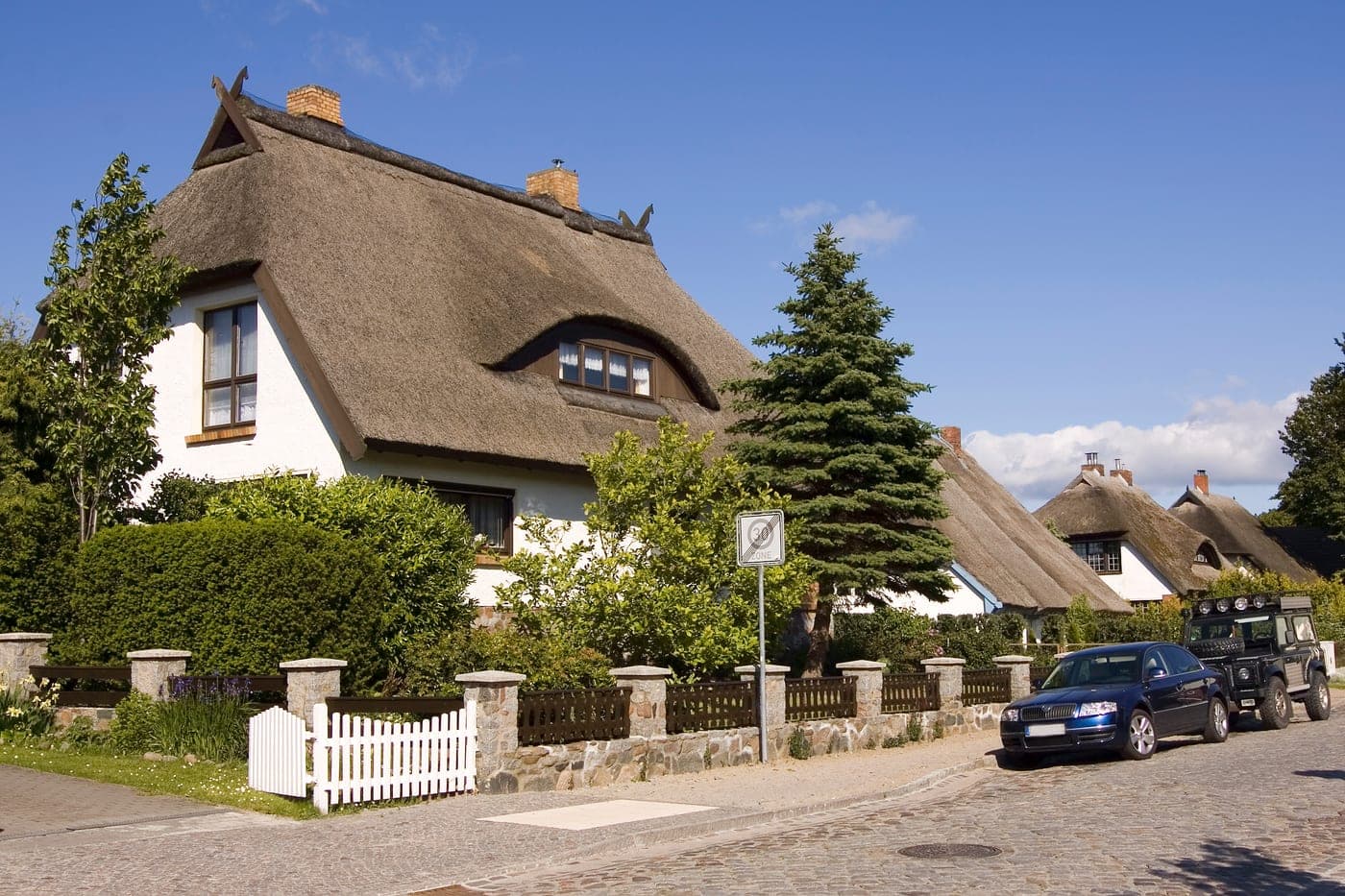
Altefähr
Boat Rentals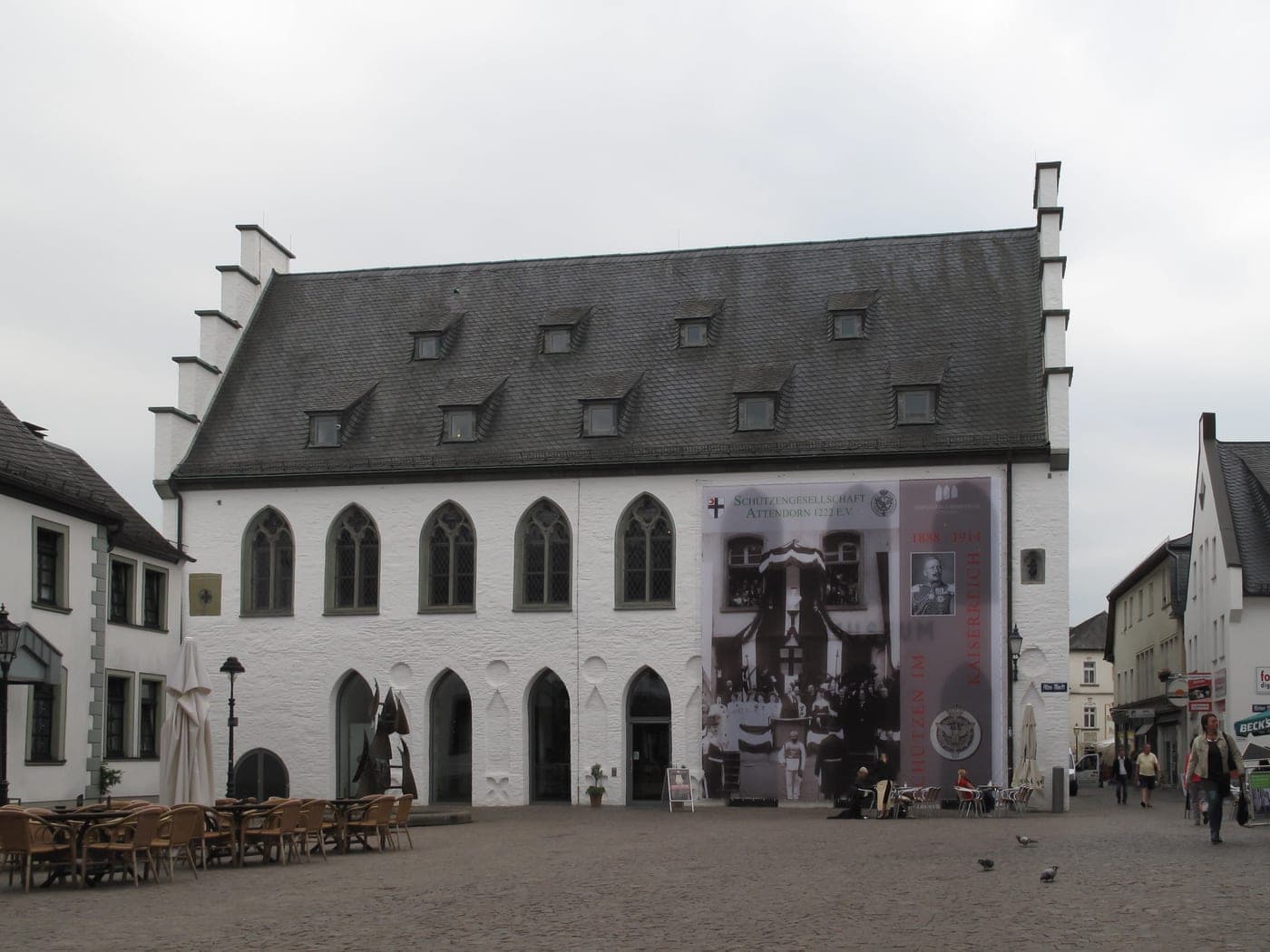
Attendorn
Castles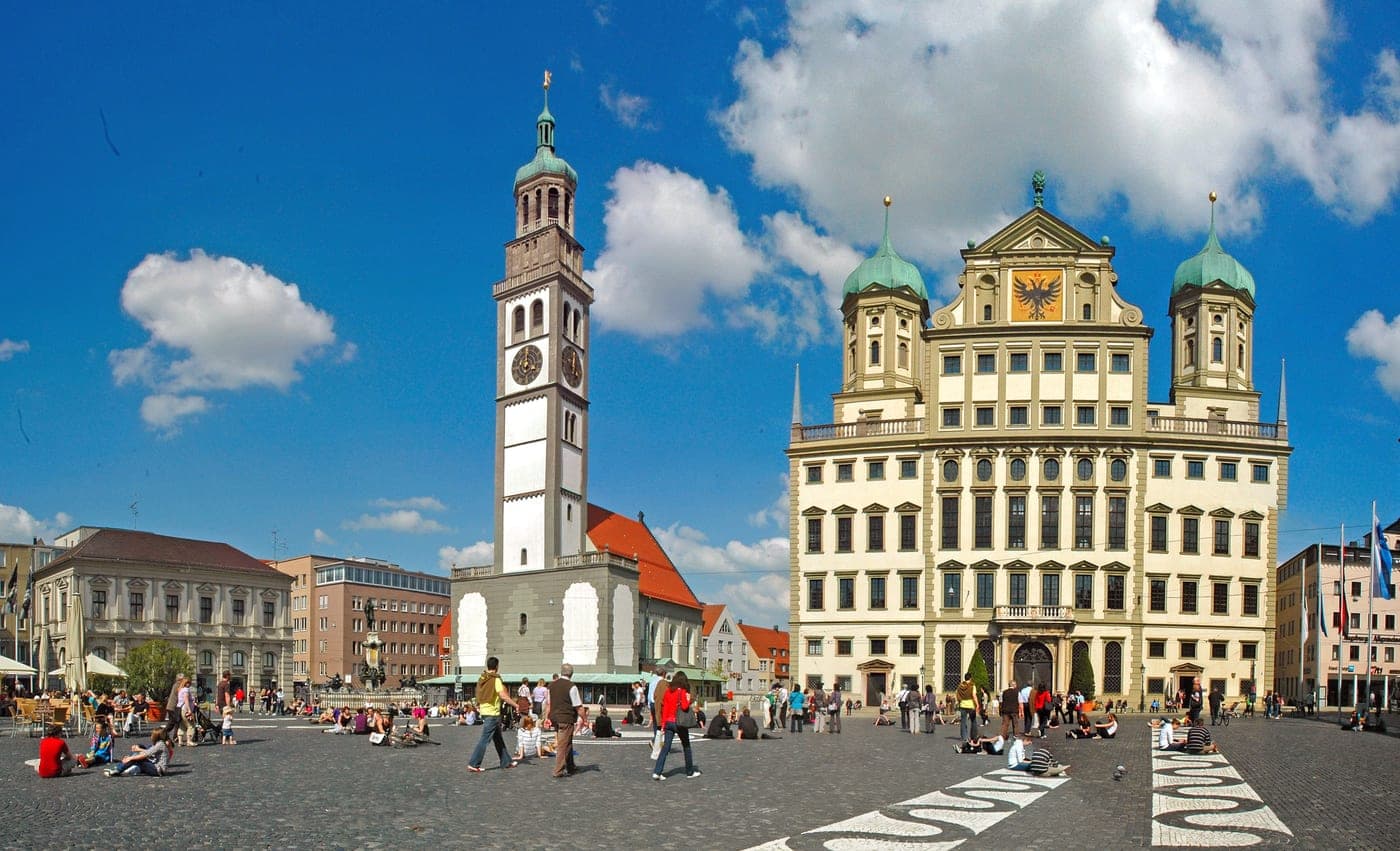
Augsburg
Camper Van Rentals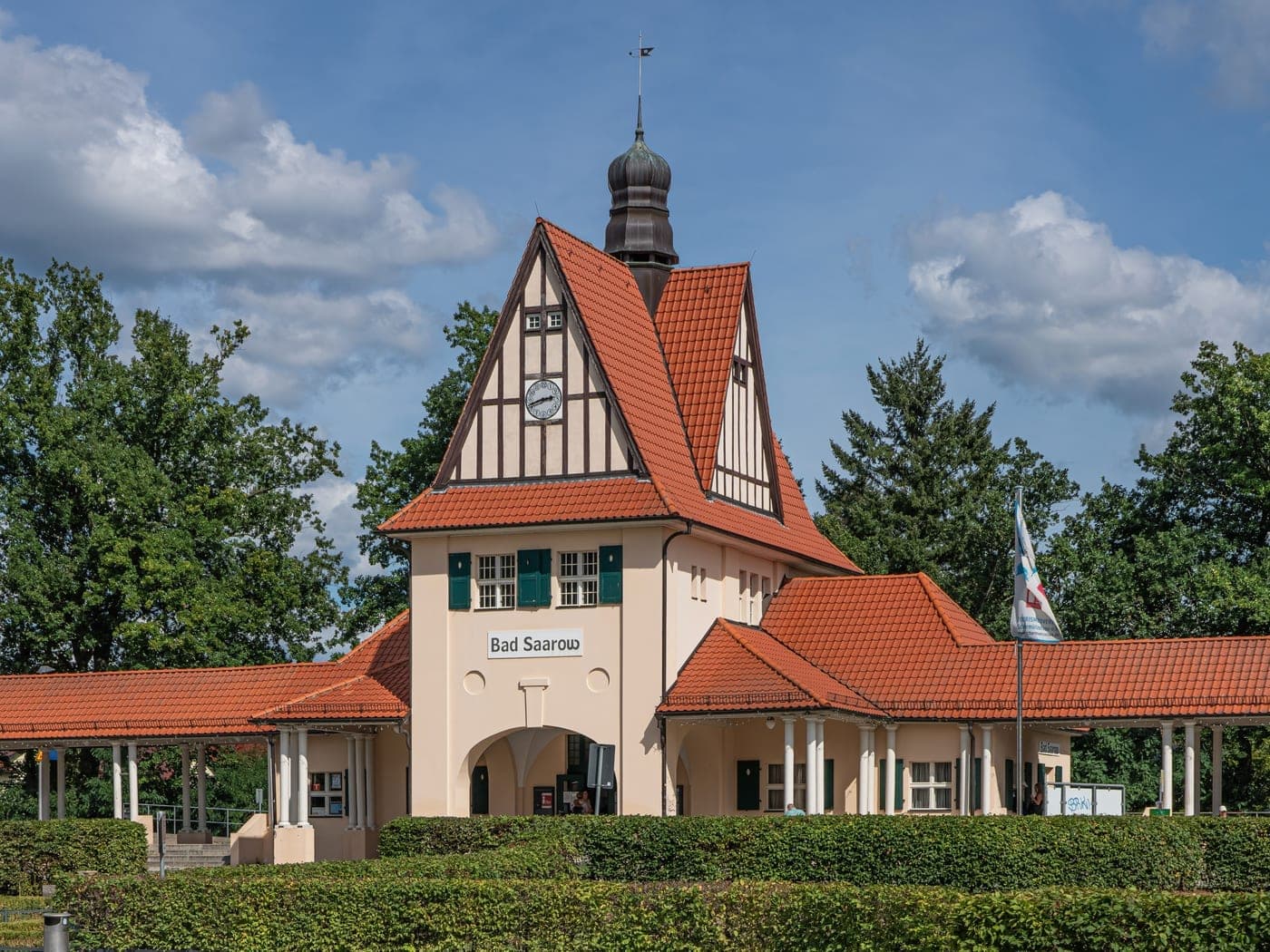
Bad Saarow
Boat Rentals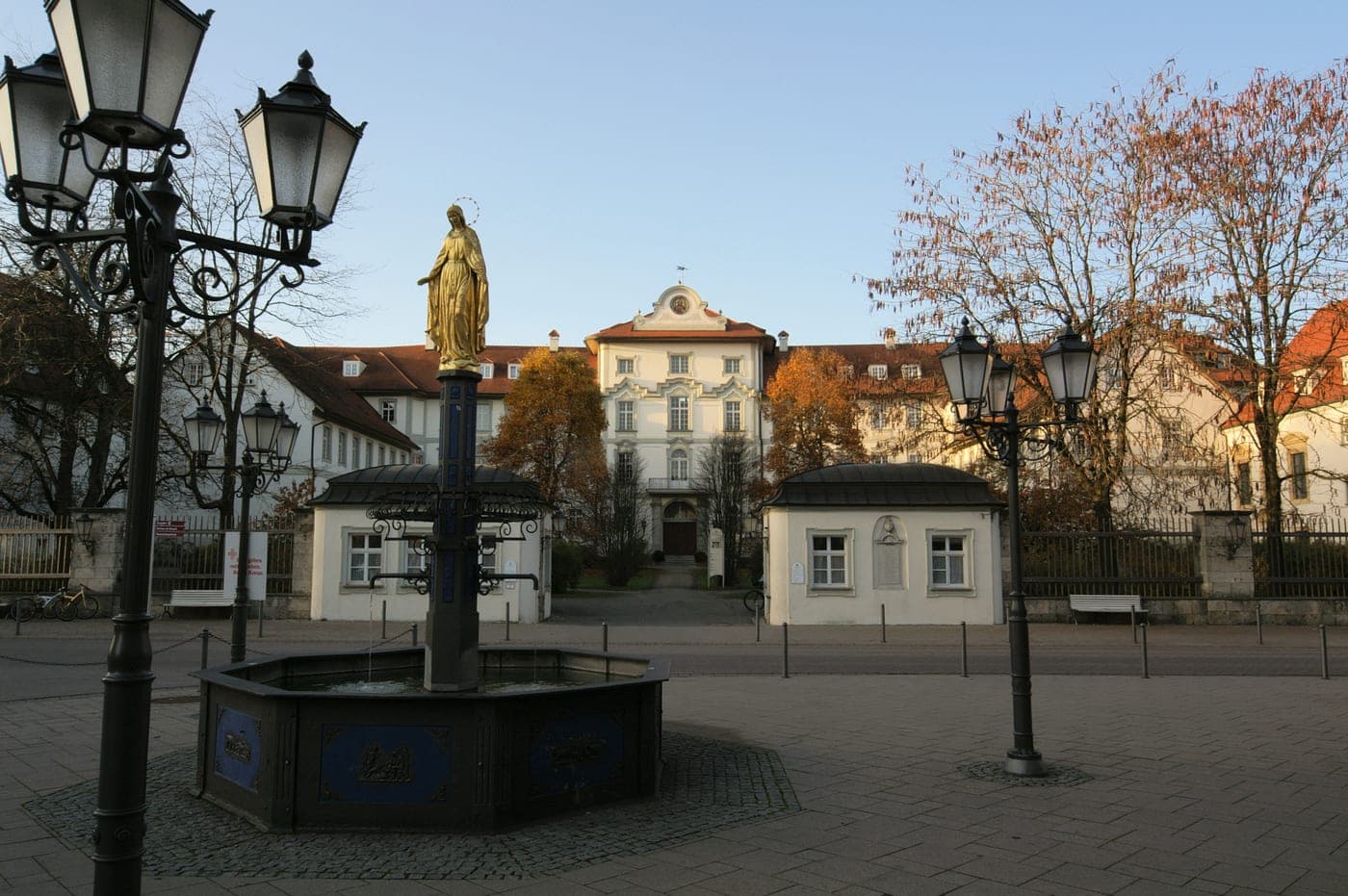
Bad Wurzach
Cabins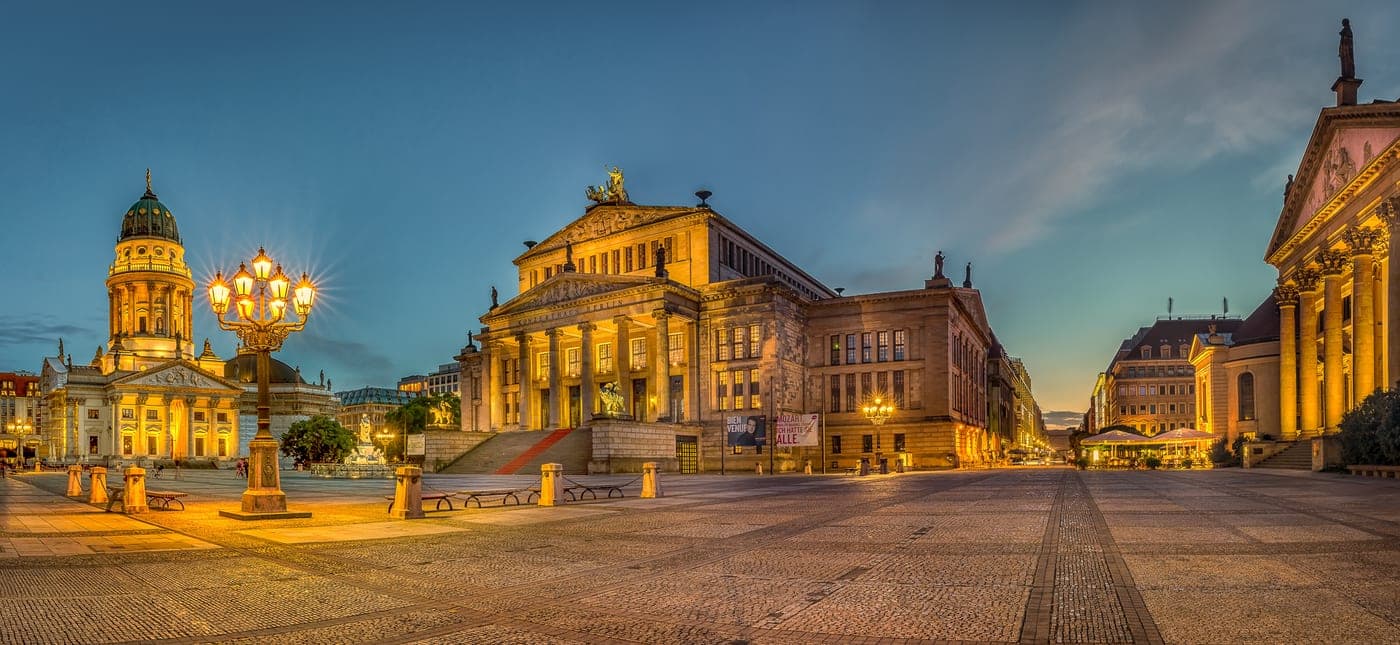
Berlin
Camper Van RentalsBernburg
Boat Rentals
Bielefeld
Camper Van Rentals
Bischofsgrün
Cabins
Bochum
Camper Van Rentals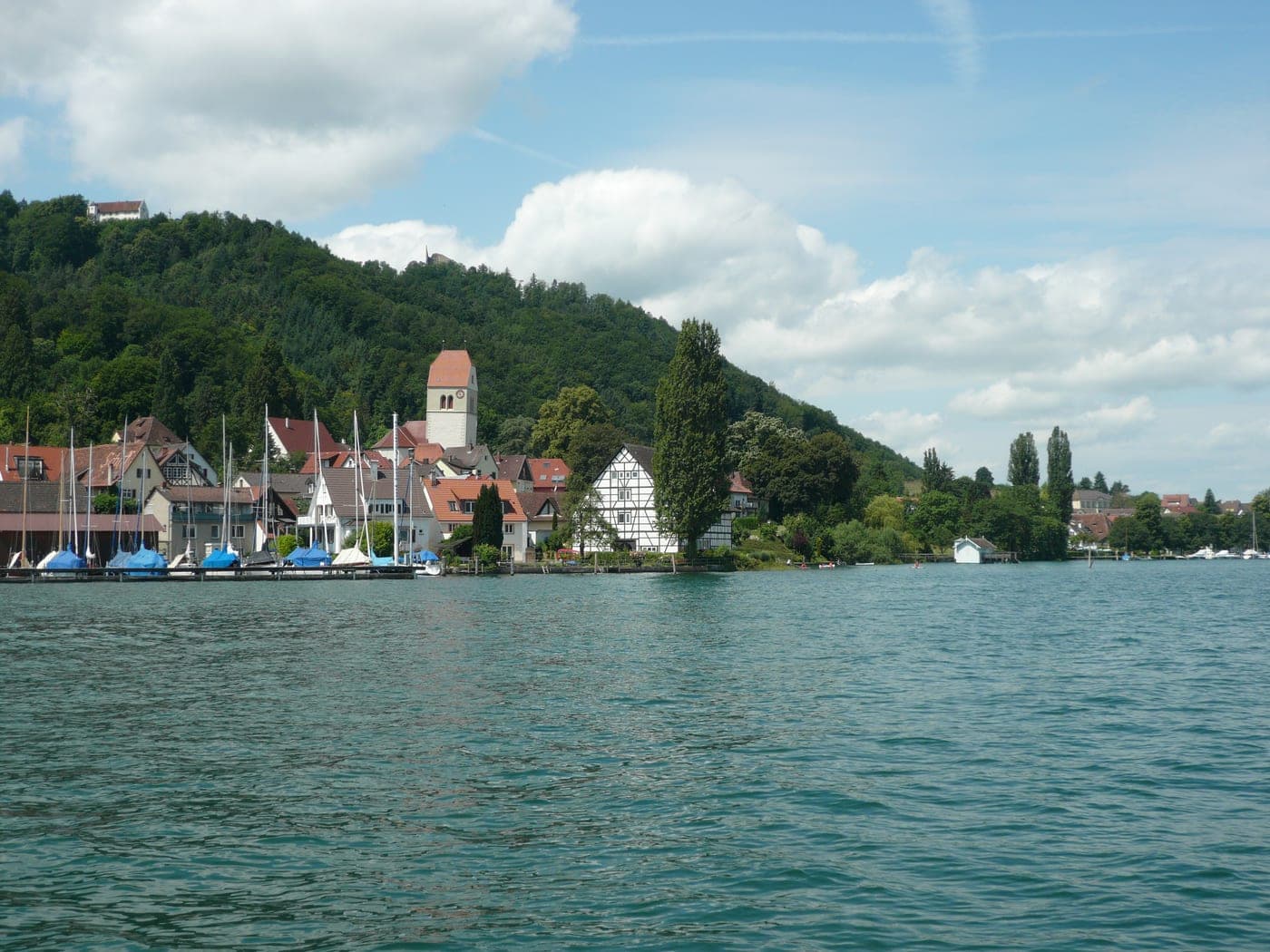
Bodman-Ludwigshafen
Boat Rentals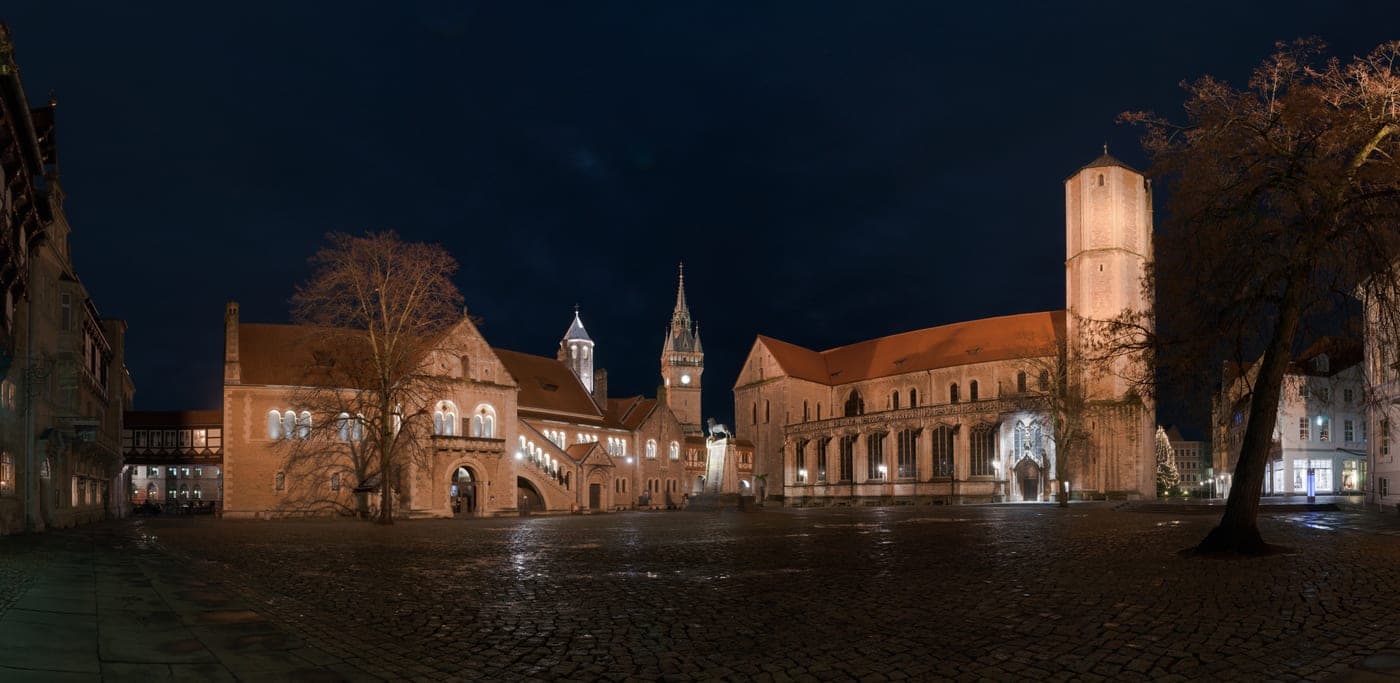
Braunschweig
Camper Van RentalsBrüggen
Cabins
Dammbach
Cabins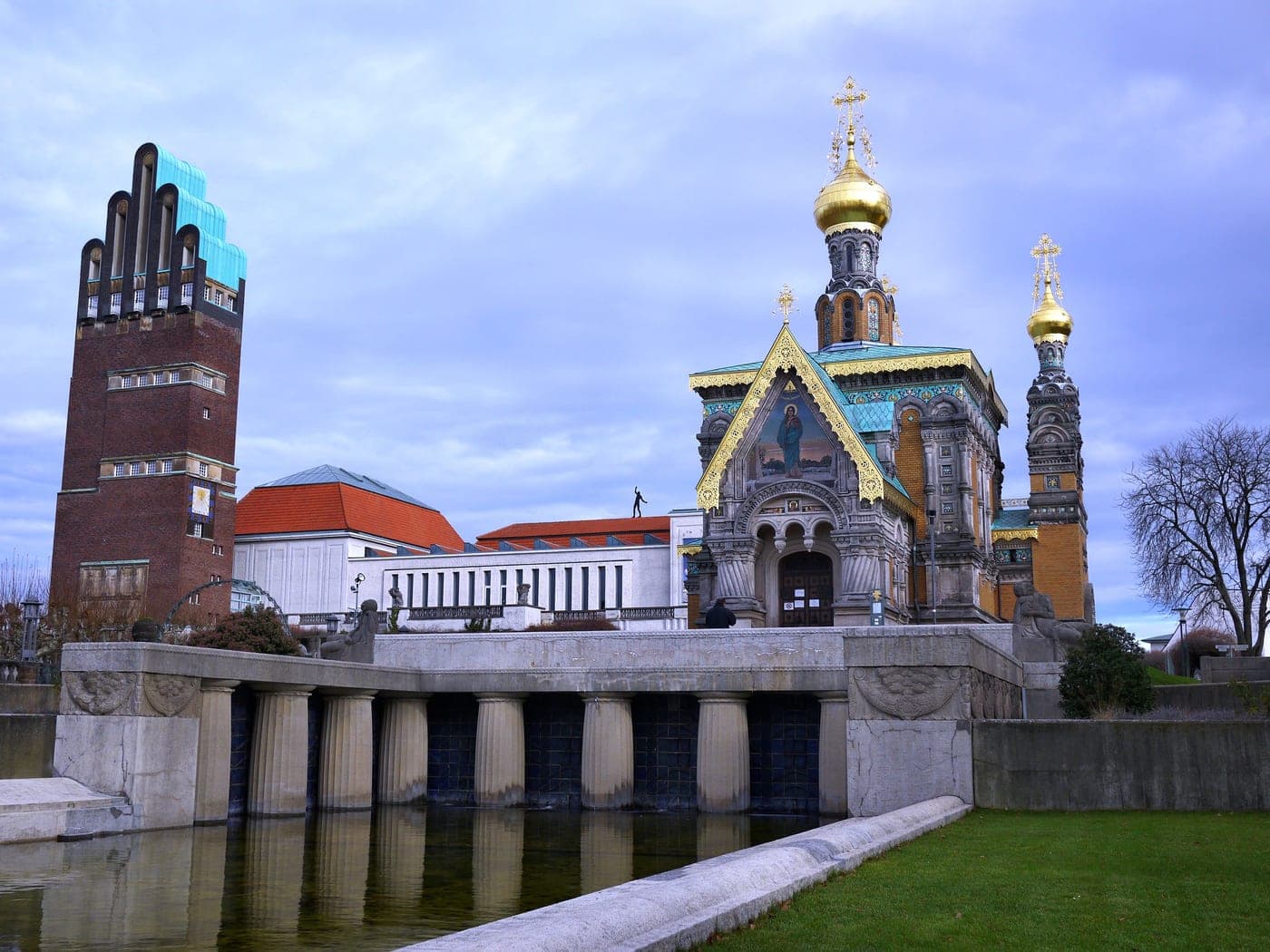
Darmstadt
Camper Van Rentals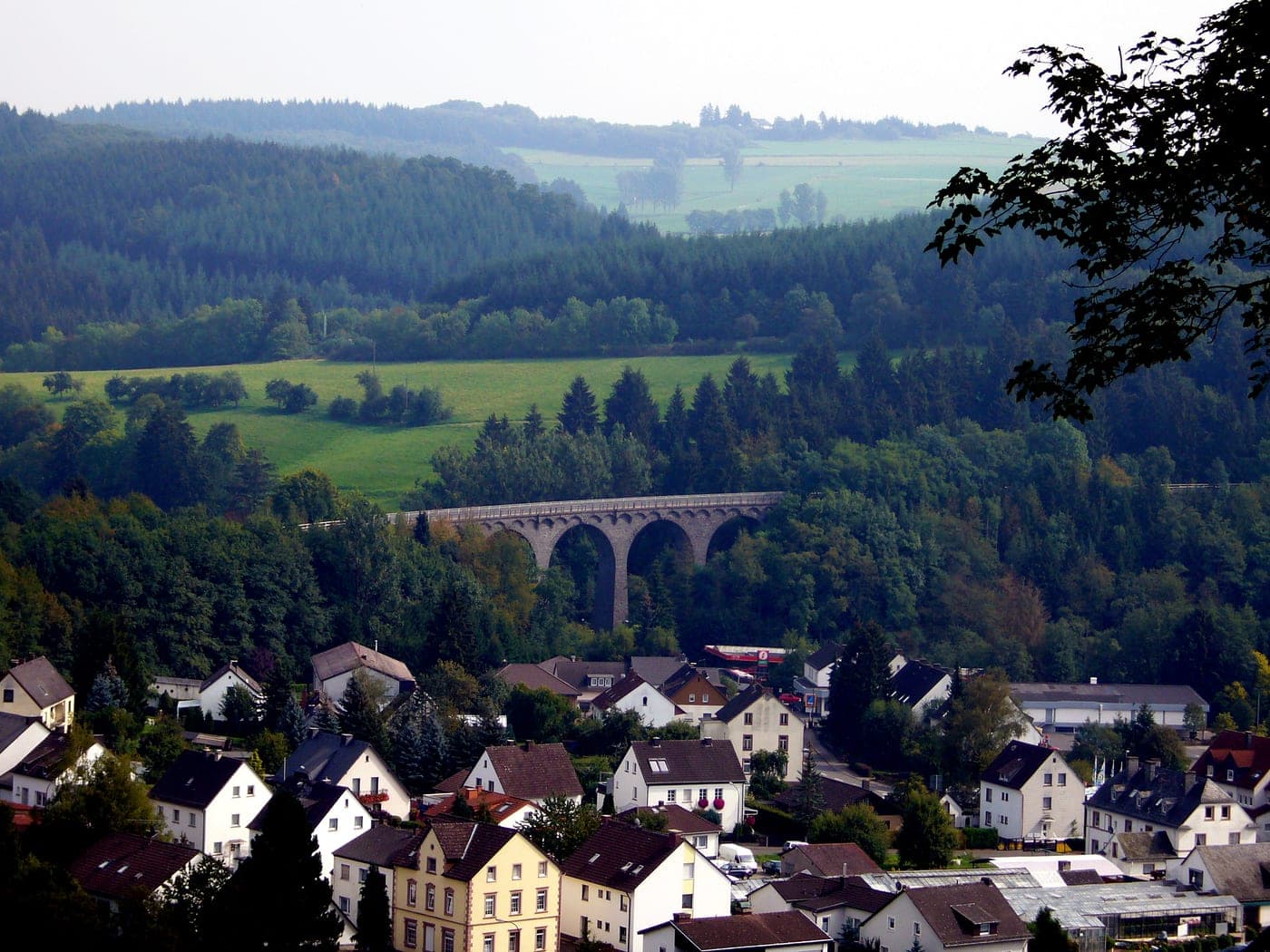
Daun
Cabins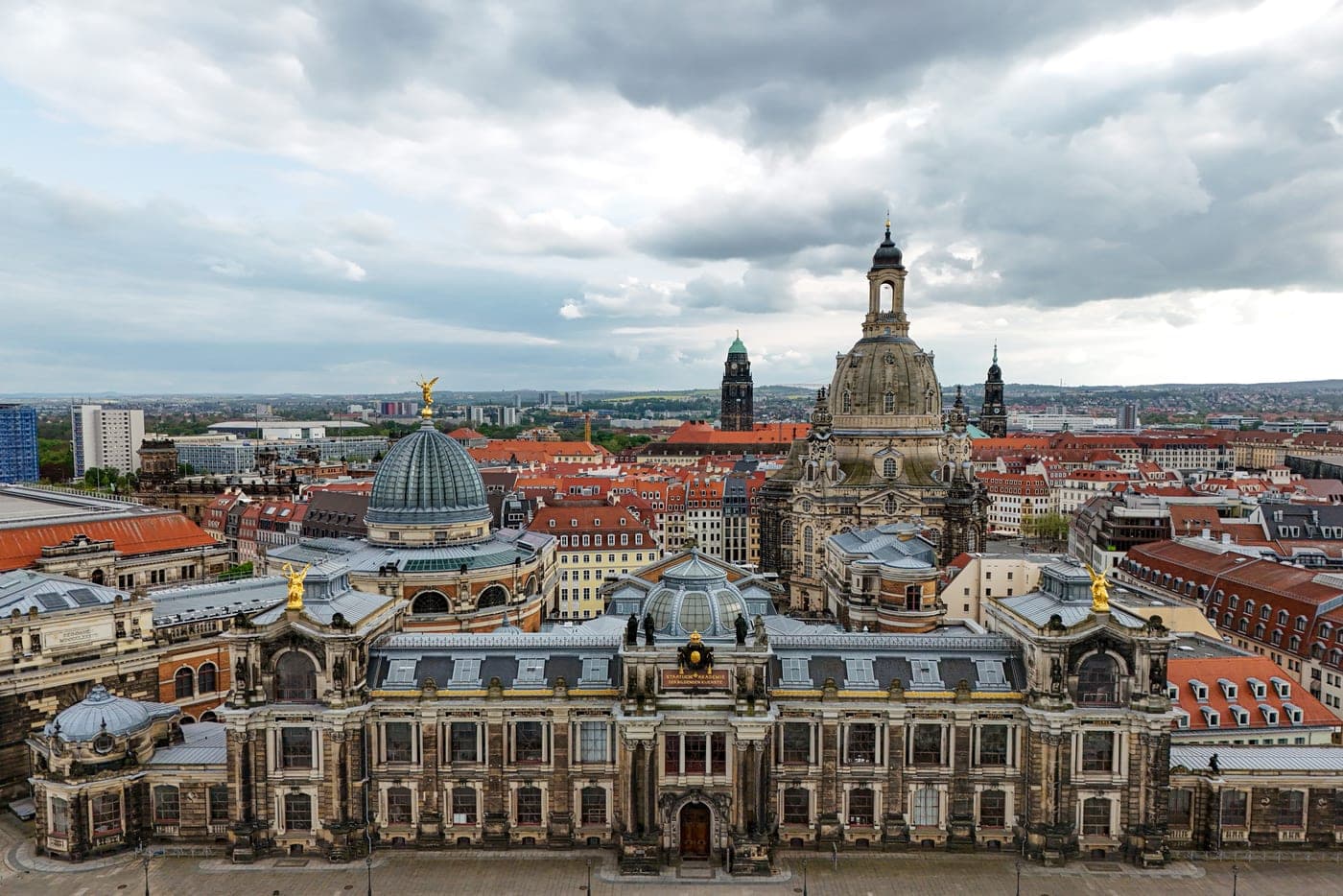
Dresden
Camper Van Rentals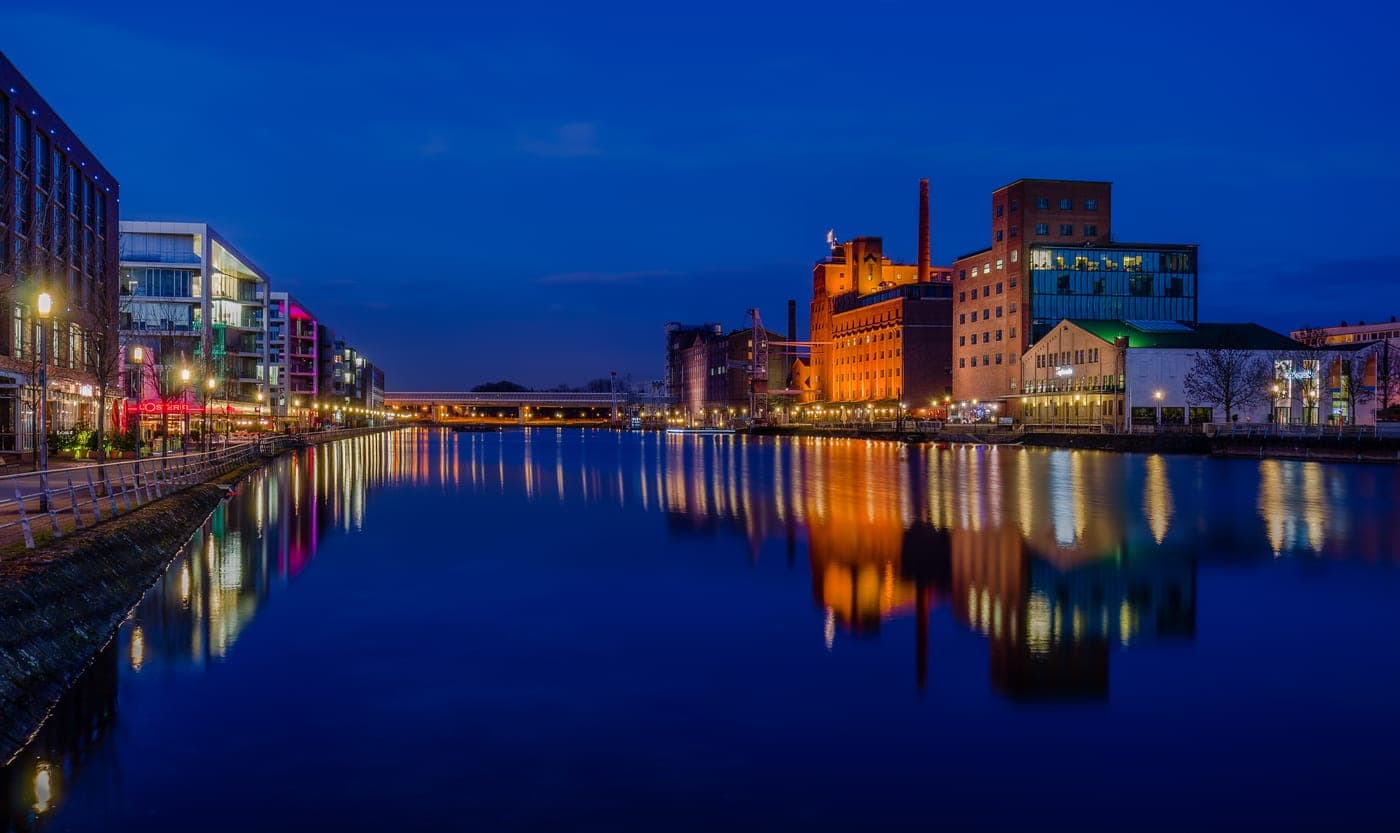
Duisburg
Camper Van Rentals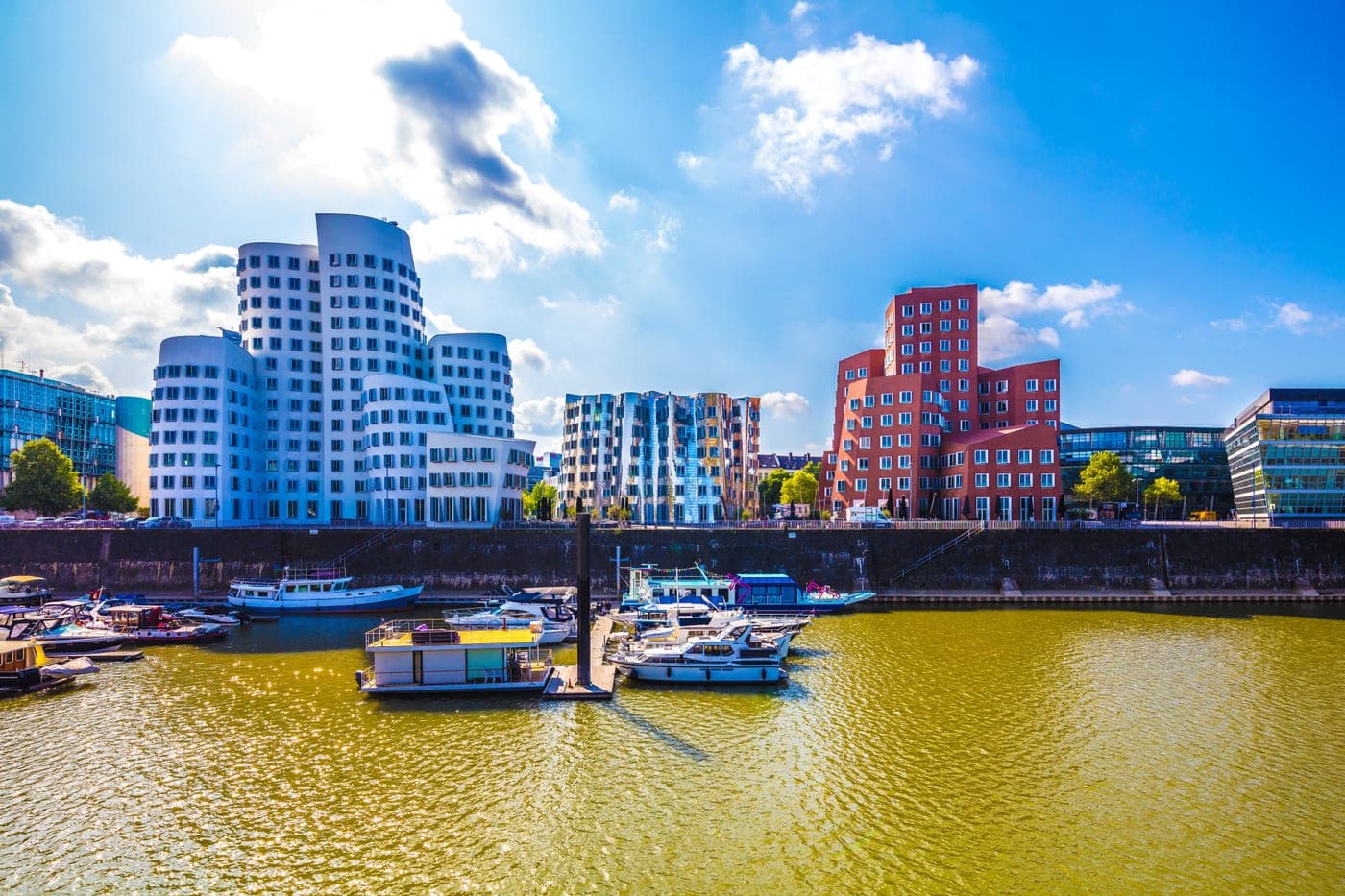
Düsseldorf
Camper Van Rentals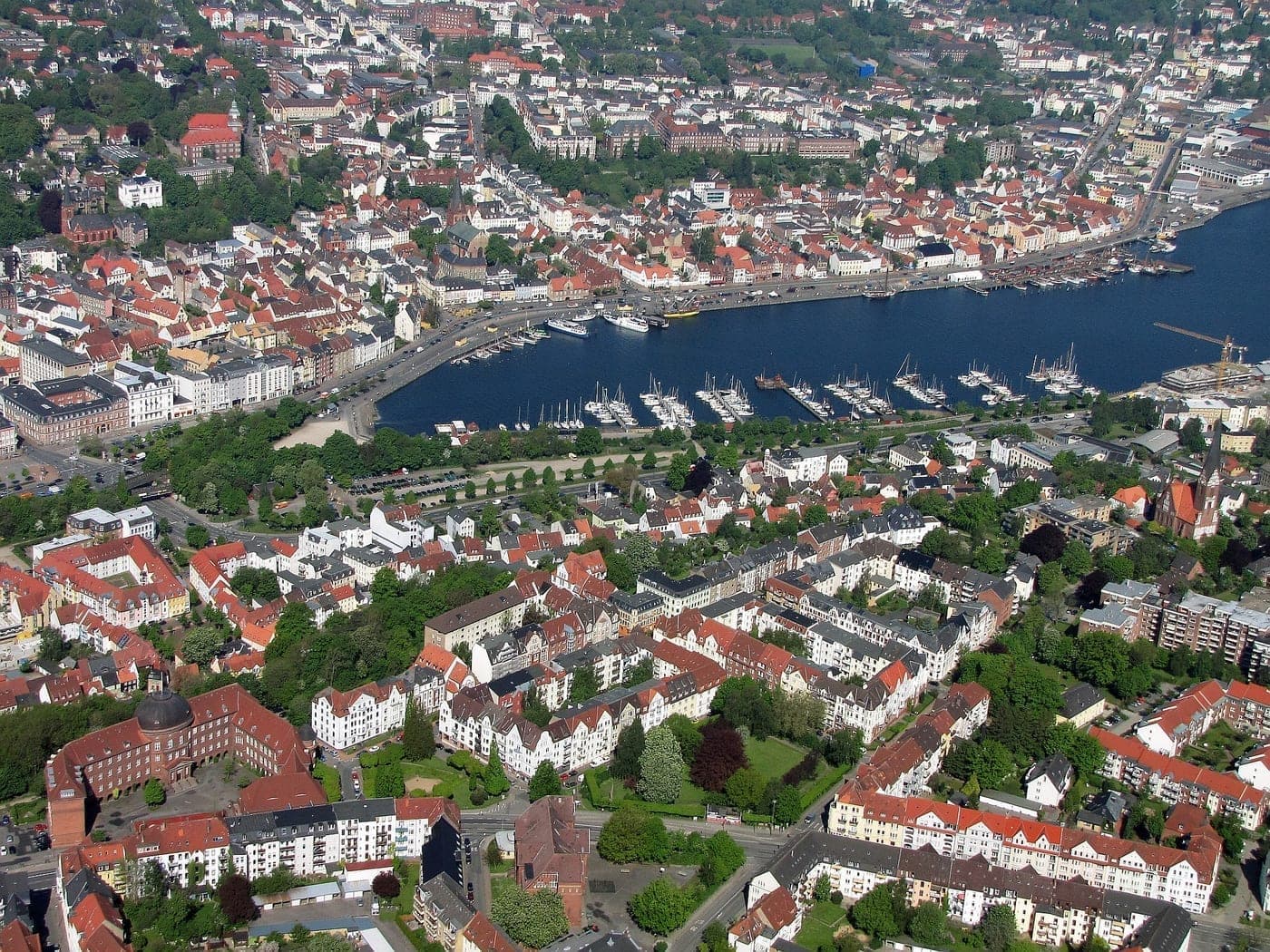
Flensburg
Camper Van Rentals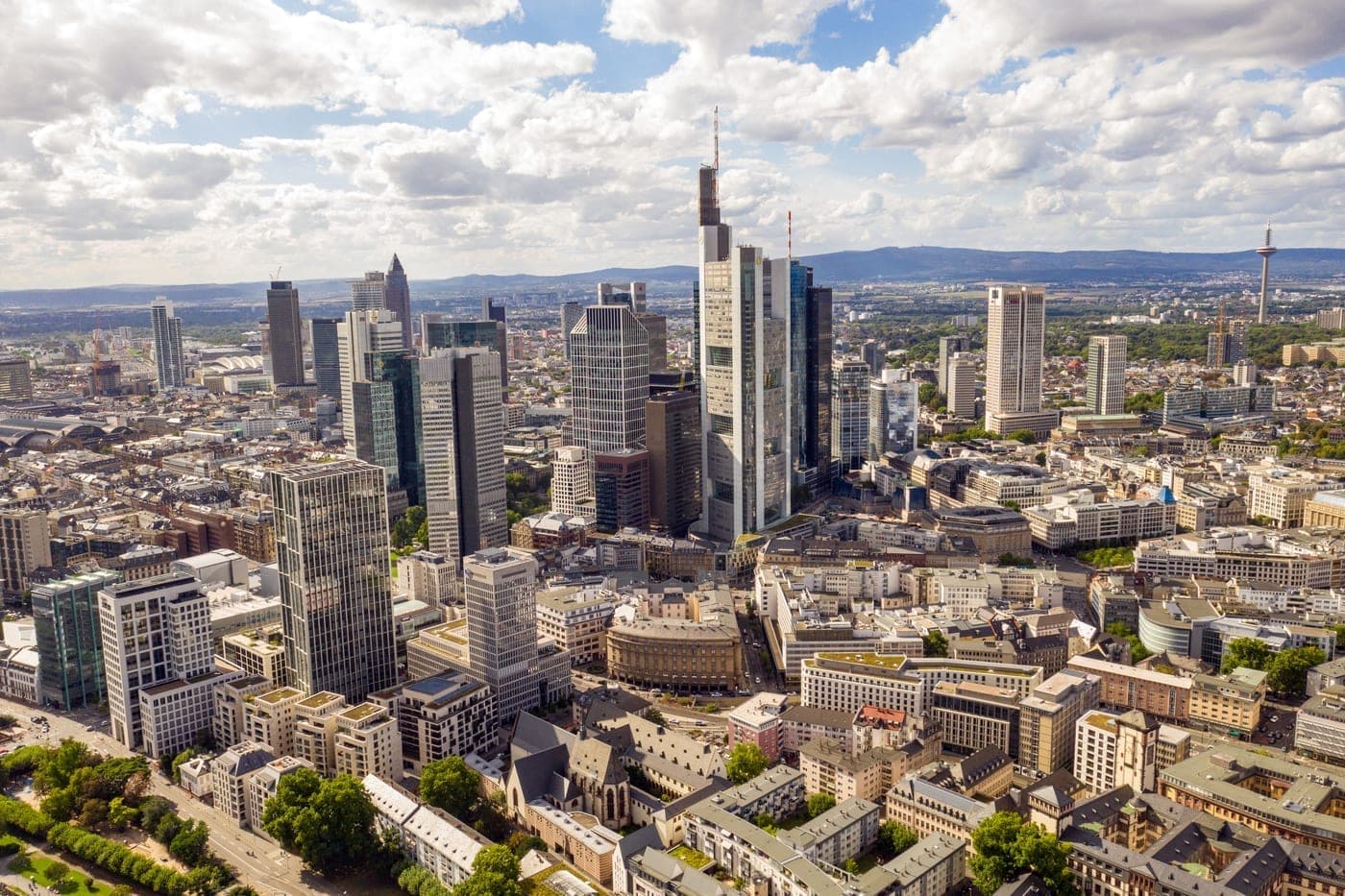
Frankfurt am Main
Camper Van Rentals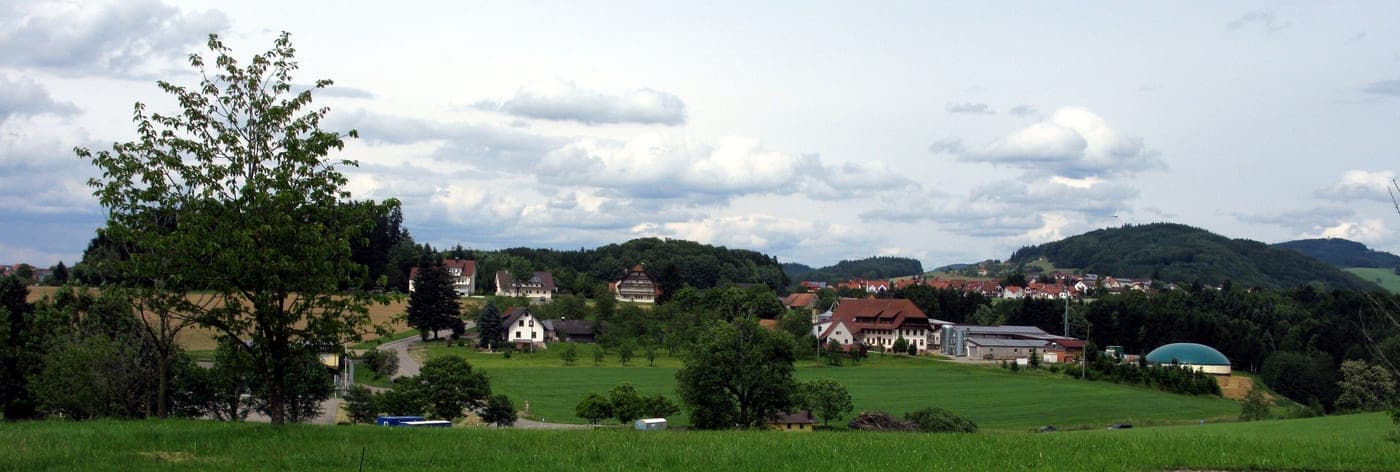
Freiamt
Cabins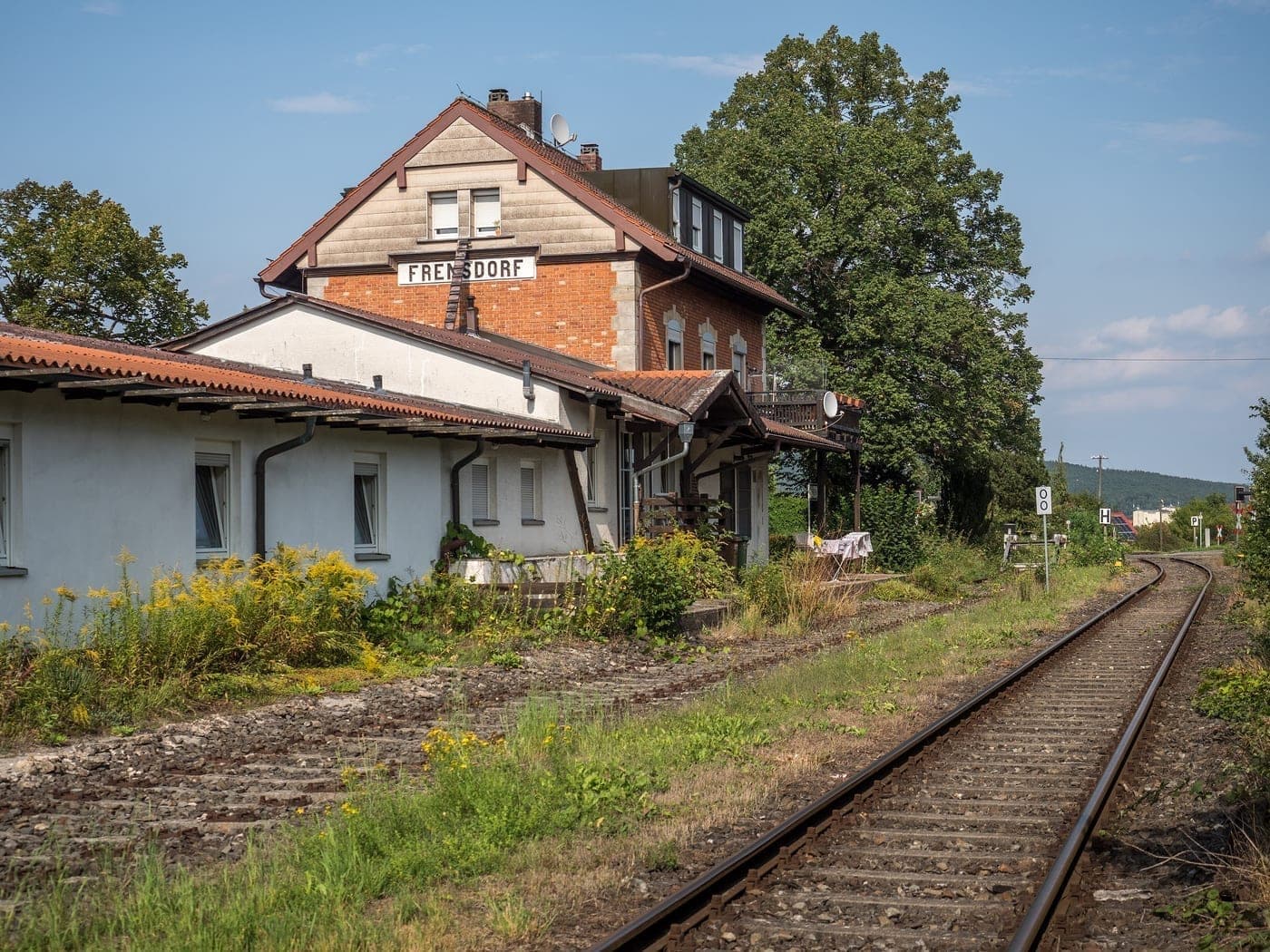
Frensdorf
Cabins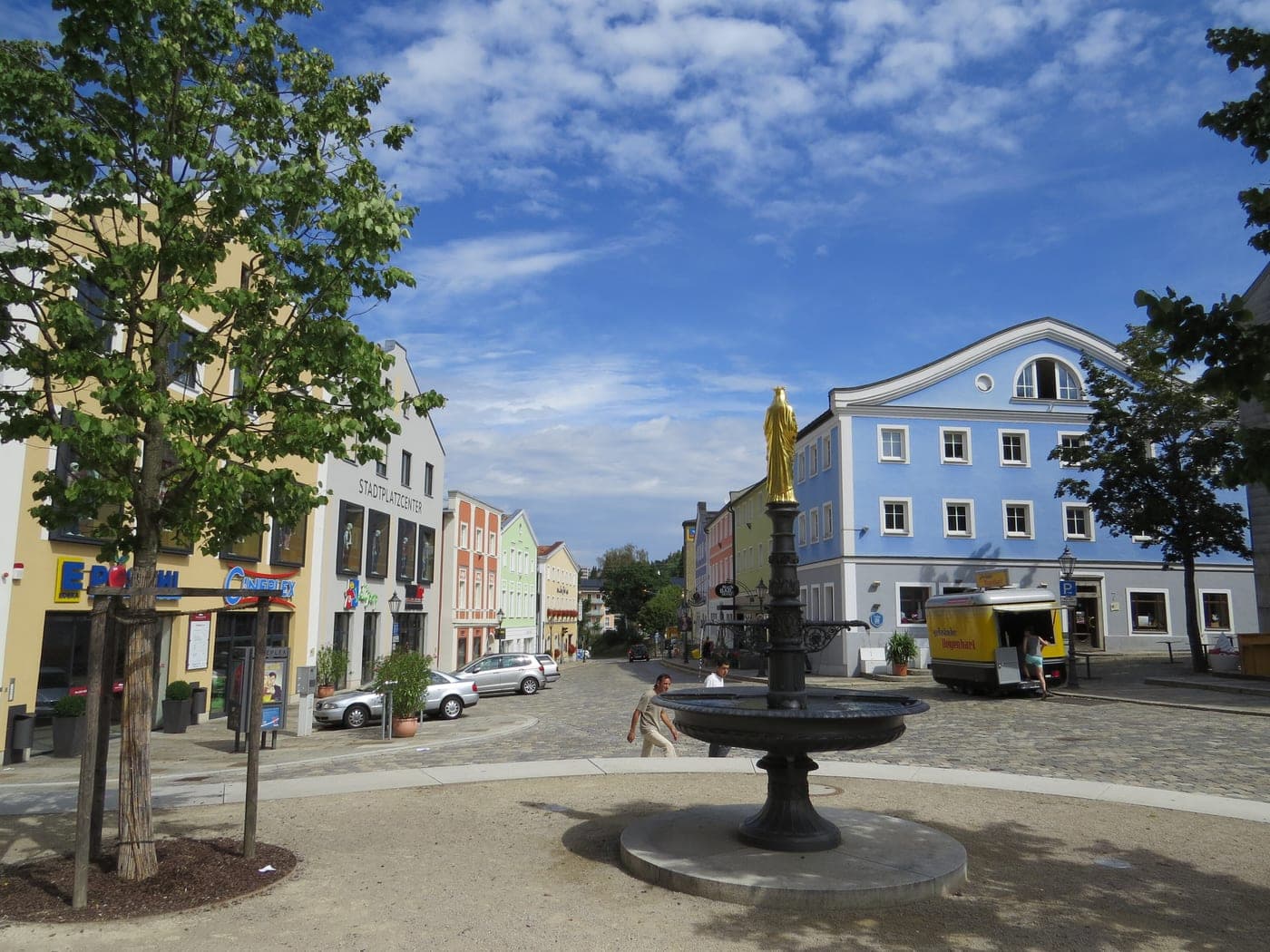
Freyung
Cabins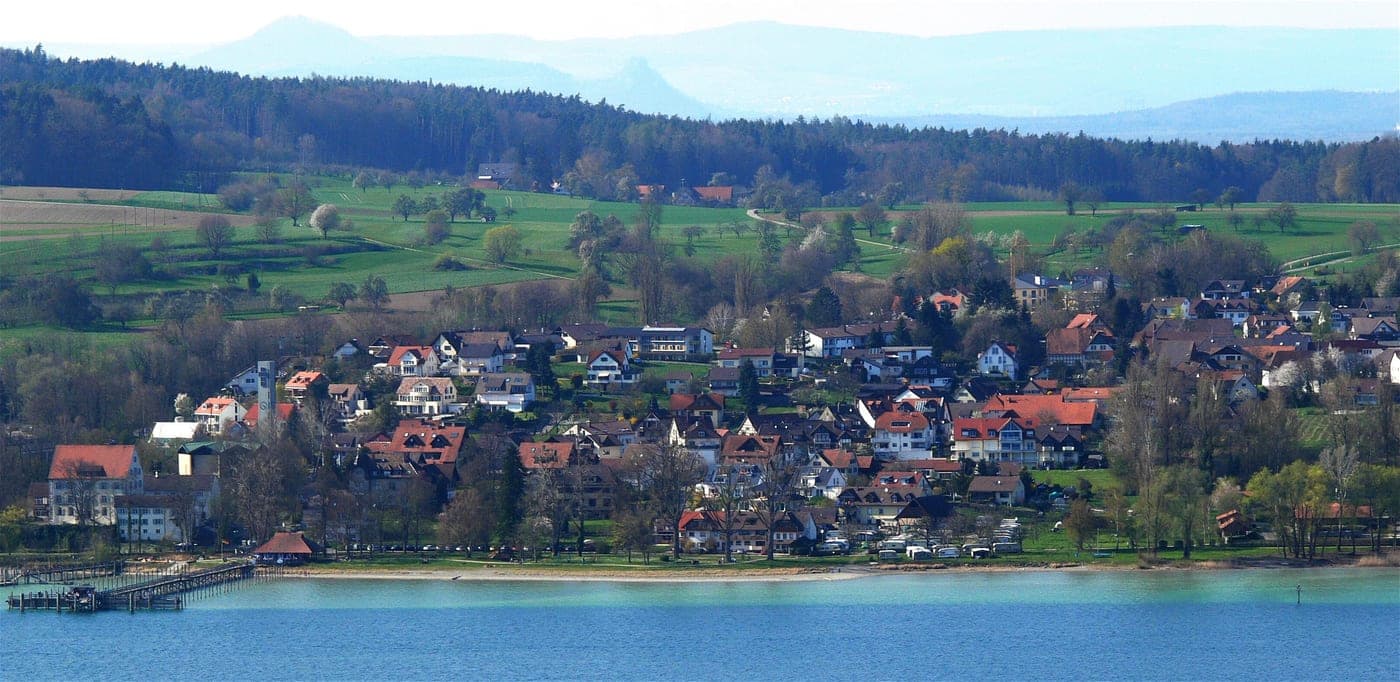
Gaienhofen
Boat Rentals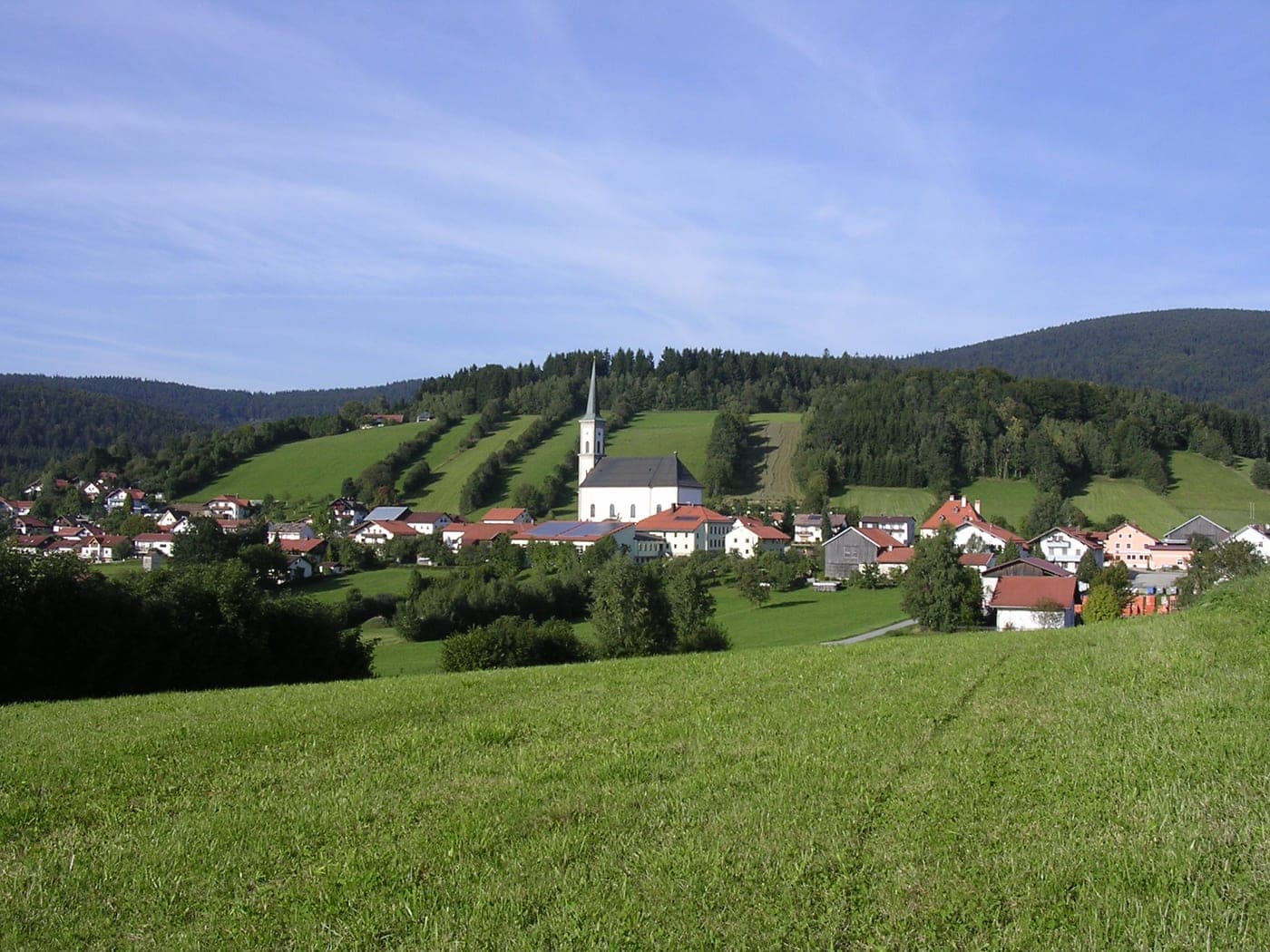
Grainet
Cabins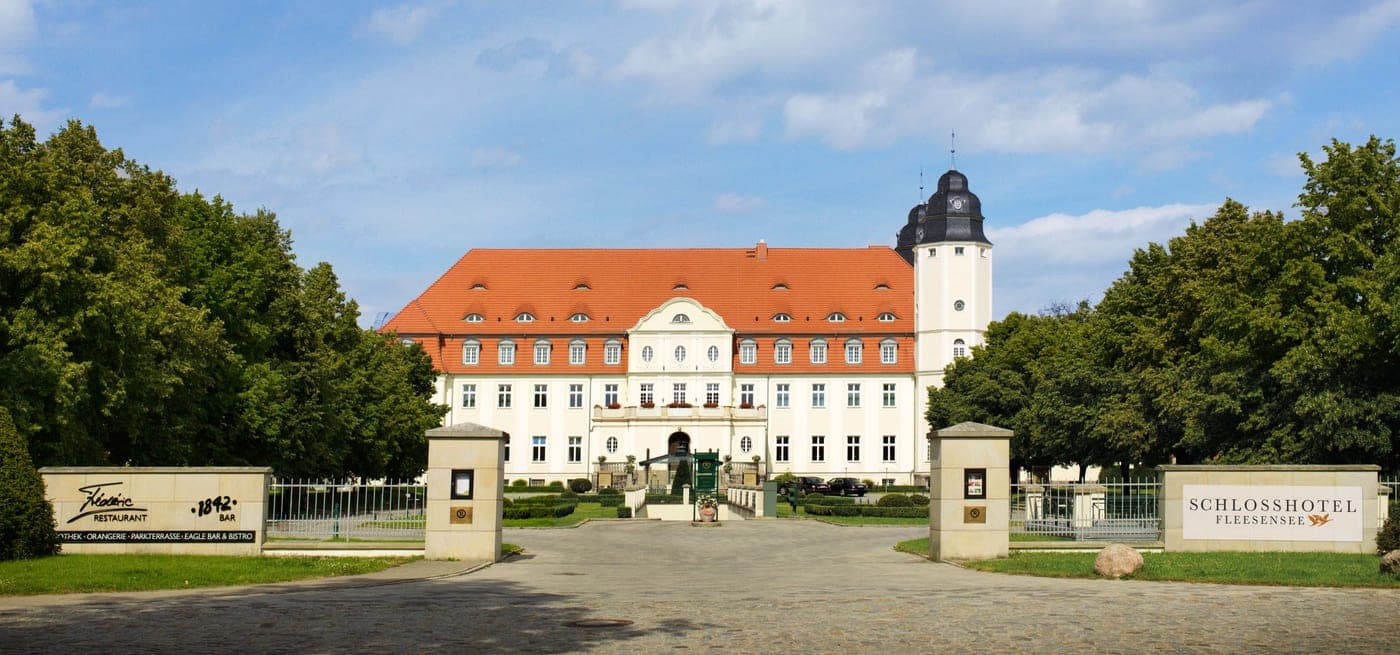
Göhren-Lebbin
Boat RentalsHamburg
Camper Van Rentals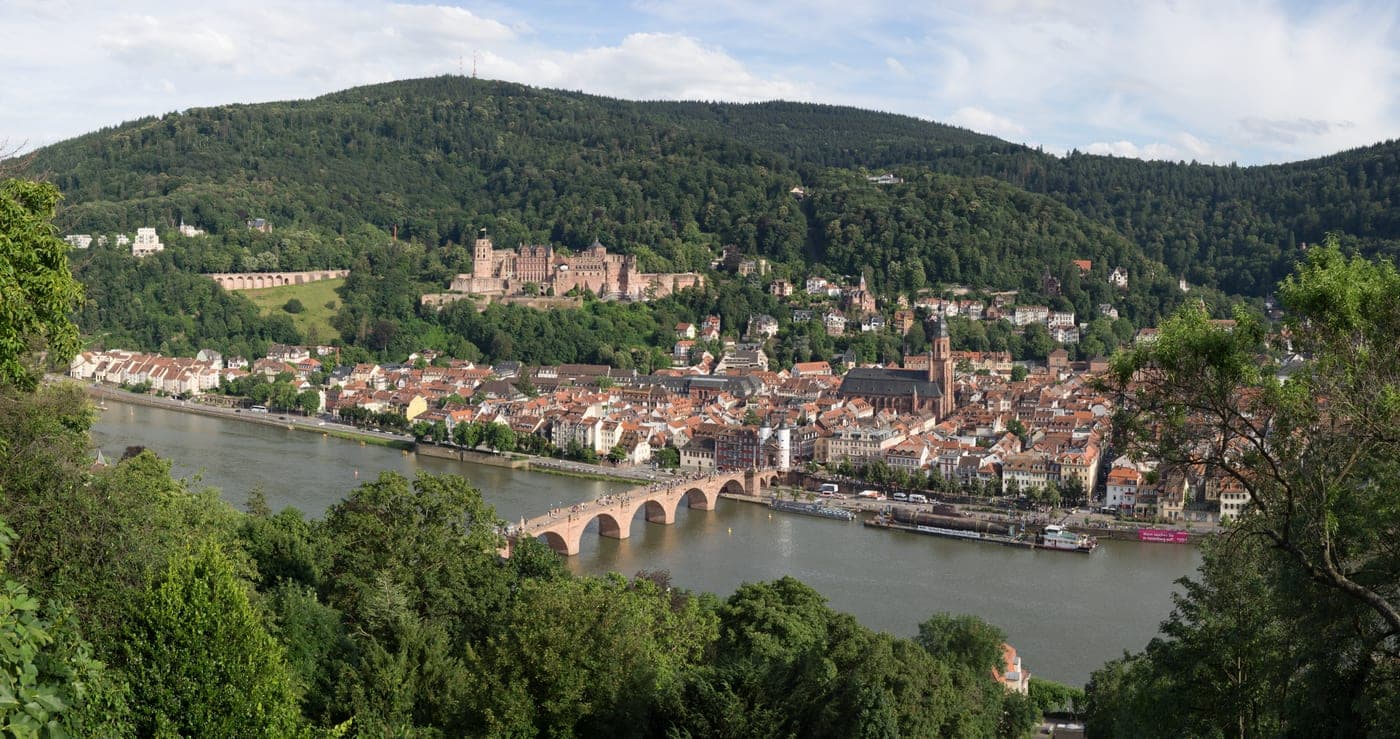
Heidelberg
Camper Van Rentals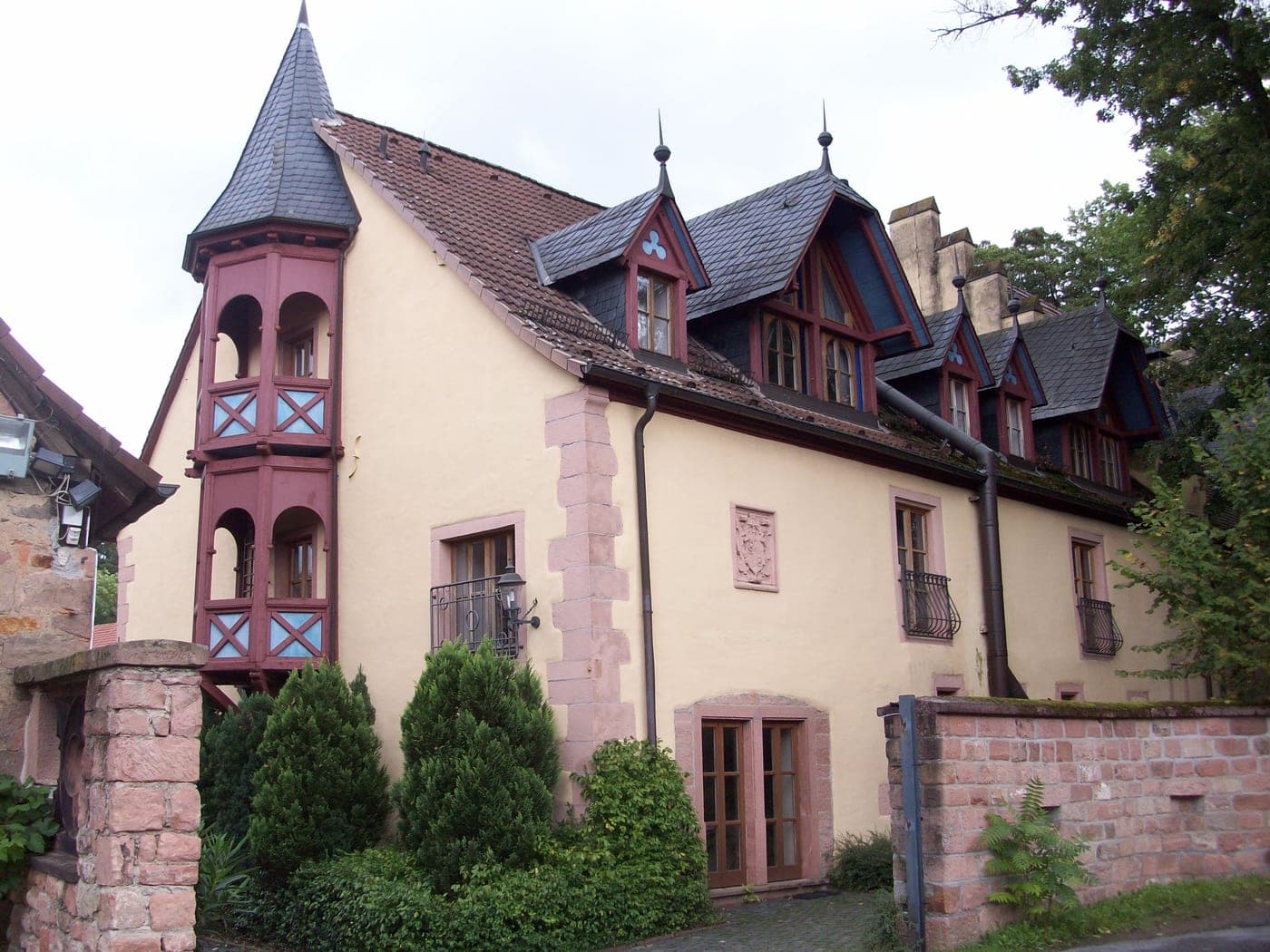
Hösbach
Castles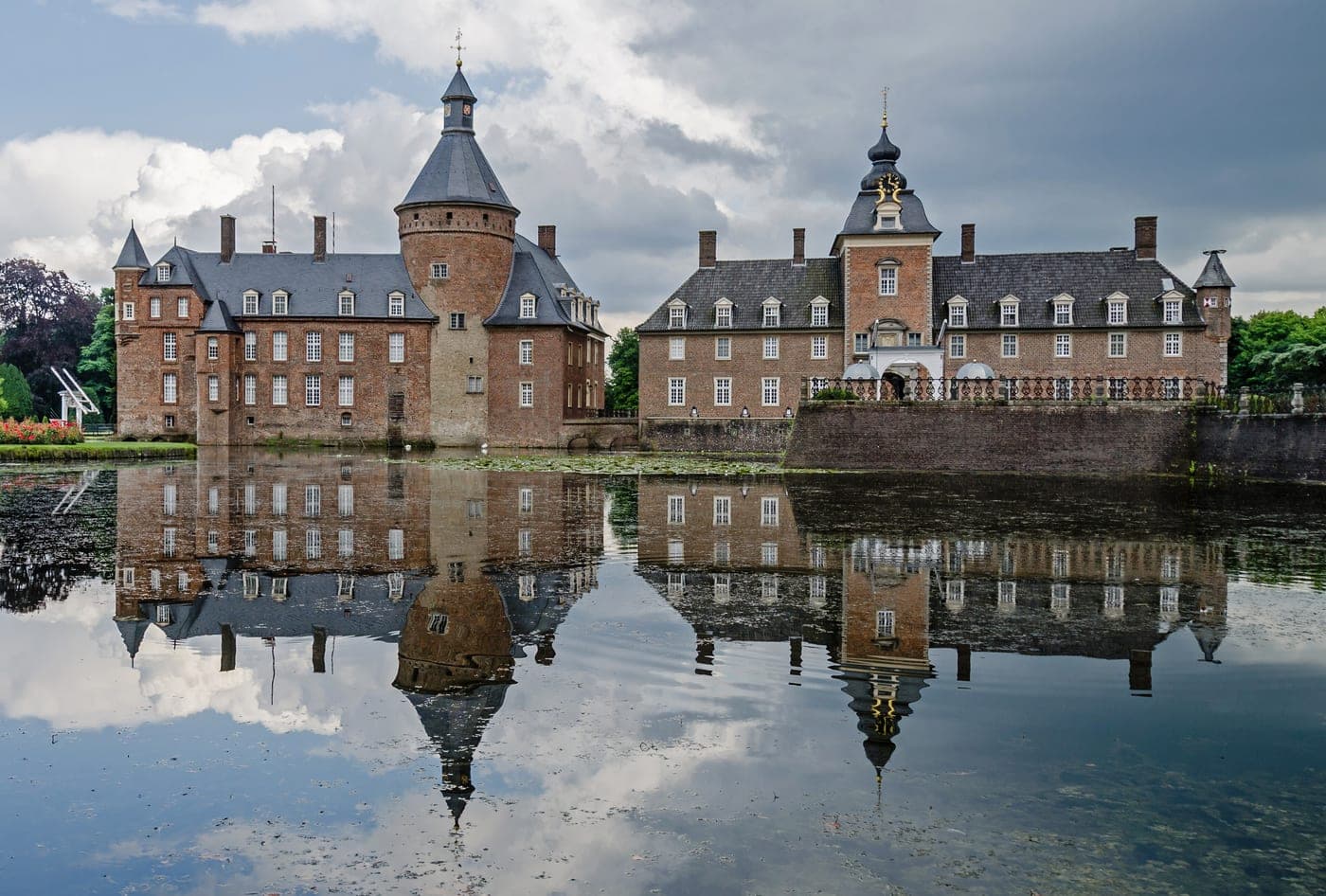
Isselburg
Castles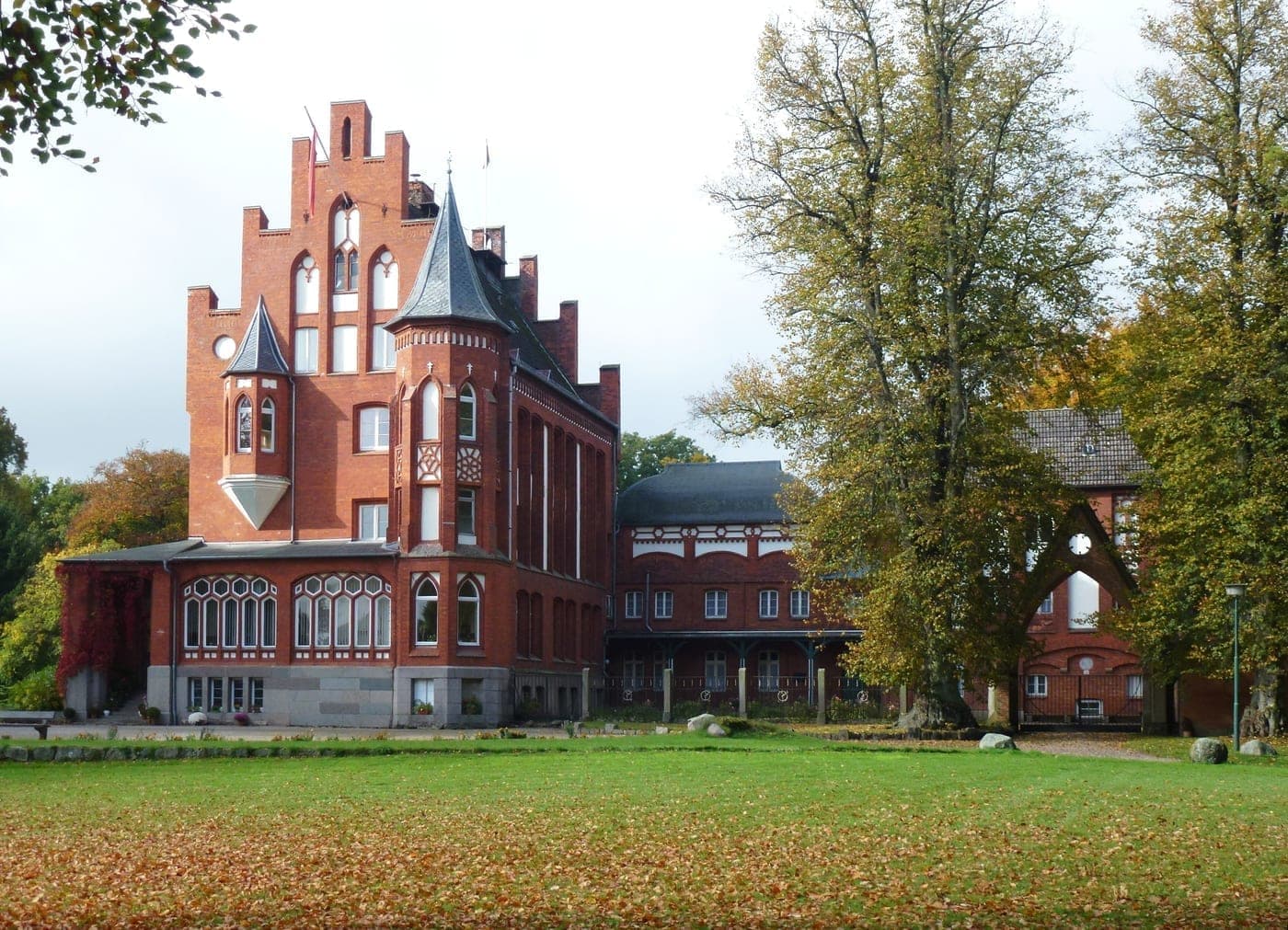
Kalkhorst
Cabins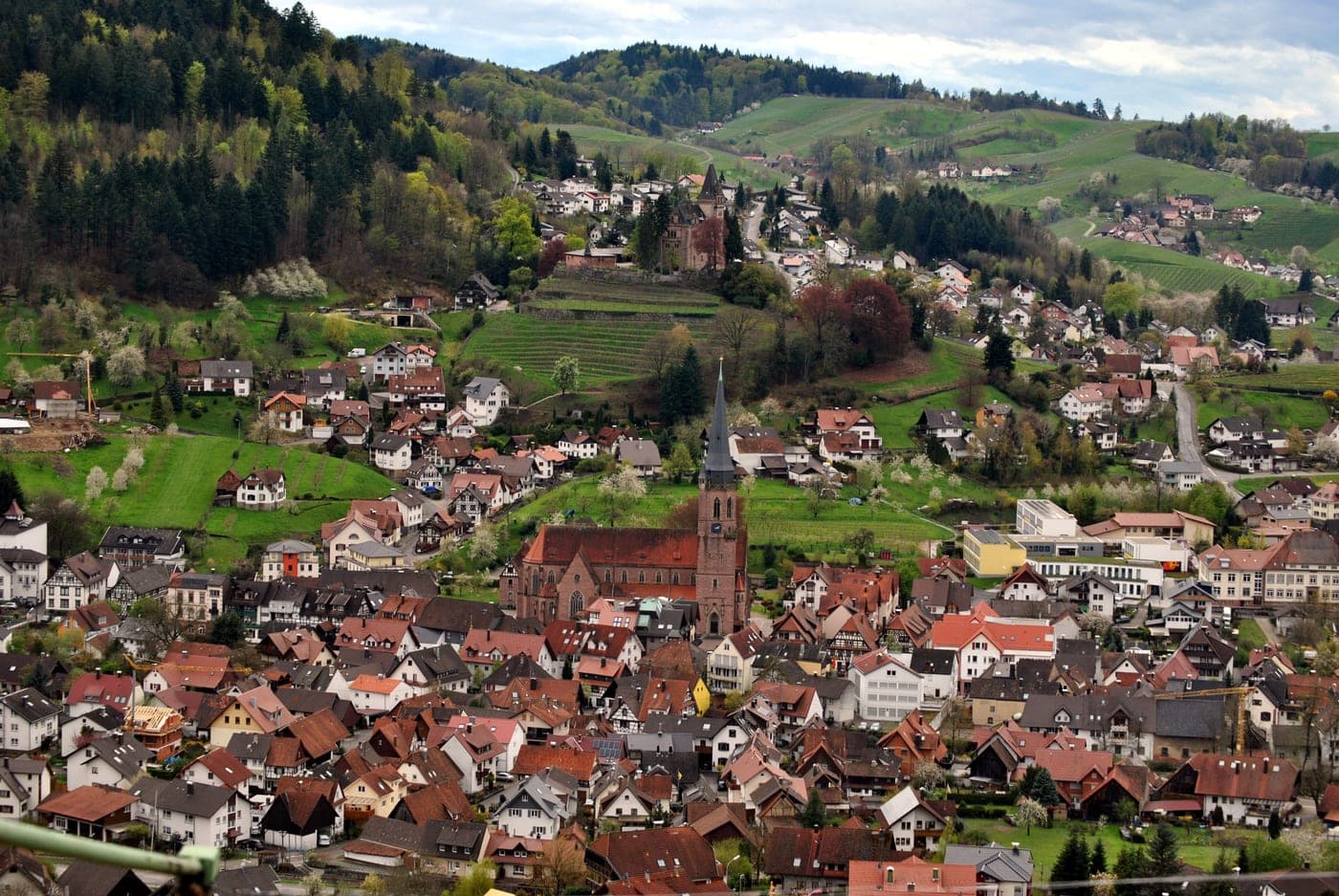
Kappelrodeck
Cabins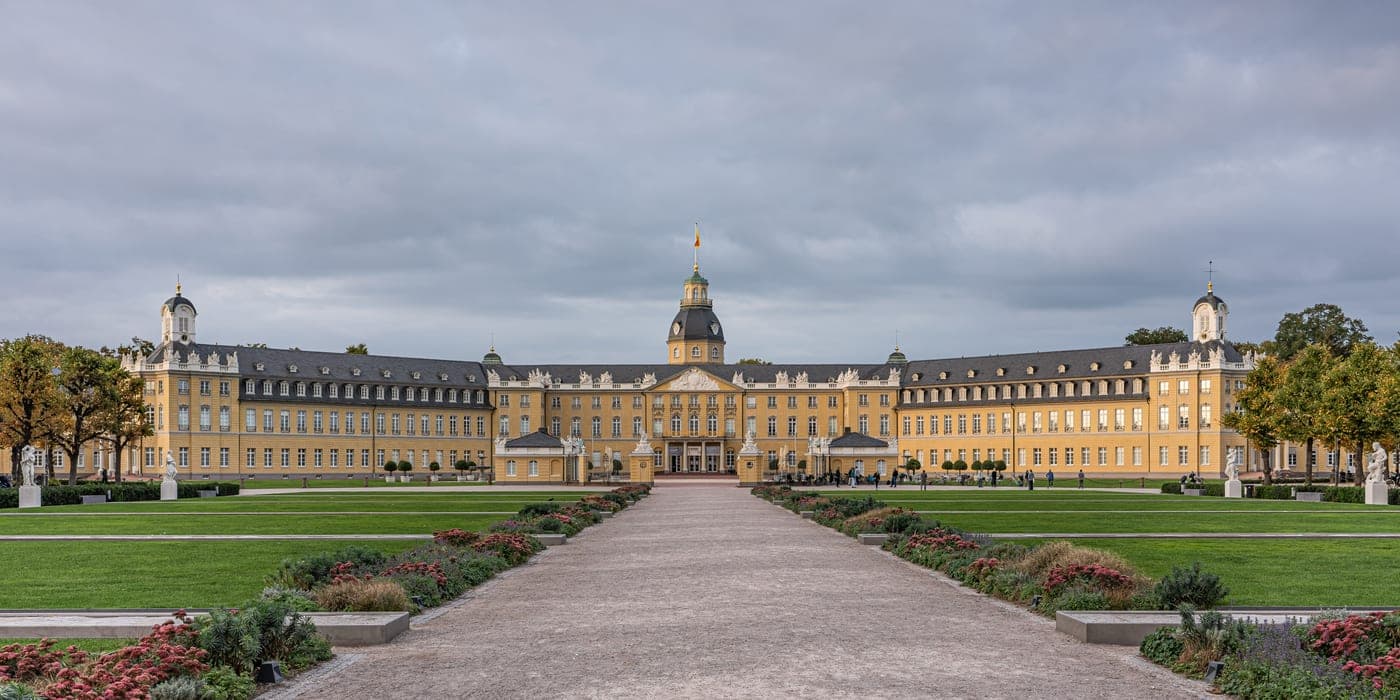
Karlsruhe
Camper Van Rentals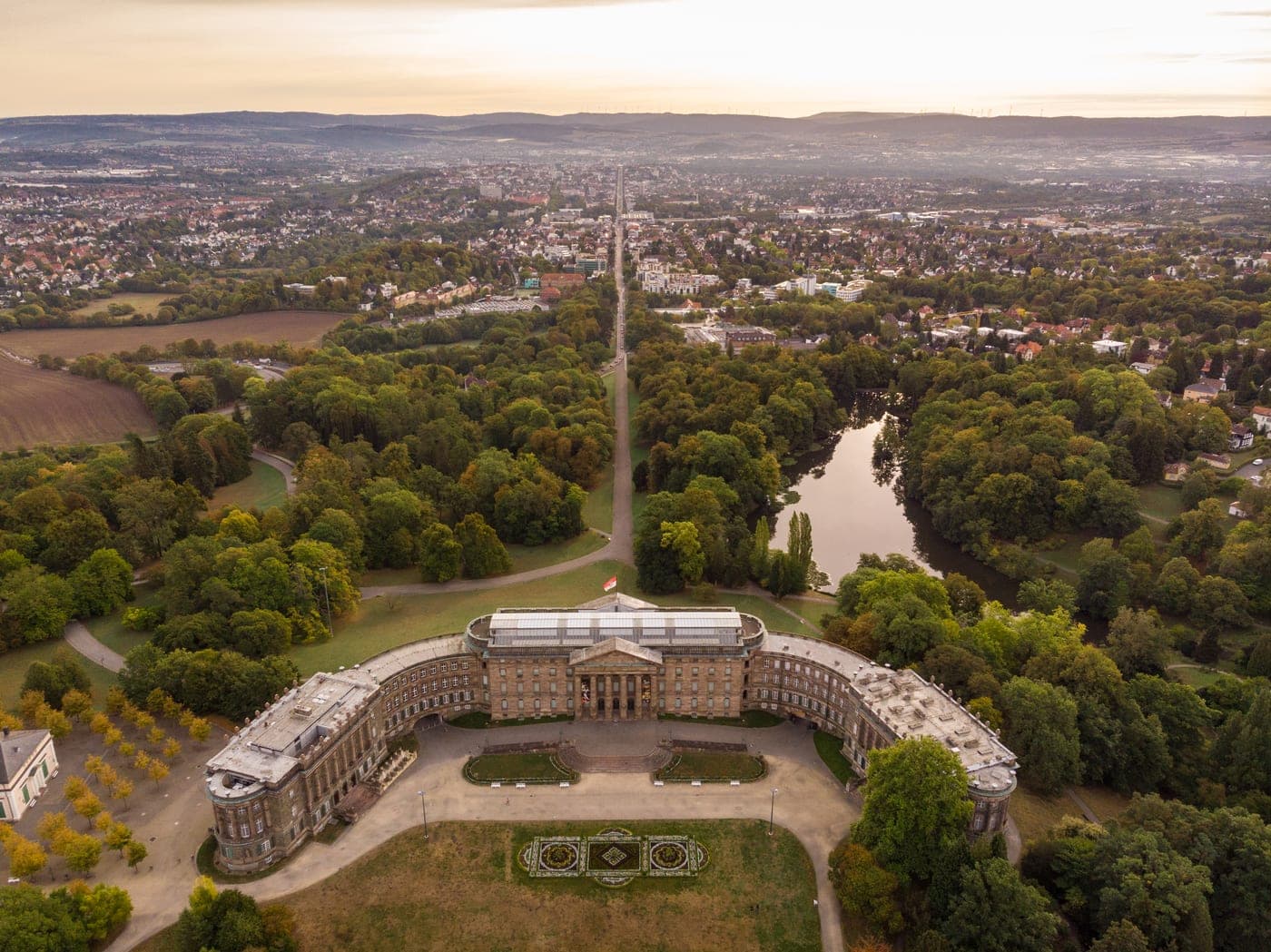
Kassel
Camper Van Rentals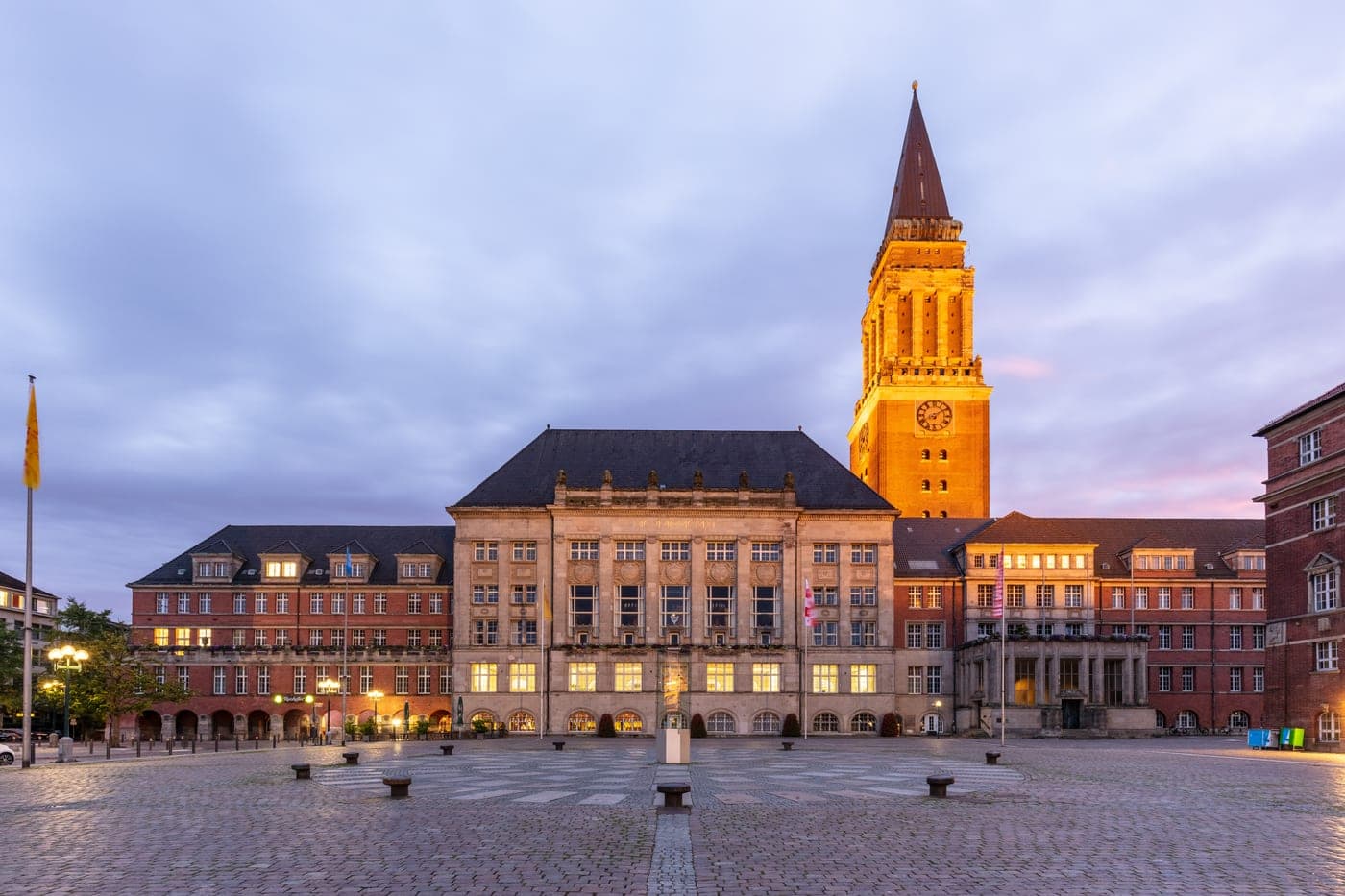
Kiel
Camper Van Rentals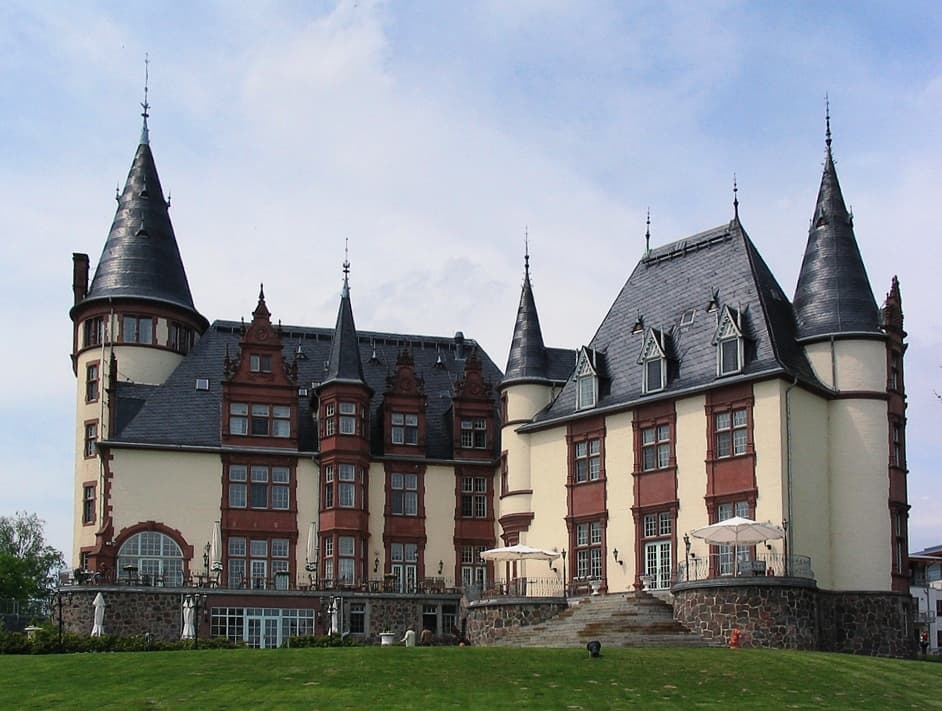
Klink
Boat Rentals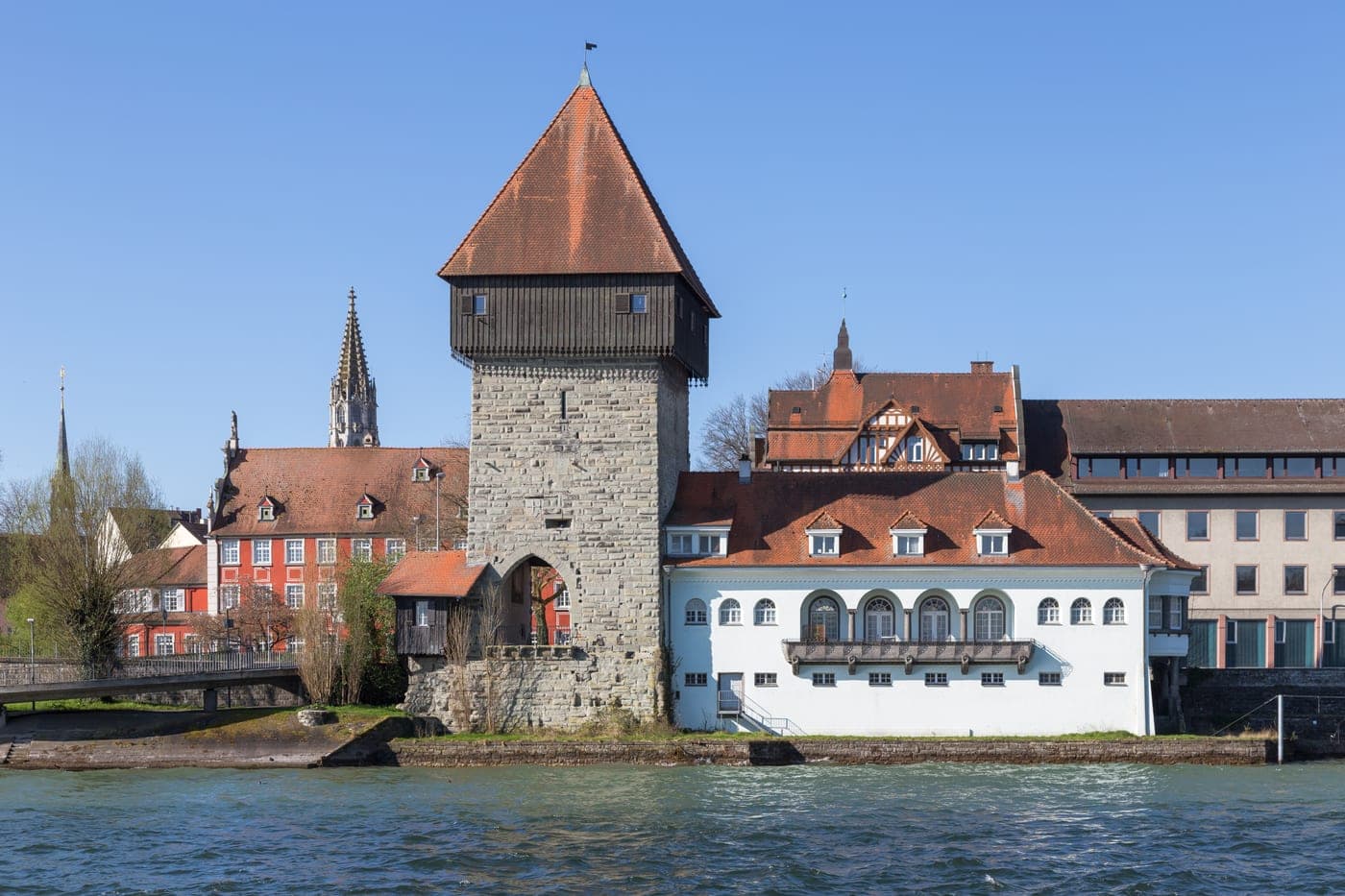
Konstanz
Camper Van Rentals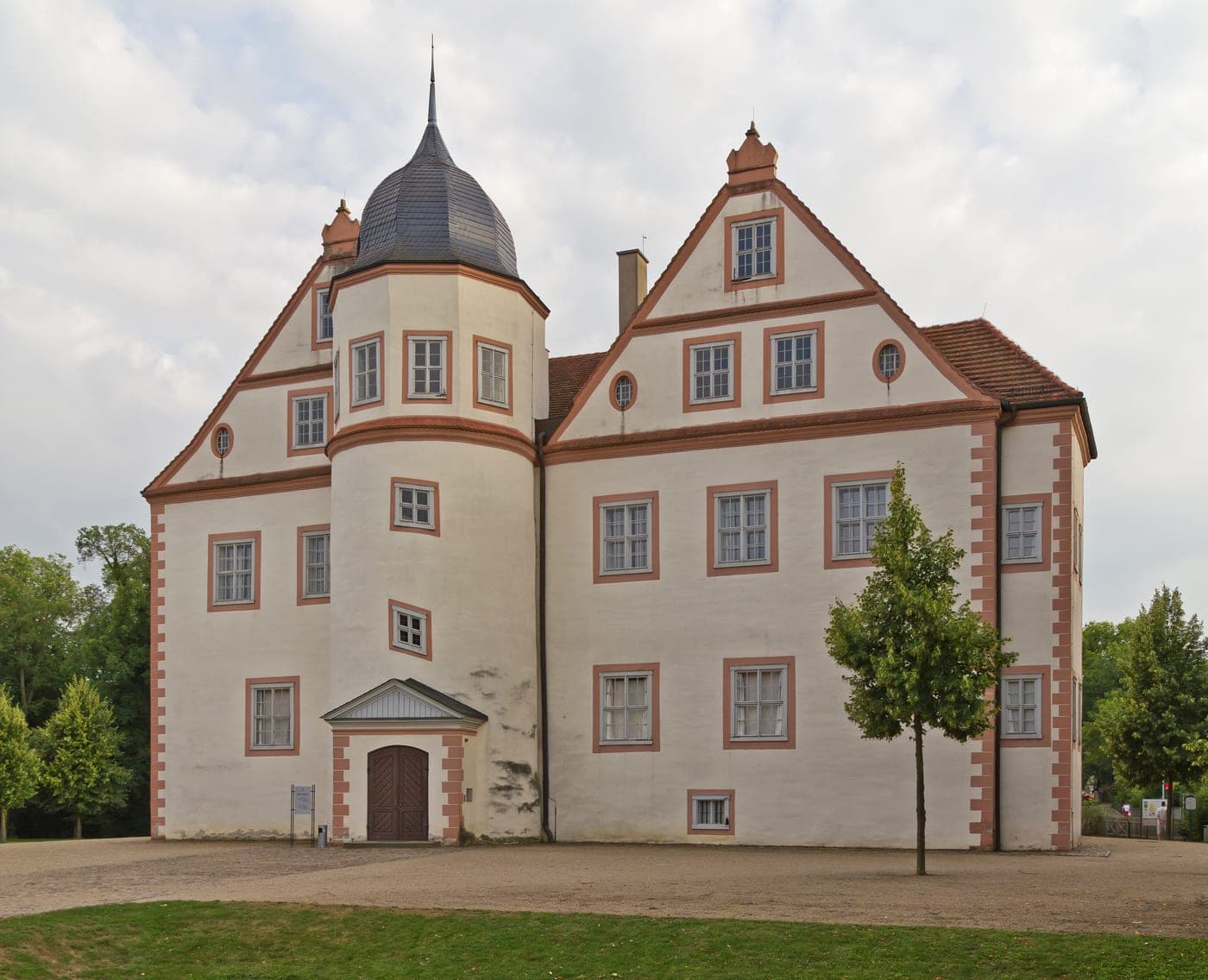
Königs Wusterhausen
Boat RentalsLaboe
Boat Rentals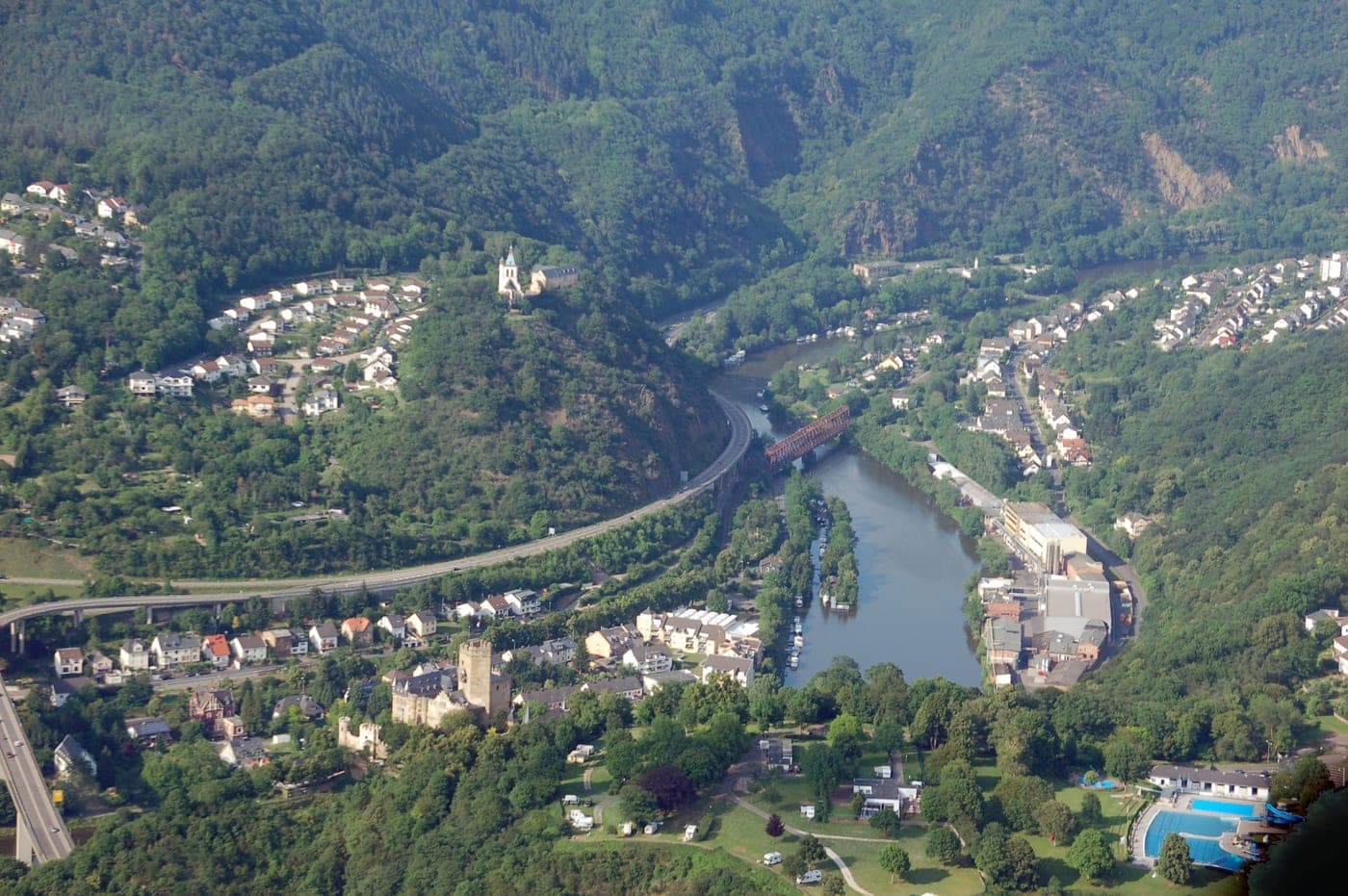
Lahnstein
Boat RentalsLeipzig
Camper Van Rentals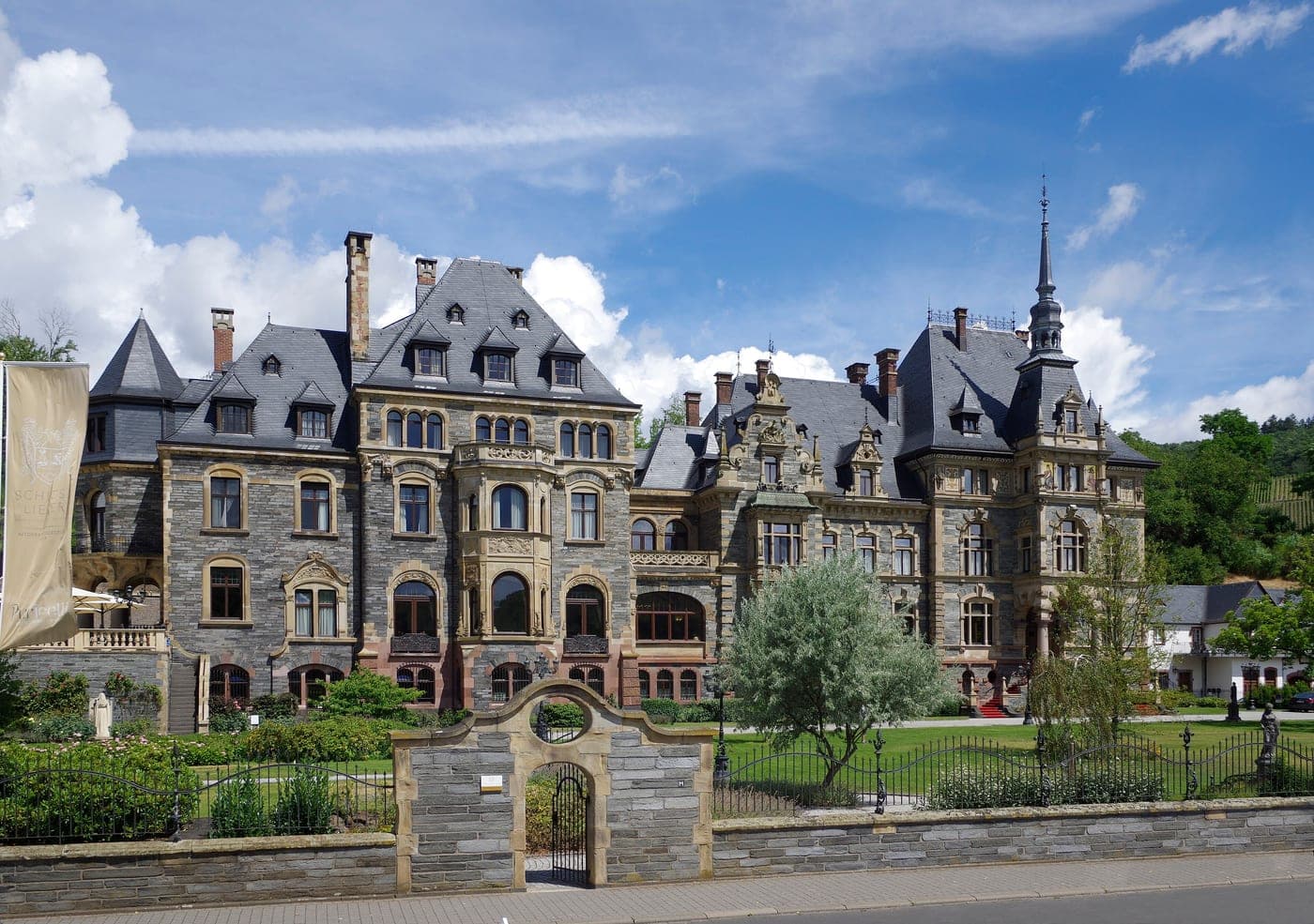
Lieser
Castles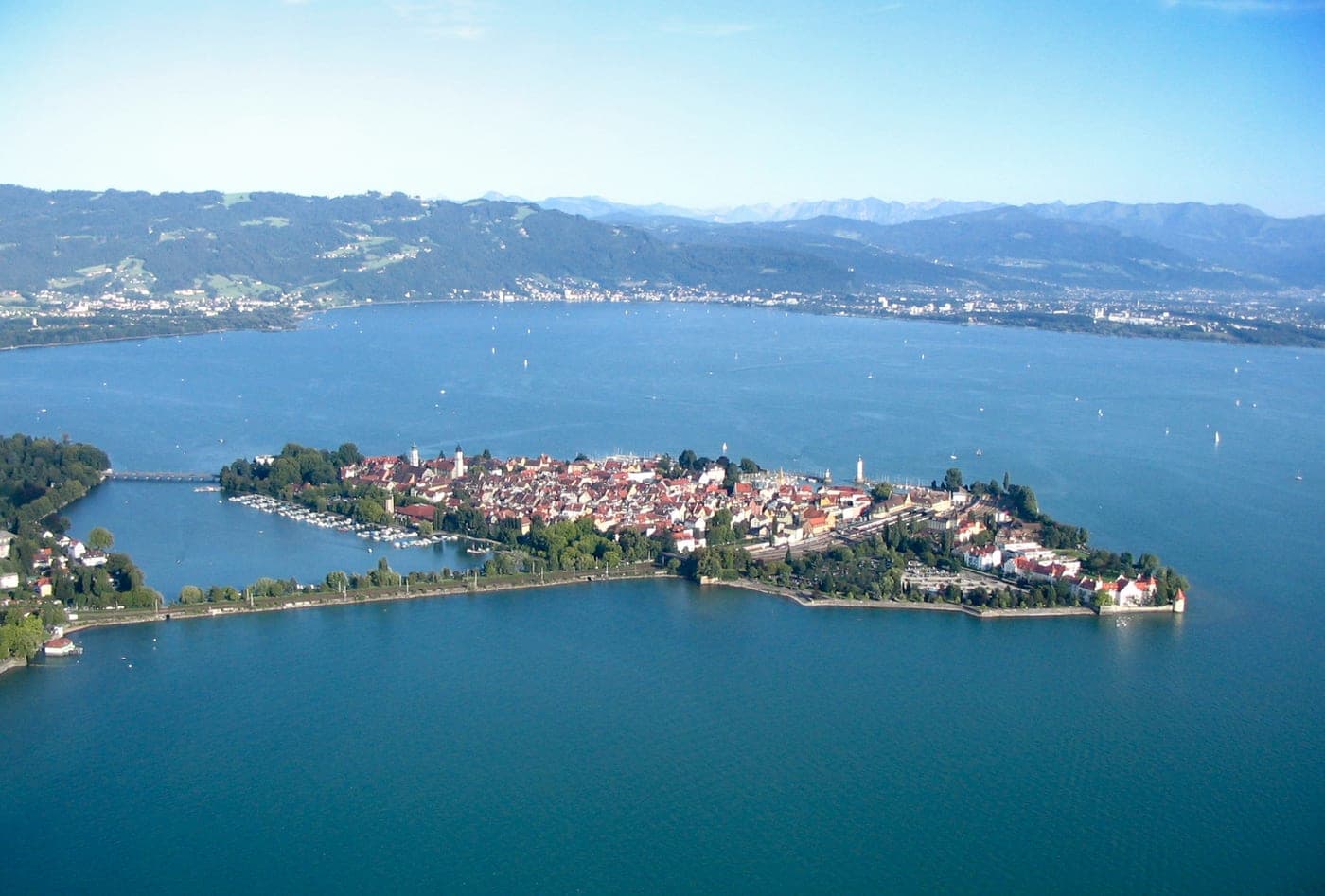
Lindau
Camper Van RentalsLug
CabinsLychen
Boat Rentals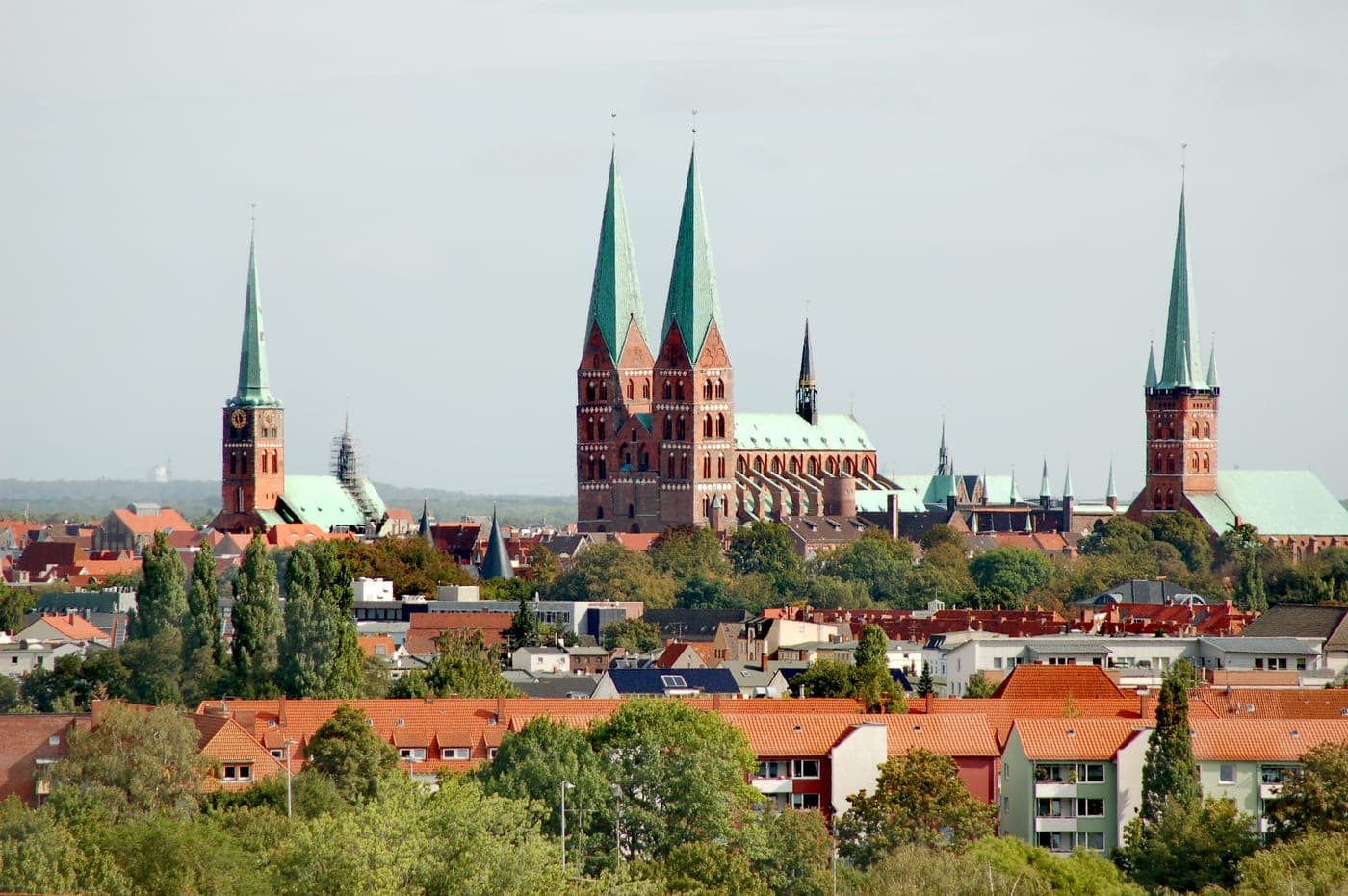
Lübeck
Camper Van Rentals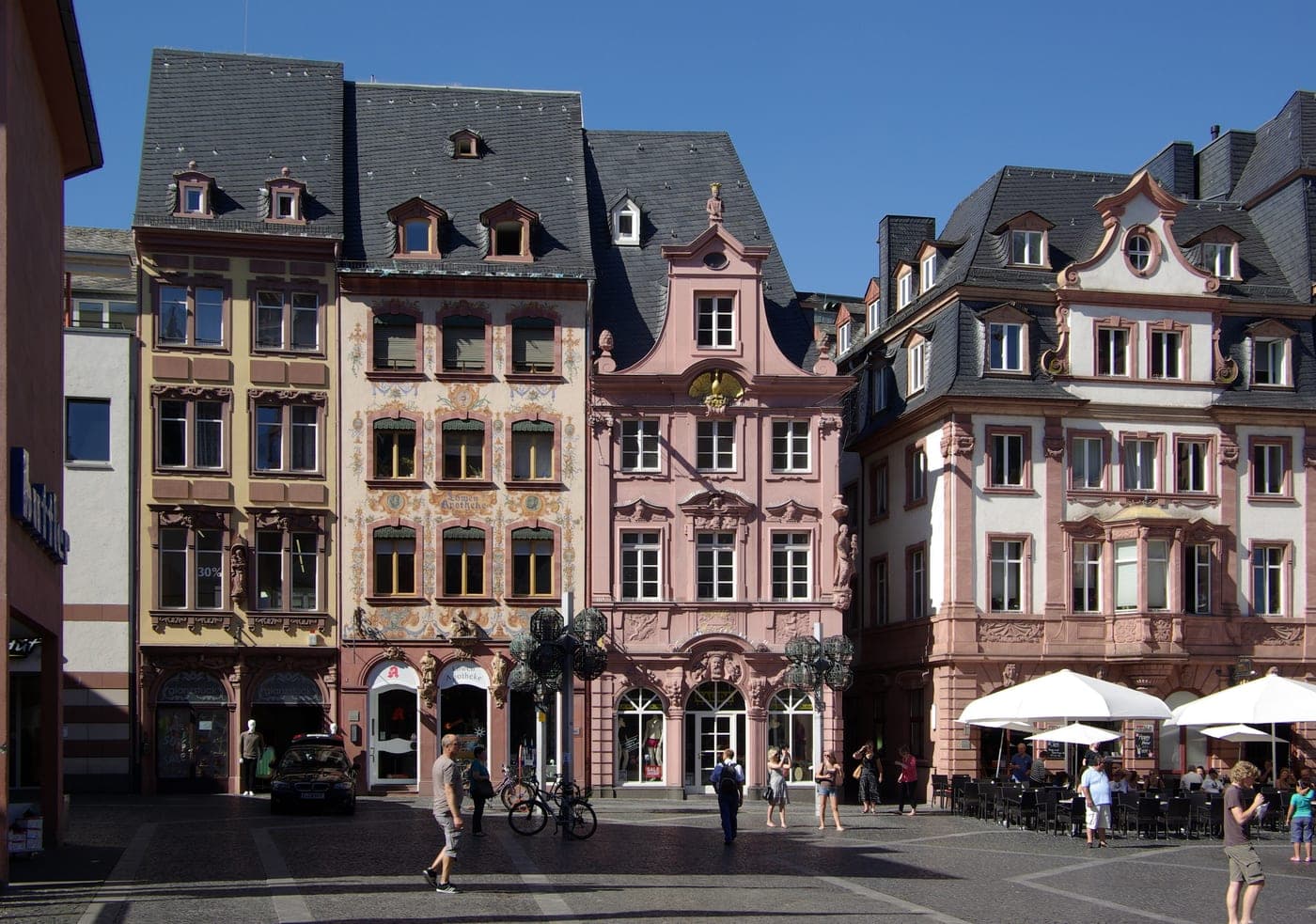
Mainz
Camper Van Rentals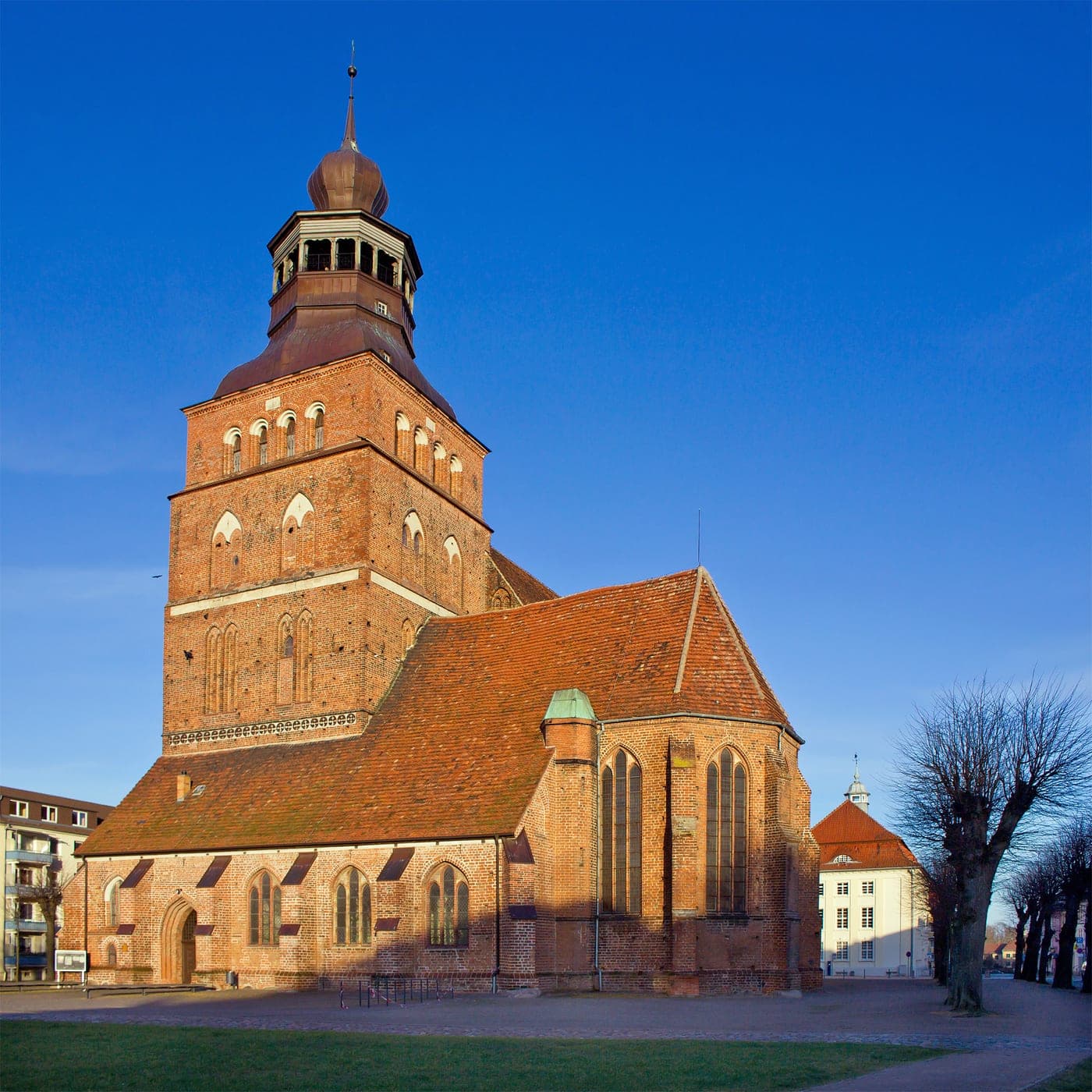
Malchin
Boat Rentals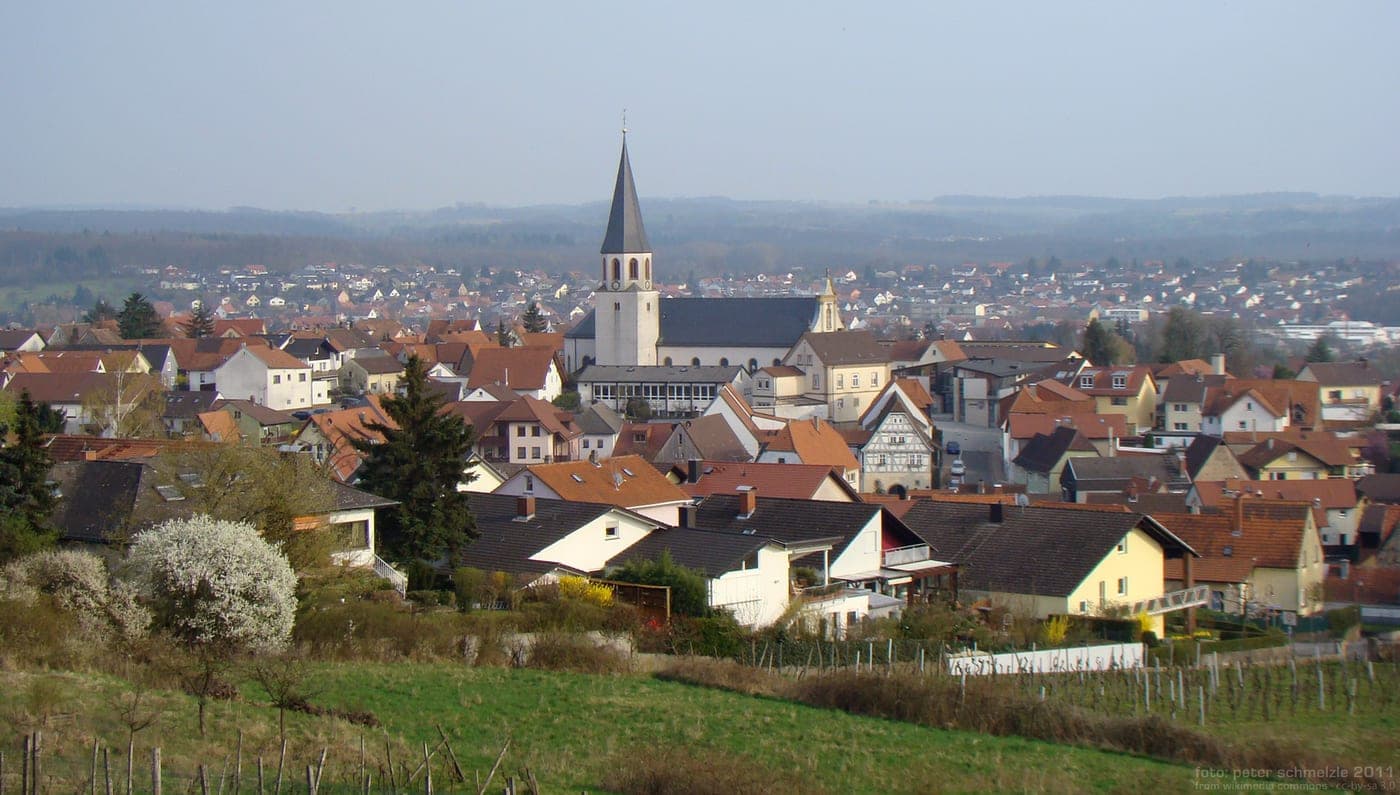
Malsch
Cabins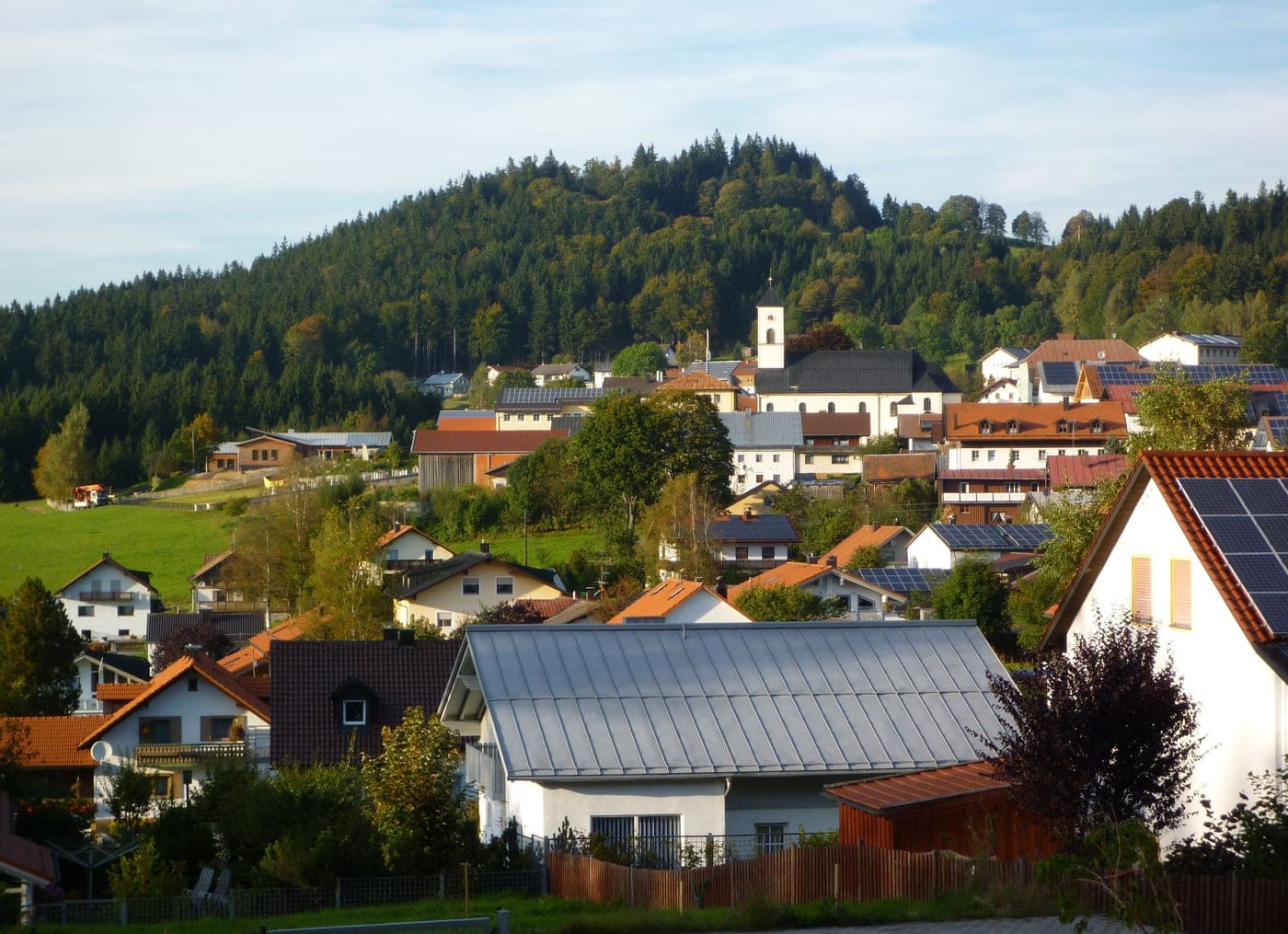
Mauth
Cabins
Meschede
Cabins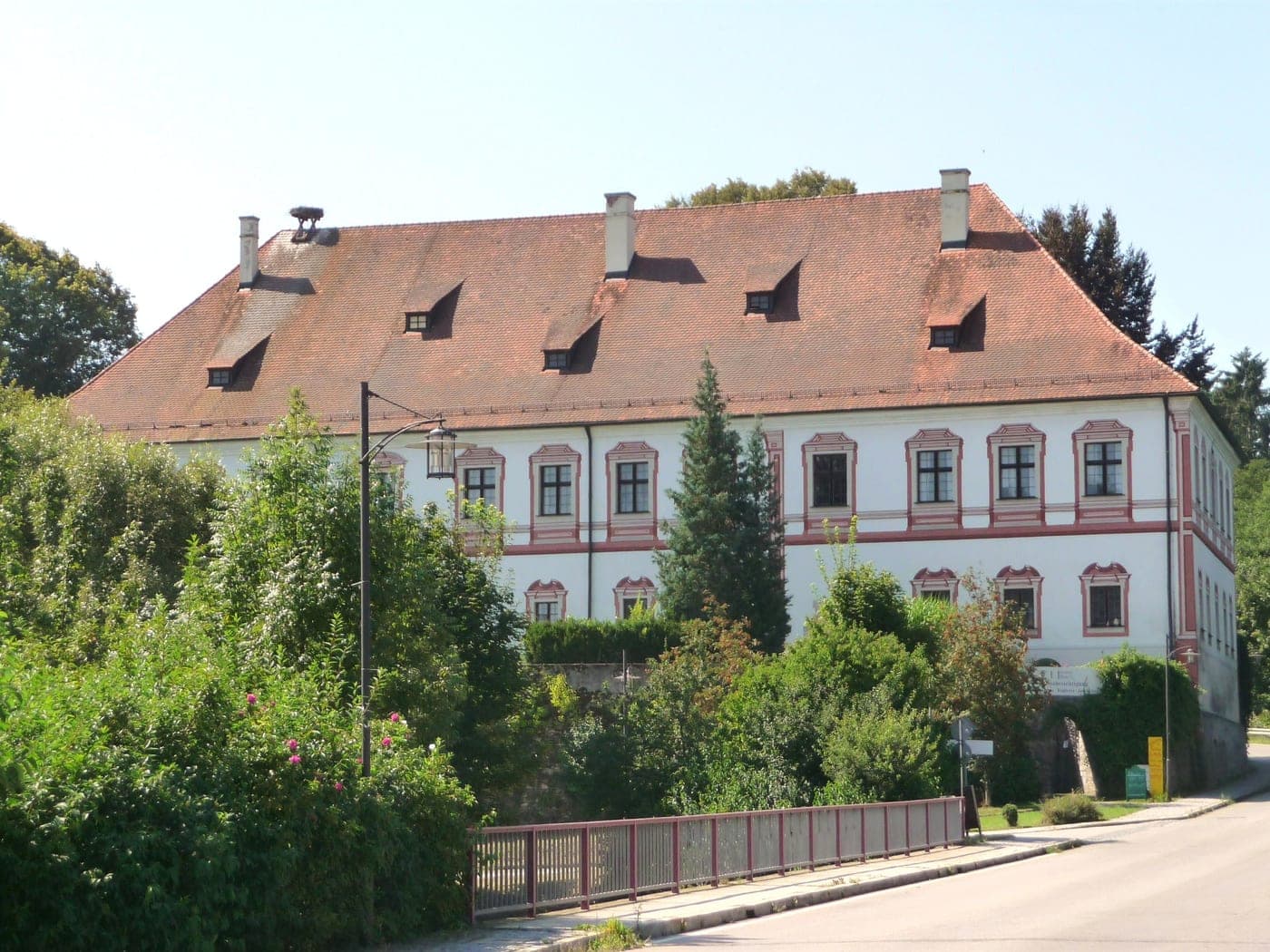
Miltach
Cabins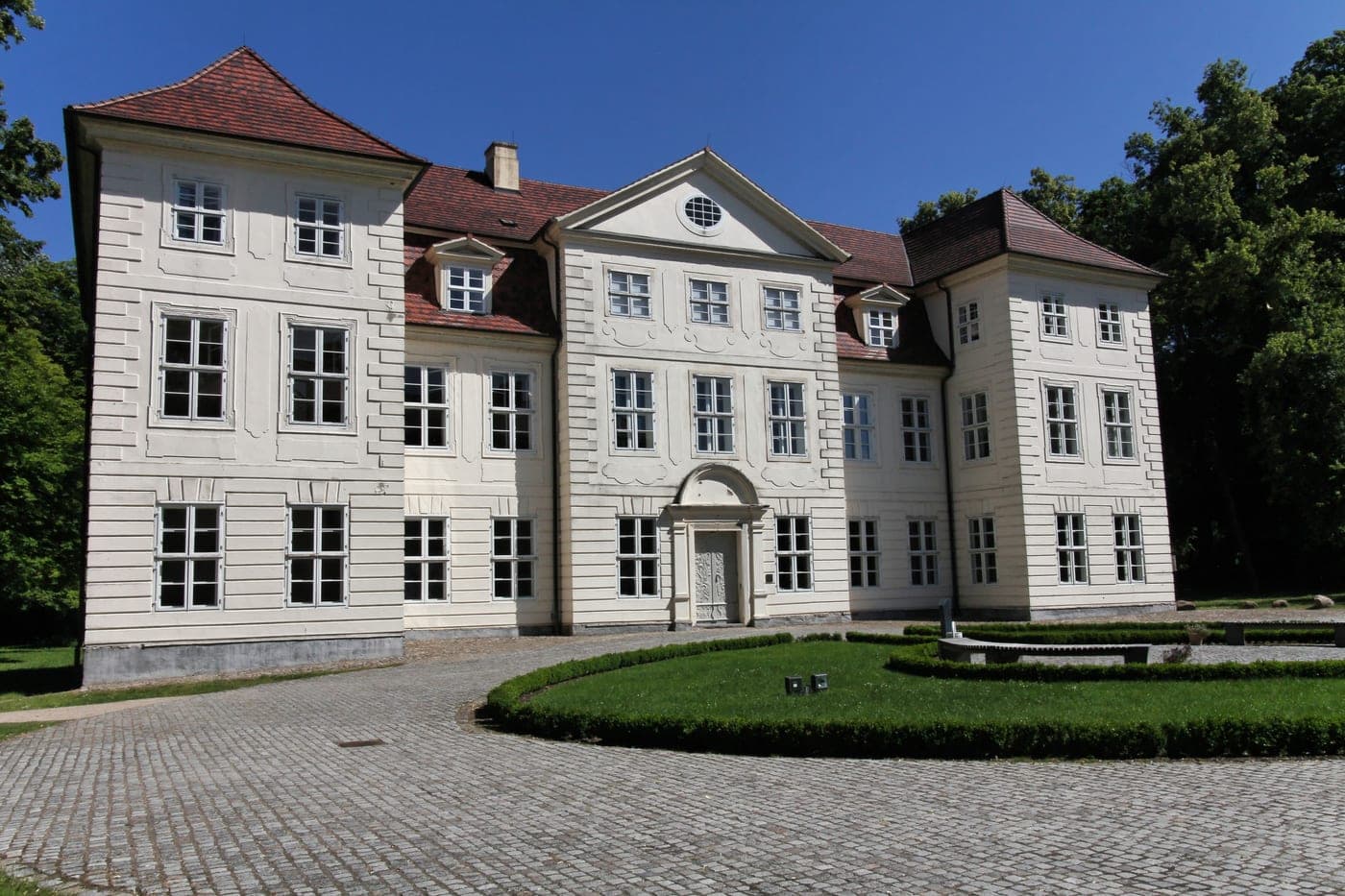
Mirow
Boat Rentals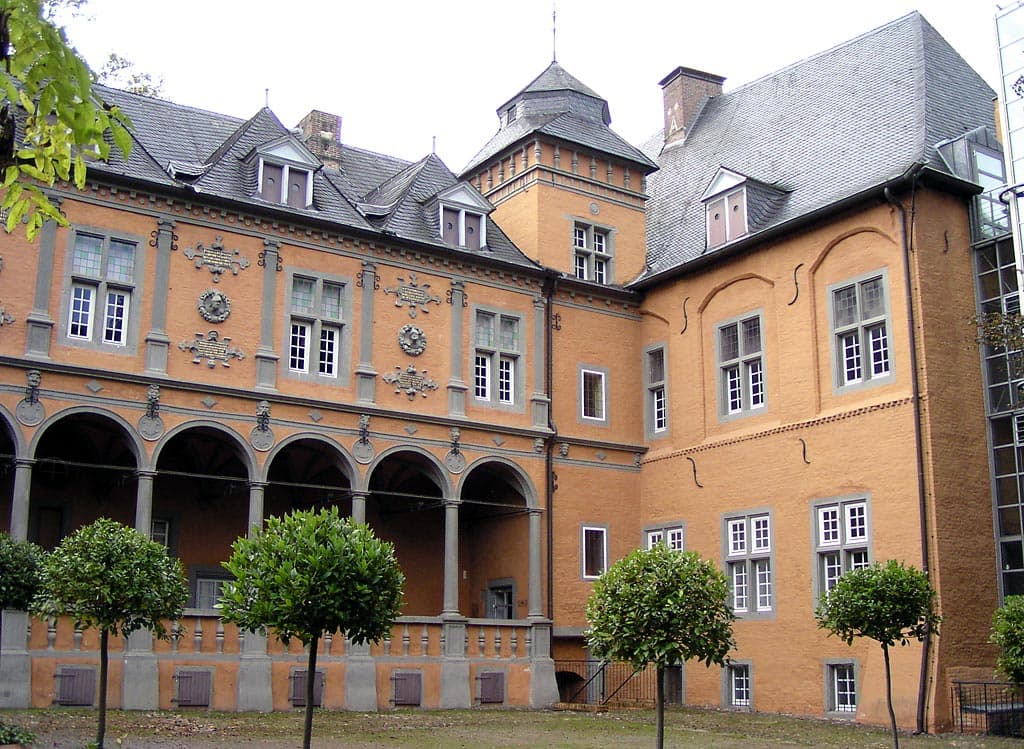
Mönchengladbach
Camper Van Rentals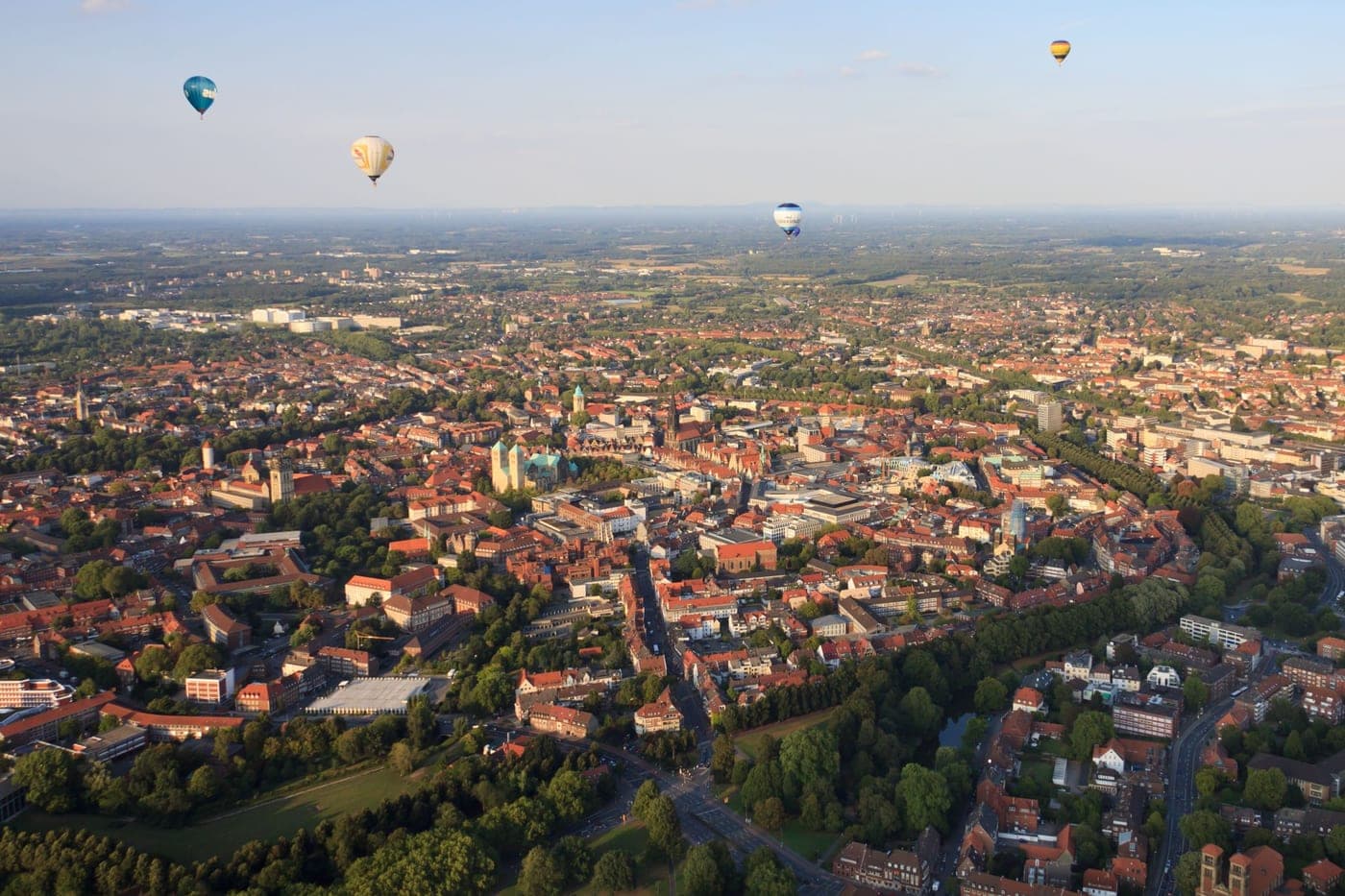
Münster
Castles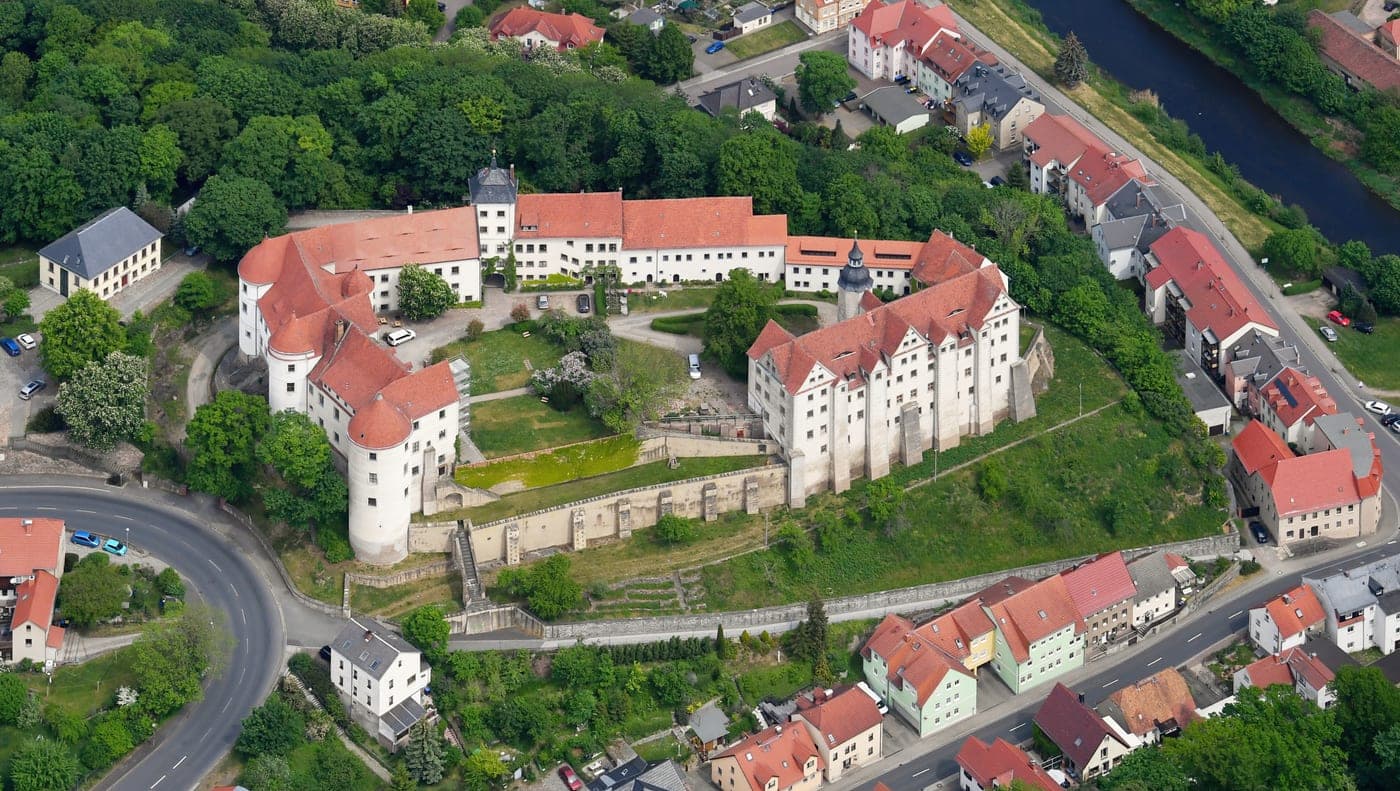
Nossen
Cabins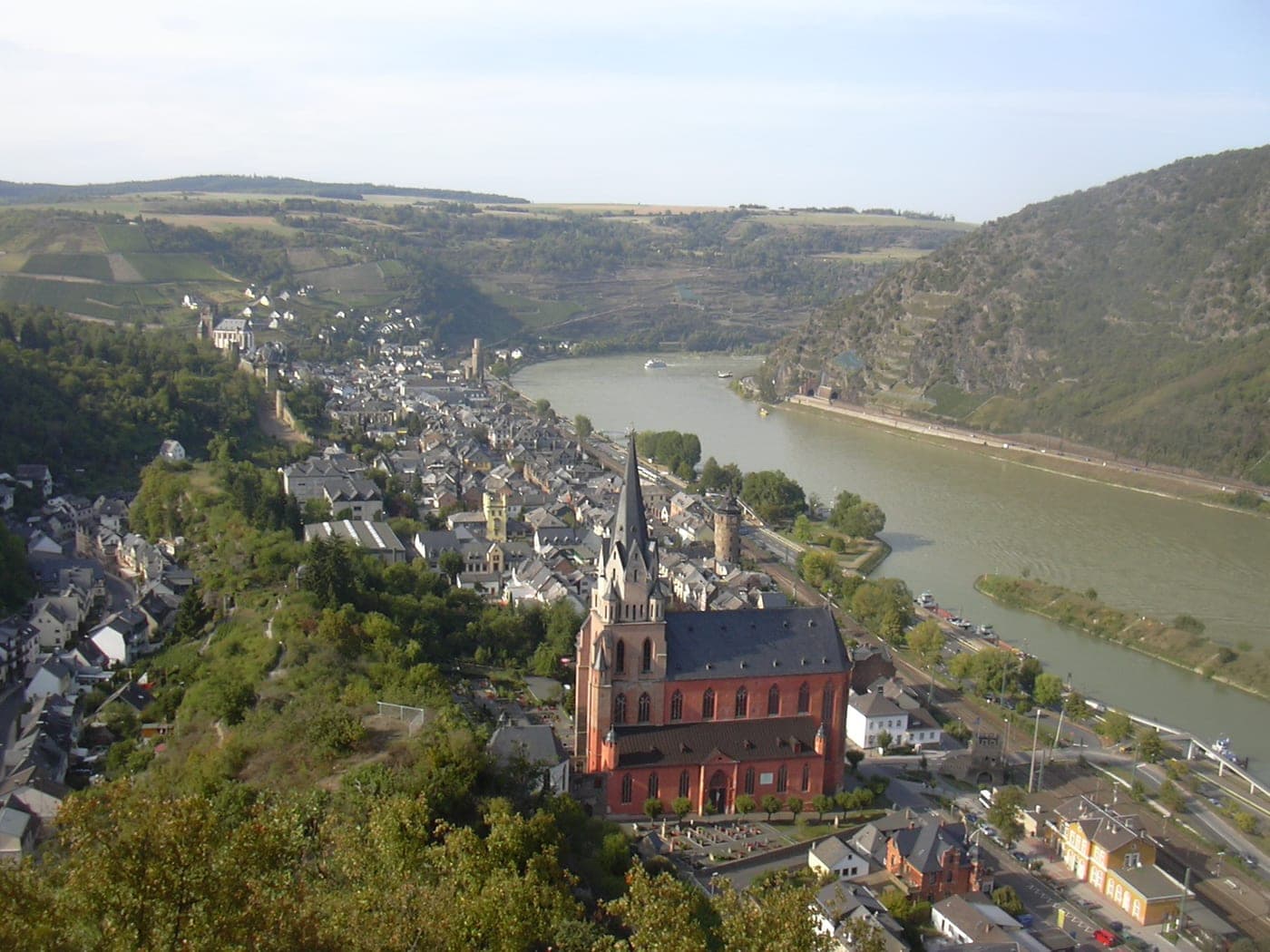
Oberwesel
Castles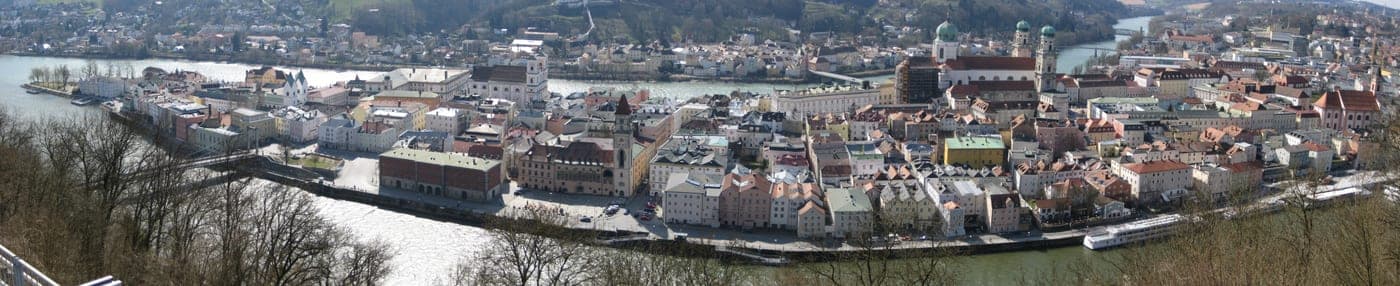
Passau
Boat Rentals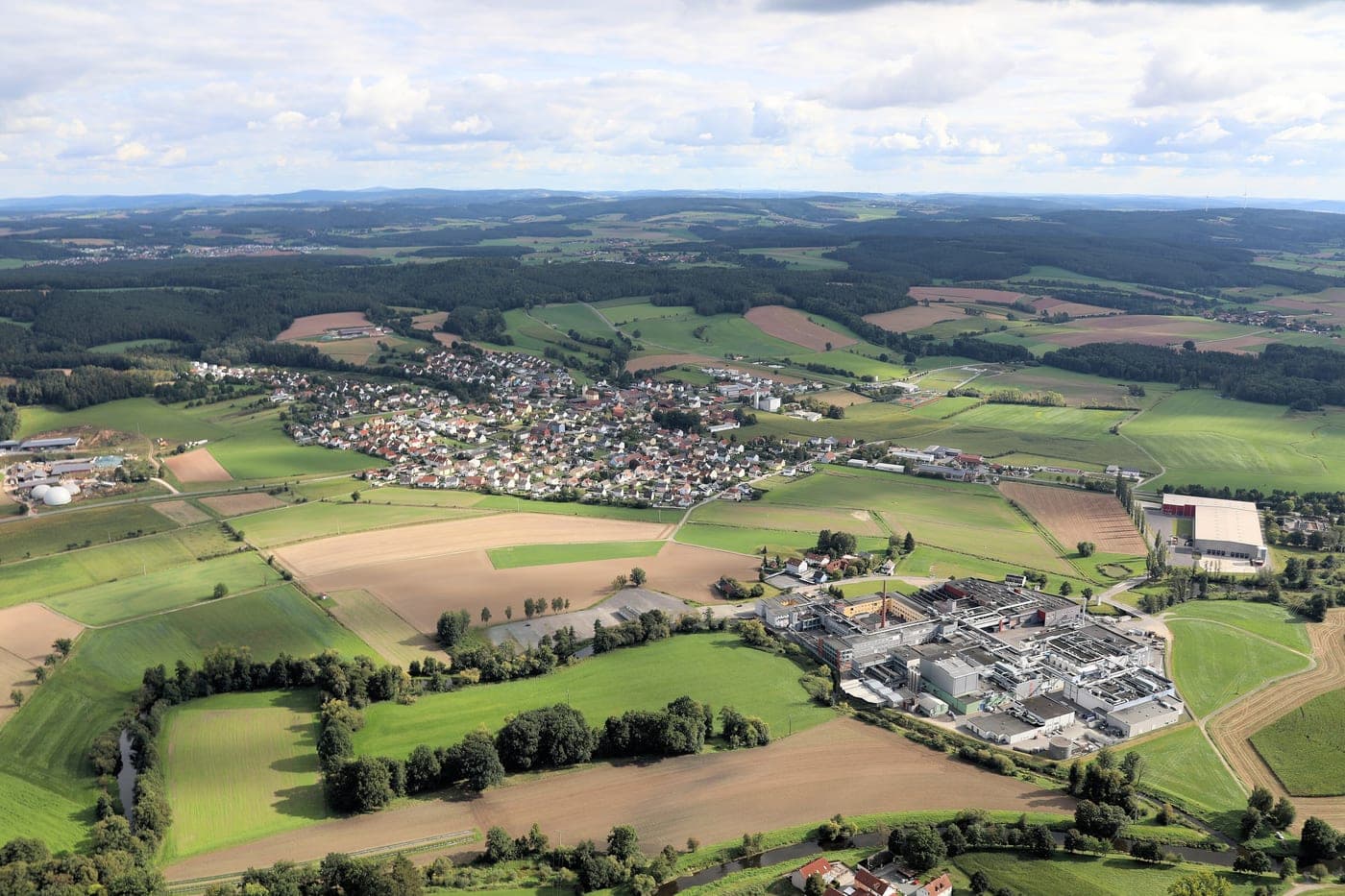
Pirk
Cabins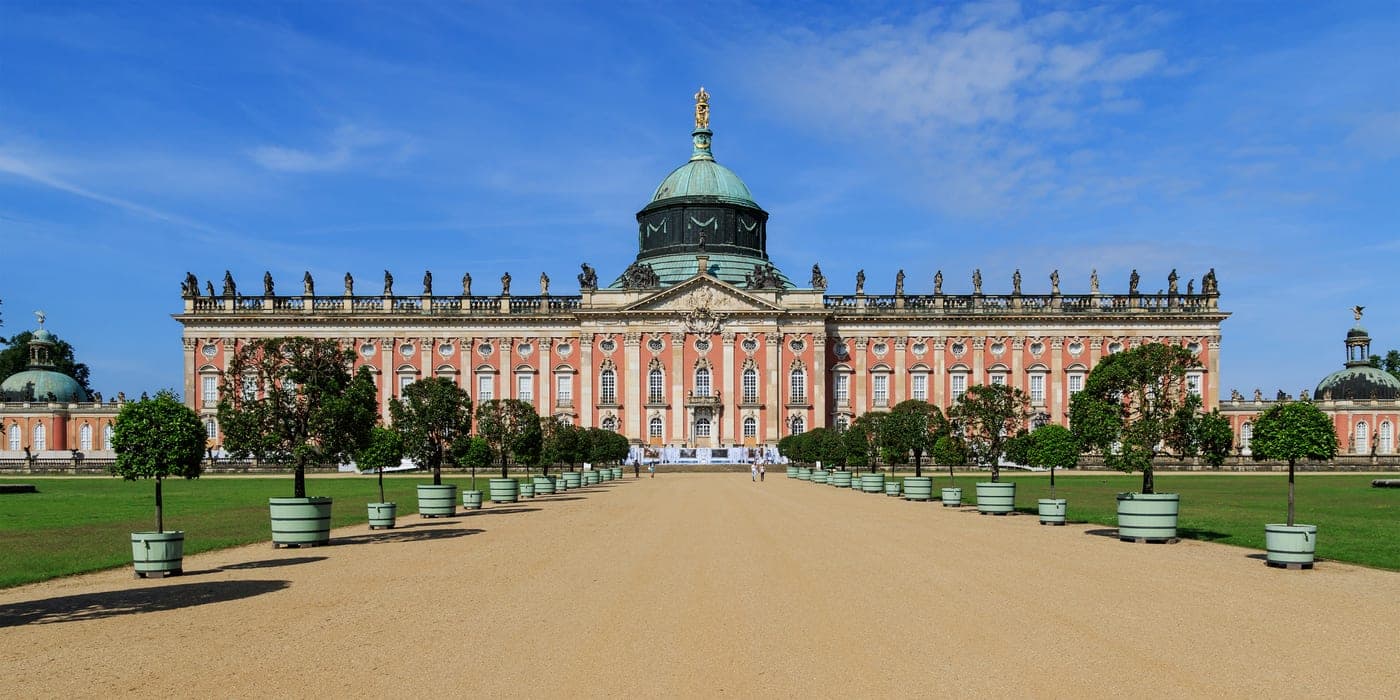
Potsdam
Boat Rentals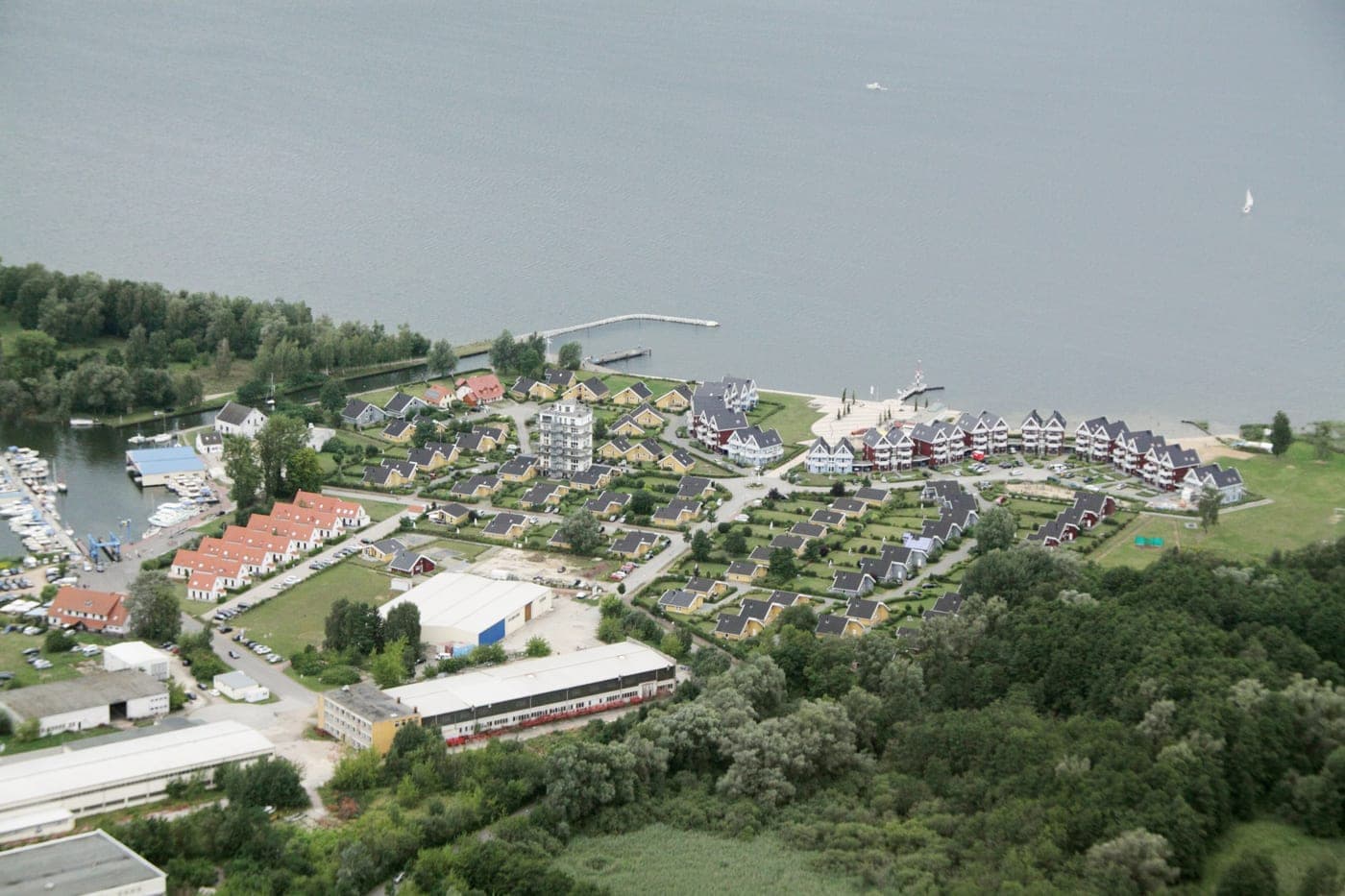
Rechlin
Boat Rentals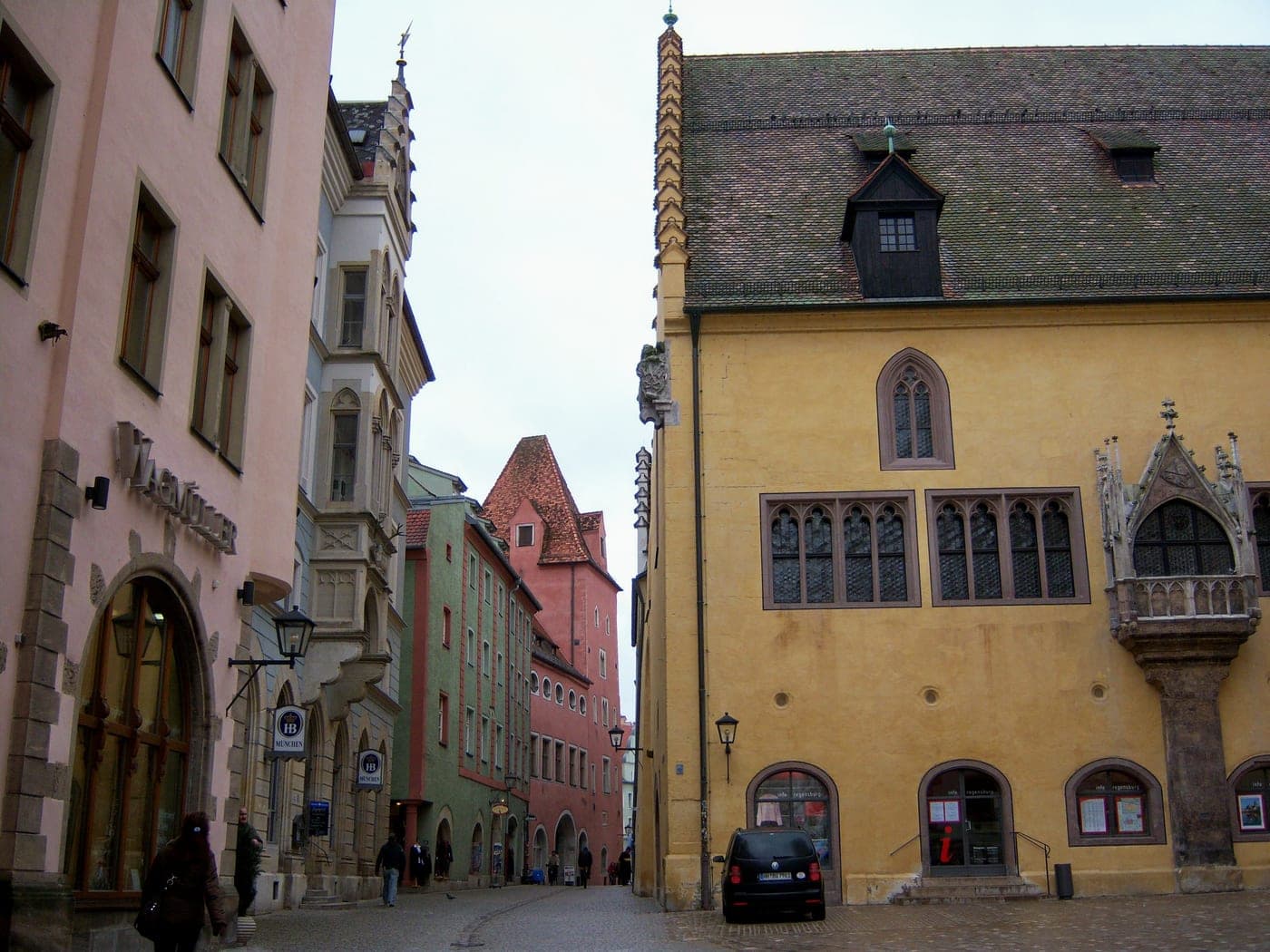
Regensburg
Camper Van Rentals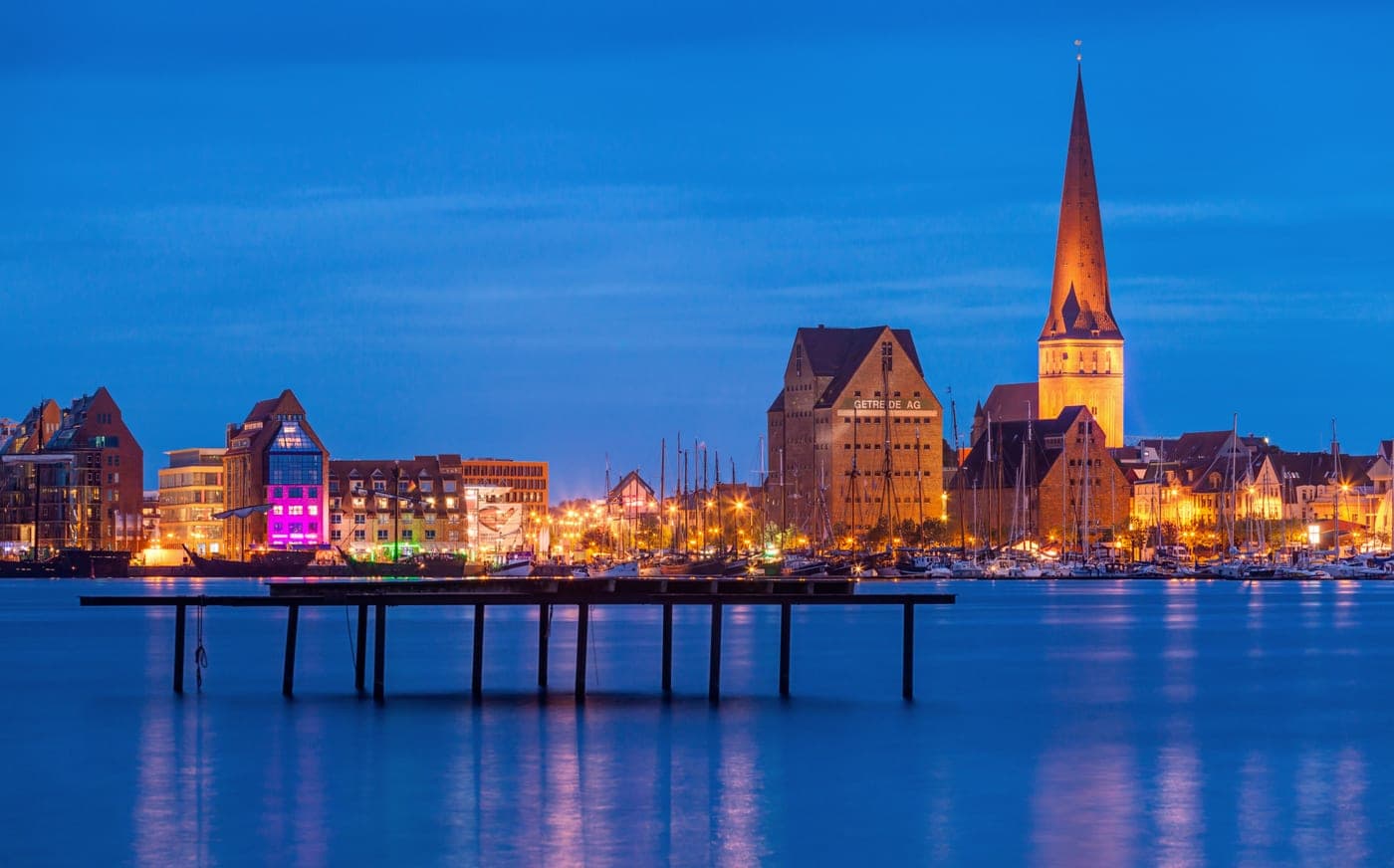
Rostock
Boat Rentals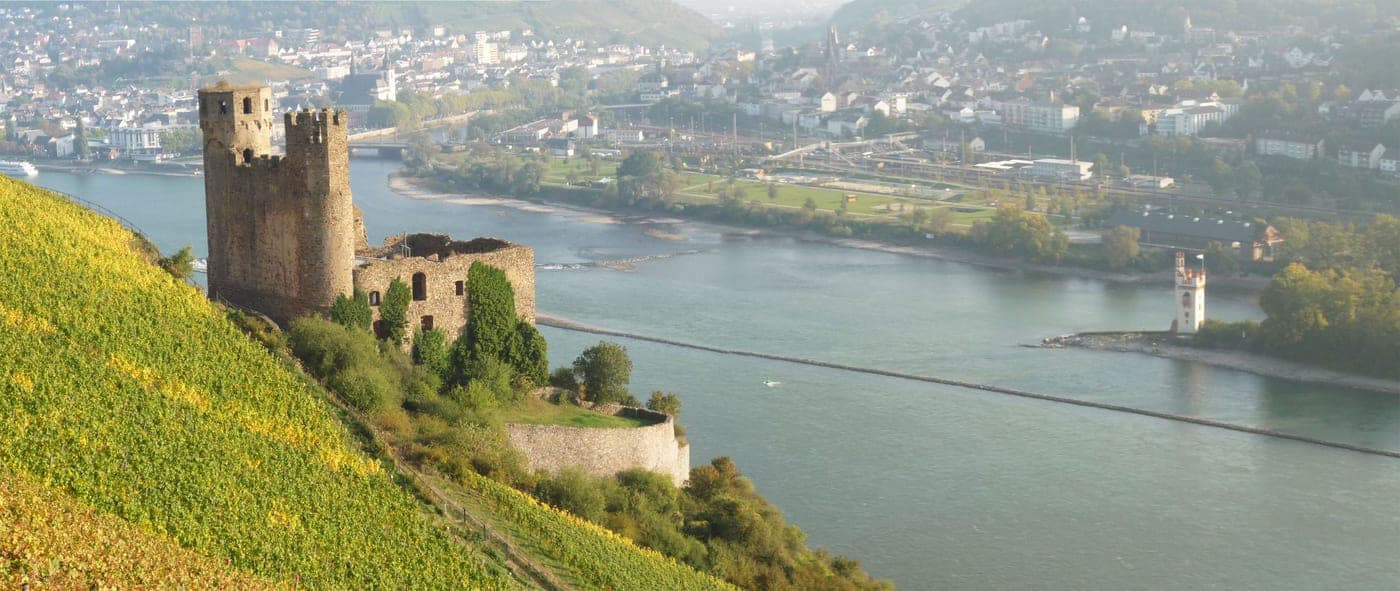
Rüdesheim am Rhein
Castles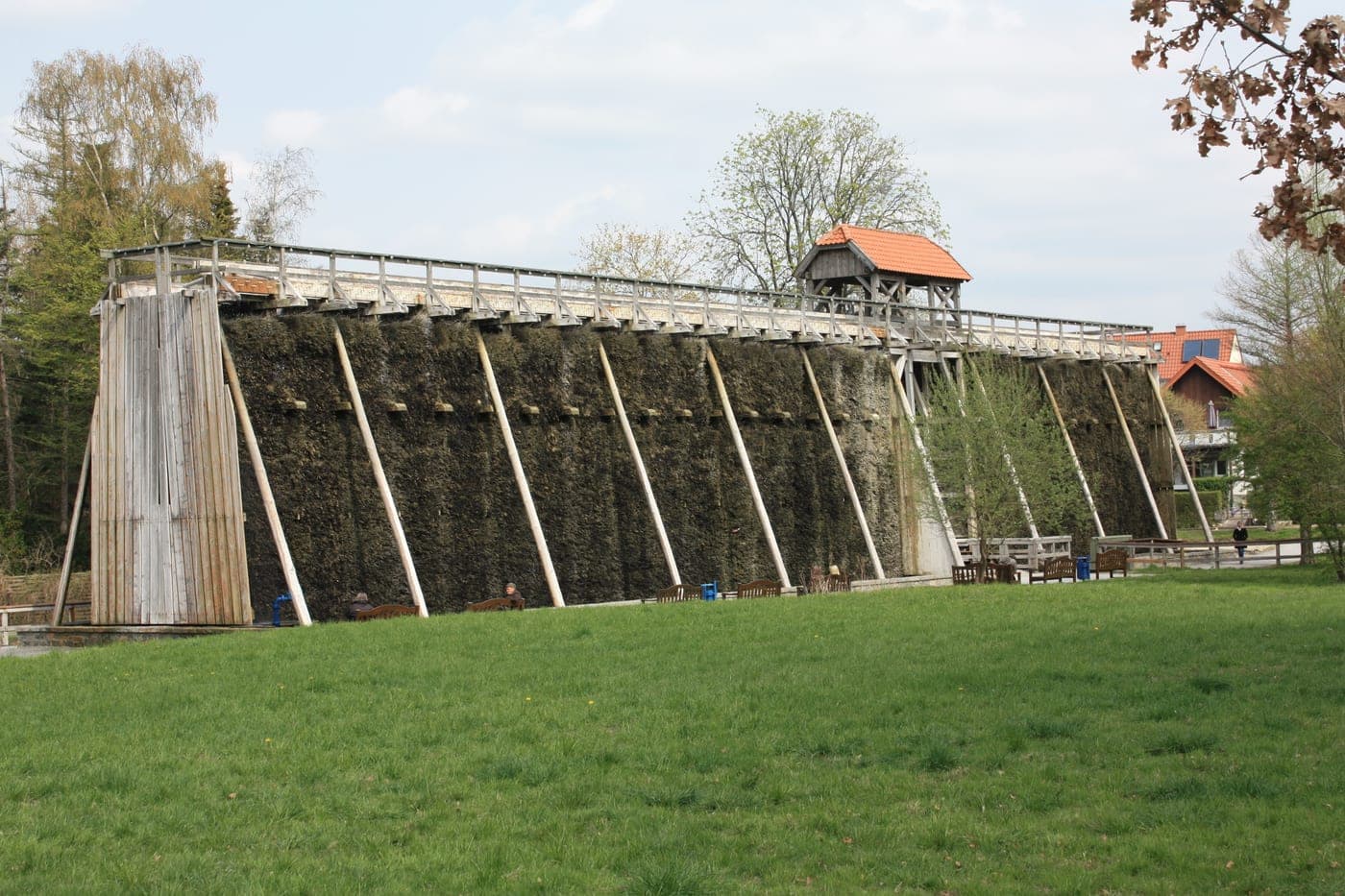
Salzkotten
Boat Rentals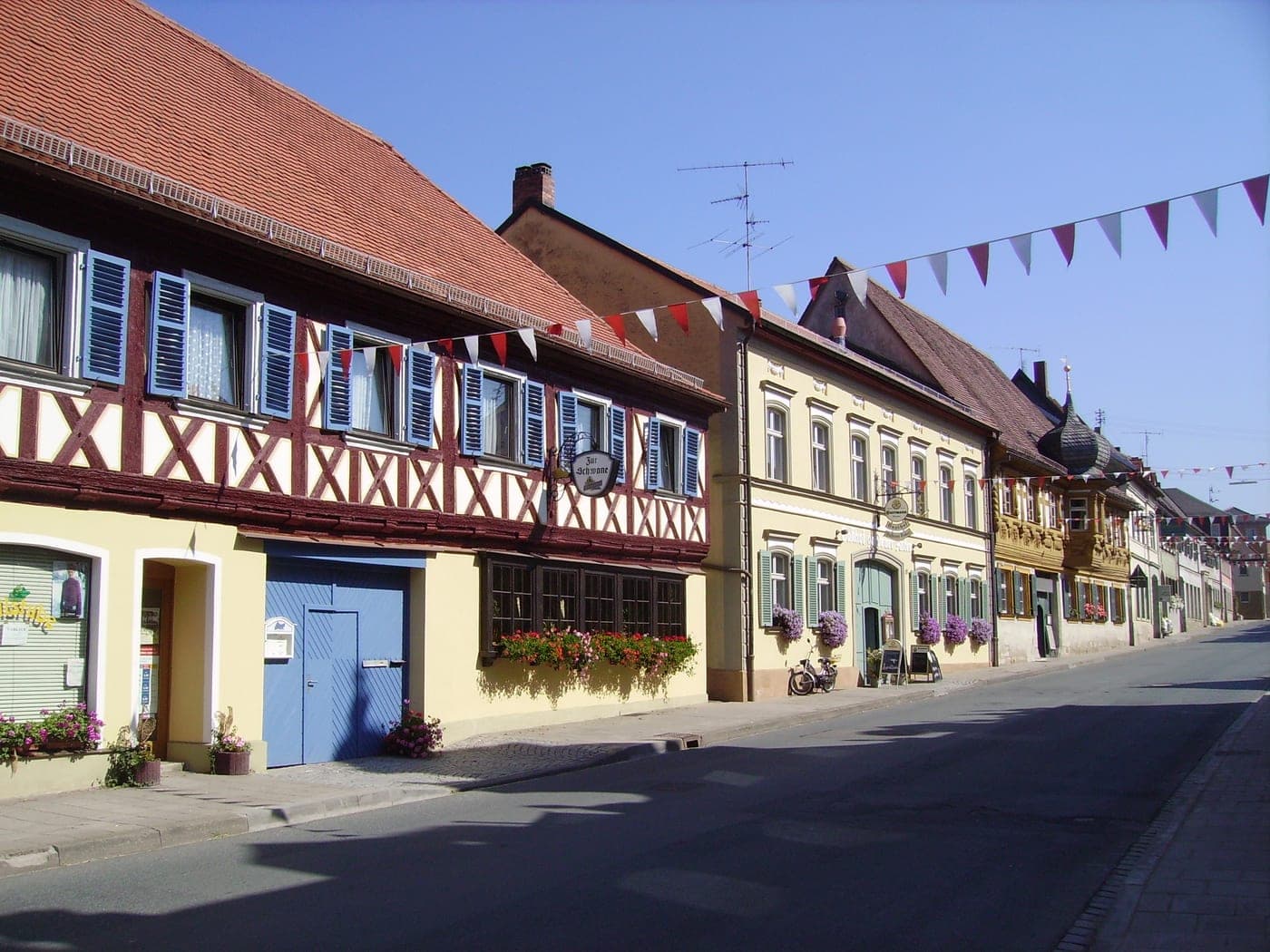
Scheßlitz
Castles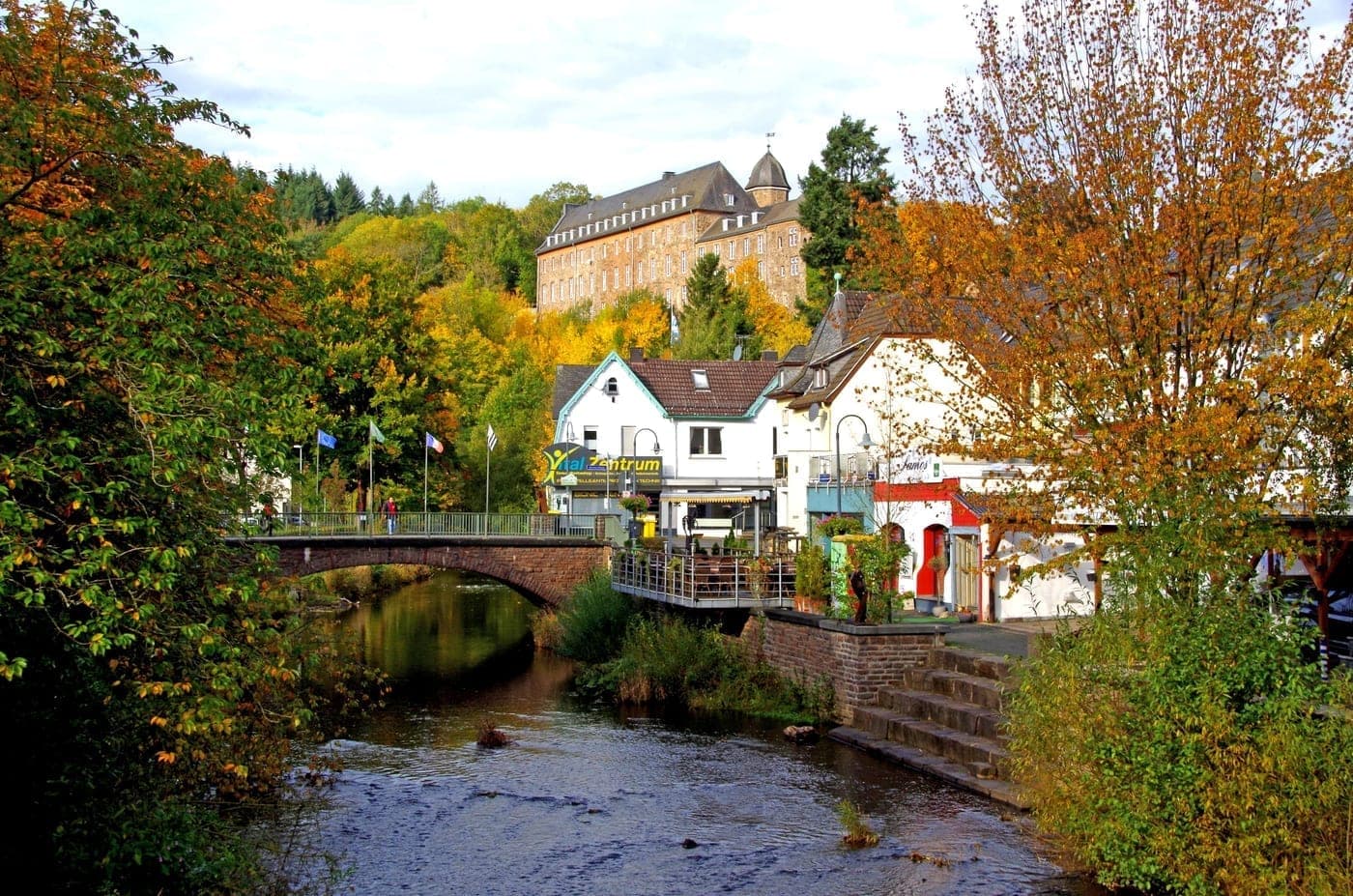
Schleiden
Cabins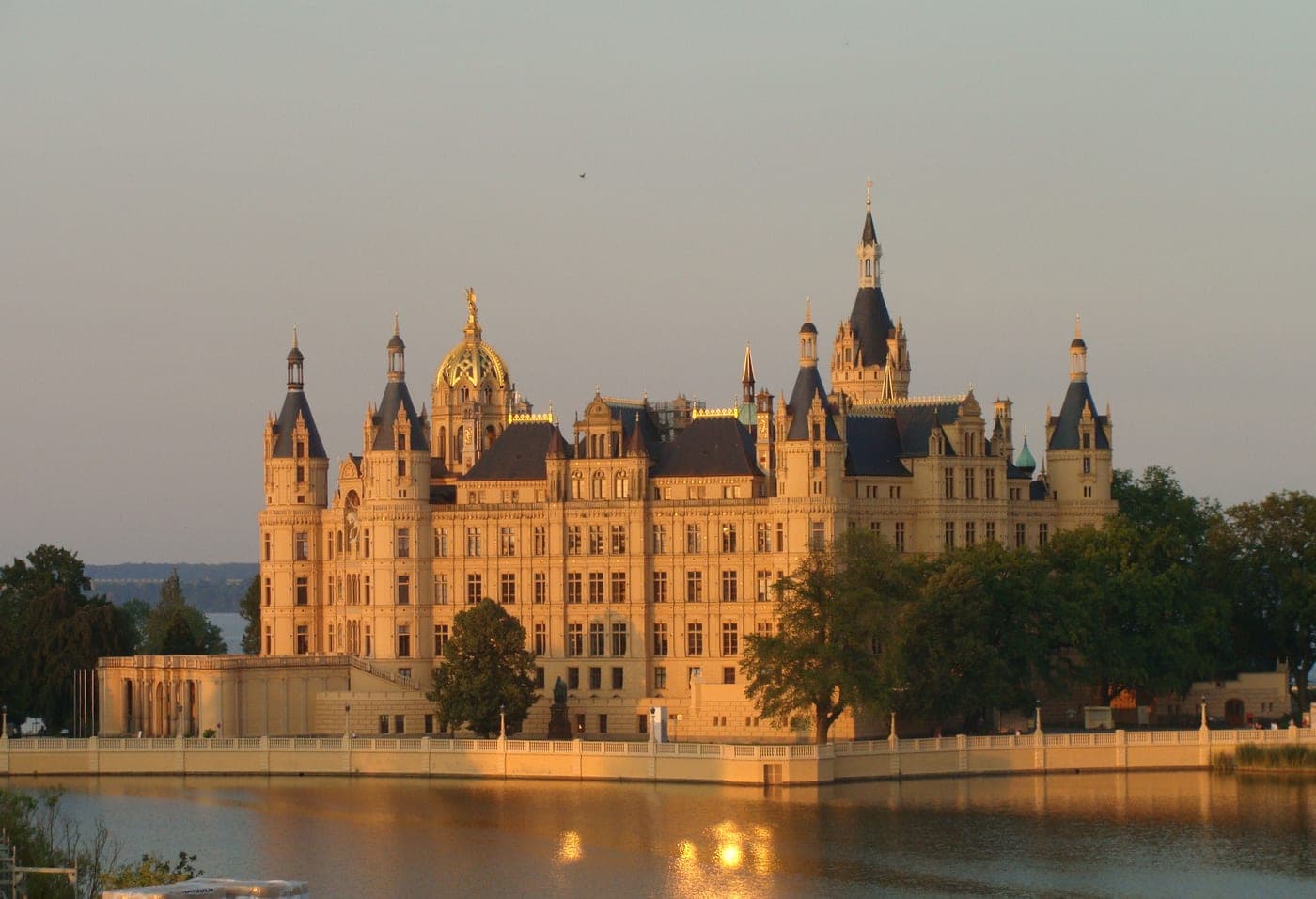
Schwerin
Boat Rentals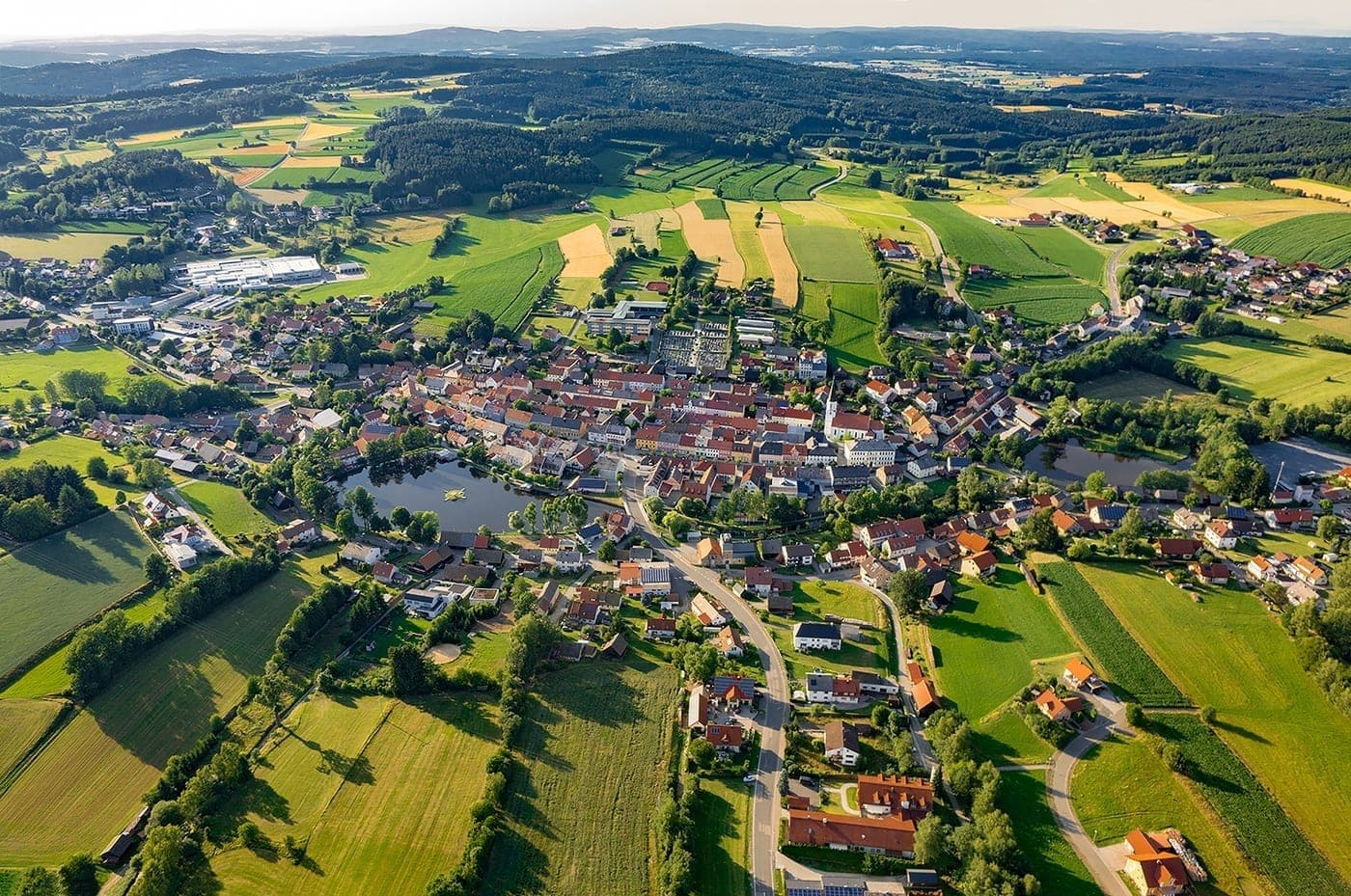
Schönsee
Cabins
Stamsried
CabinsStralsund
Boat Rentals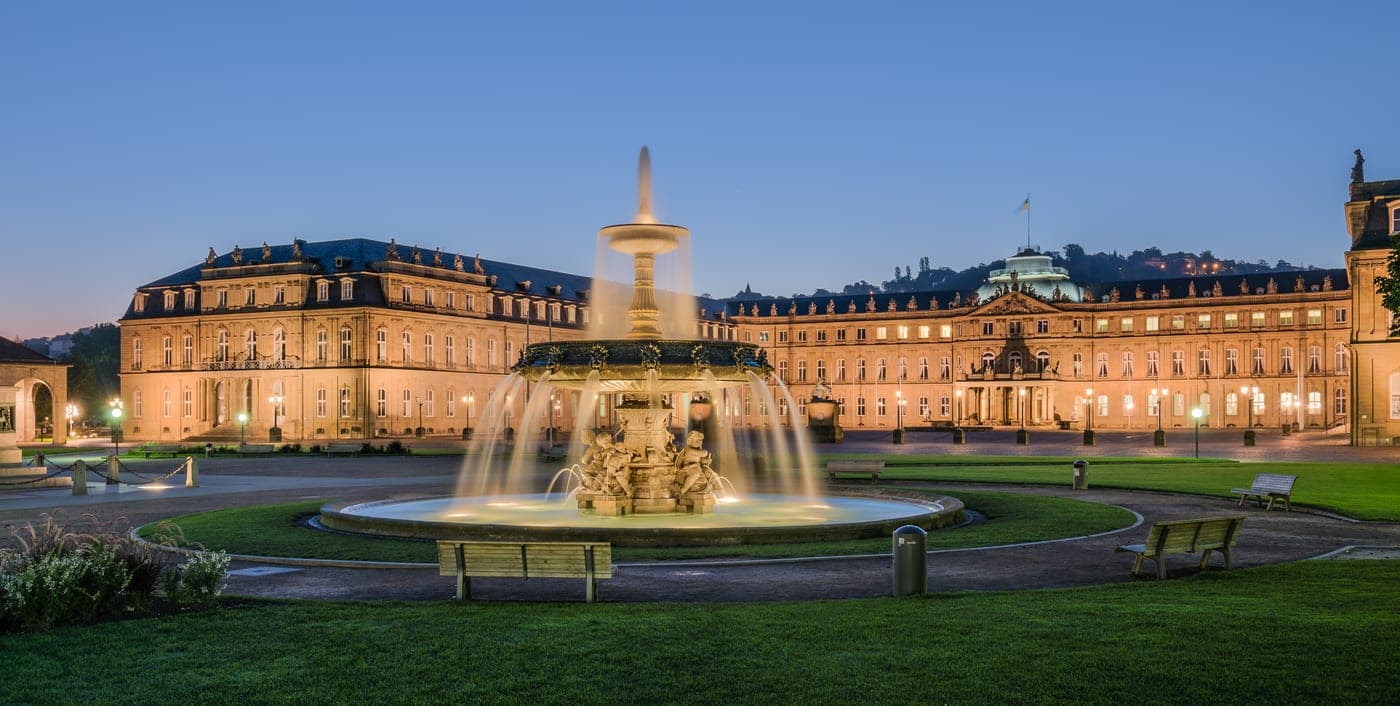
Stuttgart
Camper Van Rentals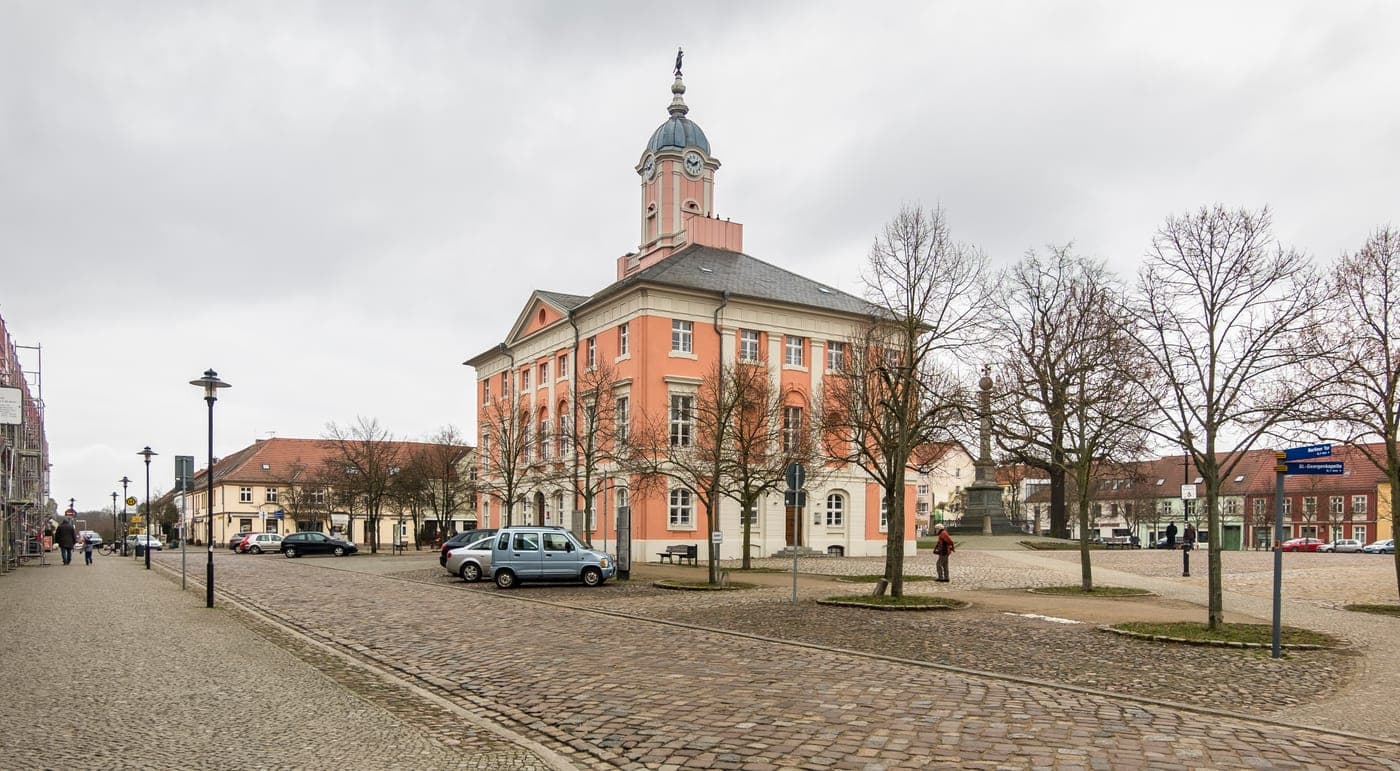
Templin
Boat Rentals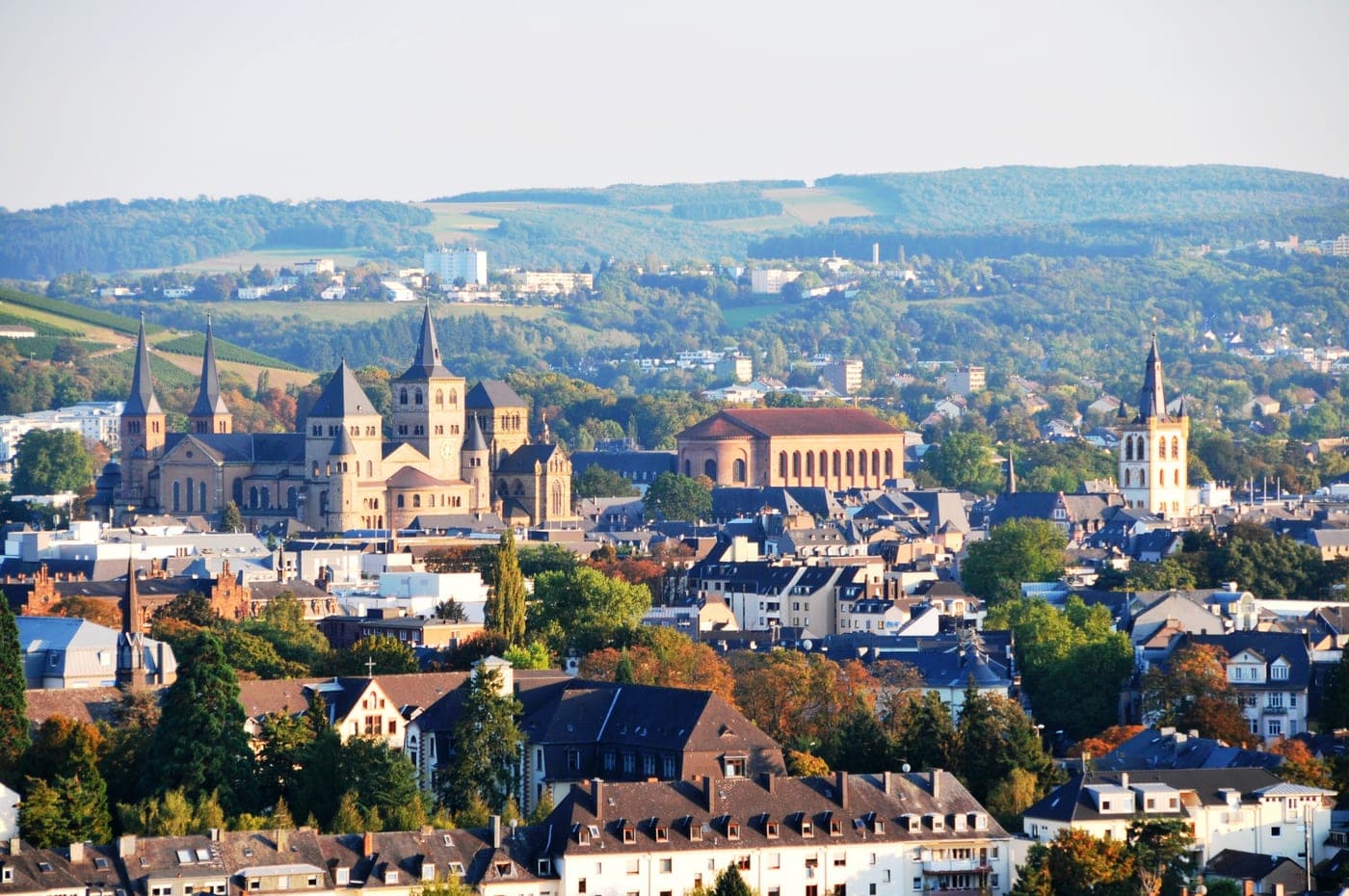
Trier
Camper Van RentalsUlm
Camper Van Rentals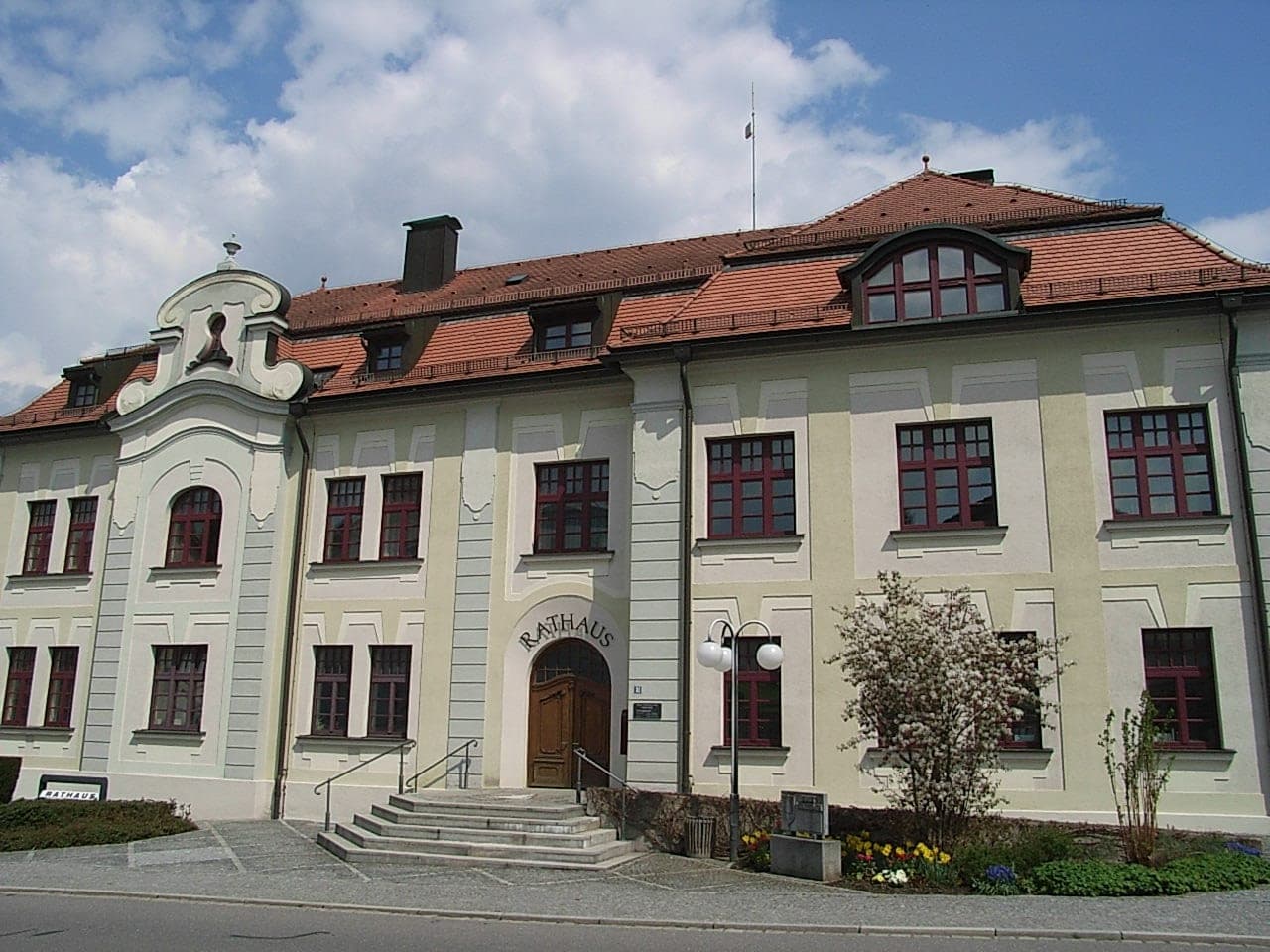
Viechtach
Cabins
Vorra
Cabins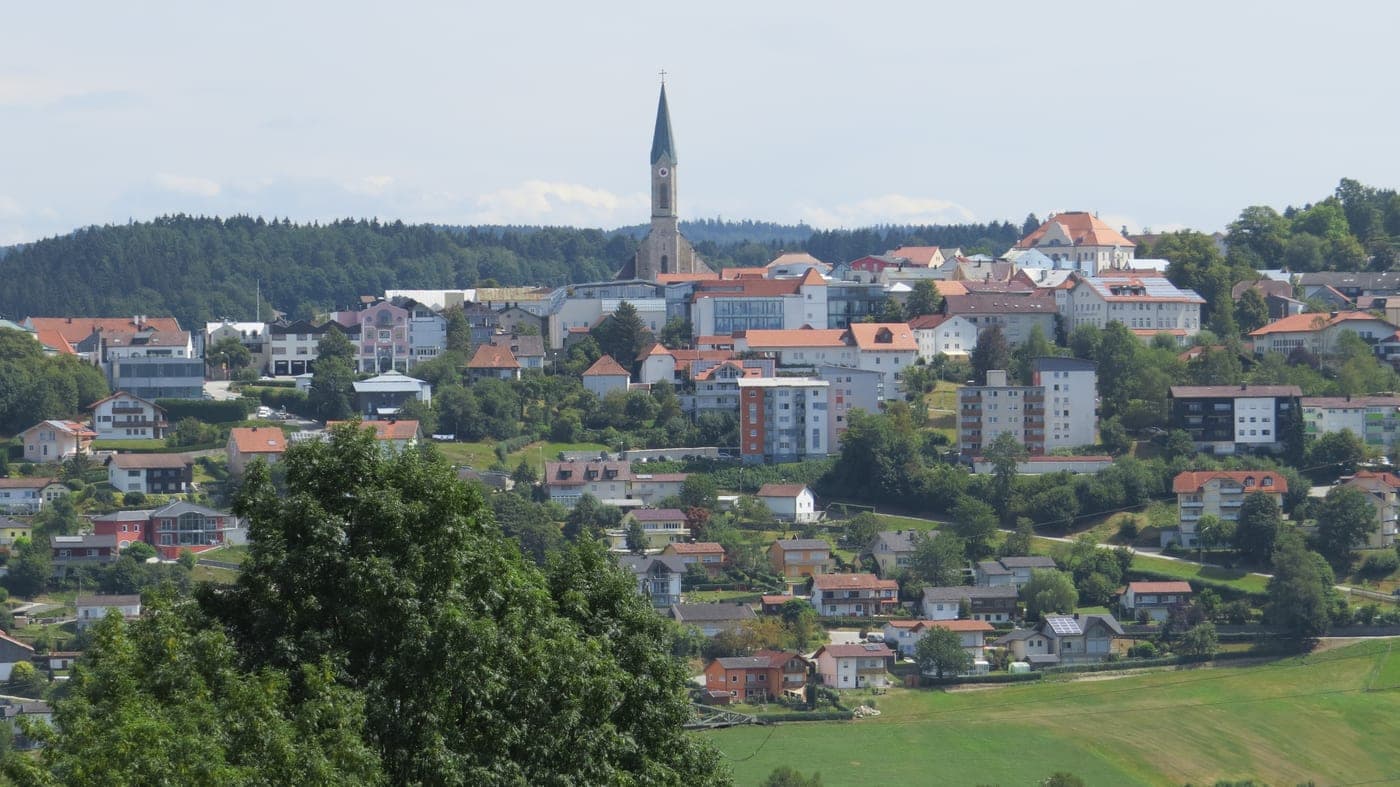
Waldkirchen
Cabins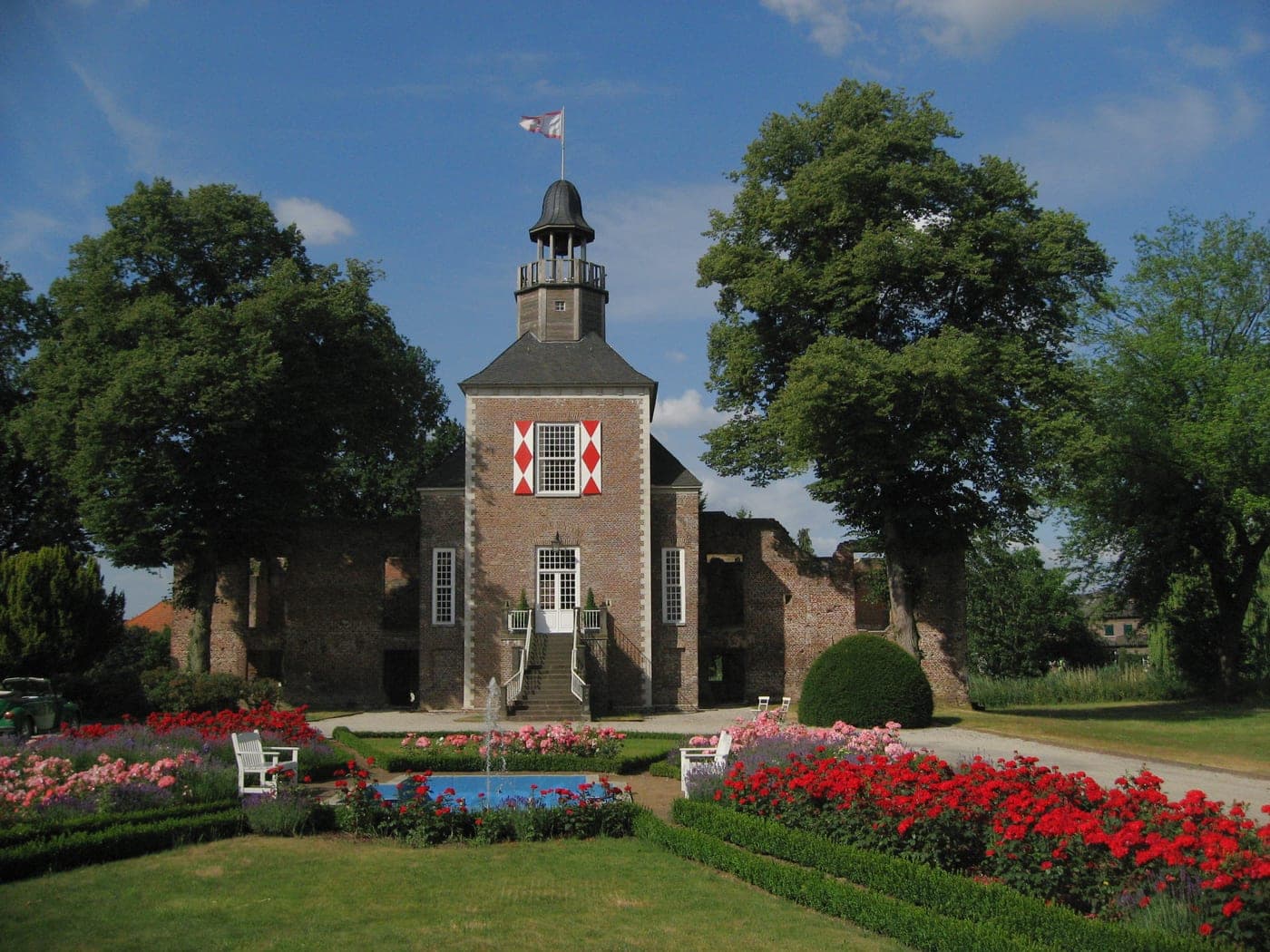
Weeze
Castles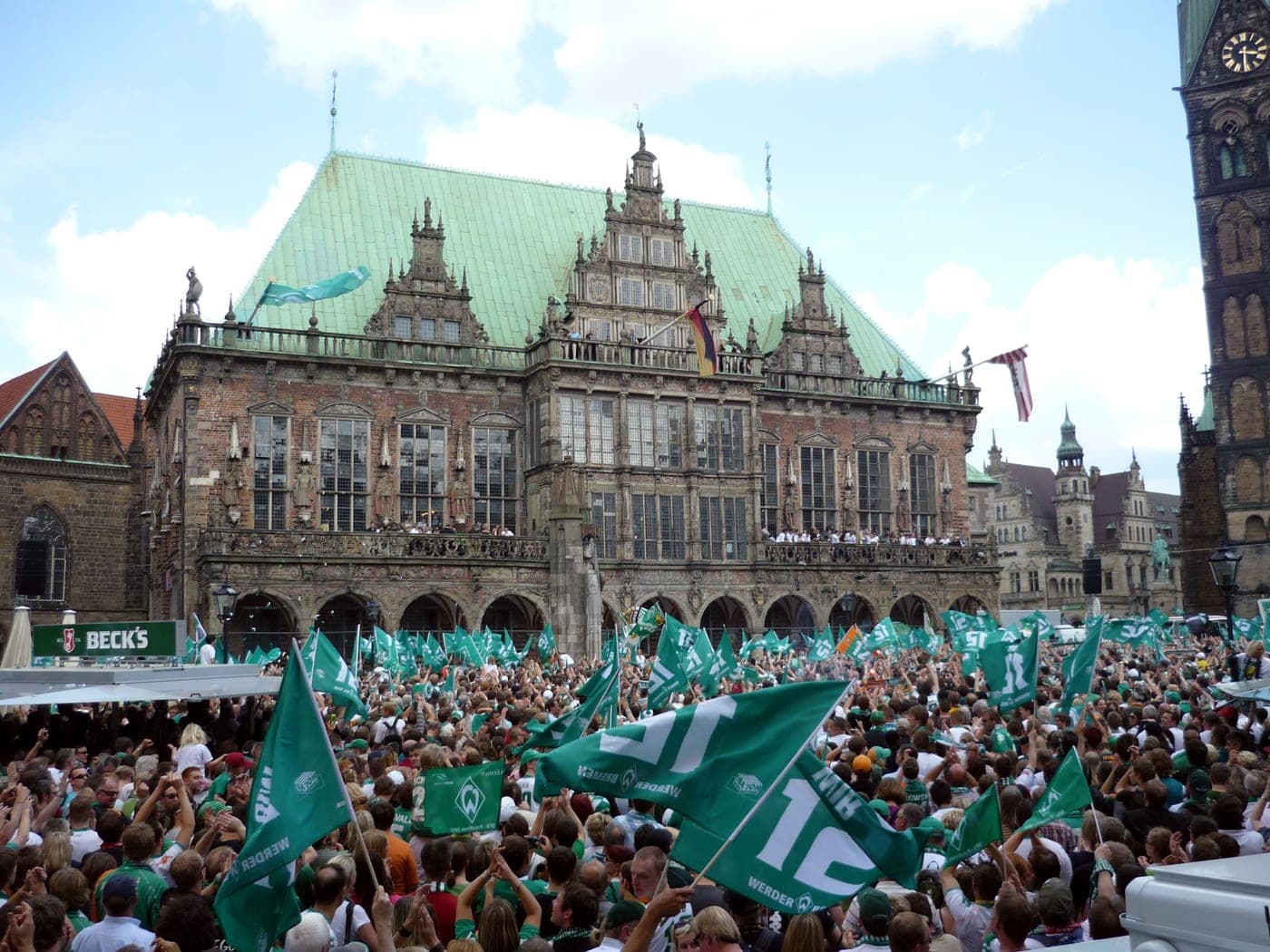
Werder
Boat Rentals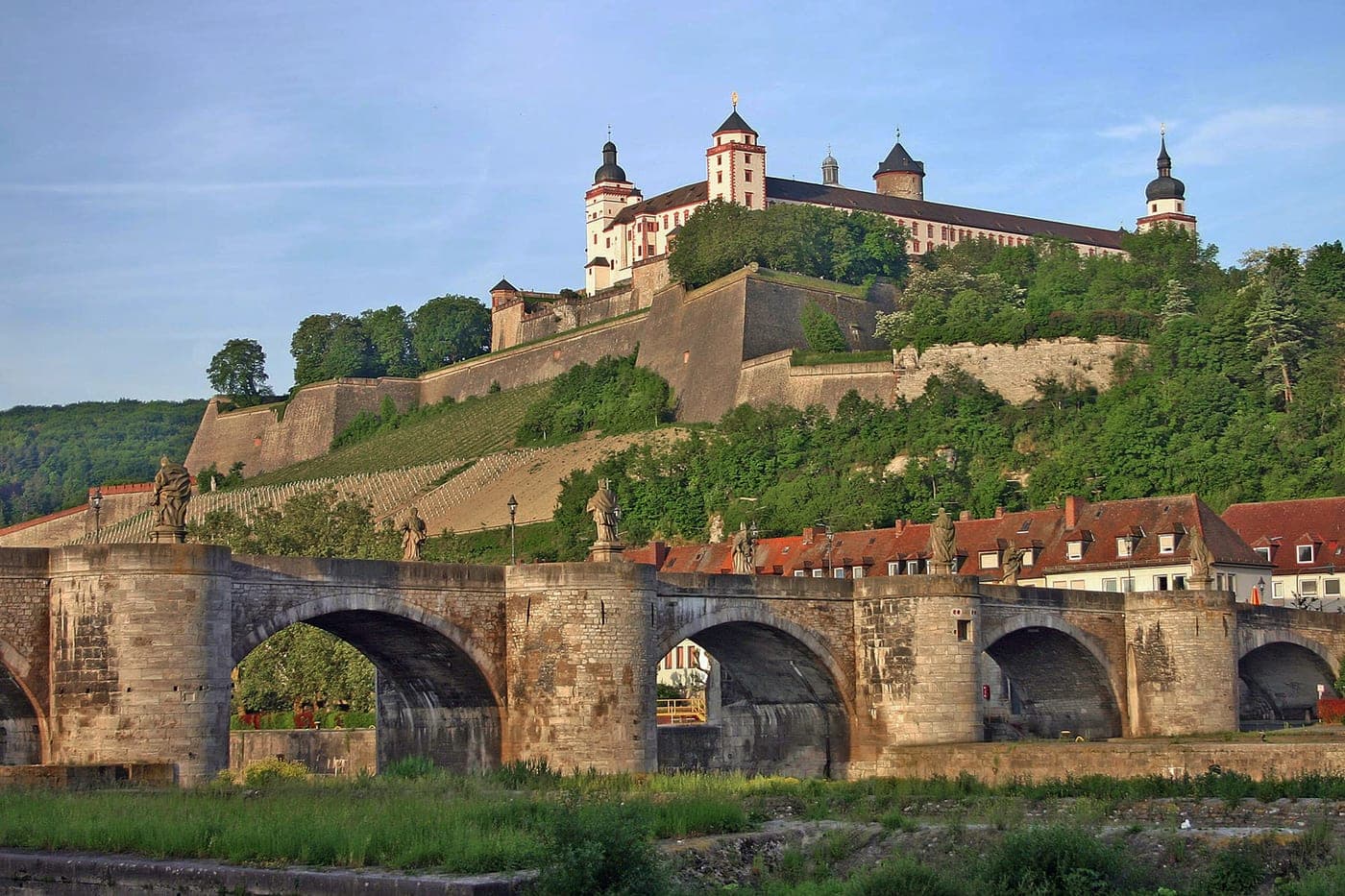
Würzburg
Camper Van Rentals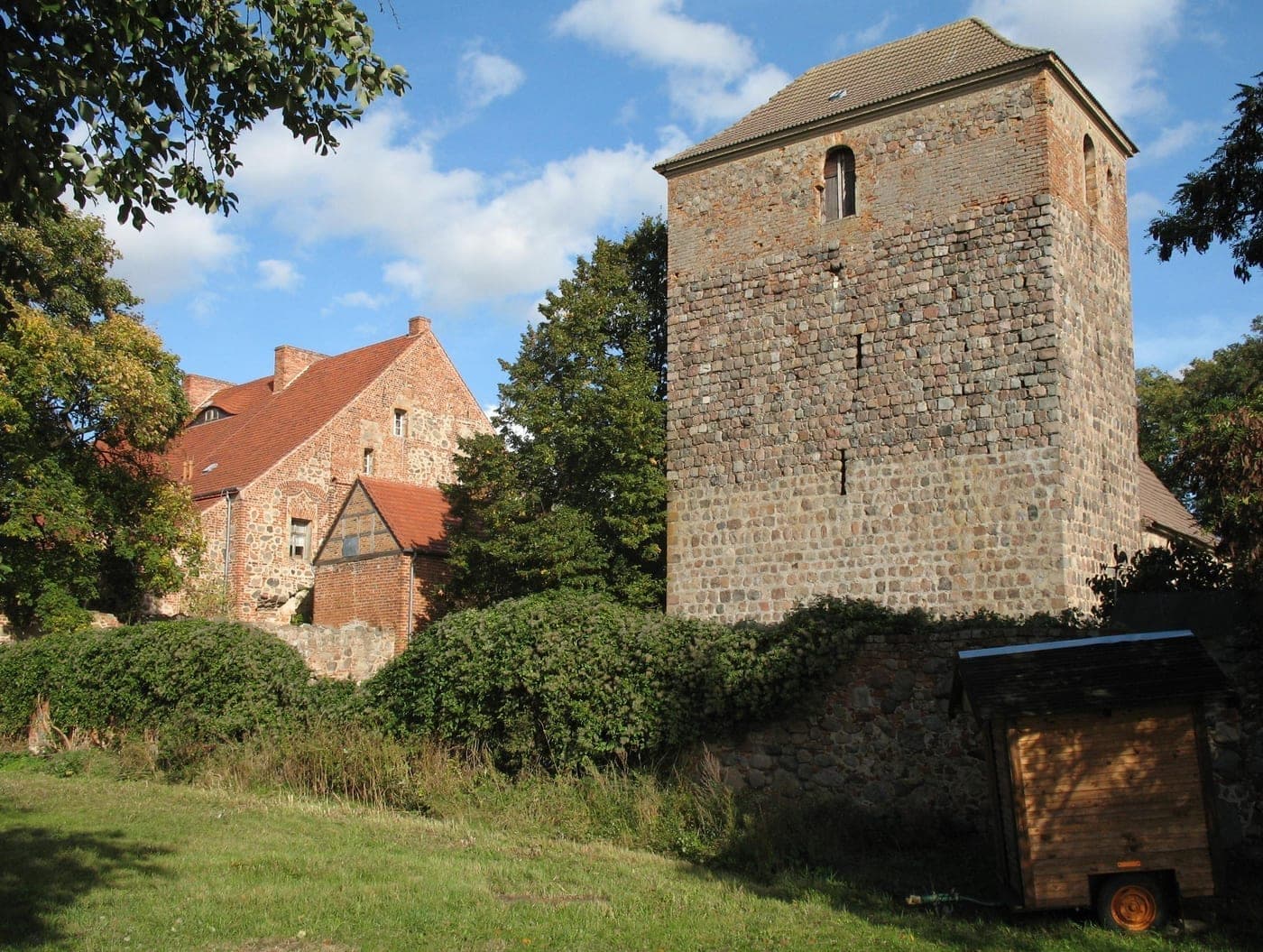
Zehdenick
Boat Rentals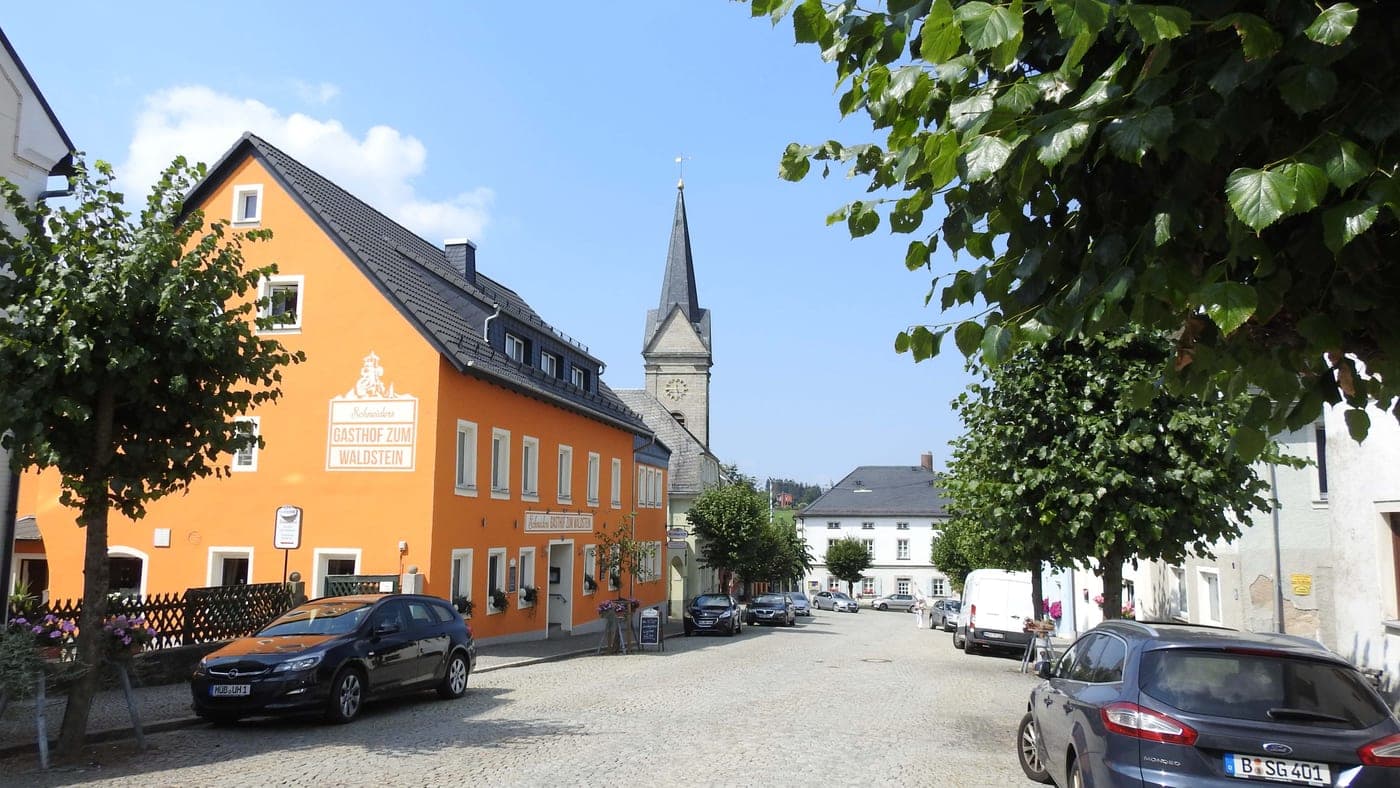
Zell im Fichtelgebirge
Cabins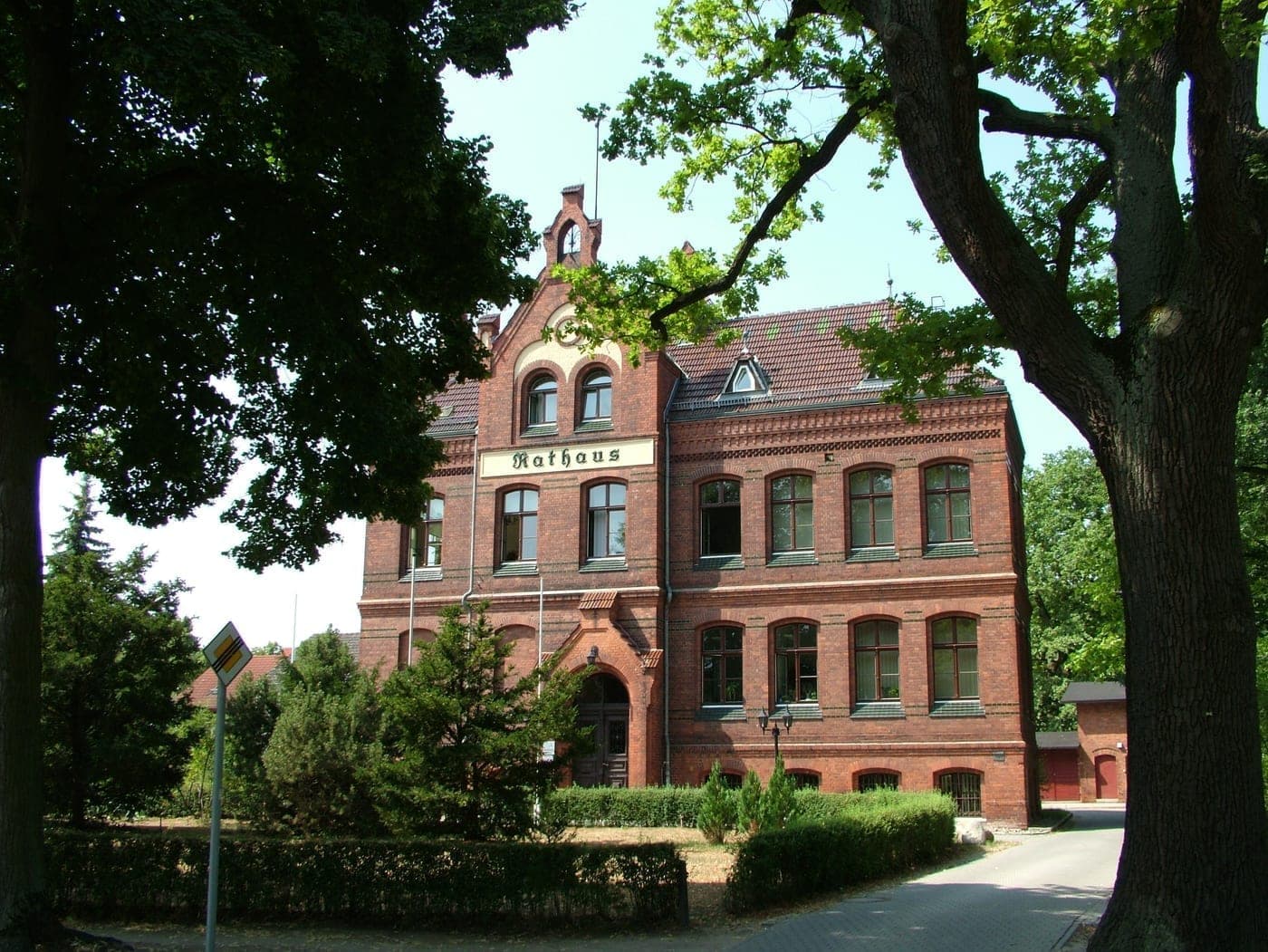
Zeuthen
Boat Rentals🇮🇪
Ireland
🇮🇹
Italy
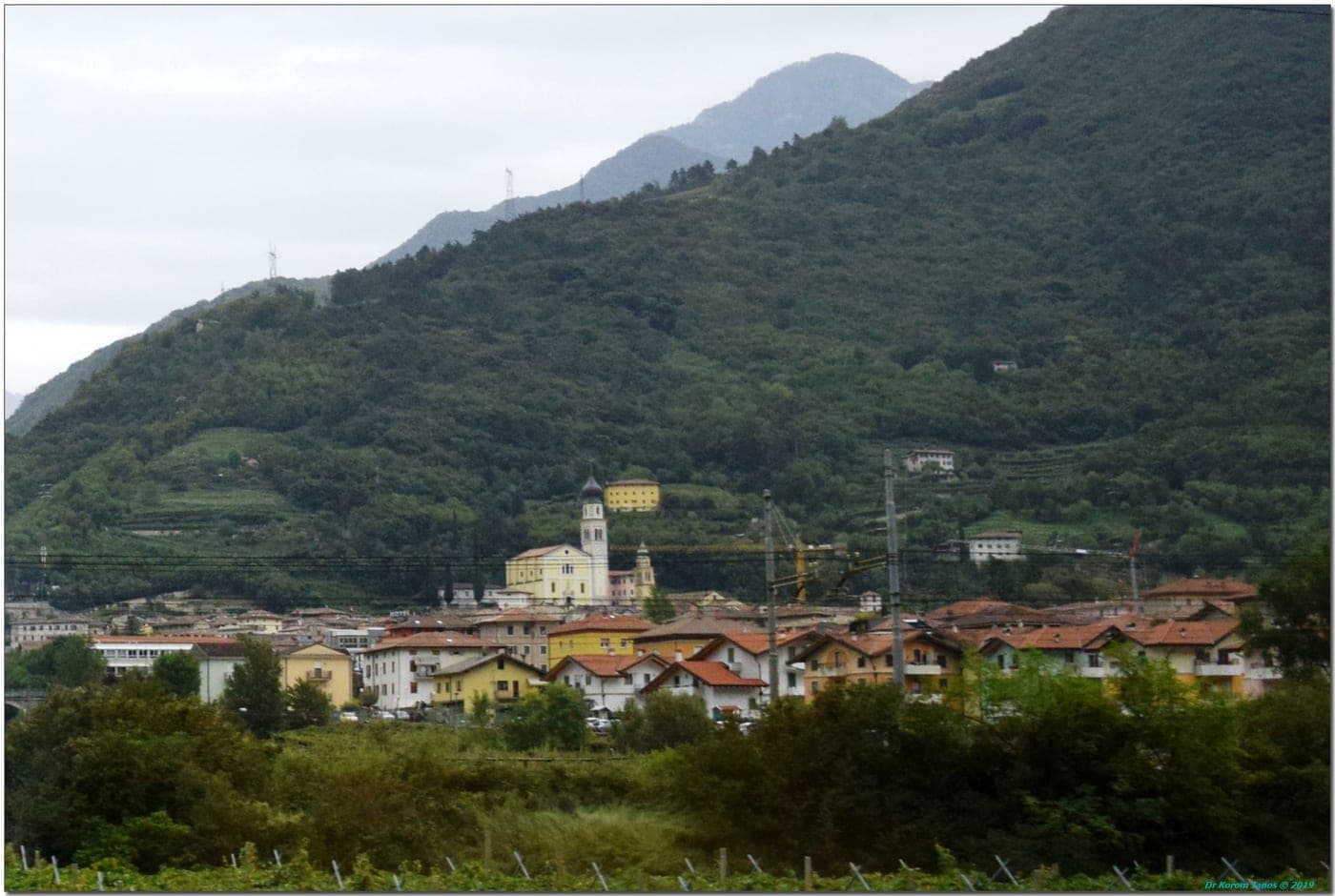
Ala
Wine Tasting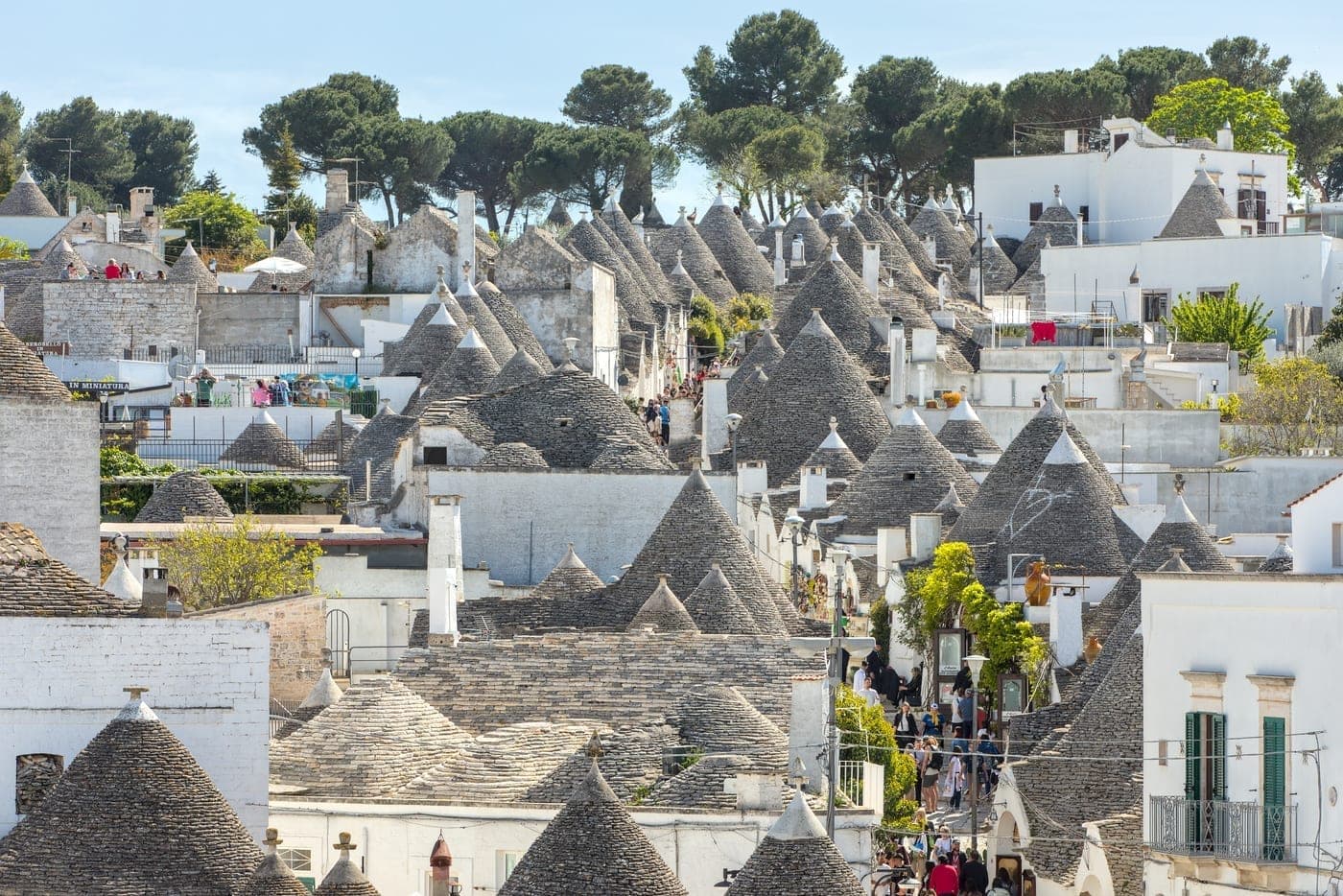
Alberobello
Wine Tasting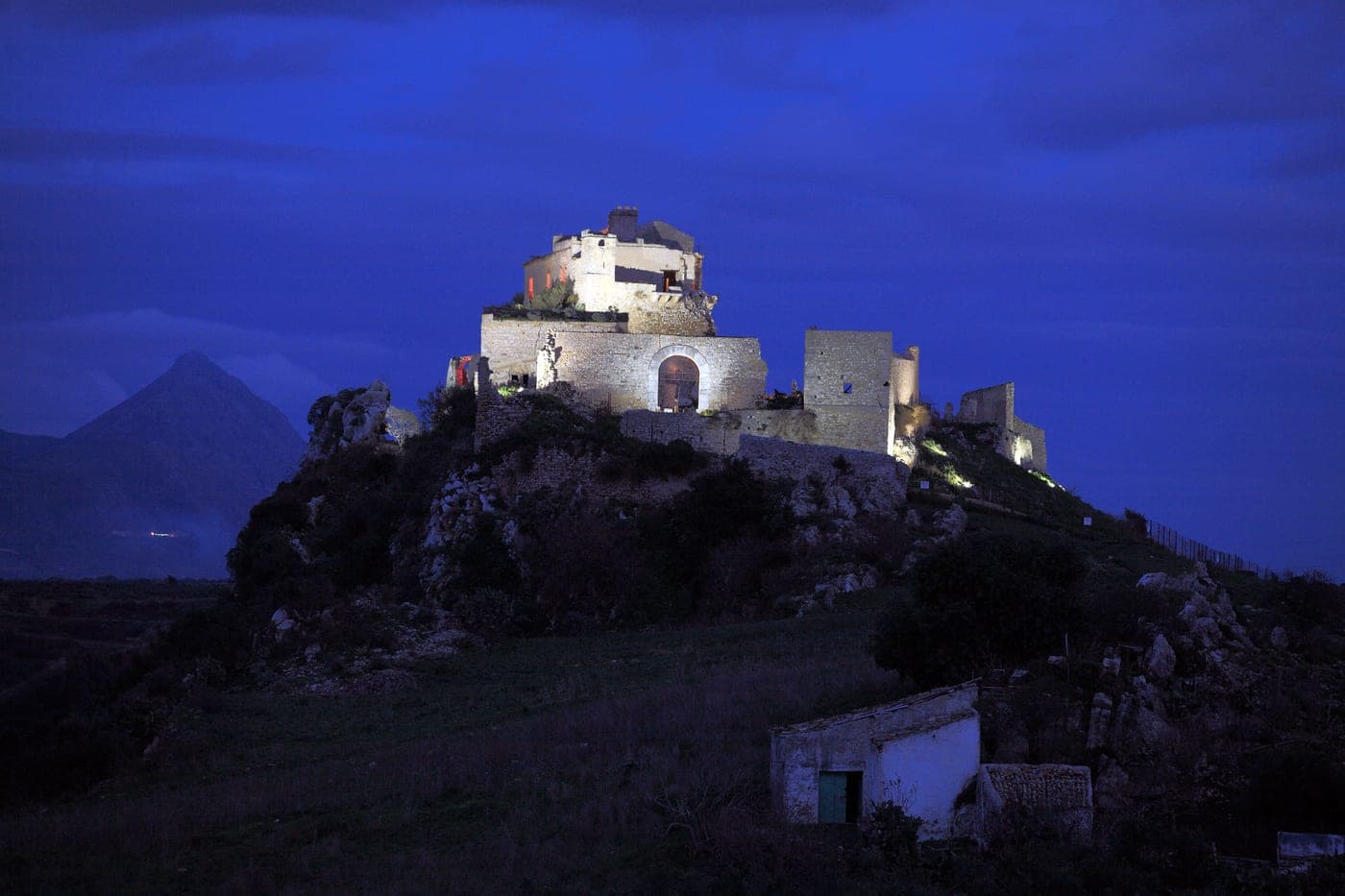
Alcamo
Wine Tasting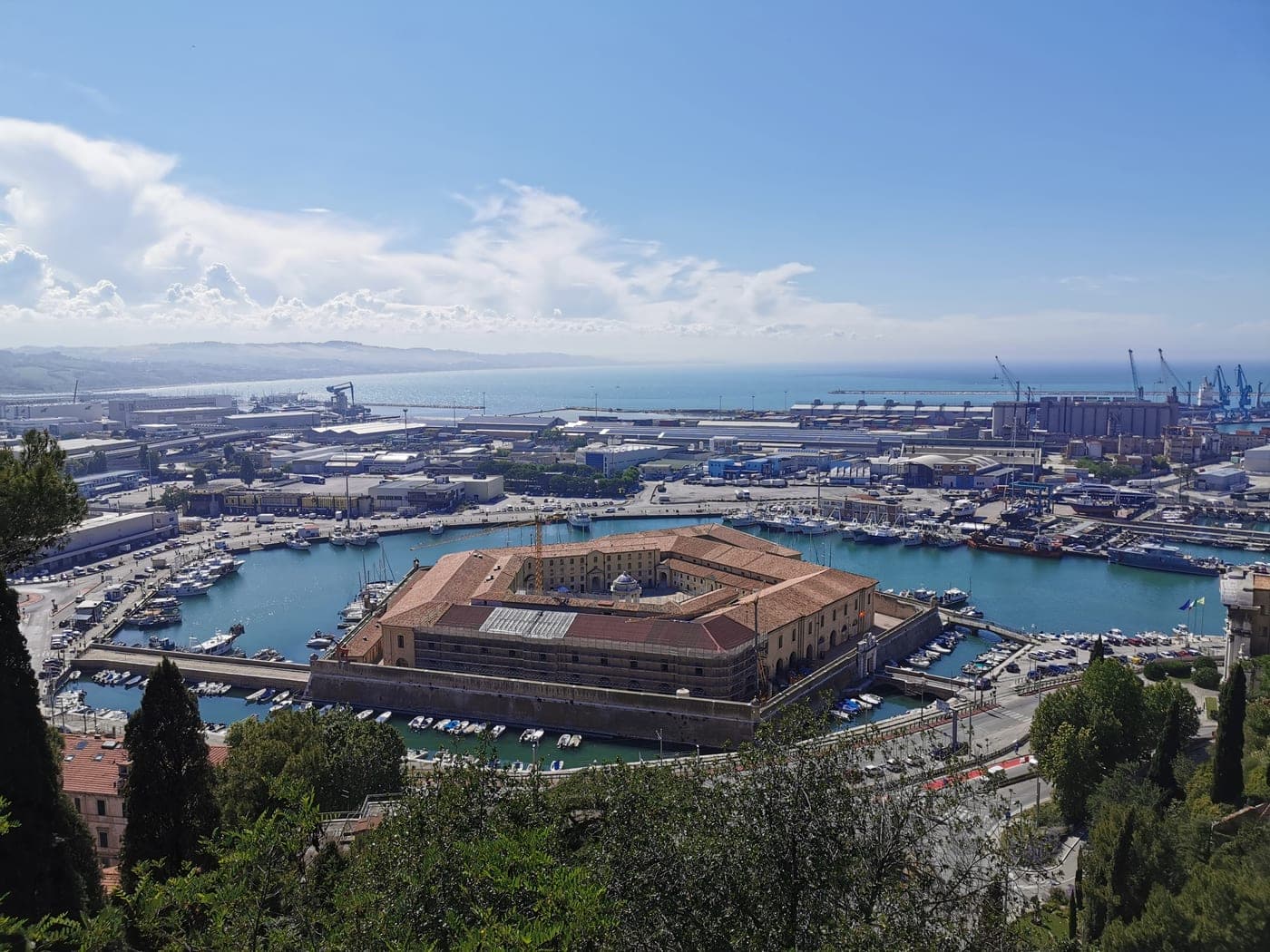
Ancona
Wine TastingAngera
Boat Rentals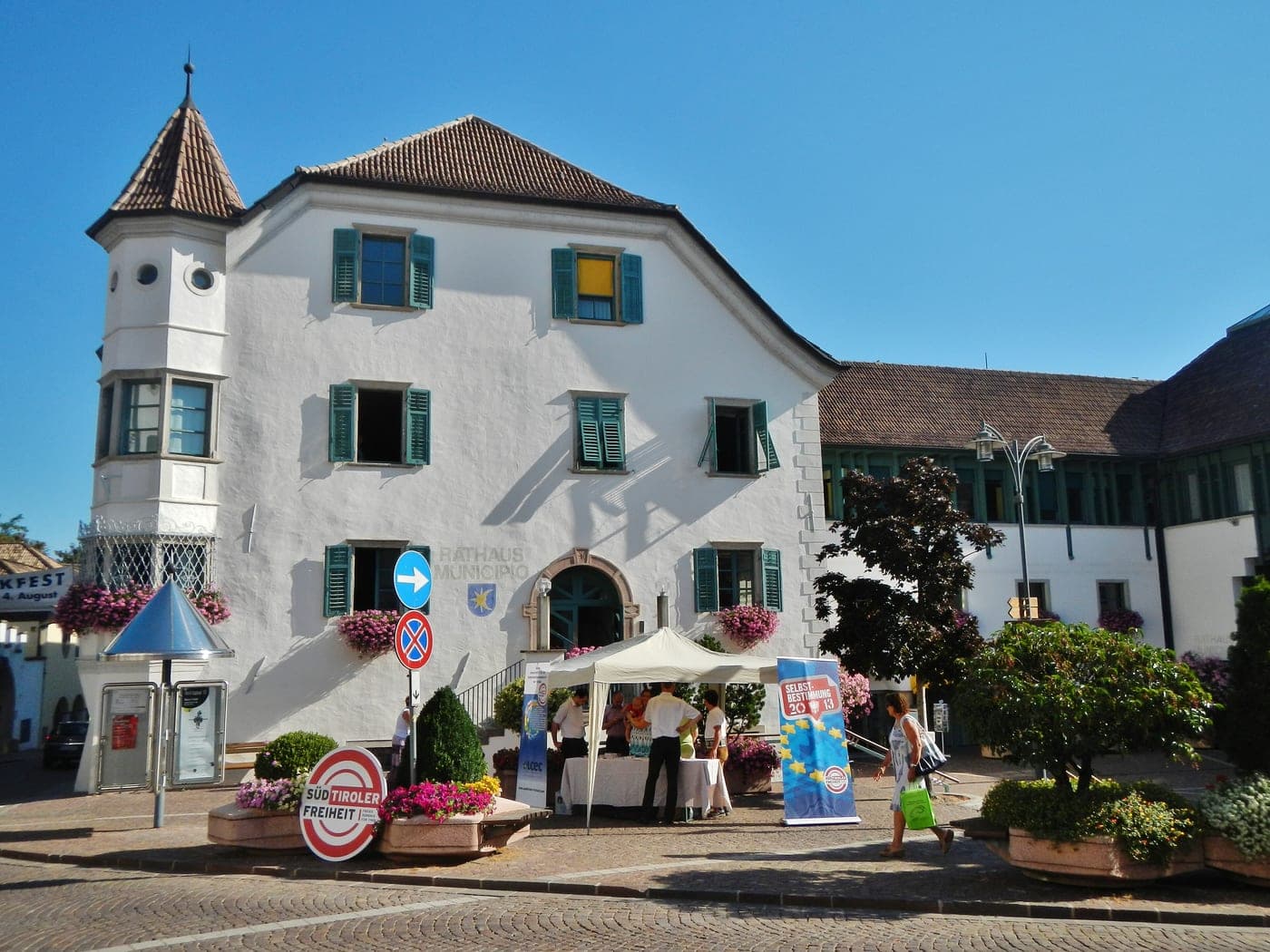
Appiano sulla Strada del Vino
Wine Tasting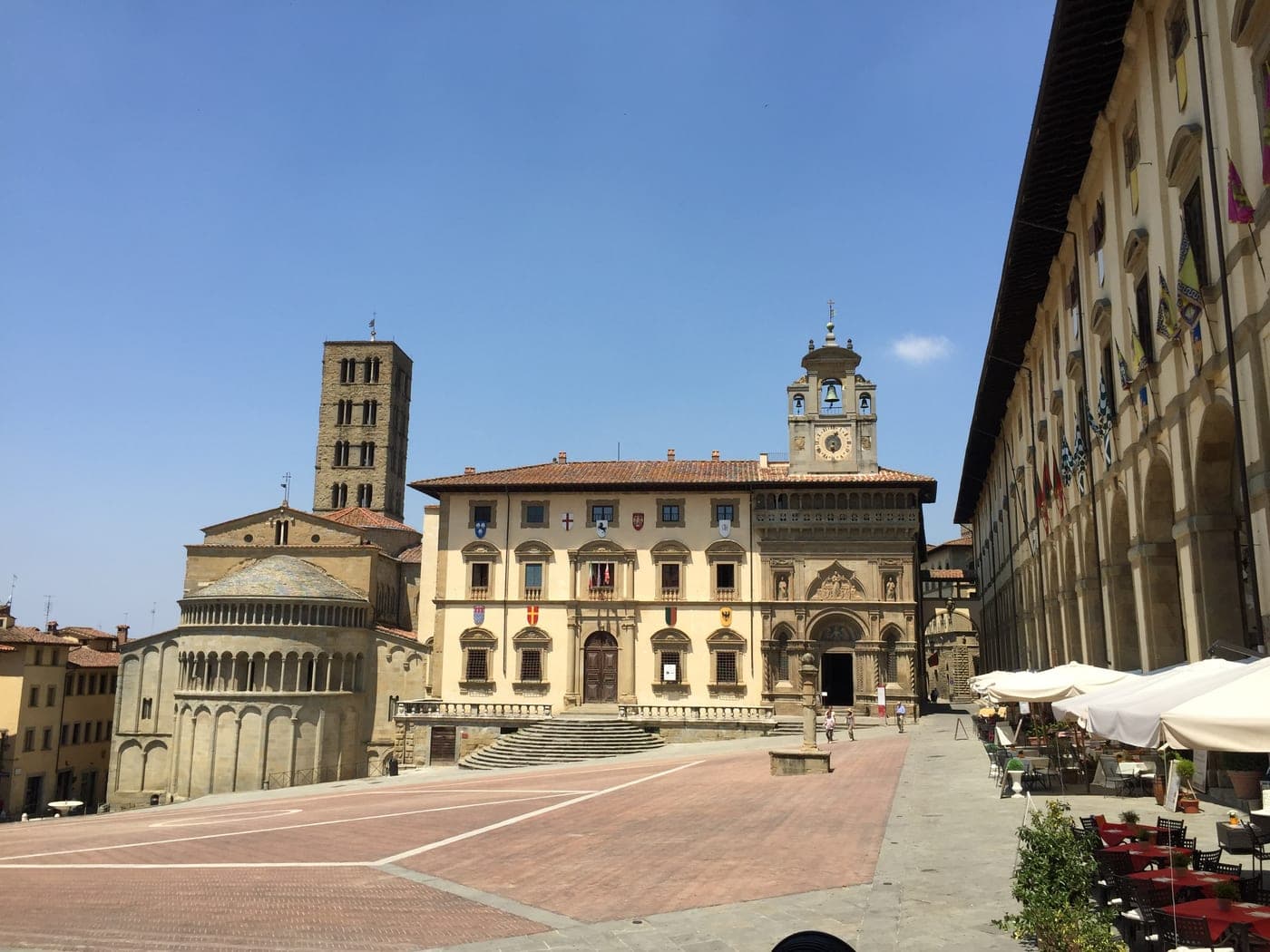
Arezzo
Wine Tasting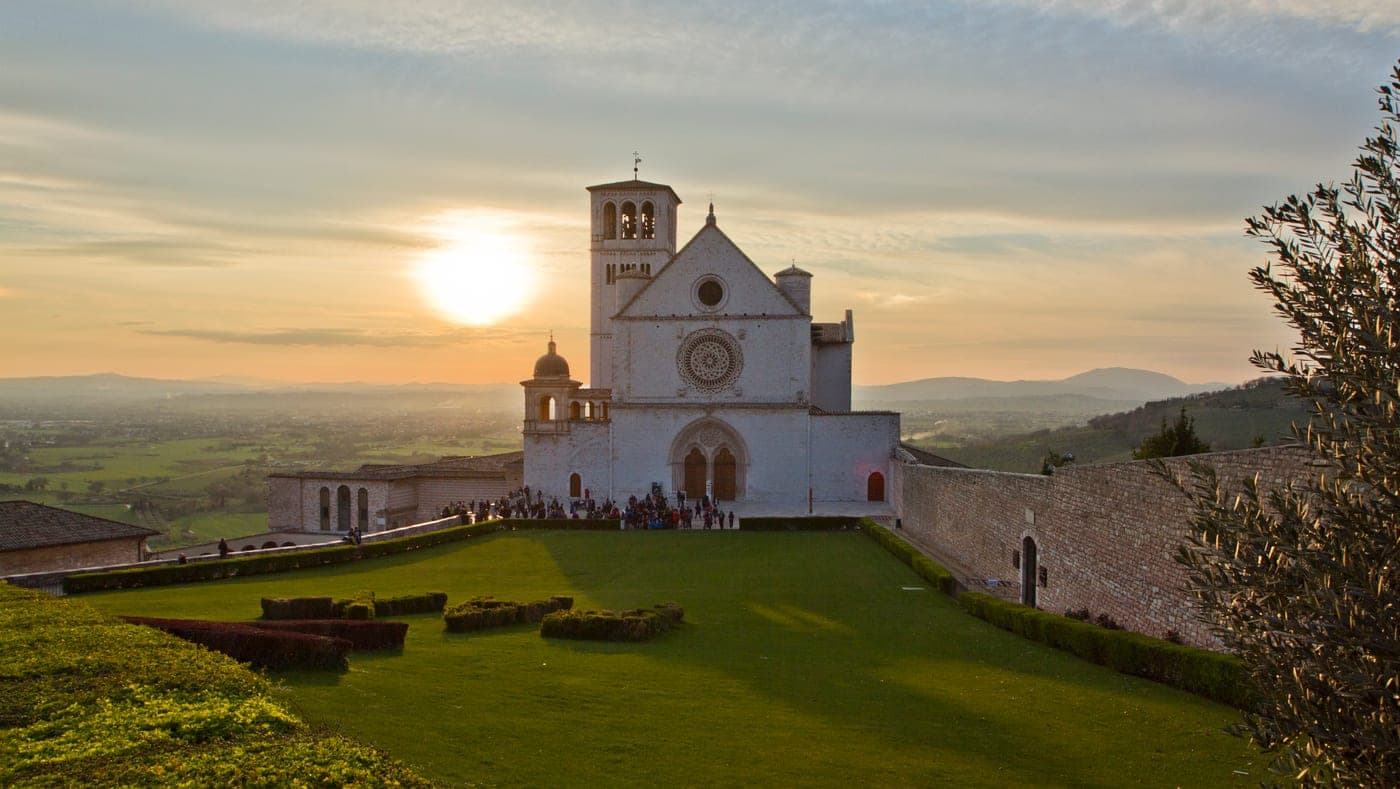
Assisi
Wine Tasting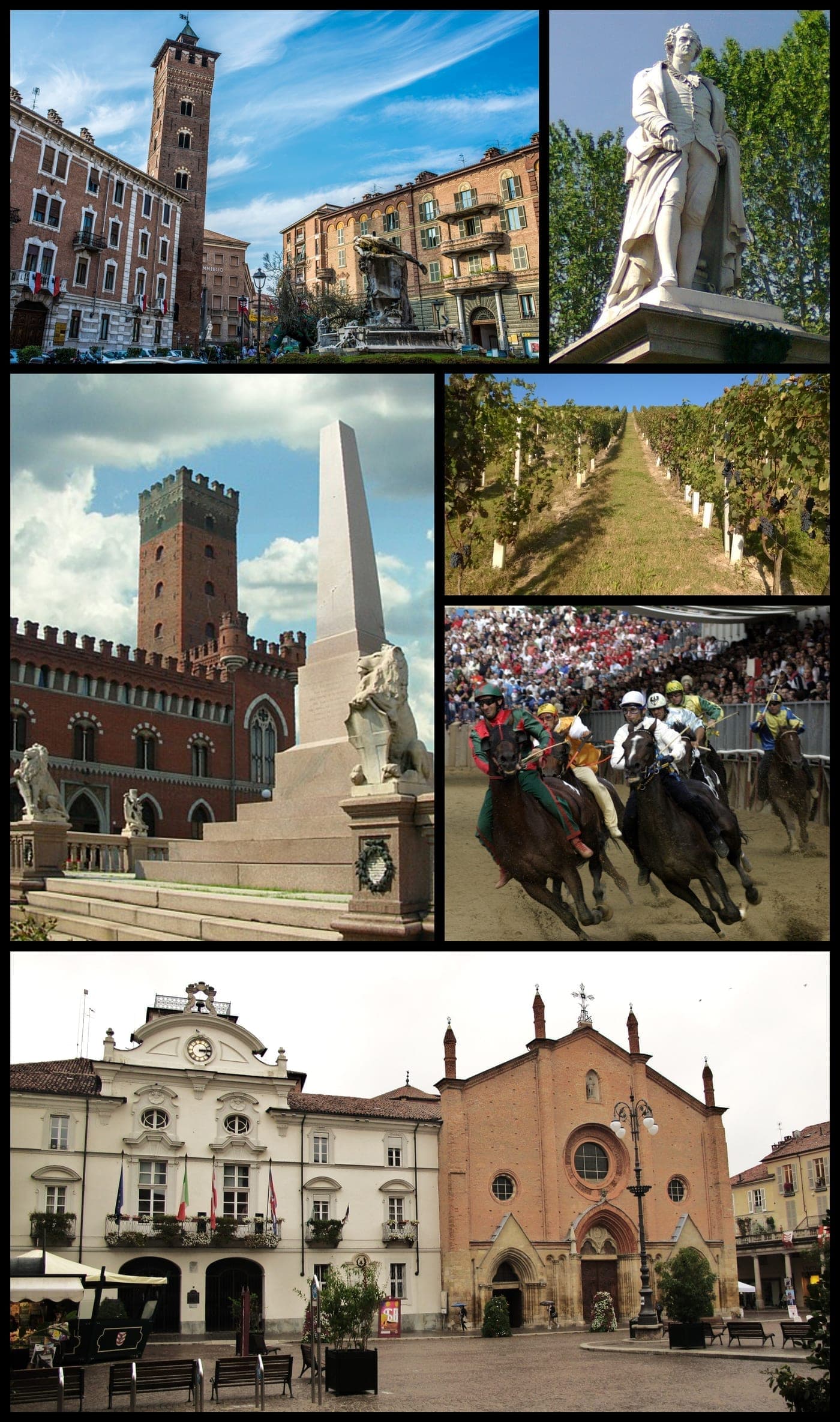
Asti
Wine Tasting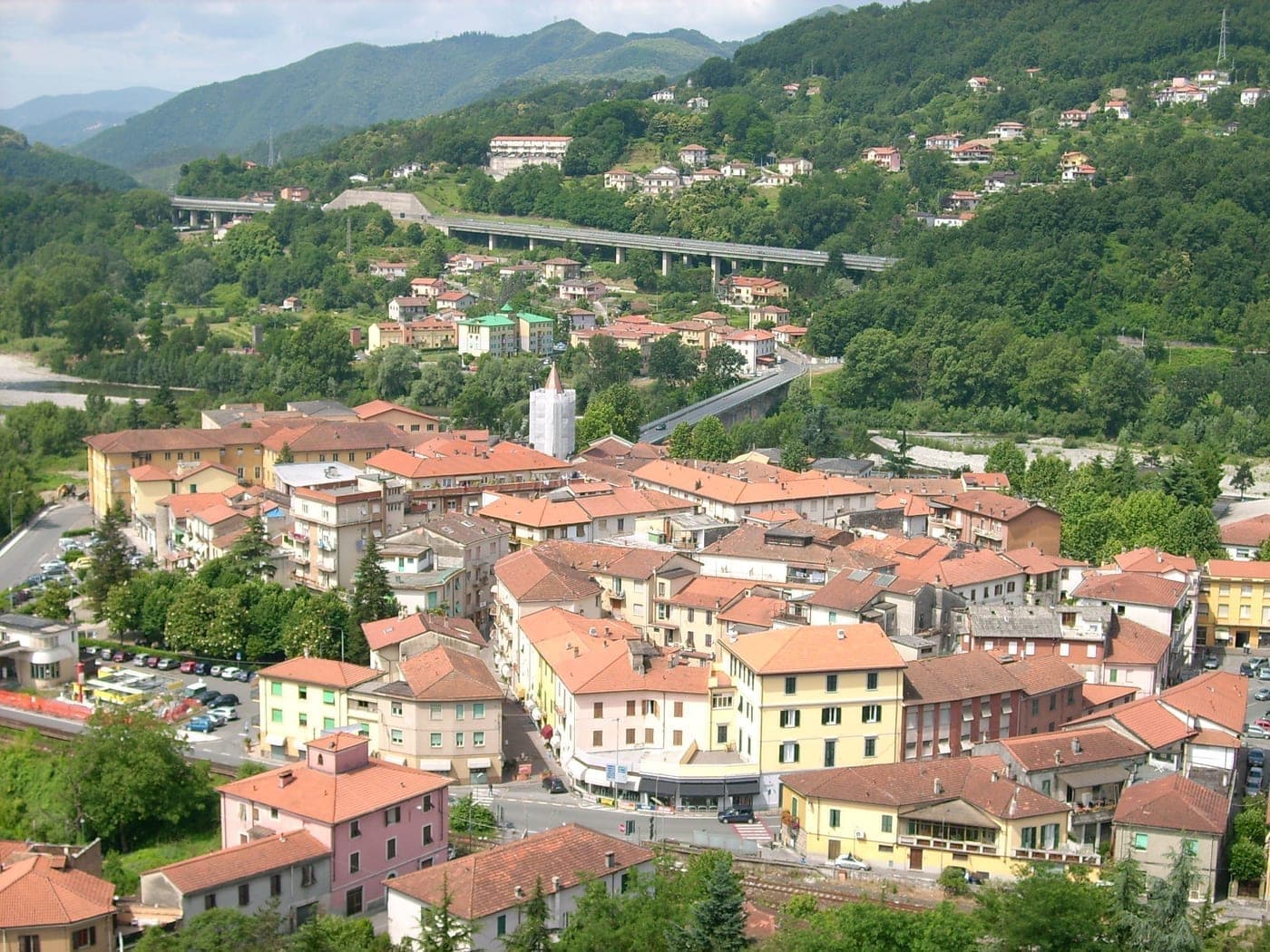
Aulla
Agritourism
Bagno a Ripoli
Wine Tasting
Bari
Boat Rentals
Bassano del Grappa
Wine Tasting
Bellagio
Boat Rentals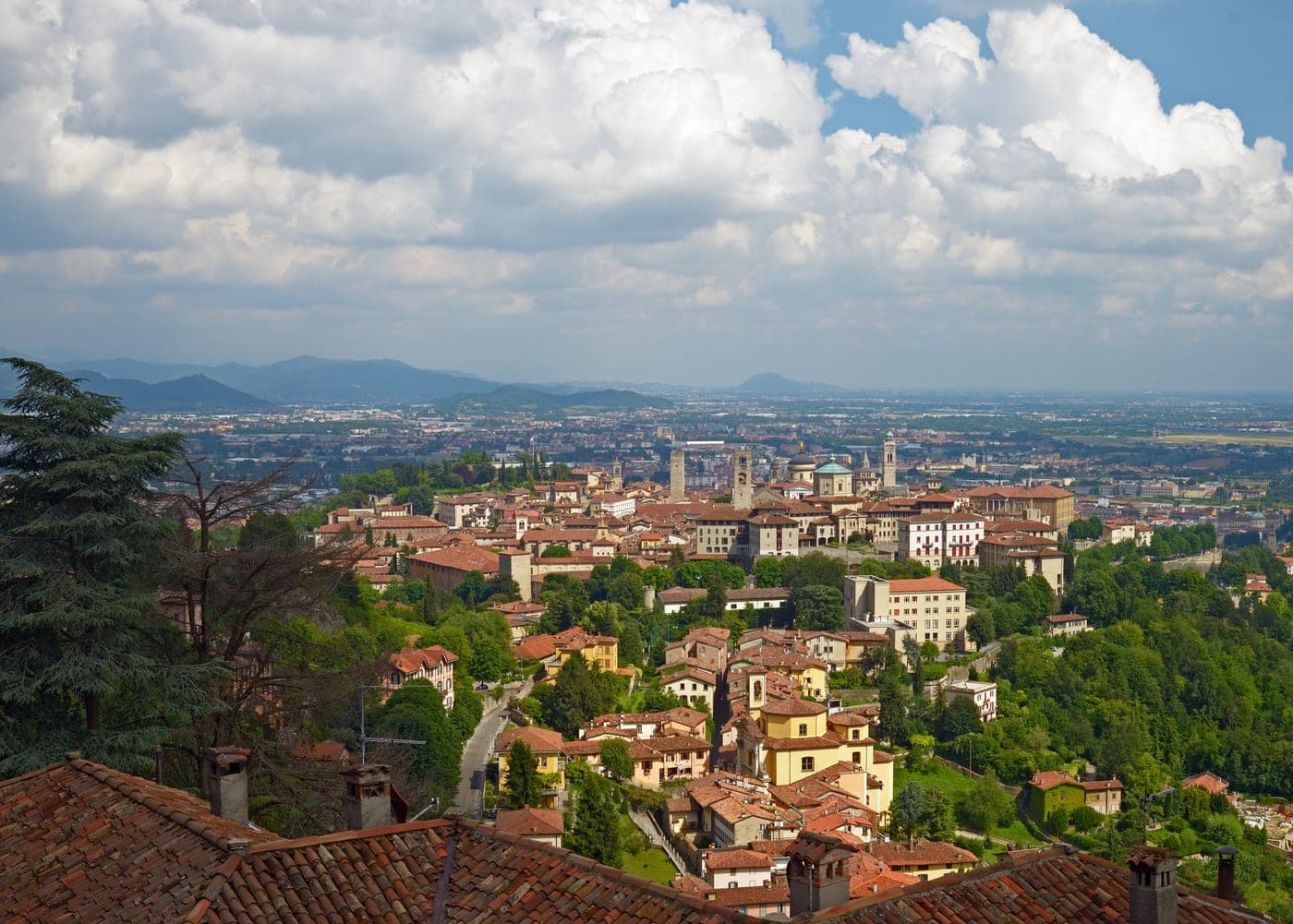
Bergamo
Camper Van Rentals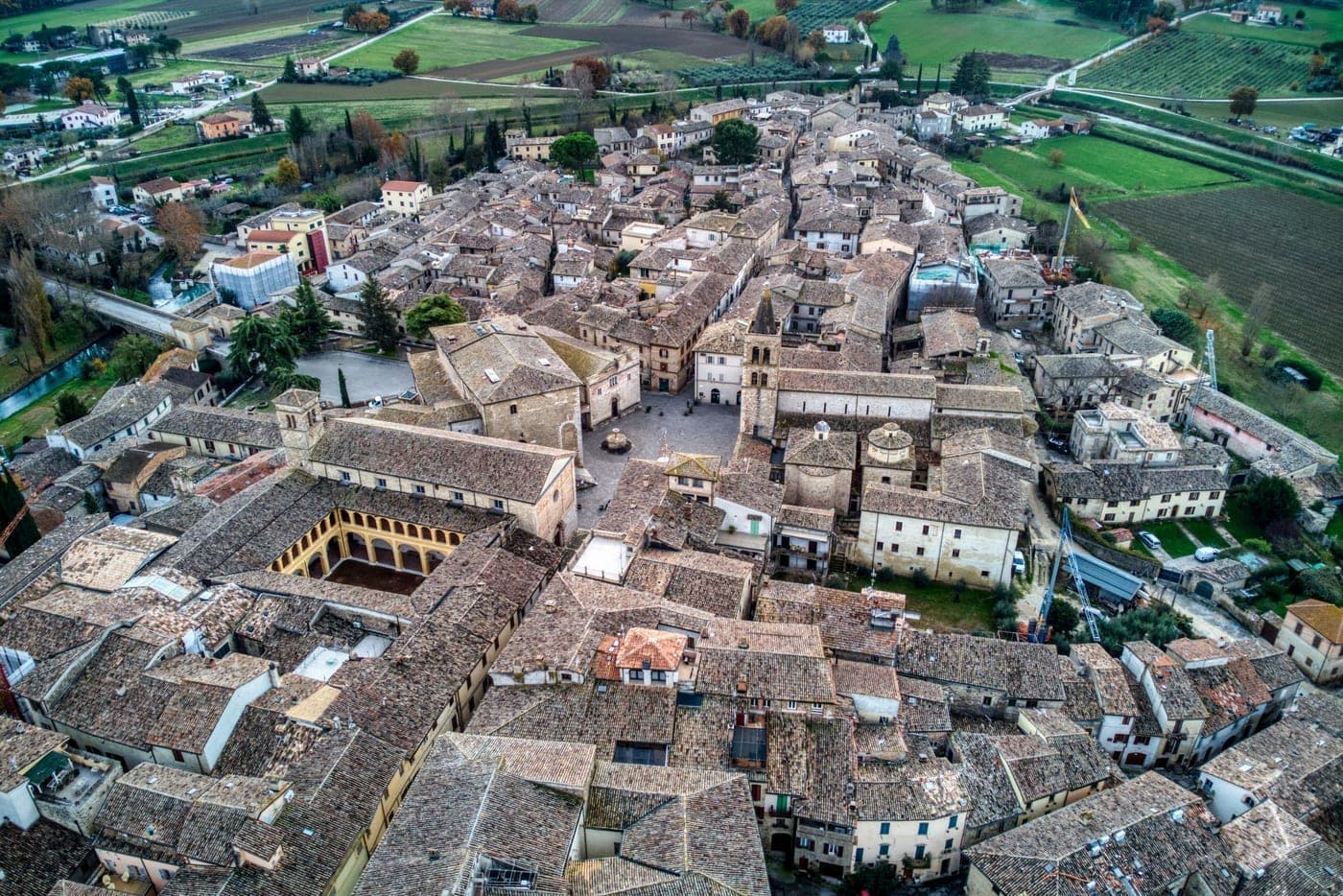
Bevagna
Wine Tasting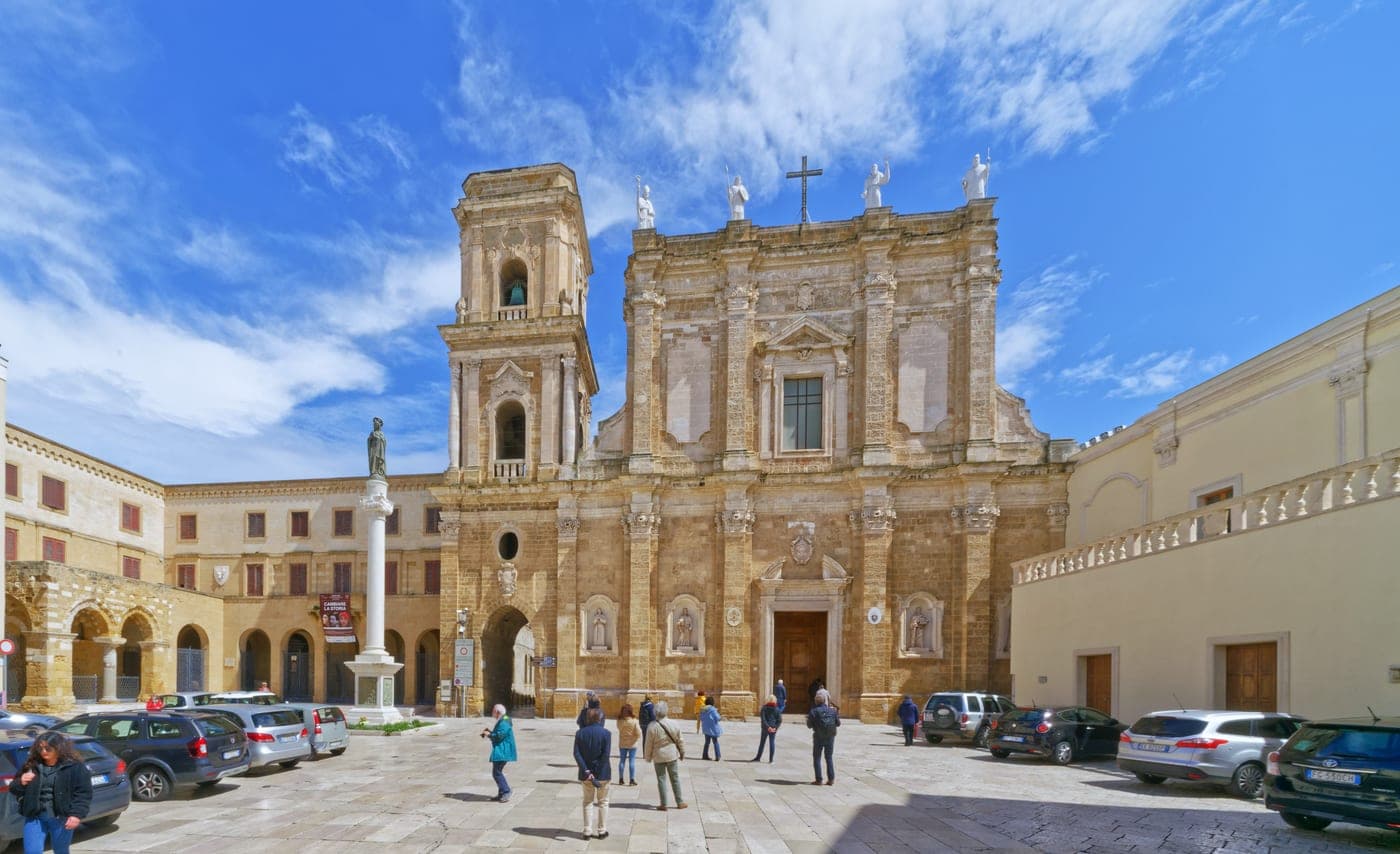
Brindisi
Boat Rentals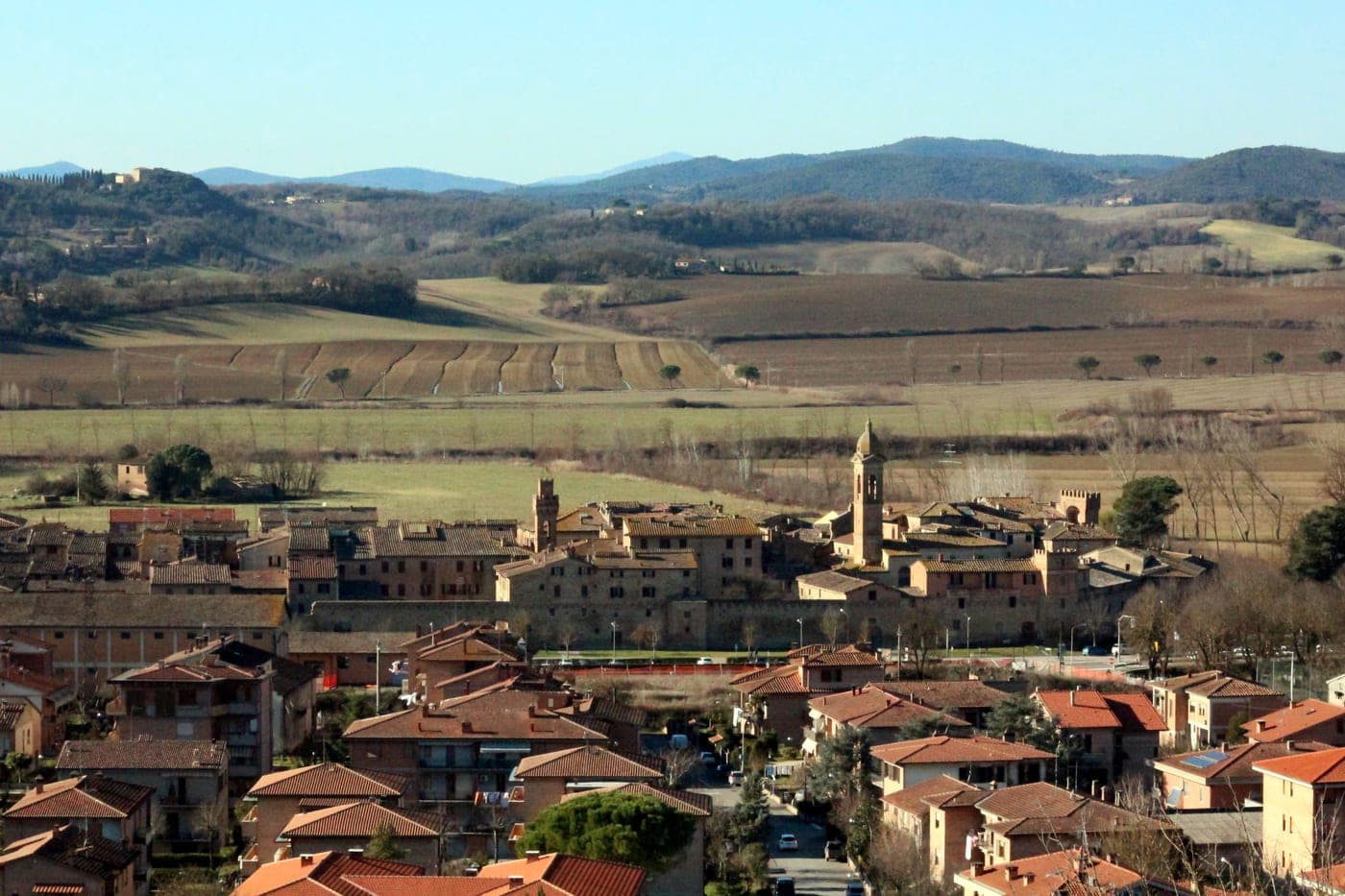
Buonconvento
Wine TastingButtrio
Wine Tasting
Calosso
Wine Tasting
Camerota
Wine Tasting
Castagneto Carducci
Wine TastingCastel San Pietro Terme
Wine Tasting
Castellammare del Golfo
Boat Rentals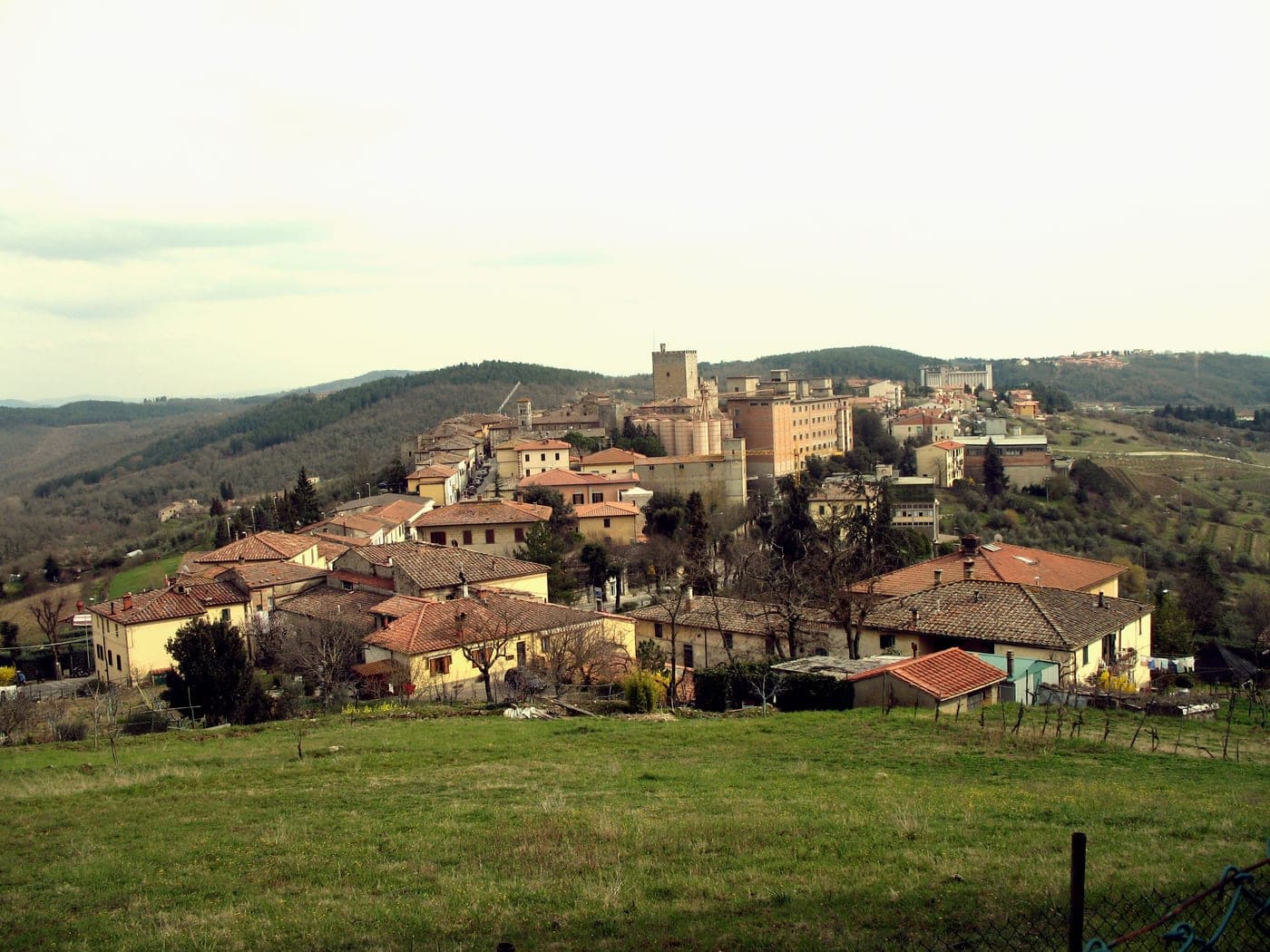
Castellina in Chianti
Wine Tasting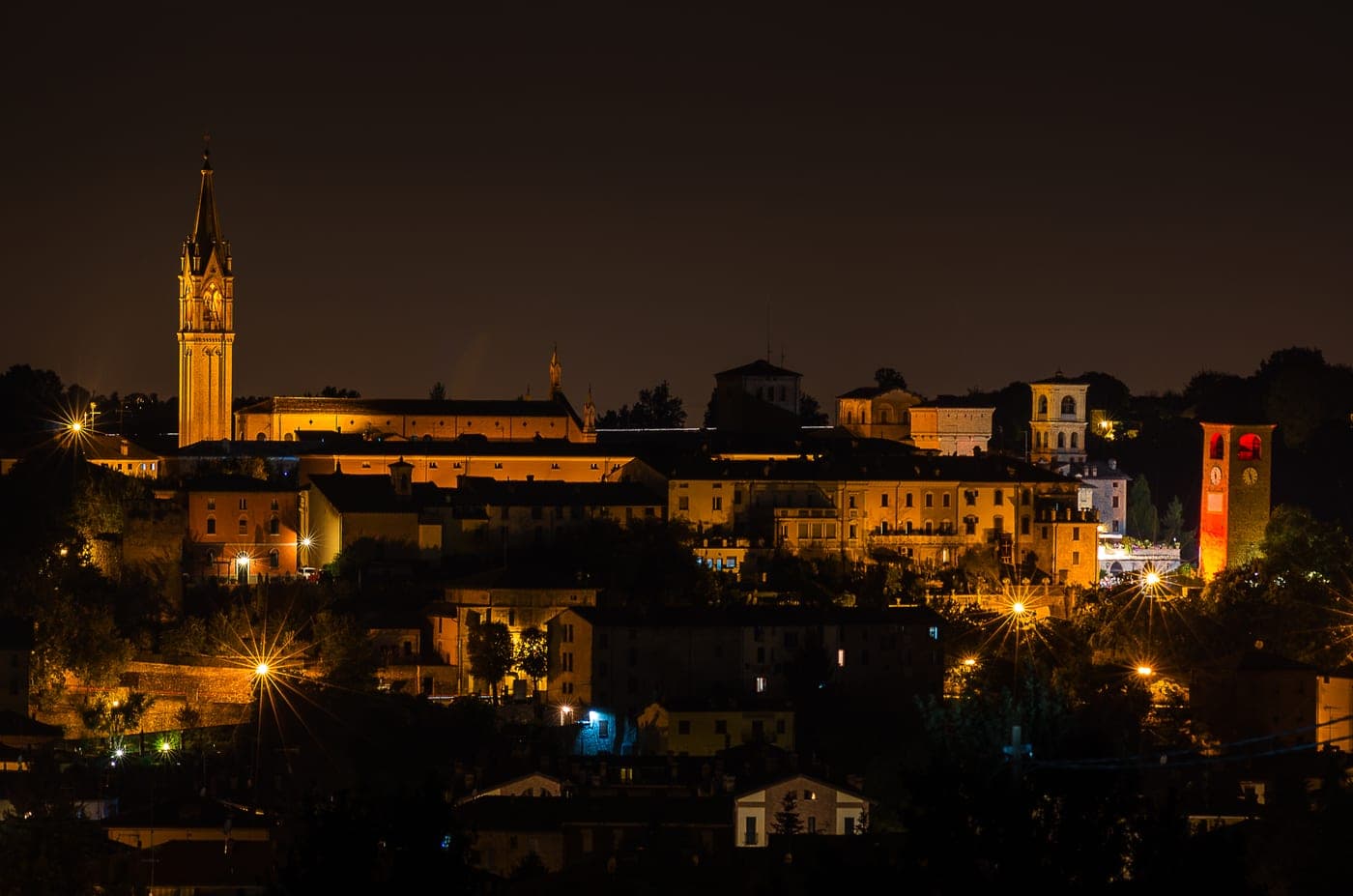
Castelvetro di Modena
Wine Tasting
Cerignola
Wine Tasting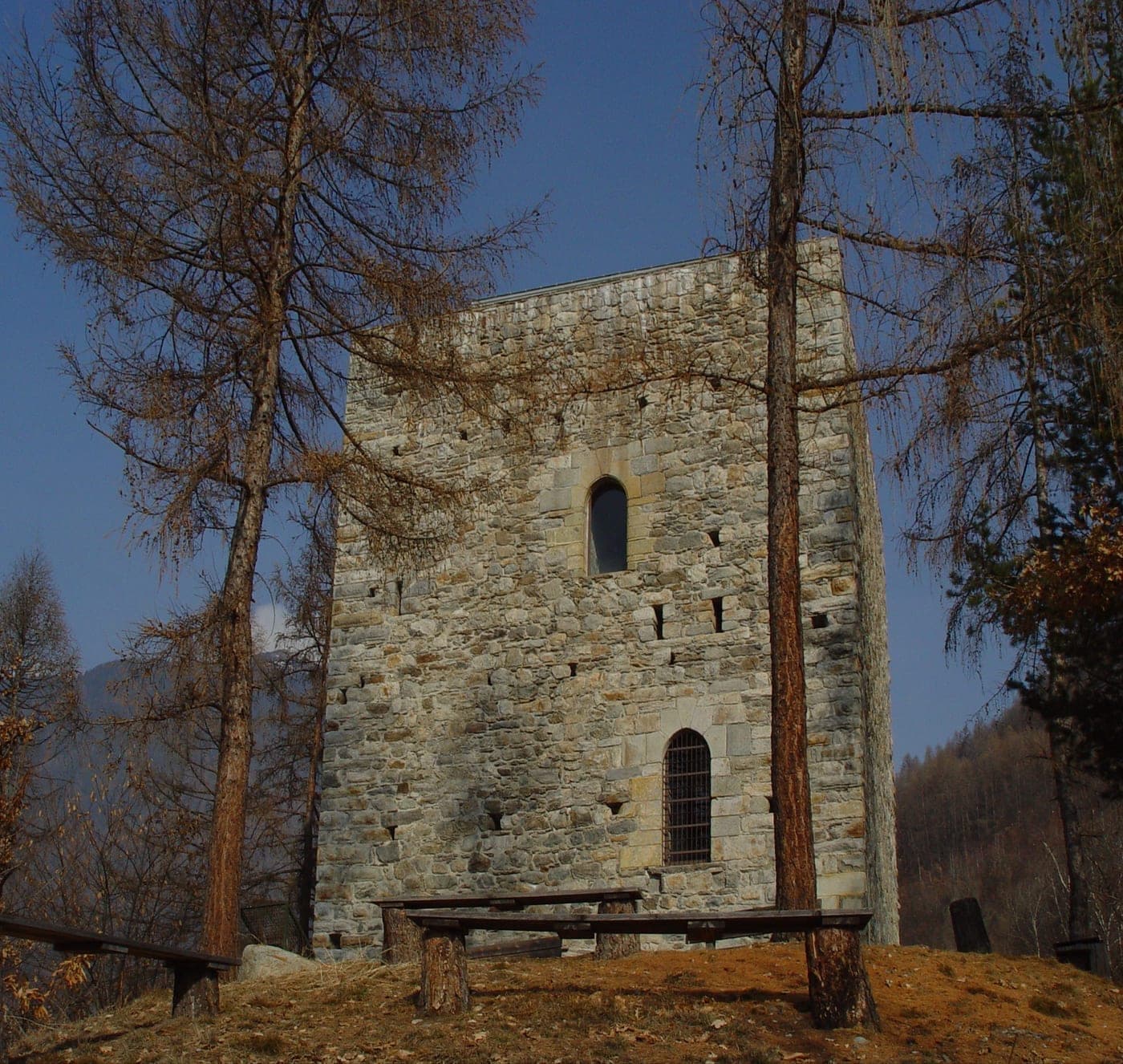
Chiuro
Wine Tasting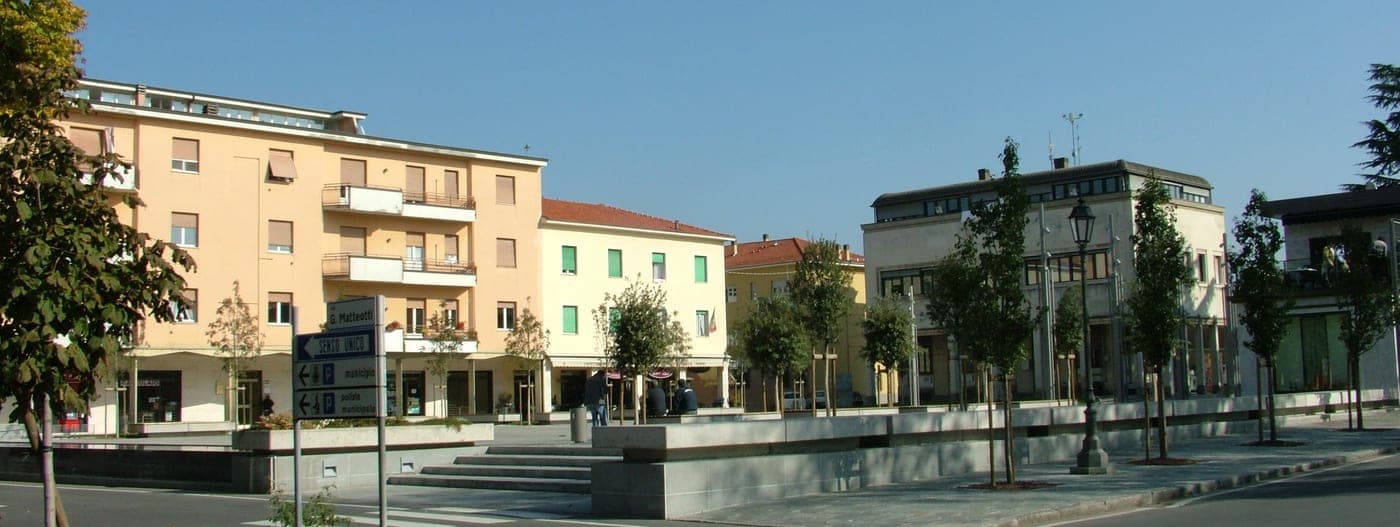
Collecchio
Wine TastingConegliano
Wine Tasting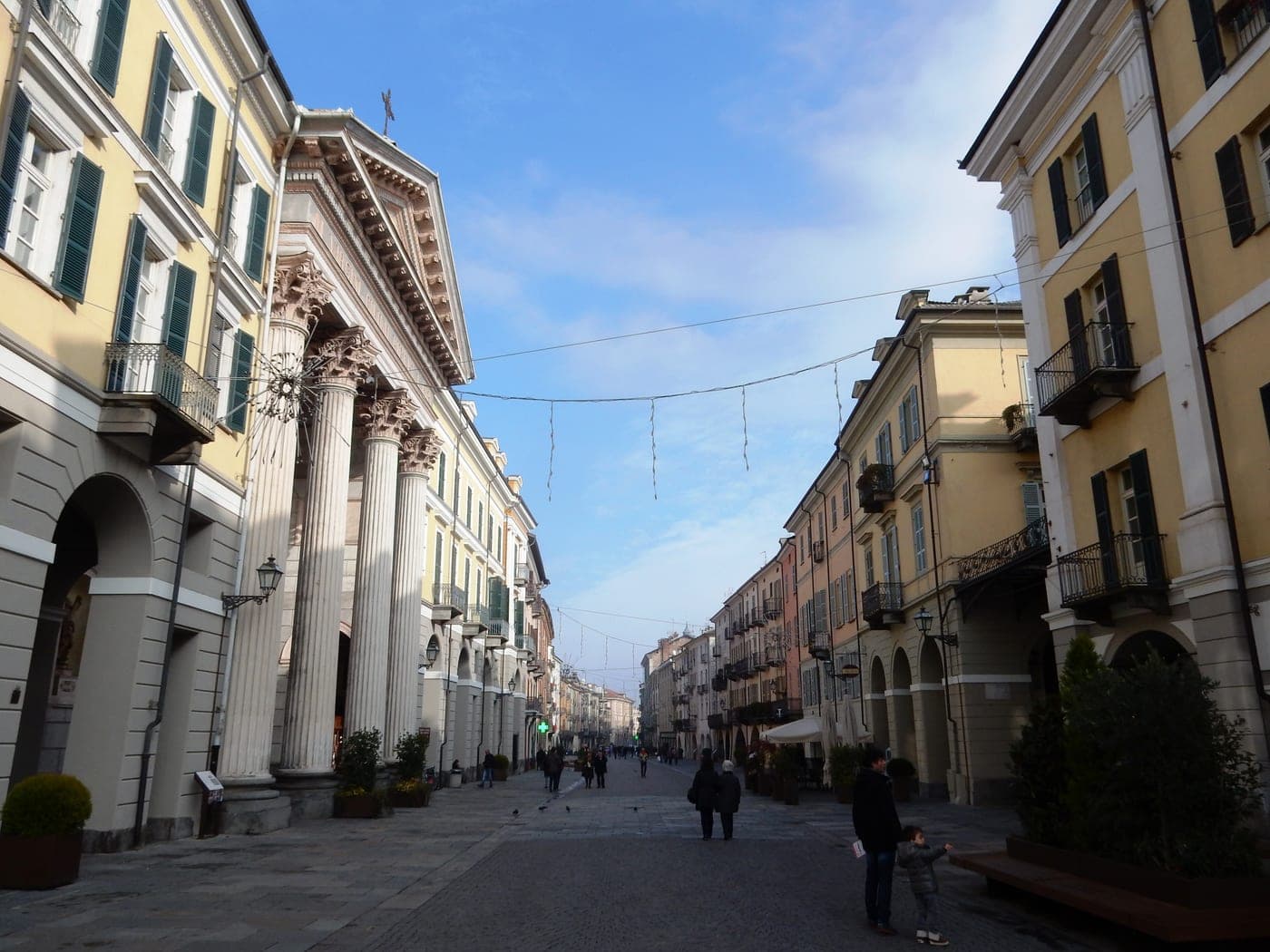
Cuneo
Wine Tasting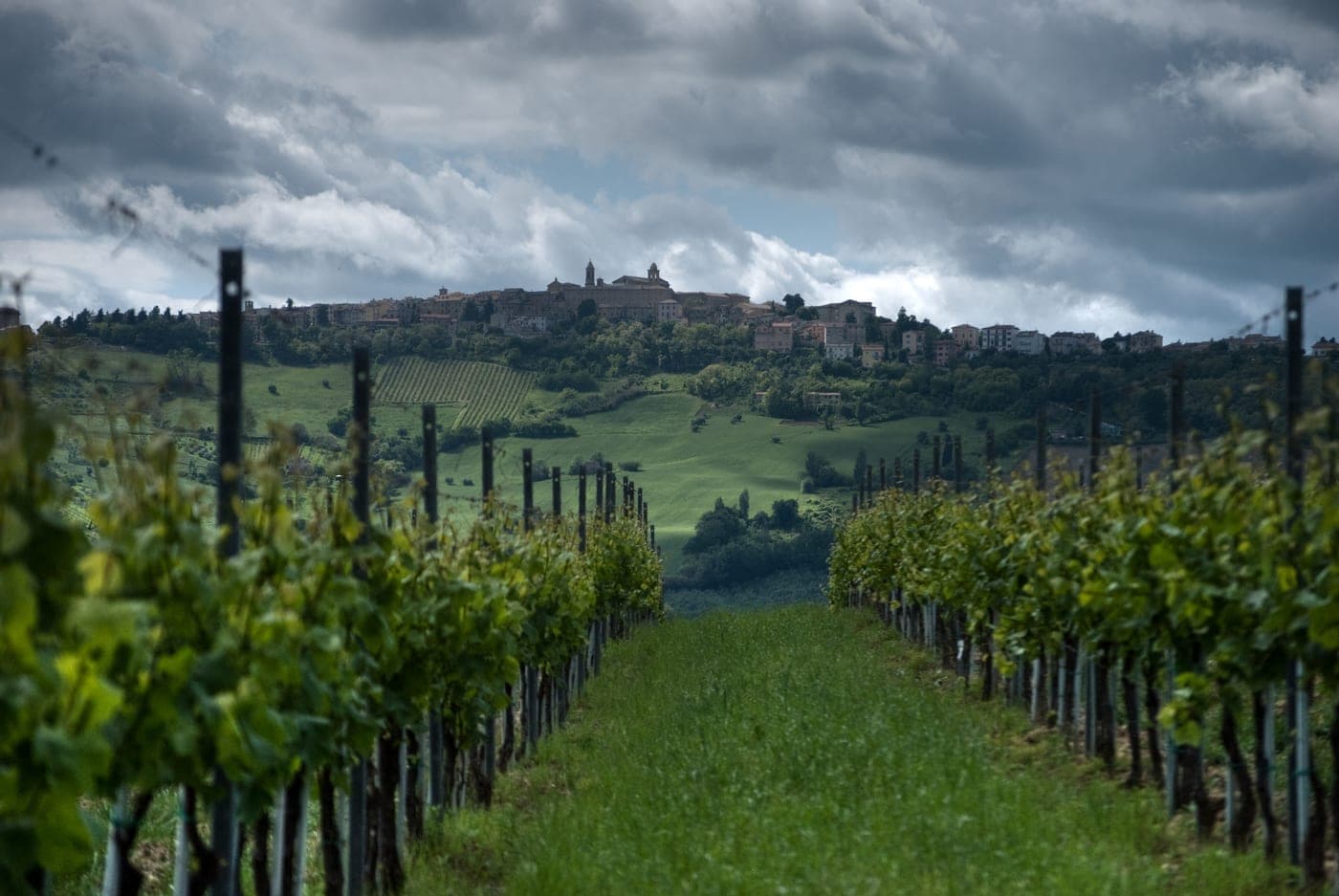
Cupramontana
Wine Tasting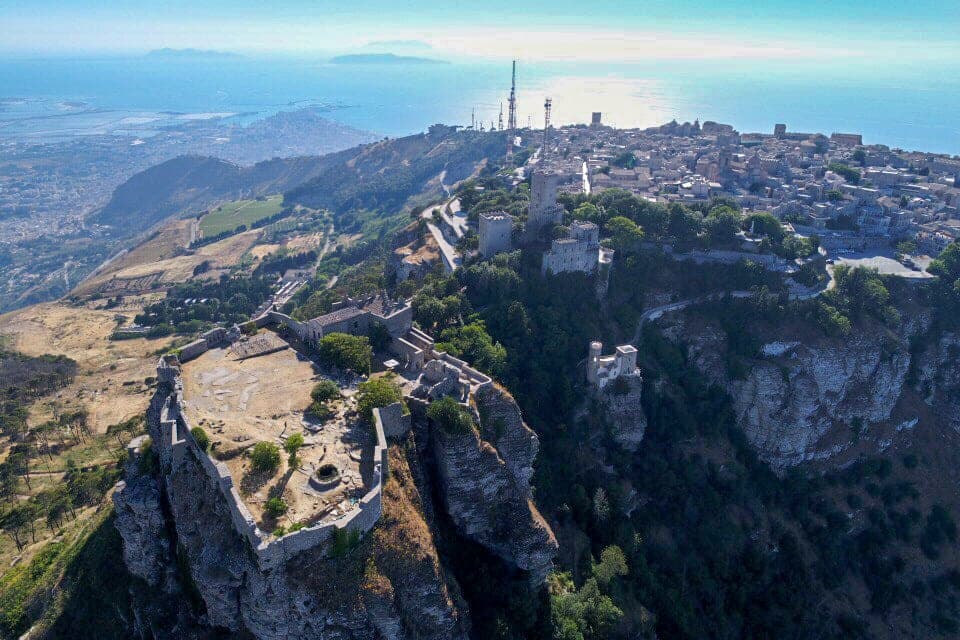
Erice
Wine Tasting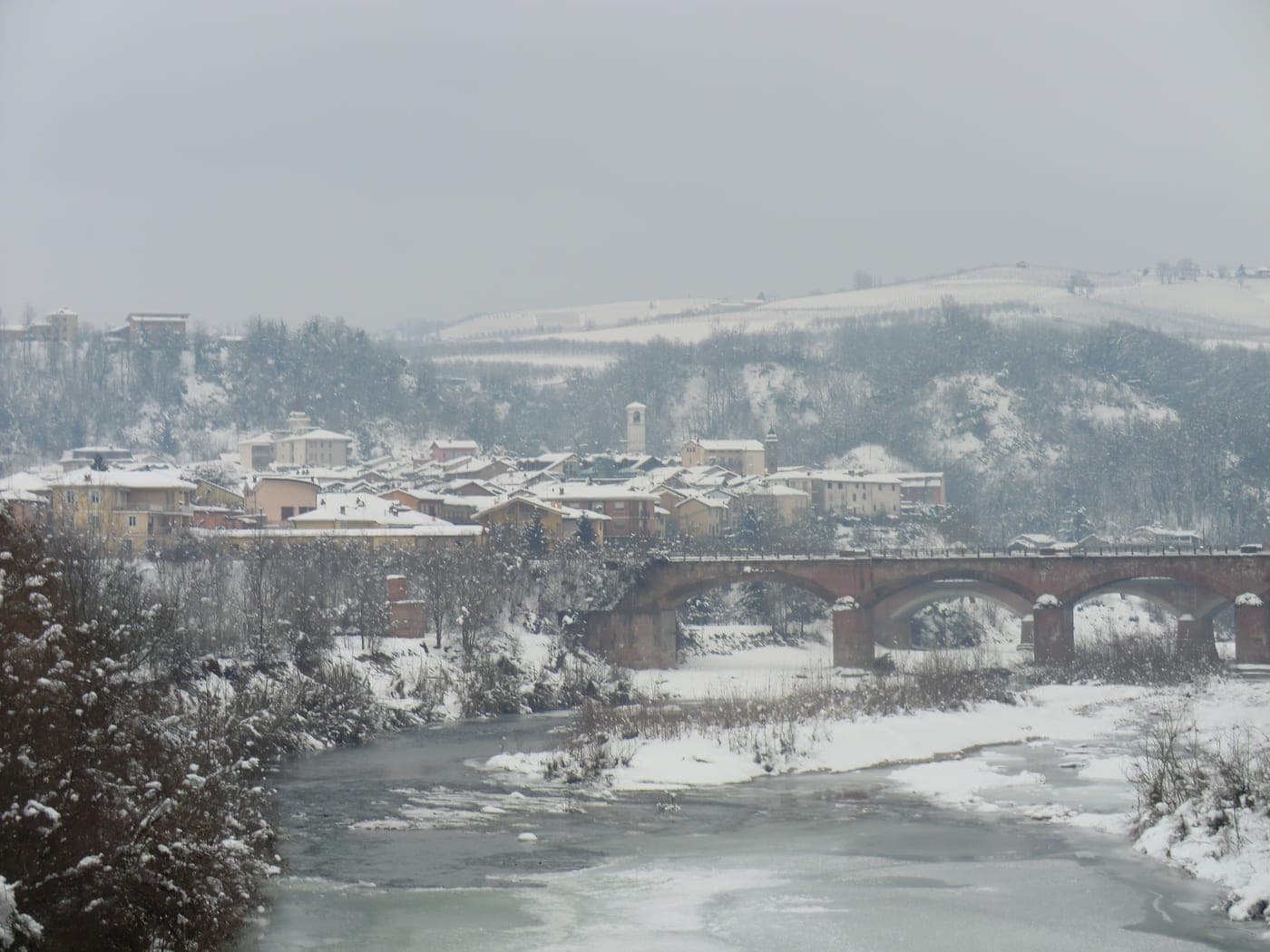
Farigliano
Wine Tasting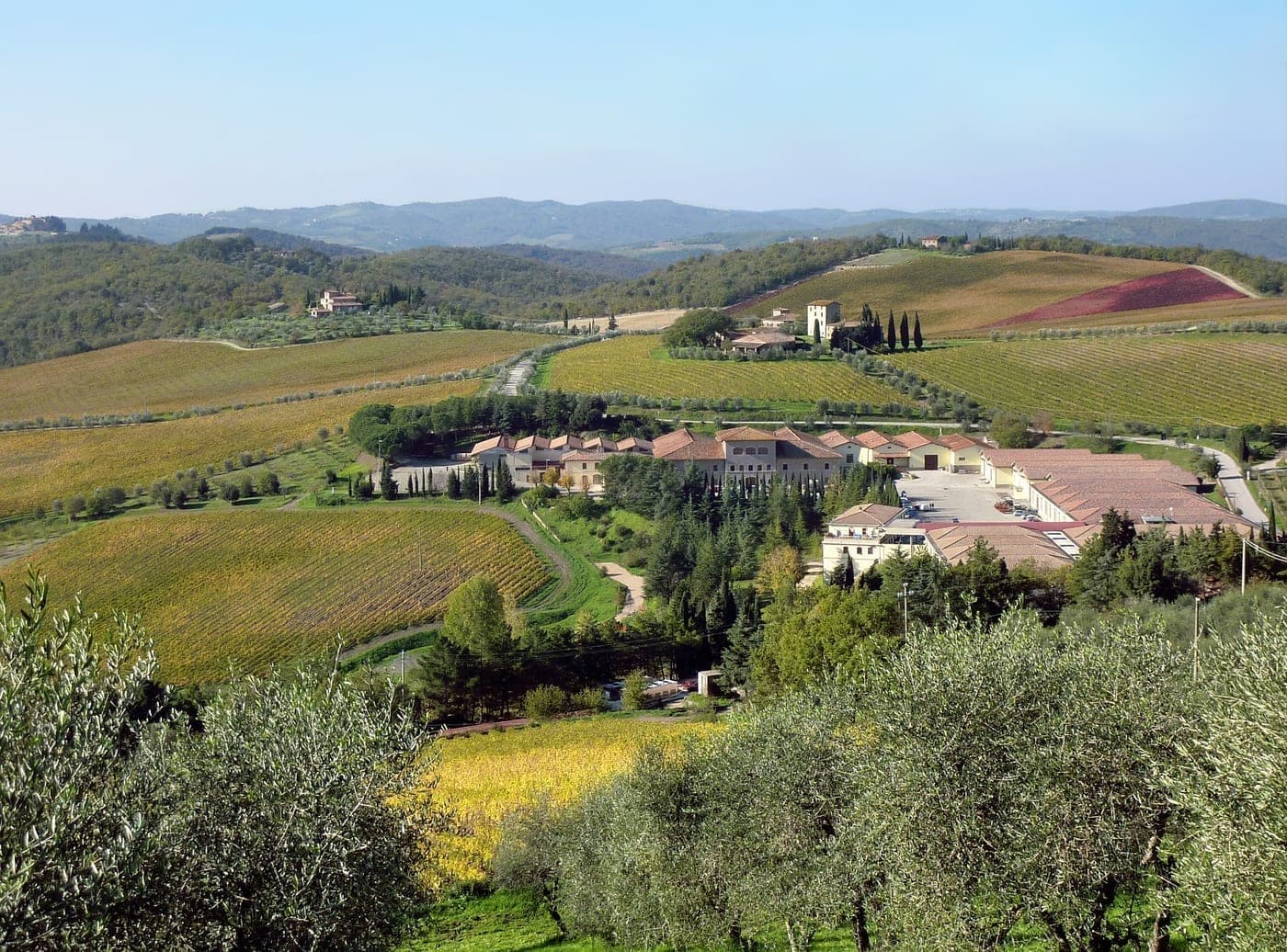
Gaiole in Chianti
Wine Tasting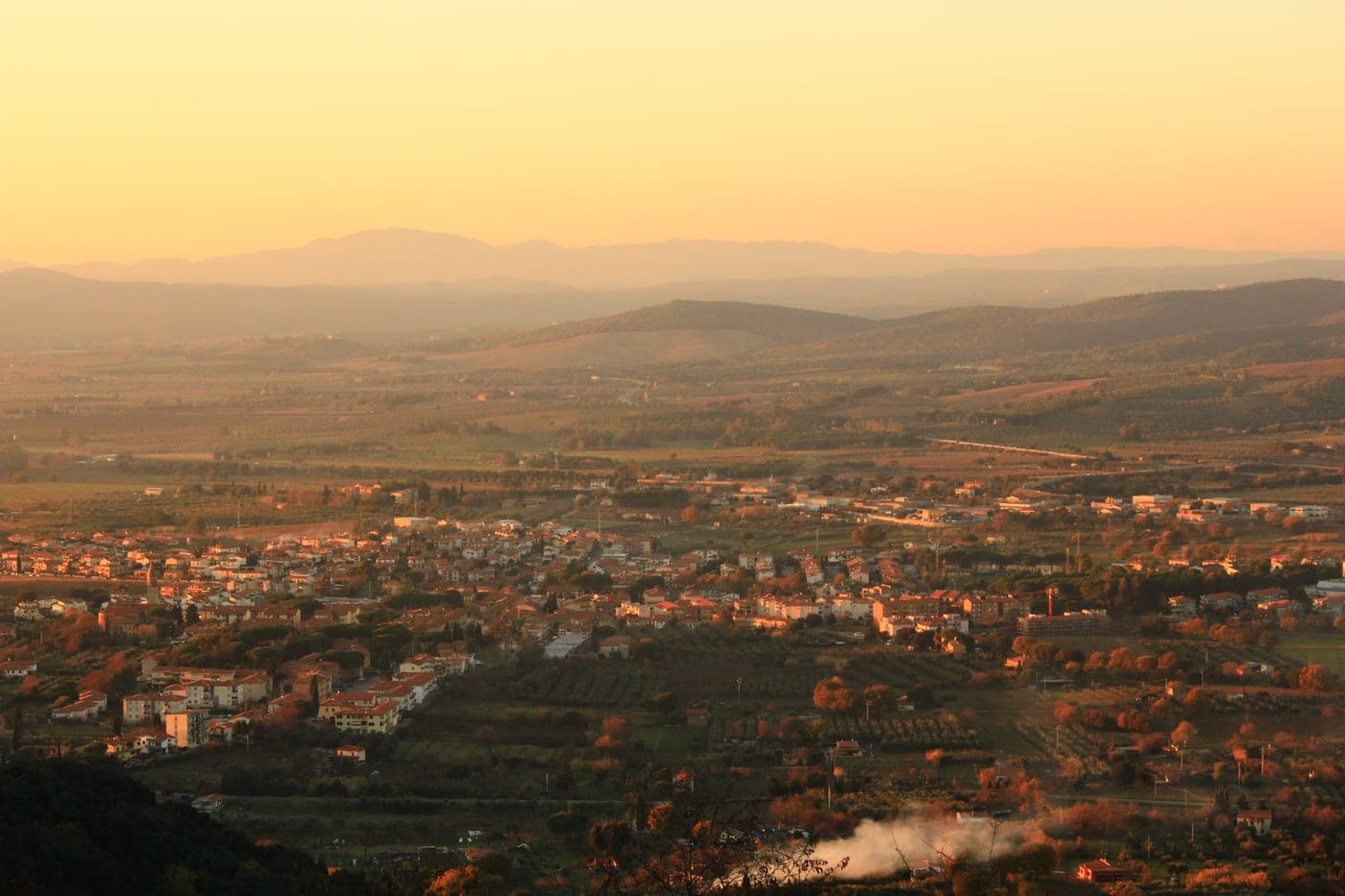
Gavorrano
Wine Tasting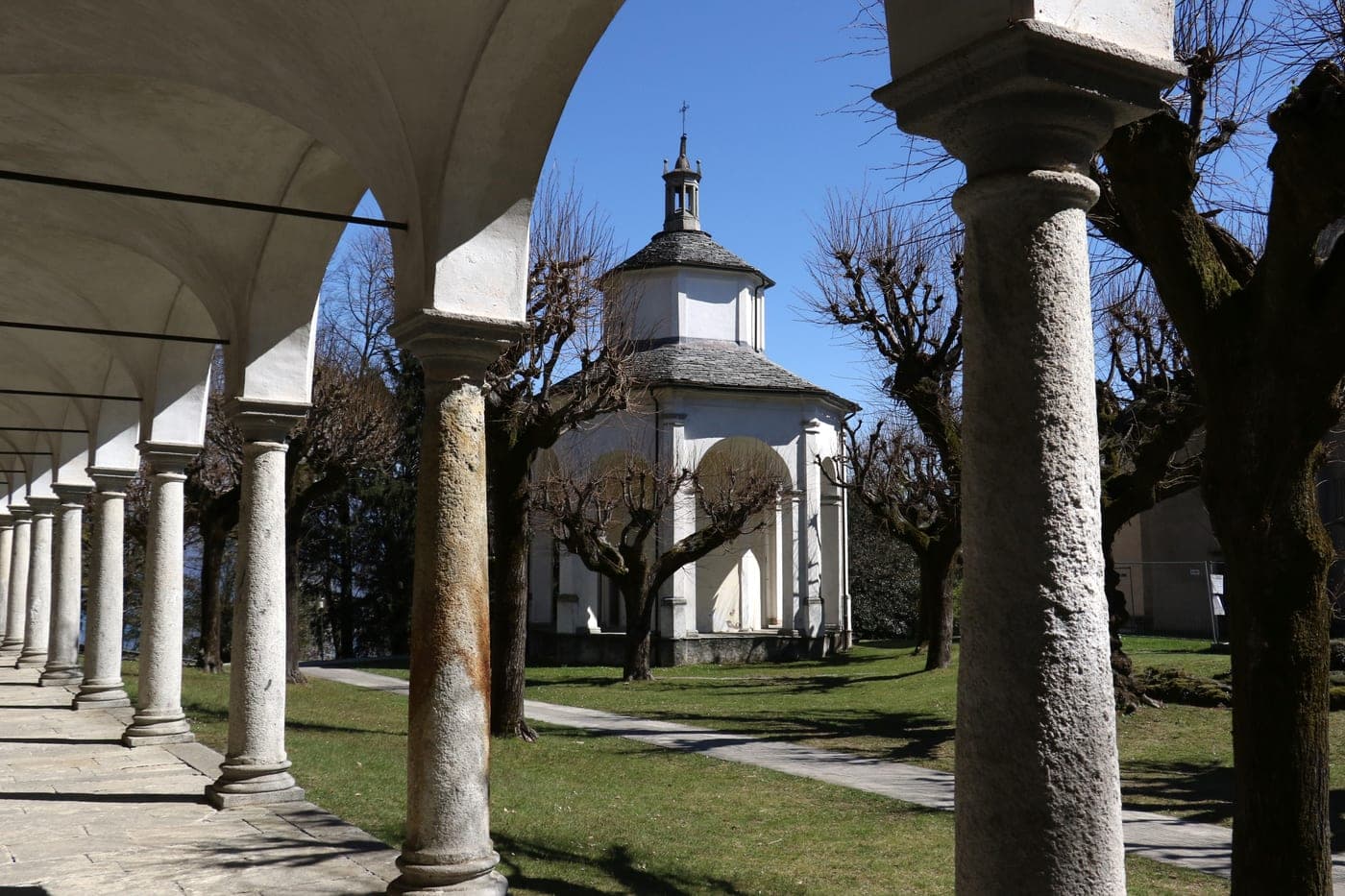
Ghiffa
Boat Rentals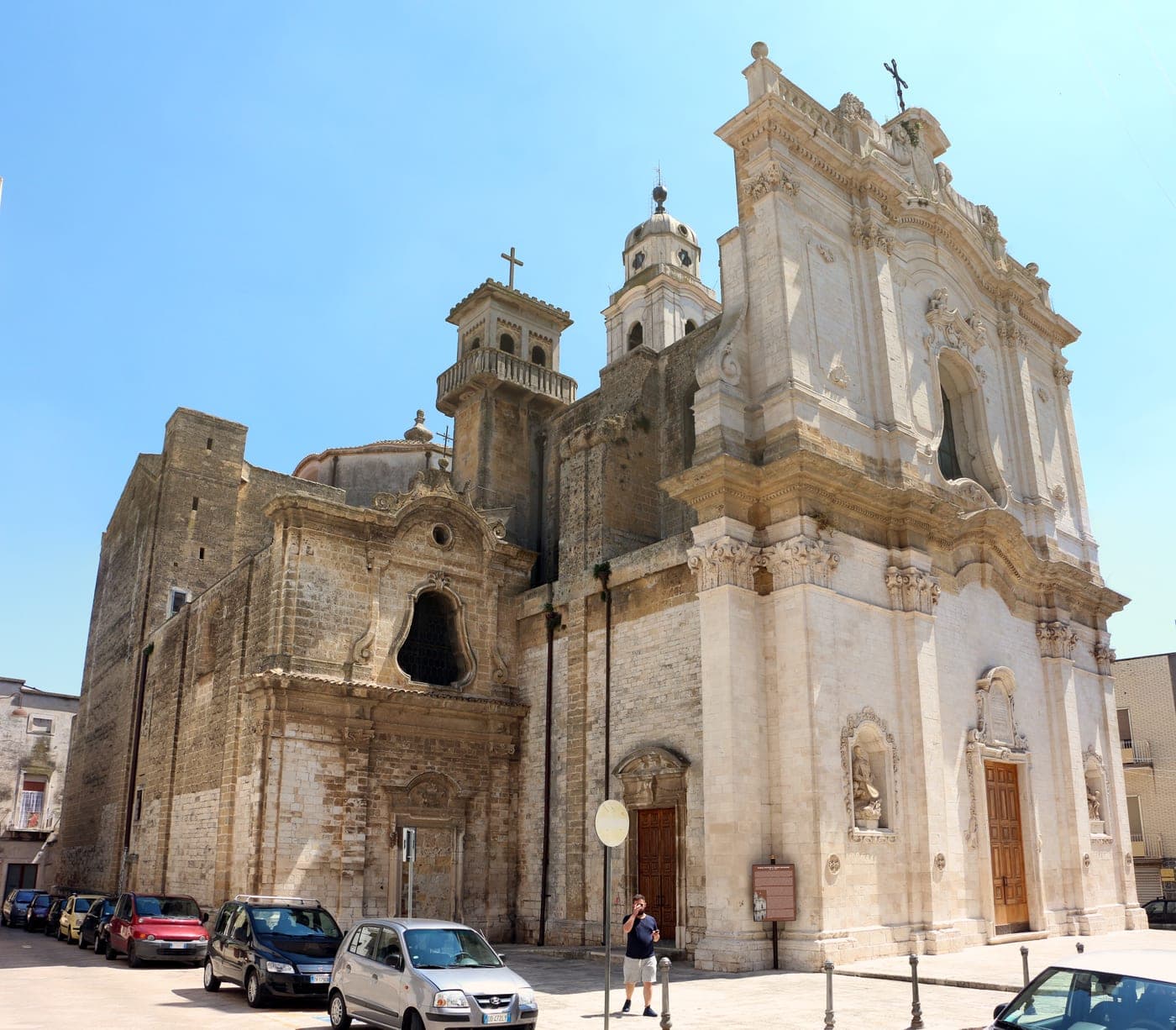
Gioia del Colle
Wine Tasting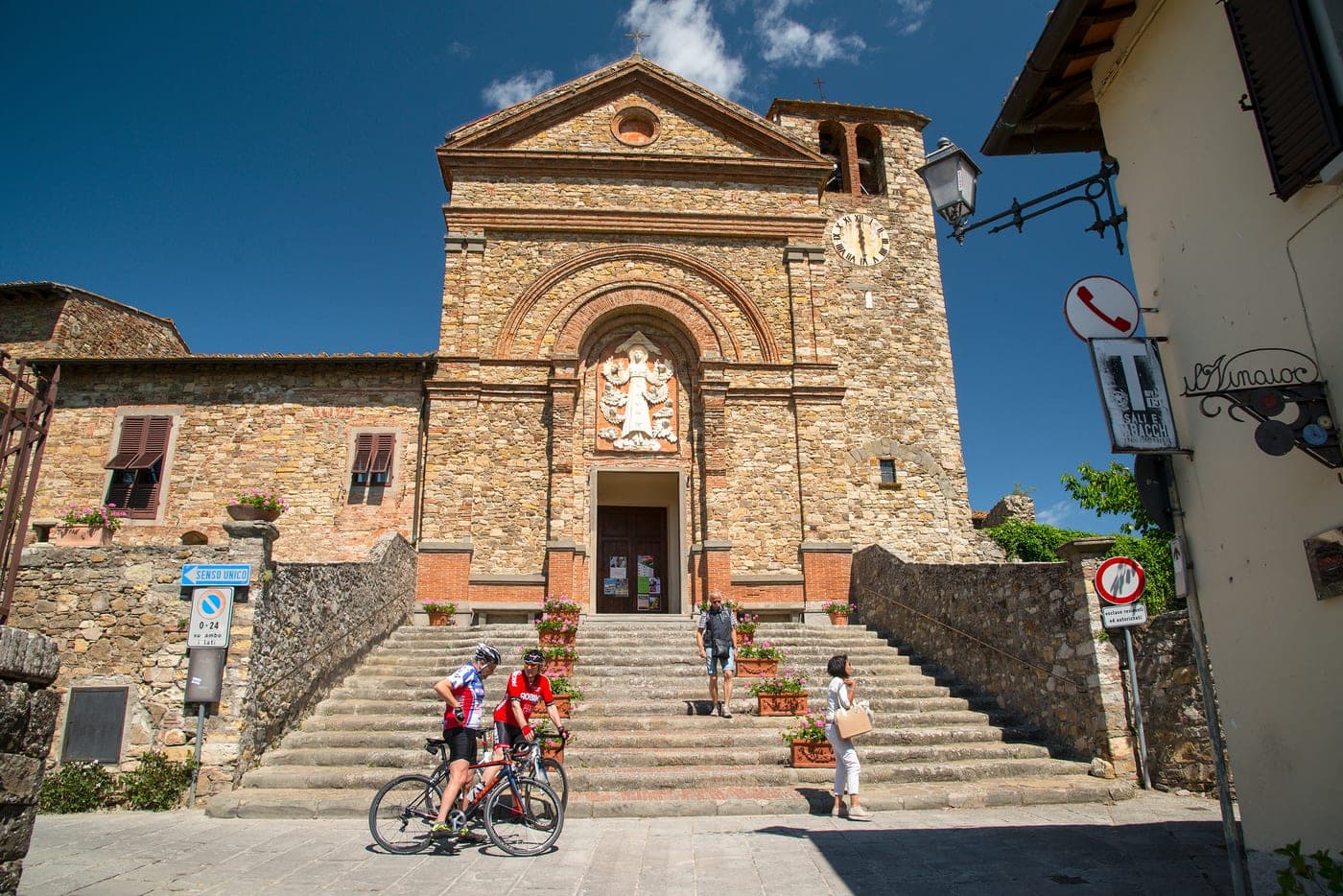
Greve in Chianti
Wine Tasting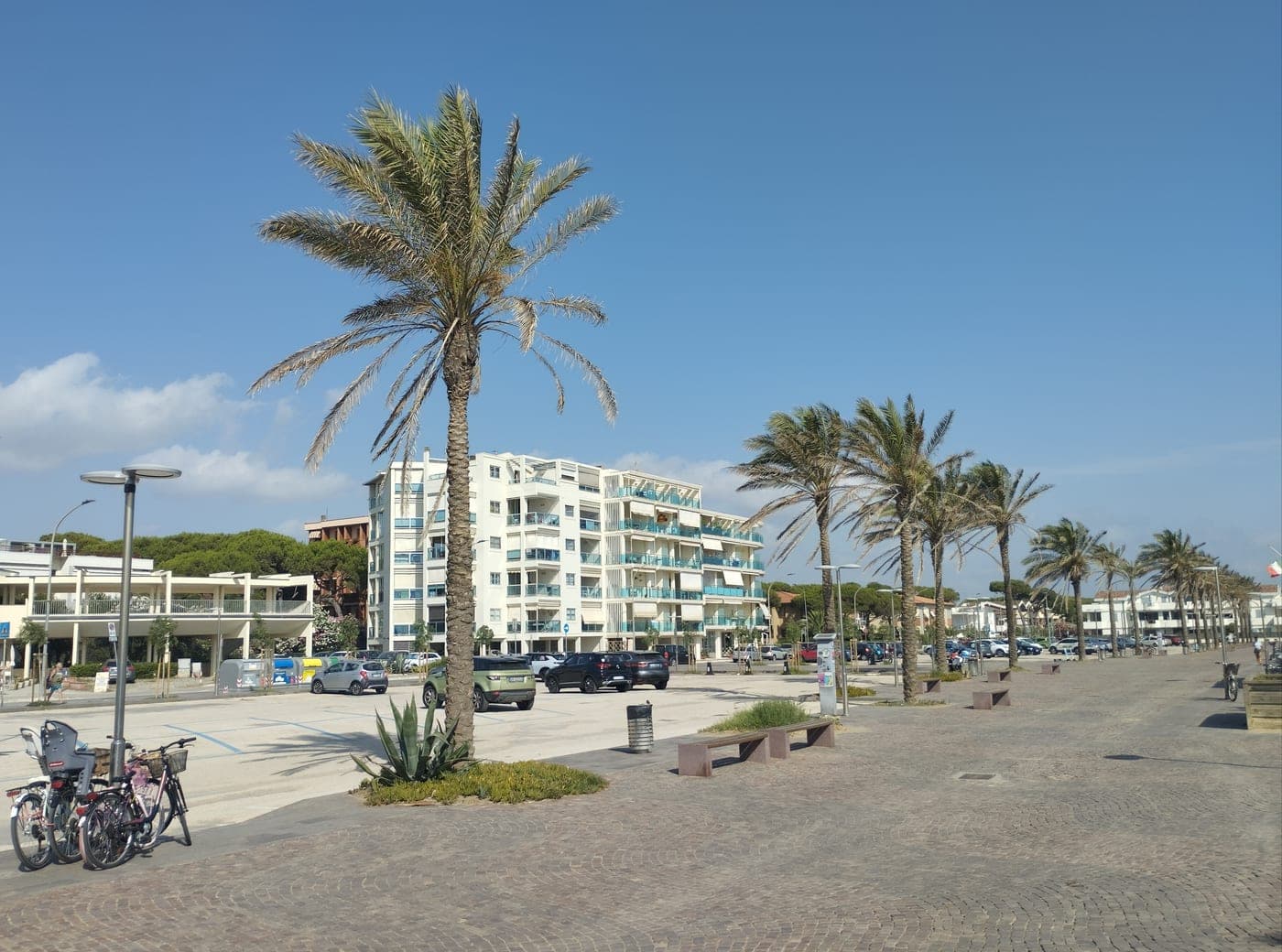
Grosseto
Agritourism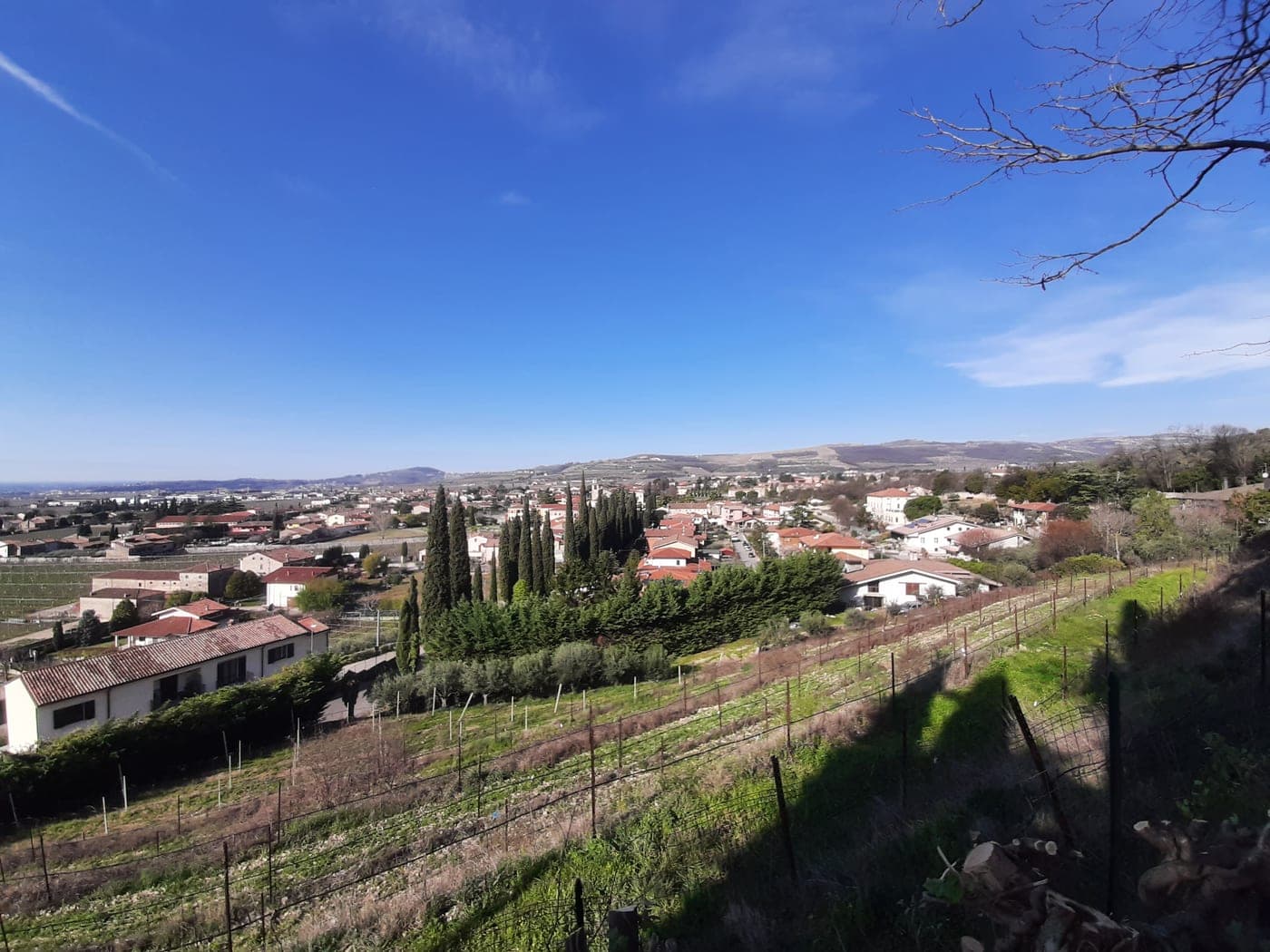
Illasi
Wine Tasting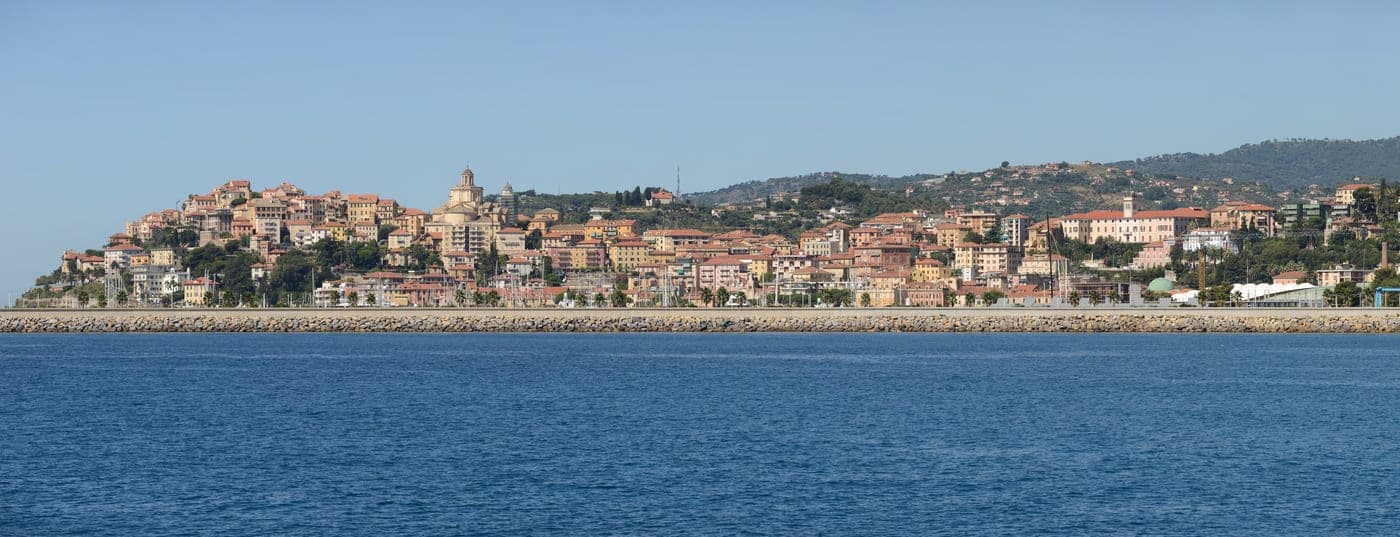
Imperia
Boat Rentals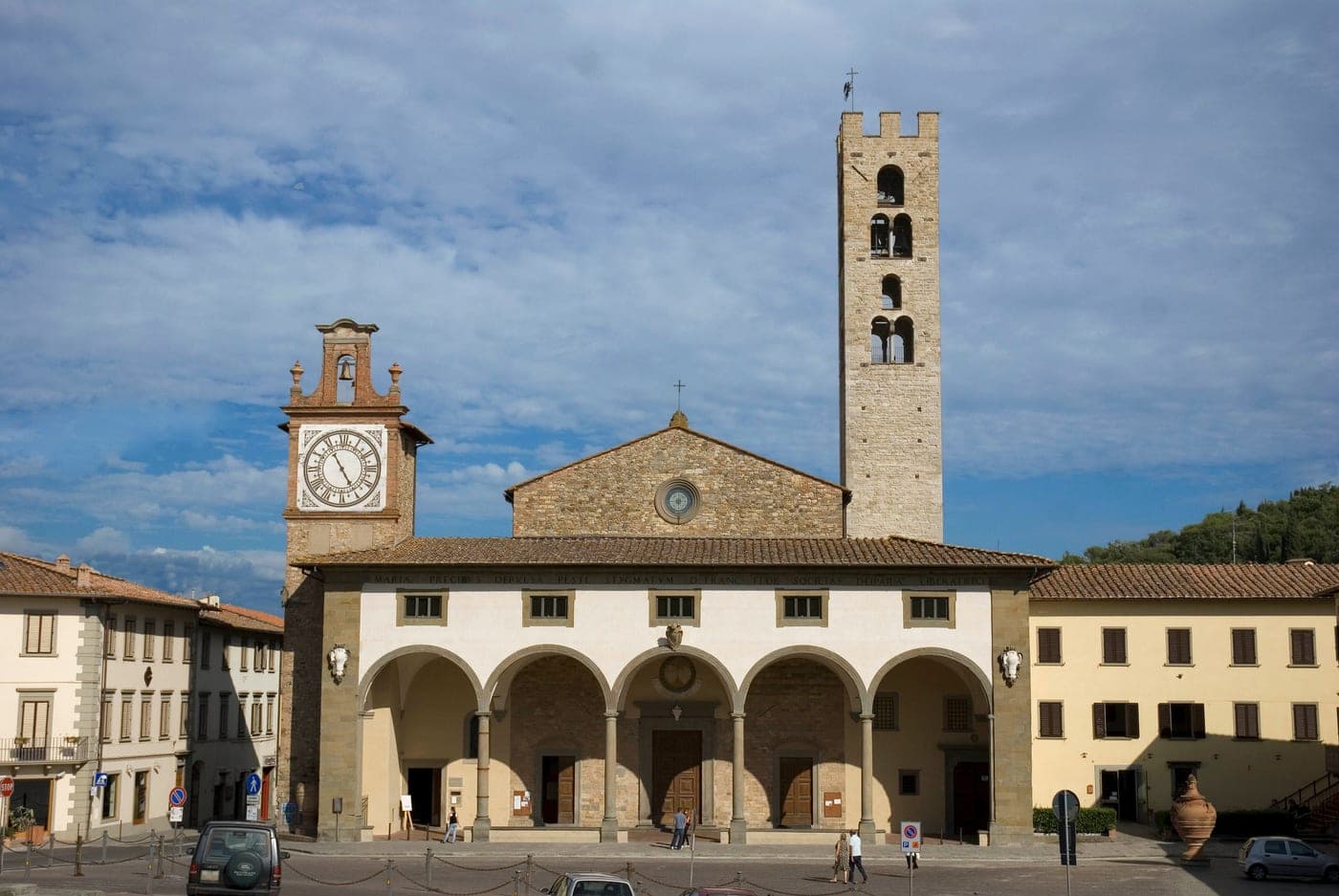
Impruneta
Wine Tasting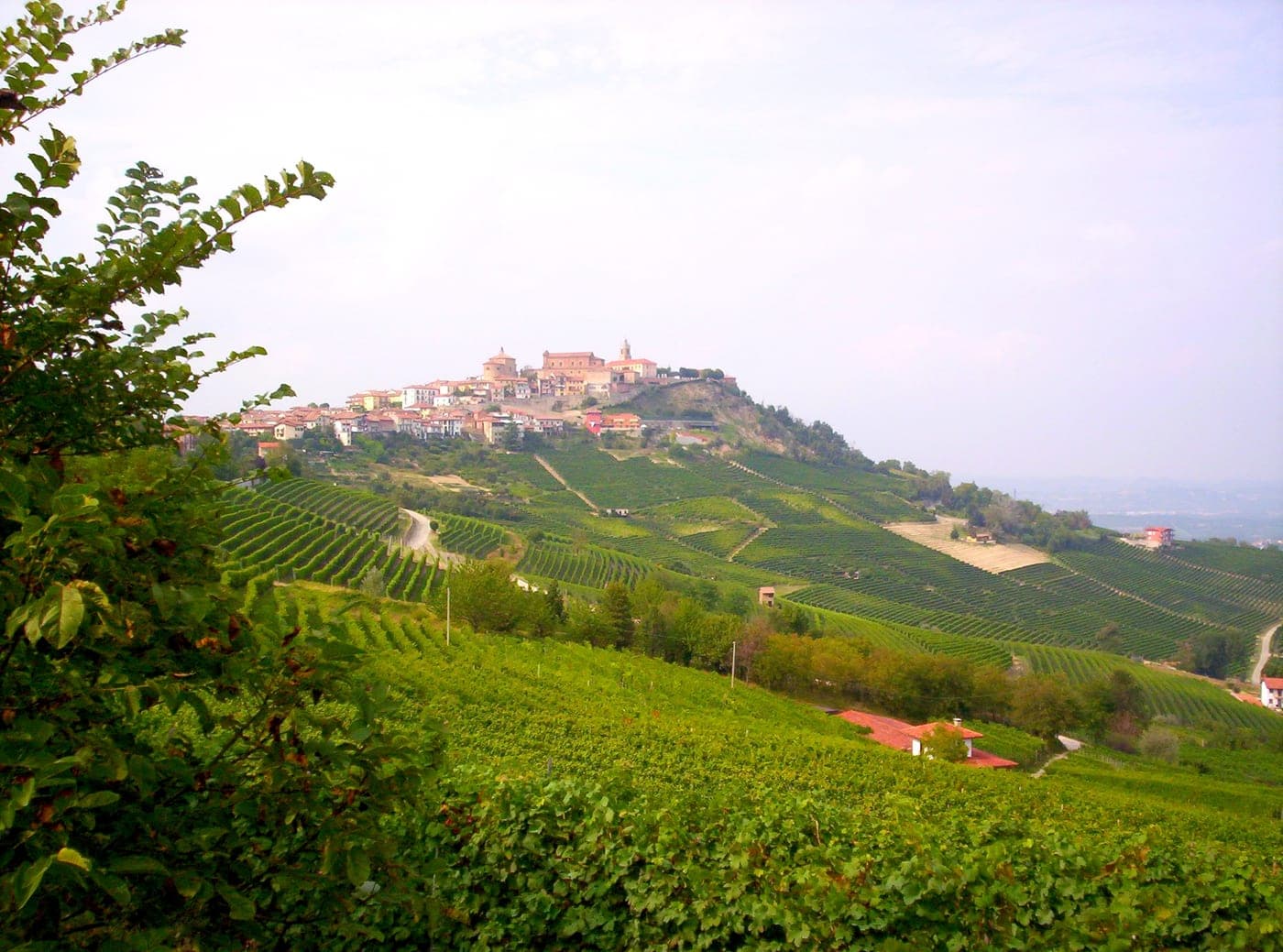
La Morra
Wine Tasting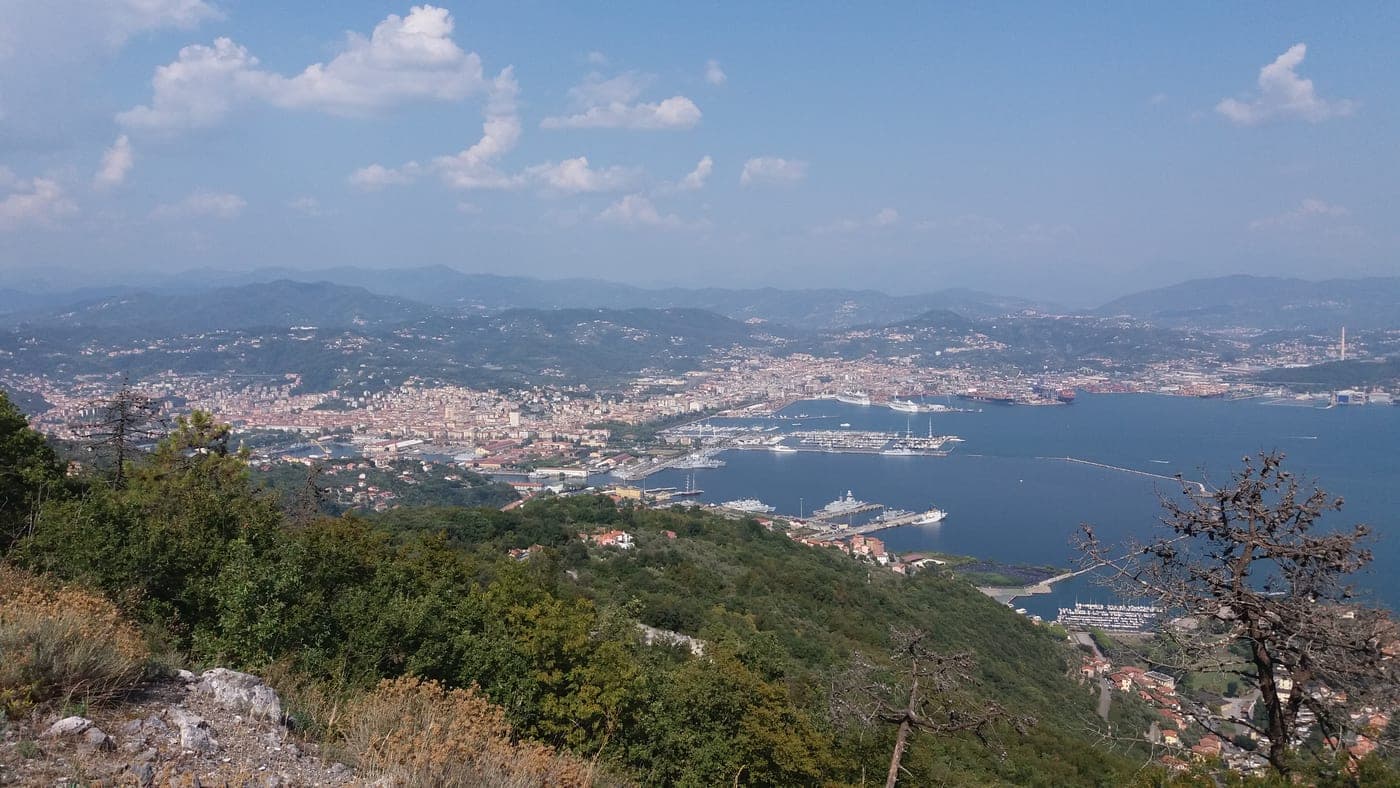
La Spezia
Boat Rentals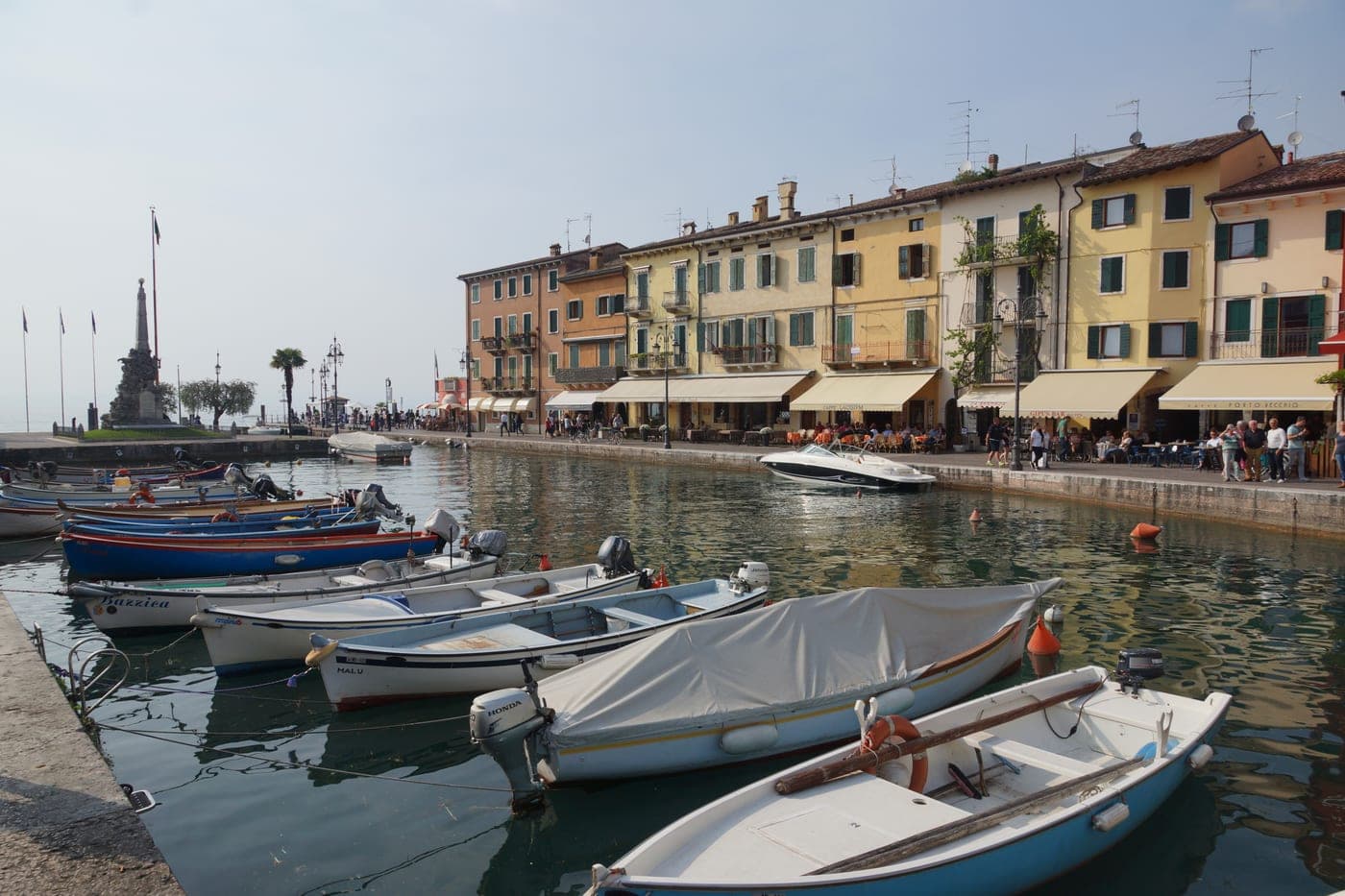
Lazise
Wine Tasting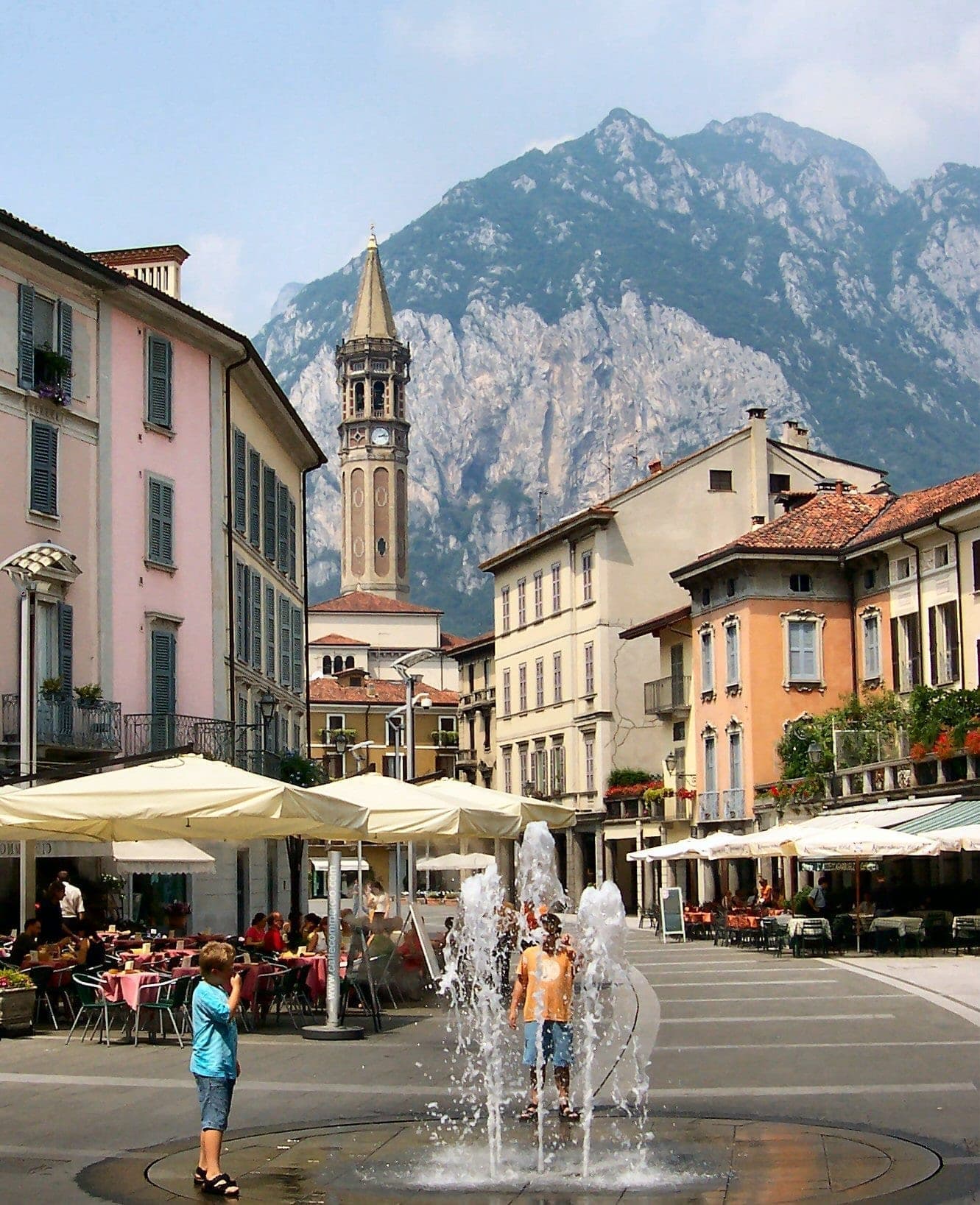
Lecco
Boat Rentals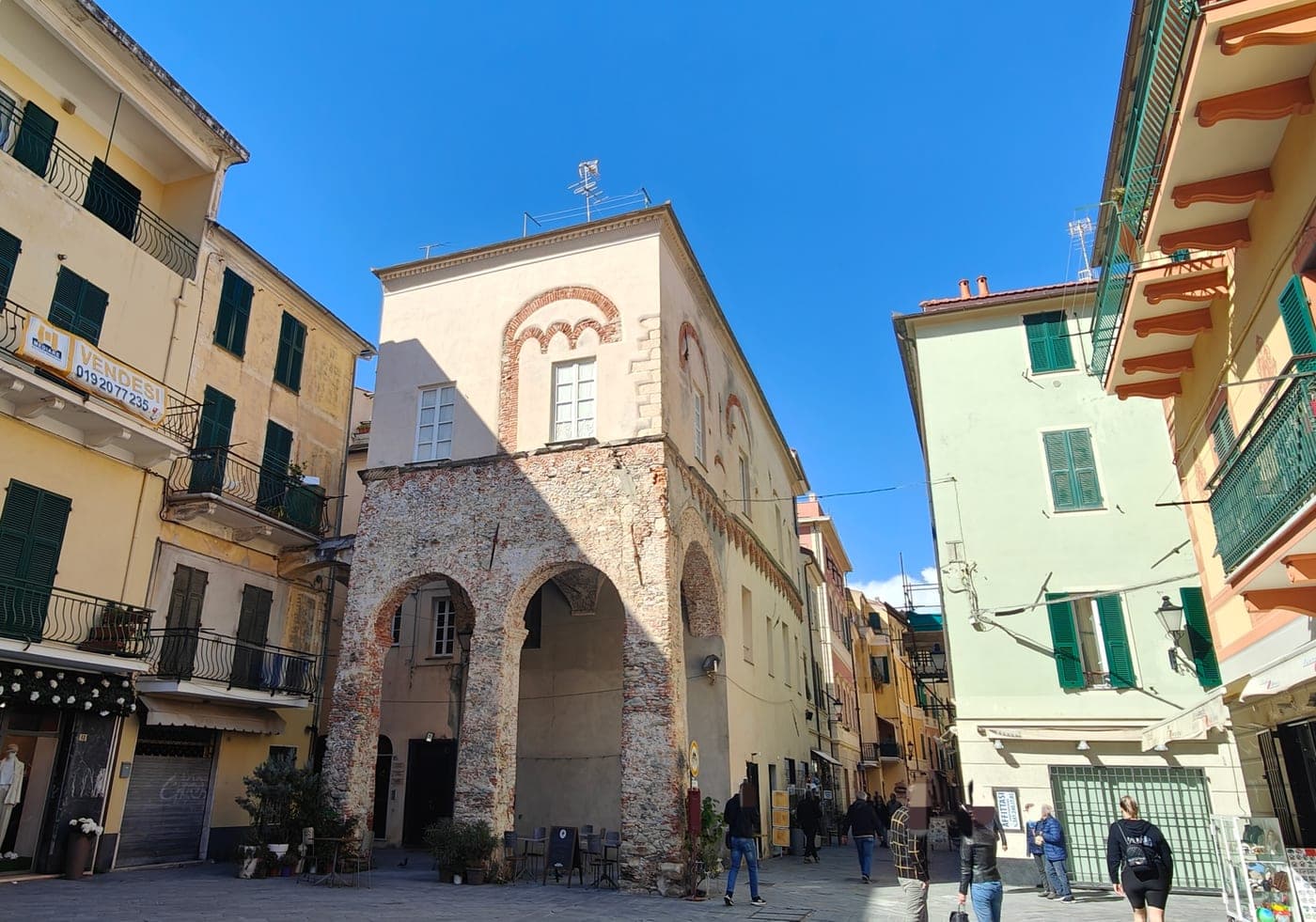
Loano
Boat Rentals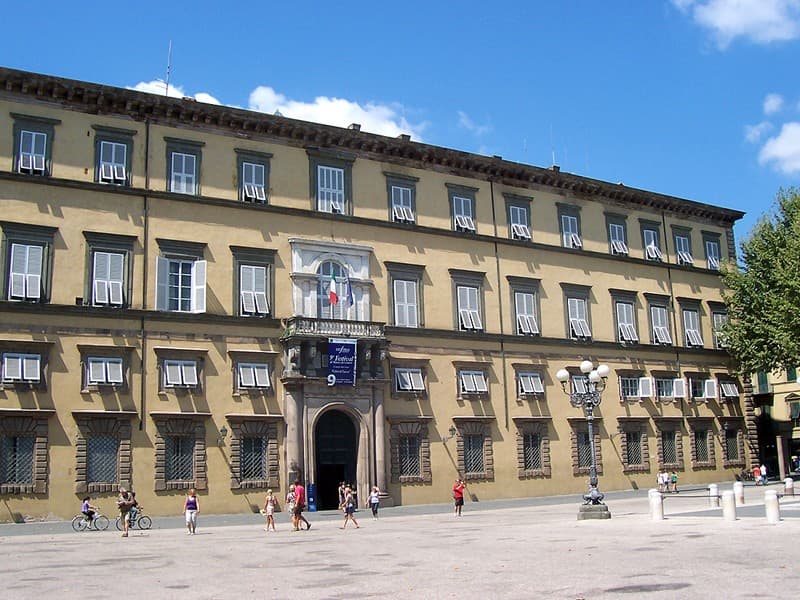
Lucca
Wine TastingMadruzzo
Wine Tasting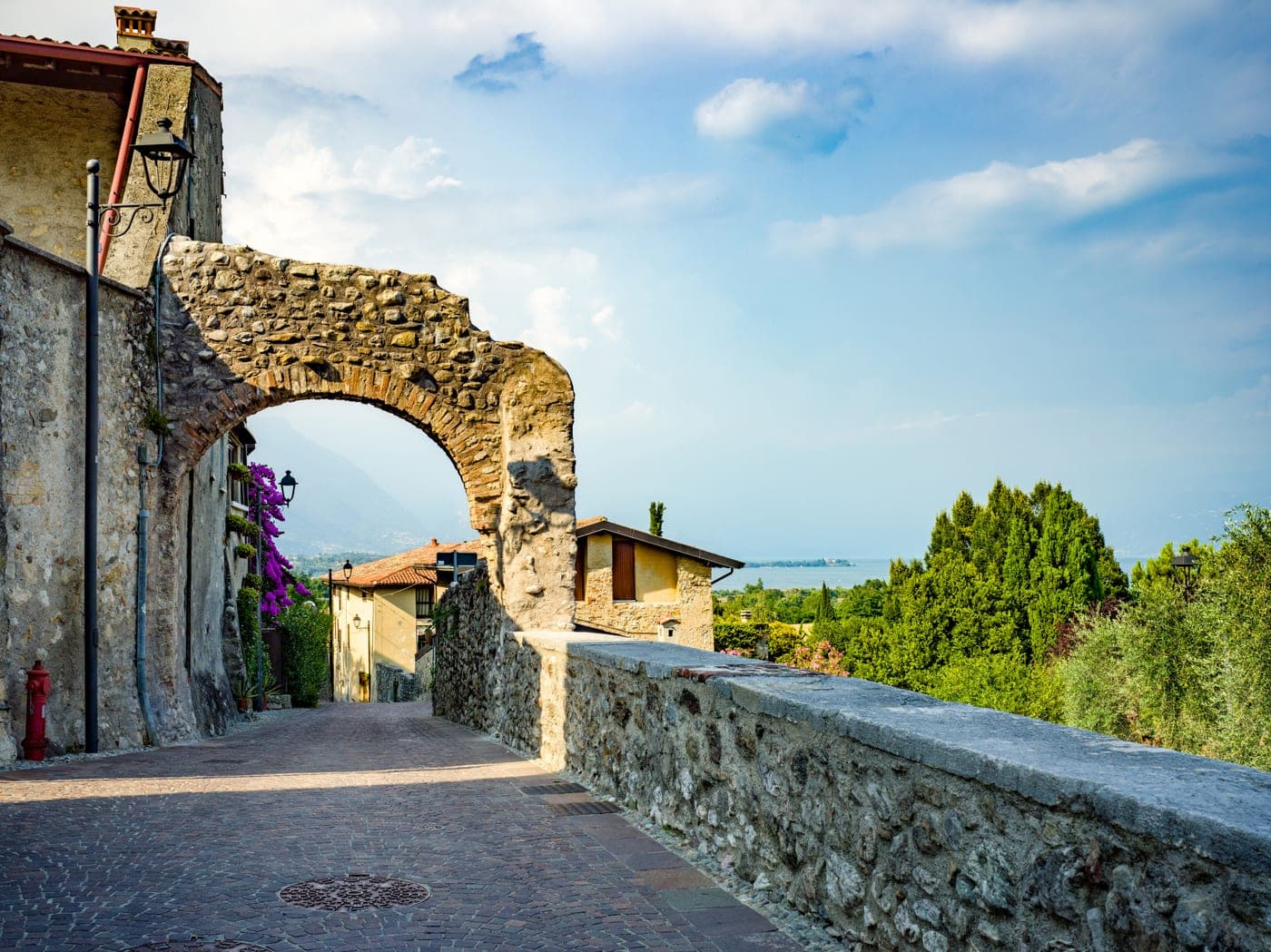
Manerba del Garda
Boat Rentals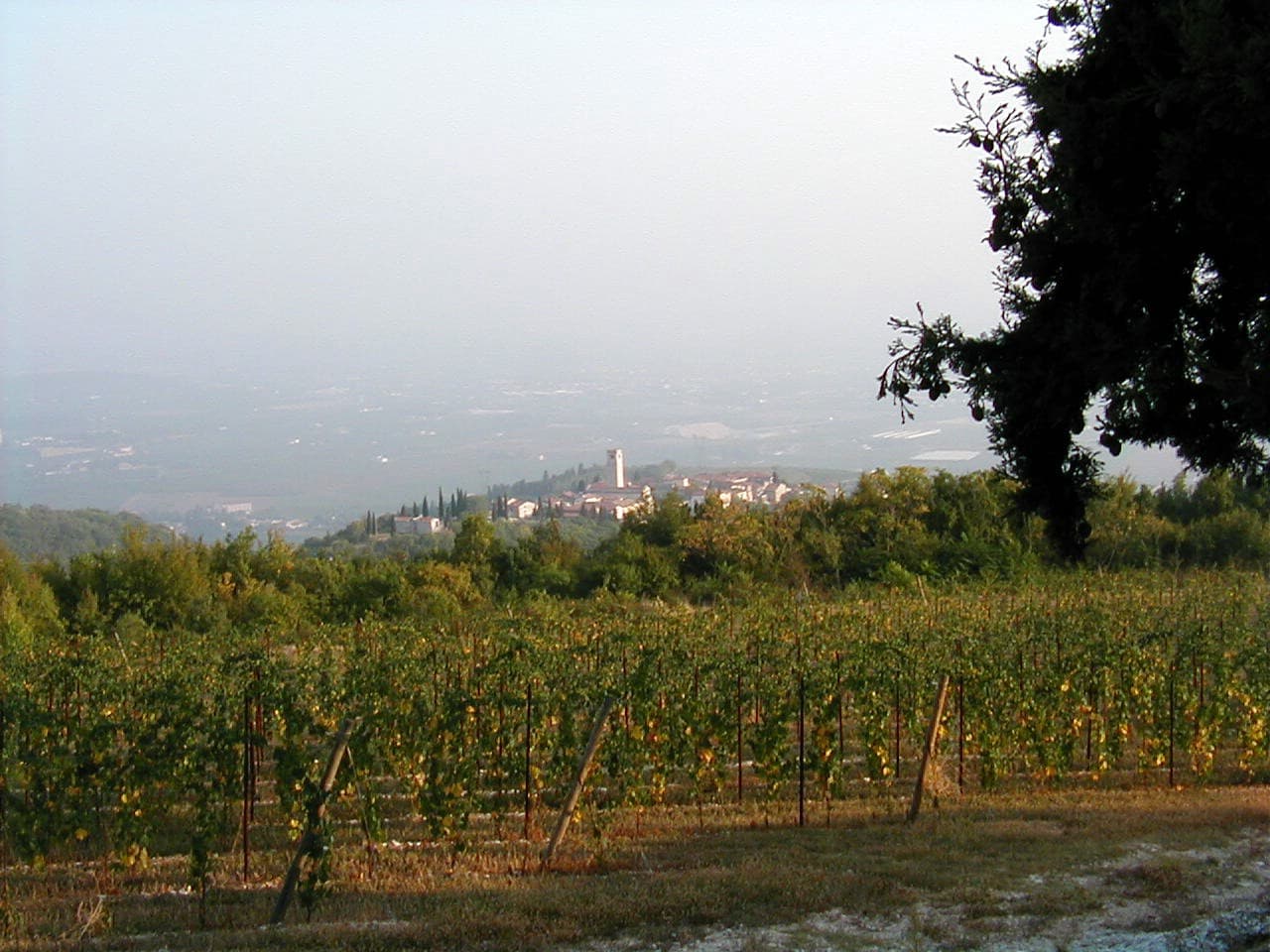
Marano di Valpolicella
Wine Tasting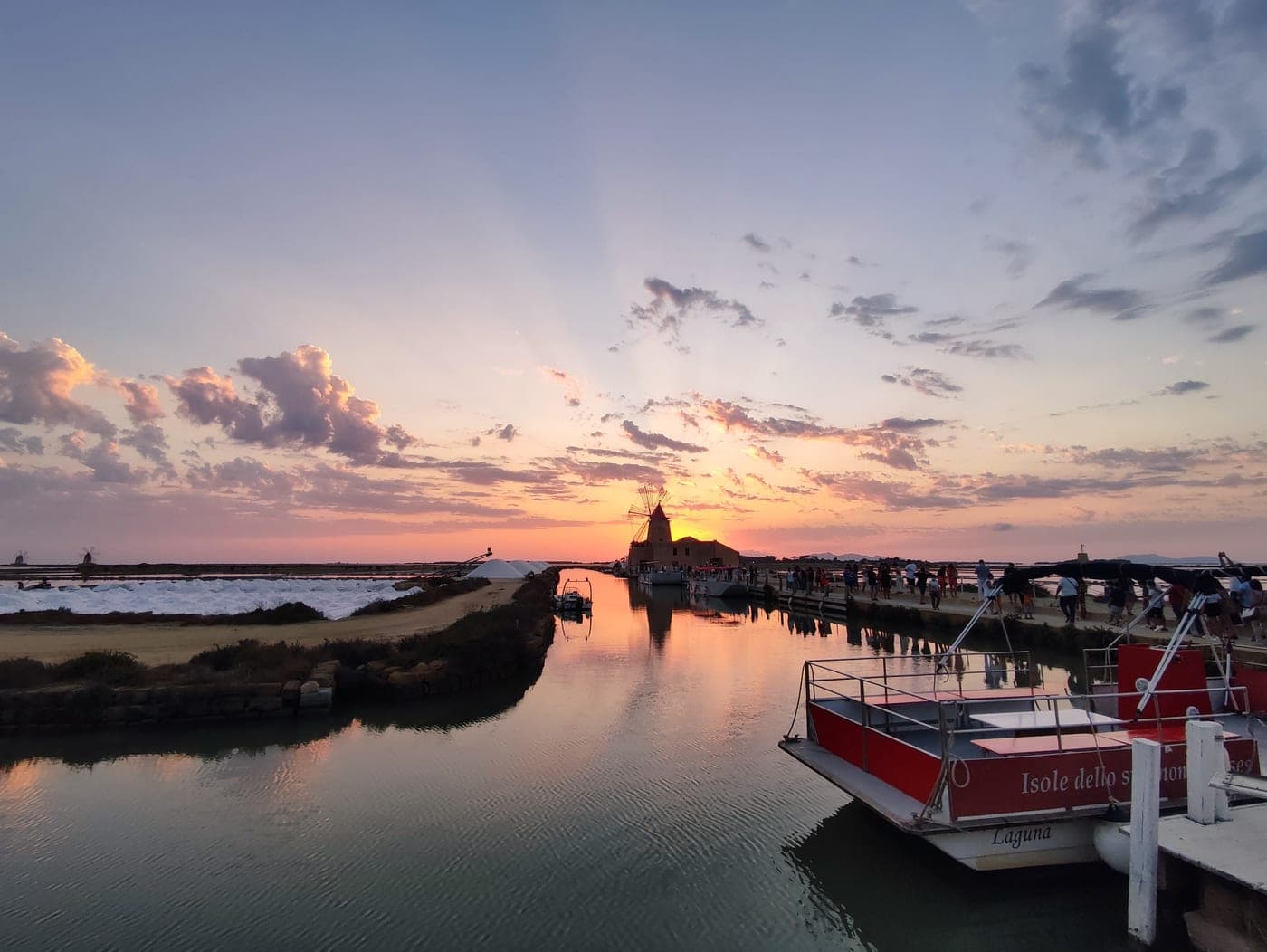
Marsala
Wine Tasting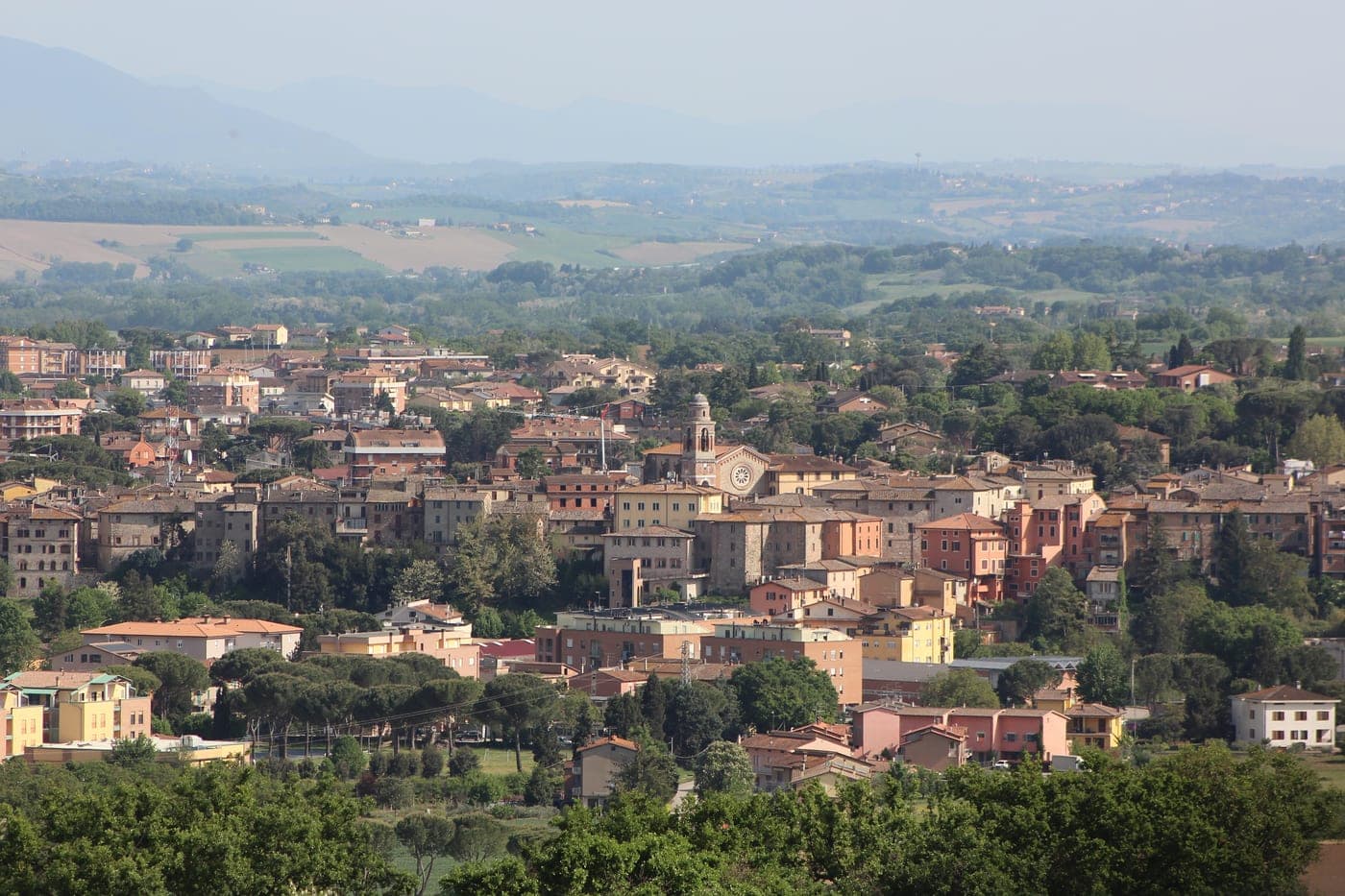
Marsciano
Wine Tasting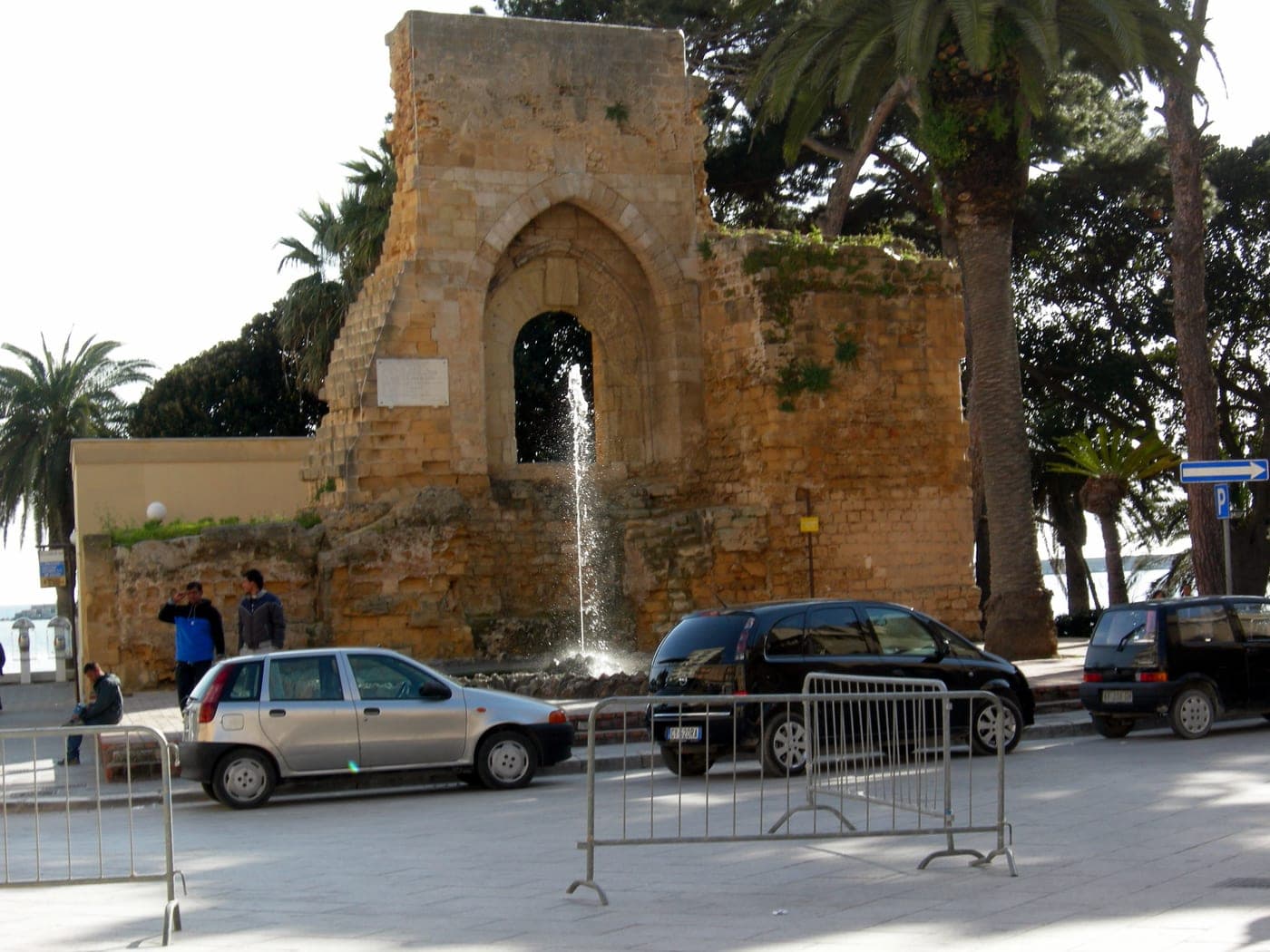
Mazara del Vallo
Wine TastingMelfi
Wine Tasting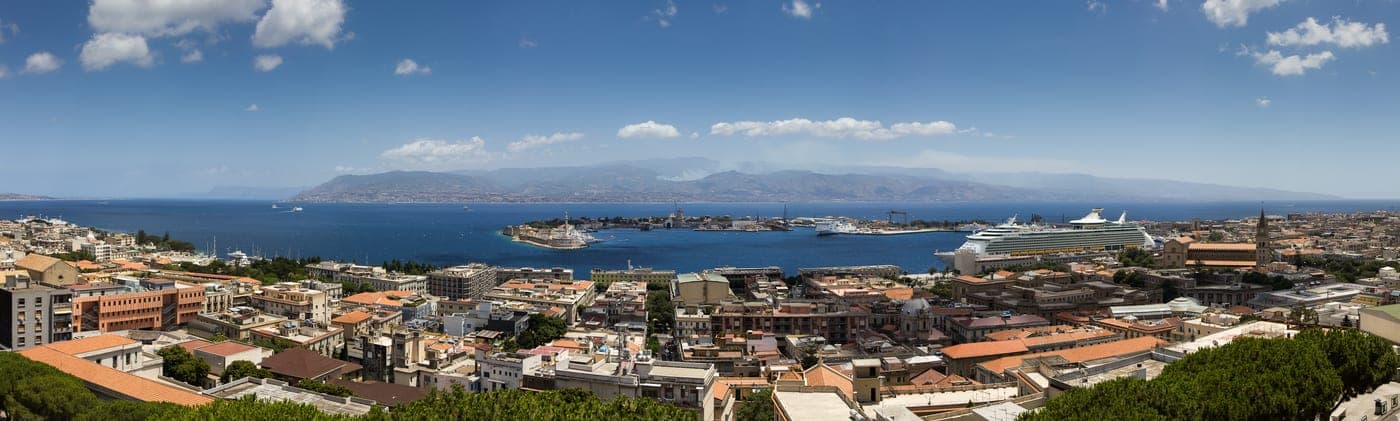
Messina
Wine Tasting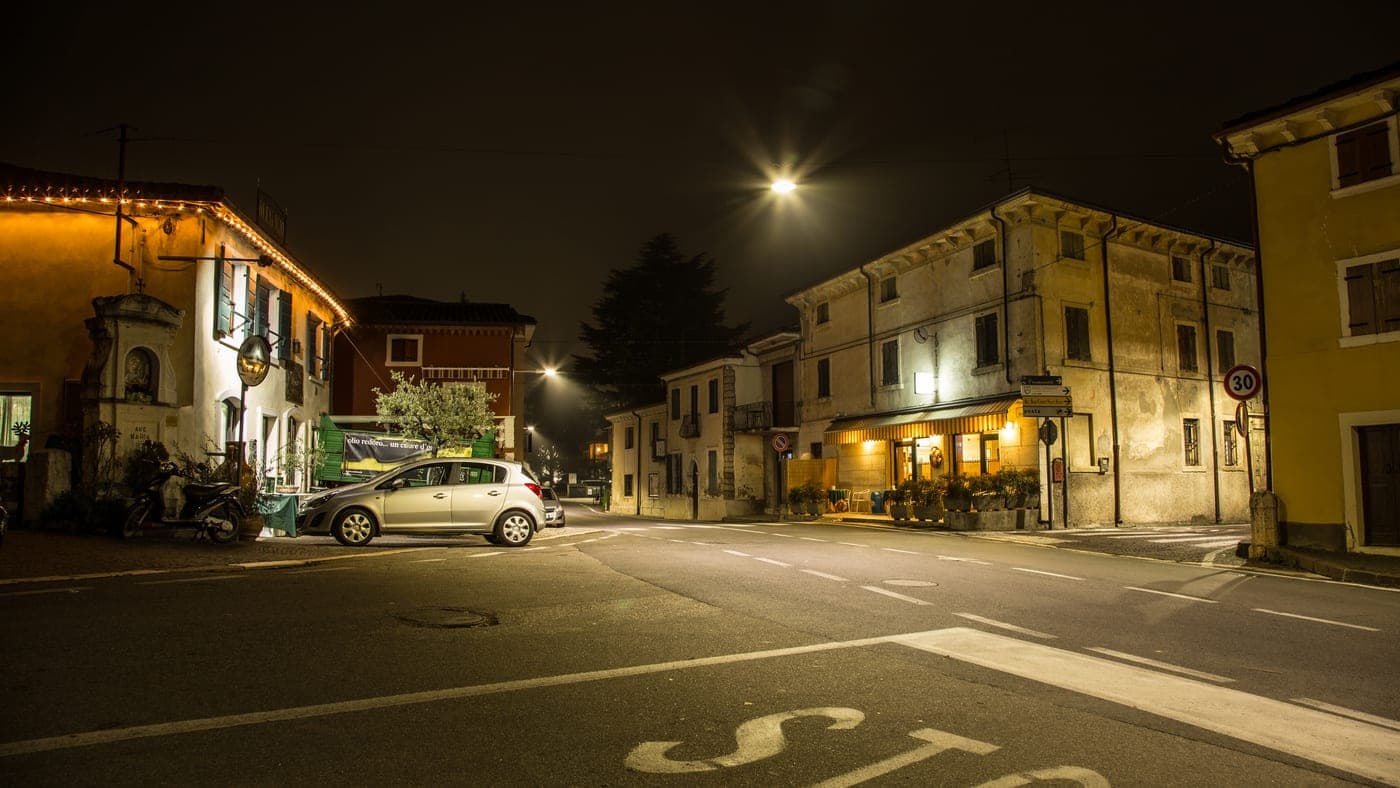
Mezzane di Sotto
Wine Tasting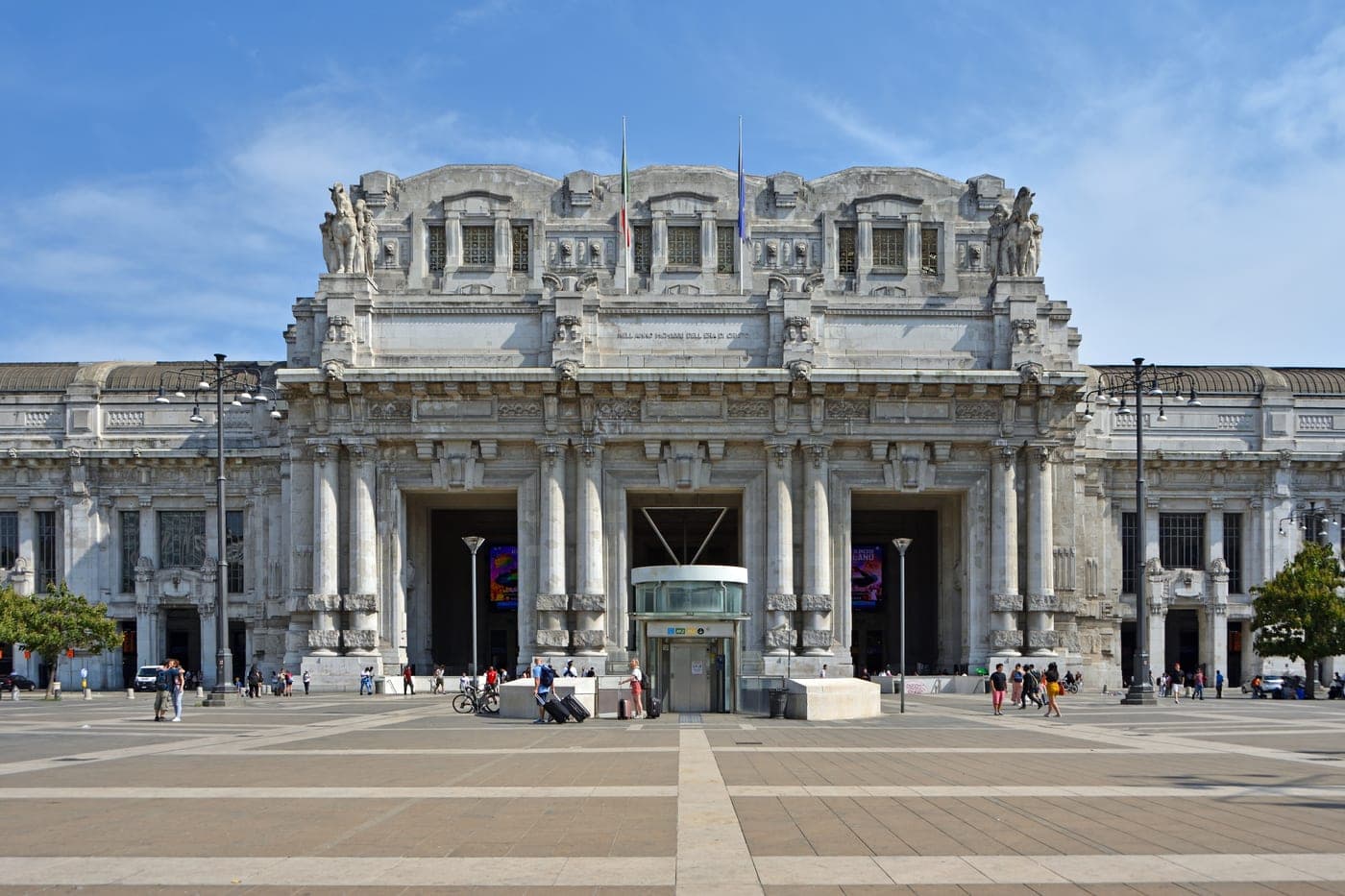
Milan
Camper Van Rentals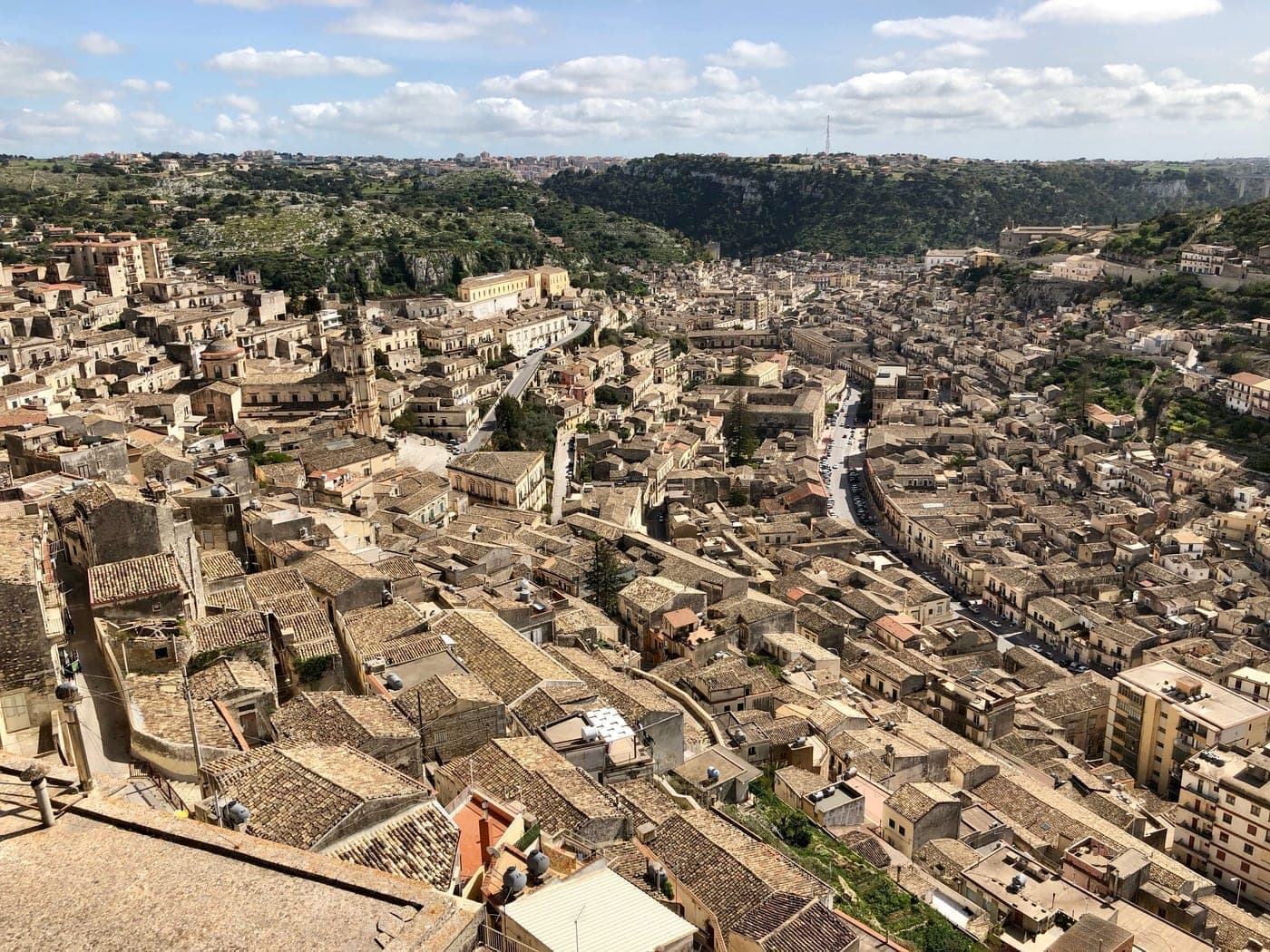
Modica
Wine Tasting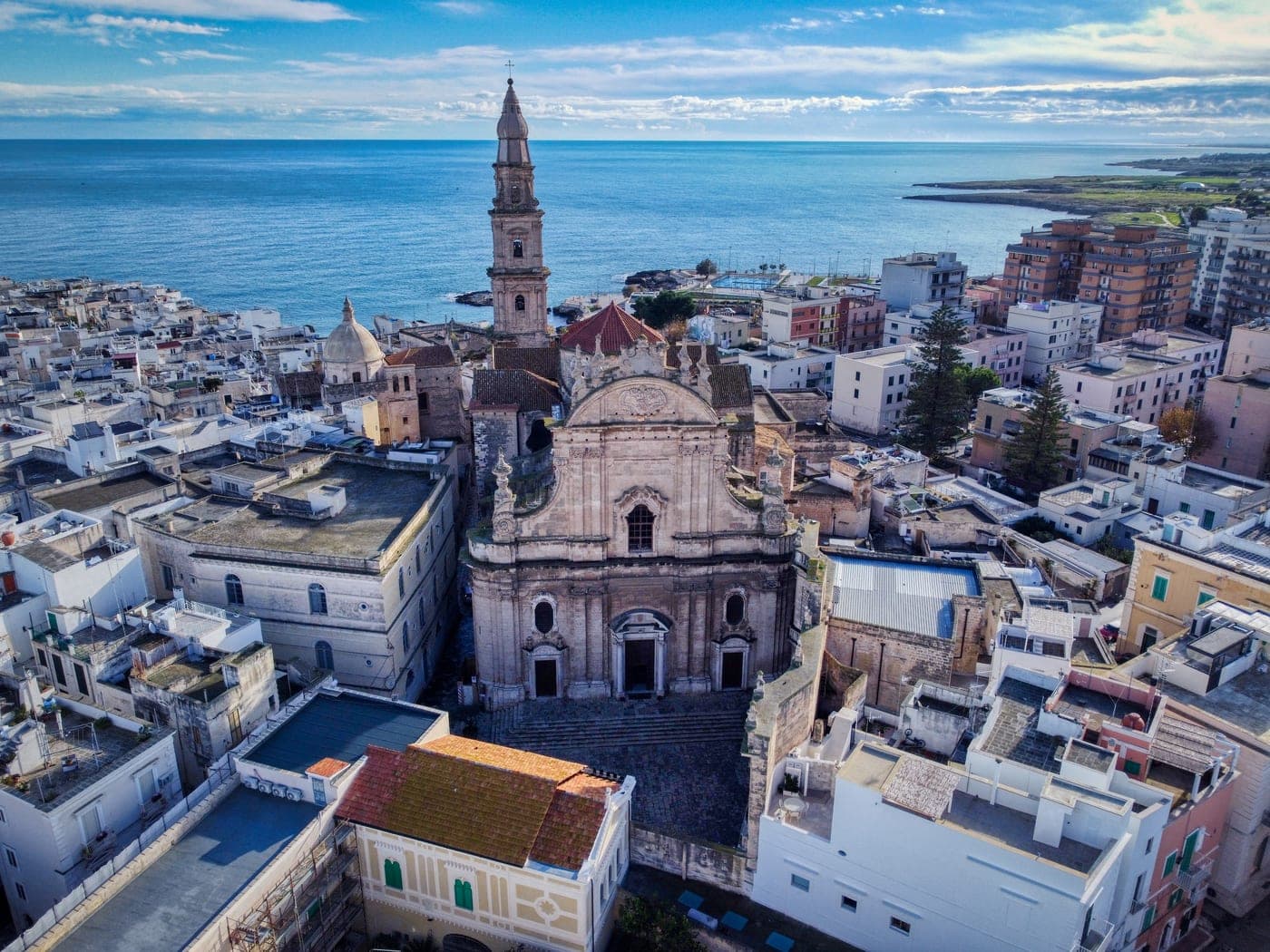
Monopoli
Boat RentalsMonreale
Wine Tasting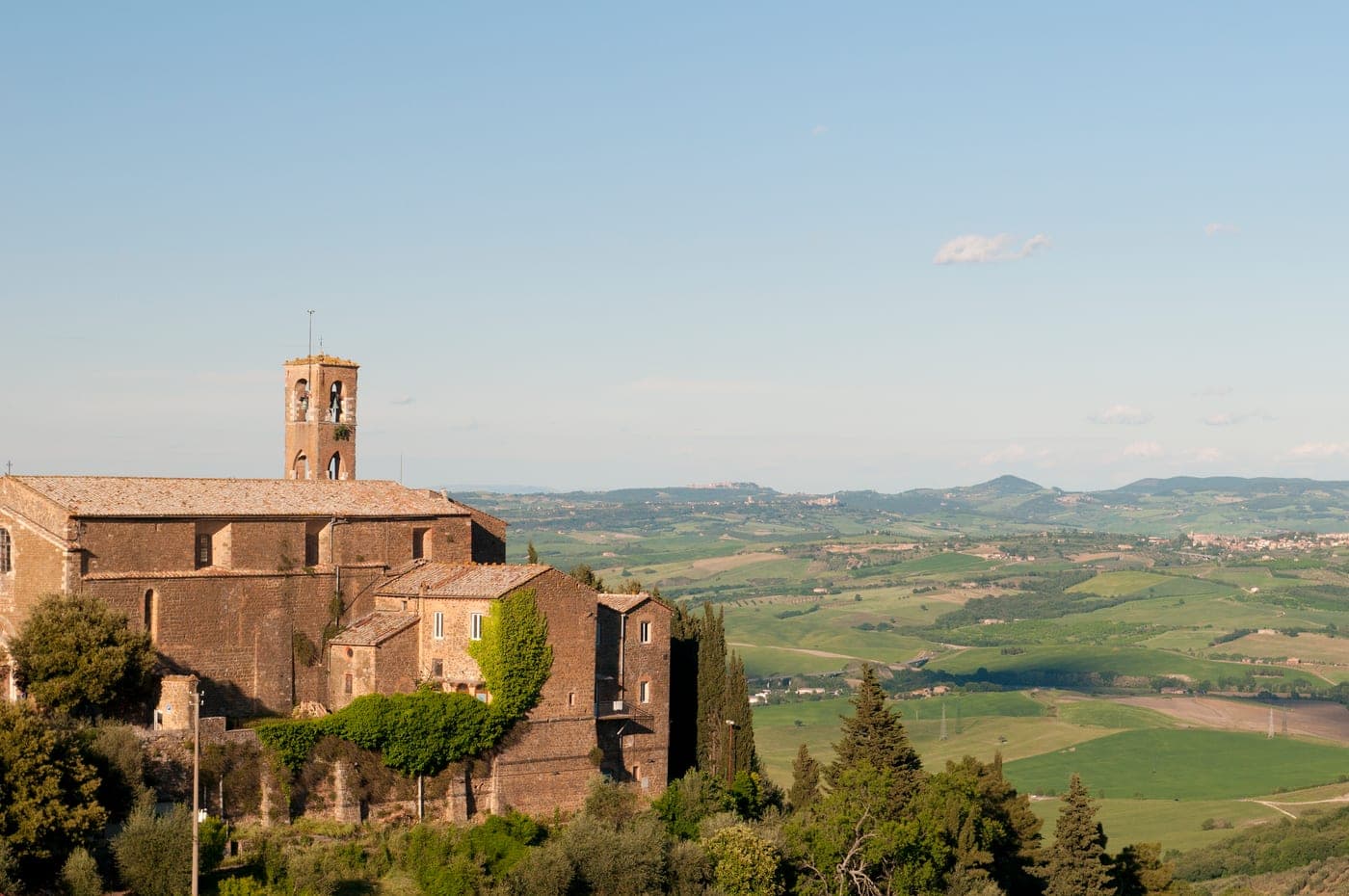
Montalcino
Wine Tasting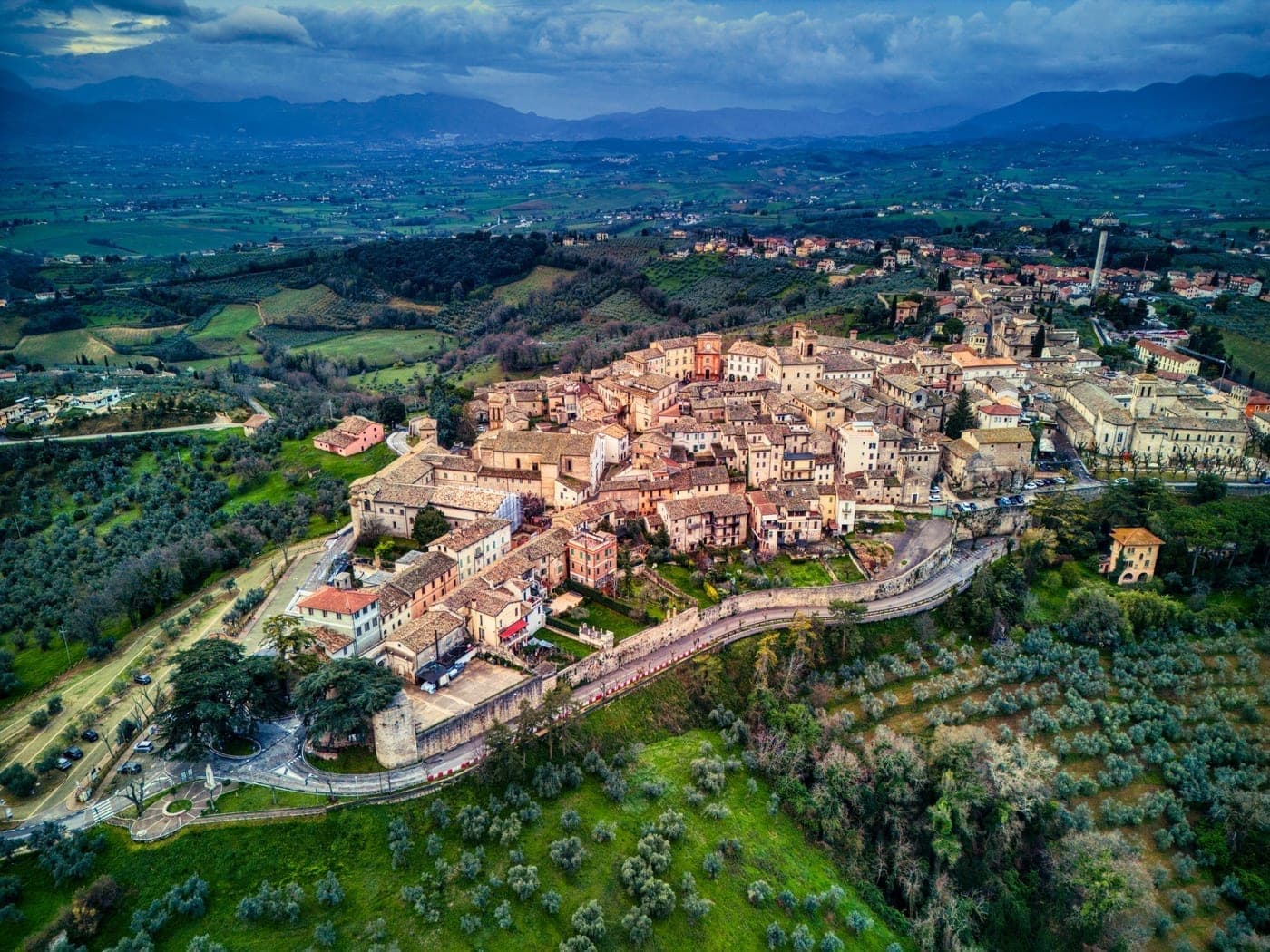
Montefalco
Wine Tasting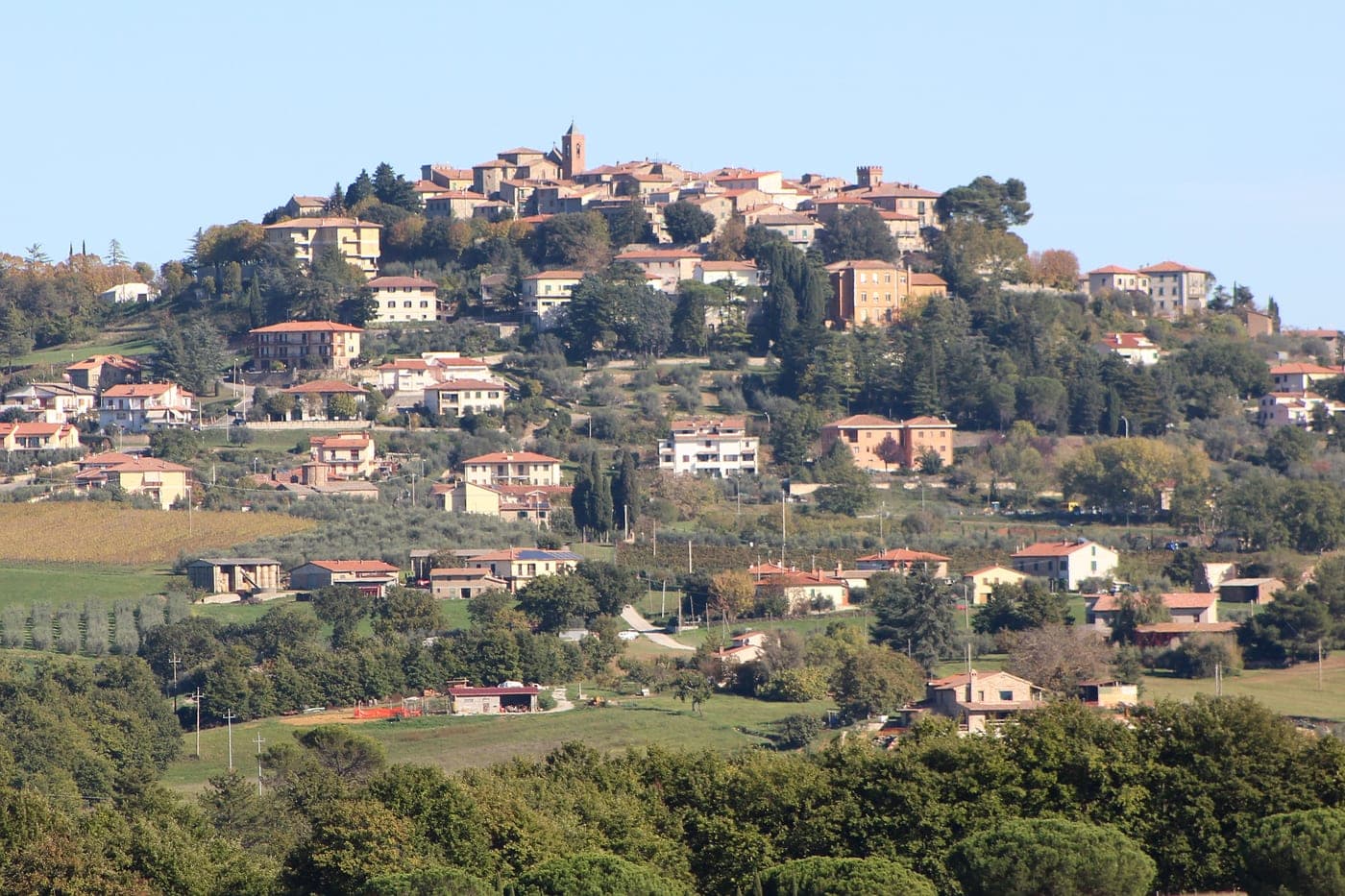
Montegabbione
Wine Tasting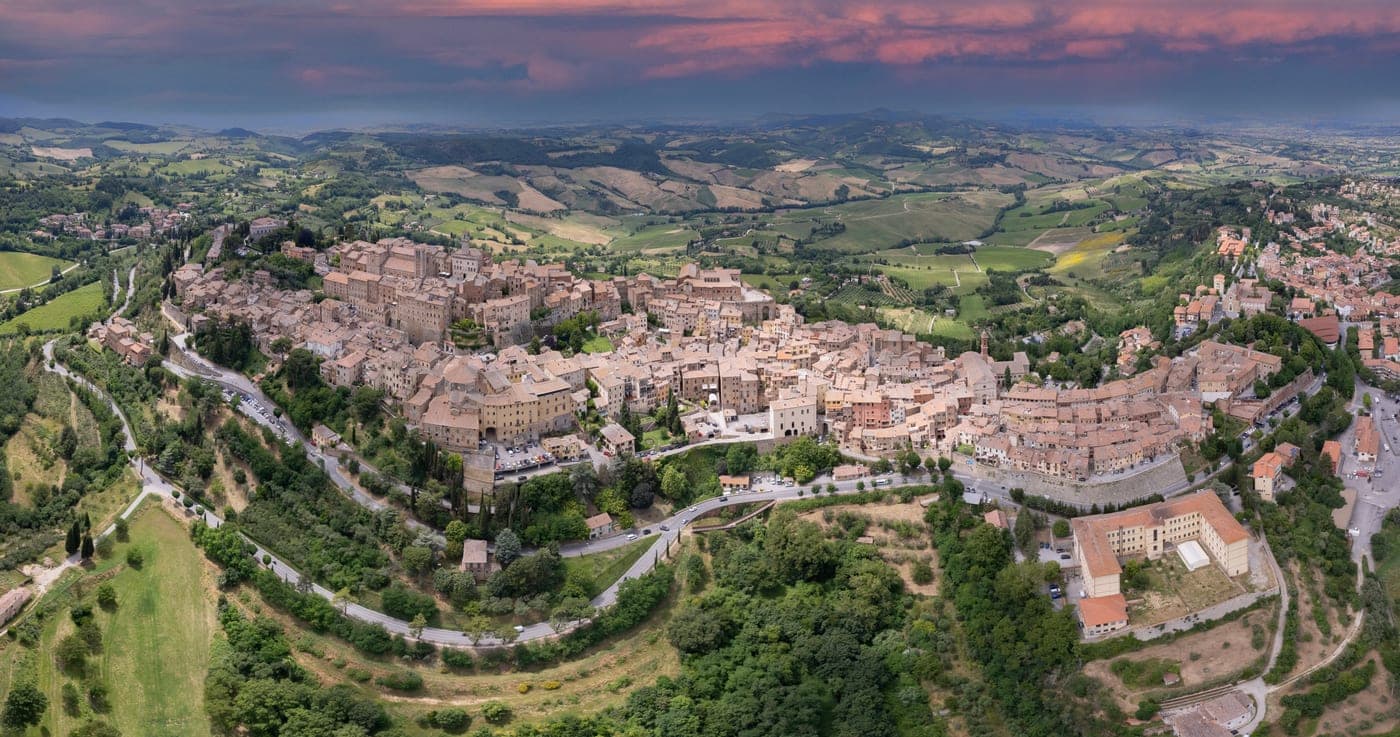
Montepulciano
Wine Tasting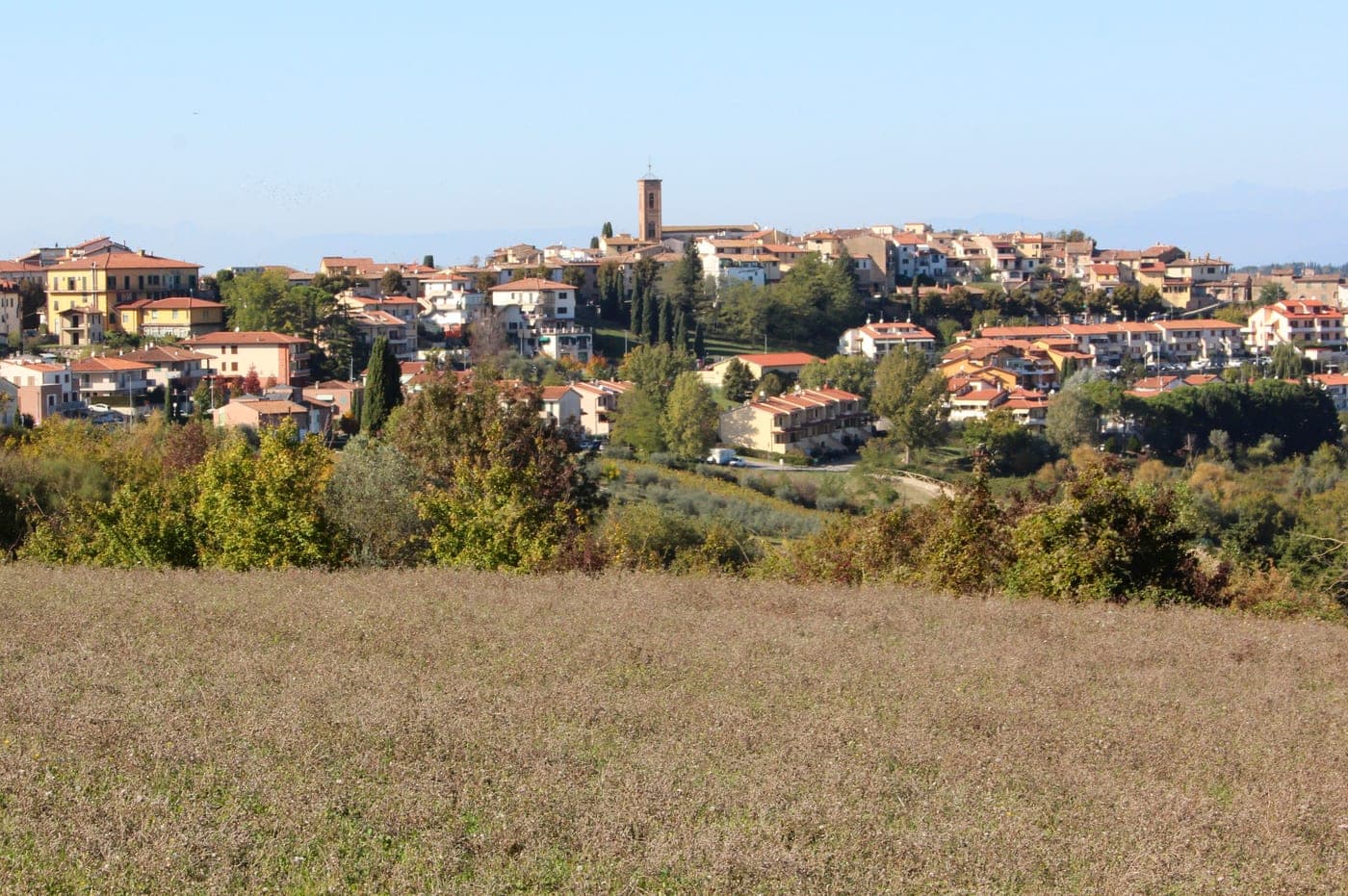
Montespertoli
Agritourism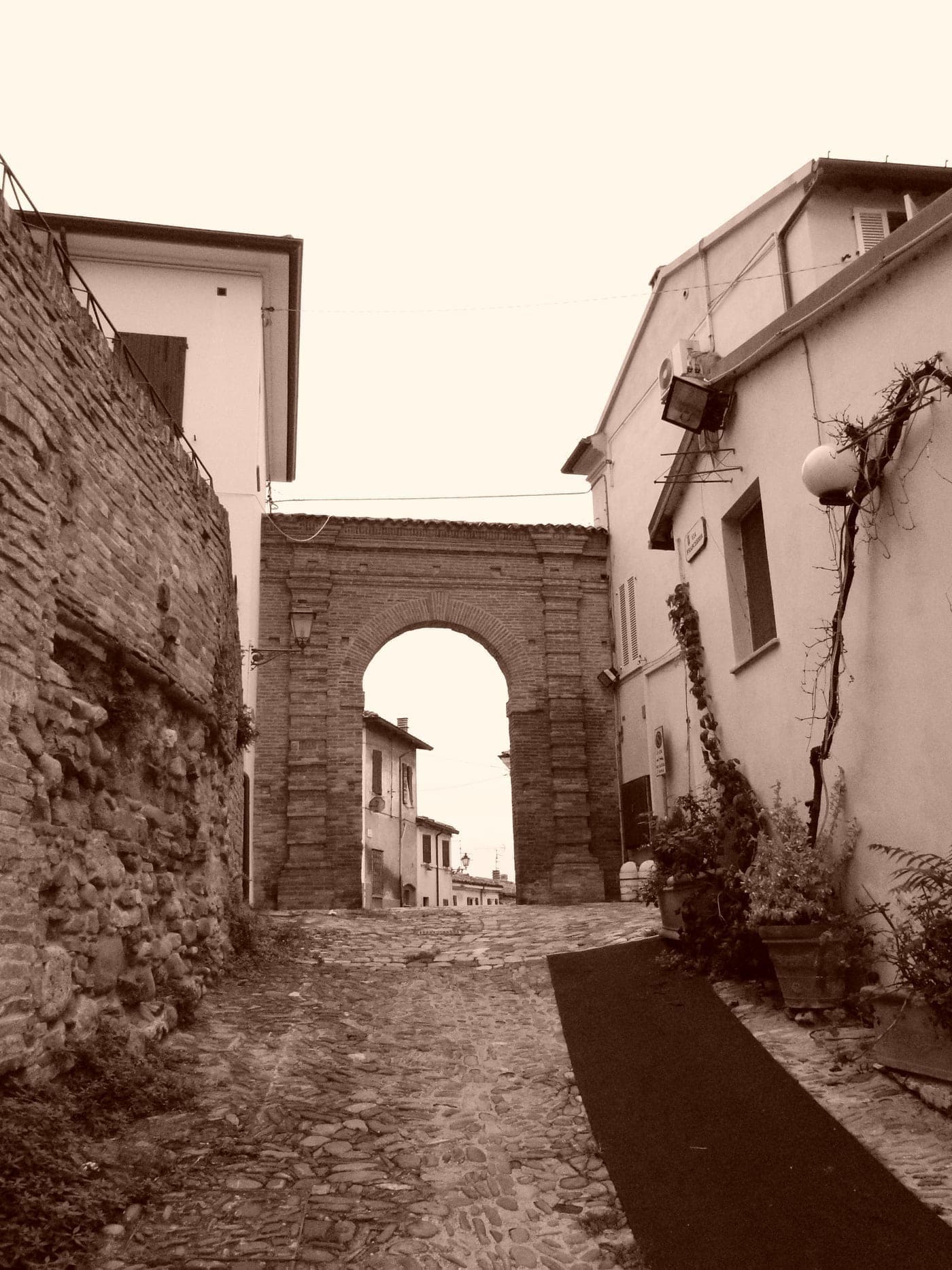
Montiano
Agritourism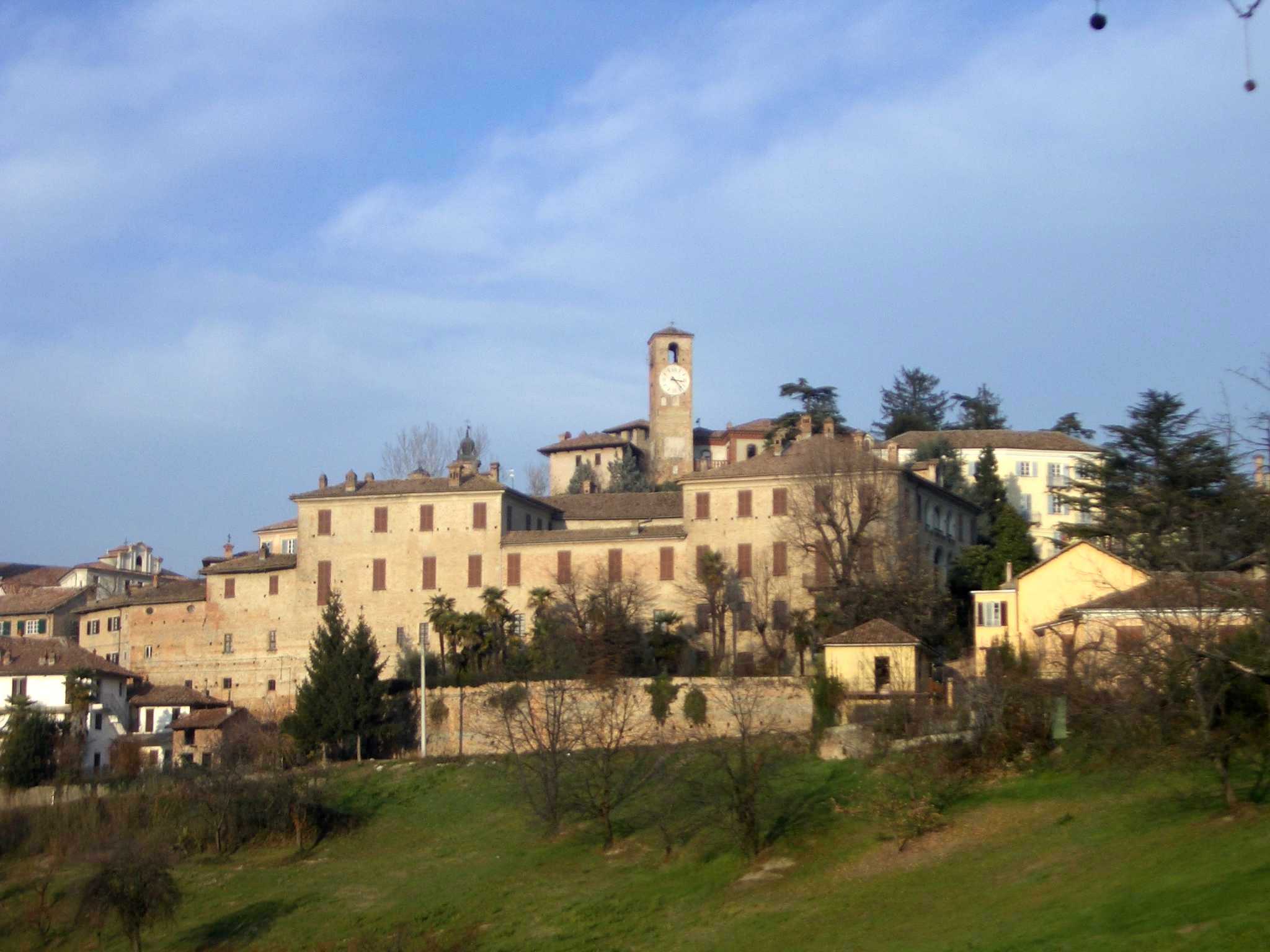
Neive
Wine Tasting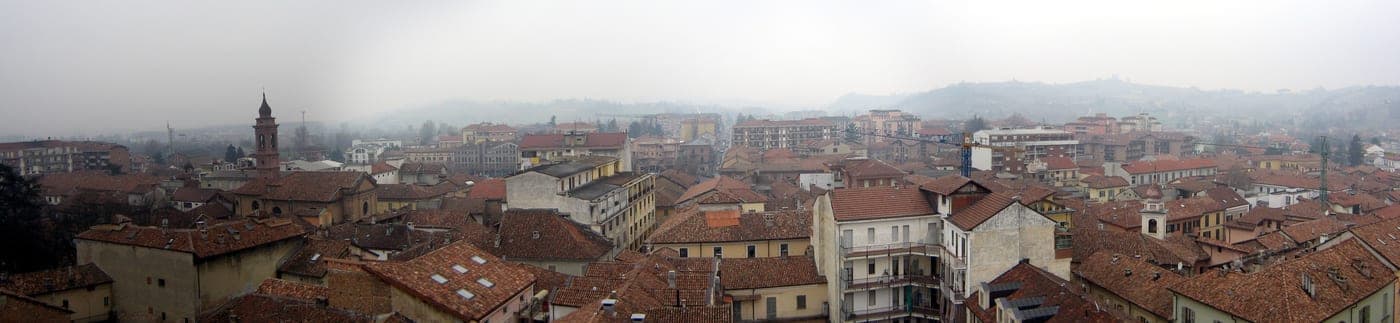
Nizza Monferrato
Wine Tasting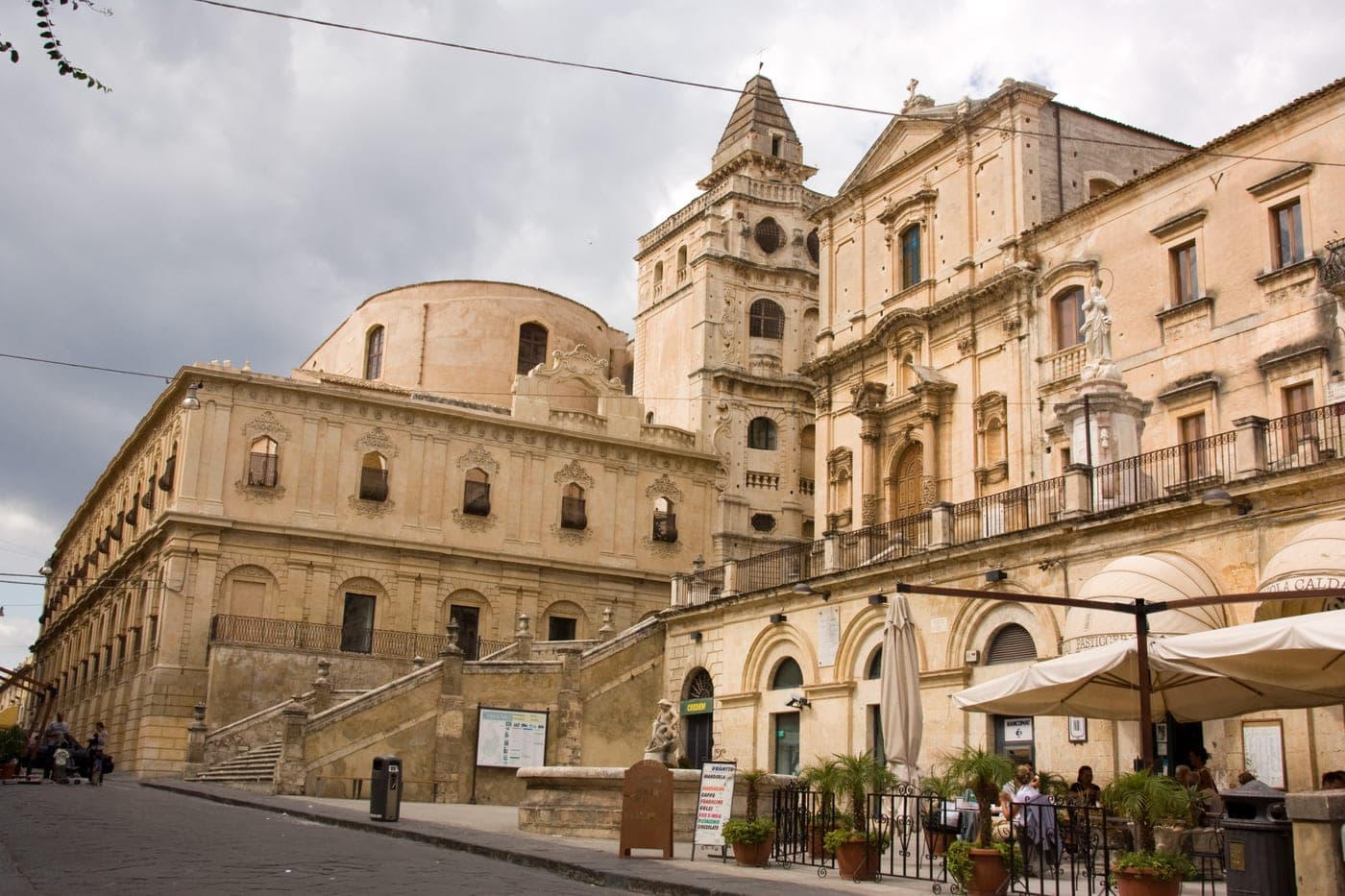
Noto
Wine Tasting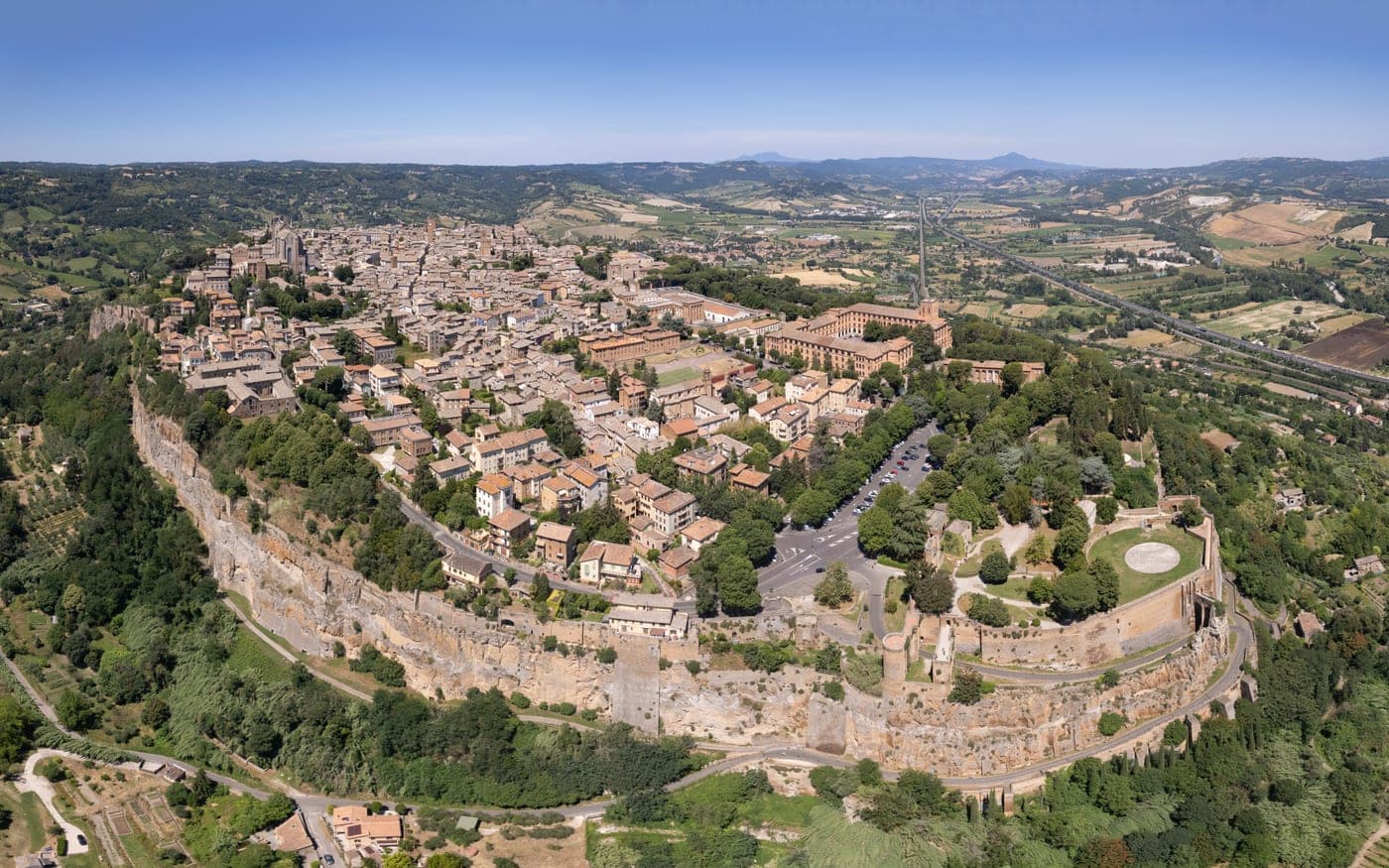
Orvieto
Wine Tasting
Otranto
Wine Tasting
Pachino
Wine Tasting
Panzano in Chianti
Wine Tasting
Partinico
Wine Tasting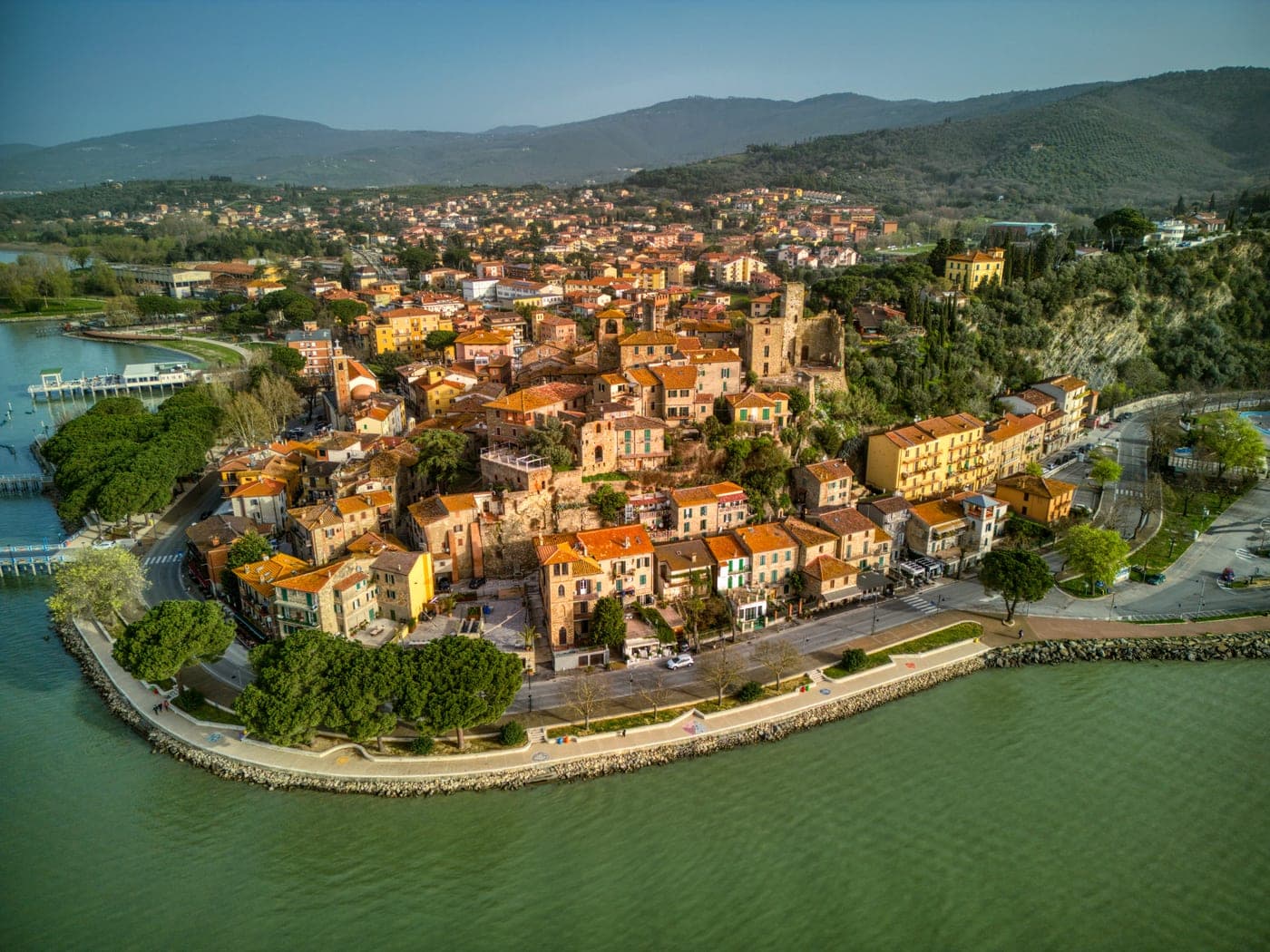
Passignano sul Trasimeno
Wine Tasting
Pastrengo
Wine Tasting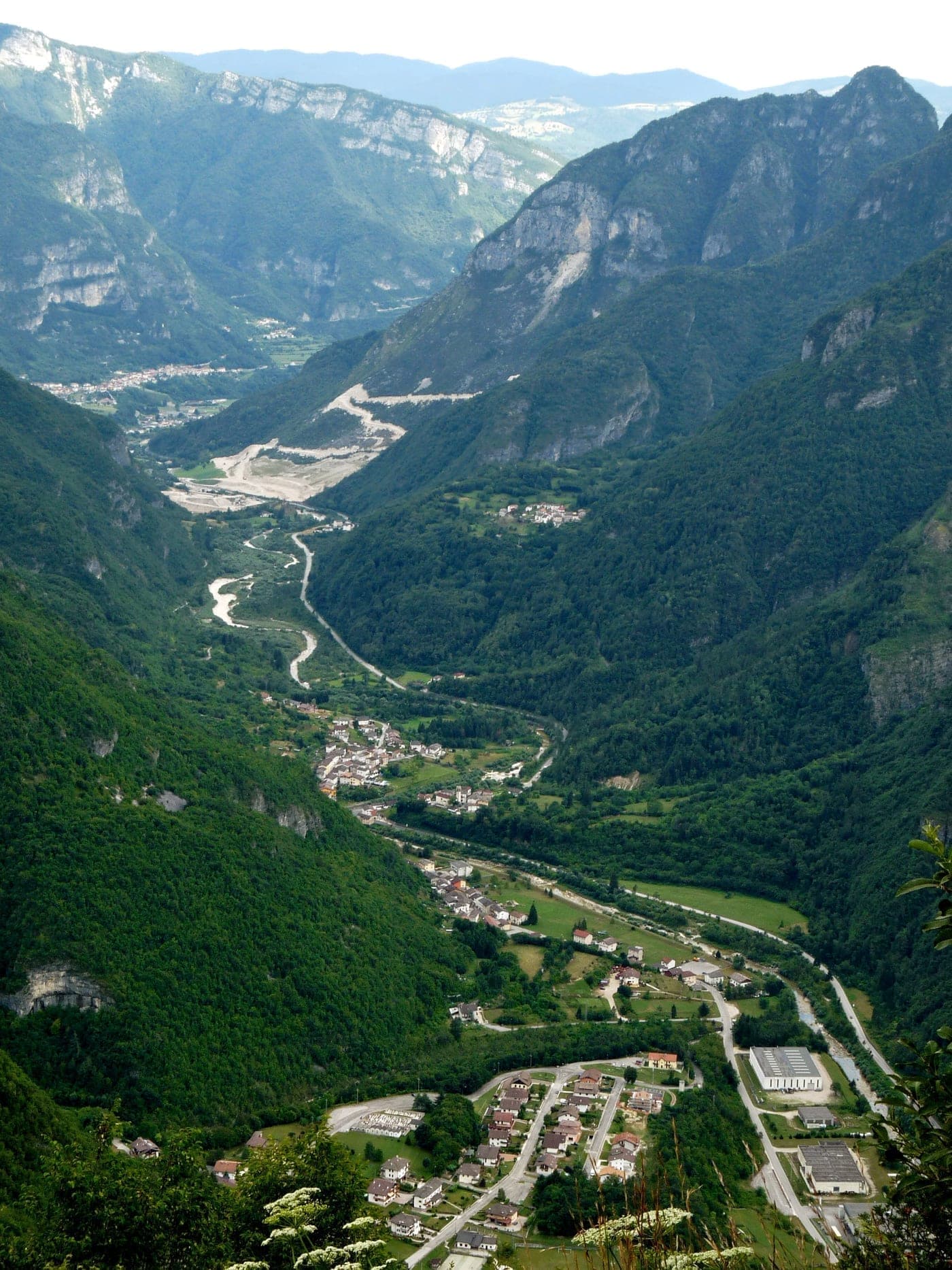
Pedemonte
Wine Tasting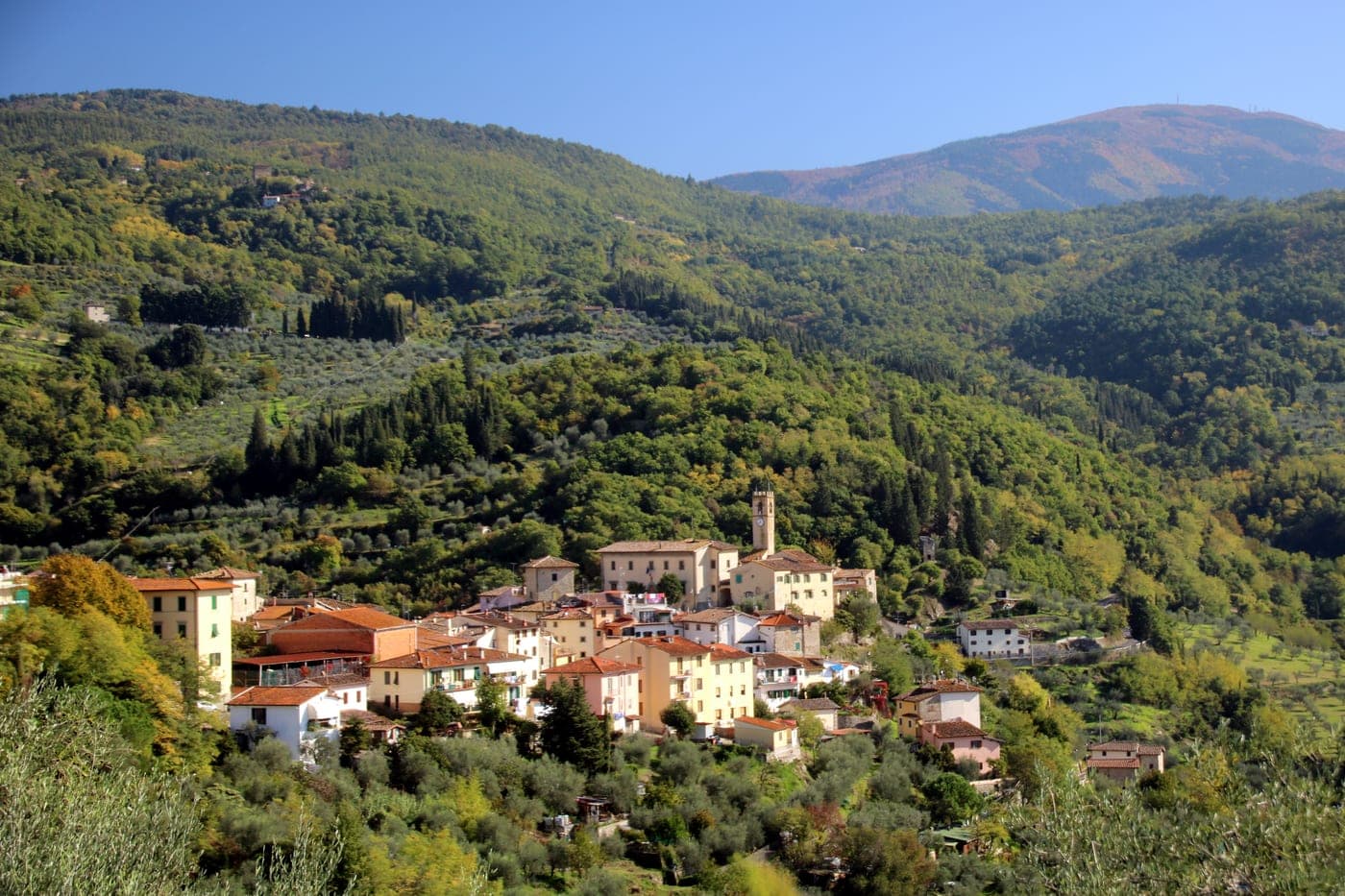
Pelago
Wine Tasting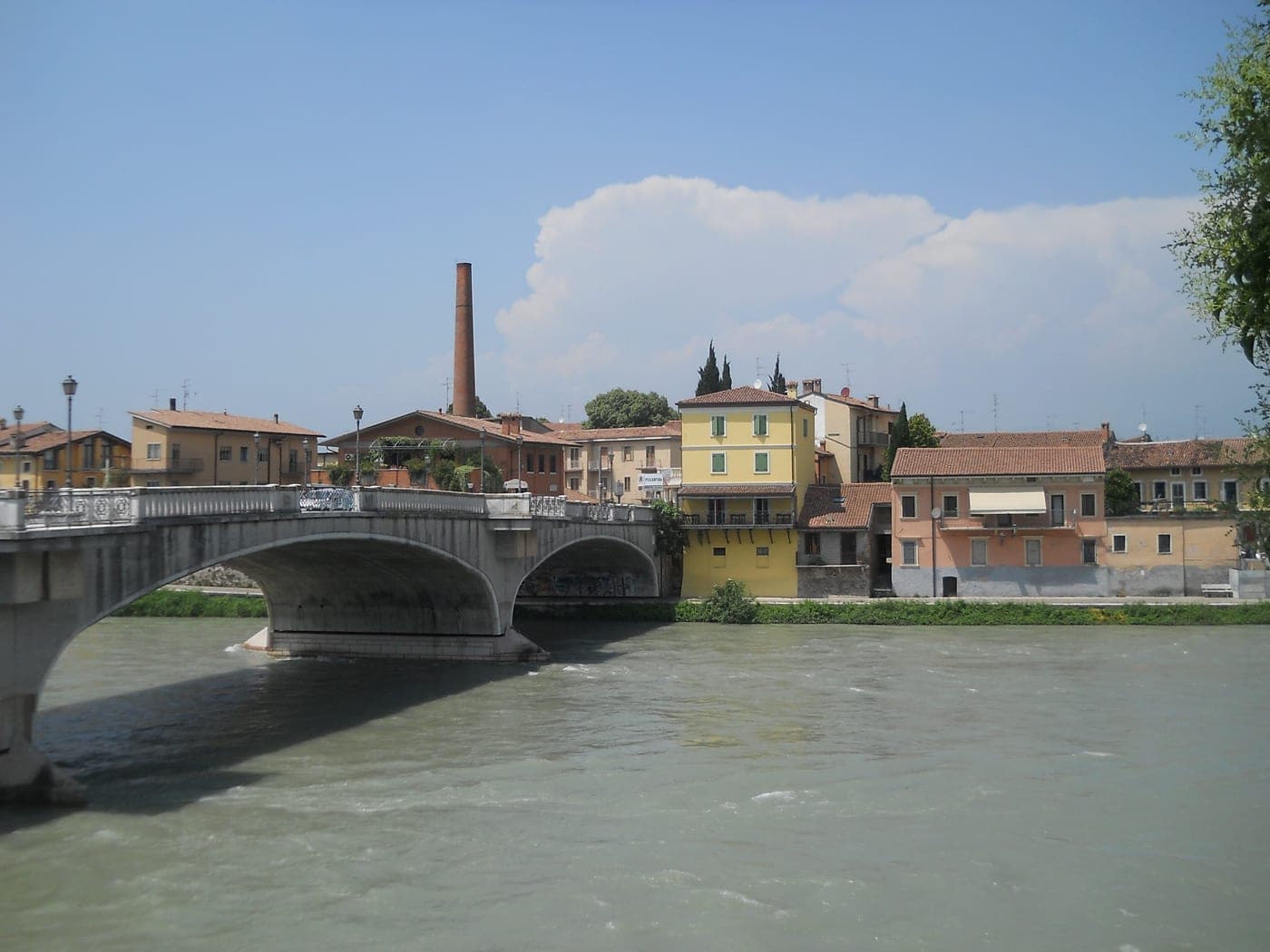
Pescantina
Wine Tasting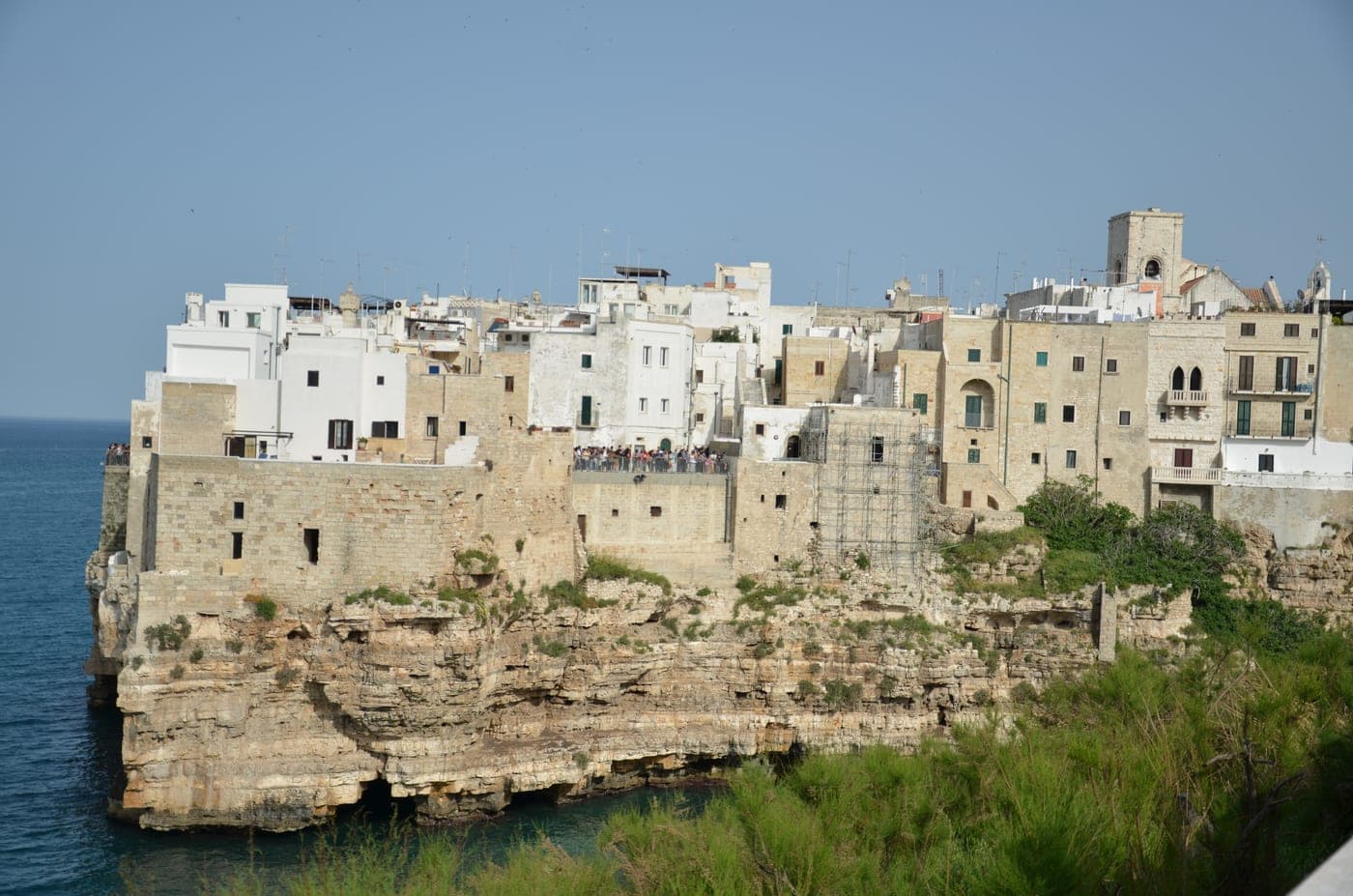
Polignano a Mare
Boat Rentals
Pontassieve
Wine Tasting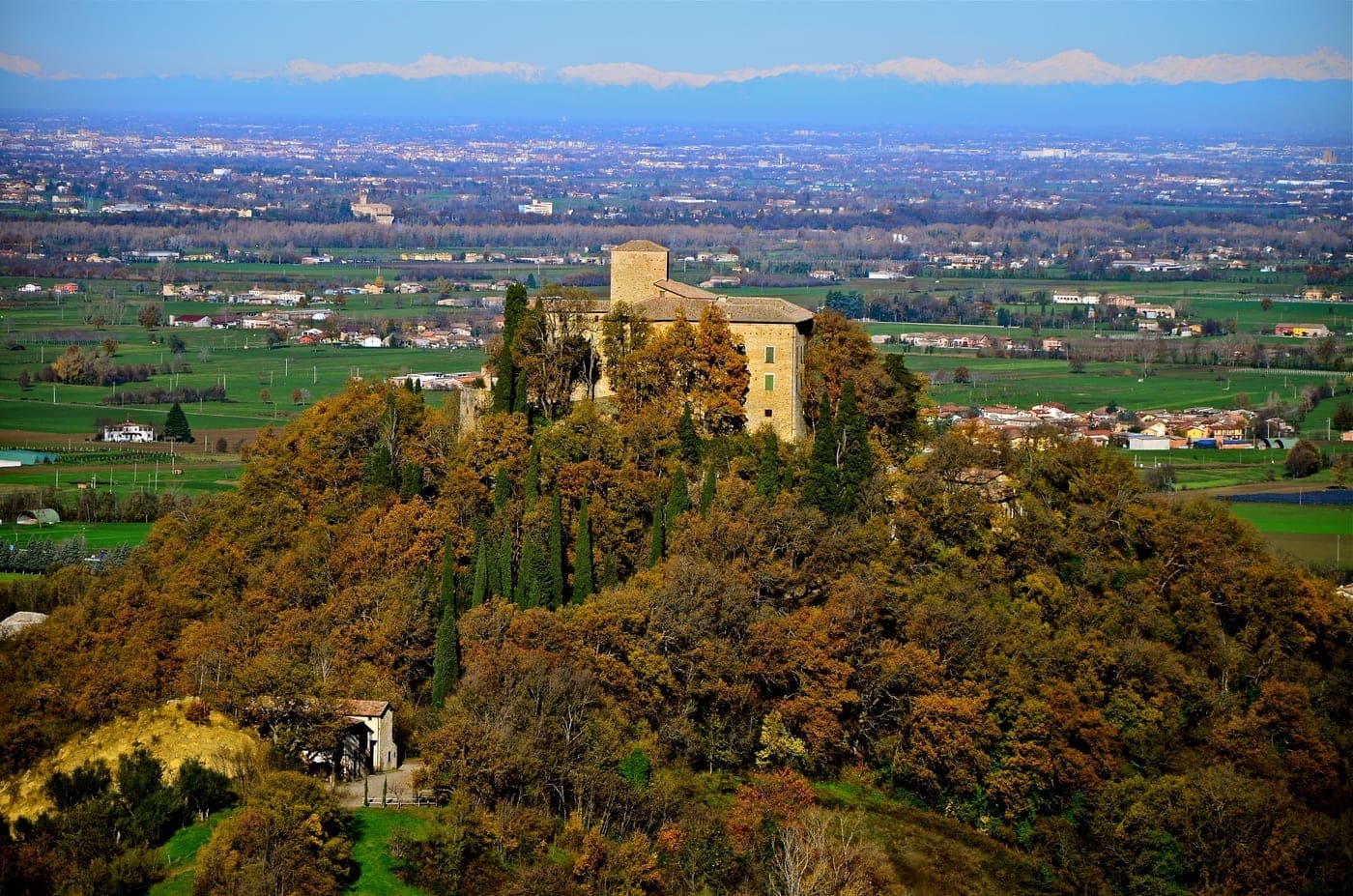
Quattro Castella
Wine Tasting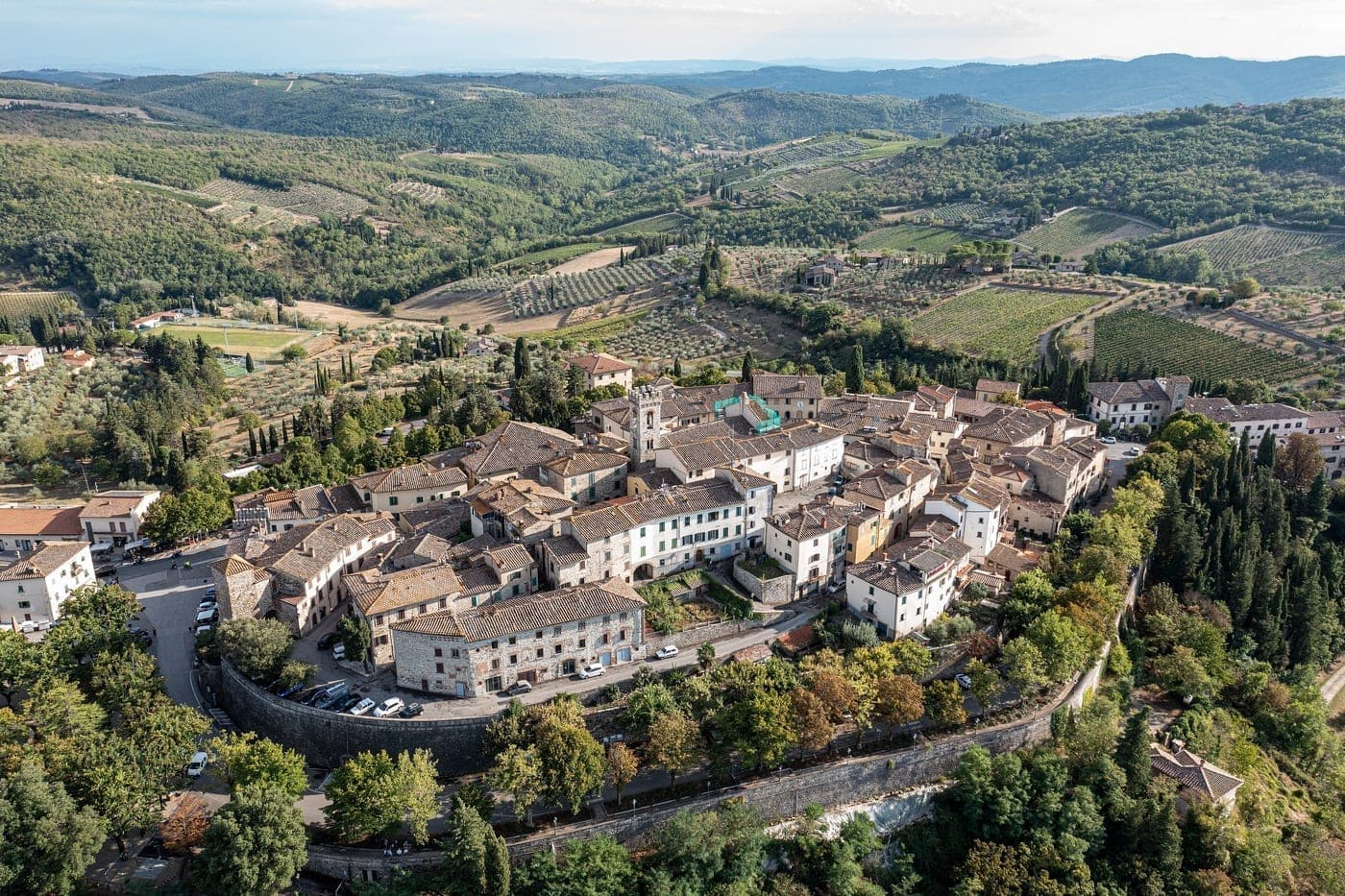
Radda in Chianti
Wine Tasting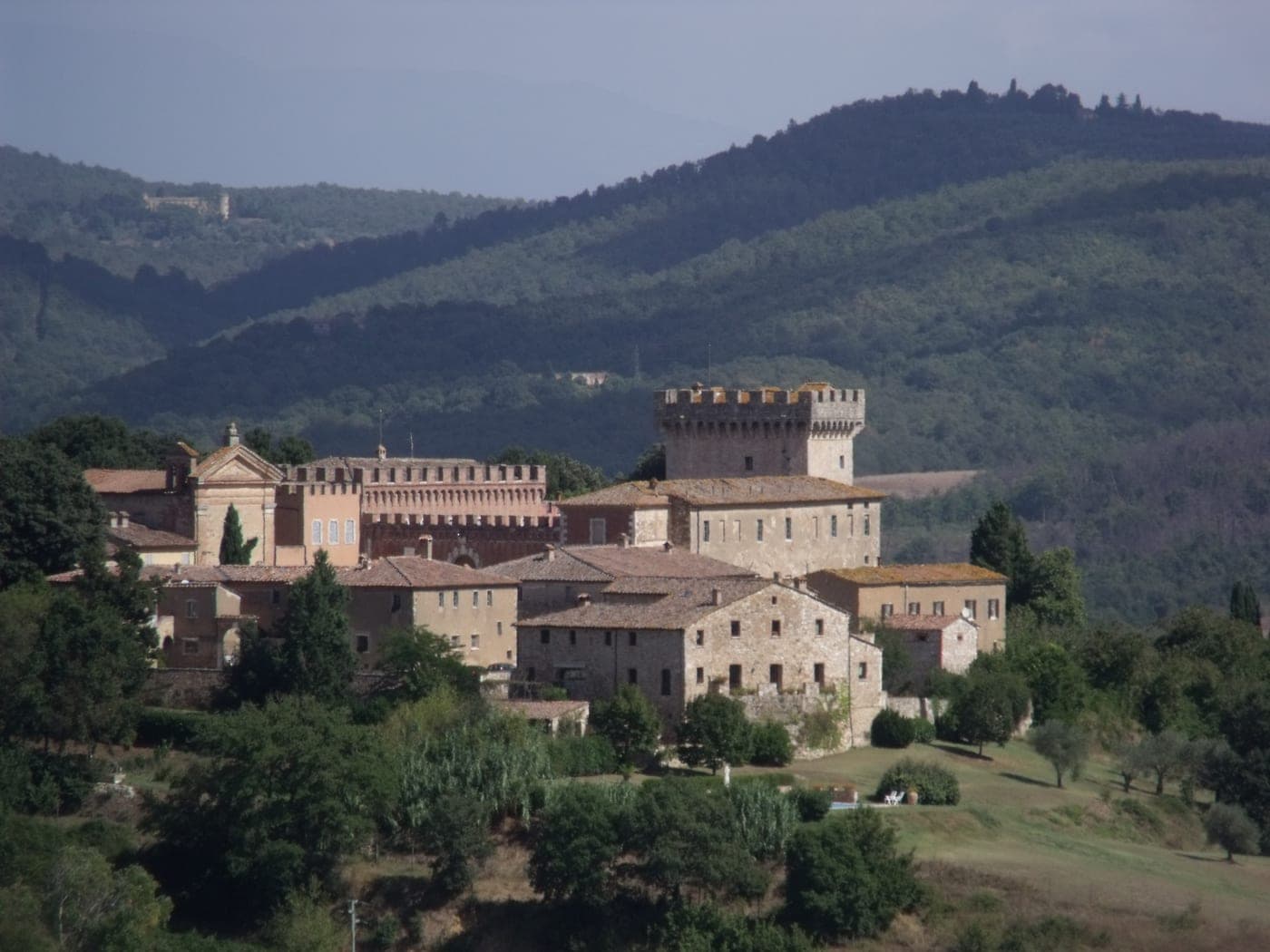
Rapolano Terme
Agritourism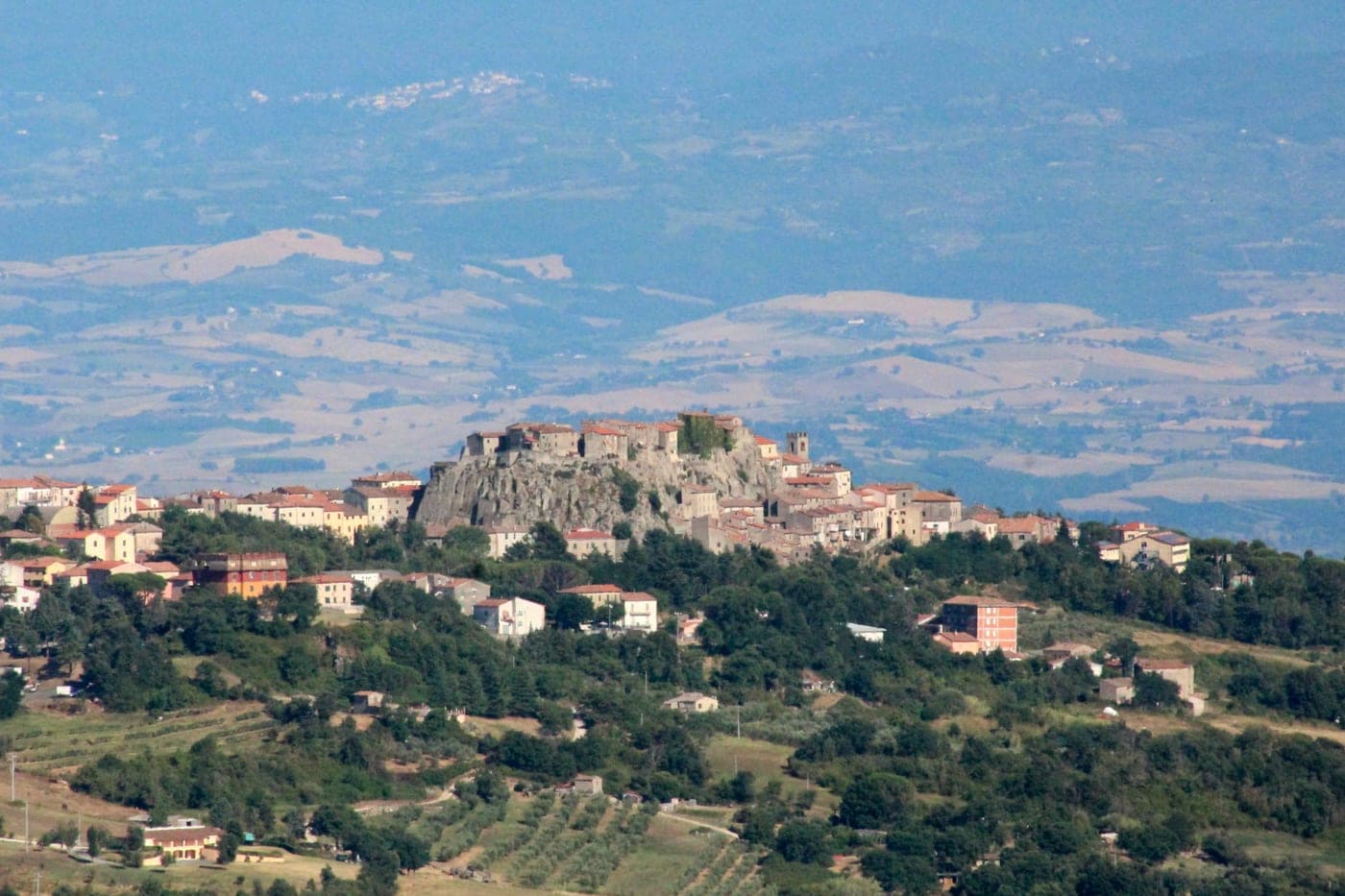
Roccastrada
Wine TastingRome
Camper Van Rentals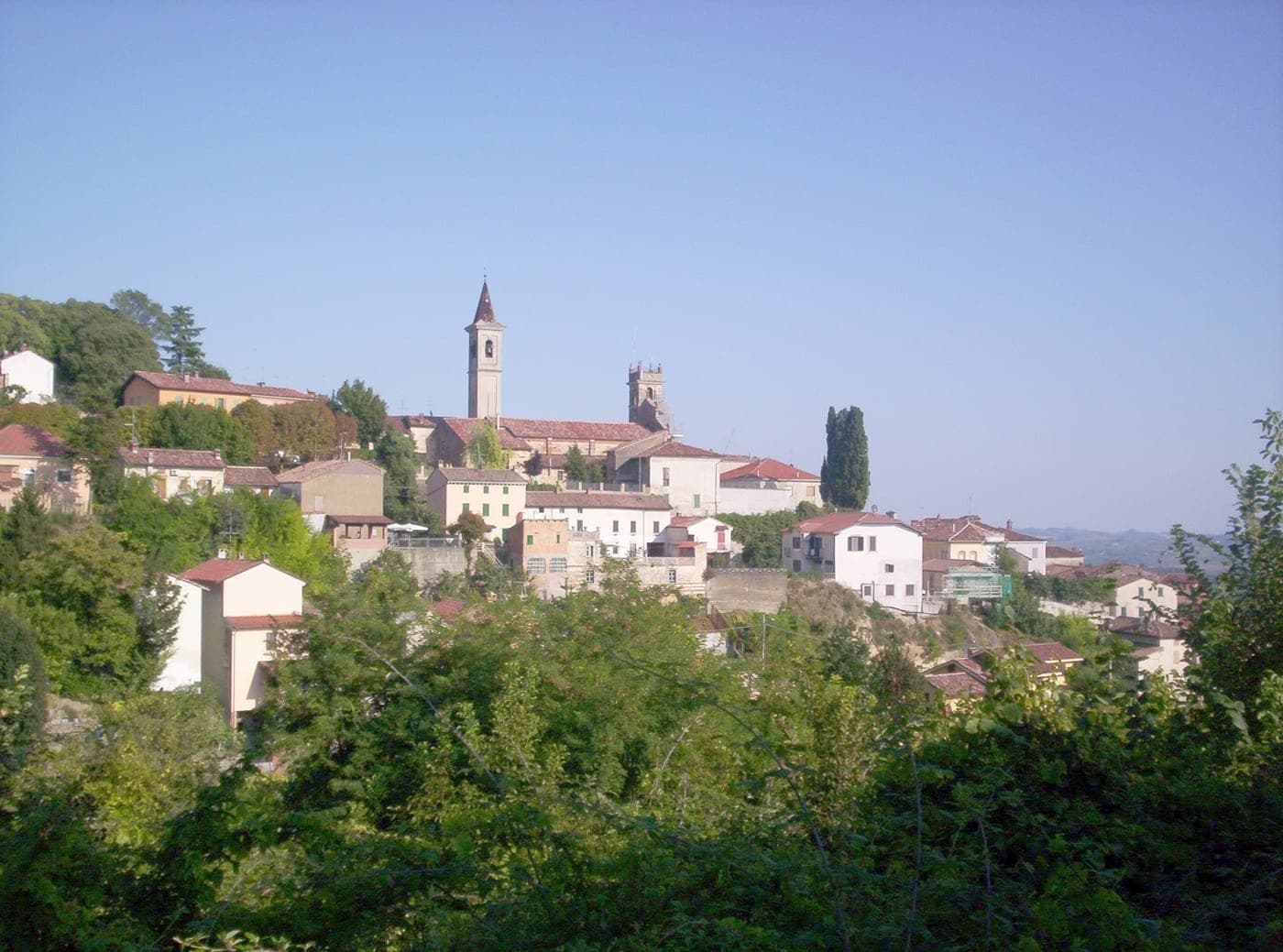
Rosignano Monferrato
Wine Tasting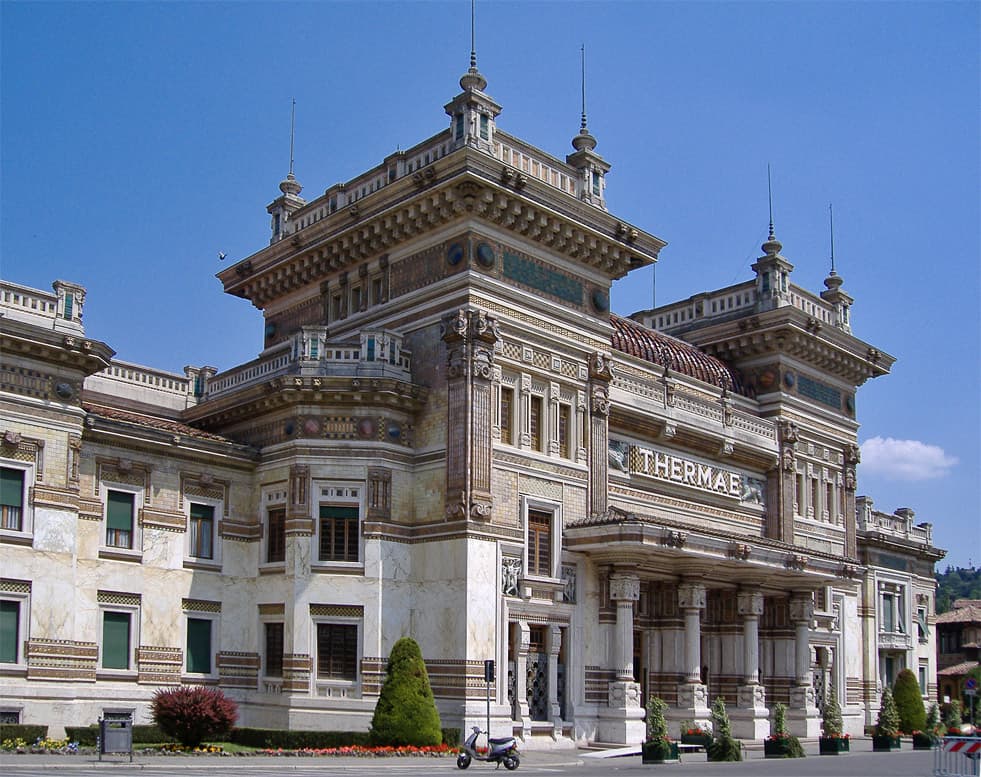
Salsomaggiore Terme
Wine Tasting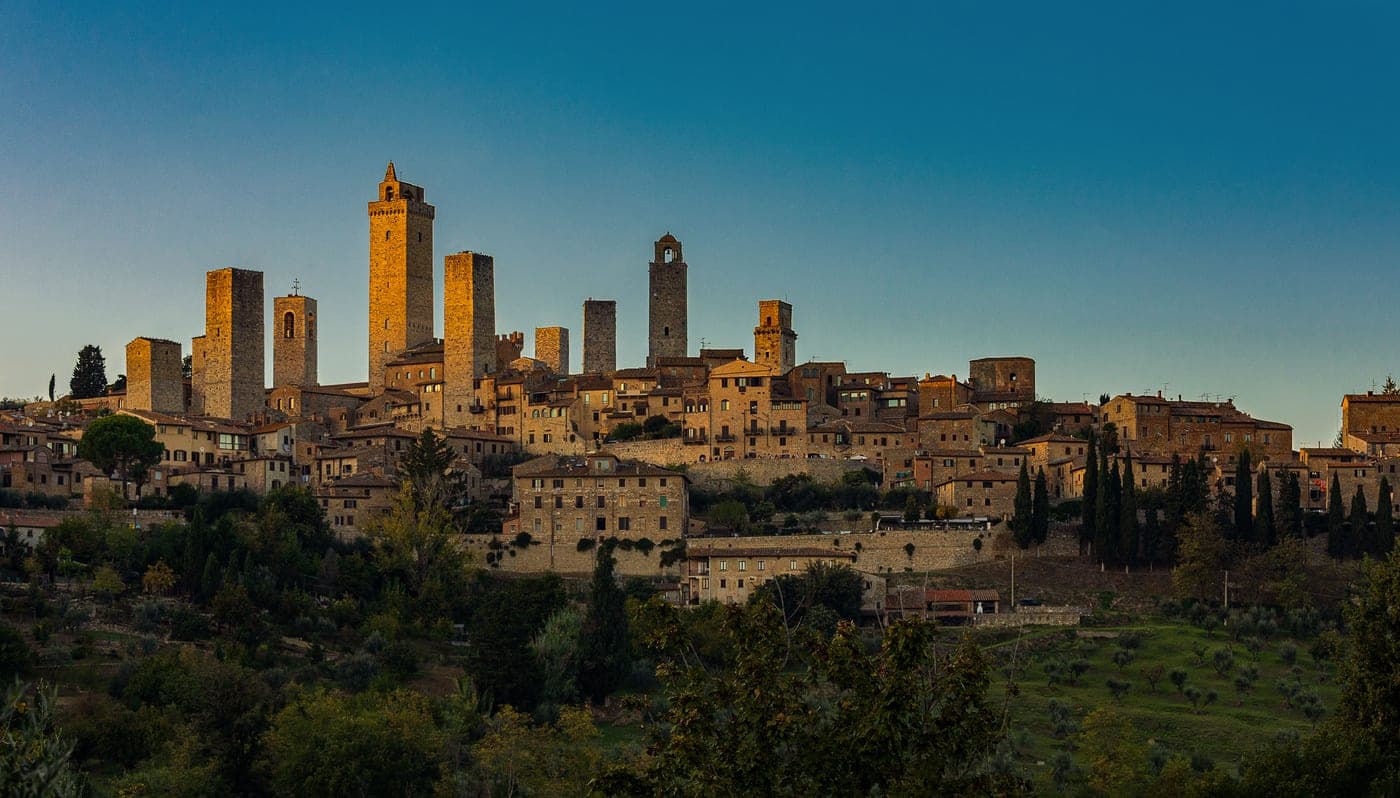
San Gimignano
Wine Tasting
San Pancrazio
Wine Tasting
San Pietro in Cariano
Wine Tasting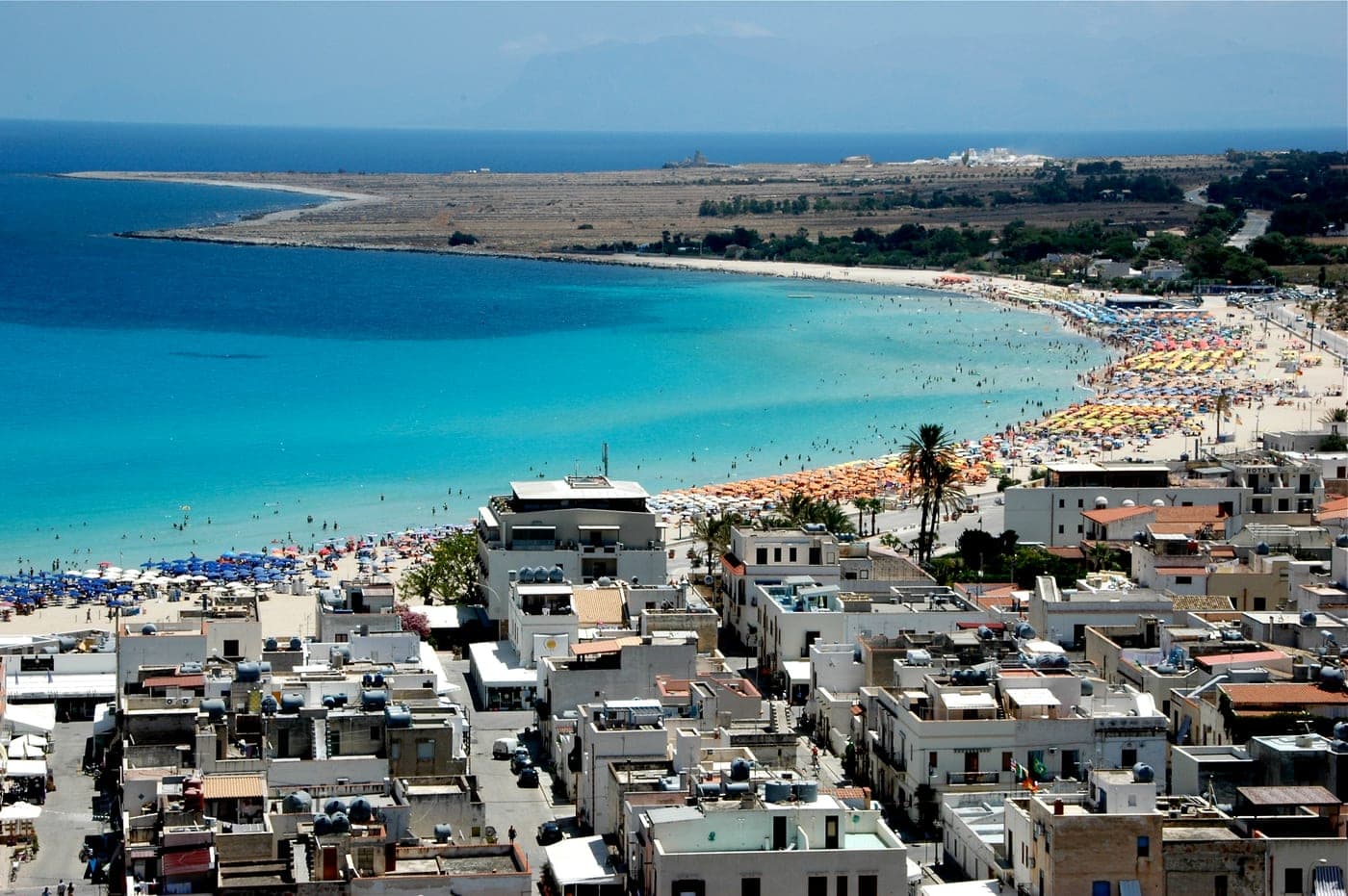
San Vito Lo Capo
Boat RentalsSaturnia
Wine Tasting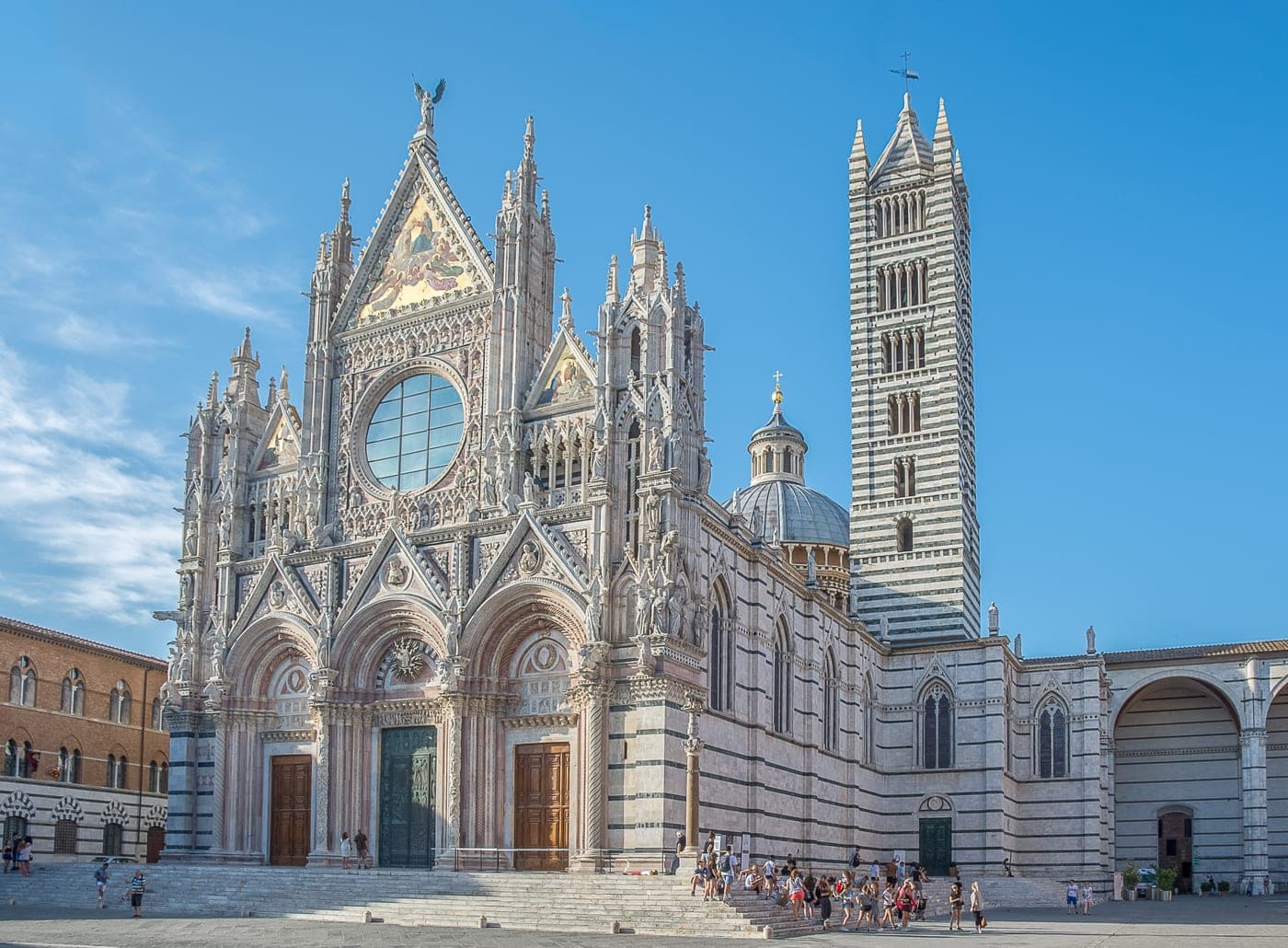
Siena
Wine Tasting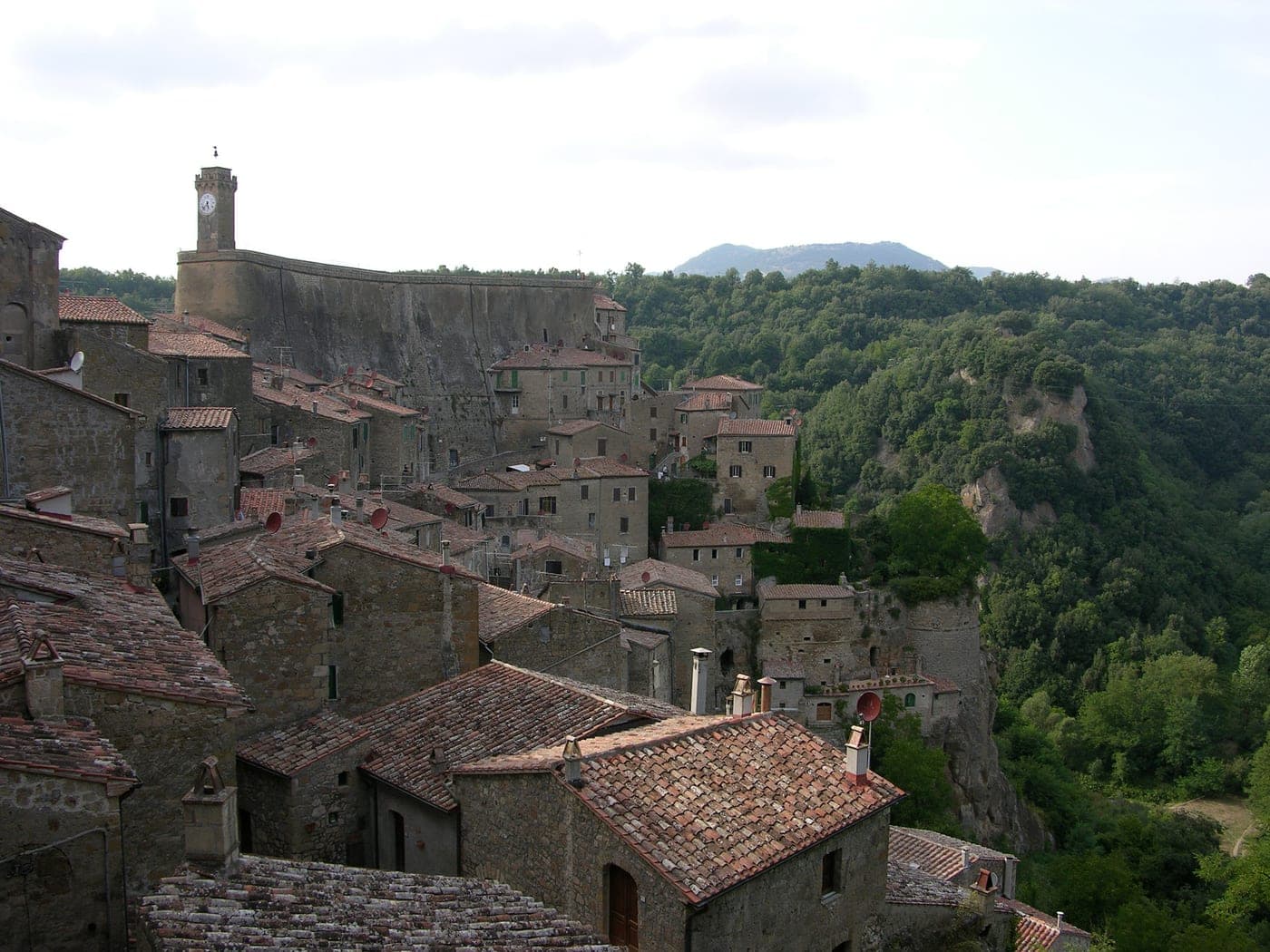
Sorano
Wine Tasting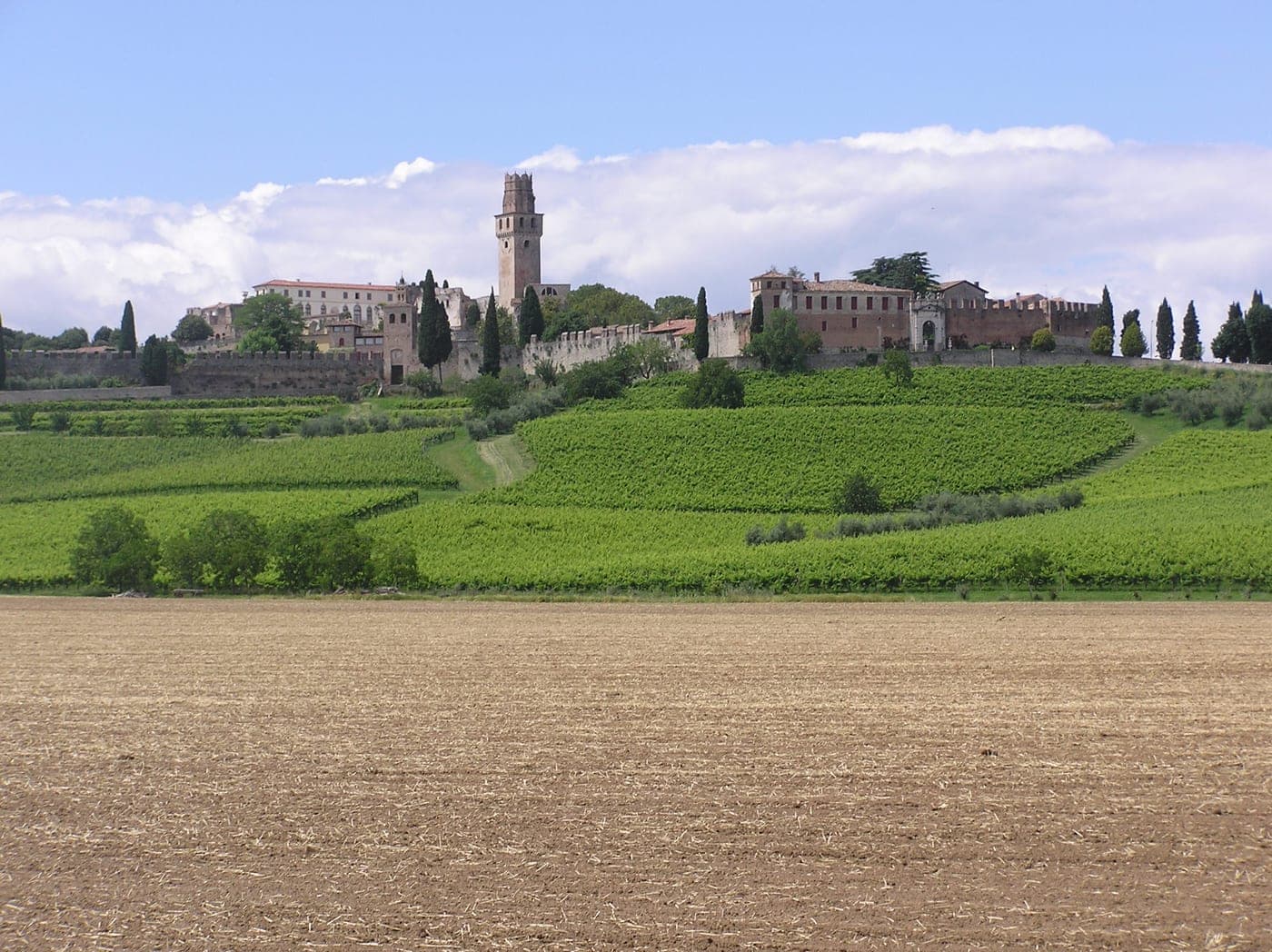
Susegana
Wine Tasting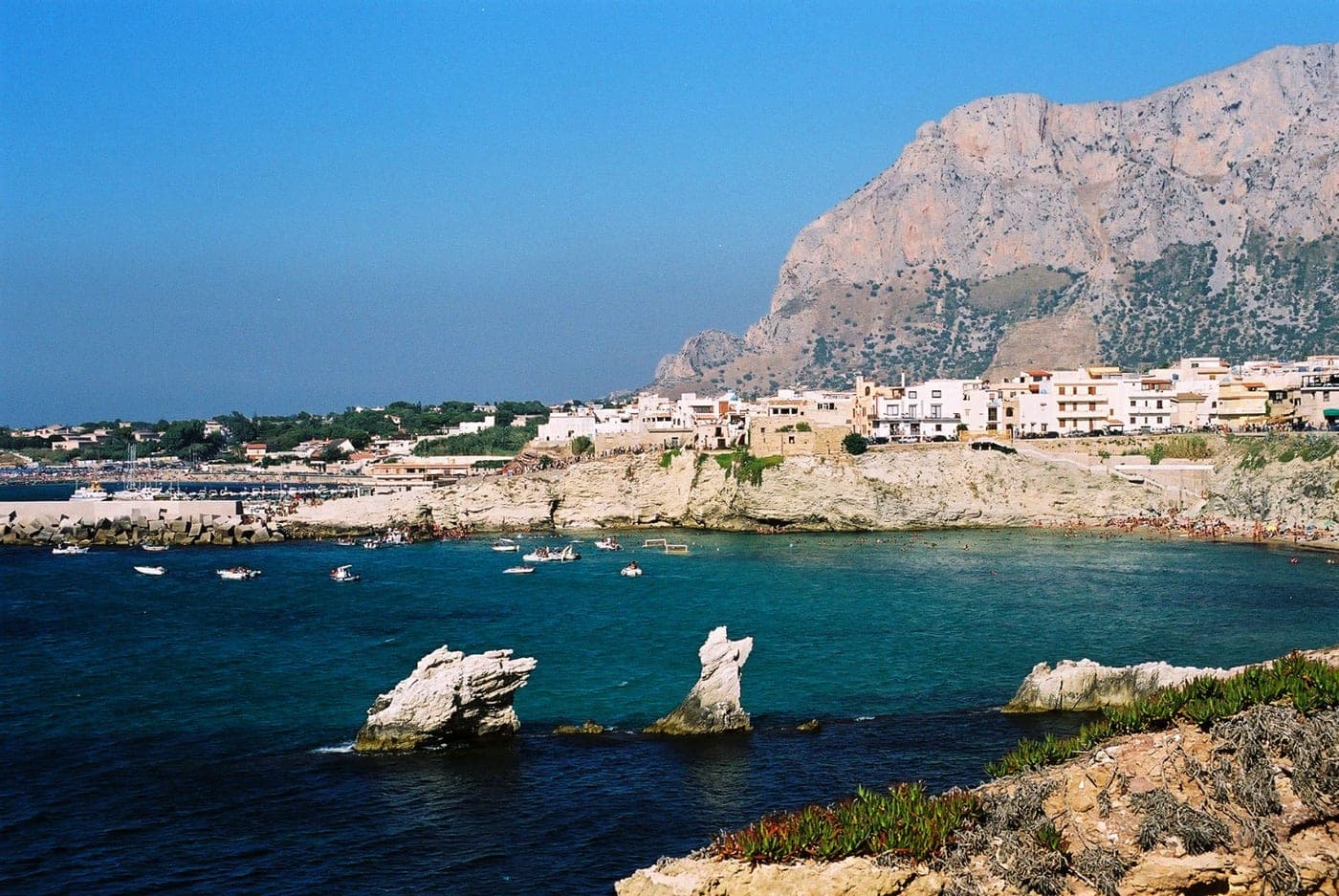
Terrasini
Boat Rentals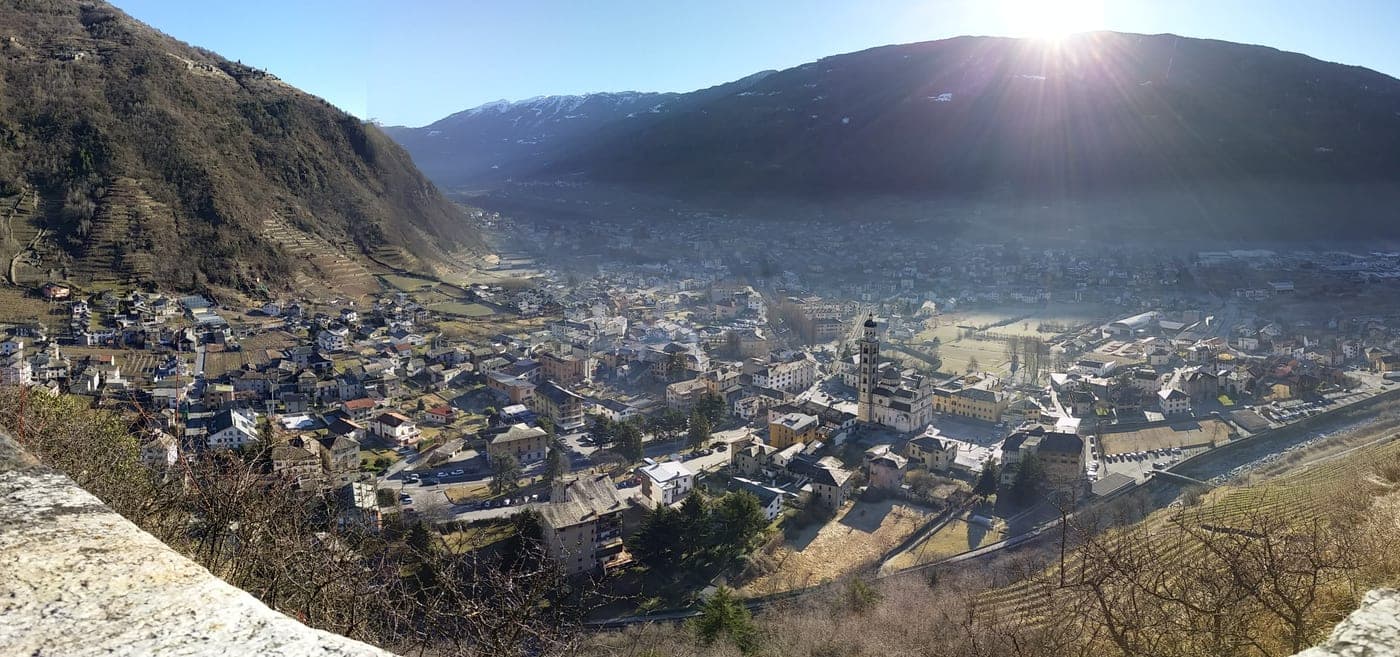
Tirano
Panoramic Trains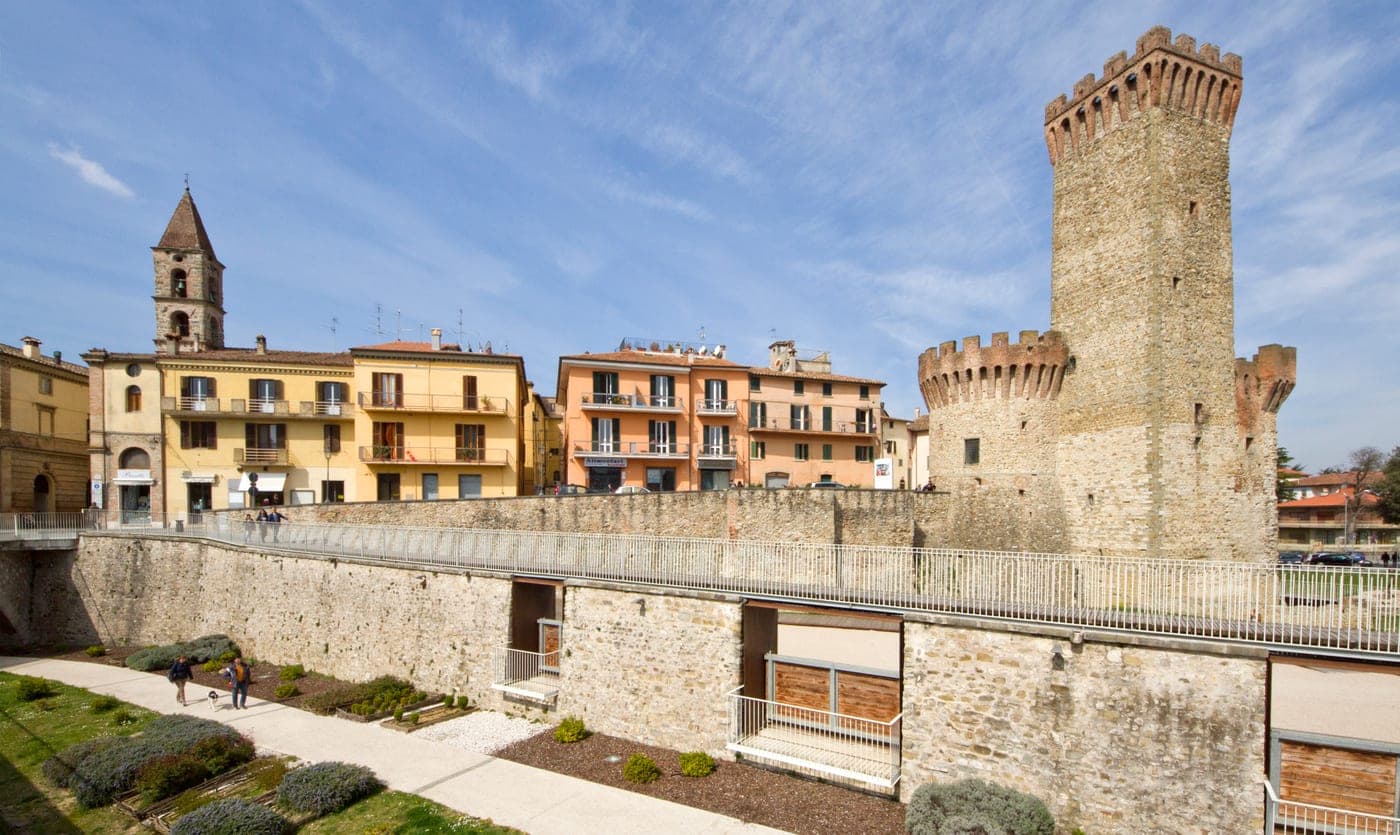
Umbertide
Wine Tasting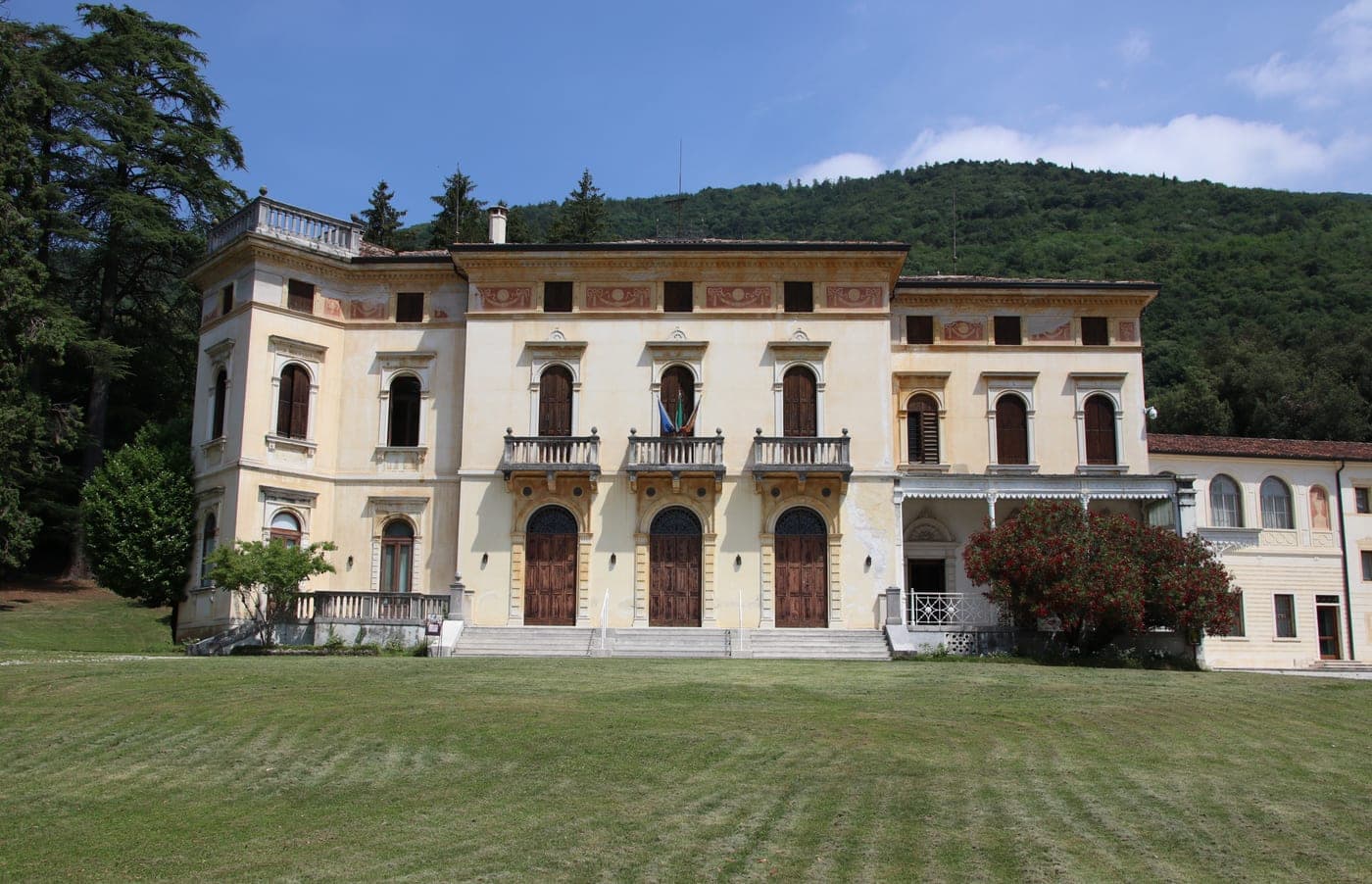
Valdobbiadene
Wine Tasting
Valeggio sul Mincio
Wine TastingValfabbrica
Agritourism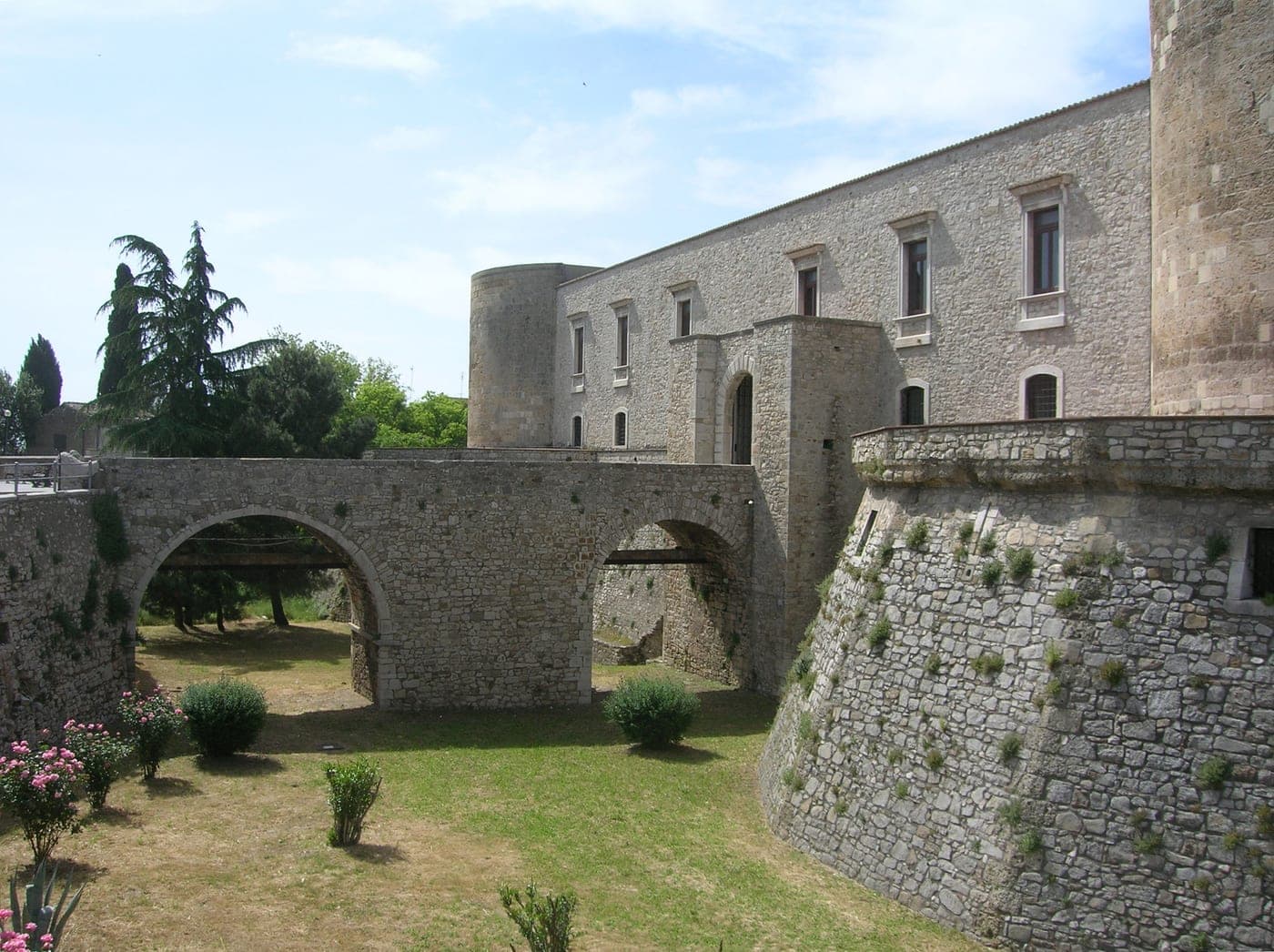
Venosa
Wine Tasting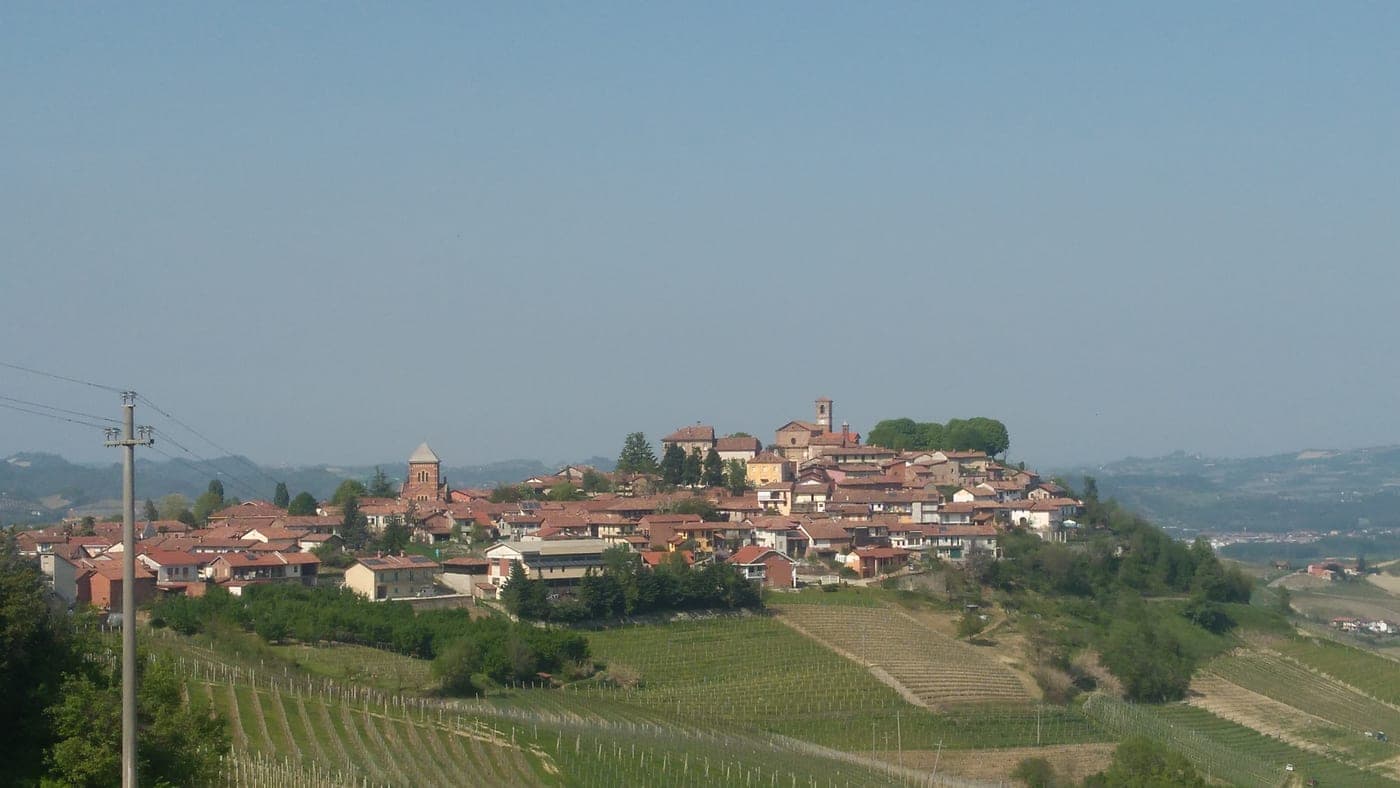
Verduno
Wine Tasting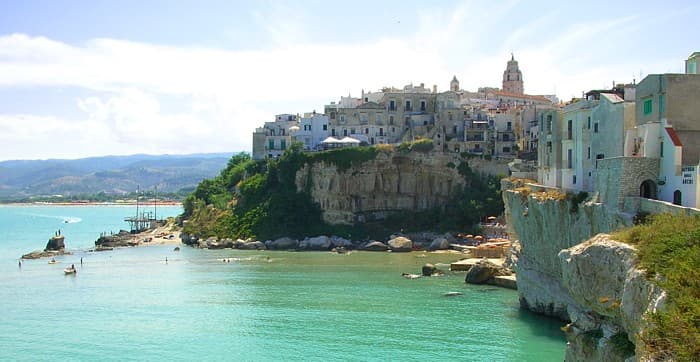
Vieste
Boat Rentals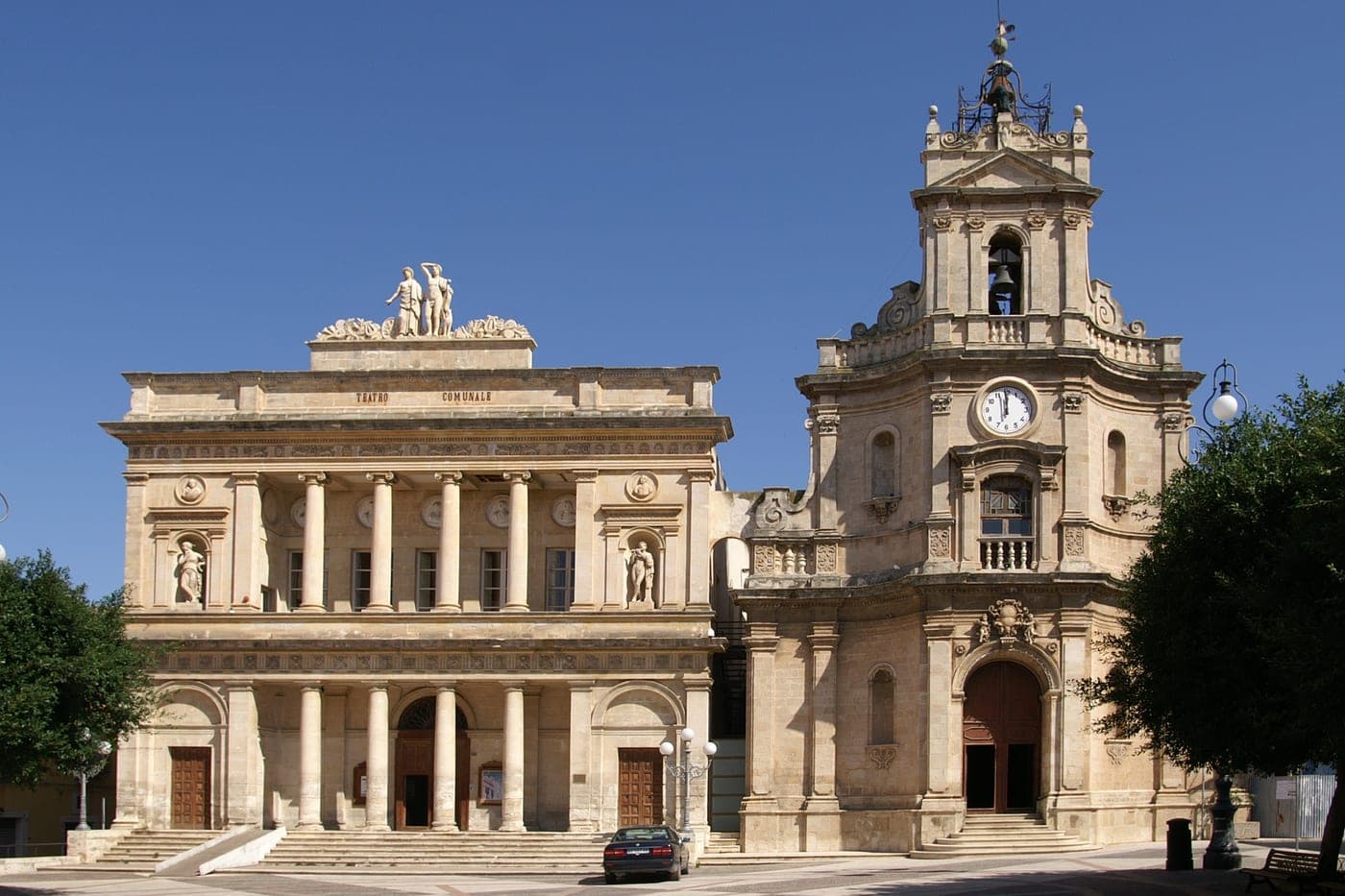
Vittoria
Wine Tasting🇱🇹
Lithuania
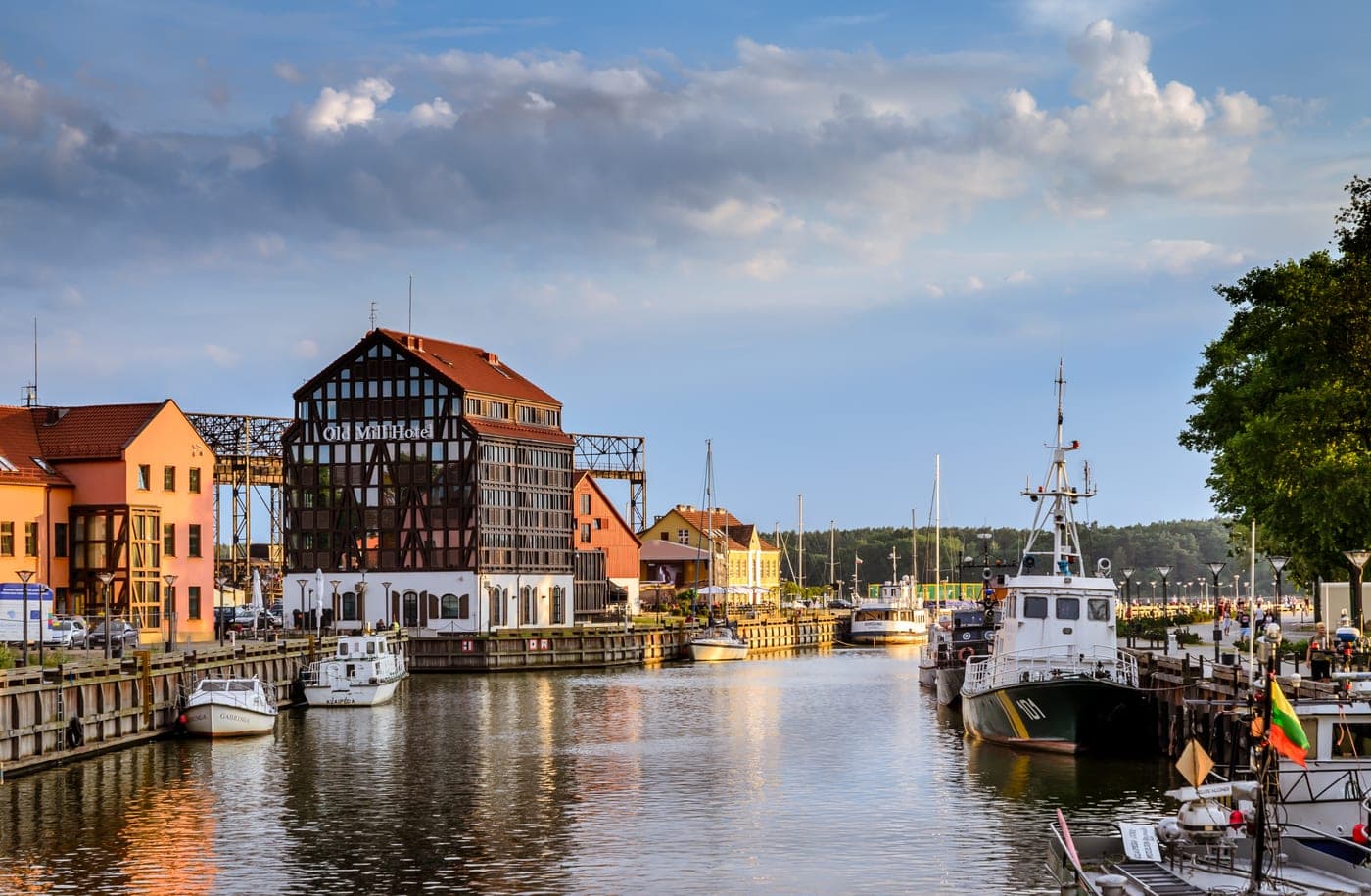
🇳🇱
Netherlands
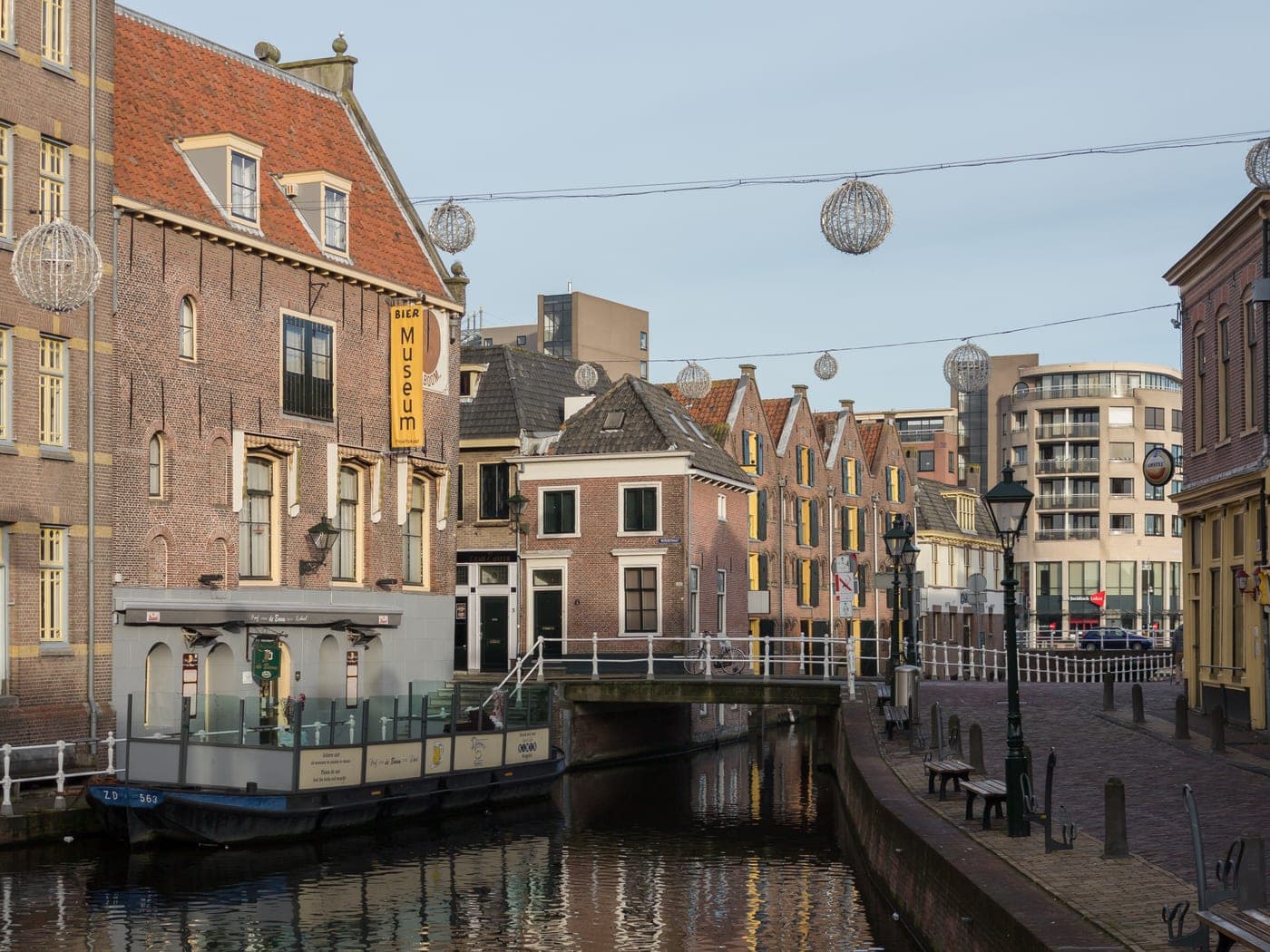
Alkmaar
Boat RentalsAlmere
Boat Rentals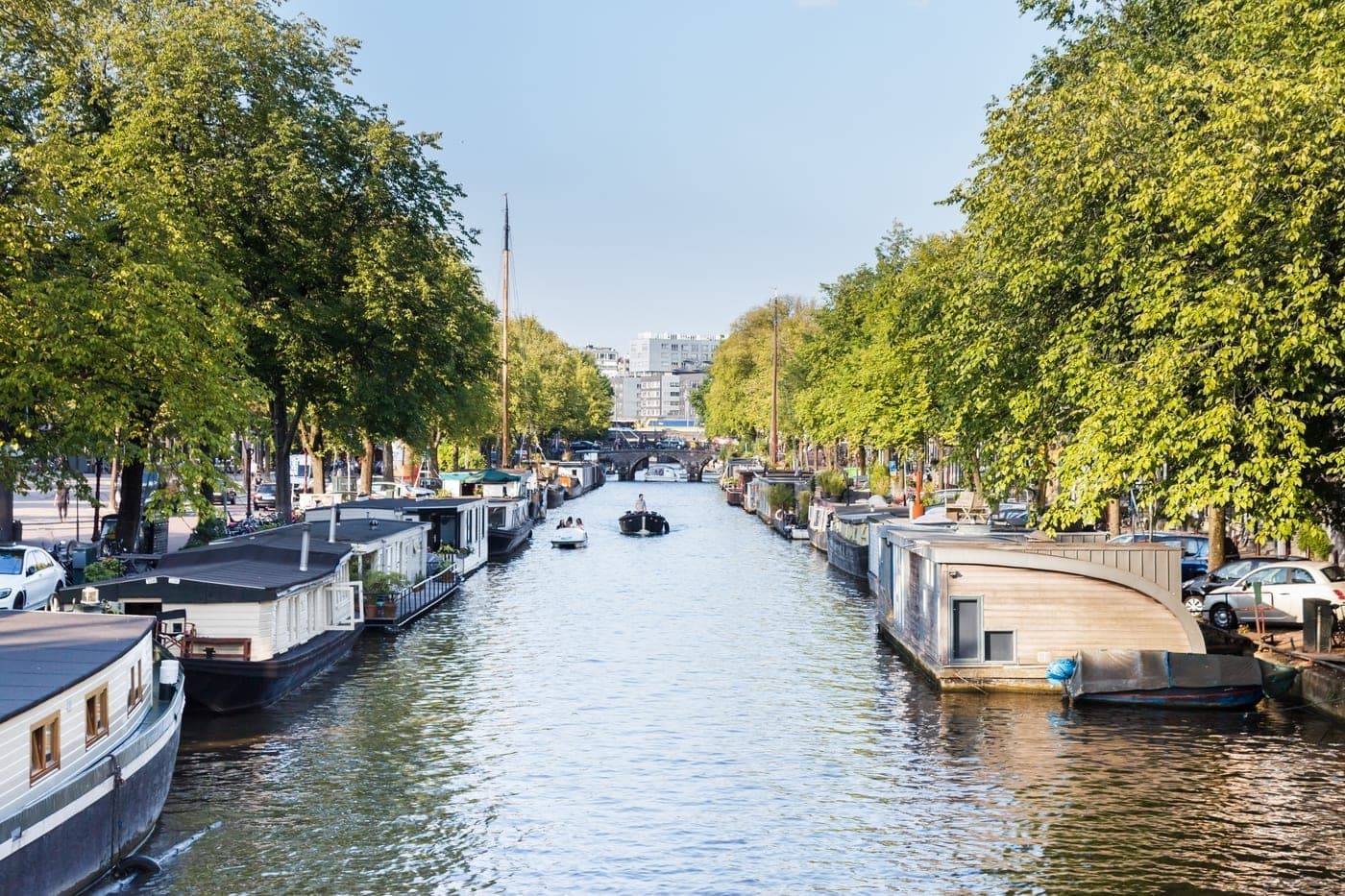
Amsterdam
Camper Van Rentals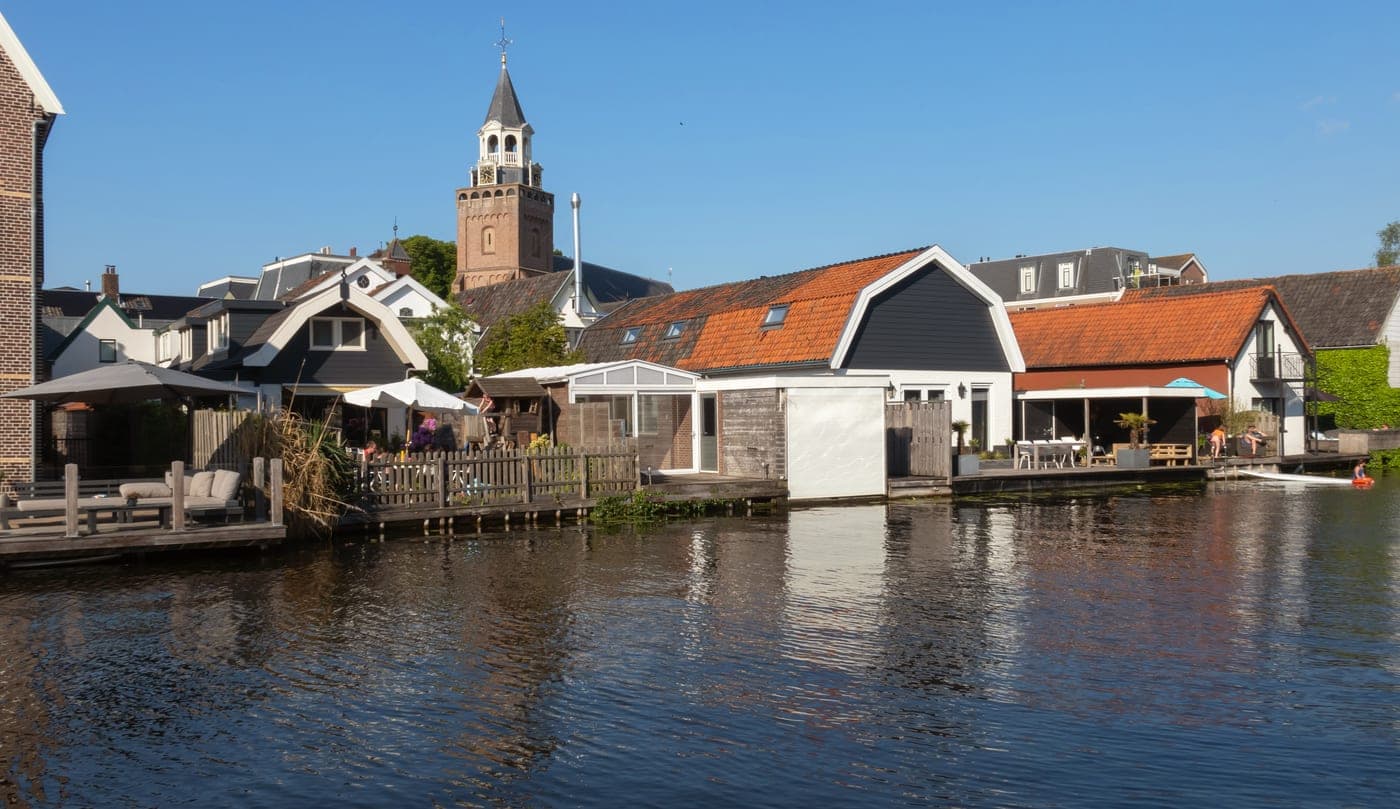
Bodegraven
Boat RentalsBrouwershaven
Boat Rentals
Drachten
Boat RentalsDrimmelen
Boat Rentals
Enkhuizen
Boat Rentals
Gorinchem
Boat Rentals
Haarlem
Boat Rentals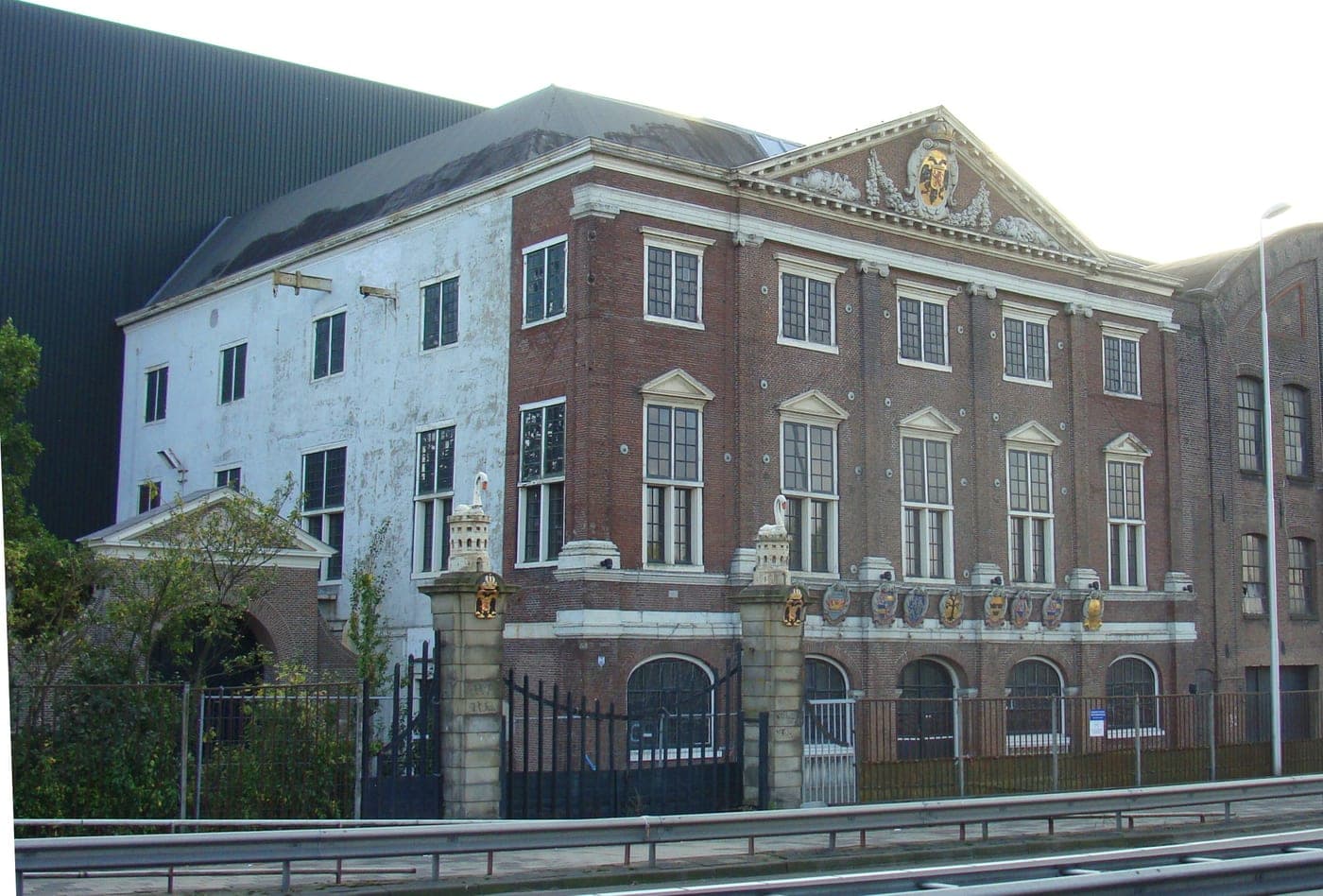
Halfweg
Boat RentalsHarderwijk
Boat Rentals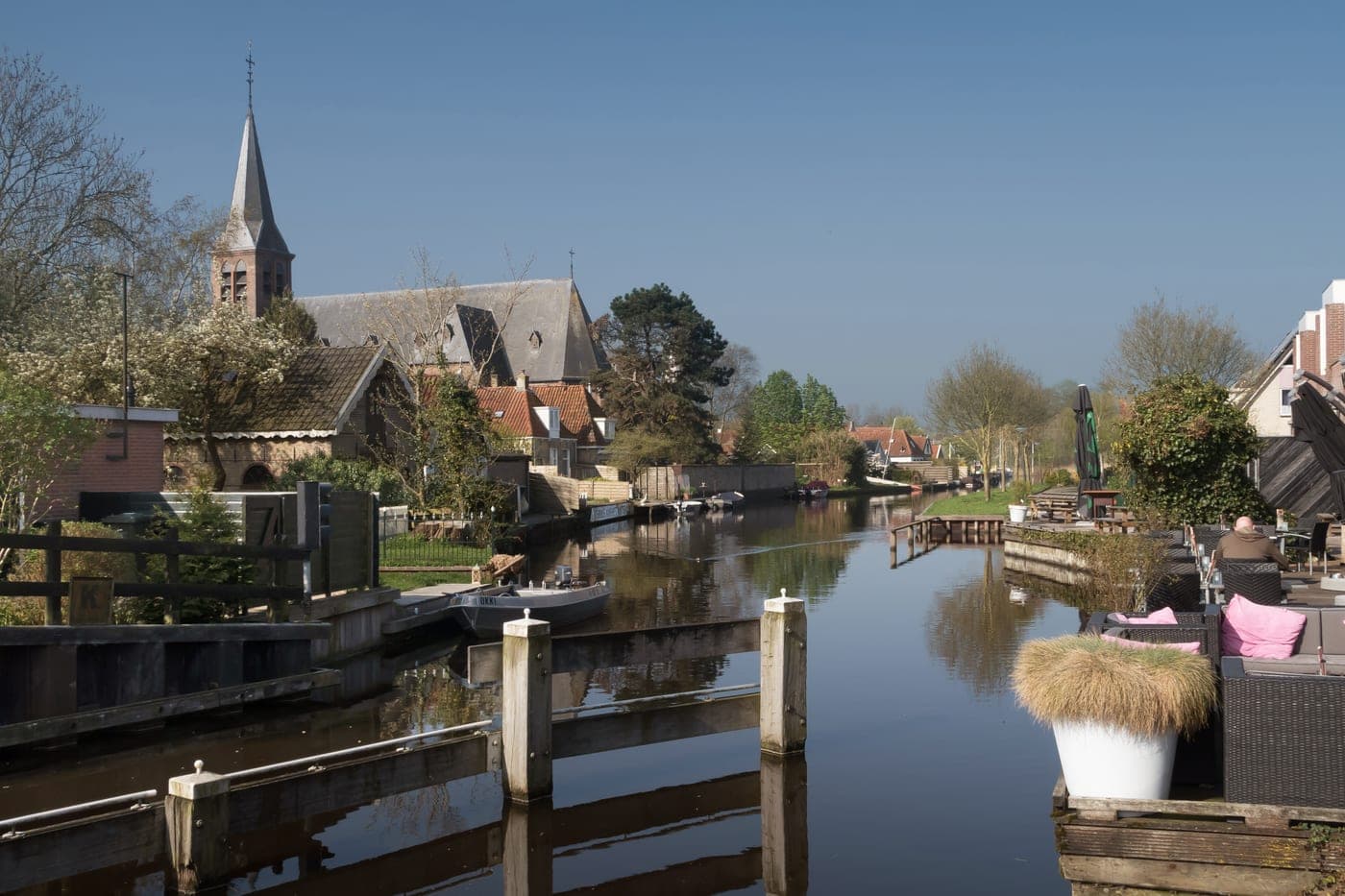
Heeg
Boat Rentals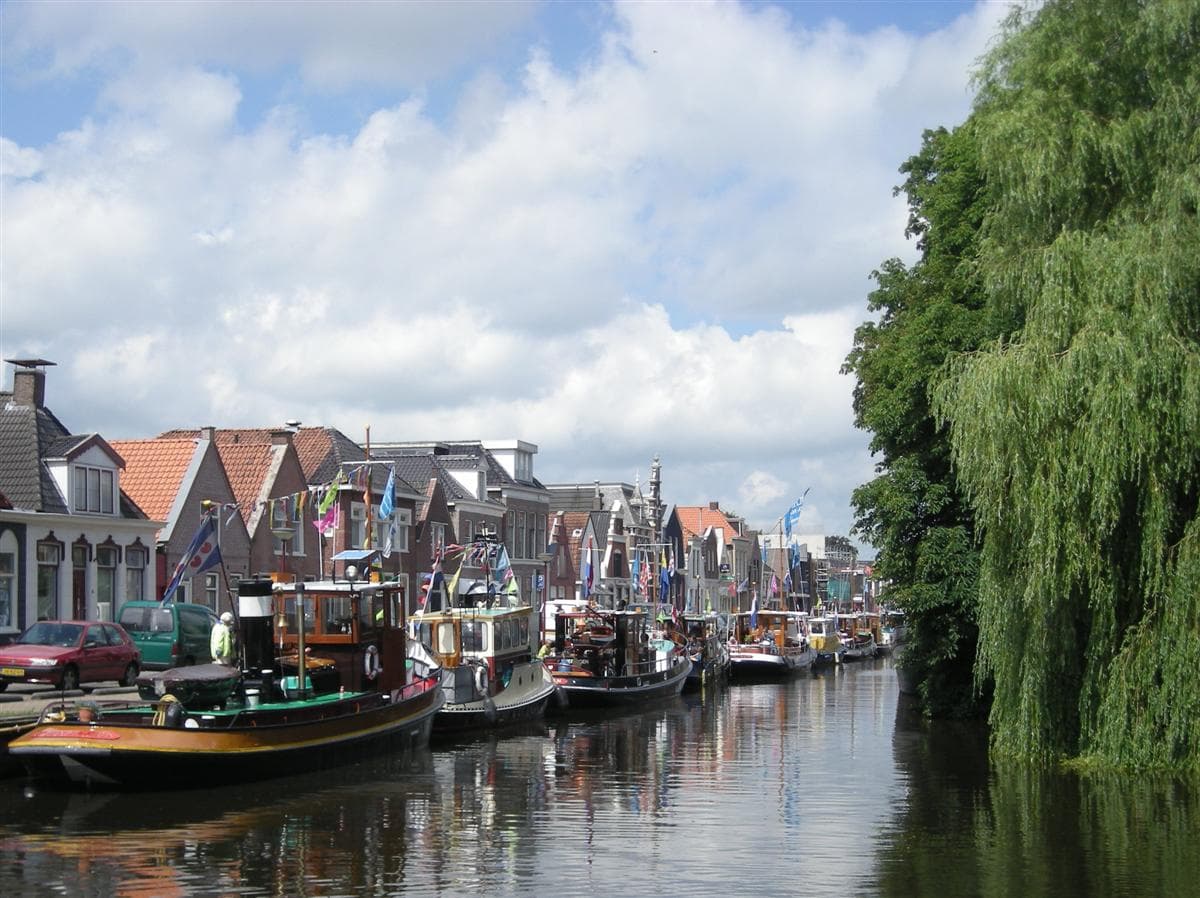
Heerenveen
Boat Rentals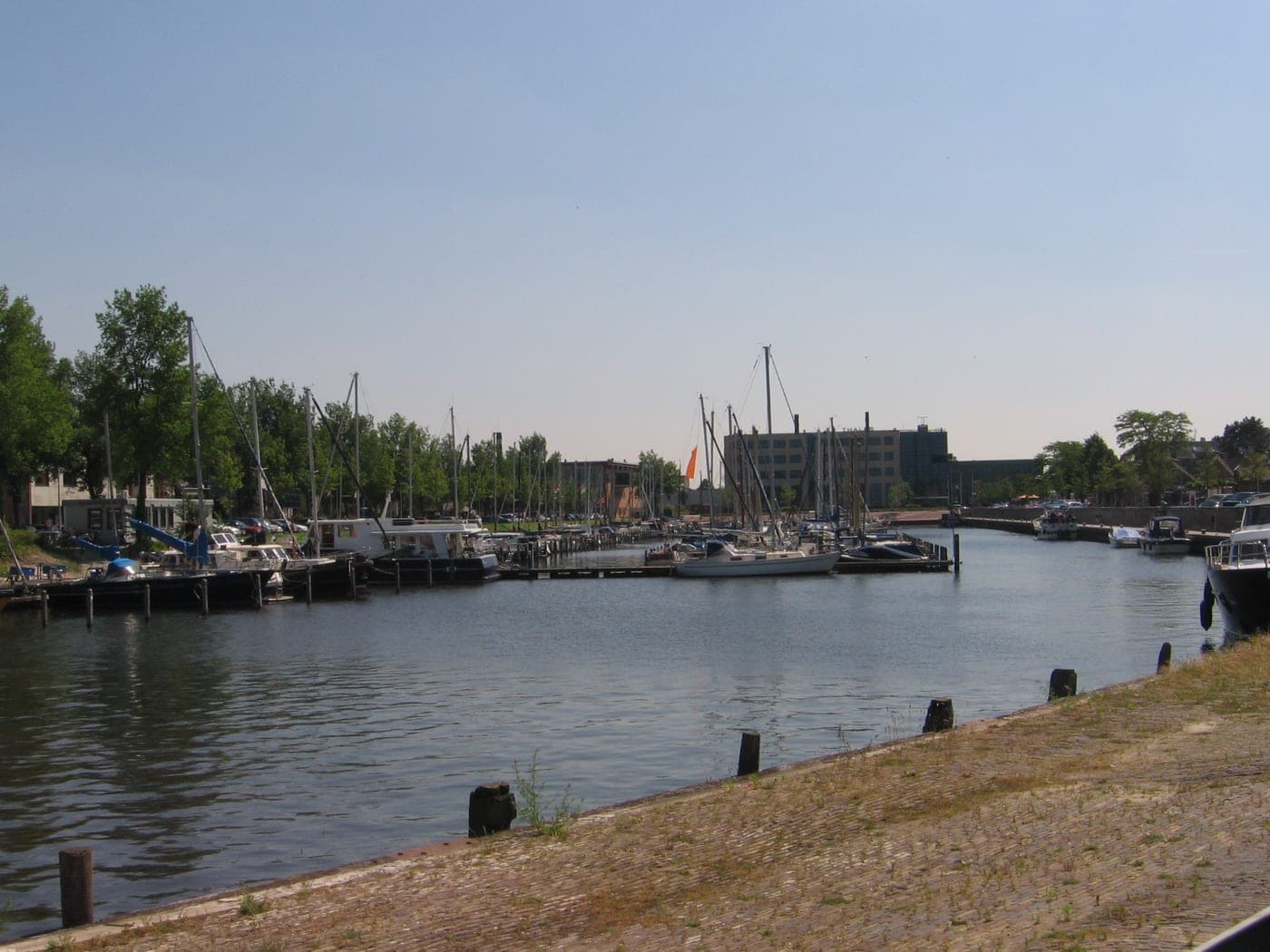
Huizen
Boat Rentals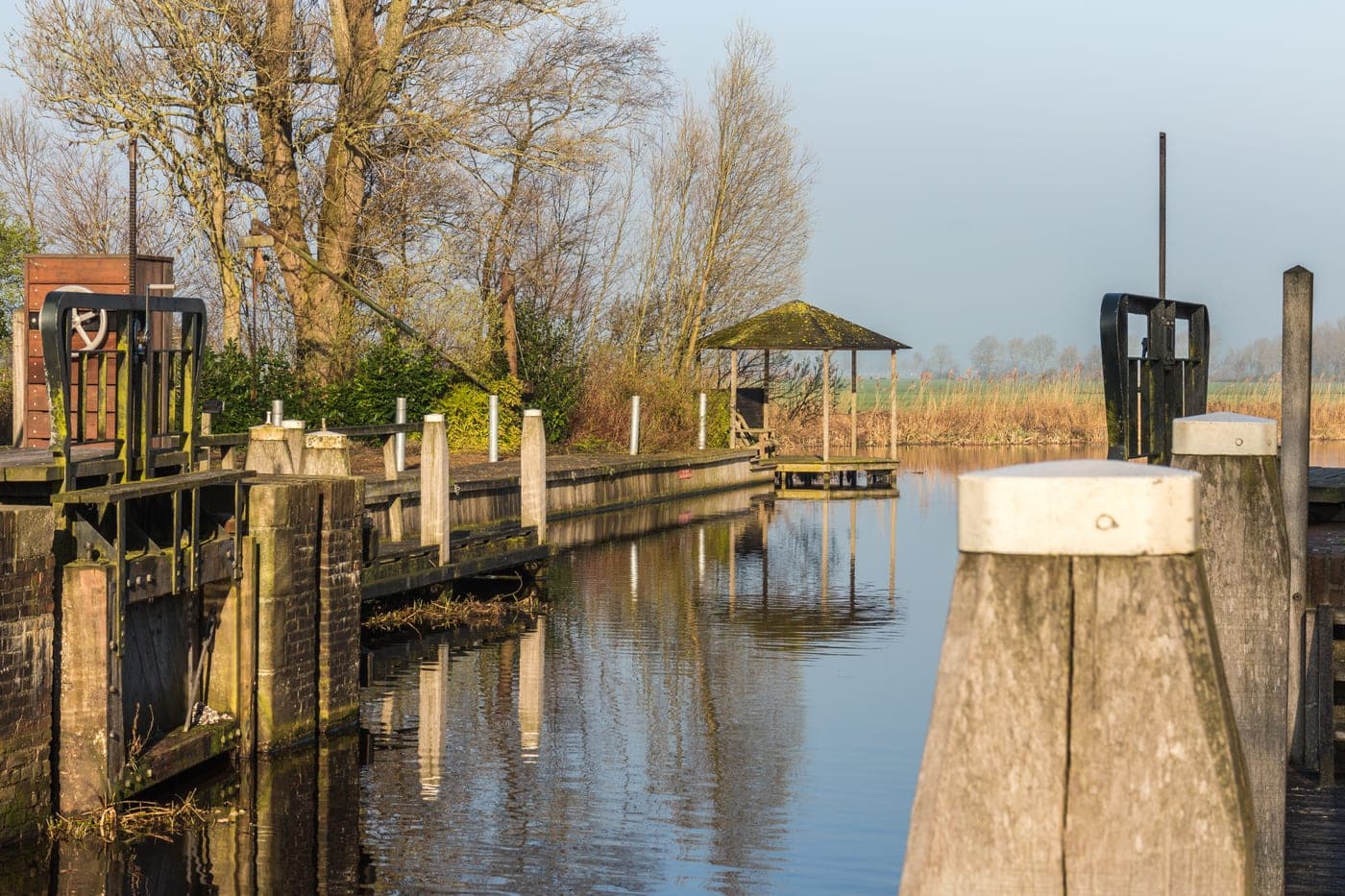
Jirnsum
Boat Rentals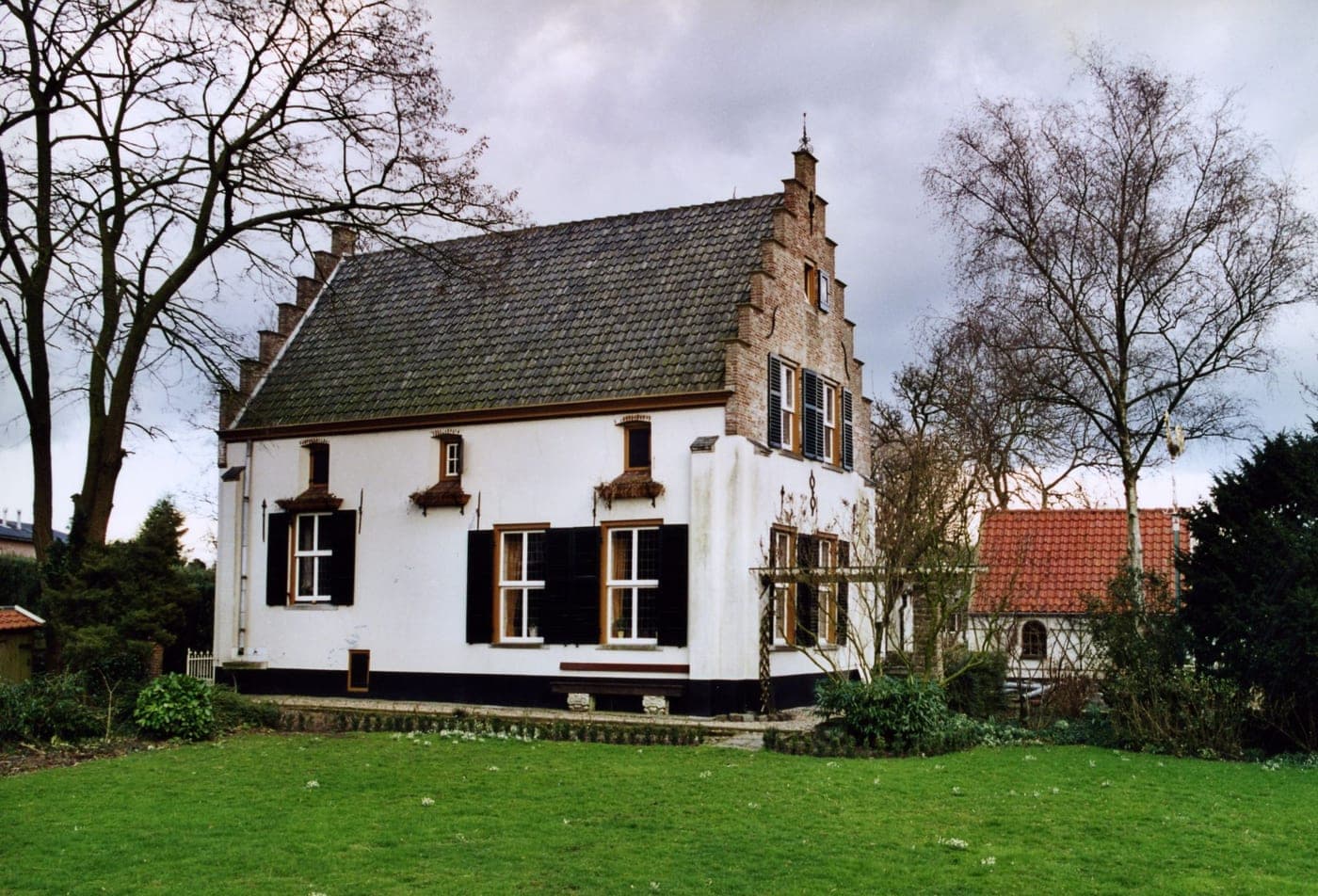
Kerkdriel
Boat Rentals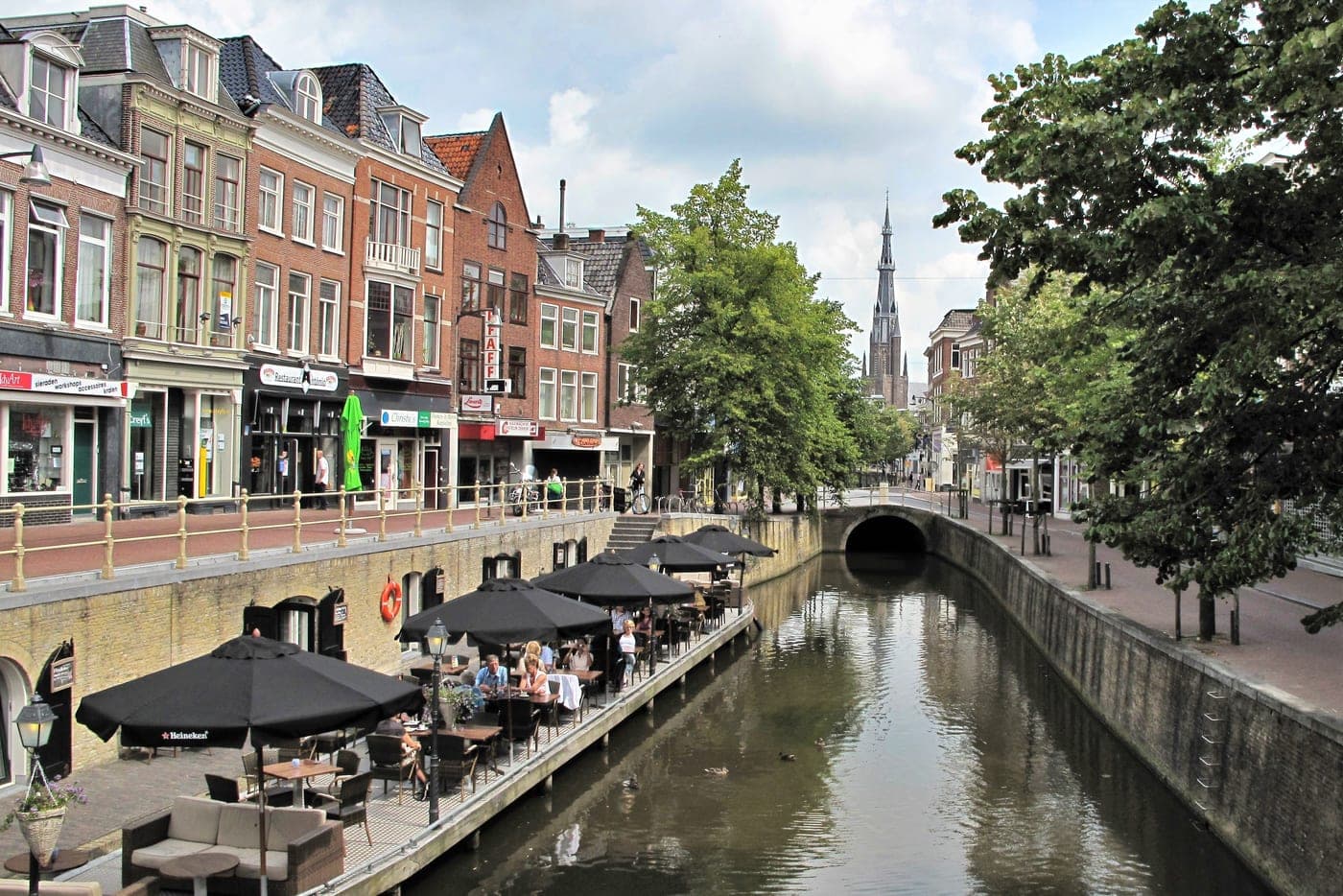
Leeuwarden
Boat RentalsLeiden
Boat Rentals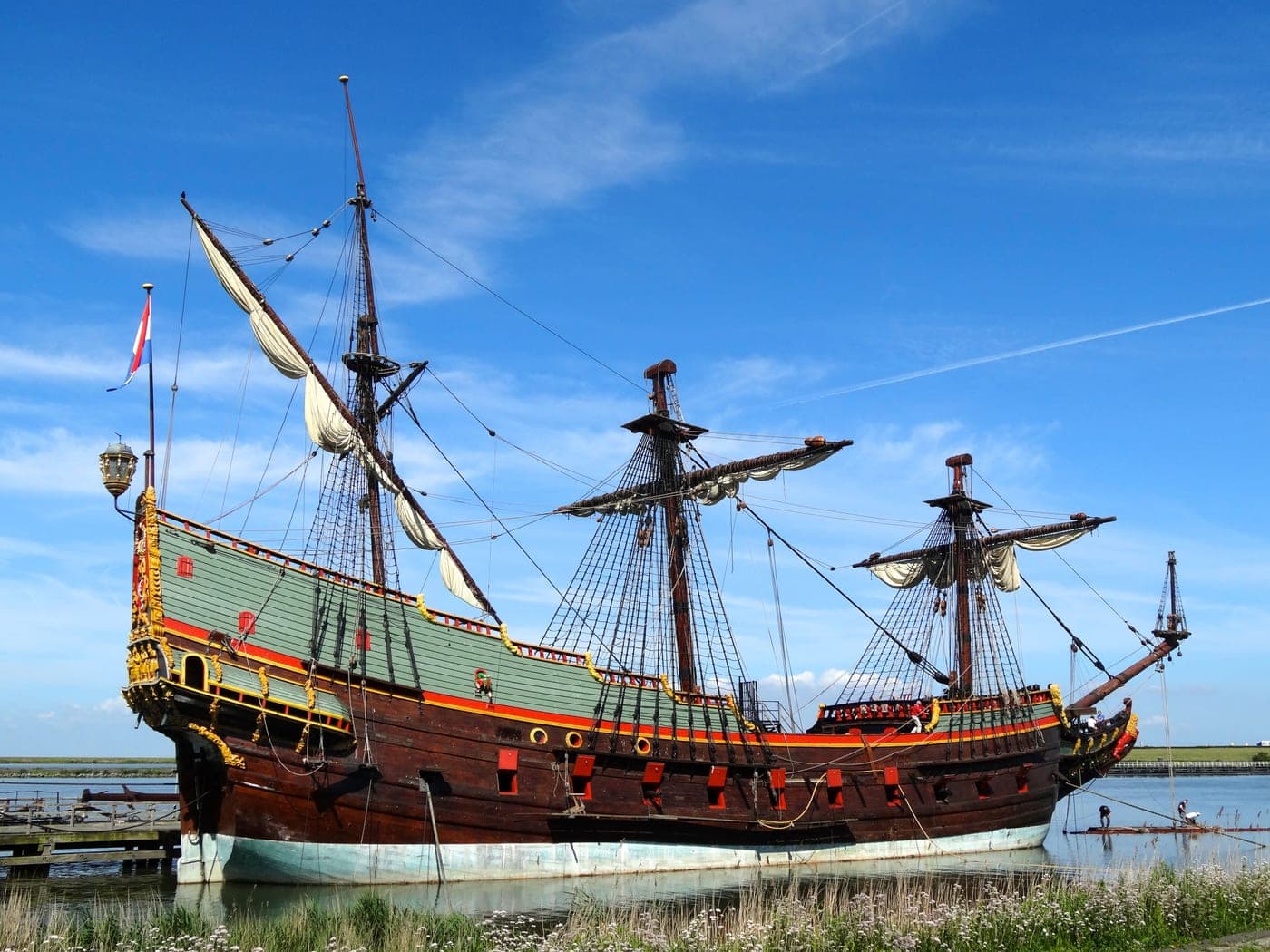
Lelystad
Boat Rentals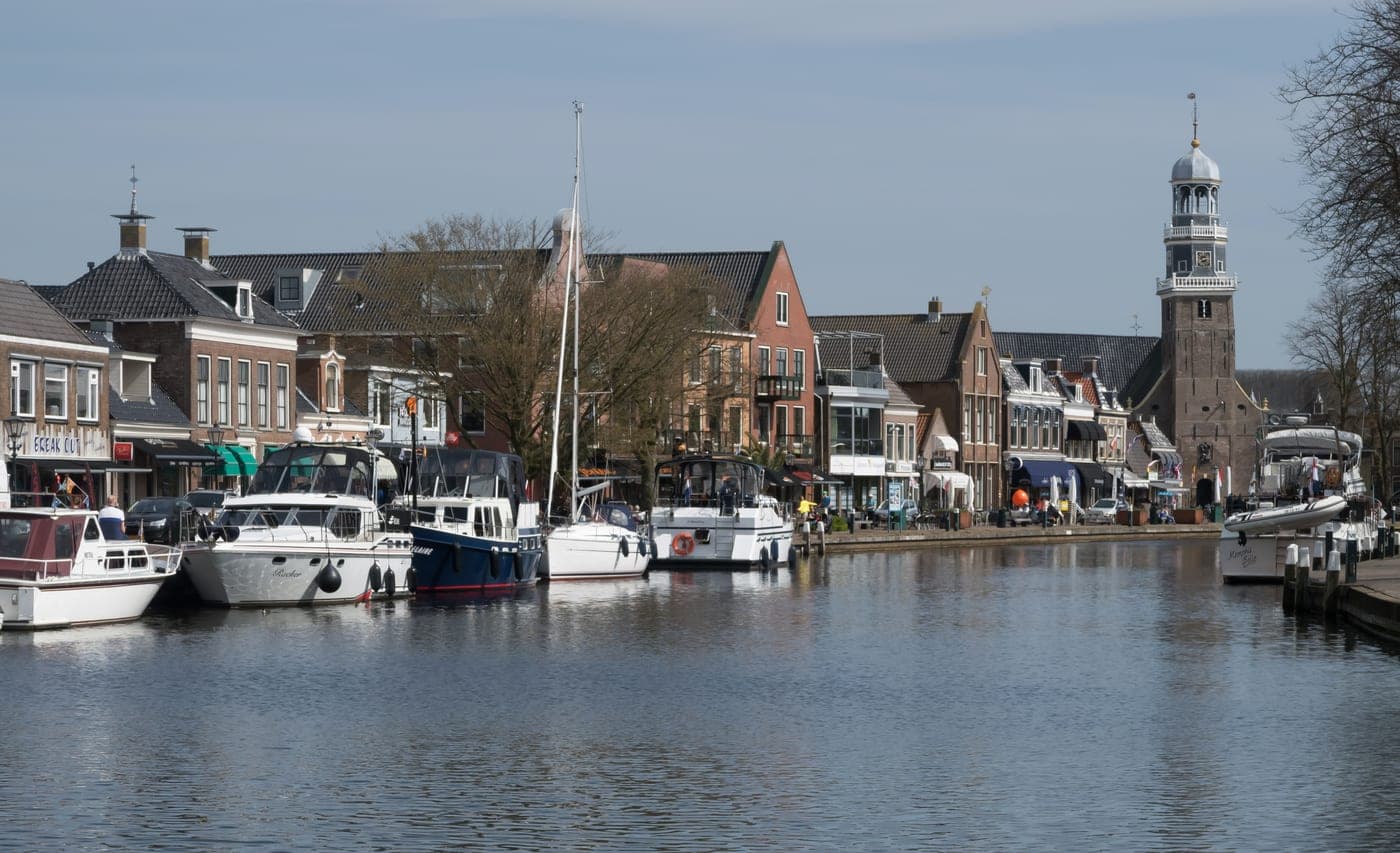
Lemmer
Boat Rentals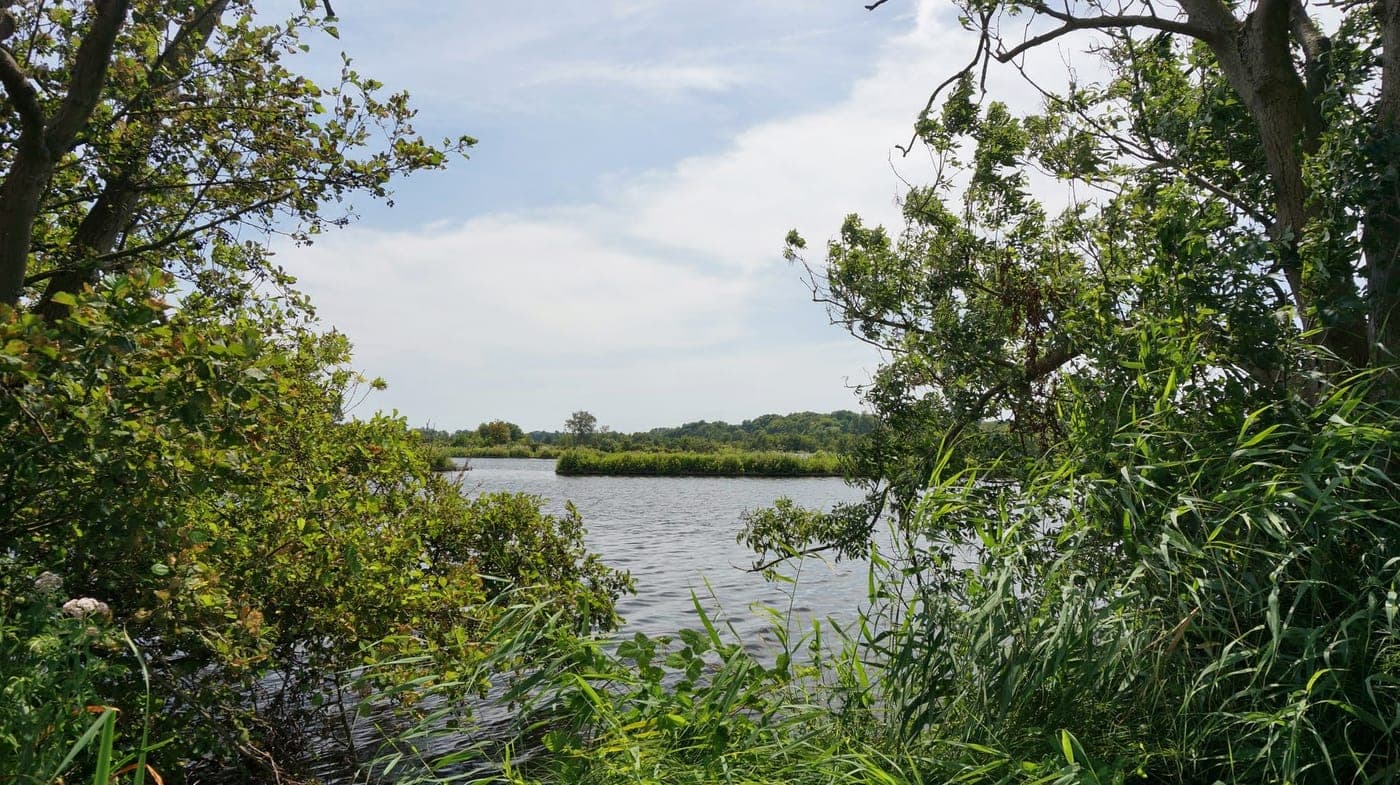
Loosdrecht
Boat RentalsNaarden
Boat Rentals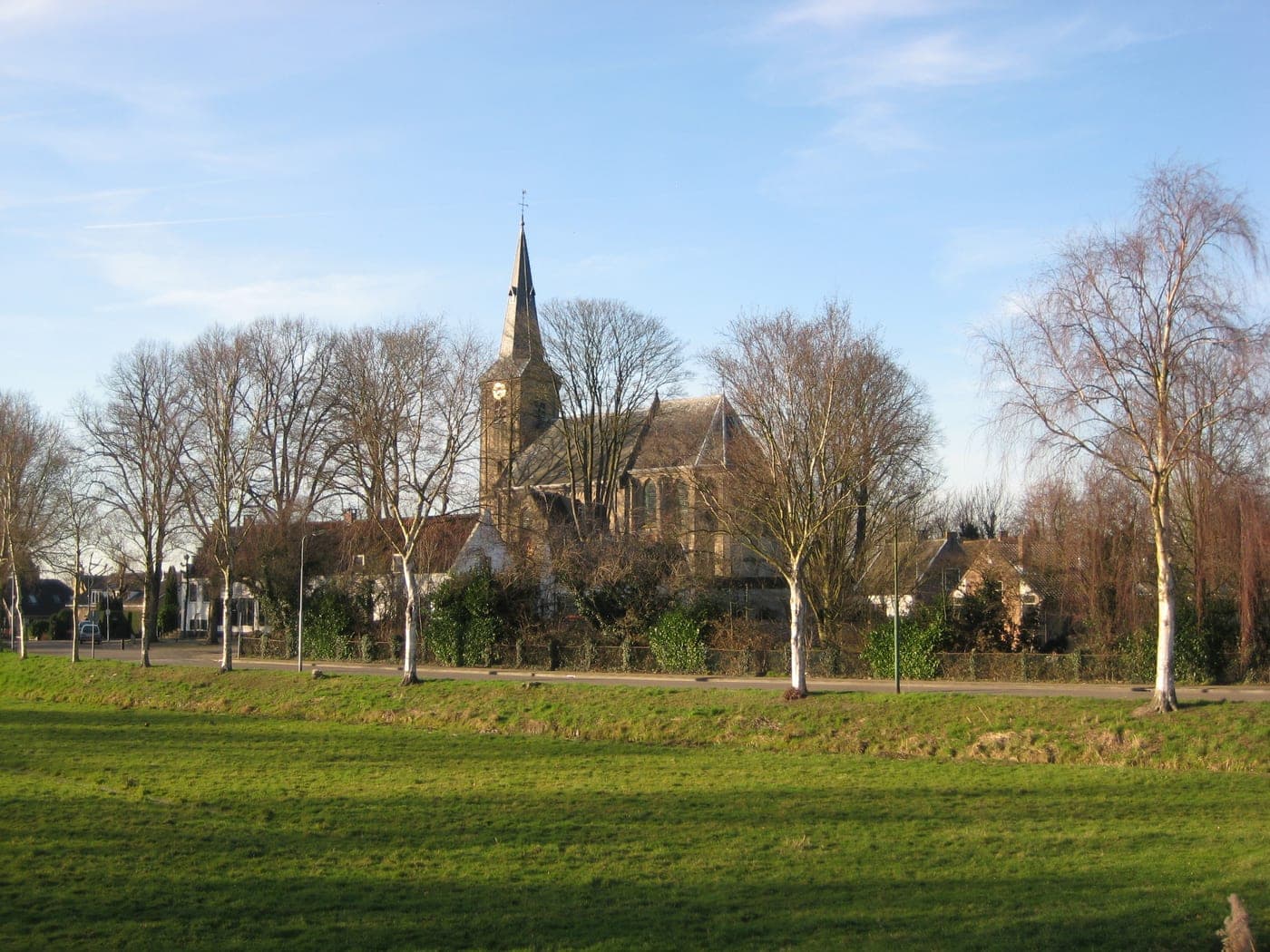
Nederhorst den Berg
Boat Rentals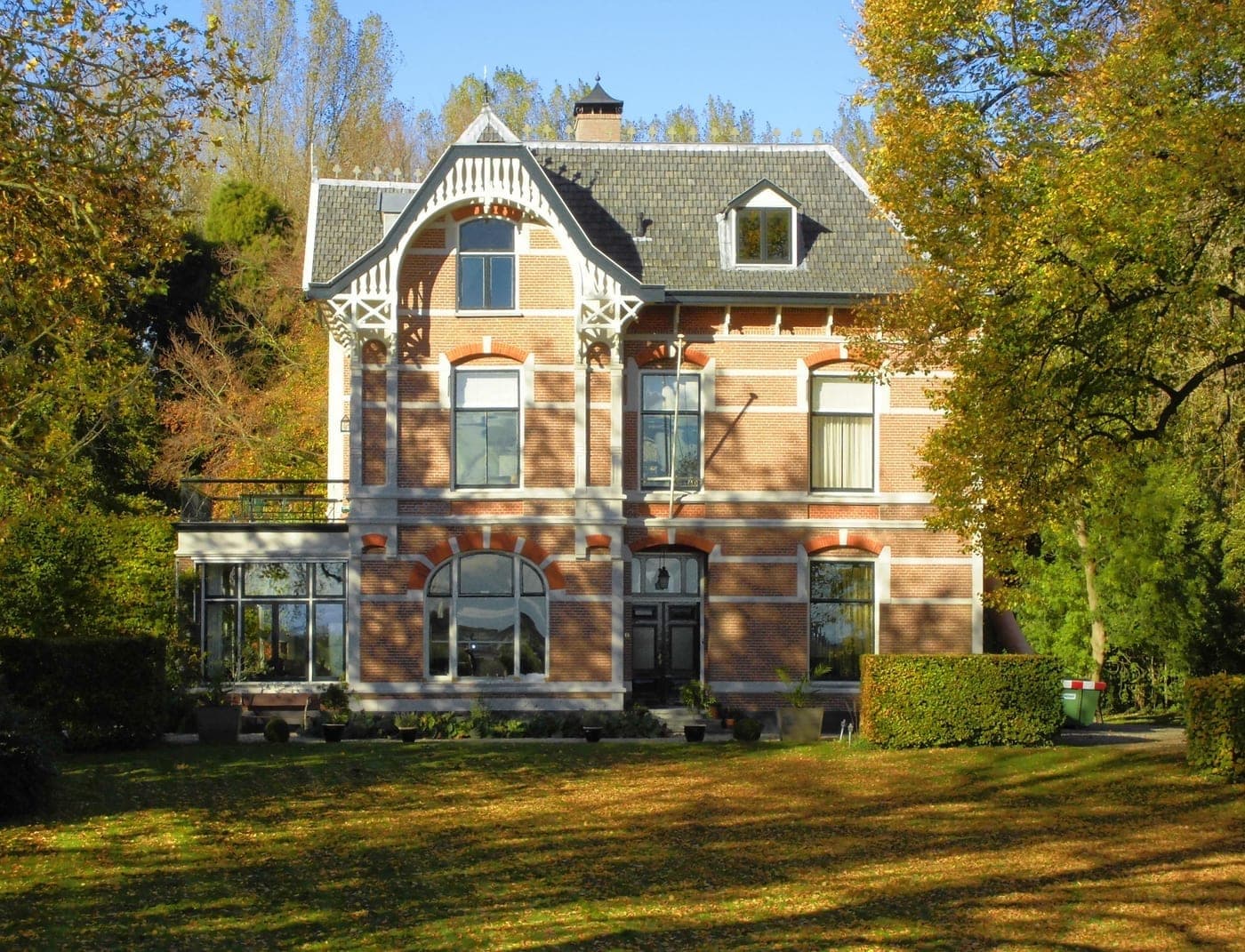
Nigtevecht
Boat Rentals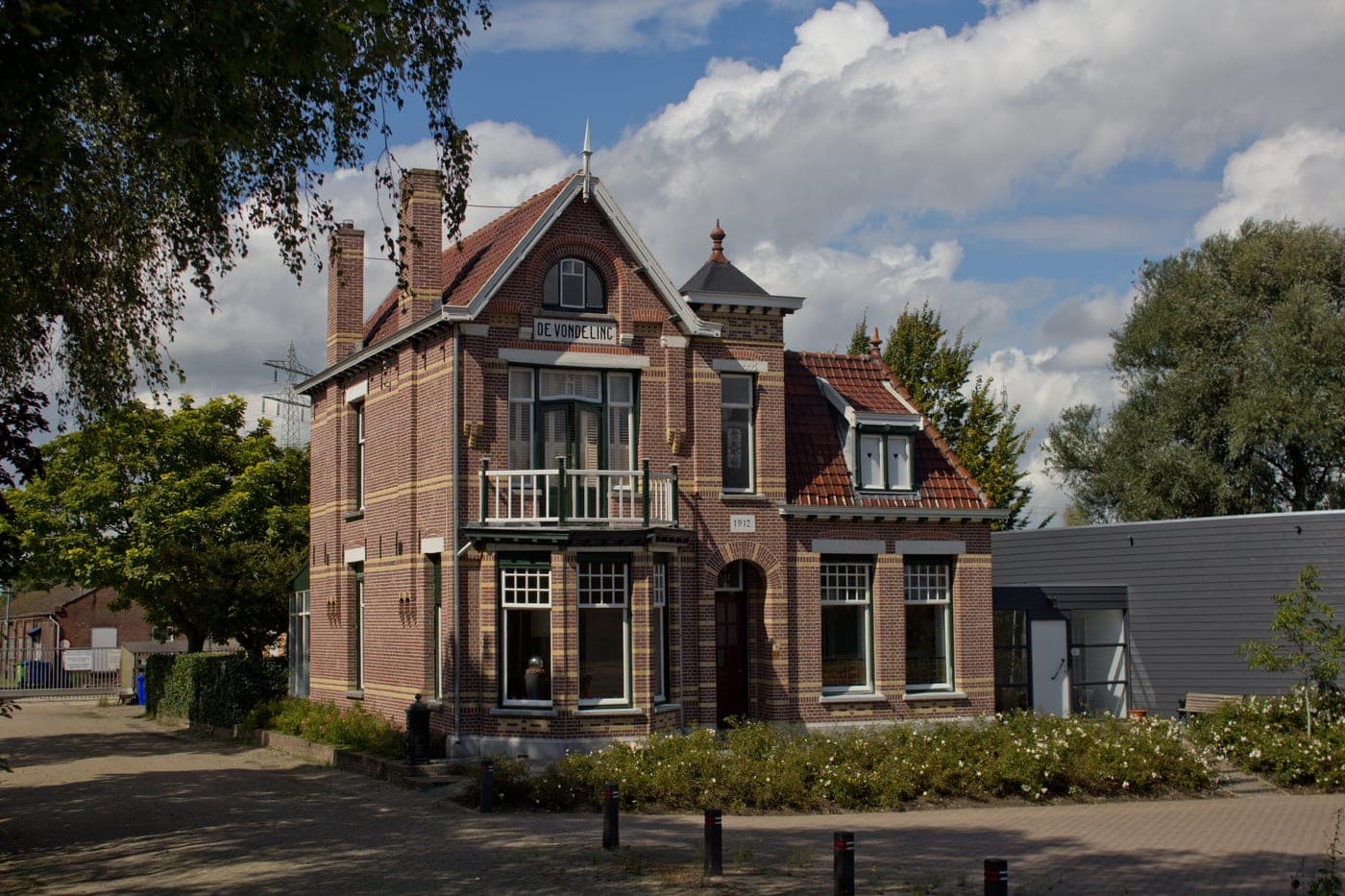
Raamsdonksveer
Boat Rentals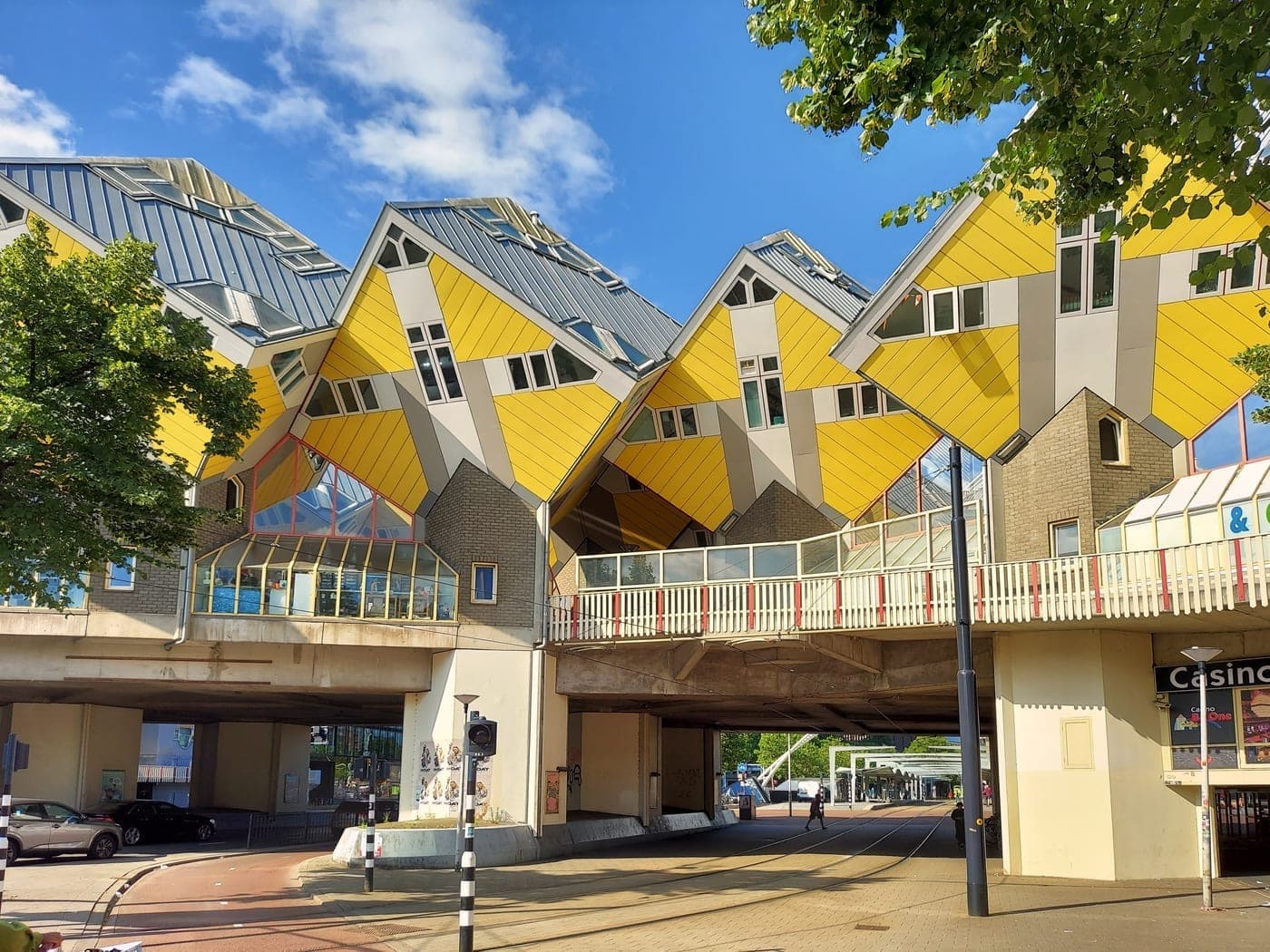
Rotterdam
Camper Van Rentals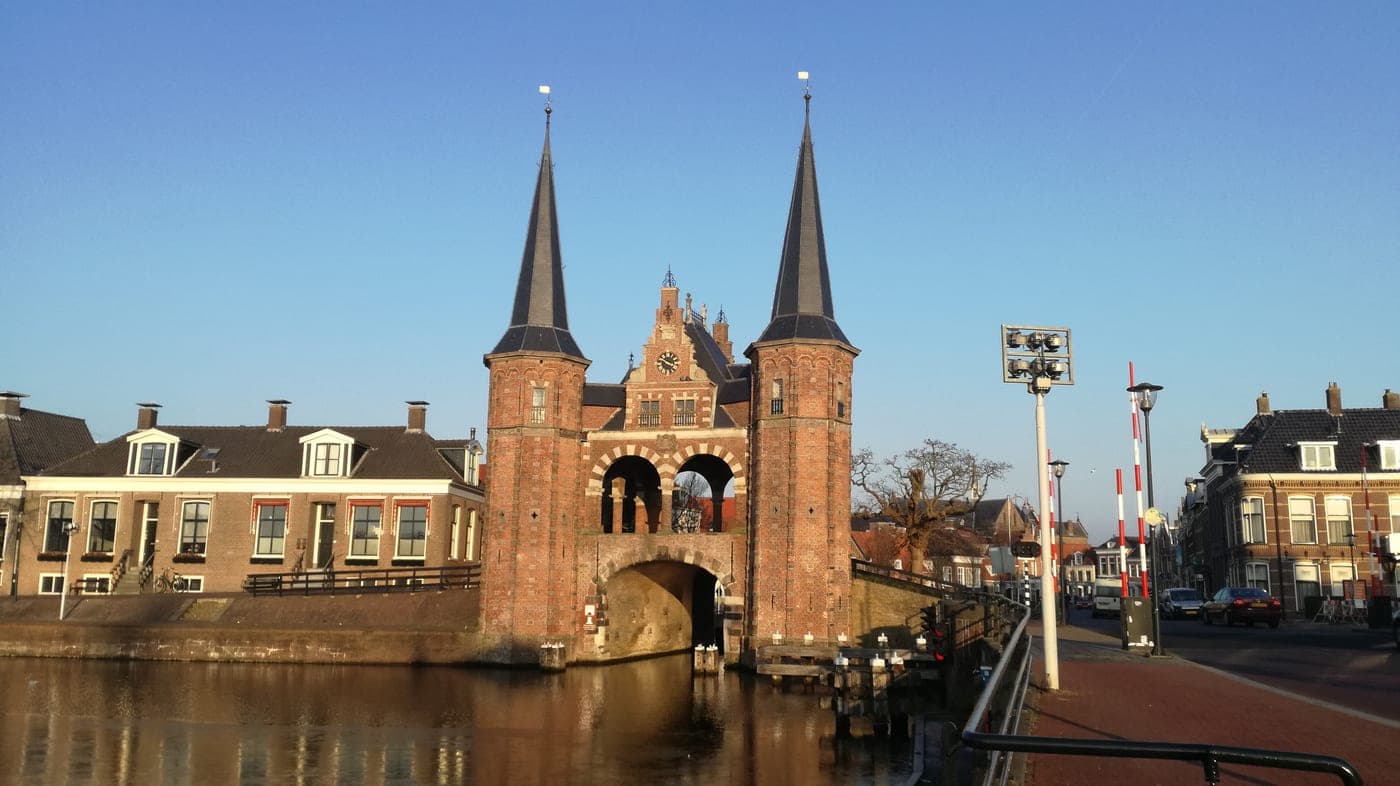
Sneek
Boat Rentals
Terherne
Boat Rentals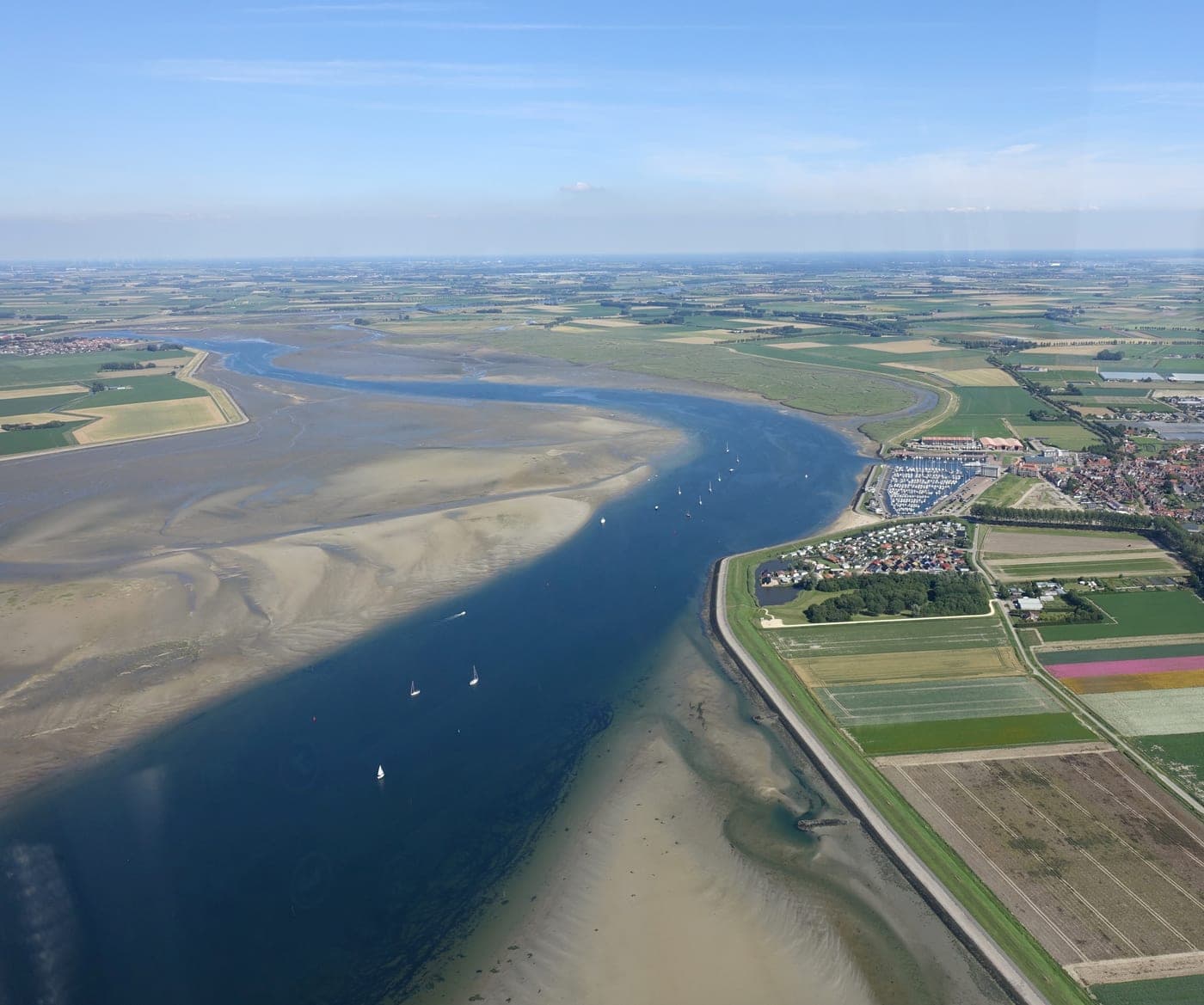
Tholen
Boat Rentals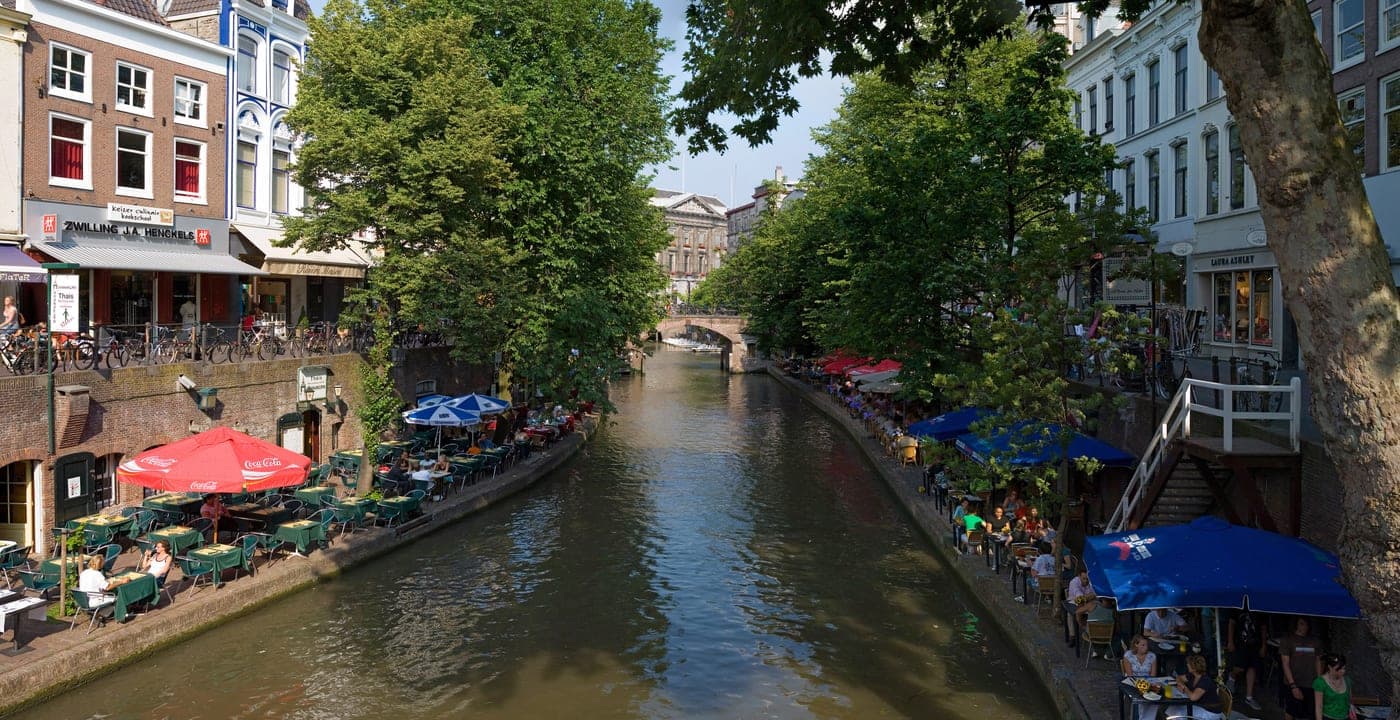
Utrecht
Boat Rentals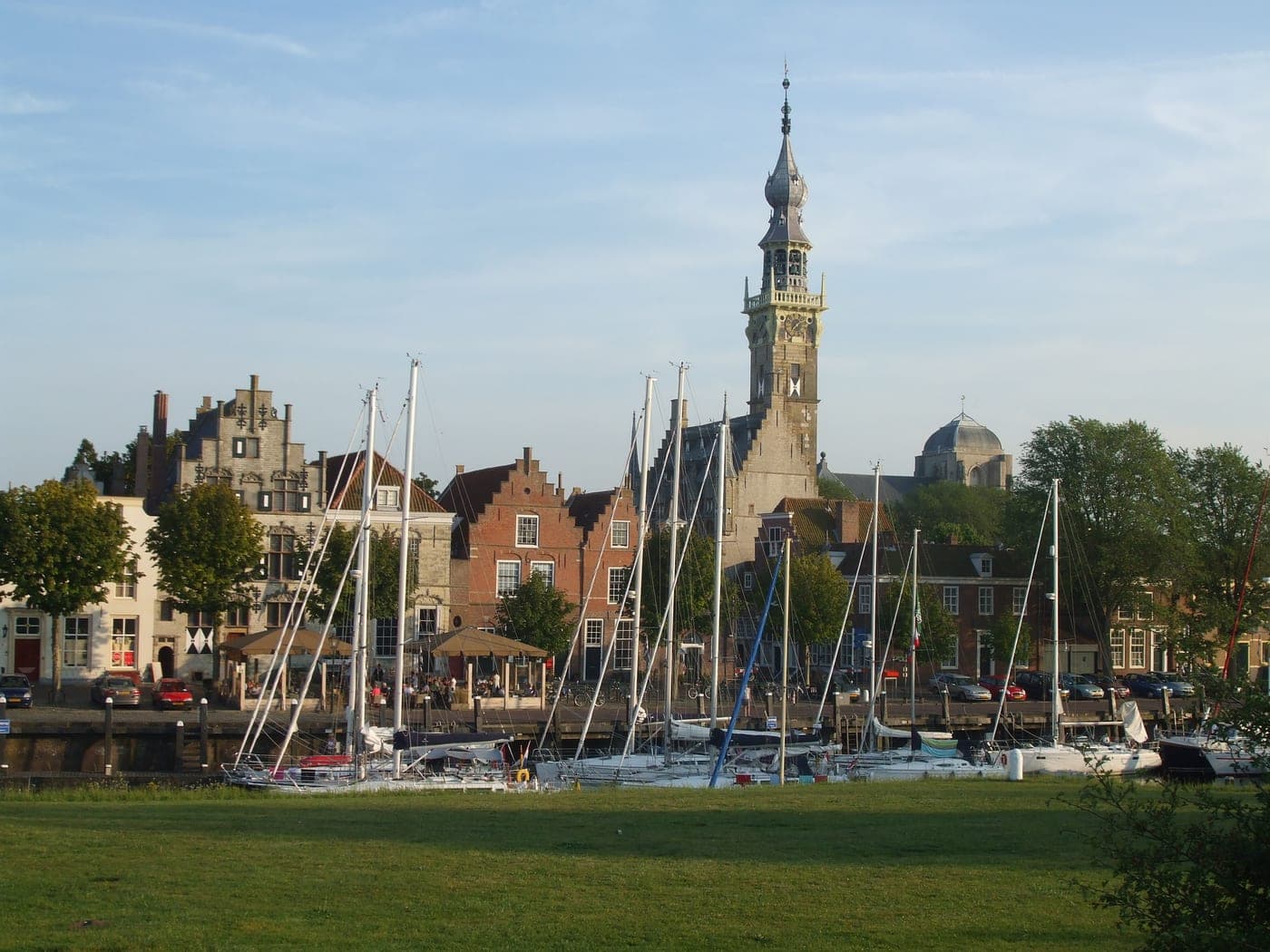
Veere
Boat RentalsVinkeveen
Boat RentalsWarten
Boat Rentals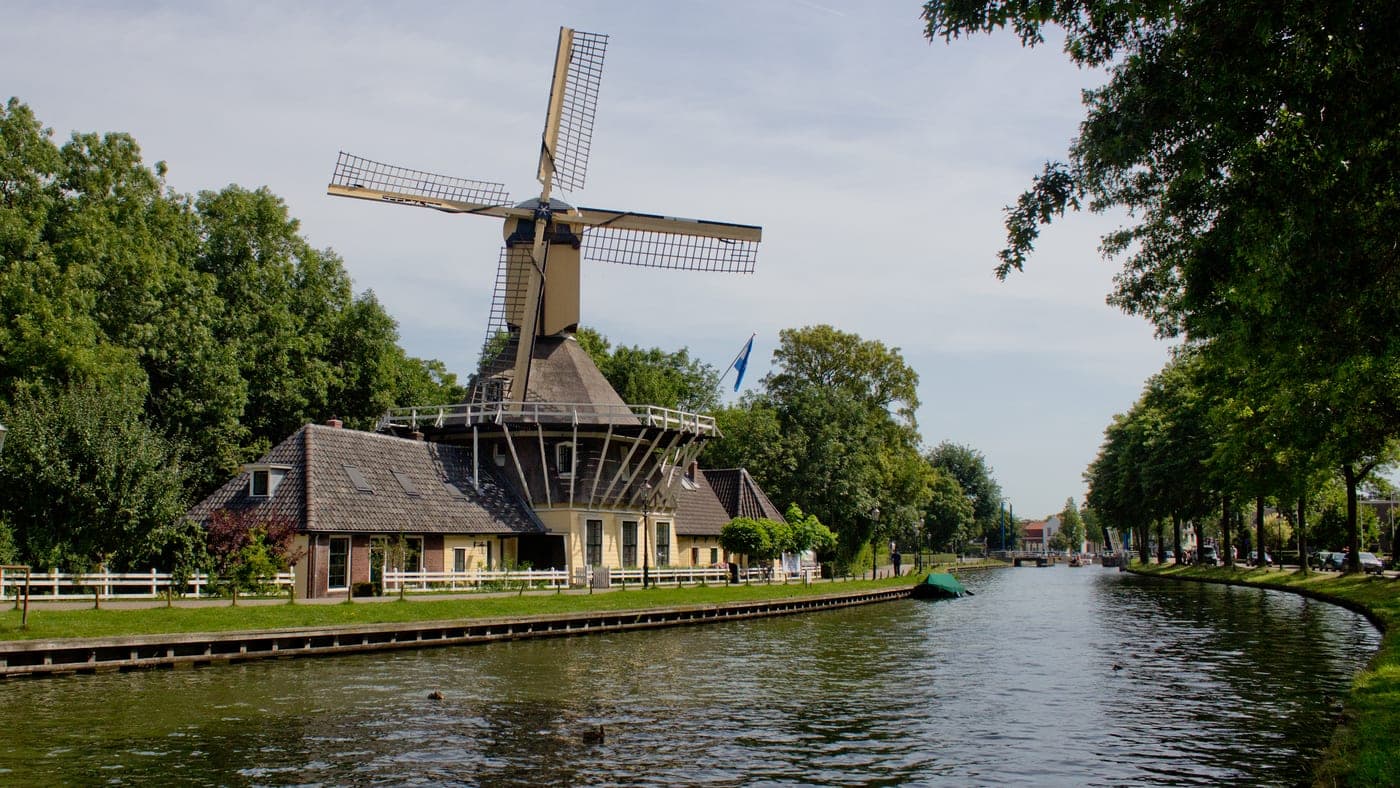
Weesp
Boat Rentals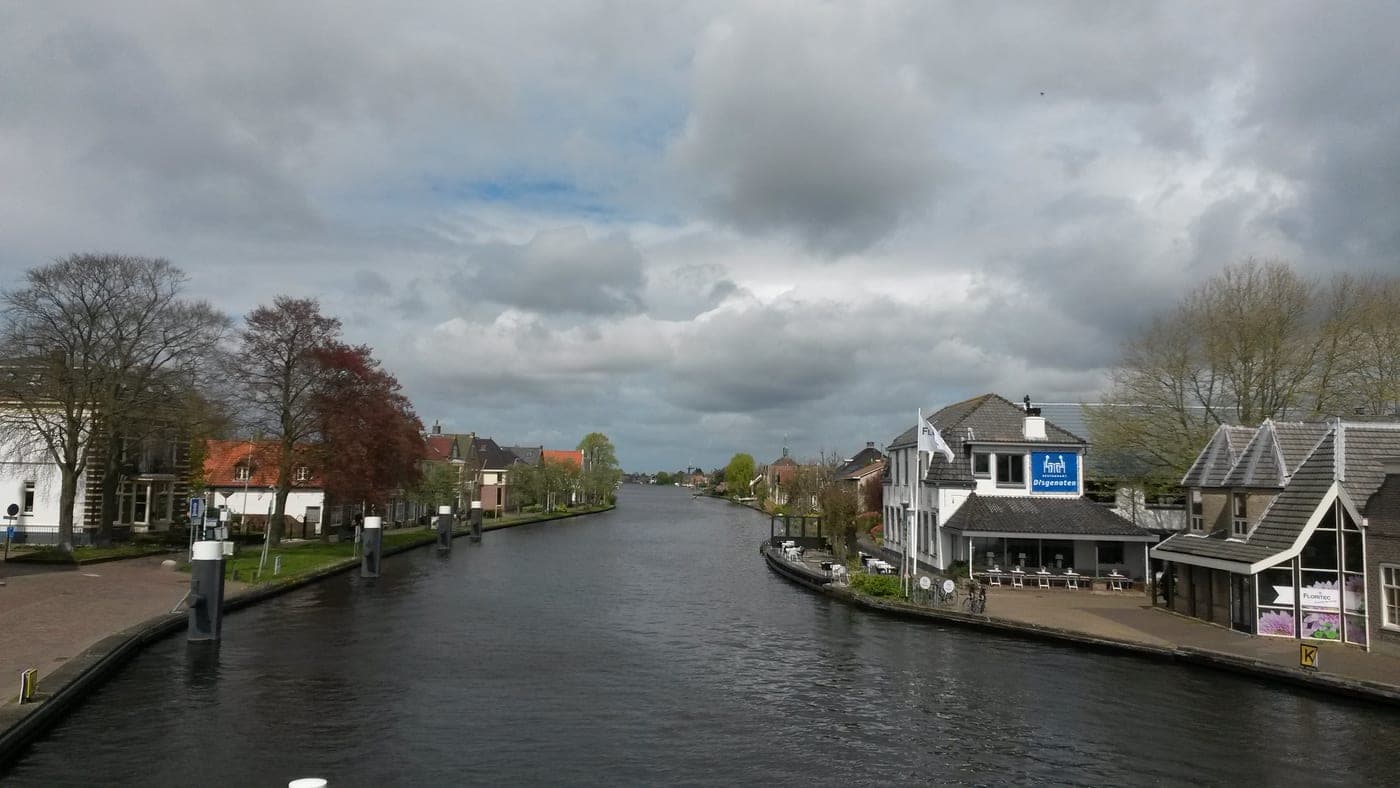
Woubrugge
Boat Rentals🇳🇴
Norway
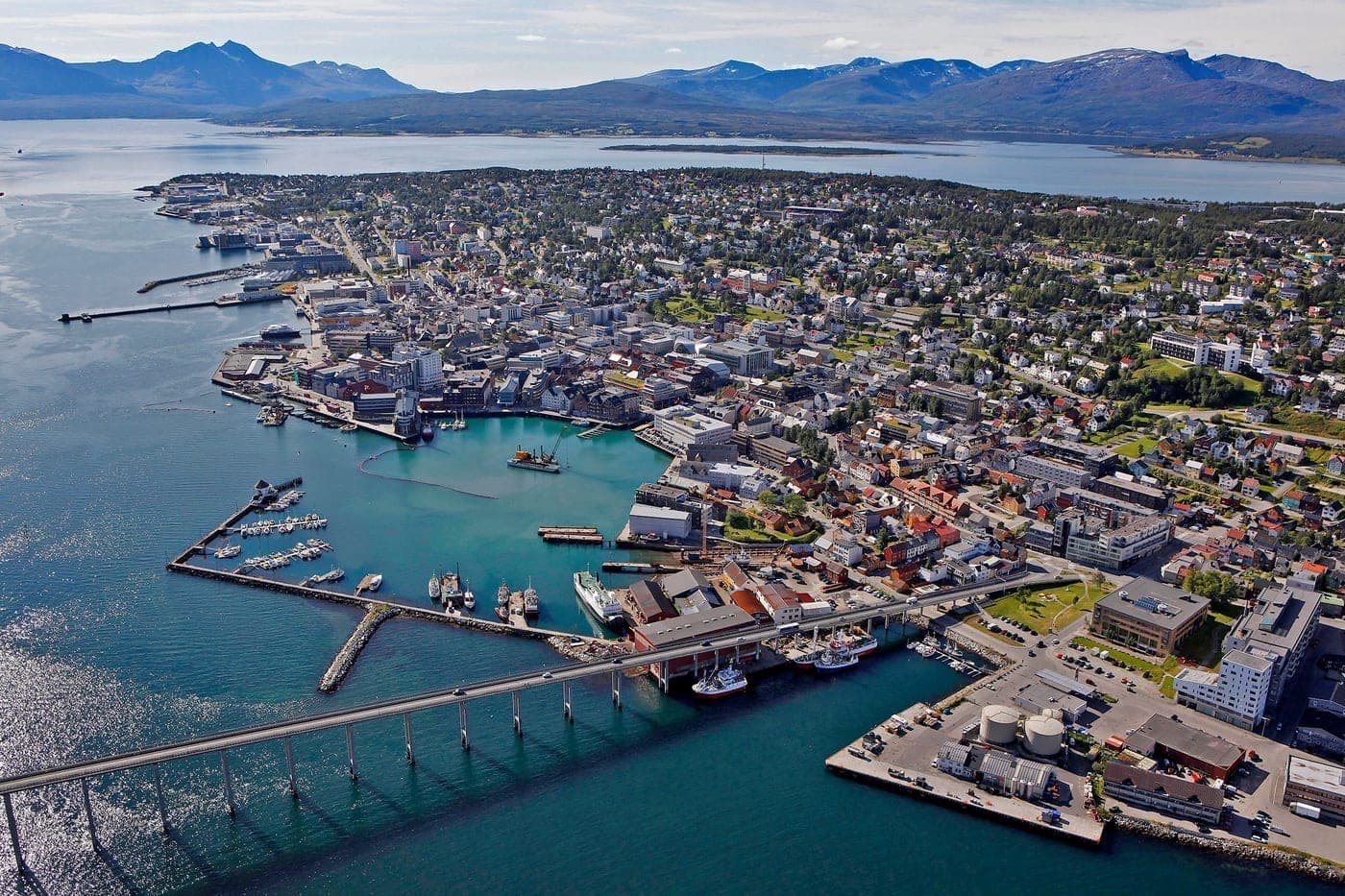
🇵🇱
Poland
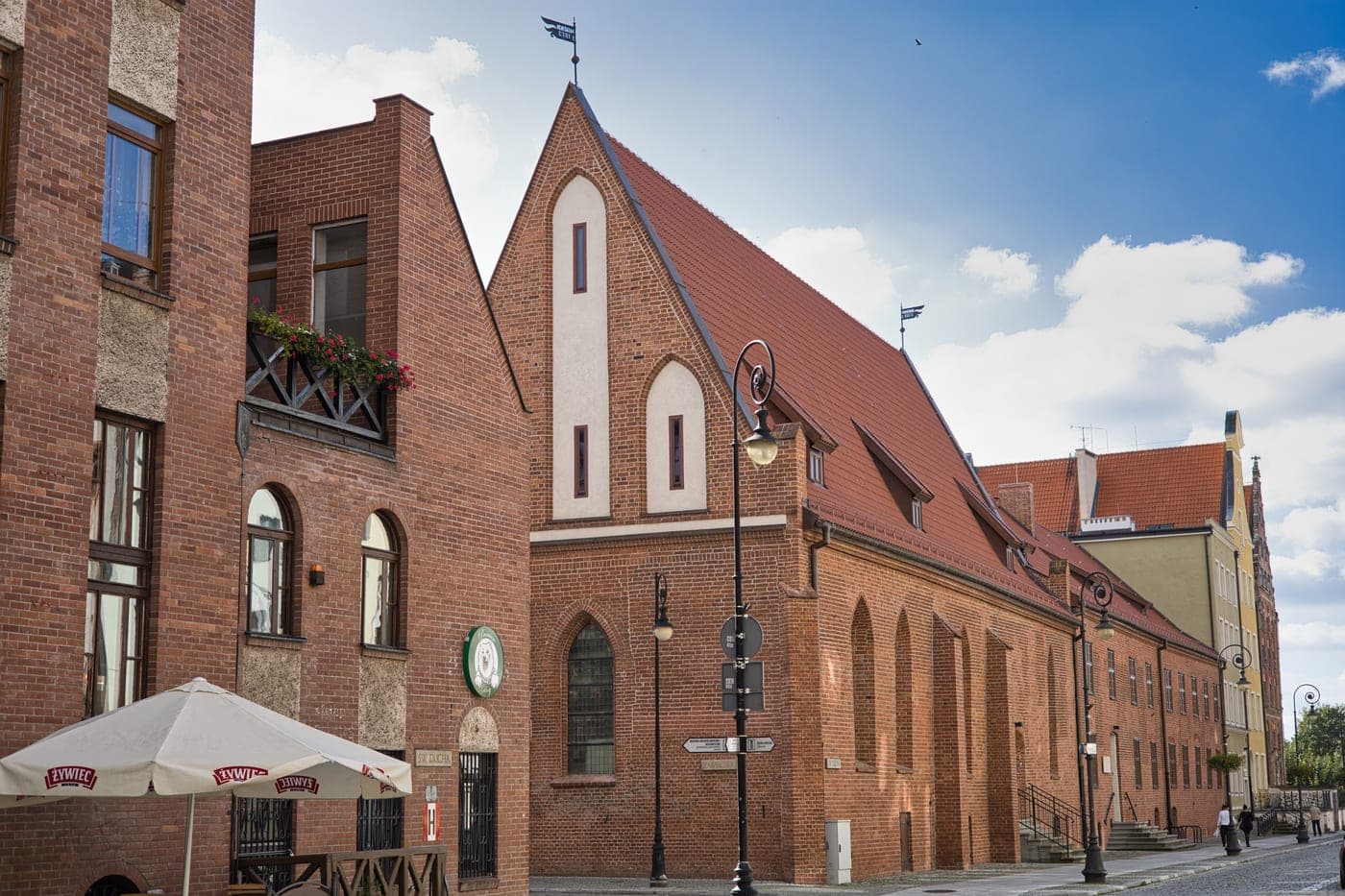
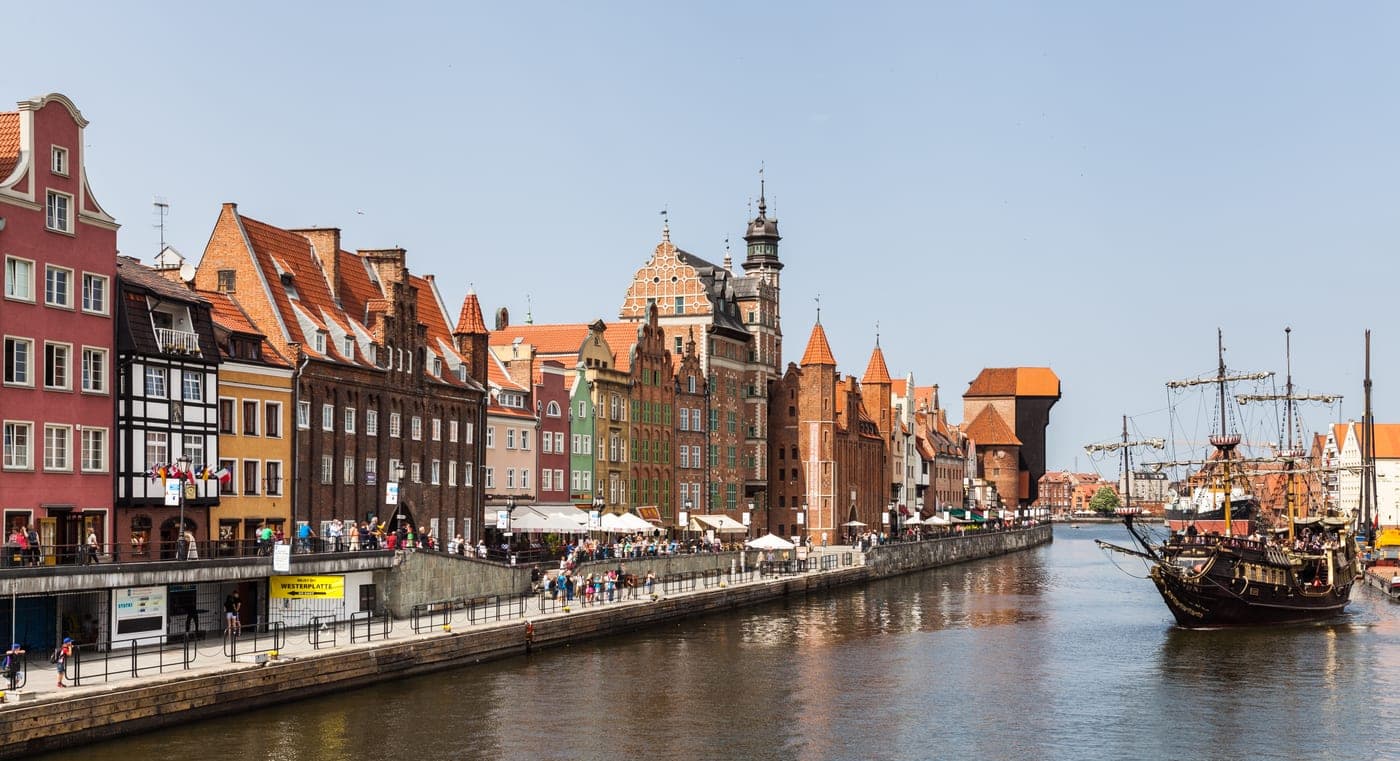
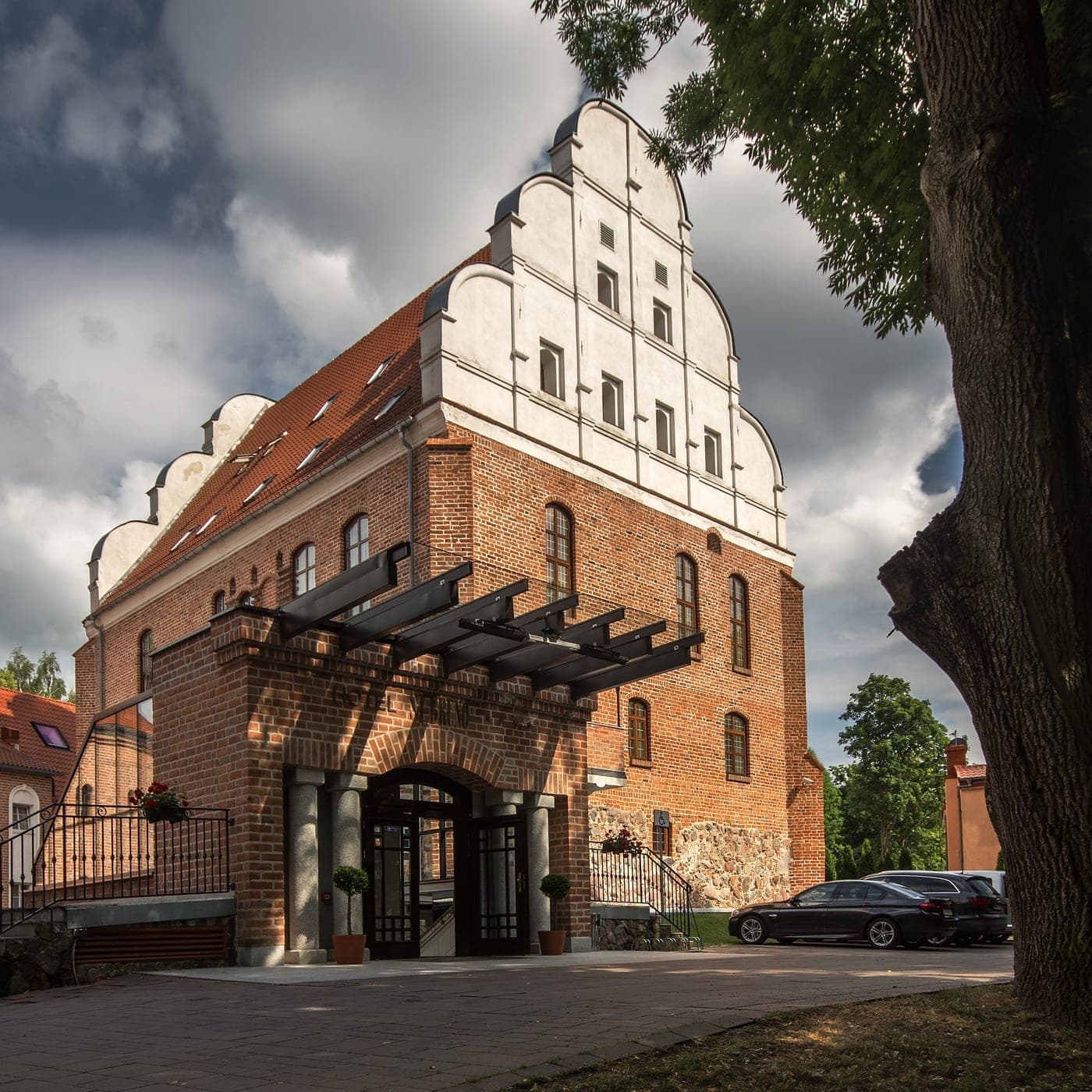
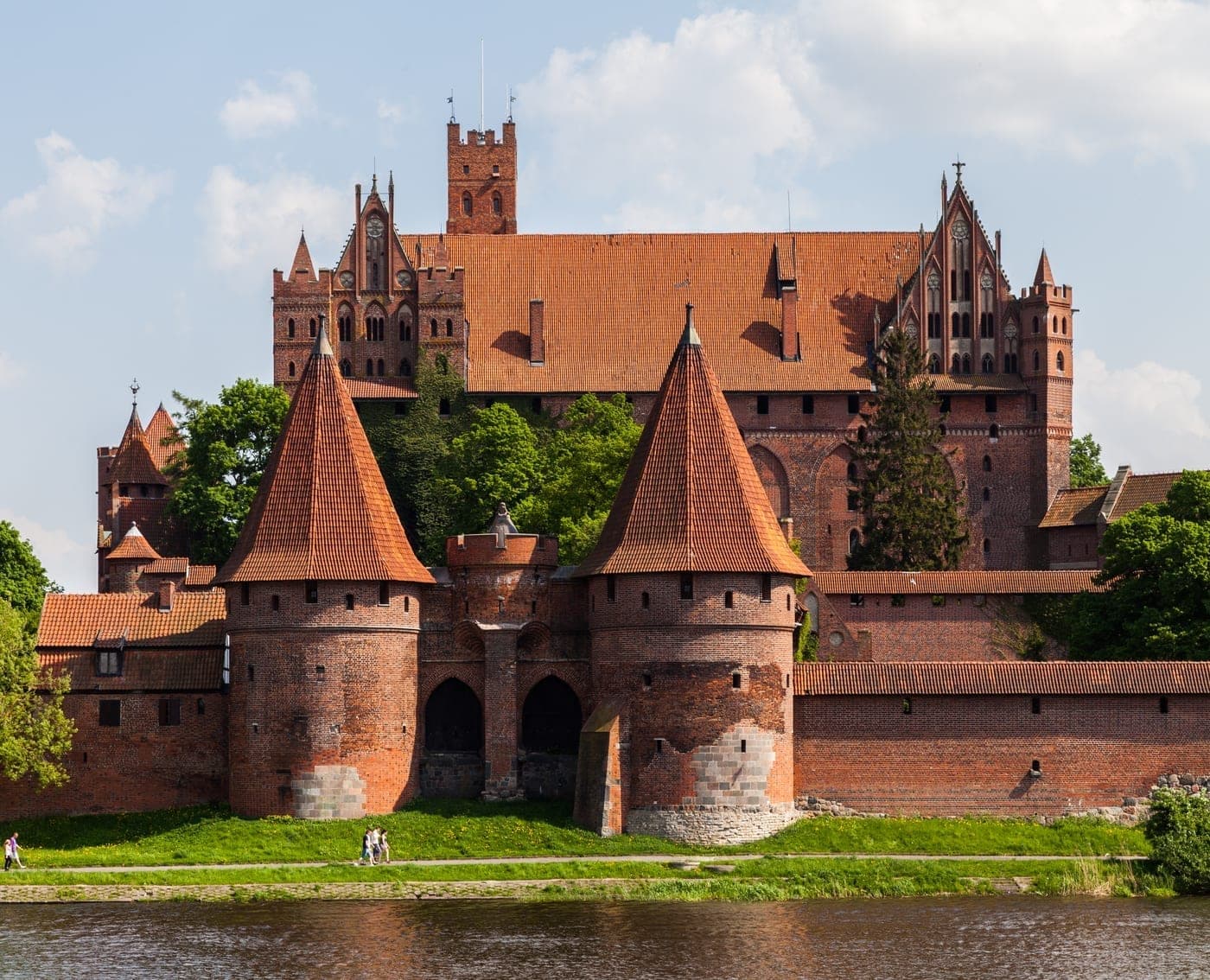
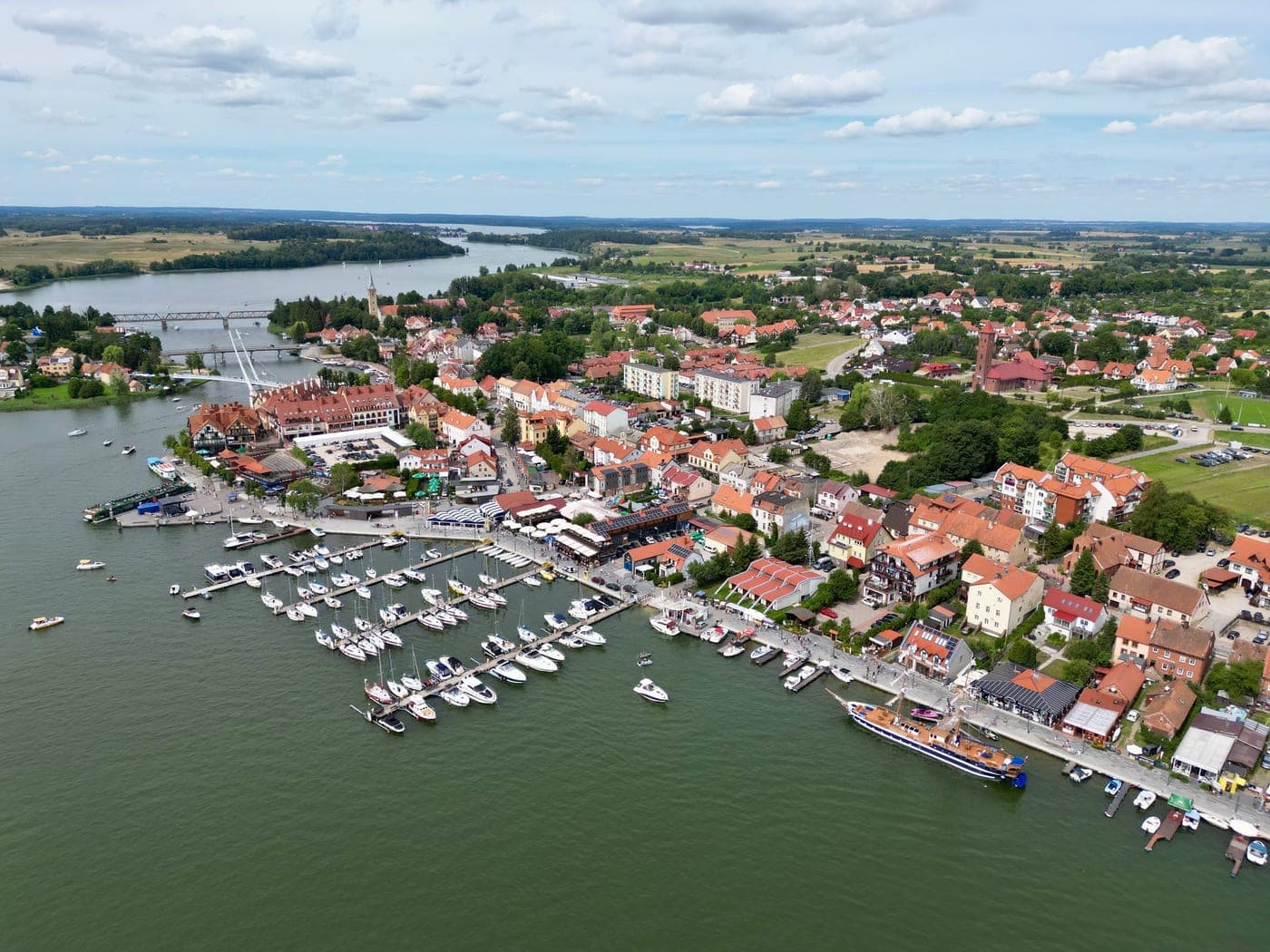
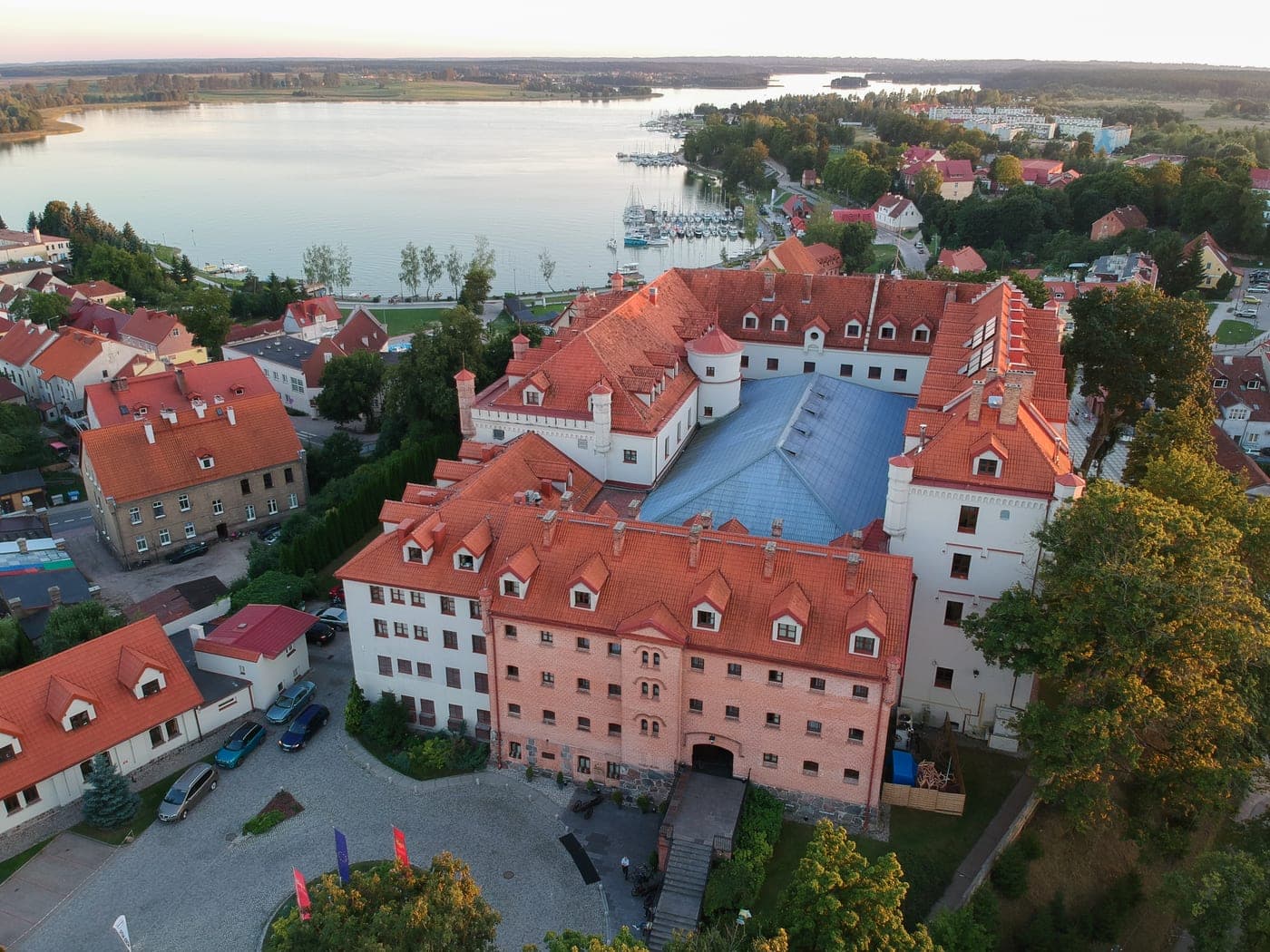
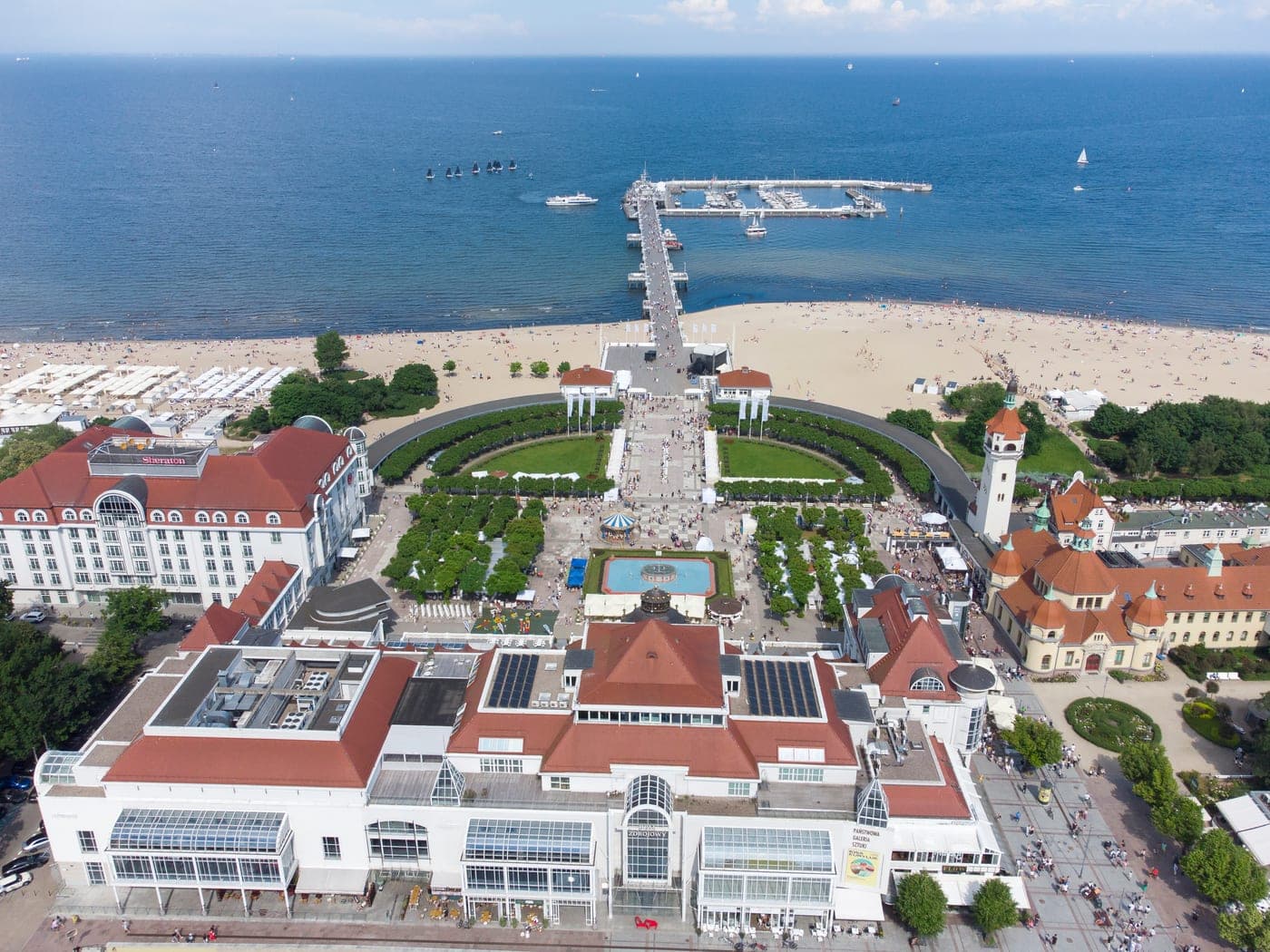
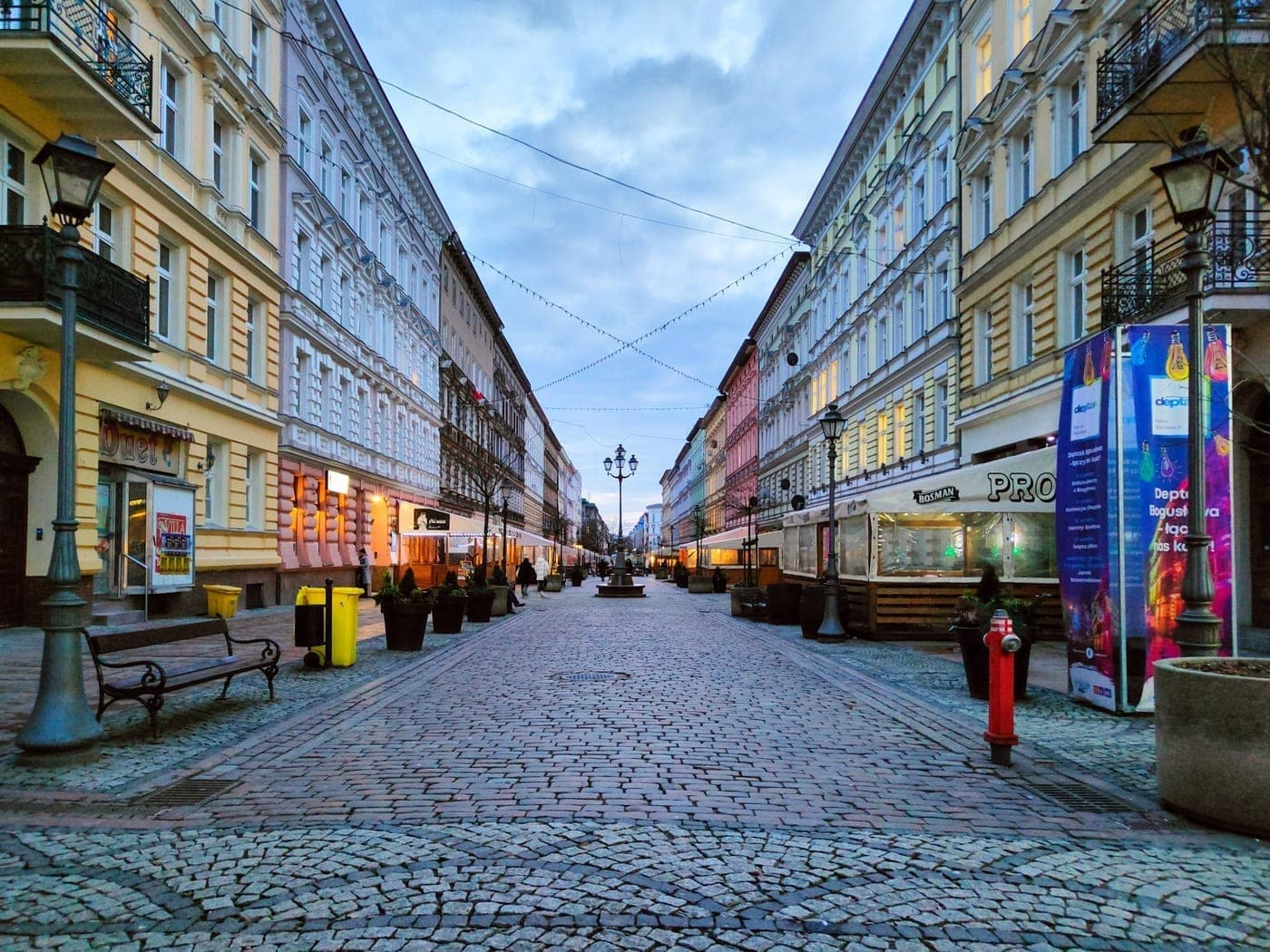
🇵🇹
Portugal
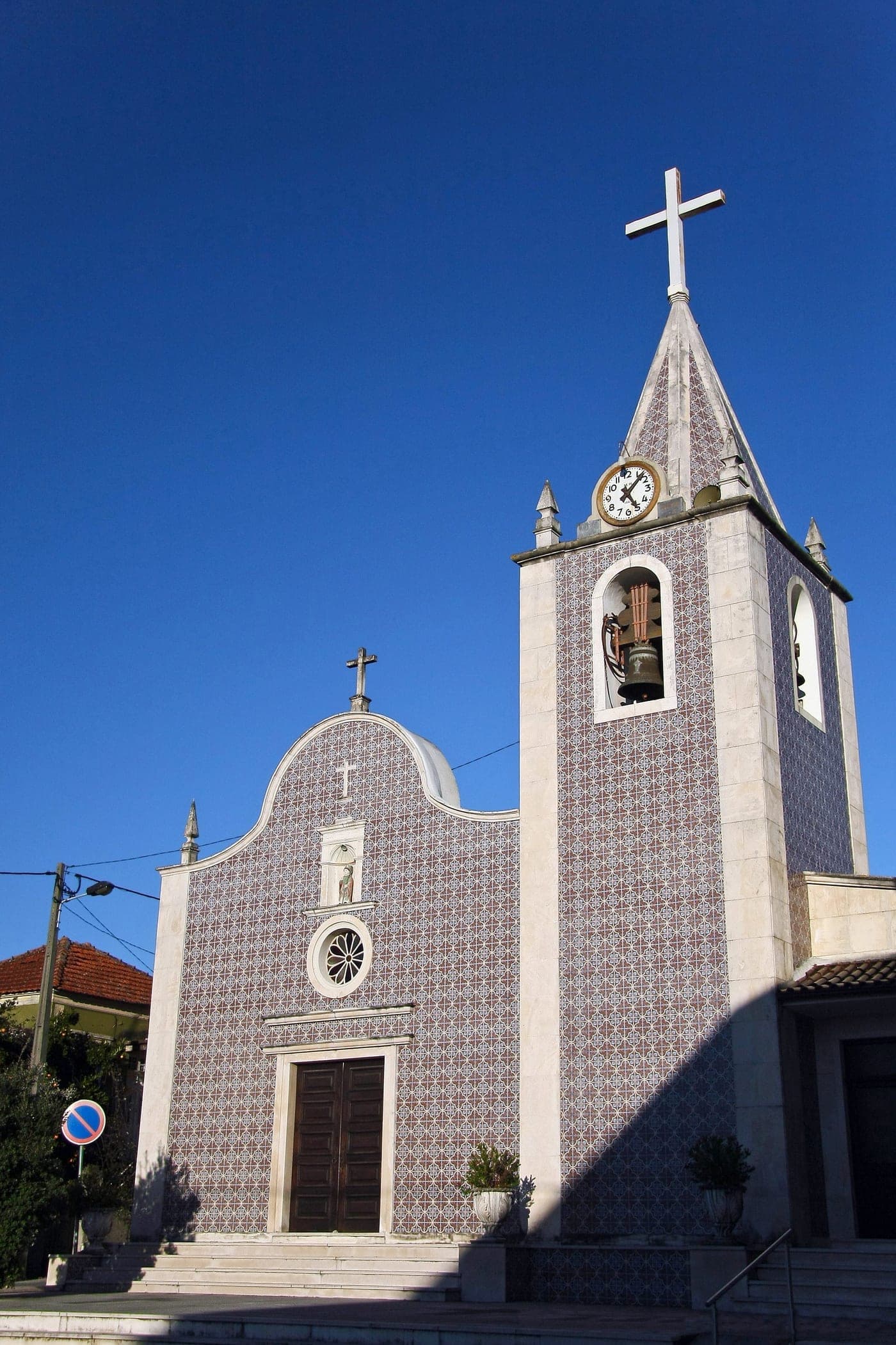
Aguada de Baixo
Wine Tasting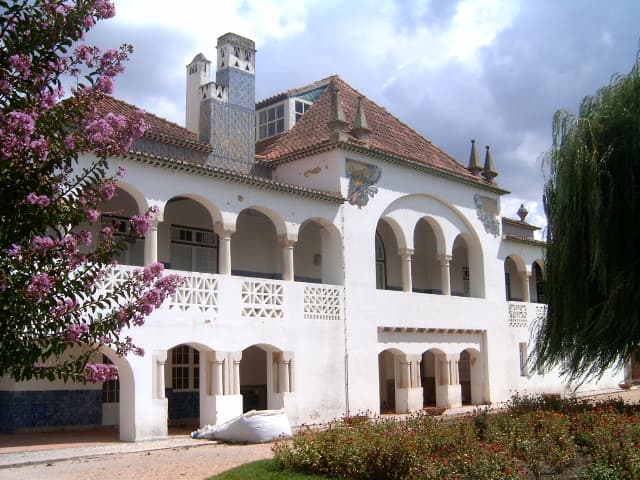
Alpiarça
Wine Tasting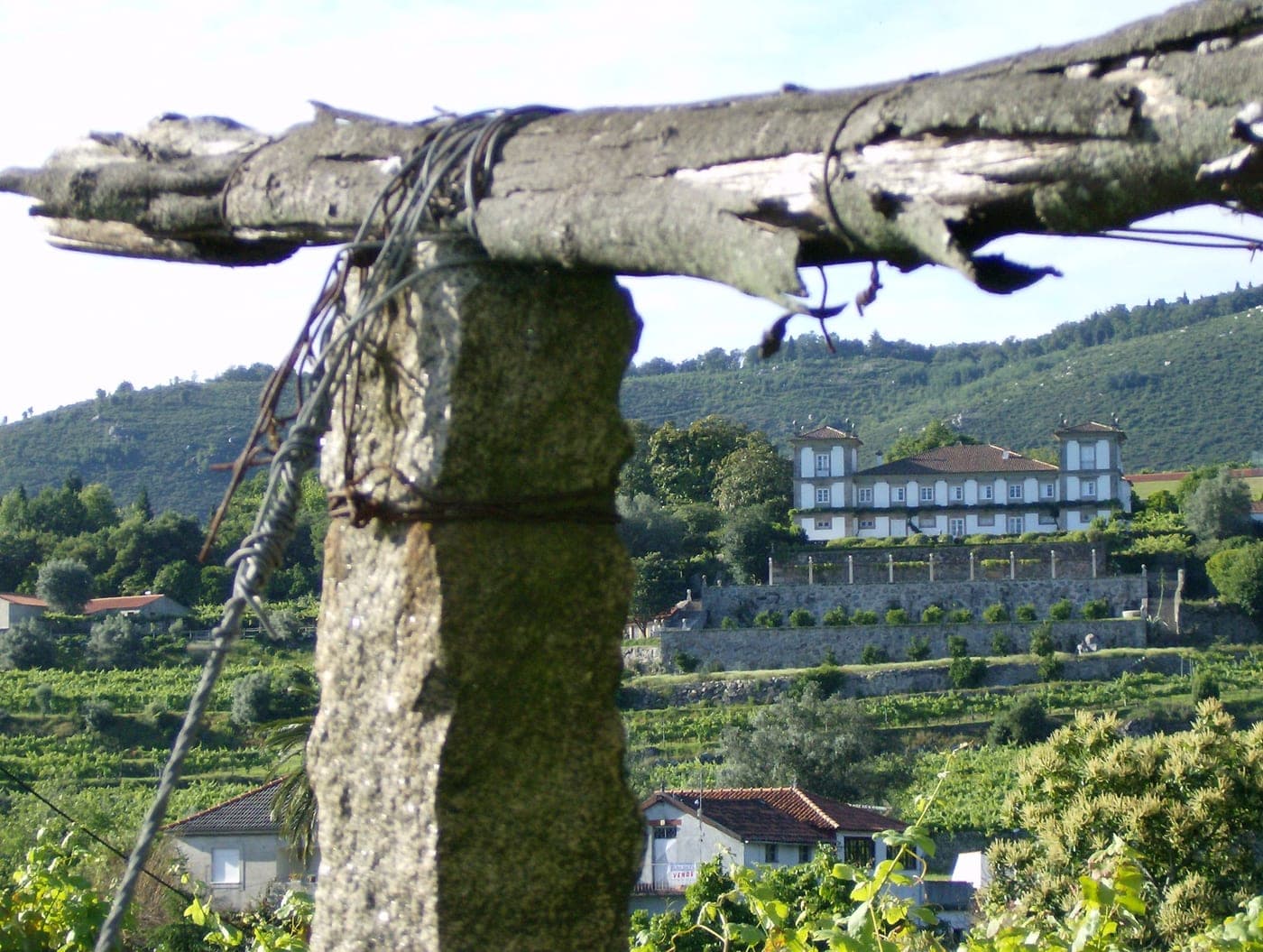
Calheiros
Wine Tasting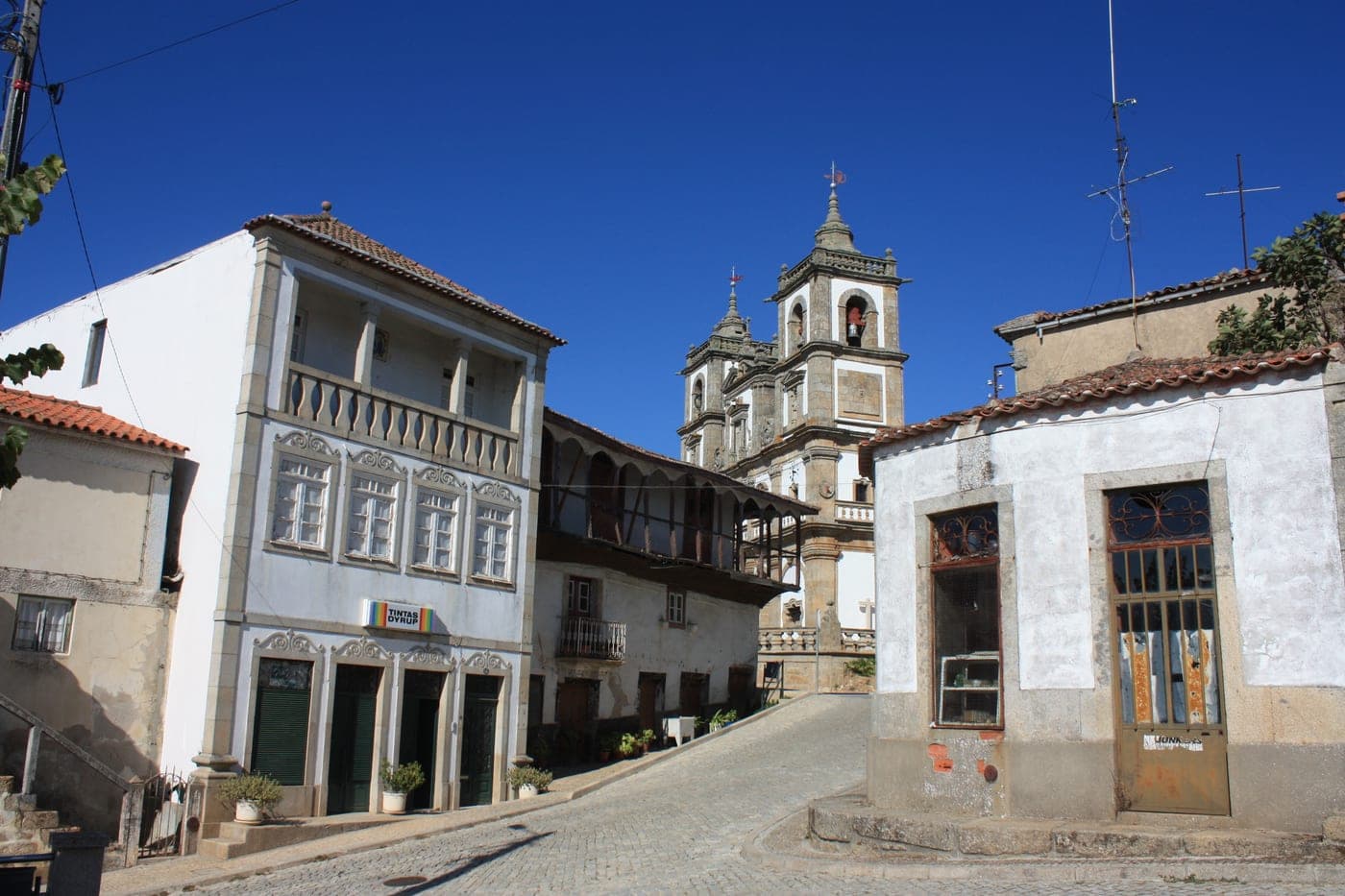
Carrazedo
Wine Tasting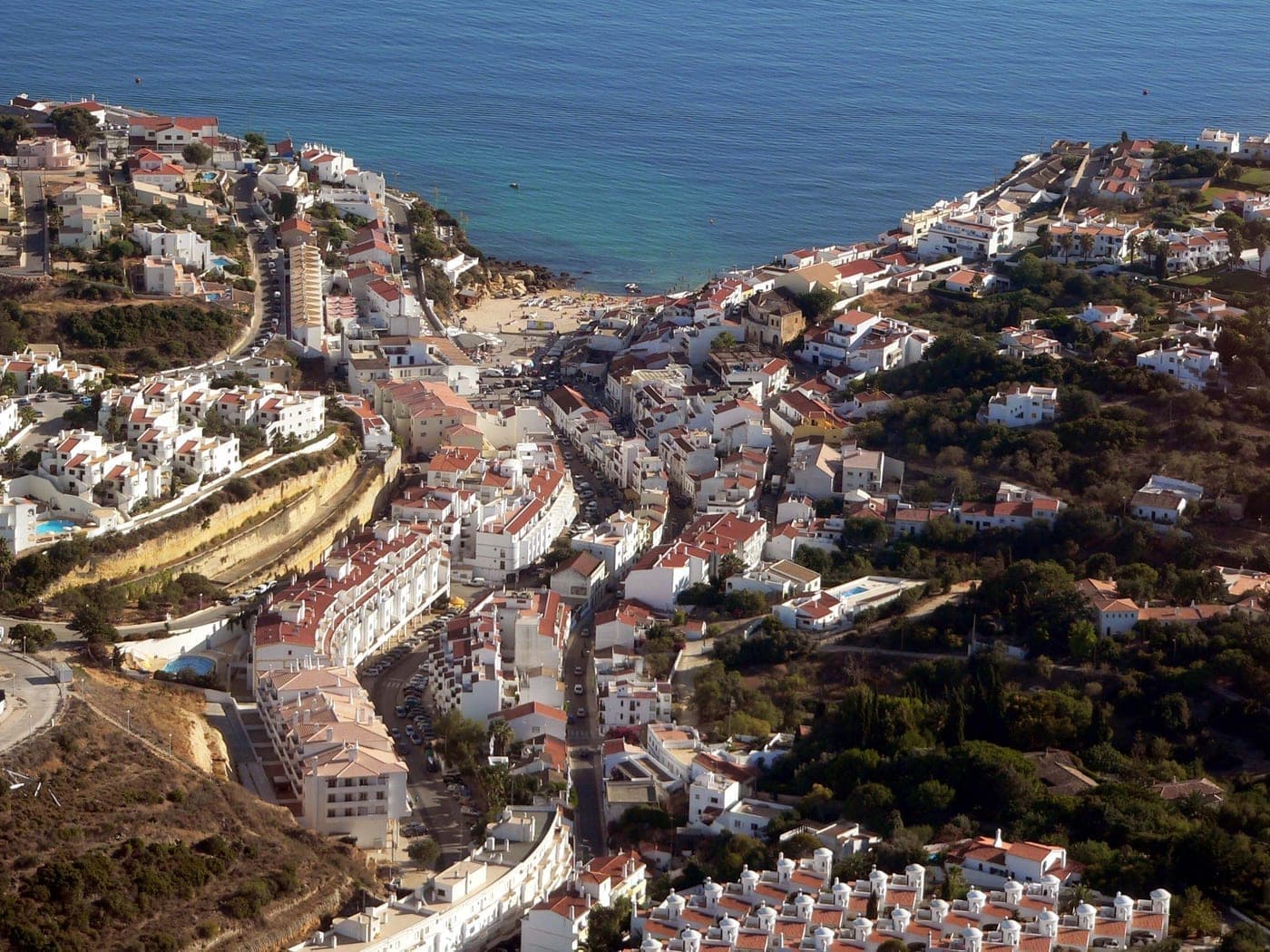
Carvoeiro
Wine Tasting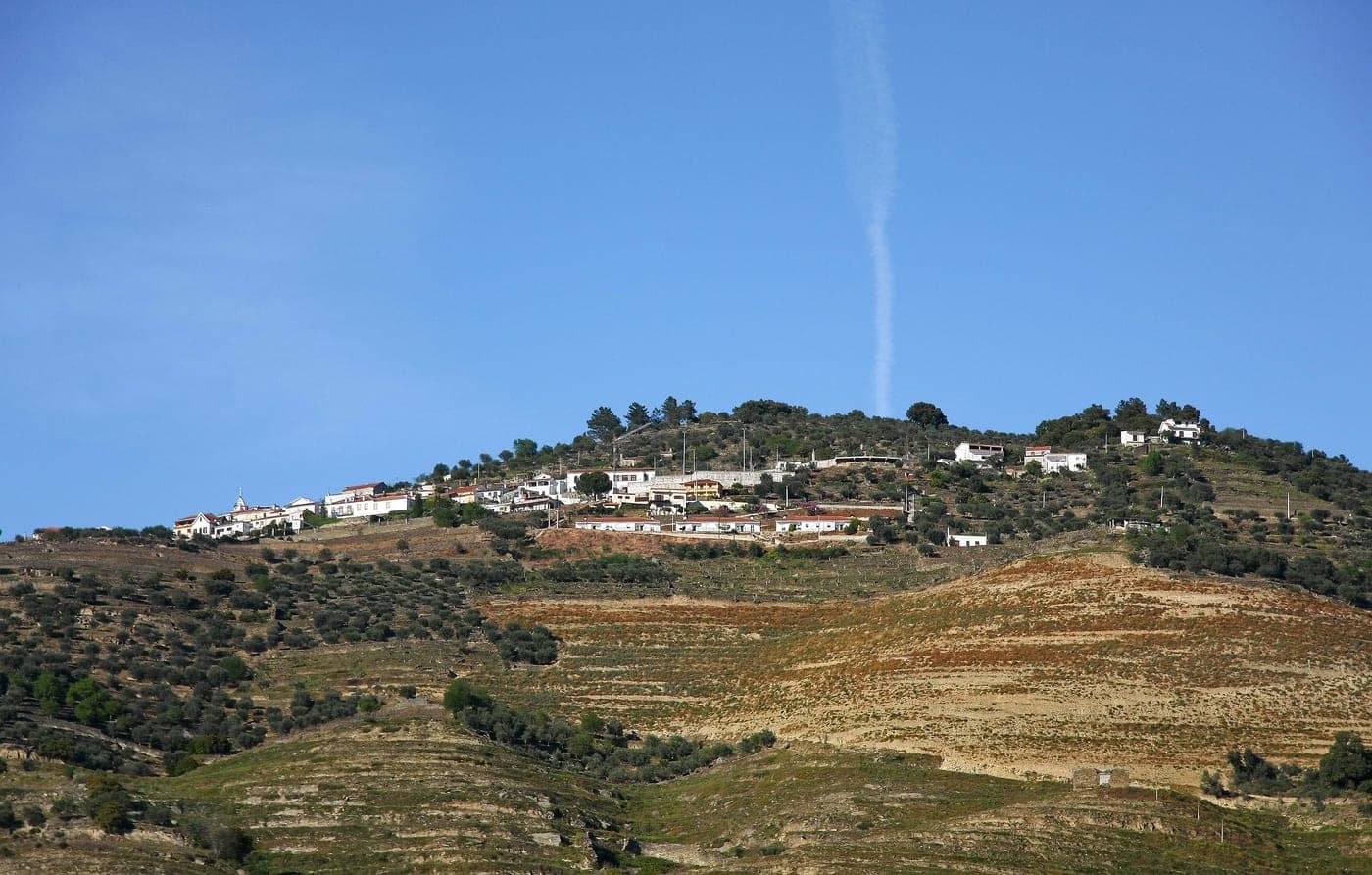
Casal de Loivos
Wine Tasting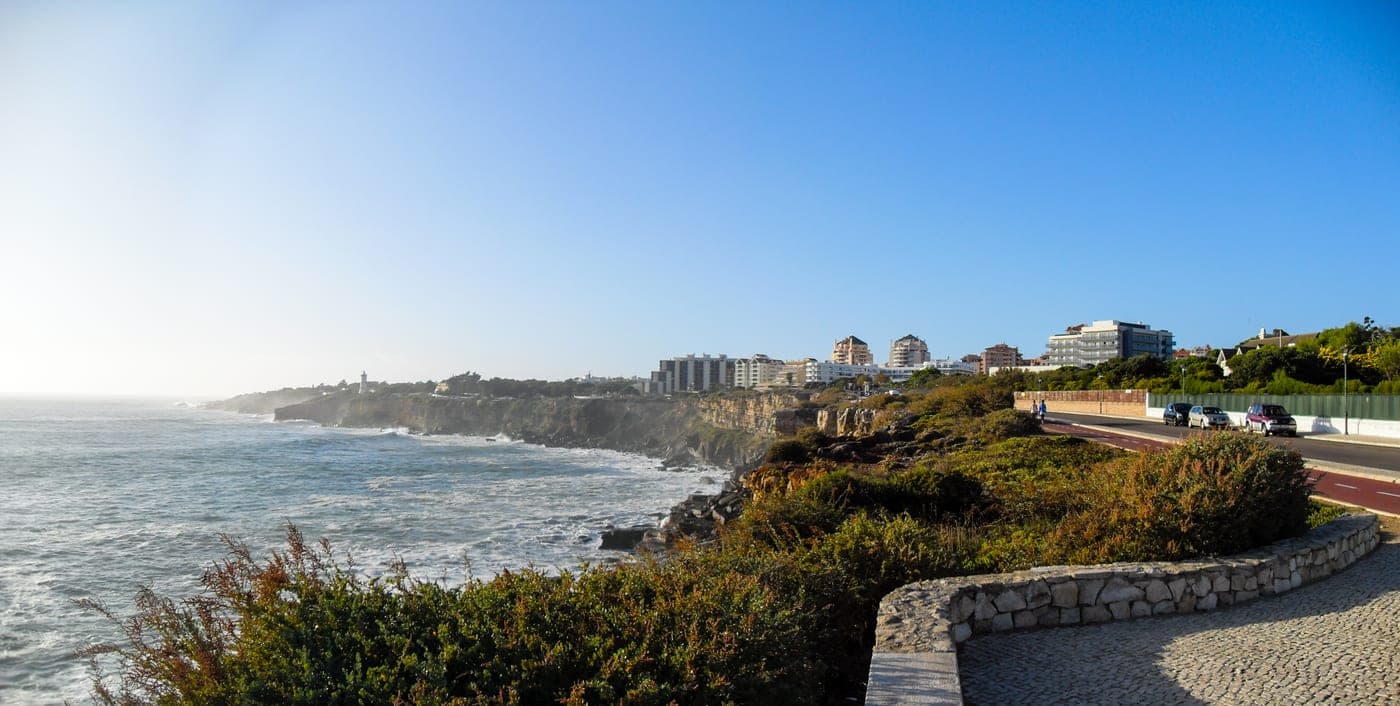
Cascais
Boat Rentals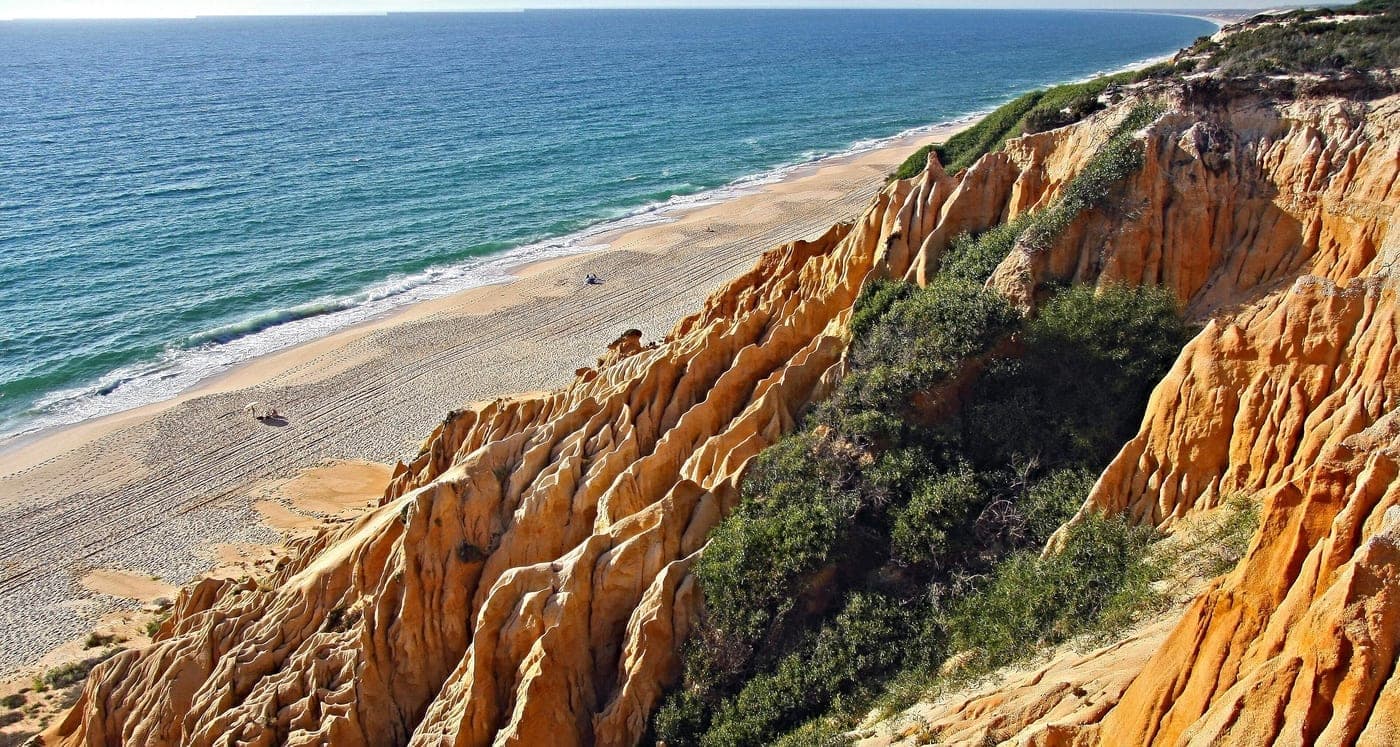
Comporta
Wine Tasting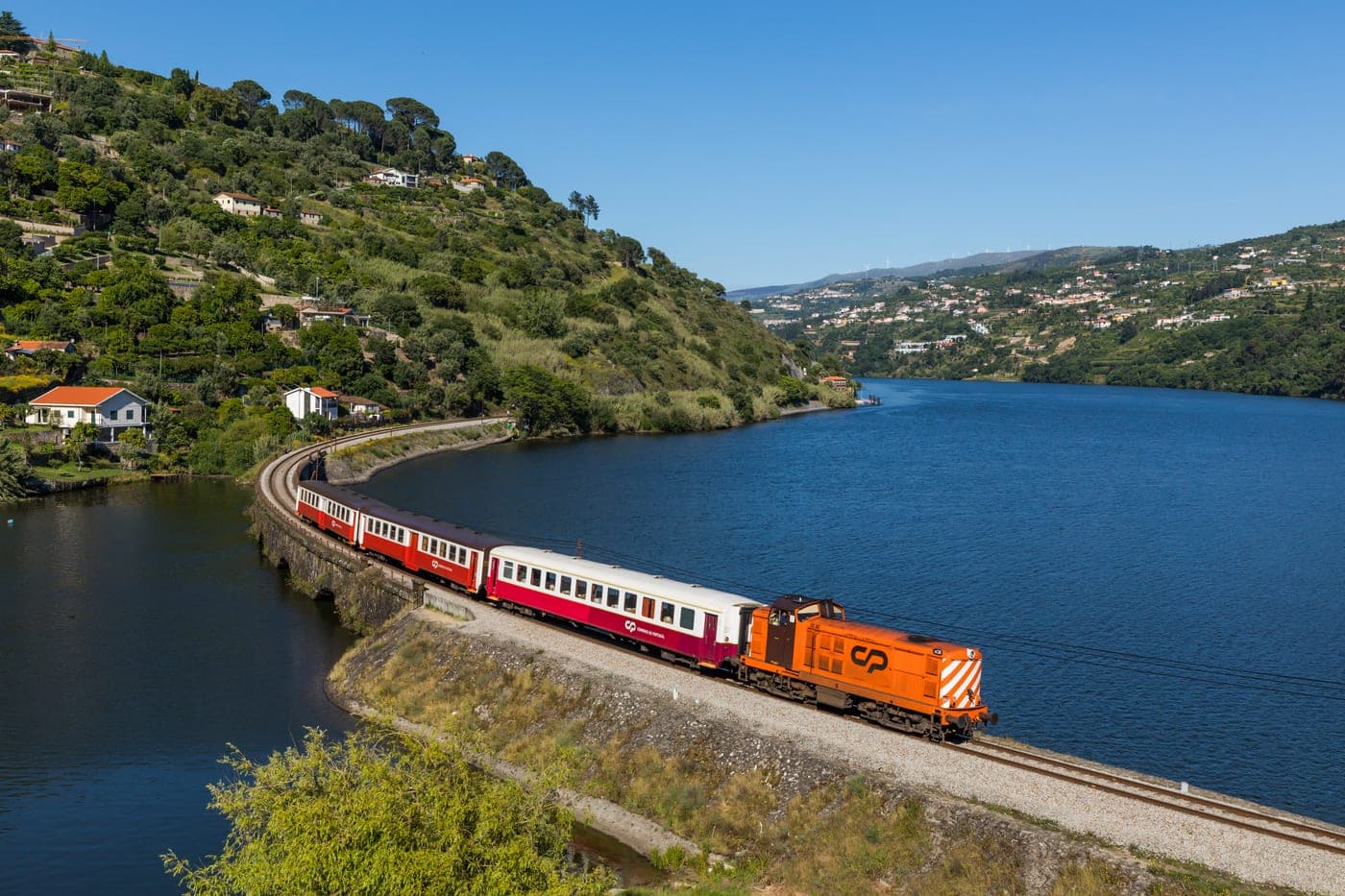
Covas do Douro
Wine Tasting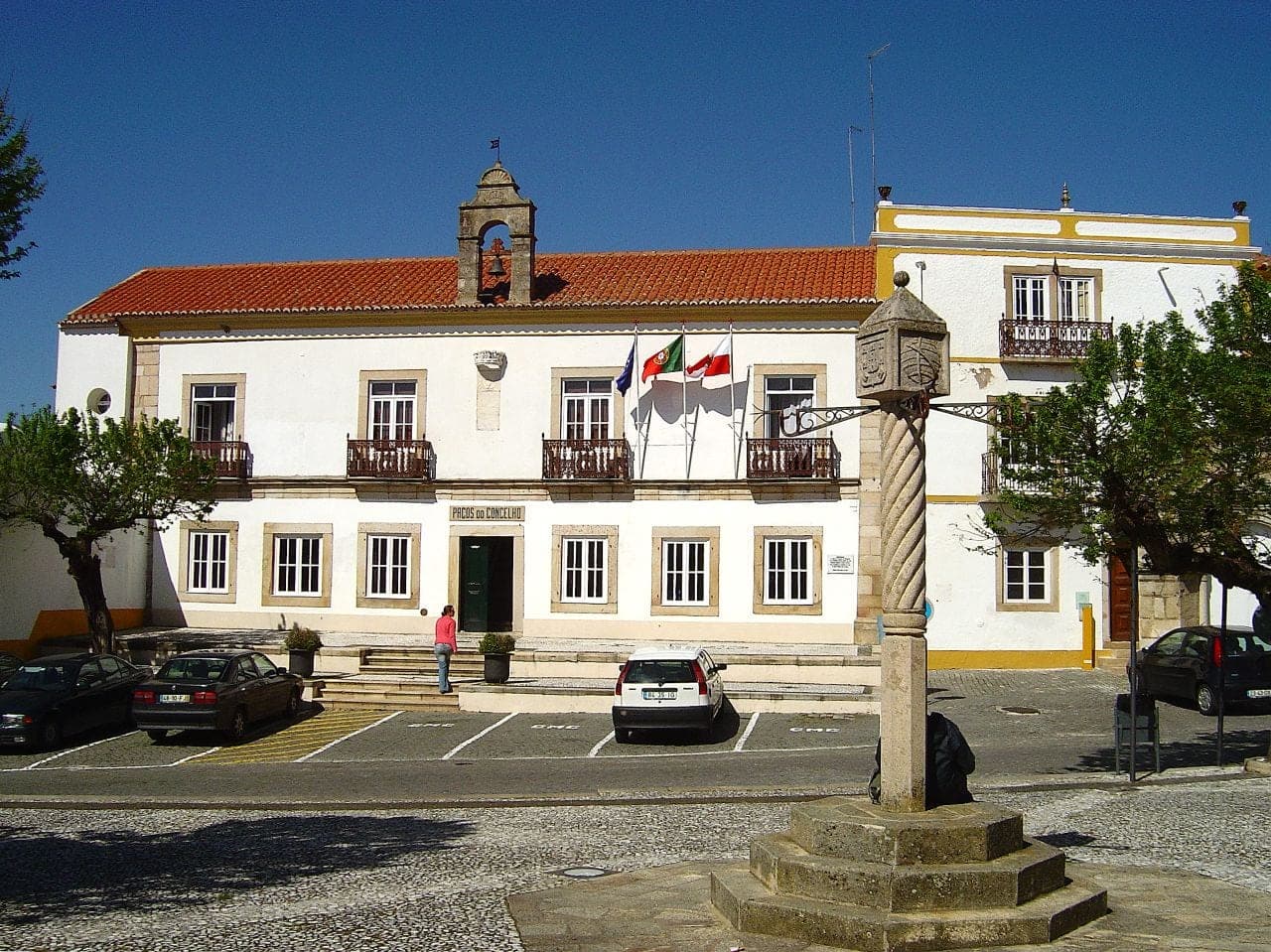
Crato
Wine TastingCumieira
Wine Tasting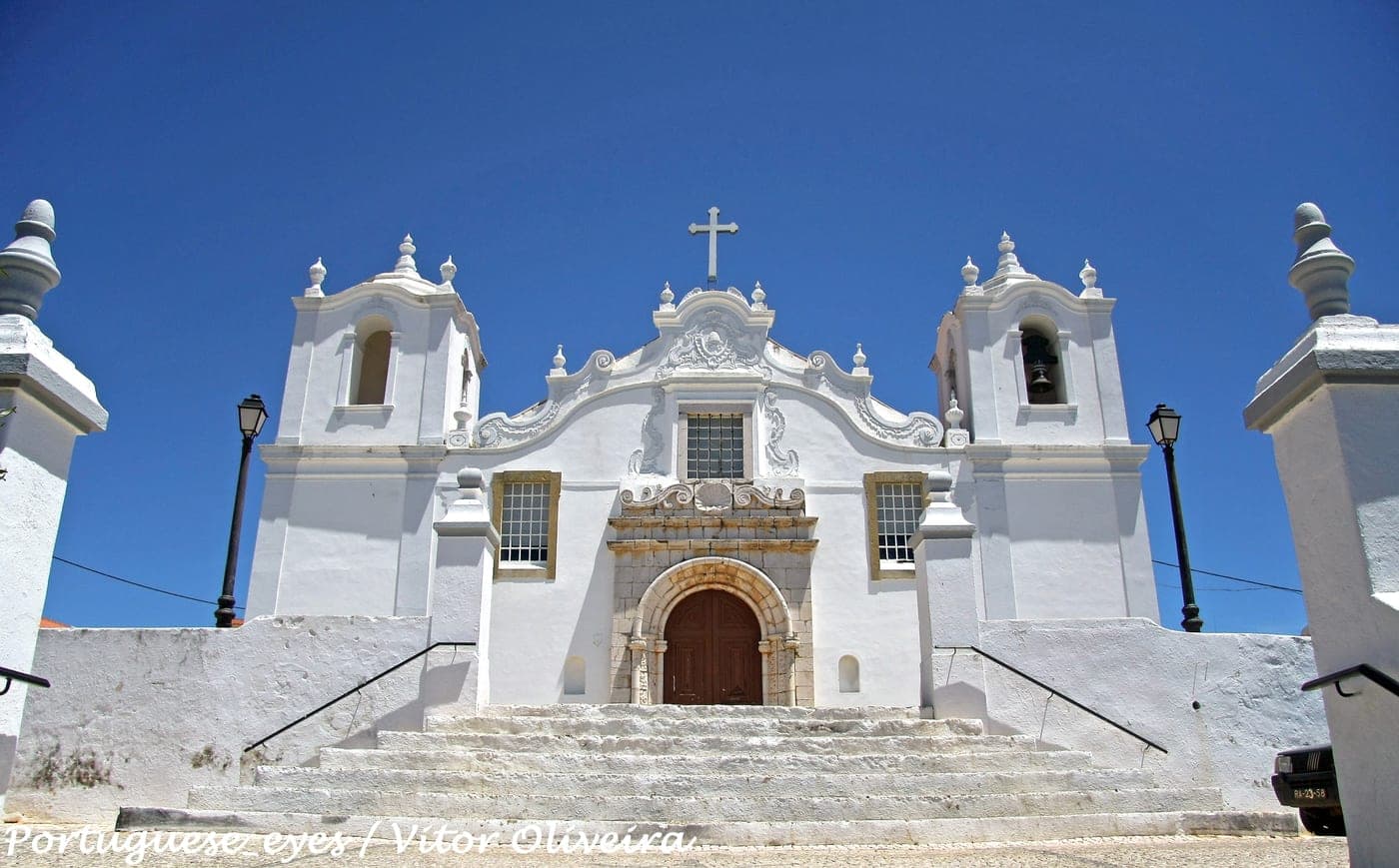
Estômbar
Wine Tasting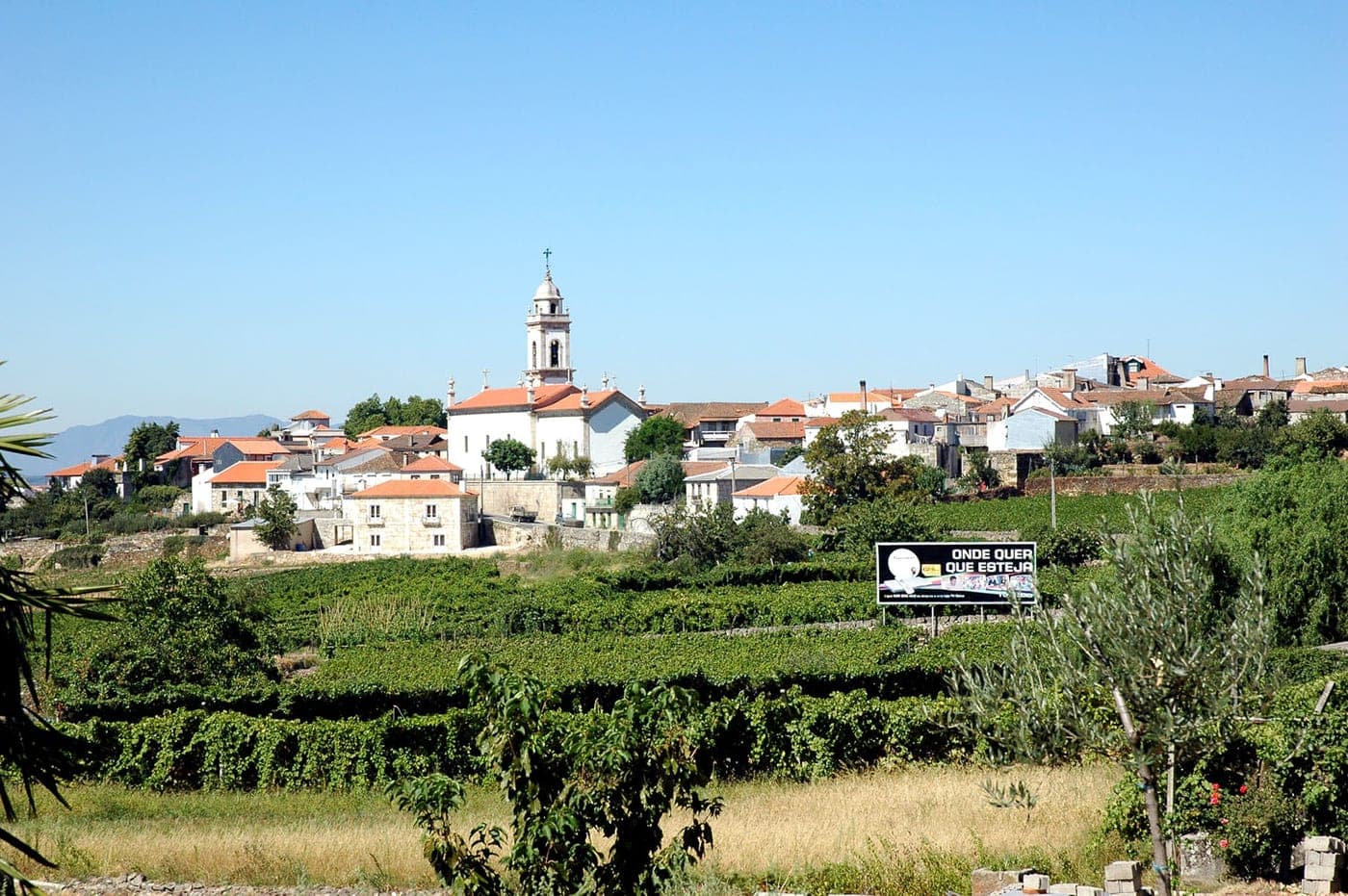
Favaios
Wine Tasting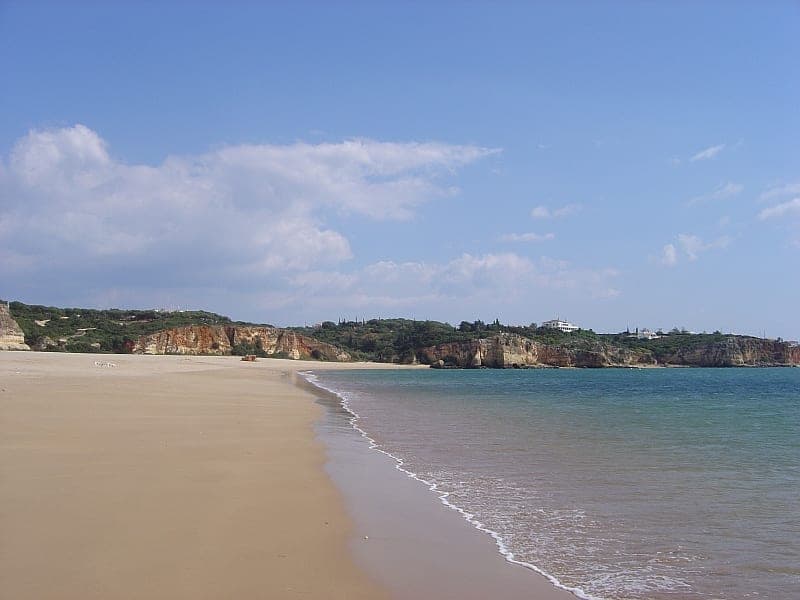
Ferragudo
Boat Rentals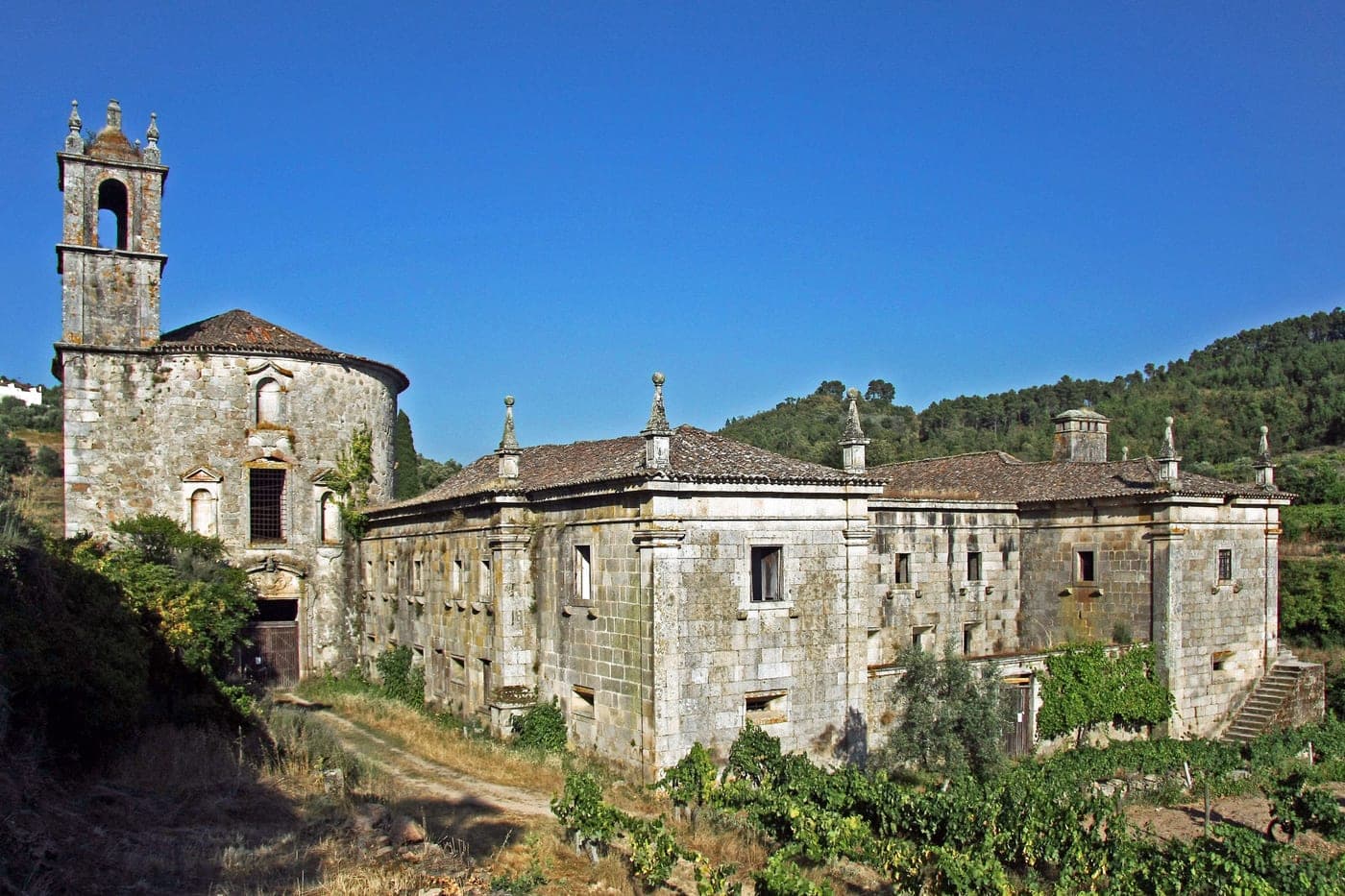
Fornos de Maceira Dão
Wine Tasting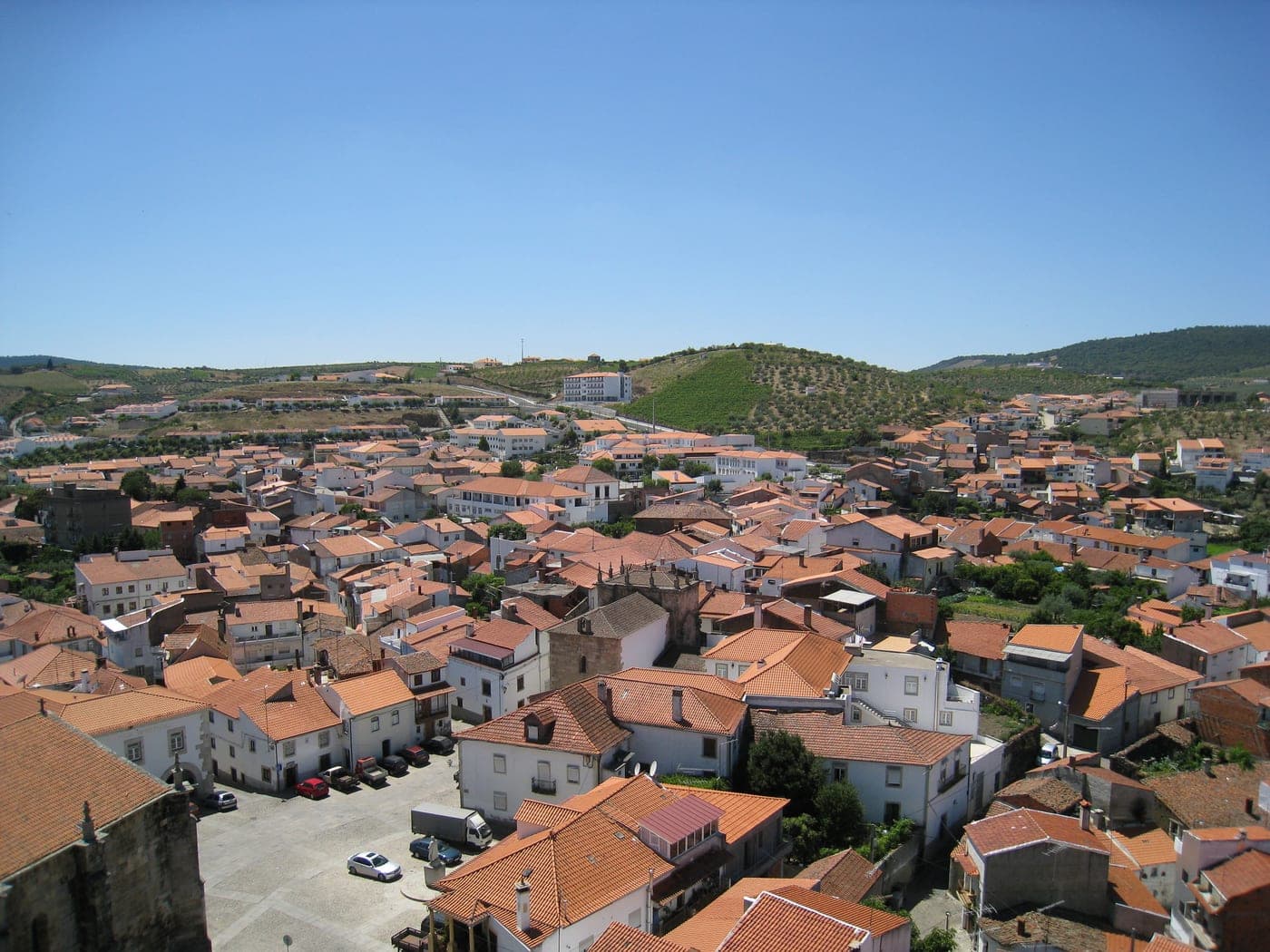
Freixo
Boat Rentals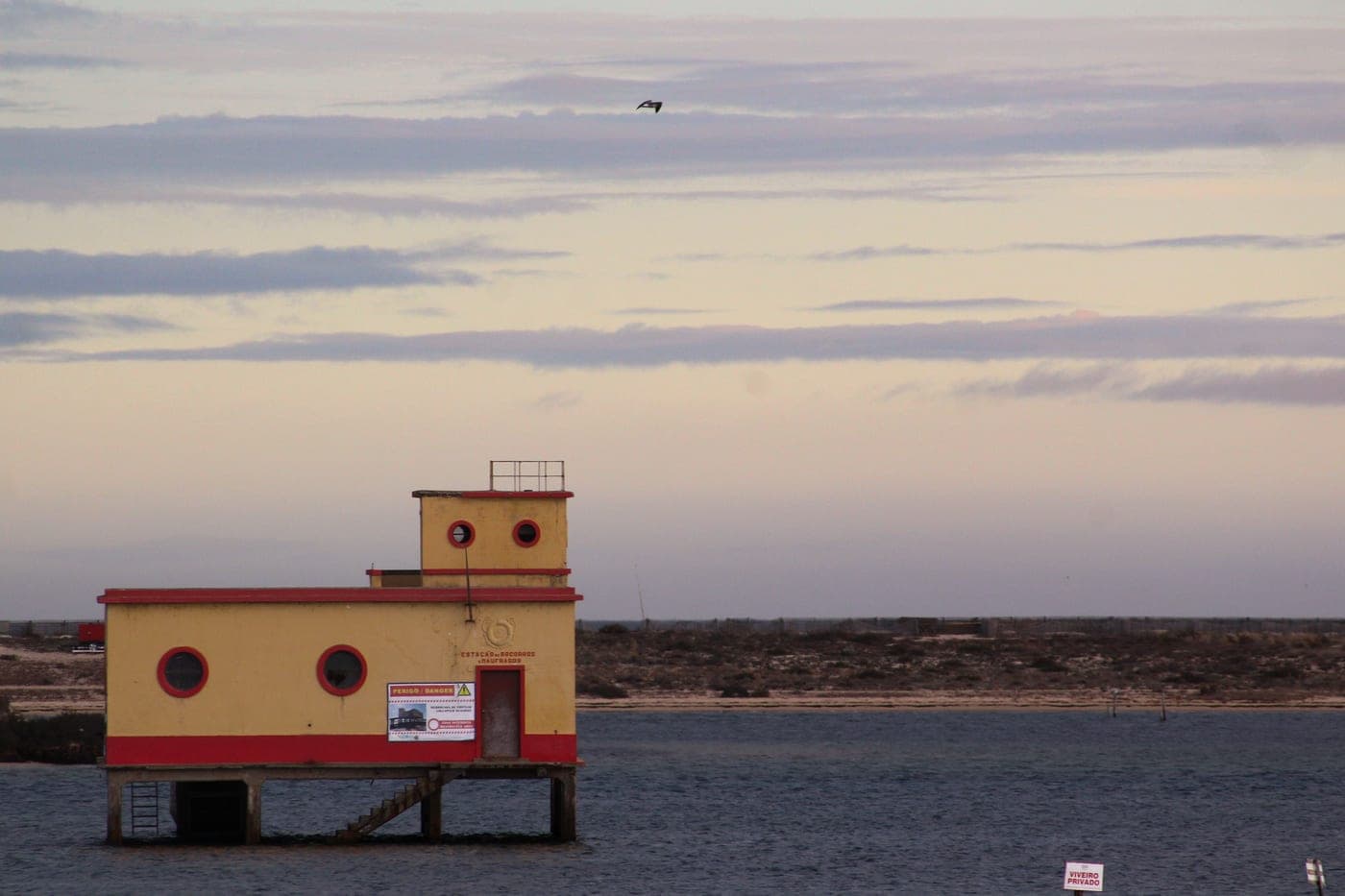
Fuseta
Boat Rentals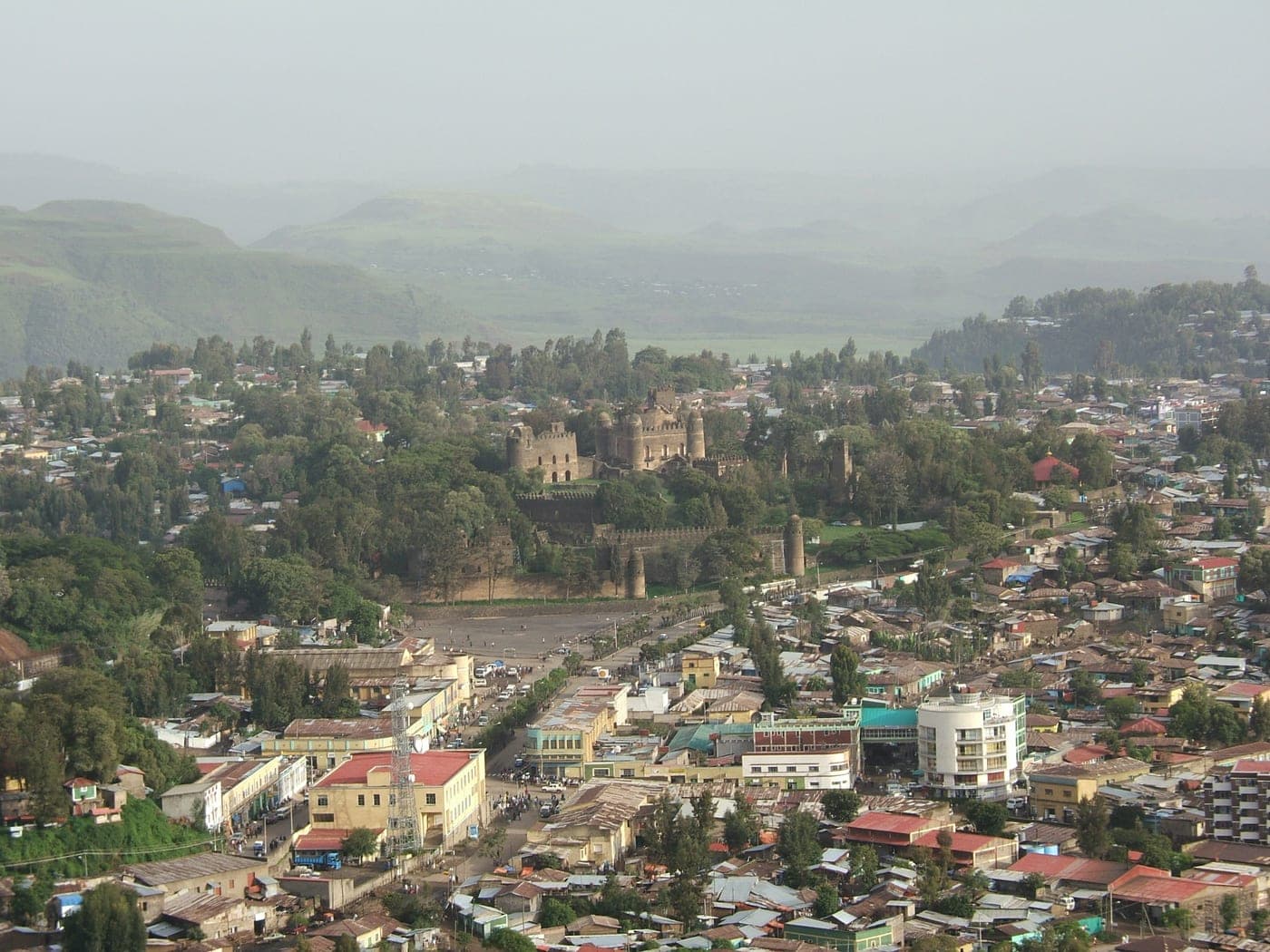
Gondar
Wine Tasting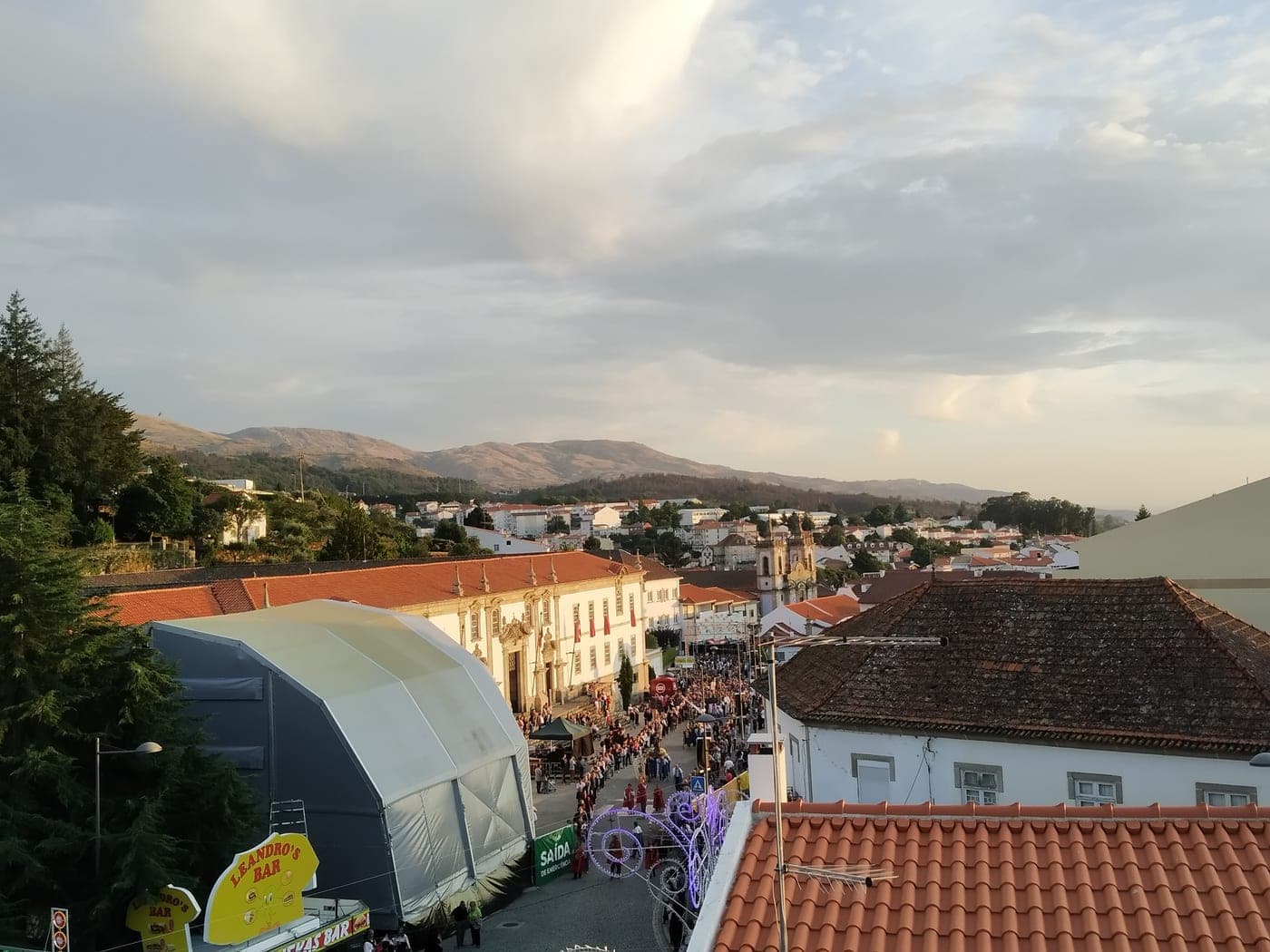
Gouveia
Wine Tasting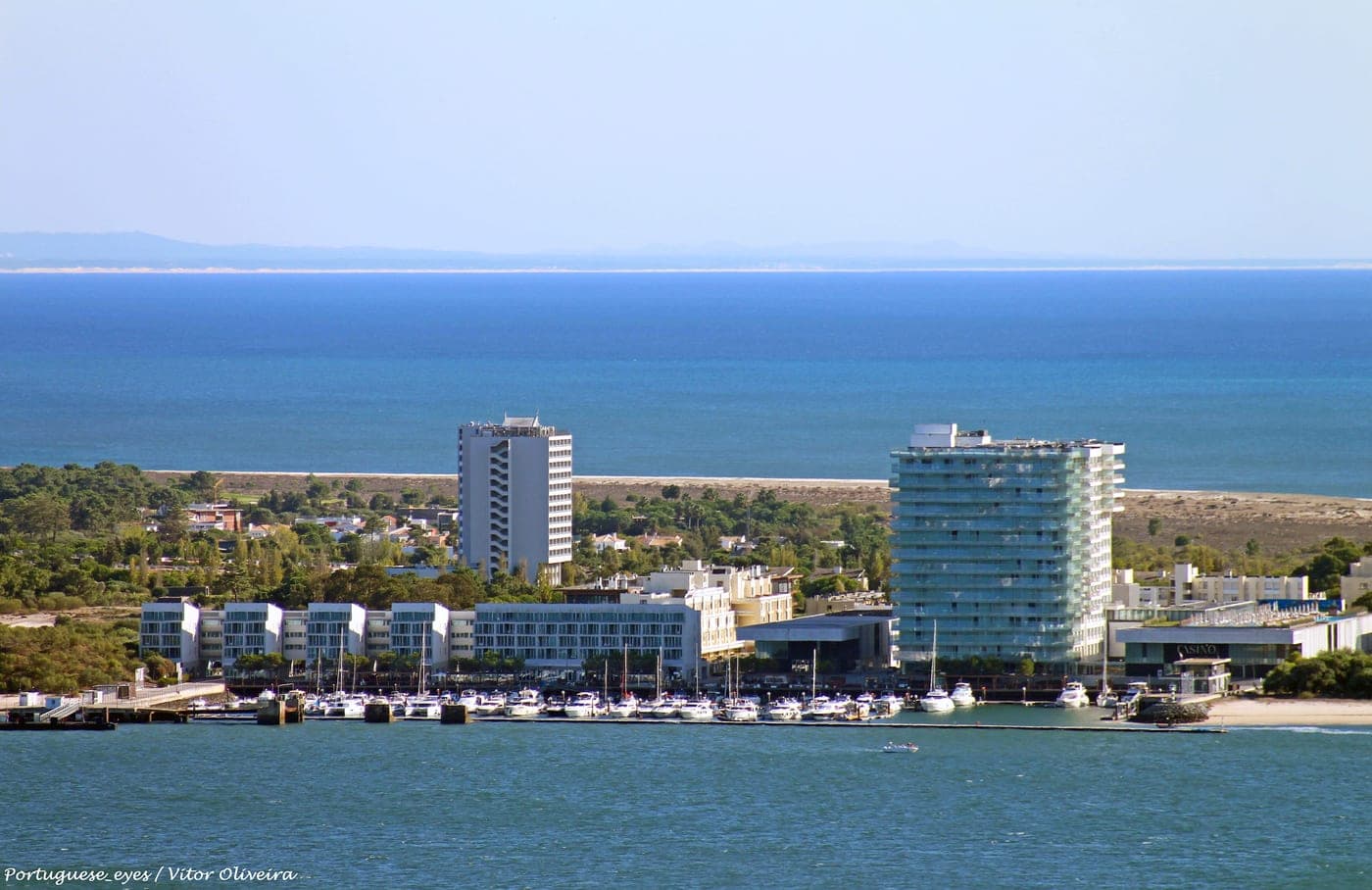
Grândola
Wine Tasting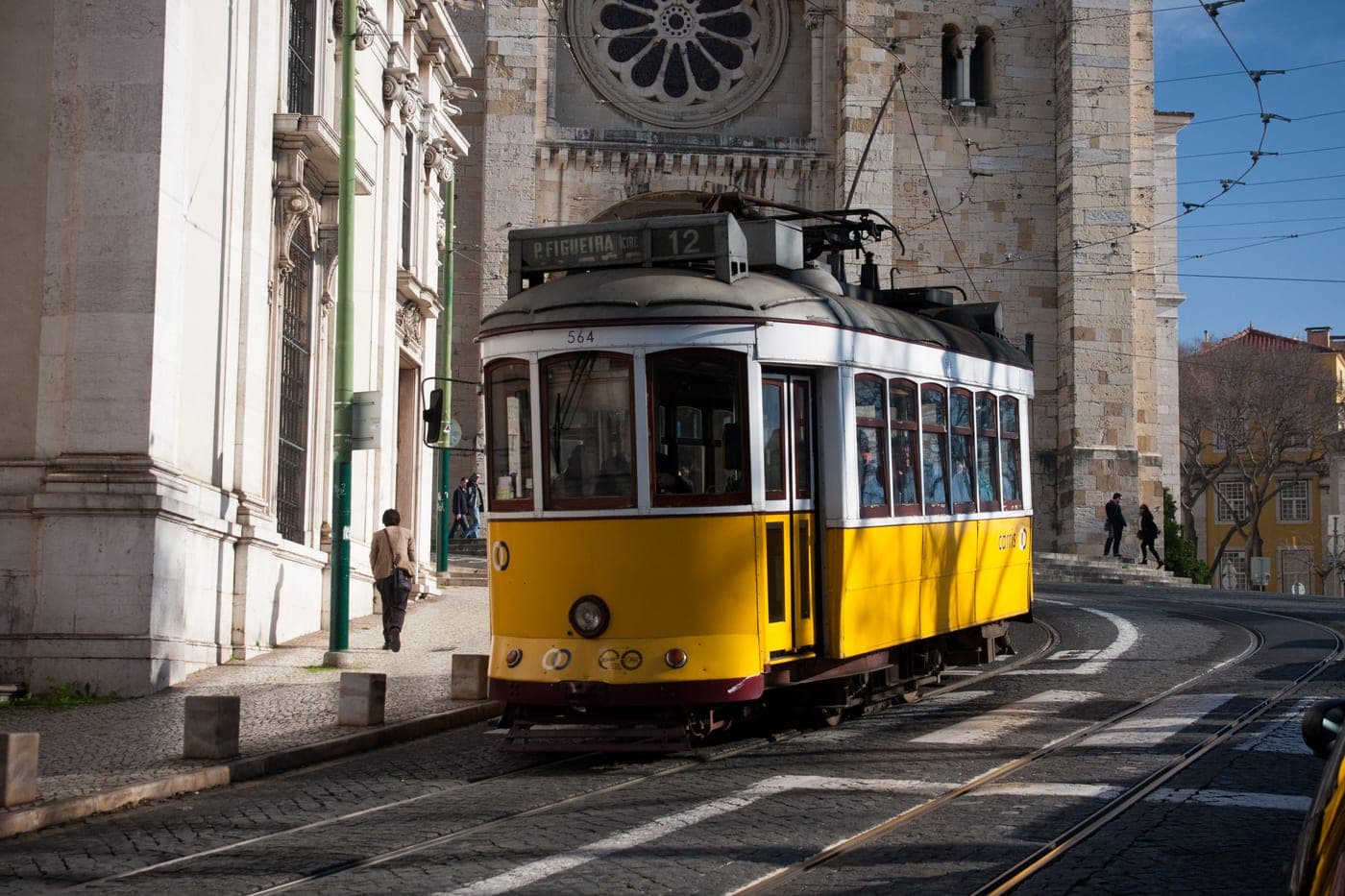
Lisbon
Camper Van Rentals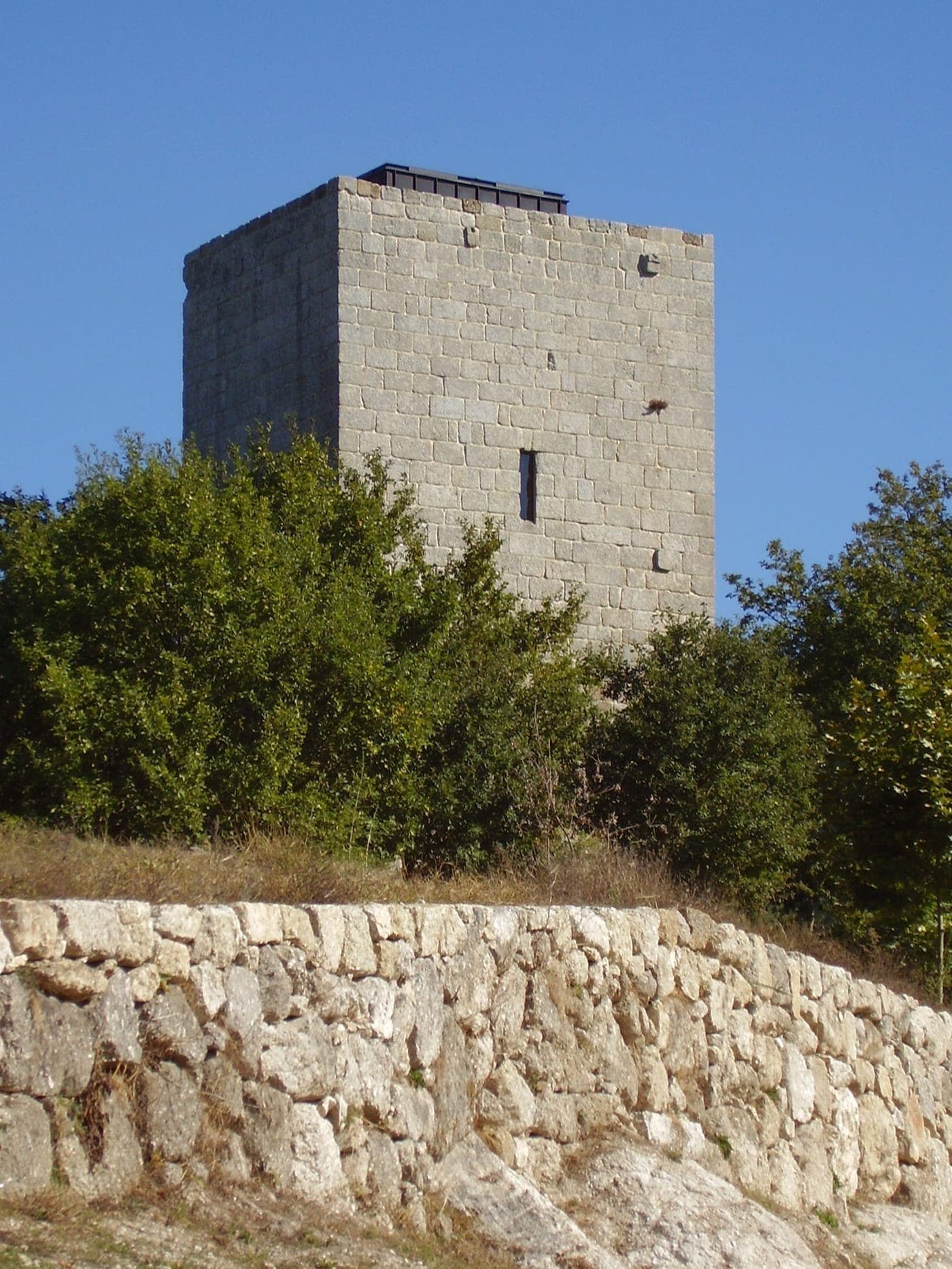
Lousada
Wine Tasting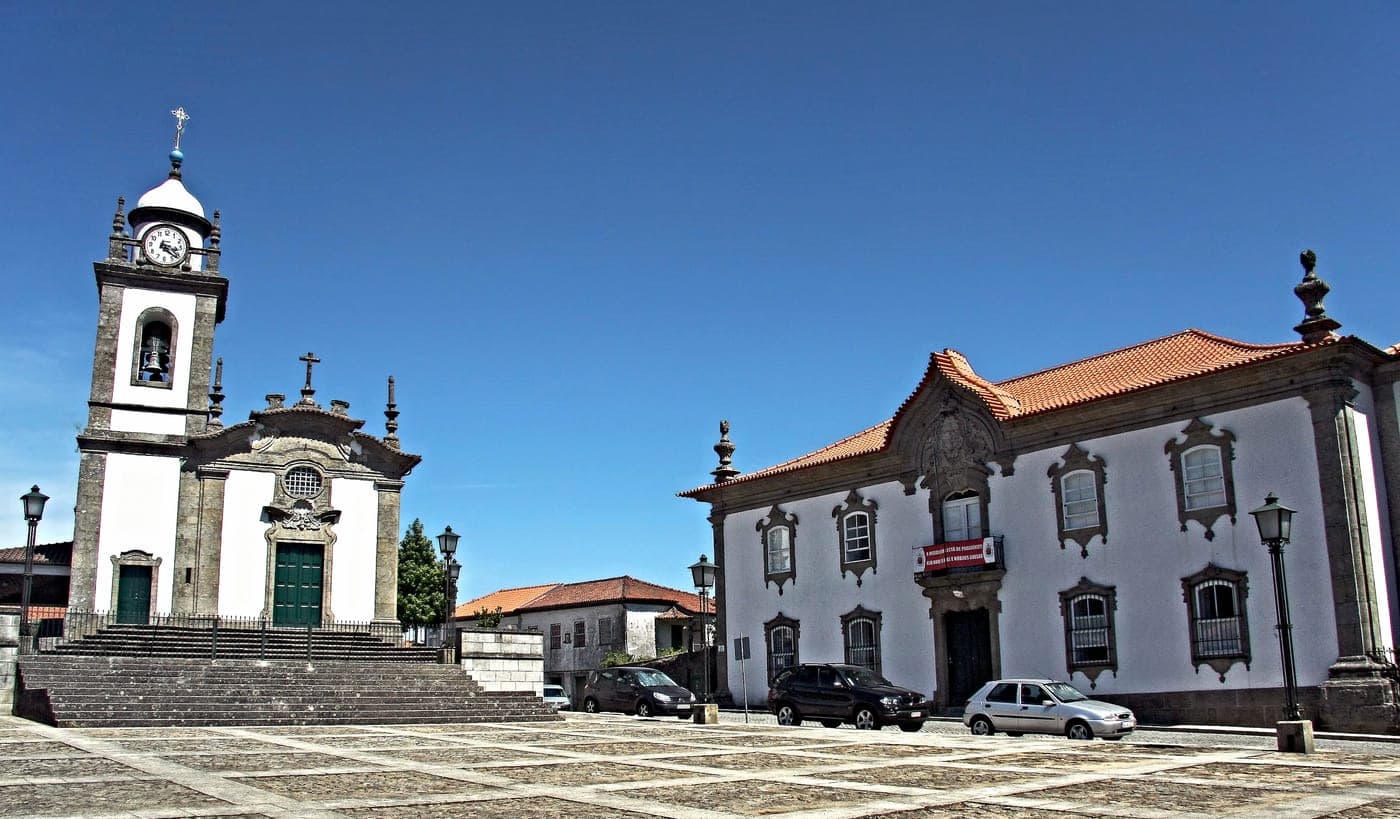
Mesão Frio
Wine Tasting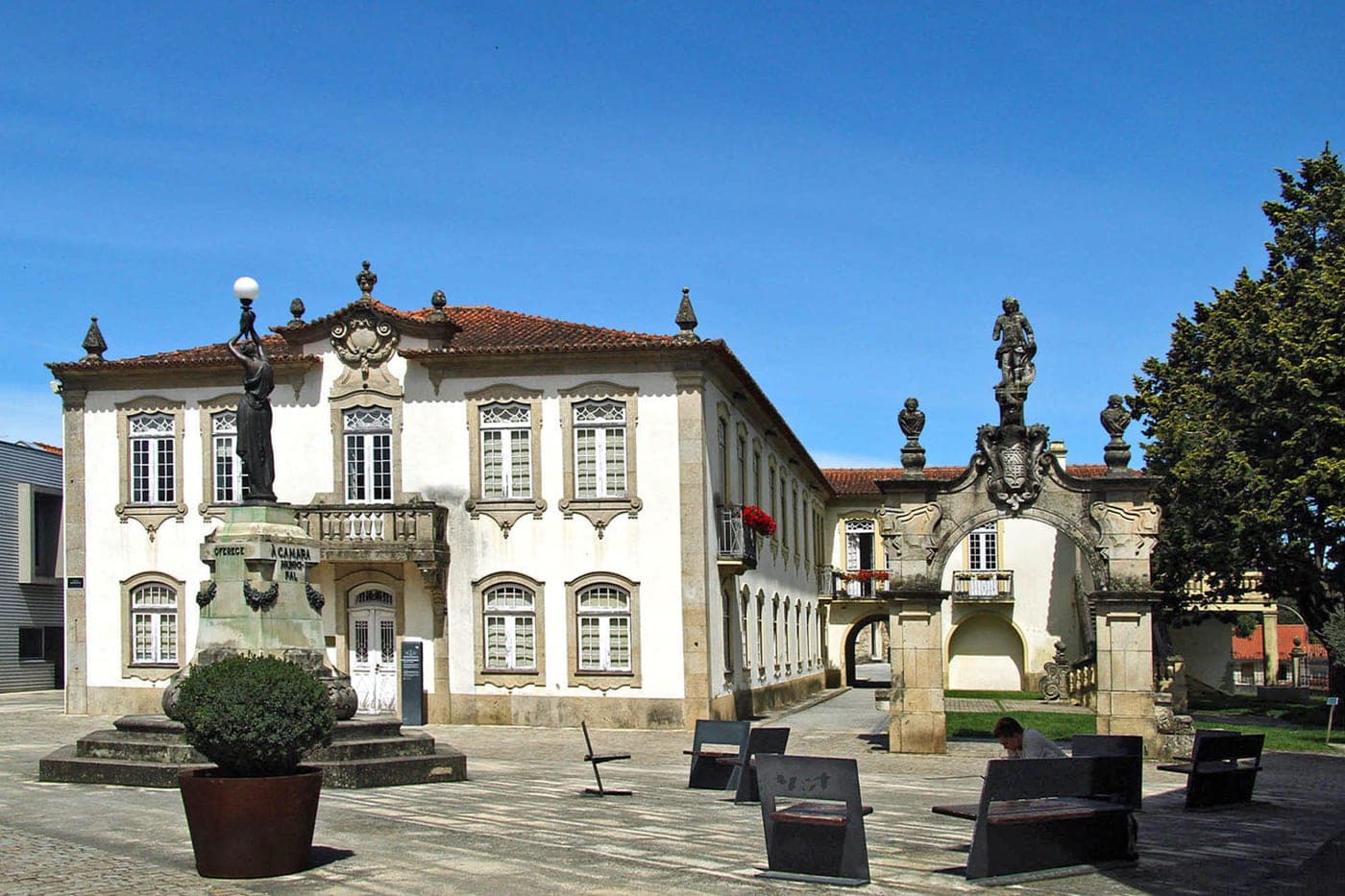
Mondim de Basto
Wine Tasting
Montargil
Wine Tasting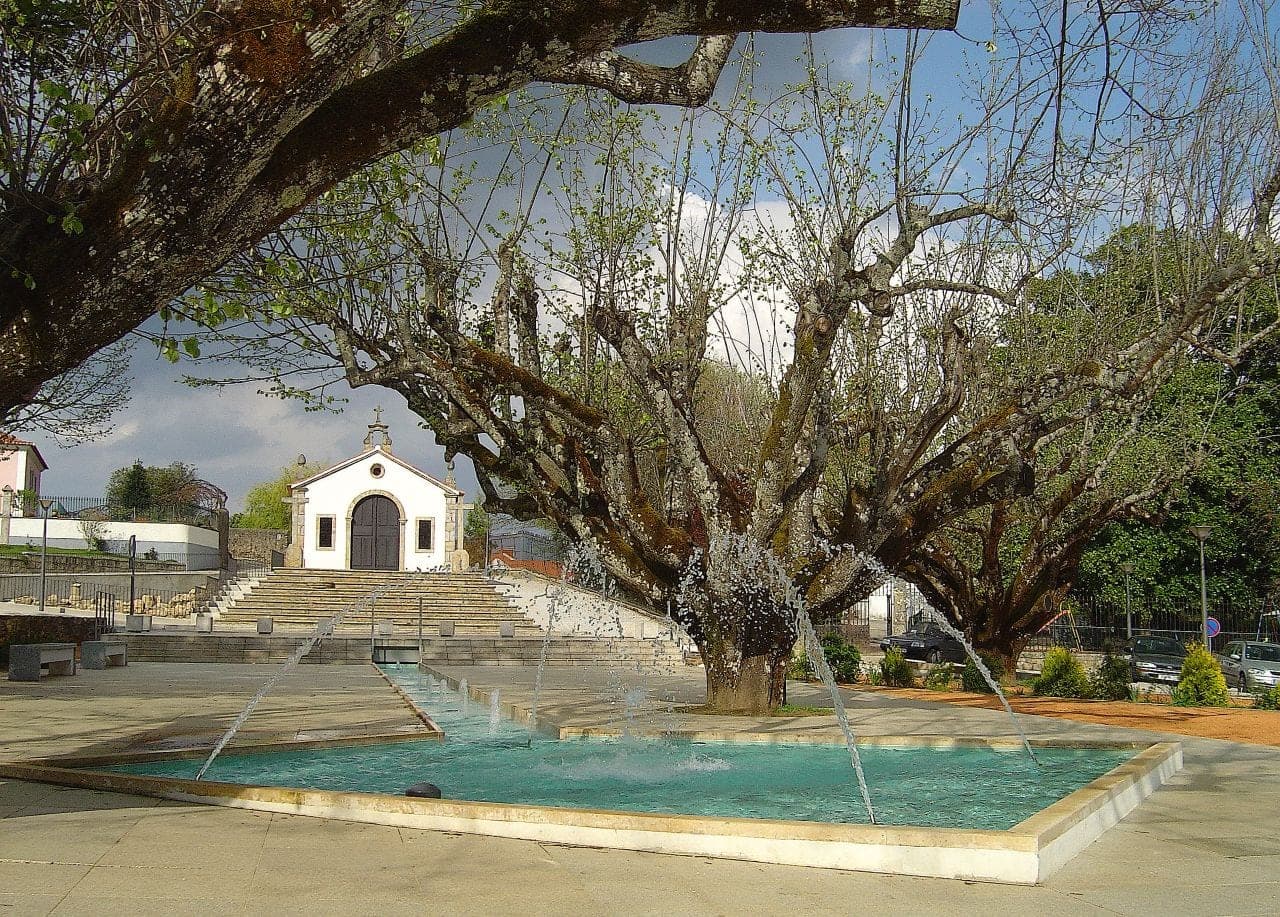
Pedrógão
Wine Tasting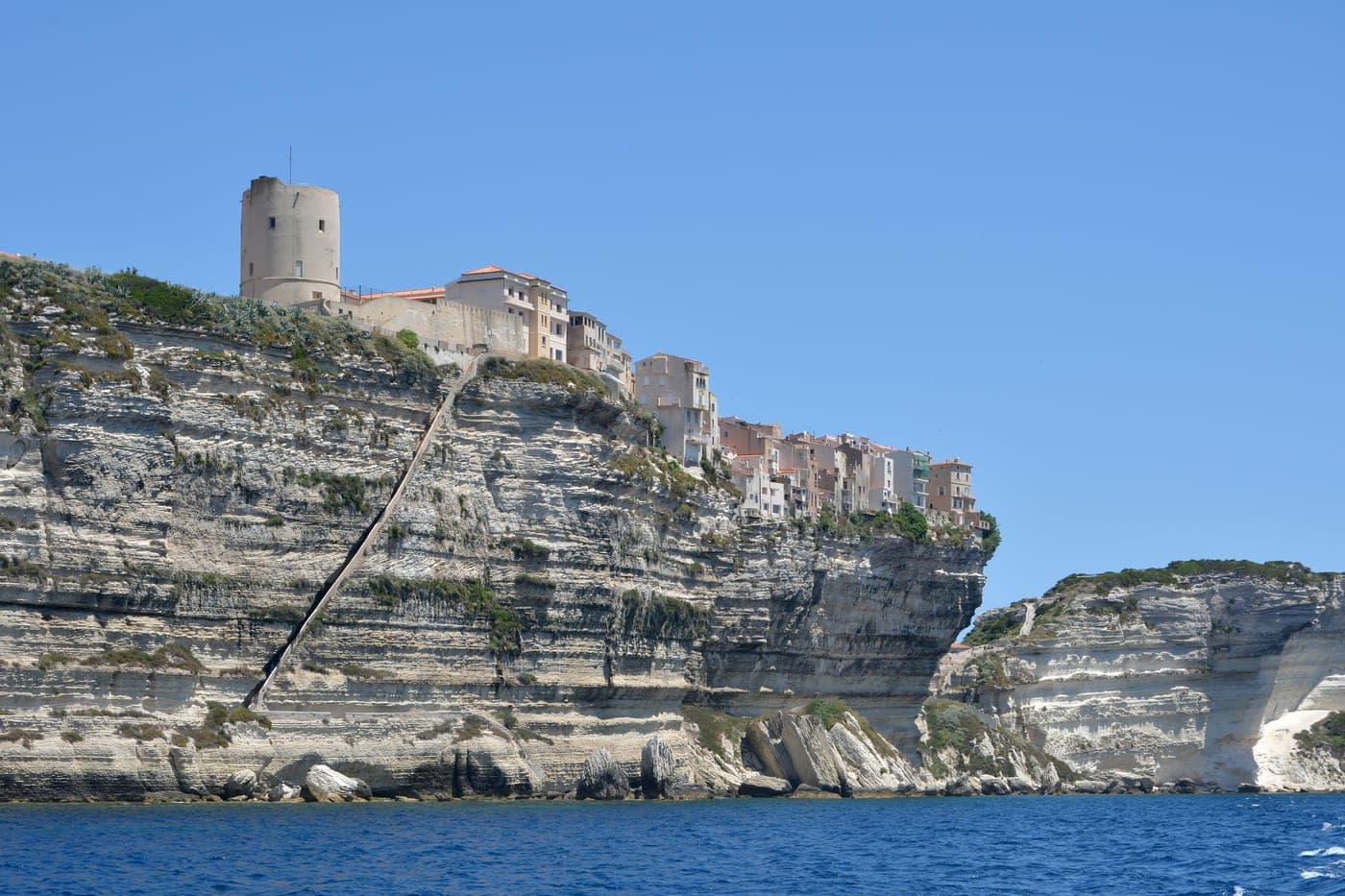
Pinhão
Wine Tasting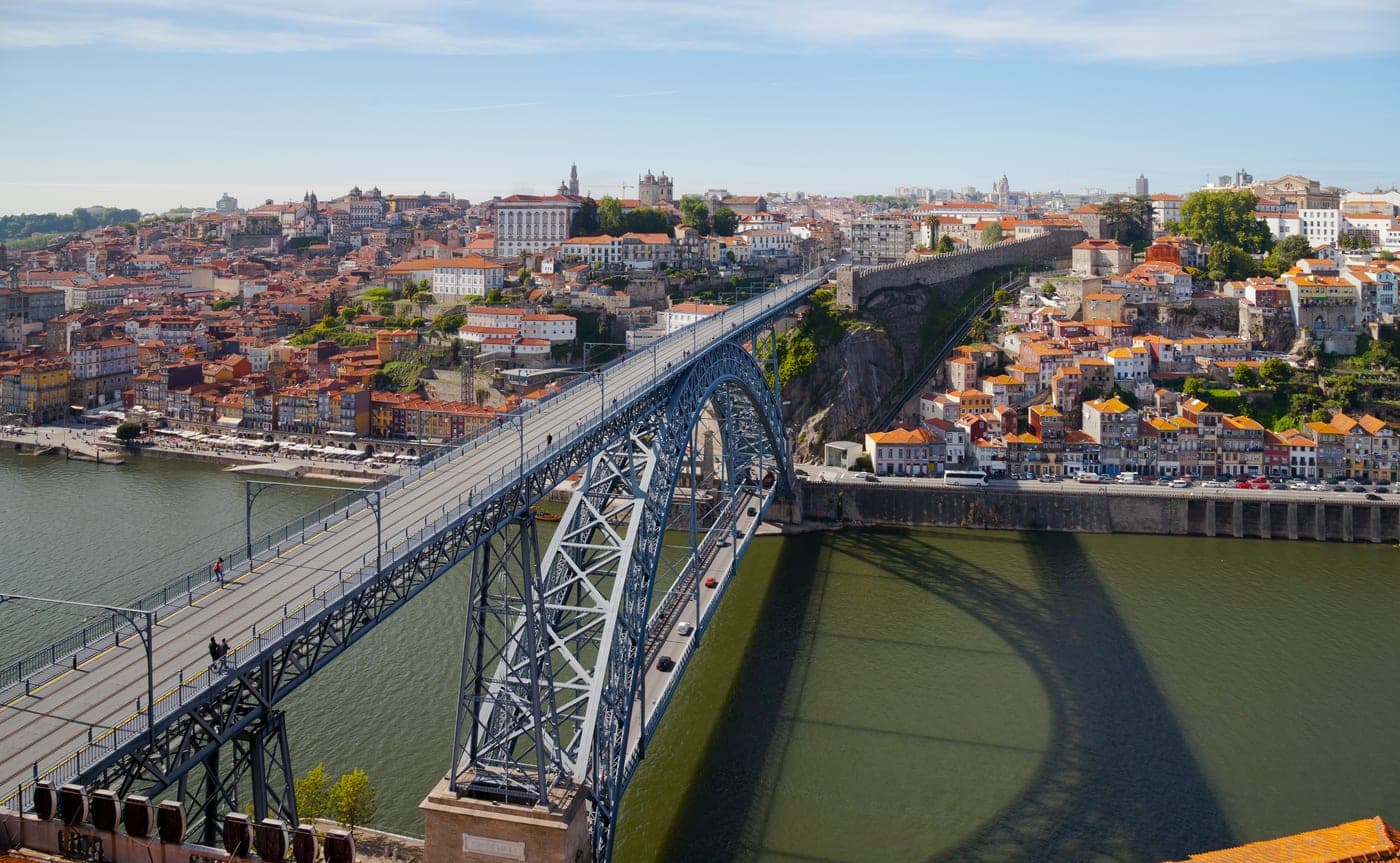
Porto
Boat Rentals
Sardoal
Wine TastingSesimbra
Boat Rentals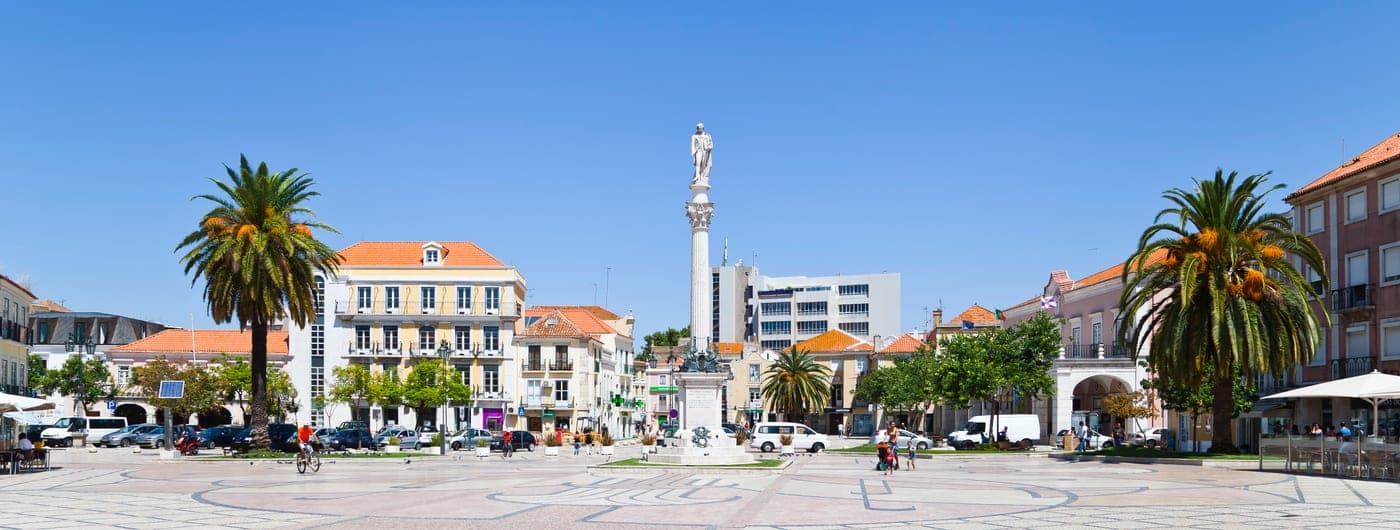
Setúbal
Boat RentalsSobralinho
Wine Tasting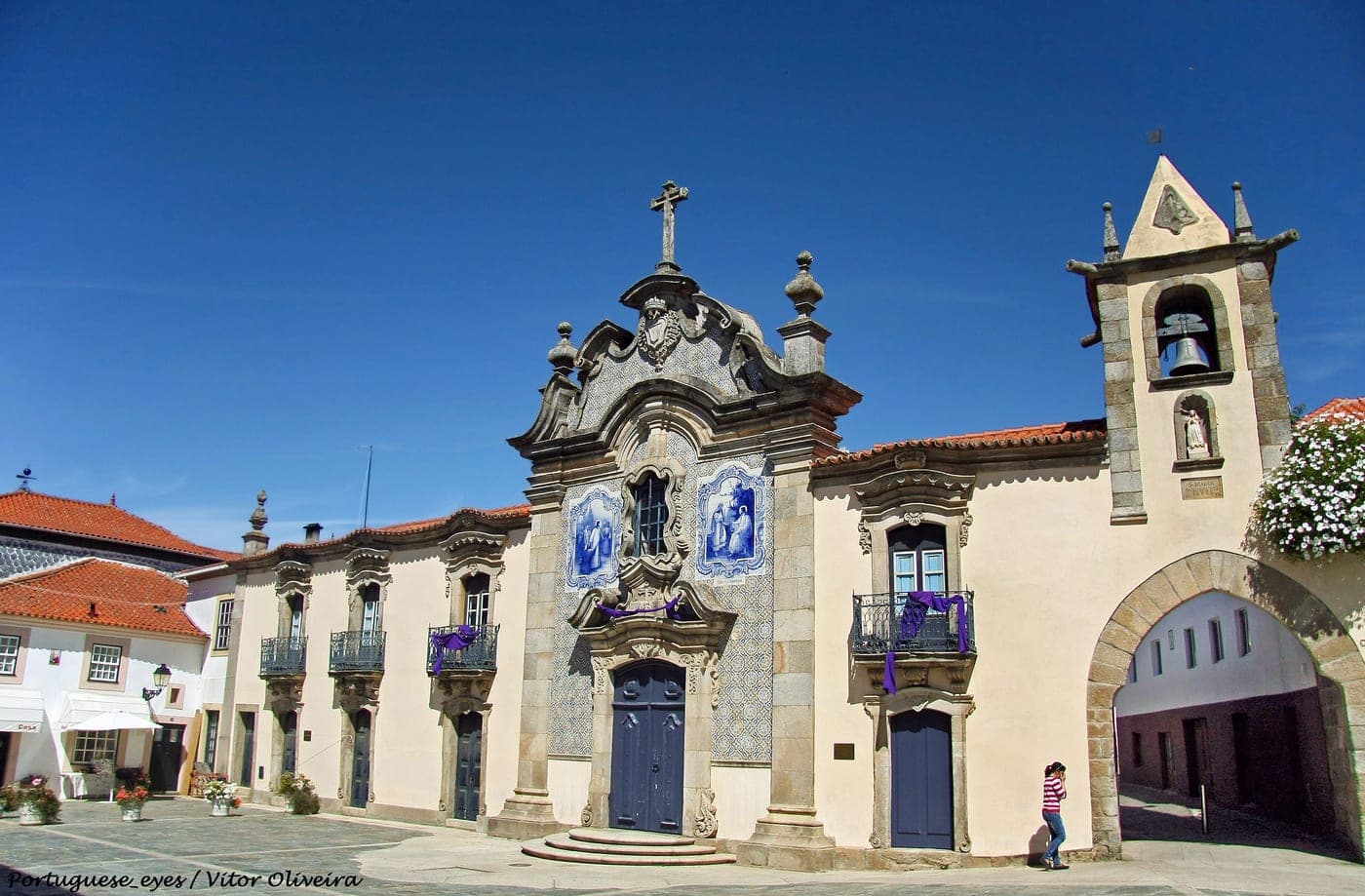
São João da Pesqueira
Wine Tasting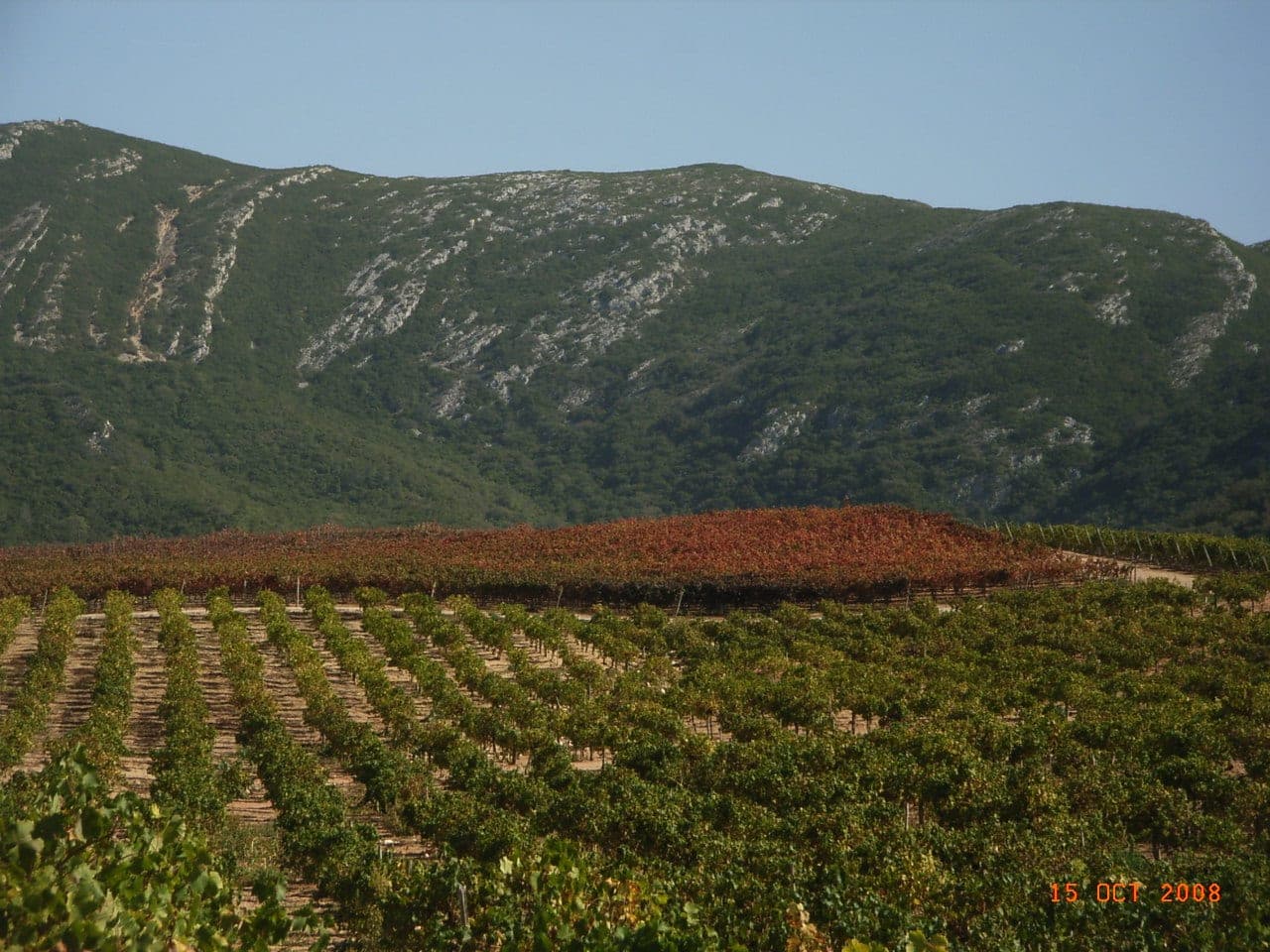
São Simão
Wine Tasting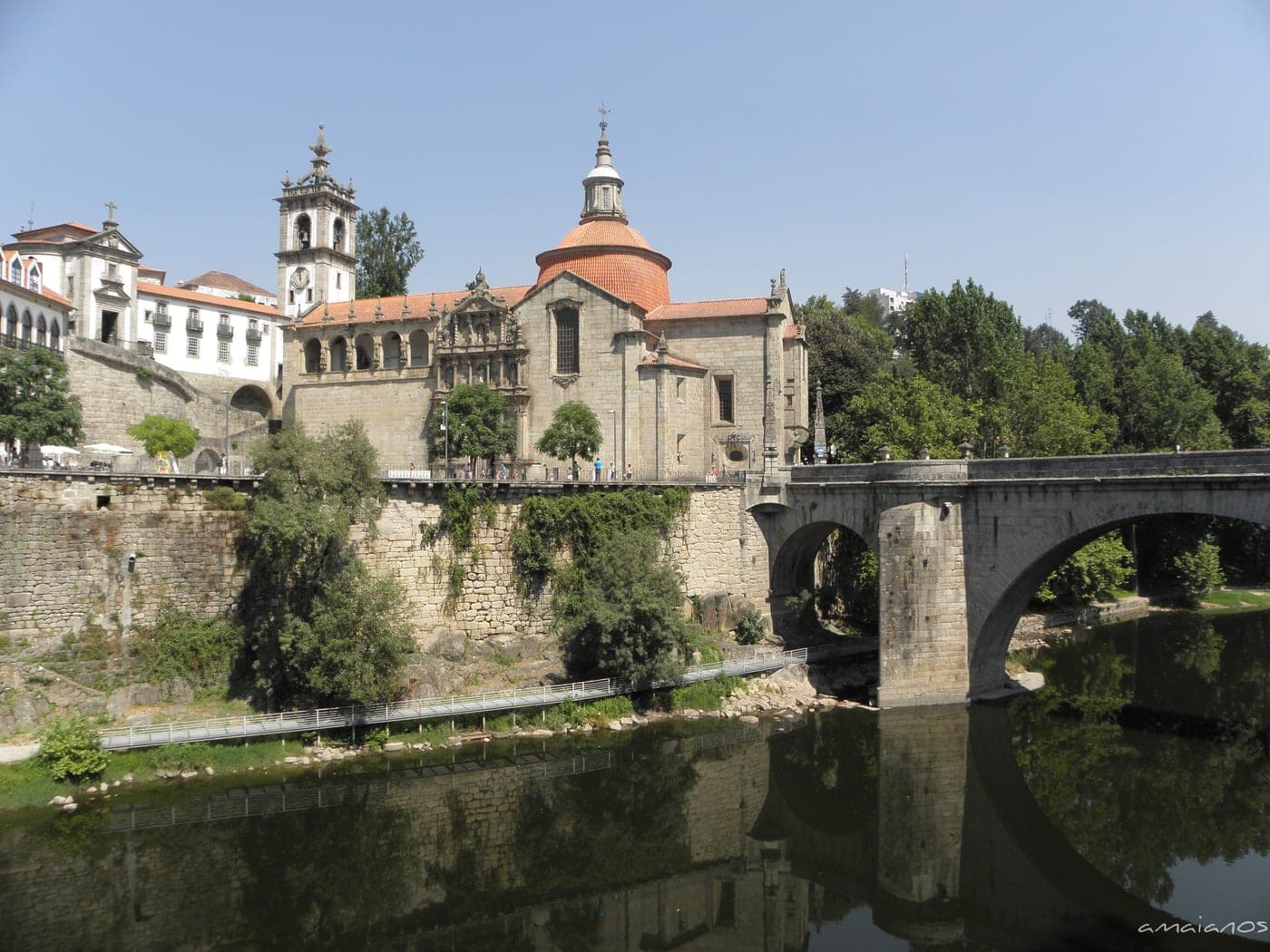
Telões
Wine Tasting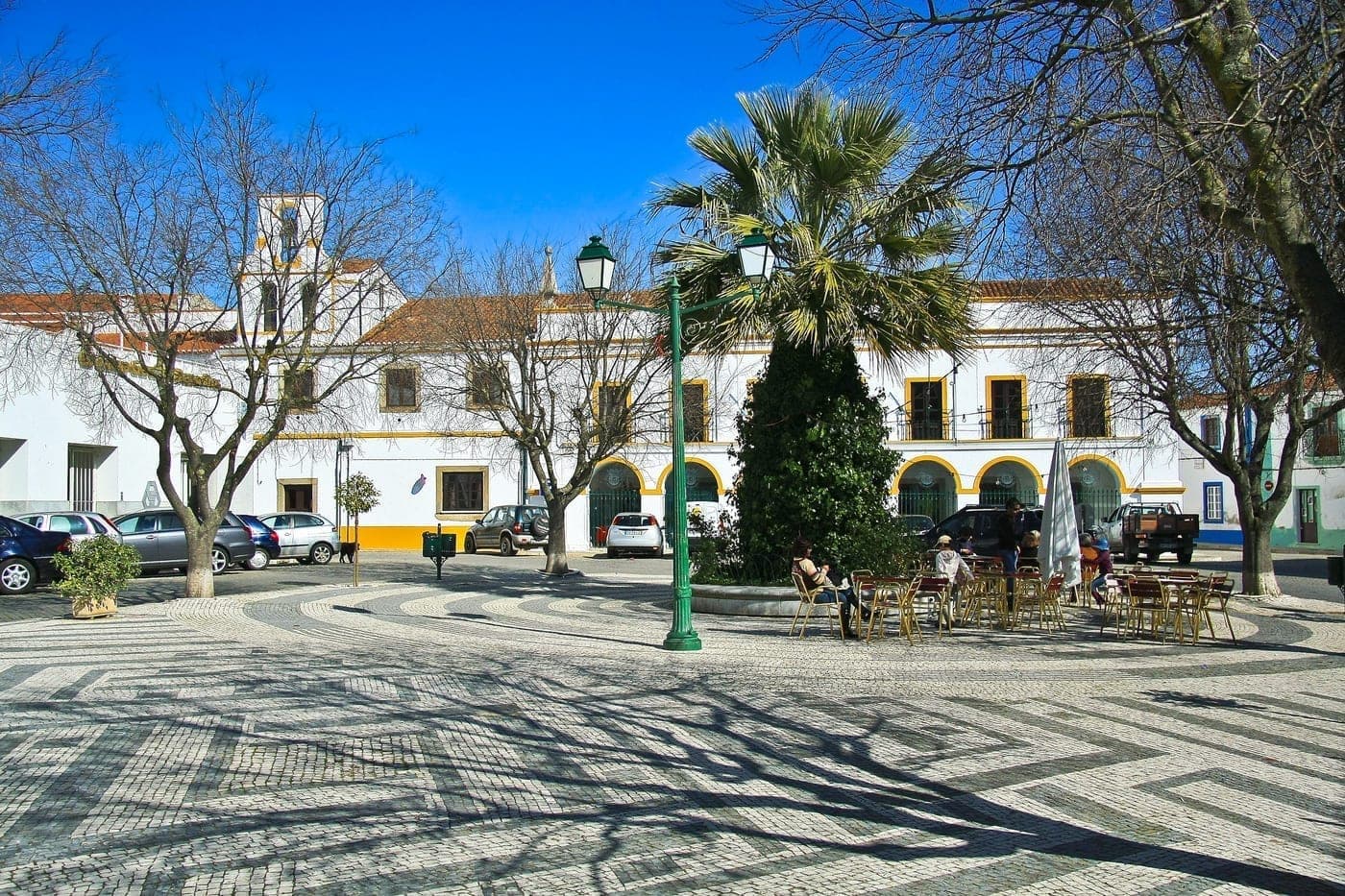
Vidigueira
Wine Tasting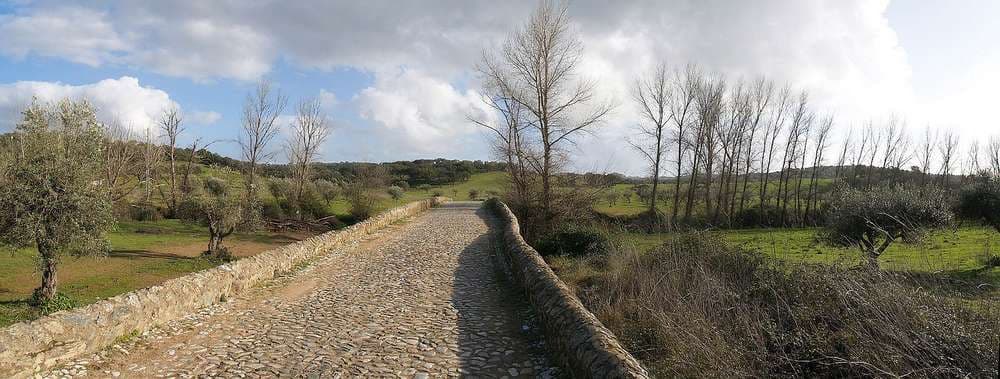
Vila Alva
Wine Tasting🇸🇮
Slovenia
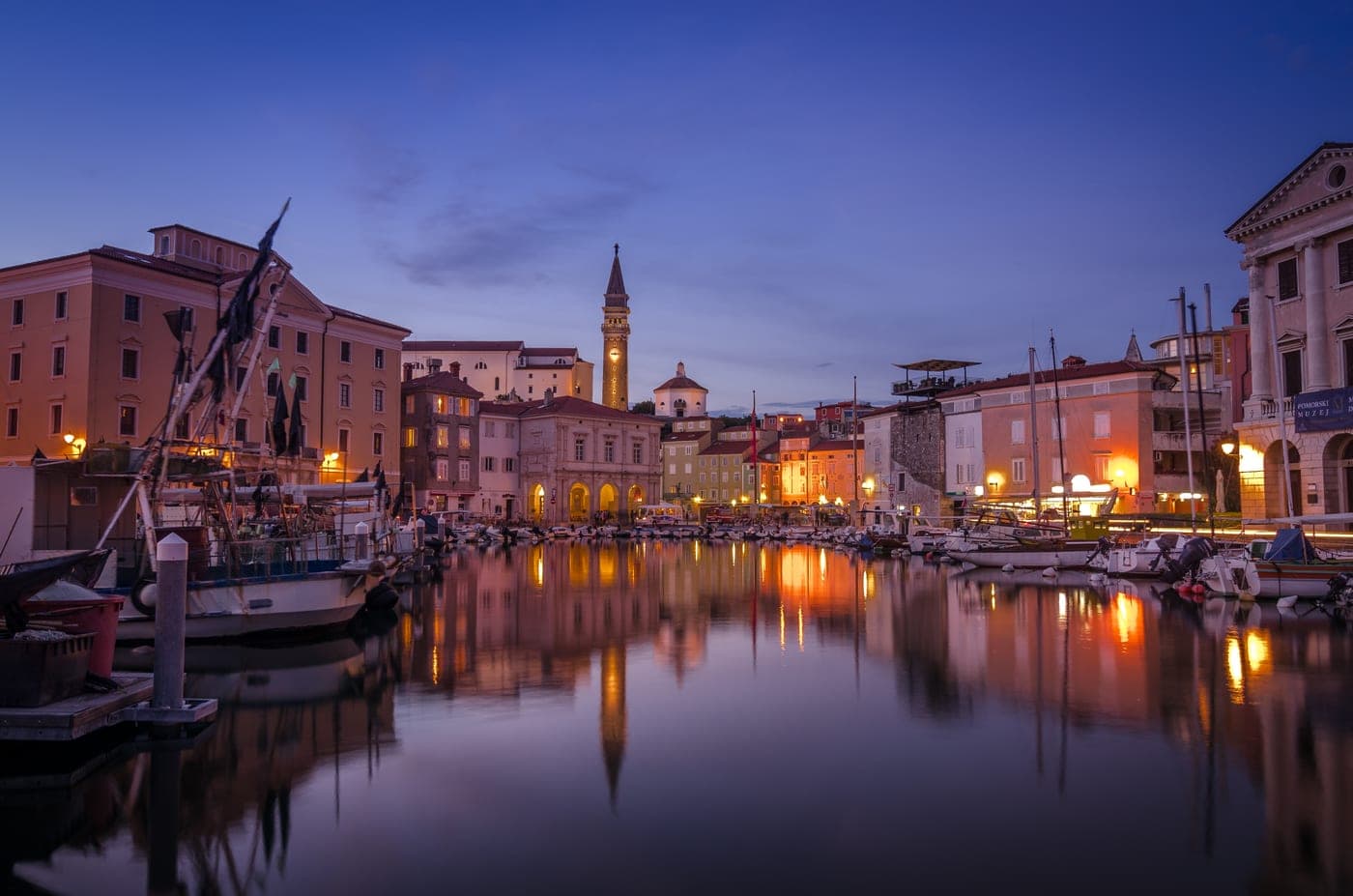
🇪🇸
Spain
Altea
Boat Rentals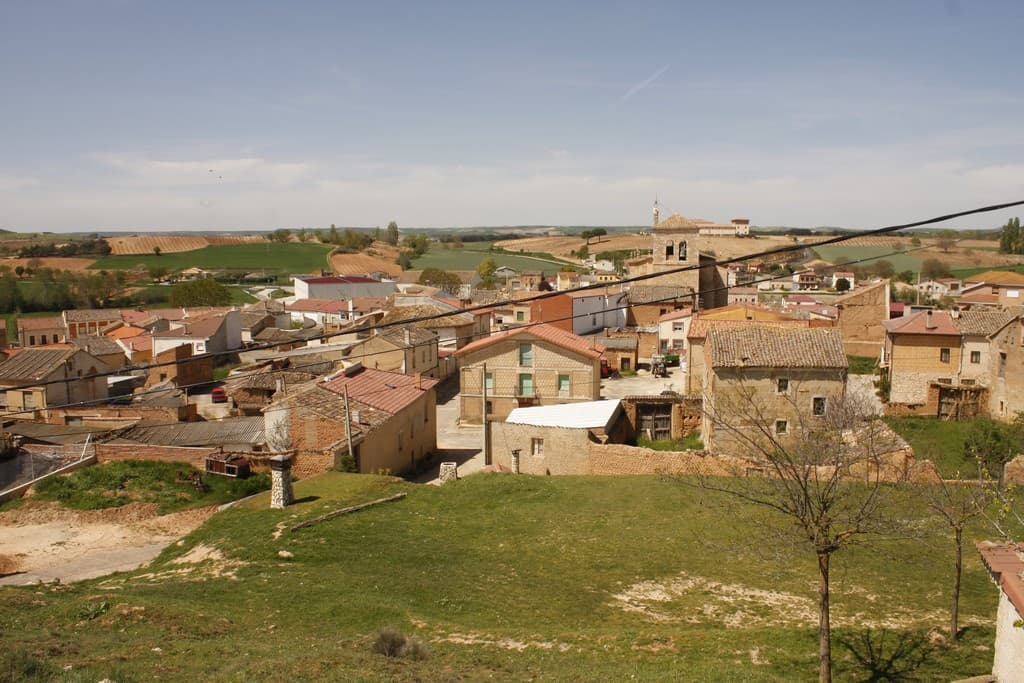
Anguix
Wine Tasting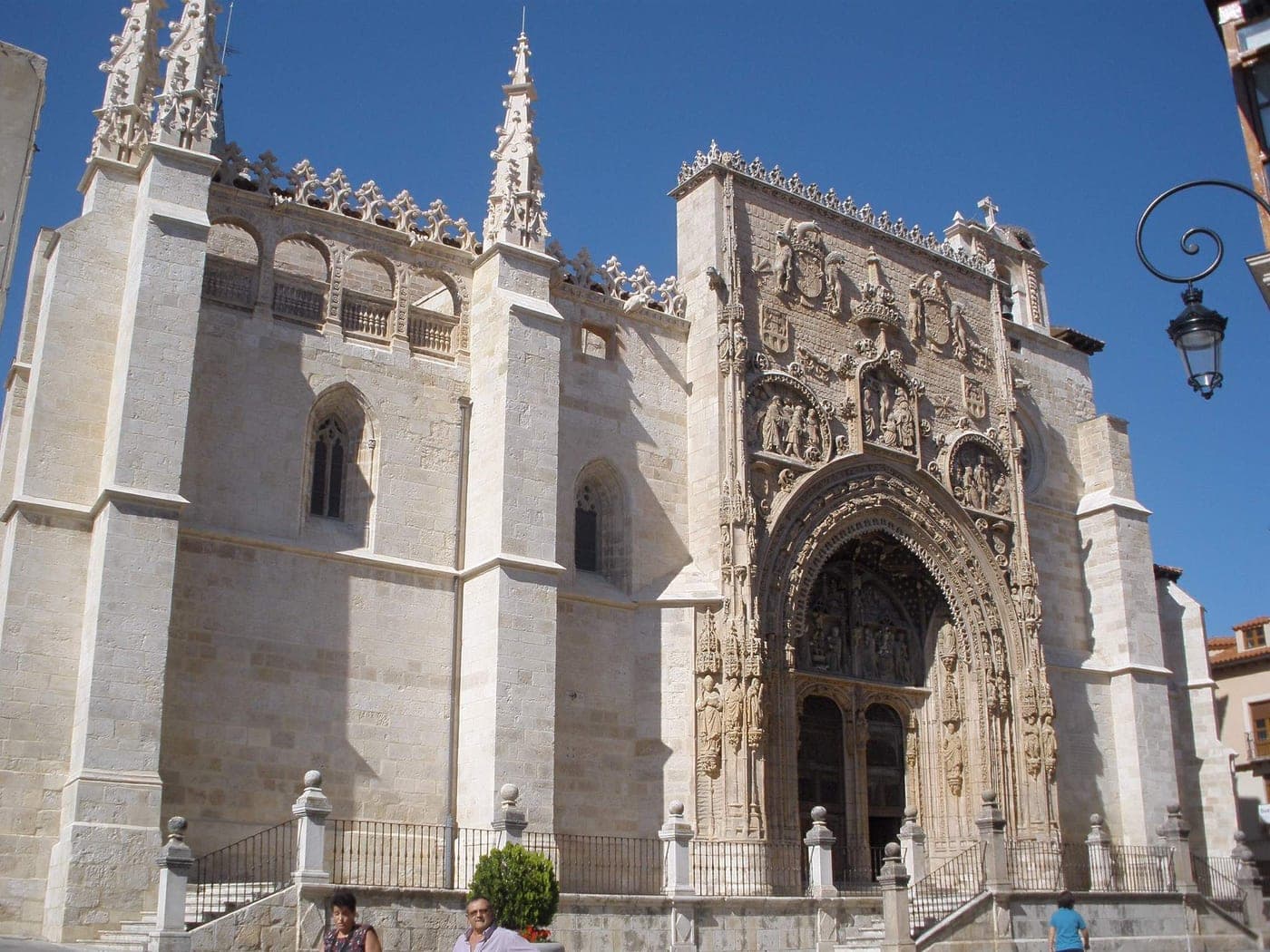
Aranda de Duero
Wine Tasting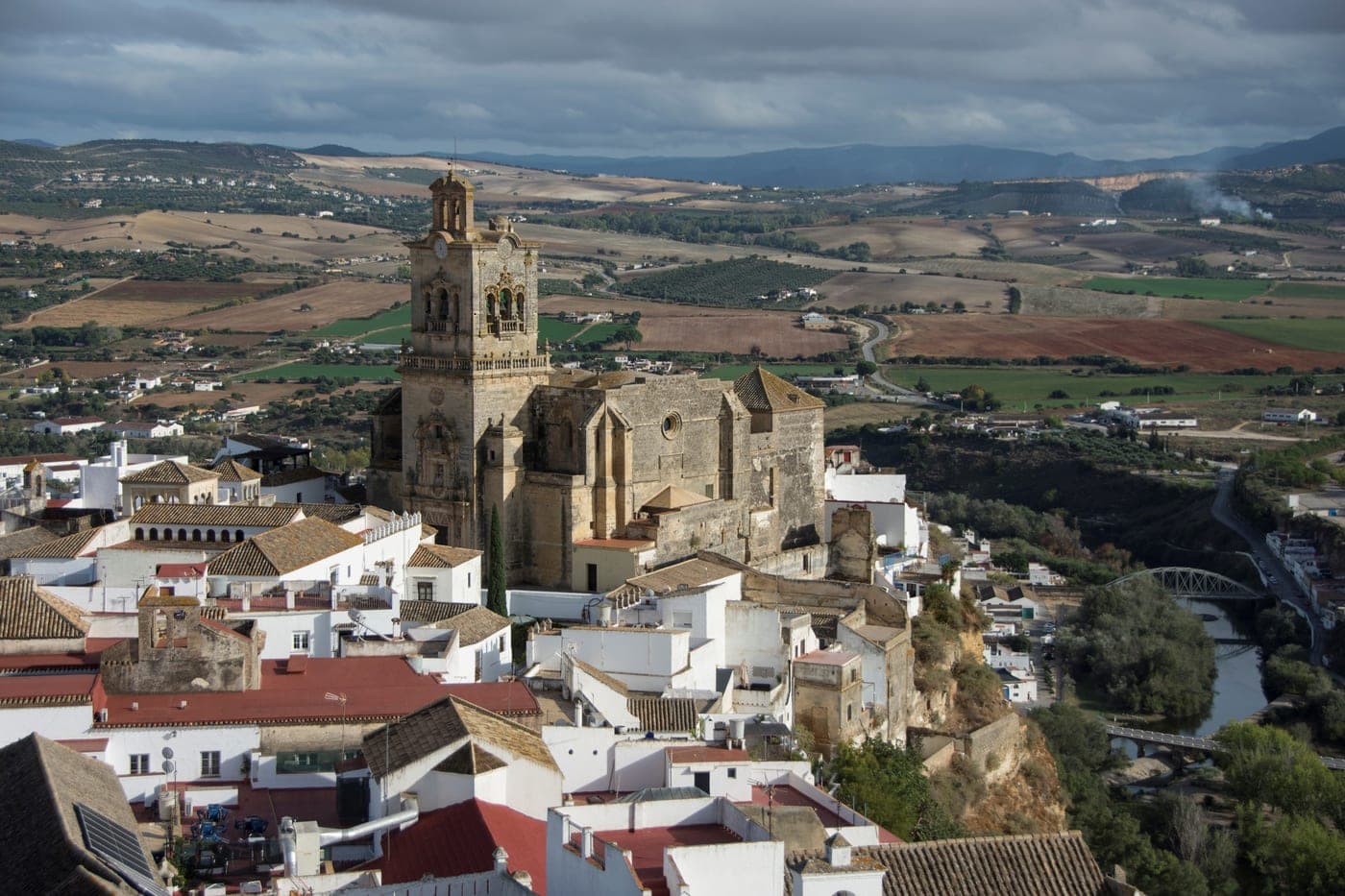
Arcos de la Frontera
Wine Tasting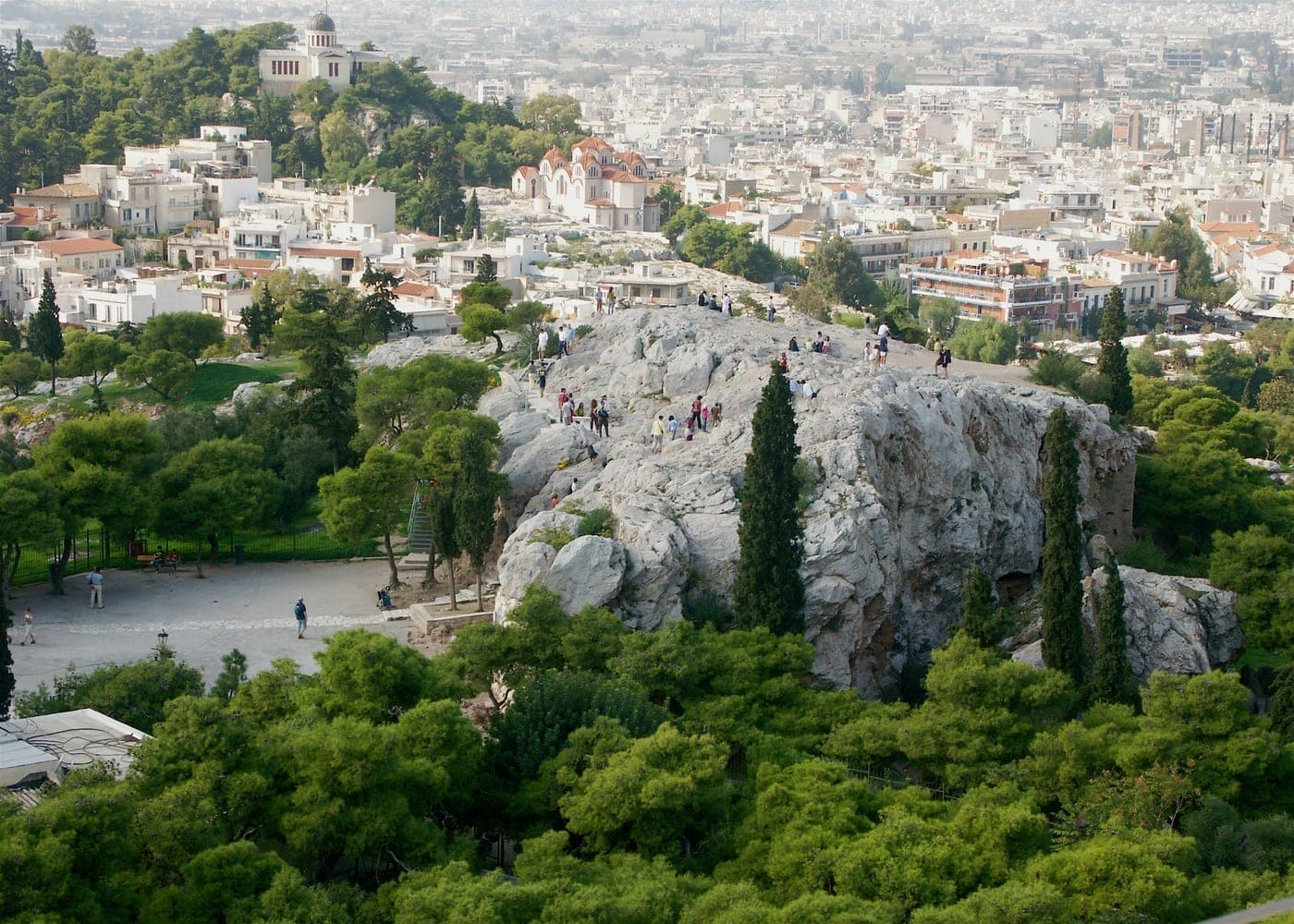
Ares
Boat Rentals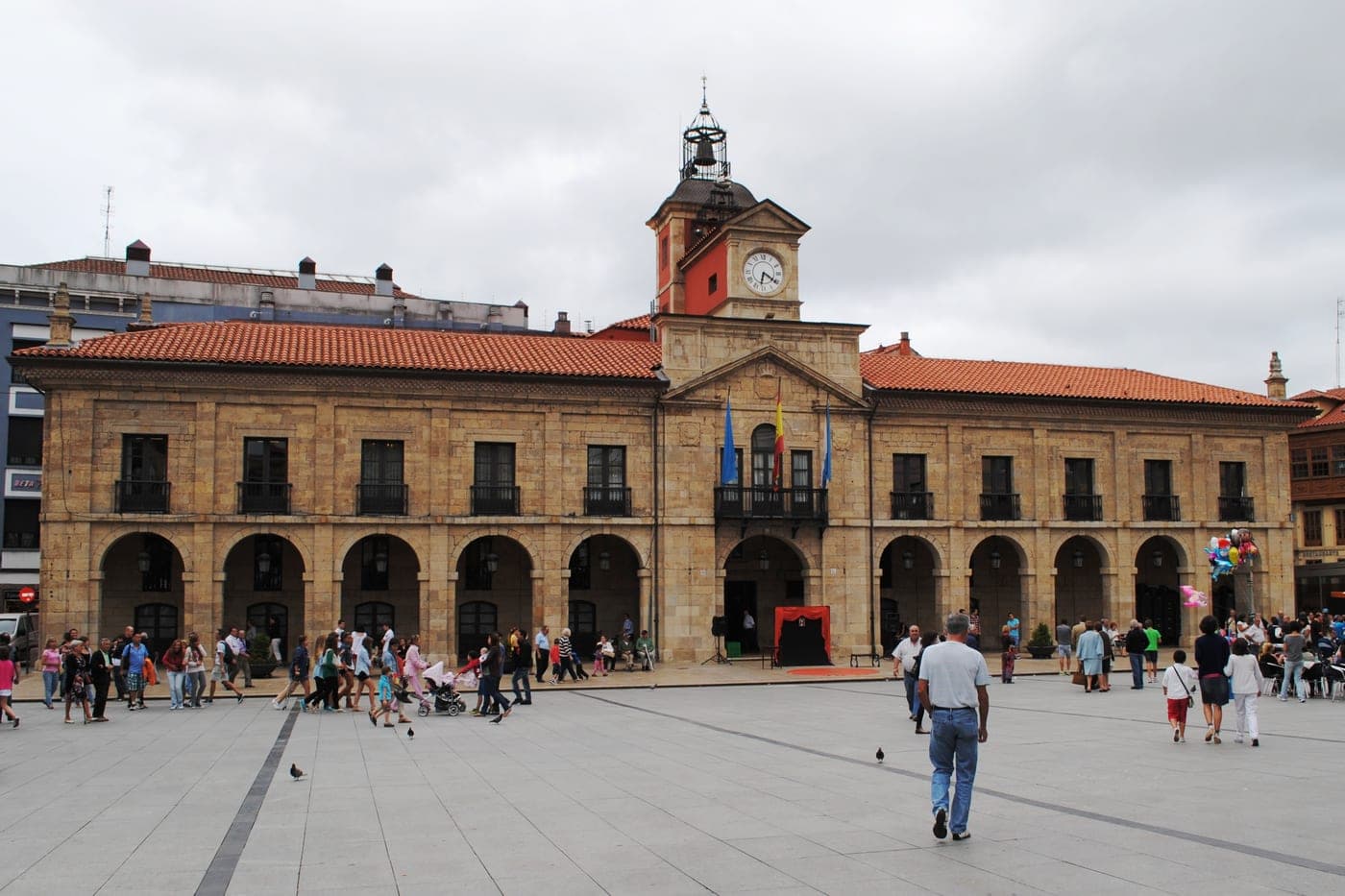
Avilés
Panoramic Trains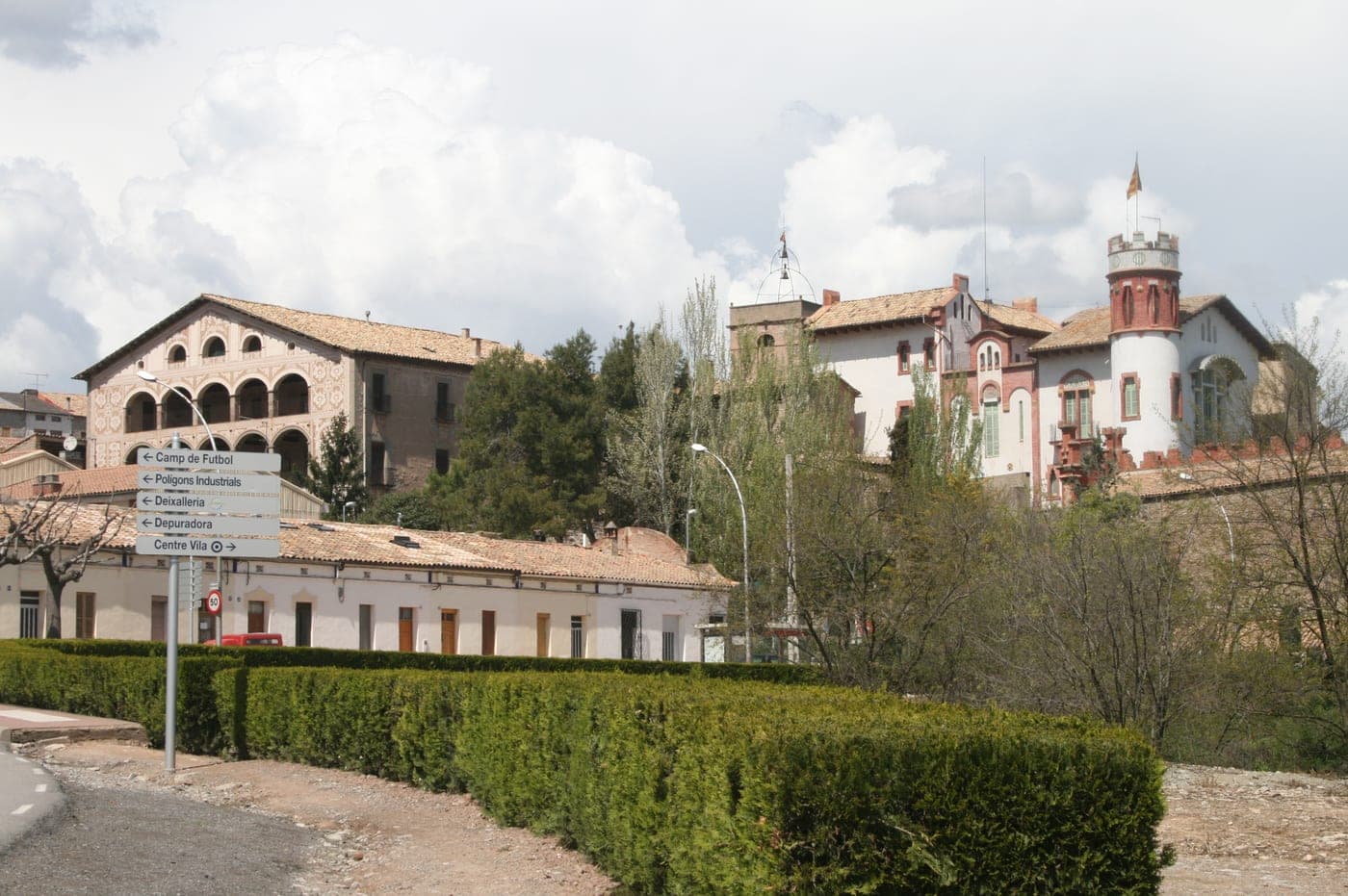
Avinyó
Wine Tasting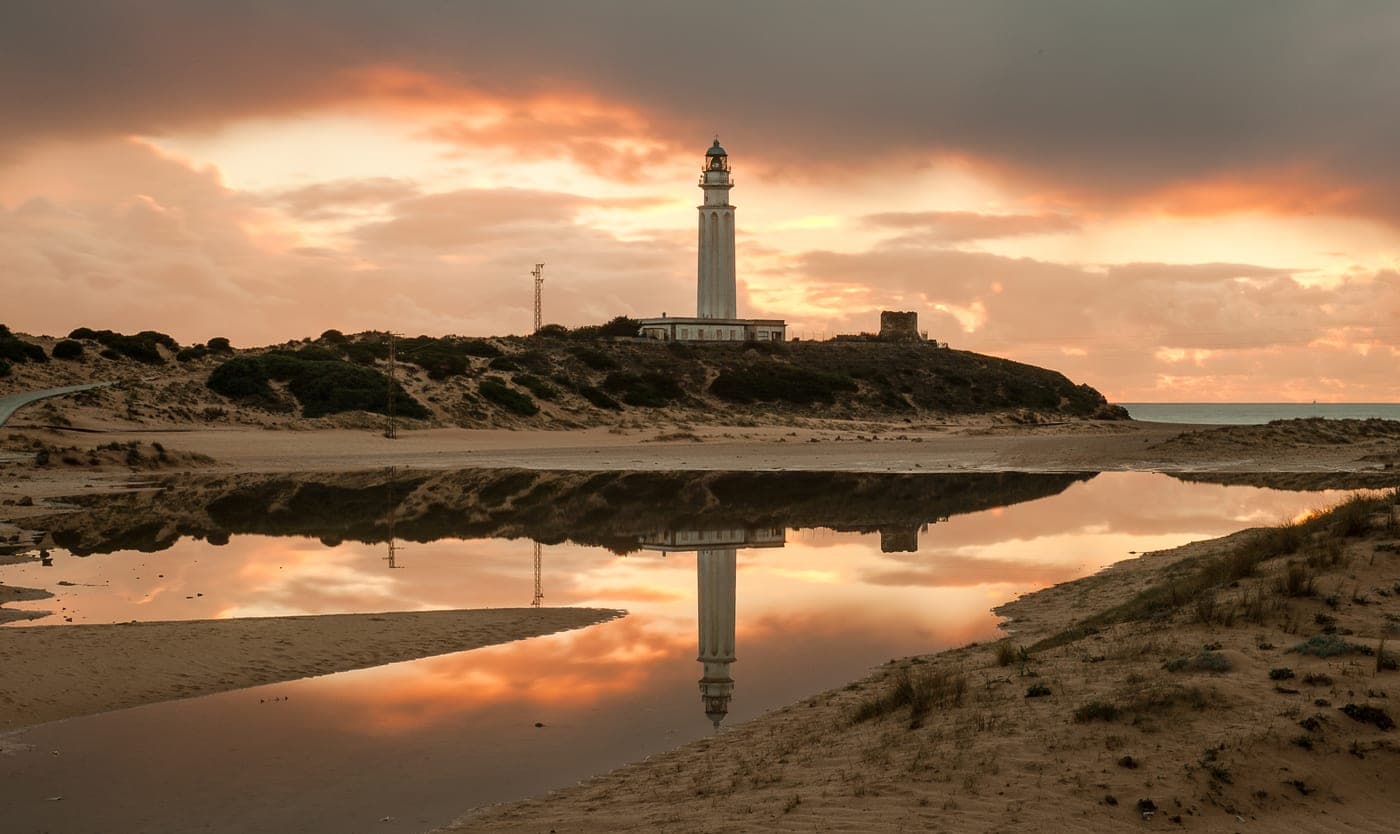
Barbate
Boat Rentals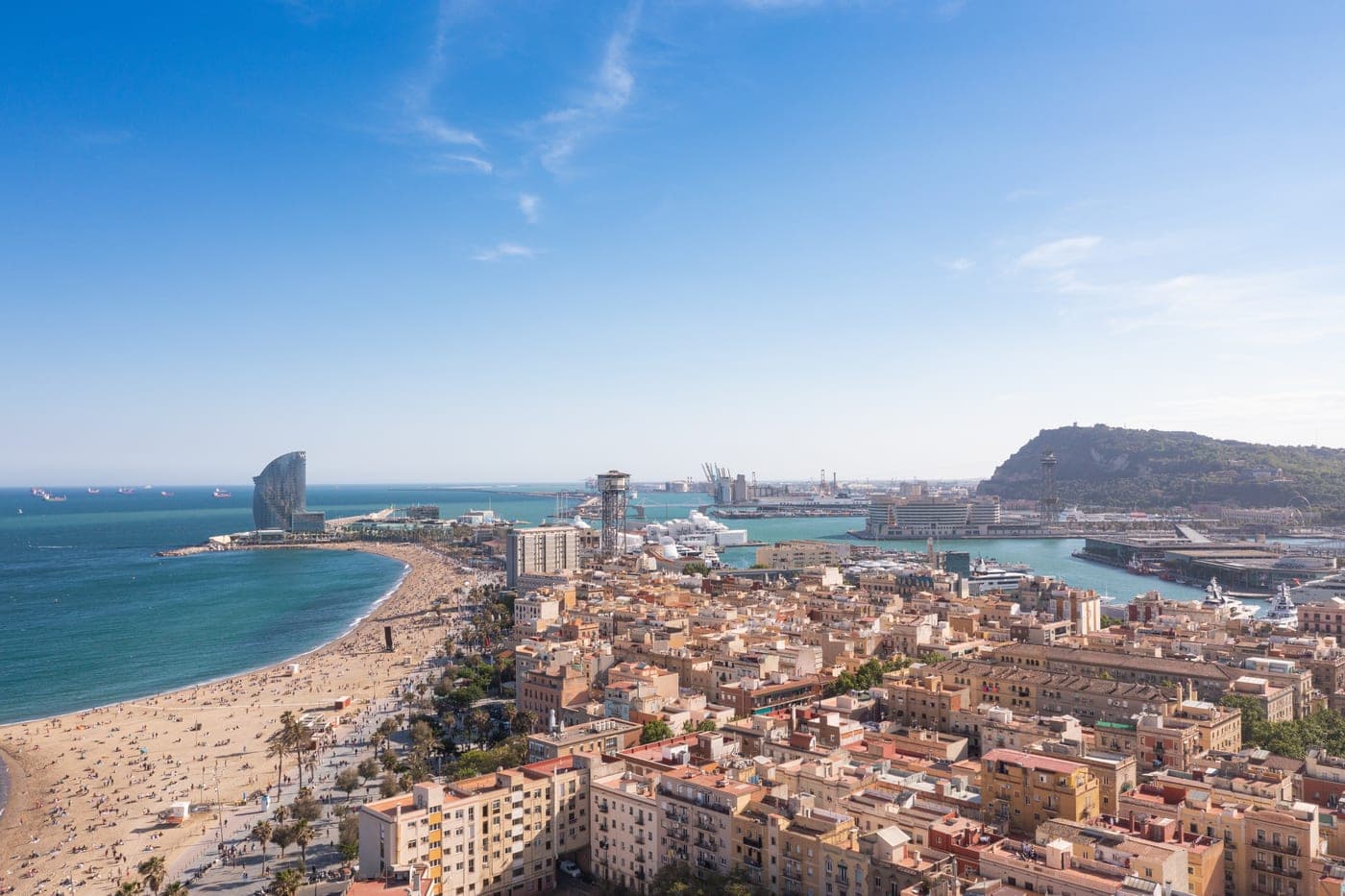
Barcelona
Camper Van RentalsBilbao
Camper Van RentalsBlanes
Boat RentalsCasas-Ibáñez
Wine TastingCenicero
Wine Tasting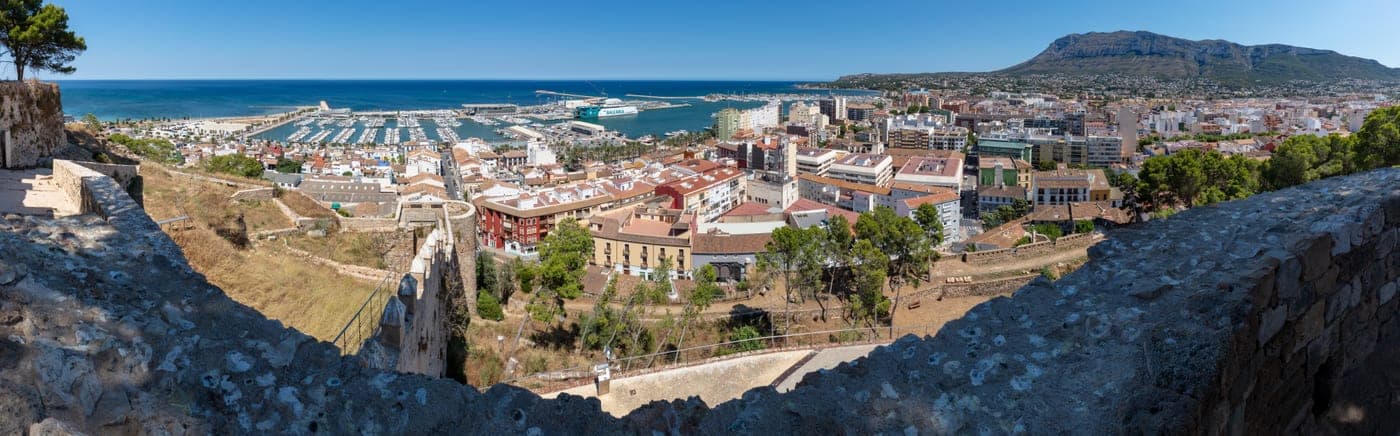
Dénia
Boat Rentals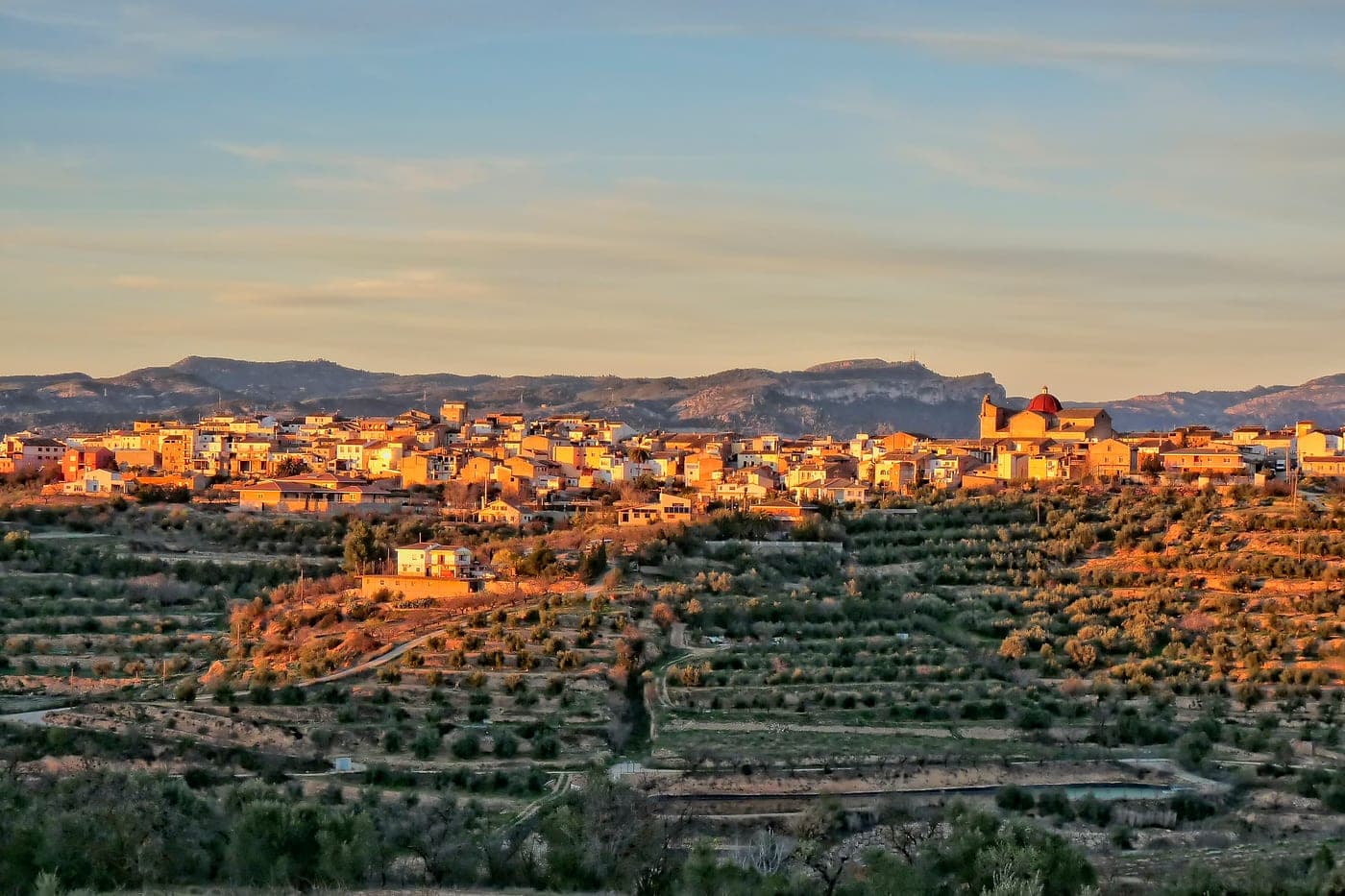
El Masroig
Wine TastingElciego
Wine Tasting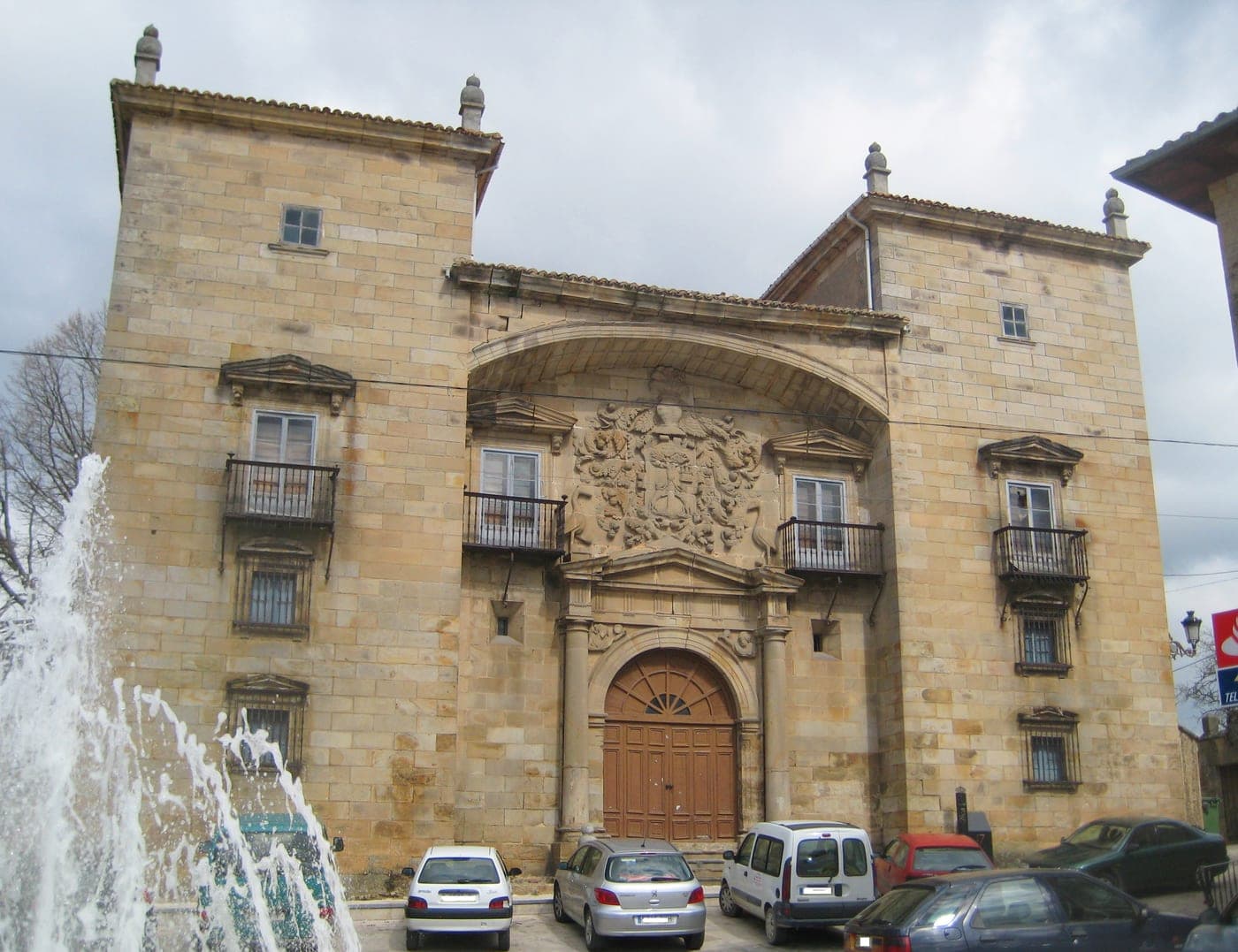
Espinosa de los Monteros
Panoramic Trains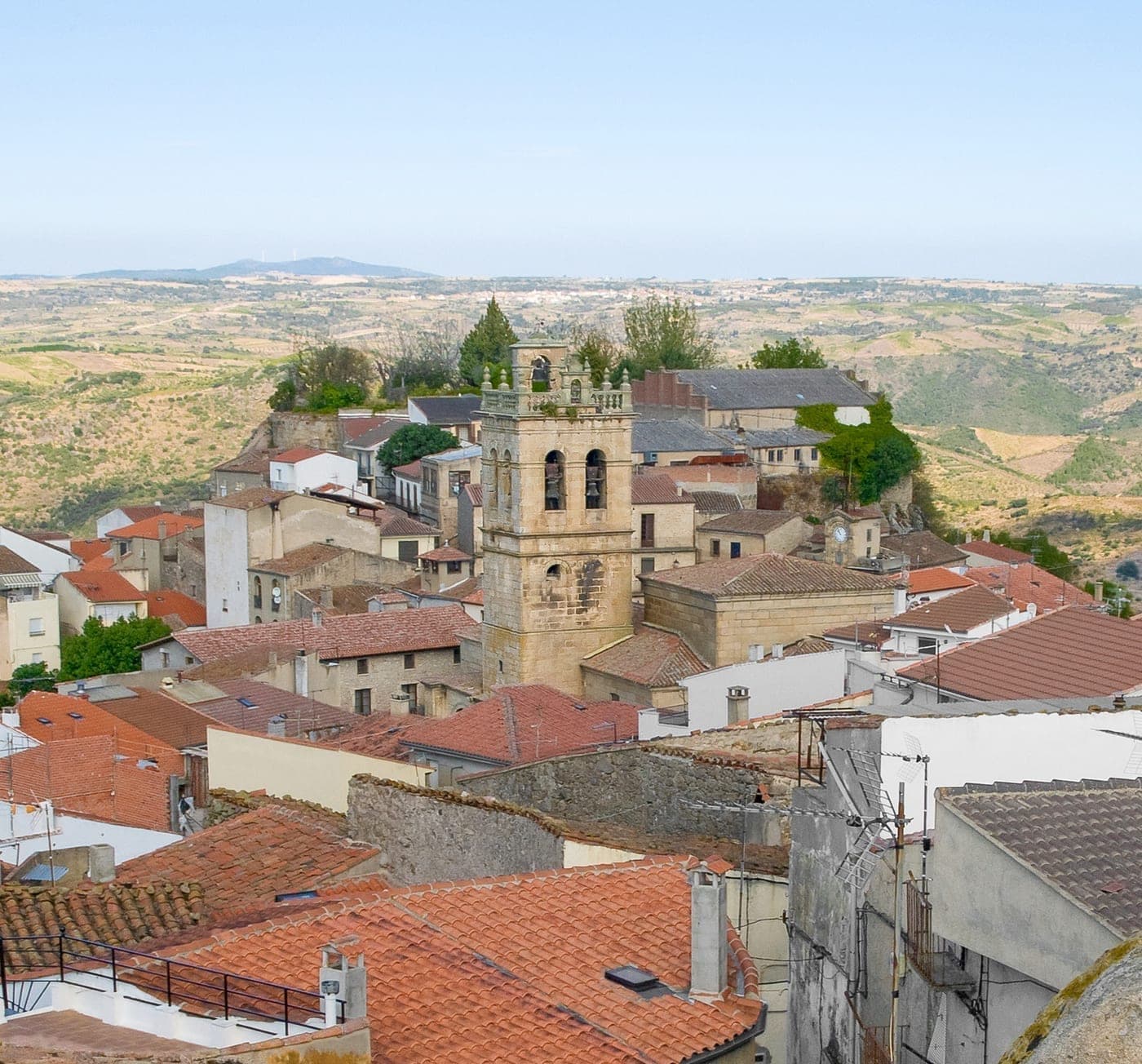
Fermoselle
Wine Tasting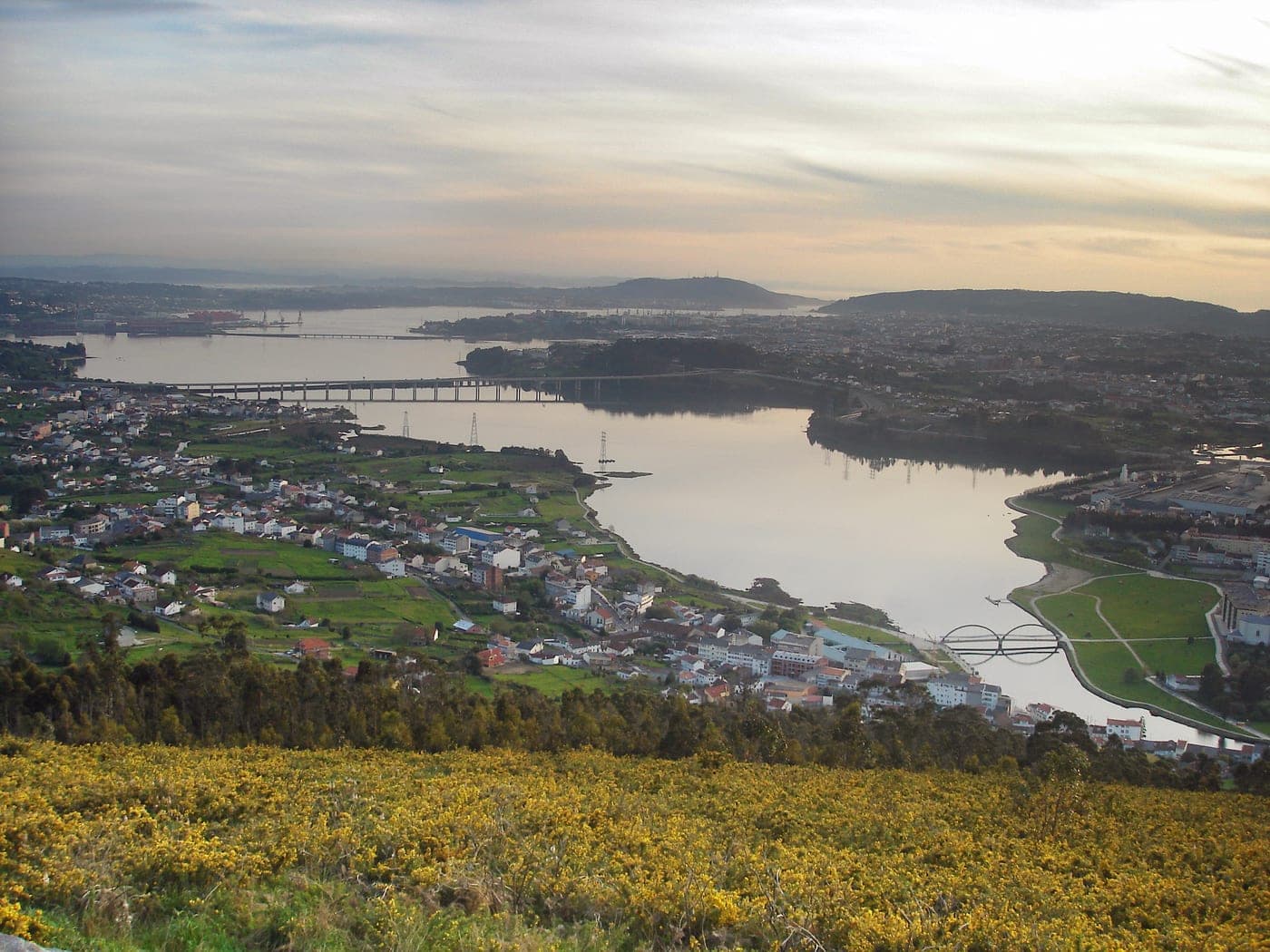
Ferrol
Panoramic Trains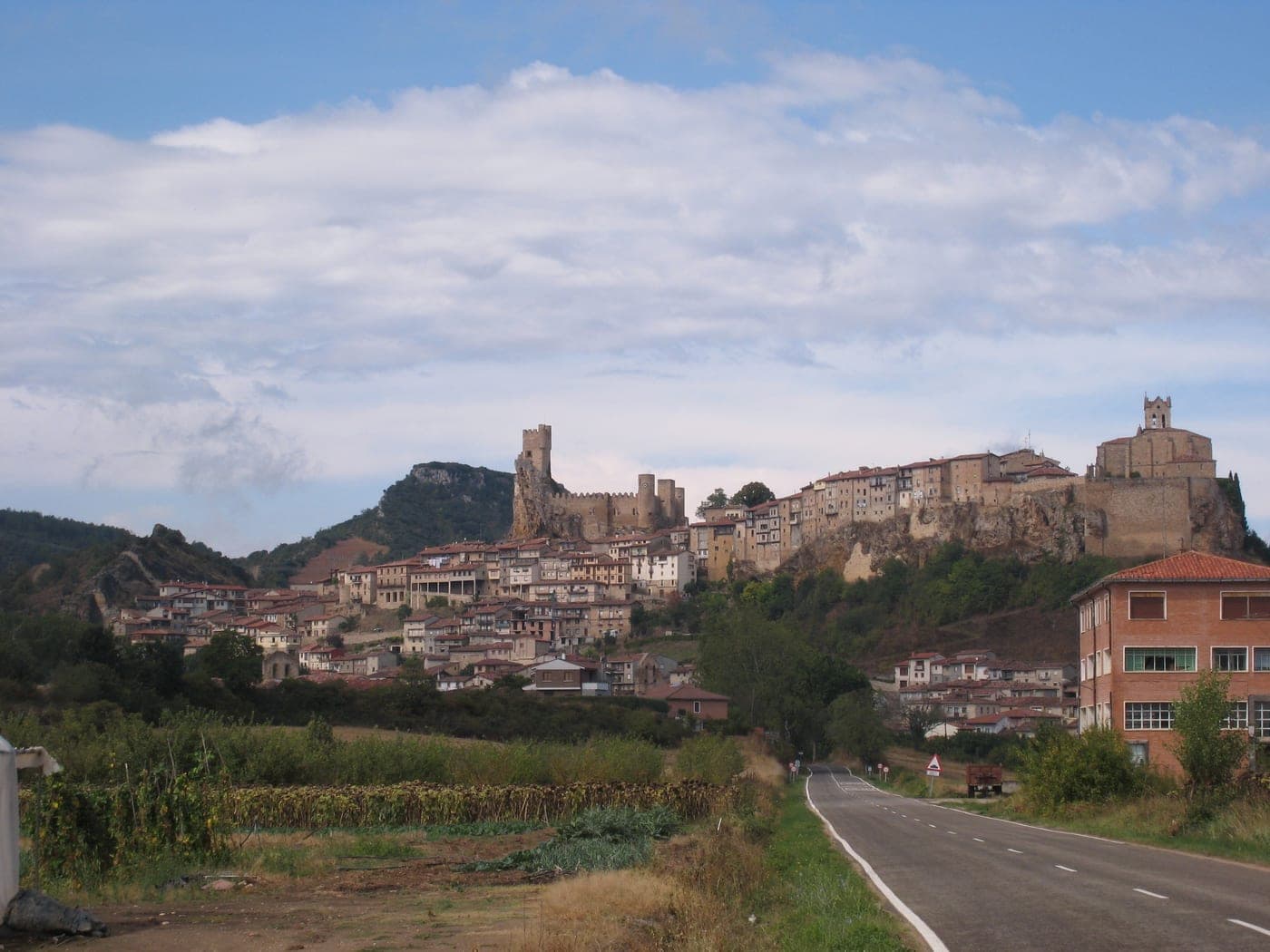
Frías
Panoramic Trains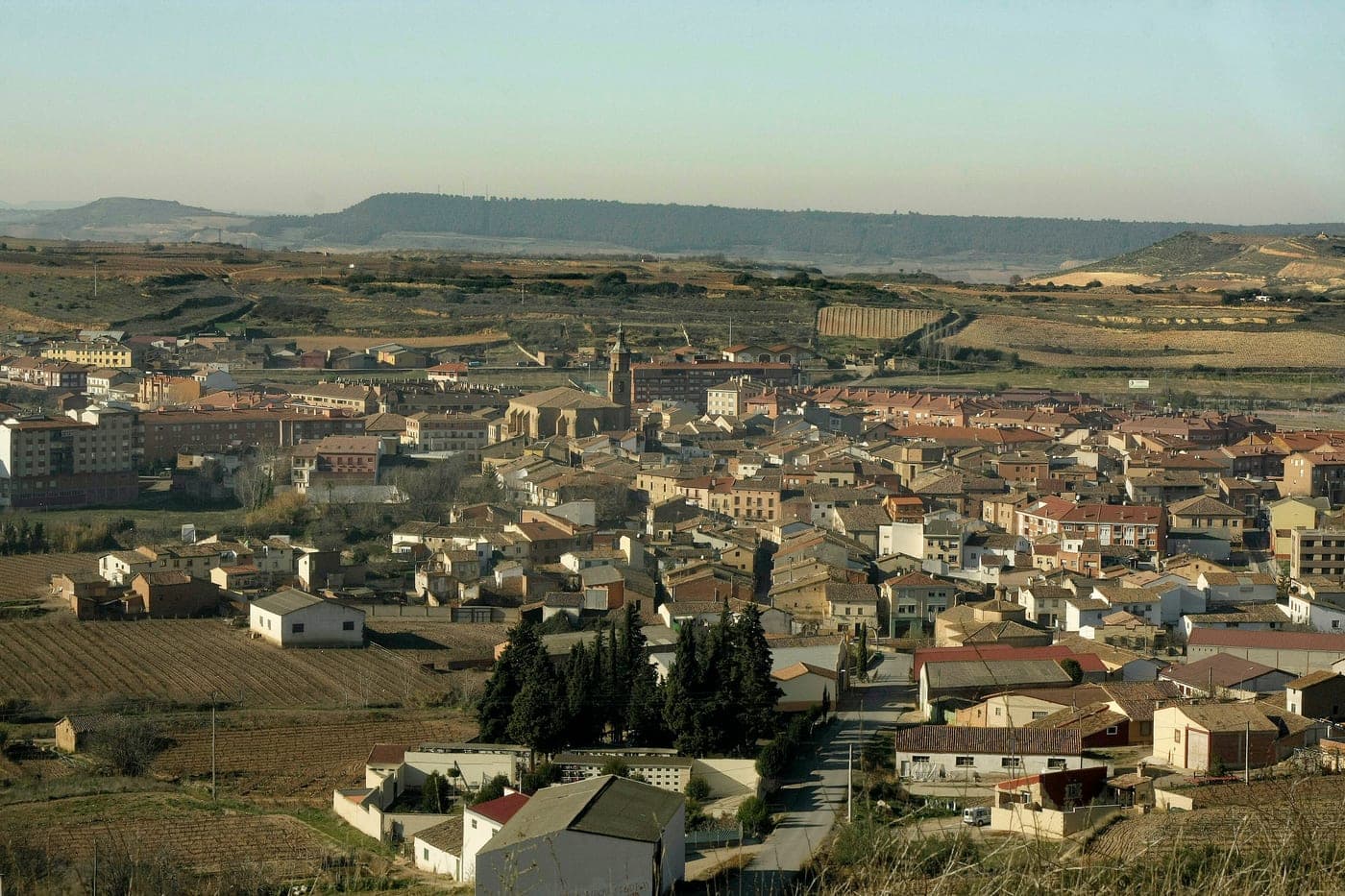
Fuenmayor
Wine Tasting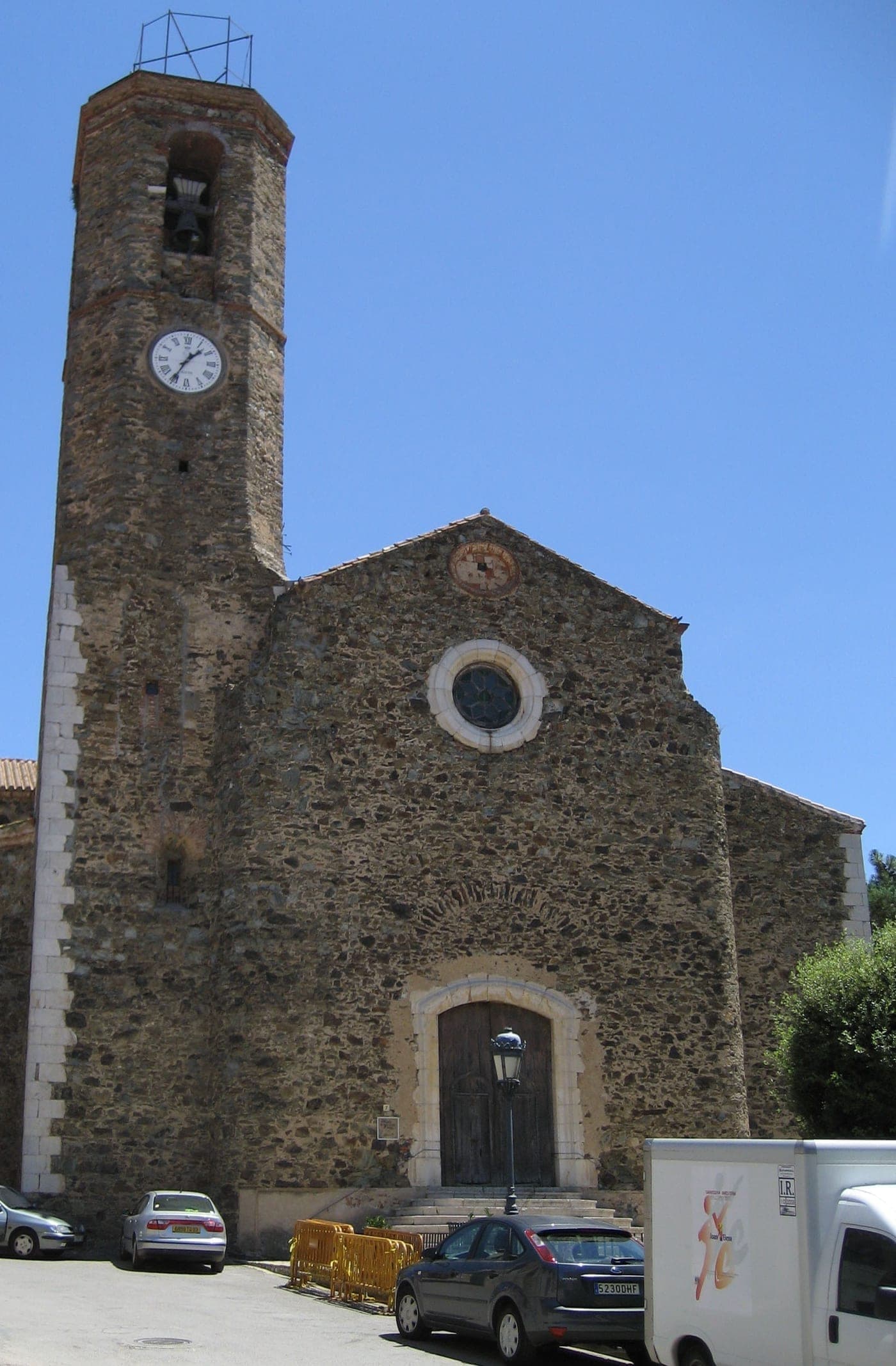
Garriguella
Wine Tasting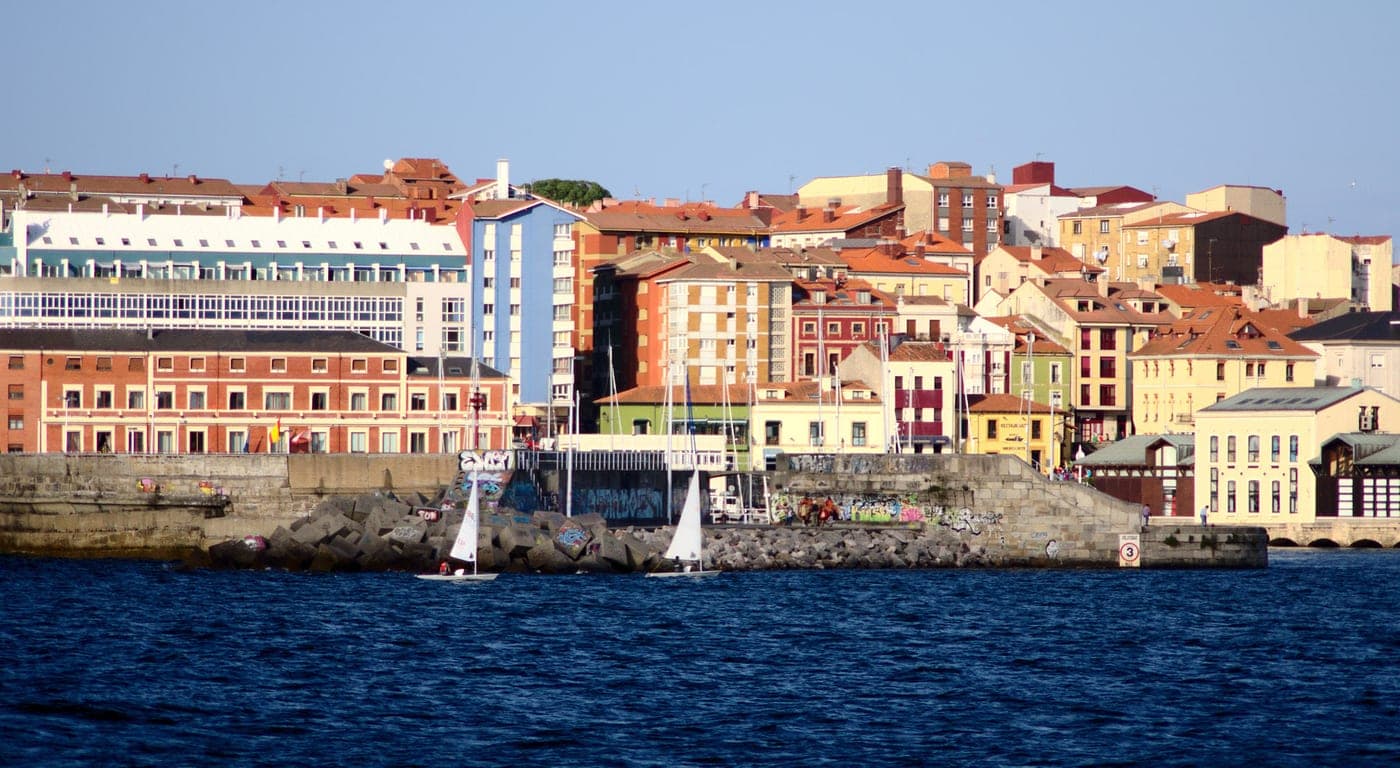
Gijón
Panoramic Trains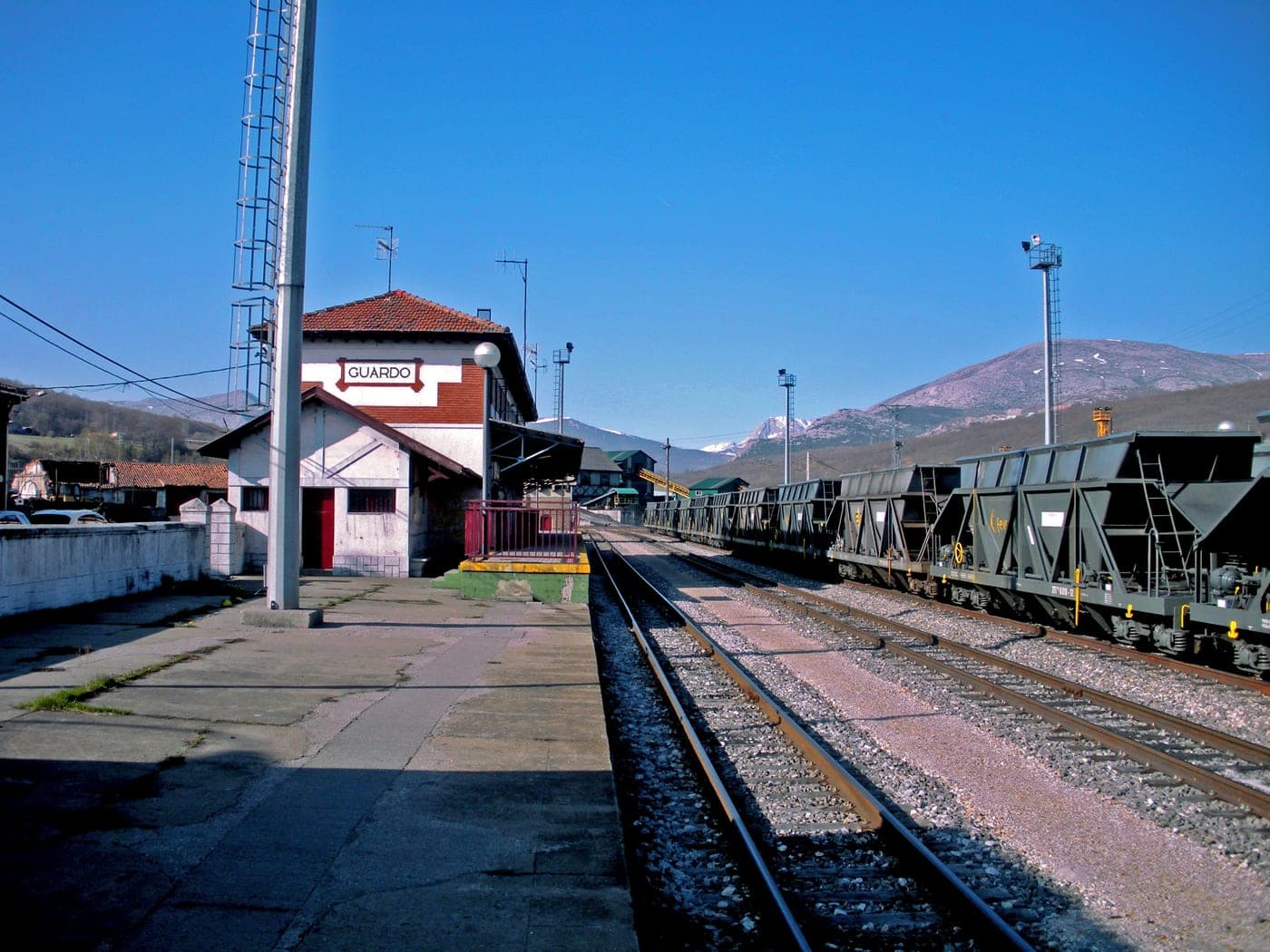
Guardo
Panoramic Trains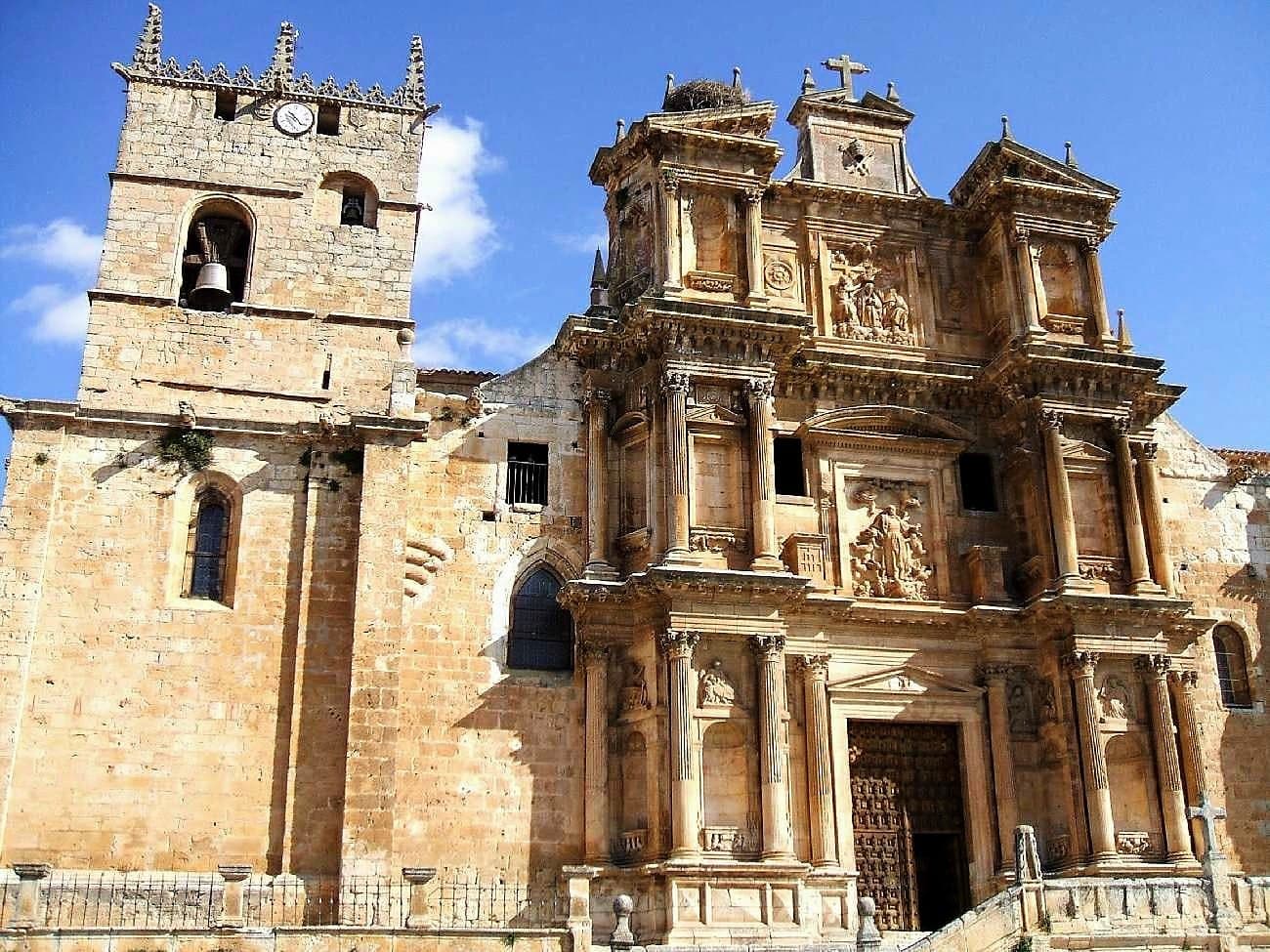
Gumiel de Izán
Wine Tasting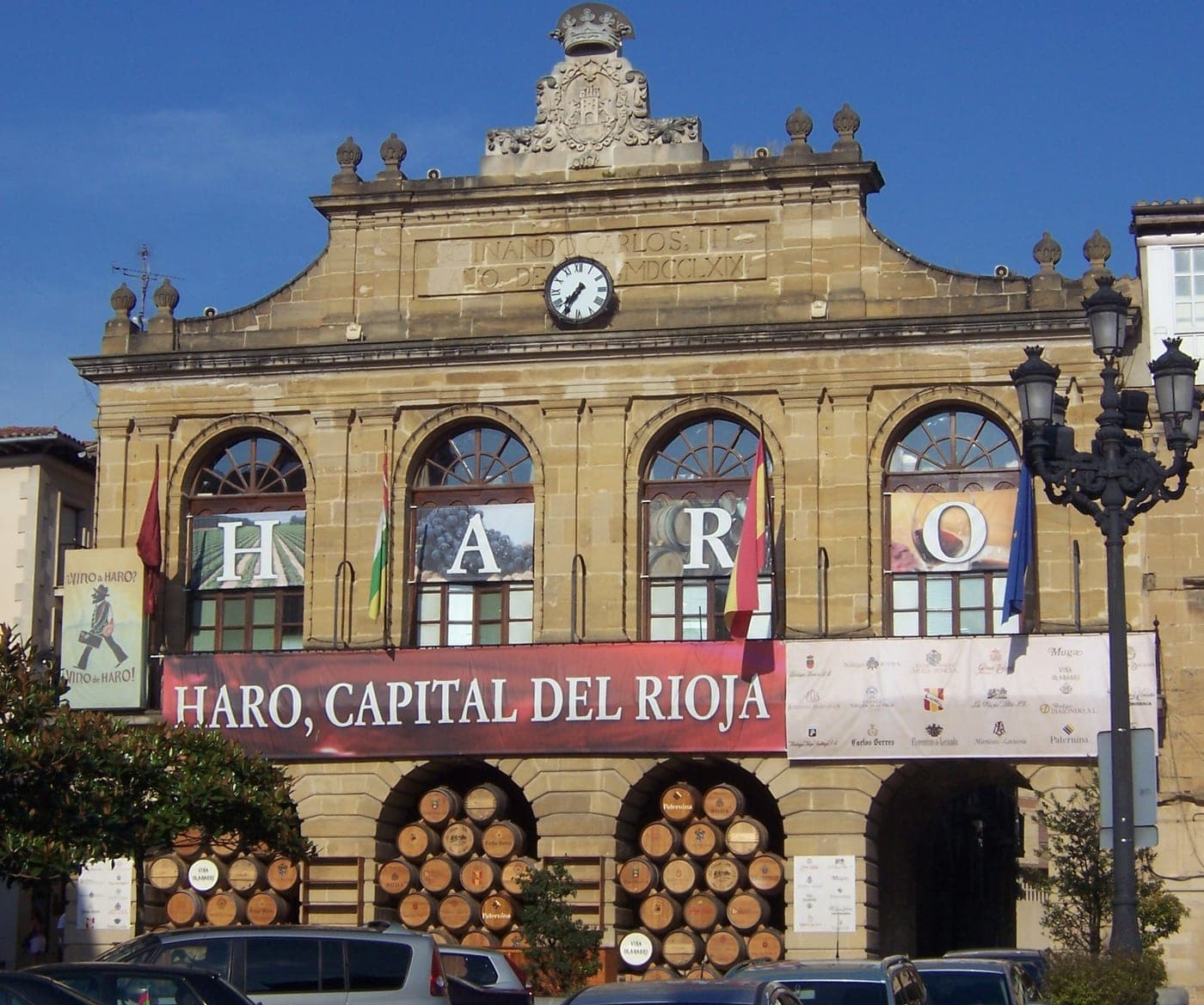
Haro
Wine Tasting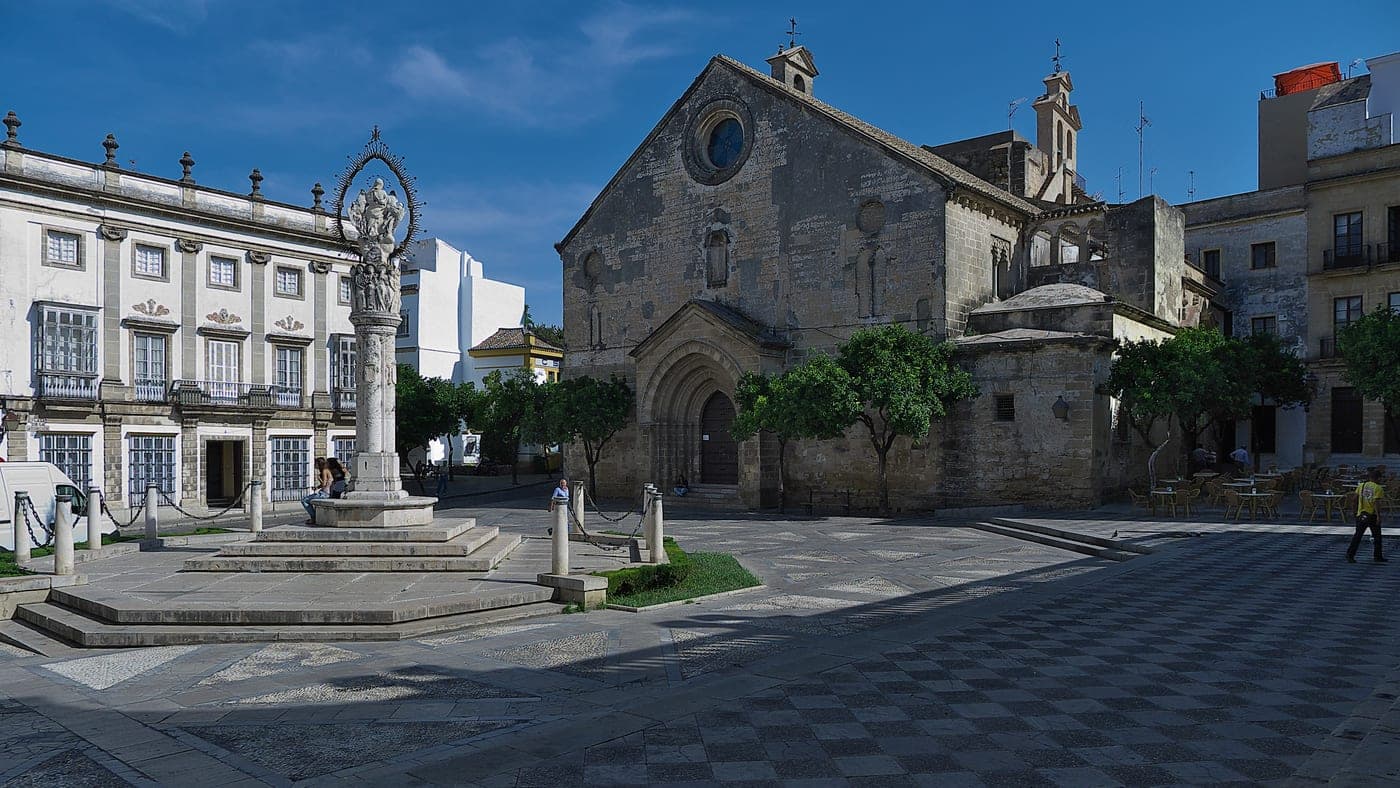
Jerez de la Frontera
Wine Tasting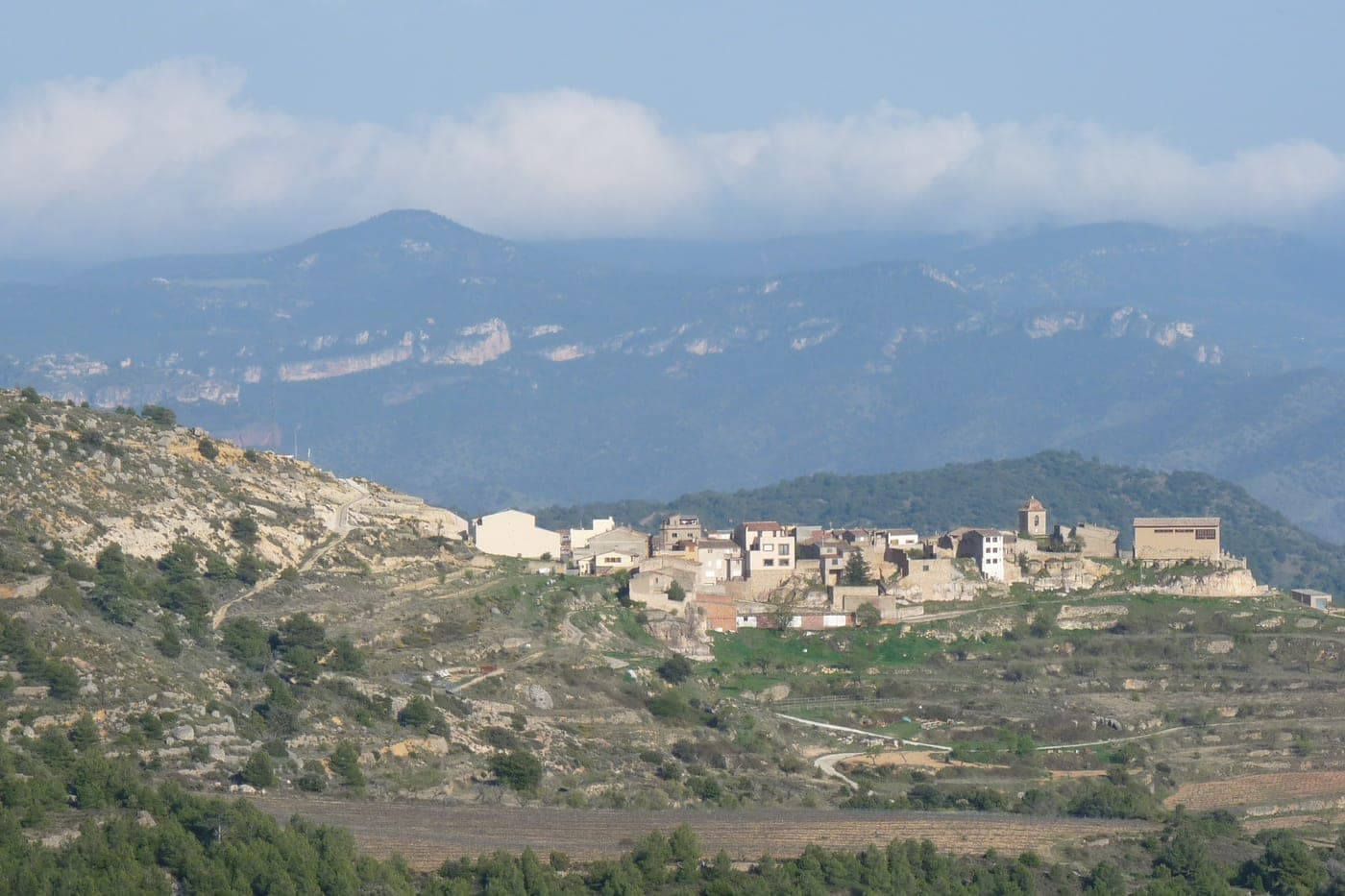
La Morera de Montsant
Wine Tasting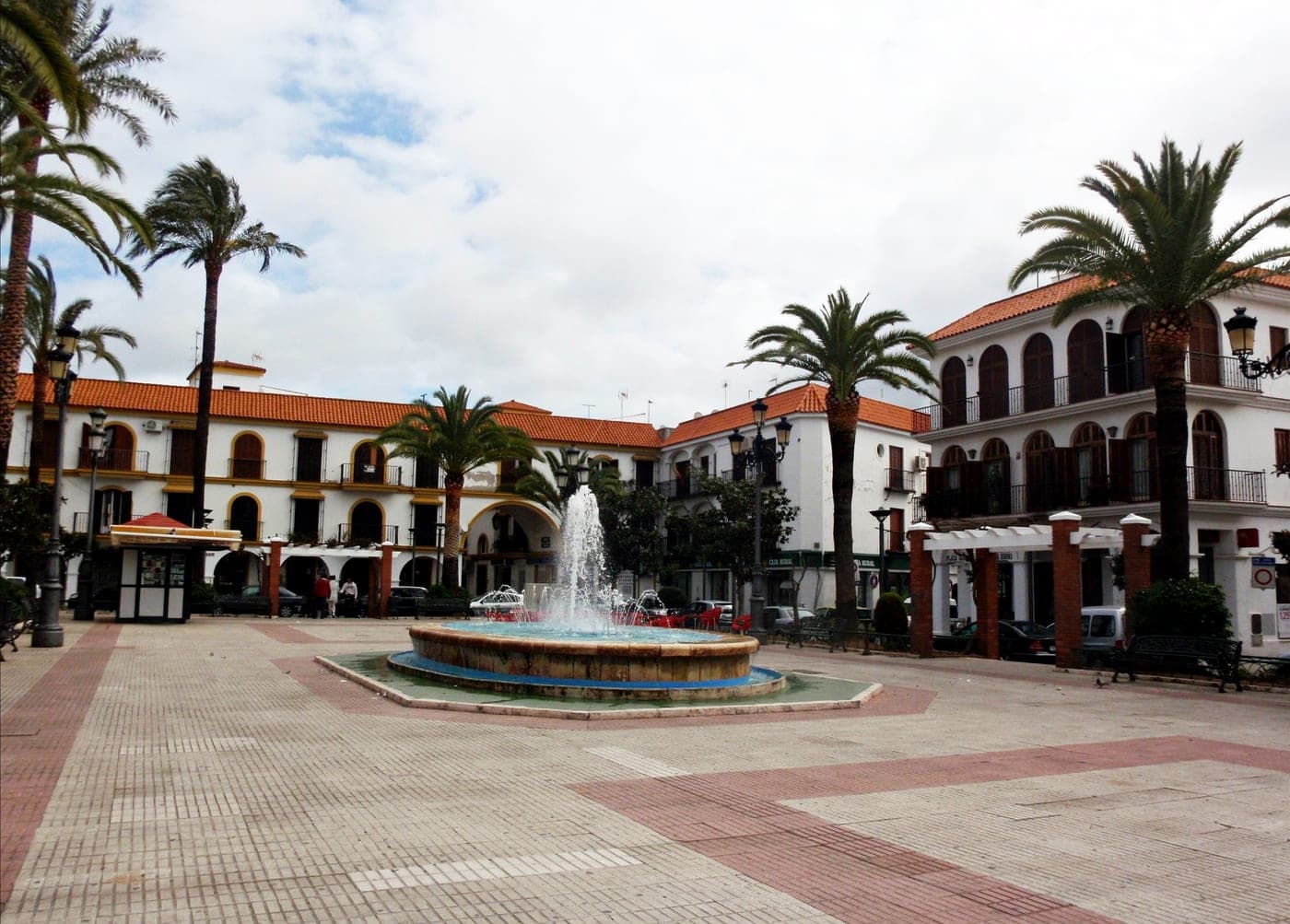
Lepe
Boat Rentals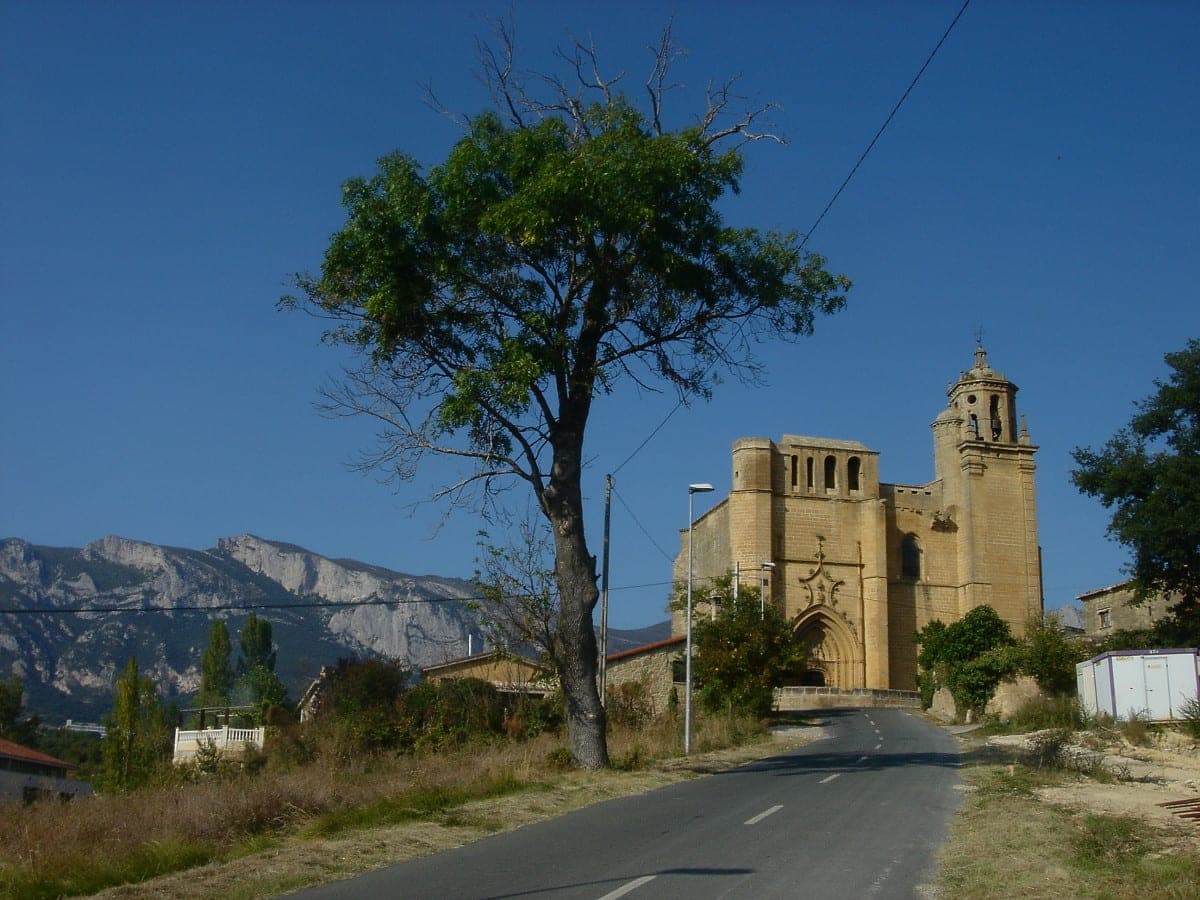
Leza
Wine Tasting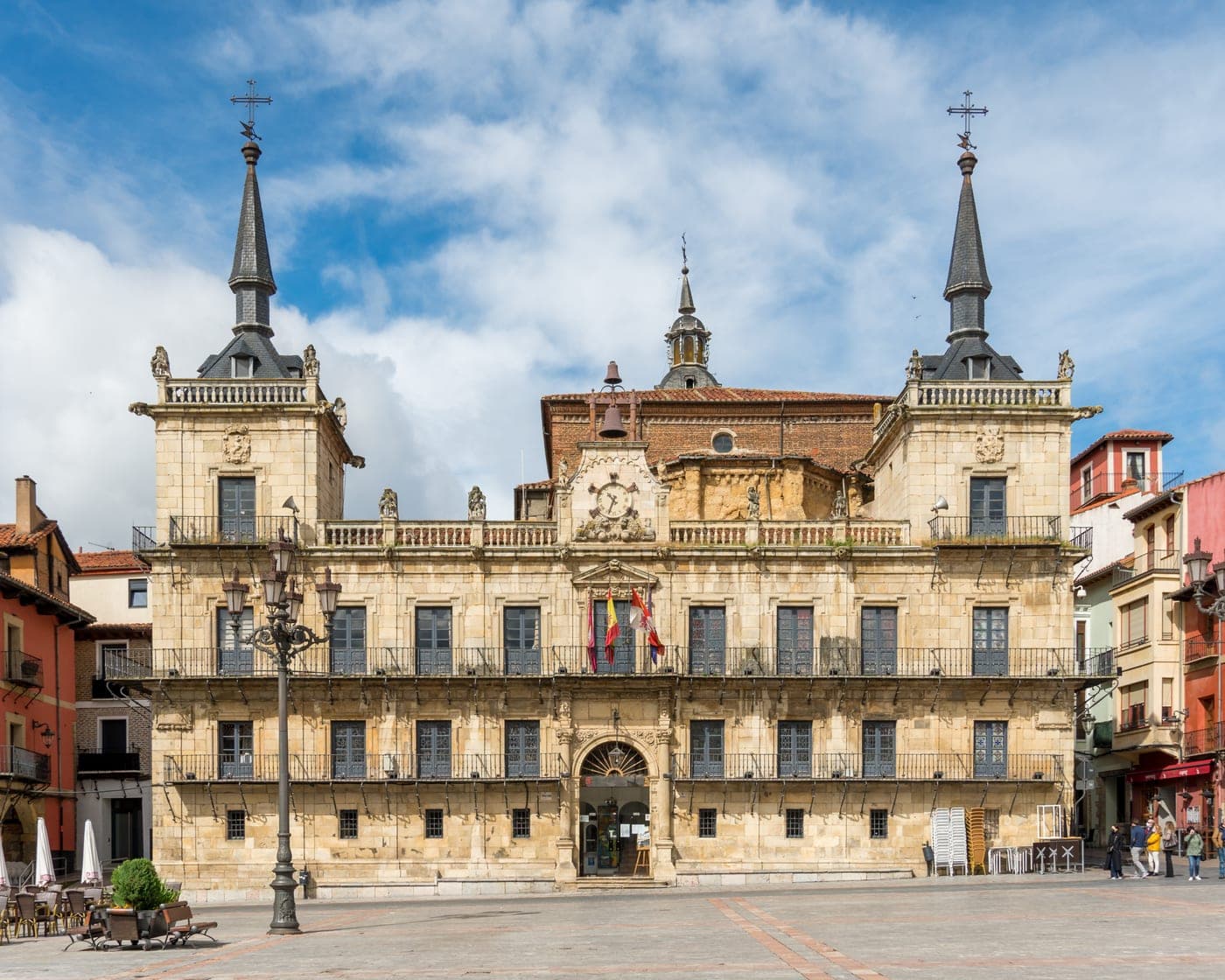
León
Panoramic Trains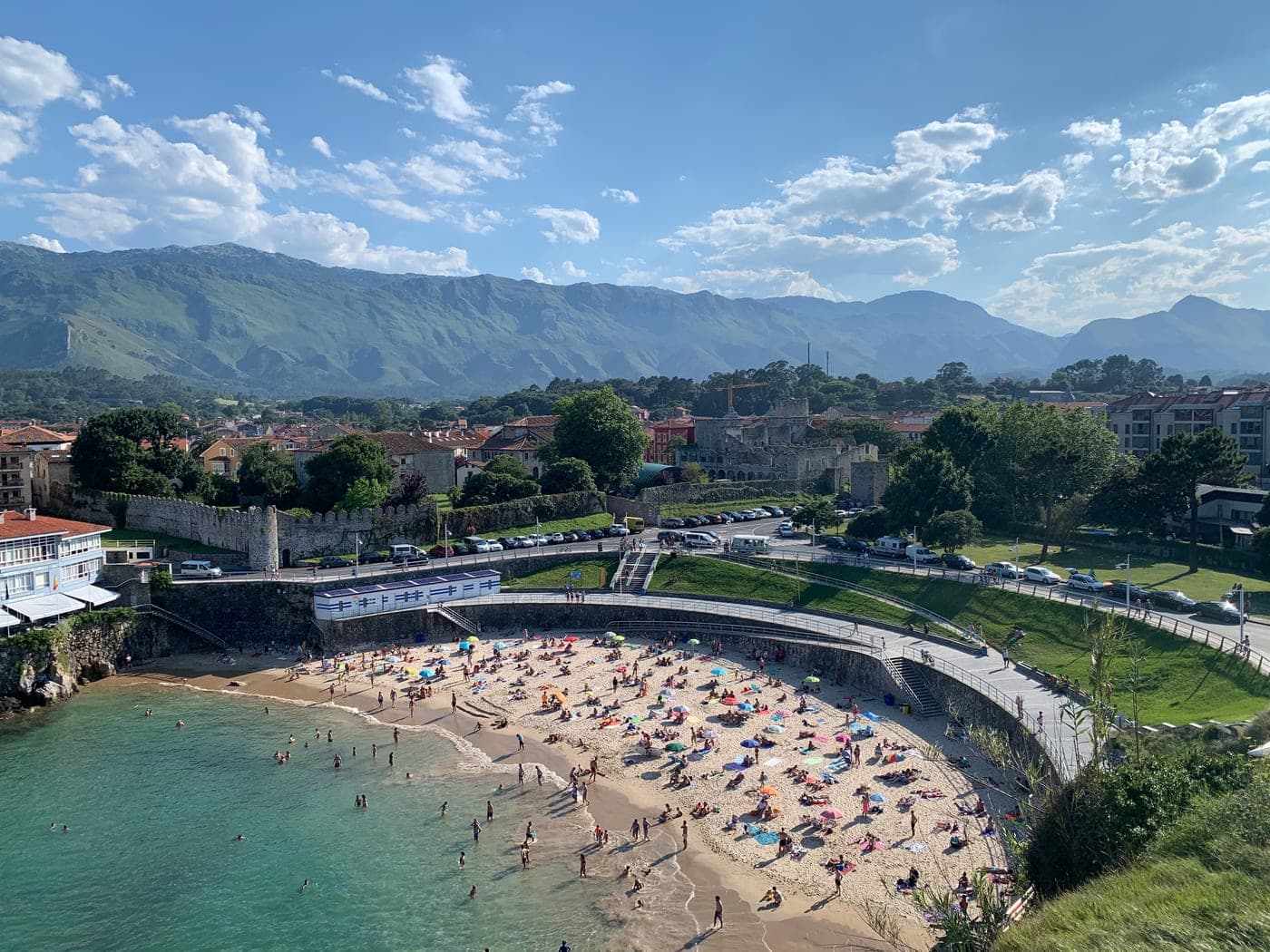
Llanes
Panoramic TrainsMadrid
Camper Van Rentals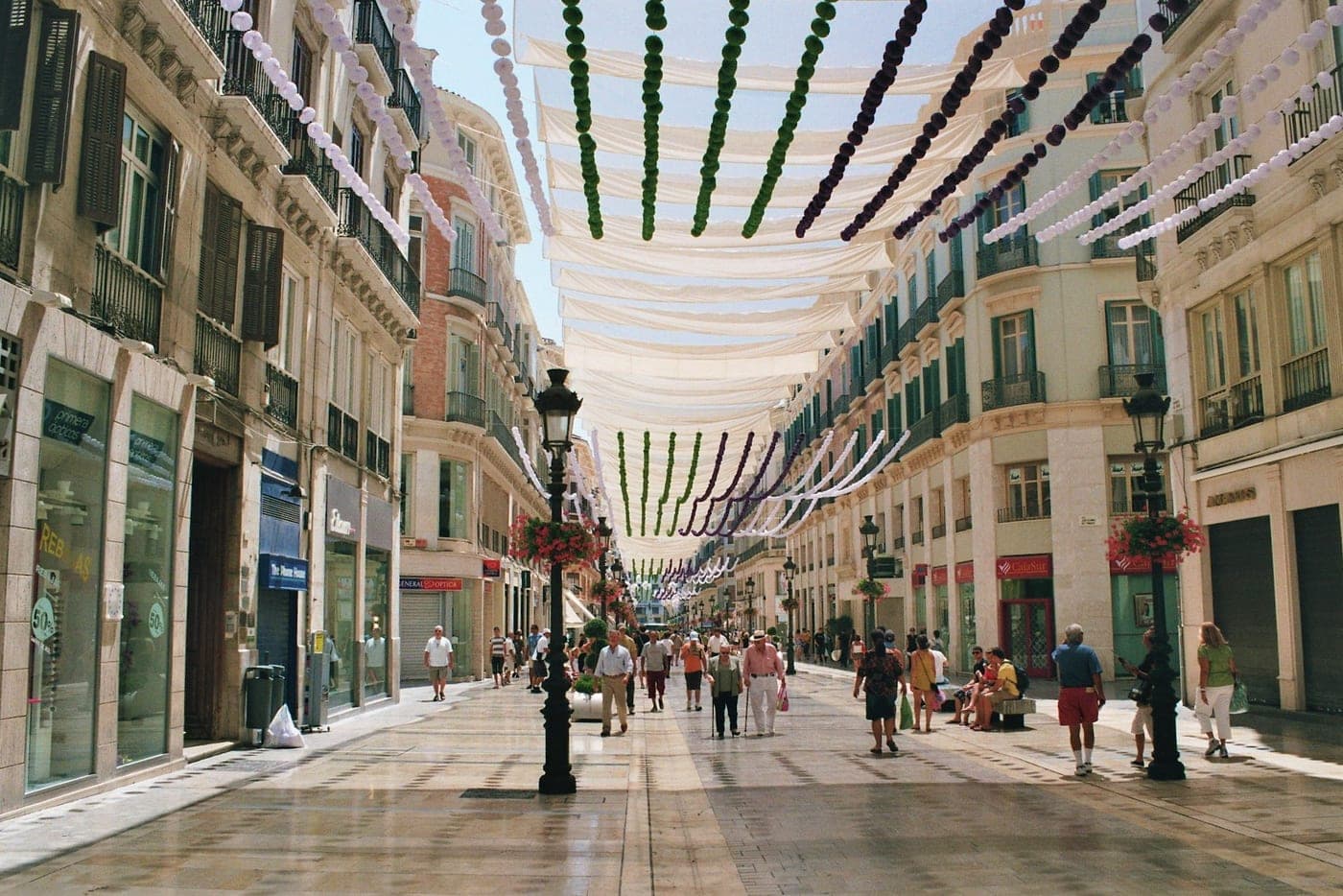
Malaga
Camper Van Rentals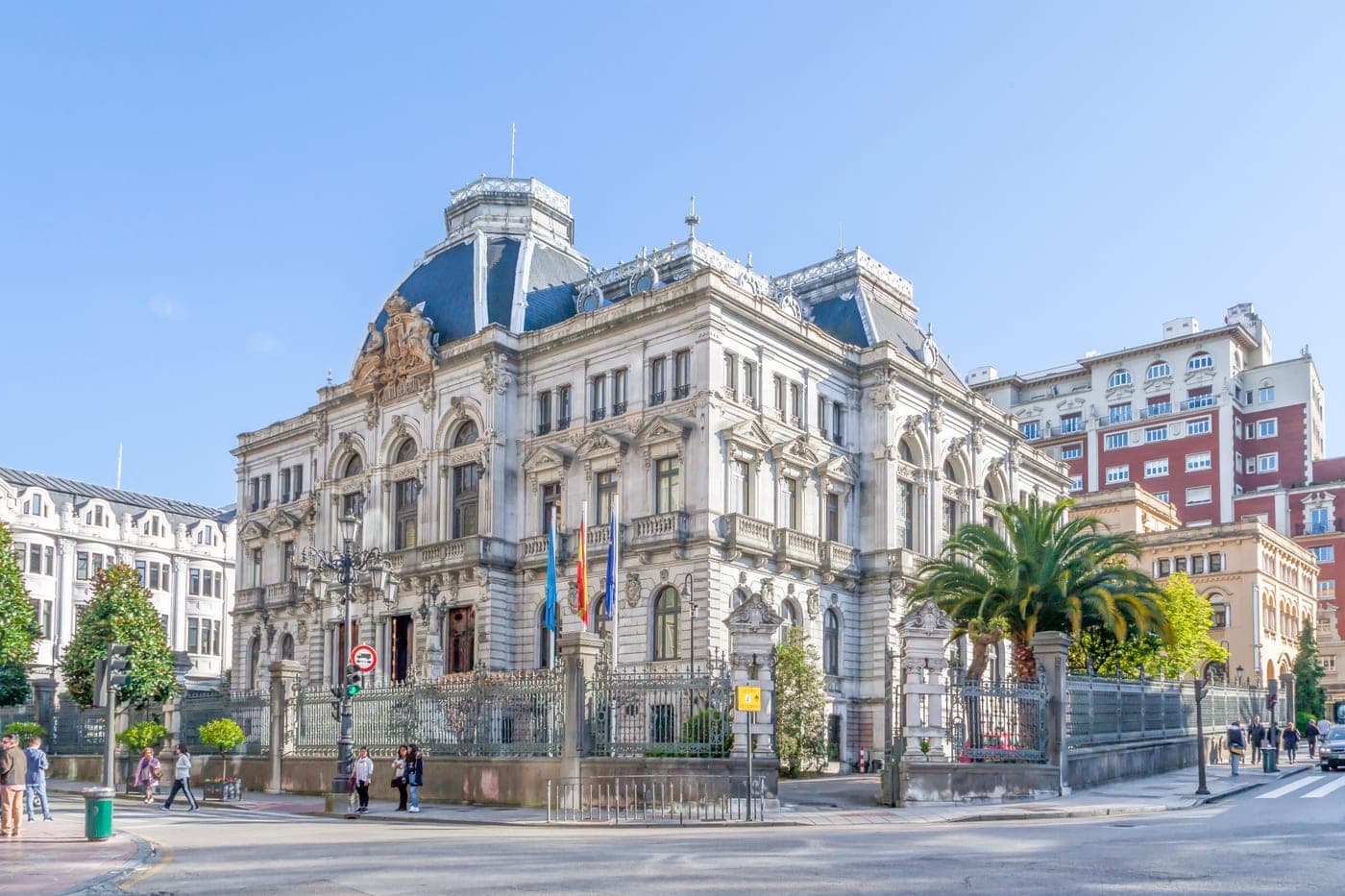
Oviedo
Panoramic Trains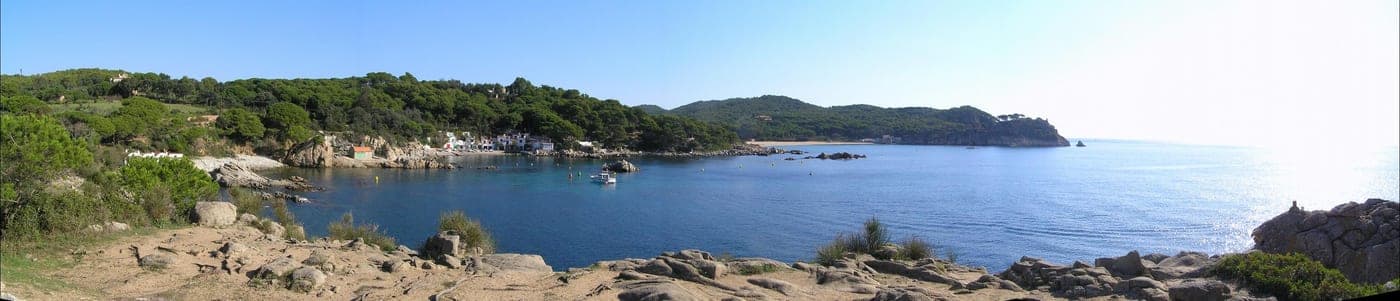
Palamós
Wine Tasting
Pedrosa de Duero
Wine Tasting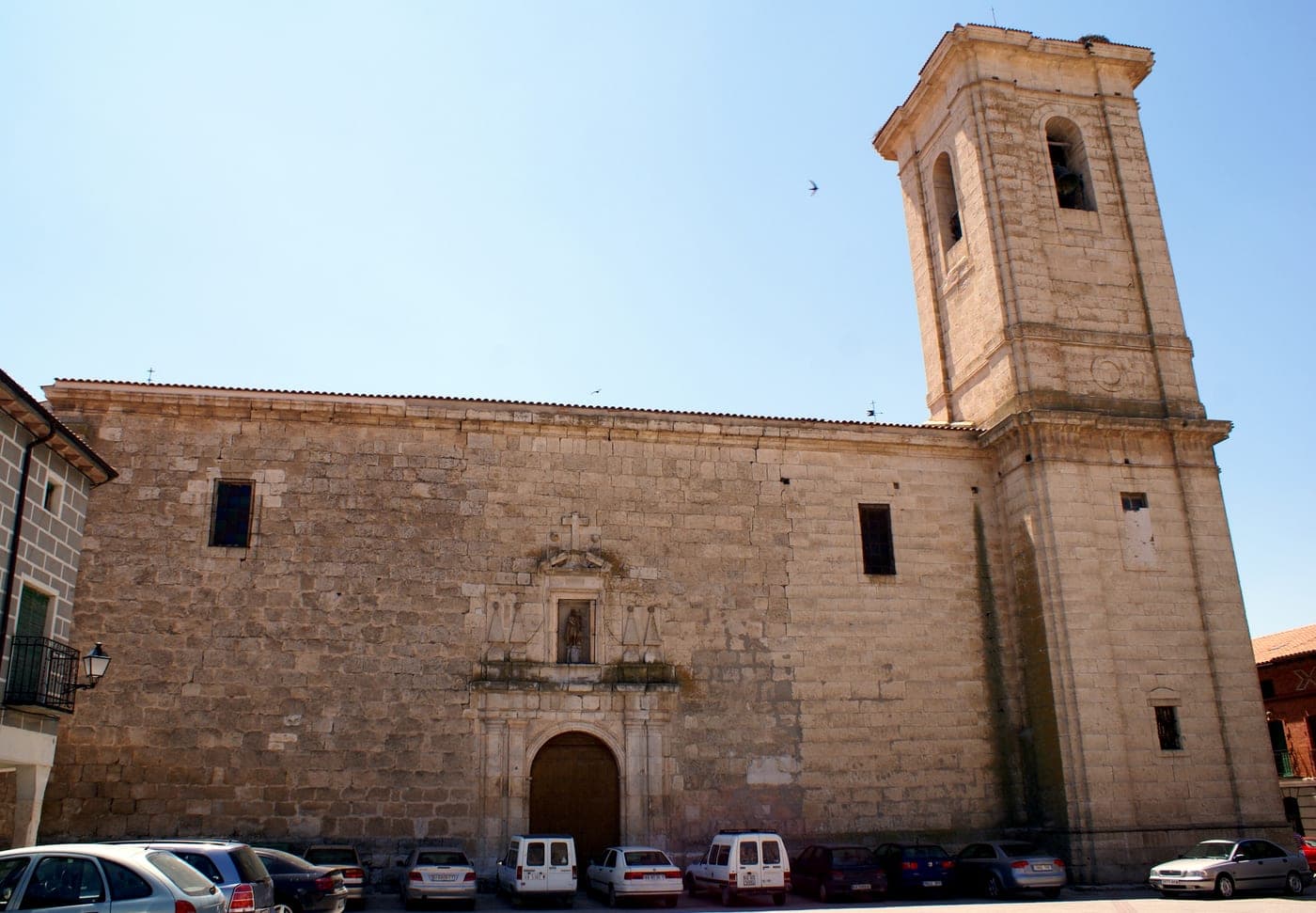
Pesquera de Duero
Wine Tasting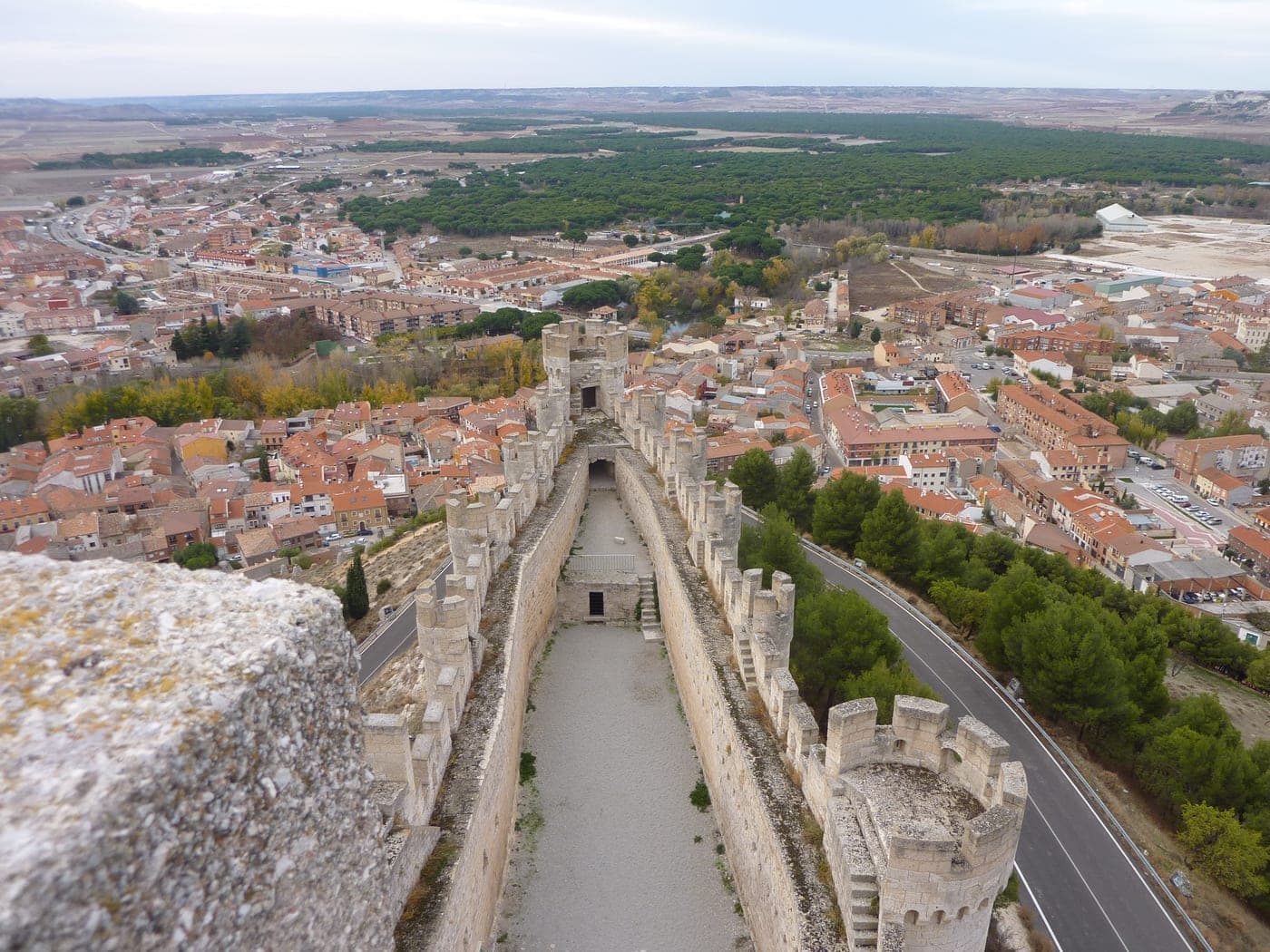
Peñafiel
Wine Tasting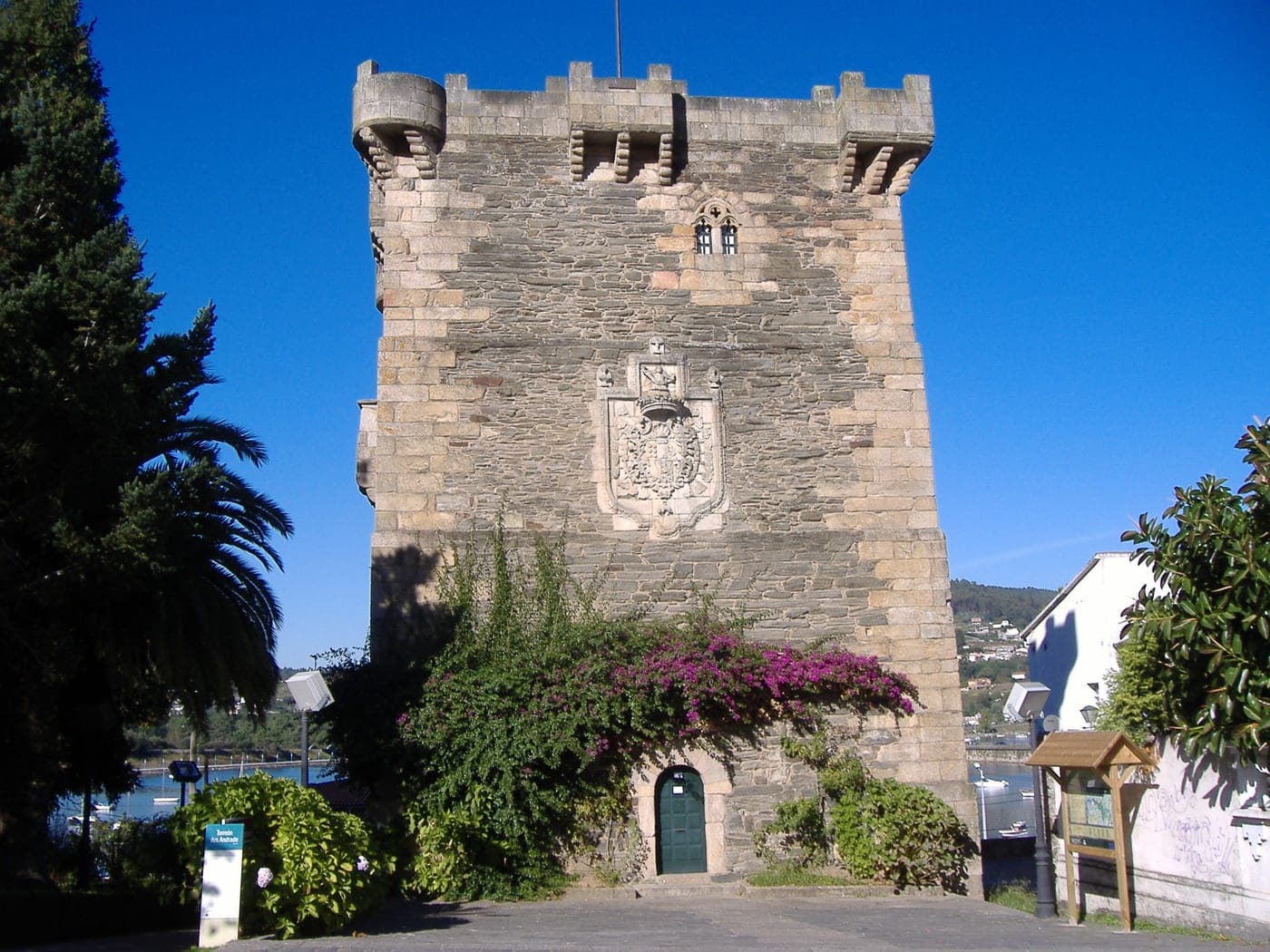
Pontedeume
Panoramic Trains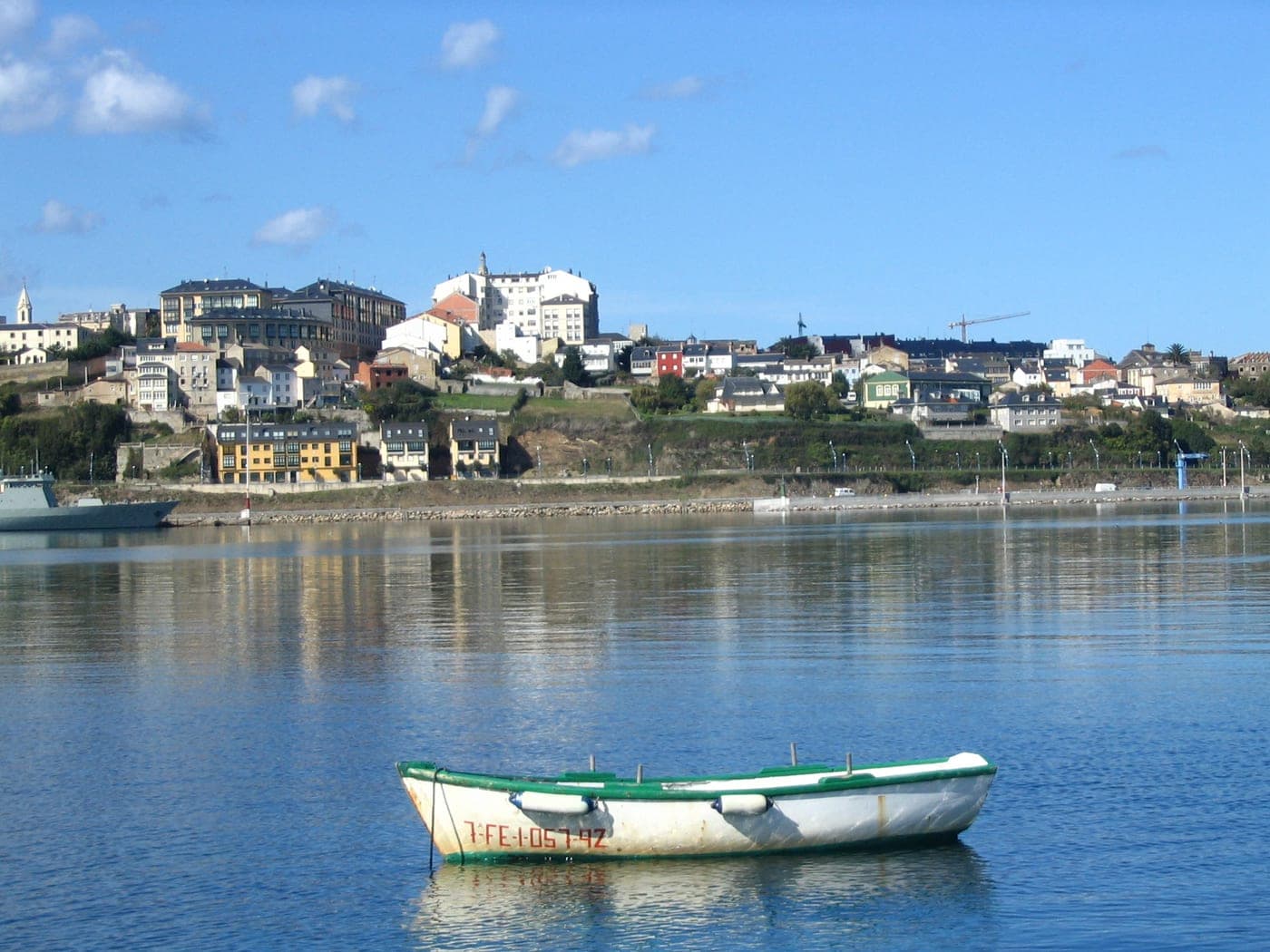
Ribadeo
Panoramic TrainsRonda
Wine Tasting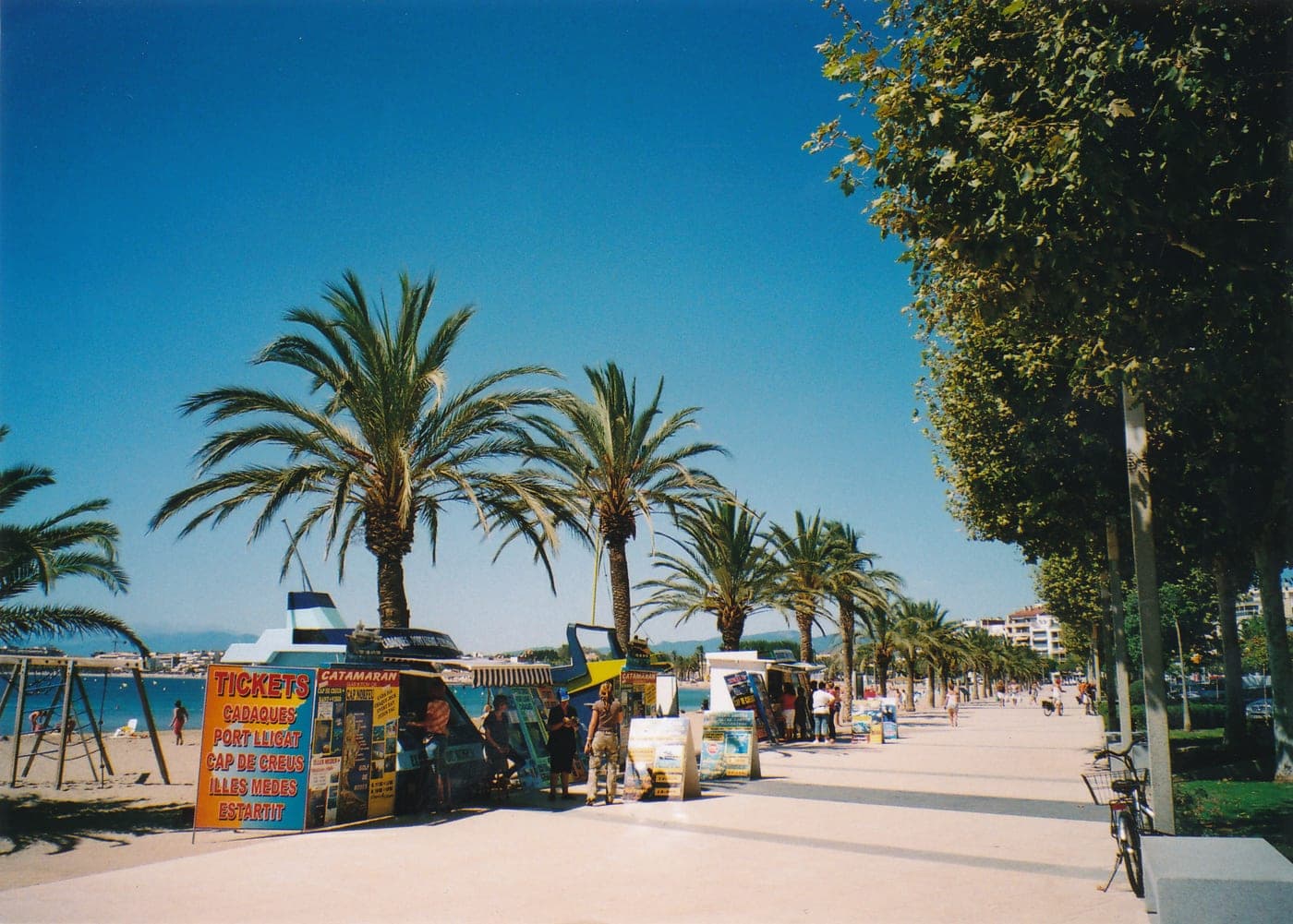
Roses
Boat Rentals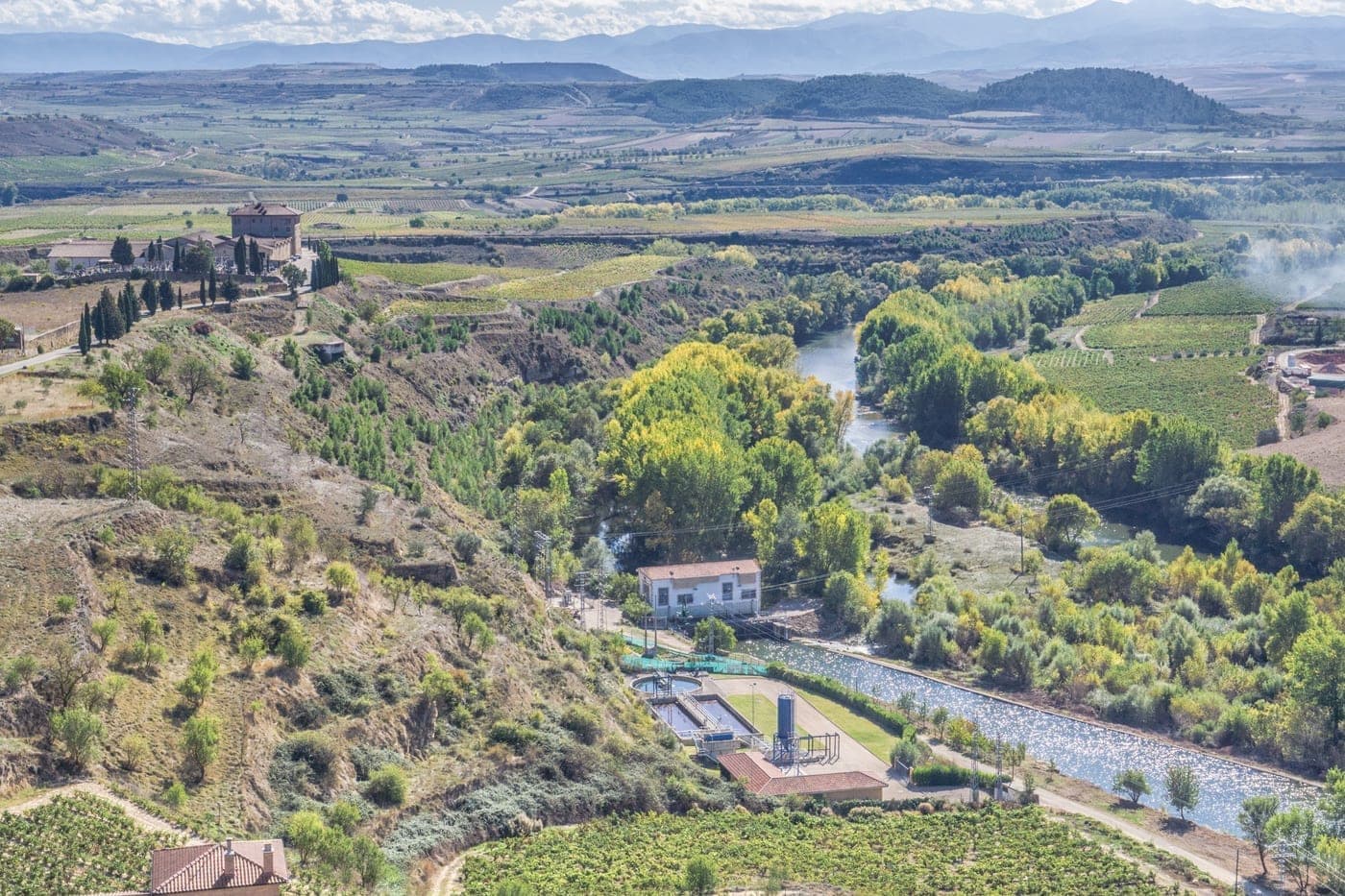
San Vicente de la Sonsierra
Wine Tasting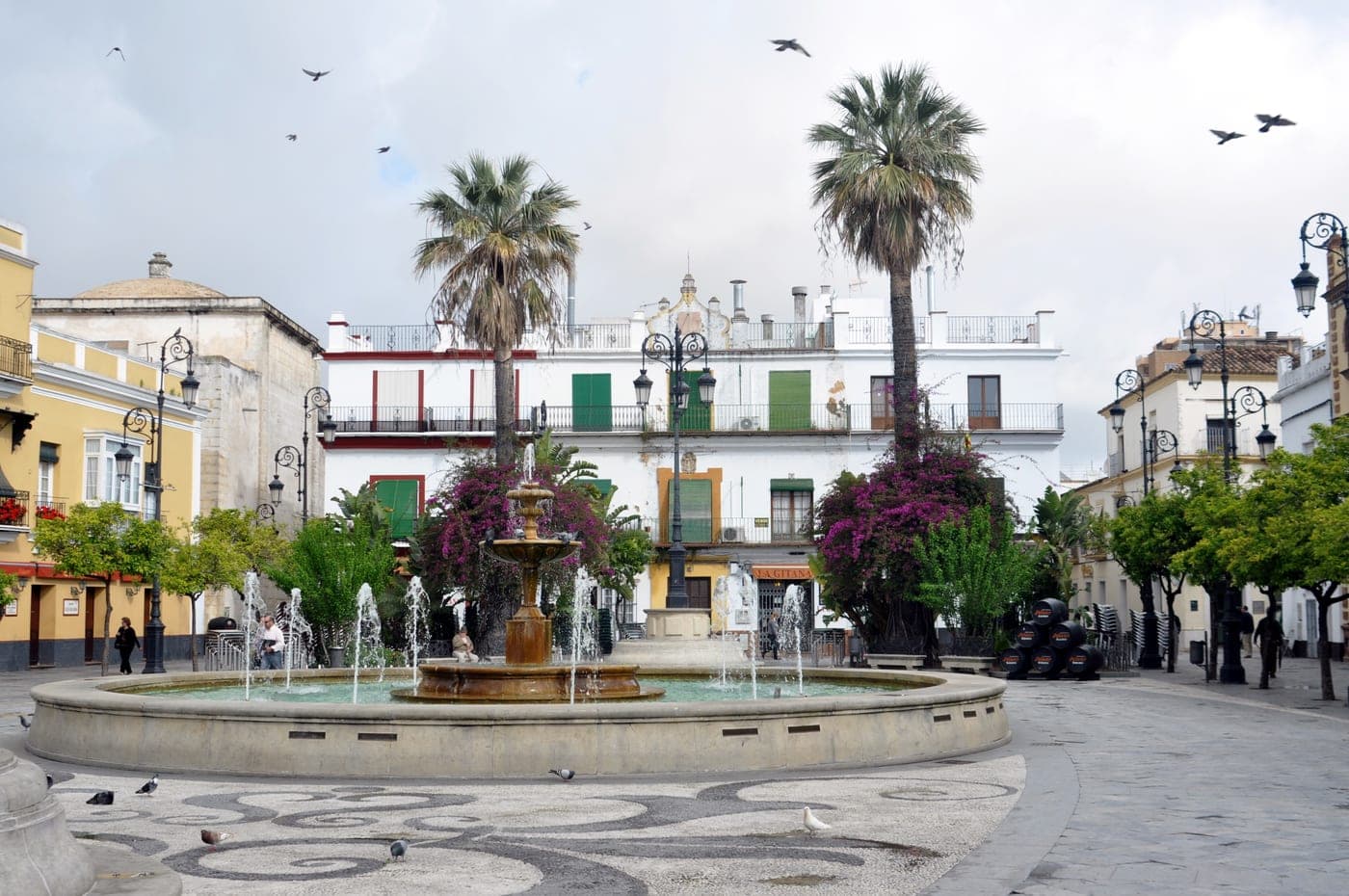
Sanlúcar de Barrameda
Wine Tasting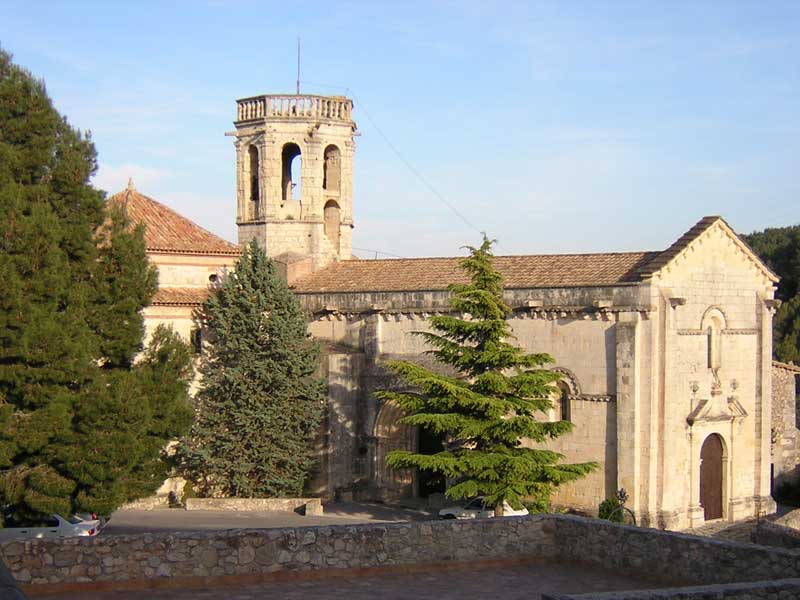
Sant Martí Sarroca
Wine Tasting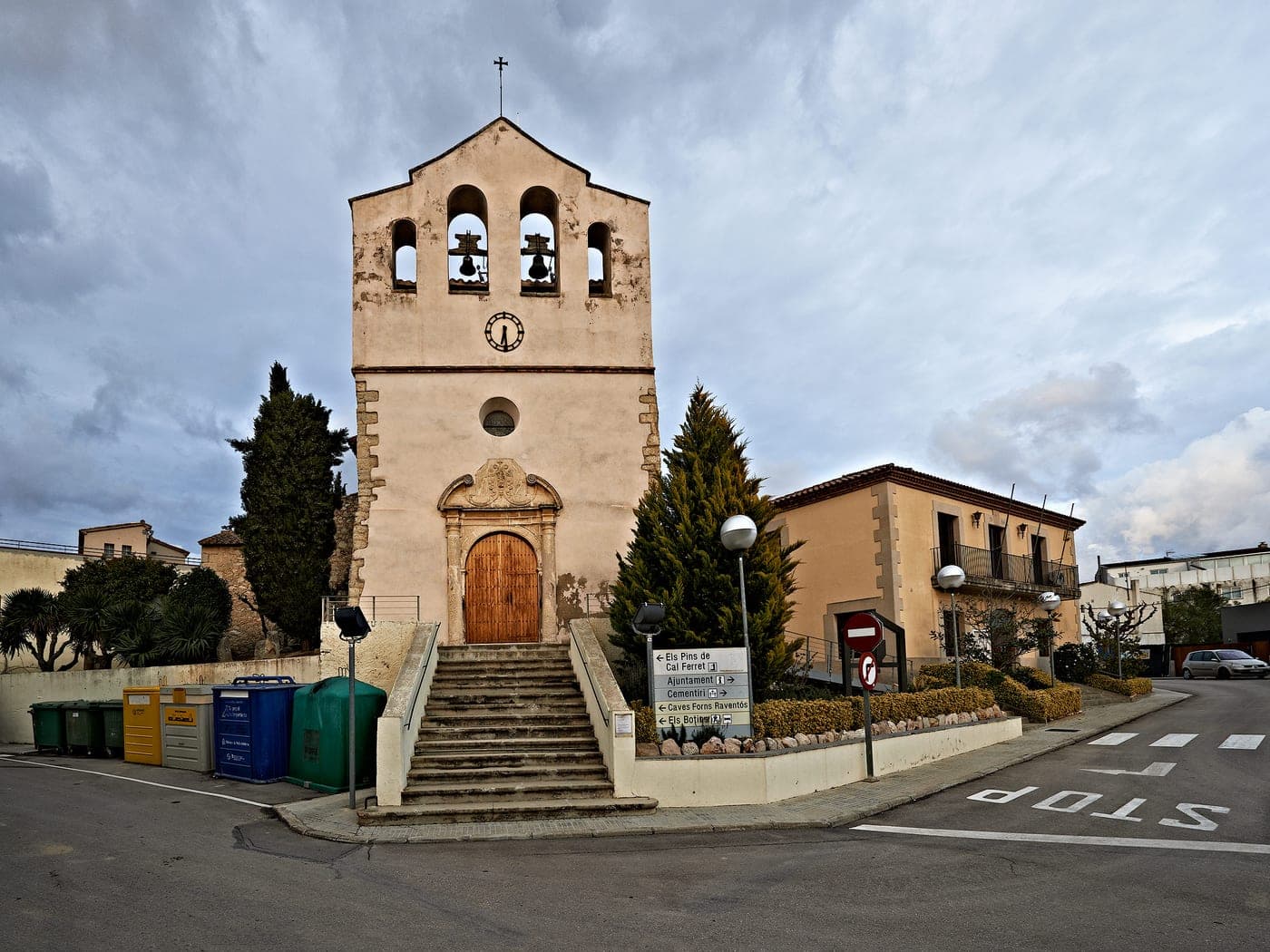
Santa Fe del Penedès
Wine TastingSantander
Panoramic Trains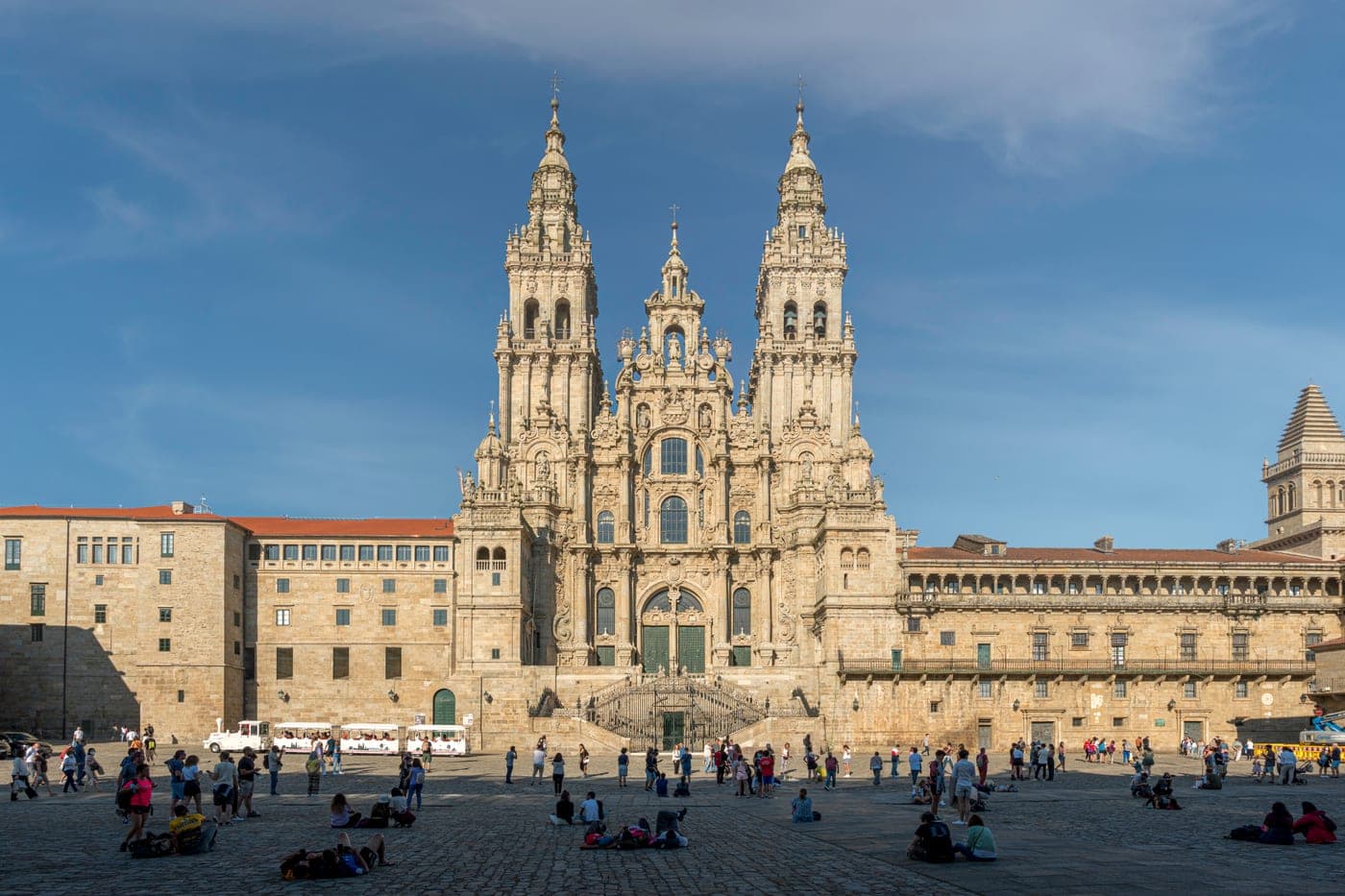
Santiago de Compostela
Panoramic Trains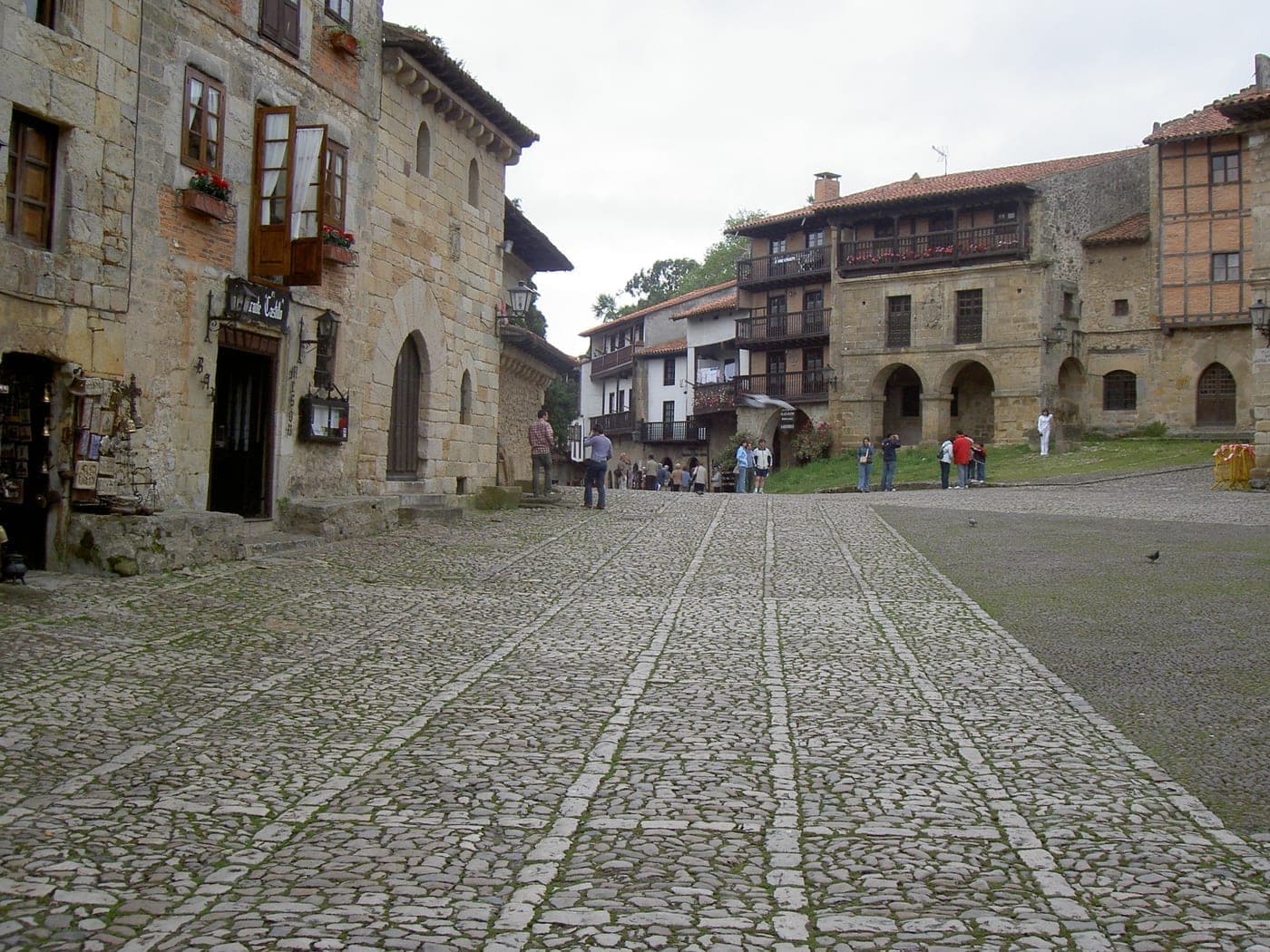
Santillana del Mar
Panoramic Trains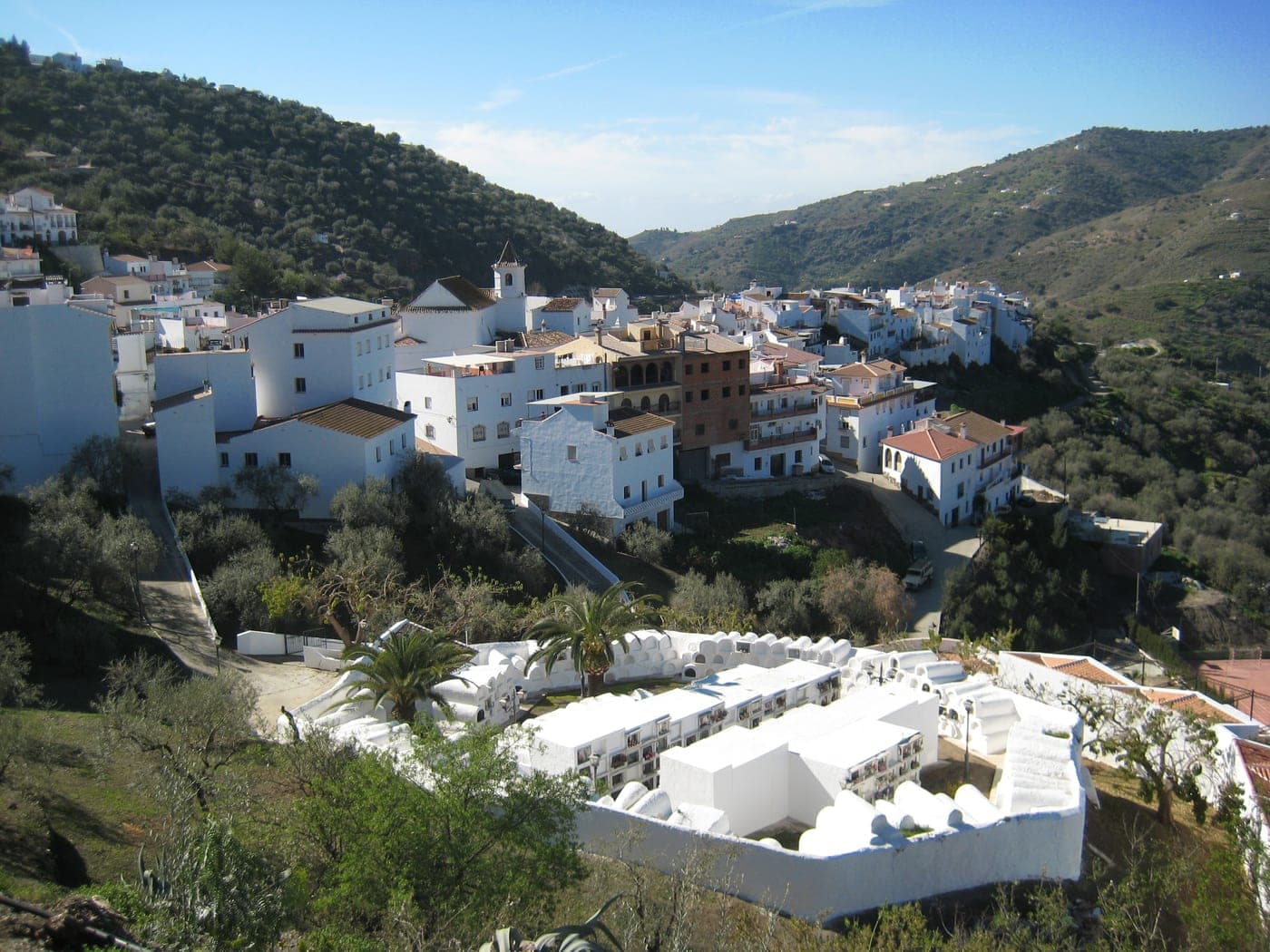
Sayalonga
Wine Tasting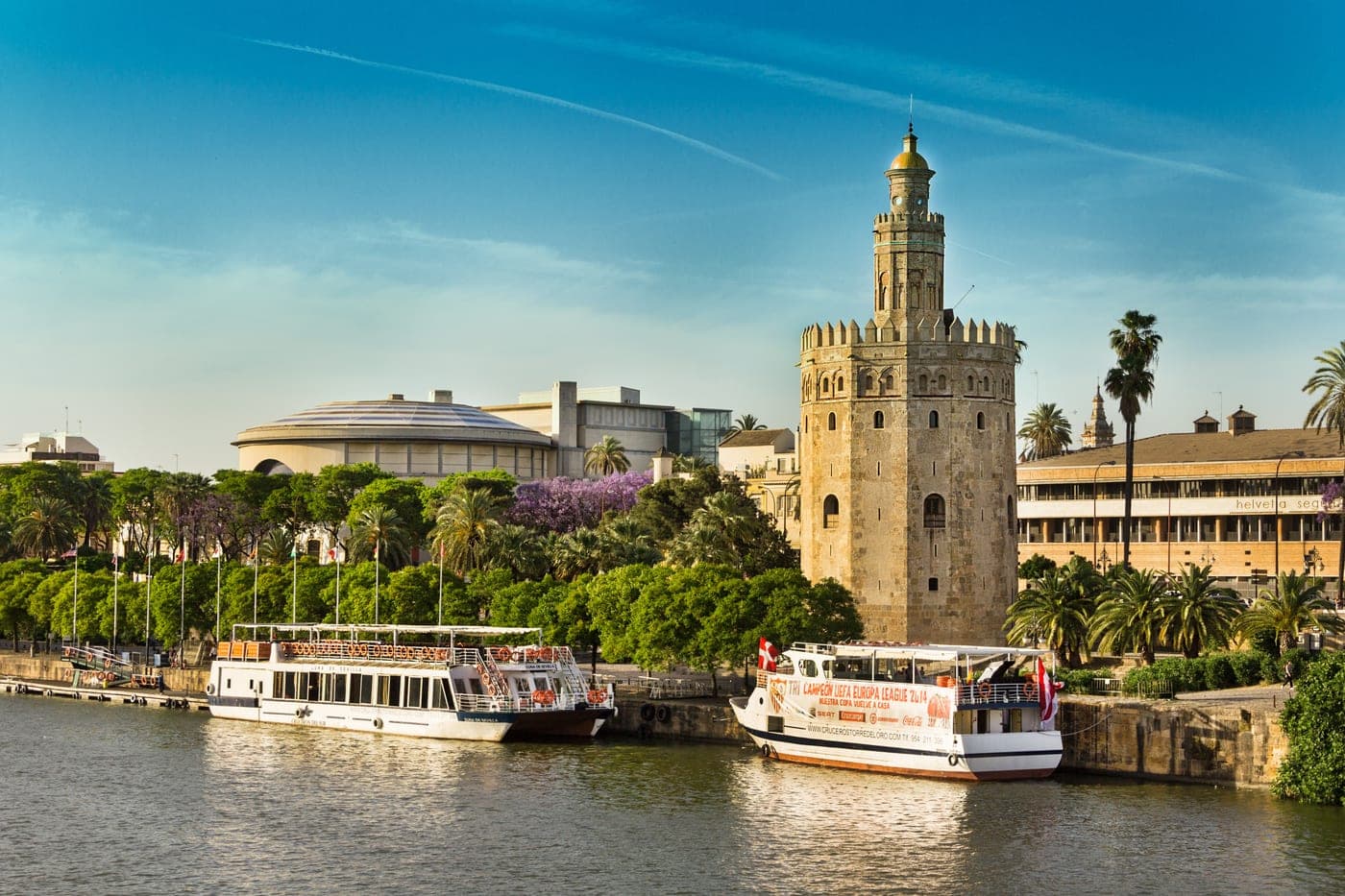
Seville
Camper Van Rentals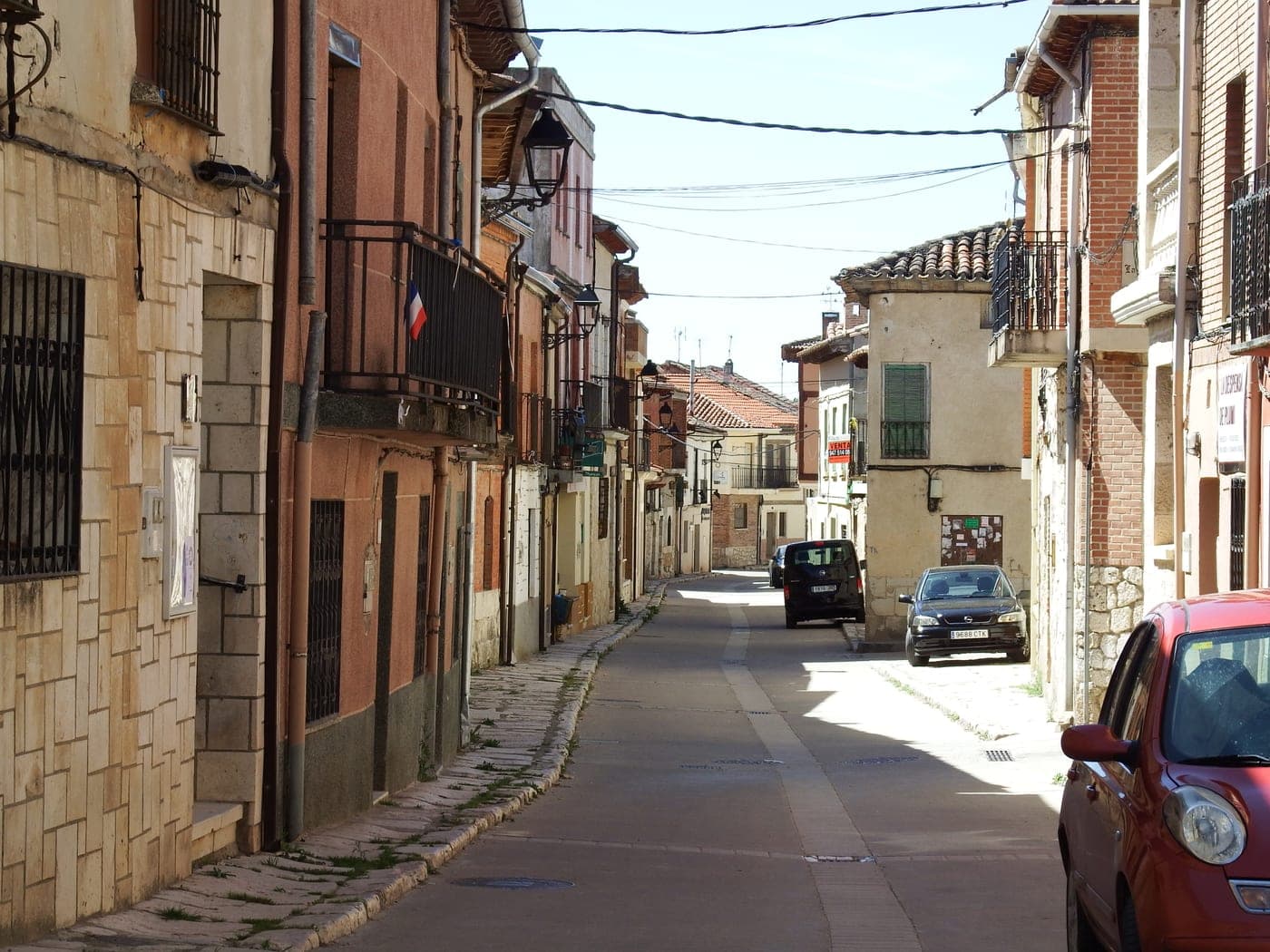
Sotillo de la Ribera
Wine Tasting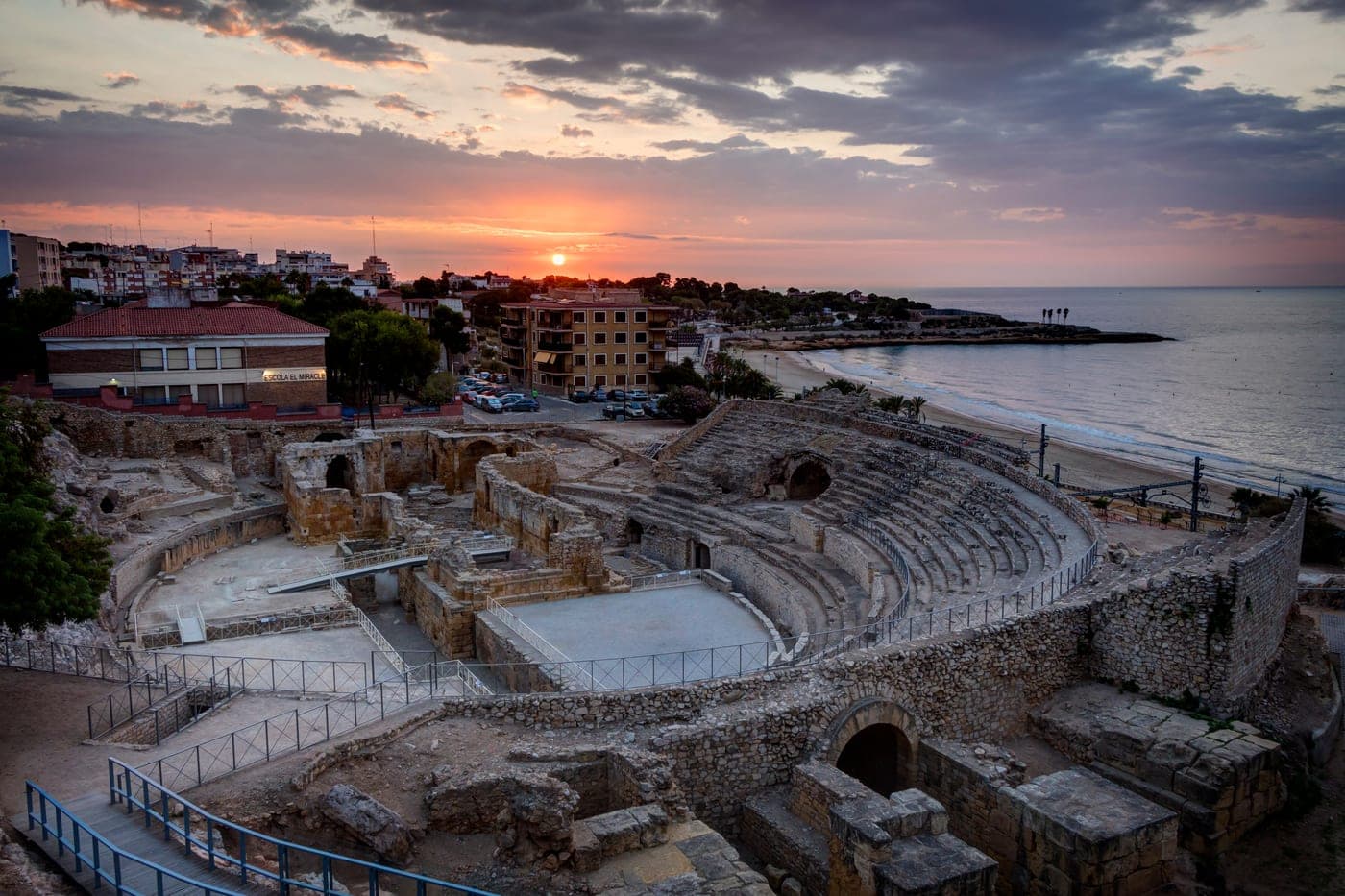
Tarragona
Boat RentalsToro
Wine Tasting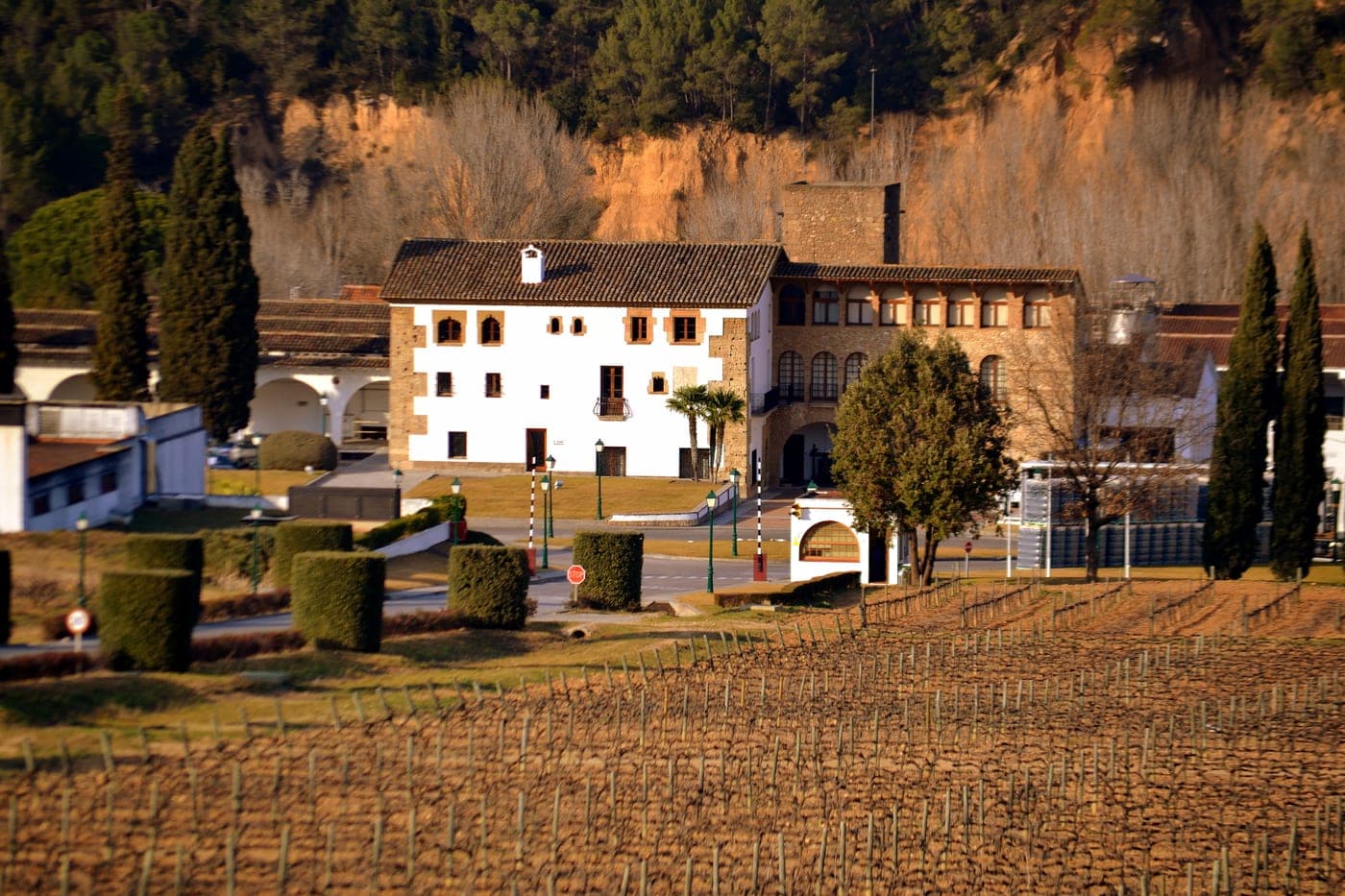
Torrelavit
Wine Tasting
Umbrete
Wine TastingValencia
Camper Van Rentals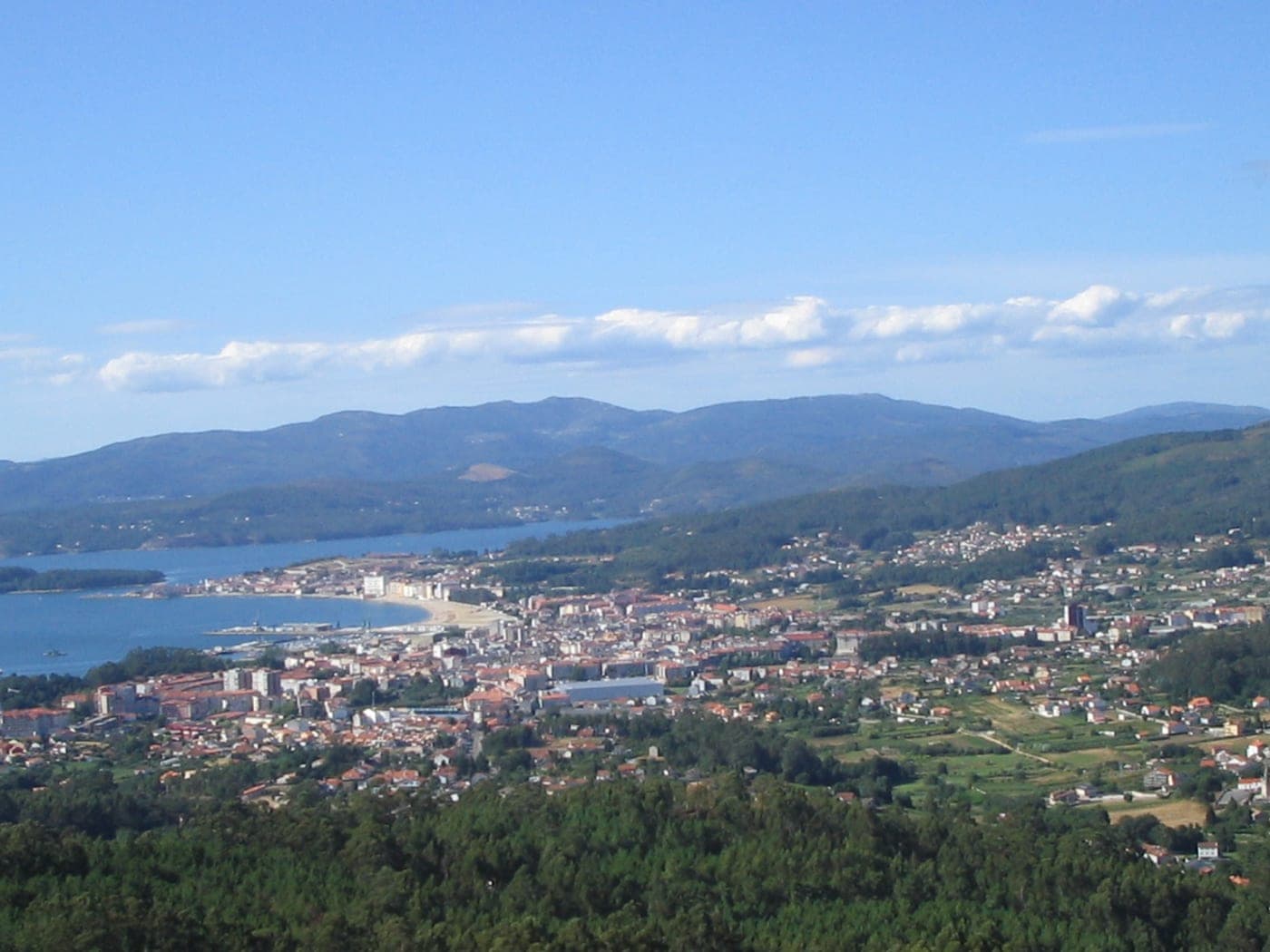
Vilagarcía de Arousa
Wine Tasting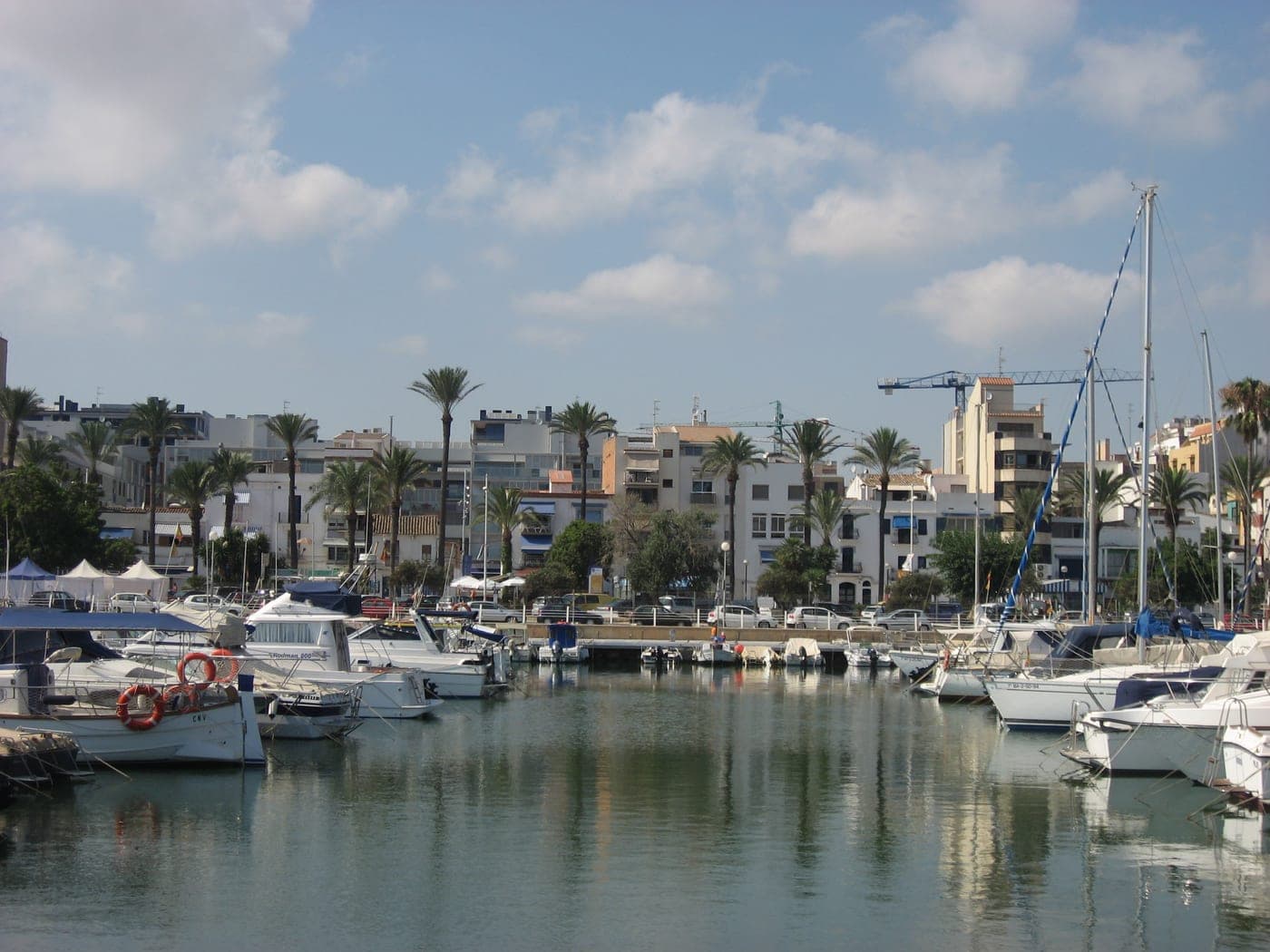
Vilanova i la Geltrú
Wine Tasting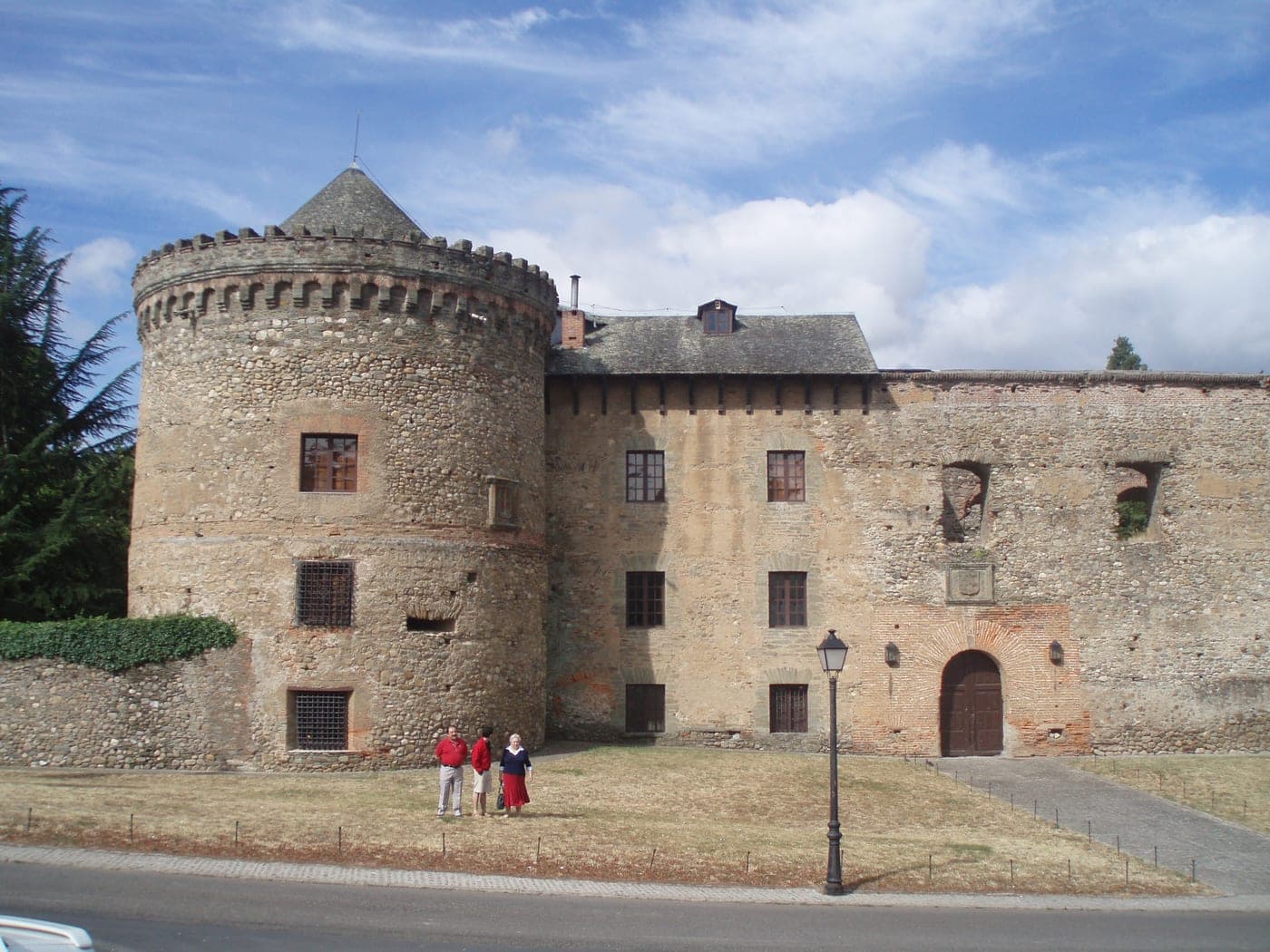
Villafranca del Bierzo
Wine Tasting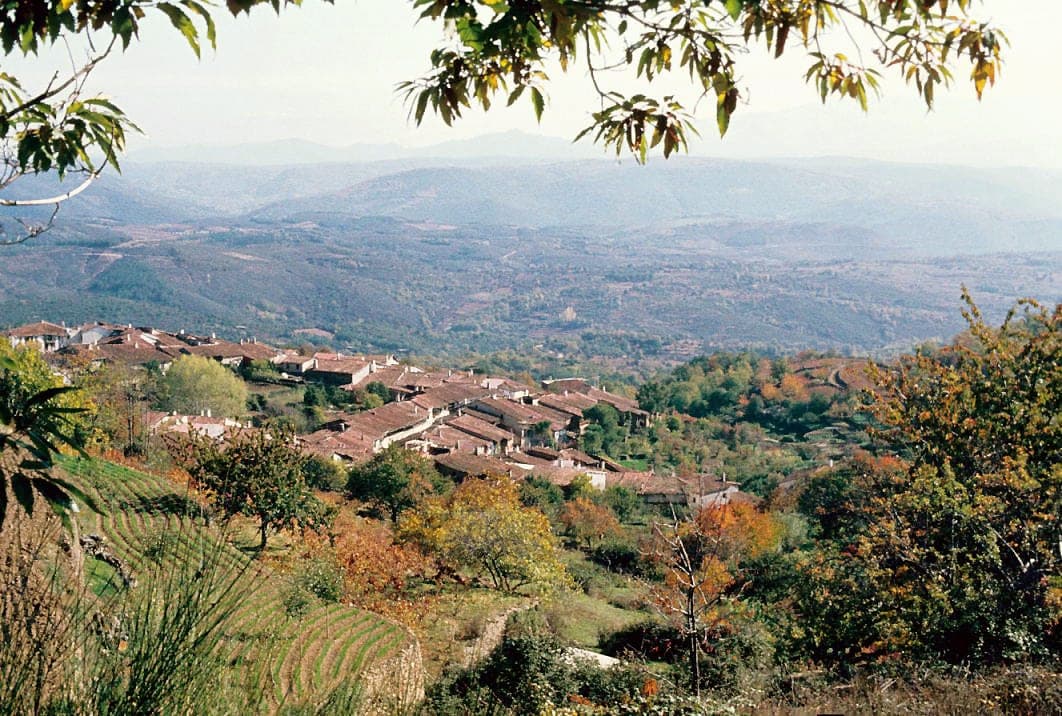
Villanueva del Conde
Wine Tasting
Villarrobledo
Wine TastingViveiro
Panoramic Trains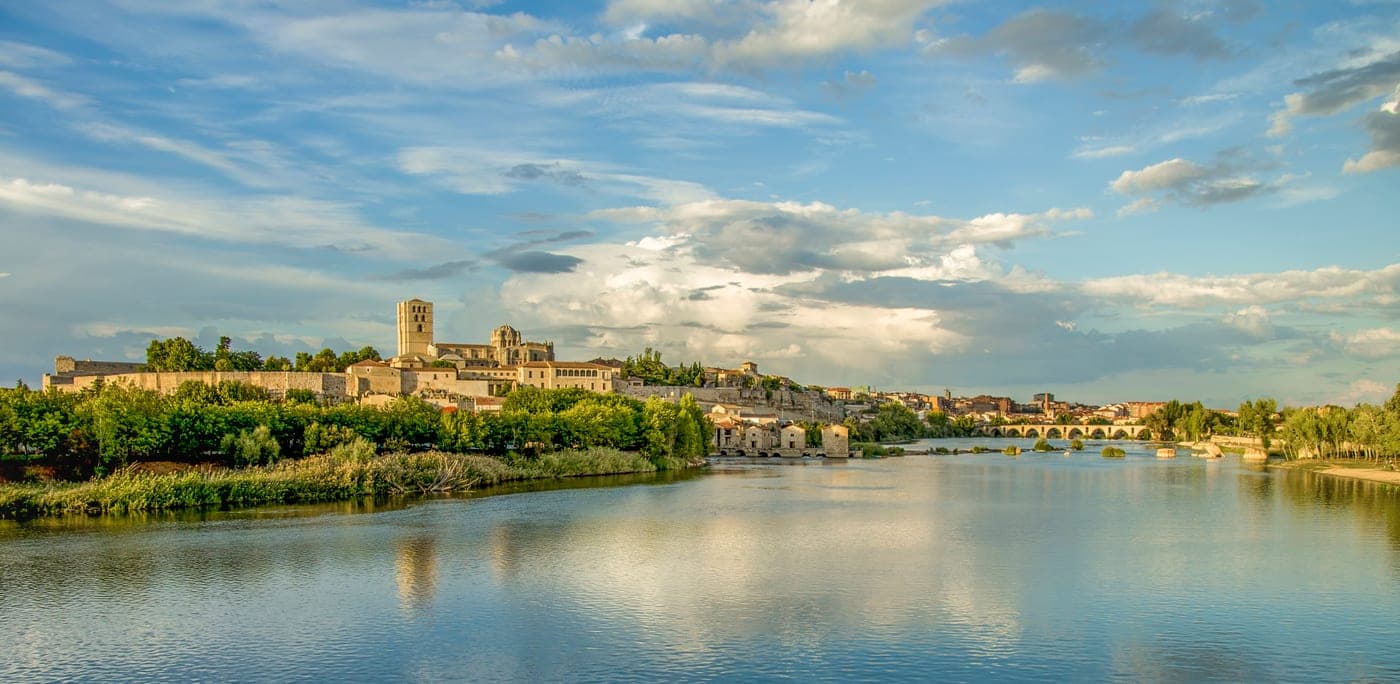
Zamora
Wine Tasting🇸🇪
Sweden
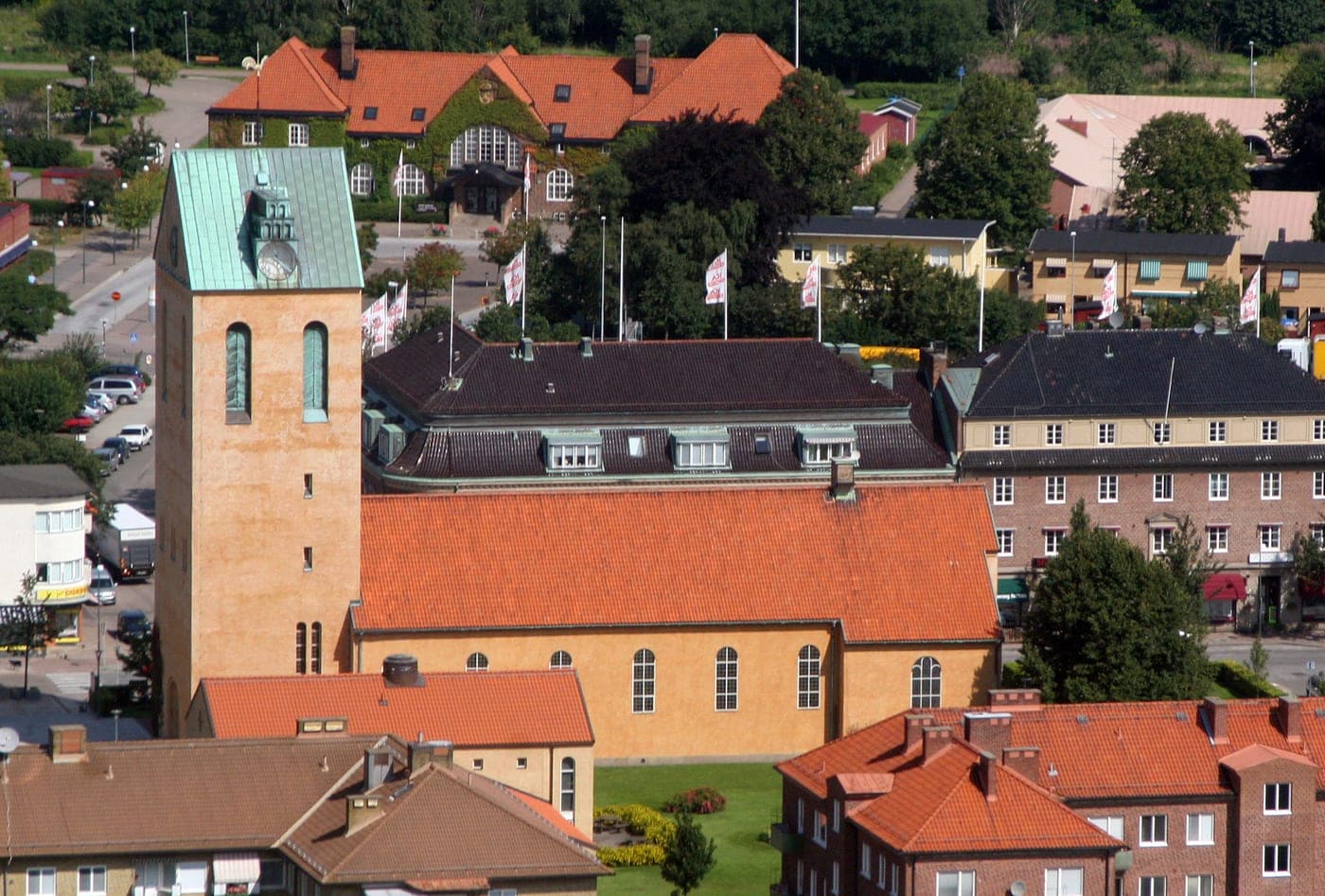
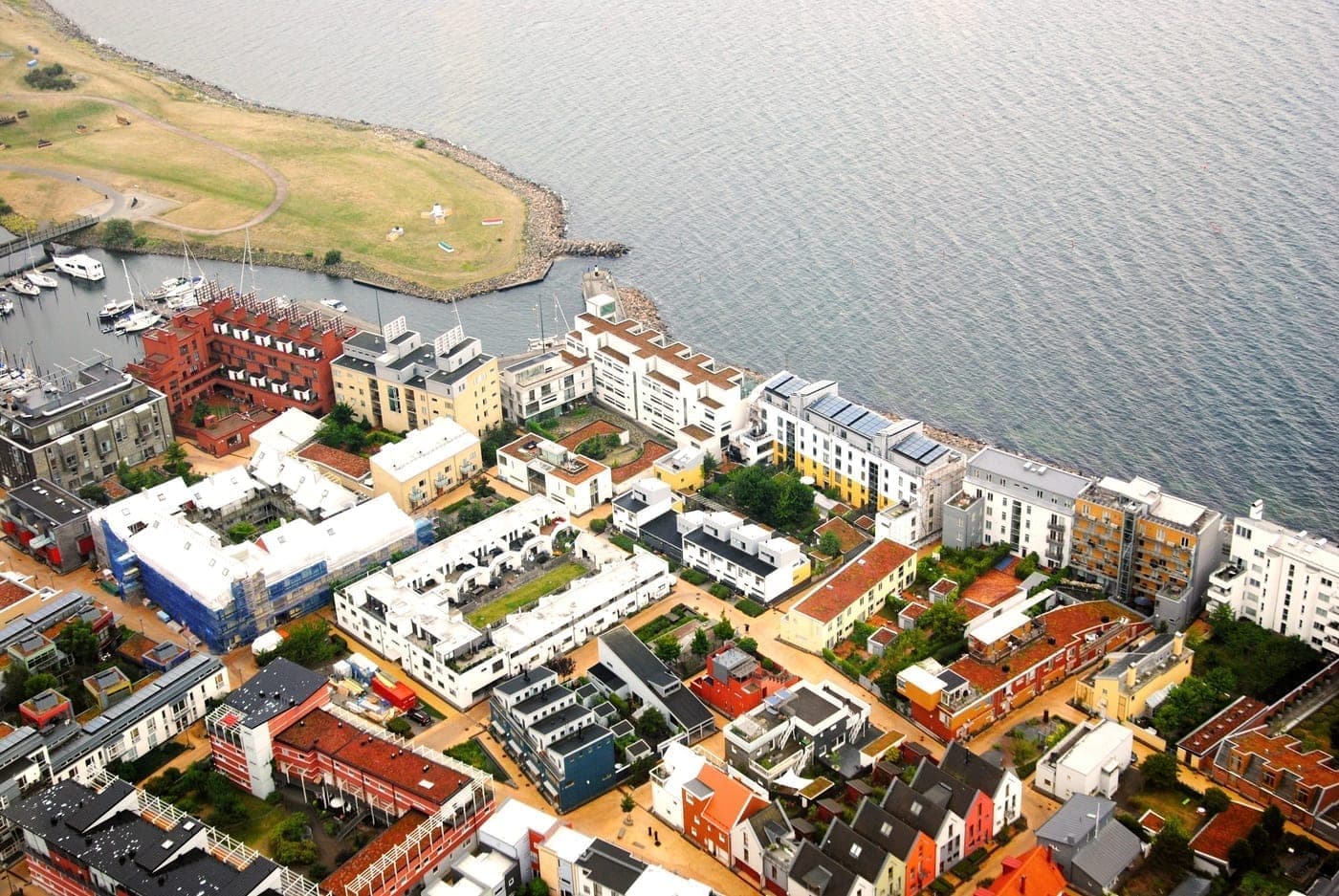
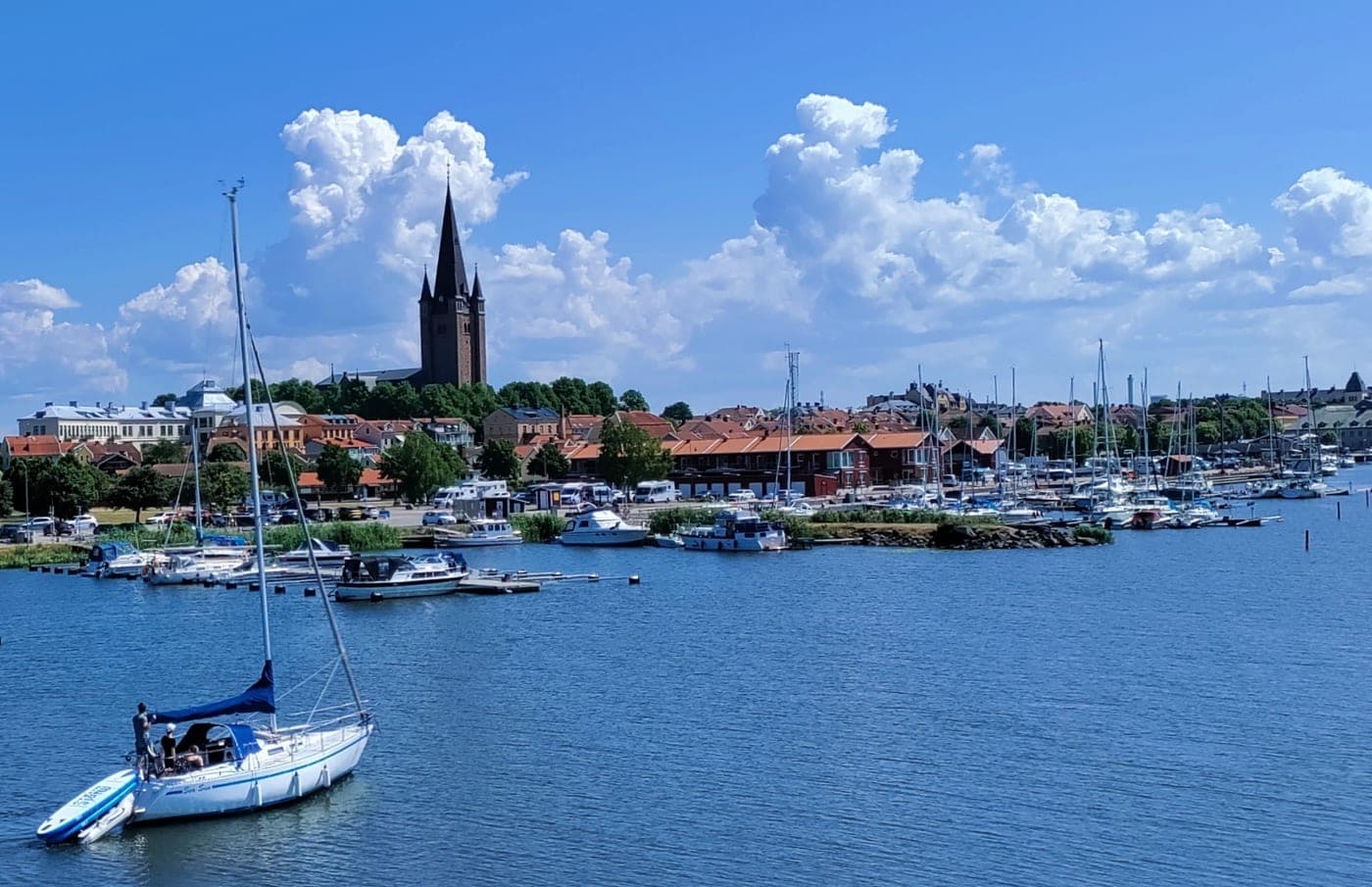
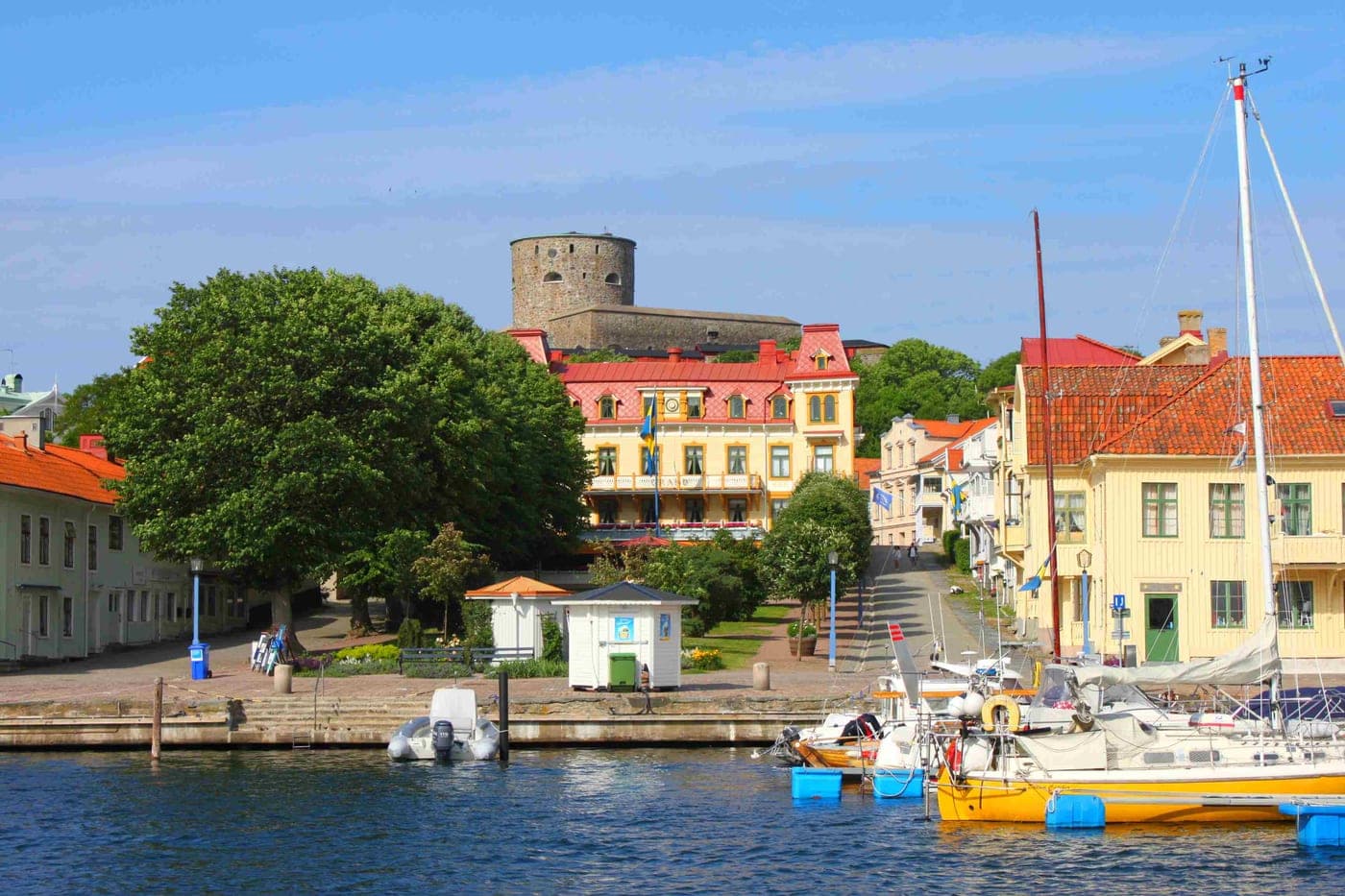
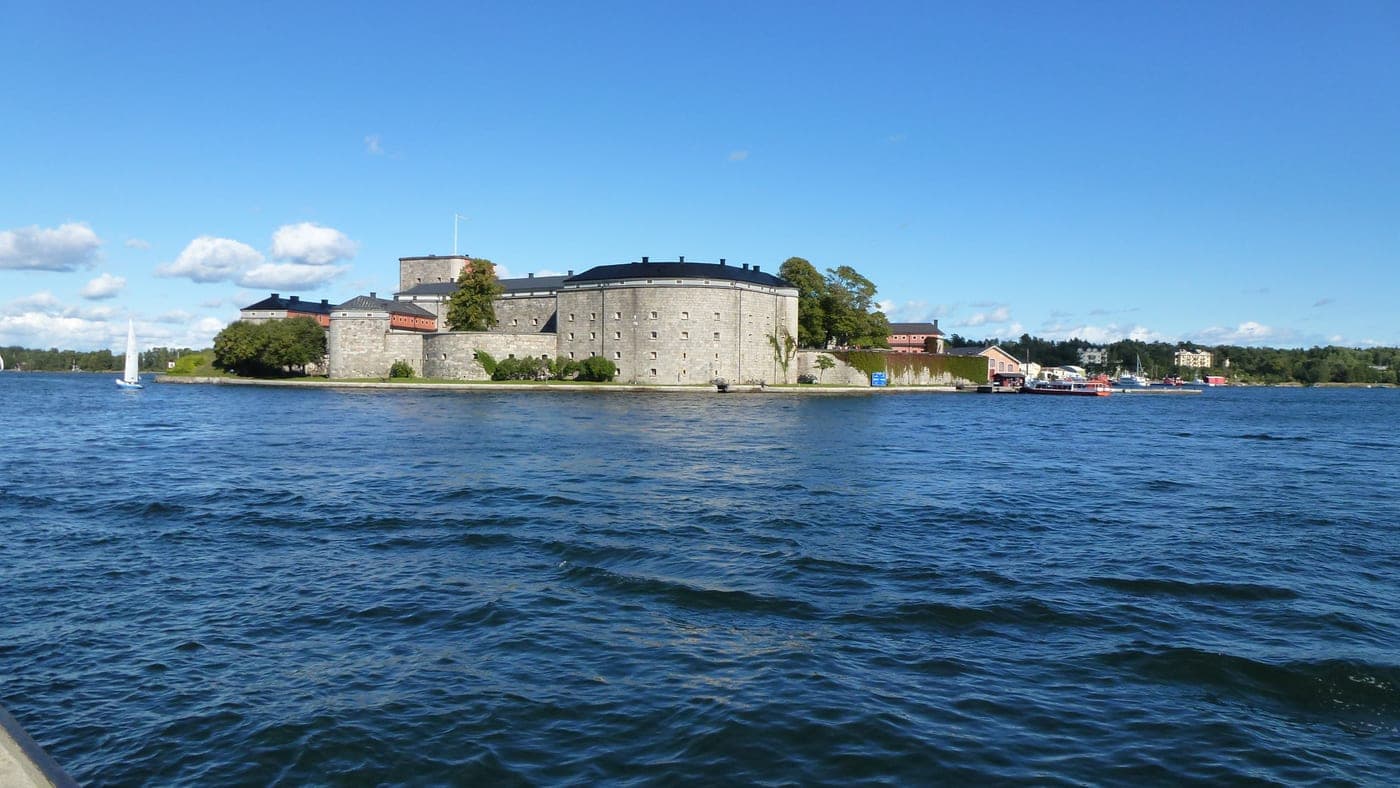
🇨🇭
Switzerland
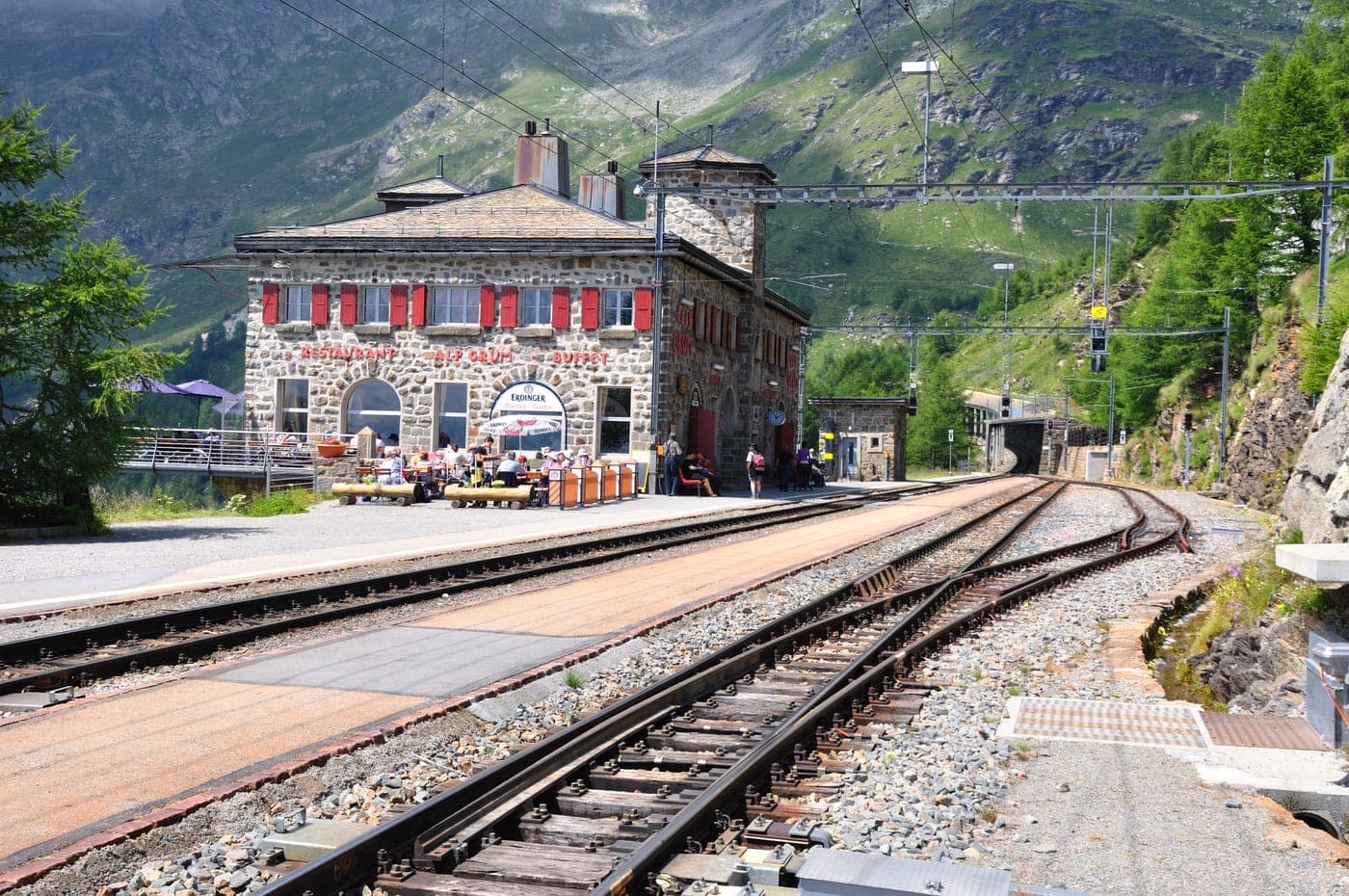
Alp Grüm
Panoramic TrainsAltendorf
Boat RentalsAndermatt
Panoramic Trains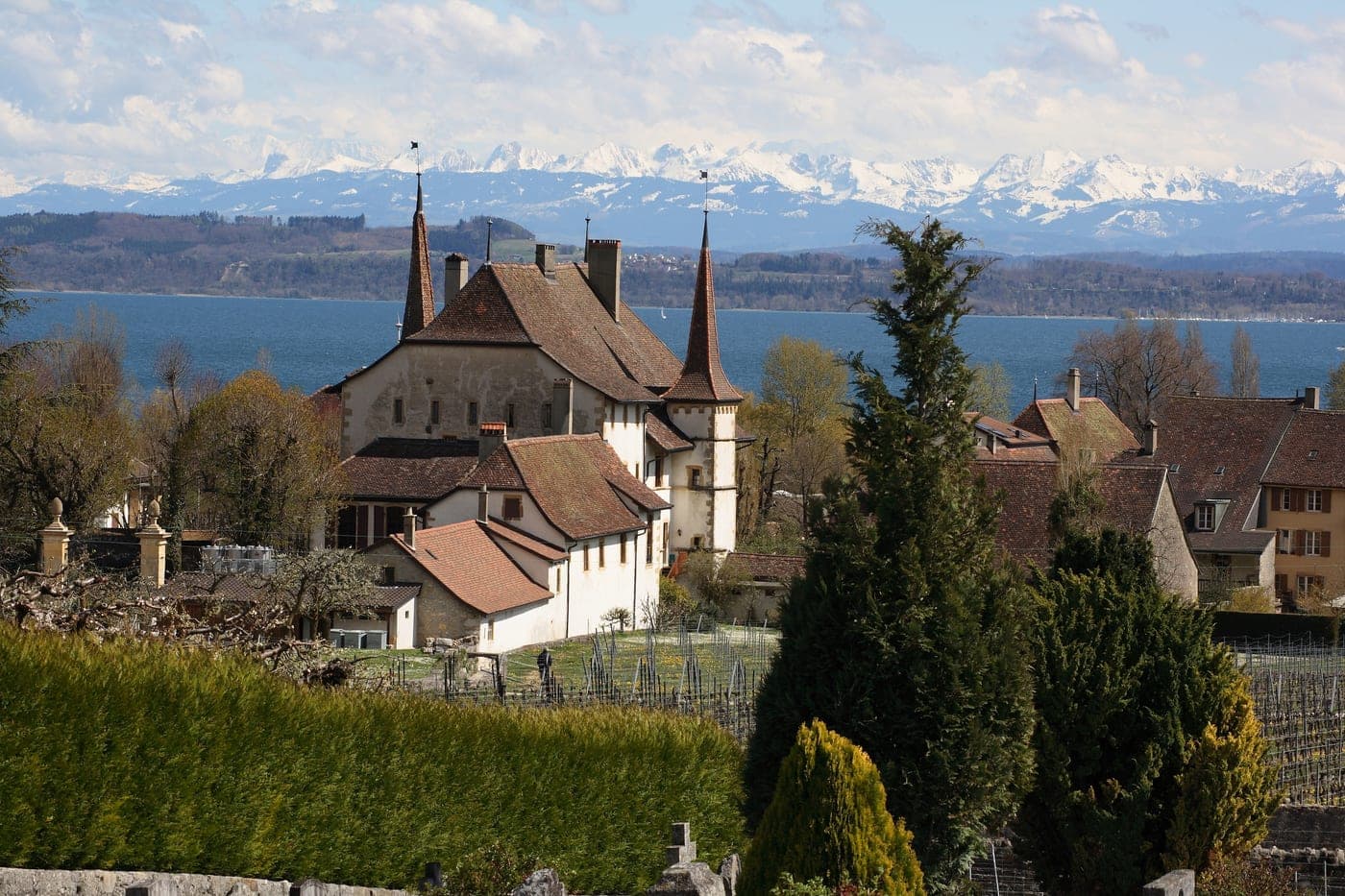
Auvernier
Boat RentalsBern
Camper Van Rentals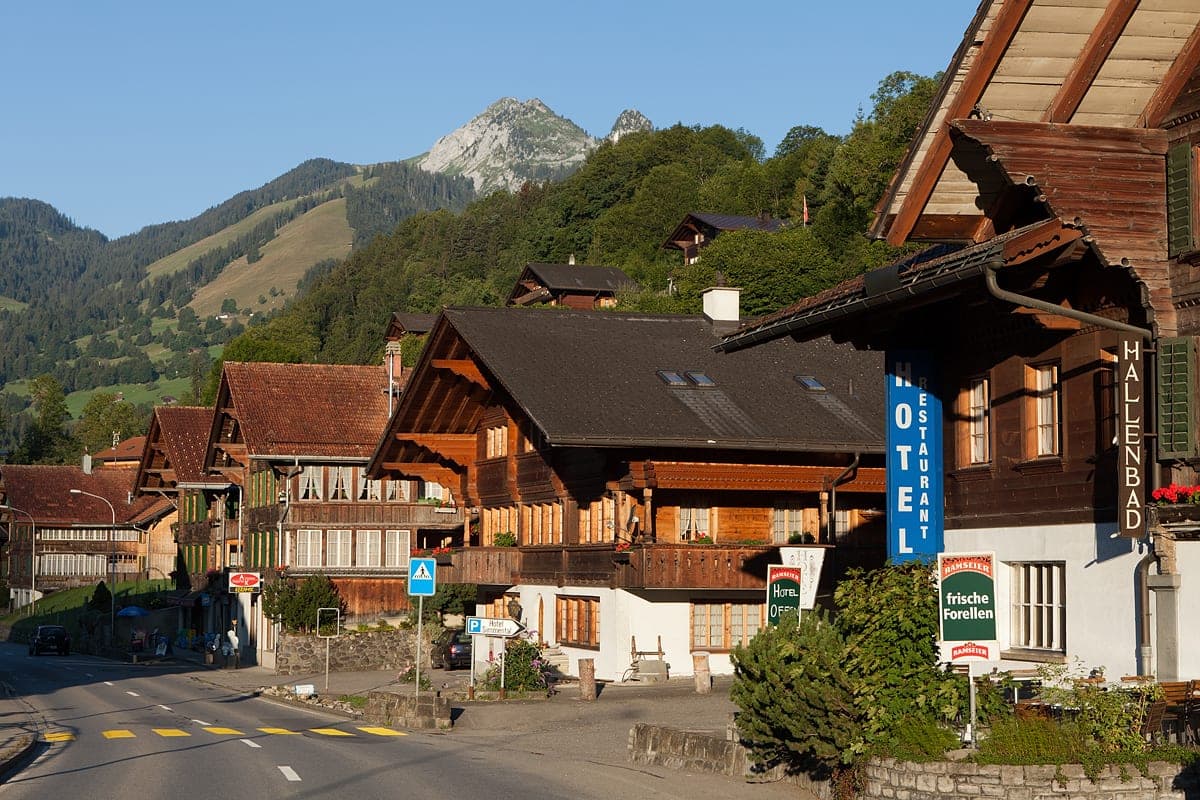
Boltigen
Panoramic TrainsBonaduz
Panoramic Trains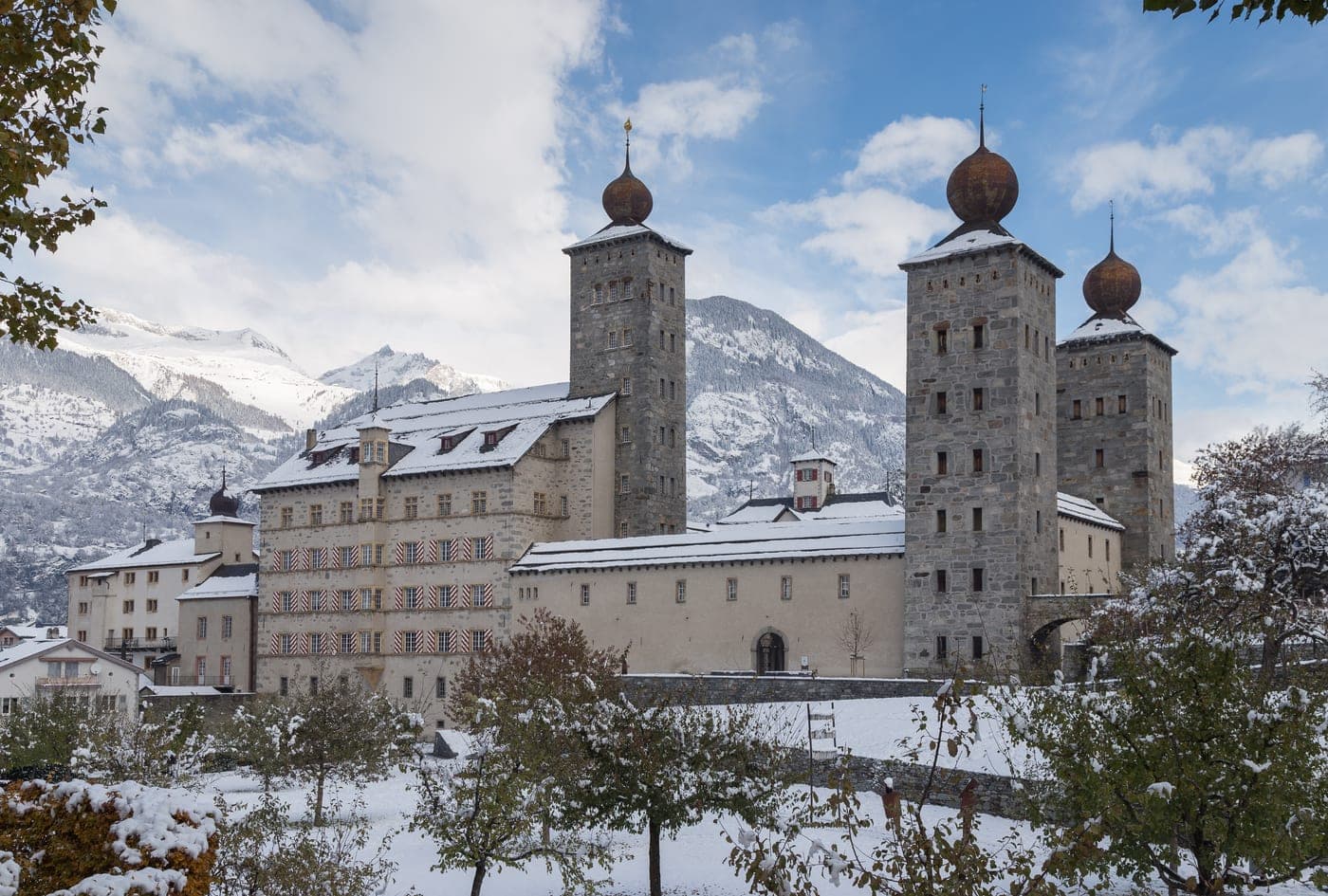
Brig
Panoramic TrainsCaslano
Boat Rentals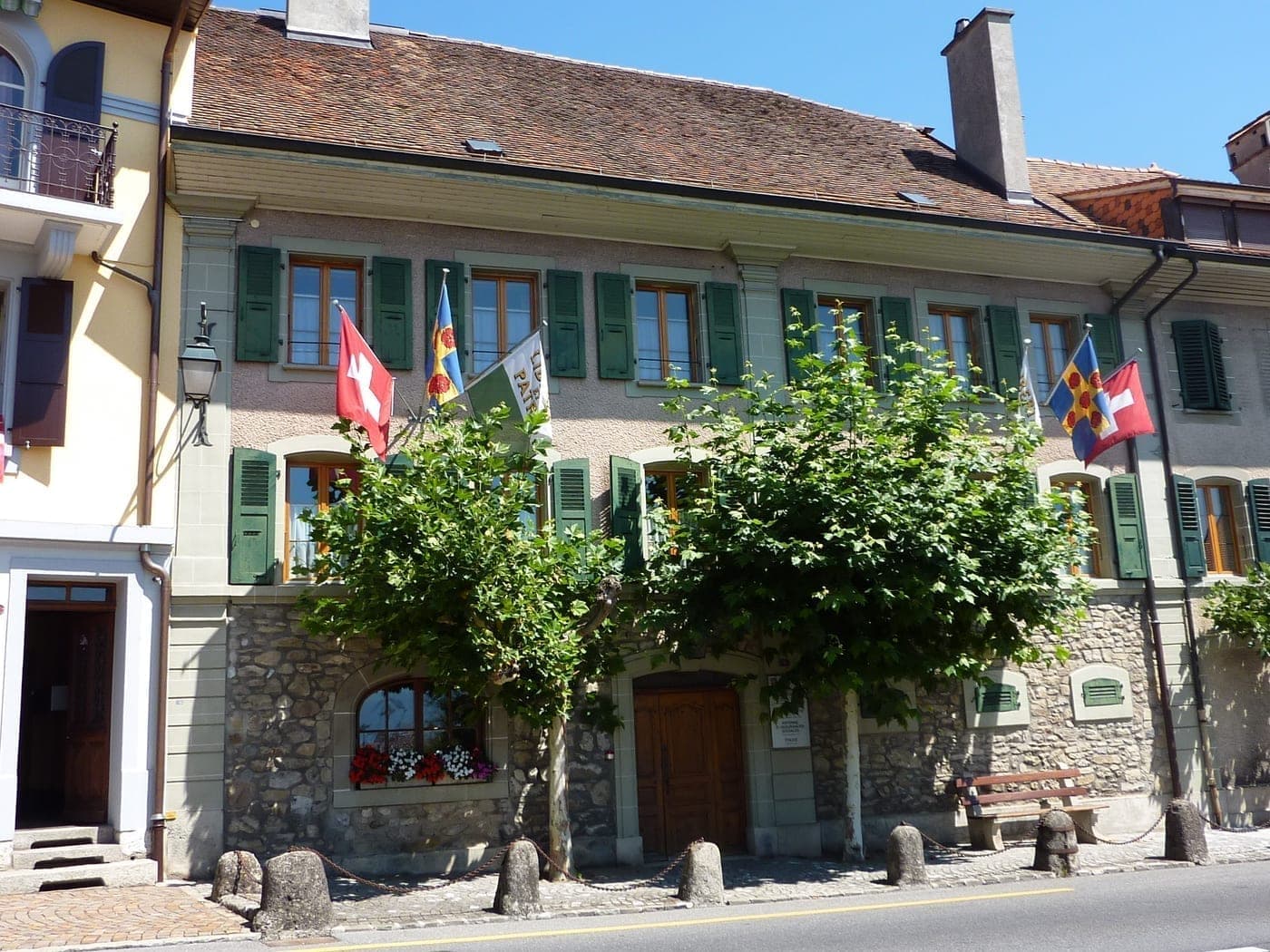
Chexbres
Wine TastingCheyres
Boat Rentals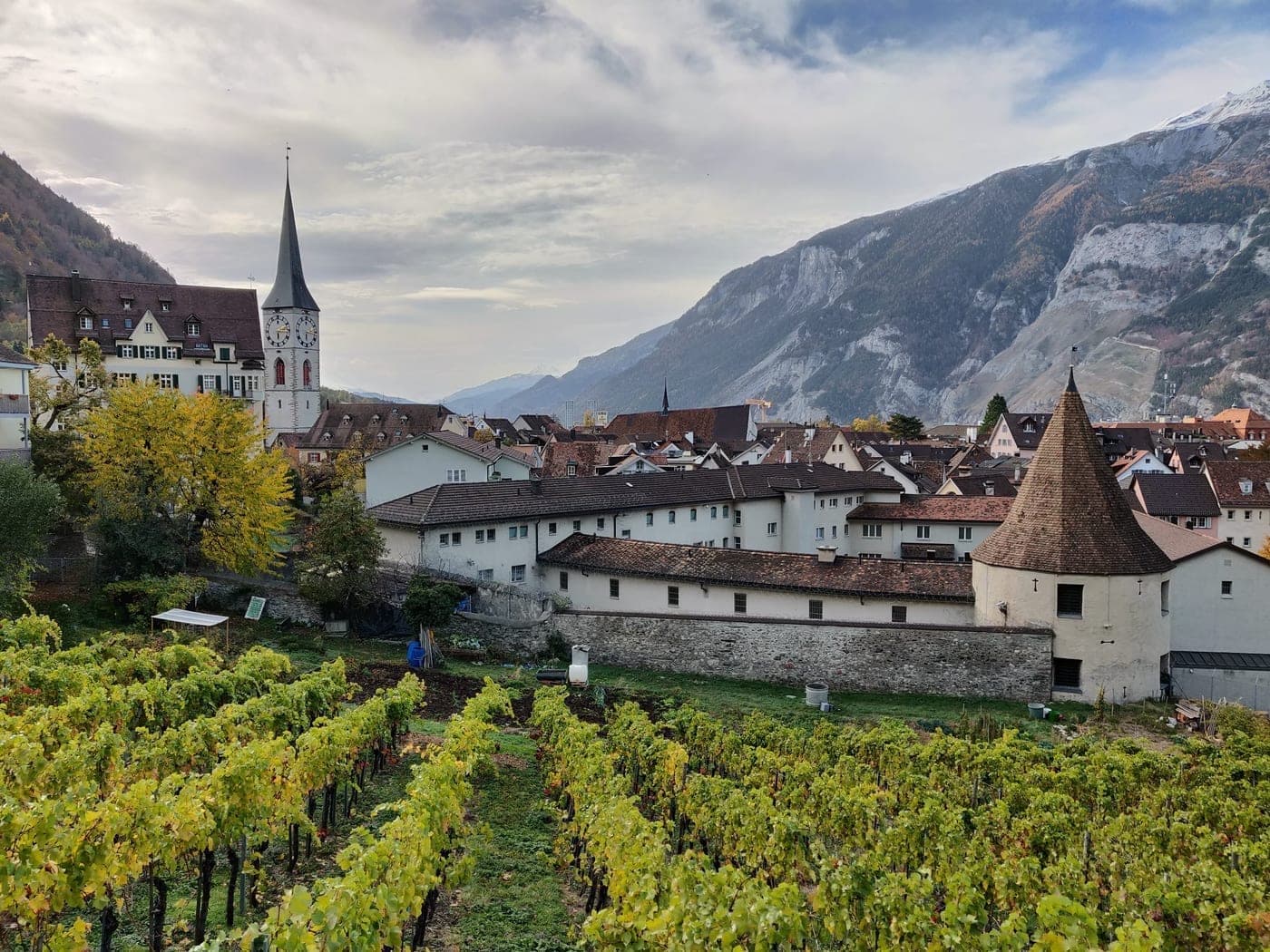
Chur
Panoramic Trains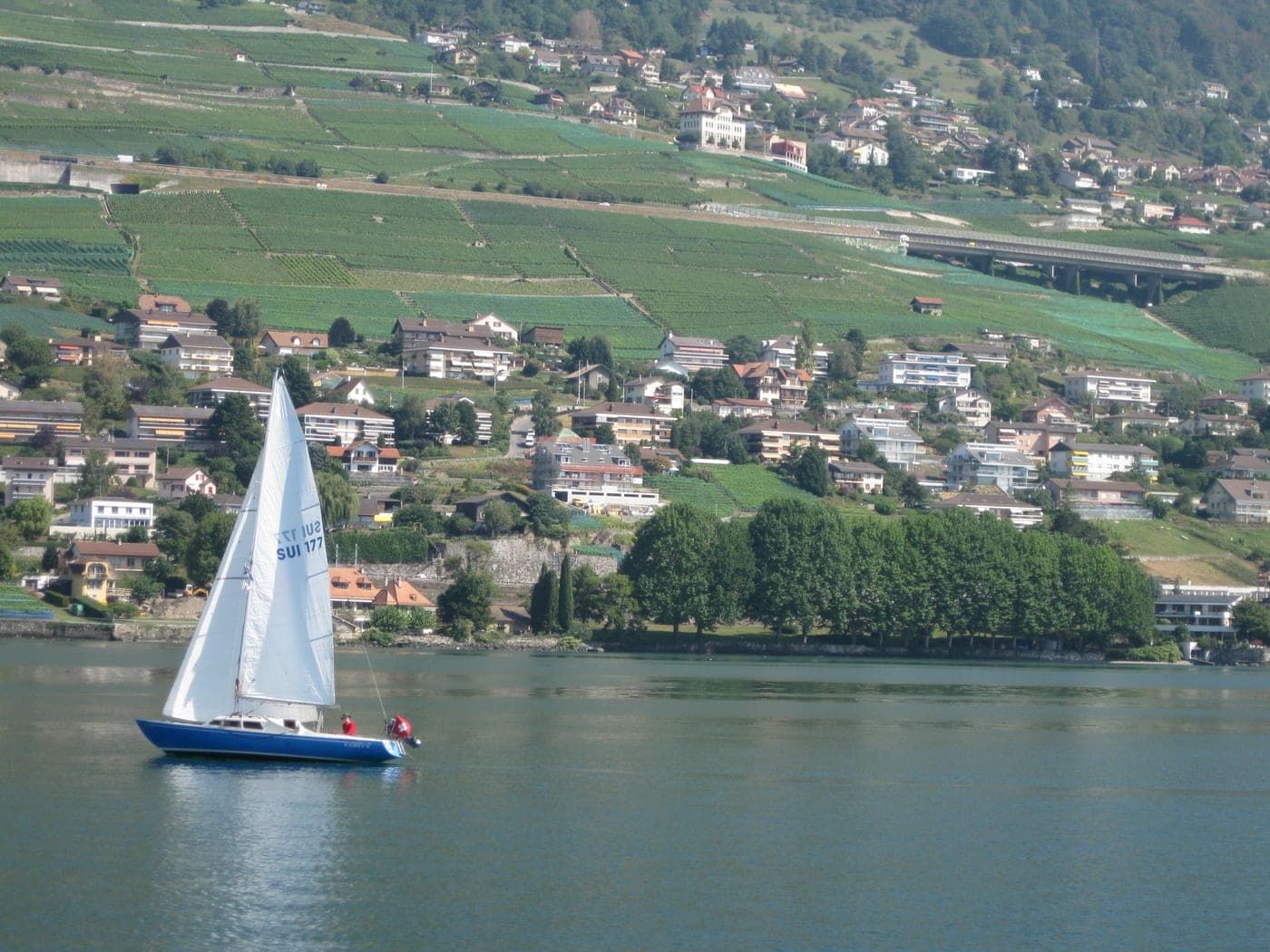
Corseaux
Boat Rentals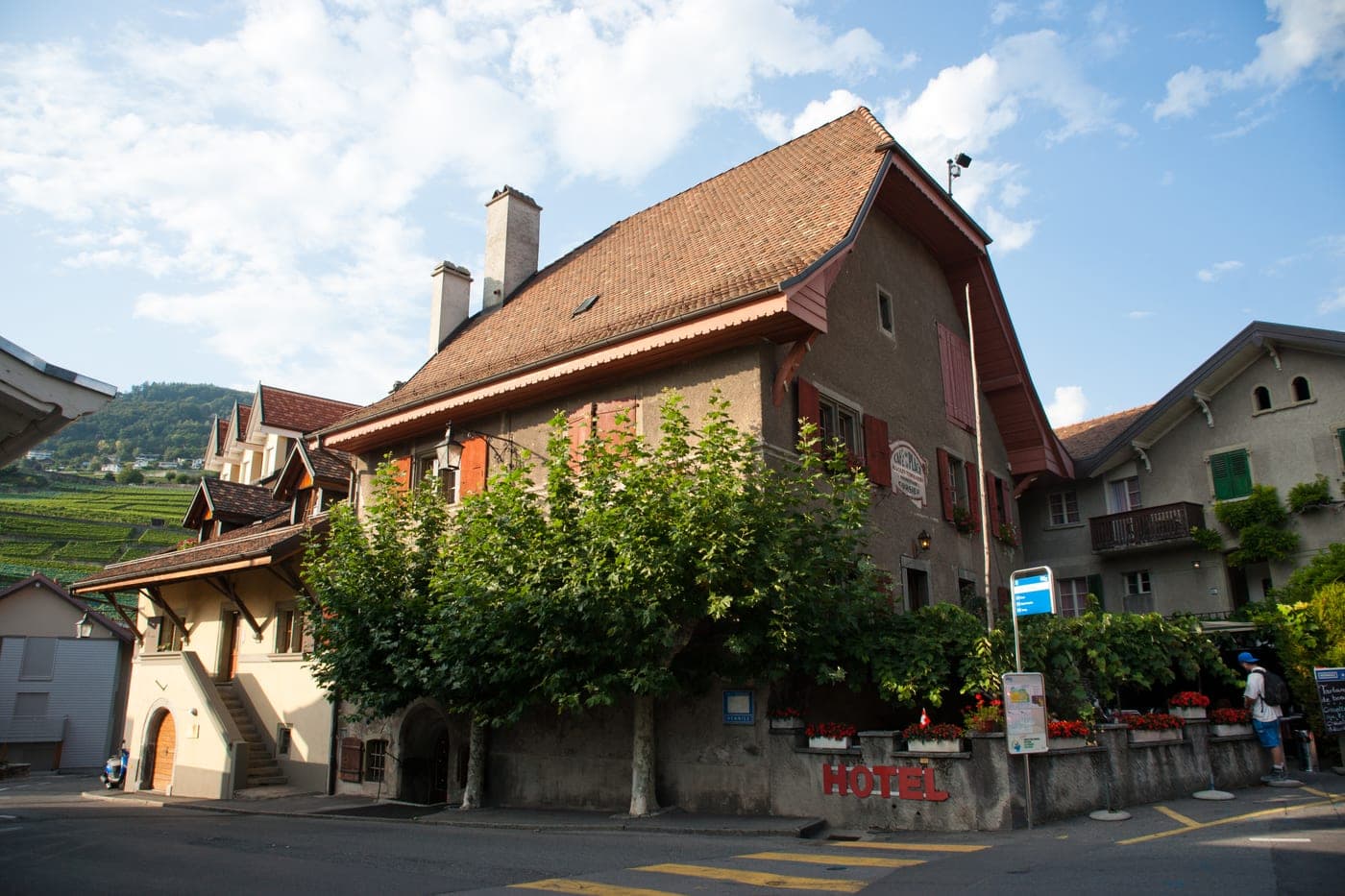
Corsier
Boat Rentals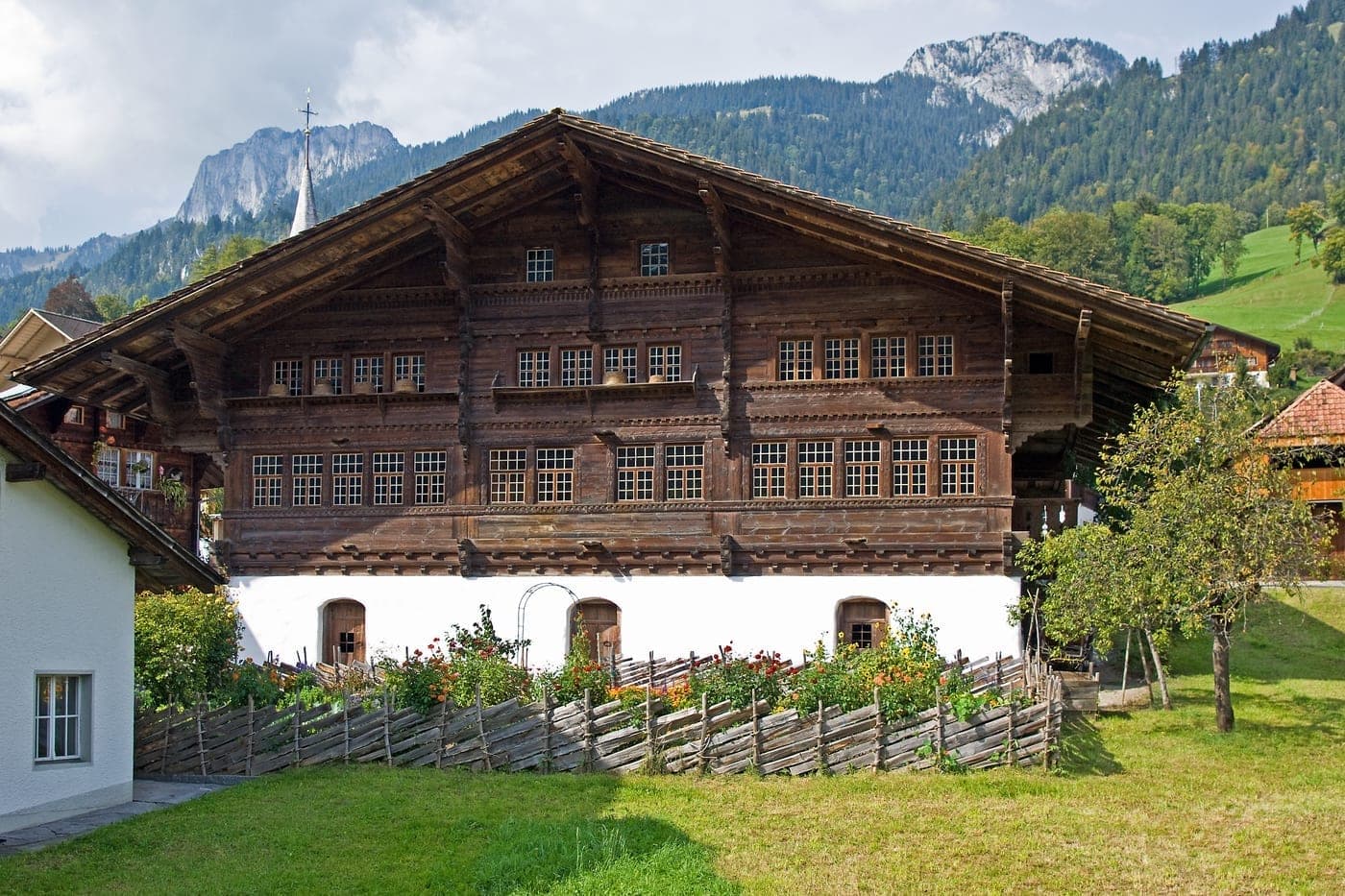
Erlenbach im Simmental
Panoramic Trains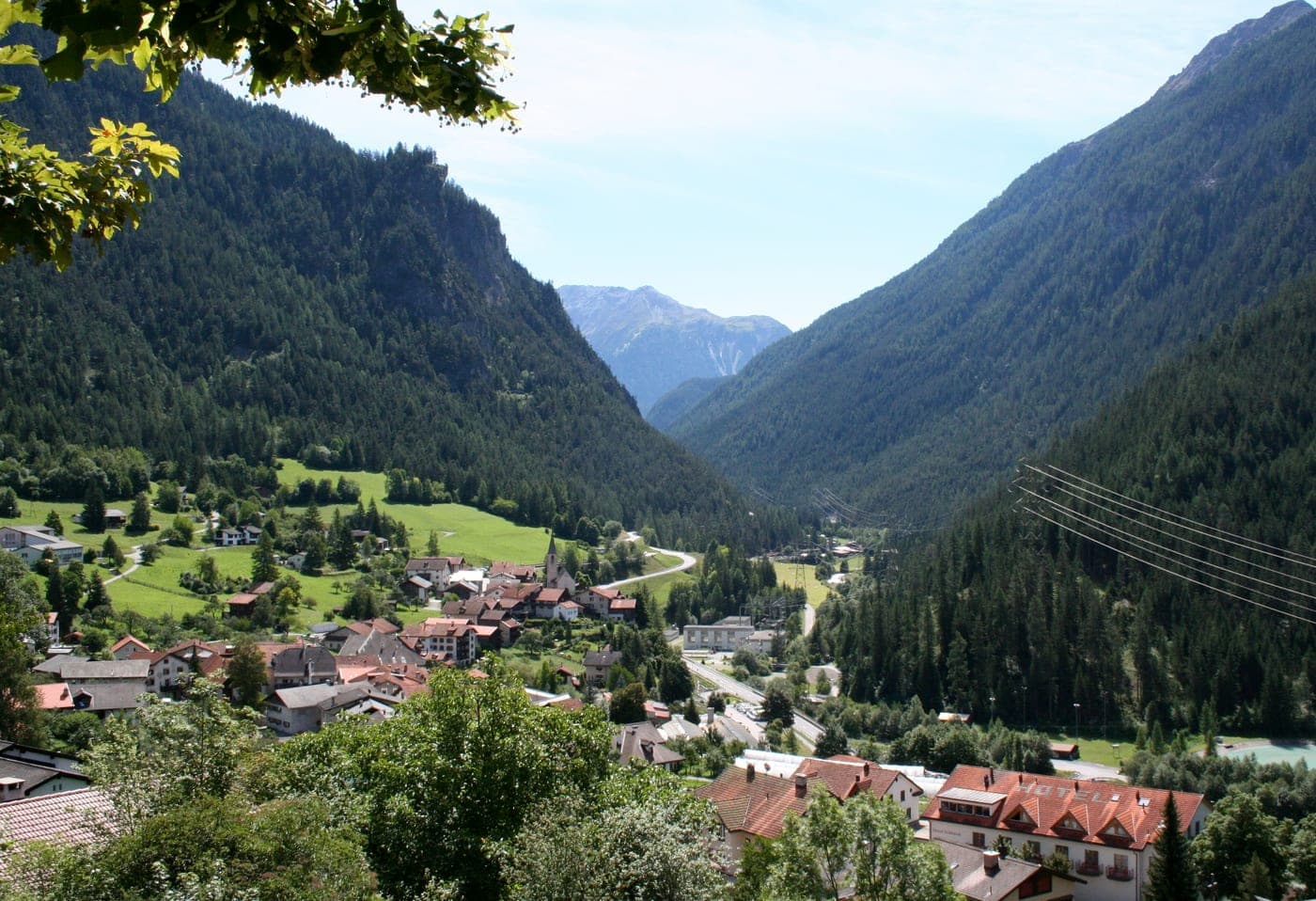
Filisur
Panoramic Trains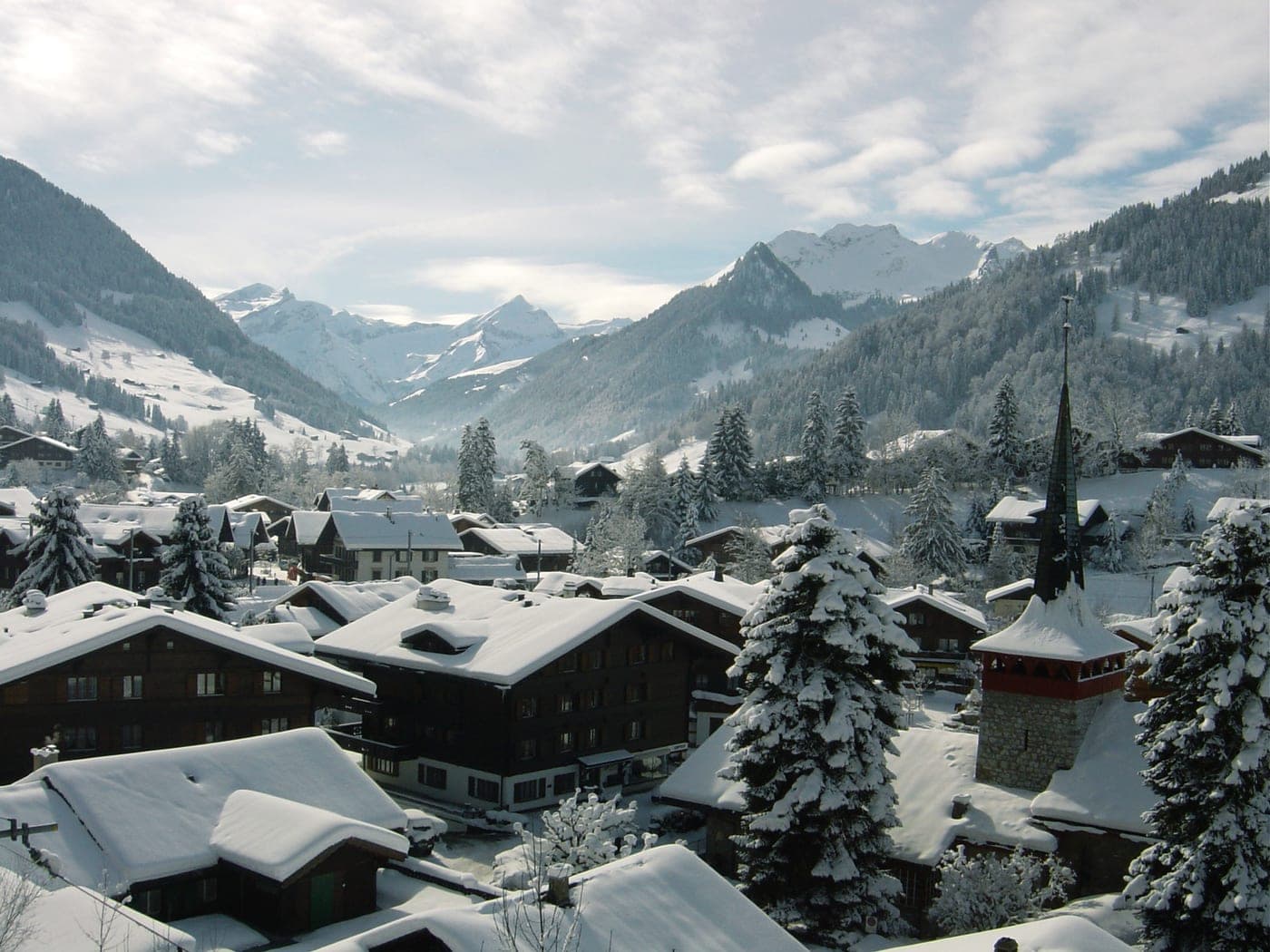
Gstaad
Panoramic Trains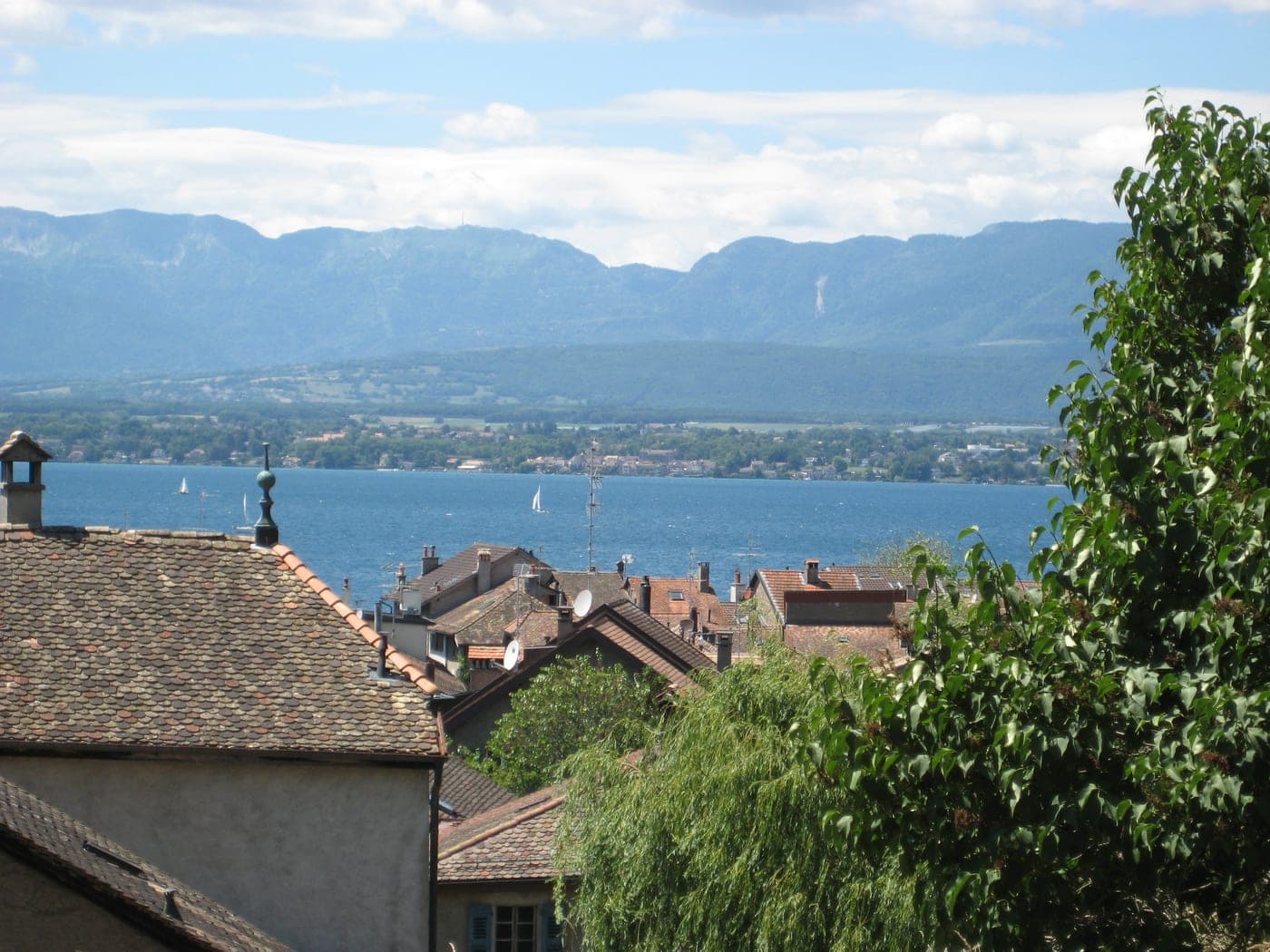
Hermance
Boat Rentals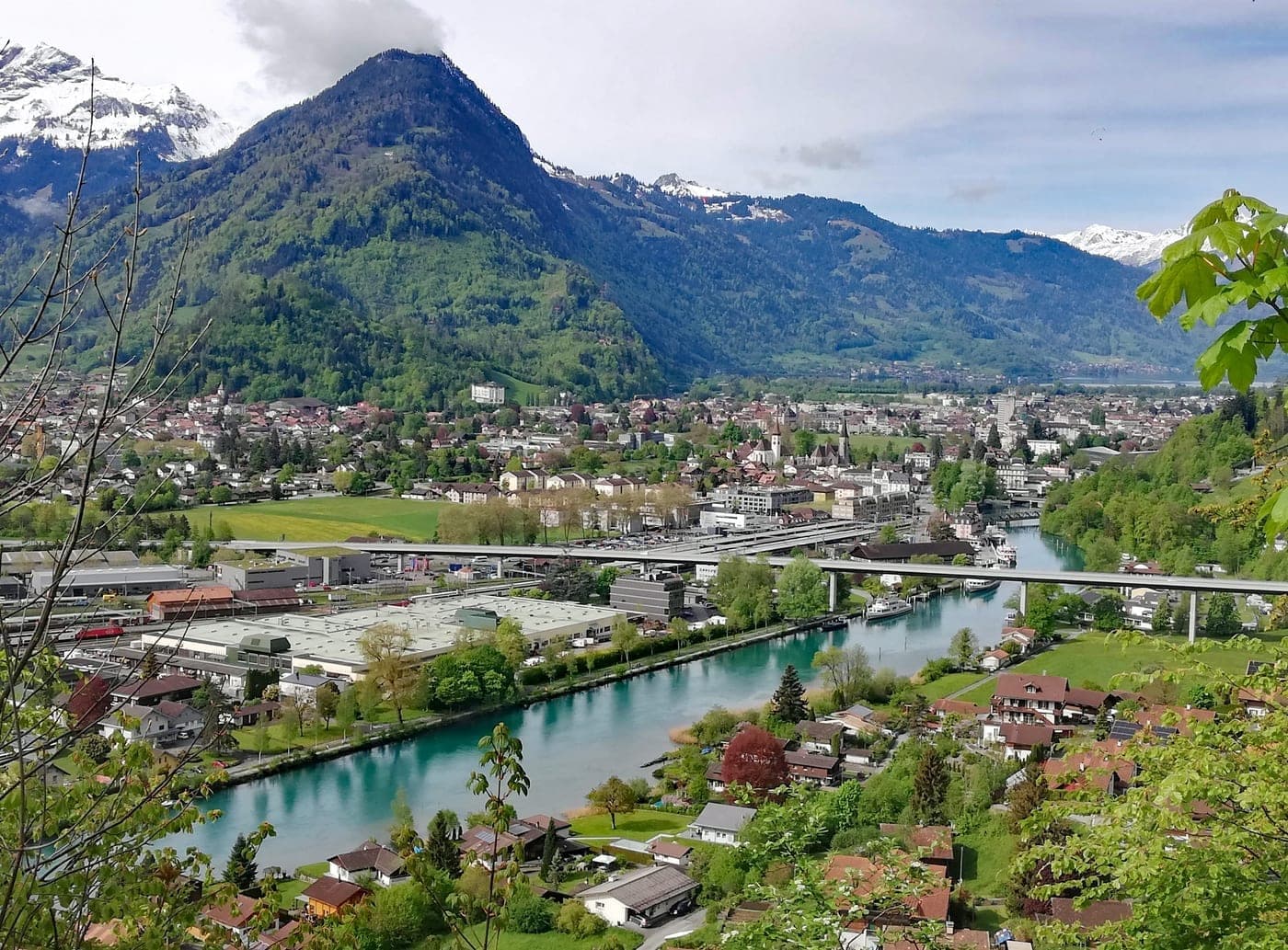
Interlaken
Panoramic Trains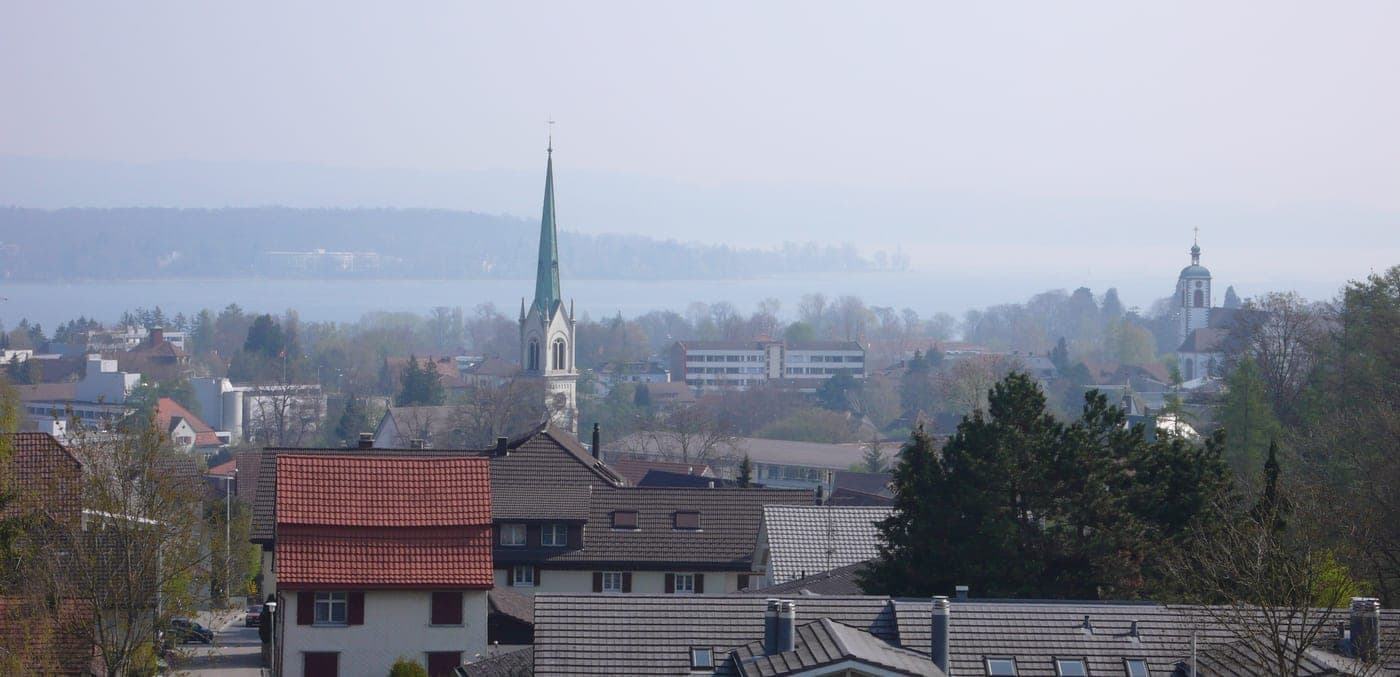
Kreuzlingen
Boat Rentals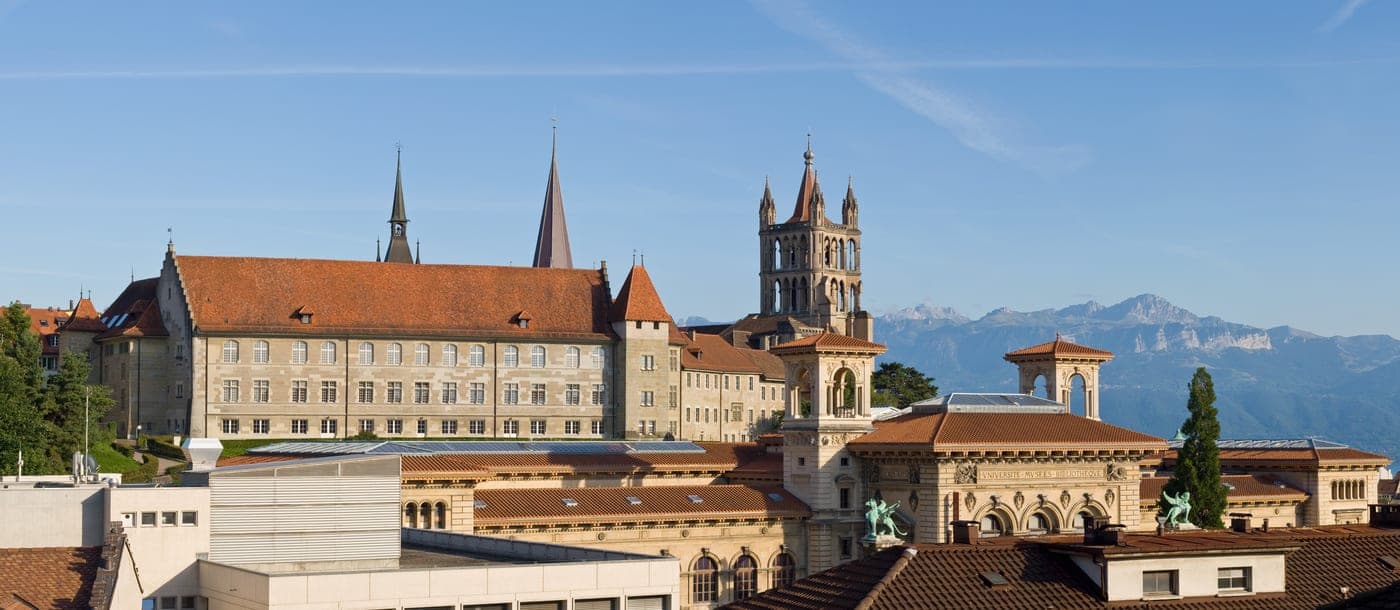
Lausanne
Boat Rentals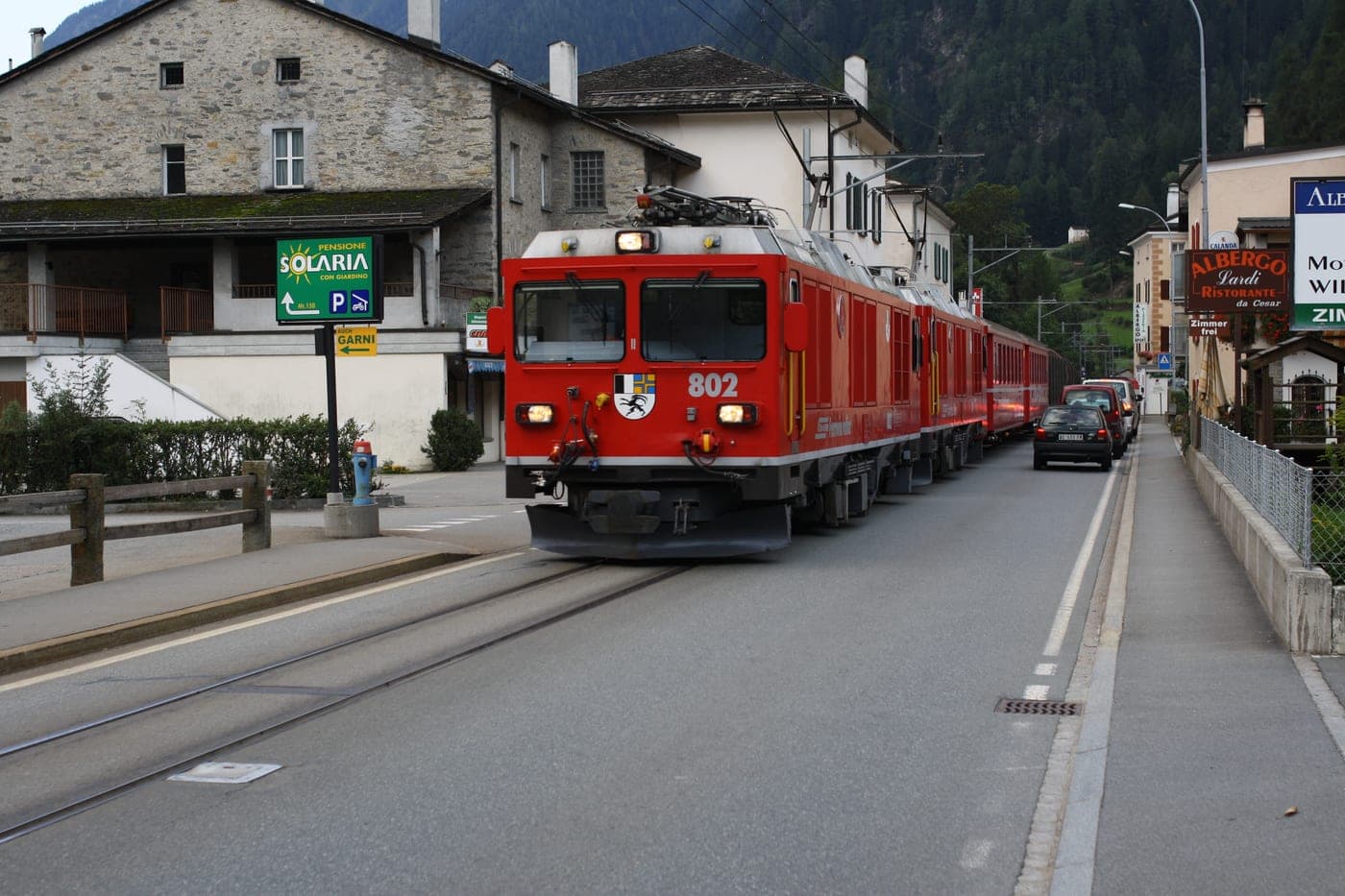
Le Prese
Panoramic Trains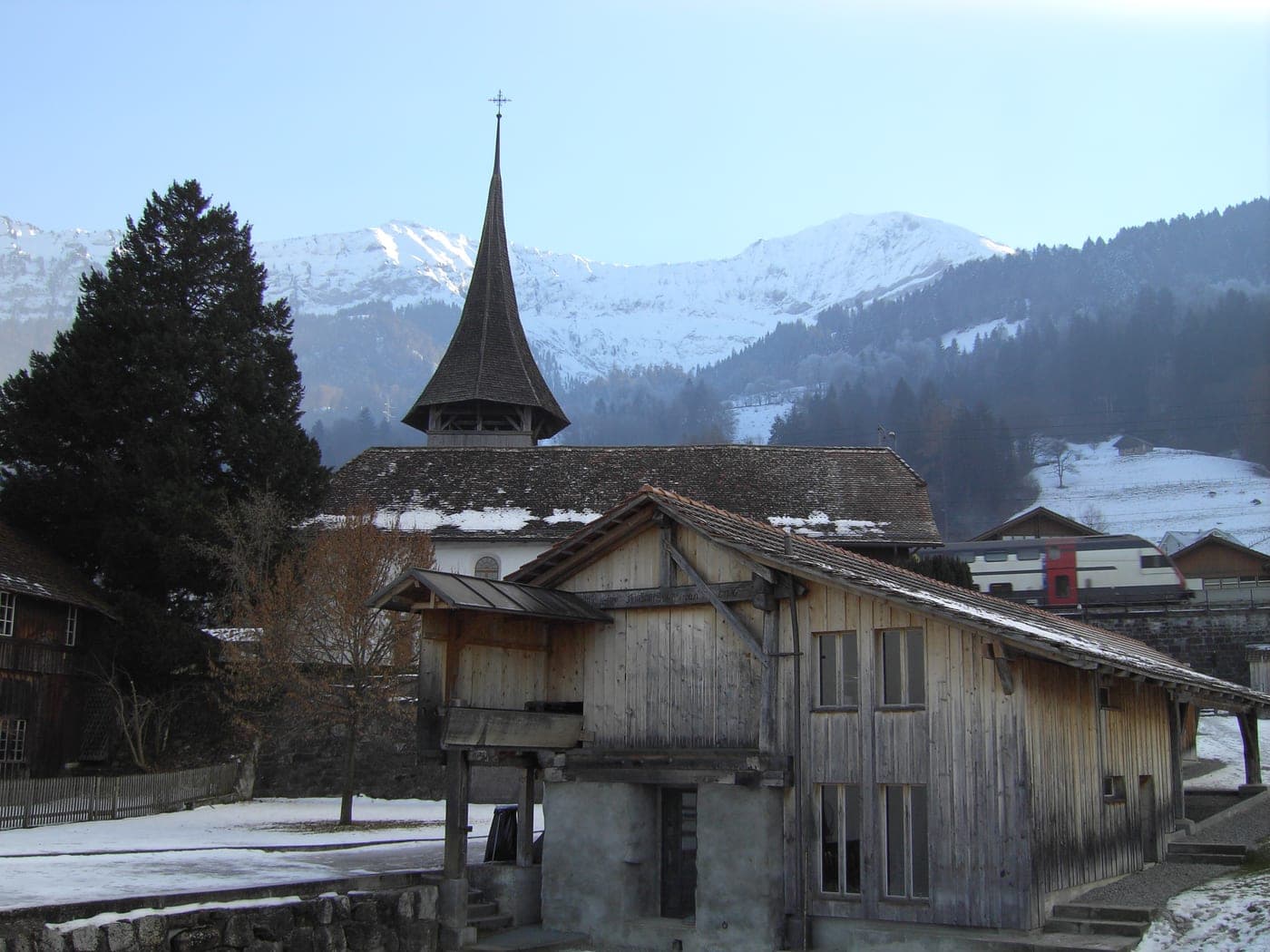
Leissigen
Boat Rentals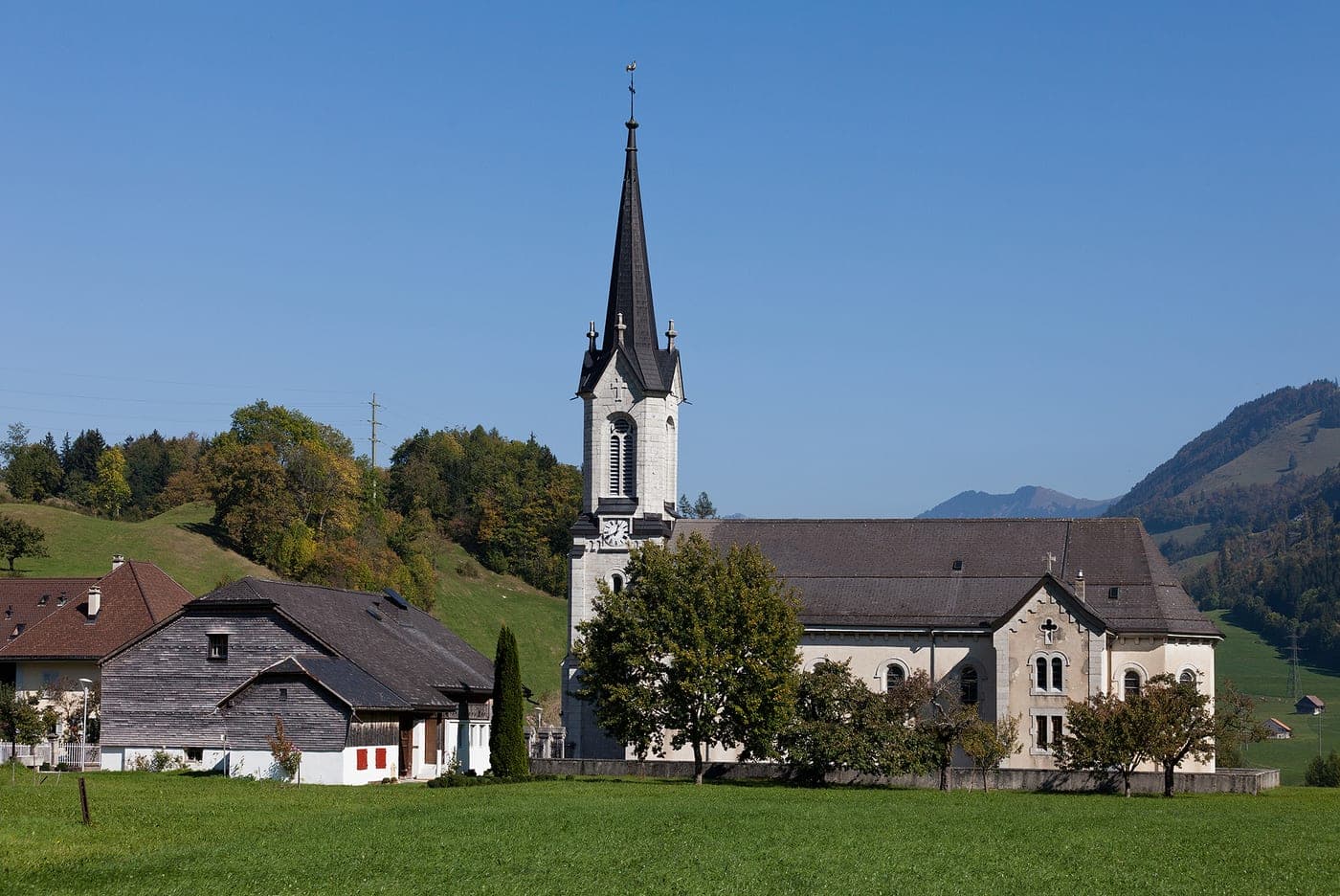
Montbovon
Panoramic Trains
Morges
Boat RentalsNeuchâtel
Boat Rentals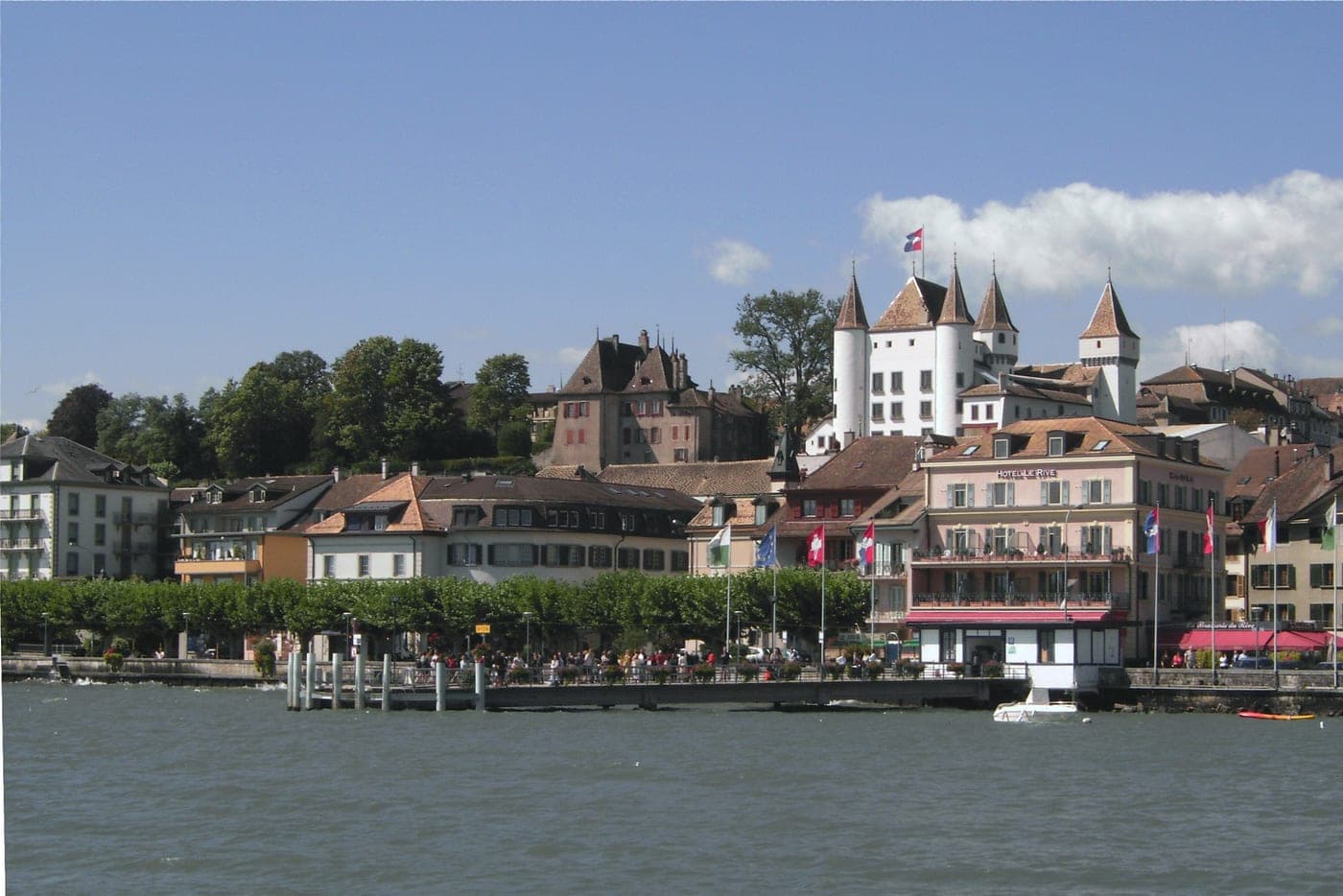
Nyon
Boat Rentals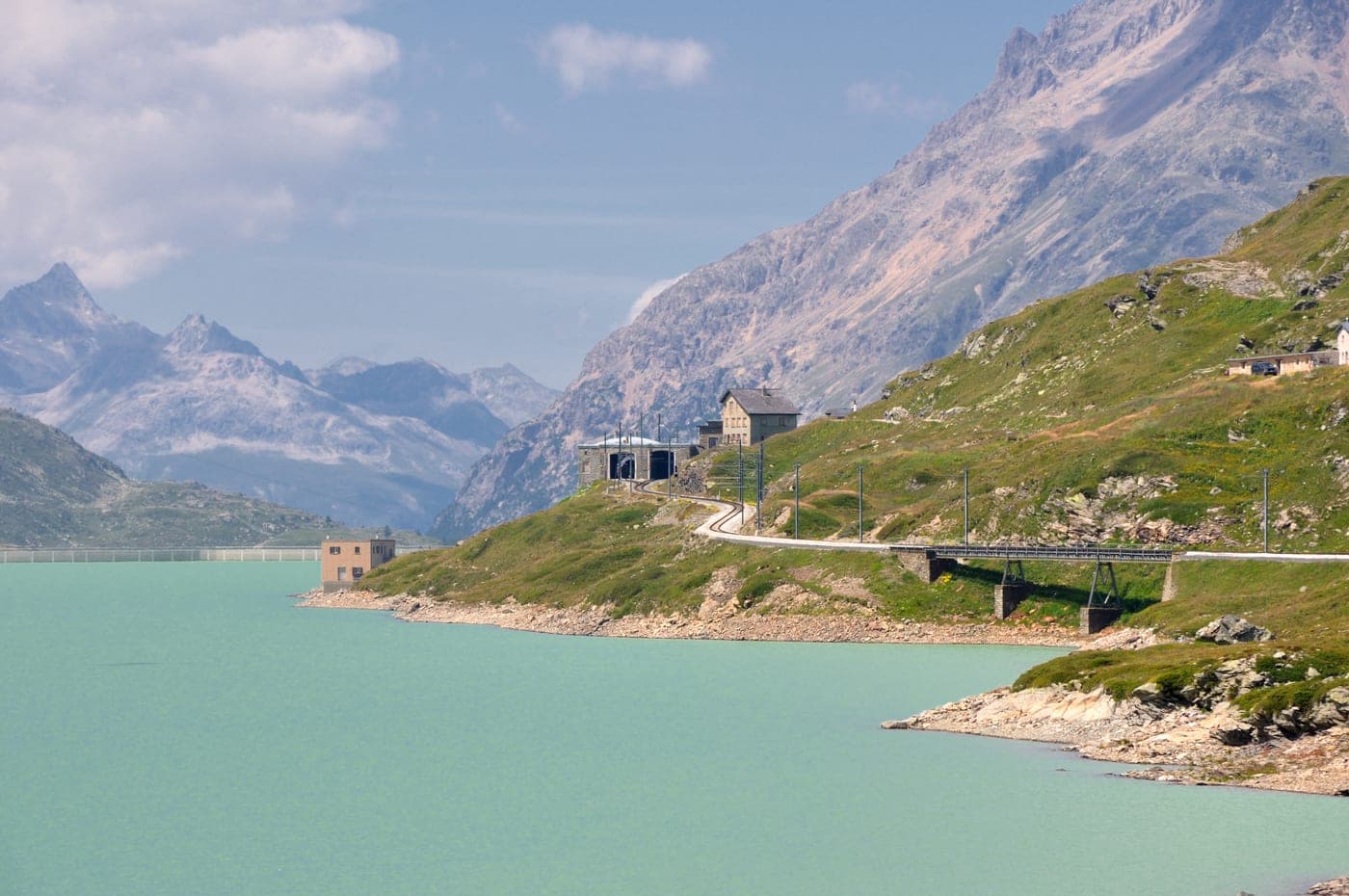
Ospizio Bernina
Panoramic Trains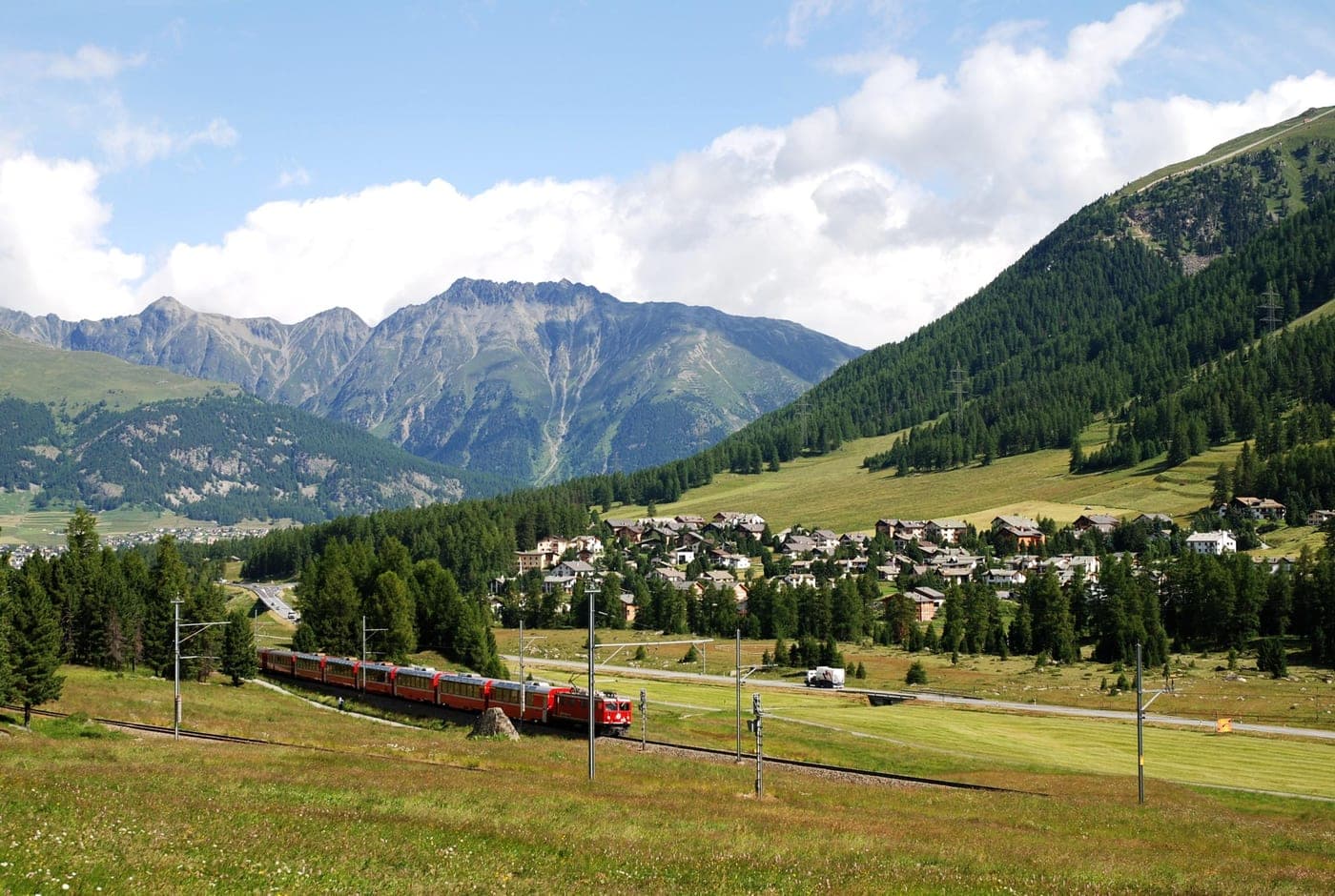
Pontresina
Panoramic Trains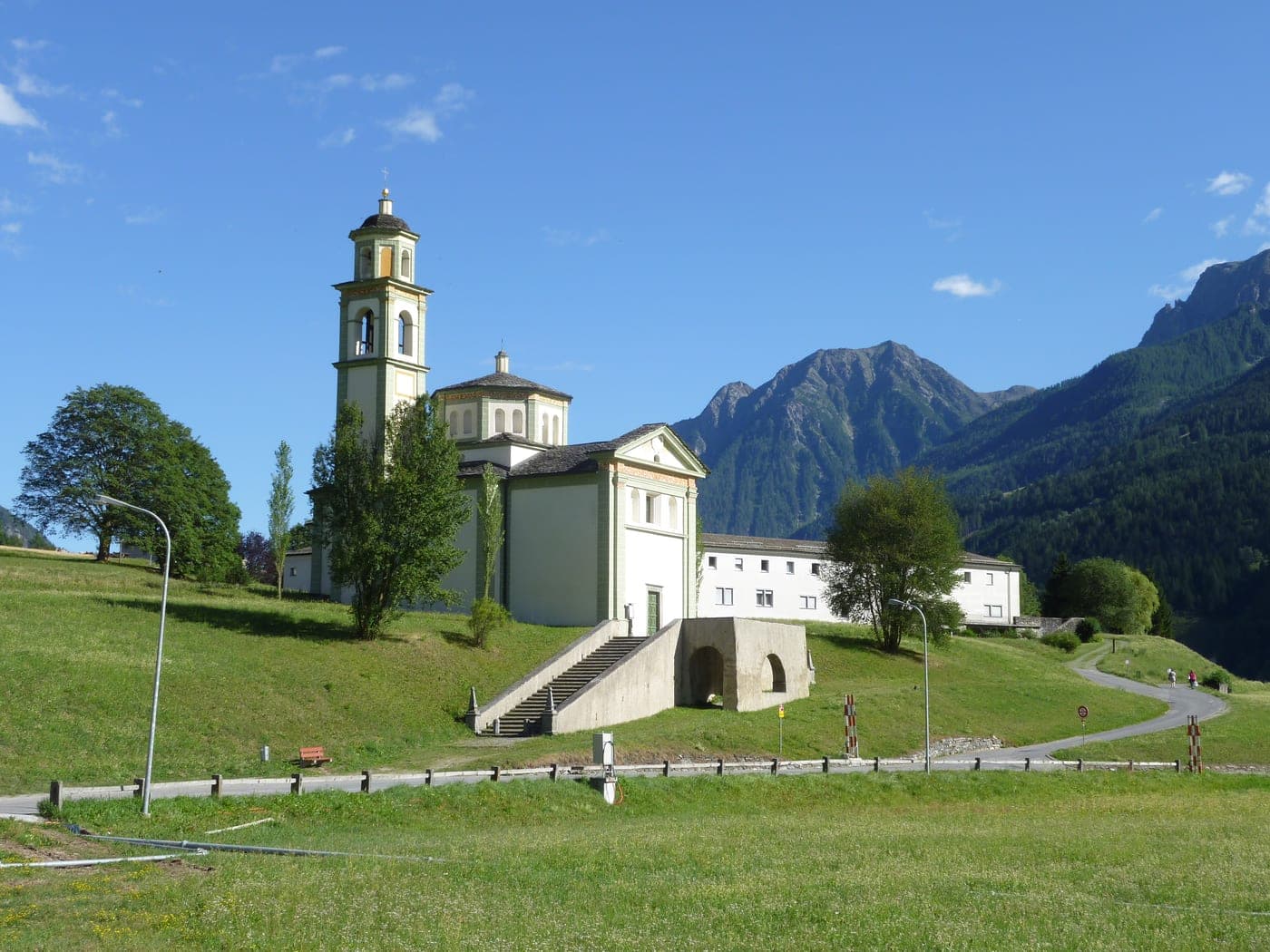
Poschiavo
Panoramic Trains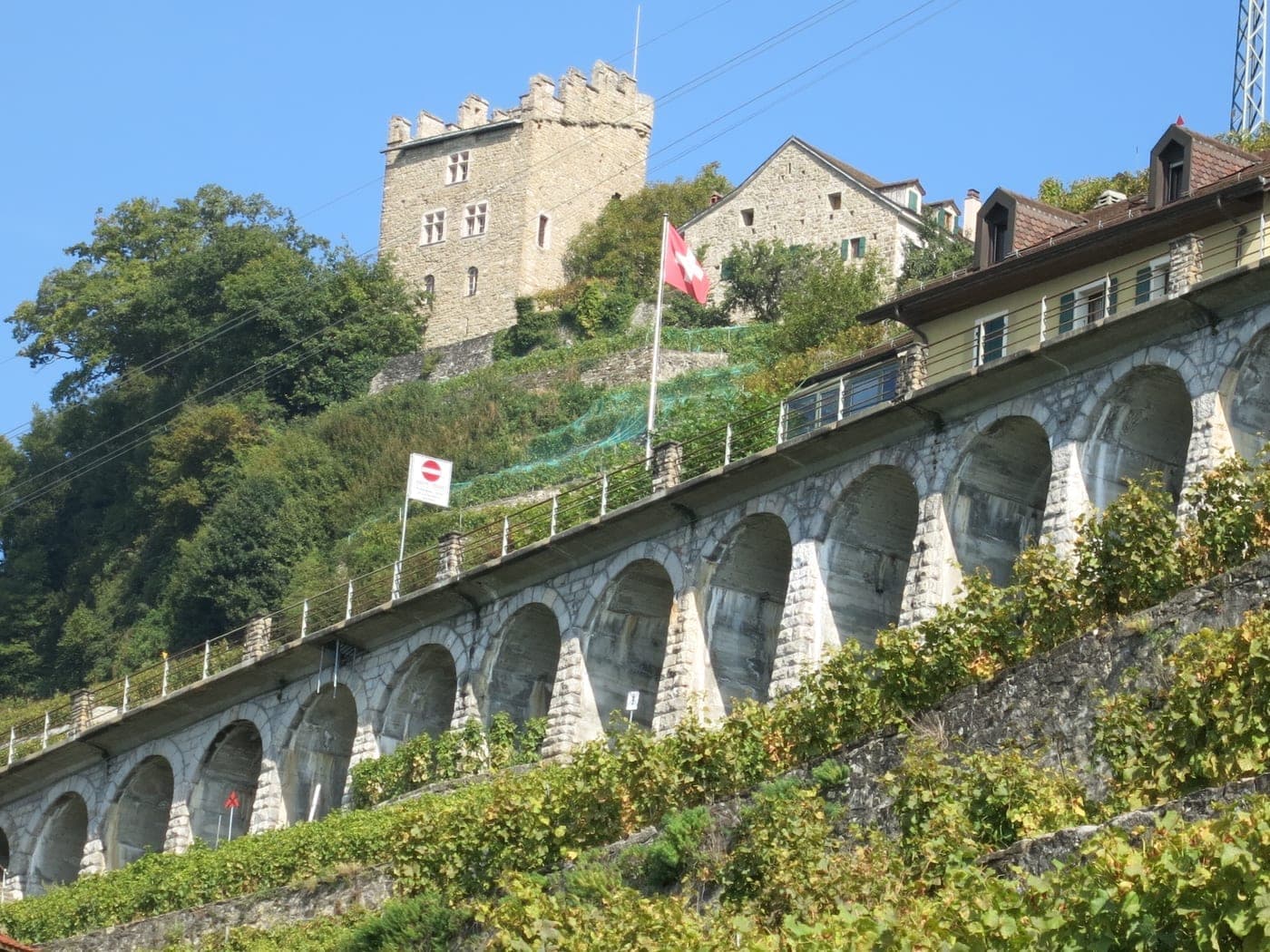
Puidoux
Wine Tasting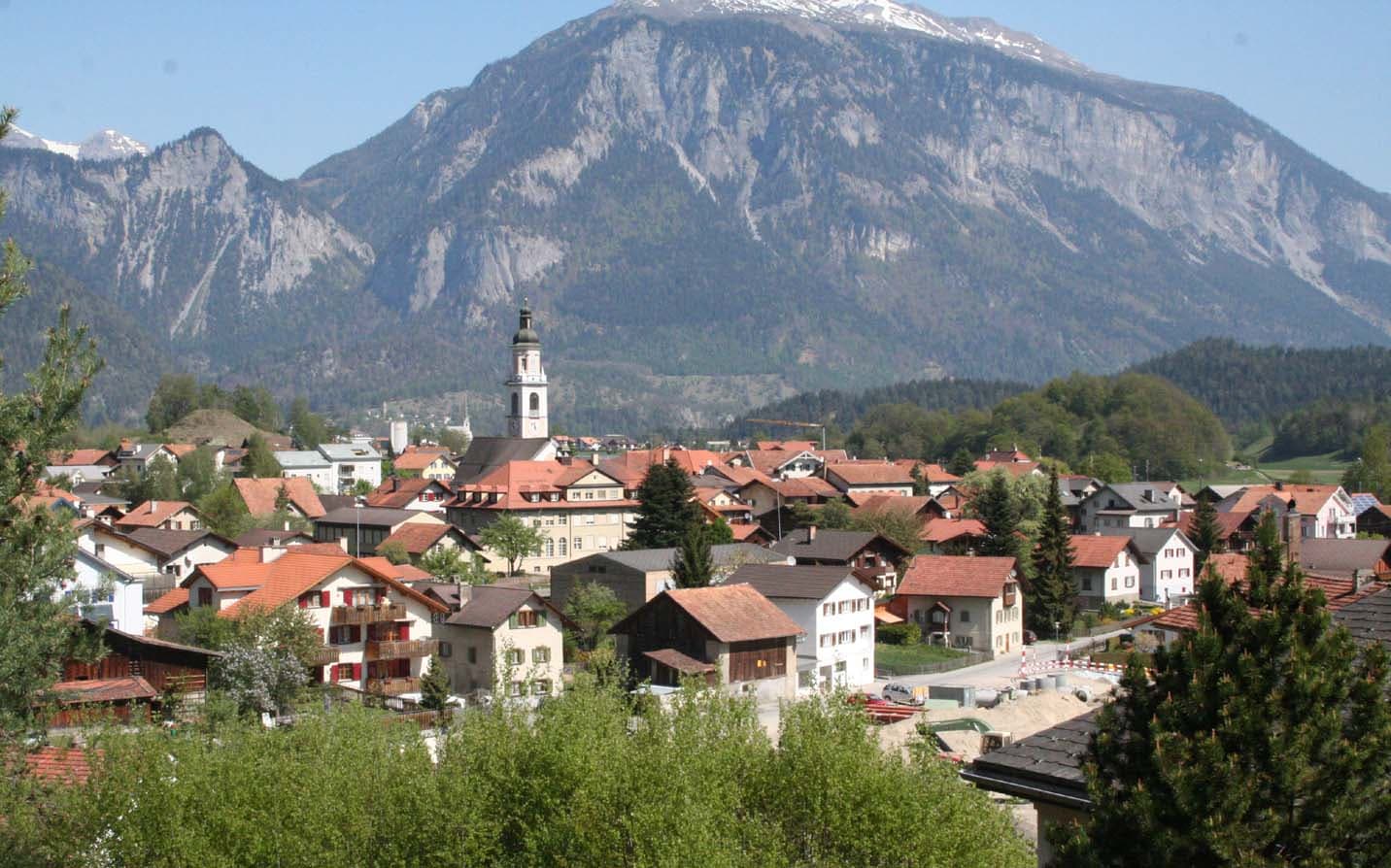
Rhäzüns
Panoramic TrainsRomanshorn
Boat Rentals
Saanenmöser
Panoramic Trains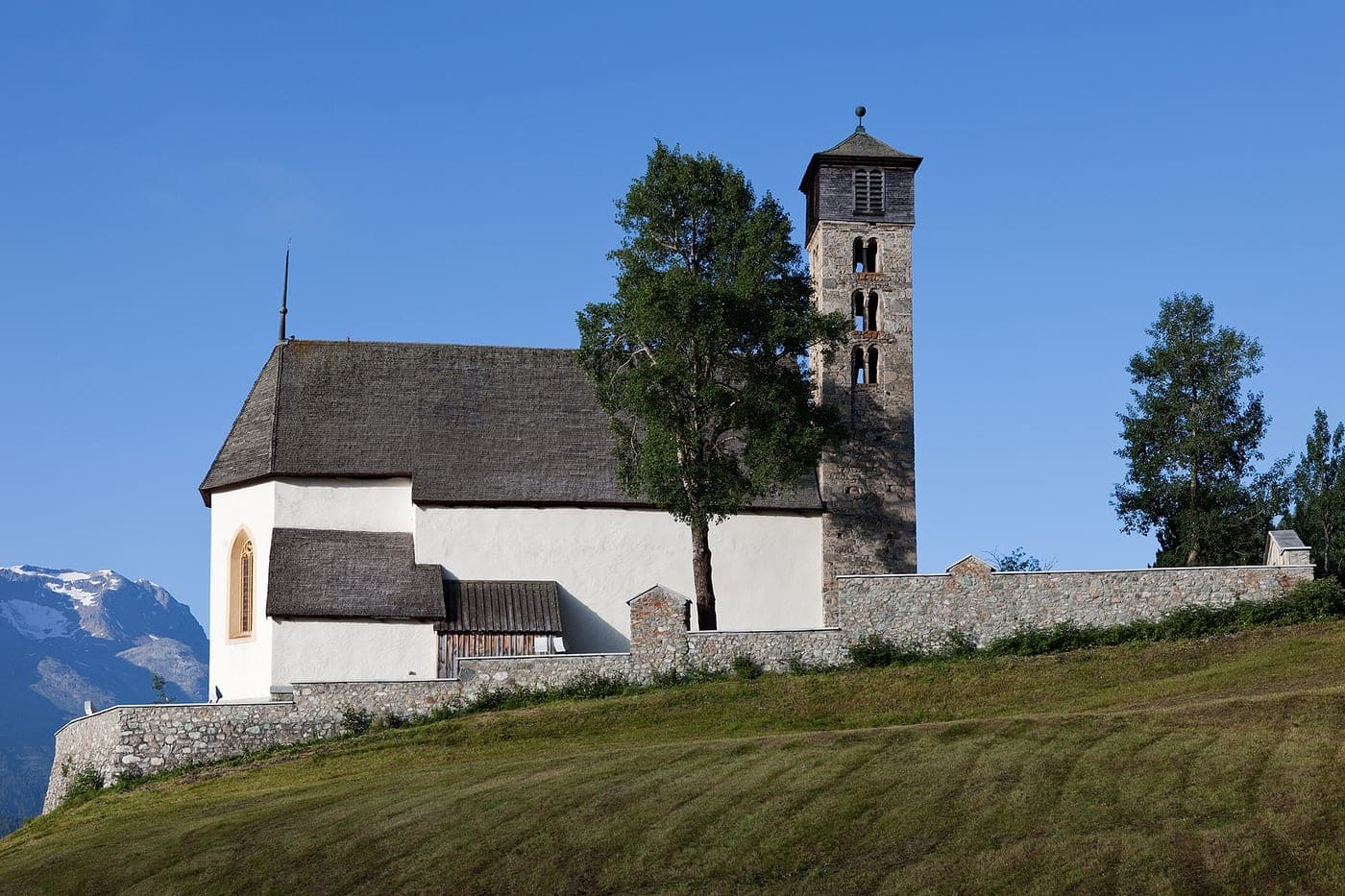
Samedan
Panoramic Trains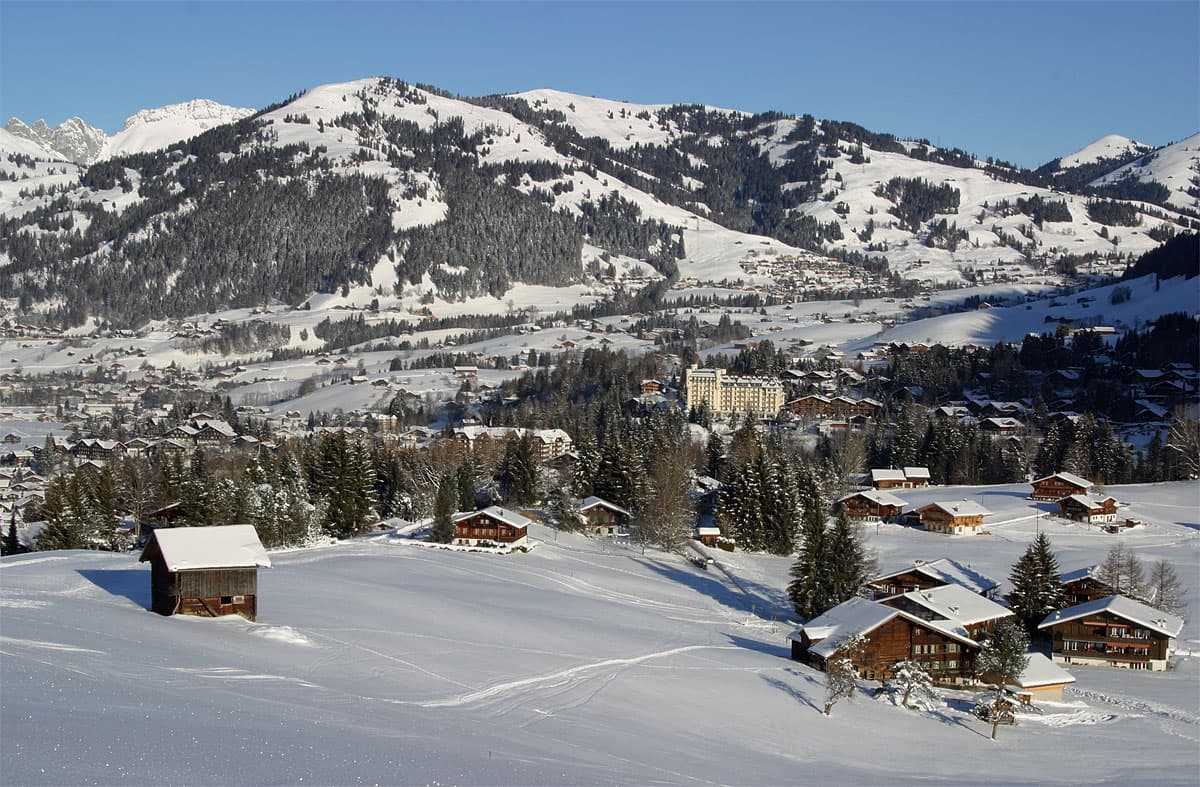
Schönried
Panoramic Trains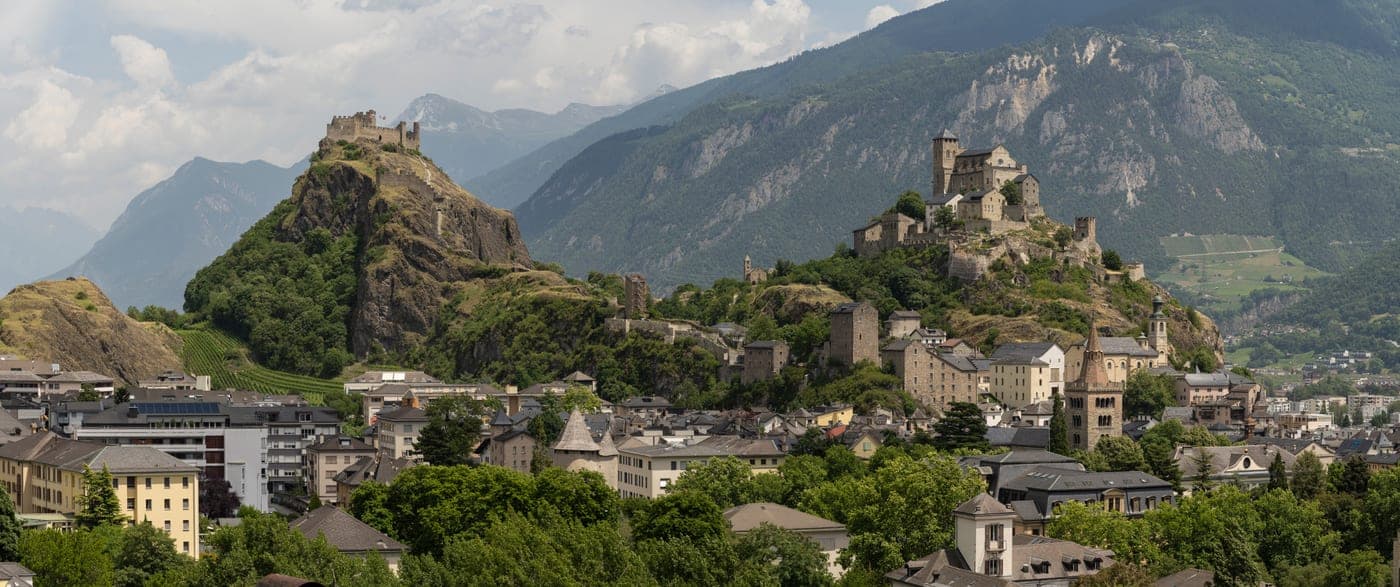
Sion
Wine Tasting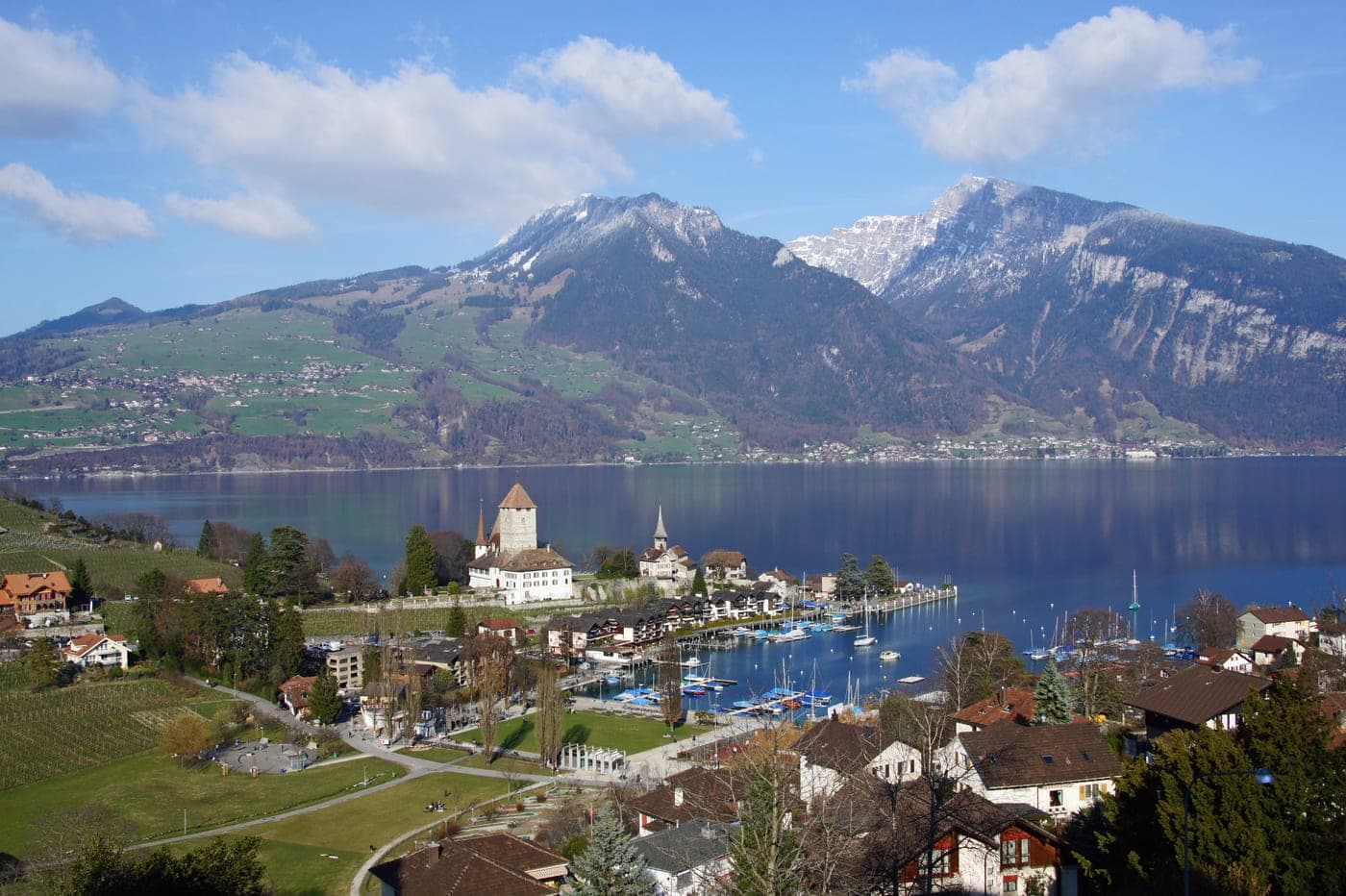
Spiez
Panoramic Trains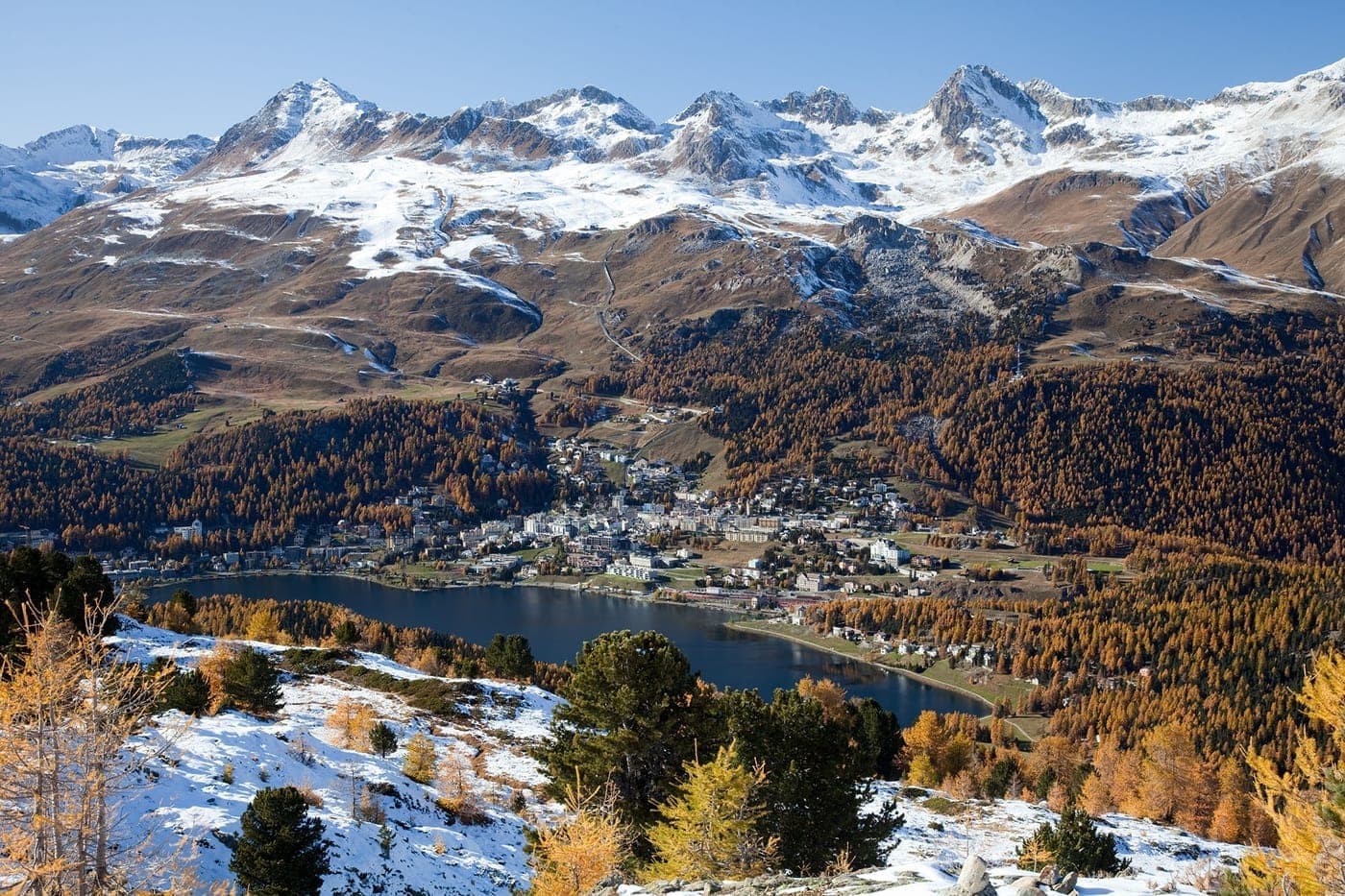
St. Moritz
Panoramic Trains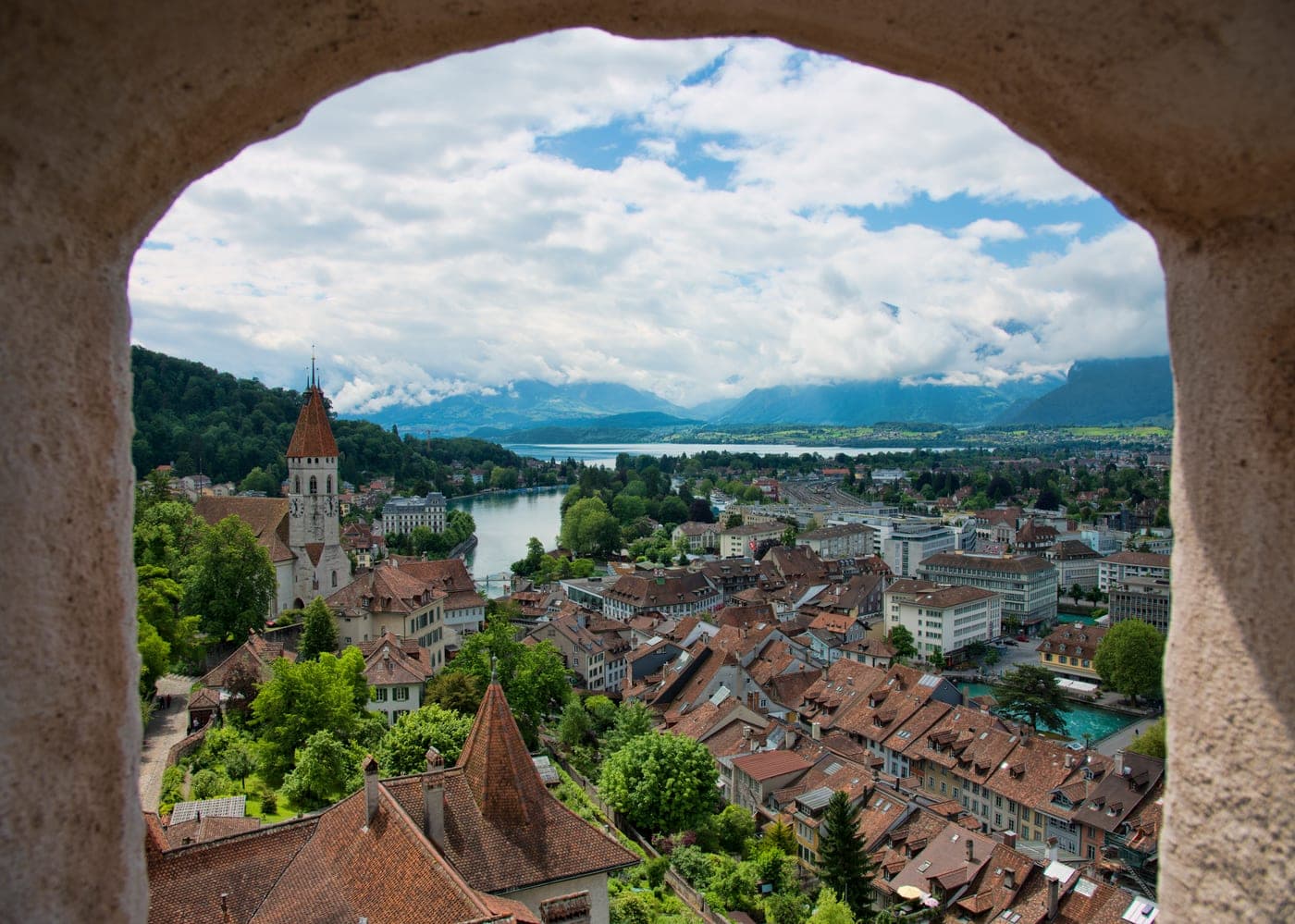
Thun
Boat Rentals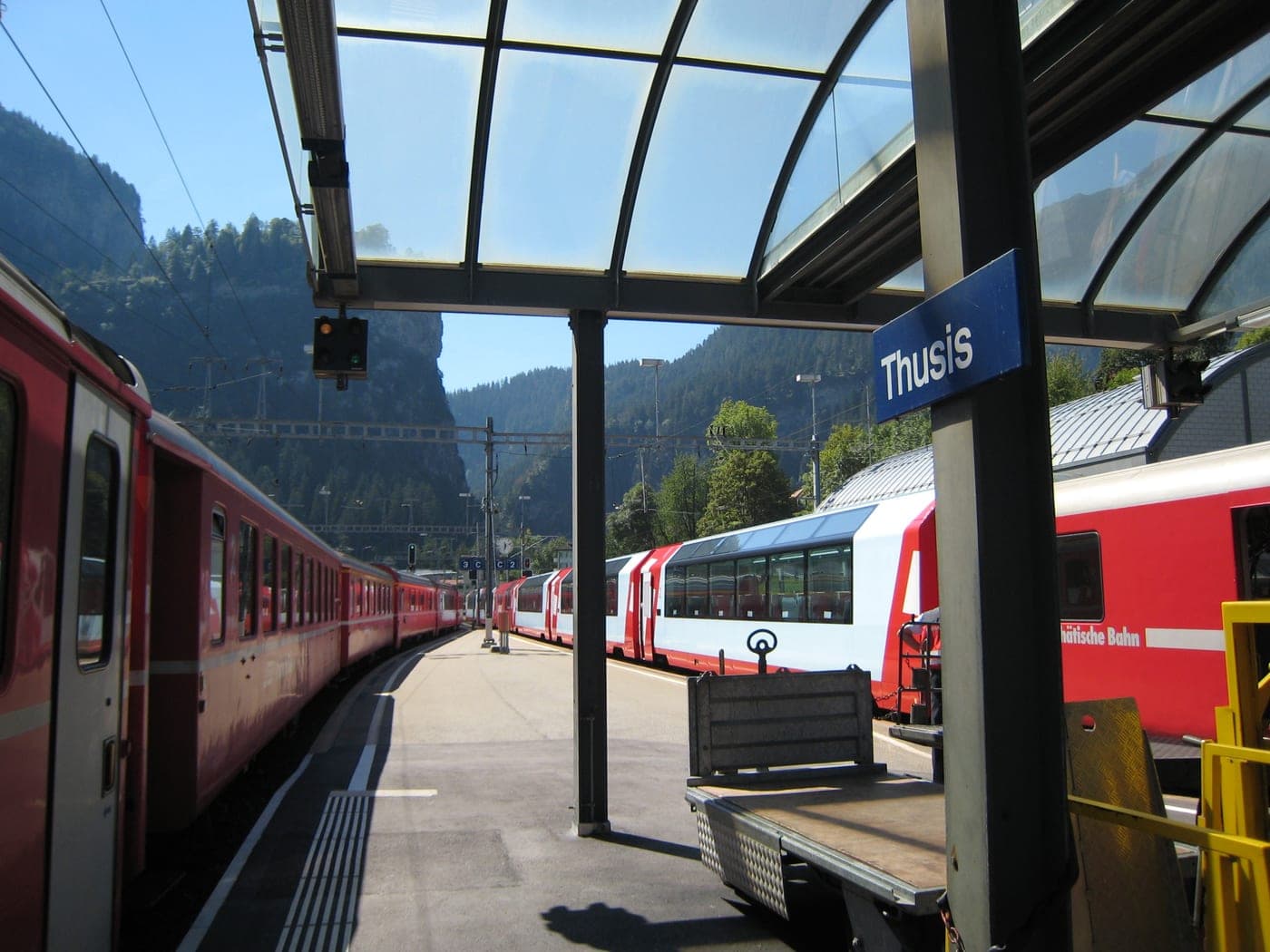
Thusis
Panoramic Trains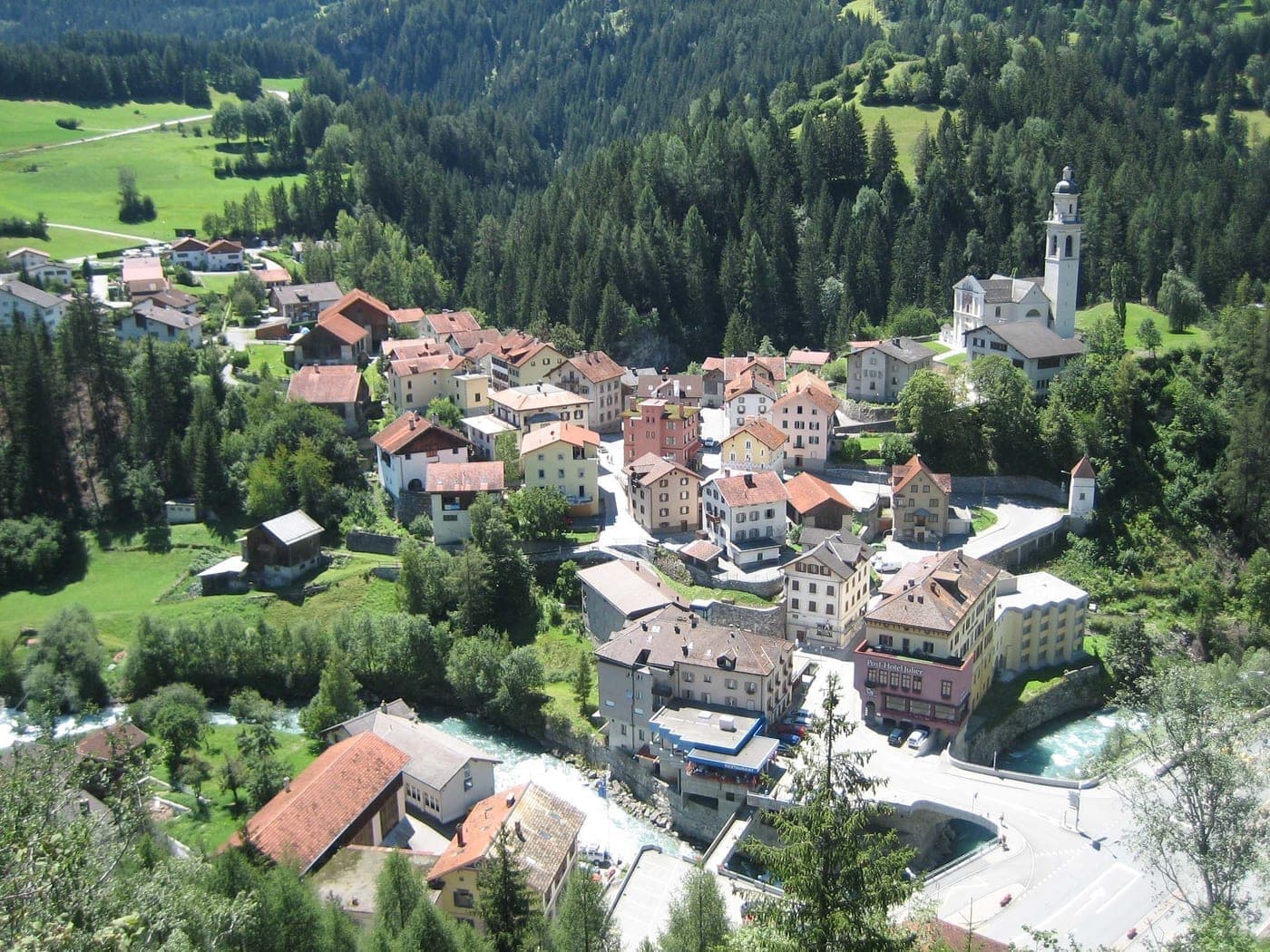
Tiefencastel
Panoramic TrainsVersoix
Boat RentalsVevey
Boat RentalsVitznau
Boat Rentals
Wimmis
Panoramic TrainsZermatt
Panoramic TrainsZurich
Camper Van Rentals
Zweisimmen
Panoramic TrainsMap
Map
Loading map…