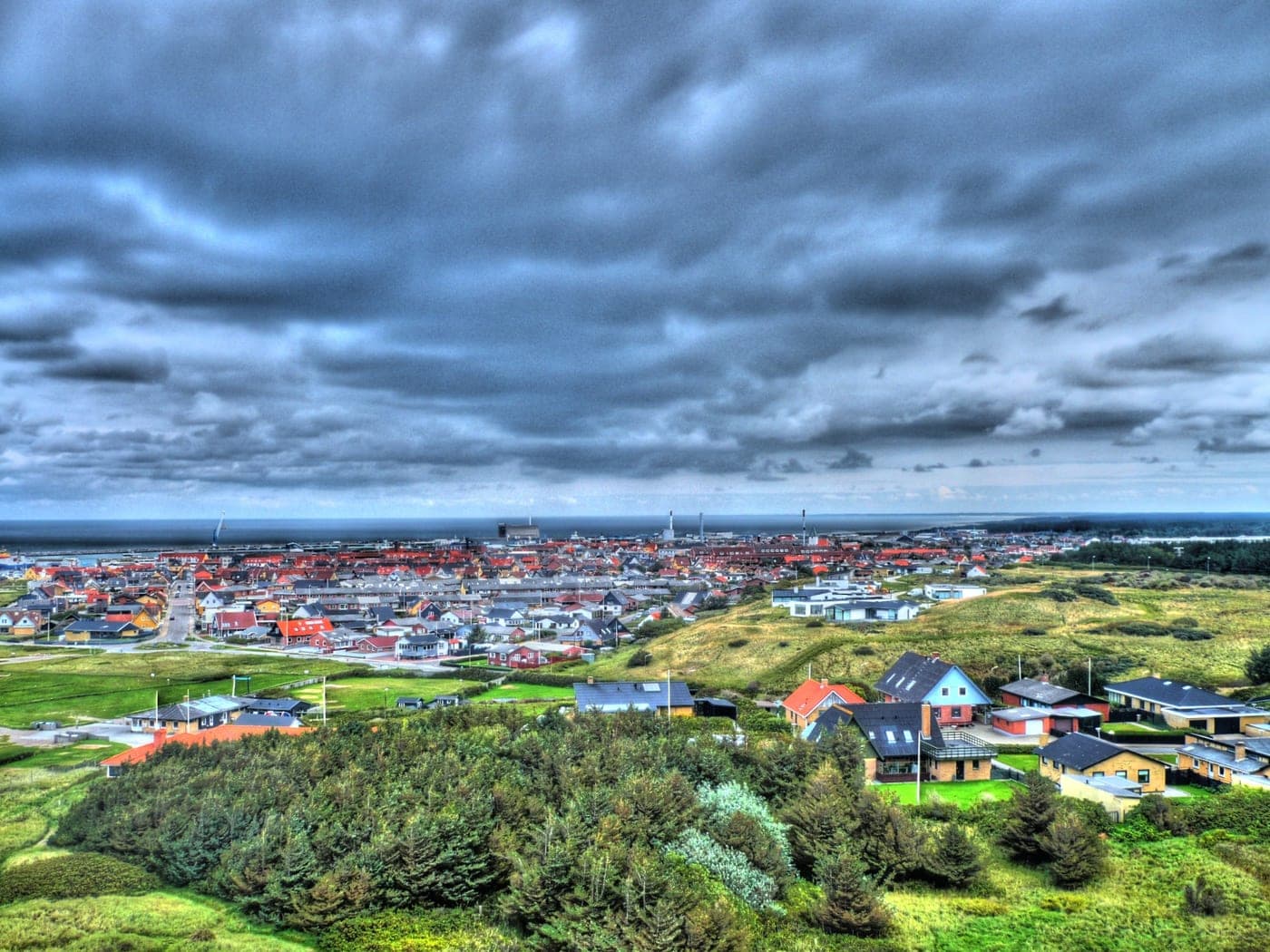
Photo by senderweb · license: CC BY 2.0
Hirtshals sits on the North Sea coast of North Jutland, where a working fishing harbour and a large ferry terminal share the same stretch of water. The town grew up around fishing, and that history still shapes daily life. Trawlers dock at set hours, seafood is sold from stalls near the quay, and the smell of salt and diesel follows the walk along the harbour front.
The harbour is the heart of Hirtshals and rewards slow attention. Fishing boats unload their catch in the early hours, and the fresh catch reaches the restaurants nearby soon after. Walking along the water shows how the port works: cranes lift crates from small trawlers, ferry ramps lower for lines of cars and trucks, and gulls wait on the railings for scraps.
Large car ferries leave Hirtshals for Norwegian ports throughout the year, and the town has grown around this connection as much as around fishing. Watching a ferry turn and dock, funnel smoke drifting over the breakwater, is part of the rhythm of the place even for those with no plans to board one.
Nordsøen Oceanarium stands in the dunes right by the harbour and displays North Sea species, including sharks and rays circling a viewing tunnel. Smaller tanks show the cod, plaice, and herring that the boats outside are built to catch, which makes a visit feel connected to the harbour rather than separate from it.
Food in Hirtshals follows the same pattern. Restaurants along the harbour serve what came in that morning: plaice pan-fried in butter, herring pickled or smoked, cod simply poached. A few smokehouses near the quay sell fish warm, wrapped in paper, meant to be eaten on a bench looking out at the water. This is Nordic seafood at its plainest, with little seasoning and a short distance from boat to plate.
Beyond the harbour, Hirtshals has broad sandy beaches backed by low dunes, part of the long open coastline running through this stretch of North Jutland. The beach continues well past the town in both directions and keeps space even during busy summer weeks. Paths through the dune grass link the beach to trails further inland, and flat terrain keeps the walking easy along the whole stretch.
Inland from the harbour, marked trails cross dune plantations planted to hold the sand in place. These pine and spruce woods, unusual on such an exposed coast, give sheltered walking routes that join a wider network of trails across the Vendsyssel region. Deer move through the tree line at dawn, and migrating birds rest in the dune slacks during spring and autumn.
The old fishing quarter, a short walk from the harbour, holds low brick houses built for fishing families and a small maritime museum devoted to the port's fishing history.
Hirtshals keeps its working character across the year. The harbour operates in every season, and the ferry terminal stays busy even in winter when the beaches empty out. Summer brings warmer water and longer light for walking the dunes, while spring and autumn are quieter, with fishing crews going about their routines and fewer people on the quay.
Hirtshals also works as a base for exploring more of this coast. Rubjerg Knude, with its shifting sand dunes and lighthouse slowly being buried by them, lies to the south. Løkken, a smaller beach town with a cluster of craft shops, sits within easy reach as well. But the harbour itself, with its ferries, fishing boats, and quayside kitchens, gives Hirtshals its own reason to stop.
Drop the places you like into one list. The planner orders them by day and works out the distances.
Get slow travel tips delivered to your inbox
A short message when something worth the trip lands. Reply STOP anytime.
By subscribing, you agree to be contacted via WhatsApp. Privacy policyOccasional letters in your inbox — with recommendations, maps and routes.
By subscribing to newsletter, you agree to our privacy policy.