Boat Rentals Across Europe
Bareboat, skippered & day charters · explore coastlines at your own pace
Featured destinations08
 01
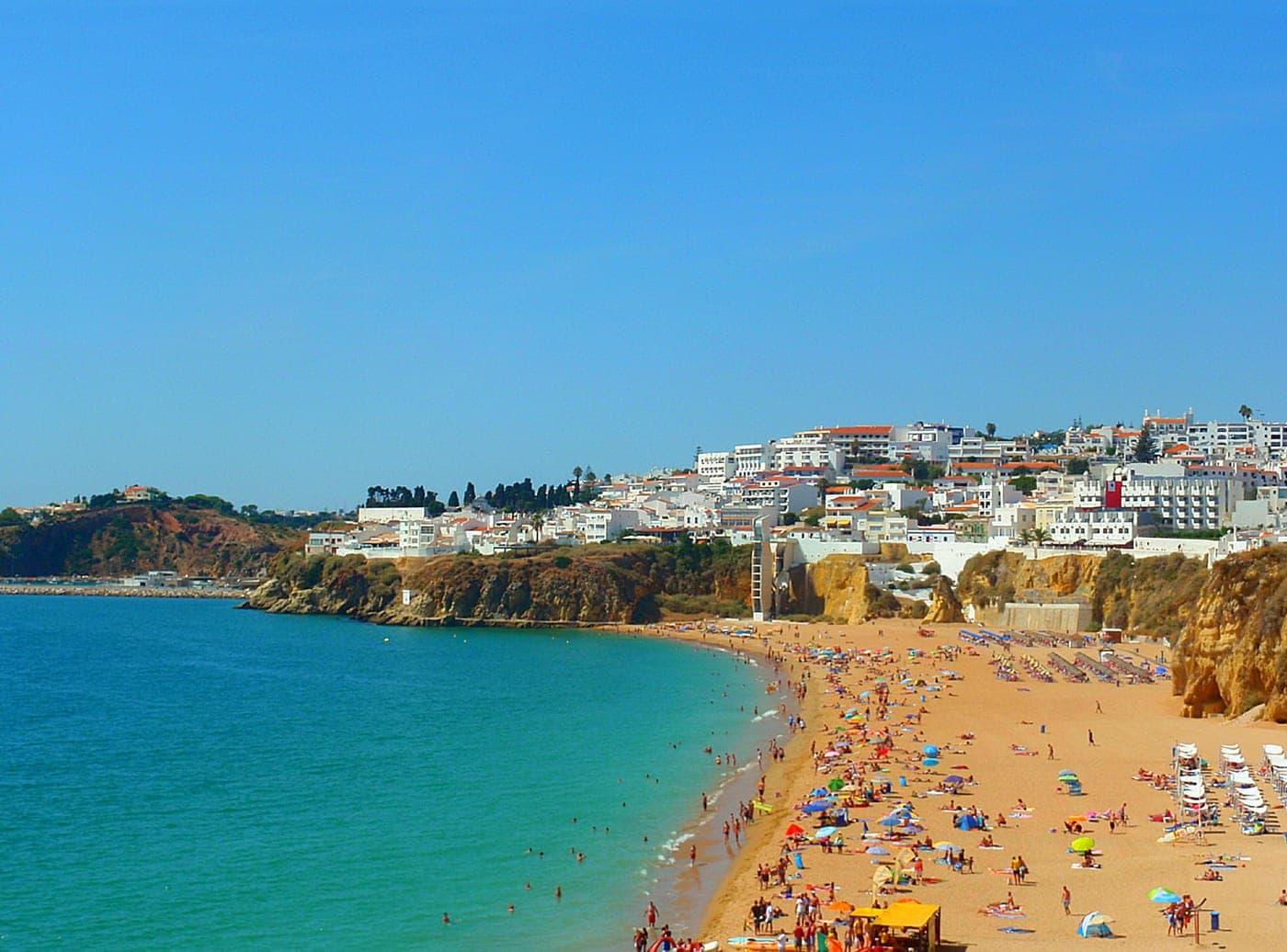
01Albufeira
PortugalFormer fishing village turned resort with dramatic cliffs and sea caves.
 02
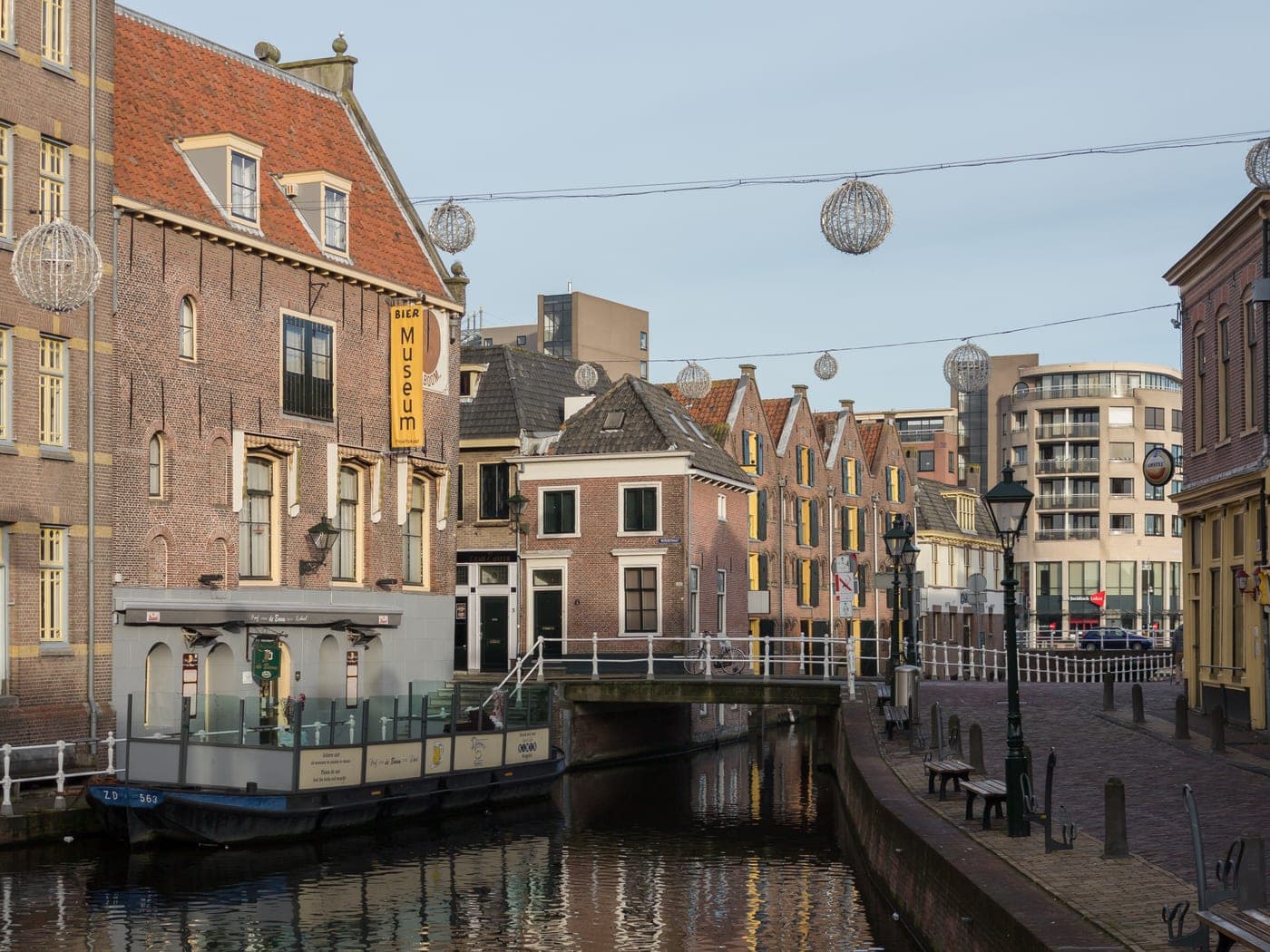
02Alkmaar
NetherlandsHistoric cheese city with boat rentals on canals and nearby waters.
 03
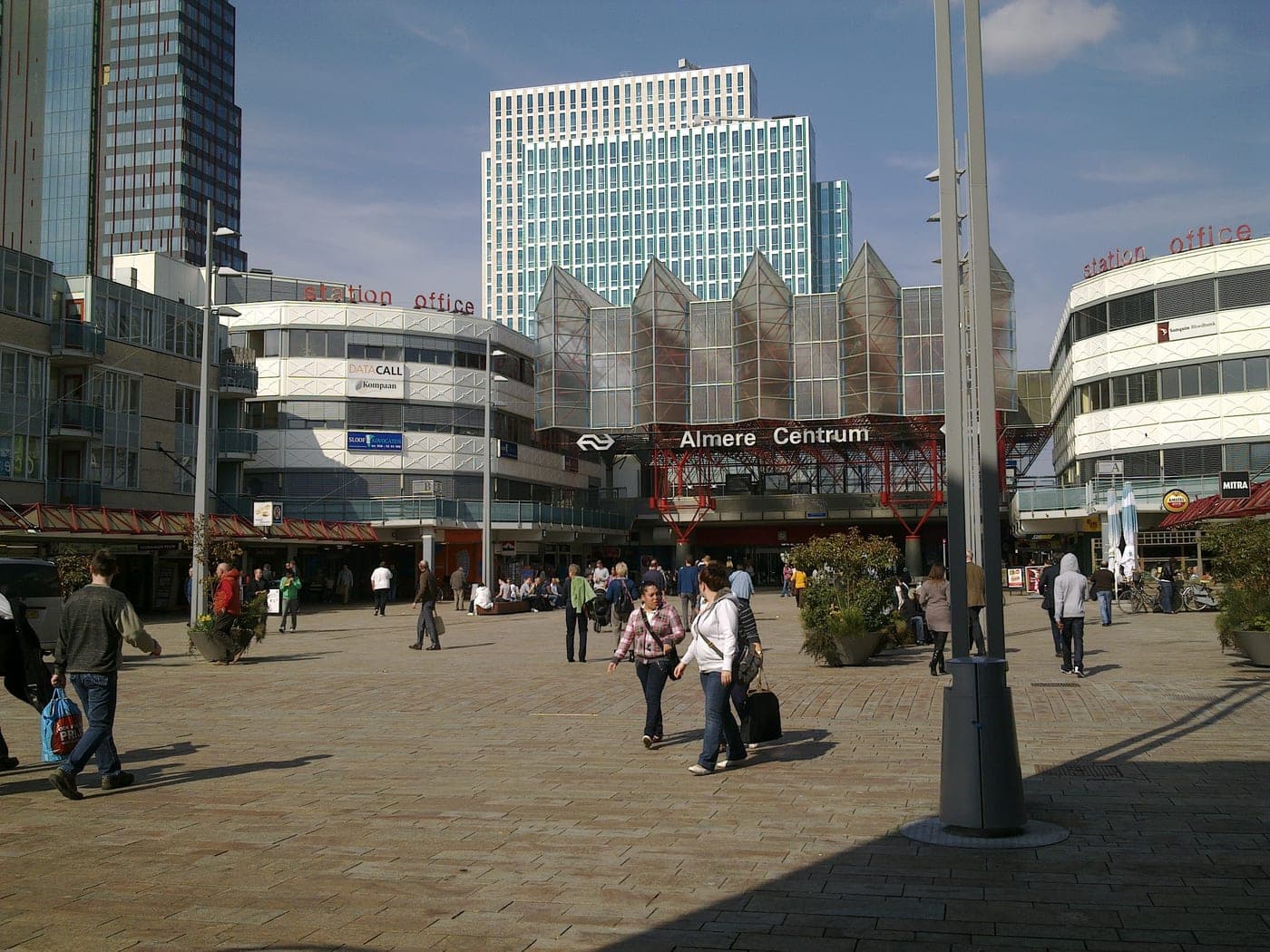
03Almere
NetherlandsModern city known for innovative architecture and parks.
 04
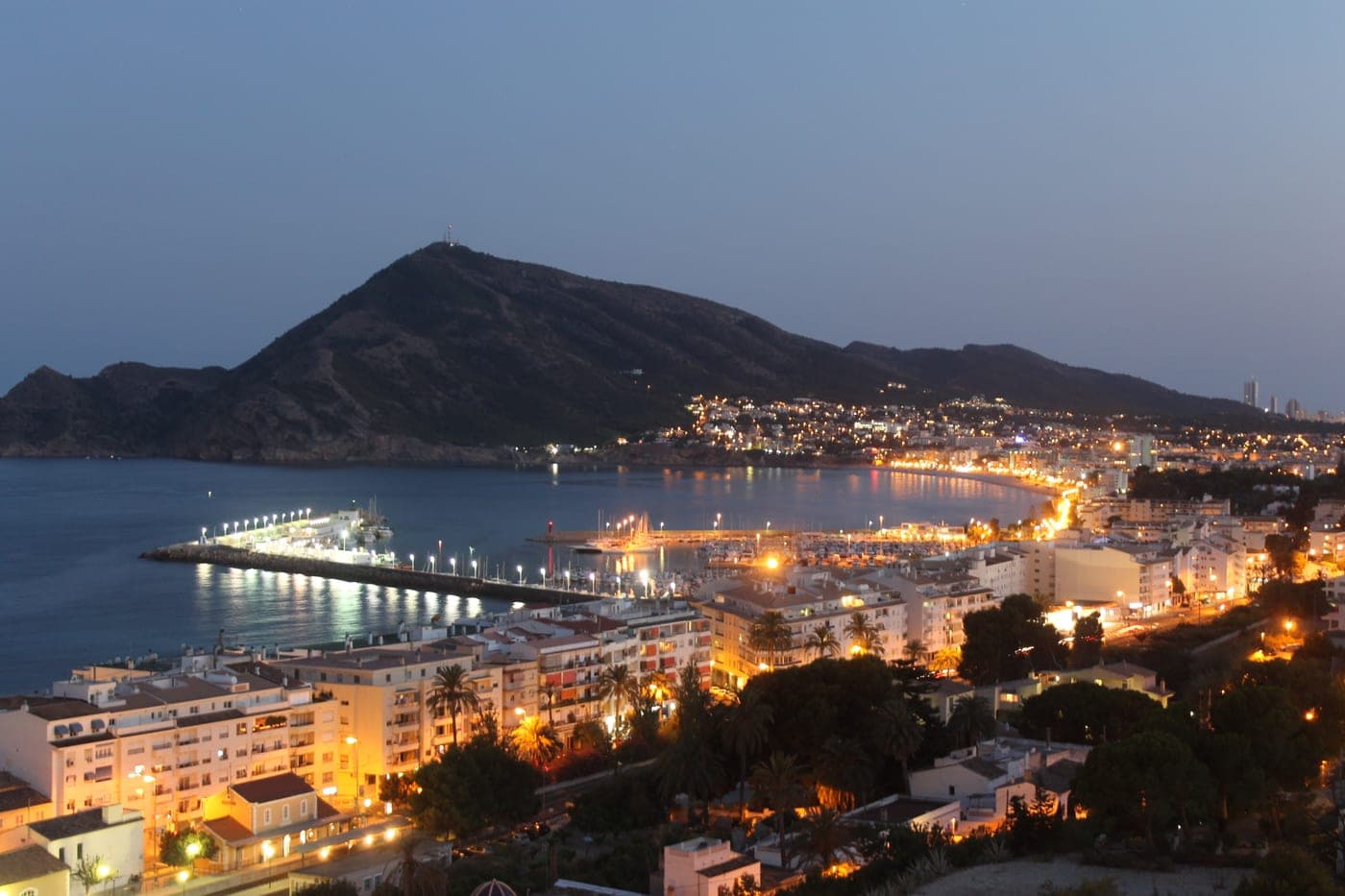
04Altea
SpainPicturesque whitewashed coastal town with marina and boat charter services.
 05
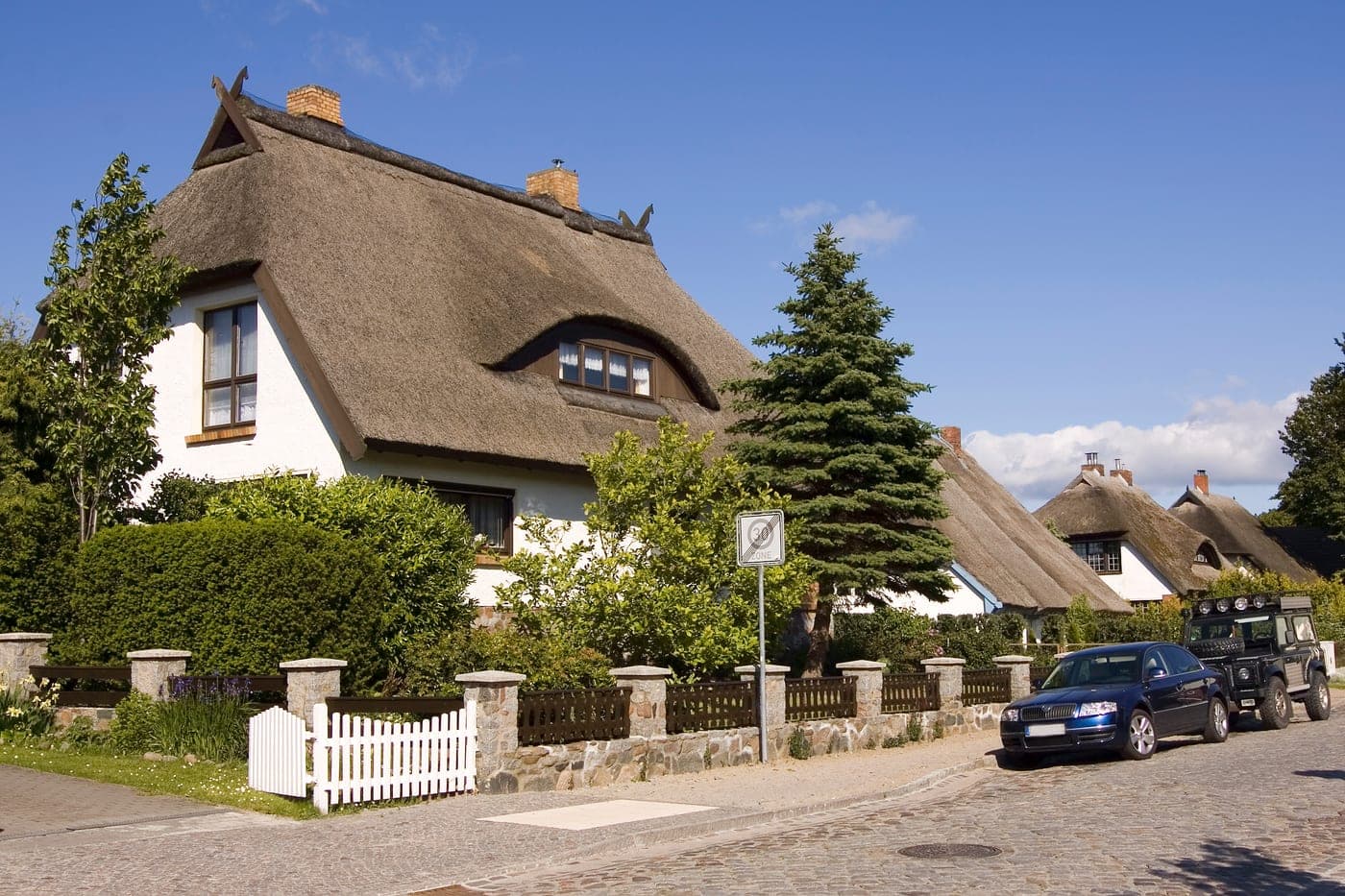
05Altefähr
GermanyPicturesque village known for its waterfront views and historic architecture.
 06
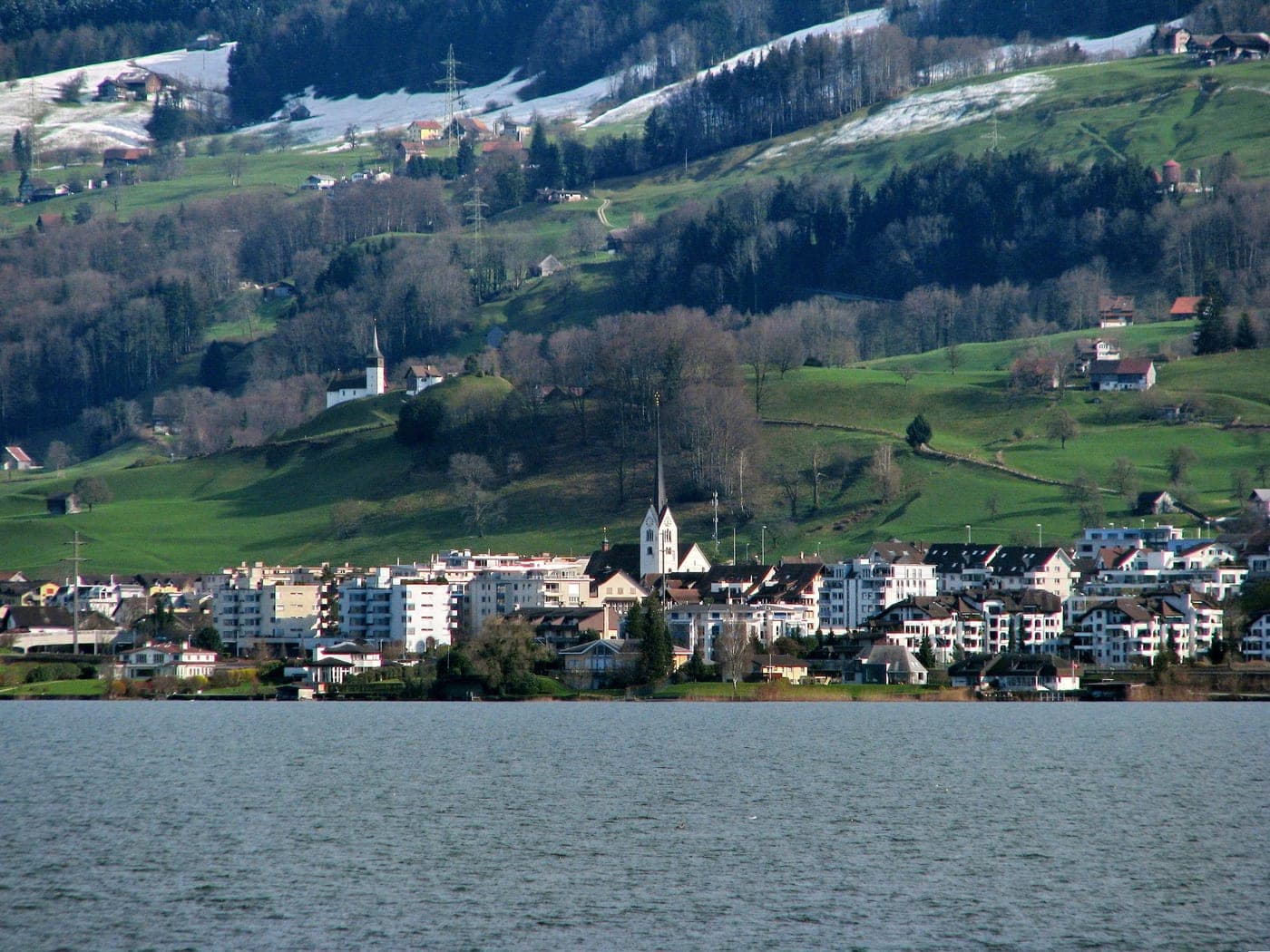
06Altendorf
SwitzerlandPicturesque village on Lake Lauerz, known for hiking and stunning views.
 07
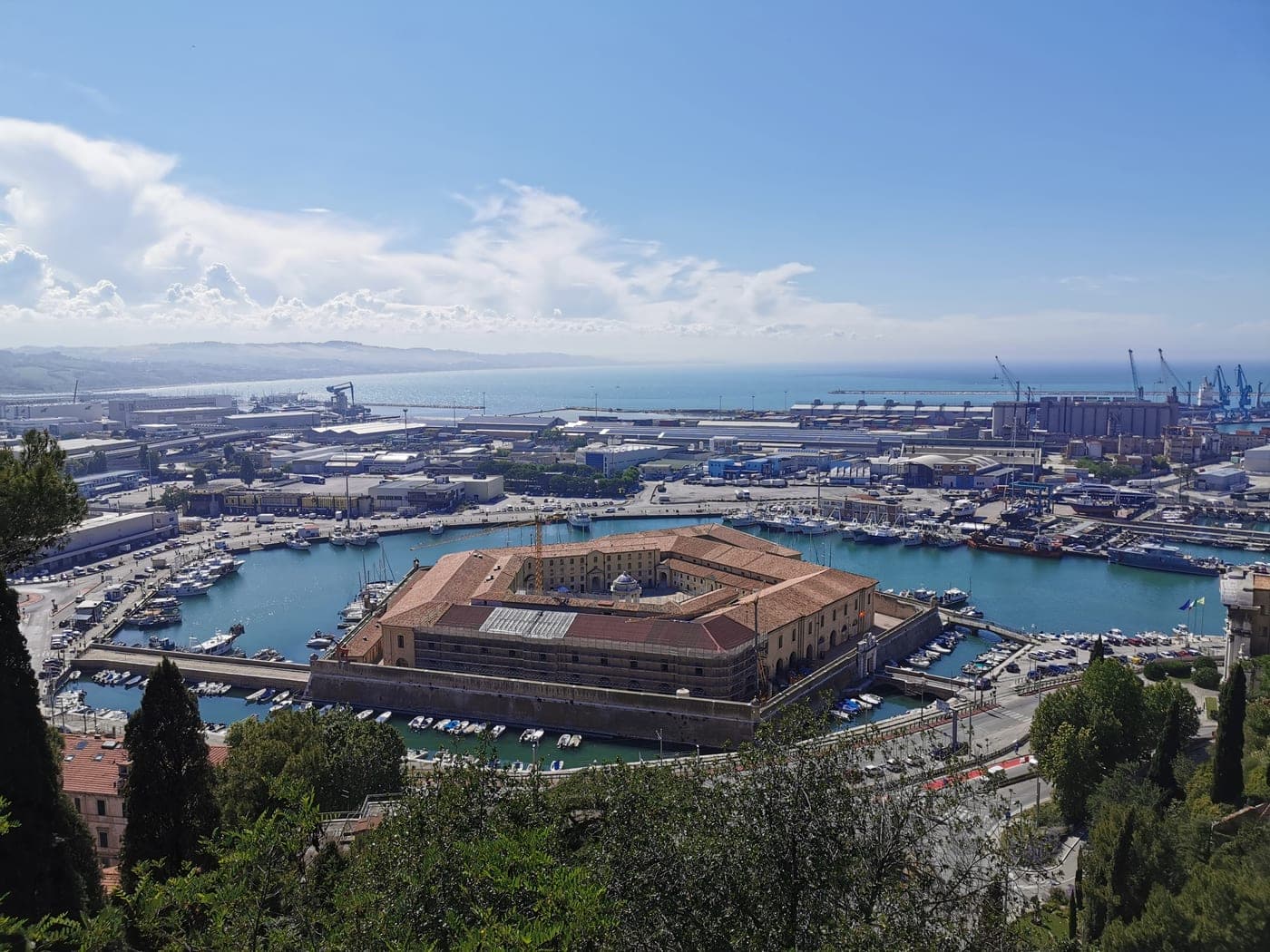
07Ancona
ItalyAdriatic port city in Marche wine region with access to Verdicchio wineries.
 08
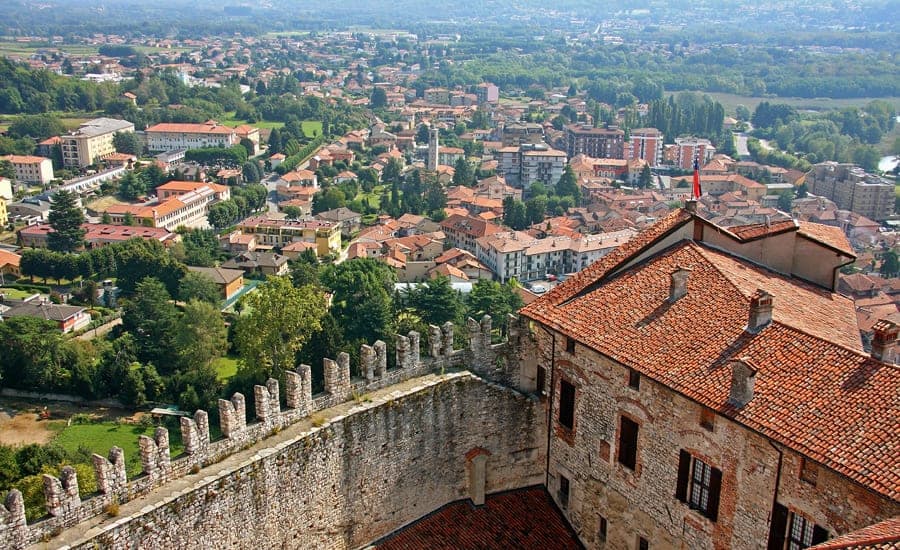
08Angera
ItalyCharming town on Lake Maggiore with boat rentals and views of Rocca di Angera castle.
Sailing Destinations Across Europe
Each sailing region offers unique experiences, from tranquil island hopping to dramatic coastlines. Discover the perfect waters for your charter.
Mediterranean
04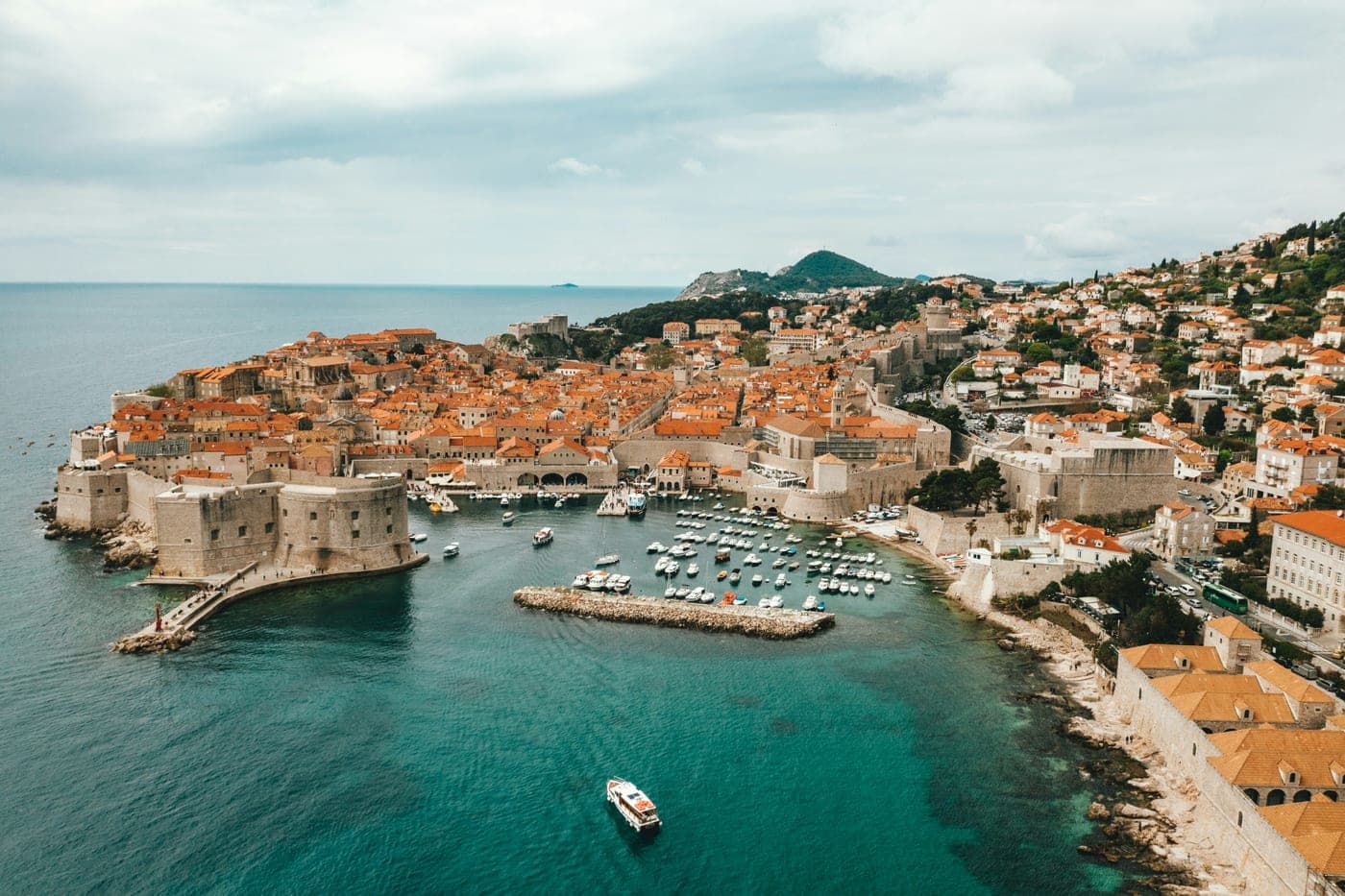 24 destinations
Croatia
Over 1,200 islands stretch along the Dalmatian coast from Istria to Dubrovnik. Kornati National Park offers protected anchorages among uninhabited islets, while historic ports like Split, Hvar, and Korčula preserve Venetian and Roman maritime heritage. Sheltered routes between islands provide calm waters and authentic fishing harbors.
 24 destinations
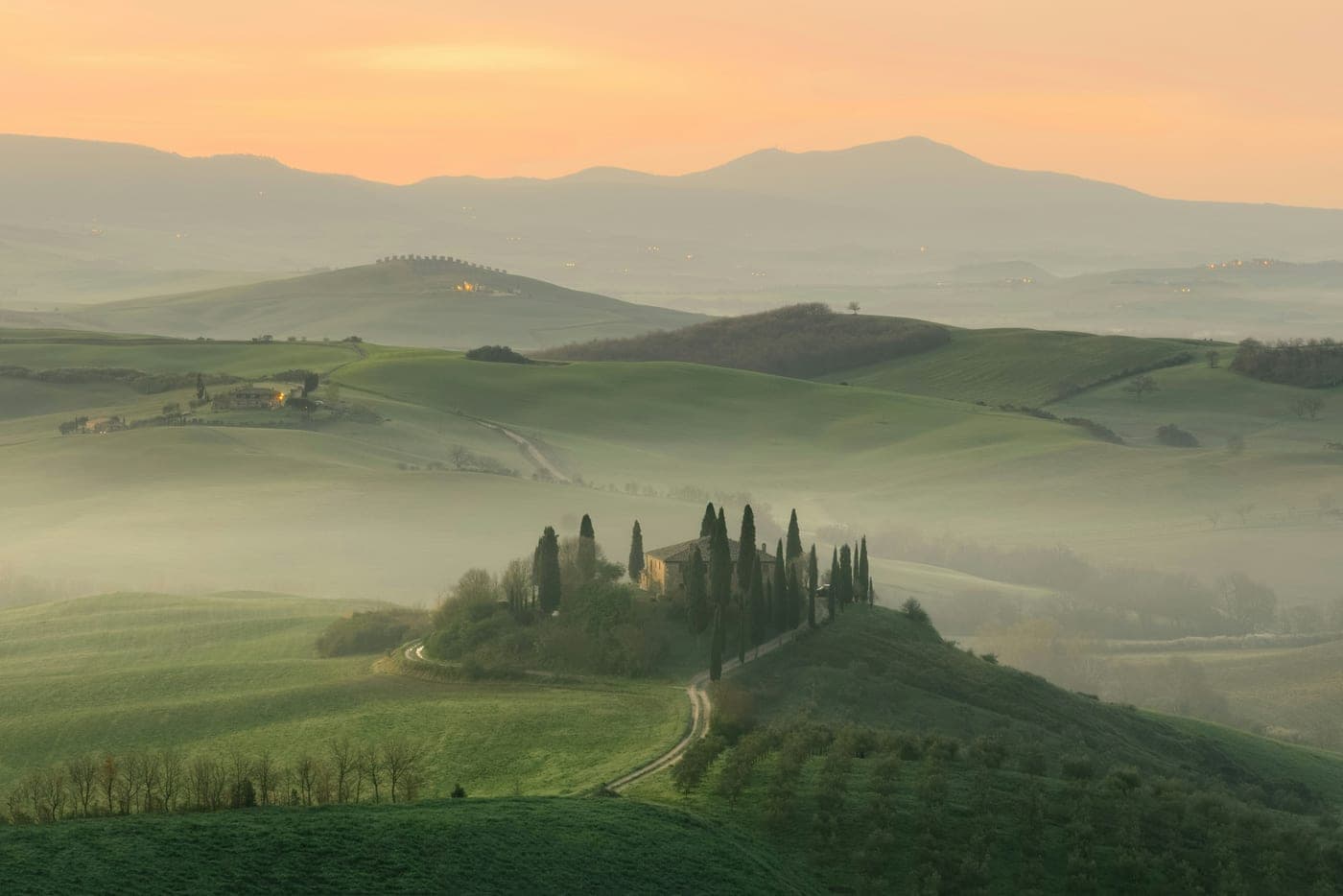
Italy
Three seas surround Italy: the Adriatic, Tyrrhenian, and Ionian. The Aeolian Islands feature active volcanoes and ancient Greek trading posts, while Sardinia's Maddalena archipelago offers granite cliffs and turquoise bays. Traditional trabacchi fishing platforms dot the Gargano peninsula, and Cinque Terre's medieval harbors remain accessible primarily by sea.
 11 destinations
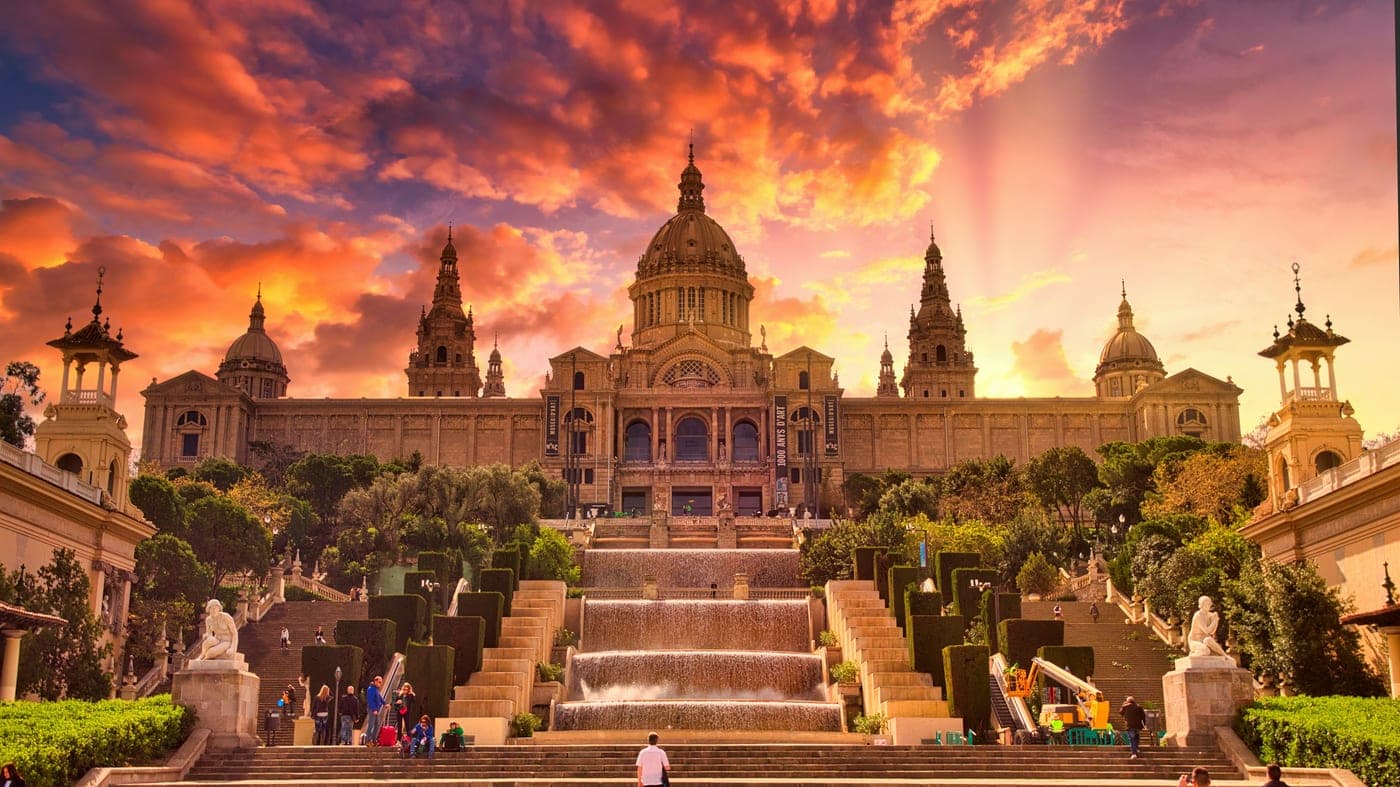
Spain
Menorca's northern coves remain undeveloped with Bronze Age talayots visible from the water. Galicia's Rías Baixas feature fjord-like inlets with mussel platforms and Albariño vineyards. Costa Brava's medieval villages like Cadaqués inspired Dalí, while the Canary Islands extend sailing season year-round.
 4 destinations
Slovenia
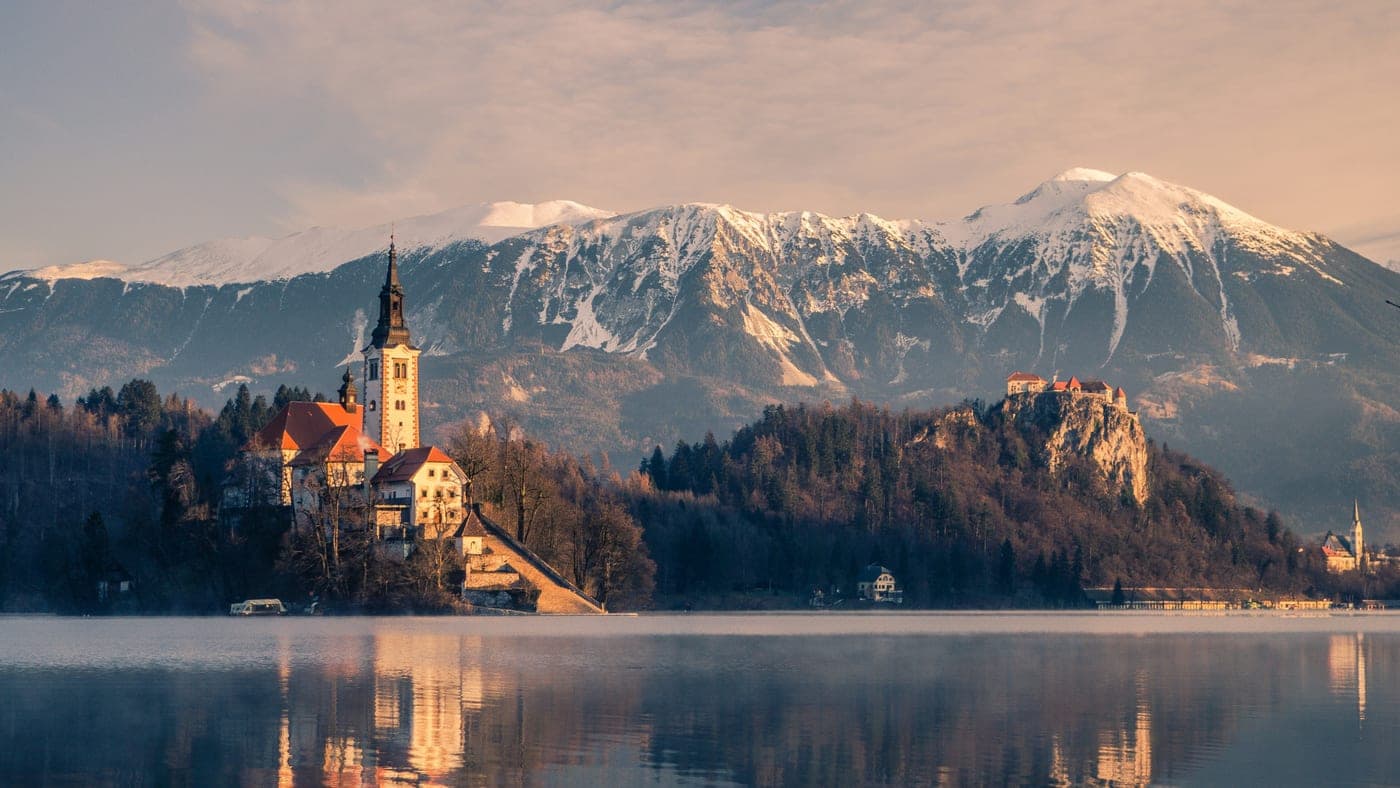
Slovenia's 47-kilometer coast centers on Piran, a Venetian Gothic town on a peninsula. Medieval salt pans at Sečovlje still use traditional methods. The compact coastline allows day trips to Lake Bled or Triglav National Park, while Portorož marina accesses Italian and Croatian waters.
Atlantic Coast
03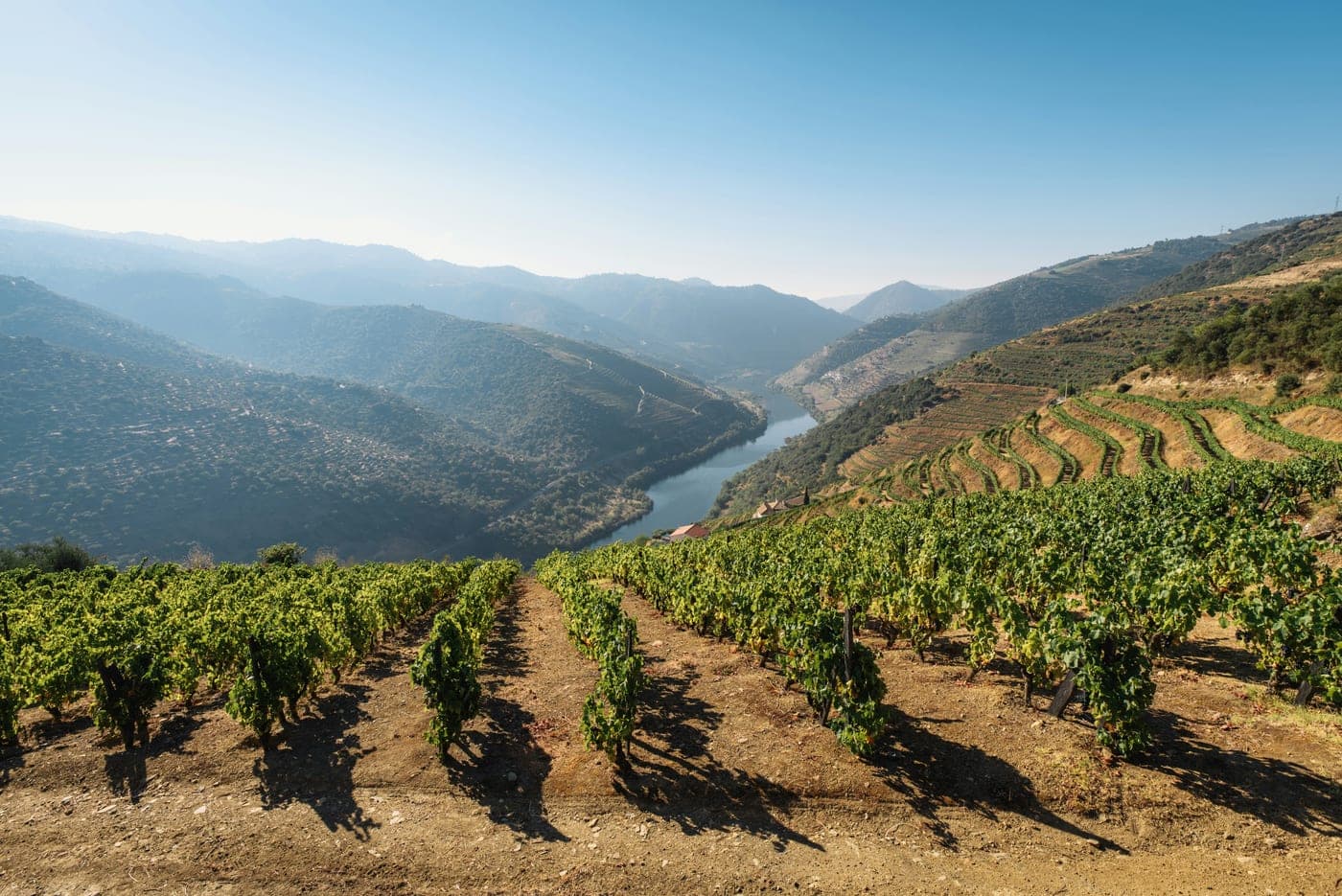 16 destinations
Portugal
The Algarve's limestone coast hides sea caves accessible only by boat near Lagos and Benagil. Lisbon's Tagus estuary leads to Cascais and Atlantic cliffs. The Berlengas archipelago hosts seabirds and 17th-century fortress ruins, while Madeira and the Azores extend sailing into the mid-Atlantic.
 2 destinations
Ireland
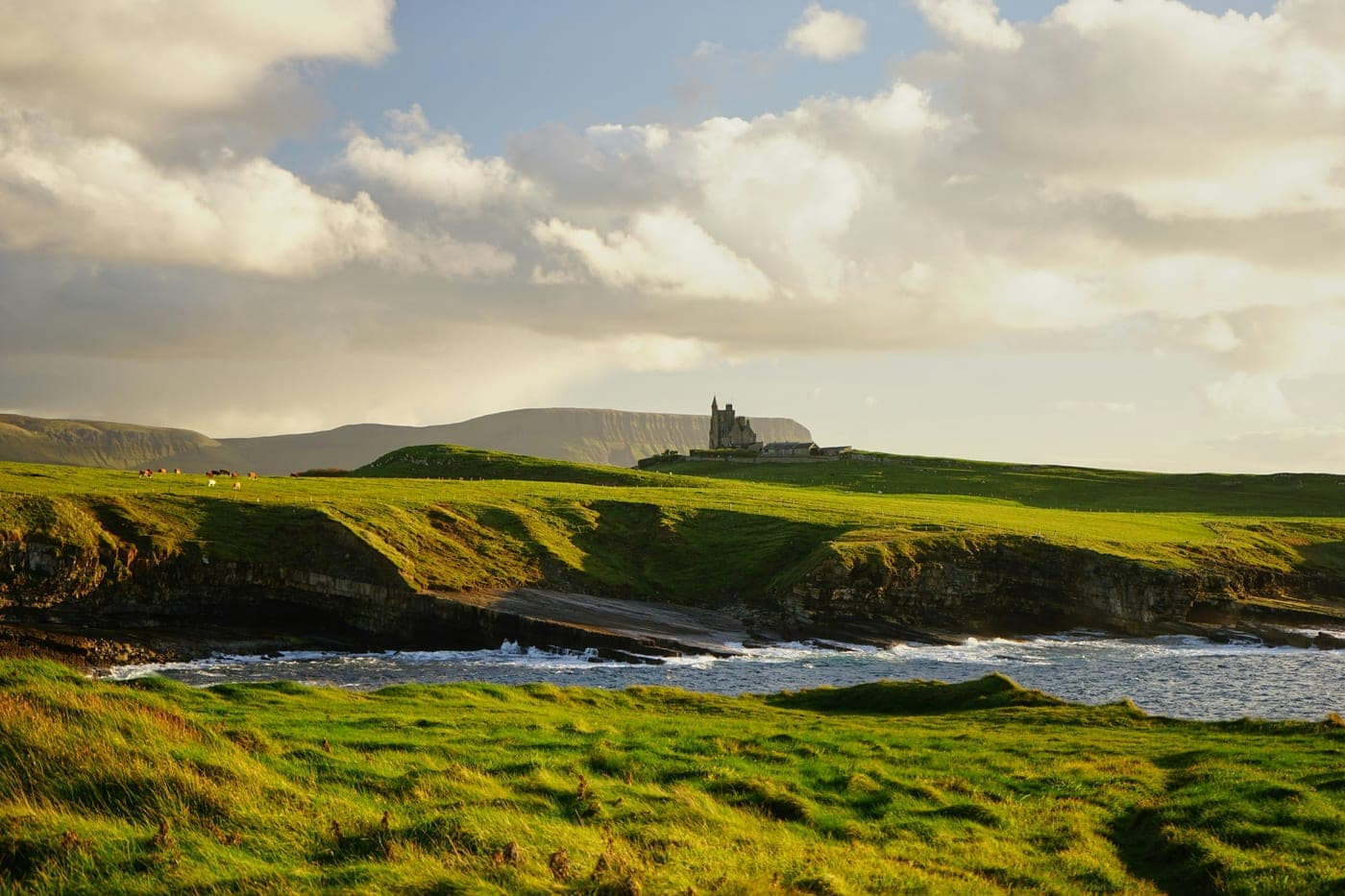
The Atlantic coast features Skellig Islands with 6th-century monastic ruins and the Aran Islands preserving traditional currach boats. Connemara's coastline offers protected anchorages among rocky islands. Cork's harbor towns like Kinsale serve traditional seafood, while Galway's Claddagh maintains medieval fishing heritage.
 9 destinations
United Kingdom
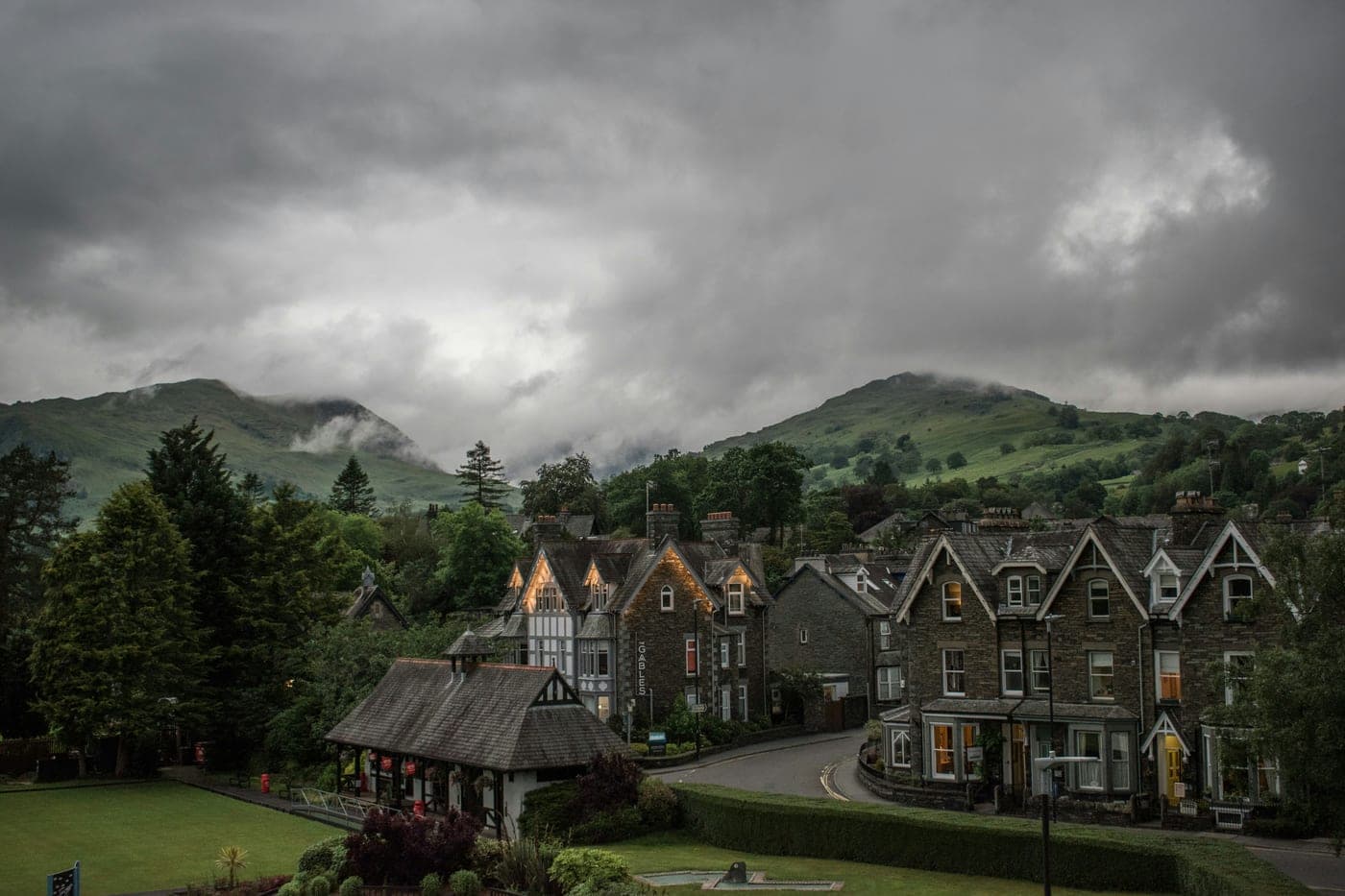
Scotland's Hebrides total over 500 islands with Viking heritage and Gaelic-speaking communities. The Caledonian Canal connects North Sea to Atlantic through the Great Glen. Cornwall's Scilly Isles feature subtropical gardens, Wales' Pembrokeshire preserves medieval castles, and Norfolk Broads offers 125 miles of inland waterways.
North Sea
03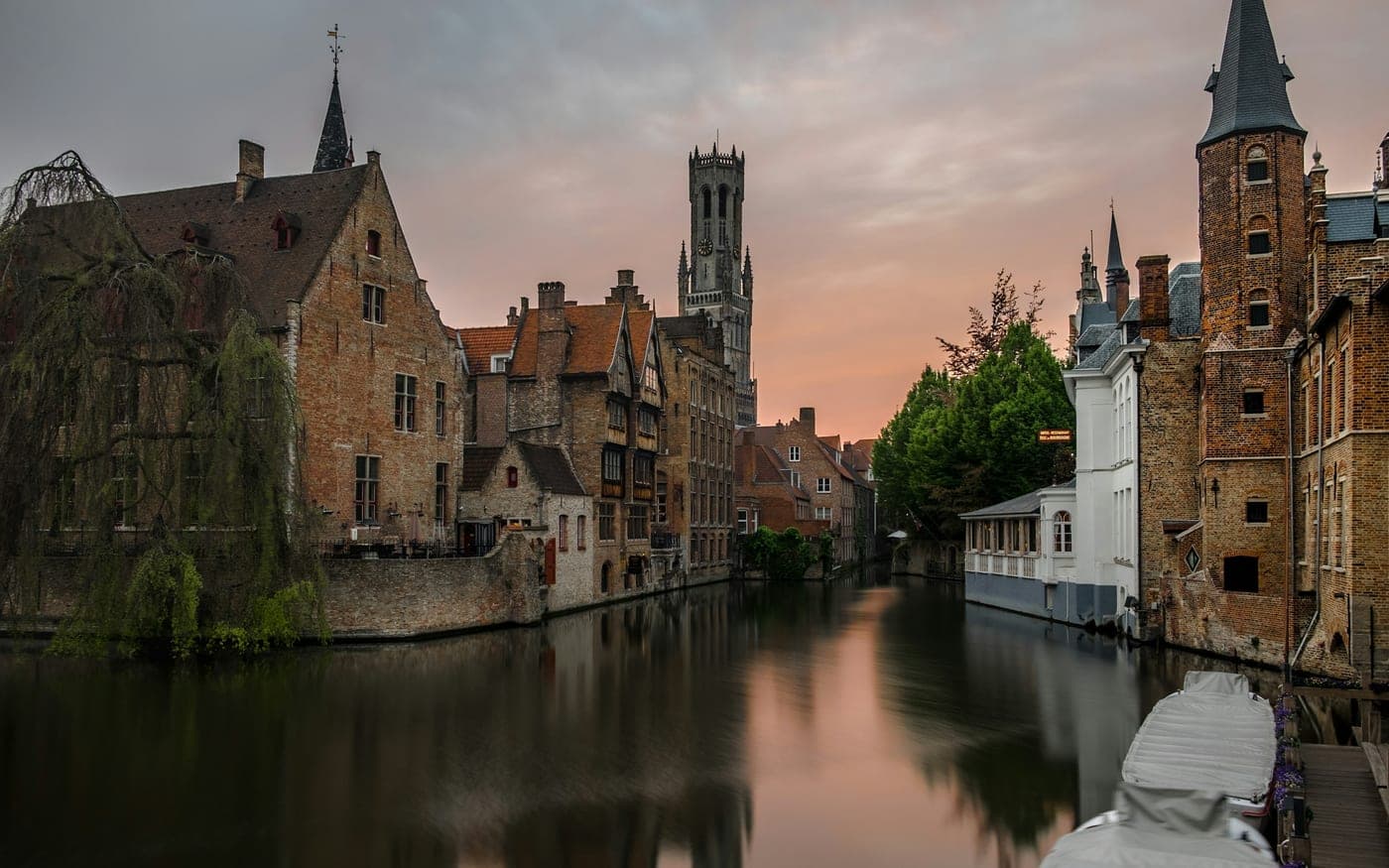 4 destinations
Belgium
Belgium's 67-kilometer coastline connects to inland canals reaching Bruges, Ghent, and Brussels. Historic ports Ostend and Nieuwpoort serve as North Sea gateways. Canal boats navigate through Flanders' medieval cities to Antwerp, while the Yser River leads to WWI memorial sites.
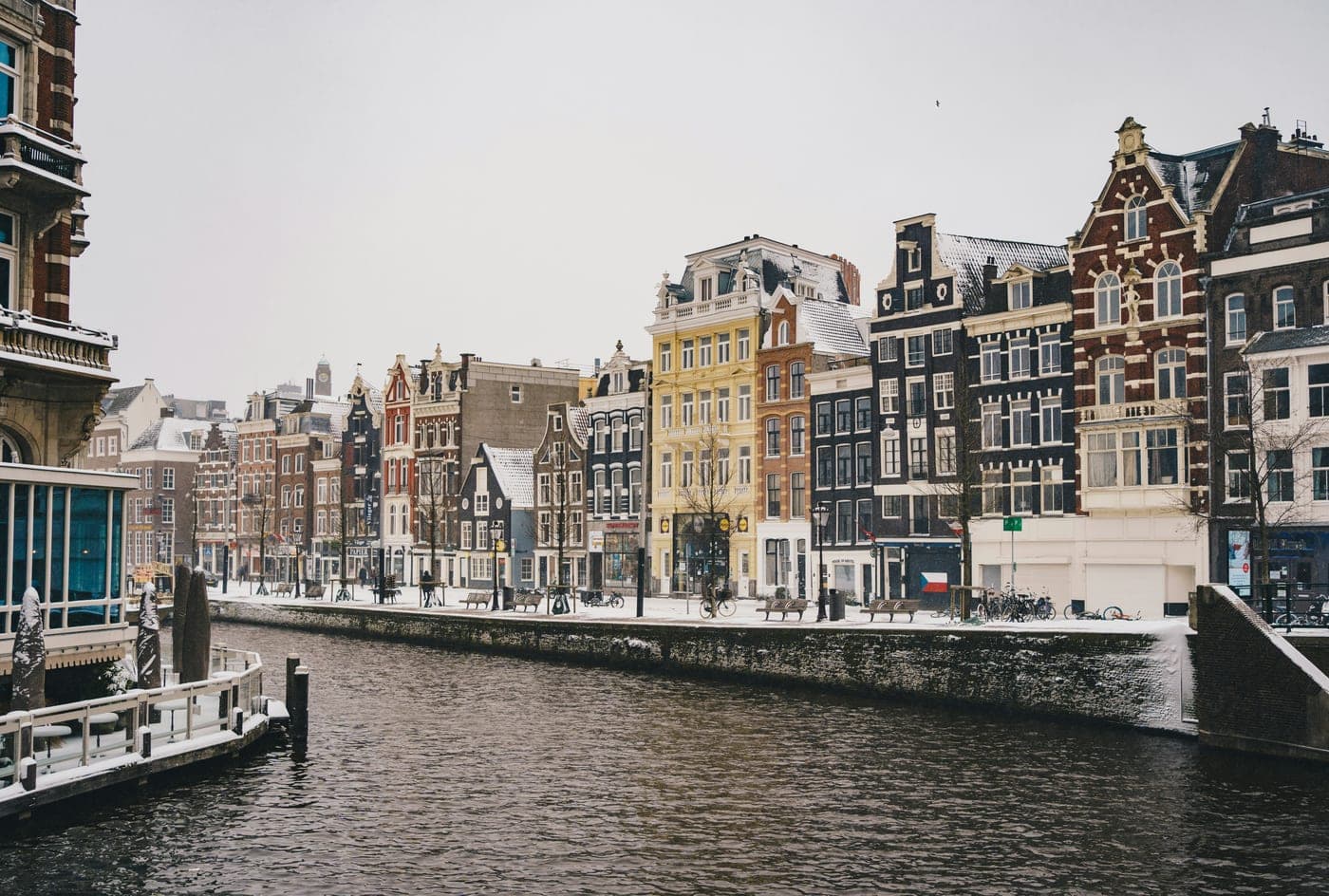 40 destinations
Netherlands
The IJsselmeer formed in 1932 as a freshwater inland sea bordered by Hanseatic cities like Hoorn and Enkhuizen. Friesland's eleven historic cities connect via waterways navigable by traditional flat-bottomed boats. Over 6,000 kilometers of canals link windmill-lined polders and 17th-century trading ports.
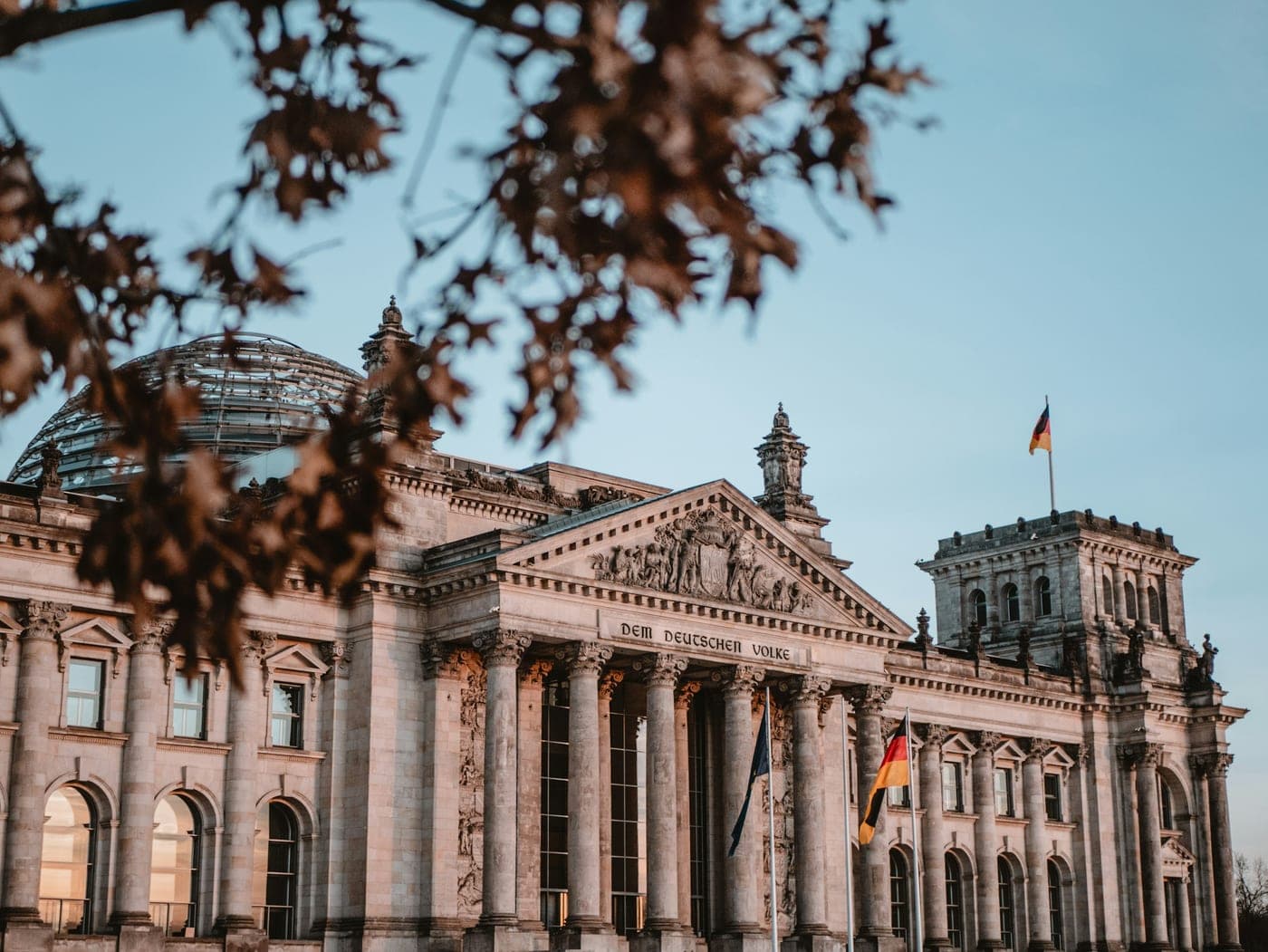 31 destinations
Germany
Lake Constance borders three countries with medieval island towns like Lindau and Reichenau Abbey. The Baltic coast features Rügen's chalk cliffs and Hanseatic architecture in Lübeck and Stralsund. Mecklenburg connects over 1,000 lakes via canals, while the Kiel Canal links North Sea to Baltic.
Nordic Waters
04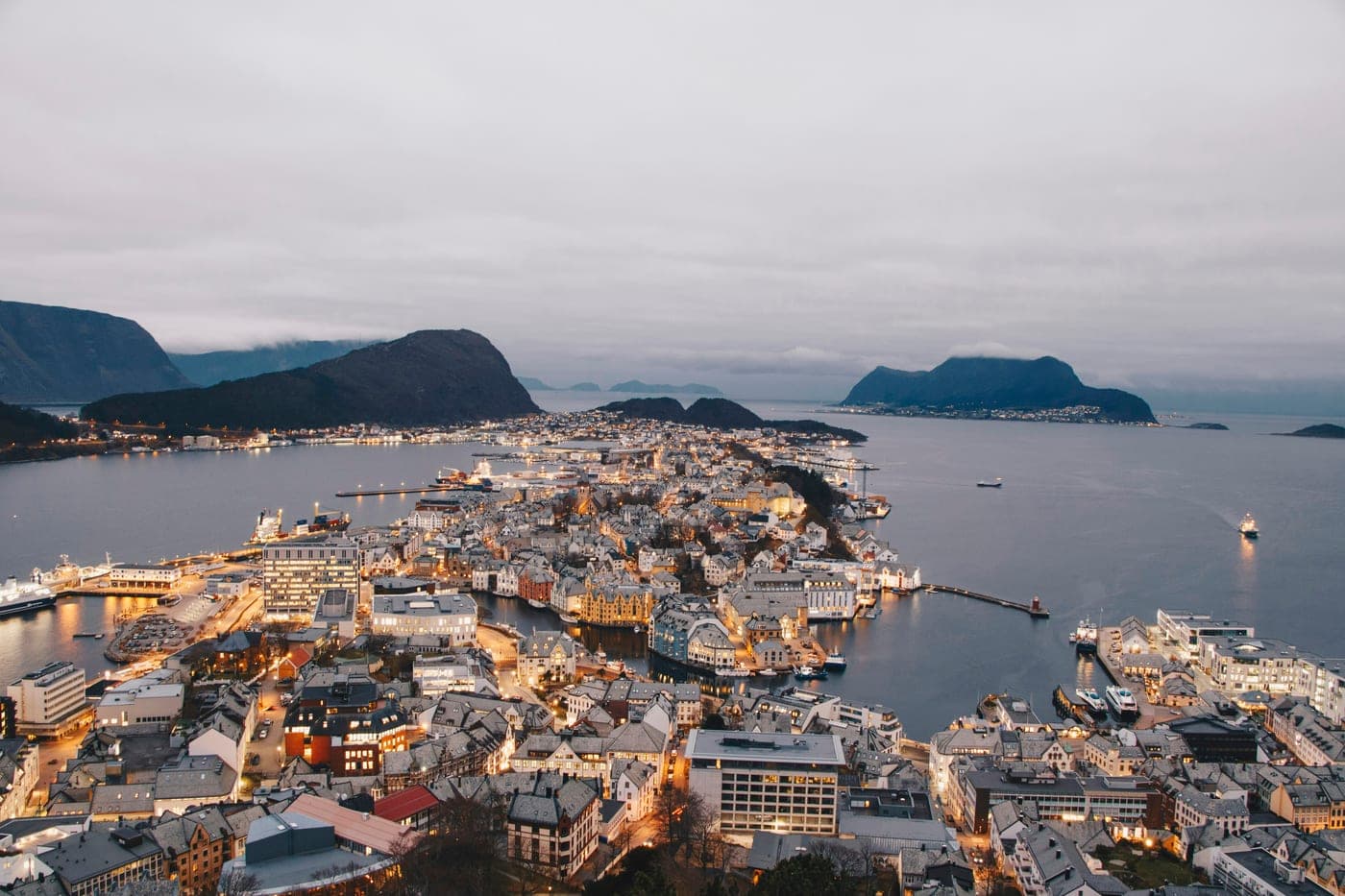 5 destinations
Norway
Norway's 25,000-kilometer coastline includes UNESCO fjords Geirangerfjord and Nærøyfjord. Lofoten Islands above the Arctic Circle experience midnight sun and attract orca migrations. Bergen served as the Hanseatic League's northern trading post, while Svalbard at 78°N offers the world's northernmost sailing with polar bears.
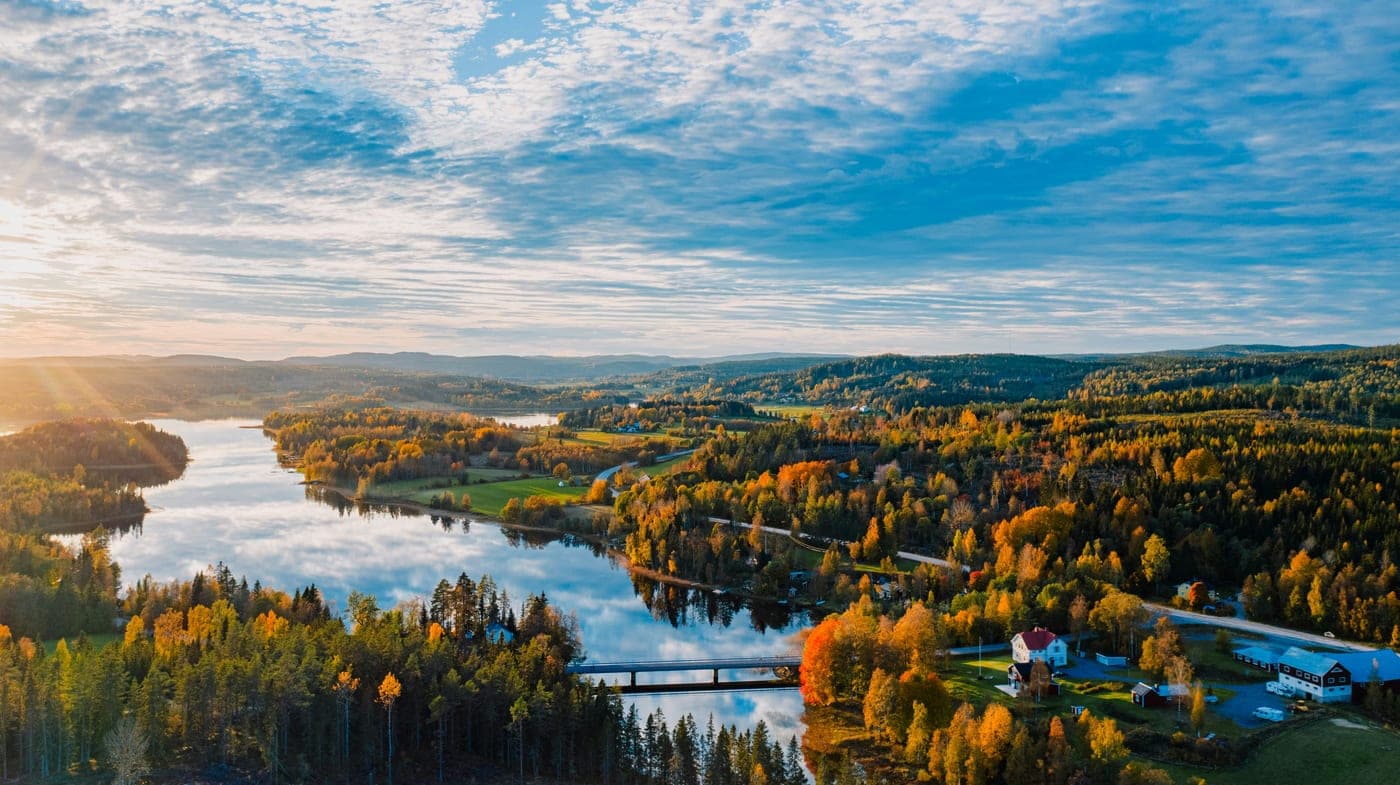 14 destinations
Sweden
Stockholm's archipelago contains 30,000 islands from forested islets to fishing villages. The Göta Canal connects Baltic to North Sea via 58 locks through major lakes. West coast Bohuslän features granite skerries and spa towns, while Allemansrätten allows free anchoring and island access.
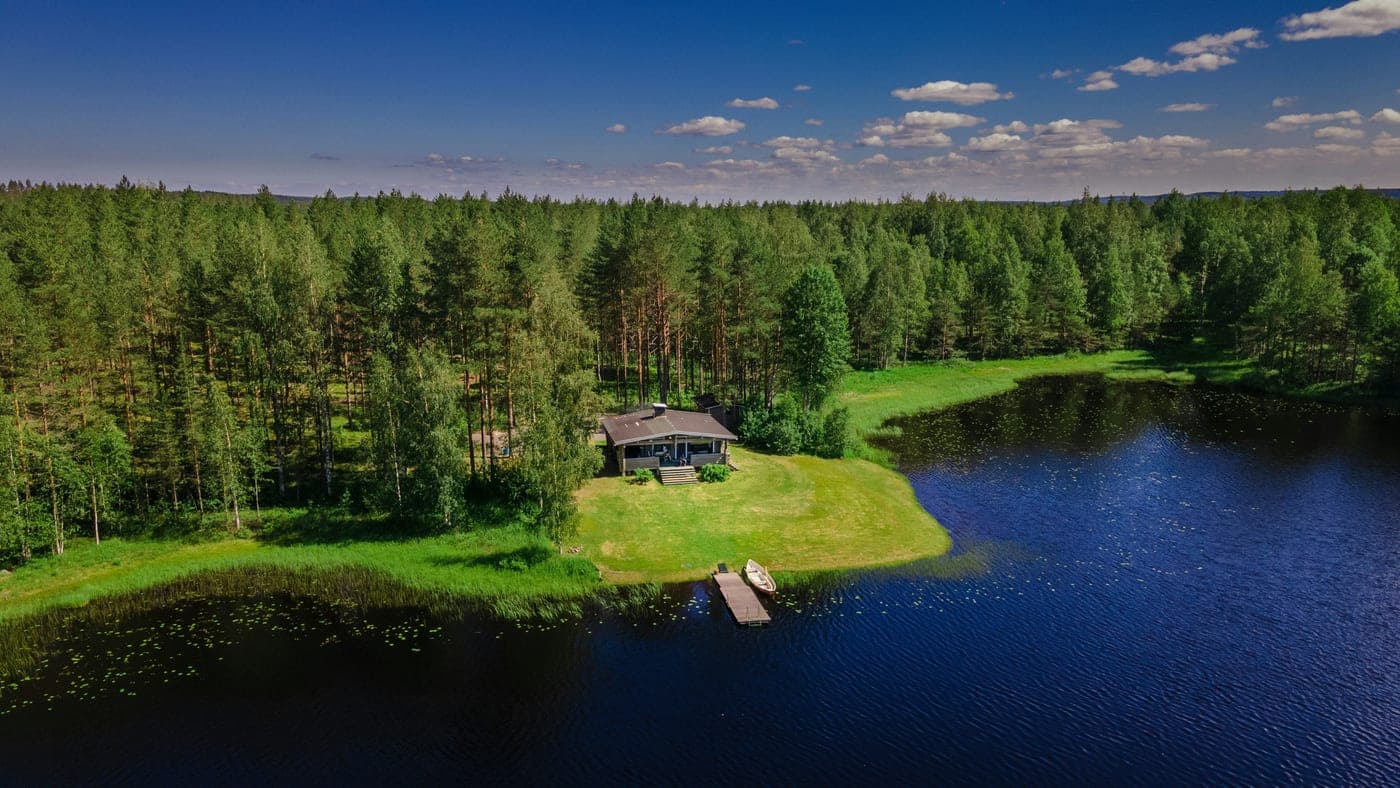 8 destinations
Finland
Saimaa Lake hosts rare freshwater seals and connects via canal to the Baltic. The Turku archipelago counts 20,000 islands with Swedish-speaking communities. Åland autonomous region maintains maritime traditions across 6,700 islands, while summer cottages and saunas define Finnish shoreline culture.
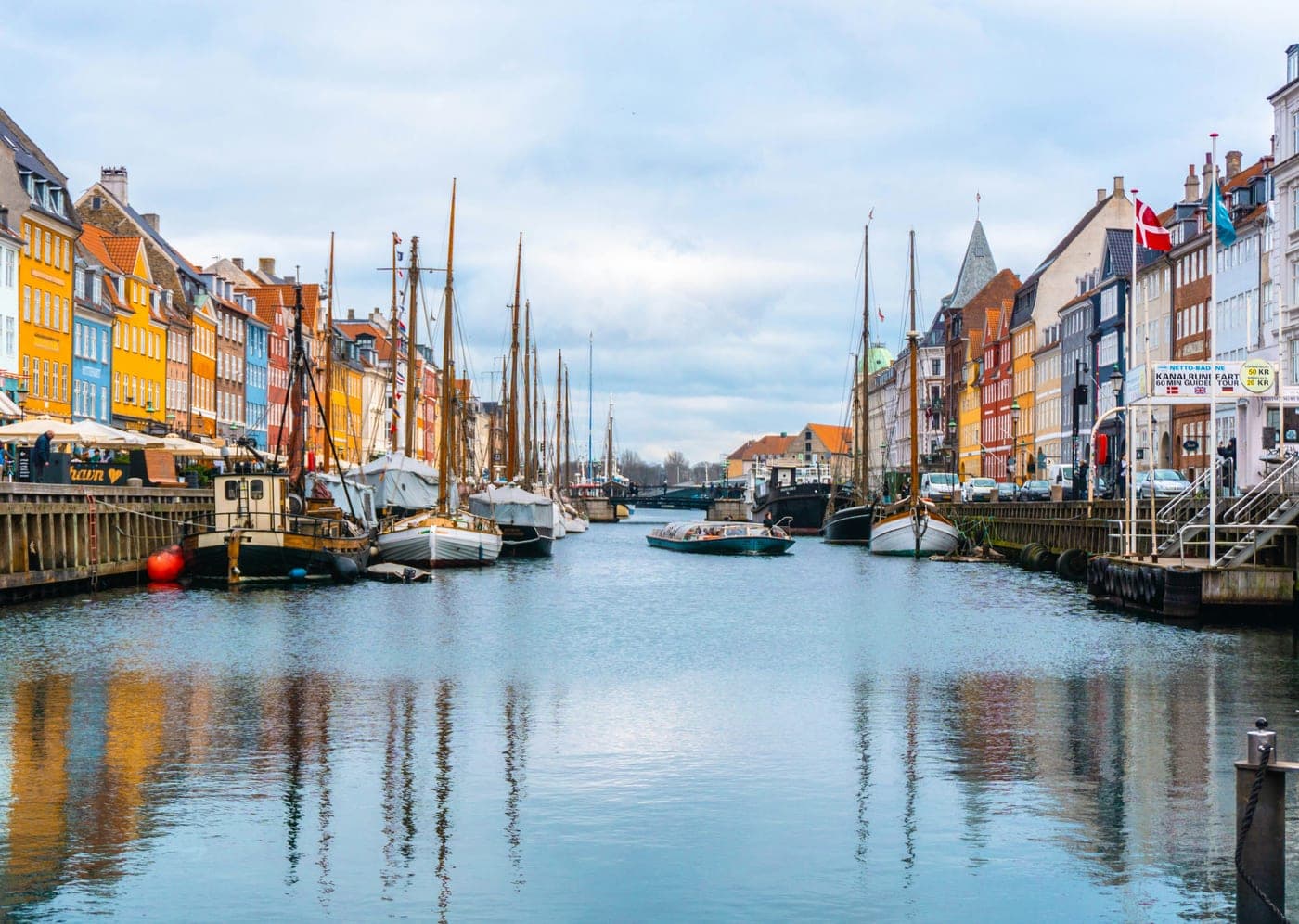 4 destinations
Denmark
Denmark comprises 7,314 islands connected by bridges and ferries. The Danish Straits feature sheltered waters and short distances between harbors. Viking ship museums in Roskilde preserve reconstructed longships, while Bornholm maintains medieval round churches. Renaissance castles overlook the straits that historically controlled Baltic access.
Baltic Region
03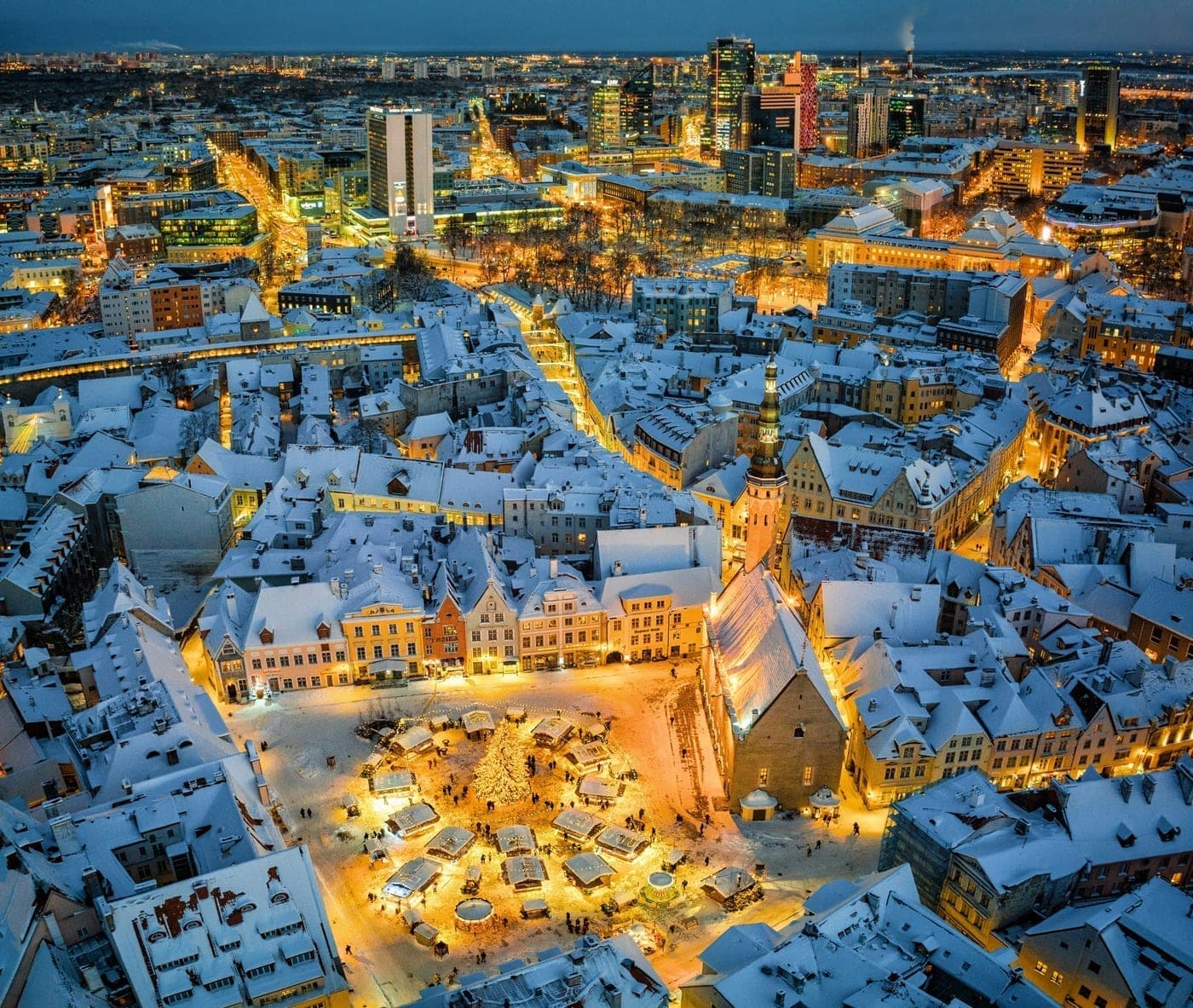 3 destinations
Estonia
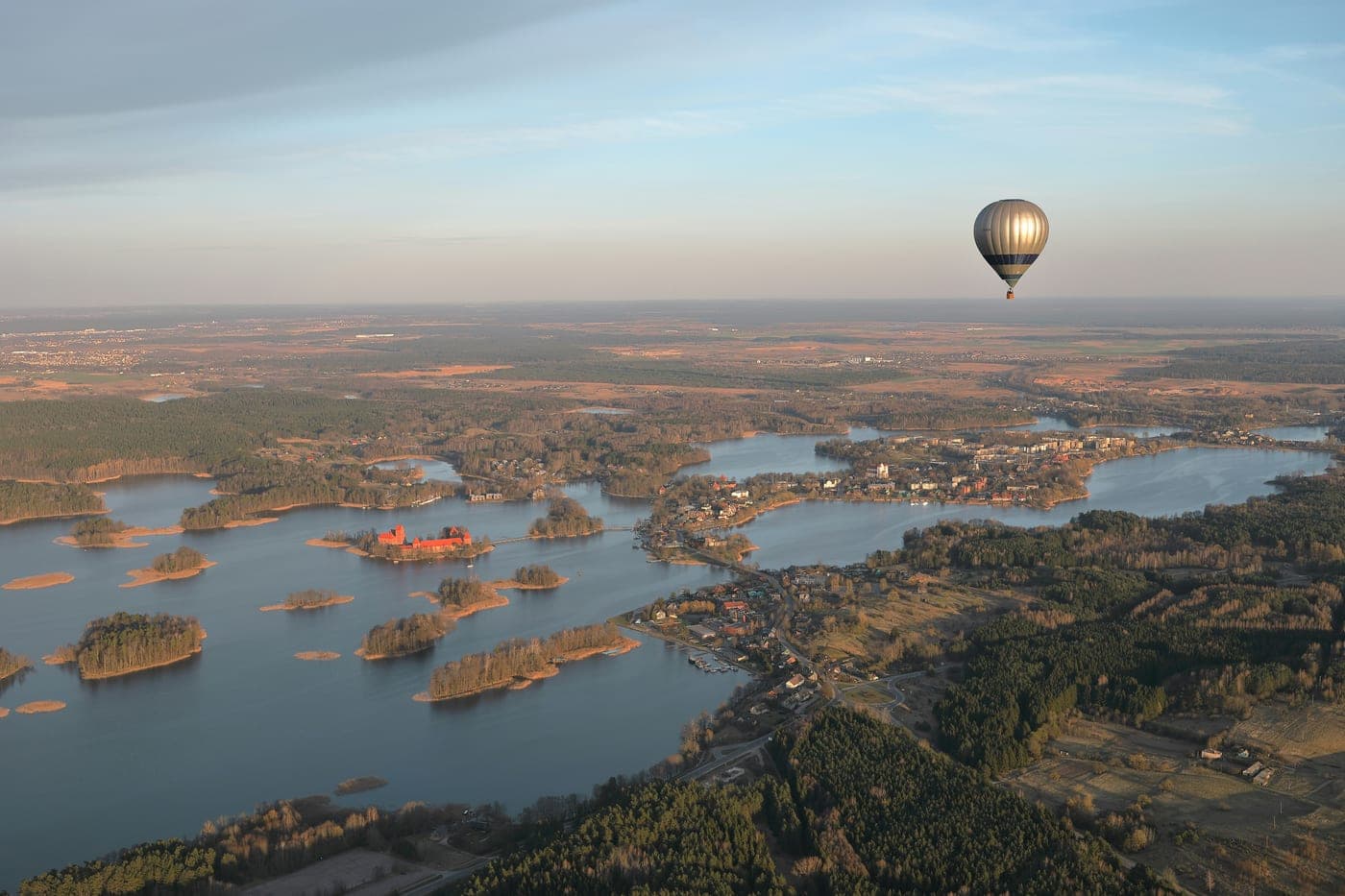
Saaremaa and Hiiumaa preserve windmills, stone churches, and Soviet-era installations. Tallinn's medieval Old Town was a major Hanseatic port with intact fortress walls. Over 2,000 islands dot the coast, many uninhabited and pine-forested. Traditional fishing villages maintain smoke saunas and wooden boat-building.
 3 destinations
Lithuania
The Curonian Spit stretches 98 kilometers separating the Baltic from the Curonian Lagoon. Nida features traditional fishermen's houses with colorful gables. The shallow lagoon creates unique sailing conditions, while Klaipėda preserves half-timbered architecture. Ancient amber deposits wash ashore after storms.
 11 destinations
Poland
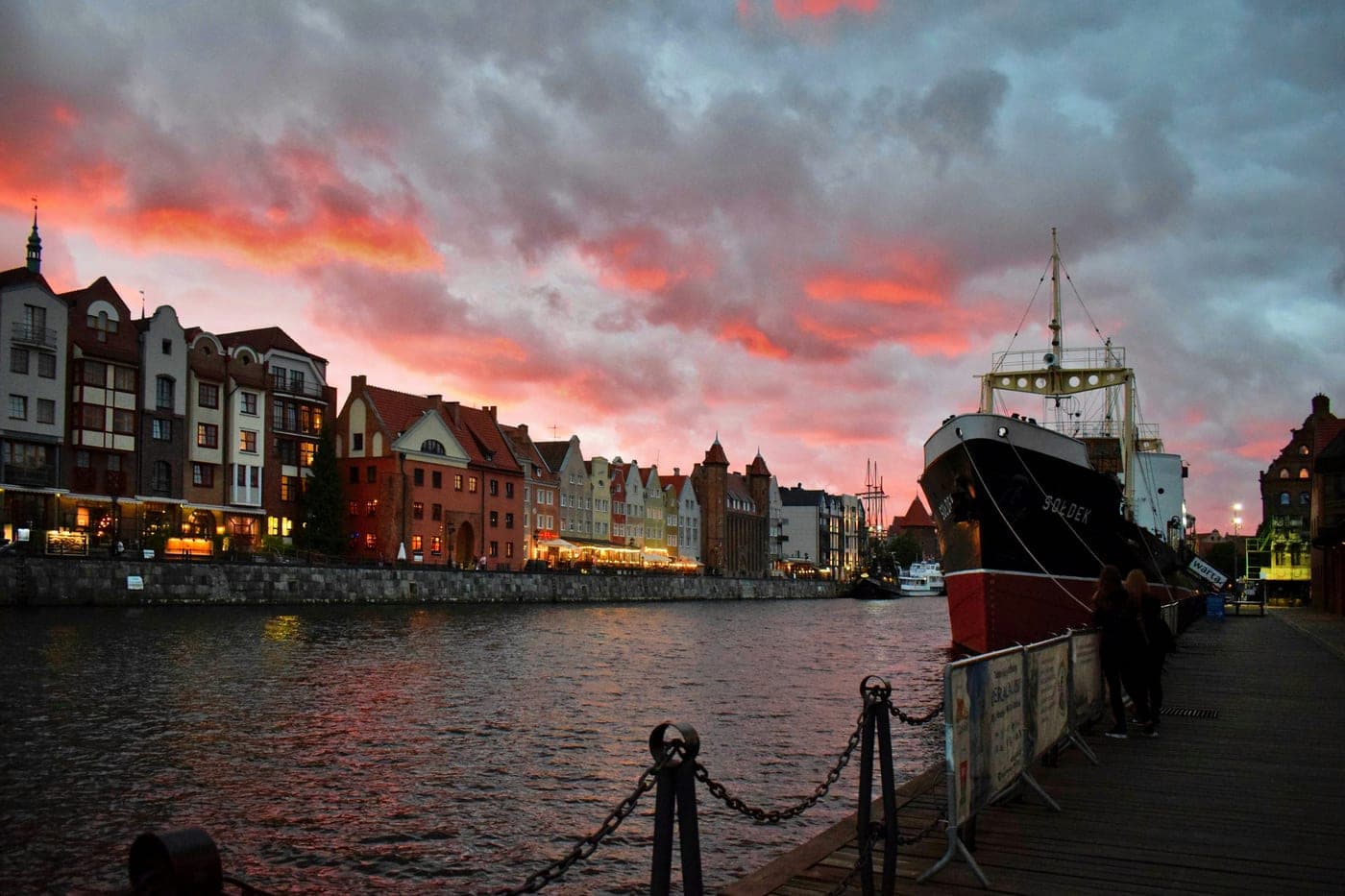
The Masurian Lakes comprise 2,000 interconnected waters formed by glaciers, with routes passing Teutonic castles. Gdańsk maintains amber workshops continuing medieval traditions. The Great Masurian Trail offers 100 kilometers of lock-free sailing, while the Hel Peninsula extends 35 kilometers into the Baltic.
Black Sea
02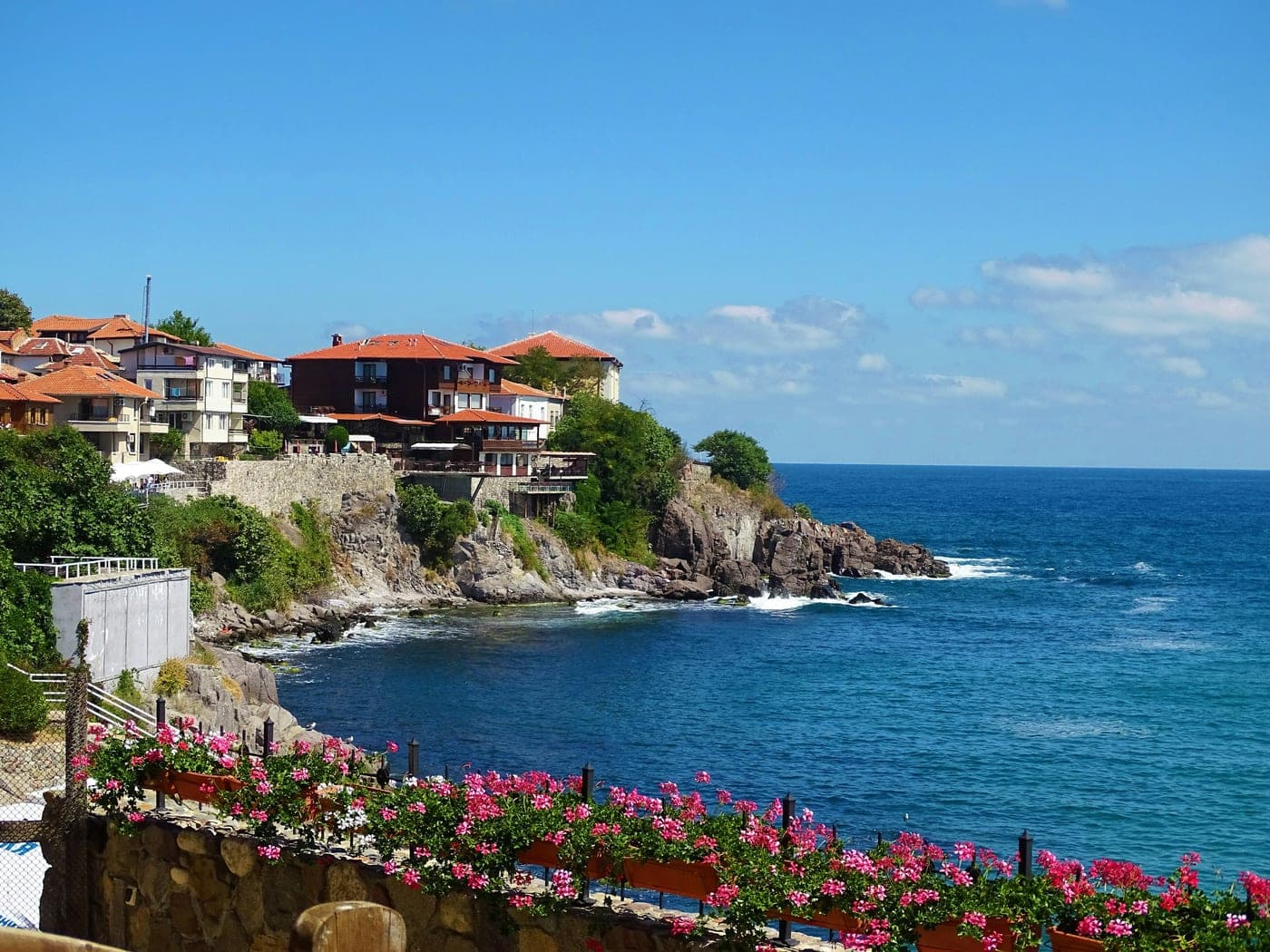 2 destinations
Bulgaria
Bulgaria's Black Sea coast features ancient Greek and Roman ports at Sozopol and Nessebar. The Ropotamo estuary creates unique brackish habitats. Varna hosts the world's oldest gold treasure from the Copper Age. The tideless coast simplifies navigation throughout the season.
 1 destination
Romania
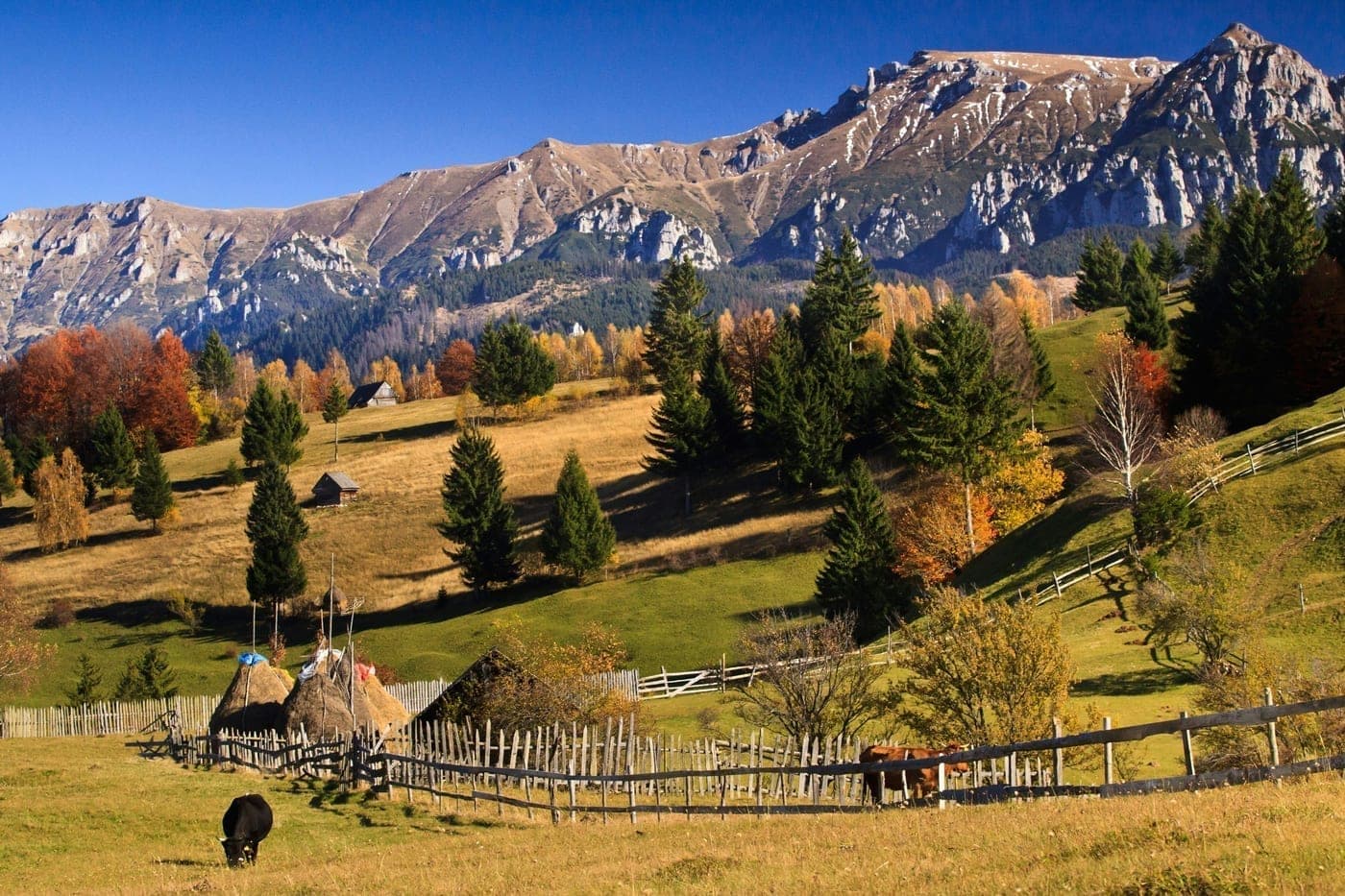
The Danube Delta covers 5,800 square kilometers of channels, lakes, and reed islands. Over 300 bird species nest here including pelicans and ibises. Traditional fishing communities use flat-bottomed lotca boats. The biosphere reserve allows exploration through designated waterways with minimal impact.
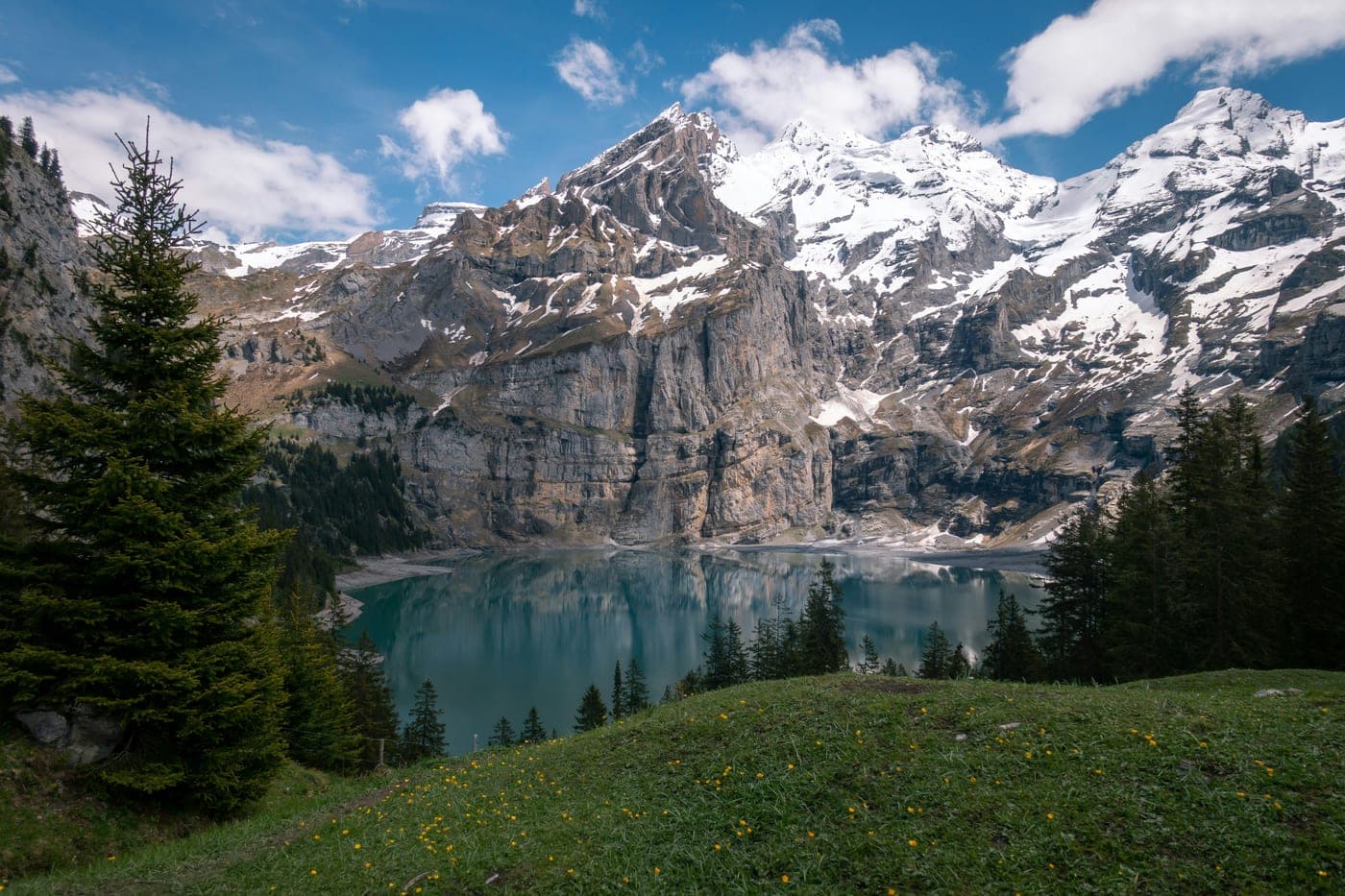
Tips for chartering a boat.
Five things to settle before you sign the charter contract — written by our skipper network after a decade of European routes.
- 01Consider shoulder season (May-June, September) for better prices and calmer waters
- 02Bareboat charters require sailing certifications - check requirements for each country
- 03Skippered charters are perfect if you want to relax and learn from an expert
- 04Plan for provisioning costs, fuel, and marina fees in addition to charter price
- 05Check weather forecasts daily and be flexible with your itinerary
Four ways to cast off.
From sailing it yourself to letting a captain do the thinking, every European charter comes in four flavours. Our marina partners can switch you between them mid-trip if your plans change.
Bareboat charter
Sail it yourself. You captain the vessel — typically 35–55 ft sailing yachts, monohulls or catamarans. Requires a recognised licence (ICC, RYA Day Skipper or equivalent) and a logged crew member. Best for confident sailors who want full autonomy over the route.
Skippered charter
A professional captain comes with the boat. You set the destination; they handle navigation, mooring, weather routing, and local knowledge. No licence needed — and they often double as informal guides, pointing out the bay only the locals anchor in.
Day charter
Half- or full-day rental from a coastal town — ideal if you want a single sunset around the headland or a swim-stop tour of nearby coves. Includes skipper, fuel and snorkelling gear; usually a power boat or RIB. The lowest-commitment way to spend a day on the water.
Flotilla sailing
A group of charter yachts sailing the same route, with a lead boat for guidance and shared briefings each evening. Best for first-time skippers or families who want safety in numbers — and the social side of an island-hopping route. Common in Croatia and the Ionian.
Asked & answered.
- European boat charters come in four main types: bareboat charters where you captain yourself (sailing certification required), skippered charters with a professional captain, day charters for shorter coastal explorations, and canal boats for inland waterway cruising. Each offers a different way to explore Europe's coastlines, islands, and rivers at a slow pace.
- For bareboat charters, most European countries require a recognized sailing certification such as the ICC (International Certificate of Competence) or equivalent national license. Requirements vary by country, so check before booking. If you don't have a license, skippered charters are the perfect alternative — a professional captain handles navigation while you enjoy the journey.
- Top destinations include the Croatian coast and Dalmatian islands, the Dutch waterways and Friesland canals, the Portuguese Algarve, and Scandinavia's fjords. Each offers unique boating experiences — from Mediterranean island-hopping to peaceful canal cruising through countryside landscapes.
- Boat charter prices vary widely depending on type, size, and season. Day charters start from around €150–€300, while weekly bareboat charters range from €1,000 to €5,000+. Remember to budget for fuel, marina fees, and provisioning costs on top of the charter price. Shoulder seasons (May–June, September) offer better rates than peak summer.