Sweden
red cottages and midnight sun
Regions
Skåne
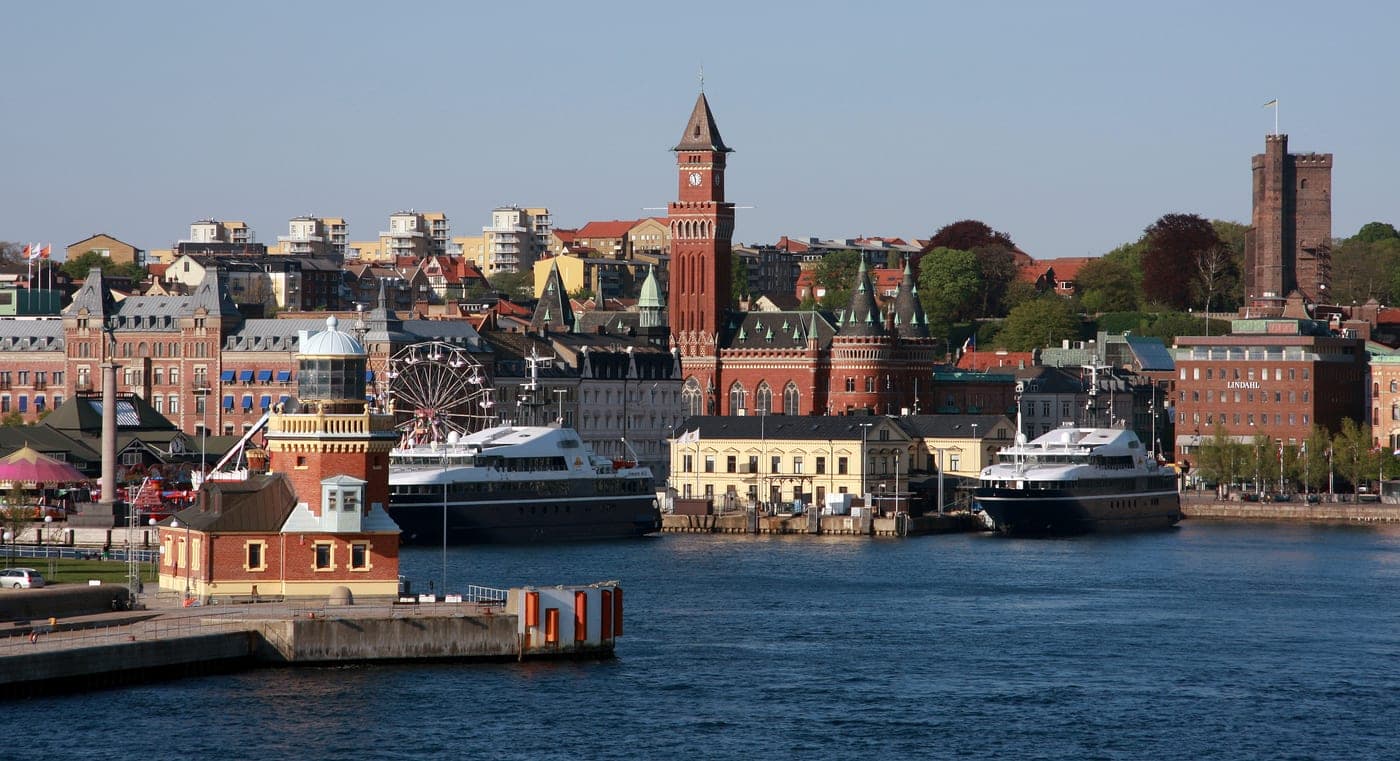
Skåne, Sweden's southernmost region, is known for its diverse landscapes, from sandy beaches to rolling farmland. Malmö is the largest city, famous for its modern architecture and vibrant cultural scene, while Lund boasts a historic university and medieval charm. The region features a unique blend of Danish influence and Swedish traditions, evident in its cuisine, particularly in the use of locally sourced ingredients and seafood. Skåne is also home to the scenic Öresund Strait and picturesque coastal towns like Ystad, known for its medieval streets. The area hosts several local craft markets and food festivals, providing authentic experiences beyond typical tourist attractions. The Skåne Trail offers stunning hiking routes through its varied terrains, allowing for deeper exploration of this culturally rich region.
Stockholm
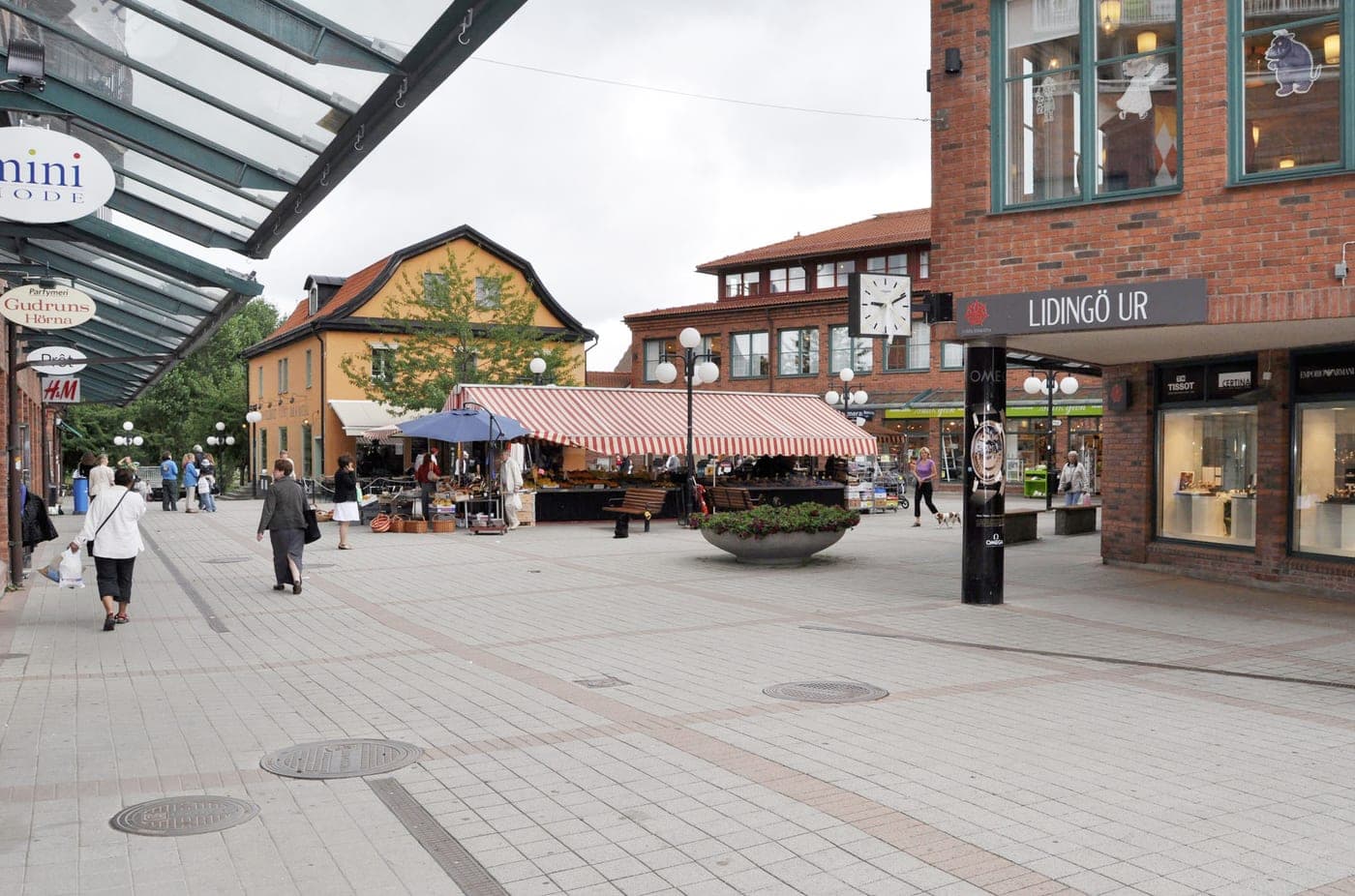
Stockholm, the largest city in Sweden, is spread across 14 islands, each with its unique character. The city boasts a rich maritime history, and its archipelago features over 30,000 islands, perfect for exploration. Gamla Stan, its medieval heart, offers narrow cobblestone streets and colorful buildings. The Vasa Museum showcases a 17th-century warship, while Skansen, the world's first open-air museum, presents traditional Swedish life. Nearby, the historic town of Sigtuna is known for its Viking heritage. The region also embraces sustainability, with numerous parks and eco-friendly initiatives, making it a hub for nature lovers and those interested in local culture.
Västra Götaland
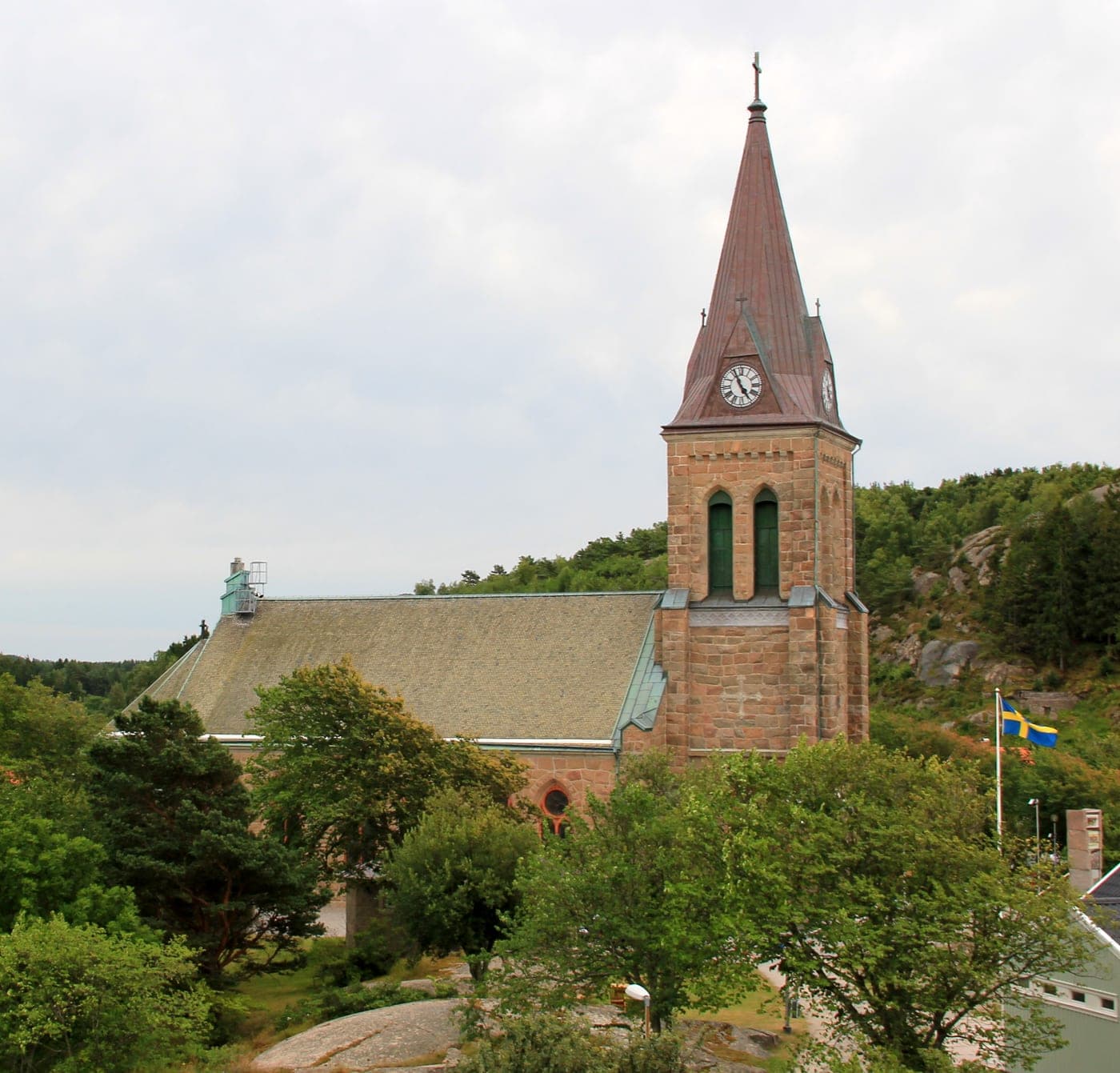
Västra Götaland is Sweden's largest region, known for its diverse landscapes and coastline along the Kattegat Sea. Gothenburg, the region's sole major city, boasts a vibrant cultural scene, notable for its seafood gastronomy and historic canals. The archipelago is a highlight, featuring over 8,000 islands, where visitors can explore fishing villages and enjoy local seafood. The region also hosts several historic towns like Lödöse, steeped in medieval history. Nature lovers can hike in Dalsland's forests or visit the picturesque Lake Vänern, the largest lake in Sweden. Västra Götaland is recognized for its craft traditions, including glassblowing and ceramics, providing a rich cultural tapestry for exploration.
Östergötland
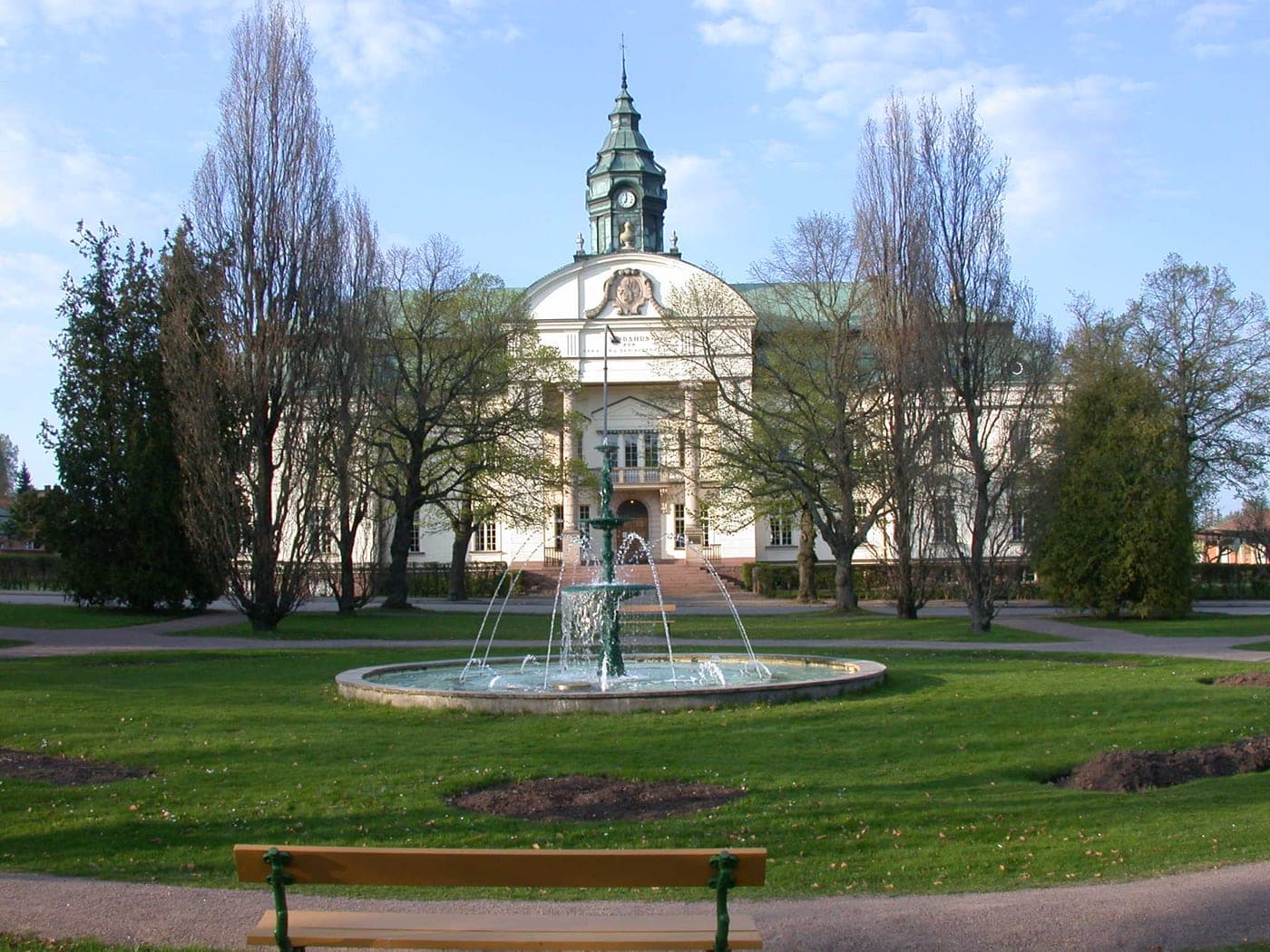
Östergötland, a historically rich region in Sweden, is famous for its diverse landscapes, from lush forests to the picturesque archipelago. Linköping, the largest city, features a stunning cathedral and a vibrant cultural scene. Norrköping, known for its industrial heritage, offers unique architecture and museums. This region boasts the only section of the Göta Canal that is accessible from the coast, providing opportunities for scenic boat trips. Östergötland is also known for its local cuisine, including renowned cheese and fish dishes. The area is dotted with charming small towns like Vadstena, home to a medieval castle and monastery, making it ideal for exploring history and nature at a leisurely pace.