Get slow travel tips delivered to your inbox
A short message when something worth the trip lands. Reply STOP anytime.
By subscribing, you agree to be contacted via WhatsApp. Privacy policyOccasional letters in your inbox — with recommendations, maps and routes.
By subscribing to newsletter, you agree to our privacy policy.Found in 3 destinations and 6 regions

Germany's capital is a vibrant hub blending history, culture, and innovation. It is renowned for its diverse neighborhoods, each offering unique experiences. Kreuzberg, once a border district, showcases multicultural influences and street art. The historic Mitte area houses Museum Island, a UNESCO World Heritage site with five museums featuring art and antiquities. Berlin's rich history is palpable in sites like the Berlin Wall and Brandenburg Gate. The city is also known for its dynamic culinary scene, from traditional currywurst to avant-garde dining. Parks like Tiergarten provide urban green spaces, while the Spree River offers a chance to explore by boat. Art and music thrive in venues across the city, making it a dynamic destination for culture enthusiasts.

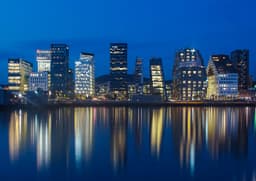
Oslo, Norway's capital, is the largest city in the country and serves as a cultural hub with a rich maritime history. The city is surrounded by fjords and forests, offering a unique blend of urban life and nature. Known for its museums, such as the Viking Ship Museum and the Munch Museum, Oslo also features vibrant neighborhoods like Grünerløkka, where local cafes and galleries thrive. The city's commitment to sustainability is evident in its extensive public transport system and green initiatives. Nearby, the Nordmarka forest invites visitors for hiking and outdoor activities, while the Oslofjord islands provide tranquil escapes just a short ferry ride away. With events like the Oslo Jazz Festival and the annual Nobel Peace Prize ceremony, the city is alive with cultural significance.

Stockholm, the largest city in Sweden, is spread across 14 islands, each with its unique character. The city boasts a rich maritime history, and its archipelago features over 30,000 islands, perfect for exploration. Gamla Stan, its medieval heart, offers narrow cobblestone streets and colorful buildings. The Vasa Museum showcases a 17th-century warship, while Skansen, the world's first open-air museum, presents traditional Swedish life. Nearby, the historic town of Sigtuna is known for its Viking heritage. The region also embraces sustainability, with numerous parks and eco-friendly initiatives, making it a hub for nature lovers and those interested in local culture.

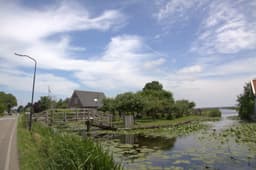
Utrecht, situated in the heart of the Netherlands, is the country's fourth largest city and serves as a historical and cultural hub. The city is renowned for its medieval Old Town, characterized by unique wharf cellars along the canals. These cellars host cafes and shops, creating a vibrant riverside atmosphere. Utrecht boasts the iconic Dom Tower, the tallest church tower in the Netherlands, offering stunning views of the region. The region is also famous for its rich history, evident in its numerous museums and the Utrecht University, one of the oldest in the country. Beyond the city, the surrounding countryside features scenic cycling routes and charming villages like Amersfoort, known for its well-preserved medieval architecture. For those interested in local culture, Utrecht hosts various festivals throughout the year, including the Utrecht Early Music Festival, showcasing its artistic heritage.

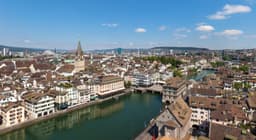
Located at the confluence of the Limmat River and Lake Zurich, this region is Switzerland's largest urban area, known primarily for its financial institutions and vibrant cultural scene. Beyond the bustling city, Zurich offers access to numerous hiking trails in the nearby Uetliberg mountain, providing stunning panoramic views. The old town, with its medieval buildings and narrow alleys, reveals a rich history dating back to Roman times. Lake Zurich is a hub for outdoor activities such as swimming and sailing, while the nearby towns of Rapperswil and Winterthur present unique historic sites and museums. The region is also celebrated for its chocolate and cheese, with local markets showcasing artisanal products. Discovering the lesser-known neighborhoods can lead to hidden gems, including local galleries and family-owned eateries.

Île-de-France is the smallest region in France, yet it is the most populous, primarily known for Paris, its capital. Beyond the iconic landmarks of the city, this region offers hidden gems such as the medieval town of Provins, a UNESCO World Heritage site, where well-preserved fortifications tell tales of its rich history. The Vexin Français Regional Natural Park showcases picturesque landscapes and charming villages like La Roche-Guyon. Unique culinary experiences abound, with local specialties like Brie cheese and wines from the Île-de-France vineyards. The region also hosts lesser-known châteaux, such as Château de Malmaison, once home to Joséphine Bonaparte. Travelers can explore art in places like Giverny, where Monet's gardens inspire creativity. Each corner of Île-de-France presents an opportunity to dive into local culture and history, making it a region worth exploring at a leisurely pace.