Agritourism in Europe
Farm Stays & Rural Experiences
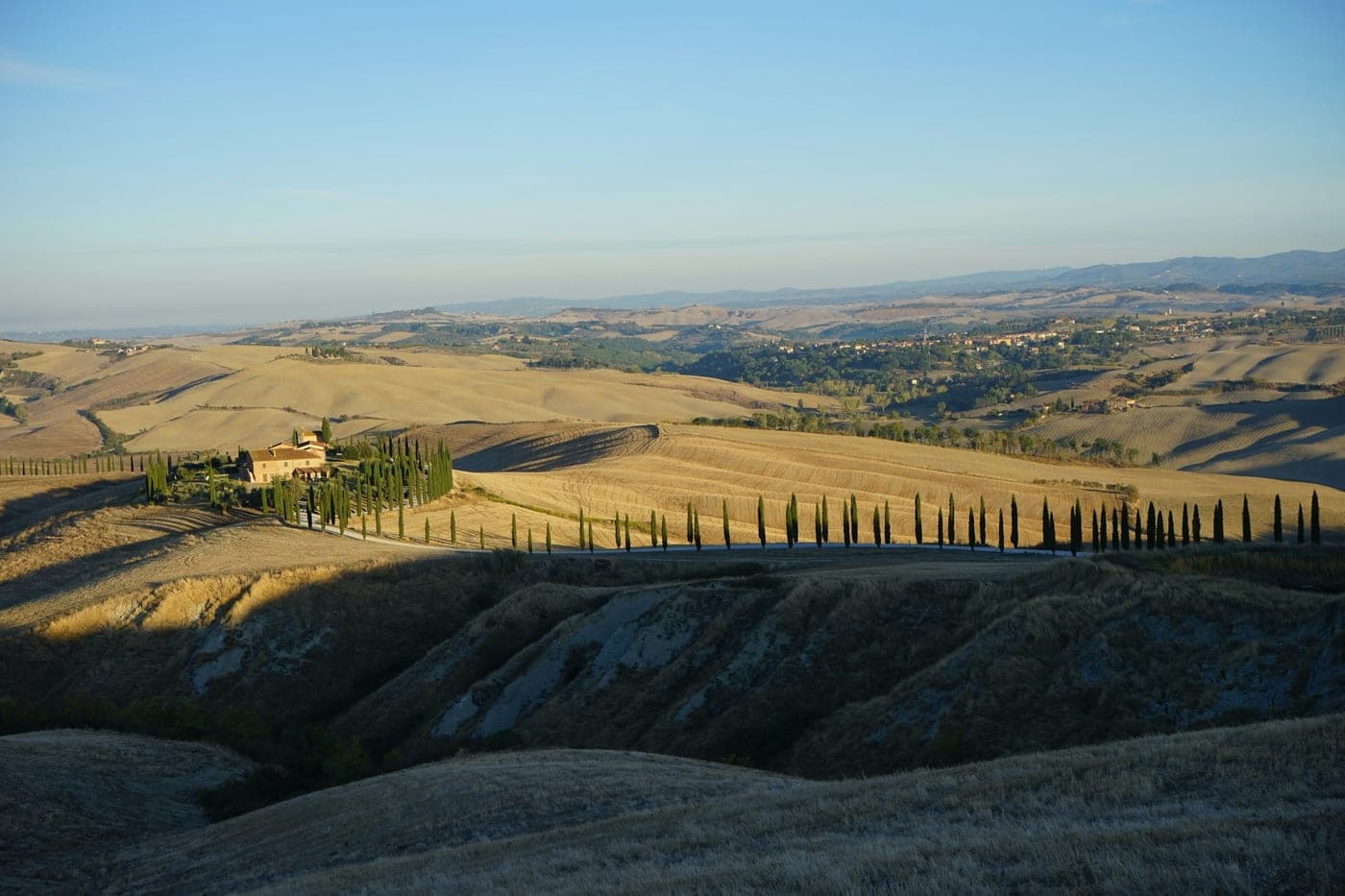
Featured destinations08
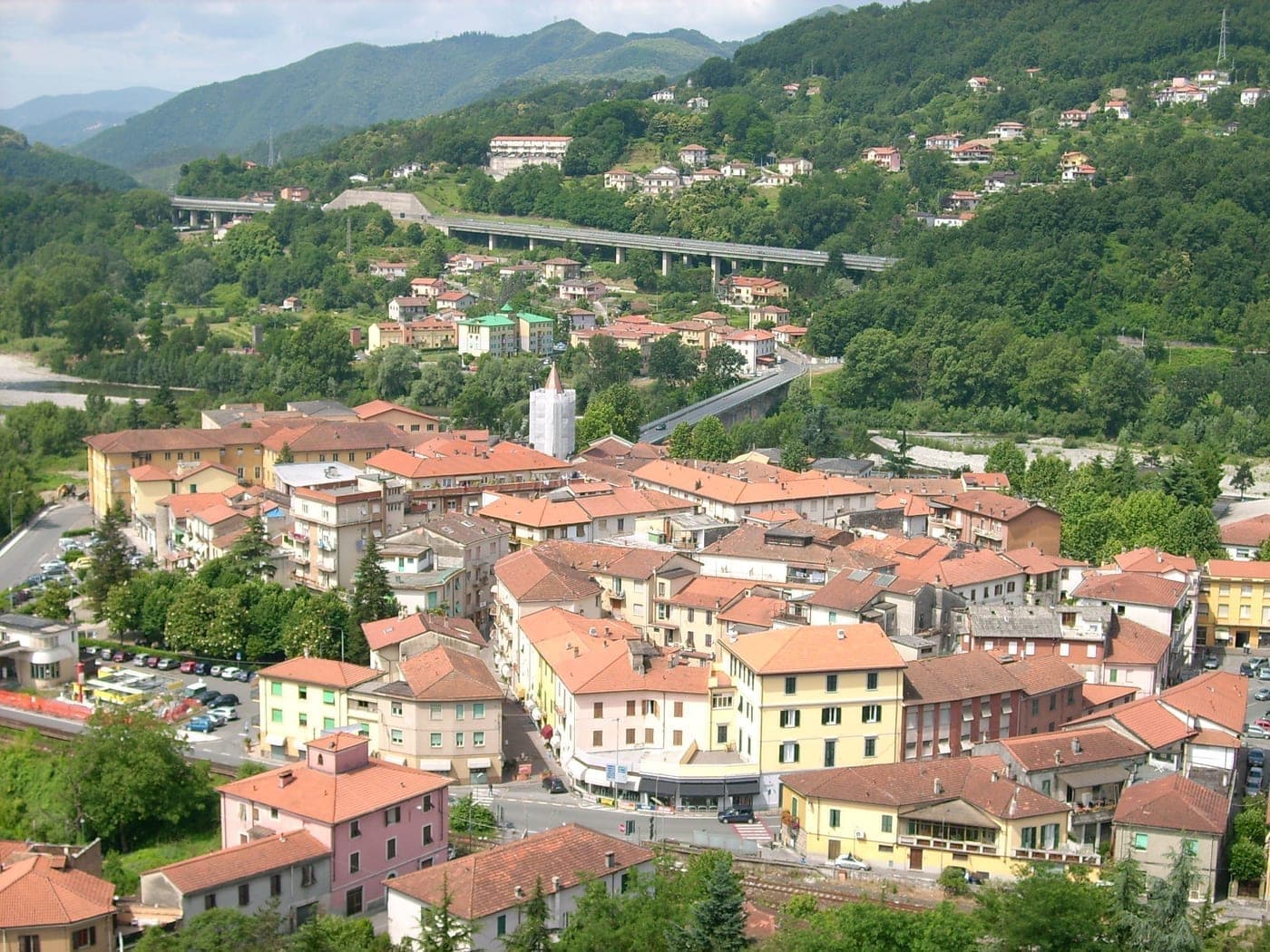 01
01Aulla
ItalyLunigiana valley town with agriturismo offering chestnut cultivation, honey production, and hiking.
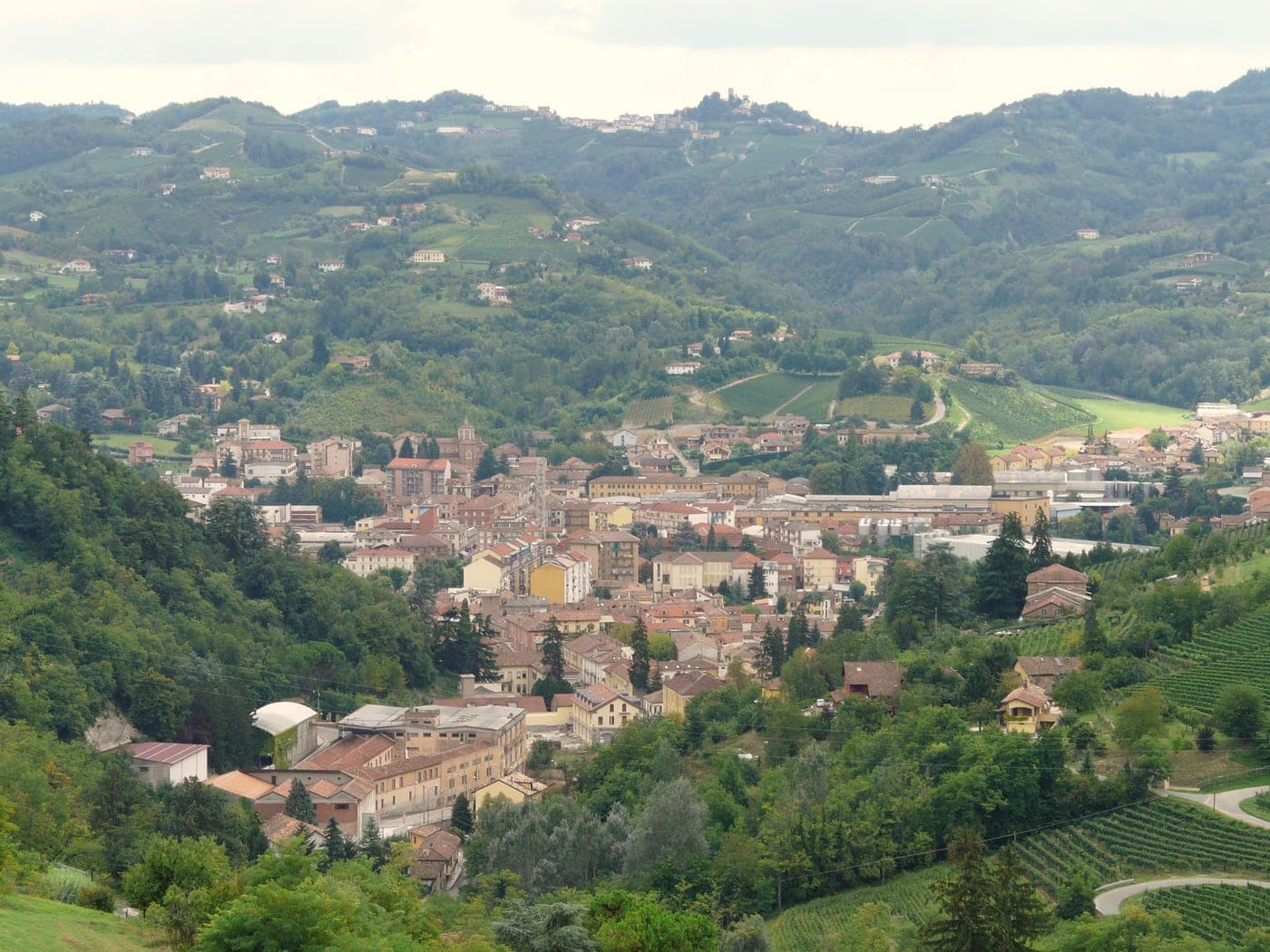 02
02Canelli
ItalyUNESCO World Heritage wine town famous for Asti Spumante and underground wine cellars.
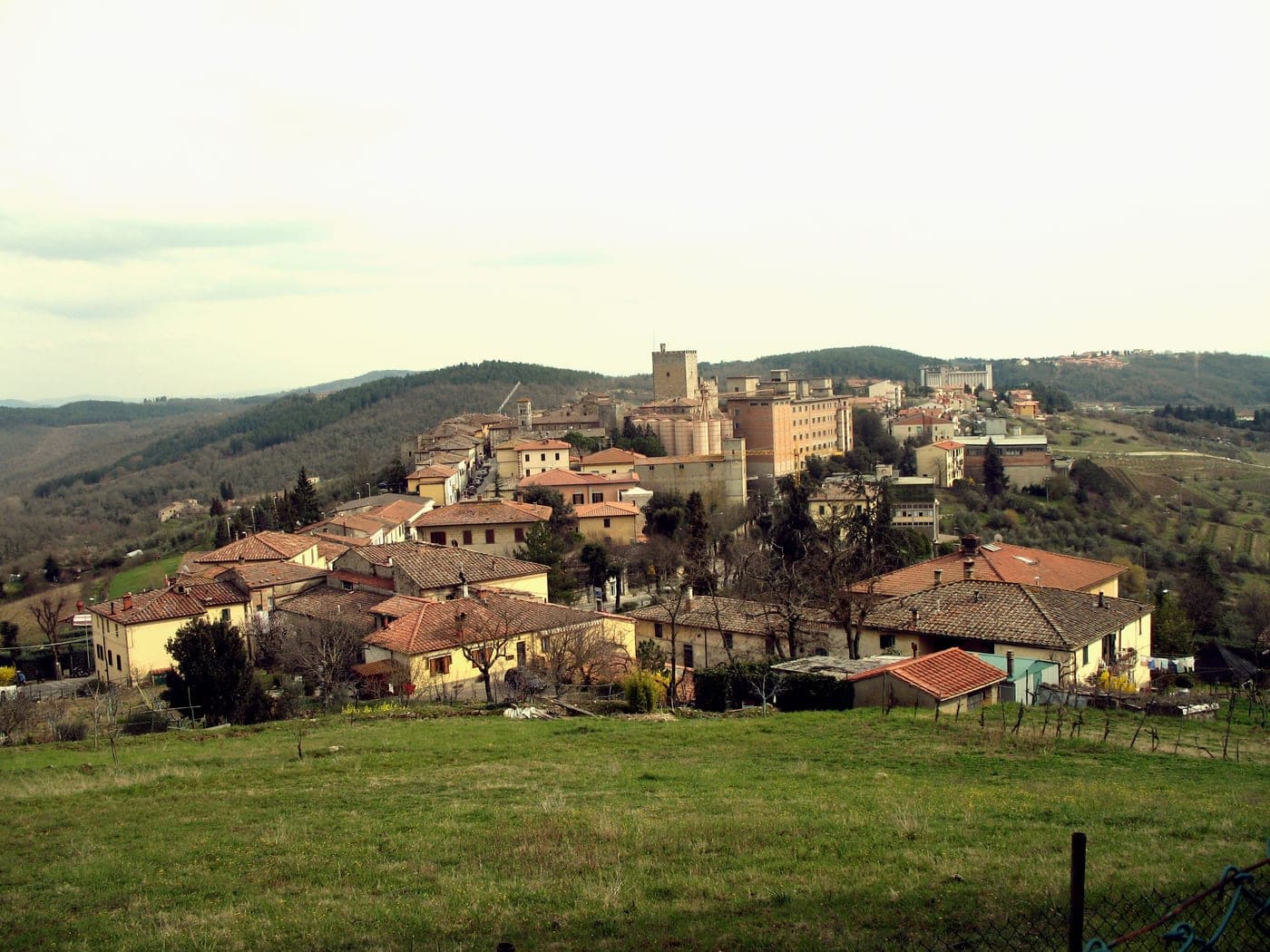 03
03Castellina in Chianti
ItalyHistoric Chianti Classico village with Etruscan heritage and prestigious wineries.
 04
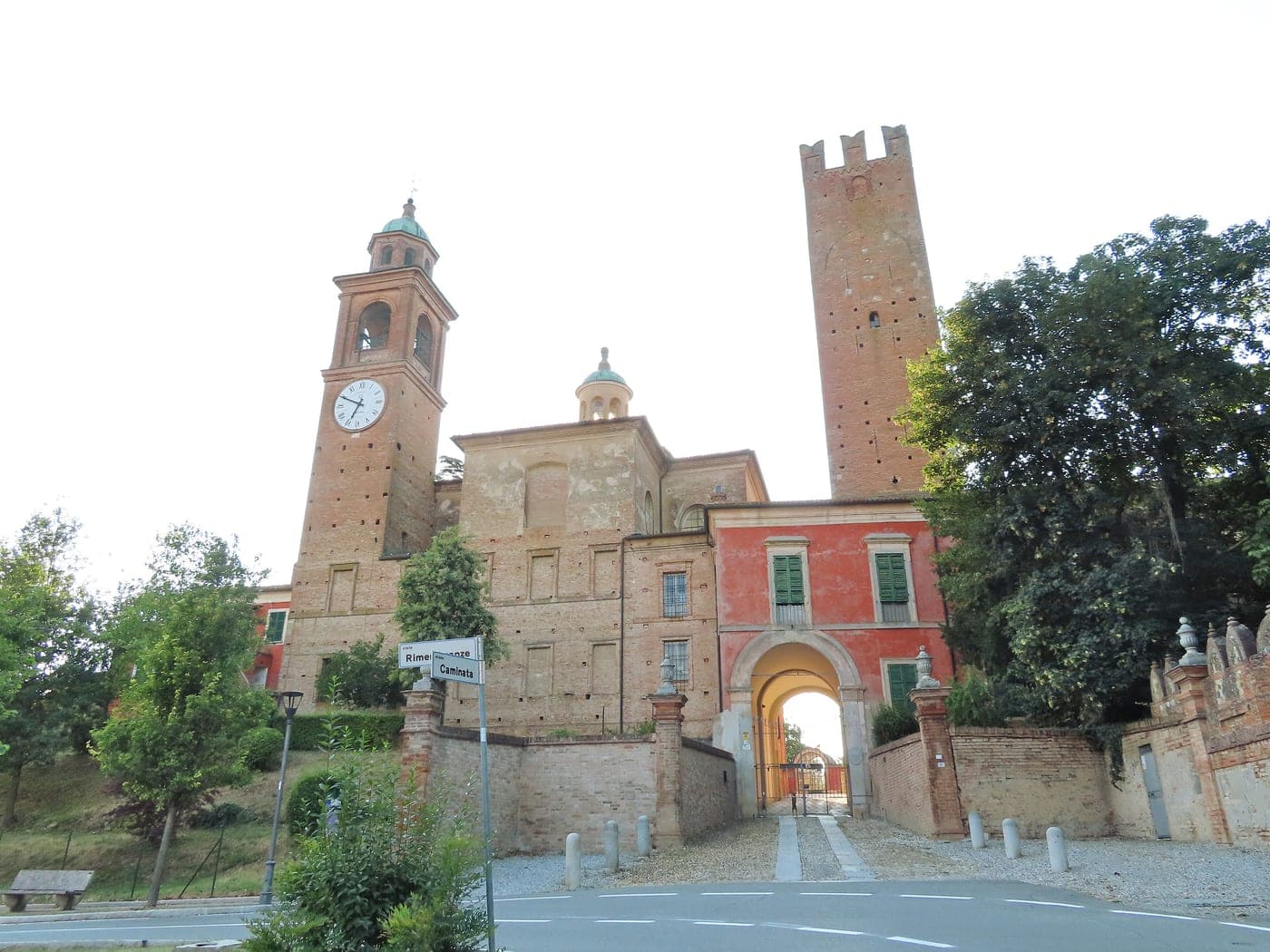
04Castelnuovo Fogliani
ItalyPo Valley countryside with agriturismo farms producing Grana Padano cheese and cured meats.
 05
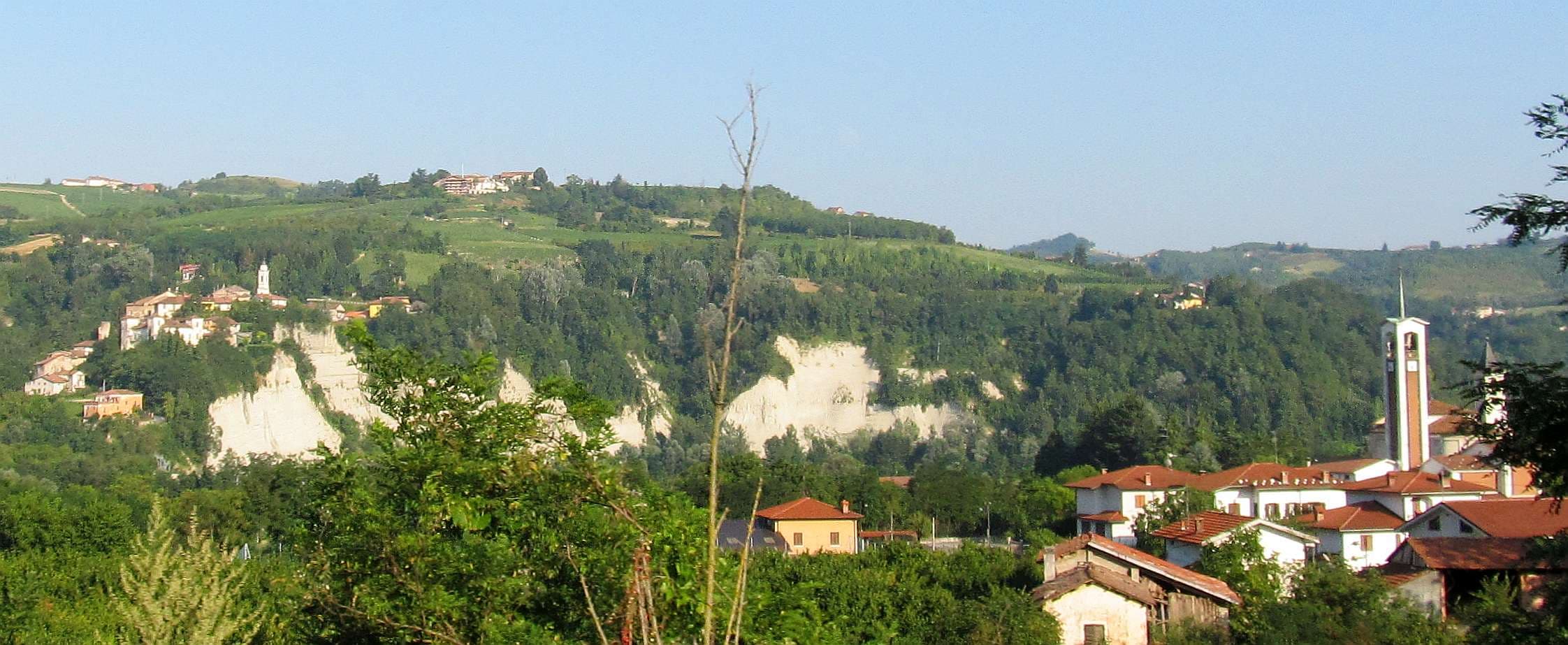
05Clavesana
ItalyCharming hilltop village renowned for Barbera and Dolcetto wines.
 06
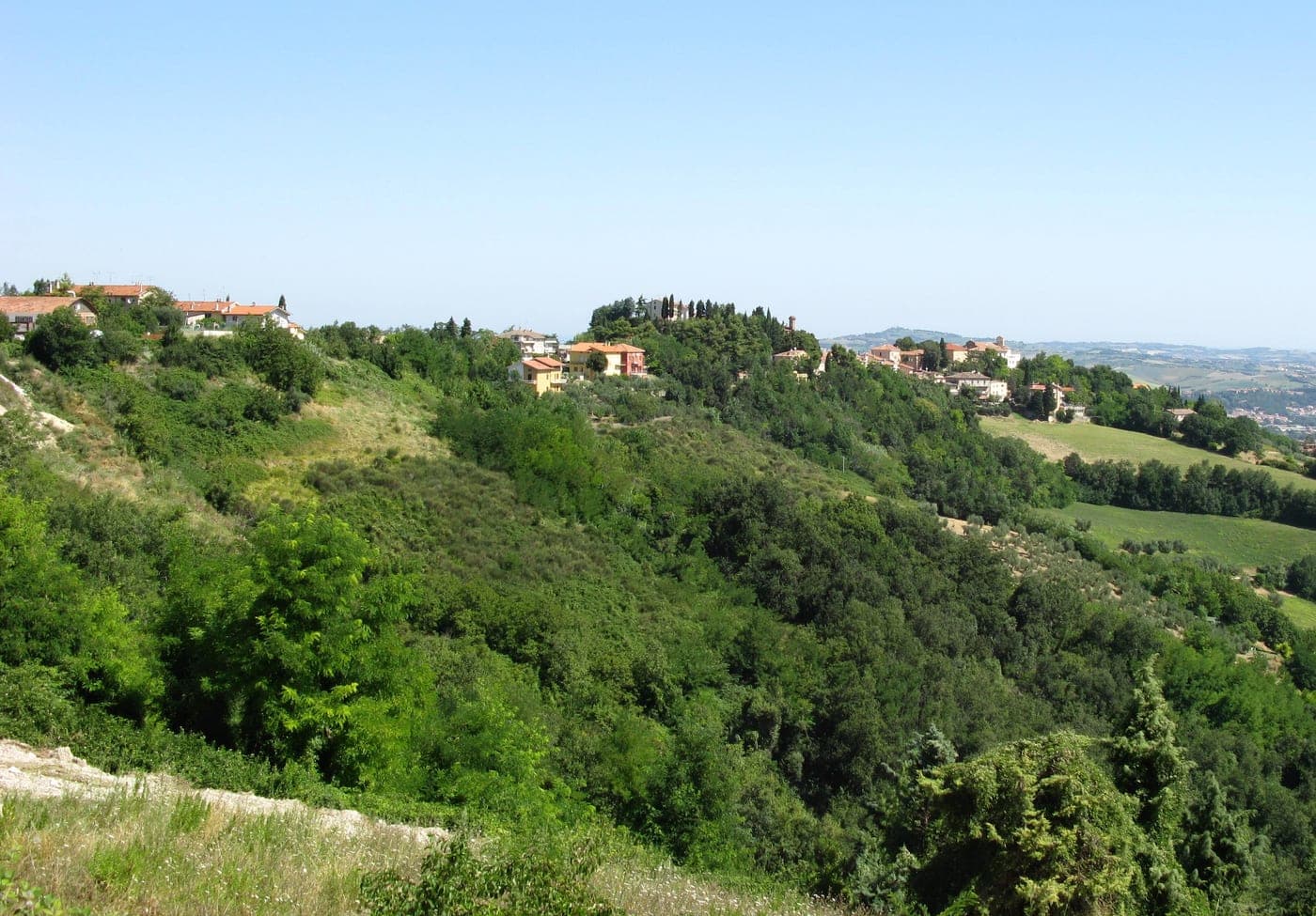
06Colbordolo
ItalyMarche hills village with family agriturismo offering truffle hunting, wine production, and rural tranquility.
 07
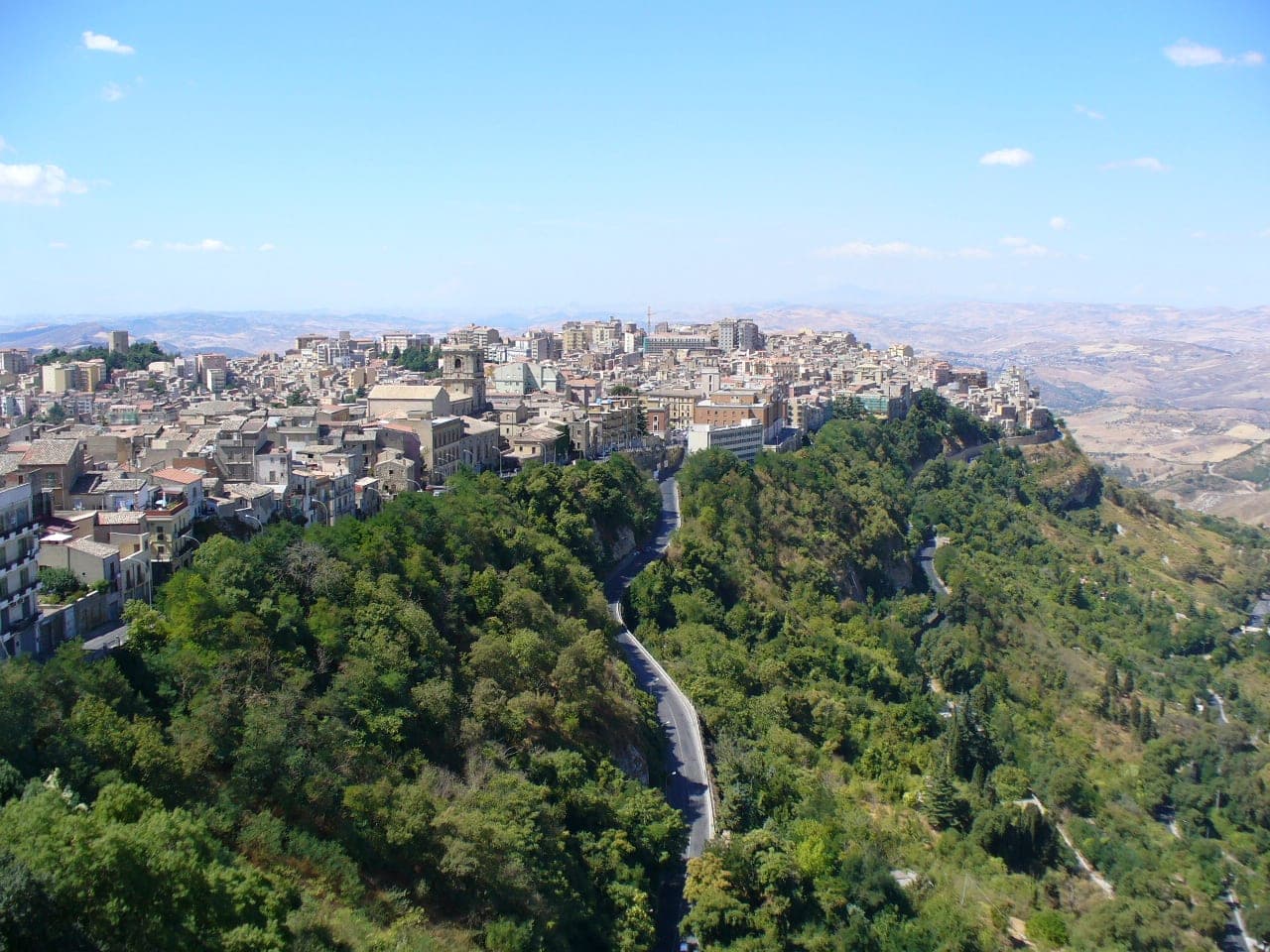
07Enna
ItalyCentral Sicily mountain town with wheat farms, ancient grain cultivation, and traditional masserie.
 08
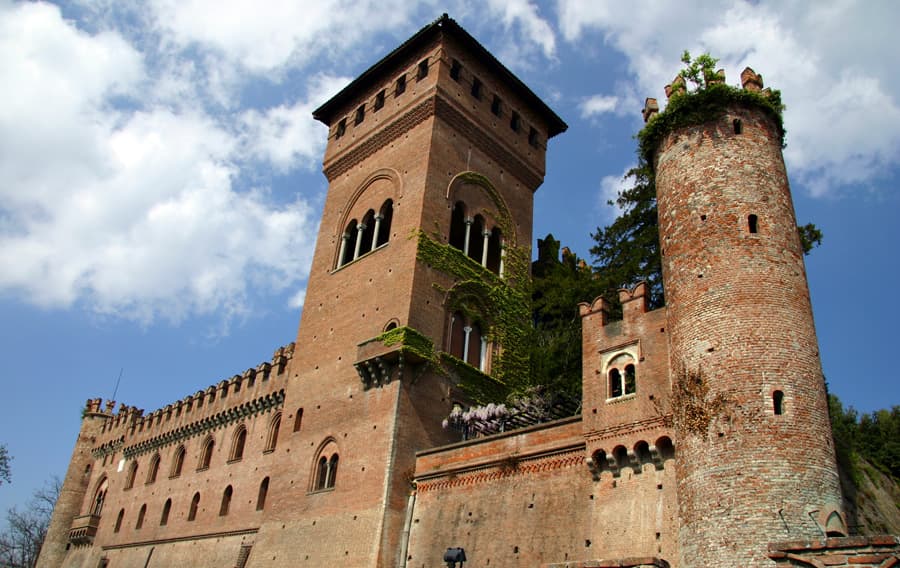
08Gabiano
ItalyPiedmont hilltop village with family-run agriturismo farms offering wine, olive oil, and traditional cuisine.
About farm stays
Seasonal Guide for Farm Stays
The best times for a farm stay are spring (May–June) and autumn (September).
- Spring is when the farm comes alive after winter dormancy.
- Autumn is harvest time and the most immersive season for agritourism, as the farms get busy with a variety of activities.
- Summer can be the right moment to enjoy the sunny countryside, although in southern Europe it may get too hot around July and August.
- However, even winter might be a good time for an unhurried stay at a farm — that's the citrus harvest in southern Italy and Spain. If you are looking for a quiet atmosphere and a slow pace, this could be a good option. Additionally, farm stays are more affordable in winter.
Agritourism Experience
Farm stay accommodations offer a wide range of options — from budget to luxury. Prices typically range from €50 to €150 per night depending on the region and amenities, and are often comparable with a bed & breakfast or boutique hotel. Some properties have swimming pools, bike rentals, or other extras; others keep things simple. Many are close to bigger cities or sightseeing spots, which also affects the price. Keep in mind that unlike hotels, farm hosts often expect a minimum stay of at least several nights, sometimes up to a week.
Meals at agritourism spots are usually the highlight. The ingredients are often picked the same day — a true farm-to-table experience. Local cuisine is one of the key differentiators of a farm stay, which is why it's not uncommon for hosts to offer cooking classes with local produce on-site or sell their own products.
Agritourism is a popular choice for families with children. Kids can enjoy a farm stay in a number of ways: feeding animals, collecting eggs, riding tractors, and exploring the vast grounds. This is the kind of outdoor space that a hotel simply can't replicate.
Accessing Agritourism Spots
Driving is often the only way to get to the farm of your choice. Don't expect to rely on public transport for a proper immersive experience. If you own or rent an electric car, make sure you consider the location of charging stations when planning your trip.
Getting the Most out of a Farm Stay
- Many farms are remote — plan for limited mobile signal and embrace the disconnect.
- Pack layers and sturdy shoes. Farm life happens outdoors in all weather.
- Book 3–6 months in advance if you want to catch the harvest season in September–October.
- If you're visiting a non-English-speaking farm, consider learning a couple of essential words and phrases. It helps with communication and wins the hosts over.
Essentially, a farm stay lets you reconnect with nature, encourages a slow pace in region exploration, and offers activities you may not normally be exposed to in day-to-day life. Whether in Italian countryside estates, French vineyard farms, or Austrian mountain pastures, agritourism provides meaningful cultural exchange and supports sustainable rural communities. Additionally, the agritourism experience is built around sustainability. Many farms across Europe are eco-certified and grounded in traditional farming techniques and local food cultures, making them an essential part of the natural, economic, and social ecosystems in their regions.
What to Experience
Farm Activities
Participate in daily farm life—feed animals, collect eggs, help with harvests, or learn traditional cheesemaking. Many farms in regions like Tuscany, Provence, and the Austrian Alps welcome guests to join seasonal activities from grape harvesting to olive pressing.
Culinary Traditions
Enjoy meals made from farm-fresh ingredients and learn traditional recipes passed down through generations. From Portuguese olive oil tastings to Hungarian farm dinners, discover how regional cuisines connect directly to the land.
Rural Exploration
Use your farm stay as a base to explore surrounding countryside—hike through vineyards, bike along country lanes, or visit nearby villages and local markets. Many agritourism properties offer insights into regional traditions and natural landscapes.
Sustainable Living
Learn about organic farming, permaculture, and sustainable agriculture practices. Many farms demonstrate renewable energy use, water conservation, and biodiversity protection, offering models for sustainable living across European regions.
Asked & answered.
- Agritourism means staying on a working farm or agricultural estate and participating in its daily life. In Europe, this typically includes activities like olive and grape harvesting, cheese making, cooking with farm-fresh ingredients, and learning about sustainable farming practices. Accommodations range from converted farmhouses to renovated barns, often surrounded by vineyards, orchards, or pastures.
- Italy leads European agritourism — Tuscany, Puglia, Sicily, and Piedmont have well-established agriturismo networks with hundreds of certified farm stays. Portugal's Alentejo region offers wine estate stays, while France has gîtes ruraux (rural cottages) throughout its countryside. Spain, Austria, and Germany also have growing agritourism scenes, particularly in wine-producing regions.
- Farm stays are excellent for families. Children can feed animals, collect eggs, pick fruit, and learn about where food comes from — experiences that are both educational and entertaining. Many agritourism properties offer family-friendly activities like horseback riding, nature walks, and cooking classes designed for all ages. The rural setting provides safe, open space for children to explore.
- The best time depends on what you want to experience. Spring (April–May) is ideal for seeing newborn animals and wildflowers. Summer offers fruit picking and outdoor dining. Autumn (September–October) is harvest season — the most exciting time for grape picking, olive harvesting, and food festivals. Many farm stays operate year-round, with winter offering truffle hunting and fireside cooking.