Italy
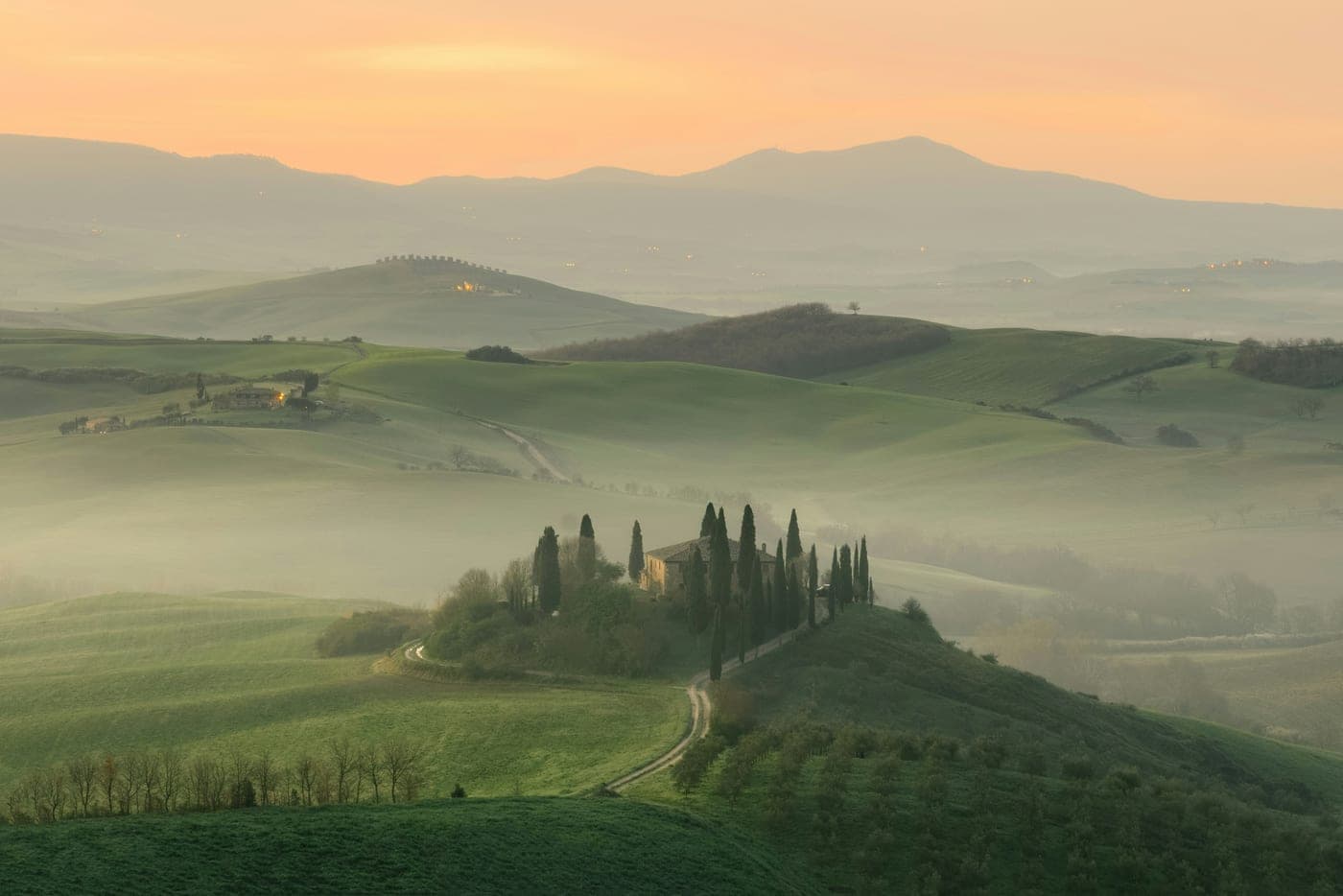
trulli houses and hill towns
Regions

Abruzzo
Nestled between the Apennine mountains and the Adriatic Sea, this region is known for its diverse landscapes, ranging from rugged mountains to sandy beaches. It is the only region in Italy with access to both mountains and coastline, making it a unique destination. L'Aquila, the capital, features stunning medieval architecture and is surrounded by natural parks. The region is famous for its truffles, Montepulciano d'Abruzzo wine, and the ancient practices of shepherding. Explore off-the-beaten-path towns like Sulmona, known for confetti (sugar-coated almonds), and the remote Gran Sasso National Park, home to Italy's highest peak. Local festivals celebrate traditional crafts and culinary delights, providing a deep cultural connection to the land.

Basilicata
Basilicata is Italy's second-smallest region, rich in ancient history and natural beauty. Matera, a UNESCO World Heritage site, is renowned for its Sassi, ancient cave dwellings carved into limestone. The region boasts a rugged landscape, featuring the Pollino National Park with its diverse flora and fauna. Potenza, the capital, offers a glimpse into local life with its medieval architecture and vibrant markets. Basilicata is also known for its unique cuisine, including hearty dishes like pasta with wild boar and spicy peppers. The region's coastline along the Tyrrhenian Sea is less frequented, providing secluded beaches and authentic coastal villages, ideal for a slower pace of travel. Discover the ancient ruins of Grumentum and the beautiful hilltop towns of Montalbano Jonico and Tursi, which showcase the region's cultural heritage away from the crowds.

Calabria
Calabria forms the toe of Italy, a narrow strip of land pinched between two seas and lifted into three mountain ranges. This shape is what makes it a region built for slow travel: an hour's drive from a fishing harbour on the Tyrrhenian coast leads into chestnut forests and mountain pastures; another hour reaches olive terraces above the Ionian Sea. Nothing here rewards rushing. A Calabria itinerary works best as a loop through a handful of towns, with two or three nights in each, rather than a checklist of day trips. Food sets the pace as much as geography does. Calabria is one of Italy's strongholds of Slow Food, the movement that began by defending exactly this kind of small-scale, tied-to-the-land cooking. 'Nduja, the spreadable spicy salami, and the sweet red onion of Tropea are both eaten the way they always have been — with bread, in a kitchen, at a pace nobody is timing. The region's wine road runs through the hills around Cirò, where Gaglioppo grapes have long been grown. Agriturismo stays are the natural base for exploring it: working farms with rooms attached, where dinner is whatever came out of the garden or off the hillside that day. The hill towns are where Calabria's unhurried character is easiest to feel. Gerace sits on a limestone outcrop above the Ionian coast, its medieval streets largely unbothered by modern building. Stilo, tucked into the Serre mountains, is known for the Cattolica, a small Byzantine church that has watched over the town for centuries. Bova, high in the Aspromonte massif, is one of the last places where Greko, an ancient Greek dialect, is still spoken by older residents — a reminder that Calabria was part of Magna Graecia long before it was part of Italy. Pentedattilo, built into a rock formation shaped like a hand, was largely abandoned and is now slowly being resettled by artists and craftspeople. The coast has its own rhythm. Tropea, perched on a cliff above the Tyrrhenian, is Calabria's best-known seaside town, its old centre a tangle of stone alleys leading to a clifftop view over the water and, on clear days, the Aeolian Islands. Scilla, further south, is a fishing village split between a castle-topped headland and a beach lined with pastel houses. On the Ionian side, the Aragonese castle at Le Castella stands on its own small island, connected to shore by a narrow strip of sand. History here goes back further than most of Italy. The Riace Bronzes, two full-size Greek statues pulled from the sea off the Ionian coast, are held in Reggio Calabria's archaeological museum and remain among the finest survivals of classical bronze casting. Locri, nearby, preserves the ruins of an ancient Greek city, its temple foundations and theatre still visible among the olive groves. Inland, three national parks give Calabria a green, cool counterpoint to its coastline. The Sila plateau, with its pine and beech forests and glacial lakes, is grazing land for the black pigs that go into the region's cured meats. Aspromonte, the mountain massif at the very tip of the peninsula, holds waterfalls, chestnut woods and the Greek-speaking villages of the Bovesìa. Pollino, shared with neighbouring Basilicata, is wilder still, home to some of the oldest pine trees in Europe. A week to ten days is enough to move through Calabria properly: a few days on one coast, a few in the hills, a few on the other coast, without ever needing to rush the return. Longer stays simply mean slower mornings and more time in each village square.
Campania
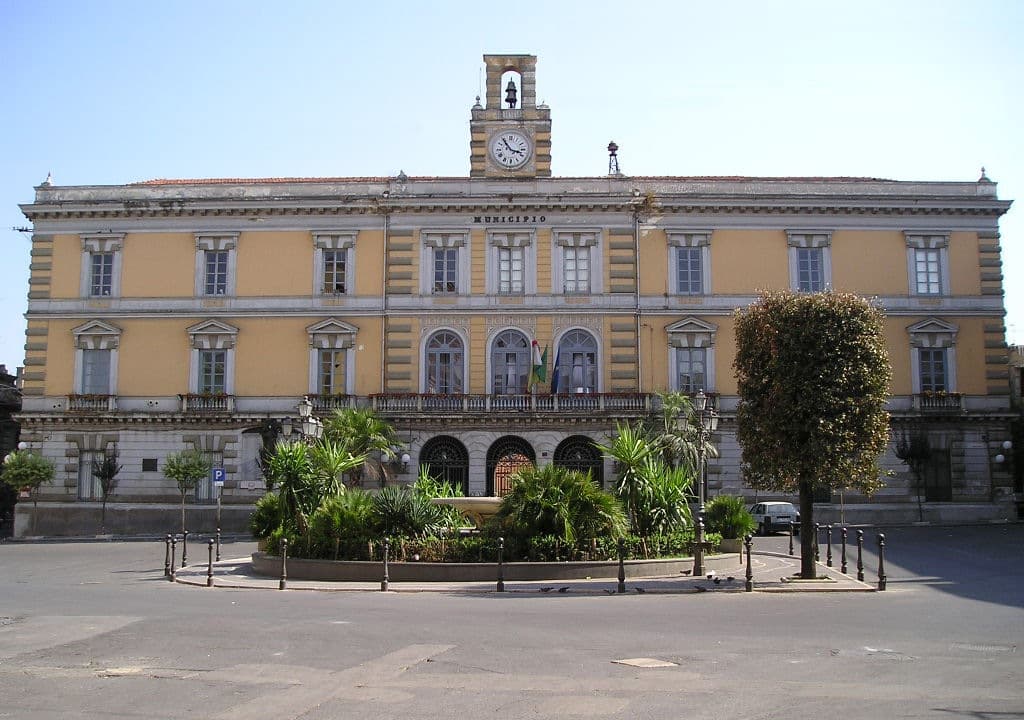
Campania, a coastal region in southern Italy, is renowned for its rich history and diverse landscapes. It is home to Naples, the largest city, famous for its historic center, a UNESCO World Heritage site. The region boasts the stunning Amalfi Coast, characterized by picturesque cliffs and traditional fishing villages. Historic sites like Pompeii and Herculaneum provide a glimpse into ancient Roman life, while the islands of Capri and Ischia offer natural beauty and thermal springs. Campania is also known for its culinary treasures, including authentic Neapolitan pizza and local wines such as Aglianico. Explore lesser-known towns like Caserta, with its grand Royal Palace, or the charming village of Ravello, known for its gardens and music festival. This region blends cultural heritage with breathtaking scenery, making it a unique destination for those who wish to travel at a leisurely pace.

Emilia-Romagna
This region in Italy is renowned for its diverse landscapes, ranging from the Apennine Mountains to the Adriatic coastline. It is the only Italian region with a significant stretch of coastline, featuring vibrant seaside towns like Rimini. Bologna, the capital, is famous for its medieval architecture and culinary heritage, being the birthplace of tagliatelle al ragù. The region is also known for its rich history, with towns like Modena showcasing UNESCO-listed sites such as its cathedral and the renowned balsamic vinegar. Slow travelers can explore hidden gems like the medieval village of Dozza, known for its painted walls, or the thermal baths in Salsomaggiore Terme. Emilia-Romagna is the largest region in northern Italy, offering a blend of art, culture, and gastronomy that invites deeper exploration.
Friuli Venezia Giulia
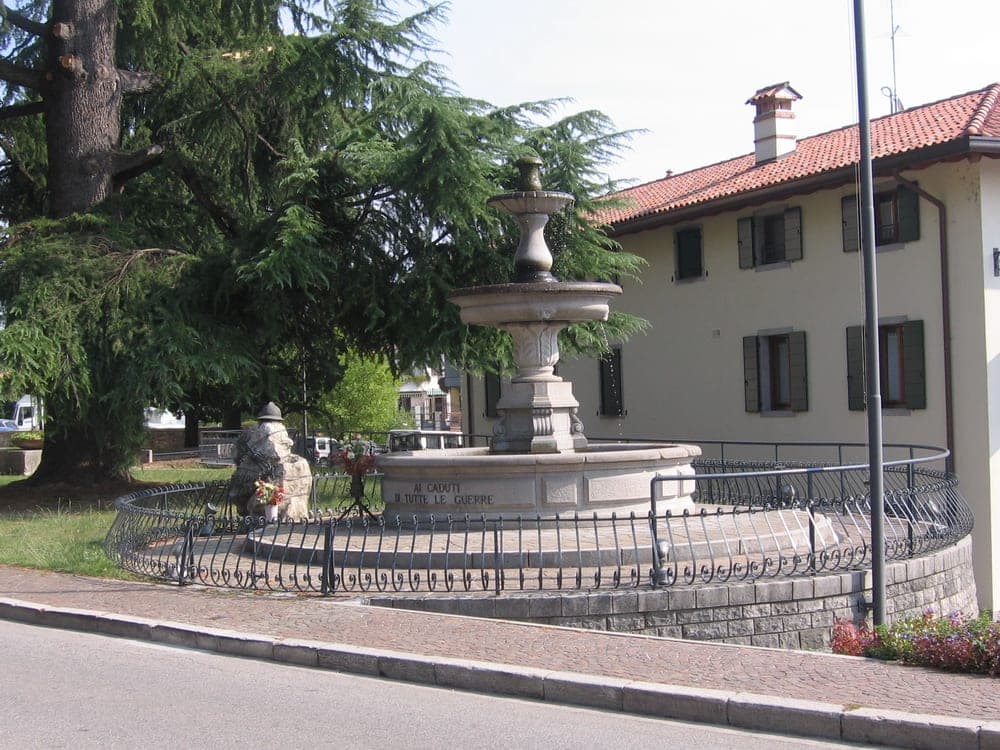
This northeastern Italian region is known for its diverse landscapes, from the Alps to the Adriatic Sea. It is the only region in Italy with a coastline, featuring beautiful beaches along the Gulf of Trieste. The capital city, Trieste, boasts a rich history as a former Habsburg port, showcasing architecture that reflects its imperial past. The region is famous for its vineyards, producing unique wines like Friulano and Refosco. Notable towns include Cividale del Friuli, a UNESCO site with Lombard heritage, and Gorizia, known for its historic castle. The scenic Collio wine region invites exploration of charming wineries and local cuisine, emphasizing fresh ingredients and traditional recipes.

Lazio
Lazio is Italy's second-largest region, renowned for its rich history and diverse landscapes. The capital, Rome, boasts ancient ruins and vibrant street life, but the surrounding areas are equally captivating. Explore the hill towns like Viterbo, known for its thermal springs and medieval architecture. The region also features the stunning coastline of the Tyrrhenian Sea, offering hidden beaches and charming fishing villages. Lazio is famous for its culinary traditions, including artichokes from Rome and wines from Frascati. The region is home to the beautiful countryside of the Castelli Romani, dotted with vineyards and historic castles, providing a glimpse into local life away from the tourist crowds.
Liguria
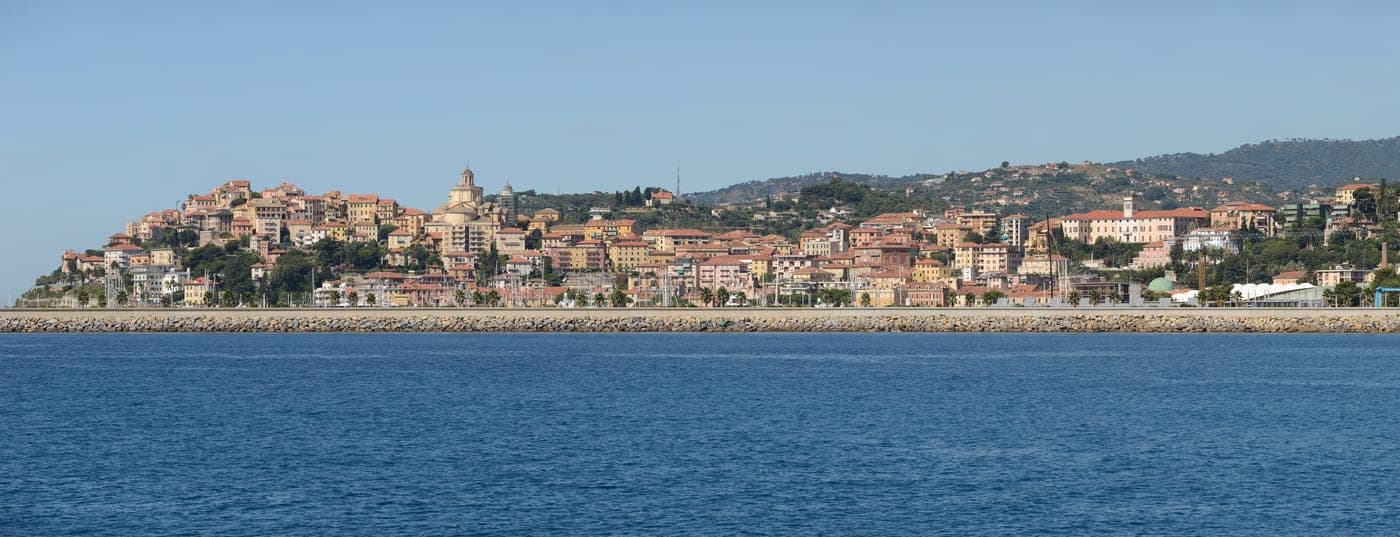
Nestled between the Ligurian Sea and the Apennine Mountains, this region is the smallest in Italy, yet it boasts a rich tapestry of landscapes and cultures. Known for its picturesque coastline, it is home to the UNESCO World Heritage Site of Cinque Terre, where five colorful villages cling to steep cliffs. Beyond the coast, towns like Portofino offer a glimpse into the luxurious Mediterranean lifestyle, while inland, the olive groves and vineyards of the hinterland produce exquisite olive oil and Vermentino wine. Historical sites abound, such as the ancient maritime republic of Genoa, with its impressive palaces and rich maritime history. The region is also famous for its pesto, a culinary delight made from locally grown basil. With a mild climate year-round, Liguria offers a wealth of walking trails, scenic drives, and local festivals, providing an authentic experience of Italian coastal life.
Lombardy
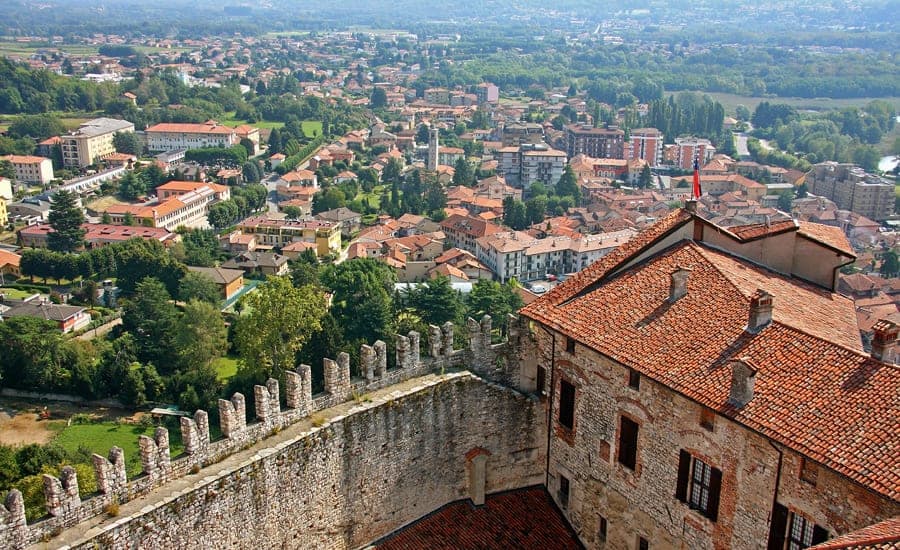
Lombardy runs from Alpine peaks in the north down to the flat rice fields of the Po valley in the south, and this range sits behind almost everything the region does well for slow travel. Milan anchors it as a capital of fashion and finance, but the quieter pace that draws travellers who like to slow down lives outside the city, spread across lake villages, hill towns, and wine roads that ring it on every side. Lombardy rewards a traveller who picks one valley, one lake shore, or one wine road and stays with it rather than trying to cover the whole region at once. Lake Como is one of Lombardy's most recognisable landscapes, its stone villages stacked against steep slopes and its old villas opening their gardens to the water. Bellagio, Varenna, and Menaggio each keep a small working harbour where boats still connect the shoreline settlements. Further east, the region also touches the western shore of Lake Garda, where towns like Sirmione sit on a narrow peninsula with Roman ruins at its tip, and Lake Iseo sits quieter still, ringed by Franciacorta's vineyards on one side and Monte Isola, the largest lake island in southern Europe, on the other. Between the lakes, the Brianza hills and the lower Alpine valleys hold smaller villages built around a single church square, a mill, or a market that still runs on its traditional day, largely untouched by the crowds that gather on the main lake shores in summer. Wine gives the region another rhythm, and Lombardy's wine roads are built for slow exploring rather than a single tasting stop. Franciacorta, in the hills east of Brescia, produces Italy's best-known sparkling wine made in the traditional method, and its cellars sit among vineyards that climb gently toward Lake Iseo, many open for visits by appointment. Further south, the Oltrepò Pavese hills near Pavia grow both still and sparkling wines on slopes that agriturismo farms have worked for generations, offering rooms and meals built around what the land produces that season. In the far north, the Valtellina valley grows Nebbiolo on narrow terraces held up by dry stone walls, alongside the mountain cheeses and cured meats the valley is known for; the Strada del Vino e dei Sapori della Valtellina links the terraced vineyards to the villages and cellars below them. The hill towns carry this same unhurried character. Bergamo's upper town, the Città Alta, sits behind a ring of stone walls built by Venice when the city belonged to its inland territories; inside them, narrow lanes lead to a Renaissance chapel and a quiet main square that empties out once the day-trippers head back down. Mantua, ringed by three artificial lakes, kept its Gonzaga-era palaces and squares largely intact and shares a joint UNESCO listing with the smaller fortress town of Sabbioneta, built from scratch as an ideal Renaissance city. Cremona, on the Po plain, has built violins since the Amati and Stradivari workshops opened there, and the craft continues in small workshops around its cathedral square. Pavia, a university town south of Milan, holds a Carthusian monastery on its outskirts whose carved marble façade is one of the region's finest. Smaller villages such as Clusone in the Val Seriana or Gromo, with its old ironworking streets, keep the same rhythm on a smaller scale, each built around a single square, a mill stream, or a covered market. Food ties all of this together, and it is where Lombardy's slow food traditions show clearest. The region cooks with butter and rice rather than the olive oil of the south: risotto alla milanese, coloured with saffron, is the signature dish, while polenta remains a staple in the mountain valleys, often served alongside stewed meat or local cheese. Grana Padano is made across much of the Po plain, and the mountain dairies of Valtellina produce their own aged cheeses, including Bitto and Casera. Markets in the smaller towns still run on a weekly schedule, selling produce grown within a short distance of the stall, and many agriturismo farms across Oltrepò Pavese and Franciacorta serve meals built entirely from what they grow or raise themselves. Landscape and table hold Lombardy together: a lake village built around its harbour, a wine road that climbs from valley floor to ridge line, a hill town that keeps its own pace once the tour groups leave. The towns and wine roads below each hold a different piece of this pattern, from the Renaissance squares of Mantua to the terraced vineyards of the Valtellina, and together they map out a version of Lombardy built for slow travel rather than a checklist of sights.
Marche
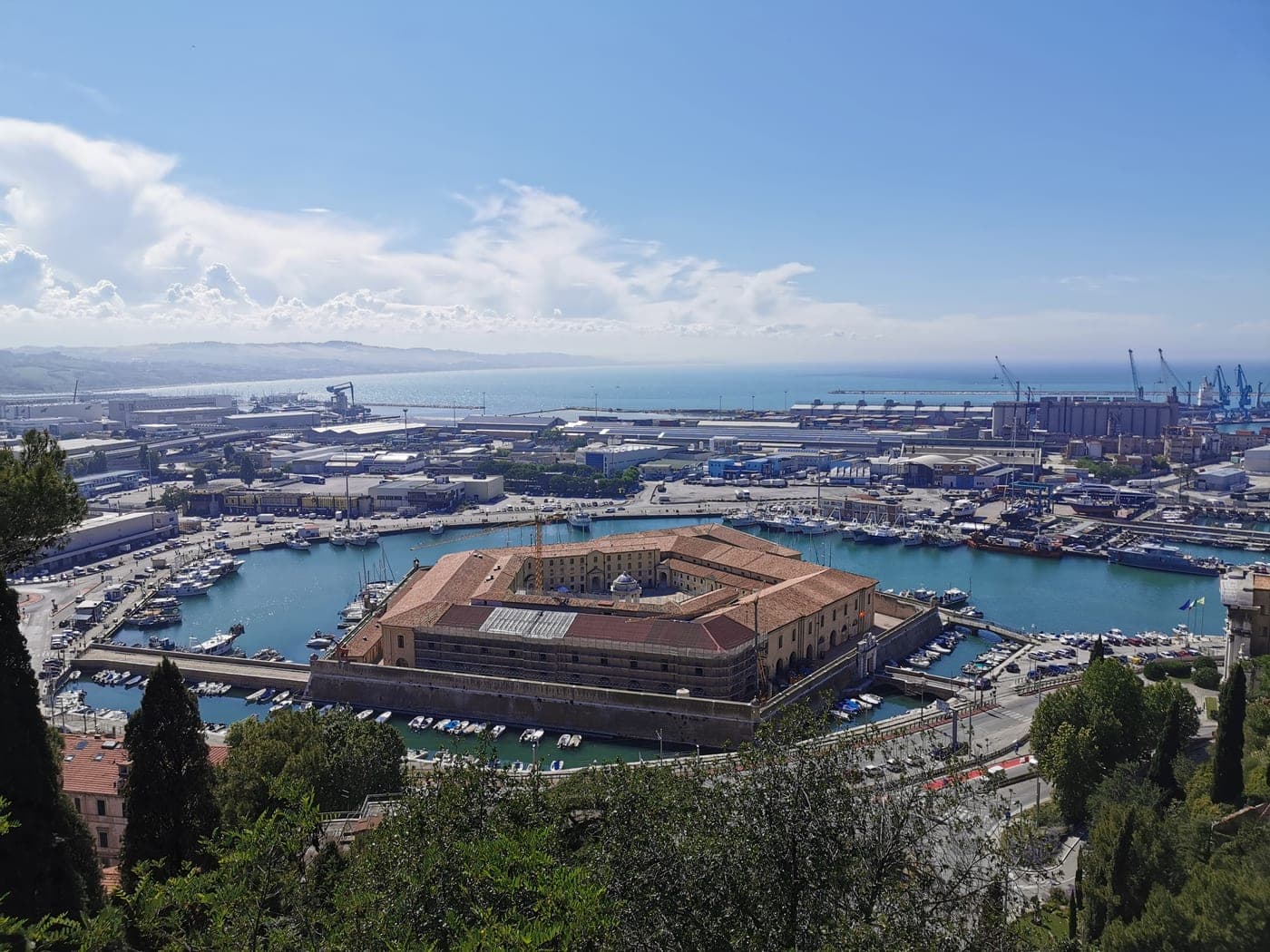
Nestled along the Adriatic Sea, this region boasts a mix of mountains and coastline, making it the only Italian region with a significant maritime presence. As Italy's fourth smallest region, it features historical towns like Urbino, known for its Renaissance heritage and UNESCO status, and Ascoli Piceno, famous for its travertine architecture. The landscape is dotted with rolling hills, vineyards, and olive groves, producing notable wines such as Verdicchio and Rosso Piceno. Culture thrives here through local festivals celebrating traditional crafts and cuisine, particularly the renowned olive all'ascolana. Rich in history, the region invites exploration beyond the typical tourist paths, showcasing authentic village life and regional gastronomy.

Piedmont
Piedmont is the second-largest region in Italy, bordered by the Alps to the north and characterized by its rich culinary and viticultural heritage. The region is famous for Barolo and Barbaresco wines, produced in the rolling hills of Langhe, a UNESCO World Heritage site. Turin, the capital, is known for its elegant architecture and historical cafes, while smaller towns like Alba and Asti offer vibrant local markets and truffle festivals. The region also boasts stunning landscapes, from the serene lakes of Orta and Maggiore to the majestic mountains. Its historical significance includes being the birthplace of the Italian unification. Authentic experiences can be found in local agriturismos and family-run osterias, away from typical tourist paths.
Puglia
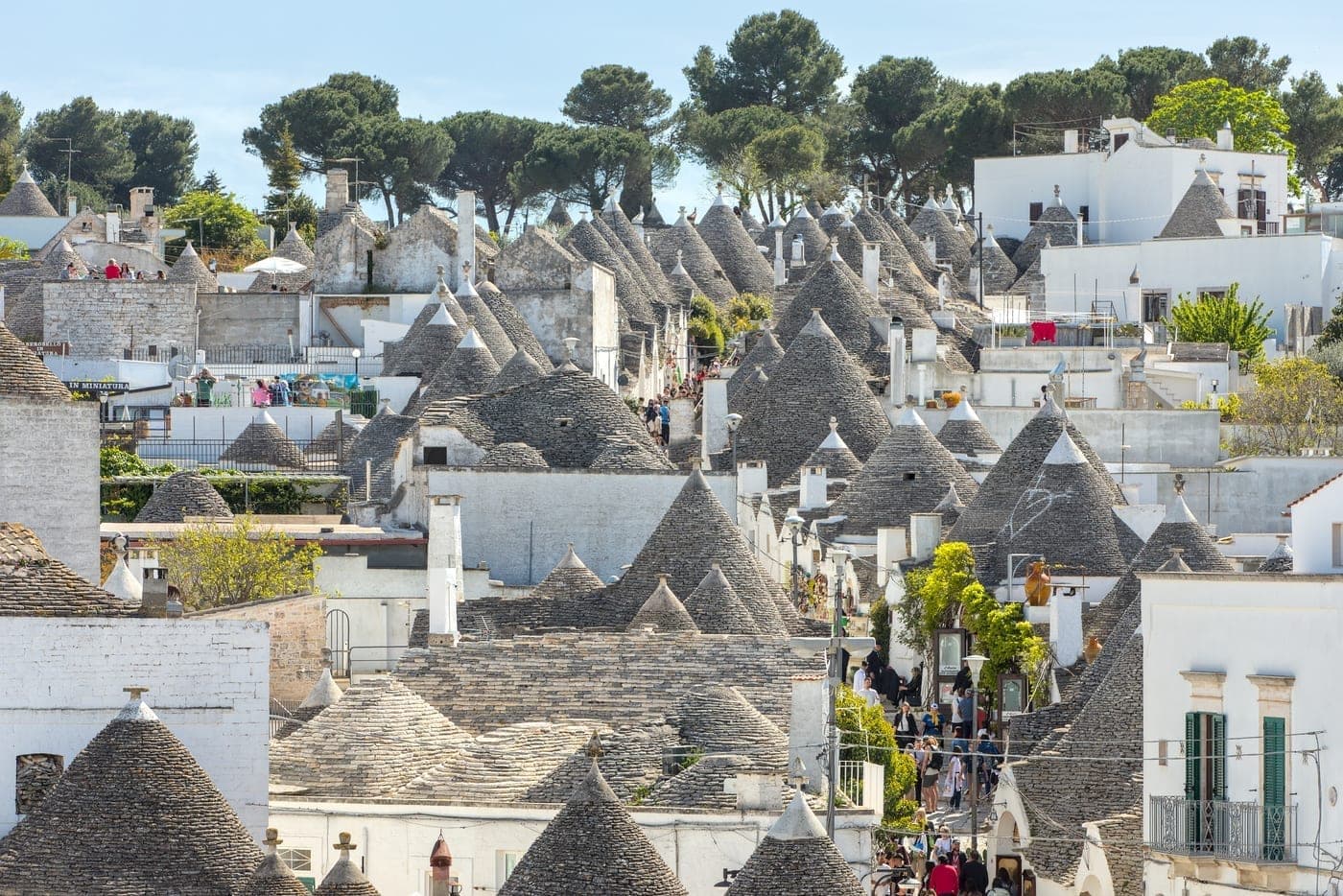
Apulia, the heel of Italy, is known for its unique trulli houses, especially in Alberobello, a UNESCO World Heritage site. The region features beautiful coastlines along the Adriatic and Ionian Seas, with picturesque towns like Polignano a Mare and Otranto offering stunning sea views and fresh seafood. Notably, Apulia is the largest wine-producing region in Italy, famous for robust Primitivo and fruity Negroamaro wines. History aficionados can explore ancient sites like the Romanesque cathedral in Bari and the medieval castles of Castel del Monte. With its rich culinary traditions, highlighted by orecchiette pasta and olive oil, Apulia offers a deep dive into Italy's cultural heritage.
Sicily
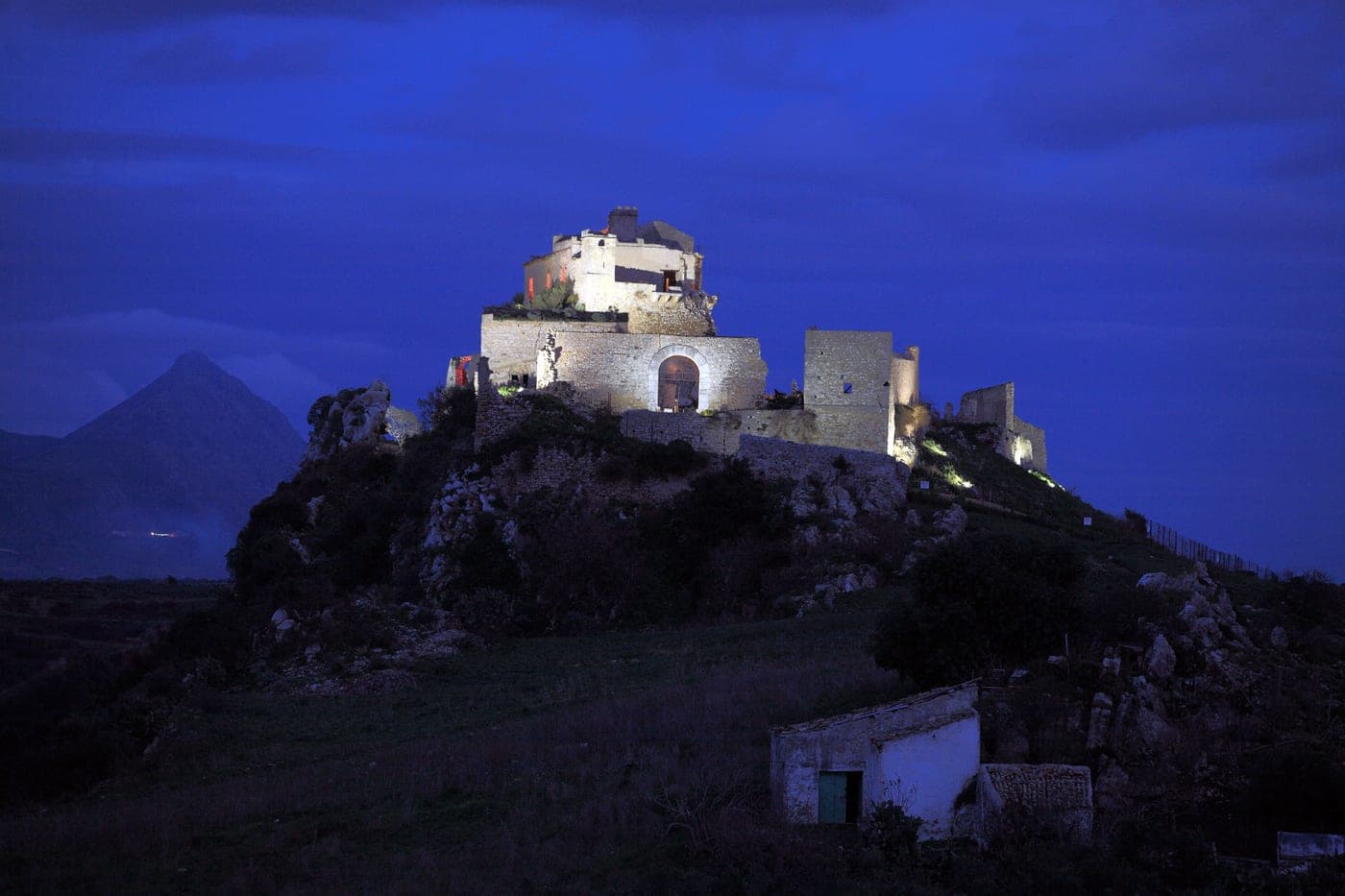
Sicily, the largest island in the Mediterranean, boasts a rich tapestry of history and culture. Its unique position has made it a crossroads of civilizations, evident in the remnants of Greek temples in Agrigento and the Arab-Norman architecture in Palermo. The island features a diverse landscape, from the volcanic Mount Etna to the picturesque coastal towns of Taormina and Cefalù. Sicilian cuisine stands out for its use of fresh ingredients, with specialties like arancini and cannoli. The region is also famous for its local wines, particularly Nero d'Avola. Off the beaten path, discover the ancient ruins of Selinunte or the quaint streets of Erice. With charming villages and vibrant markets, Sicily offers a deep dive into authentic Italian culture and history.
Trentino-Alto Adige
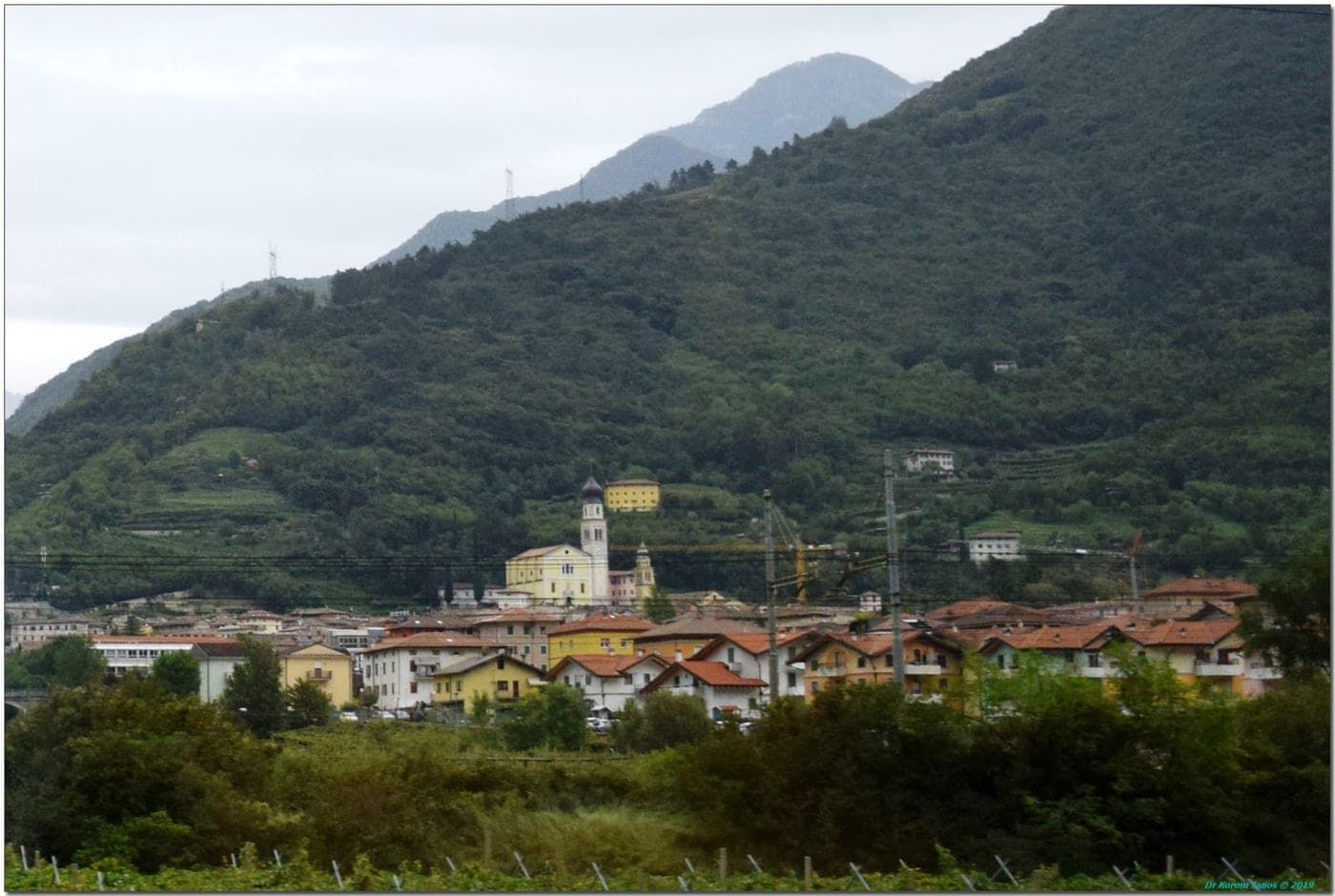
This northern Italian region, bordered by Austria and Switzerland, is known for its unique blend of Italian and Central European cultures. The largest city, Trento, is famous for its Renaissance history and the Council of Trent. Bolzano serves as the gateway to the Dolomites, a UNESCO World Heritage site, offering stunning hiking trails and alpine scenery. The region is renowned for its wine production, particularly Gewürztraminer and Pinot Grigio. Visitors can explore lesser-known villages like Ortisei and San Candido, which showcase local crafts and traditions. With its rich history, diverse landscapes, and authentic cuisine, this area is ideal for those looking to explore at a relaxed pace.
Tuscany
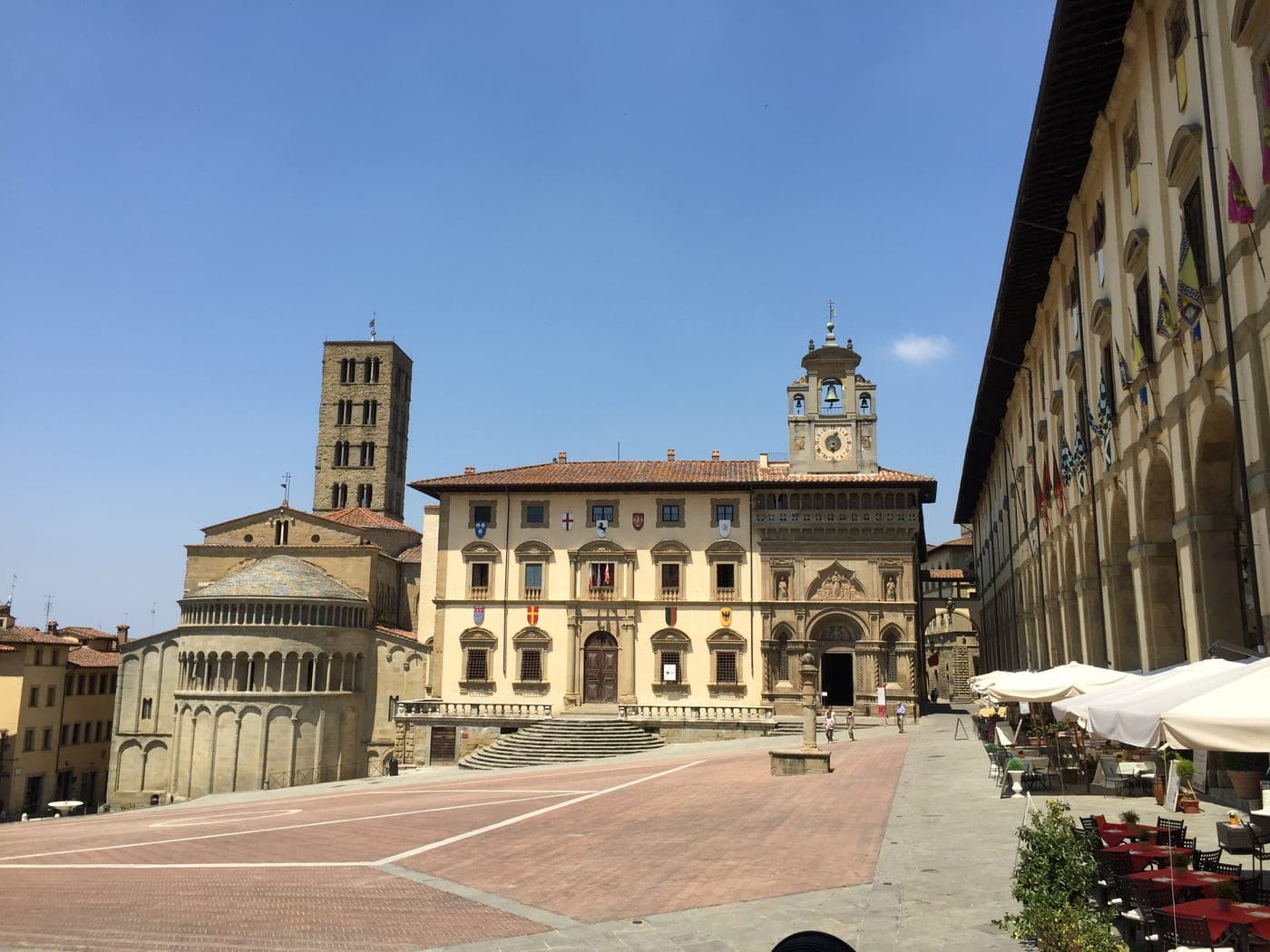
Tuscany, known for its rolling hills and rich history, is the second-largest region in Italy. Florence, its capital, is renowned for Renaissance art and architecture, but also worth exploring are smaller towns like Pienza, famous for pecorino cheese, and San Gimignano, known for its medieval towers. The region boasts diverse landscapes from the Chianti vineyards to the coastal Maremma. Tuscany is also celebrated for its local festivals, such as the Palio di Siena, and its traditional cuisine that emphasizes fresh, local ingredients. This area offers a glimpse into Italy's agrarian past with its rustic farms and olive groves, making it a unique place to slow down and connect with the local culture.

Umbria
Umbria, Italy's only landlocked region, is known for its rolling hills and rich history. Spoleto, famous for its ancient Roman theater and the Festival dei Due Mondi, offers a glimpse into the region's cultural depth. Assisi, the birthplace of St. Francis, features remarkable frescoes by Giotto in the Basilica and is a UNESCO World Heritage site. The region is renowned for its Sagrantino wine, olive oil production, and traditional cuisine, including truffles and porchetta. With picturesque towns like Todi and Gubbio, travelers can explore narrow streets, local artisans, and regional festivals that celebrate Umbrian traditions throughout the year.

Veneto
Veneto is a diverse region in northeastern Italy, home to Venice, the only city on the water. It is the eighth largest region in Italy and boasts a rich history shaped by its Roman and Venetian heritage. The countryside features rolling hills, vineyards, and olive groves, producing wines like Prosecco and Amarone. Beyond Venice, towns like Verona, known for its Roman amphitheater, and Vicenza, famous for Palladian architecture, provide cultural depth. The region also offers the picturesque Dolomites for hiking and outdoor activities. Lesser-known villages such as Asolo and Bassano del Grappa reveal local crafts and traditions, ideal for those seeking authentic experiences away from crowds.