Region · Italy · 12 destinations
Lombardy
Best seasonApr–Jun
GeographyLakes · Lake Como
LanguagesItalian
Loading map…
Discover
Destinations in Lombardy.
Showing12
Filter by
Boat Rentals
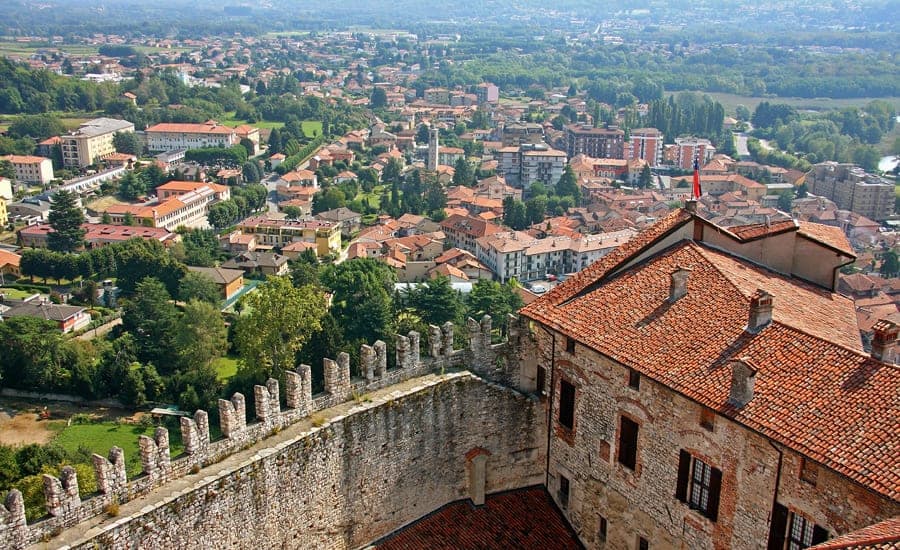
Angera
Charming town on Lake Maggiore with boat rentals and views of Rocca di Angera castle.
Boat RentalsHiking
Boat Rentals
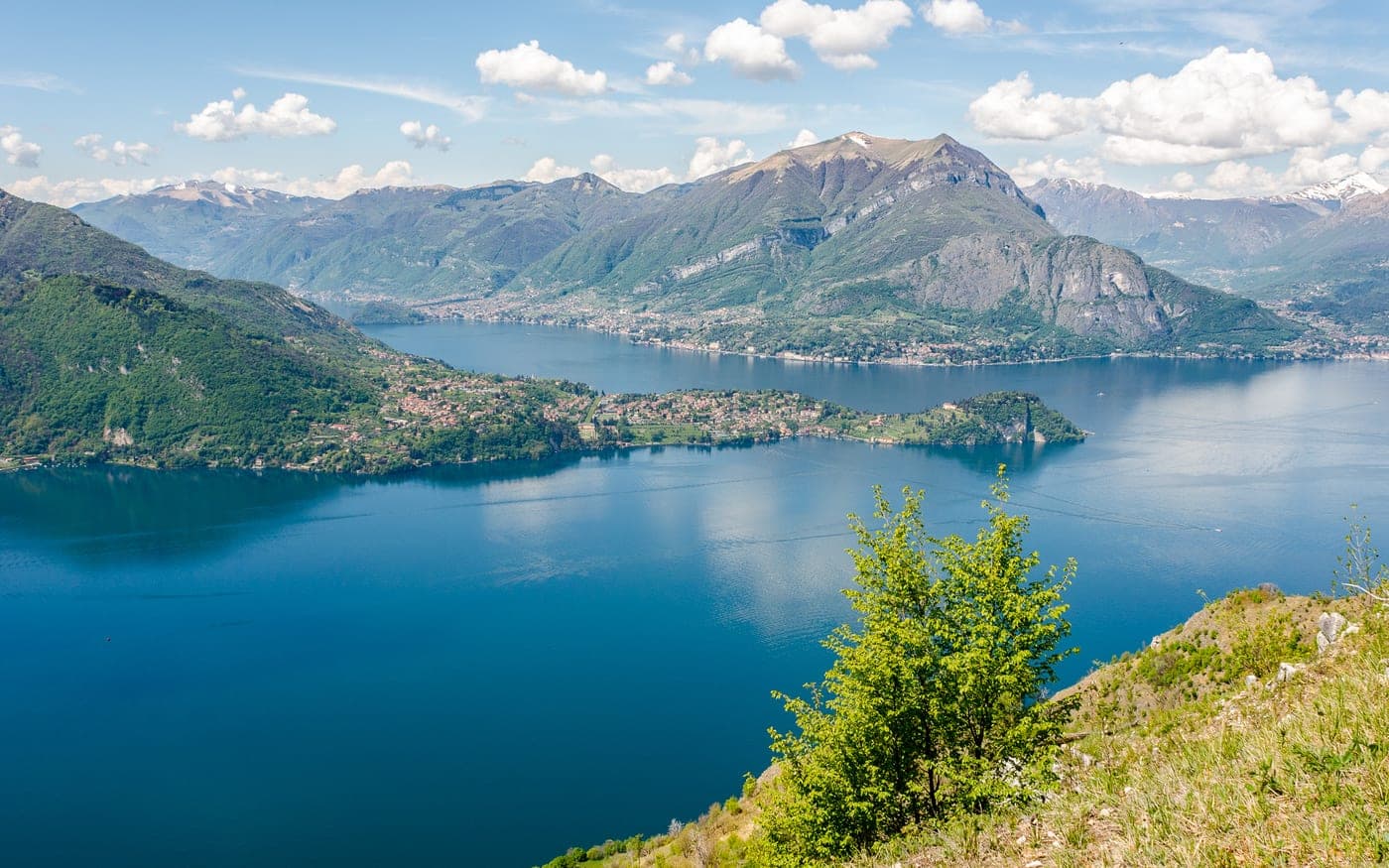
Bellagio
The Pearl of Lake Como with elegant waterfront and boat rentals for exploring the lake's three branches.
Boat RentalsHiking
Camper Van Rentals
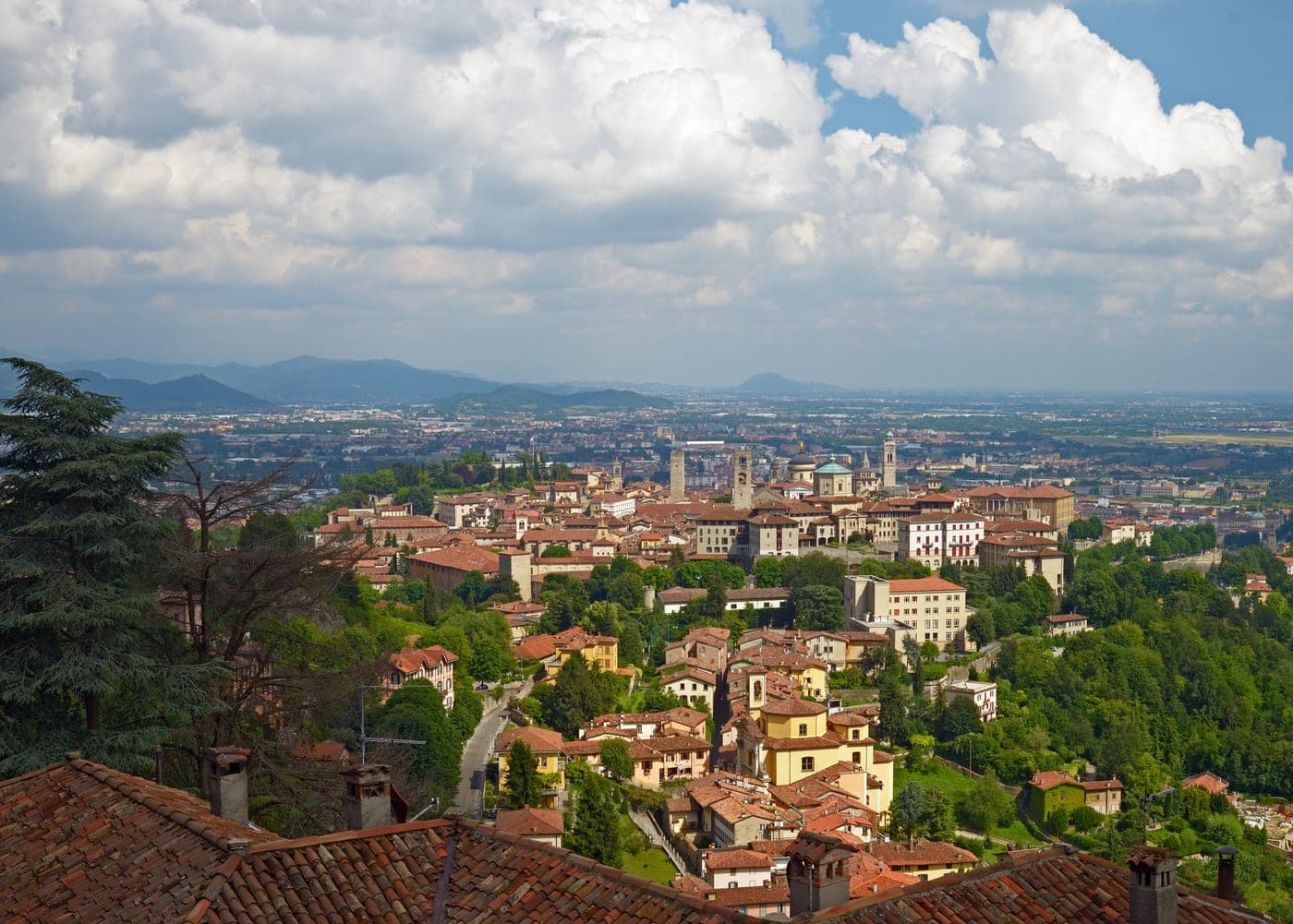
Bergamo
Historic hilltop city with Venetian walls, Renaissance art, and local cuisine.
Camper Van RentalsHikingLocal Cuisine
Wine Tasting
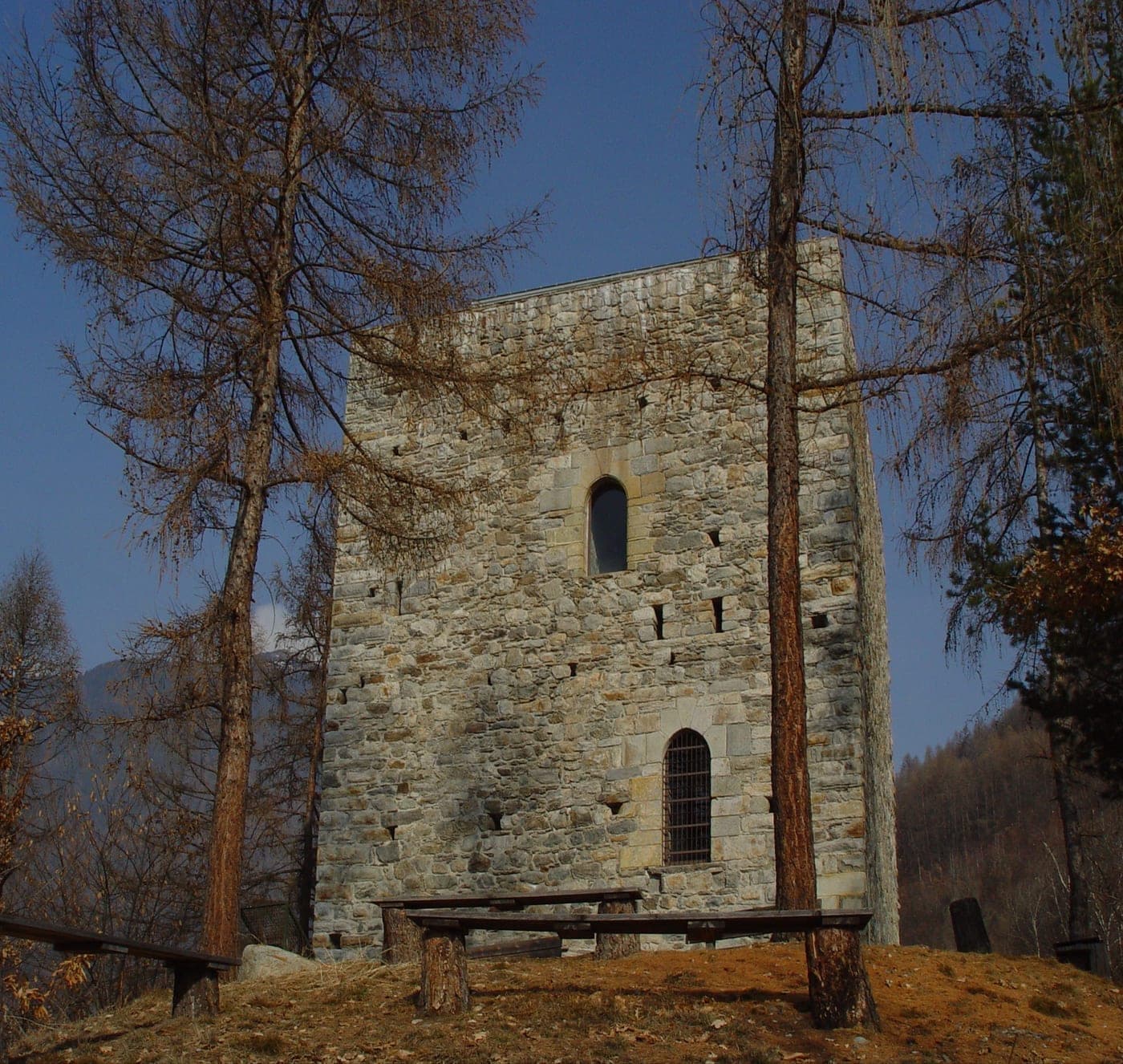
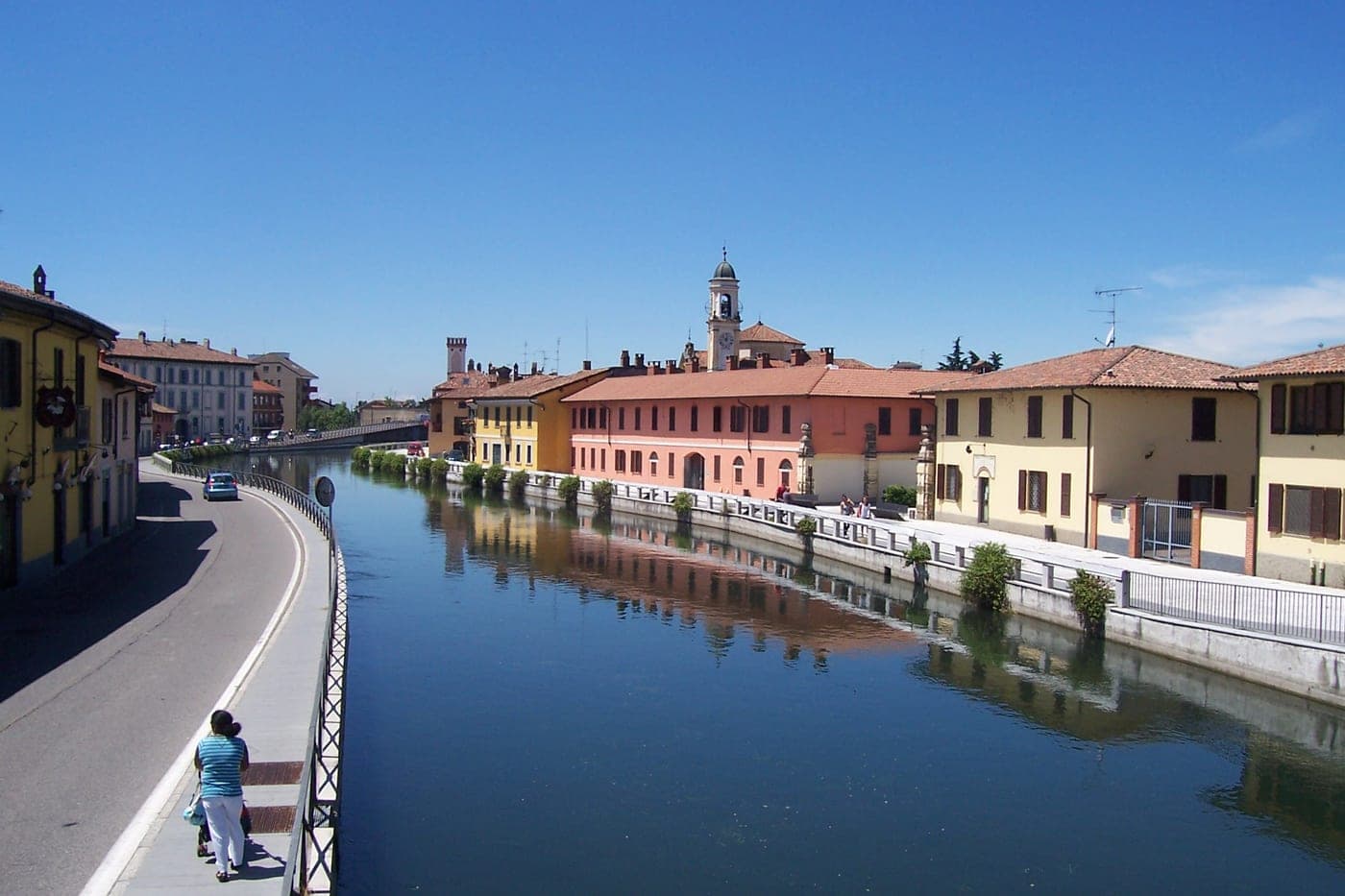
Gaggiano
Town near Milan with access to Lombardy wine routes and rural estates.
Wine Tasting
Boat Rentals
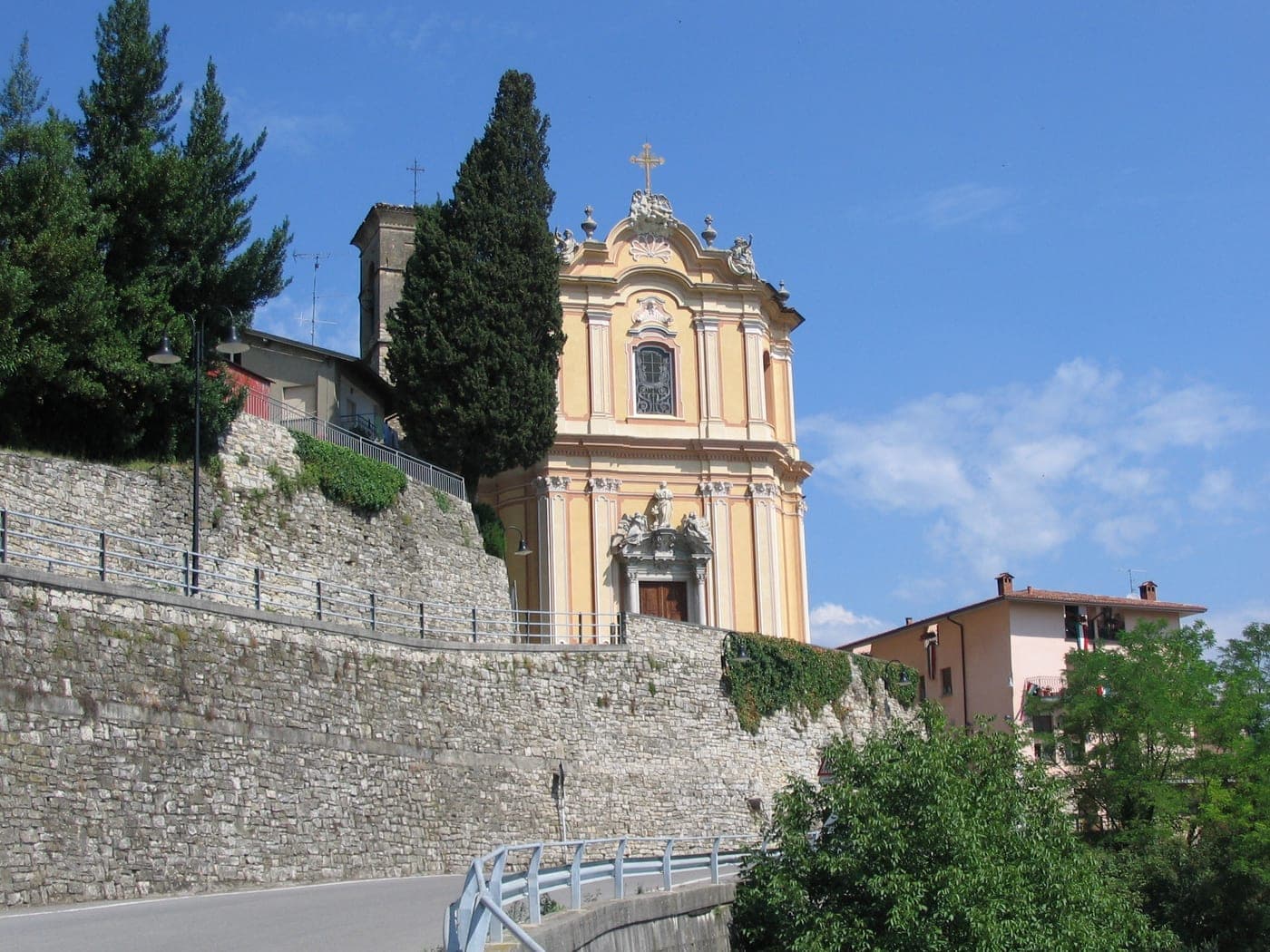
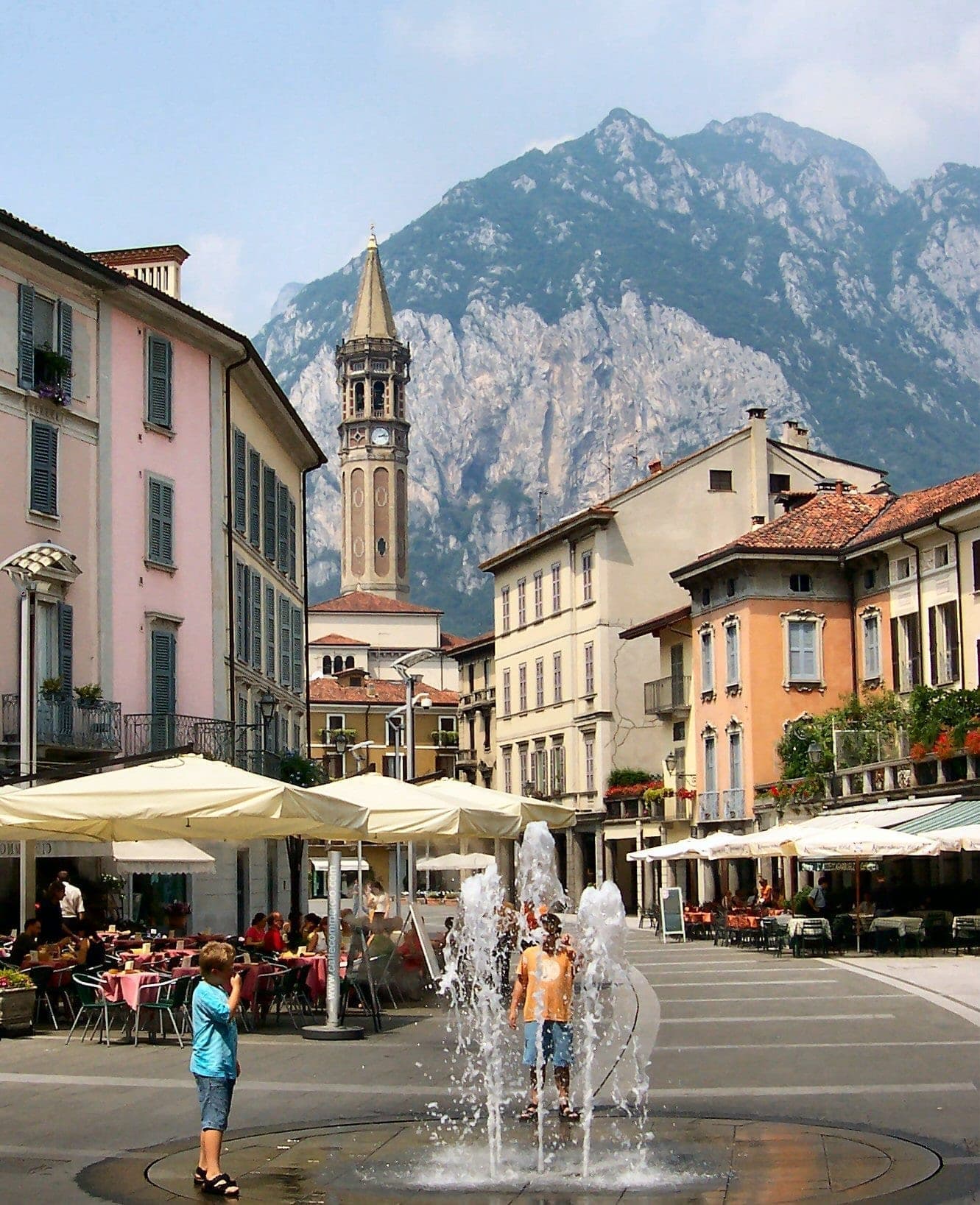
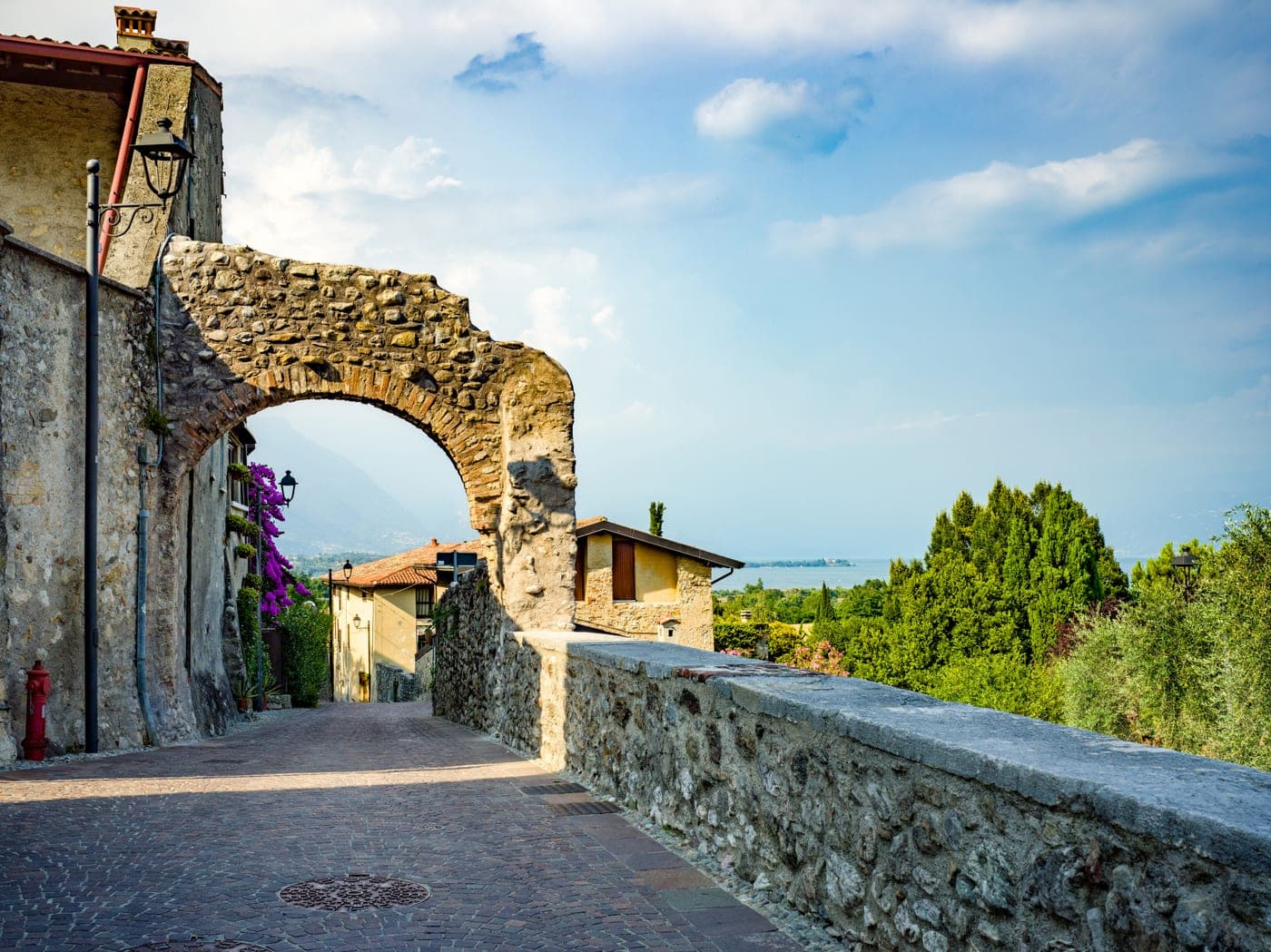
Lecco
City on Lake Como's eastern branch with marina facilities and dramatic mountain backdrop.
Boat RentalsHiking
Boat Rentals
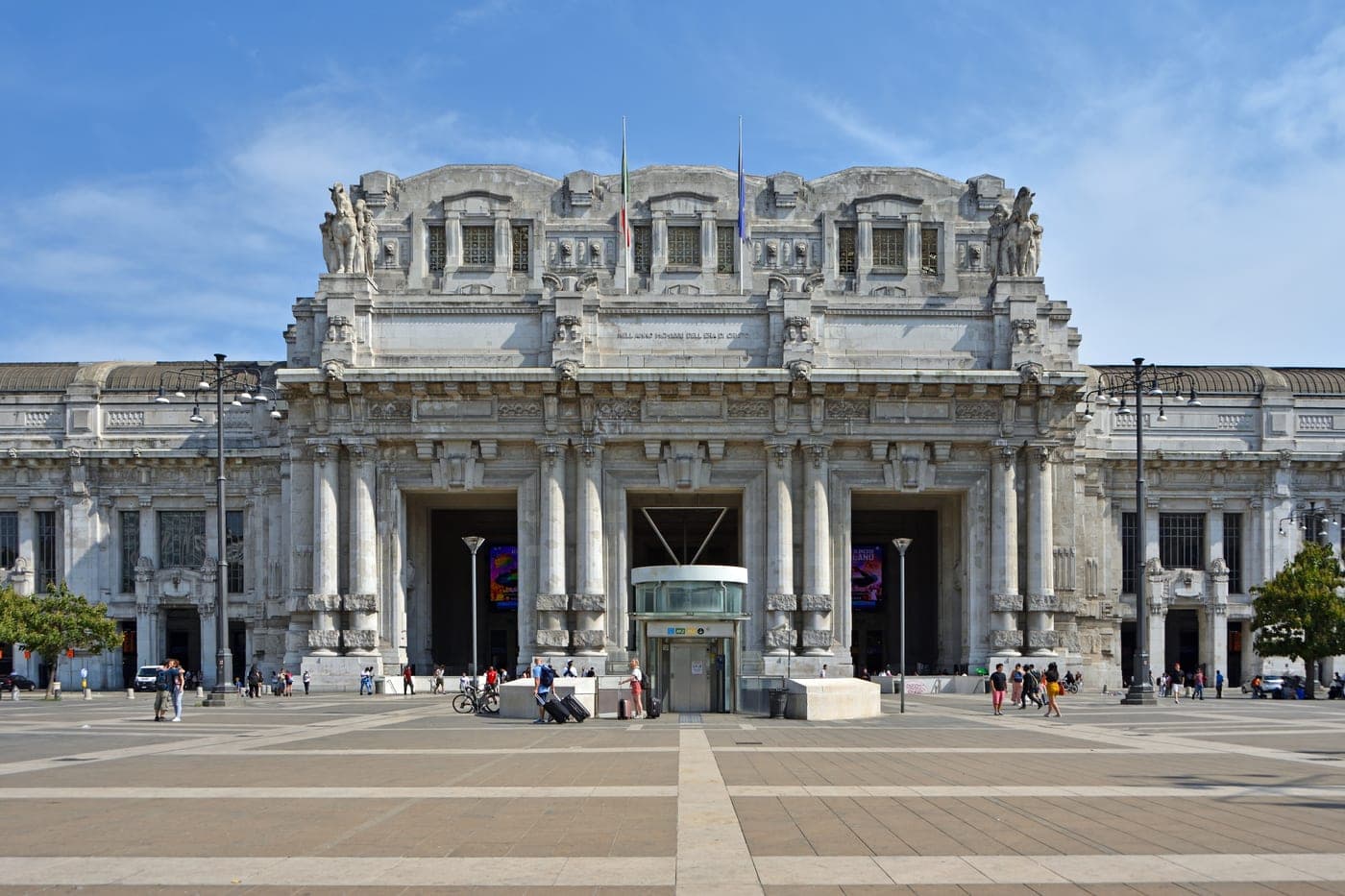
Manerba del Garda
Lake Garda town with marina facilities and boat rentals below the Rocca promontory.
Boat RentalsHiking
Camper Van Rentals
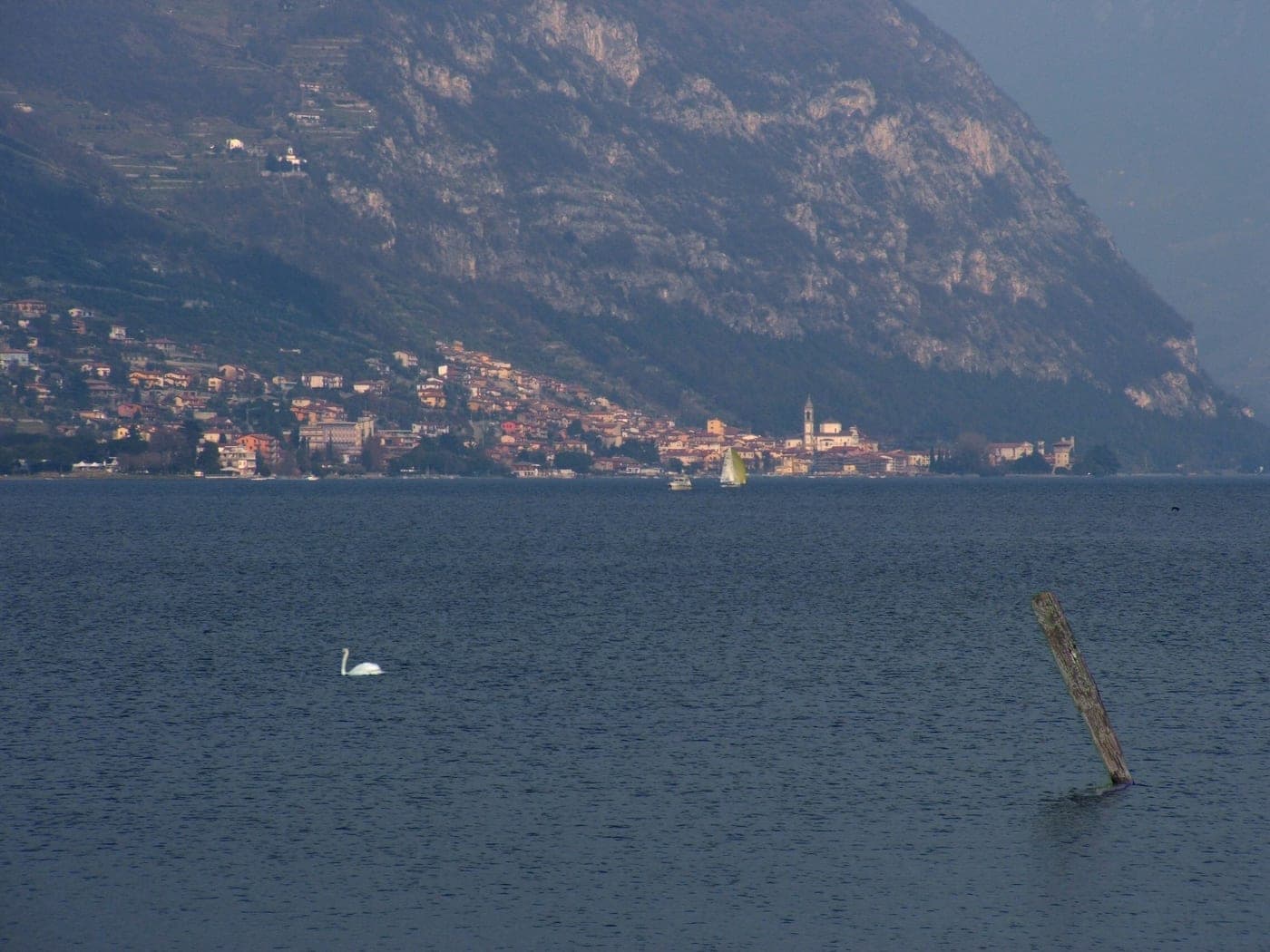
Milan
Italy's fashion and design capital with historic cathedral and opera house.
Camper Van RentalsHiking
Wine Tasting
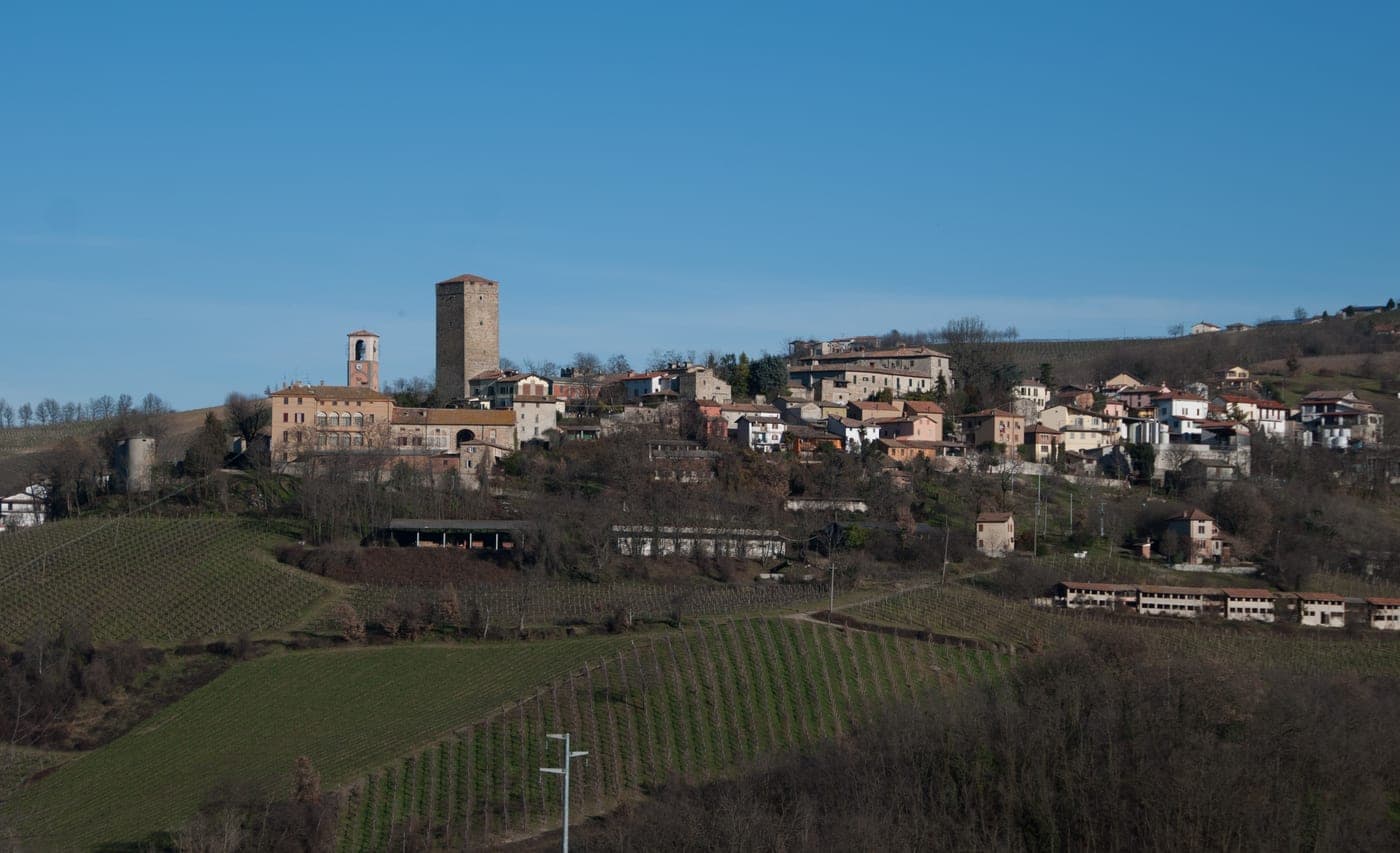
Santa Maria della Versa
Oltrepò Pavese wine town producing sparkling and red wines.
Wine Tasting
Panoramic Trains
Tirano
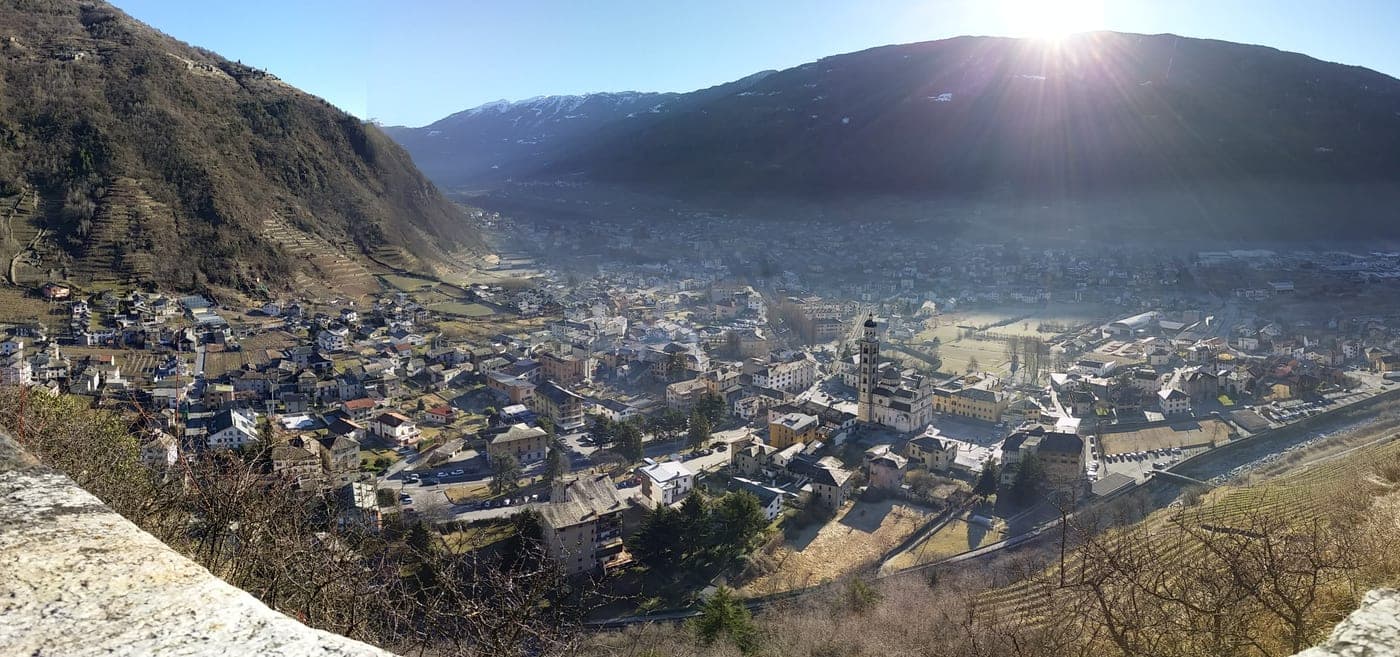
Alpine town with pilgrimage sanctuary, terraced Nebbiolo vineyards.
Panoramic TrainsHiking
Common questions
Asked & answered.
- Lombardy in Italy is known for Lake Como, Milan fashion, Leonardo da Vinci and Alpine lakes. Lombardy, Italy's most populous region, features Milan as its capital, known for fashion and design. It is the largest region in the country, rich in lakes, mountains, and historic towns. The region is renowned for its diverse landscapes, including L...
- Lombardy offers boat charters and waterway cruising, camper van road trips, scenic panoramic train rides and vineyard visits and wine tastings. With 12 curated destinations in the region, travellers can explore at a leisurely pace — lingering in villages, connecting with locals, and immersing themselves in the landscape.
- Top slow travel destinations in Lombardy include Gandosso, Angera, Santa Maria della Versa and Lecco, among 12 curated destinations. Each offers authentic local experiences, from regional cuisine to natural landscapes, selected for travellers who prefer depth over speed.
- Lombardy is accessible via scenic train connections, waterway routes and well-suited roads for camper van travel. The region's slow travel infrastructure makes it possible to explore without a personal car, though some remote villages may require advance planning. Many accommodations can arrange transfers or provide local transport advice.