Castle Stays in Europe
Historic Castle Accommodations
Featured destinations08
 01
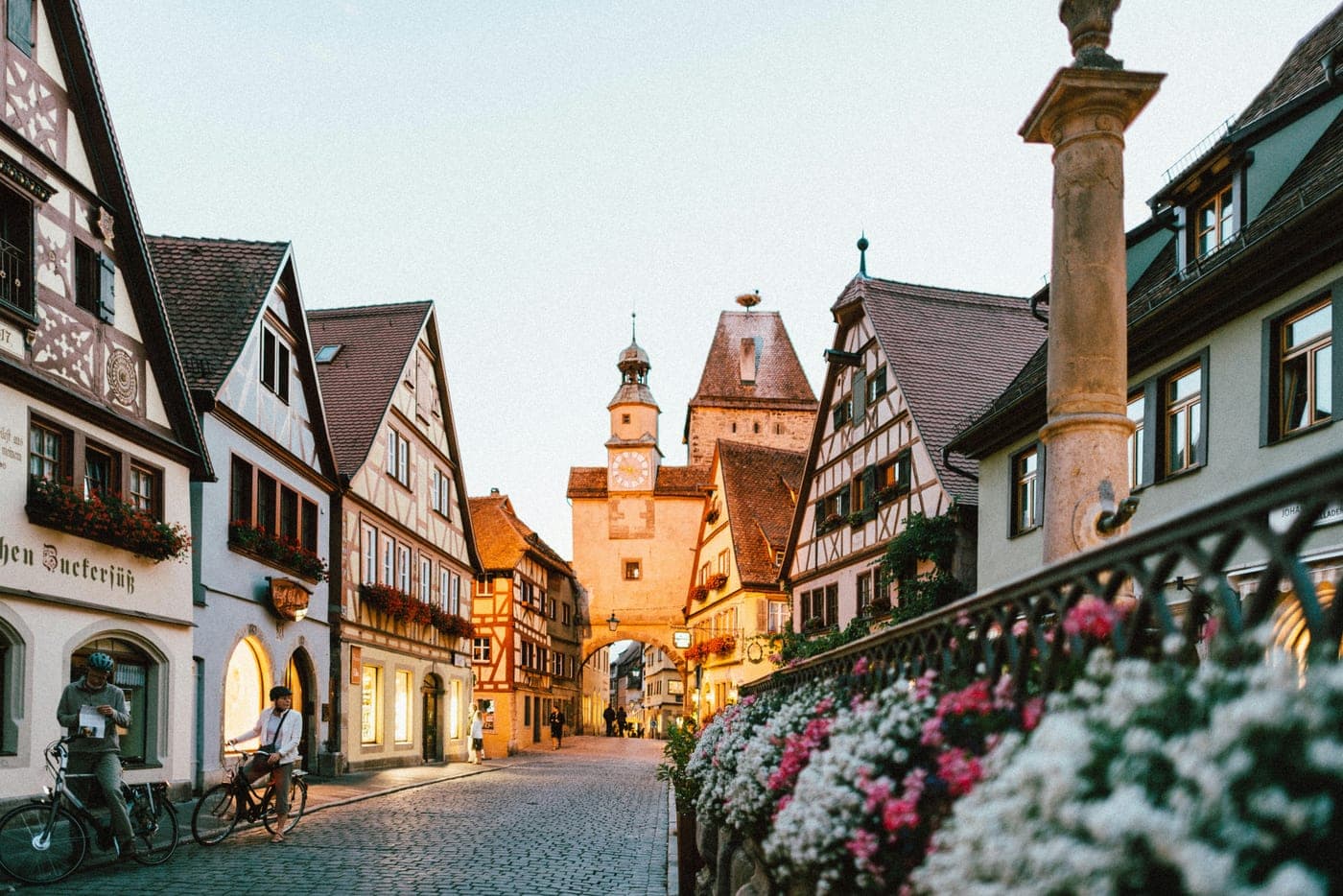
01Aerzen
GermanySmall Lower Saxon community in the Weser Uplands, home to Schlosshotel Münchhausen — a five-star Weser Renaissance castle hotel in a parkland setting south of Hameln.
 02
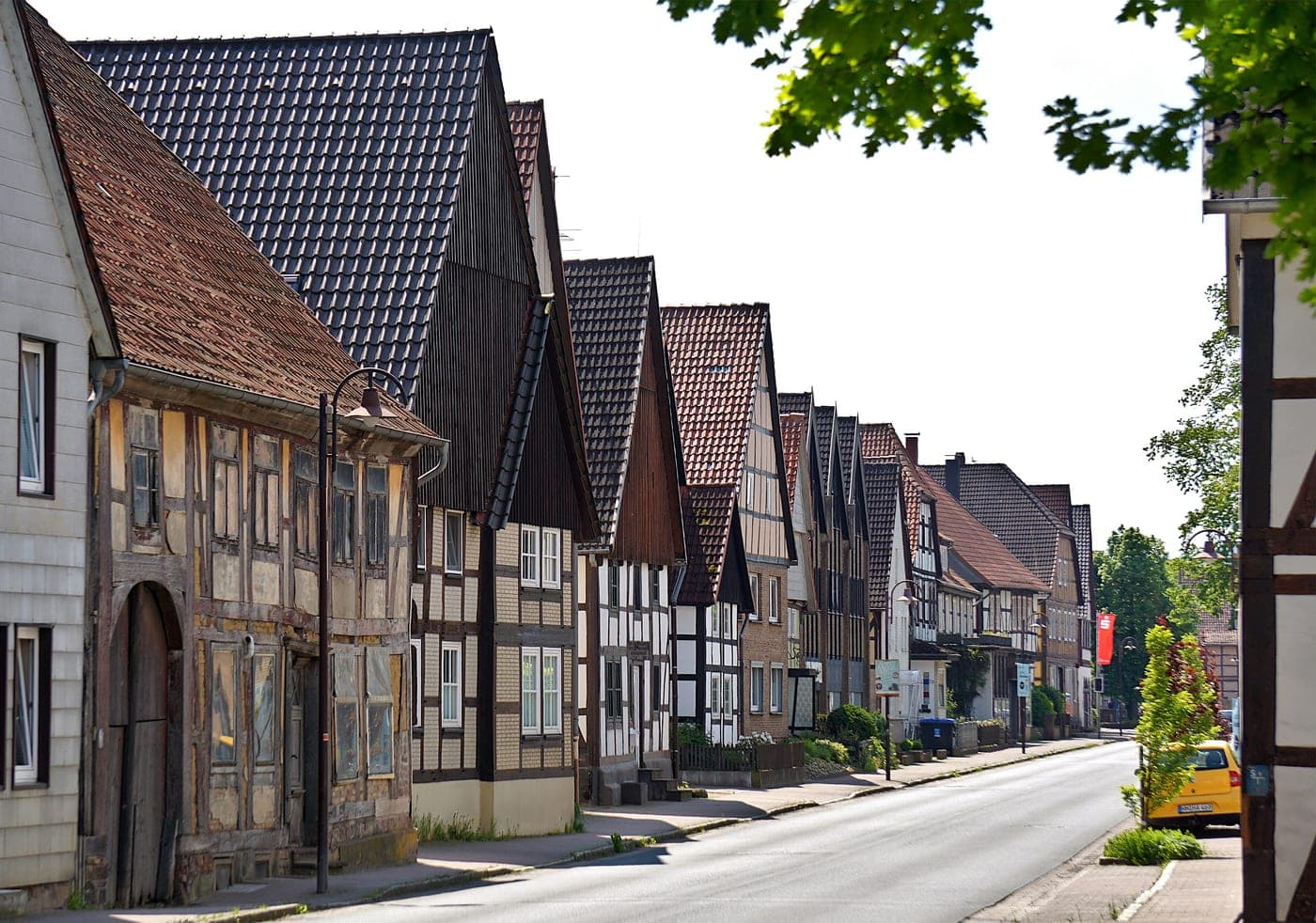
02Ahorn
GermanyQuiet Franconian village near Coburg with a compact 16th-century castle that served as an administrative centre, set in gently rolling agricultural landscape.
 03
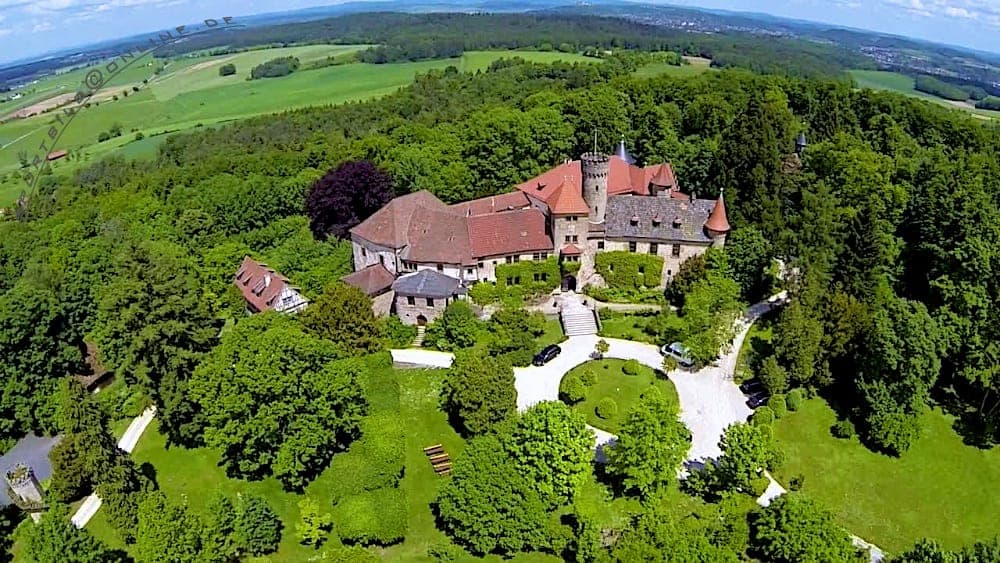
03Aichach
GermanySmall Bavarian market town northeast of Augsburg, birthplace of the Wittelsbach dynasty and home to the ruins of the castle that launched one of Europe's most powerful royal houses.
 04
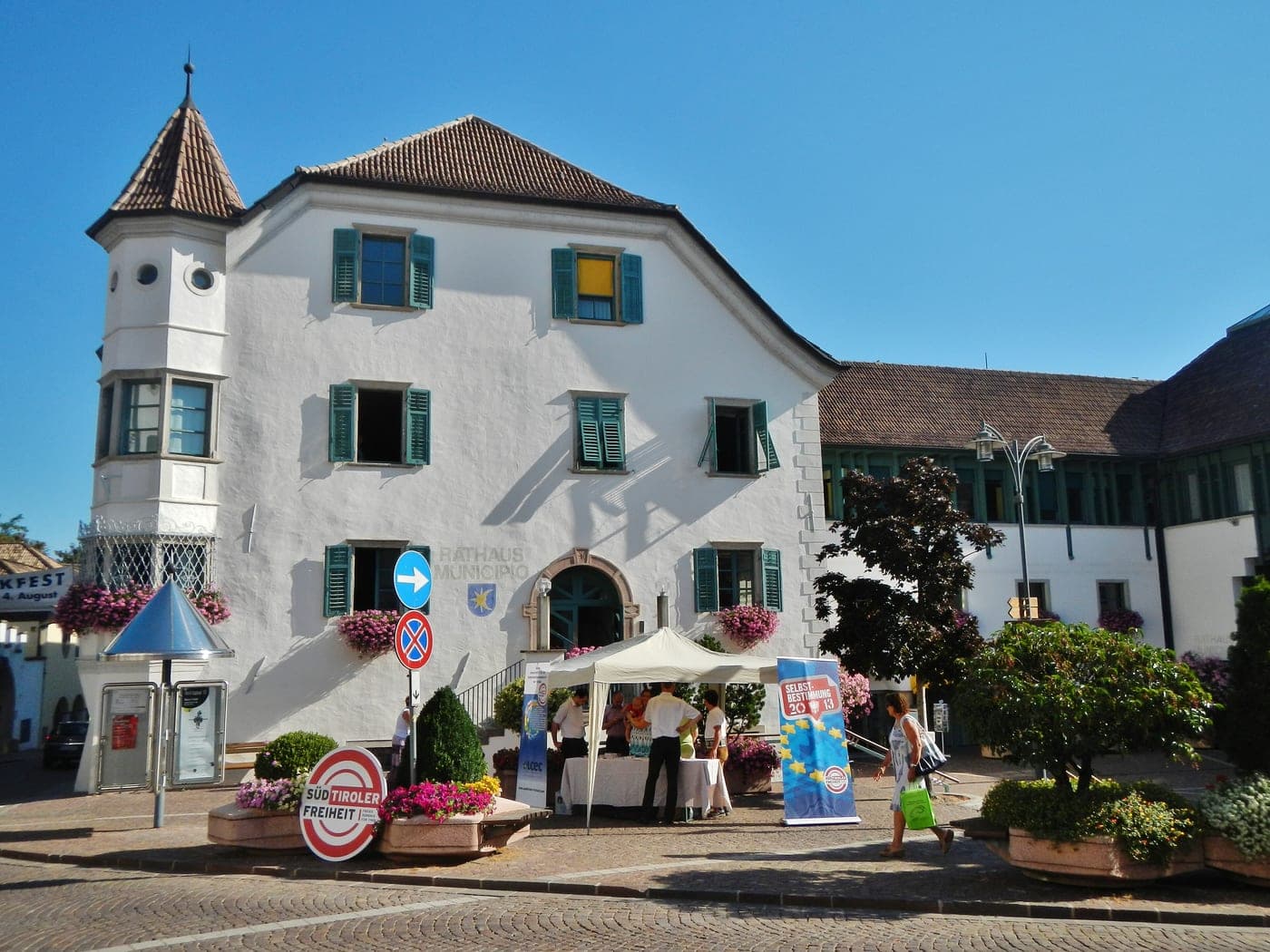
04Appiano sulla Strada del Vino
ItalySouth Tyrol's largest wine municipality on the Wine Road, dotted with over 25 castles and lakeside swimming.
 05
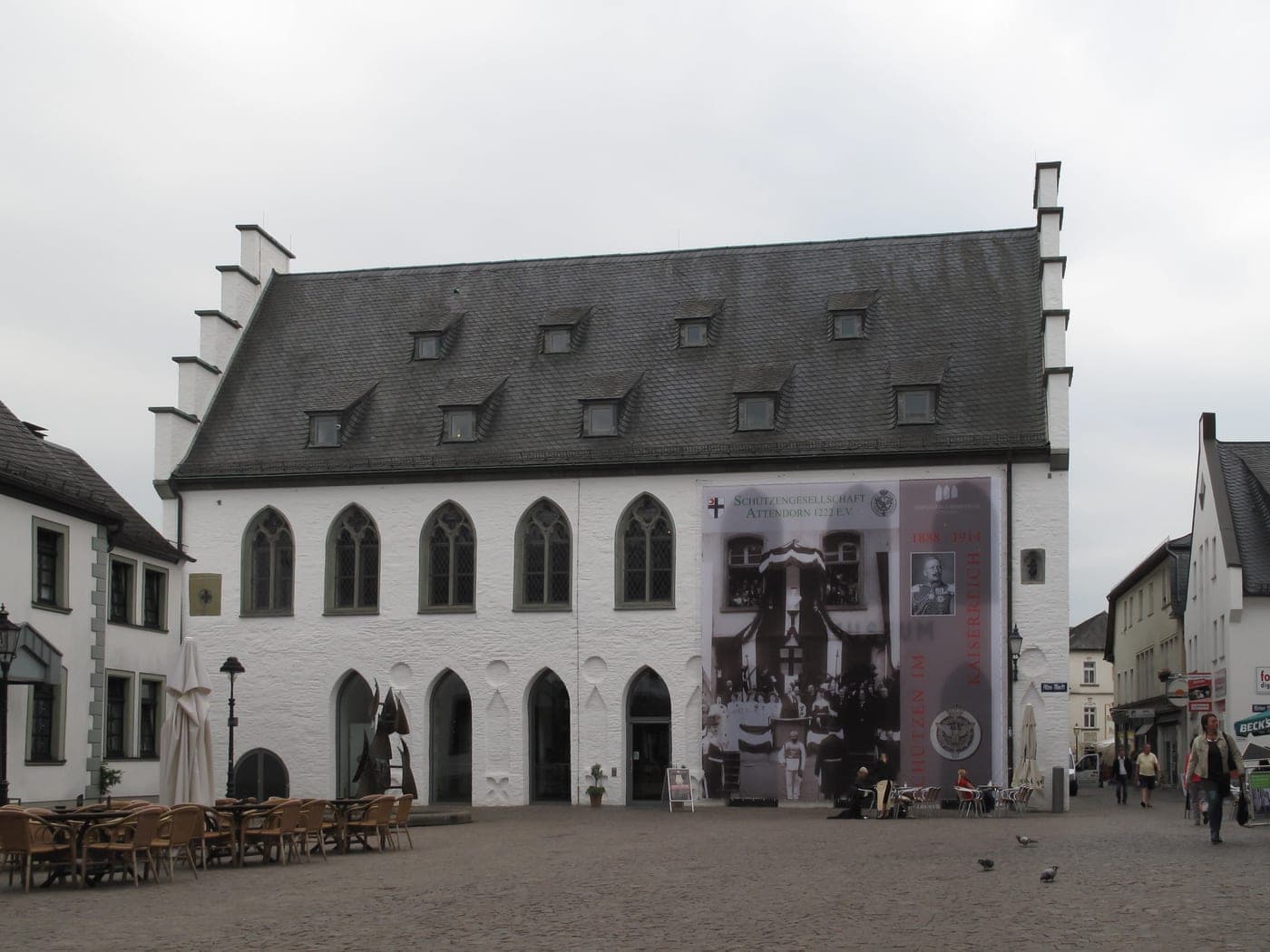
05Attendorn
GermanyTown known for its limestone caves and historical timber-framed houses.
 06
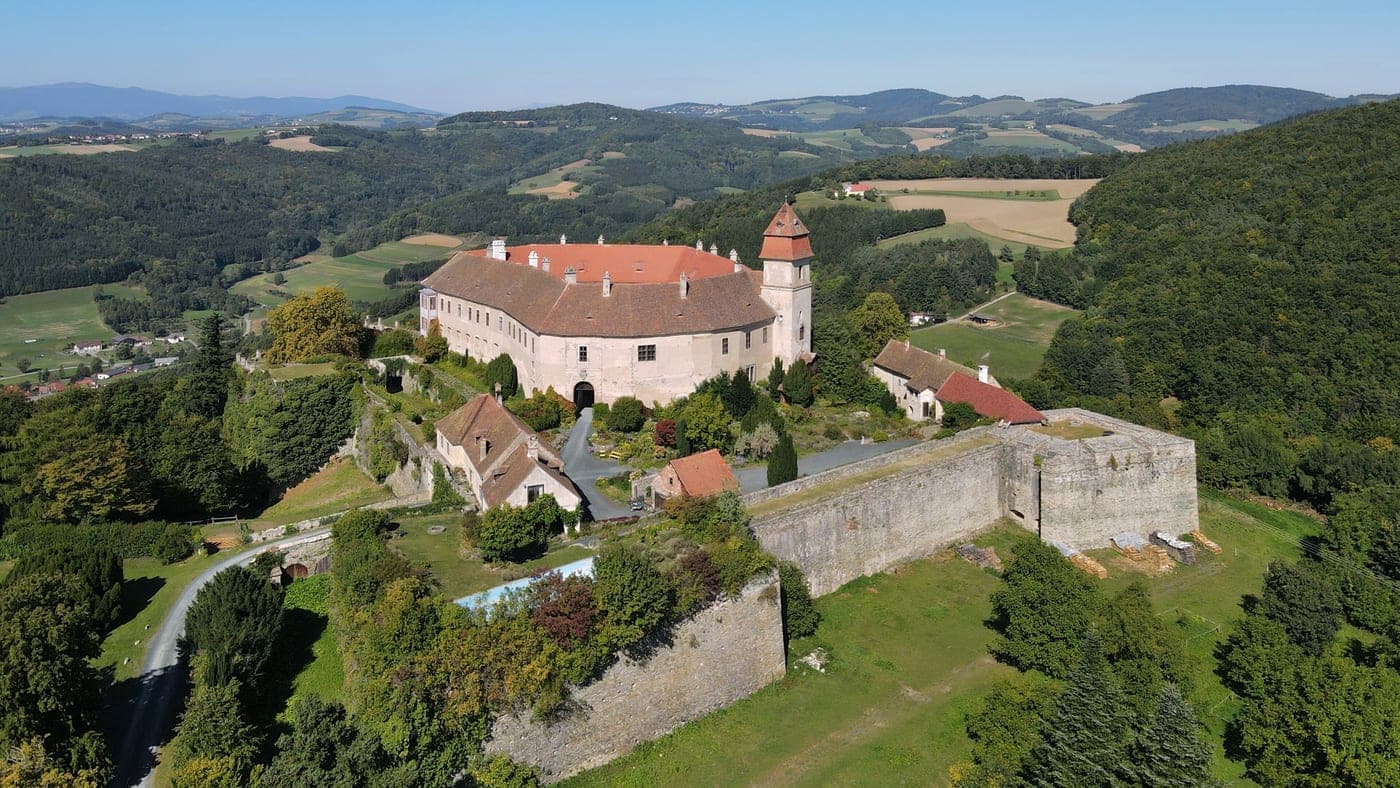
06Bernstein
AustriaRemote hilltop village in southern Burgenland, home to Austria's highest-situated castle and the only place in Europe where precious green serpentine stone is mined.
 07
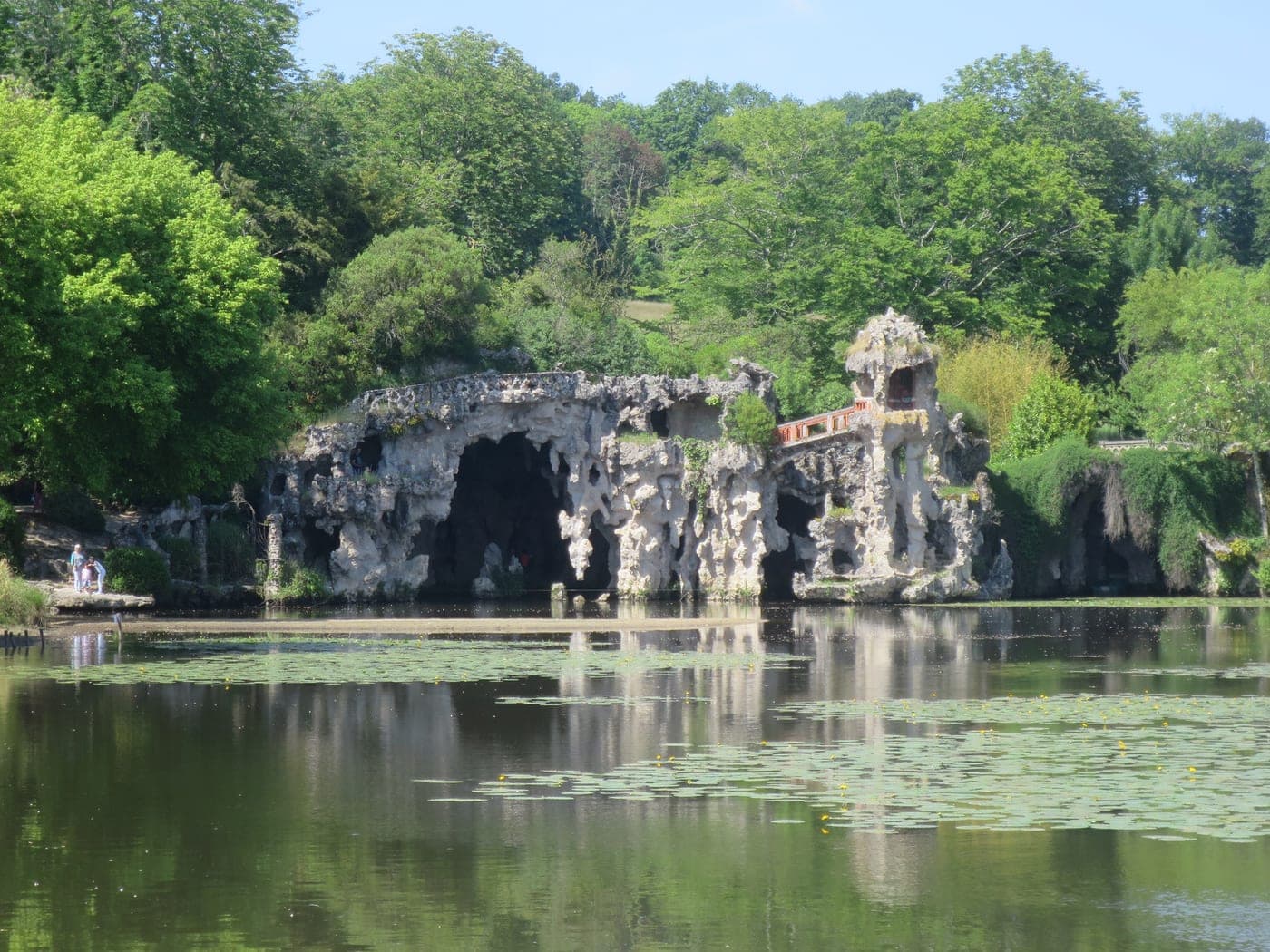
07Blanquefort
FranceSmall Bordeaux suburb town with a ruined medieval fortress and a Cru Bourgeois wine estate on the Garonne.
 08
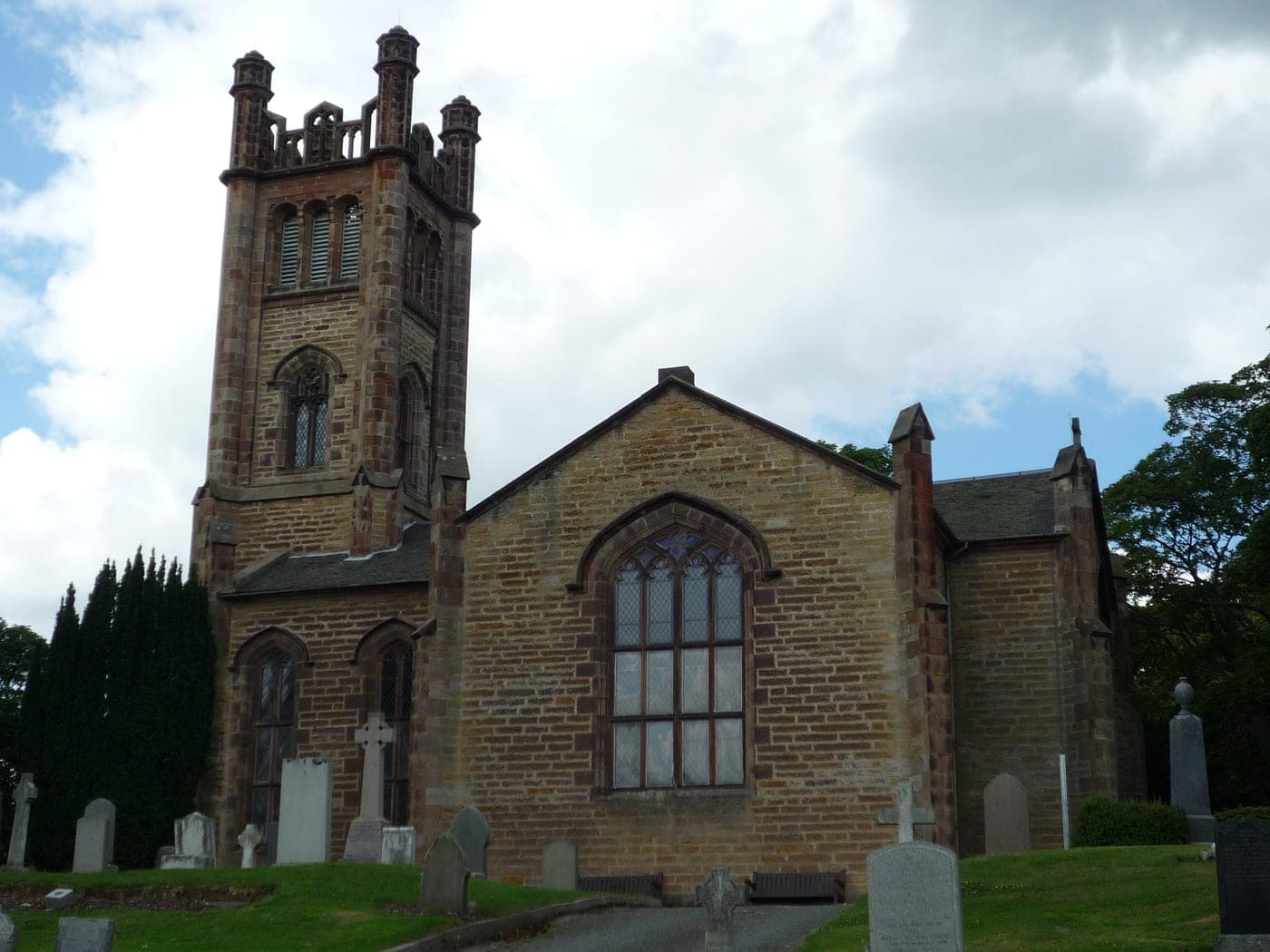
08Bonnyrigg
United KingdomMidlothian town 8 miles from Edinburgh, home to Dalhousie Castle — one of Scotland's finest castle hotels.
About castle stays
Castle stays turn a childhood fantasy into an overnight experience. Europe has thousands of historic castle hotels — from medieval fortresses perched on hilltops to elegant Renaissance châteaux nestled in river valleys. The concept is unlike any other form of accommodation: you sleep where nobility once lived, dine in centuries-old halls, and wake up to views that were once reserved for kings. Castle hotels aren't a single category. A 12th-century Scottish fortress is a fundamentally different experience from a Loire Valley château or a Rhineland Burg. Many are family-owned, passed down through generations.
Seasonal Guide for Castle Stays
Castle stays are a year-round experience, though the season you choose affects both the atmosphere and the price.
- Spring (April–May) is when castle gardens come alive. The weather is mild, crowds are thin, and rates are lower.
- Summer (June–August) brings the longest days, outdoor dining in castle courtyards, and cultural programming like classical concerts. This is peak season, so expect higher prices and less availability.
- Autumn (September–October) is ideal for a romantic castle hotel getaway. Foliage, wine harvest events, and cooler evenings that suit the atmosphere of stone-walled rooms.
- Winter can be magical in the right setting — with Christmas markets in German and Austrian castle towns. However, many smaller castle hotels close or reduce services from November to March.
Castle Stay Experience
Castle accommodation comes in several distinct forms, each with its own character and price range.
Medieval fortresses have thick walls, spiral staircases, and battlements. They are often set on hilltops with dramatic views. Expect an authentic atmosphere and cold stone in winter. Renaissance châteaux are more decorative — with formal gardens, larger rooms, and art collections. The Loire Valley is the heartland for this type. Manor houses are more modest, designed for comfort rather than defence. They tend to be warmer, more intimate, and more affordable — common in the English and Irish countryside. Prices range from €50–€100 per night for budget castle bed and breakfasts to €300–€650+ for luxury château hotels in France.
Dining at castle hotels is often a highlight. Many properties serve regional specialties in atmospheric settings — vaulted ceilings, medieval stonework, candlelit tables. Some offer wine tastings from their own cellars or the surrounding region.
Castle stays can work well for families, but suitability varies widely. Some properties welcome children with open grounds and activities; others are adults-only or impractical for small children due to steep staircases and fragile furnishings. Always check before booking if you're travelling with kids.
Accessing Castle Stays
Most castle hotels are rural. A car is usually essential. If you're planning a multi-castle itinerary, some areas like the Loire Valley, Scotland, and the Rhine and Mosel valleys let you visit several within short driving distances.
Getting the Most out of a Castle Stay
- Castles are notoriously cold. Even in summer, bring a layer for stone-walled rooms in the evening.
- Most genuine medieval castles sit on hills with no lifts and narrow spiral staircases. Accessibility can be limited — ask before booking.
- No formal dress code at most castle hotels, but a slightly elevated dinner outfit suits the atmosphere.
- Look for castle stays that include experiences — falconry, guided historical tours, wine tastings — rather than just a room.
- Book shoulder season (April–May, September–October) for lower rates and fewer crowds.
Staying in a castle is more than just accommodation — it's participating in the preservation of European architectural history. The tourism income funds the extraordinary maintenance costs that would otherwise force owners to sell or abandon these buildings. Whether in a medieval castle hotel along the German Rhine, a château in the French countryside, or a historic manor house in Ireland, a castle stay offers a window into how power, land, and community were organised across centuries — and a chance to keep that heritage alive.
Explore Castle Stays by Country
 7 destinations
Austria
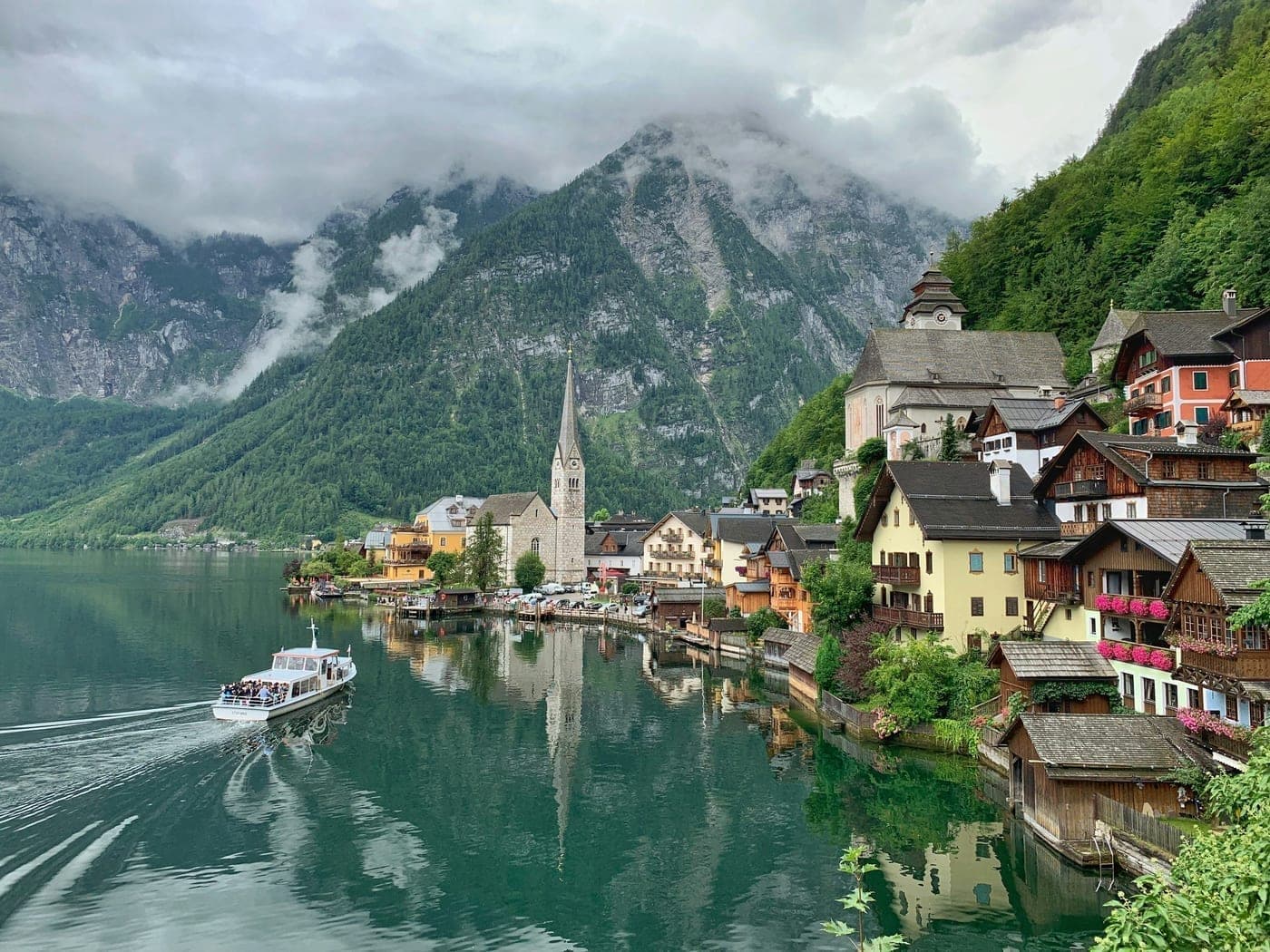
Austria epitomizes Alpine slow travel with its mountain valleys, historic cities, and strong musical heritage. The country's compact size and excellent rail connections make car-free exploration easy. Traditional wine taverns in Wachau Valley, farm stays in Tyrol, and thermal spa towns offer authentic experiences. Austria's commitment to sustainability shows in organic farming, protected landscapes, and renewable energy. Classical music festivals, artisan workshops, and seasonal markets maintain cultural traditions. The Austrian concept of 'Gemütlichkeit' - cozy comfort - reflects the slow travel philosophy. From Danube cycling routes to mountain hiking trails, Austria encourages active, mindful exploration.
 7 destinations
France
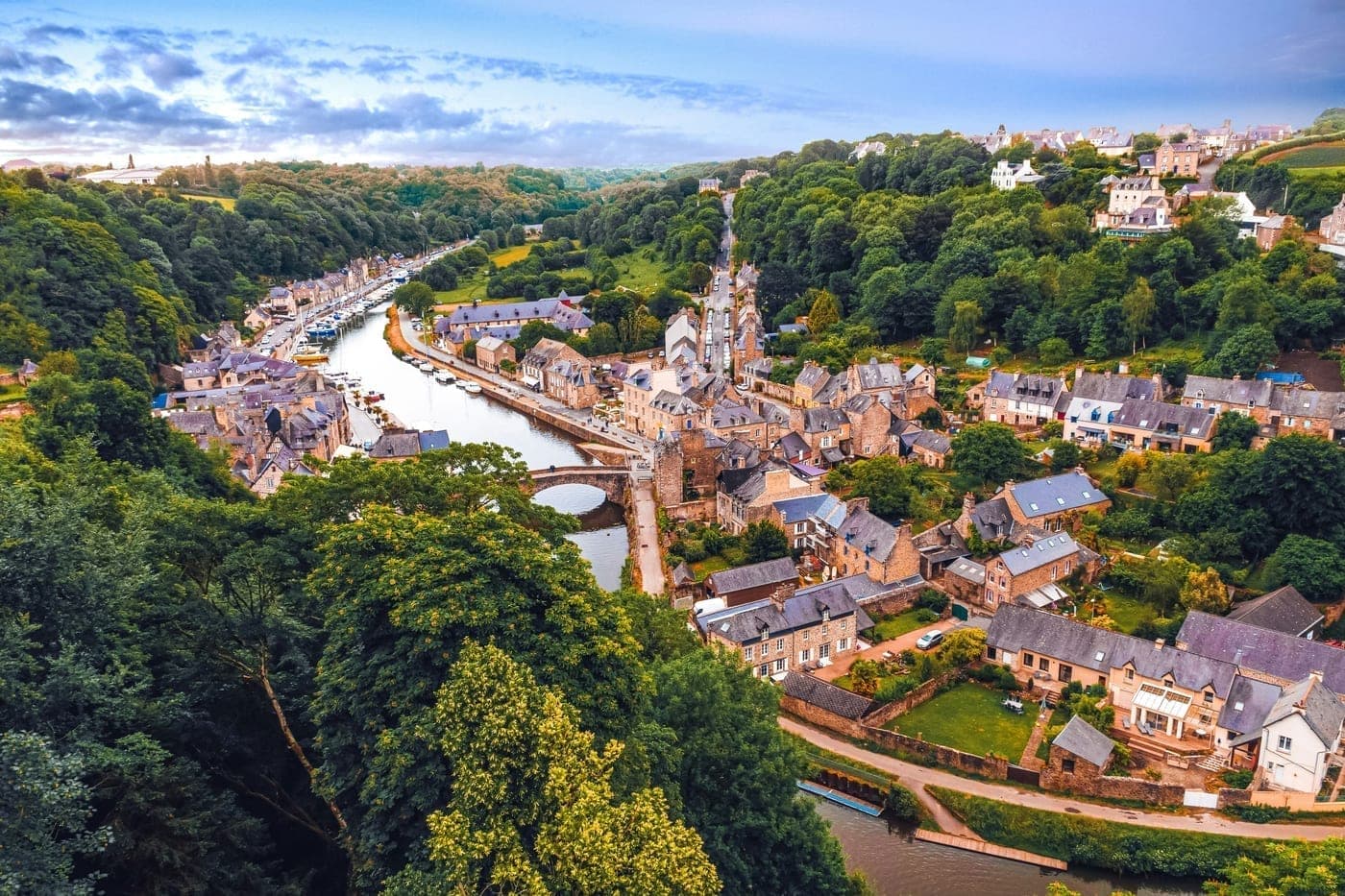
France embodies slow travel with its regional diversity, world-renowned wine routes, and deep culinary traditions. From the half-timbered villages of Alsace to the lavender fields of Provence, France rewards those who take time to explore beyond Paris. The country's extensive rail network connects charming market towns, medieval villages, and vineyard valleys. Local markets, artisan workshops, and family-run vineyards offer authentic experiences. Each region maintains distinct cultural identities, cuisines, and traditions, making slow exploration particularly rewarding. France's commitment to terroir and seasonal eating aligns perfectly with sustainable travel values.
 16 destinations
Germany
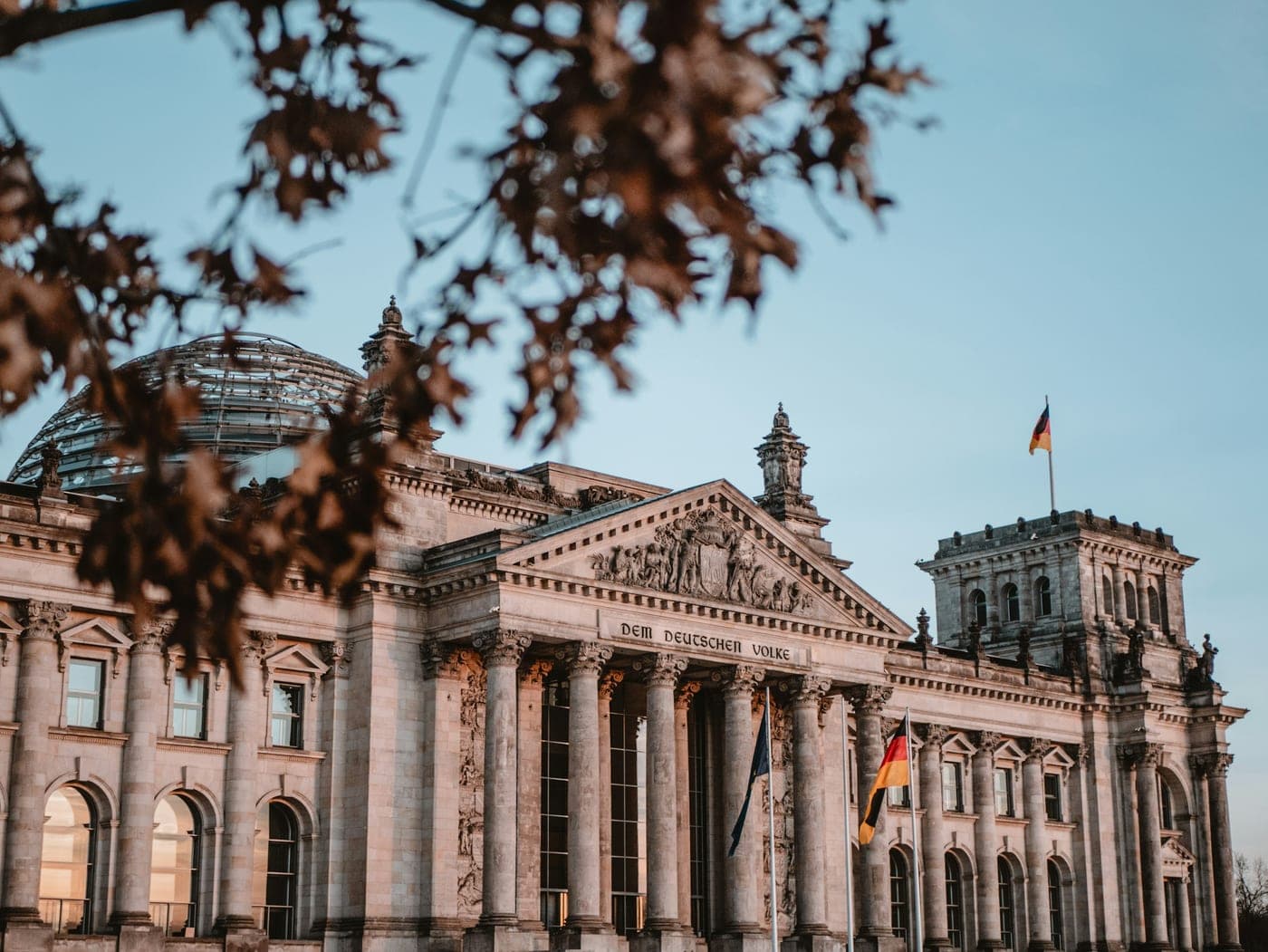
Germany combines efficient rail networks with deep cultural traditions, making it ideal for slow travel. The country's wine regions along the Rhine and Mosel rivers offer scenic routes through medieval villages. Germany's network of regional trains connects historic towns, castle-topped hills, and spa destinations. The country excels in sustainable tourism, with extensive cycling paths, nature reserves, and eco-friendly accommodations. Local food markets, traditional breweries, and artisan workshops showcase regional craftsmanship. From Baltic Sea islands to Bavarian Alps, Germany's diverse landscapes support varied slow travel experiences. The strong emphasis on quality, tradition, and environmental protection resonates with conscious travelers.
 8 destinations
Italy
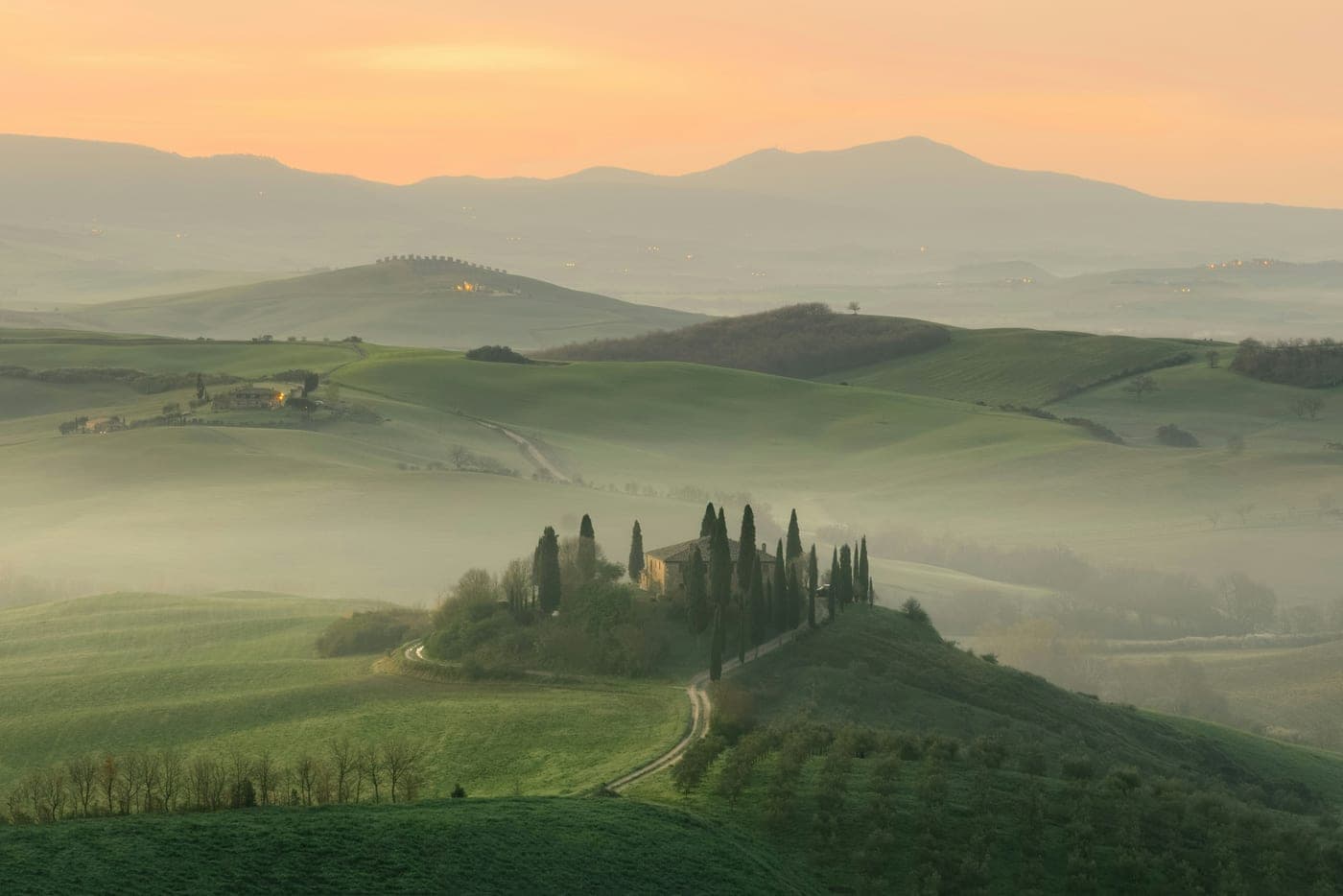
Italy is the birthplace of slow travel philosophy, where life revolves around savoring meals, celebrating local traditions, and appreciating craftsmanship. From Puglia's trulli houses to Sicily's ancient ruins, each region offers distinct character and cuisine. The country's agriturismi provide authentic farm stays, while wine roads wind through historic hill towns. Italy's emphasis on local ingredients, traditional recipes, and artisan producers makes it ideal for immersive cultural experiences. Train connections between cities encourage leisurely exploration, while smaller towns maintain centuries-old traditions. The Italian concept of 'dolce far niente' - the sweetness of doing nothing - perfectly captures the slow travel spirit.
 1 destination
Poland
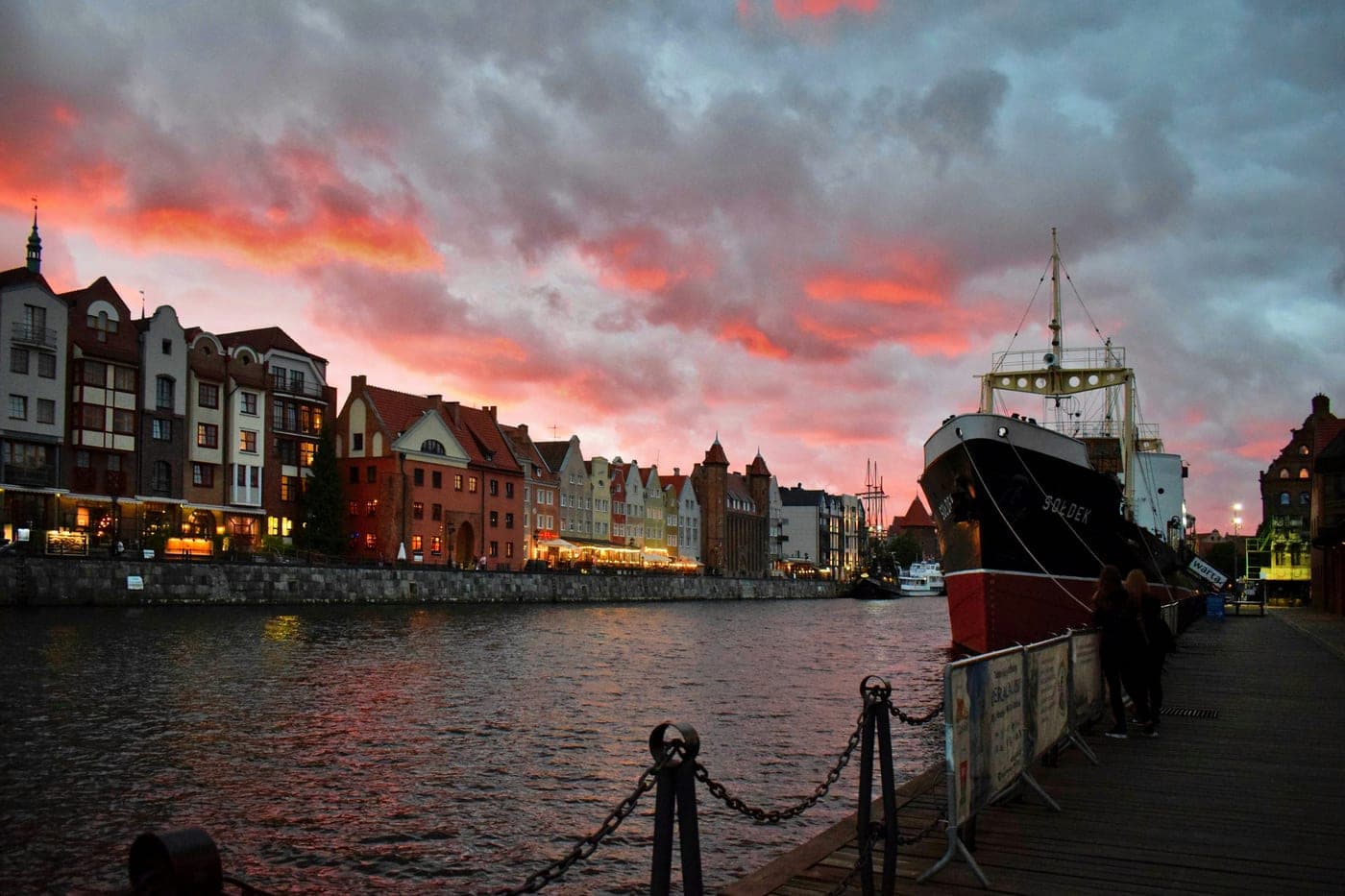
Poland rewards travelers who slow down. Across the country, medieval town centers survived largely intact, and mountain ranges rise from gentle foothills to sharp granite peaks within sight of one another. Mass tourism arrived here later than in much of Western Europe, so many regions still run on their own rhythm: market squares, family-run guesthouses, and mills that have worked the same way for generations. Each region holds a different version of slow. In the south, Lesser Poland (Małopolska) is the classic case: Kraków's old town anchors a region of stone churches, old salt mines, and villages where the Tatra Mountains close the horizon. Zakopane and the highland villages around it keep a distinct highlander culture alive — carved wooden houses, sheep's cheese called oscypek, and folk music played at weddings and local festivals. Further east, Podlasie is one of the quietest corners of the country. Białowieża Forest, one of the last stretches of primeval woodland in lowland Europe, sits alongside Orthodox churches with onion domes and a patchwork of small farms. It is a region for slow walking and birdwatching. Warmia-Masuria, in the north, is threaded with hundreds of lakes and connecting canals, with brick castles from the Teutonic Order period standing at the water's edge. For wooden architecture specifically, Lesser Poland and the Subcarpathian region (Podkarpacie) hold a string of wooden churches, several recognized by UNESCO, set into villages that rarely see a coach tour. The Beskid foothills in Silesia add wooden chapels and open-air museums, where old farmhouses have been dismantled and rebuilt whole. Two or three simple itineraries make the country easy to plan around without rushing it. A wooden architecture route links the churches of Lesser Poland and Podkarpacie with overnight stays in small villages. A highland loop centers on Zakopane and the Tatra foothills, mixing short mountain walks with folk markets and highland cooking, and suits a full unhurried week. A lakes-and-forest route through Warmia-Masuria and Podlasie trades peaks for water and woodland, with canoeing on quiet lakes and walks through Białowieża's old trees as the main activities. Poland's strength for slow travel is that it has not been fully discovered: prices stay reasonable, villages keep their own pace, and staying an extra day in one place is usually repaid with a folk festival, a home-cooked meal, or a conversation a quicker visit would have missed.
 6 destinations
United Kingdom
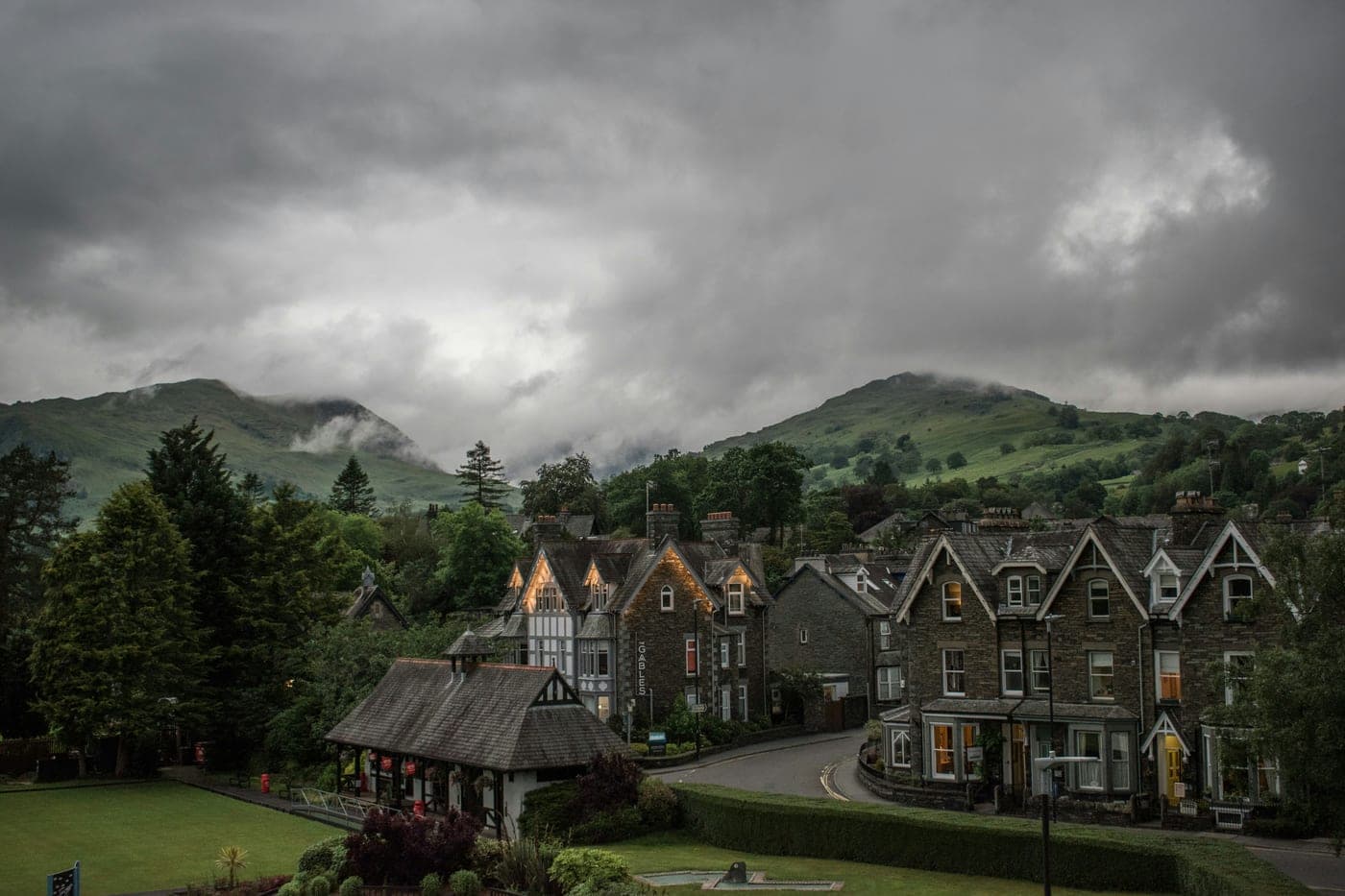
The UK's diverse coastlines span England's sandy coves and historic ports, Scotland's dramatic sea lochs and Hebridean islands, Wales' Pembrokeshire harbors, and Northern Ireland's coastal routes. Rich sailing heritage, medieval castles, and varied landscapes make it ideal for coastal exploration.
Castle Experiences
Historical Tours
Many castle hotels offer guided tours revealing centuries of history, from medieval defensive architecture to Renaissance artistic flourishes. Explore secret passages, tower chambers, and period-furnished rooms while learning stories of the families and historical events that shaped these magnificent structures.
Fine Dining
Experience refined cuisine in atmospheric castle dining rooms, often featuring vaulted ceilings, medieval stonework, or Renaissance frescoes. Many properties serve regional specialties and wines, combining contemporary gastronomy with historic ambiance in settings like Austrian castle wine cellars or French châteaux banquet halls.
Gardens & Grounds
Stroll through landscaped castle gardens, from formal French parterres to English romantic parks. Many properties feature terraced vineyards, rose gardens, forest trails, and parklands perfect for peaceful walks. Some castles across Germany, Austria, and Italy offer scenic views over valleys, rivers, and villages.
Cultural Events
Select castle hotels host cultural programming including classical concerts, wine tastings, historical reenactments, and seasonal celebrations. Experience medieval banquets, chamber music performances, or Christmas markets that bring castle heritage to life throughout the year.
Asked & answered.
- Yes — hundreds of European castles have been converted into hotels, B&Bs, and self-catering accommodations. You can sleep in medieval fortresses in Germany's Rhine Valley, Renaissance châteaux in France's Loire Valley, hilltop castles in Tuscany, and fortress hotels in Austria and Scotland. Rooms range from historically furnished suites to modern boutique-style conversions.
- Castle stays vary widely in price. B&B rooms in smaller castles start from around €100–€150 per night, while luxury castle hotels range from €200–€500+. Self-catering castle apartments can offer good value for families and groups. Countries like Germany, Austria, and Portugal tend to have more affordable castle stays compared to France and the UK.
- Castle stays often include access to landscaped gardens, historical tours, and wine tastings (many castle estates have their own vineyards). Some properties host cultural events like classical concerts, medieval banquets, and seasonal celebrations. Many castles are surrounded by hiking trails, cycling routes, and villages worth exploring on foot.
- Germany has the highest concentration of bookable castle stays, particularly along the Rhine and Mosel valleys and in Bavaria. Austria offers castle hotels in wine country (Burgenland, Lower Austria), while Italy has converted castles across Tuscany, Piedmont, and Trentino-Alto Adige. Scotland, France (Loire Valley), and Portugal also have excellent castle accommodation options.