Wine tasting.
Vineyard stays, cellar visits and slow wine routes from Champagne to Chianti — chosen by locals, booked in one place.
Pick a style, find a region.
Sparkling
Prosecco & Veneto Wines
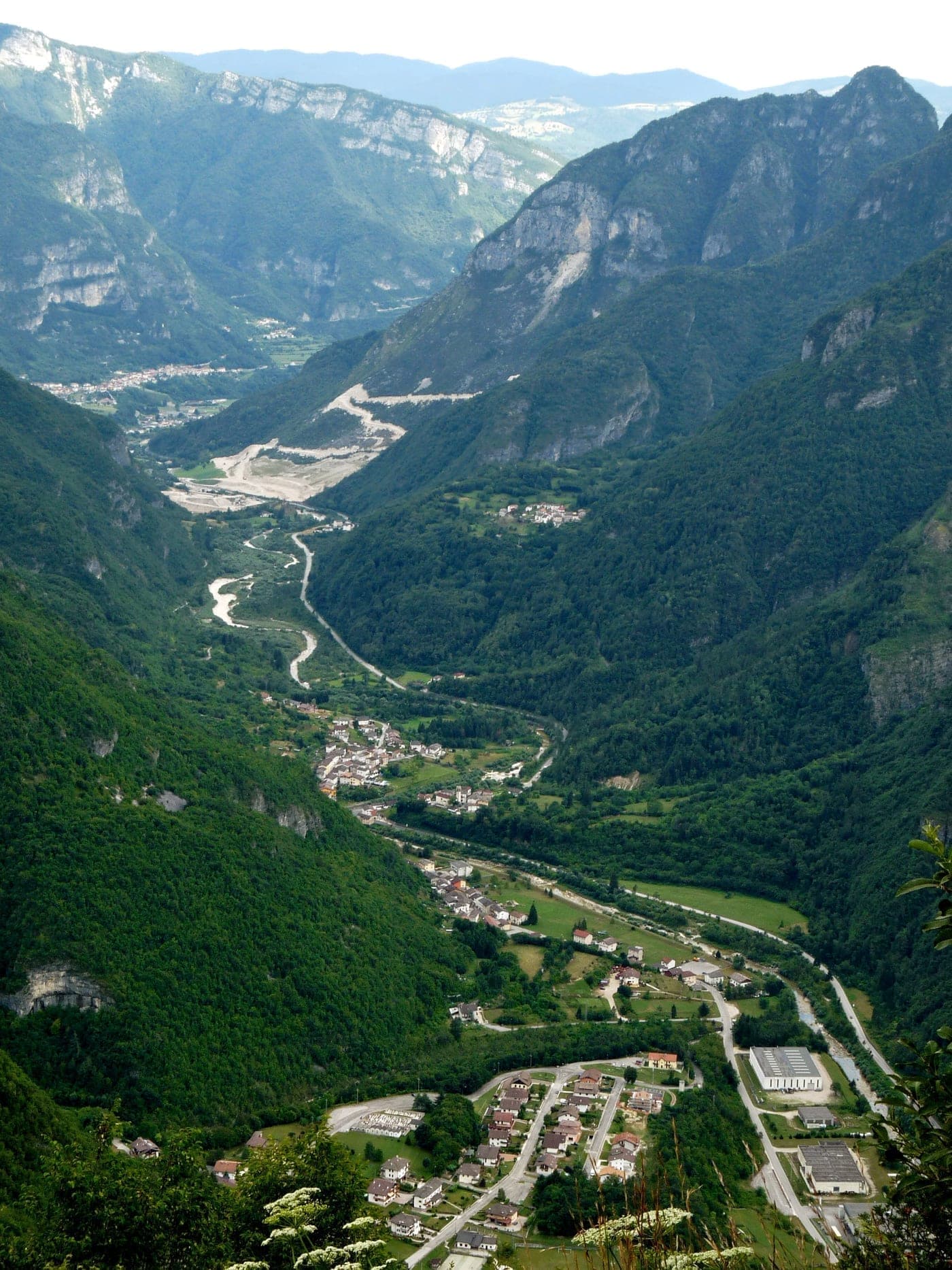
1 regionFrom northeastern Italy comes Prosecco, the beloved sparkling wine known for its fresh, fruity character and gentle bubbles. The Veneto region also produces excellent Amarone and Valpolicella, showcasing the versatility of this historic wine region.
Cava & Spanish Sparkling Wines
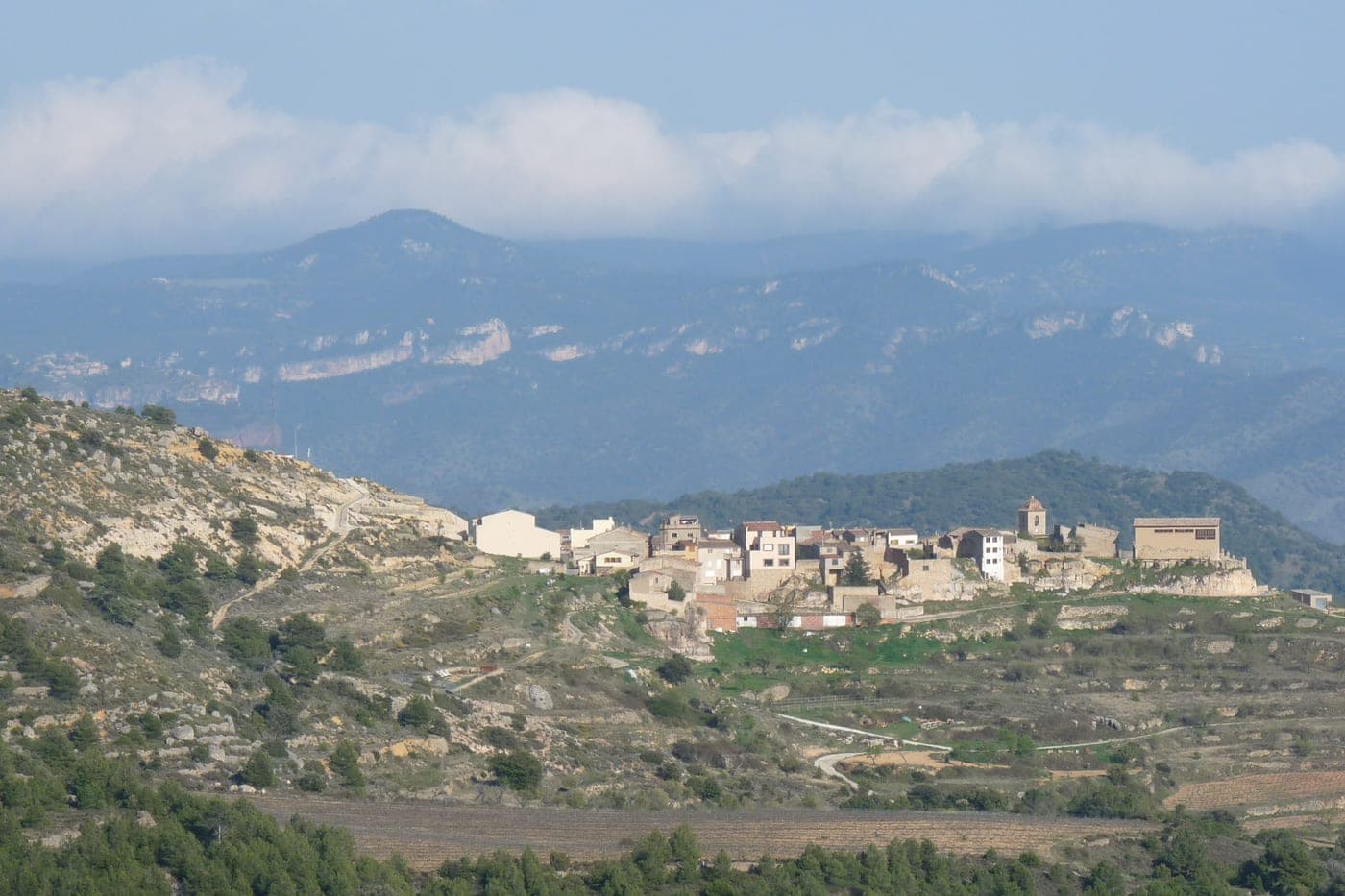
1 regionSpain's answer to Champagne, Cava is a traditional method sparkling wine primarily from Catalonia. Made from native grapes like Macabeo, Parellada, and Xarel·lo, Cava offers excellent quality at accessible prices, with crisp acidity and delicate bubbles perfect for celebrations.
English Sparkling Wine
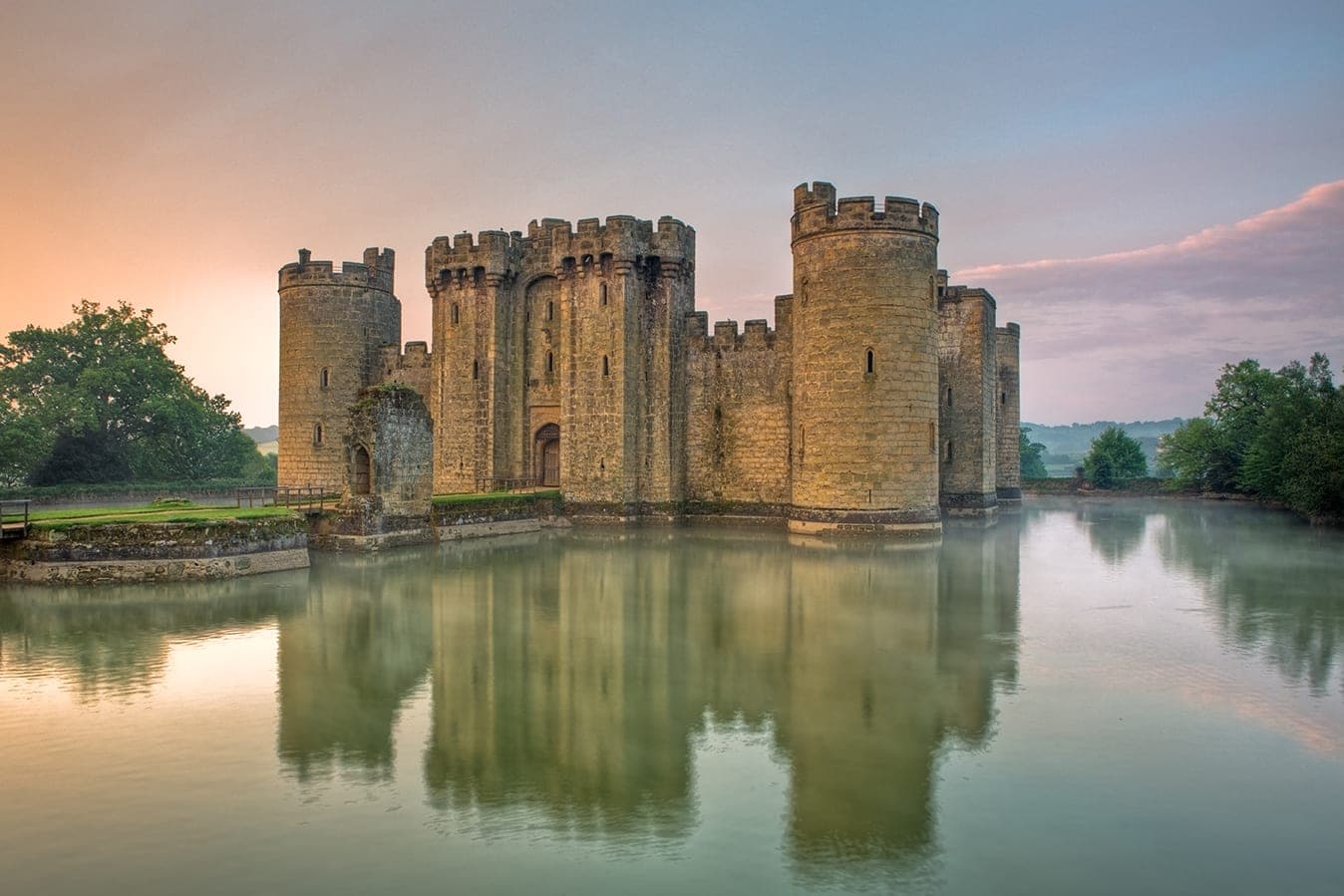
3 regionsEngland's cool climate and chalky soils, similar to Champagne, produce outstanding sparkling wines. English fizz has won international acclaim, with many estates using traditional Champagne grapes and methods. These wines showcase bright acidity, fine bubbles, and elegant fruit character.
 United Kingdom
East Sussex
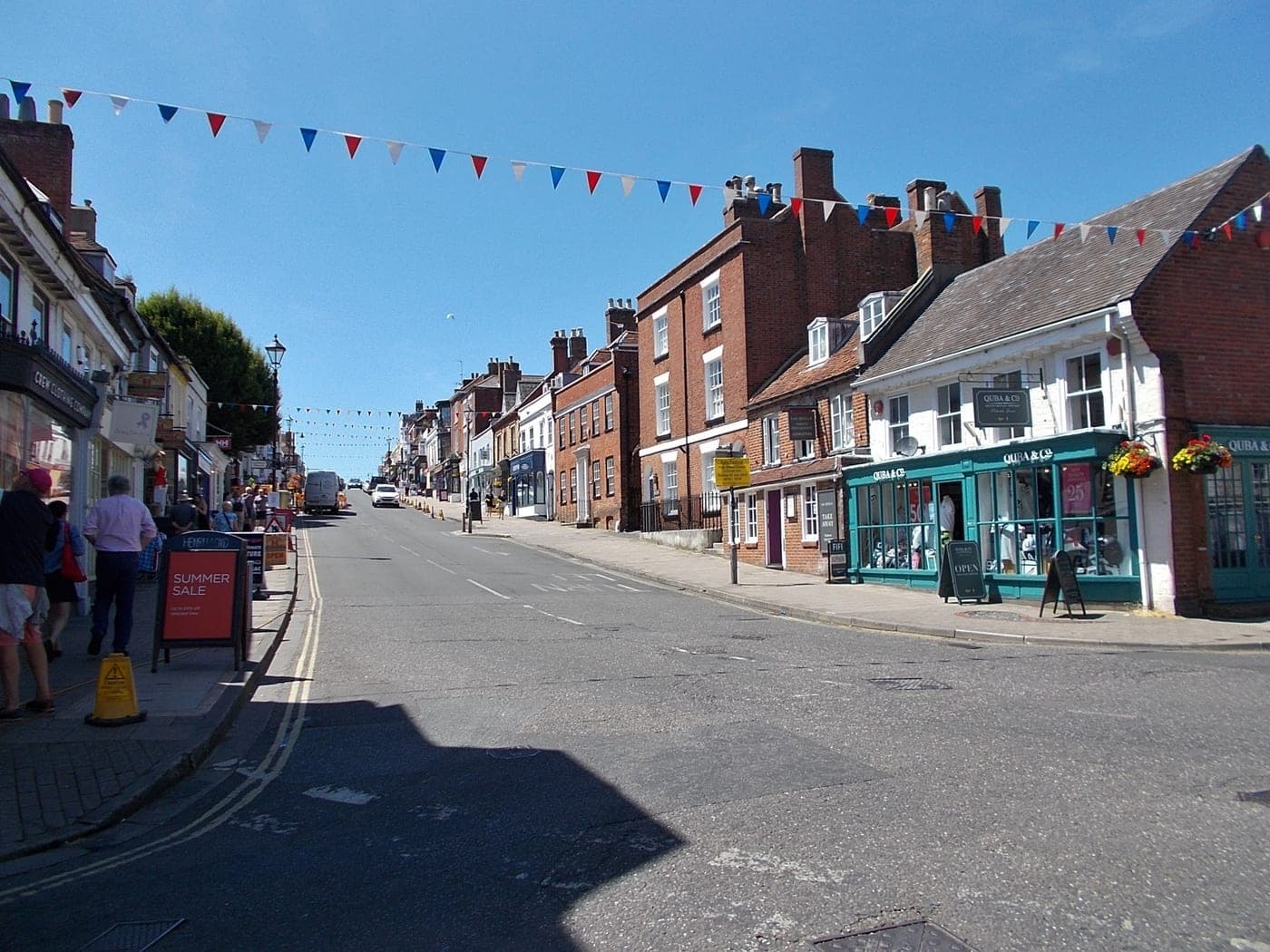
East Sussex, located on the southern coast of England, features a mix of coastal beauty and historical significance. The region is famous for its striking white chalk cliffs, particularly at Beachy Head and the Seven Sisters. Brighton, the largest city, is known for its vibrant arts scene and historic pier, while smaller towns like Lewes offer a glimpse into medieval life with its well-preserved castle and charming streets. The South Downs National Park presents excellent hiking opportunities, showcasing diverse landscapes and rich wildlife. East Sussex is also home to unique local produce, including wines from the vineyards around the area, making it ideal for culinary exploration.
 United Kingdom
Hampshire
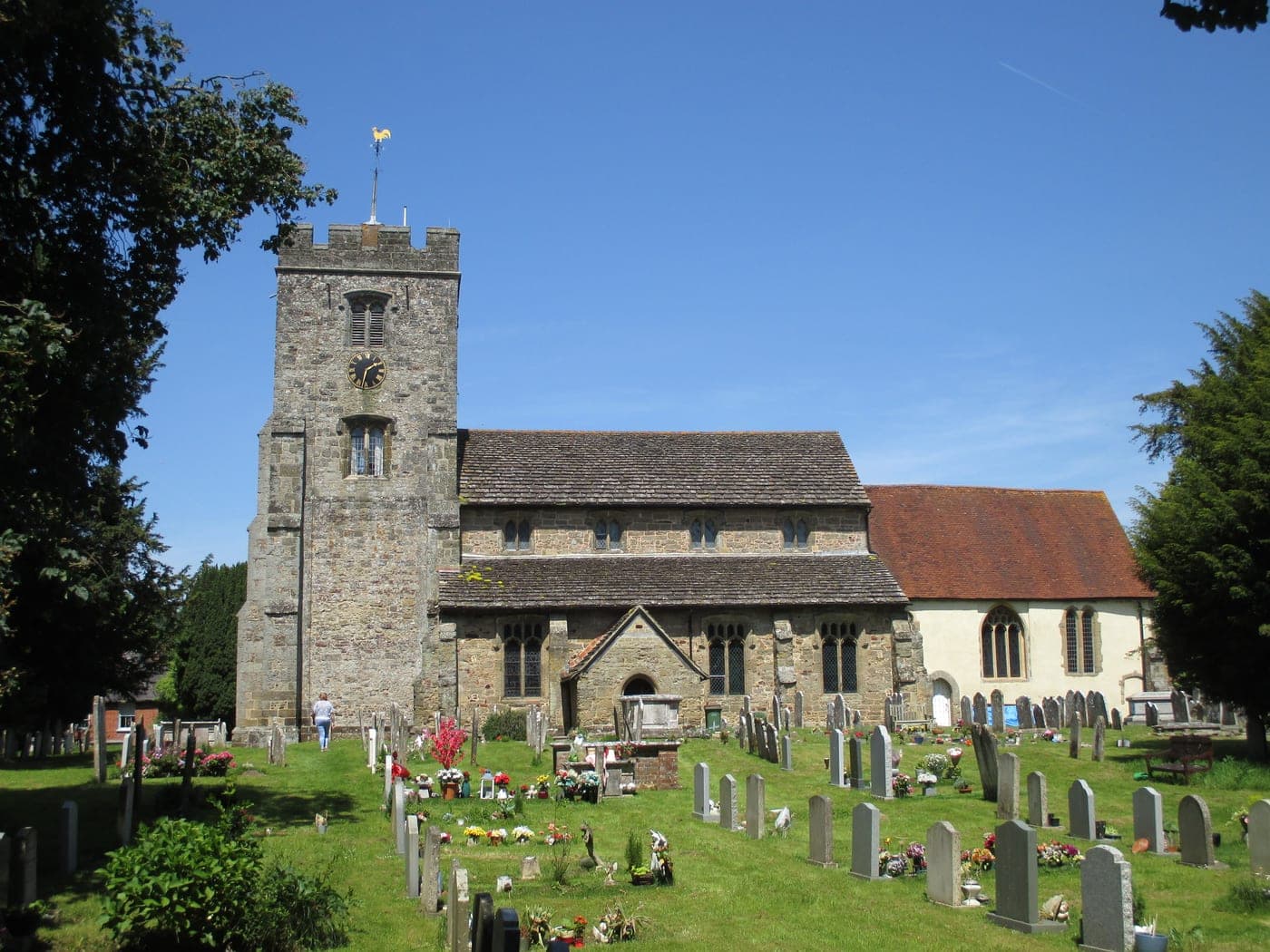
Hampshire, located on the southern coast of England, is rich in history and natural beauty. This region features the historic city of Winchester, known for its magnificent cathedral and the Great Hall, home to King Arthur's Round Table. Portsmouth is another highlight, with its maritime heritage and the historic dockyard. Hampshire is also the largest county in the South East, offering diverse landscapes from the rolling hills of the South Downs National Park to the picturesque coastline along the Solent. The New Forest National Park, famous for its wild ponies and ancient woodlands, provides a unique ecosystem to explore. Off the tourist trail, the charming market towns of Alresford and Romsey invite leisurely strolls and local produce tastings, emphasizing the region's commitment to sustainability and local culture.
 United Kingdom
West Sussex
Located in the south of England, this region is known for its diverse landscapes, from rolling hills to coastal beauty. The South Downs National Park offers stunning views and numerous walking trails. Chichester, the only city in the region, is home to a magnificent cathedral and vibrant arts scene. The coastline features charming towns like Bognor Regis and Littlehampton, known for their sandy beaches and traditional seaside activities. West Sussex is also famous for its wineries, producing quality English wines. The region's rich history is reflected in its many stately homes and gardens, including the historic Petworth House. Local events, such as the Arundel Festival, showcase the creative spirit of the area, making it a hidden gem for those seeking a deeper connection with England's countryside and coastal life.
White wines
Riesling
3 regionsOne of the world's most noble grape varieties, Riesling produces elegant wines ranging from bone-dry to lusciously sweet. European Rieslings, particularly from Germany and Austria, showcase pure fruit flavors, vibrant acidity, and remarkable aging potential. Each region imparts unique mineral characteristics.
 France
Alsace
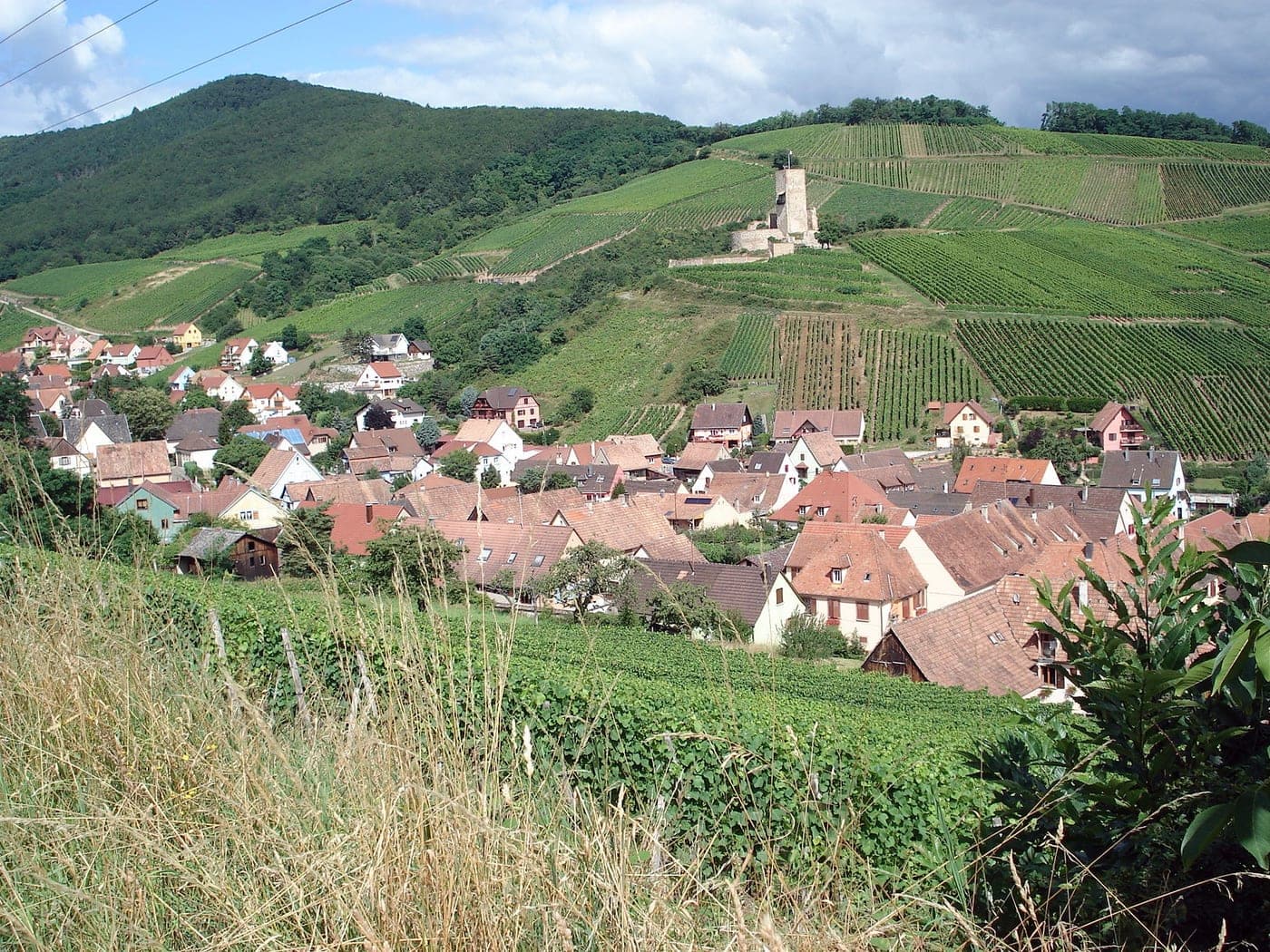
Nestled in northeastern France, this region is known for its unique blend of French and German cultures, reflected in its architecture and cuisine. Strasbourg, the largest city, features a stunning Gothic cathedral and a picturesque old town recognized as a UNESCO World Heritage site. Known for its Alsatian wines, particularly Riesling and Gewürztraminer, wine routes in the region offer opportunities to explore local vineyards and quaint villages like Riquewihr. The Vosges Mountains provide hiking and cycling trails, while the Route des Vins showcases charming towns, half-timbered houses, and traditional eateries serving tarte flambée. Rich in history, the region has a blend of medieval castles and modern European institutions, making it a fascinating area to explore at a leisurely pace.
 Austria
Lower Austria
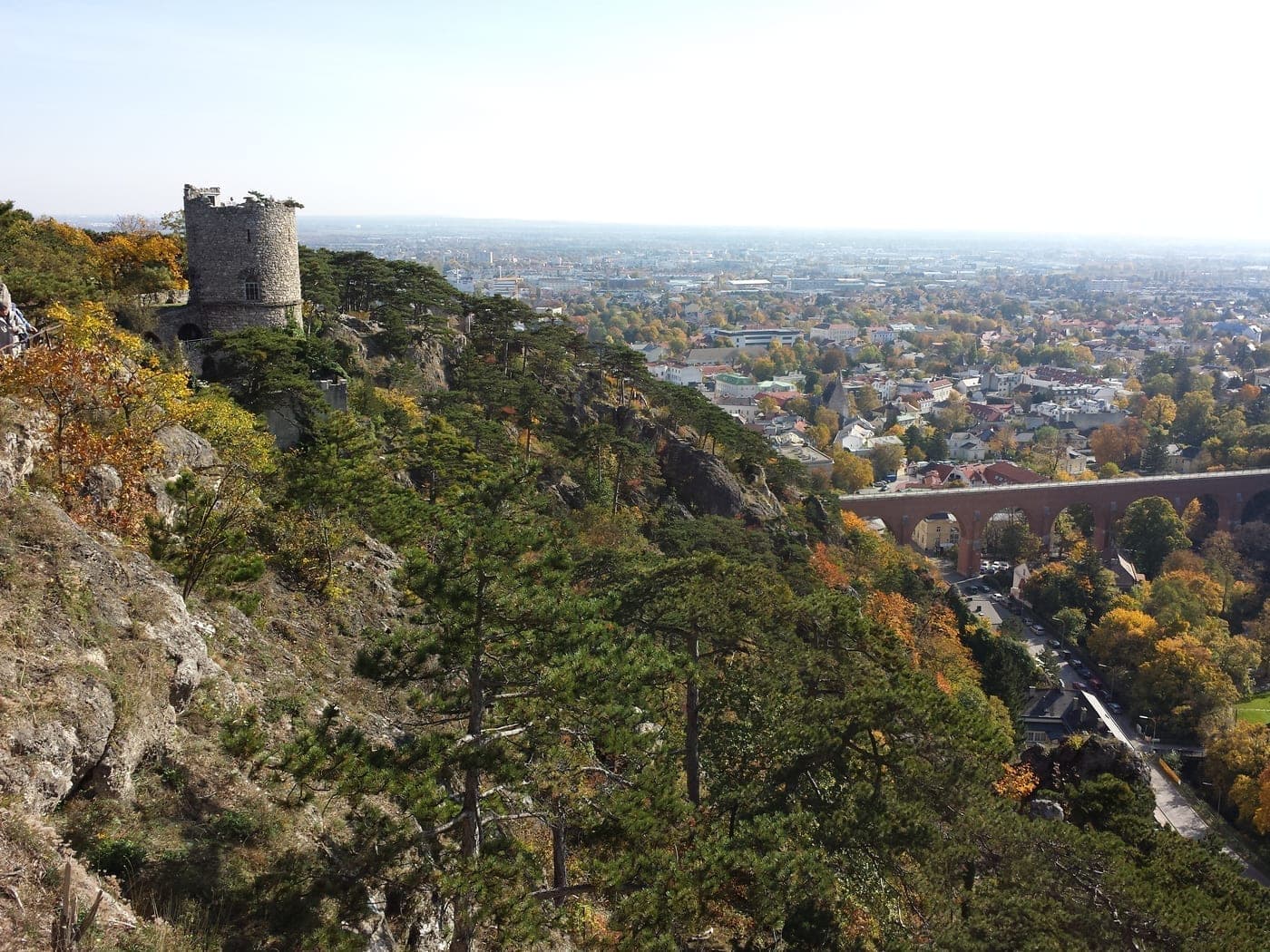
Lower Austria is the largest province in Austria, known for its diverse landscapes that include rolling vineyards, historic towns, and the Danube River. The region boasts notable sites like the picturesque Wachau Valley, famous for its apricot orchards and terraced vineyards. Krems and Dürnstein are charming towns that offer a glimpse into the region's medieval past, while the vibrant city of St. Pölten serves as the provincial capital. Lower Austria is also home to several castles, such as Schloss Grafenegg, and natural parks like the Thayatal National Park, which provide opportunities for hiking and exploring local flora and fauna. This area is rich in wine culture, particularly known for Grüner Veltliner and Riesling varieties, drawing wine enthusiasts to its many wineries. The blend of nature, history, and gastronomy makes the province a fascinating destination for those looking to explore Austria beyond the usual tourist routes.
 Germany
Rhineland-Palatinate
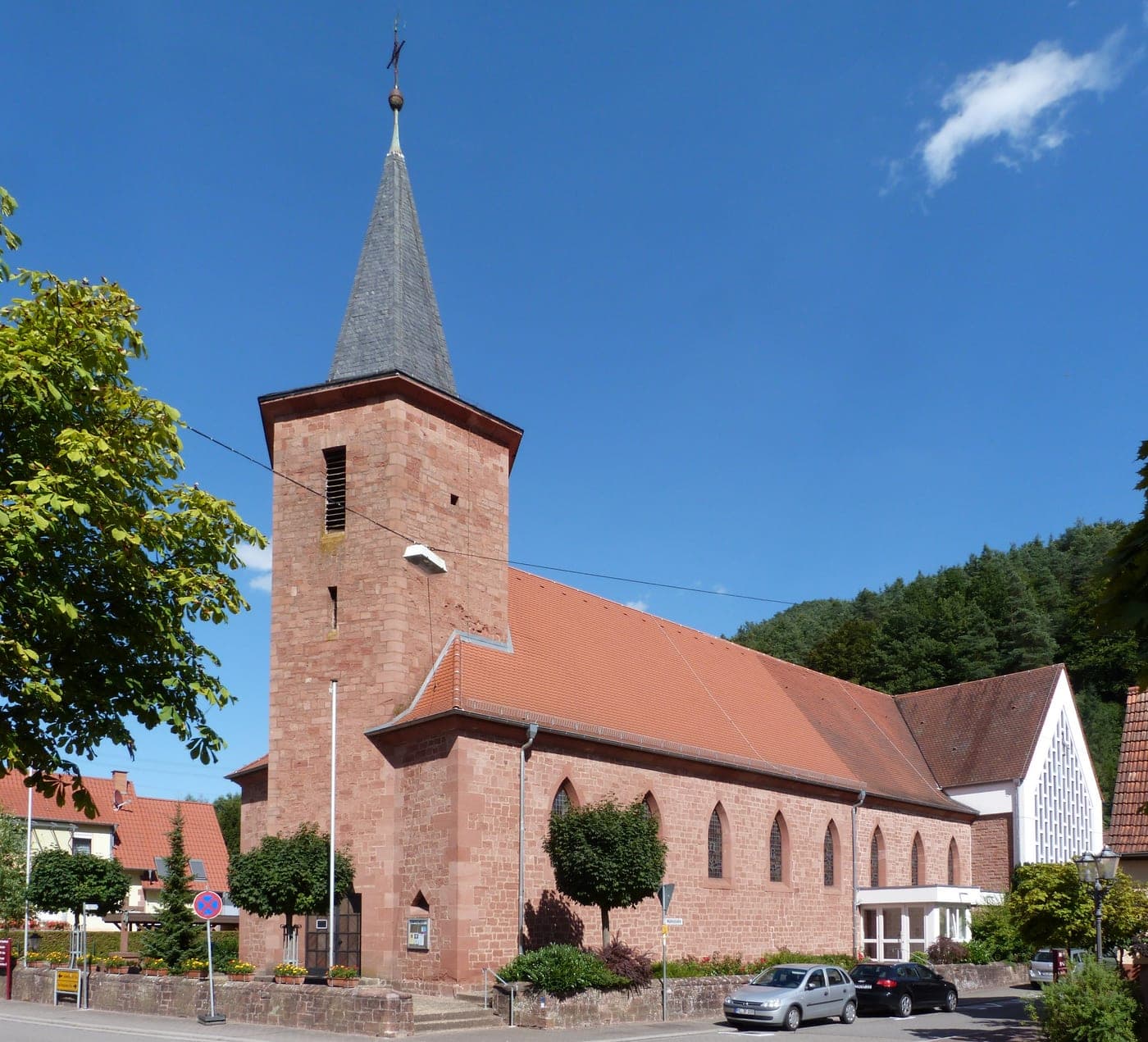
Rhineland-Palatinate is Germany's largest wine-producing region, renowned for its diverse vineyards and picturesque landscapes along the Rhine and Moselle rivers. The region features historic cities like Mainz, famous for its Gutenberg Museum, and Trier, home to well-preserved Roman ruins, including the Porta Nigra. Koblenz marks the confluence of the Rhine and Moselle and is known for its Ehrenbreitstein Fortress. The region is also celebrated for its rich culinary traditions, including hearty dishes and fine Riesling wines. Unique villages such as Cochem and Rüdesheim invite exploration of local culture and festivals, offering a glimpse into traditional German life amidst stunning natural beauty.
Burgundy (Chardonnay)
1 regionBurgundy produces some of the world's finest Chardonnays, from mineral-driven Chablis to rich Meursault and powerful Montrachet. Each village and vineyard tells a unique story of terroir, with cuvées that range from crisp and stony to opulent and creamy.
Loire Valley Whites
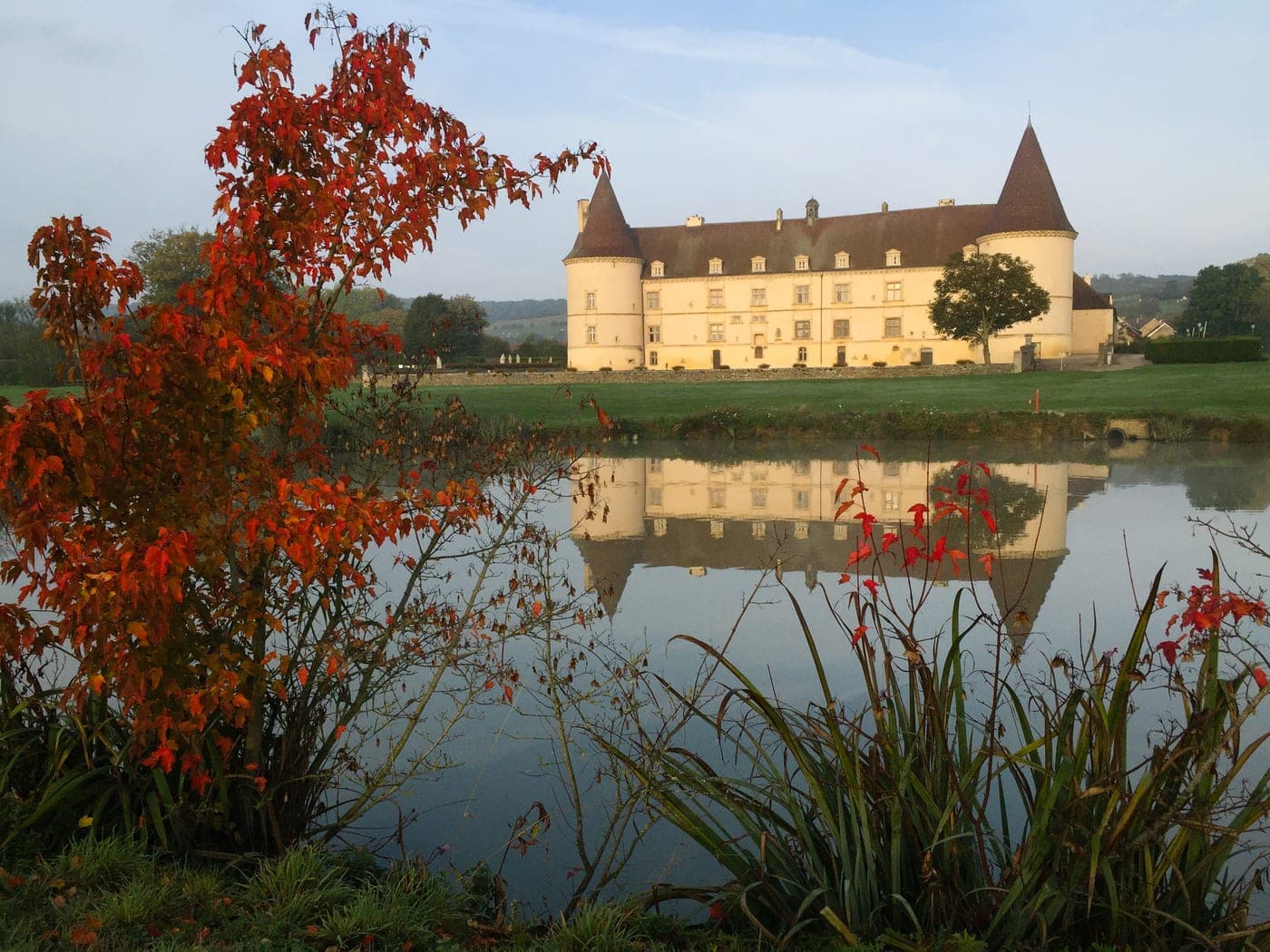
2 regionsFrance's garden valley produces an incredible diversity of white wines, from crisp Sancerre and Pouilly-Fumé to honeyed Vouvray and sparkling Crémant de Loire. The Loire showcases Sauvignon Blanc and Chenin Blanc in their purest, most food-friendly expressions.
 France
Centre-Val de Loire
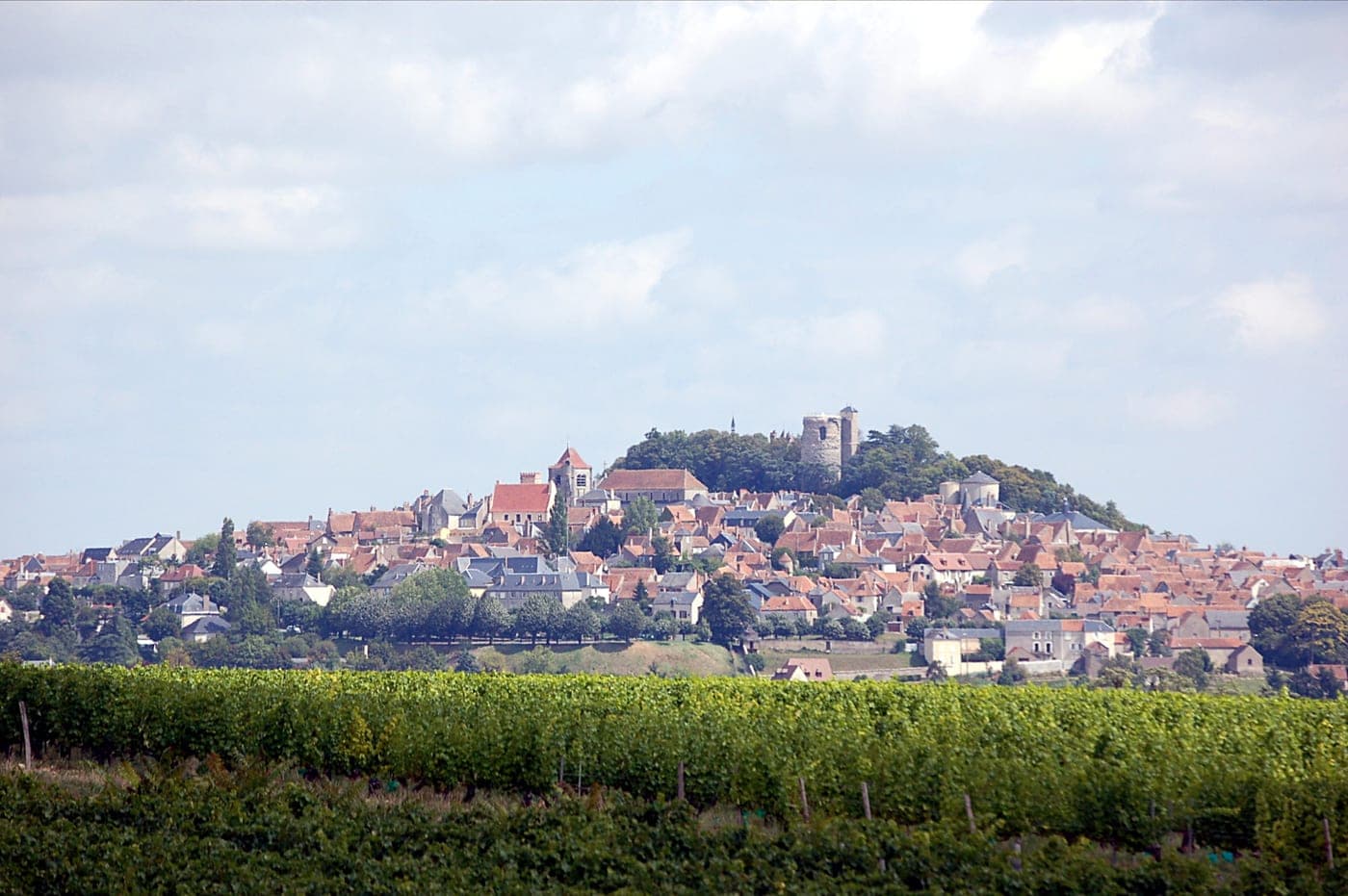
This central region of France is renowned for its stunning châteaux, particularly the majestic Château de Chambord and the historic Château de Chenonceau, which spans the River Cher. The Centre-Val de Loire is not the largest region in France, but it is rich in history, with towns like Amboise, known for its Renaissance architecture and ties to Leonardo da Vinci. The area is also famous for its vineyards producing exquisite wines, including Vouvray and Sancerre. The Loire River, a UNESCO World Heritage site, offers picturesque landscapes ideal for cycling and walking. Unique local festivals celebrate regional cuisine and heritage, providing a glimpse into traditional French life away from the tourist crowds.
 France
Pays de la Loire
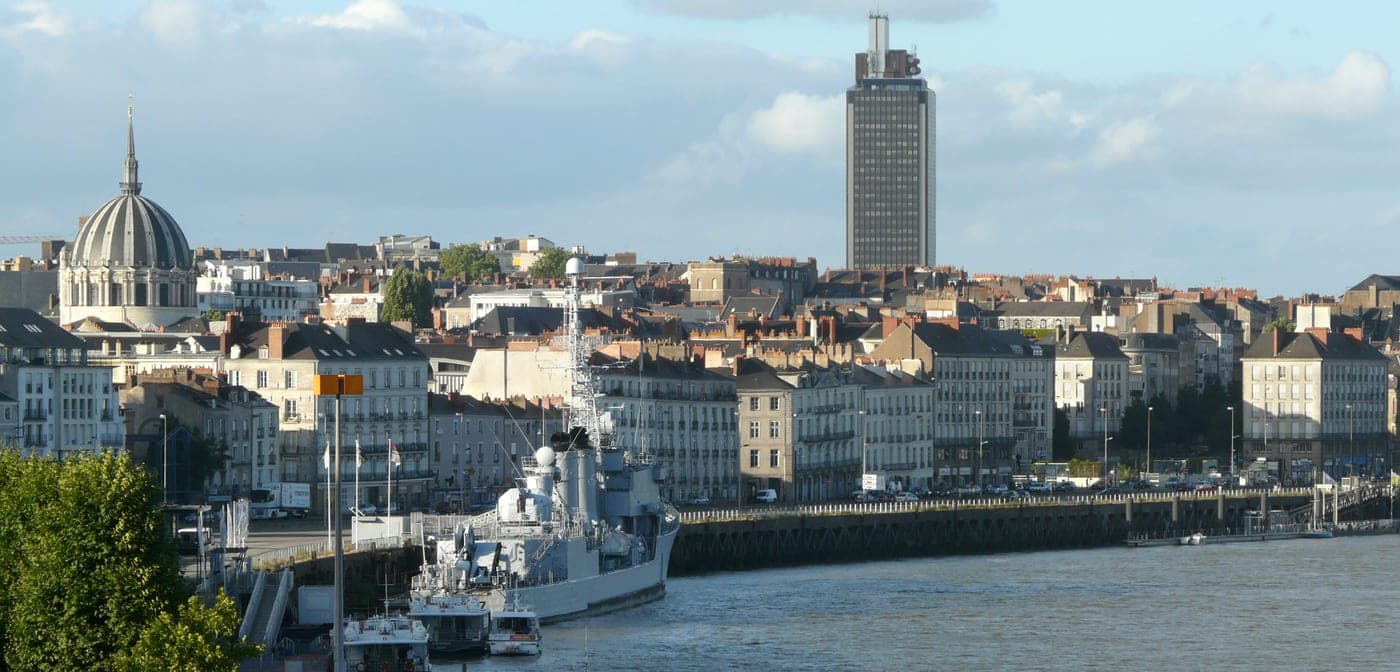
This region is known for its diverse landscapes, from the coastal shores of the Atlantic to the lush vineyards of the Loire Valley. Nantes, the largest city, is famous for its historical sites, including the Château des Ducs de Bretagne, while Angers boasts a rich tapestry of medieval architecture. The region is also recognized for its unique wines, such as Anjou and Muscadet, and offers various local markets showcasing artisanal products. The coastal town of Les Sables-d'Olonne is a hub for maritime activities, while the picturesque village of Clisson reflects Italian influence in its architecture. Notably, this region is the only one in France with both a coastline and extensive vineyards, making it a distinctive area to explore slowly.
Bordeaux Whites (Sauvignon Blanc & Sémillon)
1 regionBordeaux's whites are quietly excellent — crisp dry Entre-Deux-Mers, structured Pessac-Léognan, and the great sweet Sauternes. Blends of Sauvignon Blanc and Sémillon balance fresh citrus against waxy texture and honeyed depth in the dessert wines of the Garonne valley.
Grüner Veltliner
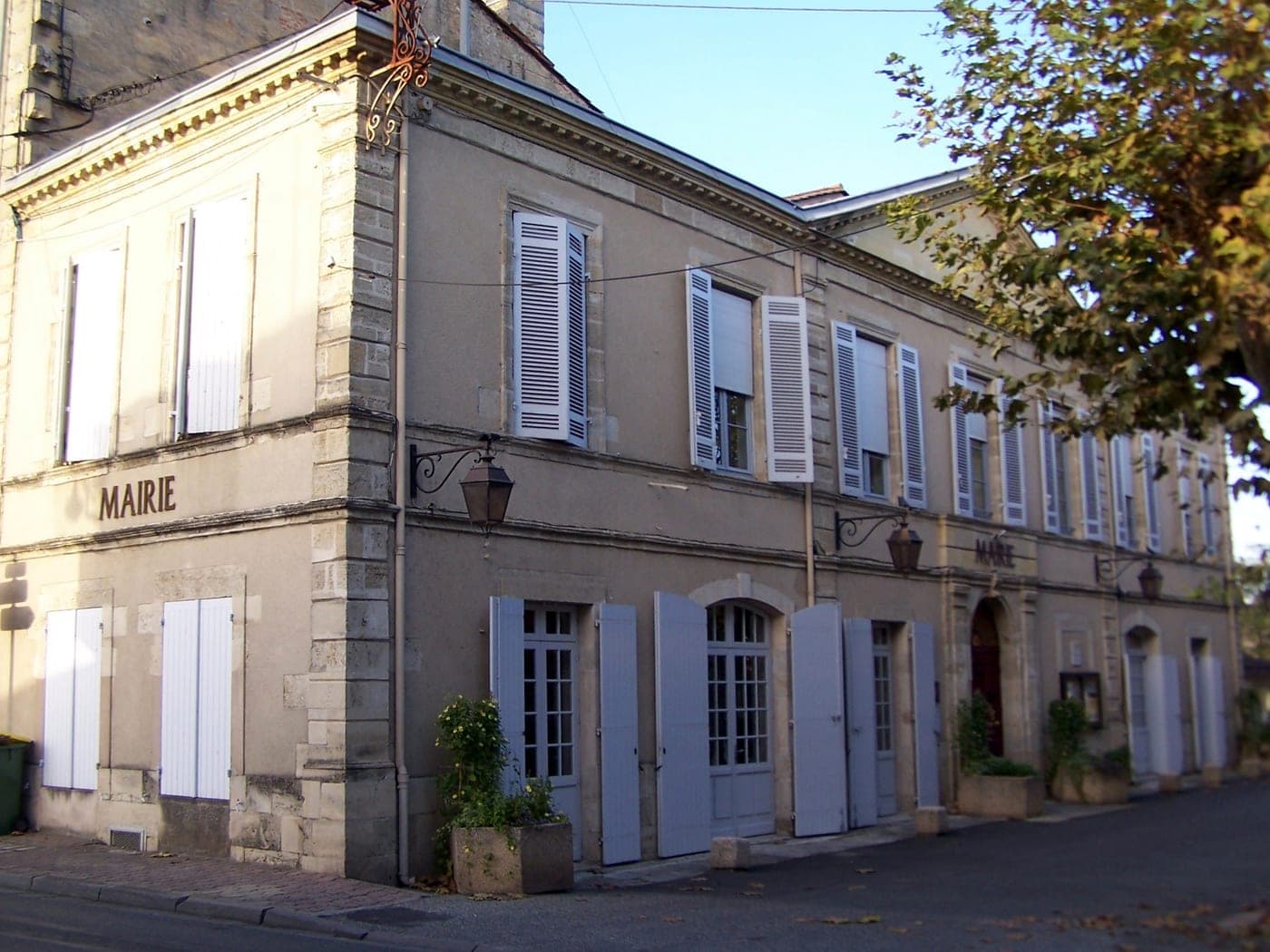
1 regionAustria's signature white wine, Grüner Veltliner is crisp, peppery, and aromatic. Known for its versatility and food-friendly nature, it pairs beautifully with regional cuisine. The wine's mineral notes and citrus flavors make it a favorite among white wine enthusiasts.
Albariño & Atlantic Whites
1 regionFrom Spain's northwestern coast, Albariño produces crisp, aromatic white wines with bright acidity and citrus notes. Perfect with seafood, these wines capture the essence of the Atlantic, offering mineral complexity and refreshing character that reflects the coastal terroir.
Alsace Wines
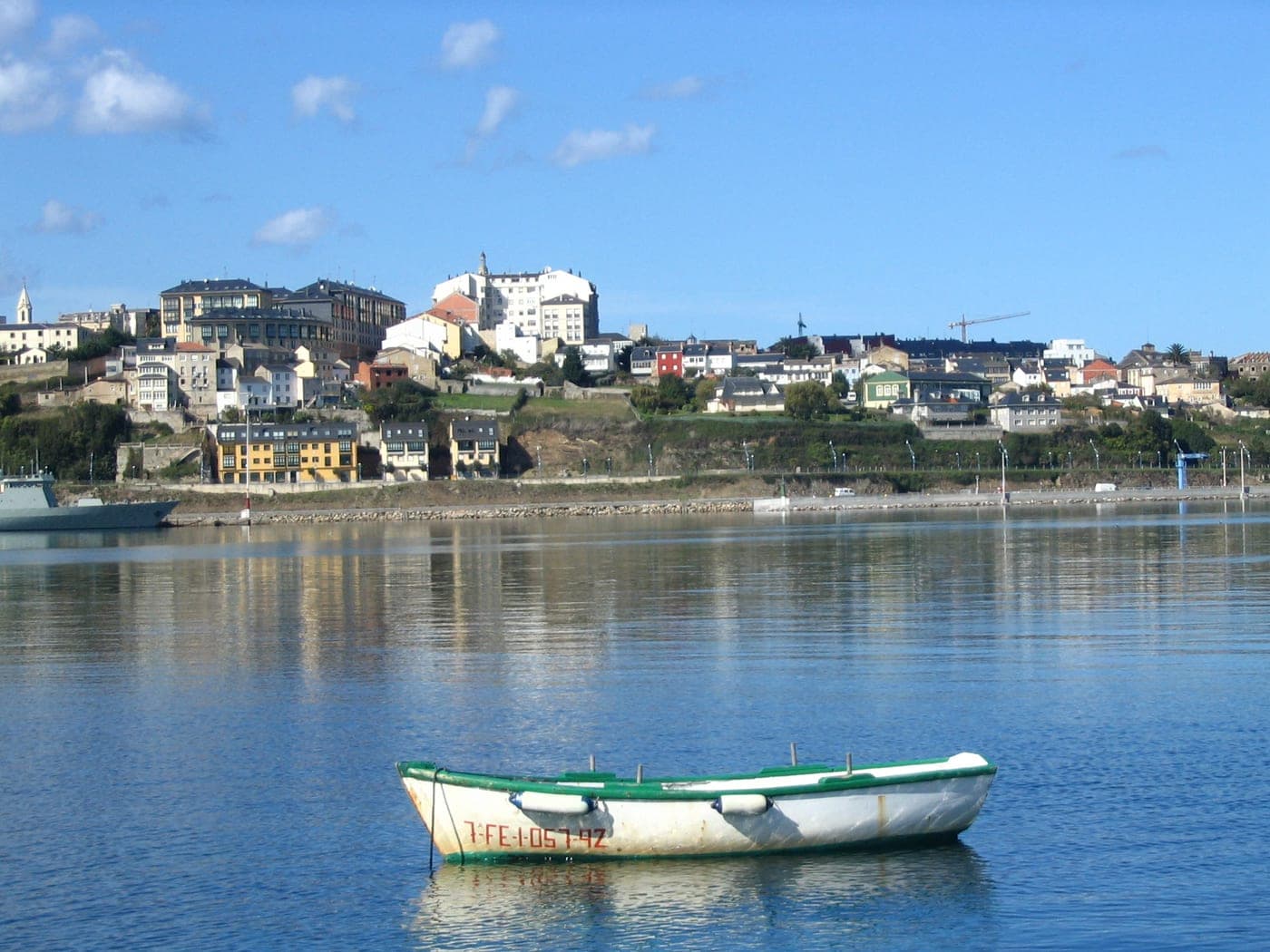
1 regionAlsace's unique position between France and Germany creates exceptional aromatic white wines. The region's Riesling, Gewürztraminer, and Pinot Gris showcase purity, precision, and intense varietal character. These food-friendly wines pair beautifully with the region's distinctive cuisine.
Chasselas & Swiss Alpine Wines
3 regionsSwitzerland's steep Alpine vineyards produce distinctive wines that reflect their dramatic terroir. Chasselas creates delicate, mineral-driven whites, while regions like Valais offer unique varieties. Grown on terraced slopes overlooking pristine lakes, these wines are light, refreshing, and pair wonderfully with local cheeses.
 Switzerland
Geneva
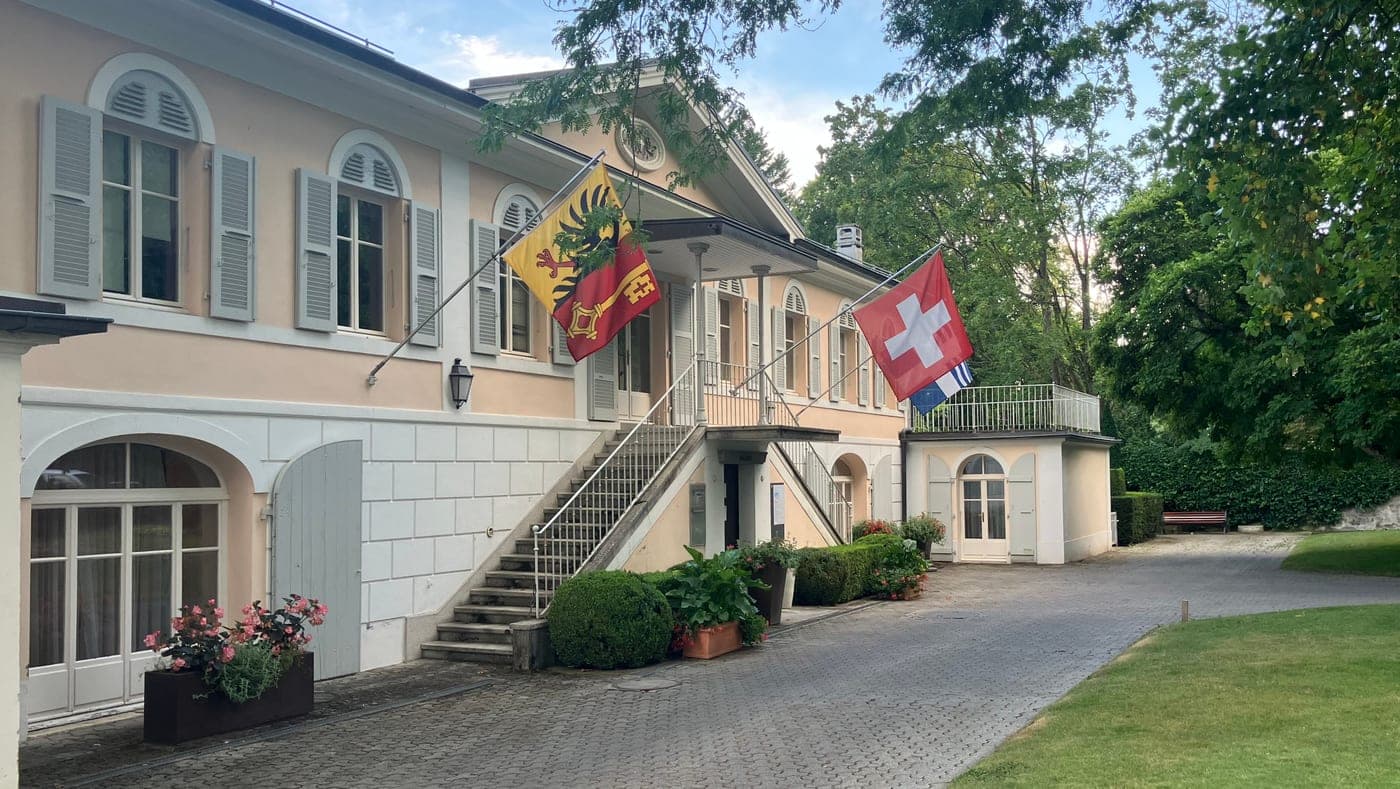
Geneva, located by the shores of Lake Geneva, is Switzerland's second-largest city and a hub for diplomacy and culture. The old town features the stunning St. Pierre Cathedral, where visitors can climb to the tower for panoramic views. Beyond the city, the surrounding region is known for its vineyards, particularly in the nearby Lavaux area, a UNESCO World Heritage site famous for terraced vineyards overlooking the lake. The region’s history reflects a blend of French and Swiss influences, with the International Red Cross and numerous global organizations based here. For nature enthusiasts, the nearby Jura Mountains offer hiking trails and breathtaking vistas, making Geneva a gateway to both cultural and natural exploration.
 Switzerland
Valais
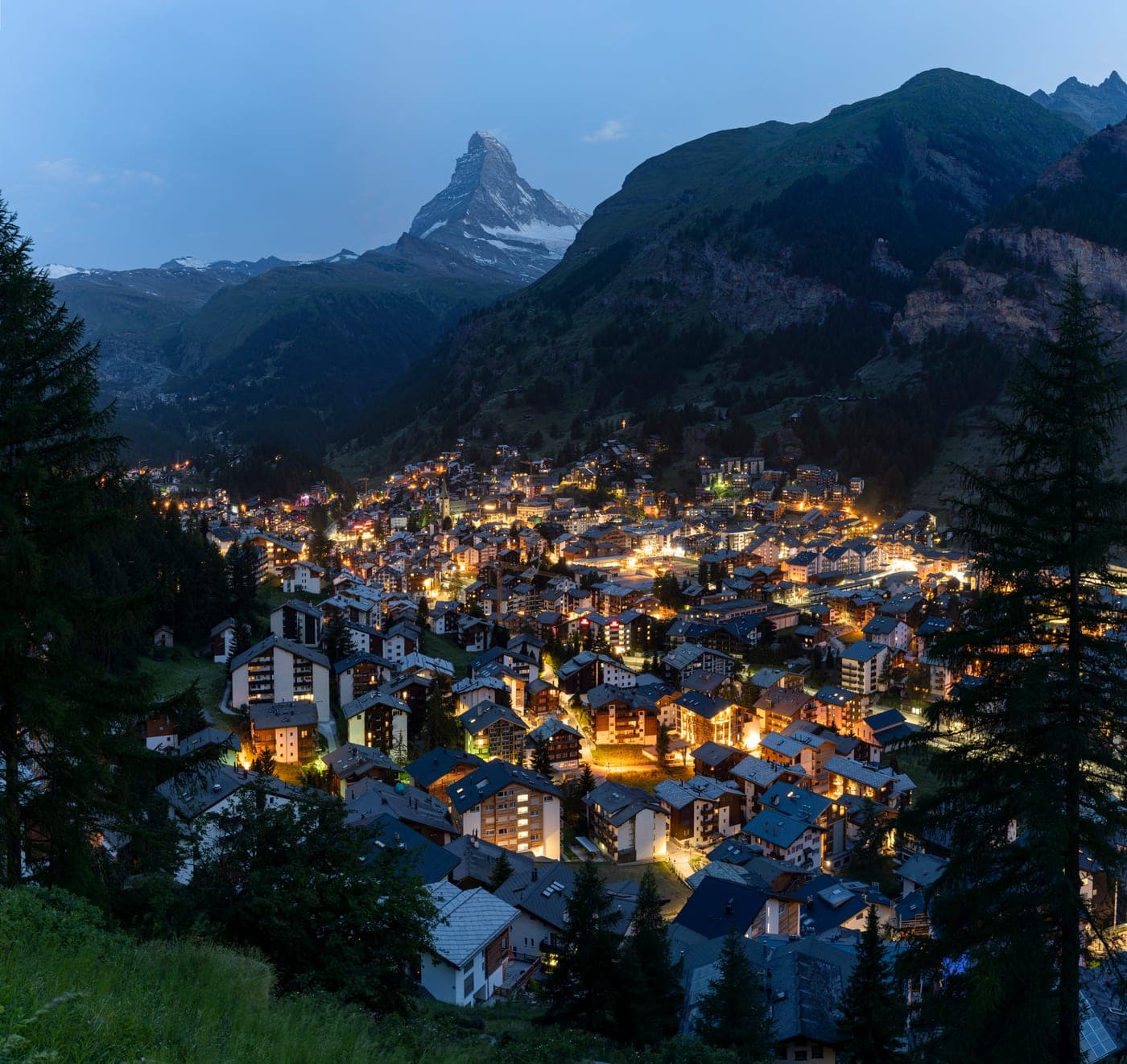
Valais is a prominent region in Switzerland, known for its striking alpine landscapes and rich cultural heritage. It is home to the famous Matterhorn and the largest ski area in the country. The region is characterized by its terraced vineyards, which produce unique wines like Fendant and Dôle. Sion, the capital, boasts a medieval old town and ancient castles. Zermatt, a car-free village, offers access to breathtaking hiking trails. The region is also famous for its local cheeses and traditional festivals, including the Fête de la Saint-Bernard. With stunning mountain scenery and charming villages, Valais invites exploration beyond the typical tourist path.
 Switzerland
Vaud
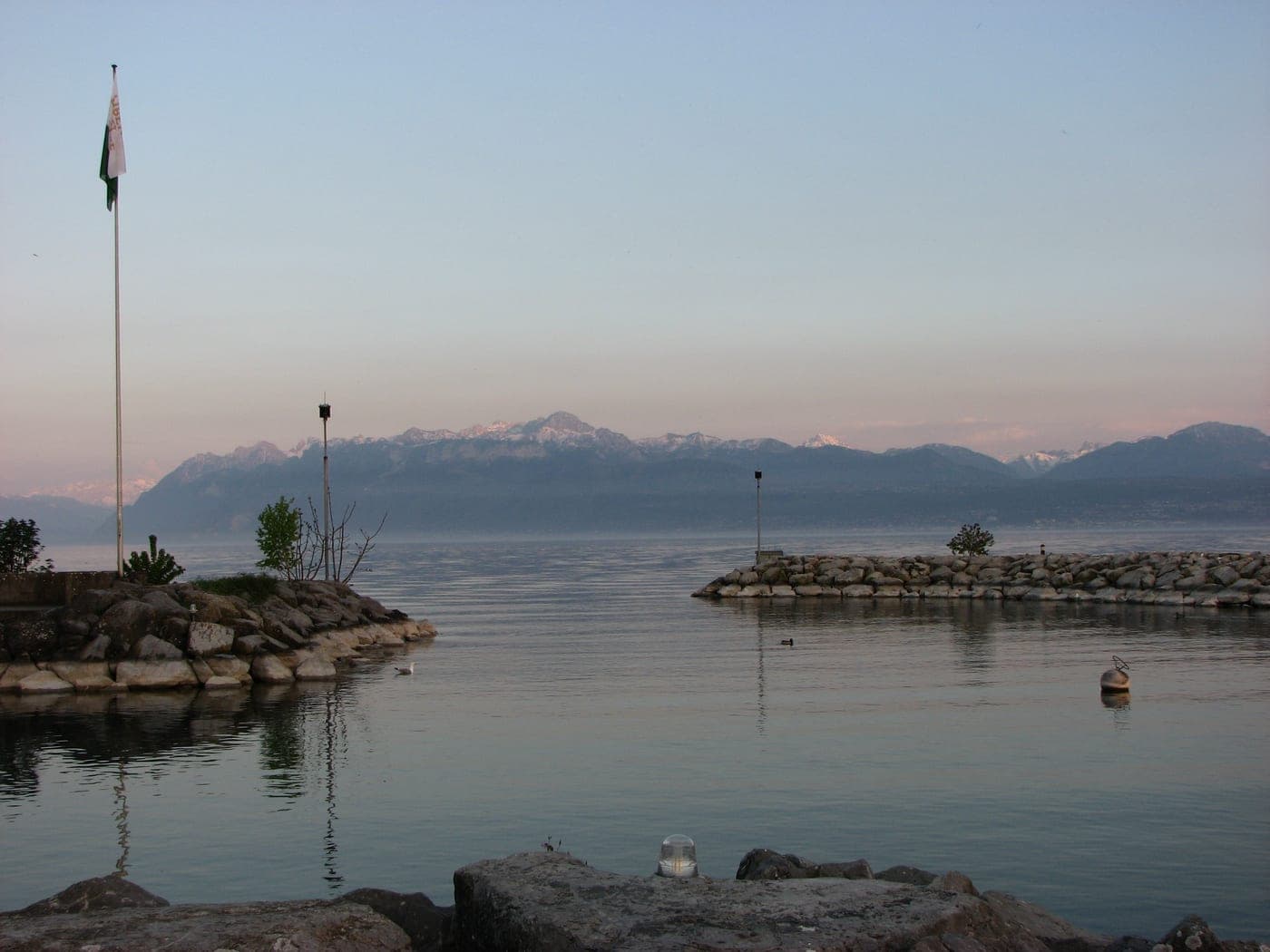
Vaud is a diverse region known for its stunning landscapes and rich cultural heritage. Nestled along the shores of Lake Geneva, it features the city of Lausanne, home to the Olympic Museum and a vibrant cultural scene. The region is famous for its vineyards, particularly the Lavaux vineyards, a UNESCO World Heritage site, offering breathtaking views and local wine tastings. Montreux, known for its jazz festival, sits nearby, while the medieval town of Yverdon-les-Bains boasts historical thermal baths. Vaud also offers numerous hiking trails in the Jura mountains, providing a glimpse into Swiss natural beauty. With a blend of urban and rural experiences, Vaud is ideal for those seeking to explore Switzerland's lesser-known gems.
Belgian Wines
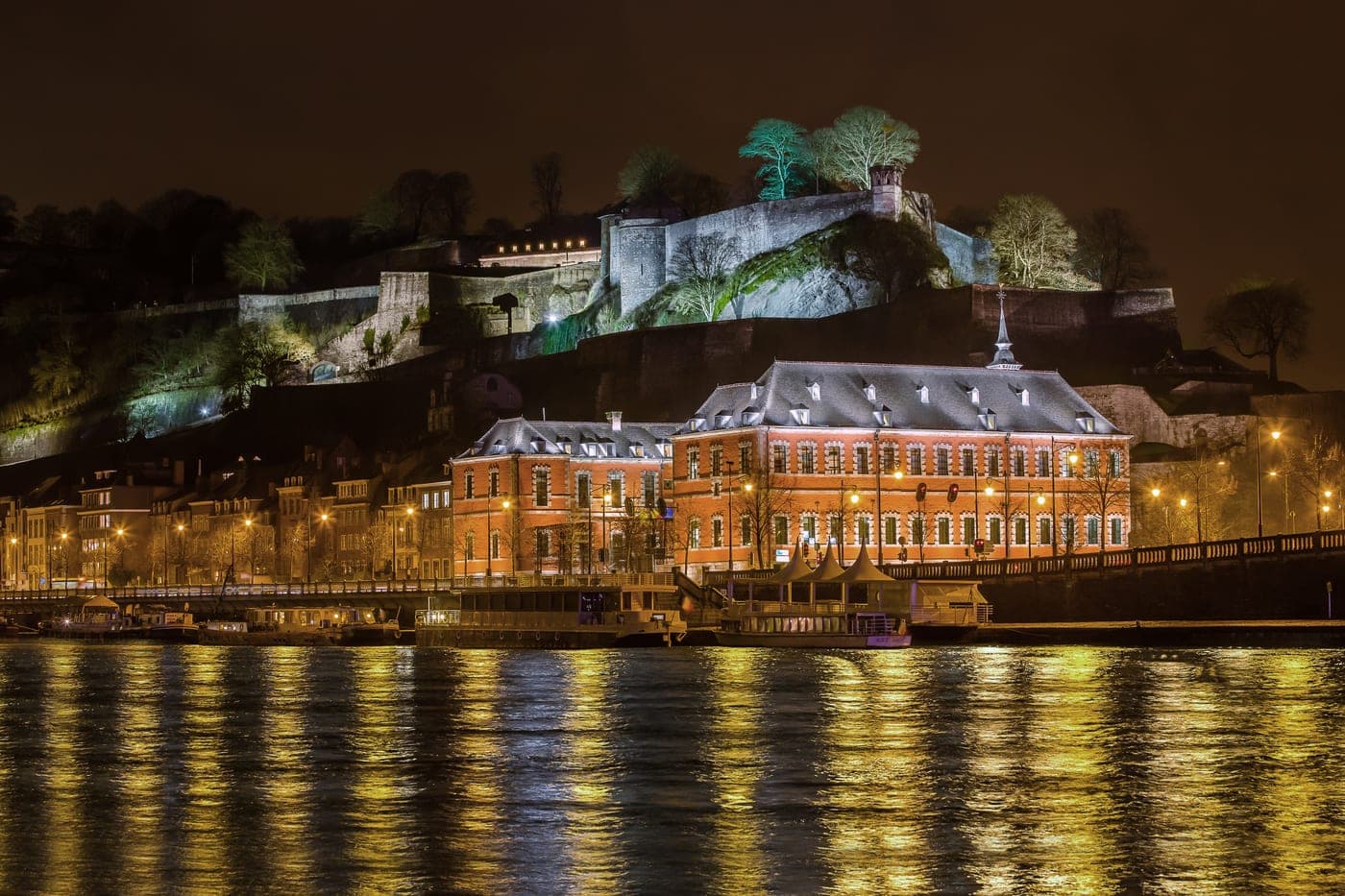
1 regionBelgium's emerging wine scene, particularly in Wallonia, showcases the potential of cool-climate viticulture. Though small in scale, Belgian winemakers produce interesting sparkling wines and crisp whites that reflect the region's unique terroir and winemaking innovation.
Rosé wines
Provence Rosé
1 regionThe spiritual home of rosé wine, Provence produces elegant, pale pink wines with delicate flavors of red fruit and herbs. Dry, refreshing, and perfectly suited to Mediterranean cuisine, Provence rosé has become synonymous with summer luxury and relaxed dining.
Red wines
Bordeaux Blends
1 regionThe birthplace of the world's most famous wine blends, Bordeaux produces powerful reds from Cabernet Sauvignon and Merlot, alongside elegant whites from Sauvignon Blanc and Sémillon. From prestigious châteaux to excellent value wines, Bordeaux remains a benchmark for quality.
Barolo & Piedmont Wines
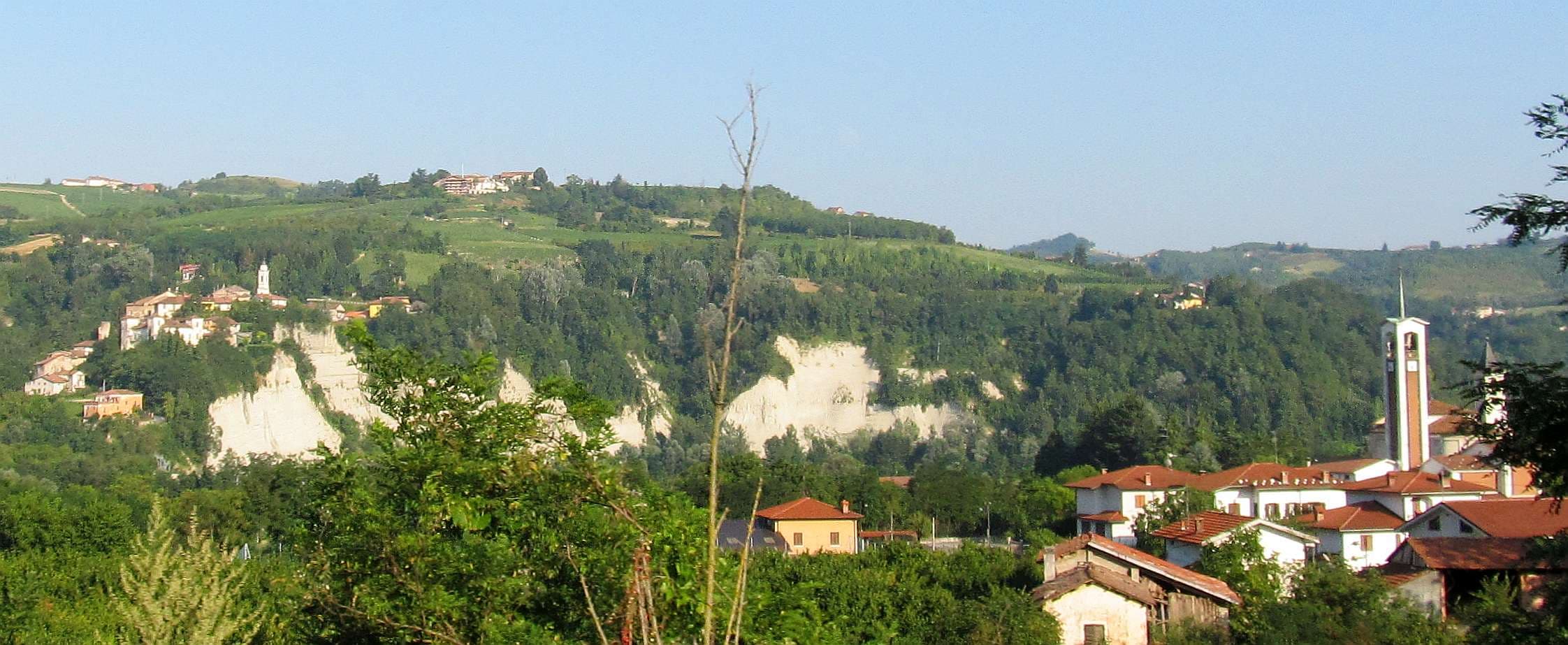
1 regionThe king of Italian wines, Barolo is made from Nebbiolo grapes in Piedmont's Langhe hills. These powerful, age-worthy reds offer complex aromas of roses, tar, and red fruit. Piedmont also produces elegant Barbaresco and refreshing sparkling Moscato d'Asti.
Chianti & Tuscan Wines
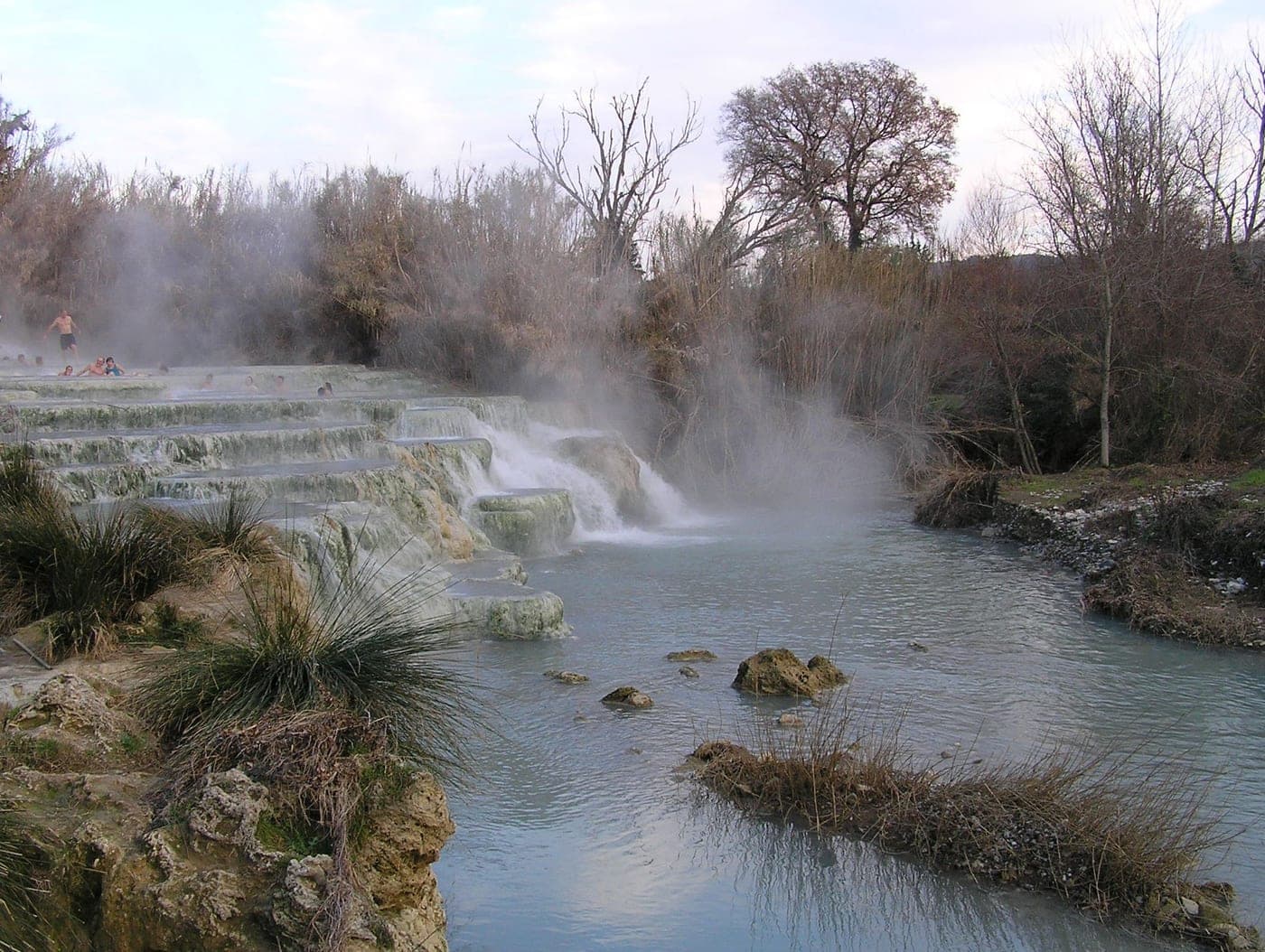
1 regionTuscany's rolling hills produce iconic Sangiovese-based wines, from everyday Chianti to prestigious Brunello di Montalcino. These wines combine bright acidity with red fruit flavors and savory notes, perfectly complementing Italian cuisine and embodying the Tuscan lifestyle.
Rioja & Ribera del Duero
3 regionsSpain's most prestigious red wines, Rioja offers elegant, oak-aged Tempranillo with notes of vanilla and red fruit. Ribera del Duero produces powerful, concentrated wines with intense fruit and firm structure. Both regions represent the pinnacle of Spanish winemaking tradition.
 Spain
SpainCastile and León
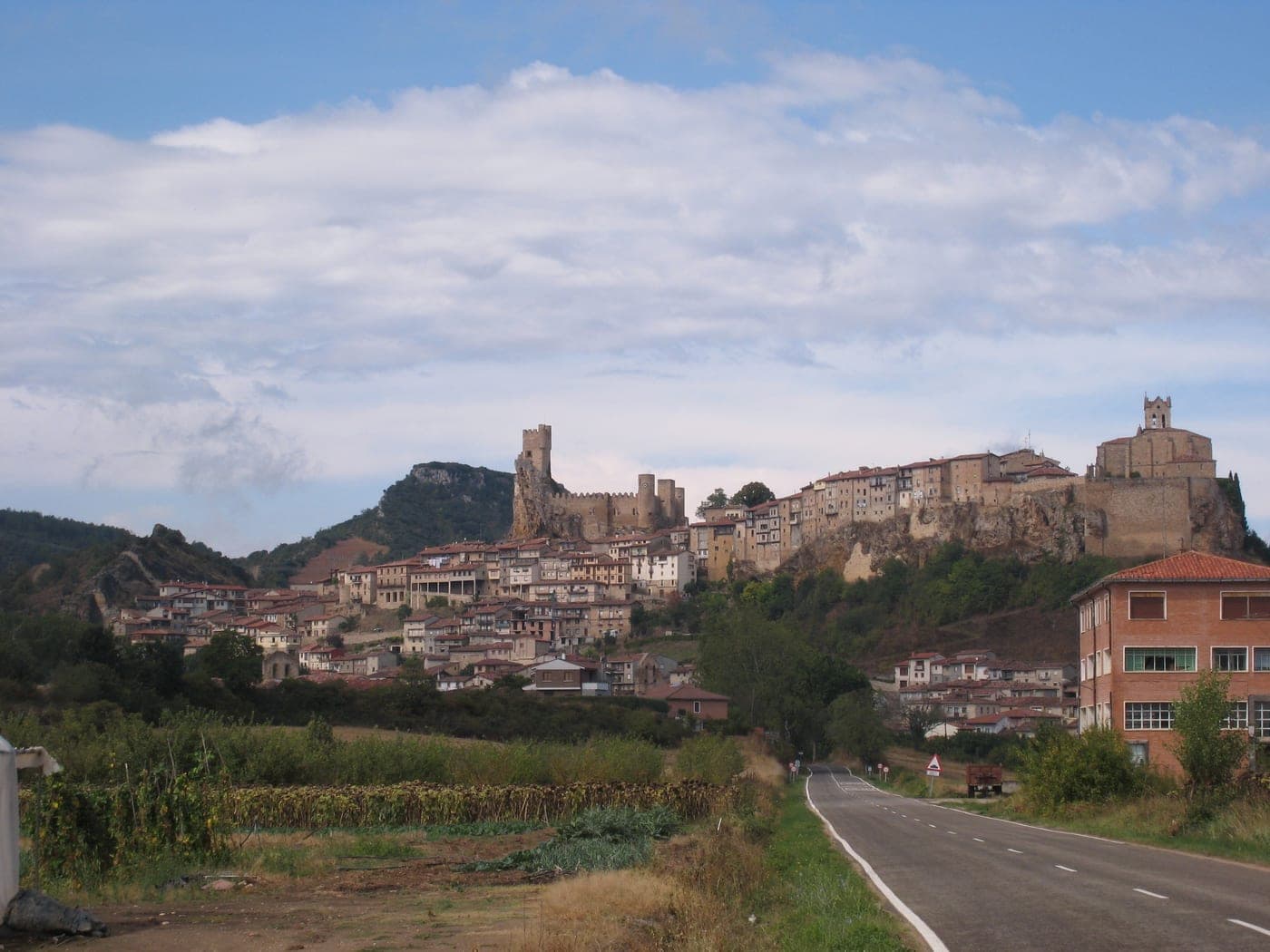
Covering over a quarter of Spain's land, this region is known for its historical richness and diverse landscapes. It features the ancient city of Salamanca, home to one of the oldest universities in the world, and Ávila, famous for its well-preserved medieval walls. The region also boasts stunning natural parks like Sierra de Guadarrama and the Duero Valley, known for its exceptional wine production, particularly Ribera del Duero. Castile and León is the birthplace of Spanish language and literature, with paths like the Camino de Santiago running through it. Visitors can explore lesser-known towns like Pedraza and Sepúlveda, where traditional crafts and gastronomy thrive, offering a genuine taste of local culture.
 Spain
SpainLa Rioja
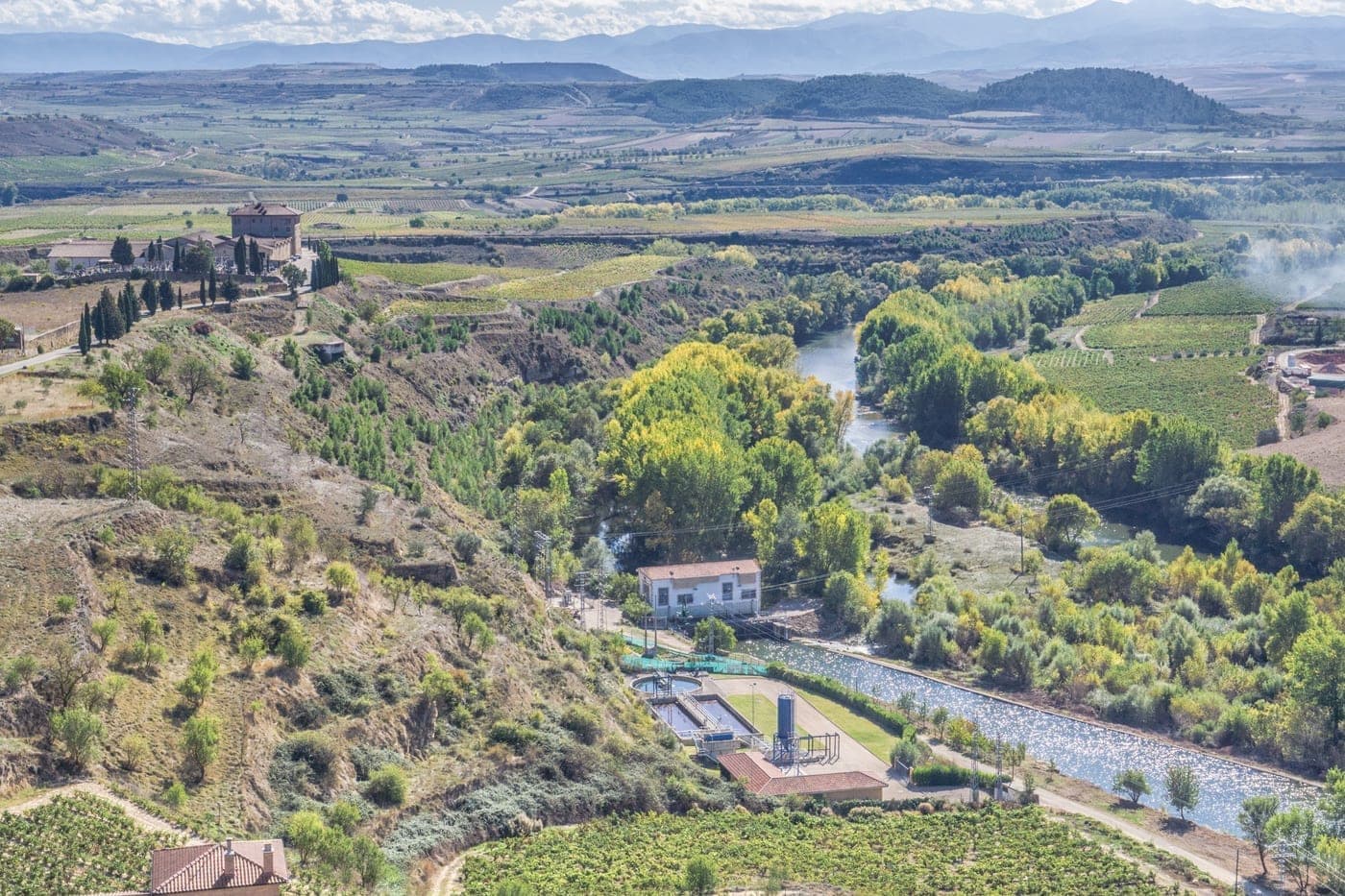
Known for its exceptional wines, this region is home to diverse vineyards producing Tempranillo and Garnacha grapes. The only wine-producing region in Spain with a Denomination of Origin status, La Rioja is characterized by rolling hills and the Ebro River. Historic towns like Haro offer wine cellars and local festivals, while the capital, Logroño, is famous for its vibrant tapas scene along Calle Laurel. The region features ancient monasteries, such as San Millán de la Cogolla, a UNESCO World Heritage site. Hikers can explore the Sierra de la Demanda mountains, and traditional crafts like pottery and leatherwork are still practiced in small villages. La Rioja’s landscapes vary dramatically, providing a rich tapestry of cultural experiences.
 Spain
SpainRioja Alavesa
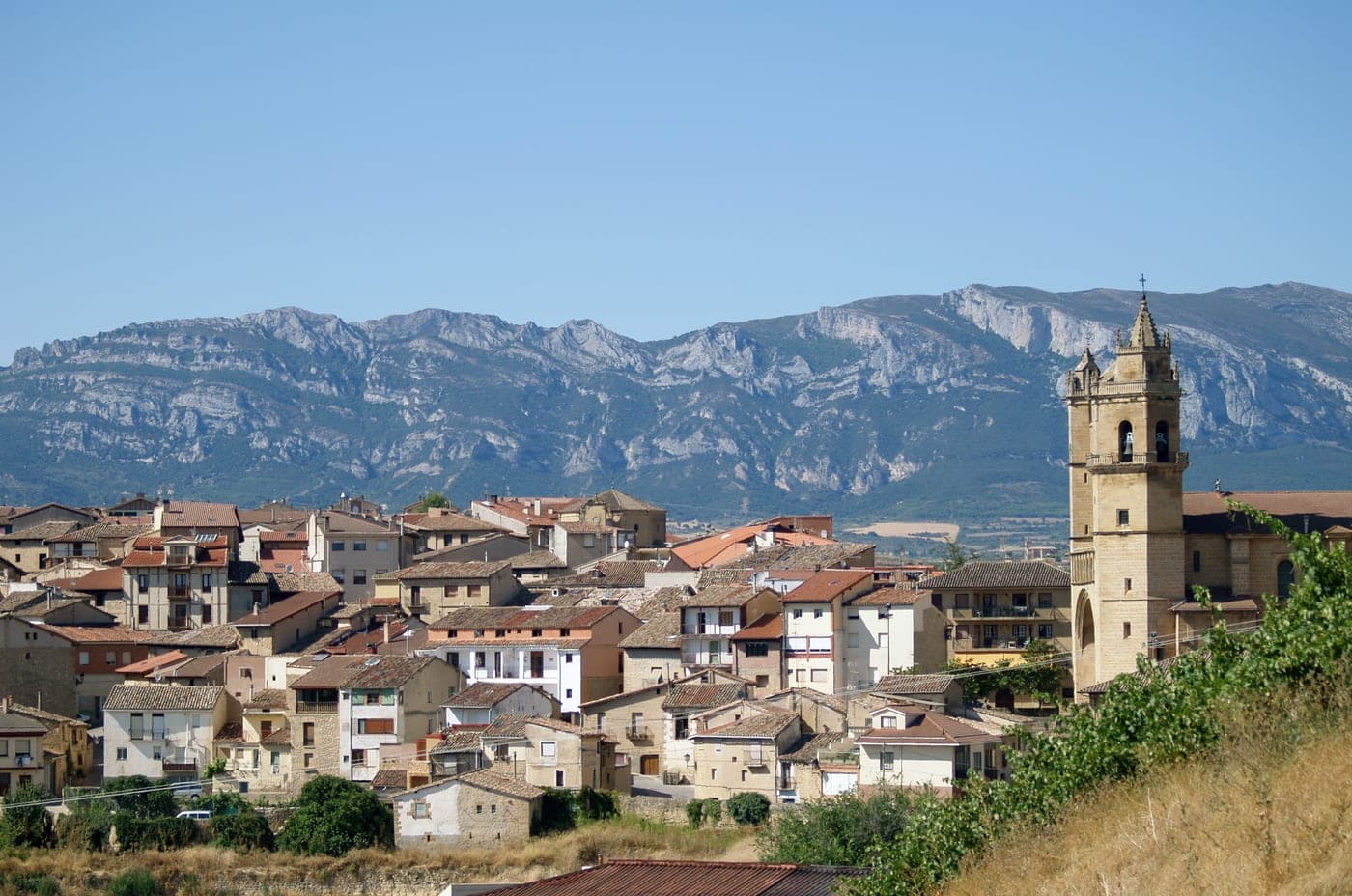
Nestled in the northern part of Spain, Rioja Alavesa is renowned for its rich wine culture, primarily producing exceptional red wines from Tempranillo grapes. This region is characterized by its picturesque vineyards, rolling hills, and unique architecture, including traditional stone houses and modern wineries. The landscape is dotted with historical sites like the medieval village of Laguardia, known for its underground wine cellars. Additionally, the region offers scenic hiking trails and opportunities to explore local gastronomy, including artisan cheeses and regional dishes. Rioja Alavesa is not only a wine lover's paradise but also a place where visitors can appreciate the blend of culture, history, and nature in a tranquil setting.
Rhône Valley Wines
1 regionThe Rhône produces powerful, spicy reds from Syrah in the north and generous Grenache-based blends in the south. From the legendary slopes of Côte-Rôtie to the sun-soaked vineyards of Châteauneuf-du-Pape, these wines offer depth, warmth, and character.
Primitivo & Southern Italian Wines
4 regionsSouthern Italy's warm climate produces bold, fruity wines with generous alcohol and ripe fruit flavors. Puglia's Primitivo and Negroamaro deliver intense berry notes and warmth, while Sicily offers unique volcanic wines. These wines capture the Mediterranean sun in every glass.
 Italy
ItalyBasilicata
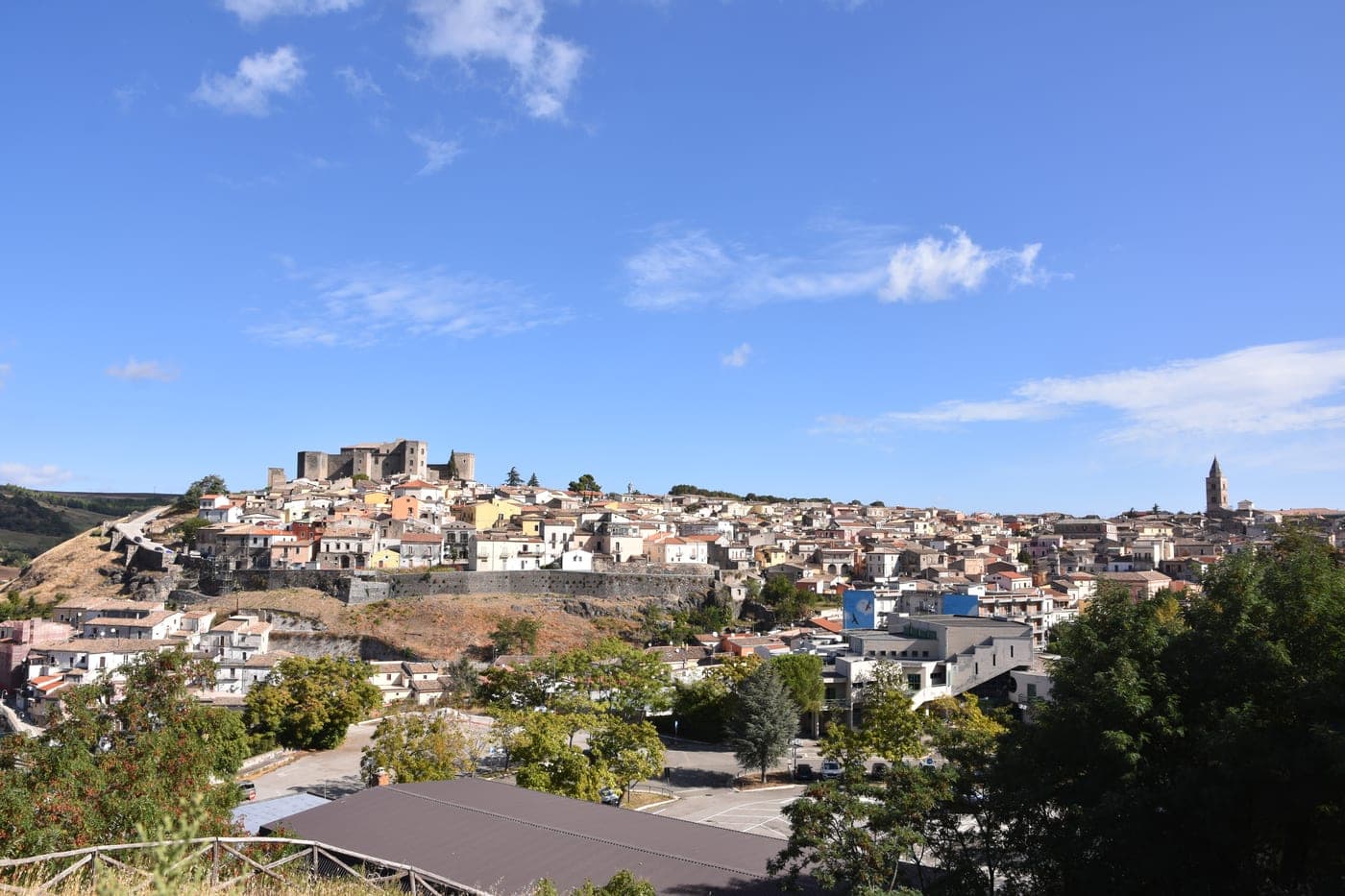
Basilicata is Italy's second-smallest region, rich in ancient history and natural beauty. Matera, a UNESCO World Heritage site, is renowned for its Sassi, ancient cave dwellings carved into limestone. The region boasts a rugged landscape, featuring the Pollino National Park with its diverse flora and fauna. Potenza, the capital, offers a glimpse into local life with its medieval architecture and vibrant markets. Basilicata is also known for its unique cuisine, including hearty dishes like pasta with wild boar and spicy peppers. The region's coastline along the Tyrrhenian Sea is less frequented, providing secluded beaches and authentic coastal villages, ideal for a slower pace of travel. Discover the ancient ruins of Grumentum and the beautiful hilltop towns of Montalbano Jonico and Tursi, which showcase the region's cultural heritage away from the crowds.
 Italy
ItalyCalabria
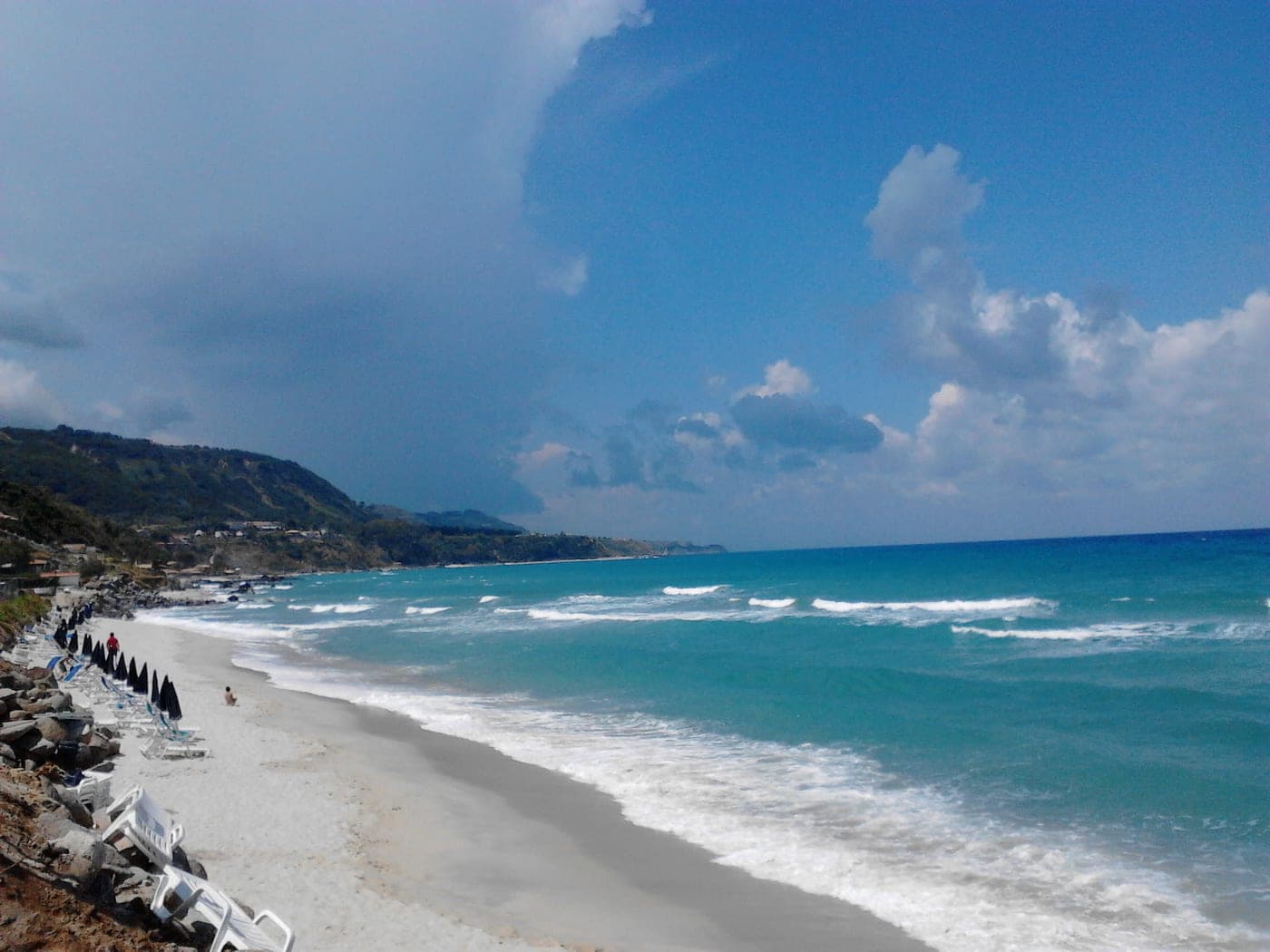
Calabria forms the toe of Italy, a narrow strip of land pinched between two seas and lifted into three mountain ranges. This shape is what makes it a region built for slow travel: an hour's drive from a fishing harbour on the Tyrrhenian coast leads into chestnut forests and mountain pastures; another hour reaches olive terraces above the Ionian Sea. Nothing here rewards rushing. A Calabria itinerary works best as a loop through a handful of towns, with two or three nights in each, rather than a checklist of day trips. Food sets the pace as much as geography does. Calabria is one of Italy's strongholds of Slow Food, the movement that began by defending exactly this kind of small-scale, tied-to-the-land cooking. 'Nduja, the spreadable spicy salami, and the sweet red onion of Tropea are both eaten the way they always have been — with bread, in a kitchen, at a pace nobody is timing. The region's wine road runs through the hills around Cirò, where Gaglioppo grapes have long been grown. Agriturismo stays are the natural base for exploring it: working farms with rooms attached, where dinner is whatever came out of the garden or off the hillside that day. The hill towns are where Calabria's unhurried character is easiest to feel. Gerace sits on a limestone outcrop above the Ionian coast, its medieval streets largely unbothered by modern building. Stilo, tucked into the Serre mountains, is known for the Cattolica, a small Byzantine church that has watched over the town for centuries. Bova, high in the Aspromonte massif, is one of the last places where Greko, an ancient Greek dialect, is still spoken by older residents — a reminder that Calabria was part of Magna Graecia long before it was part of Italy. Pentedattilo, built into a rock formation shaped like a hand, was largely abandoned and is now slowly being resettled by artists and craftspeople. The coast has its own rhythm. Tropea, perched on a cliff above the Tyrrhenian, is Calabria's best-known seaside town, its old centre a tangle of stone alleys leading to a clifftop view over the water and, on clear days, the Aeolian Islands. Scilla, further south, is a fishing village split between a castle-topped headland and a beach lined with pastel houses. On the Ionian side, the Aragonese castle at Le Castella stands on its own small island, connected to shore by a narrow strip of sand. History here goes back further than most of Italy. The Riace Bronzes, two full-size Greek statues pulled from the sea off the Ionian coast, are held in Reggio Calabria's archaeological museum and remain among the finest survivals of classical bronze casting. Locri, nearby, preserves the ruins of an ancient Greek city, its temple foundations and theatre still visible among the olive groves. Inland, three national parks give Calabria a green, cool counterpoint to its coastline. The Sila plateau, with its pine and beech forests and glacial lakes, is grazing land for the black pigs that go into the region's cured meats. Aspromonte, the mountain massif at the very tip of the peninsula, holds waterfalls, chestnut woods and the Greek-speaking villages of the Bovesìa. Pollino, shared with neighbouring Basilicata, is wilder still, home to some of the oldest pine trees in Europe. A week to ten days is enough to move through Calabria properly: a few days on one coast, a few in the hills, a few on the other coast, without ever needing to rush the return. Longer stays simply mean slower mornings and more time in each village square.
 Italy
ItalyPuglia
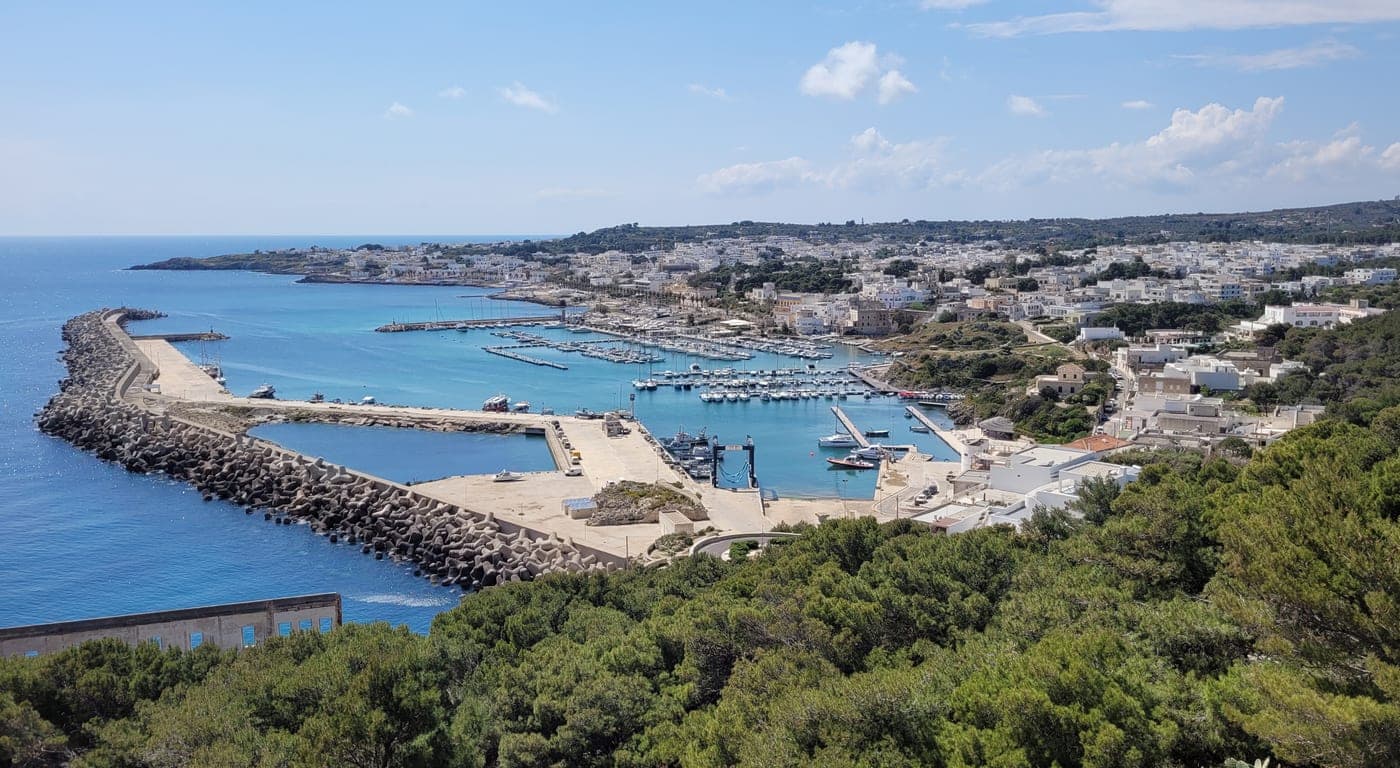
Apulia, the heel of Italy, is known for its unique trulli houses, especially in Alberobello, a UNESCO World Heritage site. The region features beautiful coastlines along the Adriatic and Ionian Seas, with picturesque towns like Polignano a Mare and Otranto offering stunning sea views and fresh seafood. Notably, Apulia is the largest wine-producing region in Italy, famous for robust Primitivo and fruity Negroamaro wines. History aficionados can explore ancient sites like the Romanesque cathedral in Bari and the medieval castles of Castel del Monte. With its rich culinary traditions, highlighted by orecchiette pasta and olive oil, Apulia offers a deep dive into Italy's cultural heritage.
 Italy
ItalySicily
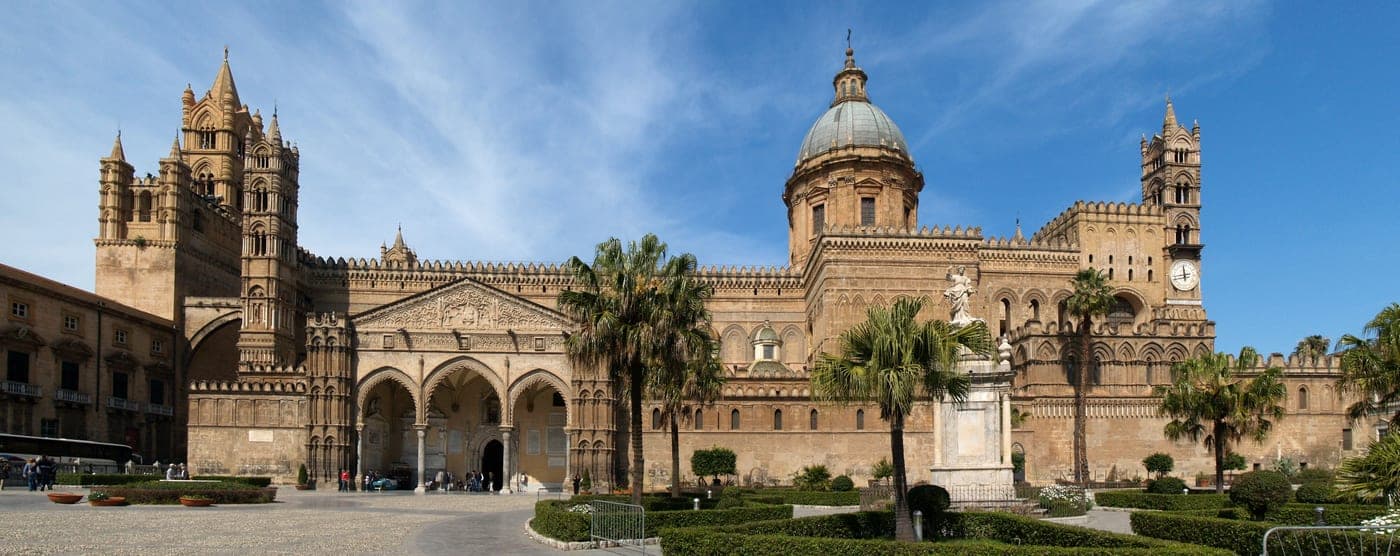
Sicily, the largest island in the Mediterranean, boasts a rich tapestry of history and culture. Its unique position has made it a crossroads of civilizations, evident in the remnants of Greek temples in Agrigento and the Arab-Norman architecture in Palermo. The island features a diverse landscape, from the volcanic Mount Etna to the picturesque coastal towns of Taormina and Cefalù. Sicilian cuisine stands out for its use of fresh ingredients, with specialties like arancini and cannoli. The region is also famous for its local wines, particularly Nero d'Avola. Off the beaten path, discover the ancient ruins of Selinunte or the quaint streets of Erice. With charming villages and vibrant markets, Sicily offers a deep dive into authentic Italian culture and history.
Alentejo Wines
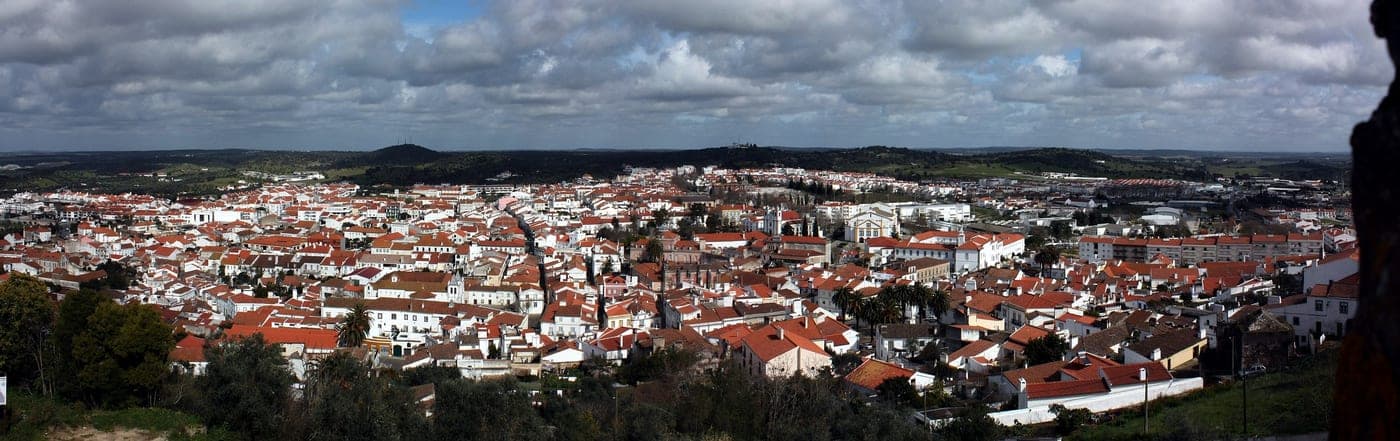
1 regionFrom Portugal's sunny south comes Alentejo, a rising star in the wine world. This region produces rich, full-bodied red wines with ripe fruit flavors and smooth tannins, alongside aromatic whites. The warm climate and innovative winemakers create wines with excellent quality-to-price ratio and distinctive Mediterranean character.
Blaufränkisch & Austrian Red Wines
3 regionsAustria's premier red grape, Blaufränkisch (also known as Lemberger) produces elegant, spicy reds with firm tannins and bright acidity. These wines offer cherry and pepper notes with great aging potential. Austrian regions also produce excellent Zweigelt and Sankt Laurent varieties.
 Austria
Burgenland
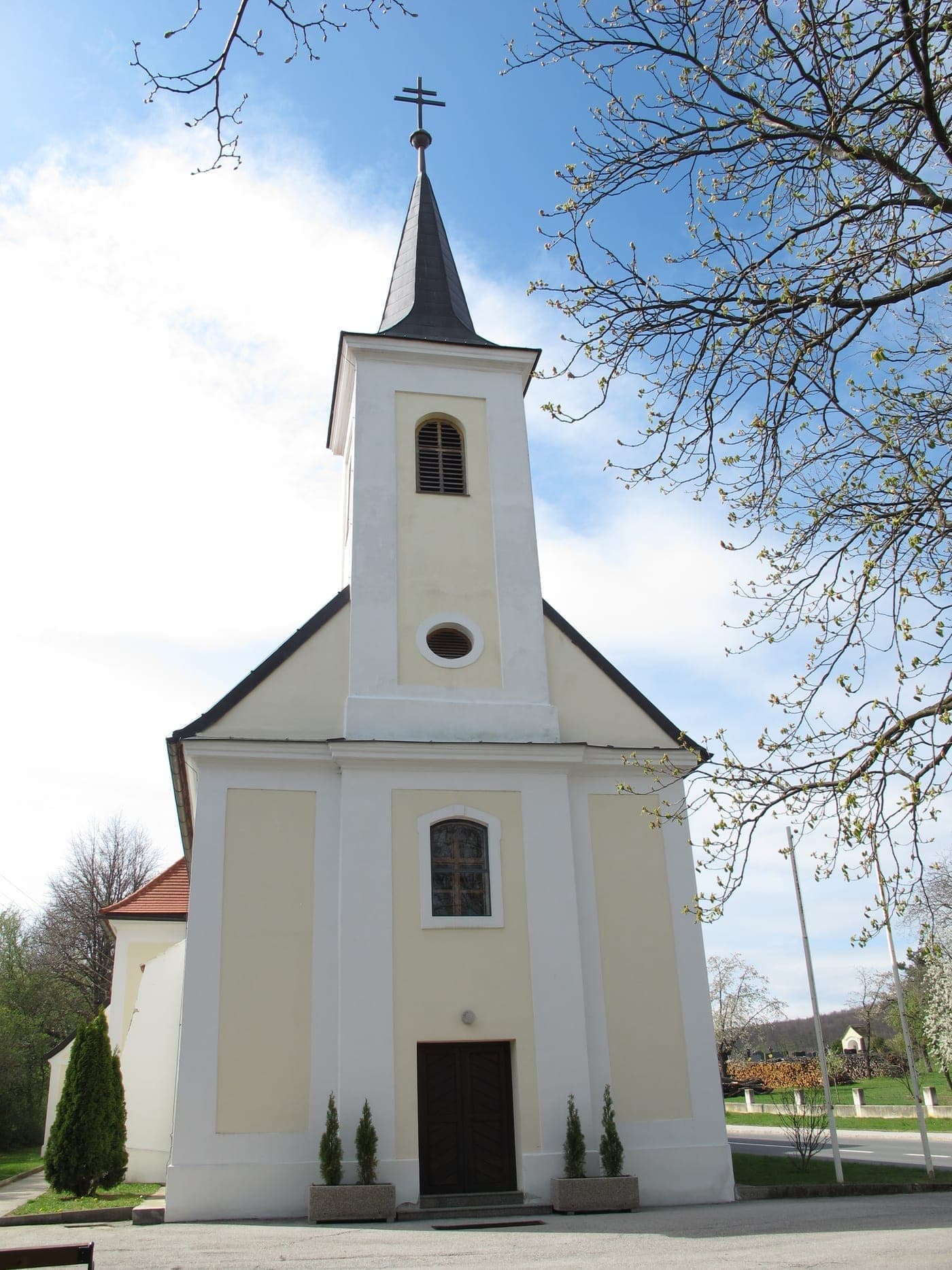
Burgenland is Austria's easternmost region, known for its diverse landscapes and rich cultural heritage. It is home to the historic city of Eisenstadt, where the Haydn Museum showcases the music of composer Joseph Haydn. The region features the unique Neusiedler See, a UNESCO World Heritage site, famous for its wetlands and birdwatching opportunities. Burgenland is also renowned for its wine production, particularly the sweet wines from the vineyards surrounding the charming town of Rust. Explore lesser-known towns like Lutzmannsburg, known for its thermal baths, or the picturesque village of Mönchhof, celebrated for its local crafts and traditional festivals. Outdoor activities such as hiking and cycling trails along the lake enhance the immersive experience in this less-traveled area.
AustriaLower Austria
 Austria
Styria
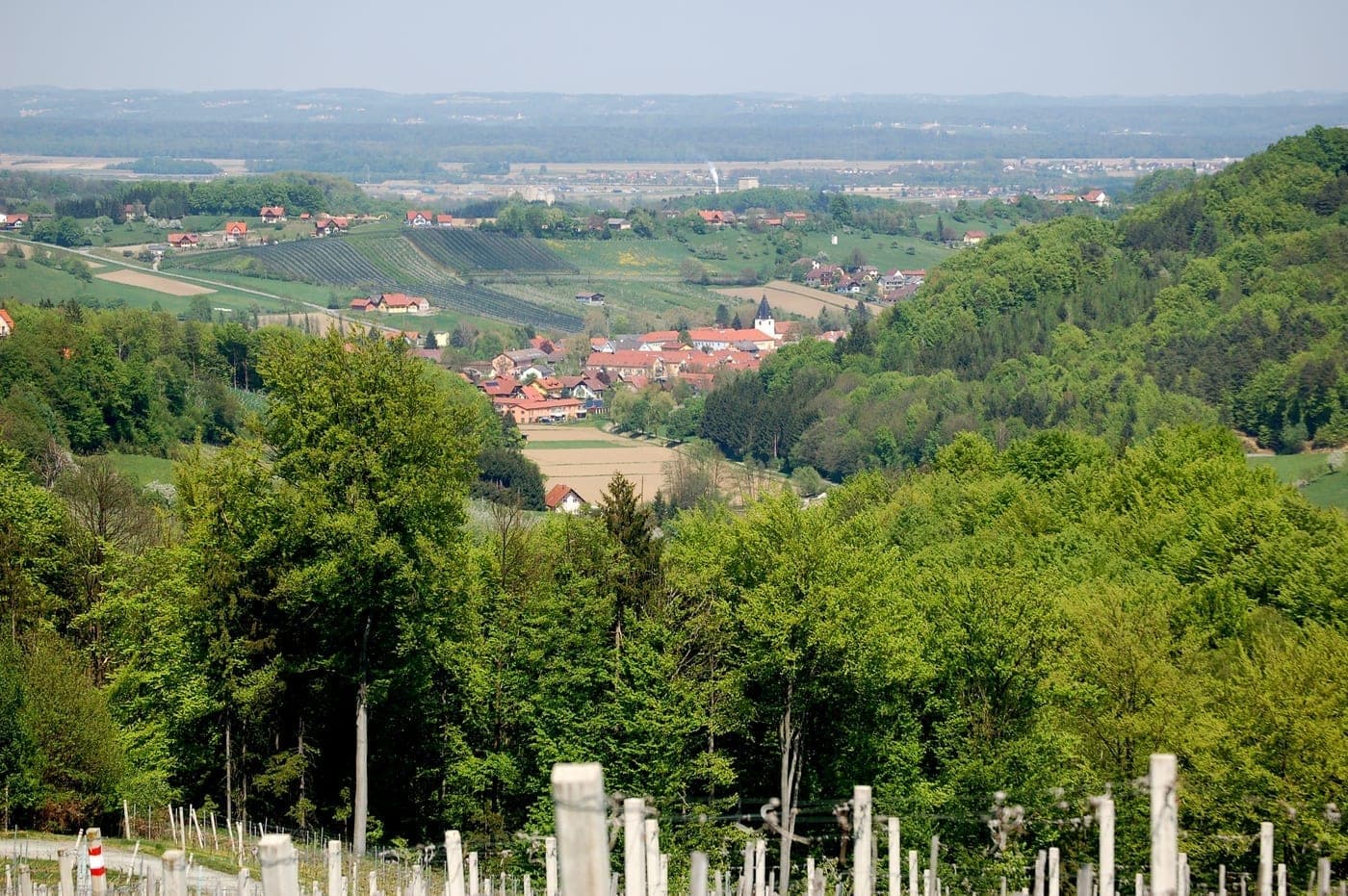
Styria is Austria's second-largest region, known for its diverse landscapes ranging from rolling hills to the Eastern Alps. Graz, the capital, is a UNESCO World Heritage site, celebrated for its Renaissance and Baroque architecture. The region is famed for its wine production, particularly the white wines from the Südsteiermark wine route, where picturesque vineyards dot the landscape. Outdoor enthusiasts can explore the Gesäuse National Park, rich in hiking trails and scenic vistas. Unique to Styria, the region also boasts a vibrant culinary scene, with local specialties like pumpkin seed oil and Styrian cheeses. The area features many historic castles and small towns like Riegersburg, known for its impressive fortress and local artisans.
La Mancha Wines
1 regionFrom Spain's vast central plateau comes a diverse range of wines, from robust reds to crisp whites. This historic region, made famous by Don Quixote, produces excellent value wines with character, showcasing traditional Spanish grape varieties in a continental climate.
Fortified & dessert
Port & Douro Wines
1 regionPortugal's most celebrated wines come from the Douro Valley, birthplace of Port wine. These fortified wines range from ruby to tawny, with rich, sweet flavors of dried fruit and nuts. The region also produces exceptional dry red wines with depth and complexity, showcasing the unique terroir of this UNESCO World Heritage landscape.
Sherry & Fortified Wines
1 regionFrom the sun-drenched vineyards of southern Spain comes Sherry, one of the world's most versatile fortified wines. Ranging from bone-dry Fino to lusciously sweet Pedro Ximénez, Sherry showcases the unique solera aging system and pairs beautifully with tapas and seafood.
Asked & answered.
- Europe's top wine regions for tasting experiences include Tuscany and Piedmont in Italy, Bordeaux and Champagne in France, the Douro Valley in Portugal, Rioja in Spain, and the Wachau Valley in Austria. Each region offers unique grape varieties, winemaking traditions, and vineyard landscapes. Slowfoxes curates tastings in over 40 wine regions across the continent.
- Guided wine tastings in Europe typically cost between €18 and €45 per person, depending on the region and winery. Many family-run estates offer tastings that include a vineyard tour, cellar visit, and food pairing. Prices tend to be lower in lesser-known regions like Alentejo in Portugal or La Rioja in Spain compared to Champagne or Burgundy.
- The ideal time for wine tasting in Europe is May through October. Harvest season (September–October) is the most exciting period, when you can witness grape picking and early winemaking. Spring (April–May) offers beautiful vineyard landscapes with blooming vines and fewer crowds. Weekday visits generally provide a more intimate experience.
- Yes, booking 1–2 weeks ahead is recommended, especially during harvest season (September–October) and summer months. Many European wineries are small family operations with limited capacity, so advance reservations ensure availability. Slowfoxes links directly to wineries for easy booking with no hidden fees.
- Plan for transport as most wineries are in rural areas — designate a driver or use local buses and trains. Tastings work best in small groups of 2–8 people. Ask about the winery's story and sustainable practices, as many are family-run for generations. Pace yourself and fully appreciate a few wines rather than rushing through many.