Camper Van Rentals in Europe
Compact campers to family vans, rented freedom for slower journeys
Featured destinations08
 01
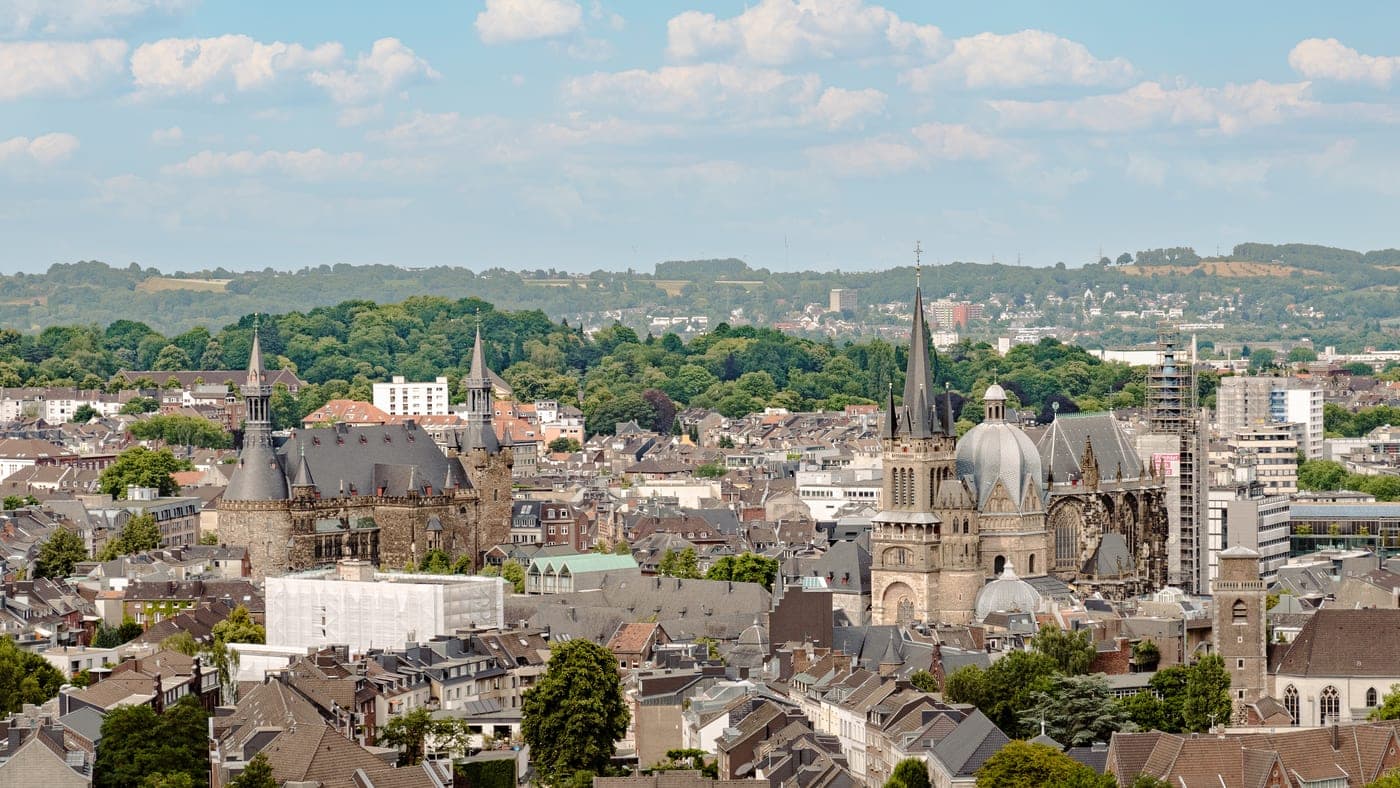
01Aachen
GermanyHistoric spa city featuring the stunning Aachen Cathedral and thermal baths.
 02
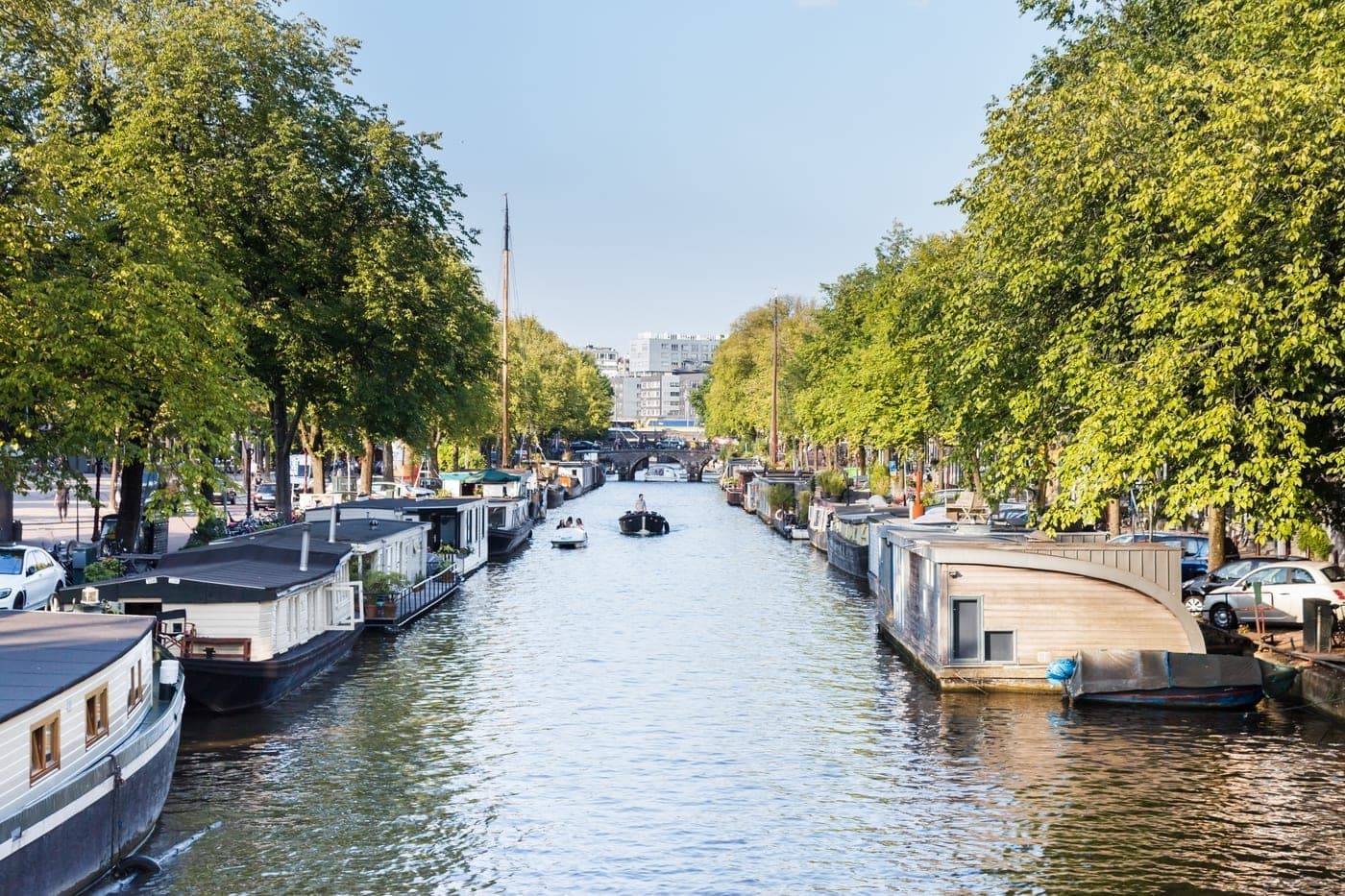
02Amsterdam
NetherlandsCanal-ringed capital with UNESCO waterways, cycling culture, and museums
 03
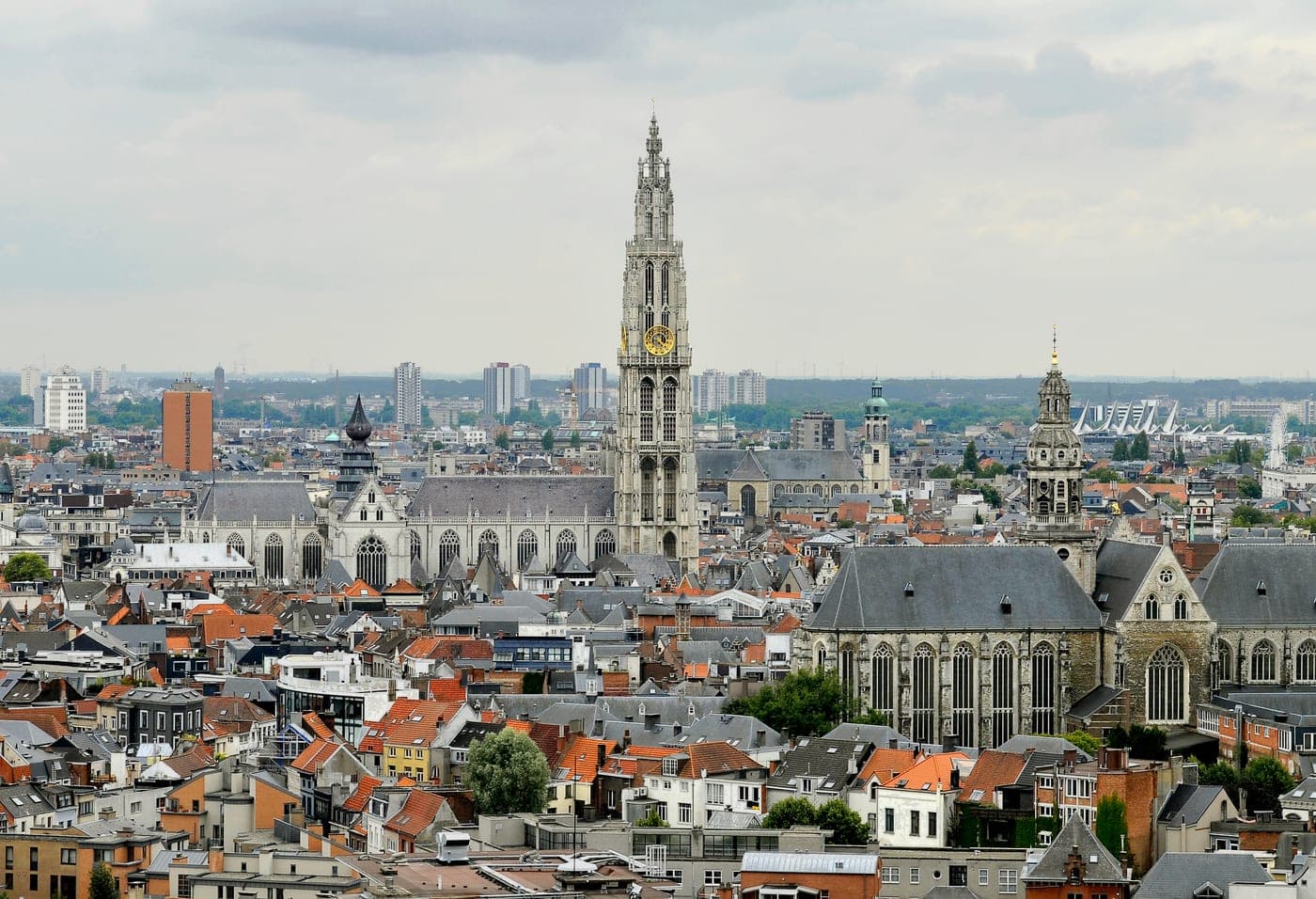
03Antwerp
BelgiumDiamond capital with Rubens heritage, fashion scene, and Scheldt port.
 04
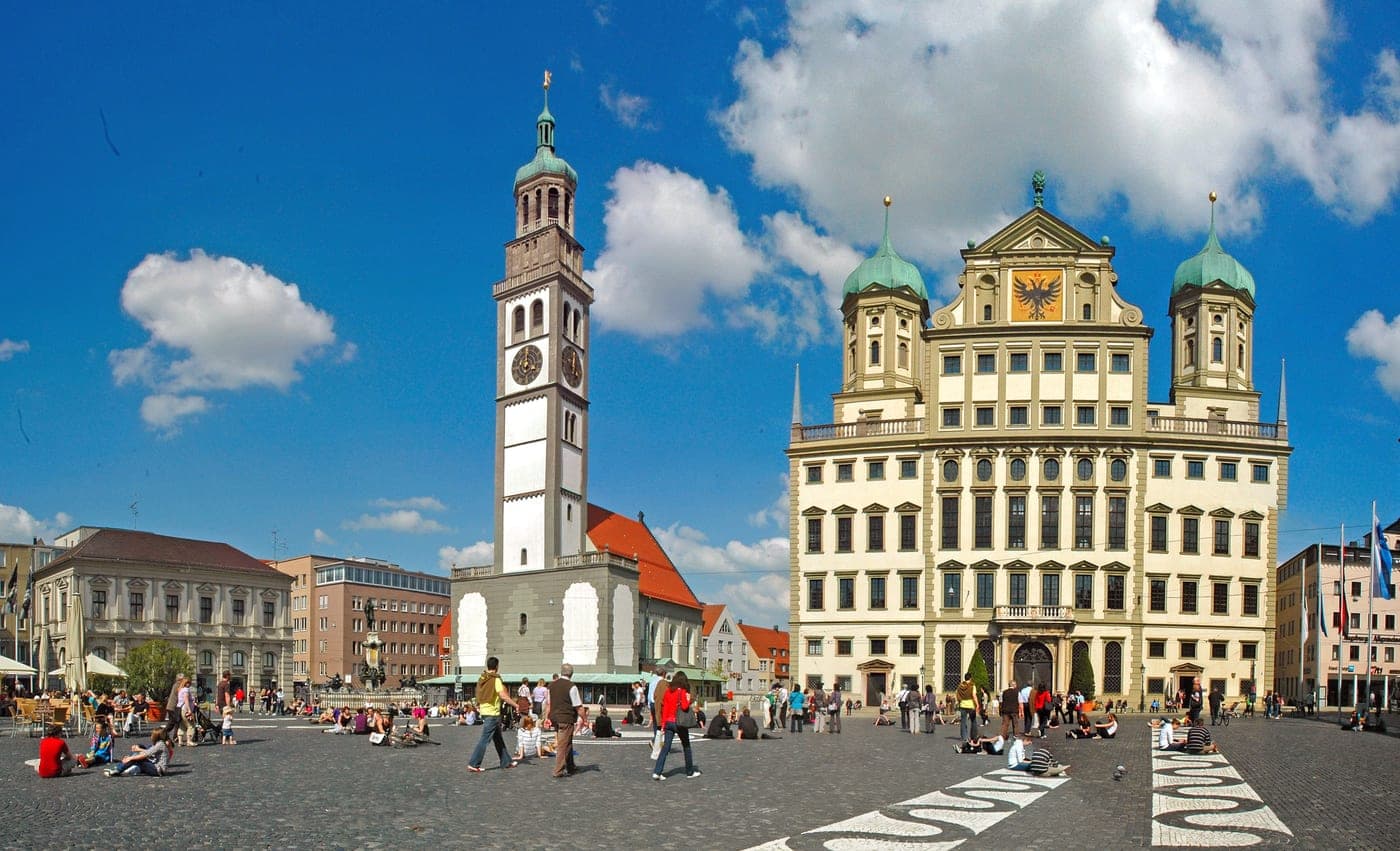
04Augsburg
GermanyAncient Roman city with Renaissance heritage and Fuggerei social housing
 05
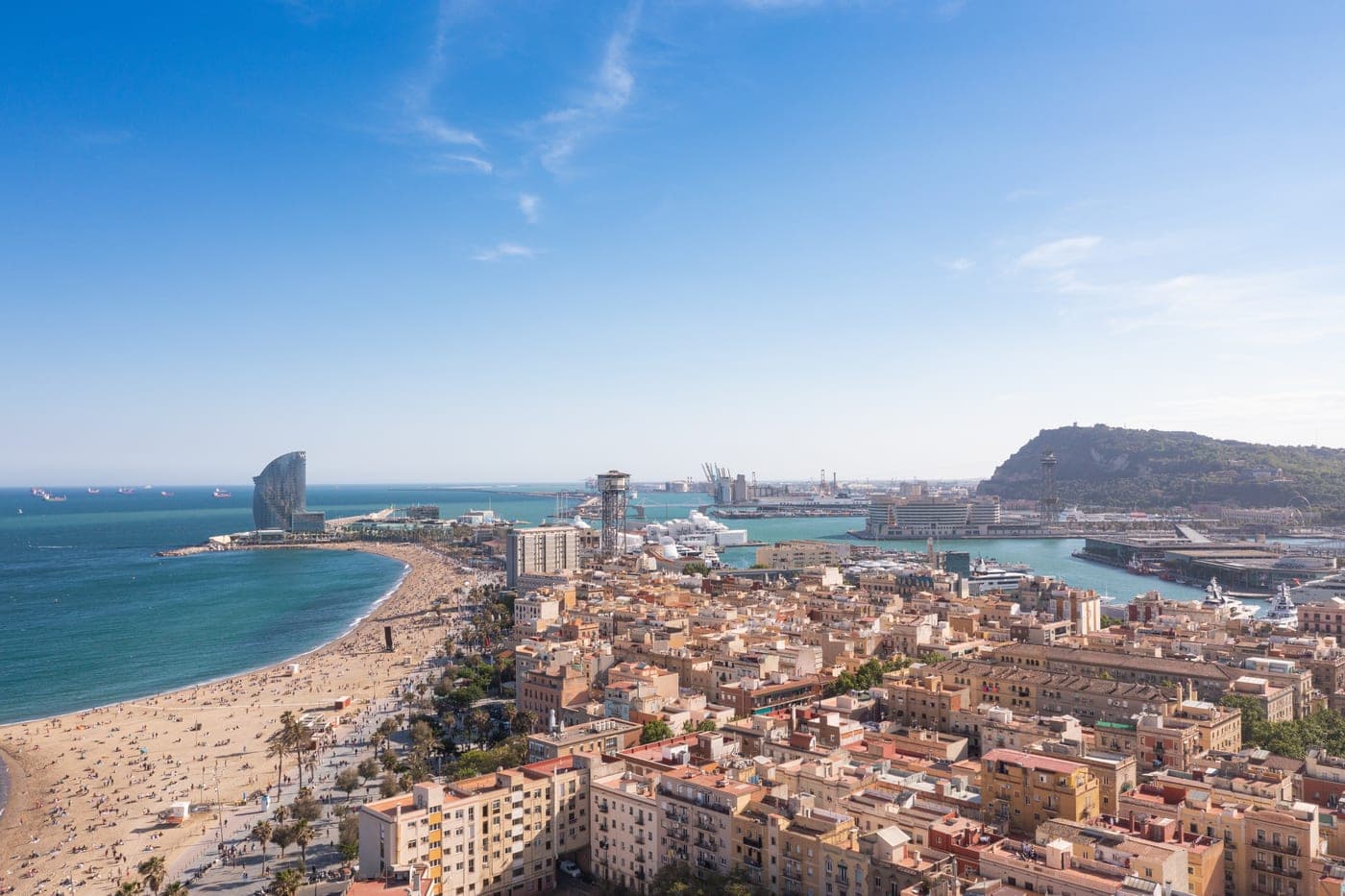
05Barcelona
SpainVibrant city with Gaudí's architecture, lively markets, and Mediterranean beaches.
 06
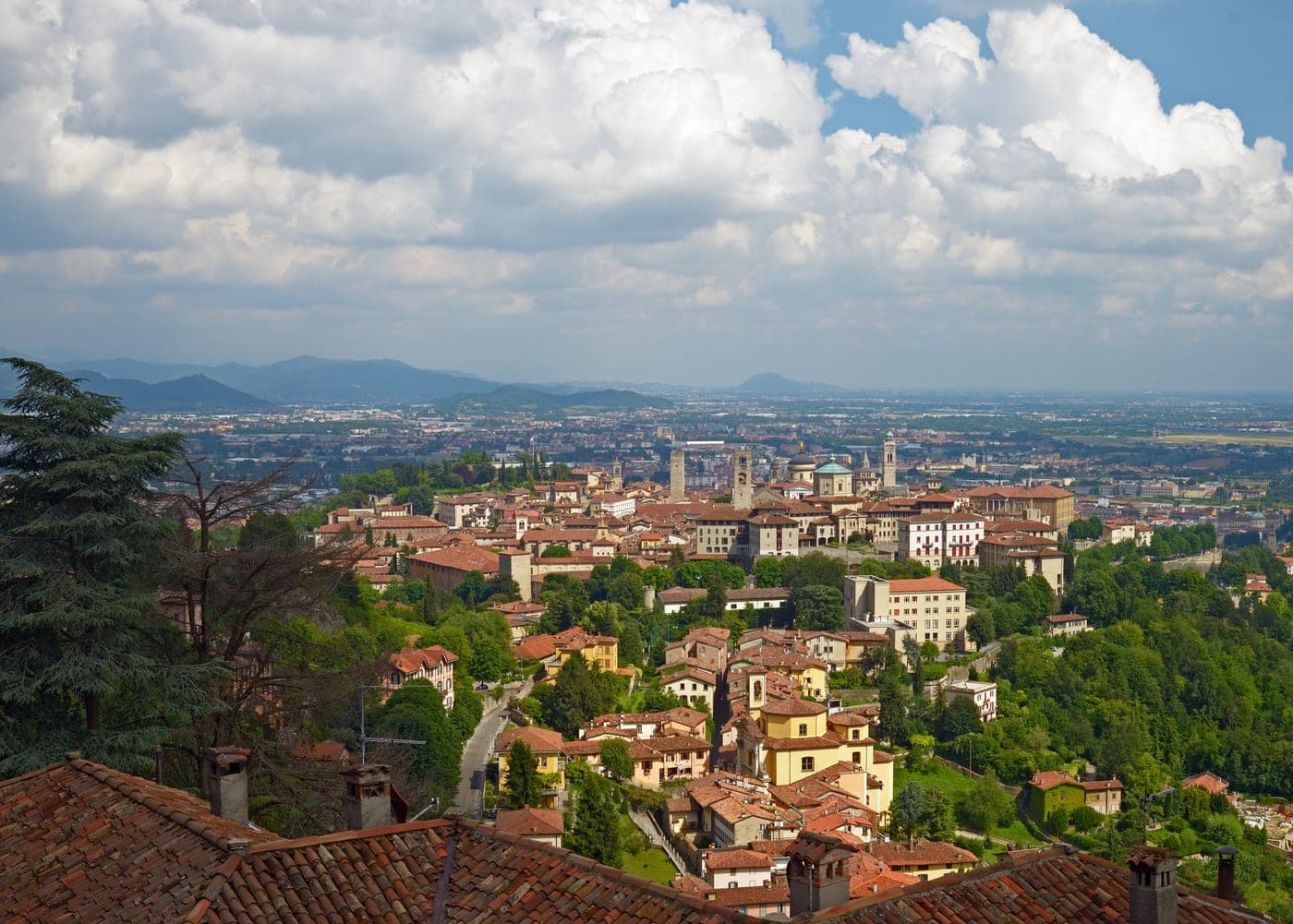
06Bergamo
ItalyHistoric hilltop city with Venetian walls, Renaissance art, and local cuisine.
 07
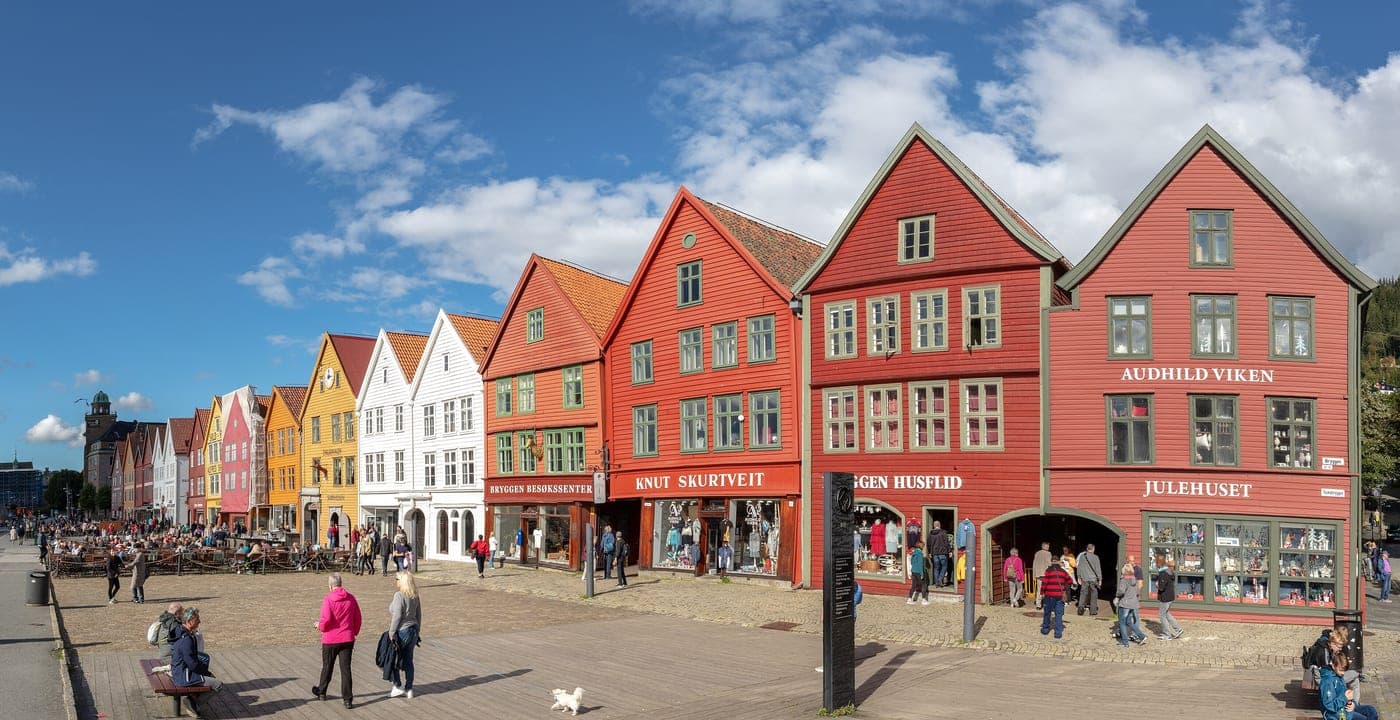
07Bergen
NorwayHistoric harbor city surrounded by mountains and gateway to fjords.
 08
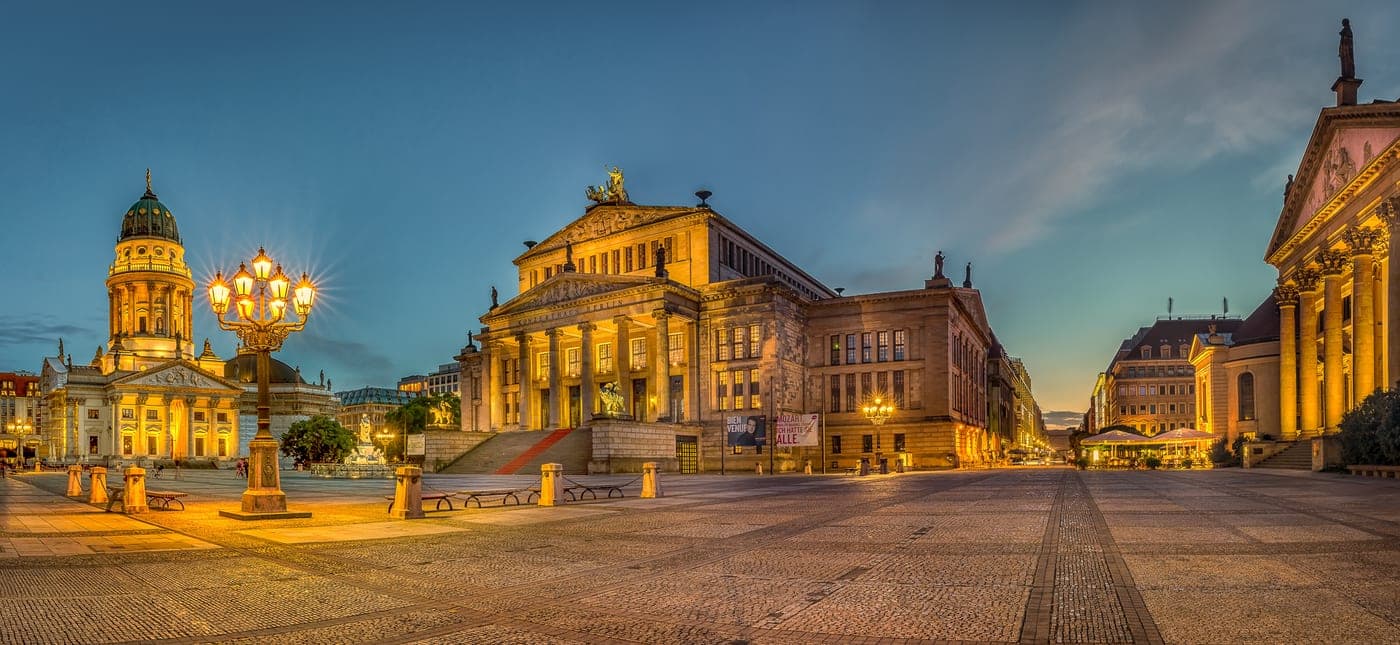
08Berlin
GermanyGermany's vibrant capital with wall history, museums, and creative culture.
Explore from Your Van Rental Station
Each rental location offers unique access to Europe's best road trip experiences. Pick up your van and discover what awaits.
Central Europe
03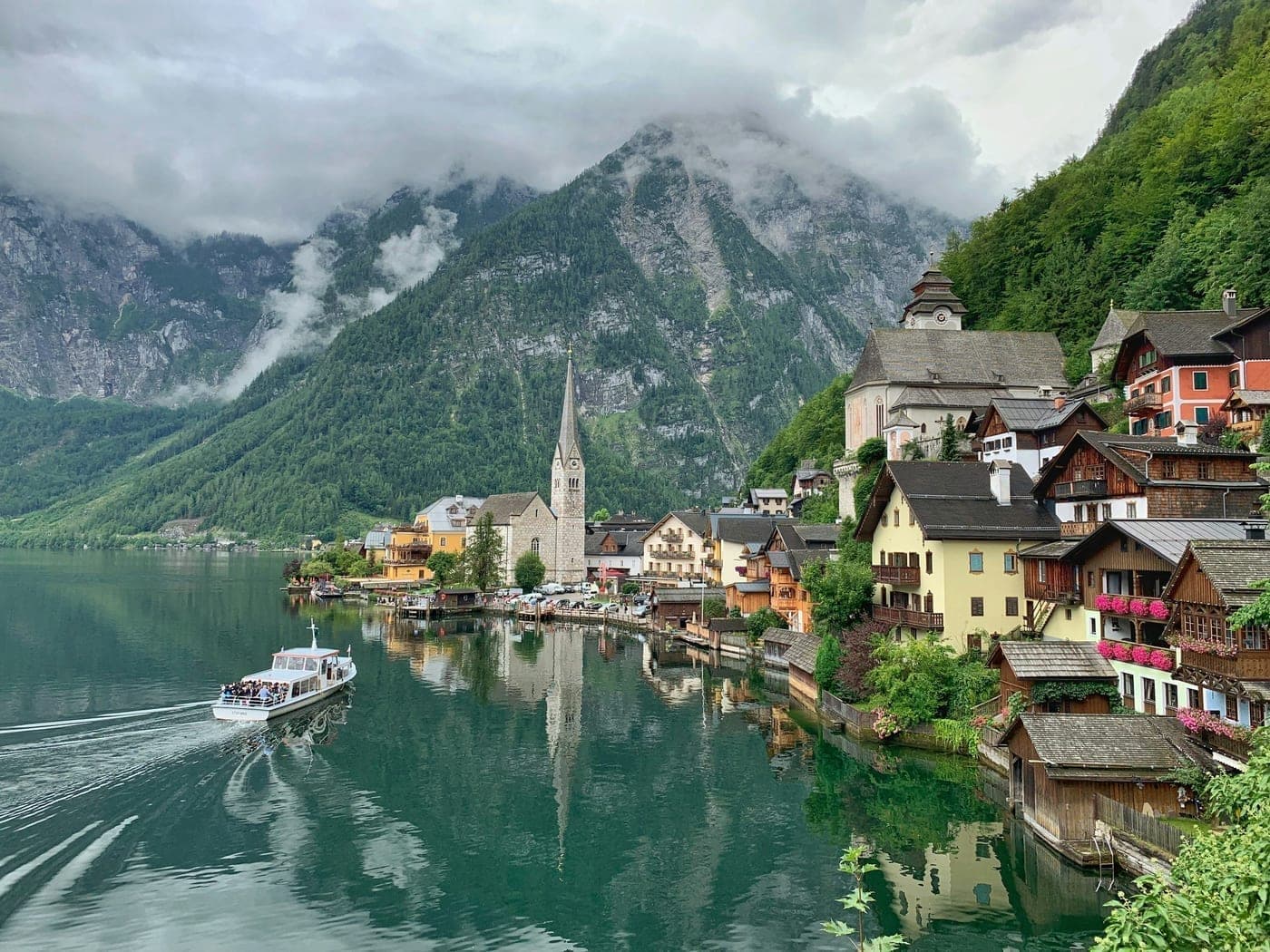 5 destinations
Austria
Austria's Alpine roads connect medieval villages, baroque abbeys, and vineyard terraces. The Grossglockner High Alpine Road climbs 2,500 meters through 36 hairpin turns, while Wachau Valley UNESCO sites preserve 1,000 years of winemaking. Camper-friendly stellplätze appear every 50 kilometers along designated routes.
 32 destinations
Germany
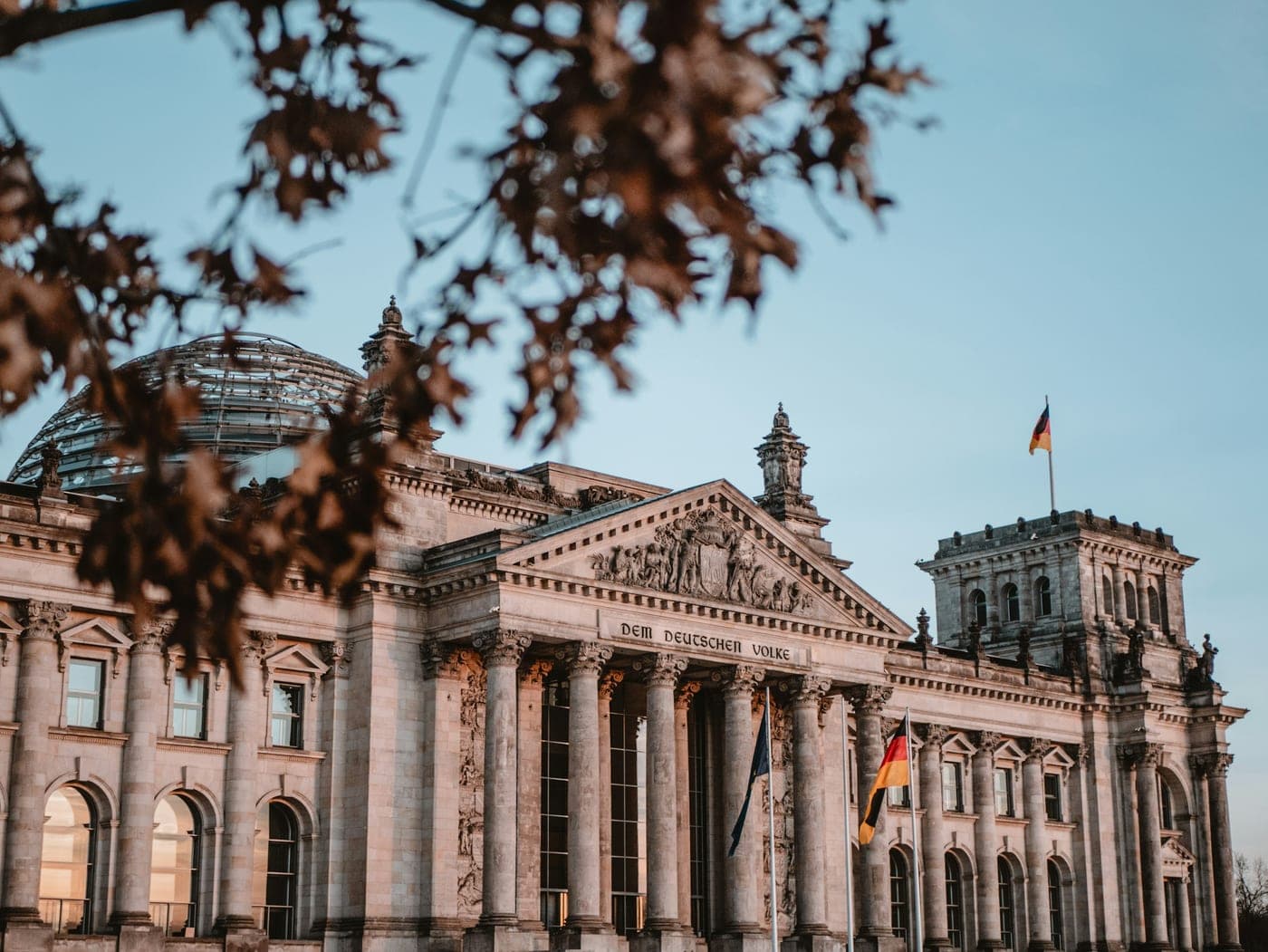
Germany maintains over 4,000 dedicated stellplätze for motorhomes, with the Romantic Road connecting 29 medieval towns across 460 kilometers. The Rhine Valley features 40 castles within 65 kilometers, while Black Forest panorama routes wind through cuckoo clock workshops and thermal spa towns.
 3 destinations
Switzerland
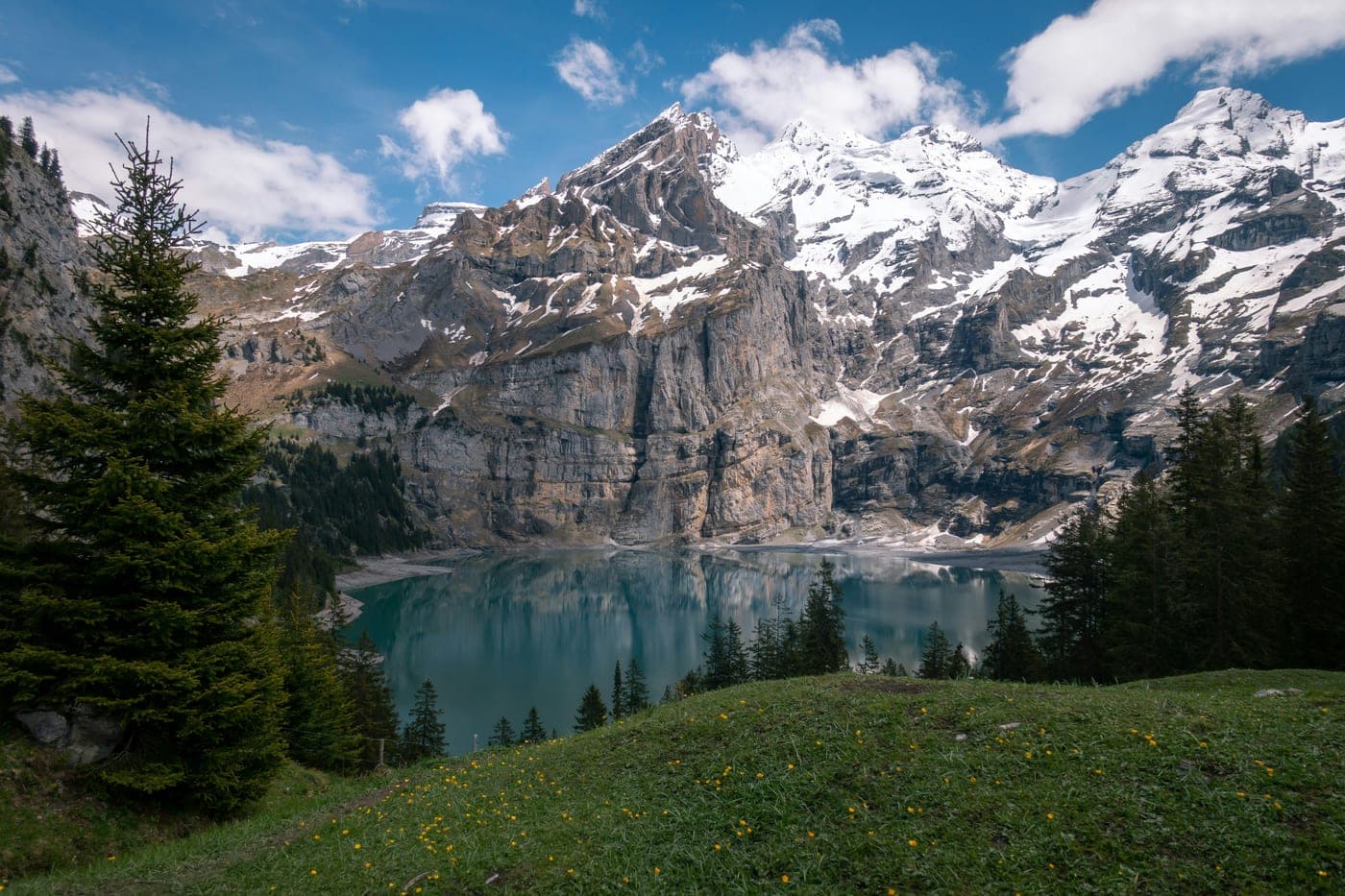
Swiss mountain passes open June through October, with routes like Furka and Grimsel offering hairpin climbs to 2,400 meters. Lakeside campsites overlook Geneva, Lucerne, and Thun, while Valais valleys hide family-run cheese dairies and wine estates practicing biodynamic viticulture.
Western Europe
03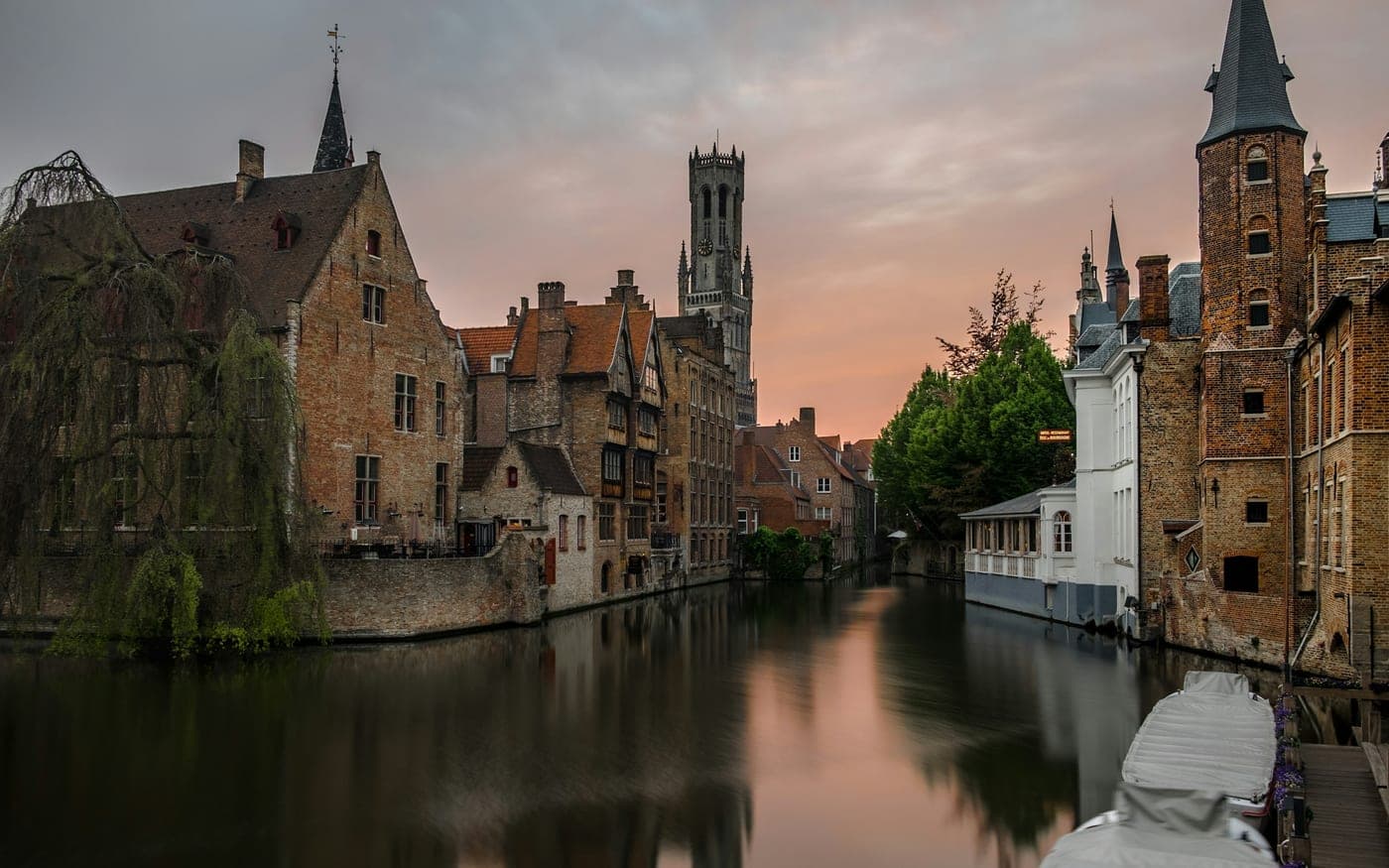 2 destinations
Belgium
Belgium's compact 30,000 square kilometers pack in 13 UNESCO heritage sites, including Bruges' medieval center and Tournai's 12th-century cathedral. Flemish beer routes connect 200 breweries across flat terrain ideal for leisurely driving, while Wallonia's Ardennes forests offer wild camping opportunities.
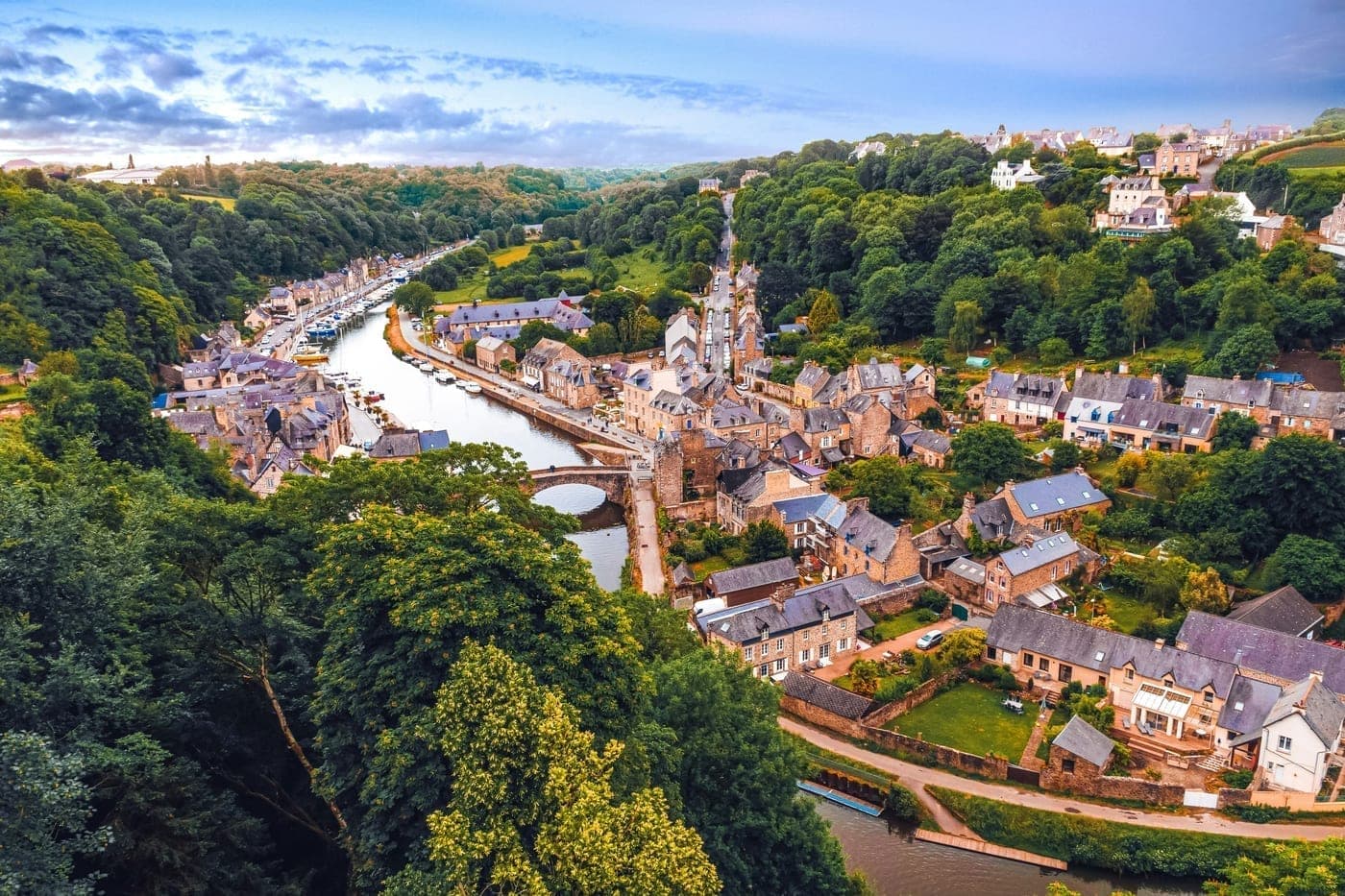 7 destinations
France
France designates over 5,000 aires de camping-car specifically for motorhomes, many in wine regions like Burgundy and Bordeaux. Route des Grandes Alpes crosses 16 Alpine passes between Lake Geneva and the Mediterranean, while Brittany's coast offers 2,700 kilometers of camper-accessible shoreline.
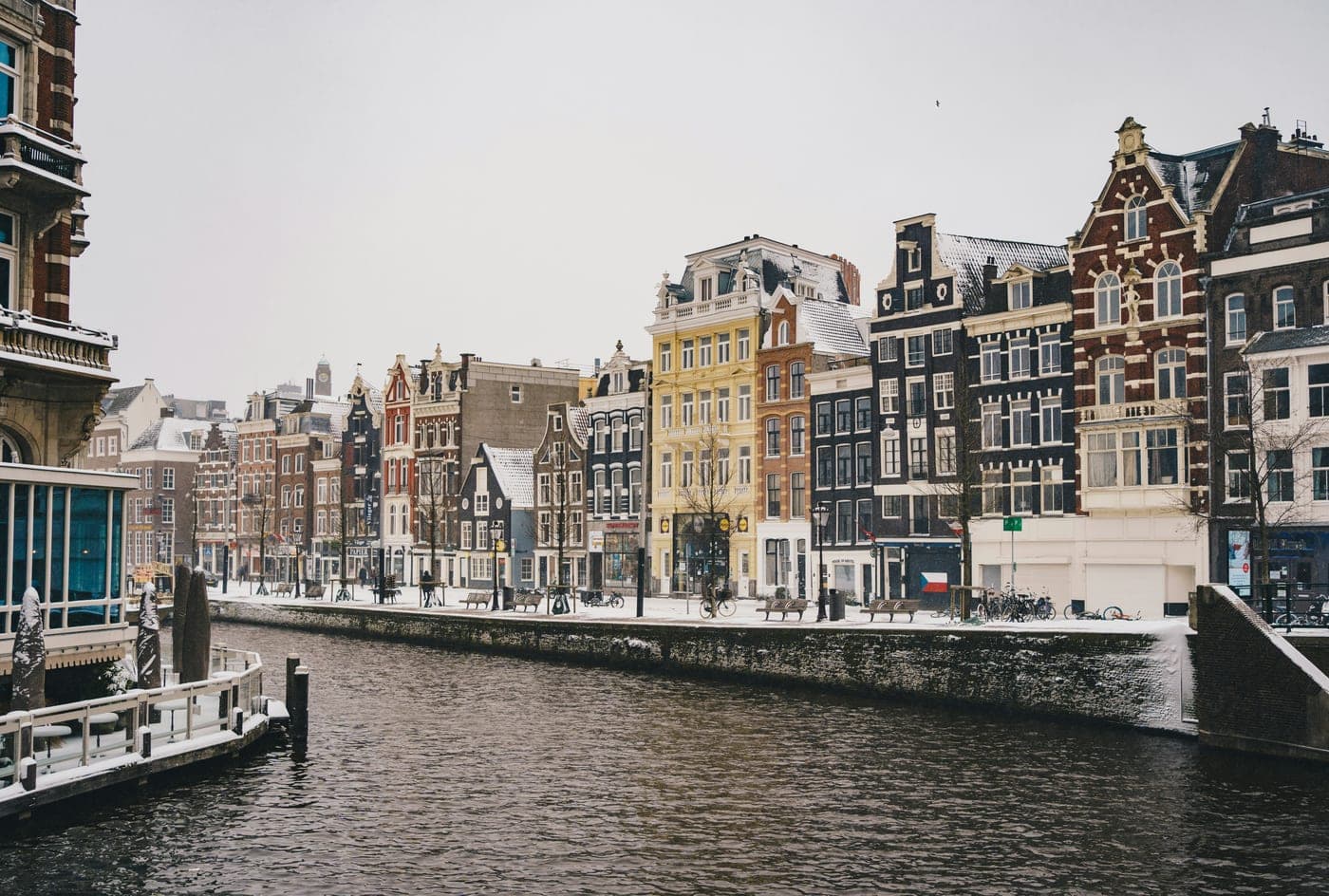 2 destinations
Netherlands
The Netherlands maintains 1,300 camper stops across flat terrain averaging 30 meters elevation. Tulip routes peak late April through early May, while the IJsselmeer's historic fishing villages preserve 17th-century warehouses. Maximum speed limits of 80 km/h for motorhomes ensure leisurely travel.
Southern Europe
03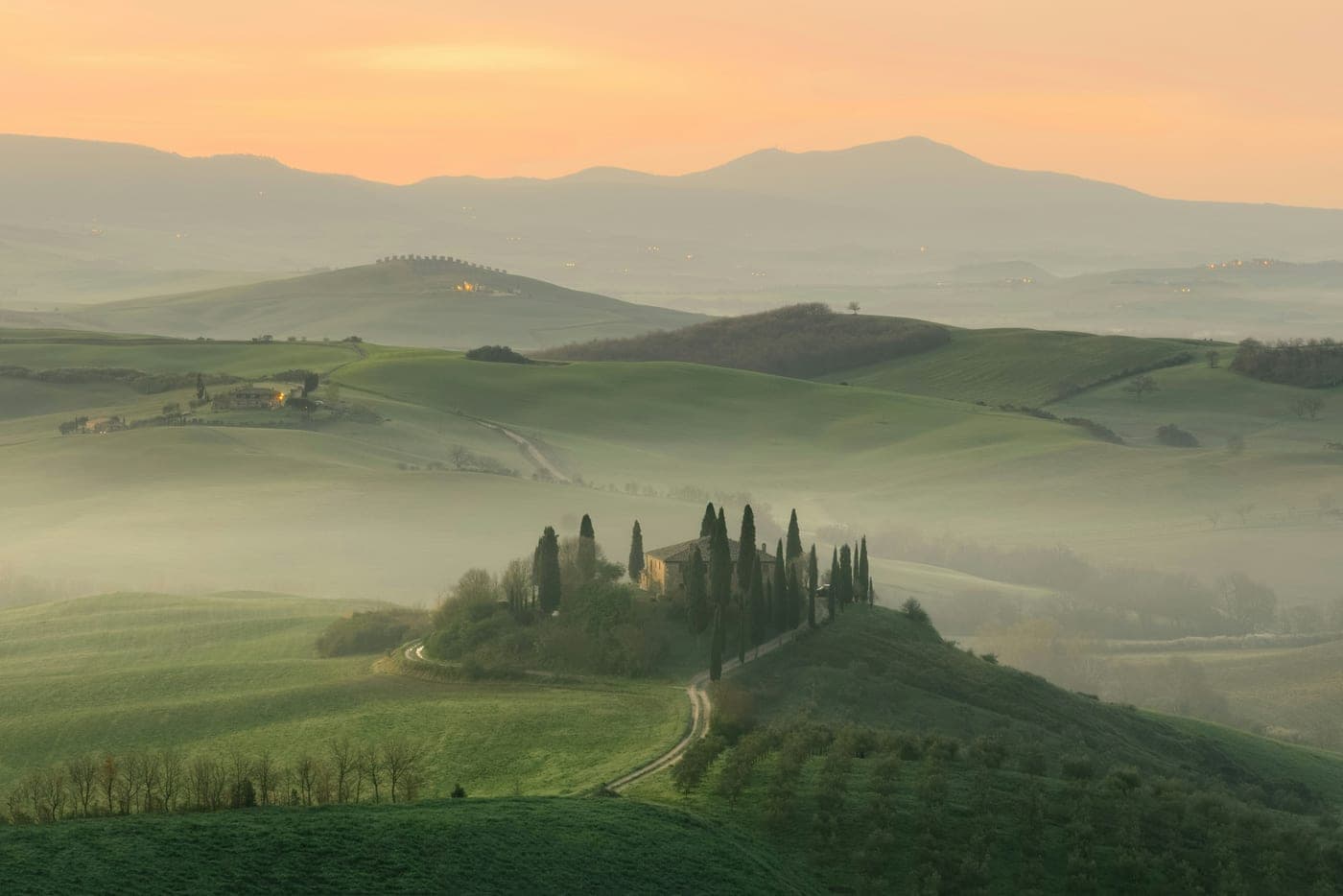 5 destinations
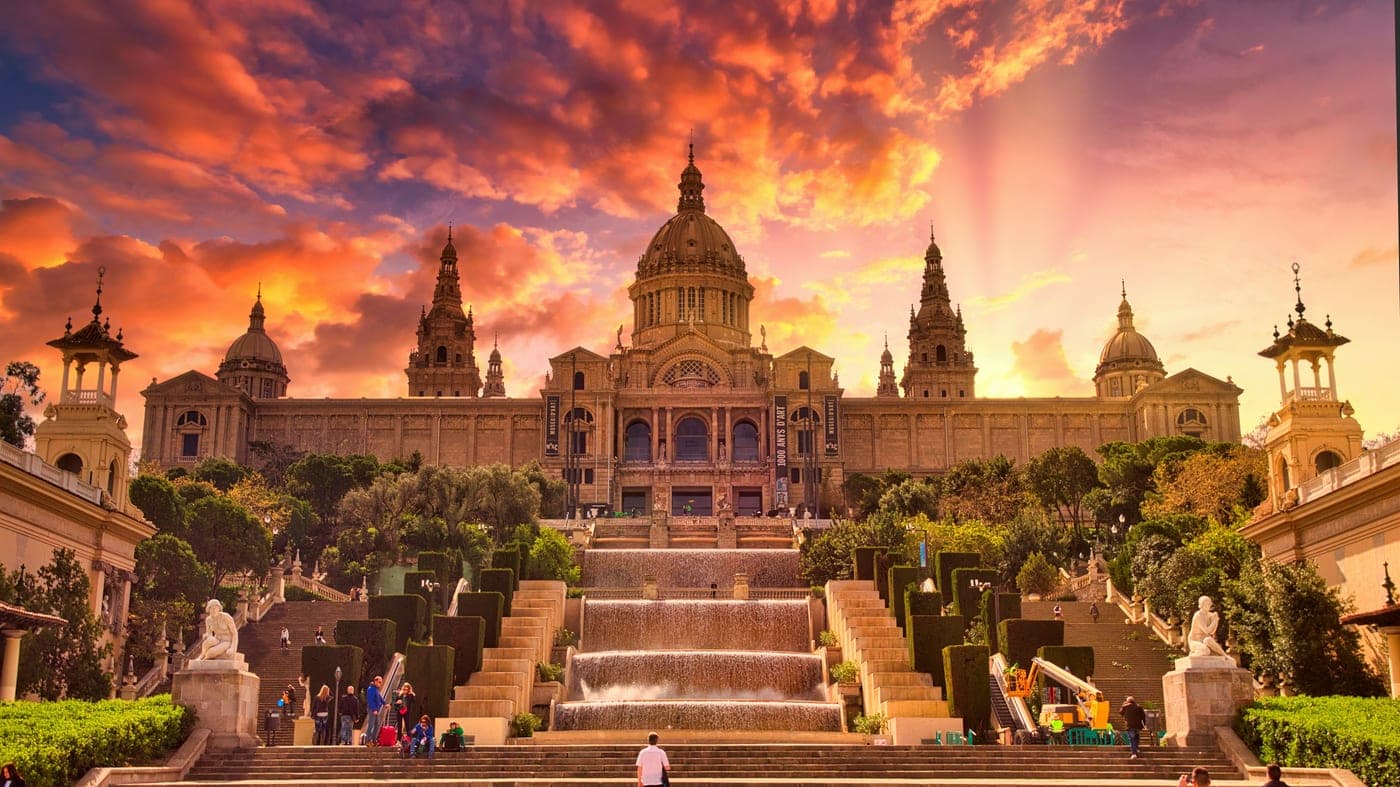
Italy
Italy's 1,200 sosta camper stops concentrate in Tuscany, Umbria, and lake regions. Chianti's wine roads connect medieval hill towns via narrow lanes requiring compact vans, while Dolomites passes like Passo Giau climb to 2,236 meters. Agriturismo farms increasingly welcome motorhome overnight parking.
 6 destinations
Spain
Spain permits wild camping on public land outside protected areas, with Costa Brava and Asturias offering clifftop parking. Picos de Europa National Park features mountain routes to 2,600 meters, while Andalusia's pueblos blancos perch on hillsides requiring careful navigation through 2-meter-wide streets.
 3 destinations
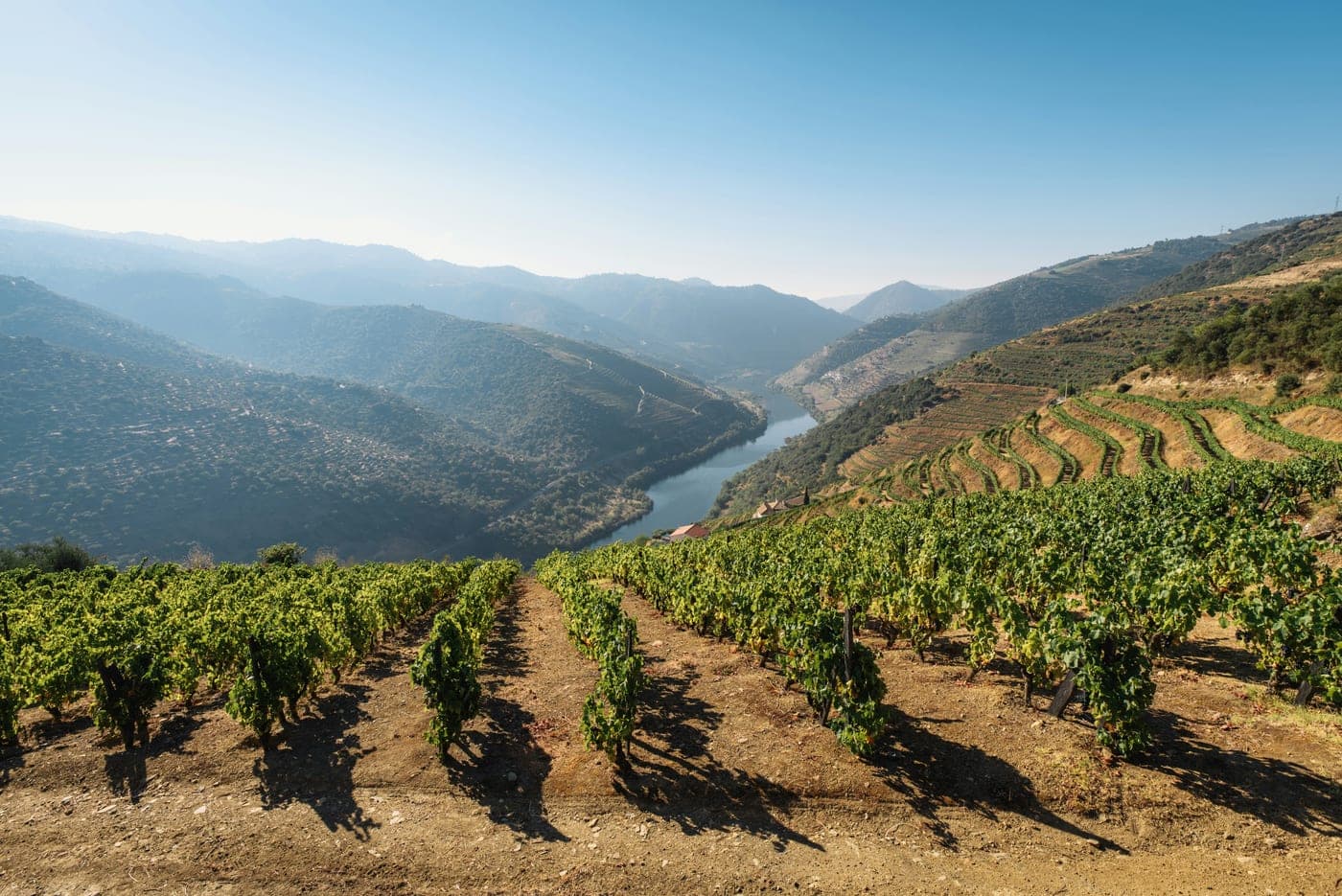
Portugal
Portugal's N2 National Road spans 739 kilometers from north to south without tolls or highways, passing through cork forests and medieval villages. Alentejo's plains offer free overnight parking at vineyards, while Algarve beaches maintain year-round camper access with 300 days of annual sunshine.
Northern Europe
02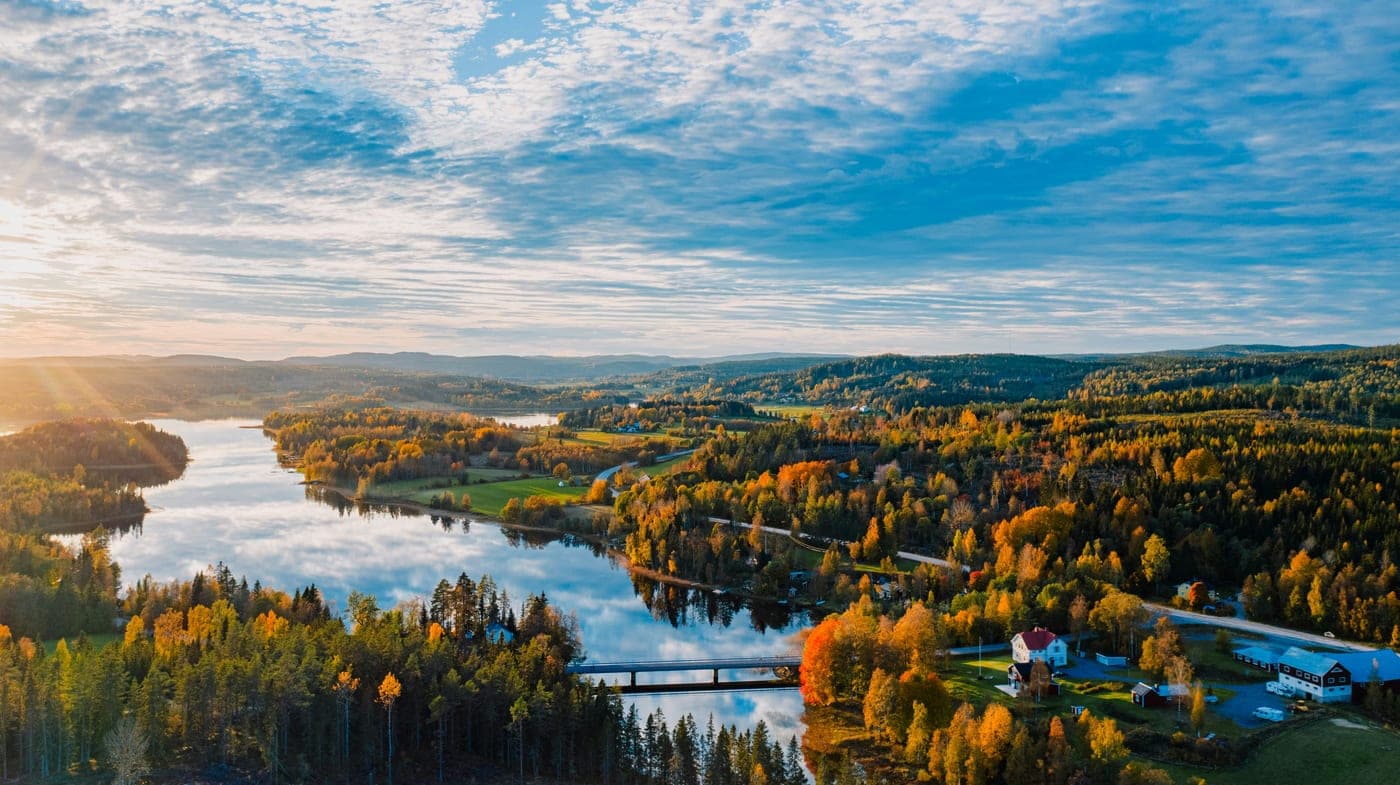 3 destinations
Sweden
Allemansrätten (freedom to roam) allows wild camping on public land, with Sweden's 28 national parks welcoming motorhomes. Stockholm's archipelago contains 30,000 islands accessible via ferry, while Lapland's Arctic routes offer midnight sun June through July and northern lights September through March.
 2 destinations
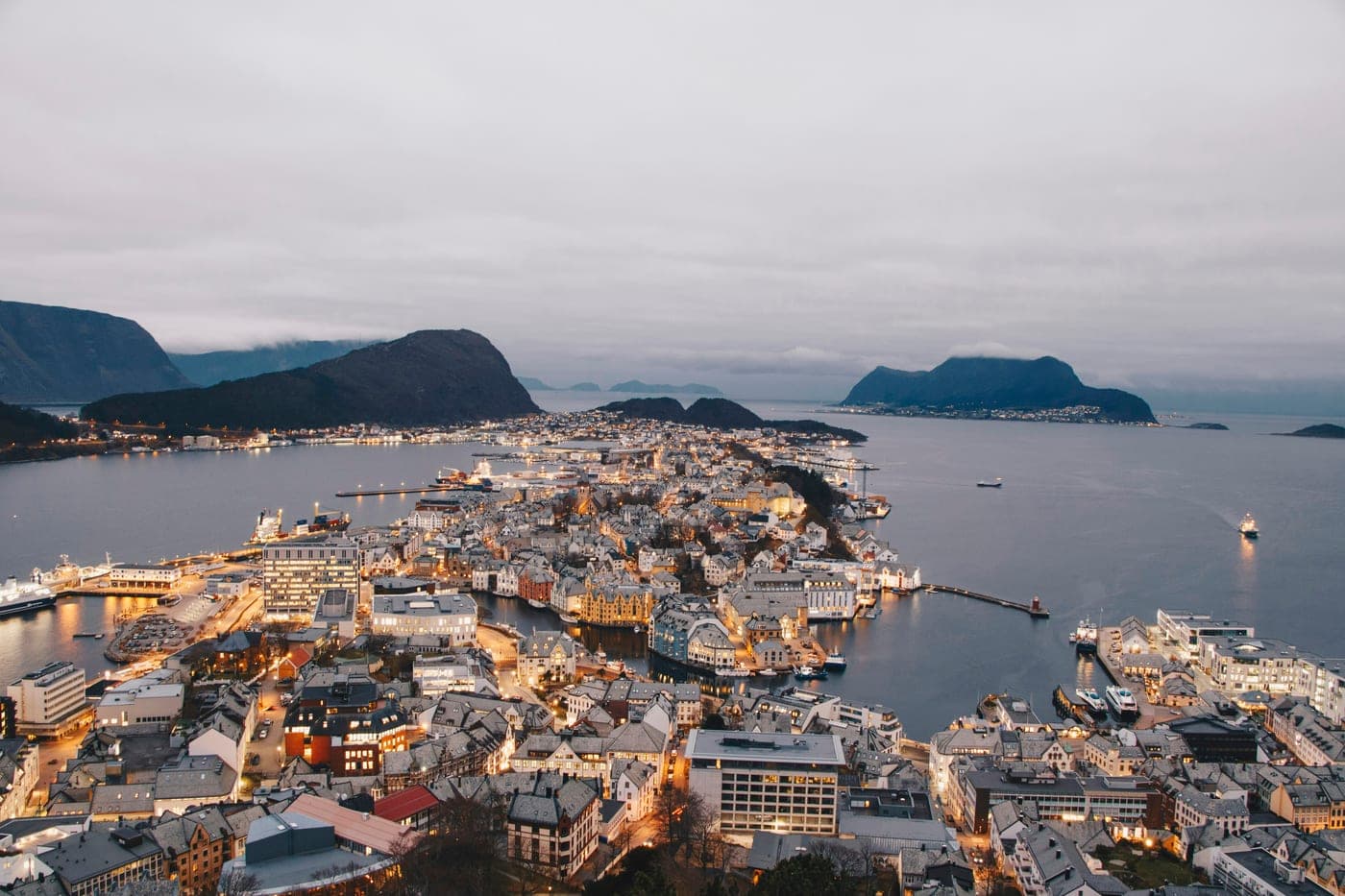
Norway
Norway's 18 National Tourist Routes feature designated viewpoints and rest stops along 2,800 kilometers of scenic roads. Atlantic Ocean Road connects islands via eight bridges, while Trollstigen climbs through 11 hairpin bends. Wild camping rights allow overnight stops outside populated areas.
British Isles
02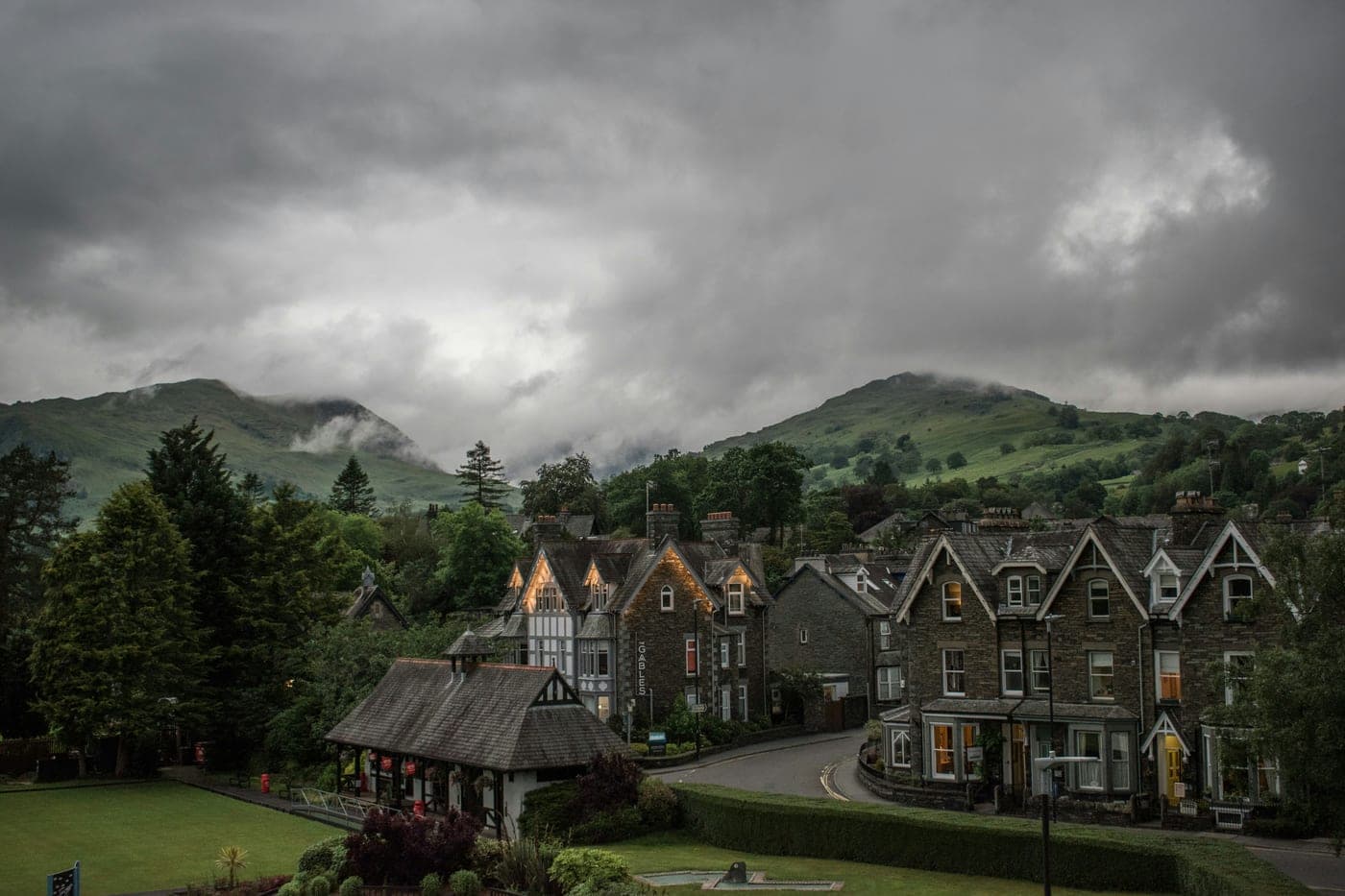 2 destinations
United Kingdom
The UK's 6,000+ campsites include Hebridean islands accessible by ferry and Lake District valleys with slate-roofed villages. North Coast 500 loops 516 miles around Scottish Highlands, while Cornwall's coastal paths require parking in designated lots due to narrow lanes.
 1 destination
Ireland
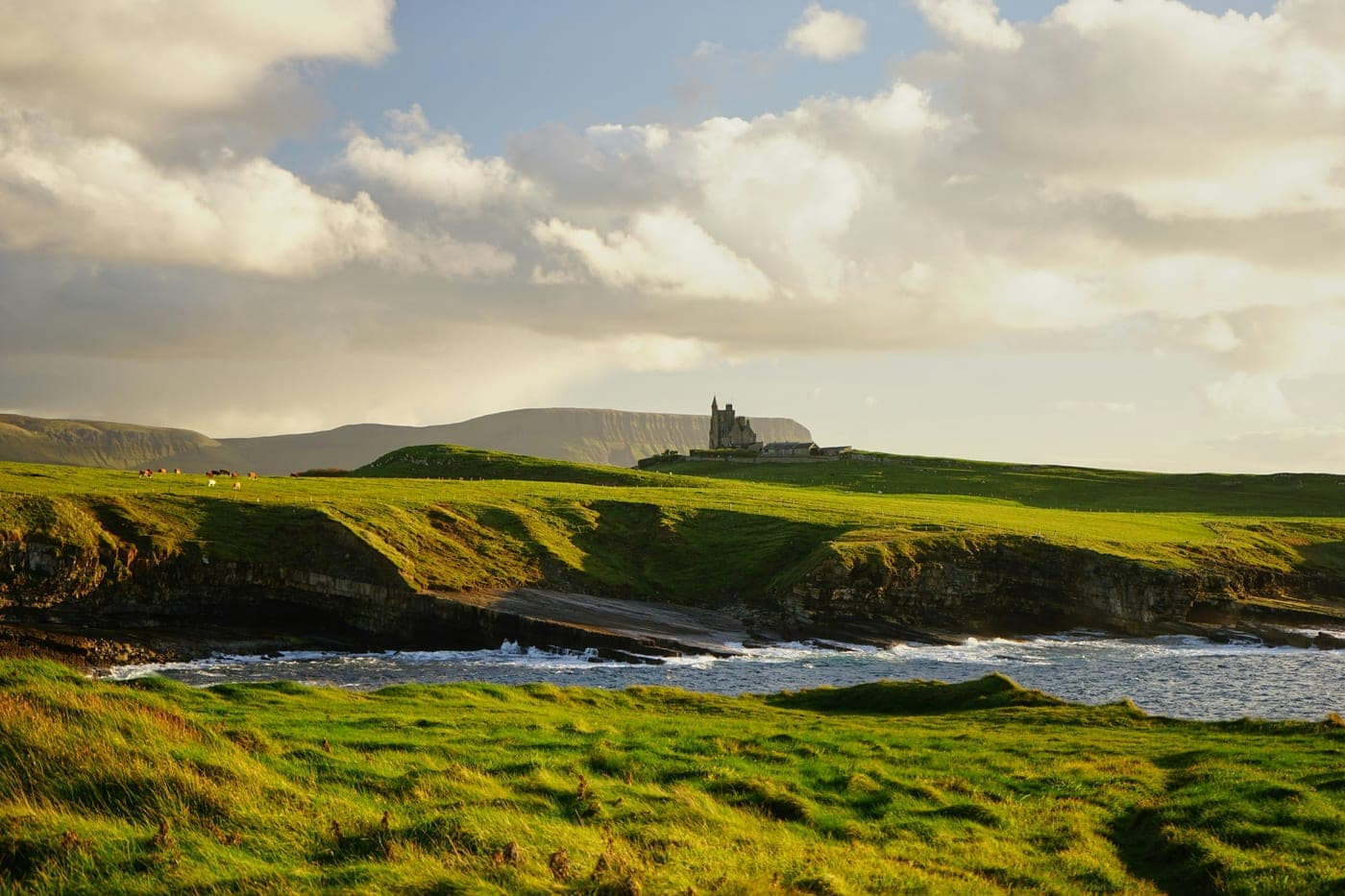
Wild Atlantic Way stretches 2,500 kilometers along the west coast from Donegal to Cork, with Connemara's bogs and Dingle Peninsula's Irish-speaking villages. Single-track roads with passing places require careful navigation, while coastal car parks welcome overnight motorhome stays.
Tips for a camper trip.
Five things to plan before you pick up the keys — written by our overlanding partners after years of European routes.
- 01Book in advance, especially for summer travel (June-August)
- 02Plan your route with camping sites and overnight parking spots
- 03Consider one-way rentals to explore without backtracking
- 04Travel during shoulder season (May, September) for better availability and prices
- 05Allow flexibility in your itinerary - van life is about spontaneity!
Four ways to roll out.
From compact two-berth vans to family motorhomes, every European rental comes in roughly four flavours. Most operators let you swap chassis size with a week's notice if your plans shift.
Weekend escape
A compact two-berth camper for a Friday-to-Sunday loop. Ideal for short routes near home — a vineyard weekend, a coastline overnight, a single national park. Pick up Friday afternoon, return Sunday evening, no campsites required where wild camping is legal.
Family adventures
Four to six berth motorhomes with proper kitchens, bathrooms, and sleeping for kids. Slower setup, bigger interior, easier rainy days. The base for a 7–14 day route — Loire to the Atlantic, Tuscany loop, Norwegian fjords — where the van is also your kitchen and living room.
Off-grid exploration
4x4-capable vans with solar, water tanks and bike racks for the routes that don't show up on Google reviews. Stay self-sufficient for days at a time, anchor at trailheads and crag bases, return to civilisation when you need a shower. Best in Scotland, the Pyrenees, and northern Scandinavia.
Classic camper journeys
Vintage VW Bays, T3s and modern restomods for travellers who care about the journey as much as the destination. Slower (don't plan more than 200 km a day) but every roadside stop becomes a photograph. Suited to short loops in places where the back roads are the point.
Asked & answered.
- Wild camping rules vary significantly across Europe. Countries like Norway, Sweden, and Scotland allow it under the right to roam. In most of Western Europe — France, Germany, Italy, Spain — wild camping is restricted but overnight parking in designated areas is often tolerated. Apps like Park4Night help locate legal and safe spots. Always check local regulations before parking overnight.
- The ideal season is May through September, with June and September offering the best balance of good weather and fewer crowds. Spring is beautiful in southern Europe (Portugal, Spain, Italy), while summer works best for Scandinavia and the Alps. Avoid August in popular Mediterranean areas if you prefer quieter routes.
- Compact vans (2-berth) are ideal for couples — they're easier to park, use less fuel, and can access narrow village roads. Family vans (4-berth) provide more living space and storage. For a first European camper trip, a mid-size van offers the best compromise between comfort and manoeuvrability on Europe's often narrow rural roads.
- Beyond the rental cost (typically €80–€150/day), budget for fuel (€50–€80/day depending on distance), camping fees (€15–€35/night at equipped sites), food, and tolls. Many European countries have toll roads. Overall, camper van travel can be more affordable than hotel-based trips, especially for families, as you save on accommodation and restaurant meals.