Germany
Rhine valleys and castle hills
Regions
Baden-Württemberg
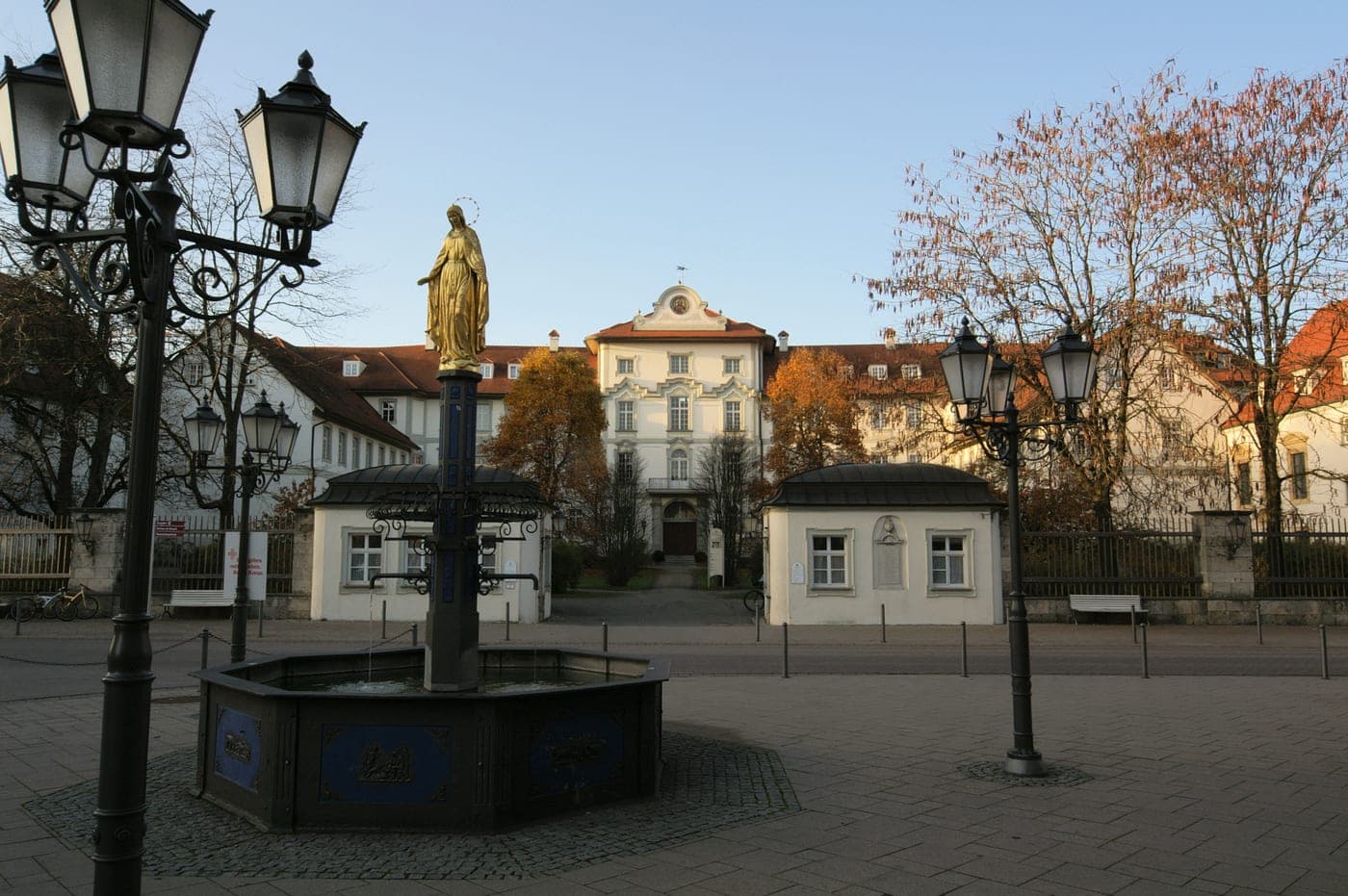
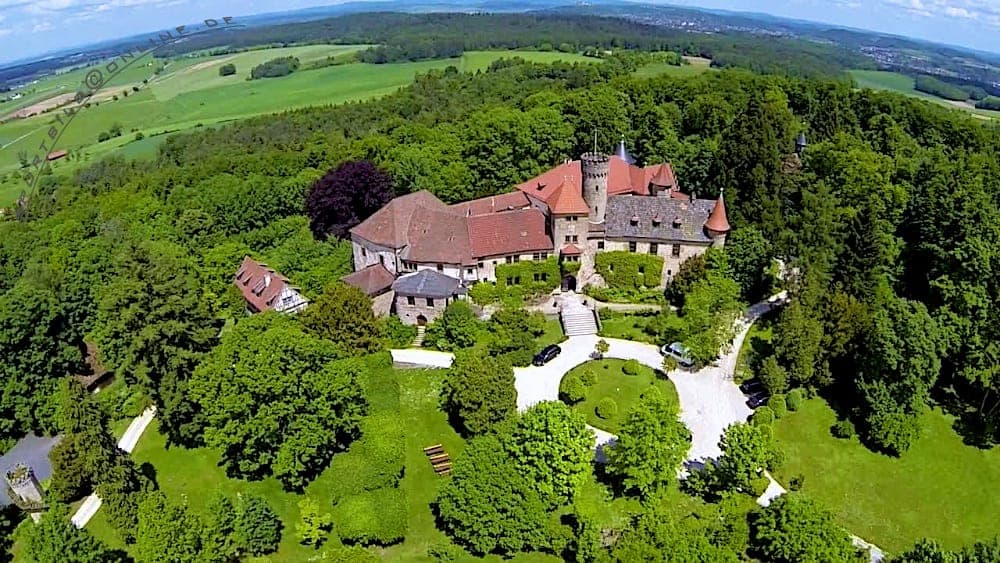
Baden-Württemberg fills Germany's southwest corner, from the Rhine plain in the west to the limestone plateau of the Swabian Jura in the east. The land moves in slow shifts here: vineyard slopes give way to dense forest, forest opens onto grassland and cave country, and everything eventually settles toward the wide, calm water of Lake Constance in the south. It is a region built for a wandering pace, town by town, valley by valley. Wine gives much of the region its rhythm. On the Upper Rhine, the volcanic hill of the Kaiserstuhl holds terraced vineyards that catch unusually strong sun for Germany, and small growers here work Spätburgunder and Grauburgunder grapes into wines poured in village Weinstuben. South of it, the Markgräflerland carries its own soft vineyard hills toward the Swiss border, linked by paths that wind through the vines from one wine village to the next. Near Stuttgart, the Neckar valley holds the Württemberg wine region, where Trollinger and Lemberger vines grow on steep terraces braced by dry stone walls that vintners still mend by hand. East of the Rhine, the Black Forest rises into ridges of spruce and fir, its valleys dotted with timber farmhouses under heavy, sloping roofs. Clockmaking has never quite left these villages, and workshops still turn out cuckoo clocks in the old way. Freiburg im Breisgau sits at the forest's western edge, its old town threaded by small open channels called Bächle that run past the cathedral square and into the surrounding lanes. Further into the hills, half-timbered towns such as Gengenbach keep market squares lined with houses that lean gently with age, and Fasnet carnival traditions bring out carved wooden masks each winter. Castles mark the region's high points. Heidelberg's red sandstone ruin looks down over the Neckar and the baroque rooftops of the old town below, its terraces a well-known spot for watching the river. Further south, Hohenzollern Castle sits on a steep, isolated hill at the edge of the Swabian Jura, its towers visible above the surrounding farmland long before the castle comes fully into view. Smaller fortress towns between the two hold quieter versions of the same story, with gatehouses and keeps built into hillsides above vineyards or forest. Tübingen keeps its own slow tradition on the Neckar, where flat-bottomed Stocherkahn boats are punted along the river below a row of tall, colourful houses. Students and residents share the same narrow lanes that have shaped the town for generations. South and east of Tübingen, the Swabian Jura opens into limestone grassland, sheep pasture, and juniper heath, cut through by dry valleys and cave systems that draw walkers onto marked trails. At the region's southern edge, Lake Constance spreads into a broad expanse of water shared with Switzerland and Austria. Orchards, vineyards, and small harbour towns line its shore, where fishing boats still go out early. Reed beds and level paths follow much of the water's edge, giving long, flat stretches for walking or cycling between towns without losing sight of the lake. Festivals mark the region's calendar as much as its landscape does. Wine villages hold harvest festivals in autumn, serving new wine alongside onion tart in courtyards strung with lights. Winter brings Fasnet, with its carved masks and processions through Black Forest towns. Spring and summer bring open-air concerts in castle courtyards and vineyard walks led by local growers. Bicycles and walking boots suit this region well. Marked cycling routes follow the Rhine plain past vineyards and orchards, climb gradually into Black Forest valleys beside running streams, and trace the Lake Constance shore through reed beds and harbour towns. Hiking paths cover the same ground more slowly, crossing vineyard terraces, forest ridges, and Jura grassland, and often link one small town to the next without a long detour. Each part of Baden-Württemberg keeps its own version of this slow character: a wine village square in the Kaiserstuhl, a castle terrace above the Neckar, a quiet stretch of Bodensee shore, a forest clearing where the only sound is water moving somewhere close by.
Bavaria
Bavaria is Germany's largest state, and one of its most varied. In the south, the land rises into the Alps, with peaks above Berchtesgaden and Garmisch-Partenkirchen, and lakes such as the Chiemsee and the Königssee nearby. Further north, the hills flatten into the Franconian wine country, where Silvaner and Müller-Thurgau vines cover slopes above the Main river. Between these two landscapes sit market towns, river cities, and castle villages that reward slow attention. Munich, the state capital, has its beer gardens, its baroque churches, and its markets selling Weißwurst in the morning. But much of Bavaria's character lives outside the capital, in places built for a quieter pace. Regensburg, on the Danube, keeps a medieval old town of narrow lanes, stone bridges, and merchant houses that once served river trade. Bamberg spreads across seven hills and several arms of the Regnitz river, and is known for its smoked Rauchbier, brewed in local taverns much as it always has been. Rothenburg ob der Tauber sits inside its own medieval walls, with half-timbered houses and a walkway along the ramparts that circles the whole old town. Franconia, in the north, is Bavaria's wine country. Vineyards climb the terraces above Würzburg and along the Main, and small wine villages sell their own vintages from cellar doors and courtyard taverns. The wine here is usually bottled in the round Bocksbeutel flask, a shape associated with the region. Cycling paths follow the river through the vines, linking one village to the next at an easy, level pace, past chapels, wine presses, and stone crosses set among the rows. In the Allgäu, close to the Austrian border, the town of Füssen sits below the castle hill of Neuschwanstein, built by King Ludwig II in the nineteenth century. The castle draws attention, but the surrounding countryside holds its own appeal: lakes, foothills, and villages where farming and dairy traditions continue much as before. Bavaria's lakes add another layer of slowness. The Chiemsee, the largest, can be crossed by boat to its island monasteries, where former royal buildings and quiet cloisters sit surrounded by water and reed beds. Smaller lakes near the Alpine foothills, such as the Staffelsee and the Ammersee, are ringed by paths used for walking and cycling rather than for speed. Food and drink run through the region's identity. Beer gardens, some centuries old, work on a simple principle: food brought from home, a beer ordered at the counter, a seat under chestnut trees for as long as the weather allows. Franconian taverns serve local wine alongside dishes built around potatoes, dumplings, and river fish. Bakeries sell pretzels still warm from the oven, and markets in towns like Nuremberg keep old traditions of spiced gingerbread and roasted sausages. A morning market in Regensburg, an afternoon among the Franconian vines, an evening in a Bamberg tavern: each has its own pace. Villages across Bavaria keep their own customs — wine festivals in Franconia, woodcarving and dairy traditions in the Alpine foothills. Mountains and vineyards, river cities and castle villages: Bavaria fits them into a single state, each within reach of the next.
Berlin
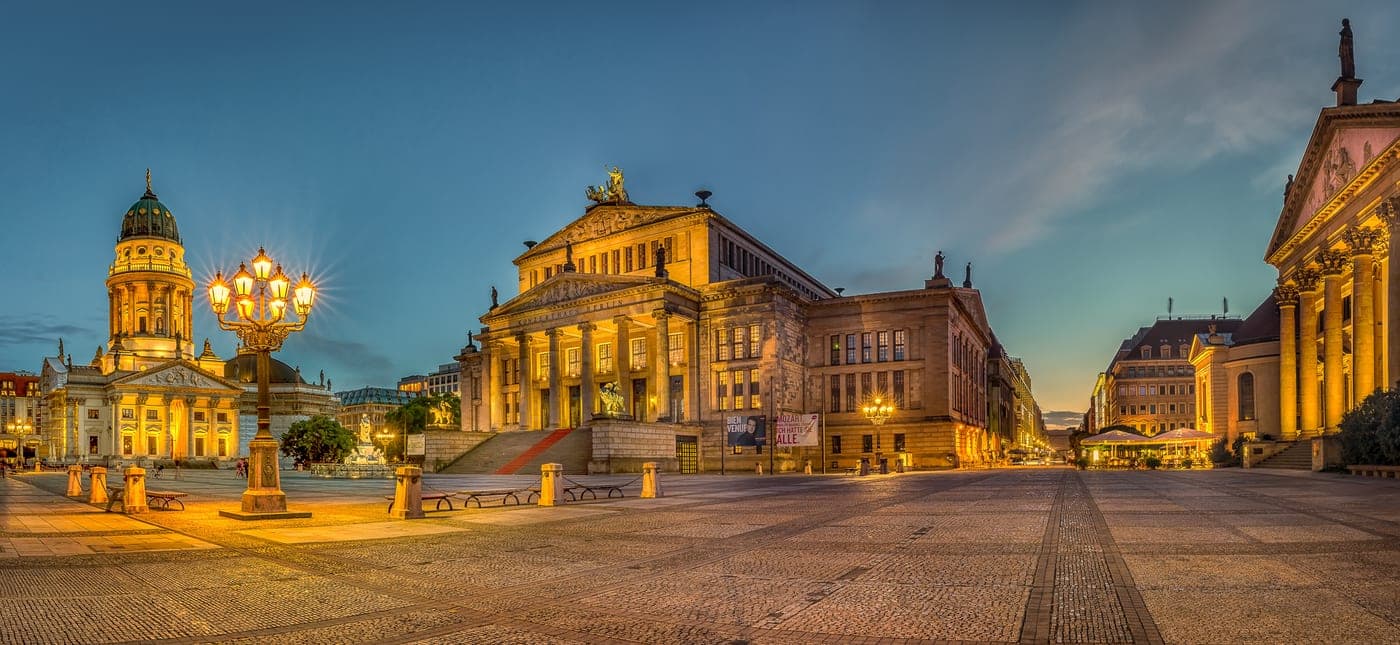
Germany's capital is a vibrant hub blending history, culture, and innovation. It is renowned for its diverse neighborhoods, each offering unique experiences. Kreuzberg, once a border district, showcases multicultural influences and street art. The historic Mitte area houses Museum Island, a UNESCO World Heritage site with five museums featuring art and antiquities. Berlin's rich history is palpable in sites like the Berlin Wall and Brandenburg Gate. The city is also known for its dynamic culinary scene, from traditional currywurst to avant-garde dining. Parks like Tiergarten provide urban green spaces, while the Spree River offers a chance to explore by boat. Art and music thrive in venues across the city, making it a dynamic destination for culture enthusiasts.
Brandenburg
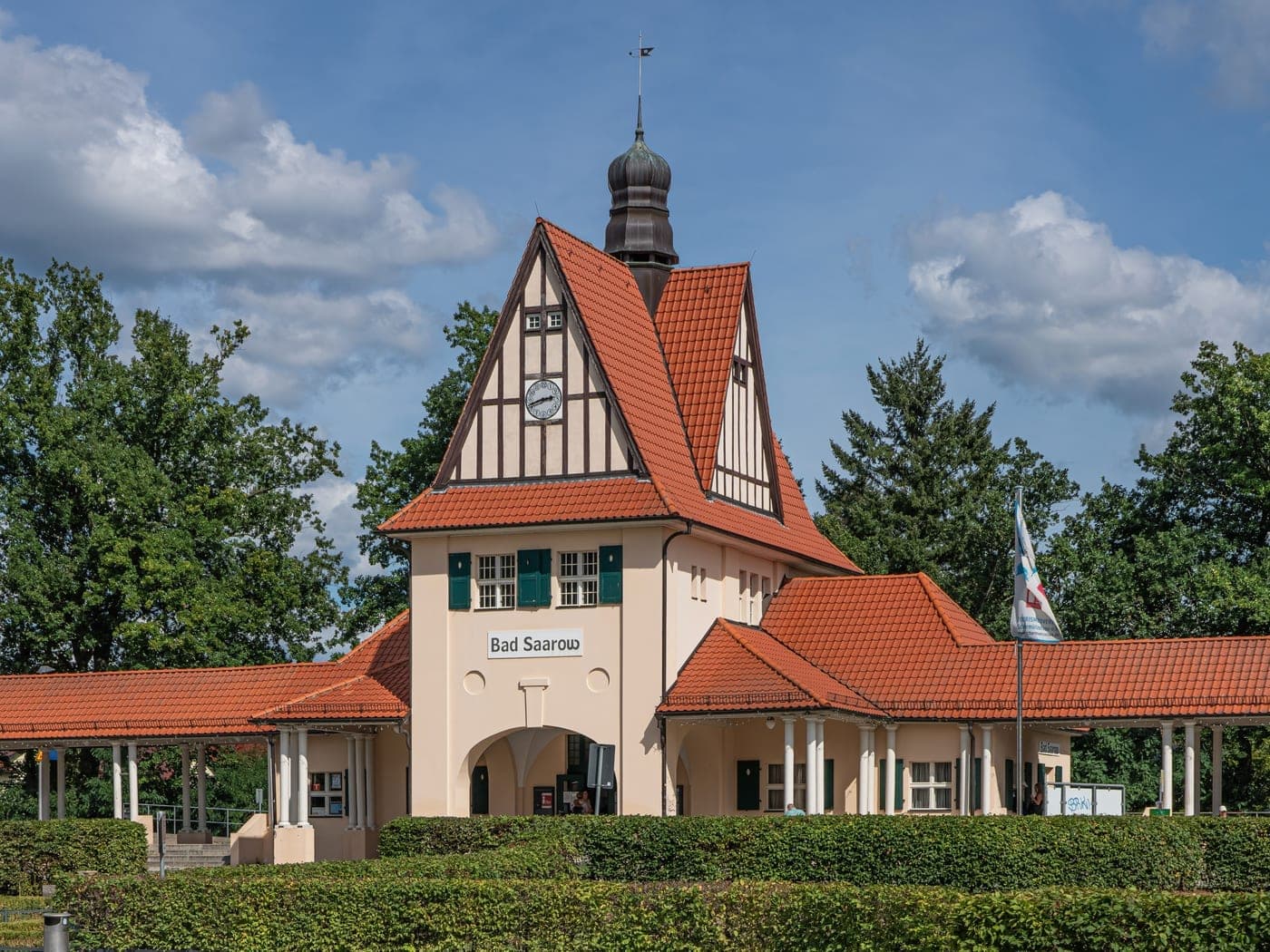
Brandenburg is the largest of Germany's states, and also one of the quietest. It wraps around Berlin on every side, yet it feels like a different country: flat, green, and threaded with water. Lakes, rivers, and canals cover so much of the land that boat and paddle are as normal here as a footpath. This is a place built for slow travel, not because it lacks things to see, but because its landscape rewards patience over speed. The heart of any visit is Potsdam, once the residence of Prussian kings. Its palace parks are enormous, and walking through them takes hours, not minutes. Sanssouci, with its terraced vineyard steps and gilded rooms, is the centerpiece, but the wider park system links smaller palaces, follies, and lakeside paths that most visitors never reach. Spend a full day here and you will still leave things unseen. This is the pace Brandenburg rewards: fewer stops, longer looks. South-east of Potsdam lies the Spreewald, a biosphere reserve where the river Spree splits into hundreds of small channels through wet forest and meadow. Villages here are built along the water rather than roads, and the traditional way to move between them is by flat wooden boat, poled slowly through the canals. Locals still grow the region's famous gherkins in these damp fields, and small family-run inns serve them pickled, alongside regional specialities like Brandenburg mustard. Canoeing the quieter channels away from the main tourist routes gives a clearer sense of how the Spreewald actually works, as a living farmed wetland, not a theme park. Elsewhere, Brandenburg is a state of lakes. The Havel river widens repeatedly into lake-like stretches around Potsdam and further north, and the Uckermark region, close to the Polish border, is scattered with hundreds of small lakes surrounded by beech forest and rolling farmland. This is some of the least crowded countryside in Germany, good for slow cycling on flat, well-marked paths that link village to village rather than city to city. A week here can mean long mornings on the water and short, easy rides between overnight stops, with time left over to simply sit. History sits close to the surface throughout the region. Brandenburg an der Havel, the medieval town that gave the state its name, has a cathedral and old town core that predate Berlin itself. Smaller towns across the state carry church spires, town gates, and market squares largely untouched by mass tourism, since most visitors head straight for Potsdam or Berlin and skip the rest. That gap is Brandenburg's advantage for slow travellers: towns like Rheinsberg, with its lakeside palace, or Werder an der Havel, known for its orchards and spring fruit blossom, feel lived-in rather than staged. For a first visit, three to four days is enough to get a real sense of the region: a day in Potsdam's parks, a day or two in the Spreewald for canals and canoeing, and a day exploring one lake town at an easier pace. A longer stay, a week or more, allows time to properly cycle between villages in the Uckermark or follow the Havel further north, where the crowds thin out almost completely. Brandenburg's food reflects its landscape: freshwater fish from the lakes, Spreewald gherkins, dark rye bread, and small regional breweries that rarely export beyond the state. None of it is showy. It is the kind of place that gives more the slower you move through it, better suited to a canoe paddle or a bicycle than a schedule of sights ticked off quickly. For anyone planning a Brandenburg itinerary built around towns and landscape rather than a single city, this is where to start.
Hamburg
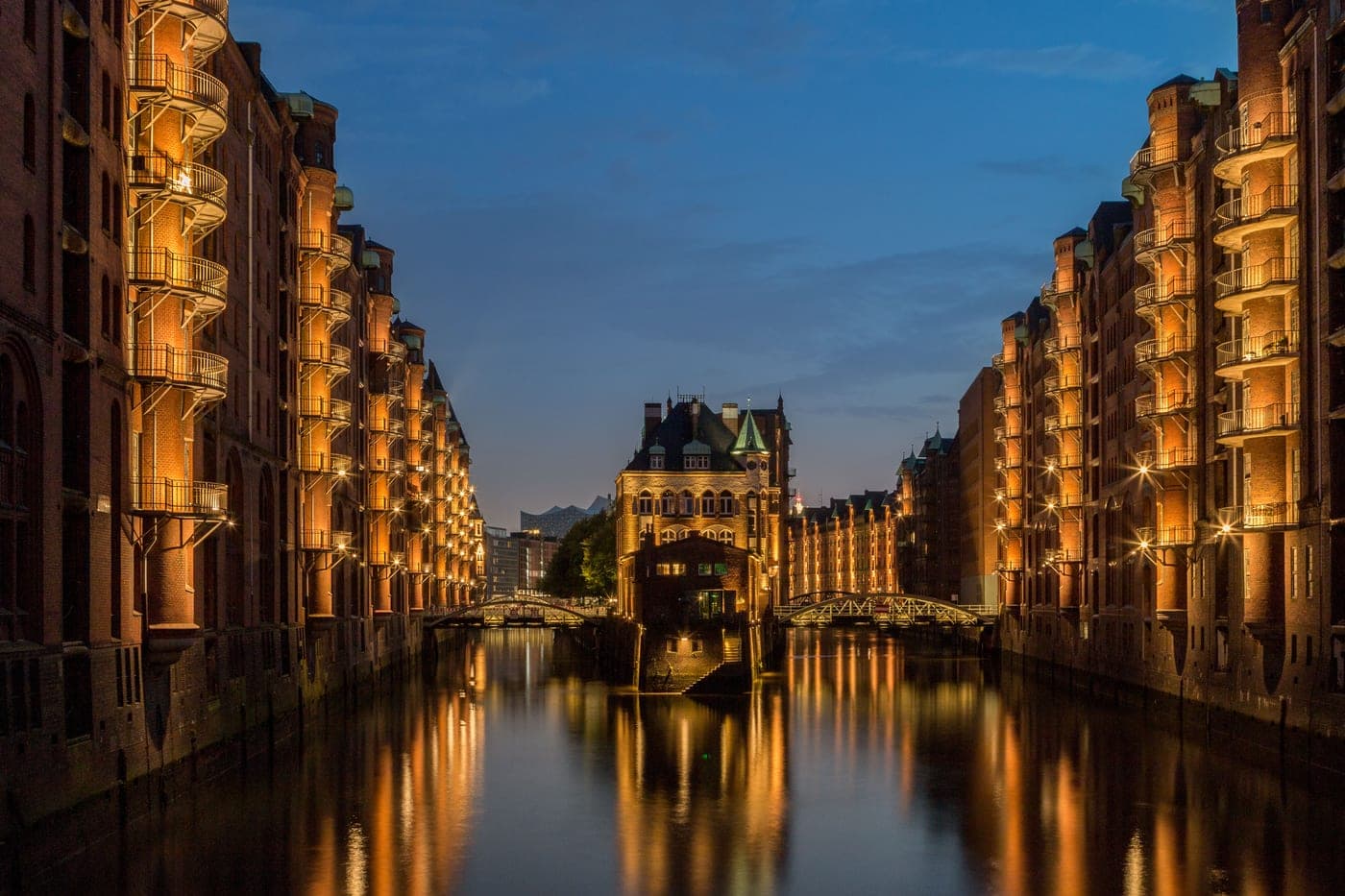
Hamburg, Germany's second-largest city, is known for its rich maritime history and vibrant cultural scene. The city is home to the historic Speicherstadt, the world's largest warehouse district, built on timber-pile foundations. The Elbphilharmonie, a striking concert hall, offers stunning views of the harbor. Nearby, the Blankenese district features picturesque hillside paths along the Elbe River. Additionally, Hamburg hosts numerous festivals, such as the Hamburg Dom fair and the Port Anniversary. The city’s diverse neighborhoods, from St. Pauli's nightlife to the artistic vibe of Schanzenviertel, offer unique local experiences. The surrounding nature, including the scenic Alster Lakes, invites leisurely exploration.
Hesse
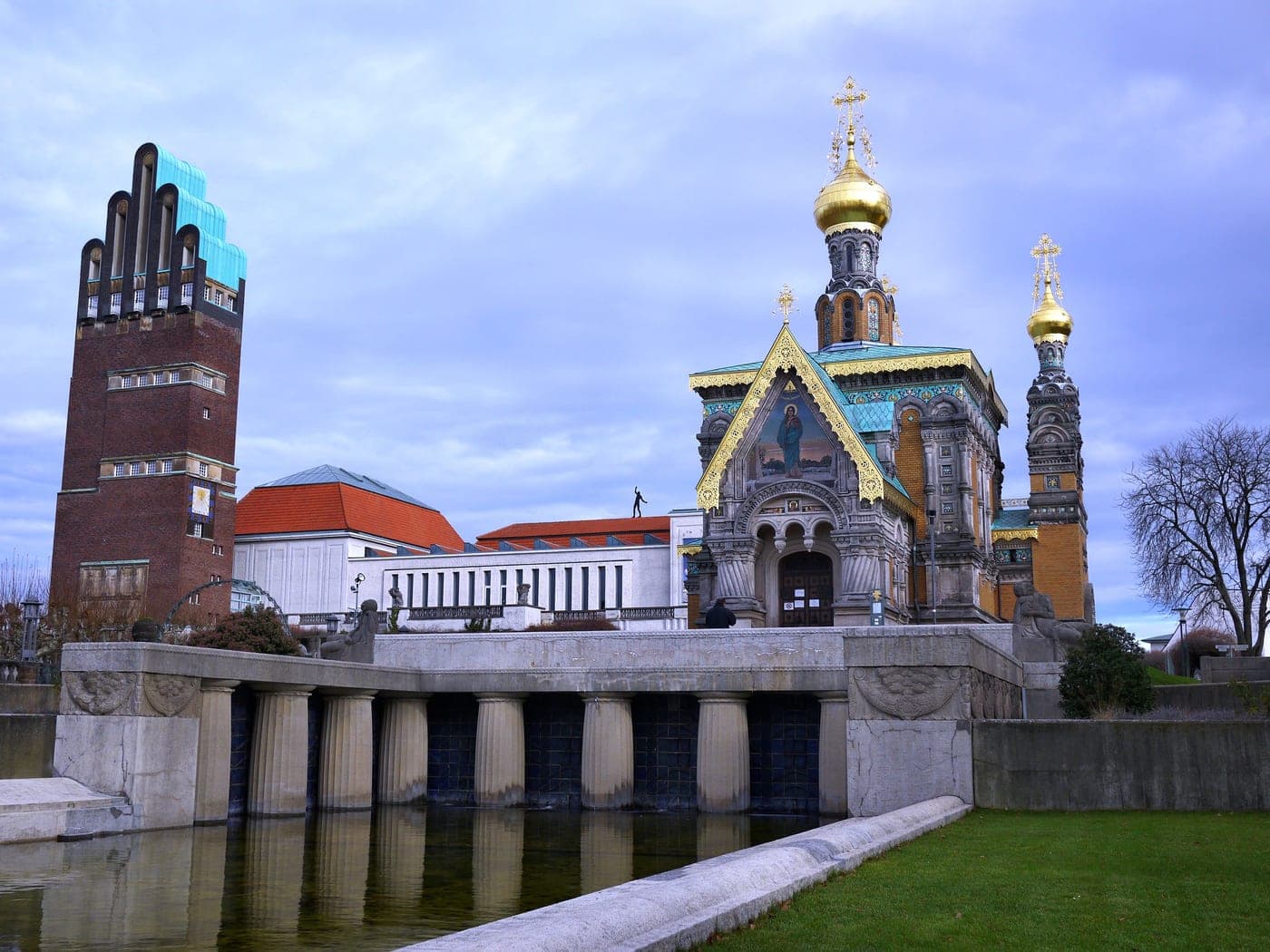
Hesse sits at the middle of Germany, and its landscape shows that in-between position clearly: river valleys lined with vineyards, forested hills that rise into proper mountain trails, and old market towns that never grew into cities. The pace here is set by the land itself. Along the Rhine, in the district known as the Rheingau, steep slopes have carried vines for centuries. Riesling is the grape that defines the area, grown on terraces above towns such as Rüdesheim, Eltville, and Geisenheim, where the river bends and the hills catch the afternoon sun. Marked cycling paths follow the water through the vine rows, past wine presses and small cellar doors that open onto the lane in season. Wiesbaden, the state capital, grew up around its hot springs. The Romans built baths here, and the town's spa culture never really stopped afterward — the same warm mineral water still rises through the ground and feeds the fountains and bathhouses that give the old streets their elegant, slightly formal air. Wide boulevards, stucco façades, and a domed casino all belong to that same spa-town character. Darmstadt, not far south, took a different path. At the start of the twentieth century, a group of artists and architects built the Mathildenhöhe colony there, a hillside cluster of houses, studios, and a wedding tower designed as a single artistic statement. The result is unlike anything else nearby: Jugendstil curves, mosaic tiles, and gardens laid out to match the buildings around them. To the north, the Taunus range folds into wooded ridges and open summits, with the Feldberg as its high point. Paths climb through beech forest and break out onto grassy tops with views back down toward the Rhine and Main valleys. At the foot of the range, Bad Homburg keeps its own spa tradition, with a park landscaped around mineral springs and a Kurhaus at its centre. Marburg lies along the Lahn river, its old town built up a steep hillside beneath a castle that has watched over the crossing for centuries. Narrow lanes climb between half-timbered houses toward the Elisabethkirche, one of the earliest Gothic churches built in Germany, and the university that has shaped the town since the sixteenth century sits woven right through the streets rather than set apart from them. Hesse also carries a strong thread of fairy tale history. The Brothers Grimm worked in Kassel for much of their lives, gathering and editing the folk tales that later spread around the world, and the town where they grew up, Steinau an der Straße, still keeps their family home. Kassel itself holds the Bergpark Wilhelmshöhe, a hillside park built around water cascades and crowned by a huge statue of Hercules, with fountains set running on fixed days through the warmer months. Further east, Bad Hersfeld grew around a Benedictine abbey whose church was left roofless after a fire centuries ago. The ruined nave now hosts an open-air theatre festival each summer, with the half-timbered old town filling up around performance nights. Fulda, close by, keeps its baroque cathedral quarter and a web of quiet lanes built for walking rather than traffic. Wine, water, and woodland repeat across Hesse in different combinations. The Rhine and Lahn valleys both carry cycling routes built along old towpaths, with easy gradients that pass through vineyard villages and under castle ruins. Autumn brings the grape harvest to the Rheingau, with presses running and new wine, still cloudy and sweet, sold by the glass in village squares. Spring and early summer suit the Taunus trails, when the beech woods are freshly green and the ridge paths stay cool. Spa towns like Wiesbaden and Bad Homburg keep their bathhouses open through the year, giving the region a rhythm that does not depend on any single season. What holds Hesse together is this mix of built and grown landscape: castle hills standing over vine terraces, spa parks laid out beside forest ridges, and small towns where the half-timbered centre and the surrounding countryside read as one continuous place rather than a destination and its outskirts.
Lower Saxony
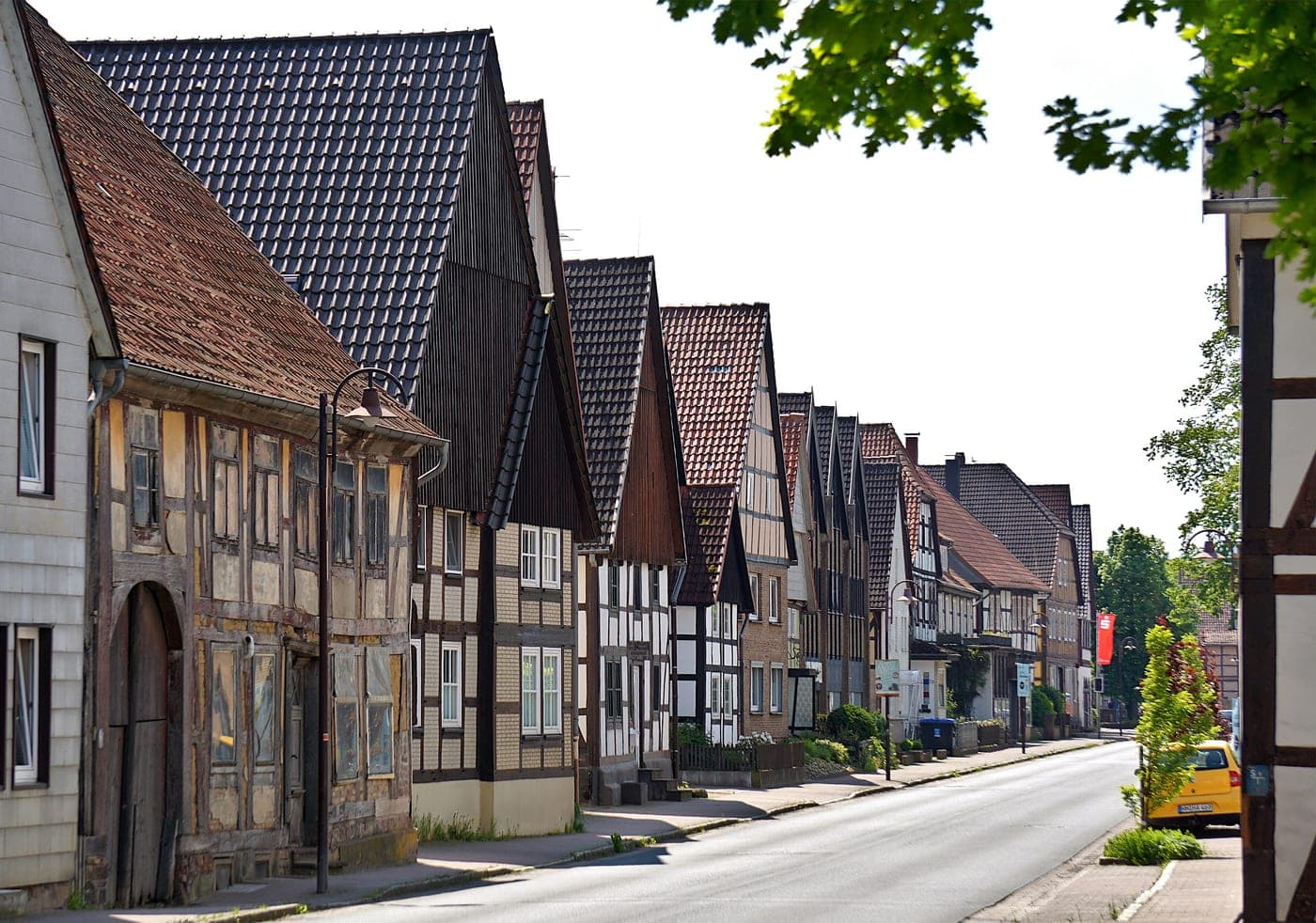
Lower Saxony is Germany's second-largest state, featuring a mix of landscapes from the North Sea coast to the Harz mountains. The historic city of Hanover offers a vibrant arts scene and beautiful gardens, while Göttingen is renowned for its university atmosphere and literary history. The coastal region features the Wadden Sea, a UNESCO World Heritage site known for its unique tidal flats and diverse wildlife. Off the beaten path, towns like Celle showcase well-preserved half-timbered houses. The region is also famous for its traditional horse breeding and local specialties like Braunschweiger sausage and East Frisian tea culture, inviting exploration beyond typical tourist routes.
Mecklenburg-Vorpommern
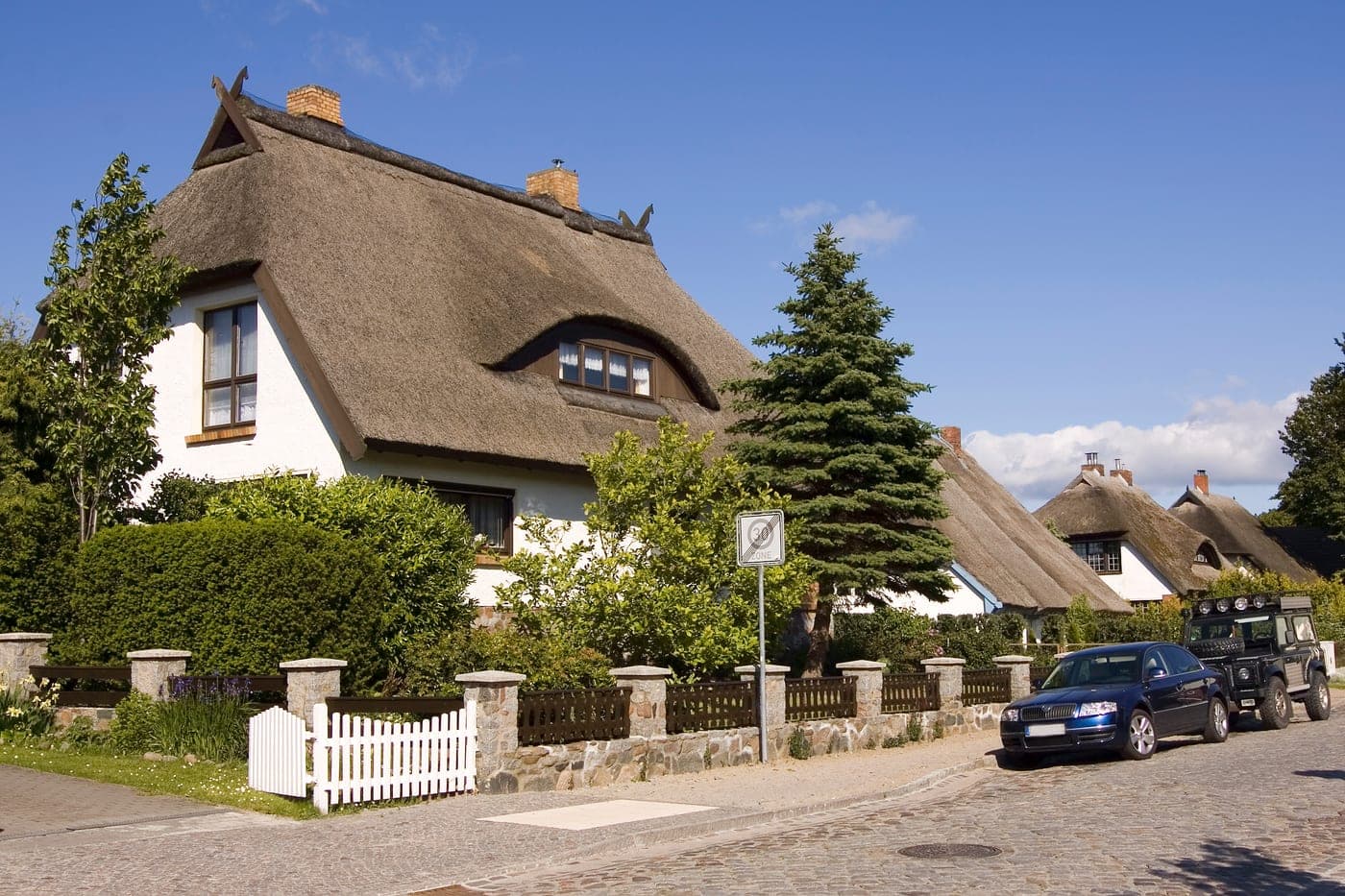
Mecklenburg-Vorpommern is the largest of Germany's federal states by area, reaching from the Baltic Sea inland across a landscape scattered with lakes. The name joins two historic regions: Mecklenburg in the west, long ruled from Schwerin, and Vorpommern, Western Pomerania, in the east, the German share of the old Baltic region of Pomerania that today continues into Poland. This eastern half is flat farmland and river estuaries, with the port towns of Stralsund and Greifswald. Rostock, the state's largest city, keeps a brick Gothic skyline around St. Mary's Church, with a harbour at Warnemünde where ferries, fishing boats, and sailing yachts share the same stretch of water. Stralsund and Wismar preserve step-gabled merchant houses and market squares built on the wealth of Baltic trade. Greifswald, a university town further east, shows the same red-brick churches rising above low rooflines. Inland, Schwerin's old town circles a castle built on an island in the middle of its own lake, now the seat of the state parliament. Behind the coast lies the Mecklenburg Lake District, where glacial lakes are strung together by narrow channels and canals. Müritz anchors a national park of reed beds, wet woodland, and open water. Small towns such as Waren, Röbel, and Plau am See sit at the water's edge, their harbours used by canoes and sailing boats moving between lakes. The Baltic coast itself turns rougher and more open. Rügen, Germany's largest island, rises into chalk cliffs at Jasmund National Park, where beech forest reaches the sea above the white rock face at Königsstuhl. The island's seaside resorts, Binz, Sellin, and Göhren among them, keep rows of nineteenth-century villas with wooden verandas, a style known locally as Bäderarchitektur. Usedom, shared with Poland at its eastern end, has a similar line of resort towns, Heringsdorf, Ahlbeck, and Bansin, strung along one long sand beach joined by a wooden pier. Between the two larger islands, Hiddensee stays low and quiet. Away from the resorts, the Fischland-Darß-Zingst peninsula keeps fishing villages shaped by the shallow Bodden lagoons that separate the peninsula from the mainland. Ahrenshoop grew into an artists' colony in the late nineteenth century and still keeps galleries in old captains' houses. The region's kitchens draw on both sea and lake: herring and sprat from the Baltic, pike and zander from inland waters, rye bread and potatoes as everyday staples, and a tradition of fish smoking in the coastal villages. Mecklenburger Rippenbraten, a slow-roasted pork dish, and beer from small regional breweries round out menus built for a cooler, maritime climate. Mecklenburg-Vorpommern holds together two different rhythms: the still water and reed beds of its lake district, and the open sand and chalk of its Baltic shore.
North Rhine-Westphalia
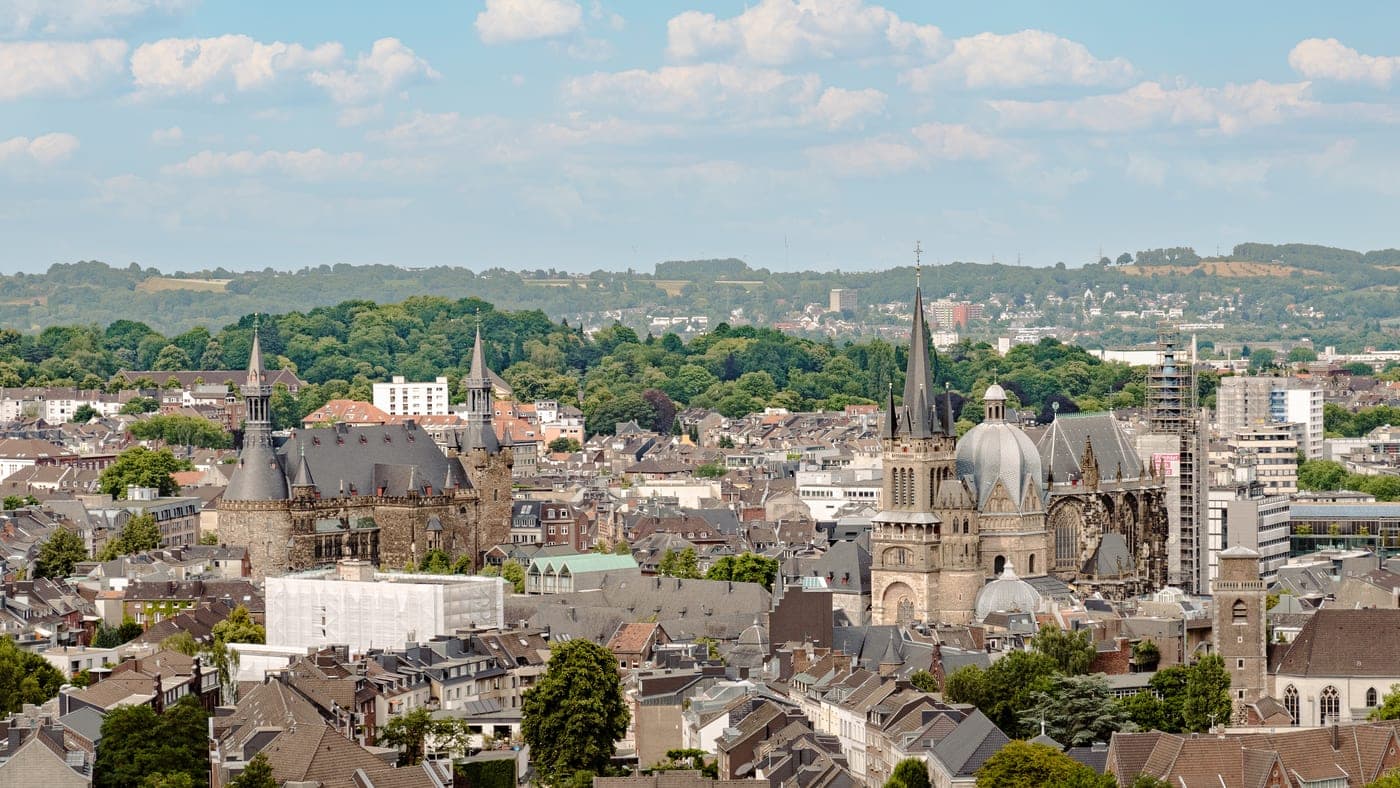
Located in western Germany, this region is the largest in the country and is known for its diverse landscapes, from the scenic Rhine River valleys to the lush hills of the Sauerland. The area is rich in industrial heritage, with cities like Dortmund and Essen showcasing their transformation from heavy industry to cultural hubs. Düsseldorf offers a vibrant arts scene and innovative fashion, while Cologne is famous for its stunning cathedral. The region also boasts picturesque towns such as Monschau, known for its half-timbered houses, and Bad Honnef, a charming spa town. Unique local dishes and breweries enhance the cultural experience, along with numerous hiking trails that connect visitors to its natural beauty.
Rhineland-Palatinate
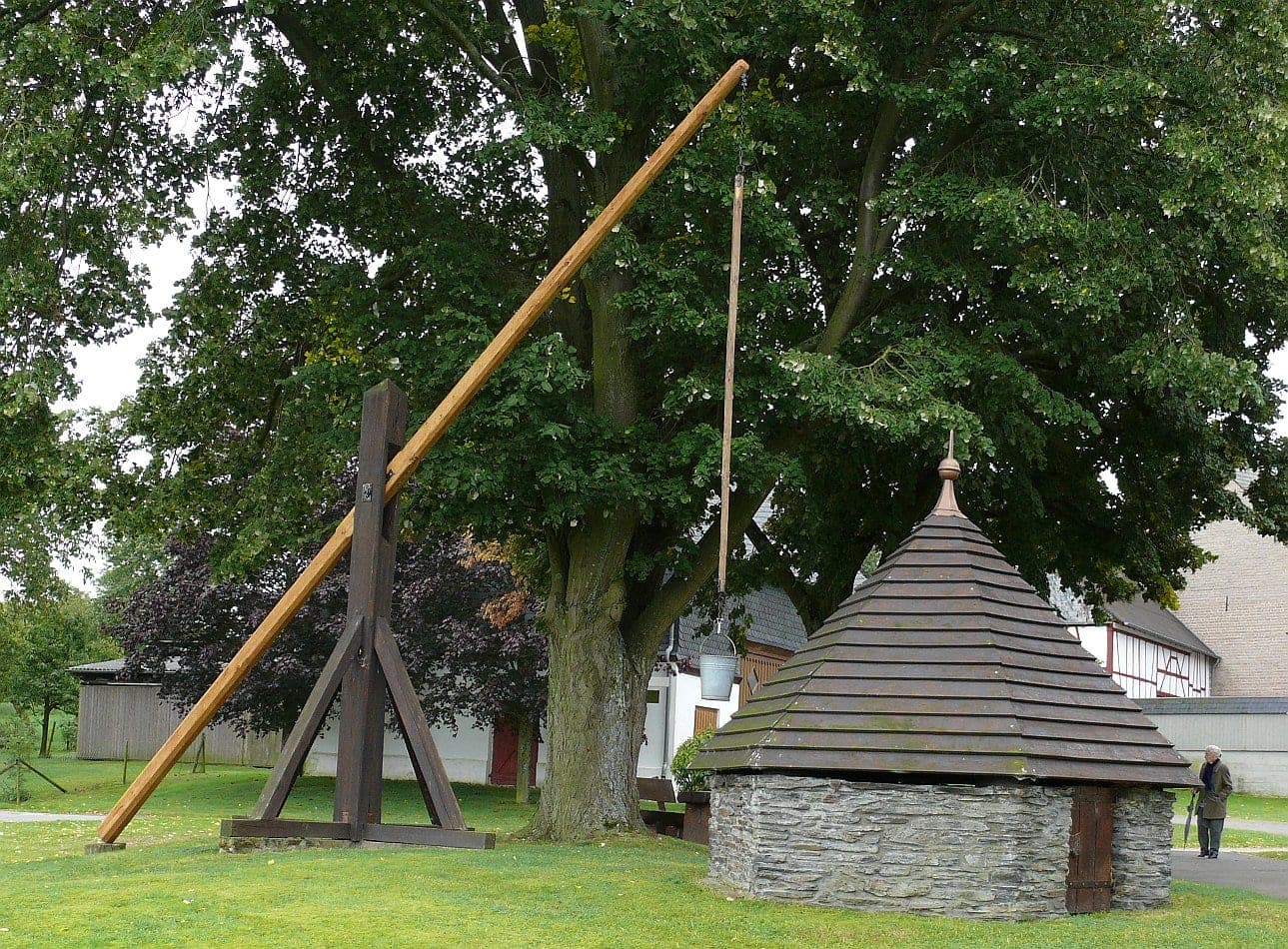
Rhineland-Palatinate is Germany's largest wine-producing region, renowned for its diverse vineyards and picturesque landscapes along the Rhine and Moselle rivers. The region features historic cities like Mainz, famous for its Gutenberg Museum, and Trier, home to well-preserved Roman ruins, including the Porta Nigra. Koblenz marks the confluence of the Rhine and Moselle and is known for its Ehrenbreitstein Fortress. The region is also celebrated for its rich culinary traditions, including hearty dishes and fine Riesling wines. Unique villages such as Cochem and Rüdesheim invite exploration of local culture and festivals, offering a glimpse into traditional German life amidst stunning natural beauty.
Saxony
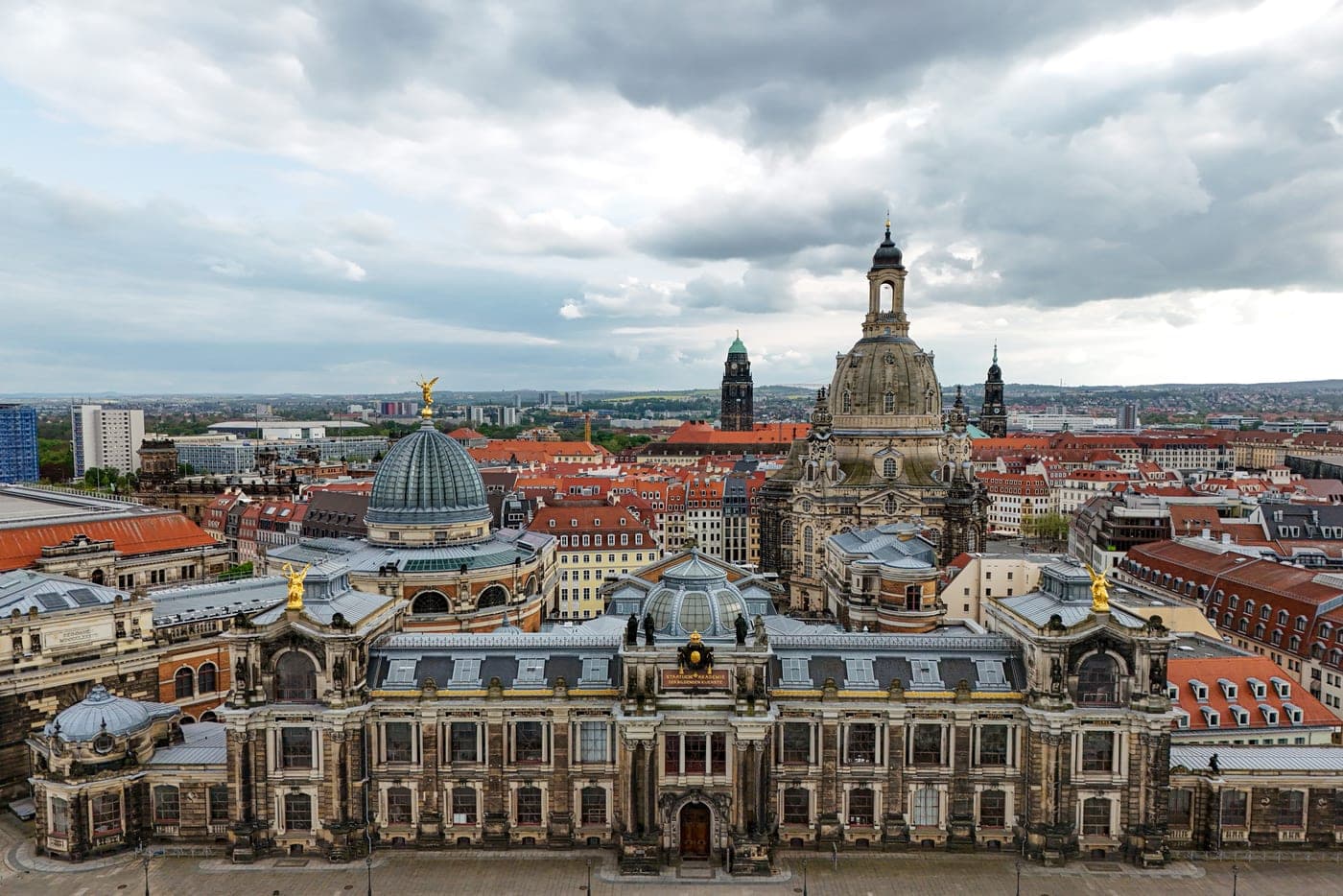
Saxony sits in the eastern corner of Germany, where the Elbe river cuts through sandstone cliffs before opening onto vineyard slopes, old market squares and quiet river towns. Its landmarks stand close enough together that a slow route through the region tends to follow the water itself, from wine terraces near Meißen to the rock plateaus above Dresden and the old craft towns further east. Between Pirna and Meißen the Elbe valley softens into one of Germany's smallest wine regions, a narrow band of terraced vineyards known locally as the Sächsische Weinstraße. Riesling and Müller-Thurgau grow on steep slopes above the river, alongside Goldriesling, a grape found almost nowhere else. Small wineries around Radebeul and Diesbar-Seußlitz open their cellars for tastings, and cycling paths thread through the vines past baroque villas and old wine presses built into the hillside. Dresden's rebuilt old town gathers around the Elbe's curve. The Frauenkirche's stone dome rises over a square lined with baroque facades, the Zwinger holds courtyards once used for royal festivities, and the Semperoper stages opera beside collections of old master paintings and porcelain built up by Saxony's electors. The riverside terraces on either bank give a clear view of the skyline and are used for walking rather than for any particular sight. A short stretch upstream, Meißen has made porcelain since 1710, and its manufactory still marks pieces with the blue crossed swords first used to guard the recipe. Workshops there remain open for viewing, and the town's own hilltop cathedral and castle look down over the river from above the vineyards. West of the Elbe, the wooded Erzgebirge hills carry a different craft tradition: turners and carvers in towns such as Seiffen have shaped nutcrackers, incense smokers and candle pyramids for generations, work that fills the region's Christmas markets each winter. South-east of Dresden, the sandstone plateaus of Saxon Switzerland rise straight out of the forest. Deep gorges cut between the flat-topped hills, and paths climb to viewpoints such as the Bastei, where the sandstone has weathered into towers, arches and narrow ridges. Painters of the German Romantic period worked from these same outcrops, and the light across the plateau still shifts through the day in a way that made the landscape famous long before it became a national park. West of Dresden, Leipzig tells a different part of Saxony's story. Bach directed music at the Thomaskirche for almost three decades, and the church still holds regular concerts drawing on that tradition. The city built its wealth on trade fairs and publishing rather than a royal court, and that older commercial energy now shows in a large student population, independent bookshops and cafes, and former cotton mills and rail yards converted into galleries and studios. Further east, Bautzen keeps its old town wall and a line of towers above the Spree river, and remains one of the centres of Sorbian culture, a Slavic minority whose language, dress and Easter egg traditions are still visible around the town, especially at Easter. Near the Polish border, Görlitz preserves long streets of Gründerzeit and older facades that survived the twentieth century largely undamaged, giving its old town an unusually complete and continuous look. Festivals mark the Saxon year in different corners of the region: organ and choral concerts fill Dresden's and Leipzig's churches, autumn wine festivals bring open cellars to the Elbe valley towns, and lit wooden pyramids and carved figures fill Erzgebirge markets through December. Moving between the wine slopes, the sandstone hills and the old craft and university towns, Saxony reads less like a single sight and more like a set of related landscapes, each shaped by a particular trade or river bend, and each within easy reach of the next.
Saxony-Anhalt
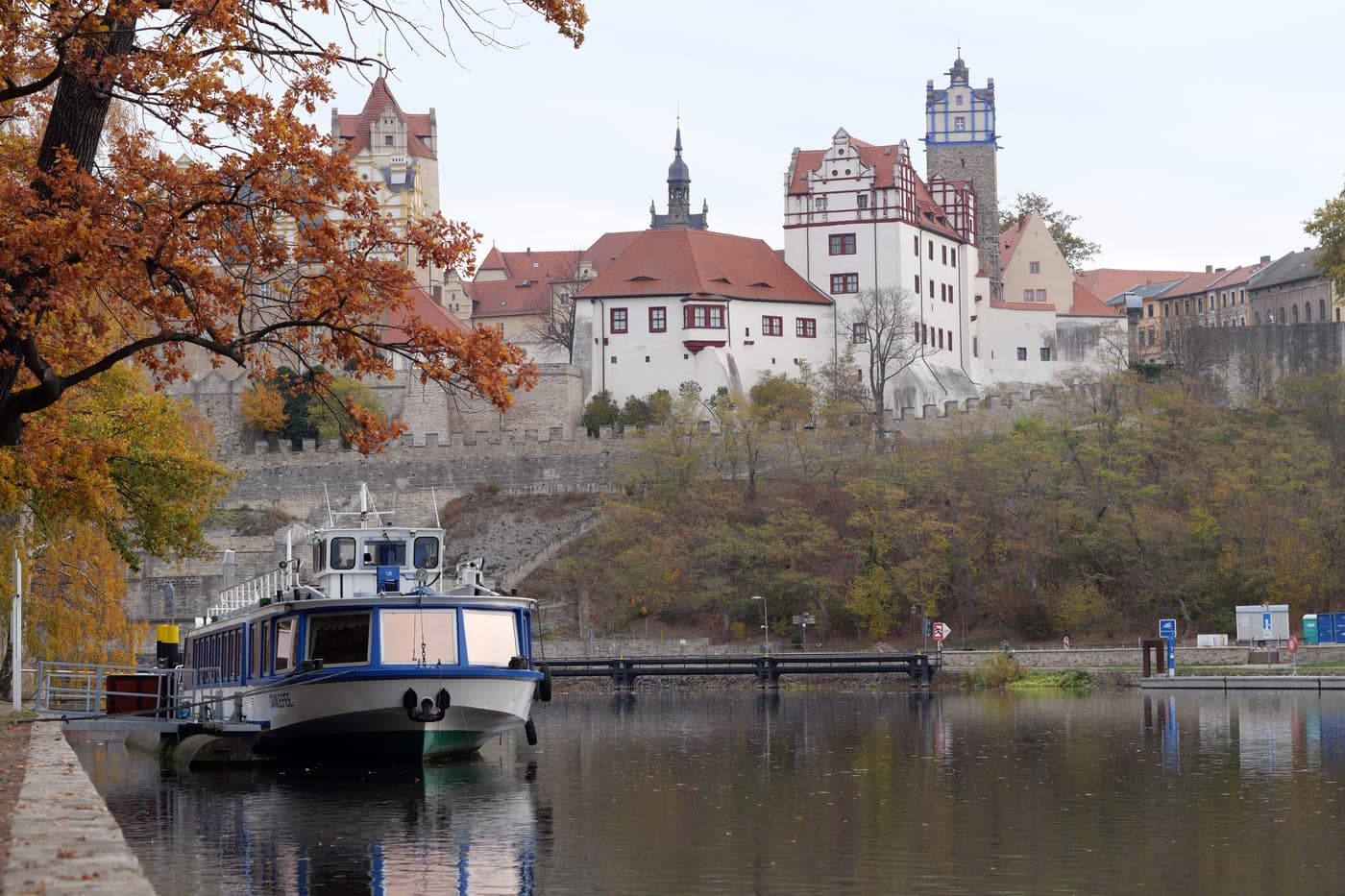
Saxony-Anhalt is a historically rich region known for its diverse landscapes and cultural heritage. It is home to the Harz Mountains, offering scenic hiking trails and charming towns like Wernigerode and Quedlinburg, a UNESCO World Heritage site with well-preserved medieval architecture. The region's largest city, Magdeburg, features the stunning Cathedral of St. Maurice and St. Catherine. Notably, Saxony-Anhalt is recognized for its wine production along the Saale-Unstrut wine route. The region is also famous for the Bauhaus movement's roots in Dessau, where the iconic Bauhaus School was founded. Festivals celebrating local traditions abound throughout the year, providing unique insights into regional culture.
Schleswig-Holstein
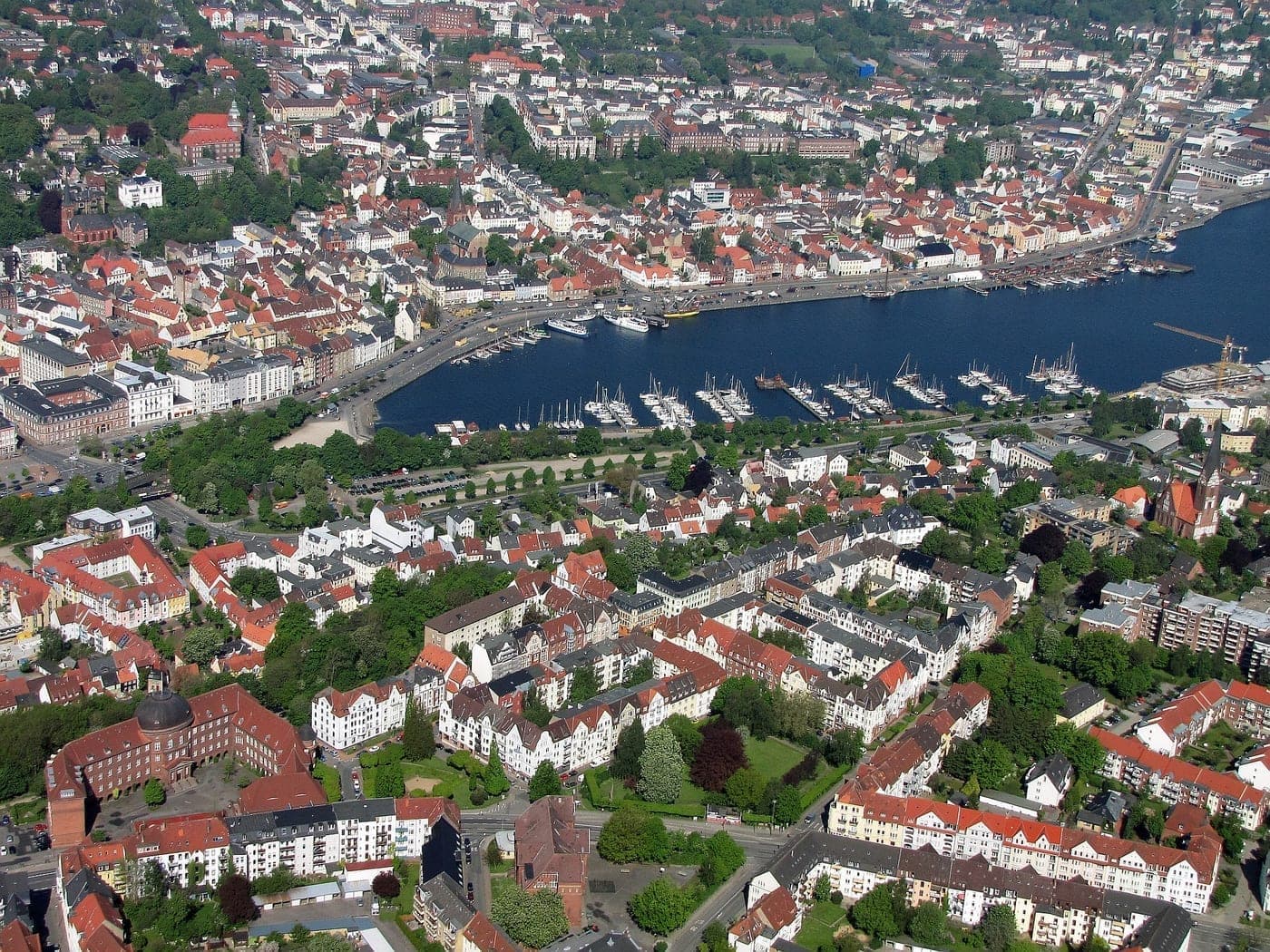
Schleswig-Holstein sits between two seas, and that fact shapes everything about its pace. On the west side, the Wadden Sea pulls back twice a day, leaving wide flats of mud and sand where oystercatchers and seals gather. On the east, the Baltic keeps a calmer shoreline, cut by narrow fjords called Förden that reach inland past reed beds and small fishing harbors. Between the two coasts lies a quieter inland belt of moraine hills, beech woods and lakes known as Holsteinische Schweiz, where the land rolls gently toward small lakes rather than open sea. Lübeck is the region's best-known town, its old core built by Hanseatic merchants and still arranged around brick gabled houses, a river harbor and the twin towers of the Holstentor gate. Marzipan making has been a local craft here for generations, and the smell of almond paste still drifts from shopfronts near the market square. A short distance north, Flensburg carries a different character: its harbor front and old rum warehouses point to centuries of trade with Norway and Denmark, and Danish is still spoken by a minority in town. Schleswig, at the head of the Schlei fjord, keeps an old layer of the region's history, with Gottorf Castle, now home to the state museums, facing the cathedral across the water. Villages in Schleswig-Holstein tend to sit low against the horizon, red brick and thatched roofs blending into flat fields or dike grass. Along the North Sea coast, dikes double as footpaths and cycling routes, running for long stretches with the sea on one side and grazing sheep on the other. The flatness of the land makes cycling an easy way to move between villages, small harbors and the ferry piers that link the mainland to the islands. Sylt, Föhr and Amrum lie offshore within the Wadden Sea National Park, each with its own character: Sylt is known for its dune landscape and thatched Frisian houses, Föhr keeps a quiet, agricultural feel around village greens and old churches, and Amrum holds an extensive dune area. Inland, the lake district around Plön and Eutin offers a different kind of water travel. Small passenger boats cross the lakes between beech forests, and Plön sits below its own castle, overlooking the water from a wooded hill. Eutin keeps a baroque palace and gardens open for slow walking. Further west, the town of Husum sits by its own tidal harbor, and each spring the palace garden there fills with crocus blooms. Kiel, the state capital, faces the Baltic directly and turns into a sailing city every summer during Kieler Woche. Things to do in Schleswig-Holstein tend to build from the coastline itself: watching the tide uncover the Wadden Sea flats, following a dike path between two fishing harbors, crossing an inland lake by small boat, or walking a fjord town's quay while gulls work the fish stalls. Herring and eel appear often on menus near the coast, and Labskaus, a hearty dish of corned beef, potato and beetroot, remains a Baltic port staple. The region rewards attention to weather and tide as much as to any single sight — mudflats change completely between low and high water, and light on the Baltic coast shifts quickly with the wind. Markets, harbor cafés and small guesthouses set the rhythm here more than any schedule does. Whether the starting point is Lübeck's brick lanes, Flensburg's Danish-flavored harbor, or a quiet island church on Föhr, Schleswig-Holstein holds together as one landscape of tide, wind and water, best taken in a village or a shoreline at a time.