United Kingdom
four nations, endless shores
Regions
Argyll and Bute
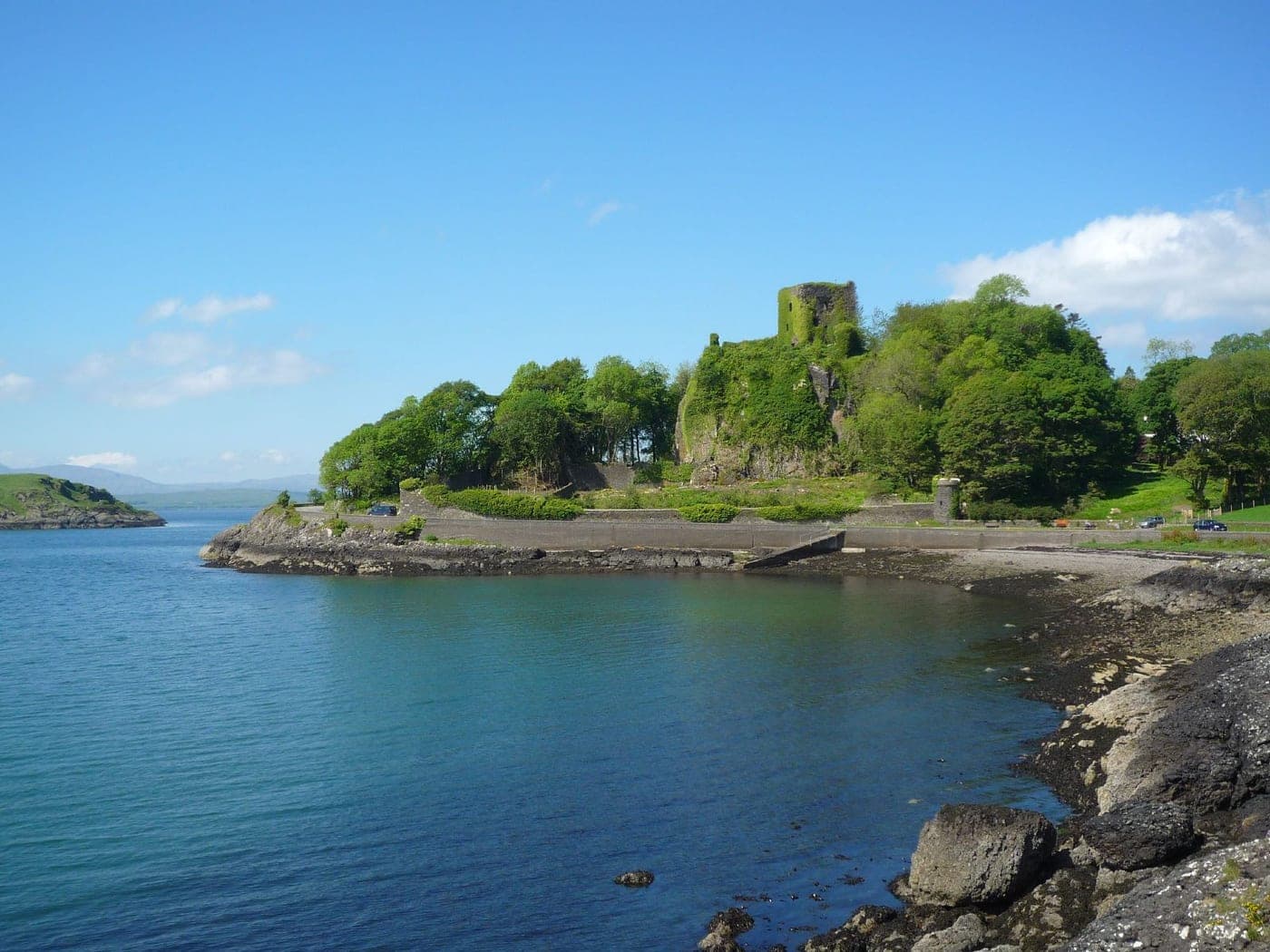
Argyll and Bute, a coastal region in Scotland, offers stunning landscapes and rich history. Home to the historic town of Dunoon, it features Victorian architecture and stunning views of the Firth of Clyde. The region is known for its islands, including Bute and Mull, each with unique cultural heritage and scenic beauty. Argyll is also famous for its ancient castles, such as Inveraray Castle, and the vibrant local food scene, including seafood and traditional whisky. This area is a gateway to exploring the rugged Highlands, with endless hiking trails and opportunities for birdwatching. Its diverse geography from mountains to coastlines provides a backdrop for authentic Scottish experiences.
Devon
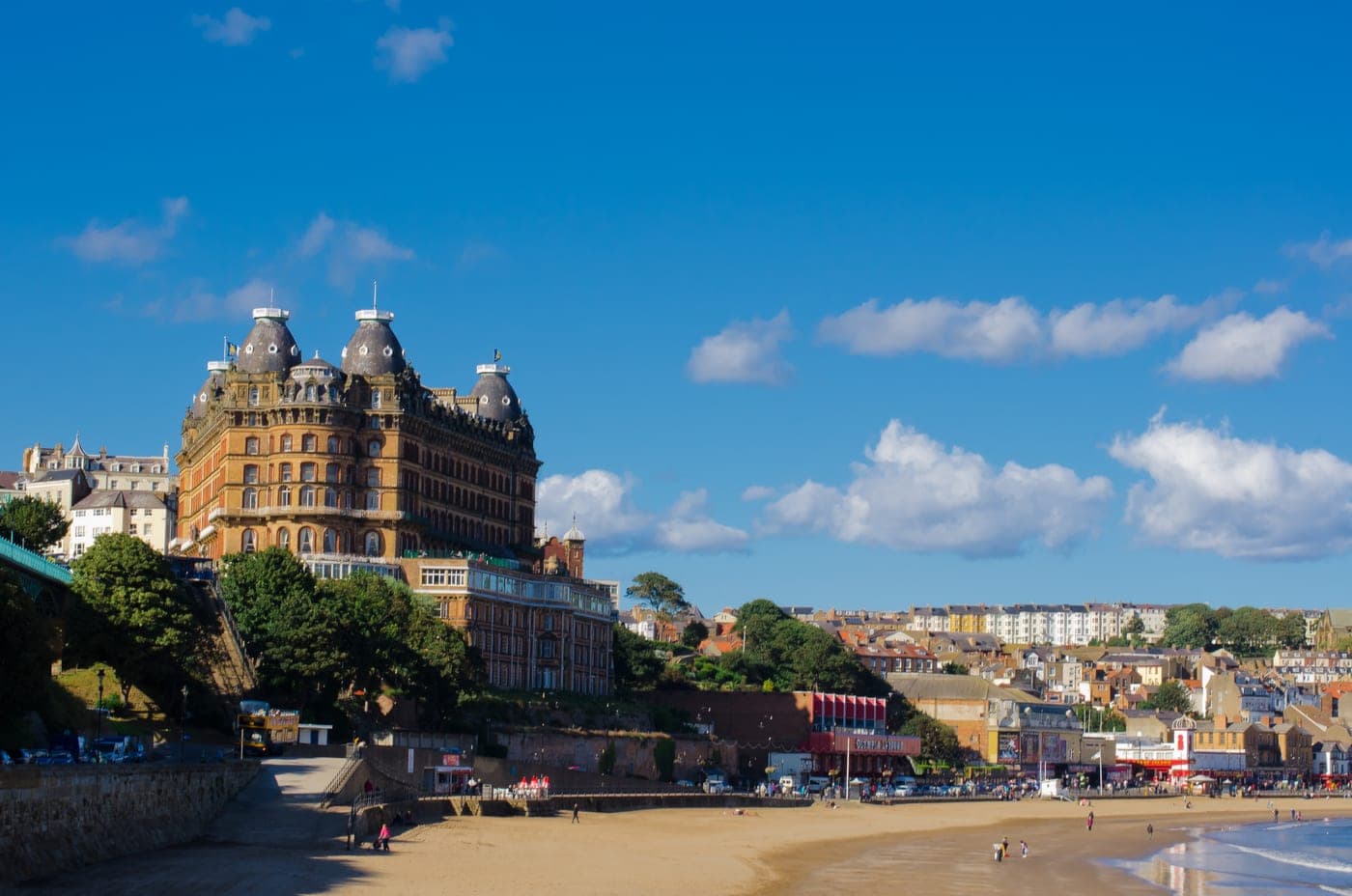
Devon, known for its diverse landscapes, features both rugged coastlines and rolling hills. The region is famed for its cream teas, with clotted cream and scones at the heart of local cuisine. Exeter, the county town, boasts a rich history dating back to Roman times, while towns like Totnes and Dartmouth offer vibrant markets and historic architecture. Devon is home to Dartmoor National Park, where ancient stone circles and wild ponies can be found, providing ample hiking opportunities. The area also has a unique maritime heritage, with fishing villages like Clovelly and Lynton showcasing traditional coastal life. This region is the only one in the UK with two coastlines, making it a remarkable destination for nature enthusiasts.
Dorset
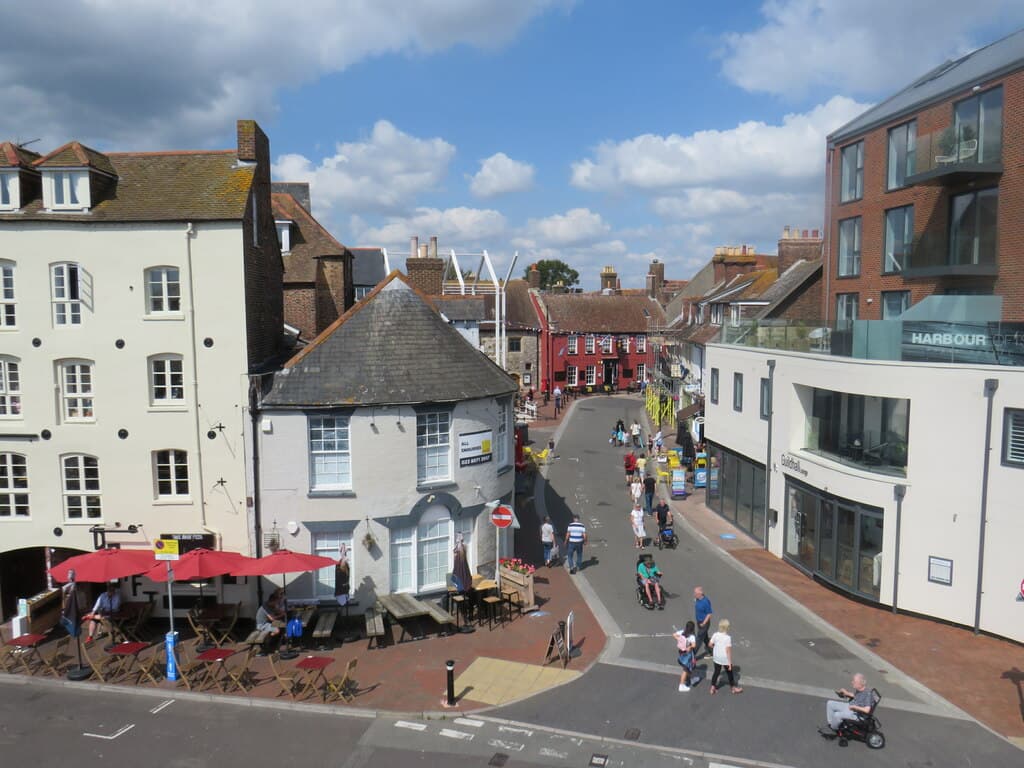
Dorset is known for its stunning Jurassic Coast, a UNESCO World Heritage site featuring dramatic cliffs and fossils. This region is home to the historic town of Dorchester, where Thomas Hardy was born, and the picturesque village of Cerne Abbas, famous for its giant chalk figure. Weymouth, with its sandy beach and Georgian seafront, adds to the coastal charm. The area offers rich agricultural landscapes, with local produce and traditional farms. Notably, it has one of the oldest recorded histories in England, with archaeological sites like Maiden Castle. The region is also famous for its unique stone circles and ancient burial mounds, revealing deep connections to prehistoric cultures.
East Sussex
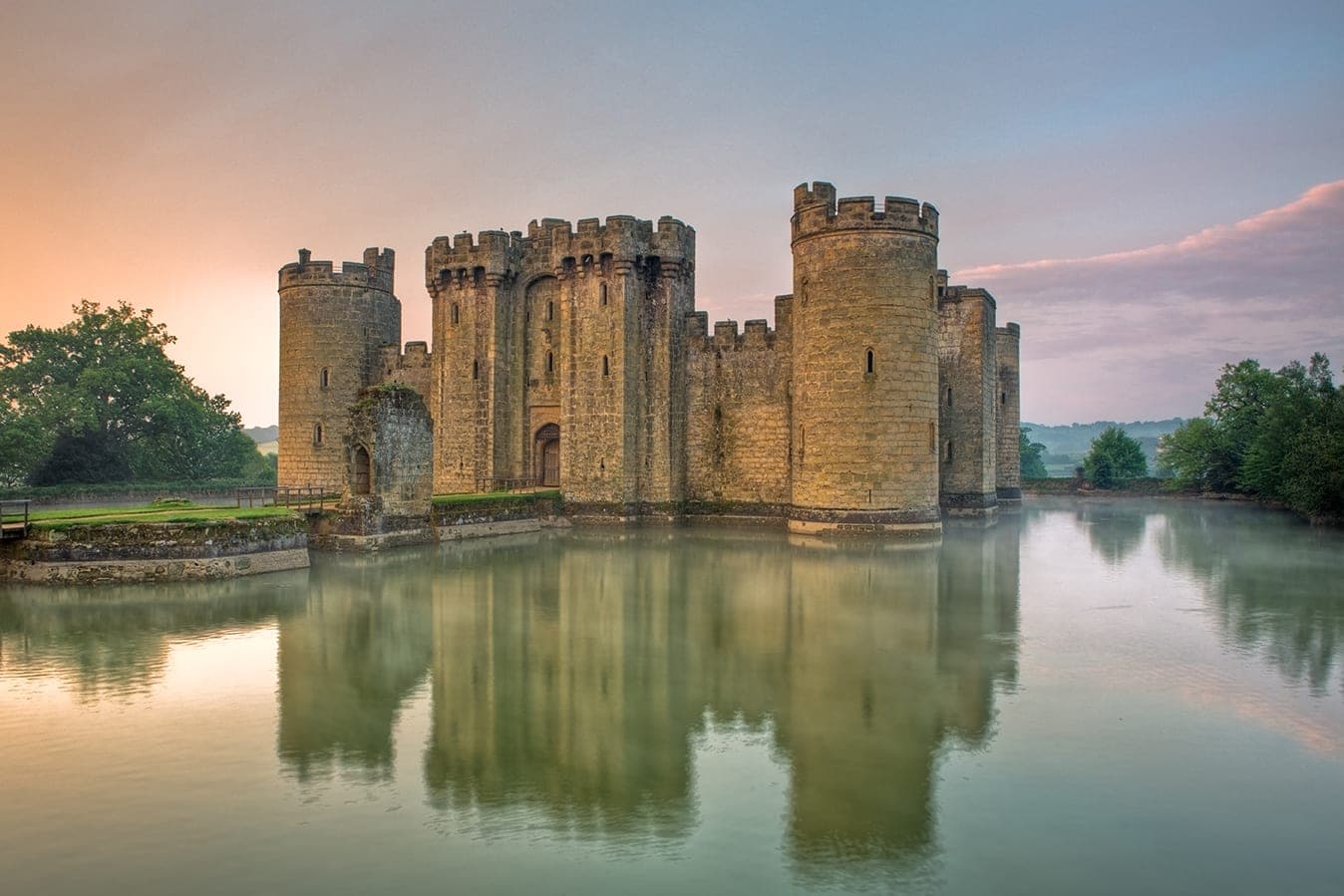
East Sussex, located on the southern coast of England, features a mix of coastal beauty and historical significance. The region is famous for its striking white chalk cliffs, particularly at Beachy Head and the Seven Sisters. Brighton, the largest city, is known for its vibrant arts scene and historic pier, while smaller towns like Lewes offer a glimpse into medieval life with its well-preserved castle and charming streets. The South Downs National Park presents excellent hiking opportunities, showcasing diverse landscapes and rich wildlife. East Sussex is also home to unique local produce, including wines from the vineyards around the area, making it ideal for culinary exploration.
Edinburgh
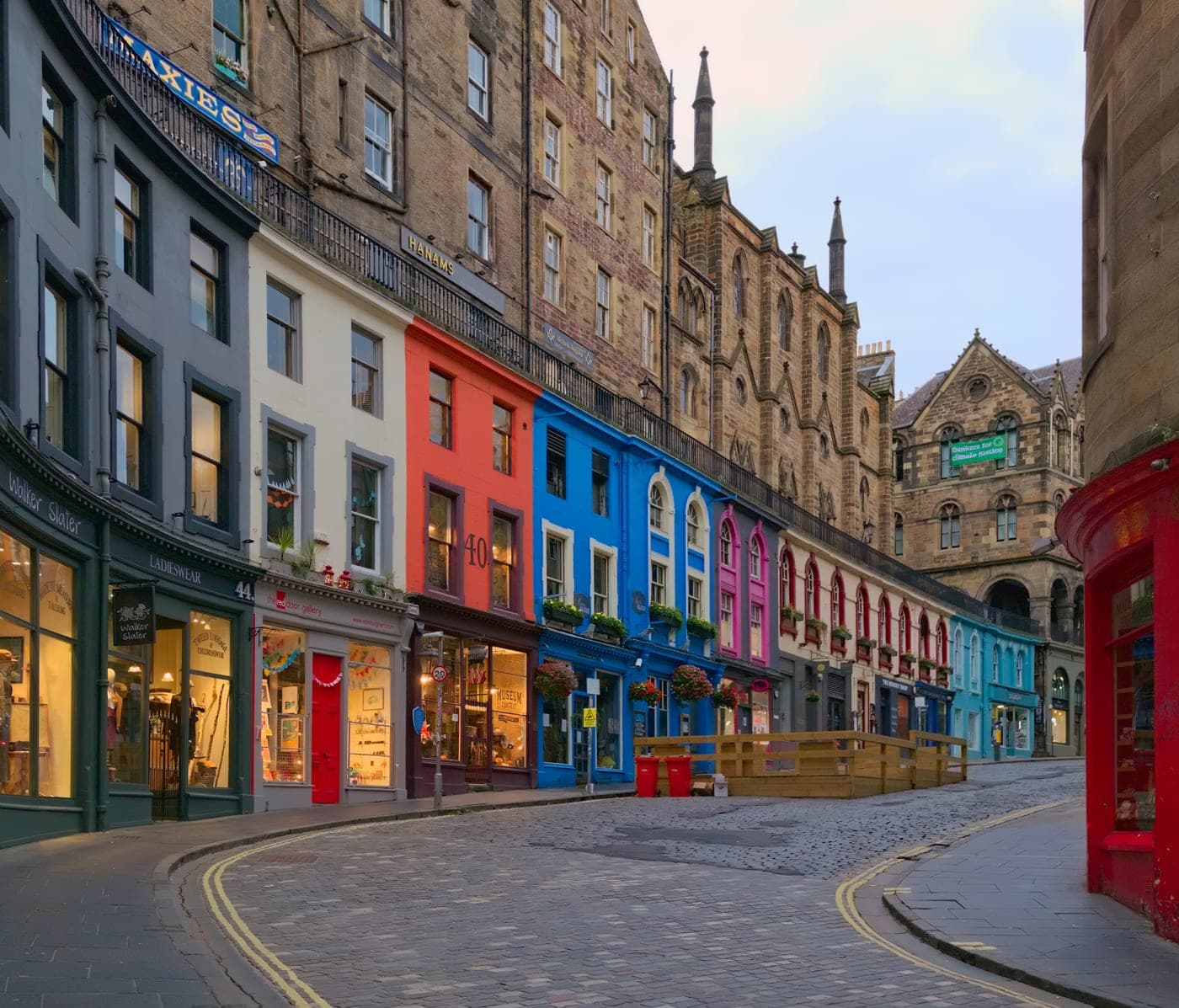
Scotland's capital, Edinburgh, is renowned for its historic and architectural significance. The city is famous for the iconic Edinburgh Castle perched atop Castle Rock, offering panoramic views. Its Old Town is a UNESCO World Heritage site, featuring cobbled streets and medieval buildings. Nearby, the New Town showcases Georgian architecture and vibrant cultural spots. Beyond the city, the Scottish Borders offer picturesque landscapes and historic towns like Melrose and Jedburgh, known for their abbeys. Edinburgh is also a gateway to the Highlands, where travelers can explore remote glens and lochs. The region hosts various festivals, including the renowned Edinburgh Festival Fringe, celebrating arts and culture.
Greater Manchester
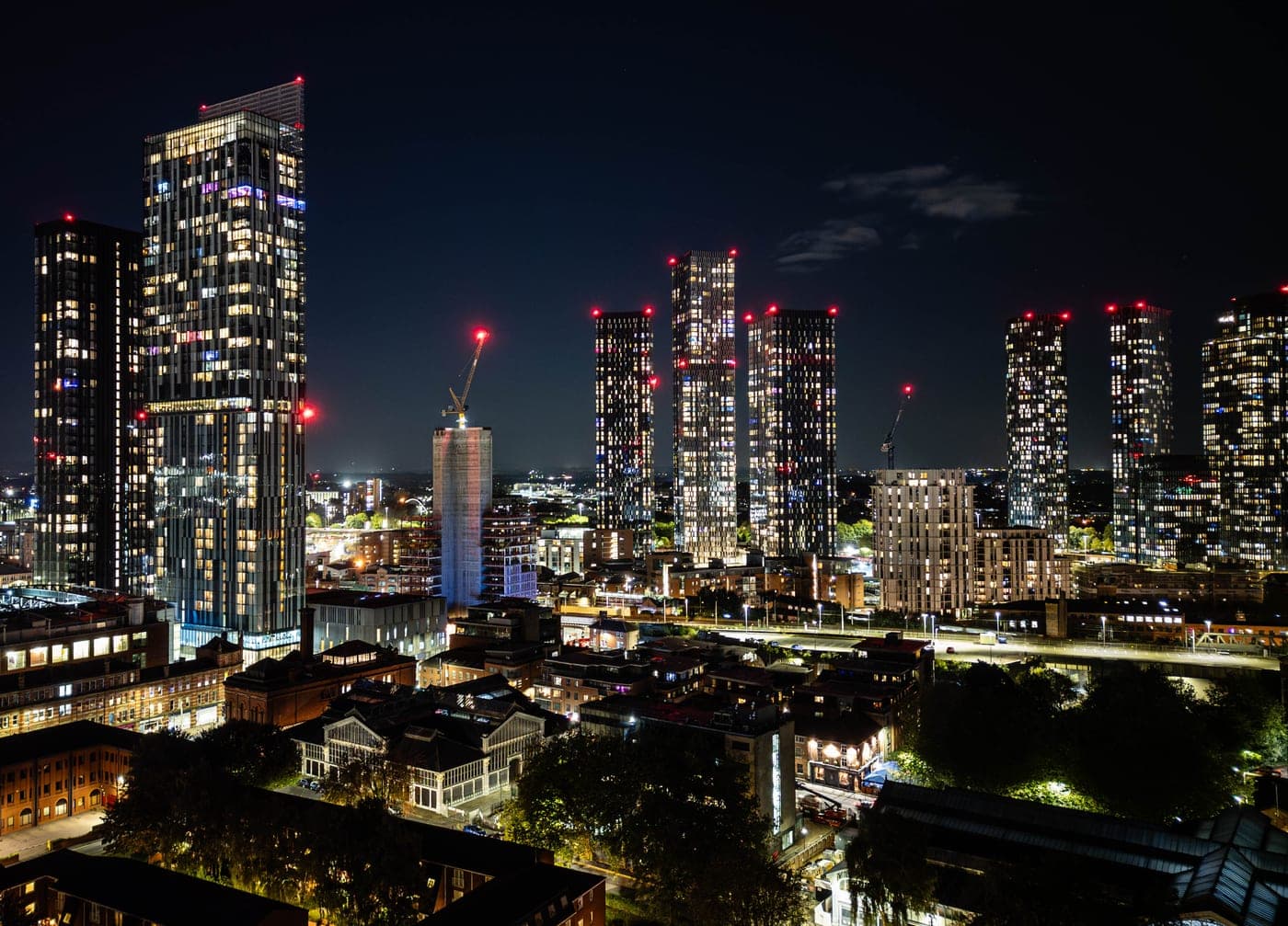
Greater Manchester sits where the flat Cheshire plain gives way to the rising moors of the Pennines. It is a region built from cotton, coal and canal water, and its slow-travel character comes less from any single view than from a pattern that repeats from town to town: a canal basin, a former cotton mill turned into flats or studios, a covered market hall, a parish church with a soot-darkened tower. Reading that pattern, town by town, is what makes exploring the region worthwhile. Manchester itself anchors the region, its warehouse districts and Victorian civic buildings now holding galleries, independent shops and the city's long-running music venues. Salford, across the water from the city centre, keeps its own identity around the restored docks of Salford Quays, once a working dock for the city's trade. Stockport, above the River Mersey, has its own market hall and a warren of former mill buildings and railway arches now used by small breweries. Bury holds one of the region's markets, still trading on its historic stalls. Bolton, Oldham, Rochdale and Wigan each carry the same textile-town layout of mill chimneys, terraced streets and market squares, softened now by parks and reused industrial buildings. Beyond the built-up towns, the region edges into open country. Saddleworth, a cluster of stone villages in the Pennine foothills, keeps a slower, more rural pace than the towns below it. Moorland reservoirs and packhorse routes lace the hills around it, laid out originally to serve the textile trade and now walked for their own sake. Closer to the city, Heaton Park has formal gardens and open lawns within an urban setting, while the Bridgewater and Rochdale canals thread through several towns, their towpaths still following the routes barges once used to move coal and cloth. Food and craft culture in the region grows directly from this working history. Markets in Bury, Bolton and Ashton-under-Lyne sell black pudding, meat pies and baked goods alongside fresh produce, and a number of small breweries now operate from the same brick mill buildings that once spun cotton. Museums across the region, from restored mills to preserved engine houses, explain the mechanics of the Industrial Revolution in the buildings where it happened, rather than behind glass elsewhere. Architecture is a constant thread. Red-brick mills, often five or six storeys with rows of tall windows built to let in light for weaving, dominate the skyline of towns like Stockport and Ashton-under-Lyne. Grand Victorian town halls in Manchester, Rochdale and Bolton reflect the wealth the textile trade generated, with detailed stonework and clock towers that still mark the centre of each town. Victoria Baths in Manchester, a restored public swimming and bathing complex, gives a sense of how public life was organised in the region a century ago. What unites Greater Manchester's towns is this shared inheritance of industry and its slow, ongoing conversion into something new: mills into studios, docks into waterside walks, markets that never stopped trading. Villages on the region's moorland edge offer a quieter counterpoint, their stone cottages and chapel spires a short step from the industrial towns below. Together they give the region a layered, unhurried rhythm — one town's market square leading naturally to the next town's canal basin, and from there up onto open moor.
Hampshire
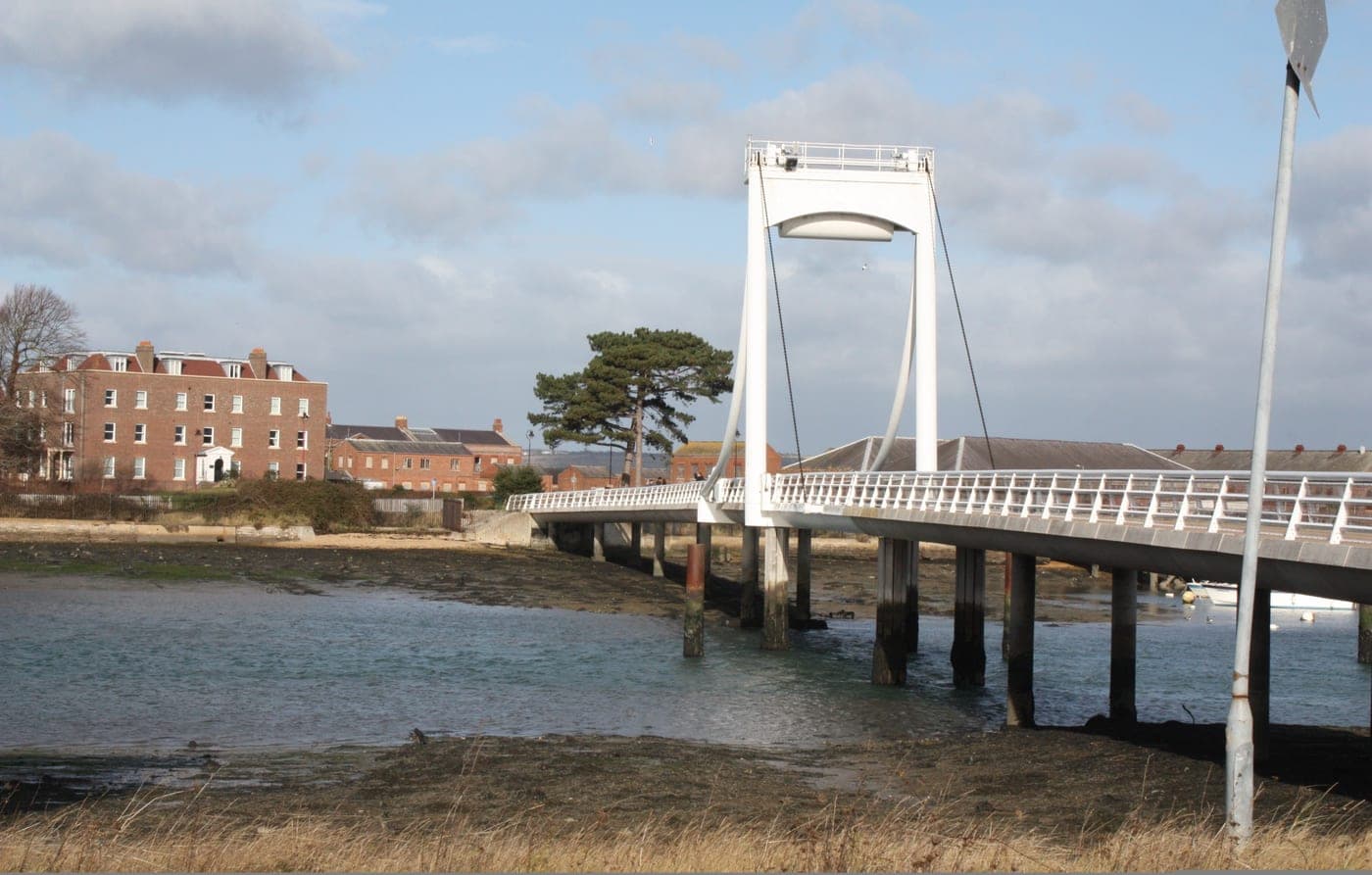
Hampshire, located on the southern coast of England, is rich in history and natural beauty. This region features the historic city of Winchester, known for its magnificent cathedral and the Great Hall, home to King Arthur's Round Table. Portsmouth is another highlight, with its maritime heritage and the historic dockyard. Hampshire is also the largest county in the South East, offering diverse landscapes from the rolling hills of the South Downs National Park to the picturesque coastline along the Solent. The New Forest National Park, famous for its wild ponies and ancient woodlands, provides a unique ecosystem to explore. Off the tourist trail, the charming market towns of Alresford and Romsey invite leisurely strolls and local produce tastings, emphasizing the region's commitment to sustainability and local culture.
Norfolk
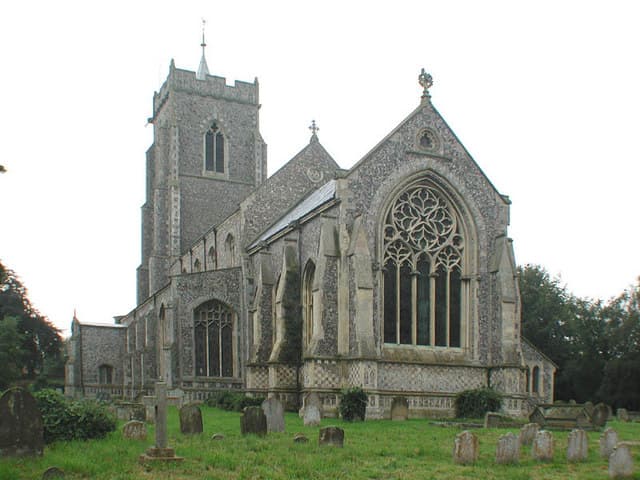
This region features expansive wetlands, sandy beaches, and the historic city of Norwich. Known for its medieval architecture, Norwich has a rich tapestry of history with landmarks like Norwich Cathedral and the Norman Castle. The Broads National Park, a unique network of rivers and lakes, offers opportunities for quiet boating and exploration of wildlife. The coastal areas boast diverse birdwatching sites and traditional seaside towns such as Wells-next-the-Sea. Norfolk is also famous for its local produce, including fine seafood and artisanal cheeses, reflecting its agricultural heritage and fishing traditions. This combination of history, nature, and gastronomy makes it a fascinating area to explore at a leisurely pace.
West Midlands
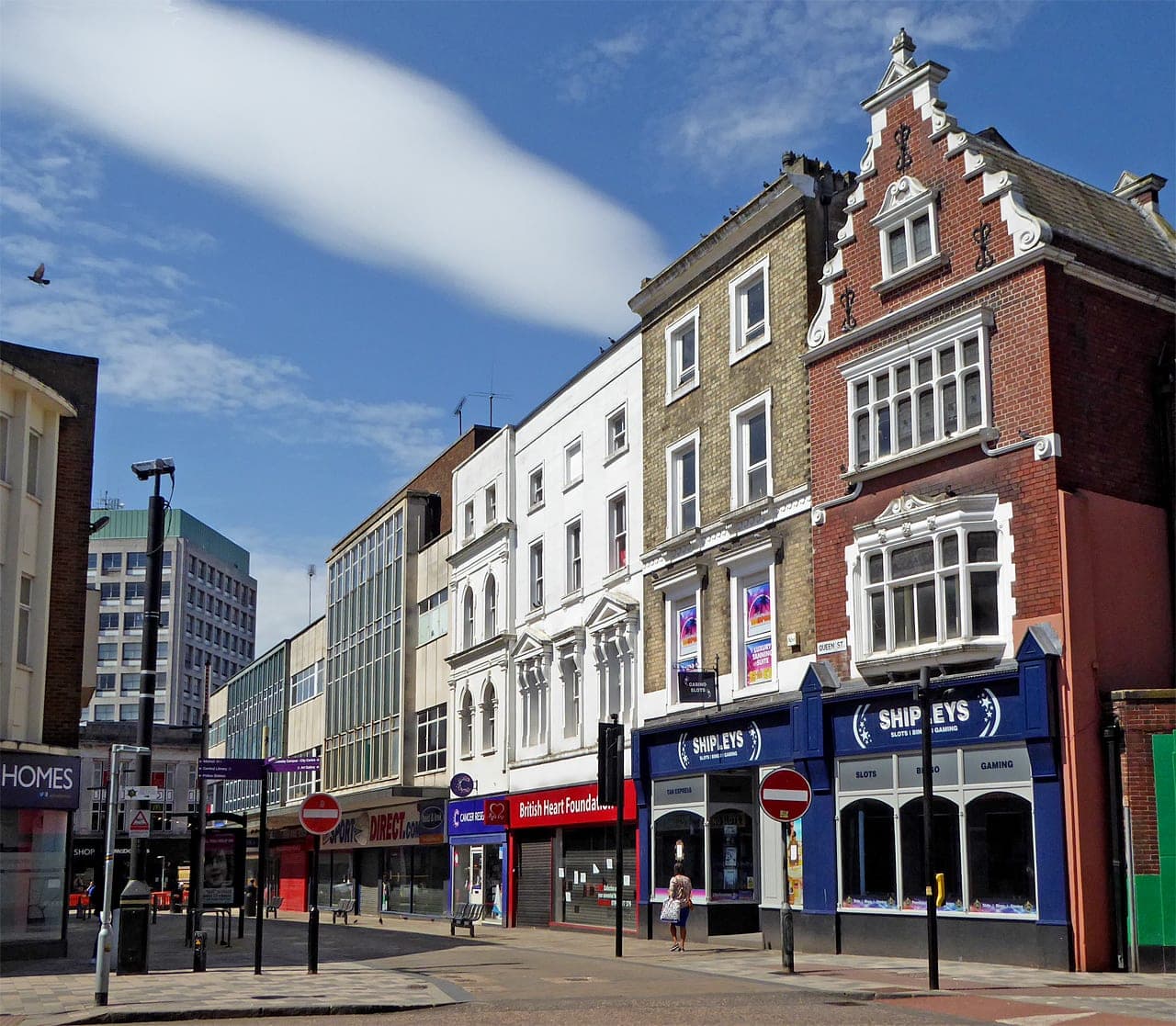
The West Midlands is a historically rich region in the UK, known for its industrial heritage and vibrant cultural scene. Birmingham, the largest city, boasts a variety of museums and the diverse cuisine of its Balti Triangle. Nearby, Coventry is famous for its medieval cathedral and the unique Herbert Art Gallery. The region also features the picturesque canals of Stratford-upon-Avon, the birthplace of Shakespeare, where visitors can explore historic sites related to the playwright. The Malvern Hills offer stunning landscapes and walking trails, ideal for outdoor enthusiasts. This area is recognized for its local festivals celebrating everything from music to food, providing a glimpse into the region's cultural tapestry.
West Sussex
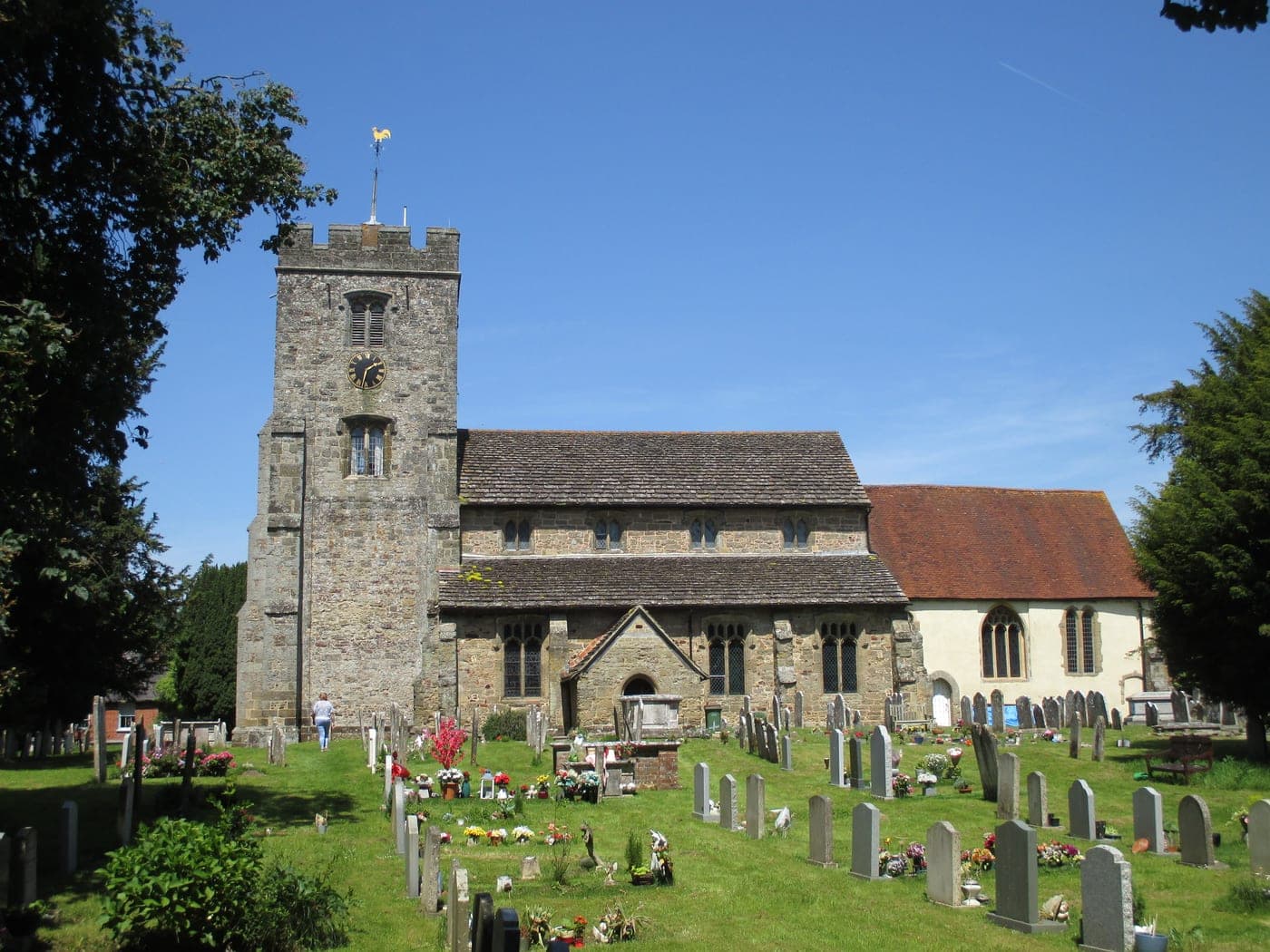
Located in the south of England, this region is known for its diverse landscapes, from rolling hills to coastal beauty. The South Downs National Park offers stunning views and numerous walking trails. Chichester, the only city in the region, is home to a magnificent cathedral and vibrant arts scene. The coastline features charming towns like Bognor Regis and Littlehampton, known for their sandy beaches and traditional seaside activities. West Sussex is also famous for its wineries, producing quality English wines. The region's rich history is reflected in its many stately homes and gardens, including the historic Petworth House. Local events, such as the Arundel Festival, showcase the creative spirit of the area, making it a hidden gem for those seeking a deeper connection with England's countryside and coastal life.