Switzerland
Alpine terraces and scenic railways
Regions
Bern
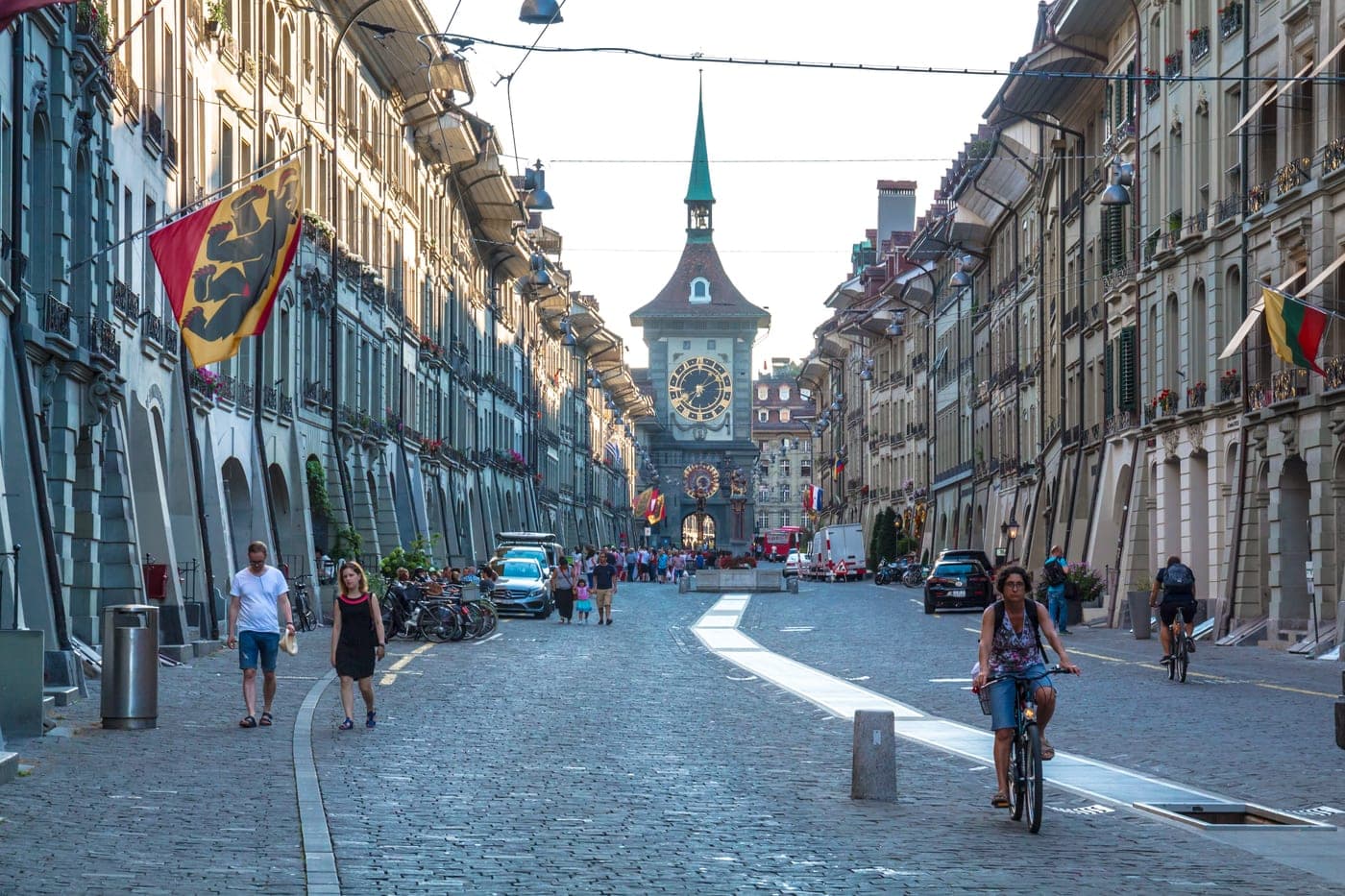
Bern is the capital of Switzerland, known for its well-preserved medieval architecture and unique UNESCO World Heritage site status. The old town features the iconic Zytglogge clock tower and the Federal Palace, showcasing the city’s political significance. Beyond Bern, the Emmental region is famous for its rolling hills and the production of Emmental cheese, with local farms offering tasting experiences. The Aare River provides opportunities for nature walks and swimming in summer. Nearby, the picturesque town of Thun offers stunning views of Lake Thun and the Alps. The region is less frequented by tourists, allowing for a deeper connection with Swiss culture and traditions.
Fribourg
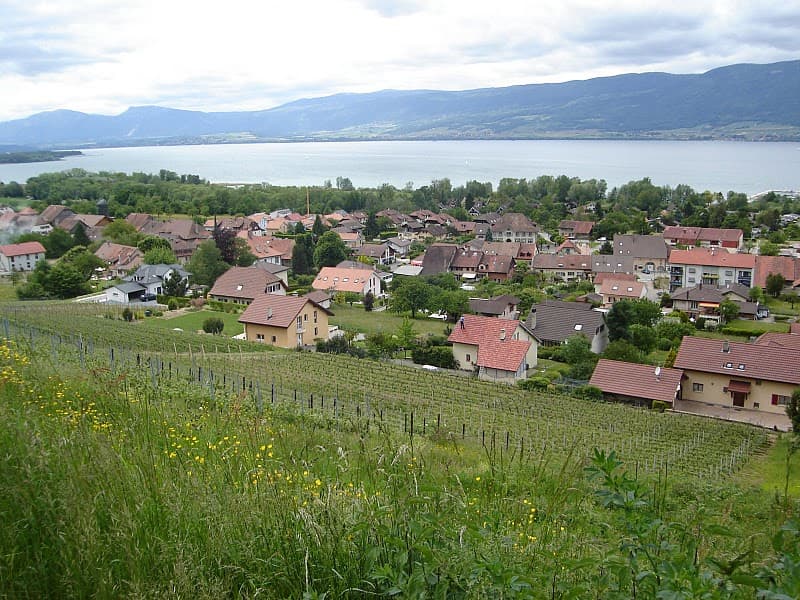
Fribourg is a Swiss region built for a slower pace. It sits between the French- and German-speaking parts of the country, and that mix still shapes daily life here — road signs change language partway through the canton, and the same cheese is sold under two names at the same market stall. The regional capital, also named Fribourg, sits on a sandstone hill above a bend in the Sarine river. Its old town is one of the larger medieval centres in Switzerland, with covered wooden bridges, a Gothic cathedral, and streets so steep that some are built as steps rather than roads. From the ramparts, the river loops below and the rest of the canton spreads out towards the hills. South of the city, the land softens into rolling dairy country. This is Gruyère territory, named after both the cheese and the small walled town of Gruyères that still gives it its name. Around Gruyères and the nearby town of Bulle, farms and mountain huts still make cheese by hand through the summer months, when herds move up to the high pastures. Several dairies open their doors to visitors watching a wheel of Gruyère being pressed and salted, a process that has changed very little over generations. The landscape rises further south into pre-alpine terrain: green terraces, scattered timber barns, and villages built from wood that has weathered dark over centuries. Walking paths here follow old cattle tracks between pasture and forest, gentle enough for an unhurried afternoon rather than a full day's climb. In autumn, cattle are led back down from the alpine pastures in a tradition still marked with flowers, bells, and a village gathering — one of the few moments when the summer's quiet farm work becomes a public event. To the north and west, the canton reaches Lake Neuchâtel and Lake Murten. Murten itself is a walled medieval town on the water, small enough to circle on foot within the hour, with a lakeside promenade that fills with café tables in summer. In warmer months, passenger boats cross the lake to nearby towns, a pleasant way to spend an afternoon without hurrying. One of the quieter pleasures of the region is its local railway, which climbs from the lowland towns into the hills in short, unhurried stages, following the river through farmland before a hilltop town's towers come into view above the tracks. These are working regional trains rather than tourist rides, and that is much of their charm — riders share the carriage with people going to market or coming home from the fields. Food shapes much of what there is to do here. Beyond cheese, the region is known for its double cream, for meringues eaten with that cream, and for a dried, air-cured meat found across French-speaking Switzerland. Village markets, especially in Bulle and Fribourg itself, are where these products change hands directly between maker and buyer, often with a taste offered first. A comfortable way to see Fribourg is over three to five days: a day or two in the old town and along the Sarine, a day around Gruyères and its cheese dairies, and a day or two further into the hills or out to Murten and the lake. Trying to fit it into a single day usually means choosing between the city and the countryside, and both reward more time than that. What makes the region worth this pace is less any single sight than how its parts connect — a cathedral town, a cheese-making valley, alpine pastures, and a lakeside village, all within a canton small enough to move between slowly and still see plenty. Fribourg does not have the scale of the Bernese Oberland or the fame of Lake Geneva, but it holds a quieter version of the same Swiss countryside, with fewer crowds and more time to notice the details: the smell of a cheese cellar, a wooden bridge underfoot, the particular green of a pasture after rain.
Geneva
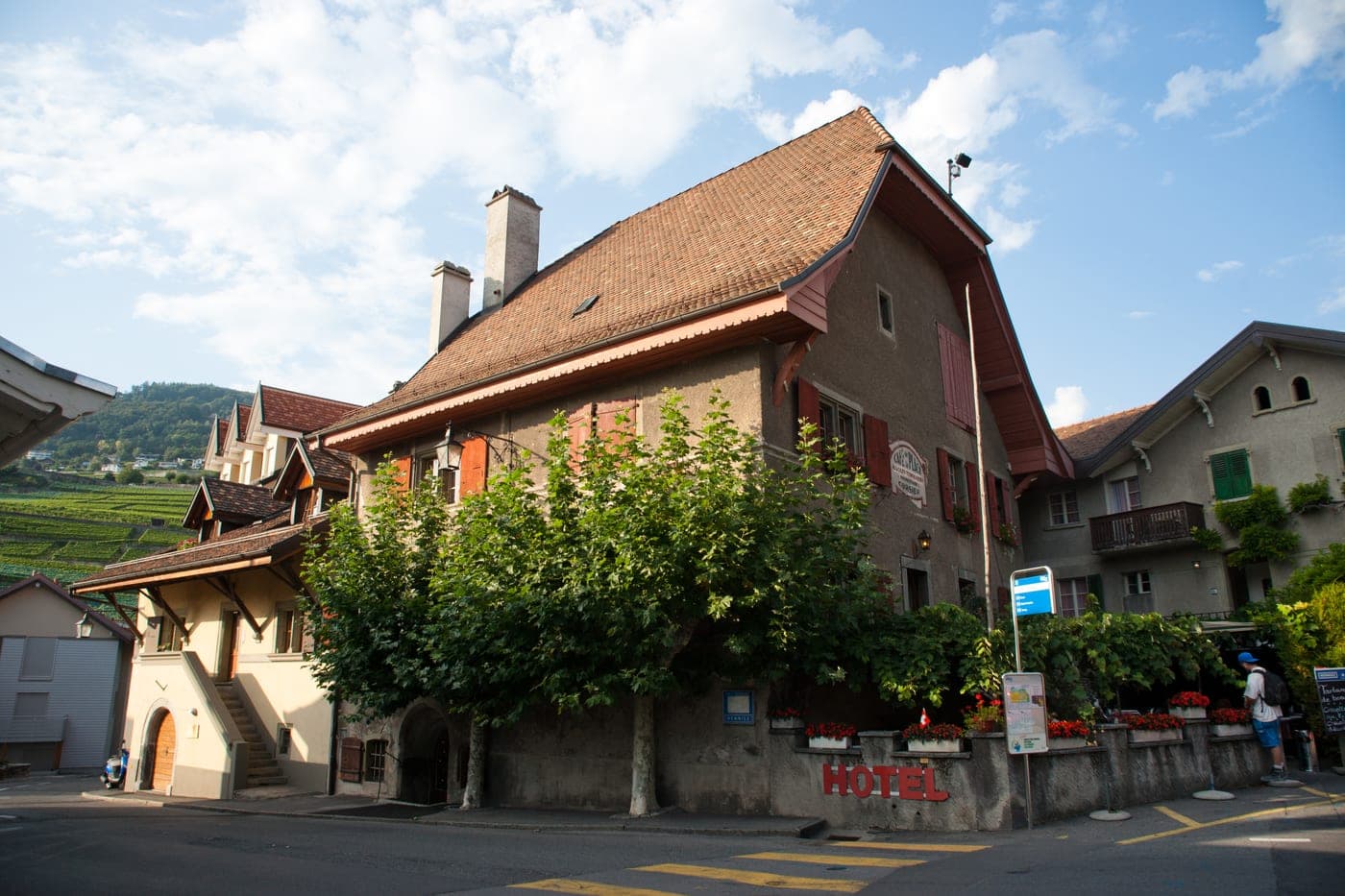
Geneva, located by the shores of Lake Geneva, is Switzerland's second-largest city and a hub for diplomacy and culture. The old town features the stunning St. Pierre Cathedral, where visitors can climb to the tower for panoramic views. Beyond the city, the surrounding region is known for its vineyards, particularly in the nearby Lavaux area, a UNESCO World Heritage site famous for terraced vineyards overlooking the lake. The region’s history reflects a blend of French and Swiss influences, with the International Red Cross and numerous global organizations based here. For nature enthusiasts, the nearby Jura Mountains offer hiking trails and breathtaking vistas, making Geneva a gateway to both cultural and natural exploration.
Graubünden
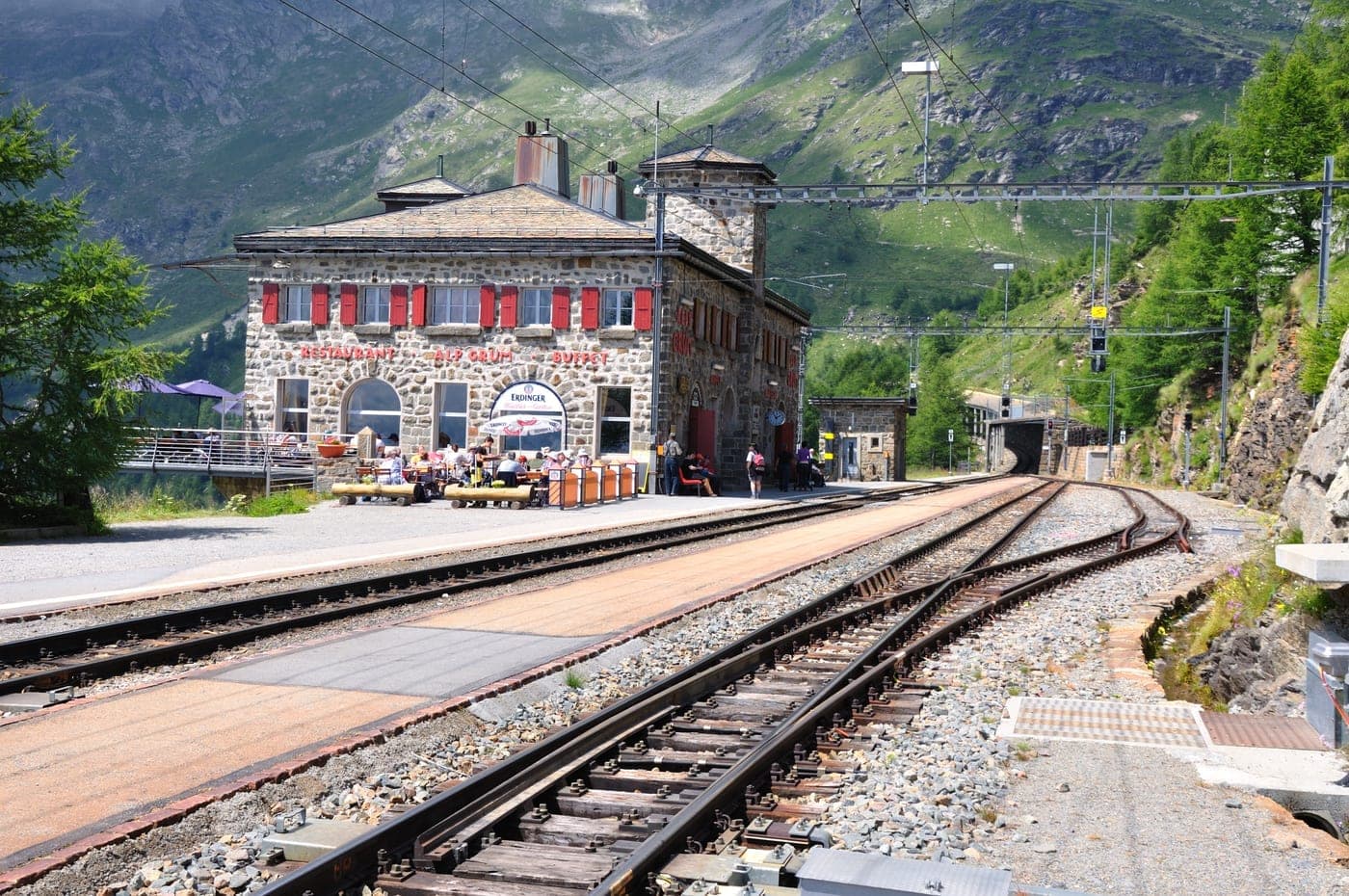
Graubünden is Switzerland's largest canton, known for its stunning alpine landscapes and unique cultural heritage. The region is famous for its diverse languages, with Romansh being one of the official languages. Notable cities include Chur, the oldest city in Switzerland, and the resort town of St. Moritz, renowned for winter sports and luxury. The area boasts the breathtaking Engadin Valley, home to picturesque villages like Sils and Maloja, and offers excellent hiking trails in the Swiss National Park. Graubünden is also known for its traditional cuisine, including hearty dishes like Capuns and Pizzoccheri, reflecting its rich agricultural roots. The region hosts lesser-known festivals that celebrate local traditions, adding to its authentic character.

Lucerne
Nestled by Lake Lucerne, this region is surrounded by stunning mountains, including the iconic Pilatus and Rigi. The area is renowned for its rich history, notably the Chapel Bridge, a covered wooden bridge dating back to the 14th century. Lucerne serves as a gateway to nearby villages like Weggis and Vitznau, which offer breathtaking views and hiking trails. The region's culture is reflected in its local festivals, such as Fasnacht, a vibrant carnival celebrated with elaborate masks and costumes. Known for its traditional Swiss cuisine, don't miss the chance to try local specialties like rösti and fondue. Lucerne's blend of natural beauty and cultural heritage makes it a unique destination for exploration.
Neuchâtel
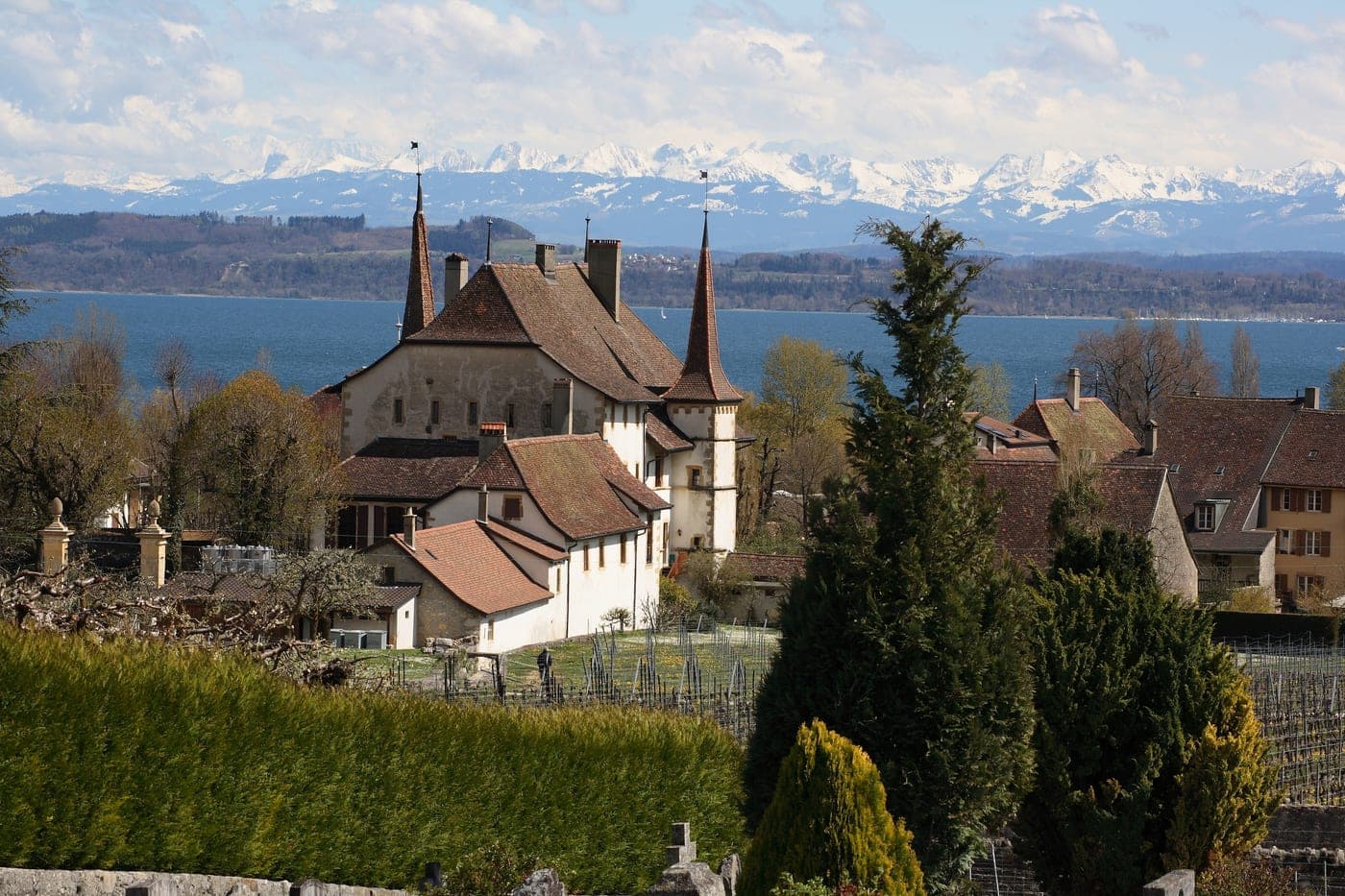
Neuchâtel is known for its rich watchmaking heritage and stunning lake views. It is the only region in Switzerland that borders Lake Neuchâtel, providing opportunities for lakeside strolls and water activities. The town of Neuchâtel, with its medieval castle and vibrant university atmosphere, is the largest in the region. Smaller towns like La Chaux-de-Fonds and Le Locle are UNESCO World Heritage sites, recognized for their historical significance in watchmaking. The region also boasts beautiful vineyards producing white wines, particularly Chasselas. Scenic hikes in the Jura mountains offer breathtaking panoramas and a chance to engage with nature. Local festivals celebrate traditional crafts and culinary delights unique to this area.
Schwyz
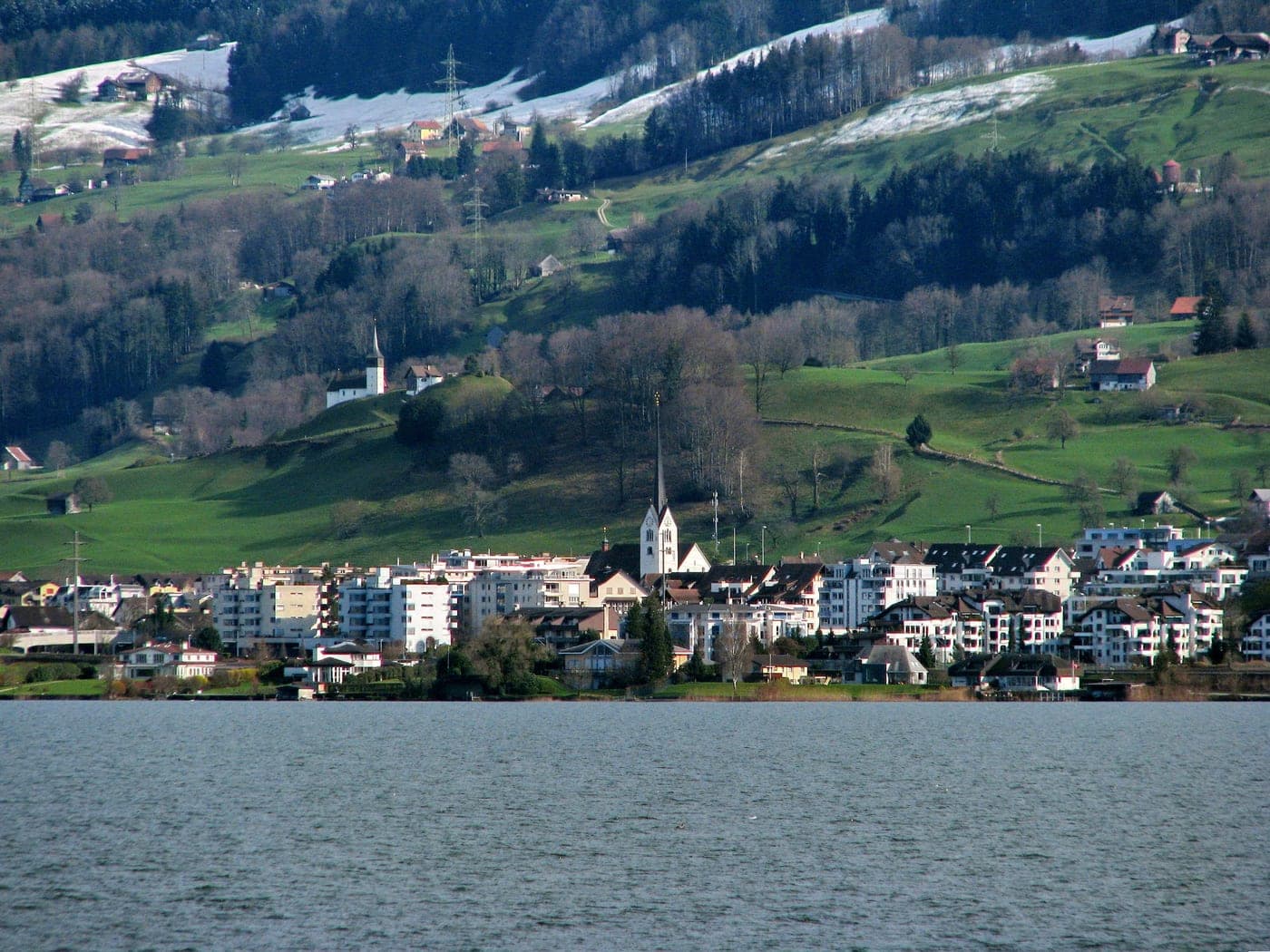
Nestled in the heart of Switzerland, Schwyz is a historical region notable for its role in the founding of the Swiss Confederation. The town of Schwyz, the capital, is home to the National Museum, which showcases local history and culture. This region is characterized by stunning landscapes, including Lake Lauerz and the surrounding mountains, ideal for hiking and exploring nature. Schwyz is also famous for its traditional craftsmanship, particularly in wood and textiles. The nearby village of Muotathal offers deep gorges and unique limestone formations, while the historic site of Rigi, known as the 'Queen of the Mountains,' provides breathtaking views and rich hiking trails.
Thurgau
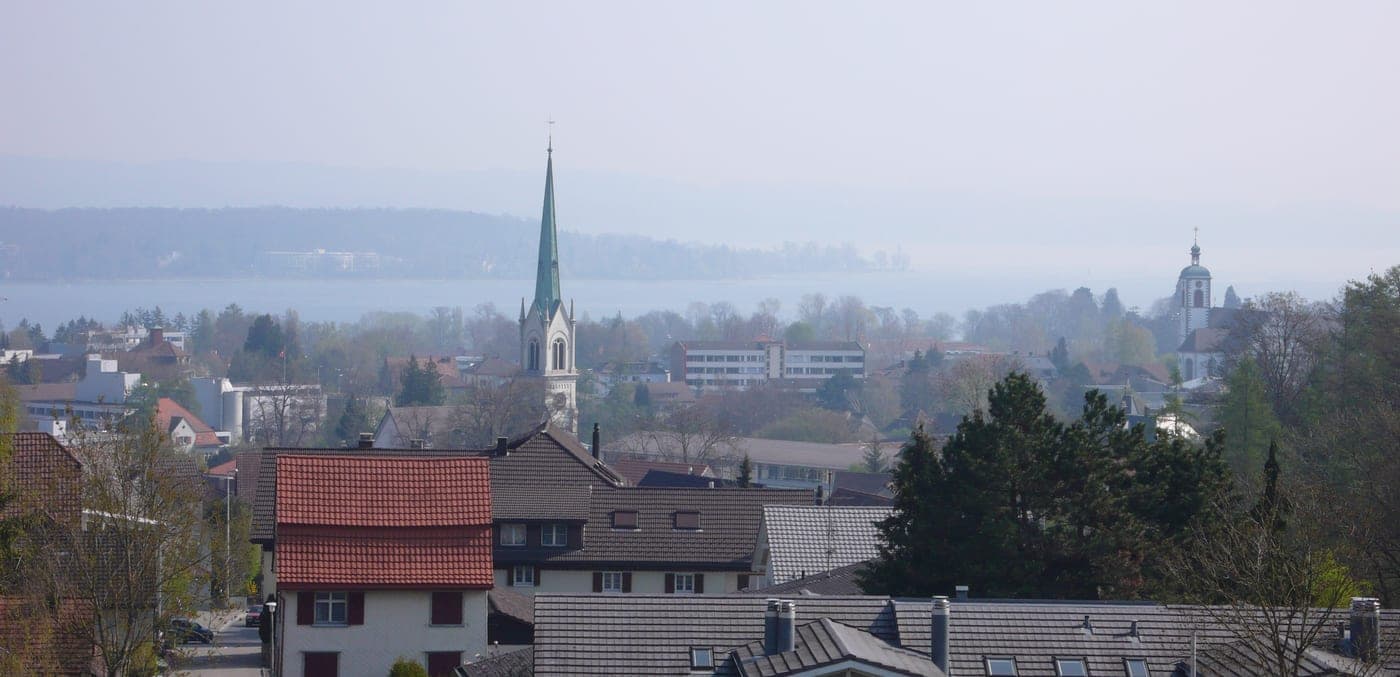
Thurgau sits in Switzerland's northeastern corner, where the land slopes gently down to the wide, calm water of Lake Constance, known locally as the Bodensee. It is the second-smallest canton in the country, and it feels like it: distances between towns are short, the land is soft and rolling rather than steep, and nothing here rushes past a visitor. This is a region built for slow travel — there is plenty to do, but everything worth doing rewards unhurried attention: an orchard in bloom, a market stall selling the season's first apples, a small harbour town with a castle looking out over the water. Locals sometimes call Thurgau "Mostindien" — cider country. Apple and pear orchards cover much of the land between the lake and the low ridges further inland, and the cider pressed from them, known as Most, is part of everyday life here. Spring brings blossom across whole hillsides; autumn brings the harvest, farm stalls, and village festivals built around it. Between the two, the land settles into a green, unhurried rhythm suited to walking. Vineyards share the same gentle slopes, especially where they catch the sun above the lake, and tasting the local wine is usually a quiet, low-key affair. The towns follow the shoreline and the rivers rather than clustering into one center. Frauenfeld, the cantonal capital, sits inland on the Murg river and carries its history in a castle that still overlooks the old town, alongside a museum and a market square that fills on trading days. Along the lake, small towns such as Arbon, Romanshorn, and Kreuzlingen each keep their own character — a harbour, a promenade, an old quarter — without growing large enough to feel like cities. Further along the shore, Ermatingen and Steckborn sit among orchards and vineyards, their waterfronts backed by half-timbered houses and quiet gardens. Inland, the historic towns hold their own stories. Diessenhofen, on the Rhine near the canton's northern edge, keeps a medieval old town and a covered wooden bridge across the river. Bischofszell, where two rivers meet, has a compact center of painted facades and a bridge that has carried travellers for centuries. Nearby, the former Carthusian monastery of Kartause Ittingen now holds art collections, a working farm, and gardens open for a slow afternoon walk. Several small places rather than one big draw is what makes Thurgau work as a slow itinerary. Three to four days is usually enough to link a few lake towns with a stop or two inland, leaving room to sit somewhere for an hour instead of checking sights off a list. A typical stretch might pair a morning in Frauenfeld's old town with an afternoon by the water in Romanshorn or Arbon, or set aside a full day for the orchard country around Ermatingen when the trees are in blossom or heavy with fruit. Medieval castles and fortified manor houses turn up more often than the region's quiet reputation suggests, many still standing amid farmland. Paths link several of them across field edges and orchard rows: Thurgau's landscape is meant to be walked through slowly, with a stop for cider, a plate of local cheese, or a piece of fruit tart along the way. Lake Constance shapes the region's mood as much as its geography. The water is wide enough to blur into the sky on a still day, and the shoreline towns face out toward Germany across it, giving Thurgau a quietly international feel without the crowding that comes with better-known Swiss lakes. Fishing still happens here on a small, local scale, and lake fish shows up on menus in towns along the shore. Thurgau rewards patience more than a packed itinerary. There is no single landmark built to justify a special trip; instead there are orchards, small harbours, a scattering of castles, and towns that stay interesting for an afternoon. Anyone planning time here does better setting a loose route between three or four towns and leaving space between them than trying to cover the whole canton.
Ticino
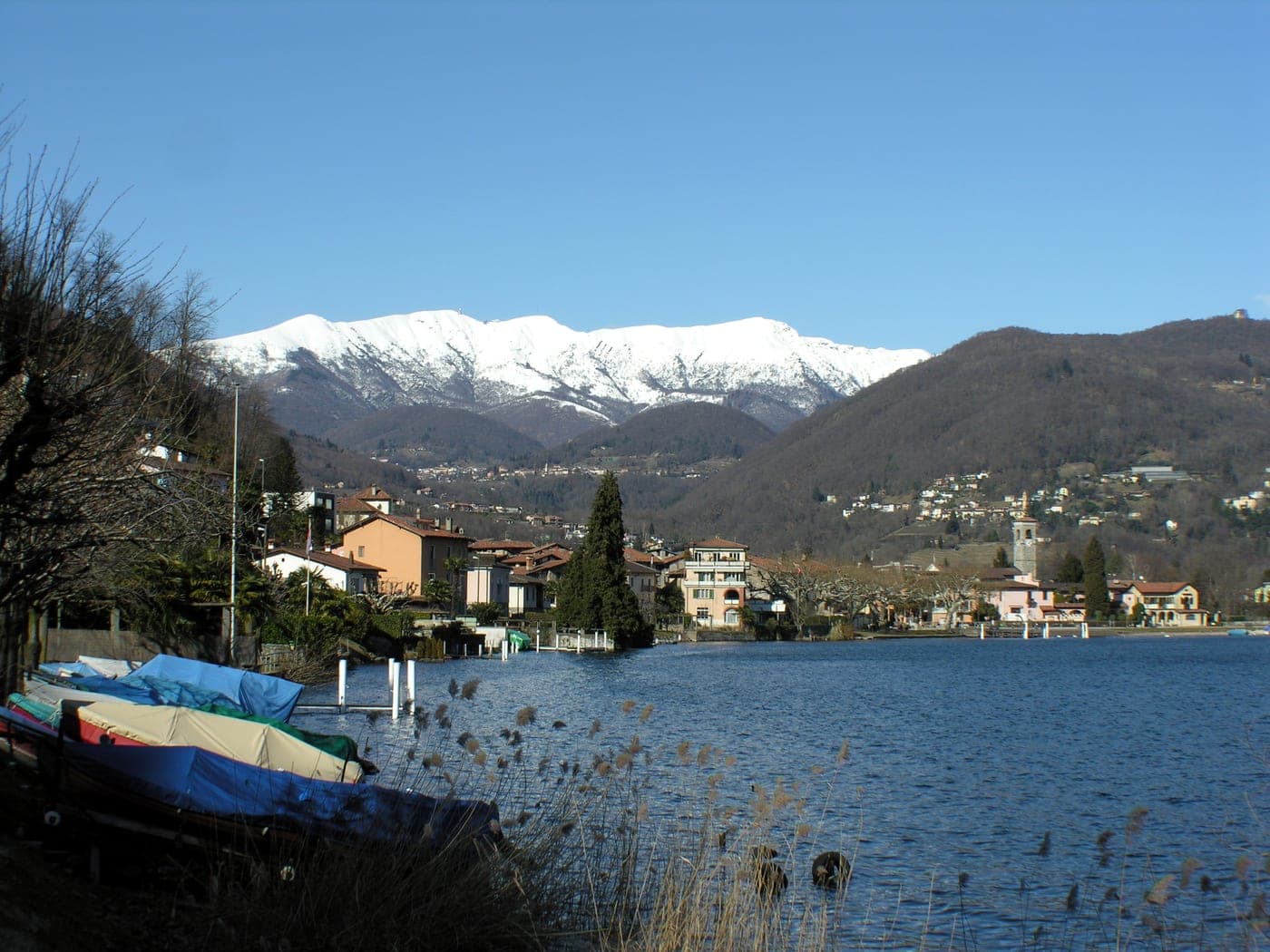
Ticino, the only Italian-speaking region in Switzerland, offers a unique blend of Mediterranean flair and Swiss efficiency. It features stunning landscapes, from the rugged peaks of the Alps to the lakeside beauty of Lugano and Locarno. The region is renowned for its picturesque villages like Morcote, where narrow streets lead to lakeside views. Known for its rich culinary traditions, Ticino is famous for polenta and Merlot wine, showcasing a blend of Italian and Swiss influences. Historic sites such as Castello di Montebello and the UNESCO-listed Bellinzona fortifications reflect its strategic importance. With its mild climate, Ticino is a haven for hiking, cycling, and exploring local markets, making it ideal for a relaxed travel experience.
Uri
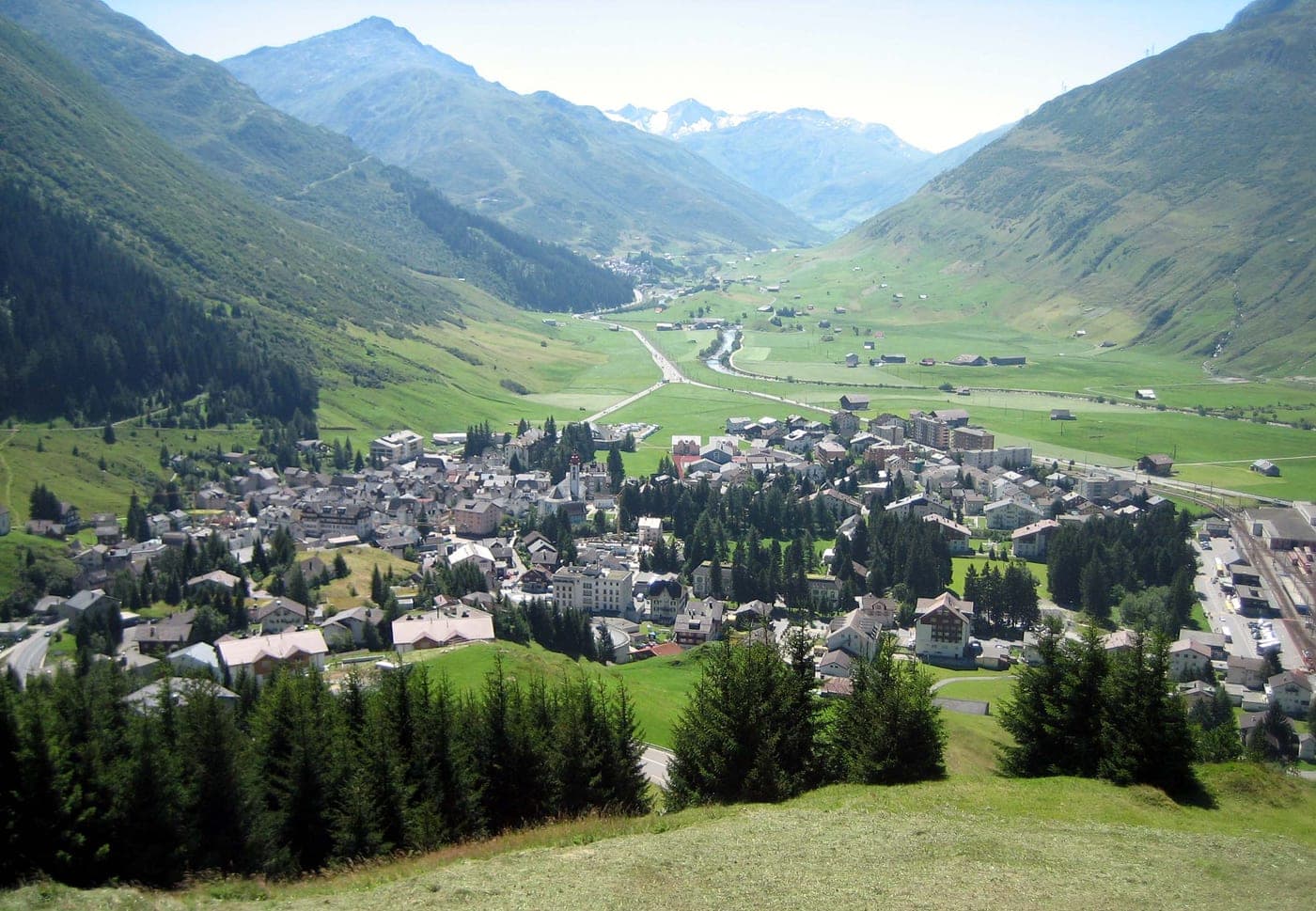
Uri sits at the very centre of Switzerland, wrapped around the long southern arm of Lake Lucerne that locals call Lake Uri. Steep forested slopes rise straight from the water here, and behind them the valley narrows and climbs toward the Gotthard massif, one of the great watersheds of the Alps. Uri is one of the original cantons that formed the Swiss Confederation in 1291, and the region still moves at the pace that history left it: small villages in side valleys, cattle grazing on steep meadows, and church bells marking the hours rather than traffic. This is a canton built for slow days rather than long checklists. Altdorf, the cantonal capital, keeps the legend of William Tell alive with a statue in its main square and a small museum on the story, but it is otherwise a quiet market town where the pace suits a morning coffee more than a rushed photo stop. Further down the lake, Flüelen sits right on the water. Bürglen, Tell's supposed birthplace, keeps its own chapel and archive dedicated to him. Higher up the valley, Andermatt has grown from a farming village into a small alpine resort without losing its old stone-house core. Farming still shapes daily life across Uri. Alpine terraces above the villages are used for haymaking in summer, and many families still move their cattle up to high pastures for the warmer months, following a rhythm called Alpaufzug. Small dairies on these alps turn the summer milk into mountain cheese, often sold directly at the farm or at village markets. Local restaurants tend to keep menus short and seasonal, built around this cheese, cured meat, and whatever vegetables the short alpine summer allows. The Gotthard Pass has shaped Uri's history more than almost anything else. For centuries it was the main route linking northern and southern Europe, and the old cobbled road still climbs over the summit past stone bridges and staging posts built for mule trains and early travellers. Away from the pass, Uri's side valleys hold quieter walking country: the Schächental below the Klausen road, the Maderanertal with its glacier views, and countless smaller trails linking one village to the next through larch forest and open alp.
Valais
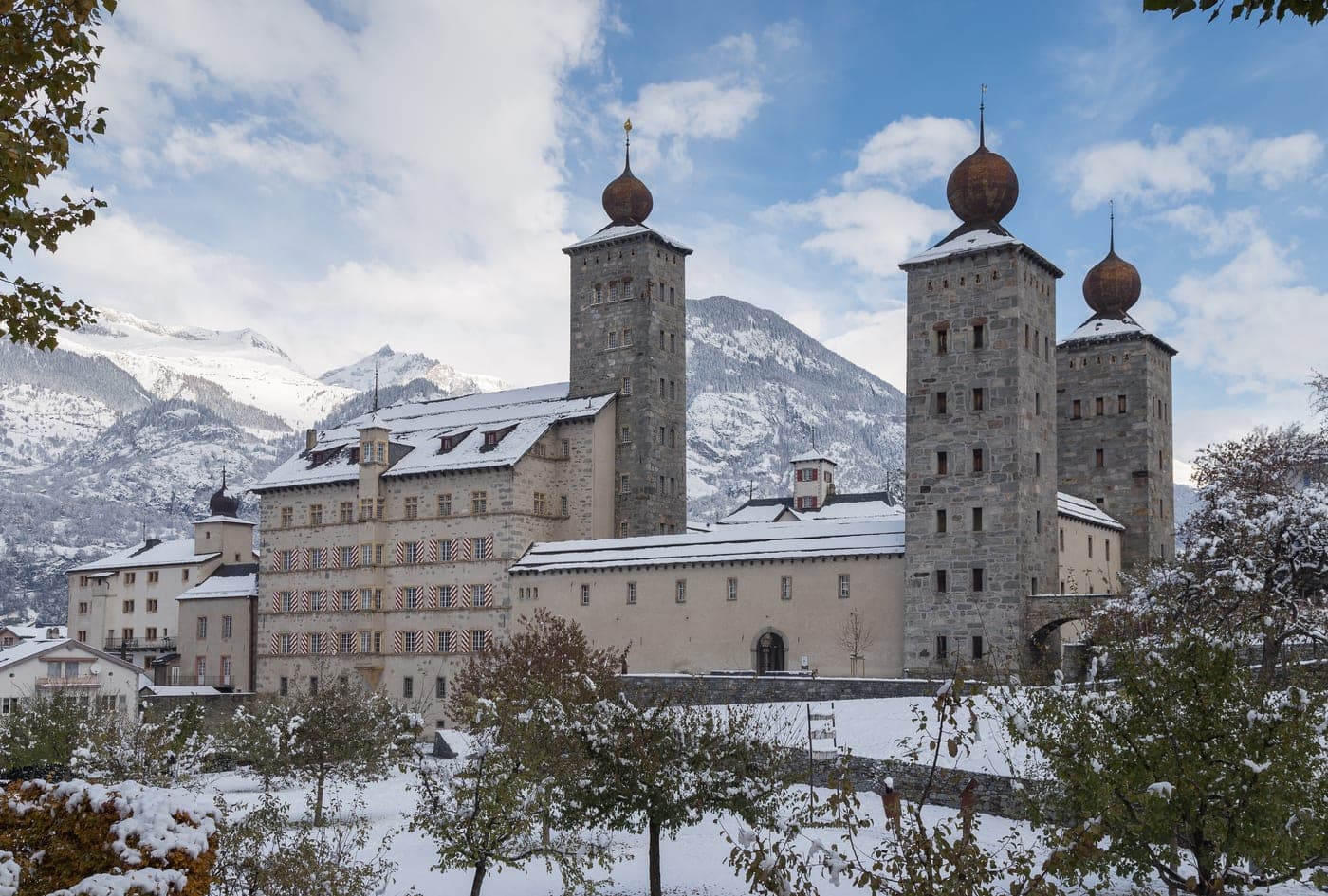
Valais is a prominent region in Switzerland, known for its striking alpine landscapes and rich cultural heritage. It is home to the famous Matterhorn and the largest ski area in the country. The region is characterized by its terraced vineyards, which produce unique wines like Fendant and Dôle. Sion, the capital, boasts a medieval old town and ancient castles. Zermatt, a car-free village, offers access to breathtaking hiking trails. The region is also famous for its local cheeses and traditional festivals, including the Fête de la Saint-Bernard. With stunning mountain scenery and charming villages, Valais invites exploration beyond the typical tourist path.
Vaud
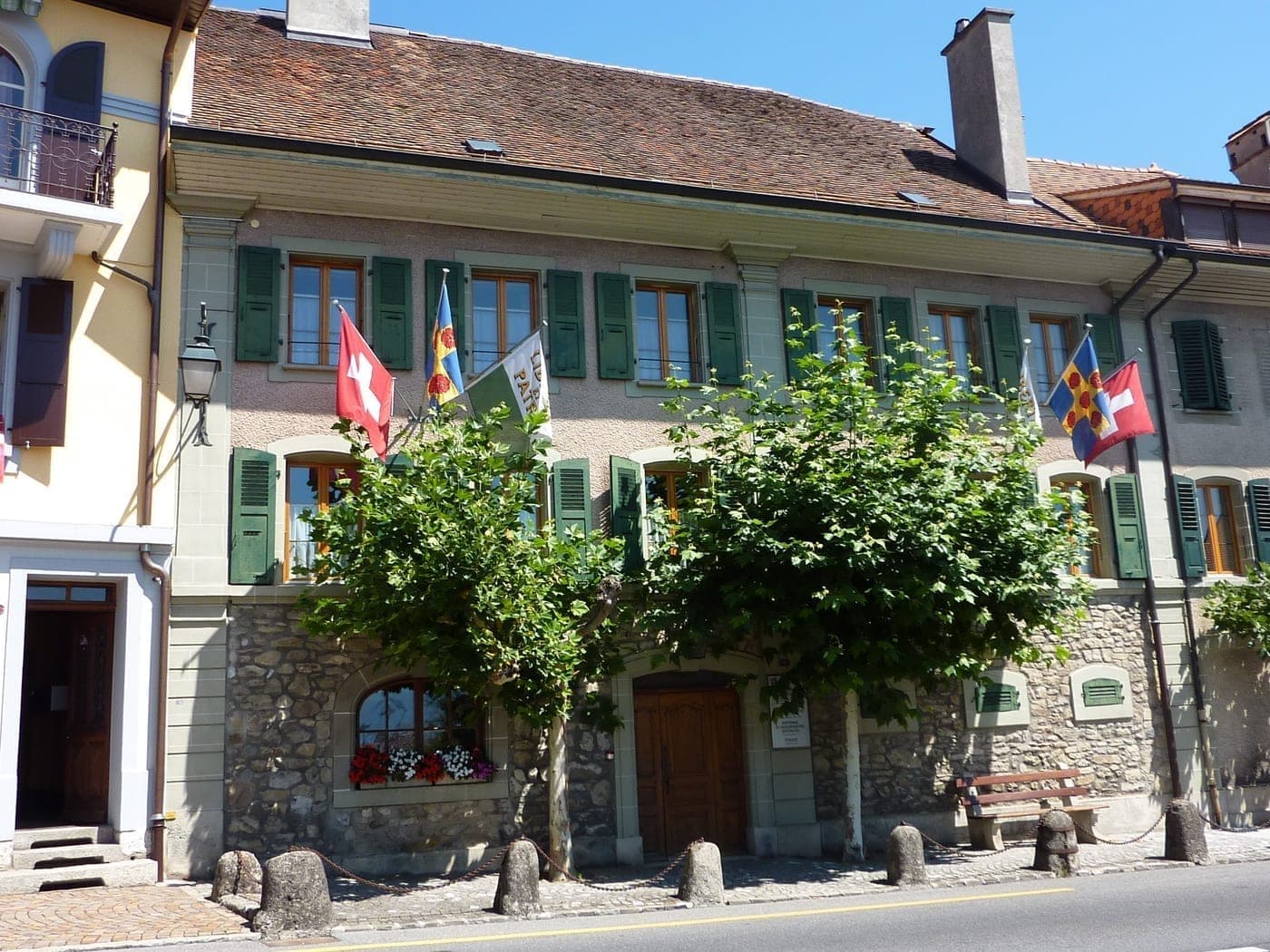
Vaud is a diverse region known for its stunning landscapes and rich cultural heritage. Nestled along the shores of Lake Geneva, it features the city of Lausanne, home to the Olympic Museum and a vibrant cultural scene. The region is famous for its vineyards, particularly the Lavaux vineyards, a UNESCO World Heritage site, offering breathtaking views and local wine tastings. Montreux, known for its jazz festival, sits nearby, while the medieval town of Yverdon-les-Bains boasts historical thermal baths. Vaud also offers numerous hiking trails in the Jura mountains, providing a glimpse into Swiss natural beauty. With a blend of urban and rural experiences, Vaud is ideal for those seeking to explore Switzerland's lesser-known gems.
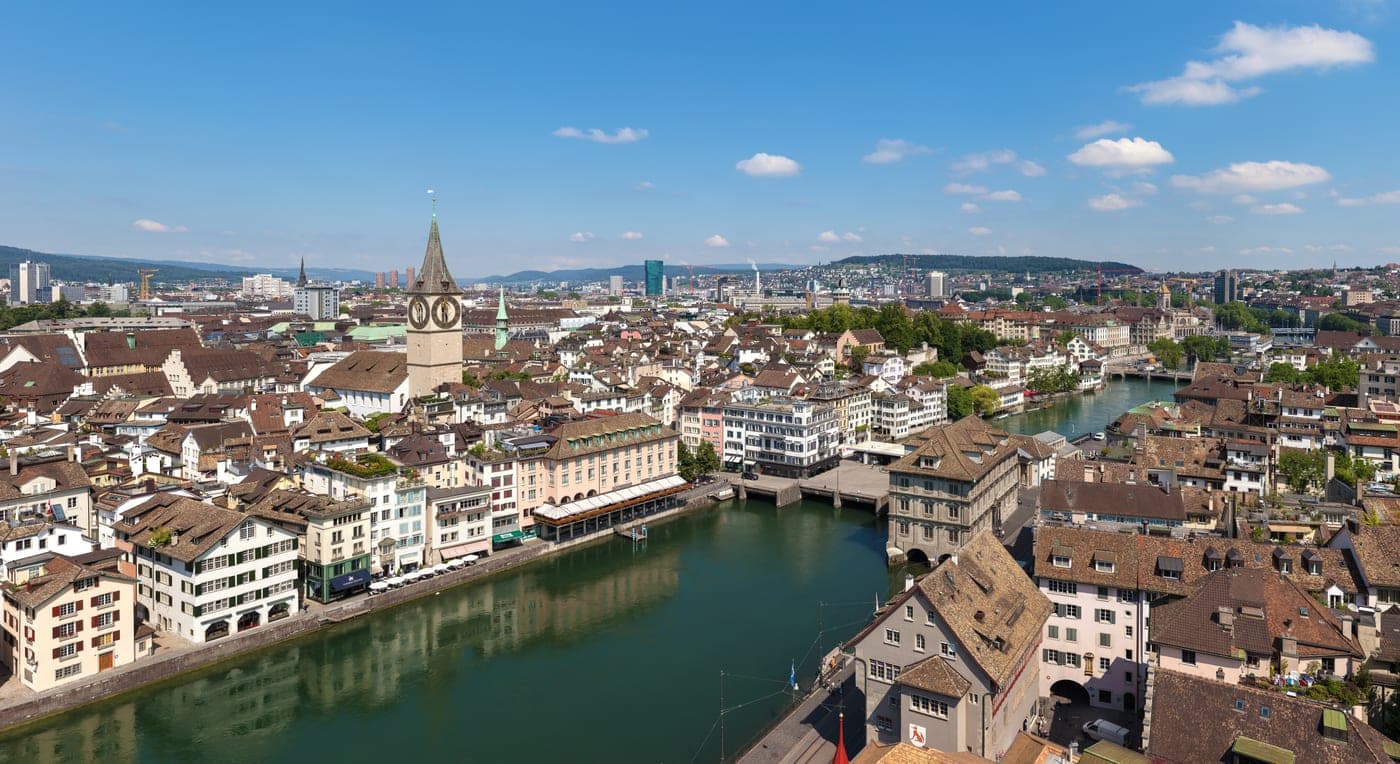
Zurich
Located at the confluence of the Limmat River and Lake Zurich, this region is Switzerland's largest urban area, known primarily for its financial institutions and vibrant cultural scene. Beyond the bustling city, Zurich offers access to numerous hiking trails in the nearby Uetliberg mountain, providing stunning panoramic views. The old town, with its medieval buildings and narrow alleys, reveals a rich history dating back to Roman times. Lake Zurich is a hub for outdoor activities such as swimming and sailing, while the nearby towns of Rapperswil and Winterthur present unique historic sites and museums. The region is also celebrated for its chocolate and cheese, with local markets showcasing artisanal products. Discovering the lesser-known neighborhoods can lead to hidden gems, including local galleries and family-owned eateries.