Portugal
quintas and cork forests
Regions
Alentejo
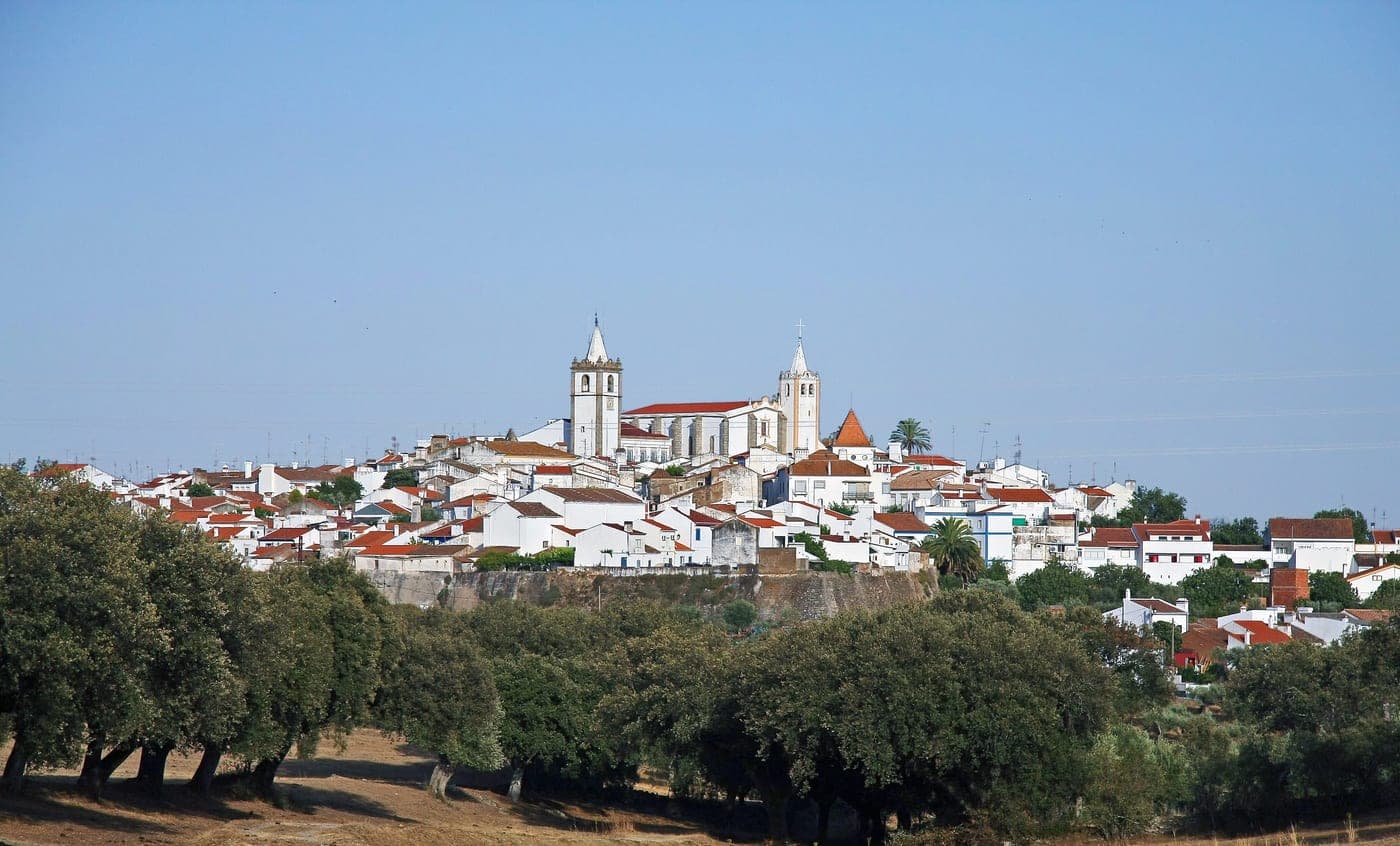
Alentejo, the largest region in Portugal, features a rich agricultural landscape dotted with vineyards and olive groves. It is known for its unique wines, particularly the robust reds from the Alentejo DOC. The region is home to Évora, a UNESCO World Heritage site with Roman ruins and medieval architecture, and Monsaraz, a hilltop village offering stunning views of the surrounding plains. Alentejo’s coastline, though less frequented, boasts beautiful beaches like Praia da Amália. Additionally, the region is famous for its traditional festivals, such as the Festa de São João in Évora, where locals celebrate with music and dance. Travelers will find a slower pace of life here, with opportunities to explore local markets and sample regional delicacies like açorda and queijos.
Algarve
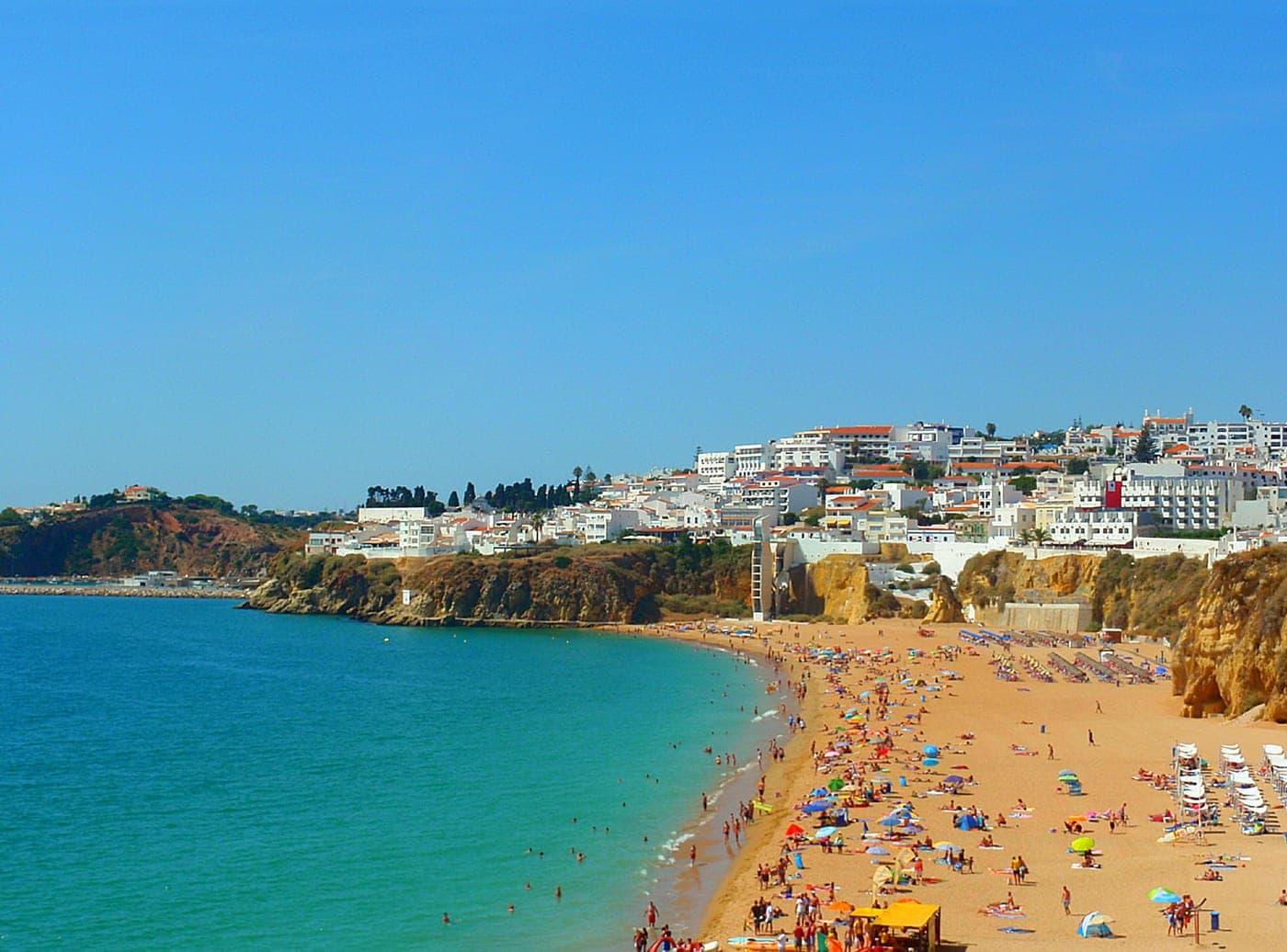
The Algarve, Portugal's southernmost region, is famed for its stunning coastline and rich cultural heritage. Known for its picturesque cliffs and golden beaches, the area also boasts a unique blend of Moorish and Portuguese architecture. Lagos offers historical significance with its ancient fortifications, while Silves features a well-preserved castle reflecting its past as a Moorish stronghold. The region is celebrated for its local gastronomy, particularly fresh seafood and traditional dishes like cataplana. Off the beaten path, small towns like Tavira and Aljezur showcase authentic Portuguese life, with traditional festivals and local artisan markets. The Algarve is a treasure trove of natural parks, hiking trails, and charming villages, perfect for a deeper exploration of Portugal's diverse landscape.
Beiras
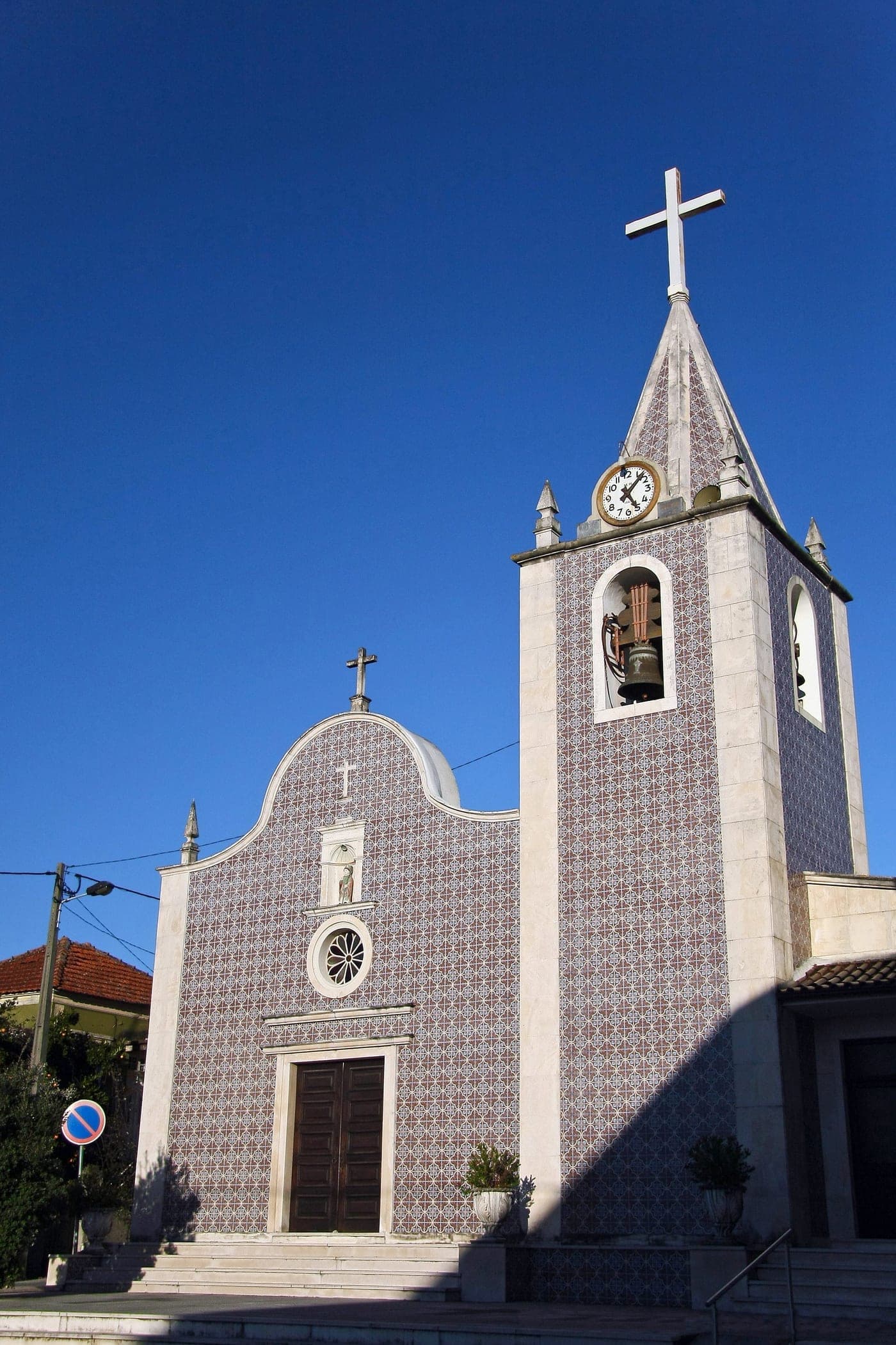
Beiras, the largest region in Portugal, is known for its diverse landscapes and rich heritage. The region features the stunning Serra da Estrela mountains, home to Portugal's highest peak and unique glacial valleys. Historical cities like Coimbra, with its ancient university, and Viseu, famed for its Renaissance architecture, attract those interested in culture and history. The region is also renowned for its artisanal cheeses, particularly Queijo da Serra, and traditional wines like Dao. Charming villages like Piódão, with its schist houses, offer a glimpse into local life. Beiras is the only region with significant access to both mountains and coastline, providing a variety of outdoor activities, from hiking to beach visits.
Douro
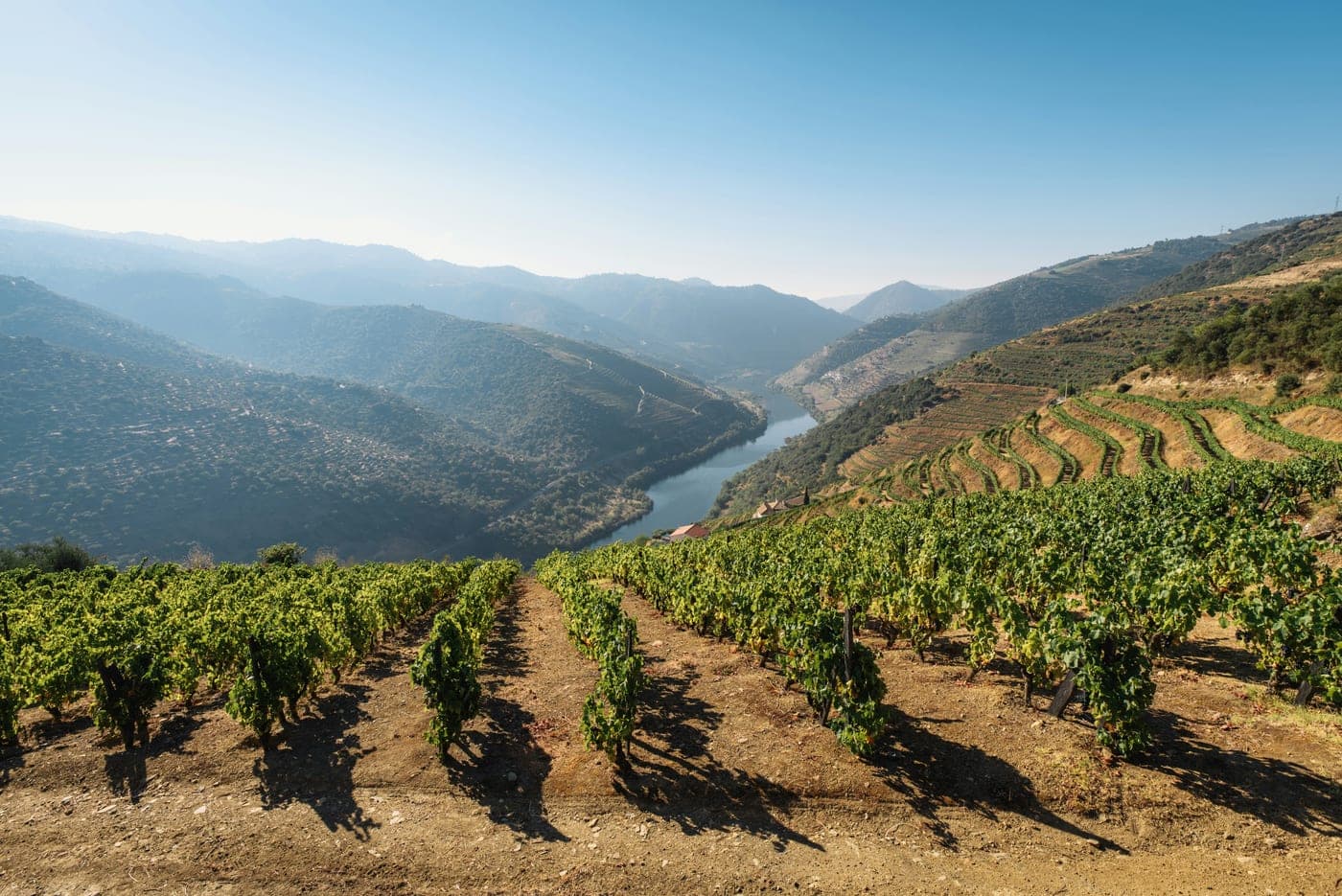
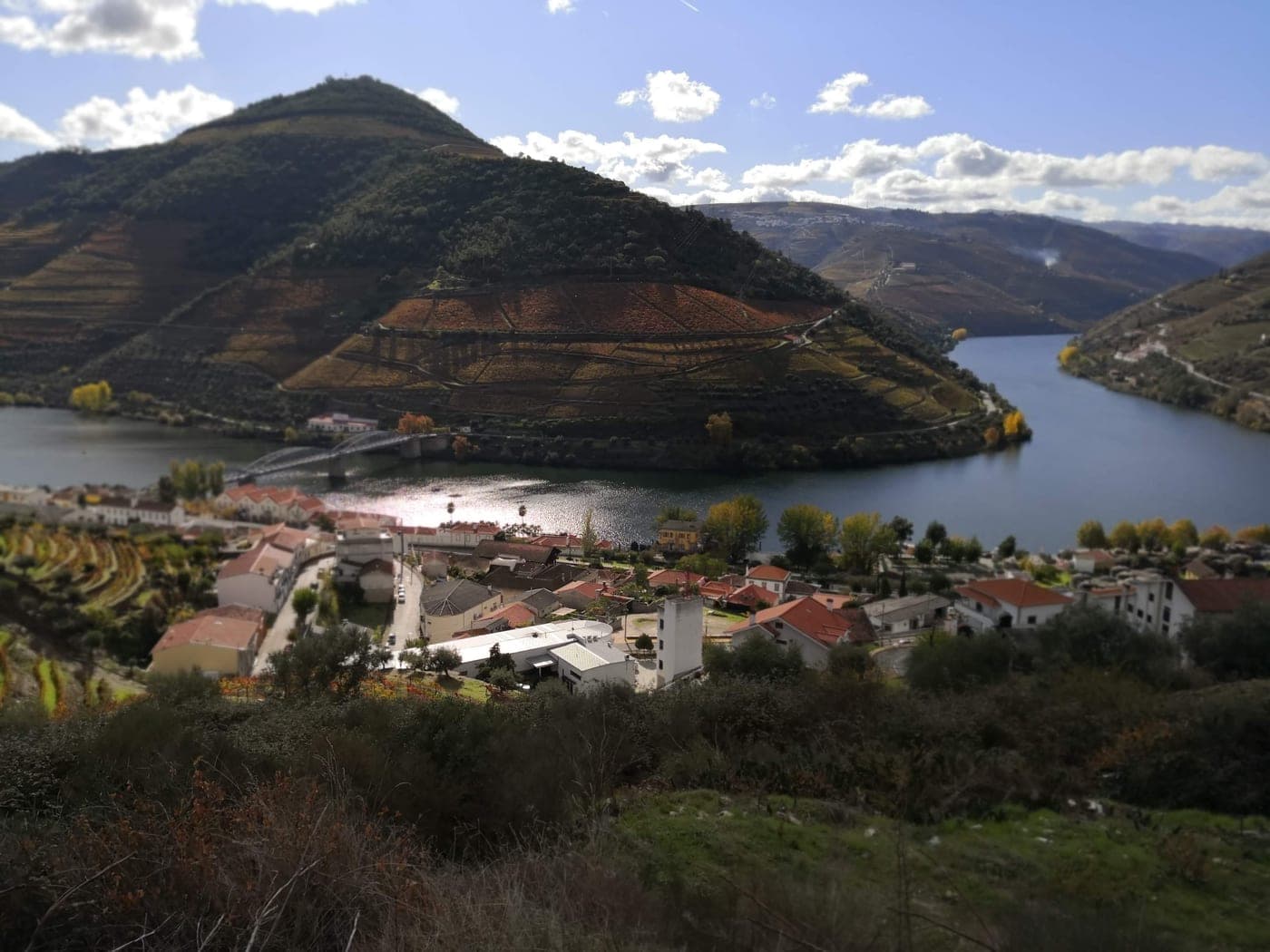
The Douro region, one of Portugal's oldest wine-producing areas, is famous for its terraced vineyards along the Douro River, a UNESCO World Heritage site. Its most notable cities include Peso da Régua, the heart of Port wine production, and Pinhão, known for its picturesque river views and traditional wine estates. The region's unique microclimate supports the growth of the indigenous grapes used for Port and Douro red wines. Off the beaten path, small villages like Lamego feature baroque architecture and ancient pilgrimage routes. Scenic boat trips and hikes reveal breathtaking landscapes, while local festivals celebrate wine and harvest traditions, providing an authentic glimpse into the region's rich culture.
Dão
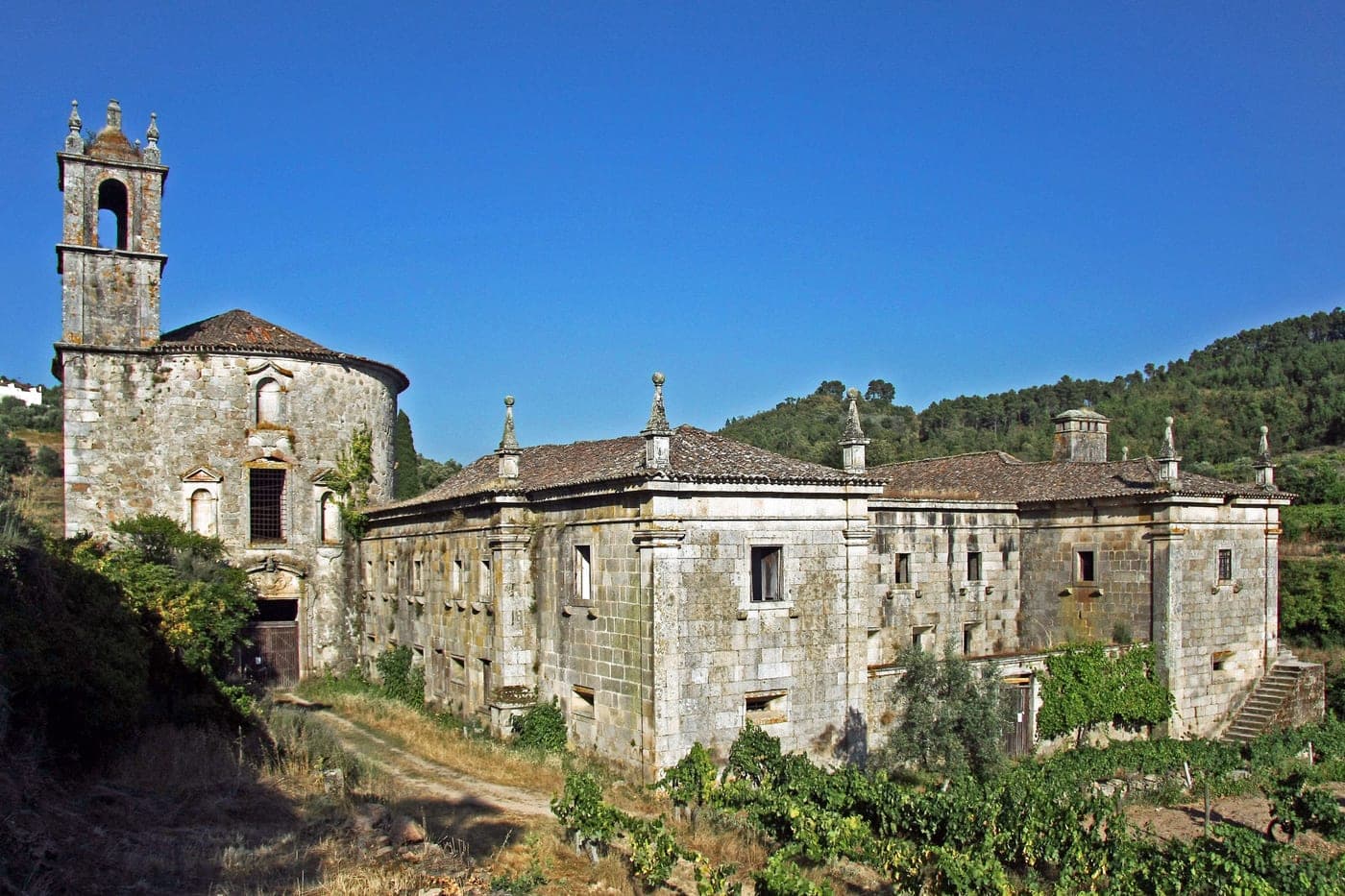
Nestled in the heart of Portugal, Dão is renowned for its verdant vineyards and rich wine heritage, particularly for the Dão reds made from Touriga Nacional and Tinta Roriz grapes. This region is characterized by its rolling hills and granite mountains, providing a stunning backdrop for outdoor activities such as hiking and cycling. The towns of Viseu, known for its well-preserved medieval architecture, and Nelas, famous for its wine estates, offer travelers a taste of local culture and gastronomy. Dão is also home to the historic Roman ruins of Tavares and the picturesque village of Oliveira de Frades, where traditional crafts thrive. The region’s slower pace and focus on local produce create a unique experience for those looking to delve deeper into Portugal's rural lifestyle.
Lisbon
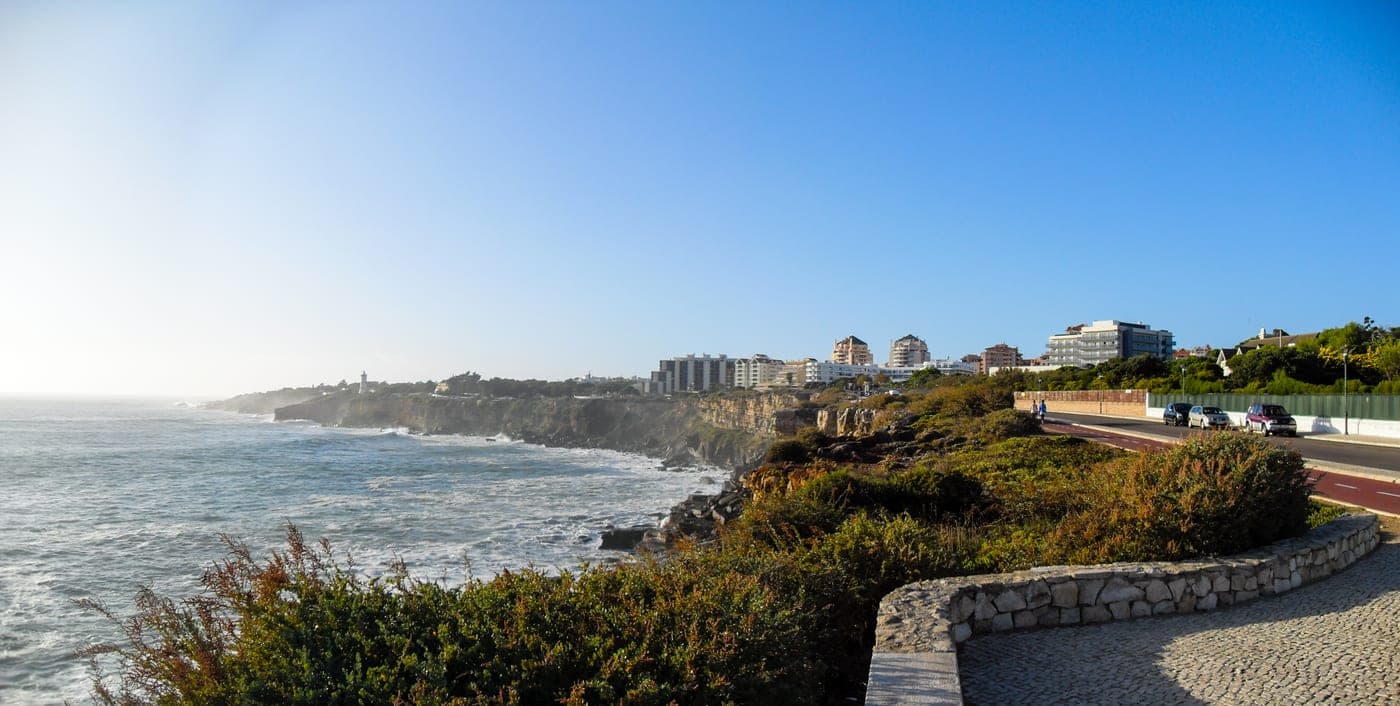
Lisbon, Portugal's capital, is a vibrant city known for its rich maritime history and unique architectural styles, including Manueline and Pombaline. It is situated on the edge of the Atlantic Ocean, making it the only capital city in Western Europe with a coastline. The Alfama district, with its narrow winding streets, offers a glimpse into the city's Moorish past, while the Belém area is home to the iconic Jerónimos Monastery. Off the beaten path, the neighborhood of Graça provides stunning viewpoints and local eateries. The region also hosts local festivals, like Festas de Lisboa, celebrating culture and tradition throughout June. Lisbon's proximity to the Sintra mountains allows for scenic hikes and exploration of palaces, making it a multi-faceted destination for those looking to explore at a leisurely pace.
Norte
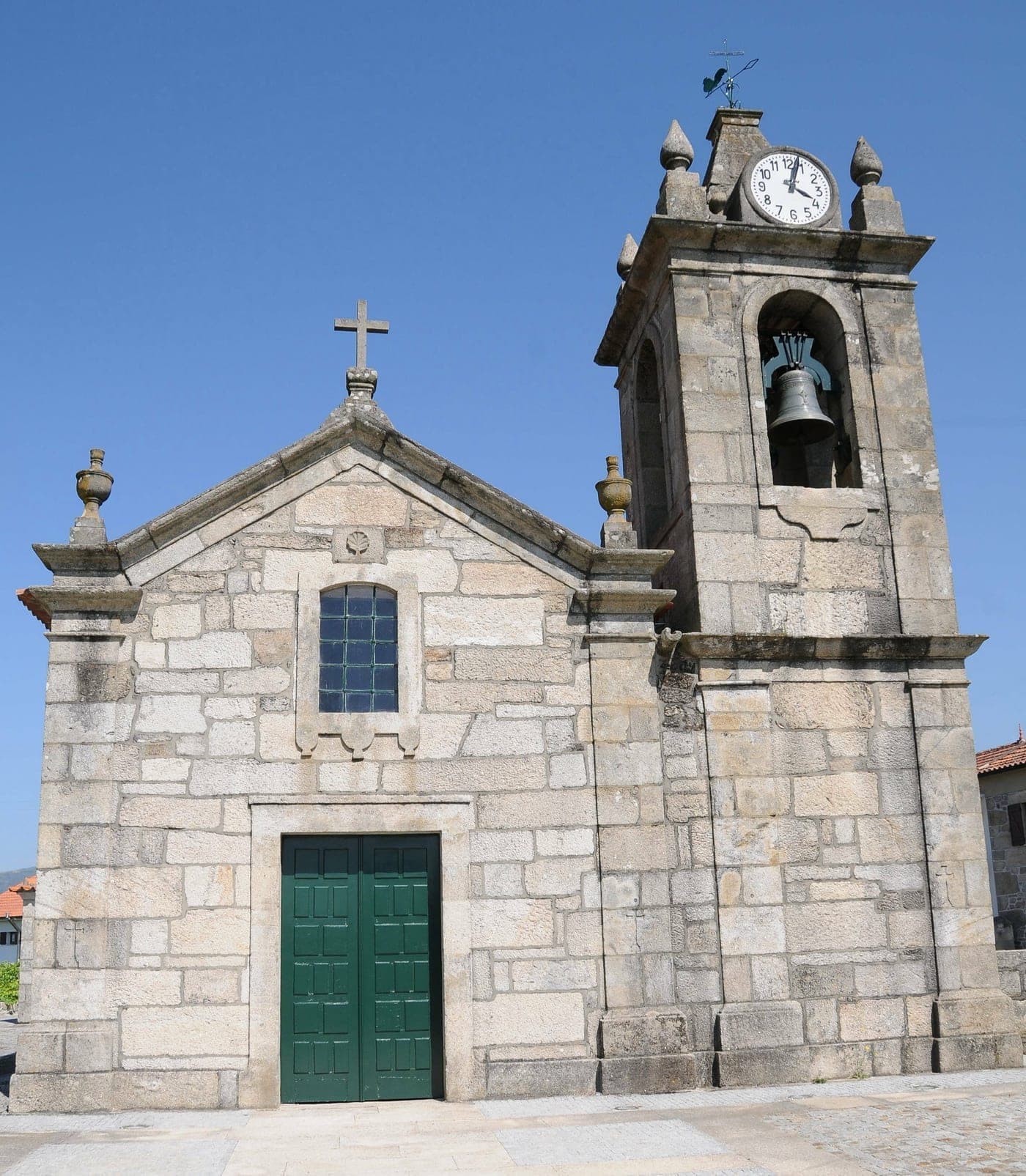
Norte is the largest region in Portugal, known for its diverse landscapes ranging from rugged mountains to a stunning coastline. Porto, the region's main city, is famous for its port wine and historic Ribeira district, while towns like Guimarães and Braga boast rich medieval history and architecture. The Douro Valley, a UNESCO World Heritage Site, offers breathtaking views and opportunities to explore terraced vineyards. Unique cultural festivals, such as the Festa de São João in Porto, showcase local traditions. The region is also noted for its traditional cuisine, including dishes like francesinha and regional cheeses. Nature lovers can hike in the Peneda-Gerês National Park, experiencing the region’s natural beauty away from the crowds.
Ribatejo
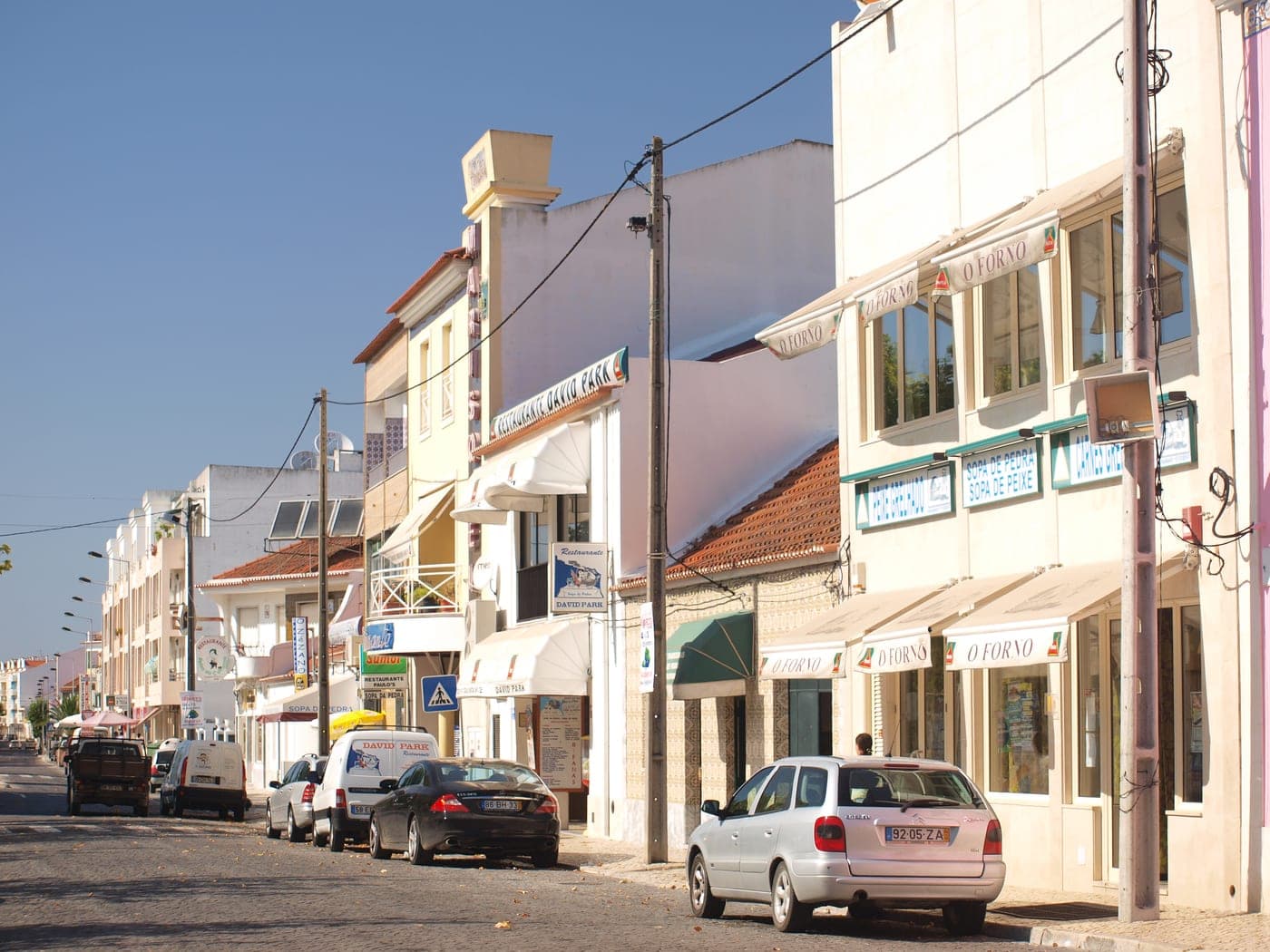
Ribatejo, located in central Portugal, is characterized by its rich agricultural land and historic towns. It is known for its diverse landscapes, including the Tejo River, which flows through the region. Santarém, the region's largest city, is famous for its Gothic architecture and the annual Festa de São Martinho. The region is also notable for producing high-quality wines, particularly the robust reds from the Tagus Valley. Off the beaten path, towns like Almeirim and Cartaxo offer authentic local gastronomy, including the iconic sopa da pedra. Ribatejo is steeped in history, with archaeological sites such as the Roman ruins in Conímbriga showcasing its ancient past. Outdoor enthusiasts will find numerous hiking trails along the riverbanks, making it an ideal area for slow exploration.
Setúbal
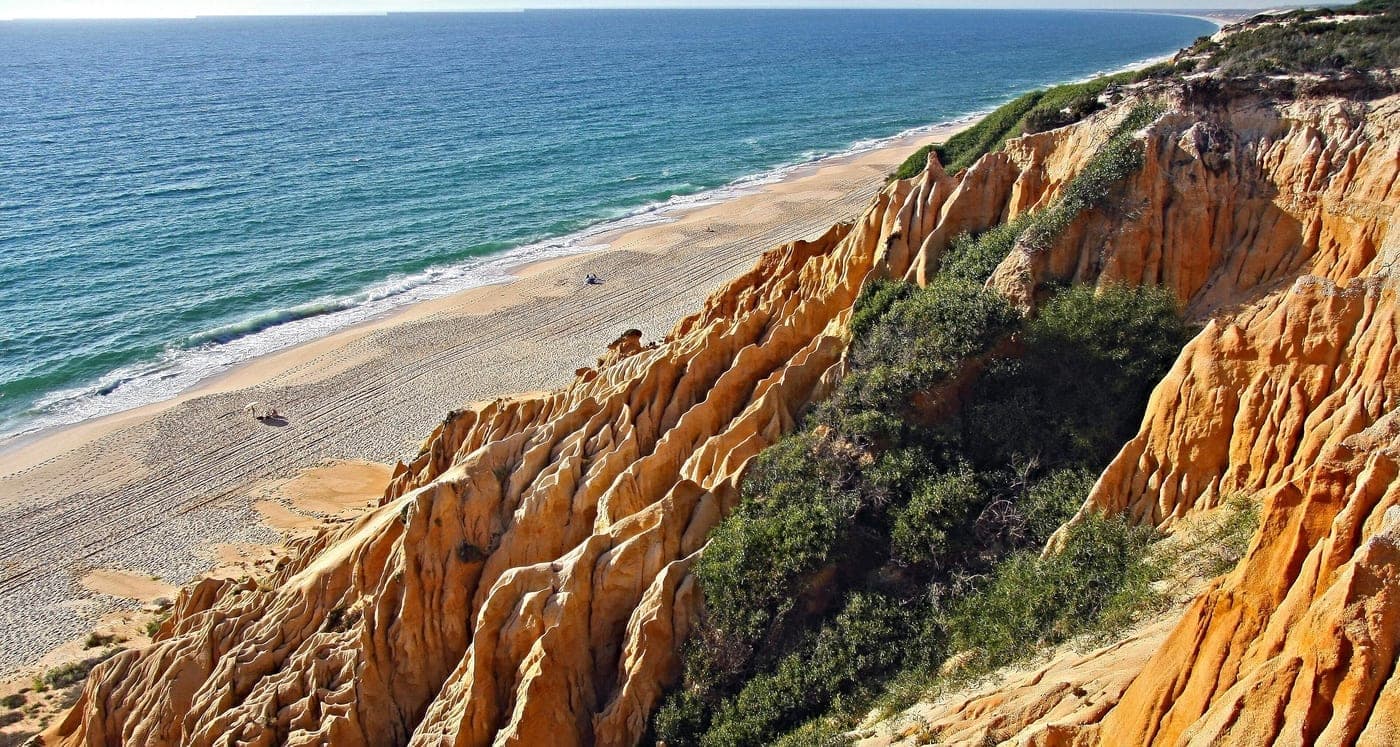
Setúbal is known for its stunning coastal landscapes and rich cultural heritage. This region features the Arrábida Natural Park, where cliffs meet the Atlantic, offering hiking trails and secluded beaches. Setúbal city is the main hub, famous for its historic fish market and vibrant local cuisine, particularly the fresh seafood and traditional choco frito. Notable nearby towns include Sesimbra, with its picturesque castle and fishing traditions, and Troia, which boasts Roman ruins and beautiful sandy shores. The region is also recognized for its high-quality wines, especially the Muscatel from the local vineyards. Setúbal's local festivals celebrate its maritime culture and gastronomy, providing an authentic glimpse into Portuguese life.
Vinho Verde
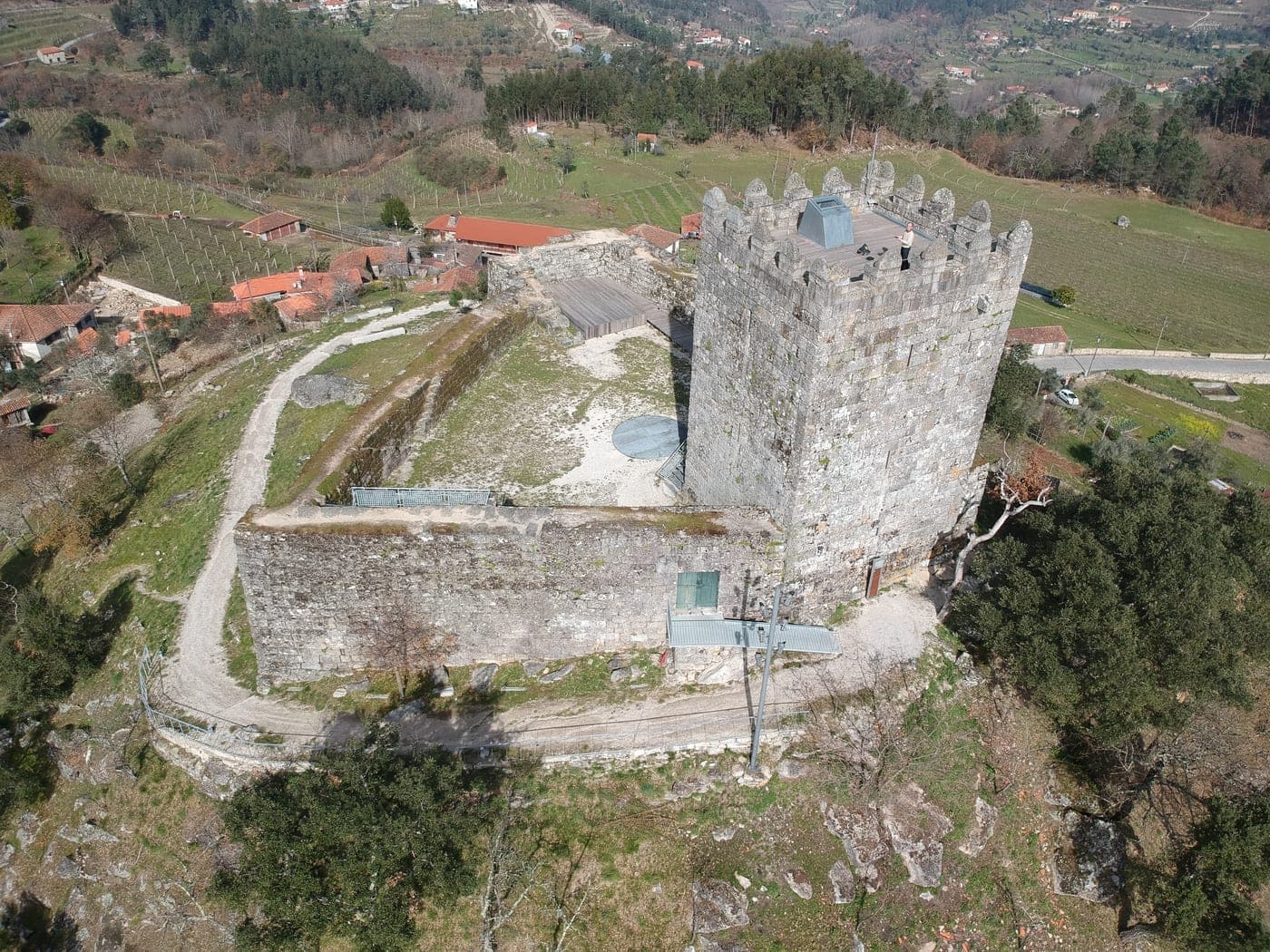
This northern region is renowned for its lush vineyards and the production of Vinho Verde, a unique, lightly effervescent wine. It is the largest wine-producing region in Portugal, characterized by rolling hills and a temperate climate. Notable towns include Amarante, with its picturesque bridge and historic buildings, and the coastal town of Esposende, known for its beautiful beaches. The area also features the Peneda-Gerês National Park, a haven for hikers and nature lovers. Visitors can explore traditional festivals such as the Festa de São João in Porto, which showcases local culture and cuisine, including fresh seafood and regional cheeses. Vinho Verde is not just a wine; it's a way of life here, making the region a rich tapestry of experiences beyond the typical tourist path.