Algarve
Destinations in Algarve.
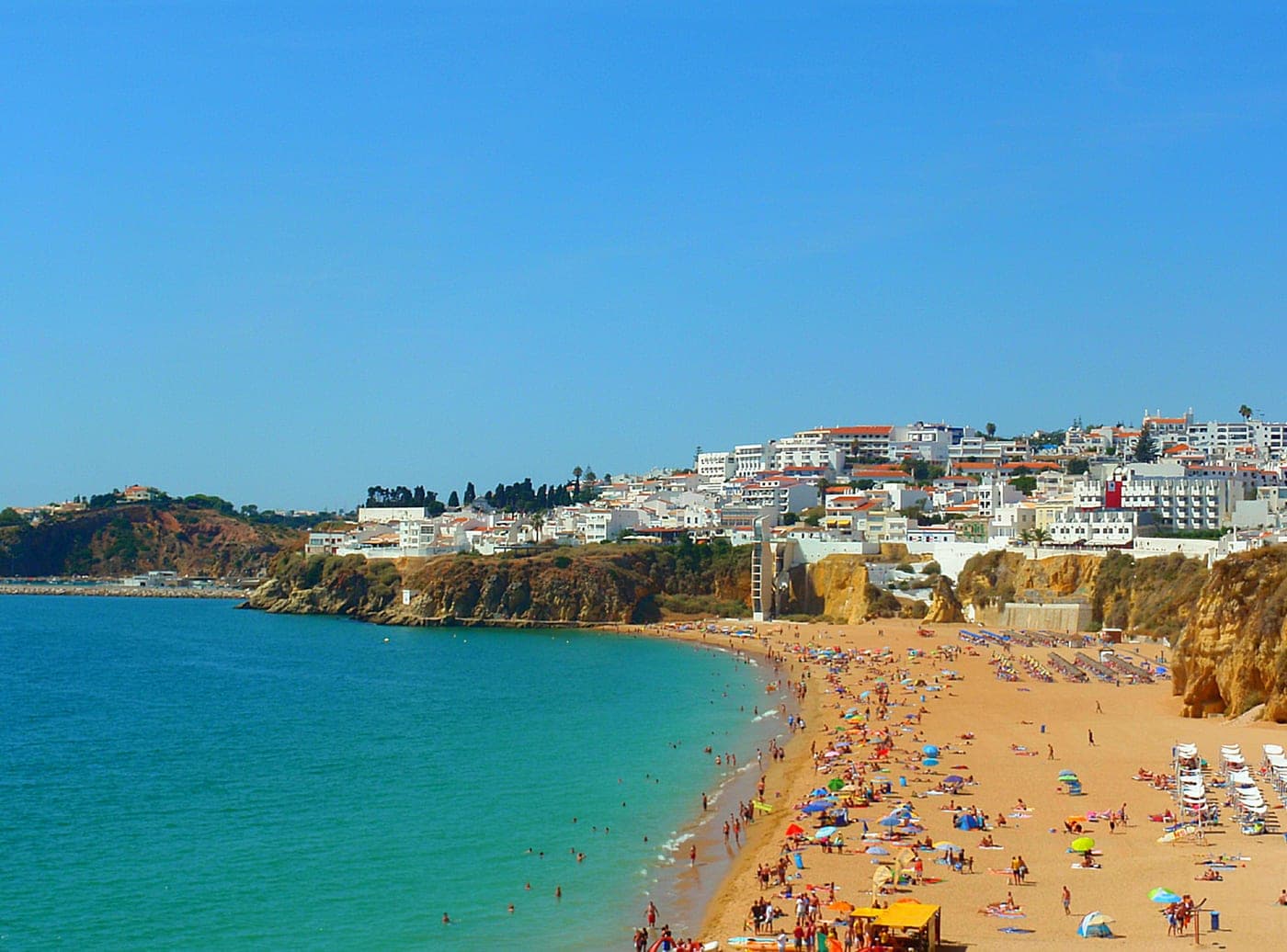
Albufeira
Former fishing village turned resort with dramatic cliffs and sea caves.
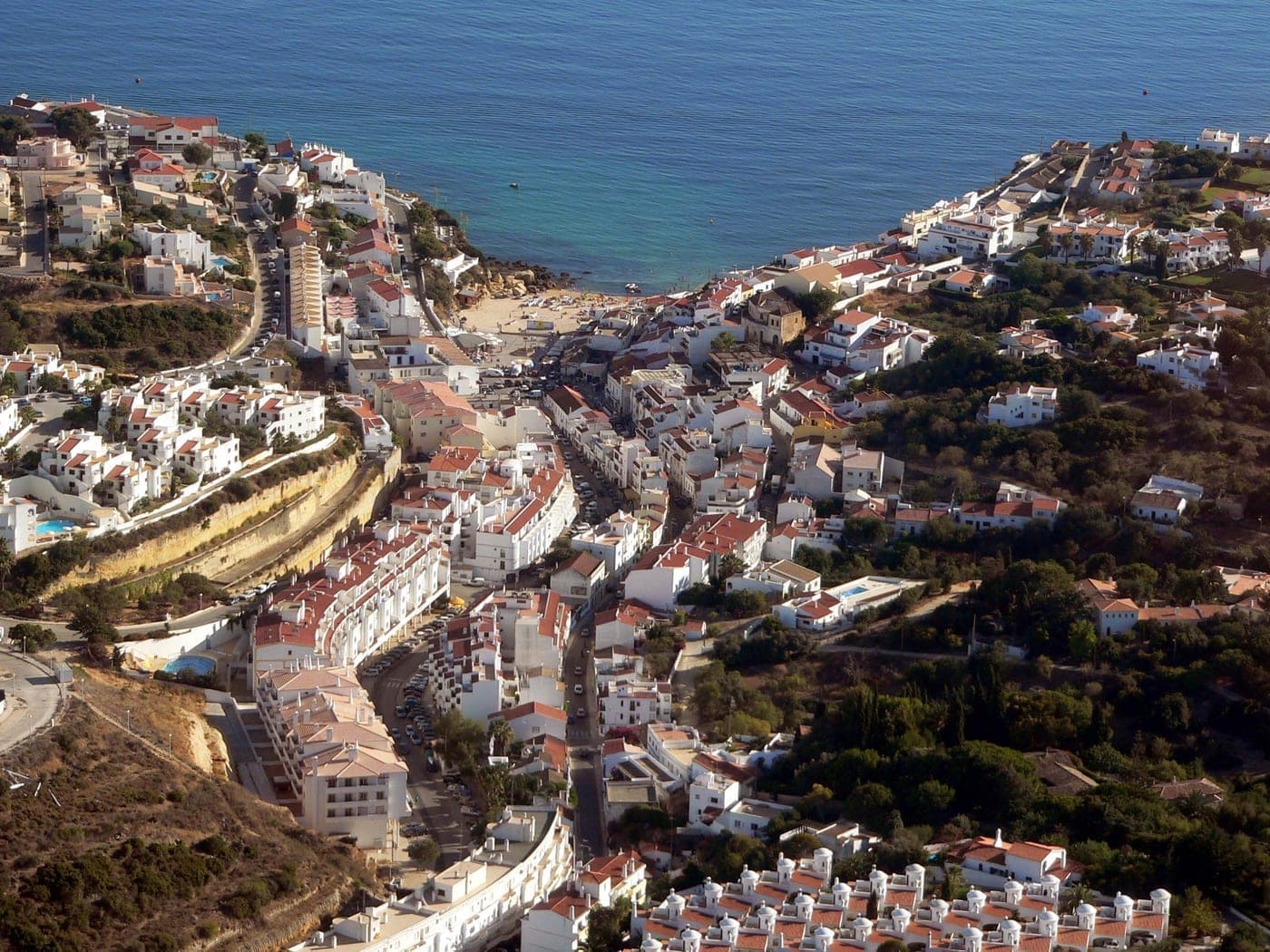
Carvoeiro
Coastal resort in the Algarve with wine tourism and tasting experiences.
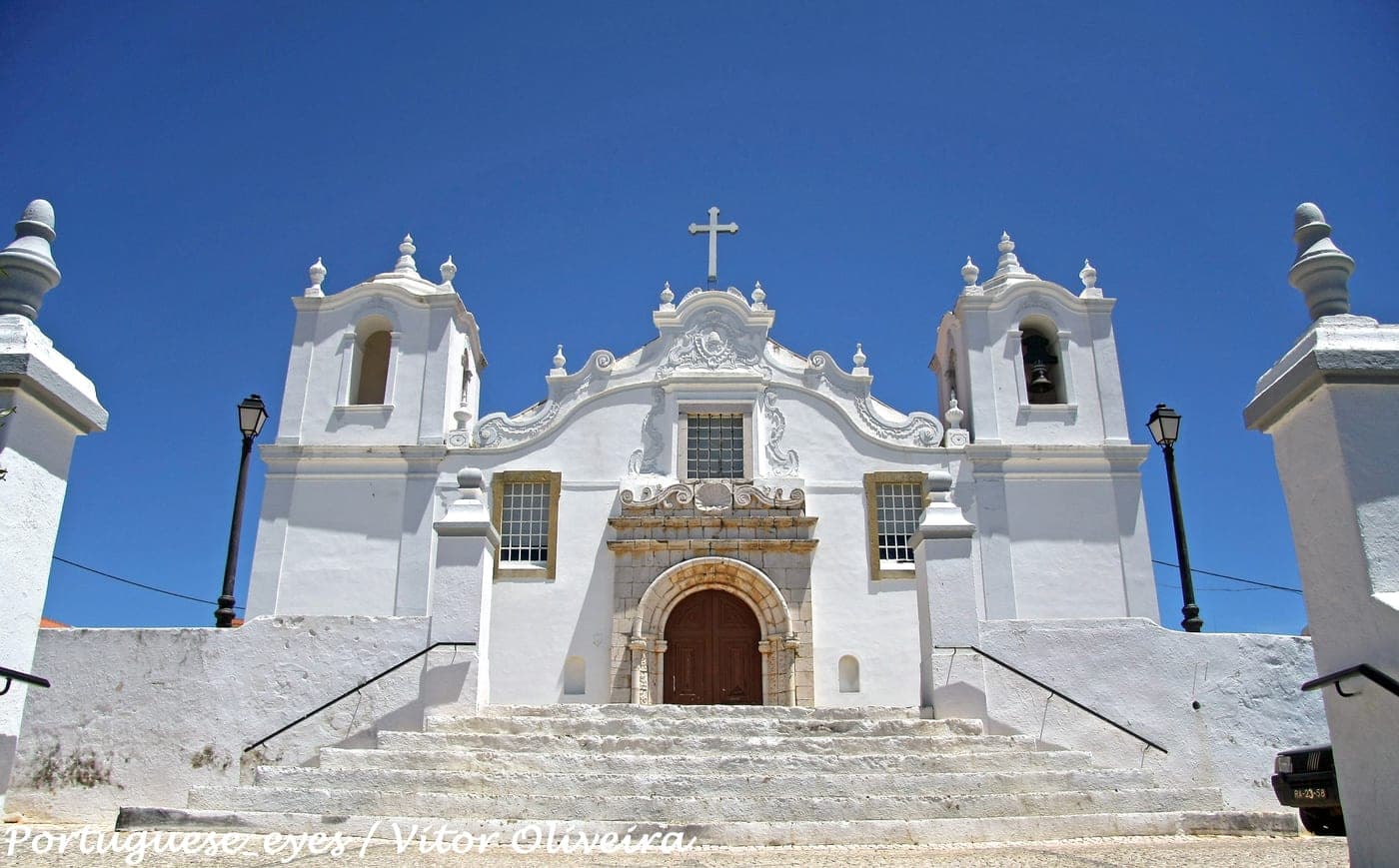
Estômbar
Algarve village with emerging wine production and rural tourism.

Faro
Historic walled old town, lagoon islands, salt pans, fishing heritage.
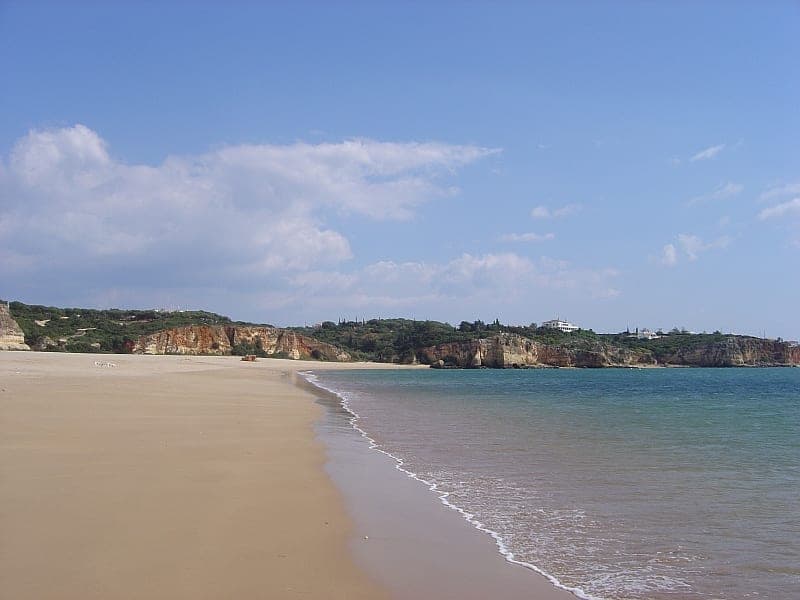
Ferragudo
Traditional Algarve fishing village with colorful streets and river views.
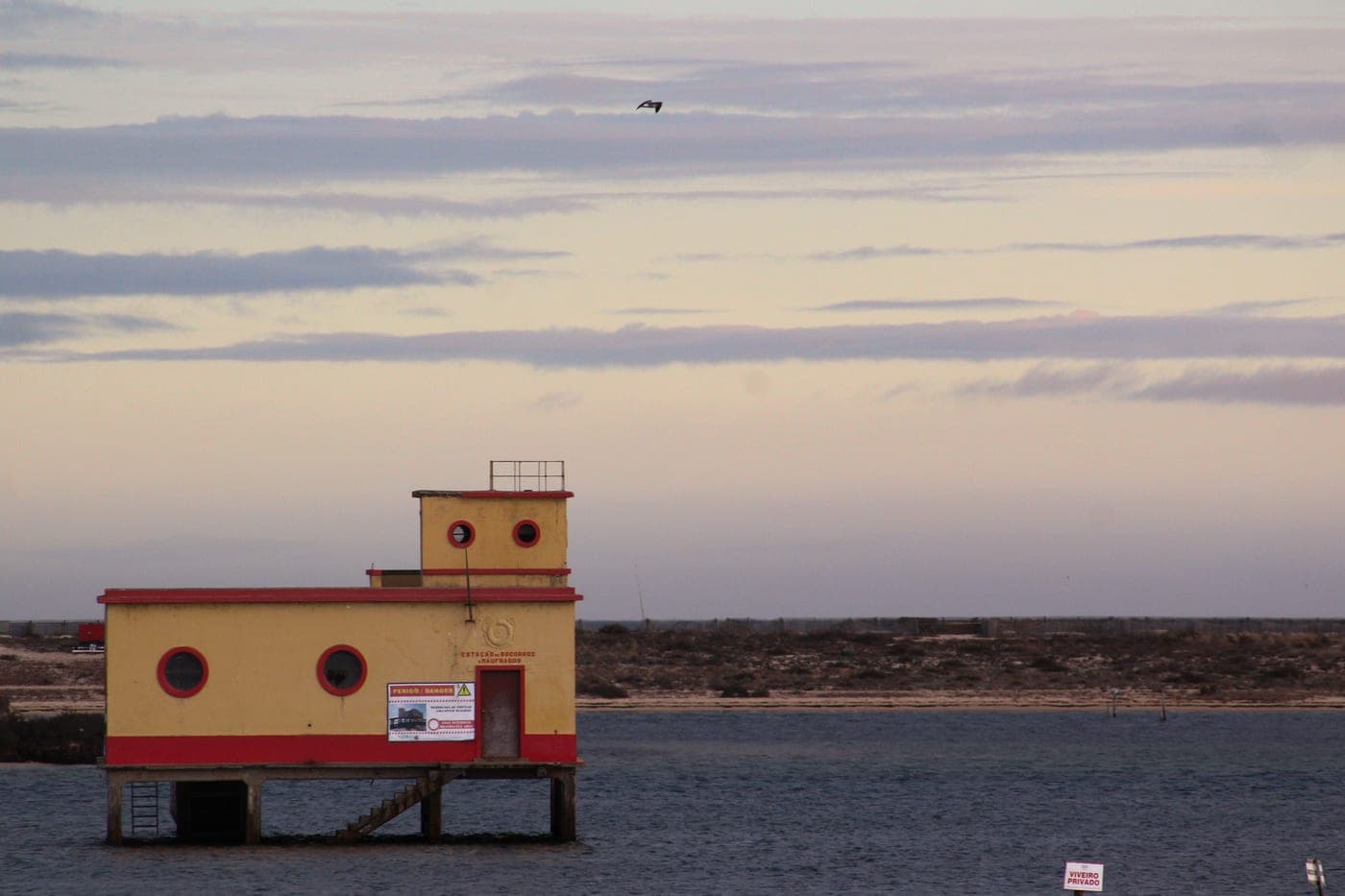
Fuseta
Charming fishing village known for its beautiful beaches and Ria Formosa.

Lagos
Beautiful coastal town with boat rentals to explore dramatic cliffs, grottoes, and golden beaches.

Loulé
Historic market town in the Algarve with local wineries and wine estates.

Olhão
Working fishing town with whitewashed houses and access to barrier islands.

Portimão
Historic fishing port known for stunning beaches and vibrant nightlife.

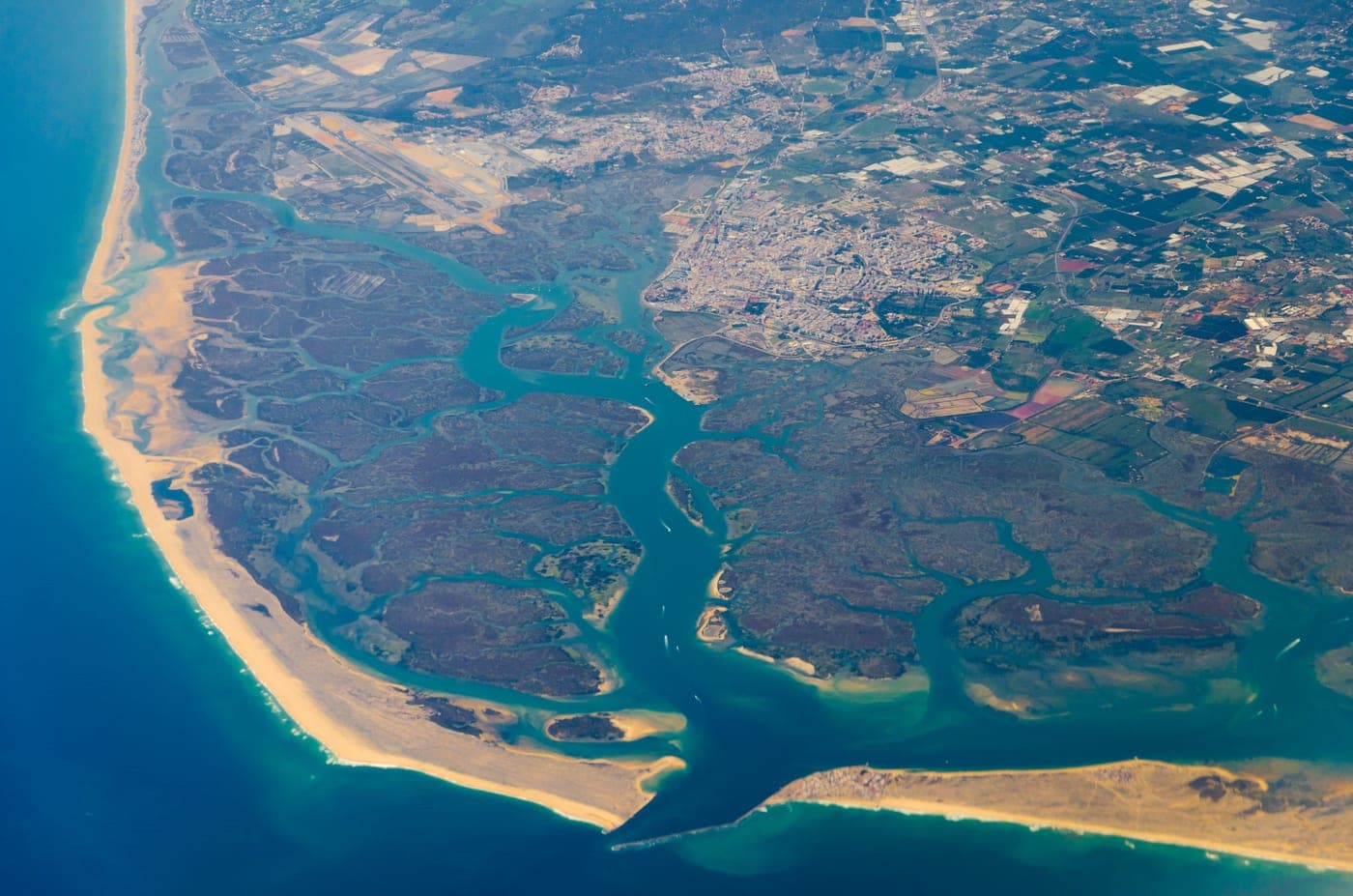
Ria Formosa
Stunning natural lagoon system with boat rentals to explore pristine barrier islands and diverse wildlife.


Tavira
Historic Algarve town on river with castle, churches, and beaches.
Asked & answered.
- Algarve in Portugal is known for Beaches, Cliffs, Golf and Seafood. The Algarve, Portugal's southernmost region, is famed for its stunning coastline and rich cultural heritage. Known for its picturesque cliffs and golden beaches, the area also boasts a unique blend of Moorish and Portuguese architecture. Lagos offers...
- Algarve offers boat charters and waterway cruising, camper van road trips and vineyard visits and wine tastings. With 14 curated destinations in the region, travellers can explore at a leisurely pace — lingering in villages, connecting with locals, and immersing themselves in the landscape.
- Top slow travel destinations in Algarve include Silves, Quarteira, Portimão and Loulé, among 14 curated destinations. Each offers authentic local experiences, from regional cuisine to natural landscapes, selected for travellers who prefer depth over speed.
- Algarve is accessible via waterway routes and well-suited roads for camper van travel. The region's slow travel infrastructure makes it possible to explore without a personal car, though some remote villages may require advance planning. Many accommodations can arrange transfers or provide local transport advice.