Region · Portugal · 14 destinations
Alentejo
Best seasonApr–May
GeographyPlains · largest region in Portugal
LanguagesPortuguese
Loading map…
Discover
Destinations in Alentejo.
Showing14
Filter by
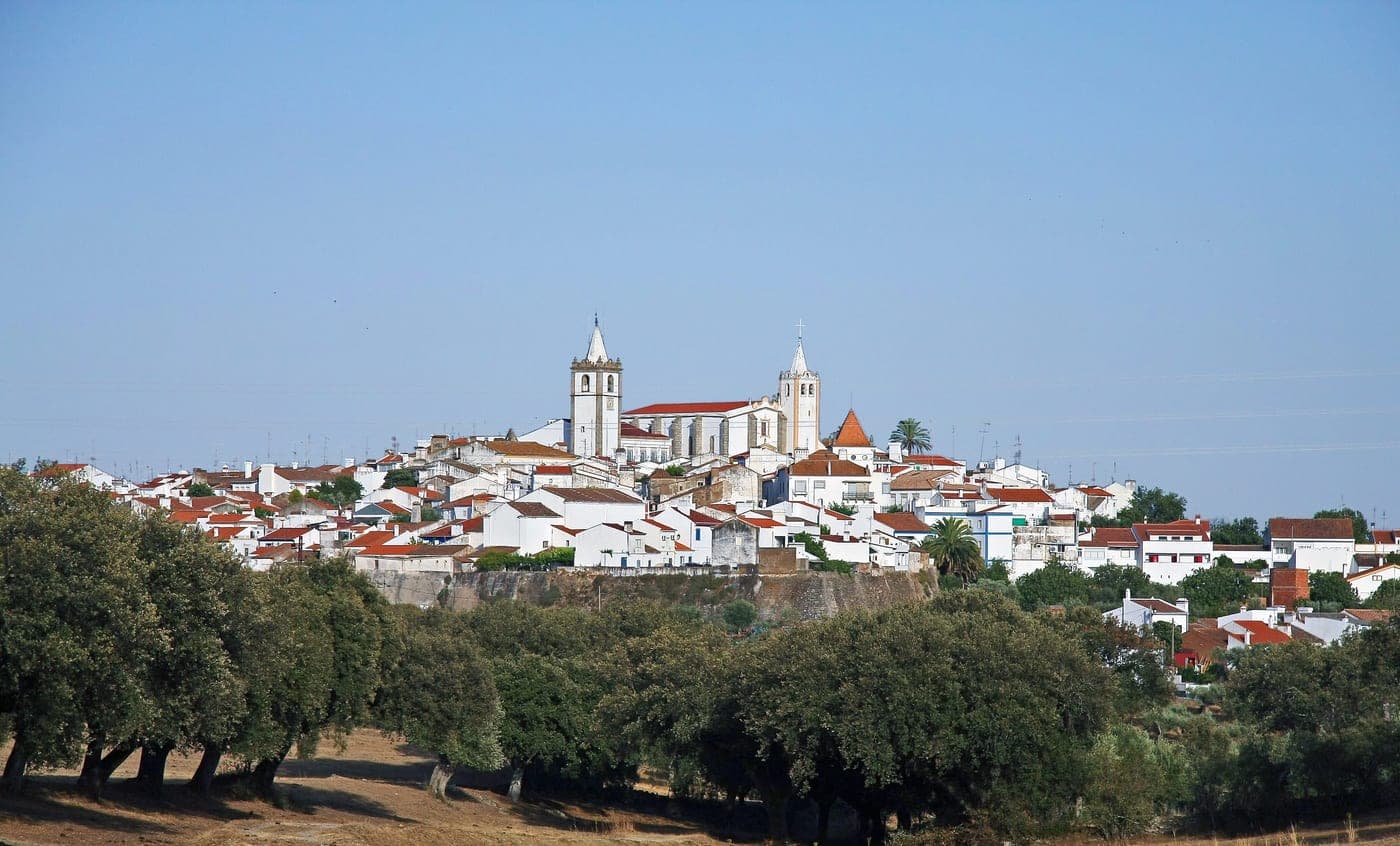
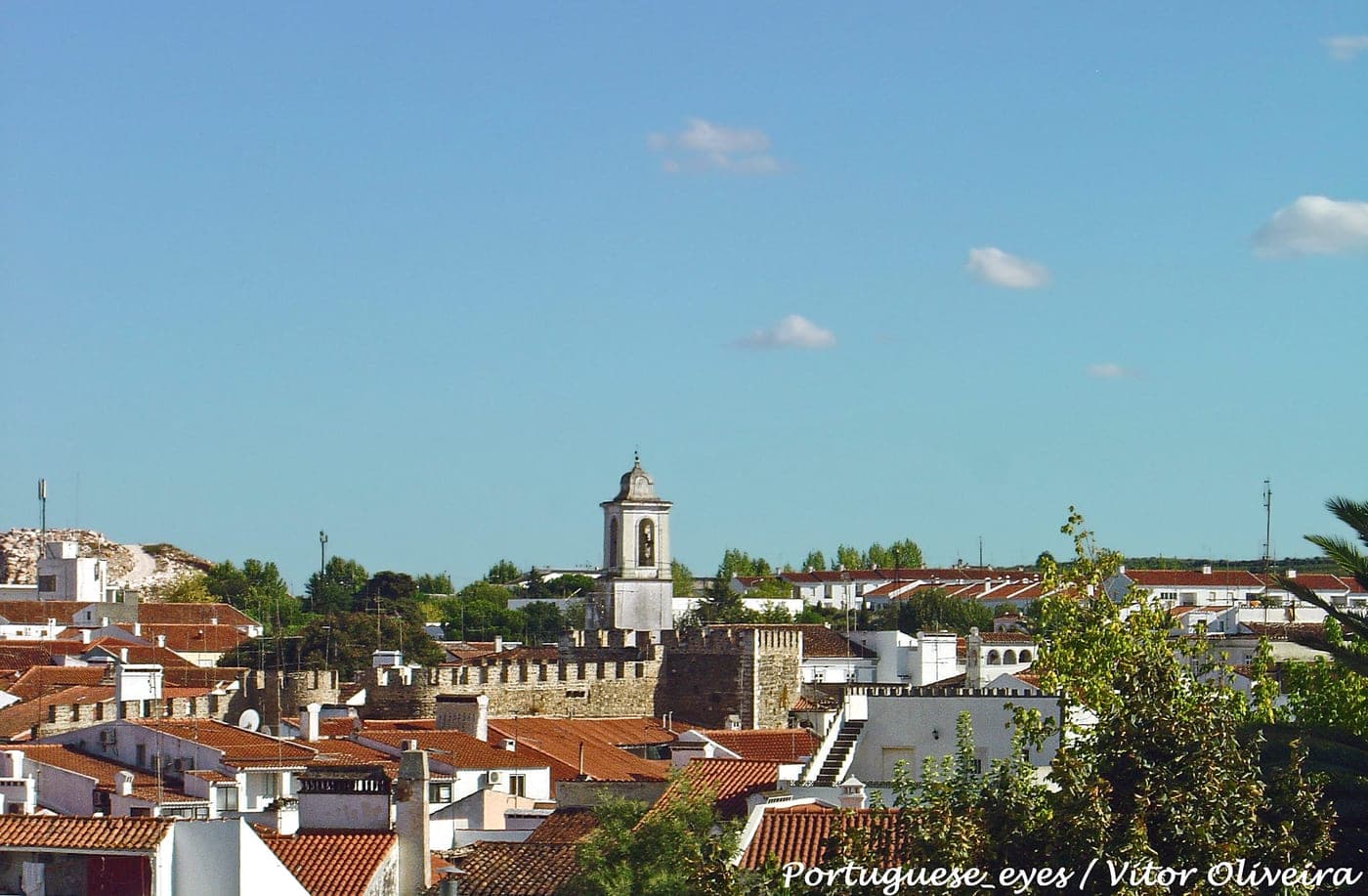
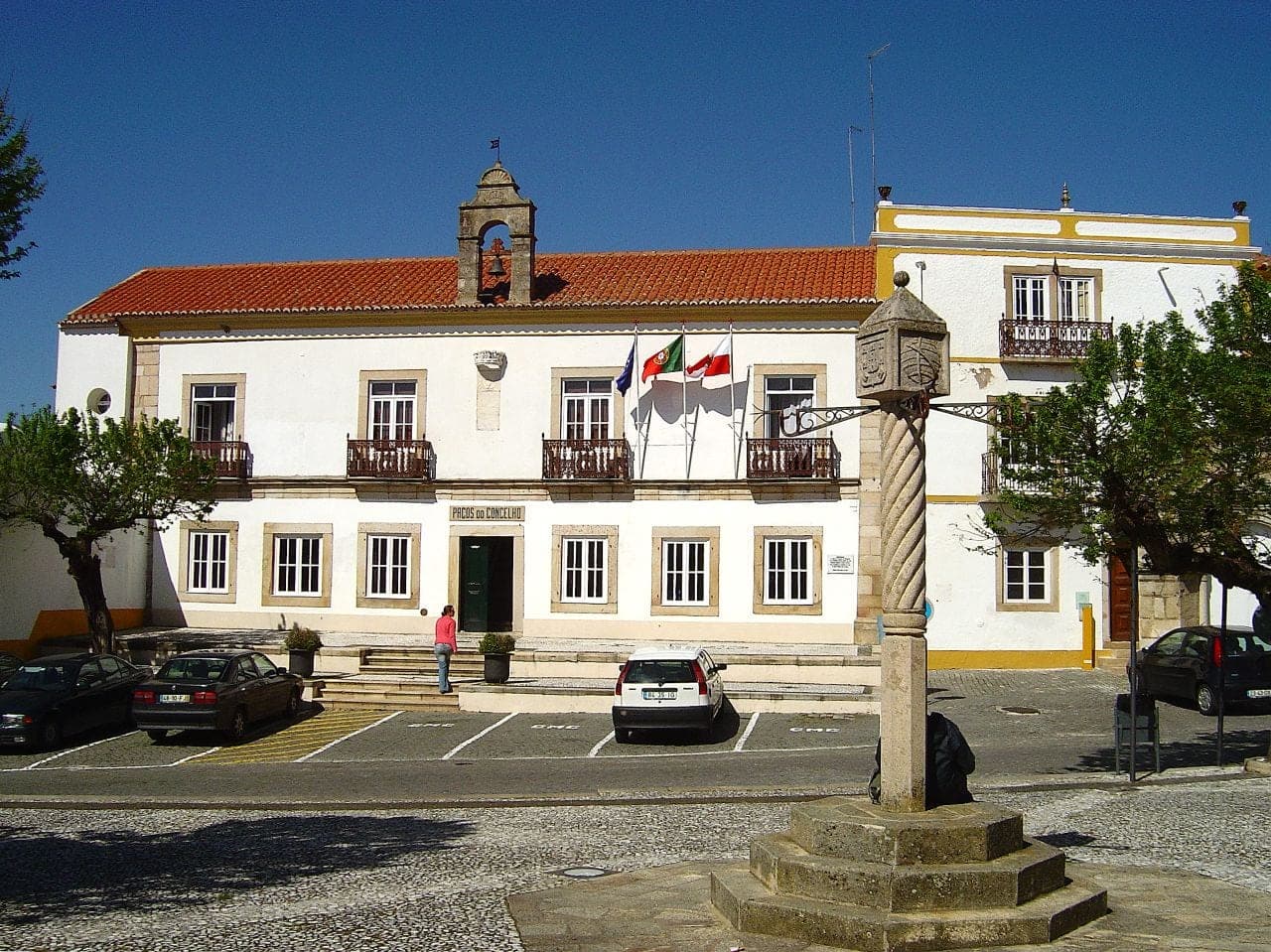
Wine Tasting
Crato
Historic town in Alentejo with wine estates and military order heritage.
Wine TastingHiking
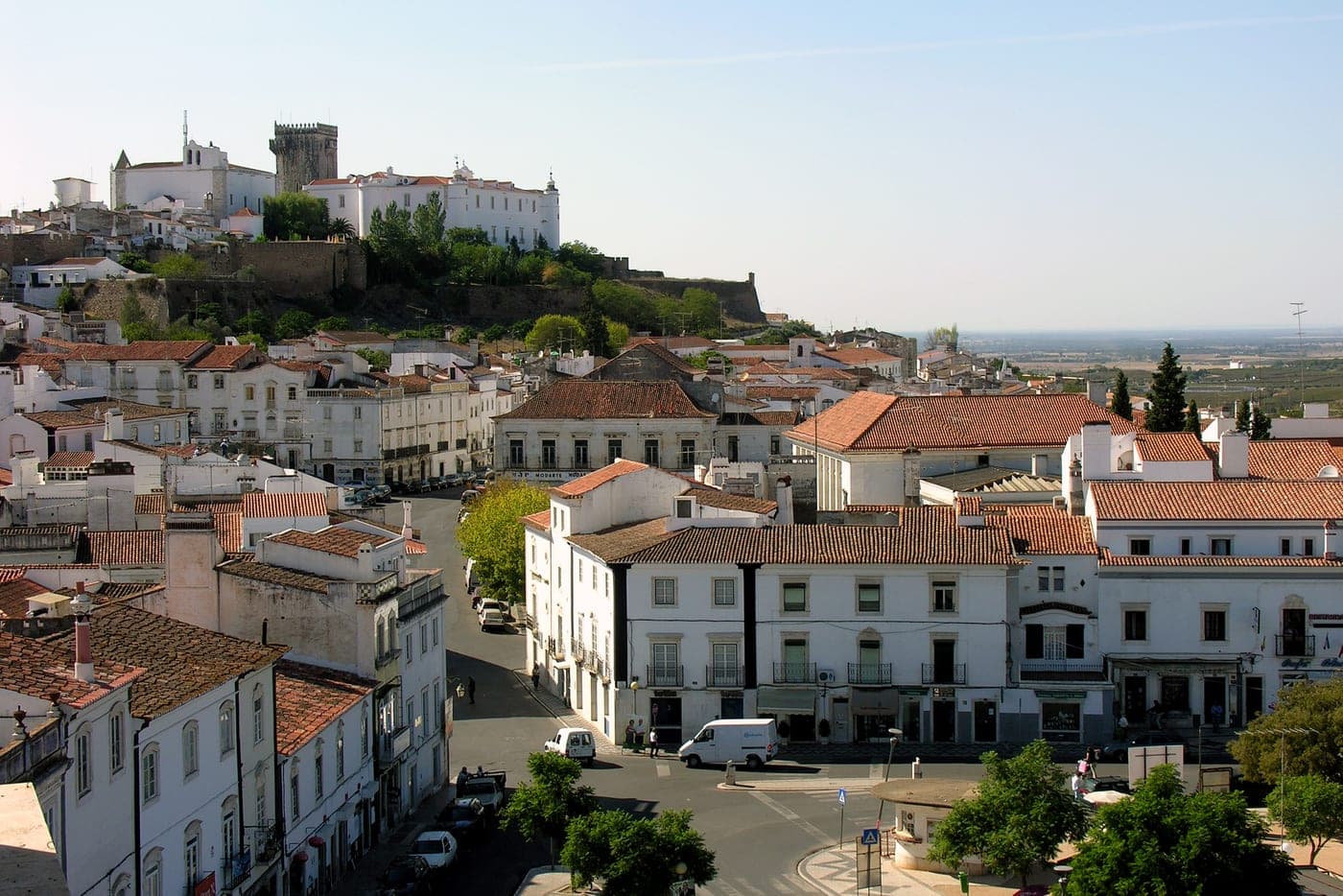
Wine Tasting
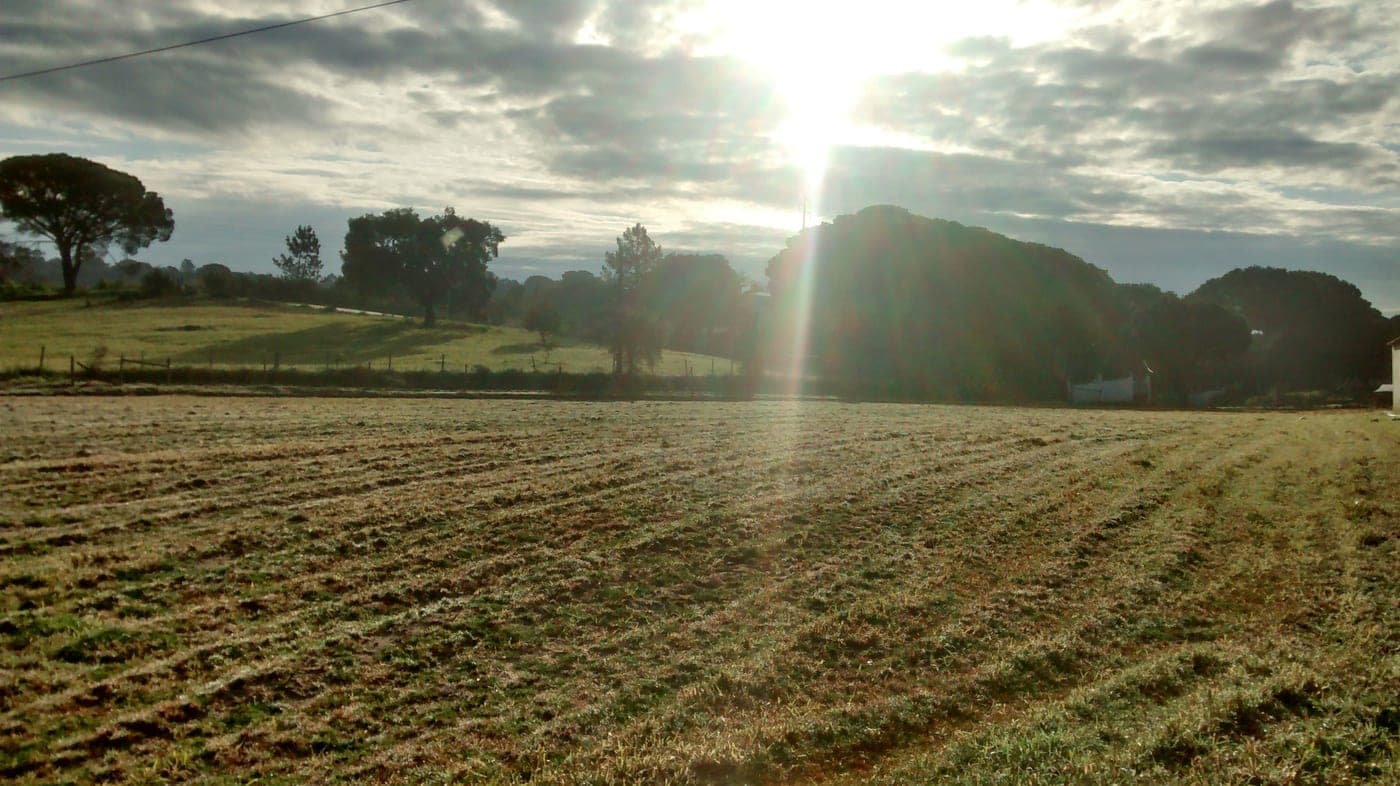
Estremoz
Marble town in Alentejo with wine production and historic castle.
Wine TastingLocal Cuisine
Wine Tasting
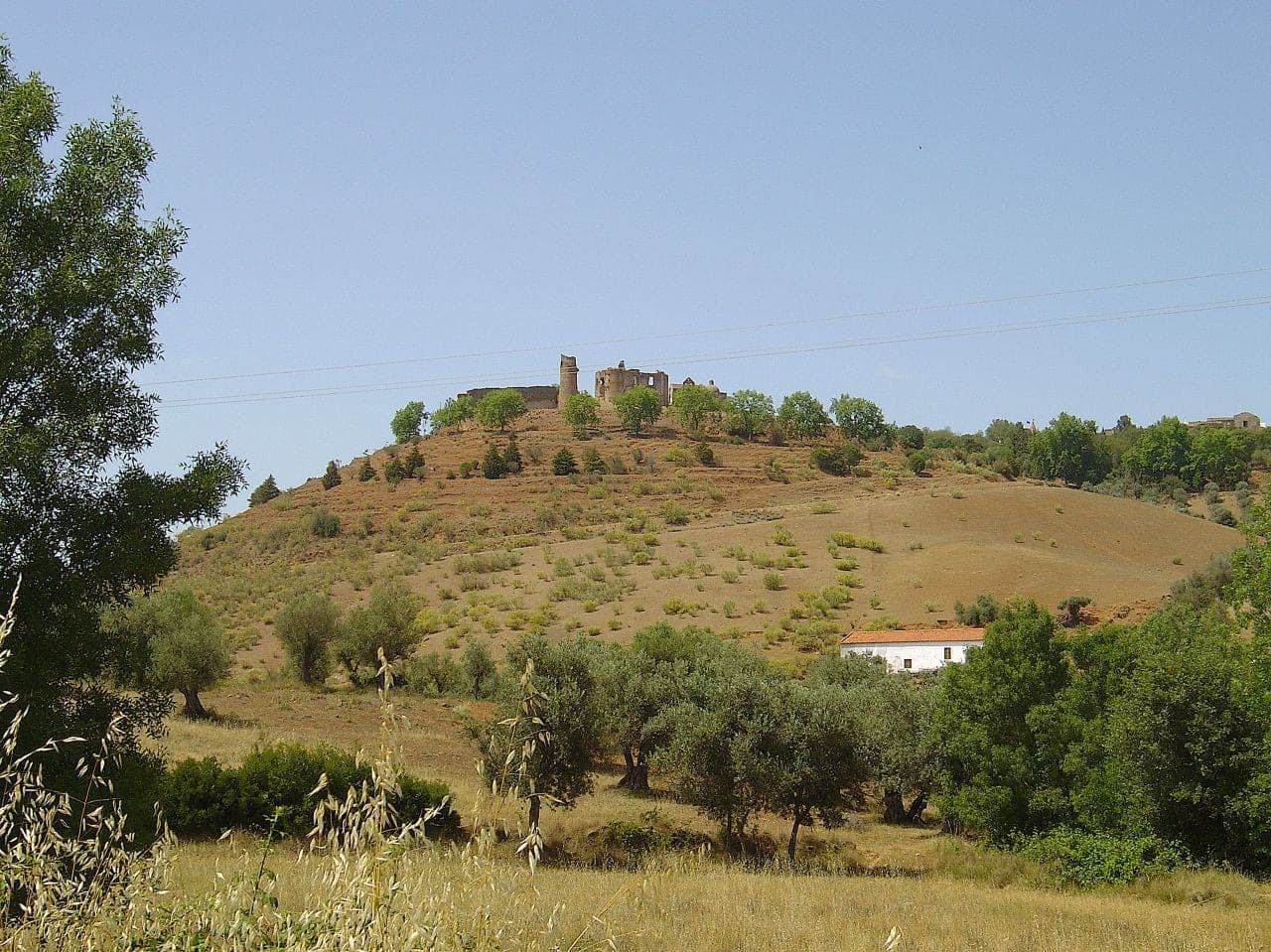
Montargil
Lakeside town in Alentejo with wine production and water sports.
Wine TastingHiking
Wine Tasting
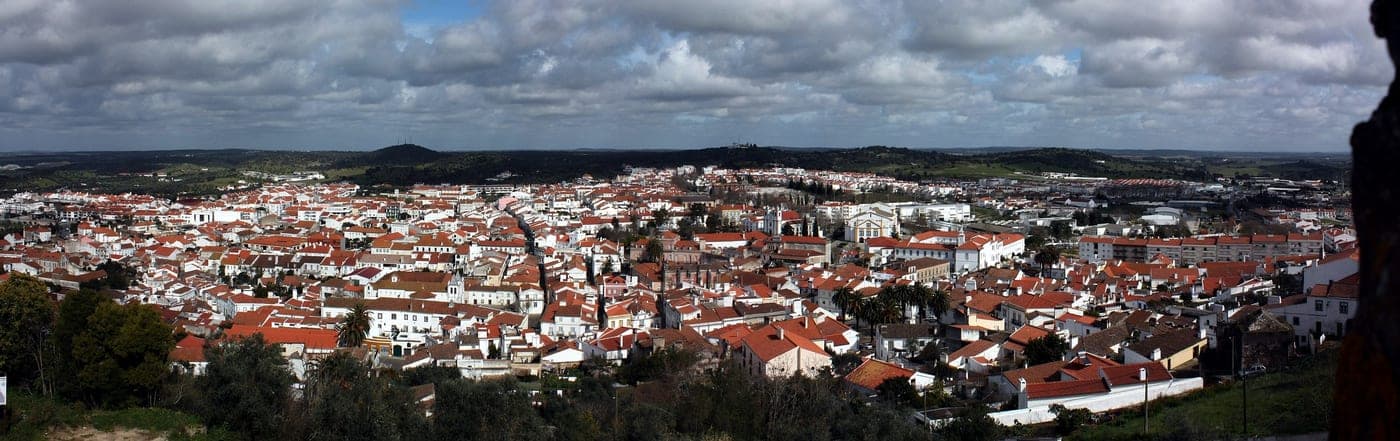
Montemor-o-Novo
Historic Alentejo town with wine estates and castle ruins.
Wine TastingLocal Cuisine
Wine Tasting
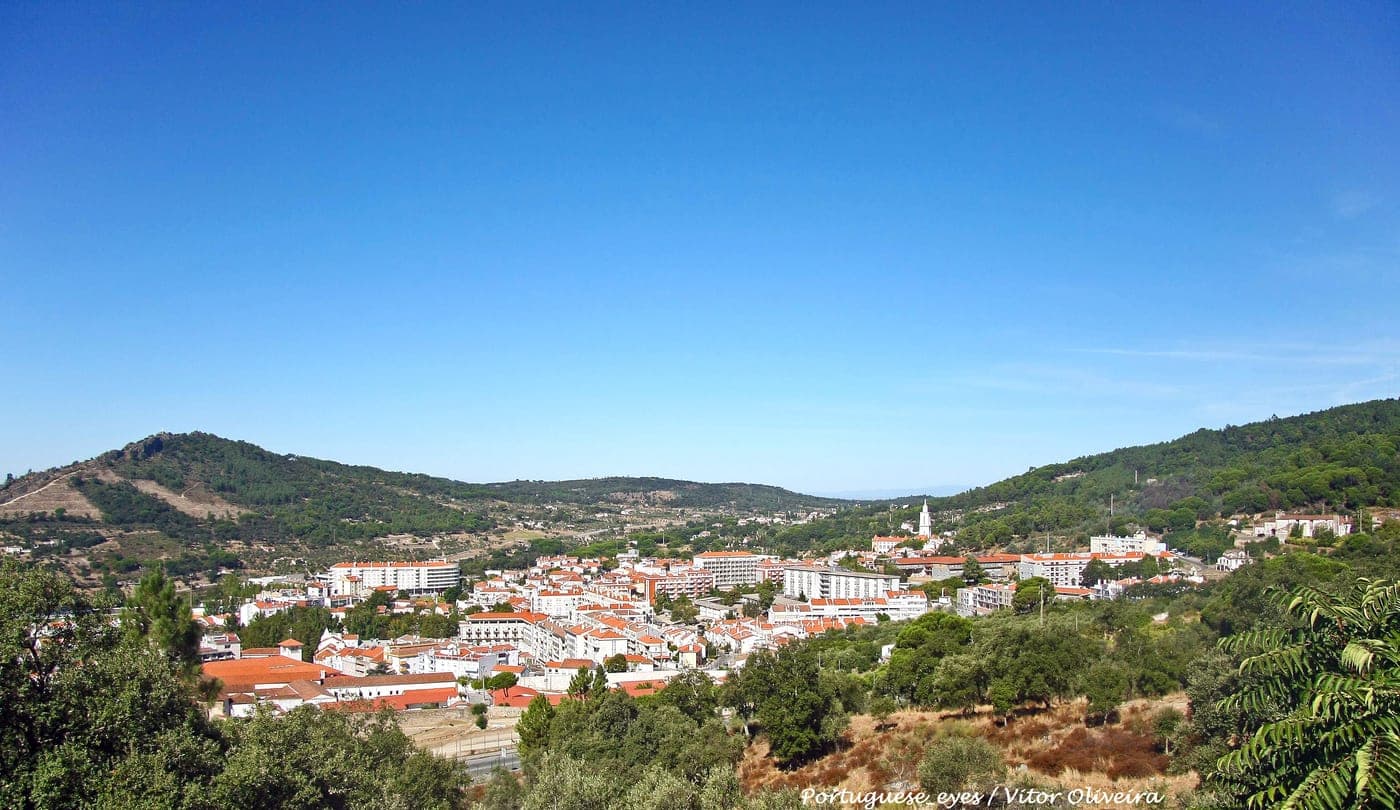
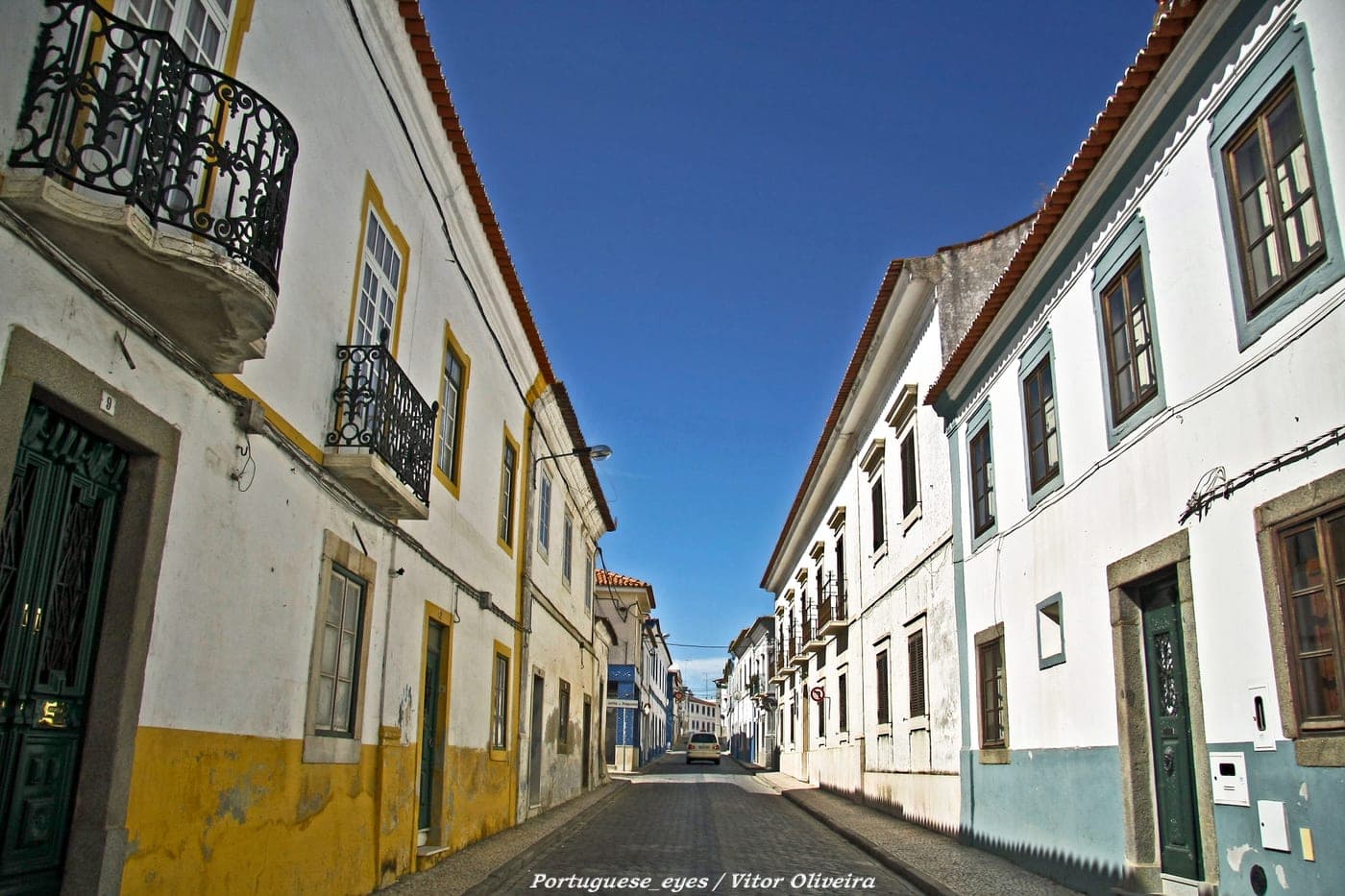
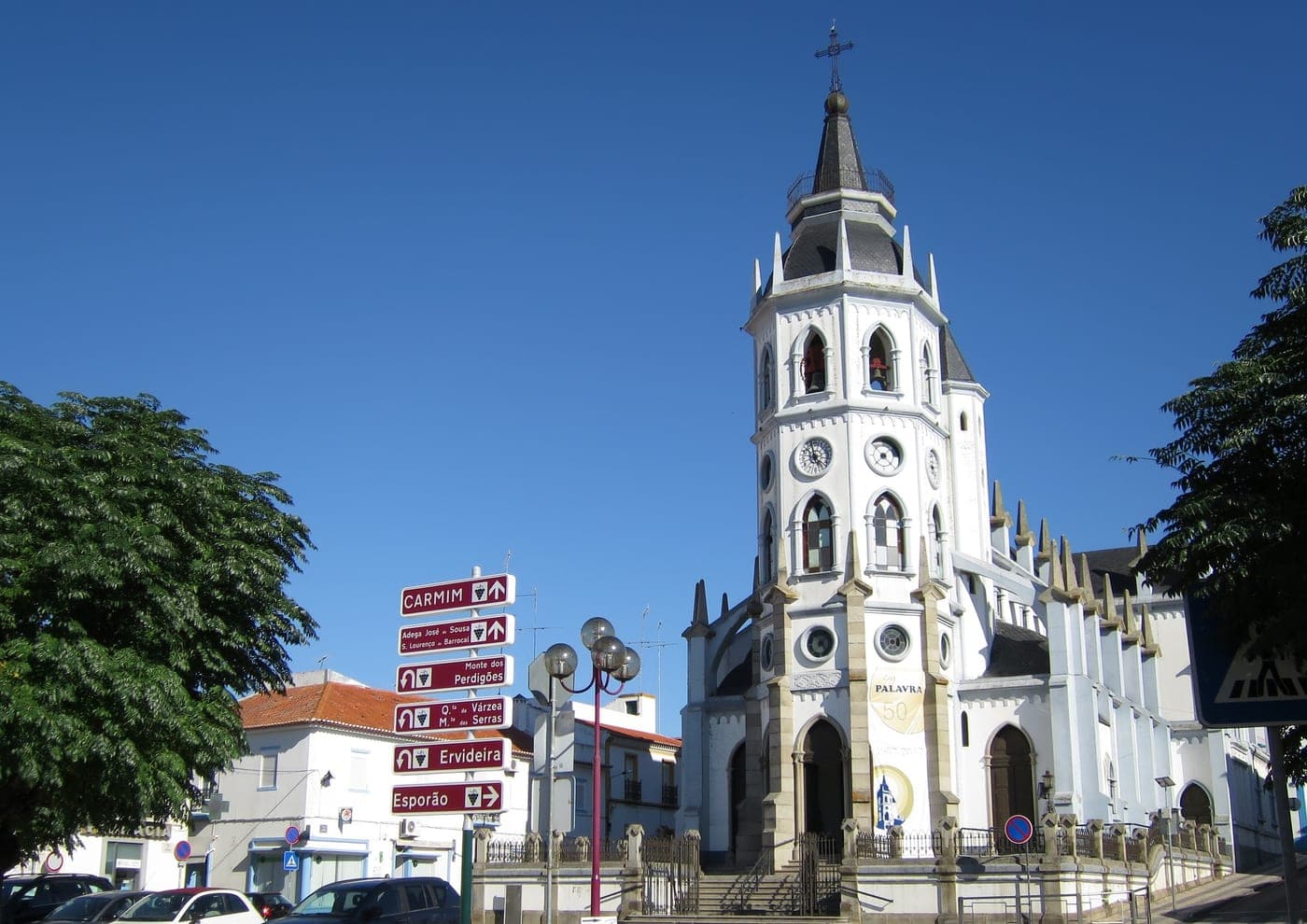
Portalegre
Mountain city in Alentejo with wine production and textile heritage.
Wine Tasting
Wine Tasting
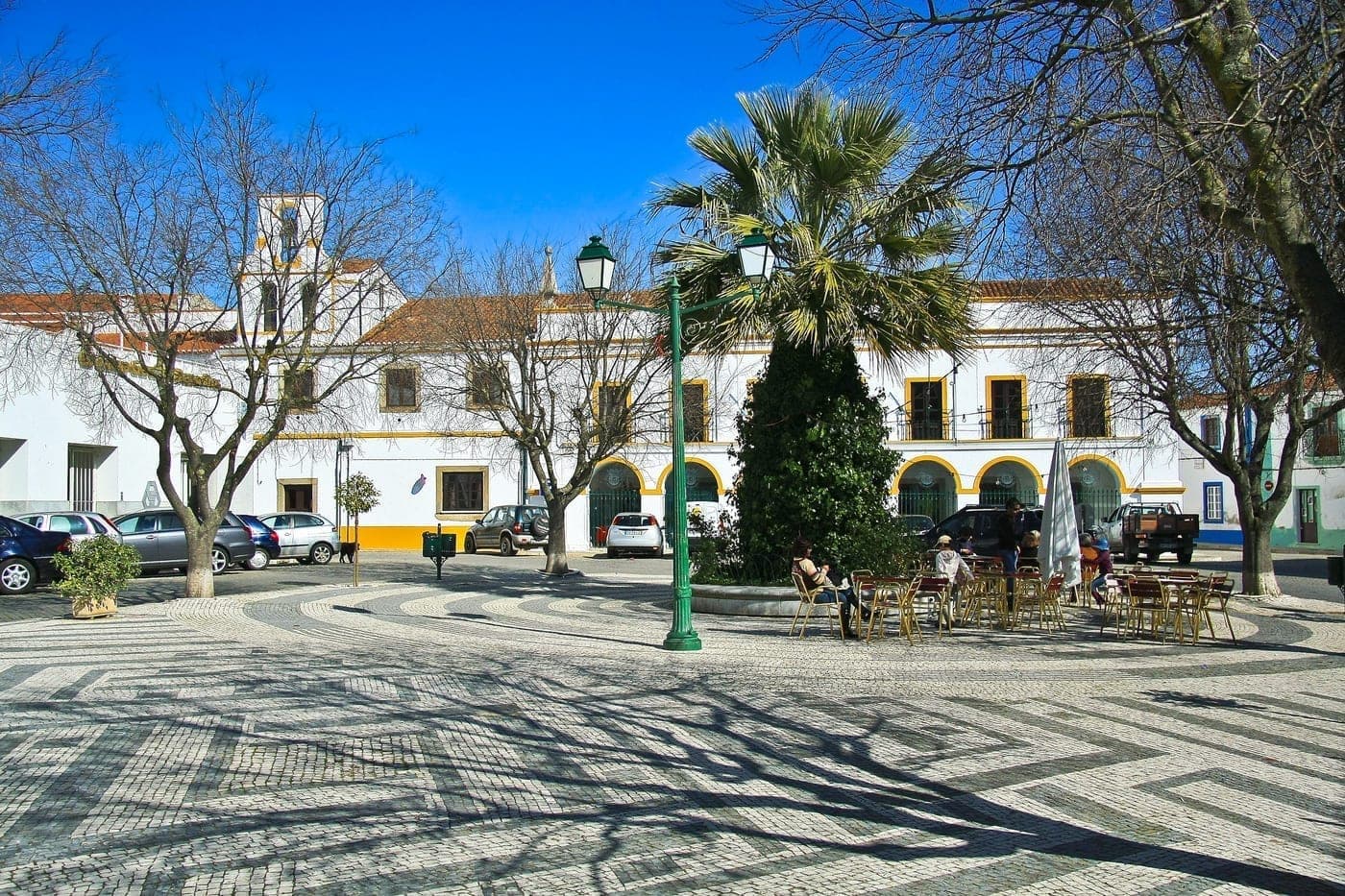
Reguengos de Monsaraz
Major Alentejo wine town with numerous estates and wine cooperatives.
Wine Tasting
Wine Tasting
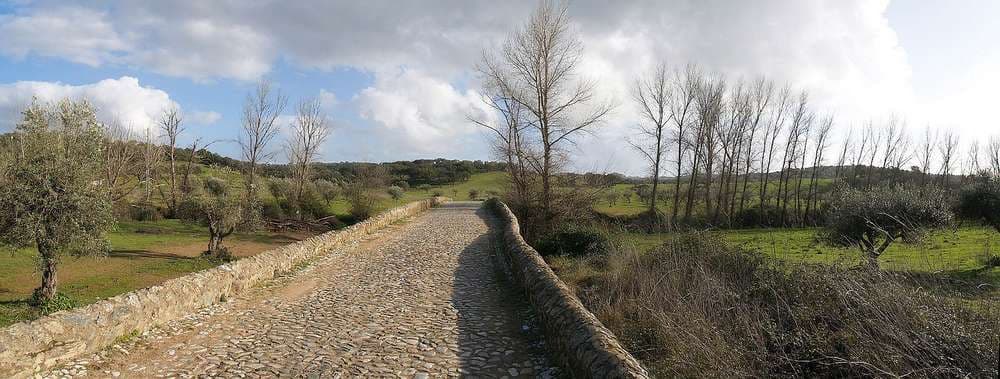
Vidigueira
Important Alentejo wine town with historic vineyards and wine museum.
Wine TastingHikingLocal Cuisine
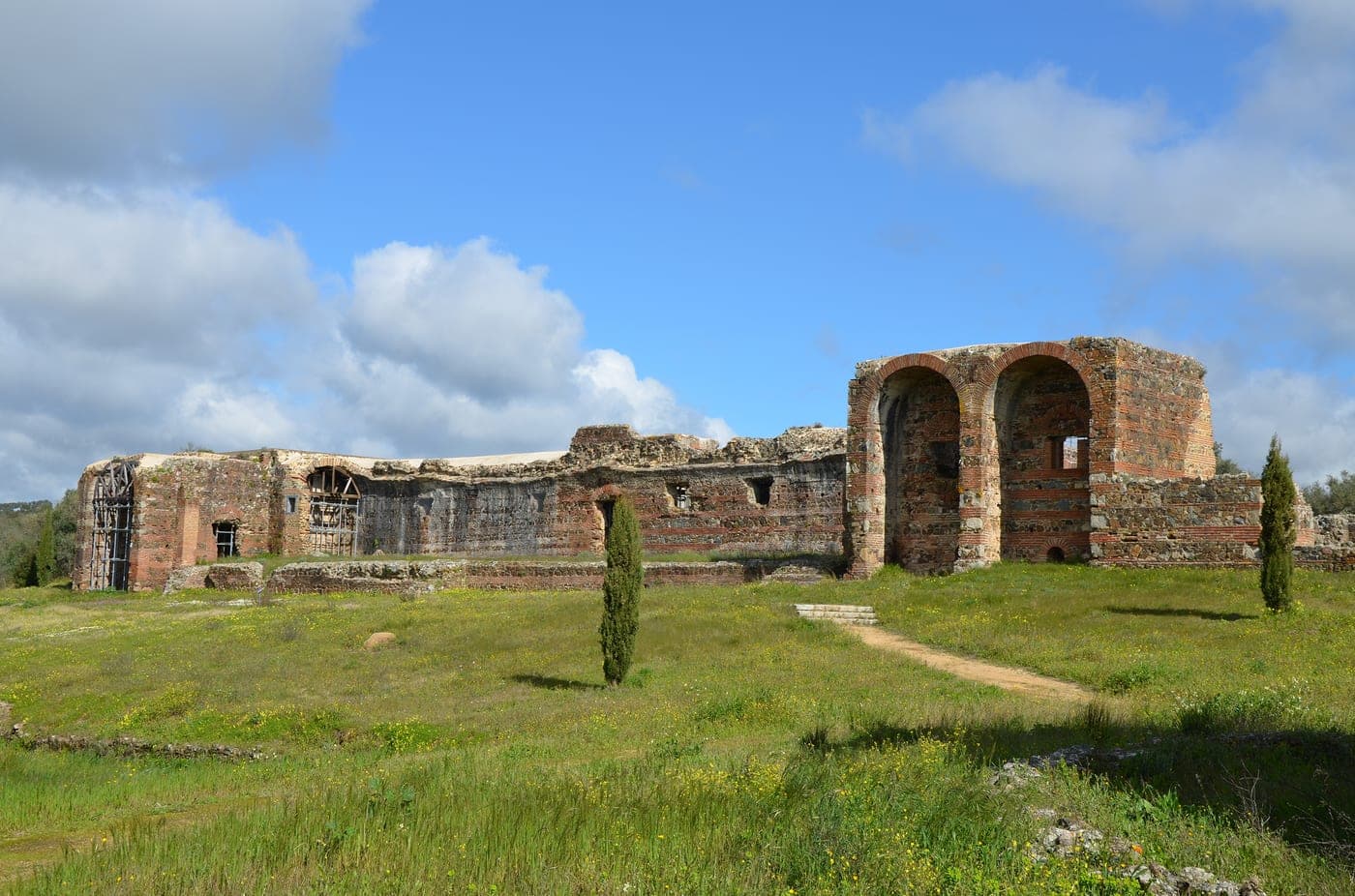
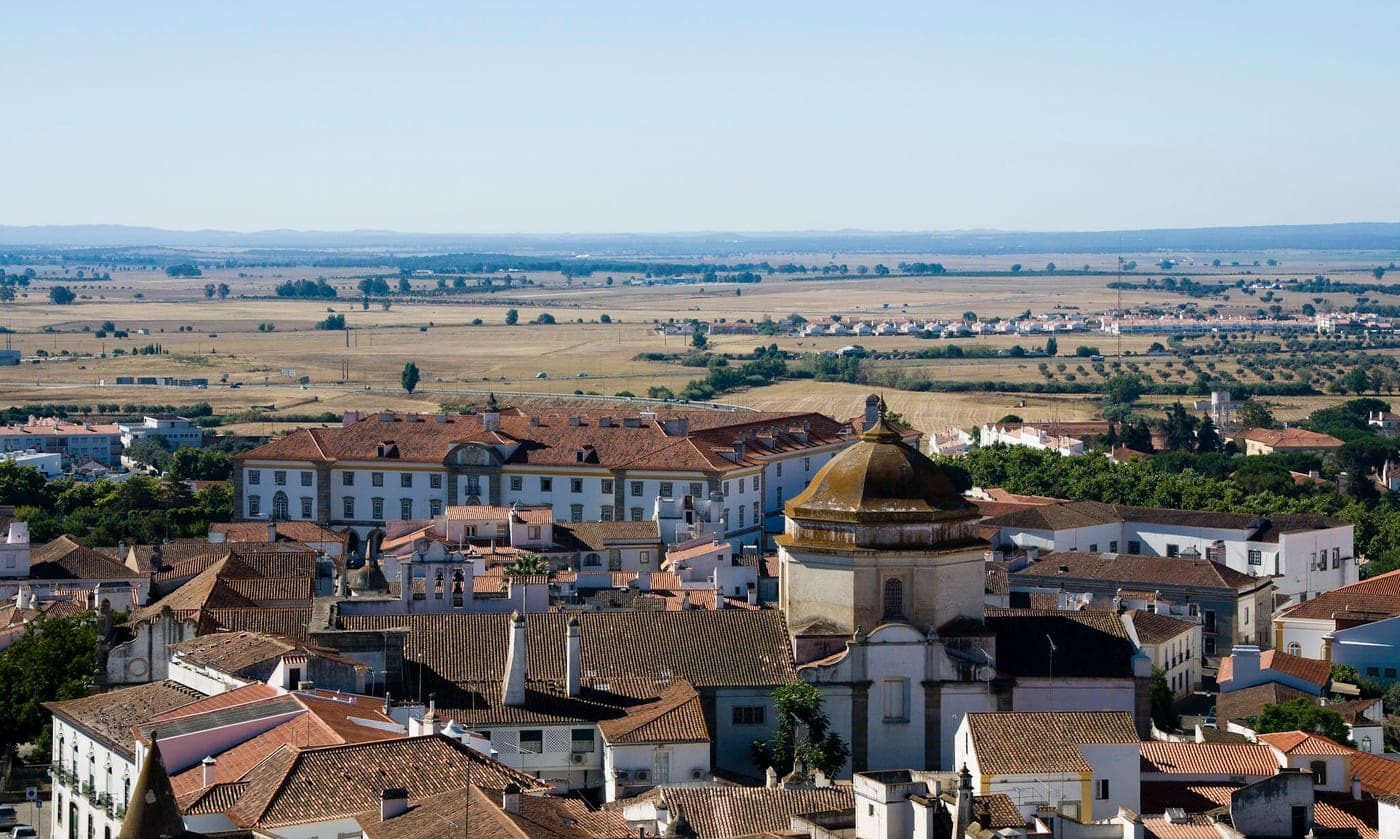
Wine Tasting
Évora
UNESCO World Heritage city in Alentejo wine region with Roman heritage.
Wine Tasting
Common questions
Asked & answered.
- Alentejo in Portugal is known for Cork forests, Wine regions, Medieval towns and Rural landscapes. Alentejo, the largest region in Portugal, features a rich agricultural landscape dotted with vineyards and olive groves. It is known for its unique wines, particularly the robust reds from the Alentejo DOC. The region is home to Évora, a UNESCO World...
- Alentejo offers vineyard visits and wine tastings. With 14 curated destinations in the region, travellers can explore at a leisurely pace — lingering in villages, connecting with locals, and immersing themselves in the landscape.
- Top slow travel destinations in Alentejo include Nossa Senhora da Vila, Vila Alva, Redondo and Portalegre, among 14 curated destinations. Each offers authentic local experiences, from regional cuisine to natural landscapes, selected for travellers who prefer depth over speed.
- Alentejo is accessible via regional trains and local buses. The region's slow travel infrastructure makes it possible to explore without a personal car, though some remote villages may require advance planning. Many accommodations can arrange transfers or provide local transport advice.