Get slow travel tips delivered to your inbox
A short message when something worth the trip lands. Reply STOP anytime.
By subscribing, you agree to be contacted via WhatsApp. Privacy policyOccasional letters in your inbox — with recommendations, maps and routes.
By subscribing to newsletter, you agree to our privacy policy.Found in 1 destination and 9 regions

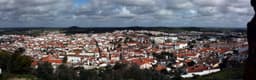
Alentejo, the largest region in Portugal, features a rich agricultural landscape dotted with vineyards and olive groves. It is known for its unique wines, particularly the robust reds from the Alentejo DOC. The region is home to Évora, a UNESCO World Heritage site with Roman ruins and medieval architecture, and Monsaraz, a hilltop village offering stunning views of the surrounding plains. Alentejo’s coastline, though less frequented, boasts beautiful beaches like Praia da Amália. Additionally, the region is famous for its traditional festivals, such as the Festa de São João in Évora, where locals celebrate with music and dance. Travelers will find a slower pace of life here, with opportunities to explore local markets and sample regional delicacies like açorda and queijos.

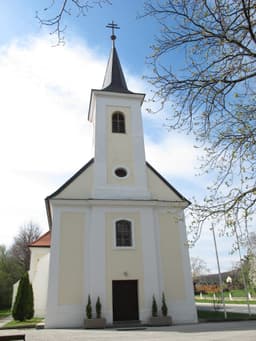
Burgenland is Austria's easternmost region, known for its diverse landscapes and rich cultural heritage. It is home to the historic city of Eisenstadt, where the Haydn Museum showcases the music of composer Joseph Haydn. The region features the unique Neusiedler See, a UNESCO World Heritage site, famous for its wetlands and birdwatching opportunities. Burgenland is also renowned for its wine production, particularly the sweet wines from the vineyards surrounding the charming town of Rust. Explore lesser-known towns like Lutzmannsburg, known for its thermal baths, or the picturesque village of Mönchhof, celebrated for its local crafts and traditional festivals. Outdoor activities such as hiking and cycling trails along the lake enhance the immersive experience in this less-traveled area.

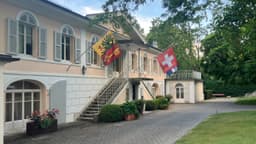
Geneva, located by the shores of Lake Geneva, is Switzerland's second-largest city and a hub for diplomacy and culture. The old town features the stunning St. Pierre Cathedral, where visitors can climb to the tower for panoramic views. Beyond the city, the surrounding region is known for its vineyards, particularly in the nearby Lavaux area, a UNESCO World Heritage site famous for terraced vineyards overlooking the lake. The region’s history reflects a blend of French and Swiss influences, with the International Red Cross and numerous global organizations based here. For nature enthusiasts, the nearby Jura Mountains offer hiking trails and breathtaking vistas, making Geneva a gateway to both cultural and natural exploration.

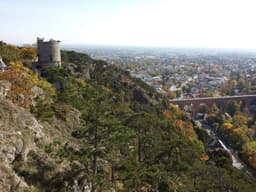
Lower Austria is the largest province in Austria, known for its diverse landscapes that include rolling vineyards, historic towns, and the Danube River. The region boasts notable sites like the picturesque Wachau Valley, famous for its apricot orchards and terraced vineyards. Krems and Dürnstein are charming towns that offer a glimpse into the region's medieval past, while the vibrant city of St. Pölten serves as the provincial capital. Lower Austria is also home to several castles, such as Schloss Grafenegg, and natural parks like the Thayatal National Park, which provide opportunities for hiking and exploring local flora and fauna. This area is rich in wine culture, particularly known for Grüner Veltliner and Riesling varieties, drawing wine enthusiasts to its many wineries. The blend of nature, history, and gastronomy makes the province a fascinating destination for those looking to explore Austria beyond the usual tourist routes.

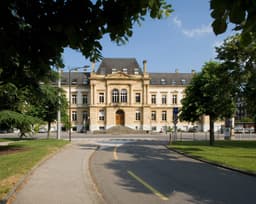
Neuchâtel is known for its rich watchmaking heritage and stunning lake views. It is the only region in Switzerland that borders Lake Neuchâtel, providing opportunities for lakeside strolls and water activities. The town of Neuchâtel, with its medieval castle and vibrant university atmosphere, is the largest in the region. Smaller towns like La Chaux-de-Fonds and Le Locle are UNESCO World Heritage sites, recognized for their historical significance in watchmaking. The region also boasts beautiful vineyards producing white wines, particularly Chasselas. Scenic hikes in the Jura mountains offer breathtaking panoramas and a chance to engage with nature. Local festivals celebrate traditional crafts and culinary delights unique to this area.

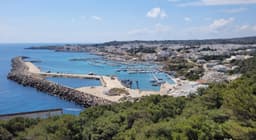
Apulia, the heel of Italy, is known for its unique trulli houses, especially in Alberobello, a UNESCO World Heritage site. The region features beautiful coastlines along the Adriatic and Ionian Seas, with picturesque towns like Polignano a Mare and Otranto offering stunning sea views and fresh seafood. Notably, Apulia is the largest wine-producing region in Italy, famous for robust Primitivo and fruity Negroamaro wines. History aficionados can explore ancient sites like the Romanesque cathedral in Bari and the medieval castles of Castel del Monte. With its rich culinary traditions, highlighted by orecchiette pasta and olive oil, Apulia offers a deep dive into Italy's cultural heritage.

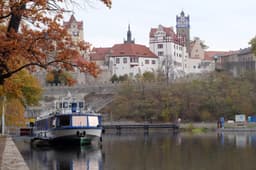
Saxony-Anhalt is a historically rich region known for its diverse landscapes and cultural heritage. It is home to the Harz Mountains, offering scenic hiking trails and charming towns like Wernigerode and Quedlinburg, a UNESCO World Heritage site with well-preserved medieval architecture. The region's largest city, Magdeburg, features the stunning Cathedral of St. Maurice and St. Catherine. Notably, Saxony-Anhalt is recognized for its wine production along the Saale-Unstrut wine route. The region is also famous for the Bauhaus movement's roots in Dessau, where the iconic Bauhaus School was founded. Festivals celebrating local traditions abound throughout the year, providing unique insights into regional culture.

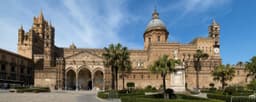
Sicily, the largest island in the Mediterranean, boasts a rich tapestry of history and culture. Its unique position has made it a crossroads of civilizations, evident in the remnants of Greek temples in Agrigento and the Arab-Norman architecture in Palermo. The island features a diverse landscape, from the volcanic Mount Etna to the picturesque coastal towns of Taormina and Cefalù. Sicilian cuisine stands out for its use of fresh ingredients, with specialties like arancini and cannoli. The region is also famous for its local wines, particularly Nero d'Avola. Off the beaten path, discover the ancient ruins of Selinunte or the quaint streets of Erice. With charming villages and vibrant markets, Sicily offers a deep dive into authentic Italian culture and history.

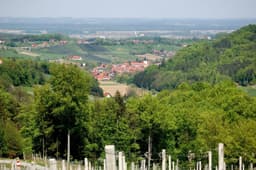
Styria is Austria's second-largest region, known for its diverse landscapes ranging from rolling hills to the Eastern Alps. Graz, the capital, is a UNESCO World Heritage site, celebrated for its Renaissance and Baroque architecture. The region is famed for its wine production, particularly the white wines from the Südsteiermark wine route, where picturesque vineyards dot the landscape. Outdoor enthusiasts can explore the Gesäuse National Park, rich in hiking trails and scenic vistas. Unique to Styria, the region also boasts a vibrant culinary scene, with local specialties like pumpkin seed oil and Styrian cheeses. The area features many historic castles and small towns like Riegersburg, known for its impressive fortress and local artisans.