Spain
white villages and pilgrim routes
Regions
Alicante
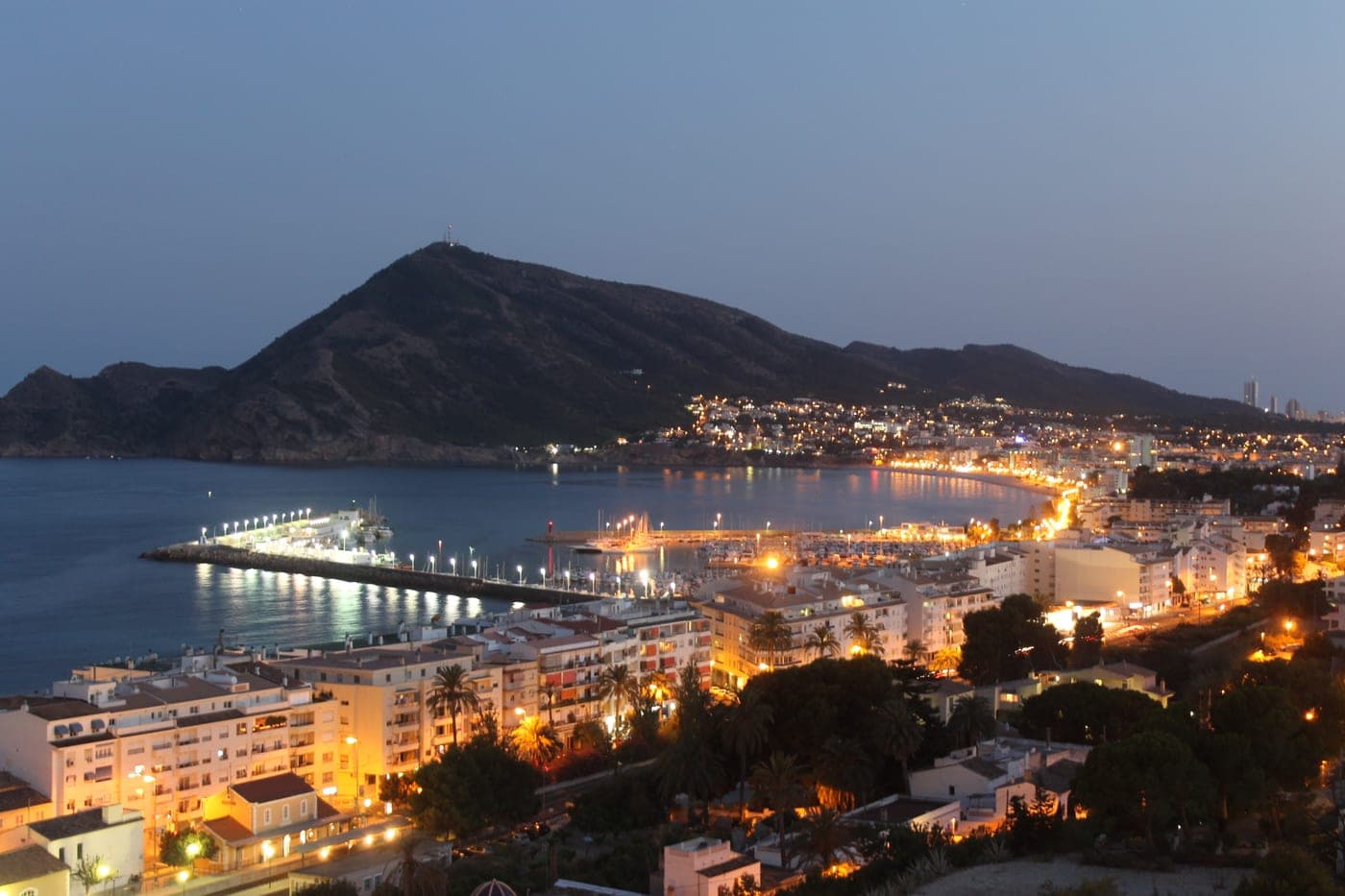
Alicante rewards travellers who slow down. This is a province where the Mediterranean coast and the inland mountains sit close together, so a short stay can move from white villages perched on limestone ridges to rice fields and salt lakes without ever feeling rushed. The pace here has always been unhurried: fishing towns that still mend their nets in the morning, market squares that empty for the midday heat, and hill villages built for shade rather than speed. The city of Alicante sits at the centre of it all, its old quarter climbing toward Santa Bárbara Castle above the harbour. Below the castle walls, the Barrio de Santa Cruz is a maze of narrow lanes and flower-filled balconies, best explored on foot with no fixed plan. From here, the province spreads out in two directions: south toward Elche, known for its extensive palm groves, and north toward the Marina Alta, where the land folds into sharper peaks. That northern stretch is where Alicante's white villages cluster. Guadalest is well known, its houses stacked below a ruined castle with views over a turquoise reservoir, but smaller places like Tàrbena keep the same rhythm without the crowds. Whitewashed walls, tiled roofs, and steep stone streets are the constant here, built to stay cool through long summers. Above the villages, old paths climb toward hilltop hermitages and sanctuaries, still walked each year by local processions that carry a saint or a Virgin from the valley up to her chapel. On the coast, Villajoyosa is worth slowing down for on its own: a working fishing port with houses painted in deep blues, ochres, and pinks. Nearby Altea has a whitewashed old town crowned by a blue-domed church, popular with painters for its light. Further north, Xàbia and Dénia keep a gentler pace than the bigger resorts, with fish markets, old salt works, and views across to the island of Ibiza on clear days. Alicante's food and wine follow the same unhurried logic. The Alicante DO wine region grows Monastrell for deep, dark reds and Moscatel for sweet, aromatic whites, much of it still on small family estates in the hills around Pinoso and Villena. Rice is the other constant: arroz a banda, cooked in fish stock and served separately from its seafood, and arroz del senyoret, the same dish with everything already shelled for lazy eating. Inland, the town of Xixona has made turrón, the almond and honey nougat, for centuries, and its workshops are still small and family-run. Local food festivals mark the calendar through the year, from spring almond-blossom gatherings in the hills to autumn wine harvests. Inland, the Sierra de Aitana rises over the vineyards, its ridgeline visible from much of the province on a clear day. Villages at its foot, like Sella and Confrides, keep orchards of cherry and almond trees and offer walking paths that link one hamlet to the next through terraced hillsides. This is the Alicante that rarely appears in beach brochures: quieter, higher, and built around the seasons rather than the tourist calendar. A few days is enough to get a real sense of the region — a day in Alicante city, a day or two among the white villages of the interior, and a day on the coast between Villajoyosa and Dénia. Longer stays allow for slower detours: a wine estate visit near Pinoso, a walk into the Sierra de Aitana, or simply a morning spent doing nothing in a village square while the town wakes up. Alicante does not need to be rushed to be understood — if anything, it asks the opposite.
Andalusia
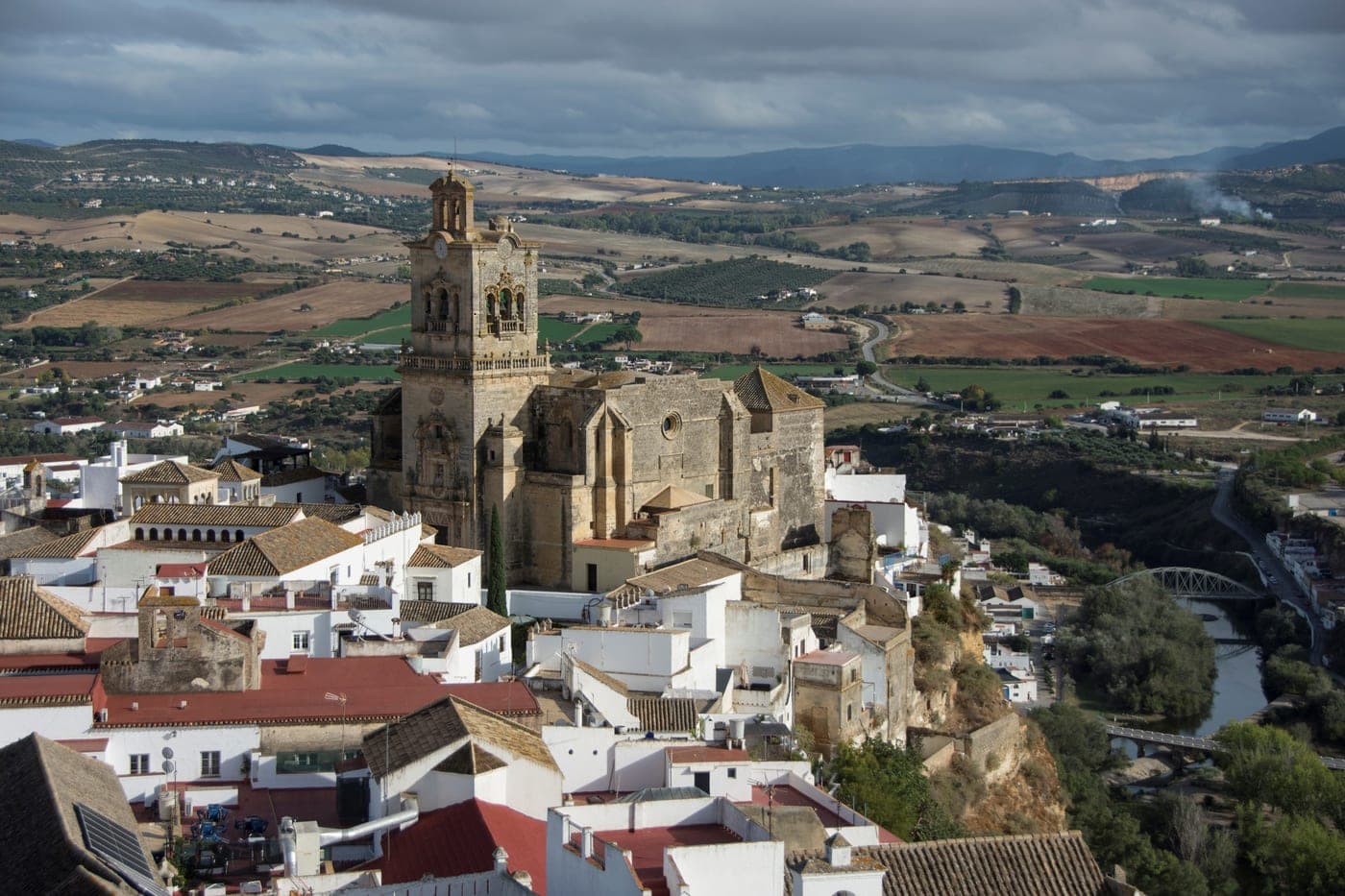
Andalusia stands as Spain's largest autonomous community, renowned for its diverse landscapes, from sun-soaked beaches to rugged mountains. The region is famed for its rich Moorish heritage, best exemplified in cities like Granada, home to the Alhambra, and Seville, known for its cathedral and flamenco culture. Cordoba boasts the stunning Mezquita, while Ronda captivates with its dramatic gorge. Unique local festivals such as Feria de Abril and Semana Santa highlight Andalusian culture. The region produces excellent wines, particularly from Jerez, and is the birthplace of tapas. Off the main tourist paths, towns like Grazalema and Mijas offer authentic experiences amid beautiful natural settings.
Asturias
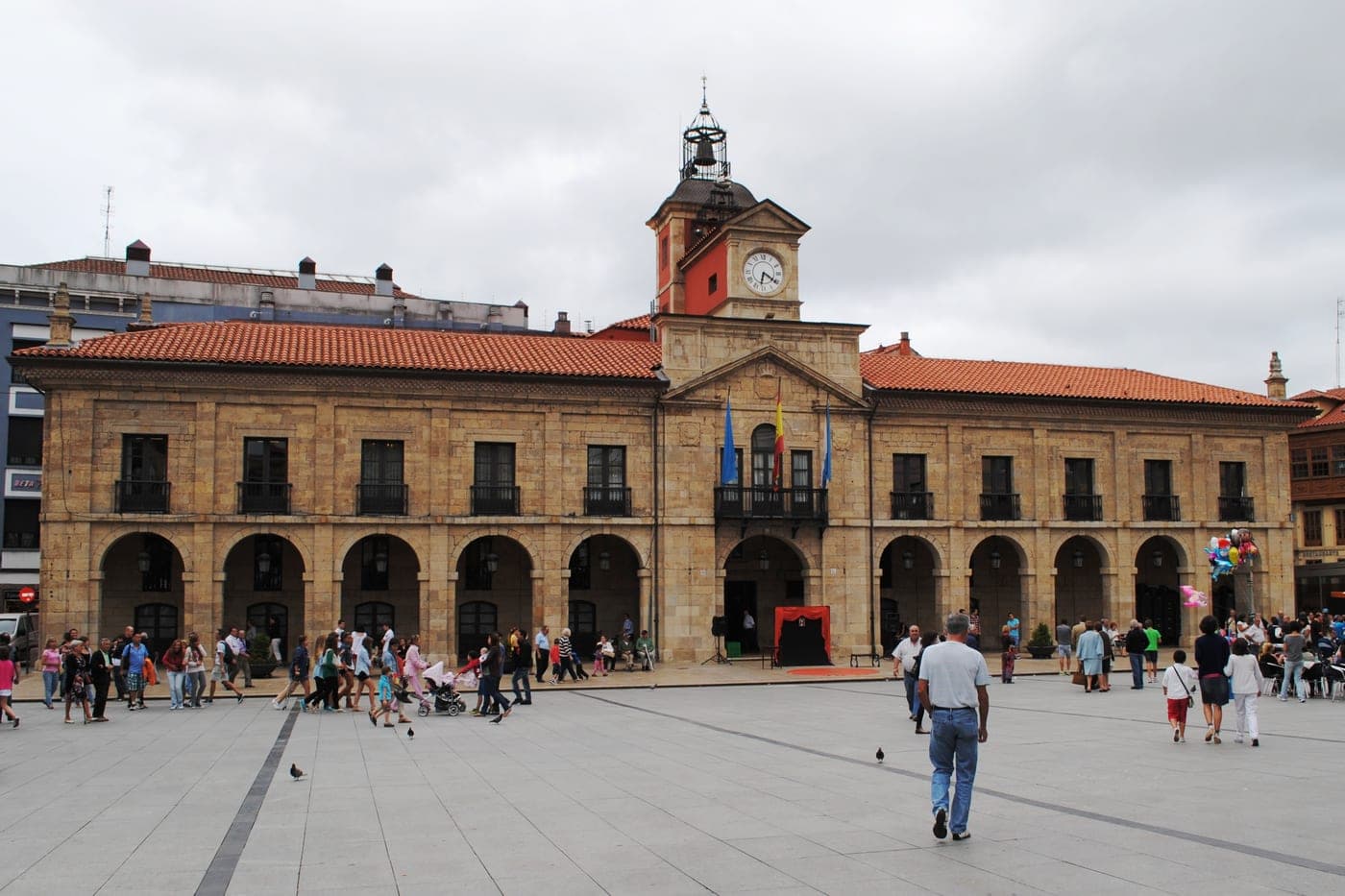
Asturias, bordered by the Cantabrian Sea to the north, is known for its rugged coastline and lush green landscapes. This region is the only one in Spain with both mountains and the sea, presenting a unique blend of natural beauty. Oviedo, the capital, is famed for its pre-Romanesque architecture and vibrant cultural scene, while Gijón offers beaches and a lively harbor. The Picos de Europa National Park attracts hikers with its dramatic peaks and diverse wildlife. Asturias is also recognized for its cider production, with traditional sidrerías dotting the landscape. With its rich history, including the medieval kingdom of Asturias, this region offers a deep dive into local culture, making it a fascinating destination for exploration.
Basque Country
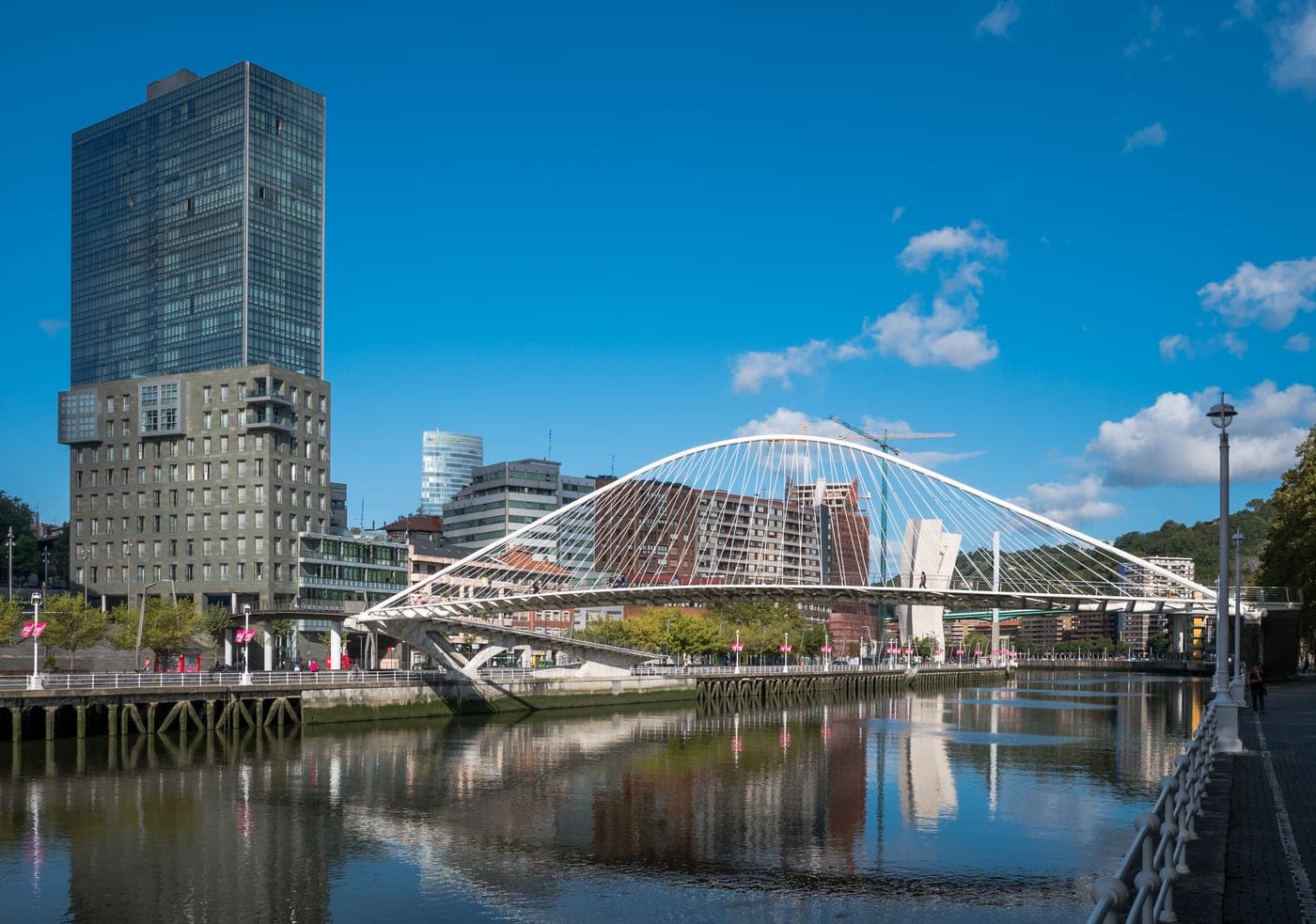
Basque Country is a unique region known for its distinct culture and language, Euskara. It's the only Spanish region with a coastline along the Bay of Biscay, featuring beautiful beaches and rugged cliffs. The largest city, Bilbao, is home to the modern Guggenheim Museum, but the true essence of Basque life can be found in smaller towns like Getaria, famous for its grilled fish and Txakoli wine. San Sebastián offers culinary delights and stunning beaches, while the historic town of Hondarribia showcases medieval architecture. The region is also rich in festivals, such as the Fiestas de la Virgen Blanca, celebrating local traditions. Its lush landscapes include the Picos de Europa mountains, perfect for hiking. Discovering local gastronomy, including pintxos and Basque cider, adds to the immersive experience.
Cantabria
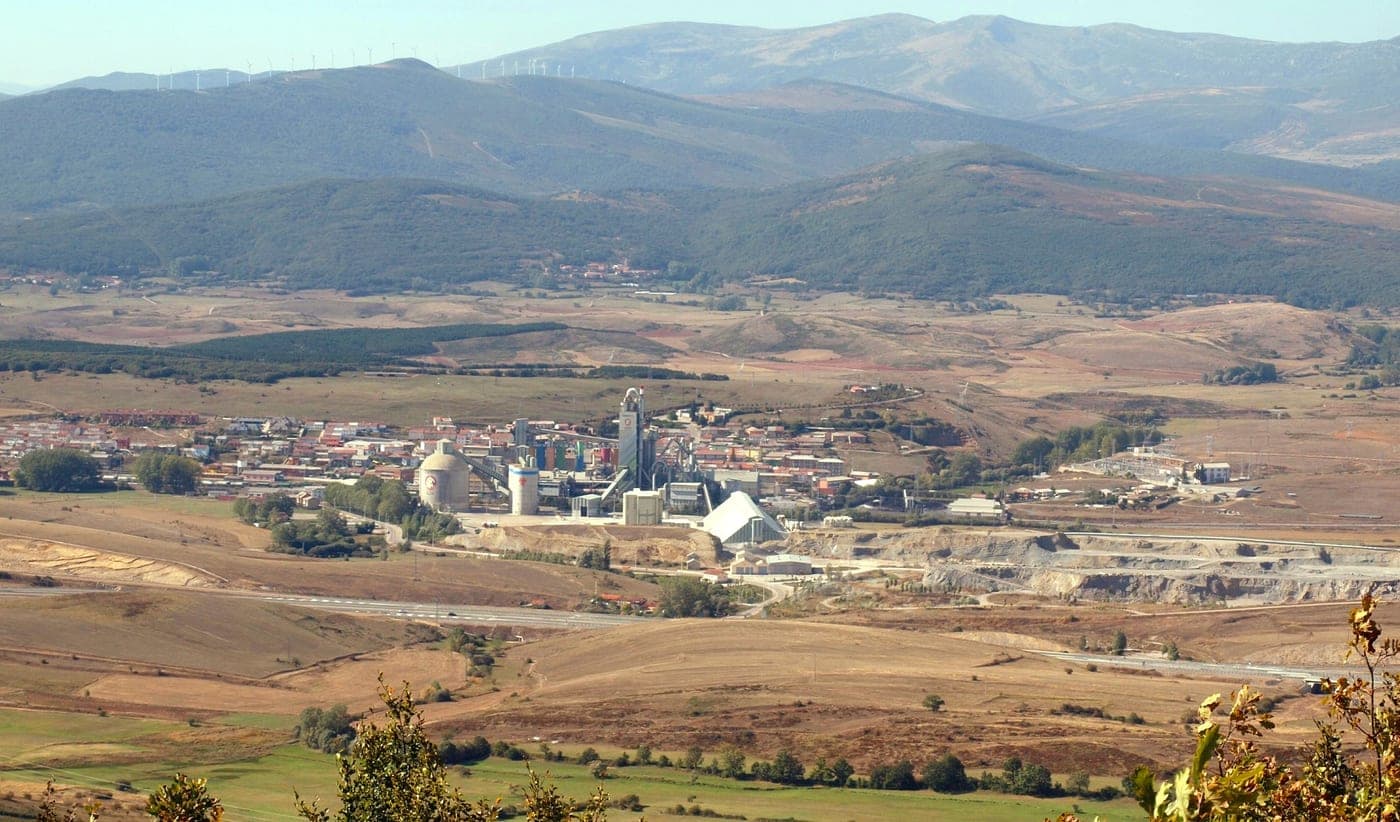
Cantabria, located on Spain's northern coast, is the only region in the country with a coastline along the Bay of Biscay. Known for its dramatic landscapes, it features the Picos de Europa mountains, offering numerous hiking trails and stunning vistas. The region's capital, Santander, is renowned for its beaches and cultural institutions like the Centro Botín. Explore the prehistoric caves of Altamira, which house some of the world's most important cave paintings. Off the beaten path, towns like Comillas showcase unique architecture, including the Gaudí-designed El Capricho. With a rich maritime history, Cantabria is famous for its seafood and traditional dishes such as sobao pasiego and quesada. The local festivals celebrate both culture and gastronomy, highlighting the region's vibrant traditions.
Castile and León
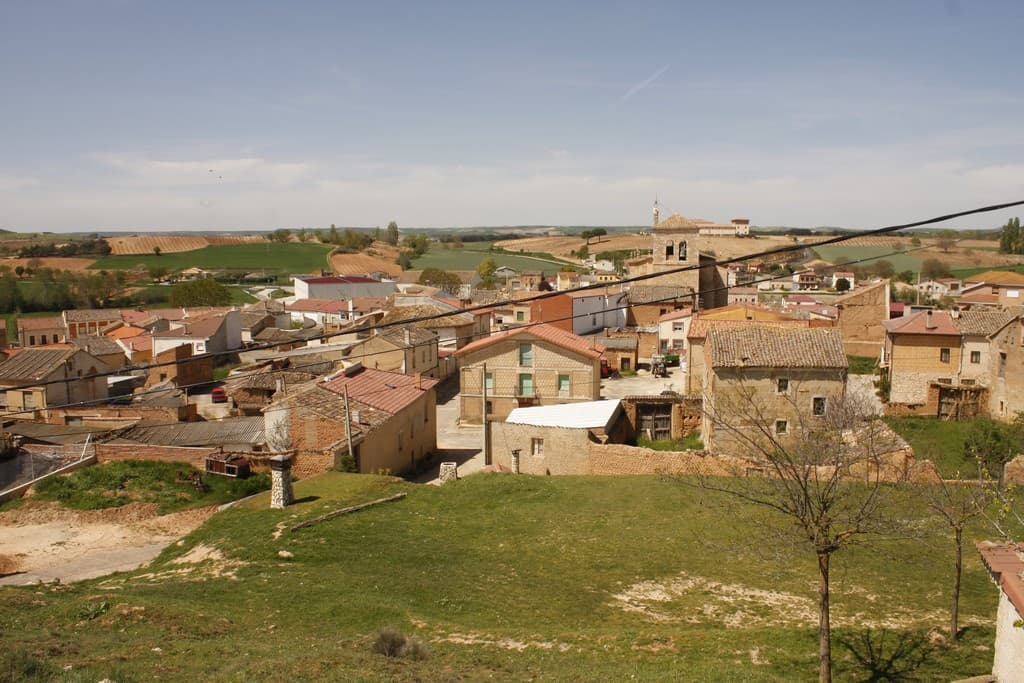
Covering over a quarter of Spain's land, this region is known for its historical richness and diverse landscapes. It features the ancient city of Salamanca, home to one of the oldest universities in the world, and Ávila, famous for its well-preserved medieval walls. The region also boasts stunning natural parks like Sierra de Guadarrama and the Duero Valley, known for its exceptional wine production, particularly Ribera del Duero. Castile and León is the birthplace of Spanish language and literature, with paths like the Camino de Santiago running through it. Visitors can explore lesser-known towns like Pedraza and Sepúlveda, where traditional crafts and gastronomy thrive, offering a genuine taste of local culture.
Castilla-La Mancha
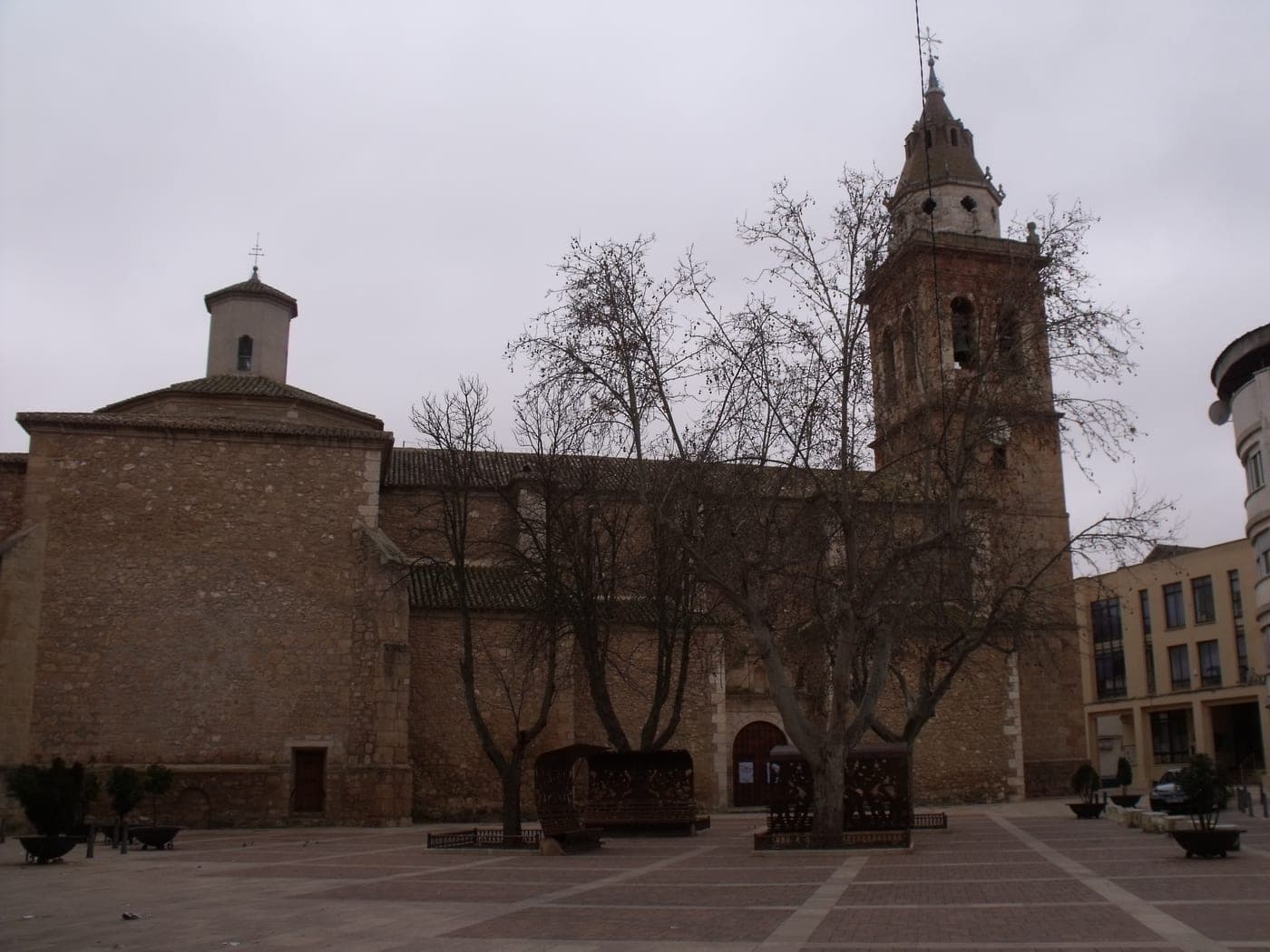
This is Spain's largest region, known for its vast plains and historic cities. Toledo, a UNESCO World Heritage site, showcases a blend of Christian, Muslim, and Jewish architecture, while Cuenca is famous for its hanging houses and modernist art. The region is also noted for its artisanal cheese, saffron production, and robust wines like Tempranillo. Scenic landscapes such as the Tablas de Daimiel National Park offer rich biodiversity. Explore the small towns of Alcázar de San Juan and Consuegra, where windmills dot the horizon, echoing the tales of Don Quixote. The region's festivals, particularly in spring and autumn, celebrate local traditions and gastronomy, providing deeper cultural connections.
Catalonia
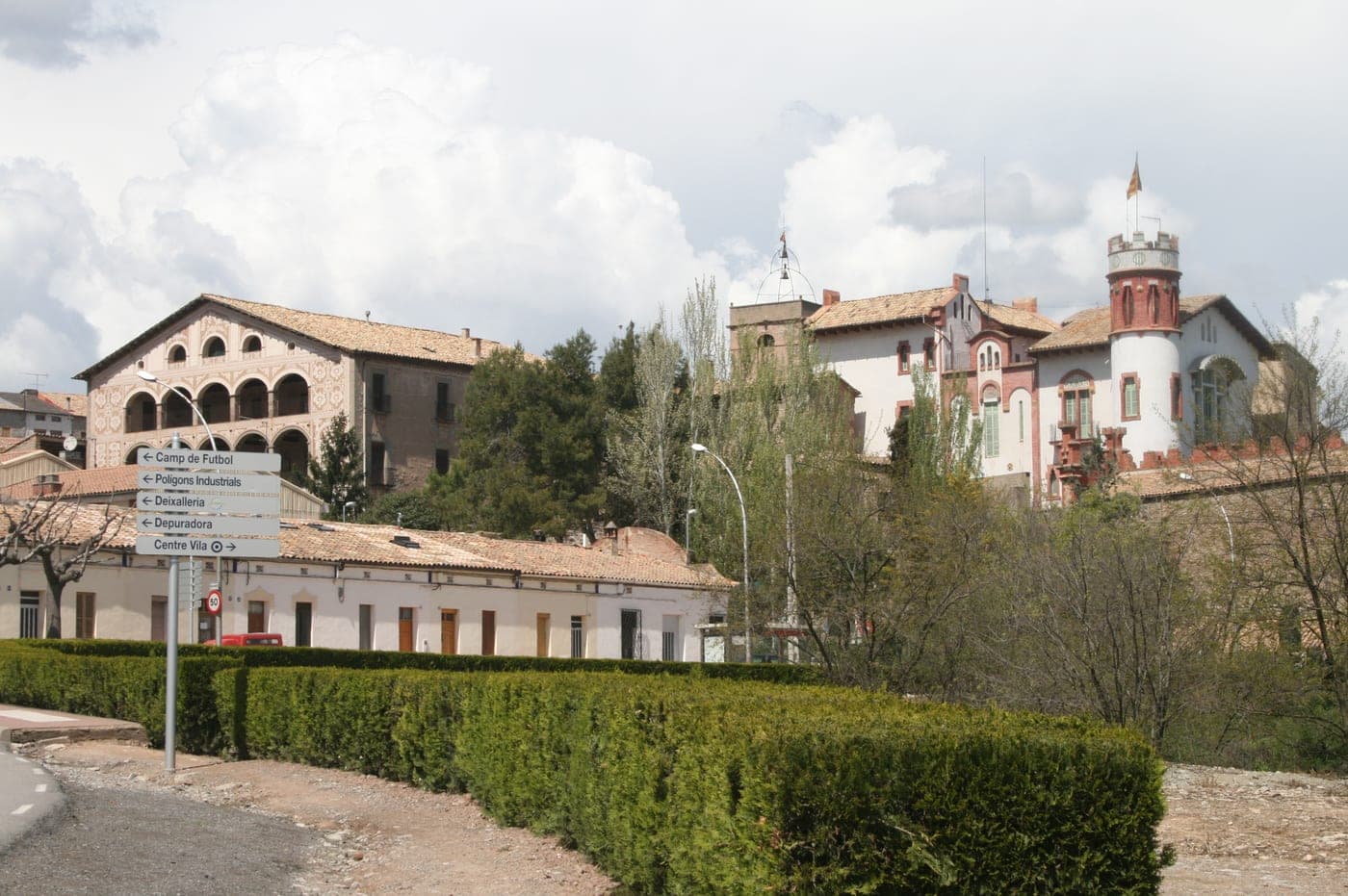
Catalonia stretches from the high Pyrenees down to the Mediterranean, and that range gives it a slow-travel character all its own: stone villages tucked into mountain valleys, a jagged coastline of small harbours, and an inland plain still shaped by farming and pilgrimage. Barcelona sits at one edge of the region, but Catalonia's quieter identity is built elsewhere — in places most visitors reach only if they choose to look beyond the capital. In the north, the Pyrenean valleys hold Romanesque churches and hamlets built from dark local stone, many still working farming communities. Villages like these keep a rhythm set by the seasons and the land, and walking between them reveals bell towers and hay meadows. Further south and inland, the Camí de Sant Jaume, a Catalan branch of the Camino de Santiago, crosses rolling wheat country and passes through small towns built around a church square. The coast has its own version of slowness. Cadaqués, with its whitewashed harbour houses and steep lanes, once drew Dalí and other artists. The Costa Brava's smaller coves still keep this feel in the off-season: fishing boats pulled up on shingle, a handful of restaurants serving the day's catch, cliff paths connecting one cove to the next. Inland from the coast, medieval towns like Besalú preserve their fortified bridges and Jewish quarters largely intact. Catalonia's regional cuisine reflects this pace. Cava is made using the same traditional method as Champagne, and small family cellars around Sant Sadurní d'Anoia still open their doors for tastings. Calçotada season, when charred spring onions are dipped in romesco sauce and eaten by hand, is a communal meal built around fire and patience. Elsewhere, pa amb tomàquet, botifarra sausage, and mountain cheeses reflect a cuisine shaped by both the sea and the high pastures. History runs close to the surface here. Poblet Monastery, one of Catalonia's Cistercian foundations, still follows a monastic routine largely unchanged for centuries, and some of Gaudí's early works outside Barcelona show the same architectural language in quieter settings. A handful of Catalan paradors occupy restored castles and monasteries — the one at Cardona, built into a medieval fortress on a hilltop, is among the most striking examples of this in Spain. Mountain villages, pilgrim paths, whitewashed coves, cava cellars, and monastery towns give Catalonia a landscape suited to slow travel: a dialect (Catalan) still spoken in daily life, a cuisine tied closely to what grows and grazes nearby, and villages that have kept their own pace as the region around them has modernised.
Galicia
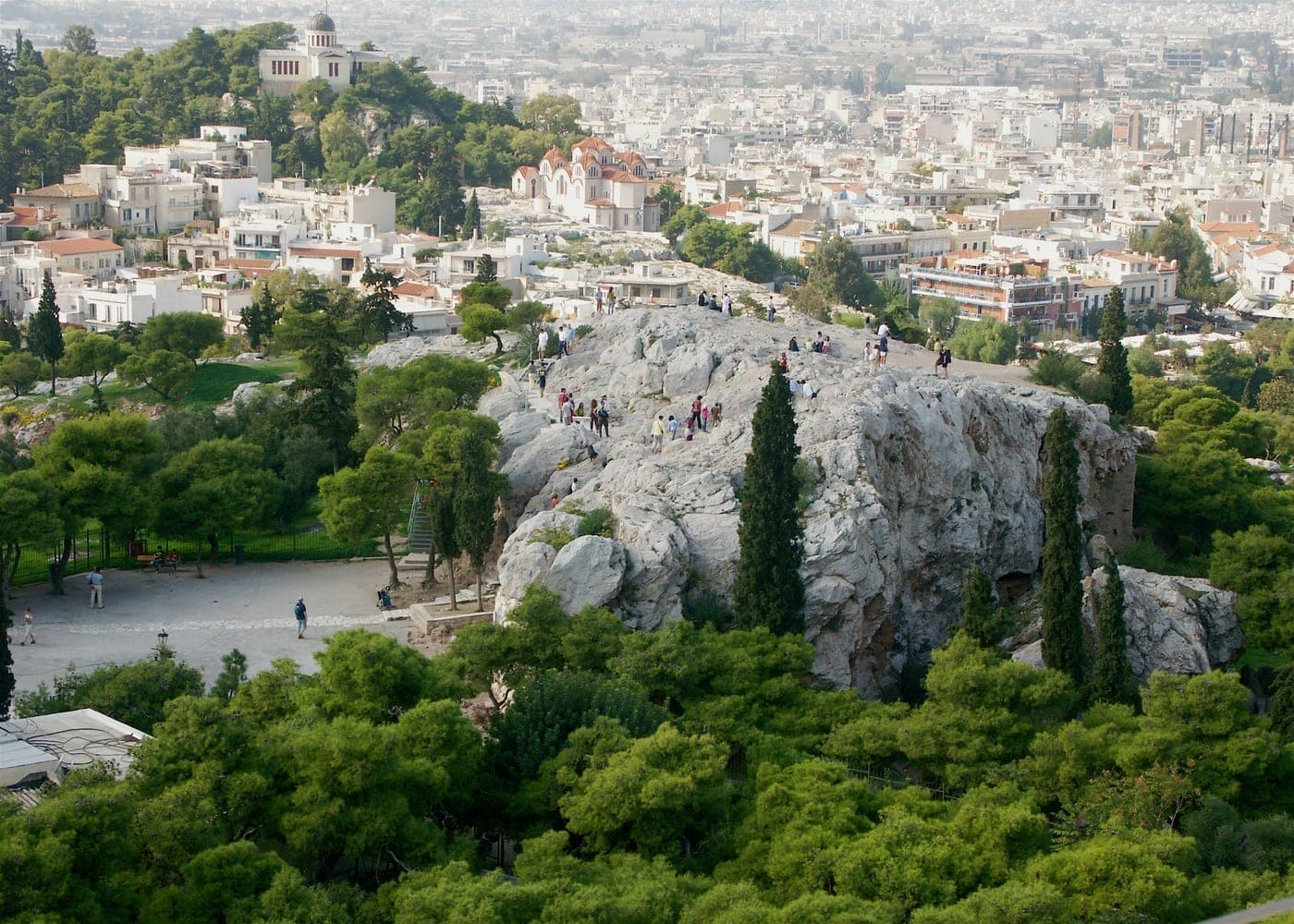
This region is the largest in Spain, featuring a stunning coastline along the Atlantic Ocean. Known for its rich Celtic heritage, Galicia boasts historical towns like Santiago de Compostela, famous for its pilgrimage routes and the impressive cathedral. The Rías Baixas area is celebrated for its Albariño wine, while the rugged shores offer scenic beauty, including the dramatic cliffs of the Costa da Morte. Traditional crafts, such as pottery and weaving, reflect the local culture. Visitors can explore lesser-known villages like Combarro and O Cebreiro, which showcase ancient architecture and regional gastronomy. Unique festivals, such as the Romería de San Juan, highlight local traditions and community spirit, making this region a treasure trove for those seeking depth in their travels.
La Rioja
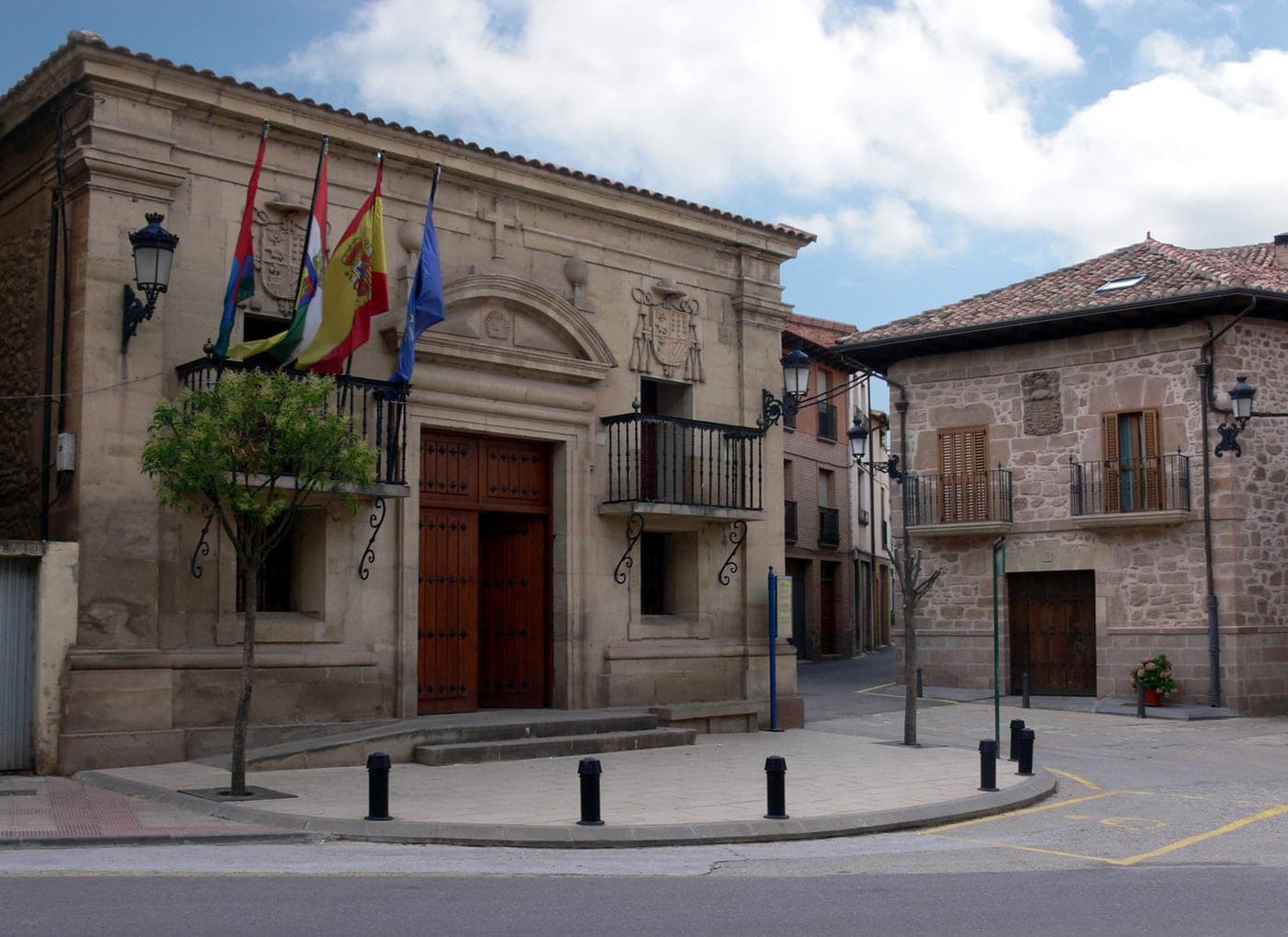
Known for its exceptional wines, this region is home to diverse vineyards producing Tempranillo and Garnacha grapes. The only wine-producing region in Spain with a Denomination of Origin status, La Rioja is characterized by rolling hills and the Ebro River. Historic towns like Haro offer wine cellars and local festivals, while the capital, Logroño, is famous for its vibrant tapas scene along Calle Laurel. The region features ancient monasteries, such as San Millán de la Cogolla, a UNESCO World Heritage site. Hikers can explore the Sierra de la Demanda mountains, and traditional crafts like pottery and leatherwork are still practiced in small villages. La Rioja’s landscapes vary dramatically, providing a rich tapestry of cultural experiences.
Madrid
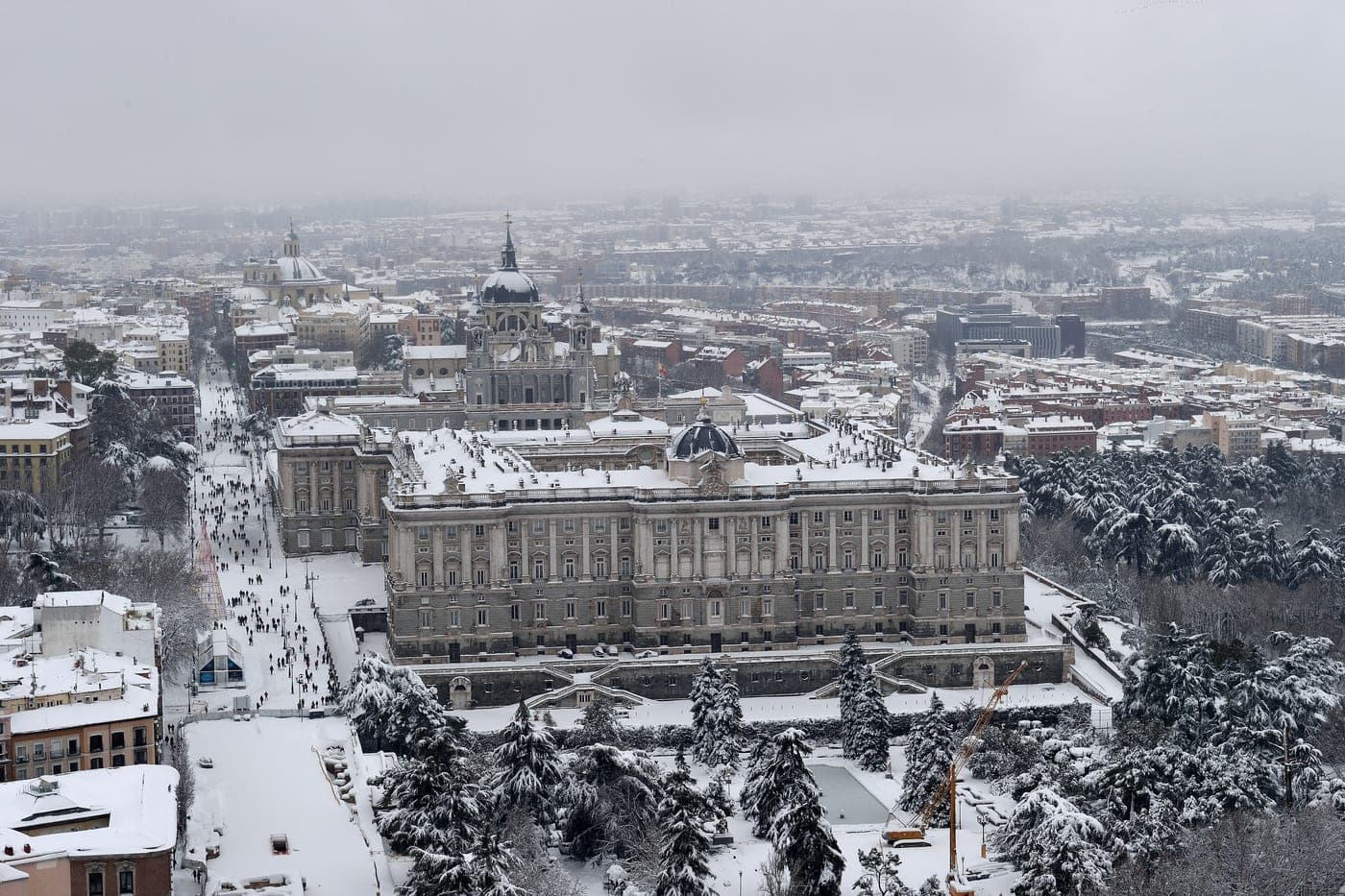
Madrid, the largest city and capital of Spain, is a vibrant hub of culture and history. Known for its royal palace, the city boasts a rich artistic heritage with museums like the Prado and the Reina Sofia. Beyond the mainstream, explore the Malasaña district, famous for its alternative scene, or the tranquil Retiro Park, a green oasis in the urban landscape. The surrounding region features towns like Alcalá de Henares, birthplace of Cervantes, and El Escorial, a UNESCO World Heritage site. Madrid's culinary scene is diverse, from traditional tapas to innovative cuisine, reflecting its cultural melting pot. The region also hosts various local festivals throughout the year, showcasing its traditions and community spirit.
Rioja Alavesa
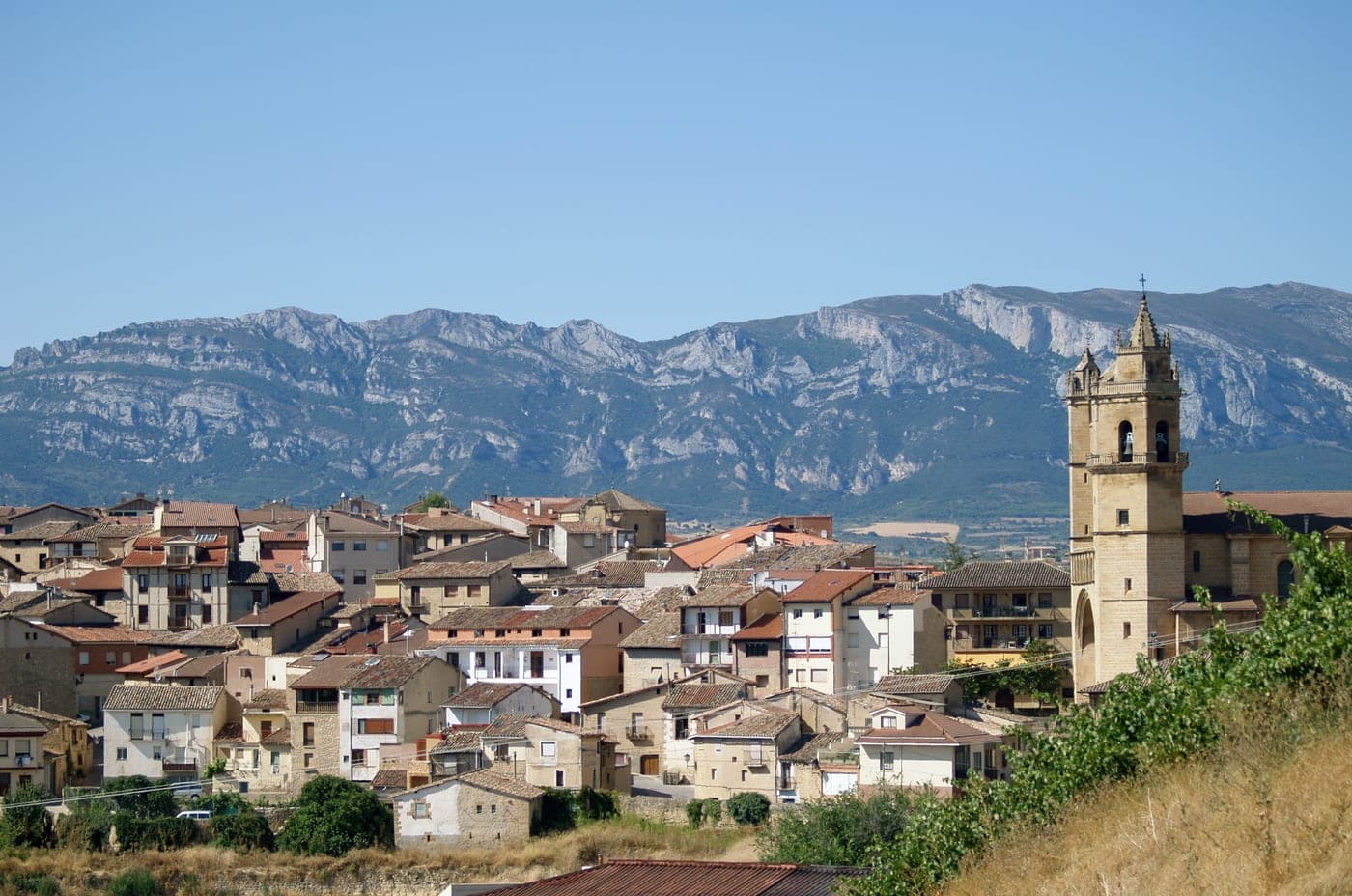
Nestled in the northern part of Spain, Rioja Alavesa is renowned for its rich wine culture, primarily producing exceptional red wines from Tempranillo grapes. This region is characterized by its picturesque vineyards, rolling hills, and unique architecture, including traditional stone houses and modern wineries. The landscape is dotted with historical sites like the medieval village of Laguardia, known for its underground wine cellars. Additionally, the region offers scenic hiking trails and opportunities to explore local gastronomy, including artisan cheeses and regional dishes. Rioja Alavesa is not only a wine lover's paradise but also a place where visitors can appreciate the blend of culture, history, and nature in a tranquil setting.
Valencia
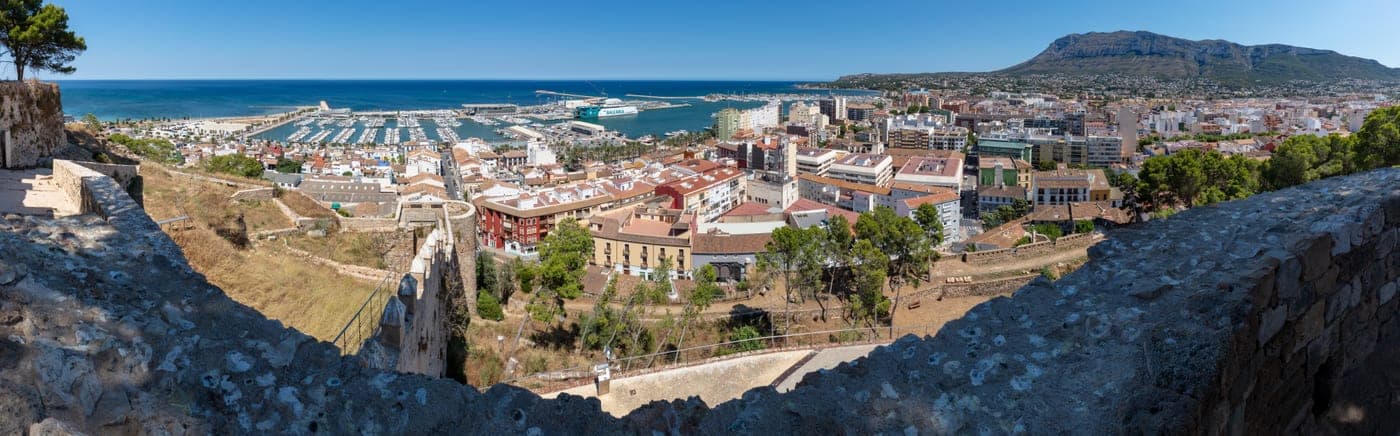
Known for its rich history and vibrant culture, Valencia is the third-largest city in Spain and the only region with a Mediterranean coastline. This region boasts the UNESCO-listed City of Arts and Sciences, a futuristic architectural complex, alongside the historic Silk Exchange, a symbol of its trading past. Beyond the city, the Albufera Natural Park offers stunning wetlands and is famous for its rice paddies, the source of the region's renowned paella. Valencia's traditions include the Fallas festival, celebrated with impressive sculptures and fireworks. The region also produces excellent wines, particularly from the Utiel-Requena area, and has a thriving local market scene, perfect for food enthusiasts. Nearby towns like Xàtiva and Bocairent showcase medieval architecture and local crafts, providing an authentic glimpse into Valencia's diverse heritage.