
Andalusia
Destinations in Andalusia.
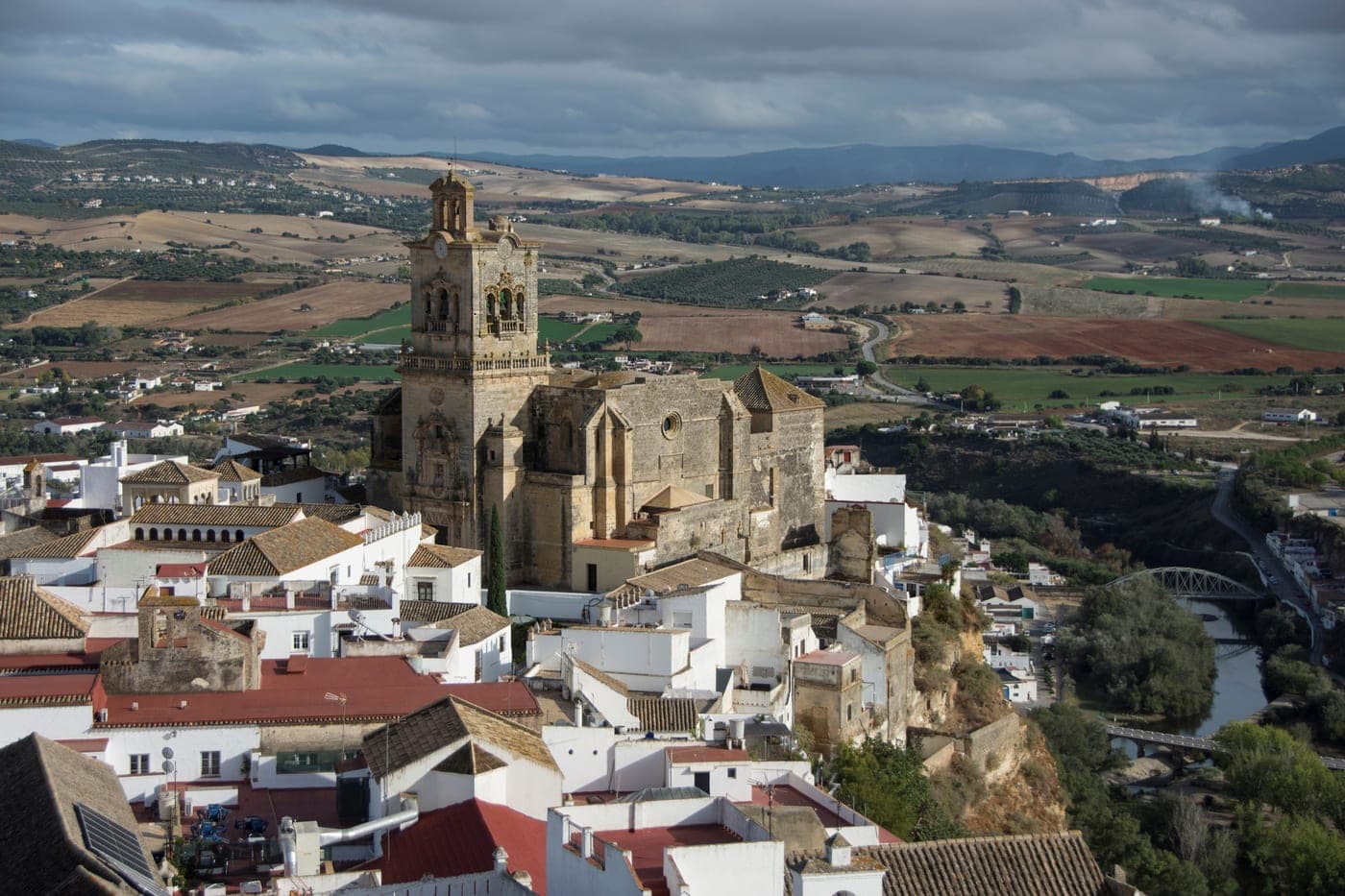
Arcos de la Frontera
Dramatic white hill town perched on a cliff above the Guadalete River.
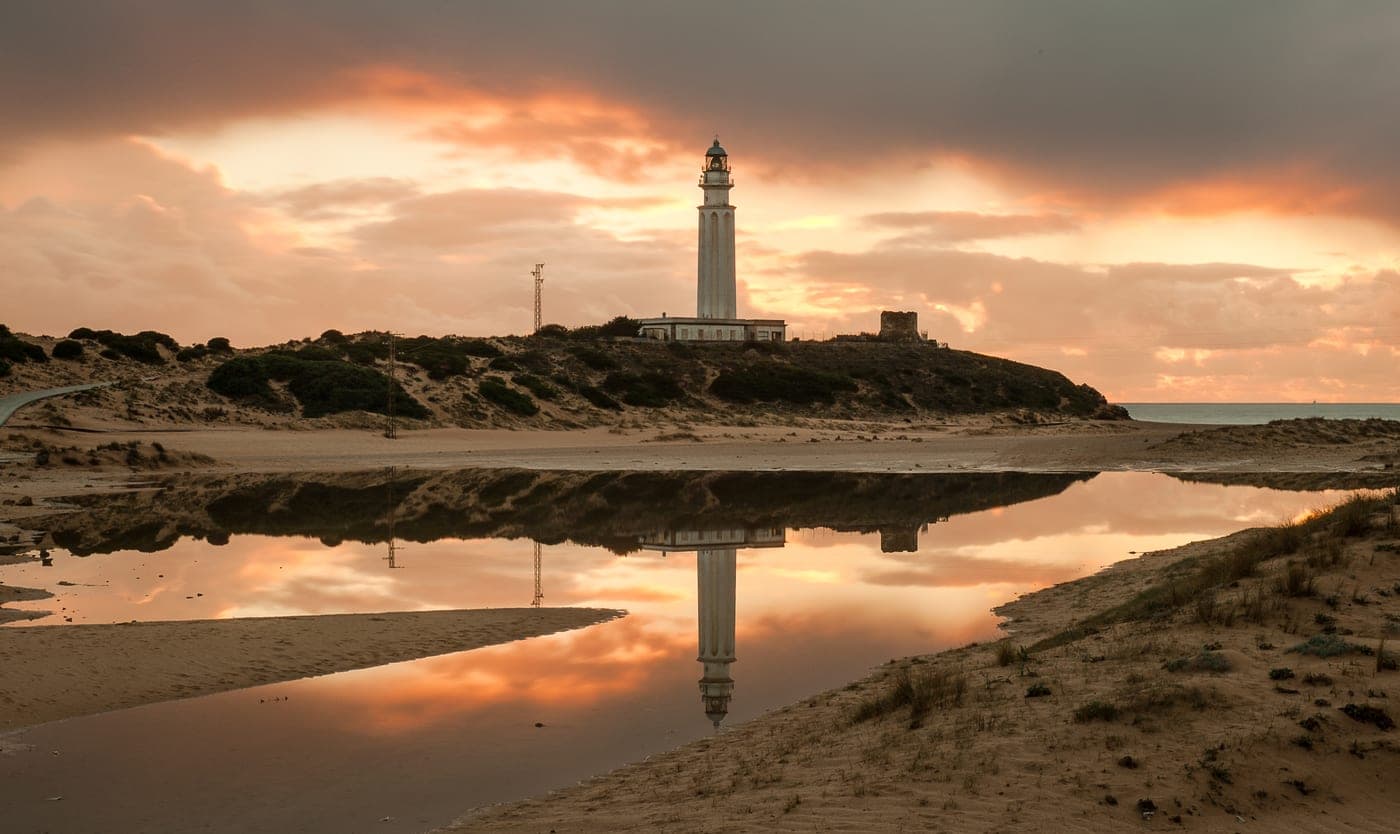
Barbate
Traditional fishing town near Cape Trafalgar with marina and boat rental services.
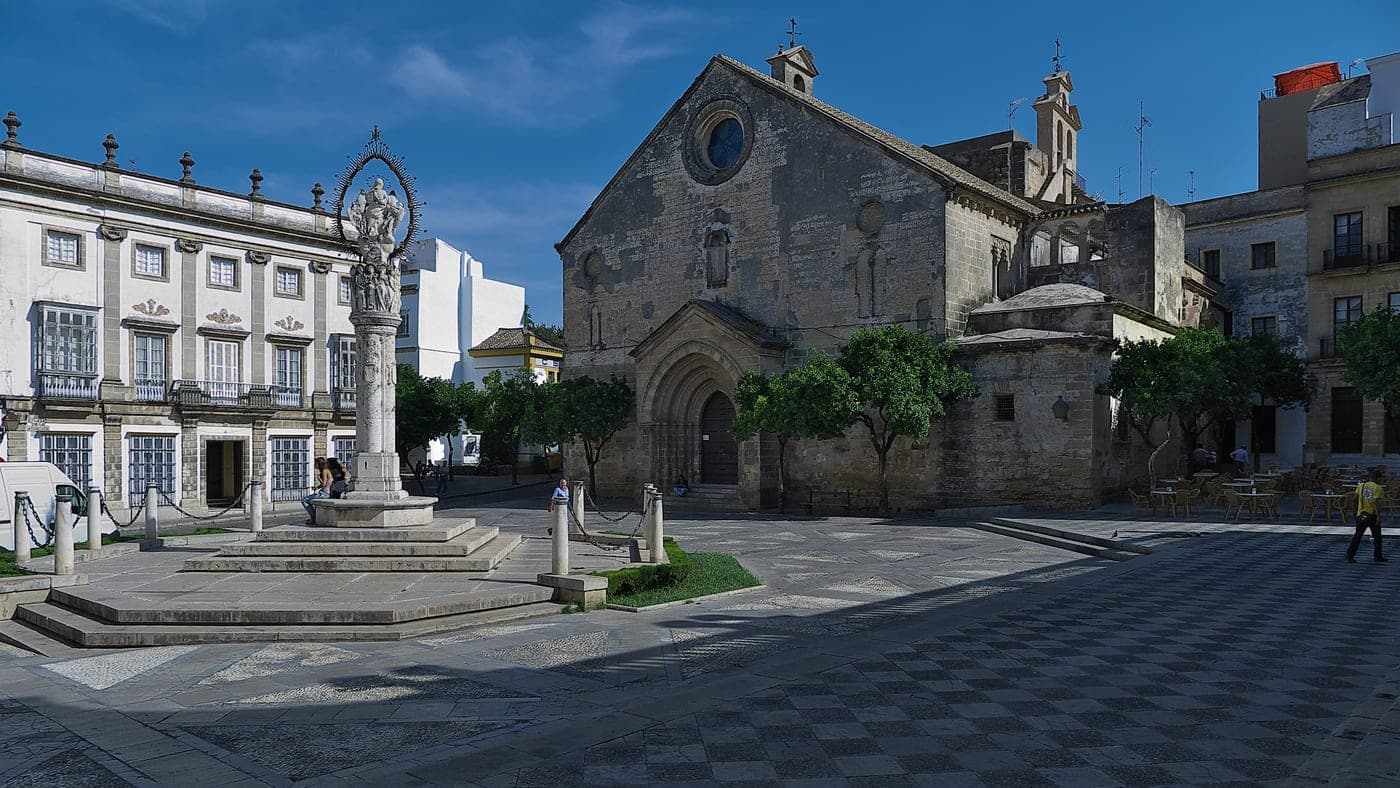
Jerez de la Frontera
World capital of sherry wine with historic bodegas and flamenco culture.

Jete
Small village in Granada province with tropical fruit cultivation and local wines.
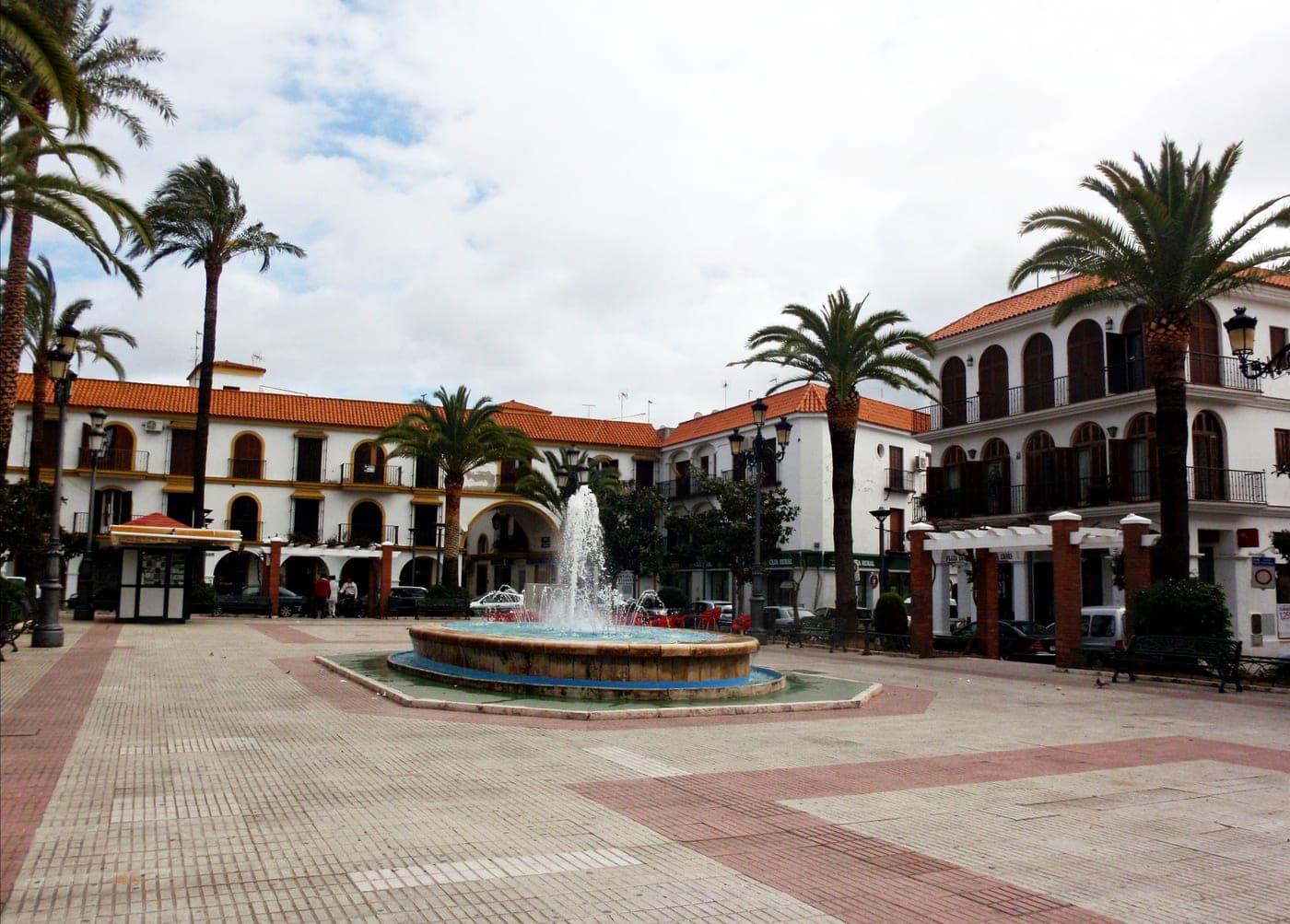
Lepe
Coastal town in Huelva with access to marinas and boat rentals near the Portuguese border.
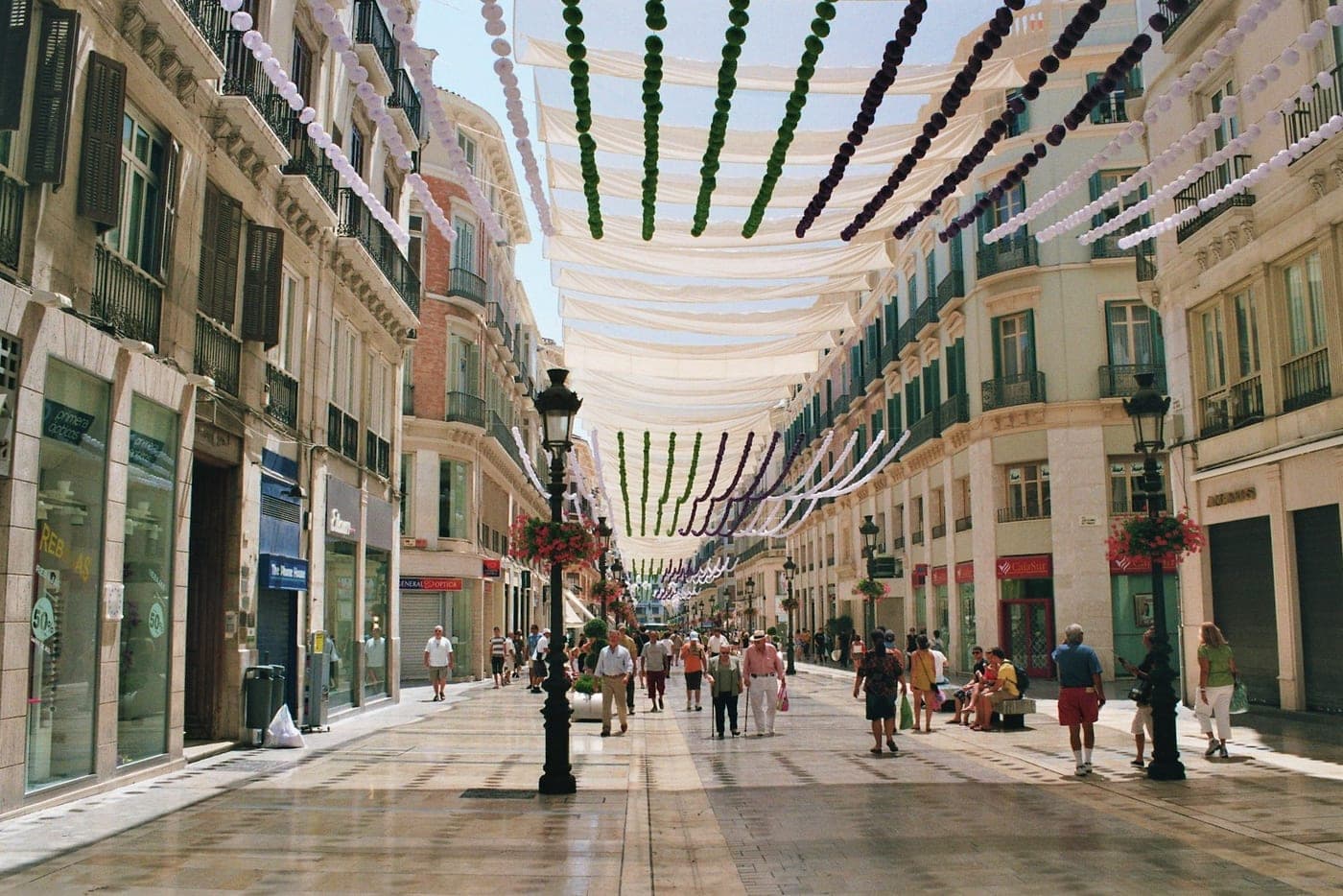
Malaga
Coastal city with beaches, Picasso museum, and Moorish fortress.
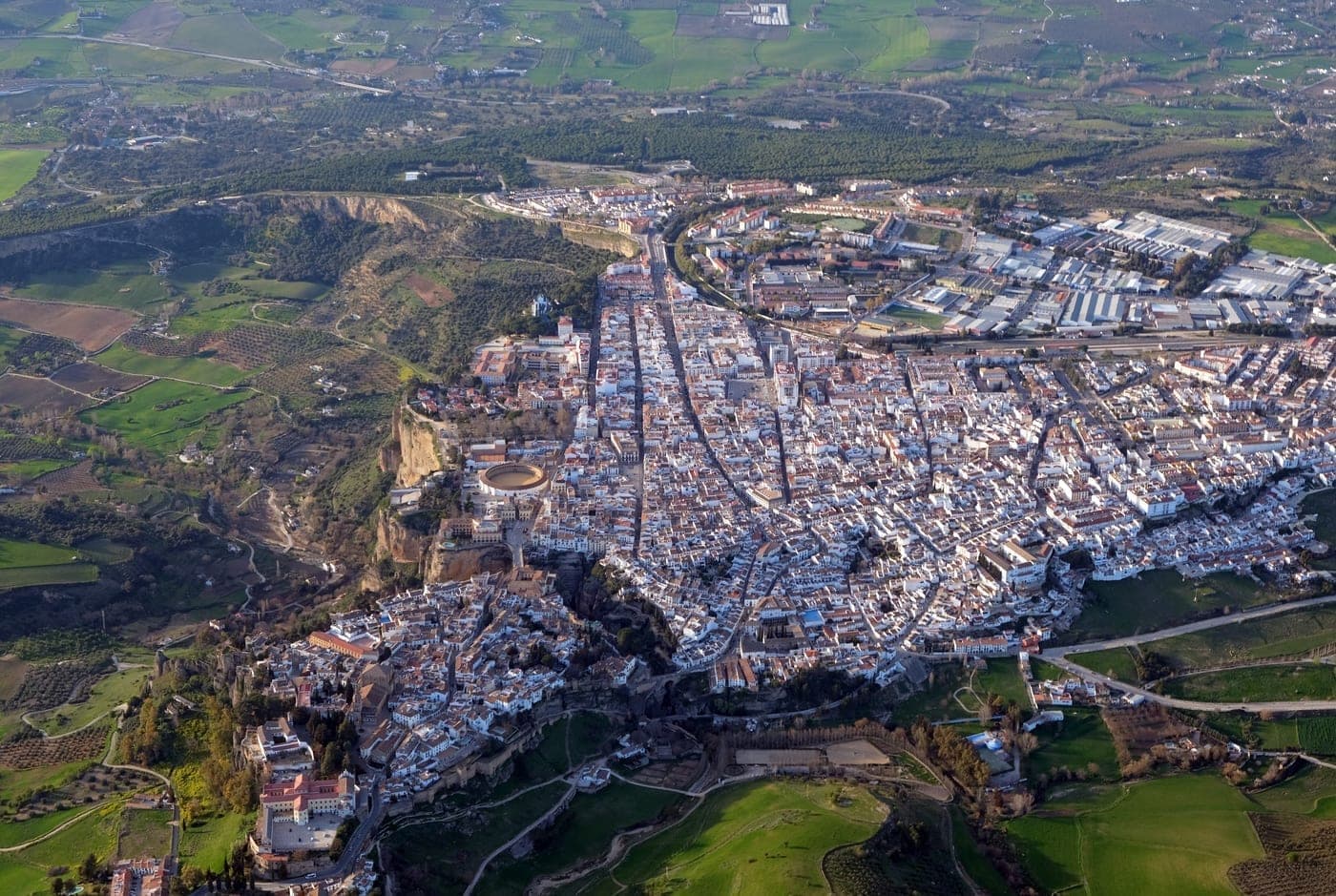
Ronda
Dramatic mountain town split by El Tajo gorge and famous bridge.
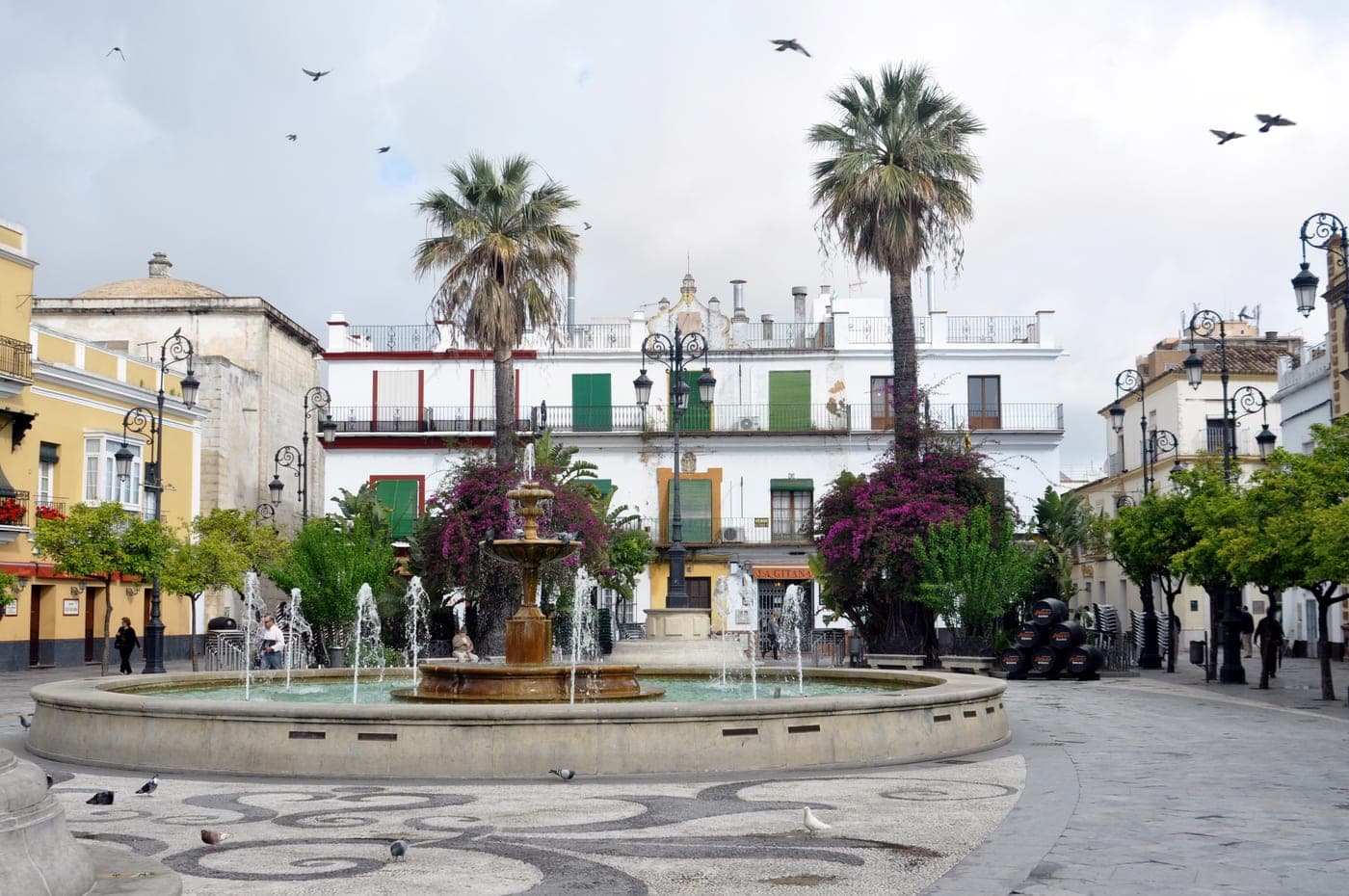
Sanlúcar de Barrameda
Coastal sherry town famous for Manzanilla wine and seafood gastronomy.
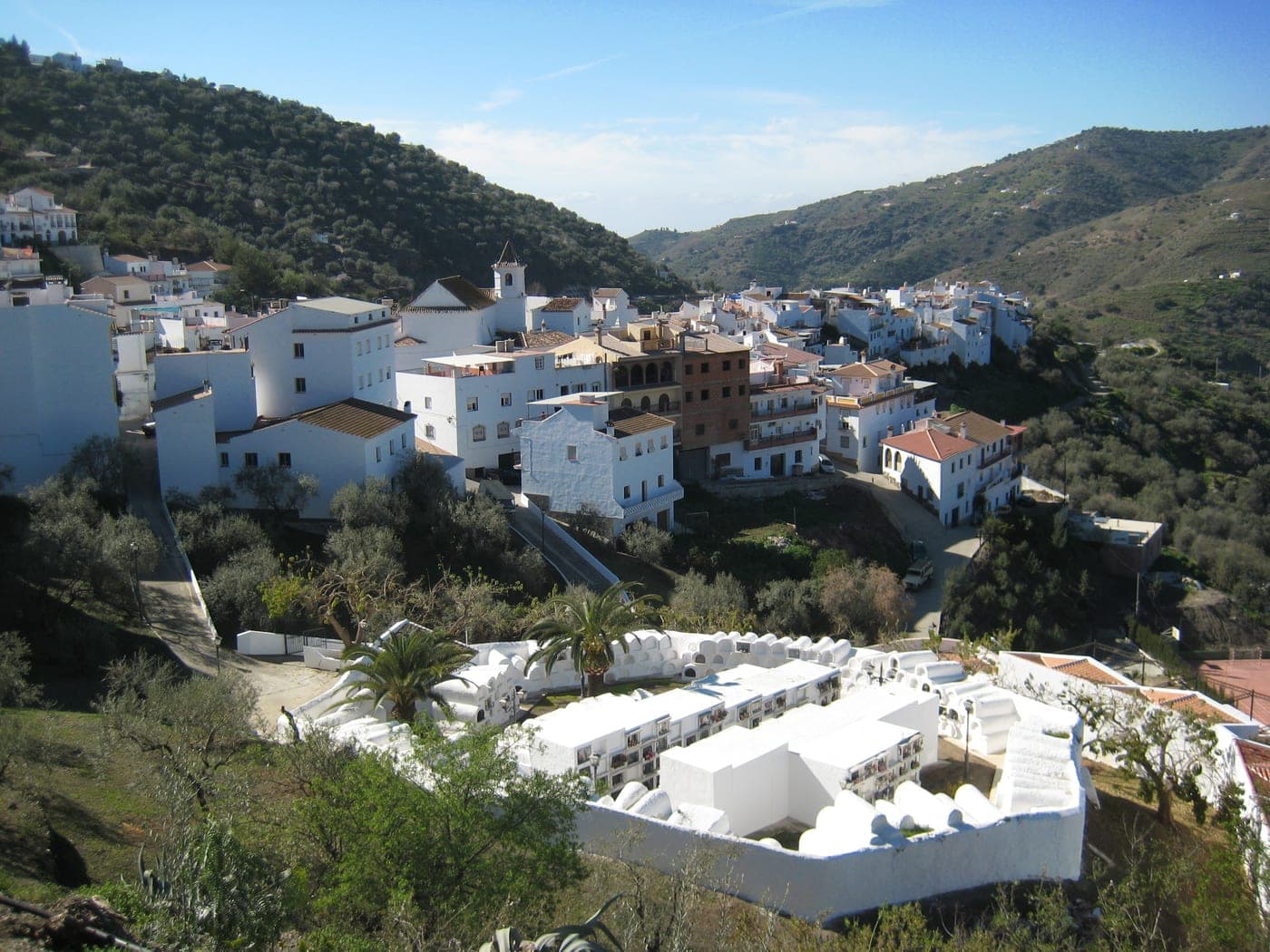
Sayalonga
Mountain village in Málaga province known for sweet Moscatel wines.
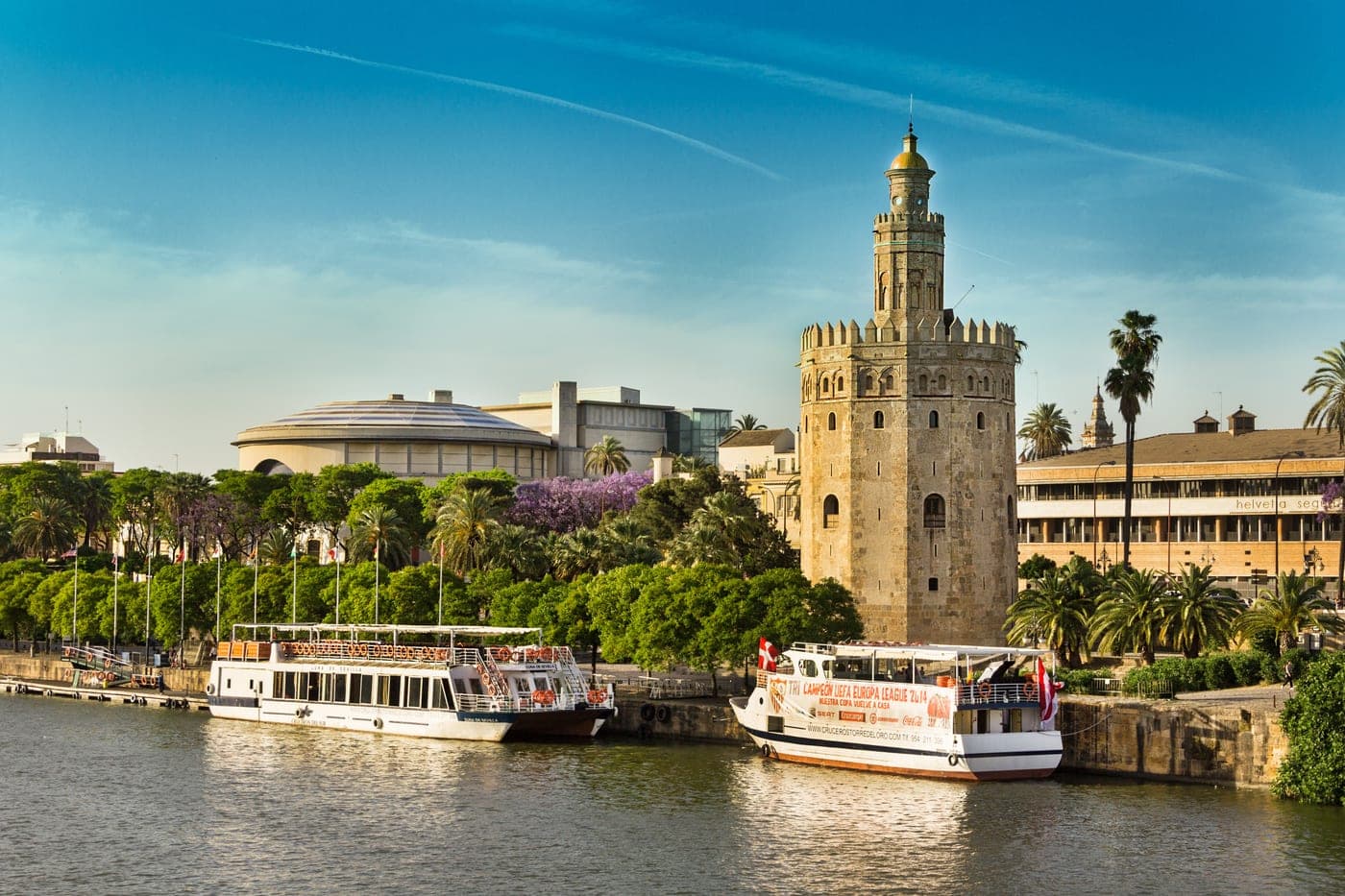
Seville
Andalusia's capital with flamenco, tapas bars, and Moorish architecture.
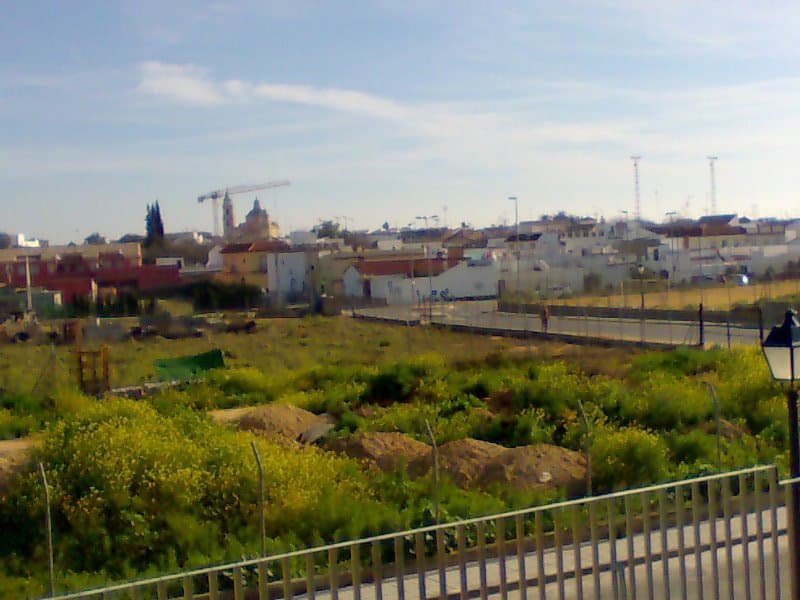

Villanueva del Ariscal
Village in Seville province with wine production and olive groves.
Asked & answered.
- Andalusia in Spain is known for Flamenco, Sherry, Alhambra and White villages. Andalusia stands as Spain's largest autonomous community, renowned for its diverse landscapes, from sun-soaked beaches to rugged mountains. The region is famed for its rich Moorish heritage, best exemplified in cities like Granada, home to the Alhamb...
- Andalusia offers boat charters and waterway cruising, camper van road trips and vineyard visits and wine tastings. With 12 curated destinations in the region, travellers can explore at a leisurely pace — lingering in villages, connecting with locals, and immersing themselves in the landscape.
- Top slow travel destinations in Andalusia include Umbrete, Sanlúcar de Barrameda, Jete and Sayalonga, among 12 curated destinations. Each offers authentic local experiences, from regional cuisine to natural landscapes, selected for travellers who prefer depth over speed.
- Andalusia is accessible via waterway routes and well-suited roads for camper van travel. The region's slow travel infrastructure makes it possible to explore without a personal car, though some remote villages may require advance planning. Many accommodations can arrange transfers or provide local transport advice.