Norway
fjords and mountain plateaus
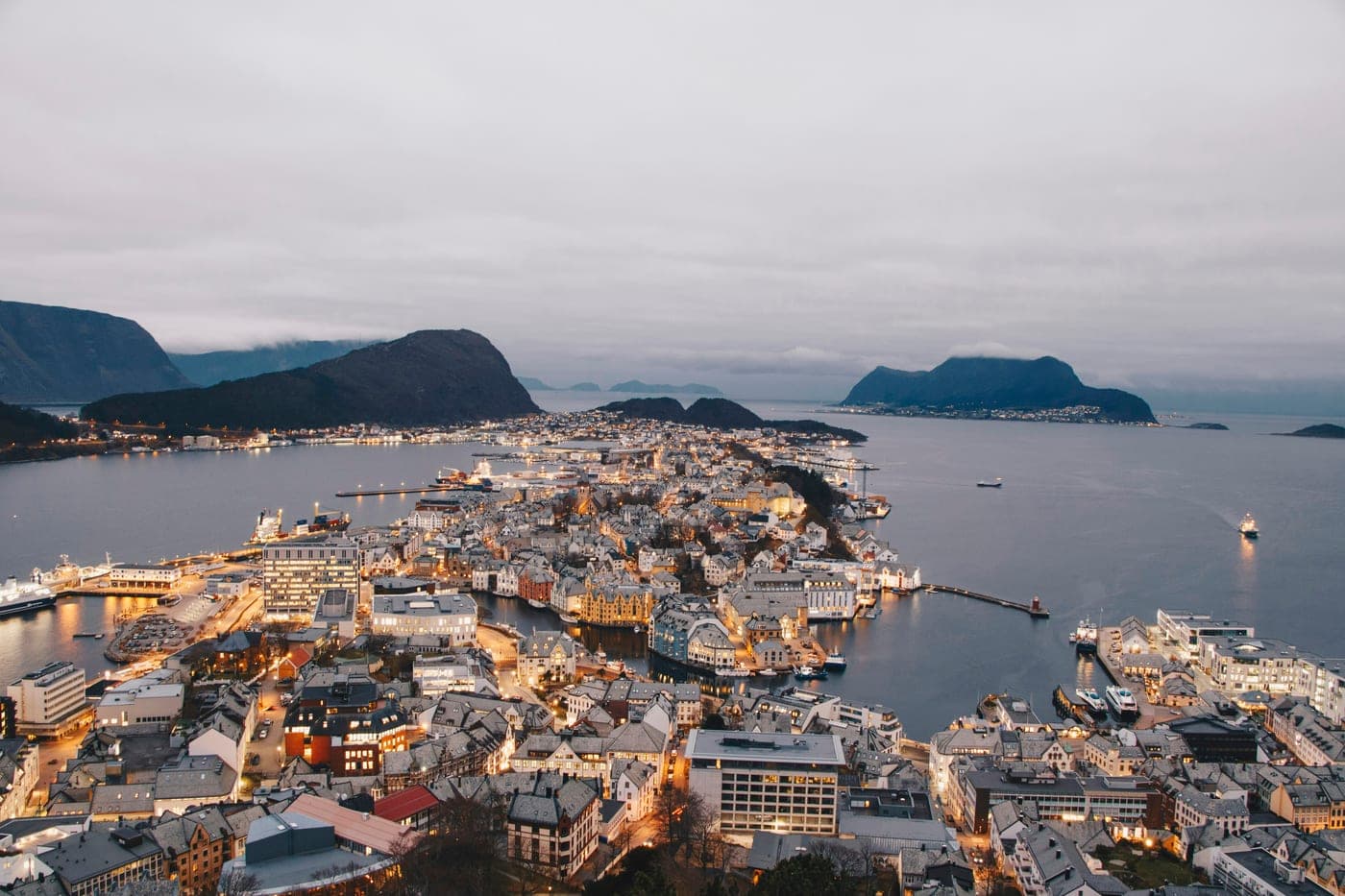
Regions
Oslo
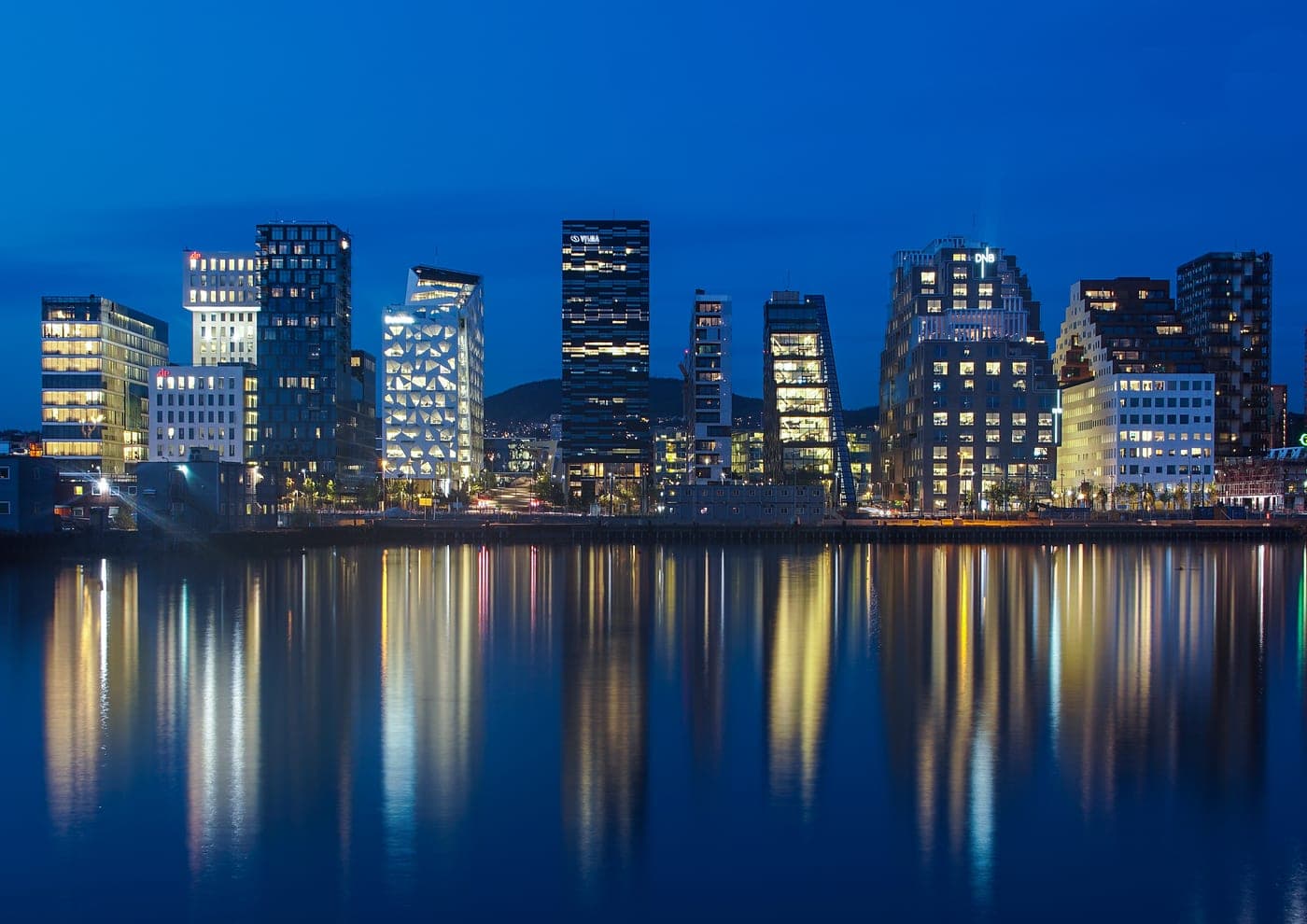
Oslo, Norway's capital, is the largest city in the country and serves as a cultural hub with a rich maritime history. The city is surrounded by fjords and forests, offering a unique blend of urban life and nature. Known for its museums, such as the Viking Ship Museum and the Munch Museum, Oslo also features vibrant neighborhoods like Grünerløkka, where local cafes and galleries thrive. The city's commitment to sustainability is evident in its extensive public transport system and green initiatives. Nearby, the Nordmarka forest invites visitors for hiking and outdoor activities, while the Oslofjord islands provide tranquil escapes just a short ferry ride away. With events like the Oslo Jazz Festival and the annual Nobel Peace Prize ceremony, the city is alive with cultural significance.
Rogaland
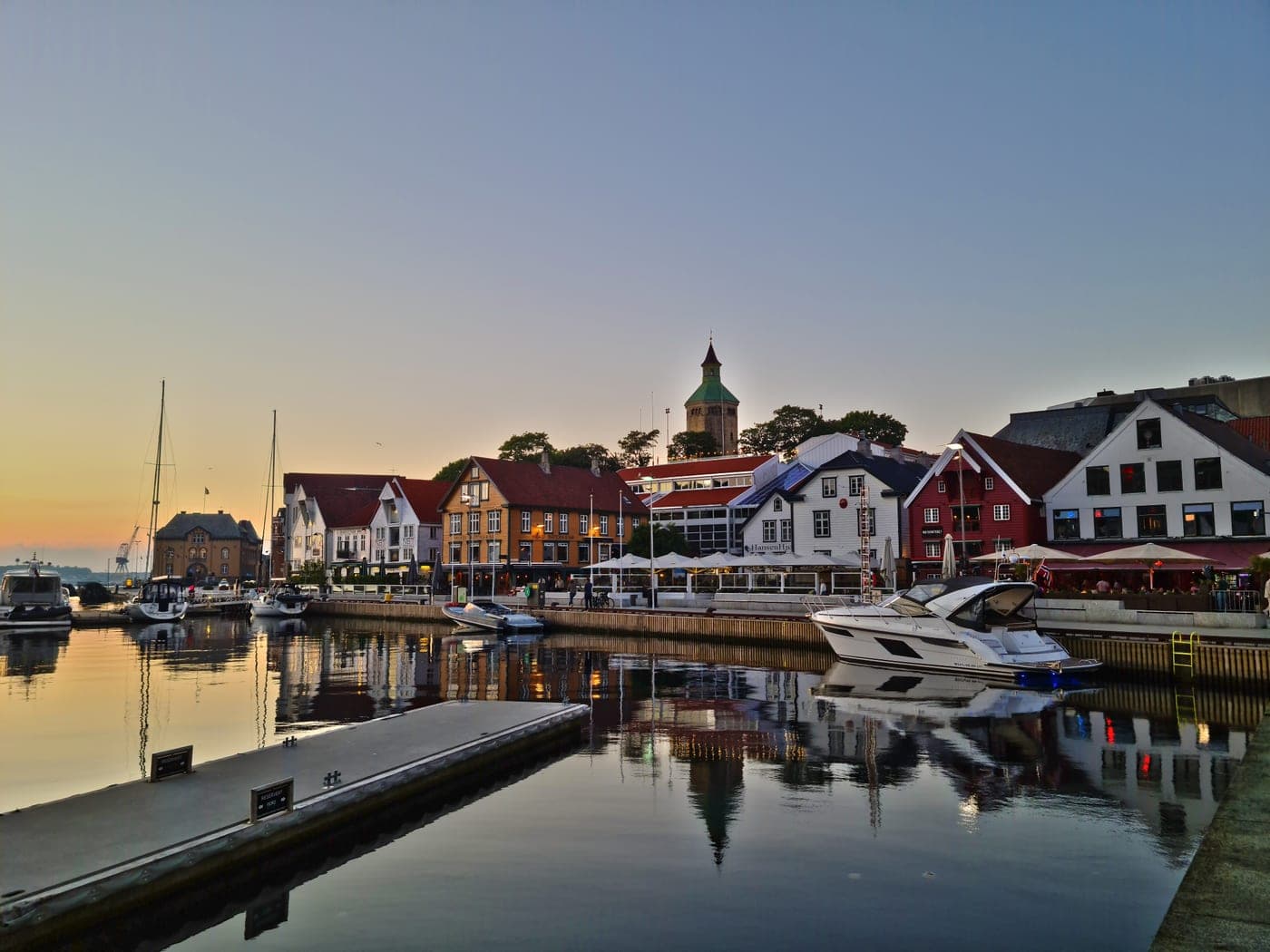
Rogaland, located on Norway's southwestern coast, is known for its stunning fjords and rich Viking history. The region features Stavanger, the only major city, famous for its well-preserved wooden houses and the nearby Pulpit Rock, a popular hiking destination. Besides Stavanger, explore the charming town of Haugesund, known for its Viking heritage and annual Viking Festival. The coastline, dotted with picturesque islands, offers opportunities for kayaking and fishing. Rogaland is also recognized for its culinary scene, particularly seafood. Discover local farms producing high-quality cheeses and artisanal products. This region is a blend of natural beauty, history, and local flavors, ideal for those seeking a deeper connection to Norway's culture.
Troms og Finnmark
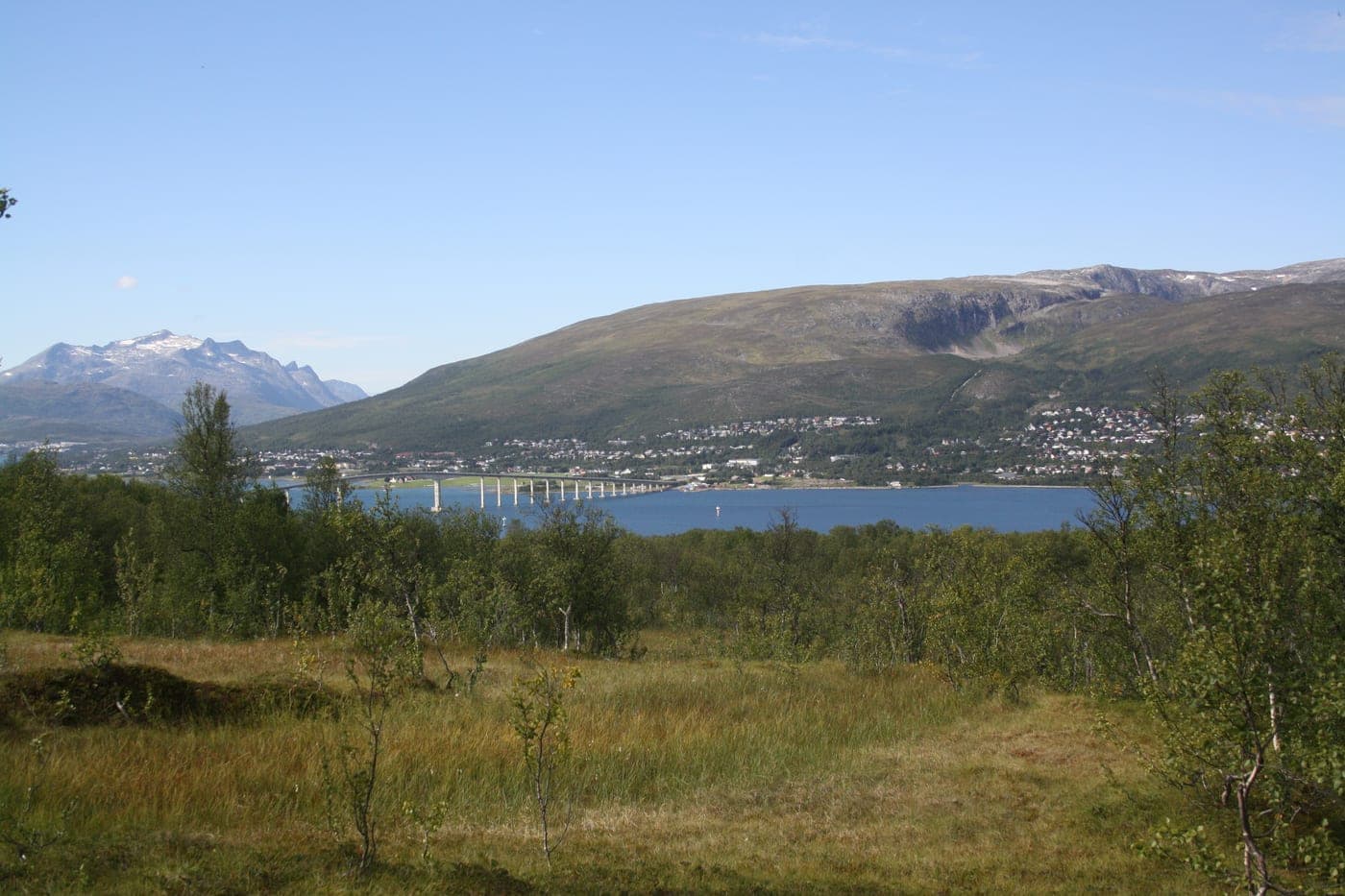
Troms og Finnmark occupies the far north of Norway, where the coastline breaks into thousands of islands, skerries and deep fjords before the land opens into wide tundra. Settlements here are small and spread far apart, and the sea shapes almost everything, from fishing villages tucked into narrow inlets to the way daylight itself behaves through the year. Winter belongs to darkness broken by the aurora borealis, when the sky over the Lyngen Alps or the waters near Tromsø turns green and violet on clear, cold nights. Summer flips the pattern entirely: the midnight sun keeps the sky lit through what would elsewhere be night, and trails across the Finnmarksvidda plateau or the island of Senja stay open at hours that feel both wrong and right at once. Sámi culture runs through the region rather than sitting beside it. Reindeer herding continues across Finnmarksvidda, the great inland plateau Sámi families have used for grazing for generations, and joik singing, duodji handicraft and the lavvo tent remain part of daily life. Kautokeino and Karasjok stand as centres of this culture, home to institutions dedicated to Sámi language, governance and craft. Tromsø is the region's largest city and its cultural anchor: a university town with a lively arts scene, a striking Arctic Cathedral of glass and concrete, and a harbour that has long served Arctic expeditions. Alta, further north, holds one of Europe's most significant collections of prehistoric rock carvings, cut into stone over thousands of years and recognised as a UNESCO World Heritage Site. Further along the coast, the land narrows toward Nordkapp, the dramatic cliff long promoted as the northernmost point of mainland Europe. The plateau above it has drawn travellers for generations, and the wind there carries a sense of having reached an edge of the continent. Fishing villages along the coast still work much as they always have: drying racks for stockfish stand outside small harbours, and boats bring in cod, halibut and king crab that turns up on menus across the region. Skrei, the migratory cod that arrives each winter to spawn along the Finnmark coast, is a seasonal specialty worth planning around. Wildlife rewards patience here. Sea eagles nest along the cliffs, whales pass through fjords in the colder months, and reindeer cross roads and open ground. Inland, elk move through birch forest, and the mountains above the treeline hold ptarmigan. Exploring the region without a car is workable. Coastal ferries and the Hurtigruten route link villages along the fjords, while local buses connect Tromsø, Alta and the interior towns. Friluftsliv, the Norwegian idea of simple outdoor life, fits this pace: a walk along a fjord path, a swim in cold water, an evening watching the sky. An itinerary here tends to follow the coast and its ferry links, moving between Tromsø's museums and cafés, Alta's rock art, and the smaller fishing villages where the working harbour is still the centre of the day. Hiking trails on Senja and around Lyngen offer close views of the fjords without technical difficulty, and the Sámi towns of the interior add a different rhythm, built around herding seasons. Troms og Finnmark rewards those willing to let the region's own clock set the pace: short winter days and long summer light, ferry timetables, and a landscape that changes character between seasons.
Trøndelag
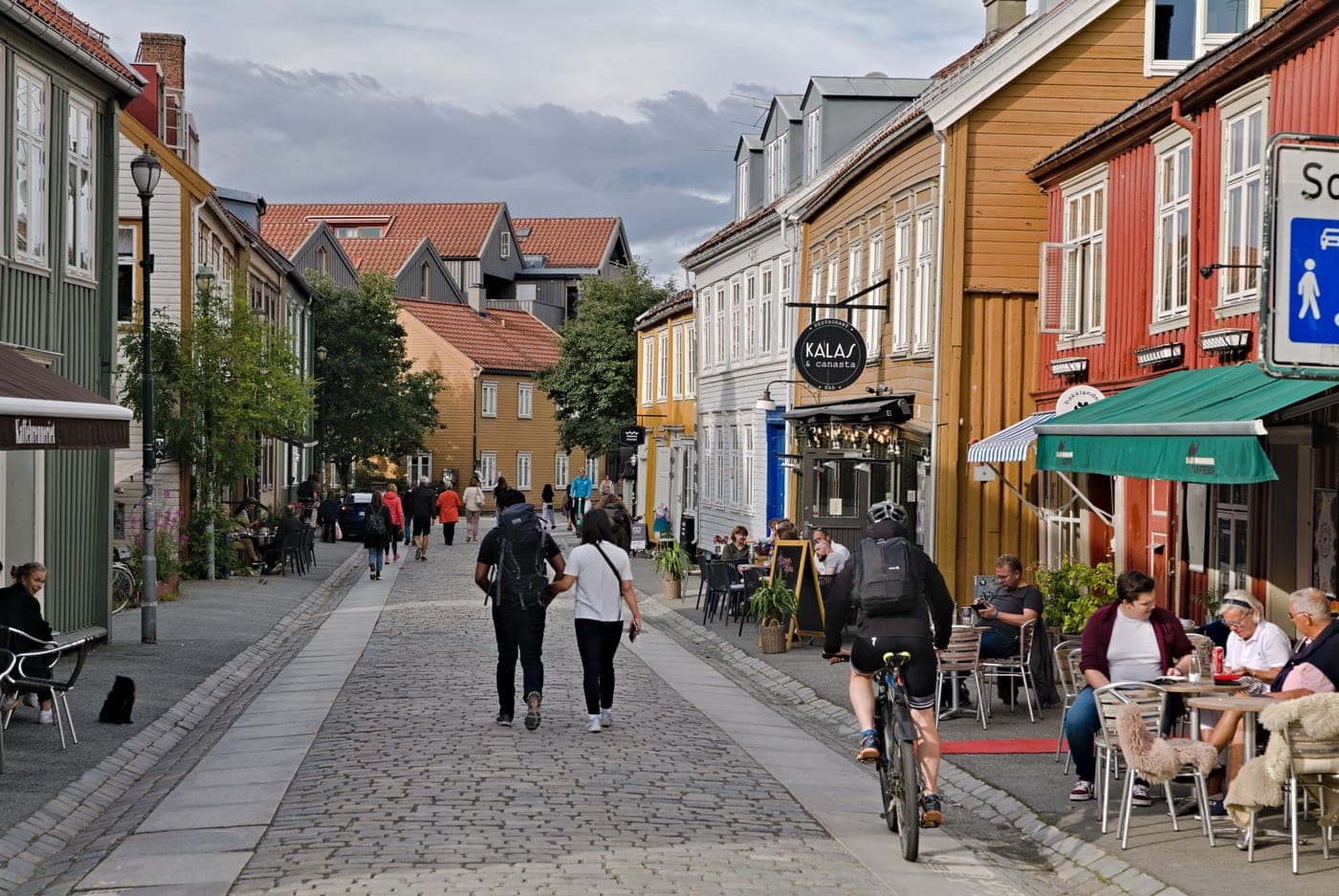
Trøndelag sits in the middle of Norway, where the coast folds into Trondheimsfjorden and the land behind it opens into some of the country's best farmland. At its centre is Trondheim, a former royal capital built along the curve of the Nidelva river. The city grew around Nidaros Cathedral, a Gothic building raised over the burial place of King Olav Haraldsson and long the destination of pilgrim routes that crossed Norway on foot. The cathedral remains the coronation church of the Norwegian monarchy and the largest medieval building in Scandinavia, its west front covered in carved figures added and restored over many generations. Trondheim itself keeps a layered, working character. Along the river, rows of wooden warehouses on stilts, once used for storing fish and grain, now hold cafés and small businesses, their reflections doubling in the water at low tide. The old town bridge, painted deep red, links the centre to Bakklandet, a district of narrow lanes and timber houses that has kept its scale even as the city around it has grown. Markets and bakeries here still deal in the region's dairy and grain, produced on the flat, fertile land stretching inland from the fjord — some of the most productive farming country in Norway, unusual this far north. Outside the city, Trøndelag's coastline breaks into islands and skerries. Hitra and Frøya, reached across the outer fjord, combine fishing communities with salmon farming, an industry that has shaped the local economy for decades. Further along the coast, smaller harbours still send boats out for cod and other whitefish, continuing a trade that once made dried and salted klippfisk one of Norway's most important exports. Warehouses built for that trade still stand in several fishing villages, their weathered red and white timber a common sight along the shore. Inland, the region changes character again. East of Trondheim, the valley of Gauldalen climbs gently inland, following a route used for centuries by traders and travellers moving between the coast and the interior. Further south, the historic mining town of Røros sits on a high, treeless plateau. Founded around copper deposits and shaped almost entirely in wood, Røros is a UNESCO World Heritage town, its narrow streets lined with blackened timber houses that have survived largely unchanged since mining ended. Winters here are hard and clear, and the town's church, built of stone rather than wood as a mark of the mining company's wealth, still dominates the skyline. Trøndelag's food culture draws on both the coast and the inland farms. Cured and dried fish remain part of the everyday diet in fishing communities, alongside dairy products from the region's grazing land — cheeses and cultured milk that rarely travel far from where they are made. Trondheim's covered market halls and smaller town markets sell this produce directly, often from the same families who have farmed or fished the surrounding area for generations. The region's Viking-era past is visible in scattered burial mounds and place names across the farmland east of Trondheim, part of a landscape that was already settled and cultivated long before the cathedral was built. Later, the pilgrim routes leading to Nidaros drew travellers from across Scandinavia and beyond, a tradition that has been revived in recent decades as walkers again follow the old paths through forest and farmland toward the cathedral doors. Between the fjord, the farmland, and the mining plateau, Trøndelag holds together a working coastline, a historic capital, and an inland mining town that has changed remarkably little, each shaped by what could be grown, fished, or dug from its own ground.
Vestland
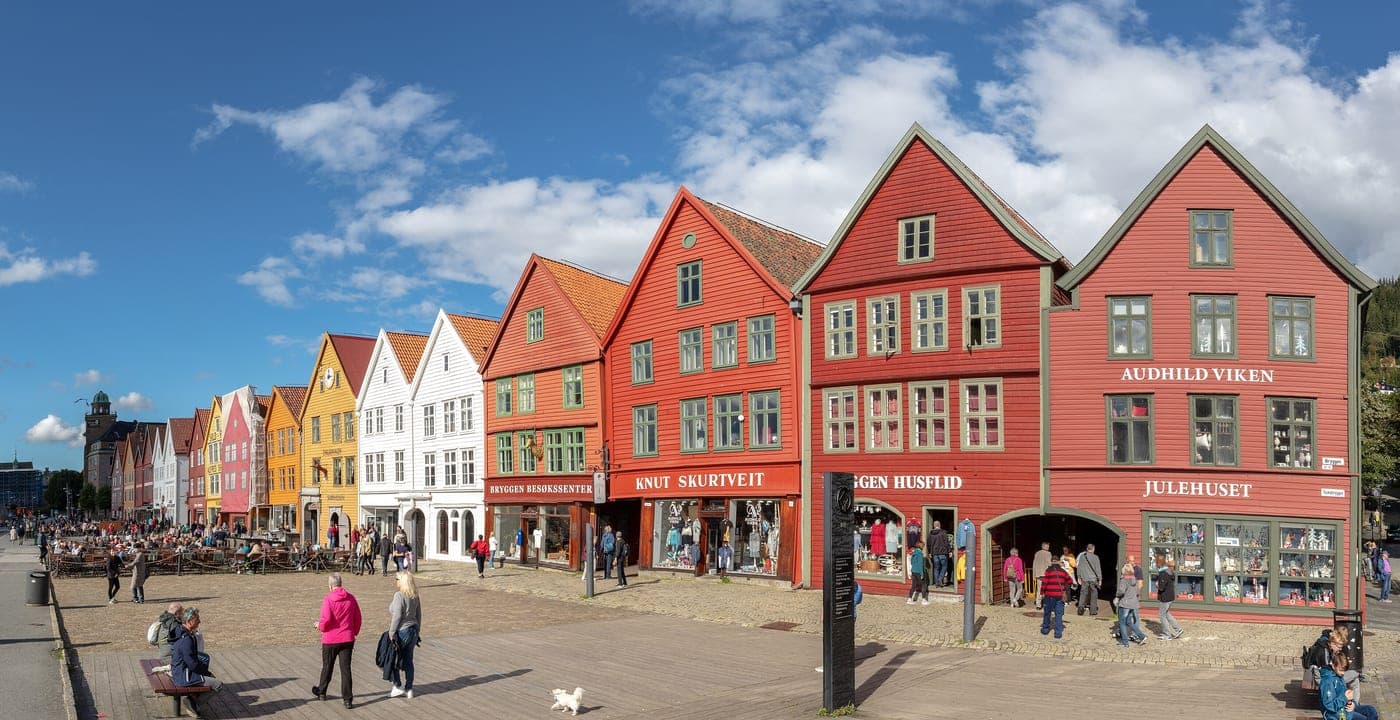
Nestled in western Norway, this is the largest region in the country, renowned for its breathtaking fjords and majestic mountains. Bergen, the only major city, serves as a gateway to the stunning landscapes of the area, including the UNESCO-listed Nærøyfjord. The region is steeped in history, with charming wooden houses dating back to the Hanseatic League. Small villages like Gudvangen and Flåm offer authentic experiences, showcasing local crafts and traditions. Known for its hiking trails, such as the famous Romsdalseggen Ridge, this region invites exploration of its natural beauty and cultural heritage. Local cuisine features fresh seafood and traditional dishes, providing a taste of the coastal culture.