Austria
Alpine valleys and musical heritage
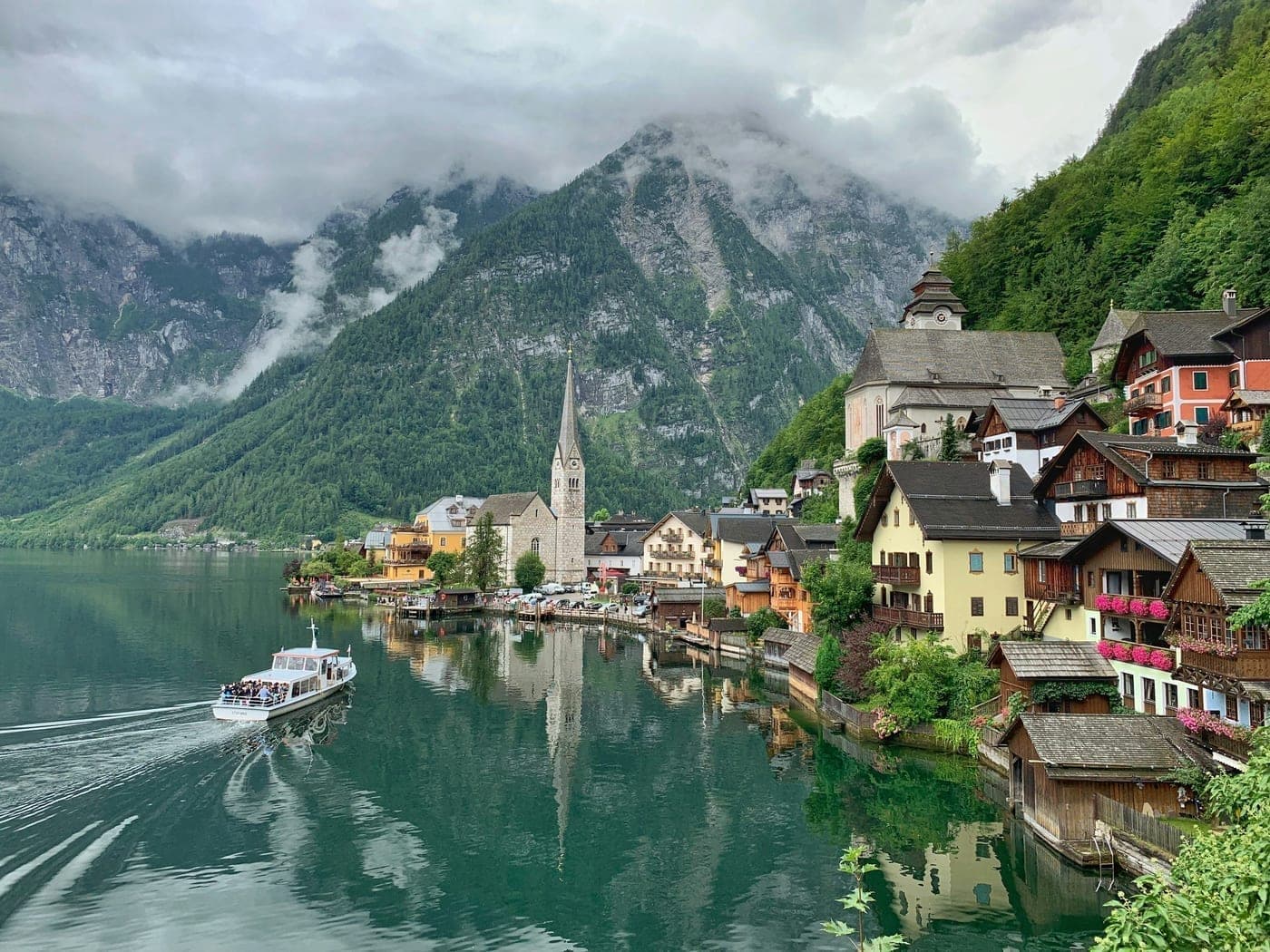 Superbass · CC BY-SA 3.0
Regions
Burgenland
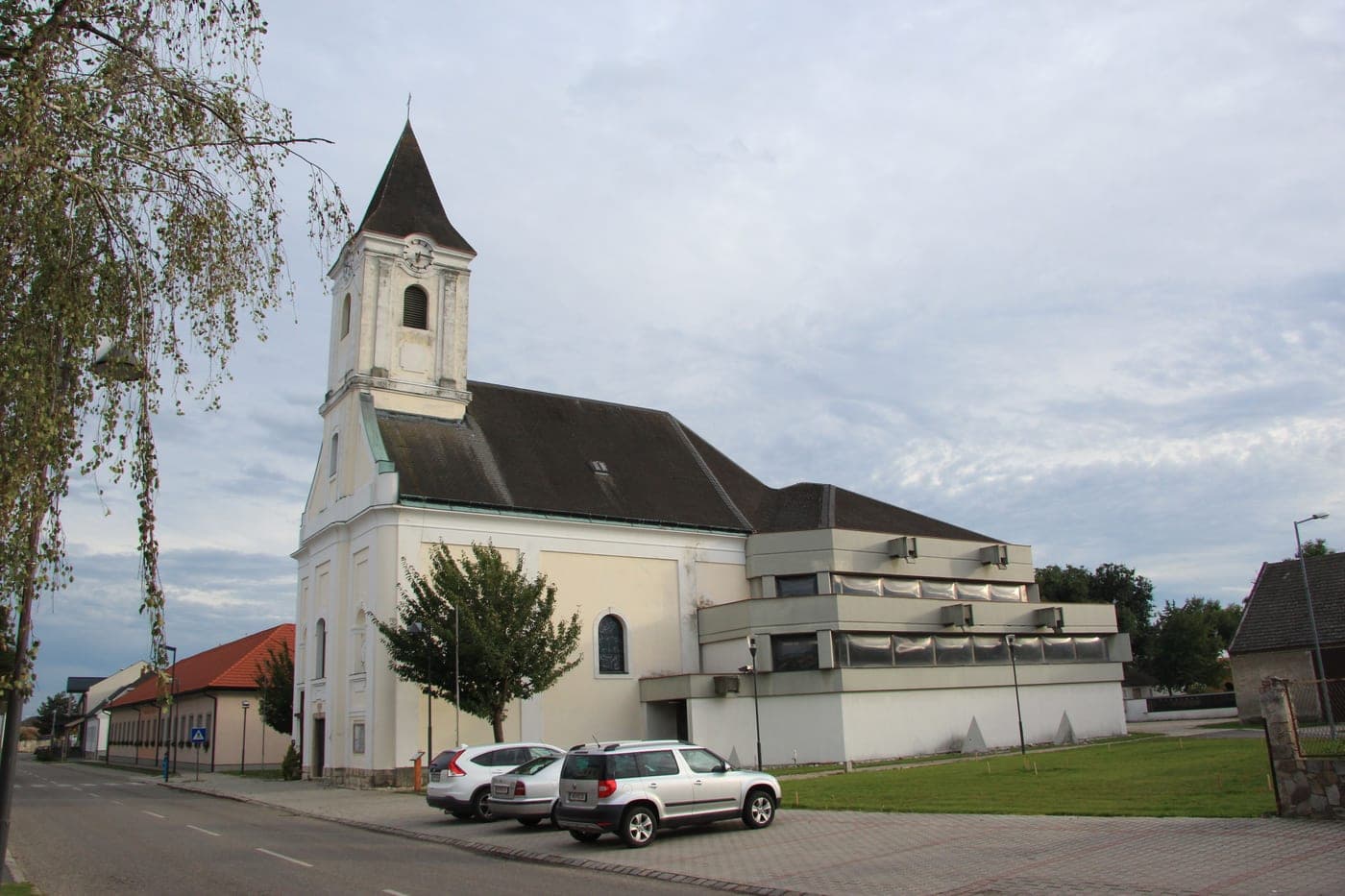
Burgenland is Austria's easternmost region, known for its diverse landscapes and rich cultural heritage. It is home to the historic city of Eisenstadt, where the Haydn Museum showcases the music of composer Joseph Haydn. The region features the unique Neusiedler See, a UNESCO World Heritage site, famous for its wetlands and birdwatching opportunities. Burgenland is also renowned for its wine production, particularly the sweet wines from the vineyards surrounding the charming town of Rust. Explore lesser-known towns like Lutzmannsburg, known for its thermal baths, or the picturesque village of Mönchhof, celebrated for its local crafts and traditional festivals. Outdoor activities such as hiking and cycling trails along the lake enhance the immersive experience in this less-traveled area.
Carinthia
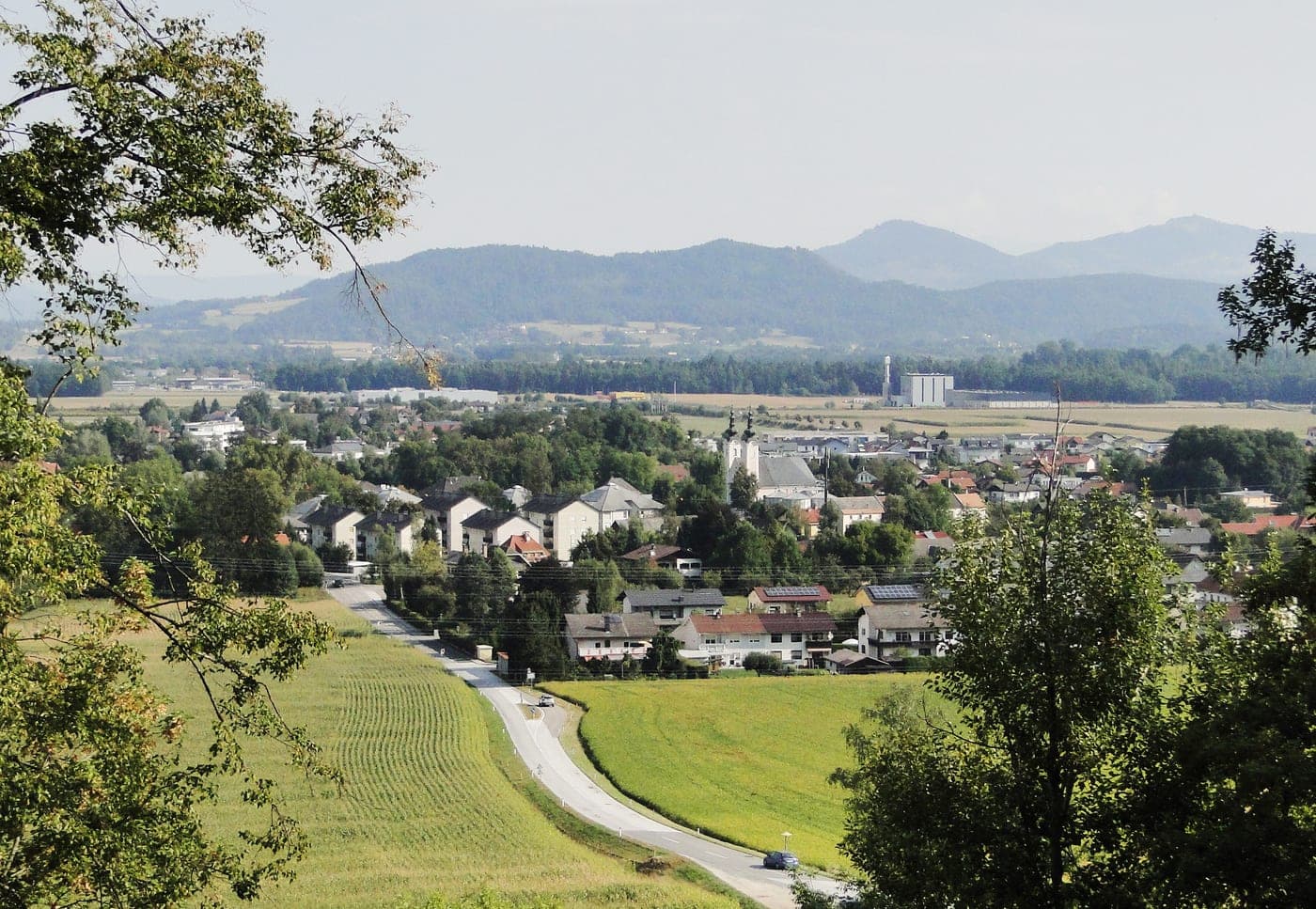
Carinthia, Austria's southernmost region, is renowned for its stunning lakes and mountains. The largest lake, Wörthersee, is famous for its turquoise waters and vibrant summer festivals. Klagenfurt, the capital, features the historic Lindwurm fountain and a beautiful old town. The region boasts rich Slavic heritage, reflected in its cultural events and cuisine, such as hearty stews and local cheeses. Nature enthusiasts will appreciate the Nockberge National Park, offering scenic hiking trails. Carinthia also has a unique blend of Italian and Austrian influences, evident in its architecture and gastronomy, making it a fascinating area for deep exploration.
Lower Austria
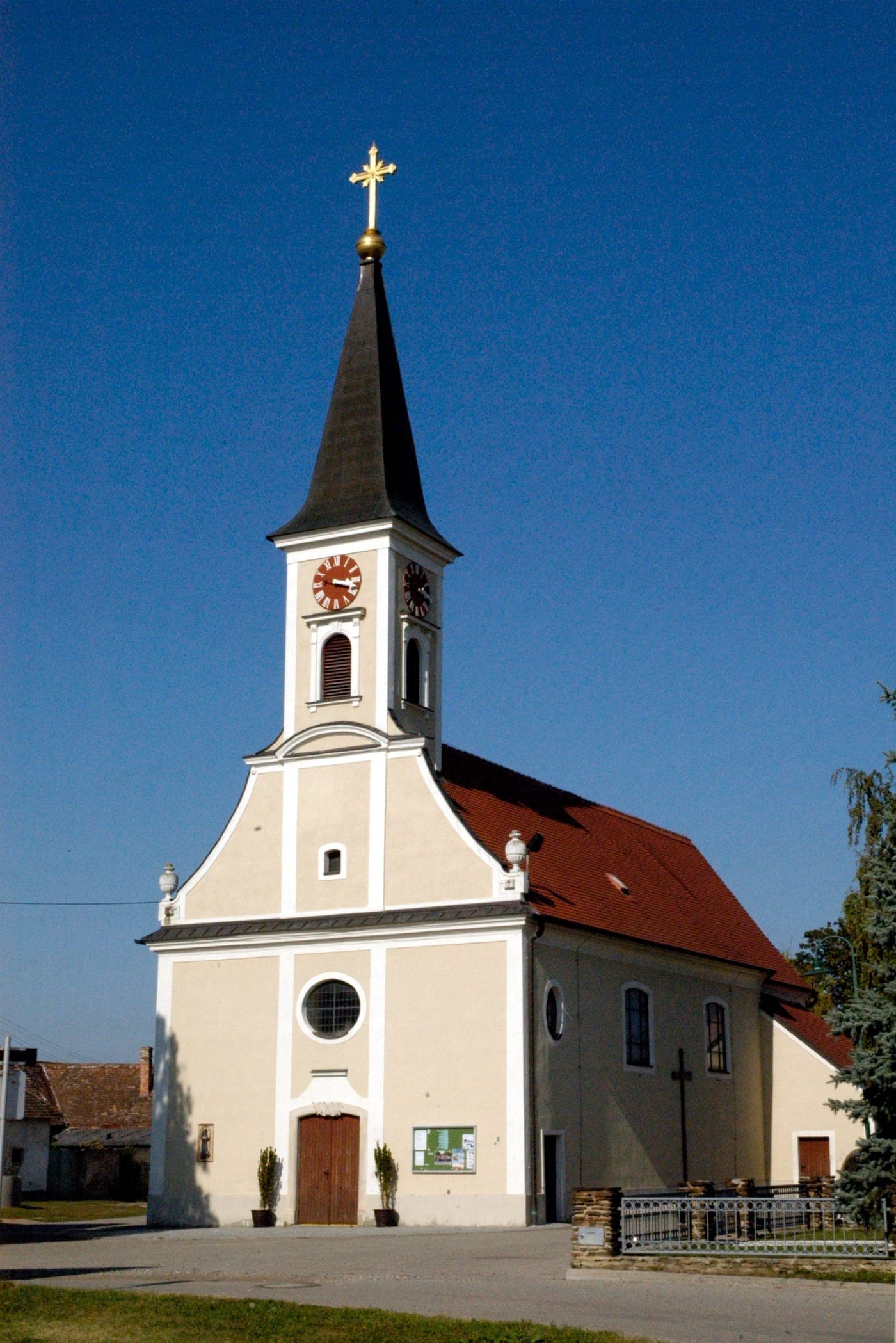
Lower Austria is the largest province in Austria, known for its diverse landscapes that include rolling vineyards, historic towns, and the Danube River. The region boasts notable sites like the picturesque Wachau Valley, famous for its apricot orchards and terraced vineyards. Krems and Dürnstein are charming towns that offer a glimpse into the region's medieval past, while the vibrant city of St. Pölten serves as the provincial capital. Lower Austria is also home to several castles, such as Schloss Grafenegg, and natural parks like the Thayatal National Park, which provide opportunities for hiking and exploring local flora and fauna. This area is rich in wine culture, particularly known for Grüner Veltliner and Riesling varieties, drawing wine enthusiasts to its many wineries. The blend of nature, history, and gastronomy makes the province a fascinating destination for those looking to explore Austria beyond the usual tourist routes.
Salzburg
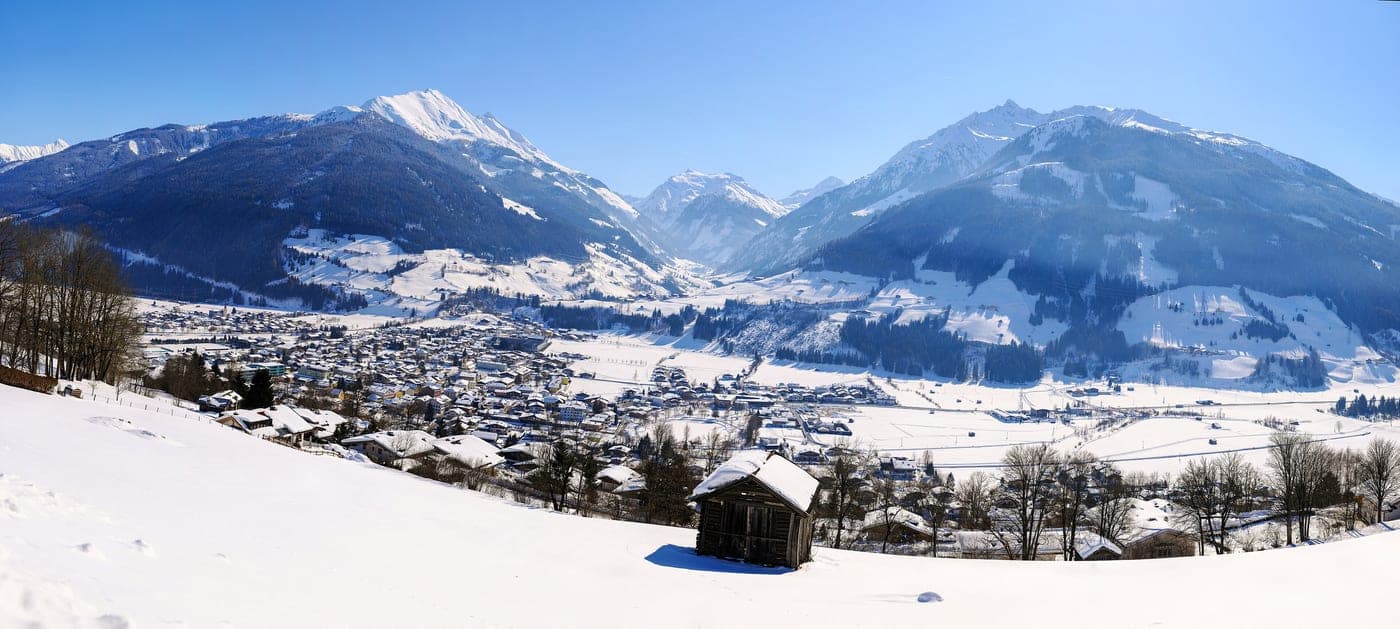
Nestled in the Alps, this region is renowned for its baroque architecture and stunning landscapes. Salzburg is the birthplace of Mozart and boasts a rich musical heritage. The region is characterized by picturesque lakes, including the beautiful Wolfgangsee, and the majestic peaks of the surrounding mountains. Hidden gems like the charming village of St. Gilgen and the historical town of Hallein invite exploration. Salzburg's unique salt mines, dating back to prehistoric times, reveal its historical significance in trade. The region hosts various local festivals, including the Salzburg Festival, celebrating music and theater, making it an intriguing locale for cultural exploration. Ideal for those seeking to connect with both nature and history, this area offers a wealth of experiences off the typical tourist path.
Styria
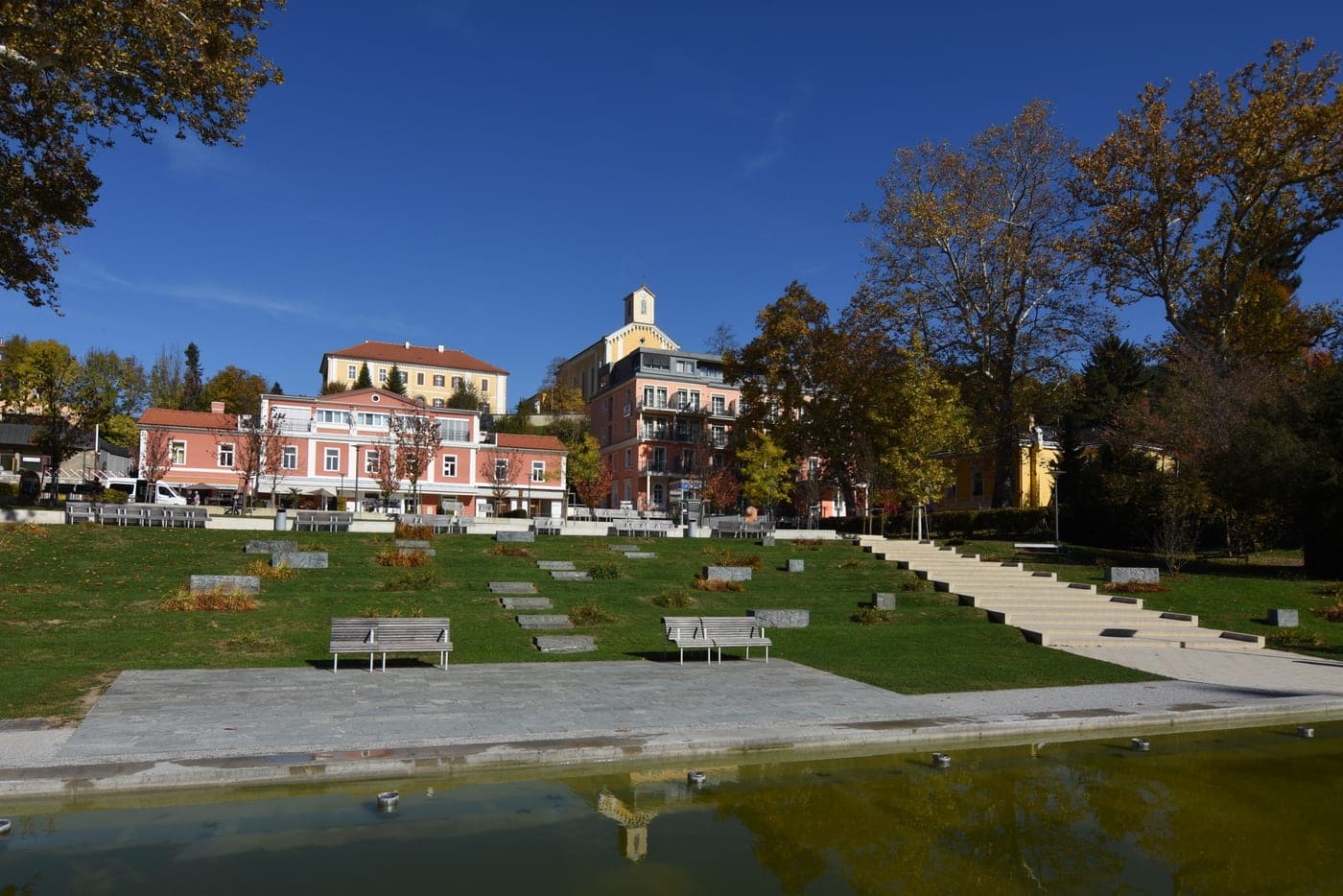
Styria is Austria's second-largest region, known for its diverse landscapes ranging from rolling hills to the Eastern Alps. Graz, the capital, is a UNESCO World Heritage site, celebrated for its Renaissance and Baroque architecture. The region is famed for its wine production, particularly the white wines from the Südsteiermark wine route, where picturesque vineyards dot the landscape. Outdoor enthusiasts can explore the Gesäuse National Park, rich in hiking trails and scenic vistas. Unique to Styria, the region also boasts a vibrant culinary scene, with local specialties like pumpkin seed oil and Styrian cheeses. The area features many historic castles and small towns like Riegersburg, known for its impressive fortress and local artisans.
Tyrol
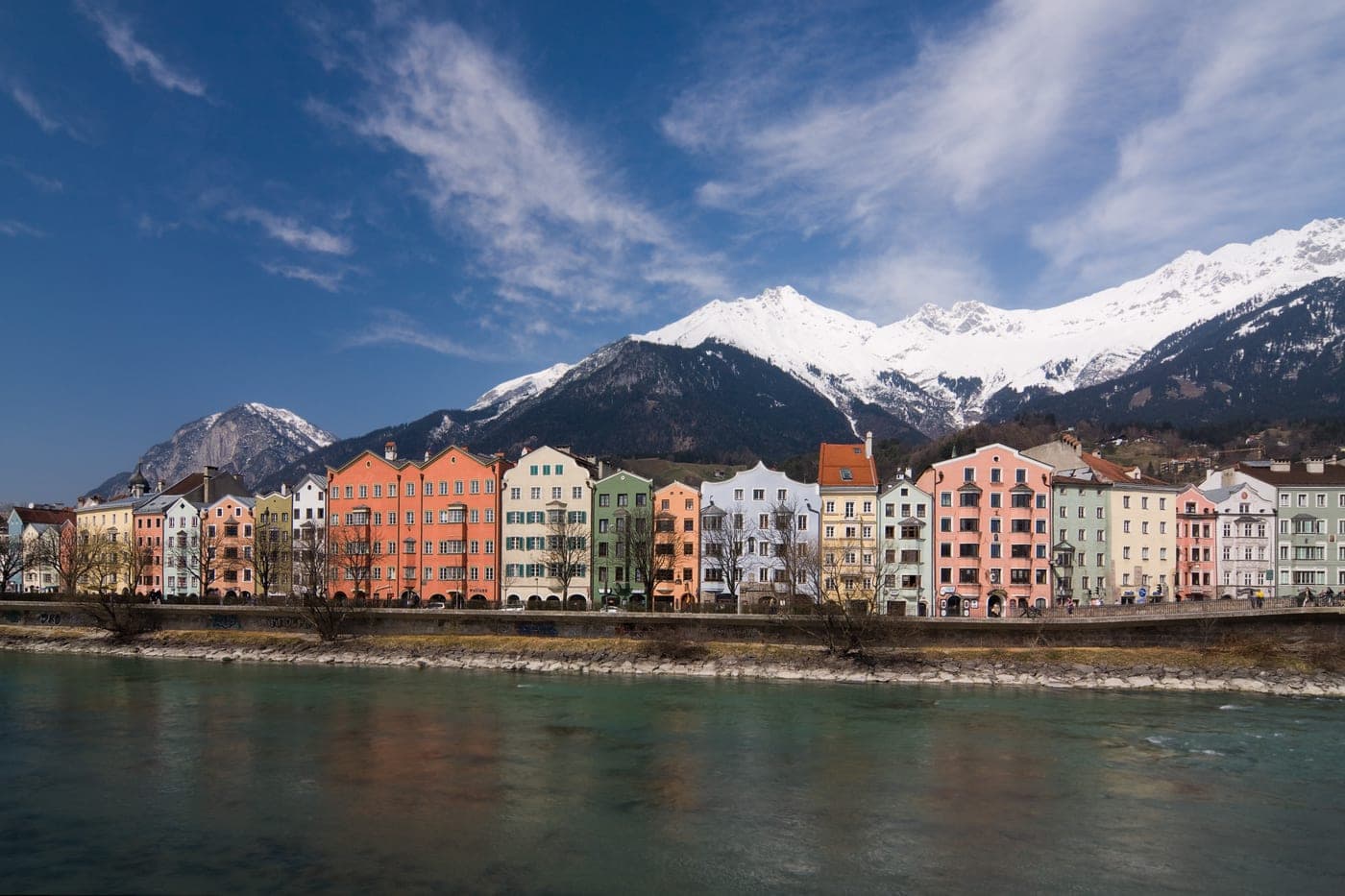
Nestled in the heart of the Alps, this region is renowned for its stunning landscapes and traditional alpine culture. Innsbruck, the capital, is famous for its historic architecture and the iconic Golden Roof. Smaller towns like Hall in Tirol and Rattenberg showcase medieval charm and rich local traditions. The region is known for its outdoor activities, including hiking in summer and skiing in winter, along with unique culinary offerings such as Tyrolean dumplings and apple strudel. Tyrol is also home to numerous historic castles and museums that reflect its rich heritage. Off the beaten path, the Ötztal Valley offers breathtaking trails and authentic mountain huts, ideal for a deeper connection with nature and local life.
Upper Austria
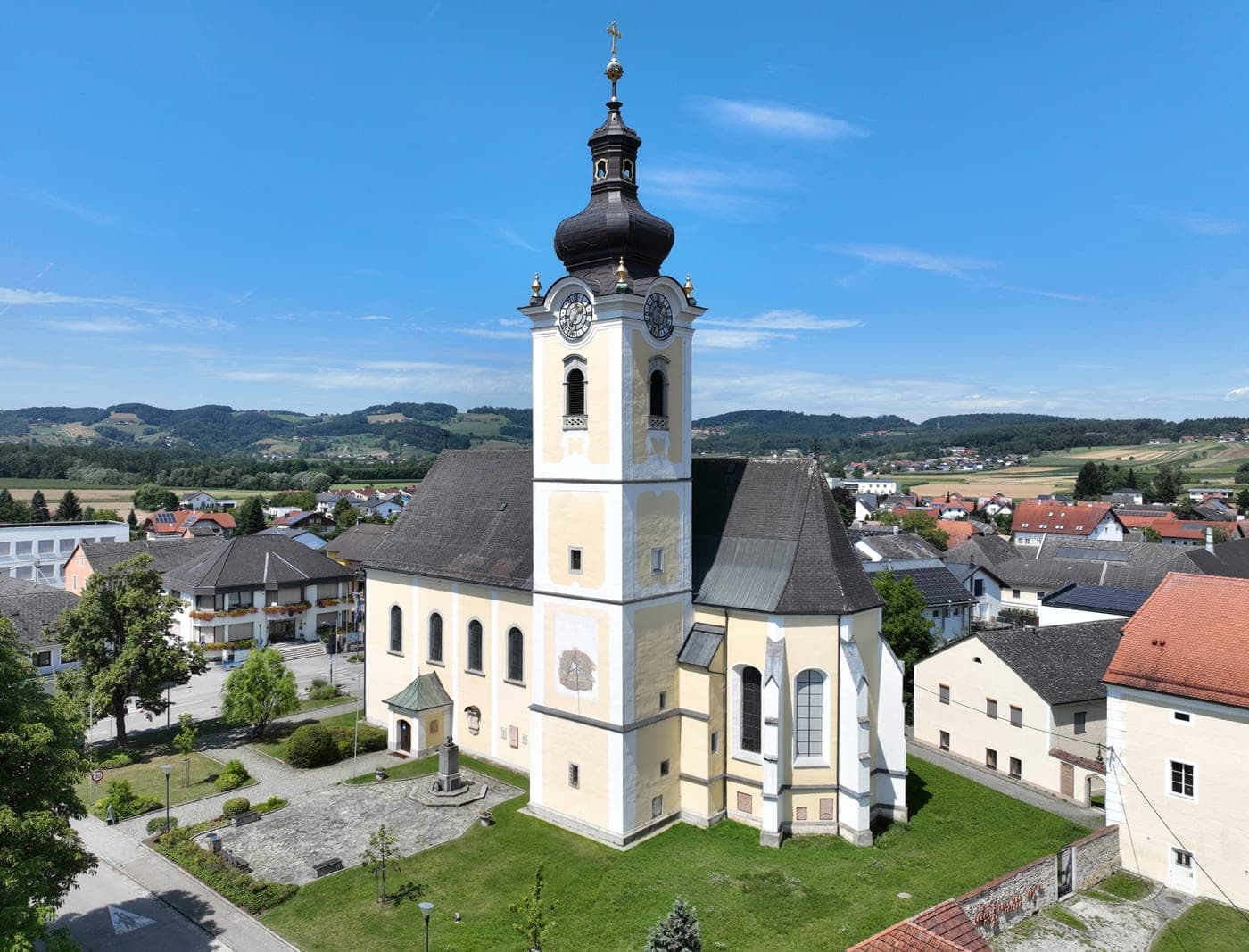
Upper Austria is known for its stunning landscapes, featuring the Danube River and the foothills of the Alps. The largest city, Linz, is a cultural hub with a rich industrial heritage, hosting the Ars Electronica Center for contemporary media art. The region is also famous for its picturesque lakes, such as Traunsee and Attersee, which offer outdoor activities like hiking and sailing. Explore charming towns like Gmunden, known for its pottery, and Steyr, where medieval architecture meets a vibrant textile industry. Upper Austria's history includes significant events from the Habsburg era and the industrial revolution, making it a fascinating destination for those interested in cultural depth and local traditions.
Vienna
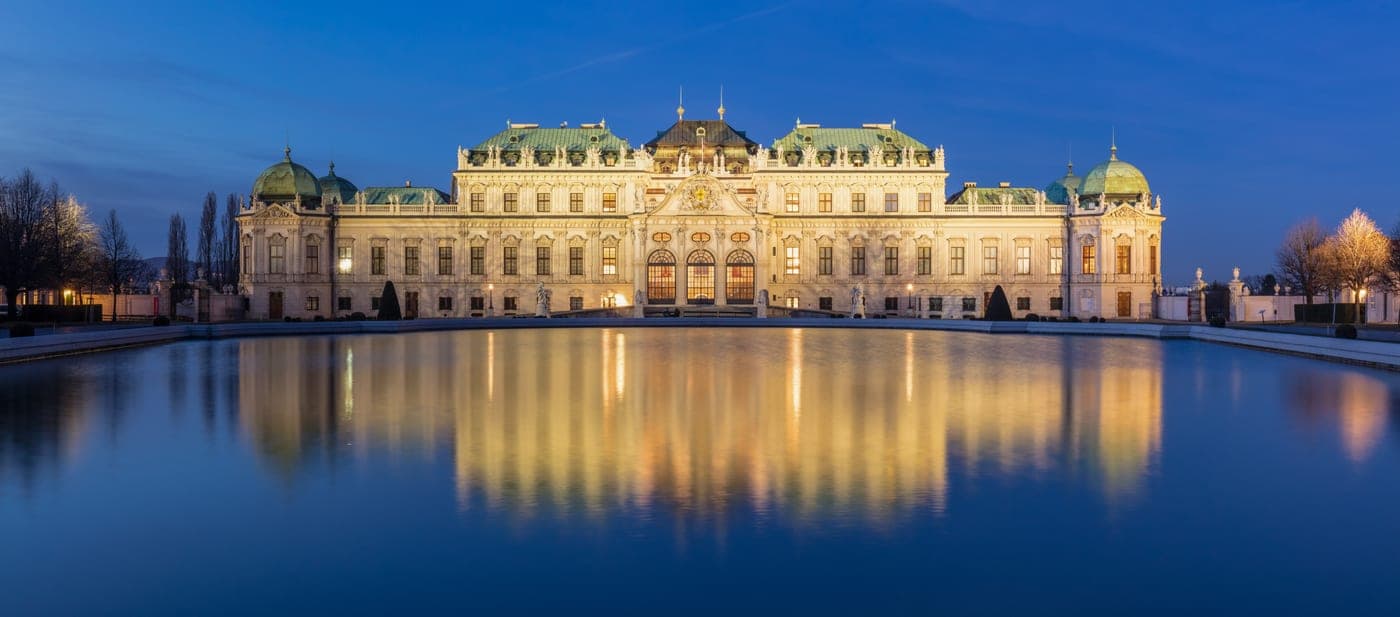
Vienna stands out as Austria's capital, rich in history and culture. This vibrant city is renowned for its classical music heritage, featuring composers like Mozart and Beethoven. The historic center, a UNESCO World Heritage site, showcases stunning architecture ranging from Gothic to Baroque. Beyond the mainstream attractions, explore the lesser-known neighborhoods like Margareten and Favoriten, where local markets and authentic eateries thrive. The city's coffee house culture, a UNESCO Intangible Cultural Heritage, invites you to savor traditional pastries. For nature lovers, the Vienna Woods offer picturesque hiking trails. This capital is an exciting blend of imperial history and modern creativity.
Vorarlberg
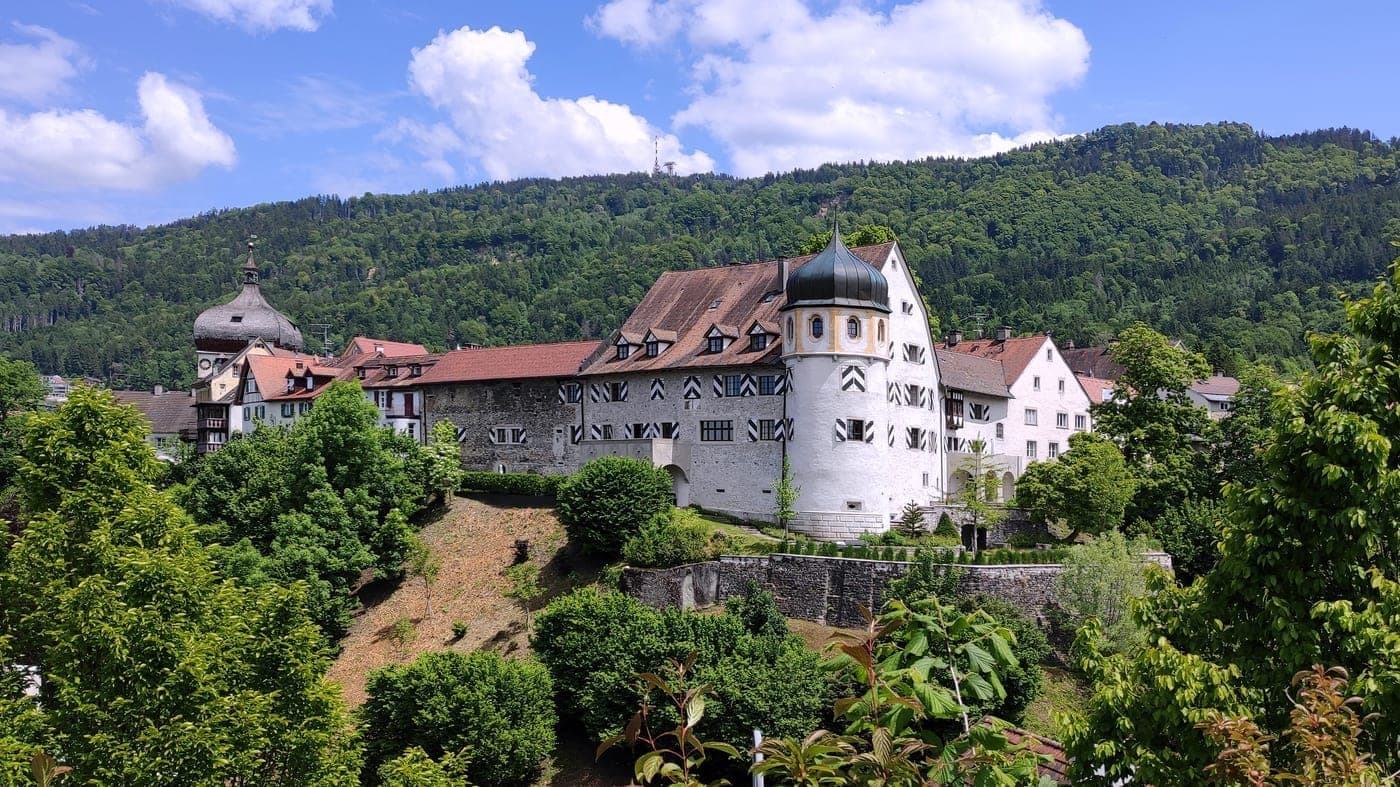
Nestled in the far west of Austria, Vorarlberg is the smallest federal state, bordered by Switzerland and Germany. Its stunning landscapes feature the Alps and Lake Constance, offering a mix of outdoor adventures and cultural experiences. The region is known for its traditional wooden architecture, particularly in villages like Schwarzenberg, where you can find local artisans at work. Bregenz, the capital, hosts the renowned Bregenzer Festspiele, an annual festival featuring opera on the lake. Vorarlberg is also famous for its culinary scene, showcasing local cheeses and wines, such as the robust whites from the region's vineyards. Explore the picturesque hiking trails in the Rätikon mountains for a deeper connection to the natural beauty and local traditions.