Get slow travel tips delivered to your inbox
A short message when something worth the trip lands. Reply STOP anytime.
By subscribing, you agree to be contacted via WhatsApp. Privacy policyOccasional letters in your inbox — with recommendations, maps and routes.
By subscribing to newsletter, you agree to our privacy policy.Found in 9 destinations and 7 regions

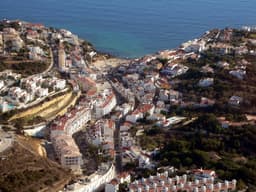
The Algarve, Portugal's southernmost region, is famed for its stunning coastline and rich cultural heritage. Known for its picturesque cliffs and golden beaches, the area also boasts a unique blend of Moorish and Portuguese architecture. Lagos offers historical significance with its ancient fortifications, while Silves features a well-preserved castle reflecting its past as a Moorish stronghold. The region is celebrated for its local gastronomy, particularly fresh seafood and traditional dishes like cataplana. Off the beaten path, small towns like Tavira and Aljezur showcase authentic Portuguese life, with traditional festivals and local artisan markets. The Algarve is a treasure trove of natural parks, hiking trails, and charming villages, perfect for a deeper exploration of Portugal's diverse landscape.

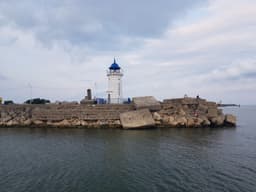
Constanța is Romania's largest coastal city and an important port on the Black Sea. Home to historical sites like the Roman Edifice with Mosaic and the Grand Casino, it reflects a blend of cultures influenced by its long history as a trade hub. The region features a unique mix of Mediterranean and Eastern European atmospheres, with picturesque beaches and charming fishing villages such as Mamaia and Eforie Nord. Beyond the well-trodden paths, the Danube Delta, a UNESCO Biosphere Reserve, offers rich biodiversity and traditional fishing communities. Local festivals celebrate seafood and wine, providing a taste of the region's culinary heritage.

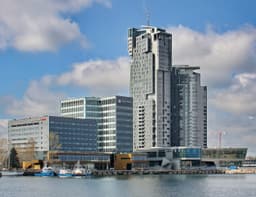
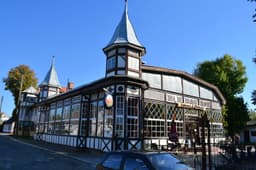
Pomerania stretches along Poland's only sea coast, from the brick gables of Gdańsk to the pine forests and lake country further inland. The pace here follows the water and the season: fishing boats going out at dawn, amber traders setting up their stalls, wooden chairs filling the promenade cafés as the light turns gold in the evening. It is a region built for slow movement, with old town cores small enough to know by foot and a landscape that rewards attention rather than speed. Gdańsk sits at the heart of it, a Hanseatic port whose merchant houses, granaries and long waterfront still trace the shape of a medieval trading city. Its streets open onto the Motława river, where grain barges once queued and where cafés now spill onto the cobbles. A short distance along the coast, Sopot keeps a different rhythm: a wooden pier reaching into the Baltic, spa villas from the belle époque, and a beach that fills slowly through the day rather than all at once. Gdynia, younger and built largely in the interwar decades, shows a different Pomerania again — clean modernist lines, a working harbour, and a seafront that mixes cargo ships with sailing boats. Inland, the region softens into Kashubia, a landscape of lakes, birch groves and villages where wooden architecture and folk crafts have survived largely intact. Painted furniture, embroidery and lace are still made here in small workshops, often in the same families for generations. The land rises gently into a range of low hills known locally as the Kashubian Switzerland, a name that says more about local pride than actual altitude — but the effect, with lakes appearing between wooded ridges, is genuinely striking. Wooden churches, some dating back centuries, stand in villages across this belt of countryside, their dark shingled roofs and plain interiors a quiet counterpoint to the brick grandeur of the coastal cities. The coast itself has its own slow attractions. West of Gdańsk, the Hel Peninsula narrows to a thin strip of dunes and pine, with fishing villages that still land herring and cod each morning. Further west, Słowiński National Park protects a belt of shifting sand dunes, some tall enough to bury trees, pushed steadily inland by wind off the Baltic. Between the dunes and the sea, lagoons and reed beds shelter a variety of birdlife, and the whole stretch feels closer to a desert than to a typical northern coastline. Market squares across Pomerania's smaller towns — Kartuzy, Kościerzyna, Puck — keep a rhythm built around weekly markets, church bells and the changing light off nearby lakes or the sea. Food here leans on what the coast and forests provide: smoked fish sold straight from the smokehouse, dumplings filled with blueberries or mushrooms, and rye bread served everywhere from village bakeries to city cafés. Amber, washed up on Baltic beaches for centuries, is worked into jewellery in workshops that still line Gdańsk's old streets, a craft as tied to the region as the fishing itself. What ties Pomerania together is this contrast held in balance: Hanseatic brick against wooden village churches, open sea against quiet inland lakes, a working harbour against a folk-art tradition that has barely changed. Towns are close enough to link into a single, unhurried route, yet distinct enough that each one adds something the last did not — a port, a spa town, a lake, a stretch of dune. It rewards a traveller willing to slow down to the region's own pace: to sit with a coffee by the Motława, walk a pier at low tide, or watch a Kashubian potter shape clay the same way it has been shaped here for generations.

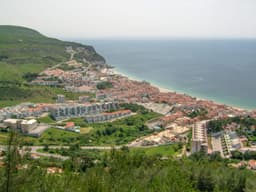
Setúbal is known for its stunning coastal landscapes and rich cultural heritage. This region features the Arrábida Natural Park, where cliffs meet the Atlantic, offering hiking trails and secluded beaches. Setúbal city is the main hub, famous for its historic fish market and vibrant local cuisine, particularly the fresh seafood and traditional choco frito. Notable nearby towns include Sesimbra, with its picturesque castle and fishing traditions, and Troia, which boasts Roman ruins and beautiful sandy shores. The region is also recognized for its high-quality wines, especially the Muscatel from the local vineyards. Setúbal's local festivals celebrate its maritime culture and gastronomy, providing an authentic glimpse into Portuguese life.

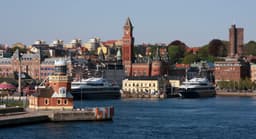
Skåne, Sweden's southernmost region, is known for its diverse landscapes, from sandy beaches to rolling farmland. Malmö is the largest city, famous for its modern architecture and vibrant cultural scene, while Lund boasts a historic university and medieval charm. The region features a unique blend of Danish influence and Swedish traditions, evident in its cuisine, particularly in the use of locally sourced ingredients and seafood. Skåne is also home to the scenic Öresund Strait and picturesque coastal towns like Ystad, known for its medieval streets. The area hosts several local craft markets and food festivals, providing authentic experiences beyond typical tourist attractions. The Skåne Trail offers stunning hiking routes through its varied terrains, allowing for deeper exploration of this culturally rich region.

The only region in Poland with a coastline, West Pomerania features a diverse landscape of sandy beaches, forests, and lakes. Szczecin, the capital, is known for its maritime history and Gothic architecture, while the charming fishing town of Łeba offers access to the stunning Słowiński National Park, famous for its shifting sand dunes. The region also houses the historic Pomeranian Dukes' Castle in Szczecin and the picturesque village of Darłowo, known for its medieval castle and vibrant harbor. West Pomerania is rich in local gastronomy, including fresh seafood and regional specialties, making it a great spot for culinary exploration. Additionally, the area celebrates traditional festivals that highlight local culture and crafts, offering authentic experiences away from the typical tourist paths.

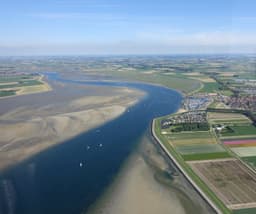
Zeeland, the smallest province of the Netherlands, boasts a unique coastline and rich maritime history. Known for its dikes and natural reserves, this region is famous for the Delta Works, a series of dams and barriers that protect the land from the sea. Middelburg, the capital, features stunning Gothic architecture, while the town of Veere offers a glimpse into its trading past with its historic harbor. The area is also renowned for its seafood, particularly oysters and mussels. Zeeland's islands, such as Walcheren and Tholen, provide tranquil landscapes and opportunities for cycling and birdwatching, making it a haven for those looking to connect with nature and local culture.