Pomerania stretches along Poland's only sea coast, from the brick gables of Gdańsk to the pine forests and lake country further inland. The pace here follows the water and the season: fishing boats going out at dawn, amber traders setting up their stalls, wooden chairs filling the promenade cafés as the light turns gold in the evening. It is a region built for slow movement, with old town cores small enough to know by foot and a landscape that rewards attention rather than speed.
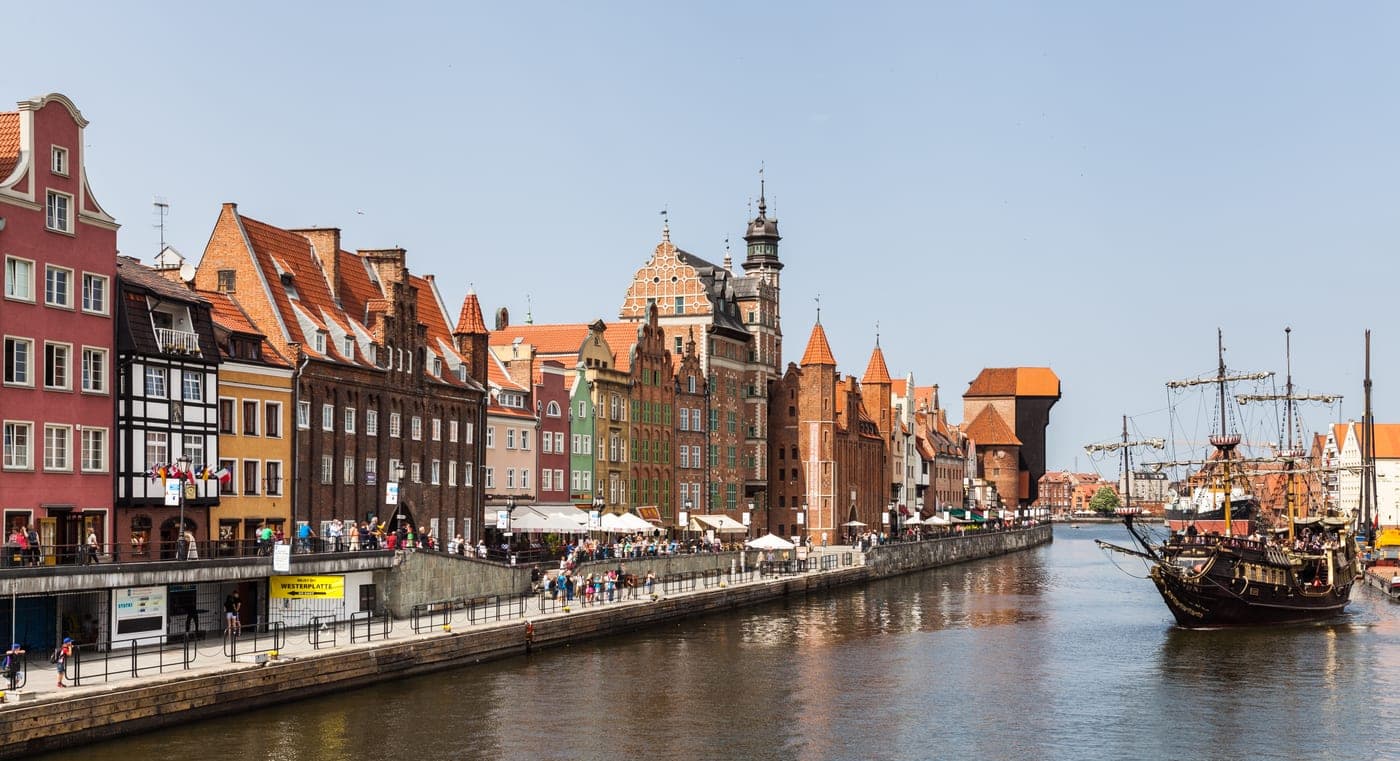
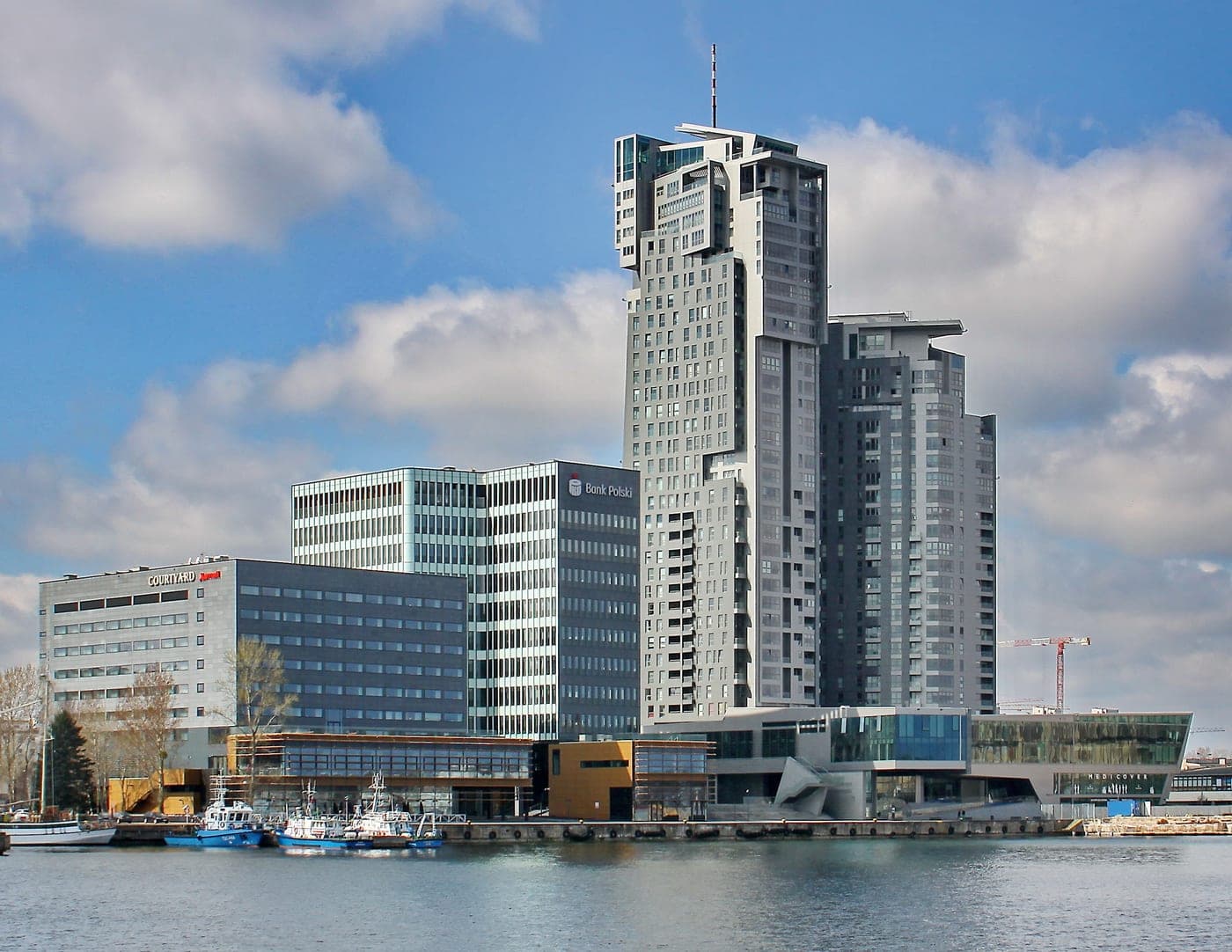
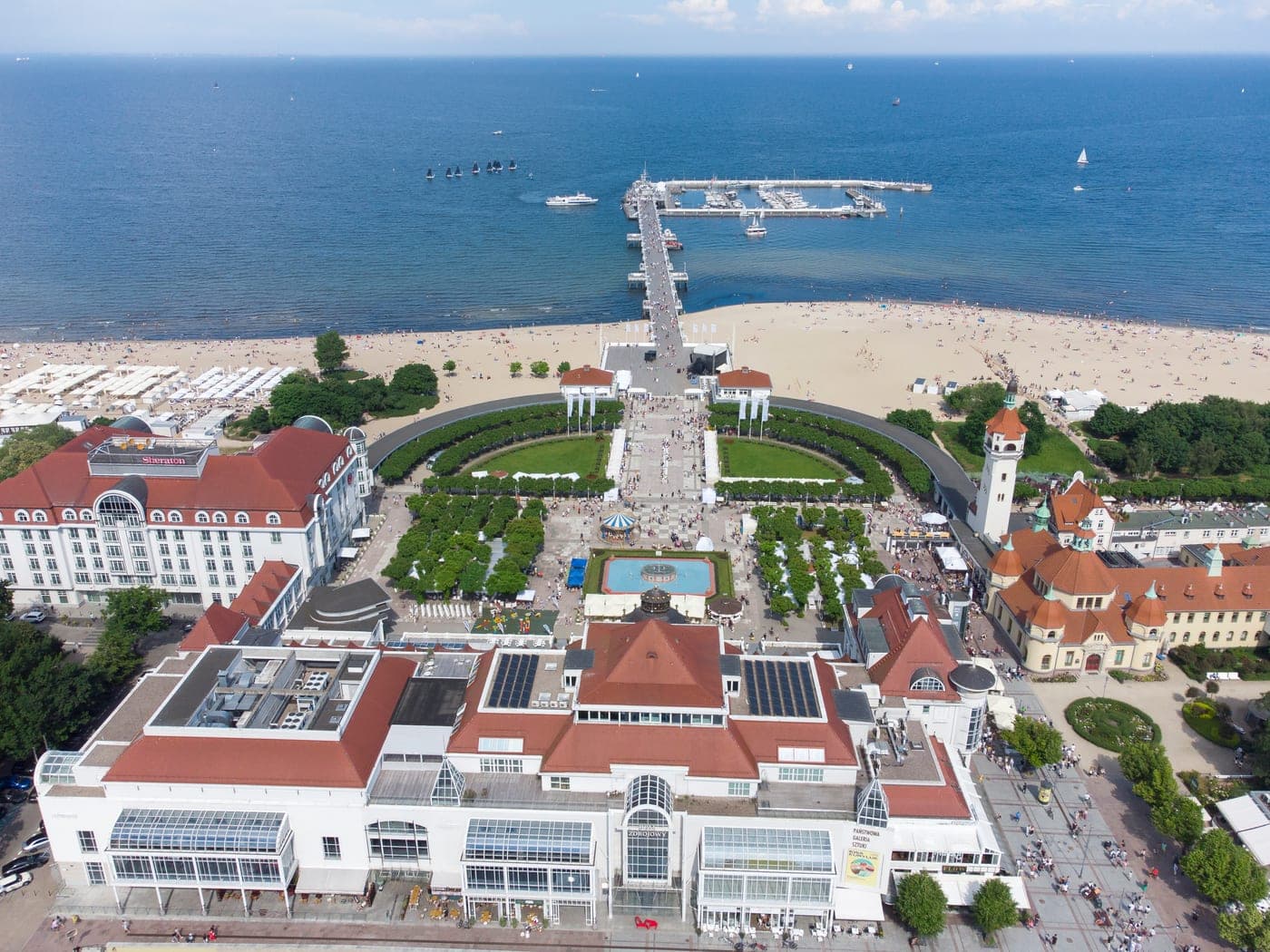
Gdańsk sits at the heart of it, a Hanseatic port whose merchant houses, granaries and long waterfront still trace the shape of a medieval trading city. Its streets open onto the Motława river, where grain barges once queued and where cafés now spill onto the cobbles. A short distance along the coast, Sopot keeps a different rhythm: a wooden pier reaching into the Baltic, spa villas from the belle époque, and a beach that fills slowly through the day rather than all at once. Gdynia, younger and built largely in the interwar decades, shows a different Pomerania again — clean modernist lines, a working harbour, and a seafront that mixes cargo ships with sailing boats.
Inland, the region softens into Kashubia, a landscape of lakes, birch groves and villages where wooden architecture and folk crafts have survived largely intact. Painted furniture, embroidery and lace are still made here in small workshops, often in the same families for generations. The land rises gently into a range of low hills known locally as the Kashubian Switzerland, a name that says more about local pride than actual altitude — but the effect, with lakes appearing between wooded ridges, is genuinely striking. Wooden churches, some dating back centuries, stand in villages across this belt of countryside, their dark shingled roofs and plain interiors a quiet counterpoint to the brick grandeur of the coastal cities.
The coast itself has its own slow attractions. West of Gdańsk, the Hel Peninsula narrows to a thin strip of dunes and pine, with fishing villages that still land herring and cod each morning. Further west, Słowiński National Park protects a belt of shifting sand dunes, some tall enough to bury trees, pushed steadily inland by wind off the Baltic. Between the dunes and the sea, lagoons and reed beds shelter a variety of birdlife, and the whole stretch feels closer to a desert than to a typical northern coastline.
Market squares across Pomerania's smaller towns — Kartuzy, Kościerzyna, Puck — keep a rhythm built around weekly markets, church bells and the changing light off nearby lakes or the sea. Food here leans on what the coast and forests provide: smoked fish sold straight from the smokehouse, dumplings filled with blueberries or mushrooms, and rye bread served everywhere from village bakeries to city cafés. Amber, washed up on Baltic beaches for centuries, is worked into jewellery in workshops that still line Gdańsk's old streets, a craft as tied to the region as the fishing itself.
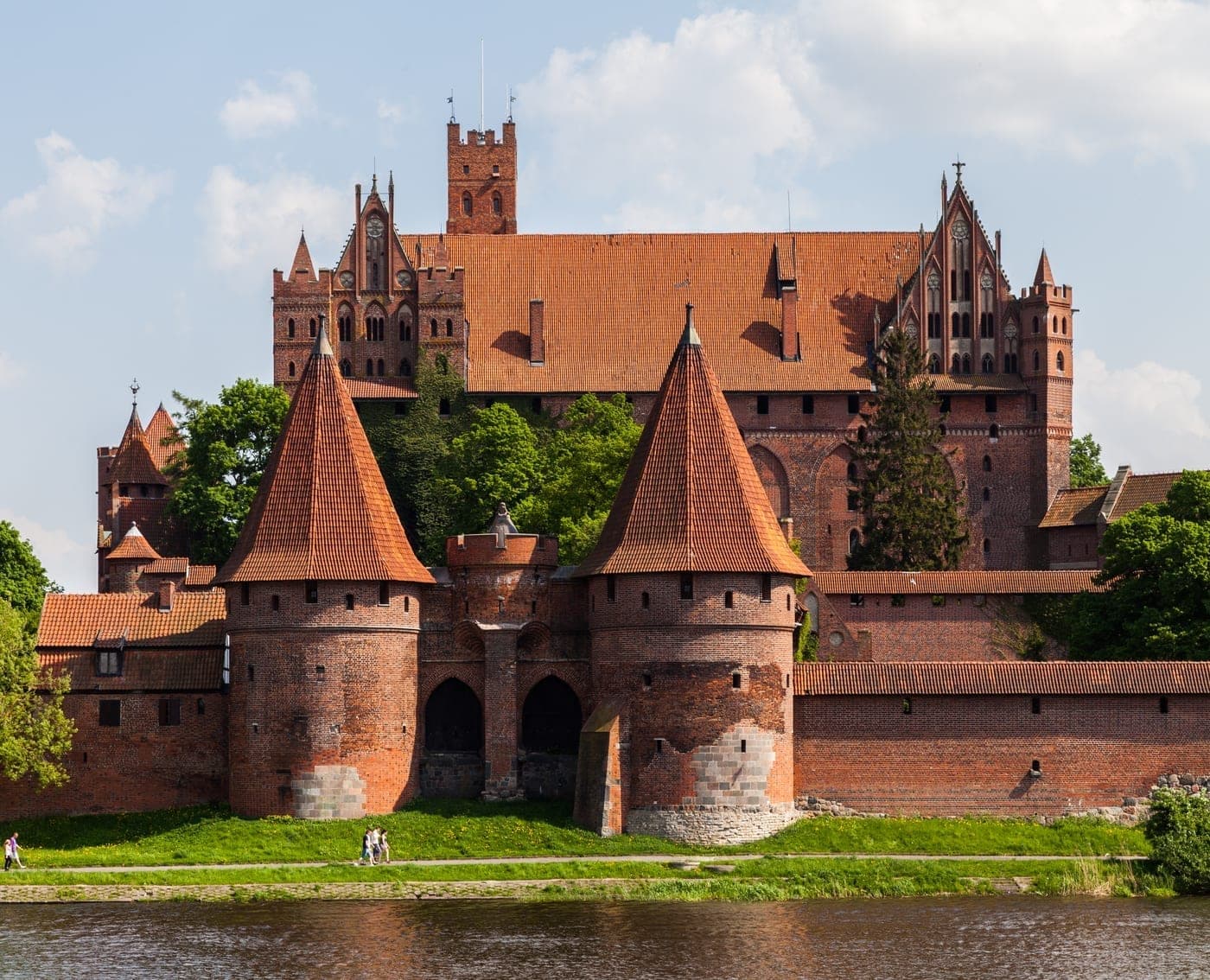
What ties Pomerania together is this contrast held in balance: Hanseatic brick against wooden village churches, open sea against quiet inland lakes, a working harbour against a folk-art tradition that has barely changed. Towns are close enough to link into a single, unhurried route, yet distinct enough that each one adds something the last did not — a port, a spa town, a lake, a stretch of dune. It rewards a traveller willing to slow down to the region's own pace: to sit with a coffee by the Motława, walk a pier at low tide, or watch a Kashubian potter shape clay the same way it has been shaped here for generations.