Finland
a thousand lakes
Regions
Etelä-Savo
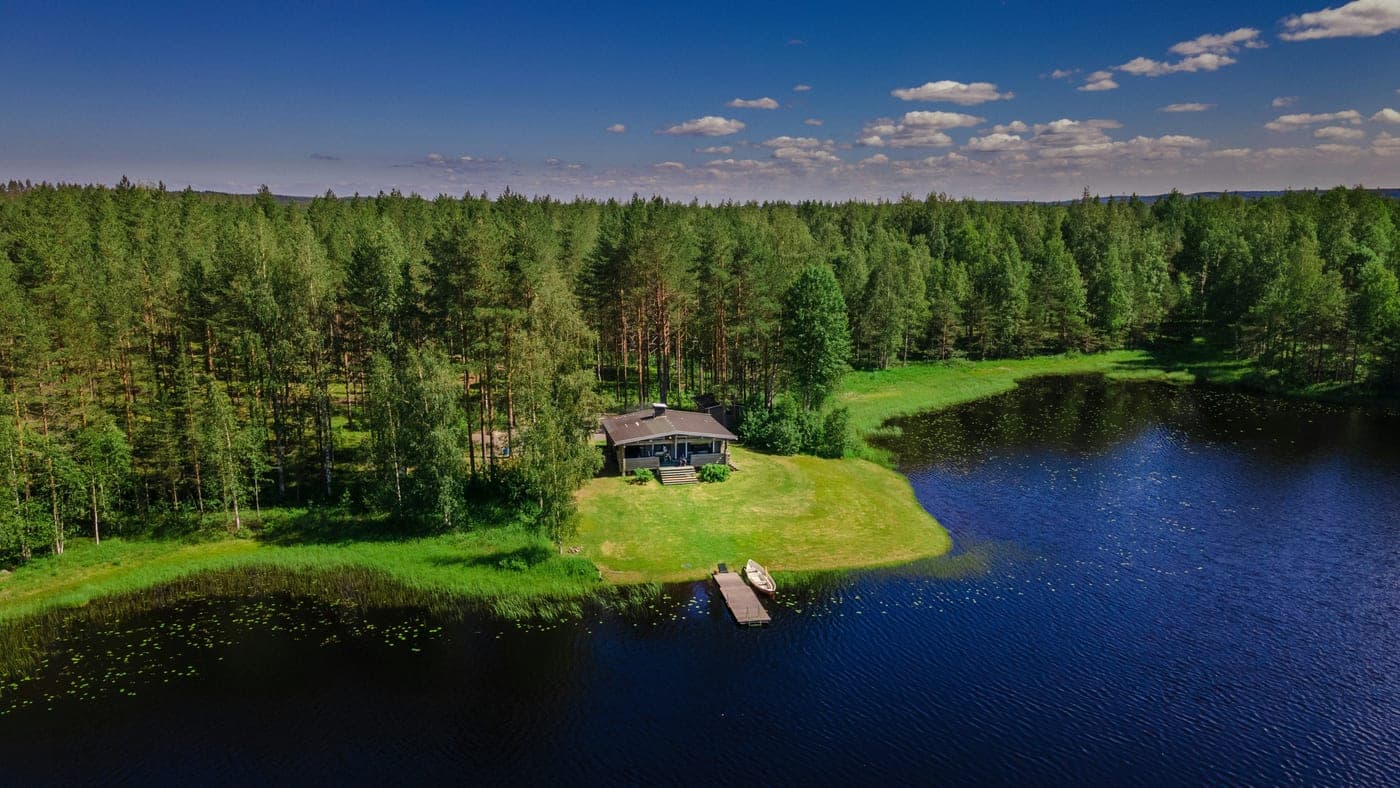
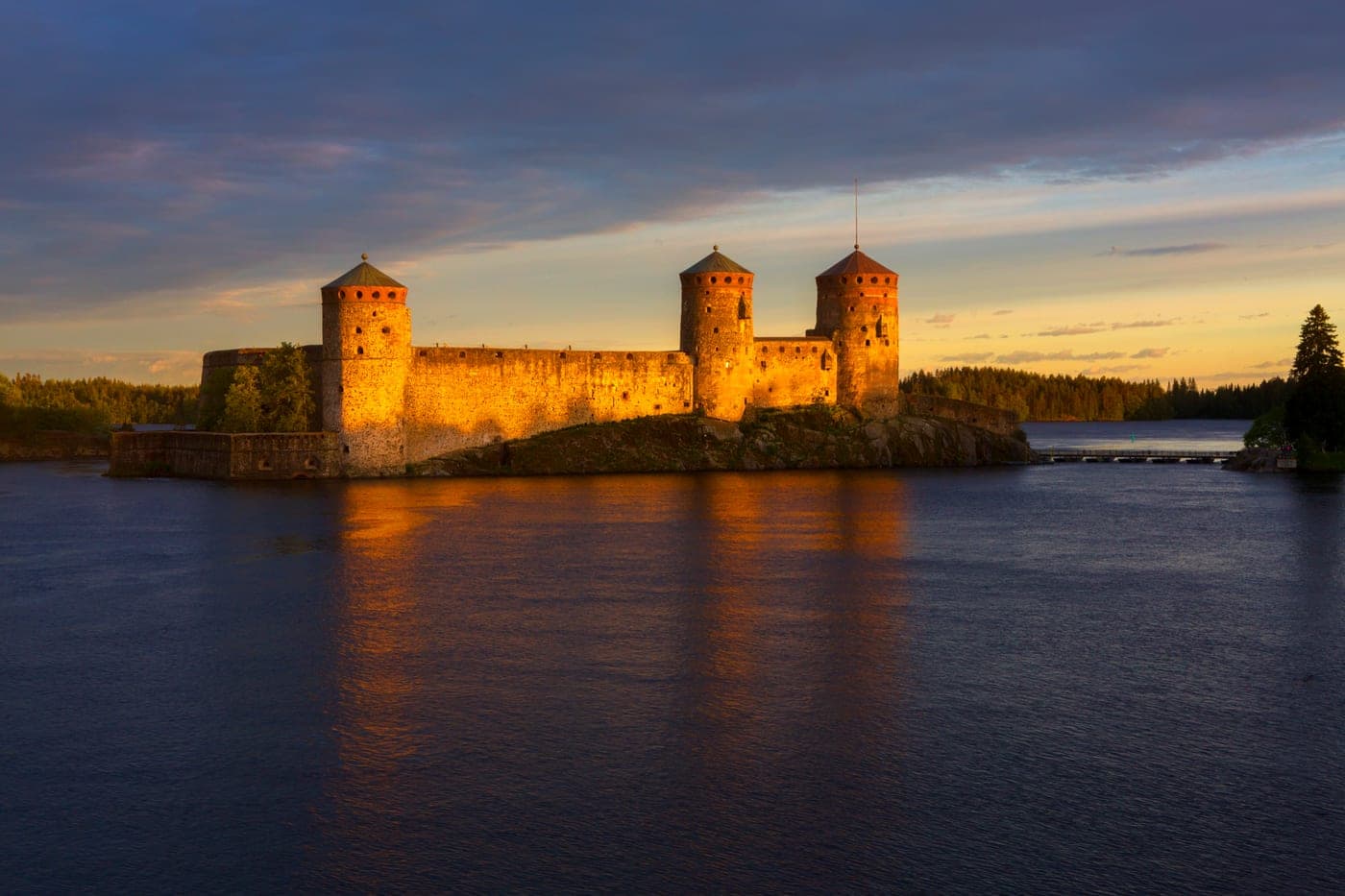
Etelä-Savo is a region in Finland known for its extensive lake systems, featuring the largest lake, Saimaa, which is famous for its unique Saimaa ringed seal. The region is characterized by its lush forests and numerous small towns like Savonlinna, home to a historic castle and vibrant summer opera festival. Mikkeli, the largest city, offers insights into local history with its museums and markets. The area is also recognized for its rich sauna culture and traditional Finnish cuisine, emphasizing local fish and berries. With its picturesque landscapes and outdoor activities, including hiking and boating, Etelä-Savo invites exploration beyond typical tourist paths.
Kymenlaakso
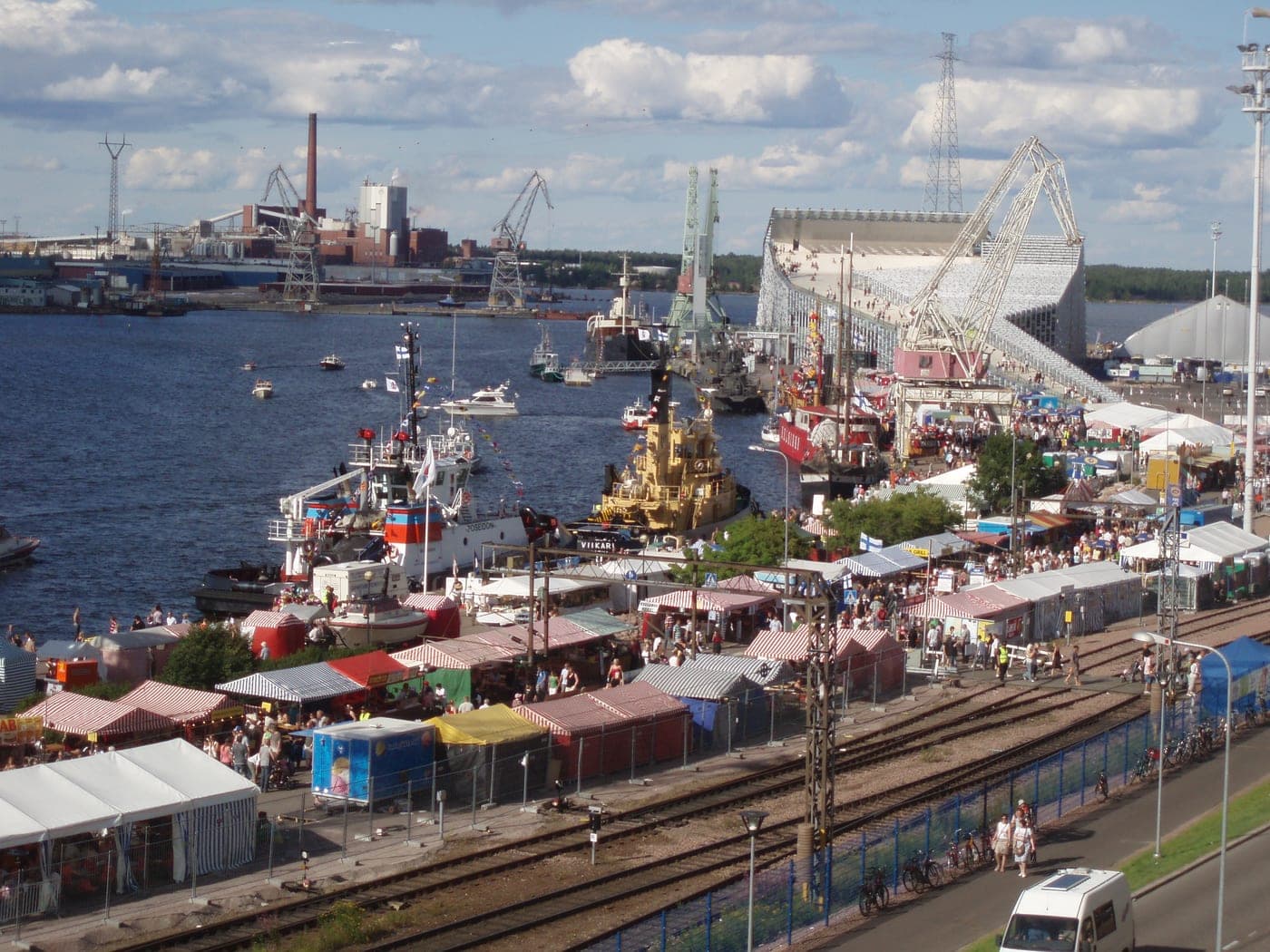
Kymenlaakso is a unique Finnish region blending coastal landscapes and rich history. It is one of the few areas in Finland with direct access to the Gulf of Finland, boasting a mix of large towns and serene nature. Kouvola, the largest city, serves as a hub for exploring nearby natural parks and the Kymi River, known for its scenic views and outdoor activities. The region is famous for its paper industry history, with several museums showcasing this heritage. Off the beaten path, travelers can discover the charming villages along the coast, such as Hamina, known for its star-shaped fortress and vibrant cultural events. The archipelago provides opportunities for quiet retreats and local seafood experiences, enhancing the slow travel journey.
Satakunta
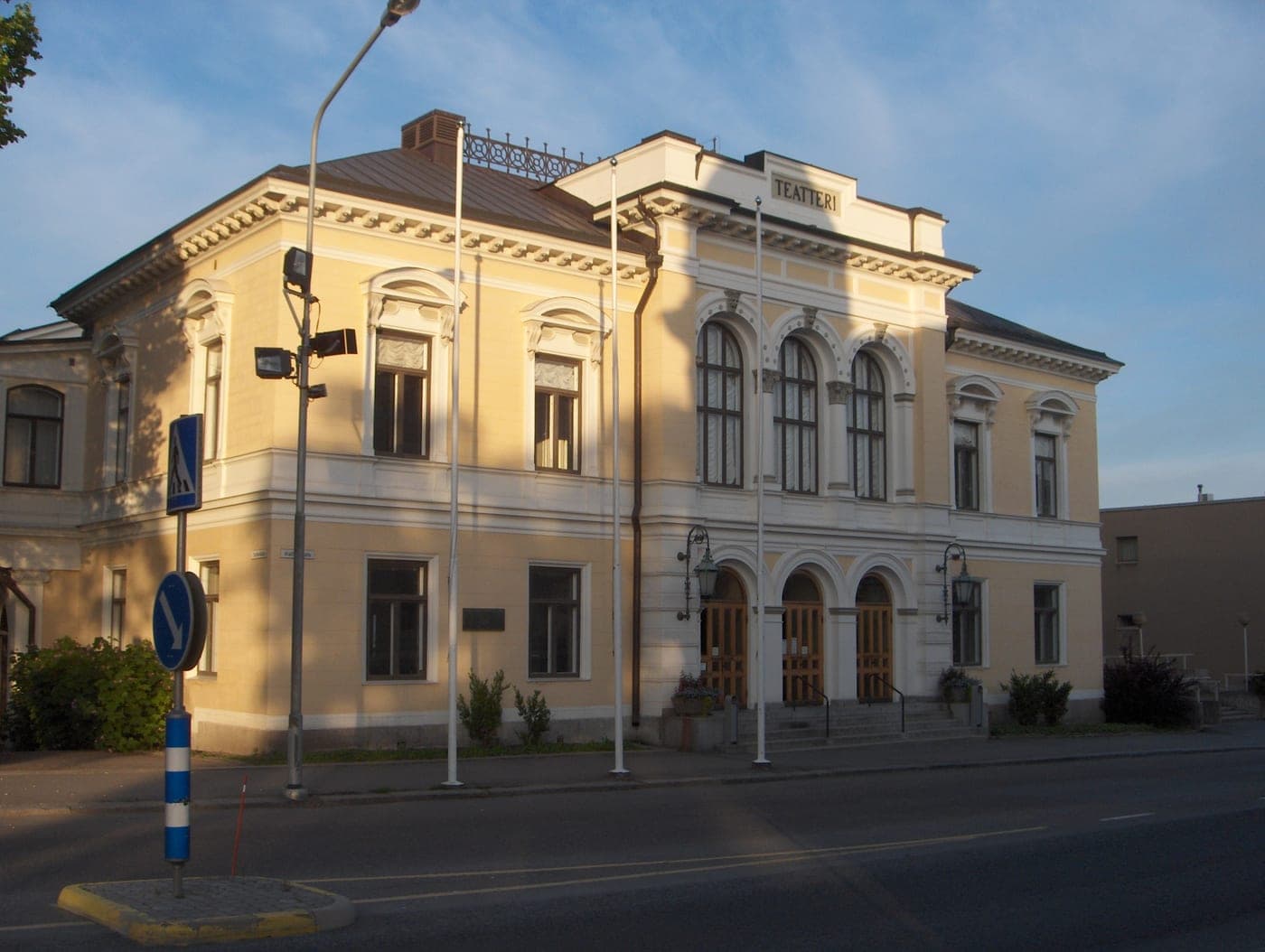
Satakunta stretches along Finland's Bothnian Sea coast, where the land breaks into hundreds of islands and skerries before turning inland to lakes and river valleys. The Kokemäenjoki river reaches the sea here after crossing much of western Finland, spreading into wetlands and one of the country's widest river deltas at Preiviikinlahti — a bay important enough for migrating birds that birdwatchers plan whole mornings around it. Slow travel in Satakunta means letting that geography set the pace: a few days by the water, a sauna at the end of each one, and time to notice how the light shifts through a summer evening. The regional capital, Pori, sits at the river mouth. Every July it fills with the Pori Jazz Festival, but the rest of the year it keeps a quieter rhythm. A short walk from the centre, the dunes of Yyteri run for several kilometres along the coast, backed by pine forest — one of Finland's longest sand beaches, used as much for early walks as for swimming. South along the coast is Rauma, whose old town, Vanha Rauma, is a UNESCO World Heritage Site. Its wooden houses, painted in soft, faded colours and packed along narrow lanes, have survived largely intact since the 18th century. Rauma is also one of the last places in Finland where bobbin lace-making is still practised as a living craft rather than displayed behind glass; in summer, lace-makers work in doorways and courtyards, happy to explain a pattern to anyone who stops. Inland, the region turns toward lakes and forest. Säkylän Pyhäjärvi draws the same cottage families back to the same stretch of shore year after year. Around it and further into Satakunta's forests, the pace drops again: cottage life is built from small routines — chopping wood, heating the sauna, rowing out before dinner — rather than sightseeing. The archipelago off Rauma runs on an older logic, shaped by fishing rather than tourism. Wooden boathouses and old net-drying racks still stand along parts of the shore, evidence of a working relationship with the sea that predates any resort. Coastal food reflects that history: whitefish and Baltic herring, smoked or pan-fried, appear on menus across the region, usually with a dense, dark rye bread on the side. Sauna here is a household habit, not a spectacle. Lakeside and coastal saunas sit beside almost every cottage, and the ritual — heat, a plunge into cold water, a pause outside to cool down — is the same whether the water is a lake, a river, or the Bothnian Sea itself. Three to five days give a real feel for Satakunta without rushing it: a day or two around Pori and Yyteri, a day in Rauma's old town, and the rest spent by a lake or on the coast, with a sauna booked for the evening. Longer stays suit anyone who wants to add the inland forests or spend more unhurried time among the islands. Below are Satakunta's towns, each with its own share of coastline, forest or lakeshore to take slowly.
Southwest Finland
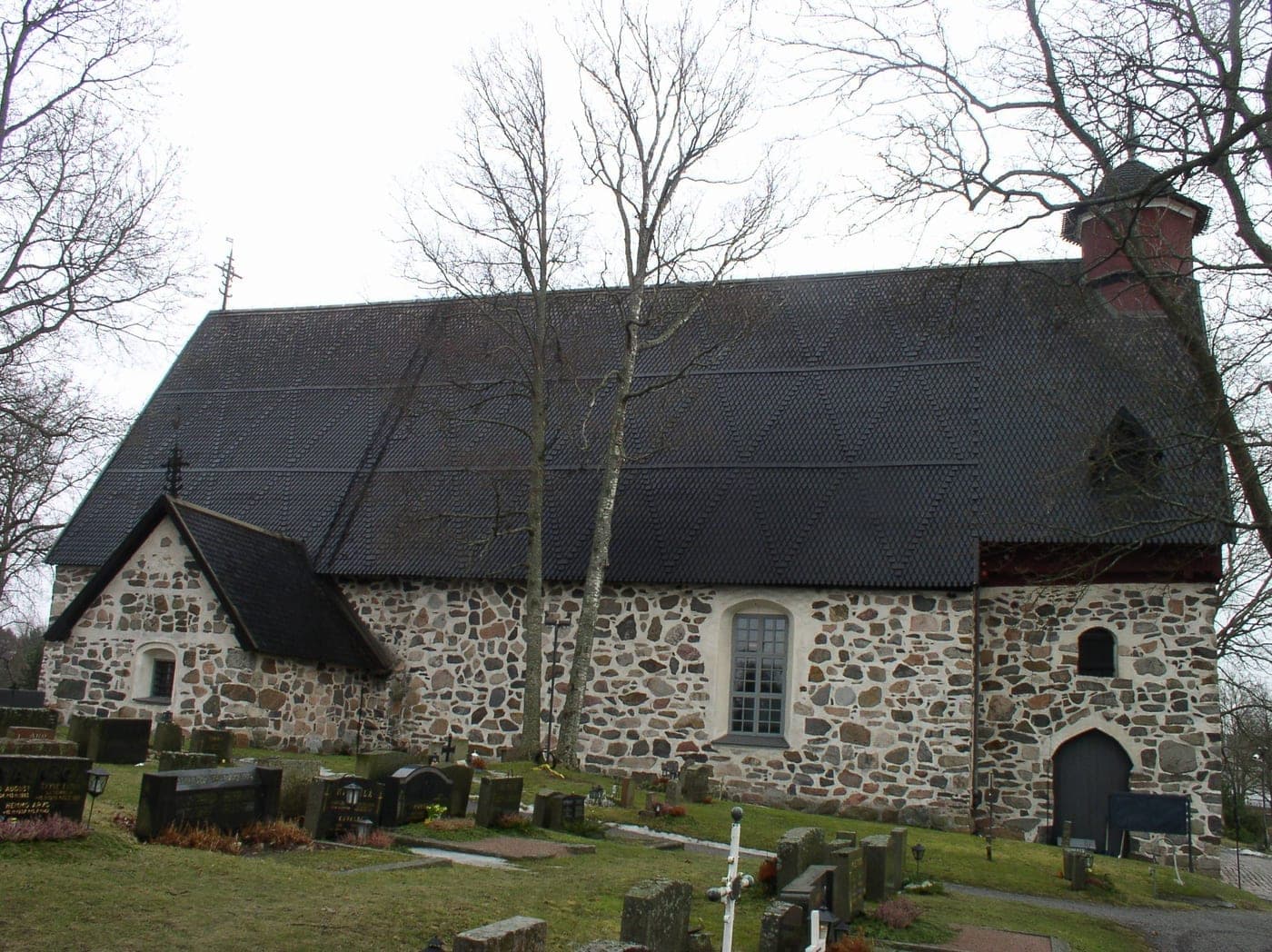
Southwest Finland is a diverse region known for its unique blend of coastal landscapes and rich cultural heritage. It is home to Turku, the oldest city in Finland, with a vibrant history reflected in its medieval castle and the lively Turku Archipelago. This region, featuring the only significant coastal area in Finland, boasts over 20,000 islands, offering opportunities for exploration by boat. The area is famous for its traditional archipelago cuisine, including fresh fish and local berries. The picturesque towns of Naantali and Kaarina are also noteworthy, providing insights into local life and traditions. Visitors can enjoy hiking in the surrounding nature reserves, such as the Teijo National Park, to experience the tranquil beauty of Finnish nature.
Uusimaa
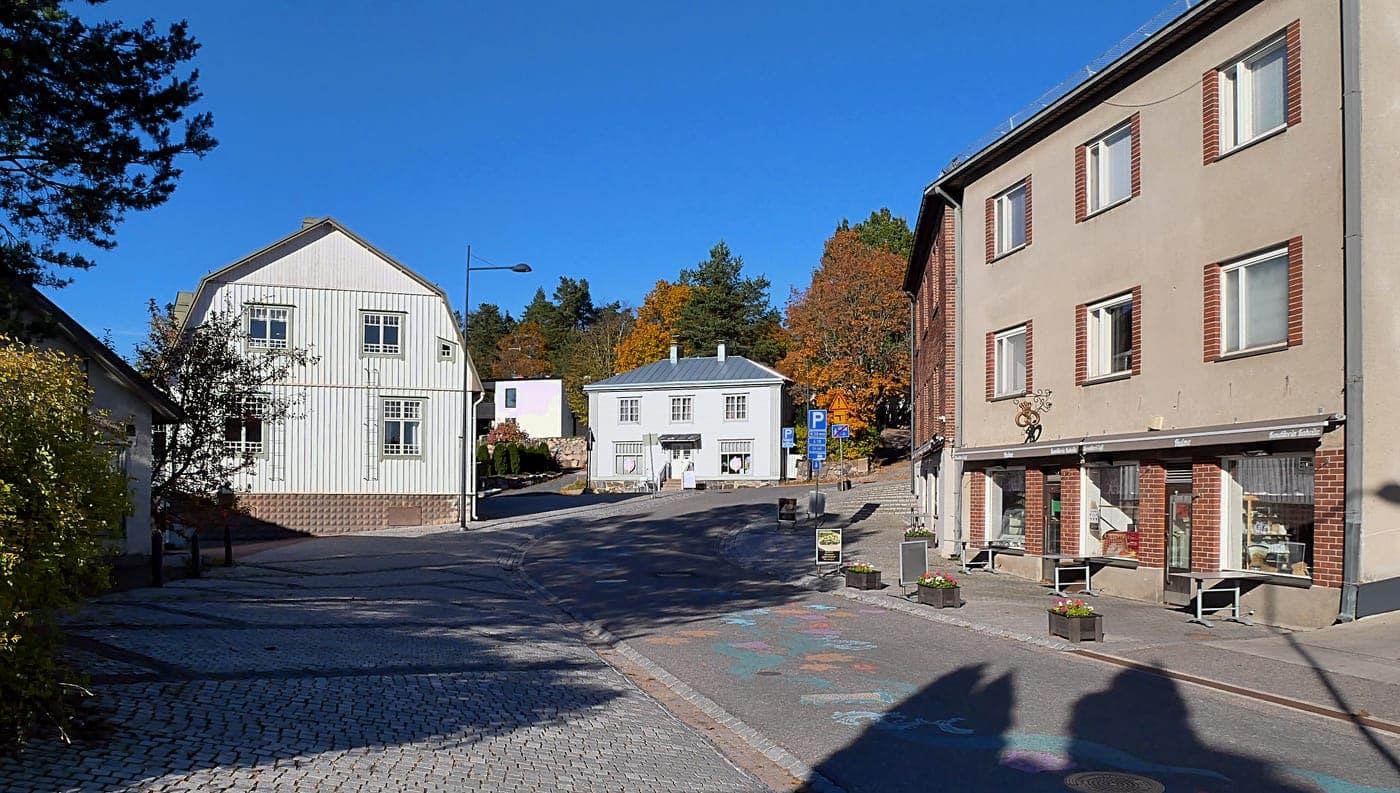
Uusimaa is Finland's southern coastal region and home to the capital, Helsinki. Its coastline breaks apart into thousands of islands, skerries and inlets, and this archipelago, together with the forests and lakes just inland, gives the whole region its unhurried character. Uusimaa is the most visited part of Finland, yet away from Helsinki the pace drops quickly: small wooden towns, fishing villages and quiet lakeshores sit close enough together that a slow, multi-stop trip is easy to build. The archipelago is the region's defining feature. Boats link small islands off Helsinki and the western coast, many reachable on a half-day trip. Suomenlinna, the sea fortress guarding Helsinki's harbour, is well known among these islands and a UNESCO World Heritage Site, but quieter islands further along the coast reward travellers who stay longer. Life on them still follows old patterns: net fishing, small wooden cottages known as mökki, and saunas built right at the water's edge for a swim before or after. Sauna culture is easiest to feel properly outside the city. Many guesthouses and cottages along the coast keep a wood-heated sauna, followed by a swim in the sea or a lake, a rhythm that shapes the day rather than breaking it up. Inland, this slower pace continues in Nuuksio National Park, west of Helsinki, where marked trails, quiet lakes for swimming, and simple overnight huts draw hikers and canoeists rather than day-trippers in a hurry. Beyond Helsinki, Uusimaa's towns each keep their own character. Porvoo, one of Finland's oldest towns, has a river-side old town of orange wooden warehouses and narrow cobbled streets that are still lived in, not kept as a museum piece. Loviisa, further east along the coast, has a similar wooden core with far fewer visitors. To the west, Hanko stretches along a narrow sand-and-granite peninsula, known for its late-19th-century wooden villas and long beaches. Nearby Raasepori, including the old town of Tammisaari, mixes Swedish-speaking coastal culture with dense archipelago just offshore. Inland, Lohja sits on its own lake, a reminder that Uusimaa's water is not only coastal. Language reflects this coastal history: Finnish and Swedish are both spoken across the region, more evenly than almost anywhere else in Finland, and many towns and villages carry a name in each. Food follows the same coastal and seasonal pattern, with smoked and salted fish from the archipelago, summer berries and mushrooms from the forests, and simple bakery traditions in the old wooden towns. Uusimaa works best as a loop rather than a single base. Three or four days allow time split between Helsinki, one archipelago excursion, and one smaller coastal town such as Porvoo or Raasepori. A week allows a slower circuit: a few nights on the coast, a night inland near Nuuksio for hiking and lake swimming, and time left over for the islands. Distances between towns are short, so there is little need to rush, and most places in the region can be properly explored in a day, leaving room to simply stay longer wherever the pace suits. What ties Uusimaa together is water: sea to the south, lakes inland, and a coastline shaped by centuries of fishing, trade and shipbuilding. The traditions here are practical rather than staged, a sauna built for daily use, a wooden warehouse still used for storage, a rowing boat tied to its own jetty. Visitors tend to slow down here simply because the region already moves at that pace.