Denmark
cycling paths and hygge culture
Regions
Bornholm
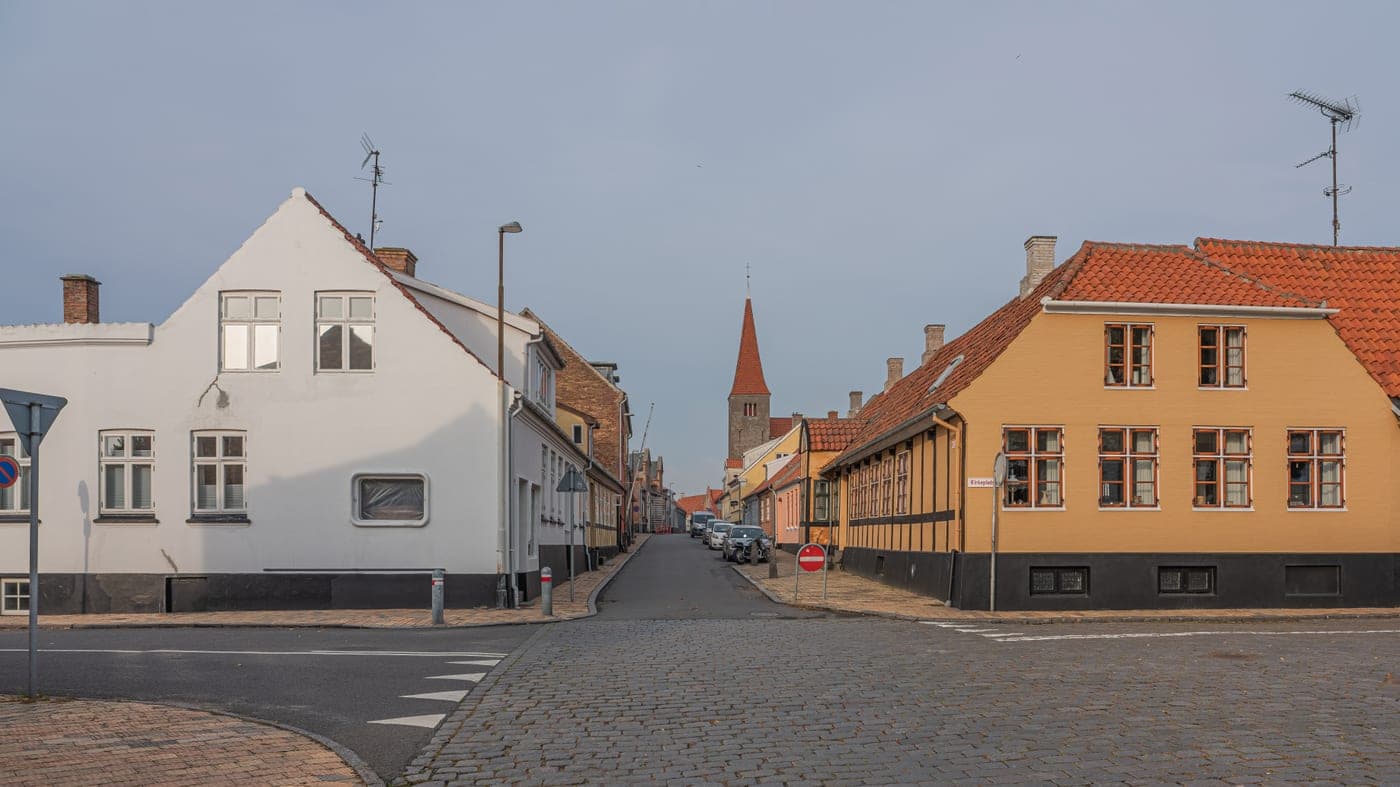
Bornholm, a Danish island in the Baltic Sea, is known for its unique round churches and rich artisanal traditions. The island is home to picturesque towns such as Gudhjem, famous for its smoked herring, and Svaneke, recognized for local craft beer and glassblowing. With stunning coastal cliffs, sandy beaches, and lush forests, Bornholm offers diverse landscapes. The island hosts a variety of local festivals, including the Bornholm Art Week, showcasing local artists. Historical sites like Hammershus, a medieval castle ruin, provide insight into the island's past. Bornholm is the only region in Denmark with a unique blend of Danish and Nordic influences, perfect for cultural exploration.
Nordjylland
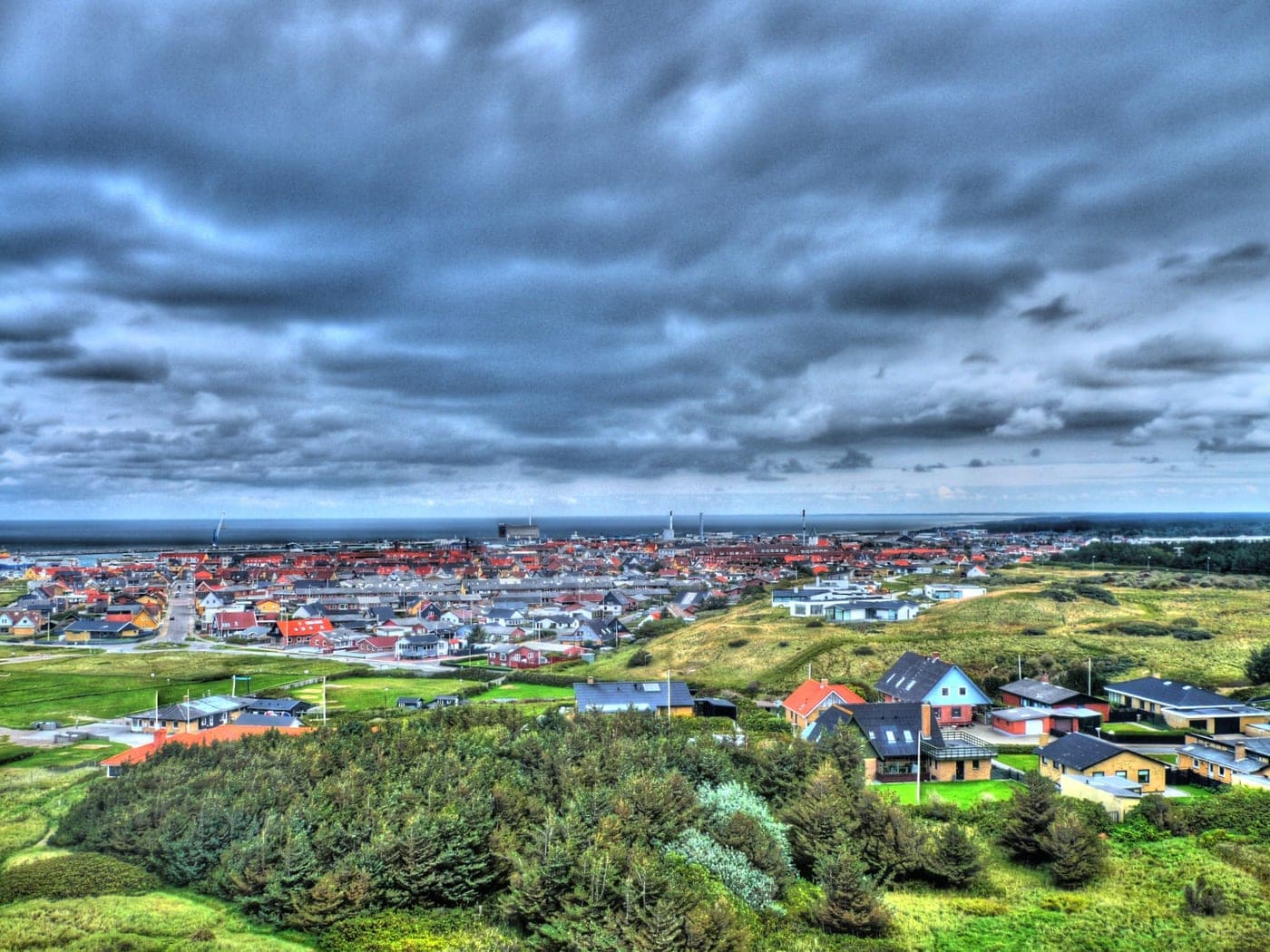
Nordjylland sits at the top of the Jutland peninsula, where the North Sea and the Kattegat come close enough that both are within reach of the same coastal walk. The region has built its character slowly, around fishing harbours, dune landscapes, and a clear northern light that has drawn painters here for more than a century. The sea sets the pace along this coast, and daily life in many towns still runs on tides, weather, and the rhythm of the harbour market. Aalborg is the largest city and sits on the Limfjord, the long stretch of water that cuts across northern Jutland. Old harbour warehouses have become cafés and concert venues, and cobbled streets in the historic centre lead down to a waterfront promenade where locals cycle along the water in the evening and boats sit moored until morning. It is a good introduction to the unhurried mood that runs through the wider region. North of Aalborg, the coastline changes character from one stretch to the next. On the North Sea side, Løkken and Lønstrup keep the look of old bathing towns, with rows of small beach huts, wide sandy beaches, and fishing boats still hauled up onto the sand by tractor, since there is no natural harbour deep enough here for permanent moorings. Further along, Hirtshals and Frederikshavn work as proper fishing and ferry harbours, their quaysides busy with the day's catch heading into smokehouses along the water. At the very tip of the peninsula lies Skagen, where the Skagerrak and the Kattegat meet at the sandy point known as Grenen, the two currents visibly colliding just off the beach. The same clear light that pulls those waters from two directions drew a colony of painters north in the late nineteenth century, and Skagen's yellow houses with blue-grey window frames still carry that artistic history. Inland and to the west, Thy holds a different landscape: heather-covered dunes, pine plantations, and wide open skies over Denmark's first national park, home to a wild red deer population and a scattering of small lakes. This stretch of coast is wilder and less developed, a reminder that much of Nordjylland's calm comes from simple remoteness. Cycling ties the region together. Nordjylland is flat and its coastal paths are well kept, so moving between harbour towns on two wheels feels like a natural way to take in dune ridges, fjord edges, and quiet lanes through fields of rapeseed and barley. Villages in Nordjylland tend to gather around a church, a harbour, or both, with a bakery and a smokehouse doing most of the daily trade. Hygge here shows up in practical comforts: a warm café after a windy beach walk, a bowl of fish soup in a harbour restaurant, an evening spent watching the sun go down over the water. The local table draws directly on the sea and the fjord, with smoked mackerel and herring, whole fried plaice, and shrimp landed daily by small boats working the Kattegat. Each coastal town in Nordjylland faces its own stretch of water and takes its character from it, so a morning in Skagen and an evening in Løkken can feel further apart than the short distance between them suggests. The harbours, dunes, and fjord towns each keep their own pace, set more by the sea and the season than by any set route between them.