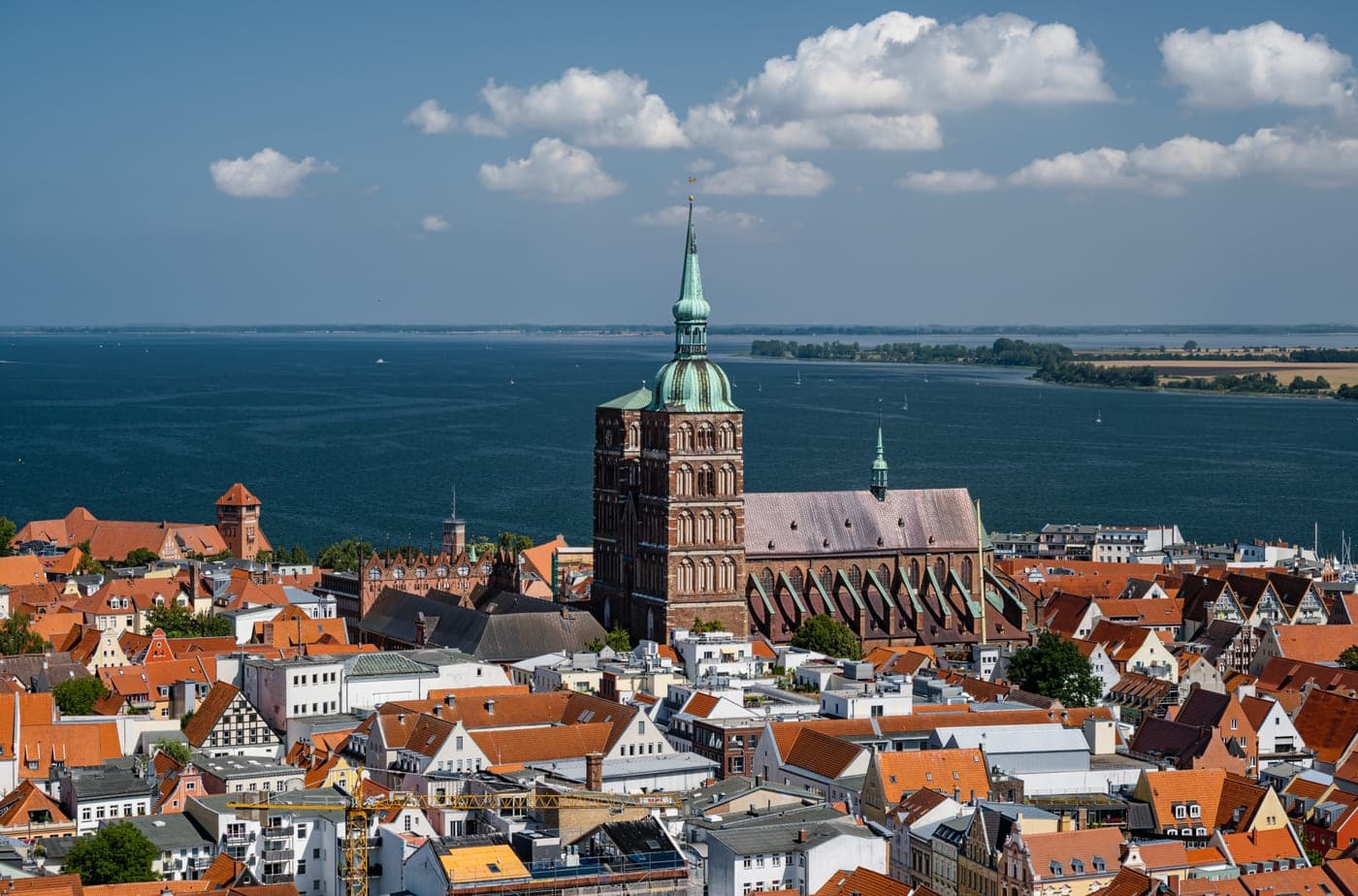
Mecklenburg-Vorpommern is the largest of Germany's federal states by area, reaching from the Baltic Sea inland across a landscape scattered with lakes. The name joins two historic regions: Mecklenburg in the west, long ruled from Schwerin, and Vorpommern, Western Pomerania, in the east, the German share of the old Baltic region of Pomerania that today continues into Poland. This eastern half is flat farmland and river estuaries, with the port towns of Stralsund and Greifswald.
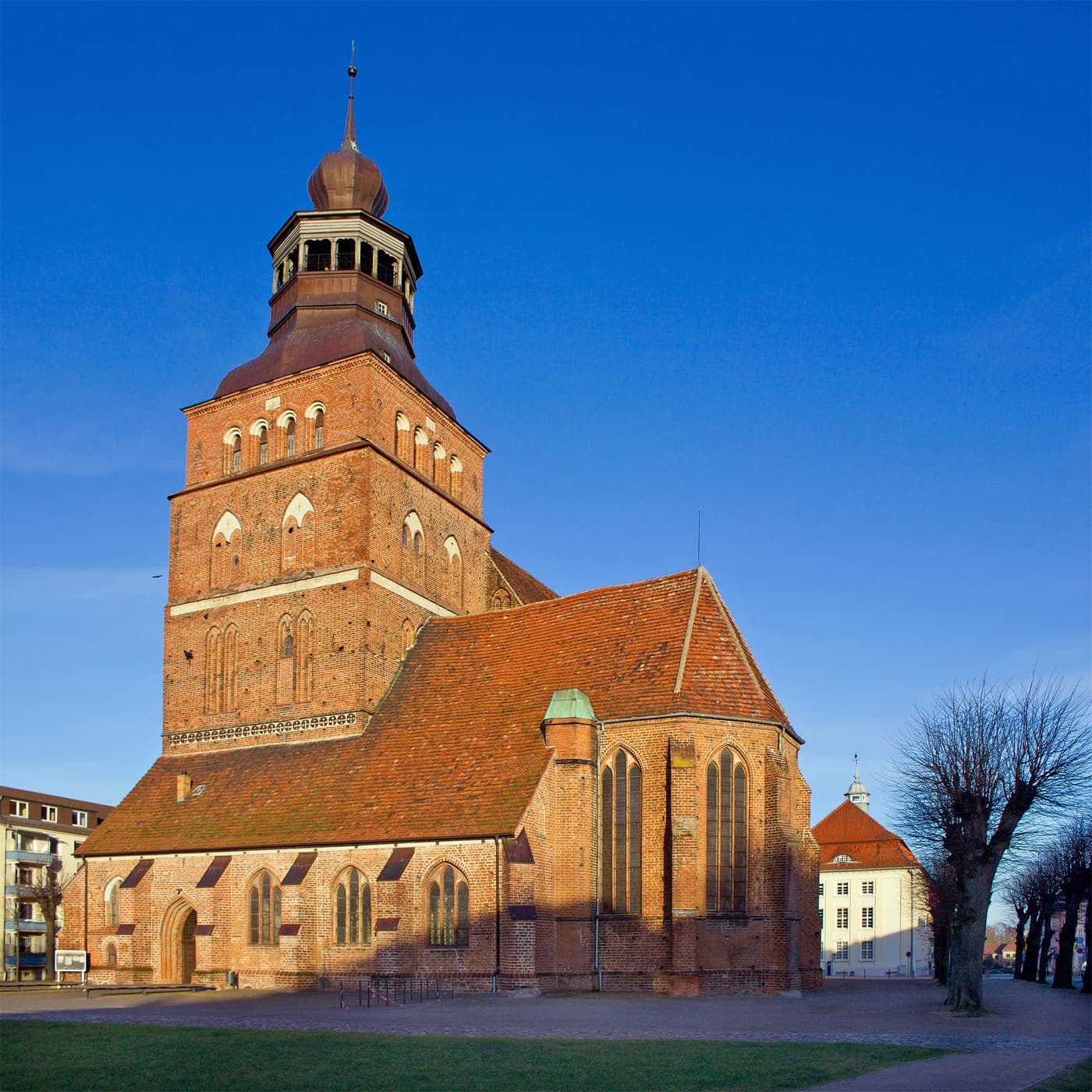
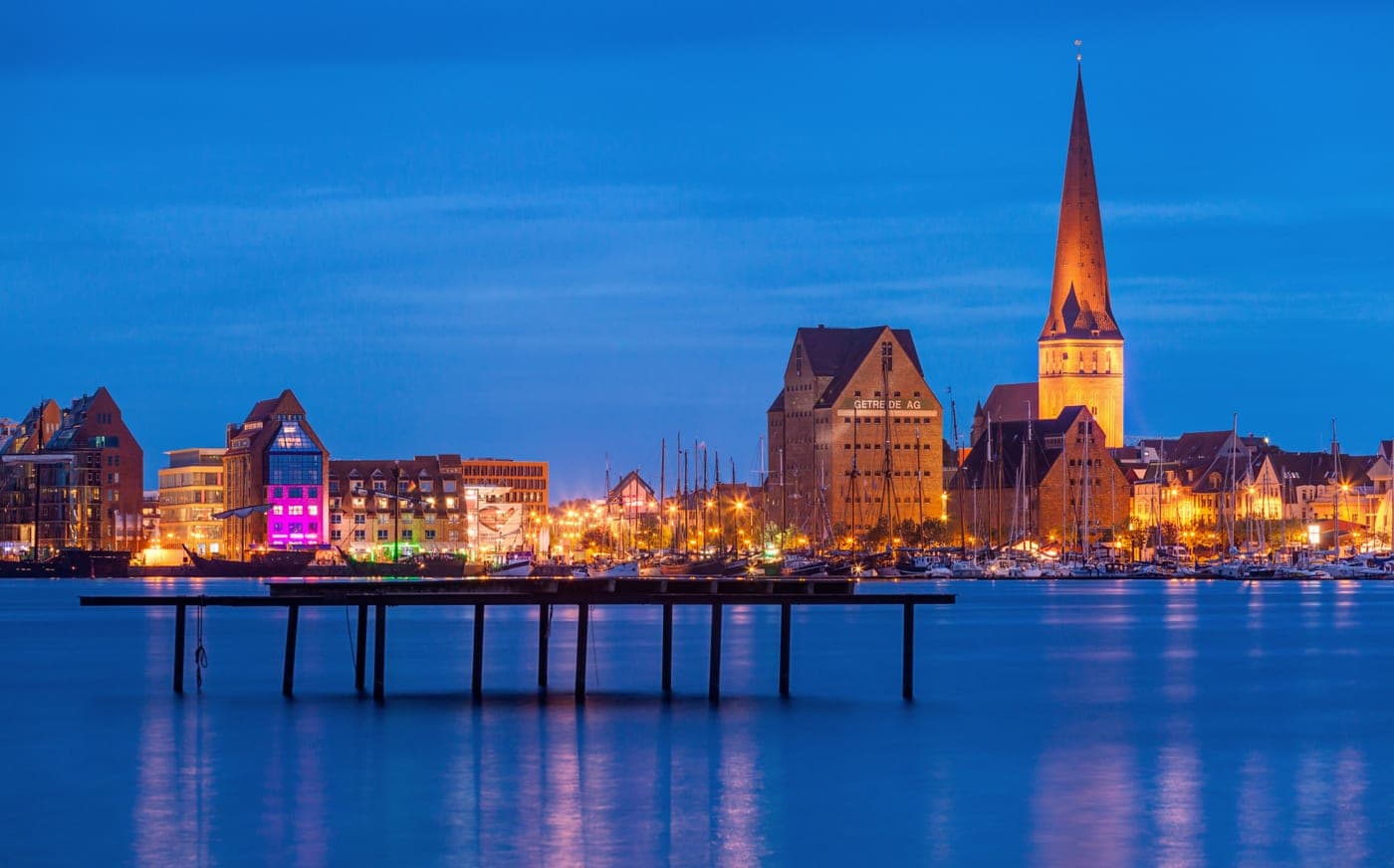
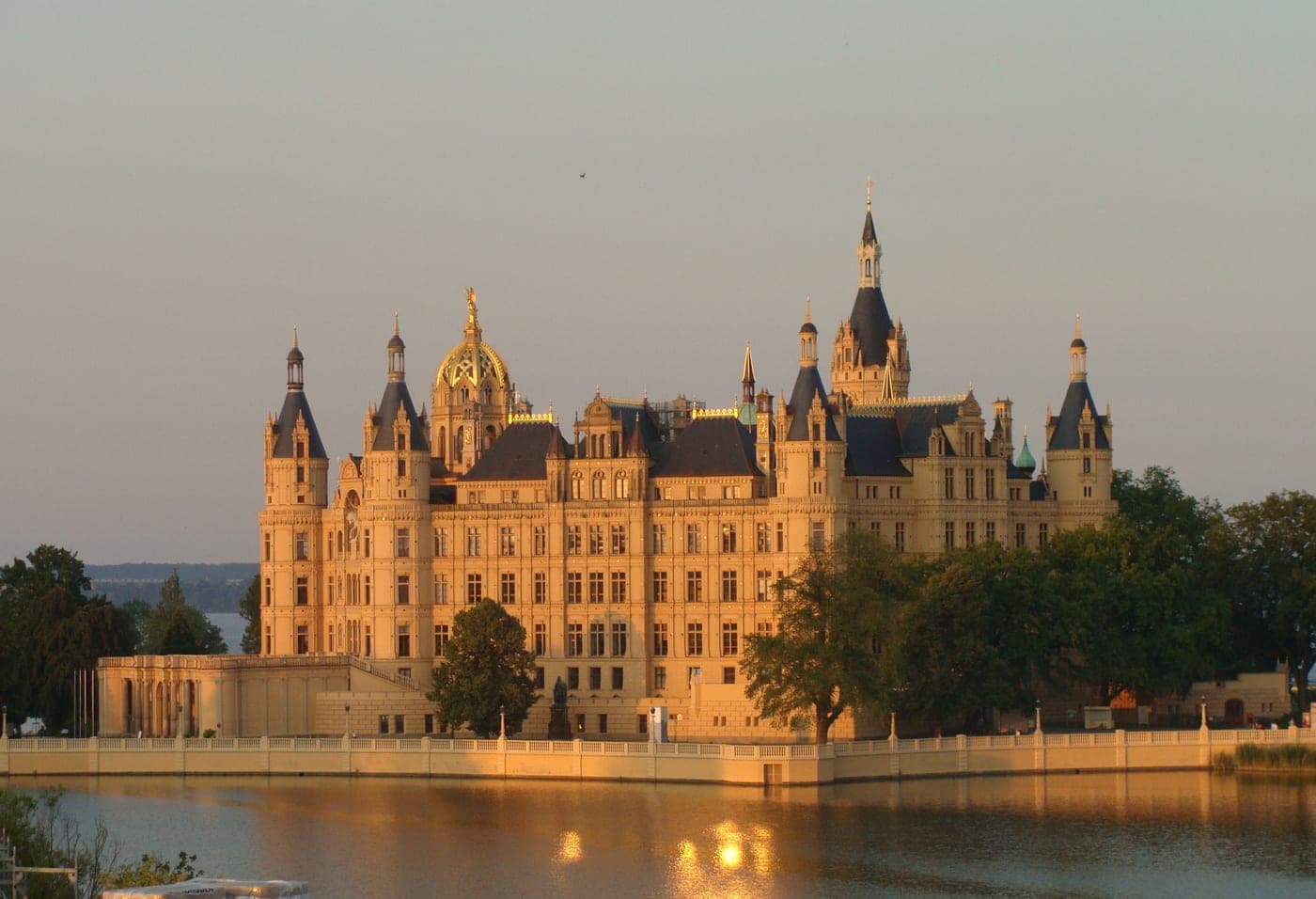
Rostock, the state's largest city, keeps a brick Gothic skyline around St. Mary's Church, with a harbour at Warnemünde where ferries, fishing boats, and sailing yachts share the same stretch of water. Stralsund and Wismar preserve step-gabled merchant houses and market squares built on the wealth of Baltic trade. Greifswald, a university town further east, shows the same red-brick churches rising above low rooflines. Inland, Schwerin's old town circles a castle built on an island in the middle of its own lake, now the seat of the state parliament.
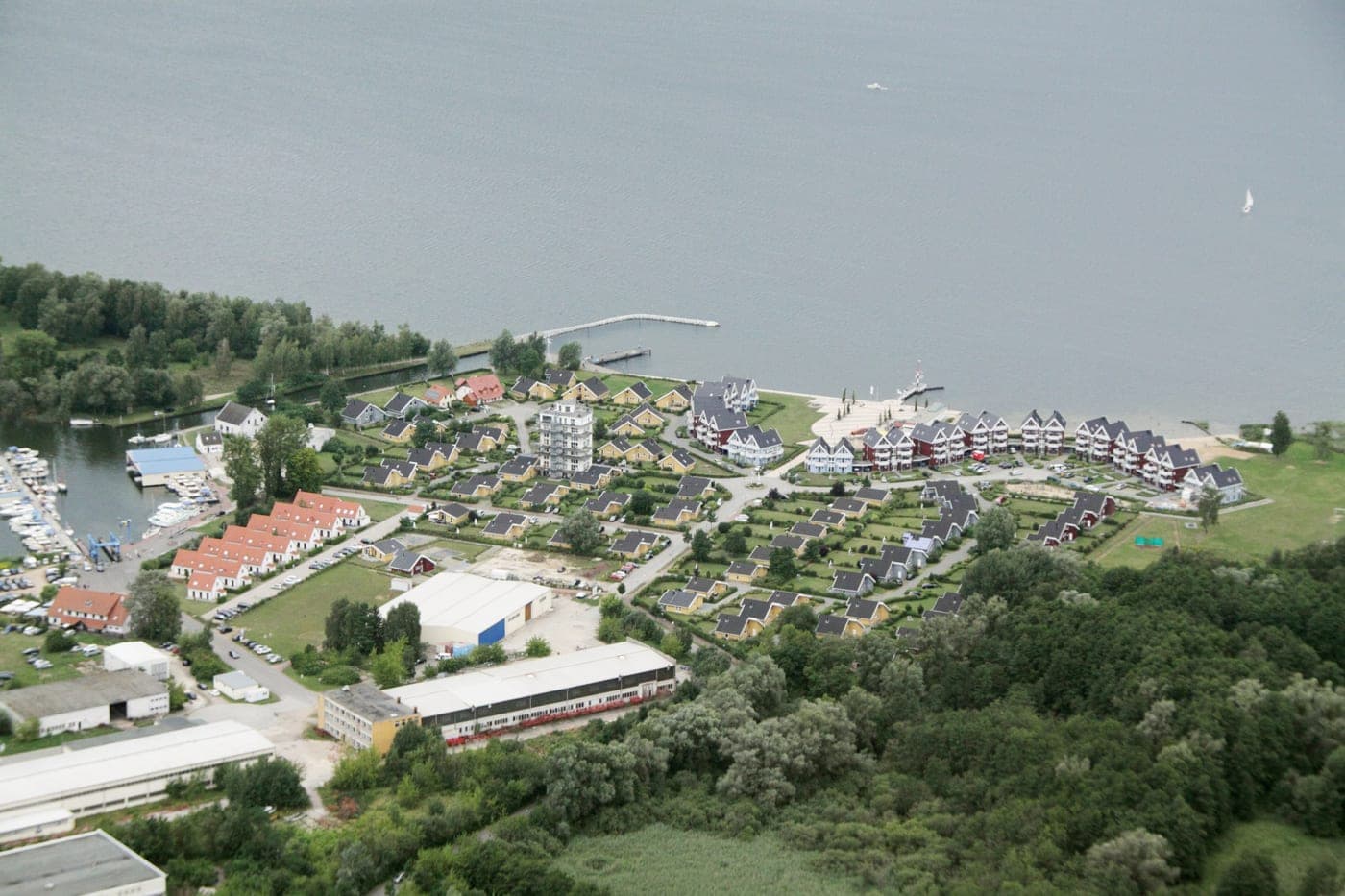
Behind the coast lies the Mecklenburg Lake District, where glacial lakes are strung together by narrow channels and canals. Müritz anchors a national park of reed beds, wet woodland, and open water. Small towns such as Waren, Röbel, and Plau am See sit at the water's edge, their harbours used by canoes and sailing boats moving between lakes.
The Baltic coast itself turns rougher and more open. Rügen, Germany's largest island, rises into chalk cliffs at Jasmund National Park, where beech forest reaches the sea above the white rock face at Königsstuhl. The island's seaside resorts, Binz, Sellin, and Göhren among them, keep rows of nineteenth-century villas with wooden verandas, a style known locally as Bäderarchitektur. Usedom, shared with Poland at its eastern end, has a similar line of resort towns, Heringsdorf, Ahlbeck, and Bansin, strung along one long sand beach joined by a wooden pier. Between the two larger islands, Hiddensee stays low and quiet.
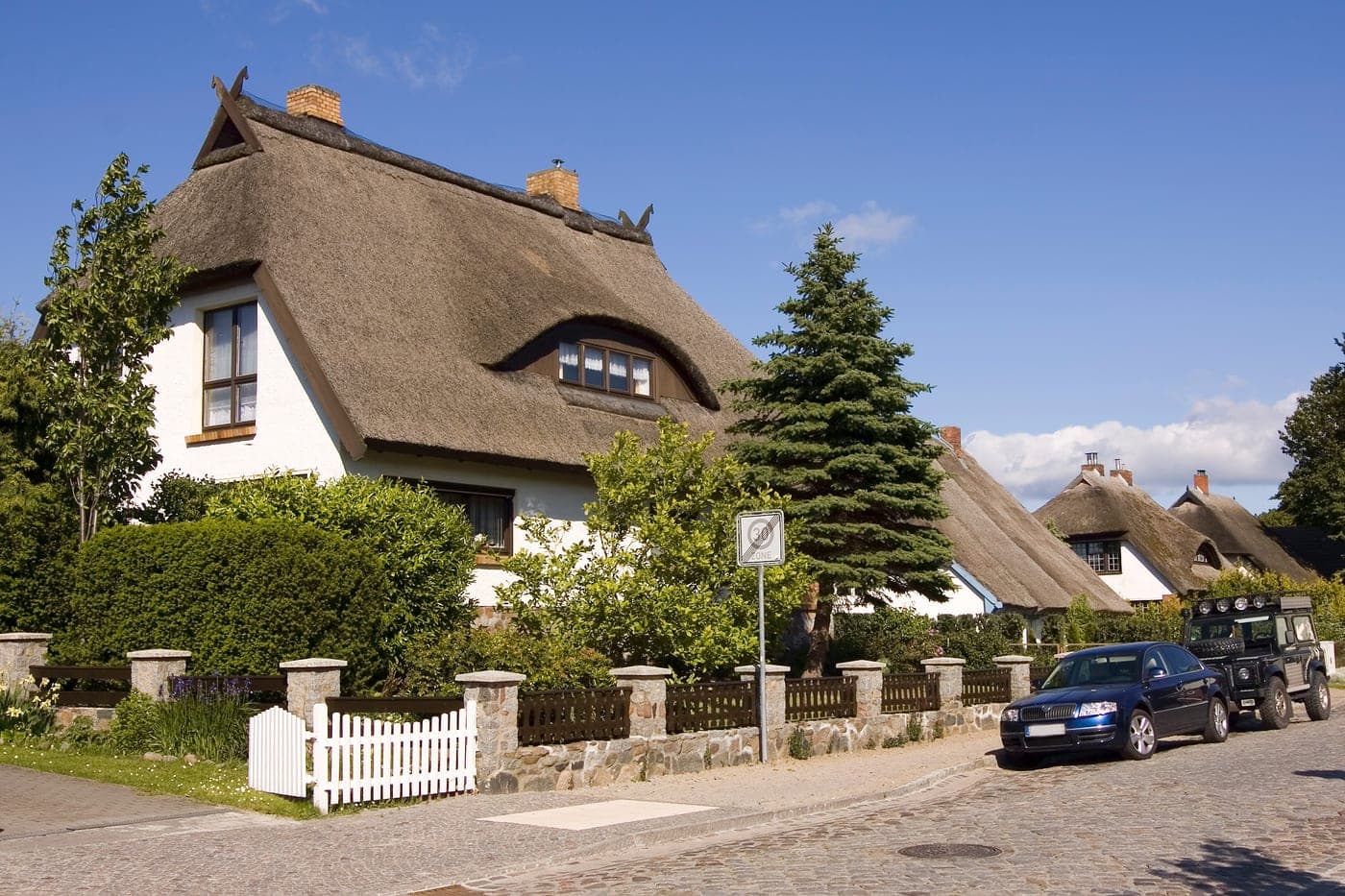
Away from the resorts, the Fischland-Darß-Zingst peninsula keeps fishing villages shaped by the shallow Bodden lagoons that separate the peninsula from the mainland. Ahrenshoop grew into an artists' colony in the late nineteenth century and still keeps galleries in old captains' houses.
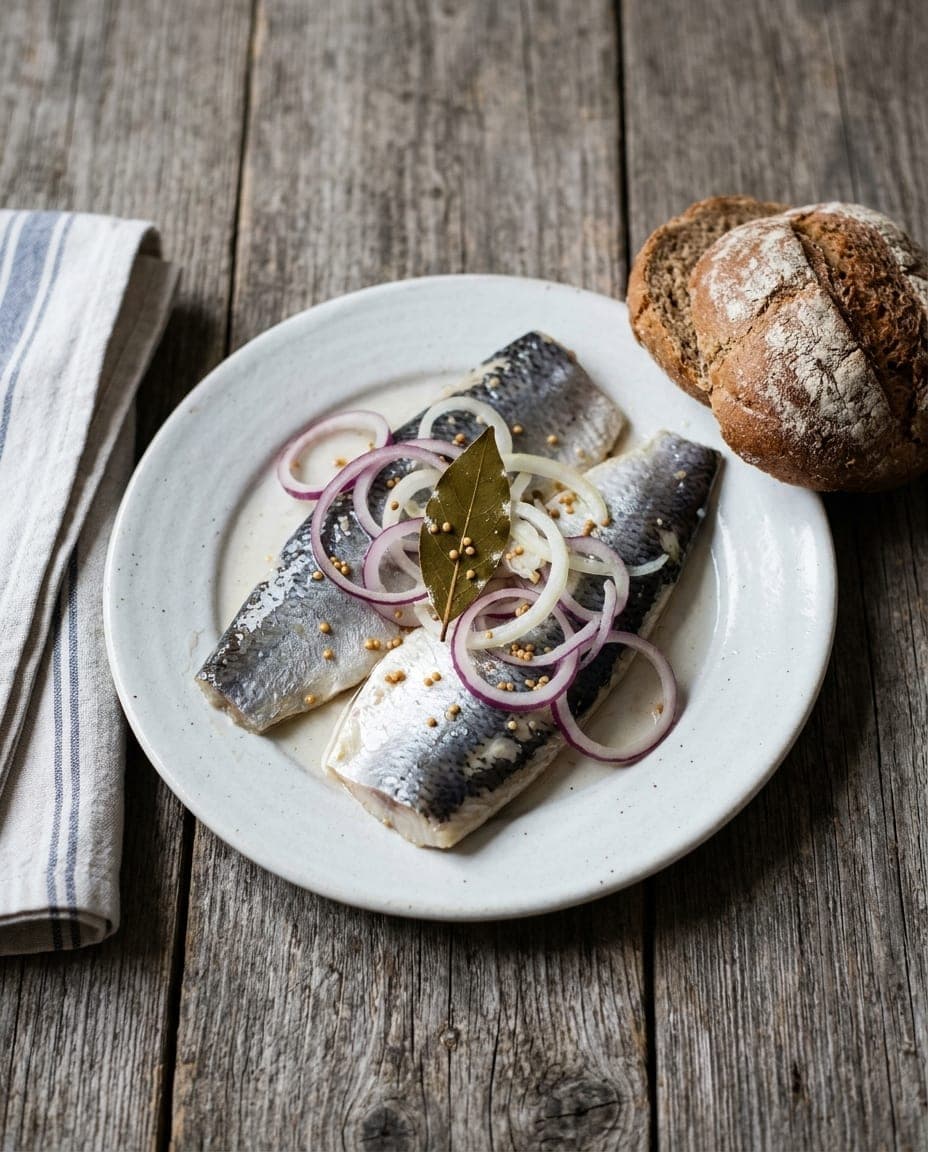
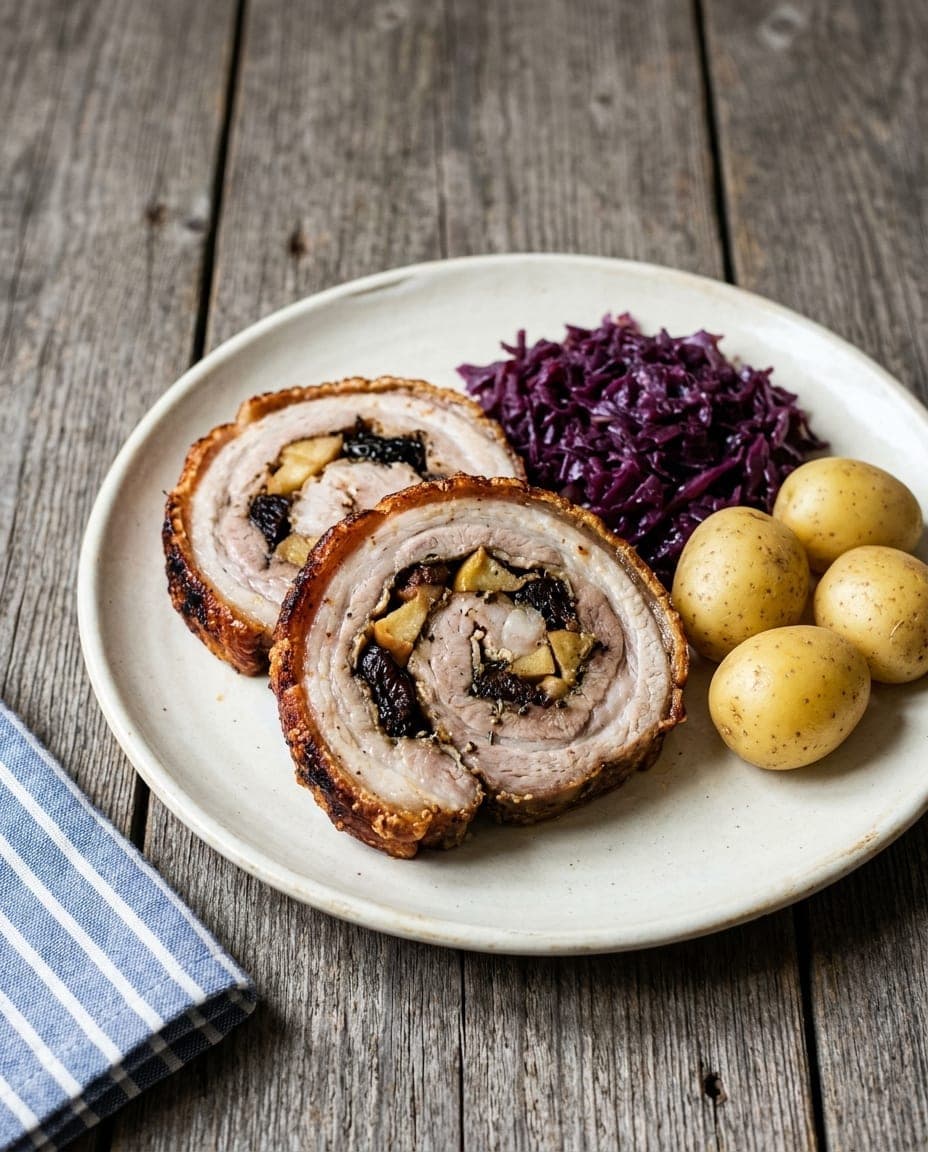
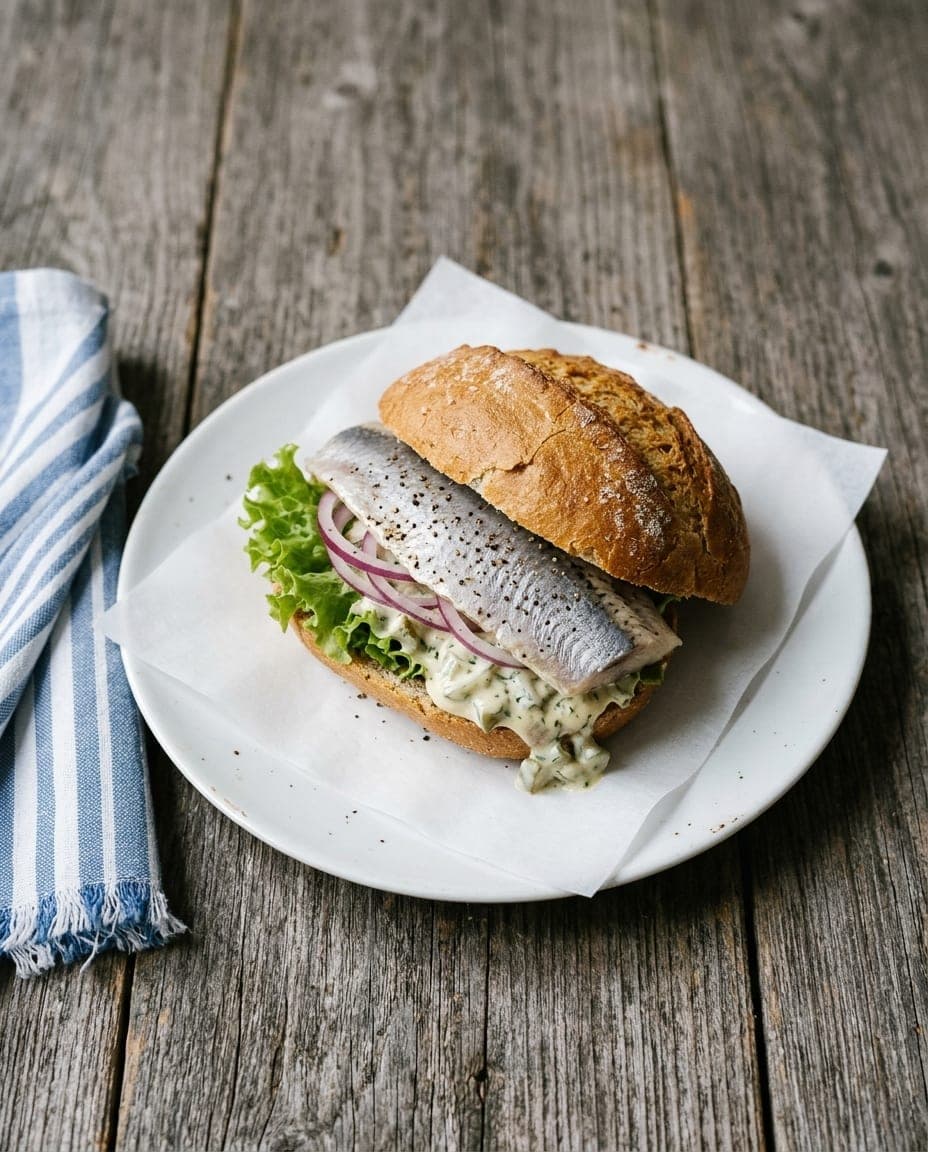
The region's kitchens draw on both sea and lake: herring and sprat from the Baltic, pike and zander from inland waters, rye bread and potatoes as everyday staples, and a tradition of fish smoking in the coastal villages. Mecklenburger Rippenbraten, a slow-roasted pork dish, and beer from small regional breweries round out menus built for a cooler, maritime climate.
Mecklenburg-Vorpommern holds together two different rhythms: the still water and reed beds of its lake district, and the open sand and chalk of its Baltic shore.