Fischbrötchen
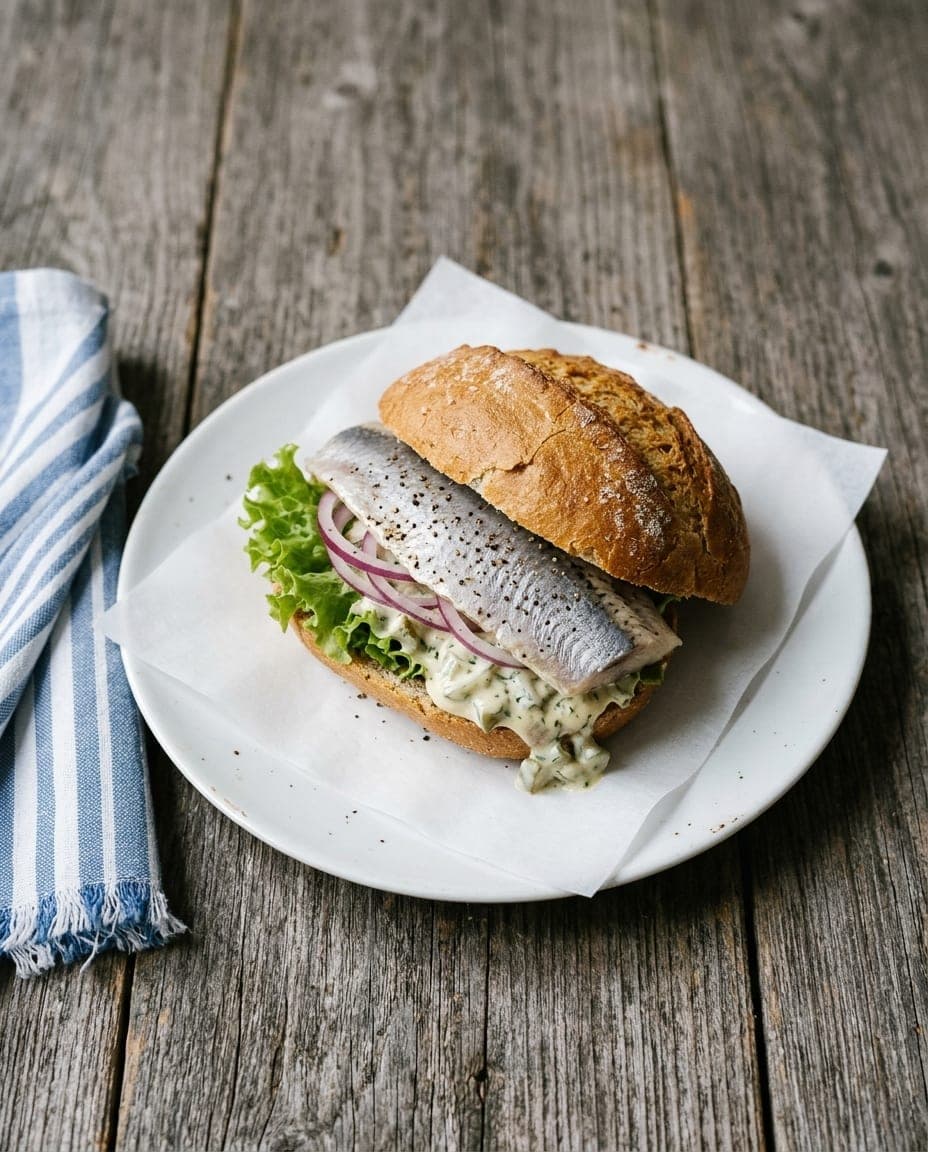
The fish roll of northern Germany's coastlines, served with onions and remoulade
- Local name
- Fischbrötchen
- Served with
- Onions, remoulade
- Best eaten at
- A harbour fish stall
- Pairs with
- Northern German pilsner
What it is
The Fischbrötchen, a simple bread roll stuffed with fish, is the defining snack of Germany's northern coastlines. It is not a dish found in grand dining rooms or hotel banquets, but rather the everyday fuel for fishermen, dockworkers and tourists along the North Sea and Baltic coasts. The concept is straightforward: fish, prepared simply, placed inside a crusty white roll, often with raw onions and a creamy sauce, and eaten quickly while standing near the water.
The region where this snack belongs stretches from Hamburg in the west to Mecklenburg-Vorpommern in the east, covering Schleswig-Holstein and the Baltic islands. In places like Rostock, Travemünde and Laboe, the fish roll is a constant presence. It is sold from small kiosks, open-air stalls and stands that line the harbours. The fillings vary by location, but the spirit remains the same: a coastal habit, born from the abundance of the sea and the need for a quick meal during a day of work or a walk along the quay.
Where it comes from
The history of the Fischbrötchen is rooted in the daily lives of the coastal communities rather than in any single cookbook or royal decree. It is generally thought to have spread in the late 19th century, when commercial fishing expanded along the German coast and fishmongers sold their catch directly to the public. Putting fish in a roll was simply a portable way to eat it.
The practice evolved into a trade where vendors offered prepared options, including fried fish and marinated herring, to passers-by. Today, these stalls remain the heart of harbour scenes in places like Hamburg's Landungsbrücken or the small port of Altefähr on the island of Rügen.
What goes into it
The filling is where the regional character shines through, though no single version is considered the only correct one. The most common options include Bismarckhering, herring fillets marinated in vinegar, onions and spices until soft and tangy, and Matjes, young herring mildly cured in salt brine for a delicate, buttery flavour. Fried fish is another staple, usually Backfisch, a fillet of white fish such as pollock or cod dipped in batter and fried until crisp. Brathering, fried herring pickled in a vinegar marinade, and North Sea shrimp (Krabben) are classics too.
Smoked mackerel and smoked salmon also appear frequently, offering a stronger, oilier taste. The roll is rarely served plain. Herring rolls usually come with raw onion rings, which add a sharp crunch, while fried fish typically gets a generous dollop of remoulade, a mayonnaise-based sauce mixed with pickles, capers and herbs. A slice of gherkin or a few lettuce leaves are common additions.
The roll must be sturdy enough to hold the wet ingredients without falling apart, yet soft enough to be eaten easily with one hand. The bread acts as an edible vessel for the sea's bounty.
How it is eaten
The Fischbrötchen is not meant to be eaten with cutlery at a table. It is made for the standing customer, often holding the roll in one hand while looking out over the water. Customers order the fish they prefer, and the vendor assembles the roll on the spot, layering the ingredients so that the sauce does not soak through the bottom too quickly.
It is common to see people eating these rolls on the harbour quays, near the fishing boats or at the edge of the market square. A Fischbrötchen is often paired with a cold beer, particularly a northern German pilsner, which complements the saltiness of the fish and the sharpness of the onions.
The act of eating it is part of the ritual. The roll is held firmly, with the fish hanging out slightly over the edges, and each bite combines the soft bread, the flaky or tender fish, the sharp onion and the creamy sauce. It can be messy if the roll is not assembled well.
Why the roll matters
The bread is a point of practicality as much as pride. The typical roll is a white Brötchen with a thin, crisp crust and a soft interior, sliced open from the side so the filling sits securely. The crust provides a contrast to the soft fish and the wet sauce; if the roll were too dense or too soft, it would become soggy before the eater could finish it.
In many coastal towns, vendors buy their rolls fresh each morning from nearby bakeries, so the bread stays consistent even as the fish on offer changes. The roll's shape lets the eater hold it securely while standing on a quay or walking along a busy promenade.
Curious facts
- A northern speciality. Fish rolls can be found across Germany today, but the Fischbrötchen culture of harbour kiosks belongs to the north.
- It is a standing snack. Many stalls offer little or no seating; eating while standing near the harbour is part of the experience.
- The catch shapes the menu. Some vendors adjust their stock based on what is available, so the choice of fish can change from day to day.
- Onions with herring. Raw onion rings are the standard companion to herring fillings, adding a sharp contrast to the soft fish.
- A coastal tradition. The snack is tied to the fishing trade rather than to any formal culinary movement.
Where to try it
The best place to eat a Fischbrötchen is where the fish comes ashore: at a harbour stall in Hamburg, Rostock, Travemünde or Laboe. In Altefähr on Rügen, small kiosks near the harbour sell fish rolls with a view across the Strelasund to Stralsund.
Where to try it
5 destinations
 Camper Van Rentals
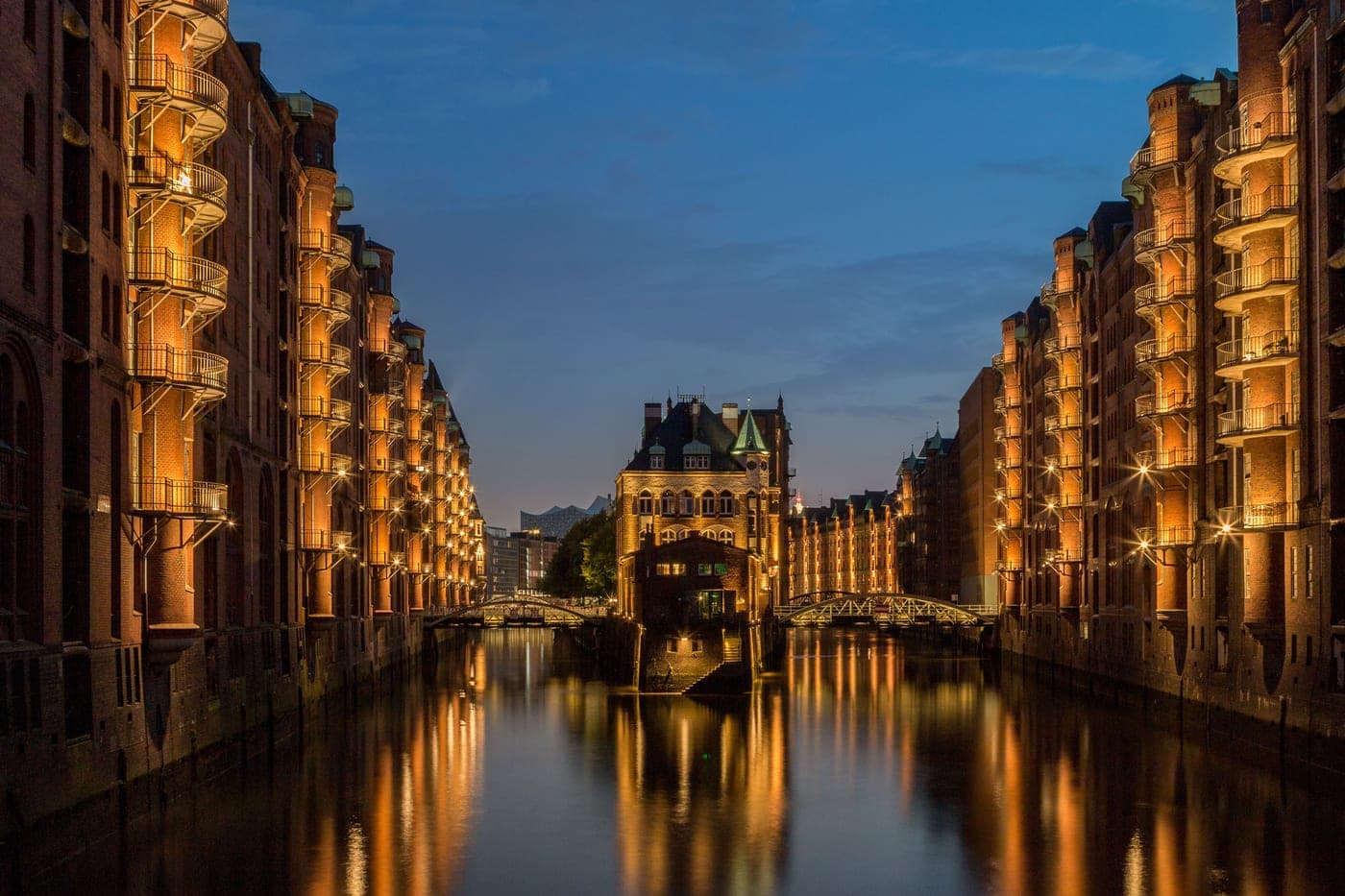
Hamburg
Port city with canals, Speicherstadt warehouses, and maritime culture.
Camper Van RentalsHiking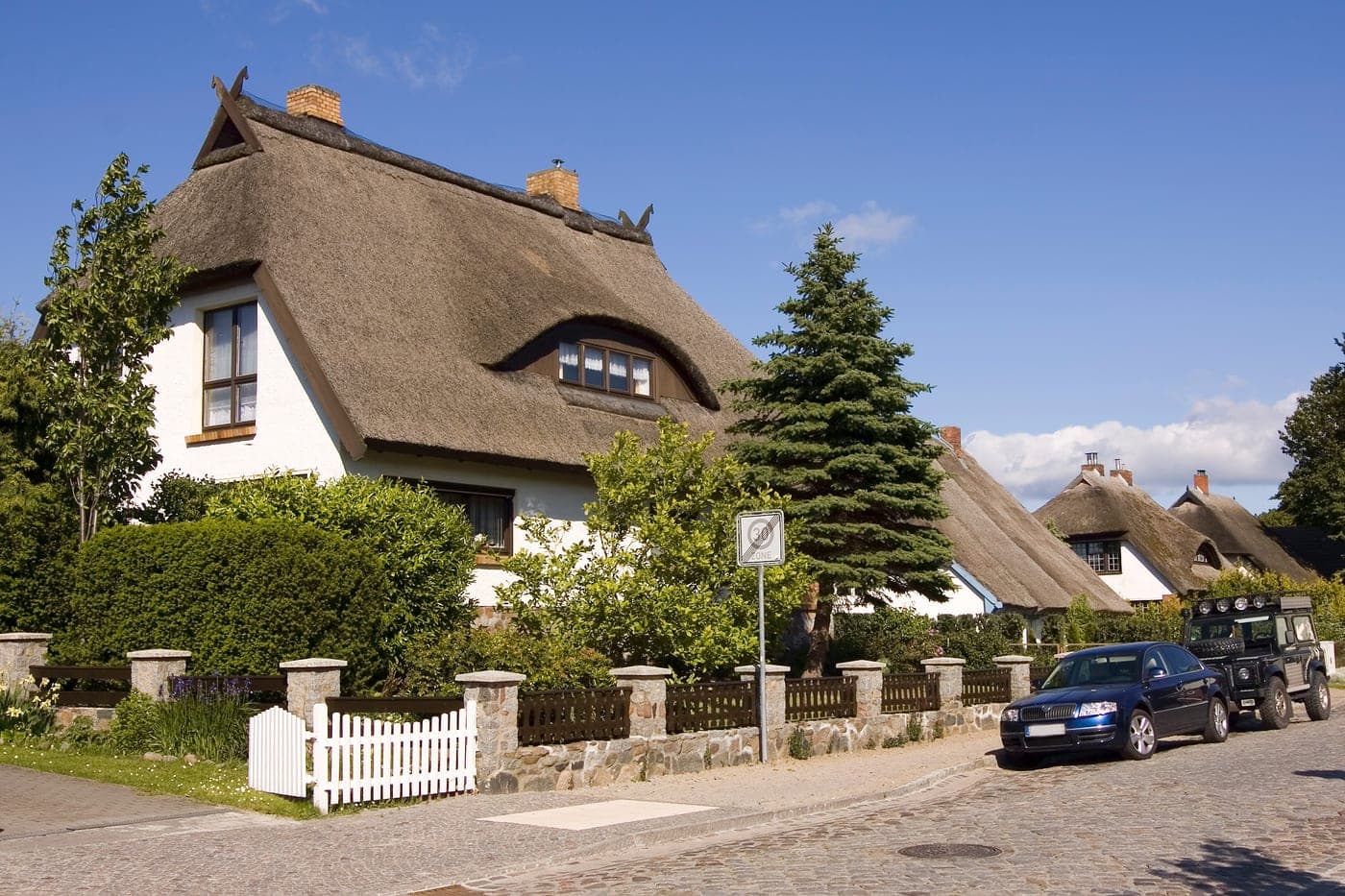 Boat Rentals
Altefähr
Picturesque village known for its waterfront views and historic architecture.
Boat RentalsHiking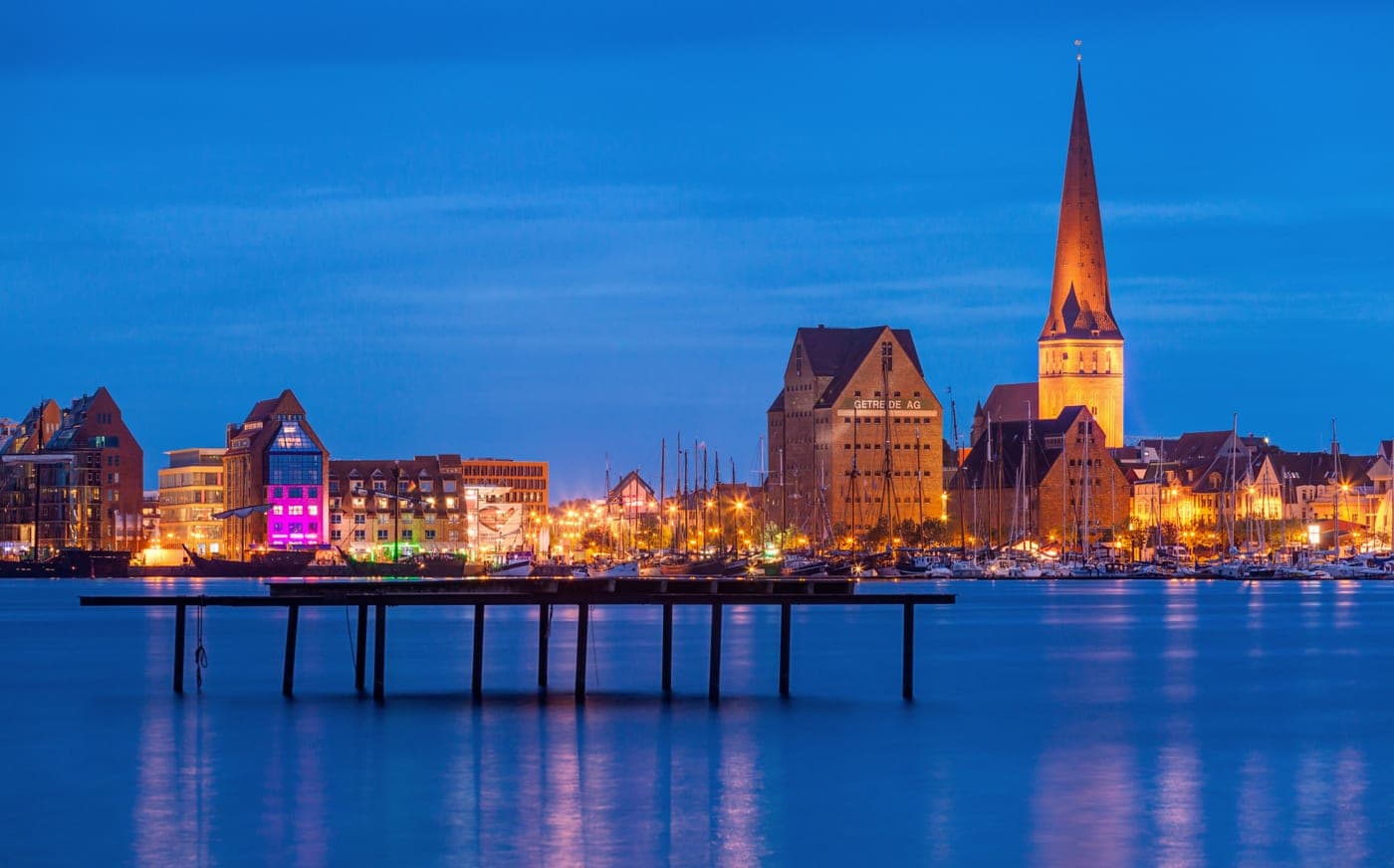 Boat Rentals
Rostock
Hanseatic Baltic port city with medieval gates and seaside suburb.
Boat RentalsHiking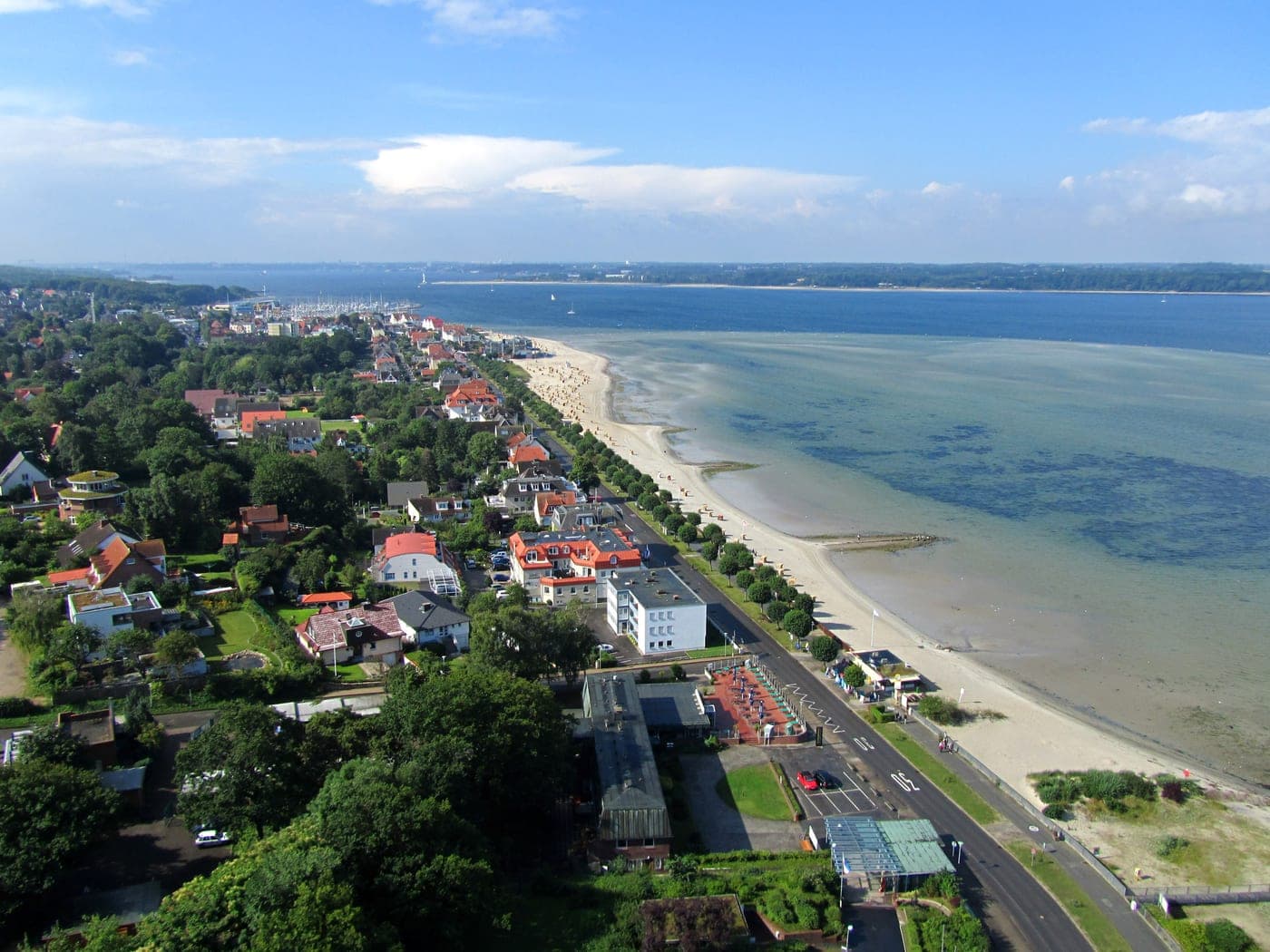 Boat Rentals
Laboe
Coastal town with sandy beaches and maritime history, featuring a naval memorial.
Boat RentalsHiking Boat Rentals
Travemünde
Historic seaside resort known for its grand architecture and sandy beaches.
Boat Rentals
3 regions
- Camper Van Rentals1 destination
Hamburg
Hamburg, Germany's second-largest city, is known for its rich maritime history and vibrant cultural scene. The city is home to the historic Speicherstadt, the world's largest warehouse district, built on timber-pile foundations. The Elbphilharmonie, a striking concert hall, offers stunning views of the harbor. Nearby, the Blankenese district features picturesque hillside paths along the Elbe River. Additionally, Hamburg hosts numerous festivals, such as the Hamburg Dom fair and the Port Anniversary. The city’s diverse neighborhoods, from St. Pauli's nightlife to the artistic vibe of Schanzenviertel, offer unique local experiences. The surrounding nature, including the scenic Alster Lakes, invites leisurely exploration.
Camper Van RentalsHiking 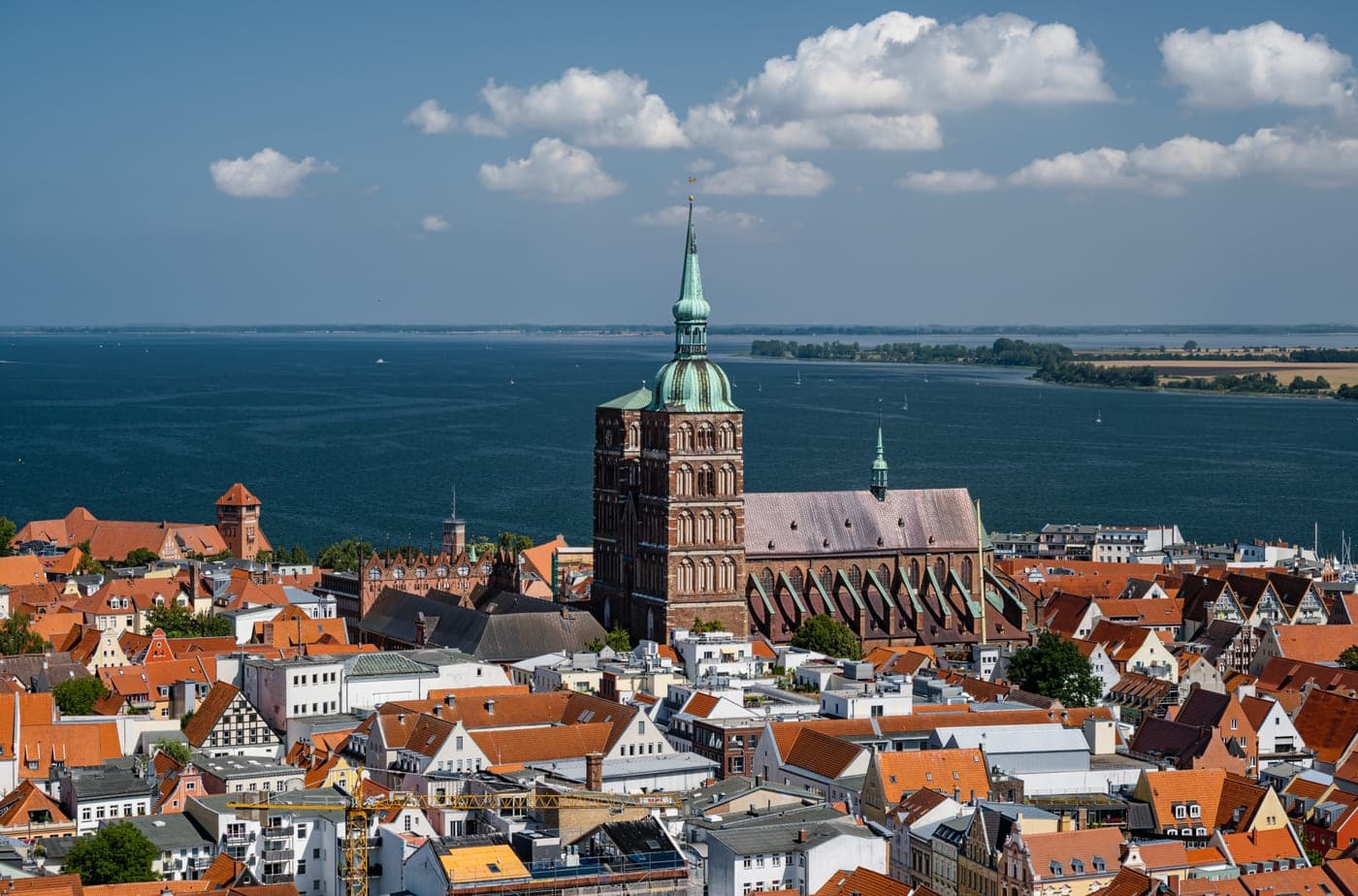 Boat Rentals11 destinations
Mecklenburg-Vorpommern
Mecklenburg-Vorpommern is the largest of Germany's federal states by area, reaching from the Baltic Sea inland across a landscape scattered with lakes. The name joins two historic regions: Mecklenburg in the west, long ruled from Schwerin, and Vorpommern, Western Pomerania, in the east, the German share of the old Baltic region of Pomerania that today continues into Poland. This eastern half is flat farmland and river estuaries, with the port towns of Stralsund and Greifswald. Rostock, the state's largest city, keeps a brick Gothic skyline around St. Mary's Church, with a harbour at Warnemünde where ferries, fishing boats, and sailing yachts share the same stretch of water. Stralsund and Wismar preserve step-gabled merchant houses and market squares built on the wealth of Baltic trade. Greifswald, a university town further east, shows the same red-brick churches rising above low rooflines. Inland, Schwerin's old town circles a castle built on an island in the middle of its own lake, now the seat of the state parliament. Behind the coast lies the Mecklenburg Lake District, where glacial lakes are strung together by narrow channels and canals. Müritz anchors a national park of reed beds, wet woodland, and open water. Small towns such as Waren, Röbel, and Plau am See sit at the water's edge, their harbours used by canoes and sailing boats moving between lakes. The Baltic coast itself turns rougher and more open. Rügen, Germany's largest island, rises into chalk cliffs at Jasmund National Park, where beech forest reaches the sea above the white rock face at Königsstuhl. The island's seaside resorts, Binz, Sellin, and Göhren among them, keep rows of nineteenth-century villas with wooden verandas, a style known locally as Bäderarchitektur. Usedom, shared with Poland at its eastern end, has a similar line of resort towns, Heringsdorf, Ahlbeck, and Bansin, strung along one long sand beach joined by a wooden pier. Between the two larger islands, Hiddensee stays low and quiet. Away from the resorts, the Fischland-Darß-Zingst peninsula keeps fishing villages shaped by the shallow Bodden lagoons that separate the peninsula from the mainland. Ahrenshoop grew into an artists' colony in the late nineteenth century and still keeps galleries in old captains' houses. The region's kitchens draw on both sea and lake: herring and sprat from the Baltic, pike and zander from inland waters, rye bread and potatoes as everyday staples, and a tradition of fish smoking in the coastal villages. Mecklenburger Rippenbraten, a slow-roasted pork dish, and beer from small regional breweries round out menus built for a cooler, maritime climate. Mecklenburg-Vorpommern holds together two different rhythms: the still water and reed beds of its lake district, and the open sand and chalk of its Baltic shore.
Boat RentalsHiking- Boat Rentals6 destinations
Schleswig-Holstein
Schleswig-Holstein sits between two seas, and that fact shapes everything about its pace. On the west side, the Wadden Sea pulls back twice a day, leaving wide flats of mud and sand where oystercatchers and seals gather. On the east, the Baltic keeps a calmer shoreline, cut by narrow fjords called Förden that reach inland past reed beds and small fishing harbors. Between the two coasts lies a quieter inland belt of moraine hills, beech woods and lakes known as Holsteinische Schweiz, where the land rolls gently toward small lakes rather than open sea. Lübeck is the region's best-known town, its old core built by Hanseatic merchants and still arranged around brick gabled houses, a river harbor and the twin towers of the Holstentor gate. Marzipan making has been a local craft here for generations, and the smell of almond paste still drifts from shopfronts near the market square. A short distance north, Flensburg carries a different character: its harbor front and old rum warehouses point to centuries of trade with Norway and Denmark, and Danish is still spoken by a minority in town. Schleswig, at the head of the Schlei fjord, keeps an old layer of the region's history, with Gottorf Castle, now home to the state museums, facing the cathedral across the water. Villages in Schleswig-Holstein tend to sit low against the horizon, red brick and thatched roofs blending into flat fields or dike grass. Along the North Sea coast, dikes double as footpaths and cycling routes, running for long stretches with the sea on one side and grazing sheep on the other. The flatness of the land makes cycling an easy way to move between villages, small harbors and the ferry piers that link the mainland to the islands. Sylt, Föhr and Amrum lie offshore within the Wadden Sea National Park, each with its own character: Sylt is known for its dune landscape and thatched Frisian houses, Föhr keeps a quiet, agricultural feel around village greens and old churches, and Amrum holds an extensive dune area. Inland, the lake district around Plön and Eutin offers a different kind of water travel. Small passenger boats cross the lakes between beech forests, and Plön sits below its own castle, overlooking the water from a wooded hill. Eutin keeps a baroque palace and gardens open for slow walking. Further west, the town of Husum sits by its own tidal harbor, and each spring the palace garden there fills with crocus blooms. Kiel, the state capital, faces the Baltic directly and turns into a sailing city every summer during Kieler Woche. Things to do in Schleswig-Holstein tend to build from the coastline itself: watching the tide uncover the Wadden Sea flats, following a dike path between two fishing harbors, crossing an inland lake by small boat, or walking a fjord town's quay while gulls work the fish stalls. Herring and eel appear often on menus near the coast, and Labskaus, a hearty dish of corned beef, potato and beetroot, remains a Baltic port staple. The region rewards attention to weather and tide as much as to any single sight — mudflats change completely between low and high water, and light on the Baltic coast shifts quickly with the wind. Markets, harbor cafés and small guesthouses set the rhythm here more than any schedule does. Whether the starting point is Lübeck's brick lanes, Flensburg's Danish-flavored harbor, or a quiet island church on Föhr, Schleswig-Holstein holds together as one landscape of tide, wind and water, best taken in a village or a shoreline at a time.
Boat RentalsHikingCamper Van RentalsLocal Cuisine