Local Cuisine
Long lunches, market mornings, kitchens that teach · the slowest way to eat
Where to eat
Pick a region, then a country. Inside each: markets, family kitchens, tasting menus, and producer cellars worth a detour.
Central Europe
06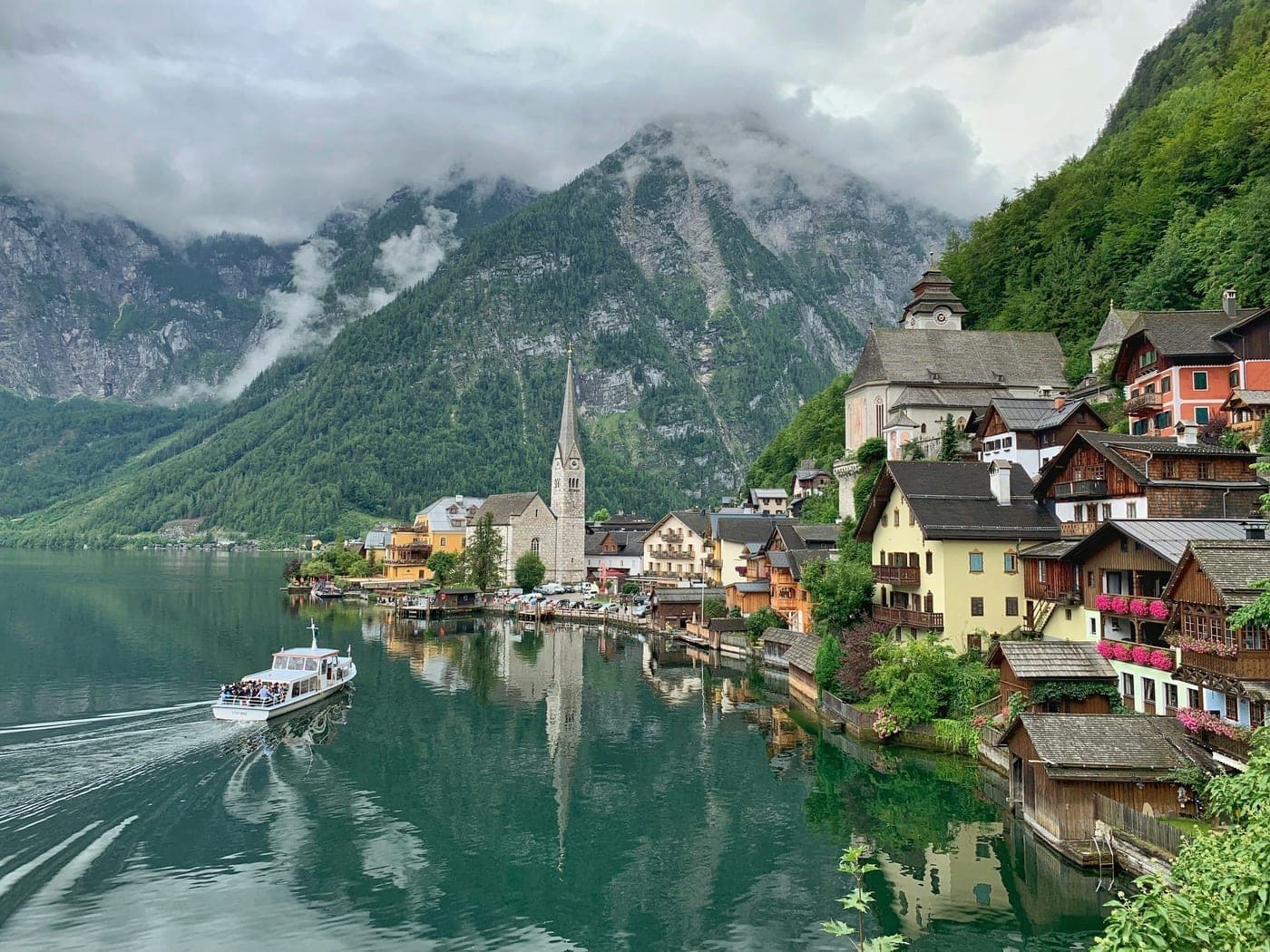 34 dishes
Austria
Austria epitomizes Alpine slow travel with its mountain valleys, historic cities, and strong musical heritage. The country's compact size and excellent rail connections make car-free exploration easy. Traditional wine taverns in Wachau Valley, farm stays in Tyrol, and thermal spa towns offer authentic experiences. Austria's commitment to sustainability shows in organic farming, protected landscapes, and renewable energy. Classical music festivals, artisan workshops, and seasonal markets maintain cultural traditions. The Austrian concept of 'Gemütlichkeit' - cozy comfort - reflects the slow travel philosophy. From Danube cycling routes to mountain hiking trails, Austria encourages active, mindful exploration.
Local dishes from Austria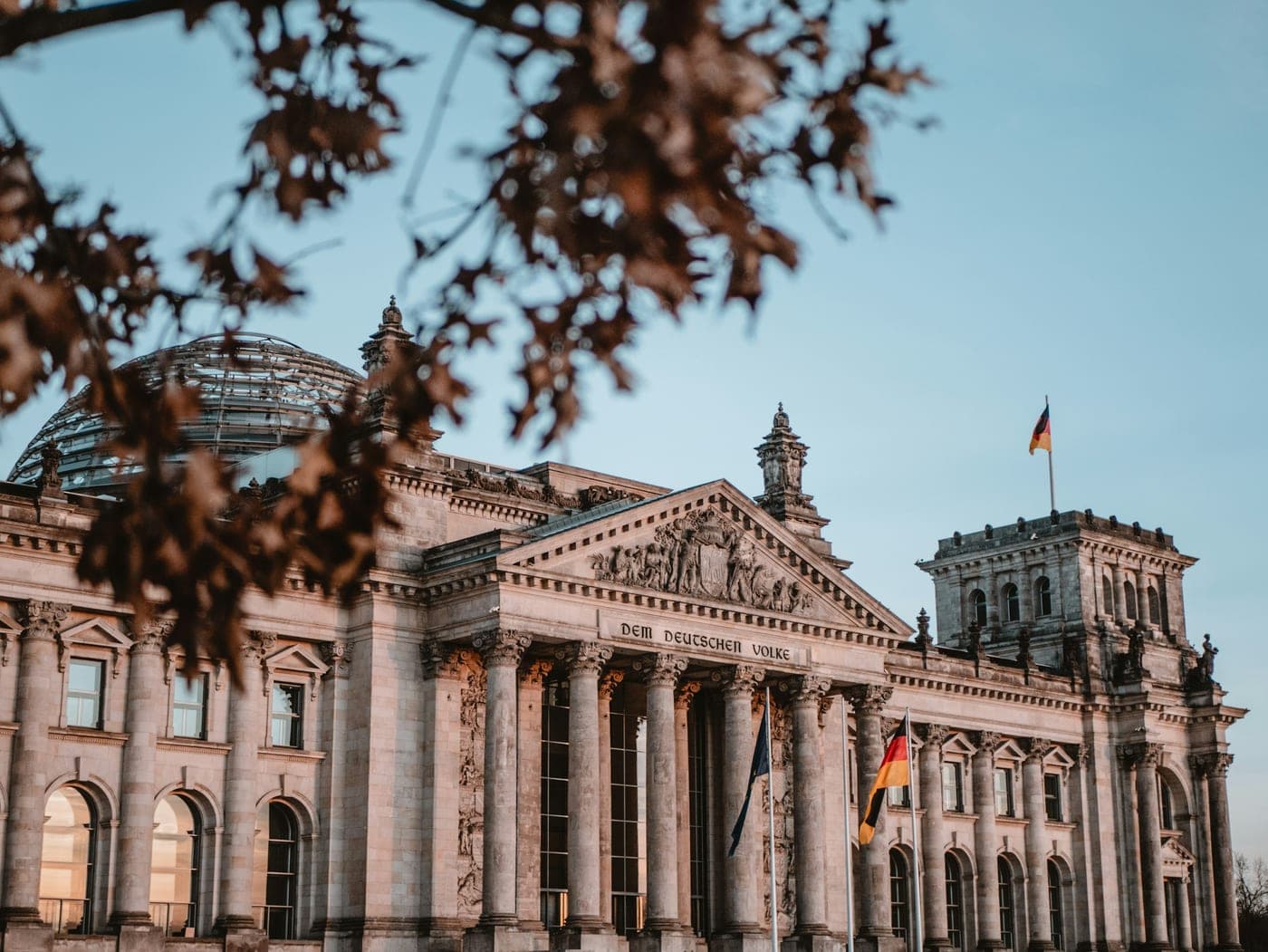 80 dishes
Germany
Germany combines efficient rail networks with deep cultural traditions, making it ideal for slow travel. The country's wine regions along the Rhine and Mosel rivers offer scenic routes through medieval villages. Germany's network of regional trains connects historic towns, castle-topped hills, and spa destinations. The country excels in sustainable tourism, with extensive cycling paths, nature reserves, and eco-friendly accommodations. Local food markets, traditional breweries, and artisan workshops showcase regional craftsmanship. From Baltic Sea islands to Bavarian Alps, Germany's diverse landscapes support varied slow travel experiences. The strong emphasis on quality, tradition, and environmental protection resonates with conscious travelers.
Local dishes from Germany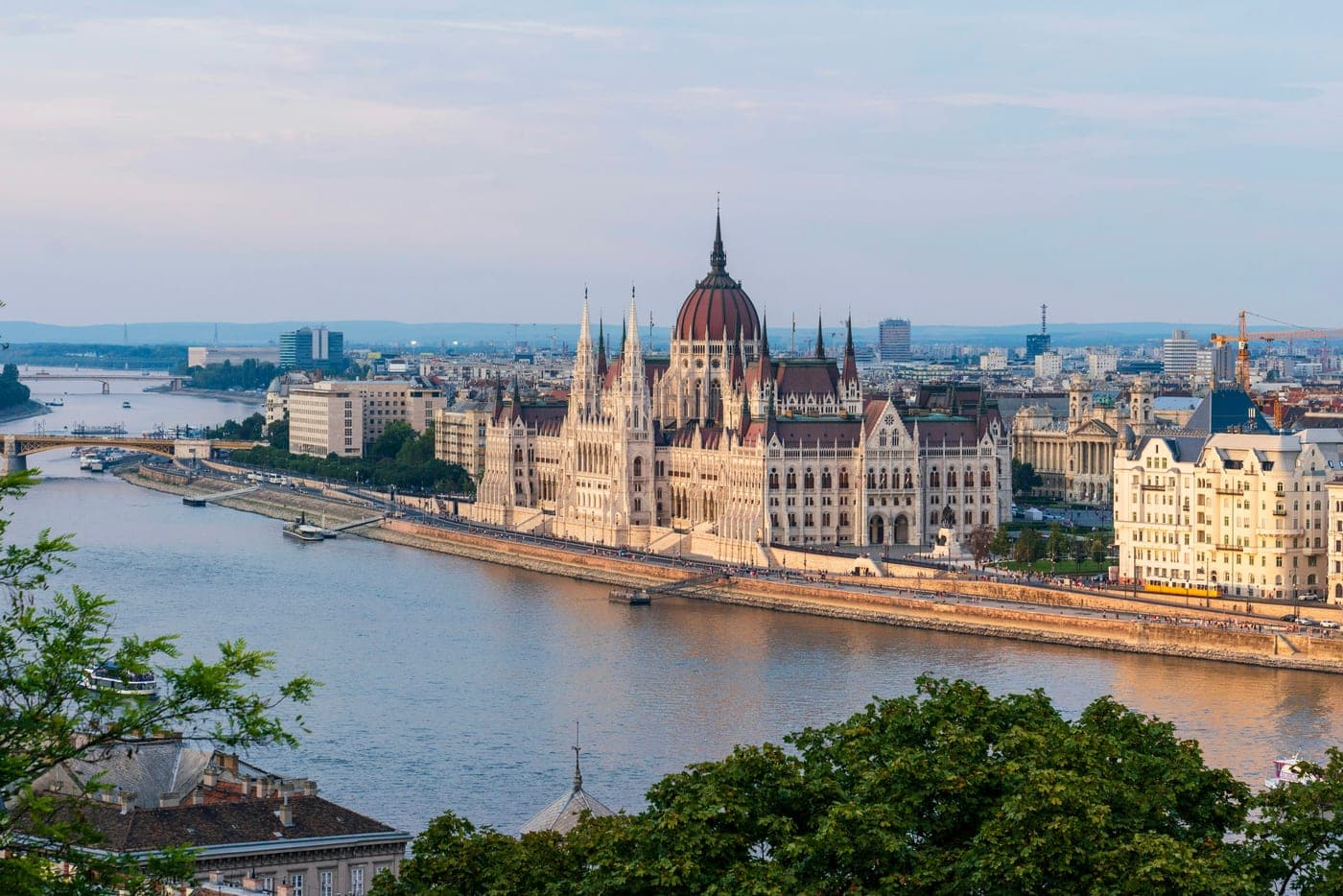 11 dishes
Hungary
Hungary offers rich slow travel experiences through thermal traditions, wine regions, and cultural heritage. Beyond Budapest, regions like Lake Balaton and the Great Plain reveal authentic Hungarian life. Thermal spa towns provide relaxation rooted in Roman traditions. Wine regions like Tokaj and Eger combine centuries-old cellars with scenic countryside. Hungary's emphasis on traditional crafts, folk music, and seasonal festivals maintains cultural continuity. The country's central European position makes it accessible while remaining affordable. Farm stays, rural guesthouses, and thermal baths encourage longer, restorative visits. Hungarian cuisine's focus on seasonal ingredients and hearty traditions reflects agricultural heritage.
Local dishes from Hungary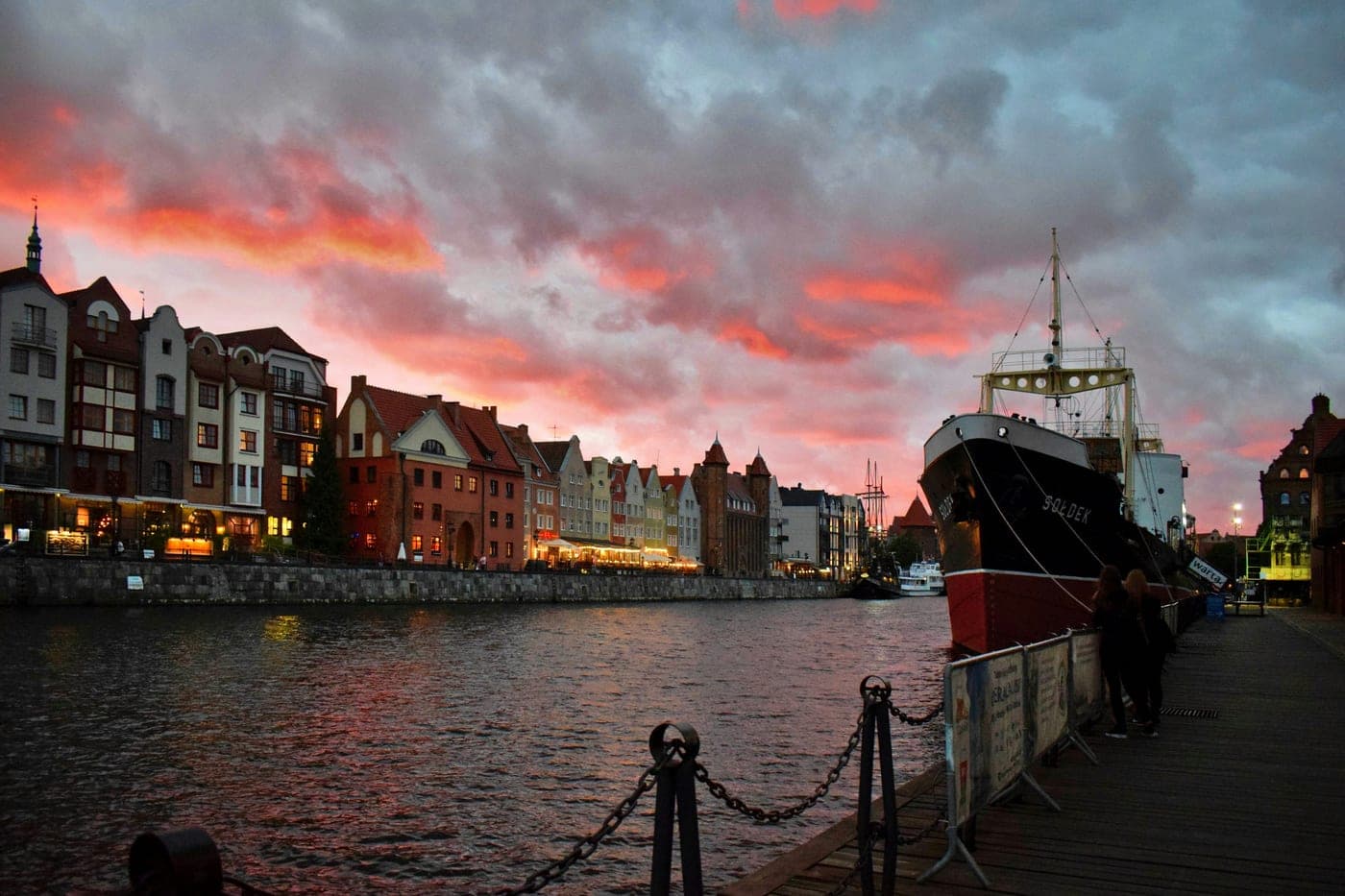 20 dishes
Poland
Poland rewards travelers who slow down. Across the country, medieval town centers survived largely intact, and mountain ranges rise from gentle foothills to sharp granite peaks within sight of one another. Mass tourism arrived here later than in much of Western Europe, so many regions still run on their own rhythm: market squares, family-run guesthouses, and mills that have worked the same way for generations. Each region holds a different version of slow. In the south, Lesser Poland (Małopolska) is the classic case: Kraków's old town anchors a region of stone churches, old salt mines, and villages where the Tatra Mountains close the horizon. Zakopane and the highland villages around it keep a distinct highlander culture alive — carved wooden houses, sheep's cheese called oscypek, and folk music played at weddings and local festivals. Further east, Podlasie is one of the quietest corners of the country. Białowieża Forest, one of the last stretches of primeval woodland in lowland Europe, sits alongside Orthodox churches with onion domes and a patchwork of small farms. It is a region for slow walking and birdwatching. Warmia-Masuria, in the north, is threaded with hundreds of lakes and connecting canals, with brick castles from the Teutonic Order period standing at the water's edge. For wooden architecture specifically, Lesser Poland and the Subcarpathian region (Podkarpacie) hold a string of wooden churches, several recognized by UNESCO, set into villages that rarely see a coach tour. The Beskid foothills in Silesia add wooden chapels and open-air museums, where old farmhouses have been dismantled and rebuilt whole. Two or three simple itineraries make the country easy to plan around without rushing it. A wooden architecture route links the churches of Lesser Poland and Podkarpacie with overnight stays in small villages. A highland loop centers on Zakopane and the Tatra foothills, mixing short mountain walks with folk markets and highland cooking, and suits a full unhurried week. A lakes-and-forest route through Warmia-Masuria and Podlasie trades peaks for water and woodland, with canoeing on quiet lakes and walks through Białowieża's old trees as the main activities. Poland's strength for slow travel is that it has not been fully discovered: prices stay reasonable, villages keep their own pace, and staying an extra day in one place is usually repaid with a folk festival, a home-cooked meal, or a conversation a quicker visit would have missed.
Local dishes from Poland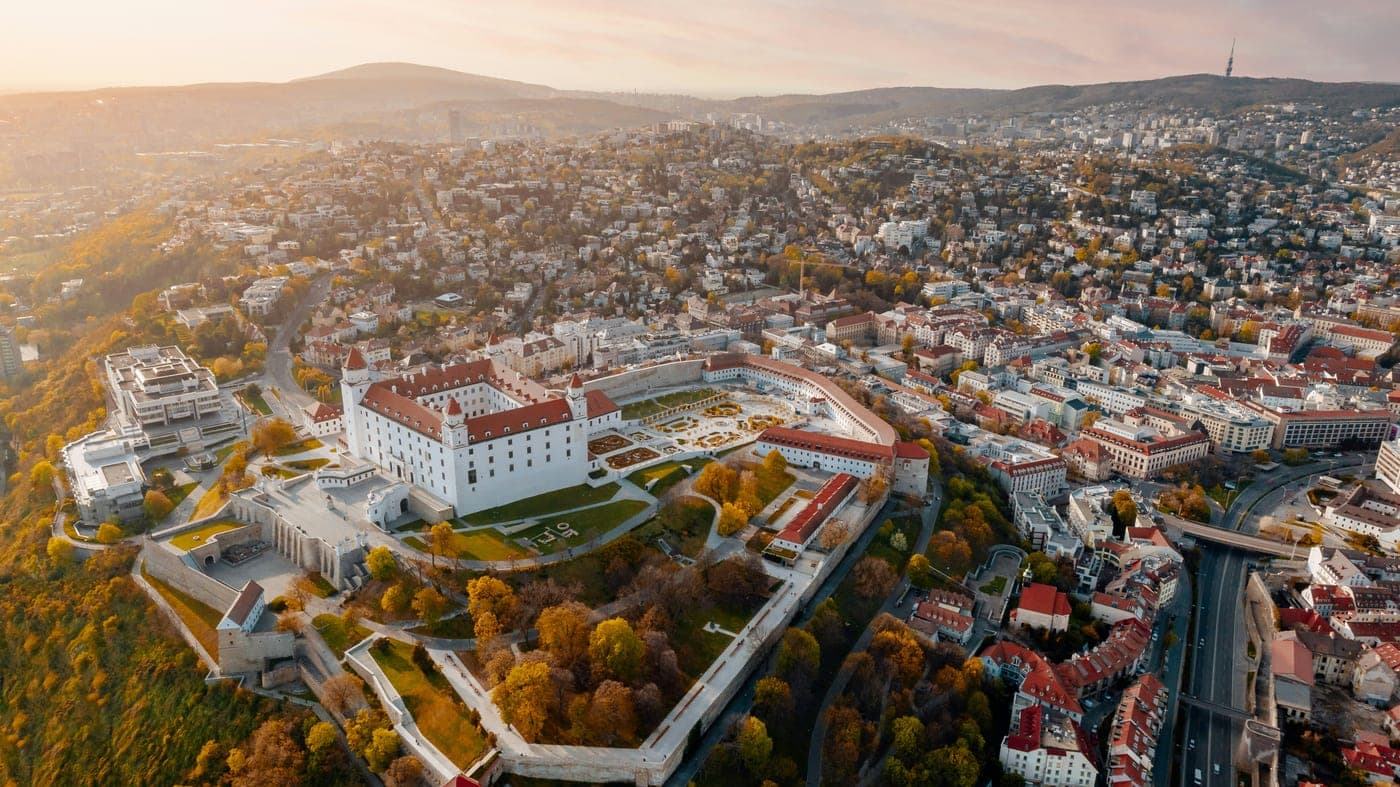 4 dishes
Slovakia
Slovakia offers undiscovered slow travel through High Tatra mountains, medieval castles, and traditional villages. The country's rural character and preserved folk traditions provide authentic cultural immersion. Wooden churches, thermal springs, and mountain chalets showcase regional diversity. Slovakia's emerging wine regions and farm-to-table movement celebrate local ingredients. The country's network of hiking trails, cycling routes, and mountain railways connects remote communities. Traditional shepherding, cheesemaking, and folk festivals maintain centuries-old practices. Slovakia's affordability and lack of mass tourism allow for genuine local interactions. From Bratislava's compact charm to East Slovakia's wilderness, the country rewards explorers seeking off-the-beaten-path experiences.
Local dishes from Slovakia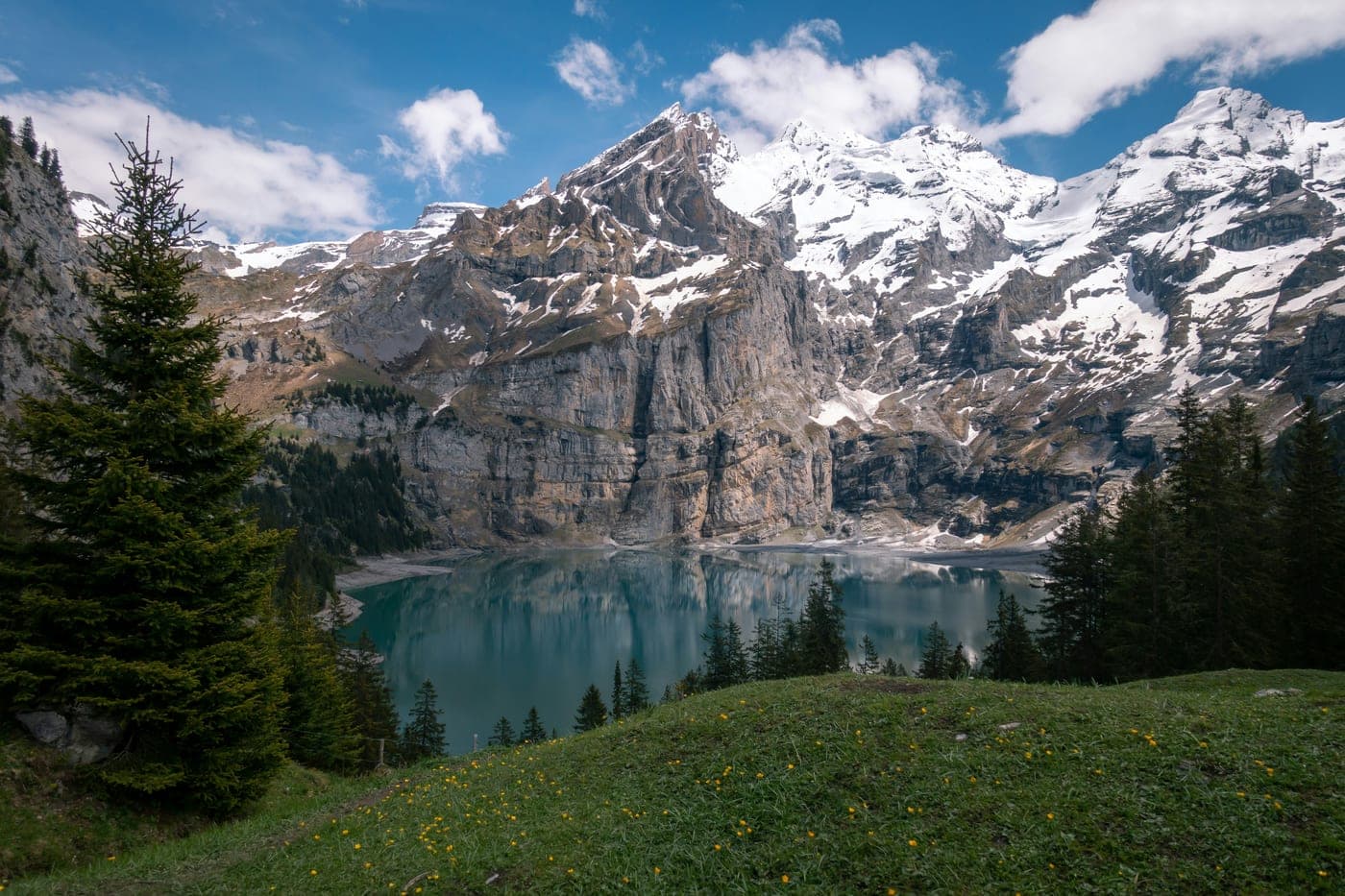 53 dishes
Switzerland
Switzerland offers premium slow travel through pristine Alpine landscapes and impeccably maintained heritage. The world-renowned scenic train routes like the Glacier Express and Bernina Express showcase mountain panoramas at relaxed speeds. Traditional mountain villages maintain centuries-old farming practices and architectural styles. Switzerland's commitment to environmental protection, public transportation, and sustainable tourism makes it a leader in conscious travel. Local cheese dairies, chocolate workshops, and vineyard terraces provide hands-on cultural experiences. The country's multilingual regions offer diverse cultural perspectives within small distances. High quality of life, safety, and infrastructure support comfortable extended stays.
Local dishes from SwitzerlandWestern Europe
03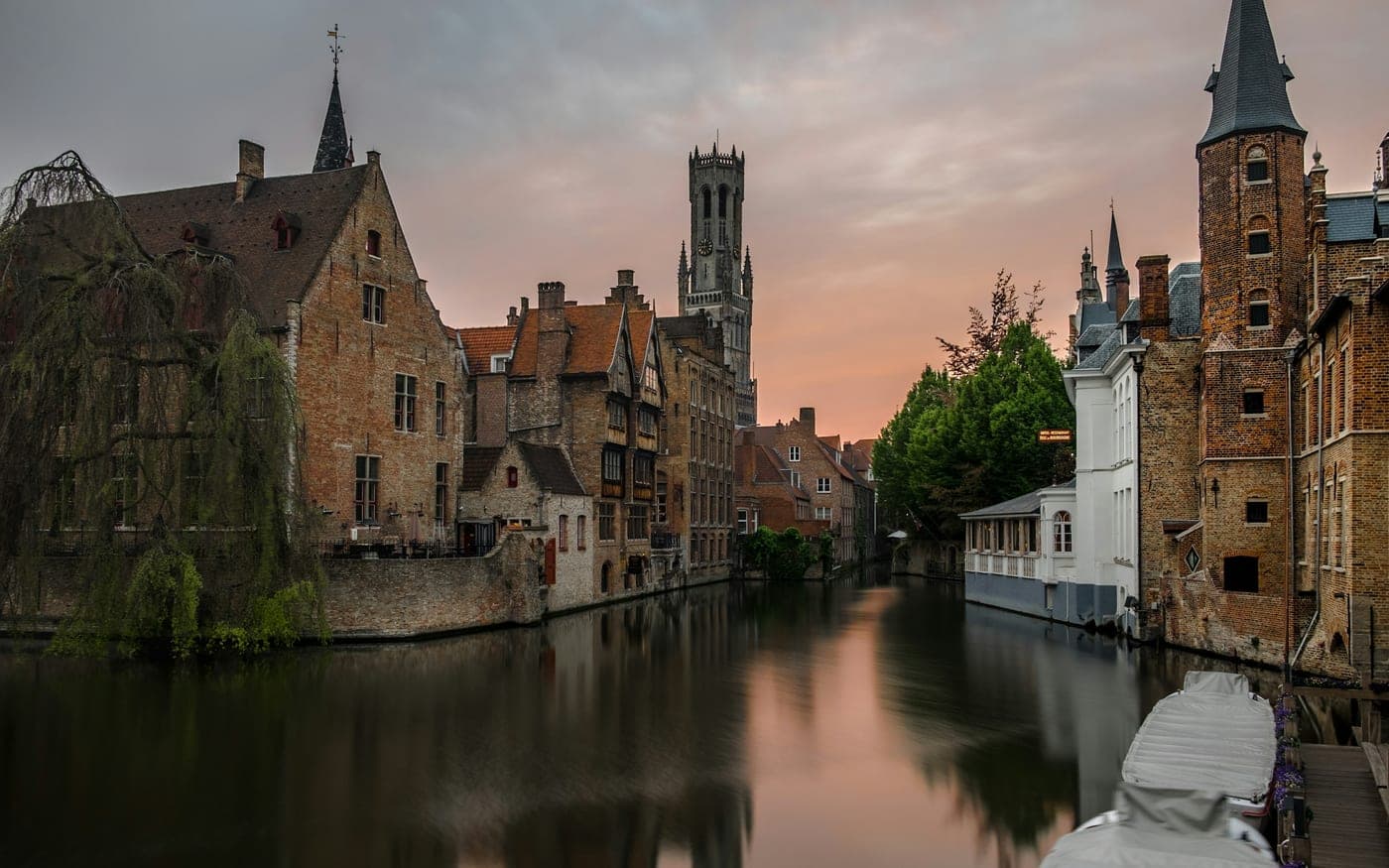 26 dishes
Belgium
Belgium offers concentrated slow travel experiences through medieval cities, artisan traditions, and culinary excellence. The compact country combines Flemish heritage with French influences. Historic city centers maintain Gothic architecture and cobblestone charm. Belgium's beer culture, with hundreds of abbey and craft breweries, provides deep cultural immersion. Chocolate makers, lace workshops, and traditional bakeries continue centuries-old crafts. The country's excellent train connections make car-free exploration easy. From North Sea beaches to Ardennes forests, Belgium's diverse landscapes suit varied interests. Local markets, family restaurants, and cultural festivals reveal authentic Belgian life beyond tourist centers.
Local dishes from Belgium 84 dishes
France
France's table-side reputation is the deepest in Europe — every region defends its own cuisine like a flag. Provence's market towns built the modern food-tour template; Lyon's bouchons and Burgundy's Sunday lunches are still the format. Most regional capitals host both starred kitchens and cooking-school studios within walking distance of the cathedral.
Local dishes from France 27 dishes
Netherlands
The Netherlands excels in slow, sustainable travel through extensive cycling infrastructure and compact geography. Flat landscapes and well-maintained bike paths make cycling the preferred way to explore. Historic canal cities, windmill villages, and tulip fields offer quintessentially Dutch experiences. The country's progressive approach to sustainability, urban planning, and public transport supports eco-conscious travel. Traditional cheese markets, artisan workshops, and family farms maintain heritage crafts. From Frisian lakes to Zeeland's coast, varied landscapes suit different travel styles. The Netherlands' efficiency and organization make slow travel accessible and stress-free while maintaining authentic character.
Local dishes from NetherlandsSouthern Europe
06 2 dishes
Bulgaria
Bulgaria's Black Sea coast combines ancient history with natural beauty. Greek and Roman ports like Sozopol and Nessebar preserve millennia of maritime tradition, while the tideless waters simplify navigation. The Ropotamo River estuary creates unique ecosystems, and Varna showcases archaeological treasures.
Local dishes from Bulgaria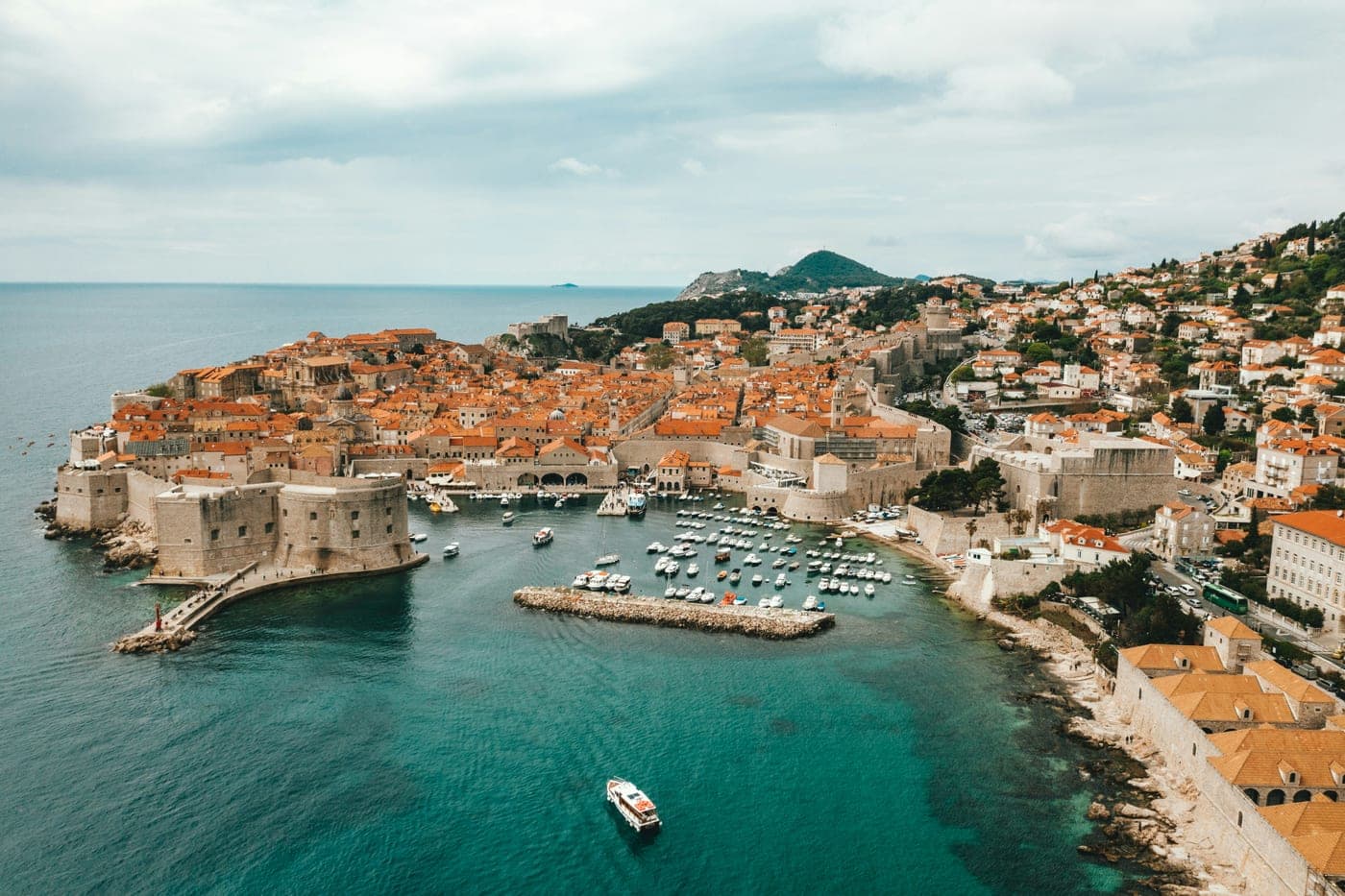 12 dishes
Croatia
Croatia combines Adriatic beauty with rich cultural heritage spanning Roman, Venetian, and Austro-Hungarian influences. The Dalmatian coast's medieval walled cities contrast with quiet fishing villages and island communities. Croatia's diverse regions offer varied experiences from Istrian hilltop towns to Plitvice's waterfalls. The country's wine regions, olive groves, and agritourism movement celebrate local traditions. Slow ferry connections between islands encourage leisurely exploration. Croatian cuisine blends Mediterranean and Central European influences with emphasis on fresh seafood and local ingredients. The country's growing focus on sustainable tourism preserves natural beauty while supporting local communities. Traditional konobas (taverns), family-run wineries, and coastal hiking trails reveal authentic Croatian life.
Local dishes from Croatia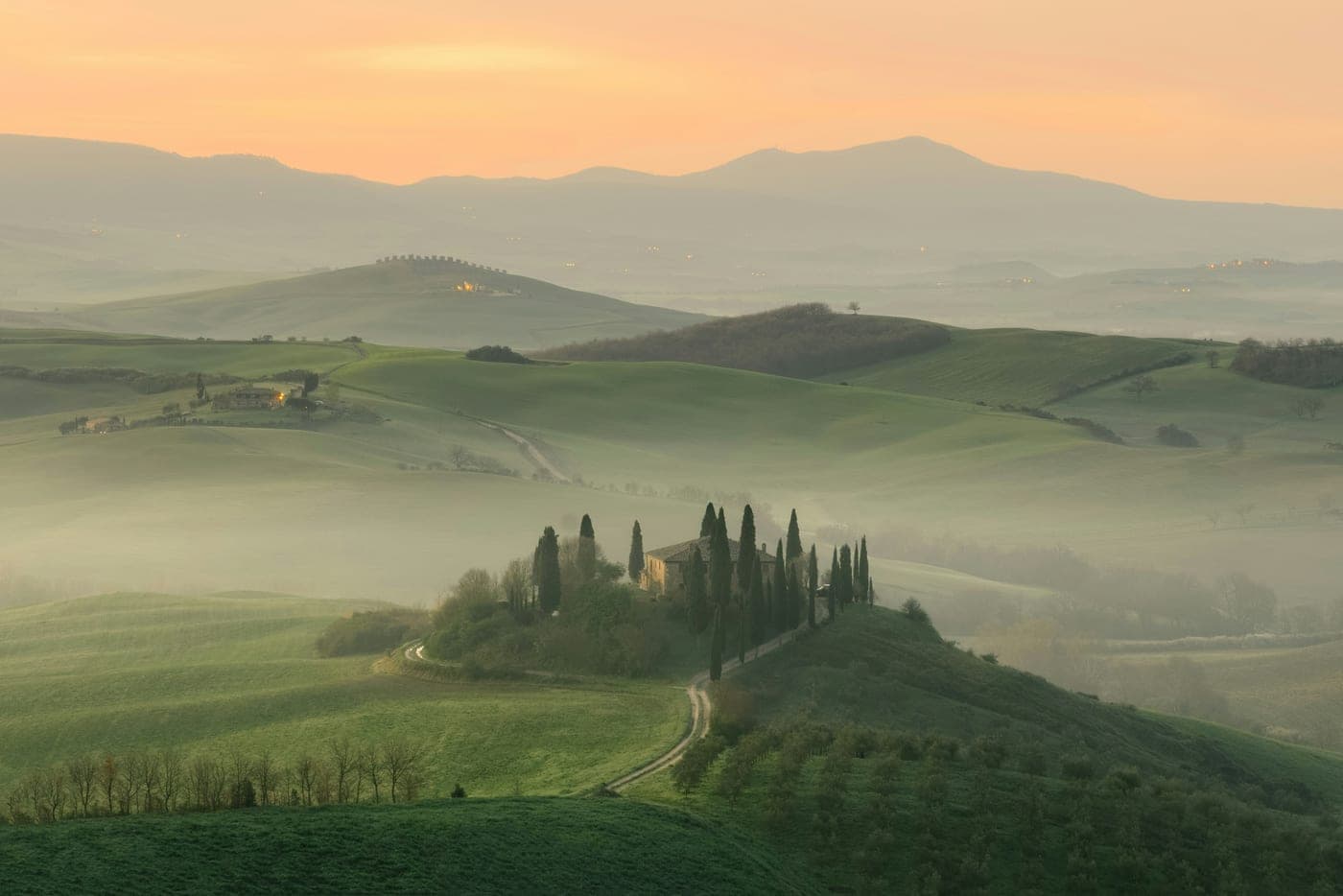 160 dishes
Italy
Italy's food map is village-by-village, not country-wide — pasta shapes, sauces, breads, and pastries change every 50 kilometres. The towns below sit on regional specialties (Puglia's orecchiette, Tuscany's bistecca, Piedmont's truffles) and most have a cooking-class culture built around them. Lunch is the main meal; reserve accordingly.
Local dishes from Italy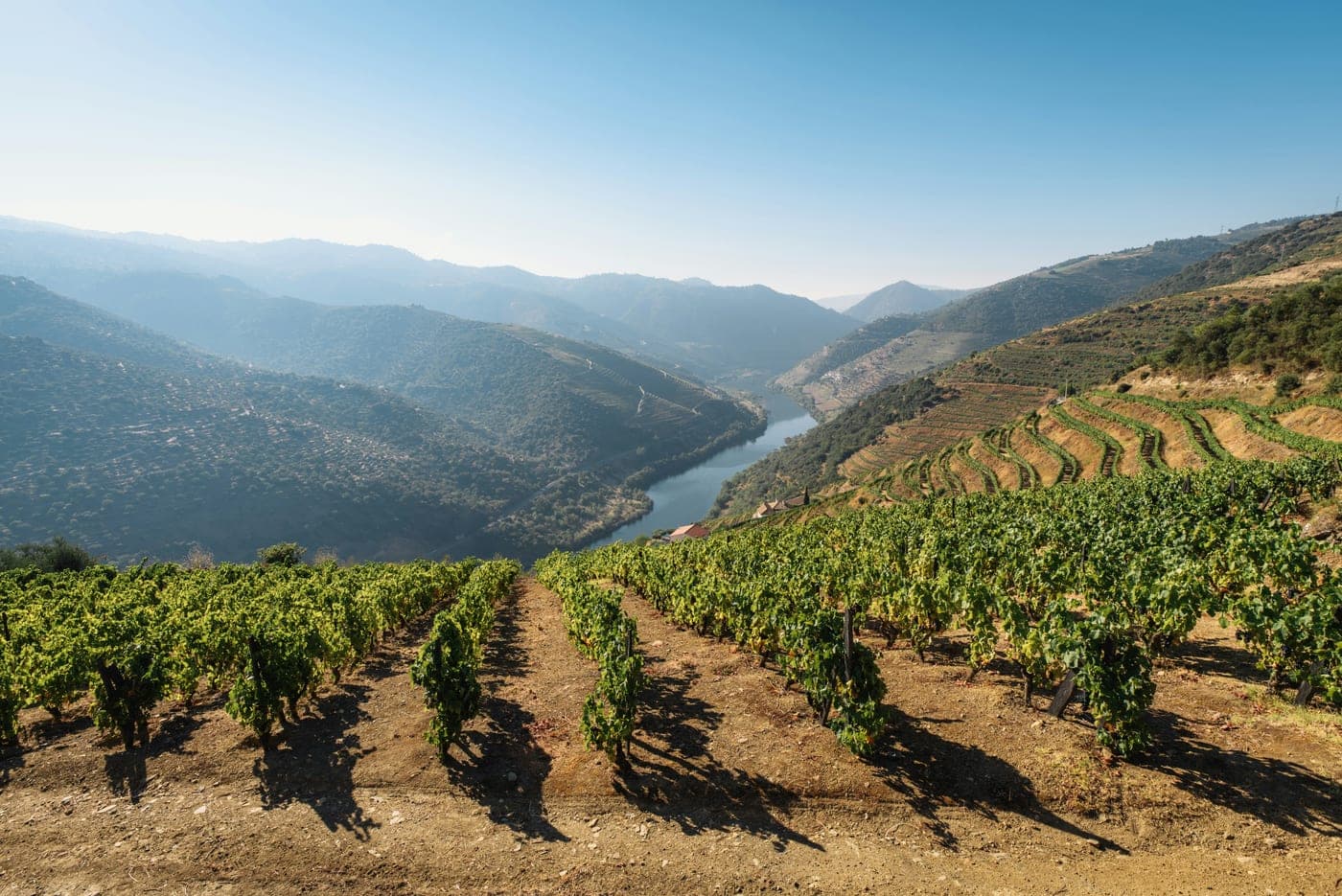 35 dishes
Portugal
Portugal's food scene runs on simple, brilliant raw materials — Atlantic fish hours from the boat, olive oil from cousin's groves, pastries from convents. Algarve's coastal towns specialise in cataplana and grilled sardines; food tours frame the day, cooking classes in private homes the weekend. Tasting menus are still affordable compared to most of Western Europe.
Local dishes from Portugal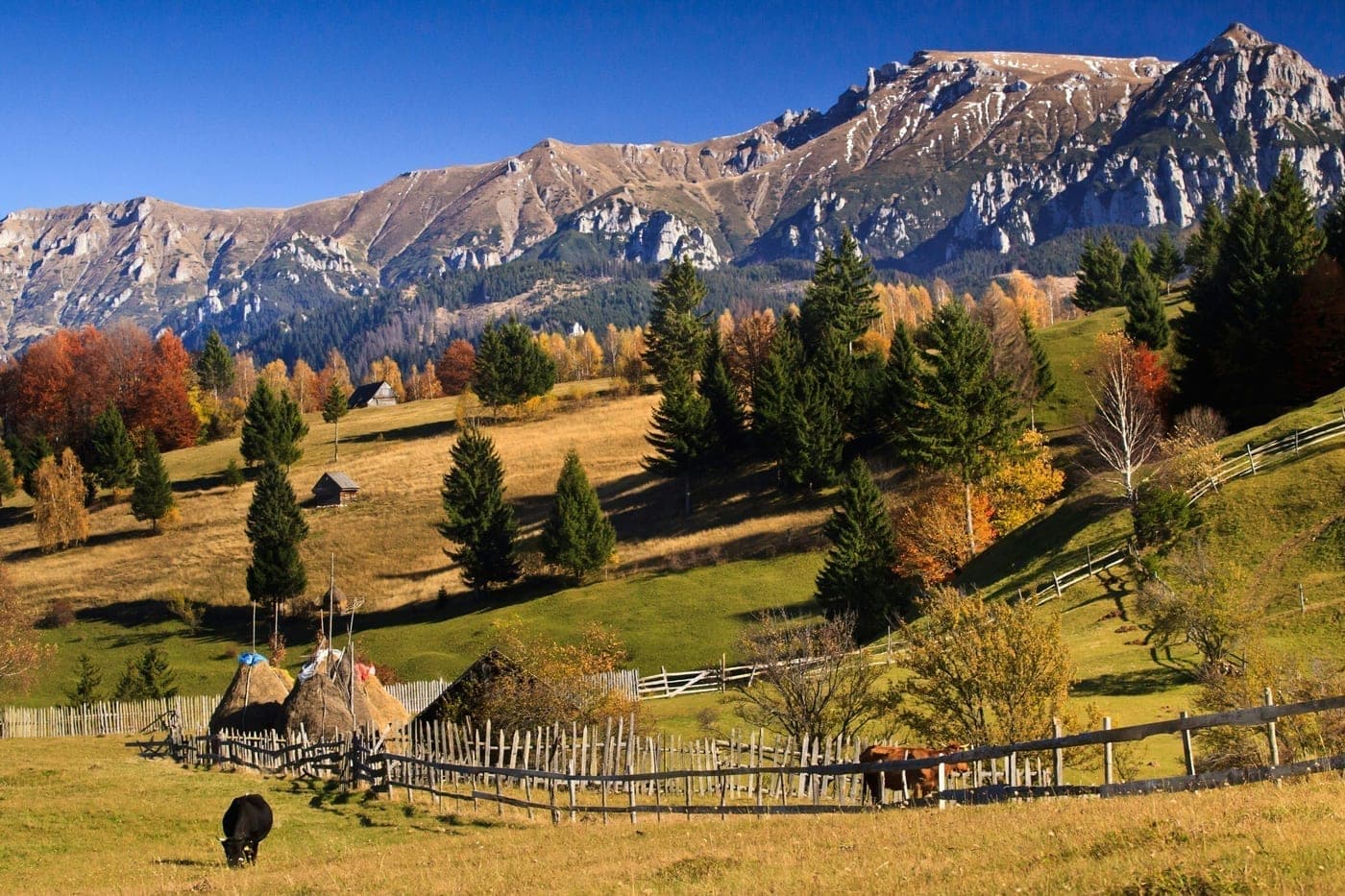 2 dishes
Romania
Romania offers authentic slow travel through preserved medieval towns, mountain villages, and rural traditions largely unchanged for centuries. Transylvania's fortified churches, painted monasteries, and Saxon villages reveal layered cultural heritage. The Carpathian Mountains provide extensive wilderness hiking and traditional shepherd culture. Romania's emerging wine regions and farm stays connect visitors with agricultural traditions. Horse-drawn carts still work fields in rural areas where traditional crafts continue. The country's affordability and relatively undeveloped tourism infrastructure mean authentic experiences remain accessible. From Danube Delta birdwatching to Maramureș wooden churches, Romania rewards patient travelers. Local hospitality, homemade țuică, and seasonal festivals provide genuine cultural exchange.
Local dishes from Romania 85 dishes
Spain
Spain's diverse regions offer endless opportunities for slow travel, from Galicia's pilgrimage routes to Andalusia's white villages. The country's strong regional identities mean each area has unique languages, traditions, and cuisines. Spain's extensive network of paradores (historic hotels) and scenic train routes like the Costa Verde Express encourage leisurely exploration. The Spanish lifestyle, with its late dinners, afternoon siestas, and emphasis on social connections, naturally aligns with slow travel values. Wine regions, coastal villages, and mountain valleys provide settings for authentic cultural immersion. Local festivals, family-run bodegas, and traditional markets reveal Spain's deep-rooted traditions.
Local dishes from SpainNorthern Europe
06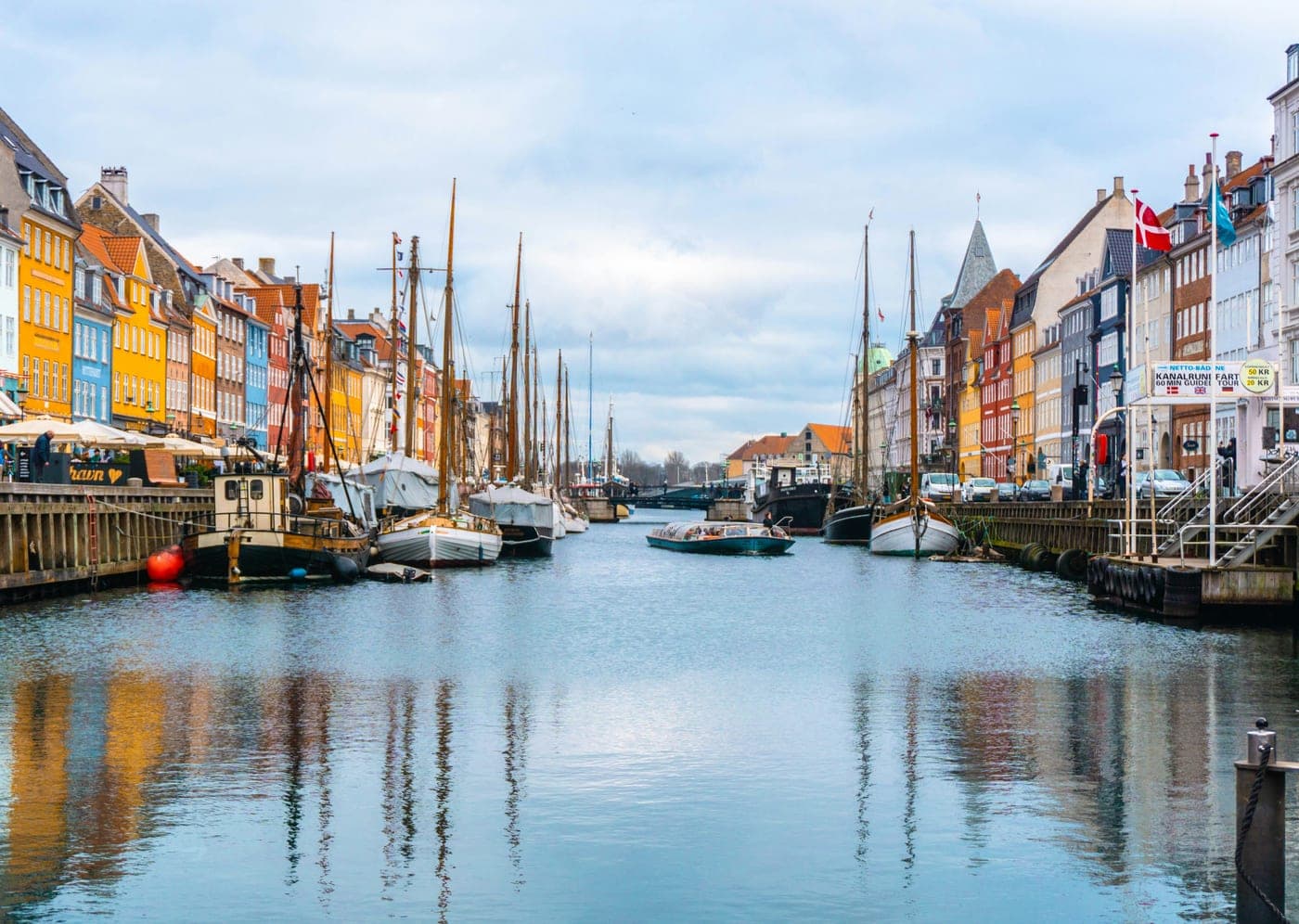 7 dishes
Denmark
Denmark exemplifies Scandinavian slow living with its emphasis on hygge, sustainability, and quality of life. The flat landscapes and extensive cycling infrastructure make bike touring the natural way to explore. From Copenhagen's urban sustainability initiatives to rural island communities, Denmark balances modern design with traditional values. The country's commitment to organic farming, renewable energy, and work-life balance creates an ideal environment for mindful travel. Traditional fishing villages, historic manor houses, and coastal landscapes offer peaceful retreats. Danish design philosophy, craft beer culture, and New Nordic cuisine reflect values of simplicity, quality, and local sourcing. The concept of 'hygge' - cozy contentment - perfectly captures Denmark's approach to life.
Local dishes from Denmark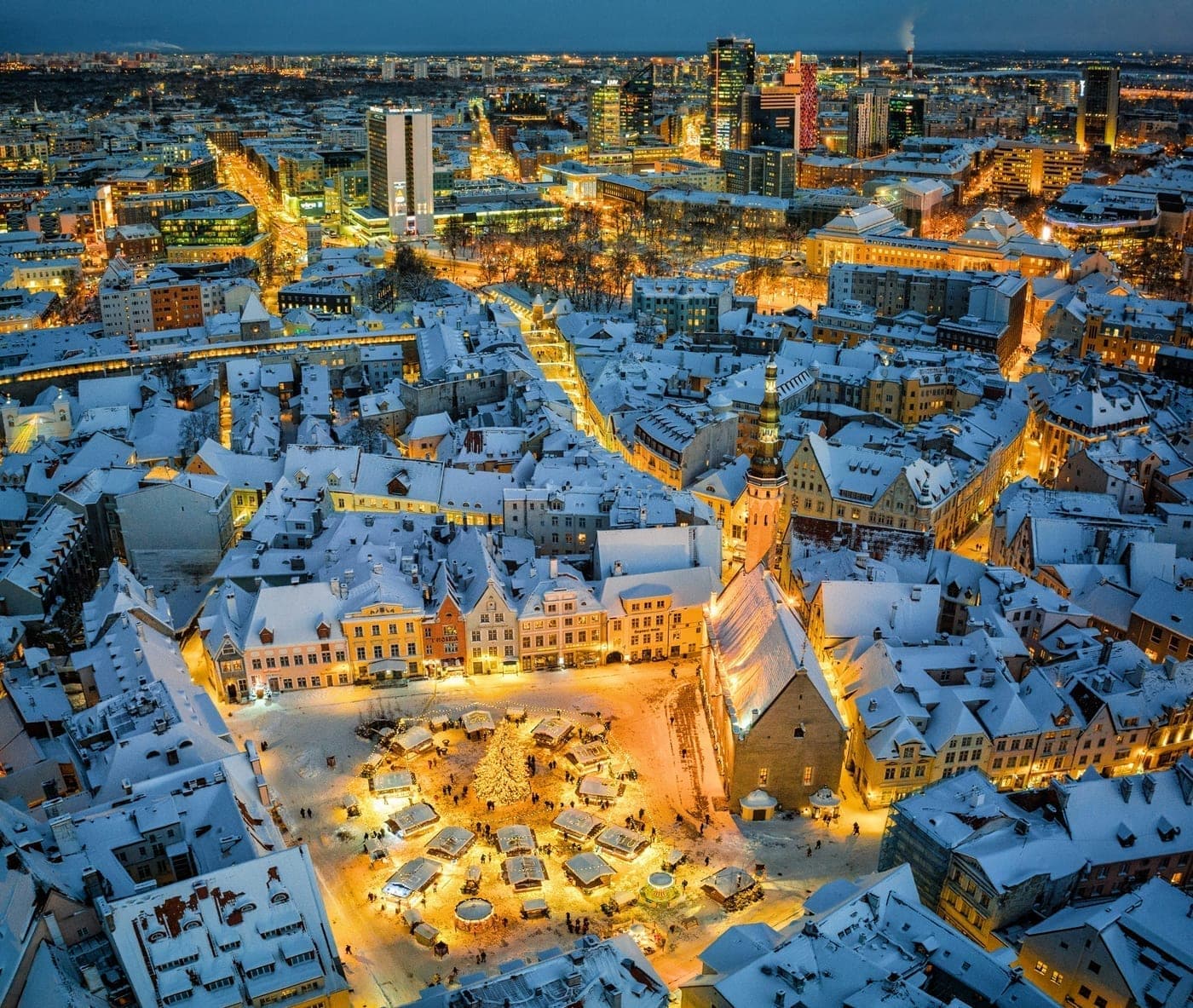 4 dishes
Estonia
Estonia offers a unique blend of medieval heritage and digital innovation in a pristine natural setting. This Baltic nation combines UNESCO-listed old towns with extensive forests and over 2,000 islands. Estonia's commitment to sustainability shows in its protected nature reserves, organic farming movement, and renewable energy initiatives. The country's small size makes it perfect for slow exploration by train, bike, or coastal ferry. Traditional wooden saunas, manor house accommodations, and farm stays provide authentic experiences. Estonian cuisine celebrates seasonal ingredients from forests, bogs, and the Baltic Sea. The nation's rich folk traditions, including song festivals and handicrafts, maintain cultural continuity while embracing modern innovation.
Local dishes from Estonia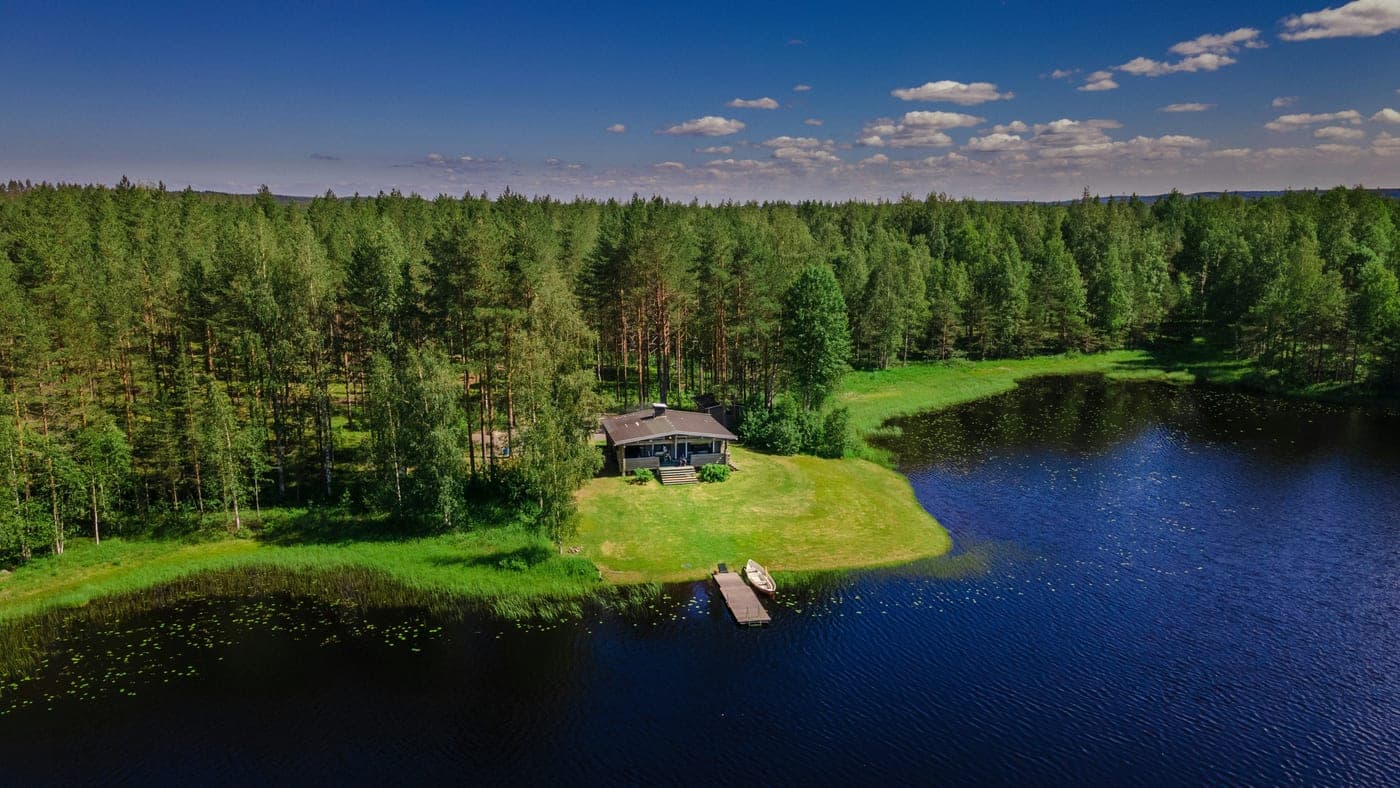 13 dishes
Finland
Finland offers profound slow travel through pristine wilderness, deep cultural traditions, and a unique relationship with nature. The country's vast forests, thousands of lakes, and Arctic regions provide spaces for reflection and restoration. Finland's sauna culture, cottage living, and seasonal rhythms connect visitors with ancient traditions. The concept of 'sisu' - perseverance and resilience - reflects the Finnish character. From Lapland's midnight sun to archipelago island-hopping, Finland rewards unhurried exploration. The country's commitment to education, design, and sustainability creates high-quality experiences. Traditional smoke saunas, berry-picking, and cross-country skiing connect travelers with natural cycles. Finnish cuisine celebrates pure ingredients from forests, lakes, and small farms.
Local dishes from Finland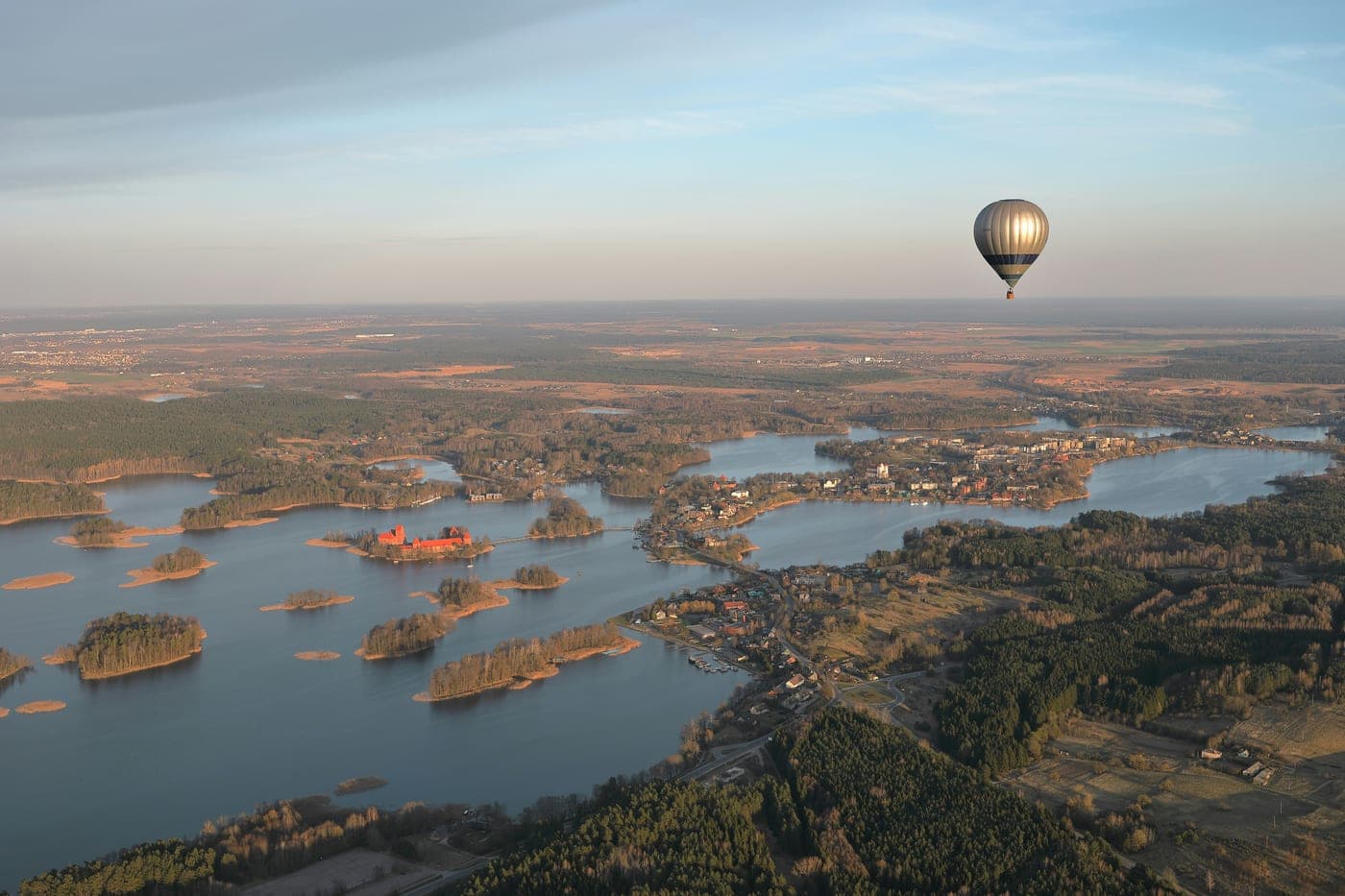 4 dishes
Lithuania
Lithuania's Baltic coast centers on the unique Curonian Spit, a UNESCO World Heritage site stretching 98 kilometers. The Curonian Lagoon offers sheltered sailing, traditional fishing villages preserve amber-gathering traditions, and Klaipėda's historic port combines German and Lithuanian maritime heritage.
Local dishes from Lithuania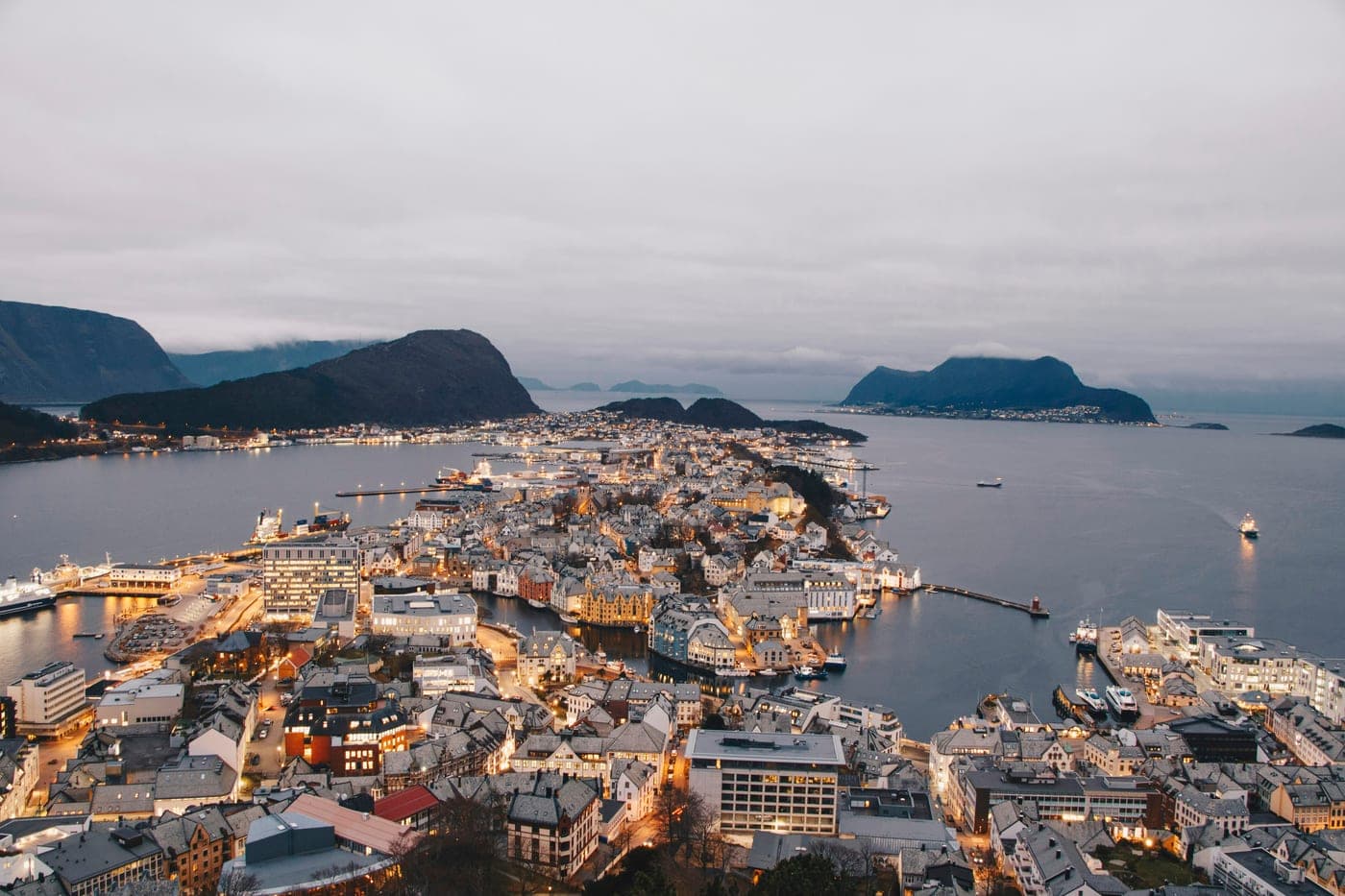 17 dishes
Norway
Norway epitomizes slow travel through dramatic fjords, mountain plateaus, and coastal communities. The country's preserved natural beauty and outdoor culture encourage active, contemplative exploration. Norway's commitment to sustainability shows in electric transport, renewable energy, and responsible tourism practices. Traditional mountain huts, coastal ferries, and scenic rail routes connect remote landscapes. Norwegian food traditions celebrate seasonal ingredients from mountains, forests, and cold waters. The concept of 'friluftsliv' (open-air living) reflects deep connection with nature. From Arctic aurora to fjord kayaking, Norway offers transformative natural experiences. Small fishing villages, stave churches, and artisan workshops maintain cultural heritage. Norway's high quality standards ensure comfortable, memorable slow travel.
Local dishes from Norway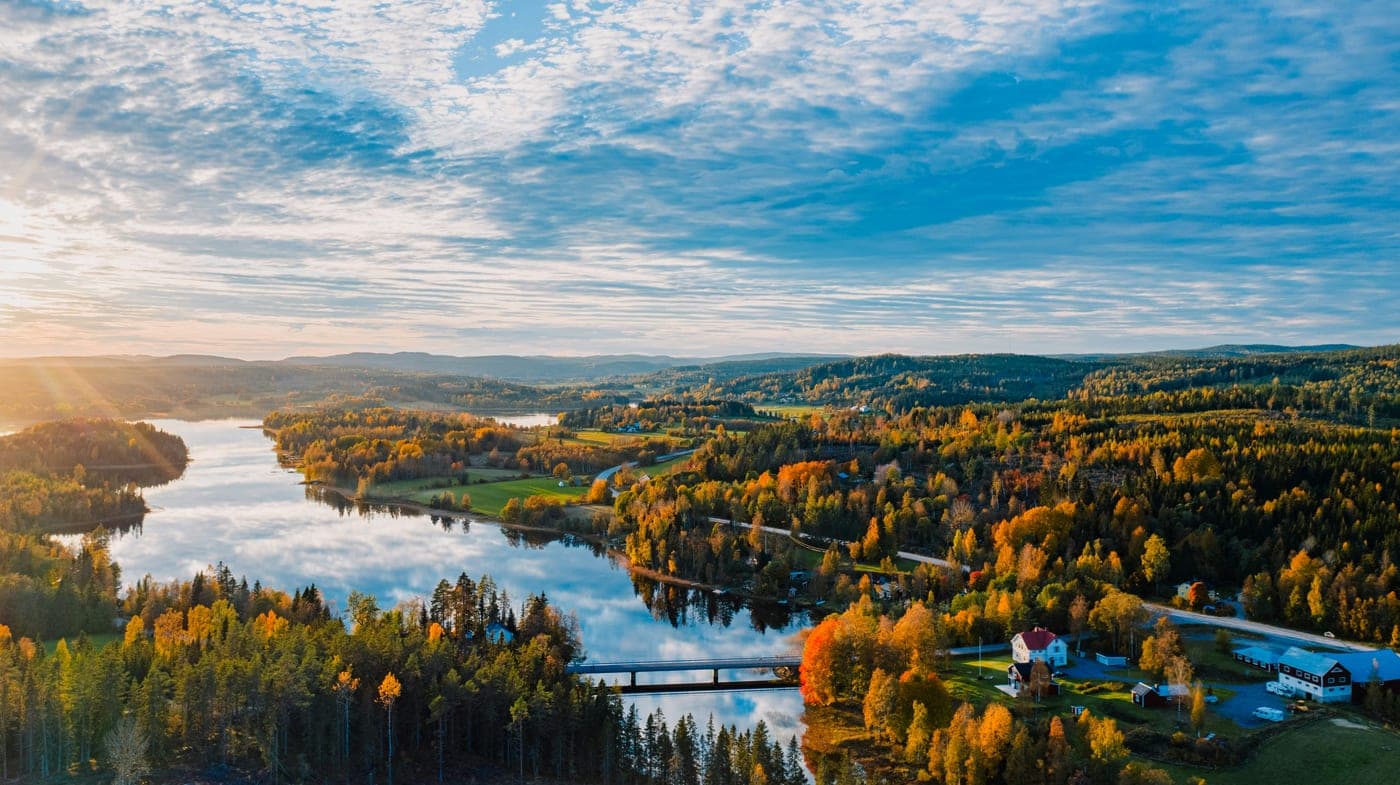 18 dishes
Sweden
Sweden offers refined slow travel through vast wilderness, archipelago landscapes, and strong sustainability values. The Swedish concept of 'allemansrätten' (right to roam) provides access to nature for foraging, hiking, and wild camping. From Arctic Lapland to southern farmlands, Sweden's diverse regions support varied travel styles. The country's emphasis on fika (coffee breaks), lagom (balance), and quality of life creates a relaxed pace. Traditional red cottages, artisan workshops, and local food movements celebrate Swedish heritage. Sweden's commitment to organic farming, renewable energy, and design excellence shows in tourism offerings. Island-hopping, long-distance hiking trails, and seasonal celebrations like Midsummer connect travelers with natural rhythms.
Local dishes from SwedenBritish Isles
02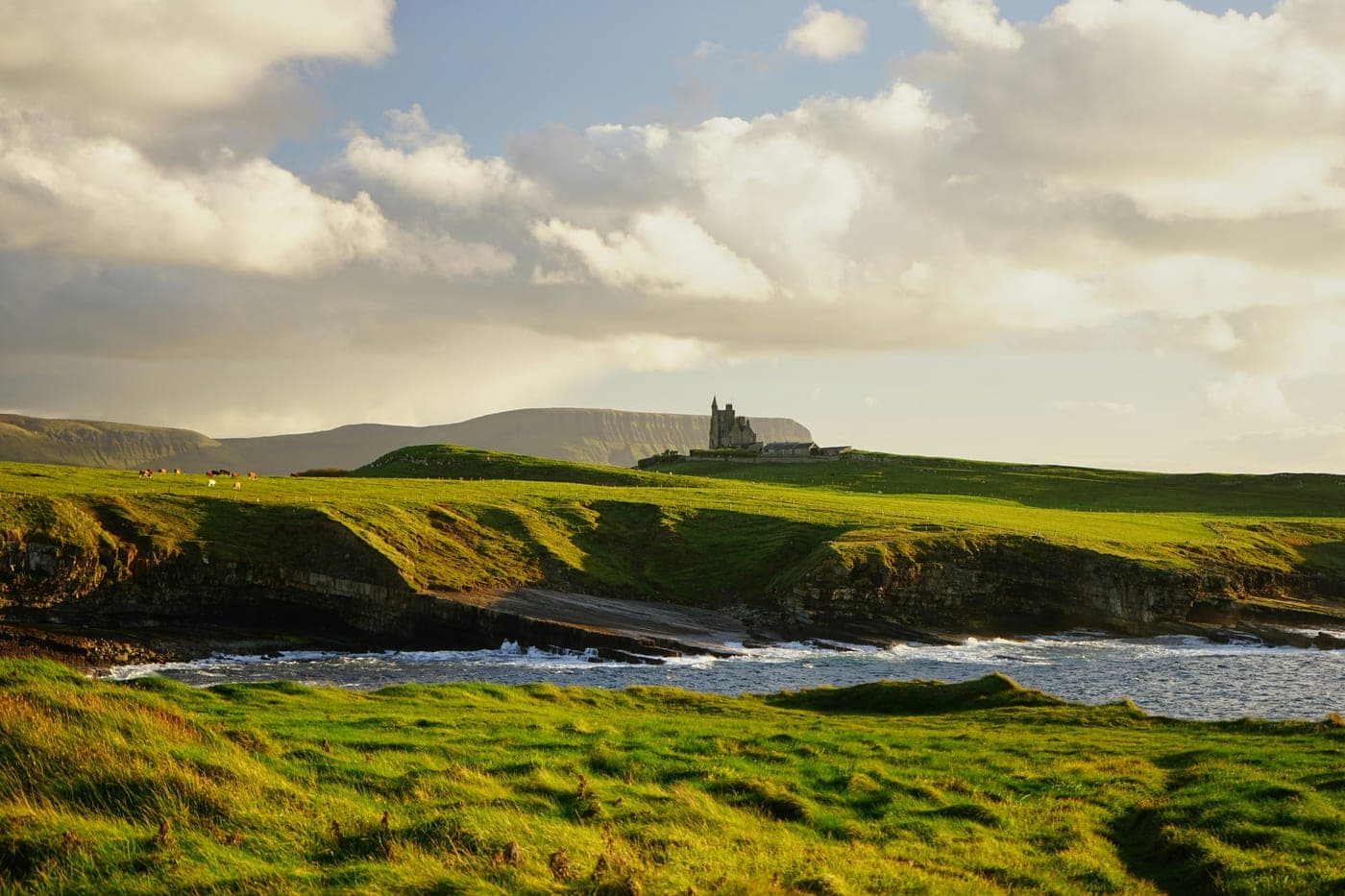 15 dishes
Ireland
Ireland's Atlantic coastline reveals dramatic cliffs, sheltered bays, and remote islands steeped in maritime heritage. From the rugged Wild Atlantic Way to historic harbor towns, the Irish coast offers authentic slow travel experiences combining Celtic culture, traditional fishing villages, and unspoiled natural beauty.
Local dishes from Ireland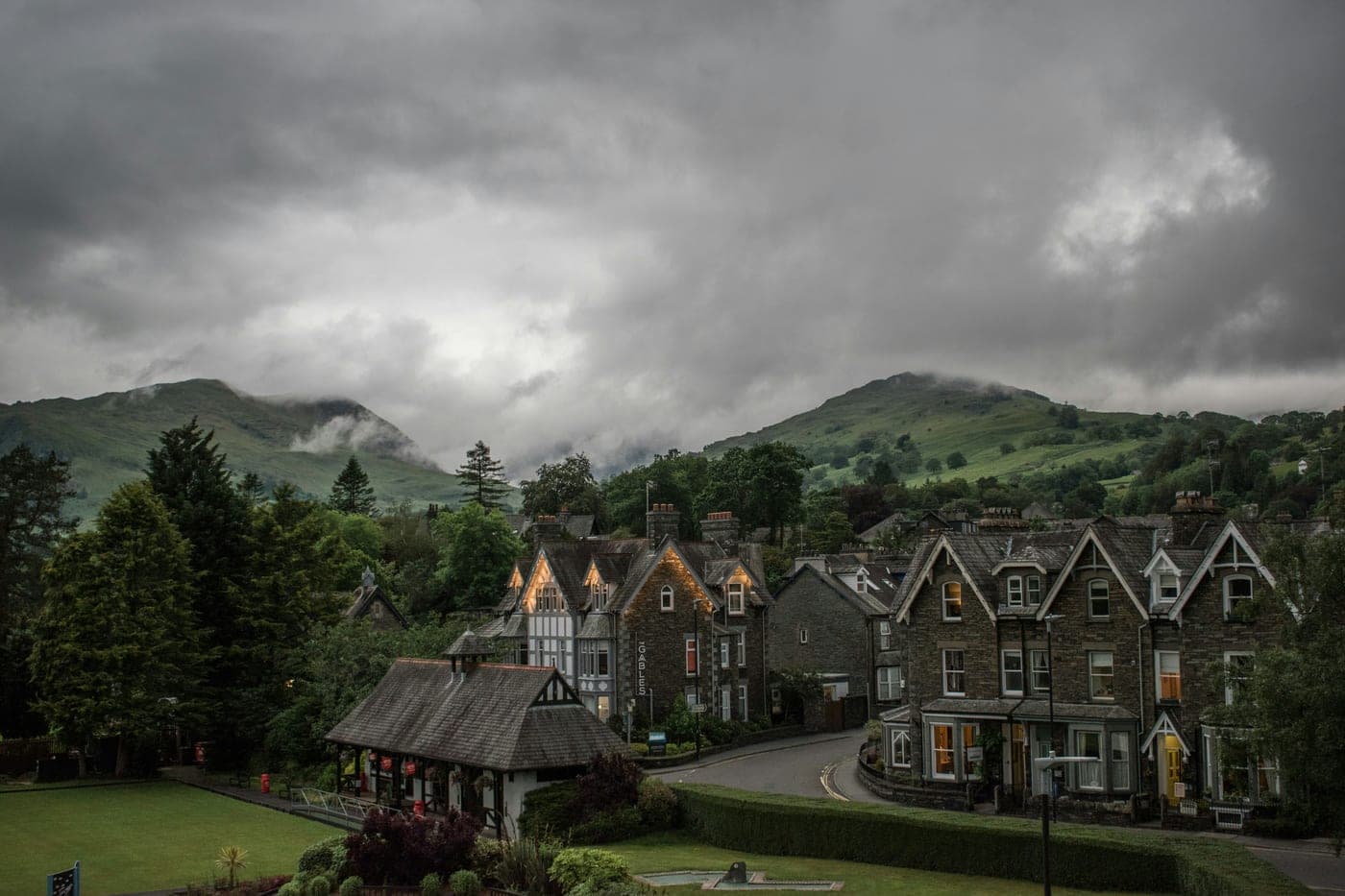 20 dishes
United Kingdom
The UK's diverse coastlines span England's sandy coves and historic ports, Scotland's dramatic sea lochs and Hebridean islands, Wales' Pembrokeshire harbors, and Northern Ireland's coastal routes. Rich sailing heritage, medieval castles, and varied landscapes make it ideal for coastal exploration.
Local dishes from United KingdomTips for an eating trip.
Five small habits that turn a meal in a strange city into something you'll remember by the second glass of wine.
- 01Reserve the tasting menu before you fix the rest of the trip — single-table restaurants in Tuscany or Catalonia sell out three weeks ahead, especially in spring and autumn, and the dates often dictate the route.
- 02Start with a food tour, not a restaurant — two hours with a local guide on day one shows you which kitchens to book the rest of the week and which to skip.
- 03Cooking classes work best mid-trip, not first day — the market visit lands harder when you've already eaten the regional staples a few times and know what you're learning to recreate.
- 04Eat lunch early in the cities you don't know — most kitchens stop seating at 14:00 sharp in France, Spain, and Italy; walk-ins after that often mean an underwhelming chain.
- 05Save room for the producer visit — an hour at an olive oil mill, a cheese dairy, or a small winery teaches more about regional food than the restaurant that uses their products will.
Four ways to eat Europe.
From an hour with a market trader to an afternoon making pasta from scratch — local cuisine in Europe comes in roughly four formats. Pick the one that fits the day.
Food tour with a local
A two-to-three hour walking tour with a local guide — markets, butchers, deli stops, a small tasting at each. The best thing to book on the first day in a new city: by the end you'll know what the locals actually eat, and the rest of the week's reservations write themselves.
Tasting menu at a notable kitchen
An evening at a Michelin-starred or critically praised restaurant — typically two to four hours, six to twelve courses. Book a few weeks ahead in popular cities. The format for marking an occasion at a kitchen that's earned its reputation slowly.
Cooking class with a local cook
A half-day in someone's home or studio — usually four to eight hours including a market visit, prep, cooking, and the meal you've just made. The hands-on version. You leave with the technique for one regional dish and, more importantly, dinner.
Producer tasting (wine, oil, cheese)
An hour or two at a cellar, olive oil mill, cheese dairy, or sweet shop — the small, single-product tastings that anchor a regional food scene. Cheap, short, and the easiest way to learn what makes a place's food taste like itself.
Asked & answered.
- Slowfoxes curates four types of food experiences across Europe: walking food tours with local guides (2–3 hours through markets, delis, and tasting stops), tasting menus at notable restaurants (Michelin-starred and critically praised kitchens, 6–12 courses), cooking classes with local cooks (half-day sessions including a market visit, prep, cooking, and eating), and single-producer tastings at olive oil mills, cheese dairies, and small wineries.
- Italy's food map changes every 50 kilometres — Puglia's orecchiette, Tuscany's bistecca, Piedmont's truffles — and most towns have a cooking-class culture built around local specialties. France's regions each defend their own cuisine: Provence's market towns, Lyon's bouchons, and Burgundy's Sunday lunches set the template. Portugal offers brilliant raw materials — Atlantic fish, olive oil from family groves, and convent pastries — at prices lower than most of Western Europe.
- Yes — tasting menus at single-table restaurants in Tuscany or Catalonia sell out three weeks ahead, especially in spring and autumn. Cooking classes also book up quickly as they're limited to small groups. Food tours are easier to join at shorter notice but benefit from advance booking in peak season. A good strategy is to reserve the tasting menu first, then build the rest of the trip around it.
- Spring (April–May) and autumn (September–October) are ideal — produce is seasonal, restaurants are at their best, and crowds are thinner. Autumn brings harvest festivals, truffle season in Piedmont, and olive oil pressing in Puglia and Portugal. Summer is lively but hot and crowded in Mediterranean countries. Winter suits comfort food regions like Burgundy, Alpine Austria, and northern Italy.