Bamberger Rauchbier
The smoky amber beer from Bamberg's wooden casks
- Alcoholic
- Local name
- Bamberger Rauchbier
- Served
- From the wooden cask, in a mug
- Best eaten at
- A Bamberg brewery tavern
- Pairs with
- Schäufele or smoked meats
The taste of the old kiln
Bamberger Rauchbier is one of the most instantly recognisable drinks in German brewing, and it belongs entirely to the city of Bamberg in Upper Franconia. Smoked beers are now brewed elsewhere too, but the classic examples remain a local speciality of the city and its immediate surroundings. The name translates simply as "smoked beer", yet the experience of drinking it is far from simple. It is an amber-coloured liquid with a deep, smoky aroma that evokes a wood fire, cured ham or bacon, and a warmth that feels both ancient and comforting.
The character of the beer comes from its malt, which is treated differently to almost any other style in the world. Instead of being dried using clean, hot air in modern kilns, the barley grains are placed on racks directly above burning beechwood logs. The smoke rises through the grain, infusing it with a distinct flavour before the malt is even used to make the wort. This method was once standard practice across Europe, where malt was dried over open fires before industrial technology arrived in the 18th and 19th centuries. In most places, the tradition faded as cleaner methods became available, but in Bamberg, the old way was preserved. The result is a beer that tastes of the fire that created it.
The history of the fire
Bamberg's brewing history stretches back many centuries, and for much of that time the city was a centre for trade and agriculture. The preservation of smoked beer is often linked to the geography of the region. The wooded hills around Bamberg provided an abundance of beechwood, which burns slowly and produces a sweet, aromatic smoke ideal for drying malt. As other regions moved away from open-fire kilning to avoid the risk of tainting their beers with excessive smoke, Bamberg continued to use the method, eventually making it the defining feature of its local brews.
The city itself is unusual in that it has maintained several independent breweries rather than consolidating into one large operation. These breweries operate out of historic cellars and taverns that have been part of the urban fabric for generations. Only a small number of them kept the traditional fire-kilned malt, and the best known still malts its own grain over open beechwood fires. The flavour has been carried forward by brewers who view the method as a duty to history rather than a marketing gimmick.
The classic pairing
Bamberger Rauchbier is usually drunk with food that can stand up to its bold, smoky intensity. A classic companion is Schäufele, a dish of roasted pork shoulder with crackling skin, often served with sauerkraut or potato dumplings. The fat and salt of the meat balance the smoke, while the beer's maltiness cuts the fat of the roast.
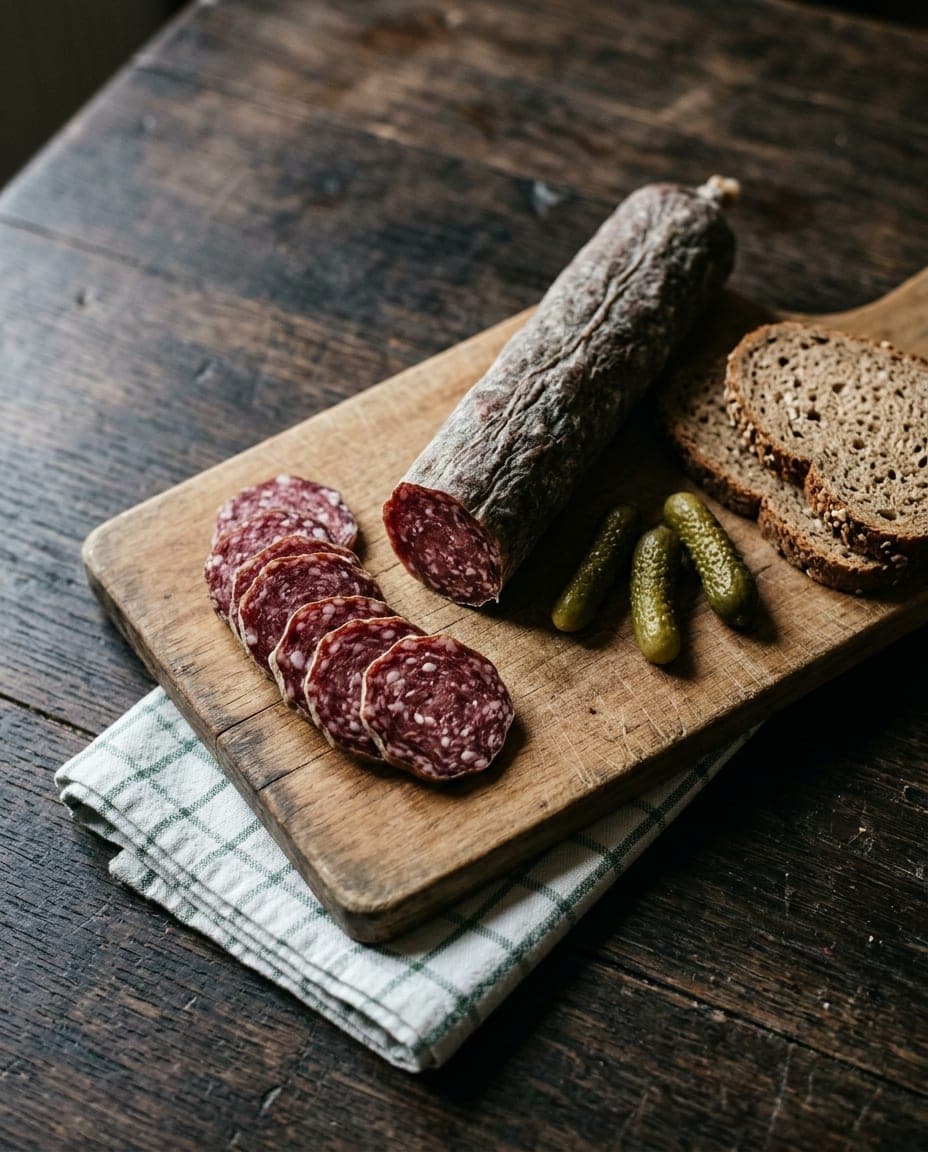
Smoked meats also form a natural match. In the taverns of Bamberg, it is common to find boards of smoked sausage or cured ham alongside the beer. The smoky notes in the drink echo the curing process of the food, creating a harmony of flavours that feels deliberate and complete. The city's own onion dish, the Bamberger Zwiebel, an onion stuffed with minced pork and served in a smoked-beer sauce, is another natural match, its sweetness complementing the malty backbone without clashing with the smoke.
How it is served
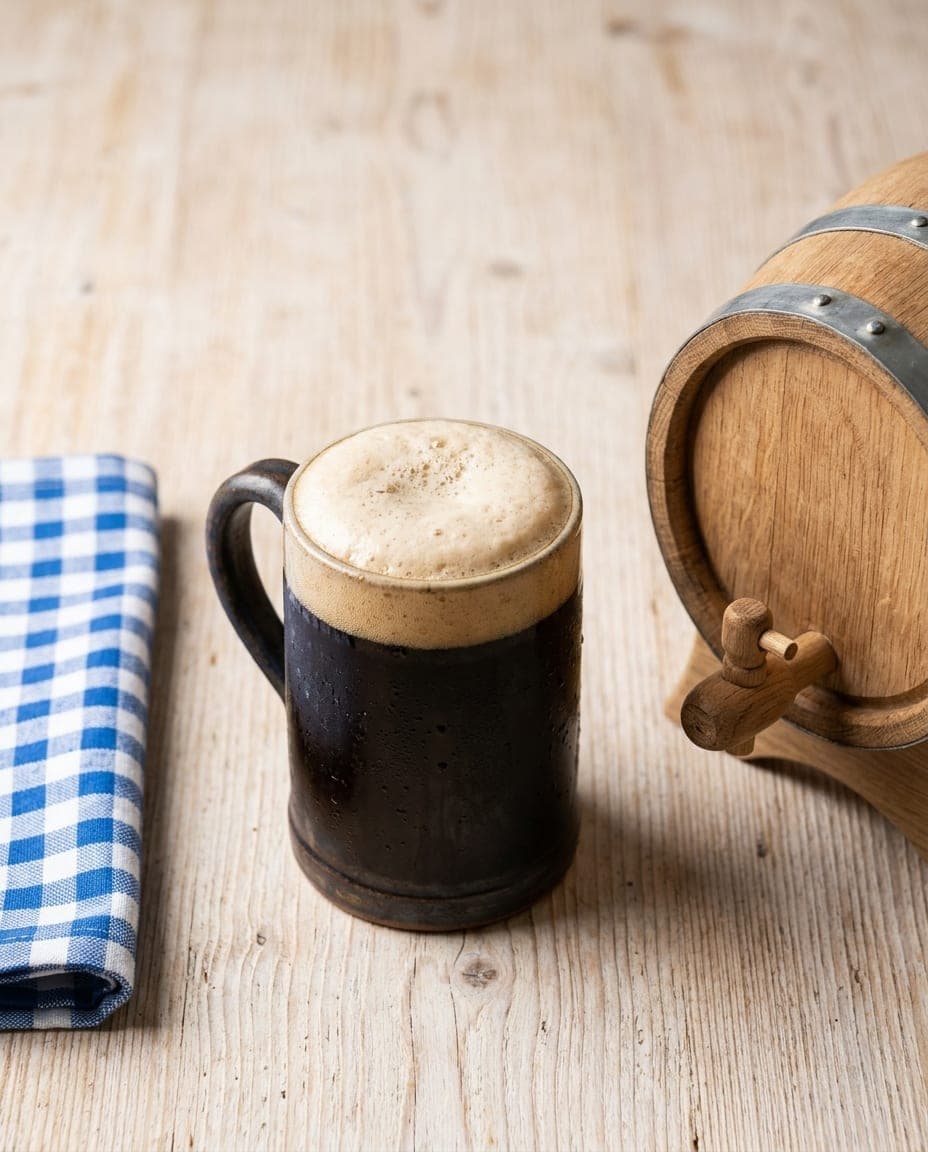
The beer is bottled and exported, but in the historic brewery taverns of Bamberg the classic serve is straight from the wooden cask, poured into a sturdy ceramic mug or a heavy glass. This method of serving is part of the ritual, grounding the drink in the brewery's history.
The beer itself is usually a Märzen, meaning it is an amber lager with a moderate alcohol strength. It pours with a creamy head that lingers, holding the aroma until the first sip. The smoke is not overpowering at first; it arrives as a warm note on the palate, followed by a sweetness from the malt and a clean, dry finish. Some drinkers find the smoke intense on the first taste, but for many, it becomes a comforting familiarity that makes them want another glass.
Where the fire still burns
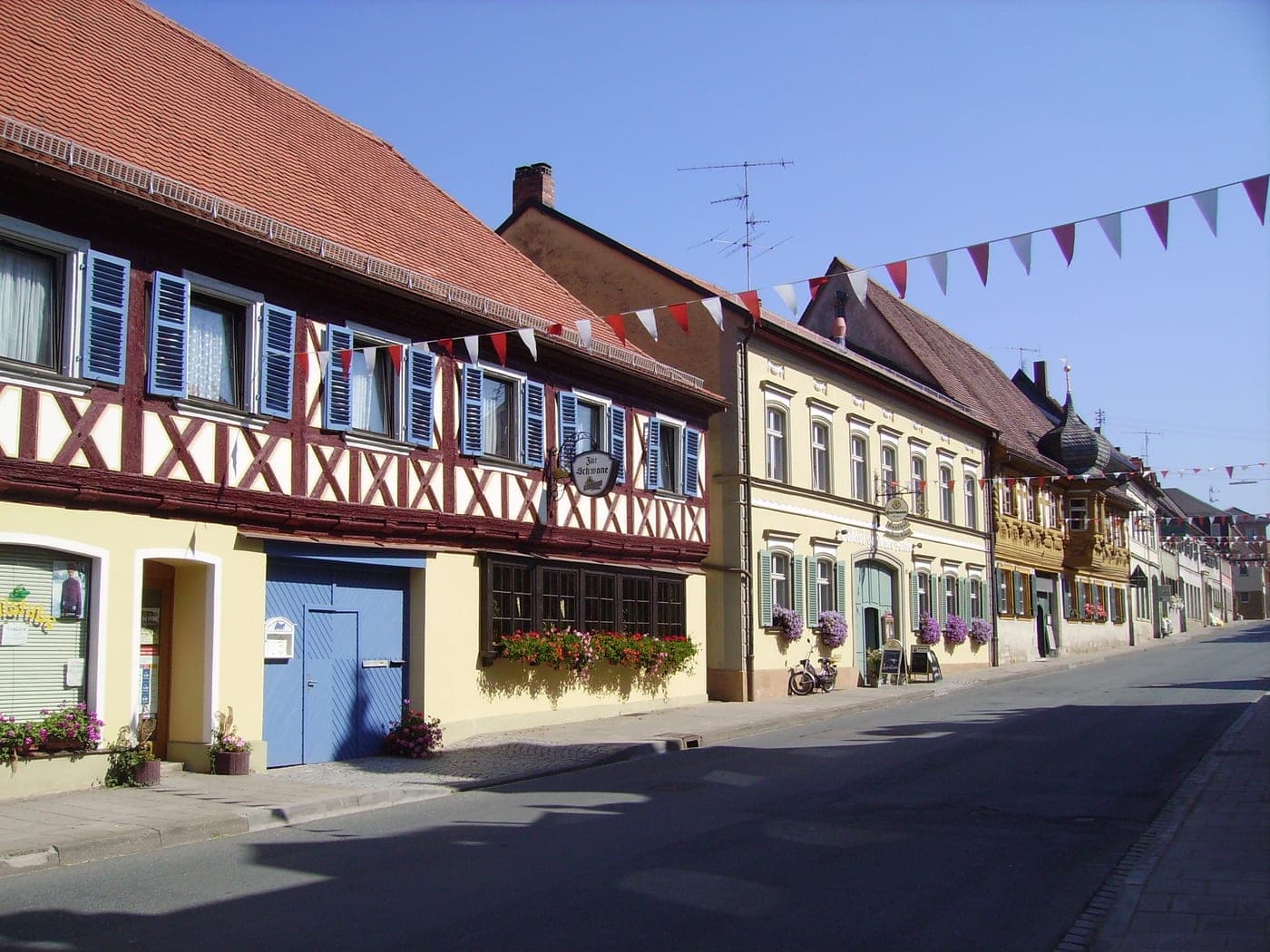
Bamberg's old town is a UNESCO World Heritage Site, recognised for its well-preserved medieval layout and historic architecture. The city is also unusual in Europe for having kept several independent breweries operating side by side within the same historic district.
The best place to experience this beer is a brewery tavern. These are not polished tourist venues but working pubs where locals gather to drink, eat and talk.
Curious facts
- The wood matters. Brewers use seasoned beechwood for drying the malt, and the wood and the fire shape the character of the smoke.
- A survival technique. The method of smoking malt was once common across Europe but disappeared almost everywhere else as industrial kilning took over. Bamberg kept it alive when others moved on.
- The cask tradition. Serving from wooden casks is rare in modern brewing. In Bamberg, this practice persists in the historic taverns.
- A local identity. While many German beers are known nationwide, Bamberger Rauchbier remains strongly tied to its city of origin.
- The smoke is real. The smoky flavour comes directly from the drying process, not from any added liquid smoke or artificial ingredients.
Where to try it
To taste Bamberger Rauchbier at its best, one should head to a traditional brewery tavern in Bamberg itself. The most traditional of these serve the beer straight from the wooden cask in heavy mugs.
For those willing to travel a little further, village breweries in the surrounding countryside continue the same tradition on a more intimate scale. The beer is available year-round.