Aachener Printen
The hard spiced biscuit of Germany's border town
- Vegetarian
- Local name
- Aachener Printen
- Best eaten at
- Aachen's Christmas market
- Pairs with
- Coffee
What it is
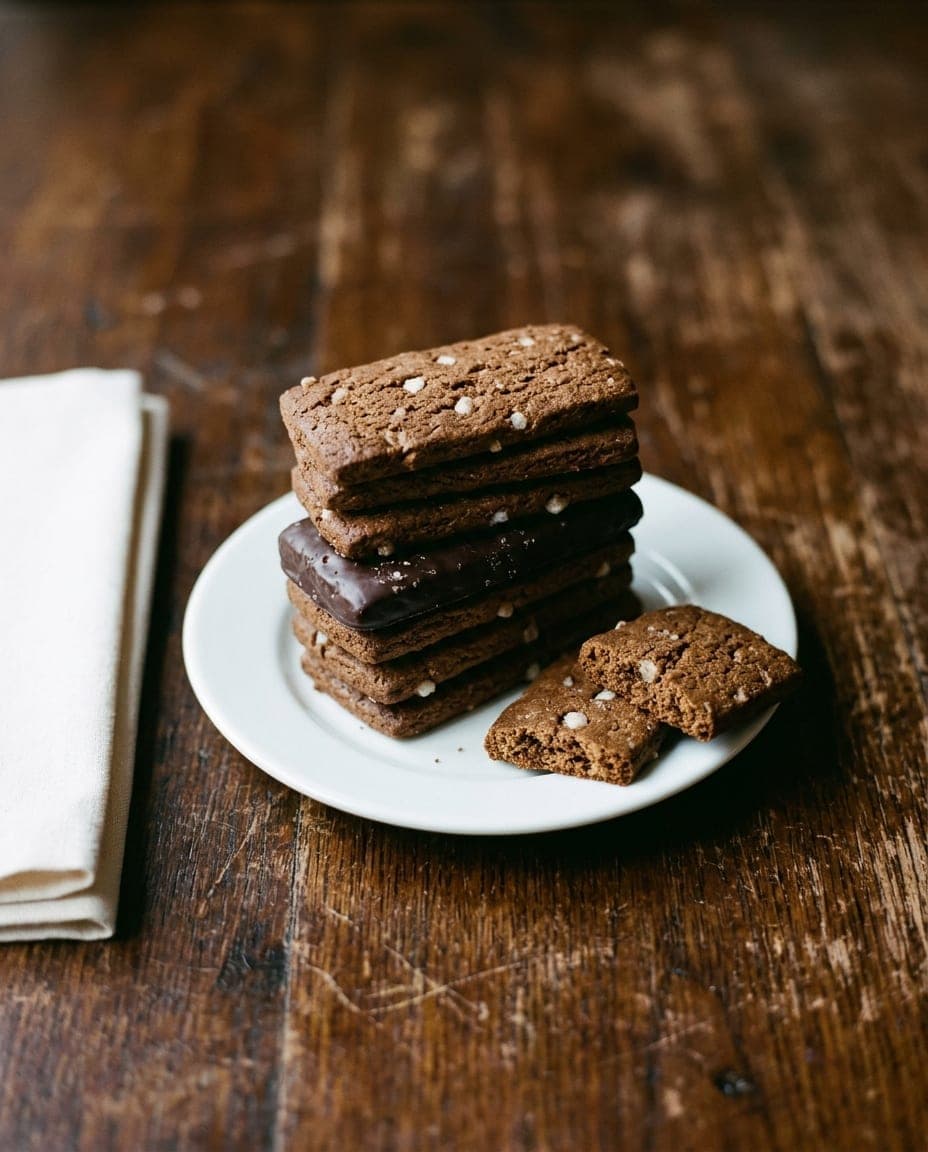
Aachener Printen are a hard, dark spiced biscuit from the city of Aachen in North Rhine-Westphalia, situated on the Dutch and Belgian border. They belong to the wider family of German Lebkuchen but possess a distinct identity defined by their firmness, flat shape and specific taste. Unlike soft gingerbread, the classic Printe is dense and durable, with crunchy specks of rock sugar, and is usually described as a biscuit rather than a cake.
Aachener Printen are a protected geographical indication in the European Union, meaning that only bakers in Aachen and a handful of neighbouring towns, such as Eschweiler, Stolberg and Würselen, can use the name. The result is a treat that has remained a fixture of the city through two centuries of wars and shifts in culinary fashion, becoming the definitive sweet of Aachen.
Today most Printen are flat rectangular bars, though figures and other shapes exist. The name is said to come from Prenten, the pressing of dough into carved wooden moulds, as bakers once did with the older figure-shaped honey breads from which Printen descend. While soft versions exist, the classic Printe is hard, dark and heavily spiced, designed to be eaten slowly rather than devoured in one bite.
How the blockade shaped the recipe
The history of the Aachener Printen is tied to a specific period of European disruption. In 1806 Napoleon's Continental Blockade cut off supplies of cane sugar and honey. Local bakers in Aachen, who had long relied on these sweeteners for their honey breads, faced a shortage that threatened their craft.
Rather than abandoning the recipe, the city's bakers adapted. They turned to sugar and syrup made from locally grown sugar beet. This substitution did not merely save the biscuit; it altered its character. The beet syrup produced a coarse, tough dough, contributing to the hard, dark finish and long shelf life.
Around 1820 the name Aachener Printe became established for this darker, herb-spiced variety. Cinnamon, anise, clove, coriander, cardamom, allspice and ginger became the defining aromas, with each bakery keeping its exact blend secret. The change proved permanent. Even after trade routes reopened and honey returned to the market, the beet-syrup version remained the basis of the true Aachener Printe.
The faces of the biscuit
While the hard, plain version is the best-known, the Printen family includes variations that cater to different tastes. The Kräuterprinten, or "herb Printen", are the original hard biscuits. They are unglazed and offer a sharp, aromatic punch with every bite.
Other versions developed over time. From the 1830s, falling sugar prices led to sugar-glazed Prinzessprinten, and from the 1860s Printen were coated in chocolate. Later, more honey went back into the dough, giving the soft Saftprinten, now sold plain, with chocolate or with nuts or almonds.
Despite these variations, the core identity remains consistent: the spice blend must be present. The flat, slim, hard original also suited factory production and shipping, which helped Aachen's bakers sell their Printen far beyond the city.
How to eat it
Eating a hard Aachener Printe requires patience. Because of its density, it is not a snack to be consumed quickly. The texture encourages a slow approach, allowing the flavours of cinnamon, anise and cardamom to unfold. Many people break off small pieces to savour the spice before finishing the rest of the bar.
The hard version is often broken by hand or bitten into directly, while softer versions can be eaten whole. Some people dip the hard biscuit briefly into coffee to soften the surface. In Aachen, Printen also turn up in savoury cooking: crumbled Printen thicken the sauce of a Rhenish Sauerbraten, and local ice-cream parlours make Printen ice cream.
The durability of the hard biscuit means it can be stored for weeks without losing its flavour, making it a practical choice for travellers who wish to carry a taste of the city home.
Curious facts
- The name may come from the mould. Printen is thought to derive from Prenten, the pressing of dough into the carved moulds used for the earlier figure breads.
- A protected status. The name Aachener Printen is a protected geographical indication in the European Union, limited to Aachen and a few neighbouring towns.
- Pilgrims' roots. Aachen's medieval pilgrims, drawn to the cathedral, created demand for a nourishing, long-keeping spiced bread, often seen as the forerunner of Printen.
- The spice blend is heavy. The signature taste relies on cinnamon, anise, clove, coriander, cardamom, allspice and ginger.
- A winter staple. While available all year, the biscuit reaches its peak at the Aachen Christmas market, where it is sold in large quantities.
- The syrup substitution. The use of beet sugar and syrup instead of honey was a direct response to Napoleon's Continental Blockade cutting off traditional sweeteners.
Where to try it
The most atmospheric experience of Aachener Printen is at the city's Christmas market. During the winter months, the stalls are lined with Printen in every variety, and the air is thick with the scent of cinnamon and roasting nuts.
They are available year-round in bakeries throughout Aachen, including traditional bakeries in the historic centre that still make them by hand to their own secret recipes. A good hard Printe should not crumble immediately upon breaking; it should snap cleanly.
Strong black coffee is the classic partner, its bitterness balancing the sweetness and spice of the Printe. A glass of milk is another common accompaniment.
Where to try it
1 destination
 Camper Van Rentals
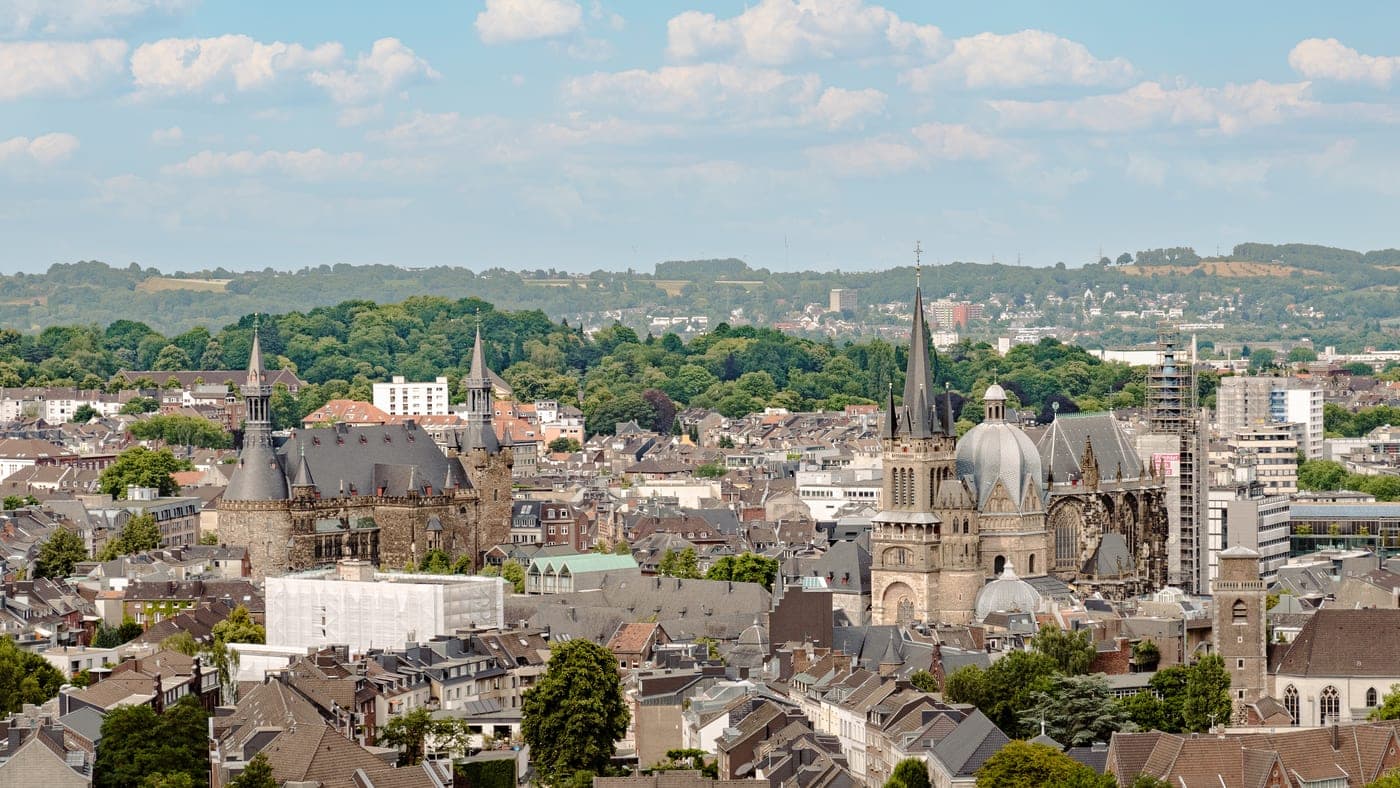
Aachen
Historic spa city featuring the stunning Aachen Cathedral and thermal baths.
Camper Van RentalsThermal SpasHiking
1 region
 Cabins15 destinations
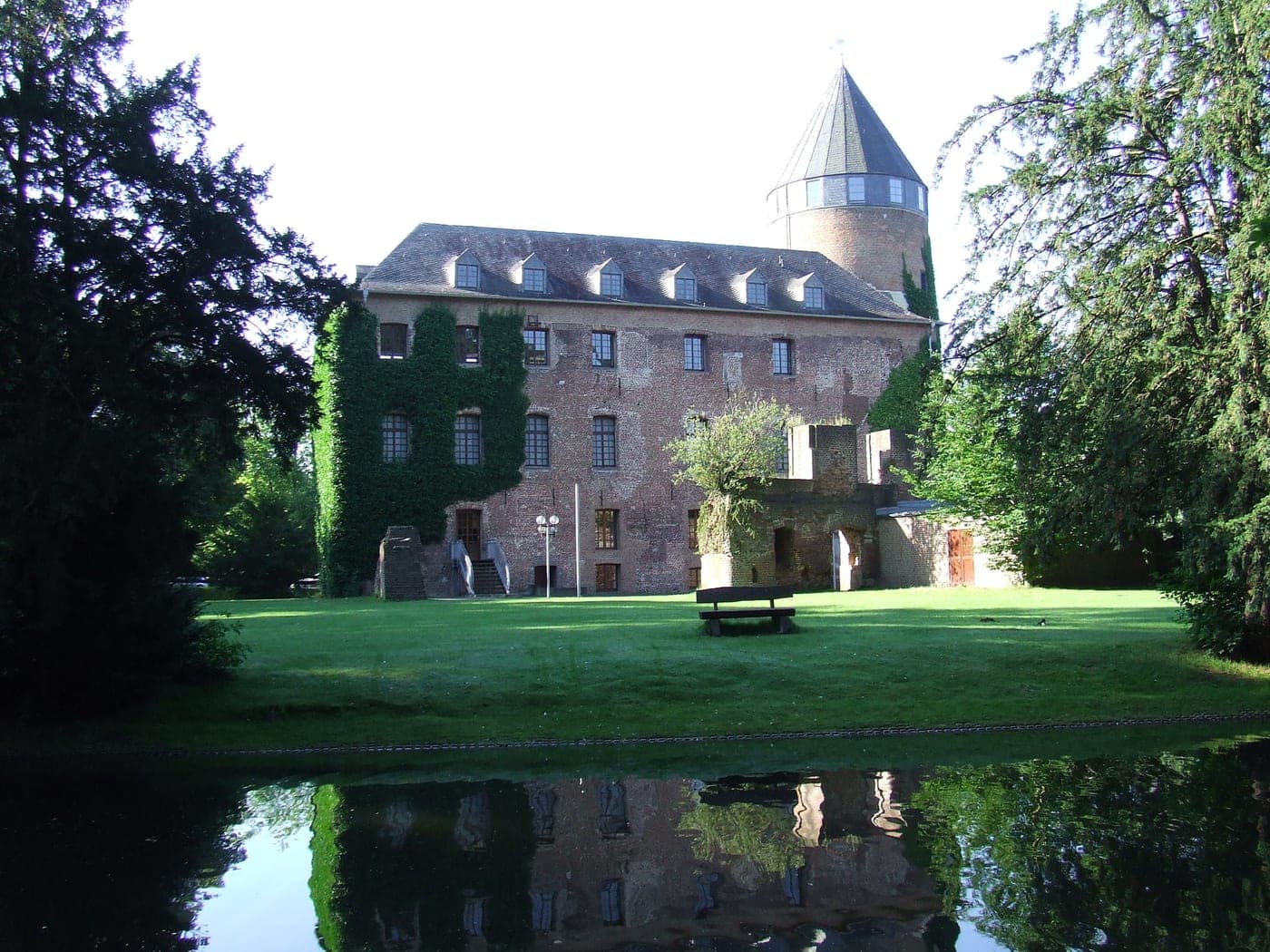
North Rhine-Westphalia
Located in western Germany, this region is the largest in the country and is known for its diverse landscapes, from the scenic Rhine River valleys to the lush hills of the Sauerland. The area is rich in industrial heritage, with cities like Dortmund and Essen showcasing their transformation from heavy industry to cultural hubs. Düsseldorf offers a vibrant arts scene and innovative fashion, while Cologne is famous for its stunning cathedral. The region also boasts picturesque towns such as Monschau, known for its half-timbered houses, and Bad Honnef, a charming spa town. Unique local dishes and breweries enhance the cultural experience, along with numerous hiking trails that connect visitors to its natural beauty.
CabinsHikingCastlesCamper Van Rentals