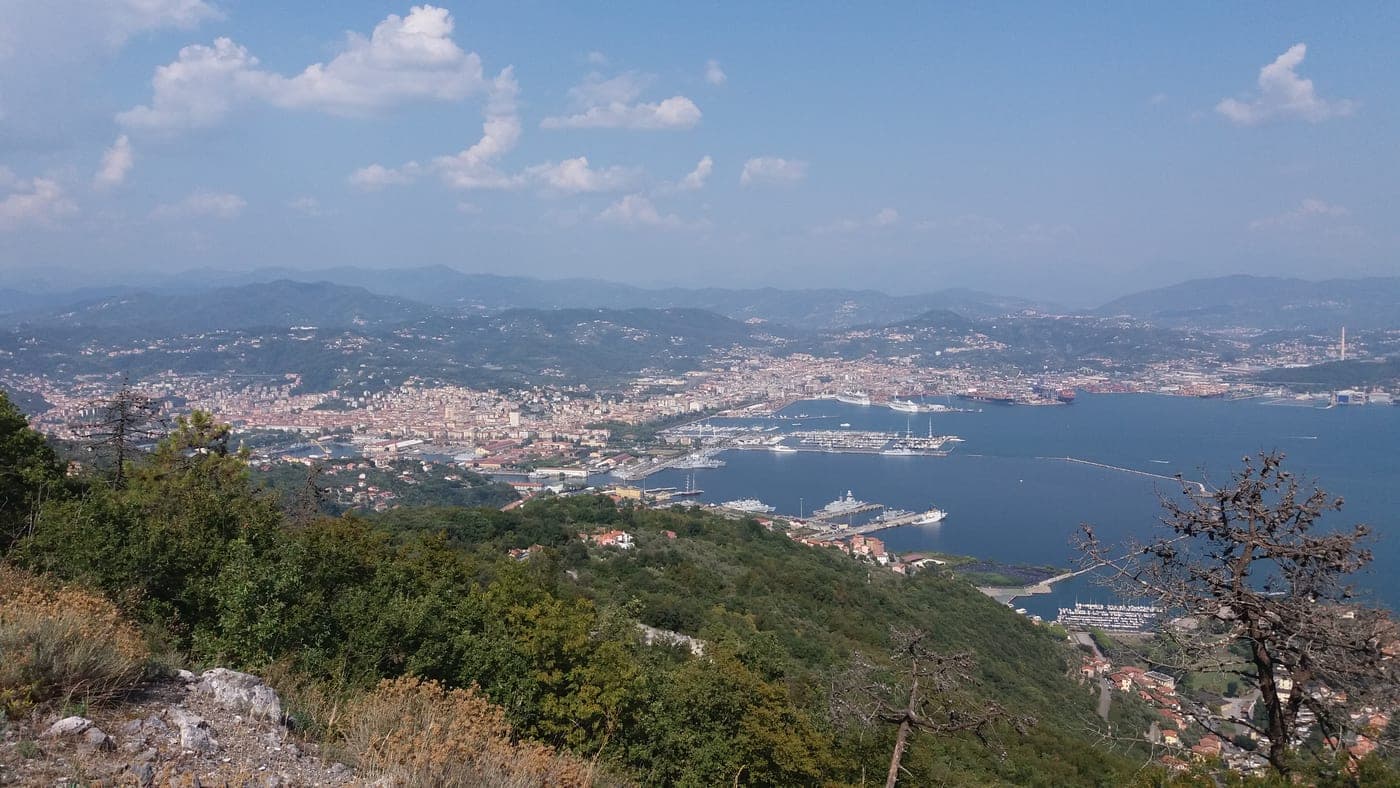
Photo by Zucchero82 · license: CC BY-SA 4.0
Get slow travel tips delivered to your inbox
A short message when something worth the trip lands. Reply STOP anytime.
By subscribing, you agree to be contacted via WhatsApp. Privacy policyOccasional letters in your inbox — with recommendations, maps and routes.
By subscribing to newsletter, you agree to our privacy policy.La Spezia sits at the head of a wide natural gulf in eastern Liguria, a working port city with an everyday charm that its more photogenic neighbours can lack. The gulf carries an old nickname, the Gulf of Poets. That mix of naval grit and romance still shapes the place: cranes and warships share the water with sailing boats, while the hills behind stay quiet and green with olive terraces.
The city grew around its navy. La Spezia has been one of Italy's main naval bases since the 19th century, and the arsenal built along the waterfront still anchors the local economy. The Museo Tecnico Navale holds ship models, figureheads, and instruments that trace centuries of Mediterranean seafaring — a proper counterweight to the coastal scenery that draws most attention here.
Away from the docks, the historic centre is built on a simple grid of porticoed streets that open onto Piazza Cavour, where a daily market sells vegetables, cheese, and fish under striped awnings. The covered market nearby does the same trade indoors, and both are where locals shop rather than where anyone performs for a camera. Via del Prione, the main pedestrian street, runs the length of the old town and is lined with bakeries selling focaccia by the tray and small bars pouring the local white wine, Vermentino, by the glass.
The waterfront promenade, shaded by palm trees and magnolias, faces the gulf directly and gives an easy view of the villages scattered along its edges: Portovenere on the western tip, with its coloured houses stacked above the water and the church of San Pietro perched on the rocks; the island of Palmaria just offshore, known for pine woods and a rocky shoreline good for swimming; and on the eastern side, Lerici, with its castle overlooking the sea, and the smaller hamlet of Tellaro, both with a slower, more residential feel than the Cinque Terre villages a little further north.
Food here leans heavily on the sea and the hills behind it. Seafood restaurants along the port serve anchovies, mussels from the gulf, and stuffed squid, while trattorie inland cook with the pesto, olive oil, and chestnuts of the Ligurian countryside. Wine growers in the hills produce small quantities of Vermentino from steep, terraced vineyards that are easy to spot from the coastal paths above the city.
Hiking trails climb straight out of La Spezia into these hills, connecting olive groves and old mule tracks to villages that see far fewer visitors than the coast. The paths are part of the same network that laces together the Cinque Terre, so walking here has the added benefit of quieter starting points and gentler crowds, especially outside the summer months.
The climate is properly Mediterranean, with mild, damp winters and warm, dry summers, and the city keeps a steady working rhythm through the year. It is a place built for its own routines rather than for visitors, and a good base for the wider Ligurian coast because of it.
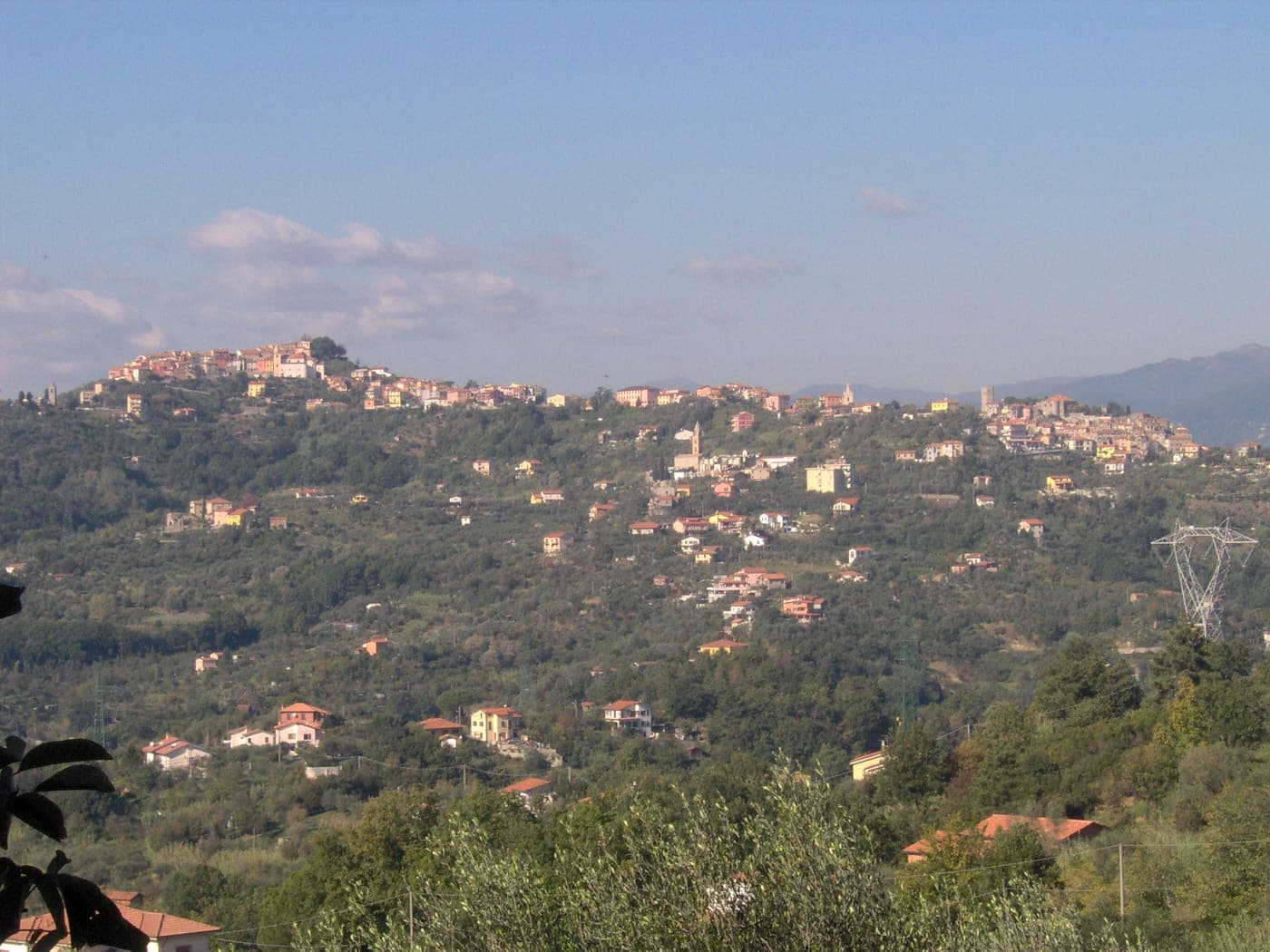 6 km
6 kmVillage in Trentino's Valle dei Laghi, west of Trento, set among vineyards and small lakes on the road toward Lake Garda.
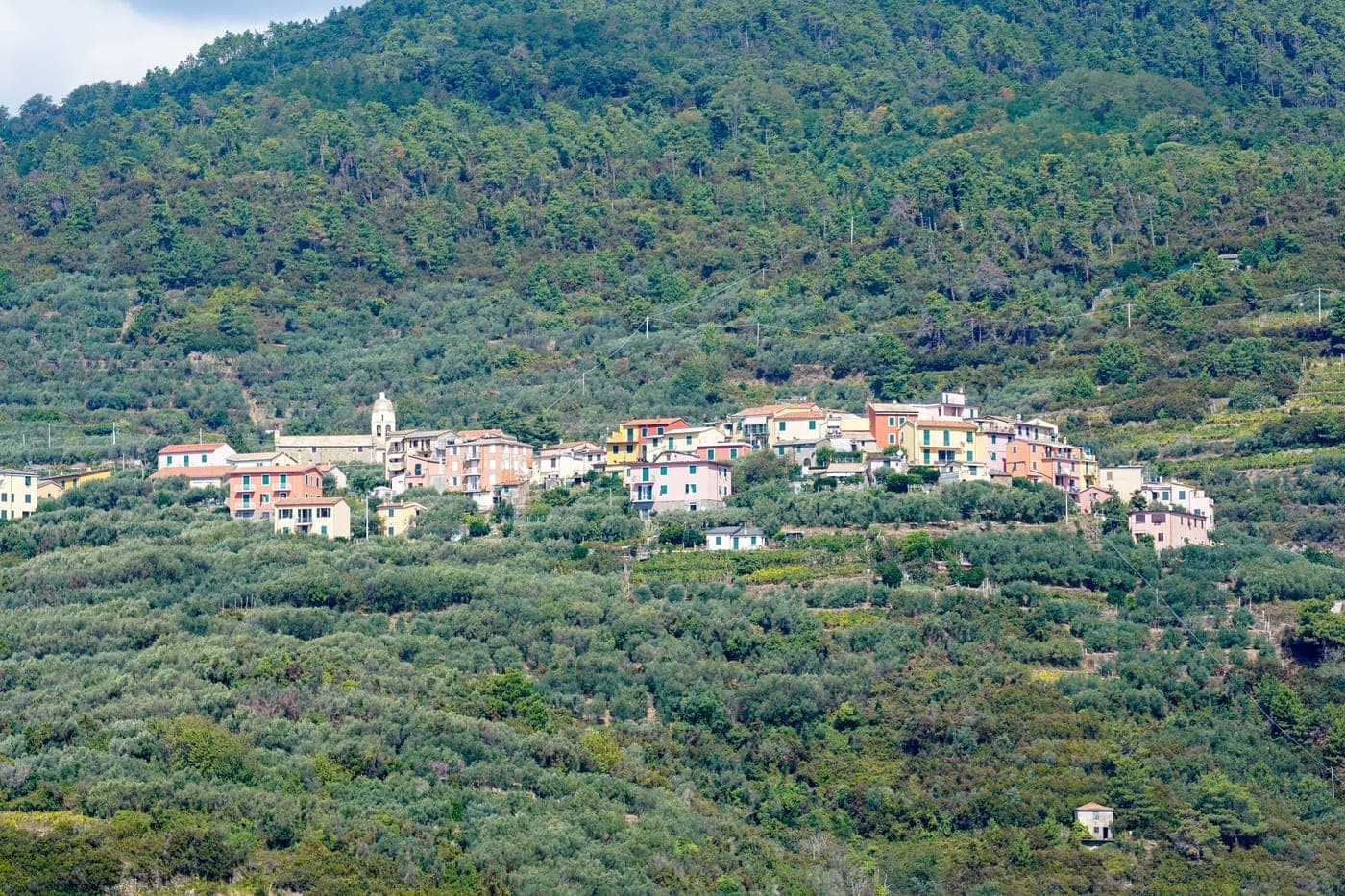 7 km
7 kmTiny village in Cinque Terre wine region producing famous Sciacchetrà dessert wine.
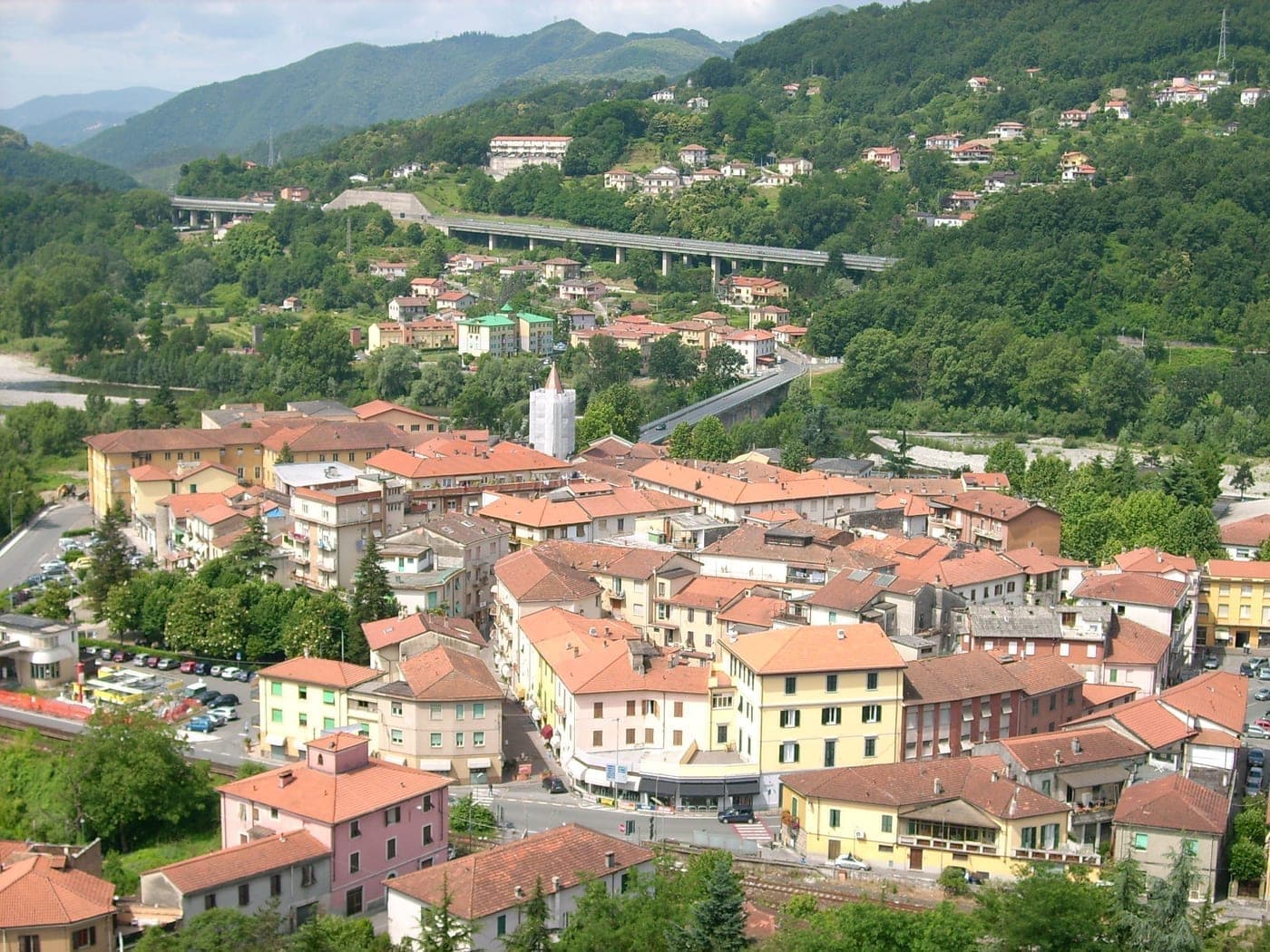 17 km
17 kmLunigiana valley town with agriturismo offering chestnut cultivation, honey production, and hiking.