
Nouvelle-Aquitaine
Destinations in Nouvelle-Aquitaine.
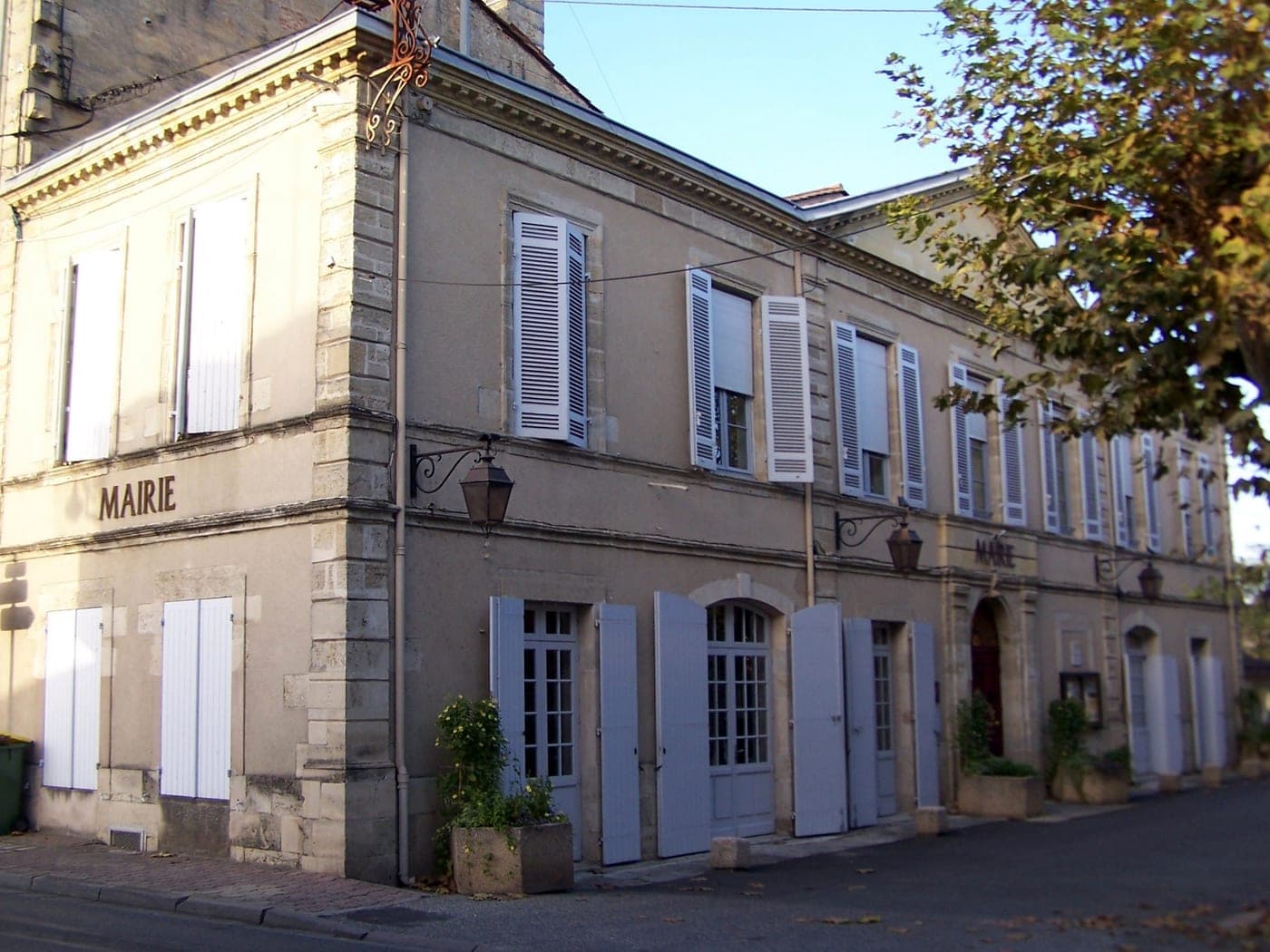
Preignac
Sauternes appellation village producing luscious sweet wines on gravelly terroir.
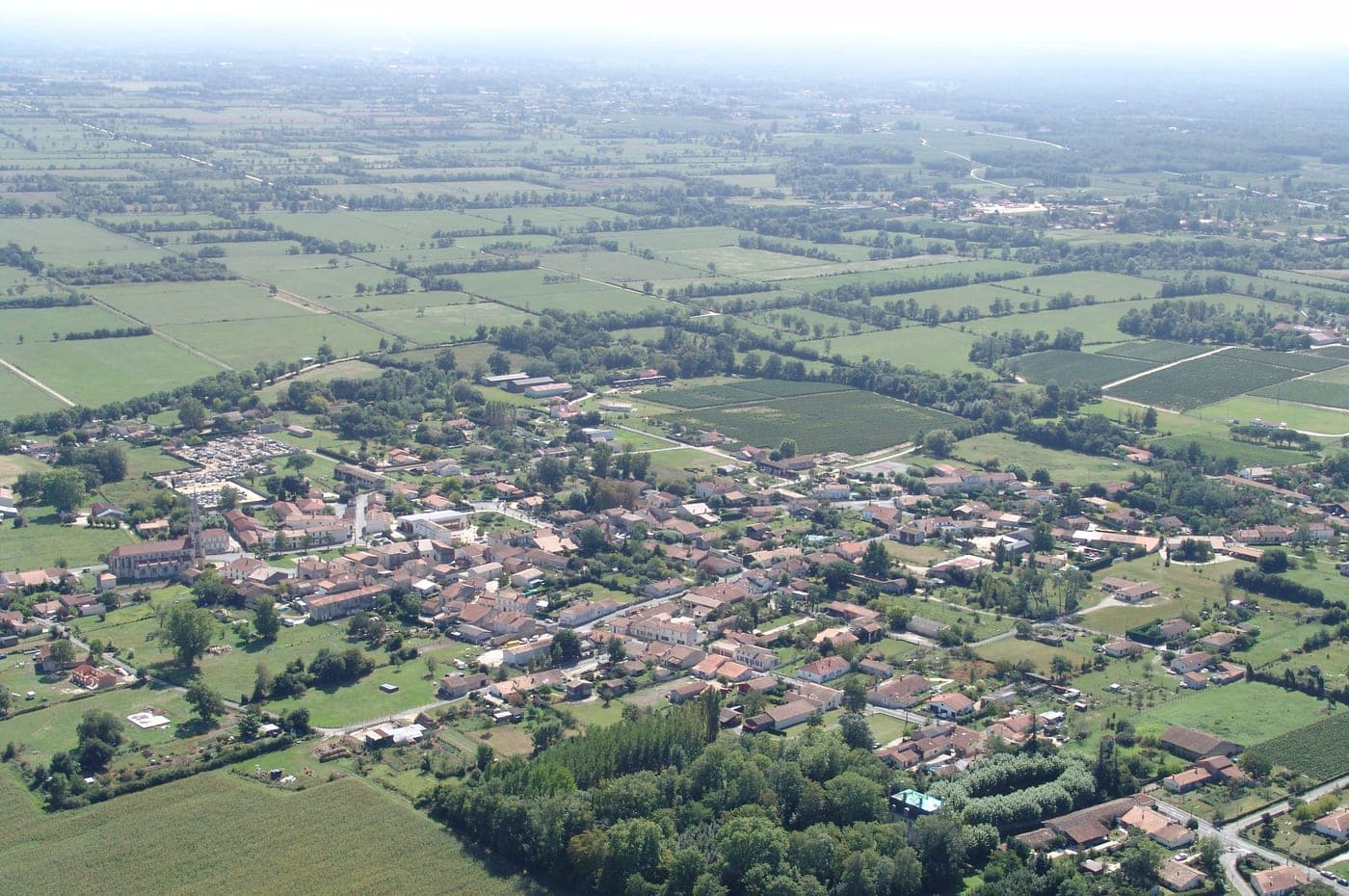
Queyrac
Northern Médoc wine village with coastal influence and fresh red wines.
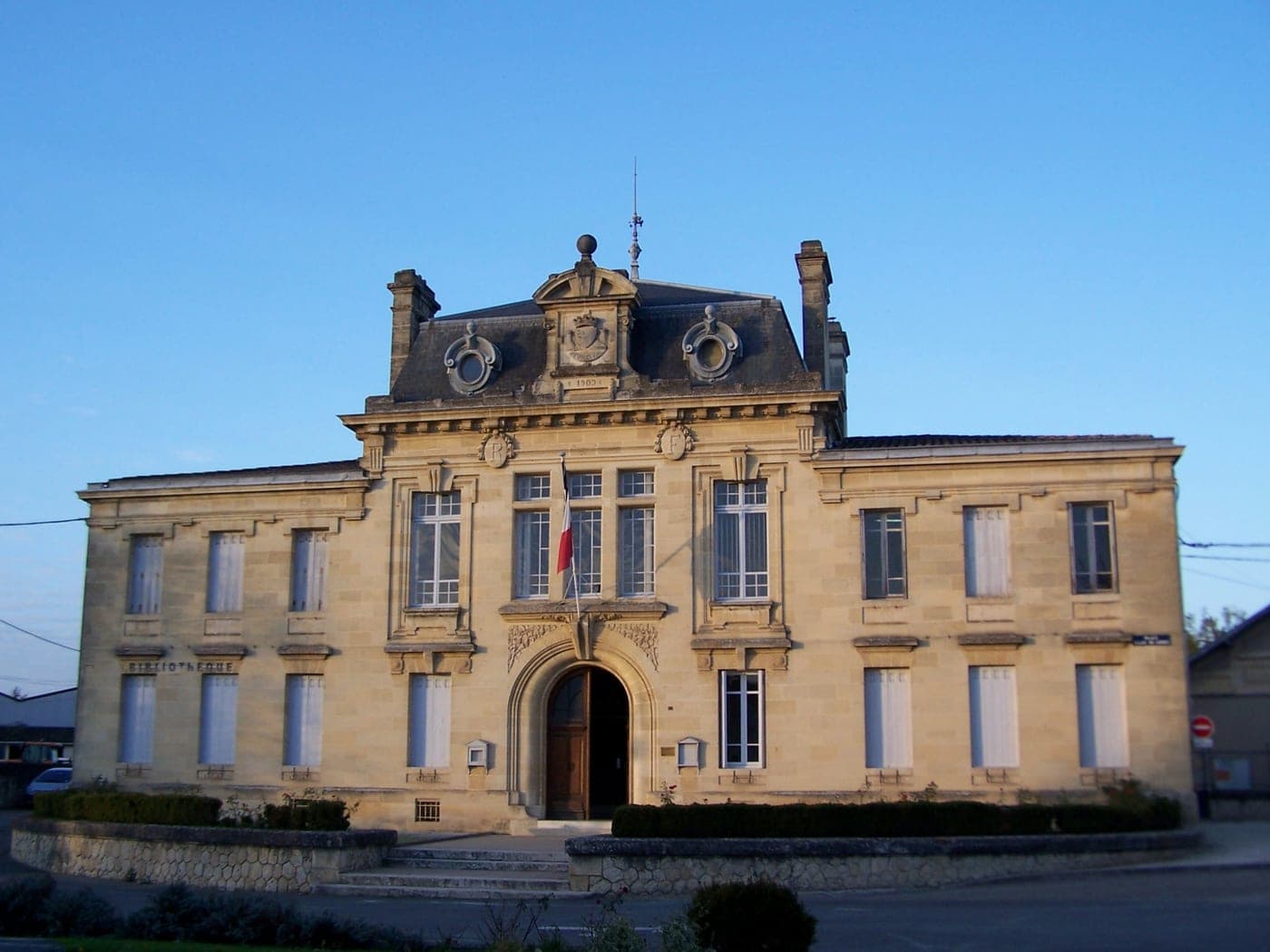
Rions
Medieval fortified town in Bordeaux wine region with historic ramparts.

Saint-Jean-de-Blaignac
Bordeaux wine village with family estates producing red and white wines.

Saint-Julien-Innocence-Eulalie
Small Cahors wine hamlet with traditional Malbec production.

Saint-Yzans-de-Médoc
Northern Médoc wine village with quality estates near the Gironde estuary.
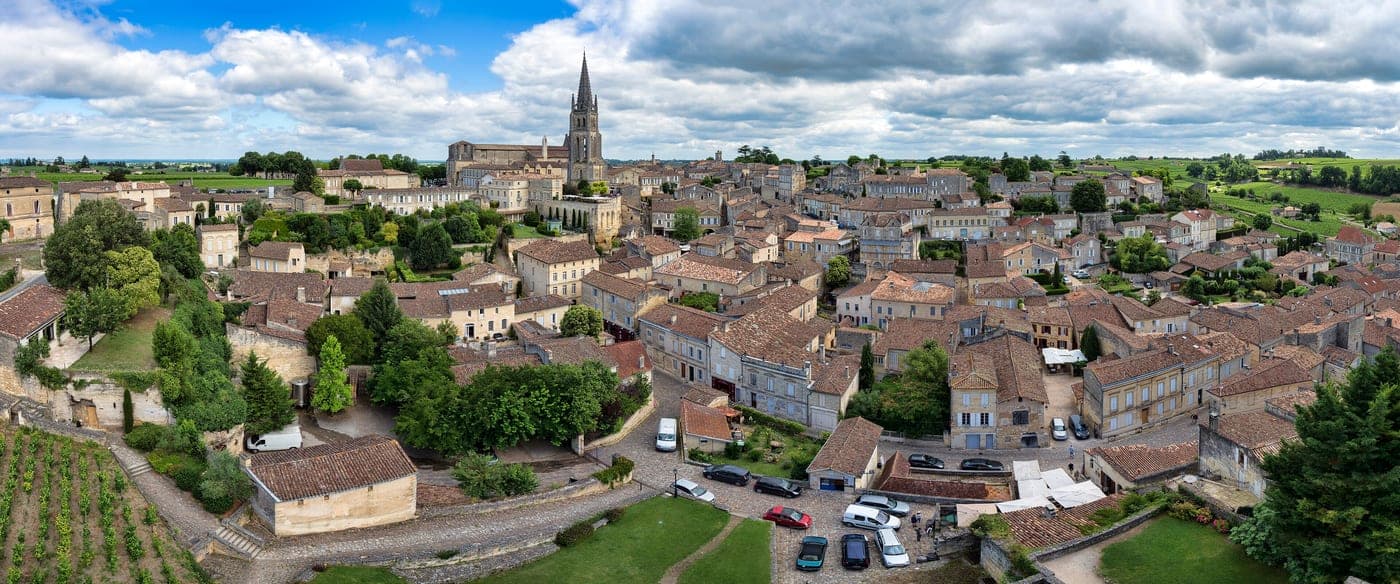
Saint-Émilion
UNESCO-listed medieval wine town in Bordeaux with Roman origins, underground churches and world-class Merlot.

Sigogne
Riverside village known for its charming stone cottages and local markets.
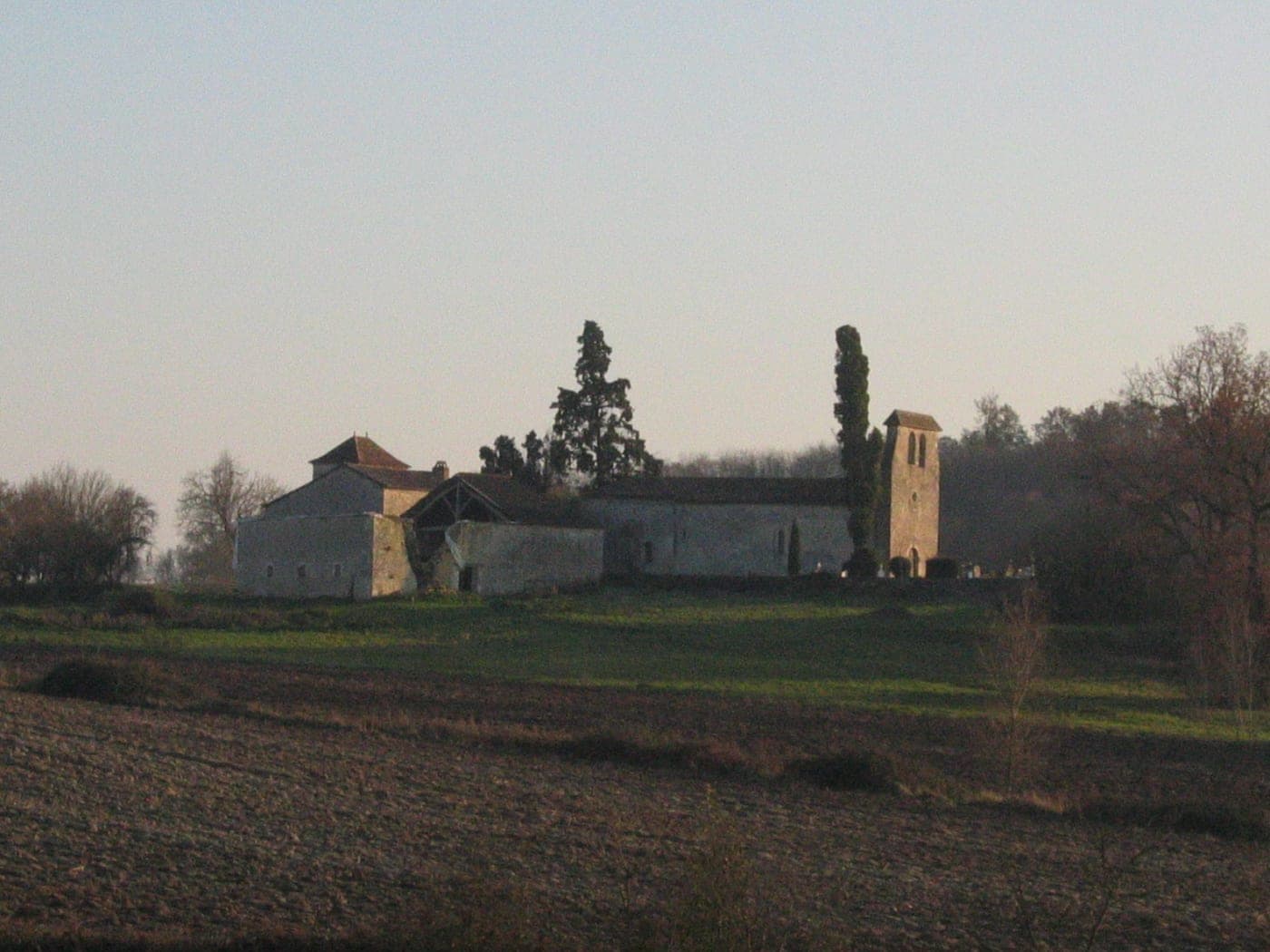
Thénac
Bergerac area wine village with family estates and traditional viticulture.

Échallat
Charming village known for its traditional stone houses and local markets.
Asked & answered.
- Nouvelle-Aquitaine in France is known for Bordeaux wine, Basque Country, Atlantic beaches and Medieval towns. This expansive region is the largest in France, boasting a stunning coastline along the Atlantic Ocean. Known for its diverse landscapes, Nouvelle-Aquitaine features the Pyrenees mountains, rolling vineyards, and historic towns. Bordeaux, the region'...
- Nouvelle-Aquitaine offers camper van road trips, castle stays and historic accommodations and vineyard visits and wine tastings. With 31 curated destinations in the region, travellers can explore at a leisurely pace — lingering in villages, connecting with locals, and immersing themselves in the landscape.
- Top slow travel destinations in Nouvelle-Aquitaine include Thénac, Échallat, Barsac and Sigogne, among 31 curated destinations. Each offers authentic local experiences, from regional cuisine to natural landscapes, selected for travellers who prefer depth over speed.
- Nouvelle-Aquitaine is accessible via well-suited roads for camper van travel. The region's slow travel infrastructure makes it possible to explore without a personal car, though some remote villages may require advance planning. Many accommodations can arrange transfers or provide local transport advice.