Pineau des Charentes
A fortified grape drink from the Charente region, aged in oak casks
- Alcoholic
- Local name
- Pineau des Charentes
- Served
- Chilled, as an aperitif
- Best eaten at
- A Charentes cognac farm
- Pairs with
- Melon or foie gras
What it is
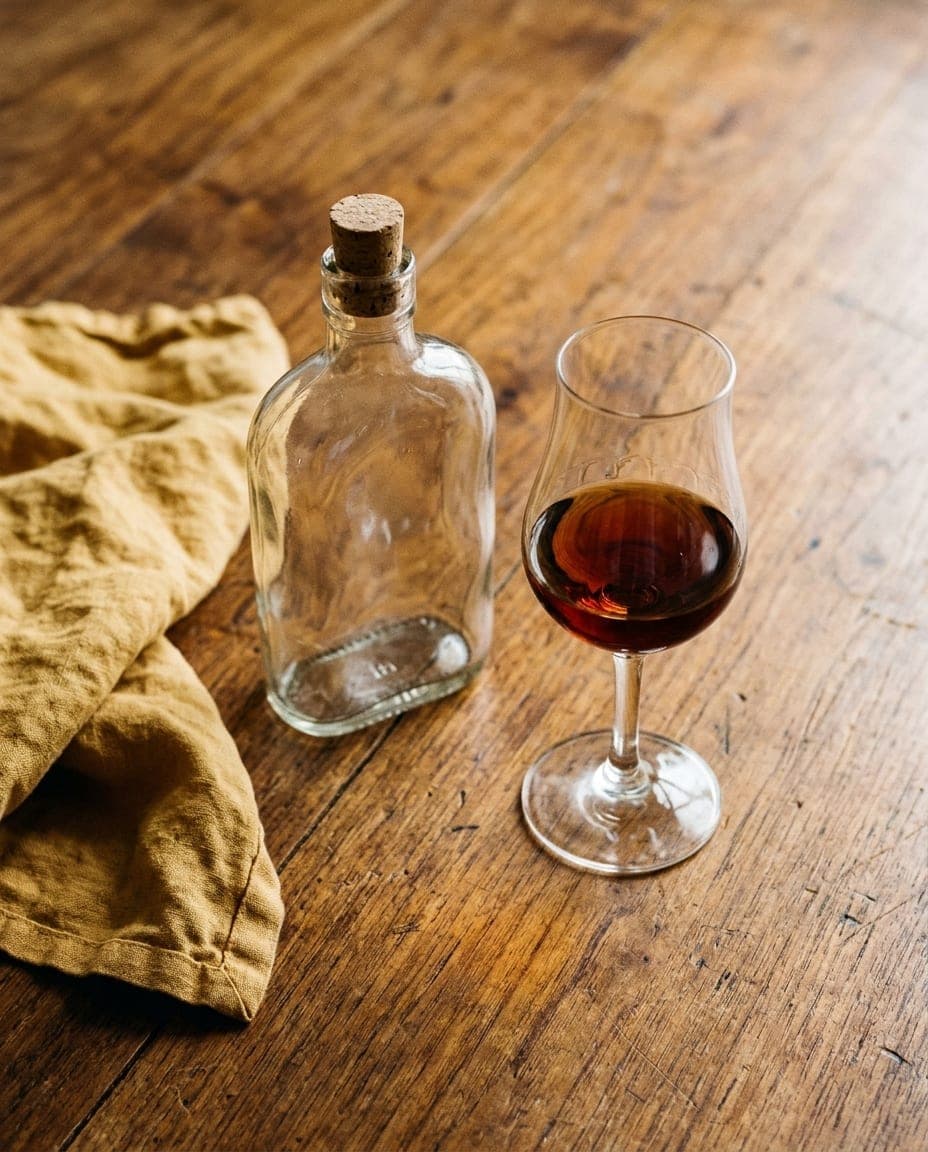
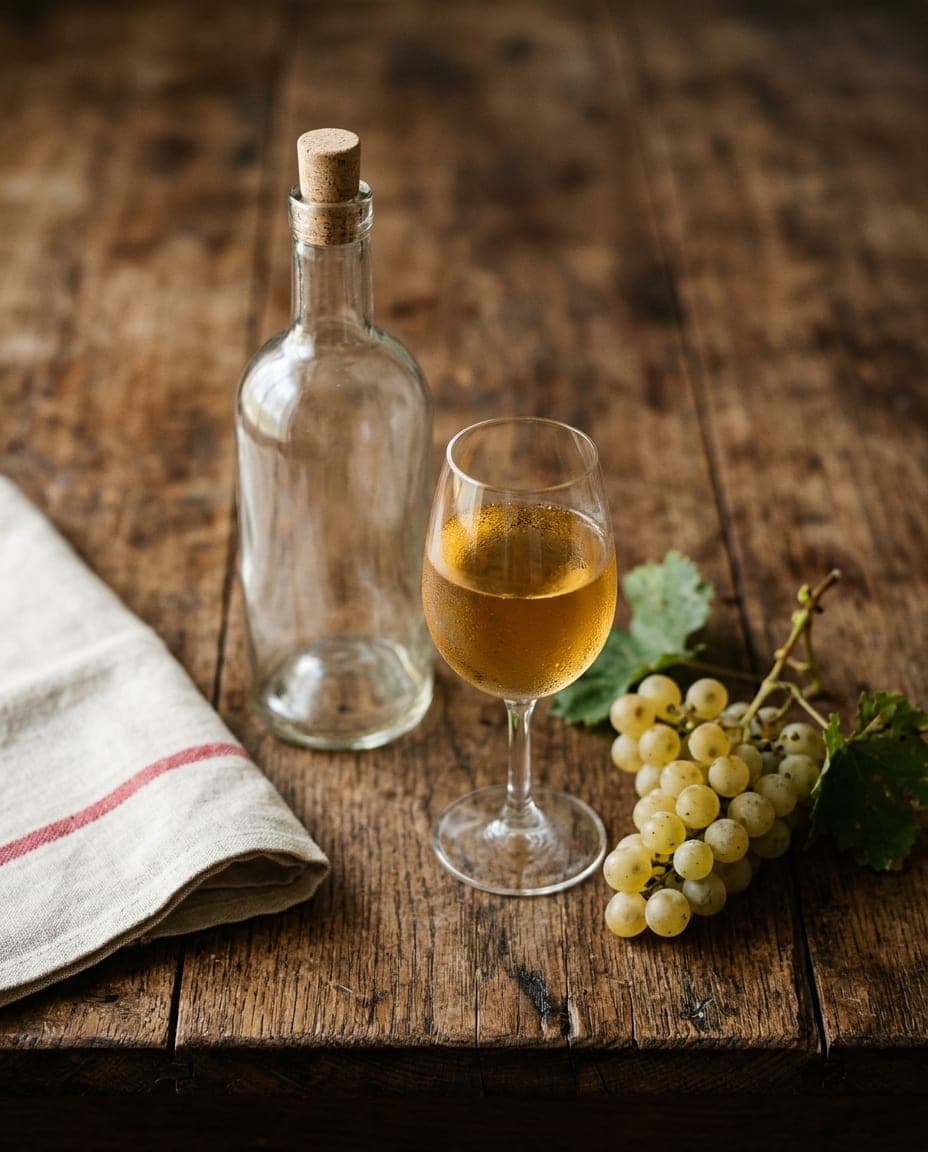
Pineau des Charentes is a fortified drink made mainly in the Charente and Charente-Maritime departments of western France, in the same area as cognac. It is not a wine, nor a spirit in the traditional sense, but a vin de liqueur: a blend of fresh, essentially unfermented grape juice and cognac eau-de-vie. The alcohol from the spirit stops the fermentation of the grape must, trapping the natural sugars and leaving the drink sweet, fruity and slightly warming.
The result is a golden, amber or ruby liquid that carries the fresh scent of grapes alongside the oak notes of its ageing vessel. It is mostly served chilled as an aperitif before a meal, though it also accompanies dessert. The drink has been protected by an appellation d'origine contrôlée since 1945, meaning only producers in the defined area using specific methods can use the name. It shares its cellars with cognac and is often aged in oak casks of the kind used for the spirit.
How the blend was discovered
The origin story of pineau des Charentes is a legend about a mistake that created a lasting tradition. The tale places the event in 1589, when a grower in the Charente region poured fresh grape must into a barrel he believed was empty but that already contained cognac eau-de-vie. The barrel was left in the cellar.
Years later, the grower opened it to find the liquid had not turned to vinegar or spoiled. The spirit had halted the fermentation of the grape juice, preserving its sweetness while the oak imparted complexity. Whether this event happened as told cannot be proven, but the method itself became a regional staple, and the drink was first sold commercially in the early 20th century.
The rules of production
The making of pineau des Charentes is strictly regulated. Only grapes from the appellation area can be used: mainly Ugni blanc, Colombard and Folle blanche for white pineau, and Cabernet Franc, Cabernet Sauvignon and Merlot for rosé and red. The same producer grows the grapes, distils the cognac eau-de-vie and blends the two, ensuring a connection between the fruit and the spirit.
There are three versions of the drink, defined by the colour of the grapes used. Blanc is made from white grapes and has a golden hue. Rosé and rouge come from red grapes and range from deep pink to a dark, ruby or mahogany shade. The blend sits between 16% and 22% alcohol, most often around 17%. After blending, the liquid must age in oak before release, white pineau for at least eighteen months in total, and many producers let it mature far longer; the oldest bottlings are labelled vieux or très vieux.
Where it comes from
The drink is born in the Charente, a landscape of rolling hills, vineyards and river valleys along the Charente River. Its appellation area is almost identical to that of cognac, and the towns of Cognac and Jarnac sit at the heart of it, though around four-fifths of production comes from Charente-Maritime. The climate here is mild and influenced by the Atlantic, allowing grapes to ripen slowly while retaining acidity.
The production is tied to the same farms that make cognac. A grower who distils their own grapes into eau-de-vie keeps a portion of the fresh must to blend with the spirit, so the pineau carries the specific character of the local terroir.
How to drink it
Pineau des Charentes is traditionally served well-chilled, at around 8–10 °C, sometimes over ice. This temperature highlights its refreshing qualities and makes it an ideal aperitif. The sweetness balances the slight burn of the alcohol, creating a smooth entry before food.
It pairs particularly well with melon, where the fruit's fresh sweetness echoes the grape notes in the drink. Foie gras is another classic companion, its richness offset by the acidity and fruitiness of the pineau. It is also served with desserts, especially those featuring fruit or cream.
Visitors to the Charente will find the drink at local farms and estates, where visits often include a tasting and a chance to see where the blending takes place.
Curious facts
- A shared cellar. Pineau is made on the same farms as cognac and often ages in similar oak casks.
- Barely fermented. Unlike wine, the grape juice for pineau is not allowed to ferment; the eau-de-vie prevents the sugar from turning into alcohol.
- Three colours. The drink exists in white, rosé and red versions, each reflecting the grape varieties used rather than added colouring.
- Estate rules. The grapes, the must and the eau-de-vie all come from the same producer, ensuring a direct link between the fruit and the spirit.
- A seasonal shift. While available year-round, it is especially popular in summer as a chilled aperitif.
Where to try it
The best place to taste pineau des Charentes is at a cognac farm in the Charente region. Estates around Cognac and Jarnac offer tastings that explain the blending process and showcase the different versions of the drink, often selling directly to visitors at their cellars.
A glass of chilled pineau served with a slice of local melon is a simple way to experience the drink at its source.
Where to try it
3 destinations
 Wine Tasting
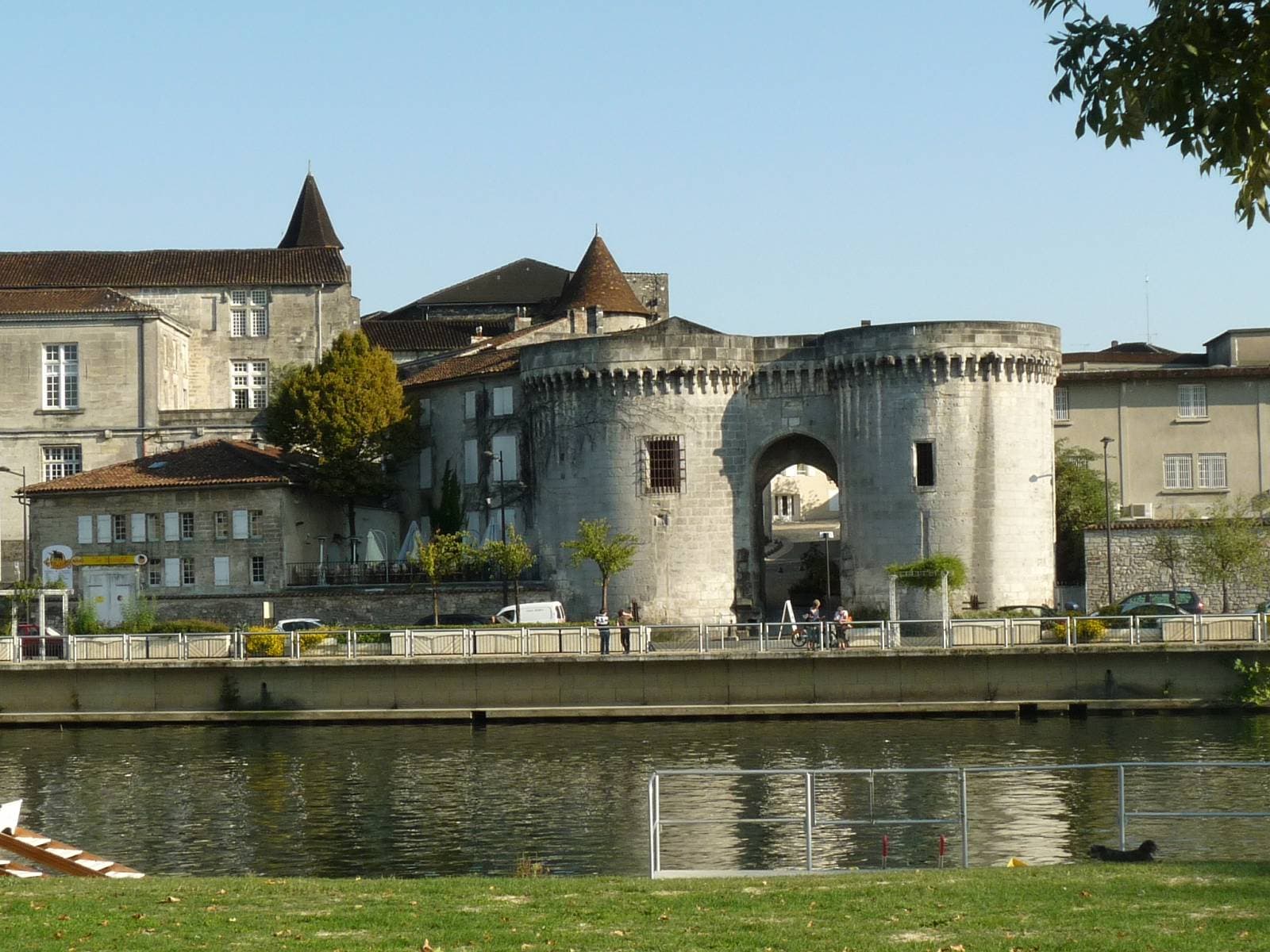
Cognac
World-famous brandy town with historic distilleries, cellars, and Charente river views.
Wine TastingHiking Wine Tasting
Jarnac-Champagne
Village in Cognac's Grande Champagne area with quality brandy estates.
Wine Tasting Wine Tasting
Échallat
Charming village known for its traditional stone houses and local markets.
Wine Tasting
1 region
 Wine Tasting31 destinations
Nouvelle-Aquitaine
This expansive region is the largest in France, boasting a stunning coastline along the Atlantic Ocean. Known for its diverse landscapes, Nouvelle-Aquitaine features the Pyrenees mountains, rolling vineyards, and historic towns. Bordeaux, the region's major city, is celebrated for its world-class wines, particularly Merlot and Cabernet Sauvignon. Other notable areas include the picturesque village of Saint-Émilion and the stunning Dune du Pilat, the tallest sand dune in Europe. The region's rich history is reflected in its architecture, with medieval castles and Roman ruins scattered throughout. Local markets offer artisan cheeses and fresh seafood, highlighting the region's culinary delights. Festivals celebrating wine and local culture are common, providing deeper insights into the area's heritage.
Wine TastingHikingCamper Van RentalsLocal Cuisine