Aligot
Mashed potato stretched with Aubrac tomme until it forms elastic ropes
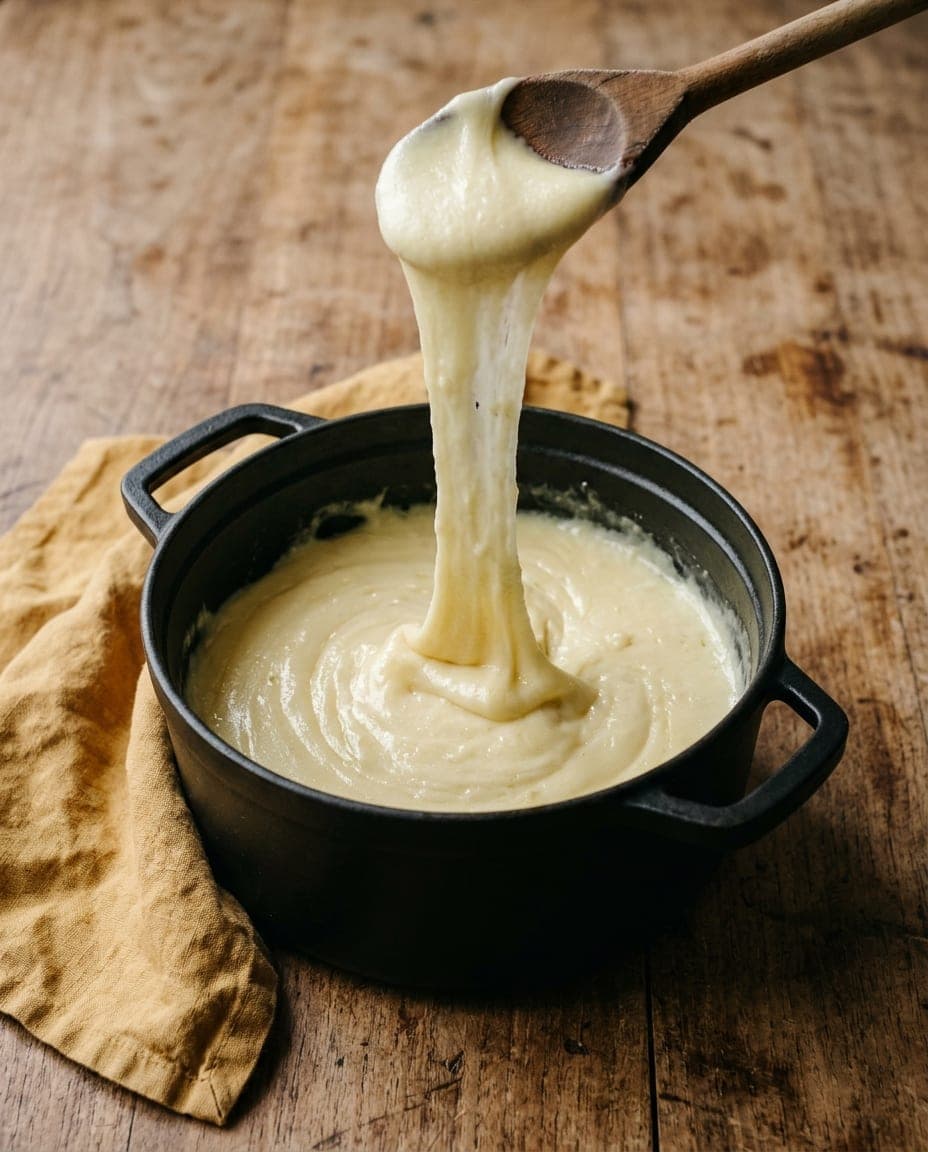
- Local name
- Aligot
- Served with
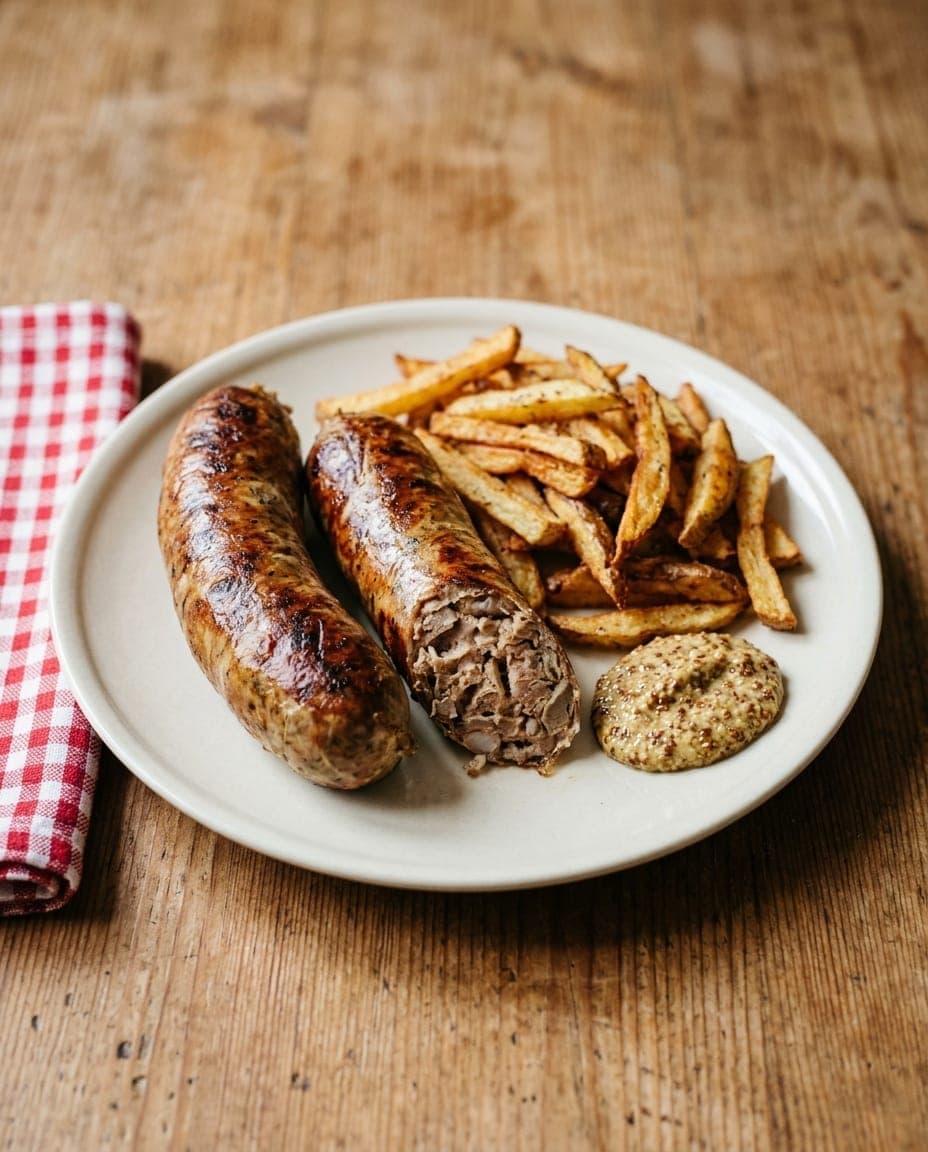
- Local pork sausage
- Best eaten at
- An Aubrac farmhouse inn
- Pairs with
- Marcillac red
What it is
Aligot is a dish of simple origins that transforms into something extraordinary through sheer physical effort. It originates from the high plateau of the Aubrac in southern France, which straddles the Aveyron and Lozère (Occitanie) and the Cantal (Auvergne-Rhône-Alpes). The dish consists of mashed potatoes beaten vigorously with fresh tomme cheese, garlic and butter until the mixture becomes so elastic that it can be pulled into long, continuous ropes.
The texture is the defining feature. When cooked correctly, the cheese does not melt into a liquid sauce; instead, it weaves through the potato to create a dense, stretchy mass. A spoonful of aligot will hang from the ladle and drape over itself without breaking. This elasticity comes from the specific type of cheese used: tome fraîche de l'Aubrac, an unripened pressed curd made from the milk of Aubrac and French Simmental cows grazing the plateau, protected as a PGI since 2023. If a matured or aged tomme is used, the stretch will fail and the dish becomes merely a cheesy mash.
The name aligot is often traced, without certainty, to the Latin aliquid, meaning "something", reflecting its humble roots. It is not a dish found on every French menu, but it remains a point of local pride on the Aubrac, a plateau averaging around 1,000 metres where the winters are long.
The history of the cowherd's hut
Local tradition ties the story of aligot to the burons, the traditional stone huts that dot the high plateau of the Aubrac. These structures were used by cowherds who moved their herds up to the summer pastures in late spring and stayed through the autumn. Life in a buron was isolated and physically demanding, requiring food that provided sustained energy.
The cowherds needed a meal that could be made quickly with ingredients they already possessed: potatoes, butter from the herd's milk, and cheese made from the day's curd. The fresh tomme was the perfect partner for the potato because it was soft and rich in fat. As the cheese was beaten into the hot mash, the mixture became a source of warmth that could sustain a man through long hours of herding.
An older account holds that the monks of the Dômerie d'Aubrac, a medieval hospice, served pilgrims on the Way of St James a dish of bread and fresh tome; potatoes are said to have replaced the bread only in the 19th century. Whether for the cowherd or the pilgrim, the goal was the same: a filling meal after long hours outdoors.
How it is made
The base is always mashed potatoes, usually peeled before boiling. They are then mixed with generous amounts of butter (or crème fraîche) and fresh garlic, which is crushed into the hot mash to release its flavour.
The crucial step involves adding the tome fraîche de l'Aubrac. The cheese is cut into strips or cubes and dropped into the hot potato mixture while it remains on the heat. A wooden spoon or a special tool is used to beat the mass continuously. This action is not gentle; it requires strength and persistence. As the cheese melts, it binds with the potato and butter to form a thick, cohesive dough that pulls away from the sides of the pot.
The cook must watch the mixture closely. If the heat is too high, the cheese may separate or become greasy. If the heat is too low, the stretch will not develop. The result should be a glossy, elastic mass that can be lifted high above the pot in long, unbroken strands.
What goes into it
The ingredients are few, but each plays a vital role in the final texture and flavour:
- Mashed potatoes, usually starchy varieties that break down easily to form a smooth base.
- Fresh tomme cheese, specifically tome fraîche de l'Aubrac, an unripened curd that provides the stretch without becoming oily.
- Butter, used in significant quantities to help the cheese melt and bind with the potato.
- Garlic, crushed or finely chopped, which infuses the mash with a sharp, aromatic flavour.
- Salt, added to taste to enhance the natural savouriness of the cheese and potatoes.
How to eat it
Aligot is traditionally served in deep bowls or earthenware pots, usually alongside grilled local pork sausage, though roast meats are also common.
Farmhouse inns often serve it in large portions, meant for sharing.
A glass of Marcillac red wine, from the Aveyron, is a classic accompaniment. This red, made mainly from the Fer Servadou grape (locally called mansois), has enough acidity and structure to cut the fat of the potato and cheese without overpowering the dish.
Curious facts
- The stretch is non-negotiable. If the cheese does not stretch into long ropes, the tomme was likely too aged or the potato was not hot enough when the cheese was added.
- A protected cheese. Tome fraîche de l'Aubrac was registered as a PGI in 2023, its zone covering parts of the Aveyron, Cantal and Lozère.
- Local pride. The Aubrac considers aligot a point of cultural identity, and serving it is often a piece of theatre, with the mass lifted high from the pot.
- A pilgrim's companion. Tradition holds that a bread-and-cheese forerunner was served to pilgrims on the Way of St James at the Dômerie d'Aubrac.
Where to try it
The most authentic aligot is found in the Aubrac plateau itself, particularly at a traditional farmhouse inn or an auberge that serves local produce. Laguiole and the villages of the surrounding highlands are known for their versions of the dish. These places often maintain the tradition of serving the meal with sausage and a glass of Marcillac red from the valleys further south-west.
Visitors to the region can look for establishments that advertise "aligot" on their menu, often made to order in front of diners. The best experience comes from eating the dish in the setting where it was born: a warm room with views of the high plateau, perhaps after a day of walking through the rugged landscape.
Where to try it
1 region
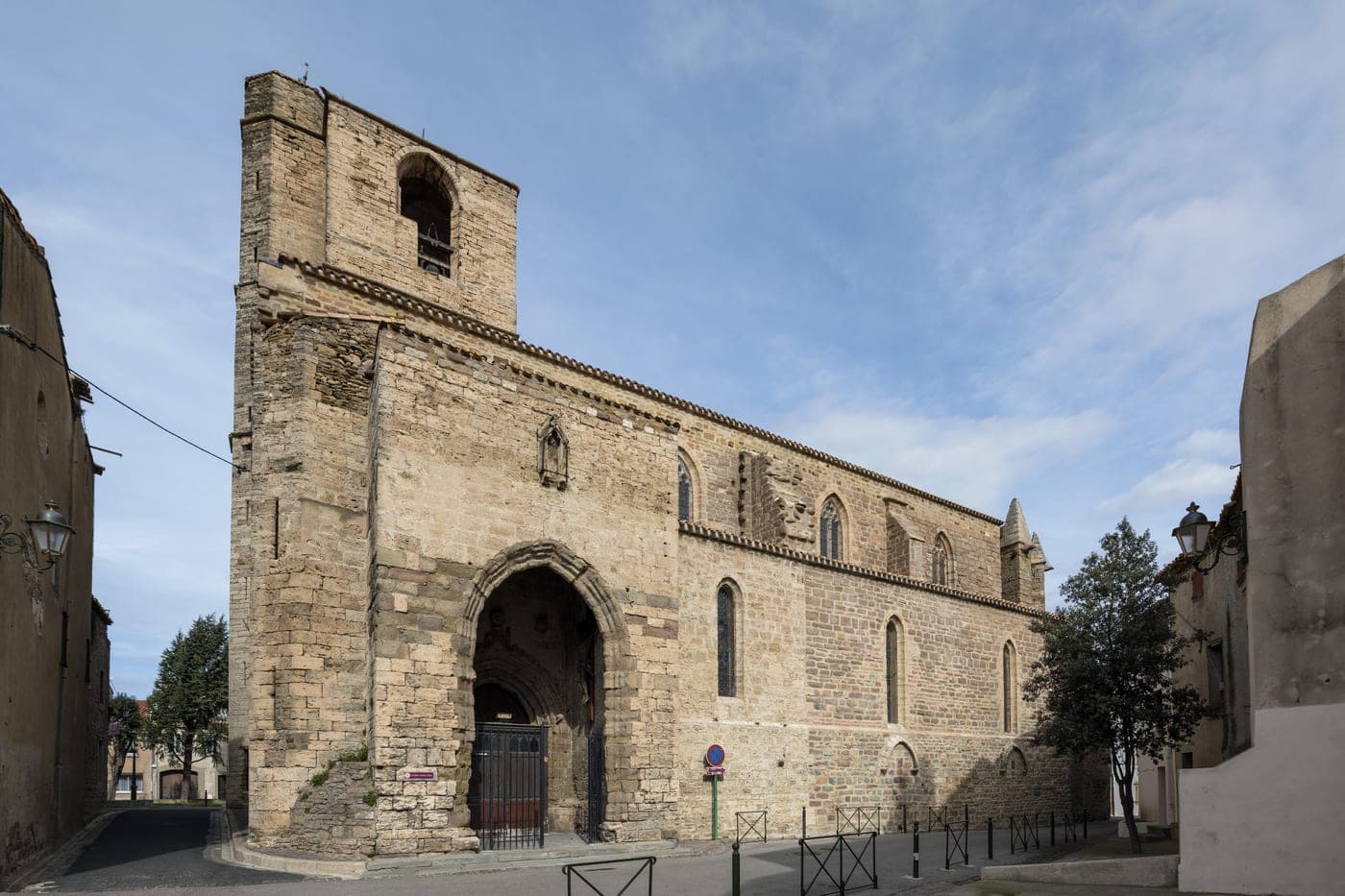 Wine Tasting56 destinations
Occitanie
This region is the largest in France and boasts a diverse landscape, including the picturesque Pyrenees mountains and a stunning Mediterranean coastline. Historic cities like Toulouse, known for its pink terracotta buildings, and Montpellier, with its vibrant student life, offer rich cultural experiences. The region is also famous for its wine production, particularly in areas like Languedoc, where unique varietals thrive. Beyond the cities, explore the medieval charm of Carcassonne, a fortified town with a remarkable castle. Occitanie hosts vibrant local festivals celebrating its heritage, and its traditional cuisine features dishes like cassoulet and regional cheeses. With beautiful hiking trails and quaint villages, this region invites leisurely exploration.
Wine TastingHikingCastlesLocal Cuisine