Biscuit rose de Reims
The pink Reims biscuit made for dipping in Champagne
- Local name
- Biscuit rose de Reims
- Served with
- Dunked in Champagne
- Best eaten at
- A Reims Champagne cellar visit
- Pairs with
- Champagne
What it is
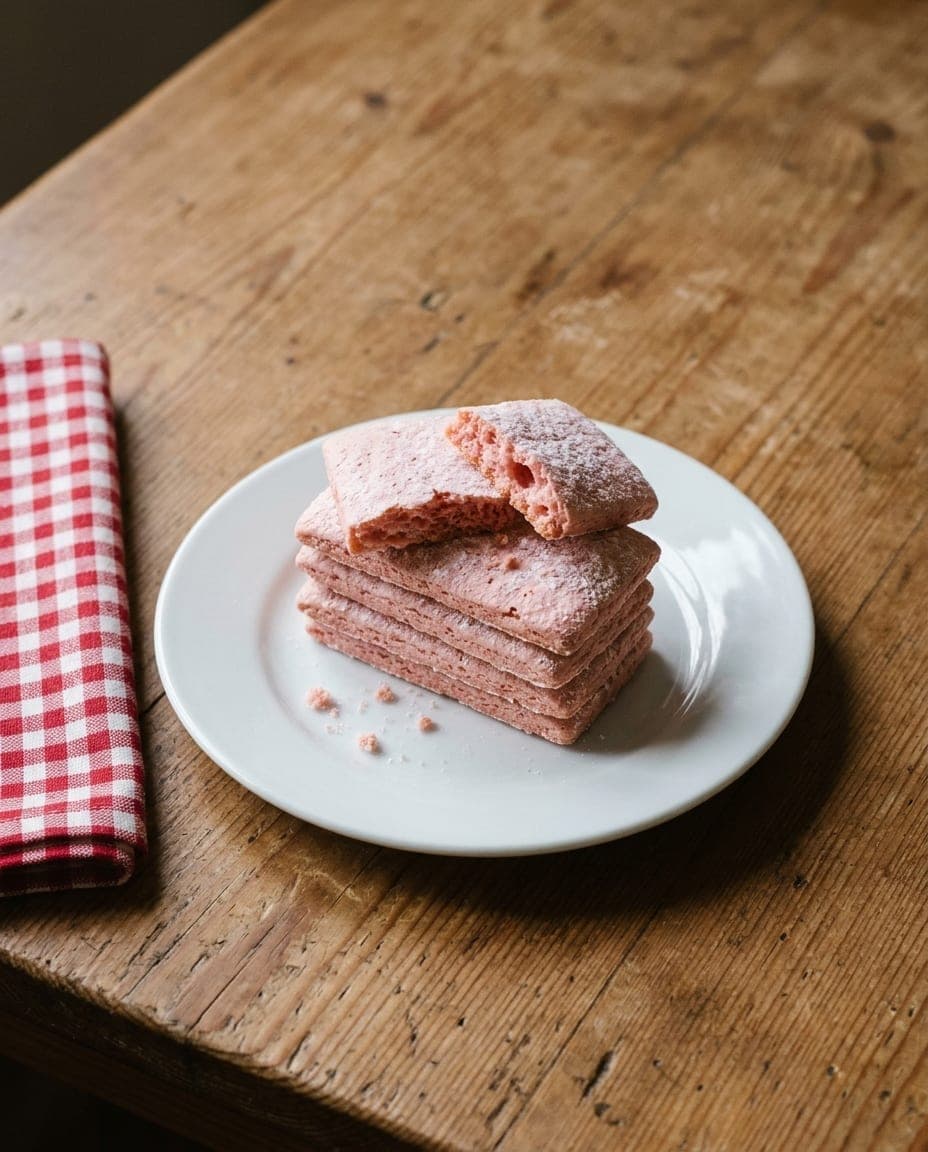
The biscuit rose de Reims is a long, slender sweet from the city of Reims in the Grand Est region of France. It is a crisp, dry biscuit with a distinct pale pink hue and a texture so firm that it resists crumbling when submerged. Unlike soft sponge cakes that dissolve instantly on the tongue, this biscuit is designed to be held, dunked, and allowed to soften gradually before eating.
The name translates simply as "pink biscuit of Reims", yet the colour holds a history older than modern food regulations. The biscuit is not merely a sweet treat but a functional object born from the baking traditions of the Champagne region. Its elongated shape and hard finish make it ideal for soaking up liquids without falling apart, a quality that turned it into the perfect companion for the local sparkling wine.
How it is made
The defining feature of this biscuit is its preparation method, and the reason for its name: bis-cuit, "baked twice". Around 1690, Reims bakers began using the heat left in their bread ovens between batches to bake a special dough of eggs, sugar and flour. Today the dough is baked once to set its structure, then dried slowly at a low temperature in a drying oven. This second stage removes almost all remaining moisture, leaving the biscuit hard and dry enough to travel well and keep for months.
This twice-baked technique ensures that when the biscuit meets liquid, it absorbs the flavour without disintegrating into a mush. The result is a sponge that softens from the inside out, retaining its shape while becoming tender. The pink colour comes from carmine, a natural red colouring made from cochineal insects, which is why the biscuit is not suitable for vegetarians. A light sprinkling of sugar on the top completes the finish, adding a touch of sweetness that contrasts with the dry interior.
Why it is pink
The story behind the colour is one of practicality rather than pure aesthetics. The original biscuit was white. When bakers began flavouring the dough with vanilla, the pods left small dark specks in the baked product, which spoiled the look of a white biscuit. To hide them, bakers added carmine to the mixture. The dye masked the specks effectively, and the resulting pale pink shade became so associated with the Reims biscuit that it remained even after the need for concealment faded.
Dipping the biscuit in Champagne, or in a still red wine from the Champagne hillsides, became the local custom, and it has persisted for centuries. It is also eaten at breakfast or with coffee, and used in desserts such as charlottes, tarts and tiramisu, but its primary identity remains tied to the Champagne vineyards around Reims.
How to eat it
The traditional way to enjoy a biscuit rose is to hold it by one end and dip it gently into a glass of Champagne. The goal is to submerge only part of the biscuit, allowing the liquid to soak in for a few seconds before lifting it out. This creates a soft, wine-infused bite while leaving the other end dry enough to hold. Dunking it fully until it collapses is considered a mistake by those who value the texture contrast.
While Champagne is the classic pairing, the biscuit also works well with strong black coffee or tea. In Reims it also turns up in a charlotte, where the biscuits line the mould and soak up the cream and fruit filling. The hard texture allows it to be stored in a tin for weeks, making it a practical gift or travel snack that does not require refrigeration.
Where to find it
During a cellar visit, some hosts serve the biscuit with a glass of their sparkling wine. Packaged versions are sold across France, but the biscuit remains most closely tied to Reims, where only a few biscuiteries still make it.
In Reims, the biscuits fill the window displays of traditional pastry shops and the gift shops attached to Champagne cellars. The specific texture and tradition remain concentrated in this corner of France.
Curious facts
- An old house keeps the method alive. One Reims biscuiterie, founded in 1756, still makes the biscuit rose with the traditional double baking.
- The dye hides a flaw. The pink colour was originally used to cover the dark specks of vanilla pods, turning a visual defect into a regional trademark.
- Built for soaking. The twice-baked process removes almost all moisture, creating a biscuit that can absorb liquid without losing its structural integrity.
- More than just wine. While famous with Champagne, the biscuit is also used in desserts like the charlotte or dunked in coffee.
- A regional symbol. The biscuit remains a speciality of Reims and the Champagne country.
Where to try it
To taste the biscuit rose de Reims as intended, a Champagne cellar in Reims is the natural setting, where it may be served alongside the wine and the texture can be seen changing as the liquid soaks in. A traditional pastry shop in Reims is the other obvious place for a fresh batch.
Where to try it
1 destination
 Wine Tasting
Dormans
Historic Marne Valley town with champagne houses and beautiful river setting.
Wine TastingHiking
1 region
 Wine Tasting19 destinations
Grand Est
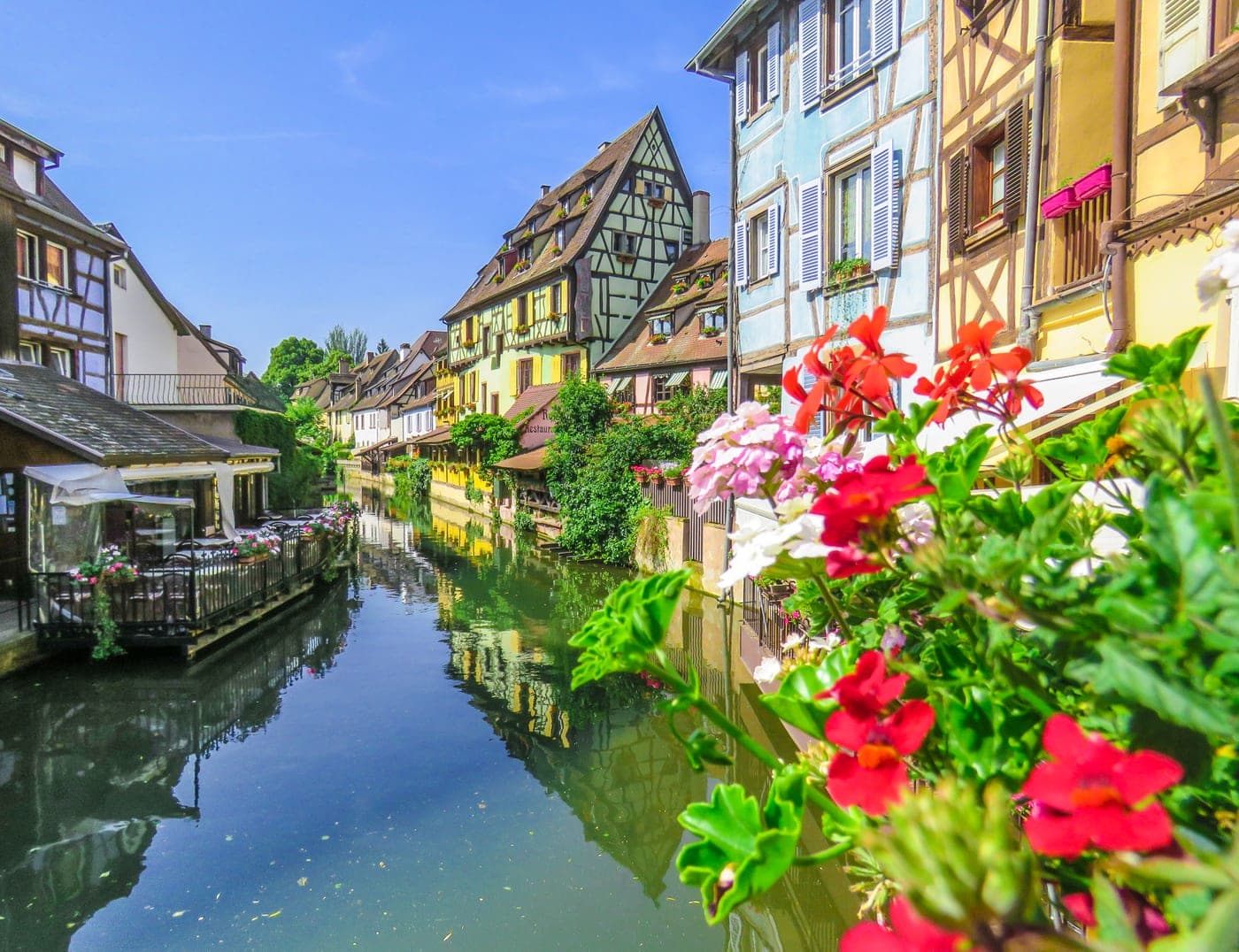
Nestled in northeastern France, this region is the second largest, blending rich history with diverse landscapes. It boasts Strasbourg, known for its Gothic cathedral and unique blend of French and German cultures. The vineyards of Alsace produce exquisite white wines, particularly Riesling, while the Vosges Mountains offer scenic hiking trails. Visitors can explore the historic town of Colmar, famous for its well-preserved medieval architecture. The region is dotted with charming villages like Riquewihr, known for its half-timbered houses. Grand Est is also home to the Champagne region, celebrated for its sparkling wines. Festivals throughout the year highlight local traditions, making it a vibrant area to experience local culture.
Wine TastingHikingLocal CuisineCamper Van Rentals