Andouillette de Troyes
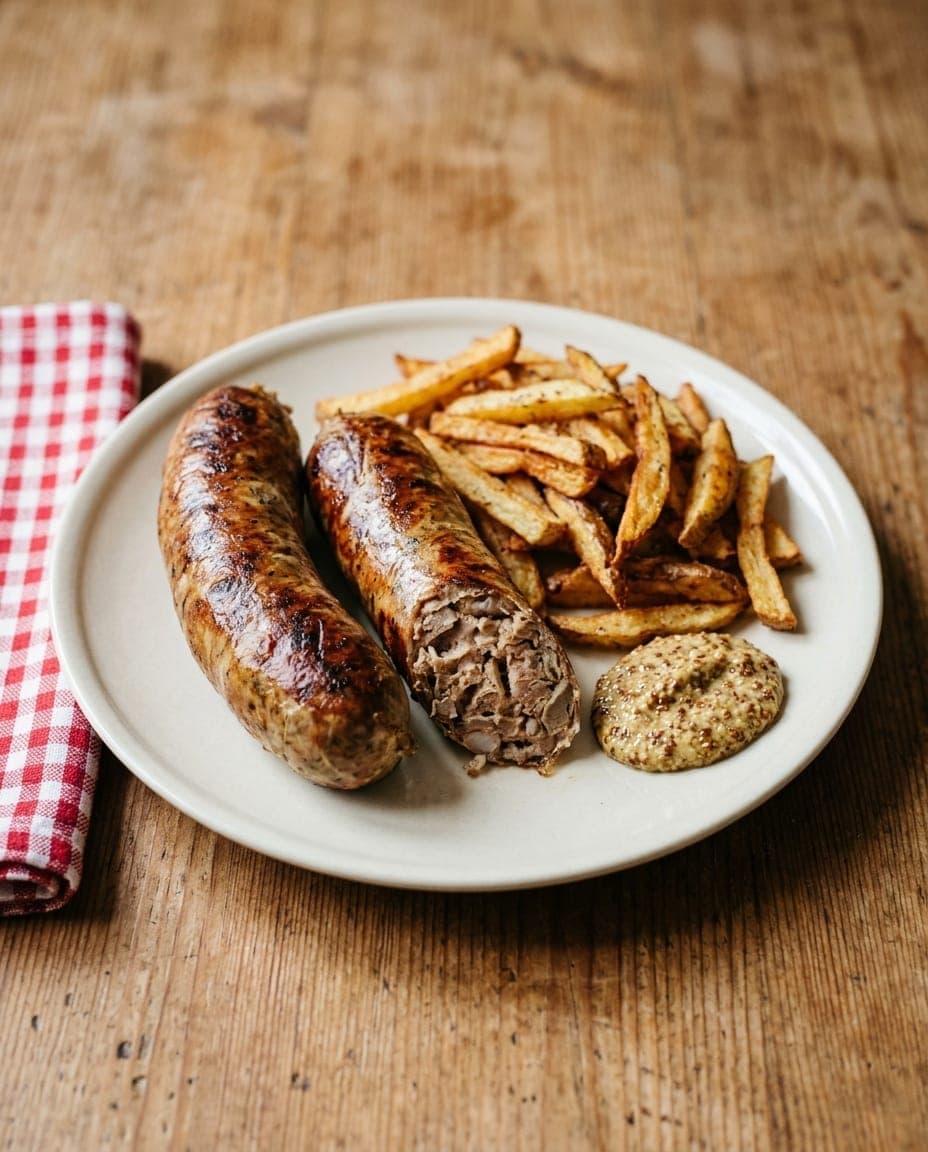
Coarse pork tripe sausage from Troyes in Champagne, served with mustard
- Local name
- Andouillette de Troyes
- Served with
- Mustard, fries
- Best eaten at
- A Troyes brasserie
- Pairs with
- Chablis
What it is
The andouillette de Troyes is a sausage defined by what most people would call offal: the large intestine (chaudins) and stomach of the pig. Unlike the smooth, uniform sausages found in many parts of France or Europe, this one is built from strips of tripe that are cut lengthways rather than ground into a paste. The result is a coarse, textured interior where individual strips remain visible when sliced, creating a pattern that looks like a woven tapestry in cross-section.
It is a dish of strong character, often described as the most divisive item on a French menu. The aroma is pungent and earthy, a sharp contrast to the sweeter, milder sausages that dominate the country's culinary landscape. In Troyes, the historic capital of the counts of Champagne, this sausage is not merely a food but a local institution. The texture is firm and chewy, holding its shape well when cooked, offering a substantial mouthfeel that stands up to the sharpness of the condiments served alongside it.
A history written in strips
The origins of the andouillette are difficult to pin down to a single date or inventor. The word appears as early as the 12th-century Roman de Renart, and stuffing intestines into casings was long a way to use every part of the animal. The specific style associated with Troyes developed from these older techniques into something distinctively regional; local stories about the name, such as one involving abbey bells nicknamed "andouillettes", are best treated as folklore.
The defining feature of the andouillette de Troyes is the treatment of the tripe. While many variations exist across France, some relying on minced meat and others using different organ meats, the Troyes version insists on strips cut lengthways. This technique prevents the mixture from becoming a homogeneous paste, preserving the fibrous nature of the stomach lining. The strips are traditionally pulled into the casing with a string, and the sausages are then simmered for hours in an aromatic stock before being sold, ready to be grilled or pan-fried.
Over time, the Troyes sausage became a benchmark. While similar products exist in other parts of the country, often under different names, the andouillette de Troyes remains the most recognised and respected version.
The AAAAA rating
The best-known mark of quality for andouillettes is awarded by the Association amicale des amateurs d'andouillette authentique, commonly shortened to the AAAAA. This is not a Troyes body but a national club of food lovers and gastronomic writers (the critic Robert Courtine was among its early members), formed to defend the identity and quality of the andouillette.
The five-A diploma serves as an informal guide. Members taste producers' sausages regularly and award the label for two years on the basis of taste rather than a fixed specification. The Troyes style itself is defined by tradition: pure pork, intestine and stomach cut into strips rather than ground, and simple seasoning that lets the flavour of the offal come through.
The diploma has become a badge of honour, proudly displayed by the butchers and restaurants that hold it.
What goes into it
The ingredients are few and specific, reflecting the philosophy that the sausage should taste of itself. The core components are:
- Pig's large intestine and stomach, cleaned meticulously and cut into strips to preserve their texture.
- Seasonings, typically salt, pepper, chopped onions and herbs, often with white wine, though the balance varies by producer.
- Natural casings, which hold the meat together while allowing it to cook evenly.
The preparation involves a long process of cleaning the offal, followed by hours of simmering in stock. The result is a pale, dense sausage with a taste that is earthy and intensely savoury.
How to eat it
Although sold already cooked, the andouillette de Troyes is almost always reheated before serving. The traditional method is to grill or pan-fry the sausage until the skin blisters and turns golden brown, while the inside becomes hot and soft. This cooking process renders the fat and concentrates the flavour, making the texture more tender without losing its chewiness.
It is very often served with crispy French fries (frites), which provide a neutral base to balance the intensity of the sausage. The essential condiment is a sharp mustard, which cuts the fat and adds a necessary acidity. Many establishments serve it with a sauce of white wine, cream and mustard.
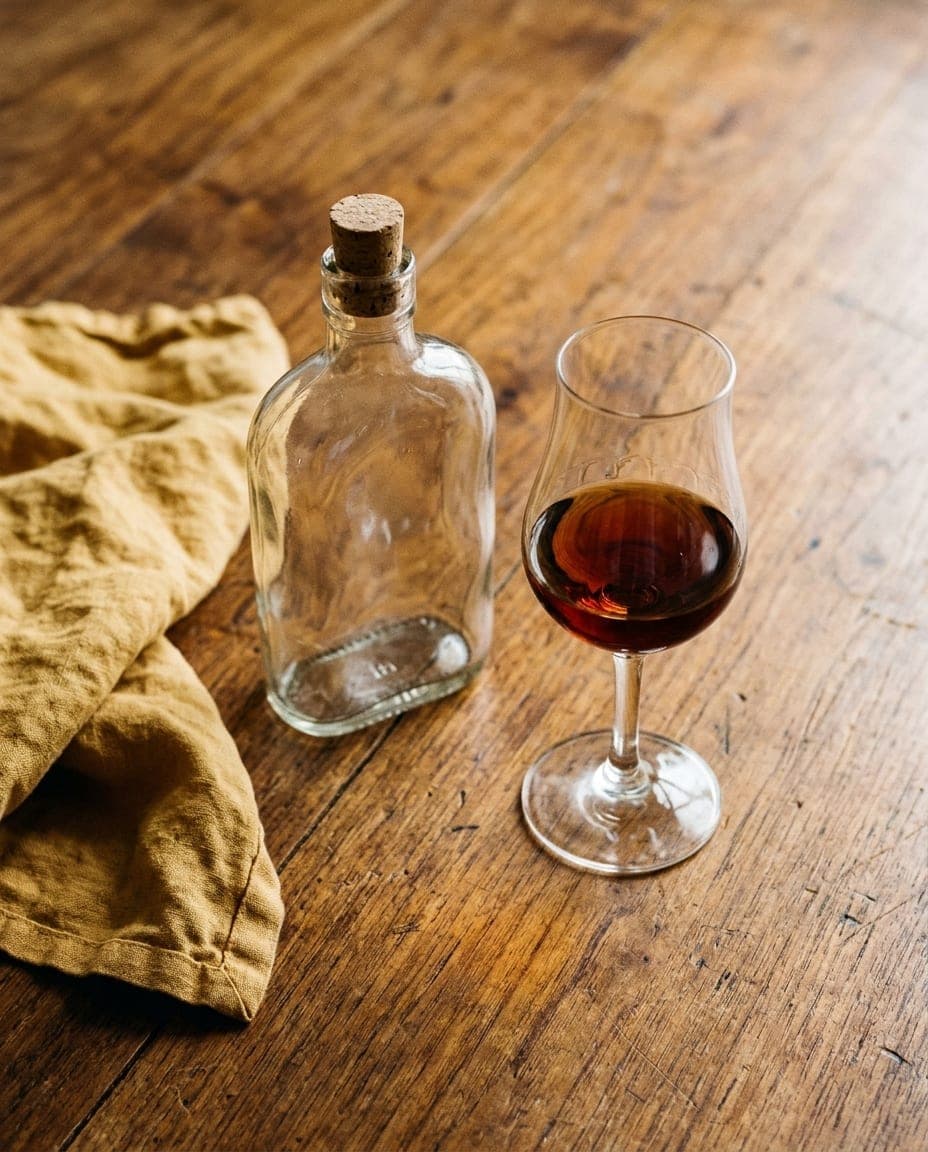
The traditional setting for this dish is a brasserie in Troyes or a nearby village. A glass of Chablis, from just across the border in northern Burgundy, is the classic pairing, as the crisp acidity helps cleanse the palate between bites; a Saint-Bris sauvignon is another option.
Curious facts
- A smell that divides. The aroma of cooking andouillette is potent, yet lovers insist the scent is part of the experience.
- The five-A diploma. The AAAAA label is not a legal guarantee but a club's verdict, awarded for two years after tastings.
- An old word. The andouillette is mentioned in the medieval Roman de Renart.
Where to try it
The best place to find an authentic andouillette de Troyes is in the city of Troyes itself, particularly within the historic centre or the surrounding countryside. While the sausage can be found in other parts of France, the versions sold in the region where it was perfected are generally considered superior.
Butchers in Troyes and the surrounding Aube sell the sausage over the counter, so versions from different makers can easily be compared. A simple table in a busy brasserie, with a plate of fries and a bottle of Chablis, offers the most authentic encounter with this legendary sausage.
Where to try it
1 destination
 Wine Tasting
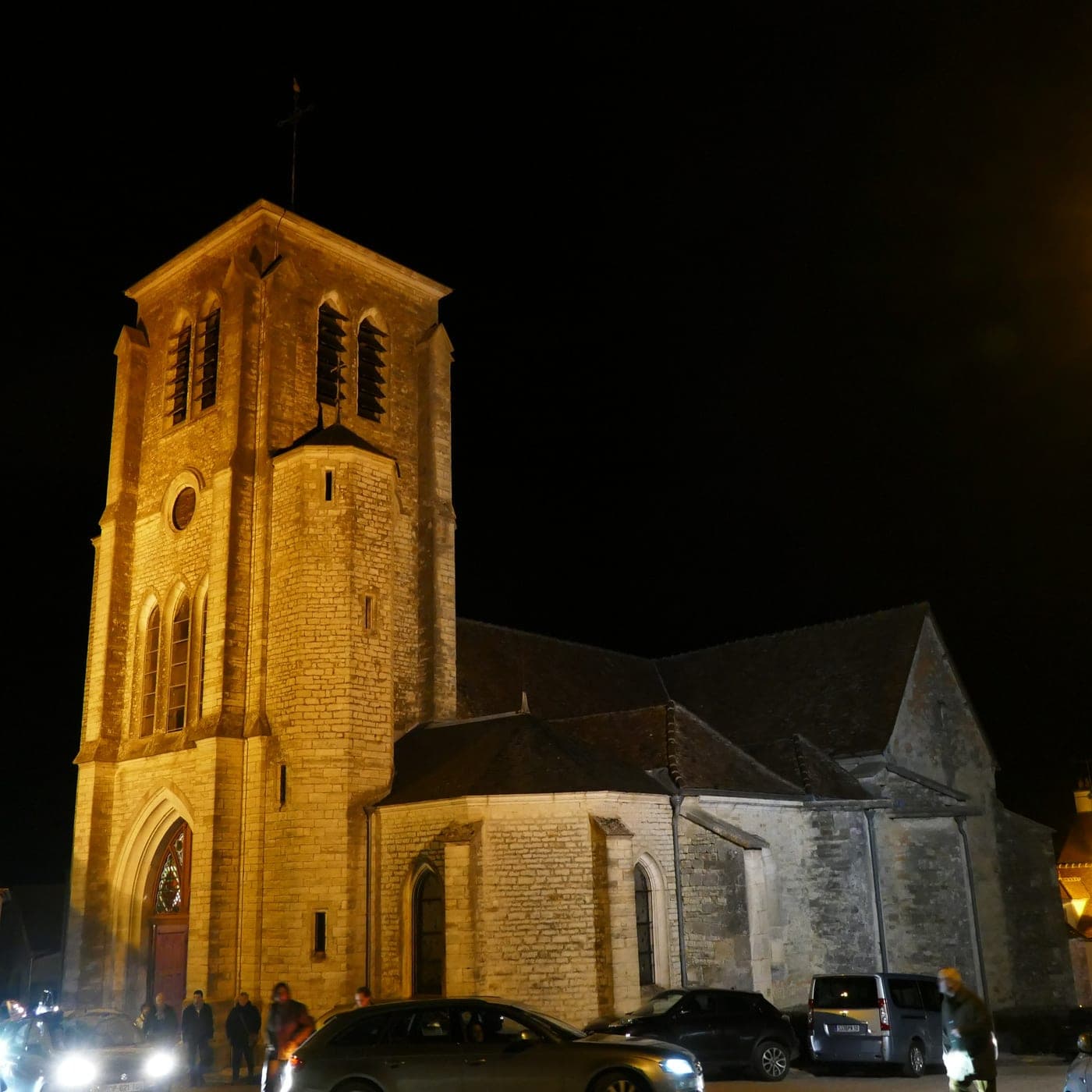
Celles-sur-Ource
Southern Champagne village in Côte des Bar with artisan growers.
Wine TastingHiking
1 region
 Wine Tasting19 destinations
Grand Est
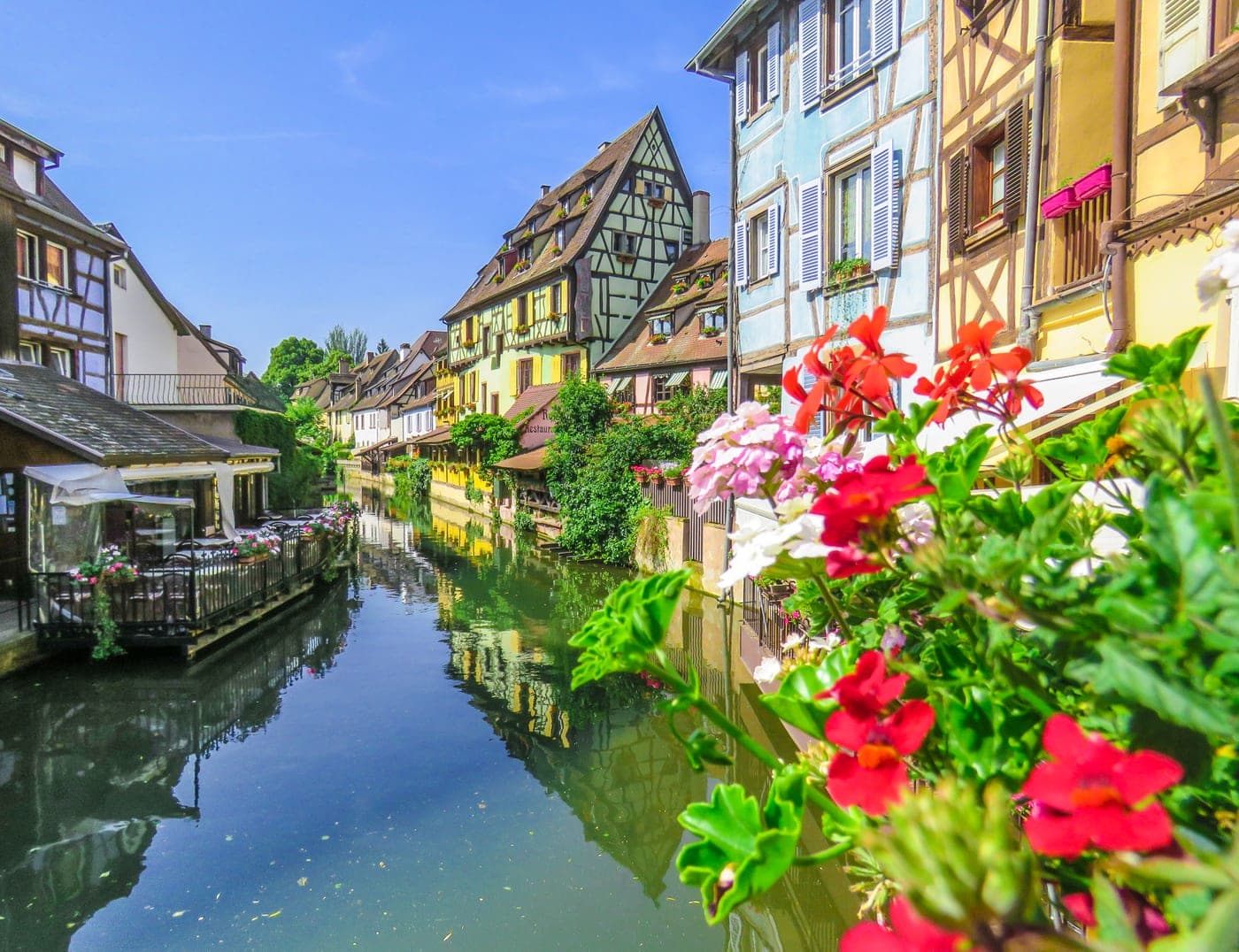
Nestled in northeastern France, this region is the second largest, blending rich history with diverse landscapes. It boasts Strasbourg, known for its Gothic cathedral and unique blend of French and German cultures. The vineyards of Alsace produce exquisite white wines, particularly Riesling, while the Vosges Mountains offer scenic hiking trails. Visitors can explore the historic town of Colmar, famous for its well-preserved medieval architecture. The region is dotted with charming villages like Riquewihr, known for its half-timbered houses. Grand Est is also home to the Champagne region, celebrated for its sparkling wines. Festivals throughout the year highlight local traditions, making it a vibrant area to experience local culture.
Wine TastingHikingLocal CuisineCamper Van Rentals