Armagnac
France's oldest brandy, distilled once and aged in oak casks
- Alcoholic
- Local name
- Armagnac
- Served
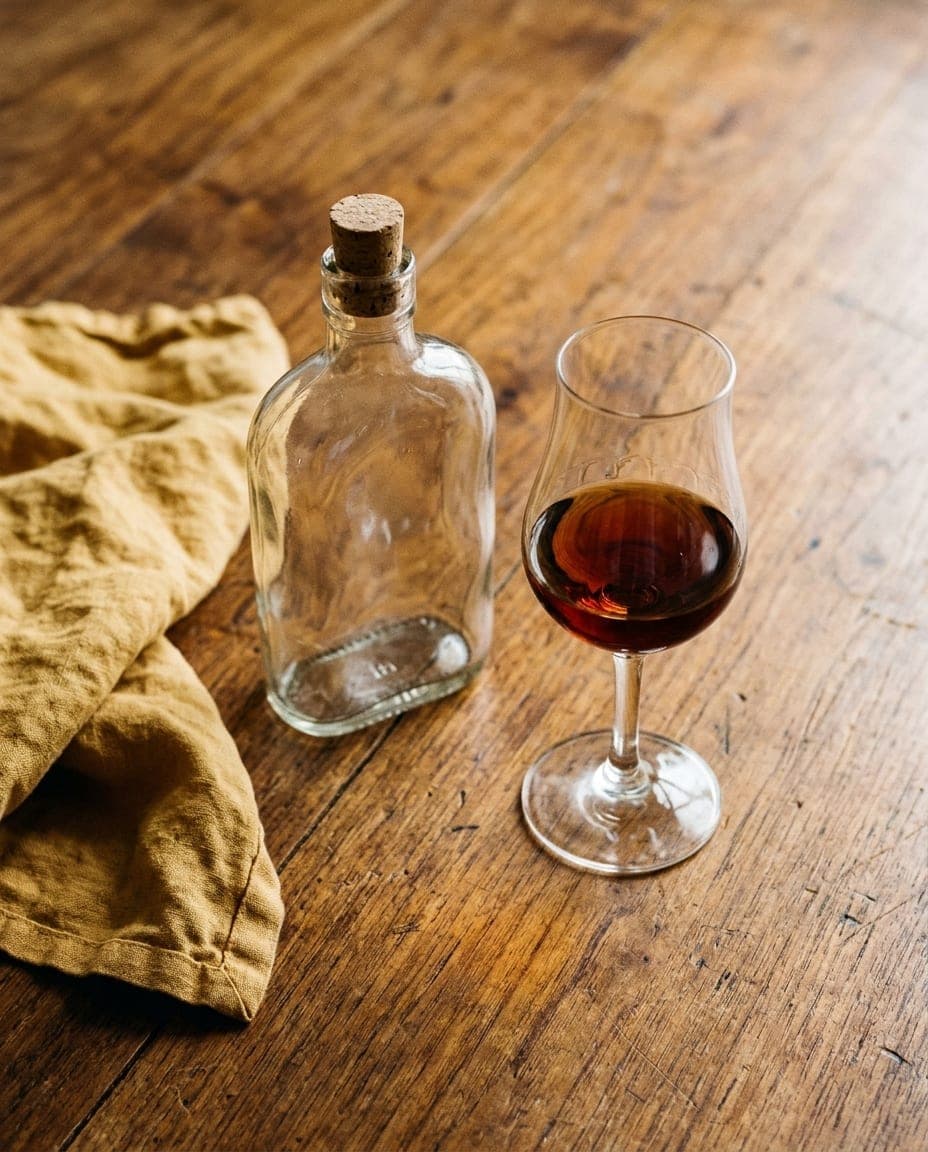
- Neat, in a tulip glass
- Best eaten at
- A Gascon domaine tasting room
- Pairs with
- Prunes, croustade, dark chocolate
What it is
Armagnac is the spirit that defines the Gascon landscape of south-western France, older than its more famous cousin Cognac. It is a mostly single-distilled brandy produced in a delimited area of Gascony between the Adour and the Garonne, covering much of the Gers (Occitanie) and parts of the Landes and Lot-et-Garonne (Nouvelle-Aquitaine). While Cognac relies on double distillation in copper pot stills to create a lighter, more floral spirit, Armagnac retains a deeper, earthier character through its production method.
The spirit is poured neat into a tulip-shaped glass, allowing the drinker to appreciate its complex aromas without dilution. It is not a mixer; it is a contemplative drink, often enjoyed as a digestif after a meal or paired with prunes or dark chocolate. The taste profile shifts with age, ranging from the sharp, fruity notes of young spirits to the deep, spicy and woody richness of those matured for decades in oak.
A history before Cognac
Armagnac's history is traditionally dated to 1310, when Vital du Four, prior of Eauze, praised the "forty virtues" of aygue ardente (burning water), though historians debate whether he was writing about Gascony at all. Firmer records of distillation in Armagnac date from the 17th century, and the spirit is still widely described as France's oldest brandy.
The spirit was long regarded as a remedy as much as a pleasure before becoming a celebrated beverage. Its trade passed through river markets such as Saint-Sever, Mont-de-Marsan and Aire-sur-l'Adour, and today the town of Eauze, home of the Bureau National Interprofessionnel de l'Armagnac, is its commercial centre. The production area was delimited by the Fallières decree of 1909, and Armagnac became an AOC in 1936.
Armagnac has remained largely in the hands of family estates and cooperatives rather than a few large houses. The result is a spirit that feels less like an industrial product and more like a living heirloom, passed down through generations of Gascon families.
The three lands of Armagnac
The production area is divided into three distinct appellation zones, each with its own soil and character. These areas, fixed by the 1909 decree, are Bas-Armagnac, Ténarèze and Haut-Armagnac. Bas-Armagnac, the westernmost and most celebrated zone, accounts for roughly 60 per cent of production; its tawny sands (sables fauves) give fine, fruity and elegant spirits.
Ténarèze, in the centre, has clay-limestone soils that yield more structured, powerful spirits suited to long ageing. Haut-Armagnac, to the east and south, sits on limestone soils; its output is tiny, about one per cent of the total, and its style lighter.
Ageing takes place in oak casks. The wood gives colour, tannin and notes of vanilla and spice. The spirit matures slowly in these cellars, absorbing the wood's tannins and gaining complexity over time.
How it is made
The defining difference between Armagnac and other brandies lies in its distillation process. It is typically distilled only once, rather than twice, using a continuous column still known locally as the alambic armagnacais, which is used for the great majority of production. This specific design of still allows the spirit to retain more of the grape's natural character and heavier compounds, resulting in a richer, more robust taste.
The grapes used are also unique. While Cognac relies on a narrow selection of varieties, Armagnac permits ten white grape varieties. Among them is Baco Blanc (Baco 22A), a hybrid variety found almost nowhere else in the world. This grape contributes a distinctive, rounder note that adds to the spirit's complexity. The other main varieties are Ugni Blanc, Folle Blanche and Colombard.
Because the distillation is single and continuous, the resulting spirit comes off the still at a lower strength than double-distilled spirits, usually between 52 and 60 per cent. It is then aged in oak casks, from one year for a VS to ten or more for an XO or vintage. Much of the production is small-scale, on family-owned estates rather than large industrial houses.
How to taste it
Armagnac is best enjoyed neat, poured into a tulip glass that concentrates the aromas towards the nose. The shape of the glass helps trap the volatile compounds, allowing the drinker to detect the subtle layers of fruit, wood and spice before taking a sip. It is rarely served with ice or mixers, as these would mask the delicate nuances of the spirit.
The ideal setting for tasting is a Gascon domaine's cellar or tasting room, where the producer can explain the history of the specific vintage. Prunes from nearby Agen are a classic match, their sweetness balancing the spirit's dry heat. A croustade, the Gascon apple pastry of paper-thin leaves often perfumed with Armagnac itself, is another natural partner.
Dark chocolate is another recommended pairing, as its bitterness and cocoa notes harmonise well with the woody and spicy elements of older Armagnac.
Curious facts
- A single distillation. Unlike most brandies which are double-distilled in pot stills, Armagnac is usually distilled once in a continuous column still, preserving more of the grape's character.
- Baco Blanc. This distinctive hybrid grape is grown almost exclusively for Armagnac production and is rarely used elsewhere in the world's wine industry.
- Vintage bottlings. It is far more common to find Armagnac labelled with a specific vintage year than with Cognac, which often relies on age statements without a harvest year.
- Eauze's role. This Gers town, in the Bas-Armagnac, is home to the spirit's interprofessional body and is often called its capital.
Where to try it
The most authentic experience of Armagnac is found in the small towns of the Bas-Armagnac and Ténarèze, particularly around Eauze and Condom. Here, visitors can tour family estates where the spirit is made and aged, tasting directly from the casks or barrels.
A visit to a domaine, with its cellars of oak casks and its column still, provides the clearest understanding of why Armagnac is considered France's oldest brandy and how its unique production methods create such a distinct flavour.
Where to try it
1 destination
 Wine Tasting
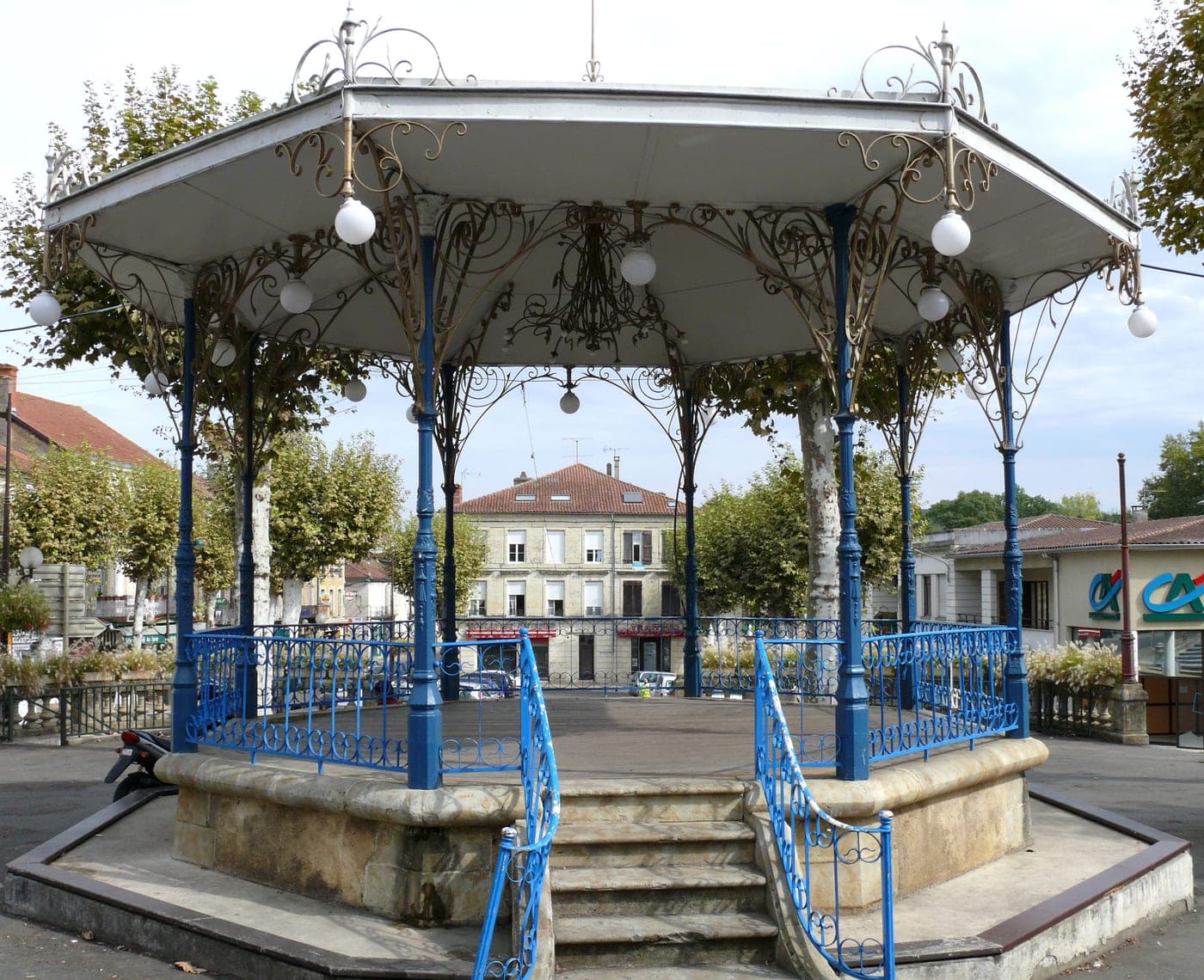
Vic-Fezensac
Gascony town in Armagnac region with brandy production and traditional bastide architecture.
Wine TastingHiking
1 region
 Wine Tasting56 destinations
Occitanie
This region is the largest in France and boasts a diverse landscape, including the picturesque Pyrenees mountains and a stunning Mediterranean coastline. Historic cities like Toulouse, known for its pink terracotta buildings, and Montpellier, with its vibrant student life, offer rich cultural experiences. The region is also famous for its wine production, particularly in areas like Languedoc, where unique varietals thrive. Beyond the cities, explore the medieval charm of Carcassonne, a fortified town with a remarkable castle. Occitanie hosts vibrant local festivals celebrating its heritage, and its traditional cuisine features dishes like cassoulet and regional cheeses. With beautiful hiking trails and quaint villages, this region invites leisurely exploration.
Wine TastingHikingCastlesLocal Cuisine