Croustade gasconne (pastis gascon)
Paper-thin Gascon apple tart with Armagnac and goose fat
- Local name
- Croustade gasconne
- Best eaten at
- A Gascon farm or market
- Pairs with
- Floc de Gascogne or Armagnac
What it is
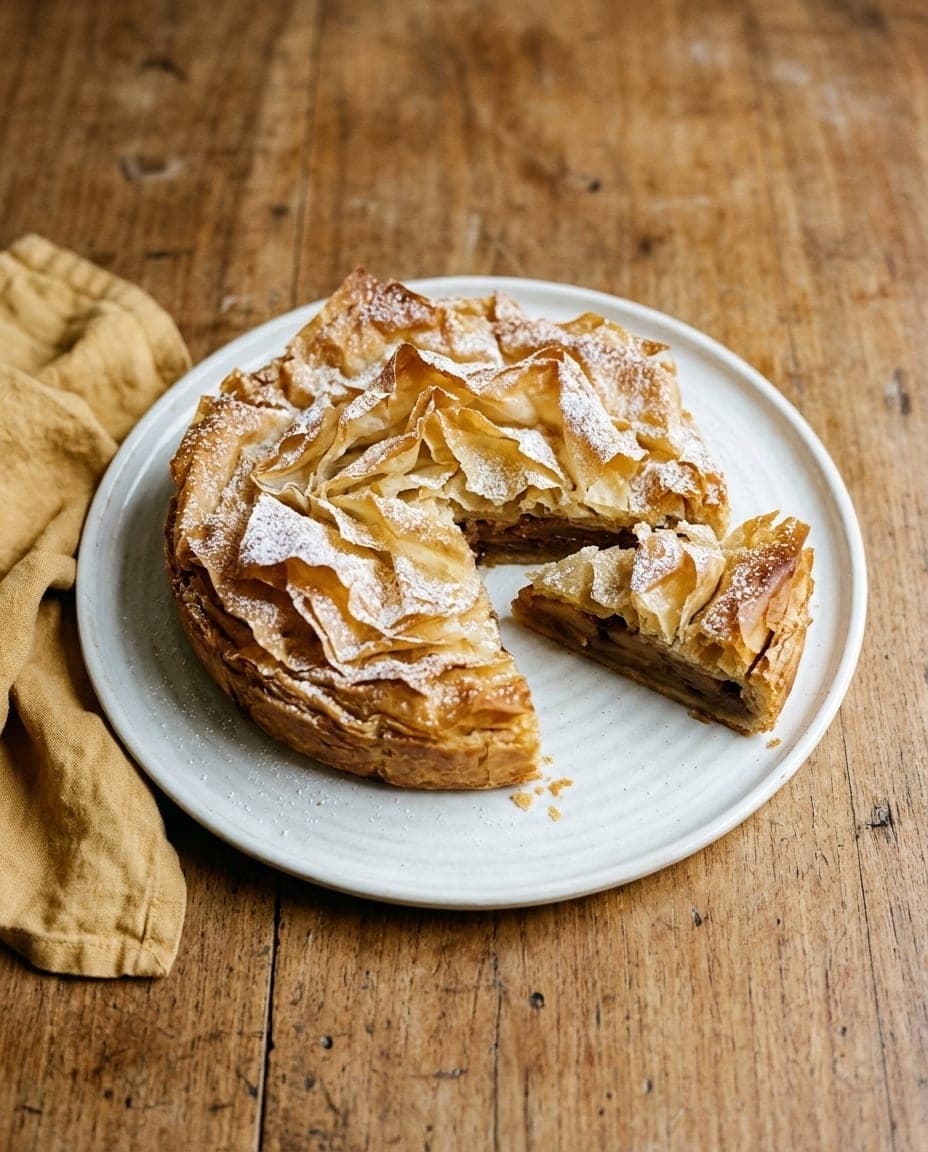
The croustade gasconne, also known locally as pastis gascon or tourtière depending on the area, is a sweet tart from Gascony, the old province that today straddles Occitanie and Nouvelle-Aquitaine. It is defined by its paper-thin pastry, stretched so far that it becomes almost translucent before baking. The filling consists of apples macerated in Armagnac, topped with layers of this delicate dough that bake into a crisp, ruffled crown.
This is not a dish found on menus across all of France. It remains a regional speciality, most closely tied to the Gers department and neighbouring parts of Gascony such as the Landes and Lot-et-Garonne. The dough is pulled by hand over a large floured cloth until it covers the table, then brushed with melted goose fat or butter before being torn into sheets to layer over the fruit. The result is a tart that stays light and airy rather than heavy.
The stretch of the dough
The defining feature of the croustade gasconne is the method used to prepare the pastry. Rather than rolling the dough with a pin, the baker stretches it by hand across a large cloth dusted with flour. This technique creates sheets so thin they are nearly see-through, a method often compared to that used for strudel or filo; locally the result is likened to a bride's veil. A popular explanation holds that the technique reached Gascony with the Moors in the early Middle Ages, though this remains local lore rather than documented fact.
Once the dough is stretched, it is brushed with melted fat, sprinkled with sugar and torn into irregular sheets. These layers are arranged over the apples, with crumpled pieces on top that bake into a golden, ruffled crown. Goose fat is the traditional choice, reflecting the region's long history of poultry farming, though today butter is commonly used instead.
Names and variations
Names vary across the region. Croustade gasconne, pastis gascon (or pastis gersois) and tourtière are all in use, and the choice often depends on the department, the town or even the family making it. The word croustade refers to a crusty pastry, while pastis here is usually explained as an old word for a pastry or pie and has nothing to do with the aniseed drink.
Despite the differing names, the core elements remain consistent: thin stretched dough, apples, and Armagnac. The lack of a unified name does not diminish its status as a regional icon; instead, it reflects the close-knit nature of Gascon communities, where small differences in dialect and tradition are cherished rather than standardised.
How to eat it
The croustade gasconne is at its best warm or freshly baked, and it is often bought at a Gascon market stall or pastry shop. It is a tart made for sharing, with each slice revealing the delicate layers of pastry and the soft apples beneath. A dusting of sugar on top adds a touch of sweetness, and some cooks add a final splash of Armagnac before serving.
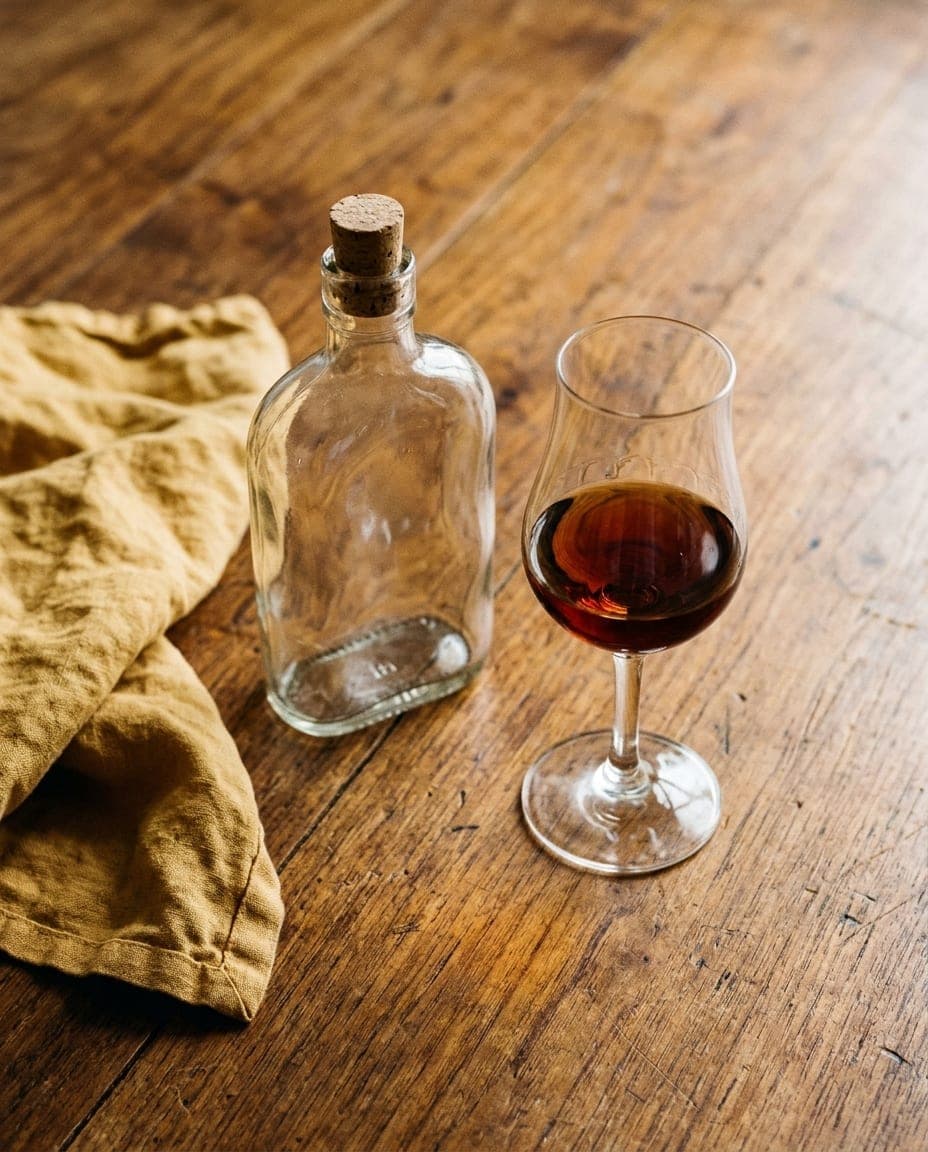
It pairs naturally with local drinks such as Floc de Gascogne, an aperitif made by blending grape juice with young Armagnac, or simply a glass of the spirit itself. The combination balances the tart's sweetness with the warmth of the alcohol. It is a dish meant for slow eating, ideally accompanied by conversation in a rustic setting.
Curious facts
- The dough stretches thin. The pastry is pulled by hand across a cloth until it is nearly translucent, a technique rarely seen in other French tarts.
- Goose fat is traditional. Melted goose fat was traditionally used to brush the layers, though butter is now the usual substitute.
- Names vary by area. Locals use croustade gasconne, pastis gascon or tourtière depending on their area, with no single preferred term.
- Once a festive pastry. Making it was laborious, so it was traditionally kept for religious feasts and big family occasions.
- A regional speciality. The dish is rarely found outside the south-west, making it a true taste of Gascony.
Where to try it
The croustade gasconne is easiest to find in the Gers, in town markets and pastry shops across the department, and in neighbouring parts of Gascony. In Lot-et-Garonne, villages such as Penne-d'Agenais and Tournon-d'Agenais hold summer festivals dedicated to the tourtière. Few households still make it at home, so local pastry shops and farm stalls are the most reliable places to taste it alongside regional spirits.
Where to try it
2 destinations
 Wine Tasting
Lectoure
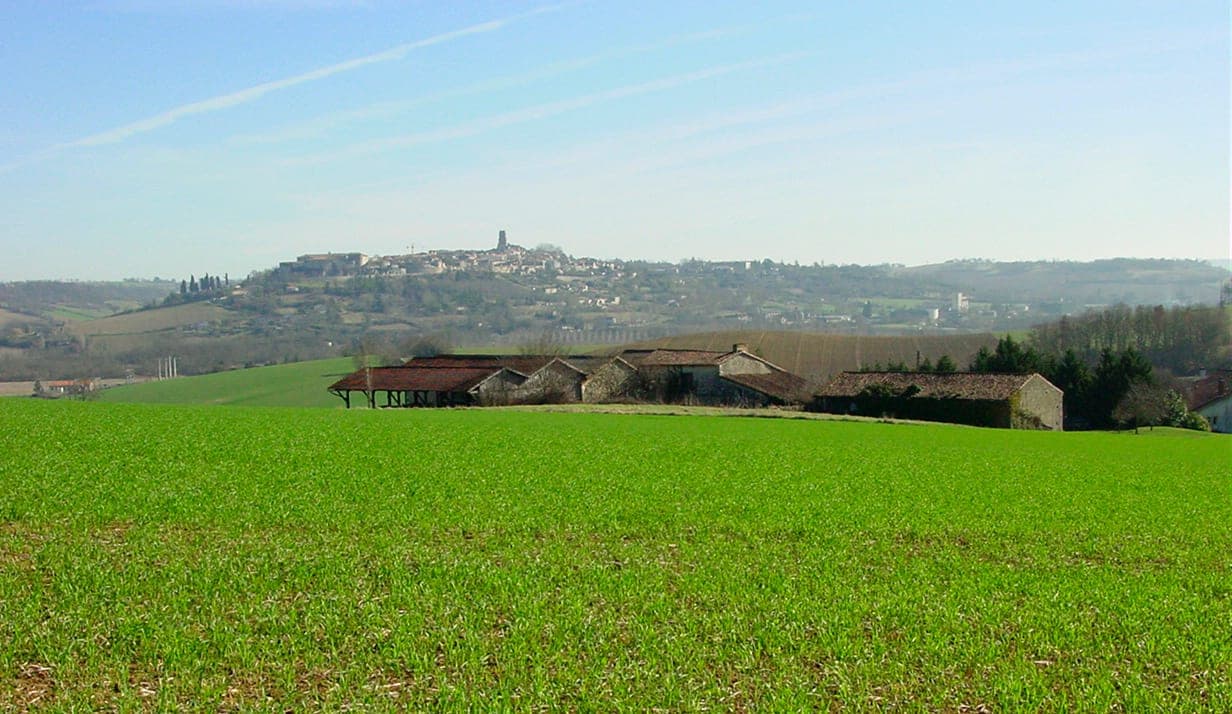
Historic Gascony hilltop town with wine estates, thermal spa, and Roman heritage.
Wine TastingHiking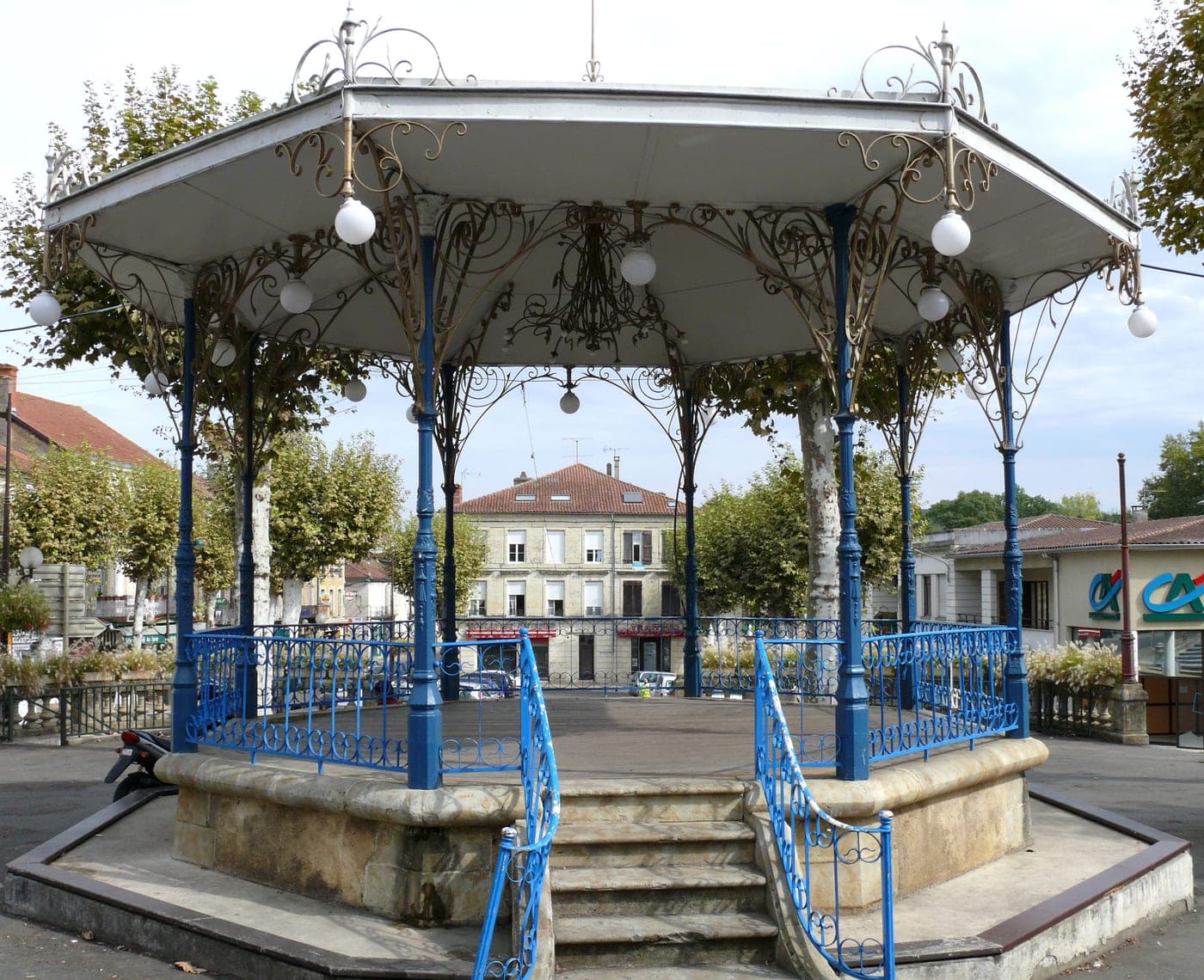 Wine Tasting
Vic-Fezensac
Gascony town in Armagnac region with brandy production and traditional bastide architecture.
Wine TastingHiking
2 regions
 Wine Tasting56 destinations
Occitanie
This region is the largest in France and boasts a diverse landscape, including the picturesque Pyrenees mountains and a stunning Mediterranean coastline. Historic cities like Toulouse, known for its pink terracotta buildings, and Montpellier, with its vibrant student life, offer rich cultural experiences. The region is also famous for its wine production, particularly in areas like Languedoc, where unique varietals thrive. Beyond the cities, explore the medieval charm of Carcassonne, a fortified town with a remarkable castle. Occitanie hosts vibrant local festivals celebrating its heritage, and its traditional cuisine features dishes like cassoulet and regional cheeses. With beautiful hiking trails and quaint villages, this region invites leisurely exploration.
Wine TastingHikingCastlesLocal Cuisine Wine Tasting31 destinations
Nouvelle-Aquitaine
This expansive region is the largest in France, boasting a stunning coastline along the Atlantic Ocean. Known for its diverse landscapes, Nouvelle-Aquitaine features the Pyrenees mountains, rolling vineyards, and historic towns. Bordeaux, the region's major city, is celebrated for its world-class wines, particularly Merlot and Cabernet Sauvignon. Other notable areas include the picturesque village of Saint-Émilion and the stunning Dune du Pilat, the tallest sand dune in Europe. The region's rich history is reflected in its architecture, with medieval castles and Roman ruins scattered throughout. Local markets offer artisan cheeses and fresh seafood, highlighting the region's culinary delights. Festivals celebrating wine and local culture are common, providing deeper insights into the area's heritage.
Wine TastingHikingCamper Van RentalsLocal Cuisine