Canelé
The fluted cake of Bordeaux with a dark caramel crust and custard centre
- Vegetarian
- Local name
- Canelé
- Best eaten at
- A Bordeaux pâtisserie
- Pairs with
- Coffee or Sauternes
What it is
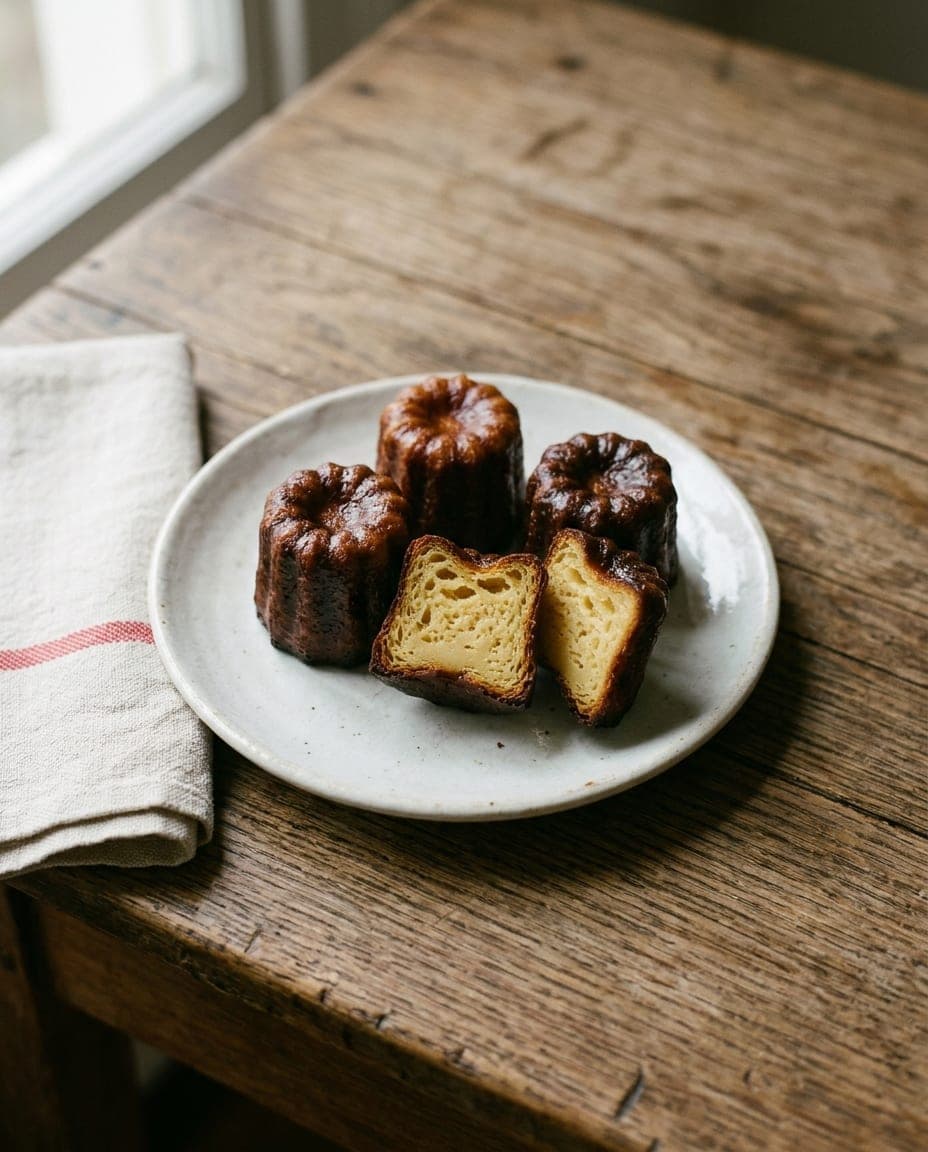
The canelé de Bordeaux is a small, cylindrical pastry defined by its striking contrast between two textures. It features a dark, almost burnt exterior that forms a hard, lacquered crust, encasing a soft, dense centre that resembles a thick custard. The taste is deep and complex, driven by the caramelisation of the sugar in the crust and the aromatic pairing of vanilla and rum within.
The exterior is dark brown, bordering on black, while the inside remains pale yellow and moist. It is at its best eaten fresh, within hours of leaving the oven, as the crust loses its snap if it sits too long.
The pastry is a speciality of Bordeaux. While similar caramelised cakes exist elsewhere, the name "canelé" has been registered as a collective trademark by the city's brotherhood of makers, and the cake has become a symbol of Bordeaux's culinary heritage.
The legend of the nuns and the wine cellar
The origin story of the canelé is woven into the history of Bordeaux's wine trade and religious life. The most persistent account credits the nuns of the Annonciades convent in Bordeaux, although sources disagree on whether this was in the 15th or the 18th century. A popular addition to the tale holds that the city's winemakers used large quantities of egg whites to fine their red wines and gave the surplus yolks to the convent, which turned them into small cakes. It is an appealing story, but it remains a legend rather than documented fact.
Firmer history concerns the canauliers, artisans who made a small cake called the canaule and formed a guild recognised by the Parliament of Bordeaux in 1663. By the late 18th century the city had dozens of them, but the guilds were abolished during the Revolution and the cake faded from view.
The modern canelé is largely a product of a 20th-century revival, when an unknown pastry cook took up the old recipe and added rum and vanilla. In 1985 the Confrérie du Canelé de Bordeaux was founded to protect the recipe, standardising the spelling with a single 'n' rather than the double 'nn' still used by some Paris pâtissiers.
The secret of the copper mould
The defining characteristic of the canelé is its crust, which is hard to achieve in a standard baking tin. The batter is traditionally baked in small, fluted moulds made of copper. These moulds are coated with beeswax, or a mixture of beeswax and butter, before the batter is poured in. This coating prevents the batter from sticking to the metal during the long bake and helps form the deep, dark caramel crust that defines the pastry.
Copper conducts heat efficiently, allowing the outer layer to reach high temperatures quickly while the interior stays soft. This is what creates the hard, lacquered exterior without overcooking the centre. The fluted shape adds surface area relative to the volume of the cake, increasing the caramelisation. Without the copper and the wax coating, the result tends towards a pale, soft bun rather than the dark, crisp-shelled treat associated with Bordeaux; silicone and other moulds are used today, but purists favour copper.
How the batter is made
The canelé is not a heavy cake; the batter is thin and fluid, more akin to a crêpe mixture than a sponge. It is made from milk, egg yolks, sugar, flour, vanilla and rum. The batter is mixed until smooth but not overworked.
A crucial step for most bakers is the resting period. After mixing, the batter is usually left in the refrigerator for a day or more before baking. This allows the flour to hydrate and the flavours of the vanilla and rum to meld with the milk and eggs.
The rum is traditional and essential to the taste. Dark or amber rum complements the vanilla and the caramel notes of the crust, while real vanilla gives a deep aroma that permeates the soft centre.
How it is eaten
The canelé is eaten as a sweet snack or dessert, usually at room temperature or still slightly warm, and is small enough to be finished in a few bites. It is best on the day it is baked: as time passes, moisture from the centre migrates to the crust, softening the caramelised shell.
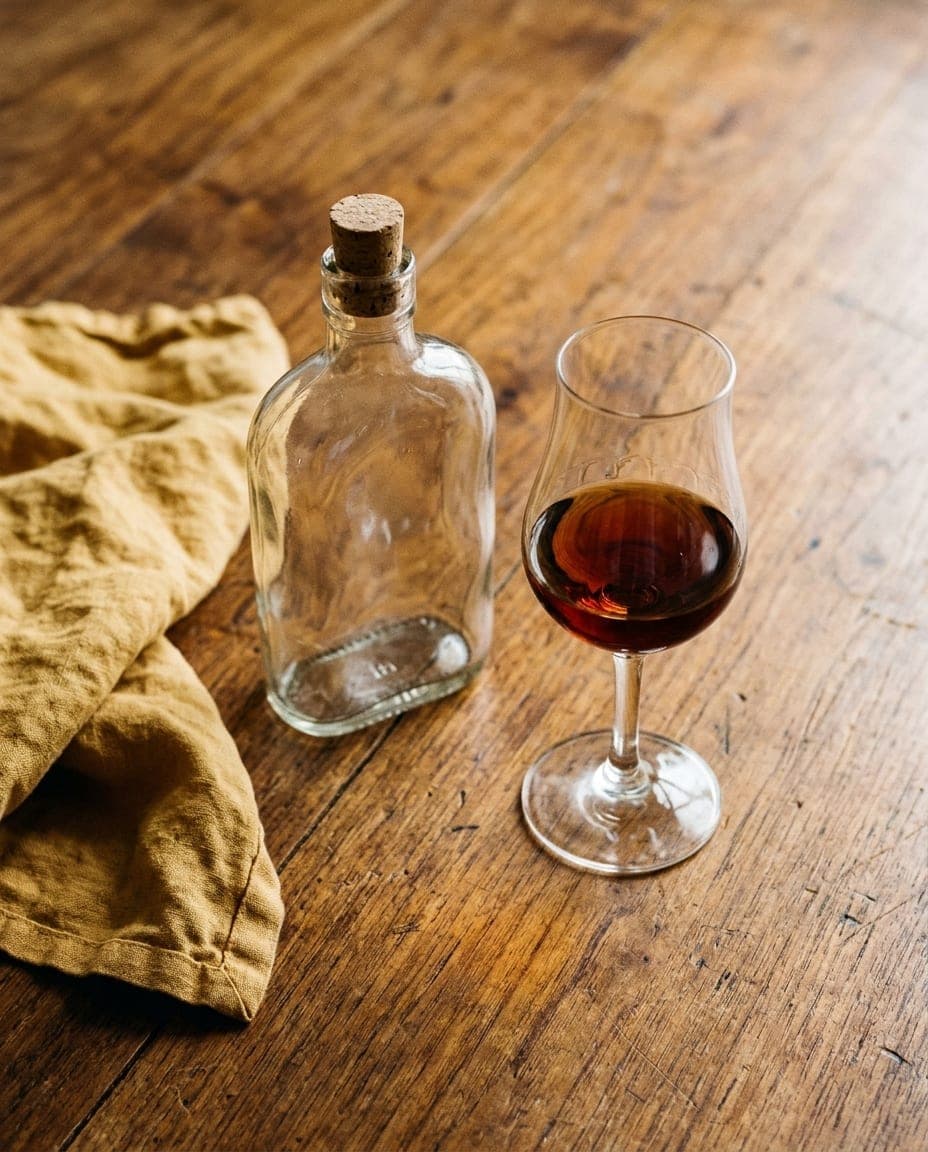
A popular accompaniment is a cup of black coffee or a glass of Sauternes, the sweet white wine produced up the Garonne from Bordeaux. The bitterness of the coffee cuts through the sweetness of the caramel, while the honeyed notes of Sauternes echo the vanilla in the pastry. Some locals also enjoy it with tea or a glass of red wine.
Curious facts
- The name has one 'n'. The single-n spelling was fixed by the Confrérie du Canelé de Bordeaux, founded in 1985.
- A guild of its own. In the 17th and 18th centuries, Bordeaux's canauliers had their own guild, separate from the city's pastry cooks.
- It usually rests. The batter is typically left for a day or more before baking, allowing the flour to hydrate and the flavours to develop.
- Copper is prized. Copper moulds coated with beeswax produce the characteristic dark, lacquered crust.
- A wine legend. A popular story links the pastry to egg yolks left over after Bordeaux's winemakers fined their wines with egg whites.
- A registered name. "Canelé" is registered as a collective trademark by the Bordeaux brotherhood.
Where to try it
The natural place to taste a canelé de Bordeaux is in a pâtisserie in the city itself. While the pastry has gained popularity across France and internationally, it is most deeply rooted in Bordeaux, and bakeries in the historic centre, from the streets around the Place de la Bourse to the quays of the Garonne, sell it daily.
Many shops bake throughout the day, so the canelé is often sold fresh, sometimes still warm. Outside the city, in the wider Nouvelle-Aquitaine region, bakeries make it too, but its identity remains strongest in the capital of the wine region.
Where to try it
1 destination
 Camper Van Rentals
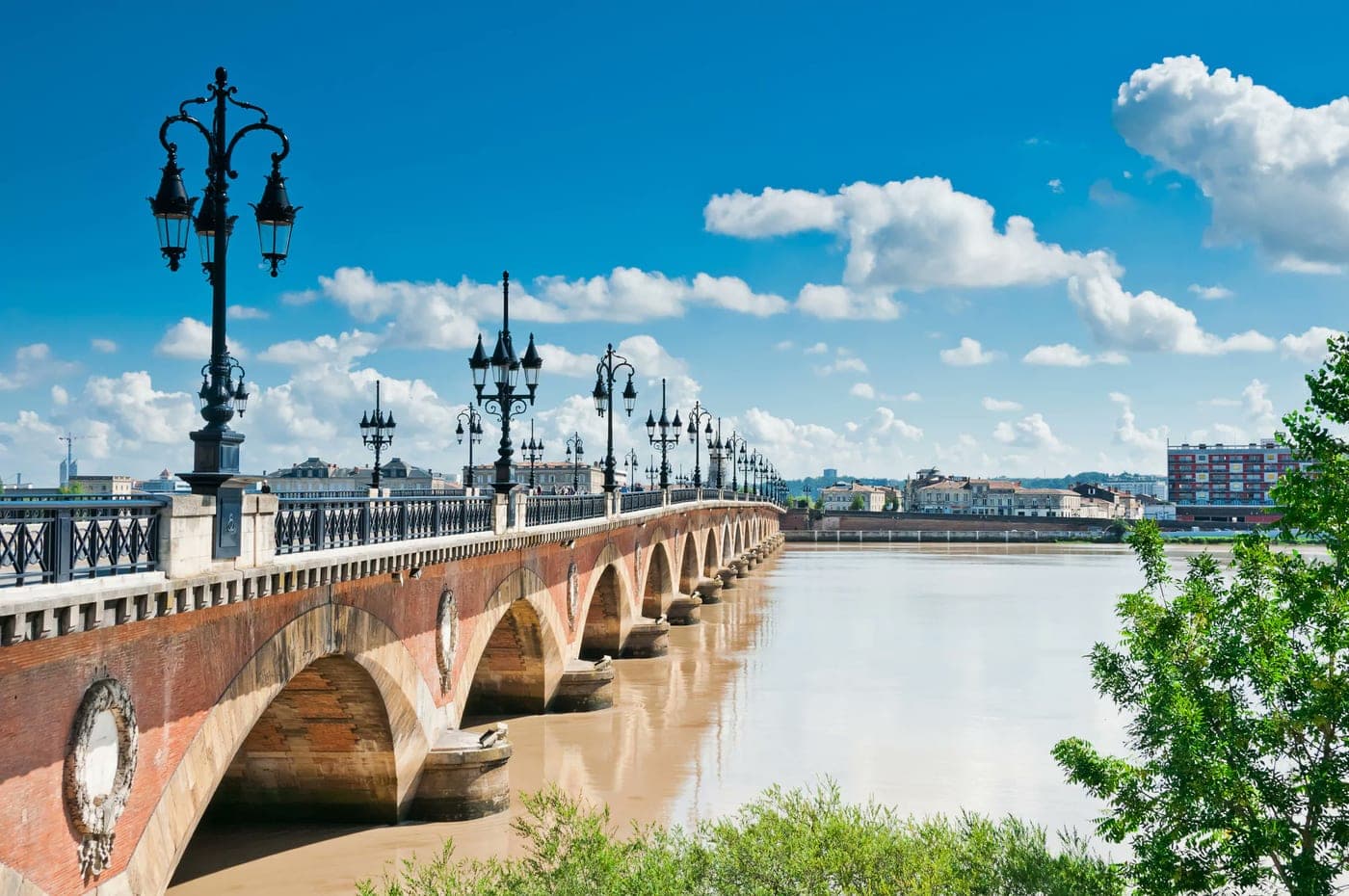
Bordeaux
Elegant wine capital with classical architecture and Garonne riverside.
Camper Van RentalsHikingLocal Cuisine
1 region
 Wine Tasting31 destinations
Nouvelle-Aquitaine
This expansive region is the largest in France, boasting a stunning coastline along the Atlantic Ocean. Known for its diverse landscapes, Nouvelle-Aquitaine features the Pyrenees mountains, rolling vineyards, and historic towns. Bordeaux, the region's major city, is celebrated for its world-class wines, particularly Merlot and Cabernet Sauvignon. Other notable areas include the picturesque village of Saint-Émilion and the stunning Dune du Pilat, the tallest sand dune in Europe. The region's rich history is reflected in its architecture, with medieval castles and Roman ruins scattered throughout. Local markets offer artisan cheeses and fresh seafood, highlighting the region's culinary delights. Festivals celebrating wine and local culture are common, providing deeper insights into the area's heritage.
Wine TastingHikingCamper Van RentalsLocal Cuisine