Garbure
The thick cabbage and bean soup of Béarn, finished with chabrot
- Local name
- Garbure
- Served with
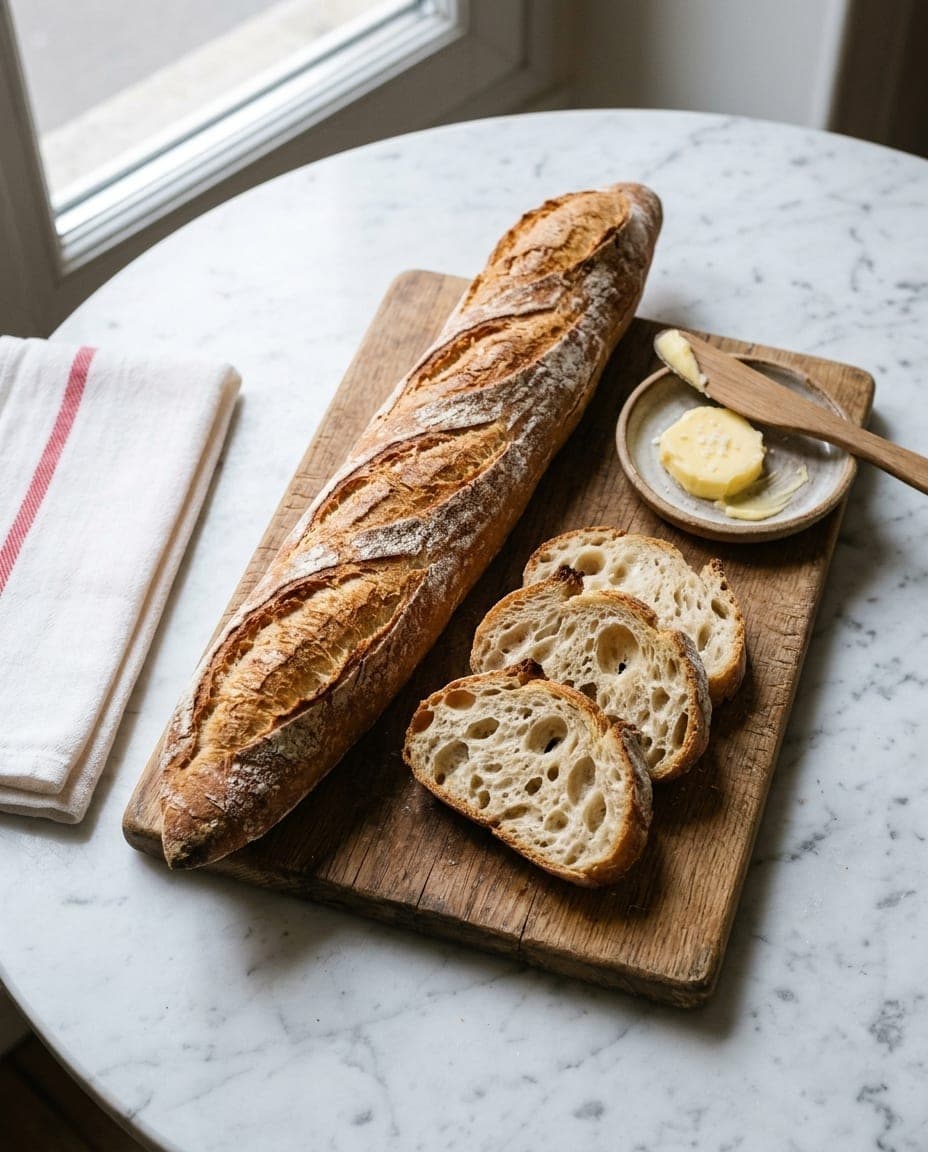
- Country bread
- Best eaten at
- A Béarnais auberge
- Pairs with
- Madiran
What it is
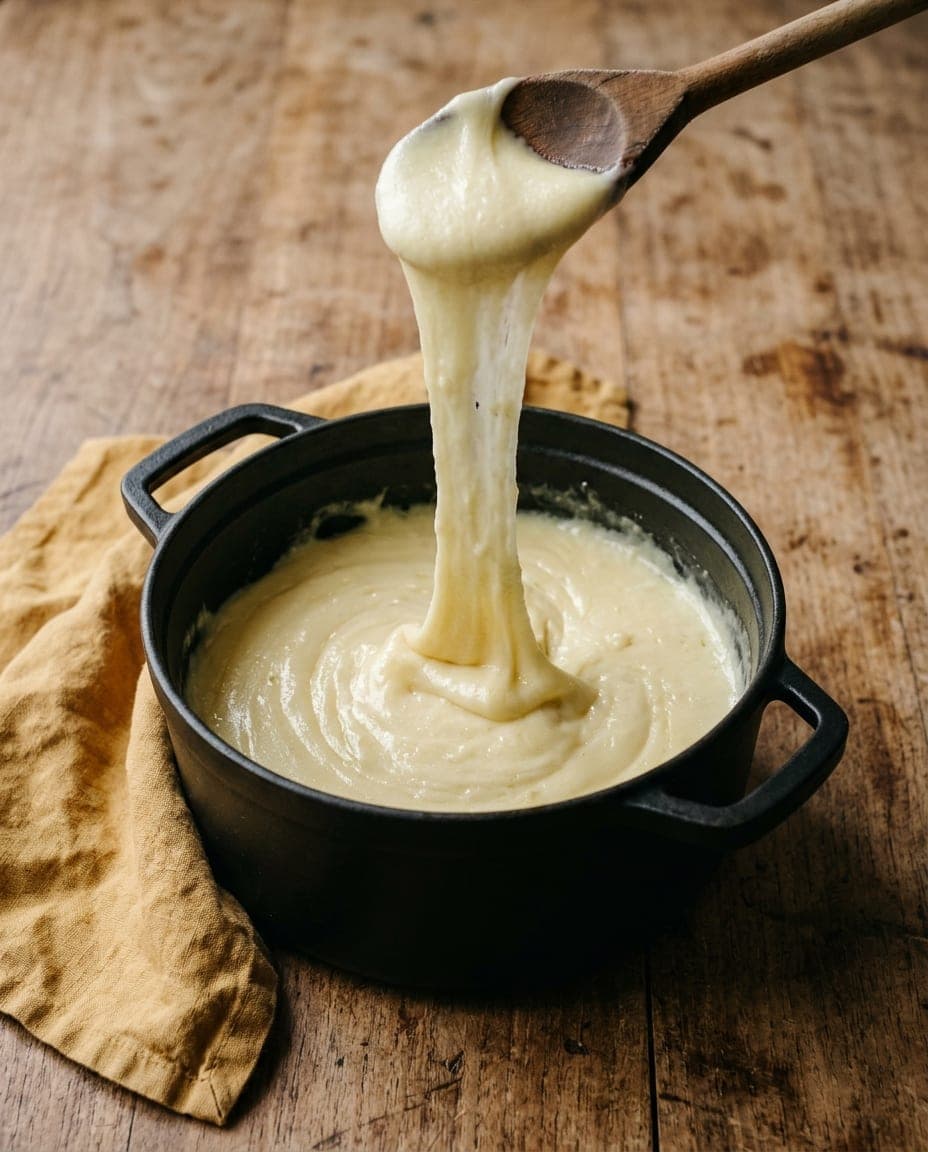
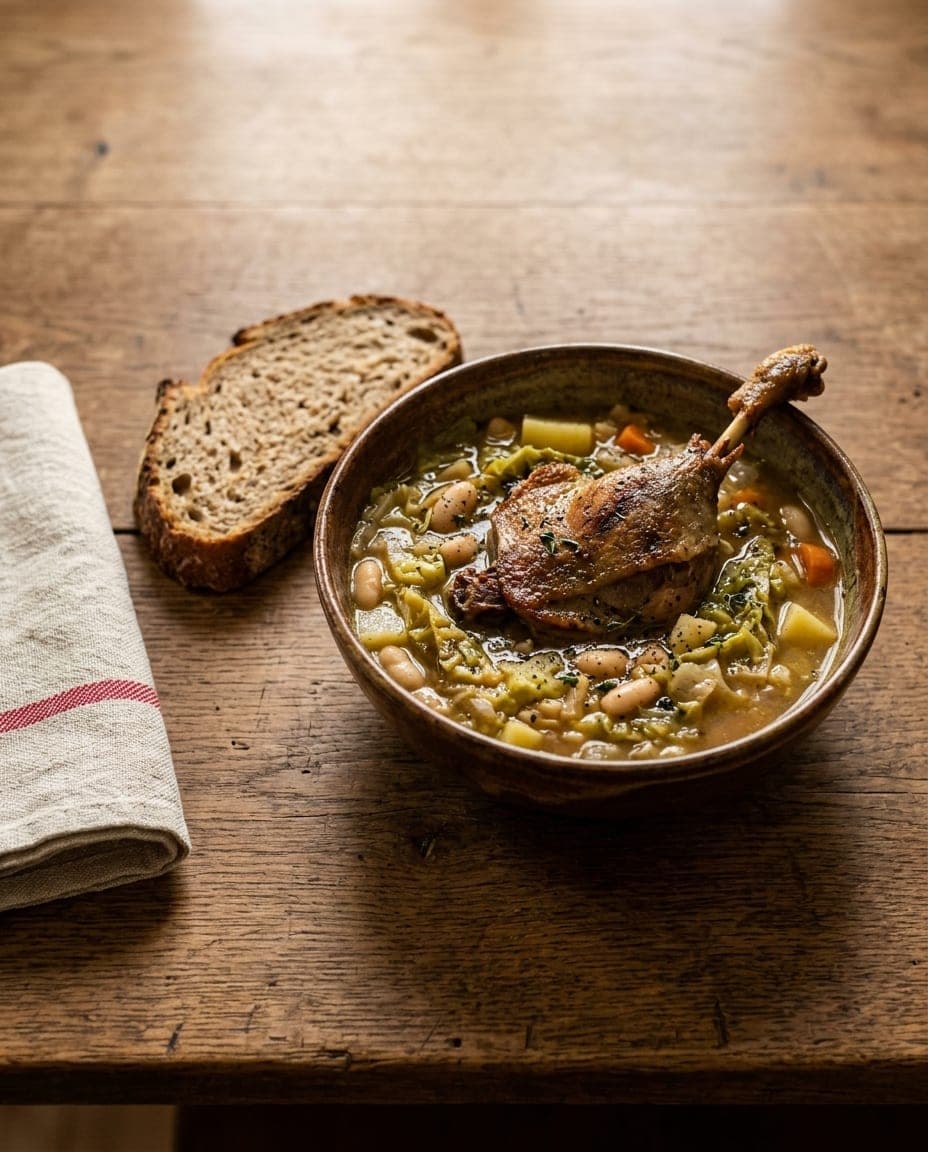
Garbure is the defining soup of Béarn and neighbouring Gascony in the south-west of France, at the foot of the Pyrenees. It is a dish of deep substance, traditionally said to be thick enough that a ladle or spoon can stand upright in it. The soup is not a light starter but a complete meal, built on seasonal vegetables, white beans and a stock flavoured with salted pork or a cured ham bone.
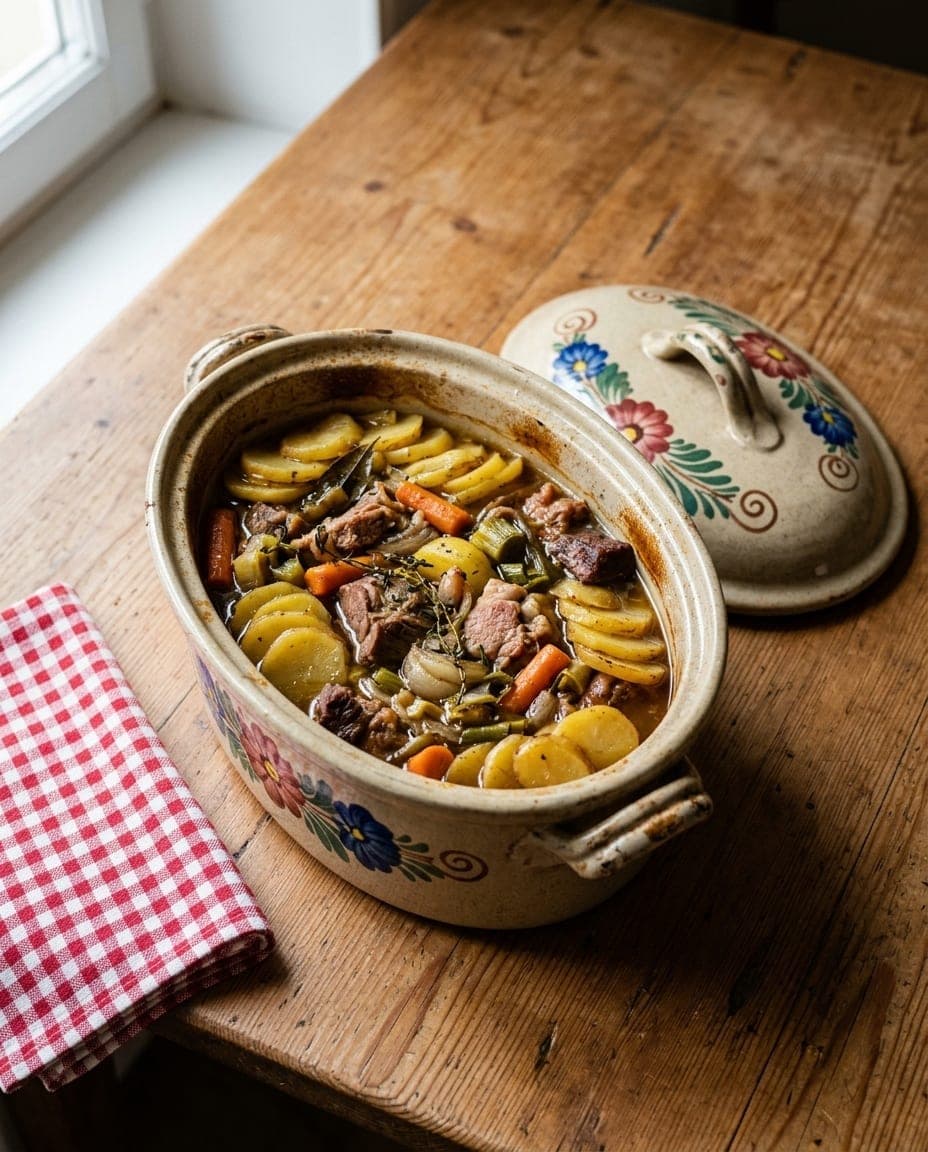
While it shares roots with other vegetable soups across France, its identity is tied to the Béarnais landscape and the use of preserved meats. The base typically includes cabbage, potatoes, turnips, carrots, leeks and garlic. To this comes the element that gives the dish its richness: a piece of duck or goose confit, often accompanied by salted pork belly or a ham bone (os de jambon), traditionally from a Bayonne ham. The result is a savoury, earthy broth where the vegetables soften into the stock, creating a texture that is both hearty and comforting.
Where it comes from
Garbure belongs to the farmhouse traditions of Gascony and Béarn, including Bigorre on the Hautes-Pyrénées side. It was not created in a professional kitchen but evolved in rural households where preserving food was essential for long winters. The recipe changes with the season; a summer garbure might feature fresh green beans and young cabbage, while an autumn or winter version relies on dried beans, root vegetables and the fat of cured meats.
The dish is a regional speciality rather than a nationwide standard. Variations exist across Gascony, but the Béarn version remains the best known. It reflects the agricultural rhythm of the area, where families would gather whatever vegetables were available from the garden and combine them with the meats they had cured for the year.
How it is made
The preparation of garbure begins with the stock. Cooks simmer a ham bone along with salted pork to create a salty, aromatic base. This liquid is then enriched with the vegetables. Dried beans are soaked and often part-cooked before being added to the pot, so they become tender without breaking down too early.
Green cabbage forms the bulk of the soup, absorbing the flavours of the stock and meat. Potatoes, turnips, carrots and leeks are cut into chunks that hold their shape while softening. Garlic is used generously to add depth. Towards the end of the cooking process, a piece of duck or goose confit is added to warm through, releasing its fat into the broth. The soup is seasoned with pepper and, if needed, salt, though the cured meats often provide enough salinity on their own.
What goes into it
The ingredients in garbure are simple but specific, varying slightly from one household to another:
- Cabbage: The primary vegetable, providing volume and a mild sweetness that balances the salty stock.
- White beans: Dried local white beans, or fresh beans in summer.
- Duck or goose confit: A leg, cured in salt and slow-cooked in its own fat, added near the end to enrich the broth.
- Salt pork: Cured belly or other cuts that contribute saltiness and depth.
- Vegetables: Potatoes, turnips, carrots, leeks and garlic, chosen according to the time of year.
- The ham bone: Used to flavour the stock rather than to be eaten.
The chabrot tradition
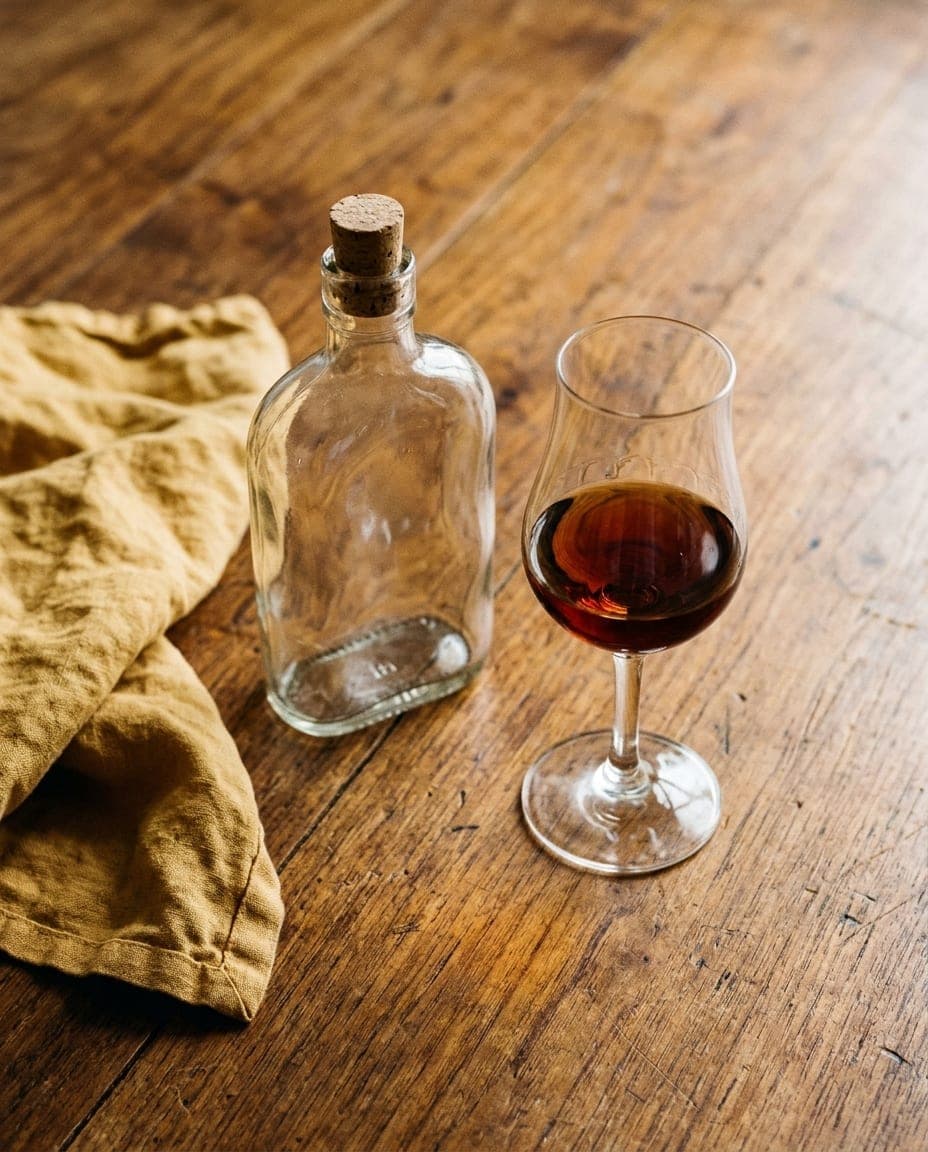
The most distinctive custom associated with garbure is the chabrot, also called goudale in Béarn. When only a little broth remains in the bowl, a splash of red wine is poured directly into it, and the diner then drinks the mixture straight from the bowl.
The custom is wrapped in folk sayings that credit the wine-and-broth mixture with keeping the doctor away. Whatever its origins, it remains a beloved social tradition in Béarn and Gascony today.
Curious facts
- The standing spoon. A traditional garbure is said to be so thick that a spoon can stand upright in the pot.
- A seasonal dish. Unlike many fixed recipes, garbure changes with the calendar; summer versions feature fresh beans and greens, while winter ones rely on dried beans and root vegetables.
- A folk remedy. Old sayings credit the chabrot with warding off illness, a belief best taken with good humour.
- Regional identity. While similar soups exist across France, garbure is closely identified with Béarn and Gascony.
- A world championship. Oloron-Sainte-Marie in Béarn hosts the Garburade, billed as the world garbure championship, in early September.
Where to try it
For a traditional garbure, the best places are country restaurants in Béarn, around Pau, Oloron-Sainte-Marie and the valleys leading into the Pyrenees, as well as in neighbouring Bigorre. A typical setting is an auberge, a country inn or small restaurant serving local produce, rather than a city bistro. These places often serve the soup as a main course, with country bread to soak up the broth before the chabrot.
The dish is most satisfying in the cooler months, though it is available year-round, with lighter vegetables in summer and heavier cabbage and cured meats in winter. A glass of Madiran, a robust red from the nearby hills, is a common pairing that stands up to the richness of the dish.
Where to try it
2 destinations
 Wine Tasting
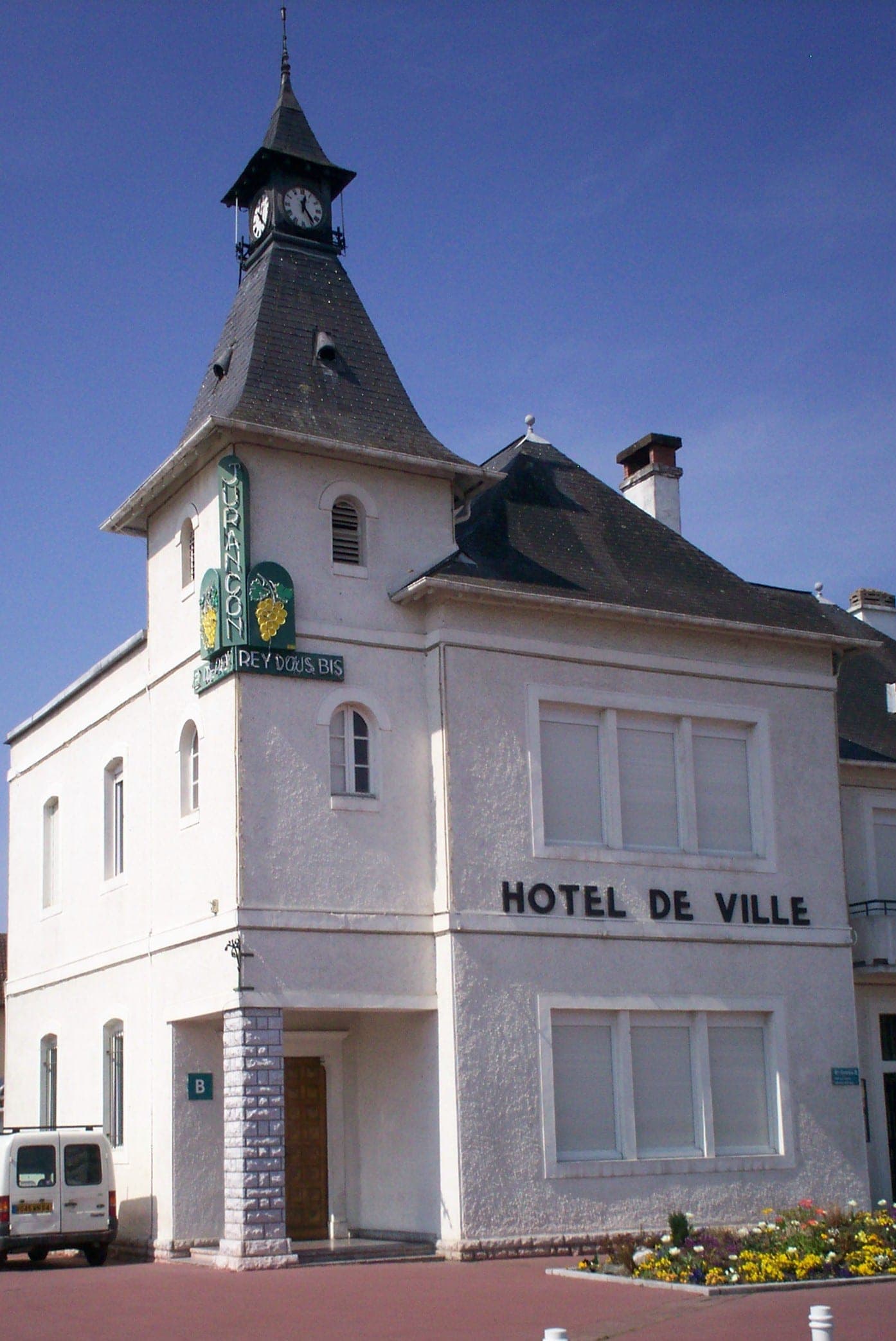
Jurançon
Famous wine town near Pau producing sweet and dry white wines with Pyrenees views.
Wine TastingHiking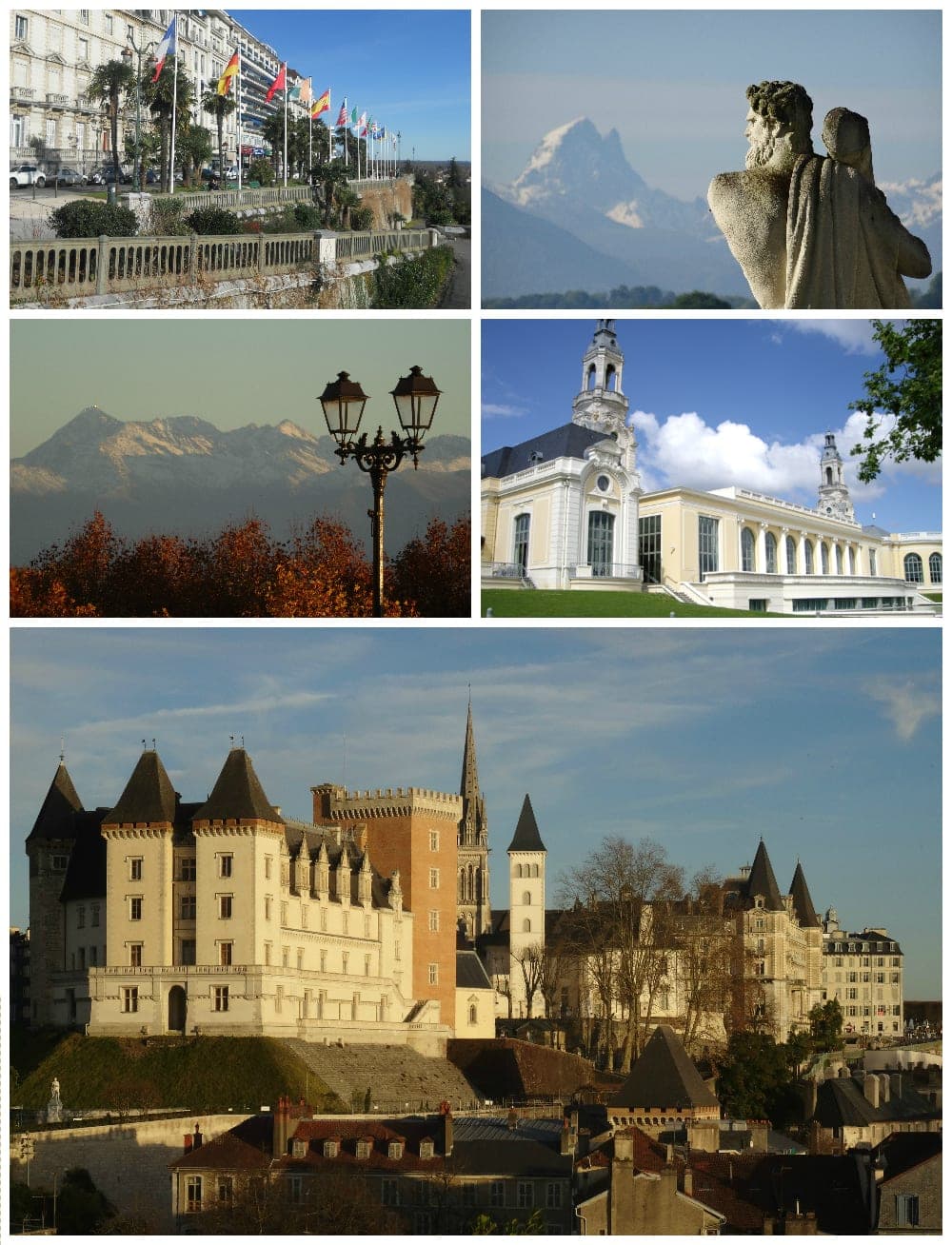 Wine Tasting
Pau
Elegant city with Pyrenees views, gateway to Jurançon and Madiran wine regions.
Wine TastingHiking
2 regions
 Wine Tasting31 destinations
Nouvelle-Aquitaine
This expansive region is the largest in France, boasting a stunning coastline along the Atlantic Ocean. Known for its diverse landscapes, Nouvelle-Aquitaine features the Pyrenees mountains, rolling vineyards, and historic towns. Bordeaux, the region's major city, is celebrated for its world-class wines, particularly Merlot and Cabernet Sauvignon. Other notable areas include the picturesque village of Saint-Émilion and the stunning Dune du Pilat, the tallest sand dune in Europe. The region's rich history is reflected in its architecture, with medieval castles and Roman ruins scattered throughout. Local markets offer artisan cheeses and fresh seafood, highlighting the region's culinary delights. Festivals celebrating wine and local culture are common, providing deeper insights into the area's heritage.
Wine TastingHikingCamper Van RentalsLocal Cuisine Wine Tasting56 destinations
Occitanie
This region is the largest in France and boasts a diverse landscape, including the picturesque Pyrenees mountains and a stunning Mediterranean coastline. Historic cities like Toulouse, known for its pink terracotta buildings, and Montpellier, with its vibrant student life, offer rich cultural experiences. The region is also famous for its wine production, particularly in areas like Languedoc, where unique varietals thrive. Beyond the cities, explore the medieval charm of Carcassonne, a fortified town with a remarkable castle. Occitanie hosts vibrant local festivals celebrating its heritage, and its traditional cuisine features dishes like cassoulet and regional cheeses. With beautiful hiking trails and quaint villages, this region invites leisurely exploration.
Wine TastingHikingCastlesLocal Cuisine