Floc de Gascogne
A sweet Gascon aperitif of grape must and Armagnac
- Alcoholic

- Local name
- Floc de Gascogne
- Served
- Chilled, as an aperitif
- Best eaten at
- A Gascon apéritif
- Pairs with
- Foie gras or melon
What it is
Floc de Gascogne is the sweet, golden counterpoint to the dry spirits of Gascony. It is an aperitif made in the Armagnac country of south-west France, which covers most of the Gers (Occitanie) and parts of the Landes and Lot-et-Garonne (Nouvelle-Aquitaine). Unfermented grape juice is blended with young Armagnac, and the spirit stops the fermentation before the sugar turns into alcohol, trapping the natural sweetness of the harvest in a liquid that feels like a preserved summer day.
The name comes from the Gascon phrase lou floc de nouste, usually translated as "the bouquet of flowers from home". While the drink shares its method with the famous Pineau des Charentes made further north, Floc de Gascogne is distinct in its use of Armagnac rather than Cognac and its reliance on the grapes of the Gascon countryside. It is not a wine in the ordinary sense, nor is it a spirit; it is a vin de liqueur, a fortified blend of 16–18% alcohol that has become a regional symbol of hospitality.
The history of the blend
The practice of adding spirit to fresh grape juice on the estate is old, rooted in the practical needs of Gascon farmers who wanted a sweet drink that would keep. By mixing the juice with Armagnac early in the process, they could stop the yeast from consuming the sugar, ensuring the liquid remained sweet and stable. For a long time it was a family aperitif made on many estates for home use.
In 1976 a group of producers decided to market this family aperitif officially, and in 1990 Floc de Gascogne was recognised as an appellation d'origine contrôlée. Before that, the blend was simply part of the local routine on farms across the region, with no single name or standard governing how it was made beyond the customs of the family running the vineyard.
The rules are strict about origin. Both the grape must and the Armagnac used in the blend must come from the same estate. This requirement ensures that the drink reflects a single property, linking the fruit's flavour directly to the spirit that arrests its fermentation. The grapes are those of the Armagnac vineyard, with white varieties for the white Floc and red varieties for the rosé.
How it is made
The process begins in the vineyard at harvest time, when the grapes are picked ripe. The juice is pressed and not allowed to ferment. Instead, the fresh must is blended with young Armagnac, traditionally in a proportion of about two-thirds juice to one-third spirit. The high alcohol content of the Armagnac stops the yeast, preserving much of the grape's natural sugar.
The resulting liquid is then rested for some months before it is ready for sale. This period allows the flavours to marry, softening the edge of the spirit and smoothing out the texture of the grape juice. The result is a drink that feels lush and round on the palate, with aromas of fresh fruit and a gentle warmth from the Armagnac. It is made in white versions from white grapes and rosé versions from red grapes, both serving the same purpose as an aperitif.
How to serve it
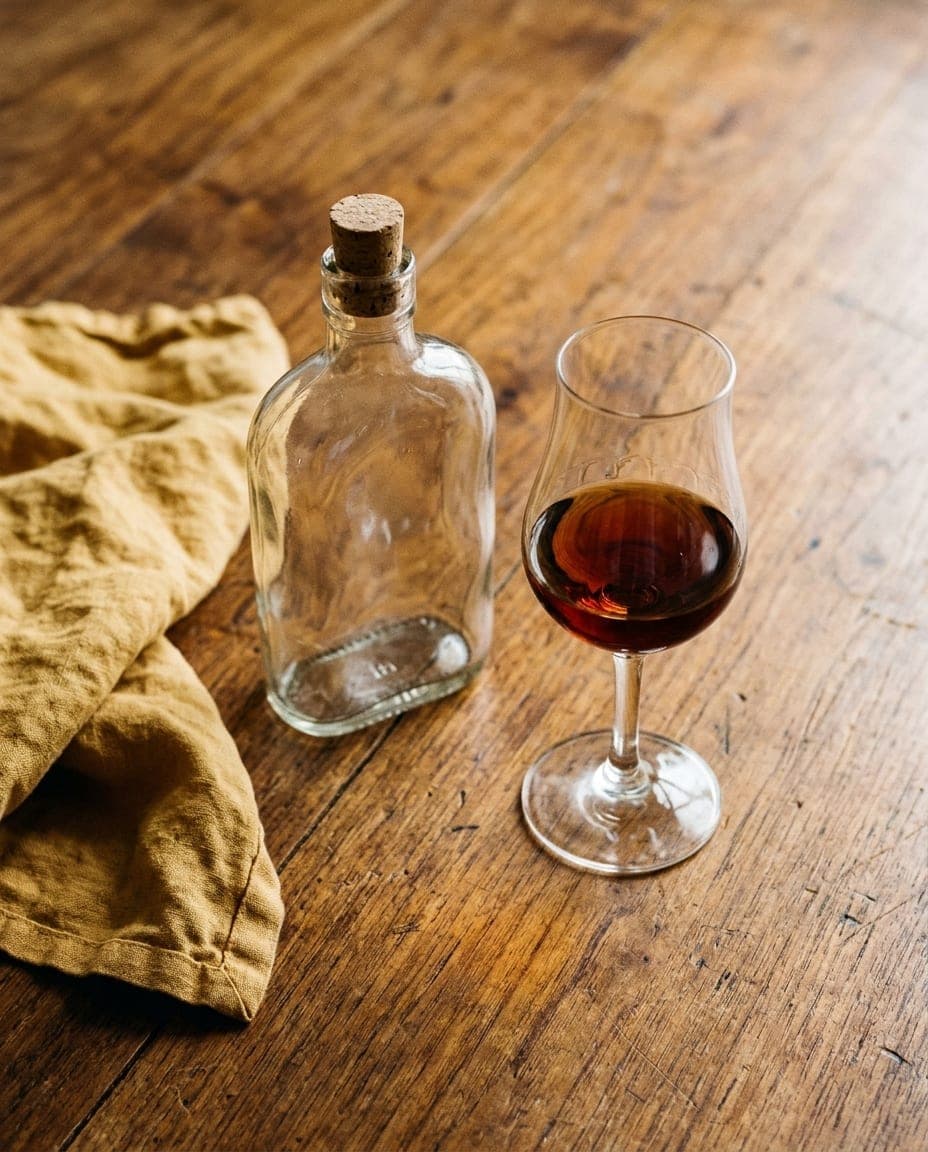
Floc de Gascogne is served well chilled, usually as a first drink before a meal. It is the traditional choice for a Gascon apéritif, its pale gold or pink hue showing in the glass. The cold temperature highlights the fruitiness while keeping the alcohol from feeling too heavy.
Foie gras is a classic match, its richness set against the sweetness and acidity of the drink. A simple slice of ripe melon also works well, creating a harmony between the fresh fruit and the preserved grape juice. It is equally at home with light desserts or simply on its own as a conversation starter.
Curious facts
- A bouquet from home. The name is traced to the Gascon expression lou floc de nouste, "the bouquet of flowers from home".
- A shared method with neighbours. The technique mirrors that of Pineau des Charentes, but Floc de Gascogne uses Armagnac and Gascon grapes rather than Cognac and grapes from the Charente area.
- Estate purity is required. The rules state that both the grape must and the Armagnac must originate from the same estate, ensuring a direct link between the vineyard and the spirit.
- A modern label for an old habit. The appellation dates from 1990, though farmers had been blending juice and spirit on their estates long before.
- No fermentation allowed. The defining characteristic is that fermentation is stopped by the spirit before it can begin in earnest, preserving the natural sugar of the fresh grape juice.
Where to try it
The best place to taste Floc de Gascogne is in the heart of the Armagnac country in the Gers. The vineyards are dotted with family estates and cellars, many of which offer tastings of Floc alongside their Armagnac, and wine shops in the towns specialise in regional products. In local cafés and at village fêtes, the drink is a fixture of the aperitif hour, providing a true sense of how it fits into daily life in the south-west.
Where to try it
2 destinations
 Wine Tasting
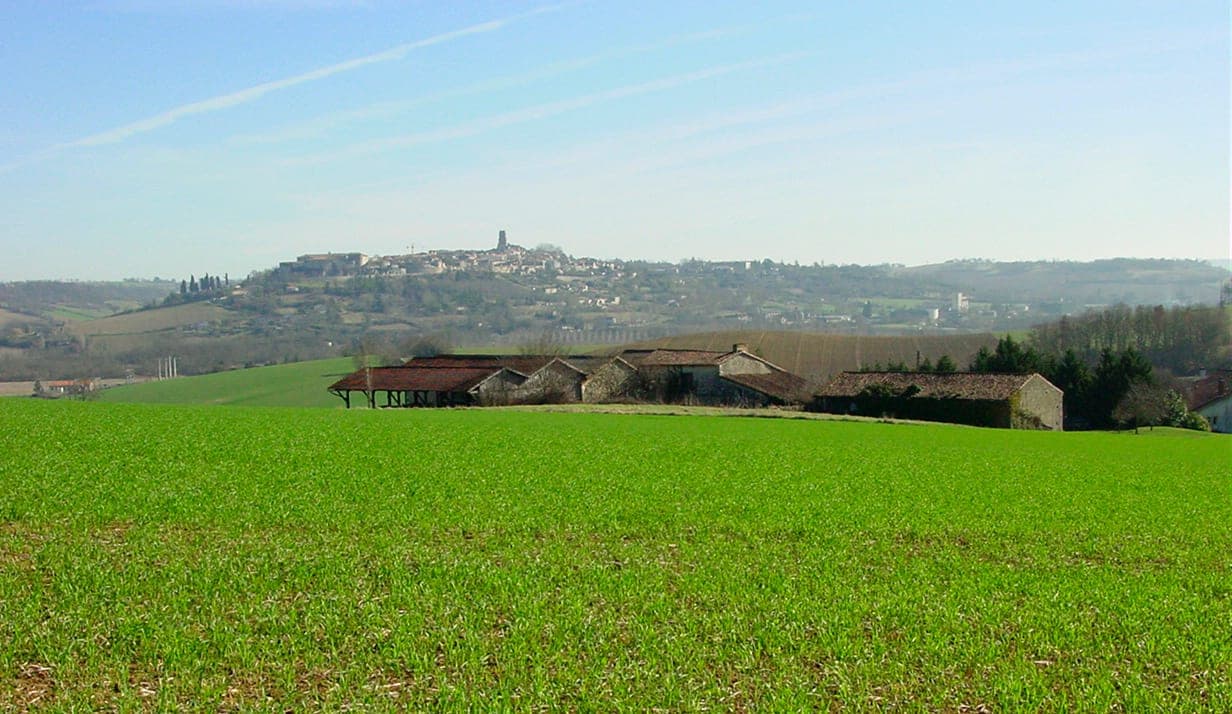
Lectoure
Historic Gascony hilltop town with wine estates, thermal spa, and Roman heritage.
Wine TastingHiking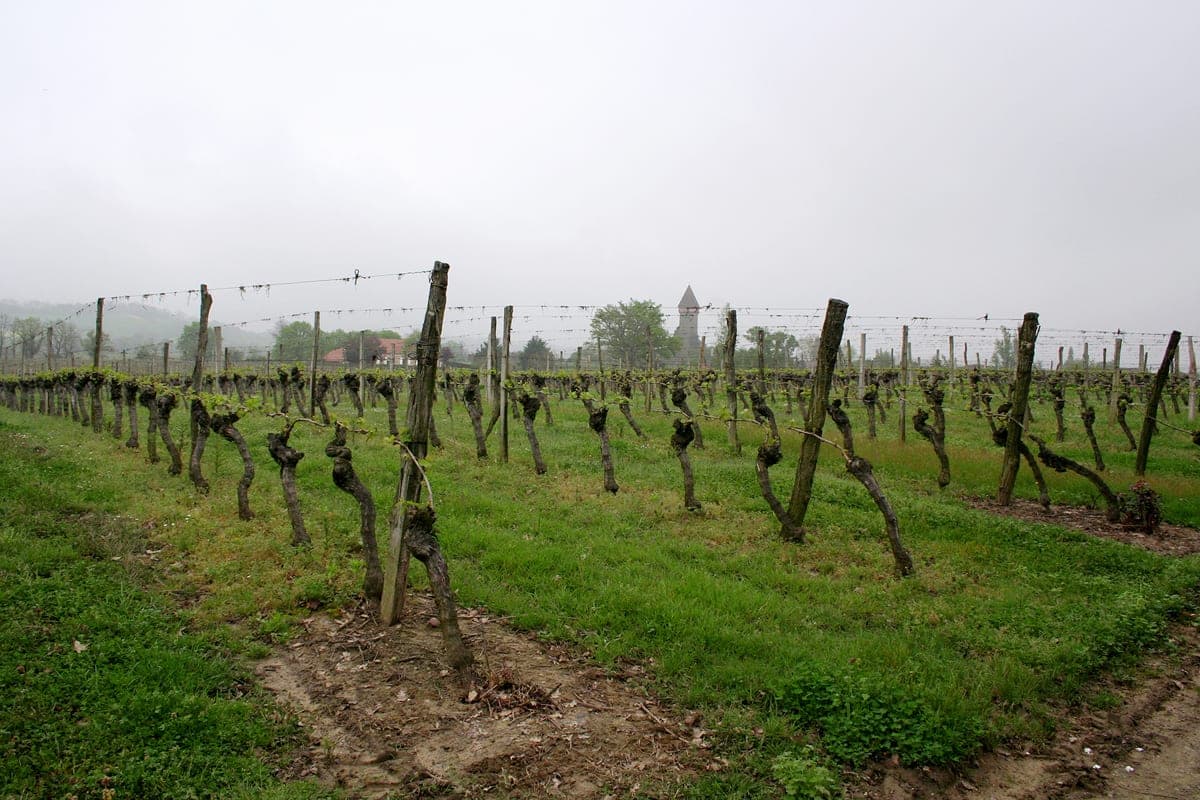 Wine Tasting
Saint-Mont
Hilltop village in Gascony producing Saint-Mont AOC wines from local grape varieties.
Wine TastingHiking