Gâteau basque
A buttery cake from the French Basque Country, filled with black cherries or custard
- Vegetarian
- Local name
- Gâteau basque
- Served with
- On its own, at room temperature
- Best eaten at
- A Basque pâtisserie
- Pairs with
- Black coffee
What it is
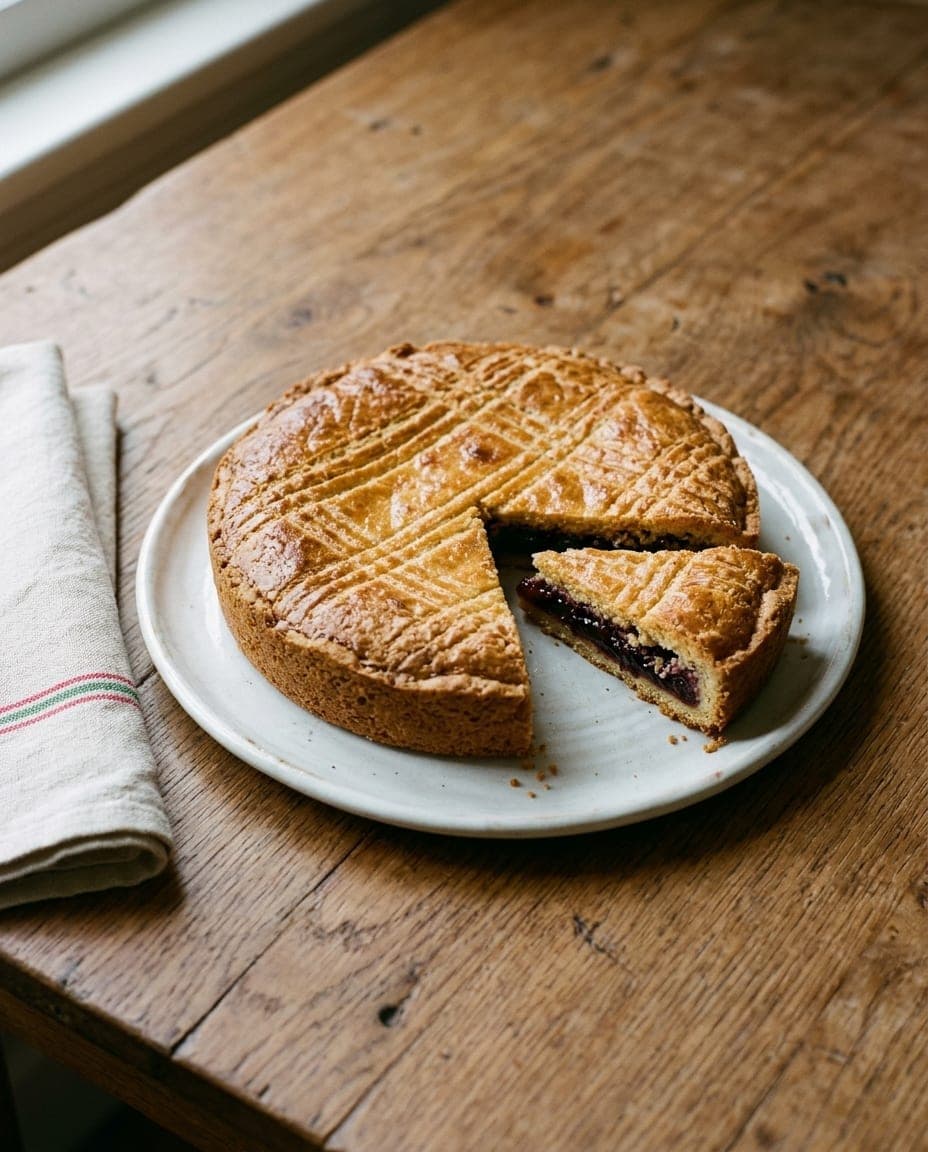
The gâteau basque is a round cake from the French Basque Country, closely associated with the inland Labourd towns of Cambo-les-Bains and Sare in the Nouvelle-Aquitaine region. It is not a light sponge nor a flaky tart; instead, it consists of two layers of a thick, buttery dough that enclose a generous filling, creating a substantial, almost biscuit-like pastry. The top is typically scored with a crosshatch pattern and brushed with egg wash to give the crust a glossy, golden finish when baked.
There are two traditional versions of this cake, and the debate over which is superior is a local pastime that rarely ends. One variation is filled with a rich crème pâtissière, a vanilla custard often flavoured with rum or almond. The other is filled with black cherry jam, ideally made from the black cherries of Itxassou, a village famous for its local cherry varieties. Both versions are rich and buttery but sweet enough to stand as a dessert or a treat with morning coffee.
The cake is a regional speciality rather than a dish native to all of France. While visitors might encounter it in bakeries across the country, its true home remains the Basque Country, inland and on the coast alike.
The story behind the filled cake
Early forms of the gâteau basque were plainer country cakes, possibly made with bread dough, served by farmers and families. The version known today, with its rich double-layered dough and filling, took shape in the 19th century. The first known commercial production is credited to Marianne Hirigoyen, a pastry cook in Cambo-les-Bains in the first half of the 19th century.
The shift from a plain cake to a filled pastry coincided with the growing popularity of the region among visitors and with easier access to ingredients such as sugar and rum. Hirigoyen is said to have taken the existing local tradition and refined it into a cake that could be sold in her shop. Over time, the cake became the calling card of the Basque Country, appearing in local taverns and bakeries alike.
While the details of Hirigoyen's life are not well recorded, her name remains attached to the dish in local lore. Today Cambo-les-Bains holds an annual Fête du Gâteau Basque, and Sare has a small museum devoted to the cake.
How the dough and filling work together
The structure of the gâteau basque relies on the balance between its outer shell and its inner heart. The dough is thick and buttery, more akin to a shortbread or a biscuit than to a delicate puff pastry. It holds the filling firmly without becoming soggy, yet remains tender enough to crumble slightly under the bite. This texture is achieved through generous butter, often ground almonds, and careful mixing.
The fillings offer two distinct experiences. The crème pâtissière version is creamy and smooth, with a deep vanilla flavour often enhanced by a splash of rum. The cherry version relies on the intense, slightly tart flavour of the black cherries, cooked into a dark, thick jam that offers a sharp sweetness to cut the richness of the dough.
The ratio of filling to dough is generous, ensuring that every slice delivers a satisfying combination of the two elements.
How it is eaten and served
The gâteau basque is traditionally cut into slices and served at room temperature. It is most often enjoyed with a cup of black coffee, whose bitterness balances the sugar and fat of the cake.
In the Basque Country, the cake is sold in pâtisseries and bakeries, often displayed in the window alongside other local sweets, whole or by the slice. It keeps well for several days, which makes it a practical choice for families who wish to bake or buy a cake that can be shared over time.
A slice is substantial. It is not a delicate tartlet but a full-sized cake, usually baked in a round tin and served in generous wedges. The glossy egg-washed crust provides a slight crunch on the outside, giving way to the soft, yielding filling within.
Curious facts
- The crosshatch pattern. Most gâteaux basques feature a criss-cross pattern scored into the egg-washed top before baking, which turns golden in the oven.
- The Basque cross alternative. Instead of the crosshatch, some bakers mark the lauburu, or Basque cross, on top of the cake. This four-headed symbol is a traditional motif in the region and adds a local identity to the pastry.
- Two distinct traditions. The debate between the cherry-filled and custard-filled versions is a genuine local discussion. Some purists argue for one over the other, while others enjoy both.
- A cake with a museum. Sare, in Labourd, has a museum dedicated to the gâteau basque, and Cambo-les-Bains celebrates it with an annual festival.
- A long-lasting treat. Unlike many fresh pastries that must be eaten the day they are made, the gâteau basque keeps well for days.
Where to try it
The natural place to eat a gâteau basque is in the heart of its origin: Cambo-les-Bains or Sare. In these towns, small pâtisseries have been making the cake for generations, often displaying them in their windows so that the golden crust and the pattern on top can be seen before ordering.
While the cake is available in other parts of France and even internationally, the versions from Cambo-les-Bains, Sare and the surrounding Labourd villages carry a particular authority. Bakers there are well aware of the local history and the debate between the two fillings, and a shop specialising in traditional Basque pastries is the best bet.
A visit to these towns can easily include a stop at a local café for a slice with coffee. The setting is usually relaxed and unhurried, fitting the slow-travel ethos of the region, whether the choice falls on the black cherry or the vanilla custard version.
Where to try it
1 region
 Wine Tasting31 destinations
Nouvelle-Aquitaine
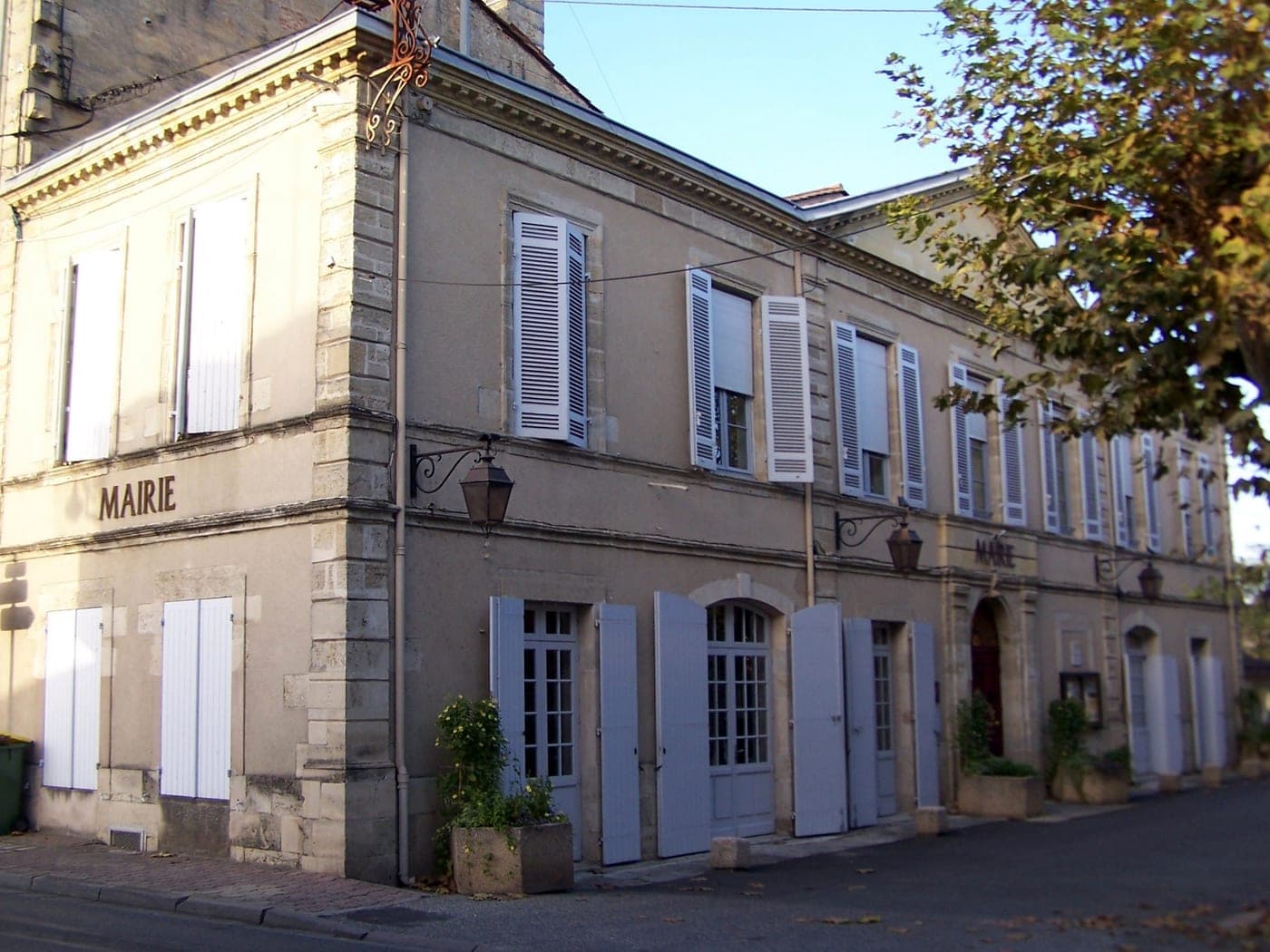
This expansive region is the largest in France, boasting a stunning coastline along the Atlantic Ocean. Known for its diverse landscapes, Nouvelle-Aquitaine features the Pyrenees mountains, rolling vineyards, and historic towns. Bordeaux, the region's major city, is celebrated for its world-class wines, particularly Merlot and Cabernet Sauvignon. Other notable areas include the picturesque village of Saint-Émilion and the stunning Dune du Pilat, the tallest sand dune in Europe. The region's rich history is reflected in its architecture, with medieval castles and Roman ruins scattered throughout. Local markets offer artisan cheeses and fresh seafood, highlighting the region's culinary delights. Festivals celebrating wine and local culture are common, providing deeper insights into the area's heritage.
Wine TastingHikingCamper Van RentalsLocal Cuisine