Cognac
Double-distilled grape brandy from Charente oak cellars
- Alcoholic
- Local name
- Cognac
- Served
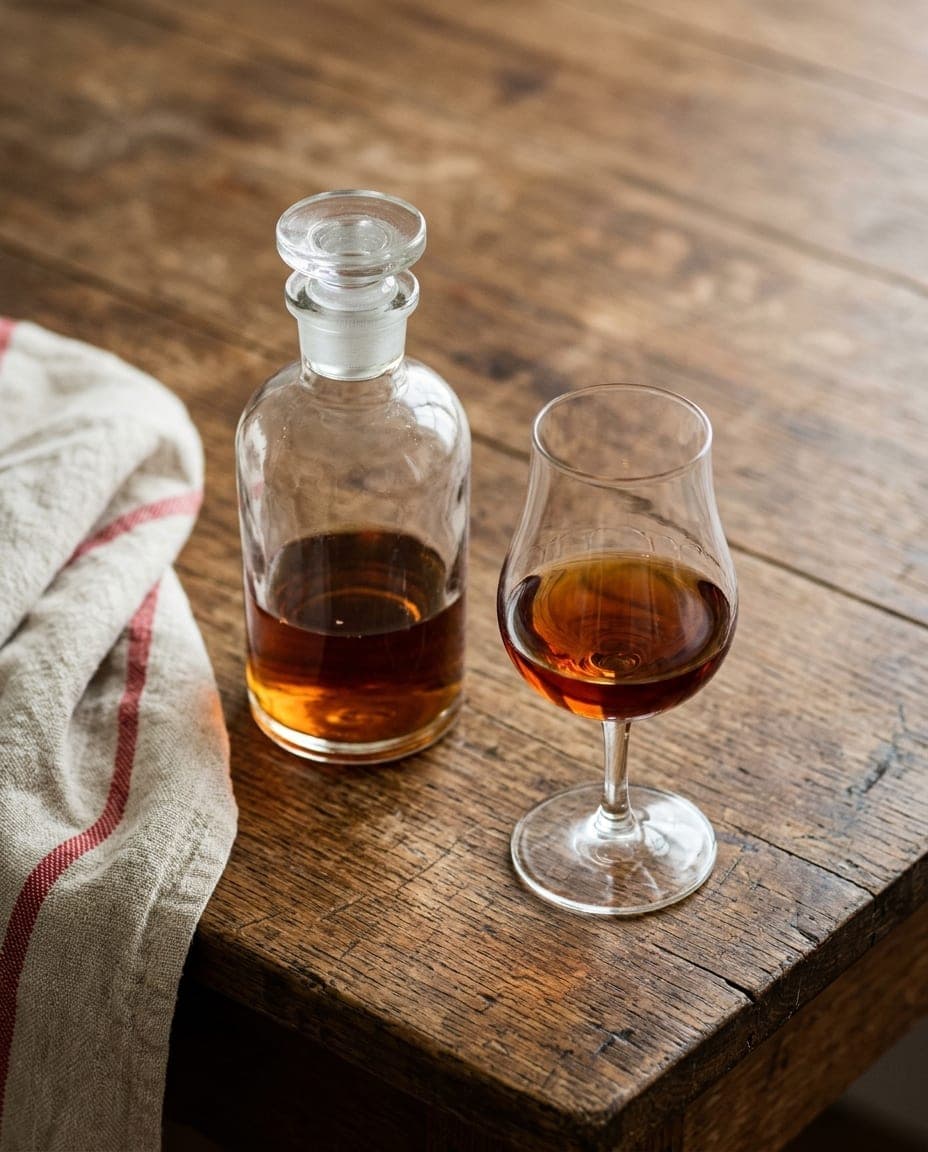
- Neat, in a tulip glass
- Best eaten at
- Cognac-house cellars
- Pairs with
- Dark chocolate
What it is
Cognac is a grape brandy produced only in a delimited area of western France covering the Charente and Charente-Maritime departments, plus a few villages in the Dordogne and Deux-Sèvres, within the wider region of Nouvelle-Aquitaine. It is distilled twice and then rests for years in oak casks. The result is a golden amber drink with a complex aroma that ranges from fresh fruit to dried apricot, spice and toasted wood.
The name comes from the town of Cognac on the Charente River, and it is protected by law: only brandy made in this area, following its strict rules, may bear the label. The spirit begins mainly with a white grape called Ugni Blanc, which is too acidic to make good table wine but well suited to distillation.
The final product is almost always a blend. Cellar masters combine spirits from different vintages, different crus and different types of oak.
The six crus of Charente
The Cognac area is divided into six growing areas, known as crus, each with its own soil and microclimate. The two most famous are Grande Champagne and Petite Champagne, which spread around and south of the town of Cognac on shallow clay-limestone soils over chalk. These soils are associated with a floral elegance that translates into a refined, long-lasting aroma in the final brandy.
Beyond these two lie Borderies, the smallest cru, known for a distinctive violet and iris scent; Fins Bois, which produce a rounder, fruitier spirit; Bons Bois, often described as earthy and rustic; and finally Bois Ordinaires, along the Atlantic coast and on the islands of Ré and Oléron, with a marked maritime character. A bottle labelled simply Cognac may contain spirits from any of these areas, but those marked with a specific cru come entirely from that zone. Fine Champagne is a blend of Grande and Petite Champagne with at least half from Grande Champagne.
The chalky subsoil of Grande Champagne retains moisture during dry summers, and spirits from the two Champagne crus are often considered the most complex and capable of long ageing. In the outer crus such as the Bons Bois, the soils are poorer and the climate more maritime, and the spirits are generally considered to mature faster.
How it is made
The harvest takes place in autumn, when the grapes are picked and pressed immediately. Fermentation occurs quickly, producing a thin, acidic wine with low alcohol content. This wine is then distilled in copper pot stills known as alambics charentais over the winter.
The first distillation separates the alcohol from the solids, creating a cloudy spirit called brouillis. The second distillation refines this further, separating the heads (the initial run), the heart (bonne chauffe), and the tails (the final run). Only the heart is kept for ageing. This clear liquid has an alcohol strength of around 70 per cent before it enters the cask.
Once poured into oak barrels, the spirit begins to change. French oak, mainly from the Limousin or Tronçais forests, is used because it lets the spirit breathe slowly while absorbing vanilla and tannins. Over years, the liquid evaporates through the pores of the barrel. This loss is known as the part des anges, or the angels' share. Across the region, this evaporation amounts to around two to three per cent of the volume each year.
What goes into it
The ingredients are simple and strictly defined by law. Artificial flavourings are not allowed, although the rules do permit small, regulated additions of caramel for colour, sugar and boisé (an oak infusion) to adjust the final blend. The essential character comes from the grape, the still, the oak and time.
- Ugni Blanc grapes: A white variety with high acidity and low sugar, grown specifically for distillation; Folle Blanche and Colombard are also permitted.
- French oak casks: Barrels from Limousin or Tronçais forests that provide tannins, vanilla and a porous structure for ageing.
- Water: Added gradually to bring the spirit down from cask strength; most Cognac is bottled at 40 per cent.
The final blend is often a combination of spirits of different ages, with the youngest spirit in the bottle determining the age statement. A VS (Very Special) must contain at least two years of ageing, while a VSOP (Very Superior Old Pale) requires four years minimum. XO (Extra Old) has required a minimum of ten years since 2018, though many houses use reserves far older than this to build depth.
How to taste it
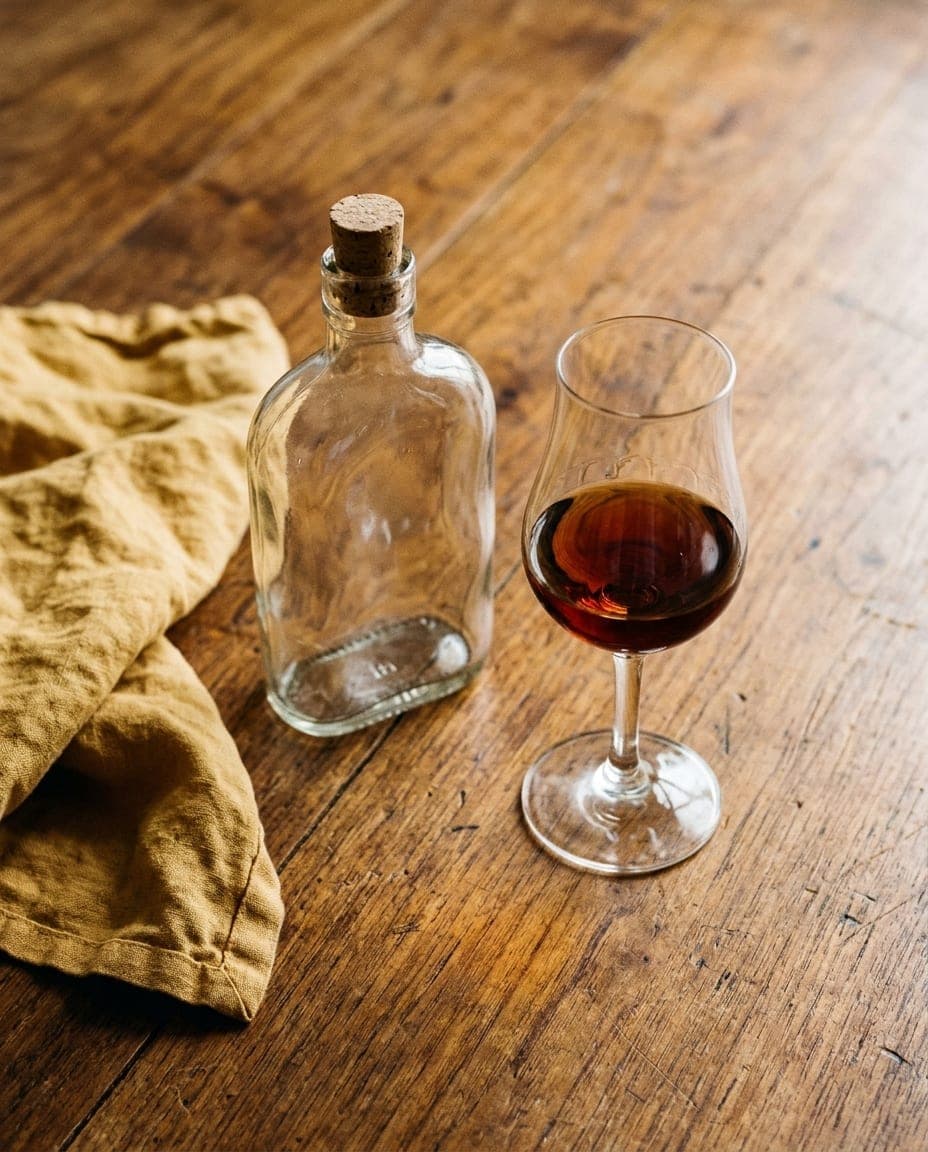
Cognac is traditionally served neat in a tulip-shaped glass, which concentrates the aromas and directs them toward the nose. The glass may be warmed gently in the hand, allowing the volatile compounds to rise without masking the delicate notes of fruit or spice.
A young VS might offer fresh citrus and green apple, while an older XO reveals layers of dried fig, honey, tobacco and leather. The palate is smooth and warming, with a lingering finish that can last for minutes.
It pairs naturally with dark chocolate, which complements the vanilla and spice notes without overpowering them. Black coffee after a meal is another classic companion.
Where the magic happens
The heart of Cognac production lies along the banks of the Charente River, where the town of Cognac itself sits at the centre of the industry. Upstream, the town of Jarnac is home to several of the great houses that have defined the spirit for centuries. Their ageing cellars, or chais, are typically low stone buildings close to the river, where the damp air suits slow maturation.
Visitors can tour these cellars in Jarnac or Cognac, walking through rows of oak barrels stacked high against the walls. Villages such as Jarnac-Champagne, Bellevigne, Criteuil-la-Magdeleine, Sigogne and Échallat are home to smaller grower-distillers alongside larger estates.
In Chillac and Mainxe-Gondeville, the landscape remains rural and quiet, with vineyards stretching across the gentle hills of the Charente countryside.
Curious facts
- Distilled in winter. By law, all distillation of a harvest must be completed by 31 March of the following year.
- Blackened walls. The roofs and walls around ageing cellars are often coated with a black fungus, Baudoinia compniacensis, which thrives on the alcohol vapour of the angels' share.
- Blending is an art. Cellar masters may combine dozens or even hundreds of different eaux-de-vie to create a consistent house style.
Where to try it
8 destinations

 Wine Tasting
Chillac
Small Cognac area village with family distilleries and rolling vineyard landscapes.
Wine Tasting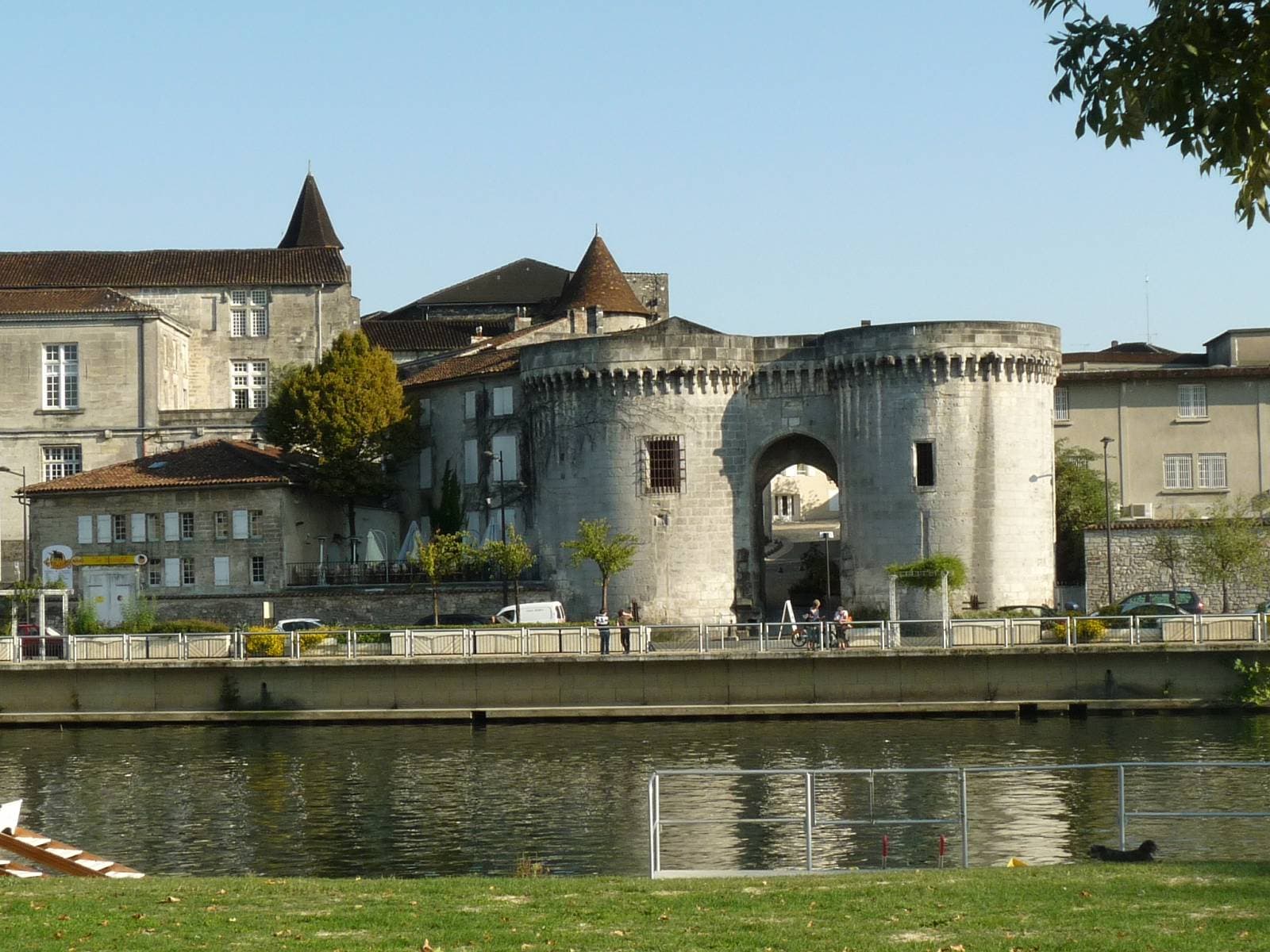 Wine Tasting
Cognac
World-famous brandy town with historic distilleries, cellars, and Charente river views.
Wine TastingHiking Wine Tasting
Criteuil-la-Magdeleine
Criteuil-la-Magdeleine is a prestigious village in the Grande Champagne region, considered the premier cru of Cognac production. The chalky limestone soils here produce the finest cognac grapes, and the village is home to several artisan distilleries that have perfected their craft over generations. Stone buildings and traditional cognac houses dot the landscape, while family estates welcome visitors to discover the intricate process of creating world-class brandy. The peaceful countryside setting offers an authentic glimpse into Cognac's heritage.
Wine Tasting Wine Tasting
Jarnac-Champagne
Village in Cognac's Grande Champagne area with quality brandy estates.
Wine Tasting Wine Tasting
Mainxe-Gondeville
Cognac region village with traditional distilleries and limestone vineyards.
Wine Tasting Wine Tasting
Sigogne
Riverside village known for its charming stone cottages and local markets.
Wine Tasting Wine Tasting
Échallat
Charming village known for its traditional stone houses and local markets.
Wine Tasting
1 region
 Wine Tasting31 destinations
Nouvelle-Aquitaine
This expansive region is the largest in France, boasting a stunning coastline along the Atlantic Ocean. Known for its diverse landscapes, Nouvelle-Aquitaine features the Pyrenees mountains, rolling vineyards, and historic towns. Bordeaux, the region's major city, is celebrated for its world-class wines, particularly Merlot and Cabernet Sauvignon. Other notable areas include the picturesque village of Saint-Émilion and the stunning Dune du Pilat, the tallest sand dune in Europe. The region's rich history is reflected in its architecture, with medieval castles and Roman ruins scattered throughout. Local markets offer artisan cheeses and fresh seafood, highlighting the region's culinary delights. Festivals celebrating wine and local culture are common, providing deeper insights into the area's heritage.
Wine TastingHikingCamper Van RentalsLocal Cuisine