Hiking
City walks, hill loops, river paths · open the map, pick a length
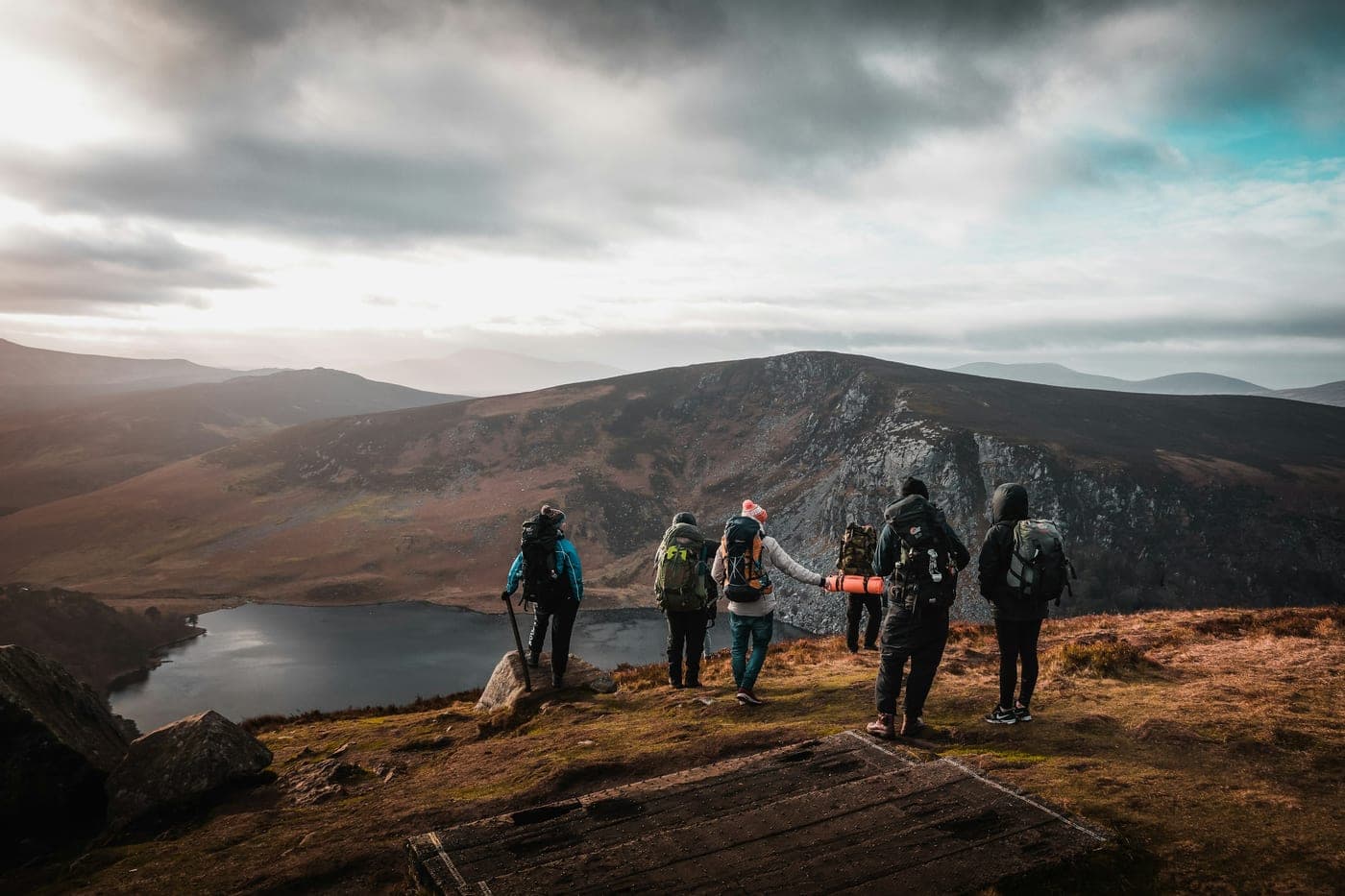
Featured destinations08
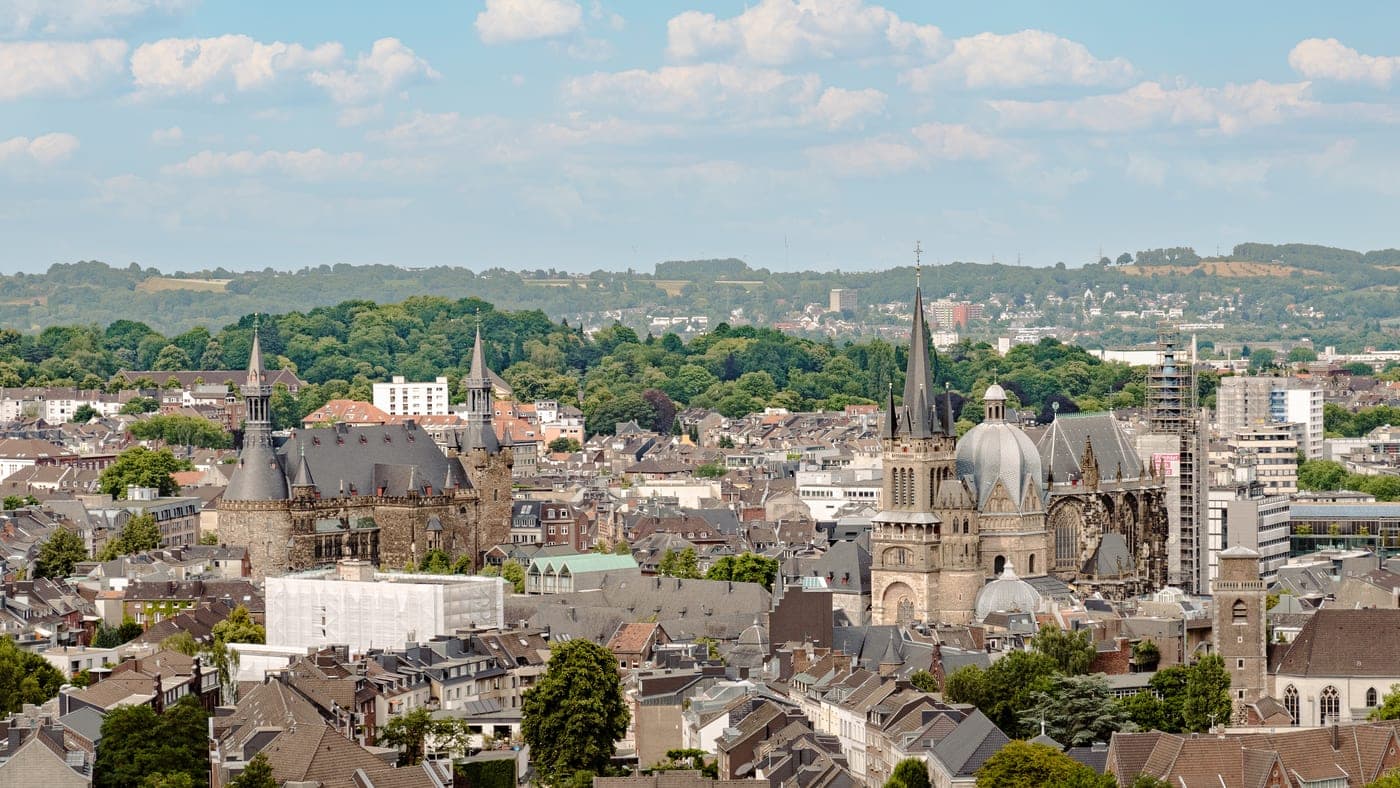 01
01Aachen
GermanyHistoric spa city featuring the stunning Aachen Cathedral and thermal baths.
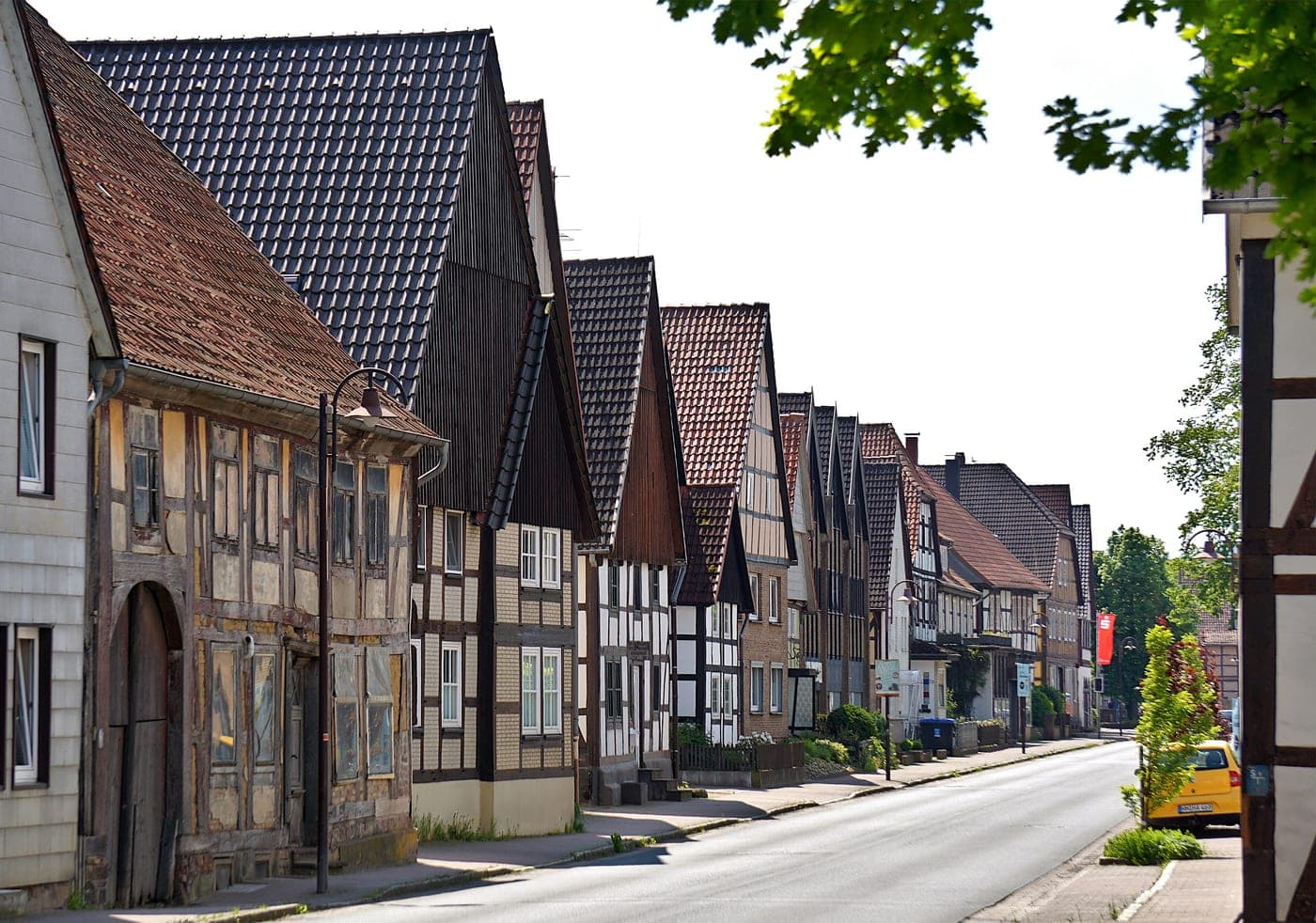 02
02Aerzen
GermanySmall Lower Saxon community in the Weser Uplands, home to Schlosshotel Münchhausen — a five-star Weser Renaissance castle hotel in a parkland setting south of Hameln.
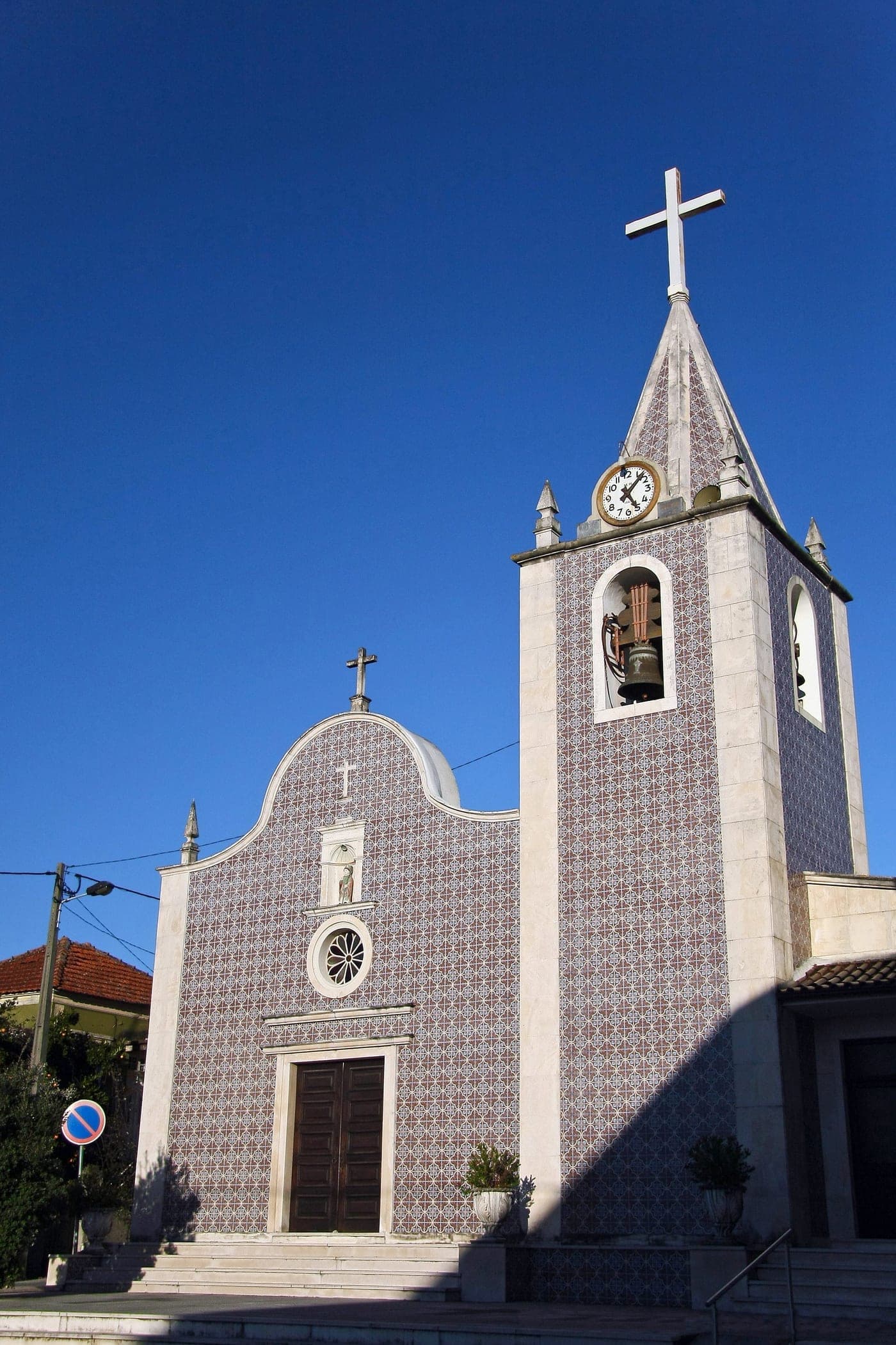 03
03Aguada de Baixo
PortugalVillage in the Bairrada wine region known for sparkling wines.
 04
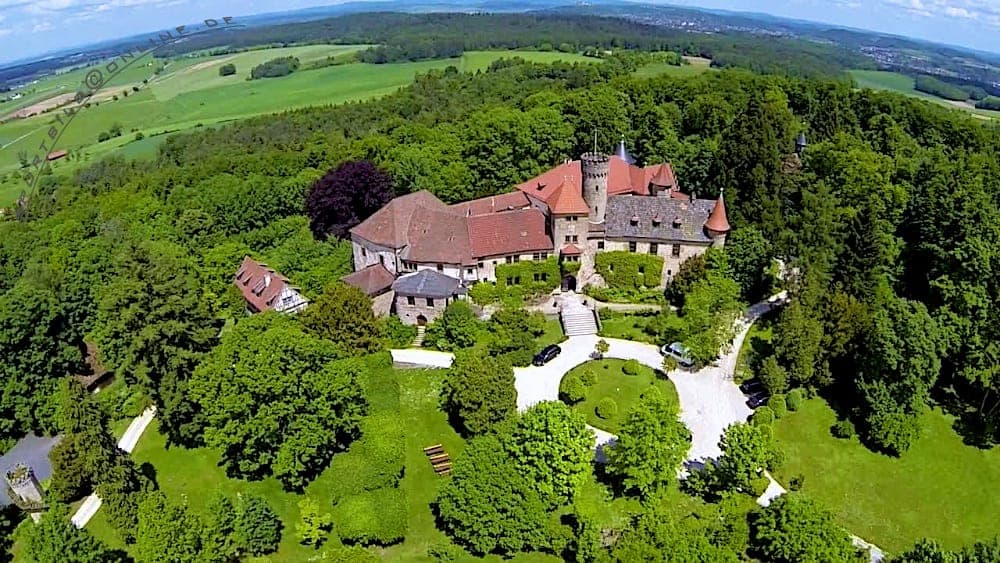
04Ahorn
GermanyQuiet Franconian village near Coburg with a compact 16th-century castle that served as an administrative centre, set in gently rolling agricultural landscape.
 05
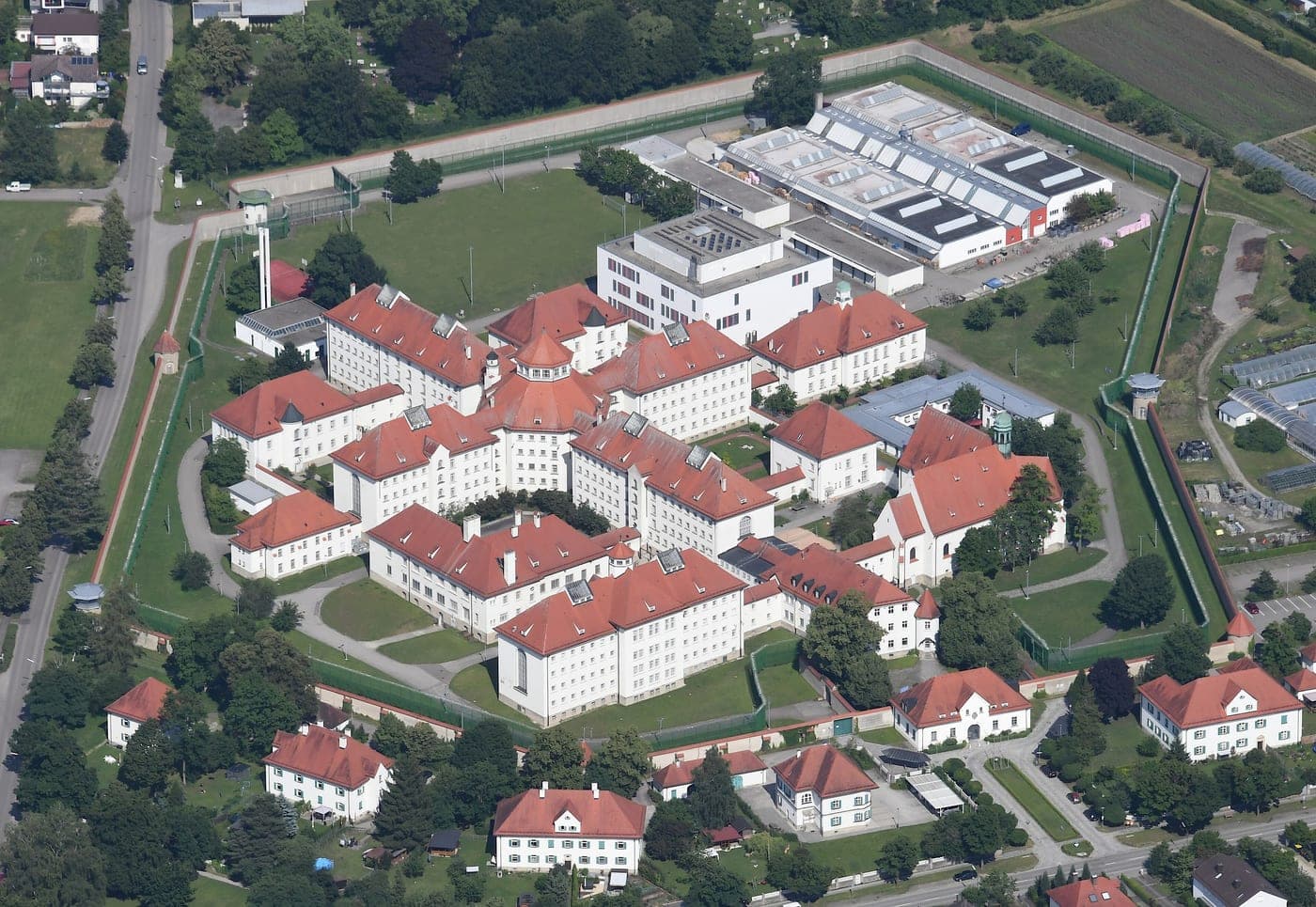
05Aichach
GermanySmall Bavarian market town northeast of Augsburg, birthplace of the Wittelsbach dynasty and home to the ruins of the castle that launched one of Europe's most powerful royal houses.
 06
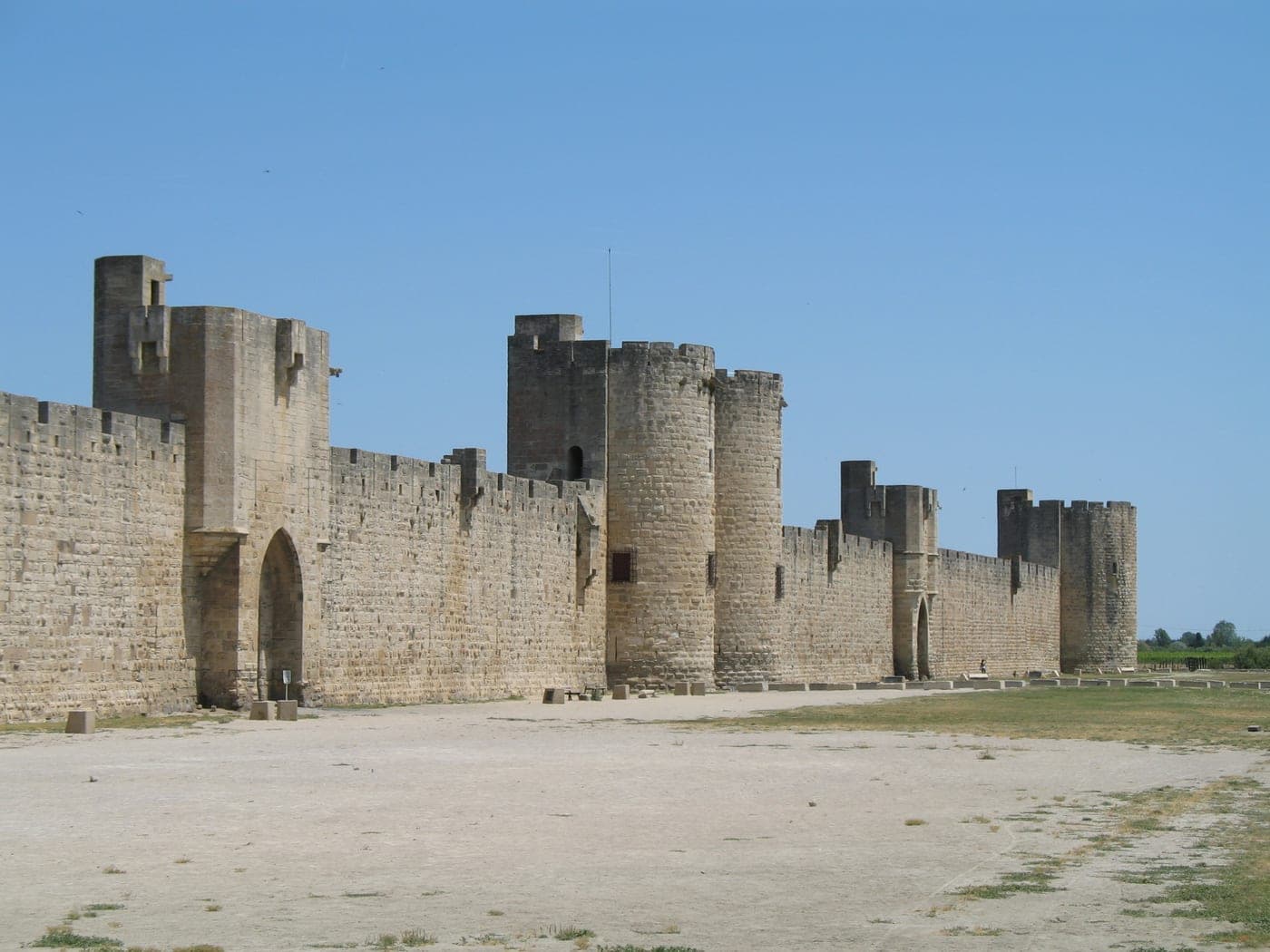
06Aigues-Mortes
FranceMedieval walled city in Camargue with nearby Sables de Camargue wine production.
 07
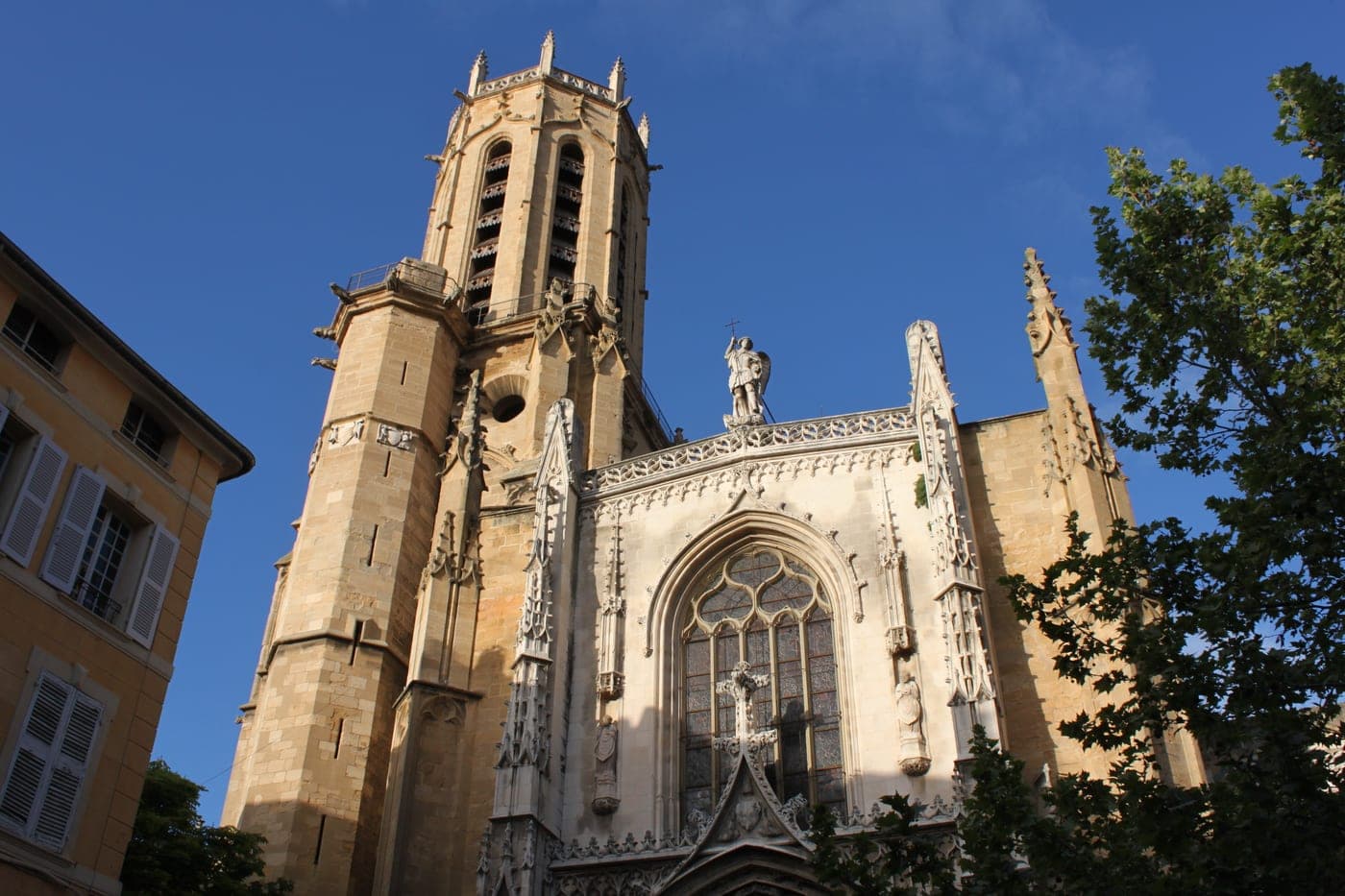
07Aix-en-Provence
FranceElegant Provençal city surrounded by Coteaux d'Aix-en-Provence wine estates and lavender fields.
 08
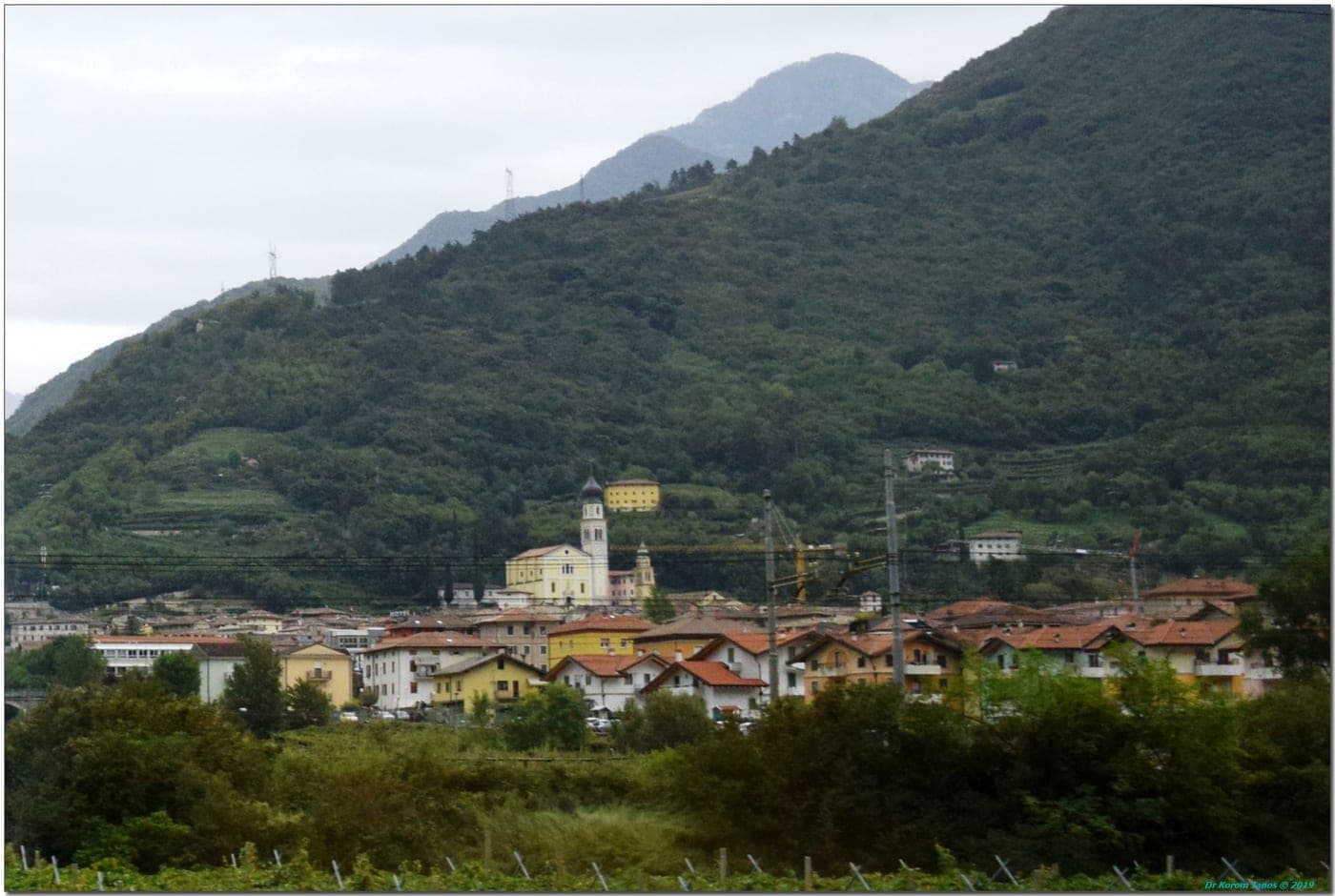
08Ala
ItalySouthern Trentino town with baroque architecture and wine production.
Pick a base, walk nearby
Every destination below has a curated set of walks within easy reach. Pick a base for the night, walk the morning, lunch in town, repeat.
Alpine Arc
06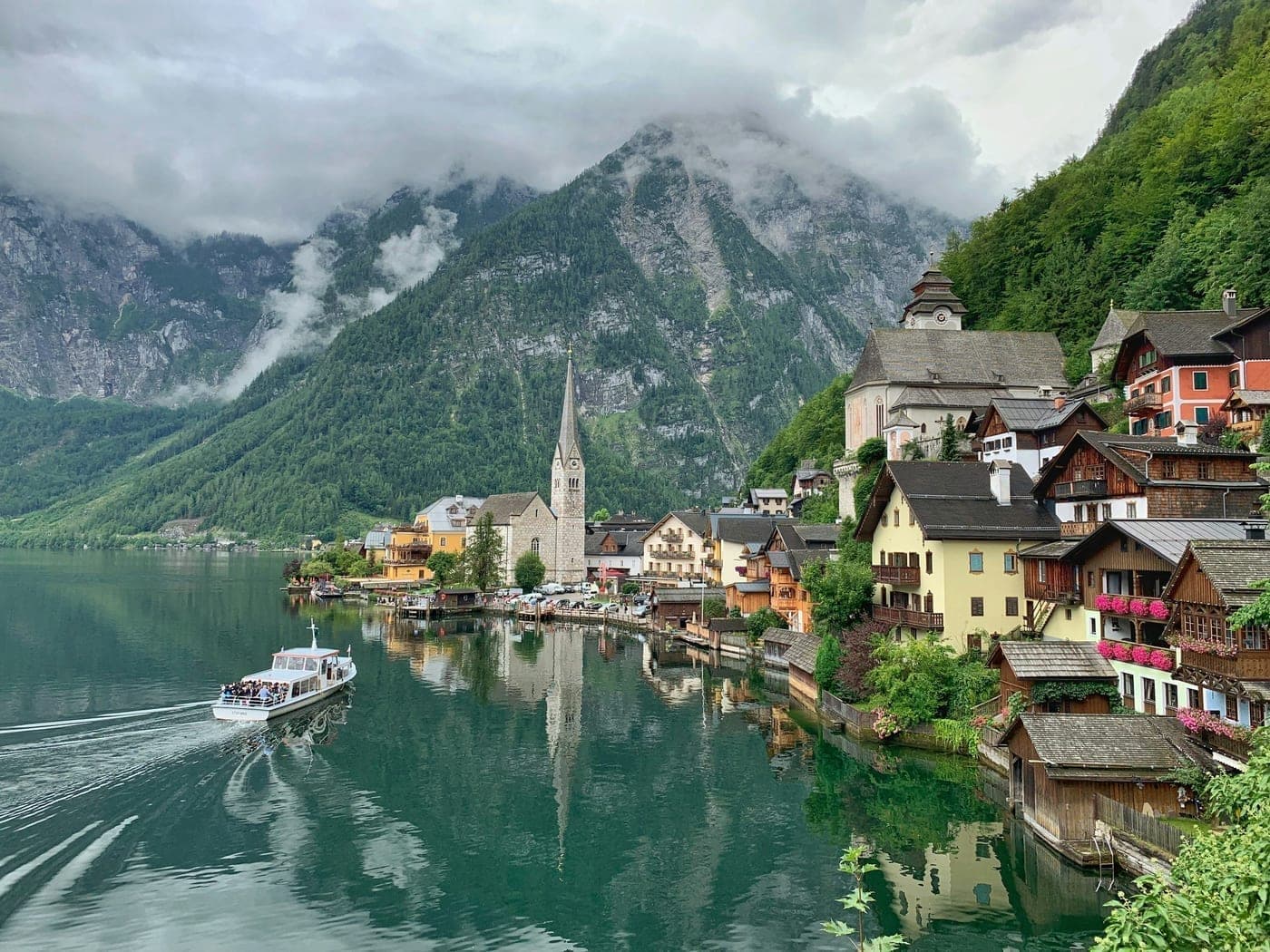 160 destinations
Austria
Austria's Tyrol and Salzkammergut shelter over 50,000 km of waymarked trails, with the Adlerweg crossing the entire Tyrolean Alps from Säuling to St. Anton. Hut networks (Schutzhäuser) make multi-day traverses easy — book a week ahead in July and August.
 89 destinations
Germany
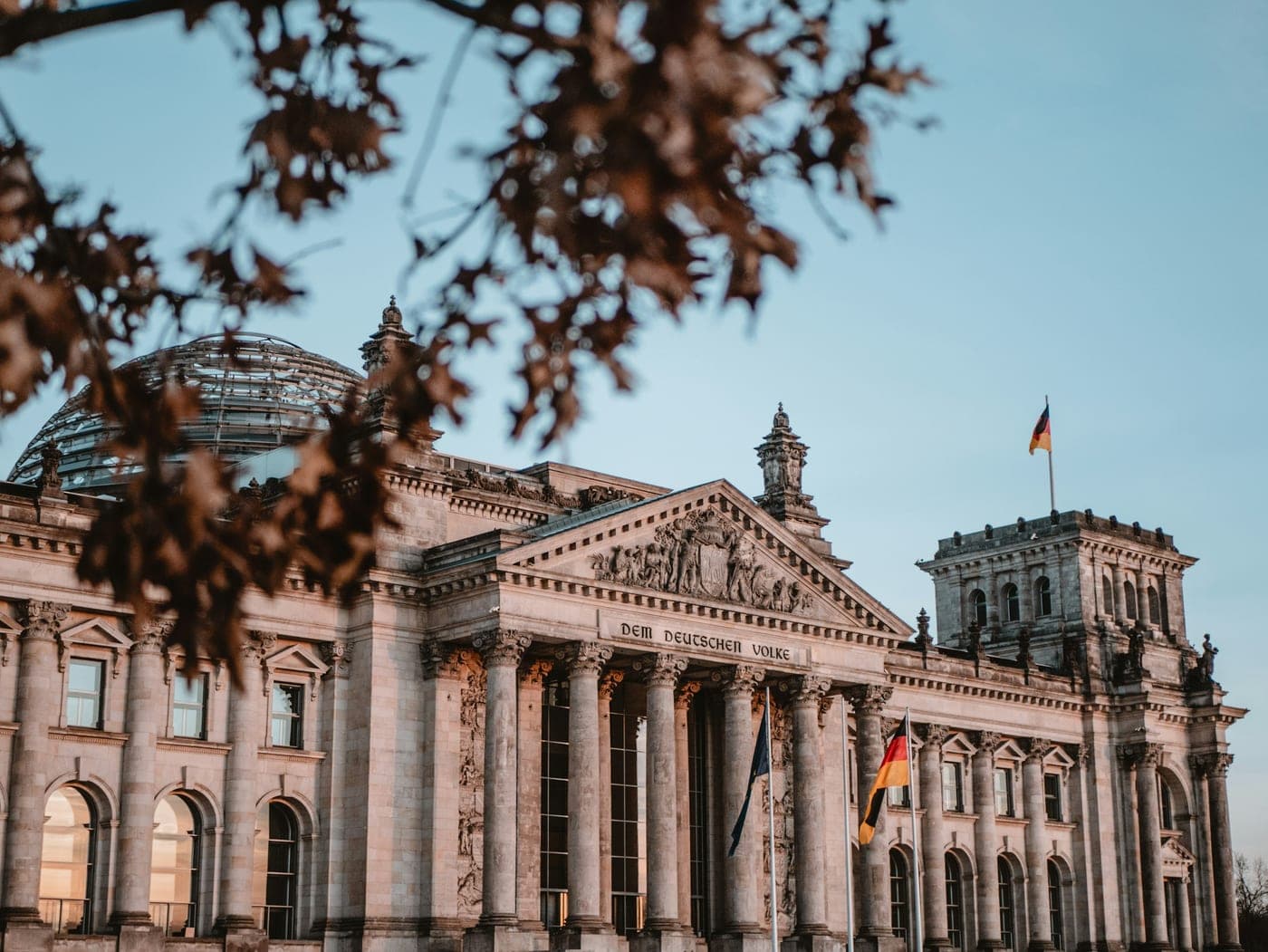
Germany's 200,000 km of marked trails range from the Black Forest's Westweg (285 km top-to-bottom) to the Saxon Switzerland sandstone ridges. Premium-marked Qualitätswanderwege guarantee waymarking quality, while the Romantic Road also runs as a footpath through 460 km of medieval towns.
 49 destinations
Switzerland
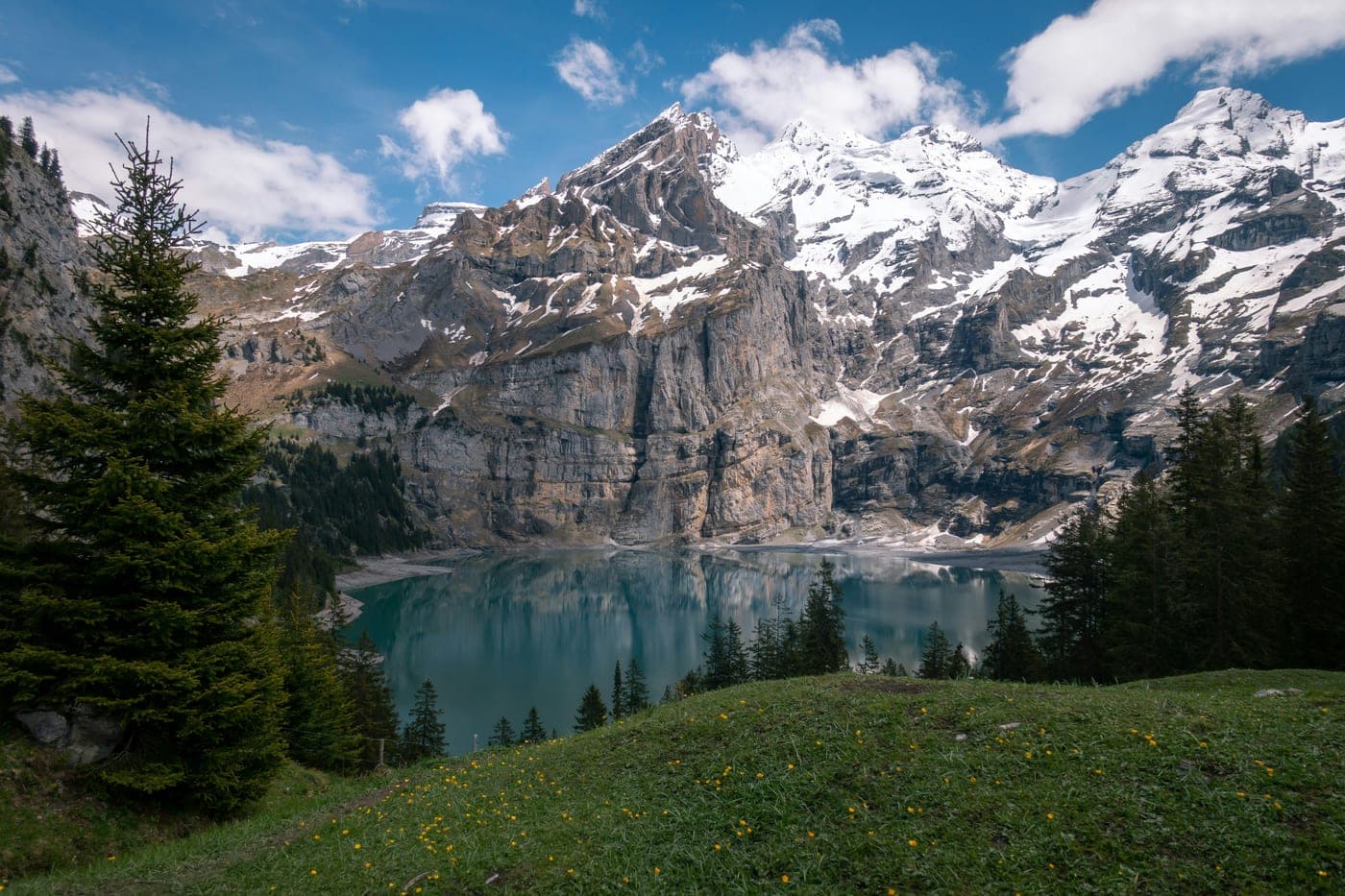
Switzerland maintains 65,000 km of trails, all uniformly yellow-signed and rigorously maintained. The Via Alpina crosses the country end-to-end via 14 alpine passes, while the Tour du Mont Blanc loops 170 km through three countries from Chamonix. SAC huts book up months ahead.
 142 destinations
France
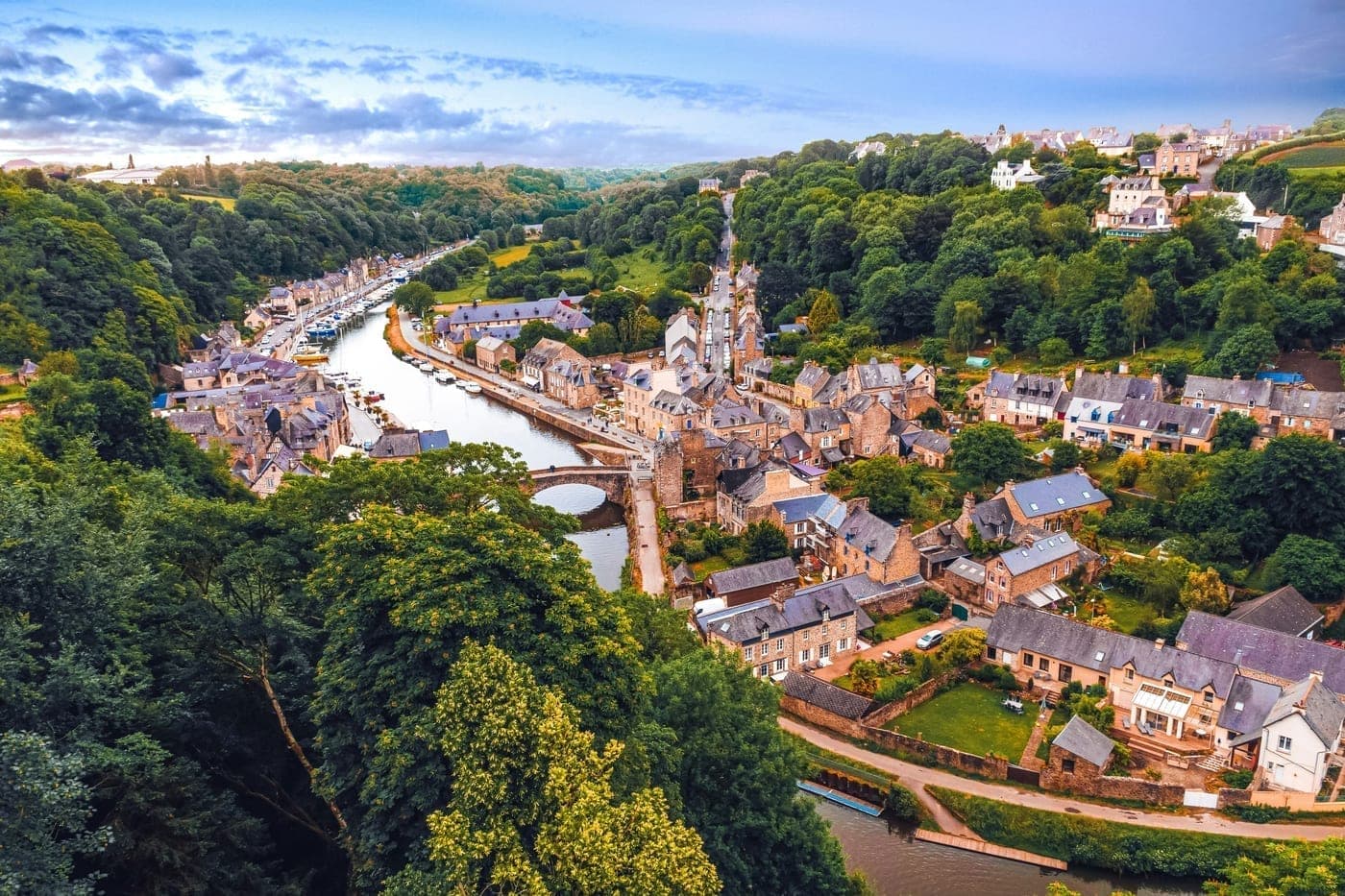
France's GR (Grande Randonnée) network spans 60,000 km, with the Tour du Mont Blanc, GR20 (Corsica's spine), and the GR65 Camino route through Le Puy among the most-walked. Provence's wine country and Brittany's coast offer gentler loops within an hour of any village.
 108 destinations
Italy
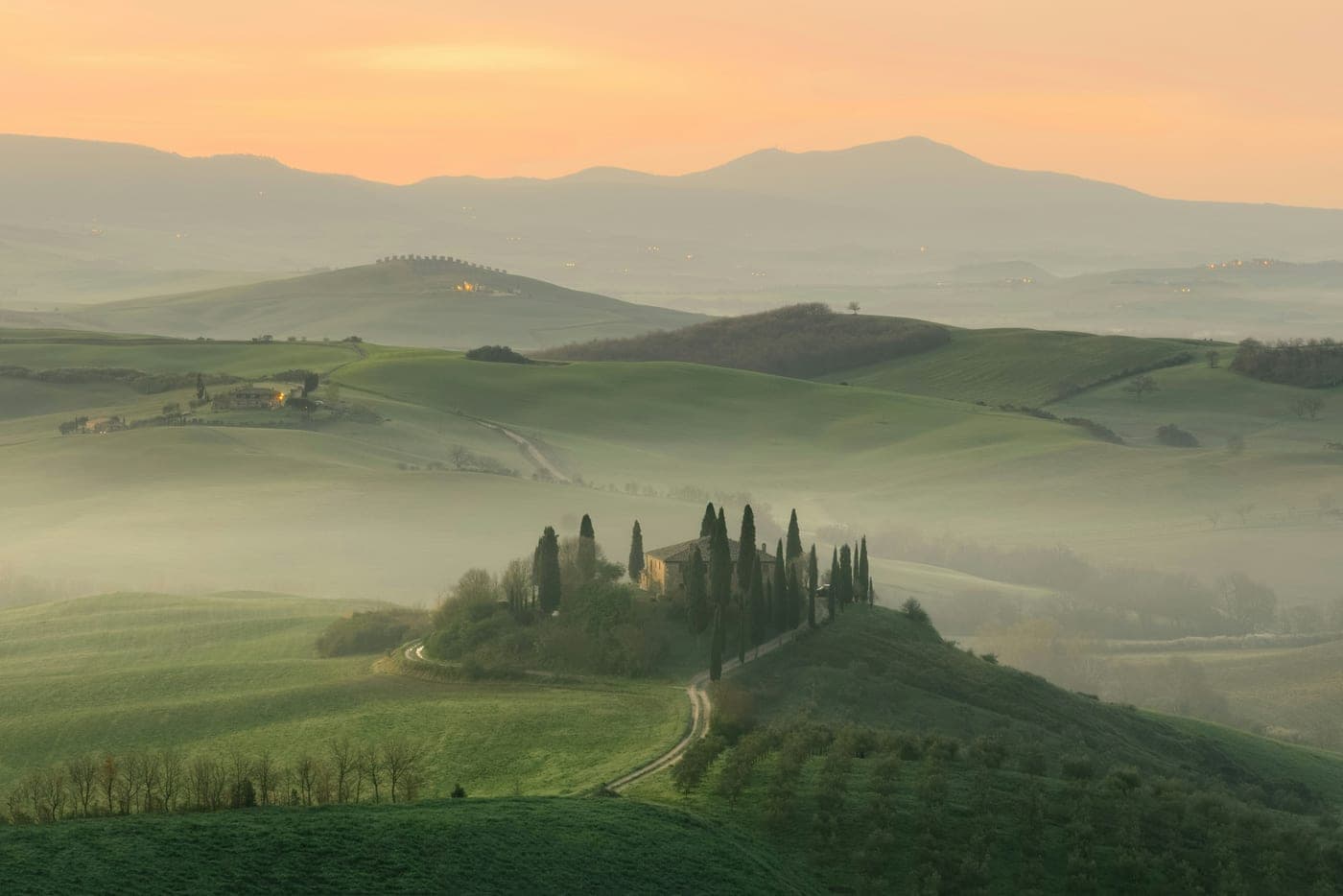
Italy's Sentiero Italia stretches 6,000 km from the Alps to Sicily. The Dolomites' Alta Vie are eight numbered high routes between rifugi, while the Cinque Terre's coastal paths and Tuscany's Via Francigena draw walkers year-round. Spring and autumn beat the high-season heat.
 1 destination
Slovenia
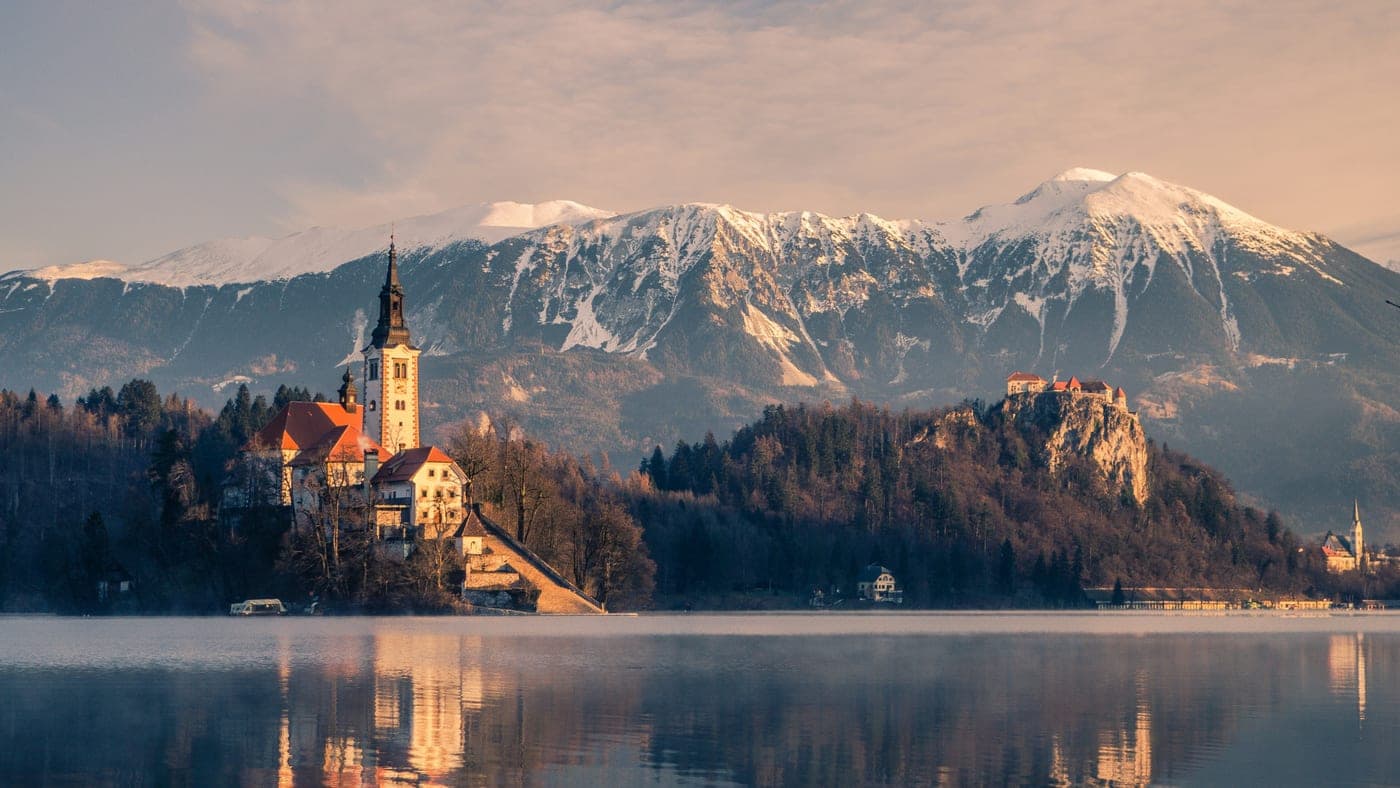
Slovenia packs the Julian Alps, Triglav National Park, and the Soča Valley into a country the size of New Jersey. The Slovenian Mountain Trail (Slovenska planinska pot) crosses it tip-to-tip in 70 days; few attempt the whole thing — most pick a one-week alpine section.
Iberia & Mediterranean
03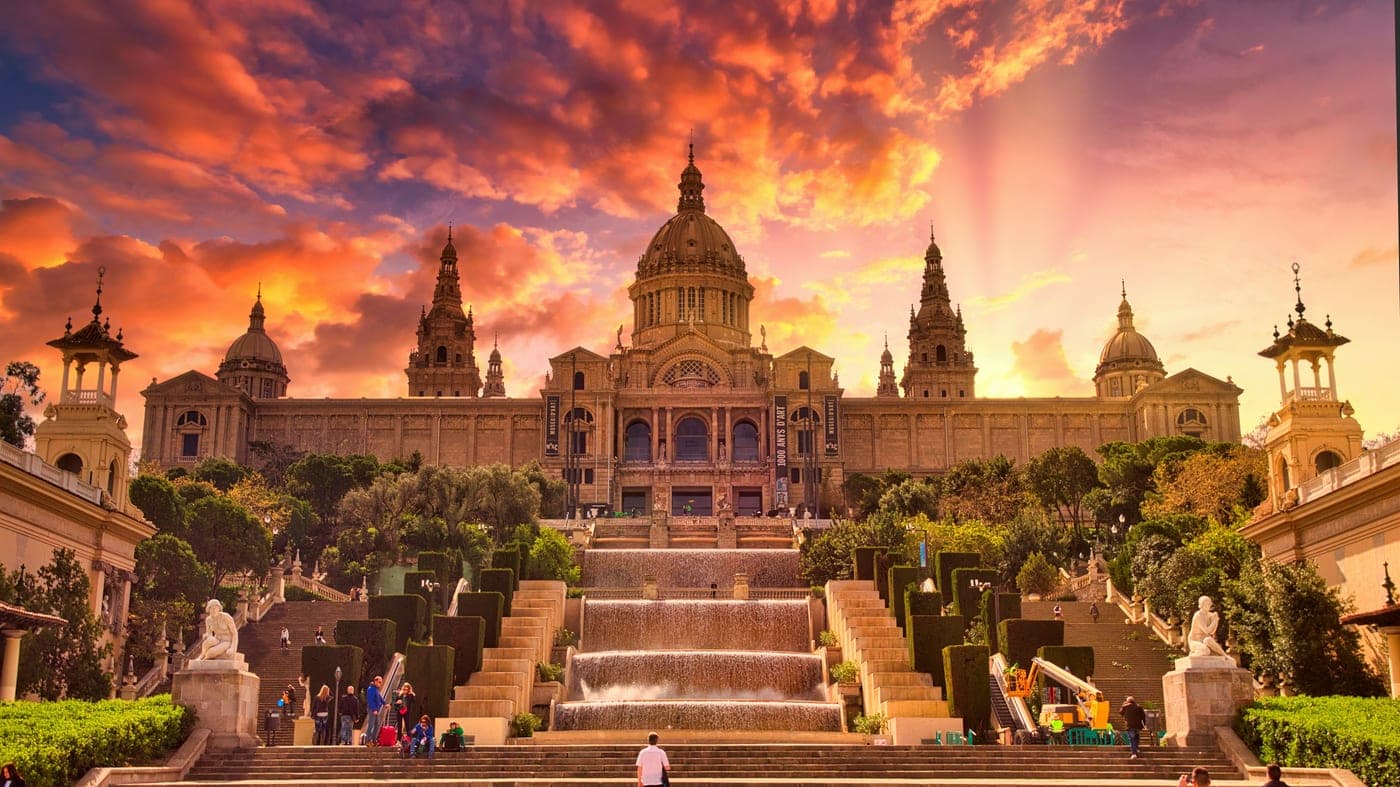 65 destinations
Spain
Spain hosts every flavour of the Camino de Santiago, with the Camino Francés (790 km) the busiest and the Camino del Norte (825 km) the quietest. Picos de Europa, Sierra Nevada, and the Mallorcan Tramuntana offer Alpine-grade terrain a few hours from cheap flights.
 37 destinations
Portugal
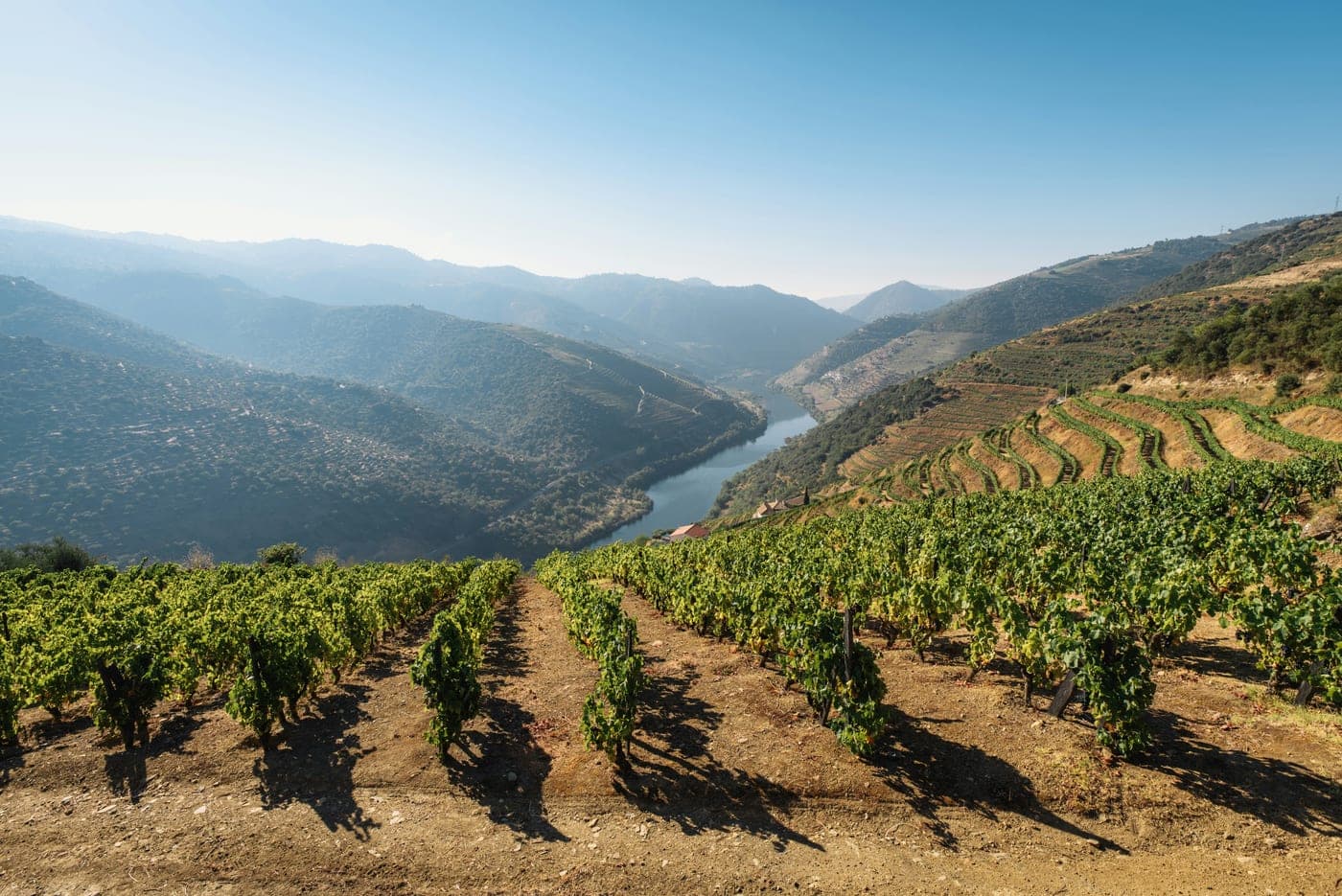
Portugal's Rota Vicentina runs 750 km along the southwest coast — wild Atlantic cliffs, fishermen's paths, and oak forests. The Via Algarviana crosses the Algarve inland, while the Camino Português threads from Porto into Galicia. Best walking is October through May.
 16 destinations
Croatia
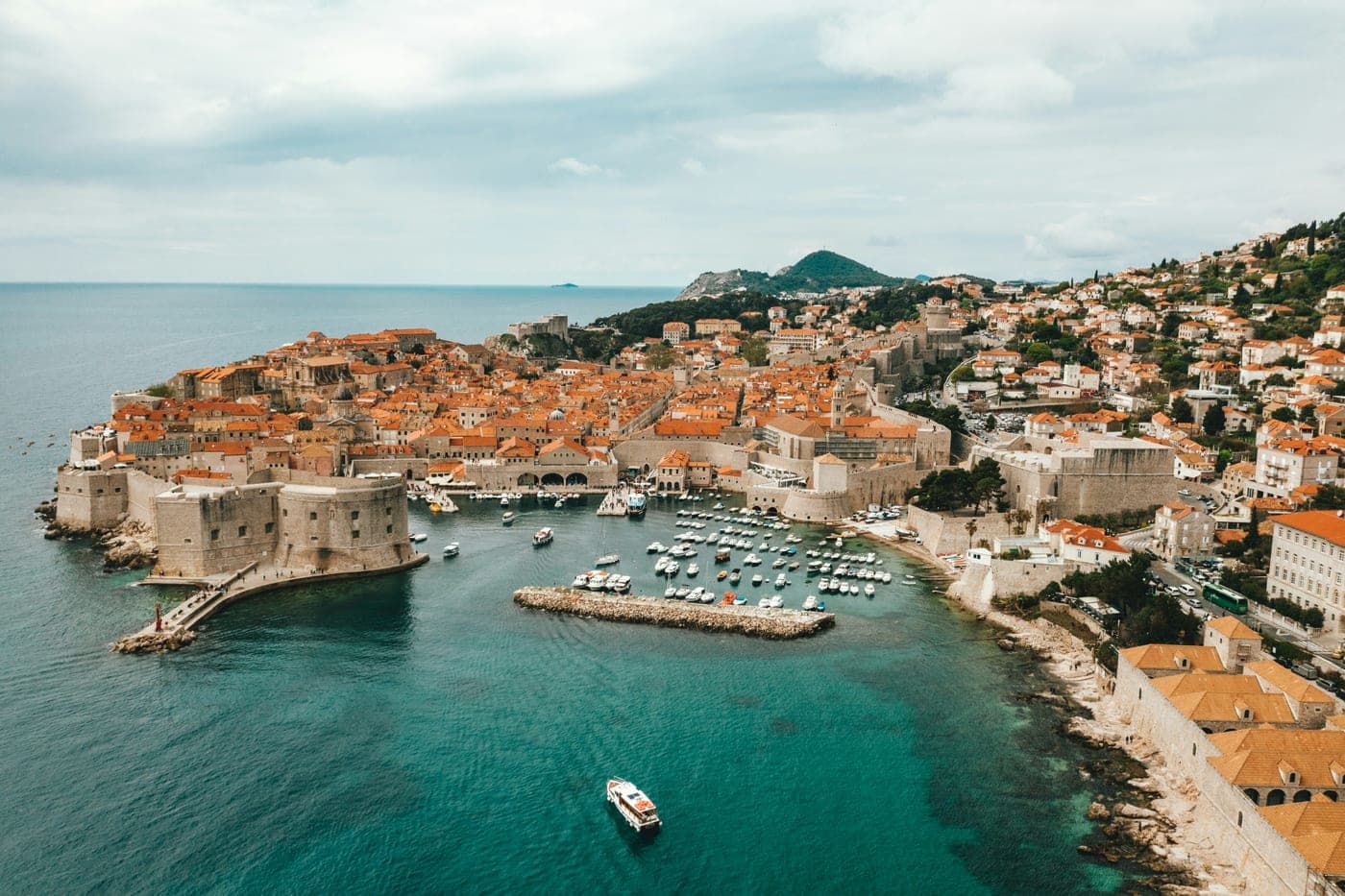
Croatia's Velebit massif holds the Premužić Trail (57 km of rocky ridge), while Plitvice and Krka offer boardwalk loops between waterfalls. Coastal islands like Mljet and Hvar have looped walking circuits short enough for a day. Shoulder seasons avoid both crowds and heat.
Northern Europe
04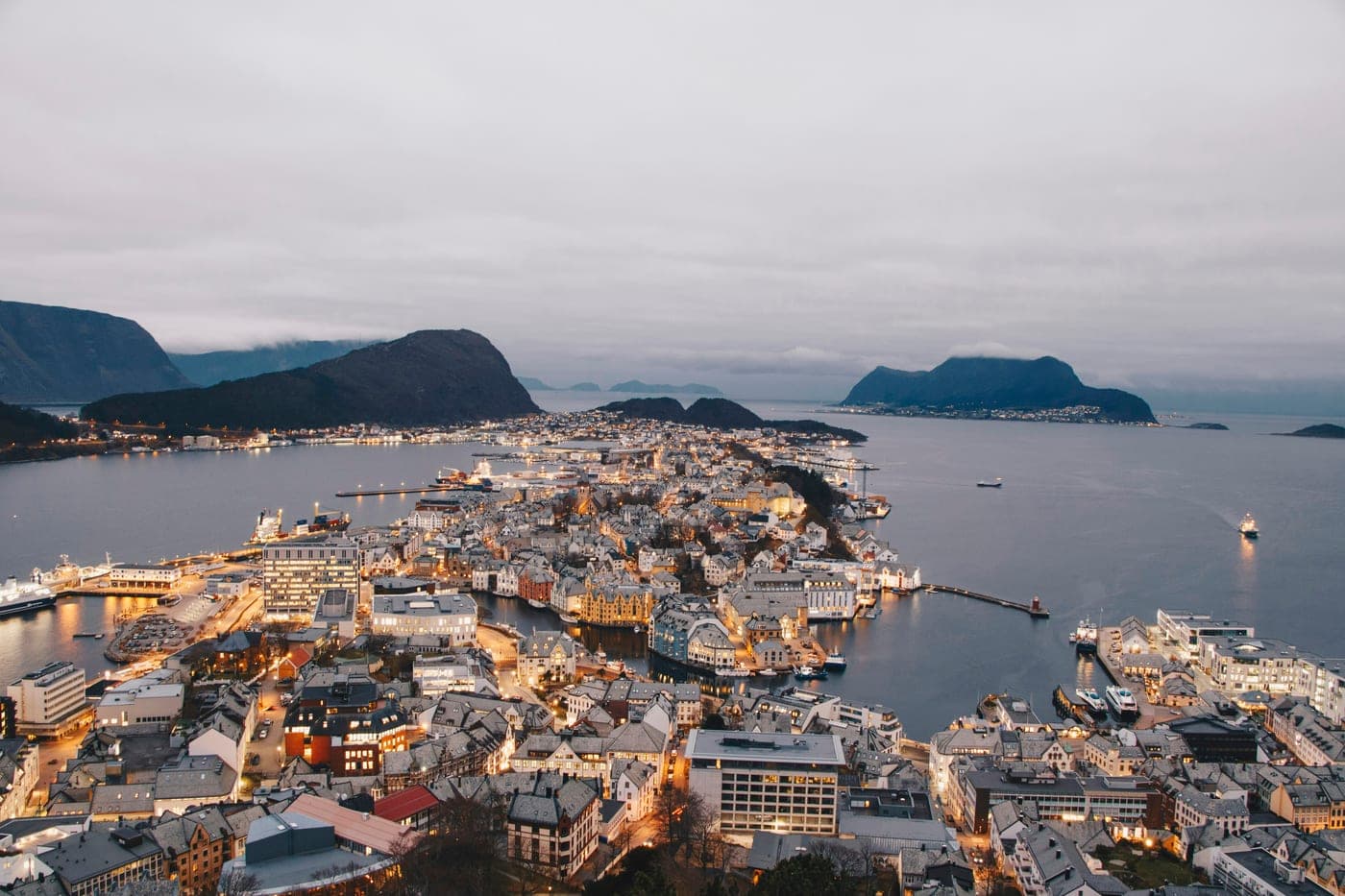 5 destinations
Norway
Norway's DNT trail and hut network covers 22,000 km, with the Jotunheimen and Lofoten ranges the most iconic. Most cabins are self-service and book through the DNT app. Right-to-roam laws permit wild camping anywhere outside cultivated land.
 8 destinations
Sweden
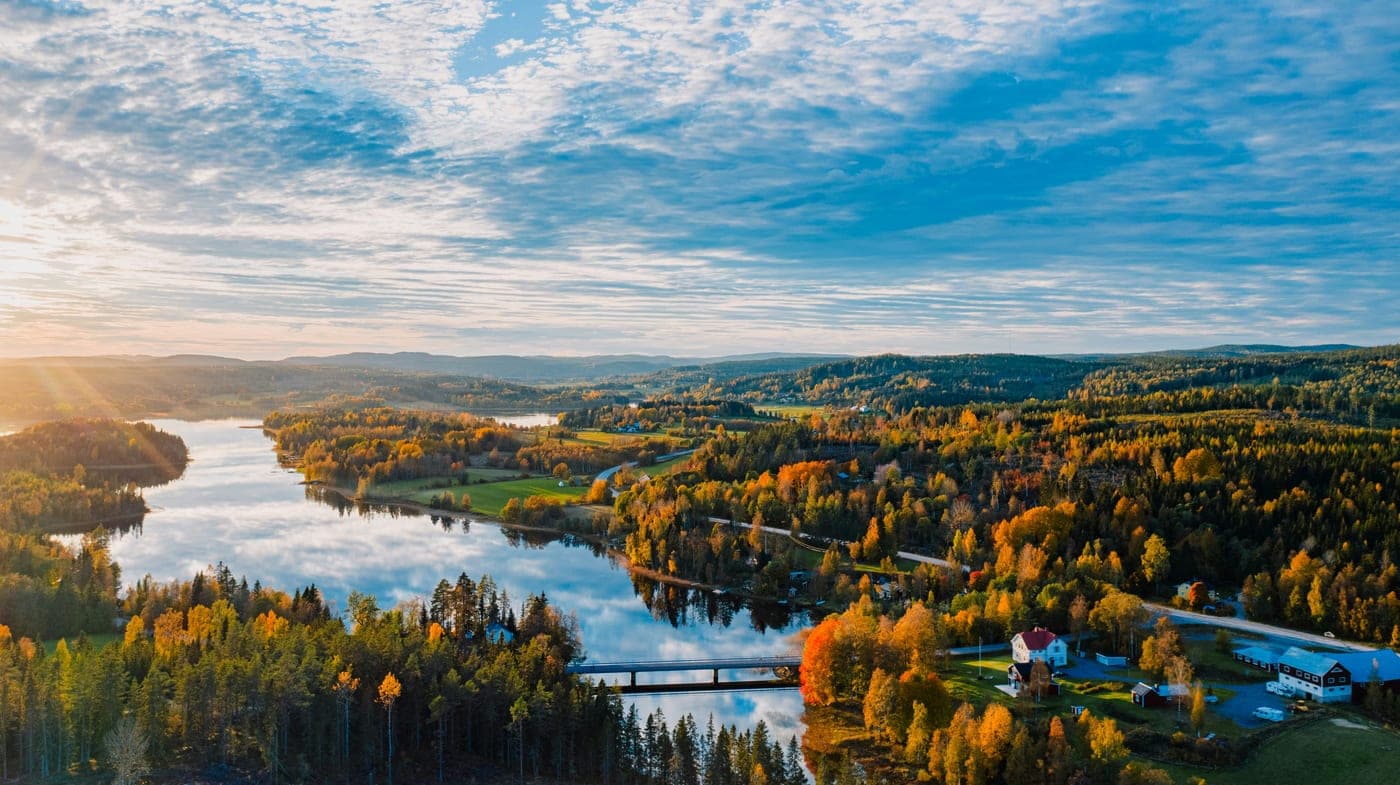
Sweden's Kungsleden (440 km in Lappland) and the gentler Skåneleden (~1,000 km in the south) sit at opposite ends of the country. Allemansrätten freedom-to-roam means tent stays one night anywhere — fika in a village inn the next.
 8 destinations
Finland
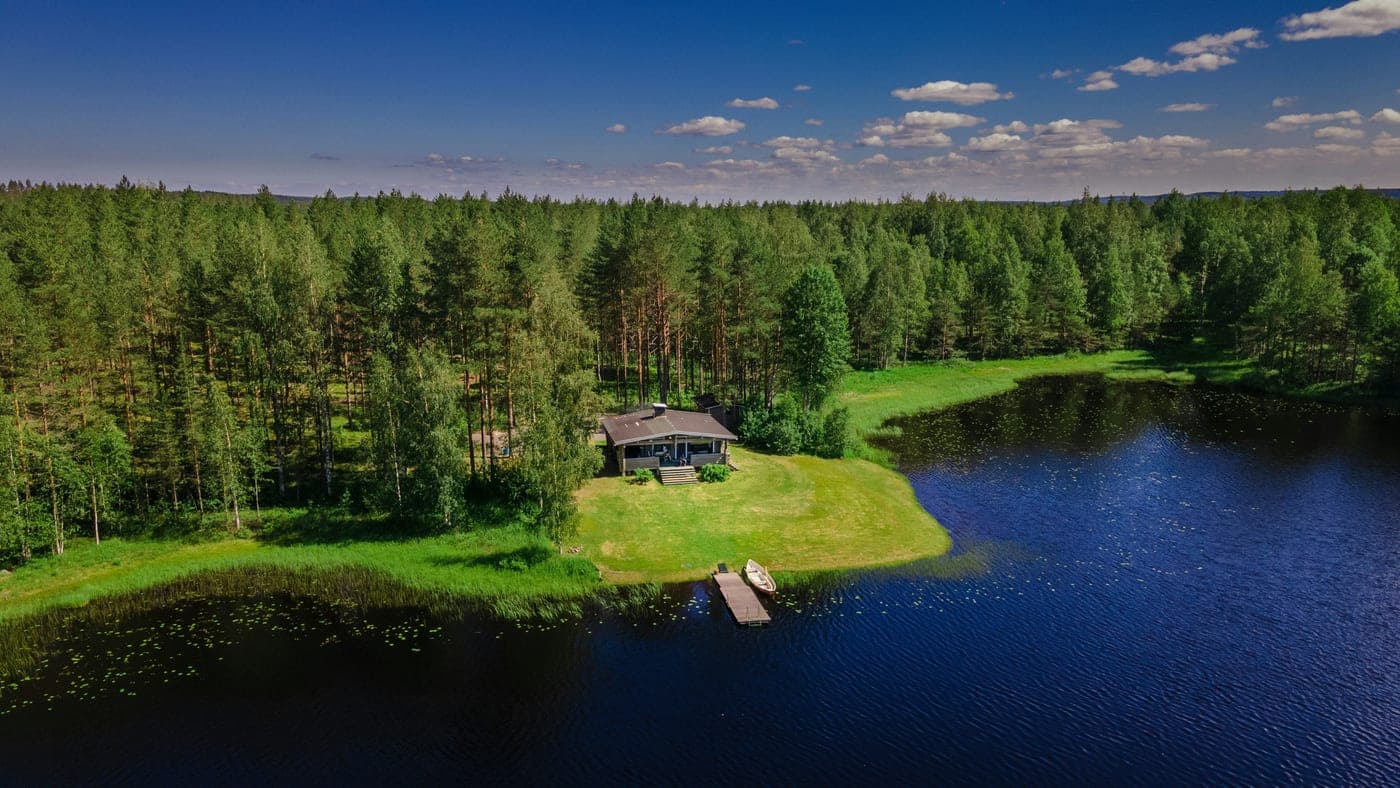
Finland's national parks (Pallas-Yllästunturi, Oulanka, Repovesi) thread together fells, peat bogs, and aapa wetlands. The Karhunkierros (Bear's Trail) loops 82 km through Oulanka — book autio (free) huts ahead in summer.
 3 destinations
Denmark
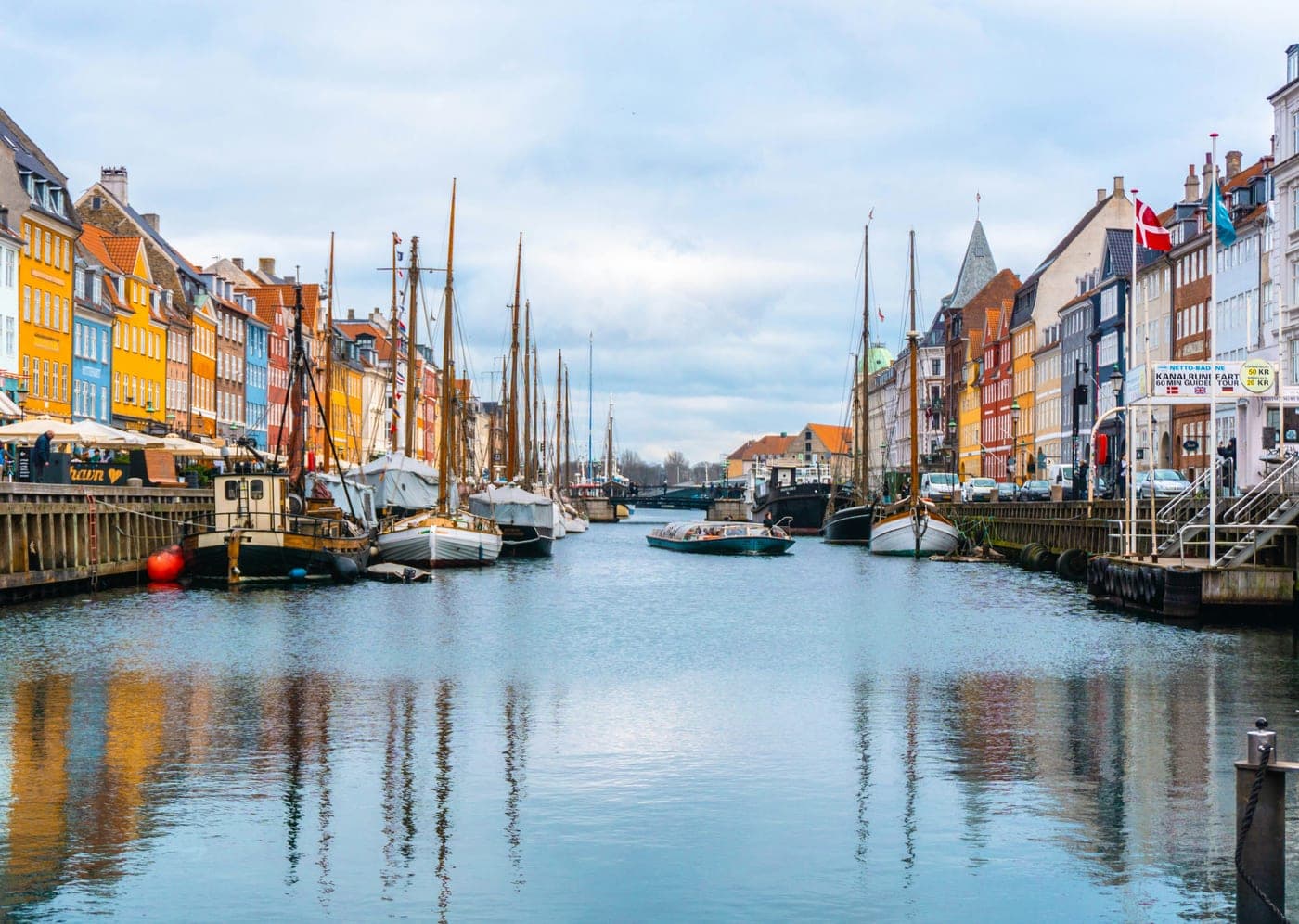
Denmark's Kløverstier (clover paths) ring its towns with four colour-coded loops at four lengths — instant day walks from any train station. The Hærvejen (Ancient Road) follows 280 km of medieval oxen-drovers' tracks through Jutland.
Central & Eastern Europe
04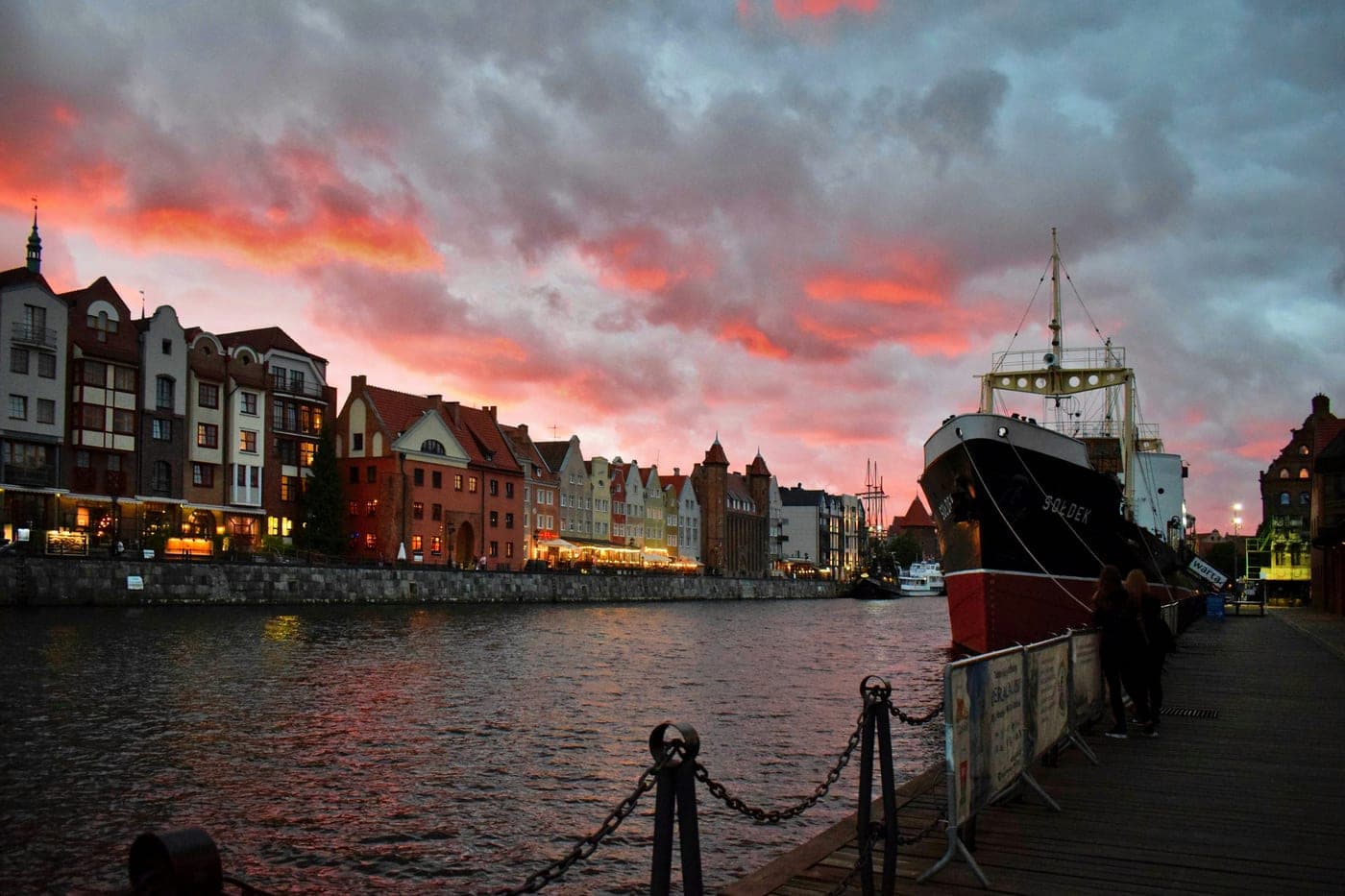 11 destinations
Poland
Poland's Tatra Mountains hold a dense network of waymarked alpine trails between hostels and refuges around Zakopane. The Sudetes, Beskids, and Bieszczady offer quieter, gentler hill walks with Polish hospitality at every stop.
 2 destinations
Bulgaria
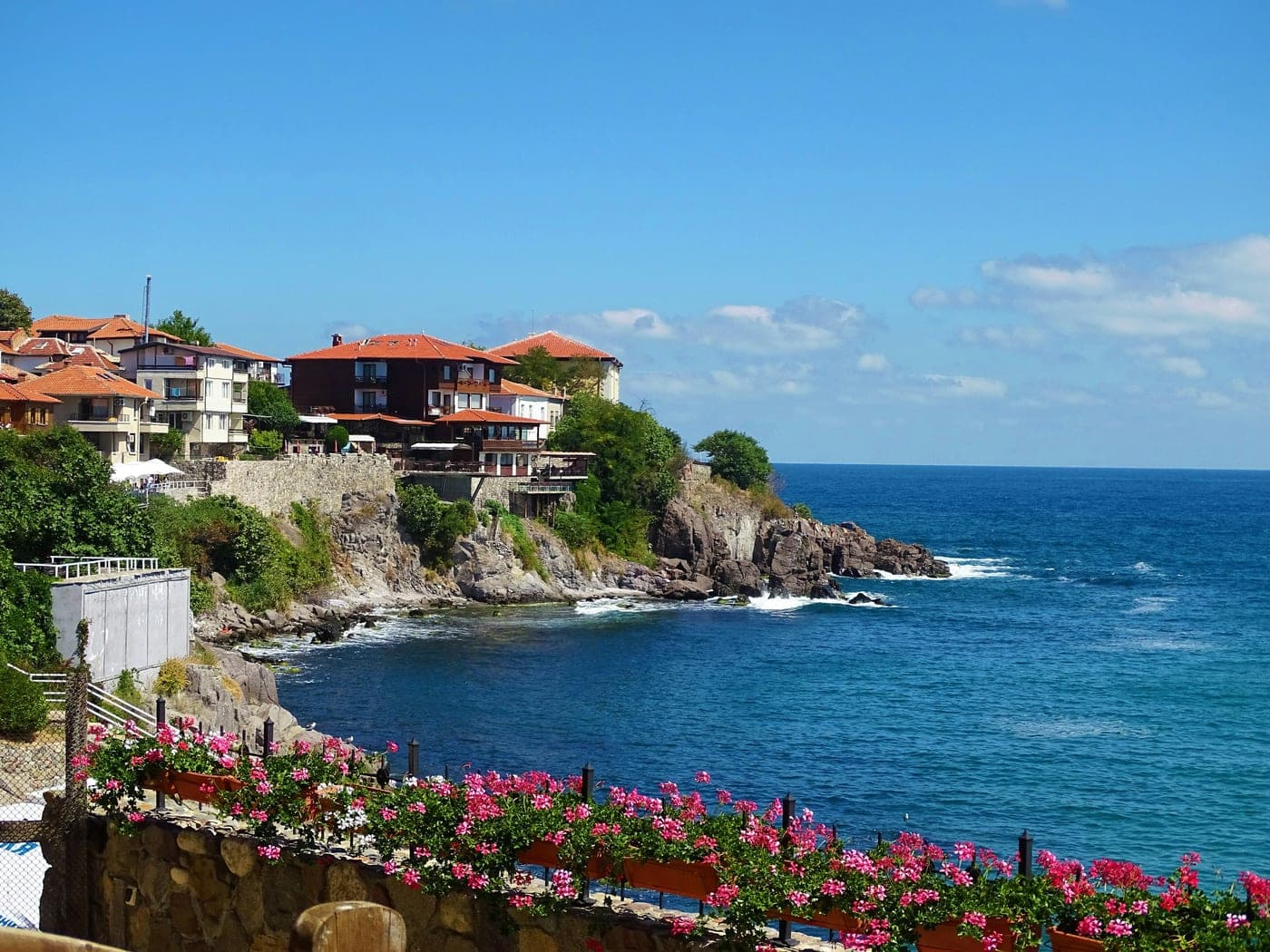
Bulgaria's Rila and Pirin ranges hold 200+ glacial lakes — the Seven Rila Lakes loop is the most photographed day walk in the Balkans. The E4 European path crosses the whole country from the Black Sea to Greece. Mountain huts are cheap and full of hospitality.
 2 destinations
Estonia
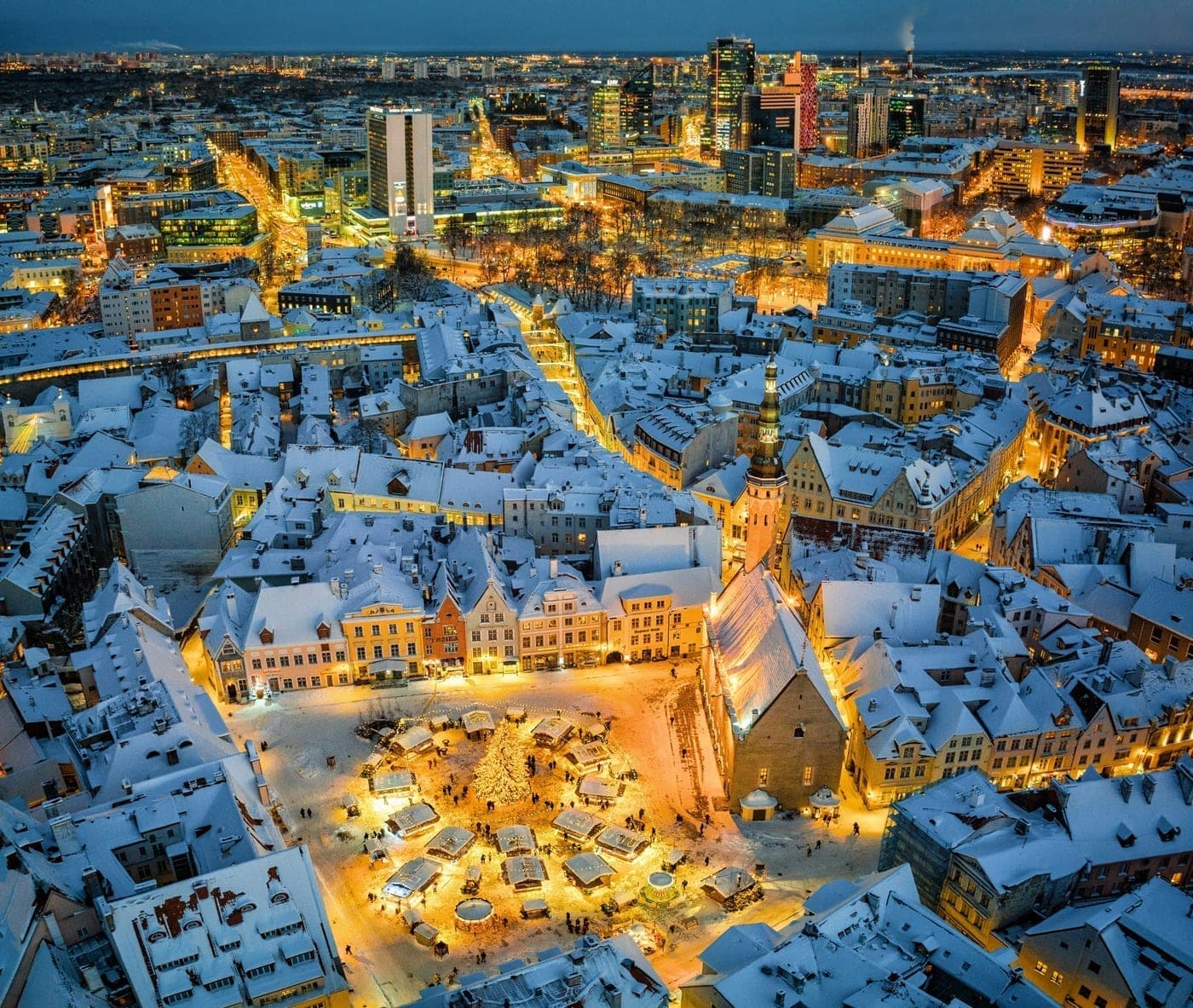
Estonia's RMK hiking trails cross bogs, forests, and the Baltic coast on boardwalks — the 375 km Oandu-Aegviidu-Ikla route runs the length of the country. Trail huts are free, equipped, and a Nordic civility lesson in themselves.
 1 destination
Lithuania
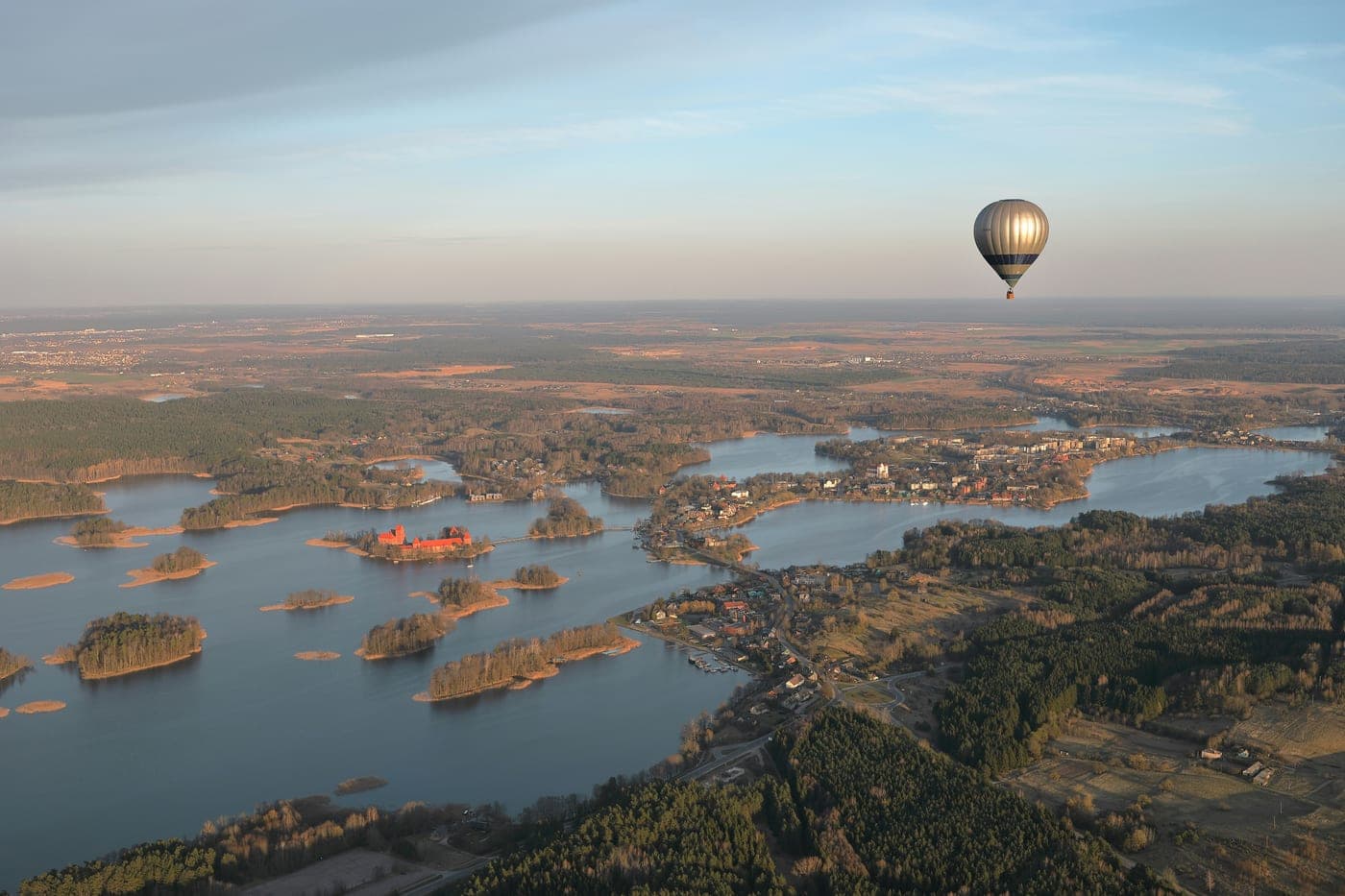
Lithuania's Curonian Spit and Žemaitija National Park offer flat coastal and lake-shore walking. The country is more for cyclists than long-distance hikers, but a four-day Žemaitija loop makes for an unhurried Baltic week.
Lowlands
02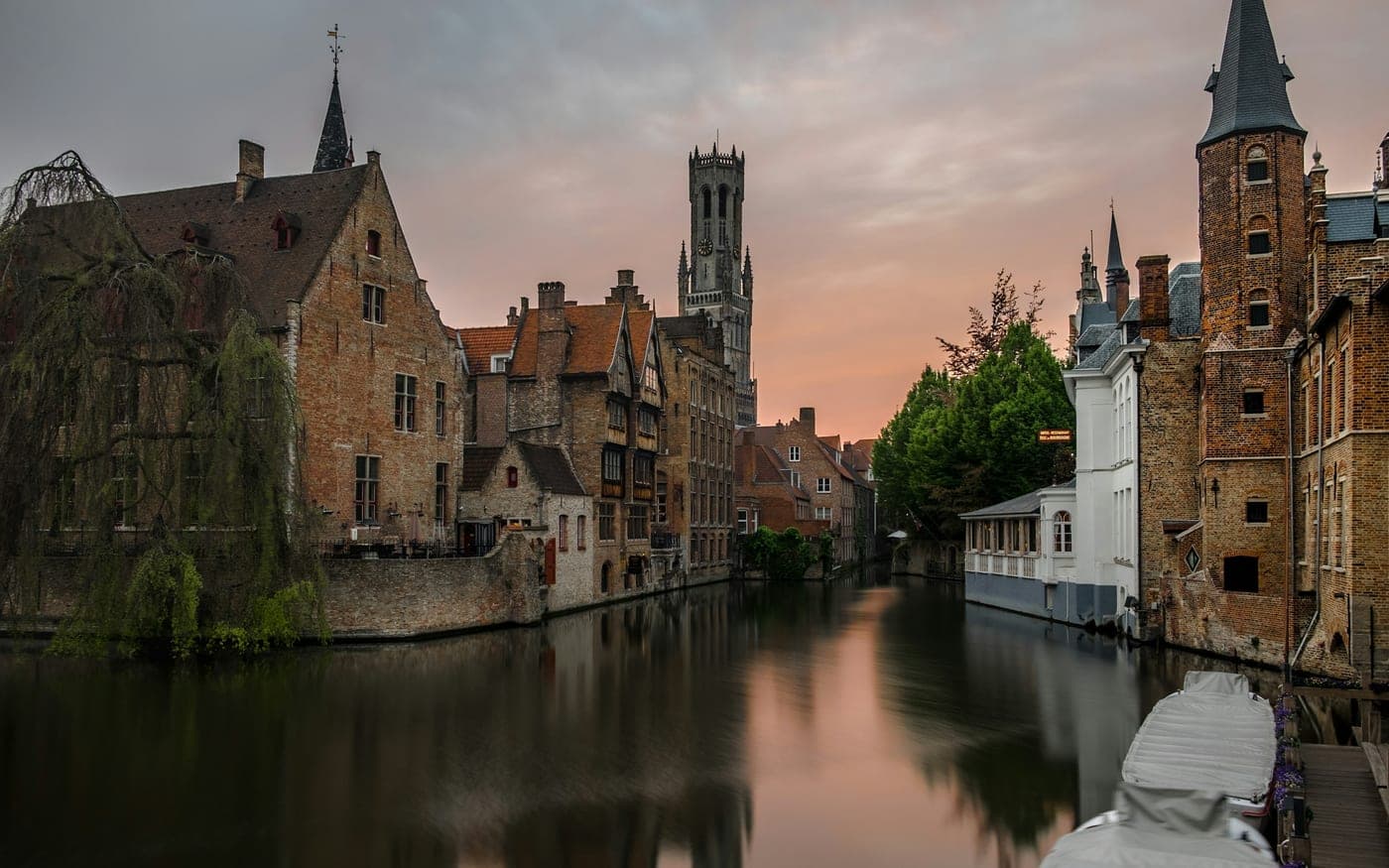 12 destinations
Belgium
Belgium's Ardennes deliver gentle forested walks along the Sentier du Nord and HLT (Haute Lesse Trail). Flemish polder routes follow medieval pilgrim paths between belfries. None of it's strenuous, but the village inns at every stop are the point.
 36 destinations
Netherlands
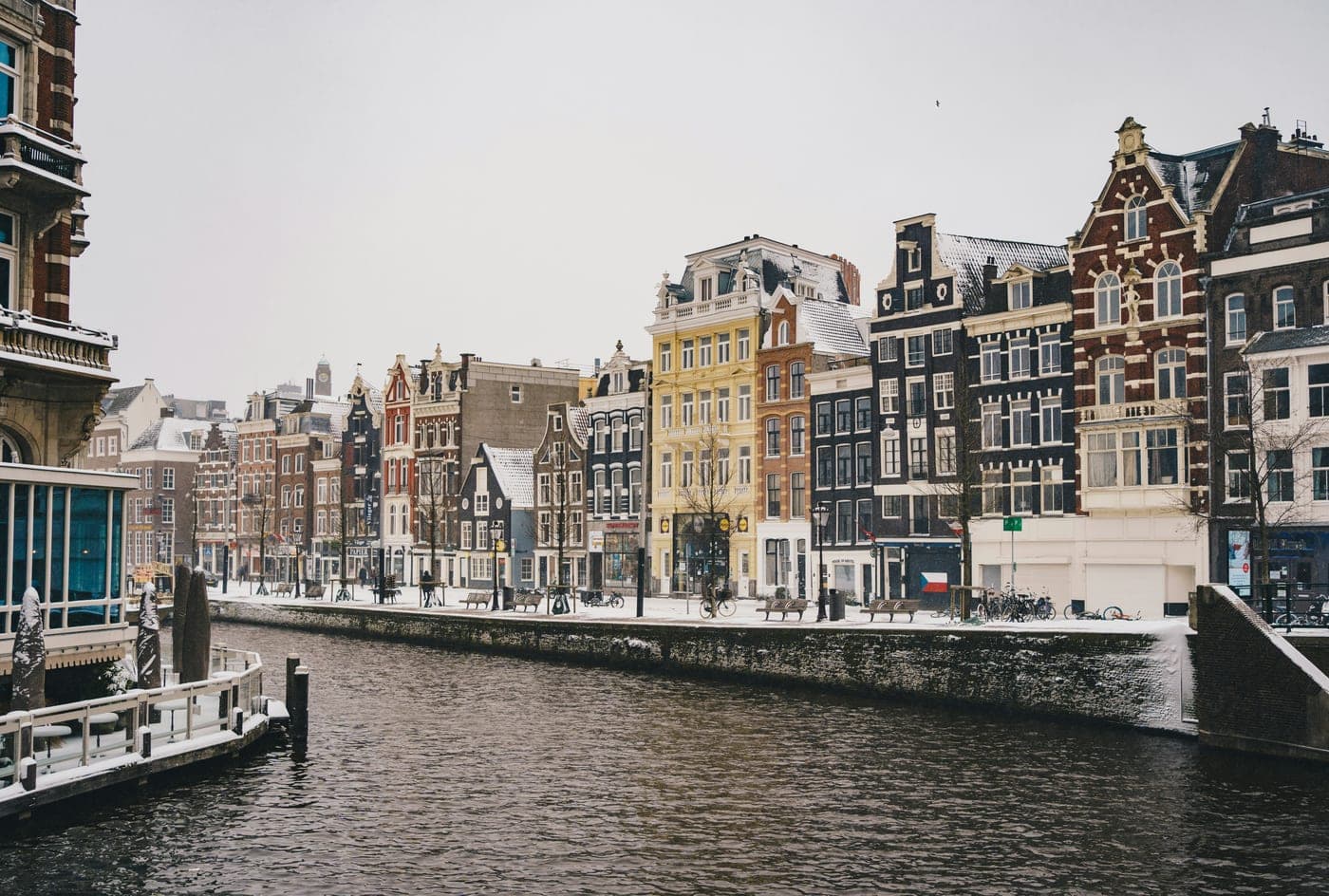
The Netherlands maintains 7,000 km of LAW long-distance footpaths across dunes, polders, and forest. The Pieterpad (492 km, the country's spine route) is the classic. Distances between villages are short and ferries thread the river deltas.
Tips for a hiking day.
Five things worth knowing before you head out — small habits that make a walk feel unhurried instead of rushed.
- 01Pick the trail length to match your day, not your ambition — a one-hour loop seen properly beats a three-hour route done at pace.
- 02Filter trails by difficulty AND recent-condition reports — a 'moderate' trail in mud is often harder than a 'hard' one in sun.
- 03Match your start time to the latitude — in southern Europe (Spain, Italy, the Balkans), walk at sunrise to beat unshaded vineyard and grazing heat that turns brutal as early as April. In the Nordics, midday is fine; pace the day around the mosquitoes, worst at dusk in summer.
- 04For trails outside cities or towns, download the map for offline use first — rural trailheads often have no signal, and waymarking can be faded or temporarily redirected. City and around-town walks keep signal the whole way; no offline prep needed.
- 05Plan a café or tavern at the end, not the start — having somewhere to sit, eat, and stretch turns a walk into a small ritual instead of a sweat.
Four ways to walk Europe.
Most of the trails on this page are short — an hour to a half-day, with the occasional longer loop for the willing. Pick the format that fits the day you've actually got, not the day you imagined.
City walks
Most European towns have a marked walk that starts at the train station and finishes at a café. Vineyard paths circling Würzburg, the canal loops in Bruges, the wooded ridges above Lyon. An hour or two, no gear required — the easiest way to see a place without a tour.
Half-day loops nearby
Pick a destination and you'll find ten more trails within a 30-minute drive. Forest paths, lake circuits, hilltop chapels, vineyard ridges. Most are 5–12 km and well-waymarked — perfect for a morning before lunch in town, or an afternoon walked off.
Day hikes further out
When you want a proper walk: head to the regional park, the limestone gorge, the next valley over. 15–25 km days with real elevation, the kind that earn the second glass of wine. Drive (or take the bus) to the trailhead in the morning, finish back in town by sundown.
Multi-day section walks
Three to seven days walking a stretch of one of Europe's long trails — Cinque Terre, Cotswold Way, sections of the Camino, the Rota Vicentina. Carry a day pack while a luggage-transfer service shuttles your bag ahead. Trail by day, village inn by night, no camping required.
Asked & answered.
- Slowfoxes covers four types of walks: city loops (1–2 hours from a train station, no gear required), half-day loops (5–12 km waymarked trails near each destination), day hikes (15–25 km with real elevation in regional parks and gorges), and multi-day section walks (3–7 days on long trails like the Cinque Terre, Cotswold Way, or Rota Vicentina, with luggage transfer between village inns).
- Switzerland maintains 65,000 km of uniformly signed trails, Austria's Tyrol shelters over 50,000 km of waymarked paths, and Germany offers 200,000 km including premium-marked Qualitätswanderwege. France's GR network spans 60,000 km (including the GR20 in Corsica and Tour du Mont Blanc), while Italy's Sentiero Italia stretches 6,000 km from the Alps to Sicily. Spain hosts the Camino de Santiago routes and Portugal offers the wild Atlantic Rota Vicentina.
- For city walks and short loops, no special gear is needed — comfortable shoes and a light layer are enough. For half-day and day hikes, bring sturdy walking shoes, a waterproof layer, water, and sun protection. Multi-day section walks require proper hiking boots, a day pack (most routes offer luggage-transfer services), and advance hut or inn bookings, especially in July and August in the Alps.
- Yes — most European hiking destinations have trailheads accessible by train or bus. Many towns have marked walks starting directly from the train station. Switzerland, Austria, and Germany have particularly strong public-transport-to-trail connections. Denmark's Kløverstier system even colour-codes four loops of different lengths from every train station. Slowfoxes flags public-transport accessible trailheads for each destination.