
Alsace
Destinations in Alsace.
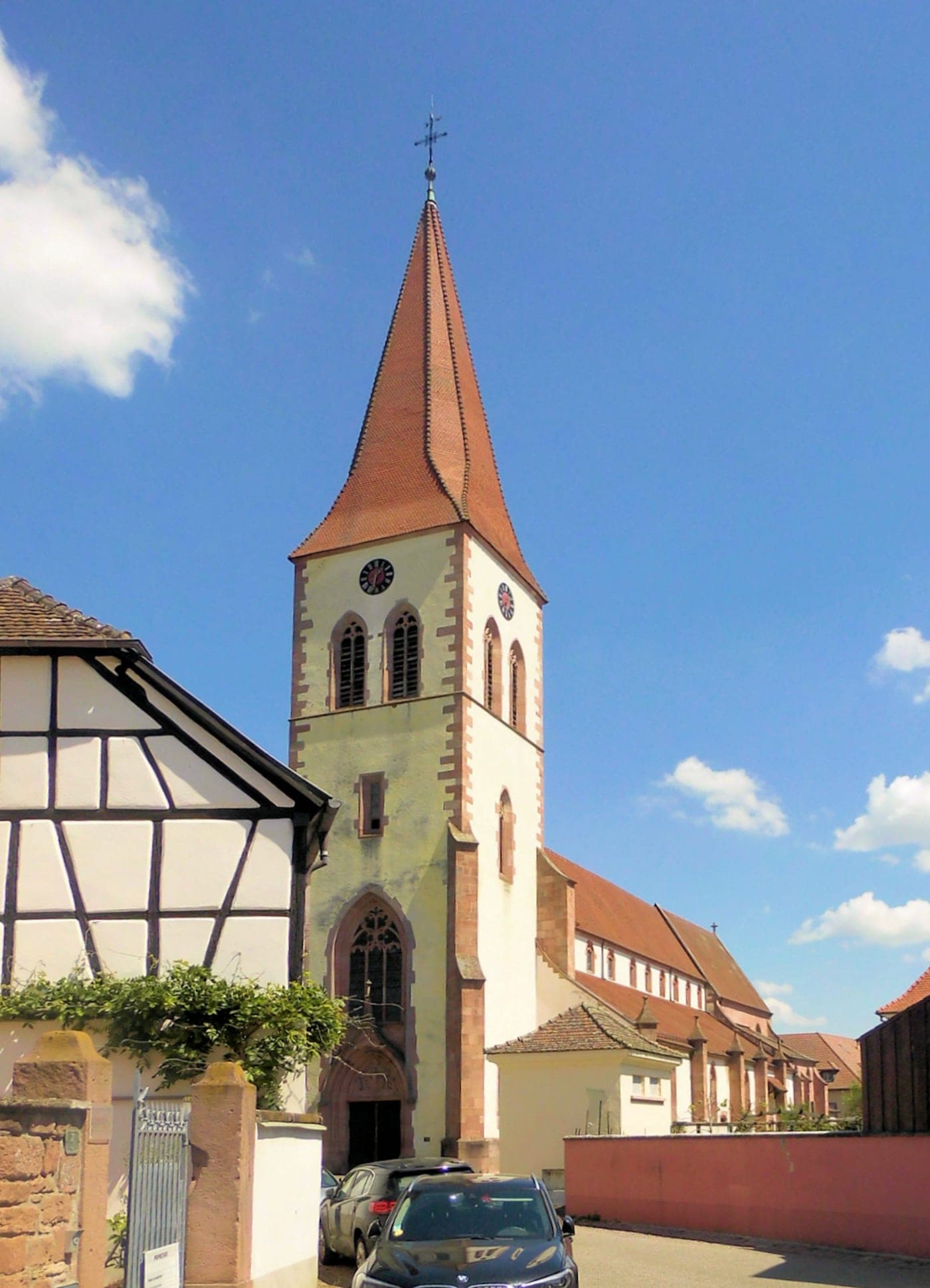
Ammerschwihr
Alsace wine village famous for Kaefferkopf Grand Cru and half-timbered houses.
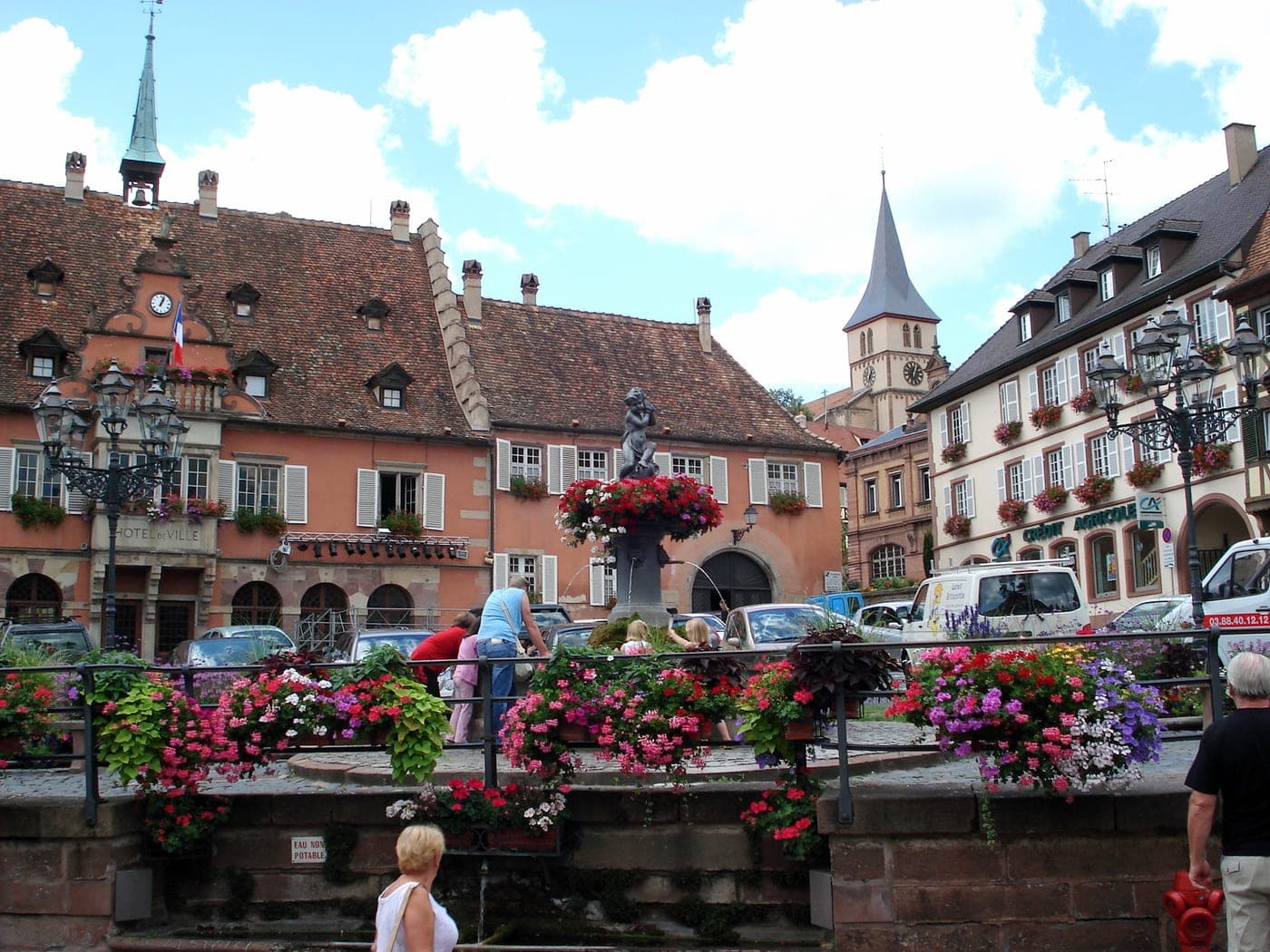
Barr
Historic Alsace wine town producing Gewürztraminer and hosting annual wine festival.
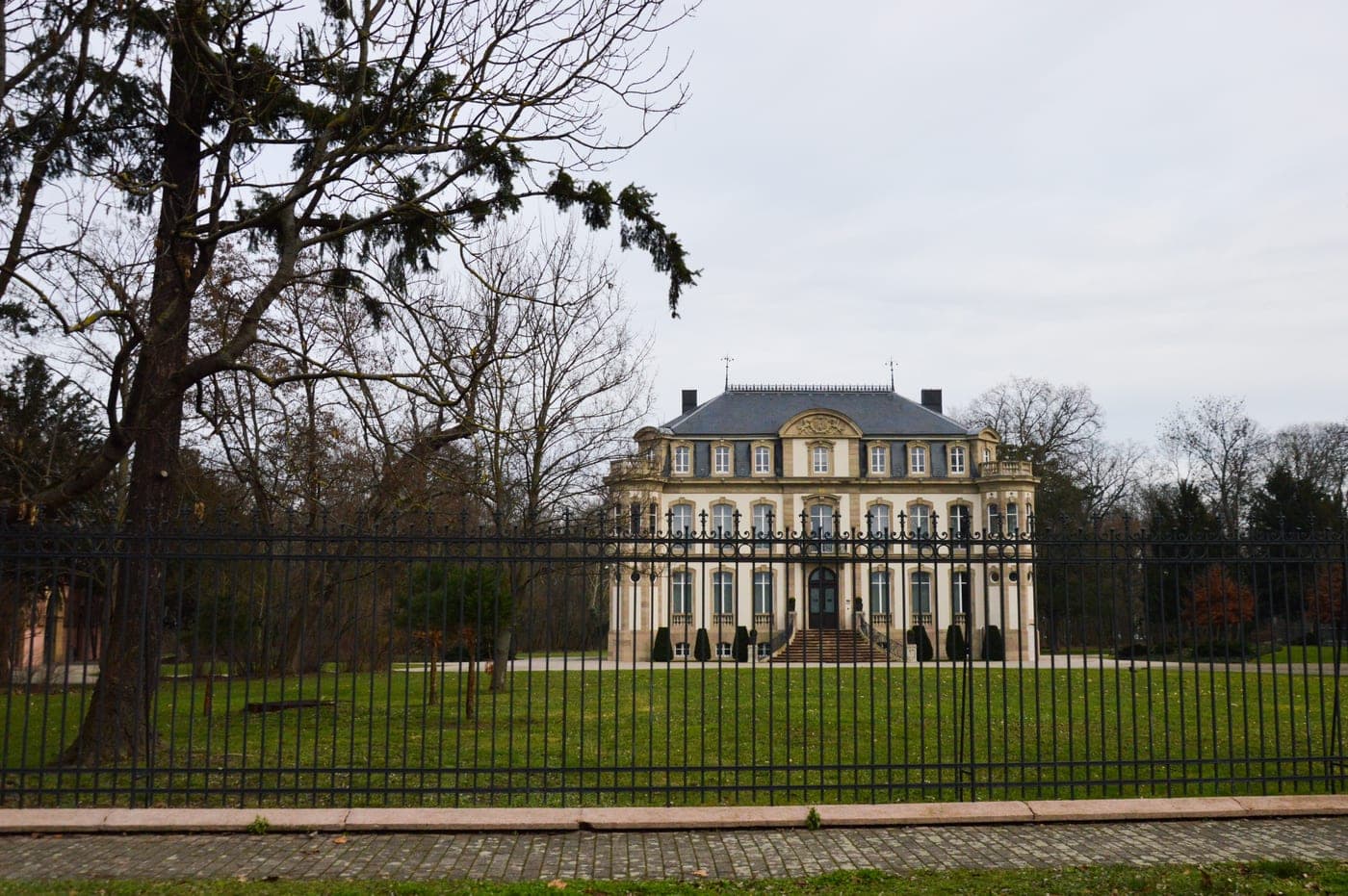
Dorlisheim
Alsace wine village between Strasbourg and Colmar with Crémant d'Alsace production.
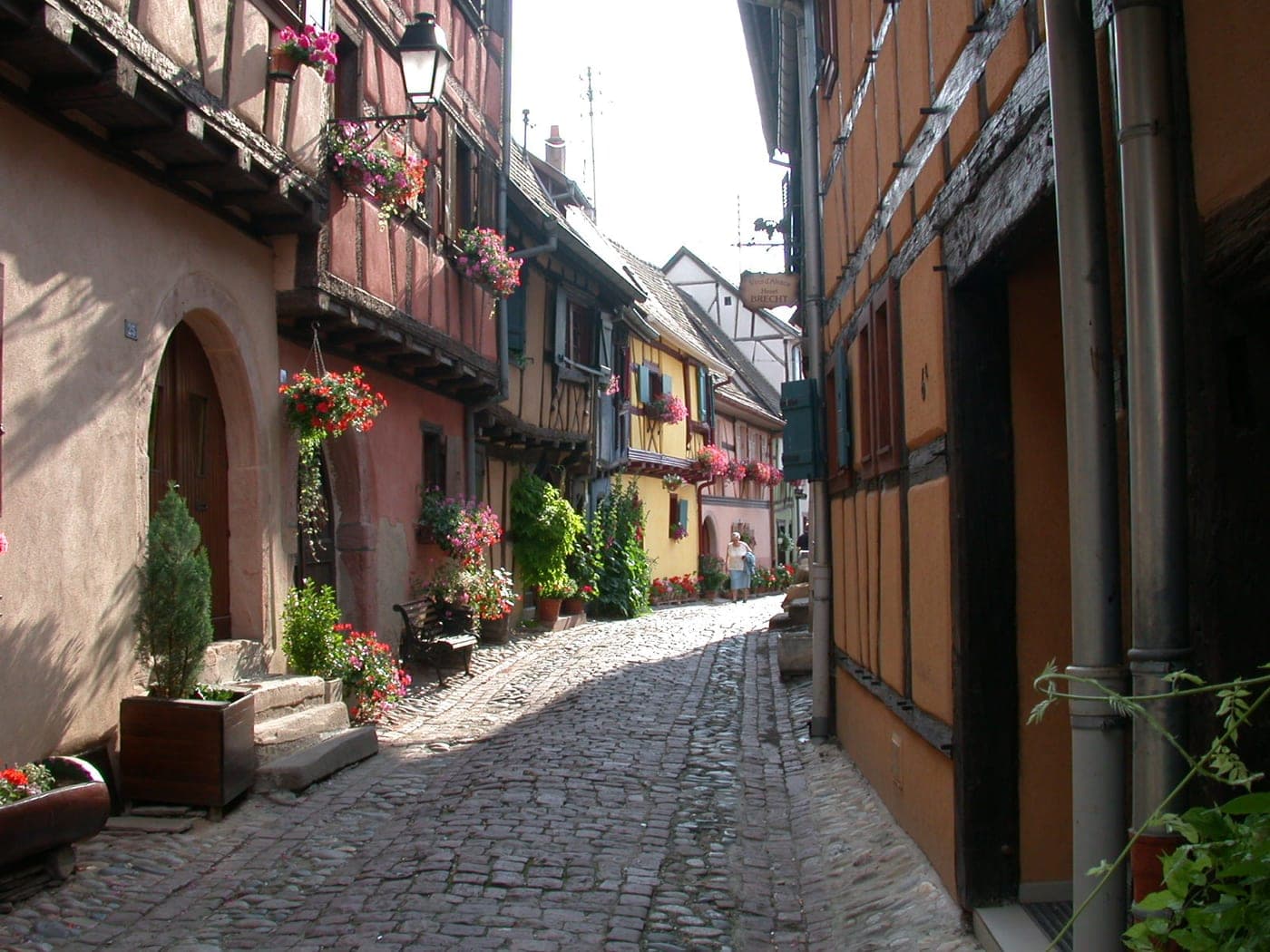
Eguisheim
One of France's most beautiful villages with circular streets and exceptional Grand Cru wines.

Gertwiller
Alsace wine village on the Route des Vins producing Riesling and Gewürztraminer.
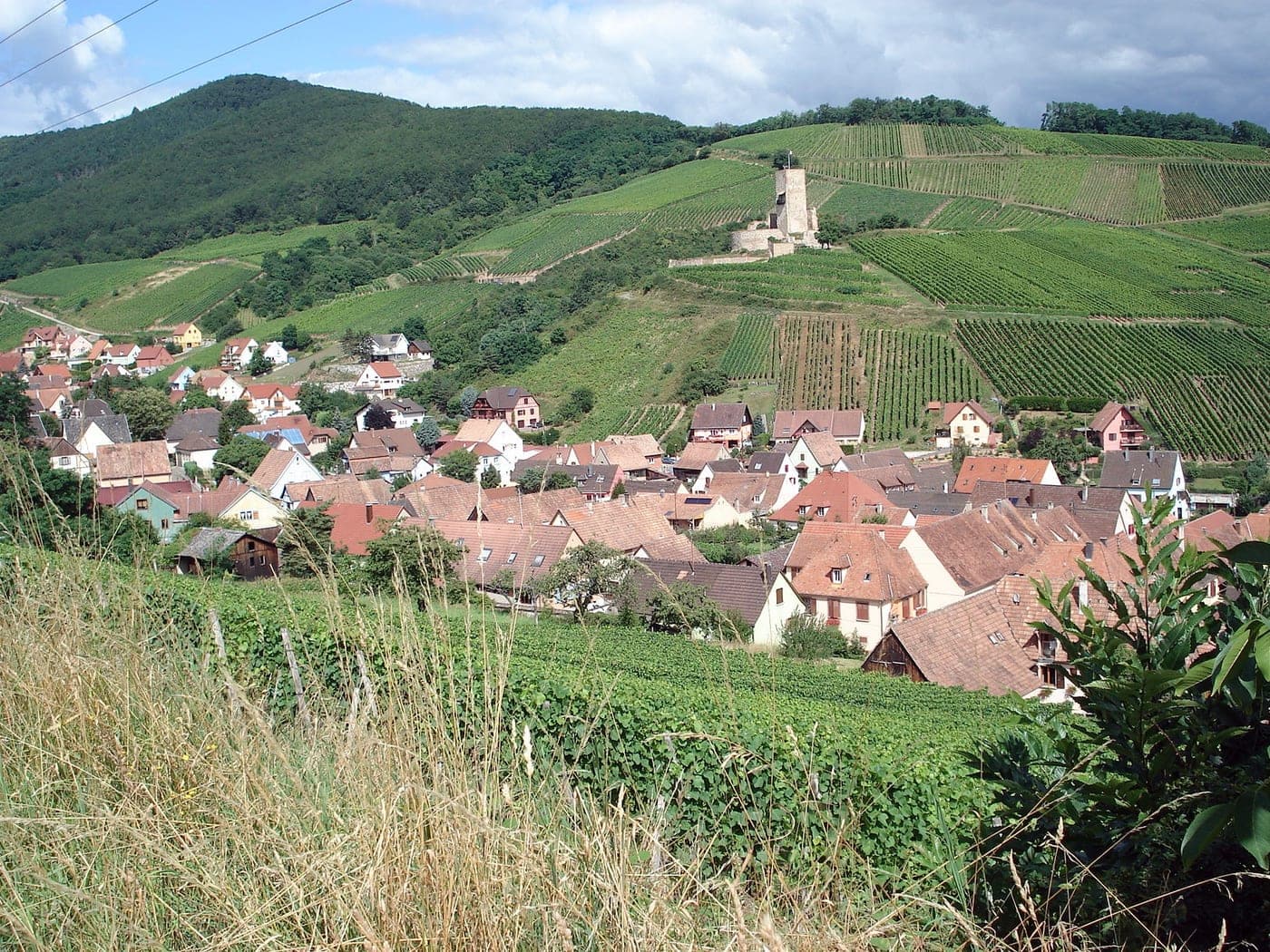
Katzenthal
Small Alsace wine village producing Gewürztraminer and Riesling near Colmar.
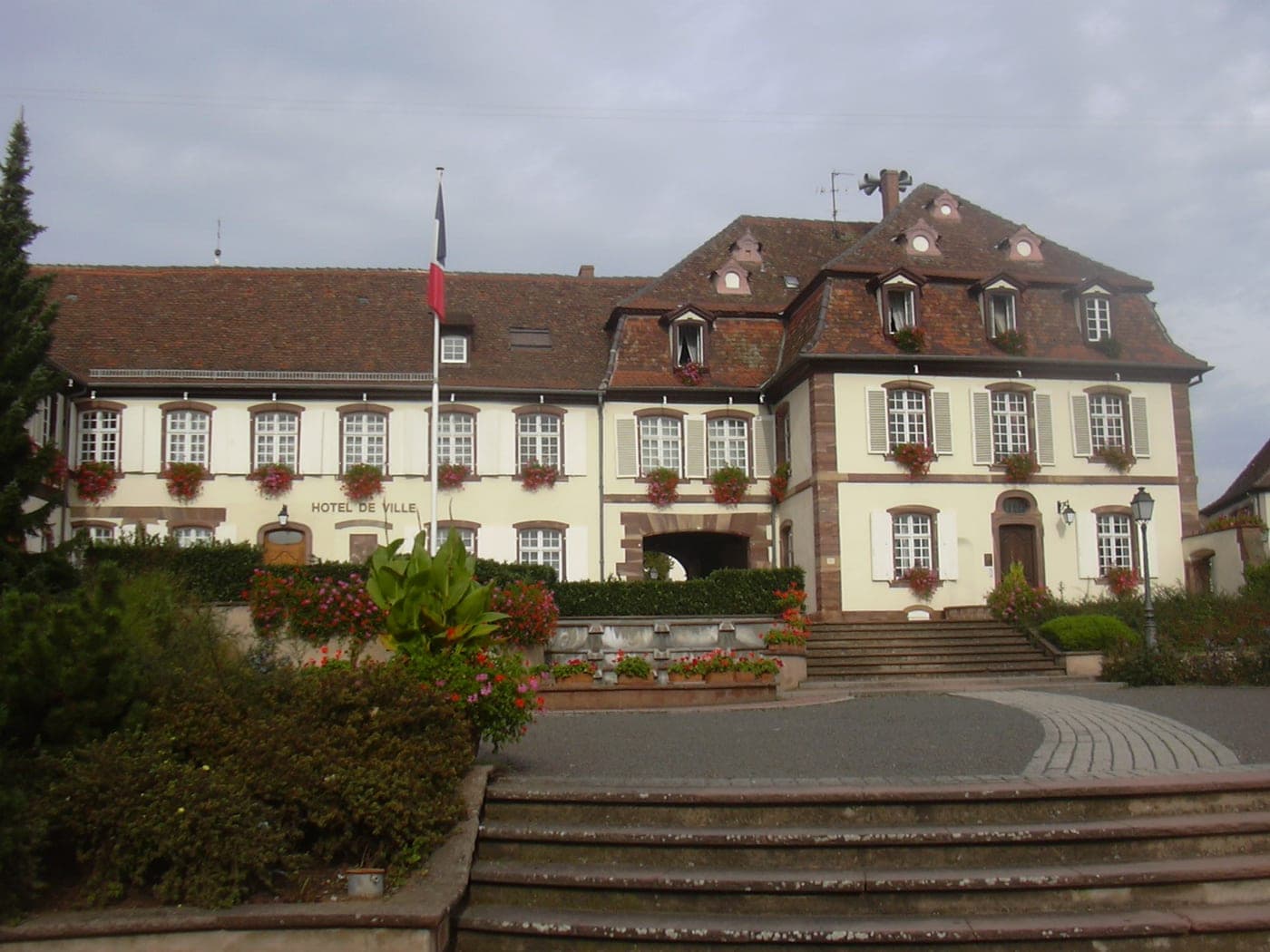
Marlenheim
Northern gateway to Alsace Wine Route, 'City of Red Wine' producing Pinot Noir.

Osthoffen
Quiet Alsatian village near Strasbourg with a fully inhabited medieval castle that has been lived in since the 13th century.
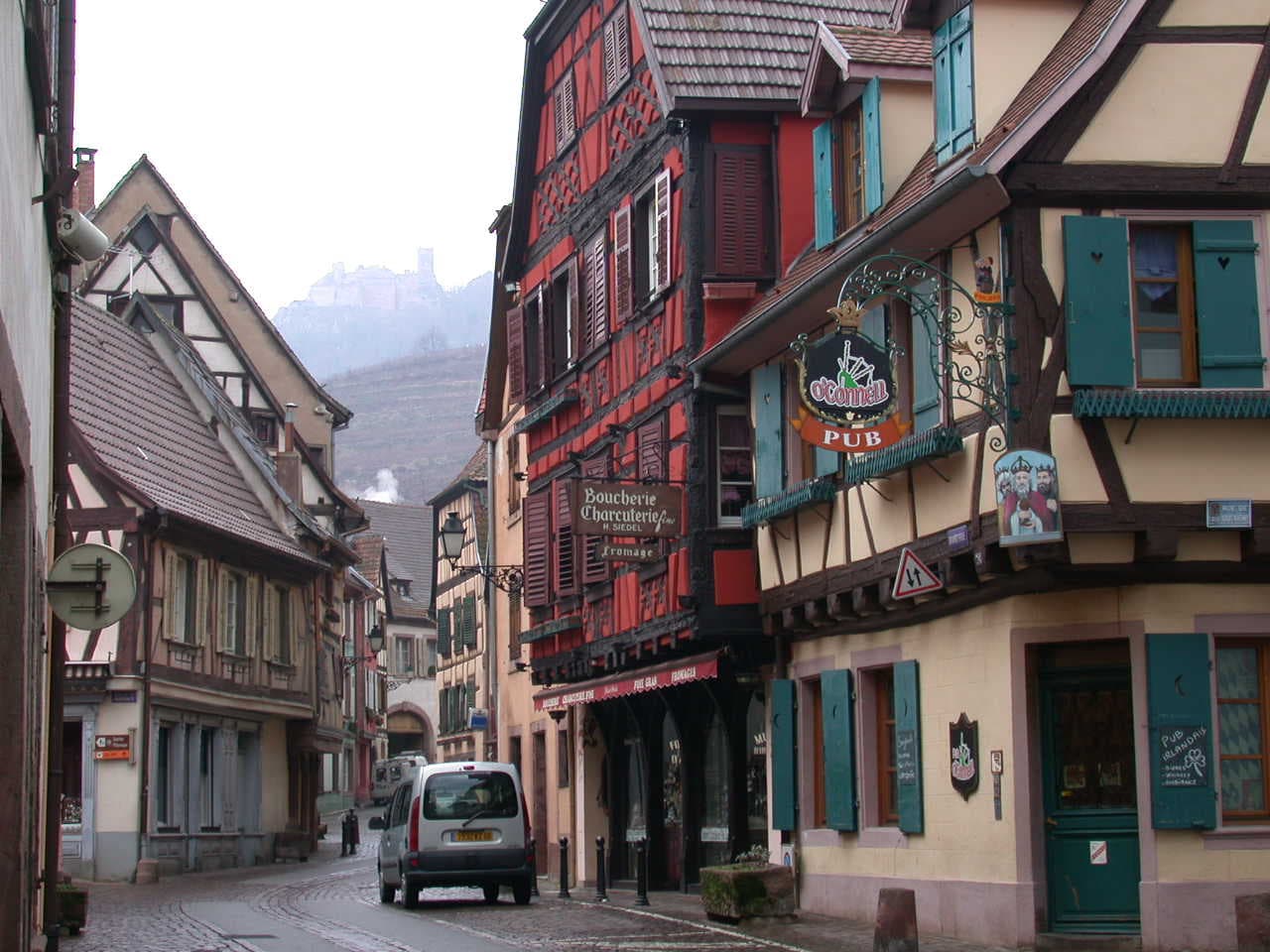
Ribeauvillé
Historic Alsace wine town with three medieval castles and renowned Grand Cru vineyards.
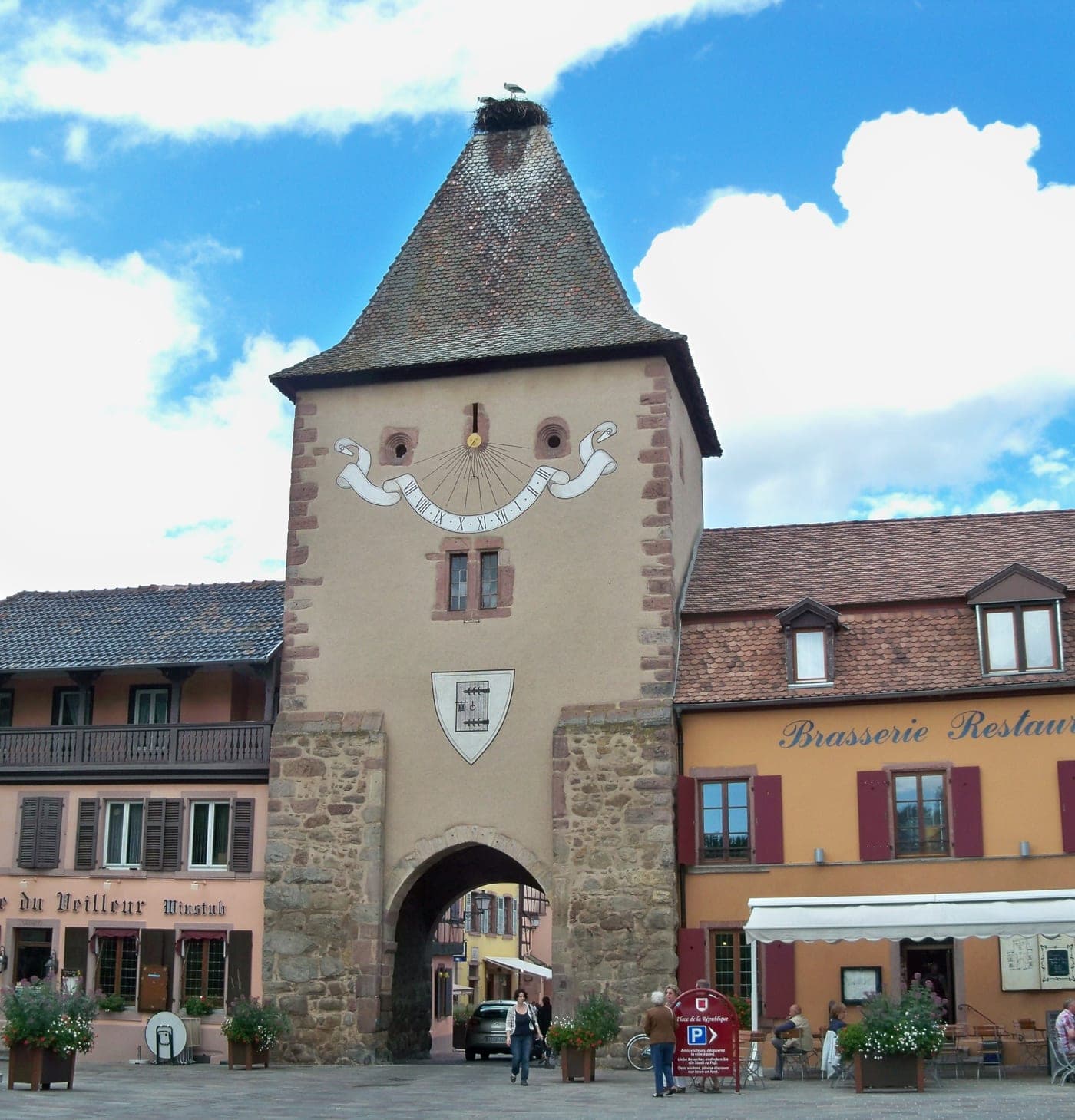
Turckheim
Medieval walled town on Alsace Wine Route with night watchman tradition and quality wines.
Asked & answered.
- Alsace in France is known for White wines, Half-timbered villages, Christmas markets and Alsatian cuisine. Nestled in northeastern France, this region is known for its unique blend of French and German cultures, reflected in its architecture and cuisine. Strasbourg, the largest city, features a stunning Gothic cathedral and a picturesque old town recogniz...
- Alsace offers castle stays and historic accommodations and vineyard visits and wine tastings. With 10 curated destinations in the region, travellers can explore at a leisurely pace — lingering in villages, connecting with locals, and immersing themselves in the landscape.
- Top slow travel destinations in Alsace include Katzenthal, Ammerschwihr, Barr and Ribeauvillé, among 10 curated destinations. Each offers authentic local experiences, from regional cuisine to natural landscapes, selected for travellers who prefer depth over speed.
- Alsace is accessible via regional trains and local buses. The region's slow travel infrastructure makes it possible to explore without a personal car, though some remote villages may require advance planning. Many accommodations can arrange transfers or provide local transport advice.