Pâté de foie gras de Strasbourg
Foie gras pâté in pastry from Strasbourg's 18th-century kitchens
- Local name
- Pâté de foie gras de Strasbourg
- Served with
- Toasted brioche
- Best eaten at
- An Alsatian winstub
- Pairs with
- Late-harvest Gewurztraminer
What it is
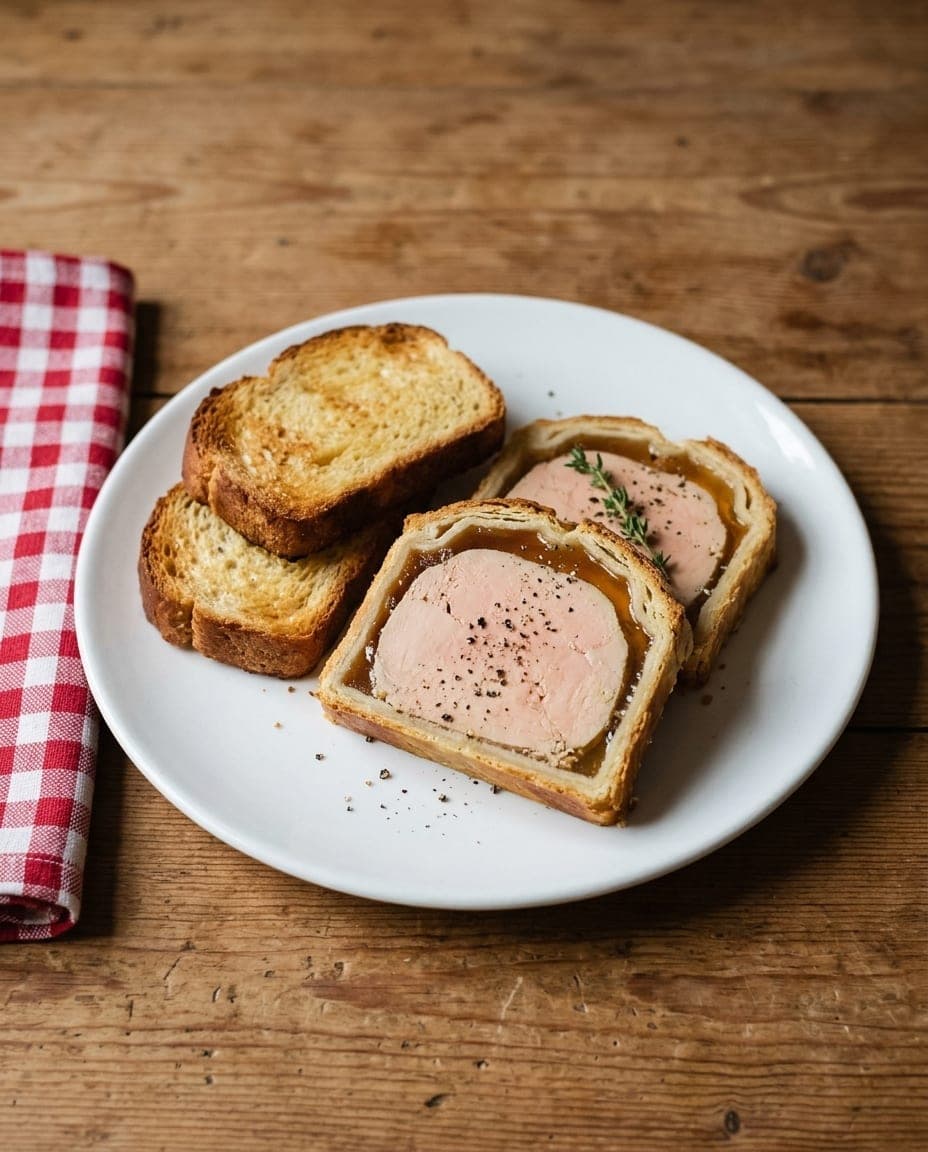
Pâté de foie gras de Strasbourg is a cold pâté of fattened liver, encased in pastry and sealed with a glossy layer of aspic. It is one of the signature dishes of the Alsatian city of Strasbourg, where it has been made for over two centuries. The name refers to the specific form: a pâté baked inside a crust rather than simply pressed into a mould or served in a jar.
The dish is rich and dense, with a texture that melts on the tongue. It is not a spread for quick toast but a substantial item, cut into slices to be eaten slowly. The classic version is made from the liver of a goose or duck that has been fattened by force-feeding, a process known as gavage. The liver is seasoned, often studded with pieces of truffle, and baked in a pastry case until the crust turns golden. Once cooled, the gaps inside the crust are filled with a clear meat jelly, or aspic, which helps preserve the pâté and gives it a shiny finish.
This is not a dish found on every menu across France. It is bound up with Alsace and specifically with Strasbourg, where it became famous in the late 18th century. While other regions, above all the south-west, produce much of France's foie gras, the pâté en croûte form remains the hallmark of the Alsatian capital.
The story of the pastry chef
The history of this dish is linked to Jean-Pierre Clause, a young cook from Lorraine who worked for the Marquis de Contades, the military governor of Alsace, in Strasbourg. Between about 1779 and 1783, Clause created a foie gras pâté in pastry for his employer, sometimes called the pâté de Contades. Around 1790, a cook named Nicolas-François Doyen, who had come to Strasbourg from Bordeaux, is credited with suggesting the addition of truffles, which elevated the dish to a new level of luxury.
In 1784 Clause became part owner of a pastry shop in the city and sold the pâté there, where it became known as pâté de foie gras de Strasbourg. The dish became a staple of the city's high cuisine and a symbol of Alsatian gastronomy, and its fame soon spread to other parts of France and beyond.
The pastry case served a practical purpose as well as an aesthetic one. In an era before modern refrigeration, baking the pâté in a sealed crust helped it keep for longer and travel well. The aspic added another layer of protection, locking in moisture and keeping the texture smooth. This method allowed the dish to be prepared in advance for festive meals.
How Alsace made it its own
Alsatian cuisine is known for its hearty, meat-heavy dishes, but this pâté stands apart as a refined luxury. It is connected to the region's identity, where geese were long raised on farms and goose fat and liver had a place in the local kitchen.
The dish is most closely associated with Strasbourg, whose foie gras pâtés were famous across Europe from the late 18th century. Local pastry cooks refined the technique over decades, turning a practical preservation method into a celebrated delicacy. Today, the city's restaurants and delicatessens still offer foie gras in this and other forms.
The dish is also tied to the region's wine culture. Alsace produces some of France's most famous white wines, including late-harvest varieties that are sweet and aromatic. These wines pair naturally with the richness of the foie gras, a combination that defines the local festive table.
What goes into it
The ingredients are few but precise, each playing a vital role in the final result:
- Foie gras: The liver of a goose or duck, fattened by force-feeding, which gives it its creamy texture.
- Pastry: A buttery crust that encases the liver, baked until golden and crisp.
- Truffle: Often added in the classic version, in pieces, to add an earthy depth.
- Seasonings: Salt, pepper, and sometimes a touch of cognac or other spirit to enhance the flavour without overpowering it.
- Aspic: A clear jelly made from meat stock, poured into the cooled pâté to seal it and give it a glossy finish.
The result is a cold dish that is rich, smooth, and deeply savoury, meant to be eaten in slices.
How to eat it
This dish is served cold, usually as a starter at a festive meal or on a special occasion. It arrives on the table in slices, often with toasted brioche or country bread. The toast provides a neutral base that lets the flavour of the liver shine.
In Strasbourg, foie gras appears on the menus of traditional winstubs, the cosy wine taverns of Alsace, where the focus is on the connection between food and wine. A late-harvest Gewurztraminer is the classic pairing, its sweetness balancing the richness of the liver.
It is common to serve foie gras during the Christmas season, when it becomes a staple of Alsatian tables.
Curious facts
- A legal heritage: Since 2006, foie gras has been recognised by French law as part of the country's protected cultural and gastronomic heritage, even though force-feeding is banned in several other countries.
- The truffle connection: The addition of truffles is credited to Nicolas-François Doyen, around 1790, after the earlier work of Jean-Pierre Clause.
- A royal gift: According to accounts of Clause's life, the Marquis de Contades sent one of the pâtés to King Louis XVI at Versailles.
- A preserved form: The pastry case and aspic layer helped the pâté keep and travel before modern refrigeration became available.
- A regional speciality: While foie gras is made in other parts of France, the pâté en croûte form is most strongly associated with Strasbourg.
Where to try it
The best place to eat pâté de foie gras de Strasbourg is in Strasbourg itself, where the tradition remains strong. Winstubs, restaurants and delicatessens in the city serve foie gras, especially in the run-up to Christmas.
Outside the city, other towns in Alsace also serve foie gras, but Strasbourg remains the home of this particular form.
Where to try it
1 destination
 Camper Van Rentals
Strasbourg
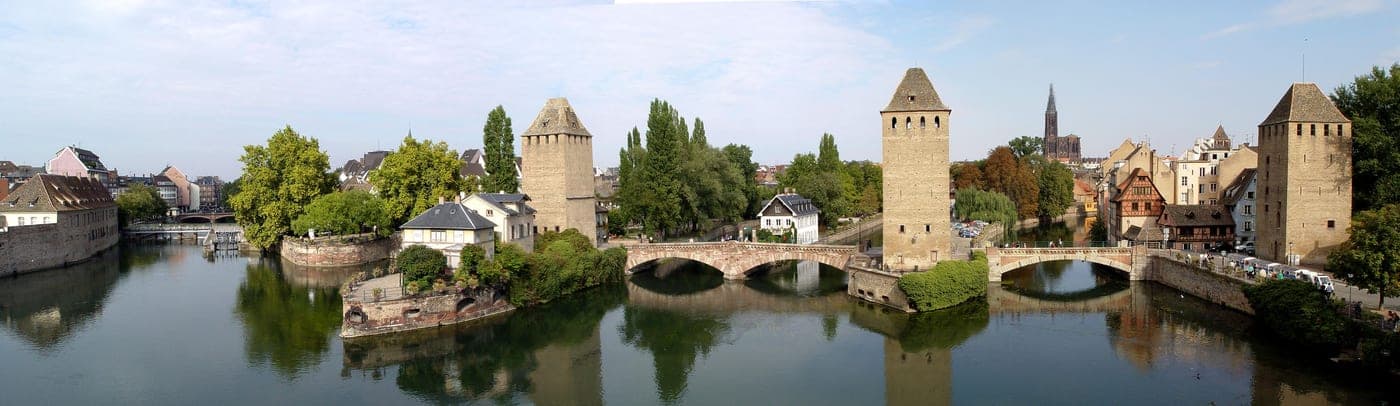
Alsatian capital with Gothic cathedral, half-timbered houses, and European institutions.
Camper Van RentalsHikingLocal Cuisine
2 regions
 Wine Tasting10 destinations
Alsace
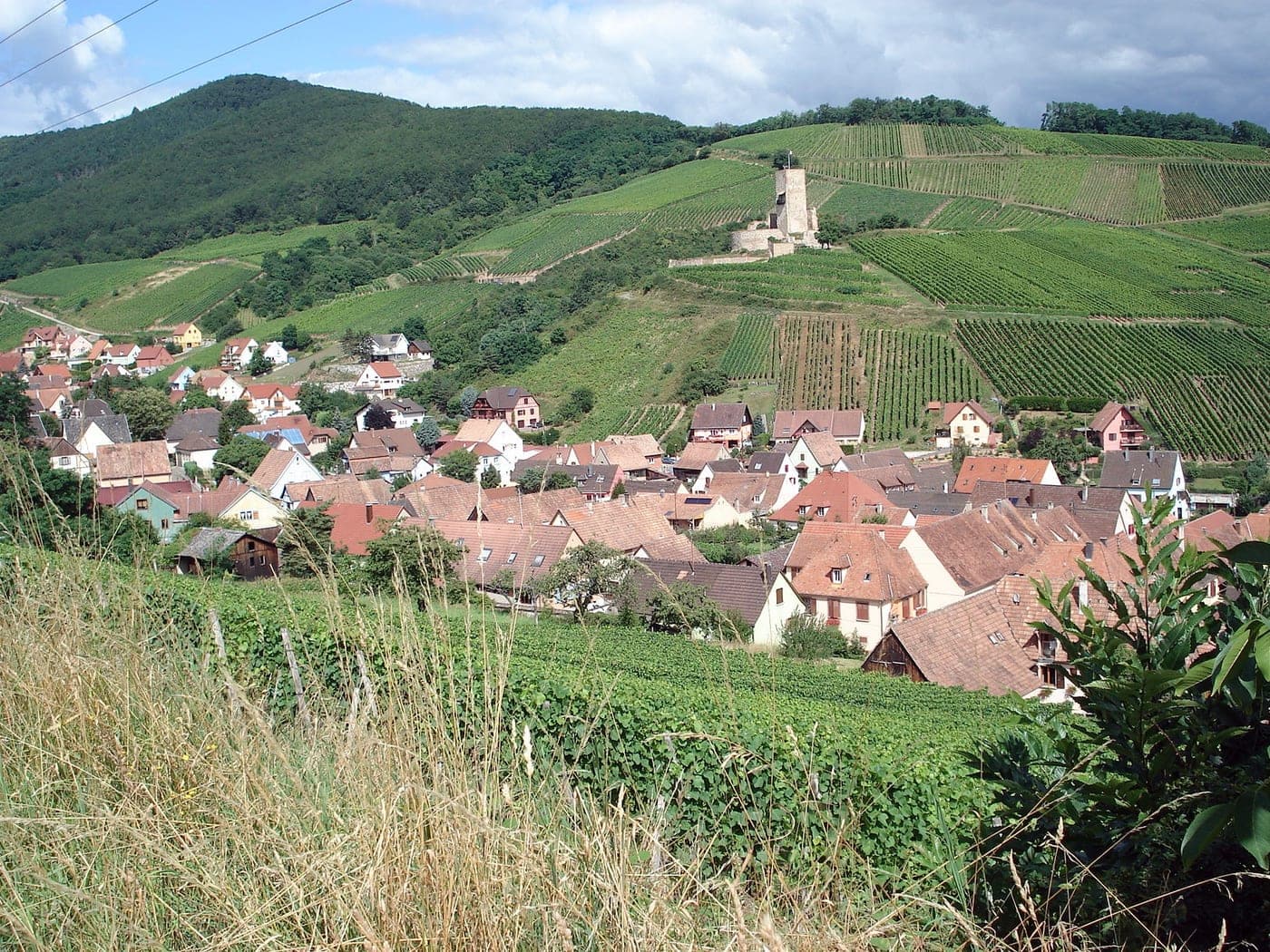
Nestled in northeastern France, this region is known for its unique blend of French and German cultures, reflected in its architecture and cuisine. Strasbourg, the largest city, features a stunning Gothic cathedral and a picturesque old town recognized as a UNESCO World Heritage site. Known for its Alsatian wines, particularly Riesling and Gewürztraminer, wine routes in the region offer opportunities to explore local vineyards and quaint villages like Riquewihr. The Vosges Mountains provide hiking and cycling trails, while the Route des Vins showcases charming towns, half-timbered houses, and traditional eateries serving tarte flambée. Rich in history, the region has a blend of medieval castles and modern European institutions, making it a fascinating area to explore at a leisurely pace.
Wine TastingHikingCastles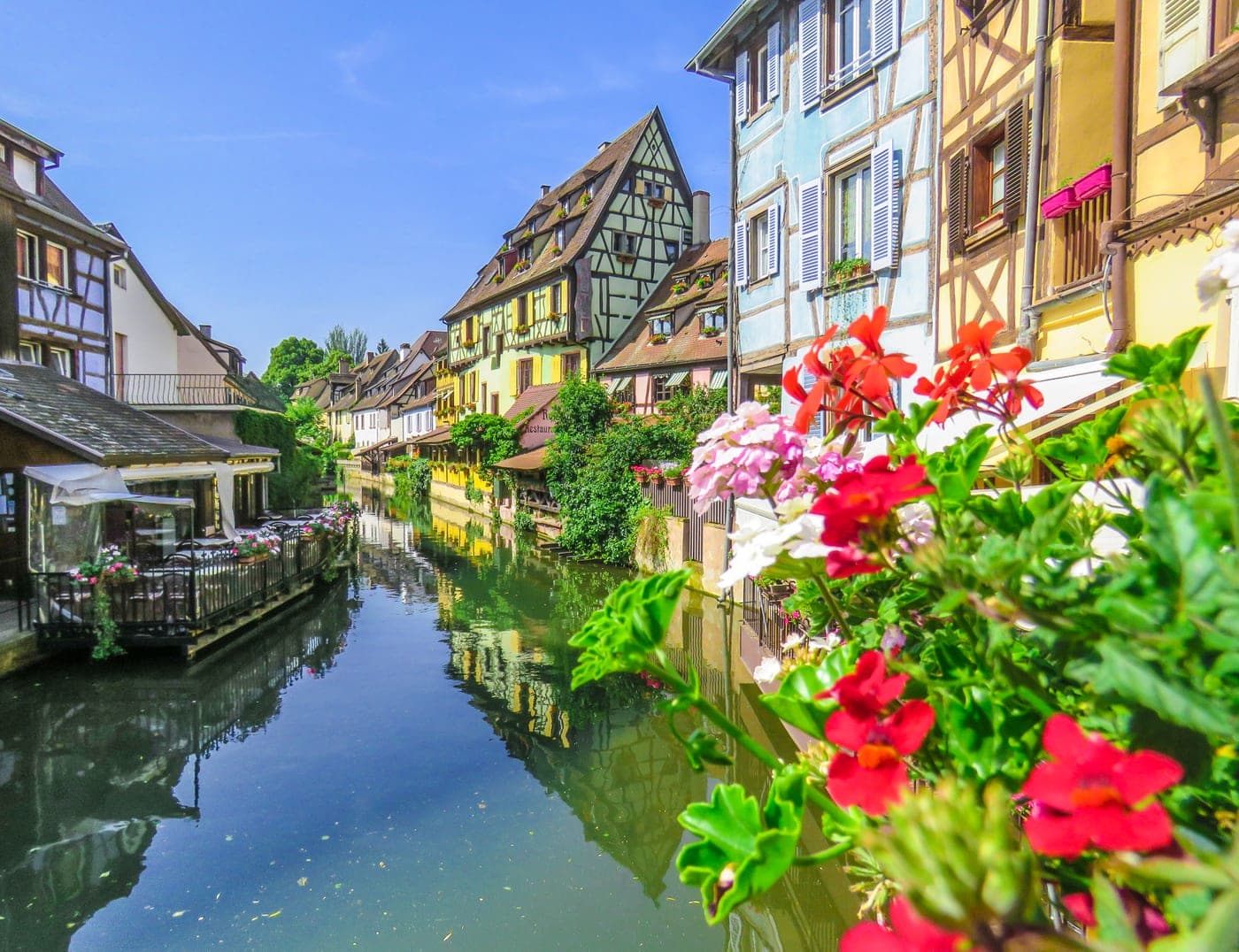 Wine Tasting19 destinations
Grand Est
Nestled in northeastern France, this region is the second largest, blending rich history with diverse landscapes. It boasts Strasbourg, known for its Gothic cathedral and unique blend of French and German cultures. The vineyards of Alsace produce exquisite white wines, particularly Riesling, while the Vosges Mountains offer scenic hiking trails. Visitors can explore the historic town of Colmar, famous for its well-preserved medieval architecture. The region is dotted with charming villages like Riquewihr, known for its half-timbered houses. Grand Est is also home to the Champagne region, celebrated for its sparkling wines. Festivals throughout the year highlight local traditions, making it a vibrant area to experience local culture.
Wine TastingHikingLocal CuisineCamper Van Rentals