Zuger und Rigi Kirsch AOP
AOP cherry brandy from Rigi orchards, served neat or in coffee
- Alcoholic
- Local name
- Zuger und Rigi Kirsch
- Served
- Neat, small glass, or in coffee
- Best eaten at
- A Zug café
- Pairs with
- Zuger Kirschtorte
What it is
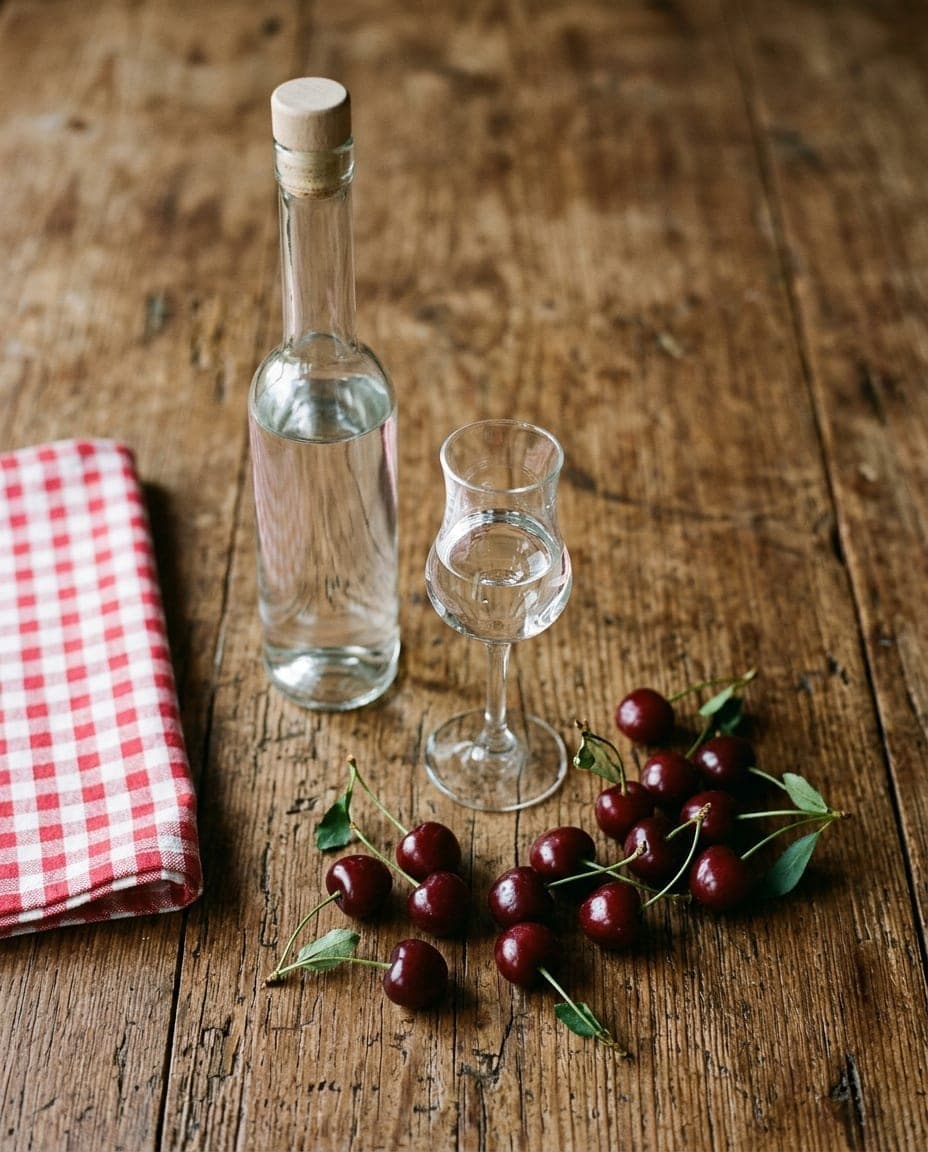
Zuger und Rigi Kirsch, often shortened to just Kirsch, is a clear cherry spirit produced in the canton of Zug and in the Schwyz and Lucerne communes around the Rigi. It is not a general Swiss product but one tied to a specific patch of land: the orchards around Lake Zug and on the lower slopes of Mount Rigi above Lake Lucerne. The drink holds an AOP status, a designation that guarantees its origin and adherence to traditional methods.
The liquid is distilled from a fermented mash of small, mostly dark local cherries, including their stones. This inclusion of the pits is what defines the character of the spirit, imparting a subtle almond flavour that distinguishes it from other fruit brandies made without the seeds. The result is a dry, high-proof beverage that is colourless and transparent, resembling water but carrying a distinct floral and fruity aroma.
While it can be found in shops across Switzerland, the true heart of its production lies in villages such as Walchwil, Arth and Vitznau. These are the traditional grounds where the orchards were established centuries ago to supply the local distilleries. The spirit is not sold as a mixer for cocktails in the modern sense but remains a staple of Swiss hospitality, served either neat after a meal or used as an ingredient in baking and cooking.
The land behind the bottle
The story of Zuger und Rigi Kirsch begins with the geography of central Switzerland. The slopes of Mount Rigi rise steeply from the shores of Lake Lucerne, offering a microclimate that is ideal for growing the small-fruited cherry varieties required for this spirit. These orchards are not vast industrial farms but rather small plots tended by families who have passed down the knowledge of pruning and harvesting for generations.
The region around Zug and Schwyz has long been known for its fruit cultivation, particularly cherries that are small, dark, and rich in flavour. The stones of these cherries contain amygdalin, which breaks down during distillation to create the characteristic almond nuance. Without this specific botanical feature, the spirit would lack the depth that defines the AOP standard.
The industry remains closely linked to the local landscape. Distilleries in the area process the harvest from the Rigi slopes and the orchards around Lake Zug. After distillation the spirit is brought down to drinking strength, at least 40 per cent, with demineralised or low-mineral spring water.
How it is served
In Switzerland, Zuger und Rigi Kirsch is treated with a specific respect that dictates how it is consumed. It is rarely drunk as an aperitif to stimulate the appetite before a meal. The custom is to pour it after dinner, in small quantities, as the end of the evening.
The standard vessel is a small glass, often no larger than a shot glass but designed to be held gently in the palm. The spirit is served without ice, at room temperature or slightly cool. This temperature preserves the delicate aromas of the cherries and prevents the alcohol from burning the nose too sharply.
A second common way to enjoy it is as an addition to a hot drink. A small measure of Kirsch is often poured into a cup of black coffee or a warm milk drink. The heat releases the fruity notes, transforming the spirit into a gentle, aromatic accompaniment to a quiet moment in a café. This practice is particularly popular in the morning or late afternoon when a little warmth is welcome.
What goes into it
The production of Zuger und Rigi Kirsch relies on a strict set of rules regarding its ingredients and process. The base material must be whole cherries, harvested from orchards within the designated AOP zone. No other fruits are added to the mixture before distillation.
- Cherries: Only cherries of the listed, mostly small-fruited local varieties grown in the AOP area are used. They are picked by hand to ensure they are ripe but not bruised.
- The stones: The pits are left inside the fruit during the maceration and distillation process. This is essential for developing the almond flavour that defines the spirit.
- Water: Demineralised or low-mineral water is added to adjust the strength before bottling, though the spirit remains at 40 per cent or more.
Added flavourings are not permitted in an AOP Kirsch, and sugar is capped at 5 grams per litre. The clarity of the liquid comes entirely from the distillation process, which separates the pure alcohol and aromatic compounds from the solid fruit matter. The final product is an essentially dry spirit, relying on the natural oils of the cherries for its taste profile.
How it fits into local life
Zuger und Rigi Kirsch is woven into the daily rhythm of central Switzerland in ways that extend beyond simple consumption. It is a key ingredient in several traditional foods that are essential to the region's culinary identity. The most famous of these is the Zuger Kirschtorte, a layered cake of nut meringue and sponge, where the spirit is soaked into the sponge to create a moist, aromatic texture.
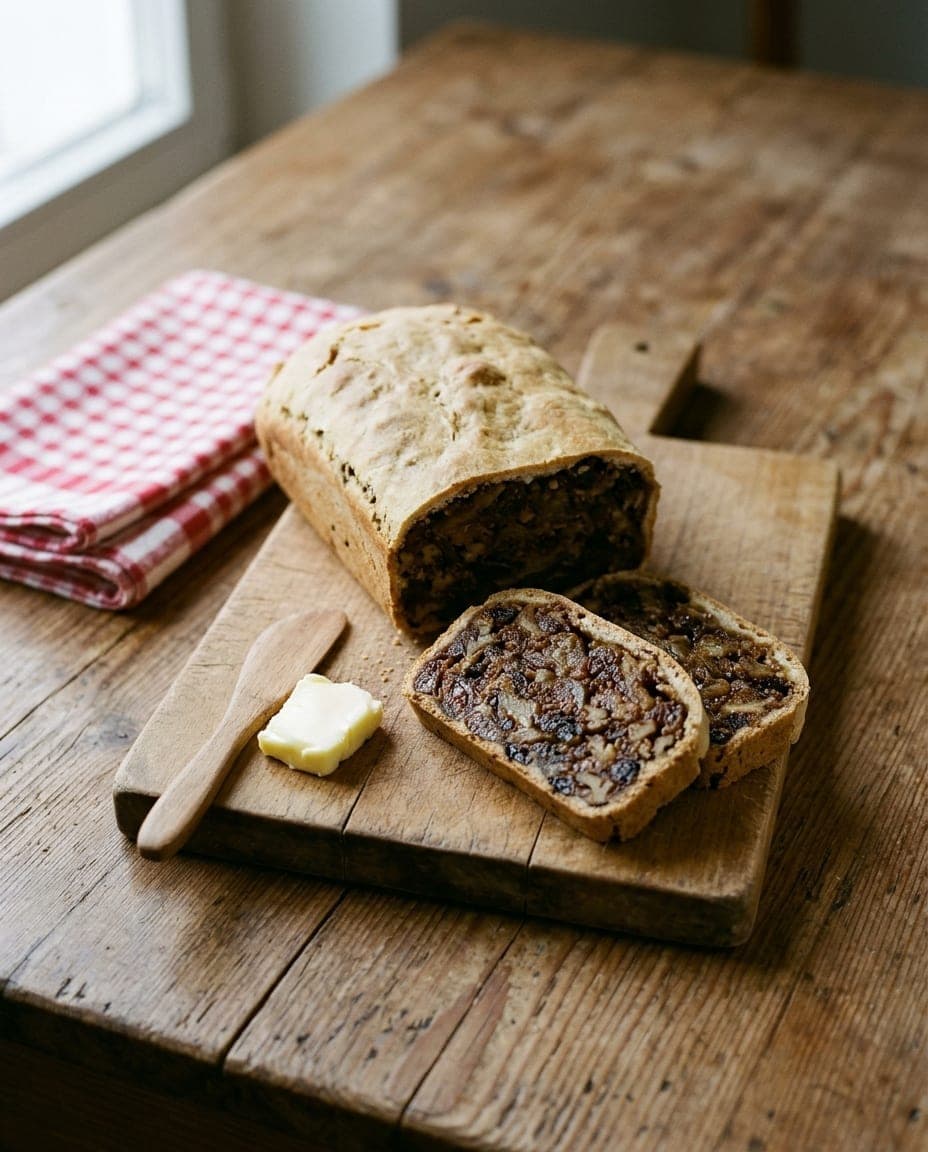
The spirit also finds its way into the kitchen during colder months. It is used in fondue, where a splash of Kirsch added to the cheese mixture sharpens the flavour and lifts the richness of the cheese. Similarly, it plays a role in the making of Birnbrot, a traditional bread filled with dried pears that often includes a splash of fruit spirit for taste.
In the villages around the Rigi and Lake Zug, the spirit is a marker of local pride. It appears on the menus of traditional restaurants not as a novelty but as a standard offering alongside regional cheeses and meats. The presence of the AOP label on a bottle signals to the diner that the product comes from the specific orchards of the Rigi region, ensuring authenticity.
Curious facts
- The almond secret: The distinct nutty aroma in Zuger und Rigi Kirsch comes directly from the cherry stones, which release their oils during distillation rather than being removed beforehand.
- AOP protection: The names "Zuger Kirsch" and "Rigi Kirsch" are legally protected for spirits from the defined zone in Zug, Schwyz and Lucerne; each bottle carries one name or the other, never both.
- It takes a lot of cherries: A bottle of kirsch represents several kilos of fruit, which is the reason a good one is not cheap.
- Winter preservation: The high alcohol content has long made Kirsch useful for preserving fruit.
- Almost no sugar: Unlike fruit liqueurs, AOP Kirsch is dry; the rules allow at most 5 grams of sugar per litre.
Where to try it
A café or restaurant in Zug, or in one of the lakeside villages below the Rigi such as Vitznau, where a small glass comes after the meal and often beside a slice of Zuger Kirschtorte.
The distilleries around Zug sell at the door and at the region's markets, and the cherry blossom in April turns the orchards on the slopes white for a fortnight. The AOP on the label is the thing to read: kirsch made from cherries grown outside the area cannot carry it.
Where to try it
2 destinations
 Boat Rentals
Altendorf
Picturesque village on Lake Lauerz, known for hiking and stunning views.
Boat RentalsHiking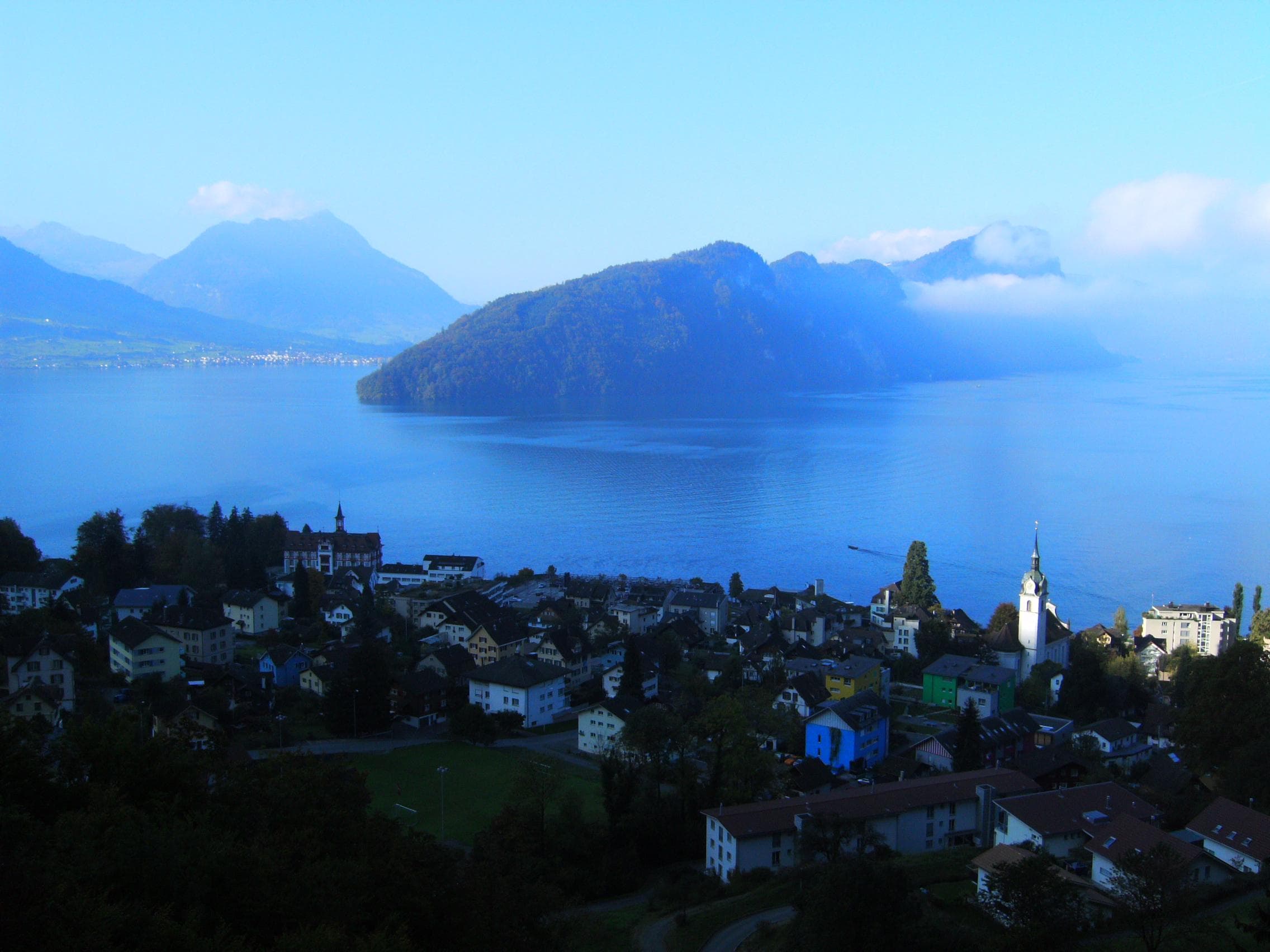 Boat Rentals
Vitznau
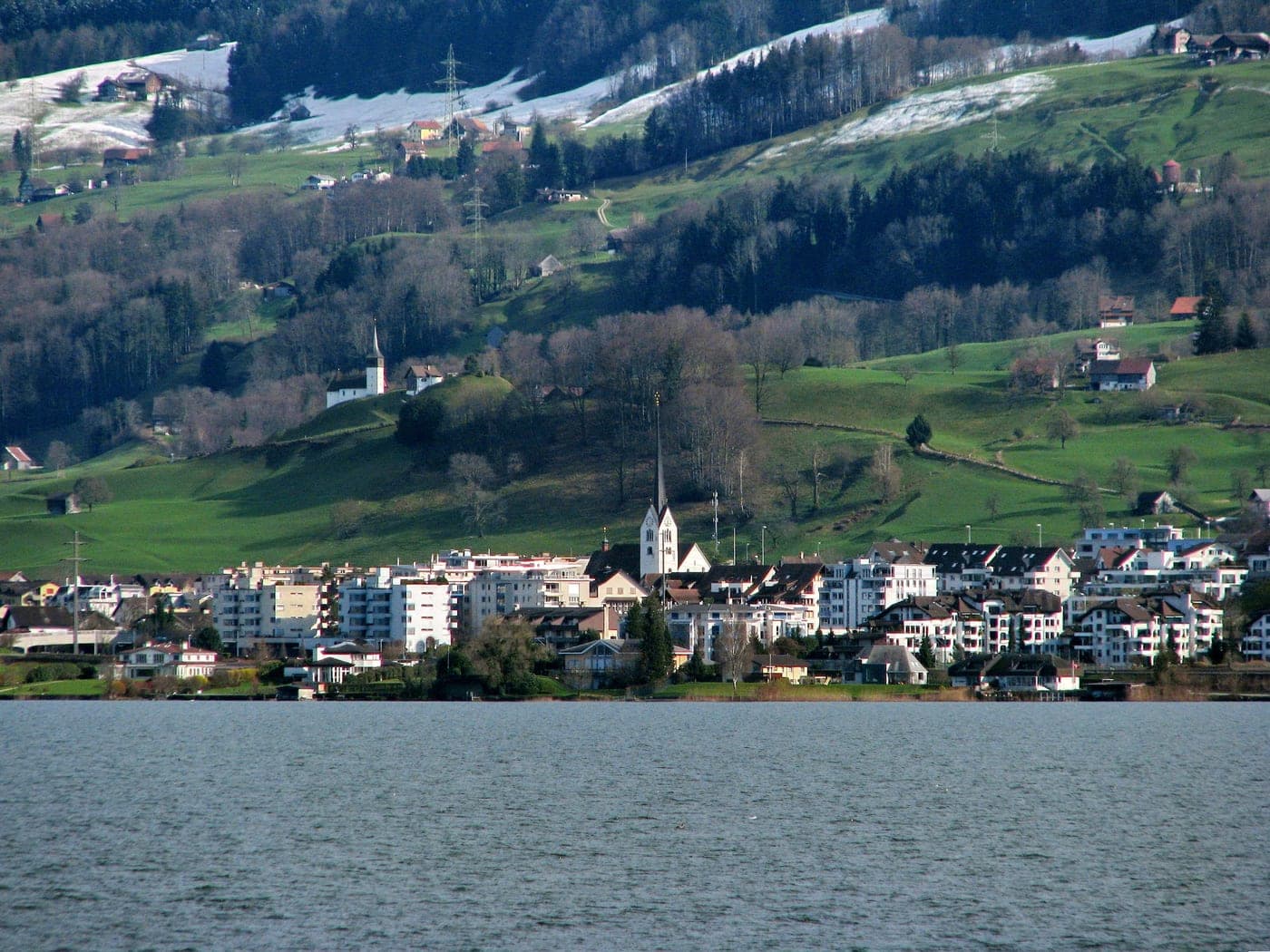
Picturesque lakeside village with stunning views and historic hotels.
Boat RentalsHiking
1 region
- Boat Rentals1 destination
Schwyz
Nestled in the heart of Switzerland, Schwyz is a historical region notable for its role in the founding of the Swiss Confederation. The town of Schwyz, the capital, is home to the National Museum, which showcases local history and culture. This region is characterized by stunning landscapes, including Lake Lauerz and the surrounding mountains, ideal for hiking and exploring nature. Schwyz is also famous for its traditional craftsmanship, particularly in wood and textiles. The nearby village of Muotathal offers deep gorges and unique limestone formations, while the historic site of Rigi, known as the 'Queen of the Mountains,' provides breathtaking views and rich hiking trails.
Boat RentalsHiking