Berner Platte (Bernese platter)
A platter of smoked meats, sausages and boiled vegetables
- Local name
- Berner Platte
- Served with
- Sauerkraut, dried beans, boiled potatoes
- Best eaten at
- A Bernese Gasthof
- Pairs with
- Swiss white or lager
What it is
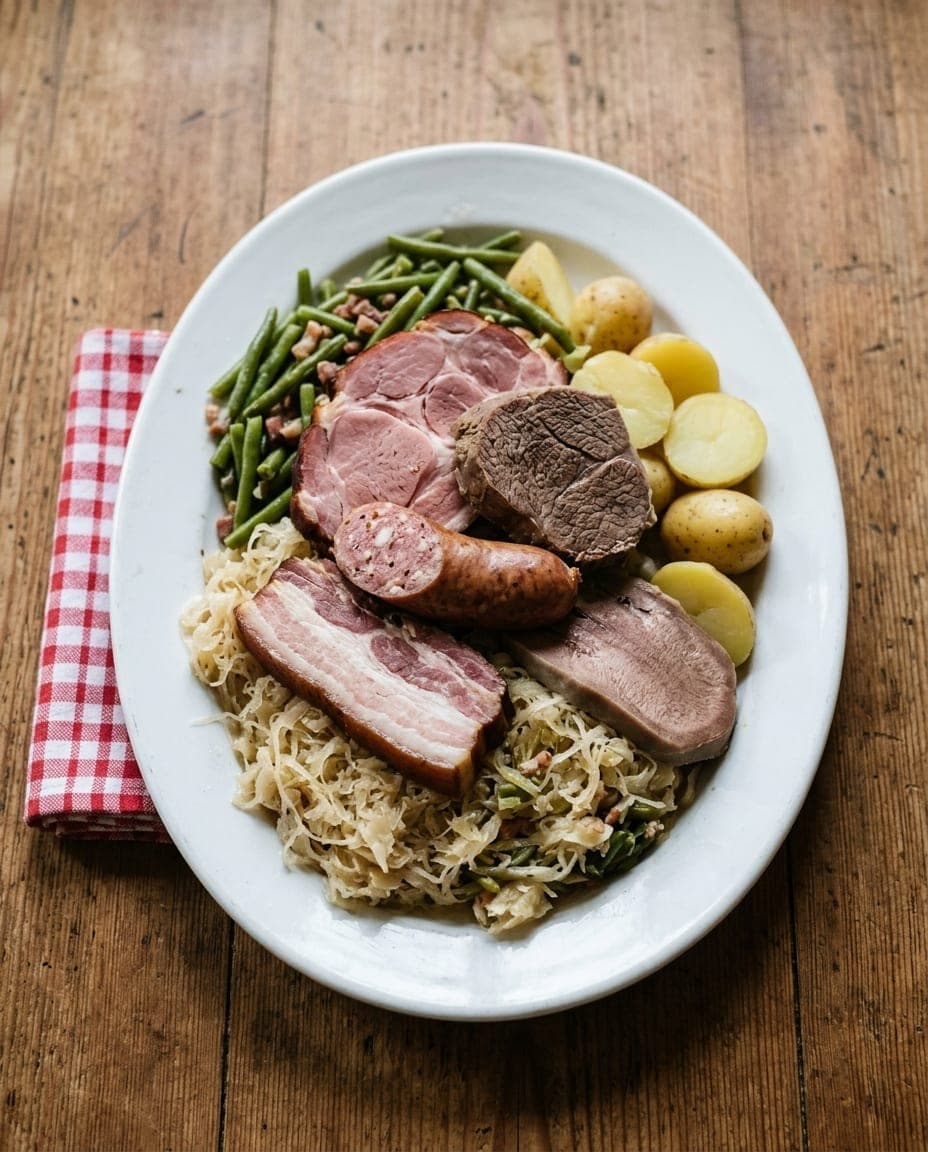
The Berner Platte is not merely a meal; it is an event. Arriving on a wooden board or metal tray large enough for three people, it is a mountain of boiled meats, smoked sausages, sauerkraut and dried beans. The platter is the signature dish of the canton of Bern, specifically associated with the city of Bern and its surrounding countryside. It is a dish of quantity rather than delicacy, designed to feed a group after a day of work or to celebrate a gathering.
The composition varies from kitchen to kitchen, but the core elements remain consistent. Sauerkraut and dried green beans (Dörrbohnen) form the base, topped with an assortment of cured and boiled meats. These typically include smoked pork ribs (Rippli), smoked bacon, boiled beef, Berner Zungenwurst, a pork knuckle, and often tongue. The meats are cooked separately until tender, then sliced and arranged generously over the vegetables. It is a dish that demands to be shared, arriving in the centre of the table for everyone to help themselves.
The story of Neuenegg
The origin of the platter is tied to a specific date: 5 March 1798. This was a turbulent year in Swiss history when French troops entered Bern, ending the Old Swiss Confederacy. At Neuenegg, a village west of Bern, Bernese troops defeated a French column on the same day that the main Bernese army lost at Grauholz. According to a traditional account that circulates in the region, the victors of Neuenegg returned home and a celebration had to be organised in a hurry.
The story goes that there was no single feast hall or banquet table available. Instead, every household brought what was left of its winter stores: salted meat from the cellars, smoked sausages, dried beans and sauerkraut. These were cooked in large pots over open fires and piled together to feed the soldiers and the community. The result was a massive, communal meal that became known as the Berner Platte.
While this narrative is widely told in local guides and by hosts in Bernese Gasthofs, the account is traditional rather than documented. The tale serves as a founding myth for the dish, explaining why it is so hearty and why it remains a symbol of community resilience in Bernese culture.
A winter ritual
The Berner Platte is firmly rooted in the colder months. It is a winter food, often ordered a day in advance because the meats require hours to cook until they are soft enough to slice. In some traditional restaurants, known locally as Gasthofs, the platter must be reserved before arrival. This practice ensures that the kitchen has time to prepare the meat properly and that the sauerkraut or beans are cooked to the right consistency.
It is a dish of celebration, but also of comfort. The heavy, salty flavours and the warming nature of the boiled meats make it ideal for cold evenings. Some restaurants offer it all year, others only as a seasonal special in autumn and winter, which is when most locals go looking for it.
What goes into it
There is no single official recipe, and every kitchen guards its own balance of ingredients. However, the structure of the platter follows a clear logic: a base of vegetables topped with a variety of cured meats. The components are usually listed on the menu as they arrive, but the following elements form the standard foundation:
- Smoked pork ribs (Rippli) and smoked bacon: These provide the salty, smoky backbone of the dish.
- Boiled beef (Siedfleisch): A substantial cut that becomes tender after long cooking.
- Sausages: Above all the Berner Zungenwurst, a mildly smoky pork-and-beef sausage that, despite its name, contains no tongue.
- Pork knuckle and tongue: These cuts add texture and a deeper, meaty flavour to the mix.
- Sauerkraut and dried beans: The acidic tang of the juniper-scented sauerkraut and the earthiness of the dried green beans cut the fat of the meats.
Boiled potatoes come with it, and mustard and horseradish are on the table. Nothing on the board is light, and the sauerkraut does most of the work cutting against the salt.
How to eat it
The platter arrives at the table as a single large unit. Diners are expected to help themselves from the centre, using their own plates to take portions of meat and vegetables. It is common to see groups passing around the board, ensuring everyone gets a share of the different cuts. The meats are usually sliced into thick pieces, making them easy to cut further at the table if needed.
The traditional accompaniment is a glass of Swiss white wine or a cold lager. The crisp acidity of the wine or the carbonation of the beer helps balance the salt and fat of the boiled meats. Mustard is often provided in small pots on the table, allowing diners to add a sharp kick to their first bite.
It takes a couple of hours to get through and is not a lunch that allows an afternoon of work afterwards.
Curious facts
- A dish for sharing. The platter is designed to feed a group, not an individual. It is rare to see it ordered for a single diner in a traditional setting.
- The advance order. Some Gasthofs ask customers to book the platter a day before arrival to ensure the meats are cooked correctly.
- Regional variations. While the core ingredients remain similar, the selection of meats and the ratio of beans to sauerkraut can change depending on the village or the chef.
- A winter staple. The dish is most popular during the colder months when hearty, warming food is preferred over lighter summer fare.
- The Neuenegg legend. While the 1798 story is widely told, it remains a traditional account rather than a historically verified event.
Where to try it
A Gasthof in or around Bern, in winter, with the order placed the day before. Most of the places that do it properly say so on the menu and give a minimum number of people.
It also appears at big Bernese occasions such as shooting festivals and village celebrations, where it is cooked in quantity and served at long tables. That is the setting the dish was built for, and the restaurant version is a reduction of it.
Where to try it
1 destination
 Camper Van Rentals
Bern
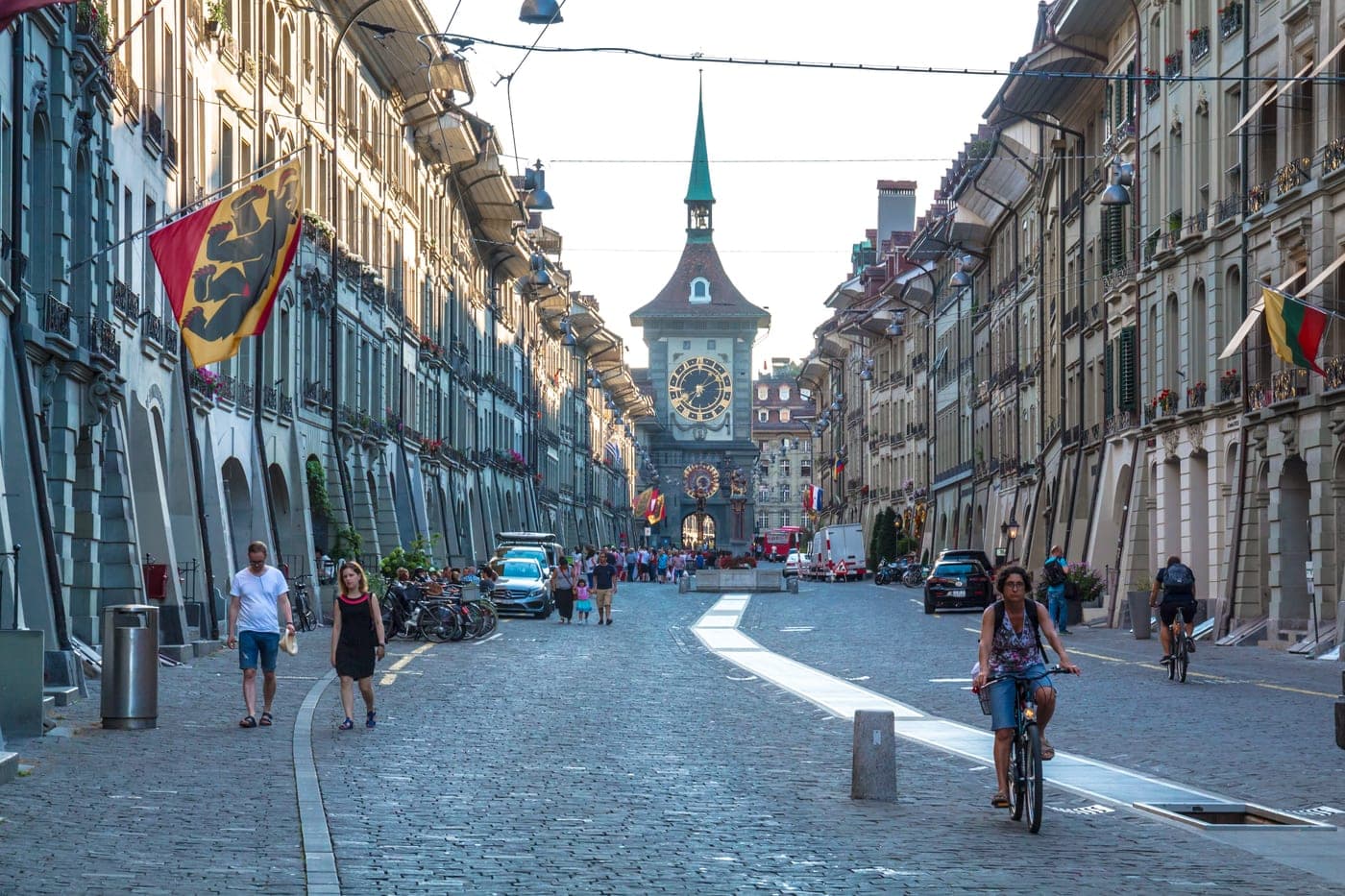
Medieval city known for its well-preserved architecture and clock tower.
Camper Van RentalsHiking
1 region
- Camper Van Rentals13 destinations
Bern
Bern is the capital of Switzerland, known for its well-preserved medieval architecture and unique UNESCO World Heritage site status. The old town features the iconic Zytglogge clock tower and the Federal Palace, showcasing the city’s political significance. Beyond Bern, the Emmental region is famous for its rolling hills and the production of Emmental cheese, with local farms offering tasting experiences. The Aare River provides opportunities for nature walks and swimming in summer. Nearby, the picturesque town of Thun offers stunning views of Lake Thun and the Alps. The region is less frequented by tourists, allowing for a deeper connection with Swiss culture and traditions.
Camper Van RentalsHikingPanoramic TrainsBoat Rentals