Berner Alpkäse and Hobelkäse AOP
One alpine cheese from the Bernese Oberland, eaten young or shaved after years
- Vegetarian
- Local name
- Berner Alpkäse / Berner Hobelkäse
- Served with
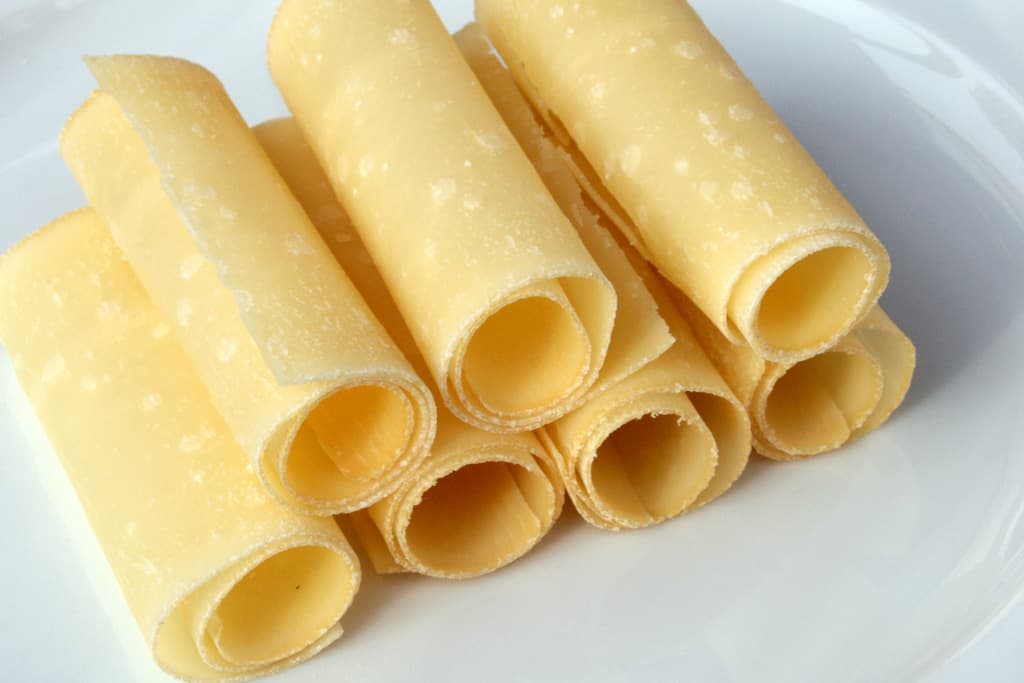
- Bread; Hobelkäse shaved into rosettes
- Best eaten at
- A Bernese Oberland alp hut
- Pairs with
- Chasselas or Pinot Noir
What it is
Berner Alpkäse and Berner Hobelkäse are two faces of the same cheese, protected together under one Swiss AOP (Appellation d'Origine Protégée). Both are hard cow's-milk cheeses made in summer on the alpine pastures of the Bernese Oberland, from the Saanenland and the Simmental to the Diemtigtal, Frutigland and Haslital, plus a short list of named alps just over the cantonal borders. What separates them is time.
Berner Alpkäse is the cheese as most people meet it: a firm, dense wheel with a golden rind and a flavour noticeably more savoury and herbal than valley cheeses, matured for at least four and a half months. Berner Hobelkäse is made from selected wheels of the same cheese that go on to mature for at least eighteen months, often two or three years, until the paste turns brittle, dry and crunchy with tyrosine crystals. It is never cut with a knife but shaved into thin rosettes with a Hobel, a cheese plane, which is where its name comes from.
How it is made on the alp
Production begins in late spring when the herds are driven up to the summer pastures; the AOP rules allow cheesemaking only between 10 May and 10 October. Once the cows return to the valley in autumn, production stops for the year.
The rules are specific. The milk must be raw, never pasteurised, and it is heated in a copper kettle over a wood fire, directly or indirectly. After curdling with rennet, the cheese is pressed into wheels of 5 to 16 kilograms and spends a day in a brine bath. The wheels are then cared for in the alp cellar and later in valley cellars.
For Alpkäse, that is the end of the road after four and a half months or more. For Hobelkäse, only the best wheels, graded Surchoix, are set aside. Their rind smear is removed and they are stored upright in cool, fairly dry storerooms, traditionally a wooden Gaden, where moisture evaporates slowly and the proteins and fats concentrate until the interior becomes hard and granular.
What goes into it
- Raw cow's milk from herds grazing on high alpine pastures rich in herbs and wildflowers.
- Starter culture, a traditional whey culture propagated from alp to alp.
- Rennet, which sets the milk into curd.
- Salt, from the brine bath and from rubbing the young wheels.
- Time, which turns some of the wheels into Hobelkäse.
There are no additives or colourings. The deep yellow of the paste comes from the beta-carotene in the fresh grass.
How to eat it
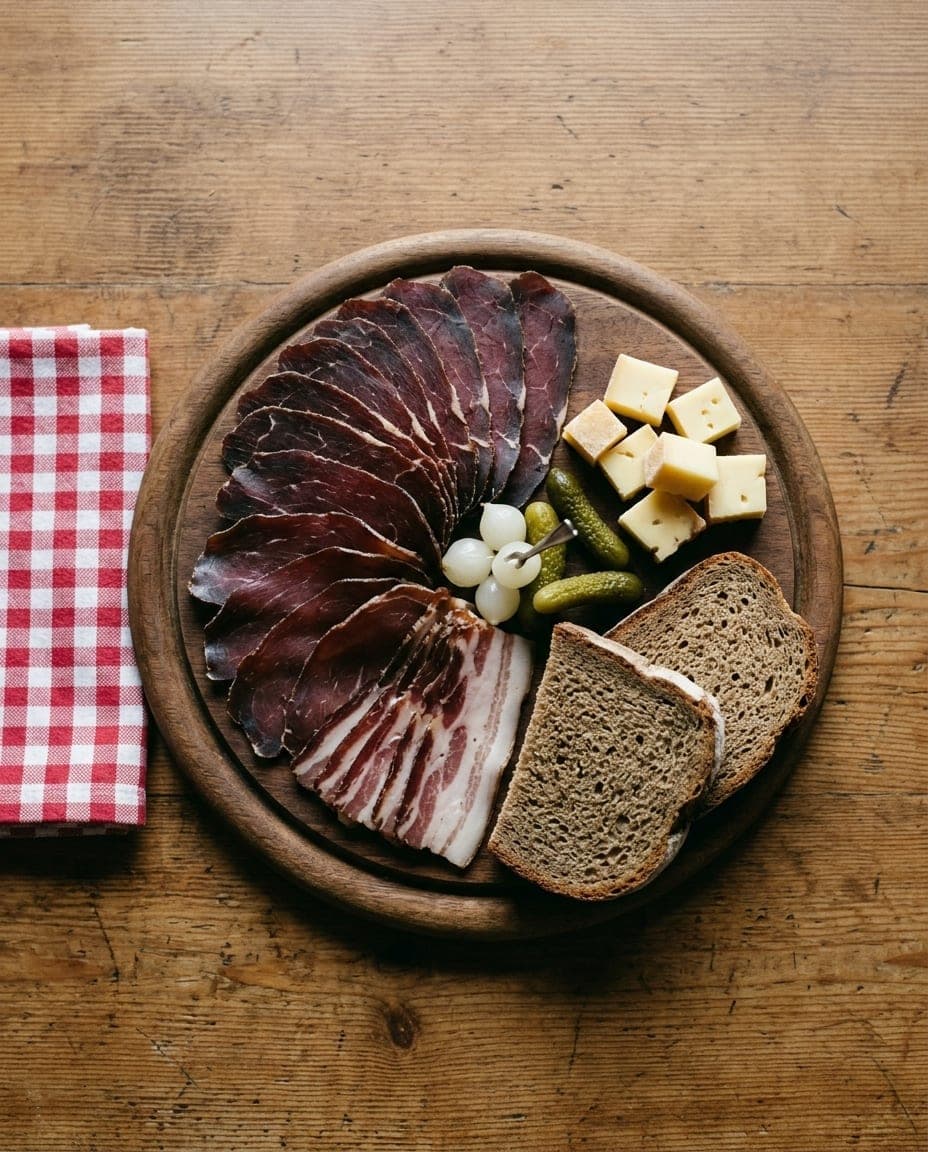
Alpkäse is eaten in slices or chunks with crusty bread, grated into soups or shaved over hot dishes in winter. Hobelkäse is drawn across the plane so the rosettes drop onto the plate, to be eaten with bread within a few minutes: shaved and left standing, they lose their curl and dry out. In mountain restaurants it often comes on a board of shavings with dried meat and pickles.
A dry Chasselas from Lake Biel or Vaud is the classic glass for both; a light Pinot Noir also suits the older Hobelkäse. The crisp acidity cuts the fat and brings out the savoury depth.
Curious facts
- A seasonal rhythm. No cheese is made in winter, even though both are sold year-round from storage.
- Copper and wood. The AOP requires a copper kettle heated by wood fire, a combination now rare in cheesemaking.
- Two names, one AOP. Hobelkäse is not a separate recipe but Alpkäse given eighteen months or more.
- Crystals are not defects. The white specks in Hobelkäse are tyrosine crystals formed during long ageing.
- The plane is essential. Only a Hobel gives the thin, even curls; the name comes from hobeln, to plane.
Where to try it
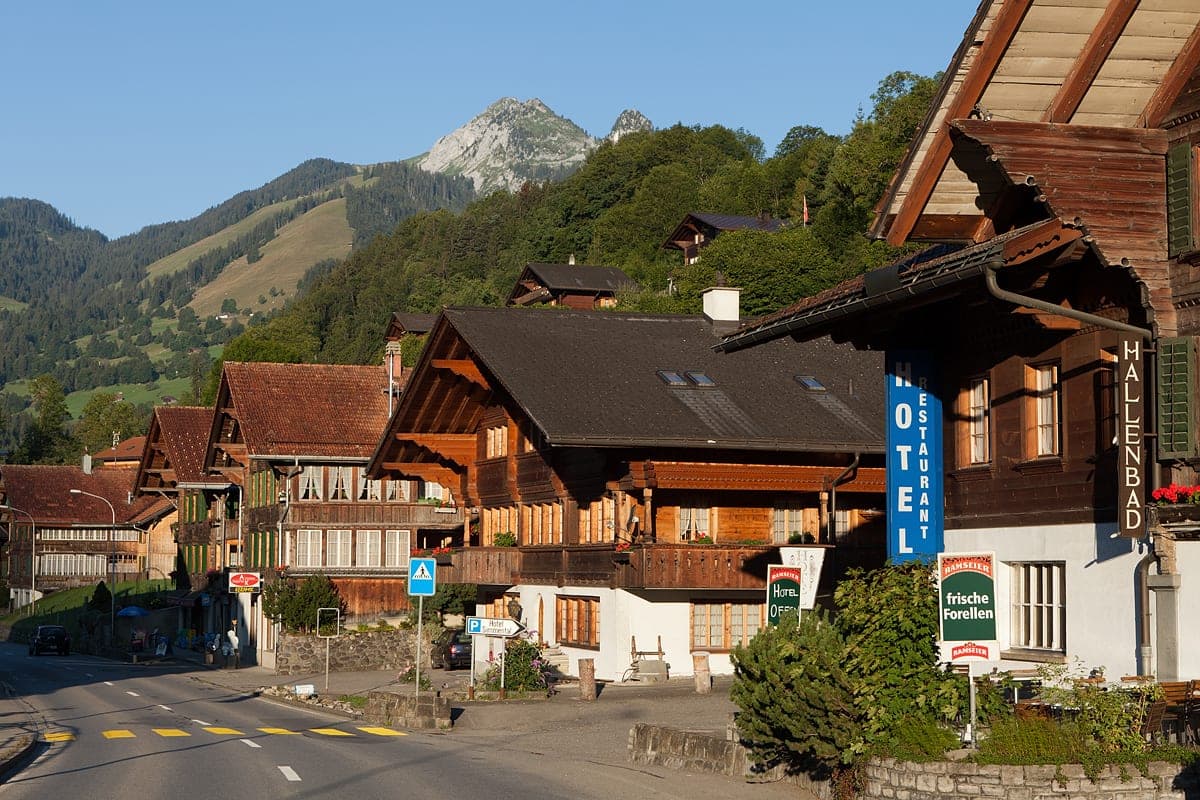
An alp hut in the Bernese Oberland in summer, where the cheese is sold at the door by the people who made it. The Simmental, the Saanenland and the Diemtigtal — Boltigen, Erlenbach, Zweisimmen, Oey — are among the main production areas, and dairies around Gstaad, Schönried and Saanenmöser often shave Hobelkäse for visitors.
In the valley towns it is in the dairies and on the board in any Gasthof, cut by weight. The cheese-sharing days (Chästeilet) in late summer and autumn, when the summer's wheels are divided among the farmers who own the herds, are the regional event built around it.
Where to try it
8 destinations
 Panoramic Trains
Boltigen
Alpine village in Simmental valley with traditional chalet architecture.
Panoramic TrainsHiking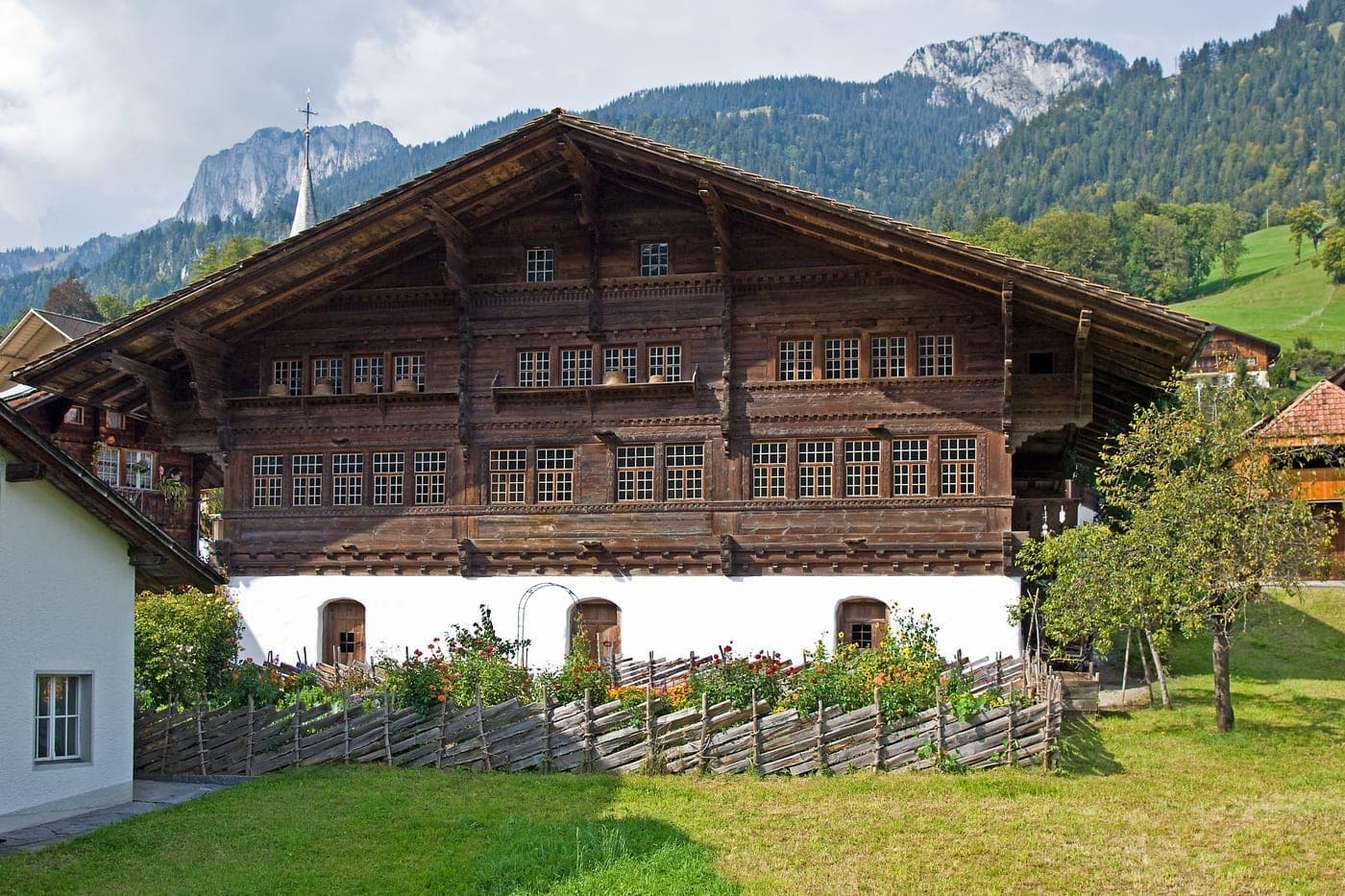 Panoramic Trains
Erlenbach im Simmental
Picturesque village renowned for traditional wood architecture and hiking.
Panoramic TrainsHiking Panoramic Trains
Oey-Diemtigen
Picturesque village surrounded by mountains, known for hiking trails and local cheese.
Panoramic Trains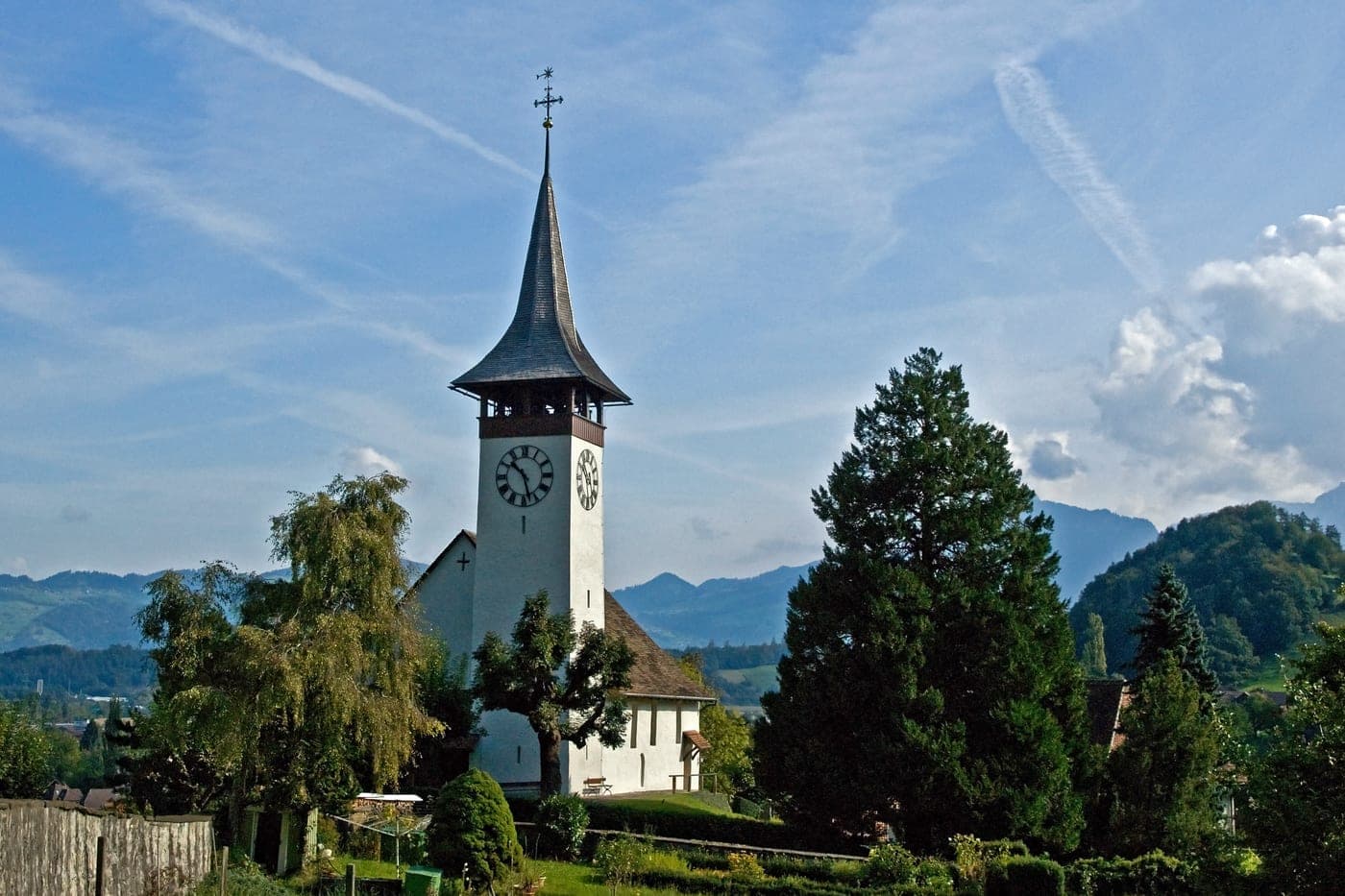 Panoramic Trains
Wimmis
Village with medieval castle ruins and stunning mountain views.
Panoramic TrainsHiking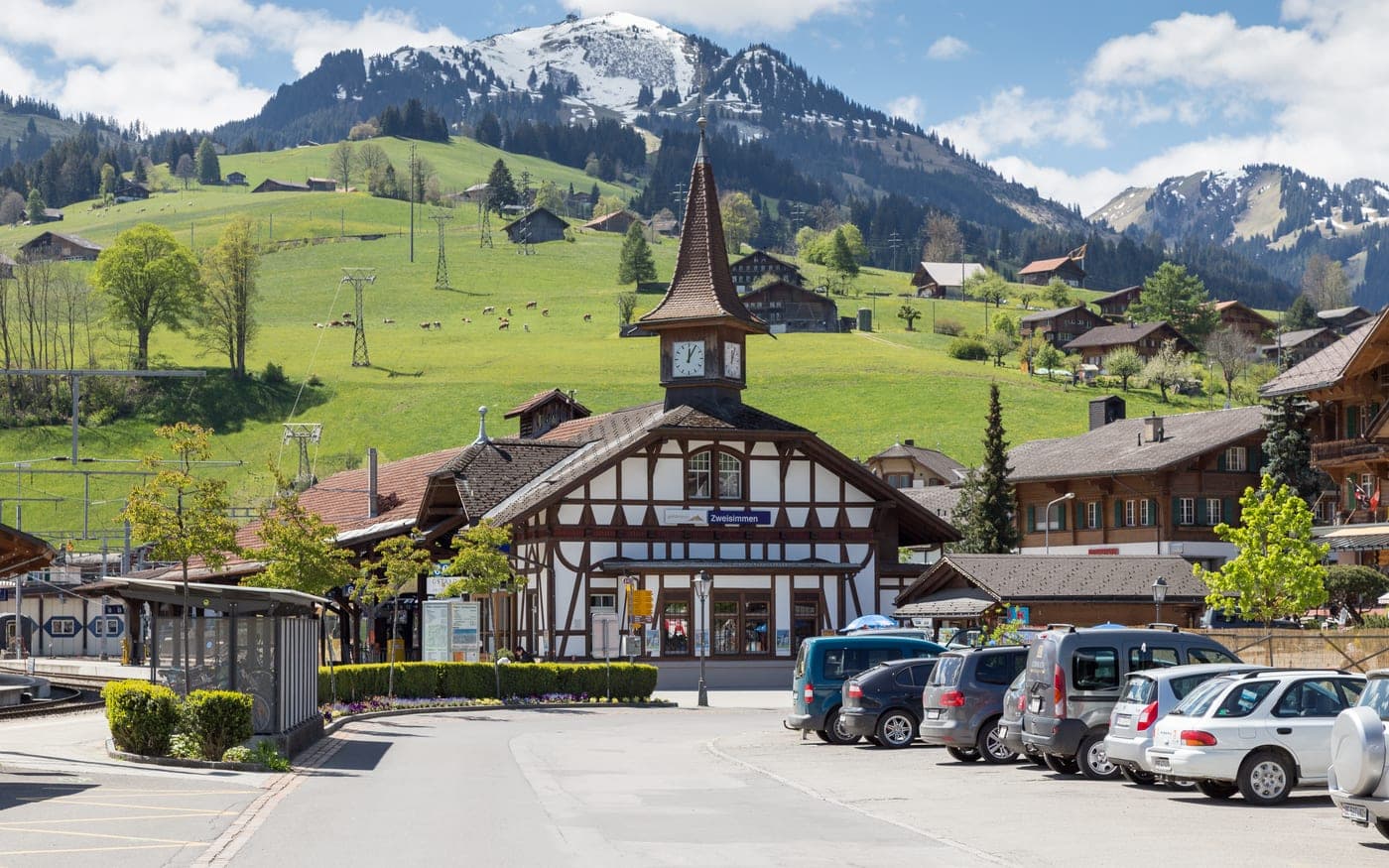 Panoramic Trains
Zweisimmen
Picturesque mountain village known for traditional Swiss chalets and hiking trails.
Panoramic TrainsHiking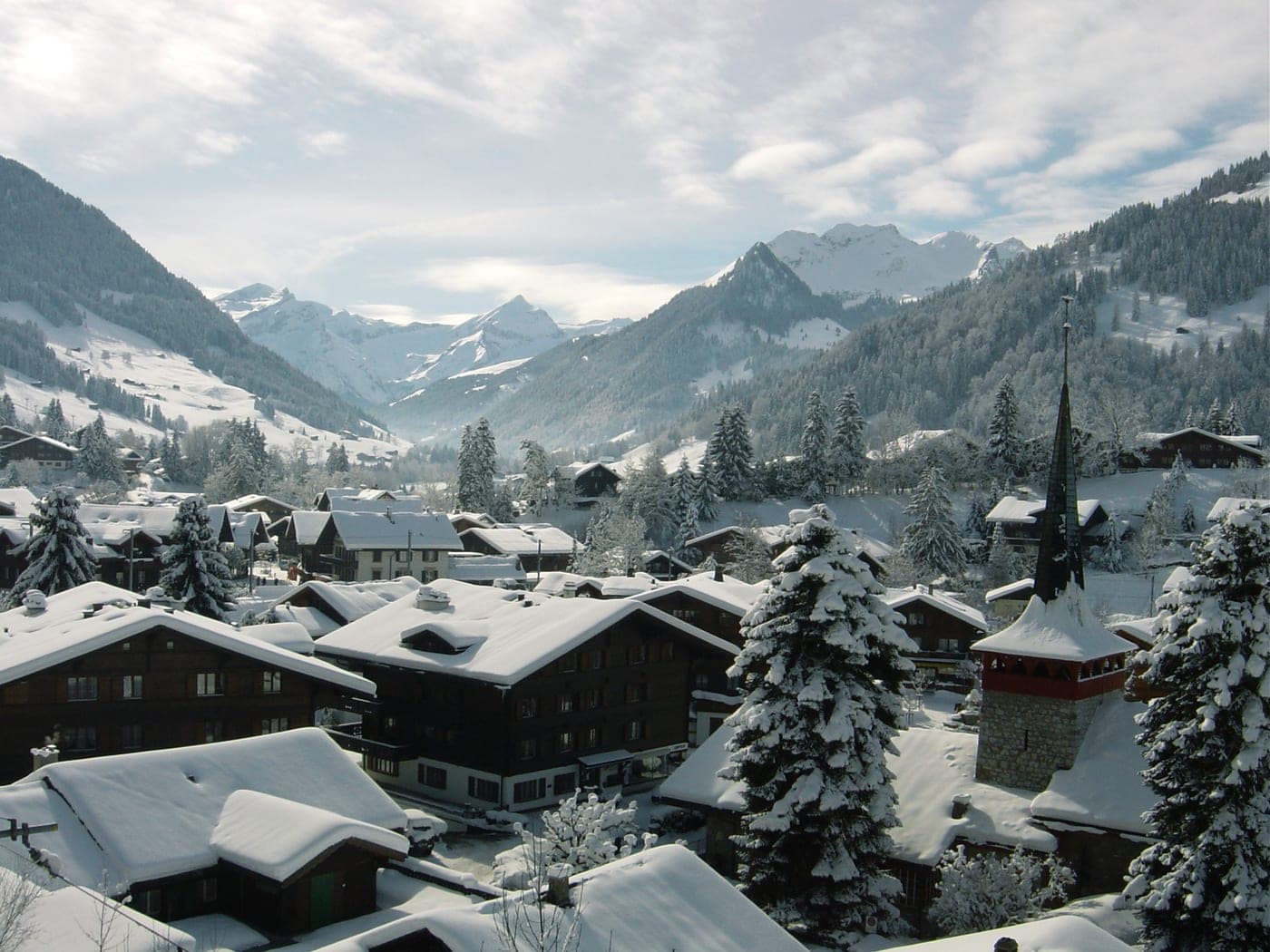 Panoramic Trains
Gstaad
Charming alpine village known for luxury chalets and stunning mountain views.
Panoramic TrainsHiking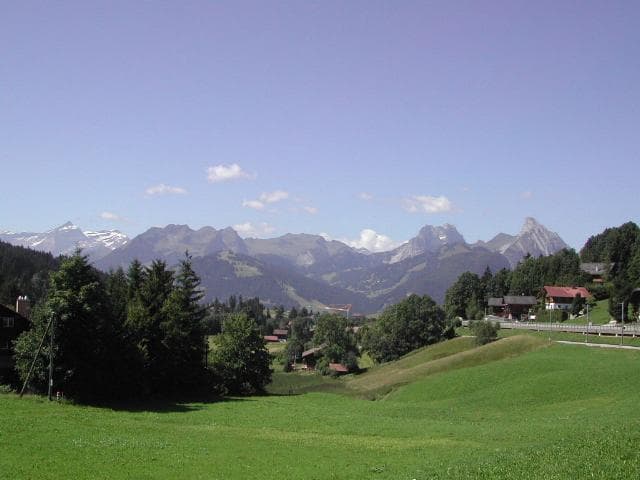 Panoramic Trains
Saanenmöser
Mountain village above Gstaad with access to skiing and hiking.
Panoramic TrainsHiking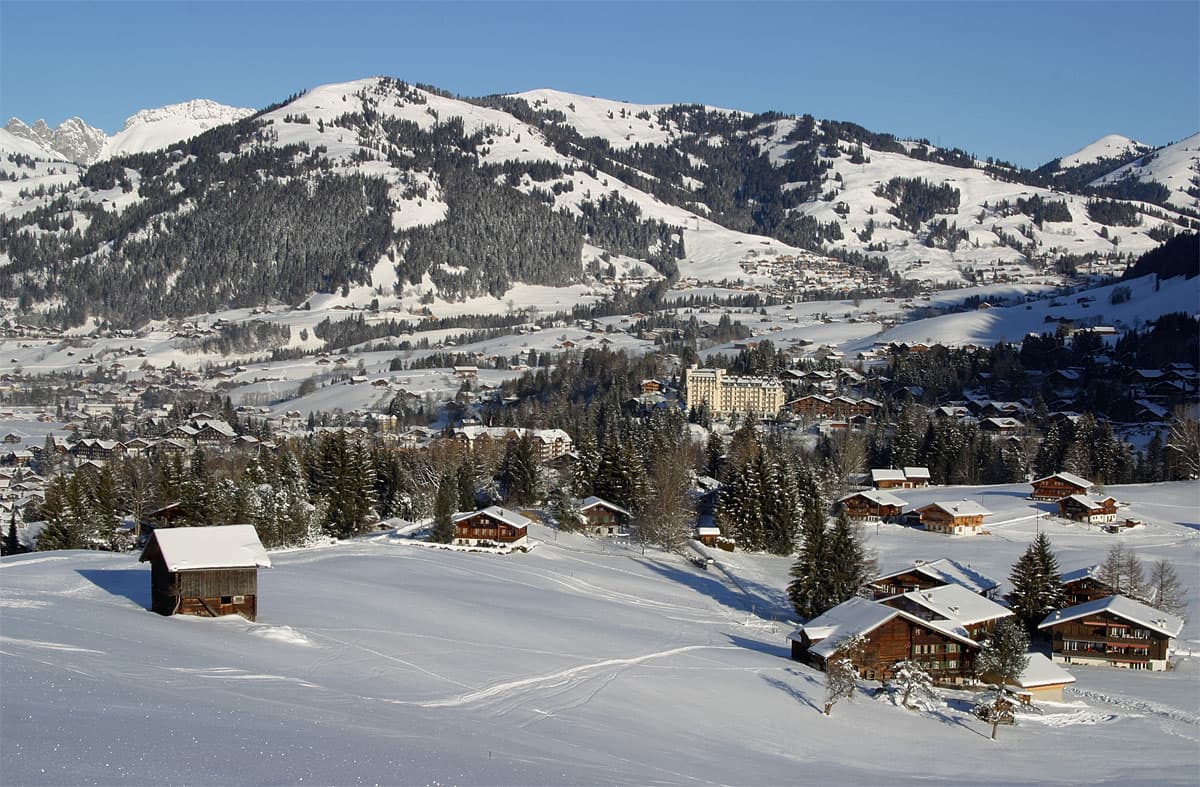 Panoramic Trains
Schönried
Mountain village known for stunning alpine views and hiking trails.
Panoramic TrainsHiking
1 region
 Camper Van Rentals13 destinations
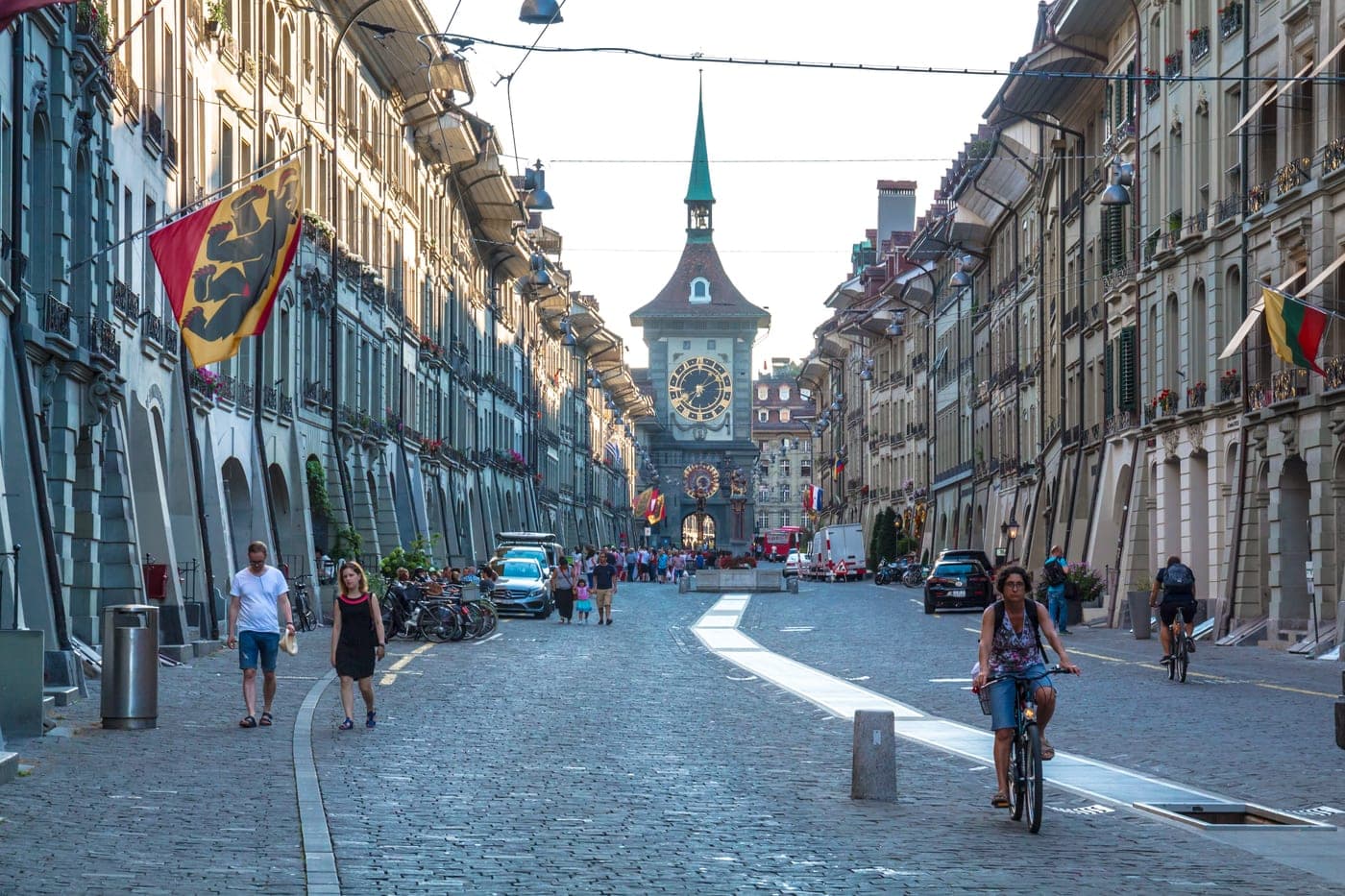
Bern
Bern is the capital of Switzerland, known for its well-preserved medieval architecture and unique UNESCO World Heritage site status. The old town features the iconic Zytglogge clock tower and the Federal Palace, showcasing the city’s political significance. Beyond Bern, the Emmental region is famous for its rolling hills and the production of Emmental cheese, with local farms offering tasting experiences. The Aare River provides opportunities for nature walks and swimming in summer. Nearby, the picturesque town of Thun offers stunning views of Lake Thun and the Alps. The region is less frequented by tourists, allowing for a deeper connection with Swiss culture and traditions.
Camper Van RentalsHikingPanoramic TrainsBoat Rentals